

 Italiano
 Deutsch























There are no more items in your cart
€13.48
€11.90
€14.90
SKU:
23497
Brand:
Maso Martis
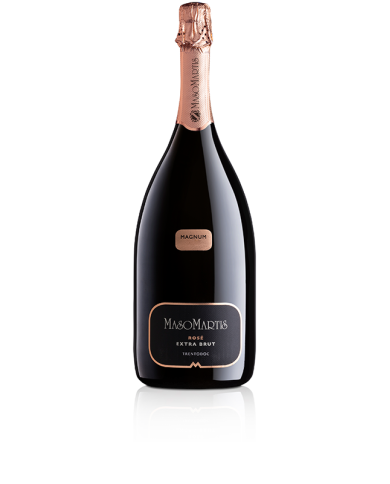
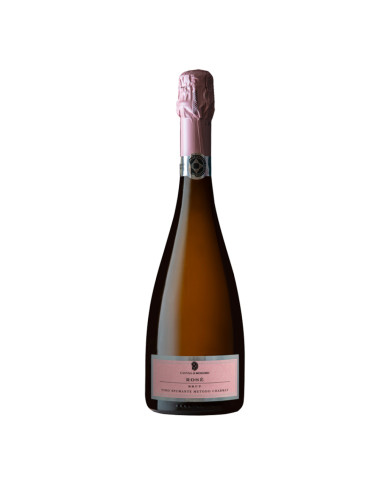
The Trento Spumante Rosé Extra Brut from the Maso Martis family winery is a velvety mountain wine suitable for any convivial occasion. It is made with 100% Pinot Noir grapes and aged for 36 months on its lees. The delicate rosé color and the fine and persistent perlage recall the aromas of small red berried fruit, raspberries, wild strawberries, currants and wild flowers such as violets, with hints of yeast emerging on the finish. The sip is fresh, mineral, refined, elegant, with a long and balanced finish.
€70.76
€12.35
SKU:
23425
Brand:
Deutz
€55.75
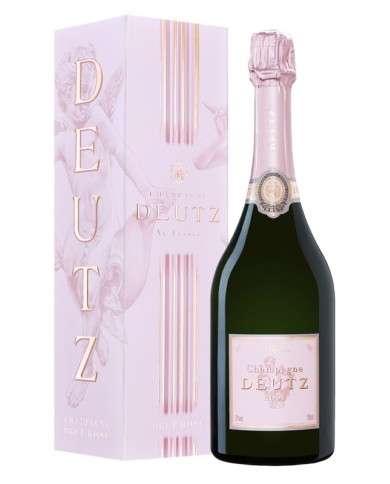
Il Brut Rosé dello champagne Deutz è una cuvée elegante e golosa. Con i suoi aromi delicati di frutti rossi e la sua consistenza setosa, è uno champagne perfetto per l'aperitivo o per accompagnare un pasto.
€55.75
€18.90
€18.76
SKU:
23377
Brand:
Cantina Orsogna
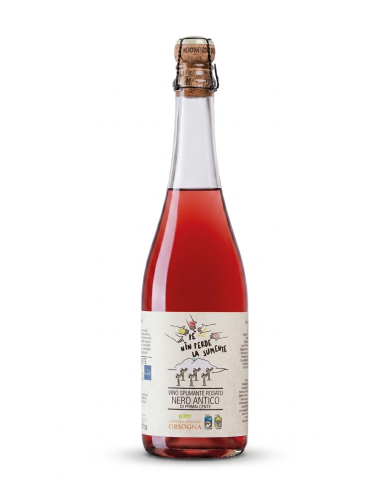
The must obtained from soft pressing of the grapes, after a brief contact with the skins at a low temperature, is left to ferment with its indigenous yeasts at a controlled temperature for about 30 days. Clarification obtained by decantation. The refinement takes place in steel tanks, followed by in the bottle. At tasting it has an intense and lively cherry red color. Floral, fruity scent (cherry and strawberry). Fresh, savory taste with an almond finish. Ideal with cold cuts, red pizzas, seafood, first courses with tomato sauces, light meats.
€12.90
SKU:
23180
Brand:
Valentini
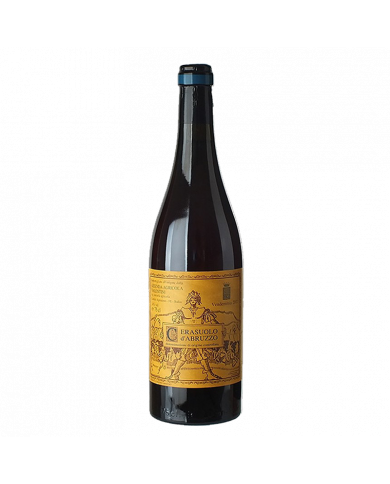
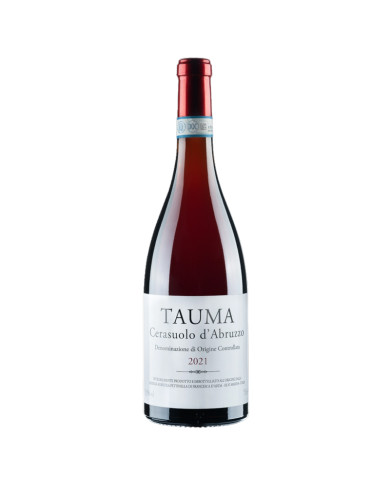
Valentini 's Cerasuolo d'Abruzzo is a great rosé wine, a true oenological legend of the Abruzzo area. The ginger color and fruity aromas with mineral echoes are the presenters of a full-bodied, intense and harmonious structure.
SKU:
23142
Brand:
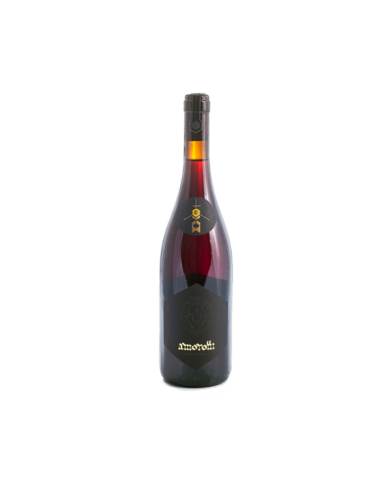
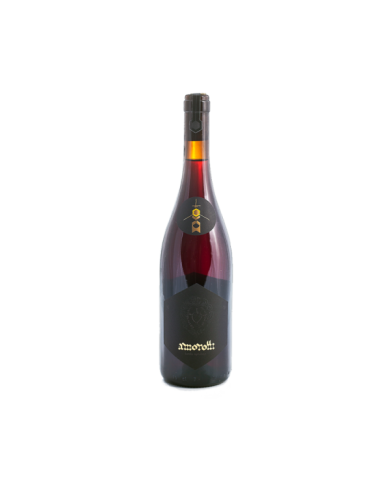
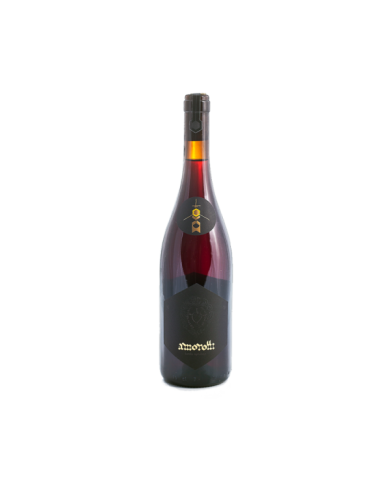
Amorotti
€28.55
€25.69
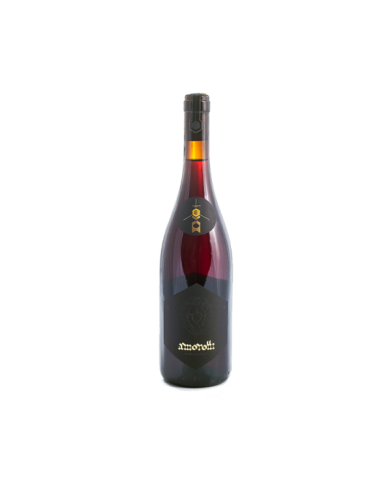
It impresses with its vivid and bright color. The nose expresses itself on notes of cherry, wild strawberry, raspberry and undergrowth. Intense aromas far from the normal and conventional Cerasuolo. In the mouth it is expressive and satisfying with a taste all played on the fruit. Alcoholic content: 13% vol.
€28.55
€25.69
from 6 June 2022
SKU:
21991
Brand:
Quadra Franciacorta
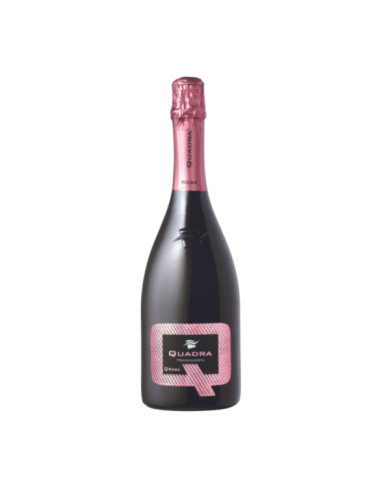
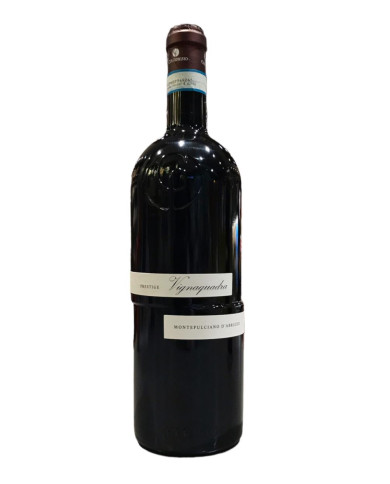
Il colore si traduce in un pesca leggero con note di Rosa antico. Il naso sa di fragolina di bosco con spiccati punti acidi che ricordano spezie pungenti e fumi lontani. In bocca è verticale e pieno, di medio corpo e tagliente, con un finale asciutto, schietto ma mai necessariamente ruvido. Perfetto con pizze e focacce condite. Ottimo con carni, anche succose e grigliate
€31.23
SKU:
21833
Diraspatura e breve macerazione delle bucce, pressatura soffice, decantazione statica a freddo, fermentazione a temperatura controllata 18°C. Affinamento: Lungo affinamento sui lieviti, esclusivamente in acciaio con fermentazione malolattica.
€15.13
€23.40
€15.69
€15.31
SKU:
21642
Brand:
Olivella
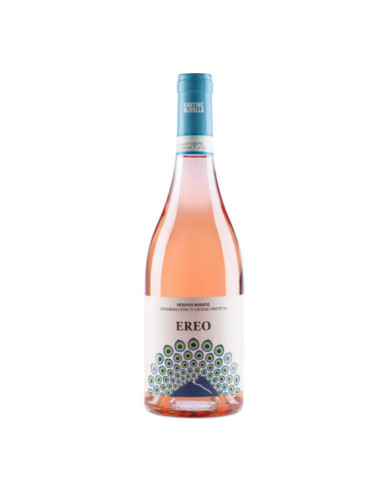
Il Vesuvio Rosato 'Ereo' di Cantine Olivella è un vino rosato campano nato dal blend di Piedirosso, Guarnaccia Nera e Sciascinoso, tre varietà storiche del territorio vesuviano. Al naso regala aromi delicati di frutta a polpa gialla, scorza d'agrumi e petali di violetta, mentre il palato è solleticato da un sorso fresco e piacevolmente minerale, caratterizzato da una buona acidità e una delicata morbidezza al palato. Ideale da abbinare a plateau di pesce e crostacei!
€18.90
SKU:
21631
Brand:
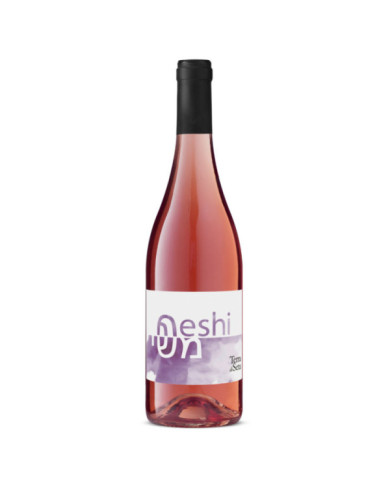
Terra di Seta
Questo vino è prodotto esclusivamente con uve coltivate nei vigneti di proprietà, nel territorio del Chianti Classico.
Meshi in ebraico significa “seta”, che è anche parte del cognome dei produttori, e fa parte del marchio della cantina Terra di Seta. “Meshi” nasce dalla volontà di creare un prodotto piacevole da bere durante i periodi più caldi dell’anno, mantenendo però territorialità ed eleganza, caratteristiche ceh contraddistinguono tutti i vini Terra di Seta.
€16.23
SKU:
21619
Brand:
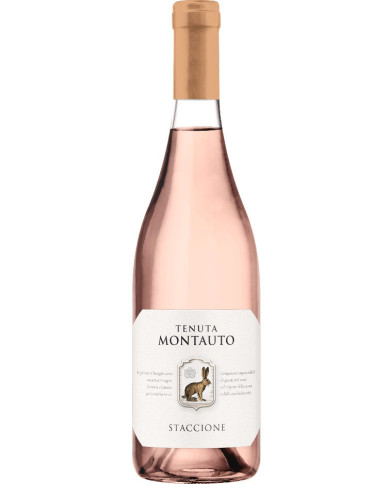
Tenuta Montauto
VITIGNO : 100% Sangiovese VINIFICAZIONE : Per avere una maggiore estrazione di profumi e di evitare ossidazioni. Si procede poi con la pigio-diraspatura soffice, il succo viene brevemente macerato con le bucce, segue poi la fermentazione per 14 giorni a temperatura di 12°C; per finire con la stabilizzazione fatta con il freddo. Vino vegano.
€18.42
€12.32
SKU:
21611
Brand:
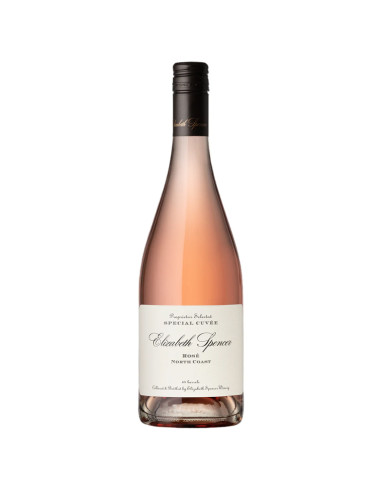
Elisabeth Spencer
Il Rosé North Coast di Elizabeth Spencer è un vino che incanta gli amanti di questa tipologia grazie alla sua freschezza e vivacità. Proveniente dalla prestigiosa regione della North Coast in California, questo rosé è frutto di una sapiente vinificazione che mantiene alto il livello di eleganza e raffinatezza.
Il colore è un rosa delicato e accattivante, mentre al naso si sprigionano aromi intensi di frutti rossi freschi come fragole e lampone, accenni floreali e una leggera nota speziata. In bocca, la freschezza è la protagonista: il vino è equilibrato, con una piacevole acidità che pulisce il palato e invita a un altro sorso. La texture è leggera e il retrogusto è persistente, con eco di frutta fresca.
Ideale da servire come aperitivo, si abbina splendidamente anche con piatti leggeri, pesce e insalate estive. Il Rosé North Coast di Elizabeth Spencer è un invito a godere di momenti conviviali e rilassanti, enfatizzando la gioia e la bellezza dei sapori autentici. Un must per chi desidera scoprire l'eccellenza enologica della California in una forma piacevolmente rinfrescante e di alto livello.
€26.35
SKU:
21547
Brand:
Colombo
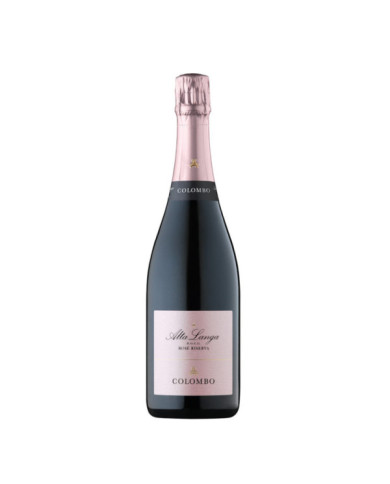
100% Pinot Nero. Uve selezionate in vigna e raccolte a mano in piccole cassette. Grappoli provenienti esclusivamente dai vigneti aziendali di Colombo, a Bubbio, in provincia di Asti.
€65.88
SKU:
21546
Brand:
Colombo
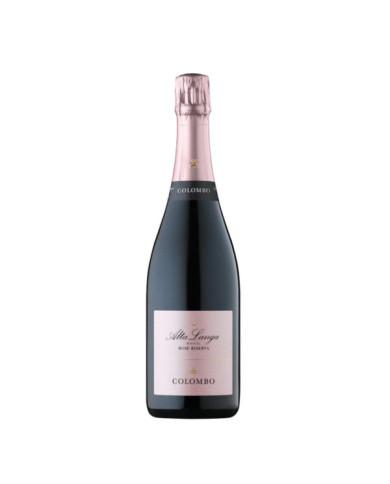
100% Pinot Nero. Uve selezionate in vigna e raccolte a mano in piccole cassette. Grappoli provenienti esclusivamente dai vigneti aziendali di Colombo, a Bubbio, in provincia di Asti.
€29.28
SKU:
21538
Brand:
Tenuta di Artimino
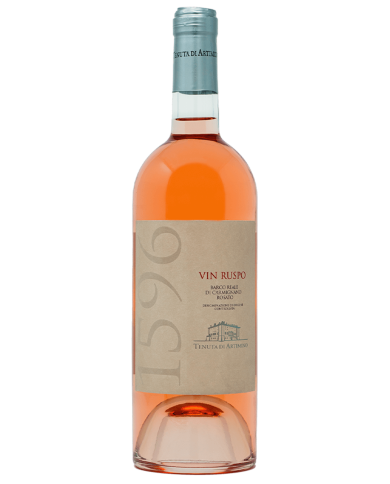
Lasciati sedurre dall'eleganza e dalla freschezza del Vin Ruspo Barco Reale Rosato DOC, uno splendido esemplare prodotto dalla storica Tenuta di Artimino. Questo vino rosato si distingue per il suo colore rosa brillante e per il suo profilo aromatico intensamente fruttato.
€19.64
SKU:
21533
Brand:
Tenuta di Artimino
Lo Spumante Metodo Classico Brut Rosé della Tenuta di Artimino rappresenta un'espressione eccellente del territorio toscano. Caratterizzato da un colore rosé delicato con riflessi brillanti, questo spumante è prodotto seguendo il rigoroso metodo classico, che prevede una seconda fermentazione in bottiglia, garantendo complessità e finezza delle bollicine.
€25.25
SKU:
21512
Brand:
Domaine La Rouillère
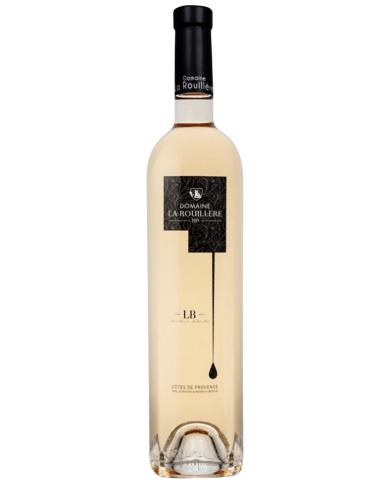
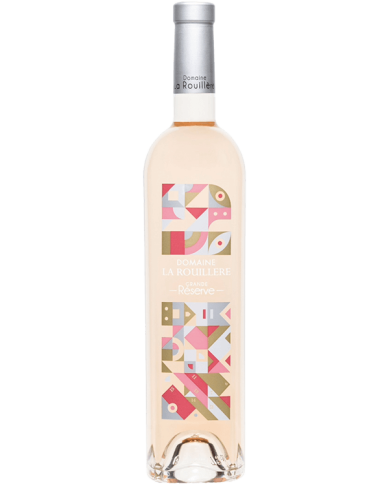
In bocca, il Cotes De Provence Rosé è equilibrato, con una buona acidità che ne accentua la freschezza e il carattere fruttato. La sua finezza e la sua eleganza lo rendono perfetto per essere degustato in occasioni sociali, accompagnando piatti leggeri come insalate estive, piatti a base di pesce o come aperitivo.
€17.60
SKU:
21511
Brand:
Domaine La Rouillère
Il Grand Reserve Rosé della rinomata cantina Domaine La Rouillère è un vino che cattura l'essenza del terroir unico della regione della Provenza, Francia. Questo rosé è caratterizzato da una sofisticata pallete cromatica che sfuma dal colore rosa pallido al corallo tenue, offrendo un'esperienza visiva molto invitante.
€35.38
SKU:
21510
Brand:
Domaine La Rouillère
Il Grand Reserve Rosé della rinomata cantina Domaine La Rouillère è un vino che cattura l'essenza del terroir unico della regione della Provenza, Francia. Questo rosé è caratterizzato da una sofisticata pallete cromatica che sfuma dal colore rosa pallido al corallo tenue, offrendo un'esperienza visiva molto invitante.
€22.94
SKU:
21497
Brand:
Tenute La Padrona
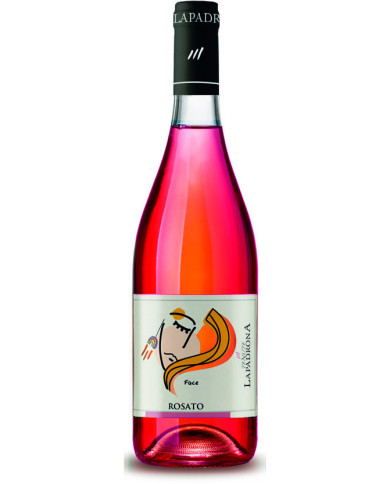
Sapore equilibrato, armonico e con buona persistenza. Si abbina con zuppe di pesce, carni bianche, salumi e formaggi semi-stagionati; si abbina perfettamente con pizza e crostacei.
€7.20
SKU:
21477
Brand:
Cà del Bosco
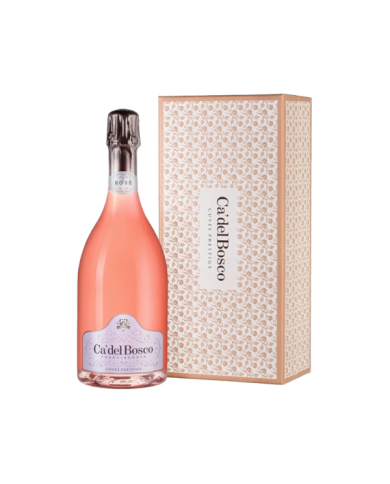
Transition . More than a color, pink is a suspended state of mind, like a delicate transition between white and red chasing each other, without ever being either one or the other. Franciacorta Rosé offers a magic poised between two shades. The rosé color is obtained after a short maceration of the red Pinot Noir grapes. Only a few hours to get that particular shade that evokes spring sunsets: you have to seize the moment, one moment the color is too light, the next it's too dark. And then the delicate encounter with Chardonnay and a slow, patient maturation. Cuvée Prestige Rosé, the ideal Franciacorta for the most important occasions. Especially the most romantic ones.
€106.66
€20.50
€12.74
SKU:
21413
Brand:
Produttori di Manduria
Colore: rosa corallo intenso brillante e luminoso anticipa la buona struttura del vino. Profumo: accattivante al naso con note intense di ciliegie fresche melagrana mela rossa fragoline di bosco e lampone arricchite da piacevoli sbuffi minerali. Sapore: succoso e fresco al palato ben strutturato croccante sapido in fondo tanta succosa acidità finale lungo.
€12.49
€14.30
€16.76
€10.26
€11.96
€16.80
SKU:
21334
Brand:
Amorotti
It impresses with its vivid and bright color. The nose is expressed on notes of cherry, wild strawberry, raspberry and undergrowth. Intense aromas far from the normal and conventional Cerasuolo. In the mouth it is expressive and satisfying with a taste all played on the fruit. Alcoholic content: 13% vol.
€123.71
SKU:
21333
Brand:
Amorotti
It impresses with its vivid and bright color. The nose is expressed on notes of cherry, wild strawberry, raspberry and undergrowth. Intense aromas far from the normal and conventional Cerasuolo. In the mouth it is expressive and satisfying with a taste all played on the fruit. Alcoholic content: 13% vol.
€225.21
SKU:
21332
Brand:
Amorotti
It impresses with its vivid and bright color. The nose is expressed on notes of cherry, wild strawberry, raspberry and undergrowth. Intense aromas far from the normal and conventional Cerasuolo. In the mouth it is expressive and satisfying with a taste all played on the fruit. Alcoholic content: 13% vol.
€326.72
SKU:
21331
Brand:
Amorotti
It impresses with its vivid and bright color. The nose is expressed on notes of cherry, wild strawberry, raspberry and undergrowth. Intense aromas far from the normal and conventional Cerasuolo. In the mouth it is expressive and satisfying with a taste all played on the fruit. Alcoholic content: 13% vol.
€428.22
SKU:
21330
Brand:
Amorotti
It impresses with its vivid and bright color. The nose is expressed on notes of cherry, wild strawberry, raspberry and undergrowth. Intense aromas far from the normal and conventional Cerasuolo. In the mouth it is expressive and satisfying with a taste all played on the fruit. Alcoholic content: 13% vol.
€529.72
€30.90
€16.52
€17.78
€17.78
€7.28
SKU:
21196
Brand:
Bugno Martino
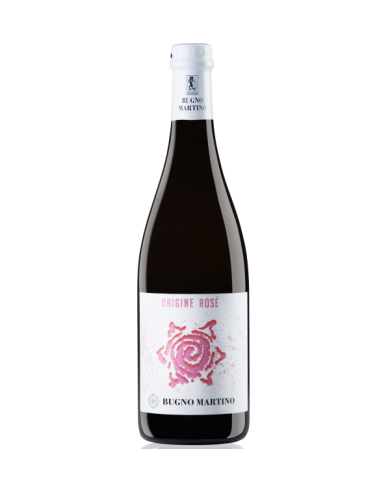
Colore rosso intenso con spuma violacea persistente profumi minerali e fruttati Ideale con secondi di carne saporiti come cotechino, selvaggina o fiorentina
€17.08
SKU:
21195
Brand:
Bugno Martino
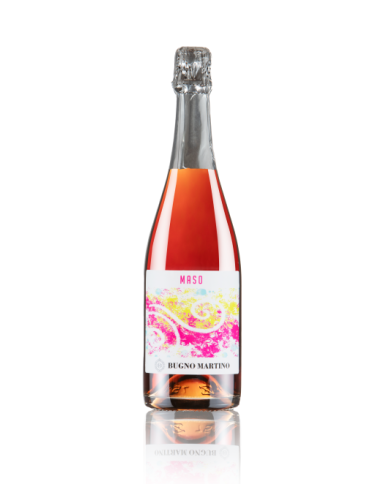
Colore rosso intenso con spuma violacea persistente profumi minerali e fruttati Ideale con secondi di carne saporiti come cotechino, selvaggina o fiorentina
€34.16
€7.17
SKU:
21184
Brand:
Rasicci
It is clear with a cherry color that refers to the ruby of the Montepulciano dAbruzzo grape from which it is? born. The nose is intense with a rich basket of small red fruits, mainly ripe sour cherries, in harmony with small petals of red gold. It closes the nose with a slight spiciness of sweet spices. In the mouth it enters dry, decisive, austere, in the center of the mouth the freshness and richness of mineral salts explodes in particular. Intense and persistent through the nose.
€11.96
€9.39
€6.21
€20.00
€15.00
SKU:
21112
Brand:
Pasetti
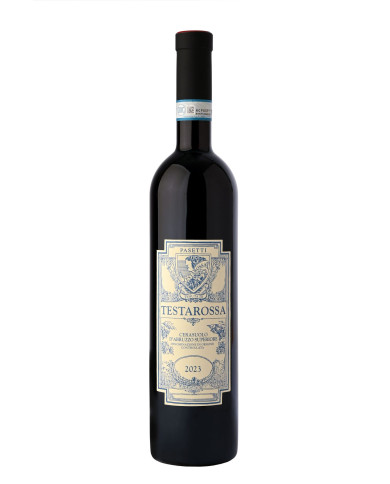
Young version of the historic Testarossa line, this lively rosé in color and aromas expresses itself at its best in the Capodacqua area (AQ).
€23.18
€9.80
€14.00
€17.54
SKU:
20768
Brand:
San Lorenzo
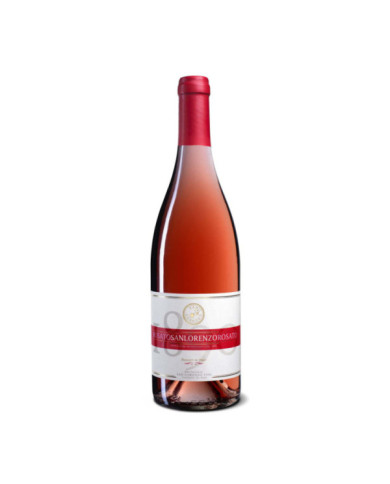
Colore rosa tendente al rosso ciliegia. Si
apre al naso con un ampio profumo
floreale e fruttato intenso con sentori di
ciliegia e fragola. In bocca è morbido,
fresco e persistente.
€9.09
SKU:
20752
Brand:
San Lorenzo
Si presenta con un bel colore ciliegia brillante. Al naso si mostra in tutta la sua freschezza, eleganza e persistenza, alternando piacevoli note di fragola, ciliegia e melograno. In bocca è morbido, caratterizzato da una persistenza minerale che allunga e rende il finale assolutamente accattivante, incantevole e stimolante.
Abbinamenti gastronomici: Accompagna egregiamente antipasti, primi piatti, carni bianche, zuppe di pesce e formaggi freschi.
€9.08
SKU:
20751
Brand:
San Lorenzo
Rosa brillante, profumo intenso e delicato, di fiori bianchi e frutta fresca, morbido e persistente in bocca. Abbinamenti gastronomici: accompagna decisamente primi e secondi piatti, carni bianche e formaggi giovani. Ottimo con brodetto e arrosto di pesce.
€11.07
SKU:
20744
Brand:
Fattoria Italiana Martelli
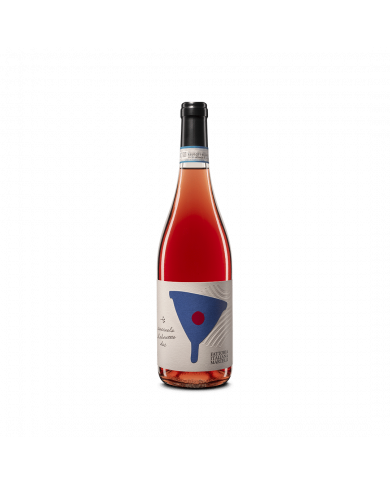
Colore: Rosa tenue
rofumo: Al naso incisivo, con sentori di frutta fresca insieme ad una delicata parte floreale (come gelsomino e petali di rosa).
Gusto: Al palato tornano le note fruttate e piacevoli sensazioni agrumate
ABBINAMENTI: Si abbina in modo ideale con zuppe di pesce e pesce alla griglia o in casseruola. Si accompagna anche a salumi, carni bianche arrosto o grigliate e formaggi di media stagionatura
FRUIBILITA': Da servire a 8/10°C
€18.08
SKU:
20742
Brand:
Casters Liebart
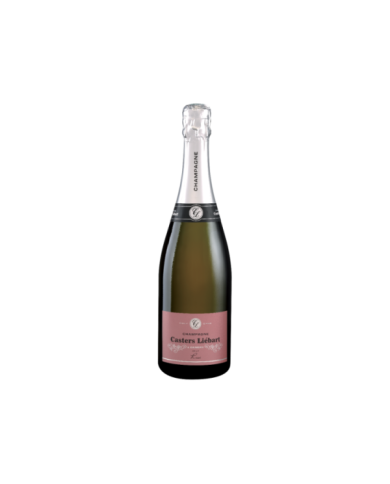
Spesso favorito dalle signore, questa sottile miscela delle tre varietà di Champagne
(30% Chardonnay, 30% Pinot Noir e 40% Meunier) e vino rosso ottenuto da Pinot
Meunier delle pendici di Damery rivela un naso fruttato che esprime note di frutti di
bosco e sentori di ribes rosso e arance. Seducente con la sua attraente veste color
salmone, le bollicine fini e la bella lunghezza in bocca, questo champagne indulgente
si gusta al meglio come aperitivo o accompagnando un dessert a base di frutta.
€34.89
SKU:
20637
Brand:
Clara Marcelli
Il “Decò” Rosato è il manifesto dell'unità tra i vitigni dell'azienda, un'ode alla diversità racchiusa in ogni goccia di questo vino. L'anima dei rossi e dei bianchi si fondono in un abbraccio avvolgente, dando vita a un capolavoro di armonia e equilibrio.
€14.64
SKU:
20573
Brand:
Cantina Tollo
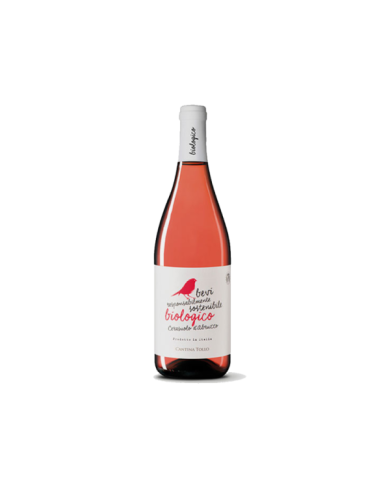
Cantina Tollo si fa portavoce di messaggi dedicati alla tutela ambientale. Scegli anche tu soluzioni sostenibili e aiutaci a combattere l’inquinamento marino. Scegli Velapazza!
€7.77
€20.33
€18.29
€19.90
€7.60
SKU:
20396
Brand:
Fattoria le Pupille
Bright coral pink. Elegant olfactory profile with berries, pink grapefruit and cherry followed by spicy notes that fade into mineral tones. Full, enveloping, fresh sip, with a delicate savory component. Final on citrus hints.
€16.47
En premier
€26.64
€15.37
SKU:
20279
Brand:
Campi Valerio
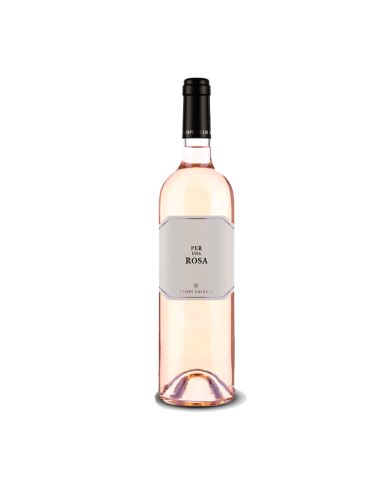
Light coppery pink colour. Delicate nose. Primary flavors of red fruit, flowers, citrus, melon and a nice crunchy green flavor on the celery or rhubarb-like finish. Aromas of melon, strawberry and magnolia. Both fruity and sharp on the palate.
€10.71
SKU:
20103
Brand:
Apollonio
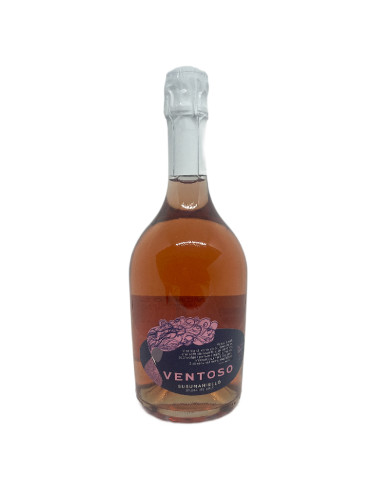
Susumaniello, an autochthonous black grape variety from Puglia, grown in Salento. Its name recalls, in the Apulian dialect, the name of the "somarello" indicating the ancient tradition of raising the productivity of the plant by loading it with bunches "like a donkey". After the first decade of life of the vineyard, the bunch is unloaded of grapes and the production loses in quantity but improves in quality, producing wines of great expression.
€10.31
€9.28
SKU:
20101
SKU:
20088
Brand:
Apollonio
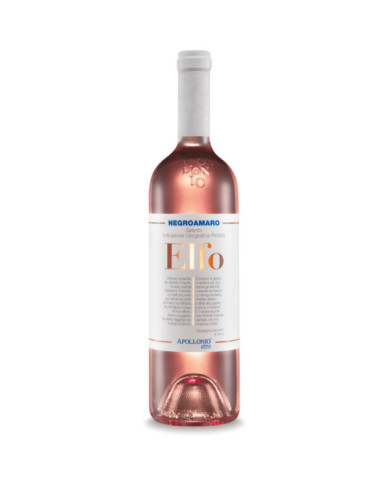
Autochthonous of Puglia, it is the main black grape variety of Salento. Its origins are very ancient (VIII century AC ), it probably owes its name to the terms “niger” (Latin) and “mavros” (Greek) which both mean black. The great versatility makes it suitable for all types of winemaking
€9.49
SKU:
20086
Brand:
Apollonio
Susumaniello, an autochthonous black grape variety from Puglia, grown in Salento. Its name recalls, in the Apulian dialect, the name of the "somarello" indicating the high productivity of the plant loaded with bunches "like a donkey". After the first decade of life of the vineyard, the bunch is unloaded of grapes and the production loses in quantity but improves in quality, producing wines of great expression.
€9.49
SKU:
20057
Brand:
Domini Veneti
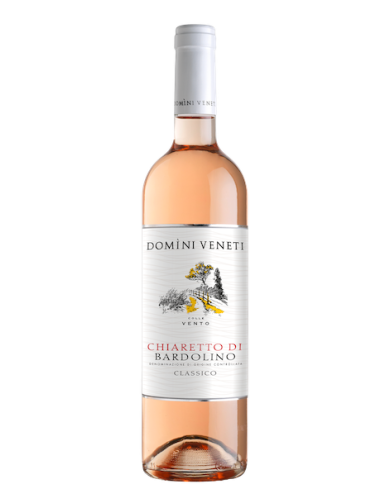
Vendemmia: Settembre con selezione esclusivamente manuale. Dopo la pigiatura il mosto rimane a contatto delle bucce e inizia la fermentazione. Conservazione: acciaio.
€7.53
SKU:
20045
Brand:
Domini Veneti
Vendemmia: Settembre con selezione esclusivamente manuale.
Dopo la pigiatura il mosto rimane a contatto delle bucce
e inizia la fermentazione. Conservazione: acciaio
€8.09
€12.81
SKU:
19968
Brand:
Cingilia
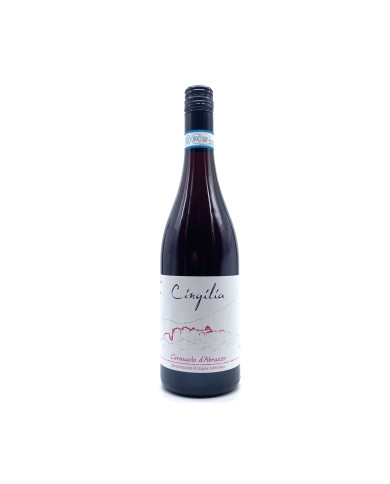
La Passerina di Cingilia è un vino bianco vinificato a temperatura controllata tramite pied de cuve preparato qualche giorno prima della vendemmia. Affinamento in acciaio sulle fecce fini.
€12.52
SKU:
19939
Brand:
Tenuta De Melis
Gironi Divini 2022. Last night it was the turn of the final of the symbolic wine of our region, the nicest, most versatile, most convivial one. A thousand shades of pink to discover some of the most pleasant labels around. Let's talk about Cerasuolo d'Abruzzo. The winner is: Bardasce from Tenuta De Melis .
€10.00
SKU:
19863
Brand:
Cataldi Madonna
Cerasuolo prodotto per la prima volta nel 1997 ricorrendo alla “svacata”, un’aggiunta di vinificazione in rosso come usavano anticamente i contadini della zona. La nostra rivisitazione consiste nell’interpretare dinamicamente il taglio tra una vinificazione in bianco e una in rosso, che viene fatto a metà della loro fermentazione.
Affinamento: prima un anno in acciaio e dopo un anno in bottiglia. La natura di questo vino pretende la cooperazione di chi lo beve, può essere sentito come rosa o come rosso a seconda dei desideri del momento.
Vincente con piatti al pomodoro, la classica chitarra al ragù abruzzese, salumi e carni alla brace.
SKU:
19860
Brand:
Château Miraval
Il Rosè de Provence della cantina francese Miraval è un vino rosato di estrema eleganza e raffinatezza. Vine prodotto in Provenza, terra conosciuta per l'eccellenza di questa tipologia di etichette, tramite un assemblaggio di quattro vitigni: Cinsault, Grenache, Rolle, Syrah. Dopo un breve affinamento in legno si ottiene un colore rosa antico con riflessi aranciati, al naso emergono profumi floreali e di frutta a bacca rossa, note di scorza di limone e miele. Il gusto è fresco, minerale, coinvolgente e dal finale lungo e sapido
€23.31
SKU:
19859
Brand:
Château Miraval
Il Rosè de Provence della cantina francese Miraval è un vino rosato di estrema eleganza e raffinatezza. Vine prodotto in Provenza, terra conosciuta per l'eccellenza di questa tipologia di etichette, tramite un assemblaggio di quattro vitigni: Cinsault, Grenache, Rolle, Syrah. Dopo un breve affinamento in legno si ottiene un colore rosa antico con riflessi aranciati, al naso emergono profumi floreali e di frutta a bacca rossa, note di scorza di limone e miele. Il gusto è fresco, minerale, coinvolgente e dal finale lungo e sapido
€26.84
SKU:
19848
Brand:
Cataldi Madonna
Cerasuolo prodotto per la prima volta nel 1997 ricorrendo alla “svacata”, un’aggiunta di vinificazione in rosso come usavano anticamente i contadini della zona. La nostra rivisitazione consiste nell’interpretare dinamicamente il taglio tra una vinificazione in bianco e una in rosso, che viene fatto a metà della loro fermentazione.
Affinamento: prima un anno in acciaio e dopo un anno in bottiglia. La natura di questo vino pretende la cooperazione di chi lo beve, può essere sentito come rosa o come rosso a seconda dei desideri del momento.
Vincente con piatti al pomodoro, la classica chitarra al ragù abruzzese, salumi e carni alla brace.
€16.60
SKU:
19742
Brand:
Cantina Sangro
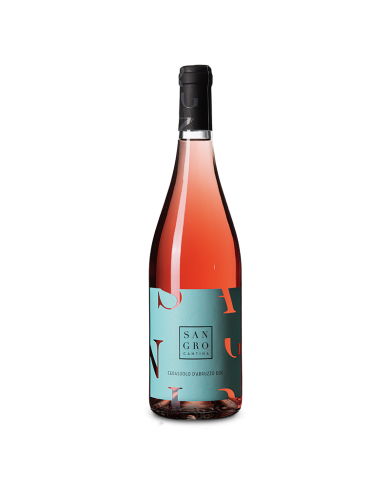
Medium intense straw colour. The nose shows hints of citrus, floral and white pulp fruit. A full-bodied and structured wine, with good acidity that refreshes the palate. It goes well with seafood dishes but also with white meats, medium-aged cheeses, cured meats and first courses.
€12.75
€5.90
€5.31
€15.47
SKU:
19643
Brand:
Fattoria Italiana Martelli
View: bright cherry red Smell: floral, intense; with fruity aromas, hints of cherry, blackberry and currant stand out. Taste: intense, harmonious and fragrant, with excellent persistence.
€11.31
€10.18
SKU:
19617
Brand:
Strappelli
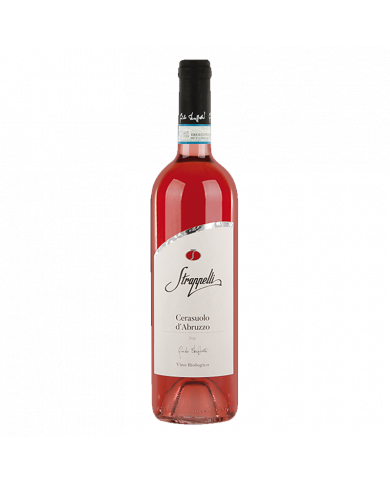
Our Cerasuolo d'Abruzzo comes from the traditional R7 clone of Montepulciano. The name of the wine is linked to its color: it derives in fact from the "cerasumà" which means cherry. This is obtained through a medium-long process of cryopreservation, during which the contact between the must and the skins gives the wine the bright cherry color.
€12.69
SKU:
19616
Brand:
Cataldi Madonna
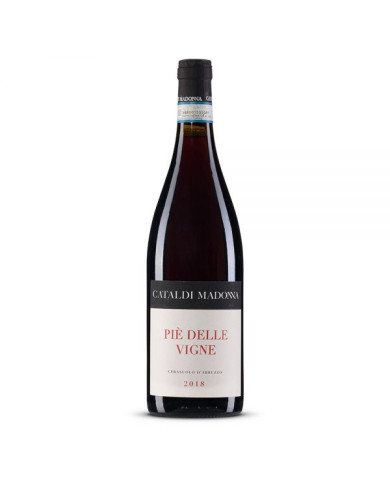
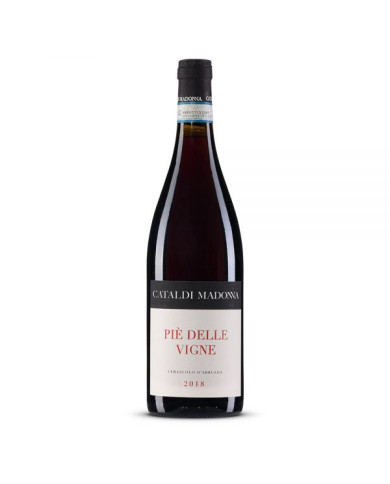
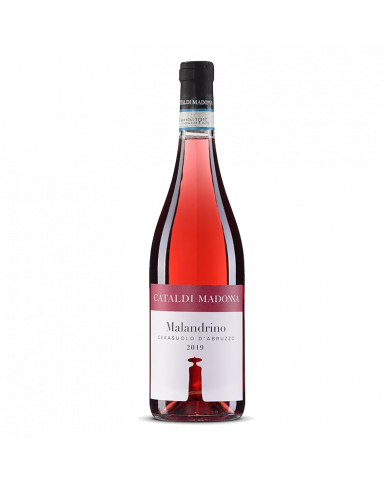
It is one of the classics of the company. From Montepulciano grapes with a cherry color (cerasa), bright and cheerful. It is produced following the procedure developed with the Piè delle vigne. Impresses freshness and persistence. Nose: aromas of red fruit, strawberry and almond. An interpretation of the Cerasuolo that knows how to talk to those who drink it. A pink for the whole meal, perfect to accompany tomato and fried dishes.
€12.32
€99.41
€40.26
SKU:
19557
Brand:
Cantina Tollo
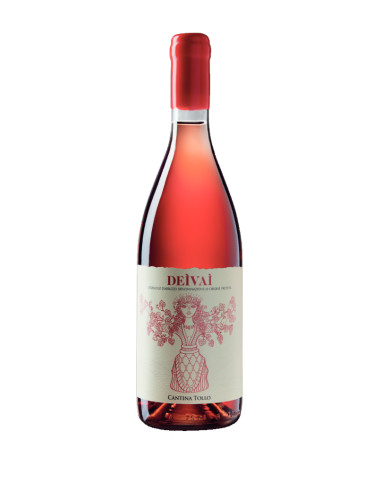
IN ABRUZZO, ROSATO IS SYNONYMOUS WITH CERASUOLO: A TYPICAL INTENSELY FRUITY WINE, WITH A LIVELY AND BRILLIANT PINK COLOR, OBTAINED FROM THE VINIFICATION OF MONTEPULCIANO GRAPES WITH OFF-SKIN FERMENTATION.
€12.05
SKU:
19556
Brand:
Cantina Tollo
Well balanced between fresh acidity and moderate residual sugars, with a creamy consistency and a long finish. Pairings A sparkling wine with many combinations with the possibility of being served throughout the meal. Excellent as an aperitif and with appetizers.
€11.58
Pairings for rosé wines
Rosé is a very versatile wine, suitable for a wide variety of food pairings. Thanks to its freshness, it lends itself to both informal pairings, such as cheese, pizza, fried foods, and mushrooms, as well as more complex dishes, such as fish.
The best Italian rosé wine
In recent years, rosé wine production in Italy has grown exponentially, producing truly excellent wines that are worth tasting. Rosé originated in Southern Italy, but is now produced throughout the country. Italian rosé wines boast a long tradition; they are fresh and fragrant wines that pair beautifully with the many traditional dishes of our country. Visit the Clickwine rosé wine section to find the best online deals on DOC rosé wines produced by Italy's most prestigious wineries. With our exceptional online sales, you can bring traditional Italian rosé wines to your table, with incredible savings on the list price. Don't miss the opportunity to enrich your personal cellar with a high-quality rosé wine, a unique opportunity to make evenings spent with friends and family even more perfect.
Why is rosé wine pink?
There's a lot of talk about rosé wine. Many believe it's made by blending white and red wines (a practice prohibited by law), and this hasn't helped its reputation.
The color intensity of rosé wine and its aromas are essentially determined by the maceration on the skins of the red grapes used to produce these wines. But what are the colors of rosé wine? Rosé wine can range from pale pink, cherry red, to claret pink. To obtain a pale pink, maceration is required for very few hours, from 2 to 4, while for a cherry red the time can be up to 7-10 hours. For a very bright claret pink, maceration time can be up to 24 hours.
What are the best rosé wines?
Rosé wines can vary greatly in quality, depending on the production region, the grape variety used, and the winemaking techniques. Some highly regarded rosé wines come from France, particularly the Provence region, which produces light, fresh wines with red berry aromas and crisp acidity. Other high-quality rosé wines are produced in Italy, particularly Tuscany and Puglia, and in Spain, which produce more structured wines with greater aromatic complexity. Other regions renowned for their rosé wines include California, Portugal, and Australia.
It's important to note that the quality of a rosé wine depends on production techniques, climate conditions, and the grapes used. Therefore, it's difficult to make a list of the absolute best rosé wines, as it depends on individual tastes and preferences. However, some highly regarded rosé wines are:
- Château d'Esclans Whispering Angel (Provence, France)
- Domaine Tempier Bandol (Provence, France)
- Biserno Insoglio del Cinghiale Estate (Tuscany, Italy)
- Le Pupille Saffredi Farm (Tuscany, Italy)
- Quinta do Crasto Rosé (Douro, Portugal)
- Sandhi Santa Barbara County Rosé (California, USA)
- Penfolds Koonunga Hill Rosé (Barossa Valley, Australia)
It's recommended to try several rosé wines to discover which one you prefer, keeping in mind that some rosé wines are better enjoyed on their own, while others pair better with certain dishes. Generally speaking, rosé wines are ideal for summer, as they're fresh and light, but they can be enjoyed any time of year, depending on your personal taste.
What do you eat with rosé wine?
Rosé wine is a very versatile wine that pairs well with a wide range of dishes. Because it has a slightly lower alcohol content than red wines and a slightly lighter structure, it is particularly suited to accompany light, fresh dishes, such as fish, white meat, and vegetables. Here are some ideas for pairing rosé wine with food:
- Fish: Rosé wine pairs well with light fish such as salmon, tuna, and sea bass, but also with oily fish such as mackerel and squid.
- White meat: Rosé wine is perfect to accompany white meat such as chicken, turkey, and rabbit.
- Vegetables: Rosé wine pairs well with grilled vegetables, especially red berries like tomatoes and eggplant.
- Cheeses: Rosé wine pairs well with light cheeses such as Brie, Camembert, and Roquefort.
- Salads: Rosé wine is perfect for accompanying summer salads, especially when dressed with an emulsion of olive oil and balsamic vinegar.
Rosé wine can also be enjoyed on its own as an aperitif or as an accompaniment to a light meal. In general, it's important to pair rosé wine with light, not overly flavorful foods to prevent the wine from being overpowered by the food's flavors. It's recommended to taste the wine before deciding on a pairing, so you can choose the dish that best complements its aromatic profile and balance.