

 Italiano
 Deutsch

















































There are no more items in your cart
SKU:
N/A
Brand:
Schlumberger
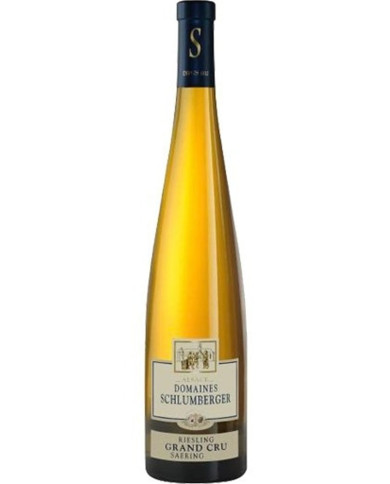
Il Riesling Grand Cru "Saering" di Domaines Schlumberger è un vino che incarna magnificamente la nobiltà e la complessità del Riesling alsaziano, grazie al suo terroir unico e alle eccellenti pratiche viticole ed enologiche. Situato in Alsazia, regione rinomata per i suoi vini bianchi aromatici e strutturati, Domaines Schlumberger vanta una lunga tradizione vinicola, caratterizzata da un profondo rispetto per la terra e da un impegno incrollabile per la qualità.
€44.41
SKU:
N/A
Brand:
Régnard
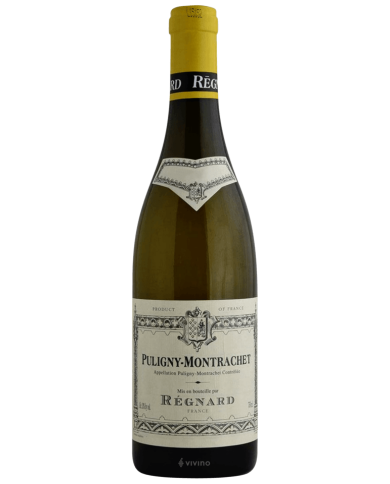
Situata tra Mersault e Chassagne, la denominazione Puligny Montrachet ha una superficie totale di 24 ettari. Vino che offre tutta la ricchezza degli aromi in equilibrio all’acidità, ad una grande eleganza, grassezza ed austerità.
€73.69
SKU:
N/A
Brand:
De Ladoucette
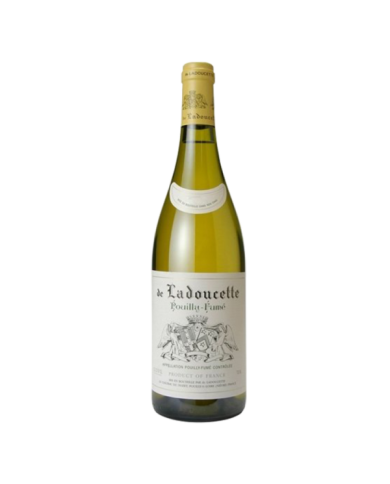
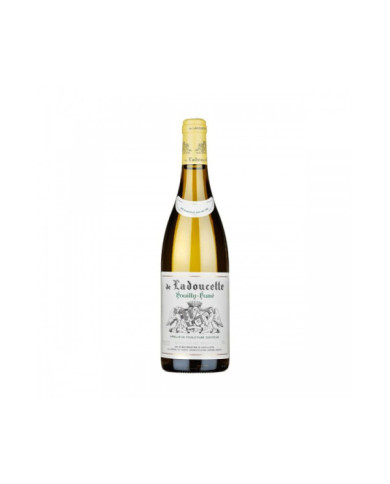
Il Pouilly Fumé De Ladoucette è il Sauvignon della celebre maison francese dalle notevoli note minerali e fruttate. Un buon vino bianco da aperitivo o da accompagnare gustosi risotti di pesce.
€31.35
SKU:
N/A
Brand:
Meursault
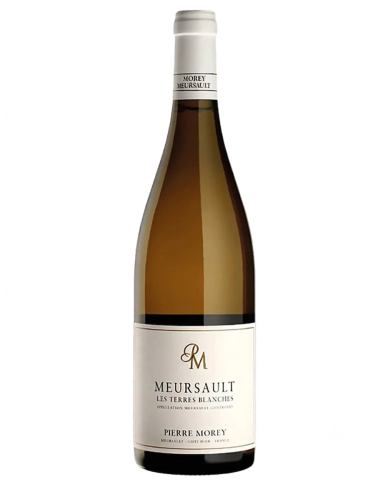
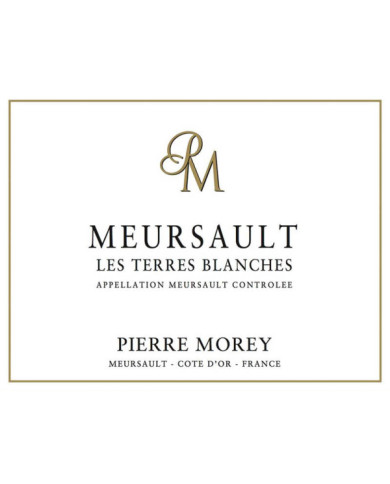
Un Meursault rotondo e setoso con note di prugna gialla e spezie. La pregevole acidità è colonna portante e garanzia del potenziale di invecchiamento.
€70.76
SKU:
N/A
Brand:
Hermitage
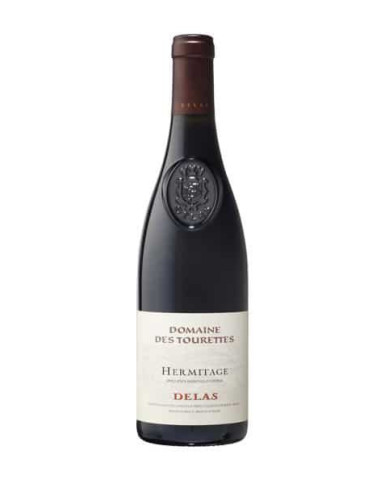
Il Hermitage Marquise De La Tourette si distingue per la sua struttura robusta e il suo equilibrio impeccabile. Con un affinamento in botti di rovere, presenta tannini setosi e una lunga persistenza al palato. Le sue complessità aromatiche si evolvono nel tempo, regalando aromi sempre più profondi e stratificati, ideali per gli amanti dei vini corposi e sofisticati.
€119.80
SKU:
N/A
Brand:
Delas Freres
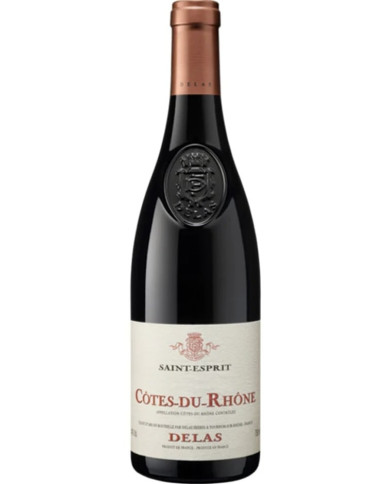
Rosso rubino profondo con riflessi porpora. Al naso presenta un intenso aroma fruttato e floreale con note di liquirizia e spezie in sottofondo. Rotondo e robusto al palato si dimostra anche decisamente fine e delicato grazie alla morbidezza dei tannini, educati e raffinati, che garantiscono un piacevolissimo finale.
€13.66
SKU:
N/A
Brand:
Delas Freres
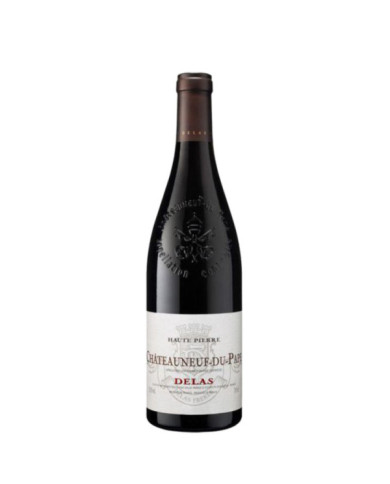
Profumi di mora selvatica, pot-pourri, tabacco e cioccolato fondente. È un vino dal corpo pieno con tannini fermi e vellutati. Intenso e raffinato, con deliziosi strati di pralinato. Ha ancora molta energia e struttura. Splendido equilibrio. Da bere o da conservare.
€47.58
SKU:
N/A
Brand:
Chateau Les Justices
Antica e prestigiosa famiglia del Bordolese, i Médeville sono proprietari di Château Gilette e Château Les Justices nel Sauternes e di Château Respide-Médeville nel Graves.
€46.60
SKU:
N/A
Brand:
Chateau Barrail
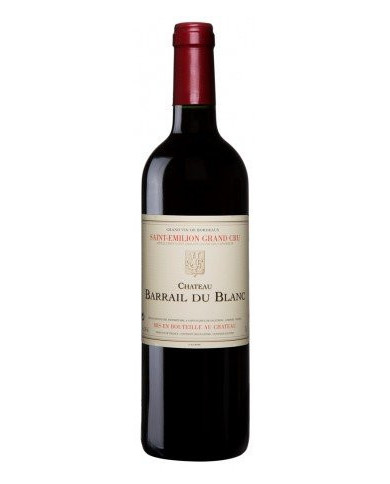
Lo Château Barrail du Blanc Grand Cru 2000 è un pregiato vino rosso della regione di Bordeaux, in Francia.
€32.33
SKU:
N/A
Brand:
Chablis
€24.77
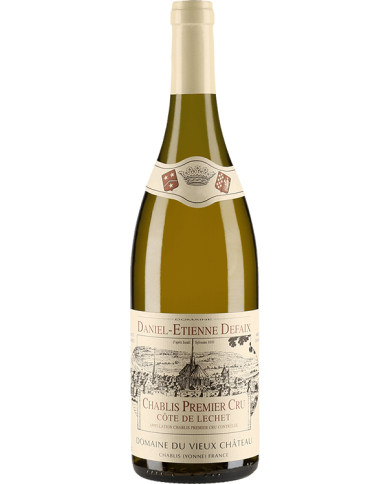
Il Côte de Léchet Premier Cru 2002 di Daniel-Etienne Defaix è un originale dei grandi Chablis.
€24.77
SKU:
N/A
Brand:
Chablis
€23.18
Il Côte de Léchet Premier Cru 2002 di Daniel-Etienne Defaix è un originale dei grandi Chablis.
€23.18
SKU:
N/A
Brand:
Albert Pic
€24.77
Albert Pic è una delle più antiche aziende vitivinicole della regione francese dello Chablis. I vigneti di proprietà sono posizionati nelle zone a maggior vocazione per lo Chardonnay. Lo stile di vinificazione è lo stesso per tutti i vini e prevede la fermentazione in tini di acciaio e cemento, seguita da maturazione e da affinamento in bottiglia senza uso di barrique.
€24.77
SKU:
N/A
Brand:
Albert Pic
€24.77
Albert Pic è una delle più antiche aziende vitivinicole della regione francese dello Chablis. I vigneti di proprietà sono posizionati nelle zone a maggior vocazione per lo Chardonnay. Lo stile di vinificazione è lo stesso per tutti i vini e prevede la fermentazione in tini di acciaio e cemento, seguita da maturazione e da affinamento in bottiglia senza uso di barrique.
€24.77
SKU:
N/A
Brand:
Baron De Ladoucette
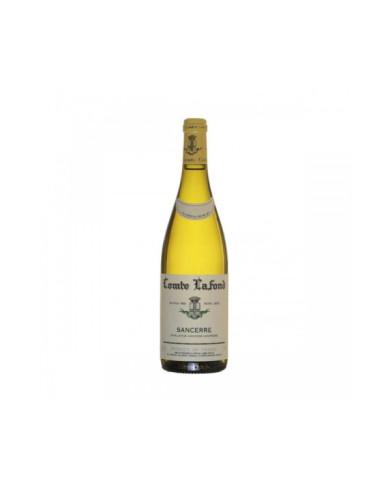
Baron de Ladoucette è una delle più antiche e rinomate cantine della Loira che produce alcuni dei migliori Sauvignon Blanc al mondo. La famiglia Comte Lafond nel 1787 acquistò i vigneti di Poully-Fumé a Chateau du Nozet, la più grande proprietà di Pouilly, dalla figlia illegittima del re di Francia, Luigi XV.
€93.21
SKU:
N/A
Brand:
Baron De Ladoucette
Baron de Ladoucette è una delle più antiche e rinomate cantine della Loira che produce alcuni dei migliori Sauvignon Blanc al mondo. La famiglia Comte Lafond nel 1787 acquistò i vigneti di Poully-Fumé a Chateau du Nozet, la più grande proprietà di Pouilly, dalla figlia illegittima del re di Francia, Luigi XV.
€152.26
SKU:
N/A
Brand:
Schlumberger
giallo brillante, limpido e trasparente NASO: profumi complessi che spaziano dalla frutta candita, ai ori bianchi e zenzero. BOCCA: fresche e morbide in entrata, le spezie si accompagnano incredibilmente alla ricca gamma di aromi in un nale leggermente aspro. L' ottimo potenziale di invecchiamento garantisce freschezza e piacevolezza.
€27.57
SKU:
N/A
Brand:
Schlumberger
Il Riesling Grand Cru "Saering" di Domaines Schlumberger è un vino che incarna magnificamente la nobiltà e la complessità del Riesling alsaziano, grazie al suo terroir unico e alle eccellenti pratiche viticole ed enologiche. Situato in Alsazia, regione rinomata per i suoi vini bianchi aromatici e strutturati, Domaines Schlumberger vanta una lunga tradizione vinicola, caratterizzata da un profondo rispetto per la terra e da un impegno incrollabile per la qualità.
€38.55
SKU:
N/A
Brand:
Chateau Les Justices
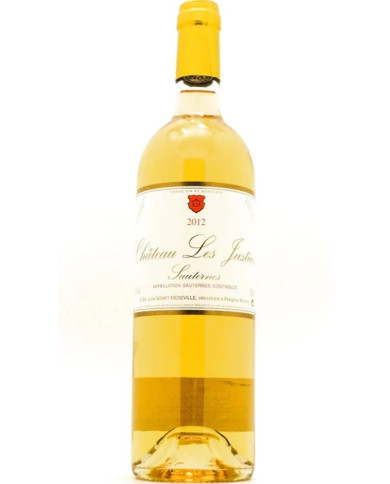
Château Les Justices, situato nella famosa regione di Sauternes, è noto per la produzione di vini dolci di alta qualità che incarnano l'essenza e la tradizione di questa rinomata zona vitivinicola della Francia. Questa tenuta produce vini caratterizzati da una ricca dolcezza, equilibrata da un'eccellente acidità, creando un'esperienza degustativa complessa e memorabile.
€58.19
SKU:
N/A
Brand:
Albert Pic
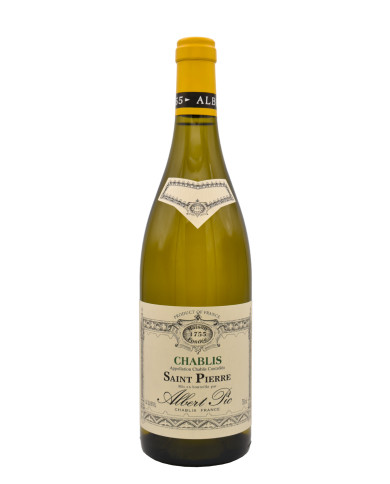
Il St Pierre di Albert Pic è un grande classico, uno chablis molto territoriale e dal prezzo davvero interessante.
€34.04
SKU:
N/A
Brand:
Albert Pic
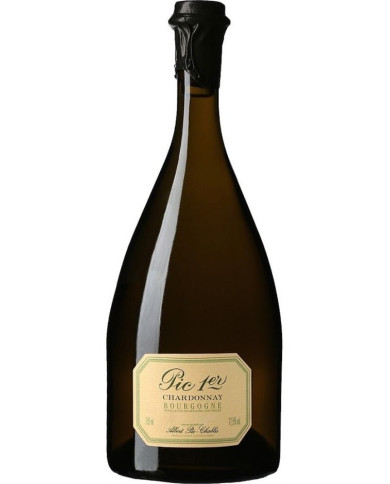
La cuvée "Chablis Pic Premier 267esima Vendemmia" di Albert Pic rappresenta un tributo alla lunga e illustre storia vinicola della famiglia Pic in Borgogna, in particolare nella prestigiosa regione di Chablis. Questo vino segna la 267ª vendemmia della famiglia, un traguardo notevole che testimonia l'esperienza, la dedizione e la continuità nella produzione di vini di qualità eccezionale.
€113.34
SKU:
N/A
Brand:
Schlumberger
Il Gewurztraminer Grand Cru Kessler di Domaines Schlumberger è un esempio eccellente di come il terroir specifico possa elevare un vitigno già aromatico a livelli di espressione straordinari. Situato nella regione dell'Alsazia, il vigneto Grand Cru Kessler beneficia di una combinazione unica di suoli argillosi e sabbiosi, esposizione solare ottimale e protezione dai venti freddi, creando condizioni ideali per la coltivazione del Gewurztraminer.
€46.73
SKU:
N/A
Brand:
Régnard
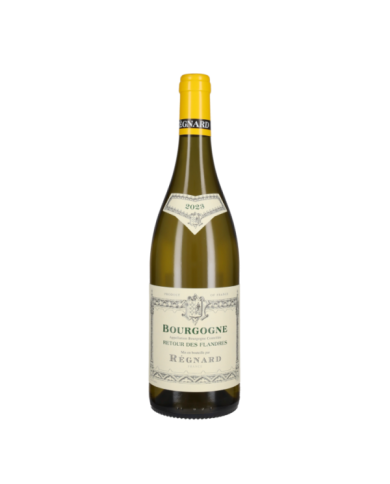
Il Bourgogne Blanc "Retour des Flandres" è un vino bianco della Borgogna fresco e minerale, selezione delle uve Chardonnay della zona del Maconnais. Al naso esprime note esotiche di frutta gialla, seguite da fiori bianchi, pera e mela. Al palato è fresco, ampio ed equilibrato
€26.72
SKU:
N/A
Brand:
Pierre Ferraud
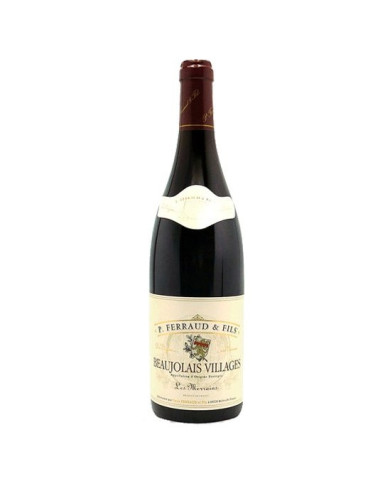
Rosso porpora intenso con riflessi violacei. Al naso predomina un bouquet di frutti rossi freschi come il lampone e la ciliegia. In bocca il palato è elegante, con dei tannini potenti ma ben affinati. Il finale lungo e armonico esprime al meglio il terroir da cui proviene.
€21.23
SKU:
N/A
Brand:
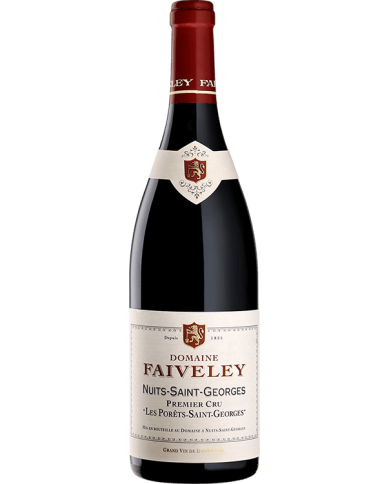
Faiveley
Domaine Faiveley Les Porêts-Saint-Georges è un vino rosso Premier Cru ottenuto con uve Pinot Noir in purezza coltivate nel celebre villaggio di Nuits-Saint-Georges. Questo cru gode di terreni ricchi di marne, argilla e frammenti calcarei, che conferiscono al Pinot Noir una struttura solida e una complessità degna dei grandi rossi di Borgogna.
€91.74
SKU:
N/A
Brand:
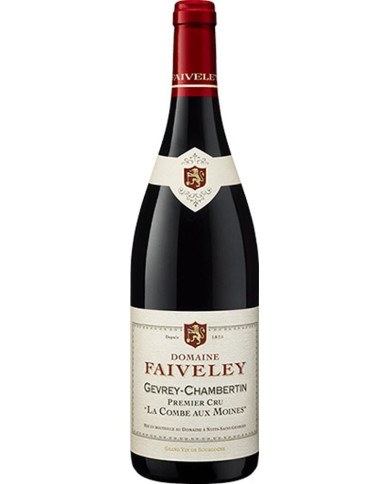
Faiveley
Il Gevrey-Chambertin Premier Cru "Combe Aux Moines" di Domaines Faiveley rappresenta una delle espressioni più elevate del Pinot Noir nella prestigiosa regione vinicola della Borgogna, Francia. Questo vino proviene da uno specifico vigneto Premier Cru, noto per la sua posizione ideale e il suo suolo unico, che consente di produrre vini di eccezionale profondità e complessità.
€128.10
SKU:
N/A
Brand:
Faiveley
Se si parla di Borgogna non si può non parlare di Faiveley; uno dei più grandi negociant della regione, tutti i suoi vini mantengono standard altissimi.
€40.63
SKU:
N/A
Brand:
Delas
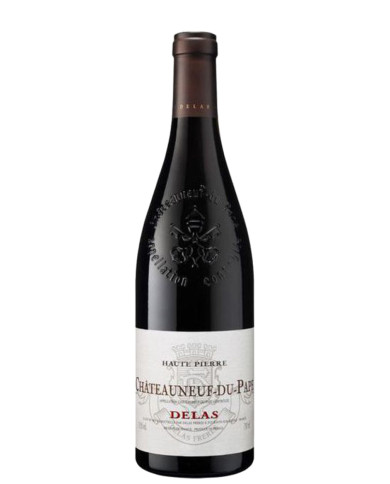
Diraspatura, macerazione di 10 giorni, fermentazione alcolica e malolattica in tini di cemento
€55.75
SKU:
N/A
Brand:
De Ladoucette
Un vino, che si può tranquillamente conservare per 4-5 anni, dal colore oro. Al naso il bouquet è ricco e dominato da frutti gialli maturi, fiori bianchi e nuances di acacia.
€39.77
SKU:
N/A
Brand:
De Ladoucette
Alla vista il colore è un oro limpido e brillante. Al naso si apprezza per il bouquet intenso e ricco in cui dominano le note floreali di biancospino e di gelso. Al palato si contraddistingue per la sua anima nervosa e fresca che tipicizza il sorso con un retrogusto che richiama gli agrumi bianchi.
€38.06
SKU:
N/A
Brand:
Chateau Respide
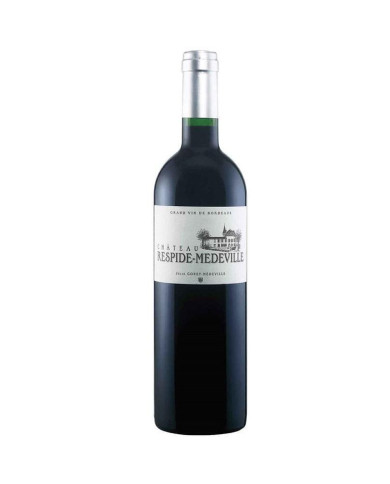
Scopri l’eleganza di Chateau Respide-Medeville Graves Rouge, un vino rosso raffinato della regione di Bordeaux, espressione autentica del terroir di Graves. Un perfetto equilibrio tra struttura e finezza, ideale per accompagnare piatti di carne e formaggi stagionati.
€26.11
SKU:
N/A
Brand:
Chateau Palmer
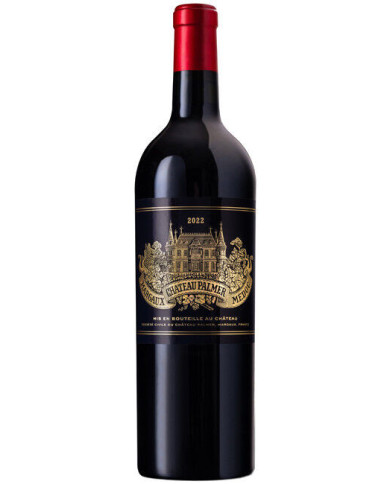
Dopo un tardo autunno umido, è stato un inverno moderatamente arsato che ha sofferto il clima mite e freddo in vigna.
€793.00
SKU:
N/A
Brand:
Chateau Les Justices
Château Les Justices, a Preignac nel cuore della AOC di Sauternes, rientra tra i possedimenti di Julie e Xavier Gonet
€24.16
SKU:
N/A
Brand:
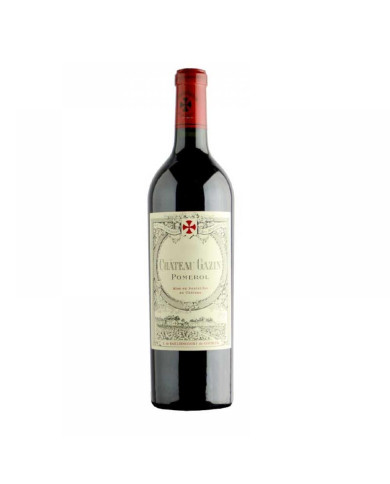
Chateau Gazin
Regione:
Bordeaux
Abbinamenti:
Carni rosse , Formaggi stagionati , Pasta e zuppe , Salumi , Selvaggina
€125.66
SKU:
N/A
Brand:
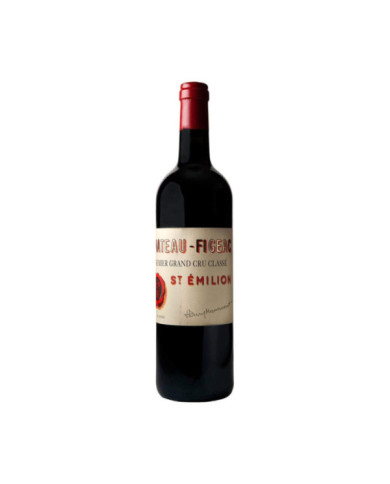
Chateau Figeac
Invecchiato in barrique nuove al 100%, il vino dello Château-Figeac, Premier Grand Cru Classé B di Saint-Émilion, è un sapiente assemblaggio di vitigni bordolesi come il cabernet sauvignon, il cabernet franc e il merlot.
€152.26
SKU:
N/A
Brand:
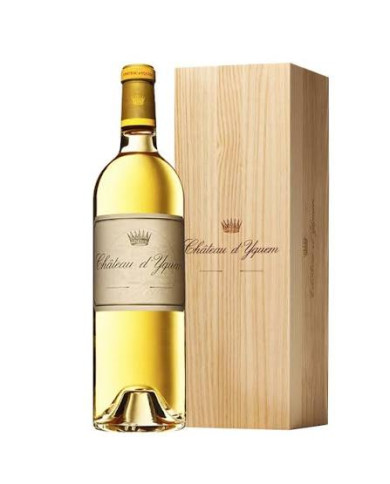
Château d'Yquem
Château d’Yquem 2022 è un Sauternes leggendario, frutto di un’annata solare con concentrazione eccezionale e vendemmia rapidissima. Il risultato è un nettare dorato e luminoso, dal profilo intenso, opulento e armonico. L'equilibrio tra dolcezza e acidità lo rende straordinariamente longevo. Un’icona da collezione che incarna il vertice dell’enologia dolce francese.
€685.15
SKU:
N/A
Brand:
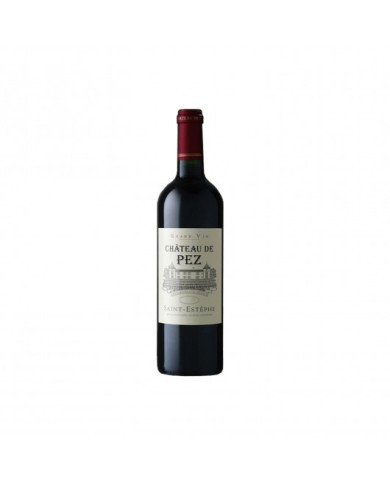
Chateau de Pez
Château de Pez elabora questo Chateau de Pez 2005, un vino rosso della regione di Saint-Estèphe che contiene petit verdot, merlot, cabernet sauvignon e cabernet franc del 2005.
€66.37
SKU:
N/A
Brand:
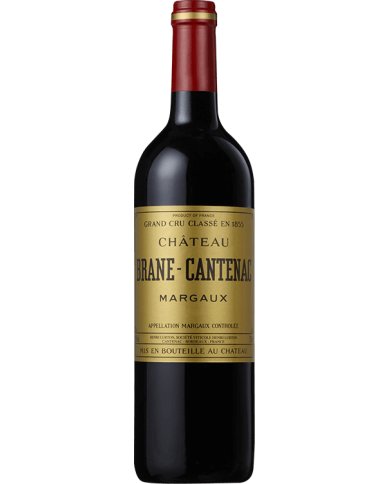
Chateau Brane-Cantenac
Un profumo in cui immergersi, dalla complessità difficilmente eguagliabile; ribes nero, ciliegie, violette, more, il legno mai invadente; al palato slancio e freschezza, eccellente equilibrio tra frutto e struttura, tutto al suo posto, incredibilmente croccante, con tannini setosi e un finale quasi interminabile. Pura finezza, qualità straordinaria.
€166.16
€37.09
SKU:
N/A
Brand:
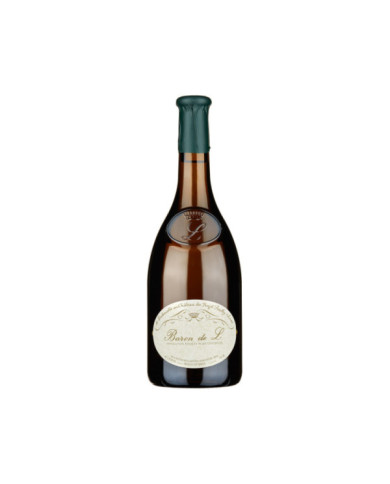
De Ladoucette
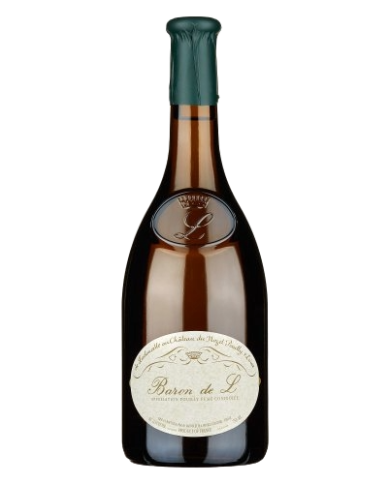
Oro con riflessi verdolini. Al naso pera e pesca bianca, note terziarie avvolte da velo minerale di pietra. Il Baron de L 2023 di Ladoucette in bocca ha struttura rotonda e mineralità ferma che prosegue nel lungo finale.
€108.46
SKU:
N/A
Brand:
De Ladoucette
Lungo la riva destra della Loira, la famiglia del Barone de Ladoucette possiede la più grande proprietà di Pouilly.
€108.46
SKU:
N/A
Brand:
Louis Roederer
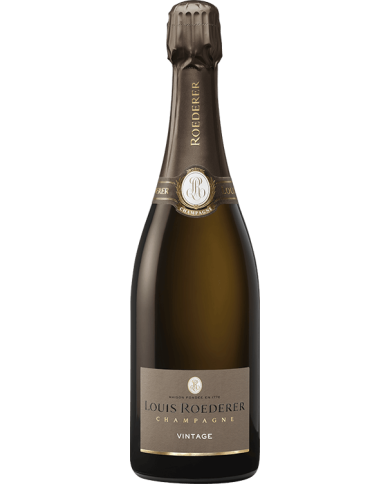
Il 2014 è stato segnato da tre periodi di forti contrasti climatici. Una primavera calda e secca ha lasciato il posto a un'estate fresca e piovosa, seguita da un settembre caldo, soleggiato e molto secco. I terreni calcarei, che drenano bene nella parte centrale e inferiore del pendio, hanno permesso di evacuare l'acqua in eccesso e di regolare lo sviluppo delle viti.
€117.36
SKU:
N/A
Brand:
Louis Roederer
Un sapore leggermente salino e una sottile nota di gesso aggiungono interesse - oltre a una leggera venatura di tannino rinvigorente - a un finale deliziosamente rinfrescante ma ancora molto fruttato.
€117.61
SKU:
N/A
Brand:
Louis Roederer
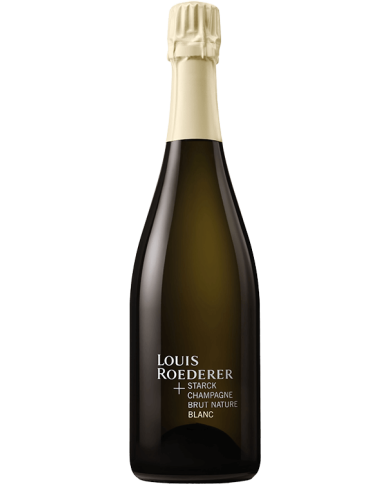
La cuvée Brut Nature 2018 by Starck dello champagne Louis Roederer è l'espressione più pura di un terroir e di una visione condivisa dalla Maison, dal suo Chef de cave Jean-Baptiste Lécaillon e dal designer Philippe Starck.
€110.29
SKU:
N/A
Brand:
Louis Roederer
Versione guidata dalla mineralità, con una spuma ariosa dalla tessitura gessosa. Integra con maestria cenni di fumo e guscio d’ostrica con sapori di susina gialla, mela Gala, caprifoglio e mandorla salata.
€75.03
SKU:
N/A
Brand:
Louis Roederer
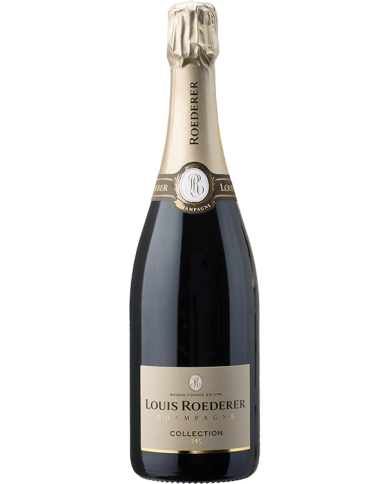
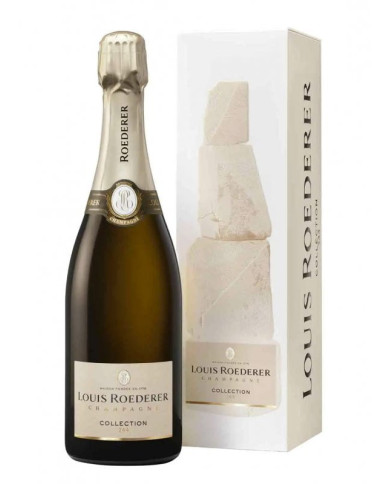
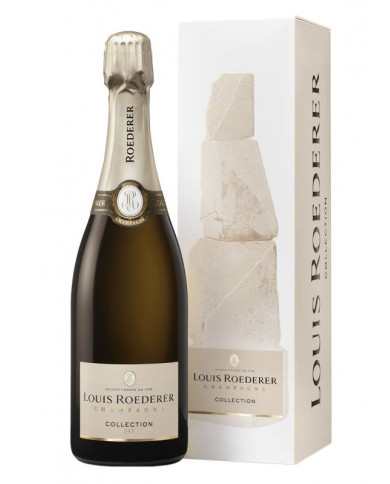
La cuvée Collection 244 di Louis Roederer in bottiglia è l'incarnazione perfetta dell'equilibrio tra densità e freschezza, con aromi profondi di pesca di vigna e pera Williams. È uno champagne che rivelerà tutto il suo potenziale durante un aperitivo o un pasto gastronomico.
€82.84
SKU:
N/A
Brand:
Louis Roederer
Uno Champagne vibrante, fine e cremoso al palato, quasi vellutato, ma brillante e ben equilibrato in tutto il suo sviluppo. Rivela una nota di base gessosa che sostiene strati di pera matura e nettarina, scorza di mandarino, guscio d’ostrica e camomilla. Chardonnay, Pinot Noir e Meunier. Da bere ora.
€77.35
SKU:
N/A
Brand:
Louis Roederer
Il Blanc de Blancs 2019 di Louis Roederer è una cuvée eccezionale, nata sotto il segno del sole e della concentrazione. Proveniente esclusivamente dal terroir Grand Cru di Avize, questo 100% Chardonnay cattura l'energia di un'annata 2019 dai contrasti climatici intensi.
€127.86
SKU:
N/A
Brand:
Louis Roederer
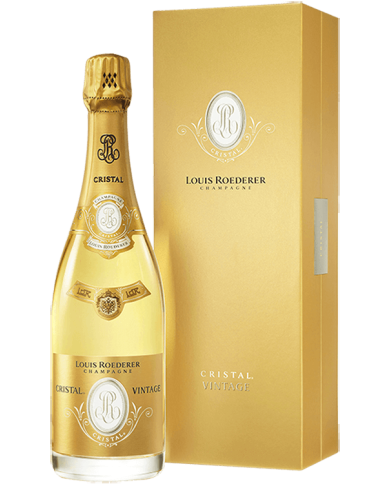
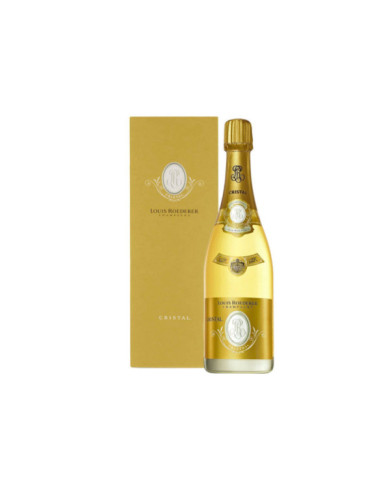
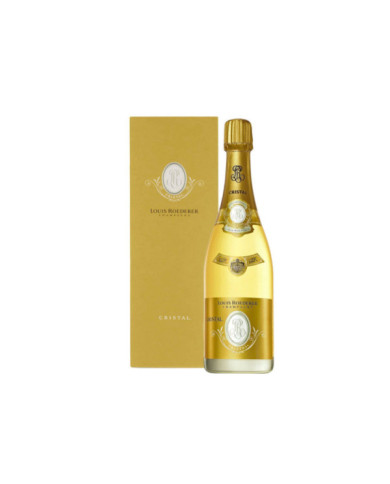
La celebre cuvée “Cristal“ di Louis Roederer deve la sua creazione, alla particolare richiesta dello Zar Alessandro II, che voleva una propria riserva personale.
€393.33
SKU:
N/A
Brand:
Louis Roederer
La celebre cuvée “Cristal“ di Louis Roederer deve la sua creazione, alla particolare richiesta dello Zar Alessandro II, che voleva una propria riserva personale.
€406.02
SKU:
N/A
Brand:
Louis Roederer
La celebre cuvée “Cristal“ di Louis Roederer deve la sua creazione, alla particolare richiesta dello Zar Alessandro II, che voleva una propria riserva personale.
€336.84
SKU:
N/A
Brand:
Louis Roederer
La celebre cuvée “Cristal“ di Louis Roederer deve la sua creazione, alla particolare richiesta dello Zar Alessandro II, che voleva una propria riserva personale.
€346.36
SKU:
N/A
Brand:
Deutz
€55.75
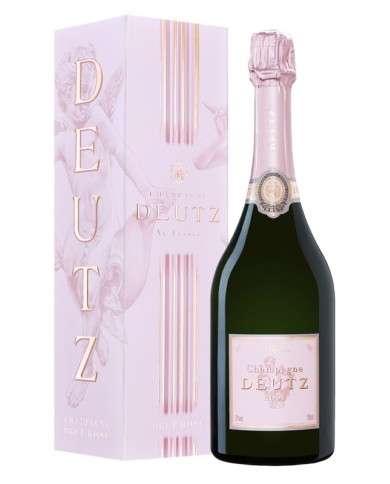
Il Brut Rosé dello champagne Deutz è una cuvée elegante e golosa. Con i suoi aromi delicati di frutti rossi e la sua consistenza setosa, è uno champagne perfetto per l'aperitivo o per accompagnare un pasto.
€55.75
SKU:
N/A
Brand:
Deutz
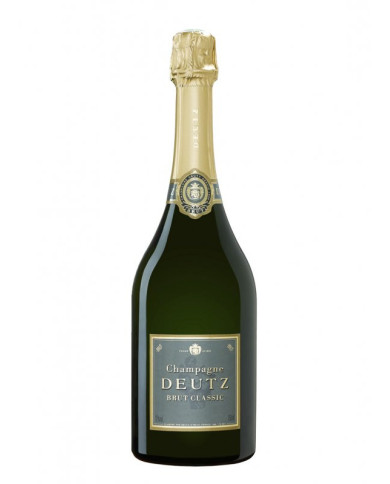
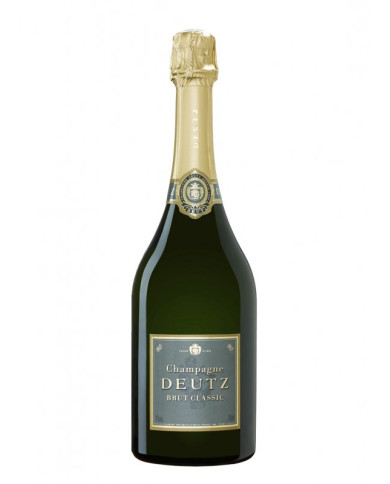
Il Brut Classic dello champagne Deutz è l'anima della maison Deutz. È una cuvée che incarna alla perfezione l'eleganza e la tradizione champenoise. Il Brut Classic Deutz è lo champagne ideale per l'aperitivo grazie alla sua bella tensione e alla sua finezza.
€57.10
SKU:
N/A
Brand:
Deutz
Il Brut Classic dello champagne Deutz è l'anima della maison Deutz. È una cuvée che incarna alla perfezione l'eleganza e la tradizione champenoise. Il Brut Classic Deutz è lo champagne ideale per l'aperitivo grazie alla sua bella tensione e alla sua finezza.
€59.66
SKU:
N/A
Brand:
Cantina Orsogna
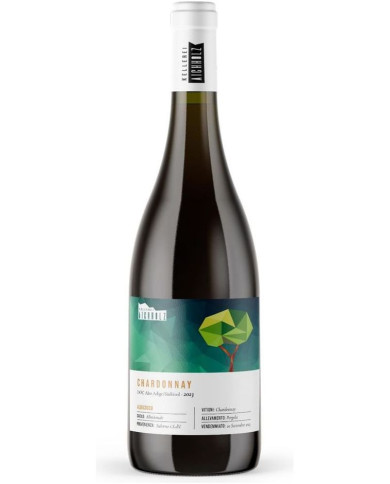
Vigneto di Chardonnay dell’area pedemontana della Maiella distante qualche centinaio di metri dalle faggete dove l’altitudine fa sì che la maturazione delle uve avvenga lentamente elevando il grado di acidità. Vigneto, di circa venti anni, abbandonato e recuperato da una condizione di forte rimboschimento. Nel 2022 la sua prima vendemmia.
€18.90
€18.90
€18.90
€13.85
SKU:
3949
Brand:
Cantina Orsogna
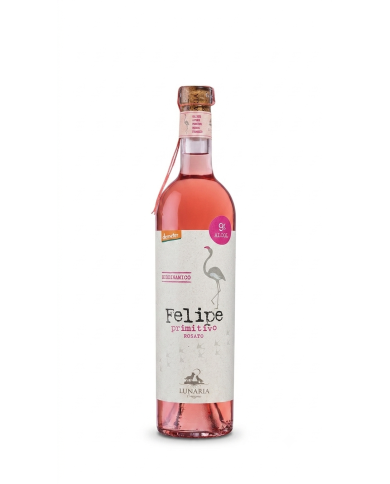
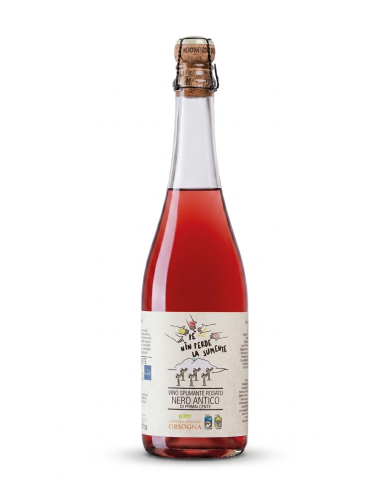
The must obtained from soft pressing of the grapes, after a brief contact with the skins at a low temperature, is left to ferment with its indigenous yeasts at a controlled temperature for about 30 days. Clarification obtained by decantation. The refinement takes place in steel tanks, followed by in the bottle. At tasting it has an intense and lively cherry red color. Floral, fruity scent (cherry and strawberry). Fresh, savory taste with an almond finish. Ideal with cold cuts, red pizzas, seafood, first courses with tomato sauces, light meats.
€12.90
SKU:
23182
Brand:
Torraccia Del Piantavigna
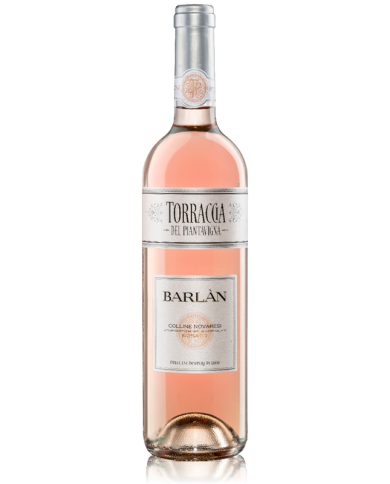
Barlàn, the traditional allegorical figure of the Ghemme carnival was the inspiration for this great and distinctive rosé. Creating a rosé using one of the finest Italian red berried grapes as a base grape may seem like a paradox, but the Nebbiolo variety appears particularly suitable for this purpose, thanks to its high level of acidity and concentration of aromas. The nobility of Nebbiolo is only partially masked by the fresh palate and the pink-gold color of this DOC wine from the Colline Novaresi.
€16.76
SKU:
23179
Brand:
Castello di Volpaia
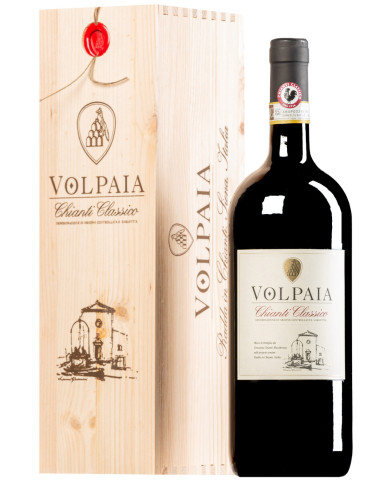
Il nostro Chianti Classico è caratterizzato da eleganza e finezza con un ricco bouquet di frutti rossi e spezie.
€62.62
SKU:
23155
Brand:
Bollinger
€246.12
La veste de La Grande Année 2014 mostra un bel colore dorato, firma di tutto il savoir-faire di Bollinger. Il naso è goloso, su delle note di frutta secca, di frutta gialla e su sottili aromi di agrumi secchi. In bocca, La Grande Année 2014 è ampio e presenta un profilo aromatico marcato dal miele e dal limone candito. Vi ritroviamo la firma dell'annata con una bella freschezza e un finale sostenuto da una bella nota amara.
€246.12
SKU:
23132
Brand:
La Guardiense
Sparkling wine from 100% Falanghina grapes, harvested around the first half of September in the Sannio Beneventano area.
€8.91
€8.02
SKU:
23130
Brand:
Fattoria le Pupille
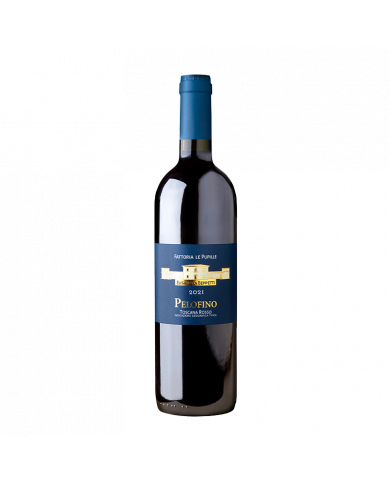
Transparent ruby with violet reflections. Olfactory framework modulated on cherry, blueberry, peony flowers and a sprinkling of white pepper. The sip is warm and juicy, with a youthful lightness and great balance. Long in the memories of fresh and crunchy red fruit.
€9.06
SKU:
23129
Brand:
Fattoria le Pupille
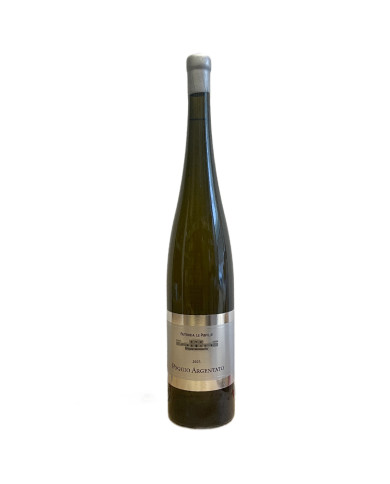
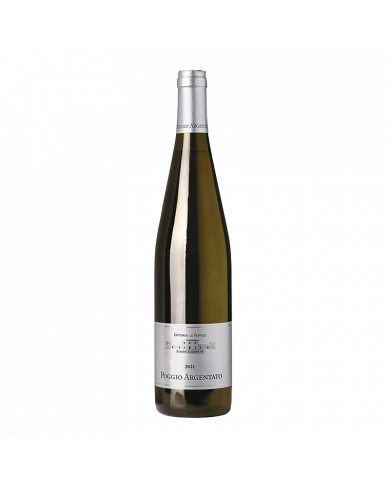
Poggio Argentato embodies the essence of Maremma: its land, its unique light, the breeze from the nearby sea, all narrated by a fragrant and fresh white wine, through the language of Northern vines. The singular blend of Sauvignon Blanc, Petit Manseng, Semillon and Traminer make Poggio Argentato a refined, elegant and versatile wine, perfect for the summer but also throughout the year.
€32.94
€25.78
€9.13
SKU:
23123
Brand:
Cantina Zaccagnini
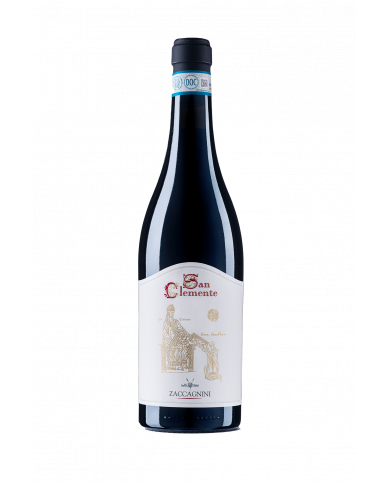
Color: Deep ruby red with violet reflections. Smell: The aromatic panorama is broad, with immediate floral scents of rose and fruity scents of berries (especially blueberry jam), followed by spicy notes of licorice, cumin, white pepper and mineral notes of graphite that range on the horizon. Taste: Decidedly material and voluminous sip, even if dynamic and endowed with a gustatory rhythm dictated by vital tannins and vibrant freshness.
€26.23
€19.97
SKU:
22417
Brand:
Torri Cantine
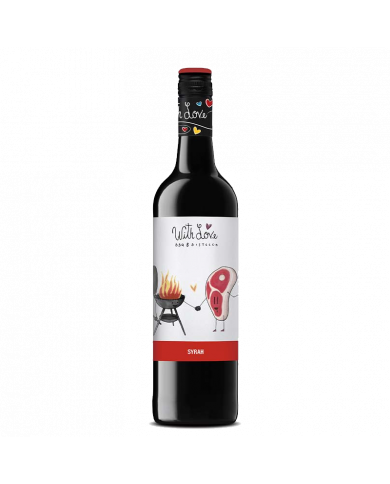
What better match ?! This label needs no explanation, it just makes you want to light up the barbecue and grill a steak while drinking a glass of Syrah. Red wine with fruity aromas with notes of cherry, small berries, spicy notes and floral nuances.
€9.90
SKU:
22402
Brand:
Tocco
€14.86
€13.37
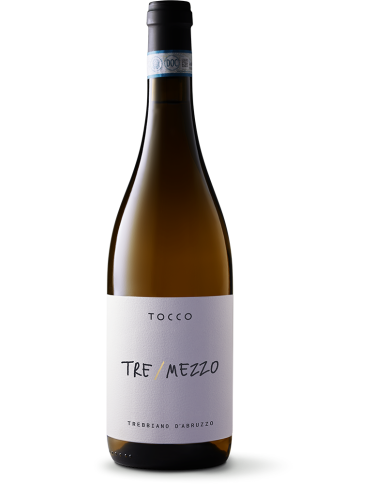
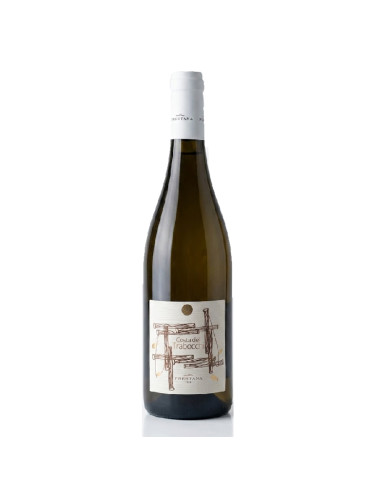
Grape variety Trebbiano Denomination Trebbiano d \ 'Abruzzo DOC Type White wine Production area Alanno (PE) Training system Abruzzo pergola Year of planting 2013 Exposure of the soil South / South-West Yield per hectare 140q Harvest from 15 to 25 September Vinification after soft pressing cold in an inert environment, the must is decanted and then left to ferment at a low temperature (12/14 ° C) Organoleptic characteristics Color: lively straw yellow Odor: fruity, with clear notes of yellow fruit, elegant floral scent on the finish Taste: fresh, quite savory and medium-bodied, on the finish it is pleasantly almondy. Pairings with appetizers and fish first courses, risottos, delicate creamy cheeses Serving temperature 8 ° -10 ° c CL. 75 12.5% VOL
€14.86
€13.37
€18.62
SKU:
22394
Brand:
Tre Monti
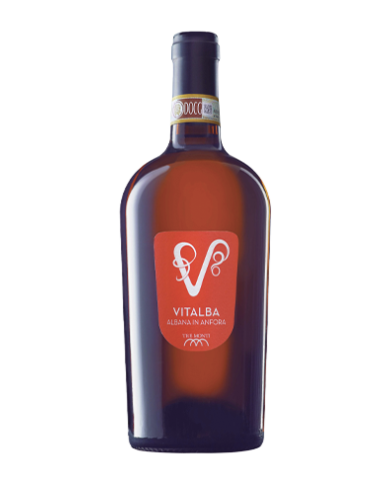
Being among the pioneers of Georgian amphora (kvevri) winemaking in Romagna was truly an inspiring privilege for us. Amphorae are a splendid tool: they have proved to be an incredible accelerator and concentrator for the maturation of Albana wine, without however affecting even a single pinch of its varietal profile! And so Vitalba was born in 2013: a successful gamble, now the white "flag" of our company.
€22.00
SKU:
22386
Brand:
Chiarieri
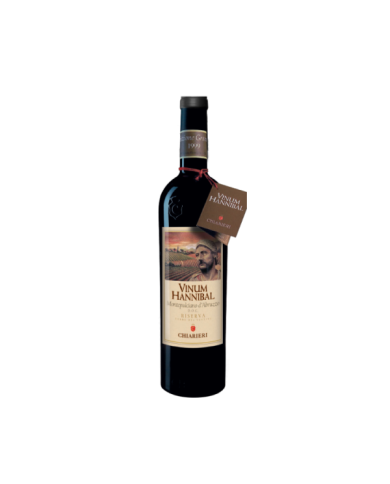
On the palate sensations of undergrowth fruits and rightly balanced licorice open up.
€27.16
SKU:
22385
Brand:
Musivum
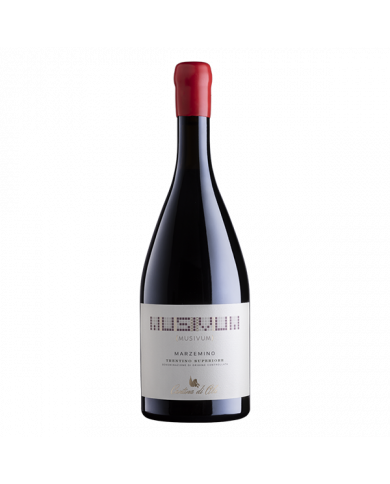
In the southernmost part of the Trentino Adige valley, where the Little Dolomites and the Baldo chain accompany Lake Garda in its expansion towards the Venetian plain, the vineyards of the Ala cellar are located; a land rich in memories, which was the scene of disputes between the Austrian empire and the most serene republic of Venice. It was thanks to these relationships and the consequent commercial exchanges of the people who populated it that Marzemino arrived in this land from the distant and suggestive Asia Minor.
€37.43
€9.71
SKU:
22004
Brand:
Surrau
Colore giallo paglierino carico, brillantezza decisa. Frutti gialli maturi con accenni di miele e resina al naso, non limpido. Al palato è piuttosto frenato, non particolarmente scorrevole, spigoloso e con accenti canditi. Corpo medio
€36.48
SKU:
21952
€125.90
SKU:
21951
€48.68
SKU:
21950
€48.19
SKU:
21949
Brand:
Château Malartic-Lagravière
Un vin qui nous dévoile un beau potentiel. Il faudra patienter un peu pour qu'il nous dévoile tous ses secrets
€32.57
SKU:
21948
Brand:
Chateau Moulin Riche
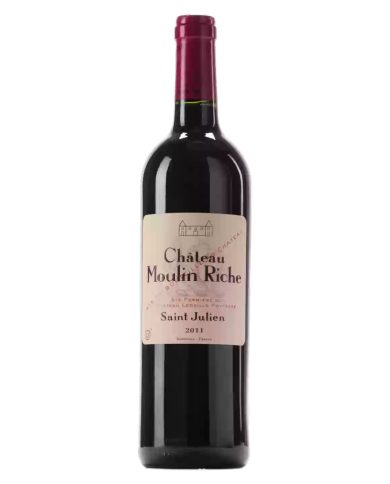
Saint-Julien è una delle grandi denominazioni della regione di Bordeaux. Questa AOC, situata sulla riva sinistra della Garonna tra Margaux a sud e Pauillac a nord, nel cuore del Médoc, annovera 11 Grand Cru Classé del 1855, che rappresentano l’80% della produzione totale. Le vigne sono coltivate su terrazze leggermente in pendenza, posizionate di fronte al fiume e caratterizzate da un terreno alluvionale di graves.
In questa zona il re dei vitigni è indiscutibilmente il cabernet sauvignon, che viene spesso assemblato con il merlot. I Saint-Julien presentano da giovani un bel rosso rubino scuro e profondo, che sviluppa riflessi granata con l’invecchiamento. Il bouquet è delicato, intenso e complesso ed evolve nel calice man mano che il vino viene fatto aerare: frutti di bosco (mirtilli e more), prugne e le tipiche note della maturazione in legno (pane tostato, caffè, scatola da sigari). Al palato si distinguono per eleganza e delicatezza, che definiscono la struttura vellutata, densa e ampia, sostenuta da una trama tannica morbida e intensa.
I Saint-Julien hanno inoltre uno straordinario potenziale di invecchiamento.
€31.96
SKU:
21947
Brand:
Chateau Moulin Riche
Château Moulin Riche può vantare un prestigioso passato come Cru Bourgeois Supérieur di Saint-Julien de Rignac.
€51.12
SKU:
21946
Brand:
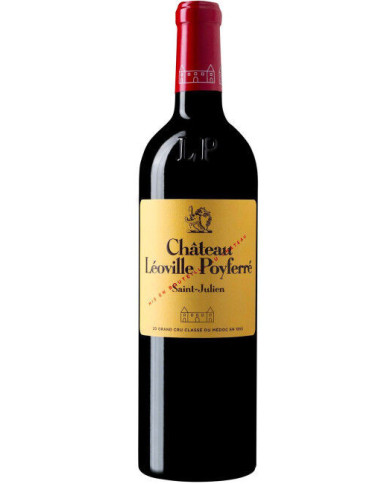
Chateau Léoville
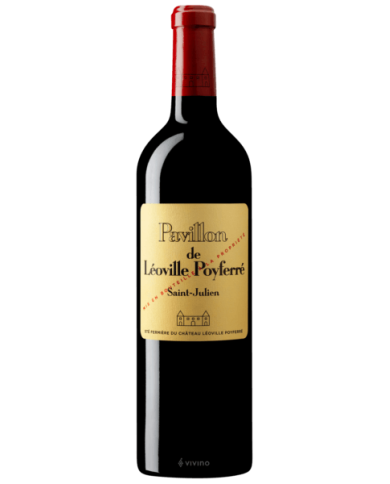
Le millésime 2018 du Pavillon de Léoville Poyferré se distingue par son élégance et son équilibre. Sa robe rouge intense révèle un nez fruité aux arômes de fruits rouges, avec des notes de fraise, cerise et cassis. En bouche, le vin est délicat, avec des tannins souples et une belle longueur, offrant des saveurs de mûre et framboise, agrémentées de touches florales et épicées. Élevé en barriques pendant 9 mois, il est accessible dès maintenant et reflète la même philosophie que son grand frère, le Château Léoville Poyferré.
€205.94
SKU:
21945
Brand:
Chateau Léoville
Nonostante la vicinanza con Léoville-Las-Cases, Latour et Pichon-Longueville, lo Château Léoville-Poyferré sa difendersi bene nella corsa all'eccellenza fra le aziende della DOC. I concorrenti non mancano, ma l'azienda può contare su uno dei territori migliori del Médoc. Grazie ai preziosi consigli del celebre enologo Michel Rolland, il Cru si è affermato fra i migliori di Saint-Julien. I vini sono profondi, ampi e nervosi e ostentano con orgoglio il loro bouquet complesso e il buon potenziale di invecchiamento.
€173.85
SKU:
21944
Brand:
Chateau Léoville
Nonostante la vicinanza con Léoville-Las-Cases, Latour et Pichon-Longueville, lo Château Léoville-Poyferré sa difendersi bene nella corsa all'eccellenza fra le aziende della DOC. I concorrenti non mancano, ma l'azienda può contare su uno dei territori migliori del Médoc. Grazie ai preziosi consigli del celebre enologo Michel Rolland, il Cru si è affermato fra i migliori di Saint-Julien. I vini sono profondi, ampi e nervosi e ostentano con orgoglio il loro bouquet complesso e il buon potenziale di invecchiamento.
€197.15
SKU:
21943
Brand:
Chateau Léoville
Nonostante la vicinanza con Léoville-Las-Cases, Latour et Pichon-Longueville, lo Château Léoville-Poyferré sa difendersi bene nella corsa all'eccellenza fra le aziende della DOC. I concorrenti non mancano, ma l'azienda può contare su uno dei territori migliori del Médoc. Grazie ai preziosi consigli del celebre enologo Michel Rolland, il Cru si è affermato fra i migliori di Saint-Julien. I vini sono profondi, ampi e nervosi e ostentano con orgoglio il loro bouquet complesso e il buon potenziale di invecchiamento.
€158.60
SKU:
21942
Brand:
Chateau Léoville
Nonostante la vicinanza con Léoville-Las-Cases, Latour et Pichon-Longueville, lo Château Léoville-Poyferré sa difendersi bene nella corsa all'eccellenza fra le aziende della DOC. I concorrenti non mancano, ma l'azienda può contare su uno dei territori migliori del Médoc. Grazie ai preziosi consigli del celebre enologo Michel Rolland, il Cru si è affermato fra i migliori di Saint-Julien. I vini sono profondi, ampi e nervosi e ostentano con orgoglio il loro bouquet complesso e il buon potenziale di invecchiamento.
€47.82
€172.14
€618.54
SKU:
21939
Brand:
Chateau le Croix
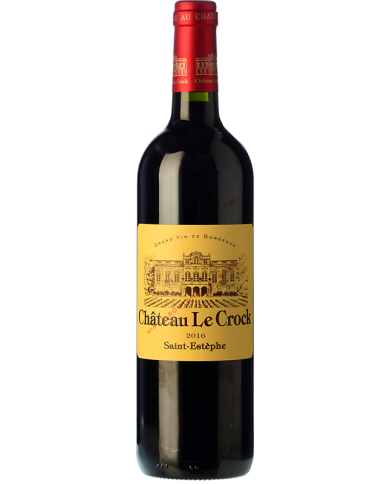
Il vigneto Château Le Crock si trova a Saint-Estèphe, a nord della riva sinistra, tra Crus Classés Château Montrose e Château Cos d'Estournel.
L'appartenenza alla famiglia Cuvelier e allo Château Léoville Poyferré beneficiano della stessa esperienza di questo Grand Cru Classé. Riconosciuto nel 1992 come Cru Bourgeois, e elevato nel 2003 al grado di Cru Bourgeois Supérieur, Château Le Crock conferma oggi questo livello di qualità, raccolto dopo raccolto.
Con una trama precisa, questo grande vino, con una bocca lunga, soddisferà i più esigenti. Naso severo, bocca flessibile, morbido, abbastanza fresco, stretto, buona densità, finale stretto.
€30.99
SKU:
21938
Brand:
Chateau le Croix
Il vigneto Château Le Crock si trova a Saint-Estèphe, a nord della riva sinistra, tra Crus Classés Château Montrose e Château Cos d'Estournel.
L'appartenenza alla famiglia Cuvelier e allo Château Léoville Poyferré beneficiano della stessa esperienza di questo Grand Cru Classé. Riconosciuto nel 1992 come Cru Bourgeois, e elevato nel 2003 al grado di Cru Bourgeois Supérieur, Château Le Crock conferma oggi questo livello di qualità, raccolto dopo raccolto.
Con una trama precisa, questo grande vino, con una bocca lunga, soddisferà i più esigenti. Naso severo, bocca flessibile, morbido, abbastanza fresco, stretto, buona densità, finale stretto.
€30.99
€19.98
SKU:
21903
Brand:
Palagetto
Abbinamenti: è perfetto come aperitivo ma si accompagna anche ad antipasti, primi dal condimento leggero e piatti di mare.
€8.88
SKU:
21901
Brand:
Palagetto
Abbinamenti: Si abbina a carni rosse, arrosto o alla griglia, brasati o stufati, selvaggina e formaggi stagionati
€4.76
SKU:
21900
Brand:
Palagetto
è perfetto come aperitivo ma si accompagna anche ad antipasti, primi piatti dal condimento leggero, con minestre, risotti, con pesce e formaggio di media stagionatura
€7.93
SKU:
21898
Brand:
Palagetto
Abbinamenti: carne alla griglia, pappardelle al cinghiale, funghi, formaggi di media/alta stagionatura, frutta secca.
€16.34
SKU:
21894
Brand:
Palagetto
classico abbinamento quello con gli insaccati toscani, ma si sposa perfettamente con tutti i piatti della cucina toscana, arrosti, carni alla brace, formaggi
€12.53
SKU:
21892
Brand:
Palagetto
classico abbinamento quello con gli insaccati toscani, ma si sposa perfettamente con tutti i piatti della cucina toscana, arrosti, carni alla brace, formaggi
€6.34
SKU:
21891
Brand:
Palagetto
è il perfetto accompagnamento per antipasti, primi piatti dal condimento delicato, carni bianche, pesce, formaggi di media stagionatura
€7.45
SKU:
21890
Brand:
Palagetto
è perfetto come aperitivo ma si accompagna anche ad antipasti, primi piatti dal condimento leggero, con minestre, risotti, con pesce e formaggio di media stagionatura
€6.34
SKU:
21889
Brand:
Drappier
Questo vino della collina champenoise Perpétuité è stato vinificato come una riserva perpetua (aggiunta del vino dell'anno a una botte riempita negli anni precedenti). Il nome Perpétuité fa riferimento al processo di vinificazione senza fine e richiama anche la storia dell'Abbazia di Clairvaux, trasformata in prigione sotto il regno di Napoleone, le cui dipendenze sono oggi le cantine della maison Drappier.
€77.96
SKU:
21888
Brand:
Drappier
Potenza e rotondità caratterizzano questa cuvée, i cui aromi fruttati (ribes nero, frutti rossi) si combinano armoniosamente con tannini fini ed eleganti.
€70.64
SKU:
21887
Brand:
Drappier
Giallo oro chiaro con caratteristiche e leggere torbidità – segno del lavoro senza filtrazione. Il Mousseux si presenta vivace e persistente, una fine perlage sale elegantemente nel bicchiere.
€71.74
SKU:
21886
Brand:
Drappier
Coltivato principalmente sul calcare giurassico della Côte des Bars, lo Chardonnay di questo Blanc de blancs Grand Cru 2015 della Maison Drappier si esprime attraverso una bella mineralità.
€59.41
SKU:
21885
Brand:
Drappier
Solo vino di prima spremitura ottenuto con presse meccaniche con una pressione leggera. Non filtrato, bassissimo utilizzo di solforosa (20mg/l). Il dosaggio è costituito da 4g/l di liqueur da canna da zucchero biologica. I vini maturano nelle cantine costruite dai monaci dell’abbazia di Clairvaux nel 1152, ora di proprietà della famiglia Drappier.CARATTERISTICHE Alla vista è brillante con bollicina molto persistente. Al naso fresche note di sambuco e violetta. In bocca il basso dosaggio e la mineralità apportata dal terreno calcareo vengono ammorbiditi dalla polpa del Pinot Nero.
€46.97
SKU:
21884
Brand:
Drappier
Il mosto, dopo una prima spremitura, viene separato dalle fecce per decantazione evitando così filtraggi con pompe che ne impoverirebbero la struttura Questa tecnica permette un'aggiunta minima di solforosa (3 volte inferiore alla media) Liqueur di dosaggio invecchiato in piccoli fusti di legno CARATTERISTICHE Un naso completo che si apre su note di fragola, lampone, violetta e sfumature tostate Il sapore è rotondo e morbido con una vena acida che rende il palato complesso e di buona freschezza Uno Champagne ricco e molto persistente
€151.52
SKU:
21883
Brand:
Drappier
Il mosto fiore, dopo una prima spremitura, viene separato dalle fecce per decantazione evitando così filtraggi con pompe che potrebbero favorirne l'ossidazione Viene poi aggiunta una minima parte di solforosa per una leggera stabilizzazione (quantitativo tre volte inferiore alla norma) CARATTERISTICHE Champagne di spessore, dalla finezza assoluta e dal notevole equilibrio Uno dei vini preferiti dello statista Charle De Gaulle, costantemente servito durante il periodo della sua permanenza all'eliseo, combina frutto, acidità ed eleganza in una beva armoniosa e assolutamente piacevole
€68.08
SKU:
21882
Brand:
Drappier
VITIGNI 25% Arbane 25% Chardonnay 25% Petit Meslier 25% Pinot Vrai VINIFICAZIONE Come tutti gli Champagne Drappier, l'assemblaggio è il frutto esclusivo di una prima spremitura con un'aggiunta molto contenuta di solforosa Dalla pressatura alla messa in bottiglia, tutte le operazioni vengono realizzate per gravità senza pompaggio in modo da impedire ossidazioni CARATTERISTICHE Alla vista oro pallido con riflessi verdognoli Al naso esprime la vivacità degli agrumi freschi e gli aromi di fiori bianchi e thè verde Bocca caratterizzata da note minerali e spezie decisamente ampio e ricco di un mix di frutti esotici
€110.41
SKU:
21881
Brand:
Drappier
VITIGNI 100% Pinot Nero VINIFICAZIONE La vinificazione tradizionale con breve contatto con le bucce nel mosto assicura un bouquet intenso di aromi di frutti rossi L'aggiunta di Pinot Nero vinificato in bianco permette di alleggerire la cuvée, donandogli di fatto aromi di pesca bianca Il vino non viene filtrato CARATTERISTICHE Colore rosa luminoso Naso in cui spiccano fragole, lamponi e una nota floreale di petalo di rosa Bocca che ricorda i frutti rossi, note agrumate e un tocco molto raffinato di pepe bianco
€61.24
SKU:
21880
Brand:
Drappier
La fermentazione alcolica dura circa 2 settimane a temperatura controllata Il 30% del vino matura per 9 mesi in barrique CARATTERISTICHE Dorato con riflessi ambrati Al palato, il biancospino si mischia con il miele d’acacia, cera d'api e pasta di mandorle Si alternano piacevolissime sensazioni di mele cotogne, lamponi e bergamotto Vino di profondità e struttura Da inserire assolutamente nel novero delle grandi cuvée in Champagne
€123.59
SKU:
21879
Brand:
Drappier
VITIGNI 95% Chardonnay 5% Blanc Vrai VINIFICAZIONE Vini di primissima spremitura ottenuti attraverso una pressione leggera Travasi per gravità al fine di evitare ossidazioni e decantazione naturale senza filtraggi La fermentazione alcolica dura circa 2 settimane a bassa temperatura Il 20% del vino affina in botti di rovere per circa un anno CARATTERISTICHE Colore paglierino con riflessi verdognoli con note pronunciate di vaniglia e fiori recisi Al palato dominano gli agrumi e la vaniglia, con lievi sentori di tostato, fine, fresco e persistente
€59.41
SKU:
21878
Brand:
Drappier
VITIGNI 100% Pinot Nero VINIFICAZIONE Rosè ottenuto da una vinificazione in saignée, per i travasi viene utilizzata la gravità sempre per via delle possibili ossidazioni Pochissima solforosa aggiunta non vengono fatte filtrazioni Tutto il vino matura in acciaio per preservare la freschezza CARATTERISTICHE Champagne con un bouquet fruttato di frutta rossa che si presenta anche al palato leggera speziatura, perfetto equilibrio in bocca e un finale quasi croccante per via della splendida acidità
€58.44
SKU:
21877
Brand:
Drappier
È il connubio armonioso tra Pinot Nero, lo Chardonnay e il Pinot Meunier Questa cuvée esprime al tempo stesso sia la freschezza che la maturità, così come la complessità e la potenza Tutte le uve sono raccolte dagli appezzamenti di terreno appartenuti ai monaci di Clairvaux e tutti i vigneti sono esposti a sud
€66.25
SKU:
21876
Brand:
Drappier
100% Pinot Nero, proveniente da antiche vigne VINIFICAZIONE Il mosto di base viene separato dalle fecce per decantazione evitando così i filtraggi con le pompe Il mancato ricorso ai processi di filtrazione, l'assenza di anidride solforosa e di "liqueur d'expédition" rendono il Brut Nature l'espressione più pura dello Champagne prodotto da uve Pinot Nero CARATTERISTICHE Colore brillante con riflessi ramati All'olfatto note intense e fresche di frutti di bosco e di pesche di vigna Bocca netta di mela cotogna e ribes nero estremamente fine ed equilibrata
€62.10
SKU:
21875
Brand:
Drappier
Colore brillante leggermente ramato Il profumo intenso e fresco evoca note di frutti di bosco e di pesche di vigna Gusto netto, fine e fresco.
€57.10
SKU:
21874
Brand:
Drappier
Colore dorato con riflessi ramati Naso fine e delicato, aromi di frutti di bosco e agrumi In bocca il vino risulta potente con note di frutta secca e matura, gusto speziato e un finale fresco
€51.12
SKU:
21873
Brand:
Benjamin Leroux
"Mitans" deriva dal francese antico e significa "centro", e questa è probabilmente l'origine del nome, poiché questo Cru si trova nel cuore della denominazione (sui pendii sottostanti il villaggio). Questa parcella di 0,65 ettari si trova vicino al Clos de la Barre, 1er Cru di Volnay, e sconfina nel lieu-dit di Mitans l'Ormeau. Il terreno qui è argilloso finemente venato di calcare e le viti hanno, in media, 50 anni. Solo un pizzico di grappolo intero quest'anno.
€98.70
SKU:
21872
Brand:
Benjamin Leroux
"Il Volnay Les Mitans 1er Cru del 2022 è inizialmente piuttosto reticente al naso, sebbene ben definito, leggermente più terroso del Village Cru. Al palato è di medio corpo, con frutti rossi croccanti, gelso, lampone, marmellata e un tocco di 5 spezie cinesi verso il finale carnoso. Da bere nel prossimo decennio." 89-91 punti, Neal Martin, Vinous, ottobre 2023
€140.06
SKU:
21871
Brand:
Benjamin Leroux
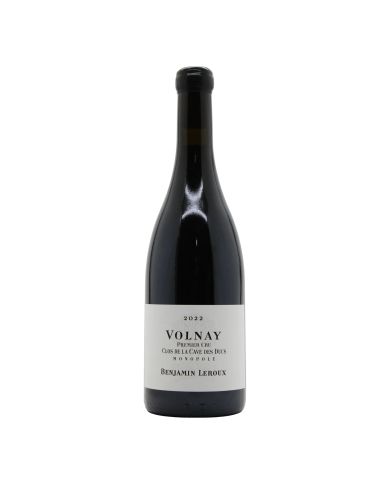
Il Volnay 1er Cru Clos de la Cave des Ducs è regolarmente uno dei punti di forza della gamma di Benjamin Leroux. Questo vigneto è situato nella posizione più elevata di Volnay, un fattore che conferisce al vino un grande vantaggio, soprattutto nelle annate calde come il 2022. Questo sito purtroppo minuscolo è di proprietà esclusiva del signor Jean-Charles Carré, che è anche dipendente di Benjamin Leroux. Di conseguenza, l’intero raccolto di questo Premier Cru è commercializzato da Benjamin Leroux, come indica la dicitura “Monopole” in etichetta.
€156.53
SKU:
21870
Brand:
Benjamin Leroux
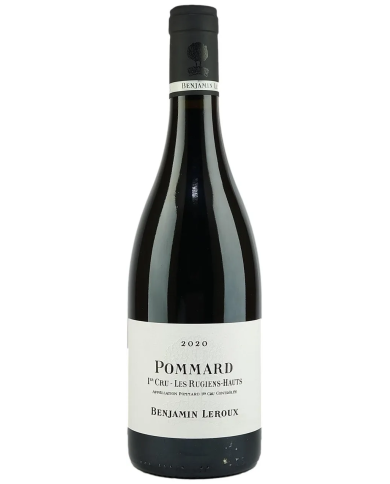
Nonostante il Clos des Epeneaux , Leroux ha sempre affermato che se ci fosse un 1er Cru che lo avrebbe convinto a tornare a Pommard, sarebbe stato Les Rugiens . Un nuovo contratto a lungo termine con lo stesso proprietario dei Volnay Caillerets ha riportato Leroux al suo vecchio territorio nel 2017 e così, ancora una volta, si ritrova a lavorare sugli stessi terreni argillosi rossi ricchi di ferro che aveva già lavorato, così notoriamente, al Comte Armand.
“Un naso meditabondo e riservato presenta aromi liquorosi di prugna cotta, cassis e terra fresca. Il corpo medio, delizioso, intenso e palesemente pietroso, e i sapori hanno brillato di potenza concentrata sul finale deciso, compatto e avvolgente. Si raccomanda vivamente la pazienza.”
€130.30
SKU:
21869
Brand:
Benjamin Leroux
€107.12
Un Pommard corposo e tannico, con note di ribes nero, prugna, pepe e cuoio. È uno dei vini della Borgogna più conosciuti al mondo ed è ricercato per il suo carattere.
€107.12
SKU:
21868
Brand:
Benjamin Leroux
€112.00
Un blend di villaggio completo, che coniuga diversi aspetti di Meursault, dalle colline di Blagny ai vigneti più bassi di Les Criots. È corposo e generoso, con una generosa dose di frutta matura e dorata, accompagnata da una deliziosa nota di scorza d'arancia. Al palato si percepisce una notevole densità, ben bilanciata da una vibrante acidità.
€112.00
SKU:
21867
Brand:
Benjamin Leroux
“Il Gevrey-Chambertin Petite Chapelle 1er Cru del 2021 contiene leggermente meno grappoli interi rispetto al Cazetiers. Ha un bouquet molto luminoso e profumato, con ciliegia rossa e fragola schiacciata. Al palato è ben equilibrato con una delicata acidità. È vivace in bocca, con carezzevoli frutti di bosco rossi intrecciati al pepe nero sul finale. Delizioso.”
€247.05
SKU:
21866
Brand:
Benjamin Leroux
Il Benjamin Leroux Côte de Nuits-Villages 2022 offre un invitante bouquet di frutti di bosco, ciliegie e fiori selvatici, con sentori di sottobosco e delicate spezie. Al palato, questo Pinot Nero è fresco e vivace, con aromi di lamponi succosi, ribes nero e un tocco di mineralità terrosa. Tannini fini e una vivace acidità creano una struttura ben bilanciata, che conduce a un finale persistente ed elegante.
€52.70
SKU:
21865
Brand:
Benjamin Leroux
Il Corton-Charlemagne è il Grand Cru bianco più settentrionale della Borgogna. Il suo nome risale a Carlo Magno, che si dice abbia ordinato la coltivazione di vino bianco qui, poiché si versò del vino rosso sulla barba, ritenendolo inadatto a un re.
€535.34
SKU:
21864
Brand:
Benjamin Leroux
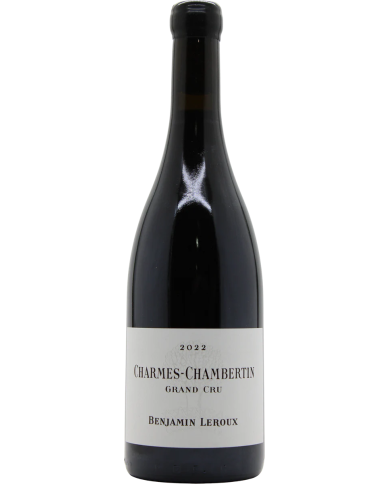
Una nuova fonte per lo Charmes di Benjamin e, con esso, sicuramente il miglior vino che Leroux abbia mai prodotto con questa etichetta. Il nuovo appezzamento di viti mature, coltivate con metodi biologici, si trova nella parte superiore del terroir Grand Cru noto come Aux Charmes. Costeggiando la Route des Grands Crus tra Morey-Saint-Denis e Gevrey-Chambertin, questo appezzamento si trova di fronte al confine tra Latricières Chambertin e Chambertin stessa. Oltre alle uve Mazoyères già presenti in azienda, questa cuvée ora si estende fino a quattro botti.
€411.75
SKU:
21863
Brand:
Benjamin Leroux
Il Mersault 1er Cru Les Genevrieres di Benjamin Leroux è un vino bianco esclusivo e ricercato, originario della prestigiosa regione vinicola della Borgogna in Francia. Questo vino è riconosciuto per la sua raffinata espressione del terroir e per la straordinaria eleganza che dimostra.
€237.05
SKU:
21862
Brand:
Benjamin Leroux
Il Volnay 1er Cru Mitans di Benjamin Leroux è un esemplare straordinario di eleganza e finezza, incarnando l'essenza della Borgogna. Proveniente dalla rinomata zona di Volnay, noto per i suoi terreni calcarei che impartiscono una particolare mineralità ai vini, il Premier Cru "Mitans" si distingue per la sua raffinatezza.
€140.06
SKU:
21861
Brand:
Benjamin Leroux
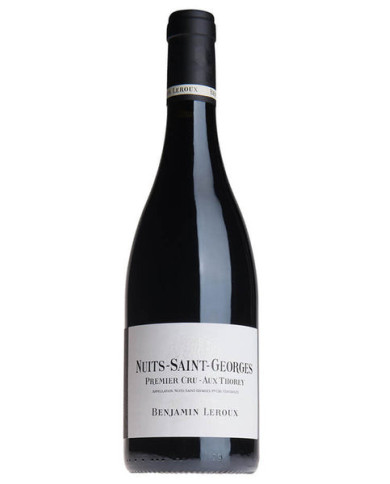
Il Nuits-St-Georges 1er Cru Aux Thorey di Benjamin Leroux è un vino rosso che rappresenta l’essenza della Borgogna, in Francia, zona notoriamente rinomata per i suoi vini di estrema qualità e complessità. Questo vino proviene da una delle aree più prestigiose, il vigneto "Aux Thorey", uno dei Premier Cru più celebrati di Nuits-St-Georges, noto per il suo suolo ricco e la posizione ideale per la viticultura.
€185.81
SKU:
21860
Brand:
Benjamin Leroux
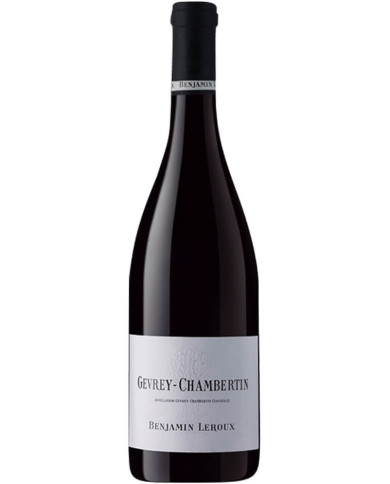
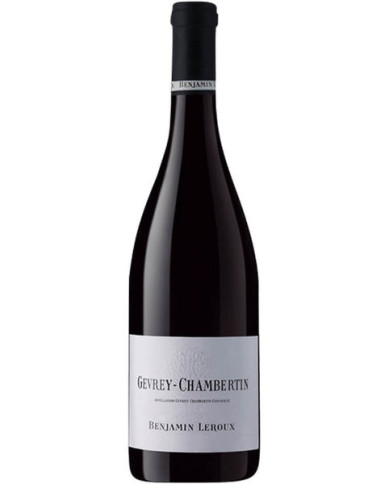
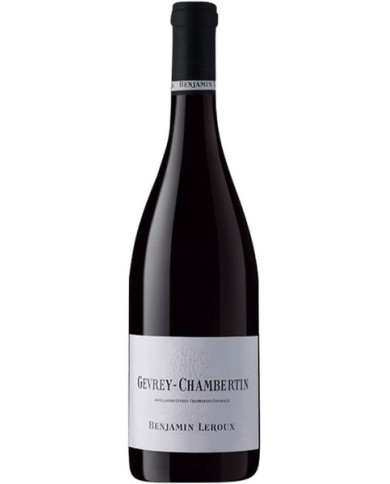
Il Gevrey-Chambertin AOC di Benjamin Leroux è un'espressione superba e nobile del Pinot Noir, proveniente dall'apprezzata regione di Borgogna, Francia. Celebrato per la sua complessità ed eleganza, questo vino rappresenta una fusione perfetta di tradizione e innovazione, caratteristiche distintive di Benjamin Leroux, considerato uno dei talenti emergenti della vinificazione borgognona.
€259.98
SKU:
21859
Brand:
Benjamin Leroux
€100.04
Il Volnay 1er Cru Mitans di Benjamin Leroux è un esemplare straordinario di eleganza e finezza, incarnando l'essenza della Borgogna. Proveniente dalla rinomata zona di Volnay, noto per i suoi terreni calcarei che impartiscono una particolare mineralità ai vini, il Premier Cru "Mitans" si distingue per la sua raffinatezza.
€100.04
SKU:
21858
Brand:
Benjamin Leroux
Il Gevrey-Chambertin AOC di Benjamin Leroux è un'espressione superba e nobile del Pinot Noir, proveniente dall'apprezzata regione di Borgogna, Francia. Celebrato per la sua complessità ed eleganza, questo vino rappresenta una fusione perfetta di tradizione e innovazione, caratteristiche distintive di Benjamin Leroux, considerato uno dei talenti emergenti della vinificazione borgognona.
€89.18
SKU:
21857
Brand:
Benjamin Leroux
La più bella e grande denominazione di vino rosso Grand Cru nella Morey-St-Denis della Borgogna, sulla Costa d'Azienda, che copre 16,9 ettari. I terreni di Clos de la Roche sono ricchi di marna che conferisce più corpo, profondità e potenziale di invecchiamento ai suoi vini rispetto alla maggior parte degli altri vigneti.
€198.62
SKU:
21856
Brand:
Benjamin Leroux
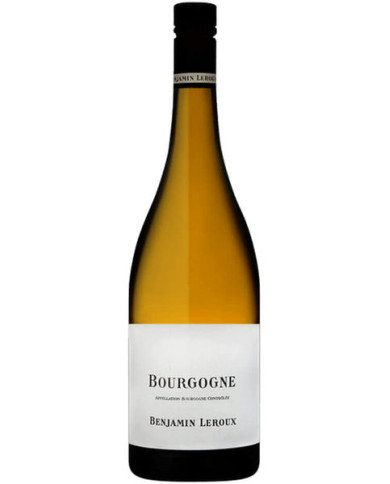
Il Bourgogne Blanc AOC firmato Benjamin Leroux rappresenta una perla rara nel panorama dei vini bianchi della Borgogna. Prodotto con uve Chardonnay selezionate con cura, questo vino incanta sin dal primo sorso grazie alla sua straordinaria freschezza e complessità.
€41.24
SKU:
21855
Brand:
Benjamin Leroux
Il Gevrey-Chambertin AOC di Benjamin Leroux è un'espressione superba e nobile del Pinot Noir, proveniente dall'apprezzata regione di Borgogna, Francia. Celebrato per la sua complessità ed eleganza, questo vino rappresenta una fusione perfetta di tradizione e innovazione, caratteristiche distintive di Benjamin Leroux, considerato uno dei talenti emergenti della vinificazione borgognona.
€112.00
SKU:
21854
Brand:
Benjamin Leroux
Il Gevrey-Chambertin Premier Cru "Les Champeaux" AOC, prodotto dalla rinomata cantina Benjamin Leroux, è un eccellente rappresentante dei vini della Borgogna, specificatamente della Côte de Nuits. Questo vino rosso è noto per la sua profondità e complessità che si sposano mirabilmente con una struttura robusta e armonica.
€108.58
SKU:
21853
Brand:
Benjamin Leroux
Il Bourgogne Blanc AOC firmato Benjamin Leroux rappresenta una perla rara nel panorama dei vini bianchi della Borgogna. Prodotto con uve Chardonnay selezionate con cura, questo vino incanta sin dal primo sorso grazie alla sua straordinaria freschezza e complessità.
€41.48
SKU:
21852
Brand:
Benjamin Leroux
Originario dei vigneti di uno dei borghi più rinomati della Costa di Nuits in Borgogna, il, la Vosne Romanèe AOC di Benjamin Leroux è un esempio iconico dell'eleganza e della complessità che il Pinot Nero può esprimere in questa famosa regione vinicola.
€140.06
SKU:
21851
Brand:
Benjamin Leroux
Per una rappresentazione completa del villaggio di Nuits- St-Georges, ogni anno questo vino è una miscela di diversi climats, tra cui St. Jacques, Herbues (sul lato settentrionale del paese), e la parte settentrionale della Fleurières (a sud del paese).
€98.82
SKU:
21850
Brand:
Benjamin Leroux
Il Chassagne Montrachet Abbaye de Morgeot AOC di Benjamin Leroux è un vino bianco straordinario, apprezzato per la sua eleganza e complessità. Proveniente dalla rinomata regione della Borgogna in Francia, questo vino è realizzato con uve Chardonnay selezionate con cura dai migliori vigneti situati nell'area di Chassagne-Montrachet, uno dei villaggi più prestigiosi per la produzione di vini bianchi di eccellenza.
€131.03
SKU:
21849
Brand:
Benjamin Leroux
Il Meursault Premier Cru Genevrières Dessous AOC prodotto da Benjamin Leroux è un vino bianco di prestigio che cattura l'essenza della Borgogna. Questo vino proviene da una delle parcelle più rinomate di Meursault, caratterizzata da un terreno argillo-calcareo che dona al vino una complessità straordinaria e una mineralità pronunciata.
€137.13
SKU:
21848
Brand:
Domane Wachau
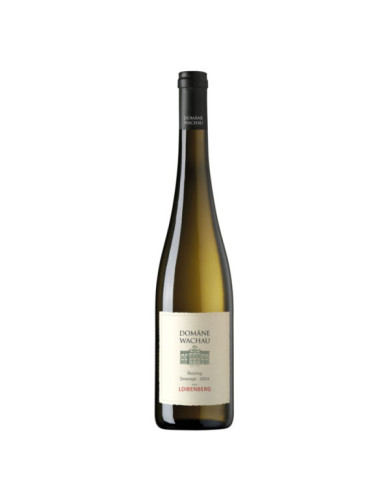
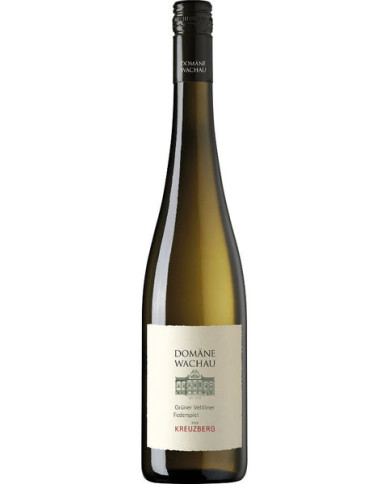
VITIGNO: Riesling VINIFICAZIONE: macerazione sulle bucce, fermentazione in vasche di acciaio e maturazione sui lieviti per alcuni mesi
€45.75
SKU:
21847
Brand:
Domane Wachau
VITIGNO: Riesling VINIFICAZIONE: macerazione sulle bucce e fermentazione in vasche d'acciaio
€34.40
SKU:
21846
Brand:
Domane Wachau
VITIGNO: Riesling VINIFICAZIONE: fermentazione spontanea e in serbatoi di acciaio, affinamento in grandi botti di legno sulle fecce fini
€45.14
SKU:
21845
Brand:
Domane Wachau
VITIGNO: Riesling VINIFICAZIONE: fermentazione a temperatura controllata, affinamento sulle fecci fini in serbatoio di acciaio
€17.93
SKU:
21844
Brand:
Domane Wachau
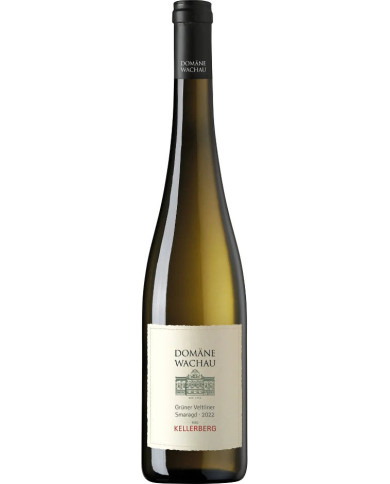
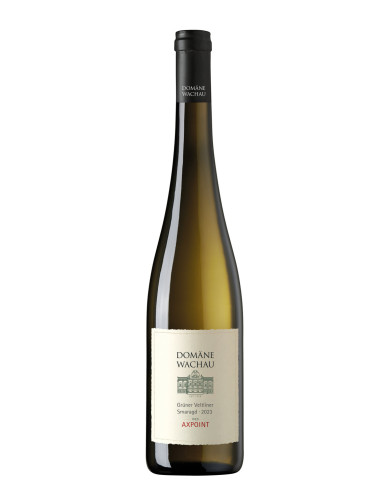
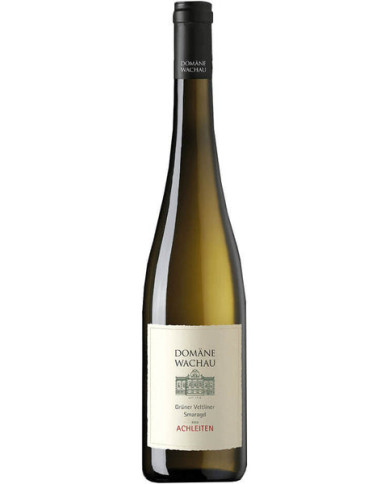
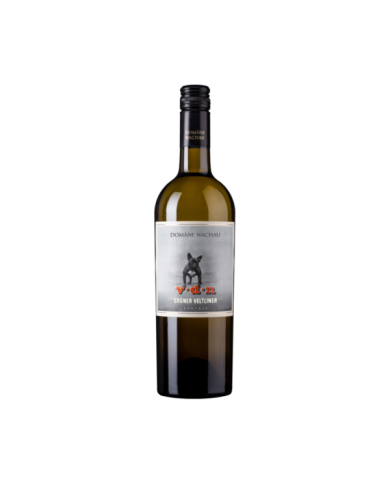
VITIGNO: Gruner Veltliner VINIFICAZIONE: macerazione sulle bucce e fermentazione spontanea in vasche di acciaio inox, affinamento in botti di legno grandi per alcuni mesi
€32.33
SKU:
21843
Brand:
Domane Wachau
VITIGNO: Gruner Veltliner VINIFICAZIONE: macerazione a freddo, fermentazione in vasche d'acciaio, affinamento in grandi botti di legno
€22.33
SKU:
21842
Brand:
Domane Wachau
VINIFICAZIONE: macerazione sulle bucce, fermentazione spontanea in vasche di acciaio inox, affinamento in botti di legno per alcuni mesi
€45.14
SKU:
21841
Brand:
Domane Wachau
VITIGNO: GRUNER VELTLINER VINIFICAZIONE: Le uve sono selezionate accuratamente e poi lavorate in pressa pneumatica a vasca, con il mosto poi fermentato a temperatura controllata e affinato sulle proprie fecce fini in serbatoi di acciaio inox.
€17.93
SKU:
21840
Brand:
Domane Wachau
VITIGNO: Riesling VINIFICAZIONE: fermentazione e maturazione in anfora per sei mesi, imbottigliato senza solfiti aggiunti
€23.91
SKU:
21839
Brand:
Domane Wachau
Conservare fino a 35 anni. Servire immediatamente o decantare fino a 30 minuti prima.
Sotto una guida esemplare, Domäne Wachau è diventata una delle migliori cantine austriache. Il direttore Roman Horvath è il secondo austriaco ad aver ricevuto il titolo di "Master of Wine", mentre il maestro di cantina Heinz Frischengruber ha studiato enologia presso la rinomata Geisenheim, in Germania.
€29.04
SKU:
21838
Emergono note raffinate di frutta gialla, con accenni succosi di pesca e albicocca, accompagnate da un bouquet floreale che spazia dal delicato profumo di tiglio alla dolcezza avvolgente della camomilla. Questo vino di notevole struttura offre un equilibrio perfetto tra corpo e freschezza, sottolineando la sua facilità di beva e l'intrigante piacevolezza che lo contraddistingue
€14.27
SKU:
21837
Sensazioni leggere di frutta esotica si aprono delicatamente, accompagnate da un sottile accenno di mela e pera. Questo vino offre una freschezza vivace che avvolge il palato in un abbraccio piacevole, creando un profilo rotondo e invitante che soddisfa i sensi.
€14.27
SKU:
21836
Esprime eleganti profumi di frutta rossa, con distinte note di ciliegia e mora. La struttura è arricchita da un tannino ben delineato che contribuisce alla complessità del vino. La sua delicatezza distintiva lo rende un'esperienza di degustazione raffinata. Si consiglia di assaporarlo fresco per amplificarne la versatilità. Vino molto equilibrato.
€14.03
SKU:
21835
Questo Riesling si presenta con profumi delicati che evocano la freschezza dei fiori gialli e bianchi. La sua straordinaria armonia offre un equilibrio perfetto, mentre la persistenza aromatica si prolunga in un finale che si distingue per la sua notevole lunghezza, regalando un'esperienza di degustazione duratura.
€14.27
SKU:
21834
Esprime una combinazione armoniosa di freschezza e intensità che delizia i sensi. La piacevolezza è evidente, con distinte note di mela e pera che si accompagnano a una sottile nota pepata nonché alla presenza di sentori di frutta gialla. Questo vino, dalla morbidezza avvolgente, riflette il suo carattere territoriale, proveniente dai migliori cru dell'azienda, offrendo un'esperienza degustativa raffinata e autentica.
€14.27
SKU:
21833
Diraspatura e breve macerazione delle bucce, pressatura soffice, decantazione statica a freddo, fermentazione a temperatura controllata 18°C. Affinamento: Lungo affinamento sui lieviti, esclusivamente in acciaio con fermentazione malolattica.
€15.13
SKU:
21832
Emergono al naso raffinate note di fragola e lampone, con un leggero tocco di mirtillo e sottolineature di ginepro. Il vino si presenta piacevole e profondamente radicato nel suo territorio, seguendo uno stile nordico che dona una piacevole croccantezza e una finezza distintiva. La sua grande bevibilità lo rende un compagno ideale, consigliato da gustare tra i 15 e i 18 gradi per accentuare ulteriormente la sua piacevolezza e la sua elegante freschezza.
€17.08
SKU:
21831
Caratterizzato da grande freschezza, questo Riesling si distingue per le intense note di pesca e albicocca, accompagnate da accenni vivaci di limone e lime. La sua sapidità distintiva e la componente minerale conferiscono al vino una profondità unica, creando un'esperienza di degustazione ricca e appagante
€15.13
SKU:
21830
Grande classico del territorio, questo vino rivela una complessità avvolgente esprimendo eleganti note di frutto della passione, sambuco, litchi e una varietà di frutta esotica. La sua presenza in bocca è importante. Caratterizzato da un'acidità sorprendentemente bassa, questo vino mette in evidenza il suo lavoro attento sulla fruttuosità e sulla potenza floreale, offrendo un'esperienza sensoriale unica e indimenticabile.
€16.84
SKU:
21829
VITIGNO: Sauvignon blanc VINIFICAZIONE: Pressatura soffice, stabulazione a freddo del mosto, decantazione statica a freddo, fermentazione a temperatura controllata 16°C CARATTERISTICHE: Vino che si apre con invitanti note di melone, fiore di sambuco e un bouquet floreale avvolgente, arricchito da una leggera sfumatura pepata. Emergono anche lievi accenni di mela gialla e una sottile punta vegetale, caratteristica tipica che rievoca le classiche note del Sauvignon. Questo vino si presenta come un'esperienza piacevole e equilibrata, offrendo un intrigante gioco di profumi e sapori che catturano l'attenzione.
€15.13
SKU:
21828
VITIGNO: Schiava VINIFICAZIONE: Diraspatura e breve macerazione delle bucce, pressatura soffice, decantazione statica a freddo, fermentazione a temperatura controllata 18°C CARATTERISTICHE: Un vino straordinariamente versatile, con suggestioni che richiamano la terra e una leggera rusticità. Emana delicate note di frutta rossa, tra cui ciliegia e mora, accompagnate da un tannino ben bilanciato. La sua delicatezza distintiva lo rende un'esperienza di degustazione raffinata, invitando a esplorare la complessità sottile di questo vino.
€14.03
SKU:
21827
Il Lagrein Alto Adige DOC della Cantina Roveré della Luna Aichholz è un vino di eccezionale pregio, che cattura l'essenza del varietale Lagrein coltivato nelle valli soleggiate dell'Alto Adige. Questo vino si distingue per il suo colore intenso, un rosso rubino profondo con riflessi violacei che preannunciano la complessità e la profondità del bouquet.
€15.13
SKU:
21826
Brand:
Dolfo
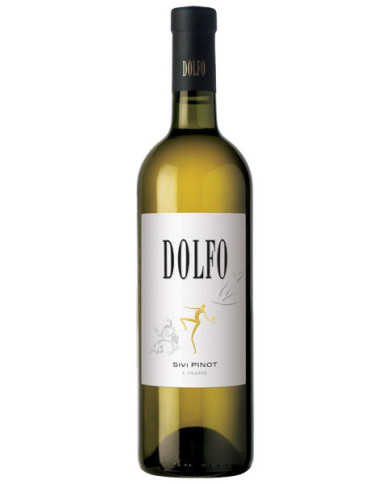
Il Pinot Grigio 'Sivi Pinot' della cantina Dolfo è un vino bianco che incarna la pura espressione del terroir della regione vitivinicola della Slovenia orientale. Con la sua elegante tonalità paglierina chiara e riflessi verdognoli, questo vino offre un aspetto visivo che anticipa la freschezza e la vivacità degustativa.
€20.25
SKU:
21825
Brand:
Dolfo
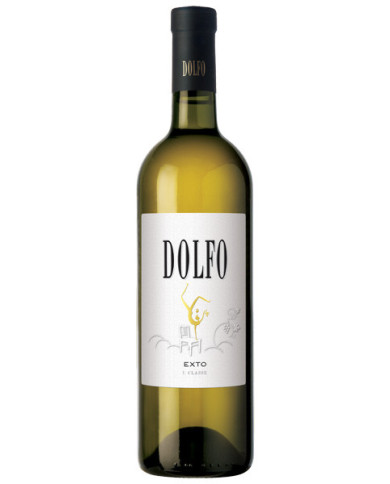
Il Friulano - Sauvignonasse - Exto della cantina Dolfo è un'espressione pura e raffinata del territorio friulano, dove le tecniche di vinificazione tradizionali incontrano l'eleganza e la modernità. Questo vino è ideale per coloro che apprezzano i bianchi strutturati e complessi, offrendo un perfetto equilibrio tra intensità aromatica e freschezza.
€19.15
SKU:
21824
Brand:
Dolfo
VINIFICAZIONE Pigiatura veloce, fermentazione a temperatura controllata ..., lieviti indigeni
CARATTERISTICHE Accompagnerà bene le ostriche, sushi, sashimi, caviale, aragoste, prugne farcite con un formaggio a pasta dura e condite con olio d'oliva... Da servire a 4°C.
€39.53
SKU:
21823
Brand:
Dolfo
Il Pinot Nero "Modri Pinot" prodotto dalla cantina Dolfo rappresenta un'interpretazione unica di questo vitigno tanto celebrato ma anche notoriamente capriccioso. Coltivato nelle vigne meticulosamente curate della Slovenia, questo vino cattura l'essenza delle condizioni climatiche e terroir particolarmente favorevoli alla regione.
€25.86
SKU:
21822
Brand:
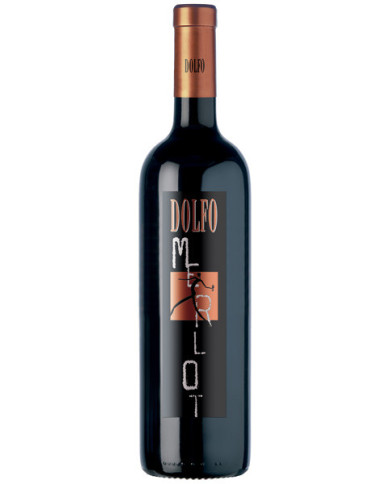
Dolfo
€38.55
Il Merlot Riserva della cantina Dolfo rappresenta una perla pregiata nell'universo dei vini rossi. Prodotto nelle rigogliose vigne situate nella zona del Collio, questo vino è il risultato di un'attenta selezione delle migliori uve Merlot, raccolte manualmente per garantire la massima qualità.
€38.55
SKU:
21821
Brand:
Dolfo
Il Cabernet Sauvignon di Dolfo è un'espressione sofisticata e intensa di uno dei vitigni più celebri al mondo. Proveniente da vigneti attentamente selezionati, questo vino riflette l'unicità del terroir in cui le uve sono coltivate. La cantina Dolfo, nota per la sua passione e per il rispetto delle tradizioni vinicole, produce questo vino con una cura meticolosa che si riflette in ogni sorso.
€19.64
SKU:
21820
Brand:
Dolfo
Brillante, chiaro, verdognolo opaco è l'apparenza che ci sorprende ma viene subito sovrastata da sontuosi profumi di forte intensità che ricordano il suo carattere aromatico.
€19.64
SKU:
21819
Brand:
Dolfo
La Malvasia di Dolfo è uno squisito esemplare di vino bianco che incarna la ricchezza e la diversità del patrimonio vitivinicolo dell'Istria. Questo vino è prodotto dalla cantina Dolfo, nota per la sua dedizione nell'esaltare le varietà autoctone con metodi di vinificazione che combinano tradizione e innovazione.
€25.86
SKU:
21818
Brand:
Dolfo
Ci seduce subito con la sua apparente disarmonia. Brillante, chiaro, verdognolo opaco è l'apparenza che ci sorprende ma viene subito sovrastata da sontuosi profumi di forte intensità che ricordano il suo carattere aromatico.
€19.64
SKU:
21817
Brand:
Dolfo
La Ribolla Gialla Rumena Rebula prodotta dalla cantina Dolfo si distingue per il suo carattere inconfondibilmente fresco e aromatico. Questo vino bianco, originario della zona del Friuli Venezia Giulia, riflette in modo esemplare le peculiarità del vitigno Ribolla Gialla, nota per la sua capacità di produrre vini di grande eleganza e vivacità.
€19.64
SKU:
21809
Brand:
Marotti Campi
Intense ruby red color with violet reflections. Characteristic aromas of rose, violet, myrtle and cinnamon. Fresh and fruity on the palate, dry and velvety with balsamic notes, medium-bodied and good acidity, pleasantly tannic. Serve at about 18 ° with elaborate first courses, roasted white meats, cold cuts, grilled or fish soups.
€10.39
SKU:
21807
Brand:
Torri Cantine
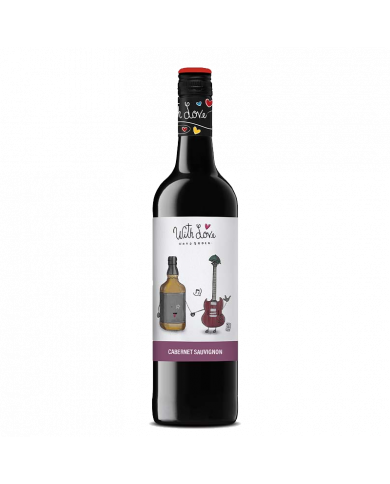
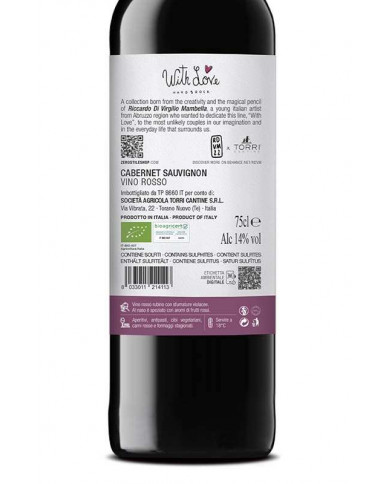
The Hard & Rock couple needs no introduction. They have always belonged to each other. Ruby red wine with purple hues. The nose is spicy with aromas of red fruits.
€12.86
SKU:
21806
Brand:
Torri Cantine
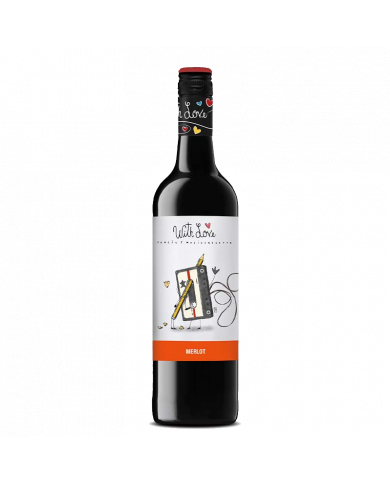
If you were born in the 90s, this label will unlock a beautiful memory for you. It is dedicated to the old days, when all you needed to rewind the cassette tape was the HB pencil. A unique and indissoluble bond that unites them. Ruby red wine with purple hues. The nose is spicy with aromas of red fruits.
SKU:
21805
Brand:
Torri Cantine
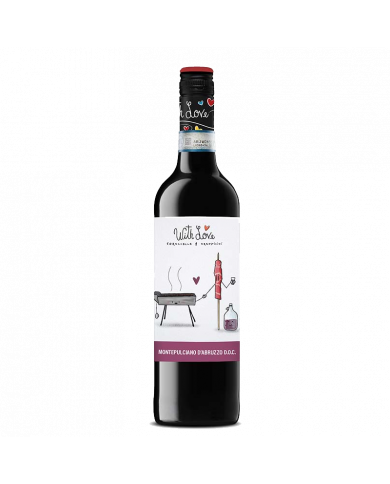
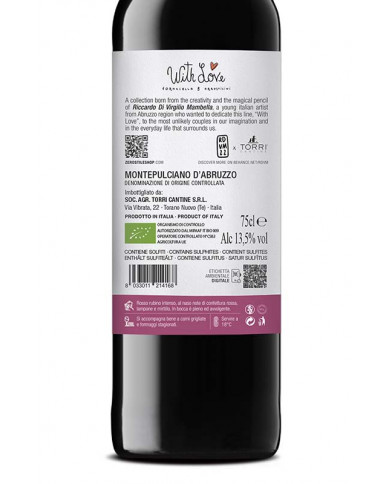
First time in Abruzzo? This label illustrates how to fully live our tradition: drinking Montepulciano, king of Abruzzo red wines, eating the famous arrosticini (sheep meat skewers), cooked exclusively on the “fornacella”. Intense ruby red color, the nose expresses notes of red jam, raspberry and blueberry. In the mouth it is full and enveloping.
€12.86
SKU:
21797
Brand:
Cascina Corte
Intense and composite bouquet, with hints of strawberry, pomegranate, tea leaf and scents of undergrowth and violet. To drink immediately, but long-lived like few other wines.
€26.60
SKU:
21794
Brand:
Cascina Corte
Elegant and refined wine. In the mouth the acidity runs through the entire tasting, letting the rich background matter shine through and raising the tone of the drink. Persistent.
€45.49
€23.40
SKU:
21790
Brand:
Cascina Corte
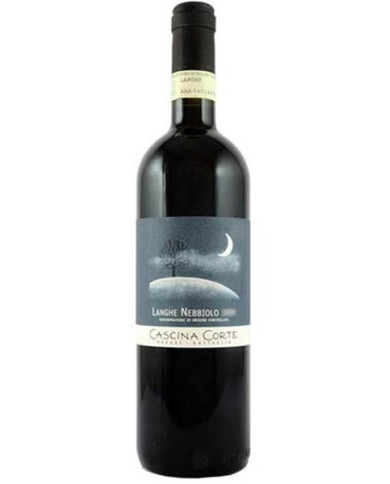
Garnet red colour. The nose opens on varietal hints of dried rose, violet and wet earth, which gives the wine a spicy aroma; fine and sweet in the mouth.
€32.51
€23.39
€15.69
€15.69
€16.87
€15.31
€8.26
SKU:
21769
Brand:
Cantina Zaccagnini
Zaccagnini's Montepulciano d'Abruzzo "Tralcetto" is an immediate, simple, direct red wine, able to best express the fruity part of the Abruzzo red grape. We can smell aromas of ripe red fruit, cherries and undergrowth. In the mouth it is full, soft, fresh and well balanced.
€12.47
SKU:
21767
Brand:
Masciarelli
The first line created by Gianni Masciarelli in the 80s in the small plot of Ripa Teatina is today the most consistent and best-selling production of the company and a sure point of reference for lovers of Masciarelli wines. Faithful to Gianni's thought that "a large company is recognized by its daily wine", the range reflects the genuine taste of the Abruzzo tradition and the qualities of its native vines. The screw cap allows you to open the bottle easily wherever you are, keeping the aromatic fragrance intact without smudging. Masciarelli 's daily wine par excellence, it is the company's best-selling product, present in over 50 countries. The pure Montepulciano grapes from the vineyards of San Martino sulla Marrucina, Ripa Teatina, Fara Filiorum Petri and Villamagna, all in the province of Chieti, are vinified with permanence on the skins for about 15 days, followed by 20 months of aging in steel. The warmth and freshness of the wide range of berries seduce at first taste: dark cherries, blackberries, black raspberries and undergrowth. The palate is taut and finely enveloped in subtle tannins and a pleasant acidity. Medium to full bodied and very juicy in the finish. The wine for those who want to savor all the fruit and joy of Montepulciano d'Abruzzo.
€10.26
SKU:
21759
Brand:
Codice Citra
Vino Moscato Dolce Moscardello is the ancient dialect name given to this delicious sweet wine. It is a precious and limited production, obtained from the noble Moscato vine. To enhance its typical characteristics, the grapes are subjected to careful vinification with "natural" fermentation, which contributes to making Moscardello a jewel of Abruzzo enology. Vinification: In white, with crushing and soft pressing of the grapes. Fermentation: the base must ferments at a controlled temperature in an autoclave with selected yeasts. Second fermentation lasts about 15-20 days. Color: Straw yellow, with greenish reflections. Smell: Typically aromatic. Taste: Sweet, balanced, persistent.
€9.52
€10.31
SKU:
21755
Brand:
Fausto Falcone
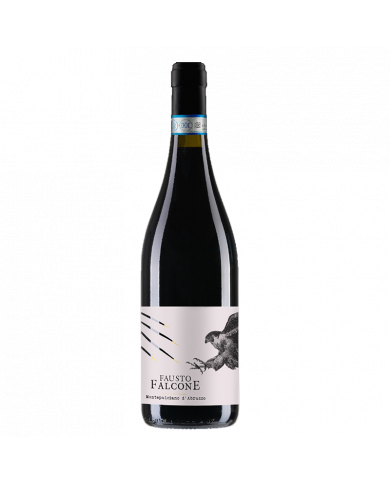
Ruby red color with violet reflections, with an intense aroma of red fruit, in particular berries in alcohol, plum and black currant bouquet of withered flowers and light spicy notes in the finish. On the palate, perfect balance between the soft components and a very lively tannin.
€15.20
SKU:
21754
Brand:
Casalbordino
Dishes based on red meats, game and aged cheeses. Also ideal for pleasant meditations.
€24.07
SKU:
21751
Brand:
Casalbordino
Aging in medium-capacity oak barrels, 25 Hl, for about 18 months and refinement in the bottle for three months before placing on the market. Store in a cool place at a temperature of about 5-7°C.
€7.08
€28.55
€11.83
SKU:
21745
Brand:
Forteto della Luja
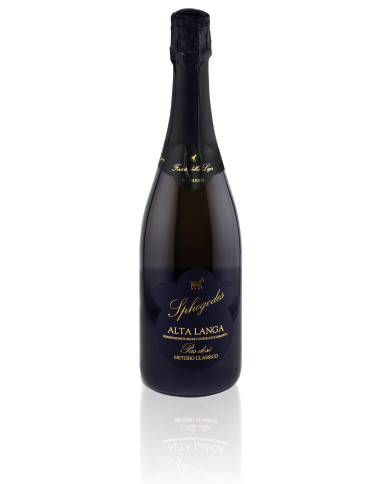
Piasa Rischei is the wine produced solely with Moscato grapes, left to dry on the vine and harvested at the end of October, a part of the bunches is still left to dry on mats in an orchard. After fermentation, the wine is aged in barriques for 24 months. A passito balanced between freshness and sweetness. Great evolutionary capacity. Perfect to combine with cheeses and fois gras.
€37.39
SKU:
21740
Brand:
Masseria Li Veli
Il Garrisa viene prodotto con uve Susumaniello, un vitigno del Salento a bacca rossa. Elegante e pieno è davvero un bel bicchiere!
€14.95