

 Italiano
 Deutsch





There are no more items in your cart
SKU:
17029
Brand:
Fontezoppa
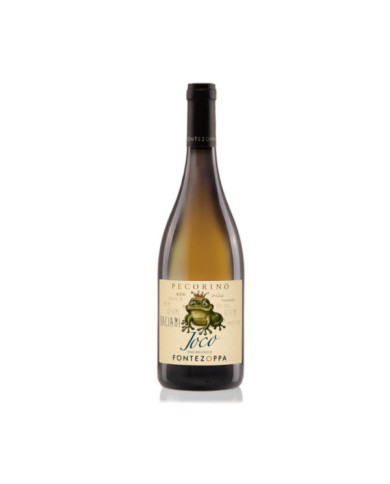
Do you know that you are about to drink a cup that you risked never being able to drink again?
Very rare grapes, autochthonous and yet to be discovered.
We really like this Garofanata a lot and we strictly uncork it when we are in excellent company.
€18.91
SKU:
17028
Brand:
Fontezoppa
A white Marche IGT is obtained from white grapes, aged in steel for at least 6 months.
€15.49
SKU:
17026
Brand:
Fontezoppa
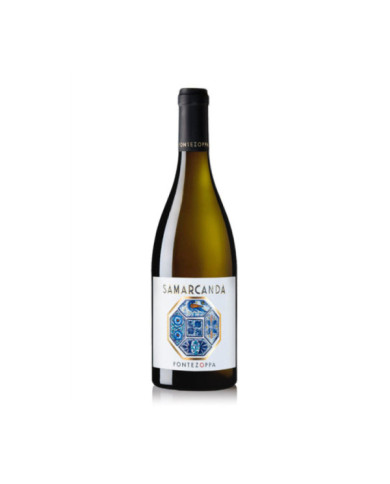
Maceratino is an ancient vine, brought by the Piceni princes, which has acclimatised in a small area of the Macerata hills caressed by the brackish winds of the Adriatic.
€31.11
SKU:
17025
Brand:
Fontezoppa
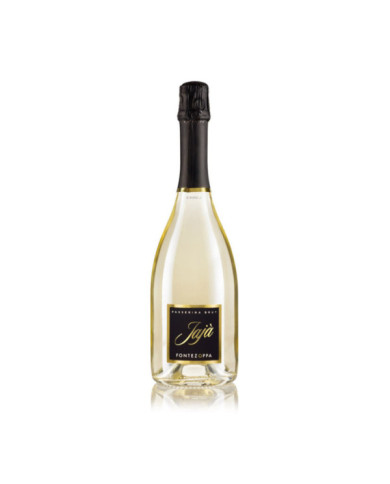
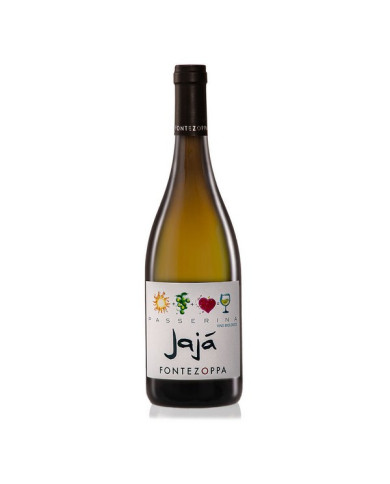
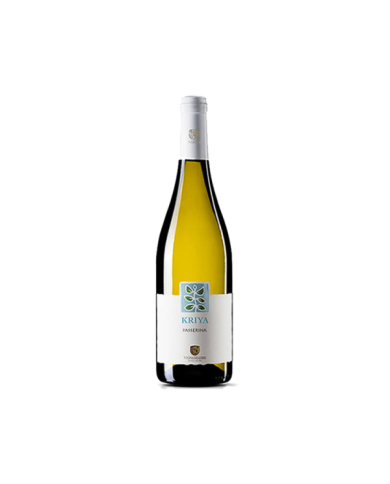
From Passerina grapes harvested by hand and refermented with the Martinotti method, it is straw yellow with greenish reflections, with fine and persistent bubbles.
€17.08
SKU:
17022
Brand:
Fontezoppa
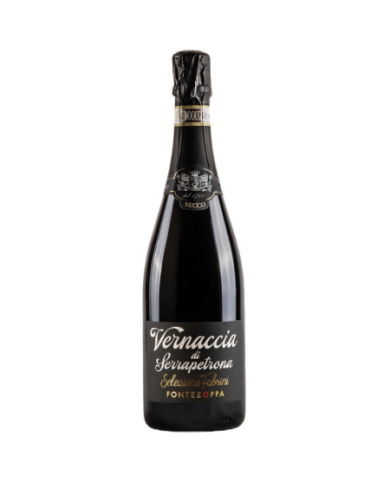
Vernaccia di Serrapetrona in the dry version is a peppery and drinkable red sparkling wine, pleasantly rustic, obtained from Vernaccia Nera with two alcoholic fermentations and second fermentation in steel with the Martinotti method.
€22.84
SKU:
17020
Brand:
Fontezoppa
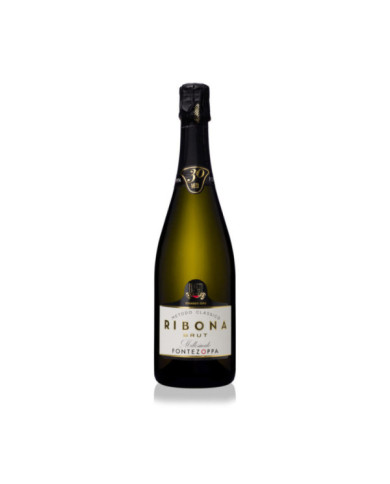
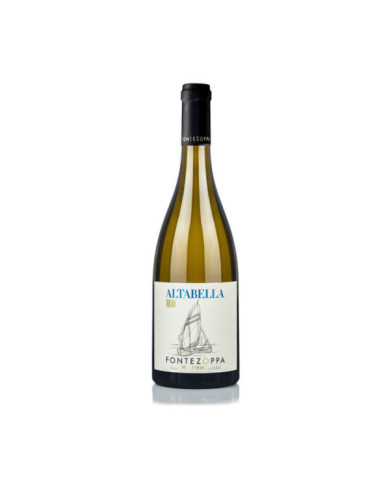
Altabella, obtained from Maceratino (or Ribona) grapes, a typical vine of our area, harvested by hand, aged in steel and bottle.
€19.76
SKU:
17017
Brand:
Fontezoppa
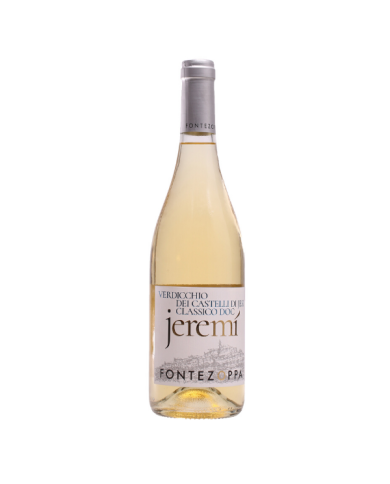
This wine has a straw yellow colour, brilliant and inviting. On the nose, it offers a refined fragrance characterized by delicate floral notes, which blend harmoniously with a complex fruity profile of pineapple, grapefruit and peach.
€11.59
SKU:
17016
Brand:
Fontezoppa
Pleasant freshness accompanied by a sensation of peach, broom flowers and jasmine.
€13.18
SKU:
17015
Brand:
Fontezoppa
Crystalline straw yellow.
Fine and delicate nose with hints of white flowers together with fruitiness of banana, pineapple and citrus.
€13.18
SKU:
16996
Brand:
Tenuta Viglione
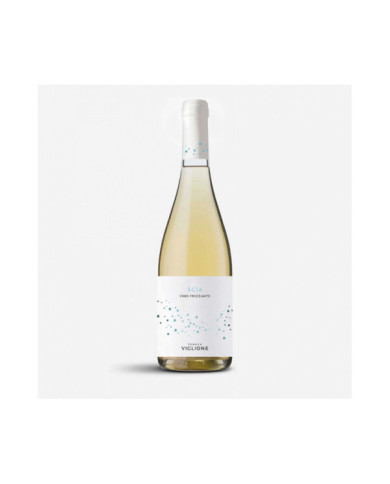
Fresh, balanced and savory sparkling wine with a fruity aftertaste. Ideal to accompany aperitifs and raw seafood.
€7.94
SKU:
16992
Brand:
Codice Citra
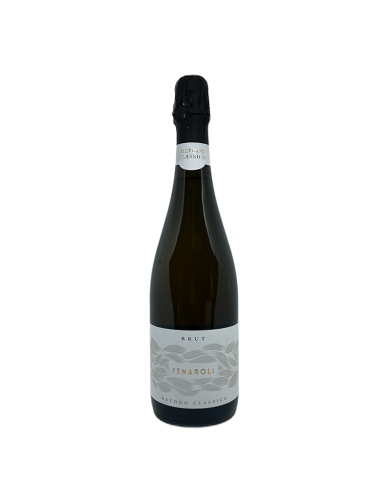
The Metodo Classico Spumante Brut Fenaroli is a sparkling wine made from white berried grapes from the Citra winery. A Classic Method of great style and elegance
€17.93
SKU:
16991
Brand:
Vigna Madre
The first Dynamic Energy Vineyard (last patent by the Di Carlo family). Nature and man merge with the energy of colours... to improve biodiversity, the vitality of the soil, the positive frequencies on plants and fruits, people, animals and useful insects.
SKU:
16989
Brand:
Perusini
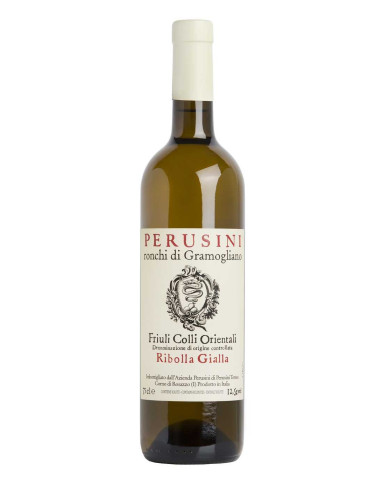
Ribolla Gialla DOC is the symbolic wine of the Perusini Agricultural Company, located in Corno di Rosazzo in the province of Udine, on the eastern Friulian hills. Produced with 100% Ribolla Gialla grapes
€16.40
SKU:
16988
Brand:
Perusini
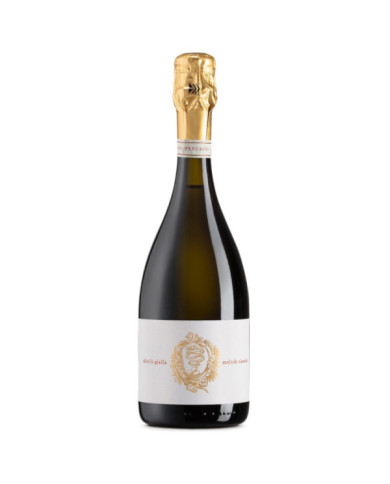
Ribolla Classic Method is a Brut sparkling wine obtained 100% from Ribolla Gialla grapes refermented in the bottle for 24 months. The Ribolla grapes guarantee this wine a great freshness and a pronounced acidity.
€23.63
SKU:
16987
Brand:
Perusini
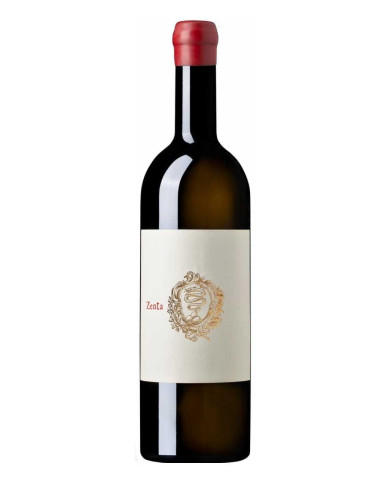
Riserva white wine produced using the selection of the best bunches of Sauvignon and Chardonnay from our most suitable plots.
€32.45
SKU:
16981
Brand:
Perusini
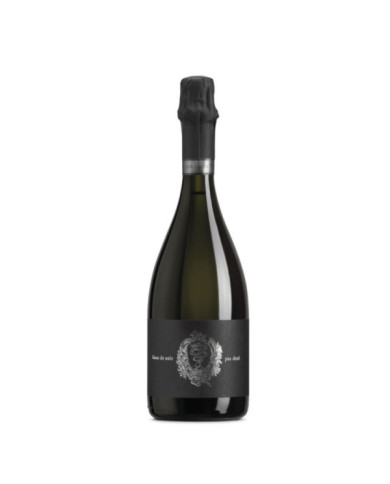
Last born in the Perusini house, this classic method is obtained from the best Pinot Noir grapes. This type of sparkling wine is better known on the market as Blanc de Noir. We have chosen to produce it in the version without added sugar and liqueur, and therefore with a pas dosé dosage…
€27.80
SKU:
16980
Brand:
Perusini
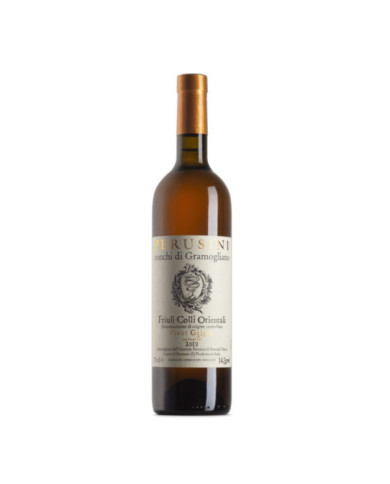
Pinot Grigio with an extraordinary coppery color obtained through a pre-fermentation cold maceration.
€17.56
SKU:
16933
Brand:
Tenuta Rocca
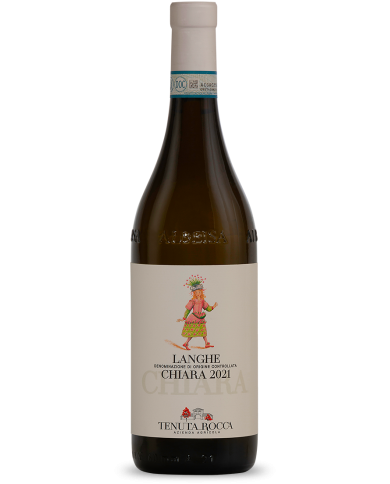
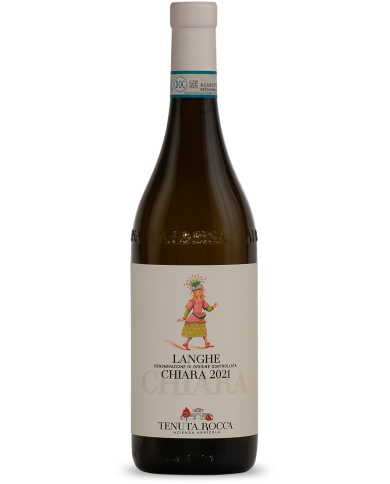
Deep straw yellow colour. The nose shows notes of exotic fruit and banana, linked by a pleasant buttery envelopment. In the mouth it is the harmony of the elements that dominates, where the accord between almond, white flowers and honey give an incredible persistence.
€55.51
SKU:
16932
Brand:
Tenuta Rocca
€23.57
€20.03
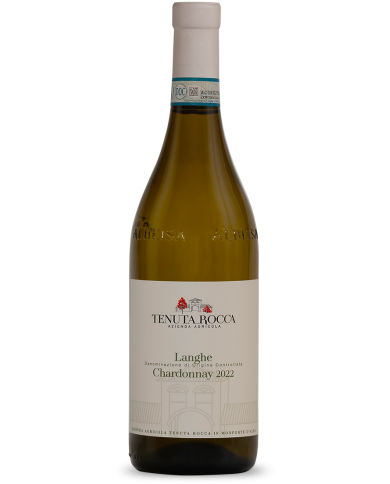
Deep straw yellow colour. The nose shows notes of exotic fruit and banana, linked by a pleasant buttery envelopment. In the mouth it is the harmony of the elements that dominates, where the accord between almond, white flowers and honey give an incredible persistence.
€23.57
€20.03
SKU:
16927
Brand:
Tenuta Rocca
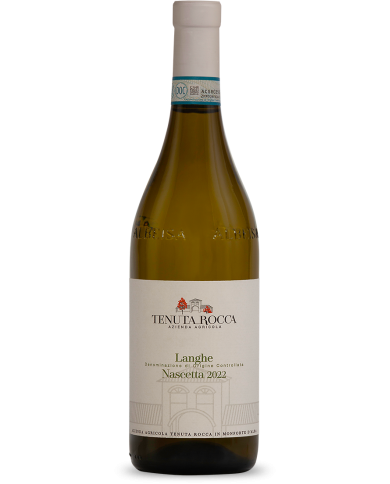
It is straw yellow with slight greenish reflections. Nose with a vast varietal spectrum, the hints of pineapple blend with the more delicate ones of jasmine, to close with the more acidic notes of grapefruit. The mouth is full and robust, almost oily. Persistent finish.
€11.61
SKU:
16926
Brand:
Tenuta Rocca
Straw yellow of medium intensity. There is a clear contrast between the nose, characterized by the sweet notes of ripe pear and the citrus notes of blood orange, and the mouth, where the sapidity and minerality make it complex and sweetish.
€14.12
SKU:
16925
Brand:
Tenuta Rocca
Deep straw yellow colour. The aromas, on the nose, unfold on a carpet composed of dried fruit and lightly toasted bread, wild flowers. In the mouth the entrance is full and rich
€26.17
SKU:
16918
Brand:
Torraccia Del Piantavigna
To produce this sparkling wine, Erbaluce is used, grown on about 4 hectares of vineyards in Maretta, in the DOC area of Ghemme.
€34.98
SKU:
16907
Brand:
Torraccia Del Piantavigna
excellent both as an aperitif and throughout the meal, it accompanies a wide variety of foods based on both fish and vegetables, up to moderately strong flavours.
€16.25
SKU:
16836
Brand:
Cantina Orsogna
Zibibbo has a history spanning thousands of years: it has Egyptian origins and after this first long adaptation to the North African coasts, Zibibbo was brought to western Sicily by the Phoenicians and the Greeks, becoming one of the most widespread and interesting varieties of the western Mediterranean around 800-700 aC During the Roman Empire the variety was also exported to other regions of southern Europe. Zibibbo is known in Sicily mainly by its Arabic denomination, Z'bìb, which simply means "raisins".
€13.86
SKU:
16833
Brand:
Cantina Orsogna
€13.86
€12.47
Grillo is a white grape variety widespread above all in western Sicily. The probable origin lies in what Baron Mendola wrote in 1874: “white Catarratto seed artificially fertilized with Zibibbo in the flowering of 1869 in my Piana dei Peri vineyard near Favara […] . The same wrote also in 1904 "I hybridized the common Catarratto of Sicily […] neck Zibibbo, to be able to make a more aromatic Marsala". The Grillo initially finds its origin in the Marsala area and then in the other provinces of the island. Il Grillo is capable of giving wines with a high alcohol content and then having the vocation of being particularly predisposed to ageing. The best Marsala is obtained by vinifying Grillo.
€13.86
€12.47
SKU:
16830
Brand:
Agriverde
Intense straw yellow with golden and brilliant shades. The nose is expressed with great elegance with wide varietal aromas of ripe yellow fruit, delicate floral and mineral notes, intriguing nuances of honey and vanilla. In the mouth it is a wine of great structure and complexity, it is fresh, balanced with delicate tannins and long persistence. Food matches: Complex sea and land dishes, complex sea dishes (cod, monkfish, sea bass with potatoes, etc.) and land (truffle and porcini tagliatelle, pappardelle alla hare, etc.) aged cheeses, including blue cheeses.
€14.60
SKU:
16828
Brand:
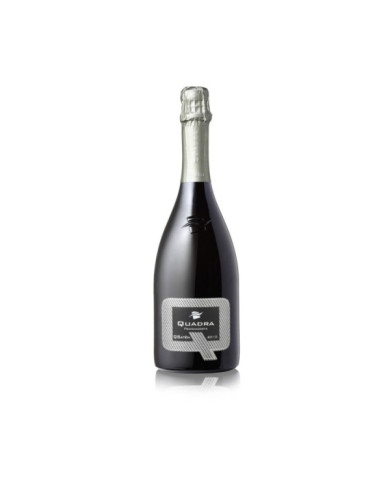
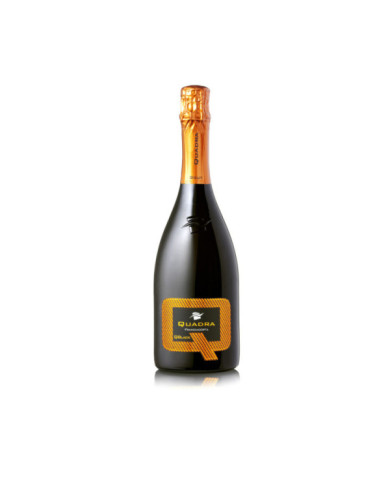
Quadra Franciacorta
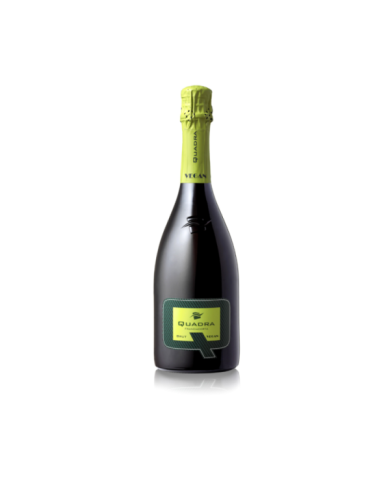
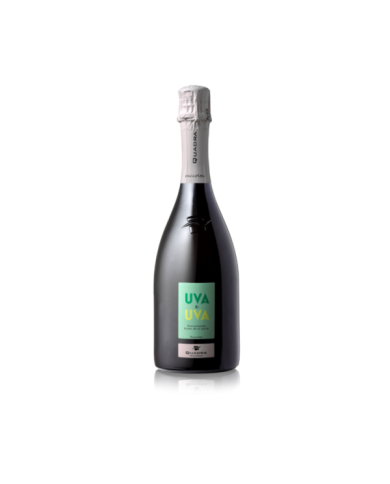
Green Vegan Brut is the synthesis of our philosophy and our idea of Franciacorta.
€26.96
SKU:
16827
Brand:
Quadra Franciacorta
Pinot Noir is the prince of vines. It expresses power without weight bringing elegance and character firm and decisive
€31.21
SKU:
16826
Brand:
Quadra Franciacorta
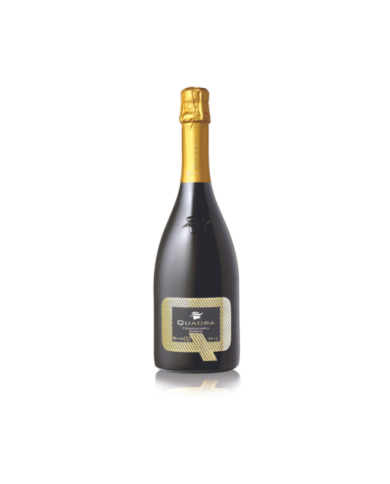
Quvée is an original and evocative neologism, shaped by two essential concepts: the name of the company, summarized by the initial Q which, with strength and character, replaces the C of Cuvée.
€70.21
SKU:
16825
Brand:
Quadra Franciacorta
Quvée is an original and evocative neologism, shaped by two essential concepts: the name of the company, summarized by the initial Q which, with strength and character, replaces the C of Cuvée.
€35.14
SKU:
16824
Brand:
Quadra Franciacorta
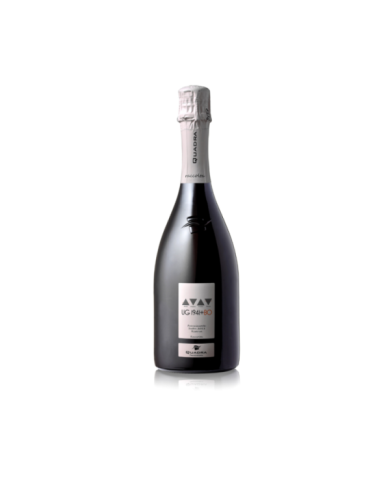
This vintage proved to be the best of the last 15 years. We declined it in Riserva, UG, entrusting it with the 80th anniversary celebrations of our founder Ugo Ghezzi.
€50.70
SKU:
16823
Brand:
Quadra Franciacorta
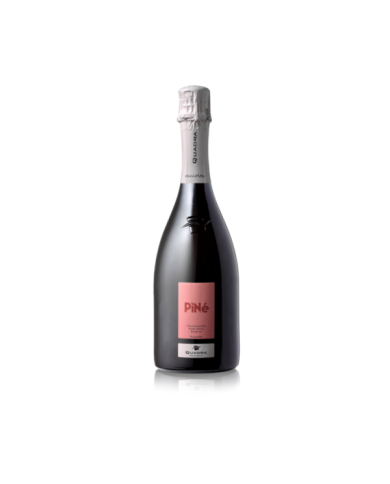
Pinot Noir seen in its highest potential. The interpretation of a compact and deep structure that identifies the intensity of this fascinating vine. We have chosen to vinify it in rosé to give even more value to Pinot Noir
€40.50
SKU:
16822
Brand:
Quadra Franciacorta
We have created a wine without sugars other than those of grapes. A small challenge that enthralled the whole team, creating a wine outside the classic schemes
€37.82
SKU:
16821
Brand:
Quadra Franciacorta
Clear and distinctive essence of Franciacorta. Lower atmospheric pressure will make the mouth smooth and creamy with a sweet nose of fresh flowers and lemon cream.
€64.78
SKU:
16820
Brand:
Quadra Franciacorta
The perfect statement of the Quadra philosophy. A harmonious encounter between the three main grapes of Franciacorta: Chardonnay, Pinot Bianco and Pinot Nero from all the estate vineyards.
€54.61
The best Italian white wines
Italy is home to some of the finest white wines. In the Clickwine section of our online wine shop dedicated to the finest Italian white wines, you'll find bottles of excellent white wine carefully selected by our sommeliers.
The designations used in our country to classify wines are DOCG, DOC, and IGT. Sometimes you'll also find designations like DOP and IGP: these acronyms have similar meanings to the previous ones but are used by wineries that primarily sell their wines outside of Italy.
The production of white wine
White wines are produced from both light and dark grapes, but vinified as a white wine: that is, during maceration there is no contact between the must and the pomace, so that the skin – exactly the opposite of what happens with red wines – does not release substances and color.
Its myriad nuances vary according to the characteristics of the grape variety, the aging method and the vine growing area.
In white winemaking, once the grapes have been harvested, they are transported to the cellar, destemmed, and pressed, and the must is separated without any maceration or with a brief maceration. Sometimes, however, the grapes are pressed and then macerated with the skins at a low temperature for a varying length of time. This produces richer, smoother wines.
This phase is followed by the clarification of the white wine produced, which can be done by letting the must rest, by cooling, centrifugation or filtration.
Fermentation begins either by adding selected yeast to the must or spontaneously, using the indigenous yeasts present in the grapes. To preserve the aromas, finesse, and freshness of white wines, fermentation is carried out at lower temperatures than red winemaking, generally around 18°C.
To obtain a fresh and lively wine, best drunk young, malolactic fermentation is avoided by bottling early, after filtration and stabilization. More complex wines, aged or fermented in wood, are bottled only after several months in barrel.
How to taste white wine
First, you need to decide whether to uncork the bottle right away or let your white wine age. If you want to immediately succumb to its charm, its aromas of aromatic herbs, flint, or its notes of exotic fruit, then serve your white wine at the right temperature: 6-8°C for a young white and 8-10°C for a softer, more structured wine.
How to pair white wine
Dry white wines will surprise you at the table, too, and not just with their straw-yellow color. As an aperitif, and especially with a fish dish, white wine is definitely a must, but it's not easy to know which of the many labels will be best suited to the occasion.
We recommend pairing white wine with cheeses, whether low-fat, fresh, or rich in milk, such as flavorful buffalo mozzarella, or with soft, bloomy-rind cheeses. They're also perfect with white meats, such as classic scallops, but beyond tradition, white wine also pairs perfectly with meat and risotto dishes, as well as truffles. Visit our online wine shop Clickwine for expert advice on purchasing the best white wine at the best price to pair with your favorite dishes.
White wines: prices and offers
Every week, our online wine shop, Clickwine offers a selection of selected white wines at special prices. In this section and in the special offers section, you can then browse the best value wines.
A wide selection of premium products at affordable and truly exclusive prices. Don't miss the incredible deals on white wines from all the most prestigious Italian wineries; discover internationally renowned and beloved Italian wines.
Enter the Clickwine catalog and expand your selection by purchasing exclusive items online from smaller, yet exceptionally high-quality wineries.
White wines: longevity and conservation
How long can I keep white wine in the cellar? Do white wines improve as they age like red wines? These are the questions a wine consumer asks when talking about white wine.
In general, white wines have a much shorter shelf life than red wines, for two reasons: tannins and aging. Tannins are antioxidants present in the wine's skins that aren't present in white wines; as for aging, however, most white wines age in stainless steel for just a few months; even red wines, if they age briefly in stainless steel and undergo rapid maceration, don't last for many years. Let's say a classic white wine aged in stainless steel lasts a maximum of 2 to 3 years. If it undergoes maceration or ages in wood, it can last up to 20 years and improve year after year.
How many types of white wines are there?
There is no exact number of types of white wine, as there are several different white grape varieties that can be used to make white wines. Some of the most common white grape varieties used to make white wines are Chardonnay, Sauvignon Blanc, Riesling, Pinot Grigio, and Moscato. There are also other less common varieties such as Gewürztraminer, Semillon, and Viognier. Each of these varieties can be used to produce white wines with unique and different characteristics, so there are many different types of white wines available.
How to recognize a good white wine?
There are several ways to recognize a good white wine. One of the simplest is to taste the wine and evaluate its flavor and aroma. A good white wine should have a pleasant flavor and a delicate, complex aroma. Other factors that can indicate the quality of a white wine include the vintage, the grape variety, and the production area. In general, white wines produced with high-quality grapes and in particularly favorable years tend to be more valuable and of higher quality. Furthermore, white wines produced in regions renowned for producing high-quality white wines can be considered more valuable than those produced in other regions.
How to understand if a white wine is good?
As mentioned above, one of the easiest ways to determine if a white wine is good is to taste it and evaluate its flavor and aroma. A good white wine should have a pleasant flavor and a delicate, complex aroma. It's also important to keep in mind that the quality of a white wine can be influenced by several factors, such as the vintage, the grape variety, and the production area. For example, white wines produced with high-quality grapes and in particularly favorable years tend to be more valuable and of higher quality. Furthermore, white wines produced in regions renowned for producing high-quality white wines may be considered more valuable than those produced in other regions.
Why is it called white wine?
White wine is so called because it is made using white grapes. Most white grapes have transparent or lightly colored skins, so the wine made from these grapes has a light, transparent color. Sometimes the color of white wine can be influenced by the type of grape used, the winemaking process, and the addition of other ingredients, but generally, white wine has a light, transparent color.
How to replace white wine?
If you want to replace white wine in a recipe, there are several ingredients you can use. One of the most common options is to use chicken or vegetable broth instead of white wine. Other options include using white vinegar or apple juice diluted with water. Additionally, in some cases, you can omit the white wine entirely and use other ingredients to achieve the desired flavor in the recipe.