

 Italiano
 Deutsch






























There are no more items in your cart
SKU:
18494
Brand:
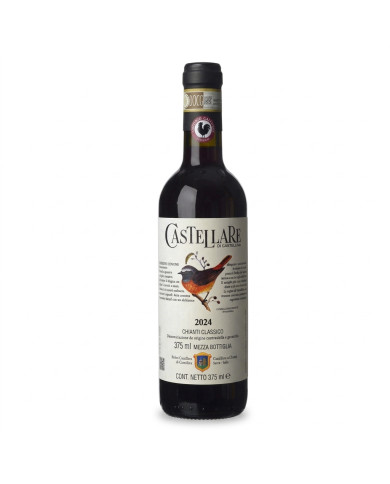
Castellare di Castellina
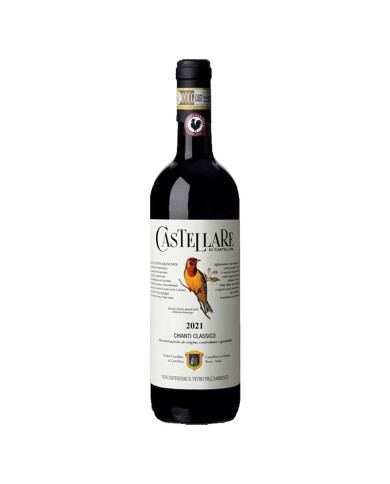
Brilliant ruby red color with violet reflections. Thanks to the harmony of the tannins, combined with the delicate complexity of the aromas and the final note of sweetness, the wine is characterized by an excellent balance in the mouth.
Chianti Classico Castellare di Castellina
€12.20
SKU:
23179
Brand:
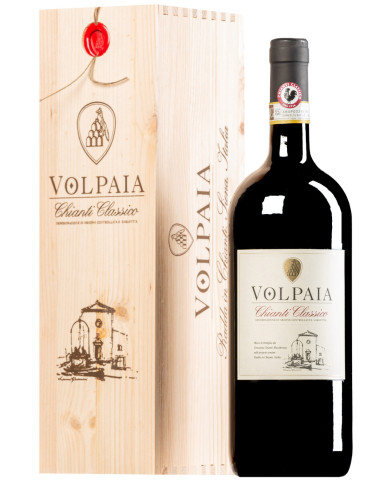
Castello di Volpaia
Il nostro Chianti Classico è caratterizzato da eleganza e finezza con un ricco bouquet di frutti rossi e spezie.
€62.62
€55.00
SKU:
21894
Brand:
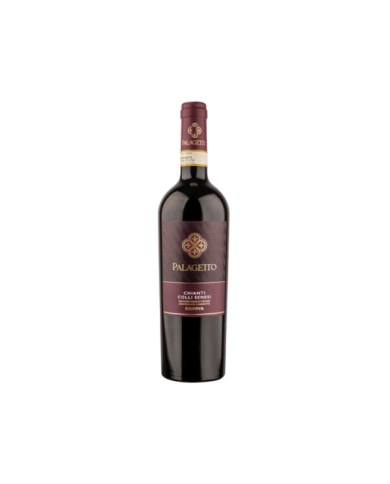
Palagetto
classico abbinamento quello con gli insaccati toscani, ma si sposa perfettamente con tutti i piatti della cucina toscana, arrosti, carni alla brace, formaggi
€12.53
€10.31
SKU:
21561
Brand:
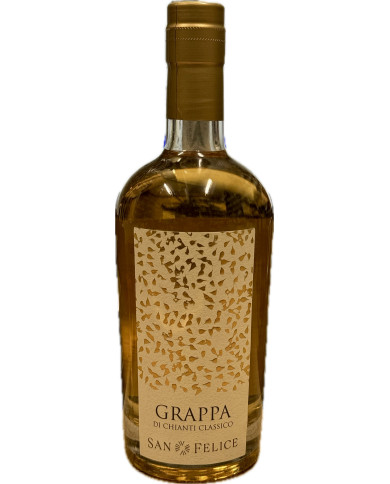
San Felice
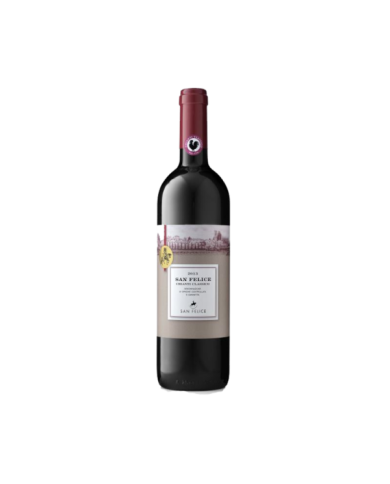
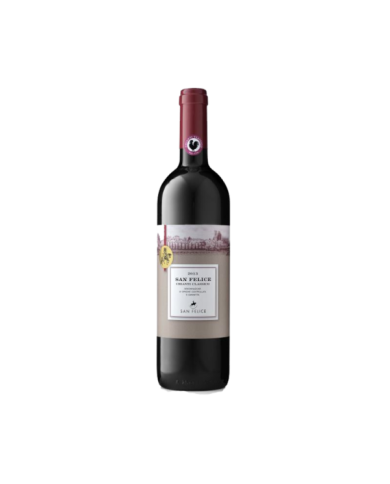
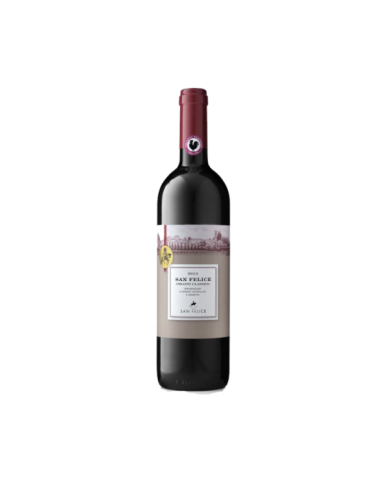
It is obtained from freshly fermented pomace of Chianti Classico, produced in the San Felice estates. It matures first in steel, and for a few months in small oak barrels, the appearance is crystalline in transparency and the color tone slightly amber.
€37.23
SKU:
21537
Brand:
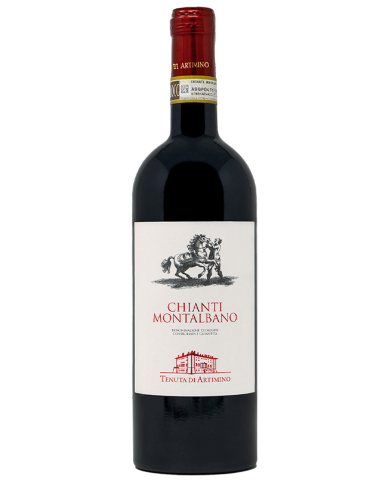
Tenuta di Artimino
Il Montalbano Chianti DOCG della Tenuta di Artimino è un vino rosso che incanta gli appassionati per il suo equilibrio perfetto tra tradizione e qualità contemporanea. Prodotto nelle colline toscane, noto habitat per l'eccellenza enologica, questo Chianti si distingue per le sue peculiarità organolettiche uniche
€9.76
SKU:
21438
Brand:
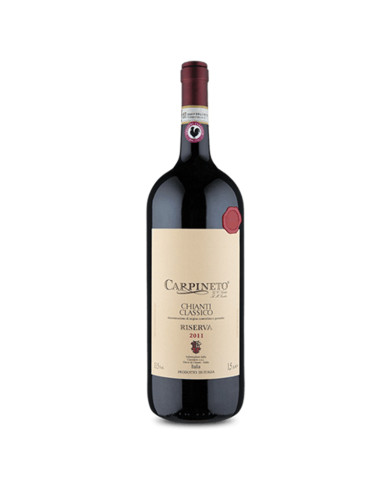
Carpineto
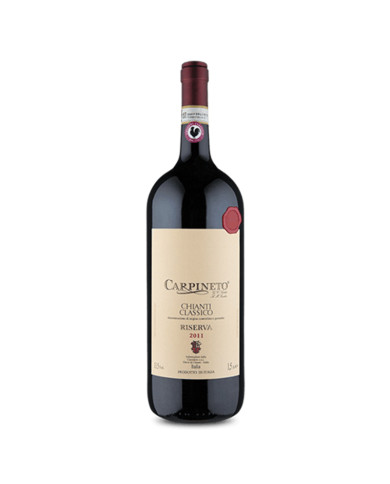
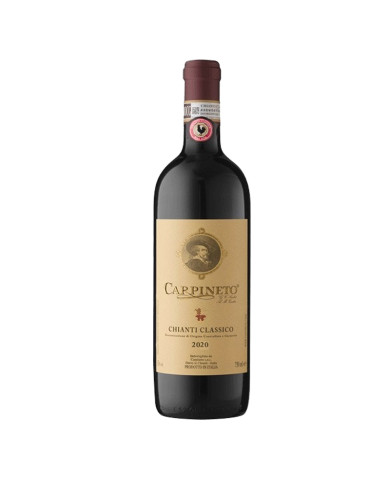
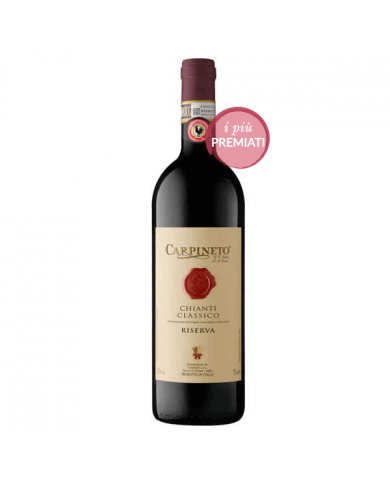
Chianti Classico Riserva is produced exclusively in the oldest wine-growing area of Tuscany, in a landscape of breathtaking beauty.
€47.58
SKU:
21437
Brand:
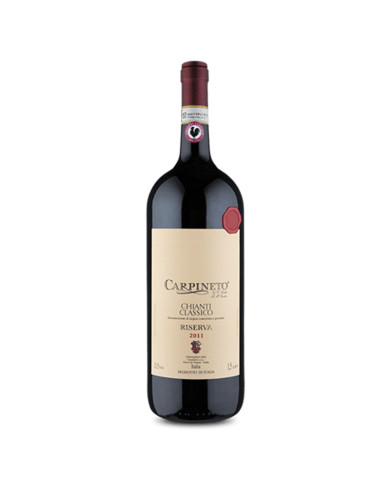
Carpineto
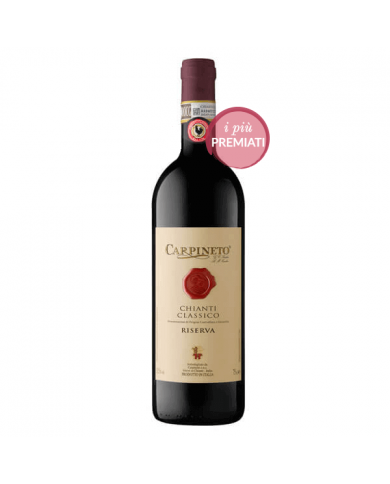
Chianti Classico Riserva is produced exclusively in the oldest wine-growing area of Tuscany, in a landscape of breathtaking beauty.
€43.92
SKU:
21406
Brand:
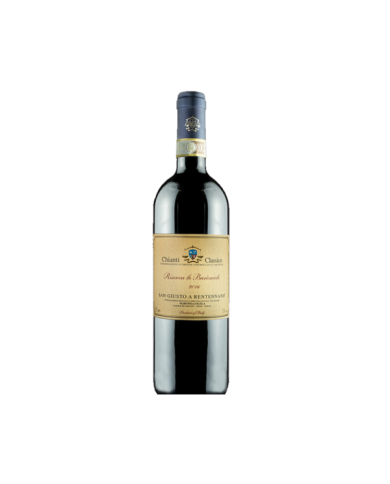
San Giusto a Rentennano
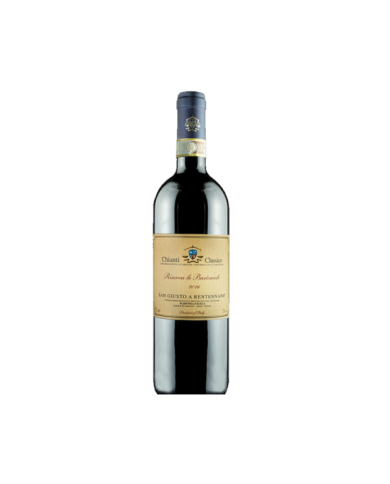
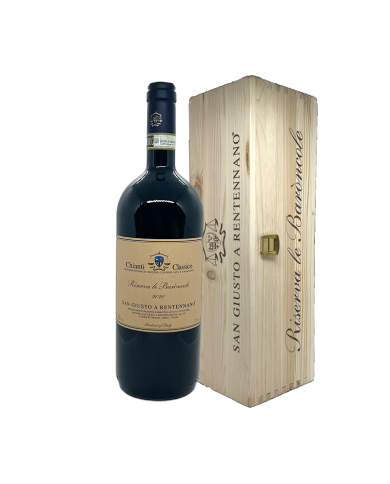
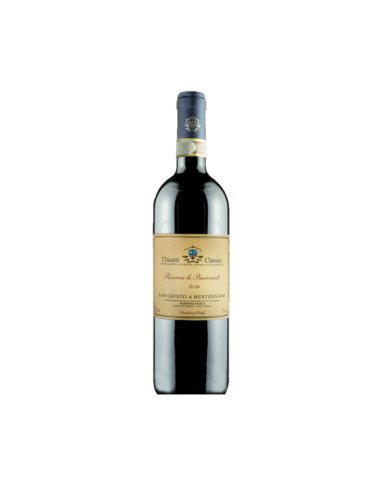
The Chianti Classico Riserva "Le Baroncole" expresses the richness and beauty of the Tuscan land. Refines for 16-20 months in oak barrels and casks and is enriched with vanilla nuances, in addition to the already present fruity and spicy aromas typical of the type. The taste is balanced, complex and deep, supported by a nice tannic texture and a pleasant savory tip
€41.90
SKU:
21380
Brand:
San Giusto a Rentennano
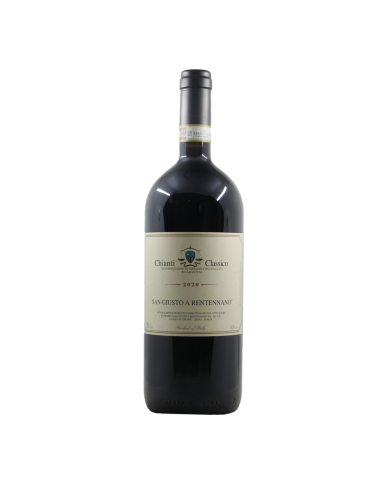
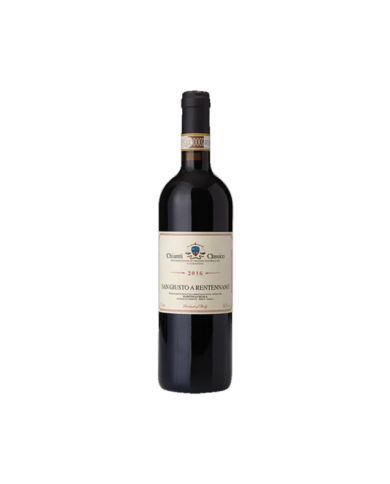
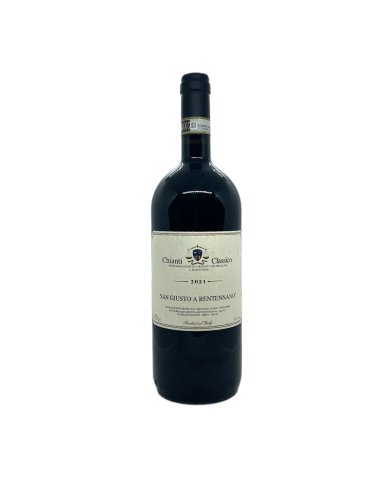
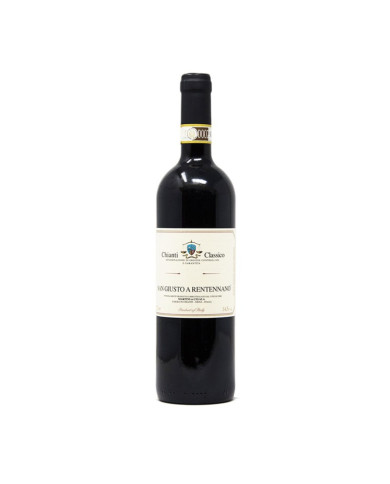
The Chianti Classico of San Giusto a Rentennano is a wine with an energetic and traditional style. The olfactory spectrum ranges from ripe red fruit to spicy spices. The sip is agile, dynamic and elegant. It is aged for at least 10 months in oak barrels
€47.82
€43.04
SKU:
21376
Brand:
San Giusto a Rentennano
The Chianti Classico of San Giusto a Rentennano is a wine with an energetic and traditional style. The olfactory spectrum ranges from ripe red fruit to spicy spices. The sip is agile, dynamic and elegant. It is aged for at least 10 months in oak barrels
€19.83
€8.45
SKU:
21067
Brand:
San Felice
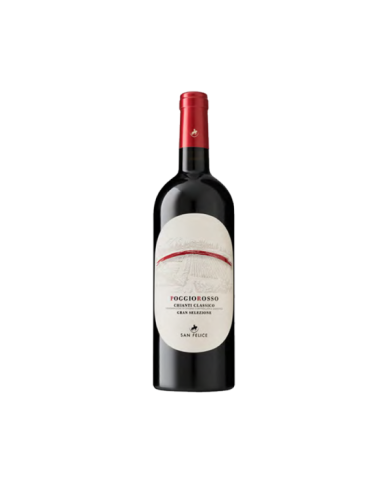
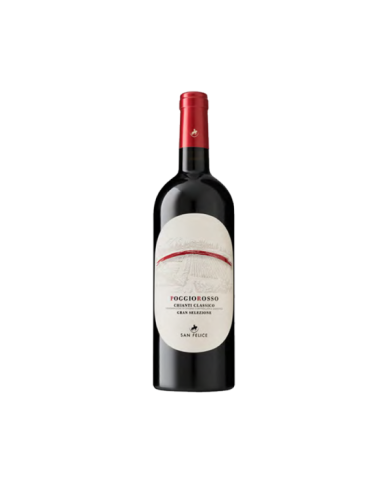
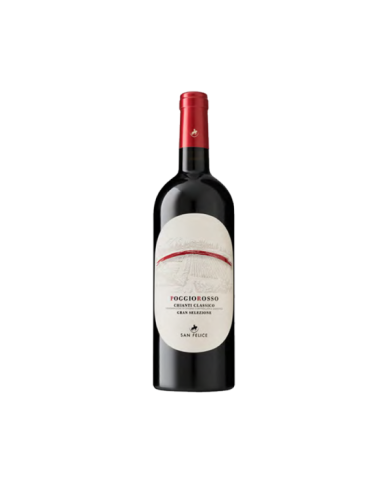
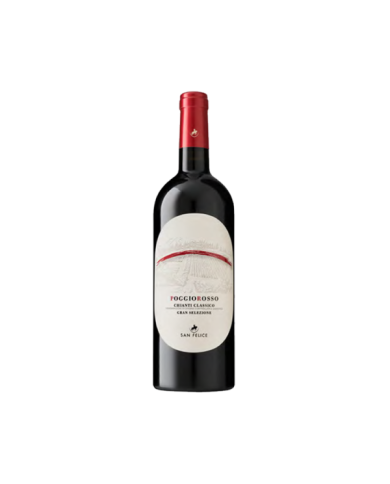
Already towards the end of the 70s, in the locality of Poggio Rosso, some selected clones of Sangiovese were planted several times. Poggio Rosso is the result of a careful selection of this grape from some plots of the vineyard of the same name and today represents the excellence of the San Felice terroir. Wine of great concentration and elegance, produced in limited quantities and, especially in the best vintages, it ages for about 20 months in 500-liter tonneaux and another 12 months in the bottle.
€82.47
SKU:
21066
Brand:
San Felice
Already towards the end of the 70s, in the locality of Poggio Rosso, some selected clones of Sangiovese were planted several times. Poggio Rosso is the result of a careful selection of this grape from some plots of the vineyard of the same name and today represents the excellence of the San Felice terroir. Wine of great concentration and elegance, produced in limited quantities and, especially in the best vintages, it ages for about 20 months in 500-liter tonneaux and another 12 months in the bottle.
€69.78
SKU:
21065
Brand:
San Felice
Already towards the end of the 70s, in the locality of Poggio Rosso, some selected clones of Sangiovese were planted several times. Poggio Rosso is the result of a careful selection of this grape from some plots of the vineyard of the same name and today represents the excellence of the San Felice terroir. Wine of great concentration and elegance, produced in limited quantities and, especially in the best vintages, it ages for about 20 months in 500-liter tonneaux and another 12 months in the bottle.
€50.75
SKU:
21005
Brand:
Carpineto
Tuscan Vinsanto… a wine whose origins are lost in the mists of time. Vinsanto in Tuscany is such an important wine full of meaning that it was difficult to buy, it was an ambition to make it at home with your own hands; in every family there was a person in charge of this art, usually the father or grandfather. The hypothesized origins of this exquisite drink, as well as those of its singular name are different and are lost in the mists of time. A Sienese legend says that in the 14th century a friar distributed a wine that healed the sick, hence the belief that it was a miraculous wine, "Santo". However, it cannot be excluded that the name "holy" derives from the use that has always been made of it during Mass.
€44.35
SKU:
20992
Brand:
Carpineto
Chianti Classico Riserva is produced exclusively in the oldest wine-growing area of Tuscany, in a landscape of breathtaking beauty.
€99.92
SKU:
20988
Brand:
Frescobaldi
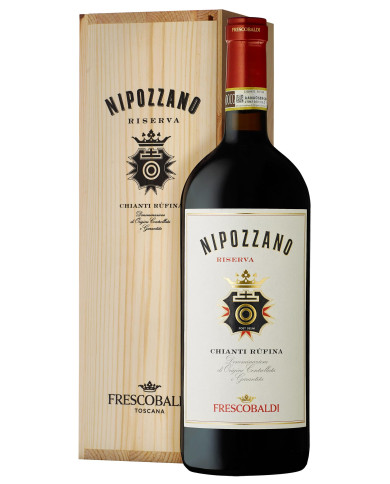
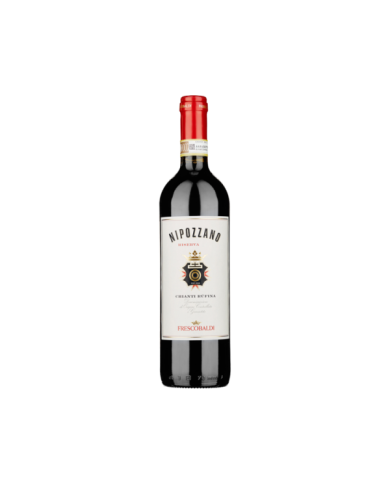
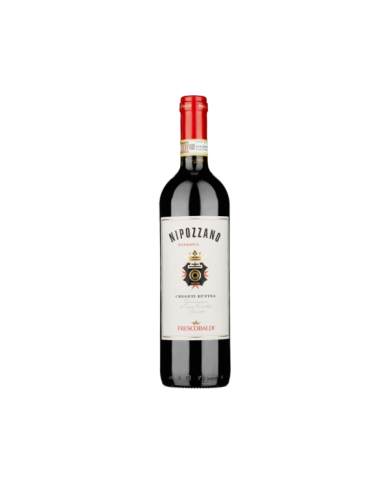
The Chianti Riserva "Nipozzano Vecchie Viti" comes from 40-year-old vines from the Rufina area. It is an intense, full-bodied, elegant and persistent wine, animated by hints of berries, pepper, cinnamon and other sweet spices. It ages for 24 months in oak barrels
€25.95
€5.25
€5.25
€63.03
SKU:
20491
Brand:
Tamburini
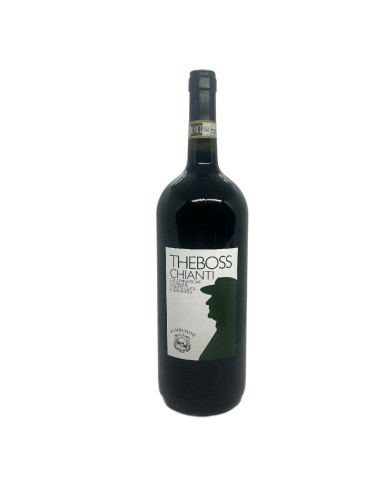
Denomination: THE BOSS Chianti Docg Grapes: Sangiovese and Canaiolo. Suggested pairings: Cold cuts and cured meats, roast chicken, vegetable soups and semi-mature cheese. Alcohol: 13.5% Vol. Format: 0.75 litres. Serving temperature: 18°C. Typology: Chianti DOCG.
€35.01
€21.46
SKU:
20371
Brand:
Cantina Marchesi Antinori
Dense ruby color with garnet reflections. Sensations of plum, mulberry and violet expand on the nose, and then unravel on wild and licorice tones. In the mouth, warm and enveloping, it declines sumptuous softness and caressing tannins. Ideal together with the walker with mustard and prunes or on the stuffed crusted roast.
€49.53
SKU:
20296
Brand:
Frescobaldi
Ruby red with purple reflections. The nose is floral, characterized by clear hints of violet that prevail over the fruity. Followed by raspberry, black currant and black cherry accompanied by scents of licorice and spicy notes of nutmeg and white pepper. The entry in the mouth is warm, with tannins in full evidence. The texture appears decisive, a typical characteristic of Chianti Rùfina. Long persistence. For the whole meal, it goes well with grilled red meat, baked lamb, slightly seasoned pecorino.
€44.07
€79.18
SKU:
19722
Brand:
San Giusto a Rentennano
The Chianti Classico Riserva "Le Baroncole" expresses the richness and beauty of the Tuscan land. Refines for 16-20 months in oak barrels and casks and is enriched with vanilla nuances, in addition to the already present fruity and spicy aromas typical of the type. The taste is balanced, complex and deep, supported by a nice tannic texture and a pleasant savory tip
€35.90
SKU:
19650
Brand:
Frescobaldi
Ruby red with purple reflections. The nose is floral, characterized by clear hints of violet that prevail over the fruity. Followed by raspberry, black currant and black cherry accompanied by scents of licorice and spicy notes of nutmeg and white pepper. The entry in the mouth is warm, with tannins in full evidence. The texture appears decisive, a typical characteristic of Chianti Rùfina. Long persistence. For the whole meal, it goes well with grilled red meat, baked lamb, slightly seasoned pecorino.
€20.67
€34.39
SKU:
19621
Brand:
San Felice
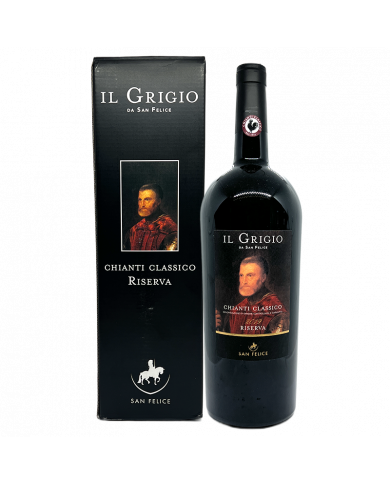
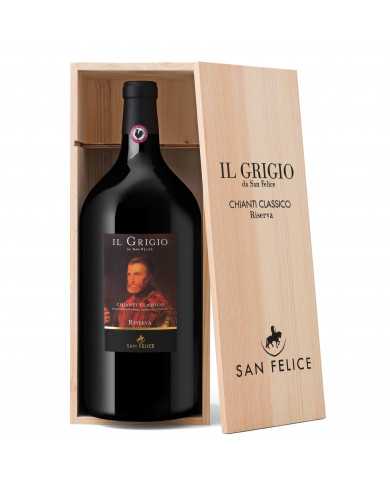
Only the best Sangiovese grapes selected in the company's Chianti Classico vineyards make up this Reserve, a valid combination of tradition and modernity. It ages for about 24 months in wood, of which a part (about 20%) in barriques, and one year in bottle. The label depicts a famous painting by Titian 'Man with armor'.
€46.80
SKU:
19543
Brand:
Ormanni
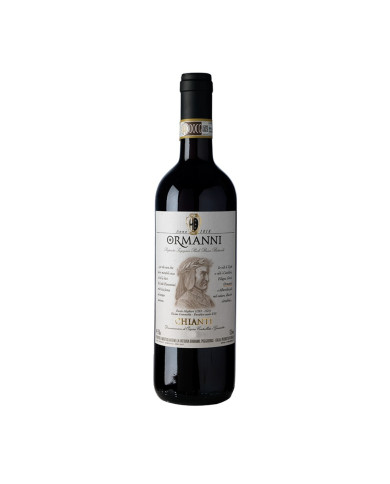
Ormanni's Chianti is presented in the glass bright and crystalline ruby. The nose smells of Tuscany in summer: strawberries, rosemary, burnt earth, strawberry tree, mint. On the palate it relaxes with lots of tasty freshness, integrated tannin and a slightly bitter herbal finish. Very good with Tuscan bread and raw sausage.
€18.59
SKU:
18701
Brand:
Carpineto
Produced in the oldest production area, as stated in the disciplinary that regulates it, this area gave its name to the wine and is the only one where Chianti Classico is produced. It extends between Florence and Siena in a territory of breathtaking beauty, made up of villages perched on the top of the hills, of olive trees cultivated in steep fields with an irregular outline and of cypresses lined up to delimit the innumerable dirt roads.
SKU:
18700
Brand:
Carpineto
Produced in the oldest production area, as stated in the disciplinary that regulates it, this area gave its name to the wine and is the only one where Chianti Classico is produced. It extends between Florence and Siena in a territory of breathtaking beauty, made up of villages perched on the top of the hills, of olive trees cultivated in steep fields with an irregular outline and of cypresses lined up to delimit the innumerable dirt roads.
€111.18
SKU:
18699
Brand:
Carpineto
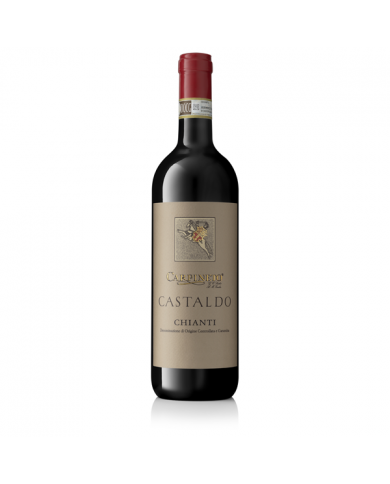
This is certainly the best known Italian wine in the world and is produced in Central Tuscany.
€8.82
SKU:
18590
Brand:
Pietro Beconcini
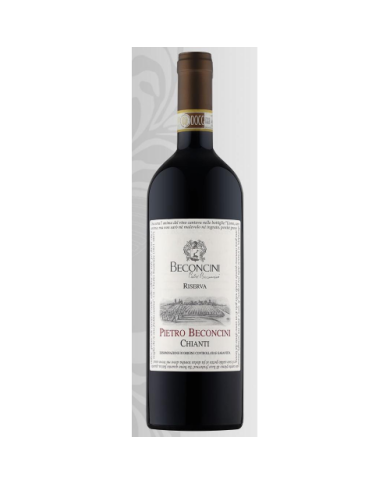
San Miniato (Toscana) - Uvaggio Sangiovese 85% Canaiolo 15% - Alcool 14%
Vinificazione in cemento con lieviti indigeni e macerazione sulle vinacce di 28 giorni. maturazione in botti di rovere Slavonia per 18 mesi, Affinamento 8 mesi in bottiglia.
ABBINAMENTI: Primi piatti anche molto elaborati, carni di animali da cortile, formaggi stagionati e salumi, zuppe e cucina tipica Toscana, bistecca.
€16.96
€8.72
€6.88
€76.01
€8.58
SKU:
18091
Brand:
Castello di Querceto
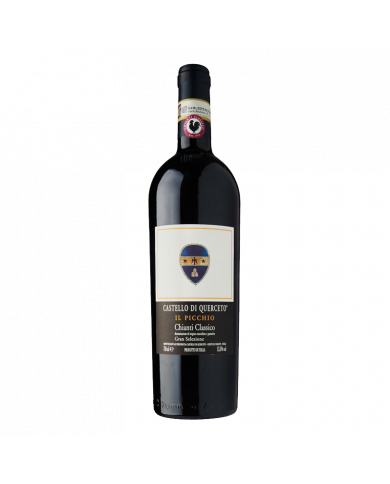
Il Picchio Gran Selezione 2018 Chianti Classico DOCG This cru was born in 1988 as a Riserva; from 2011 it becomes Gran Selezione. The vineyard covers 4.5 hectares, is exposed to east/south-east, with a subsoil rich in clay, limestone and microelements and enjoys an excellent temperature range between day and night. Intense aromas of violet, cherry and undergrowth rise from the glass; the fruity flavors are intense, underlined by soft and velvety tannins; the freshness is absolutely bold, balanced just a little by sapidity, spiciness and notes of graphite; the sip is smooth, long and elegant.
€32.50
SKU:
18083
Brand:
Fattoria Felsina
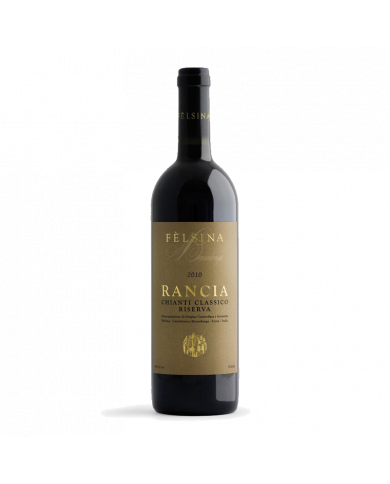
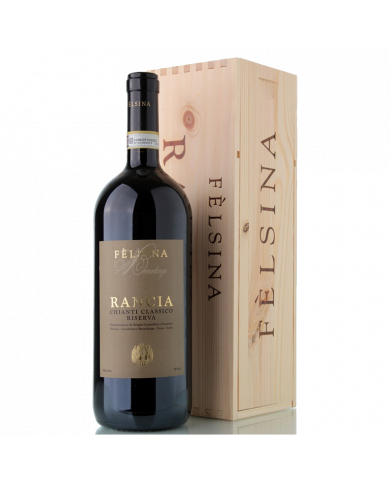
The Rancia vineyard takes its name from the ancient farm that stands next to a pre-existing Benedictine monastery.
SKU:
18027
Brand:
Carpineto
Produced in the oldest production area, as stated in the disciplinary that regulates it, this area gave its name to the wine and is the only one where Chianti Classico is produced. It extends between Florence and Siena in a territory of breathtaking beauty, made up of villages perched on the top of the hills, of olive trees cultivated in steep fields with an irregular outline and of cypresses lined up to delimit the innumerable dirt roads.
SKU:
18026
Brand:
Carpineto
Produced in the oldest production area, as stated in the disciplinary that regulates it, this area gave its name to the wine and is the only one where Chianti Classico is produced. It extends between Florence and Siena in a territory of breathtaking beauty, made up of villages perched on the top of the hills, of olive trees cultivated in steep fields with an irregular outline and of cypresses lined up to delimit the innumerable dirt roads.
€11.77
€7.61
SKU:
17735
Brand:
Cantina Marchesi Antinori
Dense ruby color with garnet reflections. Sensations of plum, mulberry and violet expand on the nose, and then unravel on wild and licorice tones. In the mouth, warm and enveloping, it declines sumptuous softness and caressing tannins. Ideal together with the walker with mustard and prunes or on the stuffed crusted roast.
€47.82
SKU:
17734
Brand:
Cantina Marchesi Antinori
The Chianti Classico Riserva "Villa Antinori " is a bursting expression of Tuscany and is aged for 24 months in wooden barrels. Complex, intense and rich on the nose. Elegant, full-bodied and structured on the palate. Here proposed in an elegant wooden box, ideal for a gift!
€55.02
SKU:
16760
Brand:
Carpineto
Produced in the oldest production area, as stated in the disciplinary that regulates it, this area gave its name to the wine and is the only one where Chianti Classico is produced. It extends between Florence and Siena in a territory of breathtaking beauty, made up of villages perched on the top of the hills, of olive trees cultivated in steep fields with an irregular outline and of cypresses lined up to delimit the innumerable dirt roads.
€111.18
SKU:
16205
Brand:
Ormanni
€13.15
Ormanni's Chianti is presented in the glass bright and crystalline ruby. The nose smells of Tuscany in summer: strawberries, rosemary, burnt earth, strawberry tree, mint. On the palate it relaxes with lots of tasty freshness, integrated tannin and a slightly bitter herbal finish. Very good with Tuscan bread and raw sausage.
SKU:
16101
Brand:
Tenuta Valdipiatta
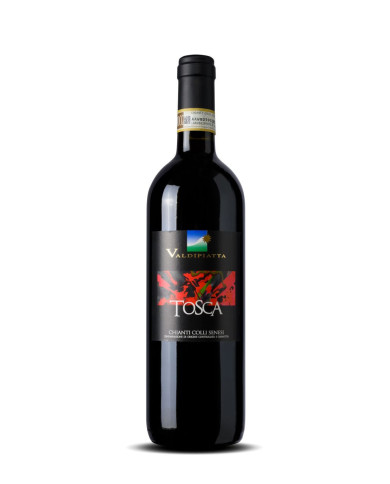
Always a complement to Tuscan gastronomy, Chianti Colli Senesi is a traditional wine with intense fruit and smooth tannins. The ease of drinking makes it excellent to accompany delicate dishes as well as medium-structured preparations.
€12.88
SKU:
16065
Brand:
Tamburini
Denomination: THE BOSS Chianti Docg Grapes: Sangiovese and Canaiolo. Suggested pairings: Cold cuts and cured meats, roast chicken, vegetable soups and semi-mature cheese. Alcohol: 13.5% Vol. Format: 0.75 litres. Serving temperature: 18°C. Typology: Chianti DOCG.
€13.01
SKU:
15955
Brand:
Tenuta di Lilliano
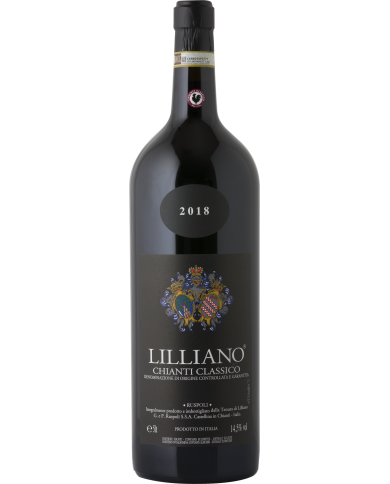
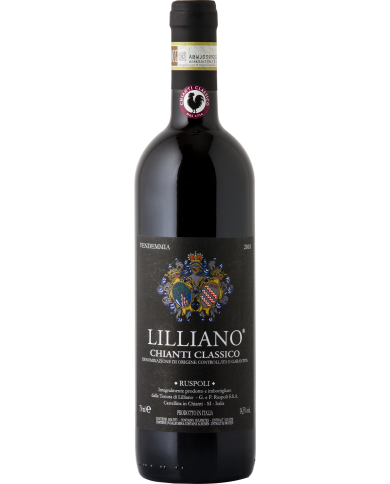
The grapes that give rise to Chianti Classico derive entirely from the vineyards of the Tenuta di Lilliano and are harvested by hand during the harvest. The alcoholic fermentation takes place in cement tanks with temperature control, and at the end of the malolactic fermentation the wine ages partly in large French oak barrels and partly in cement. At the end of the refinement, which lasts 12-14 months, the wine is bottled and subjected to a short refinement in the bottle before consumption.
€34.65
SKU:
15953
Brand:
Tenuta di Lilliano
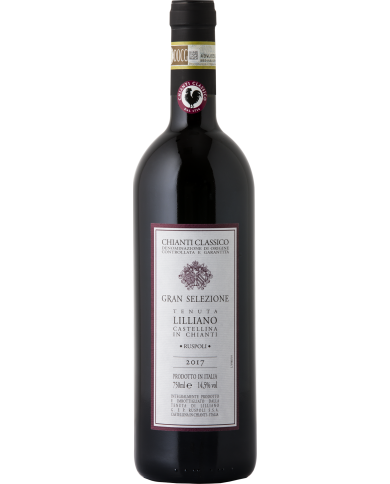
The grapes that give rise to the Gran Selezione come from two of the best vineyards of the Tenuta di Lilliano (Piagge and Casina), carefully selected by hand during the harvest. The alcoholic fermentation takes place in small steel tanks with temperature control, and at the end of the malolactic fermentation the wine ages in large French oak barrels for 14-15 months. At the end of this period, at least 6 months of aging in the bottle follow.
€32.82
SKU:
15950
Brand:
Tenuta di Lilliano
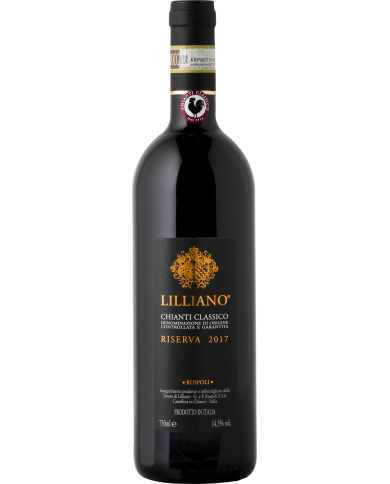
The grapes that give rise to the Riserva come from the best vineyards of the Lilliano Estate, carefully selected by hand during the harvest. The alcoholic fermentation takes place in small steel and cement tanks with temperature control, and at the end of the malolactic fermentation the wine ages in French oak tonneaux for 15 months. At the end of this period, at least 6 months of aging in the bottle follow.
€29.40
SKU:
15949
Brand:
Tenuta di Lilliano
The grapes that give rise to Chianti Classico derive entirely from the vineyards of the Tenuta di Lilliano and are harvested by hand during the harvest. The alcoholic fermentation takes place in cement tanks with temperature control, and at the end of the malolactic fermentation the wine ages partly in large French oak barrels and partly in cement. At the end of the refinement, which lasts 12-14 months, the wine is bottled and subjected to a short refinement in the bottle before consumption.
€16.91
SKU:
15781
Brand:
San Giusto a Rentennano
The Chianti Classico of San Giusto a Rentennano is a wine with an energetic and traditional style. The olfactory spectrum ranges from ripe red fruit to spicy spices. The sip is agile, dynamic and elegant. It is aged for at least 10 months in oak barrels
SKU:
15780
Brand:
San Giusto a Rentennano
The Chianti Classico Riserva "Le Baroncole" expresses the richness and beauty of the Tuscan land. Refines for 16-20 months in oak barrels and casks and is enriched with vanilla nuances, in addition to the already present fruity and spicy aromas typical of the type. The taste is balanced, complex and deep, supported by a nice tannic texture and a pleasant savory tip
€85.00
SKU:
15778
Brand:
San Giusto a Rentennano
€20.50
€18.45
The Chianti Classico of San Giusto a Rentennano is a wine with an energetic and traditional style. The olfactory spectrum ranges from ripe red fruit to spicy spices. The sip is agile, dynamic and elegant. It is aged for at least 10 months in oak barrels
SKU:
15556
Brand:
Castellare di Castellina
Brilliant ruby red color with violet reflections. Thanks to the harmony of the tannins, combined with the delicate complexity of the aromas and the final note of sweetness, the wine is characterized by an excellent balance in the mouth.
Chianti Classico Castellare di Castellina
€20.67
SKU:
15297
Brand:
La Lastra
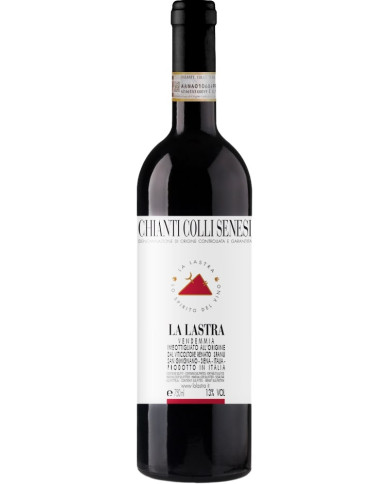
Our Chianti Colli Senesi is born from the ancient typicality of this centenary wine aimed at interpreting a new tradition. The vines used are those of the past, only autochthonous and Tuscan, red and white. The Sangiovese bunches, which are 95% of our Chianti, are those of the oldest plants we have in the company, which ripen well beyond the time of the new clones, small and loose bunches, but with a thick skin rich in polyphenols and aromas , crunchy and sugary.
€13.80
SKU:
15032
Brand:
Carpineto
Produced in the oldest production area, as stated in the disciplinary that regulates it, this area gave its name to the wine and is the only one where Chianti Classico is produced. It extends between Florence and Siena in a territory of breathtaking beauty, made up of villages perched on the top of the hills, of olive trees cultivated in steep fields with an irregular outline and of cypresses lined up to delimit the innumerable dirt roads.
€89.67
SKU:
15029
Brand:
Carpineto
Produced in the oldest production area, as stated in the disciplinary that regulates it, this area gave its name to the wine and is the only one where Chianti Classico is produced. It extends between Florence and Siena in a territory of breathtaking beauty, made up of villages perched on the top of the hills, of olive trees cultivated in steep fields with an irregular outline and of cypresses lined up to delimit the innumerable dirt roads.
€86.01
SKU:
15024
Brand:
Carpineto
Produced in the oldest production area, as stated in the disciplinary that regulates it, this area gave its name to the wine and is the only one where Chianti Classico is produced. It extends between Florence and Siena in a territory of breathtaking beauty, made up of villages perched on the top of the hills, of olive trees cultivated in steep fields with an irregular outline and of cypresses lined up to delimit the innumerable dirt roads.
€51.24
SKU:
14940
Brand:
Fattoria dell’Agresto
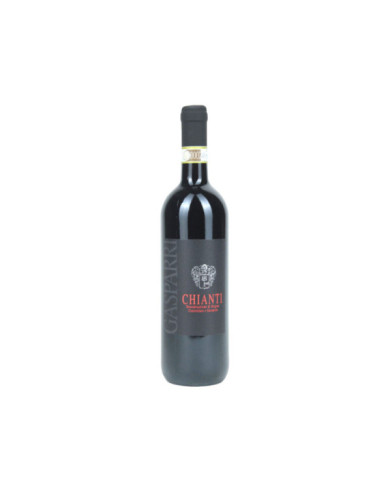
Among the green hills of Chianti, the Gasparri family has been producing wine for three generations in its Fattoria dell'Agresto, always trying to enhance the typicality of the prince of Tuscan vine, Sangiovese. The property covers approximately 220ha of land, including vineyards and olive trees. 80% Sangiovese, 10% Colorino, 10% Canaiolo. Fermented in steel with 10-12 day maceration. After the malolactic fermentation, it ages in steel for several months before bottling.
€8.53
SKU:
14451
Brand:
Frescobaldi
Ruby red with purple reflections. The nose is floral, characterized by clear hints of violet that prevail over the fruity. Followed by raspberry, black currant and black cherry accompanied by scents of licorice and spicy notes of nutmeg and white pepper. The entry in the mouth is warm, with tannins in full evidence. The texture appears decisive, a typical characteristic of Chianti Rùfina. Long persistence. For the whole meal, it goes well with grilled red meat, baked lamb, slightly seasoned pecorino.
€21.78
SKU:
14422
Brand:
Fontodi
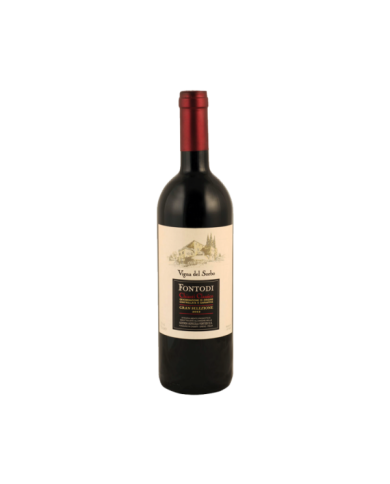
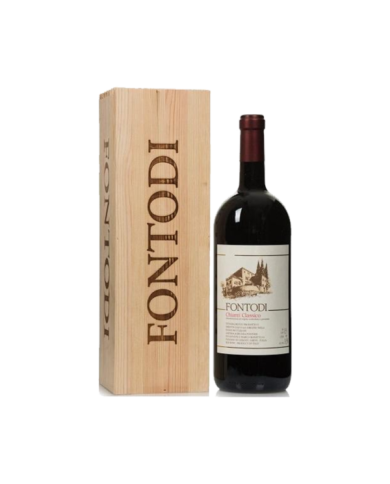
Intense and bright ruby red. The nose recalls dark sensations of cherries in alcohol and plum, dry leaves, wet earth, undergrowth, tobacco and balsamic hints. The taste is refined, harmonious, supported by the pseudo-caloric sensation and well supported by integrated tannins, thanks also to an acid backbone that accompanies a long persistence of cocoa and dried fruit.
€69.90
SKU:
14421
Brand:
Fontodi
Famous and full-bodied expression of Sangiovese from Tuscany, Fontodi 's Chianti Classico is an intense and elegant wine, aged in old barriques for 24 months. Allows aromas of violets, leather and tobacco to emerge in the glass. The sip reveals body, spice, clarity and precision. Organic wine
€65.59
€89.90
SKU:
14168
Brand:
Buccia Nera
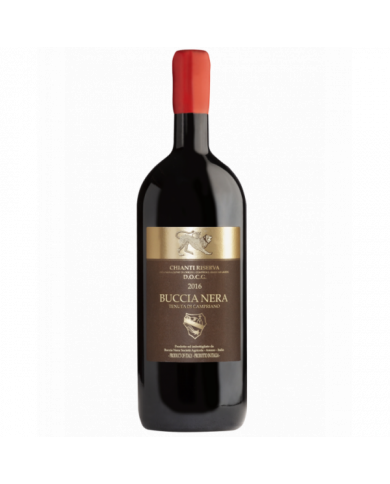
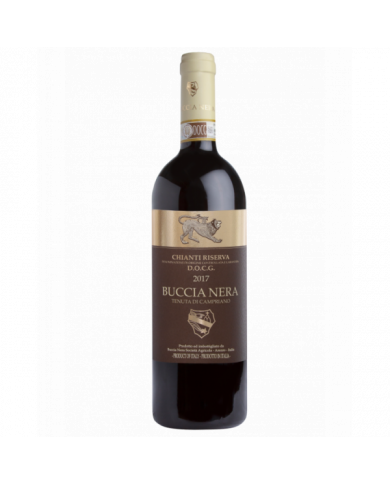
It is not surprising to discover that this Chianti Riserva DOCG Tenuta di Campriano produced from Buccia Nera has been awarded several times by international wine critics. After all, it is clear that it is a great product from the first taste. It could be defined as pure Sangiovese, given that in the blending this grape weighs for about 85%. But in this case, to add nobility to the blend, a part of Merlot and one part of Cabernet Sauvignon are added, improving vines par excellence. The vinification of the grapes takes place in three different moments, always in steel at a controlled temperature. Spontaneous alcoholic and malolactic fermentation and 2-year aging in 30-hectolitre oak barrels followed by a further year in the bottle. The result is a complex and structured red. The color is impenetrable, ruby red with garnet reflections. The nose opens with notes of cherry in alcohol and blackberry, to then offer spicy sensations of chocolate, licorice and tobacco. In the mouth it is full, voluminous, soft at the entrance, with nice ripe tannins that leave the mouth dry and clean.
€77.99
SKU:
14167
Brand:
Buccia Nera
It is not surprising to discover that this Chianti Riserva DOCG Tenuta di Campriano produced from Buccia Nera has been awarded several times by international wine critics. After all, it is clear that it is a great product from the first taste. It could be defined as pure Sangiovese, given that in the assembly this grape weighs for about 85%. But in this case, to add nobility to the blend, a part of Merlot and one part of Cabernet Sauvignon are added, improving vines par excellence. The vinification of the grapes takes place in three different moments, always in steel at a controlled temperature. Spontaneous alcoholic and malolactic fermentation and 2-year aging in 30-hectolitre oak barrels followed by a further year in the bottle. The result is a complex and structured red. The color is impenetrable, ruby red with garnet reflections. The nose opens with notes of cherry in alcohol and blackberry, to then offer spicy sensations of chocolate, licorice and tobacco. In the mouth it is full, voluminous, soft at the entrance, with nice ripe tannins that leave the mouth dry and clean.
€23.40
SKU:
14067
Brand:
Cantina Marchesi Antinori
Dense ruby color with garnet reflections. The nose expands sensations of plum, mulberry, violet, and then unraveling on wild and licorice tones. In the mouth, warm and enveloping, it declines sumptuous softness and caressing tannins. Ideal together with the silverside with mustard and plums or on the stuffed roast in a crust.
€119.90
SKU:
14066
Brand:
Cantina Marchesi Antinori
Dense ruby color with garnet reflections. The nose expands sensations of plum, mulberry, violet, and then unraveling on wild and licorice tones. In the mouth, warm and enveloping, it declines sumptuous softness and caressing tannins. Ideal together with the silverside with mustard and plums or on the stuffed roast in a crust.
SKU:
14065
Brand:
Cantina Marchesi Antinori
Dense ruby color with garnet reflections. The nose expands sensations of plum, mulberry, violet, and then unraveling on wild and licorice tones. In the mouth, warm and enveloping, it declines sumptuous softness and caressing tannins. Ideal together with the silverside with mustard and plums or on the stuffed roast in a crust.
€65.90
SKU:
14064
Brand:
Cantina Marchesi Antinori
The Chianti Classico "Badia a Passignano" is a famous and intense expression of the Chianti of the Marchesi Antinori . It is a full-bodied and complex red wine, with the unmistakable aromas of berries, cherries and sweet spices. Aged for 14 months in oak barrels
€68.81
SKU:
14063
Brand:
Cantina Marchesi Antinori
Historic Antinori house wine which, since the 2011 vintage, is produced with grapes from the Tignanello estate. It is composed almost entirely of Sangiovese grapes combined with a small amount of other complementary varieties. A wine that presents itself as the full expression of the quality and elegance of the Sangiovese of these areas.
€36.42
SKU:
13849
Brand:
San Felice
Produced entirely with native grapes, Sangiovese mainly with additions of Colorino and Pugnitello, it is a typical Chianti Classico, of medium structure, with a strong personality that stands out in particular for its elegance. The vinification takes place in the traditional way, with medium length maceration, followed by a maturation of the wine for 12 months in Slavonian oak barrels.
€64.97
SKU:
13848
Brand:
San Felice
Produced entirely with native grapes, Sangiovese mainly with additions of Colorino and Pugnitello, it is a typical Chianti Classico, of medium structure, with a strong personality that stands out in particular for its elegance. The vinification takes place in the traditional way, with medium length maceration, followed by a maturation of the wine for 12 months in Slavonian oak barrels.
€26.88
SKU:
13847
Brand:
San Felice
Produced entirely with native grapes, Sangiovese mainly with additions of Colorino and Pugnitello, it is a typical Chianti Classico, of medium structure, with a strong personality that stands out in particular for its elegance. The vinification takes place in the traditional way, with medium length maceration, followed by a maturation of the wine for 12 months in Slavonian oak barrels.
€11.86
SKU:
13846
Brand:
San Felice
Only the best Sangiovese grapes selected in the company's Chianti Classico vineyards make up this Reserve, a valid combination of tradition and modernity. It ages for about 24 months in wood, of which a part (about 20%) in barriques, and one year in bottle. The label depicts a famous painting by Titian 'Man with armor'.
€142.74
SKU:
13840
Brand:
San Felice
Already towards the end of the 70s, in the locality of Poggio Rosso, some selected clones of Sangiovese were planted several times. Poggio Rosso is the result of a careful selection of this grape from some plots of the vineyard of the same name and today represents the excellence of the San Felice terroir. Wine of great concentration and elegance, produced in limited quantities and, especially in the best vintages, it ages for about 20 months in 500-liter tonneaux and another 12 months in the bottle.
€53.92
SKU:
13730
Brand:
Fattoria Felsina
The Rancia vineyard takes its name from the ancient farm that stands next to a pre-existing Benedictine monastery.
€140.91
SKU:
13728
Brand:
Fattoria Felsina
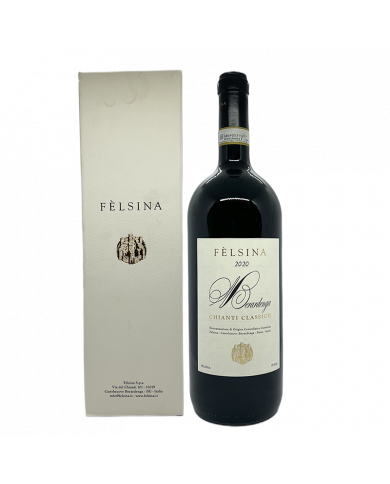
Chianti Classico, 100% Sangiovese from Castelnuovo Berardenga, produced for the first time in 1967. Extremely heterogeneous soils, mirror of the territory, the vineyards develop with south-west exposure at about 320-420 m slm where the wind makes itself felt. The higher ground is rich above all in quartz sandstone, while the land bordering the Colli Senesi area is rich in stratiform sandstone and silt. Since the vineyards are located at different altitudes, the harvest is done at different times but in any case within the first 3 weeks of October.
€19.14
SKU:
13709
Brand:
Frescobaldi
Witness of an environment that is still uncontaminated and unchanged over time, cradle of breathtaking landscapes, Faunae expresses the essence of Chianti Classico, respecting its territory.
€14.50
SKU:
13680
Brand:
San Felice
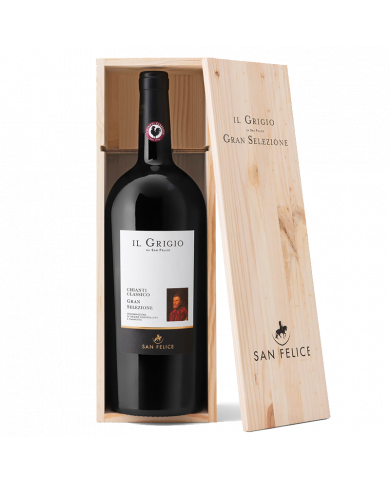
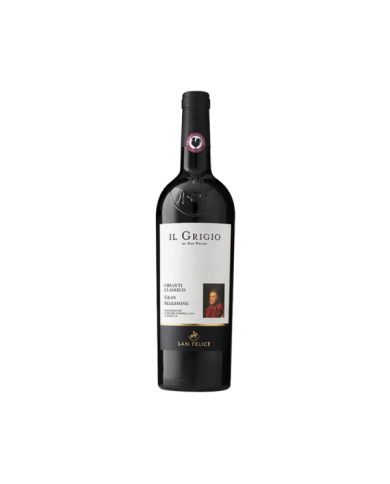
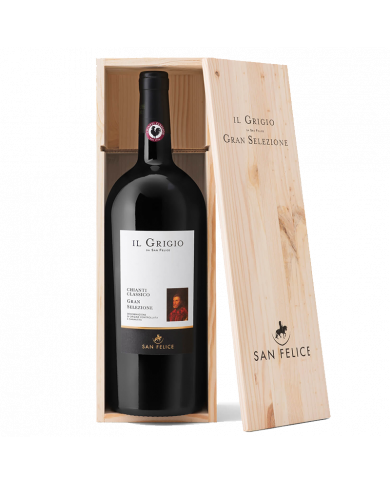
The Grigio Gran Selezione, 80% Sangiovese enriched with ancient indigenous varieties such as Abrusco, Pugnitello, Black Malvasia, Ciliegiolo and Mazzese, is born only from our most suitable soils, which contribute to the complexity of the wine, keeping intact the elegance and expression of the terroir of San Felice .
€74.16
SKU:
13679
Brand:
San Felice
The Grigio Gran Selezione, 80% Sangiovese enriched with ancient indigenous varieties such as Abrusco, Pugnitello, Black Malvasia, Ciliegiolo and Mazzese, is born only from our most suitable soils, which contribute to the complexity of the wine, keeping intact the elegance and expression of the terroir of San Felice .
€68.66
SKU:
13413
Brand:
San Felice
Our Vin Santo In Pincis is produced only in the best years, when the conditions give the healthiest grapes and the highest sugar levels. Rigorously selected bunches of Trebbiano Toscano and Malvasia del Chianti undergo a long drying process, then the wine spends seven years in wooden barrels.
€41.24
SKU:
13261
Brand:
Carpineto
Chianti Classico Riserva is produced exclusively in the oldest wine-growing area of Tuscany, in a landscape of breathtaking beauty.
€103.58
SKU:
13247
Brand:
Carpineto
Tuscan Vinsanto… a wine whose origins are lost in the mists of time. Vinsanto in Tuscany is such an important wine full of meaning that it was difficult to buy, it was an ambition to make it at home with your own hands; in every family there was a person in charge of this art, usually the father or grandfather. The hypothesized origins of this exquisite drink, as well as those of its singular name are different and are lost in the mists of time. A Sienese legend says that in the 14th century a friar distributed a wine that healed the sick, hence the belief that it was a miraculous wine, "Santo". However, it cannot be excluded that the name "holy" derives from the use that has always been made of it during Mass.
€41.24
SKU:
13240
Brand:
Carpineto
€8.37
€7.53
This is certainly the best known Italian wine in the world and is produced in Central Tuscany.
€8.37
€7.53
SKU:
13230
Brand:
Carpineto
Produced in the oldest production area, as stated in the disciplinary that regulates it, this area gave its name to the wine and is the only one where Chianti Classico is produced. It extends between Florence and Siena in a territory of breathtaking beauty, made up of villages perched on the top of the hills, of olive trees cultivated in steep fields with an irregular outline and of cypresses lined up to delimit the innumerable dirt roads.
€27.84
SKU:
13119
Brand:
Fattoria Felsina
The vineyards are located in Castelnuovo Berardenga, in the south-eastern part of the Chianti Classico production area, north-east of Siena.
€133.22
SKU:
13111
Brand:
Fattoria Felsina
The vineyards are located in Castelnuovo Berardenga, in the south-eastern part of the Chianti Classico production area, north-east of Siena.
€240.83
SKU:
13110
Brand:
Fattoria Felsina
The vineyards are located in Castelnuovo Berardenga, in the south-eastern part of the Chianti Classico production area, north-east of Siena.
€66.90
SKU:
13109
Brand:
Fattoria Felsina
The vineyards are located in Castelnuovo Berardenga, in the south-eastern part of the Chianti Classico production area, north-east of Siena.
€62.59
SKU:
13108
Brand:
Fattoria Felsina
Chianti Classico constitutes the company's production base. The vineyards are located in Castelnuovo Berardenga, in the south-eastern part of the Chianti Classico production area, north-east of Siena.
€157.34
SKU:
13107
Brand:
Fattoria Felsina
Chianti Classico constitutes the company's production base. The vineyards are located in Castelnuovo Berardenga, in the south-eastern part of the Chianti Classico production area, north-east of Siena.
€61.92
SKU:
13106
Brand:
Fattoria Felsina
Chianti Classico constitutes the company's production base. The vineyards are located in Castelnuovo Berardenga, in the south-eastern part of the Chianti Classico production area, north-east of Siena.
€47.91
SKU:
13105
Brand:
Fattoria Felsina
Chianti Classico constitutes the company's production base. The vineyards are located in Castelnuovo Berardenga, in the south-eastern part of the Chianti Classico production area, north-east of Siena.
€11.58
SKU:
12105
Brand:
Cantina Marchesi Antinori
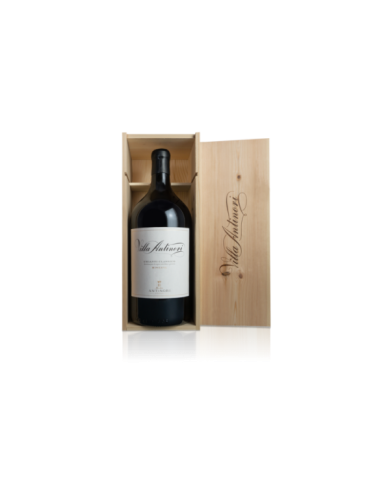
A magnificent wine envied by the whole world, a creation that only Antinori could obtain, the Chianti Classico Riserva, signed "Villa Antinori " is a true masterpiece of central Tuscany. We offer it in 3-liter format in its magnificent silk-screened wooden case. A perfect product for a gift or for an important dinner, destined to withstand even long aging, it is truly a wine not to be missed.
Complete Guide to the Chianti DOCG Designation of Origin
Welcome to our complete guide to the Chianti DOCG designation of origin! In this article, we'll delve into the terroir, production, and characteristics that make Chianti such a renowned and appreciated wine worldwide. If you're a wine enthusiast or simply want to learn more about this prestigious appellation, you've come to the right place!
The Chianti DOCG Designation of Origin
The Chianti DOCG (Denominazione di Origine Controllata e Garantita) designation of origin represents one of Italy's most famous and historic wines. Its production area extends mainly across Tuscany , in the provinces of Florence, Siena, Arezzo, Pisa, Pistoia, and Prato.
Grape Varieties
Chianti DOCG is made primarily from Sangiovese grapes, a traditional red grape variety from central Italy. However, Chianti production also includes the use of other varieties, such as Canaiolo, Colorino, Merlot, and Cabernet Sauvignon, to give the wine greater complexity and structure.
Terroir
The Chianti DOCG terroir is characterized by a Mediterranean climate, with hot, dry summers and mild winters. The soils vary from calcareous to clayey, offering optimal conditions for growing vines. The rolling hills and moderate altitude contribute to good sun exposure and ventilation, favoring the ripening of the grapes.
The Subzones of Chianti DOCG
The Chianti DOCG designation of origin includes several subzones, each with its own unique characteristics and peculiarities. These include:
Chianti Classico: Located in the center of the Chianti region, this subzone is considered the most prestigious and represents the heart of the Chianti DOCG. The vineyards are located on hillsides and produce elegant and complex wines.
Chianti Rufina: Located east of Florence, this subzone is renowned for its production of high-quality Chianti . Chianti Rufina wines are known for their robust structure and aging potential.
Chianti Colli Fiorentini: This subzone extends west of Florence and includes vineyards located on hills and valleys. The wines produced here are characterized by a balance between fruit and structure.
Chianti Montespertoli: This subzone is located southwest of Florence and boasts a centuries-old winemaking tradition. Chianti Montespertoli wines are prized for their elegance and complexity.
Production Method
Chianti DOCG is produced according to strict regulations that guarantee its quality and authenticity. The wine must be made from grapes grown within the Chianti DOCG area and must undergo a specific aging period before being released for sale.
Food Pairings
Chianti DOCG is a versatile wine that pairs well with a variety of dishes. Its lively acidity and balanced tannins make it the perfect accompaniment to red meats, aged cheeses, pasta with ragù, and traditional Tuscan dishes like ribollita and Florentine steak.
In conclusion, Chianti DOCG represents one of Italy's most prestigious designations of origin. Its unique terroir, the grape varieties used, and the rigorous production method contribute to the creation of high-quality wines, loved and appreciated throughout the world.
If you want to discover the authentic beauty of Chianti DOCG, we invite you to visit the region's wineries and taste their fine wines. We guarantee you an unforgettable experience!