Italiano
 Deutsch


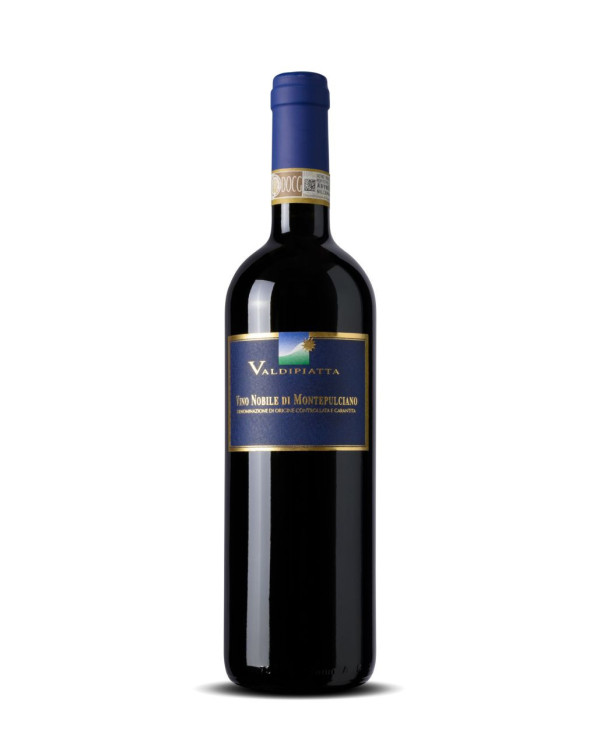
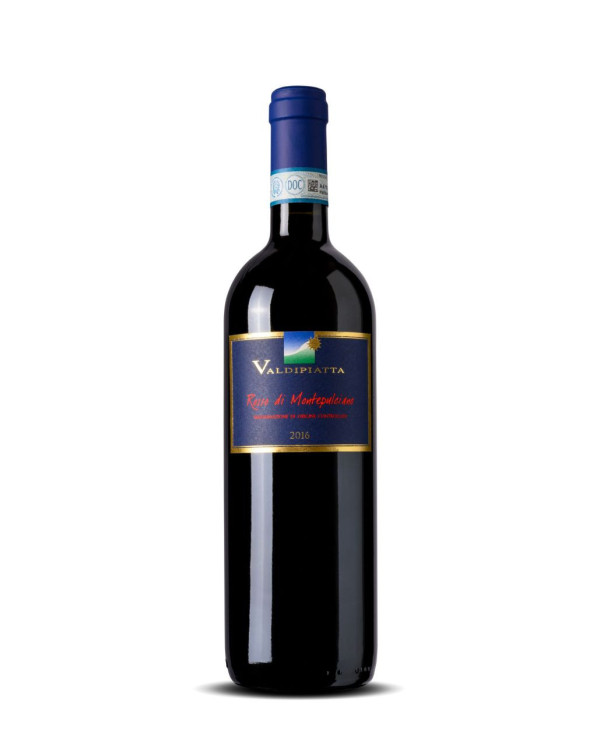
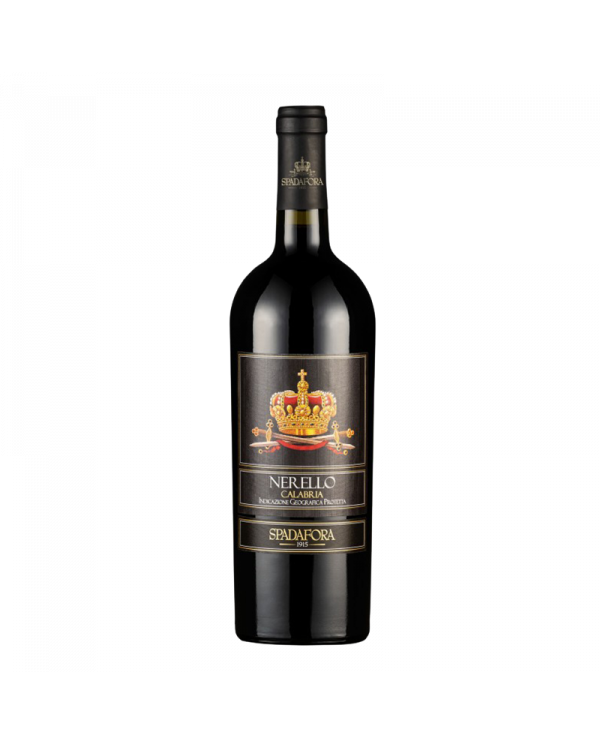
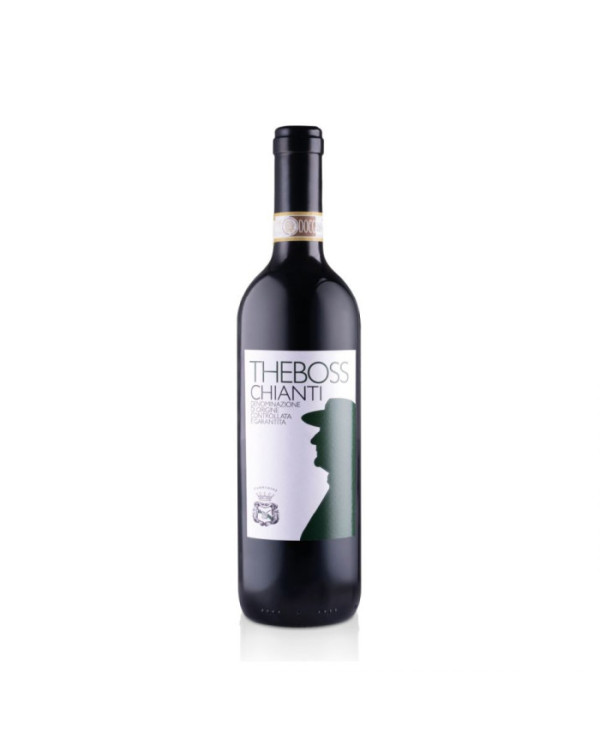














There are no more items in your cart
THE BEST ITALIAN RED WINES
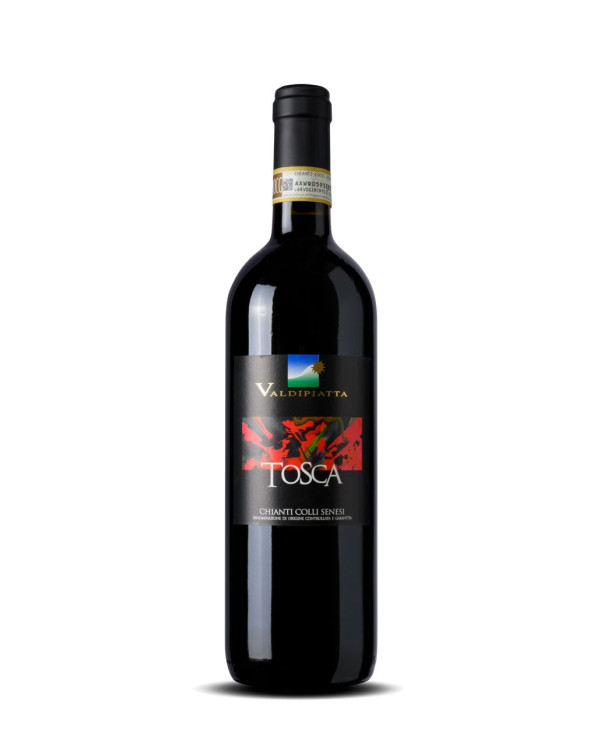
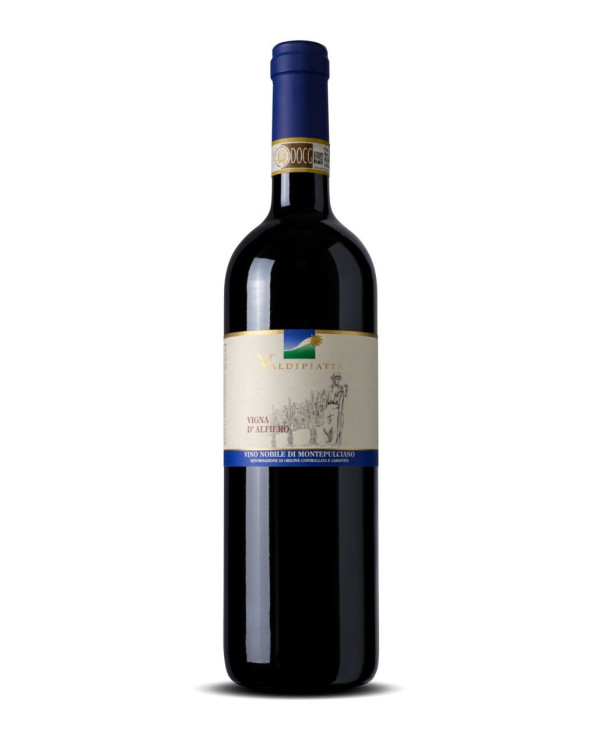
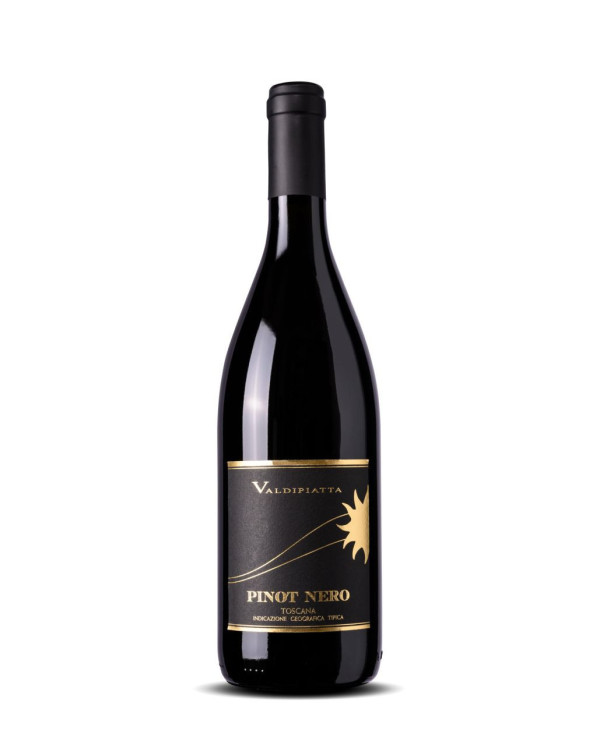
In this section of our online wine shop Clickwine You can find the best Italian and foreign red wines for sale, ideal for accompanying everyday dinners or important events with style and elegance. Clickwine has selected the most famous reds on the wine scene, including the best denominations as well as some niche products and some Abruzzo wines that will amaze the most curious enthusiasts. Among the best wines, Abruzzo red wines cannot be missed.
One of the best Italian wines is undoubtedly Montepulciano d'Abruzzo DOC, which is one of the best-known Italian red wines in the United States.
Montepulciano is the most widespread red grape variety in the Marche and Abruzzo regions, where rich and expressive red wines are produced, ideal for sharing with those who love tasty home cooking, and is also perfect for a barbecue with friends.
THE PRODUCTION OF RED WINE
Red wine is obtained from red grapes, thanks to a production process called "red vinification". This process involves contact between the pomace (peels and seed residues) and must during the fermentation phase
One of the first steps in producing a red wine is choosing the harvest period. The grapes are harvested when the sugar content reached is what the winemaker deems necessary to produce the desired alcohol content.
After harvesting, the bunches arrive in the cellar where the stalks are removed (destemming) before the grapes are pressed to obtain the must.
Maceration releases polyphenols, particularly anthocyanins, from the skins, which give the must its red color. Tannins are produced from the grape seeds. Maceration lasts approximately 10-15 days.
Meanwhile, alcoholic fermentation begins, triggered by yeasts present in the skins or by added yeasts. This natural process is favored by an increase in temperature, which, however, must be maintained between 25 and 30°C so as not to affect the quality of the wine.
During this process, the pomace may form a surface layer that prevents contact with the liquid, potentially leading to the development of acetic acid. However, several techniques are available to winemakers to address this problem.
After alcoholic fermentation, malolactic fermentation occurs, which involves the transformation of malic acid into lactic acid. This is a crucial step in the vinification of red wines because it enhances their smoothness and smoothes out any rough edges and harshness.
The must has now transformed into wine, but it must be racked, that is, the removal of residues, which can be accomplished through filtration or static decantation. This latter, less invasive method involves lowering the temperature in the tanks so that the substances to be eliminated settle to the bottom.
Once “cleaned”, the wine is ready for refinement,whose minimum duration is established by the DOC specifications, This can take place in steel tanks, concrete vats, large barrels, or small barrels or barriques. Once the maturation process is complete, bottling takes place: the wine begins its maturation in the bottle and, after a possible further aging period in the cellar, is released for sale.
RED WINE: PROPERTIES AND BENEFITS
Is red wine good for your health? Many people ask this question, to which numerous studies have yet to provide a definitive answer. Many studies affirm certain properties, while others deny them. Below we list the most common beliefs about the properties and benefits of red wine, which, as mentioned, are not fully certified by the medical community. You can believe them or not.
- Natural antioxidant: The polyphenols contained in red wine are antioxidant substances that slow down the aging of some cells
- It aids digestion: it would protect the intestinal flora
- Increase endorphins: in small doses it helps the brain release endorphins and would make us feel more relaxed
- Prevents cardiovascular diseases: thanks to resveratrol which is said to promote blood circulation
- Many authoritative studies affirm that the substances contained in red wine have these properties and benefits, but they are present in such small doses that they are absolutely irrelevant for the body.
HOW MUCH DOES RED WINE COST?
The prices of red wines can fluctuate based on several factors, including the value of the bottle, the production area, and demand. The online wine shop Clickwine offers a wide selection of Italian red wine. Our online wine shop offers not only the most famous names but also more affordable labels suitable for everyday use.So forget about running from one store to another, and save time for what's truly important: enjoying a glass of excellent red wine. Browse our products to find the best red wines at the best price.
PAIRINGS WITH RED WINE
By browsing the individual product pages in our online wine shop, you'll discover suggested pairings for each red wine: white and red meats, game, braised and grilled meats, risottos, traditional Italian first courses, as well as platters of cured meats and cheeses, vegetables, sauces, and rich dishes.
What should a good red wine be like?
A good red wine should be balanced, with good acidity and a tannic structure that makes it smooth and pleasant to drink. It should also have an intense and complex bouquet, with hints of ripe fruit, spices, wood, and other aromas. Furthermore, the wine should be well-aged, with good aging potential, making it suitable for storage for several years. Naturally, all of this depends on the type of grape and the terroir from which the wine originates, so every red wine will be unique.
How long can a red wine last?
The shelf life of a red wine depends on several factors, such as the type of grape used, the production method, and the wine's acidity. Generally, younger red wines can be consumed within one to two years of harvest, while high-quality red wines can be stored for several years, even up to 10 or 15 years or more, depending on their characteristics. However, it's important to note that red wines tend to change over time, developing new aromas and flavor nuances, so it's always advisable to taste the wine before drinking to ensure it's still in good condition.
How can red wine be?
Red wines can be very different from one another, depending on the type of grape used, the production method, and the terroir from which they originate. Generally speaking, red wines can be described as intense, complex, and structured, with aromas of ripe fruit, spice, wood, and other flavors that vary depending on the wine's characteristics. They can be dry or sweet, light or full-bodied, with an alcohol content that can range from low to high. Furthermore, red wines can be served at different temperatures, depending on their type and personal preference. In any case, a good red wine should be balanced and pleasant to drink.
Why shouldn't red wine be put in the fridge?
Red wine should not be refrigerated because too cold a temperature can alter its flavor and bouquet. Red wines should be stored in a cool, dark place, at a temperature around 12-15°C (54-59°F). Refrigeration can cause wine to lose some of its organoleptic characteristics, becoming bland and less complex. Furthermore, the cold can bring out the wine's acidity, making it less pleasant to drink. Therefore, to best preserve red wine, it's best to keep it out of the refrigerator.
Why is drinking red wine good for you?
Drinking red wine is beneficial because it contains health-promoting substances, such as polyphenols, which have antioxidant properties and can help protect the body from oxidative stress. Furthermore, red wine contains resveratrol, a substance that can help reduce the risk of cardiovascular disease and some types of cancer. However, it's important to remember that red wine should always be consumed in moderation to avoid negative health effects. Excessive alcohol consumption can increase the risk of addiction, liver damage, and other complications.
Who can't drink wine?
There are some people who shouldn't drink wine, or who should limit their alcohol consumption in general. These include:
- Pregnant or breastfeeding women, because alcohol can pass through the placenta and into breast milk, putting the health of the fetus or newborn at risk.
- People who suffer from alcohol addiction or have alcoholism problems, because drinking wine can worsen their health.
- People taking medications that can interact with alcohol, such as antidepressants, sedatives, or heart medications, because alcohol can increase the side effects of the medications.
- People with existing health problems, such as liver disease or gastritis, because alcohol can worsen symptoms and worsen health conditions.
In any case, it is always advisable to ask your doctor or pharmacist for advice before consuming wine or other alcoholic beverages.
Why does red wine make you sleepy?
Red wine can cause drowsiness because it contains alcohol, a substance that can act as a natural sedative. Alcohol can increase the production of serotonin, a neurotransmitter that can induce a state of relaxation and promote sleep. However, excessive alcohol consumption can also cause disturbed and unrefreshing sleep, so it's important to drink red wine in moderation to avoid these negative effects. Furthermore, red wine can also cause drowsiness for other reasons, such as fatigue or digestion, so it's always best to listen to your body and avoid drinking too much wine if you want to maintain healthy and restful sleep.
What happens if you drink wine every day?
Drinking wine every day can pose some health risks, such as an increased risk of alcohol dependence and liver damage. Alcohol can cause fat accumulation in the liver, which can lead to fatty liver disease, a benign condition that can be reversed if you stop drinking. If you continue drinking, however, steatosis can develop into steatohepatitis, a more serious condition that can lead to liver cirrhosis and even more serious complications. Furthermore, excessive alcohol consumption can increase the risk of cardiovascular disease, cancer, and other conditions. Therefore, it's important to drink wine in moderation and not every day to avoid these health risks.
Related posts