

 Italiano
 Deutsch












There are no more items in your cart
SKU:
11558
Brand:
Paride D'Angelo
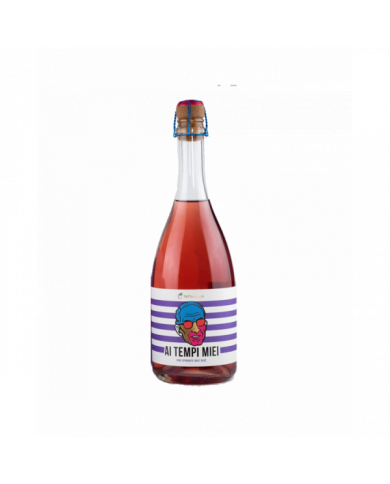
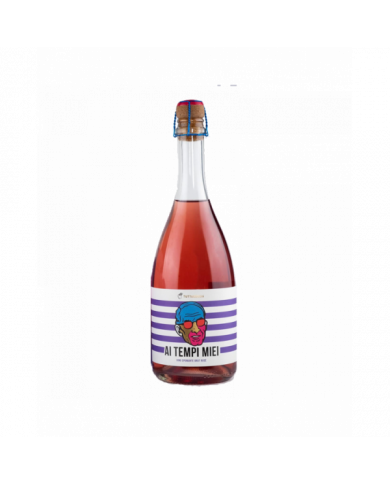
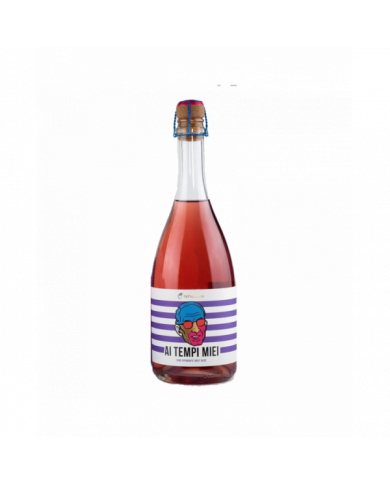
"IN MY TIME" Tuttacoccia Spumante Brut Rosé - Passionate Attractive Seductive
€16.06
€9.89
€8.90
€8.72
€7.85
SKU:
11512
Brand:
Marramiero
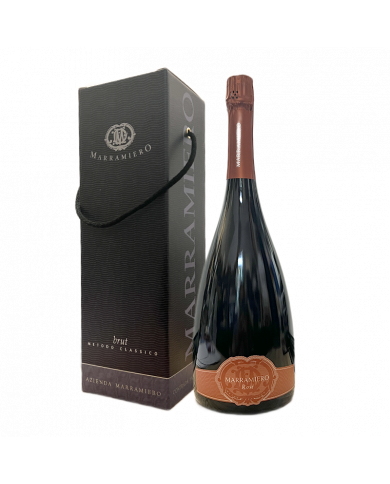
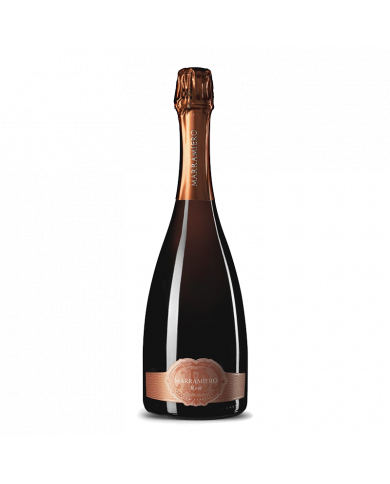
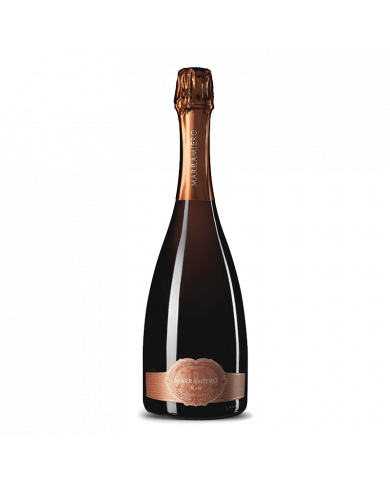
After many years of experience with the Marramiero Brut and the maturation of the Pinot Nero vineyards, the passion has pushed us to compare ourselves with a classic Rosé method. Only after a long and patient work and many months of permanence on the yeasts can we obtain those characteristics of excellence set for us to begin the marketing of our Rosé.
€38.06
SKU:
11506
Brand:
Cantina Frentana
€6.55
€5.90
This sparkling wine should be served at a temperature of 8-10 ° C; indicated as an aperitif, to accompany fish-based meals, but also fresh and summer dishes such as salads, cheeses, pasta and cold and vegetable-based rice. Few people know that an unusual but perfect match is with pizza.
€6.55
€5.90
€6.00
€7.90
€19.56
SKU:
11463
Brand:
Terzini
Born from careful attention to the quality of the raw material and the winemaking techniques, an authentic expression of the Casauria production area. Particular attention has been given to the attention to detail: satin bottle, new label graphics and screen-printed image of the coral.
€10.58
SKU:
11415
Brand:
CVA Canicattì
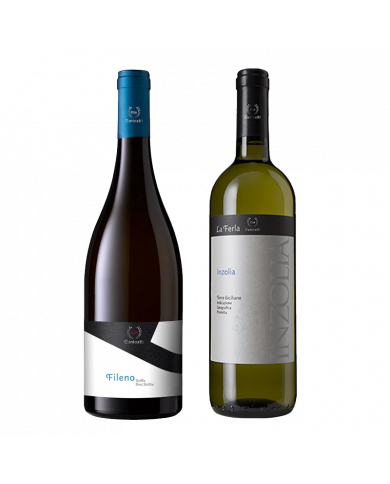
Fileno, harvest 2021, 100% Grillo, is the best white wine in Italy. An extraordinary result for CVA, a small but prestigious wine cooperative in the Agrigento area.
From the vinification of Nero d'Avola and Nerello Mascalese grapes, a rosé wine of great pleasure and fragrance takes shape. Intense in the aromas, elegant, savory and mineral on the palate.
€16.90
SKU:
11307
Brand:
Castel Firmian
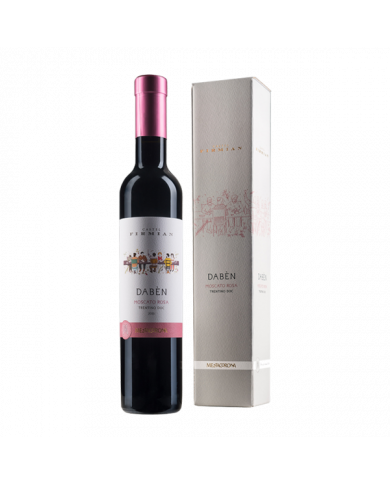
The Moscato Rosa vine is a very ancient vine, of probable Greek origins which, passing through Sicily, arrived in Trentino in the mid-nineteenth century. The name seems to derive more from the primary aroma of rose that characterizes this aromatic vine, than from the color of the berry, which is actually bluish-black. Moscato Rosa is very delicate to cultivate as it is subject to various problems in flowering and ripening which greatly reduce its production capacity. For all these reasons, as well as being noble, it is also a precious wine, also due to its great ability to accumulate large quantities of sugar. This wine is obtained from small vineyards located on the alluvial fan of the town of Pressano, north of Trento, at about 250-300 metres, facing south-southwest on clayey-limestone soils and in a well-ventilated area to avoid health problems and allow the grapes the achievement of a perfect level of aromatic and sugar ripening. The grapes are harvested by hand very late after a natural drying on the vine and, after destemming, are subjected to traditional vinification with the addition of selected yeasts at a temperature of 22-24°C for 6-8 days. Then with the use of cold (5°C), the fermentation process is naturally blocked with the consequent maintenance of the desired residual sugar. It then continues with the collection of only flower wine without pressing of the pomace. This is followed by conservation in steel for a few months, always at a low temperature to preserve the aromas of this elegant wine
€22.20
SKU:
11280
Brand:
Cantina Wilma
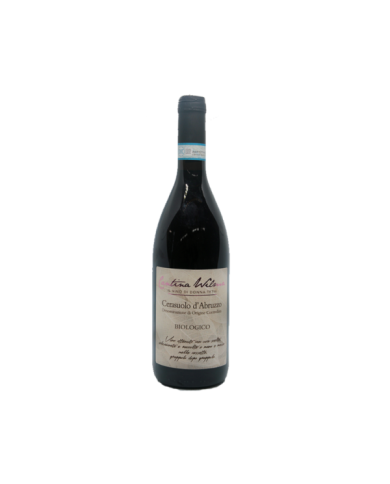
Obtained from native grapes and selected in the harvest. Appearance of intense cherry color with pink reflections. On the palate it is fruity with notes of black cherry and cherry. Pairings: throughout the meal.
€9.52
€16.82
€12.64
SKU:
11227
Brand:
Sincarpa
Produced with Montepulciano grapes with a very short contact of the skins in the must from which it derives its characteristic color. It is universally recognized as one of the best rosé wines in the world and stands out in particular for its great structure, pleasant freshness and intense fruity scents that allow it an infinite number of gastronomic combinations.
€4.12
€3.51
SKU:
11193
Brand:
Roxan
€6.51
€5.86
Roxan 's Cerasuolo d'Abruzzo is a rosé of great freshness, versatility and pleasantness. It is offered with a bouquet that alternates notes of wild strawberries and cherries and at the sip it proves to be satisfying and of good persistence. A gastronomic wine, also perfect as an aperitif
€6.51
€5.86
SKU:
11178
Brand:
Roxan
Roxan 's Cerasuolo d'Abruzzo is a rosé of great freshness, versatility and pleasantness. It is offered with a bouquet that alternates notes of wild strawberries and cherries and at the sip it proves to be satisfying and of good persistence. A gastronomic wine, also perfect as an aperitif
€5.38
SKU:
11165
Brand:
Zappacosta
It is presented in the glass of a bright cherry pink with violet hues. The nose is delicately fruity with evident notes of morello cherry / cherry and a pleasant floral sensation. Balanced in the mouth, savory, with a nice freshness and long aromatic persistence, pleasantly almond aftertaste.
€10.08
SKU:
11164
Brand:
Chiarieri
Rosé wine from Montepulciano d'abruzzo DOC grapes.
Intense and penetrating aroma with a very slight hint of raspberry. Balanced and pleasant taste, slightly velvety; it has purebred backbone with a wonderful aromatic persistence.
€13.49
SKU:
11151
Brand:
Fattoria Licia
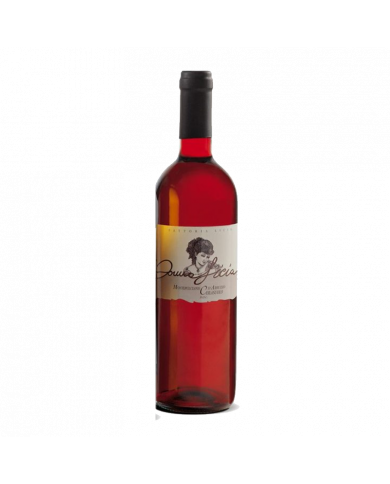
The Rosato "Donna Licia" is a versatile wine, produced mainly with Montepulciano grapes and a small percentage of Chardonnay and other white grapes that allows us to make it more pleasant on the palate and to lower the degree that would be too high for a wine suitable for aperitifs. .
€3.97
€3.57
SKU:
11148
Brand:
Fattoria Licia
Cerasuolo is a gem that only Abruzzo can offer: a wine produced exclusively from Montepulciano grapes, left unpeeled for a very short time and immediately fermented.
€6.19
€5.26
SKU:
11138
Brand:
Don Carlo
€12.14
€10.93
100% Montepulciano, short maceration with the skins and aging in steel. Only indigenous yeasts, unfiltered or clarified and without added sulphites.
SKU:
11130
Brand:
Marramiero
After many years of experience with the Marramiero Brut and the maturation of the Pinot Nero vineyards, the passion has pushed us to compare ourselves with a classic Rosé method. Only after a long and patient work and many months of permanence on the yeasts can we obtain those characteristics of excellence set for us to begin the marketing of our Rosé.
€23.23
Pairings for rosé wines
Rosé is a very versatile wine, suitable for a wide variety of food pairings. Thanks to its freshness, it lends itself to both informal pairings, such as cheese, pizza, fried foods, and mushrooms, as well as more complex dishes, such as fish.
The best Italian rosé wine
In recent years, rosé wine production in Italy has grown exponentially, producing truly excellent wines that are worth tasting. Rosé originated in Southern Italy, but is now produced throughout the country. Italian rosé wines boast a long tradition; they are fresh and fragrant wines that pair beautifully with the many traditional dishes of our country. Visit the Clickwine rosé wine section to find the best online deals on DOC rosé wines produced by Italy's most prestigious wineries. With our exceptional online sales, you can bring traditional Italian rosé wines to your table, with incredible savings on the list price. Don't miss the opportunity to enrich your personal cellar with a high-quality rosé wine, a unique opportunity to make evenings spent with friends and family even more perfect.
Why is rosé wine pink?
There's a lot of talk about rosé wine. Many believe it's made by blending white and red wines (a practice prohibited by law), and this hasn't helped its reputation.
The color intensity of rosé wine and its aromas are essentially determined by the maceration on the skins of the red grapes used to produce these wines. But what are the colors of rosé wine? Rosé wine can range from pale pink, cherry red, to claret pink. To obtain a pale pink, maceration is required for very few hours, from 2 to 4, while for a cherry red the time can be up to 7-10 hours. For a very bright claret pink, maceration time can be up to 24 hours.
What are the best rosé wines?
Rosé wines can vary greatly in quality, depending on the production region, the grape variety used, and the winemaking techniques. Some highly regarded rosé wines come from France, particularly the Provence region, which produces light, fresh wines with red berry aromas and crisp acidity. Other high-quality rosé wines are produced in Italy, particularly Tuscany and Puglia, and in Spain, which produce more structured wines with greater aromatic complexity. Other regions renowned for their rosé wines include California, Portugal, and Australia.
It's important to note that the quality of a rosé wine depends on production techniques, climate conditions, and the grapes used. Therefore, it's difficult to make a list of the absolute best rosé wines, as it depends on individual tastes and preferences. However, some highly regarded rosé wines are:
- Château d'Esclans Whispering Angel (Provence, France)
- Domaine Tempier Bandol (Provence, France)
- Biserno Insoglio del Cinghiale Estate (Tuscany, Italy)
- Le Pupille Saffredi Farm (Tuscany, Italy)
- Quinta do Crasto Rosé (Douro, Portugal)
- Sandhi Santa Barbara County Rosé (California, USA)
- Penfolds Koonunga Hill Rosé (Barossa Valley, Australia)
It's recommended to try several rosé wines to discover which one you prefer, keeping in mind that some rosé wines are better enjoyed on their own, while others pair better with certain dishes. Generally speaking, rosé wines are ideal for summer, as they're fresh and light, but they can be enjoyed any time of year, depending on your personal taste.
What do you eat with rosé wine?
Rosé wine is a very versatile wine that pairs well with a wide range of dishes. Because it has a slightly lower alcohol content than red wines and a slightly lighter structure, it is particularly suited to accompany light, fresh dishes, such as fish, white meat, and vegetables. Here are some ideas for pairing rosé wine with food:
- Fish: Rosé wine pairs well with light fish such as salmon, tuna, and sea bass, but also with oily fish such as mackerel and squid.
- White meat: Rosé wine is perfect to accompany white meat such as chicken, turkey, and rabbit.
- Vegetables: Rosé wine pairs well with grilled vegetables, especially red berries like tomatoes and eggplant.
- Cheeses: Rosé wine pairs well with light cheeses such as Brie, Camembert, and Roquefort.
- Salads: Rosé wine is perfect for accompanying summer salads, especially when dressed with an emulsion of olive oil and balsamic vinegar.
Rosé wine can also be enjoyed on its own as an aperitif or as an accompaniment to a light meal. In general, it's important to pair rosé wine with light, not overly flavorful foods to prevent the wine from being overpowered by the food's flavors. It's recommended to taste the wine before deciding on a pairing, so you can choose the dish that best complements its aromatic profile and balance.