

 Italiano
 Deutsch














There are no more items in your cart
€16.82
€12.64
SKU:
11227
Brand:
Sincarpa
Produced with Montepulciano grapes with a very short contact of the skins in the must from which it derives its characteristic color. It is universally recognized as one of the best rosé wines in the world and stands out in particular for its great structure, pleasant freshness and intense fruity scents that allow it an infinite number of gastronomic combinations.
€4.12
€3.51
SKU:
11193
Brand:
Roxan
€6.51
€5.86
Roxan 's Cerasuolo d'Abruzzo is a rosé of great freshness, versatility and pleasantness. It is offered with a bouquet that alternates notes of wild strawberries and cherries and at the sip it proves to be satisfying and of good persistence. A gastronomic wine, also perfect as an aperitif
€6.51
€5.86
SKU:
11178
Brand:
Roxan
Roxan 's Cerasuolo d'Abruzzo is a rosé of great freshness, versatility and pleasantness. It is offered with a bouquet that alternates notes of wild strawberries and cherries and at the sip it proves to be satisfying and of good persistence. A gastronomic wine, also perfect as an aperitif
€5.38
SKU:
11165
Brand:
Zappacosta
It is presented in the glass of a bright cherry pink with violet hues. The nose is delicately fruity with evident notes of morello cherry / cherry and a pleasant floral sensation. Balanced in the mouth, savory, with a nice freshness and long aromatic persistence, pleasantly almond aftertaste.
€10.08
SKU:
11164
Brand:
Chiarieri
Rosé wine from Montepulciano d'abruzzo DOC grapes.
Intense and penetrating aroma with a very slight hint of raspberry. Balanced and pleasant taste, slightly velvety; it has purebred backbone with a wonderful aromatic persistence.
€13.49
SKU:
11151
Brand:
Fattoria Licia
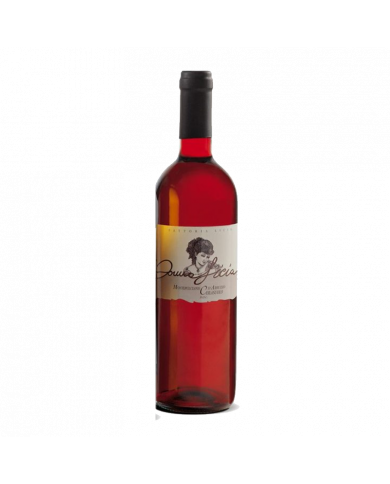
The Rosato "Donna Licia" is a versatile wine, produced mainly with Montepulciano grapes and a small percentage of Chardonnay and other white grapes that allows us to make it more pleasant on the palate and to lower the degree that would be too high for a wine suitable for aperitifs. .
€3.97
€3.57
SKU:
11148
Brand:
Fattoria Licia
Cerasuolo is a gem that only Abruzzo can offer: a wine produced exclusively from Montepulciano grapes, left unpeeled for a very short time and immediately fermented.
€6.19
€5.26
SKU:
11138
Brand:
Don Carlo
€12.14
€10.93
100% Montepulciano, short maceration with the skins and aging in steel. Only indigenous yeasts, unfiltered or clarified and without added sulphites.
SKU:
11130
Brand:
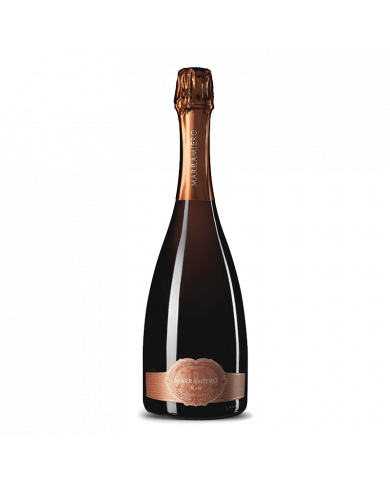
Marramiero
After many years of experience with the Marramiero Brut and the maturation of the Pinot Nero vineyards, the passion has pushed us to compare ourselves with a classic Rosé method. Only after a long and patient work and many months of permanence on the yeasts can we obtain those characteristics of excellence set for us to begin the marketing of our Rosé.
€23.23
€9.14
€9.52
SKU:
11098
Brand:
Cantina Frentana
This rosé is made mainly from Montepulciano grapes and offers a cohesive mix of lemon, apricot and white grapefruit flowers to the nose. There is a delicate creaminess on the palate, with a blend of ripe and tart fruit that is enlivened by a lively mineral note.
€5.86
€14.66
SKU:
11094
Brand:
Cataldi Madonna
It is one of the classics of the company. From Montepulciano grapes with a cherry color (cerasa), bright and cheerful. It is produced following the procedure developed with the Piè delle vigne. Impresses freshness and persistence. Nose: aromas of red fruit, strawberry and almond. An interpretation of the Cerasuolo that knows how to talk to those who drink it. A pink for the whole meal, perfect to accompany tomato and fried dishes.
SKU:
11093
Brand:
Cataldi Madonna
The Cataldino is a Montepulciano vinified entirely in white, in complete absence of skins and fermented with indigenous yeasts. This wine is the result of the draining and the first pressing (0.2 Bar). The result is a powder pink color. Of great gastronomic versatility. The company is fighting to be able to use the name "rosa" instead of "rosato".
€16.63
SKU:
11091
Brand:
Cataldi Madonna
Cerasuolo produced for the first time in 1997 using the “svacata”, an addition of red vinification as used in ancient times by the farmers of the area.
€37.82
€8.25
€7.42
€6.09
€5.48
€7.25
€9.20
€9.90
SKU:
10817
Brand:
Strappelli
€11.26
€10.13
Rose Spumante Brut is a Charmat method also known as “Martinotti”. It has a drinkable, lively character capable at the same time of retaining its elegance
€11.26
€10.13
SKU:
10811
Brand:
Strappelli
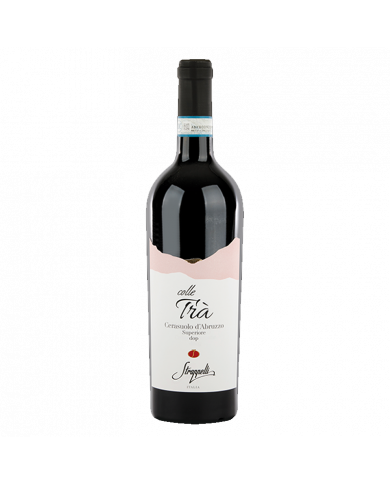
The Cerasuolo Colle Trà also comes from the R7 clone of Montepulciano. Its “Superiore” denomination depends on its yield per hectare which is lower than that of the basic Cerasuolo. The right ripening of the grapes combined with an adequate selection make this label a unique wine of its kind.
€13.64
SKU:
10805
Brand:
Strappelli
€12.21
€9.77
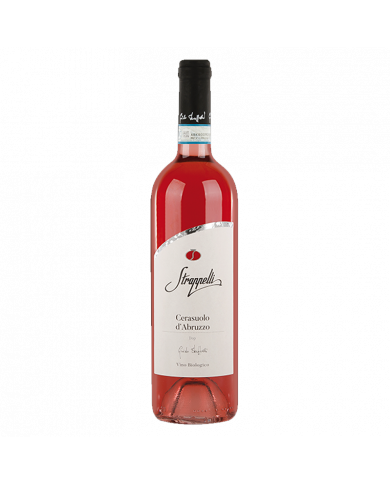
Our Cerasuolo d'Abruzzo comes from the traditional R7 clone of Montepulciano. The name of the wine is linked to its color: it derives in fact from the "cerasumà" which means cherry. This is obtained through a medium-long process of cryopreservation, during which the contact between the must and the skins gives the wine the bright cherry color.
€12.21
€9.77
SKU:
10802
Brand:
Amorotti
€28.55
€25.69
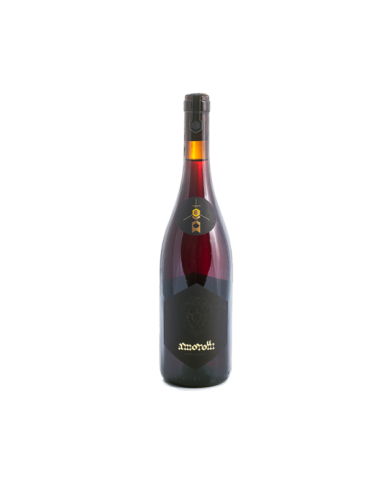
It impresses with its vivid and bright color. The nose expresses itself on notes of cherry, wild strawberry, raspberry and undergrowth. Intense aromas far from the normal and conventional Cerasuolo. In the mouth it is expressive and satisfying with a taste all played on the fruit. Alcoholic content: 13% vol.
€28.55
€25.69
from 6 June 2022
SKU:
10787
Brand:
Terre d'Erce
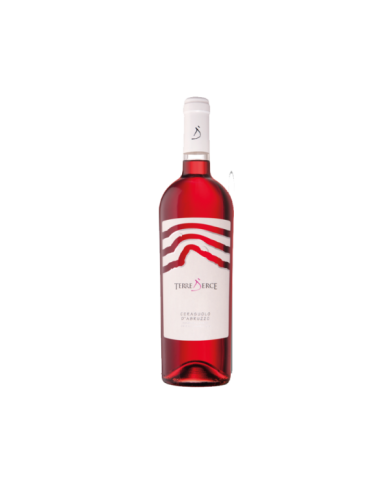
Color : intense cherry pink. Bouquet : pleasant and fresh bouquet of cherries, red fruits and spicy notes. Taste: good acidity and a pleasant savory vein, with a pleasant and fruity finish. PAIRING · appetizers with fresh cold cuts, dry first courses or with seafood based courses.
€13.00
SKU:
10678
€5.87
€4.99
SKU:
10637
Brand:
Cantina Frentana
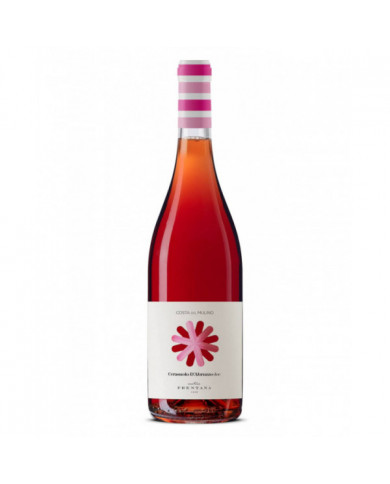
The Cerasuolo D'Abruzzo DOC Costa del Mulino is a consumer wine par excellence. Its red berried grapes are vinified with limited contact of the must with the skins and this is subsequently fermented at a temperature of 13°, to maximize its olfactory finesse. This generous and immediate wine offers a satisfying drink, perfect for spending an evening of good wine and good company.
€7.89
SKU:
10615
Brand:
Cantina Frentana
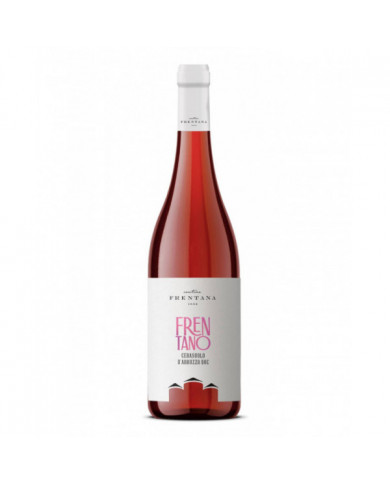
Cerasuolo D'Abruzzo DOC Frentano is a pleasant and fragrant version of Montepulciano vinified in rosé. The grapes are vinified with limited contact of the must with the skins and this gives this wine from Abruzzo the classic cherry color that distinguishes it. The fermentation and refinement phases follow in steel containers which allow it to develop its characteristic freshness and minerality and which make it perfect to accompany informal lunches and dinners.
€4.11
SKU:
10600
Brand:
Ettore Galasso
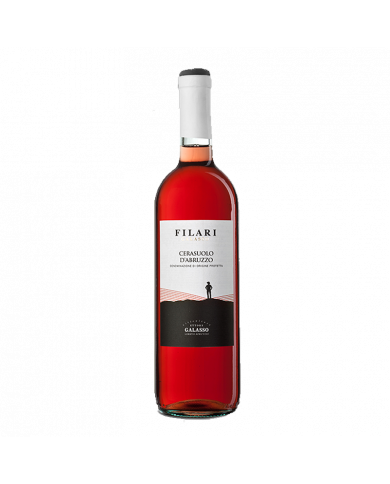
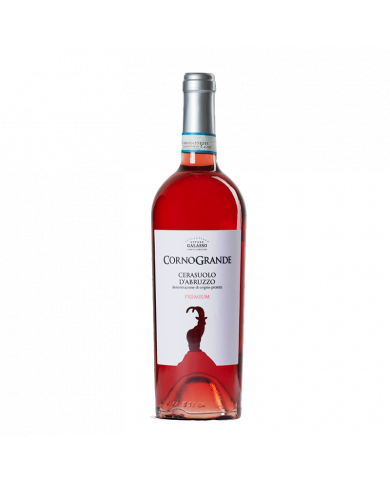
It goes very well with dishes based on white meat and sea fish. Soft, fresh, balanced and persistent taste.
€5.64
€8.24
Pairings for rosé wines
Rosé is a very versatile wine, suitable for a wide variety of food pairings. Thanks to its freshness, it lends itself to both informal pairings, such as cheese, pizza, fried foods, and mushrooms, as well as more complex dishes, such as fish.
The best Italian rosé wine
In recent years, rosé wine production in Italy has grown exponentially, producing truly excellent wines that are worth tasting. Rosé originated in Southern Italy, but is now produced throughout the country. Italian rosé wines boast a long tradition; they are fresh and fragrant wines that pair beautifully with the many traditional dishes of our country. Visit the Clickwine rosé wine section to find the best online deals on DOC rosé wines produced by Italy's most prestigious wineries. With our exceptional online sales, you can bring traditional Italian rosé wines to your table, with incredible savings on the list price. Don't miss the opportunity to enrich your personal cellar with a high-quality rosé wine, a unique opportunity to make evenings spent with friends and family even more perfect.
Why is rosé wine pink?
There's a lot of talk about rosé wine. Many believe it's made by blending white and red wines (a practice prohibited by law), and this hasn't helped its reputation.
The color intensity of rosé wine and its aromas are essentially determined by the maceration on the skins of the red grapes used to produce these wines. But what are the colors of rosé wine? Rosé wine can range from pale pink, cherry red, to claret pink. To obtain a pale pink, maceration is required for very few hours, from 2 to 4, while for a cherry red the time can be up to 7-10 hours. For a very bright claret pink, maceration time can be up to 24 hours.
What are the best rosé wines?
Rosé wines can vary greatly in quality, depending on the production region, the grape variety used, and the winemaking techniques. Some highly regarded rosé wines come from France, particularly the Provence region, which produces light, fresh wines with red berry aromas and crisp acidity. Other high-quality rosé wines are produced in Italy, particularly Tuscany and Puglia, and in Spain, which produce more structured wines with greater aromatic complexity. Other regions renowned for their rosé wines include California, Portugal, and Australia.
It's important to note that the quality of a rosé wine depends on production techniques, climate conditions, and the grapes used. Therefore, it's difficult to make a list of the absolute best rosé wines, as it depends on individual tastes and preferences. However, some highly regarded rosé wines are:
- Château d'Esclans Whispering Angel (Provence, France)
- Domaine Tempier Bandol (Provence, France)
- Biserno Insoglio del Cinghiale Estate (Tuscany, Italy)
- Le Pupille Saffredi Farm (Tuscany, Italy)
- Quinta do Crasto Rosé (Douro, Portugal)
- Sandhi Santa Barbara County Rosé (California, USA)
- Penfolds Koonunga Hill Rosé (Barossa Valley, Australia)
It's recommended to try several rosé wines to discover which one you prefer, keeping in mind that some rosé wines are better enjoyed on their own, while others pair better with certain dishes. Generally speaking, rosé wines are ideal for summer, as they're fresh and light, but they can be enjoyed any time of year, depending on your personal taste.
What do you eat with rosé wine?
Rosé wine is a very versatile wine that pairs well with a wide range of dishes. Because it has a slightly lower alcohol content than red wines and a slightly lighter structure, it is particularly suited to accompany light, fresh dishes, such as fish, white meat, and vegetables. Here are some ideas for pairing rosé wine with food:
- Fish: Rosé wine pairs well with light fish such as salmon, tuna, and sea bass, but also with oily fish such as mackerel and squid.
- White meat: Rosé wine is perfect to accompany white meat such as chicken, turkey, and rabbit.
- Vegetables: Rosé wine pairs well with grilled vegetables, especially red berries like tomatoes and eggplant.
- Cheeses: Rosé wine pairs well with light cheeses such as Brie, Camembert, and Roquefort.
- Salads: Rosé wine is perfect for accompanying summer salads, especially when dressed with an emulsion of olive oil and balsamic vinegar.
Rosé wine can also be enjoyed on its own as an aperitif or as an accompaniment to a light meal. In general, it's important to pair rosé wine with light, not overly flavorful foods to prevent the wine from being overpowered by the food's flavors. It's recommended to taste the wine before deciding on a pairing, so you can choose the dish that best complements its aromatic profile and balance.