

 Italiano
 Deutsch









There are no more items in your cart
SKU:
15230
Brand:
Nativ
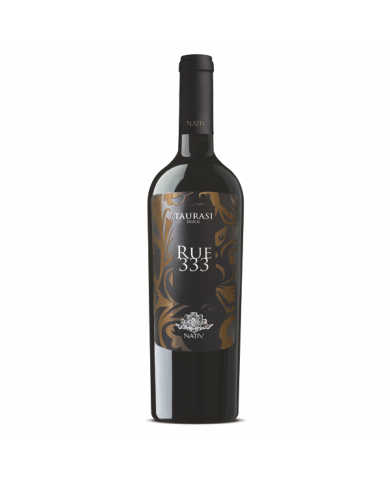
Rue 333, Taurasi DOCG Wine made from Aglianico grapes, whose refinement in barriques for two years, gives it the specific name of Aglianico Taurasi DOCG also in honor of the country where this type of grape is widely grown.

€26.99
SKU:
15229
Brand:
Nativ


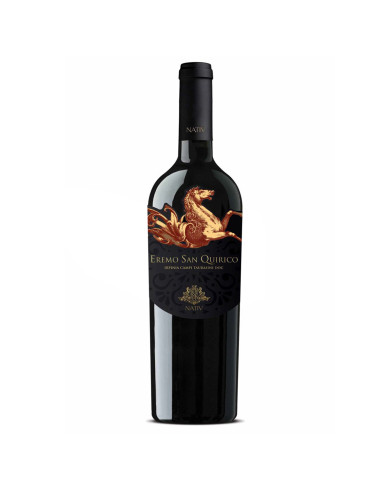
Eremo San Quirico ‐ Aglianico Campi Taurasini DOC Important red wine whose vines are grown on volcanic soil on the hills of Taurasi. The name of our wine derives from the place where horses were once said to graze in the wild, and where the remains of the ancient hermitage of S. Quirico can still be found. A wine so precious as to dress it with a work of art by the contemporary painter Moreno Bondi.
€28.69
SKU:
15227
Brand:
Nativ


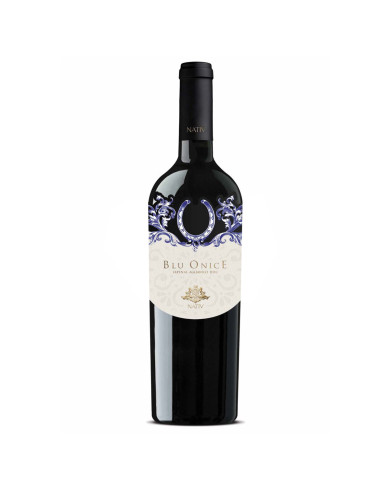
the wine takes its name from the vineyard of the same name located on rocky terrain near an ancient onyx quarry located near gesualdo.
€19.83
SKU:
15226
Brand:
Nativ
Among the vineyards of Irpinia, from the Latin Hirpus-wolf, a young Aras girl roamed around some time ago, a lover of the wonderful bunches of grapes.
€20.98
SKU:
15225
Brand:
Gianni Doglia
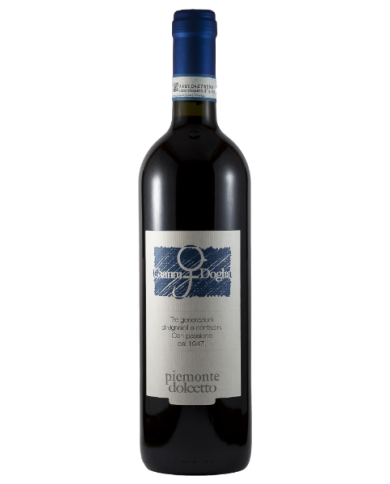
Wine suitable for the whole meal, in particular it goes well with cured meats and hams, appetizers and first courses, fresh or medium-aged hard cheeses. The grapes are harvested manually in the vineyard and carefully deposited in boxes for transport to the cellar, pressed and fermented at a controlled temperature with a maceration of about 10 days. At the end of fermentation, the wine is left to clarify by static decantation until the end of winter. It will then rest in steel tanks until spring when it will be bottled: after about a month of aging in the bottle it will be ready to be drunk.
€12.08
SKU:
15224
Brand:
Gianni Doglia
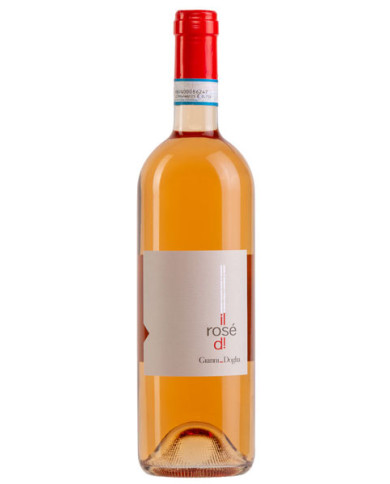
Particularly suitable as an aperitif or with summer appetizers, first courses, delicate fish. The grapes are harvested manually in the vineyard and carefully placed in boxes for transport to the cellar. They are pressed immediately, left for 5 hours with the skins and then fermented at a controlled temperature of around 15°C without the aid of selected yeasts. At the end of the fermentation process, the wine is left to clarify with static settling until the end of winter. It remains in stainless steel vats until spring, when it will be bottled: after about 1 month of aging in the bottle, it will be ready to drink.
€12.08
SKU:
15223
Brand:
Gianni Doglia
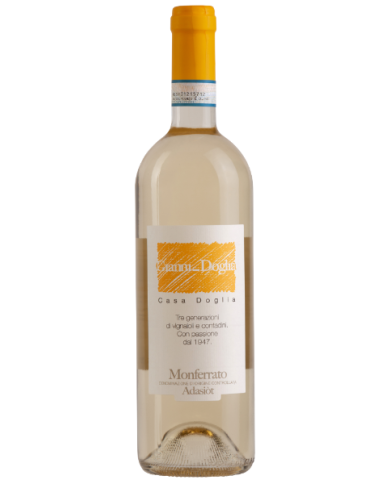
Aperitif wine and throughout the meal, it goes very well with appetizers, fish dishes and white meat main courses. The grapes are harvested manually in the vineyard and carefully deposited in boxes for transport to the cellar. It is then immediately pressed and left to ferment at a controlled temperature of about 15°, without the aid of selected yeasts. At the end of the fermentation the wine rests on the fine lees for 30/50 days; subsequently it is left to clarify by static settling until the end of winter. It will then rest in steel tanks until spring when it will be bottled: after about a month of aging in the bottle it will be ready to be drunk.
€12.08
SKU:
15222
Brand:
Gianni Doglia
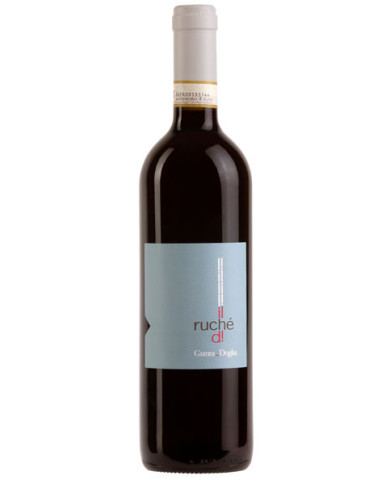
Warm, elegant, round. Light tannin in the month. Great aromatic persistence. The grapes are harvested manually in the vineyard and carefully placed in boxes for transport to the cellar, pressed and then fermented at a controlled temperature with a maceration of about 10-12 days. At the end of the fermentation process, the wine is left to clarify with static settling until the end of winter. It remains in stainless steel vats until the end of summer, when it will be bottled: after about 6 months of aging in the bottle, it will be ready to drink.
€18.80
SKU:
15221
Brand:
Gianni Doglia
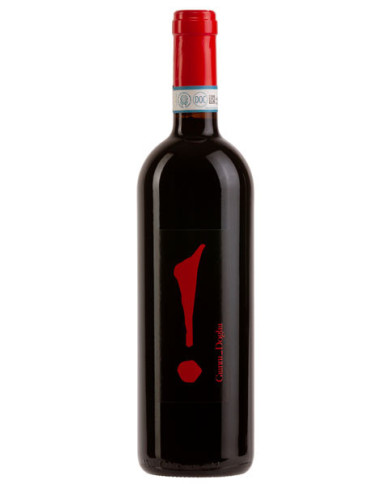
Important wine indicated for second courses of red meat or game. Excellent companion for an after dinner with friends. The grapes are harvested manually in the vineyard and carefully deposited in boxes for transport to the cellar, pressed and fermented at a controlled temperature with a maceration of about 8-10 days. Upon racking, the wine is placed in barriques where it rested for 24 months. The wine thus obtained was further refined for about 6 months in steel tanks before finally being bottled; the bottles, after a rest of about 6 months in the cellar at a temperature of 18° C to complete the refinement, are ready for marketing.
€31.96
SKU:
15220
Brand:
Gianni Doglia
Meditation wine, ideal in combination with aged cheeses and excellent at any time of the day or at the end of a meal as a digestive. The grapes are harvested and selected manually in the vineyard and carefully deposited in boxes for transport to the cellar. Here begins careful drying for a period of two months on wooden racks, in a dry and well-ventilated place. The withered bunches are pressed and subsequently the must obtained is left to ferment in steel tanks at a controlled temperature for about a month. At the end of the fermentation the wine rests in stainless steel tanks for about a year. Subsequently the wine is bottled and after a rest of about 6 months in the cellar at 18°C to complete the refinement in the bottle, it will be ready to be drunk.
€20.01
SKU:
15219
Brand:
Gianni Doglia
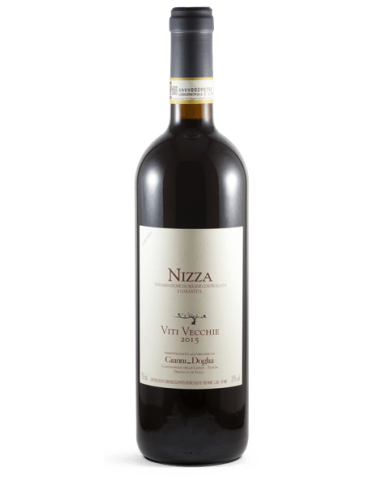
The grapes come from a plot of about one hectare located in the municipality of Nizza Monferrato, whose vines reach an average age of 50 years and represent the maximum selection of Barbera. Wine indicated for main courses of red meat, game or well-aged cheeses, structured, round with a harmonious balance between freshness and softness. The grapes are harvested manually and carefully stored in boxes for transport to the cellar, pressed and fermented at a controlled temperature with a maceration of about 15 days. After racking, the wine ages in small wooden barrels for about 18-24 months. The wine is then left to rest for about 6 months in a steel tank. At this point it is possible to proceed with the bottling. After further refinement in the bottle for at least 6 months in the cellar at a temperature of 20°C,
€30.45
SKU:
15218
Brand:
Gianni Doglia
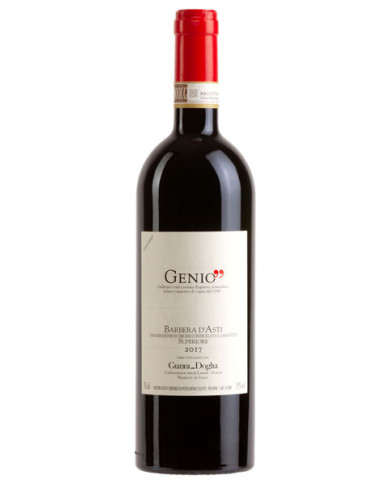
Enveloping, warm and round taste. Excellent persistence and harmony, the result of an elegant balance from a decisive freshness to a good body. The grapes are harvested manually in the vineyard and are carefully placed in boxes for transport to the cellar, pressed and then fermented at a controlled temperature with a maceration of about 15 days. After racking, it is aged in small wooden barrels for 18-24 months. The wine is then left to rest for about 6 months in stainless steel vats. At this point it can be bottled. After further aging in the bottle for at least 6 months in the cellar at a temperature of 20°C, the wine is finally ready to drink.
SKU:
15217
Brand:
Gianni Doglia
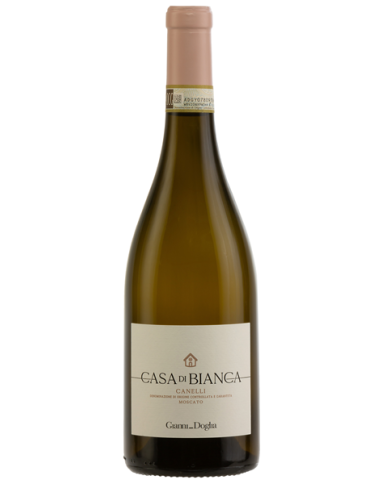
The grapes that come from a small plot known as "Casa di Bianca", located in the hamlet of Annunziata di Castagnole delle Lanze, represent the maximum selection of the Moscato vine from our lands. The Moscato Casa di Bianca grapes are carefully selected in the vineyard during the harvest (which takes place exclusively by hand), after being carefully pressed; the flower must is the result and is elaborated with the Martinotti Method in an autoclave, where it will rest on its lees for at least six months.
€19.03
SKU:
15216
Brand:
Gianni Doglia
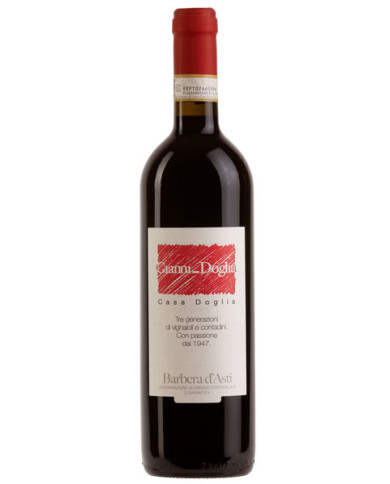
Warm and rich taste of extraordinary balance, it has important but never excessive structure and body. Good persistence and excellent harmony. Perfect with first courses, red meats and medium-aged cheeses. The grapes are harvested manually in the vineyard and carefully placed in boxes for transport to the cellar, pressed and then fermented at a controlled temperature with a maceration of about 8 - 10 days. At the end of the fermentation process, the wine is left to clarify with static settling until the end of winter. It remains in stainless steel vats until spring when it will be bottled: after about 1 month of aging in the bottle it will be ready to drink.
€13.54
SKU:
15215
Brand:
Gianni Doglia
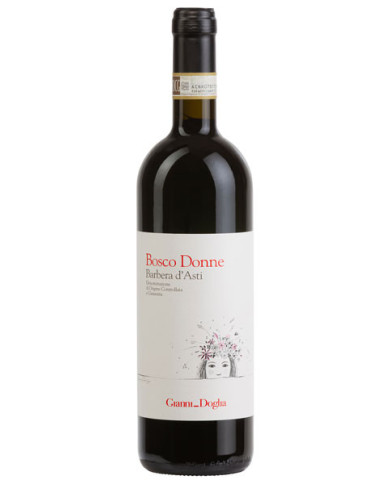
Barbera ''Bosco donne'' is easy to combine because it accompanies almost all traditional Piedmontese dishes with sincere ease: in particular raw meat, agnolotti del plin seasoned with roast meat filling sauces and cooked veal braised in Barbera wine. The grapes are harvested manually in the vineyard and carefully placed in boxes for transport to the cellar, pressed and then fermented at a controlled temperature with a maceration of about 8 days. At the end of the fermentation process, the wine is left to clarify with static settling until the end of winter. It remains in stainless steel vats until the end of summer, when it will be bottled: after about 6 months of aging in the bottle, it will be ready to drink.
€14.88
SKU:
15214
Brand:
Gianni Doglia
Moscato d'Asti is an excellent dessert wine that goes well with dry pastries and fruit cakes; moreover, thanks to the moderate alcohol content, it is a pleasant thirst-quenching drink in the summer. The combination with cured meats and cheeses is more provocative; a provocation that will amaze you! To preserve all the fragrance of the fruit in the wine, it is necessary to adopt a particular harvesting and vinification technique. In fact the grapes, coming from the company's own vineyards, are harvested manually in the vineyard and carefully placed in boxes for transport to the cellar; here they are delicately pressed and the must obtained is kept in cooling vats (-1.5° C) until the moment of vinification in an autoclave. Fermentation takes place at a controlled temperature and with the help of selected yeasts until 5% alcohol is reached. Subsequently the wine will be filtered and bottled. The result is a lively wine with strong and intense varietal characters.
€13.88
SKU:
15213
Brand:
Gianni Doglia
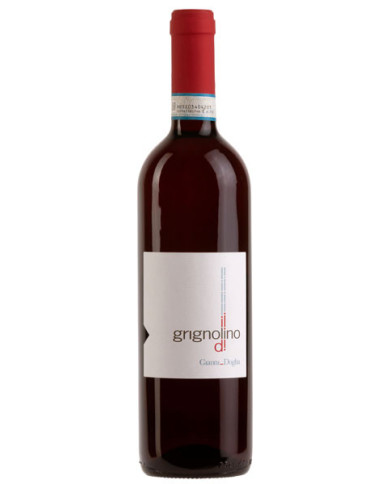
Particularly suitable as an aperitif or with summer appetizers, first courses. It will amaze you with fried fish. The grapes are harvested manually in the vineyard and carefully placed in boxes for transport to the cellar. Subsequently they are pressed and fermented at a controlled temperature of about 18°C with a maceration of about 2/3 days with frequent pumping over. Subsequently the Grignolino is drawn off and the fermentation is finished "in white", ie without skins and seeds, always maintaining a temperature of 18° C. At the end of the fermentation the wine is left to clarify with static settling until the end of winter. It remains in stainless steel vats until spring, when it will be bottled: after about 1 month of aging in the bottle, it will be ready to drink.
€12.61
SKU:
15212
Brand:
Gianni Doglia
Slightly sparkling, its slight effervescence enhances the freshness and flavor making it highly drinkable. Its great pleasantness goes wonderfully with cured meats, soups and boiled meats. The grapes are harvested manually in the vineyard and carefully placed in boxes for transport to the cellar, pressed and then fermented at a controlled temperature with a maceration of about 8 - 10 days. At the end of the fermentation process, the wine is left to clarify with static settling until the end of winter. It remains in stainless steel vats until spring when it will be ready for the sparkling process in the autoclave and for bottling: after about 1 month of aging in the bottle it will be ready to drink.
€10.98
SKU:
15211
Brand:
Gianni Doglia
Moscato d'Asti is an excellent dessert wine that goes well with dry pastries and fruit cakes; moreover, thanks to the moderate alcohol content, it is a pleasant thirst-quenching drink in the summer. The combination with cured meats and cheeses is more provocative; a provocation that will amaze you! To preserve all the fragrance of the fruit in the wine, it is necessary to adopt a particular harvesting and vinification technique. In fact the grapes, coming from the company's own vineyards, are harvested manually in the vineyard and carefully placed in boxes for transport to the cellar; here they are delicately pressed and the must obtained is kept in cooling vats (-1.5° C) until the moment of vinification in an autoclave. Fermentation takes place at a controlled temperature and with the help of selected yeasts until 5% alcohol is reached. Subsequently the wine will be filtered and bottled. The result is a lively wine with strong and intense varietal characters.
€33.92
SKU:
15210
Brand:
Enrico Gatti
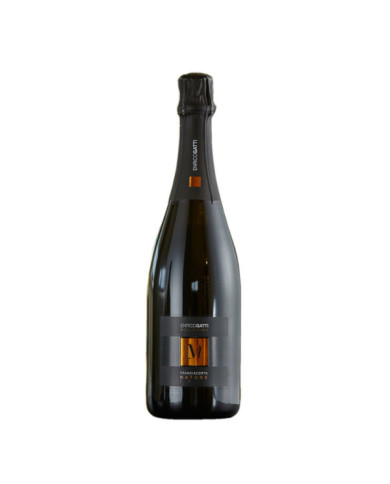
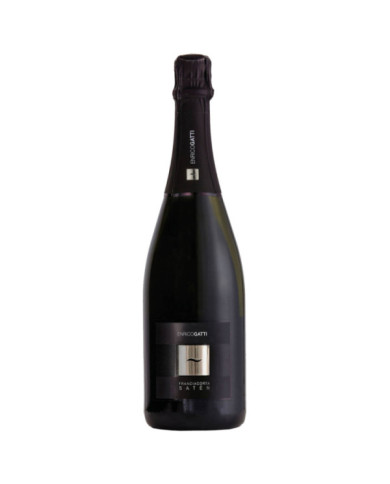
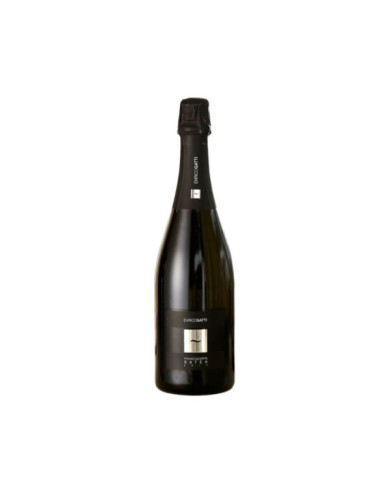
Obtained from the soft pressing of grapes Chardonnay and a Pinot Noir from vineyards located in a hilly area. Part of the must is fermented in oak barrels French and matured on the fermentation lees e part is vinified in steel. Permanence on the lees for a minimum of 48 months. Dry and savory with some rounded notes on the part of the wine that ages in wood. Complex, deep and rich.
€37.90
SKU:
15209
Brand:
Enrico Gatti
Obtained from the soft pressing of grapes
Chardonnay from vineyards located in the area
hilly.
Part of the must is fermented in oak barrels
French and matured on the fermentation lees e
part is vinified in steel.
Permanence on the lees for a minimum of 32 months.
Essentially creamy with fragrant tones of
fresh almond and delicate aromas of butter.
Delighted with a subtle minerality.
€36.23
SKU:
15208
Brand:
Enrico Gatti
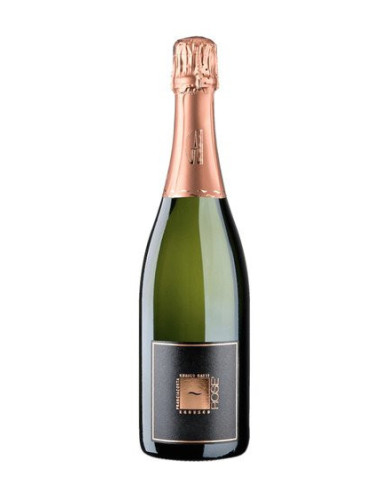
Obtained from the soft pressing of grapes
Pinot Noir from vineyards located in the area
foothills.
The color is obtained through a short
maceration on the skins.
The vinification takes place in steel tanks.
Permanence on the lees for a minimum of 25 months.
Fragrant with hints of pomegranate and currant.
Effervescence softened by the sinuous profile of the
vine.
€33.92
SKU:
15207
Brand:
Enrico Gatti
Obtained from the soft pressing of grapes
Chardonnay and a Pinot Noir from
vineyards located in the foothills area.
The vinification takes place in steel tanks.
Permanence on the lees for a minimum of 24 months.
Contains notes of tropical fruit, nuts and
hazelnuts. Harmonious olfactory perceptions e
engaging.
€56.00
SKU:
15206
Brand:
Enrico Gatti
Obtained from the soft pressing of grapes
Chardonnay and a Pinot Noir from
vineyards located in the foothills area.
The vinification takes place in steel tanks.
Permanence on the lees for a minimum of 24 months.
Contains notes of tropical fruit, nuts and
hazelnuts. Harmonious olfactory perceptions e
engaging.
€30.13
SKU:
15205
Brand:
Enrico Gatti
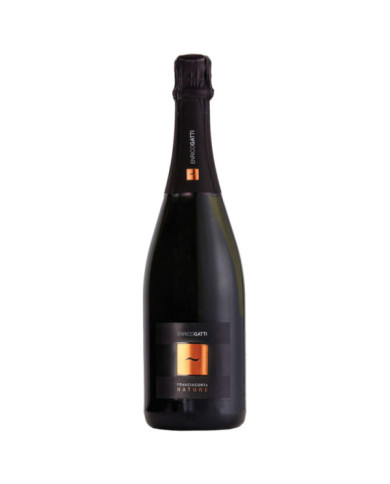
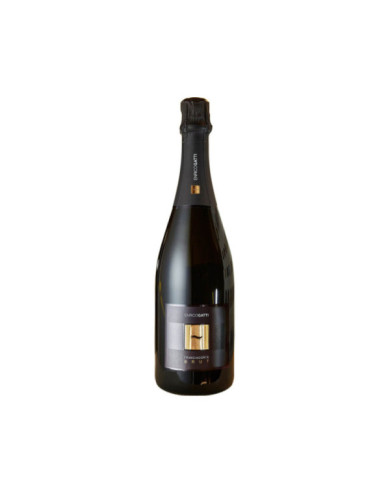
Obtained from the soft pressing of grapes Chardonnay from vineyards located in the area foothills. Vinification takes place in steel tanks. Permanence on the lees for a minimum of 24 months. Franciacorta Brut expresses personality of the company. Fresh, played on a balanced persistence which refers to dried fruit and citrus fruits.
€25.78
SKU:
15204
Brand:
Enrico Gatti
Obtained from the soft pressing of grapes
Chardonnay from vineyards located in the area
hilly.
Part of the must is fermented in oak barrels
French and matured on the fermentation lees e
part is vinified in steel.
Permanence on the lees for a minimum of 32 months.
Essentially creamy with fragrant tones of
fresh almond and delicate aromas of butter.
Delighted with a subtle minerality.
€72.47
SKU:
15203
Brand:
Enrico Gatti
Obtained from the soft pressing of grapes
Chardonnay from vineyards located in the area
foothills.
Vinification takes place in steel tanks.
Permanence on the lees for a minimum of 24 months.
Franciacorta Brut expresses personality
of the company.
Fresh, played on a balanced persistence
which refers to dried fruit and citrus fruits.
€55.27
SKU:
15194
Brand:
Ca' dei Noni
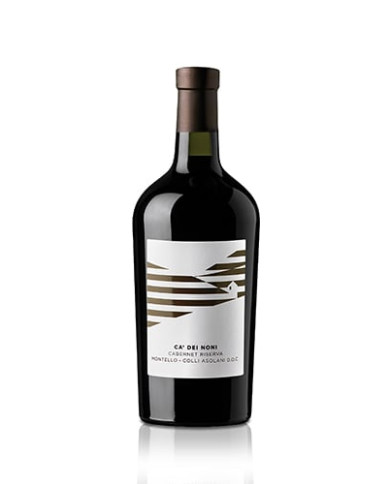
The grapes of this magnificent Cabernet Sauvignon come from vineyards located on Montello, an area suited to important red wines thanks to the composition of the typical red earth of this area. The bunches are harvested by hand and subjected to drying for about 20 days. We proceed to the classic red vinification and a maceration lasting about 15 days. An alcoholic fermentation follows to then carry out the refinement in French barriques for a period of 18 months and a further 12 months in the bottle. Bouquet full of scents such as blueberry, black cherry, blackberry and currant jam, vanilla, tobacco, cocoa, coffee. Slightly spicy with a balsamic final note. Perfect with red meats, game, blue and aged cheeses, excellent with dark chocolate.
€25.86
SKU:
15191
Brand:
Ca' dei Noni
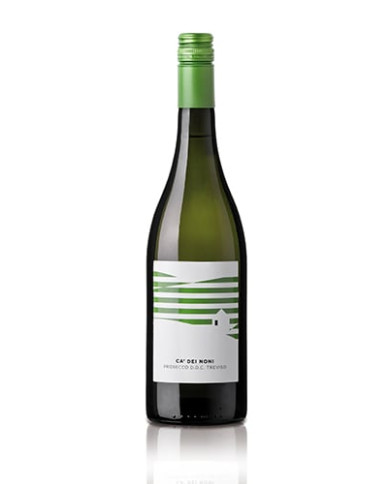
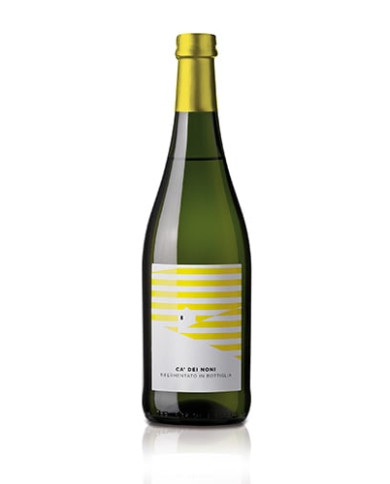
Ideal wine for those who like the typicality of Prosecco, but without bubbles. Straw yellow in color with greenish reflections, it is distinguished by the characteristic bouquet of green apple, acacia flowers and wisteria. Excellent combination of fullness and flavor. Excellent throughout the meal based on light dishes, fresh and medium-aged cheeses.
€7.78
SKU:
15188
Brand:
Ca' dei Noni
Wine from Glera grapes and obtained with spontaneous refermentation in the bottle. Visually, it has a typical light haze; with a fragrant bouquet of crusty bread; floral. The taste is dry; dry and inviting. Rustic wine according to centuries-old traditions and suitable for cold dishes based on fine sausages; medium and long-aged cheeses; and again with fish and shellfish.
€8.19
SKU:
15175
Brand:
Follador
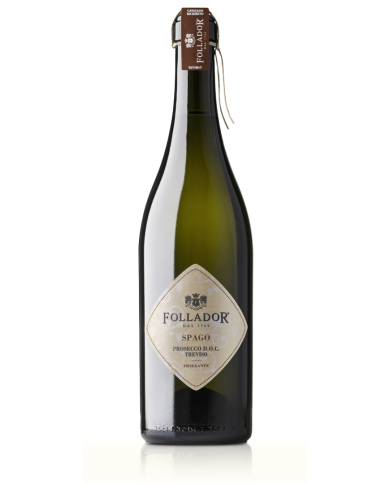
A Follador milestone, this wine made from carefully selected DOC grapes best expresses the typical tastes and aromas of Prosecco. Intense straw yellow color and lively, fine and elegant perlage. Its bouquet is an explosion of fresh and velvety fragrances. We distinguish the green apple, peach, apricot and finally acacia and rose flowers. Excellent structure on the palate is an extraordinary combination of freshness and flavor. Ideal for aperitifs, it elegantly accompanies light first and second courses, white meats, vegetables, fish and shellfish dishes.
€14.55
SKU:
15169
Brand:
Follador
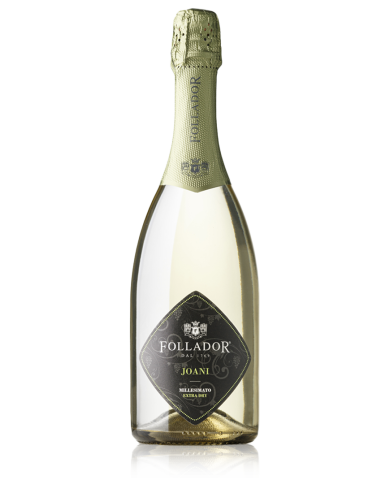
From grapes from the hills of Montello, birthplace of grandfather Giovanni, known by all as "Joani". To him and his land we dedicate this sparkling wine rich in aromas, savory and elegant. Brilliant straw yellow color with very fine and persistent perlage. Elegant, rich and harmonious bouquet with an intense aroma of apricot, wisteria flowers and acacia.
The taste has a balanced acidity, fruity, full, with a dry finish. It goes well with first courses, white meats and fish-based dishes.
€6.66
SKU:
15164
Brand:
Follador
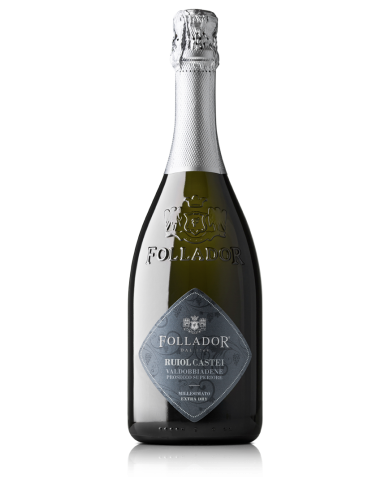
RUIOL CASTEI: a name that evokes the ancient strongholds that dot the Territory, testifying to its long history. Valdobbiadene Prosecco Superiore DOCG Extra Dry 2019 is elected BEST PROSECCO 2020 at The Champagne & Sparkling Wine World Championships 2020, the most prestigious international competition dedicated to champagne and sparkling wines. With a typical bright straw yellow color with greenish reflections, the perlage is fine and persistent. Fruity with a clear perception of golden apple, peach, pear, with a floral hint of wisteria. Full and pleasant fragrance with an elegant balance of flavours. Aperitif par excellence. Excellent for fish and shellfish dishes; at the end of the meal with biscuits.
€17.32
SKU:
15163
Brand:
Follador
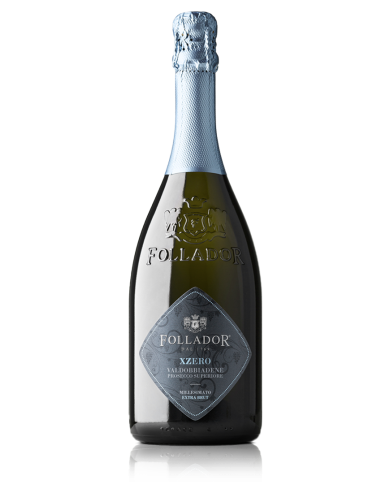
XZERO: 0 g/l of sugar content, 100% of fragrance and aroma. An excellent and very successful superior.
This Prosecco Millesimato Extra Brut is a wine with an important, harmonious structure, in which the mineral notes offered by the high clayey and calcareous component of the soil on which the vineyards are planted stand out. It is appreciated for its delicate, dynamic and pleasantly dry flavour, given the absence of residual sugars which distinguishes this specific category of sparkling wines. It is a wine that represents the excellence of the Territory and will certainly be appreciated by the many connoisseurs of dry wine, conquering even the most extra dry oriented palates.
€23.01
SKU:
15162
Brand:
Follador
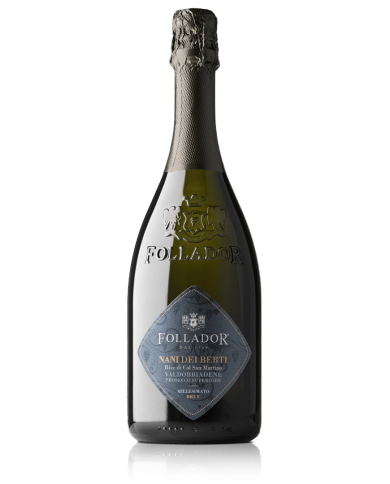
NANI DEI BERTI - Banks of Col San Martino: A tribute to the energy and initiative of Giovanni Follador, father of Gianfranco, so nicknamed. Refined sparkling wine of noble quality, very fine perlage in a splendid combination of bouquet and flavours. An excellent Superiore with a pale straw yellow color, with typical greenish reflections. Lively and very fine perlage with an intense bouquet of citrus, almond and acacia flowers. Excellent balance of acidity and fragrance, well structured with a dry finish. Important wine, good aperitif. Its sapidity and balanced structure make it suitable for light first and second courses, excellent with tasty cheeses.
€17.06
SKU:
15161
Brand:
Follador
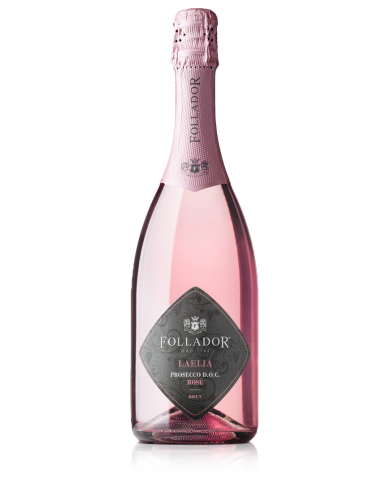
Delicious sparkling wine with a fresh and lively taste, a bright pale pink vintage with good structure and persistence, based on Glera grapes with a blend of 10% Pinot Noir. The base wines are obtained from cryomacerated grapes according to the Gianfranco Follador method ®, with fermentation in steel tanks at a controlled temperature. Pinot Noir is vinified in red as per the disciplinary. Second fermentation in autoclave, according to the Martinotti-Charmat method, with regular refermentation with at least two months of rest on the lees. Intense hint of fruit, in particular apple and white-fleshed peach, with pleasant notes of red fruits, blackberry, wild strawberries and currants. An excellent accompaniment to any aperitif, it is interesting to pair with cold cuts, cured meats in general and even aged cheeses.
€16.74