

 Italiano
 Deutsch




























There are no more items in your cart
€30.06
SKU:
11538
Brand:
JMEF Jannamico Liquori
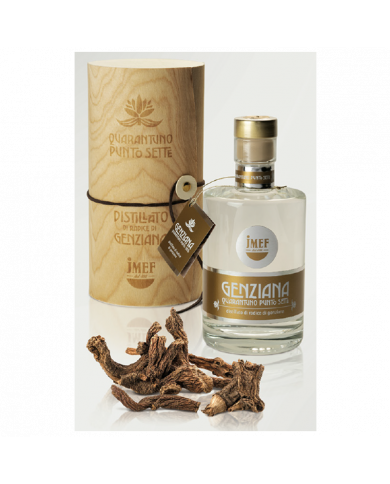
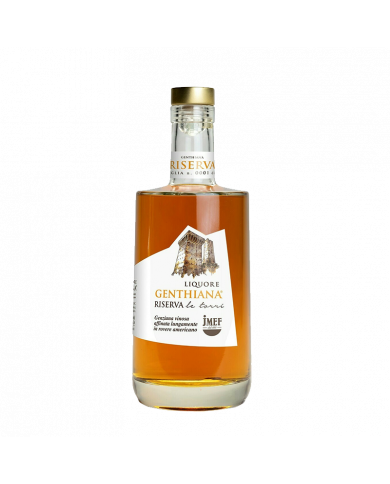
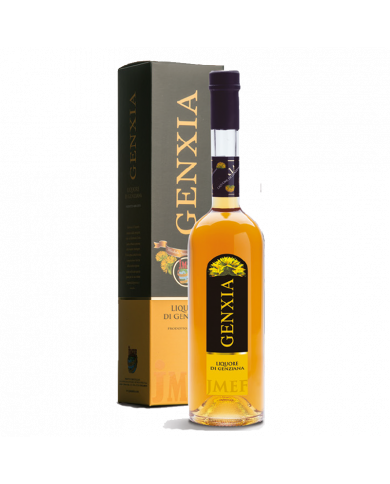
The first Gentian root distillate proudly produced in Abruzzo. A must for Gentian lovers.
€38.50
€18.79
SKU:
11536
Brand:
JMEF Jannamico Liquori
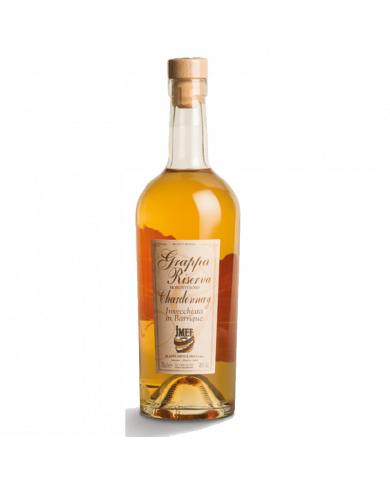
Amber, complex and precious. Unlike young grappas, this fine distillate undergoes aging in non-waterproofed oak barriques which enriches its taste. The amber color as well as the intense, soft, refined aroma with hints of wood, tobacco and vanilla make it a product for passionate connoisseurs.
€22.97
€13.66
SKU:
11534
Brand:
JMEF Jannamico Liquori
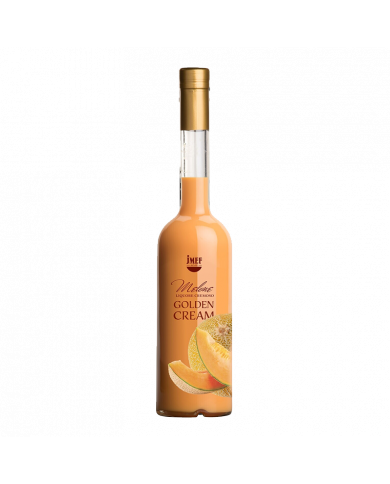
Italian cream and melon-based liqueur 50 cl bottle Delicious melon-flavored cream Serve cold, excellent with desserts
€14.44
€13.66
€16.91
SKU:
11531
Brand:
JMEF Jannamico Liquori
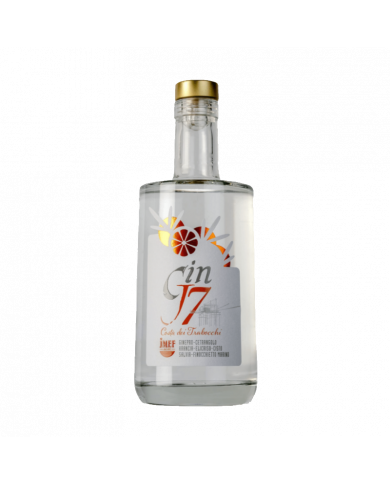
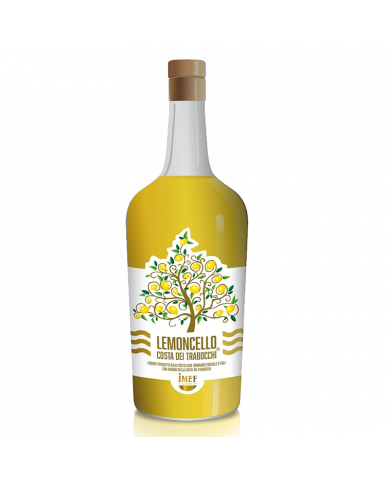
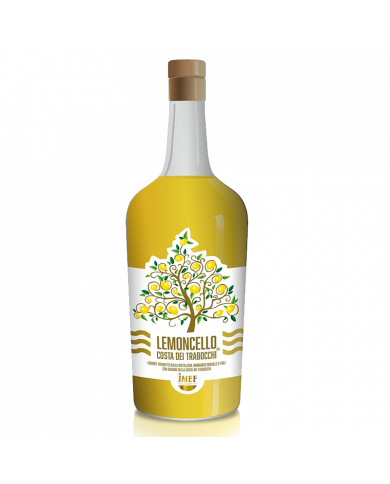
The Premium version of one of the typical liqueurs of the Mediterranean tradition obtained with an infusion of lemons from the Costa dei Trabocchi.
€21.52
SKU:
11530
Brand:
JMEF Jannamico Liquori
The Premium version of one of the typical liqueurs of the Mediterranean tradition obtained with an infusion of lemons from the Costa dei Trabocchi.
€18.48
SKU:
11529
Brand:
JMEF Jannamico Liquori
The Premium version of one of the typical liqueurs of the Mediterranean tradition.
€22.12
€0.00
SKU:
11527
Brand:
JMEF Jannamico Liquori
The Premium version of one of the typical liqueurs of the Mediterranean tradition.
€13.03
SKU:
11526
Brand:
JMEF Jannamico Liquori
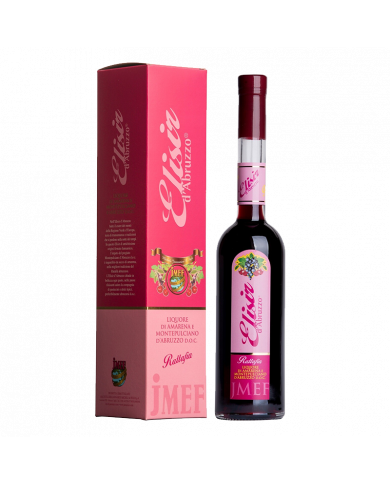
The heart of the mountains of the green region of Europe beats in the elixir of Abruzzo, a land of transhumance and traditions that are lost in the mists of time. In this Elixir of very ancient origins, the impetus of the prized Montepulciano d'Abruzzo doc is softened by black cherry juice, as in the best tradition of Abruzzo Rattafia. L'Elisir d'Abruzzo closes every meal in style, during relaxing breaks it loves the company of typical pastries and sweets, preferably from Abruzzo. CL.50 18% VOL
€17.76
€14.40
SKU:
11524
Brand:
JMEF Jannamico Liquori
Characteristic Italian bitter embellished with an elegant citrus note resting on a complex herbaceous aroma, a choice for connoisseurs.
€19.37
SKU:
11523
Brand:
JMEF Jannamico Liquori
Characteristic Italian bitter embellished with an elegant citrus note resting on a complex herbaceous aroma, a choice for connoisseurs.
€14.93
€26.29
€23.91
€32.88
€15.03
€5.33
SKU:
11516
Brand:
Marramiero
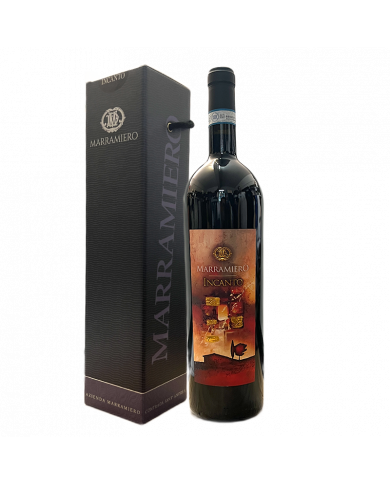
At tasting it has an intense and deep ruby red color with purple hues. Perfectly ripe and highly concentrated aromas. A mellow and harmonious fruitiness that offers hints of plum, date and fig. All fused with fine spicy notes. Pulpy and persuasive taste. It goes well with first courses with a good structure, roasts, stewed red meat, cold cuts and cheeses, including aged cheeses.
€22.52
SKU:
11515
Brand:
Castellare di Castellina
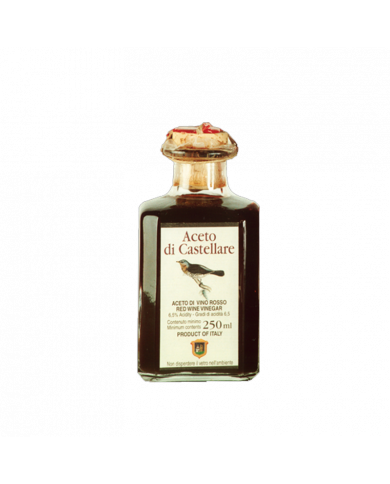
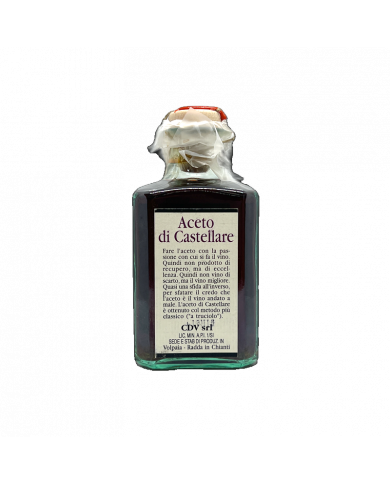
When the wine goes bad it becomes vinegar. Aceto di Castellare, on the other hand, is made from the best wine, selected by expert palates, and produced following the most refined method, that of shavings. A reverse challenge to defeat synthetic vinegars. A natural, unflavored vinegar, which even in its color makes you want to use it to dress any dish or side dish.
€10.47
SKU:
11514
Brand:
Marramiero
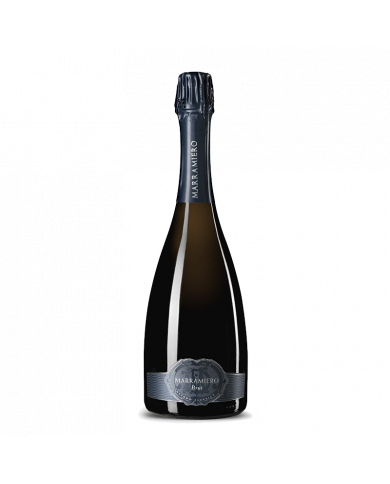
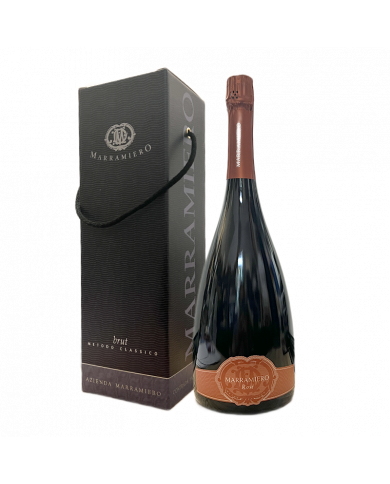
From the deep love of a family for their land and for wine, the sparkling wine Marramiero Brut is born. Particular dedication and profound experience accompany every moment of sparkling wine making. The process begins with the selection of Chardonnay and Pinot Noir grapes and continues with the choice of yeasts for refermentation in the bottle. The temperature control allows to prolong the fermentation and obtain a fine and persistent perlage.
€49.90
SKU:
11513
Brand:
Marramiero
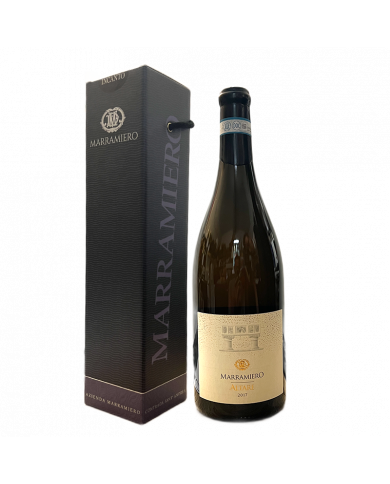
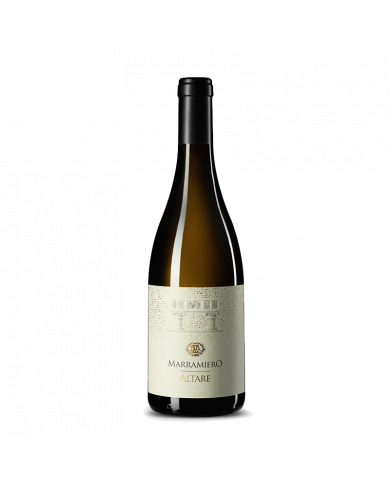
Fermentation and long aging in small oak barrels are the peculiarity of this white wine, produced in limited quantities. Its aroma is broad and intense with hints of citrus and spice, its color is bright yellow. On the palate it is savory, balanced and with excellent structure and persistence. It can be best enjoyed when paired with dishes based on fish, seafood, shellfish, other dishes with delicate sauces and fresh and light cheeses.
€35.87
SKU:
11512
Brand:
Marramiero
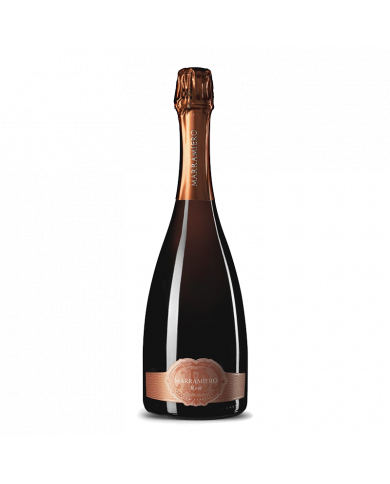
After many years of experience with the Marramiero Brut and the maturation of the Pinot Nero vineyards, the passion has pushed us to compare ourselves with a classic Rosé method. Only after a long and patient work and many months of permanence on the yeasts can we obtain those characteristics of excellence set for us to begin the marketing of our Rosé.
€38.06
SKU:
11511
Brand:
Marramiero
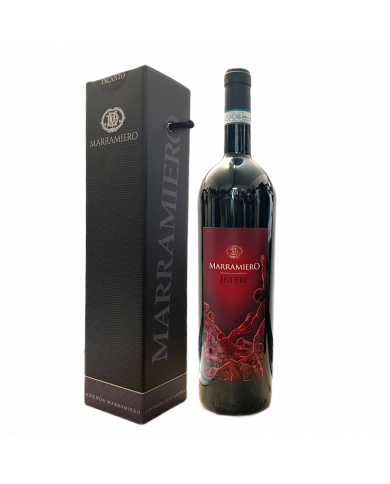
It comes from particularly suitable areas of the Terre dei Vestini, where the low yields of grapes per hectare are not the result of any forcing: it is the soil itself that, by its nature, gives balance to the vineyard, ensuring that each cluster contains within itself a extraordinary concentration of quality. It is aged for 40 months: initially with fermentation and long maceration in Ganymede, then in stainless steel vats and subsequently in fine oak barriques to be completed with a permanence in the bottle of at least 6 months.
€51.07
€14.21
€13.66
€16.45
SKU:
11507
Brand:
JMEF Jannamico Liquori
Liqueur of ancient Abruzzo tradition produced by our family since 1888.
€17.95
SKU:
11506
Brand:
Cantina Frentana
€6.55
€5.90
This sparkling wine should be served at a temperature of 8-10 ° C; indicated as an aperitif, to accompany fish-based meals, but also fresh and summer dishes such as salads, cheeses, pasta and cold and vegetable-based rice. Few people know that an unusual but perfect match is with pizza.
€6.55
€5.90
SKU:
11503
Brand:
Castellare di Castellina
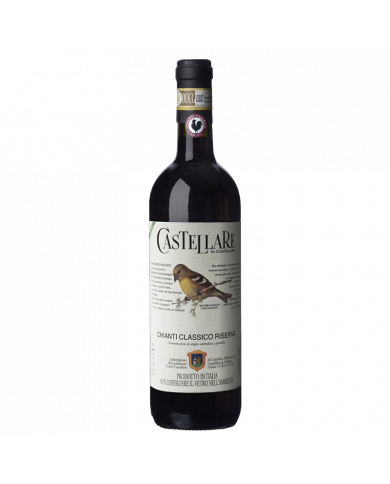
Ruby red, on the nose it expresses an intense perfume of violets and a finesse that increases more and more with the passage of time. On the palate it is rather dry and harmonious, slightly tannic, velvety and of great persistence.
€27.60
€6.97
€5.92
SKU:
11501
Brand:
Dora Sarchese
Pecorino Dora D'oro has a beautiful shiny gold color with a golden nail, clear and consistent. Born from a great intuition of a master of Italian enology: Leonardo Seghetti . To him, all the credit for the diffusion of pecorino wine in Abruzzo, a wine as sincere as the land of Abruzzo and as precious as gold. Diploma of Great Mention Pecorino IGT 2005 at the 40th Vinitaly International Wine Competition. A fresh, soft and savory wine, ideal companion to white meats, fish soups. Cantina Dora Sarchese is an Abruzzo company reminiscent of a nineteenth century farm. Tradition of quality.
€10.41
€8.85
SKU:
11500
Brand:
Dora Sarchese
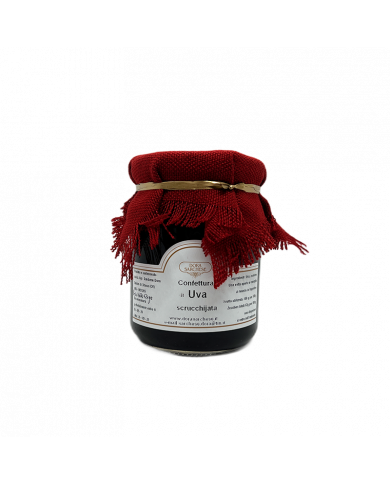
Scrucchiata is a typical Abruzzo grape jam, which, as the name suggests, "crunches" literally under the teeth.
€18.16
SKU:
11499
Brand:
Tenuta Arabona
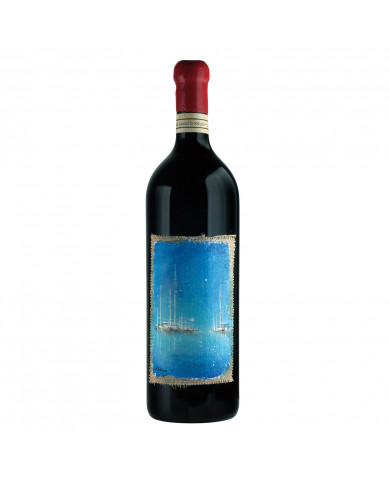
Hand painted label, oil on jute, by the painter Stefano Schiazza. Born in Milan in 1970, but raised in Pescara, Stefano Schiazza lives and works in Brecciarola di Chieti.
SKU:
11498
Brand:
Cantina Frentana
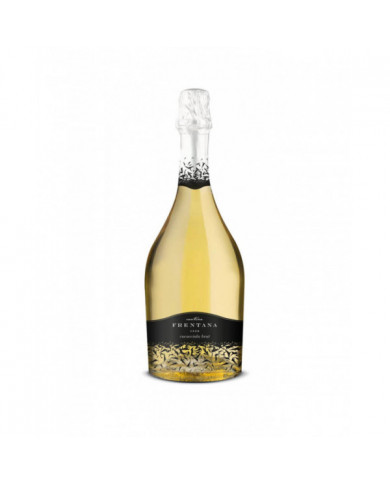
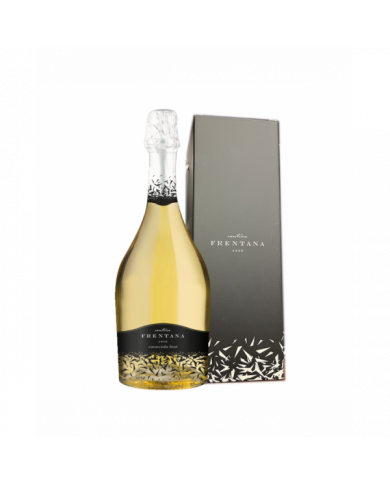
Cococciola is a rare native Abruzzo vine from the Frentana area, much appreciated for its quality and productivity. After a period of aging in steel at a controlled temperature, this white wine is made sparkling with the method called Martinotti or Charmat, which involves a double fermentation in an autoclave. The result is a Spumante Brut ideal to accompany your special occasions.
€20.50
€12.00
SKU:
11496
Brand:
La Vinarte
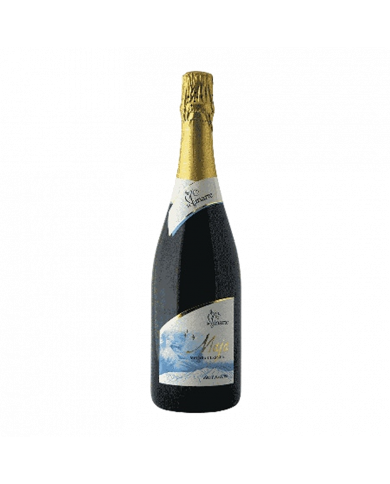
The name of the Goddess Maja evokes the mythological origins of the Majella and Gran Sasso, majestic mountains that outline unique soil and climatic conditions for the cultivation of vines along the Adriatic slopes. With this classic method sparkling wine, La Vinarte pays homage to the two giants, elaborating its cuvées starting from Montonico grapes coming exclusively from its own vineyards. This ancient autochthonous variety of mountain origins spread throughout the region until the 1960s, to then almost disappear. Today we rediscover the freshness and delicacy of these grapes in their best expression: Spumante. The second fermentation takes place in our cellars inside this bottle and the wine rests on the lees until disgorgement.
€10.41
€6.00
SKU:
11494
Brand:
La Vinarte
A soil very rich in stones guarantees a high drainage of rainwater and a consequent high heating of the soil
€23.79
SKU:
11493
Brand:
La Vinarte
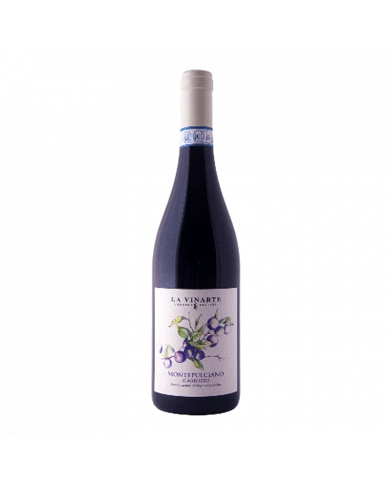
The grapes are harvested late, ensuring their phenolic ripeness. This maturation makes the tannins of the wine soft and enveloping on the palate, without having to resort to long periods of aging in wooden barrels. Consequently the aroma is kept fresh and floral and the appearance of an intense ruby red.
€5.08
€7.90
€7.90
SKU:
11490
Brand:
La Vinarte
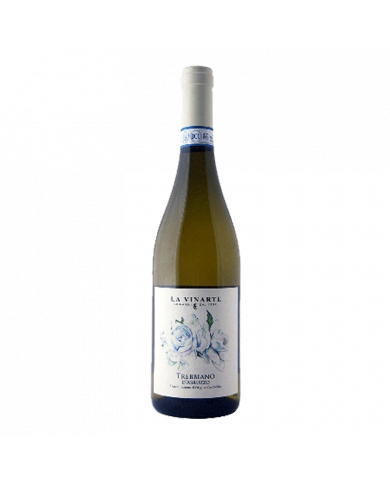
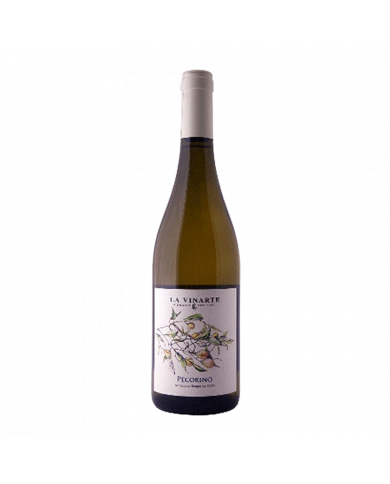
Produced on the hills of Abruzzo, between the Costa dei Trabocchi and the Maiella. This wine with a straw yellow color is distinguished by a remarkable fragrance with a fruity taste that envelops the palate with balance and persistence.
€7.90
SKU:
11489
Brand:
San Felice
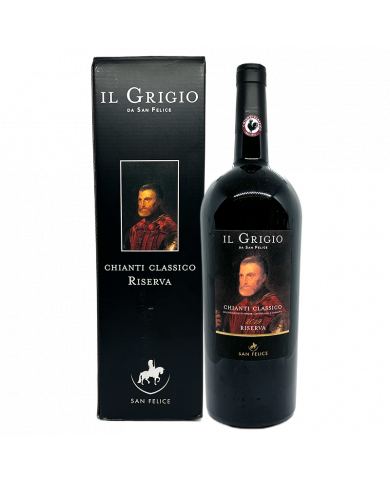
Only the best Sangiovese grapes selected in the company's Chianti Classico vineyards make up this Reserve, a valid combination of tradition and modernity. It ages for about 24 months in wood, of which a part (about 20%) in barriques, and one year in bottle. The label depicts a famous painting by Titian 'Man with armor'.
€38.13
SKU:
11488
€30.74
€17.59
€19.56
SKU:
11484
Brand:
Tenuta Trium
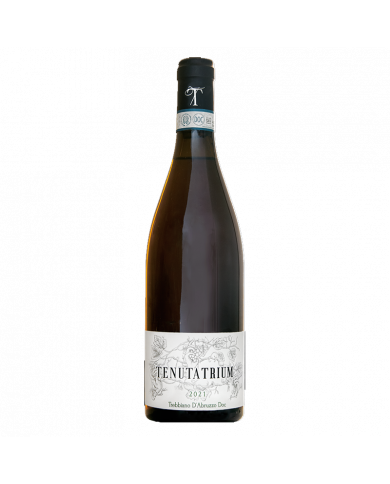
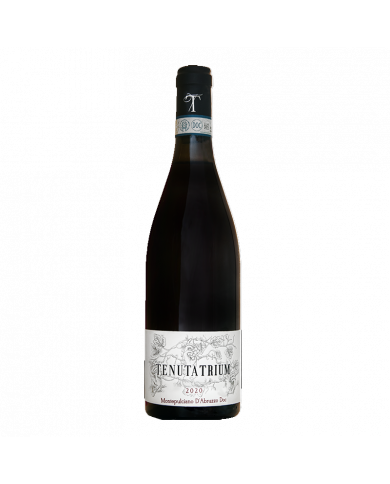
The freshly picked grapes are de-stemmed and crushed. The fermentation of the must follows with its own skins for a period ranging from 8 to 15 days. Finally the skins are separated with soft pressing in wooden presses.
€25.38
SKU:
11483
Brand:
Rosarubra
The typical varietal notes of this vine are wrapped in the fairytale-like caliber of the terroir of origin.
€157.49
SKU:
11482
Brand:
Rosarubra
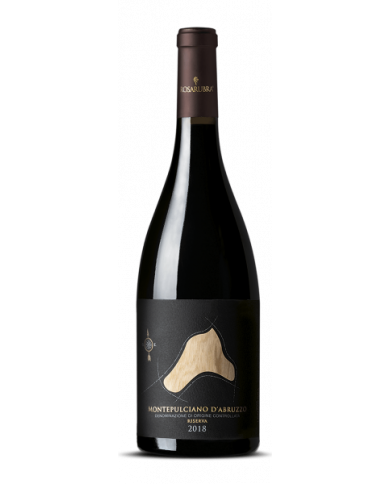
The imperious ripe fruit envelops the three senses with an impenetrable blush. Balsam elements, red rose, berries amaze the nose.
€155.77
SKU:
11481
Brand:
Rosarubra
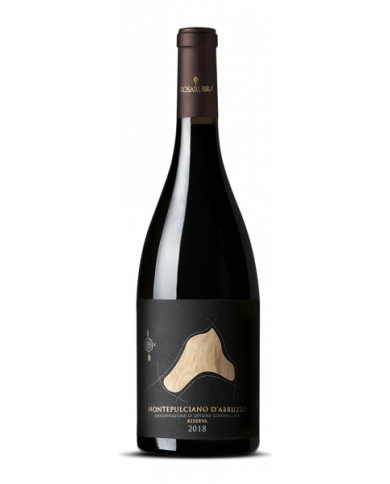
The initial sensation is sweet and over time it fades into dryness, in a habitat of warmth and softness, where the olfactory scents are confirmed with a persistent sweet sensation in alcohol, followed by a delicate sapidity and a light mineral trail.
€40.60
SKU:
11480
Brand:
Rosarubra
The typical varietal notes of this vine are wrapped in the fairytale-like caliber of the terroir of origin.
€126.00
SKU:
11479
Brand:
Rosarubra
The imperious ripe fruit envelops the three senses with an impenetrable blush. Balsam elements, red rose, berries amaze the nose.
€126.00
SKU:
11478
Brand:
Rosarubra
Cherries and black cherries preserved in alcohol, toasted tobacco, licorice and a delicate haematic with hints of dry hay and vanilla. A nice long and persistent finish of red fruit jam and spices.
€33.60
SKU:
11477
Brand:
Rosarubra
The essence of the carefully cared for berries lead to the absolute integrity of the fruit. The olfactory richness recalls peaches and yellow fruits.
€94.50
SKU:
11476
Brand:
Rosarubra
A dense dense fruit, of great olfactory expression. Anise, vanilla and blackberry wrapped in a flap of wild herbs.
€100.10
SKU:
11475
Brand:
Rosarubra
The typical varietal notes of this vine are wrapped in the fairytale-like caliber of the terroir of origin.
€94.50
SKU:
11473
Brand:
Rosarubra
The imperious ripe fruit envelops the three senses with an impenetrable blush. Balsam elements, red rose, berries amaze the nose.
€94.50
SKU:
11472
Brand:
Rosarubra
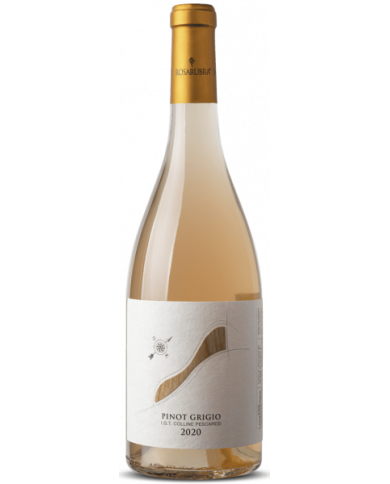
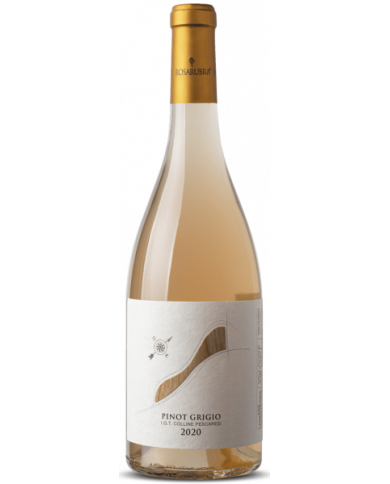
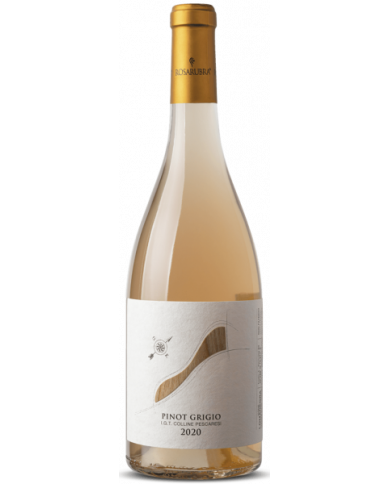
In the charm of places suspended between reality and mirage, this Pinot Grigio reveals an unprecedented face, the unexpected fruit of the lands of Abruzzo.
€33.60
SKU:
11470
Brand:
Rosarubra
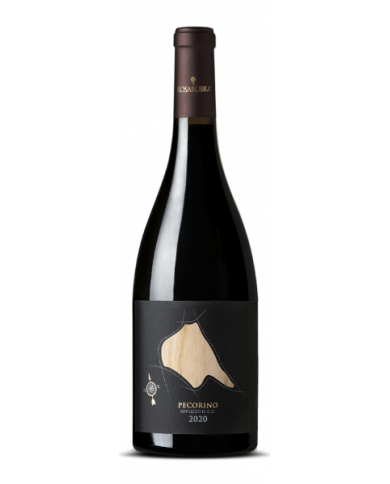
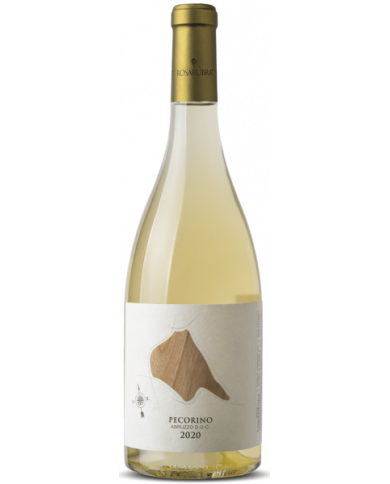
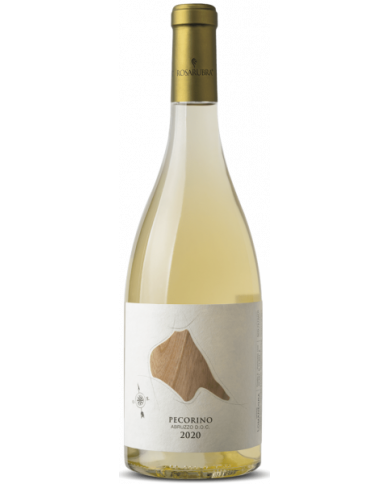
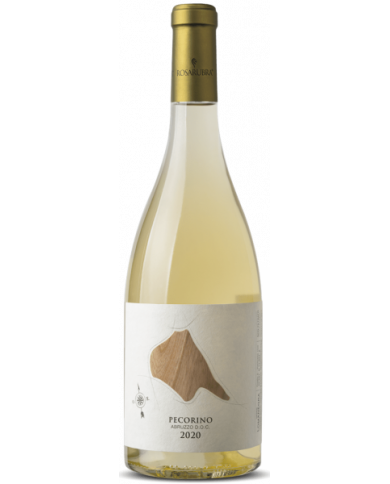
Thanks to an absolutely distinctive style, this pecorino is an expression of the character of the Pietranico area.
€35.70
SKU:
11469
Brand:
Rosarubra
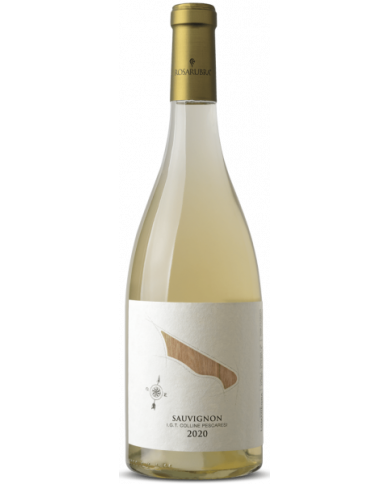
This straw yellow Sauvignon with green - gold reflections finds space among the gentle hills of Pescara
€35.70
SKU:
11468
Brand:
Rosarubra
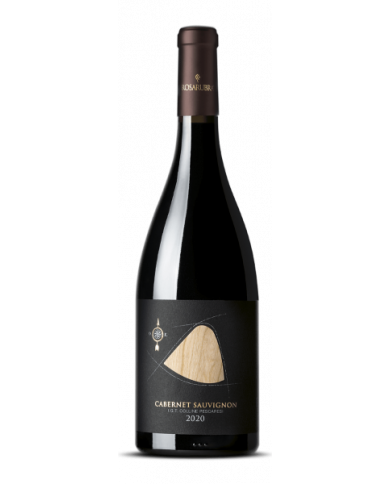
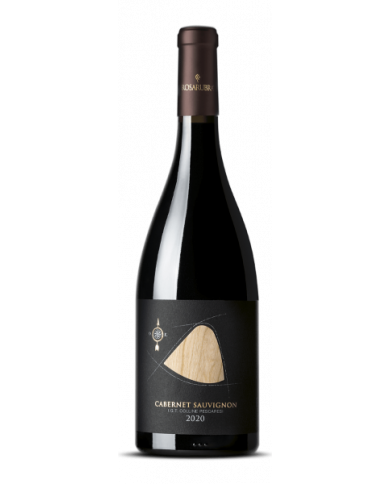
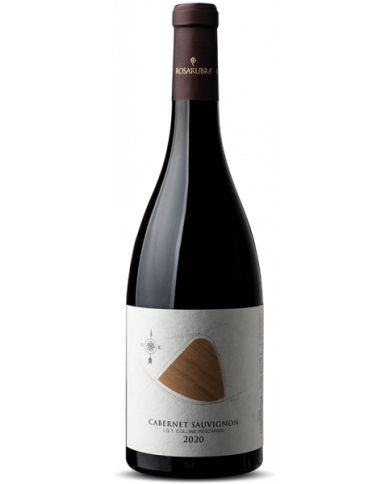
A pure Cabernet Sauvignon, produced from a single vineyard of a few hectares, with an aristocratic character and great aging potential.
€33.60
SKU:
11466
Brand:
Rosarubra
In the heart of the Rosarubra estate the grapes of this aromatic wine ripen in vineyards well exposed to the sun.
€31.50
SKU:
11465
Brand:
Rosarubra
Among the colors of the Abruzzese hills and the scents of the Mediterranean scrub, this wine is born with great freshness and refined fragrances.
€33.60
SKU:
11464
Brand:
Rosarubra
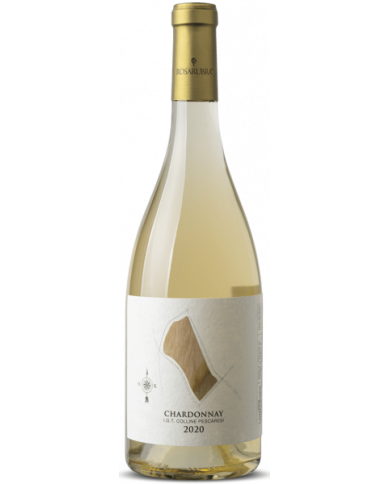
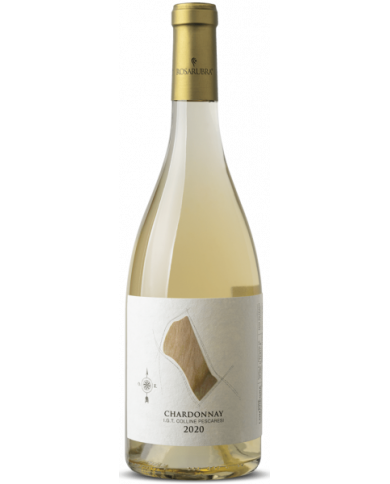
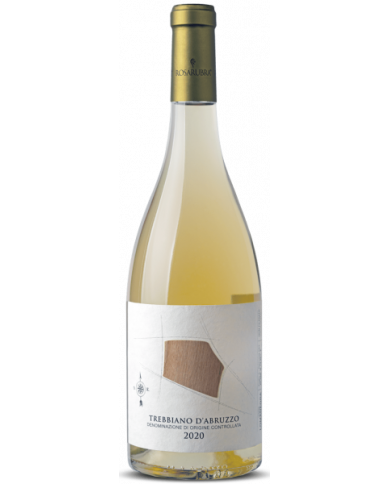
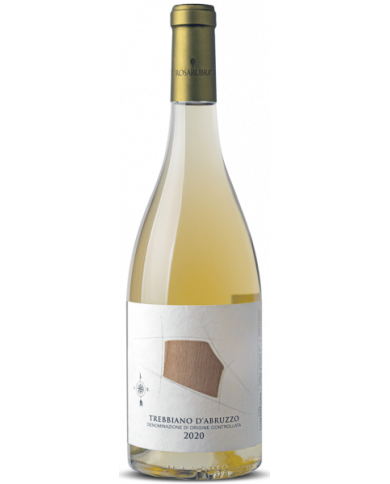
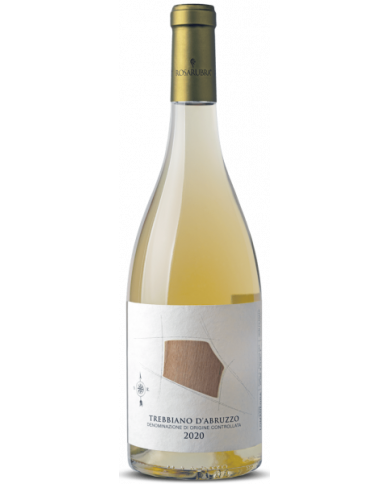
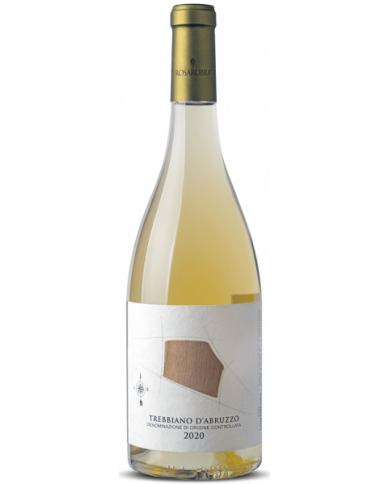
On the hills of Pescara, ancient lands illuminated by the gold of the sun, this Trebbiano d'Abruzzo is born.
€31.50
SKU:
11463
Brand:
Terzini
Born from careful attention to the quality of the raw material and the winemaking techniques, an authentic expression of the Casauria production area. Particular attention has been given to the attention to detail: satin bottle, new label graphics and screen-printed image of the coral.
€10.58
SKU:
11429
Brand:
Rosarubra
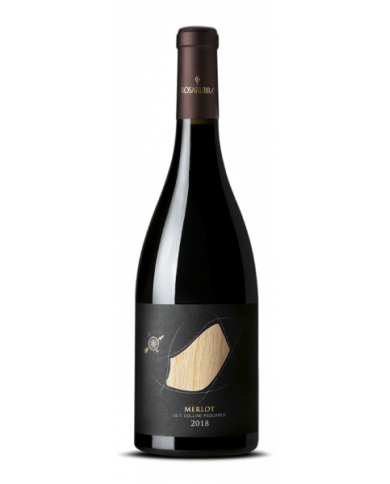
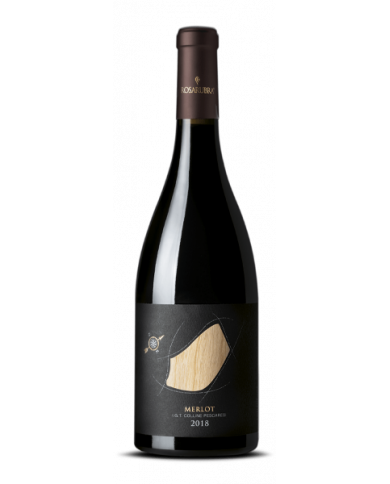
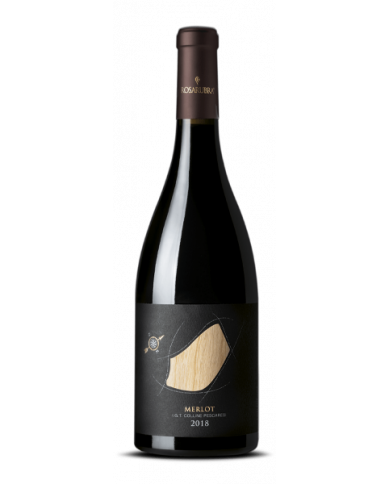
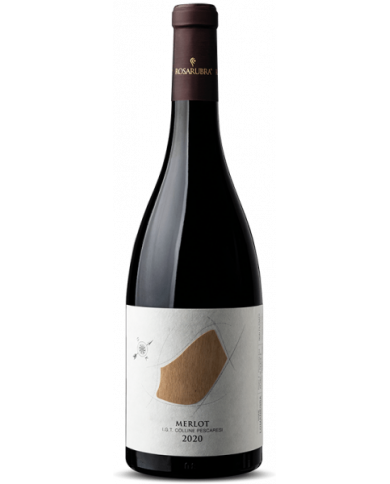
Color: Bright and very dense ruby red, almost impenetrable and of good consistency. Smell: Direct nose, with almost "sweet" notes, excellent fruity presence of cherry, strawberry, plum, a floral note of small wild flowers and the contribution of various sweet spices such as cinnamon and nutmeg. Taste: The sip shows an expansive alcoholic participation that excels, encouraging the tannins that manifest themselves giving structure, while remaining silky and soft. The initial sensation is sweet and over time it fades into dryness, in a habitat of warmth and softness, where the olfactory scents are confirmed with a persistent sweet sensation in alcohol, followed by a delicate sapidity and a light mineral trail. Harvest: The uncontaminated Oasis of Rosarubra , immersed between the sea and the mountains of Abruzzo and bordered by suggestive secular trees, is privileged by a magnificent temperature range favored by an altitude which varies from three hundred to five hundred meters above sea level. This is a territory controlled entirely by nature, in which any interference by man is prevented. A refined and extraordinary symbiotic agriculture that respects the microbiology of the soil and plants, as well as supporting self-production and the use of indigenous mycorrhizae that enrich the microorganisms present in the soil, strengthening the healthy development of the vineyards and preserving the genetics of our terroir . It is in this medium-textured soil that the Guyot training of this precious and unobtainable line dwells, from which a pure wine obtained with 100% Merlot grapes is born, which in addition to enjoying a splendid exposure is characterized by a very high planting density that exceeds 5,000 plants per hectare with minimum yields of around 1.6 kg per vine. Furthermore, during a manual October harvest, only the best grapes of the vine are selected, the precious fruit of the aforementioned and advanced biodynamic, organic, regenerative and sustainable agriculture, which guarantees total respect for the environment and its ecosystem, as well as offering us the maximum expression of the authentic typicality of the territory in which they were born. Vinification: Vinification in steel in thermo-conditioned vats followed by malolactic fermentation and subsequent maturation of at least 12 months in 300-litre Slavonian oak barrels, at the end of which we will proceed with bottling in total absence of oxygen, for a final period of refinement. How to match our Merlot wine: An uncommon, refined, long-lived wine, the Merlot of "Vigne Lomanegra" is always a pleasure to keep in the cellar, because over the years it will surprise us positively. But for those who don't want to wait so long and would like to taste it right away, we suggest bringing the wine to a maximum temperature of 16-18 degrees, pouring it into a nice, roomy goblet with a wide rim, always uncorking it a little before serving, so to allow him to open up well and express himself at his best. Perfect on any occasion, it can be enjoyed alone or in company, preferably combined with structured and tasty dishes: aperitifs, appetizers, vegetarian dishes, red meats and medium and long-aged cheeses. Let's imagine rustic polenta croutons, ricotta and spinach ravioli with tomatoes, baked pork knuckle, stewed stew, or medium-aged pecorino with walnuts.
€33.60
€37.54
€16.99
€9.00
SKU:
11420
Brand:
Fantini Farnese
Production area: Ortona, Abruzzo. Grape variety and vinification: 100% Montepulciano. Once the grapes arrive in the cellar, they are gently pressed and de-stemmed. The grapes macerate at a cold temperature for four days. Fermentation takes place in stainless steel tanks at a temperature of 24-26 ° C for 8-10 days. Color and combination: Red. Excellent with all the typical dishes of traditional Italian cuisine. It goes well with risotto, pasta and pork.
€12.05
SKU:
11418
Brand:
Ciavolich
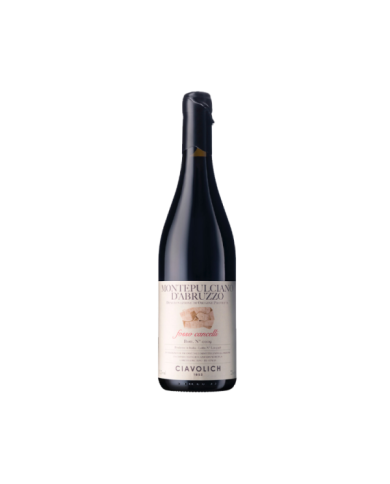
Il Fosso Cancelli was born in 2007 from the strong desire to create a wine of great craftsmanship and tradition. This wine reflects the ancient soul of our company and goes to photograph a well-defined historical period that has made the history of our Montepulciano d'Abruzzo, fermentation in cement. The name recalls the ditch that delimits the vineyards where the Montepulciano grapes are selected and harvested. These are the oldest vineyards of the Loreto Aprutino estate and are shown on the label to underline the great link with the territory. After being harvested by hand, the grapes are pressed in our ancient press and the must is transferred to concrete tanks. Fermentation occurs spontaneously by indigenous yeasts without temperature control. At the end of the fermentation proceeds with the racking and the new wine obtained is left to rest for 1 year in the cement tanks where it fermented. The wine is then bottled and aged for at least 3 years.
€50.75
SKU:
11417
Brand:
CVA Canicattì
€56.60
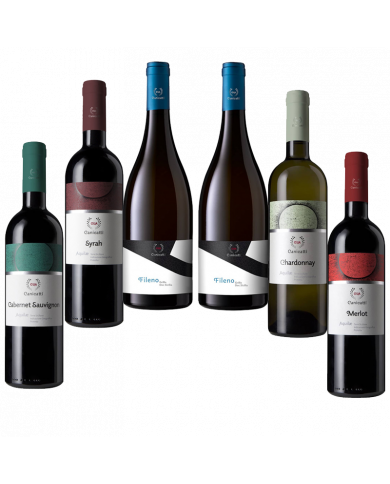
Fileno, harvest 2021, 100% Grillo, is the best white wine in Italy. An extraordinary result for CVA, a small but prestigious wine cooperative in the Agrigento area, accompanied by a selection of wines from the CVA Canicattì winery.
€56.60
SKU:
11416
Brand:
CVA Canicattì
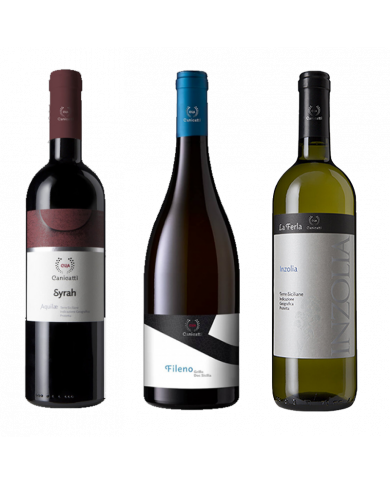
Fileno, harvest 2021, 100% Grillo, is the best white wine in Italy. An extraordinary result for CVA, a small but prestigious wine cooperative in the Agrigento area.
From the vinification of Nero d'Avola and Nerello Mascalese grapes, a rosé wine of great pleasure and fragrance takes shape. Intense in the aromas, elegant, savory and mineral on the palate.
Faithful to tradition yet modern and innovative. Inzolia in purity, a wine with its aromatic characteristics, which stands out for its savory and mineral taste.
€23.30
SKU:
11415
Brand:
CVA Canicattì
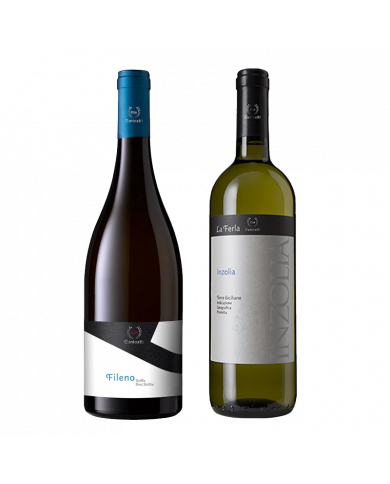
Fileno, harvest 2021, 100% Grillo, is the best white wine in Italy. An extraordinary result for CVA, a small but prestigious wine cooperative in the Agrigento area.
From the vinification of Nero d'Avola and Nerello Mascalese grapes, a rosé wine of great pleasure and fragrance takes shape. Intense in the aromas, elegant, savory and mineral on the palate.
€16.90
SKU:
11414
Brand:
Cantina Wilma
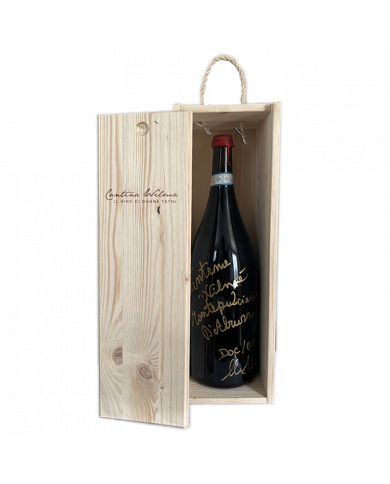
Historic vine and our workhorse. Strong and gentle in character and softness (as it is also said of the people of Abruzzo). Obtained from native grapes and selected in the harvest. Plant in rows 1/2 height exposed to solagna on calcareous-clayey soil. Appearance of cardinal red color with purplish reflections tending to blue. Excellent and well structured. Fruity and spicy bouquet, intense flavor and good body. Ideal with grilled red meats and more, salami and aged cheeses.
€29.90
SKU:
11413
Brand:
Tolloy
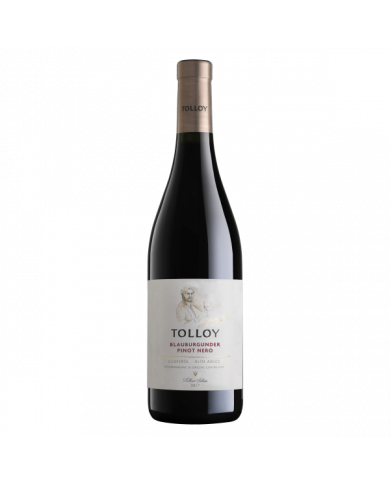
Produced only with grapes from its own vineyards grown in Alto Adige on the hill of Pochi, a hamlet of Salorno. Traditional red vinification at controlled temperature around 25°C with frequent pumping over, punching down and partial aging in small oak barrels for about 10 months.
€14.27
SKU:
11411
Brand:
Tolloy
€13.21
€9.25
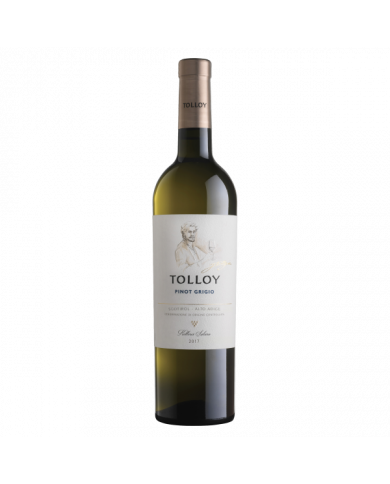
Produced only with grapes from its own vineyards grown in South Tyrol in the valley floor and on the low hills. 100% Pinot Gris with traditional vinification in white at a controlled temperature around 18-20°C.
€13.21
€9.25
SKU:
11409
Brand:
Tolloy
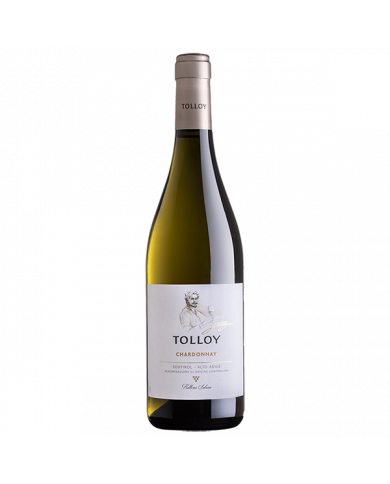
Chardonnay is one of the international grape varieties that best adapts to the environmental and climatic characteristics of Alto Adige. Here it manages to express all its aromatic potential. The particular location of the vineyards, between 200 and 500 meters above sea level, gives this wine a wide range of scents and aromas and the strong temperature range allows the wonderful acidity and freshness to be preserved. The grapes are harvested by hand around mid-September and subjected to traditional vinification with brief contact on the skins to increase the extraction of the varietal aromas characteristic of the grape. Subsequently the must is subjected to fermentation at low temperature
€12.75
SKU:
11407
Brand:
Terre del Noce
In the sunny Piana Rotaliana, along the banks of the Noce, fertile soils and favorable microclimates give rise to refined and fragrant grapes, from which Terre del Noce is born. Produced only with grapes from its own vineyards along the Adige Valley.
€18.18
SKU:
11406
Brand:
Rotari
€24.58
€22.12
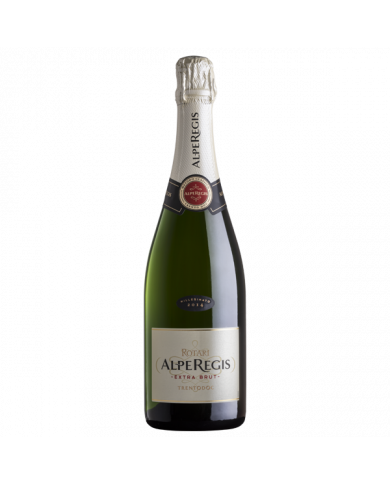
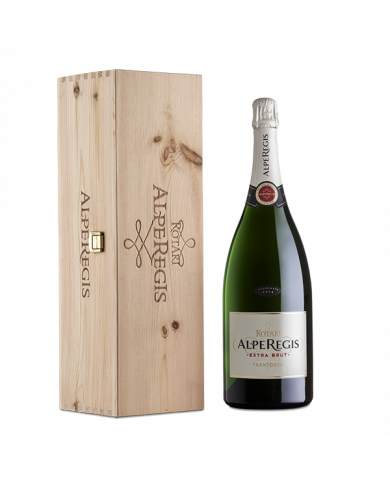
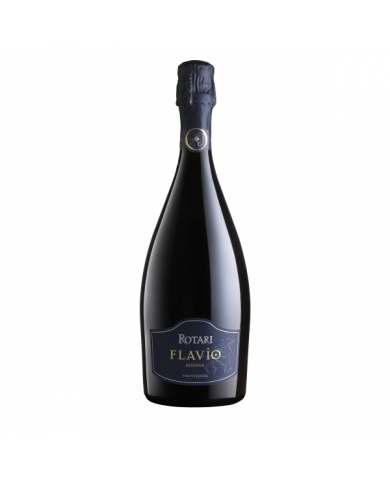
AlpeRegis Trentodoc is born from the best Trentino sparkling wine tradition combined with the winemaking style of Rotari , a special vintage dedicated to lovers of good food and good living. The name evokes the royal figure of Rotari and a strong reference to the Alpine territory which has contributed to making Rotari legendary by setting his deeds in history. AlpeRegis is a Millesimato produced exclusively from Chardonnay grapes, an international variety that has found the ideal conditions in the Dolomites area for the perfect expression of its character, rigorously harvested by hand, selecting the best bunches directly in the vineyard. Maturation on the lees for at least 48 months.
€24.58
€22.12
SKU:
11396
Brand:
Rotari
From the best Trentino sparkling wine tradition combined with the oenological style of Rotari , AlpeRegis Trentodoc is born, a special vintage dedicated to lovers of good food and good living. The name evokes the Royal figure of Rotari and a strong reference to the Alpine territory that has contributed to making Rotari legendary by fixing its deeds in history.
€67.71
SKU:
11391
Brand:
Rotari
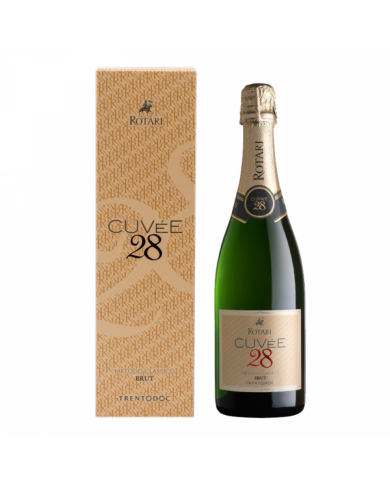
Produced only with selected and hand-harvested grapes from its own vineyards in the most suitable hilly areas of Trentino, Rotari Cuvée 28 owes its name to its long aging on the lees, which gives it a strong but elegant, fresh and persistent character. Brut blanc de blancs with an intense and elegant aroma of ripe yellow fruit with notes of hazelnut and a sweet touch of vanilla. With over 36 months of aging on the lees, this sparkling wine offers great balance between structure and acidity with a pleasant freshness and a mineral finish.
€25.25
SKU:
11390
Brand:
Rotari
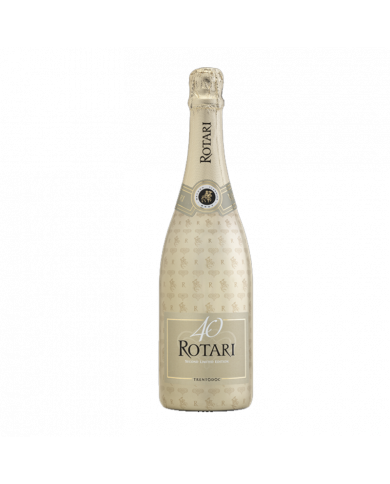
Second limited edition for Rotari 40. It is a special, unique product, dosed with a liqueur d'expédition made according to the Cellar's ancient recipe. A Blanc de Blancs, that is to say a 100% Classic Method, obtained with the best Chardonnay grapes selected in our hillside vineyards north of Trento. In fact, here we find unique climatic conditions: the calcareous soil of dolomitic origin, the average altitude of about 400 meters slm and the excellent exposure to the sun. The vineyards are also caressed by a refreshing alpine breeze which allows the natural preservation of the crunchiness and aromatic intensity of the grapes. Thanks to the combination of all these factors, Rotari 40 releases unique organoleptic characteristics and intense aromas. The 2013 vintage was excellent. It was the latest vintage in the last 20 years, allowing the grapes to ripen in late September: the temperature range gave the grapes freshness and crunchiness, giving a particular liveliness to the sparkling bases, all to the advantage of the longevity of the product.
€28.55
SKU:
11386
Brand:
Rotari
It is produced with 100% Chardonnay grapes, rigorously harvested and selected by hand. The first fermentation, which takes place partly in steel and partly in barrique, is followed by 5 months refinement in the same containers and second fermentation, by refermentation in the bottle, with a full 5 years refinement on its own yeasts.
€42.82
€38.54
SKU:
11383
Brand:
Luigi Righetti
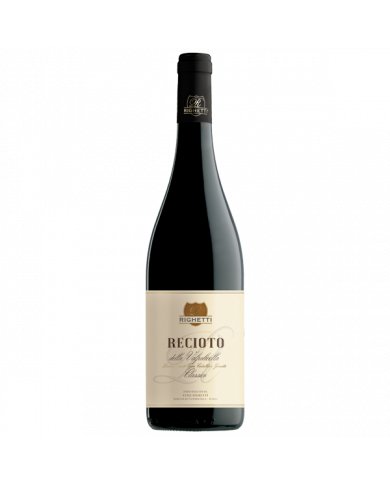
The grapes, the same used for the production of Amarone, are left to dry in the plateaus for a few months and pressed in March when they have reached their maximum sugar concentration.
€20.46
SKU:
11364
Brand:
Nota
€32.94
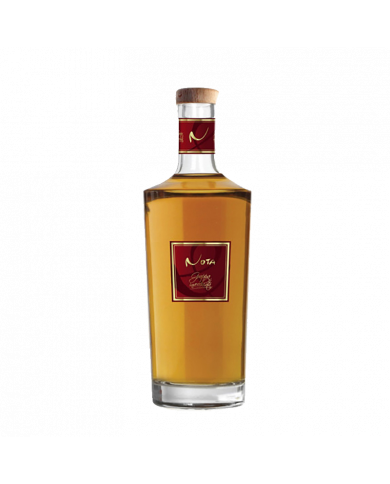
Grappa produced with pomace from our vineyards, selected and distilled according to the Trentino bain-marie method. It is a blend of aged grappa from Teroldego, Pinot Nero and Traminer, which ages for 25 months in oak barrels. During the slow contact with the wood, the grappa is enriched with a warm amber color and sweet and persuasive aromatic notes, which remind us of vanilla, custard and dried stone fruit. On the palate it expresses a velvety and round touch, with a delicate alcohol content and a pleasant freshness. The end result is a rich product, with ample and elegant aromas, warm but austere that expresses the richness of the noble vines used. It is distinguished by the excellent aromatic balance given by the long aging period.
€32.94
SKU:
11361
Brand:
Musivum
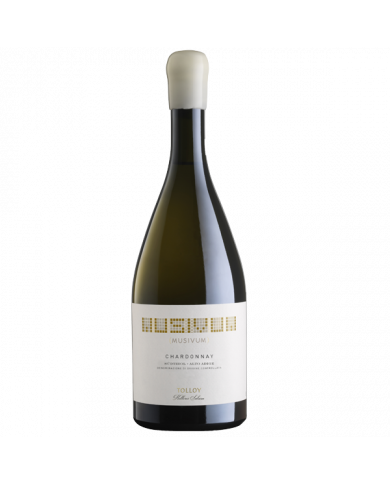
The production area chosen for the Chardonnay Musivum is located in Alto Adige and includes various locations: mainly in the municipality of Salorno, Magrè and Egna. The characteristics of the area, inclined to maintain high acid content, are ideal for the cultivation of Chardonnay which manages to reach high sugar levels. Another peculiarity of this area, ideal for growing grapes, is the microclimate characterized by good wind – which avoids dangerous stagnation of humidity and guarantees rapid drying of the grapes after the rains – and by an insolation throughout the day. Production begins with a slightly delayed manual harvest to enhance the aromatic richness of this variety. In the Cellar, the individual containers are distinguished on the basis of the characteristics of the grapes, so as to diversify the vinification process. All the grapes are cooled in the cell at 2-3°C. The following days those with a yellow/golden color are removed from the stalks and left to rest in the press for 4/5 hours in contact with the skins (cryomaceration) to increase the extraction of the aromatic precursors of this variety. The yellow/green colored grapes are instead de-stemmed and immediately subjected to soft pressing. From both portions a free-run must is obtained which is followed by natural decanting. The start of fermentation takes place in special stainless steel tanks, specially designed for the " Musivum " project, with selected yeasts and with a progressive and controlled increase in temperature from 14° to 18°C. Once fermentation has started, 65% of the volume continues its journey in the new barrique cellar: 50% in second passage oak barrels, where it remains for the refinement phase and the other 15% is aged in new French oak barriques at medium roast. The remaining 35% completes the fermentation in steel. During the refinement the 3 portions are kept separate, with frequent movements of the fine lees, up to 2 months before bottling, when they are brought together to amalgamate the different components, i.e. those fermented and aged in the various woods with the one fermented and aged in steel .
€46.36
SKU:
11360
Brand:
Musivum
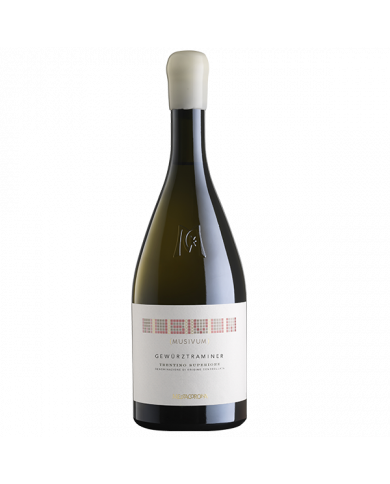
The vineyards selected for the production of Gewürztraminer Musivum were chosen within the most suitable areas in Trentino for the cultivation of this variety: the hills surrounding the villages of Faedo, Sorni and Pressano at an altitude of 300 -500 meters above sea level sea level. The origin of the variety is still controversial: to date, the two main wine-growing regions where it is grown – Alsace and Trentino-Alto Adige-Südtirol – dispute its paternity. The presence of a town named "Tramin" - "Termeno" in Trentino-Alto Adige strengthens the hypothesis that the homeland of this extraordinary vine is precisely our region. In German, the term “Gewürz” means “spicy”, as evidence of the particular aromaticity of this coppery berried grape which makes it unique and difficult to imitate. From a viticultural point of view, its cultivation represents a challenge to always keep its quality level very high. For this reason it is grown only in areas that enhance its particular characteristics, i.e. hills that are well exposed, but not too hot and with a marked temperature range, therefore located at a significant altitude to favor the generation of typical aromas and their precursors. The variety also requires a particular dedication in terms of hours of work in the vineyard. The harvest takes place in the second half of September: the period varies according to the altitude and exposure of the vineyard. To allow the formation of the typical aromas of Gewürztraminer, the grapes tend to be slightly over-ripened: the 2018 vintage allows the harvesting of perfectly ripe grapes, still fragrant and with exceptional aromas. The grapes harvested in perforated containers are partly sent immediately for crushing and partly cooled in refrigerate.Prima cells. Before pressing, the grapes are destemmed, crushed and cooled, then cryomaceration (or cold maceration) takes place in order to prolong the contact of the must with the skin where the typical aromas are located; the low temperature makes it possible to extract the most valuable aromas and substances while minimizing the extraction of tannins which can give astringency and bitter sensations. Fermentation begins at a low temperature to further enhance the aromaticity of the varietal, continues and ends slowly at a controlled temperature of 18°C. For this variety it is essential to use particular yeasts, carefully selected, which are able to enhance the richness and aromatic complexity natural. At the end of fermentation, the wine remains in contact with its yeasts which release new aromas and protect it from oxidation, until bottling.
€58.49
SKU:
11359
Brand:
Musivum
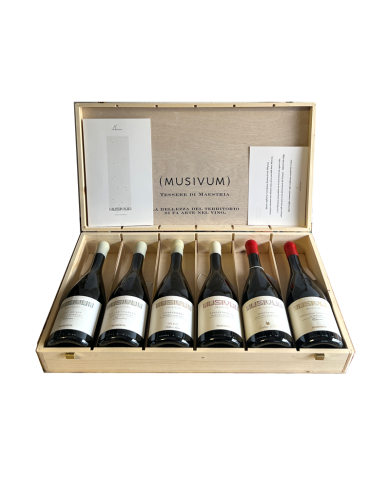
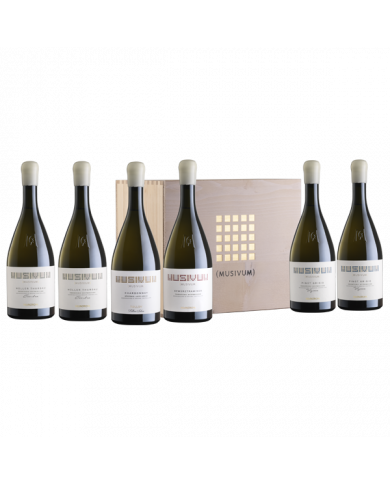
Elegant 6-bottle wooden case that contains a tasting of the entire Musivum line. 4 wines that are the most authentic expression of the charm of the Trentino area and of the age-old art of making wine: n°1 bottle of PINOT GRIGIO TRENTINO DOC SUPERIORE: complex, fragrant and persistent wine that seduces with a fusion of white fruit aromas perfectly ripe, such as pear and white peach, integrated into notes of sun-dried citrus, chamomile, Swiss pine and rhododendron honey. n° 1 bottle of MULLER THURGAU TRENTINO DOC SUPERIORE CEMBRA which enchants with its haymaking bouquet of alpine aromatic herbs such as thyme, sage and wild mint, completed by white flowers and clover. n° 1 bottle of CHARDONNAY ALTO ADIGE DOC: rich, powerful and ample wine that releases intriguing floral scents of linden honey and acacia, with nuances of ginger mustard. n° 1 bottle of GEWURZTRAMINER TRENTINO DOC SUPERIORE: intriguing wine, with its palette of perfumes, all intense as notes of rose petal, spicy white flowers and ripe yellow fruit, enriched by hints of aromatic spices. n1 Marzemino Trentino Superiore DOC - n1 Teroldego Rotaliano Superiore Riserva DOC.
€302.56
SKU:
11358
Brand:
Musivum
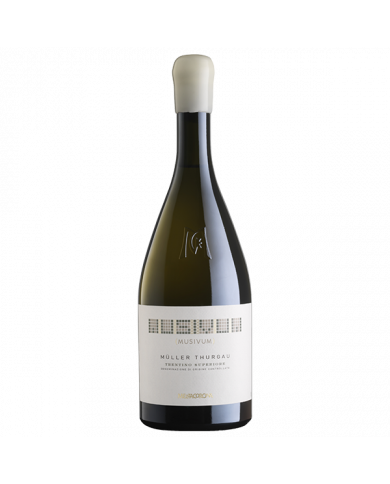
The Müller Thurgau Musivum grapes come from two different Cembran areas characterized by optimal exposure and altitude. The two vineyards are harvested separately, a few days later than the average ripening. The grapes are harvested in the early hours of the morning to preserve their freshness thanks to the low temperatures; the harvest is carried out rigorously by hand, selecting the individual bunches in the field. The conferment takes place in perforated containers and the bunches are kept in a cold room for one night, in order to enhance and transfer the aromas present on the peel to the future must. For the same purpose, they are subjected to cryomaceration in the press for 4-5 hours at a temperature below 10°C. With a special pressing program, oxidation of the extracted must is avoided. This must is left in the tank for several days (cold housing), with periodic suspension of the lees, so that the fibers and solid particles from the skins and pulp can still release their aromatic components to the must. Once the flotation has been carried out to remove these particles, the musts are inoculated with different yeasts between the two batches, and in any case aromatically neutral - so as to best respect the primary aromas of the vine - and fermented at about 17°C until complete consumption of the sugars. The two cuvées are then aged for three months separately and then, once combined, the wine is aged for another year on the fine lees, always in small steel tanks. After bottling, there is an aging period of at least six months in the bottle.
€42.70
SKU:
11357
Brand:
Musivum
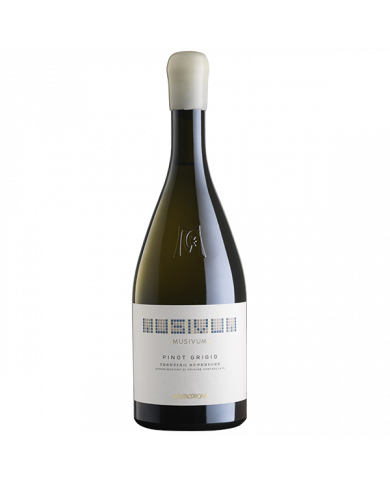
The production area of Pinot Grigio Musivum Vicinia is in the municipality of Mezzocorona. The area was first cultivated with vines in the 1950s. The soils therefore have a limited cultivation area and a rather superficial groundwater between 50 and 100 cm, and the soil type is silty. They have a sufficient supply of water even in periods of drought and good fertility, essential characteristics for Pinot Grigio, a rather weak variety. Furthermore, Vicinia is a very precocious area, as it leans against imposing rock walls which guarantee protection from cold winds in the late winter and early spring periods and have a warming effect during all the vegetative phases, reflecting the sun's heat. The production starts with a slightly delayed harvest to enhance the varietal characteristics and aromatic richness. The grapes are harvested manually in the early hours of the day to preserve their freshness thanks to the low temperature, with the selection of each individual bunch in the field; they are then transported to the cellar in perforated containers to guarantee the best fragrance and integrity of the bunches. In the Cellar the grapes are subjected to soft pressing to obtain a flower must which is followed by natural decanting. Fermentation takes place with selected yeasts at a controlled temperature of 18°C in special stainless steel tanks specially designed for Musivum . 50 %del volume completes the last third of the fermentation in the barrique cellar, in 50 hl second passage oak barrels, where it also remains for the refinement phase. The other half, on the other hand, completes the fermentation in steel, where it continues with the refinement phase on the lees. During the refinement, the fine lees consisting mainly of yeasts are put back into suspension every 15 days for the first 3 months and every 2 months thereafter , until the time of re-assembly of the two portions, i.e. the fraction partially fermented and aged in wood with the one fermented and aged in steel
€46.36
SKU:
11356
Brand:
Mottura
€10.00
€9.00
Wine produced from Fiano grapes grown on calcareous and clayey soils, harvested manually at the right ripeness with careful selection of the bunches. Traditional vinification with soft pressing, fermentation at a controlled temperature of 16°C and brief rest on the fine lees.
€10.00
€9.00
SKU:
11353
Brand:
Mottura
Wine produced from Negroamaro grapes grown in the area of Salice Salentino and other municipalities in the province of Lecce and Brindisi. Manual harvest at the right maturation with careful selection of the grapes. Manual sorting of the bunch with a selection belt, fermentation of the must at a controlled temperature, traditional maceration for 20-25 days, good use of delestage and pumping over. Carrying out of the malolactic fermentation in barriques at a controlled temperature, with the use of batonnage. 12 months of aging in French oak barriques. 2-3 months of aging in the bottle.
€15.98