

 Italiano
 Deutsch
























There are no more items in your cart
€110.20
SKU:
10897
Brand:
Masciarelli
€162.09
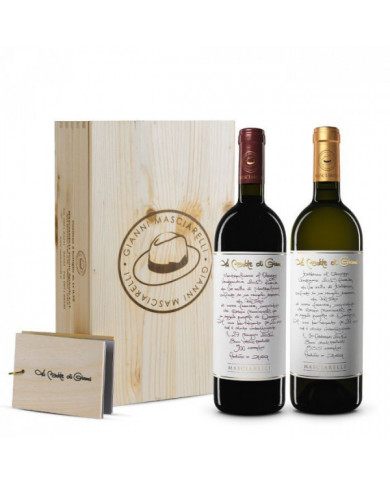
WHAT DO YOU FIND IN THE PACKAGE? 1 x Montepulciano d'Abruzzo Doc Riserva - La Botte di Gianni 1 x Trebbiano d'Abruzzo Doc Riserva - La Botte di Gianni 1 x Wooden box - La Botte di Gianni
€162.09
€54.40
€85.80
€156.70
€123.00
€94.50
€149.00
€244.00
SKU:
10886
Brand:
San Leonardo
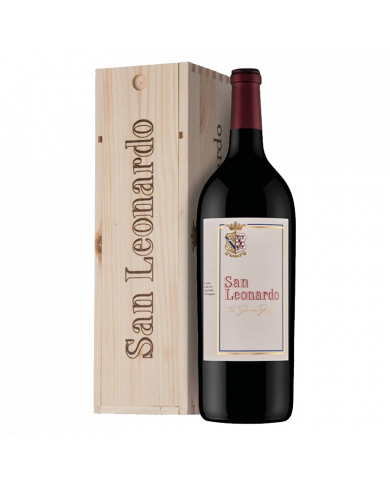
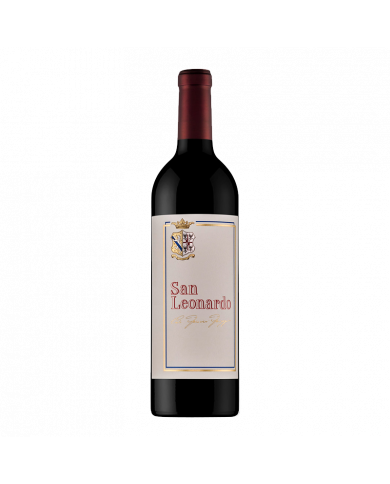
Wine symbol of the estate, it has its roots in its millenary history. A classic Bordeaux cut of aristocratic elegance and extraordinary longevity.
€203.01
SKU:
10882
Brand:
San Leonardo
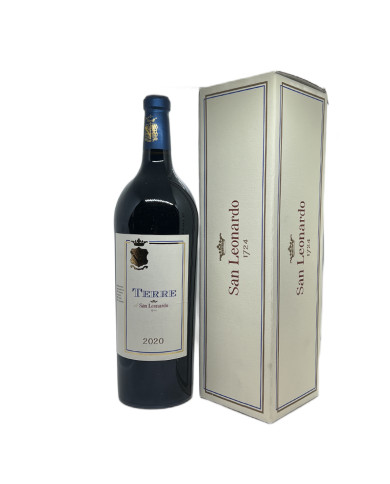
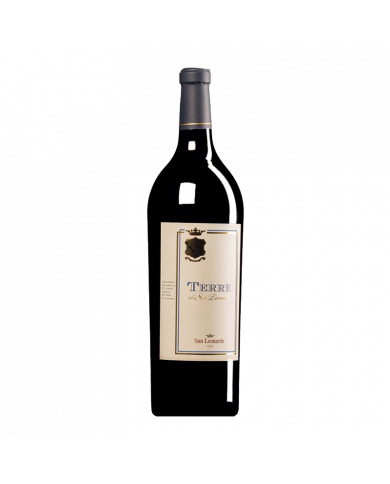
Terre, a classic Bordeaux blend, follows in the footsteps of the "older brother" San Leonardo , born from the same terroire, expresses great freshness and balance.
€40.14
SKU:
10872
Brand:
San Leonardo
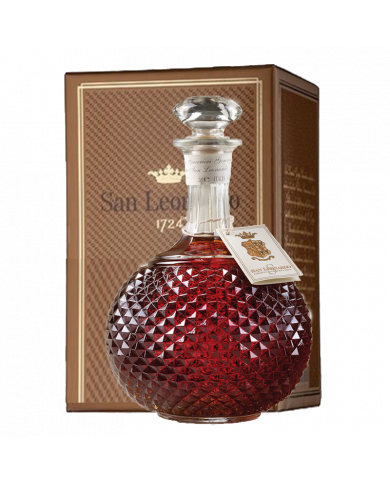
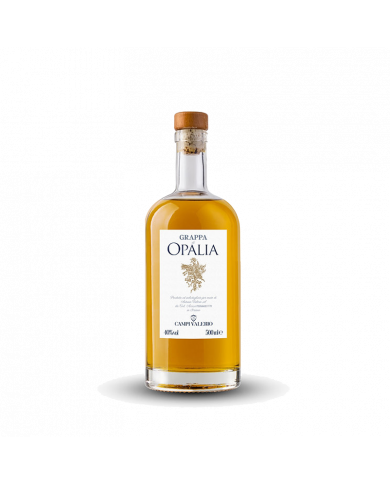
The characteristic gold-amber color distinguishes this Grappa. Full-bodied, aromatic, as fine as it is elegant; it is an important distillate with incomparable organoleptic properties.
€49.00
€27.33
SKU:
10869
Brand:
San Leonardo
A wine of great structure and acidity, Riesling, with its mineral character, gives pleasantly complex and elegant notes.
€34.89
SKU:
10868
Brand:
San Leonardo
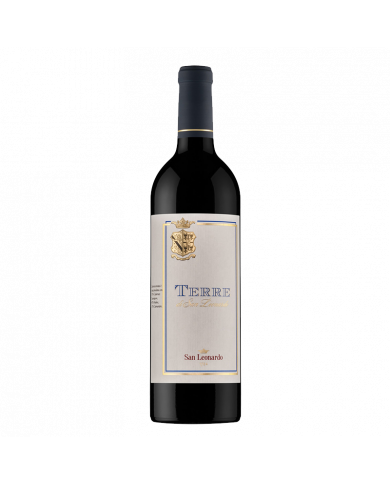
Terre, a classic Bordeaux blend, follows in the footsteps of the "older brother" San Leonardo , born from the same terroire, expresses great freshness and balance.
€15.07
SKU:
10867
Brand:
San Leonardo
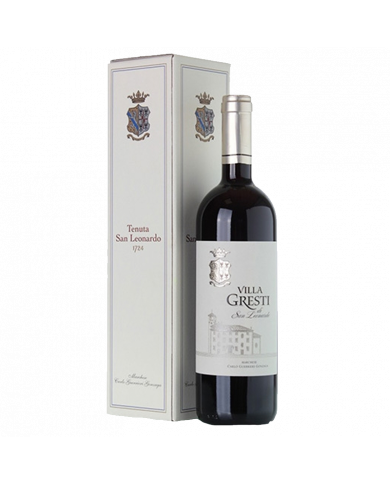
A refined blend of Merlot and Carmènere, Villa Gresti is a wine with a wonderful texture and velvety tannins.
€63.44
SKU:
10863
Brand:
Campi Valerio
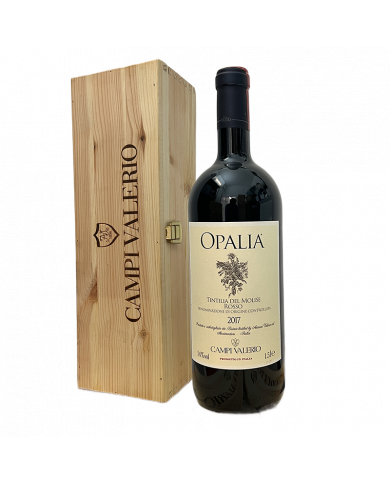
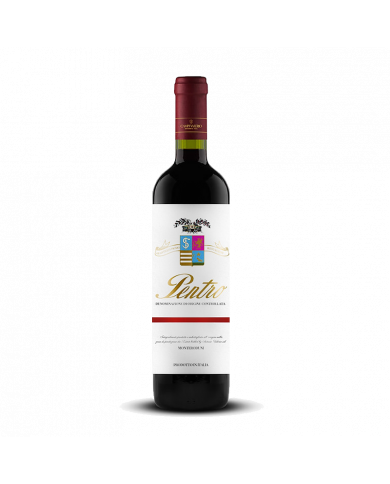
Intense ruby red color. Hints of berries and licorice root on a vanilla base.
€38.30
SKU:
10862
Brand:
Campi Valerio
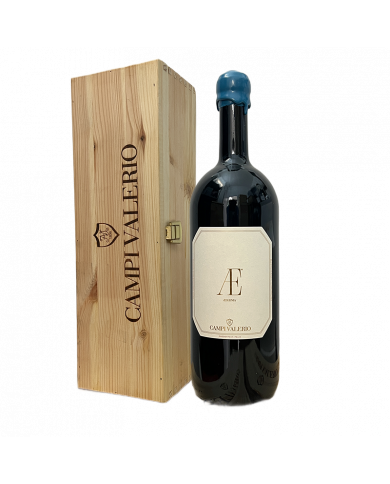
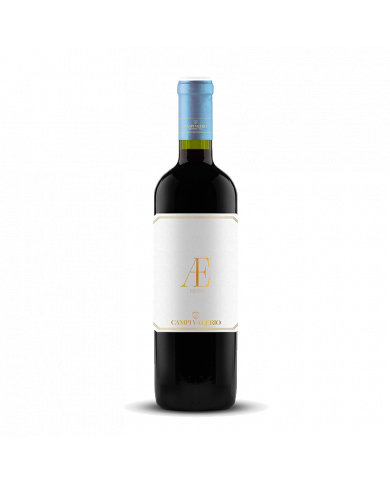
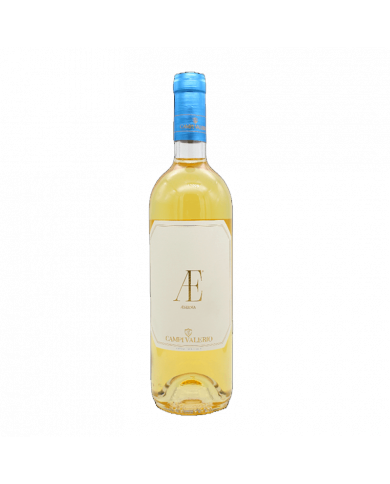
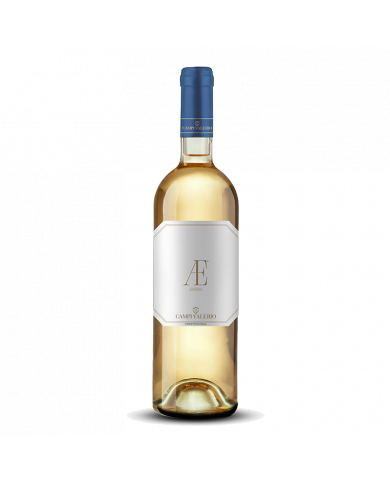
AE is a tribute to the city of Isernia. Ruby red color with violet reflections. the nose is complex and persistent with hints reminiscent of balsamic herbs and ripe red berries. Full-bodied, rightly tannic.
€45.00
SKU:
10859
Brand:
Campi Valerio
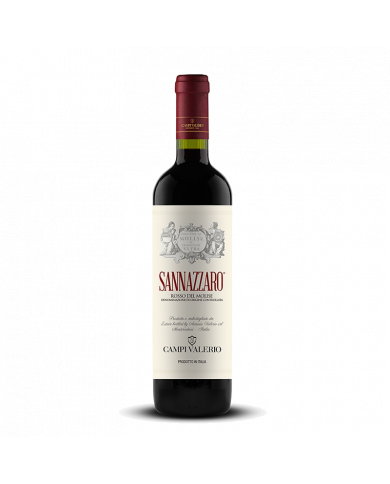
Intense red. Wide bouquet reminiscent of wild violets, but also a scent of morello cherry with a pleasant herbaceous note. The taste is dry, acidulous and austere, rich in body. rightly tannic.
€23.90
€27.67
SKU:
10857
Brand:
Campi Valerio
Ruby red color tending to purplish. On the nose there are hints of berries and dried fruit. On the palate it is full-bodied, simple and pleasant. Ready to drink.
€10.37
SKU:
10856
Brand:
Campi Valerio
Intense red. Wide bouquet reminiscent of wild violets, but also a scent of morello cherry with a pleasant herbaceous note. The taste is dry, acidulous and austere, rich in body. rightly tannic.
€6.50
SKU:
10855
Brand:
Campi Valerio
€111.02
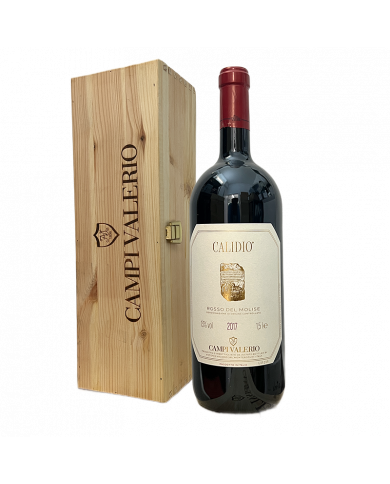
The color expresses a deep ruby. The nose is complex with notes of small red fruits. There are persuasive balsamic notes and scented resins, eucalyptus stands out. In the finish there are notes of coffee and wood. Powerful and structured tannins.
€111.02
SKU:
10854
Brand:
Campi Valerio
€105.47
The color expresses a deep ruby. The nose is complex with notes of small red fruits. There are persuasive balsamic notes and scented resins, eucalyptus stands out. In the finish there are notes of coffee and wood. Powerful and structured tannins.
€105.47
SKU:
10853
Brand:
Campi Valerio
€105.47
The color expresses a deep ruby. The nose is complex with notes of small red fruits. There are persuasive balsamic notes and scented resins, eucalyptus stands out. In the finish there are notes of coffee and wood. Powerful and structured tannins.
€105.47
SKU:
10850
Brand:
Campi Valerio
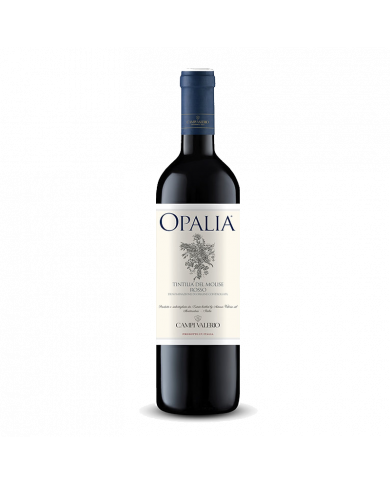
Intense ruby red color. Hints of berries and licorice root on a vanilla base.
€15.86
SKU:
10849
Brand:
Campi Valerio
Intense ruby red. Intense bouquet with hints of black currant, black cherry, red fruits and ripe plums. Delicate notes of vanilla and vegetal nuances. Strong, warm on a soft and enveloping background. Sweet and round tannins in a body of excellent structure. Excellent balance and aromatic persistence.
€12.69
€9.52
€8.56
€9.52
€8.56
SKU:
10844
Brand:
Campi Valerio
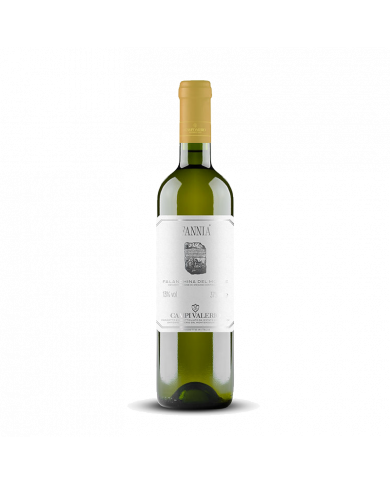
Deep straw yellow. Intense, with notes of orange blossom and yellow pulp fruit. Fresh, balanced with a marked minerality.
SKU:
10843
Brand:
Campi Valerio
€11.31
€10.18
AE is a tribute to the city of Isernia. Ruby red color with violet reflections. the nose is complex and persistent with hints reminiscent of balsamic herbs and ripe red berries. Full-bodied, rightly tannic.
€11.31
€10.18
SKU:
10842
Brand:
Campi Valerio
The first wine from Tintilia grapes obtained from vinification in terracotta amphora, an ancient technique that allows to enhance the authentic characteristics of the wine. Intense ruby red, with aromas of black cherry jam, raspberry and plum. Its astringency is quite marked and its freshness is pleasantly perceptible. A wine with great body and balance.
€31.65
SKU:
10840
Brand:
Campi Valerio
This Falanghina pays homage to the city of Isernia. Deep straw yellow color with bold aromas of citrus flowers and apple and pear flavors. Fresh, well balanced with strong mineral notes.
€7.77
€6.22
SKU:
10839
Brand:
Antonelli San Marco
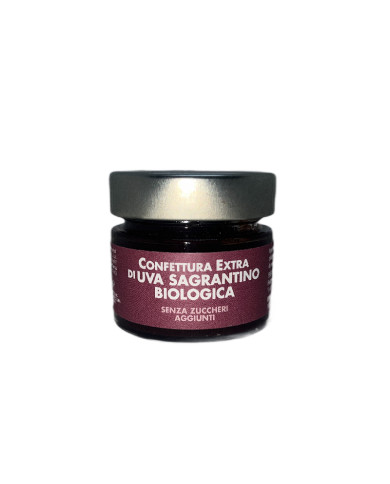
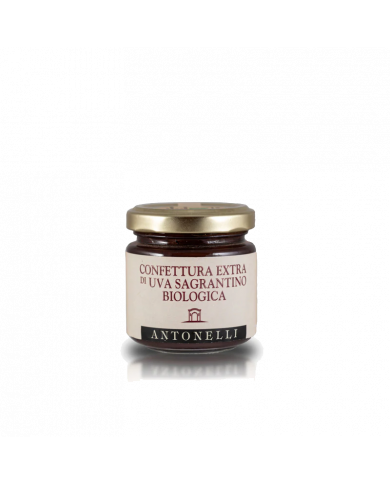
The precious Sagrantino grape in purity, with no added sugars. A quantity of fruit in every single jar that has no equal, for an organic product of absolute quality.
€6.60
SKU:
10837
Brand:
Antonelli San Marco
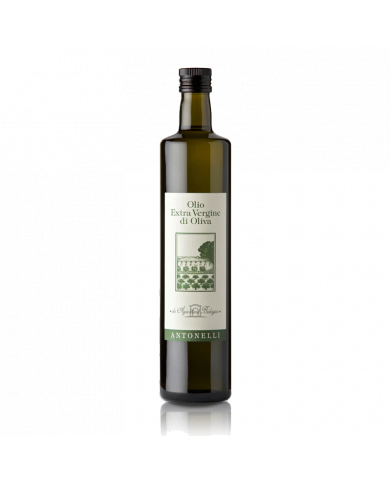
In the territory of Montefalco, the olive groves or "sluices" are located in the highest and richest soils, particularly suited for the cultivation of olives. (Altitude 400 meters above sea level South exposure). The organic cultivation of olive groves does not allow the use of chemical fertilizers or synthetic pesticides.
€19.94
SKU:
10836
Brand:
Antonelli San Marco
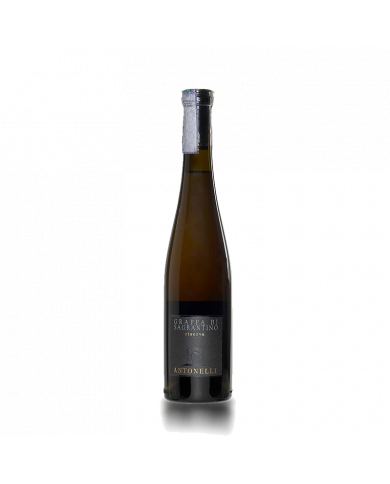
Single-variety grappa obtained from the distillation of Sagrantino grape marc from our vineyards. It is aged in oak barrels and has a golden yellow color full of amber reflections. The odorous compounds extracted from the wood are perceived which give great complexity. The taste is therefore complex, full-bodied and persistent.
SKU:
10835
Brand:
Antonelli San Marco
Single-variety grappa obtained from the distillation of Sagrantino grape marc from our vineyards. Limpid and brilliant in color, with a strong intensity on the nose, it preserves the fruity aromas of the grape. In the mouth it is dry, soft and delicate.
€25.11
SKU:
10834
Brand:
Antonelli San Marco
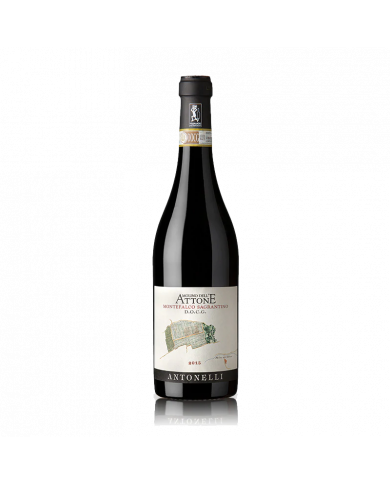
A cru that differs from our Chiusa di Pannone for the characteristics of the vineyard, facing east instead of south and with a richer soil in gravel.
SKU:
10833
Brand:
Antonelli San Marco
A cru that differs from our Chiusa di Pannone for the characteristics of the vineyard, facing east instead of south and with a richer soil in gravel.
€45.16
SKU:
10831
Brand:
Antonelli San Marco
A cru that differs from our Chiusa di Pannone for the characteristics of the vineyard, facing east instead of south and with a richer soil in gravel.
SKU:
10830
Brand:
Antonelli San Marco
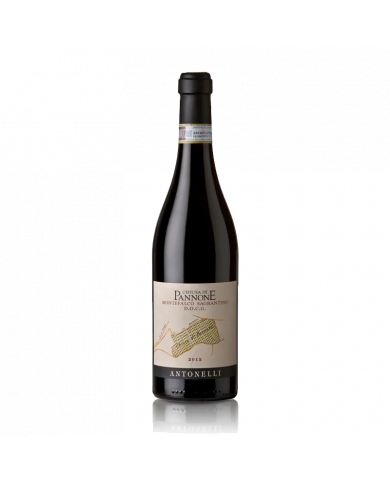
By "closed" was meant a circumscribed olive grove often delimited by stone walls. Chiusa di Pannone was also the same, while today it is the single vineyard used exclusively for the homonymous wine.
€42.03
SKU:
10829
Brand:
Antonelli San Marco
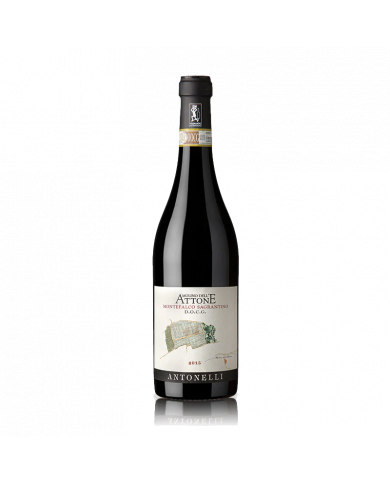
The Sagrantino vine, cultivated for centuries exclusively in Montefalco, seems to have been brought there from Asia Minor by the followers of S. Francesco.
€49.90
SKU:
10827
Brand:
Antonelli San Marco
The Riserva version of our Montefalco Rosso, vinified only in the best years with a long aging in large barrels. A blend based only on Sangiovese and the typical grape of Montefalco. In previous years, other red grape varieties were also used.
€16.53
SKU:
10826
Brand:
Antonelli San Marco
It represents a new way of interpreting the typical grape of Montefalco, cultivated and vinified in such a way as to enhance the freshest aromatic peculiarities and to obtain a wine that can be enjoyed from a young age.
SKU:
10822
Brand:
Antonelli San Marco
A young and lively interpretation of Umbrian Sangiovese, a wine that can be enjoyed throughout the meal thanks to its freshness and ease of drinking.
€5.80
€4.93
SKU:
10820
Brand:
Antonelli San Marco
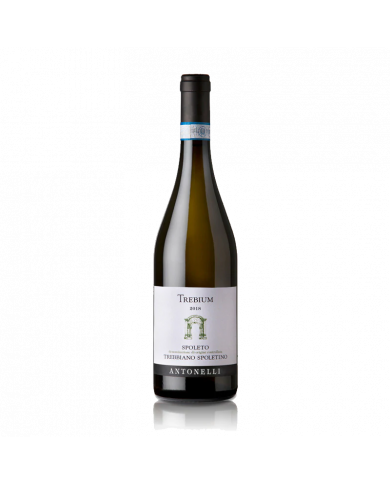
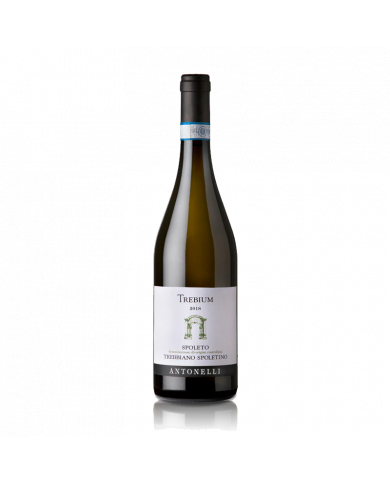
Trebbiano Spoletino is a typical variety of the territory that extends between Montefalco, Trevi and Spoleto; perhaps the name derives from “Trebium”, Trevi in Latin.
€27.33
SKU:
10819
Brand:
Antonelli San Marco
Trebbiano Spoletino is a typical variety of the territory that extends between Montefalco, Trevi and Spoleto; perhaps the name derives from “Trebium”, Trevi in Latin.
€11.05
SKU:
10817
Brand:
Strappelli
€11.26
€10.13
Rose Spumante Brut is a Charmat method also known as “Martinotti”. It has a drinkable, lively character capable at the same time of retaining its elegance
€11.26
€10.13
SKU:
10816
Brand:
Strappelli
Pecorino Spumante Brut is a Charmat method also known as "Martinotti". It has intense aromas of white pulp fruit
€11.69
SKU:
10815
Brand:
Strappelli
Passerina Spumante Brut is a Charmat method also known as “Martinotti”. Passerina has a notable hint of minerality on the palate.
€11.69
SKU:
10814
Brand:
Strappelli
Nubile Pecorino Colli Aprutini is produced only in very particular years, when the right soil and climatic conditions are met. The 2015 vintage, in fact, is only the second ever made! It is harvested when summer is coming to an end and the bunches are swollen with must with high sugar levels. For this reason the alcohol content of this particular wine is the highest of the whole production
€36.06
SKU:
10813
Brand:
Strappelli
The spearhead among our production of red wines. Il Celibe is produced from the same R7 clone of the Teramo Hills, starting from a careful selection of the grapes from a vineyard over 50 years old. Unlike the other red wines we choose to produce it only during the best years, when the right soil and climatic conditions are recreated. The expected aging in oak barrels is about 36 months before being finally bottled.
€40.60
SKU:
10812
Brand:
Strappelli
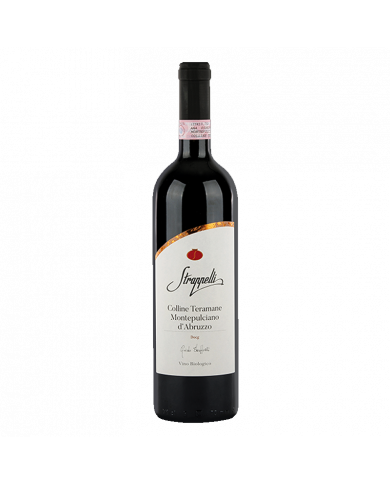
Our Montepulciano d'Abruzzo Colline Teramane docg “Colle Trà” also comes from the traditional R7 clone of the Teramo Hills. Its production starts with a careful selection of the grapes, and then undergoes a long maceration phase in the cellar triggering a spontaneous fermentation with indigenous yeasts. A stop in oak barrels for 18 months represents the last phase before the refinement in the bottle.
€28.39
SKU:
10811
Brand:
Strappelli
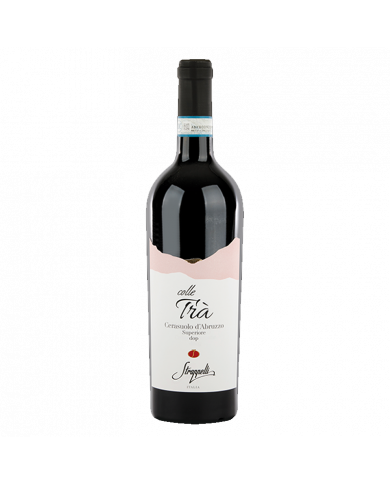
The Cerasuolo Colle Trà also comes from the R7 clone of Montepulciano. Its “Superiore” denomination depends on its yield per hectare which is lower than that of the basic Cerasuolo. The right ripening of the grapes combined with an adequate selection make this label a unique wine of its kind.
€13.64
SKU:
10810
Brand:
Strappelli
Malvasia Colle Trà comes from a long Malvasia clone, native to the Vibratian territory with tight and elongated clusters. Due to its turgid and at the same time fragile grapes, it is more easily subject to rot, therefore it is not always possible to vinify it every year.
€13.76
SKU:
10809
Brand:
Strappelli
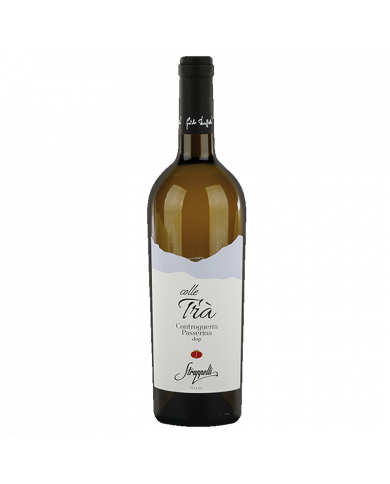
Our Passerina Colle Trà comes from an ancient “spargolo” cluster clone, the so-called “trebbiano scienciato”. Compared to the compactness of the traditional grape, the spargolo has a more elongated shape and is less subject to rot that can occur with humidity. The passerina must undergoes a spontaneous fermentation process, triggered only by indigenous yeasts, the same for all the wines of the Colle Trà line.
€13.76
SKU:
10807
Brand:
Strappelli
Montepulciano Strappelli doc 2019 is the latest addition to the Montepulciano labels, bottled this year for the first time after only aging in steel.
€13.09
SKU:
10806
Brand:
Strappelli
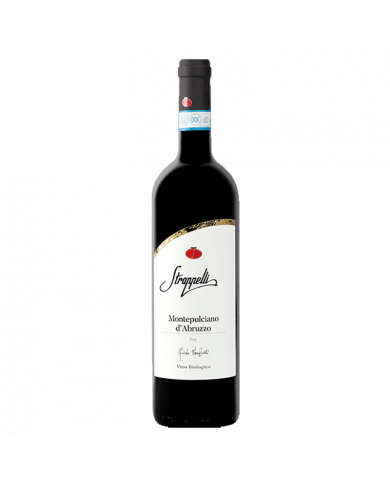
Our Montepulciano d'Abruzzo Strappelli docg comes from the traditional R7 clone of the Teramo Hills. It refines 75% in steel and 25% in French oak barrels of 3rd - 4th passage. In this way, the hints related to it will be softer and less predominant.
€18.87
€16.99
SKU:
10805
Brand:
Strappelli
€12.21
€9.77
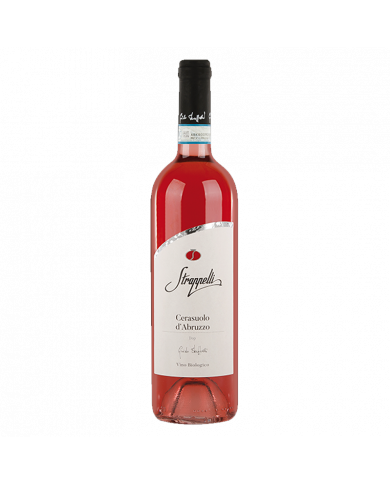
Our Cerasuolo d'Abruzzo comes from the traditional R7 clone of Montepulciano. The name of the wine is linked to its color: it derives in fact from the "cerasumà" which means cherry. This is obtained through a medium-long process of cryopreservation, during which the contact between the must and the skins gives the wine the bright cherry color.
€12.21
€9.77
SKU:
10804
Brand:
Strappelli
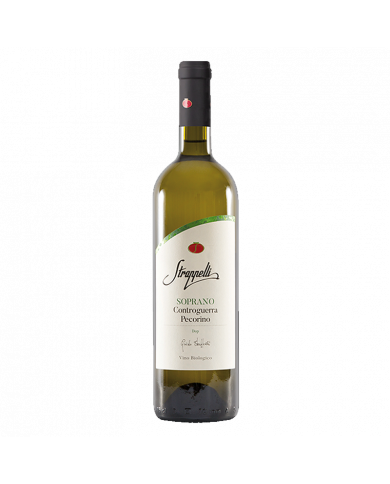
Our Pecorino Soprano Strappelli comes from a rather young vine of about 20 years. It is the earliest of the white vines; its harvest during the first week of September opens the dances of the grape harvest. The name Soprano was born to associate the strong voice of the Soprano with the strong character of Pecorino.
€12.61
SKU:
10803
Brand:
Strappelli
Our Trebbiano d'Abruzzo Strappelli comes from a Trebbiano clone from an ancient vineyard of about 50 years. Compared to the more common Trebbiano clones, it differs for its smaller cluster. It is harvested after the first half of September, undergoes fermentation in steel vats to be finally transferred to the bottle.
€12.68
SKU:
10802
Brand:
Amorotti
€25.61
€23.05
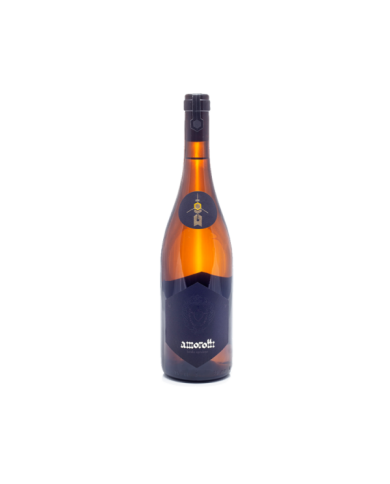
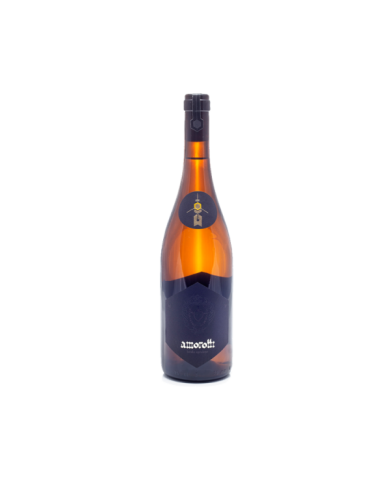
It impresses with its vivid and bright color. The nose expresses itself on notes of cherry, wild strawberry, raspberry and undergrowth. Intense aromas far from the normal and conventional Cerasuolo. In the mouth it is expressive and satisfying with a taste all played on the fruit. Alcoholic content: 13% vol.
€25.61
€23.05
from 6 June 2022
SKU:
10801
Brand:
Amorotti
Deep straw yellow color. The nose releases intense notes of acacia flowers, ripe peach, citrus and dried fruit in shell. The sip is fresh, savory and full-bodied. Excellent taste-olfactory persistence with a pleasant almond finish. Alcoholic content: 12% vol.
€32.30
from 6 June 2022
SKU:
10800
Brand:
Amorotti
Deep straw yellow color. The nose releases intense notes of acacia flowers, ripe peach, citrus and dried fruit in shell. The sip is fresh, savory and full-bodied. Excellent taste-olfactory persistence with a pleasant almond finish. Alcoholic content: 12% vol.
€36.48
SKU:
10795
Brand:
Orefice Vini
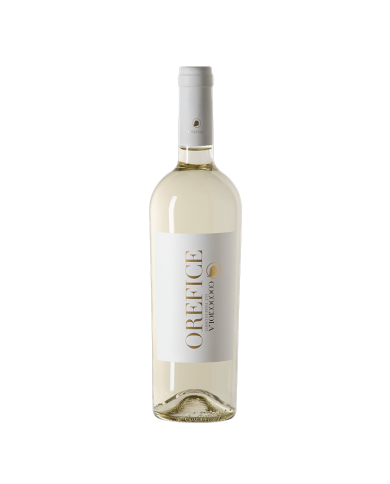
A wine with a marked freshness and an intense bouquet, with a citric scent in which a pleasant minerality is found. White grapefruit and acacia and orange blossom flowers emerge.
€11.74
SKU:
10790
Brand:
Orefice Vini
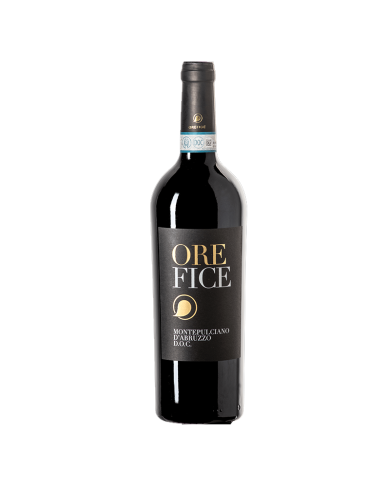
The lively nuances of red please the eyes of this wine, which shows hints of ripe red fruit.
€9.36
€23.00
€20.00
SKU:
10787
Brand:
Terre d'Erce
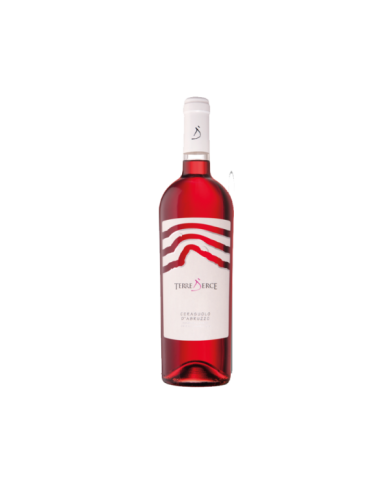
Color : intense cherry pink. Bouquet : pleasant and fresh bouquet of cherries, red fruits and spicy notes. Taste: good acidity and a pleasant savory vein, with a pleasant and fruity finish. PAIRING · appetizers with fresh cold cuts, dry first courses or with seafood based courses.
€13.00
SKU:
10786
Brand:
Terre d'Erce
intense straw yellow, with slight greenish notes. Bouquet : Alcoholic notes harmonized by hints of roses, honey, and herb-balms. Taste : important alcoholic imprint but perfectly integrated with the important almond notes and acidity, which complete a sapid and persistent profile
€10.31
€9.28
€22.52
€13.64
€23.99
€11.70
€18.20
SKU:
10764
Brand:
La Guardiense
€7.04
€6.34
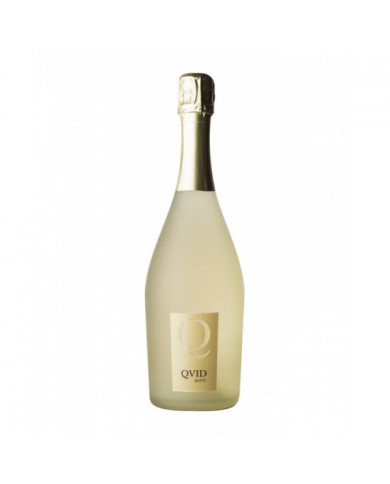
This Quid de La Guardiense is an excellent sweet sparkling wine. It has a brilliant straw yellow color with green reflections and gives off a characteristic scent of tropical fruit of great intensity. On the palate it is creamy and pleasantly sweet. Suitable at the end of a meal, it is exalted on desserts and dry pasta, it goes well with all pastry products and in particular with those of the Christmas and Easter tradition.
€7.04
€6.34
SKU:
10763
Brand:
La Guardiense
ORGANOLEPTIC CHARACTERISTICS Wine of an intense color with purplish hues. On the nose, the sensations of cherry blend with spicy ones. The taste is enveloping and intense with full but silky tannins. GASTRONOMIC COMBINATIONS First courses with meat sauce, soups and pasta with legumes, roasted or braised red meats, hard and aged cheeses.
€6.11
€13.33
SKU:
10759
Brand:
La Guardiense
€7.82
€7.04
Sparkling wine from 100% Falanghina grapes, harvested around the first half of September in the Sannio Beneventano area.
€7.82
€7.04
SKU:
10758
Brand:
La Guardiense
€12.37
€10.52
The "Janare" line of La Guardiense was born as part of a project to safeguard the native vines of Sannio, in fact these are selections aimed at enhancing Falanghina and Aglianico in particular. A real attempt at zoning the territory of Guardia Sanframondi, in the heart of the denomination, which aims to enhance its qualitative characteristics by linking them to the unrepeatable specificities of the places of cultivation. In Sannio the Janare are witches, mythical figures of civilization and peasant culture who allude to the strong and indomitable character of the women of this land, capable of hurling curses and fatal spells against their enemies. A tribute not to lose the memory of this ancient and suggestive Samnite popular tradition. The Greco "Pietralata" represents the best the cellar is able to express in terms of research on this white, a wine whose maturation in the cellar is prolonged for a few months and which in the glass is presented with a particular richness and harmony.
€12.37
€10.52
SKU:
10757
Brand:
La Guardiense
The products entitled "I Mille Per" signed by the La Guardiense winery are born from an interesting project carried out by this renowned production company in Campania. In fact, in some vineyards owned by the winery it was decided to impose a very strict experimental production protocol, which aims to investigate the possibilities of long aging for some of the most representative regional native vines. In this case Aglianico is the fruit of this journey, a red that presents itself with an incisive and austere sip, which also tells a strong personality to the nose, dominated by initially fruity and then spicy notes. The must ferments in stainless steel, macerating on the skins for 22 days with daily pumping over, while the malolactic fermentation takes place in barriques. The subsequent refinement phase lasts 14 months, and takes place in Allier and Tronçais barriques. An intense and persistent Sannio DOC, which demonstrates the foresight of the project undertaken by La Guardiense .
€32.80
SKU:
10751
Brand:
La Guardiense
The Quid Aroma Spumante Dolce best embodies the typical characteristics of its denomination of origin. Soft and with delicate bubbles, it amazes with its aromatic and fruity style with which it perfectly accompanies raw seafood.
€7.06
SKU:
10750
Brand:
La Guardiense
ORGANOLEPTIC CHARACTERISTICS Straw yellow color with golden reflections. The nose reveals intense fruity notes and mineral hints. In the mouth it expresses the great structure typical of this variety complexed by a vibrant acidity. GASTRONOMIC COMBINATIONS At the table it goes very well with seafood first courses, shellfish and tasty fish. Among the territorial pairings, those with buffalo mozzarella are interesting.
€6.33
€5.70
SKU:
10747
Brand:
La Guardiense
€12.37
€11.13
A Fiano that expresses the best of this territory, showing great elegance and complex and persistent flavours.
€12.37
€11.13
SKU:
10746
Brand:
La Guardiense
ORGANOLEPTIC CHARACTERISTICS Ruby red colored wine with purplish hues, on the nose the sensations of small red fruits and cherry are completed with hints of violet. The taste is fresh and vibrant with young but not intrusive tannins. GASTRONOMIC COMBINATIONS Excellent with cod in all its sauces, seafood soups, aubergine parmigiana but also with red meats, cured meats and not too mature cheeses.
€6.33
€5.70
€9.52
€8.56
SKU:
10740
Brand:
La Guardiense
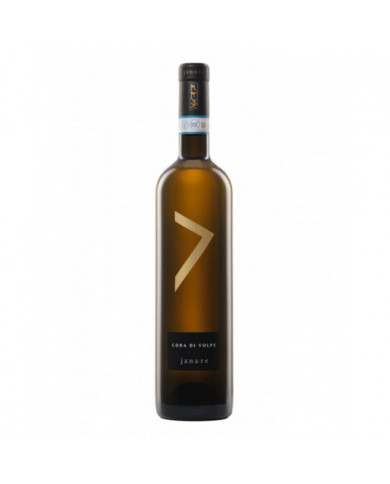
The Coda di Volpe "Janare" from the La Guardiense winery is a very versatile Campanian white wine from the Sannio area. This label is part of the line created for the protection of native vines, the grapes of the same name belong in fact to a varietal to the most unknown. The straw yellow color with greenish reflections shines in the glass introducing aromas of white flowers such as jasmine and notes of fresh white pulp fruit. The taste is fresh, mineral, balanced and with a harmonious and slightly savory finish
€6.11
€5.50
SKU:
10739
Brand:
La Guardiense
Aglianico “Lucchero” is an intense, rich and structured red wine from Sannio, aged in Allier oak barrels. It is expressed in a colorful aromatic range of cherries, red fruit, dried flowers and sweet spices. On the palate it is structured, warm, soft and full-bodied
€8.41
SKU:
10738
Brand:
La Guardiense
The Falanghina "Janare Puro Sannio" from the La Guardiense winery is a white from Campania that surprises with its rich and captivating fruit balanced by excellent freshness. It is made with 100% homonymous grapes harvested from vines grown on hilly alluvial soils facing north, the brief refinement is carried out in steel tanks. The glass is dressed in a straw yellow coat and illuminated by greenish reflections, the nose is instead inebriated by aromas of white and exotic pulp fruit. The sip is fresh, fruity, harmonious and with a medium persistence finish.
€9.21
€7.37
SKU:
10737
Brand:
CVA Canicattì
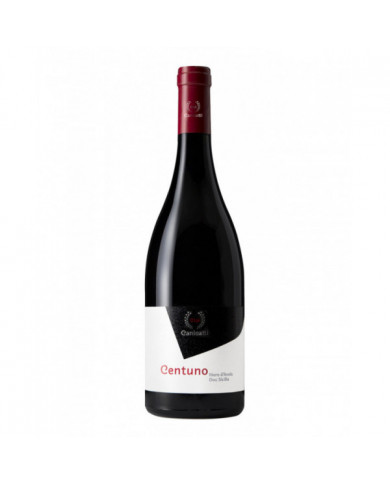
A Nero d'Avola of great harmony, our spearhead. Surprising in its aromas, precious for the elegance and silkiness of its tannins. An exciting wine.
€25.70
€8.02
€8.02
SKU:
10732
Brand:
CVA Canicattì
The wind that blows on the rows and the Sicilian sun bring the Nero d'Avola grapes of this passito to the right degree of drying, making it bewitching and magnetic.
€19.83
SKU:
10726
Brand:
CVA Canicattì
A Nero d'Avola with intense and persistent aromas that can be discovered for its modernity and charm. A classy wine, which surprises for its harmony and pleasantness, capable of revealing the authentic traits of the prince of Sicilian natives.
€10.63
SKU:
10724
Brand:
CVA Canicattì
It is a convincing and full-bodied wine, rich and balanced, with an elegant and savory freshness, never cloying or excessive, capable of conquering the most demanding drinker.
€8.02
€7.21
SKU:
10722
Brand:
CVA Canicattì
This sparkling wine celebrates the fiftieth year of the foundation of the cooperative. A charmat method from native white berried grapes that stands out for its freshness and for the citrus and vegetable notes brought by the vines as a dowry.
€12.21
€59.78
€24.71
€23.79
€19.03