Italiano
 Deutsch





















There are no more items in your cart
SKU:
19819
Brand:
Marchesi de’ Frescobaldi
Rosso rubino scuro. Il bouquet è potente, complesso e molto profondo. Il naso è deliziato da note intense di bacche nere, come ribes e mora. In sottofondo si percepiscono delicati aromi speziati di chiodi di garofano e di pepe nero. Sentori leggeri di liquirizia e di fragranze balsamiche arricchiscono la complessità degli aromi. In bocca è ampio e ben strutturato con tannini maturi che avvolgono il palato in una trama di velluto. Di grande persistenza.
€556.32
SKU:
19818
Brand:
San Giusto a Rentennano
Prodotto da uve Merlot 100%, provenienti da zone dei nostri vigneti particolarmente adatte alle caratteristiche del vitigno, raccolte a mano a perfetta maturazione in epoca tardiva rispetto alle consuetudini locali. La fermentazione avviene in vasche di acciaio inox per circa 18 giorni ai quali segue la svinatura e la pigiatura. La fermentazione malolattica avviene spontaneamente come per tutti i nostri vini. Dopo una prima sfecciatura, il vino viene posto in barriques di rovere francese per 20-22 mesi. Una volta imbottigliato, affina ulteriori mesi in vetro.
€218.38
SKU:
19817
Brand:
Avignonesi
Sull’etichetta vicino al nostro toro Desiderio, figura anche un piccolo canguro, per ricordare la nostra enologa Ashleigh Seymour. Dopo aver fatto parte del nostro team per tanti anni, ha deciso di tornare in Australia, il suo paese natale, per intraprendere nuove avventure.
€172.02
SKU:
19816
Brand:
Avignonesi
Sull’etichetta vicino al nostro toro Desiderio, figura anche un piccolo canguro, per ricordare la nostra enologa Ashleigh Seymour. Dopo aver fatto parte del nostro team per tanti anni, ha deciso di tornare in Australia, il suo paese natale, per intraprendere nuove avventure.
€157.38
SKU:
19815
Brand:
Riecine
La Gioia nasce nel 1982 come vino da tavola, poi dal 1996 con la riforma del disciplinare passa alla menzione IGT.
€58.56
SKU:
19814
Brand:
Ercolani Marco e Marco
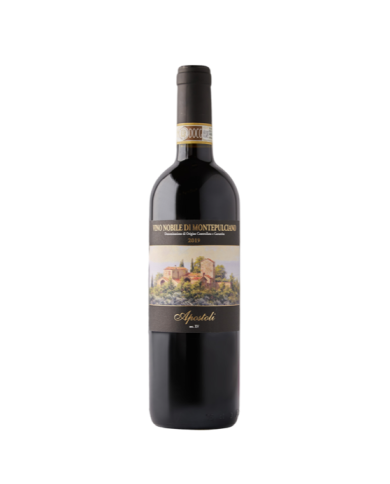
APOSTOLI: è il nome di un vecchio monastero del 1400 che sovrasta e dà il nome a una delle vigne più antiche di Montepulciano, che fu piantata in epoca ” Nobiliare” ed è stata mantenuta e ringiovanita con l’opera dell’ innesto.
€54.90
SKU:
19813
100% Sangiovese. Forti note di erbe aromatiche, selce e liquirizia complicano aromi e sapori di ciliegia rossa e bacche. Molto lungo, fresco e pulito, con tannini seri ma raffinati, questo classico Brunello dovrebbe invecchiare e svilupparsi bene.
€48.80
SKU:
19812
Brand:
San Giusto a Rentennano
Prodotto da uve rigorosamente selezionate di Sangiovese (97%) e Canaiolo (3%). La fermentazione e macerazione viene condotta in vasche di cemento e acciaio per circa 18/20 giorni. In seguito il vino viene maturato in botti e fusti di rovere francese, per un tempo che varia, secondo le caratteristiche del vino, da i 16 e i 20 mesi. Dopo l'imbottigliamento, segue l'affinamento in vetro per circa 6 mesi. E' un vino da invecchiamento che ben esprime le potenzialità dei terreni di San Giusto a Rentennano.
€43.92
SKU:
19811
Brand:
Antinori
Il Cabernet Sauvignon, il Cabernet Franc, il Merlot, la Syrah e il Petit Verdot si esprimono su alti livelli qualitativi, potenza ed eleganza. Alle piacevoli note fruttate si uniscono sfumature di macchia mediterranea, tocchi balsamici, cenni minerali e iodati tipici del terroir bolgherese.
€229.36
SKU:
19810
Brand:
Podere San Luigi
Un vino dal colore rubino intenso, con aromi floreali, frutta rossa e note speziate. In bocca ha un buon corpo, armonioso e corposo. Buona freschezza e sapidità ed una persistenza invidiabile.
€57.34
SKU:
19809
Brand:
Livernano
L'eccellente vino monosepazhnoe "Puro Sangue" è fatto da uve Sangiovese. Il Sangiovese è l'orgoglio d'Italia ed è il cuore non solo del "Puro Sangue", ma di famosi vini italiani come il Chianti, il Brunello di Montalcino e molte altre categorie di vino DOCG. Il vino Sangiovese riempie il "Puro Sangue" di deliziosi aromi di frutta e bacche, gli conferisce una consistenza vellutata, un perfetto equilibrio e una capacità di conservazione a lungo termine per 10 anni. La fermentazione delle uve avviene in botti da 225 litri o in vasche di legno. La velocità di otturazione viene eseguita in due fasi: 18 mesi in botti di rovere da 350 litri e almeno 6 mesi in bottiglia.
More: https://eng.winestyle.ru
€70.76
€59.78
SKU:
19807
Brand:
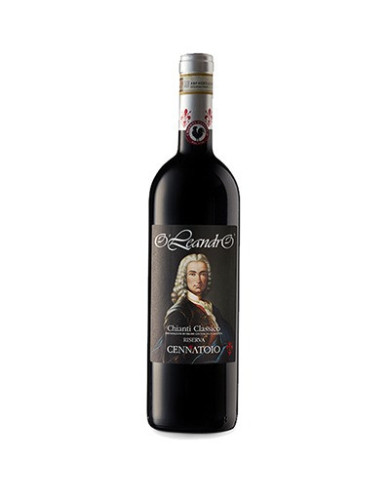
Cennatoio Emiliano Alessi
in bocca l’aroma frutto è molto evidente anche sensazione gustativa, caratterizzata da un’acidità non molto intensa e dal finale corposo e pulito con note di tabacco
€59.78
SKU:
19806
Brand:
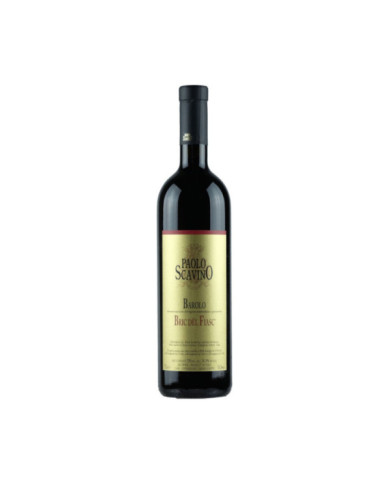
Paolo Scavino
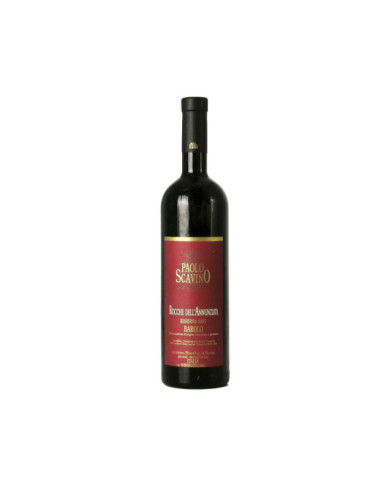
Questa cuvée è stata vinificata per la prima volta nel 1978 da Enrico Scavino e suo padre, che desideravano sfruttare appieno il potenziale della parcella da cui provengono le uve di nebbiolo di questo vino. Nei vini prodotti da nebbiolo, le peculiarità del vitigno emergono dopo qualche anno di invecchiamento. Densi e con tannini affinati, vibranti, strutturati e complessi, questi vini sono equilibrati da un’acidità caratteristica. Al palato affascinano per le note balsamiche e di frutti rossi. Sono quindi ottimi vini gastronomici, da lasciare riposare per qualche anno per una degustazione ottimale.
€163.97
SKU:
19805
Brand:
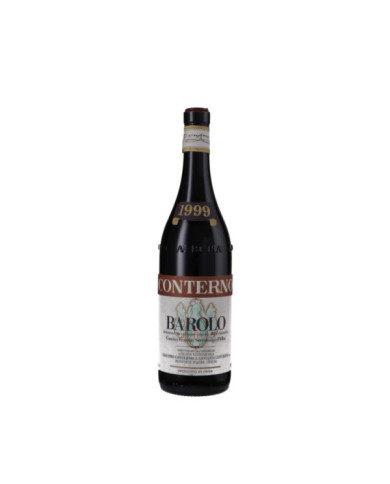
Giacomo Conterno
Calice rosso granato, di grandiosa luminosità. Il naso si esprime su un bouquet elegante di fiori rosa e bianchi, di liquirizia e tabacco, con dolci rimandi di frutti di bosco. Bocca armonica, delicata, rivela uno spessore incredibile e persistenza infinita. Finezza, rigore e precisione.
€400.16
€47.58
SKU:
19803
Brand:
Antonio Caggiano
Caratteristiche Organolettiche
Colore rosso rubino intenso.
Odore fruttato, complesso, con note di liquirizia e vaniglia su un fondo elegante di piccoli frutti di bosco.
€73.20
SKU:
19802
Brand:
Antinori
Rosso rubino intenso con riflessi violacei. Al naso è maturo, con note di frutta scura e sottofondo fresco nel finale; predomina la polpa di prugna insieme a sentori di ciliegia, andando con progressione ed equilibrio verso note di liquirizia e menta. Al gusto ha prontezza e disponibilità, è ricco e armonioso. Ottimo al palato, grazie all’acidità e alla strutturata morbidezza dei tannini. Il retrogusto è ricco, sapido e caratterizzato da una dolce persistenza.
€254.98
SKU:
19801
Brand:
Fattoria le Pupille
Rosso rubino. Al naso sentori primari di ciliegia e lampone; seguono profumi secondari e terziari di alloro, ginepro, cuoio e tabacco. Al palato il vino è elegante e di grande equilibrio, con tannini dolci e vellutati.
€109.80
SKU:
19796
Brand:
Antinori
In onore ai Monaldeschi della Cervara Il nome celebra i Monaldeschi della Cervara, storica famiglia proprietaria nel XVI secolo del Castello della Sala. La Barrique Il Cervaro della Sala è stato uno dei primi bianchi italiani a svolgere fermentazione malolattica ed affinamento in barrique.
€137.86
SKU:
19789
Brand:
Antinori
Rosso rubino intenso con riflessi violacei. Al naso è maturo, con note di frutta scura e sottofondo fresco nel finale; predomina la polpa di prugna insieme a sentori di ciliegia, andando con progressione ed equilibrio verso note di liquirizia e menta. Al gusto ha prontezza e disponibilità, è ricco e armonioso. Ottimo al palato, grazie all’acidità e alla strutturata morbidezza dei tannini. Il retrogusto è ricco, sapido e caratterizzato da una dolce persistenza.
SKU:
19788
Brand:
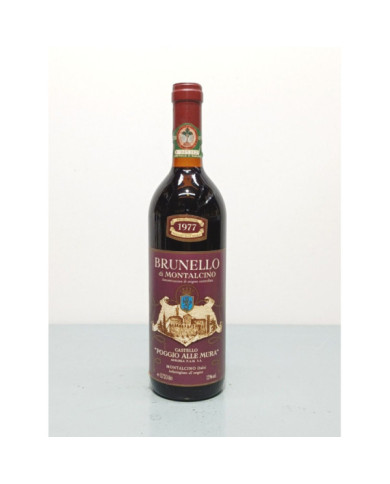
Agraria PAM
Brunello di Montalcino, il primo vino italiano ad ottenere la Denominazione di Origine Controllata e Garantita, viene prodotto in provincia di Siena, esclusivamente entro i confini del territorio comunale di Montalcino, con le uve del solo vitigno Sangiovese, denominato localmente "Brunello". A Montalcino si è sempre coltivata la vite, come nel vicino Chianti. Nel 1888 nasce il primo Brunello. E´ un prodotto di grande qualità, con caratteristiche di vino da lungo invecchiamento.
€59.78
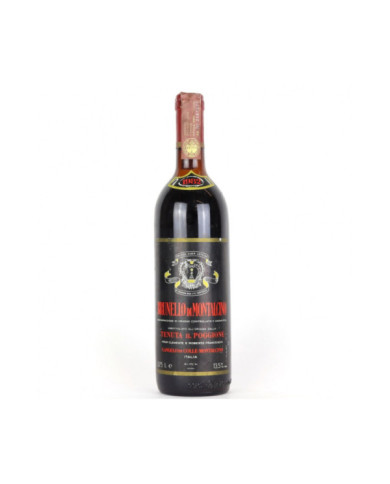
SKU:
19787
Brand:
Tenta Il Poggione
Il Brunello è il principe dei vini di Montalcino.
È prodotto esclusivamente con uve Sangiovese raccolte a mano e provenienti dai vigneti più vecchi dell'azienda.
Dopo un'accurata fermentazione a temperatura controllata, il Brunello di Montalcino della Tenuta Il Poggione matura in botti di rovere francese.
Successivamente il vino trascorre un periodo di affinamento in bottiglia, indispensabile per garantire quella piacevolezza e quella complessità che hanno reso il Brunello di Montalcino famoso in tutto il mondo.
€192.76
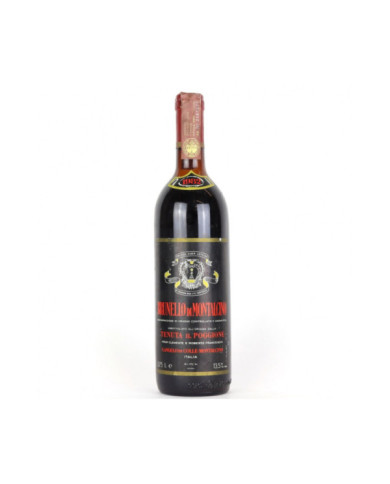
SKU:
19786
Brand:
Tenta Il Poggione
Il Brunello è il principe dei vini di Montalcino.
È prodotto esclusivamente con uve Sangiovese raccolte a mano e provenienti dai vigneti più vecchi dell'azienda.
Dopo un'accurata fermentazione a temperatura controllata, il Brunello di Montalcino della Tenuta Il Poggione matura in botti di rovere francese.
Successivamente il vino trascorre un periodo di affinamento in bottiglia, indispensabile per garantire quella piacevolezza e quella complessità che hanno reso il Brunello di Montalcino famoso in tutto il mondo.
SKU:
19785
Brand:
Montevertine
Calice color rosso rubino profondo. L'olfatto regala sensazioni eleganti ed intense di frutta a bacca rossa, amarena, ciliegia e lampone, e di violetta, con rimandi di spezie delicate.
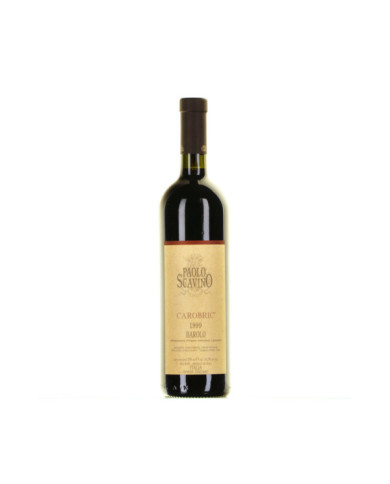
SKU:
19783
Brand:
Paolo Scavino
Il Barolo Carobric è un vino che nasce nel 1996 come combinazione di uve provenienti da tre diversi cru della zona di coltivazione del Barolo. Grazie ad un attento lavoro in vigna è un vino di assoluta eleganza e complessità, preciso e intenso.
€119.56
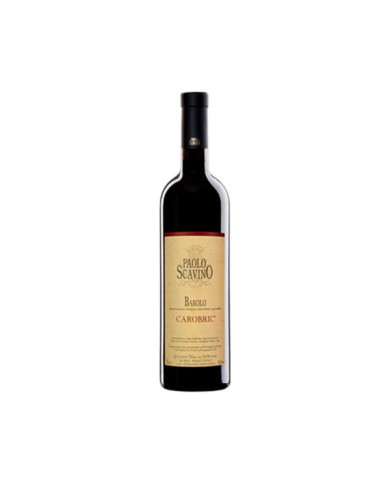
SKU:
19782
Brand:
Paolo Scavino
Il Barolo Carobric è un vino che nasce nel 1996 come combinazione di uve provenienti da tre diversi cru della zona di coltivazione del Barolo. Grazie ad un attento lavoro in vigna è un vino di assoluta eleganza e complessità, preciso e intenso.
€162.00
SKU:
19781
Brand:
Paolo Scavino
Storica cantina di Castiglione Falletto, l’azienda vitivinicola “Paolo Scavino” è stata fondata nel 1921, da Lorenzo Scavino e dal figlio Paolo.
€229.99
SKU:
19780
Brand:
Elio Altare
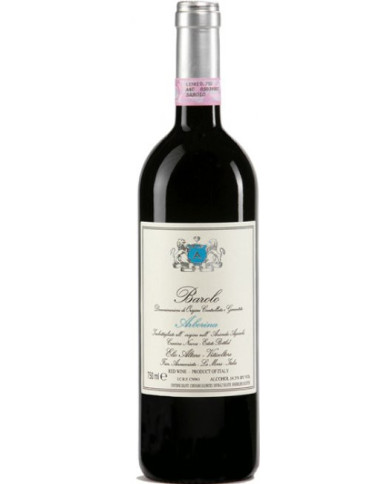
Denominazione: Barolo docg
Vitigno: Nebbiolo
Zona di produzione: La Morra
SKU:
19774
Brand:
Castello dei Rampolla
Un blend di Cabernet e Petit Verdot per un Supertuscan che ha fatto storia.
la 2001 é stata una vendemmia eccezionale in Toscana premettendo la produzione di vini dal lunghissimo potenziale di invecchiamento.
Affinato in barriques da 225 lt per 18 mesi circa questo vino é corposo e complesso con note di frutta matura e tabacco.
Ora é al suo massimo splendore!
€149.90
SKU:
19773
Brand:
Antinori
Di color rosso rubino intenso. Al naso è molto fragrante e si avverte subito il grande equilibrio fra le note speziate e quelle fruttate. Al palato i tannini sono soffici e mette in mostra una grande armonia. Il retrogusto, molto lungo, richiama le note già avvertite al naso.
€390.00
SKU:
19772
Brand:
Tenuta San Guido
COLORE: Rosso rubino. PROFUMO: Persistente con sentori floreali. SAPORE: Ottima rotondità, gentilezza e soavità, con uno spessore organolettico privo di spigolature. Ottima struttura con grande equilibrio e persistenza
€81.00
SKU:
19771
Brand:
Moretti Omero
Vibrant ruby red. Small red fruits on the nose, including the typical hint of blackberries. Balsamic hints. Elegant and powerful. Persistent finish with returns of berries and spices. Fermentation 15 days. Maceration 20 days on the skins. Contact with fine lees for 6 months. Batonnage.
€29.89
SKU:
19770
Brand:
Moretti Omero
Central core of succulent wild berries, violet flowers. Full-bodied wine with a fine tannic texture. Fruity finish with light spiciness.
€51.24
SKU:
19767
Brand:
Cantina Valpolicella Negrar
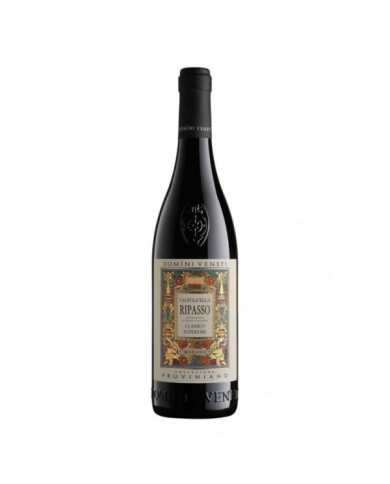
Valpolicella Ripasso DOC Classico Superiore Collezione Pruviniano 2019 - Cantina Valpolicella Negrar
€17.93
€17.93
€20.50
€12.03
€9.08
€18.98
€14.18
€8.10
SKU:
19748
Brand:
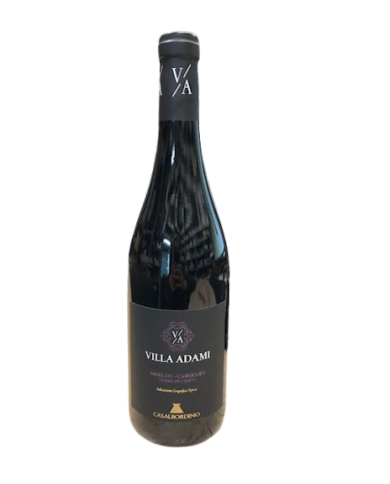
Casalbordino
Aging in medium-capacity oak barrels, 25 Hl, for about 18 months and refinement in the bottle for three months before placing on the market. Store in a cool place at a temperature of about 5-7°C.
€7.08
SKU:
19747
Brand:
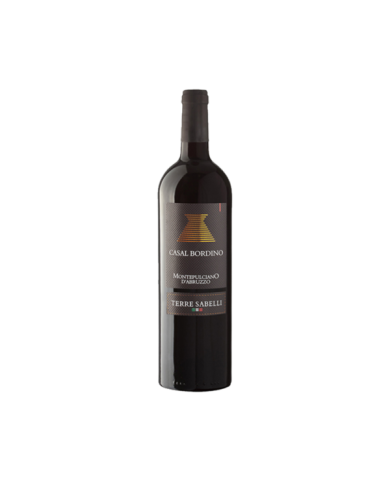
Casalbordino
The harvest takes place in the second week of October, when the phenolic maturity is reached with manual harvesting. VITIFICATION: destemming of the grapes, contact of the skins with the must for 7-10 days in a steel vat at a T° from 18 to 28 °C, separation of the skins and transfer of the must-wine into a steel tank for the completion of the fermentation malolactic. REFINING - STORAGE: maturation in steel tanks for 5-6 months and brief refinement in the bottle before being released for consumption.
€6.95
€41.68
SKU:
19738
Brand:
Produttori del Gavi
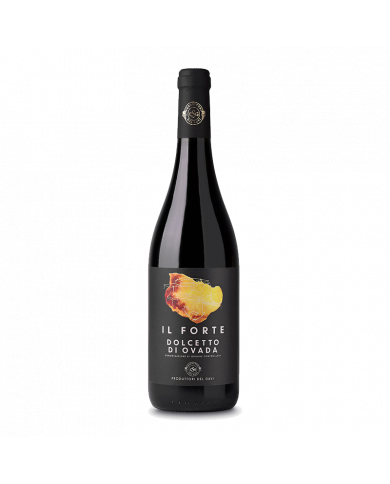
INTENSE RED COLOR WITH GARNET REFLECTIONS. THE NOSE IS FRUITY AND ELEGANT, WITH AROMAS OF RIPE PLUM AND MARASCA MARASCA AND HINTS OF VIOLET. YOUNG ON THE PALATE, RICH IN PULP, EXCELLENT ACID FRESHNESS. EXCELLENT WITH TASTY FIRST COURSES, RED MEAT AND GAME.
€5.37
SKU:
19737
Brand:
Produttori del Gavi
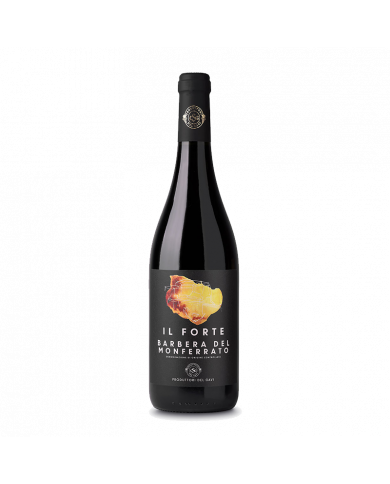
INTENSE RED WINE WITH PURPLE REFLECTIONS, CHARACTERIZED BY A DELICATE BUT INTENSE AROMA, WITH NOTES OF RIPE RED FRUIT. THE FLAVOR IS DRY, WITH A BITTER-ALMOND AFTERTASTE. FULL-BODY, PERSISTENT, WITH ELEGANT STRUCTURE. SUITABLE FOR TASTY FIRST AND SECOND DISHES BASED ON MEAT, MUSHROOMS AND TRUFFLES.
€6.03
SKU:
19733
Brand:
Tenuta Iuzzolini
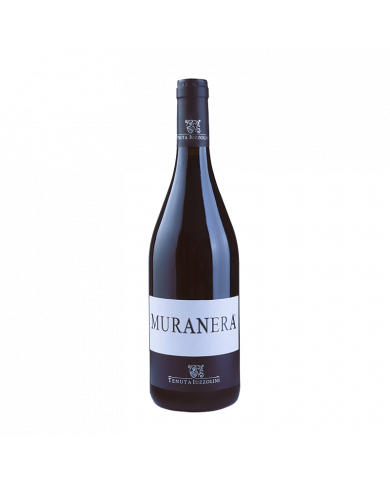
The Muranera of Tenuta Iuzzolini is a purple red wine with clear violet reflections. It has an intense aroma, with fruity, sweet and ripe scents, balsamic and floral notes of violet on a slight tobacco accent at the end. Grapes: Gaglioppo, Magliocco, Cabernet Sauvignon and Merlot.
€19.61
SKU:
19725
Brand:
San Giusto a Rentennano
Produced from 100% Merlot grapes, coming from areas of our vineyards particularly suited to the characteristics of the vine, hand-picked when perfectly ripe in a late period compared to local customs. Fermentation takes place in stainless steel tanks for about 18 days, followed by racking and pressing. The malolactic fermentation occurs spontaneously as for all our wines. After a first racking, the wine is placed in French oak barriques for 20-22 months. Once bottled, it ages a further 6 months in glass.
€185.00
SKU:
19724
Brand:
San Giusto a Rentennano
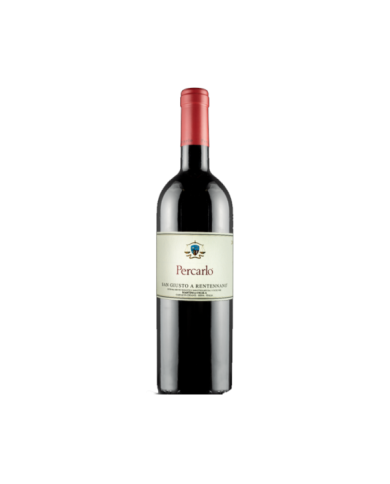
Percarlo is a robust and structured Tuscan red wine made from Sangiovese grapes, aged in barrique for 22 months. It has a broad and very intense aromatic profile, with notes of very ripe red fruit, spices and Mediterranean scrub in evidence. The sip is powerful, elegant and deep, with a very long persistence
€254.90
SKU:
19723
Brand:
San Giusto a Rentennano
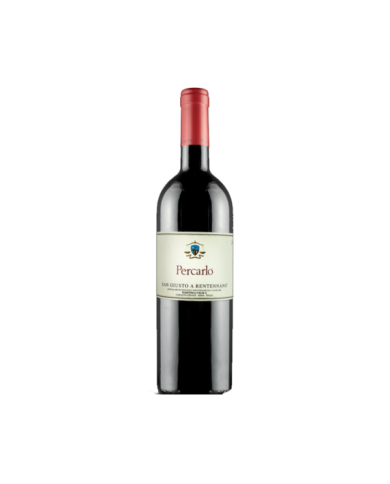
Percarlo is a robust and structured Tuscan red wine made from Sangiovese grapes, aged in barrique for 22 months. It has a broad and very intense aromatic profile, with notes of very ripe red fruit, spices and Mediterranean scrub in evidence. The sip is powerful, elegant and deep, with a very long persistence
€116.90
SKU:
19722
Brand:
San Giusto a Rentennano
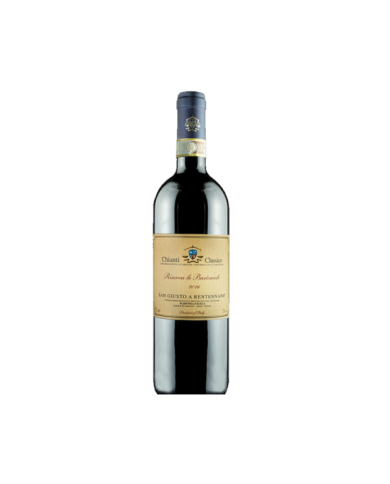
The Chianti Classico Riserva "Le Baroncole" expresses the richness and beauty of the Tuscan land. Refines for 16-20 months in oak barrels and casks and is enriched with vanilla nuances, in addition to the already present fruity and spicy aromas typical of the type. The taste is balanced, complex and deep, supported by a nice tannic texture and a pleasant savory tip
€35.90
SKU:
19721
Brand:
Rasicci
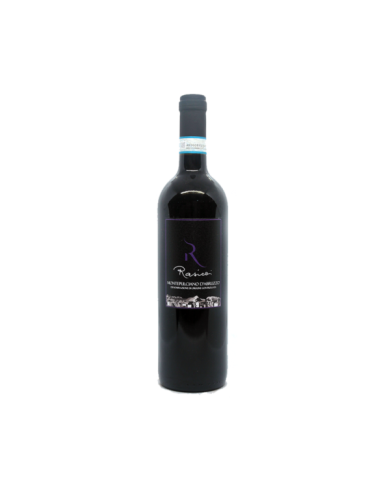
Clear, with an impenetrable ruby color, it still has purplish violet notes, a sign of great youth, very concentrated, with a rich glycerine expression. Intense nose of ripe red fruits, especially undergrowth, which reaches humus and closes on the typically Abruzzo licorice root. Firm and austere softness on an important and still vibrant tannic framework. The freshness of the acids and the flavor? mineral give balance to a warm and soft body. Long persistent intense finish with the return of all the fruity sensations perceived on the nose. Wine already? in harmonic expression with the capacity? to mature for a long time.
€15.37
SKU:
19719
Brand:
Terre d'Erce
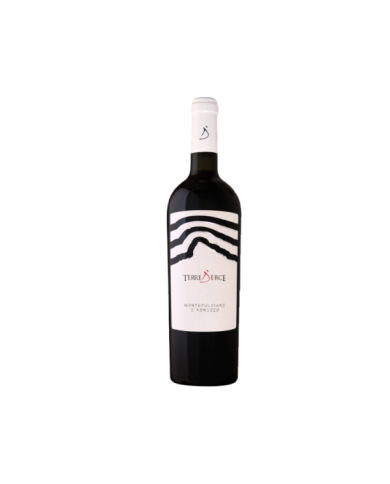
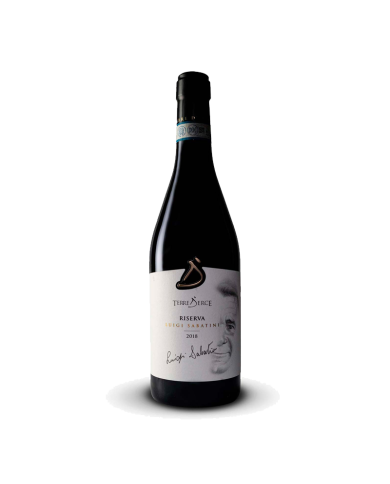
· Color : red, with violet reflections and garnet notes. Bouquet: hints of cherry and red fruits that bind to a balanced vanilla bouquet of the wood. Taste : notes of cherries, red fruits, licorice and spices. Full-bodied and persistent, with an important tannic profile. PAIRING · Important dinners with roasted red meats, game and aged cheeses.
€13.40
SKU:
19718
Brand:
Terre d'Erce
Montepulciano DOC100% with vineyards on the hills, with clayey soils that tend to be calcareous. The breeding is pergola Abruzzo with thirty-year vines, 1600 vines per hectare with a yield of 100 q.
€30.74
SKU:
19717
Brand:
Torraccia Del Piantavigna
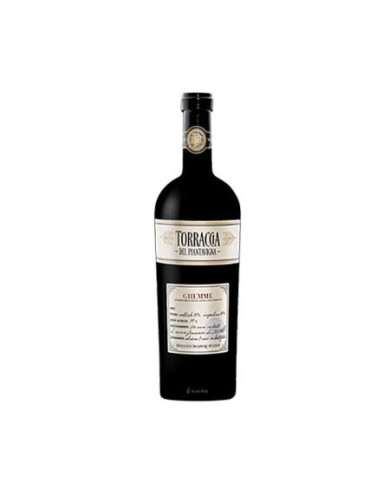
With an enveloping scent and balanced, it is a wine with a bouquet harmonious where each olfactory component does not prevail over the other.
€91.01
SKU:
19716
Brand:
Torraccia Del Piantavigna
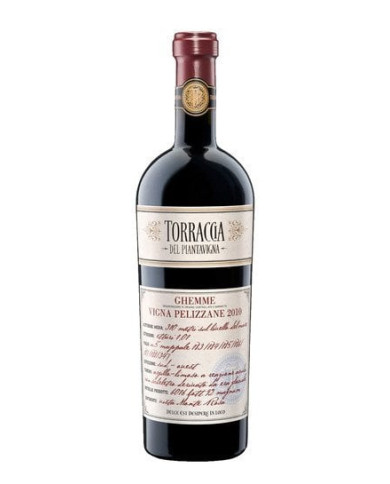
The "Vigna Pelizzane" is a Ghemme of great structure and good complexity, aged for at least 4 years in large barrels. The aromas are intense and mineral and the taste is soft and vibrant, dry and fresh, with vigorous tannins and a long persistence on the finish
€72.80
SKU:
19713
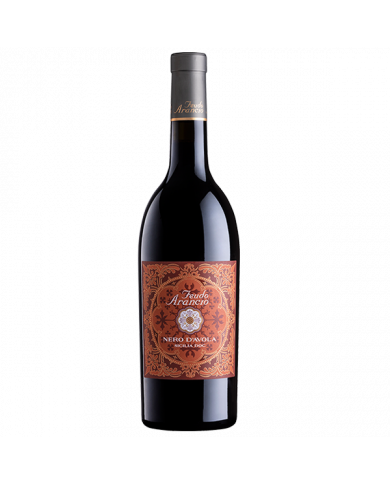
Brand:
Feudo Arancio
Prince of the enological renaissance of Sicily, Nero d'Avola is a native vine of great value. Initially widespread in the Syracuse area, it is now extended to all the wine-growing areas of the island. It is a medium-early variety that ripens around the first week of September and requires low-clayey soils and is sensitive to excessive drought and exposure to the sun. The type of training used is espalier, with an average planting density of 4,500 plants per hectare. Harvesting of the grapes at perfect aromatic and polyphenolic maturation, destemming and alcoholic fermentation with the skins for 6-8 days at 22-24°C, malolactic fermentation with selected bacteria, maturation for 6 months in French oak barriques.
€11.90
SKU:
19710
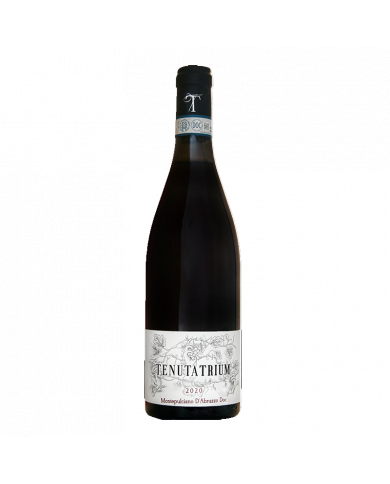
Brand:
Tenuta Trium
The freshly picked grapes are de-stemmed and crushed. The fermentation of the must follows with its own skins for a period ranging from 8 to 15 days. Finally the skins are separated with soft pressing in wooden presses.
€26.00
SKU:
19708
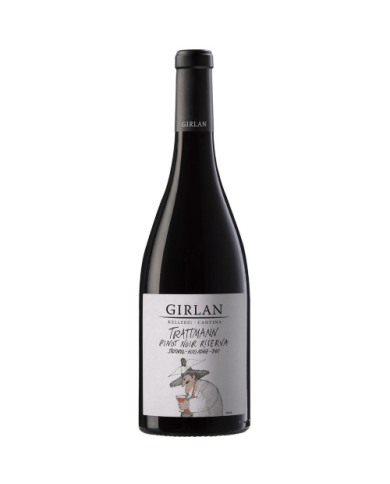
Brand:
Girlan
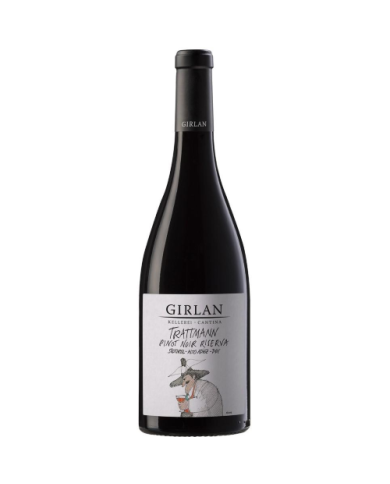
Color rosso rubino con lievi sfumature granate, profumi intensi e complessi con sentori di frutta matura, ciliegia e marasca. Gusto morbido delicato, vinoso e tannini fruttati, di buona struttura e persistenza. Ottimo vino da pasto, particolarmente adatto agli arrosti, cacciagione ed ai formaggi piccanti.
€169.03
SKU:
19707
Brand:
Girlan
Color rosso rubino con lievi sfumature granate, profumi intensi e complessi con sentori di frutta matura, ciliegia e marasca. Gusto morbido delicato, vinoso e tannini fruttati, di buona struttura e persistenza. Ottimo vino da pasto, particolarmente adatto agli arrosti, cacciagione ed ai formaggi piccanti.
SKU:
19706
Brand:
Girlan
Color rosso rubino con lievi sfumature granate, profumi intensi e complessi con sentori di frutta matura, ciliegia e marasca. Gusto morbido delicato, vinoso e tannini fruttati, di buona struttura e persistenza. Ottimo vino da pasto, particolarmente adatto agli arrosti, cacciagione ed ai formaggi piccanti.
€18.71
SKU:
19705
Brand:
Marramiero
At tasting it has an intense and deep ruby red color with purple hues. Perfectly ripe and highly concentrated aromas. A mellow and harmonious fruitiness that offers hints of plum, date and fig. All fused with fine spicy notes. Pulpy and persuasive taste. It goes well with first courses with a good structure, roasts, stewed red meat, cold cuts and cheeses, including aged cheeses.
€15.29
SKU:
19701
Brand:
Tenuta Rocca
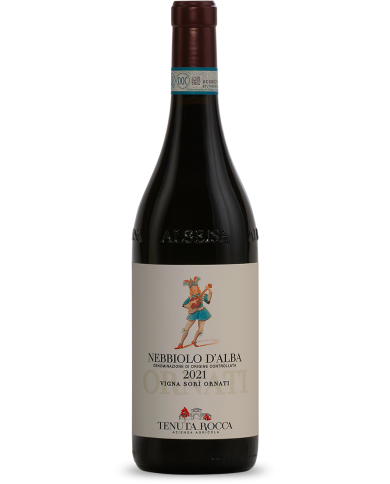
On the nose the wine is ethereal and floral with the sweet notes of violet typical of the vine; red fruit, plum and spices in the background. The mouth is pleasantly fresh and balanced and the soft and enveloping tannins make it an elegant but not too austere drinkable wine.
€22.05
SKU:
19700
Brand:
Tenuta Rocca
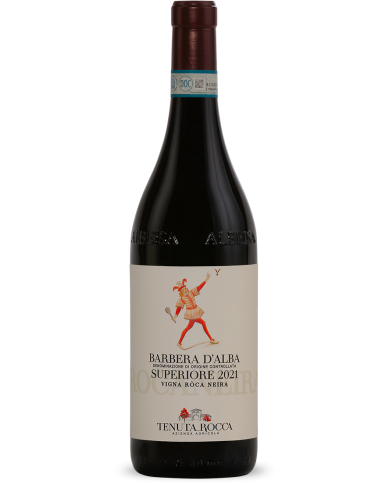
Intense purplish ruby red color with violet reflections. Intense nose of red fruits (raspberry and black cherry) and fine spices. In the mouth the marked but sweet acidity makes it round and full; in closing notes of toasted hazelnut.
€23.23
SKU:
19698
Brand:
Torre Raone
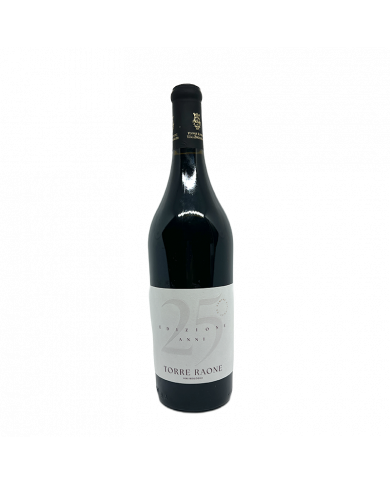
Dress the glass in a beautiful ruby red. The nose first reveals memories of black cherries, plums and black currant, then completed by spicy, herbaceous and medicinal herbs nuances. Warm and soft the sip, rightly tannic and slightly savory, characterized by a finish that recalls licorice and black pepper.
To combine with meat dishes, it is excellent with roast lamb chops.
SKU:
19697
Brand:
Torre Raone
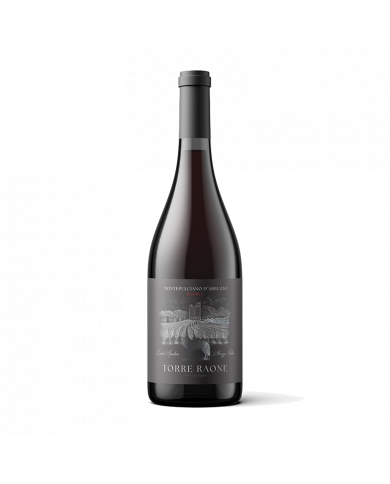
Montepulciano d'Abruzzo Riserva di Torre Raone is a rich and fruity red wine of medium body, vinified only in steel. It gives off aromas of wild berries, red fruit, flowers and black cherries and on the palate it is soft, warm, enveloping and fruity, with pleasant and smooth tannins.
SKU:
19690
Brand:
Domini Veneti
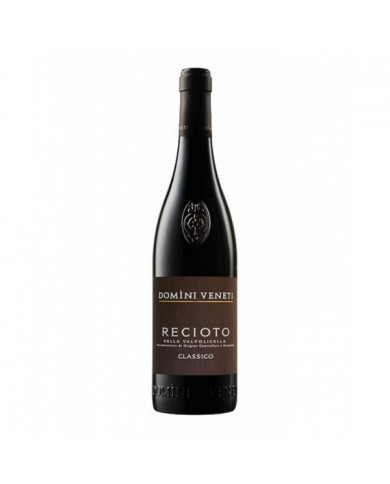
Recioto della Valpolicella Docg Classico is the symbol of the Valpolicella Classica viticulture based on the particular process of natural drying of the ripest grapes. It is considered the origin of Amarone, and its history is ancient, it can even be traced back to the time of the ancient Romans.
€21.80
SKU:
19682
Brand:
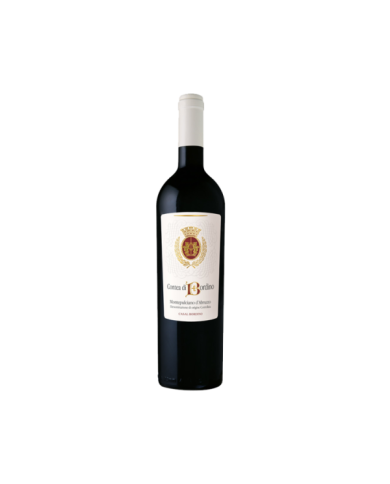
Marchesi de Cordano
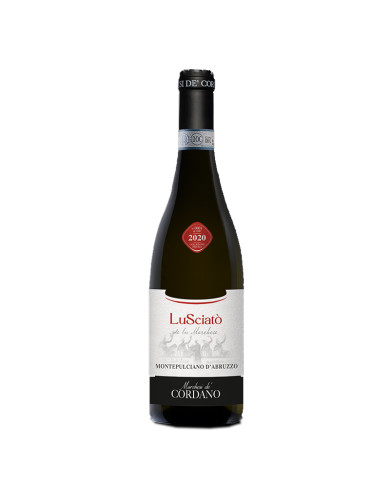
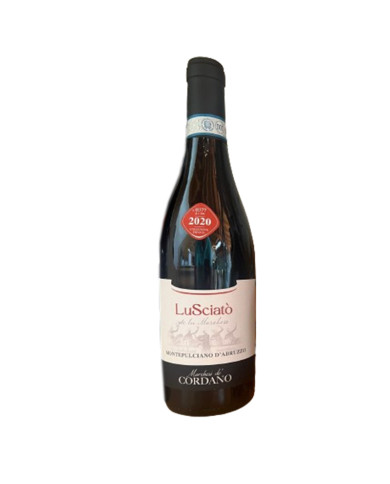
The lively nuances of red please the eyes of this wine, which presents itself with hints of ripe red fruit, cherries, plums and floral notes. The soft tannins give great drinkability and pleasantness. Vinification: 7-10 days on the skins with pumping over in the air, followed by aging in steel and 9 months in 25hl wooden barrels.
SKU:
19680
Brand:
Marchesi de Cordano
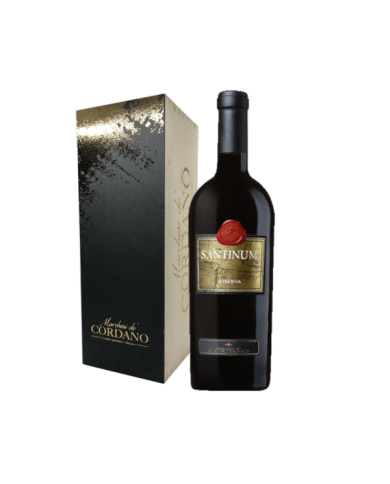
The complexity of this intense ruby red wine, sensual and enveloping, is expressed in the bouquet that immediately recalls withered flowers and red fruit jam. A pleasant spiciness of licorice, black pepper, cloves and vanilla emerges with toasted hints of coffee and tobacco. Maximum Expression: 12-15 years. Vinification: Short drying in the vineyard, permanence of 20 - 22 days on the skins with pumping over in the air, followed by static decanting in large barrels. Subsequently the wine is left to refine for 12 months in 50 hl barrels and 12 months in barriques and then rests for 12 months in the bottle.
€657.70
SKU:
19679
Brand:
Marchesi de Cordano
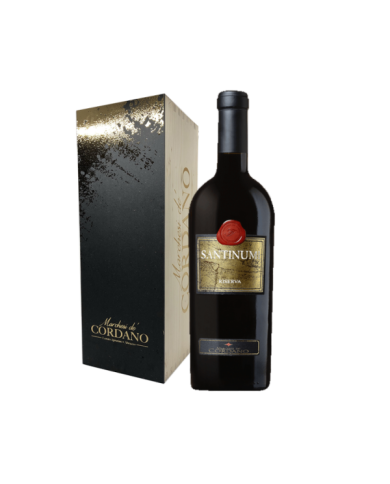
The complexity of this intense ruby red wine, sensual and enveloping, is expressed in the bouquet that immediately recalls withered flowers and red fruit jam. A pleasant spiciness of licorice, black pepper, cloves and vanilla emerges with toasted hints of coffee and tobacco. Maximum Expression: 12-15 years. Vinification: Short drying in the vineyard, permanence of 20 - 22 days on the skins with pumping over in the air, followed by static decanting in large barrels. Subsequently the wine is left to refine for 12 months in 50 hl barrels and 12 months in barriques and then rests for 12 months in the bottle.
€322.69
SKU:
19677
Brand:
Fontefico
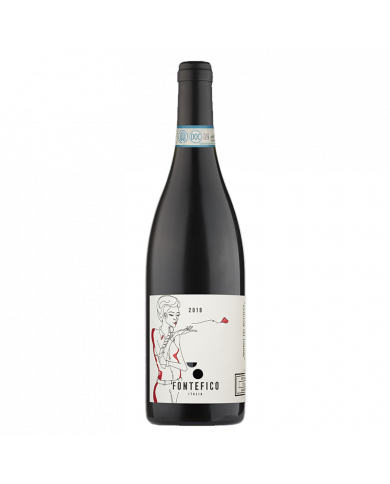
Montepulciano is the main grape of our region, the vine we love the most, the wine that, round and round, we drink with greater pleasure and in any circumstance. Montepulciano is our privileged grape, the one we pamper the most, it is Fontefico's “house cocca”.
€20.09
SKU:
19674
Brand:
Amorotti
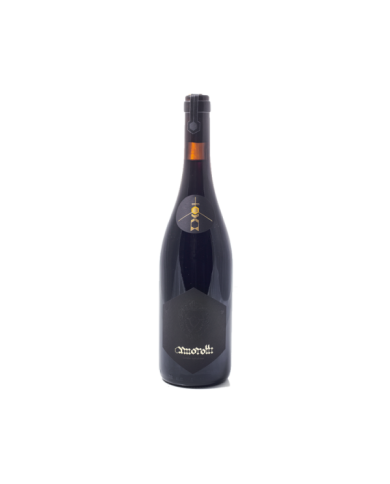
Impenetrable ruby red color. The nose is played on floral notes and red fruit jam. Gradually it expands its bouquet with hints of black pepper, vanilla, tobacco and dark chocolate. A full-bodied, robust, dense and powerful wine. Endless. Alcoholic content: 14% vol.
€28.00
€10.49
SKU:
19668
Brand:
Marotti Campi
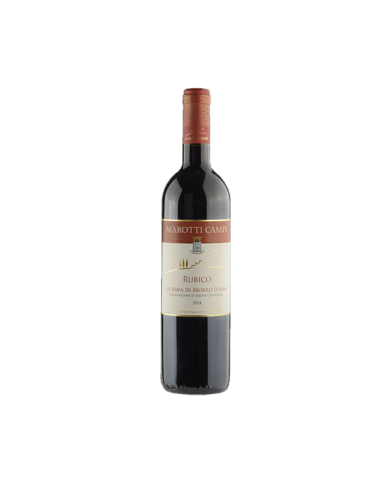
Intense ruby red color with violet reflections. Characteristic aromas of rose, violet, myrtle and cinnamon. Fresh and fruity on the palate, dry and velvety with balsamic notes, medium-bodied and good acidity, pleasantly tannic. Serve at about 18 ° with elaborate first courses, roasted white meats, cold cuts, grilled or fish soups.
€11.35
€10.00
SKU:
19666
Brand:
Tenuta San Guido
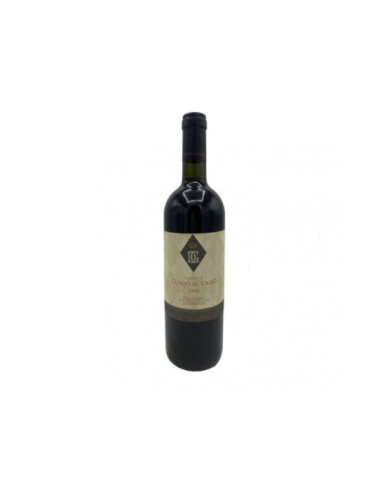
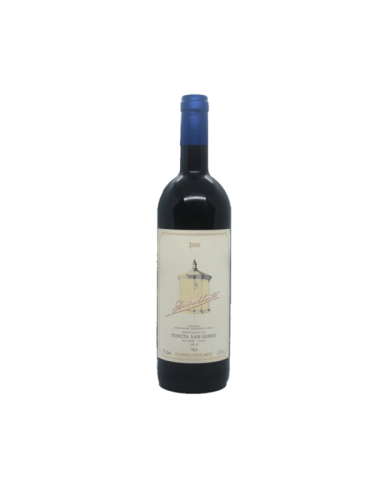
Guidalberto is an elegant and intense red wine, born from the desire to produce a younger wine than Sassicaia, also using Merlot grapes. After 15 months of aging in barrique it is expressed in a bouquet of berries, coffee, spices and Mediterranean scrub. On the palate it is fruity, full, solid and persistent.
€54.90
SKU:
19661
Brand:
Tenuta Ulisse
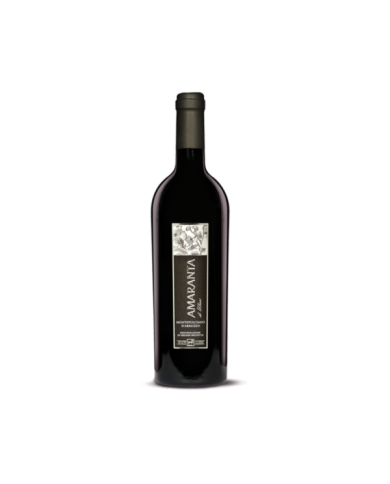
Denomination: Protected Designation of Origin DOP Grape variety: Montepulciano
Amaranta Montepulciano D'Abruzzo is the confirmation of the exceptional nature of a terroir like that of the Crecchio area. This wine comes from the passion of the Ulisse brothers and from their bond with the historical Abruzzo vines, with the traditions of the places where they are grown and vinified. A wine of indisputable class, it is the dutiful homage, of love and respect, to the greatest red grape of Abruzzo.
€18.18
€9.42
€10.07
€14.18
SKU:
19650
Brand:
Frescobaldi
Ruby red with purple reflections. The nose is floral, characterized by clear hints of violet that prevail over the fruity. Followed by raspberry, black currant and black cherry accompanied by scents of licorice and spicy notes of nutmeg and white pepper. The entry in the mouth is warm, with tannins in full evidence. The texture appears decisive, a typical characteristic of Chianti Rùfina. Long persistence. For the whole meal, it goes well with grilled red meat, baked lamb, slightly seasoned pecorino.
€22.25
€21.41
€34.39
SKU:
19638
Brand:
San Felice
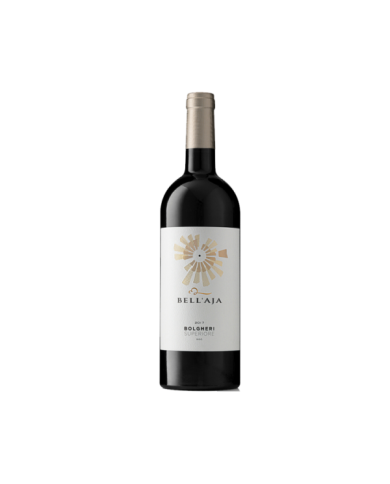
40 years after the acquisition of the Campogiovanni estate in Montalcino, San Felice 's interest has shifted to another area of Tuscan wine excellence: Bolgheri. Faithful to its philosophy of producing exclusively wines from proprietary grapes, 6 hectares of vineyards have been identified in Le Sondraie. The vines have an average age of 5 years and are planted on a silt-sandy soil typical of the area. The varieties are mainly Cabernet Sauvignon (2 ha) and Merlot (4 ha). Two wines are produced: Bolgheri and Bolgheri Superiore.
€44.80
SKU:
19637
Brand:
San Felice
The sea in your mouth | the charm of infinity A young but highly prestigious label that we are presenting this year. The vineyard is located in Bolgheri, near the cypress avenue of Carducci and the sea, a very suggestive and fascinating place. Deep ruby red in color, the wine has hints of ripe fruit on the nose, with spicy notes of licorice and cocoa. On the palate it is full, dense, with silky and enveloping tannins.
€49.17
SKU:
19632
Brand:
Cantine di Mogoro
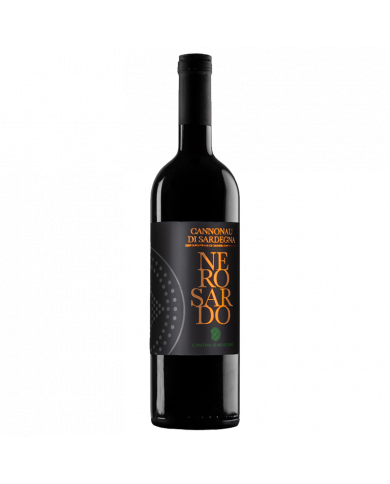
Bright red colour; the characteristic aroma is the one that recalls the moment of racking in the cellar, together with wild berries and especially blackberry.
€10.25
SKU:
19631
Brand:
Cantine di Mogoro
Bright and intense red color with garnet reflections, with delicate aromas ranging from violets, roses, red fruits, to notes of aromatic herbs. In the mouth it is soft in the attack, sapid and round, greedy with the aromas of fresh berries and supported by a good acidity that gives it freshness and ease of drinking.
€10.59
SKU:
19628
Brand:
Cantine di Mogoro
Bright red with purple hues. To the scent of racking is added that of fresh berries.
€11.70
SKU:
19627
Brand:
Cantine di Mogoro
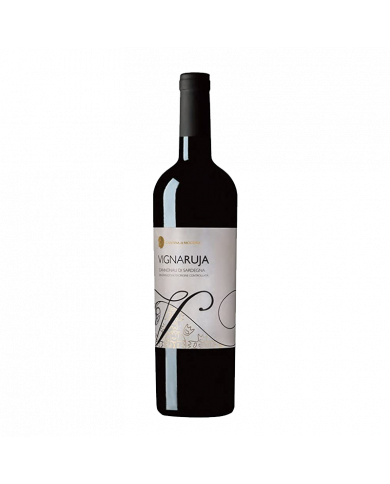
Vignaruja DOC is a cannonau from Sardinia, winner of the bronze medal at the IWSC (International Wine & Spirit Competition) 2016, held in London. Composed of 90% Cannonau grapes and 10% of bovale type grapes, this wine from the Cantina di Mogoro is the essence of red, which gathers in its warmth and intensity the chromatic notes of a strong and lively. Fruity and flowery scents swirl in complex vortexes of taste, in the center of which the island sails.
€11.70
SKU:
19626
Brand:
Cantine di Mogoro
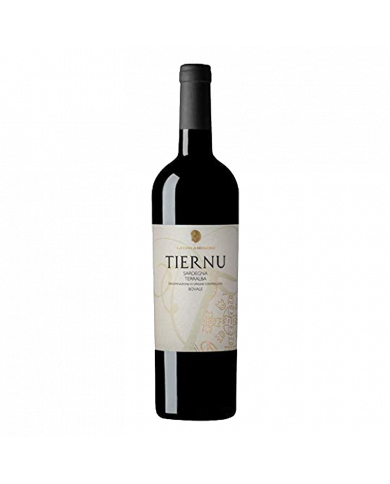
The Tiernu Campidano di Terralba DOC Bovale wine of the Cantina Sociale di Mogoro Il Nuraghe owes its name to its discreet softness: tiernu in Sardinian means "tender". The bovale grosso is a very ancient autochthonous vine, widespread above all in the Campidano area of Terralba, capable of giving coloured, intense and well-structured wines: the Tiernu vineyards are located precisely in the Terralba area, trained using the sapling and espalier system on sandy soils and rich in clay.
€17.35
SKU:
19624
Brand:
Cantine di Mogoro
Cavaliere Sardo is the red that the Cantina Sociale di Mogoro Il Nuraghe wanted to dedicate to Leonardo Alagon, the last Marquis of Oristano, who in 1470 waged battle against the Aragonese militias by defeating them in the plain of Uras, the last heroic battle for the independence of Sardinia from the Aragonese crown before the definitive defeat, in 1478, in Macomer, where the Marquis was definitively defeated.
€49.41
SKU:
19621
Brand:
San Felice
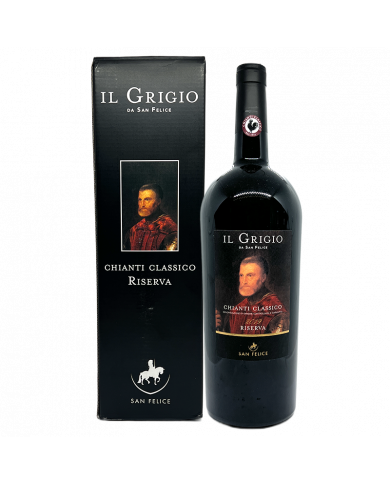
Only the best Sangiovese grapes selected in the company's Chianti Classico vineyards make up this Reserve, a valid combination of tradition and modernity. It ages for about 24 months in wood, of which a part (about 20%) in barriques, and one year in bottle. The label depicts a famous painting by Titian 'Man with armor'.
€46.80
SKU:
19619
Brand:
San Felice
Tradition and Future The first Supertuscan in Chianti Classico since 1968. It has an important history and today it stands out in the wine market of this category for a reason: it combines the tradition of international vines such as Cabernet and Merlot with the inclusion of a native variety, il Pugnitello, which is unique to San Felice .
€49.17
€16.12
€13.90
€14.69
SKU:
19606
Brand:
Zappacosta
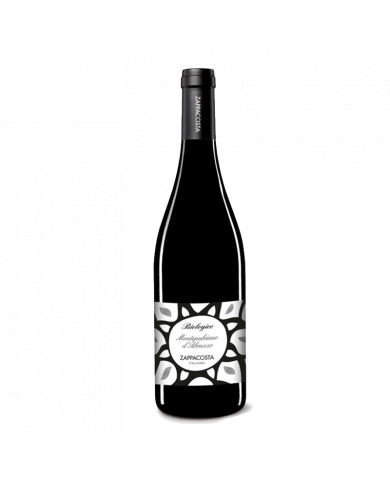
The organic Montepilciano d'Abruzzo is harvested from 100% Montepulciano vines, its alcohol content is 13.5 %vol . It has a deep ruby red color. Rich and fragrant with notes of violets, red berries and liquorice typical of the grape. Alcoholic fermentation takes place by maceration with the skin in stainless steel tanks for 10 days at a temperature of 20-25 degrees. This wine is excellent paired with pasta dishes, soups, grilled fish, roasted white meat, tripe, pizza and semi-aged cheeses.
€12.19
THE BEST ITALIAN RED WINES
In this section of our online wine shop Clickwine You can find the best Italian and foreign red wines for sale, ideal for accompanying everyday dinners or important events with style and elegance. Clickwine has selected the most famous reds on the wine scene, including the best denominations as well as some niche products and some Abruzzo wines that will amaze the most curious enthusiasts. Among the best wines, Abruzzo red wines cannot be missed.
One of the best Italian wines is undoubtedly Montepulciano d'Abruzzo DOC, which is one of the best-known Italian red wines in the United States.
Montepulciano is the most widespread red grape variety in the Marche and Abruzzo regions, where rich and expressive red wines are produced, ideal for sharing with those who love tasty home cooking, and is also perfect for a barbecue with friends.
THE PRODUCTION OF RED WINE
Red wine is obtained from red grapes, thanks to a production process called "red vinification". This process involves contact between the pomace (peels and seed residues) and must during the fermentation phase
One of the first steps in producing a red wine is choosing the harvest period. The grapes are harvested when the sugar content reached is what the winemaker deems necessary to produce the desired alcohol content.
After harvesting, the bunches arrive in the cellar where the stalks are removed (destemming) before the grapes are pressed to obtain the must.
Maceration releases polyphenols, particularly anthocyanins, from the skins, which give the must its red color. Tannins are produced from the grape seeds. Maceration lasts approximately 10-15 days.
Meanwhile, alcoholic fermentation begins, triggered by yeasts present in the skins or by added yeasts. This natural process is favored by an increase in temperature, which, however, must be maintained between 25 and 30°C so as not to affect the quality of the wine.
During this process, the pomace may form a surface layer that prevents contact with the liquid, potentially leading to the development of acetic acid. However, several techniques are available to winemakers to address this problem.
After alcoholic fermentation, malolactic fermentation occurs, which involves the transformation of malic acid into lactic acid. This is a crucial step in the vinification of red wines because it enhances their smoothness and smoothes out any rough edges and harshness.
The must has now transformed into wine, but it must be racked, that is, the removal of residues, which can be accomplished through filtration or static decantation. This latter, less invasive method involves lowering the temperature in the tanks so that the substances to be eliminated settle to the bottom.
Once “cleaned”, the wine is ready for refinement,whose minimum duration is established by the DOC specifications, This can take place in steel tanks, concrete vats, large barrels, or small barrels or barriques. Once the maturation process is complete, bottling takes place: the wine begins its maturation in the bottle and, after a possible further aging period in the cellar, is released for sale.
RED WINE: PROPERTIES AND BENEFITS
Is red wine good for your health? Many people ask this question, to which numerous studies have yet to provide a definitive answer. Many studies affirm certain properties, while others deny them. Below we list the most common beliefs about the properties and benefits of red wine, which, as mentioned, are not fully certified by the medical community. You can believe them or not.
- Natural antioxidant: The polyphenols contained in red wine are antioxidant substances that slow down the aging of some cells
- It aids digestion: it would protect the intestinal flora
- Increase endorphins: in small doses it helps the brain release endorphins and would make us feel more relaxed
- Prevents cardiovascular diseases: thanks to resveratrol which is said to promote blood circulation
- Many authoritative studies affirm that the substances contained in red wine have these properties and benefits, but they are present in such small doses that they are absolutely irrelevant for the body.
HOW MUCH DOES RED WINE COST?
The prices of red wines can fluctuate based on several factors, including the value of the bottle, the production area, and demand. The online wine shop Clickwine offers a wide selection of Italian red wine. Our online wine shop offers not only the most famous names but also more affordable labels suitable for everyday use.So forget about running from one store to another, and save time for what's truly important: enjoying a glass of excellent red wine. Browse our products to find the best red wines at the best price.
PAIRINGS WITH RED WINE
By browsing the individual product pages in our online wine shop, you'll discover suggested pairings for each red wine: white and red meats, game, braised and grilled meats, risottos, traditional Italian first courses, as well as platters of cured meats and cheeses, vegetables, sauces, and rich dishes.
What should a good red wine be like?
A good red wine should be balanced, with good acidity and a tannic structure that makes it smooth and pleasant to drink. It should also have an intense and complex bouquet, with hints of ripe fruit, spices, wood, and other aromas. Furthermore, the wine should be well-aged, with good aging potential, making it suitable for storage for several years. Naturally, all of this depends on the type of grape and the terroir from which the wine originates, so every red wine will be unique.
How long can a red wine last?
The shelf life of a red wine depends on several factors, such as the type of grape used, the production method, and the wine's acidity. Generally, younger red wines can be consumed within one to two years of harvest, while high-quality red wines can be stored for several years, even up to 10 or 15 years or more, depending on their characteristics. However, it's important to note that red wines tend to change over time, developing new aromas and flavor nuances, so it's always advisable to taste the wine before drinking to ensure it's still in good condition.
How can red wine be?
Red wines can be very different from one another, depending on the type of grape used, the production method, and the terroir from which they originate. Generally speaking, red wines can be described as intense, complex, and structured, with aromas of ripe fruit, spice, wood, and other flavors that vary depending on the wine's characteristics. They can be dry or sweet, light or full-bodied, with an alcohol content that can range from low to high. Furthermore, red wines can be served at different temperatures, depending on their type and personal preference. In any case, a good red wine should be balanced and pleasant to drink.
Why shouldn't red wine be put in the fridge?
Red wine should not be refrigerated because too cold a temperature can alter its flavor and bouquet. Red wines should be stored in a cool, dark place, at a temperature around 12-15°C (54-59°F). Refrigeration can cause wine to lose some of its organoleptic characteristics, becoming bland and less complex. Furthermore, the cold can bring out the wine's acidity, making it less pleasant to drink. Therefore, to best preserve red wine, it's best to keep it out of the refrigerator.
Why is drinking red wine good for you?
Drinking red wine is beneficial because it contains health-promoting substances, such as polyphenols, which have antioxidant properties and can help protect the body from oxidative stress. Furthermore, red wine contains resveratrol, a substance that can help reduce the risk of cardiovascular disease and some types of cancer. However, it's important to remember that red wine should always be consumed in moderation to avoid negative health effects. Excessive alcohol consumption can increase the risk of addiction, liver damage, and other complications.
Who can't drink wine?
There are some people who shouldn't drink wine, or who should limit their alcohol consumption in general. These include:
- Pregnant or breastfeeding women, because alcohol can pass through the placenta and into breast milk, putting the health of the fetus or newborn at risk.
- People who suffer from alcohol addiction or have alcoholism problems, because drinking wine can worsen their health.
- People taking medications that can interact with alcohol, such as antidepressants, sedatives, or heart medications, because alcohol can increase the side effects of the medications.
- People with existing health problems, such as liver disease or gastritis, because alcohol can worsen symptoms and worsen health conditions.
In any case, it is always advisable to ask your doctor or pharmacist for advice before consuming wine or other alcoholic beverages.
Why does red wine make you sleepy?
Red wine can cause drowsiness because it contains alcohol, a substance that can act as a natural sedative. Alcohol can increase the production of serotonin, a neurotransmitter that can induce a state of relaxation and promote sleep. However, excessive alcohol consumption can also cause disturbed and unrefreshing sleep, so it's important to drink red wine in moderation to avoid these negative effects. Furthermore, red wine can also cause drowsiness for other reasons, such as fatigue or digestion, so it's always best to listen to your body and avoid drinking too much wine if you want to maintain healthy and restful sleep.
What happens if you drink wine every day?
Drinking wine every day can pose some health risks, such as an increased risk of alcohol dependence and liver damage. Alcohol can cause fat accumulation in the liver, which can lead to fatty liver disease, a benign condition that can be reversed if you stop drinking. If you continue drinking, however, steatosis can develop into steatohepatitis, a more serious condition that can lead to liver cirrhosis and even more serious complications. Furthermore, excessive alcohol consumption can increase the risk of cardiovascular disease, cancer, and other conditions. Therefore, it's important to drink wine in moderation and not every day to avoid these health risks.
Related posts