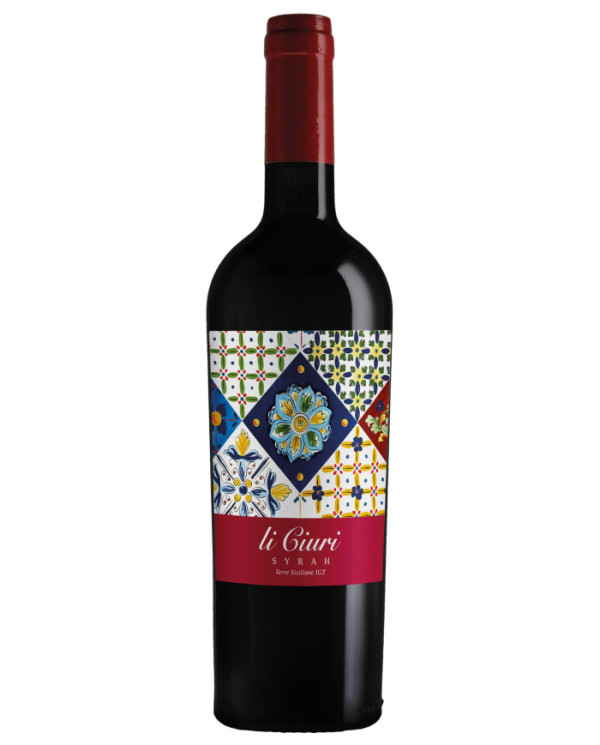
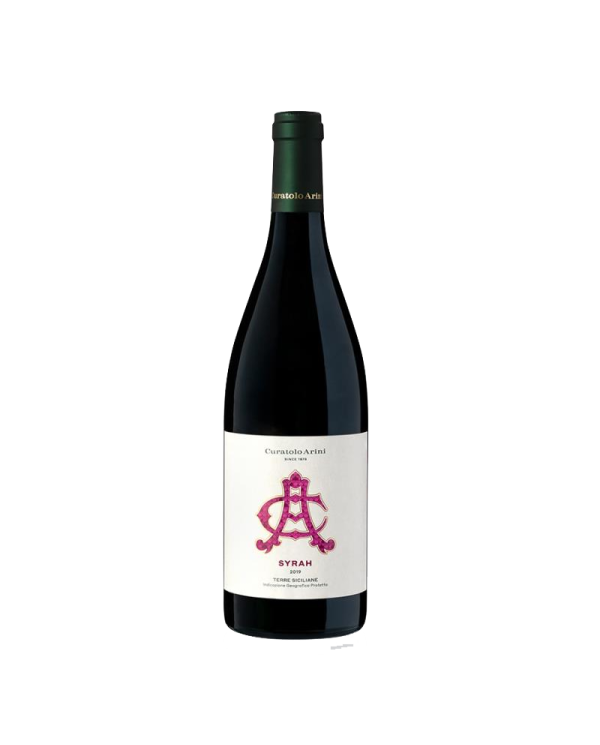
Syrah Li Ciuri is a wine that originates in Western Sicily, in the immediate vicinity of Trapani. Obtained from 100% Syrah grapes, the bunches are harvested strictly by hand in the third week of August. The grapes, which arrive in the cellar, are subjected to the destemming process and then lightly pressed. This is followed by maceration at a controlled temperature; once fermentation is complete, the wine rests in steel vats until bottling and completes its maturation in the bottle.
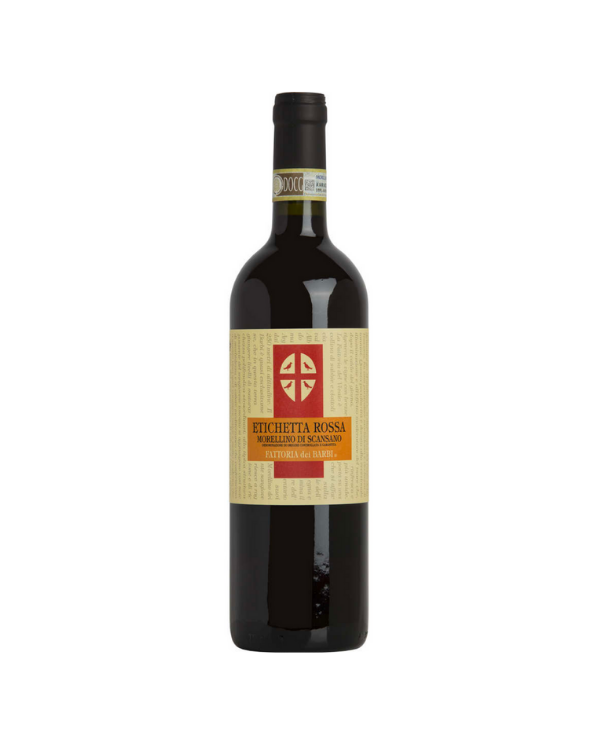
dark ruby red, the nose reveals hints of blueberry, black currant, aromatic herbs and undergrowth, with sweeter nuances from vanilla to cloves. The sip is vigorous but soft, leaving the perception of black cherry jam, freshness and flavor.
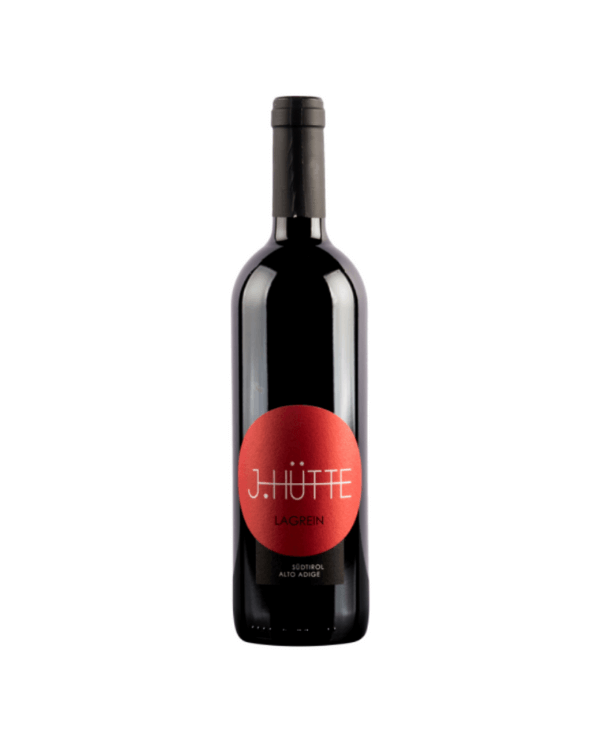
With a rich range of labels with attention to the smallest details, the J.Hütte winery, in the province of Bolzano, has managed in a short time to reach a substantial production volume of out of the ordinary quality, which sees the coexistence of native grapes of the area, such as Moscato Giallo , Lagrein and Gewürztraminer with the international Chardonnay, Pinot Noir and Sauvignon. A mix of sandy and morainic soils, accentuated temperature variations and the support of the Bolzano winery combine to create measured and incisive wines, elegant and refined as only South Tyroleans can be.
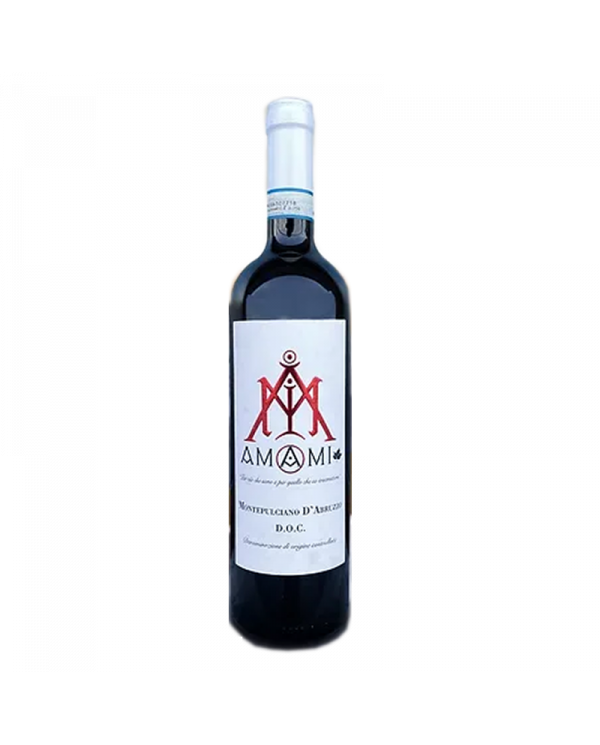
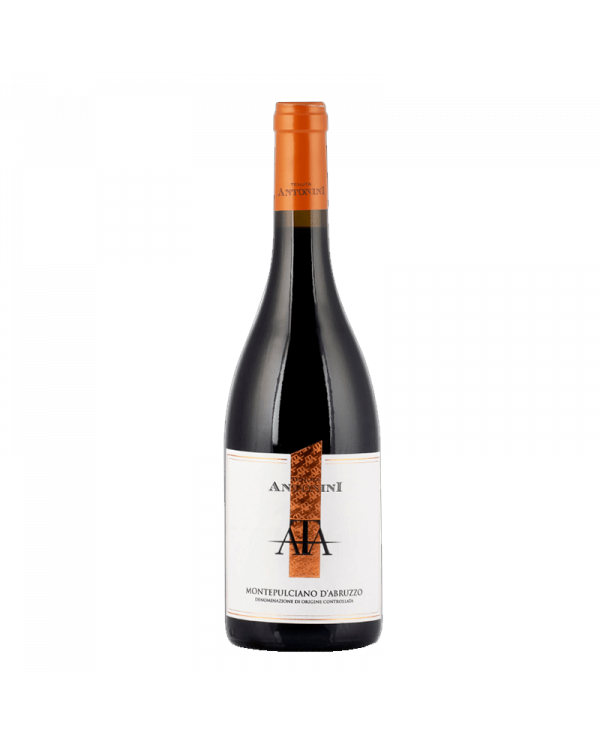
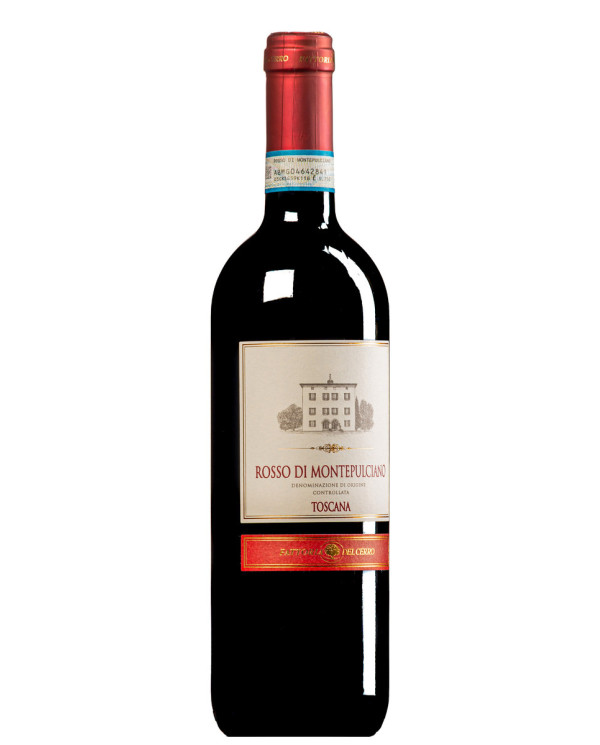
Rosso di Montepulciano DOC the taste is well balanced, elegant and has a slight initial tannic note. Ideal served at 18° C in medium-sized glasses. Excellent combined with appetizers, first courses with meat sauces, stuffed pasta, grilled or casserole red meat main courses
The grapes are dried for at least 4 months from the harvest, losing at least 40% of their weight. Fermentation temperature between 18° and 22° C. Maceration time: 20 days
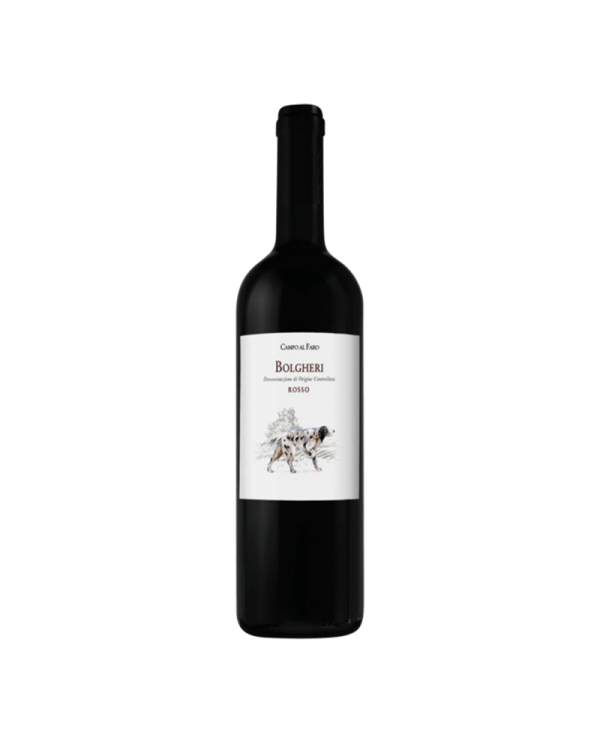
The Bolgheri Superiore di Campo al Faro was born in Castagneto Carducci, in the heart of the magical Bolgheri terroir. The Cabernet Sauvignon and Merlot grapes that make up the blend are hand selected. Fermentation takes place in steel tanks with temperature control and long maceration on the skins.
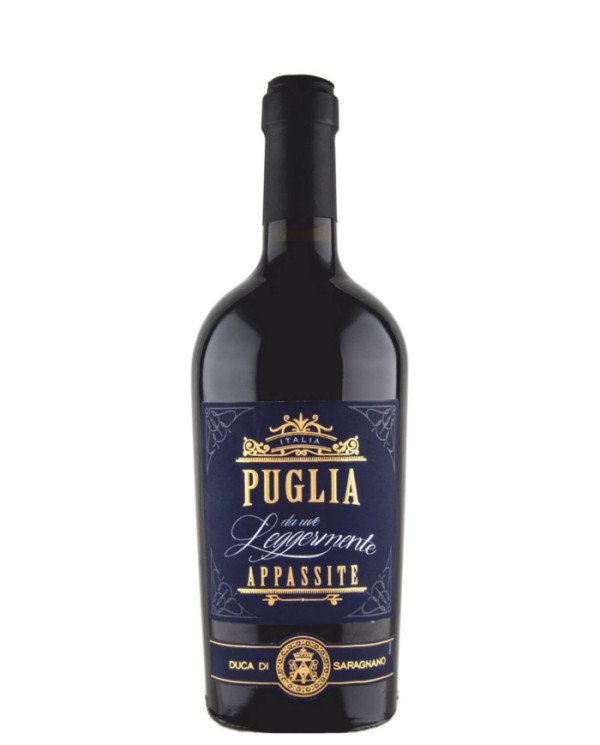
Here's a big, bold red from Puglia in southern Italy and is made from a blend of the two most popular red grapes there, Negroamaro makes up 80% with Primitivo 20%. Powerful dark fruit flavors are held together in a smooth, full-bodied red wine with soft tannins and a lingering depth of flavor on the finish, thanks to the Italian appassimento winemaking technique, which involves adding a portion of dried grapes to the ferment to create richness of flavor and concentration.
Excellent pairing with game dishes, grilled meats, braised meats and long-aged cheeses.
It goes well with first courses with game sauces, roasts and grilled red meat.
It goes well with first courses with meat-based sauces, roasts and grilled white meat.
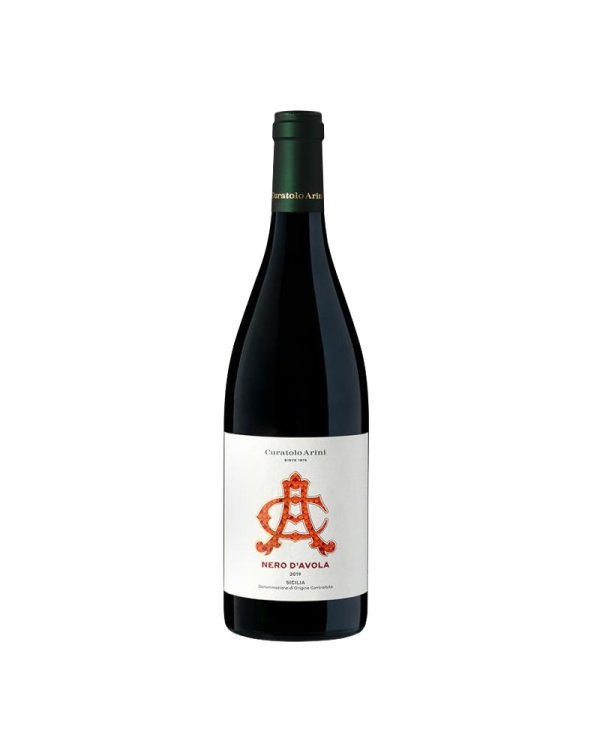
The most famous among the native Sicilians. Intense ruby red in colour, the nose has notes of violets, cherries, plums and white pepper. On the palate it is medium-bodied, with soft tannins and delicate red fruits.
The only international variety among Curatolo Arini wines finds one of its maximum expressions in Sicily. Intense ruby red color with violet reflections, the nose offers notes of red fruits, plums, spices, black pepper and vanilla.
Salice Salentino DOP Cantalupi is produced with Negroamaro and Malvasia nera di Lecce grapes from spurred cordon cultivated vines on alluvial soils, medium texture with areas tending towards limestone. The harvest takes place by destemming and soft pressing. Fermentation in stainless steel tanks at controlled temperature. Maceration for 12 days at a temperature of 28-30°C. Aging for at least 12 months in hl oak barrels. 30.
Pure Cabernet Franc. Splendid still red wine, with delicate aromas and flavours, suitable for both rich and lighter dishes. Magnificent and balanced sip, fresh and fruity, amalgamated in a splendid purple red.
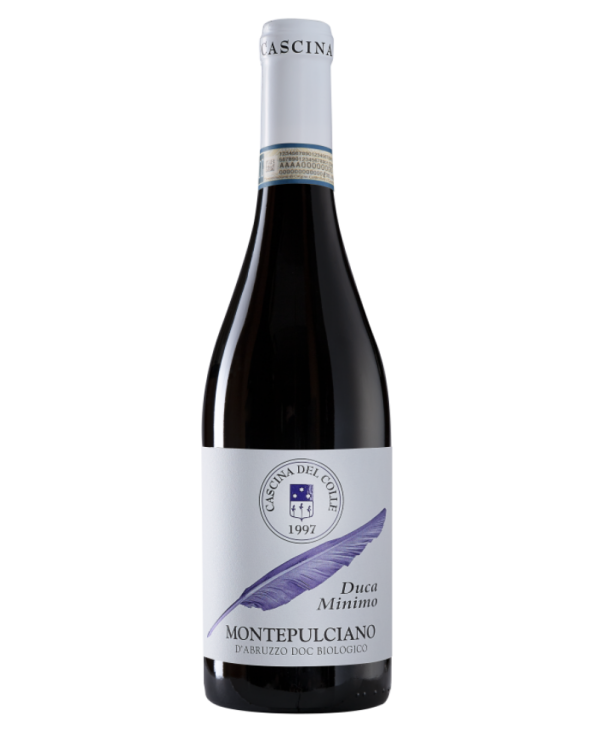
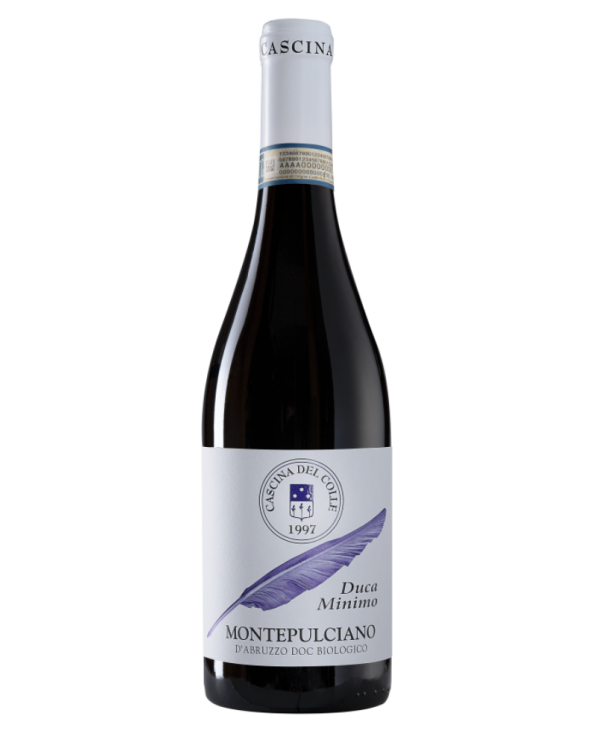
Why Duke Minimus To the poet Gabriele D'Annunzio, born in Abruzzo, who liked to refer to the "Duke Minimo"
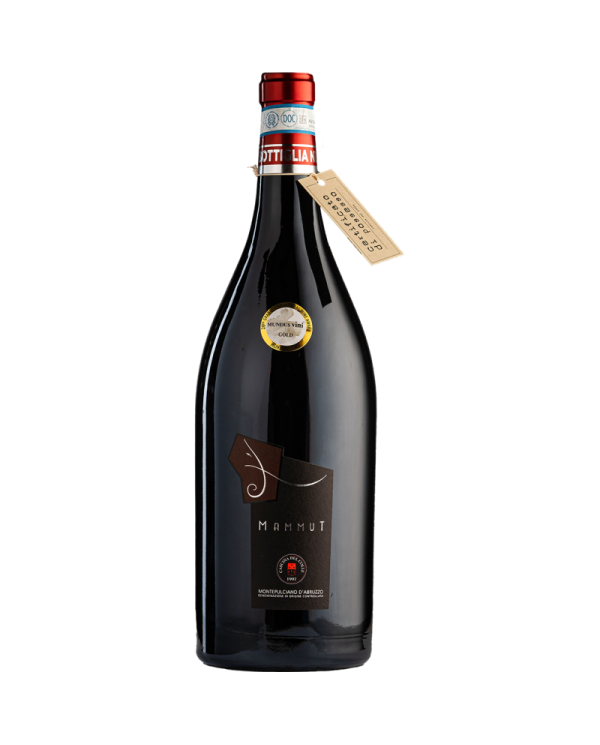
From the archaeological discovery of a mammoth tusk in the second half of the 60s at the point where the current company "La Cascina del Colle " was built. Hence the idea of a lively, powerful and majestic wine
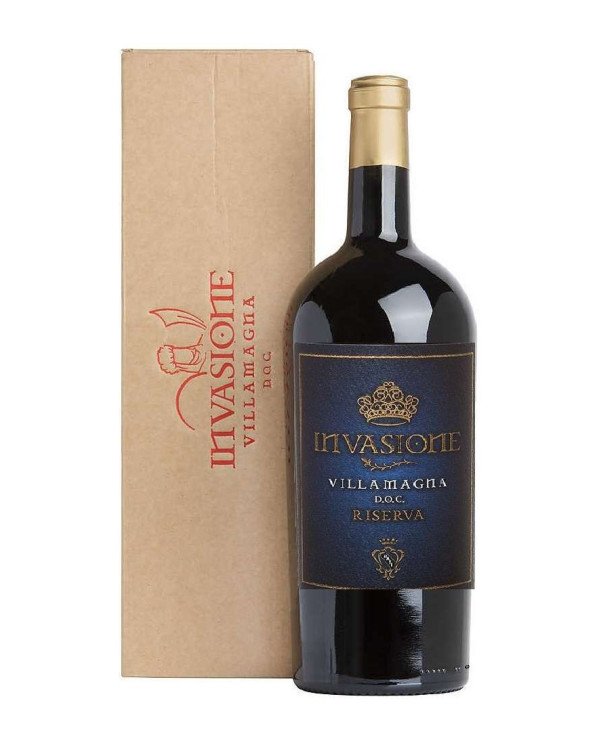
Invasione Riserva Villamagna Cascina del Colle , ruby red. On the nose hints of red fruit and aromas of jam. Round and balanced on the palate, pleasantly tannic.
Ruby red in the glass, with garnet hints. On the nose it is rich in references to overripe red fruit, which is followed by spicy hints and ethereal nuances. The taste is balanced and full-bodied, characterized by a good persistence and a fruity finish again.
To combine with the second courses of the land cuisine, it is excellent with roast rabbit.
Sweet and full-bodied, balanced, with a pleasant acid note and robust tannins. A persistent finish enhances the return of the rich aromatic bouquet already perceived on the nose.
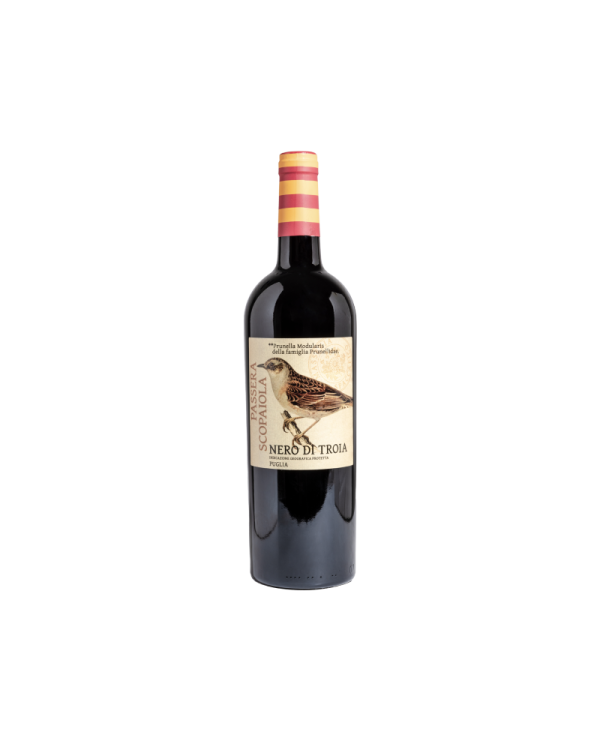
Ancient construction in dry stone, the Jazzo defended the herds and shepherds from the nocturnal attack of the wolves, preventing the climbing over of the fences with its overhanging stones, called Stones of the Wolves or Paralupi. Still today an intact Jazzo watches over the vineyards from which we have selected Pietra dei Lupi, obtained from the vinification of 100% Uva di Troia. A wine of great elegance and freshness, its tannins refine in 7.5 HL Slavonian oak tonneaux.
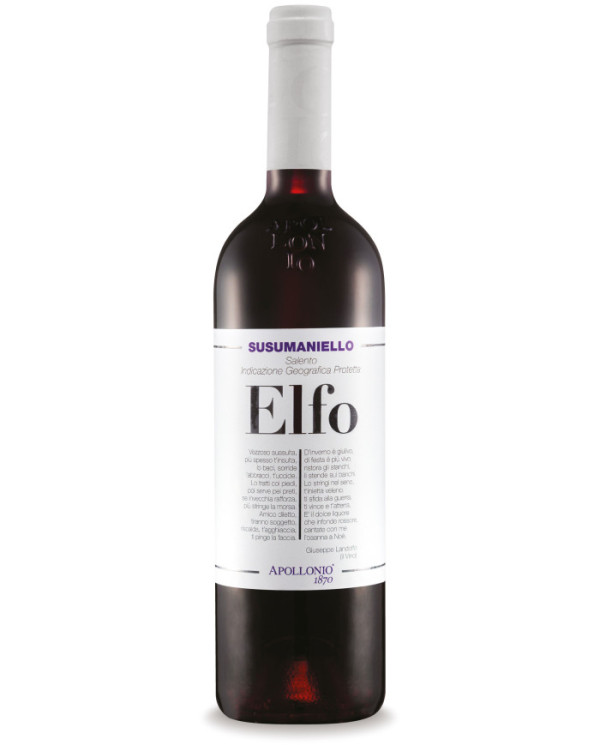
Susumaniello, an autochthonous black grape variety from Puglia, grown in Salento. Its name recalls, in the Apulian dialect, the name of the "somarello" indicating the high productivity of the plant loaded with bunches "like a donkey". After the first decade of life of the vineyard, the bunch is unloaded of grapes and the production loses in quantity but improves in quality, producing wines of great expression.
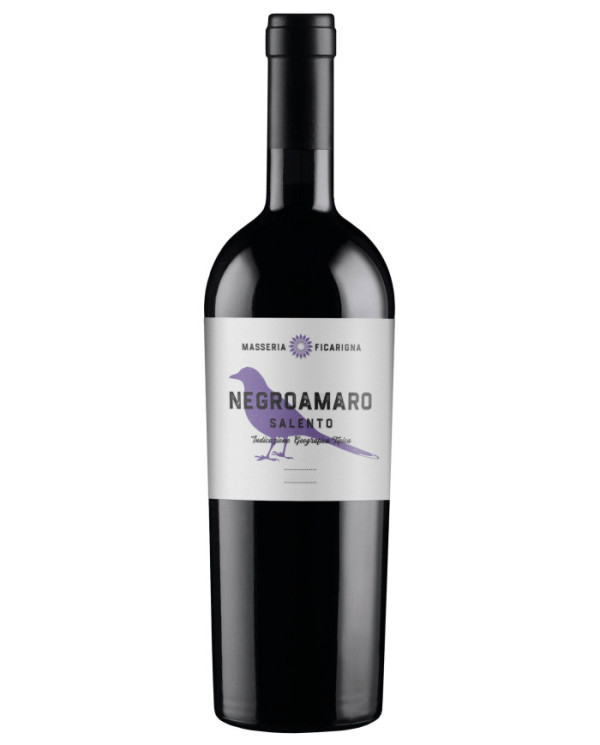
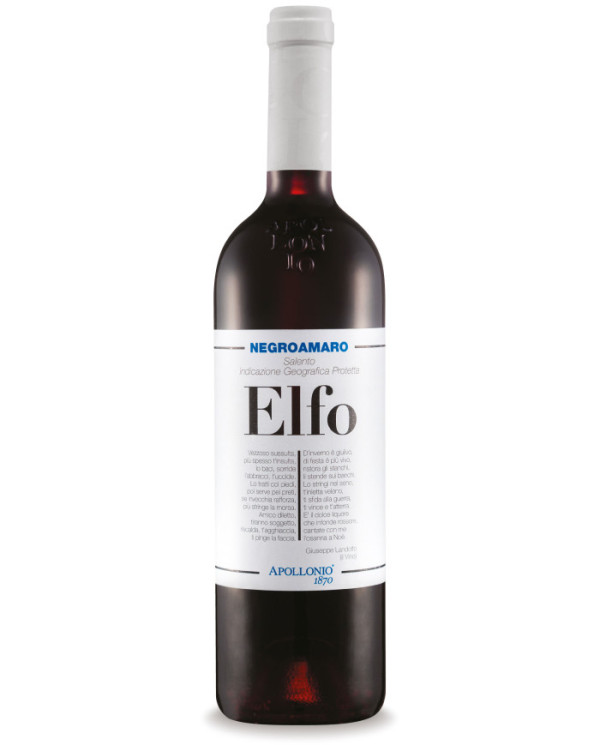
Negroamaro, native to Puglia, is the main black grape variety of Salento. Its origins are very ancient (VIII century AC ), it probably owes its name to the terms “niger” (Latin) and “mavros” (Greek) which both mean black. The great versatility makes it suitable for all types of wines.
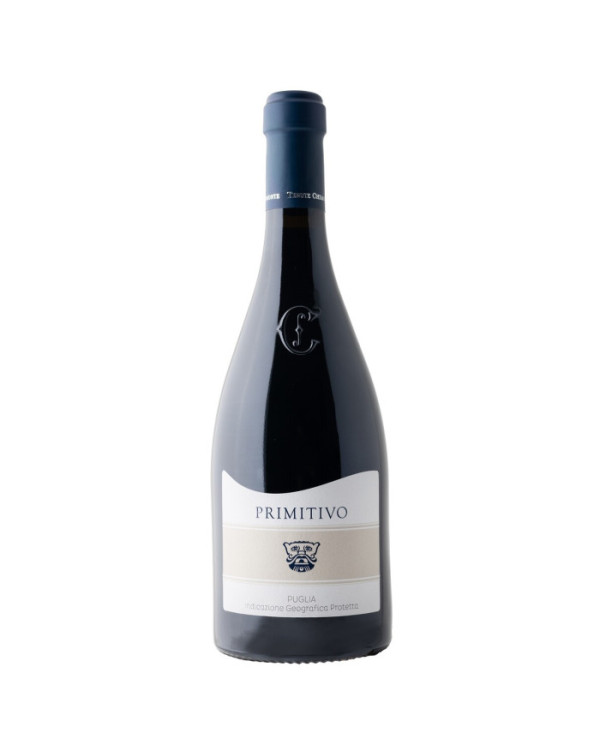
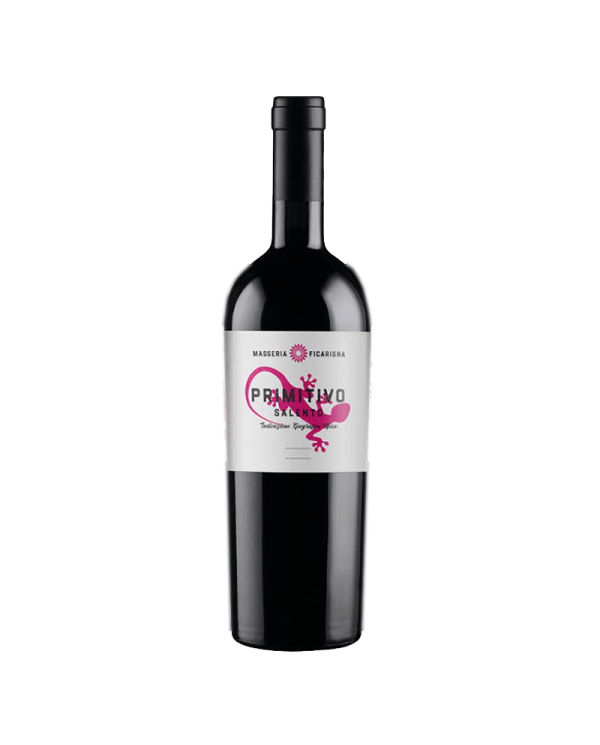
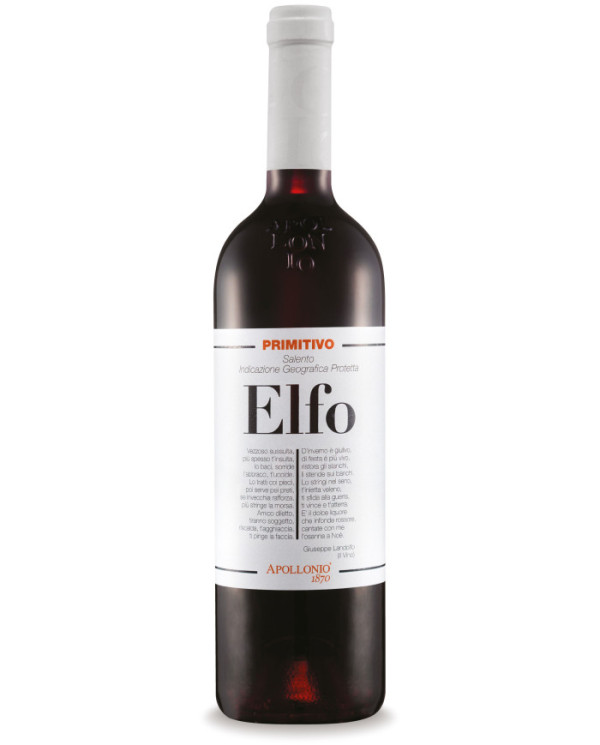
Primitivo, a native black grape variety of Puglia. It owes its name to the characteristic vegetative phases of the plant, all early, from maturation to budding, from flowering to veraison, from which the old name of "Primaticcio" derives.
Negroamaro, native to Puglia, is the main black grape variety of Salento. Its origins are very ancient (VIII century AC ), it probably owes its name to the terms “niger” (Latin) and “mavros” (Greek) which both mean black. The great versatility makes it suitable for all types of winemaking.
A historic Salento blend often made directly in the field with the alternation of eight plants of Negroamaro with two of Malvasia Nera. Negroamaro owes its name to the terms "niger" (Latin) and "mavros" (Greek) which both mean black. A highly versatile vine, it is suitable for all types of winemaking. Malvasia Nera, a vine with great softness and aroma, best balances the angular characters of the other two grapes.
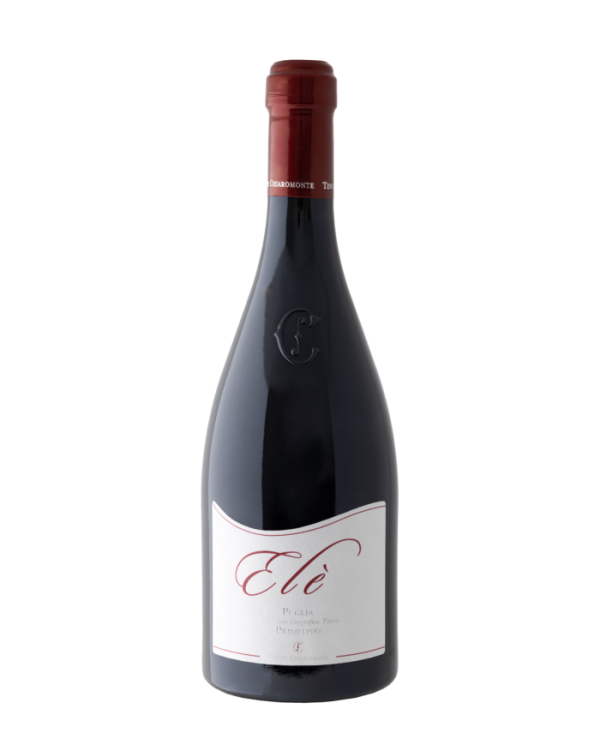
Primitivo, a native black grape variety of Puglia, owes its name to the characteristic vegetative phases of the plant, all early, from ripening to budding, from flowering to veraison, from which the old name of "Primaticcio" derives.
Primitivo, a native black grape variety from Puglia. It owes its name to the characteristic vegetative phases of the plant, all early, from maturation to budding, from flowering to veraison, from which the old name of "Primaticcio" derives.
A Nero d'Avola of great harmony, our spearhead. Surprising in its aromas, precious for the elegance and silkiness of its tannins. An exciting wine.
Nero d'Avola - DOC Sicilia with an intense red color with violet reflections and an intense, sunny, complex bouquet, from which hints of black cherry and red fruit emerge. Ideal if paired with cold cuts, meat first courses, roasts, game and soft, semi-mature, seasoned cheeses, salmon.
Intense ruby red color with violet reflections. Its perfumes are ethereal, aromatic, intense and fruity. On the palate it is harmonious, persistent, enveloping and rightly tannic.
The color is purplish-red with ruby-violet flashes. The nose is deep and vertical, with fruity aromas chasing each other to create an enveloping and balanced bouquet.
The color is dark ruby red, almost impenetrable, lively and captivating. The nose expresses the typical personality of the vine, capable of expressing a complex and intense bouquet.
Elegant and refined wine. In the mouth the acidity runs through the entire tasting, letting the rich background matter shine through and raising the tone of the drink. Persistent.
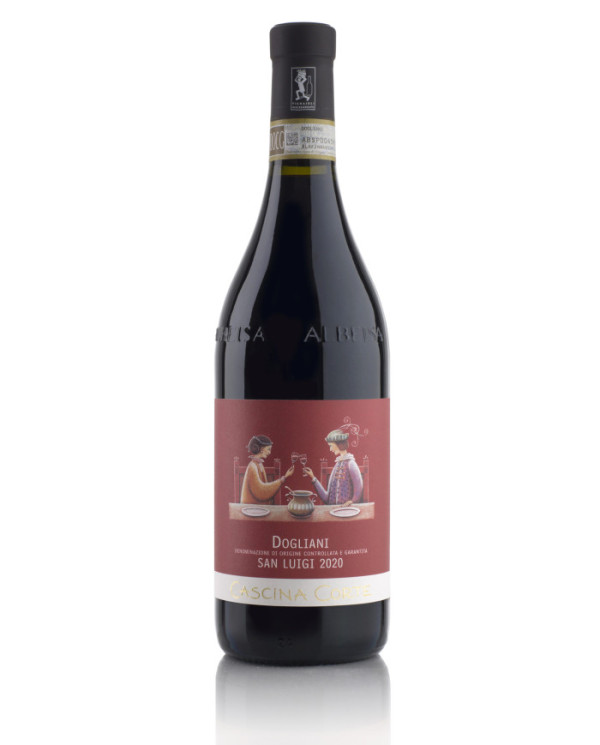
Dogliani San Luigi is obtained from the selection of various Dolcetto vines. It is a table wine with an immediate aroma of cherry, not too long in the mouth.
Garnet red colour. The nose opens on varietal hints of dried rose, violet and wet earth, which gives the wine a spicy aroma; fine and sweet in the mouth.
Intense and composite bouquet, with hints of strawberry, pomegranate, tea leaf and scents of undergrowth and violet. To drink immediately, but long-lived like few other wines.
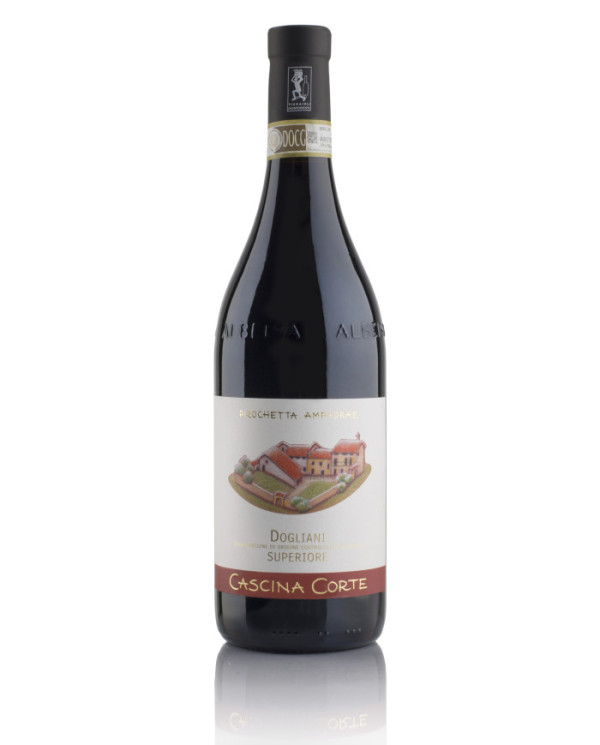
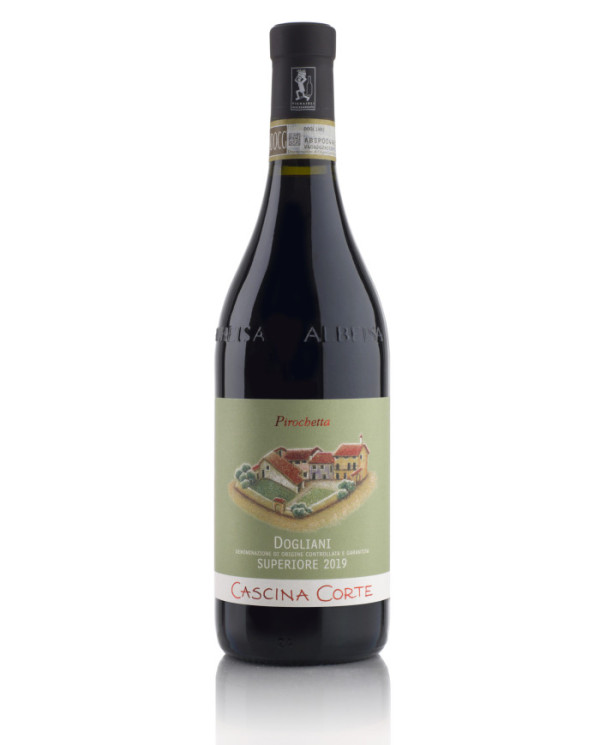
The Pirochetta comes from a 60-year-old vineyard from which an out-of-the-ordinary wine has always been made. It is a more complex Dolcetto, the aromas tend to open up a little later in the glass and it is more persistent in the mouth.
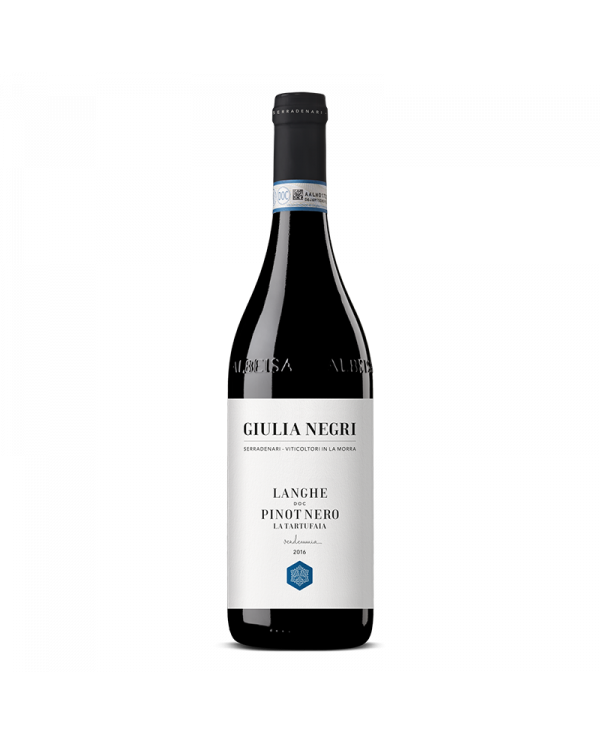
Giulia Negri 's Tartufaia is an elegant and full-bodied red wine produced from Pinot Noir grapes, aged for about 12 months in barrique: the apotheosis of Pinot Noir in the Langhe. It has an aromatic profile that at times recalls Burgundy, with elegant notes of red fruits, flowers and leather. The sip is enveloping, soft and complex, with great character and long persistence.
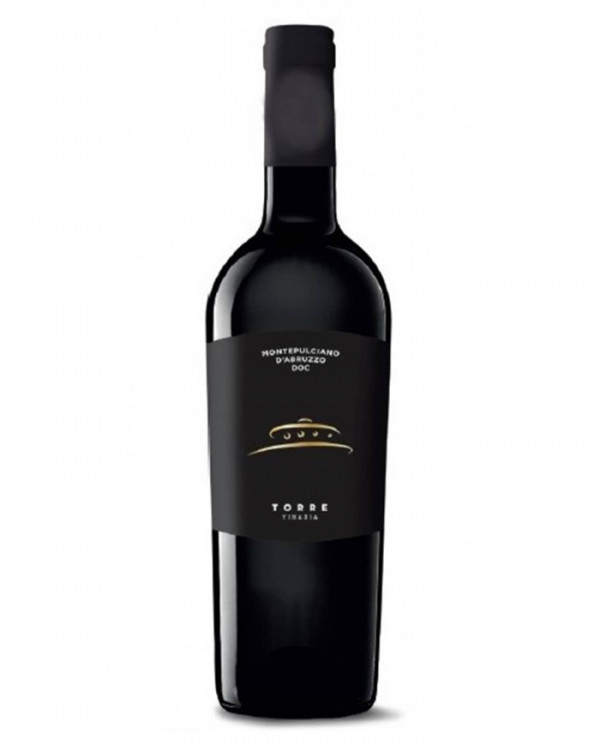
This Torre Vinaria Montepulciano d'Abruzzo DOC takes its name from the historic tower plant that characterizes the Cantina Frentana and current flagship for the exclusive tasting room built on its top, where it is possible to taste it. A real reference for the whole denomination, excellent to accompany dinners based on red meat and game.
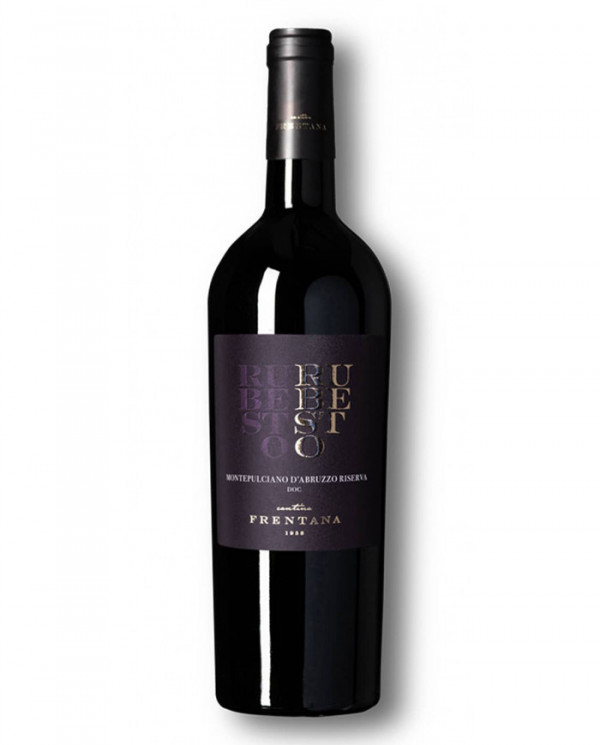
The very symbol of Abruzzo and its red wines, this Montepulciano Riserva DOC from Cantina Frentana is appreciated for its elegance, its character and its satisfying olfactory bouquet, which make it a balanced wine perfect for important second courses.
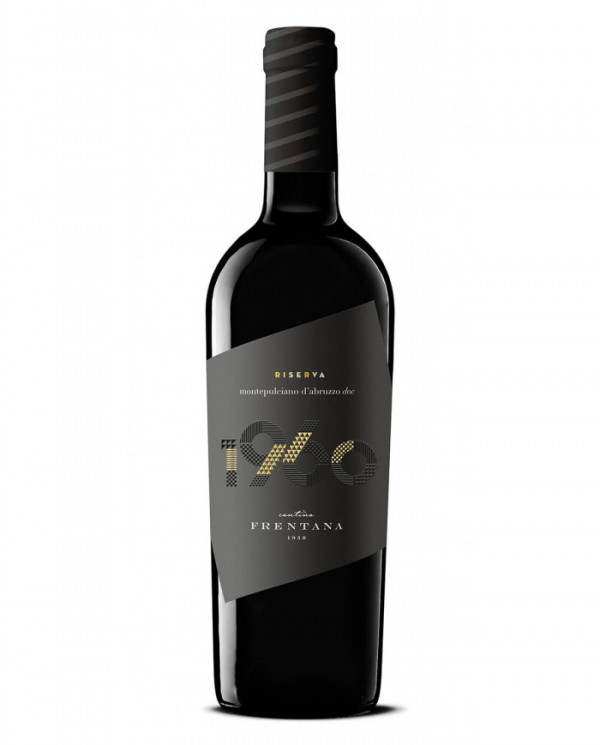
1960 celebrates a masterpiece of Abruzzo enology: Montepulciano DOC Riserva. A wine of great structure and complexity that ages in French oak tonneaux for 12 months and completes its refinement in concrete tanks. A red that splendidly accompanies important meat dishes and manages, year after year, to get on the podium of its denomination.
GRAPES: 100% Montepulciano d'Abruzzo DENOMINATION: Montepulciano d'Abruzzo DOP AREA: Chieti, Abruzzo ALCOHOL: 13.5% vol.
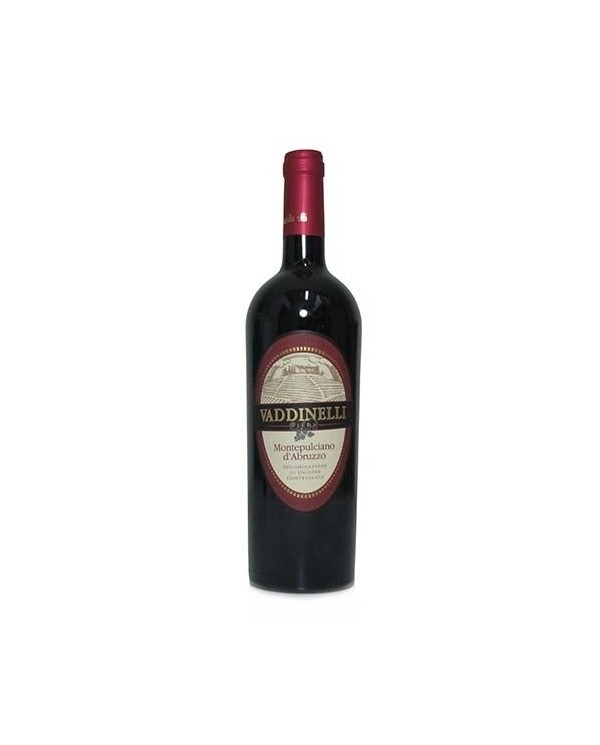
Red is the color of passion. Strong, energetic, charged, exciting: our Montepulciano d'Abruzzo is exactly like that, enveloping and full-bodied. Each sip encourages the discovery of its sensorial complexity, but also to let oneself be pervaded by positive sensations and share them with those around us.
Intense ruby red colour. Floral aroma of violet and intense fruity aroma of small red fruits, cherries, blackberries. The taste is sweet and sparkling.
It has an intense ruby red color of excellent transparency. On the nose there is a slight rose and berries. Well present and soft tannins.
Intense ruby red colour. Intense bouquet with notes of violet. The taste is full, well structured, slightly tannic.
Ruby red color of excellent transparency with coppery and brilliant reflections. Olfactory sensations: great cream of spices and plum pulp. There are hints of rose and berries, typical of the variety, mixed with vanilla notes. Wine with a great extractive concentration: the enveloping roundness on the palate is due to the well-developed tannins and the oenological clarity of execution.
Wine produced from Negroamaro grapes grown in the area of Salice Salentino and other municipalities in the province of Lecce and Brindisi. Manual harvest at the right maturation with careful selection of the grapes. Manual sorting of the bunch with a selection belt, fermentation of the must at a controlled temperature, traditional maceration for 20-25 days, good use of delestage and pumping over. Carrying out of the malolactic fermentation in barriques at a controlled temperature, with the use of batonnage. 12 months of aging in French oak barriques. 2-3 months of aging in the bottle.
Why Mammut From the archaeological discovery of a Mammut tusk in the second half of the 1960s at the point where the current company "La Cascina del Colle " was built. Hence the idea of a lively, powerful and majestic wine
A hidden ambition but not that much. Said in French, written in the Italian manner, to tell the story of the ridge on which the castle of Caprafico stood, in Casoli, on the eastern side of the Maiella. From the old stock of Montepulciano d'Abruzzo ungrafted, pure, adapted to the climate and soil of that primordial landscape, a rarity is born, today a clone selected from the Caprafico countryside, at the foot of the castle, "lu sciatò".
In the southernmost part of the Trentino Adige valley, where the Little Dolomites and the Baldo chain accompany Lake Garda in its expansion towards the Venetian plain, the vineyards of the Ala cellar are located; a land rich in memories, which was the scene of disputes between the Austrian empire and the most serene republic of Venice. It was thanks to these relationships and the consequent commercial exchanges of the people who populated it that Marzemino arrived in this land from the distant and suggestive Asia Minor.
Teroldego is a vine with a fascinating history that has its cradle in the Trentino region and in particular in the Piana Rotaliana. Here, in fact, in the heart of the Adige Valley, north of the city of Trento, is "the most beautiful vineyard garden in Europe" as defined by Goethe and Cesare Battisti.
The vine is 100% Croatina grown in the most suitable areas of the Oltrepò Pavese on a mixed type of soil tending towards clayey limestone. The vineyards are trained with low-yield espaliers (50-60hl/ha). Manual harvest when perfectly ripe, usually at the end of September/first week of October. 4-day maceration in contact with the skins and alcoholic fermentation at a temperature of 25°C. The second fermentation takes place at a controlled temperature (16–18°C).
Red is the color of passion. Strong, energetic, charged, exciting: our Montepulciano d'Abruzzo is exactly like that, enveloping and full-bodied. Each sip encourages the discovery of its sensorial complexity, but also to let oneself be pervaded by positive sensations and share them with those around us.
Fileno, harvest 2021, 100% Grillo, is the best white wine in Italy. An extraordinary result for CVA, a small but prestigious wine cooperative in the Agrigento area.
From the vinification of Nero d'Avola and Nerello Mascalese grapes, a rosé wine of great pleasure and fragrance takes shape. Intense in the aromas, elegant, savory and mineral on the palate.
Faithful to tradition yet modern and innovative. Inzolia in purity, a wine with its aromatic characteristics, which stands out for its savory and mineral taste.
Planus è la loro interpretazione enoica della Piana Rotaliana, attraverso l’assemblaggio di tre varietà storicamente coltivate dalla famiglia : 40% Rebo, 40% Cabernet Sauvignon e 20% Teroldego. Rebo e Cabernet Sauvignon vengono coltivati sulle colline pedemontane del Monte di Mezzocorona, su terreni ghiaioso-calcarei. Il Teroldego, invece, viene coltivato sui terreni alluvionali ben drenanti tipici della Piana Rotaliana. La vinificazione in rosso con lunga permanenza sulle vinacce, la maturazione 12 mesi in piccole botti di rovere e in grandi fusti di rovere con successivo passaggio in acciaio. Di colore rosso rubino carico con riflessi violacei. Il profumo: esplodono inizialmente sentori speziati riconducibili al pepe ed a spezie orientali, provenienti da Cabernet Sauvignon e Rebo, lasciando poi il posto alla frutta rossa, in primis ribes nero, merito del Teroldego. Il Sapore: grazie alla presenza del Rebo l’entrata in bocca è molto gentile, nella parte centrale del palato denota grande pienezza e struttura, proveniente dal tannino del Cabernet Sauvignon; infine chiude con grande freschezza e succosità, data dalla percentuale del più fresco Teroldego.
Teroldego Rotaliano Dorigati with an intense and deep red color, the nose releases aromas of raspberry, pepper, licorice, hints of undergrowth and pine needles, in the mouth it is soft, with excellent tannins and a long taste-olfactory.
“I work so that my wines reflect as much as possible the territory, the season, my way of being and feeling. The wine, fruit of the environment.”
Intense and sparkling ruby red dry wine. Fruity and persistent bouquet with hints of cherry and violet. Fruity, fresh, lively and pleasantly harmonious on the palate. Recommended with red, grilled, roasted and boiled meats. It goes well with Asian cuisine. Serve at a temperature of 12-14 °C.
Dry red wine, sparkling, with a beautiful light color and balanced body, with a slightly rosy and very fine foam obtained from a long natural fermentation of Lambrusco di Sorbara grapes with a typical and fruity aroma. Suitable to accompany typical Emilian cuisine, but also with seafood and sushi. Serve at a temperature of 10-12 °C.
Trovador is a Lambrusco obtained from Sorbara grapes which is then re-fermented with an ancient method done exclusively in the bottle. Therefore obtained through a production process in which the final disgorgement is not performed, thus differentiating itself from the classic methods of production of Lambrusco. In this way a particular wine is produced whose scents are perceived in a more distinct and natural way.
The Cantina di Soliera Lambrusco Grasparossa Amabile wine is a sweet sparkling ruby red wine, of an intense red color, vinous, fruity with hints of violet, obtained from the natural fermentation of Lambrusco Grasparossa grapes. Lively, evanescent foam with a deep pink colour.
Sparkling semi-dry ruby red wine. It shows itself among fruity scents characteristic of Lambrusco, obtained from a natural fermentation. Lively sparkling and effervescent mousse. Mainly indicated in combination with typical dishes of the Romagna tradition including fresh pasta and cured meats.
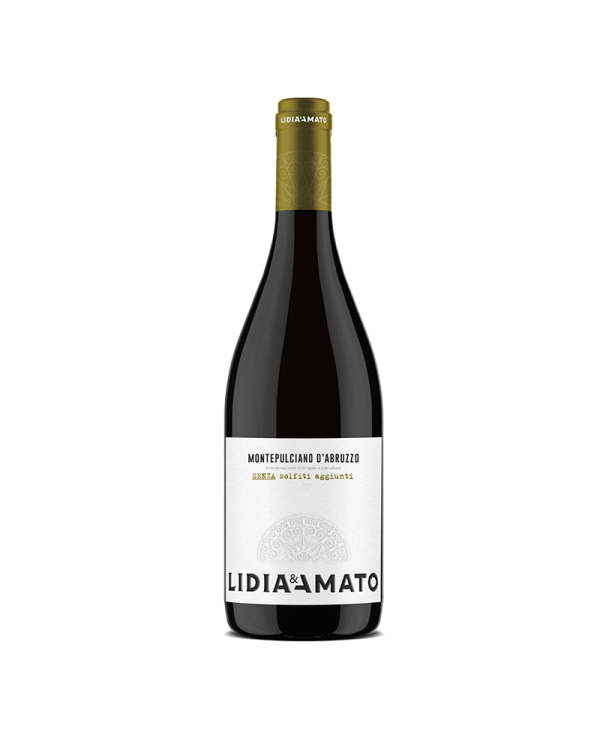
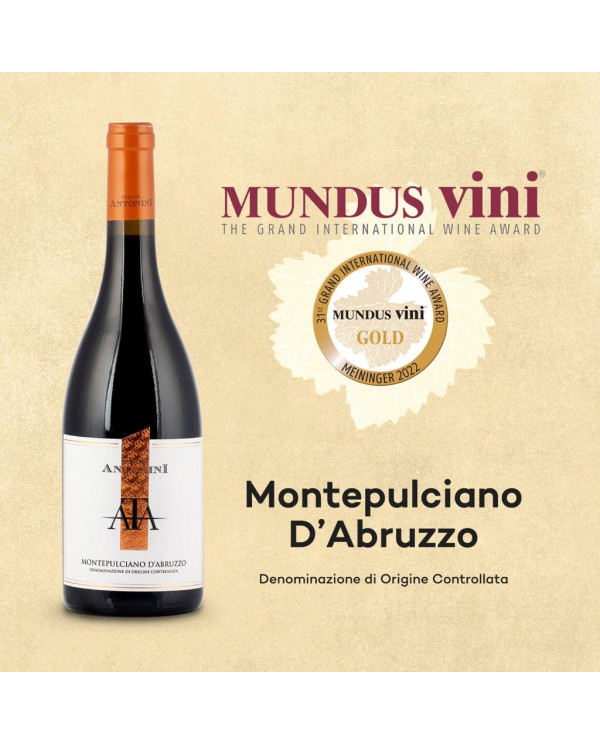
Montepulciano d'Abruzzo "Anfora" is an original and complex red wine, rich and expressive, vinified and aged in amphorae for 9 months. The balsamic and spicy scents and the aromas of wild berries and Mediterranean scrub recall a rich and juicy sip, with velvety tannins.
THE BEST ITALIAN RED WINES
In this section of our online wine shop Clickwine You can find the best Italian and foreign red wines for sale, ideal for accompanying everyday dinners or important events with style and elegance. Clickwine has selected the most famous reds on the wine scene, including the best denominations as well as some niche products and some Abruzzo wines that will amaze the most curious enthusiasts. Among the best wines, Abruzzo red wines cannot be missed.
One of the best Italian wines is undoubtedly Montepulciano d'Abruzzo DOC, which is one of the best-known Italian red wines in the United States.
Montepulciano is the most widespread red grape variety in the Marche and Abruzzo regions, where rich and expressive red wines are produced, ideal for sharing with those who love tasty home cooking, and is also perfect for a barbecue with friends.
THE PRODUCTION OF RED WINE
Red wine is obtained from red grapes, thanks to a production process called "red vinification". This process involves contact between the pomace (peels and seed residues) and must during the fermentation phase
One of the first steps in producing a red wine is choosing the harvest period. The grapes are harvested when the sugar content reached is what the winemaker deems necessary to produce the desired alcohol content.
After harvesting, the bunches arrive in the cellar where the stalks are removed (destemming) before the grapes are pressed to obtain the must.
Maceration releases polyphenols, particularly anthocyanins, from the skins, which give the must its red color. Tannins are produced from the grape seeds. Maceration lasts approximately 10-15 days.
Meanwhile, alcoholic fermentation begins, triggered by yeasts present in the skins or by added yeasts. This natural process is favored by an increase in temperature, which, however, must be maintained between 25 and 30°C so as not to affect the quality of the wine.
During this process, the pomace may form a surface layer that prevents contact with the liquid, potentially leading to the development of acetic acid. However, several techniques are available to winemakers to address this problem.
After alcoholic fermentation, malolactic fermentation occurs, which involves the transformation of malic acid into lactic acid. This is a crucial step in the vinification of red wines because it enhances their smoothness and smoothes out any rough edges and harshness.
The must has now transformed into wine, but it must be racked, that is, the removal of residues, which can be accomplished through filtration or static decantation. This latter, less invasive method involves lowering the temperature in the tanks so that the substances to be eliminated settle to the bottom.
Once “cleaned”, the wine is ready for refinement,whose minimum duration is established by the DOC specifications, This can take place in steel tanks, concrete vats, large barrels, or small barrels or barriques. Once the maturation process is complete, bottling takes place: the wine begins its maturation in the bottle and, after a possible further aging period in the cellar, is released for sale.
RED WINE: PROPERTIES AND BENEFITS
Is red wine good for your health? Many people ask this question, to which numerous studies have yet to provide a definitive answer. Many studies affirm certain properties, while others deny them. Below we list the most common beliefs about the properties and benefits of red wine, which, as mentioned, are not fully certified by the medical community. You can believe them or not.
- Natural antioxidant: The polyphenols contained in red wine are antioxidant substances that slow down the aging of some cells
- It aids digestion: it would protect the intestinal flora
- Increase endorphins: in small doses it helps the brain release endorphins and would make us feel more relaxed
- Prevents cardiovascular diseases: thanks to resveratrol which is said to promote blood circulation
- Many authoritative studies affirm that the substances contained in red wine have these properties and benefits, but they are present in such small doses that they are absolutely irrelevant for the body.
HOW MUCH DOES RED WINE COST?
The prices of red wines can fluctuate based on several factors, including the value of the bottle, the production area, and demand. The online wine shop Clickwine offers a wide selection of Italian red wine. Our online wine shop offers not only the most famous names but also more affordable labels suitable for everyday use.So forget about running from one store to another, and save time for what's truly important: enjoying a glass of excellent red wine. Browse our products to find the best red wines at the best price.
PAIRINGS WITH RED WINE
By browsing the individual product pages in our online wine shop, you'll discover suggested pairings for each red wine: white and red meats, game, braised and grilled meats, risottos, traditional Italian first courses, as well as platters of cured meats and cheeses, vegetables, sauces, and rich dishes.
What should a good red wine be like?
How long can a red wine last?
How can red wine be?
Why shouldn't red wine be put in the fridge?
Why is drinking red wine good for you?
Who can't drink wine?
- Pregnant or breastfeeding women, because alcohol can pass through the placenta and into breast milk, putting the health of the fetus or newborn at risk.
- People who suffer from alcohol addiction or have alcoholism problems, because drinking wine can worsen their health.
- People taking medications that can interact with alcohol, such as antidepressants, sedatives, or heart medications, because alcohol can increase the side effects of the medications.
- People with existing health problems, such as liver disease or gastritis, because alcohol can worsen symptoms and worsen health conditions.
In any case, it is always advisable to ask your doctor or pharmacist for advice before consuming wine or other alcoholic beverages.