

 Italiano
 Deutsch






There are no more items in your cart
SKU:
15466
Brand:
Pieropan
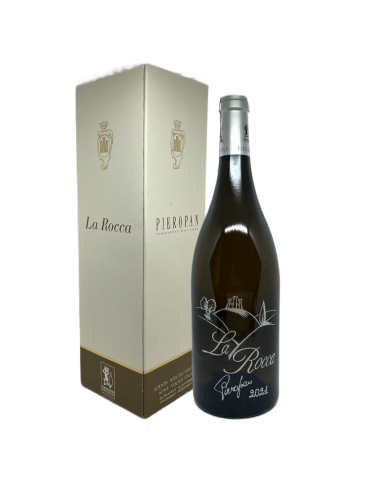
The La Rocca vineyard is located on the hill of Mount Rocchetta, close to the medieval Scaliger castle of Soave. La Rocca enjoys a particular microclimate, which makes it possible to obtain a wine with a unique and unreproducible bouquet and gustatory notes, typical of a pedigree wine. Innovative, since its debut in 1978, it has marked a deep groove in the territory, becoming an undisputed symbol of quality and tradition.
€77.41
SKU:
15465
€13.49
€12.14
Grapes harvested manually, placed in the cell until a temperature close to 10°C is reached, then pressed. Fermentation carried out at low temperatures using selected yeasts
€13.49
€12.14
SKU:
15462
Brand:
Ornella Bellia
€10.48
€9.43
Pairings: Blue cheeses, Fresh cheeses, Aged cheeses, Soups, Aperitifs
€10.48
€9.43
SKU:
15461
Brand:
Ornella Bellia
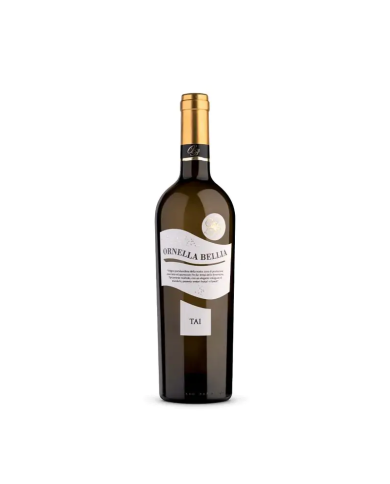
Colour: bright straw yellow with coppery reflections. Aromas: white fruit, especially pear and golden apple. Spicy finish. Taste: dry, decisive, full, harmonious and savory.
€13.04
€9.13
SKU:
15427
Brand:
Martinez
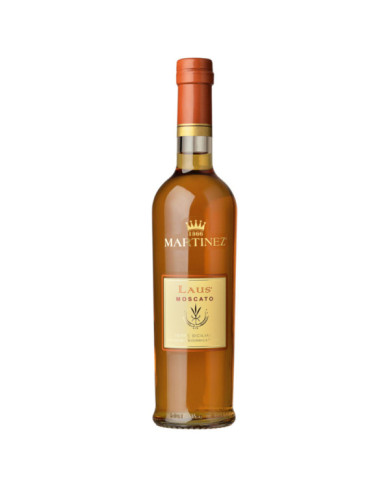
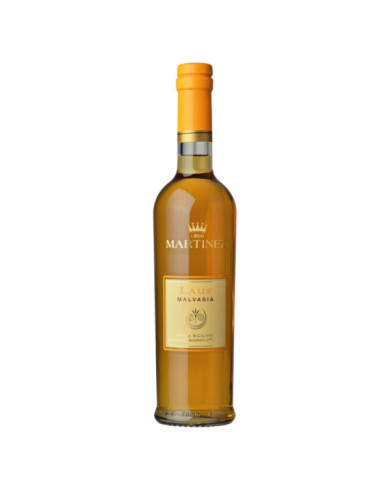
The LAUS range contains three elite sweet liqueur wines, with persistent and intoxicating aromas, the result of a long production tradition that has always been oriented towards enhancing the flavors and aromas of the grapes left to ripen in the very hot Sicilian sun.
€14.30
SKU:
15426
Brand:
Martinez
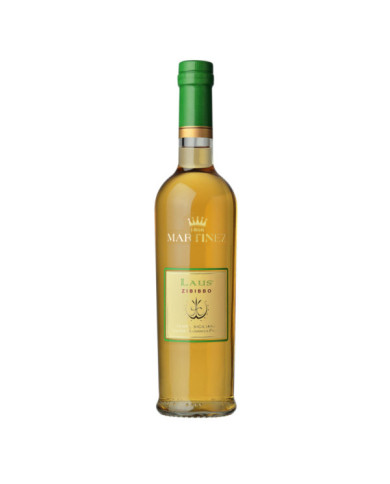
The LAUS range contains three elite sweet liqueur wines, with persistent and intoxicating aromas, the result of a long production tradition that has always been oriented towards enhancing the flavors and aromas of the grapes left to ripen in the very hot Sicilian sun.
€11.22
SKU:
15425
Brand:
Martinez
The LAUS range contains three elite sweet liqueur wines, with persistent and intoxicating aromas, the result of a long production tradition that has always been oriented towards enhancing the flavors and aromas of the grapes left to ripen in the very hot Sicilian sun.
€11.22
SKU:
15418
Brand:
Vinanti
€9.31
€7.45
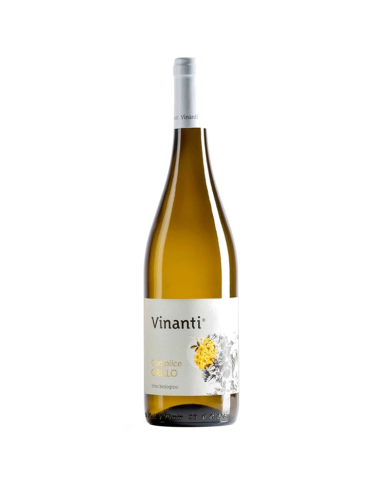
The Complice Grillo from the Vinanti Ragusa winery is a DOC Sicilia made from one of the grape varieties with the greatest interpretative declination. Born in Chiaramonte Gulfi from warm and calcareous soils, the Vinanti white wine goes perfectly with cheeses, seafood and baked fish.
SKU:
15416
Brand:
Conte Vistarino
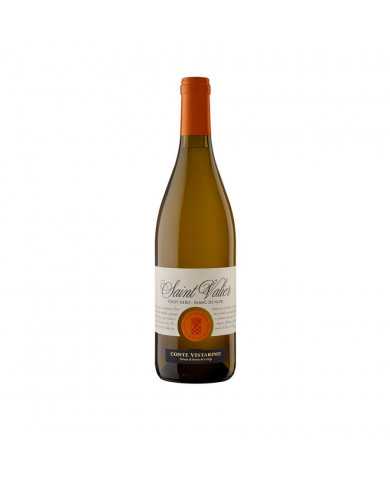
Conte Vistarino's Saint Valier was born in vineyards located on the Rocca de' Giorgi estate, in the province of Pavia. The name of the wine derives from the company toponym which has its roots in the original clone of Saint Vallier, in Provence. It is produced entirely with Pinot Noir grapes, selected and harvested only by hand in 20kg boxes. First of all, the grapes remain for one night in a cold room at 10°C. The white vinification takes place in the morning. The grapes are pressed to obtain the must, which is fermented in steel at a controlled temperature, where it remains on the fine lees for approx. 4 months, until bottling. It has a golden yellow colour. The nose opens with a rich and enveloping bouquet, characterized by notes of golden apple, peach and apricot. On the palate it is fresh and balanced, with a pleasant persistence. This white wine is very versatile in pairings and goes well with white meats and tasty vegetarian dishes, as well as fresh cheeses, including sheep's cheeses.
€14.75
SKU:
15415
Brand:
Conte Vistarino
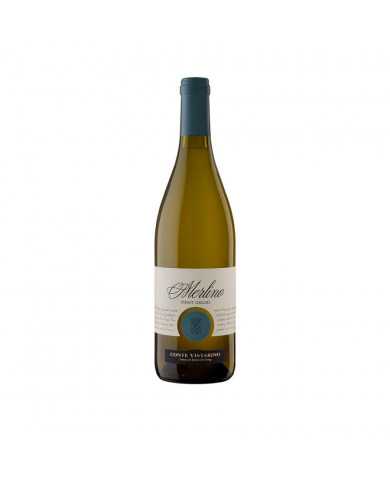
Conte Vistarino's Merlino was born in vineyards located on the Rocca de' Giorgi estate, in the province of Pavia. It is produced entirely with Pinot Grigio grapes, selected and harvested only by hand in 20kg boxes. First of all, the grapes remain for one night in a cold room at 10°C. The grapes are pressed to obtain the must, which remains in contact with the lees for 48 hours. Subsequently it is fermented in steel at a controlled temperature, where it remains for approx. 6 months, until bottling. In the glass the wine has a golden yellow colour. The nose opens with a rich and aromatic bouquet, characterized by notes of white peach, plum and apricot. On the palate it is structured, with a full and round body. This white wine is pleasant as an aperitif and also goes well with white meats, fish and rich salads.
€12.37
SKU:
15407
Brand:
Alberto Longo
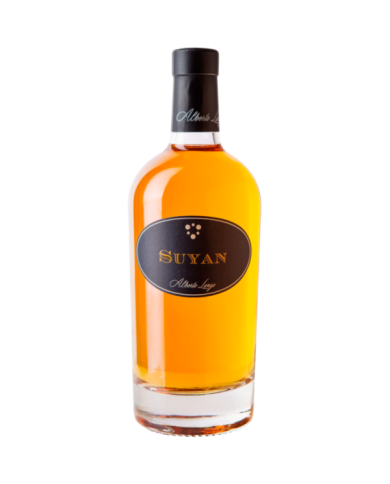
Golden with amber reflections, brilliant, Intense and persistent, hints of apricot compote, candied figs amalgamated with notes of dried fruit and spices, sweet, well structured, elegant, fresh and sapid, long finish, spicy aroma in the mouth.
€19.52
SKU:
15406
Brand:
Alberto Longo
Falanghina Italian white wine, here we are in Puglia. The efficiency in producing and the elegance in welcoming make Alberto L. a goal, that is to produce quality wines. The cellar is surrounded by vineyards with Falanghina and Bombino Bianco vines from the Cavalli farm.
€17.20
SKU:
15405
Brand:
Alberto Longo
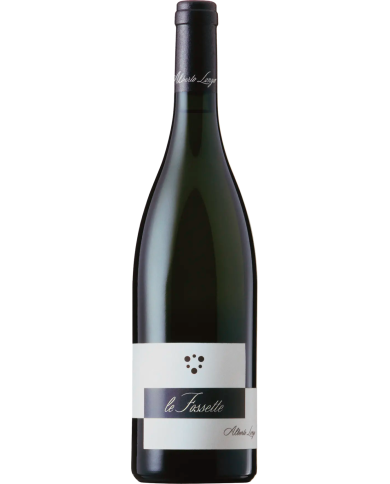
Harmonious and fruity wine, with fruity and floral notes and balsamic hints.
€14.52
SKU:
15401
Brand:
Alberto Longo
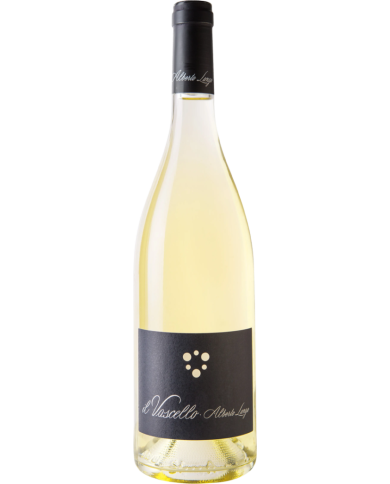
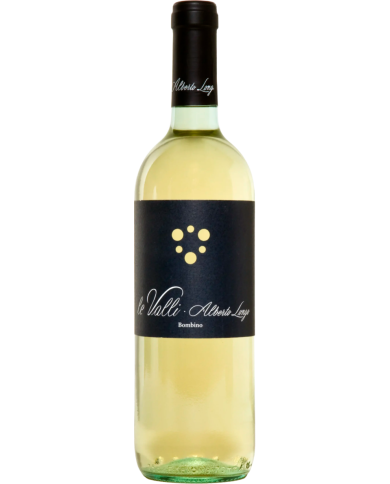
Wine with a fresh, intense and persistent taste, with fruity and floral notes.
€10.80
SKU:
15399
Brand:
Cantine di TerraVecchia
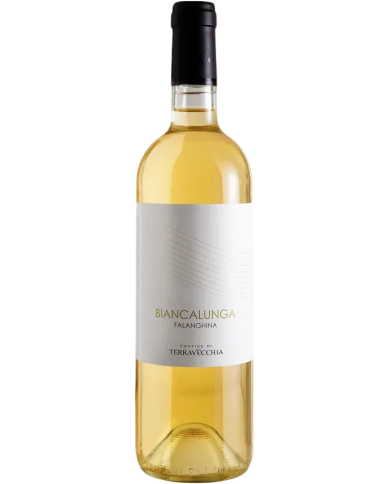
Straw yellow color with golden reflections. Intense, persistent and fruity bouquet, with pleasant floral and balsamic notes. Harmonious, savory and dry flavour.
€9.27
SKU:
15389
Brand:
Cantina Reale
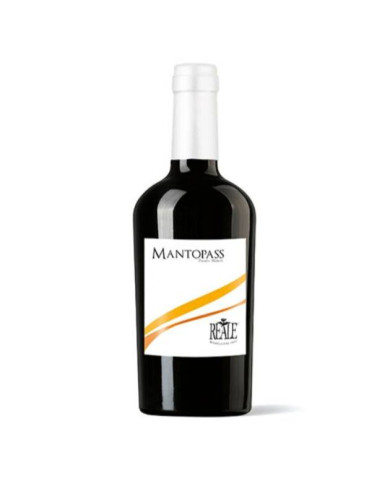
This excellent wine is obtained from various carefully selected grapes and left to dry naturally for 60 days. The wine obtained is first aged in barriques and subsequently in the bottle.
€25.62
SKU:
15387
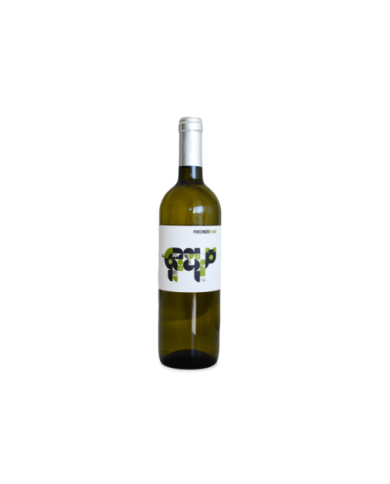
Porconero Falanghina Campania IGP white wine. Only falanghina aged in steel tanks for six months.
€11.05
SKU:
15386
Porconero Fiano Campania igp. Pure Fiano aged in steel tanks for about eight months.
€13.51
SKU:
15381
Brand:
Cantina Reale
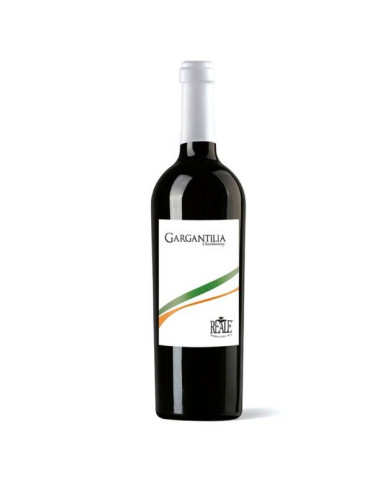
Wine obtained from Chardonnay grapes with a straw-yellow color with greenish reflections, a delicate, characteristic, fruity aroma, a savory, dry, full-bodied flavour. Recommended as an aperitif and with fish, shellfish and mollusc dishes.
€11.90
€8.05
SKU:
15367
Brand:
San Salvatore 1988
€24.89
€19.91
100% Fiano, fermentation and maturation in steel.
€24.89
€19.91
€32.94
€21.59
€20.74
SKU:
15344
Brand:
San Salvatore 1988
Blend of Fiano, Greco and Falanghina. Maturation and elevation in steel and glass.
€17.45
€19.00
€17.10
SKU:
15341
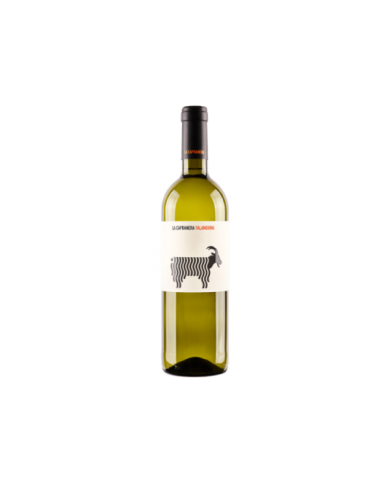
The Capranera Falanghina Campania IGP white wine. Only falanghina aged in steel tanks for six months.
€11.22
SKU:
15340
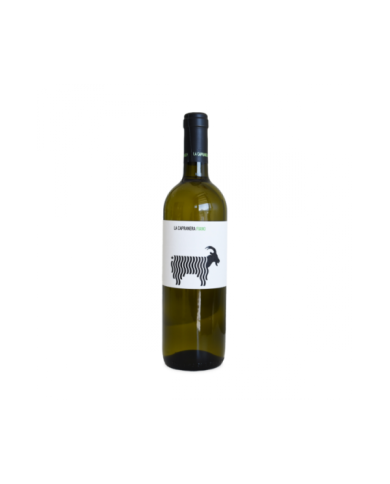
The Capranera Fiano Campania IGP white wine. Pure Fiano aged in steel tanks for eight months.
€11.22
€16.29
SKU:
15335
Brand:
Le Casematte
€26.99
€22.94
It is the perfect glass for white wines with good structure and intensity; this type of wine certainly needs to "open up" (that is to better develop its aromatic, intense and complex endowment) and this is made possible by contact with oxygen (oxygenation) which, in fact, is facilitated by the generous dimensions of the chalice.
SKU:
15327
Brand:
Cantina Reale
This wine is obtained from Sauvignon Blanc grapes with a light golden yellow colour, a delicate, aromatic, characteristic bouquet, a dry, velvety, full-bodied flavour.
€15.97
€10.74
SKU:
15311
Brand:
A Mano Wine
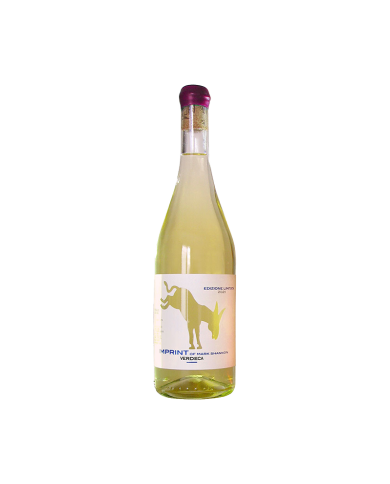
Mark is a winemaker and comes from California. I, Helvetia, am Friulian. We met in Sicily in 1997. In 1998 Mark proposed that I visit Puglia to see the old Primitivo vineyards. According to studies by the University of Davis in California Primitivo and Californian Zinfandel are genetically identical.
€23.74
SKU:
15299
Brand:
La Lastra
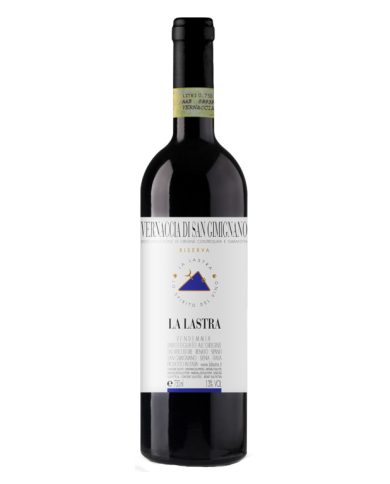
Vernaccia di San Gimignano Riserva La Lastra is produced with Vernaccia grapes (98%) and percentages of Trebbiano Toscano and Malvasia Bianca lunga del Chianti grown organically at about 280 meters above sea level. The grape harvest takes place between mid and late September with manual selection of the bunches. Long fermentation and aging take place in barriques and steel, guaranteeing structure and longevity to this important white. On the nose the bouquet is rich with notes of flowers, citrus fruits, spices and mineral hints. On the palate it is full, sapid and elegant.
€20.13
SKU:
15298
Brand:
La Lastra
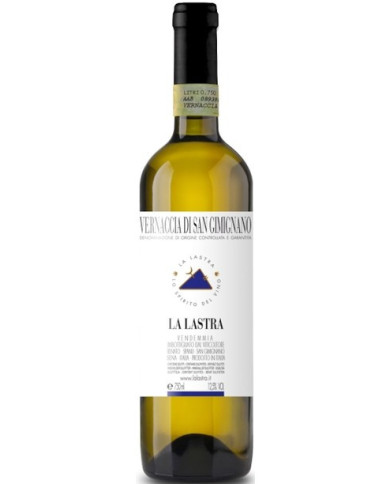
Vernaccia Di San Gimignano La Lastra is an organic white wine with an intense straw yellow colour. The nose reveals mineral notes, tropical fruit and citrus. In the mouth it is sapid, fresh and persistent.
€14.27
SKU:
15293
Brand:
Nativ
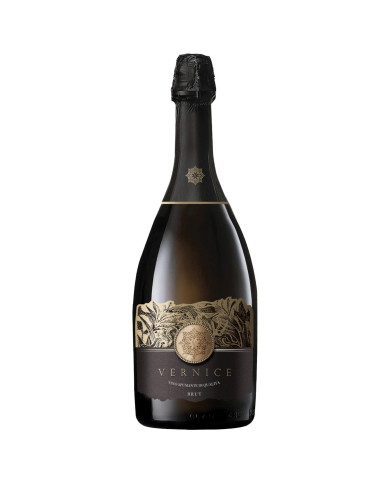
Spumante Brut Varnish is crystalline in colour, yellow with greenish reflections, with a light, fine, rapid perlage. It has a pleasant, fruity, floral, intense, flagrant aroma. On the palate, a development of CO2, lively acidity, good acidity/sugar balance.
The best Italian white wines
Italy is home to some of the finest white wines. In the Clickwine section of our online wine shop dedicated to the finest Italian white wines, you'll find bottles of excellent white wine carefully selected by our sommeliers.
The designations used in our country to classify wines are DOCG, DOC, and IGT. Sometimes you'll also find designations like DOP and IGP: these acronyms have similar meanings to the previous ones but are used by wineries that primarily sell their wines outside of Italy.
The production of white wine
White wines are produced from both light and dark grapes, but vinified as a white wine: that is, during maceration there is no contact between the must and the pomace, so that the skin – exactly the opposite of what happens with red wines – does not release substances and color.
Its myriad nuances vary according to the characteristics of the grape variety, the aging method and the vine growing area.
In white winemaking, once the grapes have been harvested, they are transported to the cellar, destemmed, and pressed, and the must is separated without any maceration or with a brief maceration. Sometimes, however, the grapes are pressed and then macerated with the skins at a low temperature for a varying length of time. This produces richer, smoother wines.
This phase is followed by the clarification of the white wine produced, which can be done by letting the must rest, by cooling, centrifugation or filtration.
Fermentation begins either by adding selected yeast to the must or spontaneously, using the indigenous yeasts present in the grapes. To preserve the aromas, finesse, and freshness of white wines, fermentation is carried out at lower temperatures than red winemaking, generally around 18°C.
To obtain a fresh and lively wine, best drunk young, malolactic fermentation is avoided by bottling early, after filtration and stabilization. More complex wines, aged or fermented in wood, are bottled only after several months in barrel.
How to taste white wine
First, you need to decide whether to uncork the bottle right away or let your white wine age. If you want to immediately succumb to its charm, its aromas of aromatic herbs, flint, or its notes of exotic fruit, then serve your white wine at the right temperature: 6-8°C for a young white and 8-10°C for a softer, more structured wine.
How to pair white wine
Dry white wines will surprise you at the table, too, and not just with their straw-yellow color. As an aperitif, and especially with a fish dish, white wine is definitely a must, but it's not easy to know which of the many labels will be best suited to the occasion.
We recommend pairing white wine with cheeses, whether low-fat, fresh, or rich in milk, such as flavorful buffalo mozzarella, or with soft, bloomy-rind cheeses. They're also perfect with white meats, such as classic scallops, but beyond tradition, white wine also pairs perfectly with meat and risotto dishes, as well as truffles. Visit our online wine shop Clickwine for expert advice on purchasing the best white wine at the best price to pair with your favorite dishes.
White wines: prices and offers
Every week, our online wine shop, Clickwine offers a selection of selected white wines at special prices. In this section and in the special offers section, you can then browse the best value wines.
A wide selection of premium products at affordable and truly exclusive prices. Don't miss the incredible deals on white wines from all the most prestigious Italian wineries; discover internationally renowned and beloved Italian wines.
Enter the Clickwine catalog and expand your selection by purchasing exclusive items online from smaller, yet exceptionally high-quality wineries.
White wines: longevity and conservation
How long can I keep white wine in the cellar? Do white wines improve as they age like red wines? These are the questions a wine consumer asks when talking about white wine.
In general, white wines have a much shorter shelf life than red wines, for two reasons: tannins and aging. Tannins are antioxidants present in the wine's skins that aren't present in white wines; as for aging, however, most white wines age in stainless steel for just a few months; even red wines, if they age briefly in stainless steel and undergo rapid maceration, don't last for many years. Let's say a classic white wine aged in stainless steel lasts a maximum of 2 to 3 years. If it undergoes maceration or ages in wood, it can last up to 20 years and improve year after year.
How many types of white wines are there?
There is no exact number of types of white wine, as there are several different white grape varieties that can be used to make white wines. Some of the most common white grape varieties used to make white wines are Chardonnay, Sauvignon Blanc, Riesling, Pinot Grigio, and Moscato. There are also other less common varieties such as Gewürztraminer, Semillon, and Viognier. Each of these varieties can be used to produce white wines with unique and different characteristics, so there are many different types of white wines available.
How to recognize a good white wine?
There are several ways to recognize a good white wine. One of the simplest is to taste the wine and evaluate its flavor and aroma. A good white wine should have a pleasant flavor and a delicate, complex aroma. Other factors that can indicate the quality of a white wine include the vintage, the grape variety, and the production area. In general, white wines produced with high-quality grapes and in particularly favorable years tend to be more valuable and of higher quality. Furthermore, white wines produced in regions renowned for producing high-quality white wines can be considered more valuable than those produced in other regions.
How to understand if a white wine is good?
As mentioned above, one of the easiest ways to determine if a white wine is good is to taste it and evaluate its flavor and aroma. A good white wine should have a pleasant flavor and a delicate, complex aroma. It's also important to keep in mind that the quality of a white wine can be influenced by several factors, such as the vintage, the grape variety, and the production area. For example, white wines produced with high-quality grapes and in particularly favorable years tend to be more valuable and of higher quality. Furthermore, white wines produced in regions renowned for producing high-quality white wines may be considered more valuable than those produced in other regions.
Why is it called white wine?
White wine is so called because it is made using white grapes. Most white grapes have transparent or lightly colored skins, so the wine made from these grapes has a light, transparent color. Sometimes the color of white wine can be influenced by the type of grape used, the winemaking process, and the addition of other ingredients, but generally, white wine has a light, transparent color.
How to replace white wine?
If you want to replace white wine in a recipe, there are several ingredients you can use. One of the most common options is to use chicken or vegetable broth instead of white wine. Other options include using white vinegar or apple juice diluted with water. Additionally, in some cases, you can omit the white wine entirely and use other ingredients to achieve the desired flavor in the recipe.