Italiano
 Deutsch
€5.67
€4.54
€9.50
€7.60

SKU:
6917
Brand:
Evangelista
Giada goes well with all types of fish and shellfish, its light bubbles make this Chardonnay also appreciated as an aperitif. Serve at 6-8 °
SKU:
6911
Brand:
Evangelista
€7.50
€6.00
Wine of remarkable structure and thickness, with a strong sensation of freshness. Sumptuous fruity notes but also hints of aromatic herbs (thyme). Excellent feeling with raw fish and elaborate white meat dishes. Serve at 8 ° C.
€7.50
€6.00
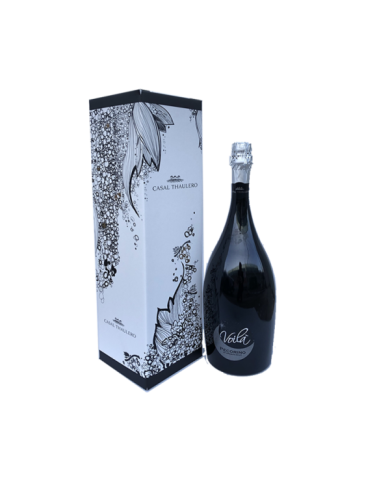
SKU:
6902
Brand:
Casal Thaulero
Brilliant straw yellow with greenish hues, fine-grained perlage.
Complex and fragrant, clear scent of bread crust, floral note of jasmine and broom and sage balsamic.
Strong and enveloping taste, marked minerality.
€16.23
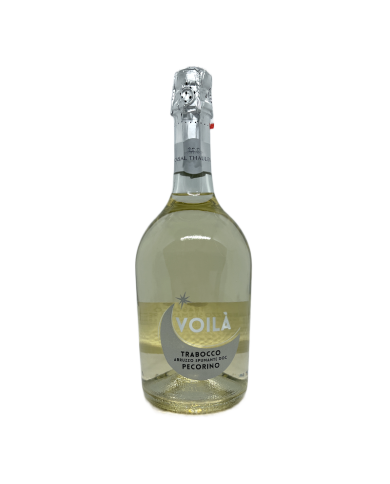
SKU:
6900
Brand:
Casal Thaulero
Brilliant straw yellow with greenish hues, fine-grained perlage.
Complex and fragrant, clear scent of bread crust, floral note of jasmine and broom and sage balsamic.
Strong and enveloping taste, marked minerality.
€9.88
€8.89


SKU:
6891
Brand:
Casal Thaulero
Lively straw yellow. Ample, with fruity notes of peach and apricot, notes of white and yellow flowers and a balsamic finish. Fresh, mineral and well balanced. Seafood appetizers, fish first courses, sushi, white meats.

€6.43
€6.43


€7.91
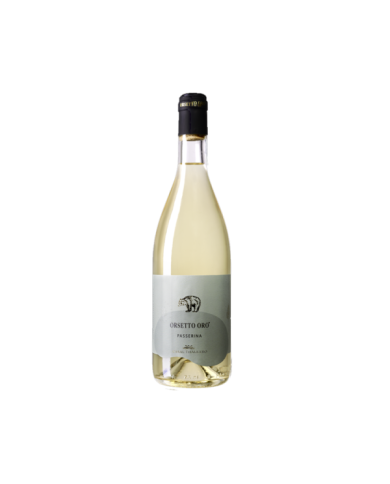
€7.91
€7.91


SKU:
6848
Brand:
Casal Thaulero
The grape variety used for this production is the autochthonous " Pecorino " of Abruzzo and recently re-discovered and recovered after the slow and constant abandonment in the past years. The production area is that of Abruzzo indicated by the DOP specification. Furthermore, the belonging to the Duca Giovanni Thaulero line guarantees its respect in the production phase of traditional winemaking methods.
€9.66

SKU:
6845
Brand:
Casal Thaulero
The White Passerina PDO wine belongs to the prestigious line of the Casal Thaulero winery , the line that takes its name from the Duke Giovanni Thaulero, the precursor of viticulture in Abruzzo .
€9.66
€10.22
€10.43
SKU:
6830
Brand:
Fantini Farnese
The perfume is intense and persistent, complex, with fruity and herbaceous aromas, notes of vanilla and nutmeg.
€9.22
€16.74
€23.80
€21.40
€16.57
€20.13
€18.12
SKU:
6748
Brand:
Codice Citra
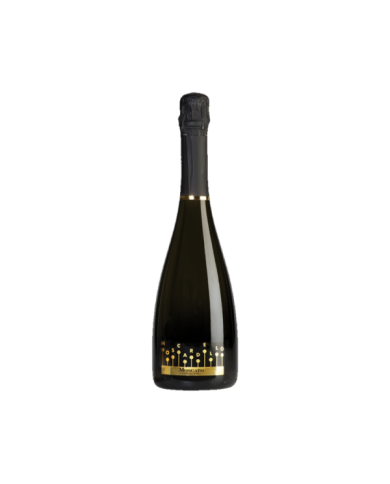
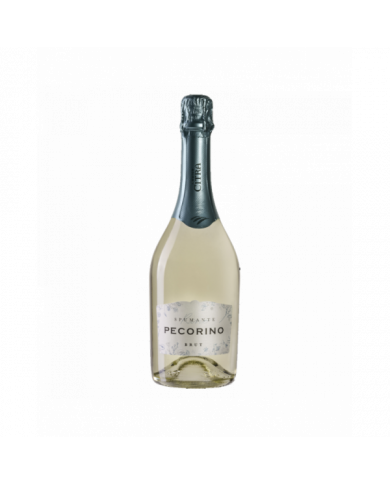
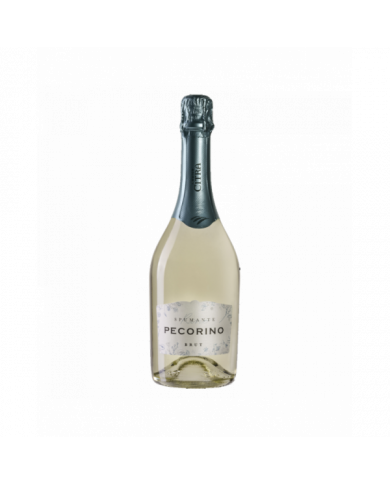
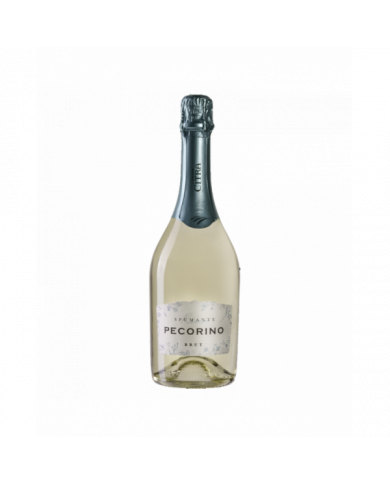
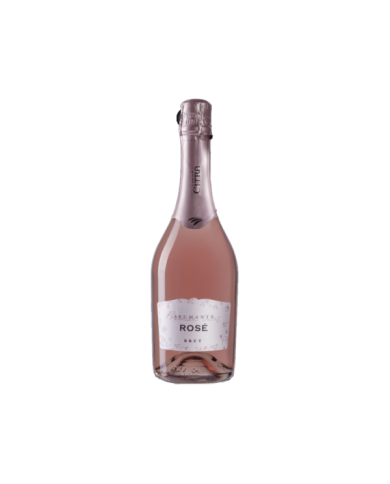
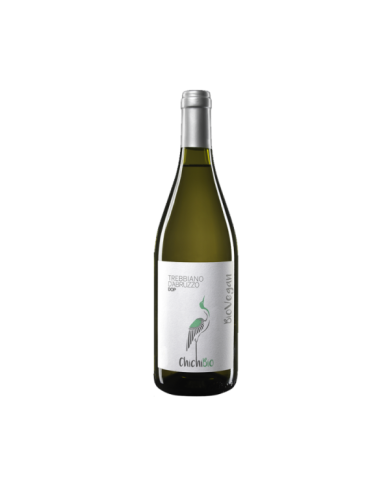
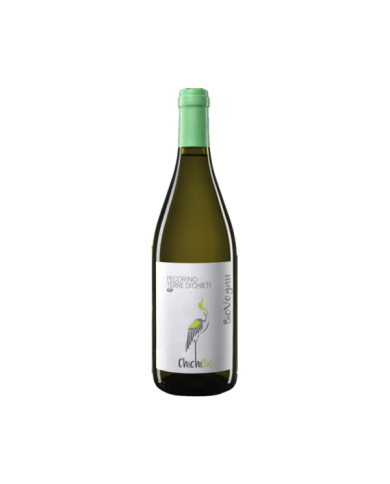
Vino Moscato Dolce Moscardello is the ancient dialect name given to this delicious sweet wine. It is a precious and limited production, obtained from the noble Moscato vine. To enhance its typical characteristics, the grapes are subjected to careful vinification with "natural" fermentation, which contributes to making Moscardello a jewel of Abruzzo enology. Vinification: In white, with crushing and soft pressing of the grapes. Fermentation: the base must ferments at a controlled temperature in an autoclave with selected yeasts. Second fermentation lasts about 15-20 days. Color: Straw yellow, with greenish reflections. Smell: Typically aromatic. Taste: Sweet, balanced, persistent.
€9.22

€6.43
€6.43

SKU:
6730
Brand:
Codice Citra
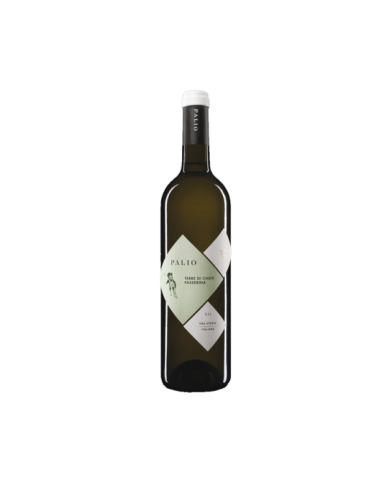
No secrets. No makeup. This Chardonnay Terre di Chieti PGI Bisanzio proposed by Codice Citra is a simple, but pleasant, white wine to be served throughout the meal. When on the table, of course, the sea and its fruits dominate. Served chilled it can also represent a valid alternative to the classic aperitif bubble. At 90%, guests will propose to continue with the same glass once dinner is served. It comes from pure Chardonnay grapes, harvested at flat ripening in the vineyards located near Ortona, in the province of Chieti. Soft pressing and cold maceration to obtain a clear must which, once decanted, can be fermented, strictly at a controlled temperature to preserve all the goodness of its aromas, in stainless steel tanks. The result is a white, delicately scented, with a brilliant straw color. The nose reveals the warmth of its homeland well. Chardonnay, in fact, shows notes of tropical fruit and yellow flesh. In the mouth, however, it is above all fresh and well balanced in all its components.
€6.36
SKU:
6722
Brand:
Codice Citra
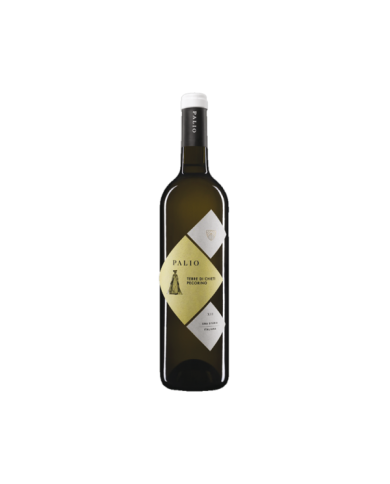
Straw yellow color with greenish reflections; the floral nose is sage leaves and aromas of tropical fruit, banana and pineapple. On the fresh palate it is sapid, persistent with mineral notes.
SKU:
6718
Brand:
Codice Citra
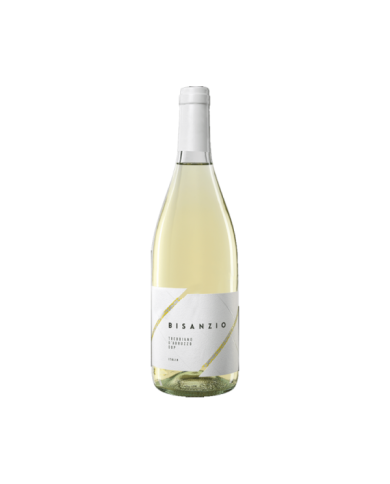
Typical Abruzzo white wine, pale straw yellow in color, delicately scented, pleasantly savory and harmonious on the palate, it goes well with fish, white meats and cheeses. Excellent aperitif, it can be enjoyed at any time of the day. Serve cool at 12/14 ° C. The Bisanzio line is inspired by the testimonies present in the museum of the Ducal Castle of Crecchio (in the lands of Chieti) that document daily life in Abruzzo during the rule of the Byzantines, a sign of the profound link between wine and history.
€6.36
SKU:
6613
Brand:
Podere Castorani
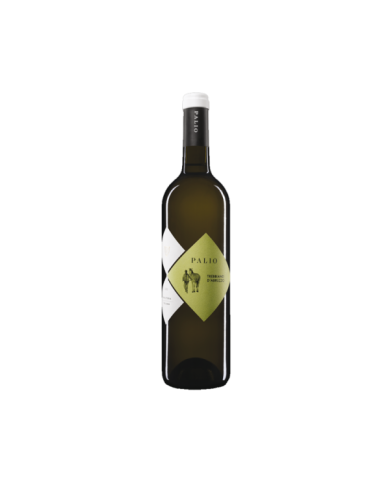
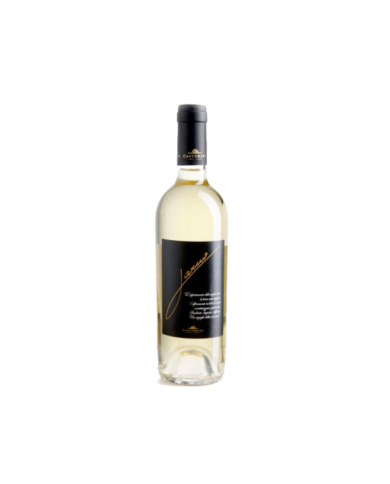
Color : intense straw yellow with golden reflections. Nose : intense hints of dried fruit: apricot, peach, figs. Candied citrus fruits and acacia honey. Taste : on the palate it is enveloping, full with intense fruit notes. In the finish there is a pleasant acidity, harmony and a decisive persistence.
€28.00

SKU:
6600
Brand:
Podere Castorani
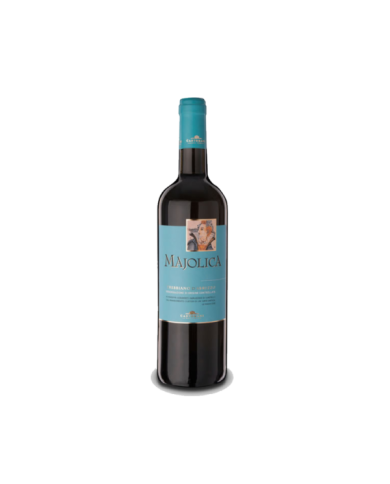
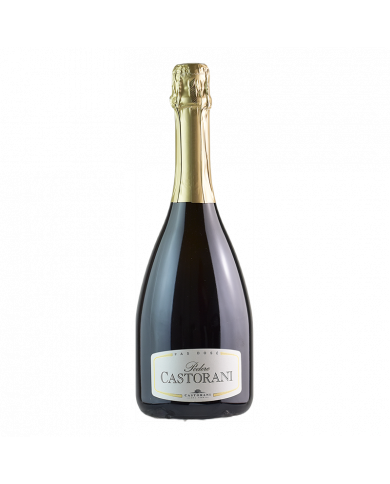
Prosecco di Treviso has conquered many consumers. Always present on the wine lists of restaurants and on the tables of connoisseurs, it symbolizes festivity and sparkling elegance. Very versatile, delicate and refined, it brings joy and vivacity with it. The notes of Golden apple, pear, white pulp fruit and wisteria flowers are unmistakable on the nose. The taste is balanced between acidity and softness.
SKU:
6597
Brand:
Podere Castorani
Prosecco di Valdobbiadene DOCG Millesimato · Colour: straw yellow with greenish reflections with very fine and persistent foam.
€40.00
€6.54
€5.23




SKU:
6580
Brand:
Podere Castorani
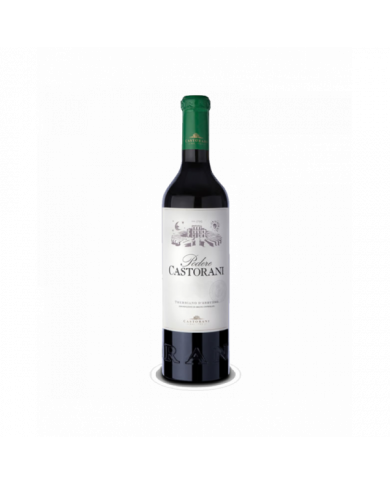
Straw yellow color with golden reflections. Bouquet intense notes of officinal and balsamic herbs. On the palate it is soft, full with a persistent aftertaste.
€27.04



€22.03
€19.83
€20.67
€18.60
€13.32
€11.99
SKU:
6536
Brand:
Tenuta De Melis
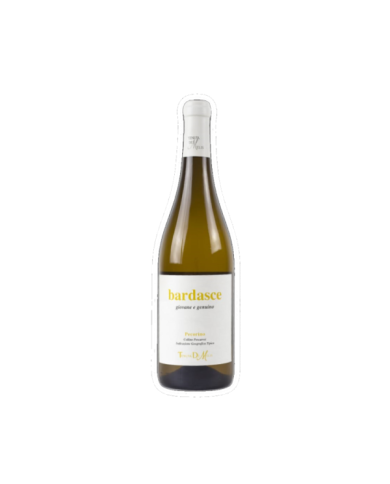
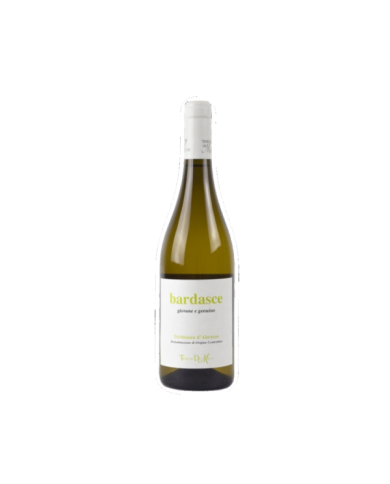
The De Melis family has been dedicated to the care of their vines, located on the Pennesi hills, since 1905 and since then it has increasingly specialized in the production of wines and passito wines belonging to the Abruzzo tradition.
€10.00
€8.00
SKU:
6523
Brand:
Tocco
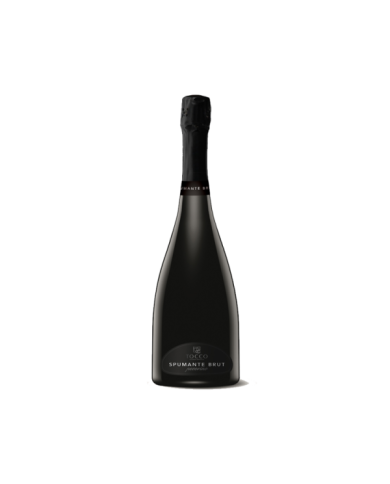
The wine has a light lemon yellow color with slight greenish reflections and has a fine and persistent perlage. It is characterized by a fruity smell with citrus notes, elegant floral scents and a subtle note of toast. On the palate, however, it has a fresh and lively flavor, of medium structure and persistence. Ideal as an aperitif, appetizers and raw fish, shellfish, first and second courses based on fish.
€13.49

SKU:
6519
Brand:
Tocco
€12.90
€11.61
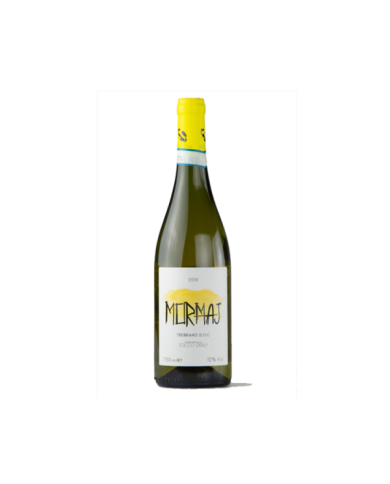
Grape variety Trebbiano Denomination Trebbiano d \ 'Abruzzo DOC Type White wine Production area Alanno (PE) Training system Abruzzo pergola Year of planting 2013 Exposure of the soil South / South-West Yield per hectare 140q Harvest from 15 to 25 September Vinification after soft pressing cold in an inert environment, the must is decanted and then left to ferment at a low temperature (12/14 ° C) Organoleptic characteristics Color: lively straw yellow Odor: fruity, with clear notes of yellow fruit, elegant floral scent on the finish Taste: fresh, quite savory and medium-bodied, on the finish it is pleasantly almondy. Pairings with appetizers and fish first courses, risottos, delicate creamy cheeses Serving temperature 8 ° -10 ° c CL. 75 12.5% VOL
€12.90
€11.61
€13.66
€10.93
€20.67
€16.53
€13.32
€10.66
€6.65
€5.32
€8.89
€7.12
€8.89
€7.12
€6.65
€5.32
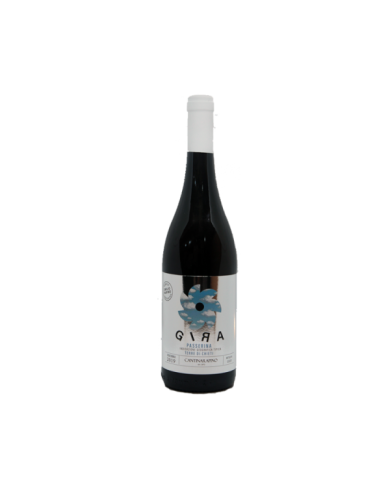
SKU:
6461
Brand:
Cantina Rapino
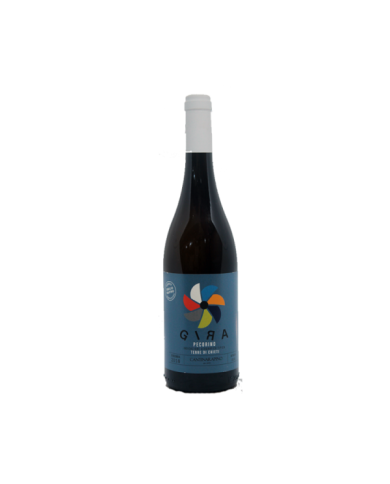
There is a wild, untamed vibe to this wine, yet it keeps it in check. Aromas of dried wildflowers, sliced fruit and melon bring an energetic and medium-bodied palate where a chamomile tone emerges in all its strength. White tea-like tannins give a delicate grip on the palate, with a surprising balance between fresh acidity and full body that keeps everything in place
€14.99
SKU:
6456
Brand:
Cantina Rapino
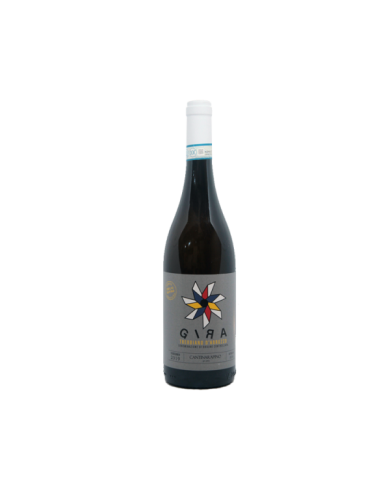
Produced with Trebbiano Abruzzese grapes, from a canopy vineyard in the hills of the municipality of Francavilla al Mare. The plant follows a type of conventional agriculture. The yields of the vineyard respect the provisions of the Trebbiano production disciplinary; the average production of the latest harvests is around 140 quintals per hectare. This result is obtained through agricultural practices implemented during the summer period, with green pruning carried out in two or more phases, light and never too invasive fertilizations. The harvest, in regular seasons, takes place in the first half of September with a manual harvest. During the day of harvest, the grapes are brought to the cellar, they are immediately vinified and separated from the stalks to then be pressed at the end of the harvest day. The fermentation of the wine is obtained with the aid of selected yeasts, controlling the progress and monitoring the fermentation temperatures; to prevent them from rising, the mass is refrigerated. At the end of this period, the wine is decanted and left to refine. Finally, it is initiated through all the control and stabilization procedures before being placed on the market in the bottle.
€14.99
SKU:
6454
Brand:
Cantina Rapino
€8.58
€6.86
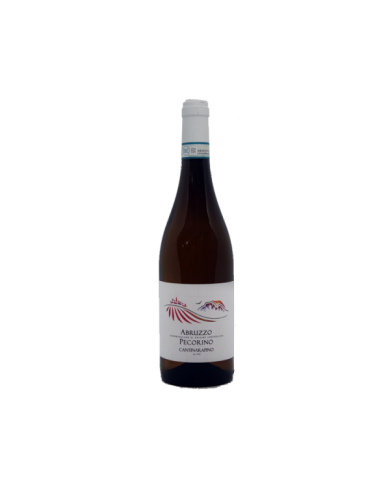
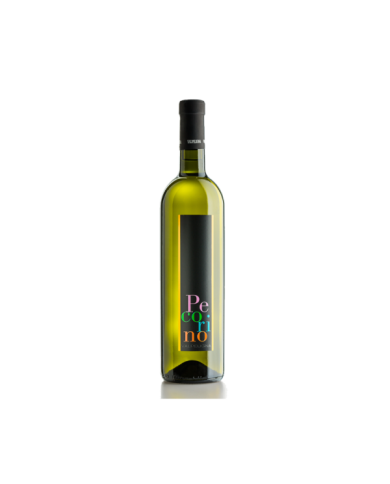
wine obtained from the processing of only Pecorino grapes, harvested in the period of late August, the must is fermented through selected yeasts. The wine is aged for 6 months in concrete tanks on its own fine yeasts and subsequently started in the bottle without filtration. The grapes are grown and processed in the Miglianico area under organic farming. Wine suitable for long aging if left in ideal storage conditions.
€8.58
€6.86





SKU:
6452
Brand:
Cantina Rapino
€8.58
€6.86
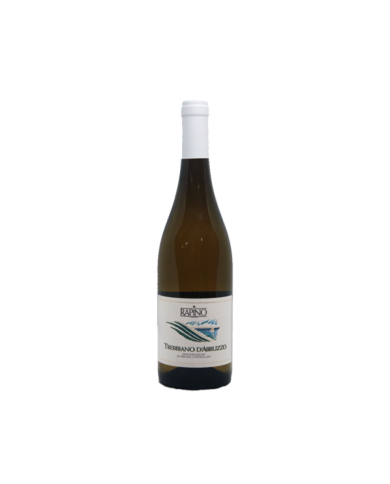
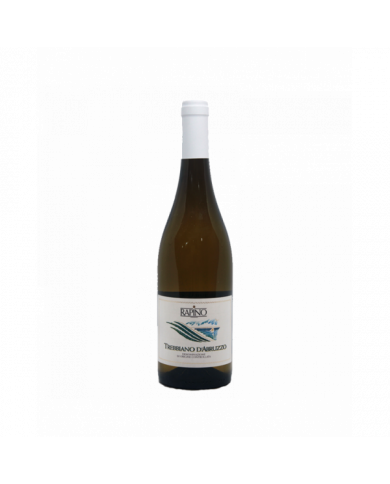
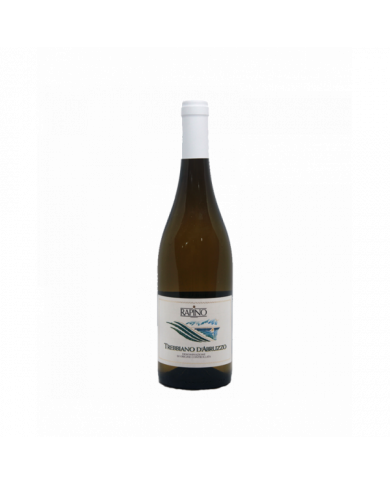
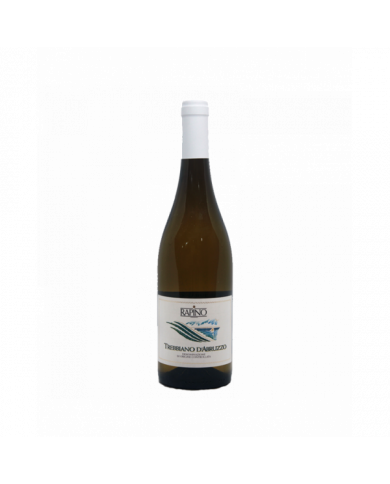
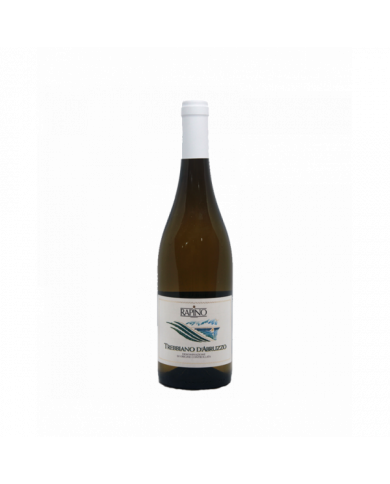
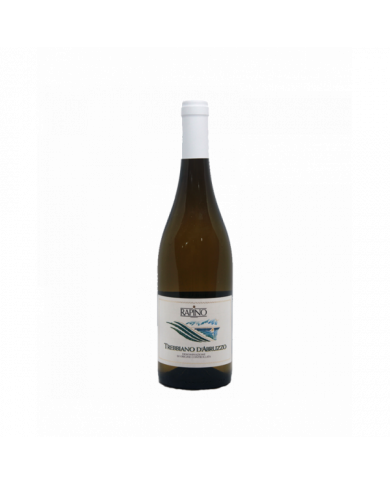
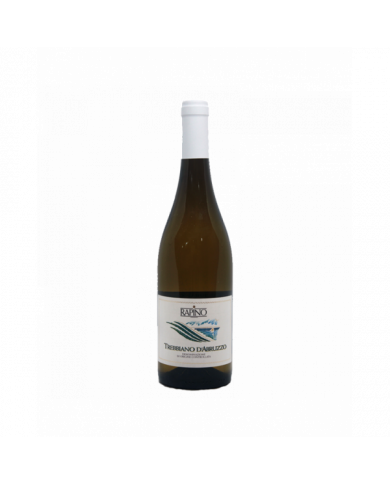
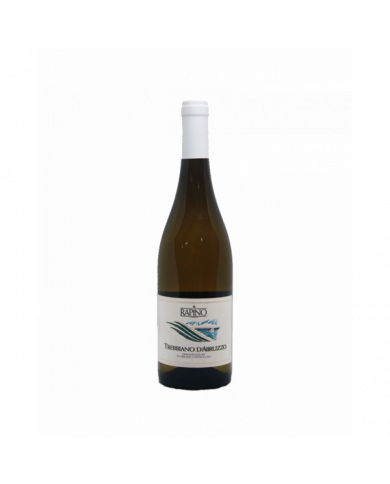
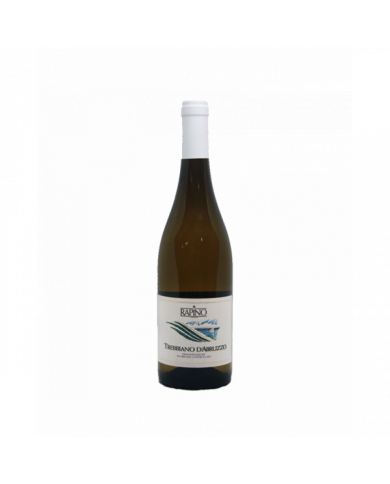
Produced with Trebbiano Abruzzese grapes, from a canopy vineyard in the hills of the municipality of Francavilla al Mare. The plant follows a type of conventional agriculture.
€8.58
€6.86
€7.82
€6.26

€6.32
€5.06
SKU:
6422
Brand:
Argiolas
AROMATIC AND LAMINATED GRAPES
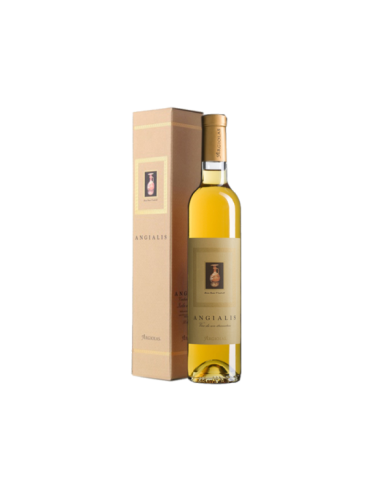
Angialis Isola dei Nuraghi Igt by Argiolas is a wine with an intense straw yellow color. On the nose they result in very intense primary aromas, markedly Mediterranean. Terpenic characters typical of Nasco.
€40.13

SKU:
6413
Brand:
Cantina Dei Colli Ripani
€8.91
"My name is Verdicchio. I am not from these parts, I am from the Castles of Jesi, but every day I run through the hills of the Marche region - I know, from my perfume you would not tell. I am a sentimental DOC, and when friendship calls I answer . It's a classic of mine. "

SKU:
6411
Brand:
Cantina Dei Colli Ripani
"The strongest sign of the face is the nose. Mine is intense but with a fine, selected profile. When you look at it, the greenish reflections of my pale complexion curl up in a corner of your eye. And if you look closer you find my land. , Ripatransone, the Belvedere del Piceno. They made me wine there, the first time in 1977. Falerio Pecorino. "
SKU:
6405
Brand:
Cantina Dei Colli Ripani
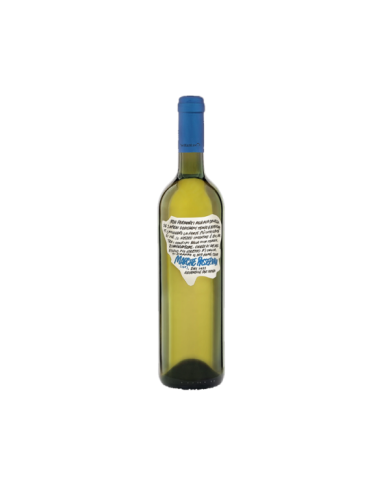
"Do not stop at my sweetness. If you know how to dedicate time and attention to me, I will grant you the most intriguing part of me. Our meeting is here, now, between the borders of my land, Ripatransone. Ask for me in the narrowest alley in Italy, they will tell you my name, I am Marche Passerina, adorable by nature since 1977. "

SKU:
6400
Brand:
Cantina Dei Colli Ripani
"Don't ask me about Ripatransone. You know, despite my sour character, when it comes to my country, I get excited. What can I do, its shape - that of the label - the hills, the sea in the distance, the verses of the Mercantini, the 1st vinification of my winery in 1977. Risk of becoming red. And you have chosen a straw white. Falerio. "

SKU:
6392
Brand:
Cantina Dei Colli Ripani
Passerina is the good fruit of a land cultivated with respect, in a continuous cycle where doing well gives the best there is in drinking.
€9.87
SKU:
6390
Brand:
Cantina Dei Colli Ripani
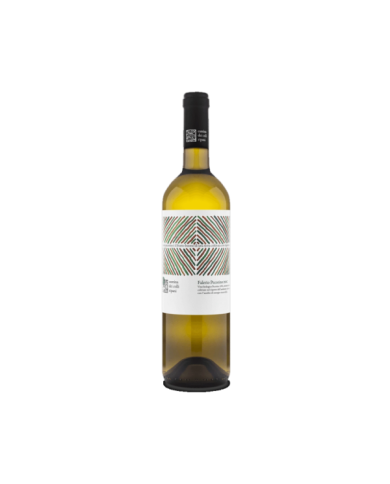
Falerio Pecorino is the good fruit of a land cultivated with respect, in a continuous cycle where doing well gives the best there is in drinking.
€10.78
SKU:
6381
Brand:
Cantina Dei Colli Ripani
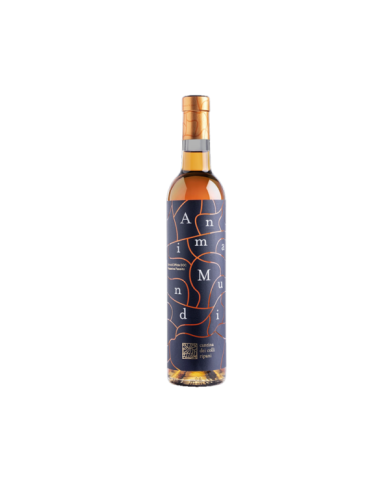
Ancient traditions define the Anima Mundi as the unity of the whole, the universal meaning capable of manifesting itself in every single aspect of nature. This is the spirit and ambition of our passito wine: to represent the beating heart of our Colli Ripani in one gulp. Bright yellow in color tending to amber, intensely fragrant and soft in taste, Anima Mundi is obtained according to the traditional drying method of native passerina grapes, carefully selected following a meticulous process that controls every stage of production: from pruning to collection.
€33.43
SKU:
6374
Brand:
Cantina Dei Colli Ripani
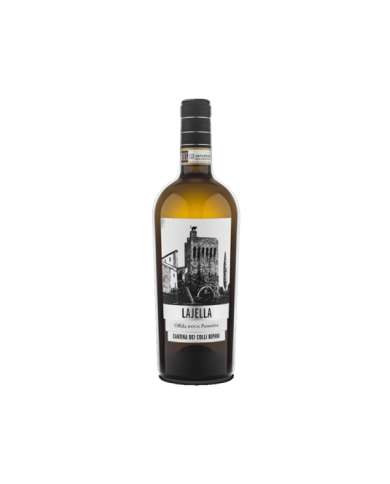
Fortune is said to help the bold. De Lajella, on the other hand, says that it rejoices the spirit. It could not be otherwise by serving a round of Passerina DOCG Offida on the table. It is a straightforward wine, it speaks as it drinks, in dialect. His first name is in fact Agello, just like the homonymous district of Ripatransone, as one of the castles of the city and finally as one of the five hills depicted on the municipal coat of arms. The cat? Do not worry. It meows often, but does not bite.
€13.64
SKU:
6367
Brand:
Cantina Dei Colli Ripani
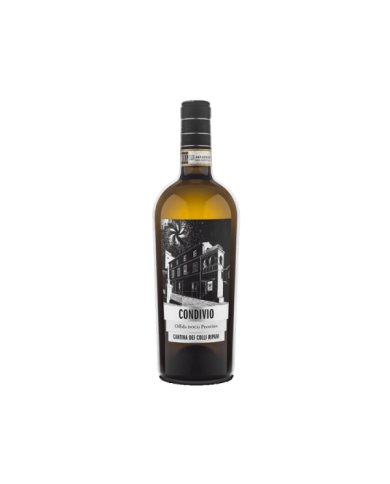
Under the window of his birthplace the whole town gathers every year: we are in Piazza Condivi and we toast with a good glass of Condivio Offida DOCG Pecorino, the only white of the family aged in cask, the result of a careful selection of pecorino grapes. which is now offered to us by the good Ascanio Condivi. He was once a painter and sculptor, a pupil of the unrivaled master Michelangelo. Today, at the stroke of the Octave of Easter, his spirit takes part in the party waiting for the arrival of the sparkling Fire Horse while above the roof of his house, the sky of Ripatransone lights up.
€33.79
€14.95

SKU:
6359
Brand:
Cantina Dei Colli Ripani
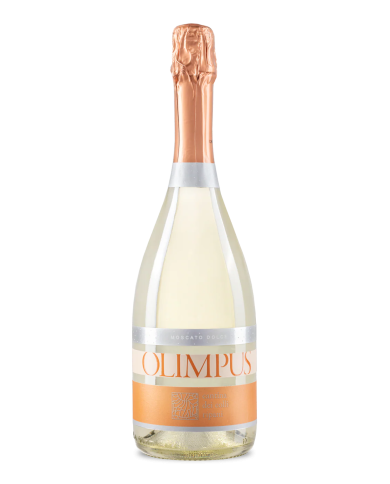
Sparkling wine obtained from the selection of passerina grapes elaborated with the long Martinotti method. Straw yellow in color with fine and persistent perlage. The nose is fruity with hints of yellow-fleshed fruits and delicate floral notes. Ideal with fish-based appetizers and aperitifs in general.

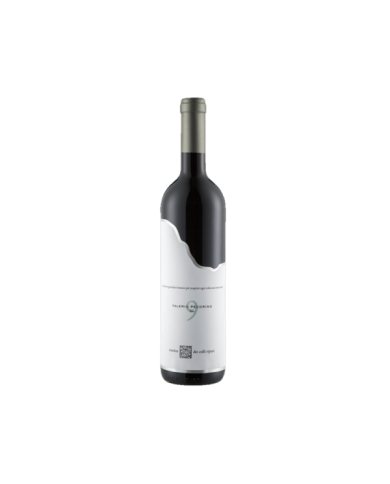
SKU:
6350
Brand:
Cantina Dei Colli Ripani
you don't need to look far to discover a new land every time.
€10.39
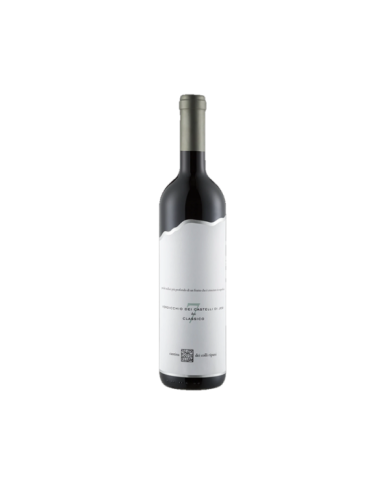
SKU:
6346
Brand:
Cantina Dei Colli Ripani
because nothing is deeper than a fruit that has grown on the surface.
€10.39
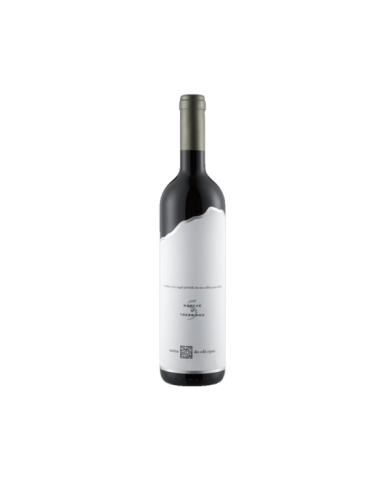
SKU:
6342
Brand:
Cantina Dei Colli Ripani
and the shadow is among the most beautiful gifts a hill can offer.
€5.89

SKU:
6338
Brand:
Cantina Dei Colli Ripani
and only the breath of the wind can lift up the scents of the coast.
€7.54
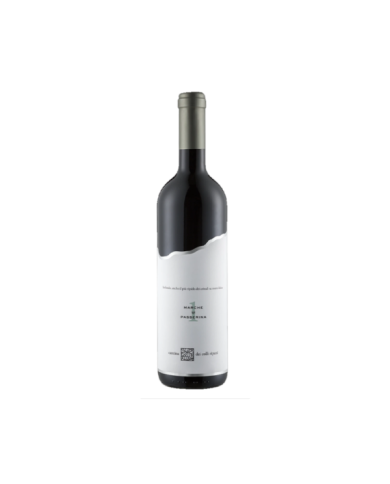
€9.22
SKU:
6321
Brand:
Banfi
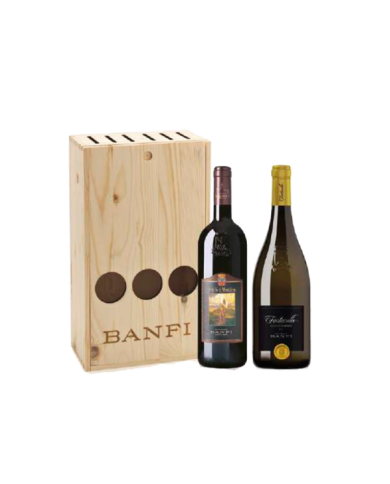
Beautiful wooden box containing 2 wines: 1 FONTANELLE Chardonnay Toscana IGT 2018 1 BRUNELLO DI MONTALCINO DOCG 2015
€63.60
SKU:
6317
Brand:
Banfi
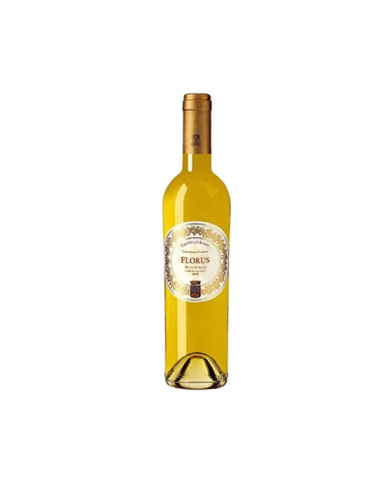
Excellent to conclude festive lunches and dinners, it is perfect if combined with the Neapolitan pastiera.
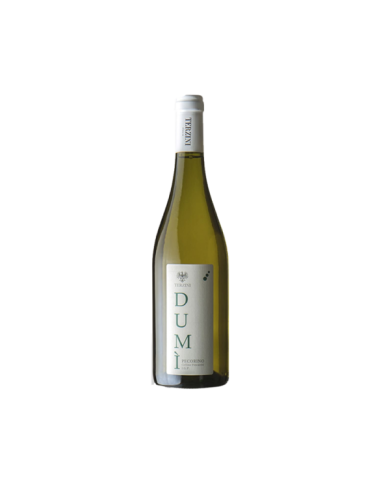
SKU:
6275
Brand:
Terzini
€8.04
€6.43
VARIETY PECORINO 100% PRODUCTION AREA Tocco da Casauria (PE) - ITALY TYPE OF SOIL clayey FORMAT 750ml VINTAGE 2020
€8.04
€6.43
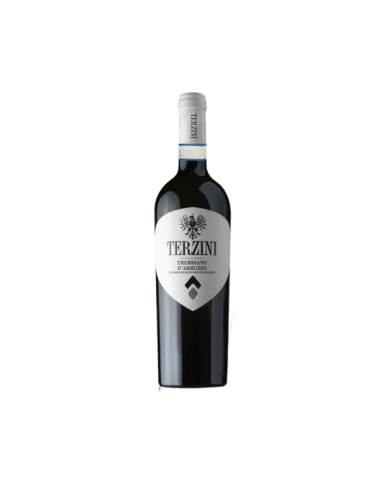
SKU:
6268
Brand:
Terzini
€11.00
€8.80
VARIETY Trebbiano 100% PRODUCTION AREA Tocco da Casauria (PE) - ITALY TYPE OF SOIL clayey FORMAT 750ml VINTAGE 2020
€11.00
€8.80
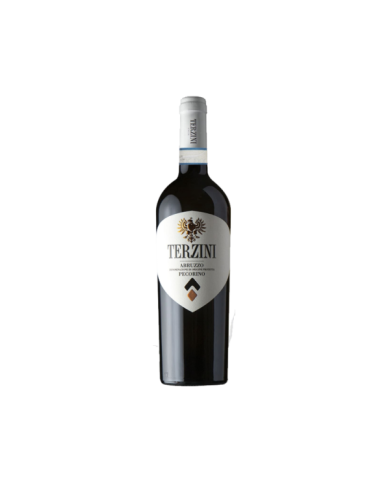
SKU:
6263
Brand:
Terzini
€11.00
€8.80
VARIETY Pecorino 100% PRODUCTION AREA Tocco da Casauria (PE) - ITALY TYPE OF SOIL clayey FORMAT 750ml VINTAGE 2020
€11.00
€8.80
The best Italian white wines
Italy is home to some of the finest white wines. In the Clickwine section of our online wine shop dedicated to the finest Italian white wines, you'll find bottles of excellent white wine carefully selected by our sommeliers.
The designations used in our country to classify wines are DOCG, DOC, and IGT. Sometimes you'll also find designations like DOP and IGP: these acronyms have similar meanings to the previous ones but are used by wineries that primarily sell their wines outside of Italy.
The production of white wine
White wines are produced from both light and dark grapes, but vinified as a white wine: that is, during maceration there is no contact between the must and the pomace, so that the skin – exactly the opposite of what happens with red wines – does not release substances and color.
Its myriad nuances vary according to the characteristics of the grape variety, the aging method and the vine growing area.
In white winemaking, once the grapes have been harvested, they are transported to the cellar, destemmed, and pressed, and the must is separated without any maceration or with a brief maceration. Sometimes, however, the grapes are pressed and then macerated with the skins at a low temperature for a varying length of time. This produces richer, smoother wines.
This phase is followed by the clarification of the white wine produced, which can be done by letting the must rest, by cooling, centrifugation or filtration.
Fermentation begins either by adding selected yeast to the must or spontaneously, using the indigenous yeasts present in the grapes. To preserve the aromas, finesse, and freshness of white wines, fermentation is carried out at lower temperatures than red winemaking, generally around 18°C.
To obtain a fresh and lively wine, best drunk young, malolactic fermentation is avoided by bottling early, after filtration and stabilization. More complex wines, aged or fermented in wood, are bottled only after several months in barrel.
How to taste white wine
First, you need to decide whether to uncork the bottle right away or let your white wine age. If you want to immediately succumb to its charm, its aromas of aromatic herbs, flint, or its notes of exotic fruit, then serve your white wine at the right temperature: 6-8°C for a young white and 8-10°C for a softer, more structured wine.
How to pair white wine
Dry white wines will surprise you at the table, too, and not just with their straw-yellow color. As an aperitif, and especially with a fish dish, white wine is definitely a must, but it's not easy to know which of the many labels will be best suited to the occasion.
We recommend pairing white wine with cheeses, whether low-fat, fresh, or rich in milk, such as flavorful buffalo mozzarella, or with soft, bloomy-rind cheeses. They're also perfect with white meats, such as classic scallops, but beyond tradition, white wine also pairs perfectly with meat and risotto dishes, as well as truffles. Visit our online wine shop Clickwine for expert advice on purchasing the best white wine at the best price to pair with your favorite dishes.
White wines: prices and offers
Every week, our online wine shop, Clickwine offers a selection of selected white wines at special prices. In this section and in the special offers section, you can then browse the best value wines.
A wide selection of premium products at affordable and truly exclusive prices. Don't miss the incredible deals on white wines from all the most prestigious Italian wineries; discover internationally renowned and beloved Italian wines.
Enter the Clickwine catalog and expand your selection by purchasing exclusive items online from smaller, yet exceptionally high-quality wineries.
White wines: longevity and conservation
How long can I keep white wine in the cellar? Do white wines improve as they age like red wines? These are the questions a wine consumer asks when talking about white wine.
In general, white wines have a much shorter shelf life than red wines, for two reasons: tannins and aging. Tannins are antioxidants present in the wine's skins that aren't present in white wines; as for aging, however, most white wines age in stainless steel for just a few months; even red wines, if they age briefly in stainless steel and undergo rapid maceration, don't last for many years. Let's say a classic white wine aged in stainless steel lasts a maximum of 2 to 3 years. If it undergoes maceration or ages in wood, it can last up to 20 years and improve year after year.
How many types of white wines are there?
There is no exact number of types of white wine, as there are several different white grape varieties that can be used to make white wines. Some of the most common white grape varieties used to make white wines are Chardonnay, Sauvignon Blanc, Riesling, Pinot Grigio, and Moscato. There are also other less common varieties such as Gewürztraminer, Semillon, and Viognier. Each of these varieties can be used to produce white wines with unique and different characteristics, so there are many different types of white wines available.
How to recognize a good white wine?
There are several ways to recognize a good white wine. One of the simplest is to taste the wine and evaluate its flavor and aroma. A good white wine should have a pleasant flavor and a delicate, complex aroma. Other factors that can indicate the quality of a white wine include the vintage, the grape variety, and the production area. In general, white wines produced with high-quality grapes and in particularly favorable years tend to be more valuable and of higher quality. Furthermore, white wines produced in regions renowned for producing high-quality white wines can be considered more valuable than those produced in other regions.
How to understand if a white wine is good?
As mentioned above, one of the easiest ways to determine if a white wine is good is to taste it and evaluate its flavor and aroma. A good white wine should have a pleasant flavor and a delicate, complex aroma. It's also important to keep in mind that the quality of a white wine can be influenced by several factors, such as the vintage, the grape variety, and the production area. For example, white wines produced with high-quality grapes and in particularly favorable years tend to be more valuable and of higher quality. Furthermore, white wines produced in regions renowned for producing high-quality white wines may be considered more valuable than those produced in other regions.
Why is it called white wine?
White wine is so called because it is made using white grapes. Most white grapes have transparent or lightly colored skins, so the wine made from these grapes has a light, transparent color. Sometimes the color of white wine can be influenced by the type of grape used, the winemaking process, and the addition of other ingredients, but generally, white wine has a light, transparent color.
How to replace white wine?
If you want to replace white wine in a recipe, there are several ingredients you can use. One of the most common options is to use chicken or vegetable broth instead of white wine. Other options include using white vinegar or apple juice diluted with water. Additionally, in some cases, you can omit the white wine entirely and use other ingredients to achieve the desired flavor in the recipe.