

 Italiano
 Deutsch























There are no more items in your cart
SKU:
13053
Brand:
Mccalin
€17.92
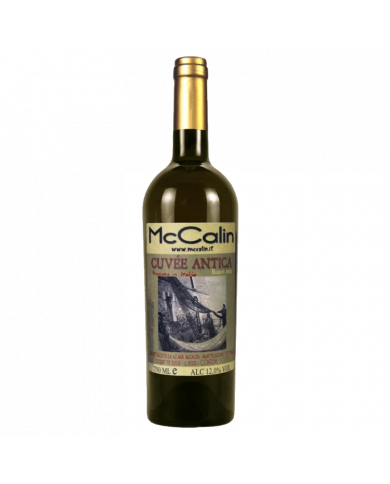
Cuvée Antica is a white characterized by floral and fruity aromas and characterized by fresh and savory notes. We recommend combining it with fish and shellfish dishes.
€17.92
SKU:
13049
Brand:
Cantina Cioti
€12.80
€10.88
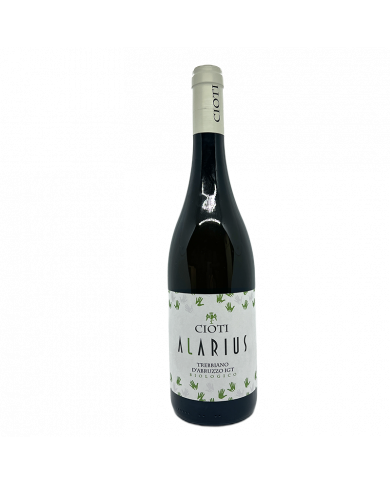
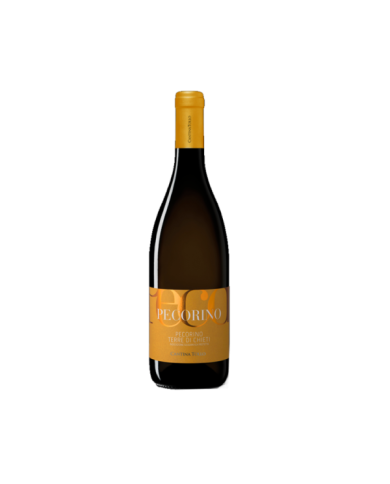
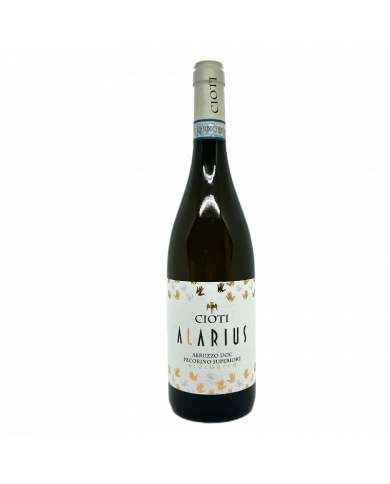
The vineyards are located at an altitude of about 400 meters and fall within the territory of the Gran Sasso Monti della Laga Park.
€12.80
€10.88
SKU:
13048
Brand:
Cantina Cioti
€11.90
€10.11
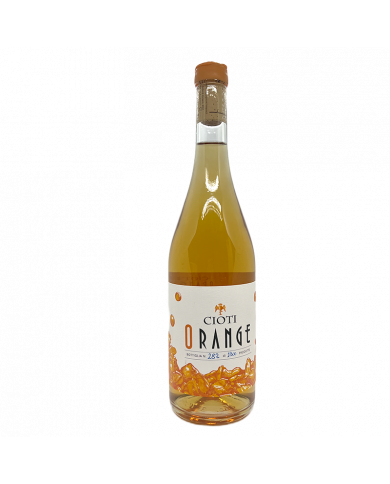
Grandfather's wine, fermented in wooden vats in contact with the skins with manual fulling.
€11.90
€10.11
€10.21
€8.17
SKU:
12981
Brand:
Cantina Herero
This wine comes from a careful manual selection of ripe Falanghina grapes grown in the hills. The high quality of the raw material and careful vinification give the wine a straw yellow color and an intense flavor. It is best expressed with seafood recipes, aged cheeses and dry desserts. It is recommended to serve the wine at a temperature of 10 ° C.
€11.10
SKU:
12085
Brand:
Fattoria Felsina
€20.46
€18.41
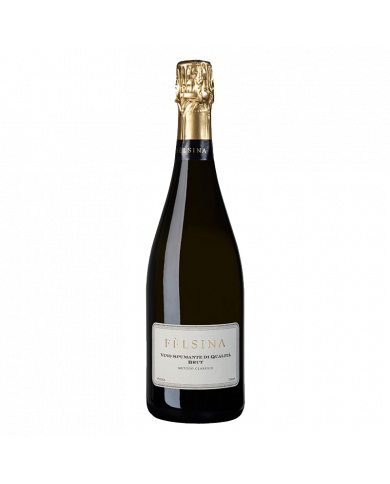
Straw yellow with soft greenish reflections, brilliant, fine and persistent perlage. The nose is quite intense, fresh and delicate, with floral and fruity notes reminiscent of golden apple and bread crust. In the mouth it is dry, savory and balanced; denotes good acidity accompanied by a long and sustained finish with returns of exotic fruit.
€20.46
€18.41
SKU:
12082
Brand:
Fattoria Felsina
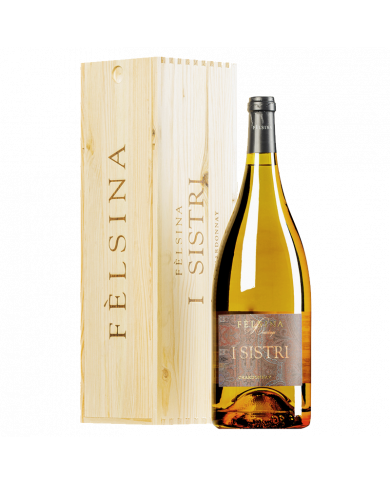
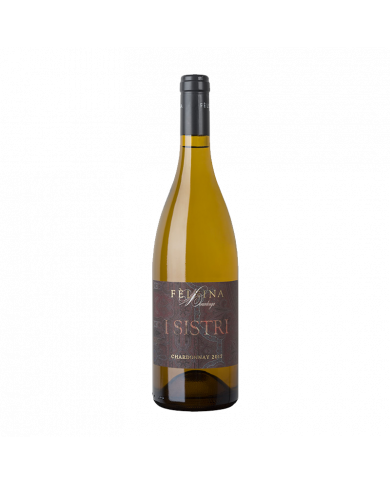
The history of Chardonnay di Fèlsina began in the eighties, from grafts of French clones in the vineyards owned by the nearby Tenuta di Farnetella.
€46.12
€39.20
SKU:
12068
Brand:
Maculan
Maculan 's Moscato Dindarello was obtained from 100% Moscato Bianco grapes grown on hilly soils of limestone and tuffaceous matrix located in the Breganze area (VI). After the harvest, the grapes were subjected to drying in the loft for about 1 month, a practice which allowed the grapes to obtain a higher sugar concentration. The alcoholic fermentation, aimed at transforming the sugars into alcohol, took place in steel vats. Before being marketed, this delicious straw wine rested for 3 months in the bottle.
€13.60
SKU:
12045
Brand:
D'Alesio Sciarr
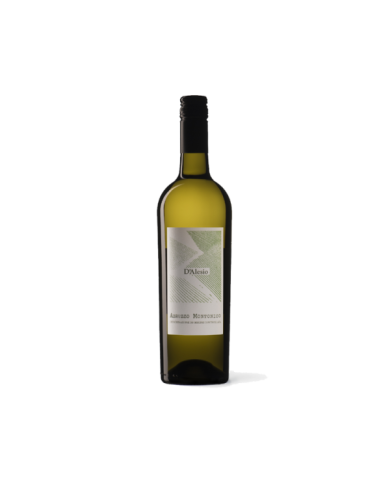
Experience and love for the land , handed down from generation to generation, are the foundations of our farm . Located on the hills of Città Sant'Angelo between the mountains and the sea, in a landscape of natural beauty we produce our organic wines, our olive oil and the products of our garden.
SKU:
12026
Brand:
Cantina Tollo
The rediscovery of an ancient native vine with a pure and sincere taste. Fruity aroma, full and balanced flavor, harmonious: these are the clear expressions of a centenary oenological knowledge.
Pairings
Appetizers and raw fish, shellfish, first and second courses based on fish excellent with fresh or stretched curd cheeses.
SKU:
12019
Brand:
Cummo vini
€7.22
€6.50
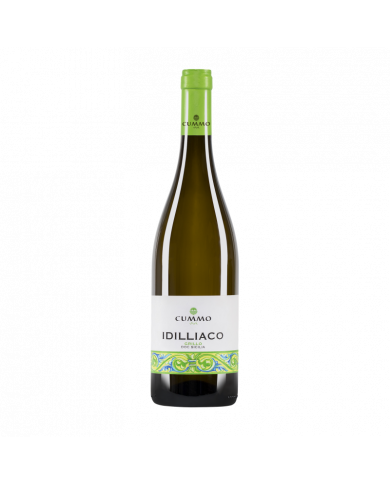
Grillo - Doc Sicilia with a straw yellow color with greenish reflections and an intense bouquet with hints of flowers and white pulp fruit. Ideal if combined with white meats, fish and vegetables.
€7.22
€6.50
SKU:
12018
Brand:
Cummo vini
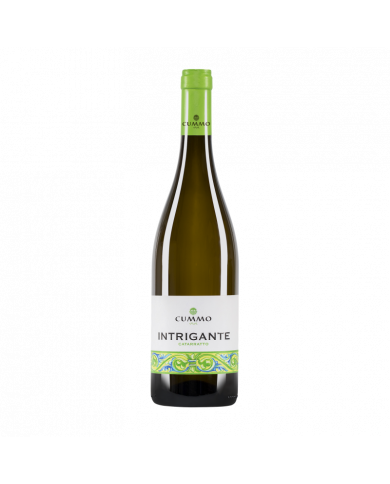
Catarratto - Terre Siciliane IGT with a straw yellow color with golden reflections and an intense bouquet, with floral hints. Ideal if combined with appetizers and fish-based first courses.
€7.22
€6.14
€4.83
€3.86
SKU:
12006
Brand:
Ciavolich
Ciavolich dedicates these wines to a fundamental character of the family, Donna Ernestina Vicini, belonging to one of the most prominent families of Loreto Aprutino at the end of the 19th century, who married Giuseppe Ciavolich .
€20.94
€6.04
€4.83
€9.67
€7.74
€5.11
€4.35
SKU:
11993
Brand:
Pieropan
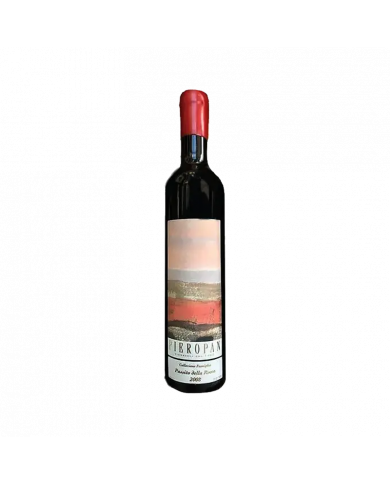
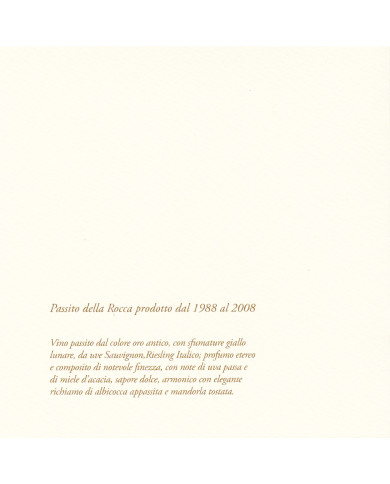
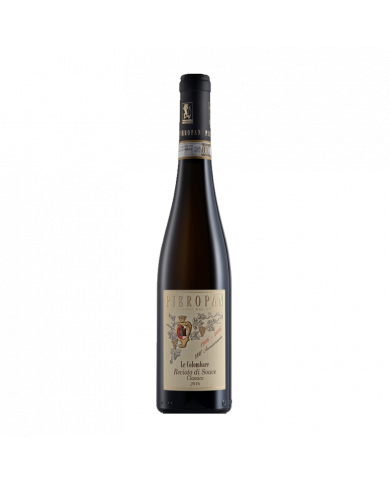
PRODUCT IN LIMITED QUANTITY The Passito della Rocca wine was born as an experiment of the company to create a "sweet wine" different from the tradition of the area., Produced from 1988 to 2008
€58.68
SKU:
11992
Brand:
Pieropan
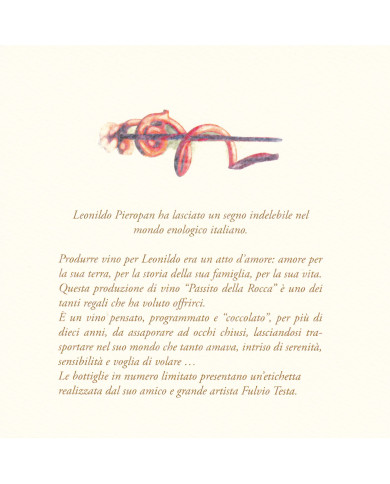
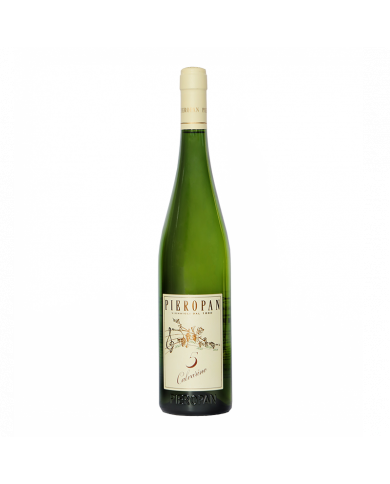
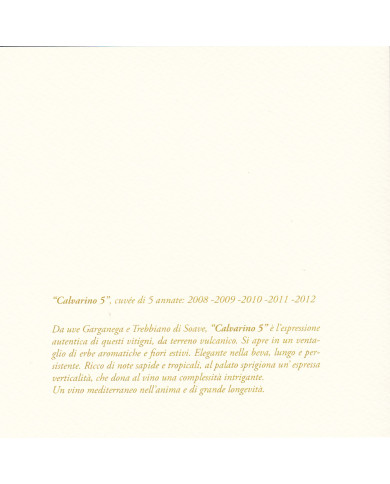
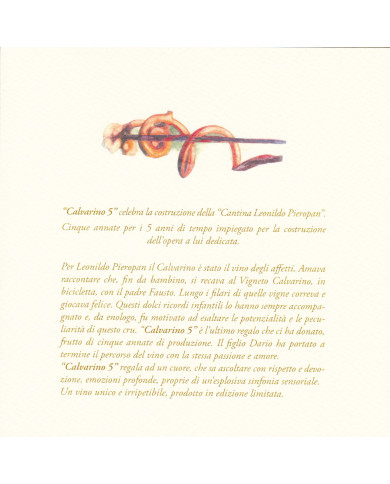
Calvarino 5 is the first wine of the "Vini dell'Anima" collection. Born from a project by Leonildo Pieropan and his sons Dario and Andrea, it is a blend of five vintages of Calvarino (2008-2009-2010-2011-2012) aged for at least 10 years in concrete in the cellar. From Garganega and Trebbiano di Soave grapes, Calvarino 5 is the authentic expression of these vines, from volcanic soil. Savory and vertical, it opens into a range of aromatic herbs and flowers in the long run. Composed, elegant and persistent, with a dry taste, long on the finish. A Mediterranean wine in the soul and of great longevity. A unique and unrepeatable wine, produced in a limited edition.
€79.30
SKU:
11988
Brand:
Pieropan
Sweet wine, passito, with a long tradition, which takes its name from the "recie" of the Garganega grape, lovingly selected. It is a wine much loved by the Pieropan family who have been producing it with the traditional system for several generations.
€34.84
SKU:
11987
Brand:
Pieropan
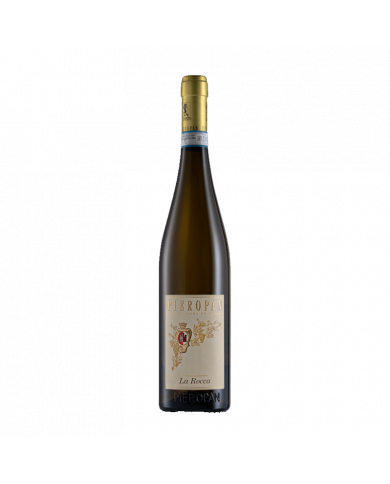
The La Rocca vineyard is located on the hill of Mount Rocchetta, close to the medieval Scaliger castle of Soave. La Rocca enjoys a particular microclimate, which makes it possible to obtain a wine with a unique and unreproducible bouquet and gustatory notes, typical of a pedigree wine. Innovative, since its debut in 1978, it has marked a deep groove in the territory, becoming an undisputed symbol of quality and tradition.
€31.90
SKU:
11986
Brand:
Pieropan
The Calvarino vineyard is located in the heart of the classic Soave area and represents, for the company, the ancient family fund, purchased in 1901. The name Calvarino derives from "little Calvary", due to the difficulty of working the land and the winding path to reach the bottom. The first label dates back to 1971 and represents the most faithful and authentic expression of Soave wine.
€24.55
SKU:
11985
Brand:
Pieropan
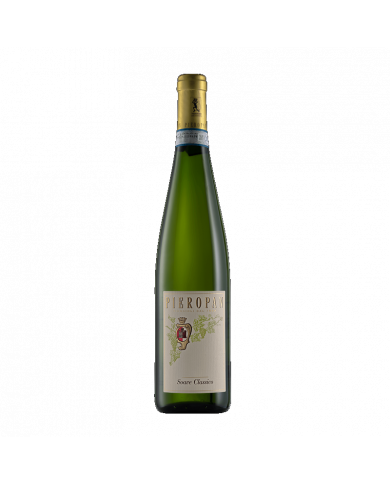
The fresher and younger expression of the Soave Classico that the Pieropan family has been offering on the market since the early twentieth century. Generous wine, pleasant for its freshness and versatility, it comes exclusively from its own vineyards, located in the classic Soave area, and from traditional vines Garganega and Trebbiano di Soave.
€13.73
SKU:
11975
Brand:
Vini la Quercia
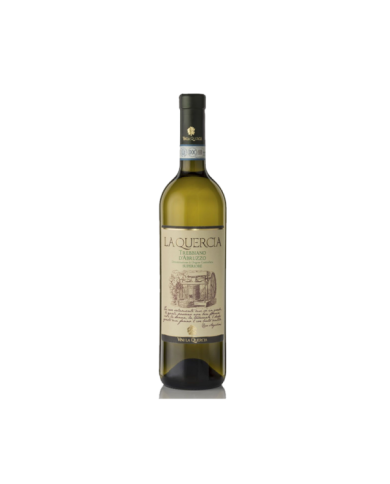
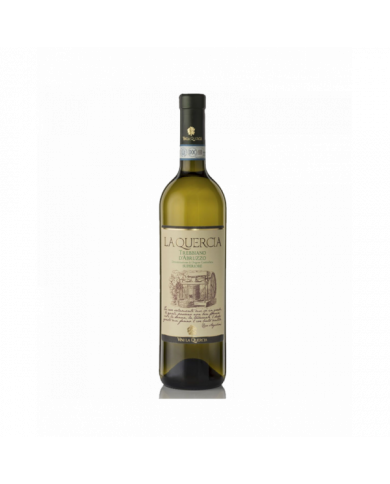
Strictly hand-picked, second decade of September after grape selection in the vineyard. Straw yellow color with greenish reflections, with a strong, fresh and persistent flavor.
€6.66
€5.33
€18.95
SKU:
11941
Brand:
Lagertal
€15.07
€10.55
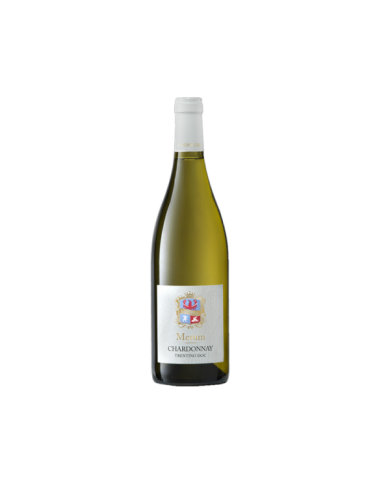
Merum is a wine that embodies the attitude of a territory that has been dedicated to viticulture for centuries and the ability of our oenologists to extract its characteristics in the best possible way, transforming it into a great wine with the Trentino DOC denomination. The bouquet is complex, the color is straw yellow, we recommend it in combination with foods with a delicate flavor.
A “pure” Chardonnay, just like its name.
€15.07
€10.55
€18.79
SKU:
11924
Brand:
Fattoria le Pupille
Poggio Argentato embodies the essence of Maremma: its land, its unique light, the breeze from the nearby sea, all narrated by a fragrant and fresh white wine, through the language of Northern vines. The singular blend of Sauvignon Blanc, Petit Manseng, Semillon and Traminer make Poggio Argentato a refined, elegant and versatile wine, perfect for the summer but also throughout the year.
€15.32
SKU:
11914
Brand:
Vivera
Armida is a sensitive woman full of life, ingenious and funny. It fascinates by its audacity. Born in Corleone, she then moved to the Etna city. This wine symbolizes his character and his life. A'mami is a surprising and strong accord between the Carricante grapes of Etna and the Chardonnay grapes of the Corleone vineyards. The tension of Carricante meets the elegance of Chardonnay.
€24.69
SKU:
11911
Brand:
Castello dei Rampolla
Sweet white Tuscan table wine produced with 25% Chardonnay, 15% Gewürztraminer, 60% Sauvignon Blanc, all vines that are part of a particular vineyard with south-west exposure.
€30.74
SKU:
11856
Brand:
Fratelli Barba
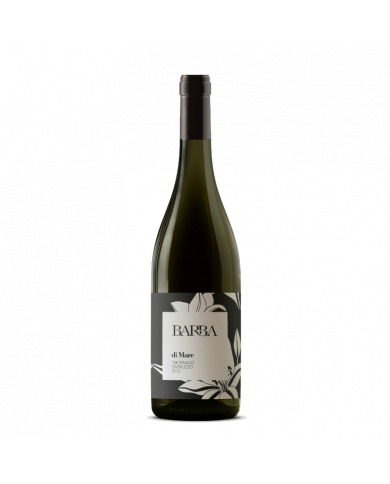
For the Trebbiano D'Abruzzo "Di Mare" a careful selection of the grapes is carried out from the oldest vineyards, located in the best hilly areas of the company territory. Collected in small boxes. The grapes are processed as follows: destemming of the grapes and cold pre-fermentation maceration at 8/10° C for about 12 hours. Soft pressing and natural cold debourbage for 24/36 hours. Fermentation of the juice in steel at a controlled temperature of 14/16 °C. Aging on fine lees for 90/120 days. Cleaning of the wine and further aging in steel for 6/8 months. Bottling and aging in the bottle for about 12 months.
€21.86
€9.39
SKU:
11851
Brand:
Fratelli Barba
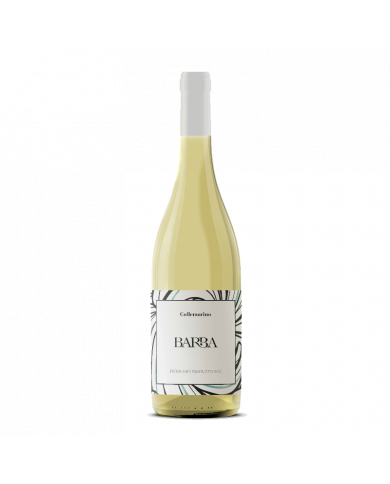
The history of the cellar and of the Barba family is captivating and marks the course of entire eras. The Barba family comes from afar, and brings with it the legacy of ancient traditions.
€8.56
€5.86
SKU:
11830
Brand:
Rinascita Lancianese
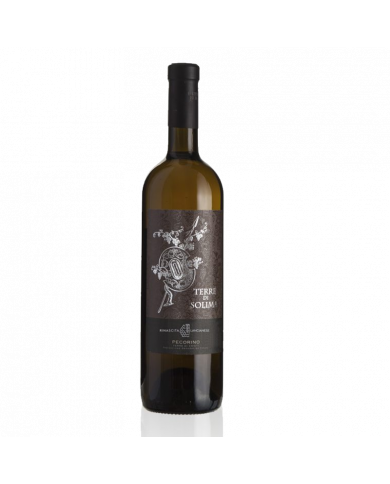
Our vineyards are developed in a particularly suitable area, mainly hilly on an area of over 500 hectares. The production vines are mainly native and are: Montepulciano, Trebbiano d'Abruzzo, Pecorino, Cococciola and Passerina. They are flanked by some international vines, such as: Chardonnay, Merlot, Cabernet Sauvignon and Pinot Grigio. The most used form of vine training is the Abruzzo pergola.
€6.59
SKU:
11829
Brand:
Rinascita Lancianese
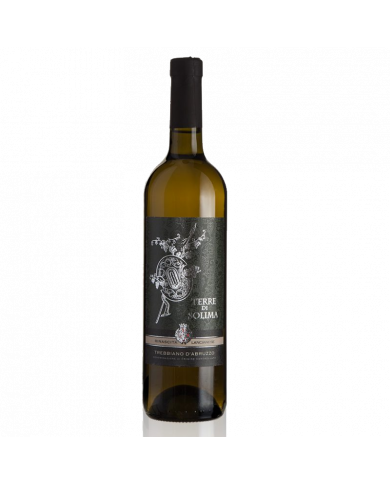
Our vineyards are developed in a particularly suitable area, mainly hilly on an area of over 500 hectares. The production vines are mainly native and are: Montepulciano, Trebbiano d'Abruzzo, Pecorino, Cococciola and Passerina. They are flanked by some international vines, such as: Chardonnay, Merlot, Cabernet Sauvignon and Pinot Grigio.
€6.04
SKU:
11824
Brand:
Rinascita Lancianese
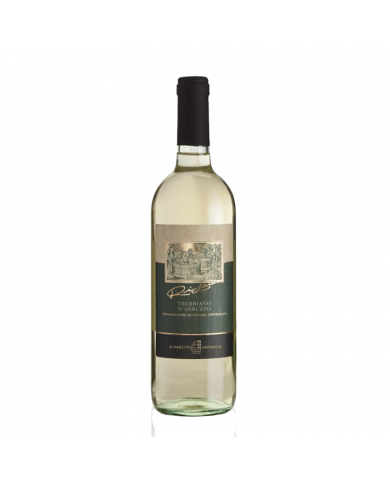
Our vineyards are developed in a particularly suitable area, mainly hilly on an area of over 500 hectares. The vines of production are mainly indigenous and are: Montepulciano, Trebbiano d'Abruzzo, Pecorino, Cococciola and Passerina.
€6.41
€11.90
€10.11
SKU:
11819
Brand:
Cantina Cioti
The vineyards are located at an altitude of about 400 meters and fall within the territory of the Gran Sasso Monti della Laga Park.
€10.61
SKU:
11818
Brand:
Cantina Cioti
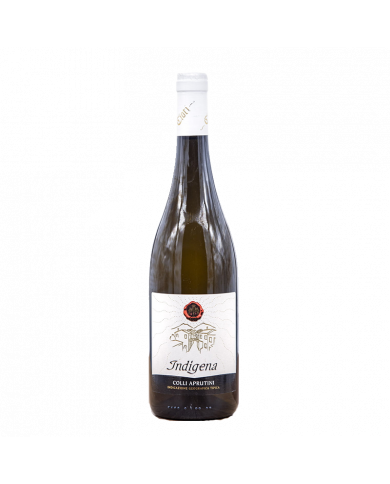
The Indigena white wine with typical indication of Colli Aprutini, is obtained from the blend of different white vines.
€9.20
€7.82
SKU:
11808
Brand:
Poderi Costantini
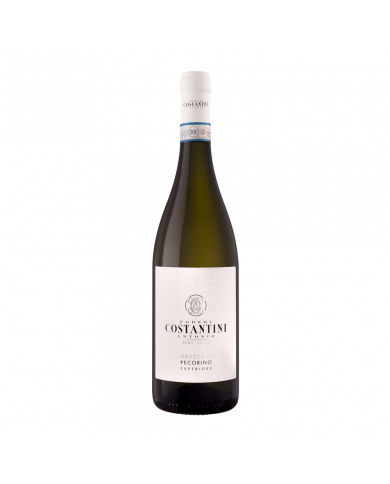
Type Abruzzo Pecorino doc Superiore 2020 Alcohol 14.5% vol. Grape variety Pecorino 100% Production area: Abruzzo Exposure South, South-east Soil type Medium texture - Clayey Training system (Espalier) Yield per hectare 100 quintals Harvest Manual with selection of the bunches.
SKU:
11799
Brand:
Tenuta Antonini
€11.80
€10.62
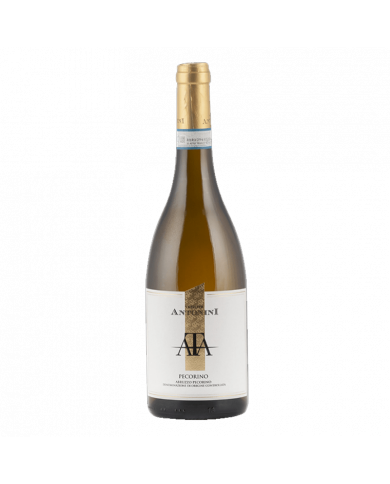
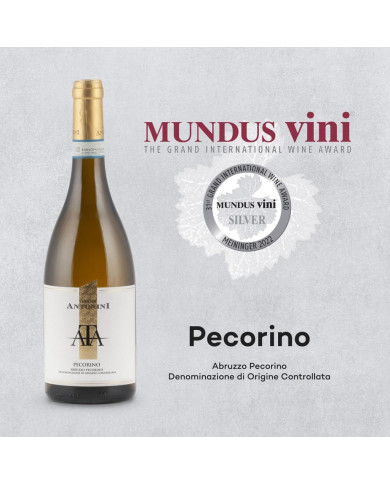
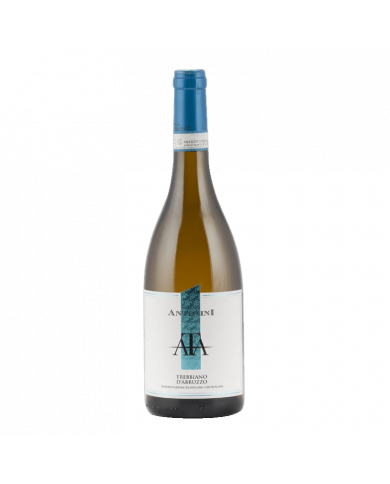
Getting together, giving space to lightness, laughter, the roar of moments of simple fun: an enormous wealth that helps to give meaning to our days. An aperitif, a party, a dinner with friends. And a bottle of our Pecorino to act as a glue to a sensation of pleasure that pervades the soul.
SKU:
11798
Brand:
Torre Raone
€12.98
€11.03
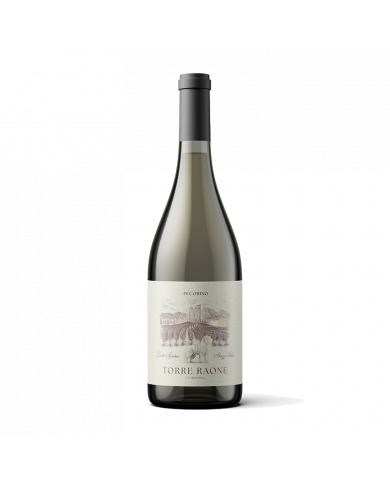
Torre Raone Pecorino is a "bright straw yellow with golden hues" wine produced by Torre Raone in Abruzzo.
€12.98
€11.03
€15.23
SKU:
11785
Brand:
Tenuta Antonini
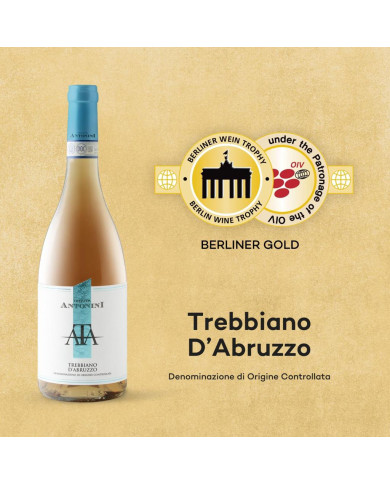
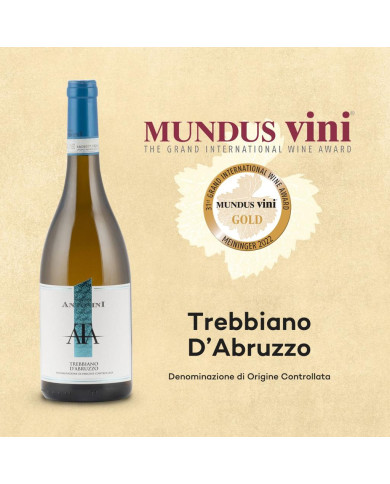
Overcoming the idea of the "great classic", so much the same as to become banal. Go beyond prejudice, linked to the idea of a wine so historic that it seems obvious. Being able to show new sensory details and nuances. Those who are ready to be surprised can find all this and much more in our Trebbiano.
€7.77
SKU:
11778
Brand:
Marina Palusci
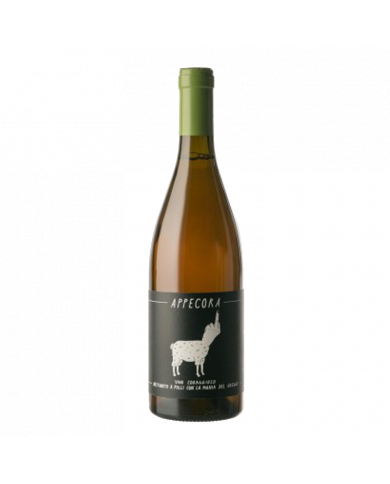
Appecora 2017 is a 4-handed wine produced by Andrea Pendin and Max D´Addario, of the Tenuta l'Armonia and Marina Palusci companies. It is a courageous and very original wine!
€16.74
SKU:
11775
Brand:
Marina Palusci
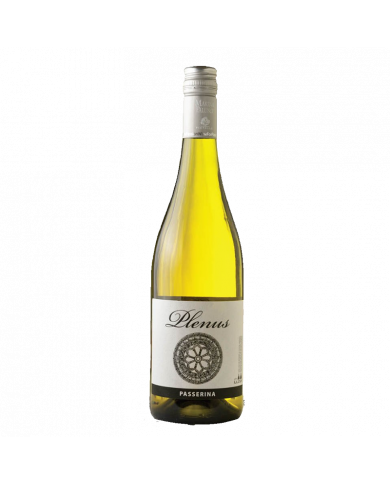
Plenus Passerina of the Azienda Marina Palusci is a wine obtained with spontaneous fermentation with indigenous yeasts present on the skins of the grapes themselves.
SKU:
11773
Brand:
Marina Palusci
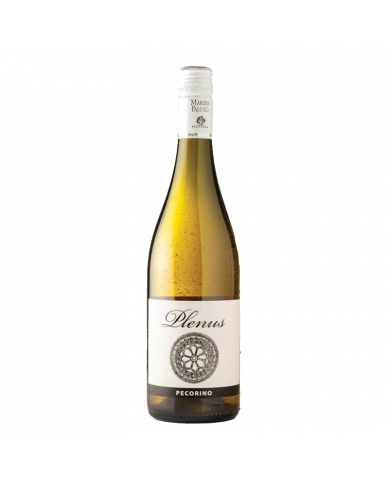
Plenus Pecorino of Marina Palusci company is a wine obtained from spontaneous fermentation with indigenous yeasts present on the skins of the grapes themselves.
€14.43
€12.27
SKU:
11770
Brand:
Marina Palusci
Pecorino with a bright color and crunchy in the mouth. Obtained with a pied de cuve to start the spontaneous fermentation, it requires a pre-harvest (from which the fermentation must will be obtained), and a subsequent harvest whose mass is primed to ferment about 18 days in steel fermenters. Aged in steel tanks on the fine lees for 3 months and bottled without filtration or stabilization. Any deposit testifies to the integrity of the wine.
€11.79
SKU:
11746
Brand:
Lagertal
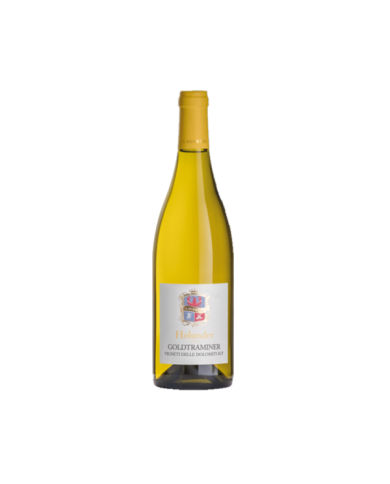
It has gold in its name - Gold - and the powerful charge of a modern wine - Traminer - decidedly "irreverent", because it is the fruit of an absolutely innovative vine, obtained from the crossing of Traminer vine flowers with those of Tuscan Trebbiano. A new variety created in the mid-1950s by Rebo Rigotti, geneticist from Trentino, one of the most brilliant international viticultural researchers. Precious vines, rare precisely because they are destined for targeted harvests and an equally particular wine. Like the one that ripens on the basaltic slope of Reviano, the sunny side of the Destra Adige, above Isera (Trento). The care in cultivation and vinification is maximum in order to offer an absolutely original, curious and yet intriguing wine. Gold in its sunny, brilliant color, with almost iridescent luminous reflections. The nose will win you over for the amalgam of fragrances embellished with a myriad of floral notes that recall candied fruit, acacia, citrus of mandarin and elder flowers, which surround the cultivation area in a fragrant embrace. On the palate it comes with fresh vigor, without neglecting the elegance of velvet, recalling round flavors of quince and crunchy apricots, with a never cloying sweetness and a decidedly rare gustatory persistence.
Holunder - a Goldtraminer that stands out for its versatility: to be enjoyed while still young - for immediate sensations - or to be rediscovered after some proper aging in the cellar, for unforgettable pleasures.
SKU:
11735
Brand:
Podere Castorani
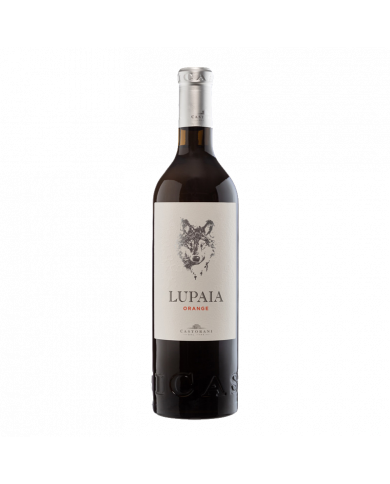
Orange color with golden reflections. Bouquet intense notes of officinal and balsamic herbs. On the palate it is soft, full with a persistent aftertaste.
€11.00
€8.80
SKU:
11734
Brand:
Podere Castorani
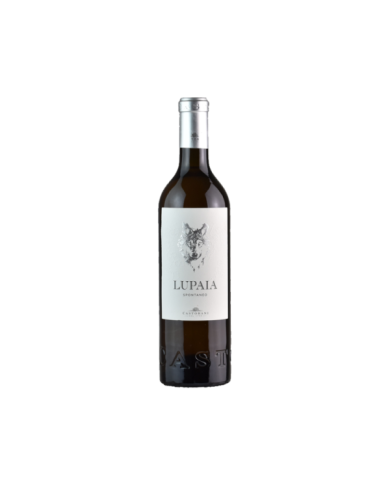
Straw yellow color with golden reflections. Bouquet intense notes of officinal and balsamic herbs. On the palate it is soft, full with a persistent aftertaste.
€18.46
€10.25
€7.50
€25.03
€5.20
€4.16
SKU:
11689
Brand:
Ciccone
€11.00
€8.80
Montonico "Pretonico" has a straw yellow colour, very pleasant and drinkable golden straw yellow, medium intense fruity of ripe apple and light husk of wheat chaff; the taste appears balanced and with good freshness and structure. moderate alcohol content (12°)
€11.00
€8.80
SKU:
11688
Brand:
Torri Cantine
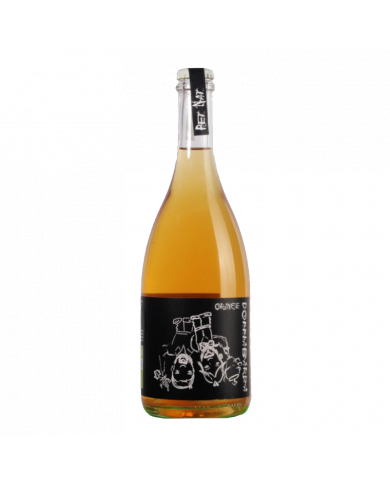
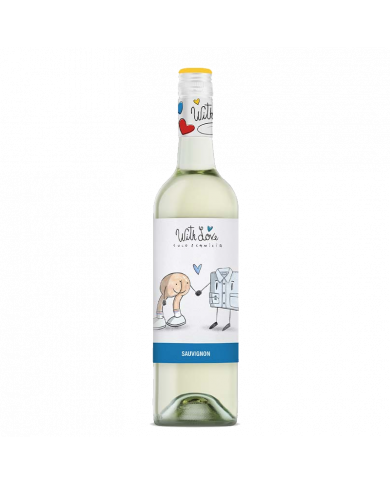
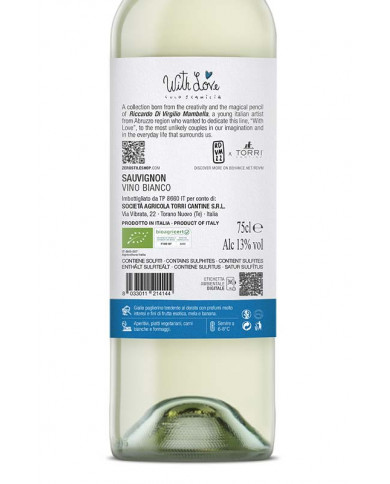
Ass & Shirt
A typical Italian expression that refers to a strong bond between two people. Being ass and shirt with someone means being one with the other party, an inseparable couple. Straw yellow tending to golden with very intense and fine aromas of exotic fruit, apple and banana.
€8.45
SKU:
11683
Brand:
Torri Cantine
Cactus and Balloon are proof that love is blind. No matter how different they are, love will always find its way. Crystalline straw yellow with golden reflections. Delicate aromas of white flowers and yellow pulp fruit.
€12.86
SKU:
11682
Brand:
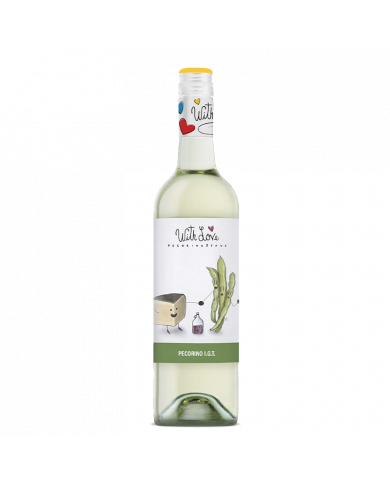
Torri Cantine
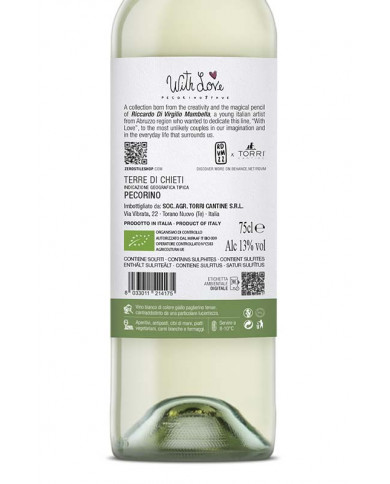
Broad beans and Pecorino represent not only the perfect food-wine pairing, but it is another homage to traditional Abruzzo cuisine. White wine with a pale straw yellow color, characterized by a particular brightness.
€12.86
SKU:
11679
Brand:
Marchesi de Cordano
Grapes: Pecorino 100% Vinification: in steel tanks, with controlled fermentation. Tasting: straw yellow color, fruity, herbaceous and floral. Fresh and well balanced. Alcohol: 12.5% vol. Serving temperature: 8-10°C
€5.38
€4.30
SKU:
11673
Brand:
Frescobaldi
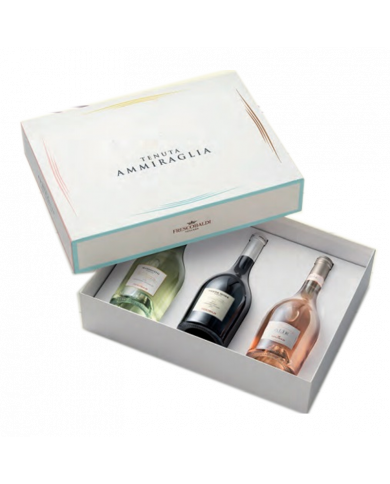
1 btg. 750 ml MASSOVIVO VERMENTINO Toscana IGT 1 btg. 750 ml TERRE MORE Maremma Toscana Cabernet DOC 1 btg. 750 ml ALÌE ROSÉ Toscana IGT
SKU:
11665
Brand:
Frescobaldi
Masso Vivo is the name of this Vermentino with a beautiful straw color, which surprises with its floral and candied fruit notes and harmoniously envelops the palate, characterized by a great flavor and extreme freshness, typical of the territory.
€13.52
SKU:
11662
Brand:
Pasetti
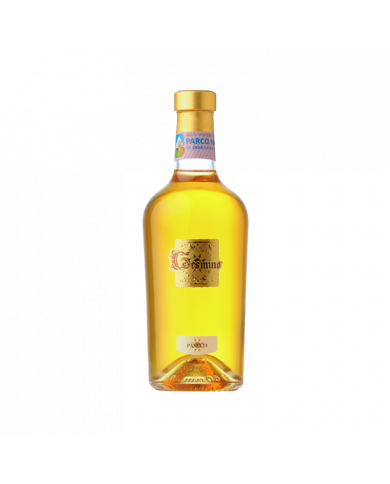
With a bright gold color, the Passito of the Pasetti company releases intense and fine aromas and aromas. Fabulous passita version of the Moscatello di Castiglione, an ancient native grape variety brought to light after years of study and research.
€22.20
SKU:
11660
Brand:
Pasetti
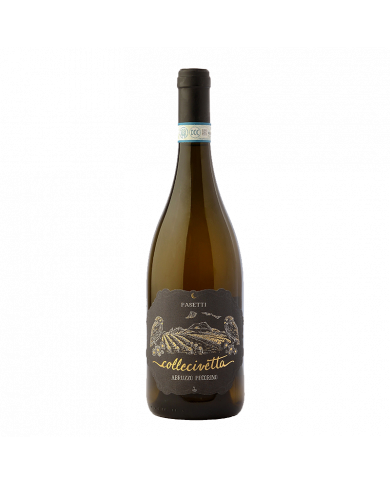
Last of the Pasetti labels, this single variety of Trebbiano d'Abruzzo is expertly crafted. Indigenous yeasts for this complex and balanced dry white wine.
€13.50
SKU:
11659
Brand:
Pasetti
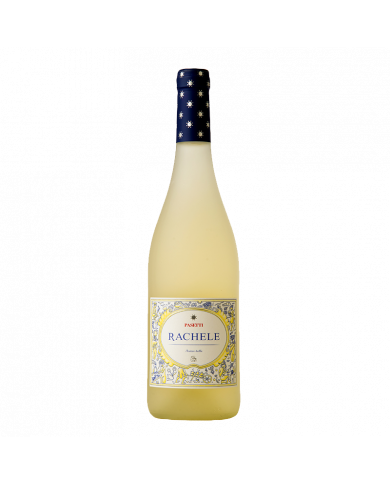
Young and fresh line, this wine perfectly matches the culinary tradition of the Adriatic coast dishes.
€8.76
SKU:
11658
Brand:
Pasetti
Complex and refined, this wine comes from the selection of our best pecorino bunches and is enriched in its structure thanks to the particular vinification technique, which sees it rest for a few months on the lees.
SKU:
11656
Brand:
Pasetti
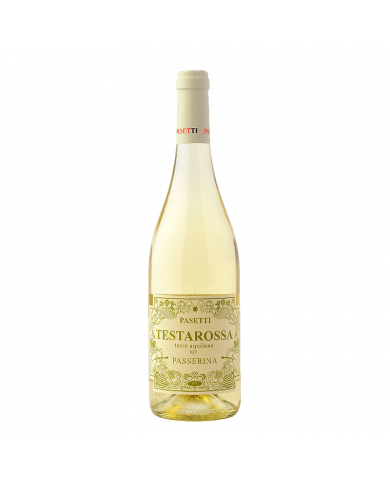
Young version of the historic Testarossa line, the passerina finds its highest expression in the territory of Capodacqua (AQ). Its freshness ranges from herbaceous to mineral, with characteristics of great finesse and elegance.
€12.15
€6.19
€5.26
€6.19
€5.26
€8.72
€8.72
SKU:
11647
Brand:
Casimirri
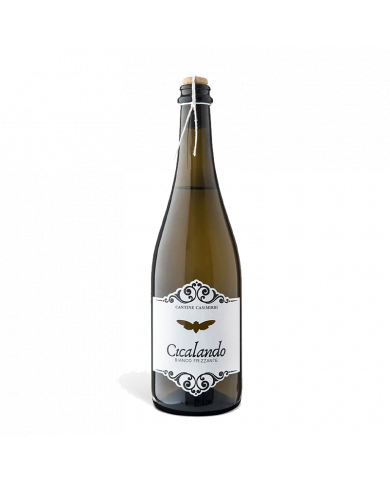
FOAM: Abundant and evanescent. PERLAGE: Fine-grained and persistent. COLOUR: Pale straw yellow. TASTE: Soft. PAIRINGS: Excellent accompaniment to cakes and desserts after a meal. SERVING TEMPERATURE: 6-8° C VOL. ALCOHOL: 7.50%
€6.19
€5.26
€12.69
€10.78
SKU:
11625
Brand:
Camillo Montori
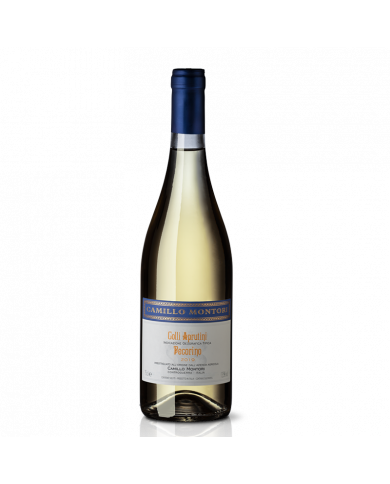
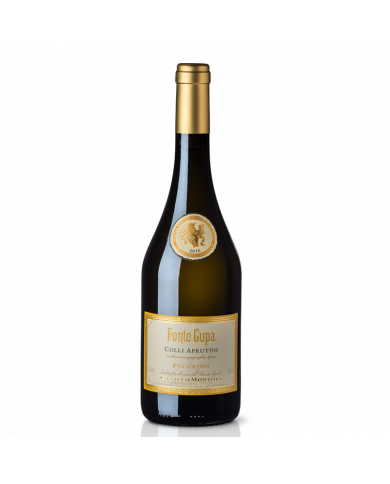
Brilliant in color with pale greenish-yellow reflections. The bouquet is very fine, fruity, with a hint of ripe apple characteristic of the vine of origin. Pleasantly fresh taste on the palate, it maintains an aromatic and gustatory persistence. Excellent as an aperitif, it goes well with any fish dish.
€8.24
SKU:
11624
Brand:
Camillo Montori
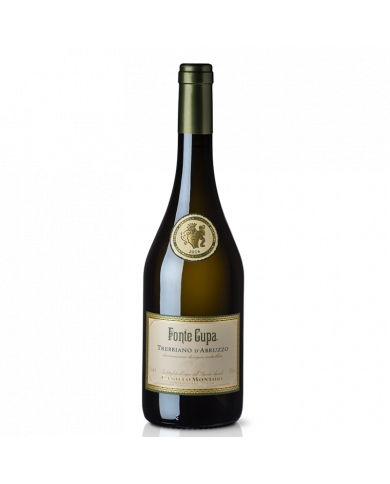
Brilliant color with pale greenish-yellow reflections. Very fine, fruity bouquet, with a hint of ripe apple characteristic of the vine of origin. Pleasantly fresh taste on the palate, it maintains an aromatic and gustatory persistence.
€9.05
SKU:
11621
Brand:
De Angelis Corvi
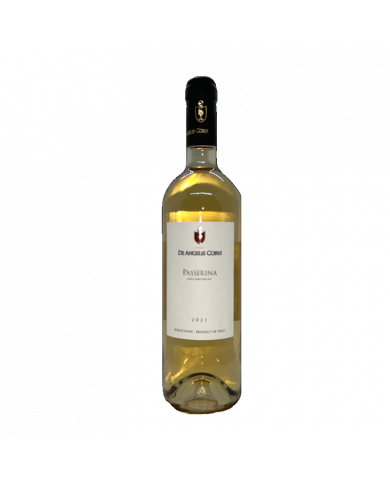
Straw yellow in color with golden reflections, with floral and white fruit aromas. Particularly harmonious wine with notable persistence.
€14.27
€9.91
SKU:
11619
Brand:
Camillo Montori
Straw yellow color with golden reflections. Fruity and floral bouquet with hints of balsamic herbs, hawthorn and banana. Enveloping taste, it is very warm in the mouth and is supported by a good acidity. It goes well with robust first courses, white meats, broths and roasted fish.
€14.49
SKU:
11618
Brand:
Camillo Montori
Brilliant in color with pale greenish-yellow reflections. The bouquet is very fine, fruity, with a hint of ripe apple characteristic of the vine of origin. Pleasantly fresh taste on the palate, it maintains an aromatic and gustatory persistence.
SKU:
11617
Brand:
Camillo Montori
At the tasting it presents a brilliant color with pale greenish-yellow reflections. Very fine, fruity bouquet, with a hint of ripe apple characteristic of the vine of origin. Pleasantly fresh taste on the palate, it maintains an aromatic and gustatory persistence. It goes well with any fish dish and is excellent as an aperitif.
€10.59
€17.02
€29.04
€21.57
€18.20
€10.26
€10.26
€10.26
The best Italian white wines
Italy is home to some of the finest white wines. In the Clickwine section of our online wine shop dedicated to the finest Italian white wines, you'll find bottles of excellent white wine carefully selected by our sommeliers.
The designations used in our country to classify wines are DOCG, DOC, and IGT. Sometimes you'll also find designations like DOP and IGP: these acronyms have similar meanings to the previous ones but are used by wineries that primarily sell their wines outside of Italy.
The production of white wine
White wines are produced from both light and dark grapes, but vinified as a white wine: that is, during maceration there is no contact between the must and the pomace, so that the skin – exactly the opposite of what happens with red wines – does not release substances and color.
Its myriad nuances vary according to the characteristics of the grape variety, the aging method and the vine growing area.
In white winemaking, once the grapes have been harvested, they are transported to the cellar, destemmed, and pressed, and the must is separated without any maceration or with a brief maceration. Sometimes, however, the grapes are pressed and then macerated with the skins at a low temperature for a varying length of time. This produces richer, smoother wines.
This phase is followed by the clarification of the white wine produced, which can be done by letting the must rest, by cooling, centrifugation or filtration.
Fermentation begins either by adding selected yeast to the must or spontaneously, using the indigenous yeasts present in the grapes. To preserve the aromas, finesse, and freshness of white wines, fermentation is carried out at lower temperatures than red winemaking, generally around 18°C.
To obtain a fresh and lively wine, best drunk young, malolactic fermentation is avoided by bottling early, after filtration and stabilization. More complex wines, aged or fermented in wood, are bottled only after several months in barrel.
How to taste white wine
First, you need to decide whether to uncork the bottle right away or let your white wine age. If you want to immediately succumb to its charm, its aromas of aromatic herbs, flint, or its notes of exotic fruit, then serve your white wine at the right temperature: 6-8°C for a young white and 8-10°C for a softer, more structured wine.
How to pair white wine
Dry white wines will surprise you at the table, too, and not just with their straw-yellow color. As an aperitif, and especially with a fish dish, white wine is definitely a must, but it's not easy to know which of the many labels will be best suited to the occasion.
We recommend pairing white wine with cheeses, whether low-fat, fresh, or rich in milk, such as flavorful buffalo mozzarella, or with soft, bloomy-rind cheeses. They're also perfect with white meats, such as classic scallops, but beyond tradition, white wine also pairs perfectly with meat and risotto dishes, as well as truffles. Visit our online wine shop Clickwine for expert advice on purchasing the best white wine at the best price to pair with your favorite dishes.
White wines: prices and offers
Every week, our online wine shop, Clickwine offers a selection of selected white wines at special prices. In this section and in the special offers section, you can then browse the best value wines.
A wide selection of premium products at affordable and truly exclusive prices. Don't miss the incredible deals on white wines from all the most prestigious Italian wineries; discover internationally renowned and beloved Italian wines.
Enter the Clickwine catalog and expand your selection by purchasing exclusive items online from smaller, yet exceptionally high-quality wineries.
White wines: longevity and conservation
How long can I keep white wine in the cellar? Do white wines improve as they age like red wines? These are the questions a wine consumer asks when talking about white wine.
In general, white wines have a much shorter shelf life than red wines, for two reasons: tannins and aging. Tannins are antioxidants present in the wine's skins that aren't present in white wines; as for aging, however, most white wines age in stainless steel for just a few months; even red wines, if they age briefly in stainless steel and undergo rapid maceration, don't last for many years. Let's say a classic white wine aged in stainless steel lasts a maximum of 2 to 3 years. If it undergoes maceration or ages in wood, it can last up to 20 years and improve year after year.
How many types of white wines are there?
There is no exact number of types of white wine, as there are several different white grape varieties that can be used to make white wines. Some of the most common white grape varieties used to make white wines are Chardonnay, Sauvignon Blanc, Riesling, Pinot Grigio, and Moscato. There are also other less common varieties such as Gewürztraminer, Semillon, and Viognier. Each of these varieties can be used to produce white wines with unique and different characteristics, so there are many different types of white wines available.
How to recognize a good white wine?
There are several ways to recognize a good white wine. One of the simplest is to taste the wine and evaluate its flavor and aroma. A good white wine should have a pleasant flavor and a delicate, complex aroma. Other factors that can indicate the quality of a white wine include the vintage, the grape variety, and the production area. In general, white wines produced with high-quality grapes and in particularly favorable years tend to be more valuable and of higher quality. Furthermore, white wines produced in regions renowned for producing high-quality white wines can be considered more valuable than those produced in other regions.
How to understand if a white wine is good?
As mentioned above, one of the easiest ways to determine if a white wine is good is to taste it and evaluate its flavor and aroma. A good white wine should have a pleasant flavor and a delicate, complex aroma. It's also important to keep in mind that the quality of a white wine can be influenced by several factors, such as the vintage, the grape variety, and the production area. For example, white wines produced with high-quality grapes and in particularly favorable years tend to be more valuable and of higher quality. Furthermore, white wines produced in regions renowned for producing high-quality white wines may be considered more valuable than those produced in other regions.
Why is it called white wine?
White wine is so called because it is made using white grapes. Most white grapes have transparent or lightly colored skins, so the wine made from these grapes has a light, transparent color. Sometimes the color of white wine can be influenced by the type of grape used, the winemaking process, and the addition of other ingredients, but generally, white wine has a light, transparent color.
How to replace white wine?
If you want to replace white wine in a recipe, there are several ingredients you can use. One of the most common options is to use chicken or vegetable broth instead of white wine. Other options include using white vinegar or apple juice diluted with water. Additionally, in some cases, you can omit the white wine entirely and use other ingredients to achieve the desired flavor in the recipe.