

 Italiano
 Deutsch





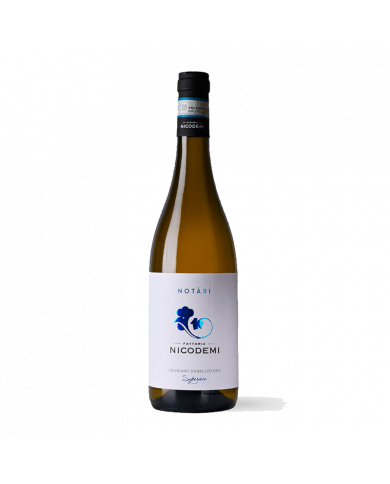















There are no more items in your cart
SKU:
13786
Brand:
Cantina Lepore
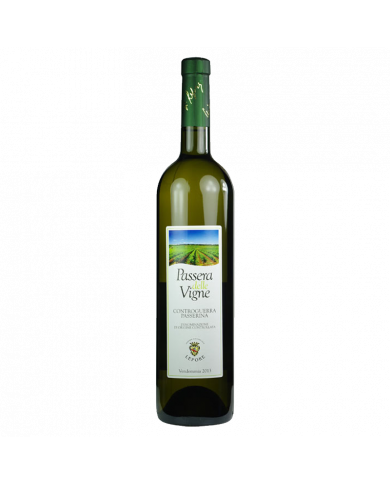
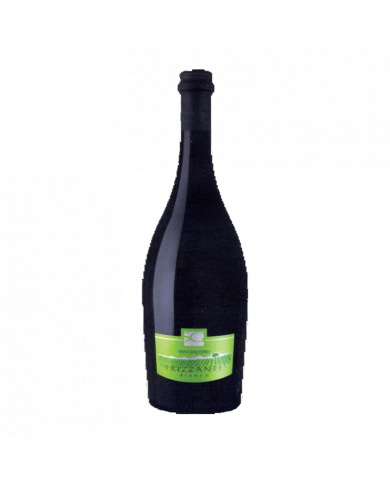
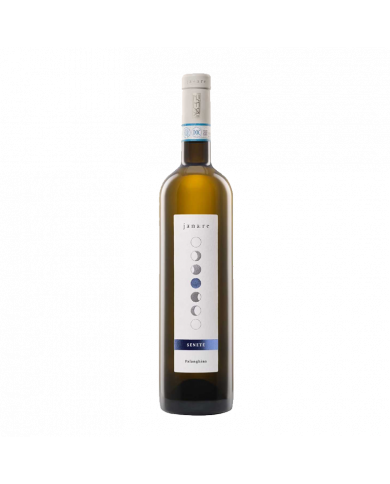
A straw yellow wine with greenish reflections. On the nose it is a wine with a remarkable fruity character and surprising olfactory persistence. In the mouth it is dry with an acidic note in its youth which gives the wine excellent longevity characteristics.
€11.00
SKU:
13776
Brand:
Torre dei Beati
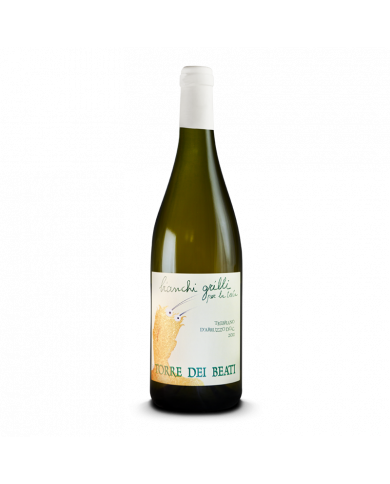
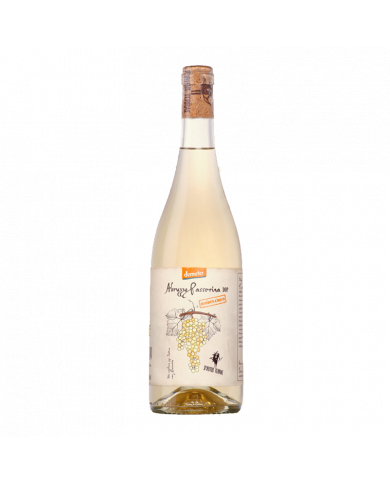
Our activity is limited to the cultivation of a few native vines, which we love to vinify in purity to try to characterize them as best we can in our territory in relation to the individual vintages.
€17.90
SKU:
13775
Brand:
Torre dei Beati
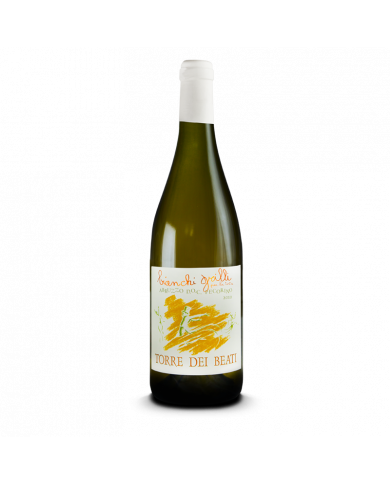
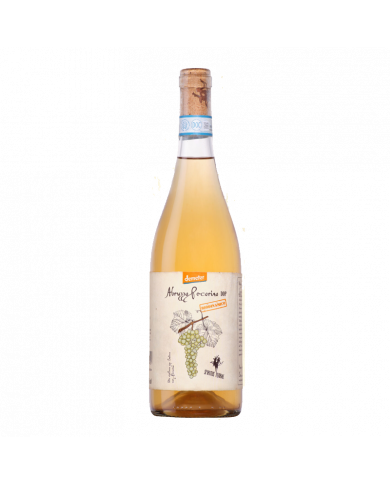
Our activity is limited to the cultivation of a few native vines, which we love to vinify in purity to try to characterize them as best we can in our territory in relation to the individual vintages.
€18.96
SKU:
13774
Brand:
Torre dei Beati
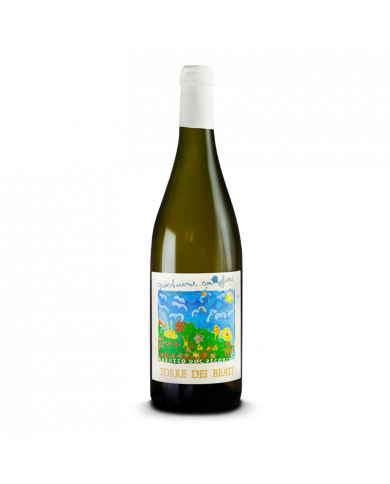
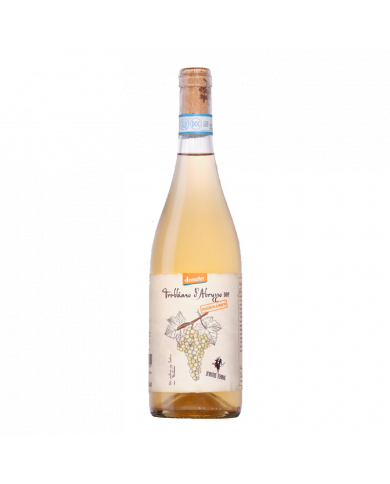
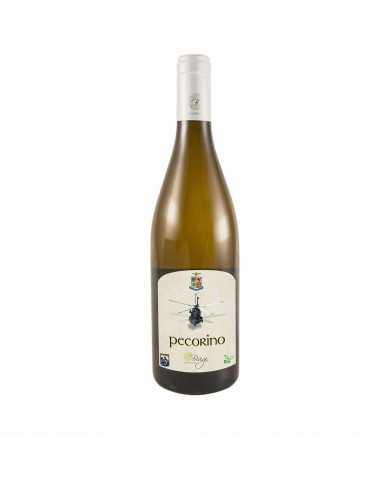
Recently recovered in our territories, Pecorino is a native vine of low productivity and of great enological interest, which is deserving the attention of enthusiasts.
€14.88
SKU:
13773
Brand:
Dino Illuminati
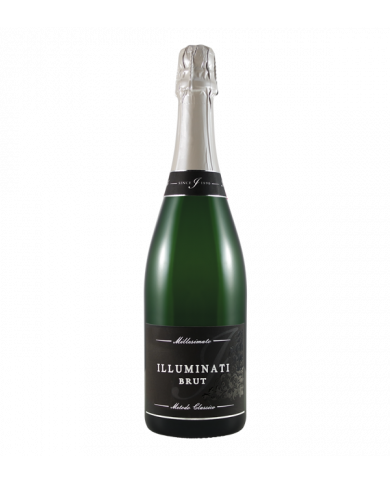
Vintage: 2016 Denomination: Classic method sparkling wine "Illuminati Brut" Alcohol: 12.00% vol Format: 75cl Pairings: As a prelude and as a continuation of a meal, it enhances fish-based dishes with refinement.
€19.80
SKU:
13770
Brand:
Dino Illuminati
€11.42
€10.28
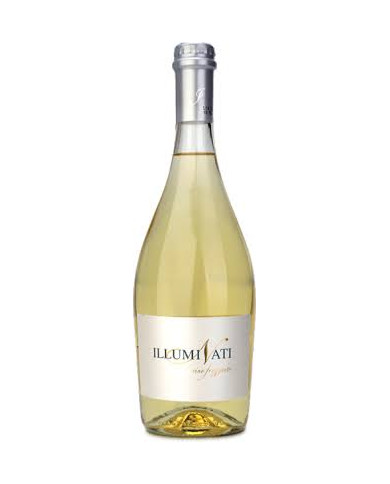
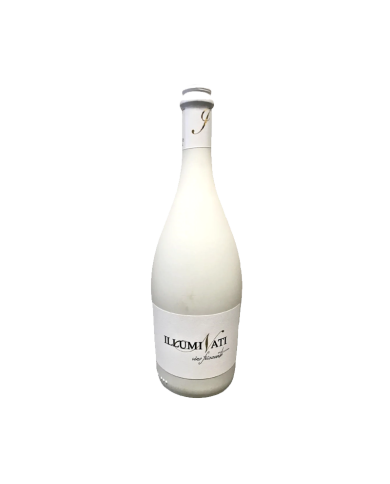
Vintage: 2019 Denomination: Nicolino sparkling wine Grapes: Trebbiano d'Abruzzo, Passerina, Garganega and Verdicchio Alcohol: 11.00% vol Format: 75cl Pairings: It goes well with fish-based dishes, seafood salad, appetizers, soups.
€11.42
€10.28
SKU:
13767
Brand:
Dino Illuminati
Vintage: 2022 Designation: VQPRD Controguerra Bianco Doc Lumeggio di Bianco Grapes: Trebbiano Abruzzese 70%, Passerina 15% and Chardonnay 15% Alcohol: 12.50% vol Format: 75cl Pairings: It goes well with fish-based dishes, seafood salad , appetizers, soups.
€7.52
SKU:
13765
Brand:
Dino Illuminati
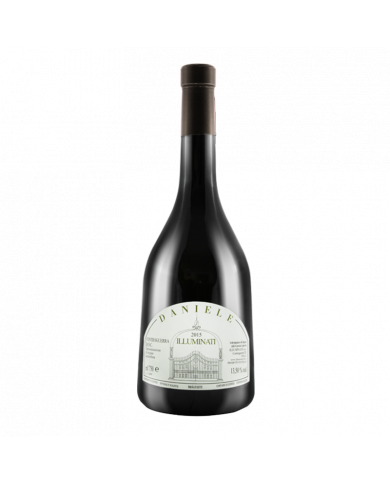
Vintage: 2020 Designation: VQPRD Controguerra Bianco Doc Daniele Grapes: Trebbiano Abruzzese 60%, Passerina 15%, Chardonnay 25% Alcohol: 13.50% vol Format: 75cl Pairings: Its structure is also enhanced with dishes usually paired with great red wines . The serving temperature is very important and must be 12-13 °C in order to enhance the aromas and flavors contained in this bottle.
€22.84
SKU:
13764
Brand:
Dino Illuminati
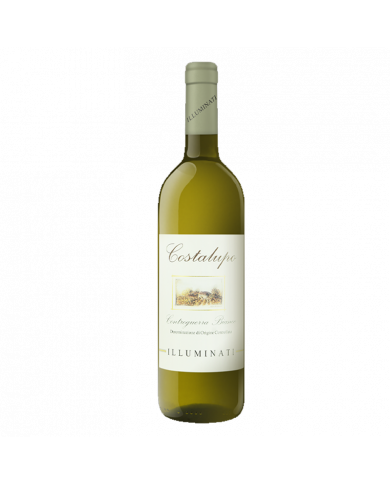
Vintage: 2022 Designation: VQPRD Controguerra Bianco Doc Costalupo Grapes: Trebbiano Abruzzese 70%, Passerina 15% and Chardonnay 15% Alcohol: 12.50% vol Format: 75cl Pairings: It goes well with fish-based dishes, seafood salad, appetizers , soups.
€10.49
SKU:
13762
Brand:
Dino Illuminati
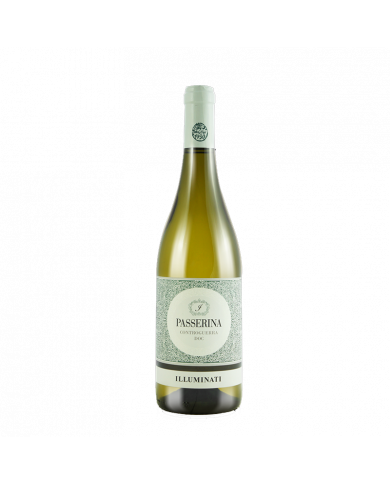
Vintage: 2022 Designation: VQPRD Controguerra DOC Passerina Grapes: Passerina 100% Alcohol: 13.00% vol Format: 75cl Pairings: We recommend pairing with aperitifs, white meats, fish dishes, vegetable and shellfish tempura.
€9.70
€10.59
SKU:
13752
Brand:
Pasetti
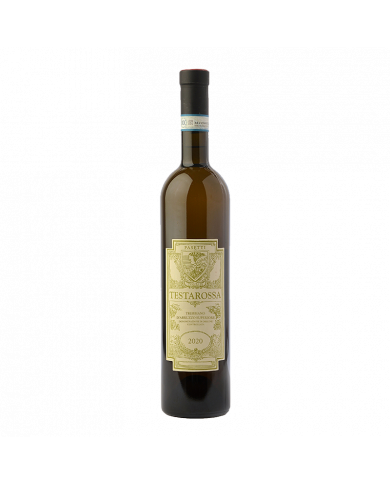
The company's flagship wine, the Testarossa line is the one that best sums up the company philosophy of wanting to remain strongly linked to traditions and family history. This historic label was created to celebrate the superb beauty of the red-haired women of the Pasetti family.
€23.09
SKU:
13750
Brand:
Valentini
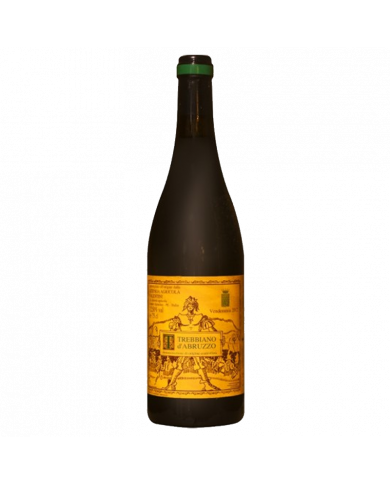
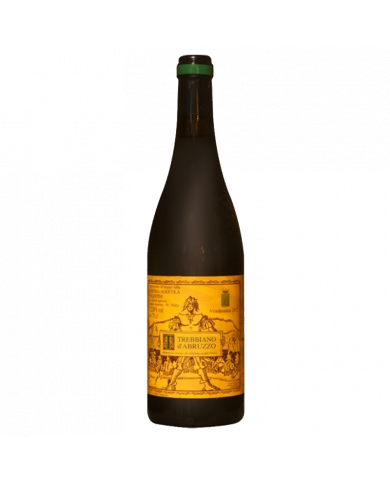
In the glass a bewitching deep yellow that veers towards gold. The nose is an absolute riot of white flowers, among which broom, coffee and white pulp fruit emerge. It expresses itself gradually, always revealing new facets. The sip is dazzling, pulpy, fresh and the sapidity involves you in a unique and enveloping embrace. It is long remembered for its soft, warm and complex personality, capable of evoking many varieties of spices and ripe fruits.
SKU:
13747
Brand:
Cataldi Madonna
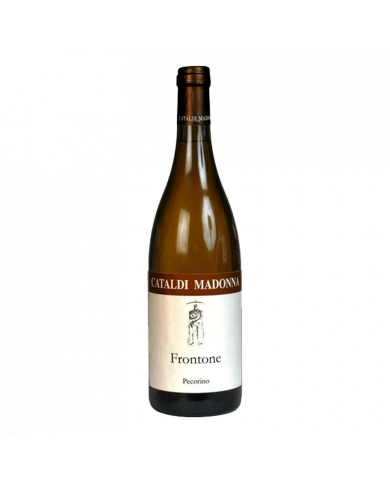
intense golden yellow color and nuances of golden yellow, very transparent. The nose reveals a hint of wood and intense, clean, pleasing and refined aromas of peach jam, banana, broom, apple, hazelnut and plum followed by a pleasing aroma of vanilla. The mouth has good correspondence to the nose, a slightly round attack however balanced, pleasing crispness, good body and intense flavors. The finish is persistent with good flavors of apple, banana and plum.
€85.40
SKU:
13746
Brand:
Praesidium
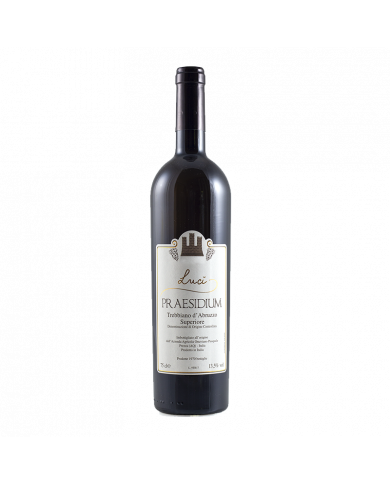
The appearance is of an intense yellow with golden reflections. The nose is striking for the clarity of the perfumes, with a fruitiness that recalls yellow peach and kiwi. On the palate the nectar is decisive and opulent, with a powerful but well-balanced alcohol with freshness and sapidity, with a pleasantly mineral finish.
€29.78
SKU:
13745
Brand:
Filomusi Guelfi
For over two centuries, the Filomusi Guelfi farm has been cultivating Montepulciano d'Abruzzo and producing wines for those who believe in quality.
SKU:
13723
Brand:
Cantina San Giacomo
San Giacomo Bianco Sparkling: a sparkling, soft and delicate wine.
€8.50
SKU:
13721
Brand:
Valle Martello
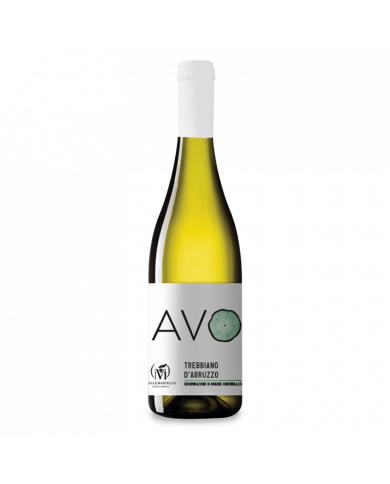
The scent of white flowers is the prelude to a fresh, savory and well-balanced palate. The persistence of flavor and the straw yellow color of medium intensity are the characteristics of this Trebbiano. Pairings: aperitifs, white meat or fish dishes, fresh cheeses.
€6.75
SKU:
13720
Brand:
Valle Martello
The aroma of ripe yellow-fleshed fruit and the sapidity of this wine make it very pleasant on the nose and on the palate. A wine of great structure, fresh and persistent, it goes very well with fish-based main courses and cheeses.
€6.75
SKU:
13718
Brand:
Castorani
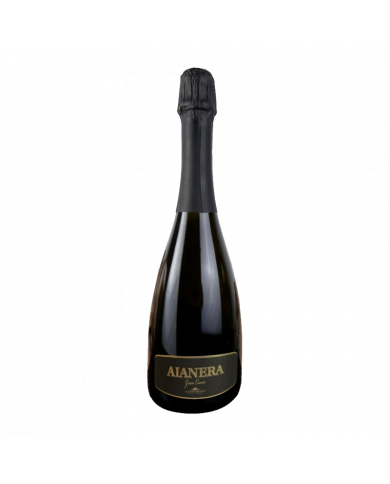
Gran Cuveè sparkling white wine. Pleasantly dry and fruity with a lively and balanced sparkle. Also very pleasant in the spritz
€11.30
SKU:
13716
Brand:
Spadafora
The name of this label recalls the one and only architect of its being, it is in fact the sun The name of this label recalls the one and only architect of its being, it is in fact the summer sun of our beloved land, the summer element of our beloved land, the element that determines its organoleptic characteristics. which determines its organoleptic characteristics. A raisin wine of great value, our Solarys bianco, a late harvest of grapes from A raisin wine of great value, our Solarys bianco, a late harvest of grapes from autochthonous vines, grown as saplings, left on the plant to dry gradually until the autochthonous vine , grown as saplings, left on the plant to dry gradually until reaching the natural sugar concentration; sweet, never cloying, a delicate to reach the natural sugar concentration; sweet, never cloying, a delicate nectar to be served chilled, with fresh fruit tarts or blue cheeses.
€28.55
SKU:
13712
Brand:
Valentini
In the glass a bewitching deep yellow that veers towards gold. The nose is an absolute riot of white flowers, among which broom, coffee and white pulp fruit emerge. It expresses itself gradually, always revealing new facets. The sip is dazzling, pulpy, fresh and the sapidity involves you in a unique and enveloping embrace. It is long remembered for its soft, warm and complex personality, capable of evoking many varieties of spices and ripe fruits.
€10.00
€9.90
SKU:
13685
Brand:
Codice Vino
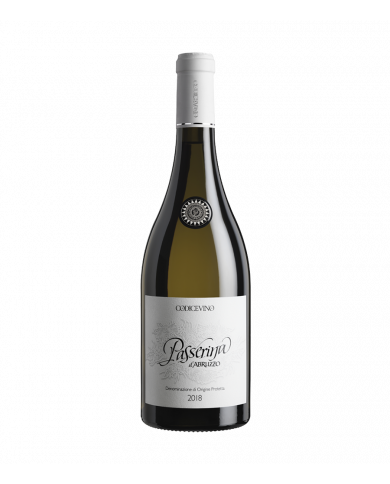
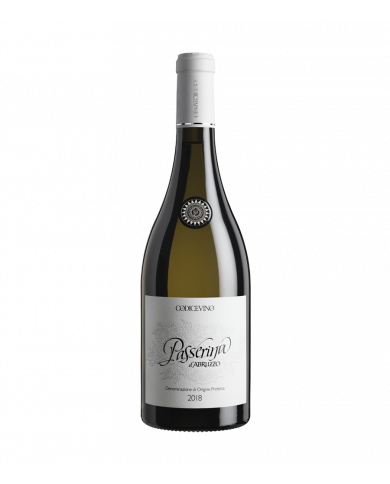
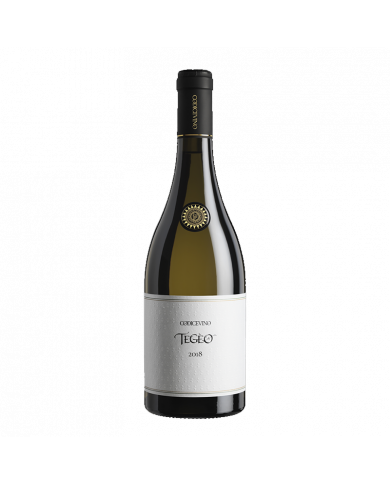
Straw yellow with green reflections. The scent detects a wide range of fruits where white peaches and Williams pears prevail, followed by hints of lemon blossom and floral scents. When tasted it is noted for its rare pleasantness, where hints of fruit pulp are perceived.
€97.36
SKU:
13684
Brand:
Codice Vino
Straw yellow with green reflections. The scent detects a wide range of fruits where white peaches and Williams pears prevail, followed by hints of lemon blossom and floral scents. When tasted it is noted for its rare pleasantness, where hints of fruit pulp are perceived.
€46.12
SKU:
13663
Brand:
Valentini
In the glass a bewitching deep yellow that veers towards gold. The nose is an absolute riot of white flowers, among which broom, coffee and white pulp fruit emerge. It expresses itself gradually, always revealing new facets. The sip is dazzling, pulpy, fresh and the sapidity involves you in a unique and enveloping embrace. It is long remembered for its soft, warm and complex personality, capable of evoking many varieties of spices and ripe fruits.
SKU:
13662
Brand:
Valentini
In the glass a bewitching deep yellow that veers towards gold. The nose is an absolute riot of white flowers, among which broom, coffee and white pulp fruit emerge. It expresses itself gradually, always revealing new facets. The sip is dazzling, pulpy, fresh and the sapidity involves you in a unique and enveloping embrace. It is long remembered for its soft, warm and complex personality, capable of evoking many varieties of spices and ripe fruits.
SKU:
13661
Brand:
Valentini
In the glass a bewitching deep yellow that veers towards gold. The nose is an absolute riot of white flowers, among which broom, coffee and white pulp fruit emerge. It expresses itself gradually, always revealing new facets. The sip is dazzling, pulpy, fresh and the sapidity involves you in a unique and enveloping embrace. It is long remembered for its soft, warm and complex personality, capable of evoking many varieties of spices and ripe fruits.
€124.90
SKU:
13654
Brand:
Palazzo Centofanti
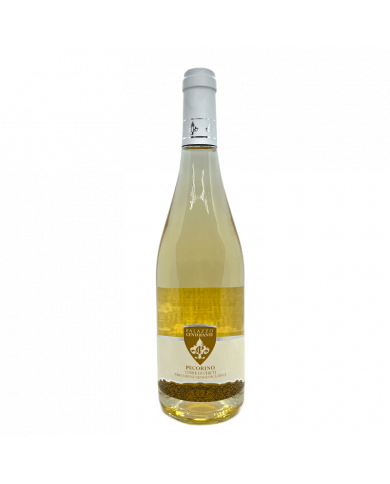
Type: White igt - Grapes: Pecorino 100% - Refinement: For 4 months in contact with the lees in stainless steel tanks - Gr. 13%
€7.87
€6.69
SKU:
13653
Brand:
Palazzo Centofanti
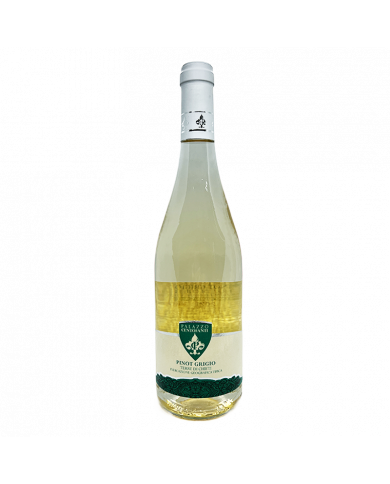
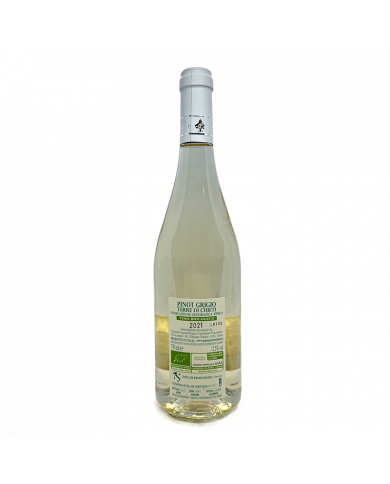
Type: Bianco igt - Grapes: Pinot Grigio 100% - Aging: For 4 months in contact with the lees in stainless steel tanks - Gr. 12.5%
€7.87
€6.69
SKU:
13638
Brand:
Valle Reale
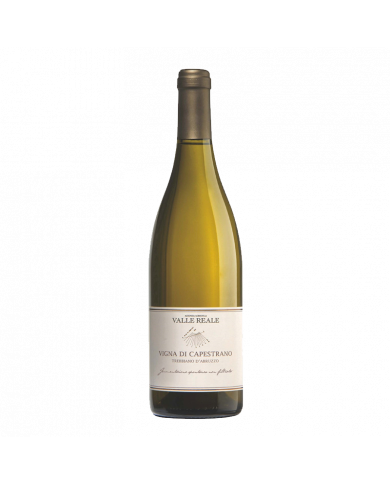
Trebbiano d'Abruzzo "Vigna del Convento di Capestrano" is a rich, energetic and complex white wine with great evolutionary potential.
€75.40
SKU:
13637
Brand:
Valle Reale
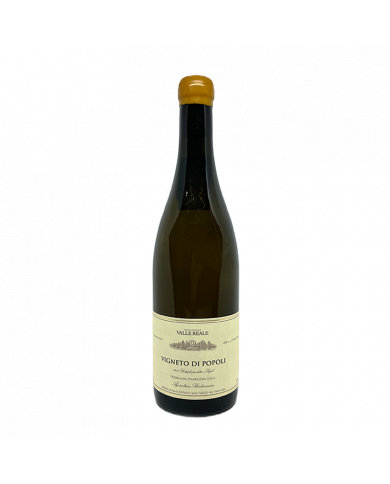
Trebbiano d'Abruzzo "Vigneto di Popoli" is a rich, elegant, savory and Mediterranean wine, born from a single vineyard on the Abruzzo Apennines and aged for 18 months in steel. The taste is intense, warm, enveloping, with lively sapidity and freshness, marked by sensations of citrus fruits, flowers, fruit and many aromatic herbs.
€47.10
SKU:
13636
Brand:
Valle Reale
Valle Reale's Trebbiano d'Abruzzo is a fresh, long, juicy and mineral wine, vinified and aged only in steel. Aromas of aromatic herbs and yellow flowers intertwine with nuances of citrus, fresh fruit and light flint, with a subtle spiciness. The sip is slender, rich, mineral, sapid, harmonious and with a beautiful persistence. Organic, artisanal wine, made as it once was
€15.66
SKU:
13590
Brand:
De Fermo
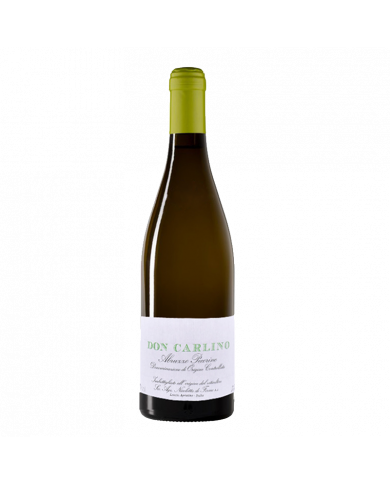
De Fermo's "Don Carlino" is a pure Pecorino produced in Loreto Aprutino according to Stefano's artisanal and biodynamic creed.
€24.90
SKU:
13589
Brand:
De Fermo
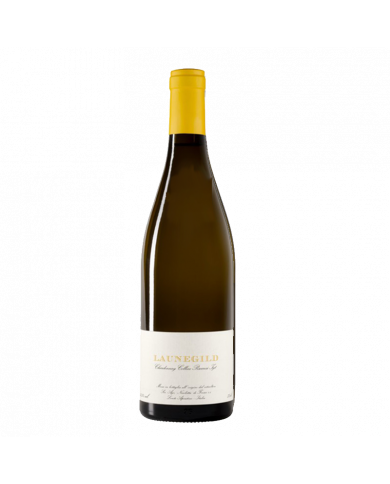
De Fermo's "Launegild" is a Chardonnay typically produced in Trebbiano land which is presented in all its atypicality, dynamism and mineral soul.
€26.75
SKU:
13588
Brand:
De Fermo
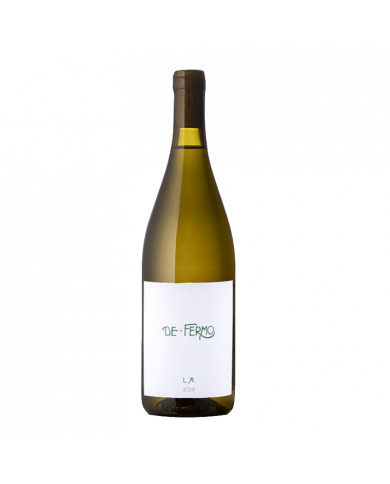
l Concrete Bianco is a white wine from Abruzzo vinified in concrete tanks and produced by De Fermo, an artisan cellar in the famous town of Loreto Aprutino.
€12.44
SKU:
13586
Brand:
Tiberio
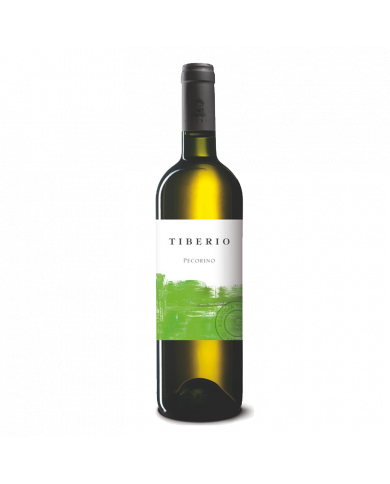
Tiberio Pecorino reveals itself on visual examination with a straw yellow color. The olfactory panorama expressed on the nose is interesting, which highlights subtle and delicate touches of citrus fruits, enriched by a nice range of aromatic herb notes. On the palate it is light, with a slender structure, with a concentrated and expressive sip, which relies on a savory and mineral taste.
€20.56
€17.62
SKU:
13573
Brand:
Praesidium
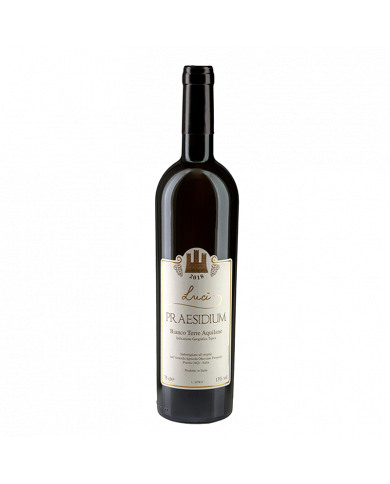
From the Trebbiano grapes of a small vineyard adjacent to one of our Montepulciano vineyards, the Bianco Terre Aquilane Lucì is obtained by subjecting the must to a short period of maceration. Golden in color, with a sometimes subtle, sometimes exuberant bouquet of white flowers, it is a wine characterized by great sapidity and structure, perfect with pasta dishes with white meat sauce, soups and purées of legumes and mushrooms, soft pasta and fish.
€32.60
SKU:
13552
Brand:
Fattoria Italiana Martelli
View: straw yellow. Smell: aromas of white flowers and white peach with hints of citrus and tropical fruits. Taste: strong and mineral taste reminiscent of the yeasts that made it.
€6.19
€5.26
SKU:
13550
Brand:
Fattoria Italiana Martelli
View: straw yellow. Smell: aromas of white flowers and white peach with hints of citrus and tropical fruits. Taste: strong and mineral taste reminiscent of the yeasts that made it.
€6.34
€5.39
€8.20
€10.39
€8.80
SKU:
13534
Brand:
Cascina del Colle
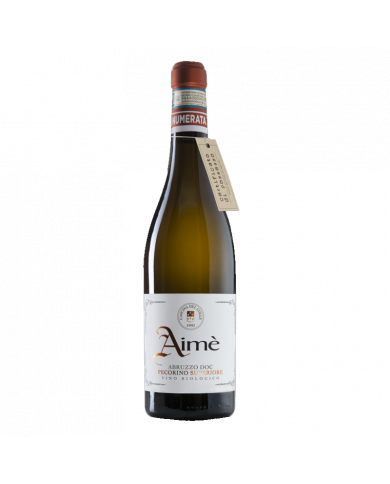
Why Aimè Invented name associated with the French term "beloved", like something you like
€15.71
SKU:
13531
Brand:
Angelucci
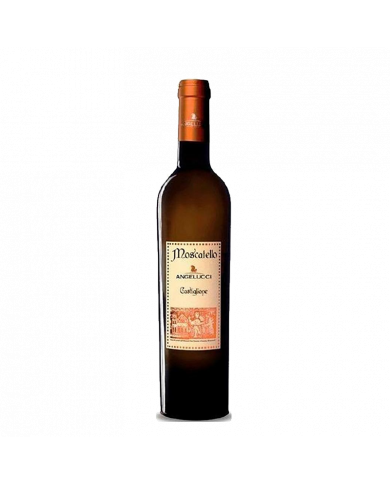
Moscatello di Castiglione Angelucci is a natural passito wine obtained from the original “Casauriense biotype” clone, cultivated between 250 and 350 meters on medium-loose soils in the Casauria area, about 40 km away. from the sea and close to the mountains.
SKU:
13494
Brand:
Scacciadiavoli
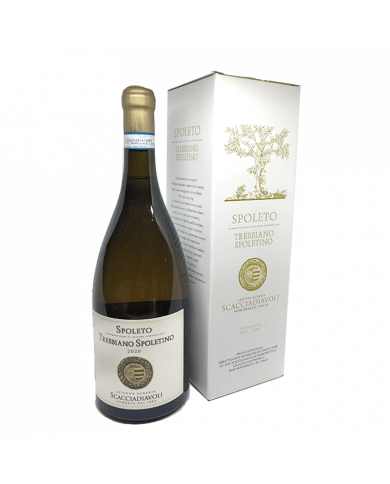
That the Trebbiano Spoletino grape is of high enological interest is now a certain fact. It is an ancient vine that has only recently been rediscovered. It can be grown in the territory of Spoleto and Montefalco. In our cellar we have aimed to capture the finer and at the same time intriguing soul of this grape. We have given space to its changing and original aromas with a vinification in amphora that respects these characteristics and then we have strengthened its expressive character with an aging in untoasted wood and amphora for at least 9 months. In our opinion the result is that of a great white wine for aging, capable of surprising at every sip for its richness of facets.
€33.57
€22.41
SKU:
13461
Brand:
Quintarelli
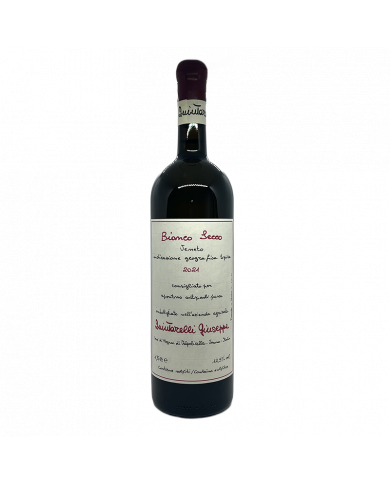
The history and skill that made Amarone and Quintarelli red wines famous throughout the world are also present in the Bianco Secco Igt, a blend obtained from the Garganega, Trebbiano Toscano, Sauvignon Blanc, Chardonnay and Saorin varieties. The vinification and aging take place in glass and steel, where the wine ages on natural yeasts until it reaches a beautiful complexity and a considerable structure. Golden to the eye, scented with summer fruits and spring flowers, fragrant and persistent on the palate, it is the white wine that adds a touch of class to an aperitif and to a menu based on fish, vegetables and white meats.
€79.30
€29.70
€13.96
€29.69
€13.16
€11.26
SKU:
13438
Brand:
Codice Vino
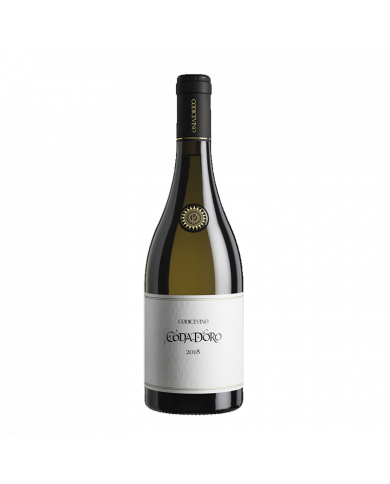
The straw yellow color with reflections tending towards gold. Fragrant to the nose that detects a good balance with sweet notes of spices lit on a background of ripened fruit, yellow peach, mango, white plum pulp that blend with the scented notes of jasmine. When tasted it is appreciated for a superior gustatory balance.
€21.59
SKU:
13437
Brand:
Codice Vino
Straw yellow with green reflections. The scent detects a wide range of fruits where white peaches and Williams pears prevail, followed by hints of lemon blossom and floral scents. When tasted it is noted for its rare pleasantness, where hints of fruit pulp are perceived.
€20.15
€8.25
€7.01
SKU:
13428
Brand:
Collefrisio
Crystalline straw yellow color with golden reflections, fine and persistent perlage. A strong white fruity note with hints of exotic fruit, bread crust and toasted almonds. Balanced, fresh and long-lasting taste.
€59.78
SKU:
13421
Brand:
La Guardiense
The label of this Falanghina from the La Guardiense winery, belonging to the Cru line, is vinified starting with carefully selected 100% pure Falanghina grapes. The origin is the classic one of Sannio Beneventano in the suitable heart of eastern Campania. The harvest, as per company tradition, takes place in the second half of September and provides for the vinification with cryo-maceration at a controlled temperature of 8° C in reduction with following soft pressing in stainless steel, for 20 days, fermentation at a controlled and constant temperature 13° c.
€9.90
€17.29
€15.56
€15.56
€16.75
€18.50
€15.72
SKU:
13413
Brand:
San Felice
Our Vin Santo In Pincis is produced only in the best years, when the conditions give the healthiest grapes and the highest sugar levels. Rigorously selected bunches of Trebbiano Toscano and Malvasia del Chianti undergo a long drying process, then the wine spends seven years in wooden barrels.
€41.24
SKU:
13401
Brand:
Antica Cantina Leonardi
bright golden color with greenish reflections. the nose has good intensity and complexity with hints of exotic fruit and a finish reminiscent of vanilla and minerality. soft in the mouth and with a good roundness, with a clear savory vein and aromas of ripe apple accompanied by almond. good persistence
SKU:
13400
Brand:
Viticoltori dei Colli Cimini
Greco di Vignanello is obtained purely from the grapes of the ancient vine of the same name. It has greenish reflections and a characteristic aroma. The taste is well defined and persistent
€7.14
€6.07
SKU:
13388
Brand:
Speranza
€16.57
€13.25
Golden yellow in color, it appears floral and fruity on the nose, where hints of ripe yellow peach prevail. On the palate it is warm, medium-bodied and with good acidity.
SKU:
13367
Brand:
Nestore Bosco
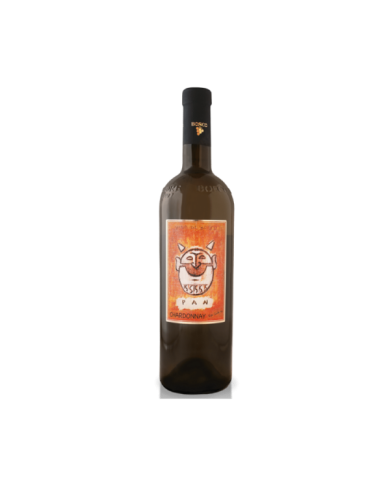
Ranked among the top 10 wines of this region by number of awards won: the 2006 vintage was awarded the gold of Chardonnay-du-Monde. One of the best IGT wines from the Pescaresi Hills that people are looking for. This producer produces a wide range of wines, including those from Trebbiano (Ugni Blanc), Rare White Blend, Montepulciano, Rare Rose Blend, Cabernet - Montepulciano and Pecorino grapes.
€16.00
SKU:
13336
Brand:
Produttori del Gavi
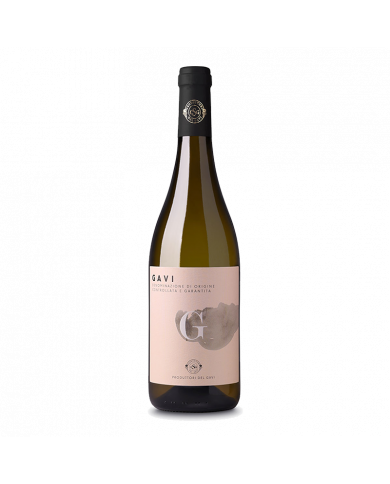
INTENSE STRAW YELLOW COLOUR. NOSE MARKED BY PLEASANTLY BUTTERY NOTES, THEN PEAR, PEACH, MANDARIN AND FLINT. DELICATE BUT AT THE SAME TIME EXTREMELY INTENSE PERFUME. ON THE PALATE IT IS FRESH, POWERFUL, LONG AND PERSISTENT. APPETIZERS, SOUPS AND LIGHT FIRST COURSES, WHITE AND RED MEAT, FISH, FRESH AND MEDIUM-MATURED CHEESES.
€6.98
SKU:
13299
Brand:
Forteto della Luja
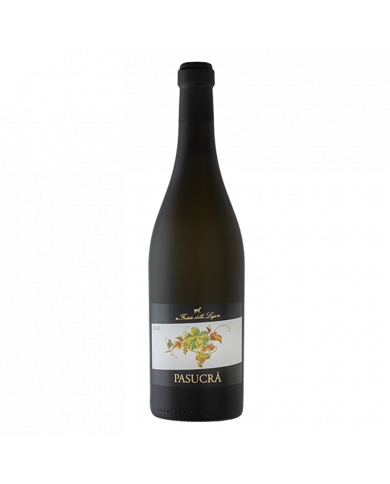
the first Moscato Secco from Piedmont with Denomination of Controlled Origin is called "Pasucrà", a Piedmontese dialect term meaning "not sweet". A new but very ancient wine, son of the peasant tradition of the "filtered sweet" which became dry as the summer months went by.
€12.53
€11.30
SKU:
13293
Brand:
Cantina Tollo
From the warmth of a land dedicated to viticulture, all the experience and passion of generations of winemakers who hand down the love for wine and nature, year after year.
€5.50
€21.30
SKU:
13247
Brand:
Carpineto
Tuscan Vinsanto… a wine whose origins are lost in the mists of time. Vinsanto in Tuscany is such an important wine full of meaning that it was difficult to buy, it was an ambition to make it at home with your own hands; in every family there was a person in charge of this art, usually the father or grandfather. The hypothesized origins of this exquisite drink, as well as those of its singular name are different and are lost in the mists of time. A Sienese legend says that in the 14th century a friar distributed a wine that healed the sick, hence the belief that it was a miraculous wine, "Santo". However, it cannot be excluded that the name "holy" derives from the use that has always been made of it during Mass.
€41.24
SKU:
13241
Brand:
Carpineto
Obtained from Chardonnay wines, chosen from the production of different vintages, the oldest of which were kept in fine oak barrels. This singular sparkling wine is produced in very limited quantities, being the result of a long selection.
€17.46
SKU:
13239
Brand:
Carpineto
€8.50
€5.10
"Mediterranean", this is the character of Vermentino produced in Maremma. The terroir strongly defines its organoleptic profile, merging all its aspects with the features of this wonderful land.
€8.50
€5.10
€26.00
SKU:
13223
Brand:
Biagi
An ancient vine rediscovered and vinified using modern technologies to enhance all its aromas and flavours. Organic wine with a pale straw yellow color with slight greenish reflections. It is a fresh, fruity wine with citrus notes, aromatic herbs and hints of white peach, cedar, sage, jasmine and acacia. Ideal with appetizers and raw fish, shellfish, first and second courses based on fish.
€9.52
SKU:
13222
Brand:
Biagi
Ancient vine grown in the central Italian area. The organic wine obtained from it is pale straw yellow in colour. On the nose it is intense and elegant with floral scents, notes of white pulp fruit and delicate spicy hints. In the mouth it opens on a pleasant consistency with a slightly acidic structure that gives integrated freshness to a round finish that preserves sweet fruity nuances. Ideal pairing with fish-based dishes, or fresh pasta cheeses.
€9.52
SKU:
13216
Brand:
D'Alesio Sciarr
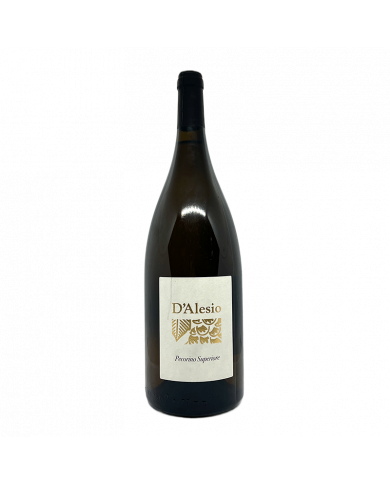
This vine was mentioned for the first time by Cato the Censor in the second century BC, who attributed the origin of this kind of grapes to the Greek colonists. The Pecorino grapes seem to derive their name from the fact that the sheep, walking through the vineyards, would have shown several times to like the fruits.
SKU:
13215
Brand:
D'Alesio Sciarr
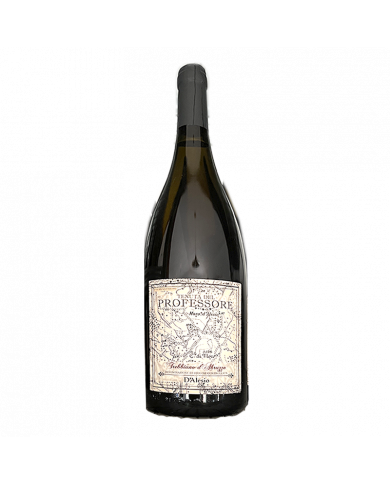
Farmers from the beginning of the 19th century. The D'Alesio farm, from 40 hectares of property on the Abruzzo hills of Citta Sant'Angelo, produces in organic farming: wine, extra virgin olive oil, legumes and selected cereals. SCIARR and D'ALESIO are the brands of excellence, selection and quality, respecting the territory and tradition. Result of the meeting of thoughts of three generations. The selection of their best grapes gives life to the D'ALESIO line, produced only in the most favorable years and in full respect of the natural cycles of the vine and wine.
€67.36
SKU:
13214
Brand:
D'Alesio Sciarr
Farmers from the beginning of the 19th century. The D'Alesio farm, from 40 hectares of property on the Abruzzo hills of Citta Sant'Angelo, produces in organic farming: wine, extra virgin olive oil, legumes and selected cereals. SCIARR and D'ALESIO are the brands of excellence, selection and quality, respecting the territory and tradition. Result of the meeting of thoughts of three generations. The selection of their best grapes gives life to the D'ALESIO line, produced only in the most favorable years and in full respect of the natural cycles of the vine and wine.
SKU:
13213
Brand:
Cantine di Mogoro
Obtained from a selection of aromatic and non-typical white berried grapes of the Mogorese area: a white with intense and elegant scents and aromas, with a pleasant structure and softness, similar in some ways to the Aromatic of the Su 'Entu winery.
€9.83
€8.36
SKU:
13212
Brand:
Cantine di Mogoro
Light and bright straw yellow. It is a wine that finds its main characteristic in its delicacy, which is expressed on the nose with aromas of aromatic herbs such as thyme, rosemary, chamomile and fresh licorice root. Sapidity to the taste is its characteristic, combined with delicate acidity and good persistence.
€12.69
€10.78
€47.82
SKU:
13203
Brand:
Torri Cantine
Color: A pale straw yellow, characterized by a particular luminosity. Smell: You are greeted by an impactful intensity, centered on scents of wild flowers, ripe fruit, a delicate spiciness, as well as an irrepressible and persistent herbaceous note. Taste: It is intense, characterized by an overbearing acid shoulder, refined by the right balance between delicate softness and warmth. You are greeted by hints of yellow-fleshed peach, apple, pear, in a habitat of pungent minerality, with an enthralling lime finish.
€7.50
€30.93
€26.29
SKU:
13178
Brand:
Azienda Agricola Zeni
€13.48
€11.46
Sauvignon Bianco on Esseoquattro rootstock (V. Berlandieri x V.Riparia)
€13.48
€11.46
SKU:
13172
Brand:
Ornella Bellia
They are bunches with thick and consistent skins, high alcoholic potential and sustained acidity, which we know can give interesting and unprecedented nuances in the raisin version.
€30.77
SKU:
13168
Brand:
Ornella Bellia
€11.58
€9.84
The grapes are harvested overripe, pressed and subjected to preferential maceration for twelve hours at 8°C in order to obtain the maximum extraction of the aromas. This is followed by soft pressing and fermentation at 15°C for about 15 days. Maturation in steel on the noble lees, which are periodically suspended (battonage) to give the wine softness and fullness.
- Best Seller line
€11.58
€9.84
SKU:
13167
Brand:
Ornella Bellia
A wine with an intense straw-yellow colour. It has a broad, pronounced aroma, with hints of wild flowers, ripe melon and peppers. On the palate it is savoury, slightly acidulous with a pepper base; delicate in body. Excellent with fish. Also goes well with soups and delicate risottos with wild herbs. Also try it with salads combining fruit and vegetables. It should be served at a temperature of 10-12°C in a medium-sized tulip-shaped glass with a re-closing mouth.
€8.72
€7.41
€33.31
SKU:
13142
Brand:
Principe di Corleone
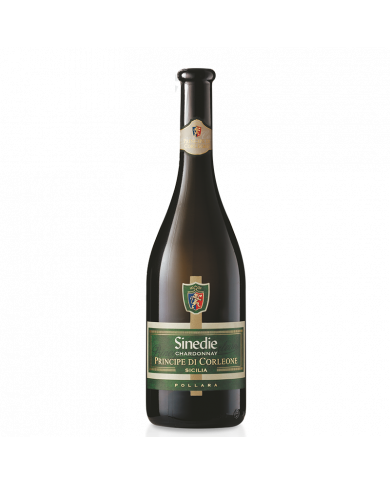
Obtained from Chardonnay grapes from low-yield vineyards. Fermented and left to mature in French oak barrels, it is a wine as elegant as it is powerful. Sinedie is a white wine but at the same time capable of a long aging in the bottle, if well kept in the cellar.
€14.04
€11.94
€12.04
€10.24
SKU:
13118
Brand:
Cà del Bosco
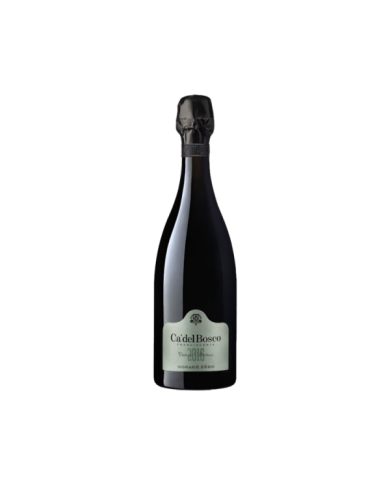
Penalty . Like the harmonic notes of a complex orchestral score, each stage of production must be performed following the times and cadences that perfection requires. Vintage Collection Dosage Zéro has no addition of liqueur d'expédition (dosage syrup added in minimal quantity in the other Franciacortas during the degorgement phase). A pure, sincere Franciacorta, the result of the best expression of an extraordinary terroir and of the man who understood its character and potential. Intended for that public of connoisseurs who love this style. Excellent aperitif, excellent to accompany seafood and raw fish.
€116.90
SKU:
13097
Brand:
Viticoltori dei Colli Cimini
Production area: Colli Cimini geographical area. Straw-yellow in colour, with light greenish reflections, delicate aroma and marked fruity tones, round, intense and pleasantly fresh flavour. It goes well with seasonal fruit, fish appetizers and first courses.
The best Italian white wines
Italy is home to some of the finest white wines. In the Clickwine section of our online wine shop dedicated to the finest Italian white wines, you'll find bottles of excellent white wine carefully selected by our sommeliers.
The designations used in our country to classify wines are DOCG, DOC, and IGT. Sometimes you'll also find designations like DOP and IGP: these acronyms have similar meanings to the previous ones but are used by wineries that primarily sell their wines outside of Italy.
The production of white wine
White wines are produced from both light and dark grapes, but vinified as a white wine: that is, during maceration there is no contact between the must and the pomace, so that the skin – exactly the opposite of what happens with red wines – does not release substances and color.
Its myriad nuances vary according to the characteristics of the grape variety, the aging method and the vine growing area.
In white winemaking, once the grapes have been harvested, they are transported to the cellar, destemmed, and pressed, and the must is separated without any maceration or with a brief maceration. Sometimes, however, the grapes are pressed and then macerated with the skins at a low temperature for a varying length of time. This produces richer, smoother wines.
This phase is followed by the clarification of the white wine produced, which can be done by letting the must rest, by cooling, centrifugation or filtration.
Fermentation begins either by adding selected yeast to the must or spontaneously, using the indigenous yeasts present in the grapes. To preserve the aromas, finesse, and freshness of white wines, fermentation is carried out at lower temperatures than red winemaking, generally around 18°C.
To obtain a fresh and lively wine, best drunk young, malolactic fermentation is avoided by bottling early, after filtration and stabilization. More complex wines, aged or fermented in wood, are bottled only after several months in barrel.
How to taste white wine
First, you need to decide whether to uncork the bottle right away or let your white wine age. If you want to immediately succumb to its charm, its aromas of aromatic herbs, flint, or its notes of exotic fruit, then serve your white wine at the right temperature: 6-8°C for a young white and 8-10°C for a softer, more structured wine.
How to pair white wine
Dry white wines will surprise you at the table, too, and not just with their straw-yellow color. As an aperitif, and especially with a fish dish, white wine is definitely a must, but it's not easy to know which of the many labels will be best suited to the occasion.
We recommend pairing white wine with cheeses, whether low-fat, fresh, or rich in milk, such as flavorful buffalo mozzarella, or with soft, bloomy-rind cheeses. They're also perfect with white meats, such as classic scallops, but beyond tradition, white wine also pairs perfectly with meat and risotto dishes, as well as truffles. Visit our online wine shop Clickwine for expert advice on purchasing the best white wine at the best price to pair with your favorite dishes.
White wines: prices and offers
Every week, our online wine shop, Clickwine offers a selection of selected white wines at special prices. In this section and in the special offers section, you can then browse the best value wines.
A wide selection of premium products at affordable and truly exclusive prices. Don't miss the incredible deals on white wines from all the most prestigious Italian wineries; discover internationally renowned and beloved Italian wines.
Enter the Clickwine catalog and expand your selection by purchasing exclusive items online from smaller, yet exceptionally high-quality wineries.
White wines: longevity and conservation
How long can I keep white wine in the cellar? Do white wines improve as they age like red wines? These are the questions a wine consumer asks when talking about white wine.
In general, white wines have a much shorter shelf life than red wines, for two reasons: tannins and aging. Tannins are antioxidants present in the wine's skins that aren't present in white wines; as for aging, however, most white wines age in stainless steel for just a few months; even red wines, if they age briefly in stainless steel and undergo rapid maceration, don't last for many years. Let's say a classic white wine aged in stainless steel lasts a maximum of 2 to 3 years. If it undergoes maceration or ages in wood, it can last up to 20 years and improve year after year.
How many types of white wines are there?
There is no exact number of types of white wine, as there are several different white grape varieties that can be used to make white wines. Some of the most common white grape varieties used to make white wines are Chardonnay, Sauvignon Blanc, Riesling, Pinot Grigio, and Moscato. There are also other less common varieties such as Gewürztraminer, Semillon, and Viognier. Each of these varieties can be used to produce white wines with unique and different characteristics, so there are many different types of white wines available.
How to recognize a good white wine?
There are several ways to recognize a good white wine. One of the simplest is to taste the wine and evaluate its flavor and aroma. A good white wine should have a pleasant flavor and a delicate, complex aroma. Other factors that can indicate the quality of a white wine include the vintage, the grape variety, and the production area. In general, white wines produced with high-quality grapes and in particularly favorable years tend to be more valuable and of higher quality. Furthermore, white wines produced in regions renowned for producing high-quality white wines can be considered more valuable than those produced in other regions.
How to understand if a white wine is good?
As mentioned above, one of the easiest ways to determine if a white wine is good is to taste it and evaluate its flavor and aroma. A good white wine should have a pleasant flavor and a delicate, complex aroma. It's also important to keep in mind that the quality of a white wine can be influenced by several factors, such as the vintage, the grape variety, and the production area. For example, white wines produced with high-quality grapes and in particularly favorable years tend to be more valuable and of higher quality. Furthermore, white wines produced in regions renowned for producing high-quality white wines may be considered more valuable than those produced in other regions.
Why is it called white wine?
White wine is so called because it is made using white grapes. Most white grapes have transparent or lightly colored skins, so the wine made from these grapes has a light, transparent color. Sometimes the color of white wine can be influenced by the type of grape used, the winemaking process, and the addition of other ingredients, but generally, white wine has a light, transparent color.
How to replace white wine?
If you want to replace white wine in a recipe, there are several ingredients you can use. One of the most common options is to use chicken or vegetable broth instead of white wine. Other options include using white vinegar or apple juice diluted with water. Additionally, in some cases, you can omit the white wine entirely and use other ingredients to achieve the desired flavor in the recipe.