

 Italiano
 Deutsch
















There are no more items in your cart
SKU:
15283
Brand:
Nativ
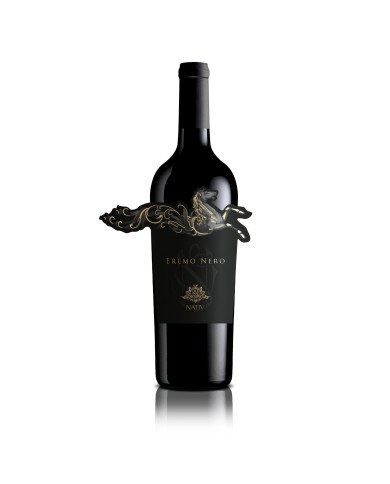
Eremo Nero, born from the vinification of Aglianico grapes grown on volcanic soils in the Paternopoli countryside. The composition of these sandy soils, with very fine and particularly permeable ash, is the ideal condition for obtaining high quality grapes and still red wines rich in anthocyanins and tannins.
€491.66
SKU:
15282
Brand:
Nativ
Valentina was arrogant, know-it-all, presumptuous, like her beauty, pure, alive, unique. If you wanted to define her in one word, there was no more suitable adjective: vain. At every step there was no mirror in which she didn't like to reflect herself, shop windows were her favorite mirrors because the whole city was full of them; the mirrors of the boutiques and beauty salons represented a daily practice in which to look in the mirror; even the pure porcelain saucers of the bistros were an excellent mirror for her, when, raising her cup to sip tea, she admired her reflection.
€18.20
SKU:
15281
Brand:
Nativ
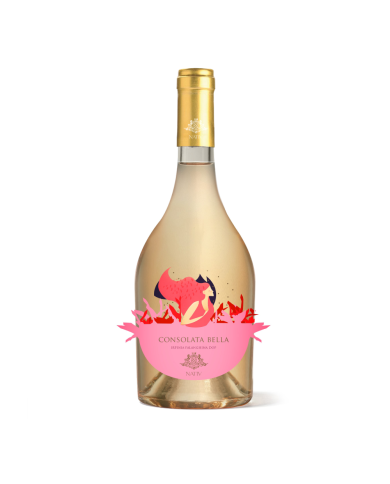
In 1950, in the town of Paterdoro there was a young girl, known for her long red hair who everyone called disconsolate, as her handsome boyfriend, a colonel in the Italian army had gone to war and never returned. The people of the village tried to bring comfort to the young woman, who gave her bouquets of fresh flowers just picked in the field, who gave her baskets of wild strawberries just to make her smile.
€18.19
SKU:
15280
Brand:
Kossler
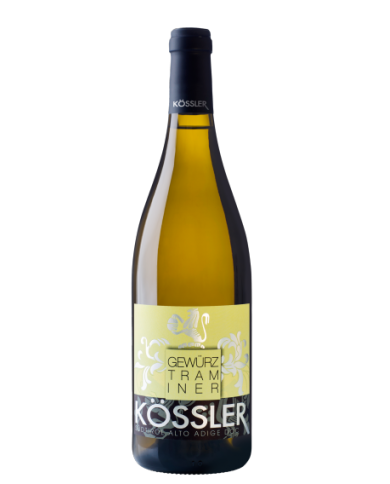
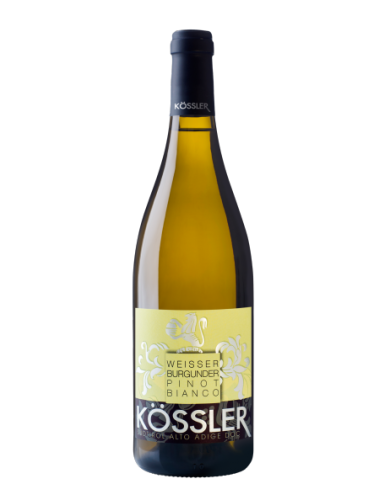
It is an aromatic variety that has its origins in South Tyrol. Its exclusive and unmistakable aroma owes it to the warm and sunny soils. It is a golden yellow wine with typical aromas reminiscent of rose petals, nutmeg spices and cloves.
€19.76
SKU:
15279
Brand:
Kossler
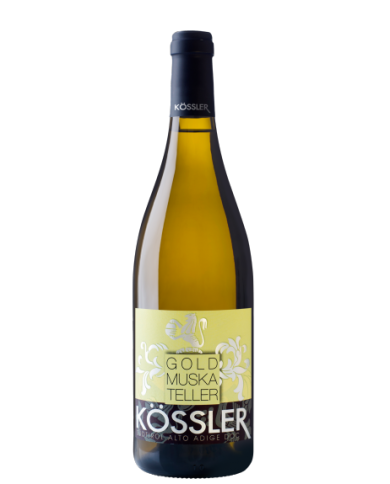
A characteristic of this wine is its aromatic intensity, reminiscent of ripe fruit and nutmeg. On the palate, its natural residual sugar and acidity make it a pleasant aperitif wine.
€16.35
SKU:
15278
Brand:
Kossler
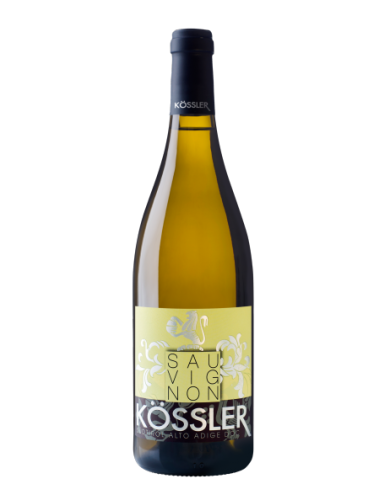
This noble variety expresses a particular character thanks to the microclimate of our vineyards. Thus was born an expressive and savory Sauvignon, characterized by notes of elderflower and various exotic fruits.
€16.35
SKU:
15277
Brand:
Kossler
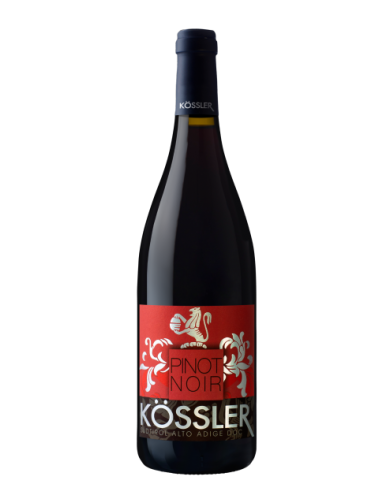
Pinot Noir ranks among the most important wines in the world. Scrupulously cared for and after careful selection, this elegant and velvety wine recalls hints of red berries and wild cherries.
€17.93
SKU:
15276
Brand:
Kossler
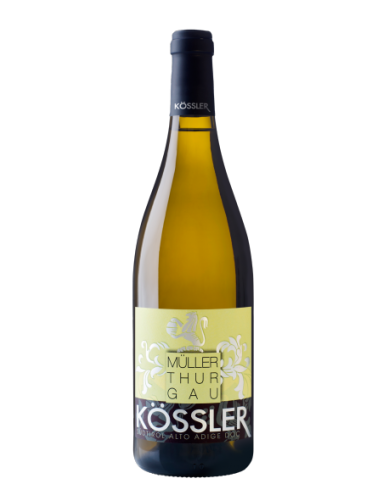
An aromatic white wine, intensive and typical in its bouquet with light notes of Muscat, fresh and aromatic to the taste.
€9.67
SKU:
15275
Brand:
Kossler
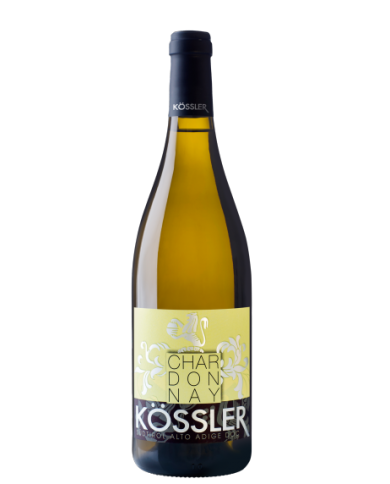
This variety is distinguished by its typical aroma reminiscent of exotic fruits. It is a fresh wine on the palate and with a balanced body.
€14.88
SKU:
15274
Brand:
Kossler
This selection of the Schiava grape gives a typically South Tyrolean light wine. Its aroma recalls violets and cherries, it is characterized on the palate by its softness and its low tannin and alcohol content.
€12.44
SKU:
15273
Brand:
Kossler
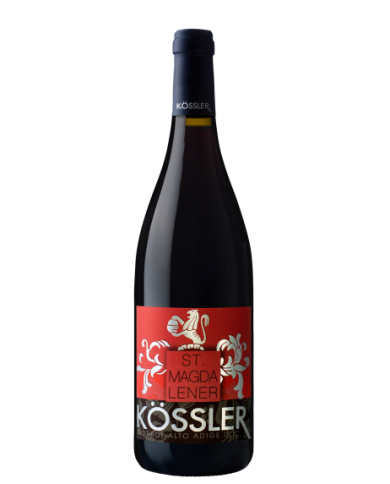
This wine is one of the best known products from the Schiava grape. It has a wide range of fruity aromas and stands out for its fullness and roundness on the palate.
€13.05
SKU:
15272
Brand:
Kossler
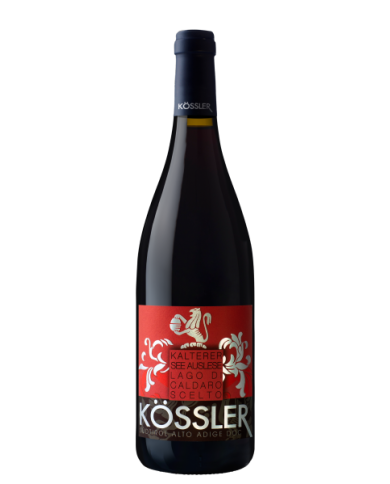
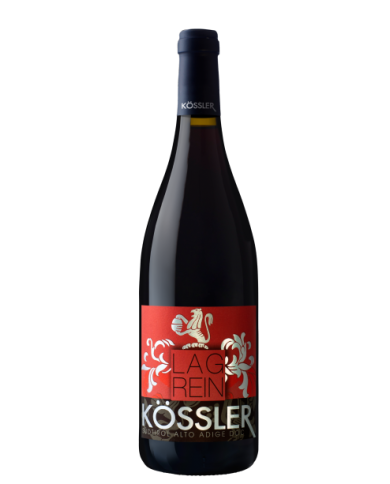
Lagrein is a native variety, from which a wine of great character is obtained. It stands out for its intense red color, its aromas of wild berries and cherry. On the palate it expresses a velvety fullness, enhanced by a soft acidity.
€18.40
SKU:
15271
Brand:
Kossler
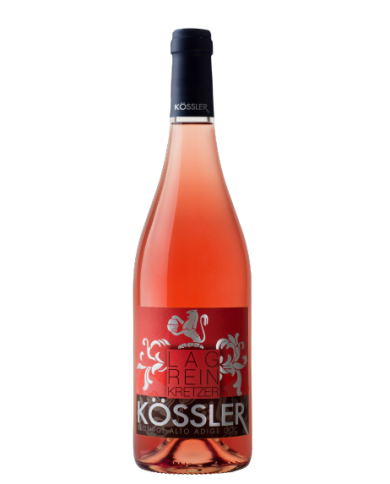
This rosé wine, produced from the Lagrein grape, is typically South Tyrolean, has a rosé color and a pleasantly fruity note that is gaining more and more interest.
€13.01
SKU:
15270
Brand:
Kossler
This variety has been cultivated in South Tyrol for a century and has established itself as a reference point for our production. It owes its aromatic complexity to the strong temperature variations between day and night and to the composition of the soil. It is distinguished by its hints of apple, peach, apricot and pear. Very convincing in the mouth with its acidity and minerality, it ranks among the most popular wines of South Tyrol.
€10.00
SKU:
15269
Brand:
Kossler
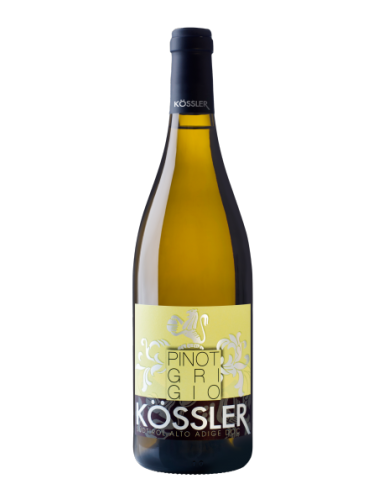
Pinot Grigio, known in Alto Adige as Ruländer, is distinguished by its floral aromas and is characterized by a balanced acidity and a fresh and velvety palate.
€9.89
SKU:
15266
Brand:
Jasci & Marchesani
The carefully selected grapes are pressed directly with the aid of inert gases in order to avoid any potential oxidation. The must obtained is clarified with a stop at a low temperature which allows decantation. The clean fraction is sent to fermentation with the addition of a part of skins and indigenous yeasts. During the fermentation phase, regular punching down is carried out which allows the extraction of natural tannins from the peel which preserve the integrity of the wine. At the end of fermentation, the wine obtained is decanted with the aid of inert gases and ages for 3 months on the yeasts that carried out the fermentation, followed by stabilization and bottling.
€10.42
SKU:
15265
Brand:
Jasci & Marchesani
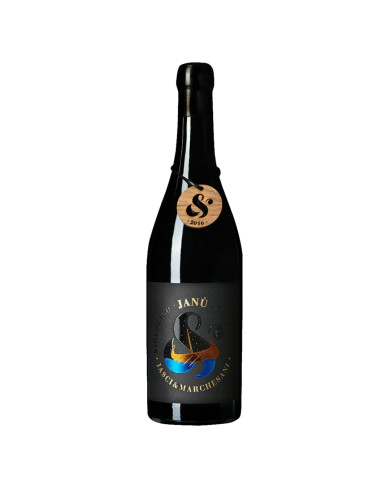
Lo Janù is the top of the range of Montepulcianos of the company. Hand harvesting of the grapes, maceration on the skins for 25 days, vinification in red and aging in double new barrique for 8 months + 8 months. Compact and deep goblet, of a beautiful ruby red. The olfactory reveals an incredible complexity, ranging from hints of dark fruit in alcohol, to toasted notes that recall hazelnuts, to slightly vanilla scents, to beautiful sensations of tobacco and dark chocolate. The sip is full and enveloping, long, pleasantly balanced. Closing on notes of bitter chocolate.
€32.45
SKU:
15264
Brand:
Jasci & Marchesani
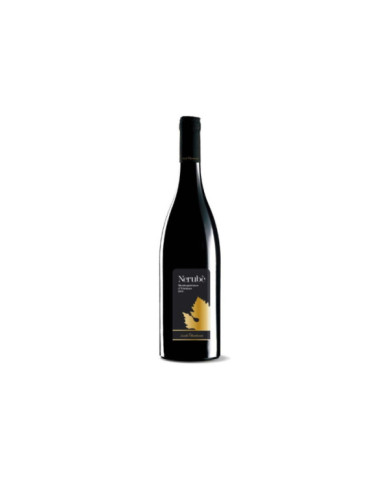
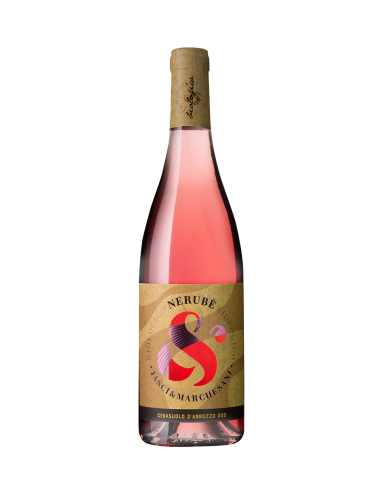
Nerubè is the result of a manual harvest of the grapes, subsequent vinification in red with maceration on the skins for a minimum of 15 days, and aging for 12 months in oak tonneaux.
The glass is intense and deep, with a beautiful ruby red.
The nose expresses all the typicality of the vine, with hints of dark fruit, spices and hints of roasting and cocoa.
The sip is full-bodied, soft and fresh; closes on hints of fruit in alcohol and dark chocolate.
Nice persistence.
€11.90
SKU:
15263
Brand:
Jasci & Marchesani
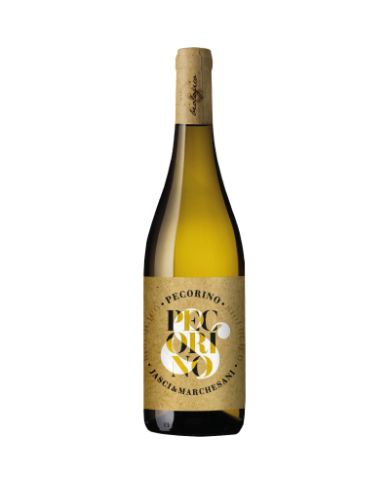
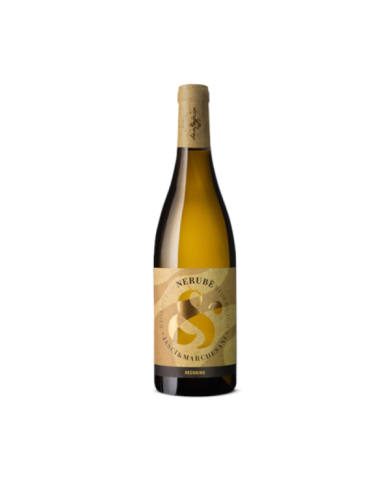
Pecorino is an extremely representative white grape variety for Abruzzo, and Jasci & Marchesani manages to give us a beautiful expression. Hand picked, vinification in white and aging for 6 months in steel vats and bottle.
€11.90
SKU:
15262
Brand:
Jasci & Marchesani
Captivating ruby red, characteristic fruity aromas with hints of vanilla, balsamic vinegar and black olive. Full bodied, powerful, yet very balanced with flavors of mulberry, currant, dark chocolate and a long smoky finish.
€8.87
SKU:
15261
Brand:
Jasci & Marchesani
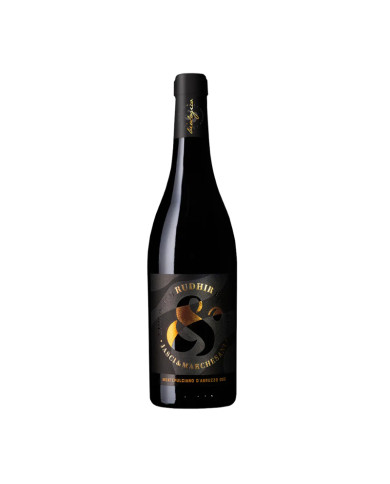
Rudhir is another masterpiece of the Jasci & Marchesani winery which, year after year, proves to be a "Master Cave" for Montepulciano d'Abruzzo. Thanks to Rudhir you go to savor a charismatic, fragrant and intense wine from every point of view. When the word masterpiece is used for a Jasci & Marchesani product, it is not an exaggeration; each bottle is an artistic, pure and sensational brushstroke, which in every sip strikes the soul and heart with the typical scents of the mother vine and those small nuances deriving from the various woods of the barrels. The Rudhir vinifies for 18 months in oak barriques and ends its journey after a further two years in the bottle, before being marketed therefore, explosions of flavours, aromas and aromas are the order of the day with a bottle of this bill. His warm and welcoming heart is a "trademark" and is capable of generating an approving smile even on the face of a drinker with a difficult palate.
€17.92
SKU:
15260
Brand:
Jasci & Marchesani
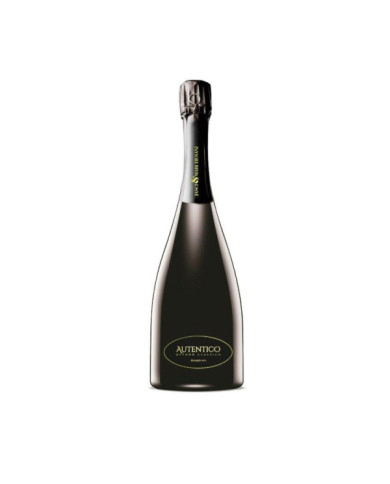
Autentico is a classic method sparkling wine. White vinification at controlled temperature 16 °C. Second fermentation in the bottle at 14 °C. Bottling takes place in the first week of December of the year following the harvest. This is followed by 48 months of permanence on the lees in the bottle.
€34.38
SKU:
15259
Brand:
Jasci & Marchesani
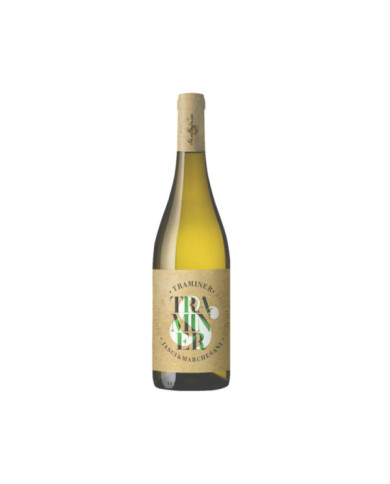
Manual harvest of the grapes for this Traminer, vinification in white and aging for 3 months in stainless steel barrels and bottle.
The glass is a pale straw yellow, very bright.
The nose opens with crunchy hints of green apple, flanked by slightly citrine notes and floral puffs of small white flowers.
Dry, fresh and with good softness, it pleasantly accompanies the meal and satisfies the palate.
€9.64
SKU:
15258
Brand:
Jasci & Marchesani
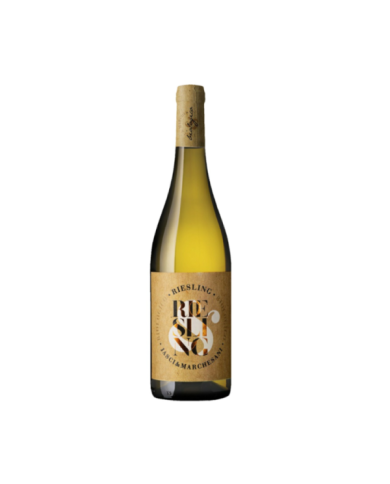
Riesling is a typical vine of northern Italy, Germany and Alsace; Jasci & Marchesani decided to bet on this vine and won the bet in full. A unique product, whose grapes are harvested strictly by hand, processed through vinification in white and finally aged for 6 months in steel barrels and bottles.
€10.15
SKU:
15257
Brand:
Jasci & Marchesani
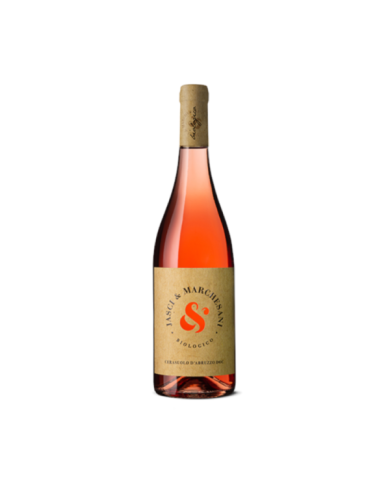
Produced from Montepulciano grapes. Cherry red color with purplish-red hues. Fruity aroma with hints of cherry and strawberry, on the palate it is fresh and fruity, full-bodied with an aftertaste of bitter almonds.
€10.31
SKU:
15256
Brand:
Jasci & Marchesani
The Trebbiano d'Abruzzo white wine from the Masciarelli winery is obtained exclusively from the processing of Trebbiano grapes. For over 40 years this winery has been one of the best realities in Abruzzo that starts from a deep passion for work in the vineyard and for the enhancement of the territory. The vines are grown on the hills overlooking the sea on clayey soils rich in mineral salts which ensure luxuriant growth and the production of very delicious bunches with a unique flavour. This translates into quality wines that are easy to drink. The harvest begins in late autumn when the bunches have reached the right degree of ripeness. The vinification takes place in steel tanks for a limited period to then proceed with the maturation and refinement directly in the bottle. The result is a wine of medium body and structure which can also be drunk young and which is characterized by delicate aromatic notes of fruit and light hints of spice. Excellent for spending convivial moments with friends.
€8.30
SKU:
15255
Brand:
Jasci & Marchesani
Cherry red in colour, the nose is fruity, vinous, with hints of wood. The flavor is harmonious and tender.
€13.66
SKU:
15254
Brand:
Nativ
€15.37
€13.07
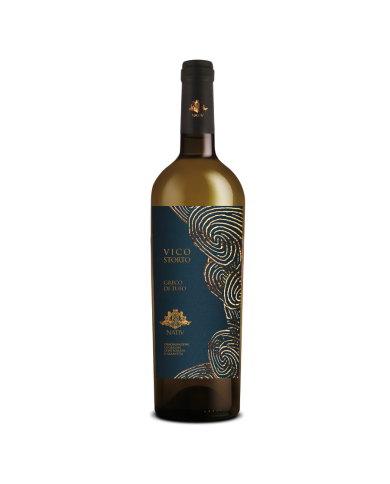
Ancient vine introduced by the Greeks along the Tyrrhenian coasts, whose name derives from the characteristic shape of the bunches, whose grapes are grouped in pairs, from which the name Aminea Gemina derives. The mineral-rich soil, typical of the Greco cultivation area, is particularly suitable for this grape variety and this gives the wine its characteristic sapidity.
€15.37
€13.07
SKU:
15253
Brand:
Nativ
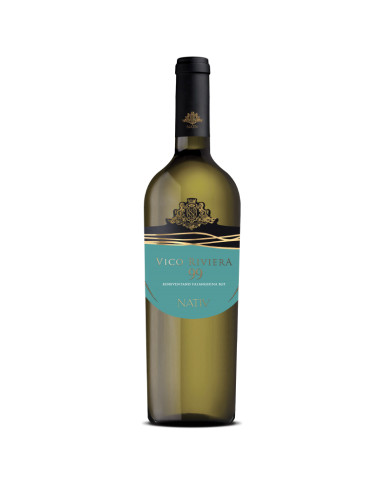
Vico Riviera N° 99 Falanghina Beneventano IGT Ancient vine whose name seems to derive from the fact that the vine, with an expanded habit, was tied to support poles called "falanga" and therefore Falanghina or "vine supported by poles".
€8.20
€6.97
SKU:
15252
Brand:
Cantina Marchesi Antinori
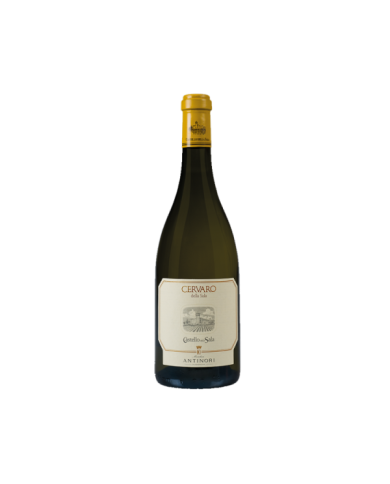
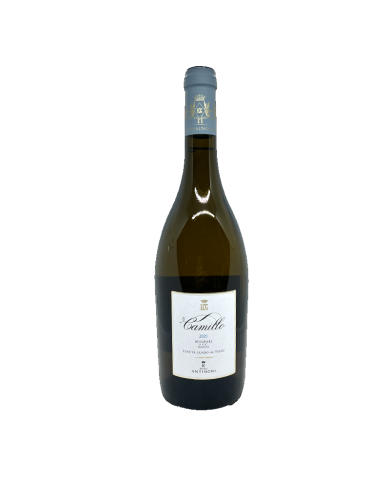
Refined and intense, structured and persistent , it is obtained from Chardonnay grapes with a small percentage of Grechetto, a native grape that brings acidity and binds it even more to the territory. The vinification takes place in Allier and Troncaise barriques, where the wine then matures for six months before being bottled and left to refine for another 10 months.
€69.95
SKU:
15251
Brand:
Cantina Marchesi Antinori
The 2021 vintage in Bolgheri was characterized by a prolonged dry period from June to September. However, unlike 2017, the particularly rainy winter helped to significantly increase the soil's water reserves, providing the vines with the right support throughout the production phase.
SKU:
15250
Brand:
Himmelreich
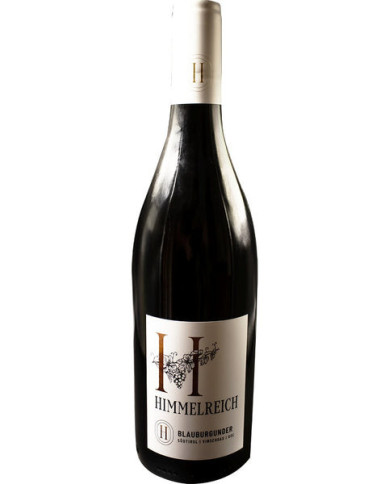
Pinot Noir from the Himmerleich winery is an excellent red wine from Val Venosta produced with grapes from the homonymous vine. The vines are cultivated in an environmental condition that is particularly congenial to them, on the land of Monte Sole at an altitude of about 650 m slm Here the sun makes its presence for 250 days a year, and counterbalances the temperature range of the relatively high position . This perfect temperature play between day and night gives the grapes an unmistakable character. The very elegant and caressing Pinot Noir is the only one that acquires the noble title, in the assortment of red wines from the Himmelreich cellar. In the glass it enchants with its intense iridescent ruby red colour. The nose seduces with its delicious scented bouquet of red berried fruits such as berries and wild strawberries, as well as a delicate but unmistakable aroma of Madagascar vanilla. On the palate it is rich and balanced, with a perfect and pleasant structure. A great classic red wine that goes perfectly with feathered and furred game, with steaks and braised meats cooked to perfection.
€26.84
SKU:
15249
Brand:
Himmelreich
The classy version of the now timeless Riesling: with the "Geieregg" the Himmelreich estate presents the luxury version of its classic white wine. Once poured into the glass, a bright yellow color can be seen adorned with greenish reflections. The nose is captivated by a mature and complex bouquet, consisting of fresh pineapple, sweet peach and grapefruit. "Geieregg" reveals a decidedly full-bodied and juicy mineral taste, supported by deep persistent mineral notes on the palate. It is not only an excellent accompaniment for light appetizers, but also for fish and seafood dishes. By virtue of the particularly refined taste, given by its accentuated minerality and its bouquet, it is in excellent harmony with Asian cuisine.
€36.89
SKU:
15248
Brand:
Himmelreich
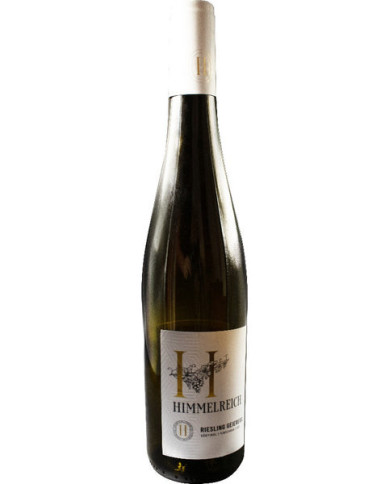
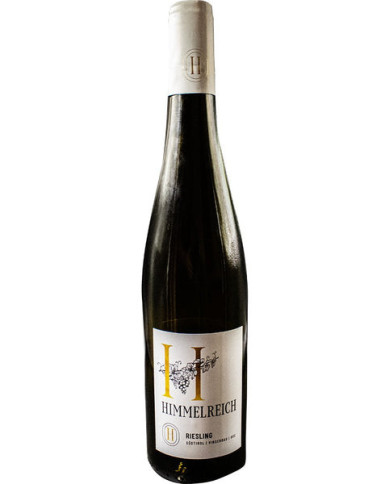
This Riesling is an excellent white wine produced with grapes from the homonymous vine that grows in Val Venosta. The vines are grown on Monte Sole, where there is less rainfall than the entire western area of Alto-Adige. These particular climatic conditions, and the composition of the morainic soils, give the wines of the Himmelreich cellar their unique and unmistakable character. Its robe is of a bright yellow colour, with intervals of greenish reflections. As it enters the glass, Riesling releases a multifaceted bouquet, the first scent that is perceived is sweet and ripe yellow peach. Notes of pineapple with the right point of ripeness, prickly pears and fresh grapefruit follow immediately afterwards. As it passes, the palate is filled with minerality, its juicy and exotic taste is incomparably mineral and refreshing. This fresh white wine with a delicious taste goes perfectly with light appetizers, fish in general and seafood, but is also perfect with Asian dishes.
€24.05
SKU:
15247
Brand:
Himmelreich
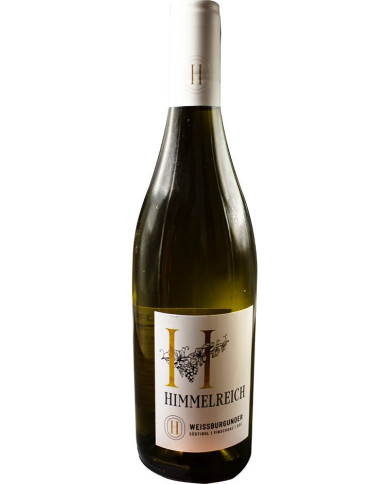
On behalf of the Himmelreich winery, Markus Fliri presents a Pinot Blanc with a strong character and natural charm. The bright yellowish-greenish color hides a characteristic fruity aroma of pear, apple and delicate citrus notes. Compact, fresh and crunchy: this is how the taste profile of Pinot Blanc presents itself, which is, at the same time, enriched by fine mineral notes. This wine is excellent when combined with light appetizers, lightly fried fish and spicy poultry.
€20.25
SKU:
15246
Brand:
Himmelreich
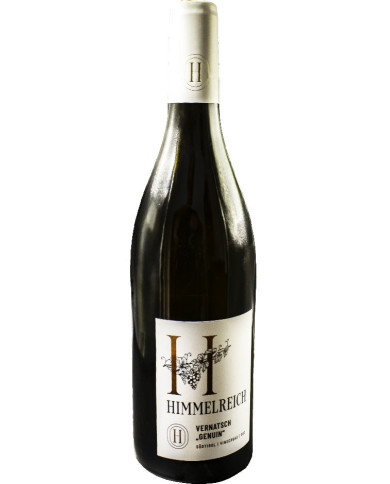
Genuin is a genuine and authentic albeit atypical red wine. Its essence has a thousand facets, and can be savored intensely, revealing its liveliness.
These stupendous qualities are due to the excellent components of the terroir of morainic origin, and to the special temperature range deriving from the presence of Monte Sole.
In the glass its color has a splendid bright red robe. The aromas of raspberries and red cherry arrive intoxicating to the nose, with faint notes of almond, and hints of wild flowers.
A sip capable of conquering and satisfying the palate. Excellent glass to serve in combination with roasts, red meats and medium-aged cheeses.
€18.91
SKU:
15245
Brand:
Fe.Lo.
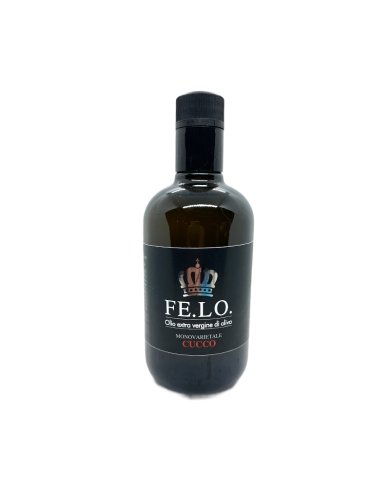
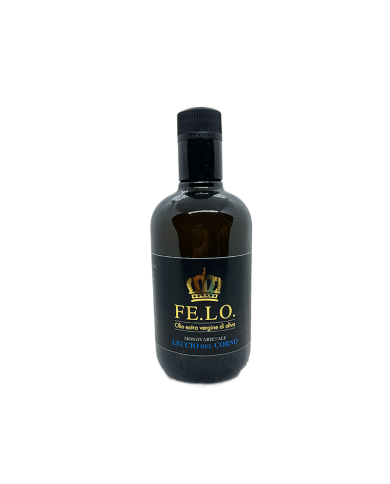
Light to medium fruitiness of green olive with hints of thistle, artichoke and tomato. Medium bitter and spicy with persistence of the spicy note. Fluid and medium persistent.
SKU:
15244
Brand:
Fe.Lo.
Medium fruitiness of green olive with herbaceous hints, predominantly almond, artichoke and light tomato. On the palate notes of bitter and spicy of medium intensity. Herbaceous aftertaste, almond and artichoke
€14.56
€7.93
€7.93
€9.52
€7.93
€7.93
€7.93
SKU:
15237
Brand:
Nativ
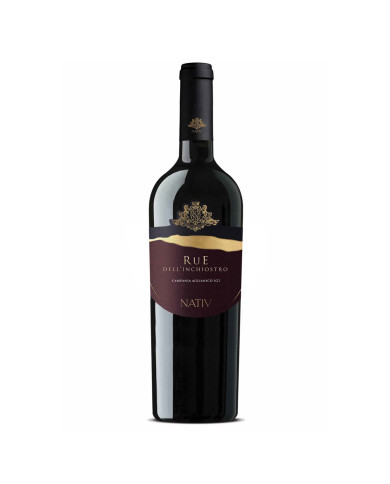
Rue dell'Inchiostro Campania Aglianico IGT Grape introduced by the Greeks along the Tyrrhenian coast, at the time of the foundation of their colonies (VII-VI aC ); this could explain the presence of synonyms of Ellenico, Ellanico then changed into Aglianico. The name deriving from the combination between Rue, the typical name attributed to the streets of Paternopoli following the passage of French domination and "ink" which better defines the characteristic deep purple of the wine.
€8.97
SKU:
15236
Brand:
Nativ


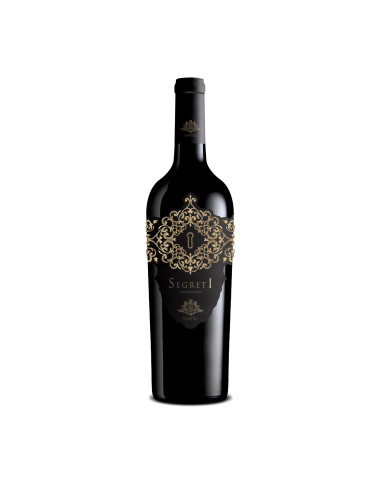
Secrets… from 100% Aglianico Nero grapes, from volcanic lands in the districts of Valle del Ceraso and Fontana Marena, in the countryside of Paternopoli from an unusual November harvest. Macerates and ferments with its own yeasts, then in seasoned oak wood for a year and a half, waiting for six months in the bottle... it is a generous wine in its most authentic organoleptic values.
€97.60
SKU:
15235
Brand:
Nativ
Ancient vine introduced by the Greeks along the Tyrrhenian coasts, whose name derives from the characteristic shape of the bunches, whose grapes are grouped in pairs, from which the name Aminea Gemina derives. The mineral-rich soil, typical of the Greco cultivation area, is particularly suitable for this grape variety and this gives the wine its characteristic sapidity.
€15.90
SKU:
15234
Brand:
Nativ
Ancient vine, of which we find the first traces in Pliny the Elder; the Apian grapes, from which the name of today's Fiano derives, were characterized by an intense sweetness and therefore particularly loved by bees.
€15.37
SKU:
15233
Brand:
Nativ
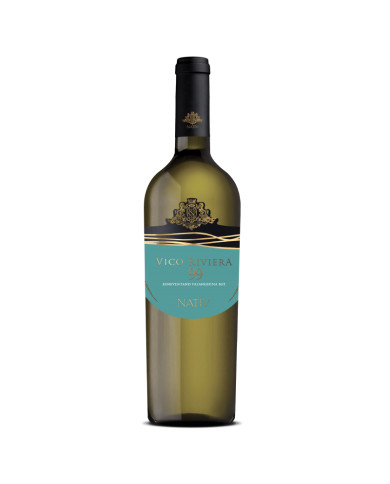
Vico Riviera N° 99 Falanghina Beneventano IGT Ancient vine whose name seems to derive from the fact that the vine, with an expanded habit, was tied to support poles called "falanga" and therefore Falanghina or "vine supported by poles".
€8.20
SKU:
15232
Brand:
Nativ


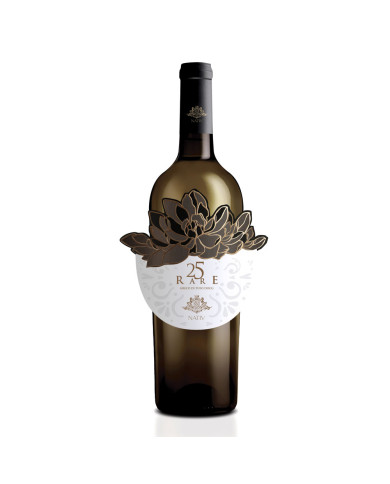
So called because there are so many "grade: rare" steps that connect the historic center of Paternopoli to the part completely rebuilt after the 1980 earthquake
€17.42
SKU:
15231
Brand:
Nativ
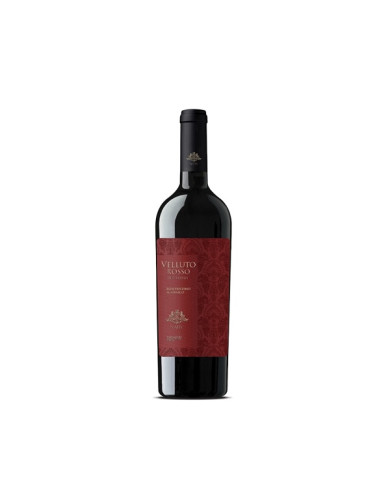
The name "Velluto Rosso" was chosen thinking of the organoleptic characteristics of the wine: soft on the palate and such as to suggest velvet, a fabric that causes a sensation of irresistible softness to the touch. The red color of the label reminds us of a bunch of grapes and the damask is in perfect harmony with the Nativ style.
€11.21
SKU:
15230
Brand:
Nativ
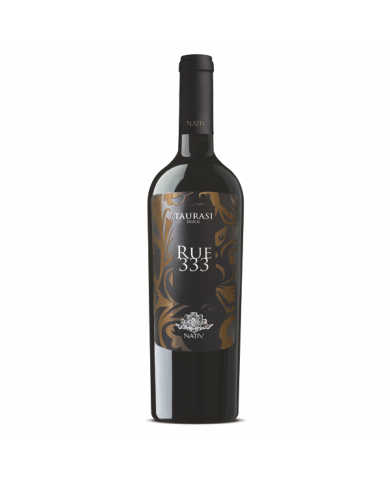
Rue 333, Taurasi DOCG Wine made from Aglianico grapes, whose refinement in barriques for two years, gives it the specific name of Aglianico Taurasi DOCG also in honor of the country where this type of grape is widely grown.

€26.99
SKU:
15229
Brand:
Nativ


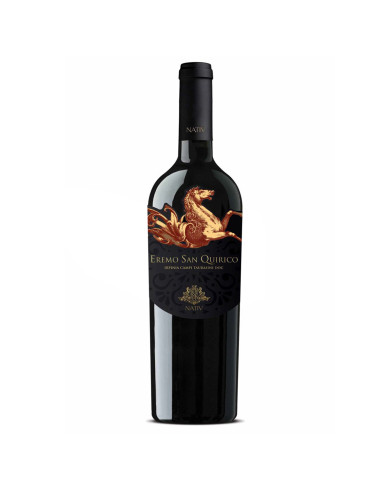
Eremo San Quirico ‐ Aglianico Campi Taurasini DOC Important red wine whose vines are grown on volcanic soil on the hills of Taurasi. The name of our wine derives from the place where horses were once said to graze in the wild, and where the remains of the ancient hermitage of S. Quirico can still be found. A wine so precious as to dress it with a work of art by the contemporary painter Moreno Bondi.
€28.69
SKU:
15227
Brand:
Nativ


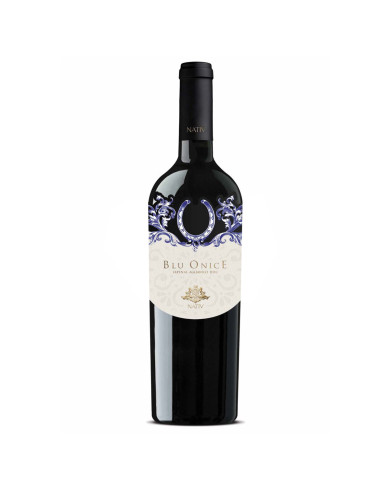
the wine takes its name from the vineyard of the same name located on rocky terrain near an ancient onyx quarry located near gesualdo.
€19.83
SKU:
15226
Brand:
Nativ
Among the vineyards of Irpinia, from the Latin Hirpus-wolf, a young Aras girl roamed around some time ago, a lover of the wonderful bunches of grapes.
€20.98
SKU:
15225
Brand:
Gianni Doglia
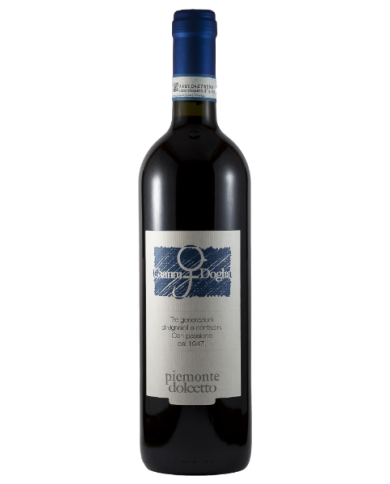
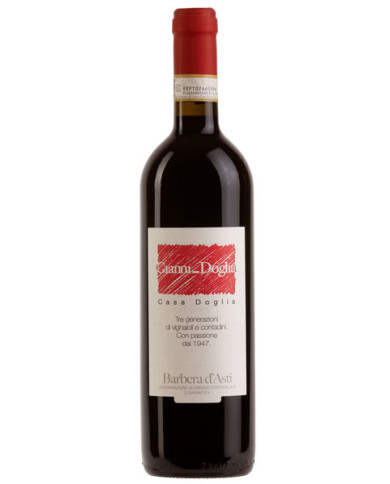
Wine suitable for the whole meal, in particular it goes well with cured meats and hams, appetizers and first courses, fresh or medium-aged hard cheeses. The grapes are harvested manually in the vineyard and carefully deposited in boxes for transport to the cellar, pressed and fermented at a controlled temperature with a maceration of about 10 days. At the end of fermentation, the wine is left to clarify by static decantation until the end of winter. It will then rest in steel tanks until spring when it will be bottled: after about a month of aging in the bottle it will be ready to be drunk.
€12.08
SKU:
15224
Brand:
Gianni Doglia
Particularly suitable as an aperitif or with summer appetizers, first courses, delicate fish. The grapes are harvested manually in the vineyard and carefully placed in boxes for transport to the cellar. They are pressed immediately, left for 5 hours with the skins and then fermented at a controlled temperature of around 15°C without the aid of selected yeasts. At the end of the fermentation process, the wine is left to clarify with static settling until the end of winter. It remains in stainless steel vats until spring, when it will be bottled: after about 1 month of aging in the bottle, it will be ready to drink.
€12.08
SKU:
15223
Brand:
Gianni Doglia
Aperitif wine and throughout the meal, it goes very well with appetizers, fish dishes and white meat main courses. The grapes are harvested manually in the vineyard and carefully deposited in boxes for transport to the cellar. It is then immediately pressed and left to ferment at a controlled temperature of about 15°, without the aid of selected yeasts. At the end of the fermentation the wine rests on the fine lees for 30/50 days; subsequently it is left to clarify by static settling until the end of winter. It will then rest in steel tanks until spring when it will be bottled: after about a month of aging in the bottle it will be ready to be drunk.
€12.08
SKU:
15222
Brand:
Gianni Doglia
Warm, elegant, round. Light tannin in the month. Great aromatic persistence. The grapes are harvested manually in the vineyard and carefully placed in boxes for transport to the cellar, pressed and then fermented at a controlled temperature with a maceration of about 10-12 days. At the end of the fermentation process, the wine is left to clarify with static settling until the end of winter. It remains in stainless steel vats until the end of summer, when it will be bottled: after about 6 months of aging in the bottle, it will be ready to drink.
€18.80
SKU:
15221
Brand:
Gianni Doglia
Important wine indicated for second courses of red meat or game. Excellent companion for an after dinner with friends. The grapes are harvested manually in the vineyard and carefully deposited in boxes for transport to the cellar, pressed and fermented at a controlled temperature with a maceration of about 8-10 days. Upon racking, the wine is placed in barriques where it rested for 24 months. The wine thus obtained was further refined for about 6 months in steel tanks before finally being bottled; the bottles, after a rest of about 6 months in the cellar at a temperature of 18° C to complete the refinement, are ready for marketing.
€31.96
SKU:
15220
Brand:
Gianni Doglia
Meditation wine, ideal in combination with aged cheeses and excellent at any time of the day or at the end of a meal as a digestive. The grapes are harvested and selected manually in the vineyard and carefully deposited in boxes for transport to the cellar. Here begins careful drying for a period of two months on wooden racks, in a dry and well-ventilated place. The withered bunches are pressed and subsequently the must obtained is left to ferment in steel tanks at a controlled temperature for about a month. At the end of the fermentation the wine rests in stainless steel tanks for about a year. Subsequently the wine is bottled and after a rest of about 6 months in the cellar at 18°C to complete the refinement in the bottle, it will be ready to be drunk.
€20.01
SKU:
15219
Brand:
Gianni Doglia
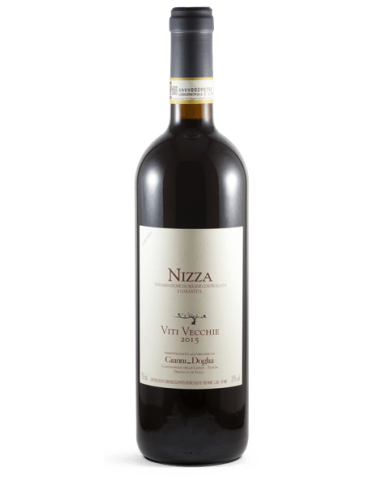
The grapes come from a plot of about one hectare located in the municipality of Nizza Monferrato, whose vines reach an average age of 50 years and represent the maximum selection of Barbera. Wine indicated for main courses of red meat, game or well-aged cheeses, structured, round with a harmonious balance between freshness and softness. The grapes are harvested manually and carefully stored in boxes for transport to the cellar, pressed and fermented at a controlled temperature with a maceration of about 15 days. After racking, the wine ages in small wooden barrels for about 18-24 months. The wine is then left to rest for about 6 months in a steel tank. At this point it is possible to proceed with the bottling. After further refinement in the bottle for at least 6 months in the cellar at a temperature of 20°C,
€30.45
SKU:
15218
Brand:
Gianni Doglia
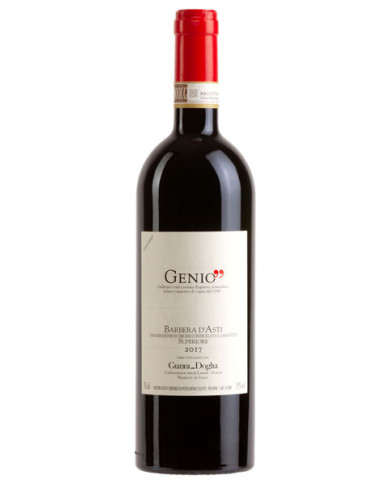
Enveloping, warm and round taste. Excellent persistence and harmony, the result of an elegant balance from a decisive freshness to a good body. The grapes are harvested manually in the vineyard and are carefully placed in boxes for transport to the cellar, pressed and then fermented at a controlled temperature with a maceration of about 15 days. After racking, it is aged in small wooden barrels for 18-24 months. The wine is then left to rest for about 6 months in stainless steel vats. At this point it can be bottled. After further aging in the bottle for at least 6 months in the cellar at a temperature of 20°C, the wine is finally ready to drink.
SKU:
15217
Brand:
Gianni Doglia
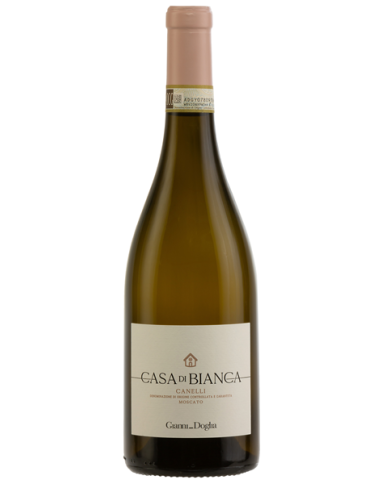
The grapes that come from a small plot known as "Casa di Bianca", located in the hamlet of Annunziata di Castagnole delle Lanze, represent the maximum selection of the Moscato vine from our lands. The Moscato Casa di Bianca grapes are carefully selected in the vineyard during the harvest (which takes place exclusively by hand), after being carefully pressed; the flower must is the result and is elaborated with the Martinotti Method in an autoclave, where it will rest on its lees for at least six months.
€19.03
SKU:
15216
Brand:
Gianni Doglia
Warm and rich taste of extraordinary balance, it has important but never excessive structure and body. Good persistence and excellent harmony. Perfect with first courses, red meats and medium-aged cheeses. The grapes are harvested manually in the vineyard and carefully placed in boxes for transport to the cellar, pressed and then fermented at a controlled temperature with a maceration of about 8 - 10 days. At the end of the fermentation process, the wine is left to clarify with static settling until the end of winter. It remains in stainless steel vats until spring when it will be bottled: after about 1 month of aging in the bottle it will be ready to drink.
€13.54
SKU:
15215
Brand:
Gianni Doglia
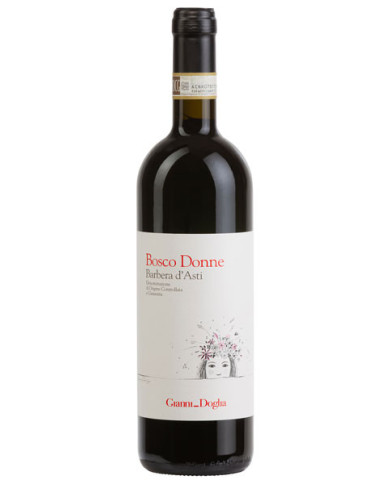
Barbera ''Bosco donne'' is easy to combine because it accompanies almost all traditional Piedmontese dishes with sincere ease: in particular raw meat, agnolotti del plin seasoned with roast meat filling sauces and cooked veal braised in Barbera wine. The grapes are harvested manually in the vineyard and carefully placed in boxes for transport to the cellar, pressed and then fermented at a controlled temperature with a maceration of about 8 days. At the end of the fermentation process, the wine is left to clarify with static settling until the end of winter. It remains in stainless steel vats until the end of summer, when it will be bottled: after about 6 months of aging in the bottle, it will be ready to drink.
€14.88
SKU:
15214
Brand:
Gianni Doglia
Moscato d'Asti is an excellent dessert wine that goes well with dry pastries and fruit cakes; moreover, thanks to the moderate alcohol content, it is a pleasant thirst-quenching drink in the summer. The combination with cured meats and cheeses is more provocative; a provocation that will amaze you! To preserve all the fragrance of the fruit in the wine, it is necessary to adopt a particular harvesting and vinification technique. In fact the grapes, coming from the company's own vineyards, are harvested manually in the vineyard and carefully placed in boxes for transport to the cellar; here they are delicately pressed and the must obtained is kept in cooling vats (-1.5° C) until the moment of vinification in an autoclave. Fermentation takes place at a controlled temperature and with the help of selected yeasts until 5% alcohol is reached. Subsequently the wine will be filtered and bottled. The result is a lively wine with strong and intense varietal characters.
€13.88
SKU:
15213
Brand:
Gianni Doglia
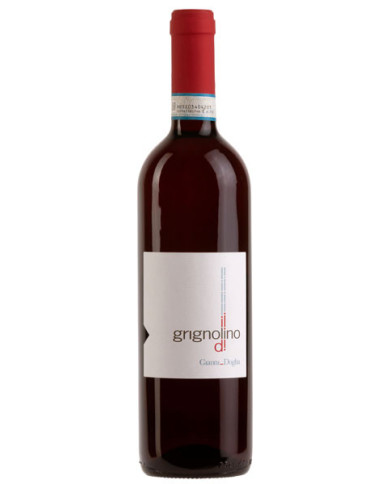
Particularly suitable as an aperitif or with summer appetizers, first courses. It will amaze you with fried fish. The grapes are harvested manually in the vineyard and carefully placed in boxes for transport to the cellar. Subsequently they are pressed and fermented at a controlled temperature of about 18°C with a maceration of about 2/3 days with frequent pumping over. Subsequently the Grignolino is drawn off and the fermentation is finished "in white", ie without skins and seeds, always maintaining a temperature of 18° C. At the end of the fermentation the wine is left to clarify with static settling until the end of winter. It remains in stainless steel vats until spring, when it will be bottled: after about 1 month of aging in the bottle, it will be ready to drink.
€12.61
SKU:
15212
Brand:
Gianni Doglia
Slightly sparkling, its slight effervescence enhances the freshness and flavor making it highly drinkable. Its great pleasantness goes wonderfully with cured meats, soups and boiled meats. The grapes are harvested manually in the vineyard and carefully placed in boxes for transport to the cellar, pressed and then fermented at a controlled temperature with a maceration of about 8 - 10 days. At the end of the fermentation process, the wine is left to clarify with static settling until the end of winter. It remains in stainless steel vats until spring when it will be ready for the sparkling process in the autoclave and for bottling: after about 1 month of aging in the bottle it will be ready to drink.
€10.98
SKU:
15211
Brand:
Gianni Doglia
Moscato d'Asti is an excellent dessert wine that goes well with dry pastries and fruit cakes; moreover, thanks to the moderate alcohol content, it is a pleasant thirst-quenching drink in the summer. The combination with cured meats and cheeses is more provocative; a provocation that will amaze you! To preserve all the fragrance of the fruit in the wine, it is necessary to adopt a particular harvesting and vinification technique. In fact the grapes, coming from the company's own vineyards, are harvested manually in the vineyard and carefully placed in boxes for transport to the cellar; here they are delicately pressed and the must obtained is kept in cooling vats (-1.5° C) until the moment of vinification in an autoclave. Fermentation takes place at a controlled temperature and with the help of selected yeasts until 5% alcohol is reached. Subsequently the wine will be filtered and bottled. The result is a lively wine with strong and intense varietal characters.
€33.92
SKU:
15210
Brand:
Enrico Gatti
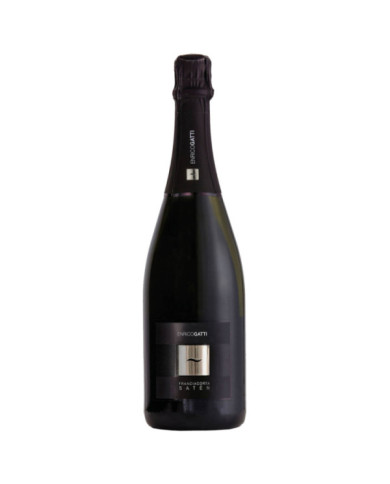
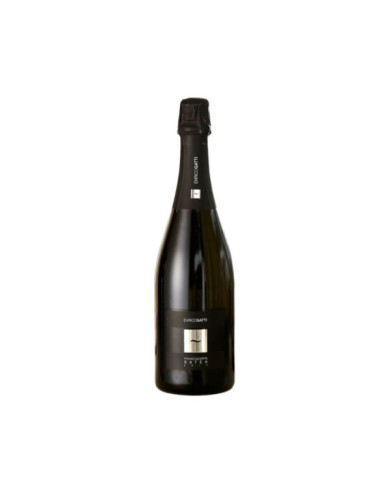
Obtained from the soft pressing of grapes Chardonnay and a Pinot Noir from vineyards located in a hilly area. Part of the must is fermented in oak barrels French and matured on the fermentation lees e part is vinified in steel. Permanence on the lees for a minimum of 48 months. Dry and savory with some rounded notes on the part of the wine that ages in wood. Complex, deep and rich.
€37.90
SKU:
15209
Brand:
Enrico Gatti
Obtained from the soft pressing of grapes
Chardonnay from vineyards located in the area
hilly.
Part of the must is fermented in oak barrels
French and matured on the fermentation lees e
part is vinified in steel.
Permanence on the lees for a minimum of 32 months.
Essentially creamy with fragrant tones of
fresh almond and delicate aromas of butter.
Delighted with a subtle minerality.
€36.23
SKU:
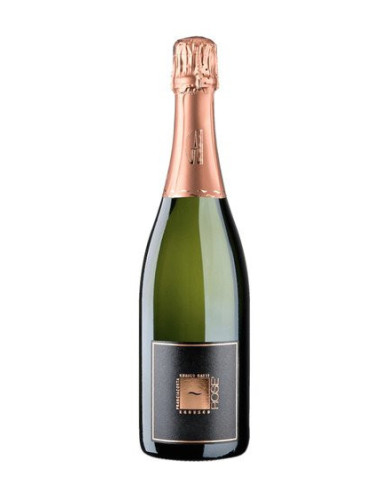
15208
Brand:
Enrico Gatti
Obtained from the soft pressing of grapes
Pinot Noir from vineyards located in the area
foothills.
The color is obtained through a short
maceration on the skins.
The vinification takes place in steel tanks.
Permanence on the lees for a minimum of 25 months.
Fragrant with hints of pomegranate and currant.
Effervescence softened by the sinuous profile of the
vine.
€33.92
SKU:
15207
Brand:
Enrico Gatti
Obtained from the soft pressing of grapes
Chardonnay and a Pinot Noir from
vineyards located in the foothills area.
The vinification takes place in steel tanks.
Permanence on the lees for a minimum of 24 months.
Contains notes of tropical fruit, nuts and
hazelnuts. Harmonious olfactory perceptions e
engaging.
€56.00
SKU:
15206
Brand:
Enrico Gatti
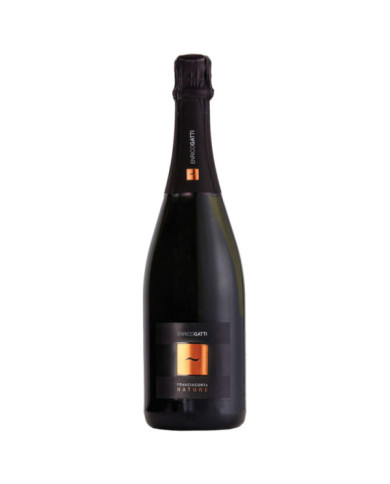
Obtained from the soft pressing of grapes
Chardonnay and a Pinot Noir from
vineyards located in the foothills area.
The vinification takes place in steel tanks.
Permanence on the lees for a minimum of 24 months.
Contains notes of tropical fruit, nuts and
hazelnuts. Harmonious olfactory perceptions e
engaging.
€30.13
SKU:
15205
Brand:
Enrico Gatti
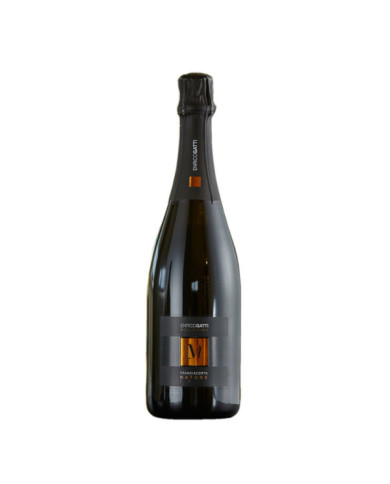
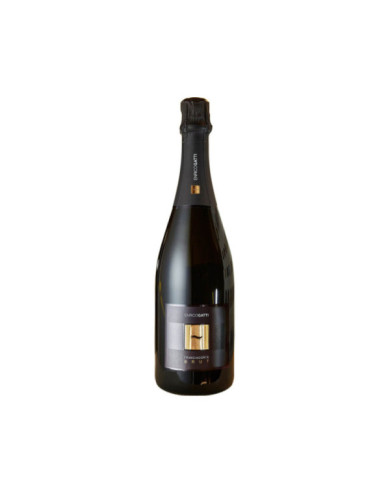
Obtained from the soft pressing of grapes Chardonnay from vineyards located in the area foothills. Vinification takes place in steel tanks. Permanence on the lees for a minimum of 24 months. Franciacorta Brut expresses personality of the company. Fresh, played on a balanced persistence which refers to dried fruit and citrus fruits.
€25.78
SKU:
15204
Brand:
Enrico Gatti
Obtained from the soft pressing of grapes
Chardonnay from vineyards located in the area
hilly.
Part of the must is fermented in oak barrels
French and matured on the fermentation lees e
part is vinified in steel.
Permanence on the lees for a minimum of 32 months.
Essentially creamy with fragrant tones of
fresh almond and delicate aromas of butter.
Delighted with a subtle minerality.
€72.47
SKU:
15203
Brand:
Enrico Gatti
Obtained from the soft pressing of grapes
Chardonnay from vineyards located in the area
foothills.
Vinification takes place in steel tanks.
Permanence on the lees for a minimum of 24 months.
Franciacorta Brut expresses personality
of the company.
Fresh, played on a balanced persistence
which refers to dried fruit and citrus fruits.
€55.27
SKU:
15194
Brand:
Ca' dei Noni
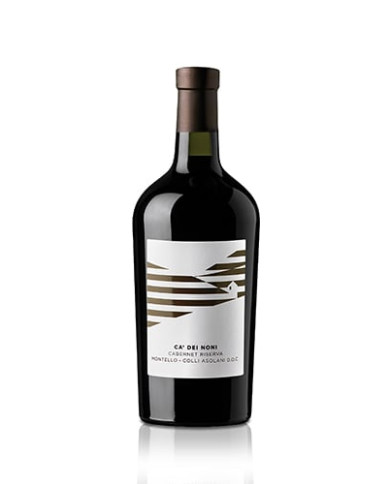
The grapes of this magnificent Cabernet Sauvignon come from vineyards located on Montello, an area suited to important red wines thanks to the composition of the typical red earth of this area. The bunches are harvested by hand and subjected to drying for about 20 days. We proceed to the classic red vinification and a maceration lasting about 15 days. An alcoholic fermentation follows to then carry out the refinement in French barriques for a period of 18 months and a further 12 months in the bottle. Bouquet full of scents such as blueberry, black cherry, blackberry and currant jam, vanilla, tobacco, cocoa, coffee. Slightly spicy with a balsamic final note. Perfect with red meats, game, blue and aged cheeses, excellent with dark chocolate.
€25.86
SKU:
15191
Brand:
Ca' dei Noni
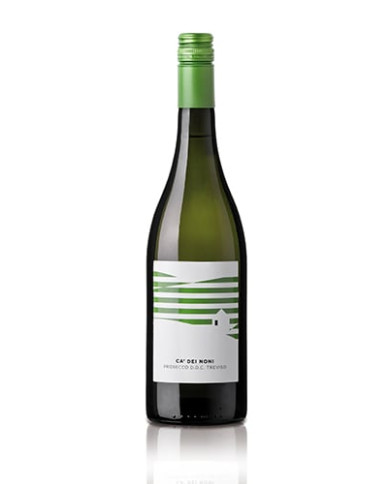
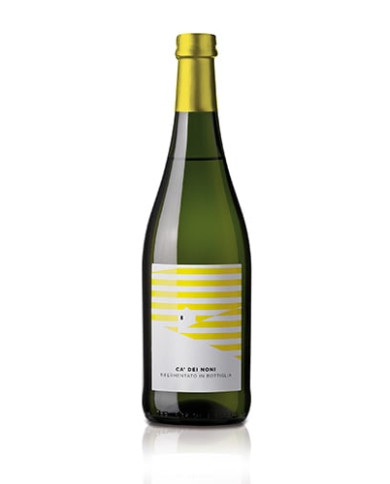
Ideal wine for those who like the typicality of Prosecco, but without bubbles. Straw yellow in color with greenish reflections, it is distinguished by the characteristic bouquet of green apple, acacia flowers and wisteria. Excellent combination of fullness and flavor. Excellent throughout the meal based on light dishes, fresh and medium-aged cheeses.
€7.78
SKU:
15188
Brand:
Ca' dei Noni
Wine from Glera grapes and obtained with spontaneous refermentation in the bottle. Visually, it has a typical light haze; with a fragrant bouquet of crusty bread; floral. The taste is dry; dry and inviting. Rustic wine according to centuries-old traditions and suitable for cold dishes based on fine sausages; medium and long-aged cheeses; and again with fish and shellfish.
€8.19
SKU:
15181
Brand:
Di Ubaldo
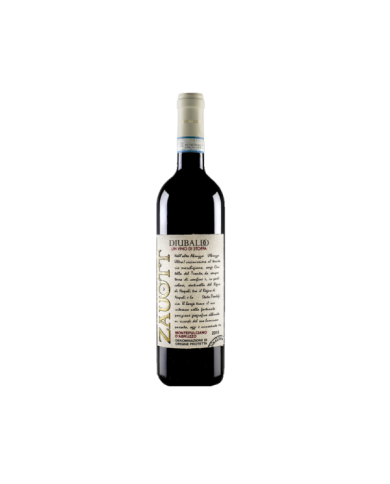
It is a wine of great character, complex. Proud and potential, as in life a boy called in our territory is, precisely Zauott, a young man, who manages to withstand the evolution of the years, also demonstrating the best. “ZAUOTT” is obtained from grapes produced from the oldest vineyards, with an average yield of 80/90 quintals per hectare.
€12.53
€5.25
€5.25
€5.25
€5.25
€5.25
SKU:
15175
Brand:
Follador
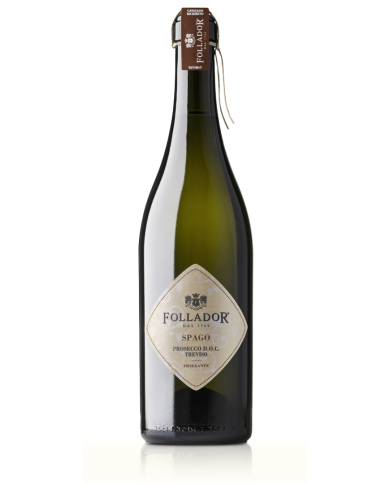
A Follador milestone, this wine made from carefully selected DOC grapes best expresses the typical tastes and aromas of Prosecco. Intense straw yellow color and lively, fine and elegant perlage. Its bouquet is an explosion of fresh and velvety fragrances. We distinguish the green apple, peach, apricot and finally acacia and rose flowers. Excellent structure on the palate is an extraordinary combination of freshness and flavor. Ideal for aperitifs, it elegantly accompanies light first and second courses, white meats, vegetables, fish and shellfish dishes.
€14.55
SKU:
15169
Brand:
Follador
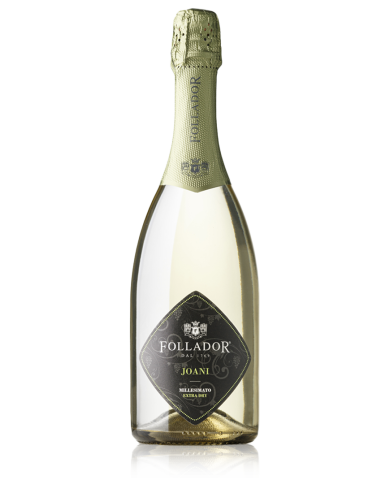
From grapes from the hills of Montello, birthplace of grandfather Giovanni, known by all as "Joani". To him and his land we dedicate this sparkling wine rich in aromas, savory and elegant. Brilliant straw yellow color with very fine and persistent perlage. Elegant, rich and harmonious bouquet with an intense aroma of apricot, wisteria flowers and acacia.
The taste has a balanced acidity, fruity, full, with a dry finish. It goes well with first courses, white meats and fish-based dishes.
€6.66
SKU:
15164
Brand:
Follador
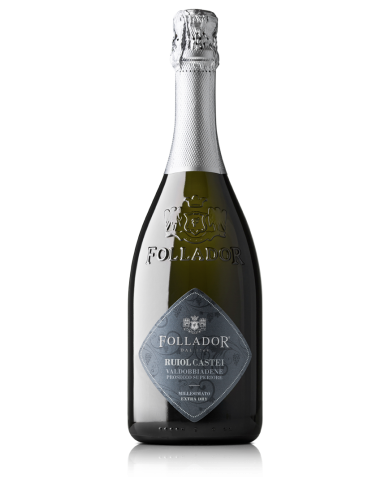
RUIOL CASTEI: a name that evokes the ancient strongholds that dot the Territory, testifying to its long history. Valdobbiadene Prosecco Superiore DOCG Extra Dry 2019 is elected BEST PROSECCO 2020 at The Champagne & Sparkling Wine World Championships 2020, the most prestigious international competition dedicated to champagne and sparkling wines. With a typical bright straw yellow color with greenish reflections, the perlage is fine and persistent. Fruity with a clear perception of golden apple, peach, pear, with a floral hint of wisteria. Full and pleasant fragrance with an elegant balance of flavours. Aperitif par excellence. Excellent for fish and shellfish dishes; at the end of the meal with biscuits.
€17.32
SKU:
15163
Brand:
Follador
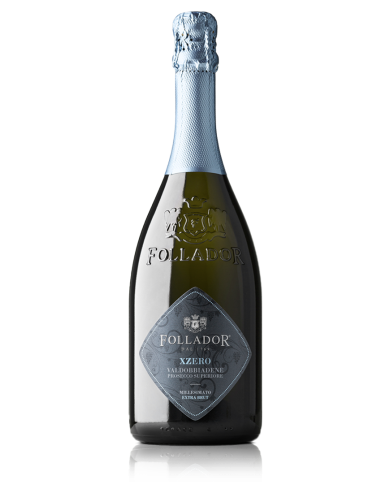
XZERO: 0 g/l of sugar content, 100% of fragrance and aroma. An excellent and very successful superior.
This Prosecco Millesimato Extra Brut is a wine with an important, harmonious structure, in which the mineral notes offered by the high clayey and calcareous component of the soil on which the vineyards are planted stand out. It is appreciated for its delicate, dynamic and pleasantly dry flavour, given the absence of residual sugars which distinguishes this specific category of sparkling wines. It is a wine that represents the excellence of the Territory and will certainly be appreciated by the many connoisseurs of dry wine, conquering even the most extra dry oriented palates.
€23.01
SKU:
15162
Brand:
Follador
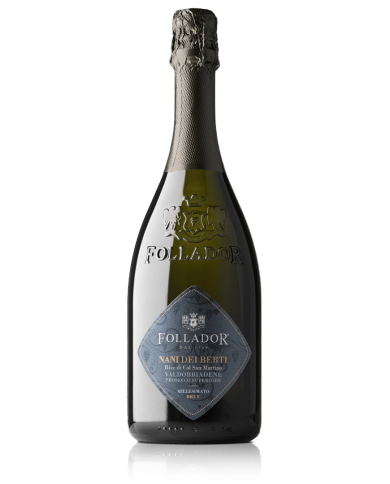
NANI DEI BERTI - Banks of Col San Martino: A tribute to the energy and initiative of Giovanni Follador, father of Gianfranco, so nicknamed. Refined sparkling wine of noble quality, very fine perlage in a splendid combination of bouquet and flavours. An excellent Superiore with a pale straw yellow color, with typical greenish reflections. Lively and very fine perlage with an intense bouquet of citrus, almond and acacia flowers. Excellent balance of acidity and fragrance, well structured with a dry finish. Important wine, good aperitif. Its sapidity and balanced structure make it suitable for light first and second courses, excellent with tasty cheeses.
€17.06
SKU:
15161
Brand:
Follador
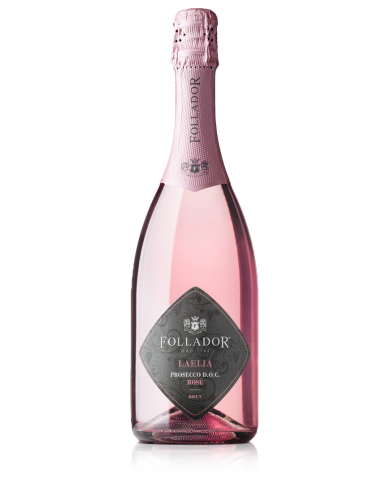
Delicious sparkling wine with a fresh and lively taste, a bright pale pink vintage with good structure and persistence, based on Glera grapes with a blend of 10% Pinot Noir. The base wines are obtained from cryomacerated grapes according to the Gianfranco Follador method ®, with fermentation in steel tanks at a controlled temperature. Pinot Noir is vinified in red as per the disciplinary. Second fermentation in autoclave, according to the Martinotti-Charmat method, with regular refermentation with at least two months of rest on the lees. Intense hint of fruit, in particular apple and white-fleshed peach, with pleasant notes of red fruits, blackberry, wild strawberries and currants. An excellent accompaniment to any aperitif, it is interesting to pair with cold cuts, cured meats in general and even aged cheeses.
€16.74
SKU:
15160
Brand:
Follador
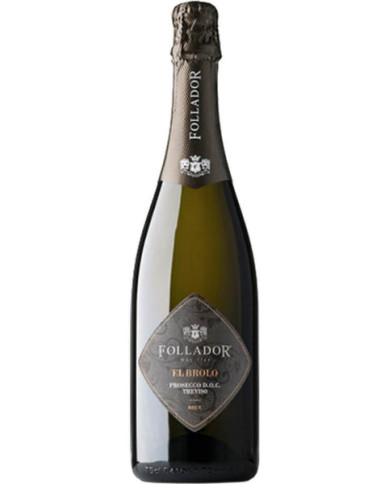
EL BROLO: In ancient times, the home garden was called brolo, enclosed by a low wall and shaded
from a pergola vine.
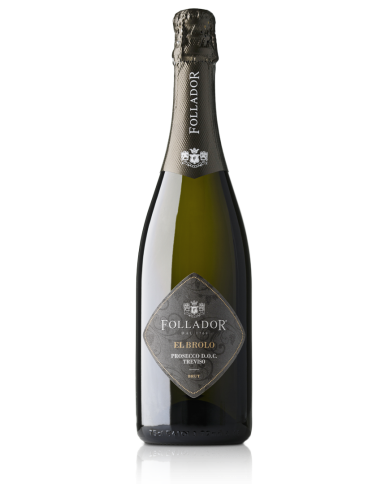
Finesse and excellent structure are the synonyms of this precious sparkling wine, obtained from high quality grapes. Straw yellow color with greenish reflections with fine and persistent perlage. Very pleasant aroma of acacia flowers, golden apple and almond. The taste is sapid, fresh and well structured on the palate. Ideal partner for appetizers, light first courses and medium-long aged cheeses.
€14.03
SKU:
15159
Brand:
Follador
RUNIÉR: The typical endings of the Venetian idiom radiate up to the hills of the hinterland, in the heart of the Territory.
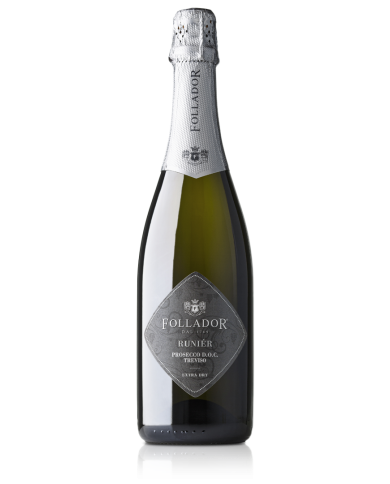
This elegant sparkling wine is an expression of genuineness and delicacy. Brilliant straw yellow color and very fine perlage. Fine and delicate foam. Delicious bouquet where fruity and floral fragrances are clearly perceived with a prevalence of green apple and with hints of acacia and jasmine. On the palate it is fresh, well structured and with a pleasant persistence. Excellent as an aperitif and with first courses in general, based on fish and shellfish.
€14.03
SKU:
15158
Brand:
Follador
VÀLBON: A name that refers to our characteristic hilly landscape dotted with vineyards and charming villages.
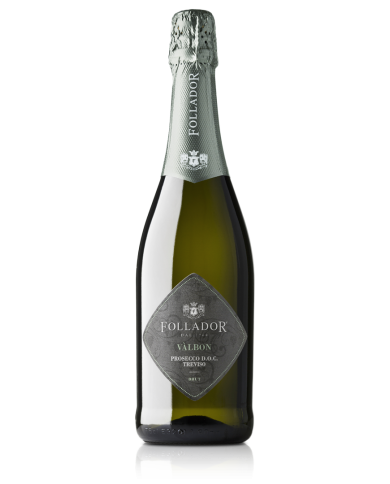
Hints of flowers, apple, pear and citrus fruits, which are found in the mouth giving sensations of flavor and freshness. Fine and persistent bubble. Pale straw yellow color with greenish reflections. Ideal for a refreshing aperitif or with appetizers, first courses and dishes based on fish, vegetables and white meats.
€14.31
SKU:
15157
Brand:
Follador
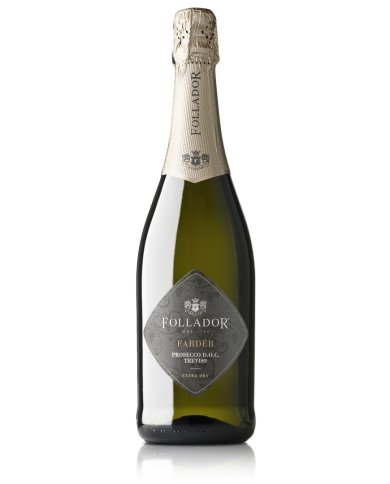
FARDÉR: Again a reference to the Venetian inflection, with its characteristic accents and the elision of the final vowel.
Rich, savory and velvety are the ideal adjectives to describe this elegant wine made from lowland grapes, also from our area. Pale straw yellow color with greenish reflections. Rich and complete bouquet with floral hints of almond and ripe fruit, with a soft and velvety, harmonious and savory taste. Excellent for aperitifs, appetizers and dry pastries.
€12.57
SKU:
15156
Brand:
Follador
Hints of flowers, apple, pear and citrus fruits, which are found in the mouth giving sensations of flavor and freshness. Fine and persistent bubble. Pale straw yellow color with greenish reflections. Ideal for a refreshing aperitif or with appetizers, first courses and dishes based on fish, vegetables and white meats.
€33.55
SKU:
15147
Brand:
San Felice
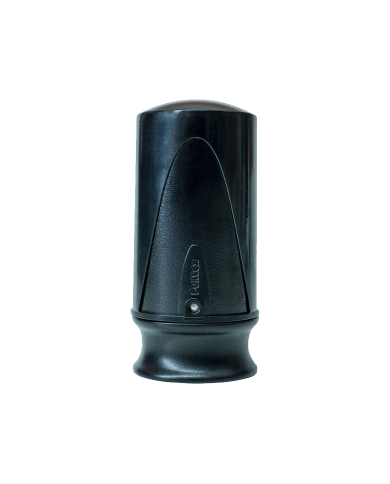
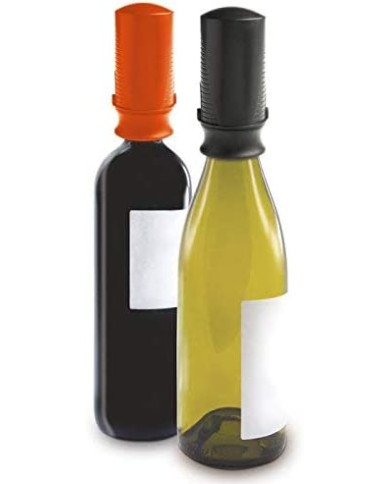
The Pulltex Salvavino Pump allows you to extract oxygen from the bottle, acts as a stopper and guarantees optimal preservation of the wine's characteristics for several days. The operation of the wine saver pump is very simple: just slip it on the neck of the bottle and extract the air present until a "vacuum" is created inside the bottle. Thanks to this accessory you can keep the opened wine inside the bottle in an elegant and functional way.
€15.00
SKU:
15146
Brand:
Strappelli
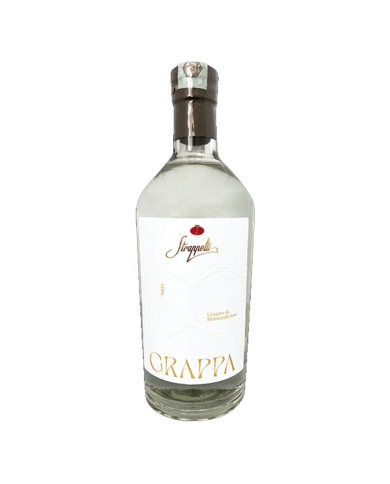
It is obtained from a careful selection of fine pomace of Montepulciano d'Abruzzo, a vine much appreciated for its extraordinary characteristics. It is a well-structured Grappa with a full and enveloping taste.
€29.90