

 Italiano
 Deutsch




















There are no more items in your cart
SKU:
16093
Brand:
Tenuta Valdipiatta
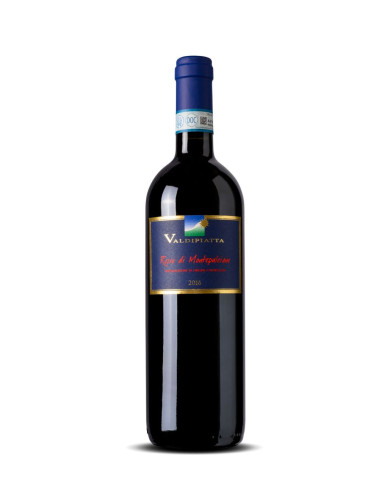
Rich in aromas and soft on the palate, Rosso di Montepulciano is an everyday wine that does not require special occasions to be uncorked and appreciated. We suggest enjoying it as a pleasant aperitif or in combination with simple or medium-complex savory dishes.
€12.37
SKU:
16092
Brand:
Spadafora
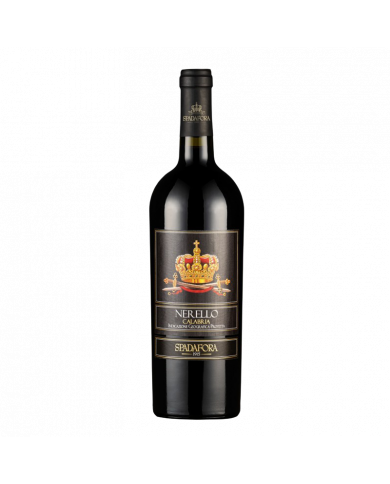
Simple but tasty seafood dishes such as grilled cuttlefish and swordfish or fried anchovies.
€7.30
€6.57
€13.49
SKU:
16088
Brand:
Spadafora
Excellent aperitif or between meals, particularly indicated with appetizers and main courses of fish and shellfish, superb with fries; Service temperature: recommended 8-10 °C.
€15.53
SKU:
16065
Brand:
Tamburini
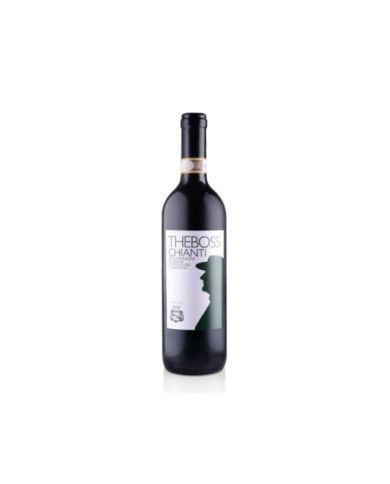
Denomination: THE BOSS Chianti Docg Grapes: Sangiovese and Canaiolo. Suggested pairings: Cold cuts and cured meats, roast chicken, vegetable soups and semi-mature cheese. Alcohol: 13.5% Vol. Format: 0.75 litres. Serving temperature: 18°C. Typology: Chianti DOCG.
€13.01
SKU:
16064
Brand:
Red Canzian
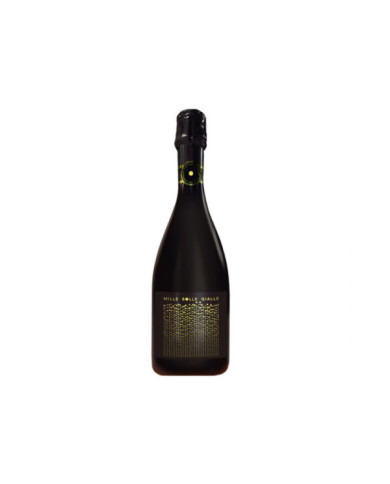
Denomination: Mille Bolle Gialle - Prosecco Docg Extra Dry Grapes: Glera Recommended pairings: perfect as an aperitif and with appetizers, first courses, risottos and shellfish. Alcohol: 11% Vol. Format: 0.75 litres. Serving temperature: 4-6°C. Typology: Prosecco
€11.58
SKU:
16063
Brand:
Red Canzian
Grapes: Cabernet Franc, Cabernet Sauvignon, Merlot.
Suggested pairings: Ideal with meat main courses and aged cheeses.
Alcohol: 13% Vol.
Format: 0.75 litres.
Serving temperature: 18°C.
Typology: Red
€16.26
SKU:
16062
Brand:
Red Canzian
€12.36
€11.12
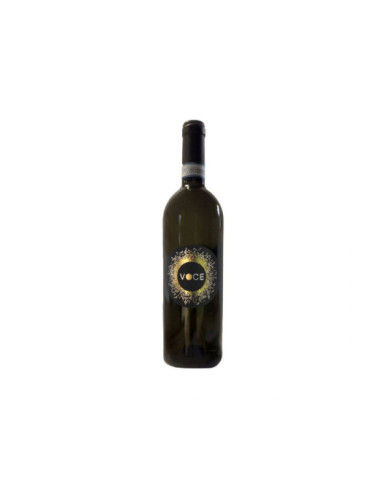
Denomination: Voce - Pinot Grigio DOC delle Venezie 2018
Grapes: Pinot Gris.
Recommended pairings: White meats, fish soups and grilled shellfish.
Alcohol: 13% Vol.
Format: 0.75 litres.
Serving temperature: 8-10°C.
Typology: White.
€12.36
€11.12
SKU:
16054
Brand:
Sutto
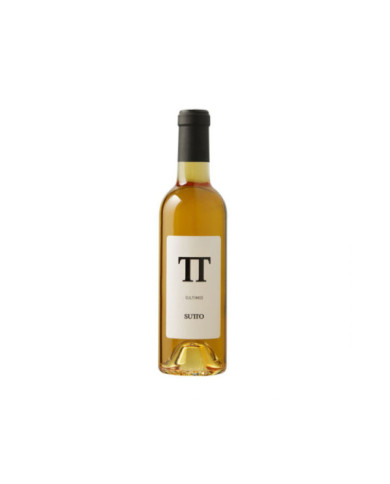
Denomination: Ultimo, Passito di Mnazoni Bianco IGT Veneto. Grapes: Manzoni Bianco Recommended pairings: Savory cheeses, dry pastries and desserts with candied fruit. Alcohol: 14% Vol. Format: 0.375 litres. Serving temperature: 12-14°C. Typology: Passito
€25.38
SKU:
16049
Brand:
Sutto
Denomination: Pinot Noir Igt Trevenezie 2021
Grapes: Pinot Noir
Recommended pairings: White meats, tuna steak, fresh and creamy cheeses
Alcohol: 13%
Format: 0.75 l.
Serving temperature: 14 -16° C.
Typology: Red
€13.43
SKU:
16047
Brand:
Sutto
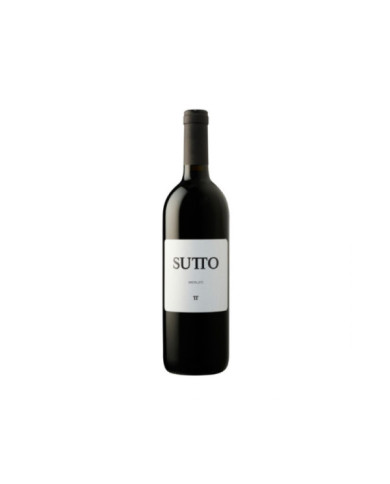
Appellation: Merlot IGT Trevenezie. Grapes: Merlot. Suggested pairings: Grilled meat and farmyard white meats. Alcohol: 13% Vol. Format: 0.75 litres. Serving temperature: 18°C. Typology: Red.
€13.65
SKU:
16044
Brand:
Sutto
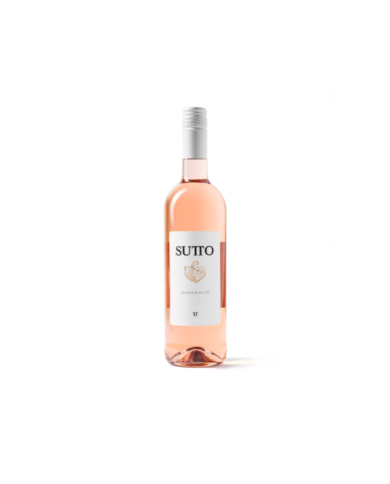
Denomination: Rosato di Sutto IGT Trevezie.
Grapes: Pinot Noir, Cabernet, Raboso.
Recommended pairings: Risotto with fish or shellfish, cold cuts and sausages, white meats and creamy cheeses.
Alcohol: 12.5% Vol.
Format: 0.75 litres.
Serving temperature: 8-10°C.
Typology: Rosé
€11.10
SKU:
16038
Brand:
Polje
Denomination: Rosso Doc Collio. Grapes: Cabernet and Merlot. Suggested pairings: Courtyard white meats and Italian appetizers. Alcohol: 13% Vol. Format: 0.75 litres. Serving temperature: 18°C. Typology: Red
€18.20
SKU:
16029
Brand:
Sutto
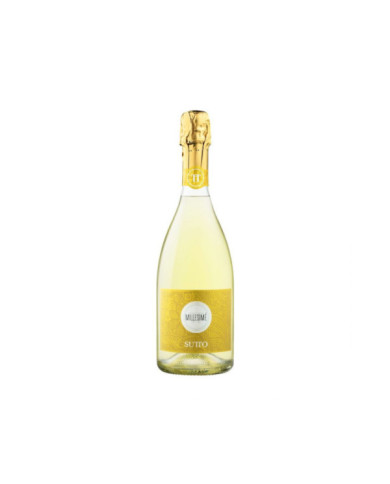
Denomination: Millesimé Spumante Extra Dry.
Grapes: Cuvée of traditional grapes.
Recommended pairings: Excellent bubbly as an aperitif and after a meal.
Alcohol: 11%
Format: 0.75 l.
Serving temperature: 4-6°C.
Typology: Sparkling
€6.71
SKU:
16028
Brand:
Sutto
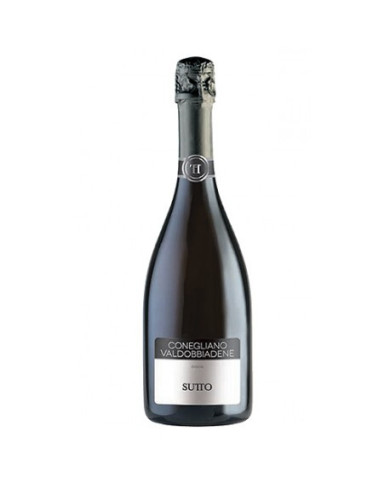
The Valdobbiadene Prosecco Superiore Extra Dry Sutto comes from prestigious lands of morainic origin. The example of an exclusively manual agriculture in steep and insidious terrain, combined with a process designed to keep the wine on its noble lees for a period sufficient to give the pleasure of drinking well in all circumstances.
€21.46
SKU:
16027
Brand:
Sutto
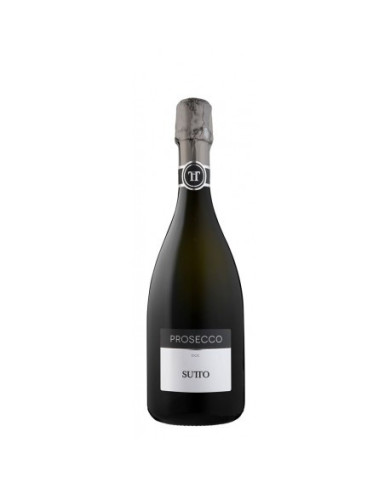
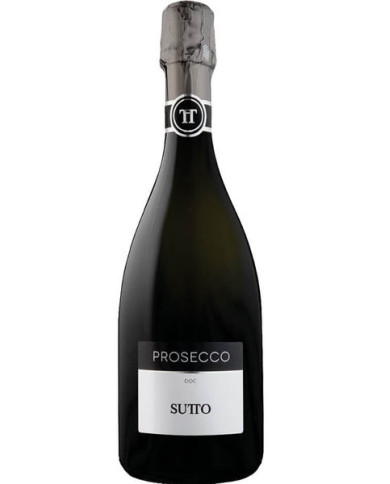
Our Prosecco DOC extra dry Sutto comes from the territories of the province of Treviso and is the result of the search for a harmonious and versatile drink that has now become the image of our way of "making wine".
€11.71
SKU:
16026
Brand:
Sutto
The Valdobbiadene Prosecco Superiore Extra Dry Sutto comes from prestigious lands of morainic origin. The example of an exclusively manual agriculture in steep and insidious terrain, combined with a process designed to keep the wine on its noble lees for a period sufficient to give the pleasure of drinking well in all circumstances.
€17.54
SKU:
16025
Brand:
Sutto
The territory from which our Prosecco DOC comes extends in the hills of the province of Treviso, in the DOC production area and covers a set of territories that follow one another from the plain up to the Venetian heights. From here comes a fragile and generous vine: the Glera, delicately tended by hand, due to the nature of the steep, steep and difficult terrains in which it lives. This grape transformed into wine takes the famous name of Prosecco, one of the most drunk wines in the world. Delicate aromas and refined flavors that arise from the perfect symbiosis between a mild microclimate, strengthened by a remarkable temperature range and an ancient soil, rich in limestone and clay, originating from the lifting of the seabed.
€14.31
SKU:
16024
Brand:
Sutto
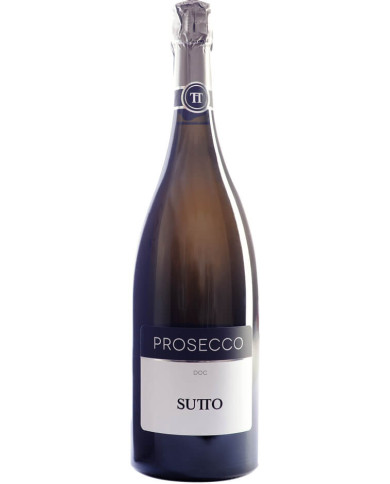
The Magnum size of Prosecco Millesimato Extra Dry from the Sutto winery is the right choice for an informal toast or to celebrate an important event.
Straw yellow color with slight greenish reflections. The nose is inebriated by floral aromas and nuances of fresh fruit. On the palate it is full, fresh and very soft.
A bubble with a fine and persistent perlage, the ideal companion for aperitifs or in combination with fish-based dishes and first courses with delicate sauces. A glass that is not excessively dry, with the right effervescence and a finish supported by a stimulating acid vein that make it a must for convivial meetings.
€29.40
SKU:
16017
Brand:
Masseria del Feudo
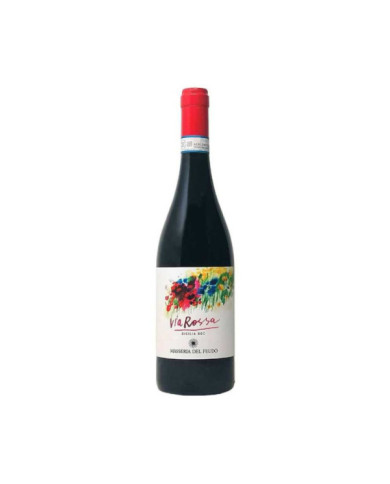
Nero d'Avola by Masseria del Feudo has an intense ruby red color. Pleasant menthol notes on the nose, combined with sweeter hints of small ripe red fruits and hints of pepper that make it intriguing and complex.
On the palate the wine is velvety, sapid, with a vibrant finish, supported by an acidity typical of the grape variety which allows you to appreciate its typical aftertaste.
To be combined with aged cheeses, grilled meats, roast meats, stuffed mushrooms
€13.64
SKU:
16016
Brand:
Abbazia Santa Anastasia
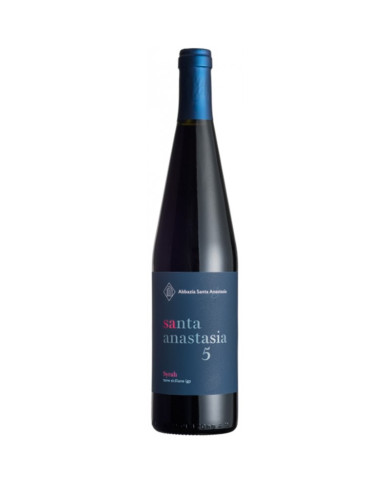
Intense ruby colour. Ample, rich bouquet with intense notes of small wild red fruits, delicate spicy note with a predominance of white pepper. Soft, enveloping taste with warm and long scents, great persistence, delicate sweet tannins with prominent ripe fruit and great minerality.
€13.01
SKU:
16015
Brand:
Milazzo
€18.21
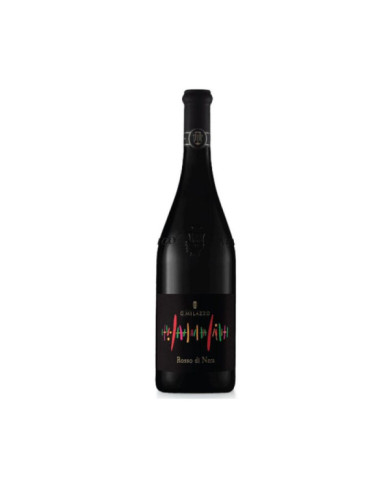
Produced from Nero d'Avola grapes with the short Charmat method, Rosso di Nera di Milazzo is a young and fruity sparkling Sicilian wine, whose sweetness blends with the fresh and acidic profile.
SKU:
16014
Brand:
Morgante
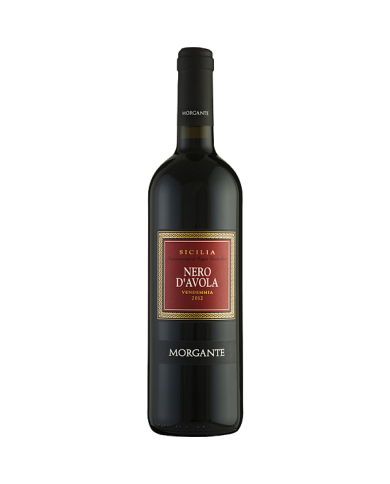
A wine with velvety tannins, but of extreme intensity balanced with a pleasant persistence.
It has a dark purple red color, given by the grapes grown mainly in the absence of water given the arid land of Sicily.
On the nose it has a very remarkable and rich fruity vein reminiscent of blackcurrant and blueberry. Delicious with grilled meat and aged or fresh cheeses.
€12.37
SKU:
16013
Brand:
Rapitalà
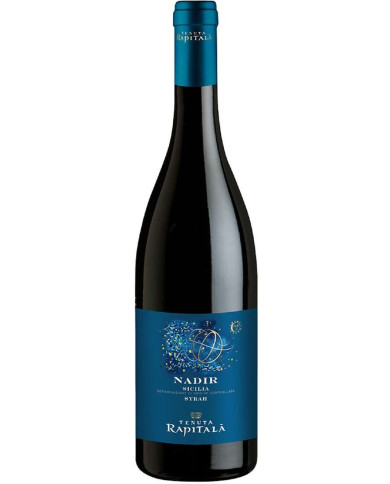
Nadir Syrah is a still red wine from the Rapitalà di Sicilia winery, a label capable of boasting the Denomination of Controlled Origin wine. The vinification involves the use of 100% pure Syrah grapes. The still red wine is completely bred and vinified within the Rapitalà estate. The production soil is characterized by the presence of dark clays and tuffaceous sands which alternate with each other at about 300 – 400 meters above sea level. It is here that the unmistakable character of Syrah is cultivated, from whose bunches the Nadir is born, the antipode of Zenit. A wine that takes its name from the Arabic Nazir, which means deep, rare, precious.
SKU:
16012
Brand:
Duca di Castelmonte
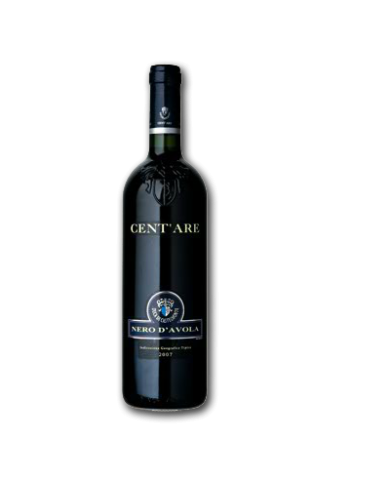
Cent'Are Nero D'Avola Duca di CastelMonte is a Sicilian red wine with a ruby red color with sensations of red fruit and a slight spicy note. Quite soft dry taste, medium structure.
€11.10
SKU:
16011
Brand:
Tenuta di Serramarrocco
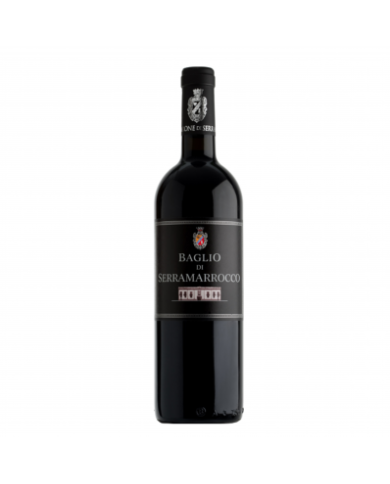
Baglio di Serramarrocco is a Sicilian red wine from Nero d'Avola grapes vinified in steel tanks. It stands out for its intense fruity bouquet and an uncommon softness and elegance. This wine is produced from a careful selection of only bunches of Nero D'avola and is characterized by complex aromas and an elegant structure.
€12.69
SKU:
16010
Brand:
Firriato
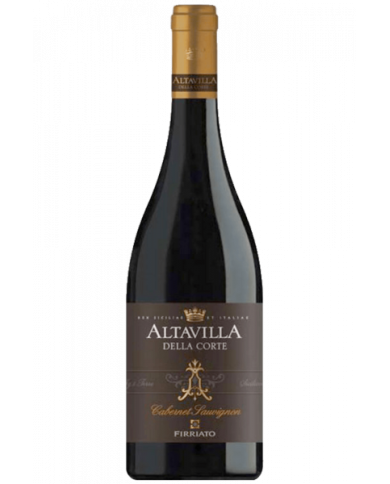
Millions of bottles every year and, despite everything, an always constant quality; a wine production, that of Firriato, perfectly diversified between native and international vines that aims, only and exclusively, at the enhancement of the Sicilian territory. Convincing products for all tastes which, once tasted, bring back, in the glass, the charm of their land and the skill of an unconventional style, rich in olfactory and gustatory facets. Altavilla della Corte Rosso is the typical example of how Cabernet Sauvignon, the international vine par excellence, manages to adapt perfectly to the Trapani terroir of Borgo Guarini, drawing all the best from it and giving us a complex and unique wine. Deep almost impenetrable ruby red, it has a powerful and elegant nose of berries and walnut hull, vanilla and coffee. Structured and full on the palate, with nice tannic extraction and a long spicy finish. With pasta and beans, with stewed pork chops and with Sicilian Falsomagro.
€13.32
SKU:
16006
Brand:
Kandèa F.lli Tullio Cataldo
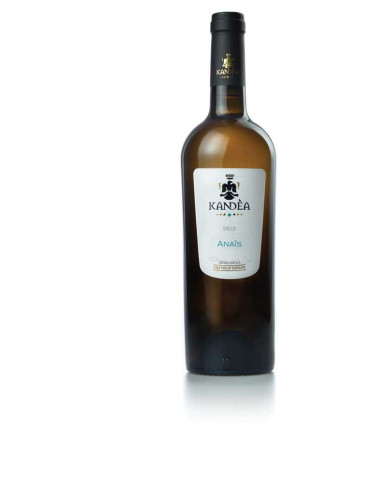
A true delight of whites, entirely produced from our grapes of the Greco vine. Its name and its origin derive from the "Aminea Gemina", whose meaning refers to the People of the Aminei, coming from ancient Greece. Gratitude goes to this people for having imported splendid vines into our peninsula characterized by clusters that branch out twins from the same stem (gemini). This vine finds in our territory the right habitat to express wines of great minerality and freshness. Anais makes these characteristics its own, surprisingly integrating them with floral scents and delicate citrus scents of citron and grapefruit. To characterize the finish of this wine is a sapidity rich in elegance blends with sensations that recall ripe fruits!
€13.66
SKU:
16004
Brand:
Kandèa F.lli Tullio Cataldo
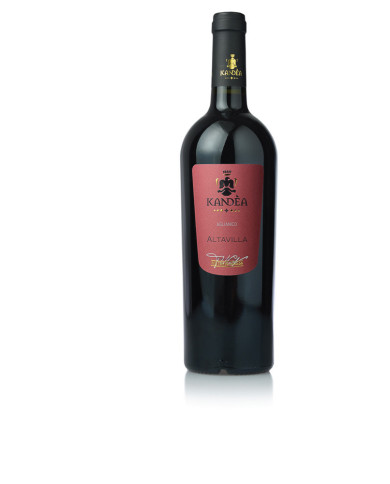
Aglianico, brought to Italy by the Greeks as early as the 6th century aC , takes its name from the "Vitis Hellenica", whose qualities are repeatedly sung in the odes of Horace and in the writings of masters consigned to history such as Pliny and Virgil. The high complexity and deep structure of Aglianico, grown directly in the company's vineyards, give Altavilla an extraordinary aptitude for aging in the bottle.
€11.90
SKU:
16003
Brand:
Kandèa F.lli Tullio Cataldo
Lord of the Daunia in the land of Puglia, the Uva di Troia vine ties its origins to the myth of Diomedes. Legend has it that the mythical Greek hero, after the Trojan War, sailed across the Adriatic Sea up to the Ofanto River which also flows through our lands. Here, having found the ideal place, he planted some vine shoots brought with him from Troy. Cherrug, respecting the greatness of this vine, comes from a careful selection of these grapes only from the best vintages! After aging for over 10 months, it is left to age in 10/20 hl barrels for about 2 years before being refined in the bottle for a further 6 months. Cherrug involves for its power and elegance, with its intense and refined aromas with hints of licorice, black cherry and ripe black fruits. On the palate it is dry, soft and enveloping. Extraordinarily rich and very long-lived, it becomes even more refined and elegant over the years.
€21.72
SKU:
16002
Brand:
Kandèa F.lli Tullio Cataldo
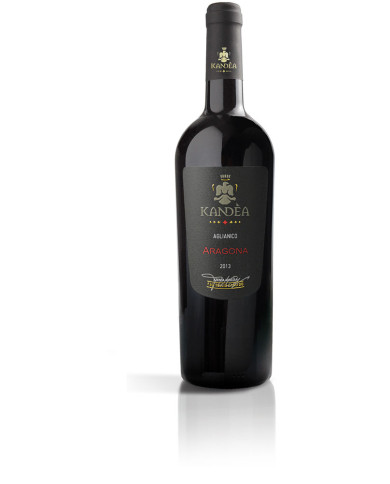
Aragona comes from a careful selection of Aglianico grapes, with a gradual harvest where the knowledge and expertise of the winemaker is combined with the technique of the winemaker to let you taste a unique product. It is aged for one year in French and American oak barriques and completes its aging in the bottle. Its extraordinary richness and elegance reaches its peak already within the first seven years, retaining its characteristics for many years afterwards.
€16.59
SKU:
16000
Brand:
Kandèa F.lli Tullio Cataldo
Lord of the whites in the Dauno Subappennino, this inimitable white is entirely produced from our grapes of the Fiano vine, from the Latin "Vitis Apiane"; a name that, going back through the centuries, can be found in the "Naturalis Historia" of the noble Pliny: "... the bees gave the surname of Apiana to this magnificent grape, due to their greed in sucking the grapes!"
€13.30
SKU:
15999
Brand:
Kandèa F.lli Tullio Cataldo
Lord of the Daunia in the land of Puglia, the Uva di Troia vine ties its origins to the myth of Diomedes. Legend has it that the mythical Greek hero, after the Trojan War, sailed across the Adriatic Sea up to the Ofanto River which also flows through our lands. Here, having found the ideal place, he planted some vine shoots brought with him from Troy. Lanario is a subtle balance of fruity notes, spices, sweets, with an intriguing goudron in the the final. Seductive for its class and aromatic intensity, it is quite soft for the component tannins present but not impetuous and annoying, savory and quite fresh. wine of great elegance, where structure and acidity support each other, it becomes even more refined and elegant with the passing of the years.
€13.04
SKU:
15998
Brand:
Kandèa F.lli Tullio Cataldo
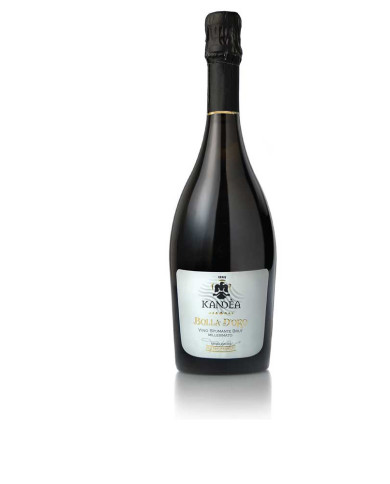
The grape variety chosen for the spumante base of Bolla d'Oro is the "Bombino Bianco". Its ancient origins probably date back to the challenge of Barletta and the Spaniards. It prefers deep, draining soils and is certainly one of the most interesting grapes for sparkling wine. Bolla D'oro is born from the application of the long charmat method, with a fermentation period of no less than 40 days sur lie which gives an absolutely unique and original roundness and fullness to the tasting (texture), enhanced by a fine and persistent perlage. Vin de fete, with a great personality and an intriguing bouquet in which notes of apricot and white peach predominate with white flowers (blossom) and dried fruit intruding on the finish.
€12.03
SKU:
15995
Brand:
Kandèa F.lli Tullio Cataldo
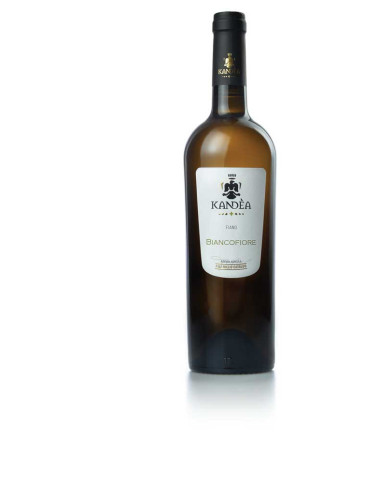
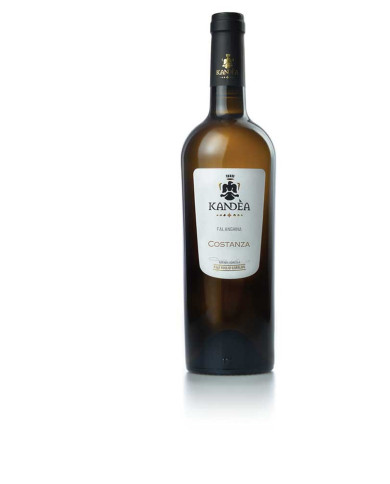
A dry white of great class, entirely produced from our grapes of the Falanghina vine: its origin is lost in the mists of time; the etymology derives from “falanga”, the pole that acted as a guardian to the vine. Our vineyards are close to the Daunia mountains where the mild winds of Apulia meet the cold ones that come from Irpinia; therefore strong temperature variations are generated, to the full advantage of the perfumes and the great minerality of this vine.
€12.05
SKU:
15994
Brand:
Kandèa F.lli Tullio Cataldo
Its softness and appreciable acidity make it possible to create excellent pairings with all pasta-based first courses and rich side dishes. Its good structure and low quantity of tannins also make it suitable for fish-based preparations, especially richly seasoned and flavored roasted fish. Delicious for aperitifs.
€11.48
SKU:
15991
Brand:
Terra dei Re
Imperious and precious, with a complex texture, NOCTE for nocturnal harvesting. An exuberant embrace of softness and intensity, tannins of refined elegance
blend with intriguing spices.
Withered rose and violet give it a velvety finish.
Gambero Rosso 2021 three glasses winner
€25.38
SKU:
15989
Brand:
Terra dei Re
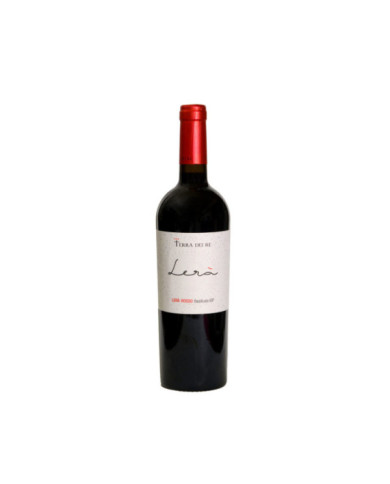
The hills of Basilicata tell a thousand-year-old story Excellent wines have always been produced on this volcanic crust Lerà is the work and passion of the men of this land Ruby red with a fruity, velvety and intense aroma Wine with a thousand faces.
€13.16
SKU:
15988
Brand:
Terra dei Re
The presence of Pinot Noir in Basilicata has been noted since ancient times.
Extraordinary terroir.
The wealth of elements donated by the lava flows
gives the wines a unique flavour.
Our Pinot Noir is planted on volcanic rock a
800 meters of altitude where the climatic conditions
make it unrepeatable.
The grapes are the result of the "second harvest" of the Pinot Noir vineyard, after having harvested the grapes that we use for the vinification of the sparkling wine, we proceed with the collection of the bunches that we use to produce the Vulcano 800. They are ripe grapes with a higher sugar content , even the coloring intensity has more marked notes. After vinification we let the Vulcano 800 mature in barrique for about a year.
€26.96
SKU:
15987
Brand:
Terra dei Re
Mighty and powerful in all its manifestations, yet at the same time very soft, pulpy enveloping. The spices dress it in chlorophyllous and vanilla balm, without its rich endogenous aromatic component, its own pulpy fruit, being even partially overwhelmed by said expansion of aromas. No, here the sweetness of currants is combined with a creamy mentholated persuasion of spices, with a softness and an olfactory clarity of superior oenological class.
Wine has always been the inspiration and source of great masterpieces.
It is contemporary to see the surface of a glass bottle as an artistic support, which amplifies the value of the product thanks to its aesthetic message.
The Divinus label, created in collaboration with the artist Cristina Vitan, aims to enhance the contrast between the power and the enveloping softness of the AGLIANICO del vulture. The exaltation of the female body is the central theme of the artist's works who, challenging the classic canons of art, transform the artistic language into a provocative visual show.
In wine, as in art, we are struck by the chromatic intensity, the nuances, the luminosity, the way it rotates in the glass.
€98.58
SKU:
15986
Brand:
Terra dei Re
Mighty and powerful in all its manifestations, yet at the same time very soft, pulpy enveloping. The spices dress it in chlorophyllous and vanilla balm, without its rich endogenous aromatic component, its own pulpy fruit, being even partially overwhelmed by said expansion of aromas. No, here the sweetness of currants is combined with a creamy mentholated persuasion of spices, with a softness and an olfactory clarity of superior oenological class. Wine has always been the inspiration and source of great masterpieces. It is contemporary to see the surface of a glass bottle as an artistic support, which amplifies the value of the product thanks to its aesthetic message. The Divinus label, created in collaboration with the artist Cristina Vitan, aims to enhance the contrast between the power and the enveloping softness of the AGLIANICO del vulture. The exaltation of the female body is the central theme of the artist's works who, challenging the classic canons of art, transform the artistic language into a provocative visual show. In wine, as in art, we are struck by the chromatic intensity, the nuances, the luminosity, the way it rotates in the glass.
€34.26
SKU:
15985
Brand:
Terra dei Re
The notes of wild berries, wild rose and
elder. Elegance and sapidity, a captivating freshness and a
always pleasant softness. The Pinot Noir of Basilicata shows
all its chromatic intensity and fine tannin.
On the Pinot Noir vines of the Calata delle Brecce vineyard, after having harvested the grapes to produce the Vulcano 800, we leave one or two bunches.
They will reach perfect maturation with a greater evidence of sugars and a perfect balance with all the acidic and aromatic components. We will have a wine with a higher alcohol content and complexity of aromas, we complete the vinification with a stay of the wine in barriques for at least 18 months.
The 100% Calata delle Brecce Pinot Noir has marked notes of ripe red fruits and pleasant spicy notes, the tannic component well smoothed and never intrusive.
€35.26
SKU:
15984
Brand:
Terra dei Re
Its aromatic richness is closely linked to the complexity of the volcanic soil. The evident mineral notes and the olfactory freshness are the synthesis of the extreme altitude of the vineyard. The pleasant aromatic presence of small fruits that give it a unique character. Crunchy and savory, a pleasant tingling envelops the palate and the fine creaminess gives a sublime pleasure
€21.81
SKU:
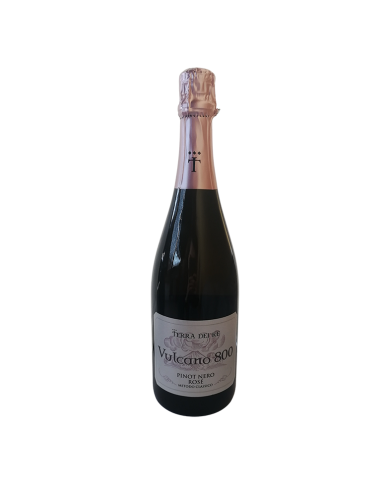
15983
Brand:
Terra dei Re
First flower, from soft pressing and short maceration
on the skins. Light, delicate and sharp to the taste. Seducer
of senses, intense and fresh like the early morning rose.
The sense of smell surrenders to the hollyhock while the rose sparkles
canine, slight scent of hibiscus. Fragrant and lively taste,
intense reference to the pulp of strawberry and red currant.
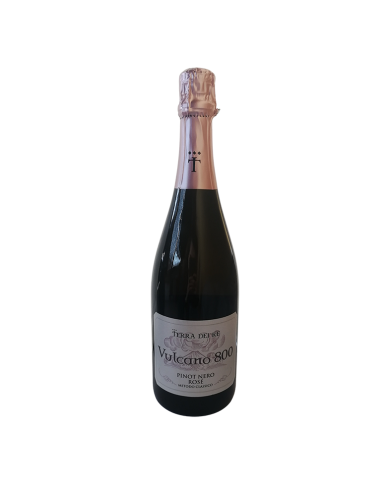
The Pinot Noir grapes are harvested at the first sign of ripening, when acidity and sugar content are in balance. Our sparkling wine has a good acid component and a low alcohol content.
To obtain a very light rosé colour, we reduce contact with the skins to a very short duration.
The processes of the classic method are articulated, the long times of maturation of the wine favor elegance and complexity.
€70.15
SKU:
15982
Brand:
Terra dei Re
First flower, from soft pressing and short maceration
on the skins. Light, delicate and sharp to the taste. Seducer
of senses, intense and fresh like the early morning rose.
The sense of smell surrenders to the hollyhock while the rose sparkles
canine, slight scent of hibiscus. Fragrant and lively taste,
intense reference to the pulp of strawberry and red currant.
The Pinot Noir grapes are harvested at the first sign of ripening, when acidity and sugar content are in balance. Our sparkling wine has a good acid component and a low alcohol content.
To obtain a very light rosé colour, we reduce contact with the skins to a very short duration.
The processes of the classic method are articulated, the long times of maturation of the wine favor elegance and complexity.
€23.25
SKU:
15981
Brand:
Terra dei Re
From white Malvasia grapes harvested on volcanic slopes
of Basilicata. Wine that tells the typicality of one
extraordinary territory rich in wine history.
Floral and fruity, soft and persistent.
The minerality conferred by the volcanic soil gives it
richness and sapidity.
€13.30
SKU:
15980
Brand:
Terra dei Re
Rosé vinification of red grapes from the hills of Basilicata.
The bouquet is rich in aromas, the perception of citrus notes is clear,
the hints of peach blossoms give it a velvety finish.
Freshness of taste and complexity make it pleasant to the taste.
€13.30
SKU:
15973
Brand:
Terenzi
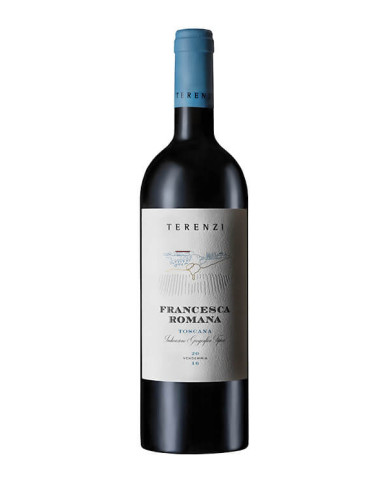
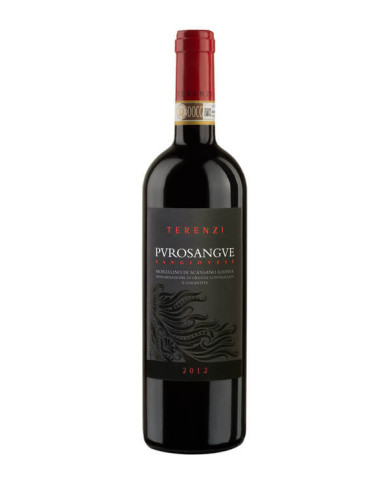
A unique interpretation in Tuscany of the international Cabernet Franc, Cabernet Sauvignon and Merlot vines, characterized by a rare freshness and elegance. Very drinkable.
€34.16
SKU:
15972
Brand:
Terenzi
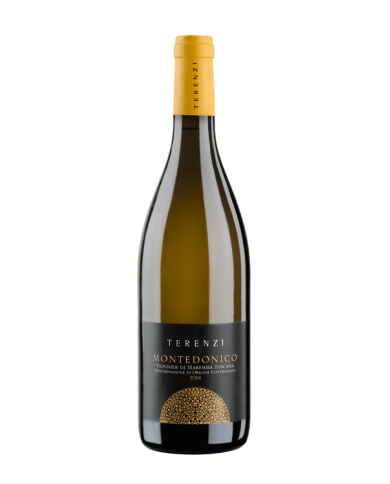
A viognier vinified only in steel, with an unusual freshness and minerality that make our interpretation of this noble vine and our territory unique.
€18.08
SKU:
15971
Brand:
Terenzi
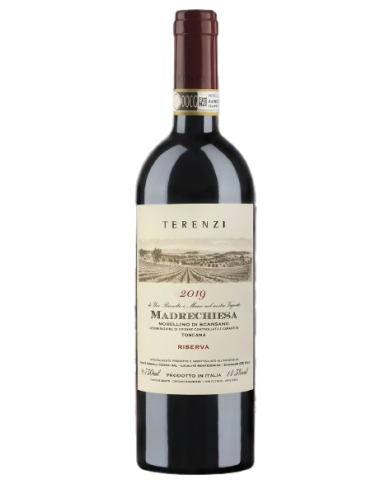
Madrechiesa Is The Wine Symbol Of The Enological History Of Casa Terenzi, A Tuscan Winery Created By A Family Who Had The Privilege Of Choosing To Belong To The Wonderful Land Of Maremma. Madrechiesa Represents The Selection Of A Single Vineyard, The Maximum Expression Of The Sangiovese Grape. In This Wine You Can Find The Essence Of The Tuscan Territory's Vocation For Great Red Wines, Together With The Entrepreneurial Spirit Of The Balbino Brothers, Federico And Francesca Romana Terenzi.
€32.21
SKU:
15970
Brand:
Terenzi
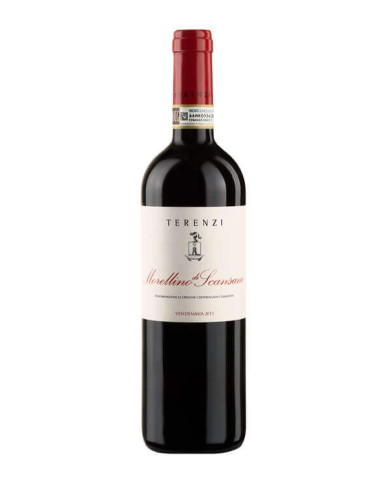
The unique expression of Morellino from 100% Sangiovese grapes, as the name of this wine recalls, which also recalls the tradition that sees the name Morellino derive from the Maremma horses "Morelli", for a thoroughbred Sangiovese, juicy and elegant.
€18.79
SKU:
15969
Brand:
Terenzi
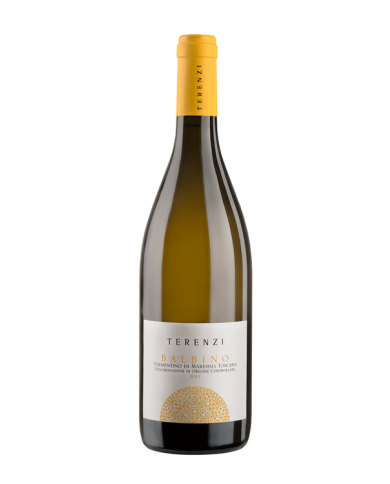
A Vermentino with unique characteristics of typicality and elegance, characterized by a marked sapidity.
€14.27
SKU:
15968
Brand:
Terenzi
Our first wine, a classic Morellino that impresses with its unique freshness, drinkability and elegance that have made it a great classic over time.
€13.48
SKU:
15965
Brand:
Campi Valerio
Light coppery pink colour. Delicate nose. Primary flavors of red fruit, flowers, citrus, melon and a nice crunchy green flavor on the celery or rhubarb-like finish. Aromas of melon, strawberry and magnolia. Both fruity and sharp on the palate.
€10.31
€9.28
€10.31
SKU:
15955
Brand:
Tenuta di Lilliano
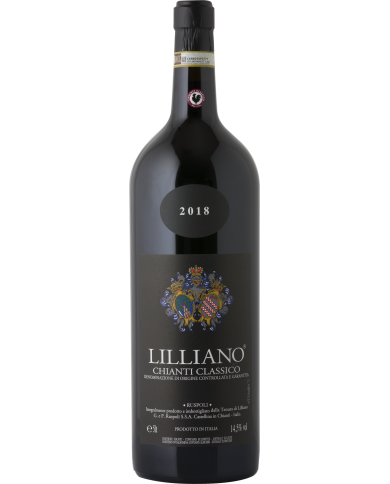
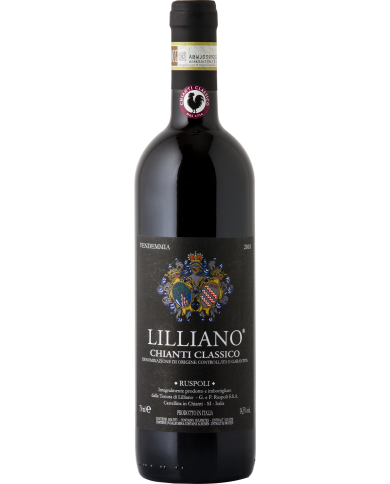
The grapes that give rise to Chianti Classico derive entirely from the vineyards of the Tenuta di Lilliano and are harvested by hand during the harvest. The alcoholic fermentation takes place in cement tanks with temperature control, and at the end of the malolactic fermentation the wine ages partly in large French oak barrels and partly in cement. At the end of the refinement, which lasts 12-14 months, the wine is bottled and subjected to a short refinement in the bottle before consumption.
€34.65
SKU:
15954
Brand:
Tenuta di Lilliano
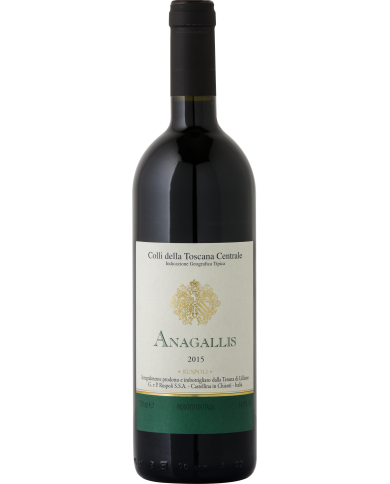
The grapes that give rise to Anagallis come from the best vineyards of the Lilliano Estate, carefully selected by hand during the harvest. The alcoholic fermentation takes place in small steel tanks with temperature control, and at the end of the malolactic fermentation the wine ages in French oak barriques for about 14 months.
At the end of this period, at least 10 months of aging in the bottle follow.
€32.09
SKU:
15953
Brand:
Tenuta di Lilliano
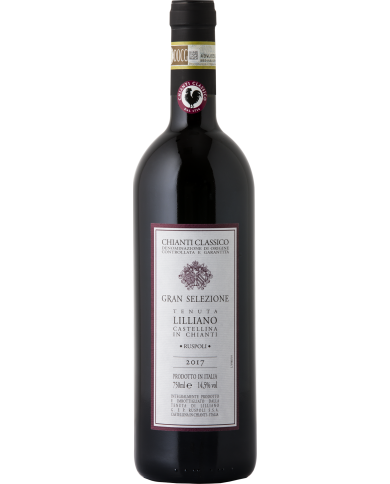
The grapes that give rise to the Gran Selezione come from two of the best vineyards of the Tenuta di Lilliano (Piagge and Casina), carefully selected by hand during the harvest. The alcoholic fermentation takes place in small steel tanks with temperature control, and at the end of the malolactic fermentation the wine ages in large French oak barrels for 14-15 months. At the end of this period, at least 6 months of aging in the bottle follow.
€32.82
SKU:
15950
Brand:
Tenuta di Lilliano
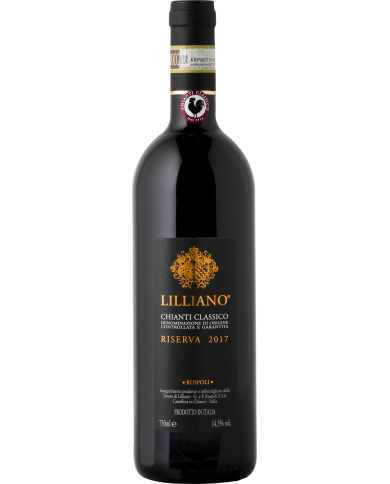
The grapes that give rise to the Riserva come from the best vineyards of the Lilliano Estate, carefully selected by hand during the harvest. The alcoholic fermentation takes place in small steel and cement tanks with temperature control, and at the end of the malolactic fermentation the wine ages in French oak tonneaux for 15 months. At the end of this period, at least 6 months of aging in the bottle follow.
€29.40
SKU:
15949
Brand:
Tenuta di Lilliano
The grapes that give rise to Chianti Classico derive entirely from the vineyards of the Tenuta di Lilliano and are harvested by hand during the harvest. The alcoholic fermentation takes place in cement tanks with temperature control, and at the end of the malolactic fermentation the wine ages partly in large French oak barrels and partly in cement. At the end of the refinement, which lasts 12-14 months, the wine is bottled and subjected to a short refinement in the bottle before consumption.
€16.91
SKU:
15941
Brand:
Codice Citra
No secrets. No makeup. This Chardonnay Terre di Chieti PGI Bisanzio proposed by Codice Citra is a simple, but pleasant, white wine to be served throughout the meal. When on the table, of course, the sea and its fruits dominate. Served chilled it can also represent a valid alternative to the classic aperitif bubble. At 90%, guests will propose to continue with the same glass once dinner is served. It comes from pure Chardonnay grapes, harvested at flat ripening in the vineyards located near Ortona, in the province of Chieti. Soft pressing and cold maceration to obtain a limpid must which, once decanted, can be fermented, strictly at a controlled temperature to preserve all the goodness of its aromas, in stainless steel tanks. The result is a white, delicately scented, with a brilliant straw color. The nose reveals the warmth of its homeland well. Chardonnay, in fact, shows notes of tropical fruit and yellow flesh. In the mouth, however, it is above all fresh and well balanced in all its components.
€8.90
SKU:
15935
Brand:
Tenuta La Chiusa
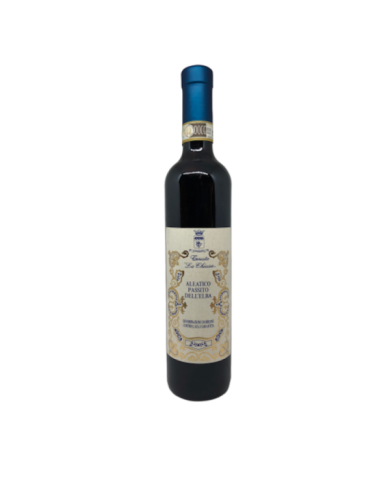
The Aleatico Passito dell'Elba docg 2021 is a natural passito obtained from the aromatic Aleatico vine, native to the island of Elba. After the harvest which generally takes place during the first half of September, the grapes are dried on special racks in the open air for a period of about 10-15 days. Vinified in steel containers at a controlled temperature. Maceration on the skins for about 7 days.
€33.82
SKU:
15931
Brand:
Tenuta La Chiusa
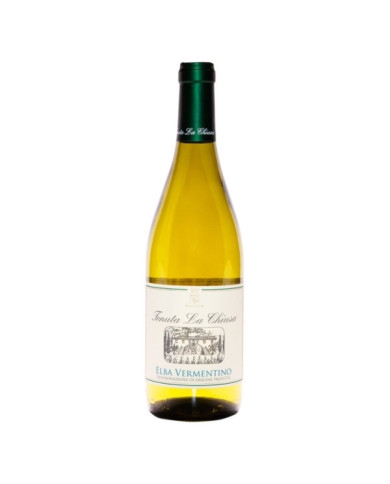
Vermentino Elba Doc 2022 comes from vines on clayey-ferrous soils in a flat area. Harvested in early September. It is vinified in white, in steel containers, with temperature control during fermentation. Continuous batonage during the winter to enrich the wine with the aromas of the fine lees on which it is left to rest. Bottled in the spring following the harvest, it has a straw yellow colour. On the nose the typical floral aromas of acacia, pineapple and marked notes of aromatic herbs. On the palate it is dry, fresh, sapid and with good persistence. Ideal alone as an aperitif, or in combination with appetizers, fish risottos and soft cheeses.
€15.07
€13.80
€12.42
€13.48
€12.48
€11.23
€10.41
SKU:
15922
Brand:
Cantine Maligni
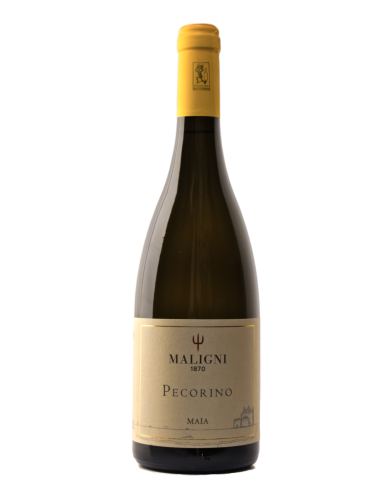
Grape rediscovered a few years ago, widespread throughout the Abruzzo region. The name "pecorino" is given by the sheep's muzzle shape of the bunch and by the fact that when the shepherds passed through during the transhumance, the sheep stopped to graze the leaves of this vine.
SKU:
15921
Brand:
Cantine Maligni
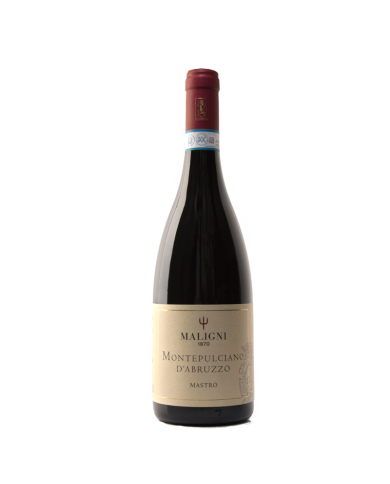
Mastro Montepulciano d'Abruzzo DOC by Cantine Maligni is obtained from Montepulciano grapes grown on medium-textured clayey soils, in the municipality of Chieti in a planting with 1600 vines per hectare. It is vinified with destemming, crushing of the grapes and maceration with the skins for 15 days. After racking, it is aged in steel for 12 months.
€14.55
SKU:
15919
Brand:
Fattoria Licia
Cerasuolo is a gem that only Abruzzo can offer: a wine produced exclusively from Montepulciano grapes, left unpeeled for a very short time and immediately fermented.
€6.19
SKU:
15918
Brand:
Fattoria Licia
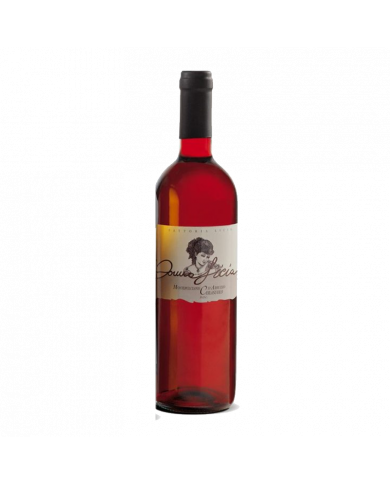
The Rosato "Donna Licia" is a versatile wine, produced mainly with Montepulciano grapes and a small percentage of Chardonnay and other white grapes that allows us to make it more pleasant on the palate and to lower the degree that would be too high for a wine suitable for aperitifs. .
€6.41
SKU:
15917
Brand:
Fattoria Licia
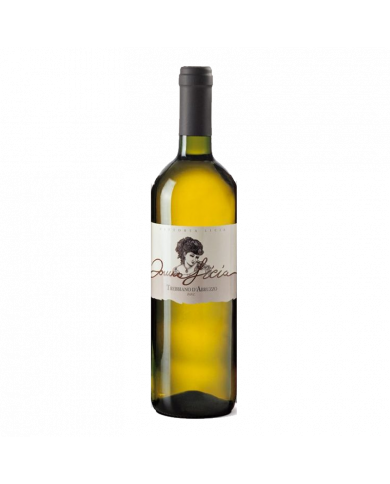
The Bianco “Donna Licia” is a non-pretentious, versatile wine, produced mainly with Trebbiano d'Abruzzo and Chardonnay. Obtained from soft pressing and short cryomaceration, clarification of the must and fermentation at a controlled temperature, stop for refrigeration and immediate filtration. The storage takes place in steel and fiberglass tanks and the sterile bottling is done from January.
€3.65
€3.28
SKU:
15916
Brand:
Cantina Orsogna
Autochthonous vine > biodynamic spontaneous fermentation wine with biodiversity certification > NOT FILTERED and not tartaric stabilized.
€21.26
SKU:
15915
Brand:
Cantina Orsogna
Indigenous vine > Biodynamic spontaneous fermentation wine with biodiversity certification > NOT FILTERED and not tartaric stabilized.
€16.76
SKU:
15914
Brand:
Cantina Orsogna
> Autochthonous vine > Biodynamic spontaneous fermentation wine with biodiversity certification > NOT FILTERED and not tartaric stabilized.
€16.76
SKU:
15913
Brand:
Cantina Orsogna
> Autochthonous vine > biodynamic spontaneous fermentation wine with biodiversity certification > NOT FILTERED and not tartaric stabilized.
€16.76
SKU:
15912
Brand:
Cantina Orsogna
Autochthonous vine
biodynamic spontaneous fermentation wine with biodiversity certification
€21.26
SKU:
15910
Brand:
Tiezzi
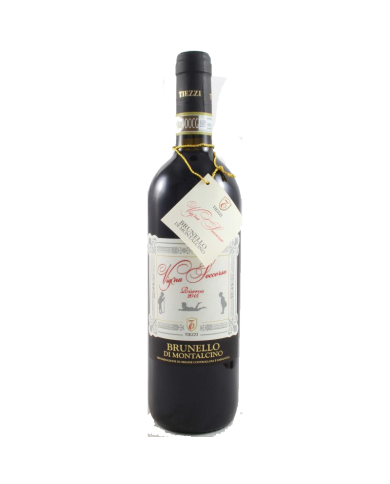
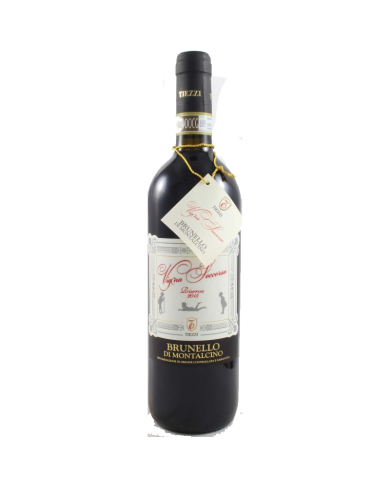
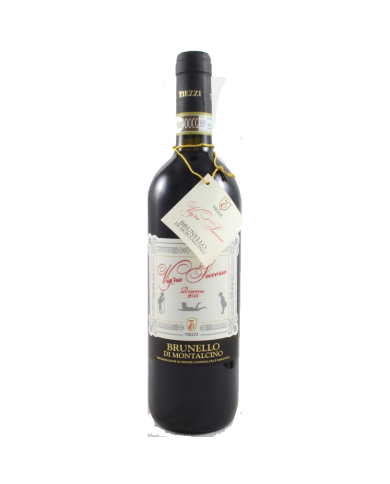
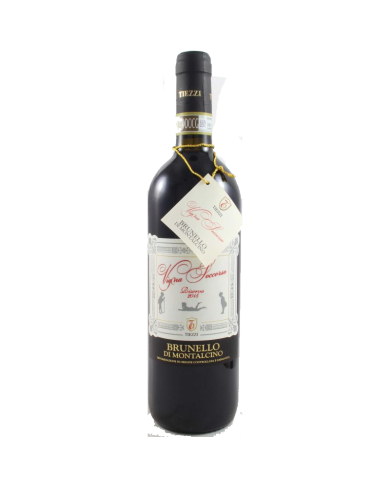
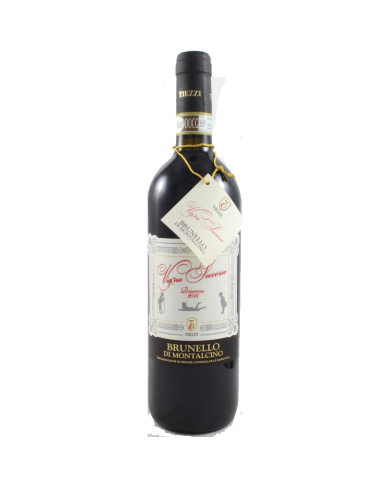
Wine obtained from Sangiovese grapes, exclusively from the vineyards of the "Soccorso" farm unit near the church of the Madonna del Soccorso, patroness of the inhabitants of Montalcino.
€110.12
SKU:
15909
Brand:
Tiezzi
Wine obtained from Sangiovese grapes, exclusively from the vineyards of the "Soccorso" farm unit near the church of the Madonna del Soccorso, patroness of the inhabitants of Montalcino.
€110.12
SKU:
15908
Brand:
Tiezzi
Wine obtained from Sangiovese grapes, exclusively from the vineyards of the "Soccorso" farm unit near the church of the Madonna del Soccorso, patroness of the inhabitants of Montalcino.
SKU:
15907
Brand:
Tiezzi
Wine obtained from Sangiovese grapes, exclusively from the vineyards of the "Soccorso" farm unit near the church of the Madonna del Soccorso, patroness of the inhabitants of Montalcino.
€110.12
SKU:
15906
Brand:
Tiezzi
Wine obtained from Sangiovese grapes, exclusively from the vineyards of the "Soccorso" farm unit near the church of the Madonna del Soccorso, patroness of the inhabitants of Montalcino.
SKU:
15905
Brand:
Tiezzi
Wine obtained from Sangiovese grapes, exclusively from the vineyards of the "Soccorso" farm unit near the church of the Madonna del Soccorso, patroness of the inhabitants of Montalcino.
SKU:
15904
Brand:
Tiezzi
Wine obtained from Sangiovese grapes, exclusively from the vineyards of the "Soccorso" farm unit near the church of the Madonna del Soccorso, patroness of the inhabitants of Montalcino.
€56.93
SKU:
15903
Brand:
Tiezzi
Wine obtained from Sangiovese grapes, exclusively from the vineyards of the "Soccorso" farm unit near the church of the Madonna del Soccorso, patroness of the inhabitants of Montalcino.
€52.34
SKU:
15902
Brand:
Tiezzi
Wine obtained from Sangiovese grapes, exclusively from the vineyards of the "Soccorso" farm unit near the church of the Madonna del Soccorso, patroness of the inhabitants of Montalcino.
€54.07
SKU:
15901
Brand:
Tiezzi
The Rosso di Montalcino wine undergoes the same treatments as the Brunello di Montalcino wine. As the main difference, it is released for consumption after a year of aging in barrels; does not undergo physical / chemical treatments. - It can be consumed throughout the meal, combined with first courses and meat-based dishes, or in any case with more delicate foods.
€18.42
SKU:
15900
Brand:
Tiezzi
€12.43
€11.19
The color of this wine is a bright peach; the nose is delicate and elegant with notes of light pulp fruit, pomegranate and white flowers. Soft, enveloping mouth, moderated by an excellent freshness and a subtle sapidity. It is an excellent product for the whole meal and an elegant companion for a perfect aperitif.
€12.43
€11.19
SKU:
15899
Brand:
Tiezzi
Wine obtained from Sangiovese grapes, exclusively from the vineyards of the "Soccorso" farm unit near the church of the Madonna del Soccorso, patroness of the inhabitants of Montalcino.
€53.31
SKU:
15898
Brand:
Tiezzi
Wine obtained from Sangiovese grapes, exclusively from the vineyards of the "Soccorso" farm unit near the church of the Madonna del Soccorso, patroness of the inhabitants of Montalcino.
SKU:
15897
Brand:
Tiezzi
Wine obtained from Sangiovese grapes, exclusively from the vineyards of the "Soccorso" farm unit near the church of the Madonna del Soccorso, patroness of the inhabitants of Montalcino.
€69.00
SKU:
15896
Brand:
Tiezzi
Wine obtained from Sangiovese grapes, exclusively from the vineyards of the "Soccorso" farm unit near the church of the Madonna del Soccorso, patroness of the inhabitants of Montalcino.
€79.00
SKU:
15895
Brand:
Tiezzi
Wine obtained from Sangiovese grapes, exclusively from the vineyards of the "Soccorso" farm unit near the church of the Madonna del Soccorso, patroness of the inhabitants of Montalcino.
SKU:
15894
Brand:
Tiezzi
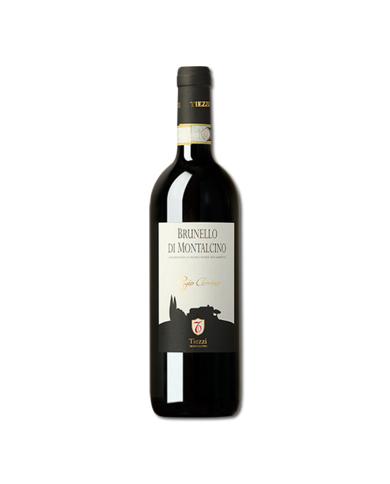
The Brunello di Montalcino wine is produced with traditional methods; naturally stabilized; upon bottling it is not filtered
€42.36
SKU:
15893
Brand:
Tiezzi
The Brunello di Montalcino wine is produced with traditional methods; naturally stabilized; upon bottling it is not filtered
€42.36
SKU:
15892
Brand:
Tiezzi
€105.16
The Brunello di Montalcino wine is produced with traditional methods; naturally stabilized; upon bottling it is not filtered
SKU:
15891
Brand:
Tiezzi
The Brunello di Montalcino wine is produced with traditional methods; naturally stabilized; upon bottling it is not filtered
€39.08
SKU:
15890
Brand:
Tiezzi
The Brunello di Montalcino wine is produced with traditional methods; naturally stabilized; upon bottling it is not filtered
€38.92