

 Italiano
 Deutsch


































There are no more items in your cart
SKU:
21215
Brand:
Tenuta Antonini
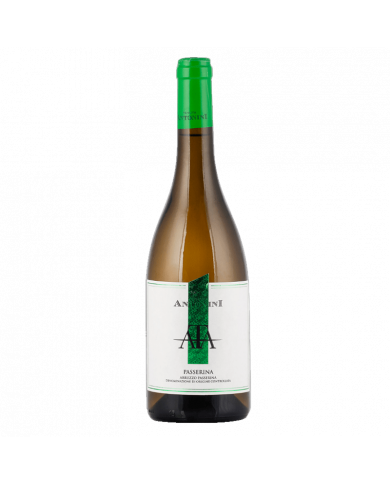
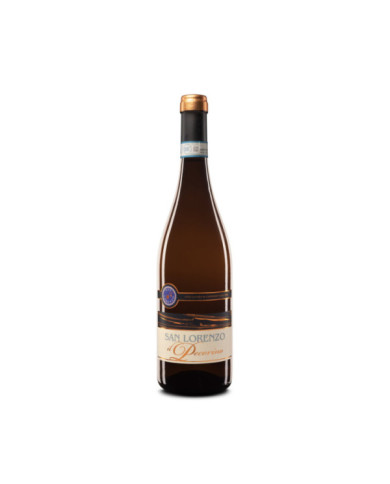
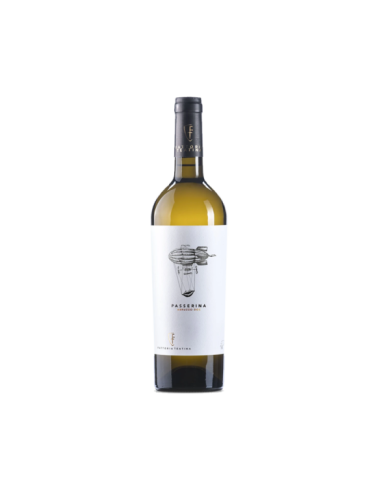
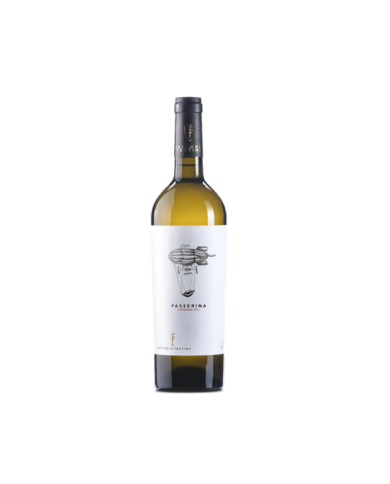
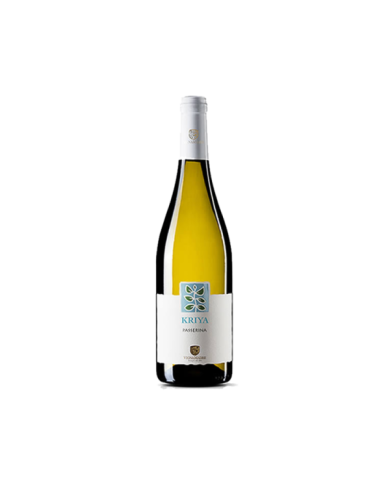
Here and now: knowing how to fully live the moment is something important and complicated. There are times when it is important to dedicate time, love yourself, indulge in an introspective moment or simply treat yourself to a moment of pure personal pleasure. Intense moments perfectly accompanied by a glass of our Passerina.
€14.00
SKU:
21214
Brand:
Tenuta Antonini
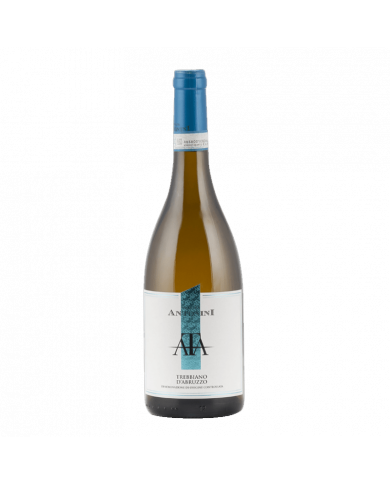
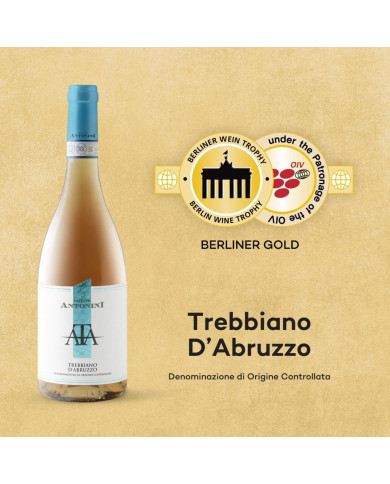
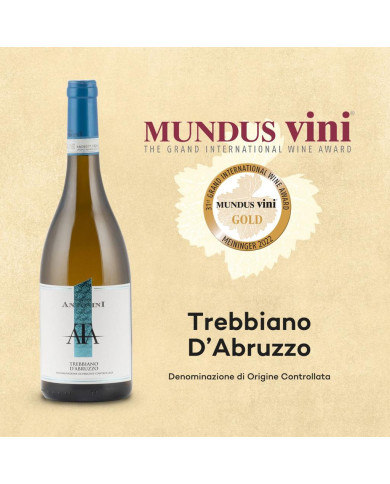
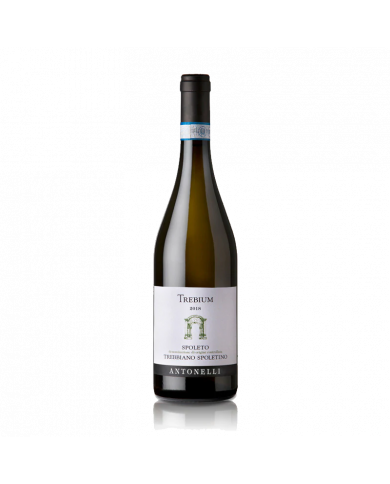
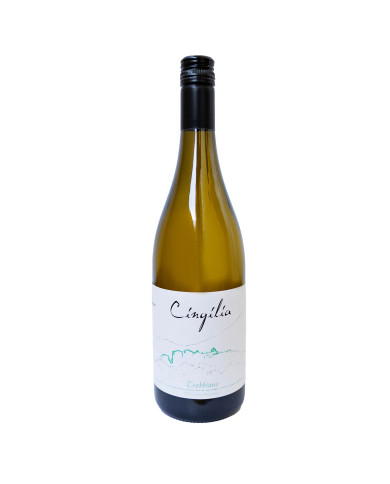
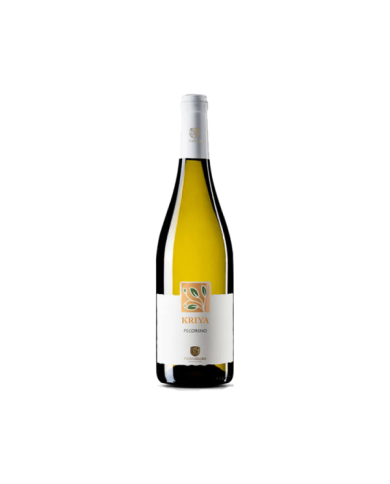
Overcoming the idea of the "great classic", so much the same as to become banal. Go beyond prejudice, linked to the idea of a wine so historic that it seems obvious. Being able to show new sensory details and nuances. Those who are ready to be surprised can find all this and much more in our Trebbiano.
€14.00
SKU:
21197
Brand:
Bugno Martino
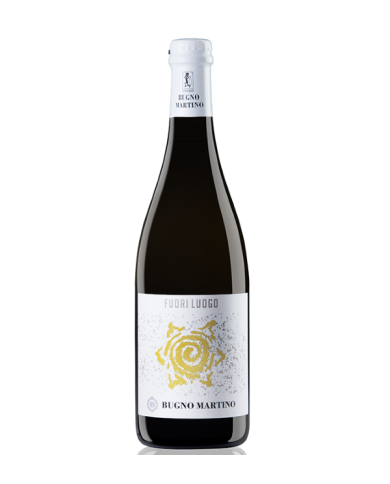
San Benedetto Po (MN) Lambrusco mantovano DOP - LAMBRUSCO SALAMINO 100% Rosso frizzante
€42.70
SKU:
21194
Brand:
Bugno Martino
San Benedetto Po (MN) Lambrusco mantovano DOP - LAMBRUSCO SALAMINO 100% Rosso frizzante
€17.08
€37.58
€7.17
SKU:
21186
Brand:
La Veneranda
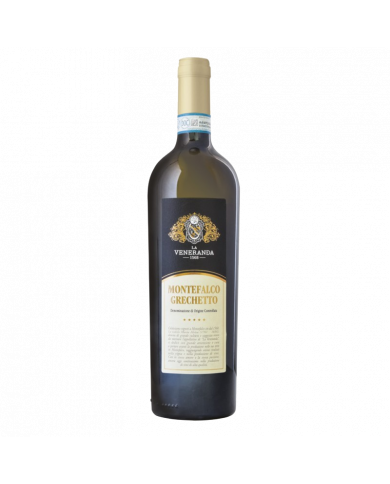
Entirely produced with Grechetto grapes, this wine has a straw yellow color. Particularly fine on the nose with a bouquet that develops between hints of elderflower, broom, yellow pulp fruit: peach, mango; With a finish of aromatic herbs reminiscent of thyme, sage. Its alternation between flavor and freshness is excellent.
€14.01
SKU:
21183
Brand:
Rasicci
€12.81
€11.53
Oral hints of broom, with fruity notes of citrus, apricot and melon in harmony with the aromatic component of the deposited yeasts. Good intensity? olfactory. Good body supported by alcohol? and from the minerality ?. Acidity? pleasant, masked by the alcohol content. Good persistence in the mouth with delicate notes of ripe apricot and a pleasant base of bitter almond. All in good harmony.
€12.81
€11.53
SKU:
21182
Brand:
Rasicci
€11.96
€10.76
Oral hints of broom, with fruity notes of citrus, apricot and melon in harmony with the aromatic component of the deposited yeasts. Good intensity? olfactory. Good body supported by alcohol? and from the minerality ?. Acidity? pleasant, masked by the alcohol content. Good persistence in the mouth with delicate notes of ripe apricot and a pleasant base of bitter almond. All in good harmony.
€11.96
€10.76
€8.30
€12.02
€9.69
SKU:
21147
Brand:
Maculan
Excellent in combination with pastry desserts, fruit tarts, homemade focaccias and even desserts with creams.
€44.59
€18.84
€6.55
SKU:
21118
Brand:
Venit
€22.74
€19.33
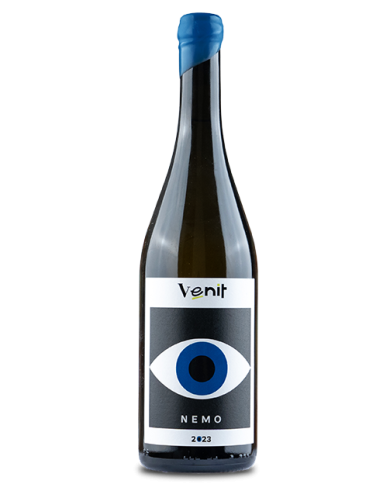
From the constant dialogue between man and nature, humble in respect for the environment, the choice of resistant varieties allows a drastic limitation of man's intervention.
€22.74
€19.33
€32.82
SKU:
21115
Brand:
Venit
€21.46
€18.24
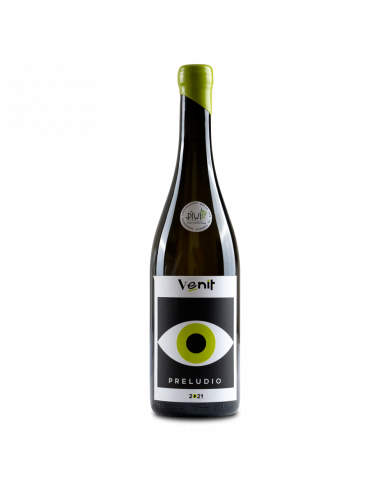
From the constant dialogue between man and nature, humble in respect for the environment, the choice of resistant varieties allows a drastic limitation of man's intervention.
€21.46
€18.24
€44.20
SKU:
21101
Brand:
Tenuta Viglione
A sweet white sparkling wine with a golden yellow color and a floral aroma with citrus notes, hints of honey and candied citrus peel.
€12.14
SKU:
21096
Brand:
Dora Sarchese
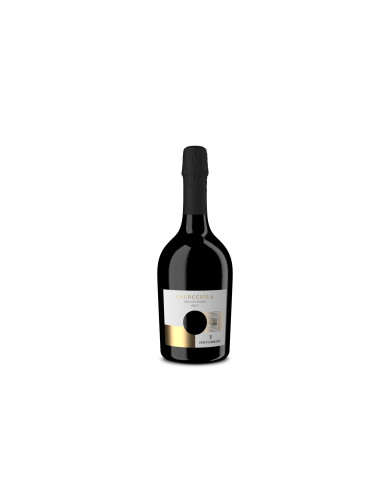
Grapes used: Cococciola 50%, Trebbiano 30, Chardonnay 20%.
Vinification: the harvest takes place manually in boxes, carefully selecting the best bunches. In the cellar the grapes are subjected to soft pressing and the must is fermented in stainless steel tanks at a controlled temperature of 16-18 ° C. Assembled the various fractions to form the cuvèe, the base wine is placed in the bottle with selected yeasts where the second fermentation and subsequent refinement will take place following the Classic Method sparkling process.
€14.52
€6.86
SKU:
21060
Brand:
San Felice
La Vigna Del Lago It can happen to come across unexpected places, the Vigna del Lago, as in this 100% Chardonnay, unexpected white single-vineyard and newcomer in the San Felice house of particular aromatic freshness and flavor, carefully selected grapes and soil with unique characteristics, on which traces of the ancient Etruscan presence remain.
€25.62
€31.72
SKU:
21058
Brand:
Planeta
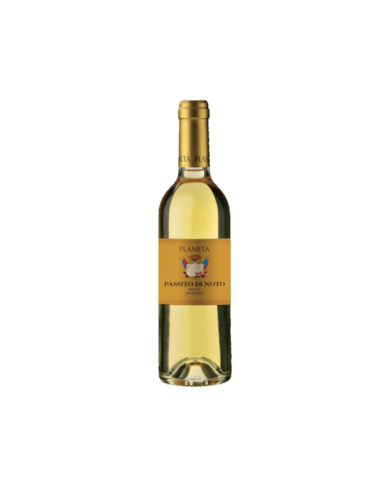
From one of the oldest vines in the world, Moscato Bianco, our Passito di Noto is born. Passito is an ancient wine that becomes current with a modern drying system. Explosive aromas of exotic fruit, jasmine, candied citrus, it is both complex and easy to love. The ideal companion of the great Sicilian tradition of sweets and ice cream.
€29.77
€31.72
€26.96
€18.00
SKU:
21020
Brand:
Durin
Dry white wine. Pale straw yellow colour. Delicate, fresh and subtle aroma, characteristic with hints of herbs…
€15.03
SKU:
21019
Brand:
Durin
Dry white wine. Straw yellow color with greenish reflections. On the nose it has an elegant aroma of fresh fruit…
€21.57
SKU:
21017
Brand:
Durin
Dry white wine with a pale straw yellow color with greenish reflections; persistent and delicate scent of wild flowers, herbs…
€18.71
€11.20
€10.08
€11.20
SKU:
21012
Brand:
Cantine Maligni
€11.20
€10.08
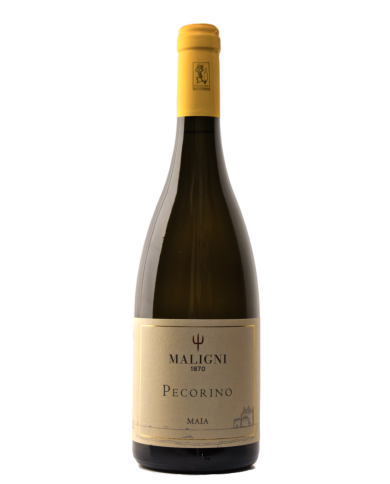
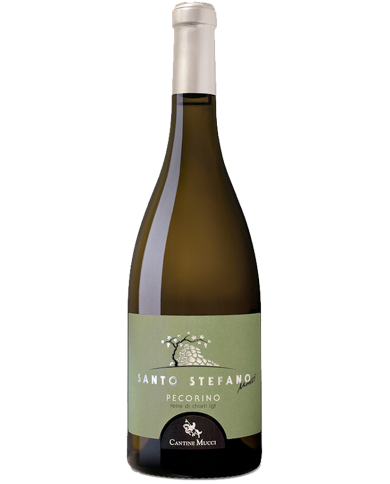
Grape rediscovered a few years ago, widespread throughout the Abruzzo region. The name "pecorino" is given by the sheep's muzzle shape of the bunch and by the fact that when the shepherds passed through during the transhumance, the sheep stopped to graze the leaves of this vine.
€11.20
€10.08
€13.44
€12.10
SKU:
21005
Brand:
Carpineto
Tuscan Vinsanto… a wine whose origins are lost in the mists of time. Vinsanto in Tuscany is such an important wine full of meaning that it was difficult to buy, it was an ambition to make it at home with your own hands; in every family there was a person in charge of this art, usually the father or grandfather. The hypothesized origins of this exquisite drink, as well as those of its singular name are different and are lost in the mists of time. A Sienese legend says that in the 14th century a friar distributed a wine that healed the sick, hence the belief that it was a miraculous wine, "Santo". However, it cannot be excluded that the name "holy" derives from the use that has always been made of it during Mass.
€44.35
SKU:
21000
Brand:
Carpineto
€12.97
€11.02
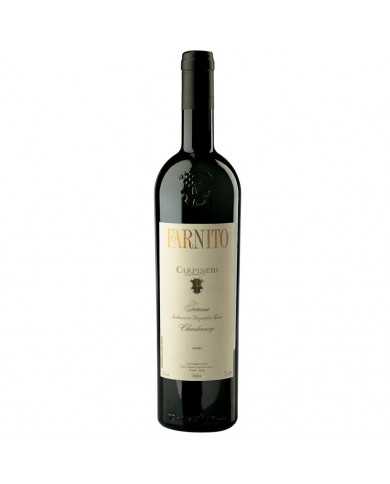
Produced from grapes from our vineyards on our Chianciano/Montepulciano estate at an altitude of 300 meters above sea level.
€12.97
€11.02
SKU:
20990
Brand:
Carpineto
€8.82
€7.50
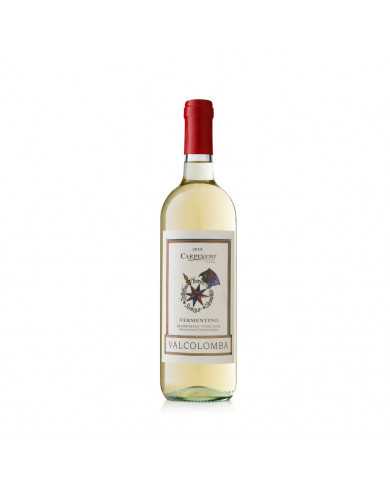
"Mediterranean", this is the character of Vermentino produced in Maremma. The terroir strongly defines its organoleptic profile, merging all its aspects with the features of this wonderful land.
€8.82
€7.50
SKU:
20984
Brand:
Cantina Ricchi
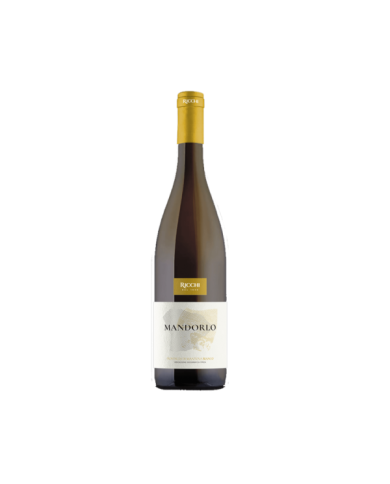
Although it has not been possible to call it by its real name for years, it has always maintained the intrinsic characteristics of the historic vine. The pleasant fine taste of bitter almond gives it its current name Almond.
€10.98
SKU:
20937
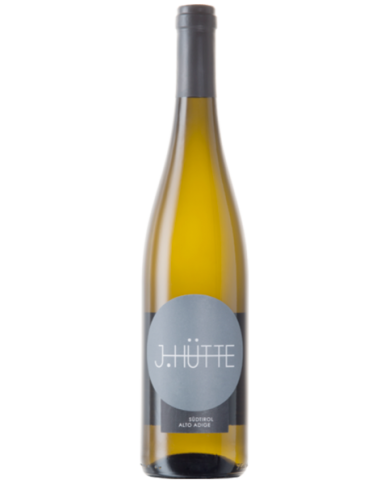
Brand:
J.Hütte
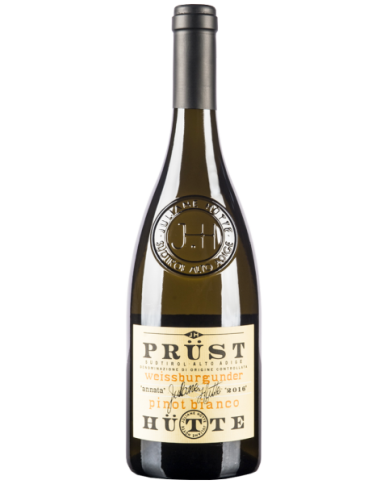
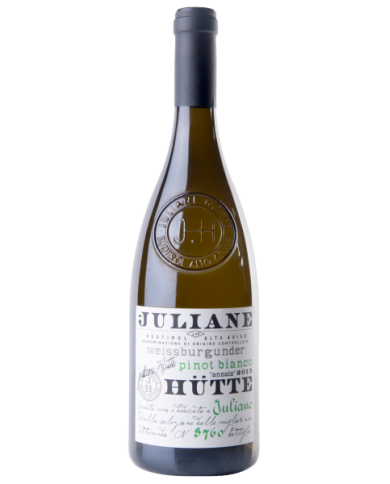
Siamo in Alto-Adige Südtirol, la patria del Pinot Bianco: in nessuna terra come questa, infatti, questo vitigno riesce a regalare espressioni così vive, brillanti e raffinate, stupendo per raffinatezza nei profumi ed eleganza gustativa. Merito dei suoli calcarei e ricchi in minerali, delle precise escursioni termiche e dell'ottima esposizione ma anche, soprattutto, di una mano esperta e capace, come quella della Cantina Produttori di Bolzano, che riesce a creare etichette più uniche che rare come il Pinot Bianco Prüst, un eccellente compagno della buona tavola.
€56.74
SKU:
20936
Brand:
J.Hütte
Da uve Pinot Bianco in purezza allevate a 500 mt. sul livello del mare, su suoli porfirici e calcarei, questo vino delicato ed elegante è la ciliegina sulla torta di una gamma dagli altissimi standard qualitativi. Poliedrico, misurato e godibile sin da oggi, questo vino saprà regalare della autentiche emozioni soprattutto a chi saprà attenderlo qualche anno in cantina, grazie ad una struttura perfettamente amalgamata e ad un'insolita ampiezza aromatica, che gli consentono di accettare sfide con numerosi piatti della nostra tradizione culinaria.Colore giallo paglierino con riflessi oro pallido, ha naso profumato di mela verde e limoncella, insieme a note di mughetto, mandorle e percezioni minerali. All'assaggio è fresco, scattante e leggiadro, molto preciso nelle note agrumate e ben corroborato dalla struttura calda e cremosa che accompagna un lunghissimo finale affumicato.Ottimo con un cous cous ai frutti di mare, con un risotto ai porcini ma anche con piatti a base di asparagi, pollame e piatti vegetariani.
€56.74
SKU:
20934
Brand:
J.Hütte
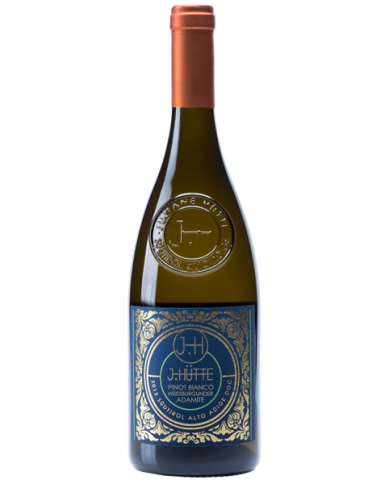
Il Pinot Bianco Weissburgunder Adamite di J.Hütte è un Südtirol - Alto Adige DOC che esprime al meglio l'eleganza del Pinot Bianco altoatesino. Prodotto con uve provenienti da vigneti selezionati nei dintorni di Bolzano, a 500 metri di altitudine, su terreni porfirici e calcarei ricchi di adamite, questo vino si distingue per mineralità, finezza e complessità
€21.30
SKU:
20933
Brand:
J.Hütte
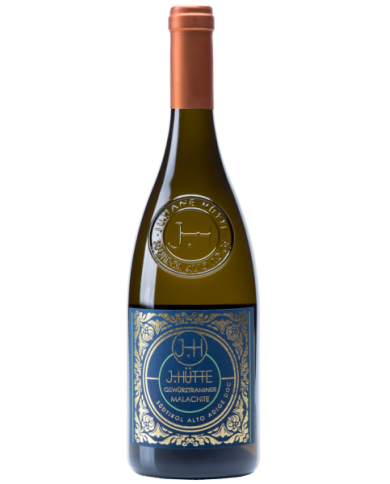
Il Gewürztraminer Malachite J.Hütte nasce da uve coltivate su caldi e ripidi pendii porfirici a 650 metri sopra Bolzano e affina in barrique e tonneau per raggiungere una complessità aromatica unica. La vinificazione prevede una pressatura soffice delle uve e una fermentazione alcolica in legno, seguita da un'ulteriore maturazione in bottiglia.
€27.50
SKU:
20931
Brand:
J.Hütte
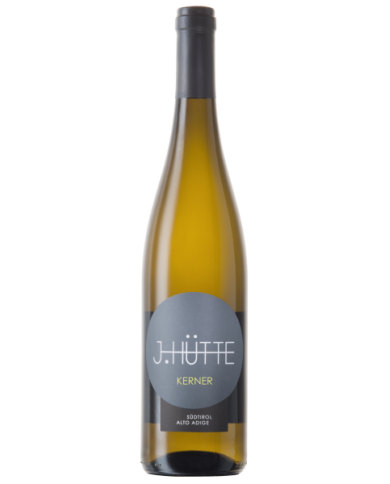
Questo vino nasce tra la Valle Isarco e l’Altopiano del Renon dove i vigneti si stendono lungo pendii ripidi e soleggiati, tra i 600 e gli 800 metri s.l.m; qui il vitigno Kerner, antico incrocio tra Trollinger e Riesling creato nel 1930 in Germania, ha trovato il suo terroir d’elezione grazie ai terreni leggeri, ghiaiosi e sabbiosi, combinati ad una maturazione tardiva che permette di regalare un vino incredibilmente aromatico e corposo. Se non avete mai assaggiato il Kerner, è il momento di farlo, non resterete delusi!
€20.04
SKU:
20928
Brand:
J.Hütte
Il Riesling J.Hütte è un vino bianco che racconta l'essenza dell'Alto Adige. Questo Riesling, prodotto con uve provenienti dai vigneti situati sui pendii intorno a Bolzano e in Valle Isarco, si distingue per la sua freschezza e mineralità. Un'etichetta che esprime la purezza e l'eleganza del Riesling altoatesino.
€23.20
SKU:
20911
Brand:
Cantine Mucci
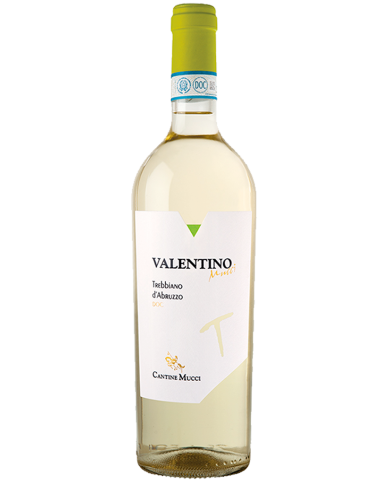
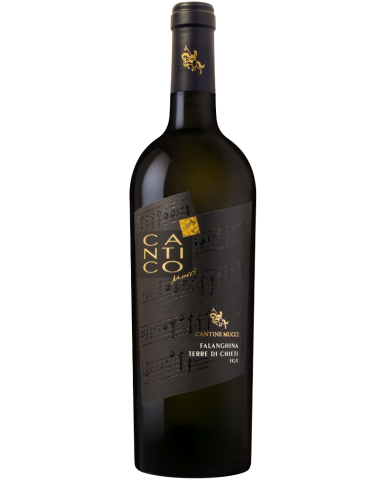
Colore giallo paglierino con riflessi verdolini; odore caratteristico di fruttato intenso composto sia da sentori di frutta tropicale che di mela golden, ginestra; fresco, sapido e armonico.
€11.96
SKU:
20910
Brand:
Cantine Mucci
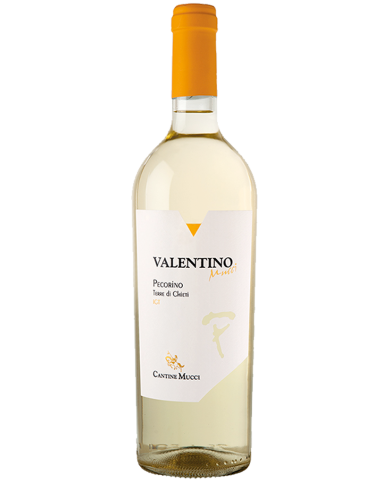
Colore paglierino tenue, profumo caratteristico floreale con sentori di frutta tropicale.
€11.96
SKU:
20906
Brand:
Cantine Mucci
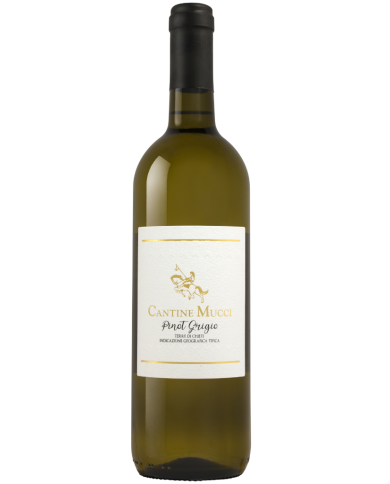
Colore giallo paglierino intenso. Dal profumo intenso e complesso. Al palato risulta rotondo con sapori di frutta matura, scorze di lime e pesca. Giustamente acido, fresco, equilibrato e persistente.
€11.96
SKU:
20902
Brand:
Cantine Mucci
Colore giallo paglierino con riflessi dorati; profumo che va dallo speziato al tropicale; un gusto morbido ma fresco, raffinato e persistente.
€18.20
SKU:
20900
Brand:
Cantine Mucci
Colore paglierino deciso, odore tipico floreale e di frutta gialla matura; sapore asciutto, vellutato, grande volume ed intensità.
€18.07
SKU:
20873
Brand:
Girlan
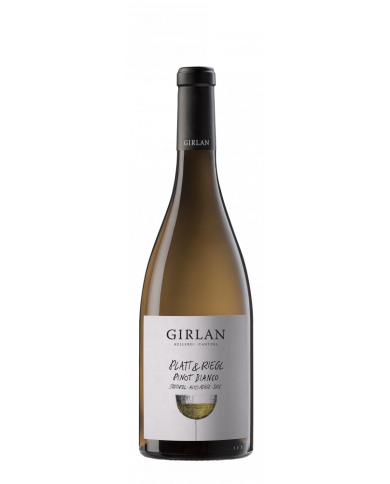
Per questo vino utilizziamo le migliori uve del vitigno Pinot Bianco che vengono coltivate nell’Oltradige a ca. 450 – 550 m s.l.m., in vigneti ben areati. La combinazione diversa dei terreni di produzione, dall'argilla, al calcareo e ghiaioso, conferiscono al vino un carattere unico.
€17.69
SKU:
20799
Brand:
Tenuta Iuzzolini
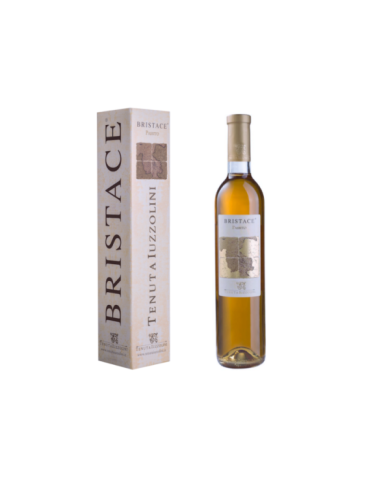
BRISTACE è un vino passito della Tenuta Iuzzolini. I vini passiti sono vini ottenuti da uve sottoposte a procedimenti di disidratazione,
più o meno avanzata, naturale o forzata.
€25.21
SKU:
20775
Brand:
Cantina Lepore
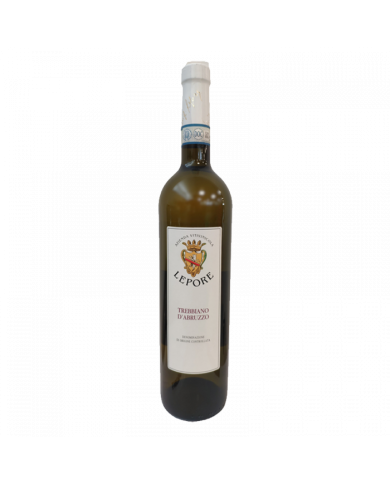
Un vino giallo paglierino con riflessi verdolini. Al naso unisce note intense di frutta a piacevoli sensazioni floreali, tipici i sentori di erbe secche.
In bocca è secco fresco ed equilibrato, sensazioni di frutti e particolarmente rinfrescante.
€8.43
SKU:
20773
Brand:
Cantina Lepore
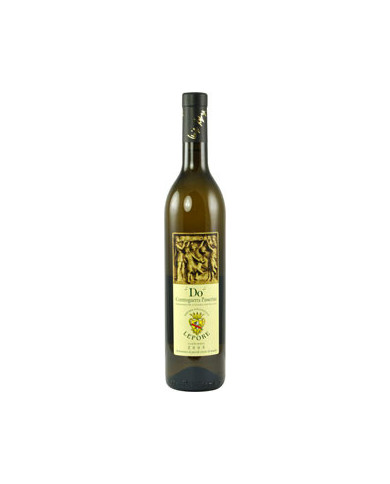
Un vino giallo paglierino con un profumo fruttato floreale con chiari riconoscimenti di frutti gialli, maturi e frutti tropicali, fiori gialli, e sfumature di miele, di notevole persistenza olfattiva. In bocca è caldo, pieno ed allo stesso tempo fresco con note di frutta molto matura che richiamano perfettamente l'olfatto.
€14.01
SKU:
20767
Brand:
San Lorenzo
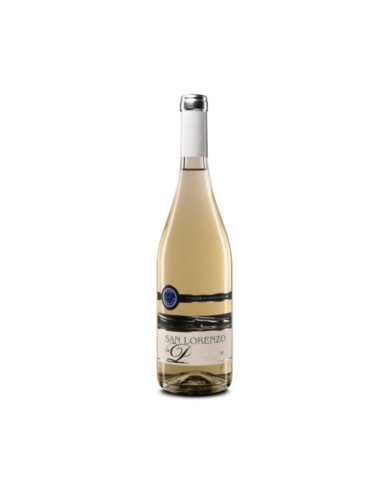
Colore giallo paglierino, con sentori di fiori bianchi e frutta
fresca. In bocca è morbido, ben equilibrato e vellutato con una
buona persistenza.
€9.09
SKU:
20764
Brand:
San Lorenzo
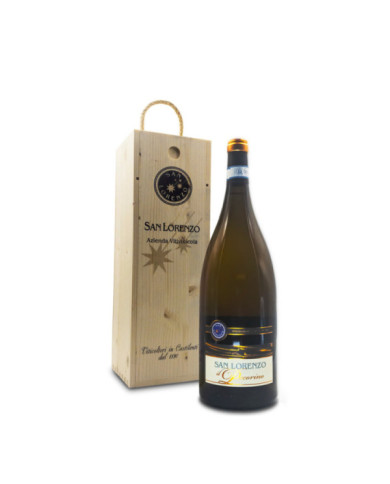
Colore giallo paglierino; al naso si presenta molto intenso con sentori di frutta fresca matura, mela verde, mandorla, floreale. In bocca, molto caldo, intenso, supportato da una bella vena acida, si presenta rotondo e di corpo. Abbinamenti gastronomici: facile da abbinare con piatti strutturati grassi, formaggi freschi e stagionati, ottimo con piatti di pesce.
€46.79
SKU:
20761
Brand:
San Lorenzo
€16.49
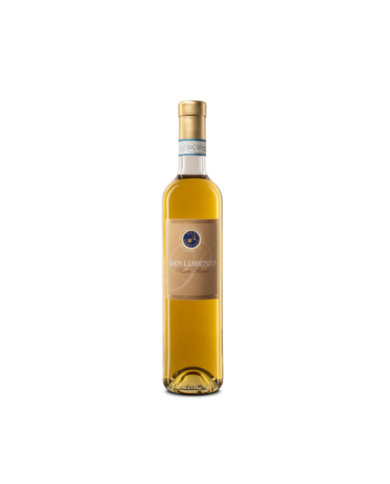
Colore giallo dorato con aromi che ricordano le pesche e il miele. Un vino da dessert, ben strutturato e molto armonico. Abbinamenti gastronomici: è eccellente in abbinamento a formaggi stagionati o erborinati come il Roquefort e il Gorgonzola. Si sposa benissimo con il fegato grasso d’oca.
€16.49
SKU:
20760
Brand:
San Lorenzo
Giallo paglierino, profumo intenso e delicato, di fiori bianchi, mandorla e frutta fresca. In bocca si presenta fresco, avvolgente, con deliziose note minerali che lo rendono unico nel suo genere. Morbido e persistente in bocca. Abbinamenti gastronomici: Ottimo come aperitivo, accompagna primi e secondi, carni bianche e formaggi giovani.
€10.27
SKU:
20759
Brand:
San Lorenzo
Colore giallo paglierino; al naso si presenta molto intenso con sentori di frutta fresca matura, mela verde, mandorla, floreale. In bocca, molto caldo, intenso, supportato da una bella vena acida, si presenta rotondo e di corpo. Abbinamenti gastronomici: facile da abbinare con piatti strutturati grassi, formaggi freschi e stagionati, ottimo con piatti di pesce.
€12.25
SKU:
20756
Brand:
San Lorenzo
Giallo paglierino tendente al dorato. Un vino unico per concentrazione e finezza, al naso si apre con un ampio ventaglio di profumi varietali, con sentori di banana matura, frutta tropicale e note floreali. Al gusto è estremamente equilibrato, caldo, morbido e di grande persistenza aromatica. Abbinamenti gastronomici: Facile da abbinare a dei primi piatti ben strutturati, alle zuppe con frutti di mare anche piuttosto elaborate e saporite e con i secondi a base di carni bianche anche alla griglia e formaggi di media stagionatura.
€11.80
SKU:
20755
Brand:
San Lorenzo
Colore giallo paglierino. Rivela al profumo note floreali e fruttate. Molto morbido e persistente in bocca. Abbinamenti gastronomici: Ottimo con primi piatti, carni bianche e formaggi a pasta molle. Si abbina perfettamente a portate di pesce, esaltandone i sapori.
€8.76
SKU:
20754
Brand:
San Lorenzo
Colore giallo paglierino. Rivela al profumo note floreali e fruttate noce moscata, e mandorle tostate. Molto morbido e persistente in bocca. Abbinamenti gastronomici: Ottimo con primi piatti, carni bianche e formaggi a pasta molle. Si abbina perfettamente a portate di pesce, esaltandone i sapori.
€9.08
SKU:
20743
Brand:
Fattoria Italiana Martelli
Colore: Giallo paglierino tenue con riflessi verdolini.
Profumo: I profumi sono molto intensi con delle piacevoli note di frutta bianca e agrumi con sensazione di frutta esotica.
Gusto: In bocca notiamo la sua buona acidità e mineralità.
ABBINAMENTI: Si consiglia l'abbinamento con pesce, carni bianche e formaggi di media stagionatura
FRUIBILITA': Da servire a 8/10°C
€18.08
SKU:
20715
Brand:
Calasetta
932 Vermentino di Sardegna DOC vuole valorizzare il lavoro di un’intera comunità, quella di Calasetta, celebrandolo con un vino intenso e persistente che matura in botti di rovere francese. Nato da una selezione attenta delle uve vermentino coltivate nei vigneti costieri del sud Sardegna.
€45.36
SKU:
20641
Brand:
Clara Marcelli
Il “Marke” Clara Marcelli è un Pecorino intenso, nato da terre coltivate con passione secondo i dettami dell'agricoltura biologica. Un bianco che danza sui colli tra Offida e Ascoli Piceno, incantando i sensi con la sua profondità.
€38.21
SKU:
20636
Brand:
Clara Marcelli
L'”Irata” è un Pecorino che racconta con fierezza l'anima del suo territorio in ogni sorso. Fresco, fragrante e avvolto da una brezza marina, questo vino rivela un carattere unico e vibrante.
€14.64
SKU:
20635
Brand:
Clara Marcelli
Il “Raffa” è un'espressione pura di Passerina, che nasce tra i colli del Piceno, a 250 metri d'altitudine, come un canto che si libra nell'aria cristallina. I suoi aromi, come brume mattutine, catturano ricche sensazioni sapide e fresche, rispecchiando la generosità del territorio.
€12.14
SKU:
20614
Brand:
Antonelli San Marco
Il Metodo Classico Dosaggio Zero di Antonelli San Marco è uno spumante Metodo Classico prodotto con uva Trebbiano Spoletino Bio nel comune di Montefalco in provincia di Perugia. Lo trovate su vinodalproduttore.it al prezzo consigliato da Antonelli San Marco.
€27.33
SKU:
20577
Brand:
PARTESA
Giallo paglierino con riflessi verdolini, ha un profumo intenso, fruttato, con sottili note floreali. Finale secco e leggermente ammandorlato con eccellente equilibrio tra il frutto e la fresca acidità. Vino classico da pesce e paste asciutte. Eccelle con tutta la cucina a base di pesce, ma si accompagna bene anche con pietanze delicate a base di carne. Ottimo con gli antipasti e come aperitivo.
€16.13
SKU:
20572
Brand:
Cantina Tollo
Cantina Tollo si fa portavoce di messaggi dedicati alla tutela ambientale. Scegli anche tu soluzioni sostenibili e aiutaci a combattere l’inquinamento marino. Scegli Velapazza!
€7.77
SKU:
20562
Brand:
Castelsimoni
Chardonnay IGP Terre dell'Aquila aged in bottle for at least 15 months
€23.23
€18.58
SKU:
20558
Brand:
Castelsimoni
Terre dell'Aquila PGI aromatic traminer Macerated 120 hours on the skins and aged in the bottle for 27 months
€21.01
€15.34
SKU:
20550
Brand:
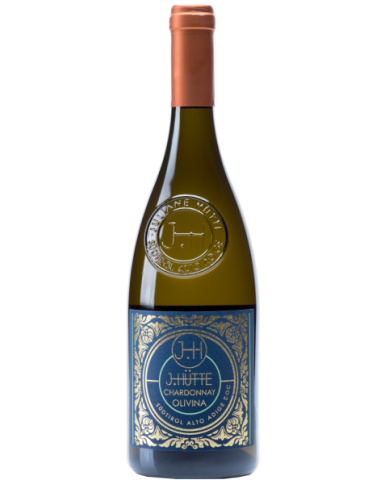
J.Hütte
The result of a merger, which took place in 2001, between the Cantina Produttori Santa Maddalena and the Cantina Produttori Gries, this kaleidoscopic winery offers an incredible range, complete in the multiplicity of products and refined in the interpretation of the territory. The quality standard is truly impressive and does not fail to satisfy any palate, even the most demanding one, with the right attention to both native and international vines. A splendid example of quality is this Sauvignon, a semi-aromatic vine, characterized by a great variety of aromas, here incredibly enhanced by the warm, sandy soils and the breezy climate, which constitute the ideal terroir for a great wine.
€17.14
SKU:
20549
Brand:
J.Hütte
The result of a merger, which took place in 2001, between the Cantina Produttori Santa Maddalena and the Cantina Produttori Gries, this kaleidoscopic winery offers an incredible range, complete in the multiplicity of products and refined in the interpretation of the territory. The quality standard is truly impressive and does not fail to satisfy any palate, even the most demanding one, with the right attention to both native and international vines. A splendid example of quality is this Sauvignon, a semi-aromatic vine, characterized by a great variety of aromas, here incredibly enhanced by the warm, sandy soils and the breezy climate, which constitute the ideal terroir for a great wine.
€16.76
SKU:
20548
Brand:
J.Hütte
Also known as Traminer Aromatico, Gewürztraminer was already known in the thirteenth century for its aromatic qualities and its ability to drink, and is today, without a doubt, the most famous and well-known South Tyrolean wine in the world. In all likelihood its origins are to be found in Termeno (Tramin), from which the name "Traminer" derives.
€9.96
SKU:
20547
Brand:
J.Hütte
Rich in sodium, albite is a typical mineral of the Alps, in particular of Valle d'Aosta, Piedmont and Alto Adige, where it finds the ideal subsoil for its development, proving to be a faithful ally for the vine. This Sauvignon is proof of this, presenting itself as the perfect synthesis between territory, climate and grape variety, thanks to its typicality which, in combination with albite, gives life to an authentic, complex and characterful label, capable of perfectly combining, to the gentleness of citrus and floral tones, an important structure and a strong minerality.
€19.93
SKU:
20545
Brand:
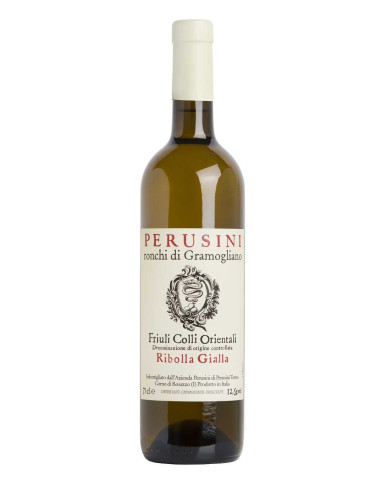
Perusini
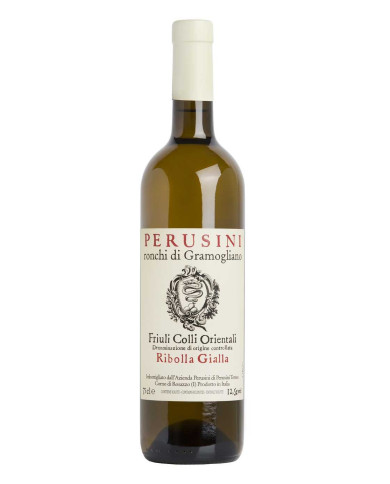
Ribolla Gialla DOC is the symbolic wine of the Perusini Agricultural Company, located in Corno di Rosazzo in the province of Udine, on the eastern Friulian hills. Produced with 100% Ribolla Gialla grapes
€16.40
€18.18
SKU:
20509
Brand:
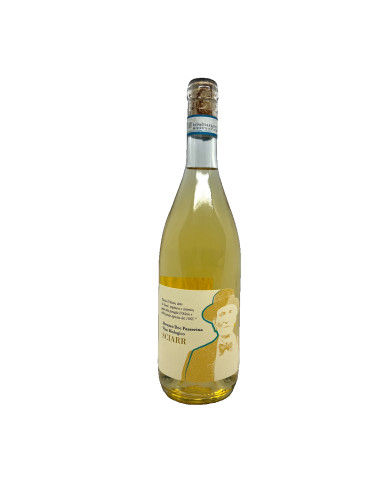
D'Alesio Sciarr
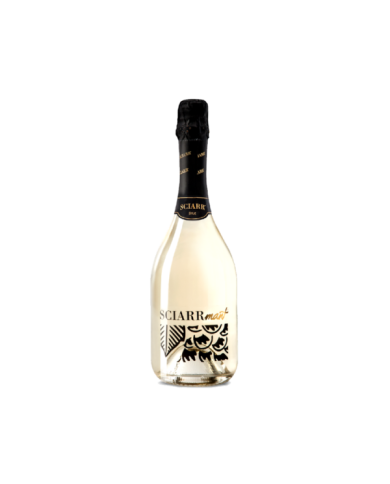
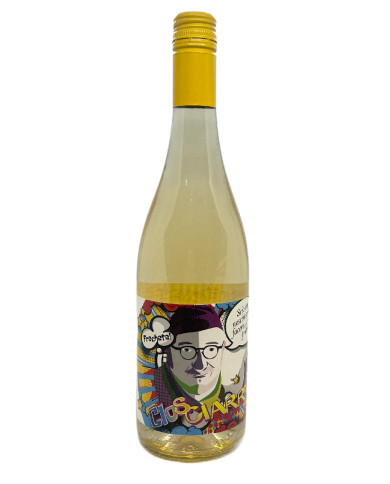
It is the only DOC in Abruzzo dedicated exclusively to white wine, perhaps the best among the Trebbiani.
€9.42
€12.00
€10.50
€10.50
€9.50
€7.50
€17.45
€31.72
€24.71
SKU:
20462
Brand:
Perusini
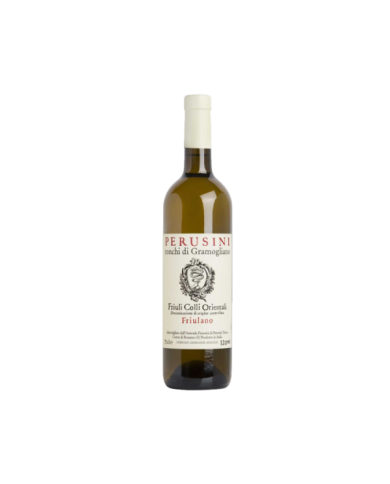
In appearance it has a canary yellow color with beautiful green reflections. Intense and brilliant. The scent is rich and multi-faceted, characterized by floral and tropical notes, you can recognize oleander, elderberry, ash and plum flowers together with gooseberry and kiwi hints of white rose, butcher's shoots, honey and cream ice cream. The taste is full, fresh, savory and evolves into a pleasant tone. Hints of apricot, kiwi, cranberries, medlar, almond milk, coriander and a balsamic note of mallow.
€16.97
SKU:
20461
Brand:
Perusini
Ribolla Gialla DOC is the symbolic wine of the Perusini Agricultural Company, located in Corno di Rosazzo in the province of Udine, on the eastern Friulian hills. Produced with 100% Ribolla Gialla grapes
€7.60
€7.60
€40.31
SKU:
20439
Brand:
Mccalin
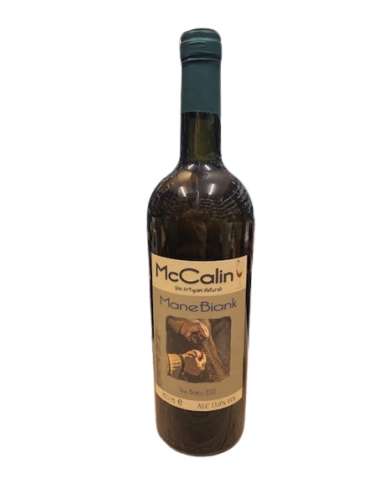
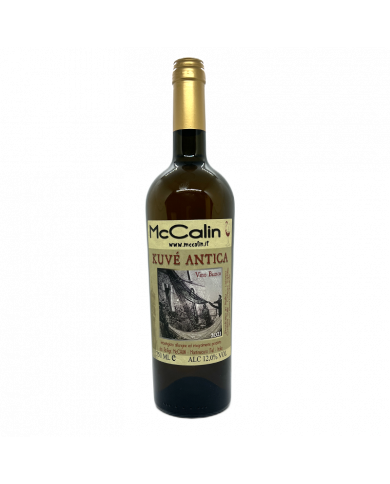
Cuvée Antica is a white characterized by floral and fruity aromas and characterized by fresh and savory notes. We recommend combining it with fish and shellfish dishes.
€16.47
€17.08
SKU:
20427
Brand:
Antonelli San Marco
Trebbiano Spoletino is a typical variety of the territory that extends between Montefalco, Trevi and Spoleto; perhaps the name derives from “Trebium”, Trevi in Latin.
€30.50
SKU:
20426
Brand:
Antonelli San Marco
Trebbiano Spoletino is a typical variety of the territory that extends between Montefalco, Trevi and Spoleto; perhaps the name derives from “Trebium”, Trevi in Latin.
€14.34
€12.90
€8.33
€24.86
SKU:
20402
Brand:
Fattoria le Pupille
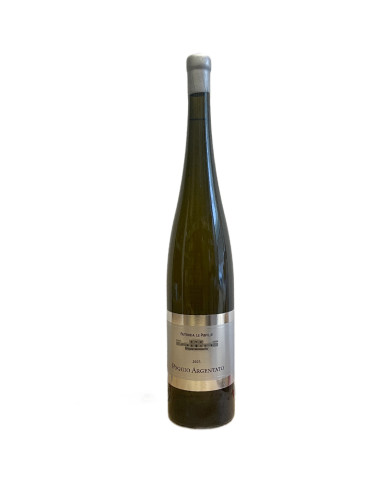
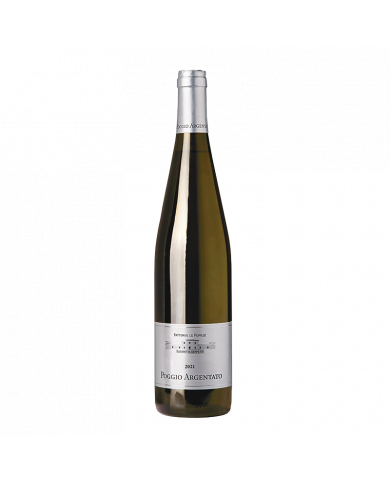
Poggio Argentato embodies the essence of Maremma: its land, its unique light, the breeze from the nearby sea, all narrated by a fragrant and fresh white wine, through the language of Northern vines. The singular blend of Sauvignon Blanc, Petit Manseng, Semillon and Traminer make Poggio Argentato a refined, elegant and versatile wine, perfect for the summer but also throughout the year.
€32.94
SKU:
20390
Brand:
PFITSCHER
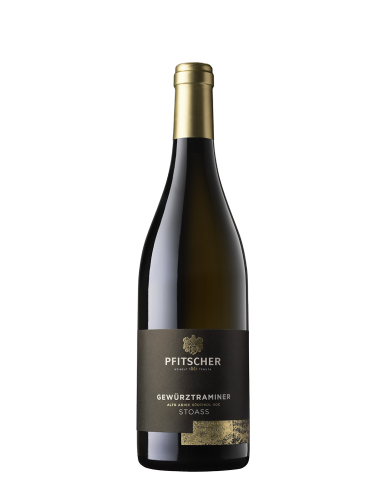
Long-lived and refined Gewürztraminer with an intense fruity aroma of rose with notes of exotic fruits. White wine with shades of color from straw yellow to gold, delicate and balanced on the palate.
€19.03
SKU:
20382
Brand:
Chiusa Grande
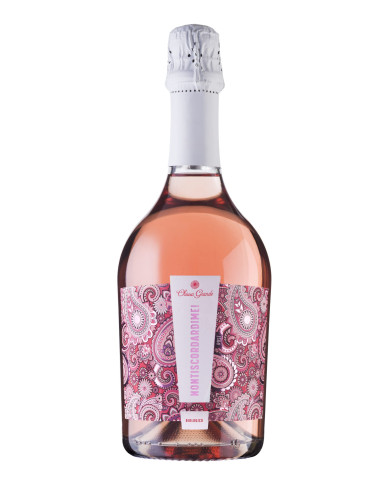
Only what is unique is unforgettable!
Do not forget me! it is not a hope, it is a promise.
It is the uniqueness of who you are that will not go unnoticed.
It is your choice.
Because only those who have the courage to dare become unforgettable.
€12.53
SKU:
20379
Brand:
Chiusa Grande
Absolute love It is the bond that remains even when it is leaving. It is the vision that comes when you are now blind. It is the promise that is declared by denying its intensity out of modesty. It is the joy that pervades your soul starting from sensations felt outside of it. It is White Pearl, a courteous love of yesteryear. It is the magic granted only to those who know how to love in an all-encompassing way. It is eternity swallowed as in a dream with smoky but also vanilla aftertaste. It is the native white you were looking for, aged for over 18 months in Barrique. She is the imaginative and diaphanous woman whose essence always dwells in your thoughts.
€28.55
€24.27
€12.38
€9.44
SKU:
20365
Brand:
Tenuta La Chiusa
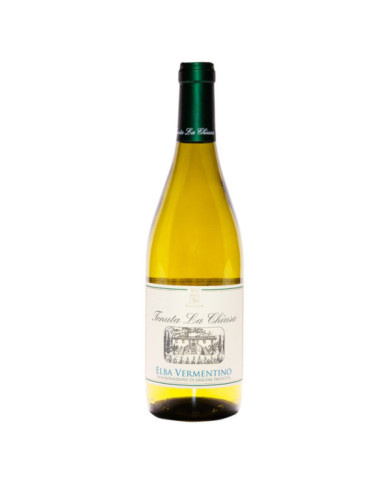
Vermentino Elba Doc 2022 comes from vines on clayey-ferrous soils in a flat area. Harvested in early September. It is vinified in white, in steel containers, with temperature control during fermentation. Continuous batonage during the winter to enrich the wine with the aromas of the fine lees on which it is left to rest. Bottled in the spring following the harvest, it has a straw yellow colour. On the nose the typical floral aromas of acacia, pineapple and marked notes of aromatic herbs. On the palate it is dry, fresh, sapid and with good persistence. Ideal alone as an aperitif, or in combination with appetizers, fish risottos and soft cheeses.
€35.10
€19.62
€35.69
SKU:
20344
Brand:
Pieropan
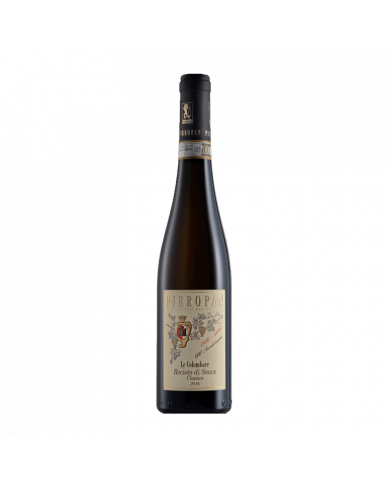
Sweet wine, passito, with a long tradition, which takes its name from the "recie" of the Garganega grape, lovingly selected. It is a wine much loved by the Pieropan family who have been producing it with the traditional system for several generations.
€95.40
SKU:
20339
Brand:
Pieropan
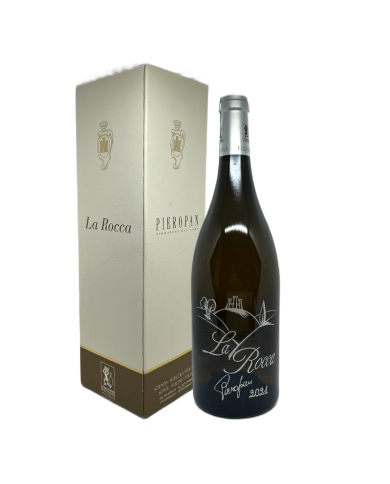
The La Rocca vineyard is located on the hill of Mount Rocchetta, close to the medieval Scaliger castle of Soave. La Rocca enjoys a particular microclimate, which makes it possible to obtain a wine with a unique and unreproducible bouquet and gustatory notes, typical of a pedigree wine. Innovative, since its debut in 1978, it has marked a deep groove in the territory, becoming an undisputed symbol of quality and tradition.
€181.17
SKU:
20338
Brand:
Pieropan
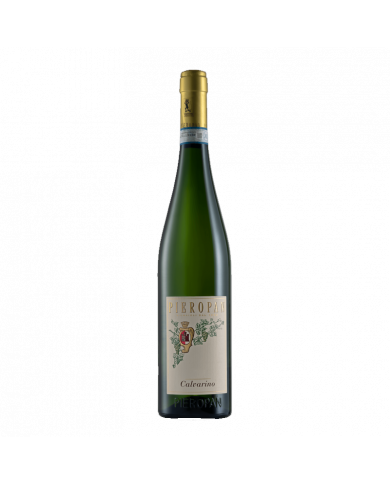
The Calvarino vineyard is located in the heart of the classic Soave area and represents, for the company, the ancient family fund, purchased in 1901. The name Calvarino derives from "little Calvary", due to the difficulty of working the land and the winding path to reach the bottom. The first label dates back to 1971 and represents the most faithful and authentic expression of Soave wine.
€57.65
€112.85
€29.77
SKU:
20282
Brand:
Mottura
€9.76
€8.78
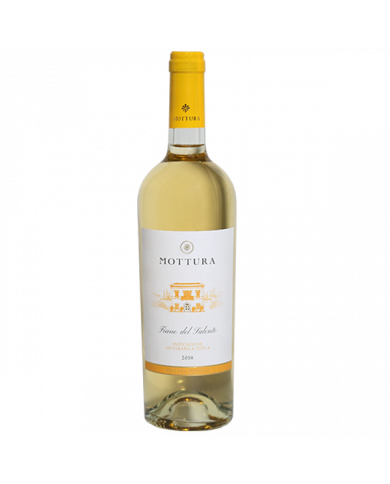
Wine produced from Fiano grapes grown on calcareous and clayey soils, harvested manually at the right ripeness with careful selection of the bunches. Traditional vinification with soft pressing, fermentation at a controlled temperature of 16°C and brief rest on the fine lees.
€9.76
€8.78
SKU:
20276
Brand:
Campi Valerio
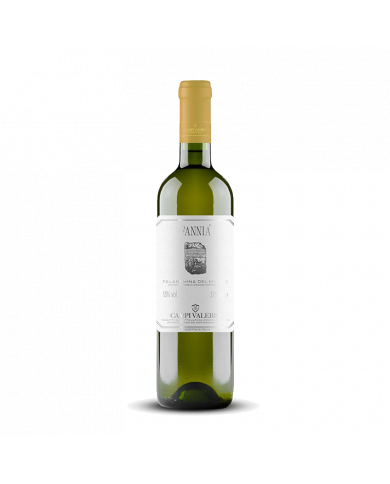
Deep straw yellow. Intense, with notes of orange blossom and yellow pulp fruit. Fresh, balanced with a marked minerality.
€10.00
€28.47
€45.37
SKU:
20270
Brand:
Codice Citra
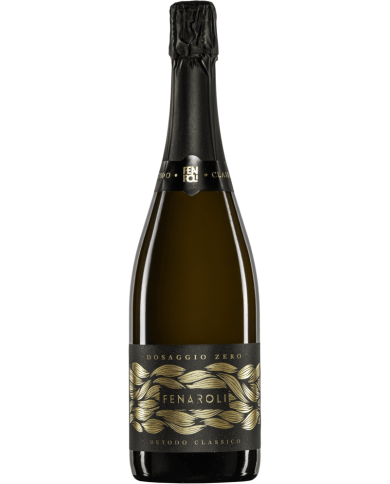
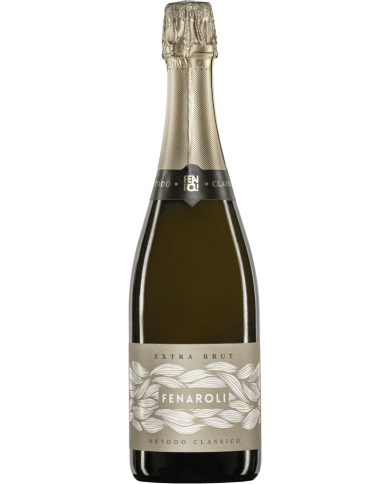
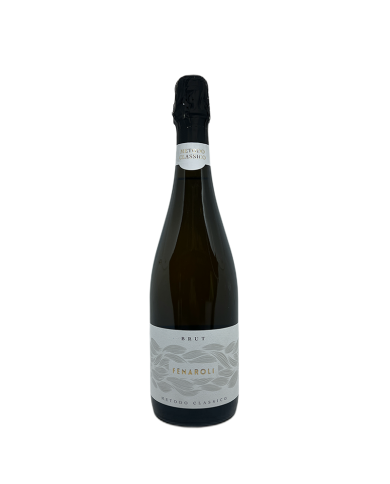
The Metodo Classico Spumante Brut Fenaroli is a sparkling wine made from white berried grapes from the Citra winery. A Classic Method of great style and elegance
€17.90
SKU:
20269
Brand:
Codice Citra
The Metodo Classico Spumante Brut Fenaroli is a sparkling wine made from white berried grapes from the Citra winery. A Classic Method of great style and elegance
€17.39
SKU:
20268
Brand:
Codice Citra
The Metodo Classico Spumante Brut Fenaroli is a sparkling wine made from white berried grapes from the Citra winery. A Classic Method of great style and elegance
€37.00
SKU:
20258
Brand:
Cantina Marchesi Antinori
The Muffato del Castello della Sala, one of the estates of the Marchesi Antinori , is a bright and persuasive sweet wine. On the nose it is a wine that reveals itself of great aromatic and gustatory intensity, with hints of candied fruit, honey, iodized and almost marine hints on a citrus hint. On the palate it is enveloping and the botrytizing process gives a sweet sensation well integrated into that of freshness that emerges after the sip
€36.48
SKU:
20248
Brand:
Quintarelli
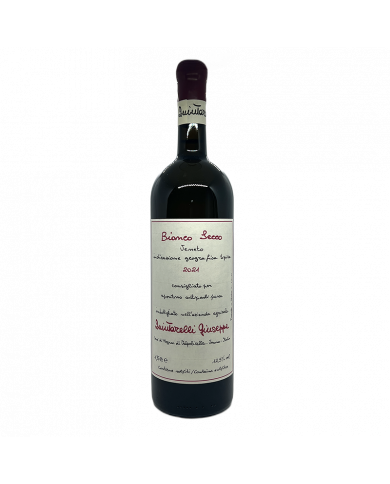
The history and skill that made Amarone and Quintarelli red wines famous throughout the world are also present in the Bianco Secco Igt, a blend obtained from the Garganega, Trebbiano Toscano, Sauvignon Blanc, Chardonnay and Saorin varieties. The vinification and aging take place in glass and steel, where the wine ages on natural yeasts until it reaches a beautiful complexity and a considerable structure. Golden to the eye, scented with summer fruits and spring flowers, fragrant and persistent on the palate, it is the white wine that adds a touch of class to an aperitif and to a menu based on fish, vegetables and white meats.
€97.48
SKU:
20155
Brand:
Barbicaia
Bianco tavola è un vino da fine pasto ma anche da meditazione, grazie alla sua complessità.
“È il vino della tradizione e della famiglia, il suo profumo antico mi riporta indietro nella memoria dei luoghi e delle persone.”
€0.00
SKU:
20102
Brand:
Apollonio
Verdeca is a native white grape variety of Puglia, with greenish hues that suggest its name. Elegant, mineral and very vigorous.
€8.97
SKU:
20097
€12.52
€10.64
SKU:
20090
Brand:
Apollonio
Thanks to its excellent adaptability, Chardonnay is one of the most widespread white grape varieties in the world. Cultivated in all climatic conditions and in all areas, on clayey-calcareous soils and with a temperate, warm and windy climate, it ensures great results.
€9.49
SKU:
20089
Brand:
Apollonio
€9.49
€8.07
Salento is identified by three climatic elements: the sun, creator of generous sugar levels, the sea, responsible for the minerality of the wines, and the wind which makes this territory naturally free from diseases and particularly suitable for the production of "natural" wines. Characterized by extensive flat areas and modest hills, Salento is geologically made up of a medium-textured limestone structure.
€9.49
€8.07
€14.59
€16.97
€7.53
SKU:
20056
Brand:
Domini Veneti
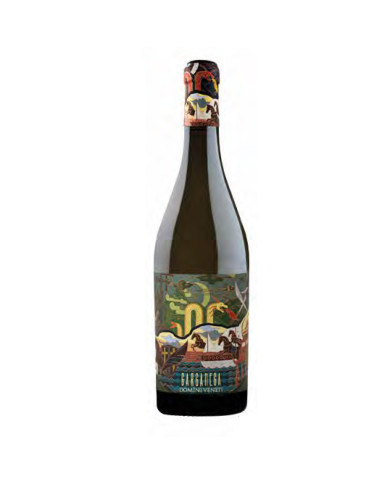
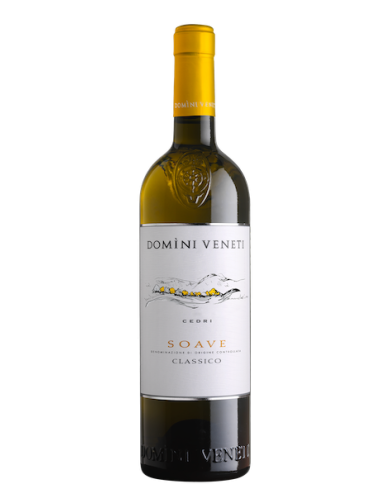
Vendemmia con selezione esclusivamente manuale.
Pressatura soffice delle uve. Fermentazione conservazione in acciaio
e fermentazione senza bucce alla temperatura controllata di 14-16 °C
€8.72
SKU:
20055
Brand:
Domini Veneti
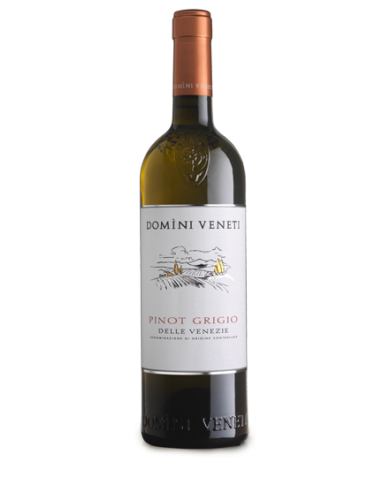
Vendemmia: fine Settembre. Pigiatura con diraspatura delle uve,
pressatura soffice a membrana. Fermentazione conservazione in
acciaio e fermentazione senza bucce alla temperatura controllata di
14-16 °C. Stabilizzazione: proteica e tartarica.
€8.72
SKU:
20054
Brand:
Domini Veneti
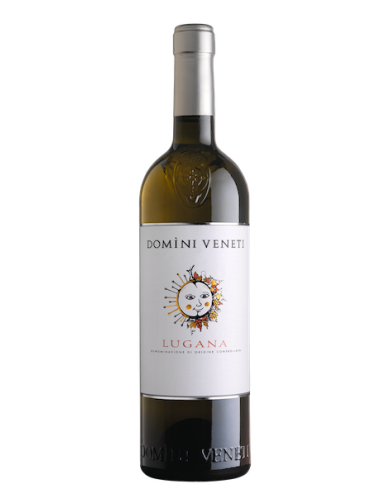
Vendemmia: fine Settembre. Pigiatura con diraspatura delle uve,
pressatura soffice a membrana. Fermentazione conservazione in
acciaio e fermentazione senza bucce alla temperatura controllata di
14-16 °C. Stabilizzazione: proteica e tartarica.
€8.72
SKU:
20050
Brand:
Domini Veneti
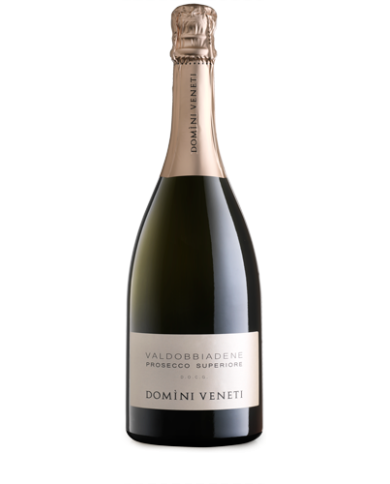
Vendemmia: seconda decade di Settembre.
Fermentazione primaria in acciaio; travaso in autoclave per la presa
di spuma e affinamento sui lieviti.
Affinamento: qualche settimana in bottiglia.
€14.13
SKU:
20049
Brand:
Domini Veneti
Vendemmia: con selezione esclusivamente manuale.
Conservazione: acciaio.
€7.93
€16.34
€8.09
SKU:
20015
Brand:
Domini Veneti
Vendemmia: prima decade di Ottobre.
Conservazione: 10% in barrique francesi di secondo passaggio per 3
mesi, il resto in acciaio; segue assemblaggio.
€11.26
SKU:
19972
Brand:
Torraccia Del Piantavigna
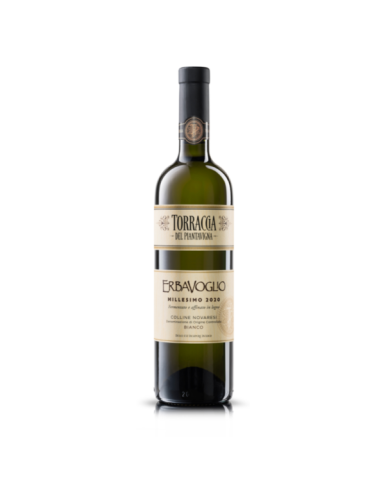
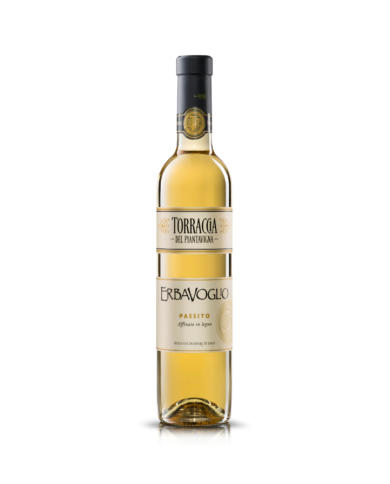
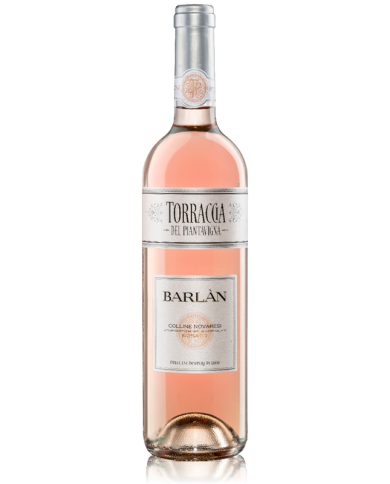
excellent both as an aperitif and throughout the meal, it accompanies a wide variety of foods based on both fish and vegetables, up to moderately strong flavours.
€16.90
€94.90
SKU:
19969
Brand:
Cingilia
Il Pecorino di Cingilia è un vino bianco prodotto nel comune di Cugnoli (PE), a 300 metri sul livello del mare su terreno argilloso e calcareo. Fermenta spontaneamente e affina sur lies per diversi mesi in serbatoi di acciaio inox con rimescolamento periodico delle fecce.
€16.23
SKU:
19955
Brand:
Centorame
€10.87
€8.70
Straw yellow color, scent of white flowers and crunchy fruit, with a fresh and dry taste, it goes perfectly with appetizers, soft cheeses, fish and egg dishes.
€10.87
€8.70
SKU:
19953
Brand:
Centorame
Vinification: Crushing and soft pressing, fermentation at 15 ° C. Maturation and refinement: 48 months on the lees.
€22.48
SKU:
19943
Brand:
Valle Reale
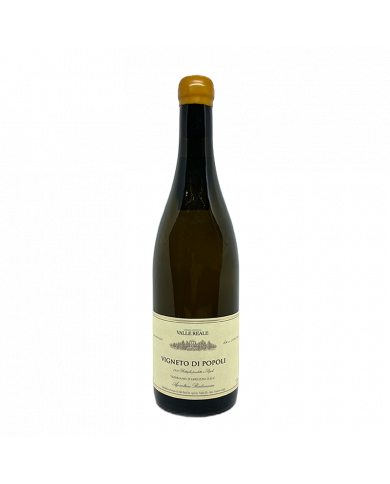
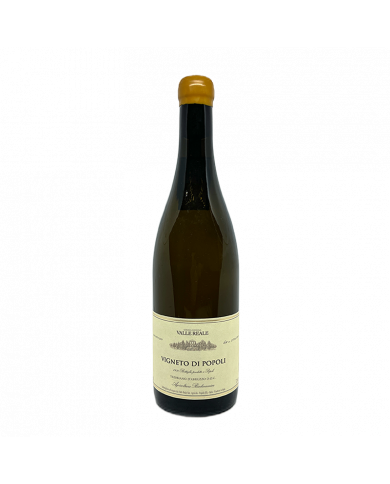
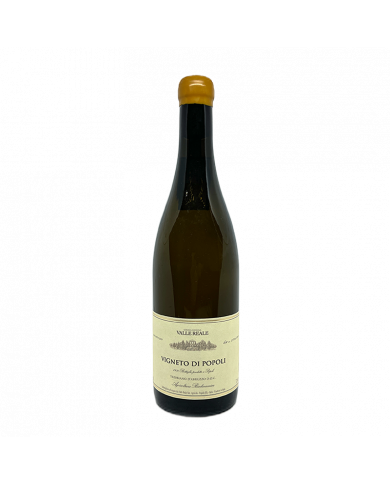
Trebbiano d'Abruzzo "Vigneto di Popoli" is a rich, elegant, savory and Mediterranean wine, born from a single vineyard on the Abruzzo Apennines and aged for 18 months in steel. The taste is intense, warm, enveloping, with lively sapidity and freshness, marked by sensations of citrus fruits, flowers, fruit and many aromatic herbs.
€55.19
€10.00
SKU:
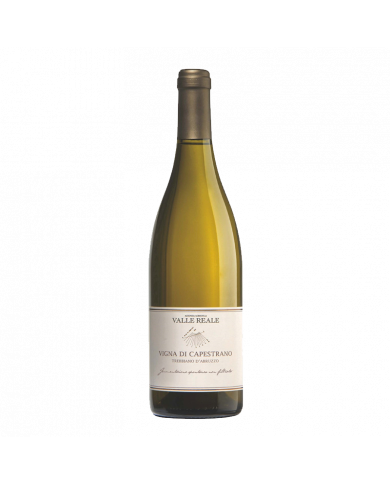
19935
Brand:
Valle Reale
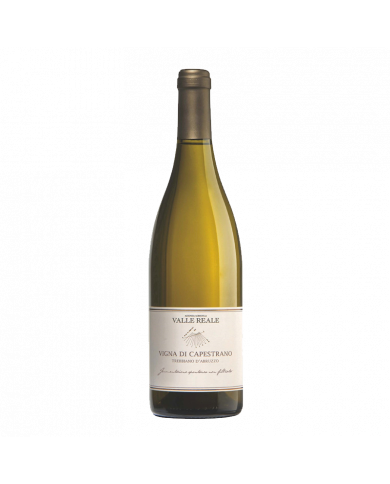
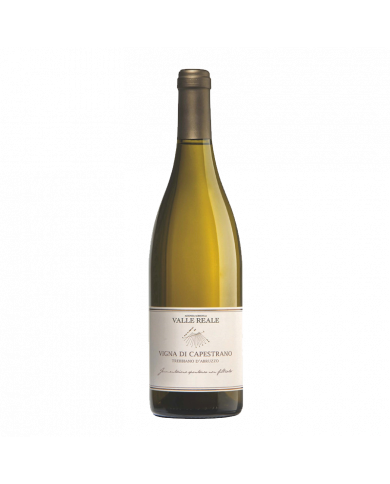
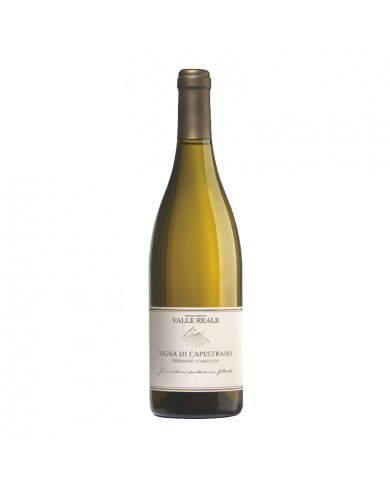
Trebbiano d'Abruzzo "Vigna del Convento di Capestrano" is a rich, energetic and complex white wine with great evolutionary potential.
€75.40
SKU:
19934
Brand:
Valle Reale
Trebbiano d'Abruzzo "Vigna del Convento di Capestrano" is a rich, energetic and complex white wine with great evolutionary potential.
€75.40
SKU:
19932
Brand:
Valle Reale
Trebbiano d'Abruzzo "Vigna del Convento di Capestrano" is a rich, energetic and complex white wine with great evolutionary potential.
€88.40
SKU:
19931
Brand:
Valle Reale
Trebbiano d'Abruzzo "Vigna del Convento di Capestrano" is a rich, energetic and complex white wine with great evolutionary potential.
€88.40
SKU:
19930
Brand:
Valle Reale
Trebbiano d'Abruzzo "Vigna del Convento di Capestrano" is a rich, energetic and complex white wine with great evolutionary potential.
SKU:
19929
Brand:
Valle Reale
Trebbiano d'Abruzzo "Vigna del Convento di Capestrano" is a rich, energetic and complex white wine with great evolutionary potential.
€88.40
SKU:
19927
Brand:
Valle Reale
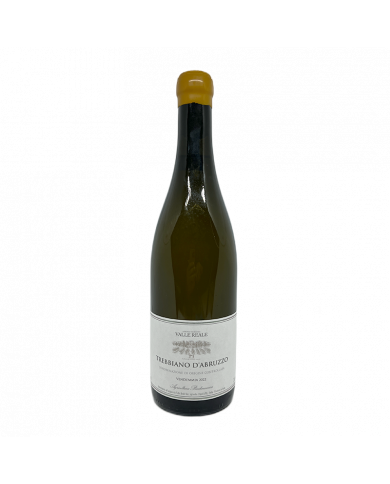
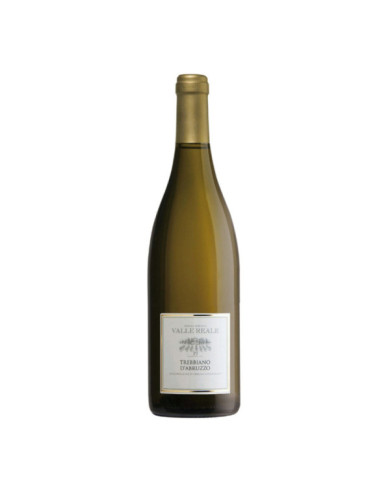
Valle Reale's Trebbiano d'Abruzzo is a fresh, long, juicy and mineral wine, vinified and aged only in steel. Aromas of aromatic herbs and yellow flowers intertwine with nuances of citrus, fresh fruit and light flint, with a subtle spiciness. The sip is slender, rich, mineral, sapid, harmonious and with a beautiful persistence. Organic, artisanal wine, made as it once was
€21.08
SKU:
19916
Brand:
Valle Reale
Trebbiano d'Abruzzo "Vigna del Convento di Capestrano" is a rich, energetic and complex white wine with great evolutionary potential.
€79.30
SKU:
19915
Brand:
Valle Reale
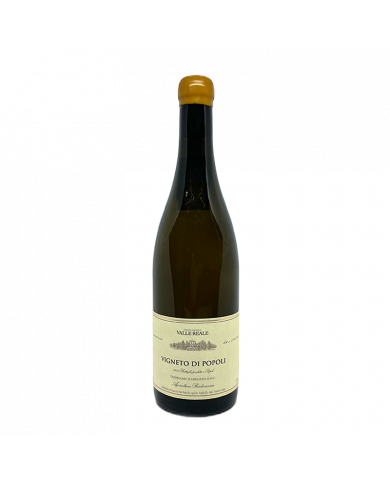
Trebbiano d'Abruzzo "Vigneto di Popoli" is a rich, elegant, savory and Mediterranean wine, born from a single vineyard on the Abruzzo Apennines and aged for 18 months in steel. The taste is intense, warm, enveloping, with lively sapidity and freshness, marked by sensations of citrus fruits, flowers, fruit and many aromatic herbs.
€62.40
SKU:
19914
Brand:
Valle Reale
Trebbiano d'Abruzzo "Vigneto di Popoli" is a rich, elegant, savory and Mediterranean wine, born from a single vineyard on the Abruzzo Apennines and aged for 18 months in steel. The taste is intense, warm, enveloping, with lively sapidity and freshness, marked by sensations of citrus fruits, flowers, fruit and many aromatic herbs.
SKU:
19913
Brand:
Valle Reale
Trebbiano d'Abruzzo "Vigneto di Popoli" is a rich, elegant, savory and Mediterranean wine, born from a single vineyard on the Abruzzo Apennines and aged for 18 months in steel. The taste is intense, warm, enveloping, with lively sapidity and freshness, marked by sensations of citrus fruits, flowers, fruit and many aromatic herbs.
SKU:
19912
Brand:
Valle Reale
Trebbiano d'Abruzzo "Vigneto di Popoli" is a rich, elegant, savory and Mediterranean wine, born from a single vineyard on the Abruzzo Apennines and aged for 18 months in steel. The taste is intense, warm, enveloping, with lively sapidity and freshness, marked by sensations of citrus fruits, flowers, fruit and many aromatic herbs.
SKU:
19902
Brand:
Valle Reale
Trebbiano d'Abruzzo "Vigna del Convento di Capestrano" is a rich, energetic and complex white wine with great evolutionary potential.
€71.49
SKU:
19901
Brand:
Valle Reale
Trebbiano d'Abruzzo "Vigneto di Popoli" is a rich, elegant, savory and Mediterranean wine, born from a single vineyard on the Abruzzo Apennines and aged for 18 months in steel. The taste is intense, warm, enveloping, with lively sapidity and freshness, marked by sensations of citrus fruits, flowers, fruit and many aromatic herbs.
€55.90
SKU:
19899
Brand:
Valle Reale
Il Trebbiano d’Abruzzo di Valle Reale è un vino fresco, lungo, succoso e minerale, vinificato e affinato solo in acciaio. Profumi di erbe aromatiche e fiori gialli si intrecciano a nuance di agrumi, frutta fresca e leggera pietra focaia, con una sottile speziatura. Il sorso è slanciato, ricco, minerale, sapido, armonico
€41.60
€6.30
SKU:
19873
Brand:
Donnafugata
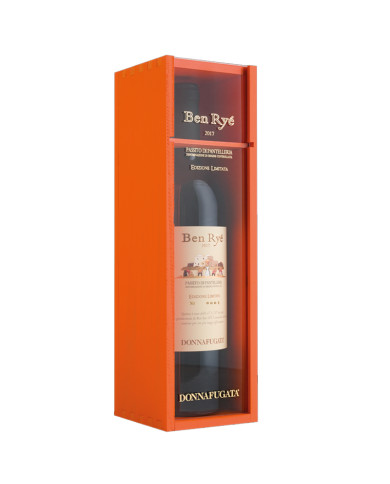
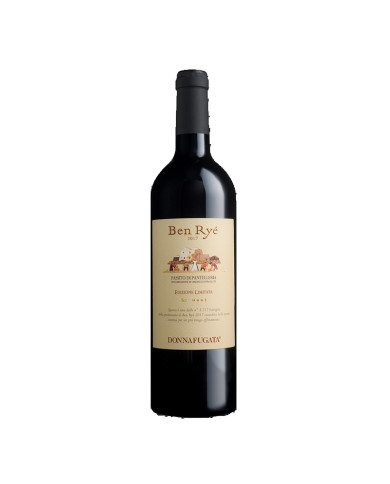
Ben Ryé Donnafugata is one of the most famous Sicilian passito wines in Italy and in the world, which has become a paradigm of Passito di Pantelleria. Its name in Arabic means "daughter of the wind", an epithet attributed to this Mediterranean island, struck by winds that blow on the bunches of grapes and on the crops, bringing with them intense and very characteristic aromas , the same ones we find in wine. The image that decorates the label is created by the designer Nicola Vitale and illustrates the work and effort of the winemakers in this area, illuminated by intense sunlight, with the 'dammuso', a typical architecture of the island in the background.
€190.90
€20.00
€17.00
SKU:
19871
Brand:
Vigna Madre
€5.43
€4.89
The first Dynamic Energy Vineyard (last patent by the Di Carlo family). Nature and man merge with the energy of colours... to improve biodiversity, the vitality of the soil, the positive frequencies on plants and fruits, people, animals and useful insects.
€5.43
€4.89
€7.95
€7.16
SKU:
19867
Brand:
San Michele Appiano
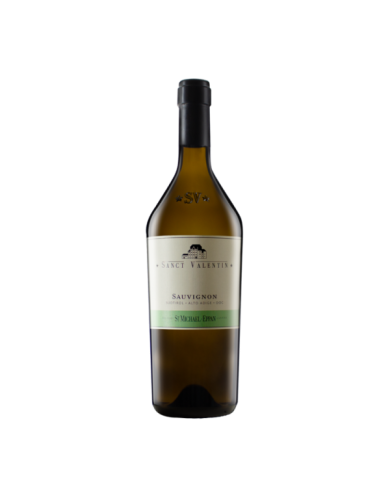
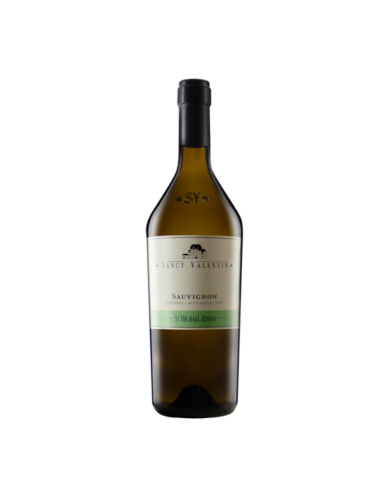
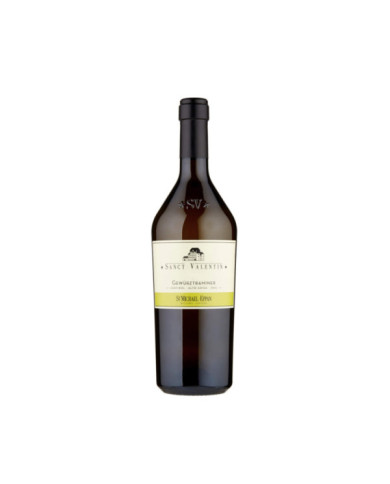
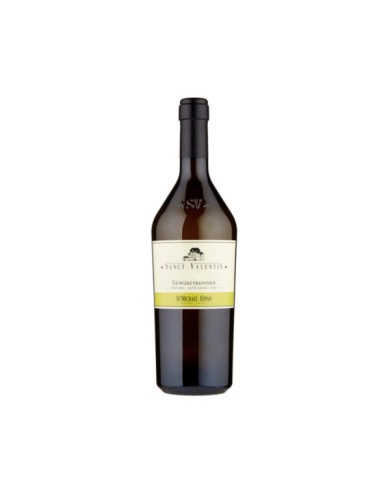
È nel 1989 che nasce il vino bianco più famoso della nostra cantina. Da più di 30 anni il Sauvignon Sanct Valentin beneficia di singole e selezionate parcelle poste sui pendii ai piedi della Mendola, per generare un vino di altissimo profilo. Dal frutto seducente, con eccellente mineralità e persistenza, questo vino è il più importante della linea Sanct Valentin ed uno dei vini bianchi più premiati d’Italia
€39.89
SKU:
19858
Brand:
Lillet
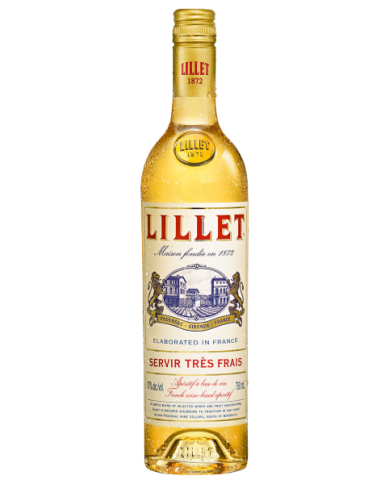
Il Lillet Blanc è considerato da molti l'apripista del Vermouth francese di qualità, nato nel 1872 nella cittadina di Pondensac, a sud di Bordeaux, era bevuto da solo oppure miscelato ad una serie di altri ingredienti per creare infinite combinazioni di cocktail, molto in voga negli anni '20. Non è un caso se nel celebre film Casinò Royale, l'agente segreto più famoso nel mondo, James Bond, sorseggia un Vesper, preparato proprio con una base di Lillet Blanc! Miscela selezionata dei migliori vini di Bordeaux, almeno per l'85% ed il restante 15% di liquori di frutta, Lillet rappresenta un prodotto sempre in voga, attuale e moderno, eppure storico, il vero ingrediente per un aperitivo vintage in perfetto stile francese!
€18.00
SKU:
19847
Brand:
Valentini
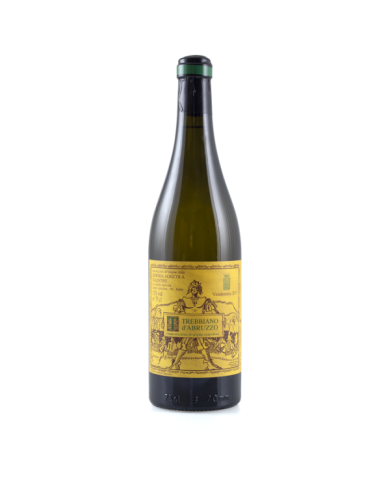
uesto magnifico vino bianco è prodotto dalla tenuta Valentini, la cui famiglia di origine spagnola è presente nella provincia di Pescara dal 1600. Il vitigno utilizzato è il trebbiano d'Abruzzo in purezza. Secondo la filosofia della tenuta, la maggior parte del lavoro si concentra nella vigna, per assicurare una qualità impeccabile delle uve. La gestione agronomica è tradizionale.
Dopo una rigorosa selezione, le uve vengono diraspate. La vinificazione prevede un intervento minimo. La fermentazione in grandi botti di rovere ha inizio spontaneamente grazie ai lieviti indigeni. L’invecchiamento di 12 mesi si svolge nelle stesse botti utilizzate per la fermentazione. Il vino non è sottoposto né a chiarifica, né a filtrazione.
Il bel colore giallo paglierino dai riflessi dorati introduce un bouquet intenso ricco di note di frutti maturi, cioccolato bianco, vaniglia e minerali. Il palato è cremoso ed energico, con un ricco finale.
Servite il vino a 11-12°C dopo averlo lasciato aerare per 15-30 minuti. Il potenziale di invecchiamento è eccezionale (oltre 10 anni).
Consulta tutti gli indici per questa tenuta
SKU:
19843
Brand:
Podere San Michele
Dal colore paglierino intenso tendente al dorato.
Note florearli evidenti fruttato esplosivo, con nitide sensazioni di frutta gialla, dal finale durevole e piacevolmente ammandorlato
€23.79
SKU:
19841
Brand:
Camillo Donati
Il Mio Sauvignon è forse il vino più rappresentativo di Camillo Donati, per quanto qualcuno possa storcere il naso considerando la natura alloctona del varietale. Eppure, oltre ad essere stato impiantato nel '800, Camillo sembra essere riuscito a darne una propria interpretazione perfetta, senza sbavature, coerente e appagante. Vino dalla bolla fine ed elegante, questo Sauvignon rappresenta un master piece imprescindibile se si vuole capire al meglio la mano del vignaiolo nella rifermentazione, di cui queste zone sono indubbiamente patria.
€23.79
SKU:
19836
Brand:
Planeta
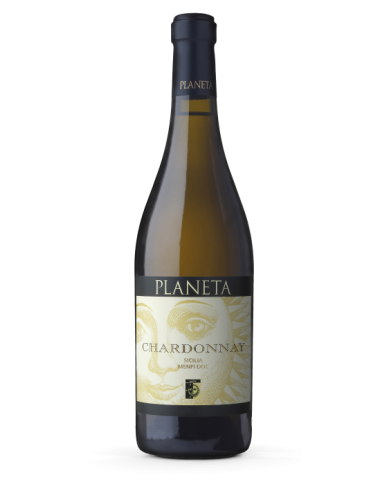
Un vino che è diventato l’immagine del cambiamento della Sicilia del vino. Nasce dal desiderio di riuscire a competere con il mondo nella produzione di questo vitigno così nobile e diffuso. Dopo una lunga strada iniziata nel 1985, piena di sorprese e di successi, oggi lo Chardonnay Planeta è un’icona per la Sicilia intera.
Le vigne di Ulmo e Maroccoli, coltivate secondo i criteri della sostenibilità e del biologico, sono uniche per posizione e per terroir. La fermentazione e l’affinamento in legni francesi, attenta e precisa, ci consegna un vino unico per grazia e potenza.
SKU:
19835
Brand:
Valentini
uesto magnifico vino bianco è prodotto dalla tenuta Valentini, la cui famiglia di origine spagnola è presente nella provincia di Pescara dal 1600. Il vitigno utilizzato è il trebbiano d'Abruzzo in purezza. Secondo la filosofia della tenuta, la maggior parte del lavoro si concentra nella vigna, per assicurare una qualità impeccabile delle uve. La gestione agronomica è tradizionale.
Dopo una rigorosa selezione, le uve vengono diraspate. La vinificazione prevede un intervento minimo. La fermentazione in grandi botti di rovere ha inizio spontaneamente grazie ai lieviti indigeni. L’invecchiamento di 12 mesi si svolge nelle stesse botti utilizzate per la fermentazione. Il vino non è sottoposto né a chiarifica, né a filtrazione.
Il bel colore giallo paglierino dai riflessi dorati introduce un bouquet intenso ricco di note di frutti maturi, cioccolato bianco, vaniglia e minerali. Il palato è cremoso ed energico, con un ricco finale.
Servite il vino a 11-12°C dopo averlo lasciato aerare per 15-30 minuti. Il potenziale di invecchiamento è eccezionale (oltre 10 anni).
Consulta tutti gli indici per questa tenuta
€264.74
SKU:
19830
Brand:
Reflets de France
Scopri il sidro di Bretagna IGP-Artisanal-Doux di Celliers de l'Odet, preparato con mele da sidro della Bretagna. Il nostro know-how garantisce la coerenza e la qualità dei nostri sidri. Gustatelo in accompagnamento a pancake o crostate per un'esperienza di gusto unica.
€15.86
€15.86
SKU:
19828
Brand:
La Fauconnerie
Assaggia Falconry, un sidro dolce normanno al 2% o brut al 5%, oppure il sidro dolce bretone al 2% o brut al 5%! Questa bottiglia da 75 cl ti trasporta in Normandia e Bretagna con i suoi sapori autentici. Assaggia questo sidro artigianale proveniente da queste due regioni emblematiche e lasciati affascinare dal suo gusto unico e dal suo carattere rinfrescante.
€15.86
SKU:
19827
Brand:
Ecusson
€10.98
Sidro Brut dei Vergers della Normandia. Carattere e fruttato. Servire ben freddo. Selezionato dal nostro negozio di alimentari.
€10.98
SKU:
19800
Brand:
Venica
Il vino Sauvignon Ronco delle Mele di Venica alla degustazione si presenta con il colore giallo paglierino intenso, con riflessi verdolini al calice. Il naso è tipicamente varietale, caratterizzato da sentori vegetali di peperone verde, bosso e foglia di pomodoro, in seconda battuta arricchiti da sfumature agrumate di pompelmo e da toni minerali di pietra focaia. Il palato è sorretto da una potente spalla acida e guidato da una sapidità eccezionale. Infinita la lunghezza.
SKU:
19799
Brand:
Venica
Il vino Sauvignon Ronco delle Mele di Venica alla degustazione si presenta con il colore giallo paglierino intenso, con riflessi verdolini al calice. Il naso è tipicamente varietale, caratterizzato da sentori vegetali di peperone verde, bosso e foglia di pomodoro, in seconda battuta arricchiti da sfumature agrumate di pompelmo e da toni minerali di pietra focaia. Il palato è sorretto da una potente spalla acida e guidato da una sapidità eccezionale. Infinita la lunghezza.
SKU:
19798
Brand:
Venica
Il vino Sauvignon Ronco delle Mele di Venica alla degustazione si presenta con il colore giallo paglierino intenso, con riflessi verdolini al calice. Il naso è tipicamente varietale, caratterizzato da sentori vegetali di peperone verde, bosso e foglia di pomodoro, in seconda battuta arricchiti da sfumature agrumate di pompelmo e da toni minerali di pietra focaia. Il palato è sorretto da una potente spalla acida e guidato da una sapidità eccezionale. Infinita la lunghezza.
SKU:
19797
Brand:
Venica
Il vino Sauvignon Ronco delle Mele di Venica alla degustazione si presenta con il colore giallo paglierino intenso, con riflessi verdolini al calice. Il naso è tipicamente varietale, caratterizzato da sentori vegetali di peperone verde, bosso e foglia di pomodoro, in seconda battuta arricchiti da sfumature agrumate di pompelmo e da toni minerali di pietra focaia. Il palato è sorretto da una potente spalla acida e guidato da una sapidità eccezionale. Infinita la lunghezza.
€42.90
SKU:
19795
Brand:
Villa Medoro
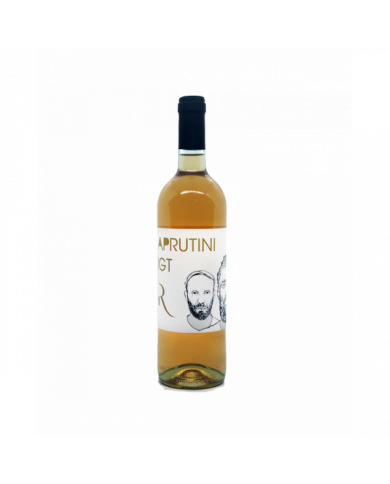
Con il pregiato Chimera Bianco Colli Aprutini IGT del 2016, sorprenderai positivamente i tuoi ospiti. L'enologo della cantina italiana Villa Medoro ha assolutamente padroneggiato il suo mestiere. Eleganza e finezza sono le caratteristiche di questo vino bianco, che ha origine nel paesaggio soleggiato e fiorito dell'Abruzzo.
€19.03
€12.20
SKU:
19793
Brand:
San Michele Appiano
È nel 1989 che nasce il vino bianco più famoso della nostra cantina. Da più di 30 anni il Sauvignon Sanct Valentin beneficia di singole e selezionate parcelle poste sui pendii ai piedi della Mendola, per generare un vino di altissimo profilo. Dal frutto seducente, con eccellente mineralità e persistenza, questo vino è il più importante della linea Sanct Valentin ed uno dei vini bianchi più premiati d’Italia
€39.89
SKU:
19792
Brand:
Donnafugata
Chiarandà del Merlo 1999 è un vino di personalità ed eleganza, che riesce ad unire potenza e soavità. Profumi di frutta gialla matura, sovrana la mela gialla, e poi note di pesca e vaniglia dolce fuse al burro di arachidi. Al gusto mostra rotondità e sfericità avvolgenti. Vino dall’importante struttura che risulta perfettamente bilanciata da acidità e sapidità.
SKU:
19791
Brand:
Falkenstein
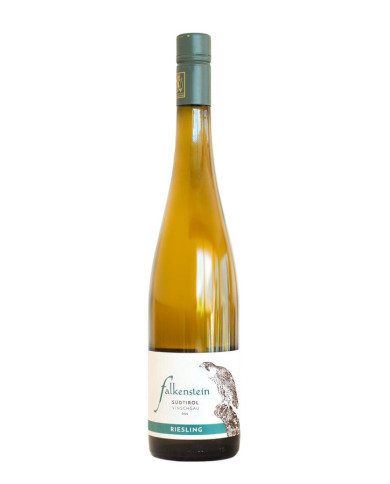
Vino bianco ampio e intenso, con note di fiori e una vena di miele, si presenta al palato ampio e dinamico, con sentori agrumati accompagnati da un finale sapido. Ottimo da bere con piatti di pesce. 13% vol.
€19.52
SKU:
19790
Brand:
Feudi di San Gregorio
Giallo paglierino deciso, al naso esprime tutta la tipicità varietale grazie ad un profilo olfattivo che spazia dai fiori freschi di camomilla alla frutta appena colta ed al cedro candito. In bocca ecco fare capolino tutta l’eleganza del Fiano di Avellino grazie ad una morbidezza perfettamente bilanciata da una freschezza ed una mineralità vive. Un assaggio meraviglioso, che chiude con un finale di rara persistenza.
Il Fiano di Avellino DOCG Pietracalda è un vino bianco profondo e sfaccettato, slanciato ed elegante, esempio perfetto di un vino e di un territorio unici in un’annata, particolarmente fortunata per la produzione di eccellenti vini bianchi.
€19.52
SKU:
19784
Brand:
Gaja
Questo vino bianco nasce dall’utilizzo in purezza di un grande vitigno internazionale, il Sauvignon.
€120.00
SKU:
19779
Brand:
Venica
Il Sauvignon Ronco del Cerò di Venica è un vino importante per l'azienda perchè evoca le origini: è dai primi acquisti di vigneti sulla collina di Cerò che tutto ebbe inizio nel 1930.
€25.62
SKU:
19778
Brand:
San Michele Appiano
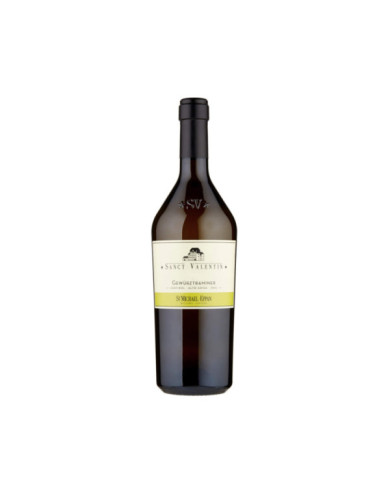
Giallo paglierino con chiari riflessi dorati, al naso esprime un bellissimo ed intenso bouquet di profumi di rosa, frutti esotici, spezie orientali. Al palato è potente, complesso, caratterizzato da un leggero residuo zuccherino, piacevole sensazione prima di un finale di rara persistenza.
€39.89
SKU:
19777
Brand:
San Michele Appiano
Giallo paglierino con chiari riflessi dorati, al naso esprime un bellissimo ed intenso bouquet di profumi di rosa, frutti esotici, spezie orientali. Al palato è potente, complesso, caratterizzato da un leggero residuo zuccherino, piacevole sensazione prima di un finale di rara persistenza.
€39.89
SKU:
19776
Brand:
San Michele Appiano
Giallo paglierino con chiari riflessi dorati, al naso esprime un bellissimo ed intenso bouquet di profumi di rosa, frutti esotici, spezie orientali. Al palato è potente, complesso, caratterizzato da un leggero residuo zuccherino, piacevole sensazione prima di un finale di rara persistenza.
€39.89
SKU:
19775
Brand:
La Cappucina
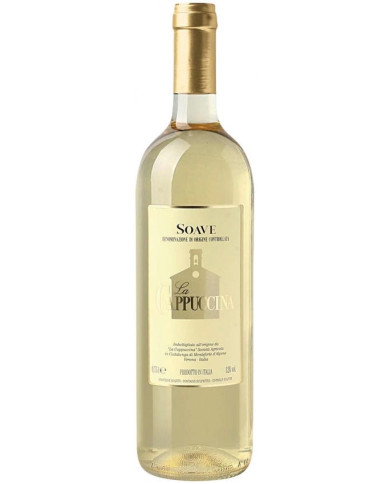
È il vino storico prodotto dall’azienda che riscuote ampi consensi sul mercato internazionale. Profumo delicato di fiori, sapore asciutto e ammandorlato nel finale, tipico dell’uva Garganega. Grazie alla sua versatilità, è piacevole come vino da tutto pasto.
€12.08
€13.90
SKU:
19762
Brand:
Collefrisio
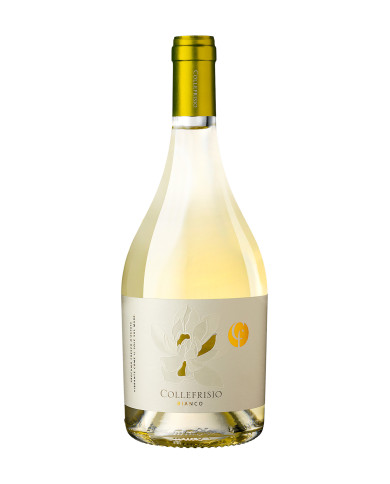
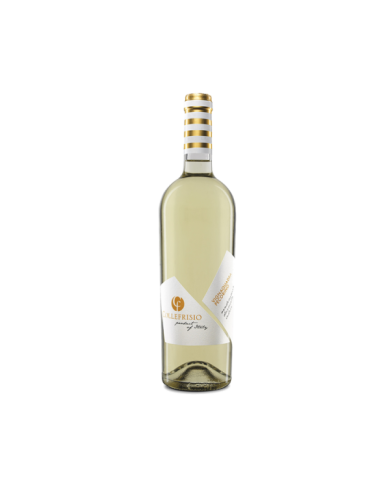
GRAPES : 100% Pecorino HARVEST : end of September VINIFICATION : Maceration at low temperature after destemming of the grapes and temperature controlled alcoholic fermentation in steel tanks. TASTING : To be accompanied with Pasta, Vegetarian, Appetizers and snacks, Lean fish, Salami.
€54.60
The best Italian white wines
Italy is home to some of the finest white wines. In the Clickwine section of our online wine shop dedicated to the finest Italian white wines, you'll find bottles of excellent white wine carefully selected by our sommeliers.
The designations used in our country to classify wines are DOCG, DOC, and IGT. Sometimes you'll also find designations like DOP and IGP: these acronyms have similar meanings to the previous ones but are used by wineries that primarily sell their wines outside of Italy.
The production of white wine
White wines are produced from both light and dark grapes, but vinified as a white wine: that is, during maceration there is no contact between the must and the pomace, so that the skin – exactly the opposite of what happens with red wines – does not release substances and color.
Its myriad nuances vary according to the characteristics of the grape variety, the aging method and the vine growing area.
In white winemaking, once the grapes have been harvested, they are transported to the cellar, destemmed, and pressed, and the must is separated without any maceration or with a brief maceration. Sometimes, however, the grapes are pressed and then macerated with the skins at a low temperature for a varying length of time. This produces richer, smoother wines.
This phase is followed by the clarification of the white wine produced, which can be done by letting the must rest, by cooling, centrifugation or filtration.
Fermentation begins either by adding selected yeast to the must or spontaneously, using the indigenous yeasts present in the grapes. To preserve the aromas, finesse, and freshness of white wines, fermentation is carried out at lower temperatures than red winemaking, generally around 18°C.
To obtain a fresh and lively wine, best drunk young, malolactic fermentation is avoided by bottling early, after filtration and stabilization. More complex wines, aged or fermented in wood, are bottled only after several months in barrel.
How to taste white wine
First, you need to decide whether to uncork the bottle right away or let your white wine age. If you want to immediately succumb to its charm, its aromas of aromatic herbs, flint, or its notes of exotic fruit, then serve your white wine at the right temperature: 6-8°C for a young white and 8-10°C for a softer, more structured wine.
How to pair white wine
Dry white wines will surprise you at the table, too, and not just with their straw-yellow color. As an aperitif, and especially with a fish dish, white wine is definitely a must, but it's not easy to know which of the many labels will be best suited to the occasion.
We recommend pairing white wine with cheeses, whether low-fat, fresh, or rich in milk, such as flavorful buffalo mozzarella, or with soft, bloomy-rind cheeses. They're also perfect with white meats, such as classic scallops, but beyond tradition, white wine also pairs perfectly with meat and risotto dishes, as well as truffles. Visit our online wine shop Clickwine for expert advice on purchasing the best white wine at the best price to pair with your favorite dishes.
White wines: prices and offers
Every week, our online wine shop, Clickwine offers a selection of selected white wines at special prices. In this section and in the special offers section, you can then browse the best value wines.
A wide selection of premium products at affordable and truly exclusive prices. Don't miss the incredible deals on white wines from all the most prestigious Italian wineries; discover internationally renowned and beloved Italian wines.
Enter the Clickwine catalog and expand your selection by purchasing exclusive items online from smaller, yet exceptionally high-quality wineries.
White wines: longevity and conservation
How long can I keep white wine in the cellar? Do white wines improve as they age like red wines? These are the questions a wine consumer asks when talking about white wine.
In general, white wines have a much shorter shelf life than red wines, for two reasons: tannins and aging. Tannins are antioxidants present in the wine's skins that aren't present in white wines; as for aging, however, most white wines age in stainless steel for just a few months; even red wines, if they age briefly in stainless steel and undergo rapid maceration, don't last for many years. Let's say a classic white wine aged in stainless steel lasts a maximum of 2 to 3 years. If it undergoes maceration or ages in wood, it can last up to 20 years and improve year after year.
How many types of white wines are there?
There is no exact number of types of white wine, as there are several different white grape varieties that can be used to make white wines. Some of the most common white grape varieties used to make white wines are Chardonnay, Sauvignon Blanc, Riesling, Pinot Grigio, and Moscato. There are also other less common varieties such as Gewürztraminer, Semillon, and Viognier. Each of these varieties can be used to produce white wines with unique and different characteristics, so there are many different types of white wines available.
How to recognize a good white wine?
There are several ways to recognize a good white wine. One of the simplest is to taste the wine and evaluate its flavor and aroma. A good white wine should have a pleasant flavor and a delicate, complex aroma. Other factors that can indicate the quality of a white wine include the vintage, the grape variety, and the production area. In general, white wines produced with high-quality grapes and in particularly favorable years tend to be more valuable and of higher quality. Furthermore, white wines produced in regions renowned for producing high-quality white wines can be considered more valuable than those produced in other regions.
How to understand if a white wine is good?
As mentioned above, one of the easiest ways to determine if a white wine is good is to taste it and evaluate its flavor and aroma. A good white wine should have a pleasant flavor and a delicate, complex aroma. It's also important to keep in mind that the quality of a white wine can be influenced by several factors, such as the vintage, the grape variety, and the production area. For example, white wines produced with high-quality grapes and in particularly favorable years tend to be more valuable and of higher quality. Furthermore, white wines produced in regions renowned for producing high-quality white wines may be considered more valuable than those produced in other regions.
Why is it called white wine?
White wine is so called because it is made using white grapes. Most white grapes have transparent or lightly colored skins, so the wine made from these grapes has a light, transparent color. Sometimes the color of white wine can be influenced by the type of grape used, the winemaking process, and the addition of other ingredients, but generally, white wine has a light, transparent color.
How to replace white wine?
If you want to replace white wine in a recipe, there are several ingredients you can use. One of the most common options is to use chicken or vegetable broth instead of white wine. Other options include using white vinegar or apple juice diluted with water. Additionally, in some cases, you can omit the white wine entirely and use other ingredients to achieve the desired flavor in the recipe.