

 Italiano
 Deutsch


















There are no more items in your cart
SKU:
15906
Brand:
Tiezzi
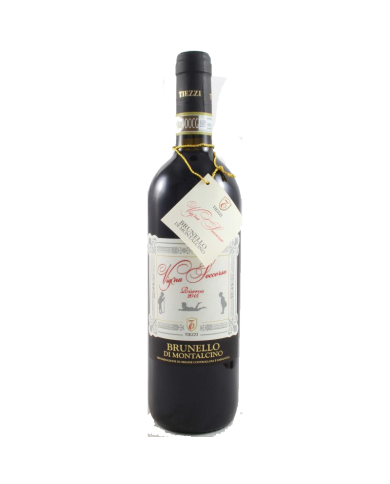
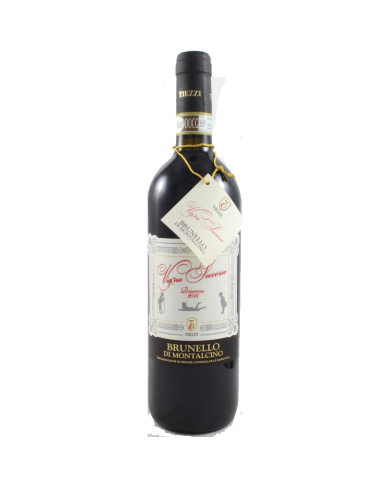
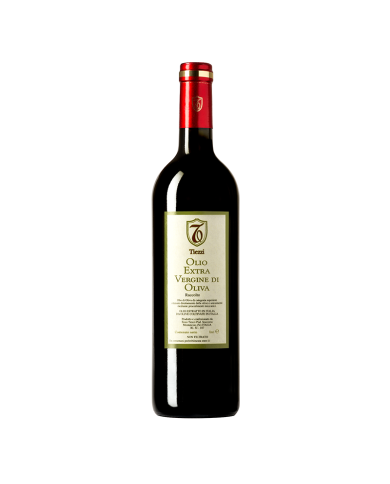
Wine obtained from Sangiovese grapes, exclusively from the vineyards of the "Soccorso" farm unit near the church of the Madonna del Soccorso, patroness of the inhabitants of Montalcino.
SKU:
15905
Brand:
Tiezzi
Wine obtained from Sangiovese grapes, exclusively from the vineyards of the "Soccorso" farm unit near the church of the Madonna del Soccorso, patroness of the inhabitants of Montalcino.
SKU:
15904
Brand:
Tiezzi
Wine obtained from Sangiovese grapes, exclusively from the vineyards of the "Soccorso" farm unit near the church of the Madonna del Soccorso, patroness of the inhabitants of Montalcino.
€56.93
SKU:
15903
Brand:
Tiezzi
Wine obtained from Sangiovese grapes, exclusively from the vineyards of the "Soccorso" farm unit near the church of the Madonna del Soccorso, patroness of the inhabitants of Montalcino.
€52.34
SKU:
15902
Brand:
Tiezzi
Wine obtained from Sangiovese grapes, exclusively from the vineyards of the "Soccorso" farm unit near the church of the Madonna del Soccorso, patroness of the inhabitants of Montalcino.
€54.07
SKU:
15901
Brand:
Tiezzi
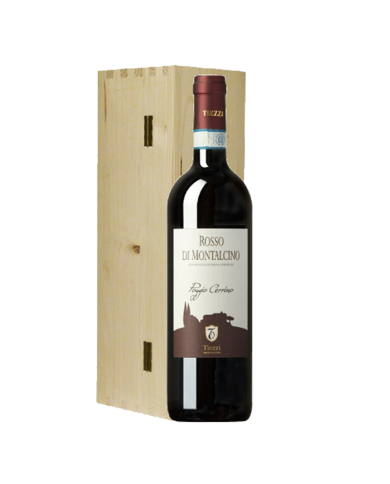
The Rosso di Montalcino wine undergoes the same treatments as the Brunello di Montalcino wine. As the main difference, it is released for consumption after a year of aging in barrels; does not undergo physical / chemical treatments. - It can be consumed throughout the meal, combined with first courses and meat-based dishes, or in any case with more delicate foods.
€18.42
SKU:
15900
Brand:
Tiezzi
€12.43
€11.19
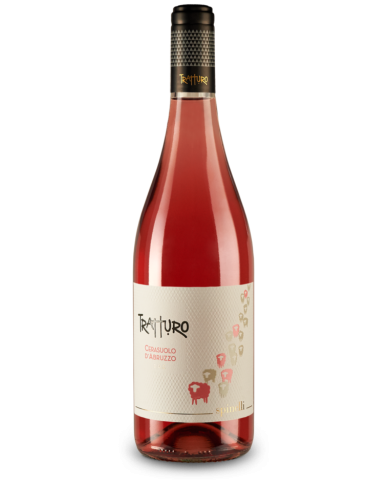
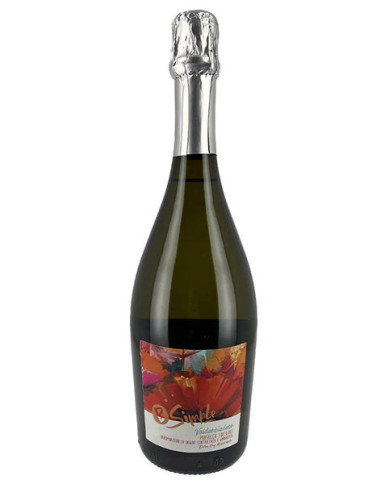
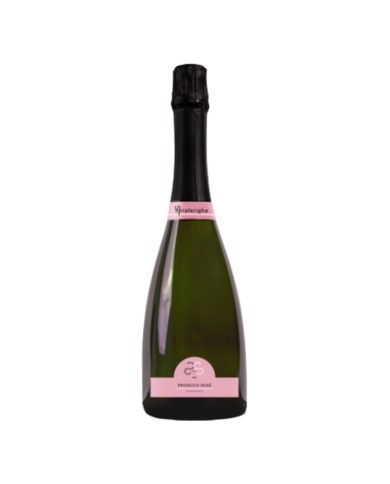
The color of this wine is a bright peach; the nose is delicate and elegant with notes of light pulp fruit, pomegranate and white flowers. Soft, enveloping mouth, moderated by an excellent freshness and a subtle sapidity. It is an excellent product for the whole meal and an elegant companion for a perfect aperitif.
€12.43
€11.19
SKU:
15899
Brand:
Tiezzi
Wine obtained from Sangiovese grapes, exclusively from the vineyards of the "Soccorso" farm unit near the church of the Madonna del Soccorso, patroness of the inhabitants of Montalcino.
€53.31
SKU:
15898
Brand:
Tiezzi
Wine obtained from Sangiovese grapes, exclusively from the vineyards of the "Soccorso" farm unit near the church of the Madonna del Soccorso, patroness of the inhabitants of Montalcino.
SKU:
15897
Brand:
Tiezzi
Wine obtained from Sangiovese grapes, exclusively from the vineyards of the "Soccorso" farm unit near the church of the Madonna del Soccorso, patroness of the inhabitants of Montalcino.
€69.00
SKU:
15896
Brand:
Tiezzi
Wine obtained from Sangiovese grapes, exclusively from the vineyards of the "Soccorso" farm unit near the church of the Madonna del Soccorso, patroness of the inhabitants of Montalcino.
€79.00
SKU:
15895
Brand:
Tiezzi
Wine obtained from Sangiovese grapes, exclusively from the vineyards of the "Soccorso" farm unit near the church of the Madonna del Soccorso, patroness of the inhabitants of Montalcino.
SKU:
15894
Brand:
Tiezzi
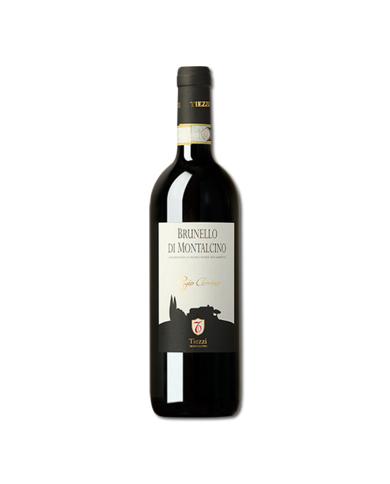
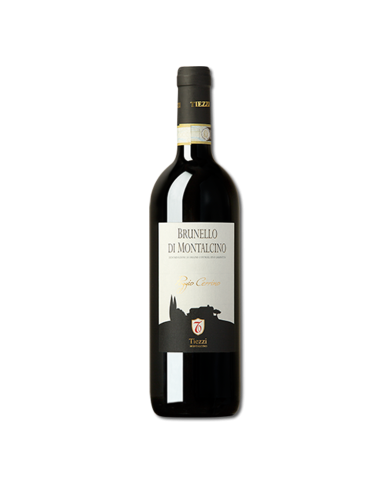
The Brunello di Montalcino wine is produced with traditional methods; naturally stabilized; upon bottling it is not filtered
€42.36
SKU:
15893
Brand:
Tiezzi
The Brunello di Montalcino wine is produced with traditional methods; naturally stabilized; upon bottling it is not filtered
€42.36
SKU:
15892
Brand:
Tiezzi
€105.16
The Brunello di Montalcino wine is produced with traditional methods; naturally stabilized; upon bottling it is not filtered
SKU:
15891
Brand:
Tiezzi
The Brunello di Montalcino wine is produced with traditional methods; naturally stabilized; upon bottling it is not filtered
€39.08
SKU:
15890
Brand:
Tiezzi
The Brunello di Montalcino wine is produced with traditional methods; naturally stabilized; upon bottling it is not filtered
€38.92
SKU:
15889
Brand:
Tiezzi
The highly prized Moscadello di Montalcino DOC white wine is one of the 39 Denominations of Controlled Origin of the Tuscany region. This Tuscan wine is produced in a very small area in the province of Siena. The production area of the Moscato Bianco grapes, essential for the production of Moscadello di Montalcino DOC, includes the entire administrative territory of the municipality of Montalcino in the province of Siena. In addition to some small plots of land immediately in contact with the Montalcino area.
SKU:
15888
Brand:
Tiezzi
€13.70
€12.33
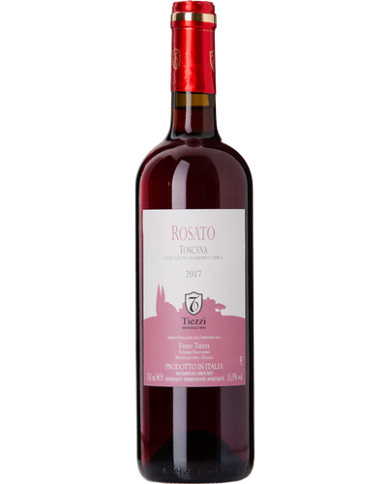
It is a very juicy wine, with heady aromas and the color of cherry juice
SKU:
15887
Brand:
Tiezzi
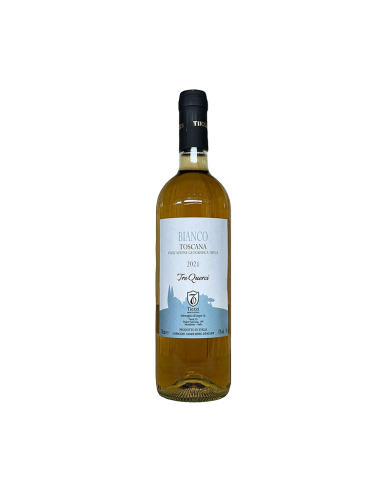
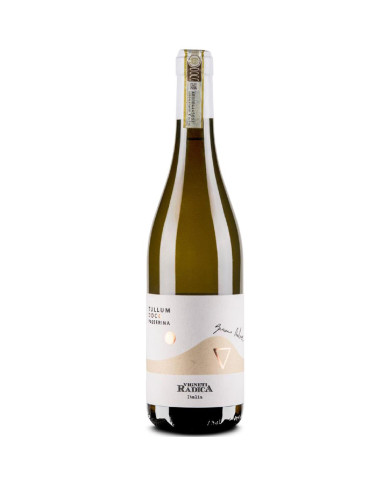
It has a straw yellow color with greenish reflections. The nose opens fruity with notes of green apple, peach, ending with hints of almond and delicate white flowers. On the palate excellent freshness and pleasant minerality
€15.20
€17.00
SKU:
15884
Brand:
Tocco d'Italy
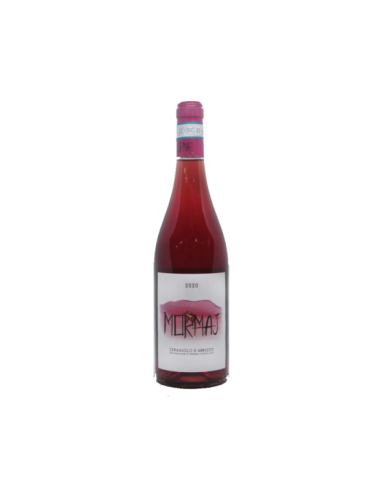
In our cellar, between the MORrone and MAJella mountains MORMAJ is born, a rosé wine obtained by spontaneous fermentation, not clarified, is aged in steel tanks. Any deposits on the bottom do not constitute a defect in the wine and do not alter its taste.
€20.67
SKU:
15883
Brand:
Colli del Soligo
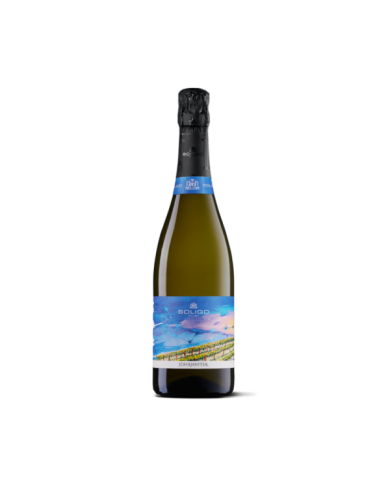
Johanniter is a white grape variety resistant to fungal diseases created from the cross between Riesling and Freiburg 589-54 several decades ago, in 1968 in Germany. The grapes are harvested towards the end of August. As soon as they arrive in the cellar, the bunches are softly pressed and the must is fermented in steel tanks. Once the base wine has been obtained, the second fermentation takes place, i.e. the sparkling process according to the Charmat Method. * resistant vine: it is a vine obtained from interspecific crossings aimed at lowering the susceptibility of the plant towards cryptogamic diseases (such as downy mildew and powdery mildew) and low temperatures. In this way a stronger plant is obtained and consequently viticulture becomes ethically and ecologically more sustainable both for man and for the environment. The resulting wines are healthier and qualitatively not inferior to the conventional ones we usually consume. In Italy, the cultivation of 10 resistant grape varieties is currently permitted. Colli del Soligo offers two, Souvignier Gris in the still wine version and Johanniter in the sparkling version. Taste to know. Don't miss the opportunity, taste it!
€10.53
SKU:
15882
Brand:
Colli del Soligo
Souvignier Gris is a vine resistant* to fungal diseases, it was created by crossing the Seyval variety with the Zahringer in 1983 in Germany. The bunches of grapes are harvested at the beginning of September, once they reach the cellar they are pressed and the must is left to macerate on the skins for a few days. This gives the characteristic color and enriches the aromatic bouquet. At the end of this process the alcoholic fermentation starts in stainless steel containers. Maturation follows, which for 30% of the mass takes place in new wooden barriques and continues for about six months. This is where the spicy aromas and the particular warm and rich flavor originate. After which the two masses are united again and following the blend is filtered and bottled to then be put on the market after a few months of rest in the bottle. * resistant vine: it is a vine obtained from interspecific crossings aimed at lowering the susceptibility of the plant towards cryptogamic diseases (such as downy mildew and powdery mildew) and low temperatures. In this way a stronger plant is obtained and consequently viticulture becomes ethically and ecologically more sustainable both for man and for the environment. The resulting wines are healthier and qualitatively not inferior to the conventional ones we usually consume. In Italy, the cultivation of 10 resistant grape varieties is currently permitted. Colli del Soligo offers two, Souvignier Gris in the still wine version and Johanniter in the sparkling version. Taste to know. Don't miss the opportunity, taste it!
€9.36
€8.42
SKU:
15877
Brand:
Colli del Soligo
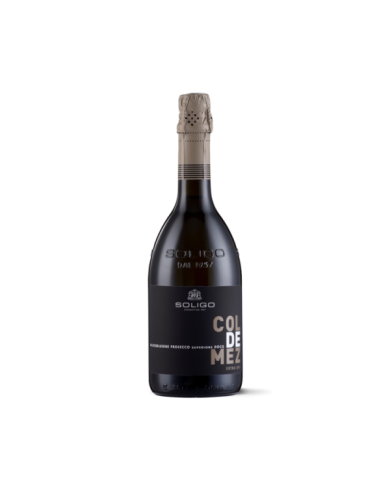
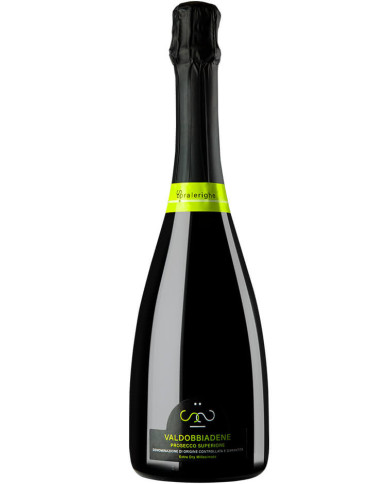
Prosecco Valdobbiadene Superiore DOCG Col De Mez is produced with Glera grapes ripened on the vineyards of the historic hill called Col de Mez.
The harvest takes place in September and is strictly manual. It is also called the "heroic harvest" precisely because picking the grapes in these rows is not easy at all. The slopes are steep, the hills craggy, each operation requires attention and experience.
In the Extra Dry version, it goes perfectly with dishes with a delicate flavor and with any fish-based dish.
€13.64
SKU:
15861
Brand:
Colli del Soligo
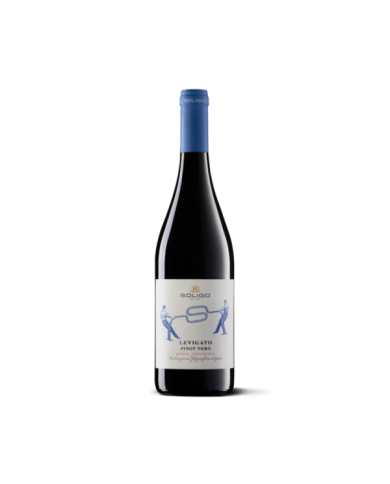
For our Pinot Nero Levigato IGT Marca Trevigiana, the grapes from the vineyards in the municipalities of Arcade, Spresiano, Ponzano Veneto, Povegliano and Villorba are used. The soils, which are of medium texture, enjoy a cool and windy climate, ideal for preserving the fragrance and acidity of the product. The harvest generally takes place in the second half of September. After harvesting, the grapes reach the cellar where fermentation on the skins begins, which lasts about twenty days in steel vats. Immediately after racking, the product ages in barrique and tonneau for about 12 months. Subsequently it is decanted into oak barrels with a capacity of 30 hectoliters where it continues aging for a few months. Pinot Noir is a pretty bizarre grape and it certainly is among the most difficult to cultivate and make wine. Historically it was born in the French region of Burgundy, where they have been cultivating it for over 2,000 years.
€9.99
SKU:
15856
Brand:
Colli del Soligo
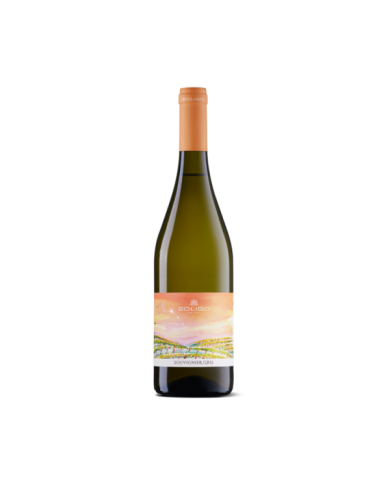
To produce this wine, grapes from vineyards located in the province of Treviso are used. Sauvignon, a semi-aromatic vine well known and appreciated all over the world. Once harvested, the grapes are taken to the cellar where they are pressed and the must obtained is fermented in large stainless steel containers. During the vinification, the technicians pay close attention in order to preserve the typical primary aromas of the grapes and obtain a fine wine. If you've never tasted it, this is the right time to do it. It will amaze you with its precious aromatic bouquet and full and harmonious taste.
€9.83
€8.36
SKU:
15853
Brand:
Colli del Soligo
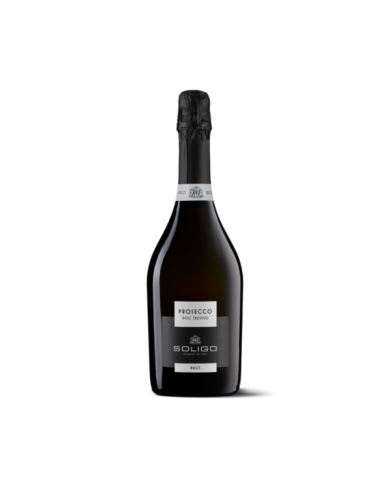
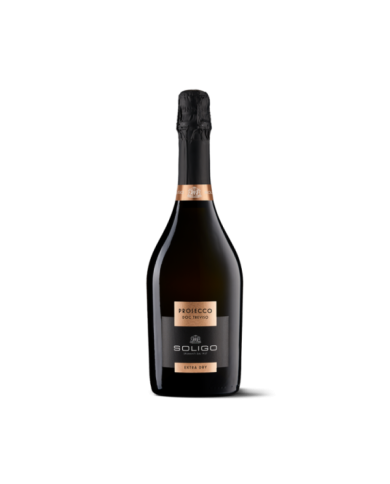
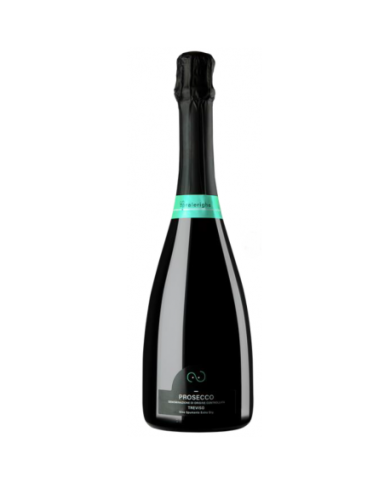
The Glera grapes used for the production of this sparkling wine come from vineyards located in the plains, on the outskirts of Treviso. The bunches are generally harvested in September at medium ripeness in order to preserve the acid component, which is important in the production of Prosecco Spumante. After the harvest, the grapes are subjected to a light pressing and a slow fermentation in steel tanks. Finally, the refermentation in autoclave (sparkling) follows the Charmat method.
€10.78
SKU:
15852
Brand:
Colli del Soligo
In the vineyards located in the plains, at the gates of Treviso, the golden bunches of Glera ripen and are harvested during the month of September.
After the harvest, the grapes are pressed and the must is fermented in steel tanks.
At the end of this process we obtain the base wine.
This is followed by the sparkling process in an autoclave according to the Charmat method, as per tradition.
€10.78
SKU:
15848
Brand:
Colli del Soligo
€14.12
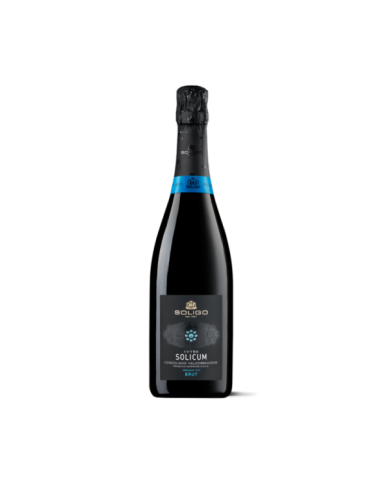
Cuvée Solicum, result of the selection of the best grapes grown in the municipalities of San Pietro di Feletto, Refrontolo, Col San Martino and Miane. Areas that have always been suited to viticulture.
The bunches are harvested by hand from the vineyards located on the hills and once they arrive in the cellar they are processed as per tradition.
First the vinification in white then the sparkling in autoclave following the Charmat method.
This is how this refined and elegant sparkling wine was born, perfect as a gift idea or to be uncorked during a dinner with friends.
€14.12
SKU:
15847
Brand:
Colli del Soligo
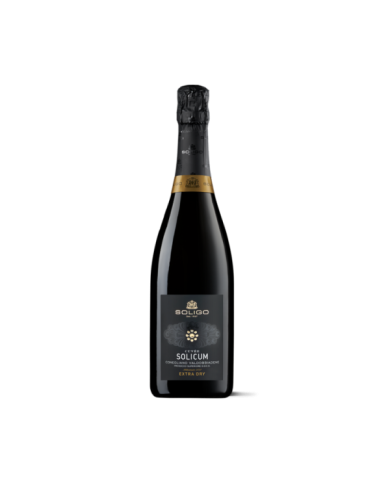
Solicum Cuvée Extra Dry is produced with grapes ripened in the vineyards located in San Pietro di Feletto, Refrontolo, Col San Martino and Miane. Hilly area, always suited to viticulture, exposed to the sun.
Here the soil, the climate and the skilful tradition come together and give the grapes a high quality level.
The result is a precious nectar capable of seducing the most refined palates.
Taste it combining it with delicate fish-based dishes or first courses with vegetables.
Also perfect for a cheerful toast with friends.
€14.12
SKU:
15843
Brand:
Colli del Soligo
Grapes harvested by hand in September. This is followed by gentle pressing and slow fermentation in steel tanks. Second fermentation in autoclave.
With a classic straw yellow color, it shows itself with beautiful multiple fruity scents, from pear to plum and peach. With balsamic hints on the finish and an unexpected softness to the taste, with a delicate freshness.
It goes nicely with fish-based dishes and aperitifs.
€8.30
SKU:
15842
Brand:
Colli del Soligo
100% Glera grapes with a straw yellow color and greenish reflections and crossed by a minute and continuous perlage.
The vinification takes place in the most traditional way but with great care: the grapes are harvested by hand in the month of September; in the cellar, the bunches are softly pressed and a slow fermentation then begins in steel tanks using selected yeasts. Second fermentation in autoclave.
The nose smells of fresh fruit, with hints of mandarin, pineapple and pear, but also of floral hints of wisteria and hawthorn with hints of aromatic herbs. In the mouth it stretches exuberantly and is immediately pleasant: it bewitches the palate with fruity sensations and the unmistakable softness. It makes it perfect for pairing your aperitifs and fish and sushi courses.
€14.15
SKU:
15841
Brand:
Colli del Soligo
100% Glera grapes with a straw yellow color and greenish reflections and crossed by a minute and continuous perlage.
The nose smells of fresh fruit, with hints of mandarin, pineapple and pear, but also of floral hints of wisteria and hawthorn with hints of aromatic herbs. In the mouth it stretches exuberantly and is immediately pleasant: it bewitches the palate with fruity sensations and the unmistakable softness. It makes it perfect for pairing your aperitifs and fish and sushi courses.
€12.32
€24.00
SKU:
15836
Brand:
Spinelli
Straw yellow color with golden notes. Persuasive and complex bouquet, with fruity, floral and spicy notes. With a good structure, full, soft and with a long persistence.
€6.95
SKU:
15835
Brand:
Spinelli
Straw yellow color with golden notes. Persuasive and complex bouquet, with fruity, floral and spicy notes. With a good structure, full, soft and with a long persistence. Excellent as an aperitif and with appetizers, it is perfect with all seafood cuisine, especially raw fish and seafood. Also perfect with delicate meat-based dishes, with vegetables and fresh and semi-mature cheeses.
€13.37
SKU:
15834
Brand:
Spinelli
Intense ruby red color with violet reflections. Ample aromas of ripe red fruit, floral notes of violet and rose and fine sweet spicy notes. Excellent structure, warm, full and rich in fruity notes. An ideal companion to typical Mediterranean cuisine, it goes very well with first courses with meat sauces and grilled red and white meats. Excellent with various medium-aged cheeses.
€15.86
€14.27
SKU:
15833
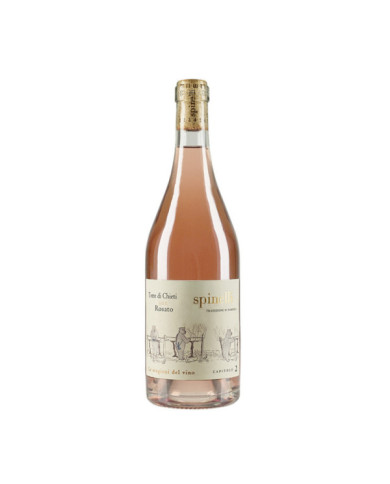
Brand:
Spinelli
Dull pink color with soft golden hues. Intense fruity aromas, delicate floral notes and nuances of banana and black cherry. With a good structure, it is soft, fresh and balanced. Excellent as an aperitif and perfect with pizza, it is decidedly versatile in combinations at the table. It goes well with both white meats and fish, but it is unsurpassed with fish soup, tripe, fresh cheeses and grilled vegetables.
€15.13
SKU:
15832
Brand:
Spinelli
White color with greenish notes, fruity, intense and elegant bouquet; in the balanced taste, with an aftertaste reminiscent of green apple.
€8.78
SKU:
15831
Brand:
Spinelli
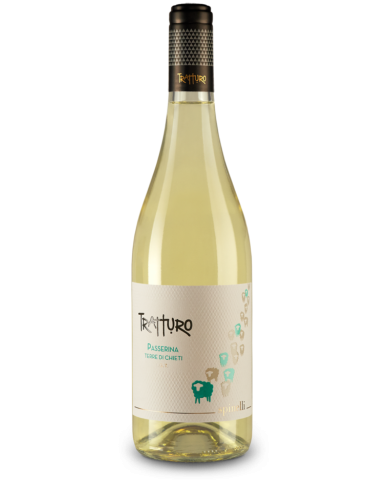
Passerina Terra di Chieti is a wine that follows a short cold maceration of the crushed grapes, delicate pressing and fermentation at a controlled temperature in stainless steel tanks. Its marketing usually takes place in the months of January/February of the year following the harvest. We are talking about a wine that stands out in the glass for its straw yellow color with greenish hues. On the nose it offers a persistent and fruity aroma of white-fleshed fruits, exquisitely mixed with citrus notes. A glass that has a good structure and a full and intense flavour. It conquers the palate for its excellent freshness which makes it an exceptional white to be enjoyed as an aperitif and ideal in combination with fish, shellfish and seafood dishes, including raw ones, fresh cheeses and white meats.
€8.78
SKU:
15830
Brand:
Spinelli
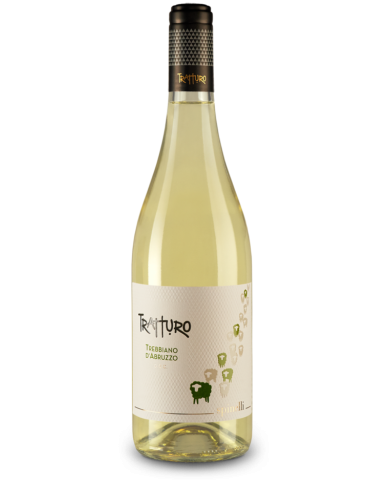
Trebbiano d'Abruzzo from the Spinelli winery is a wine that follows a short cold maceration of the crushed grapes, delicate pressing and fermentation at a controlled temperature in stainless steel tanks. Its marketing usually takes place in the months of January/February of the year following the harvest. We are talking about a wine that stands out in the glass for its fairly intense straw yellow colour. On the nose it gives a persistent and fruity aroma of exotic fruit, exquisitely blended with floral notes. A glass that has a good structure and a long persistence on the palate. A soft white with the right degree of sapidity, an excellent meal wine for every day to be enjoyed as an accompaniment to dishes based on fish, shellfish and seafood, fresh cheeses and white meats. Also perfect to be enjoyed in the company of appetizing aperitifs.
€8.39
SKU:
15829
Brand:
Spinelli
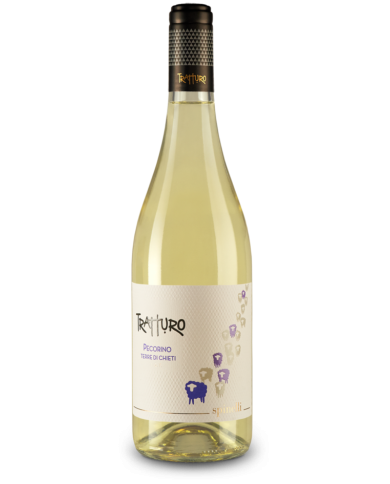
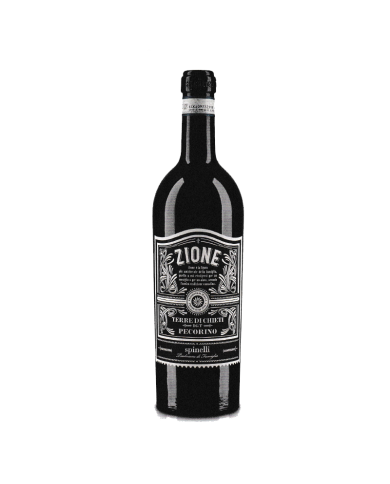
Pecorino Terra di Chieti is a wine that follows a short cold maceration of the crushed grapes, delicate pressing and fermentation at a controlled temperature in stainless steel tanks. Its marketing usually takes place in the months of January/February of the year following the harvest.
We are talking about a wine that stands out in the glass for its straw yellow color with golden hues. On the nose it offers a persistent and fruity aroma of ripe yellow-fleshed fruit, exquisitely blended with balsamic notes and floral hints.
A glass that has a good structure and a long persistence on the palate. A versatile white, excellent table wine to be enjoyed every day as an accompaniment to dishes based on fish, shellfish and seafood, even raw, vegetables, fresh and semi-mature cheeses, white meats. Also perfect to be enjoyed in the company of appetizing aperitifs.
€10.16
€9.15
SKU:
15828
Brand:
Spinelli
Straw yellow with greenish and brilliant hues. Strong aromas of exotic fruit, banana, citrus and delicate notes of yellow flowers. Fresh, soft and pleasant. Medium bodied and good persistence.
€8.78
SKU:
15827
Brand:
Spinelli
Cherry red color with bright violet hues. Intense fruity aromas, delicate floral notes and hints of wild berries and black cherry. With a good structure, it is soft, fresh and balanced. Excellent as an aperitif and perfect with pizza, it is decidedly versatile in combinations at the table. It goes well with both meat and fish.
€8.09
SKU:
15826
Brand:
Spinelli
Straw yellow colour. Fine-grained and persistent perlage. Finely fruity bouquet, delicate, aromatic, balanced and very elegant bouquet. Clean, soft flavour, reminiscent of exotic fruit.
Excellent as an aperitif and with appetizers, it is perfect with all seafood cuisine, especially raw fish and seafood. Also perfect with delicate meat-based dishes and vegetables.
€12.57
SKU:
15825
Brand:
Spinelli
Trebbiano d'Abruzzo from the Spinelli winery is a wine that follows a short cold maceration of the crushed grapes, delicate pressing and fermentation at a controlled temperature in stainless steel tanks. Its marketing usually takes place in the months of January/February of the year following the harvest. We are talking about a wine that stands out in the glass for its fairly intense straw yellow colour. On the nose it gives a persistent and fruity aroma of exotic fruit, exquisitely blended with floral notes. A glass that has a good structure and a long persistence on the palate. A soft white with the right degree of sapidity, an excellent meal wine for every day to be enjoyed as an accompaniment to dishes based on fish, shellfish and seafood, fresh cheeses and white meats. Also perfect to be enjoyed in the company of appetizing aperitifs.
€6.95
SKU:
15824
Brand:
Spinelli
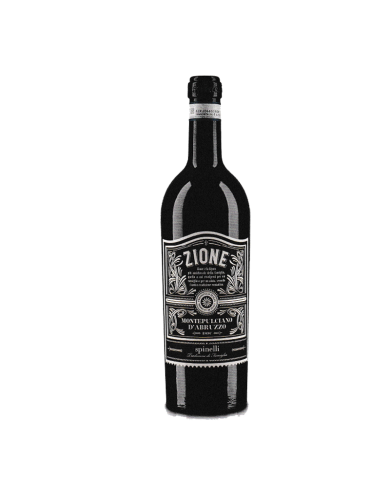
Montepulciano d'Abruzzo DOC BIO by Cantine Spinelli is a New Entry from 2022, an Italian organic red wine with an intense and harmonious aroma, characterized by a wonderful aroma of red fruits and delicate spicy notes. It shows a beautiful intense ruby red color in the glass, with violet hues. Ample and intense hints of small ripe red fruits arrive on the nose mixed with light aromas of spices. In the mouth the taste is decidedly structured and full, pleasantly soft, balanced and persistent. Excellent in combination with cured meats, appetizers and aged cheeses, perfect with grilled and roasted meat, ideal with vegetable soups and first courses with tomato sauce.
€6.27
SKU:
15822
Brand:
Spinelli
Straw yellow color with greenish notes. Persistent and fruity bouquet, with citrus notes. Good structure, excellent freshness, full and intense flavour. Excellent as an aperitif, it elegantly accompanies all fish-based cuisine revealing a predilection for crustaceans and seafood, even raw. It is the perfect match with white meats and unseasoned cheeses.
€10.25
SKU:
15821
Brand:
Spinelli
Montepulciano d'Abruzzo Serranella is a label produced with 90% Montepulciano d'Abruzzo and 10% Sangiovese grapes. The vineyards are located in the heart of the province of Chieti, between the Maiella National Park and the Adriatic Sea, in a hilly area, with an average altitude of 230 meters slm , on mainly clayey-limestone soils. After the manual harvest, the bunches are destemmed and softly pressed, followed by maceration on the skins at a controlled temperature, in stainless steel tanks. The color that stands out in the glass is a ruby red with brilliant violet hues. The nose explodes with ample aromas of red fruit and fine spicy notes. It is a wine with a good structure, soft, balanced and with a long persistence. A perfect companion to typical Mediterranean cuisine, it goes very well with first courses with meat sauces and grilled red and white meats. Excellent with various medium-aged cheeses.
€7.45
SKU:
15820
Brand:
Spinelli
Cherry red color with bright violet hues. Intense fruity aromas, delicate floral notes and hints of wild berries and black cherry. With a good structure, it is soft, fresh and balanced. Excellent as an aperitif and perfect with pizza, it is decidedly versatile in combinations at the table. It goes well with both white meats and fish, but it is unsurpassed with fish soup, tripe, fresh cheeses and grilled vegetables.
€10.25
€13.36
€15.70
€15.70
SKU:
15812
Brand:
Corte delle Calli
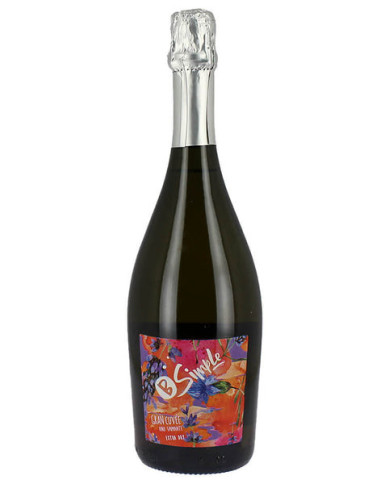
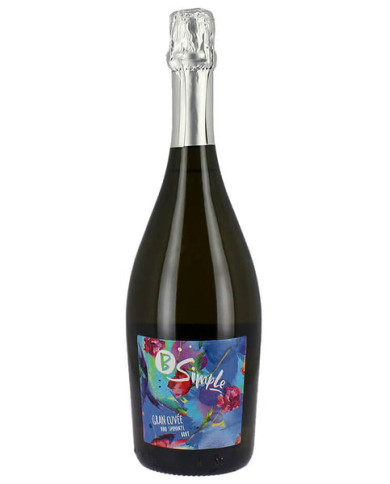
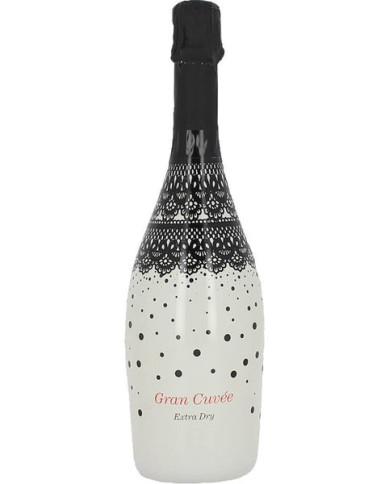
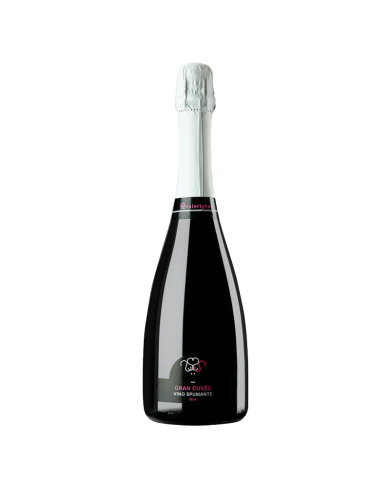
There are moments that represent something magical, that ignite joy. Moments where the heart and the palate open up to welcome sparkling sensations. With Gran Cuvée you feel the taste, you savor the aromas, the scents envelop you in a magical atmosphere, where everything flows together to create unique and unprecedented emotions. Wine with a pale straw yellow color and a lively perlage. The aromas are pleasantly fresh with fruity nuances of yellow fruit, peach and apricot. In the mouth it is clean with a pleasant gustatory harmony.
€8.04
SKU:
15808
Brand:
Corte delle Calli
€11.36
€10.22
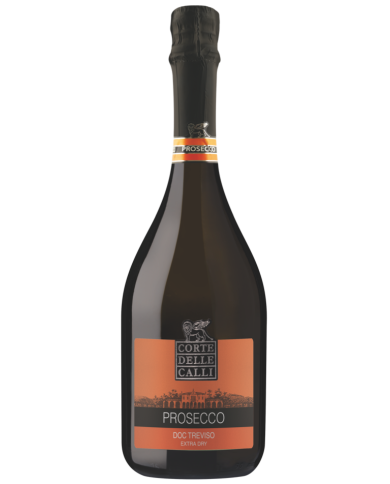
The sparkling process takes place according to the Charmat method in steel autoclaves according to the rules dictated by the production disciplinary. The result is a young and exciting extra dry wine suitable for all occasions. Brilliant straw yellow color with some greenish reflections. With a lively perlage, it has aromas of good intensity with hints of white flowers and fruity golden apples. Good intensity. The taste is fresh and on the palate it is elegant and soft, with a pleasantly sugary vein.
€11.36
€10.22
SKU:
15806
Brand:
Corte delle Calli
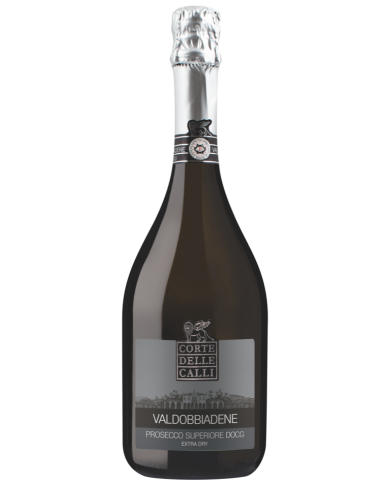
Prosecco, in the sparkling version, is a wine capable of teasing and satisfying even the most demanding palates. It has a brilliant straw yellow color with a fine and persistent perlage. The bouquet is complex with hints of rose, jasmine, wisteria and acacia flowers. The fruity notes are of banana apple and pineapple, with mineral nuances. Good freshness, particularly sapid and excellent persistence.
€14.53
€13.08
SKU:
15798
Brand:
Serenello
€13.44
€12.10
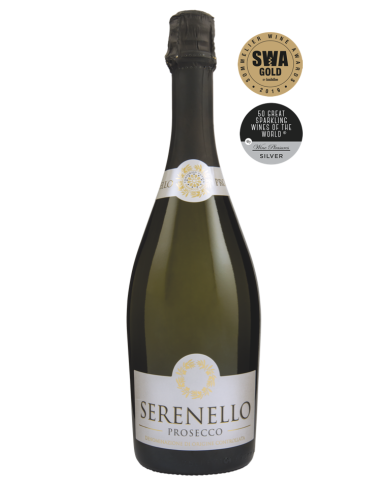
Brilliant straw yellow color with some greenish reflections. With a lively perlage, it has aromas of good intensity with hints of white flowers and fruity golden apples. Good intensity. The taste is fresh and on the palate it is elegant and soft, with a pleasantly sugary vein.
€13.44
€12.10
SKU:
15781
Brand:
San Giusto a Rentennano
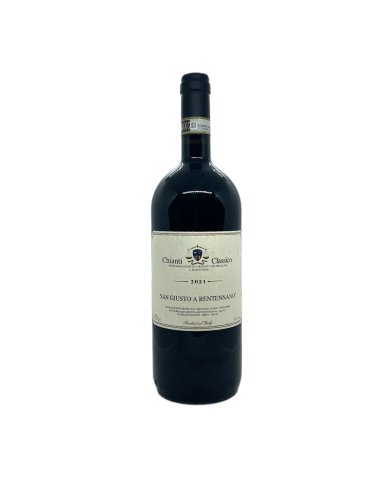
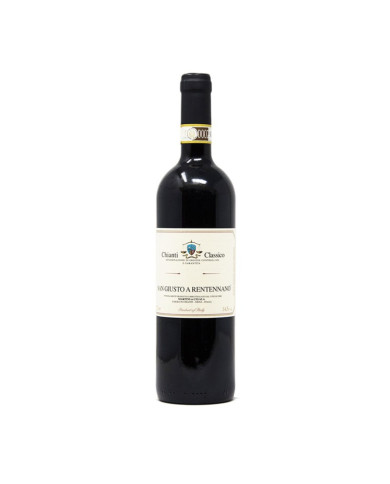
The Chianti Classico of San Giusto a Rentennano is a wine with an energetic and traditional style. The olfactory spectrum ranges from ripe red fruit to spicy spices. The sip is agile, dynamic and elegant. It is aged for at least 10 months in oak barrels
SKU:
15780
Brand:
San Giusto a Rentennano
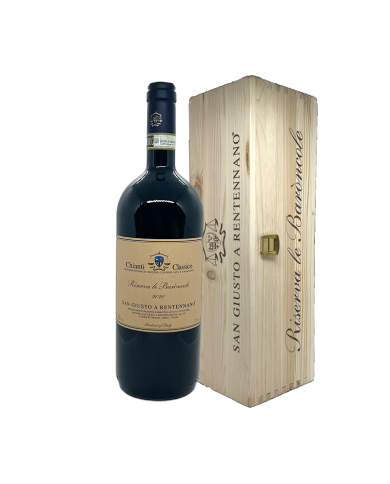
The Chianti Classico Riserva "Le Baroncole" expresses the richness and beauty of the Tuscan land. Refines for 16-20 months in oak barrels and casks and is enriched with vanilla nuances, in addition to the already present fruity and spicy aromas typical of the type. The taste is balanced, complex and deep, supported by a nice tannic texture and a pleasant savory tip
€85.00
SKU:
15779
Brand:
San Giusto a Rentennano
Yield per vine 1 kg, harvest 25-28 September. The wine is obtained by extracting the must from the Chianti Classico, Riserva, Percarlo, Ricolma tanks within 12-24 hours of placing the grapes, and partly with grapes (Merlot, Sangiovese, Canaiolo) harvested early and vinified in white. Slow fermentation at a temperature below 23°C, with the addition of about 15% of de-stemmed grapes. Maturation for 5 months in steel. The wine is subjected to light filtering, so it may have natural sediment. 8,200 bottles bottled on March 20th. Organic wine.
€11.90
SKU:
15778
Brand:
San Giusto a Rentennano
€20.50
€18.45
The Chianti Classico of San Giusto a Rentennano is a wine with an energetic and traditional style. The olfactory spectrum ranges from ripe red fruit to spicy spices. The sip is agile, dynamic and elegant. It is aged for at least 10 months in oak barrels
SKU:
15777
Brand:
Torre dei Beati
€18.24
€15.50
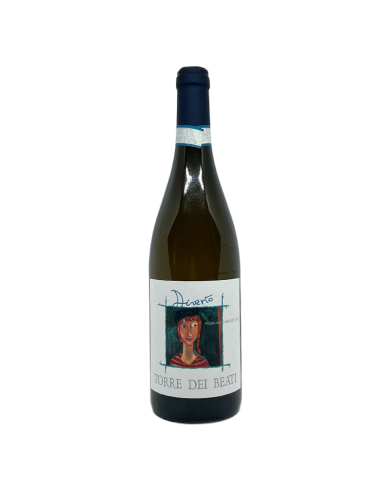
The Trebbiano grapes remain in contact for about a year on the lees in Clayver ceramic barrels, the 2021 vintage was bottled in October 2022. We are dealing with a wine that expresses a clear sunny character, the aromas are reminiscent of wheat and chamomile , then a ripe peach comes out. The mouth is rich, warm, enveloping, powerful, with a remarkable aromatic expansion and length. In the second part of the mouth it develops a delicately smoky trace of toasted almond and hazelnut; closes full and juicy on fruity sensations and hints of tea.
€18.24
€15.50
SKU:
15770
Brand:
Serena Wines 1881
Excellent Prosecco Extra Dry from 85% Glera grapes and a blend of Chardonnay, Pinot Bianco and Pinot Grigio.
Straw yellow with a fine and persistent perlage. Excellent persuasive aromas and beautiful and delicious bubbles on the palate.
Excellent pairing with fresh and light dishes, but also with first courses or naturally as an aperitif.
€19.40
SKU:
15769
Brand:
Serena Wines 1881
VINES 100% White berried vines VINIFICATION Second fermentation in steel autoclave at controlled temperature Subsequent bottling and storage in thermo-controlled rooms CHARACTERISTICS Pale straw yellow colored wine, with lively perlage The aromas are pleasantly fresh with fruity nuances of yellow fruit, peach and apricot In the mouth it is clean with a pleasant gustatory harmony. Pairings excellent as an aperitif or with first courses and delicate fish main courses
€15.49
SKU:
15768
Brand:
Serena Wines 1881
VINES 100% White berried vines VINIFICATION Second fermentation in steel autoclave at controlled temperature Subsequent bottling and storage in thermo-controlled rooms CHARACTERISTICS Brilliant straw yellow color wine with some greenish reflections with lively perlage, it has good intensity aromas with hints of delicate white fruits The taste is fresh and on the palate it is fresh and soft. Excellent as an aperitif or with first courses and delicate fish main courses
€9.55
SKU:
15767
Brand:
Serena Wines 1881
VINES 100% Glera VINIFICATION The grapes are harvested rigorously by hand to then undergo a soft pressing. The must thus obtained is fermented at a temperature between 18 and 20°C CHARACTERISTICS Able to tease and satisfy even the most demanding palates Pale straw yellow with fine and persistent perlage decidedly fruity bouquet with hints of wisteria, acacia flowers and rennet apple fragrant, fresh and pleasantly acidulous on the palate Suitable for any type of occasion Excellent with delicate appetizers or fish dishes
€13.18
SKU:
15766
Brand:
Serena Wines 1881
Excellent Prosecco Extra Dry from 85% Glera grapes and a blend of Chardonnay, Pinot Bianco and Pinot Grigio.
Straw yellow with a fine and persistent perlage. Excellent persuasive aromas and beautiful and delicious bubbles on the palate.
Excellent pairing with fresh and light dishes, but also with first courses or naturally as an aperitif.
€11.59
SKU:
15765
Brand:
Serena Wines 1881
A harmonious wine with a lively perlage that teases the heart and the palate with sparkling sensations.
€7.93
SKU:
15764
Brand:
Serena Wines 1881
Bouquet: The aromas are pleasantly fresh with fruity nuances of yellow fruit, peach and apricot.
Taste: In the mouth it is clean with a pleasant gustatory harmony.
€7.20
SKU:
15762
Brand:
Serena Wines 1881
Bouquet: The aromas are pleasantly fresh with fruity nuances of yellow fruit, peach and apricot.
Taste: In the mouth it is clean with a pleasant gustatory harmony.
€14.27
SKU:
15761
Brand:
Serena Wines 1881
Excellent Prosecco Extra Dry from 85% Glera grapes and a blend of Chardonnay, Pinot Bianco and Pinot Grigio. Straw yellow with a fine and persistent perlage. Excellent persuasive aromas and beautiful and delicious bubbles on the palate. Excellent pairing with fresh and light dishes, but also with first courses or naturally as an aperitif.
€11.90
€10.71
SKU:
15760
Brand:
Serena Wines 1881
Serena Sopra le Righe Prosecco DOC Treviso Excellent Extra Dry prosecco from 85% Glera grapes and a blend of Chardonnay, Pinot Bianco and Pinot Grigio.Giallo Straw yellow with a fine and persistent perlage. Excellent persuasive aromas and beautiful and delicious bubbles on the palate. Excellent pairing with fresh and light dishes, but also with first courses or aperitifs
€11.83
SKU:
15759
Brand:
Italo Pietrantonj
Intense ruby red in color with garnet reflections, it is characterized by rich aromas of wild berries and subtle vanilla notes. Soft and warm in the mouth, it has a superb structure, a delicate balance and persistent aromas and flavours. It is the ideal partner for savory dishes, including game, red meat and aged cheeses.
€13.16
€18.91
SKU:
15757
Brand:
Roxan
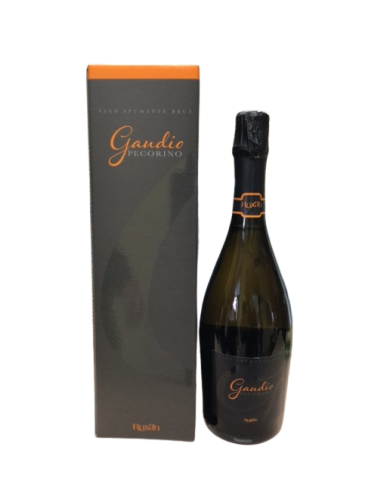
It is a brut sparkling wine with a wide and persistent froth, fine and continuous perlage, a light straw color. The aroma is intense and balanced finesse. The full flavor expresses the typicality of the production area.
€18.12
€14.69
SKU:
15755
Brand:
Vigna del Lauro
€13.16
€10.53
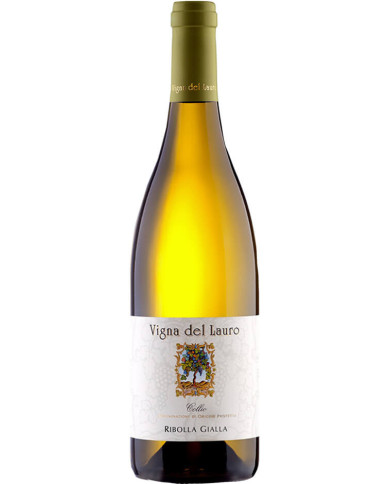
Before the harvest, which usually takes place during the second and third ten days of September, the grapes are carefully selected in the vineyard. Subsequently, a gentle pressing is carried out, to then move on to alcoholic fermentation at a controlled temperature in stainless steel for about a week. The refinement takes place on the fine lees, for about 7 months in order to increase its complexity. In the glass Collio Ribolla Gialla shows a pale straw yellow color with slight greenish reflections. Elegant fruity aromas of white peach, apple and pear blend with floral aromas of rose and spring flowers to create an enveloping and seductive bouquet. An intriguing and pleasant wine on the palate; thanks to a rather acid taste, the result is a glass characterized by a remarkable freshness to be savored to the full. A versatile white that is well suited to many preparations in the kitchen including dishes based on white meats, vegetables, first courses with not too tasty sauces and fried fish. Also excellent as an aperitif wine.
€13.16
€10.53
SKU:
15751
Brand:
Vigna del Lauro
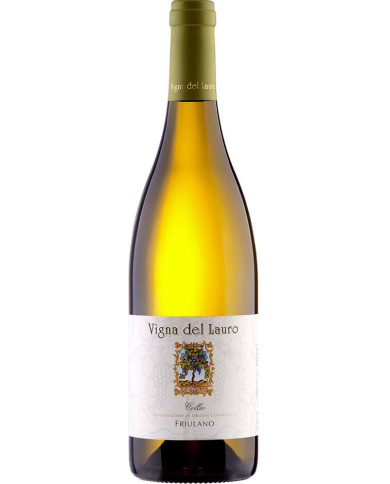
Before the harvest, which usually takes place during the second ten days of September, the grapes are carefully selected in the vineyard. Subsequently, a gentle pressing is carried out, to then move on to alcoholic fermentation at a controlled temperature in stainless steel for about a week. The refinement takes place on the fine lees, for about 7 months in order to increase its complexity.
Collio Friulano has a straw yellow color with citrine reflections. On the nose it offers a broad and intense bouquet with the prevalence of floral aromas of acacia that blend perfectly with marked spicy notes.
A wine that is always appreciated, full and dry on the palate, and characterized by the typical almondy aroma of the vine. The slightly bitter finish makes this white excellent in combination with dishes based on white meats, grilled fish, vegetables and first courses with delicate sauces.
€12.32
SKU:
15750
Brand:
Vigna del Lauro
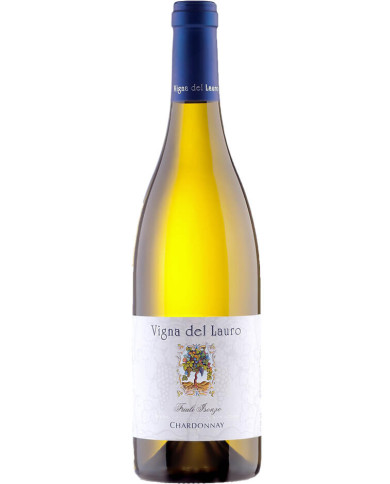
Before the harvest, which usually takes place during the first ten days of September, the grapes are carefully selected in the vineyard. Subsequently, a gentle pressing is carried out, to then move on to alcoholic fermentation at a controlled temperature in stainless steel for about a week. The refinement takes place on the fine lees, for about 7 months in order to increase its complexity.
The Isonzo Chardonnay is presented in the glass with a rather pale straw yellow colour. The nose offers a large fruity and floral bouquet that is not too intrusive.
A wine that stands out for its incredible qualities of freshness and persistence on the palate, and that lends itself well to accompanying appetizing aperitifs. A versatile and soft glass on the palate, which on the table, served at the recommended temperature, in combination with fish-based courses, cooked or raw, risottos and seafood-style first courses, can only conquer and seduce the taste buds.
€13.79
SKU:
15749
Brand:
Vigna del Lauro
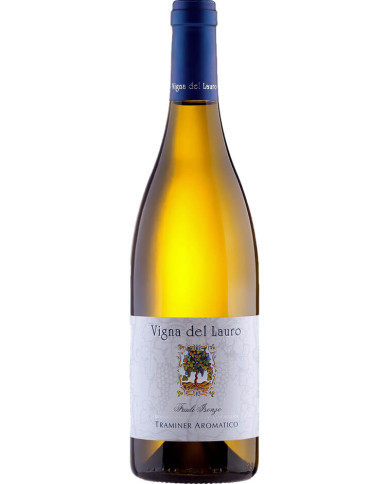
Before the harvest, which usually takes place during the second ten days of September, the grapes are carefully selected in the vineyard. Subsequently, a gentle pressing is carried out, to then move on to alcoholic fermentation at a controlled temperature in stainless steel for about a week. The refinement takes place on the fine lees, for about 7 months in order to increase its complexity.
The Isonzo Traminer pours into the glass with an intense straw yellow colour. On the nose it seduces with a large and aromatic bouquet characterized by aromas of yellow-fleshed fruits, followed by elegant notes of lychee and floral aromas.
When tasted, it immediately denotes that it is a very balanced wine with sapid and fresh notes. A white that gives softness to the palate and a pleasant almond taste on the finish. At the table it is excellent as an aperitif, and ideal to accompany fish-based dishes, shellfish dishes, ethnic cuisine and particularly spicy flavours.
€13.79
SKU:
15748
Brand:
Vigna del Lauro
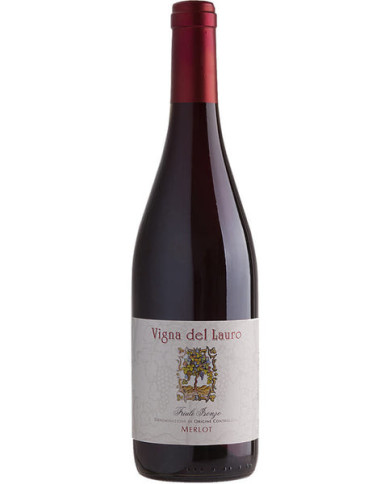
Before the harvest, which usually takes place during the last ten days of September, the grapes are carefully selected in the vineyard. Subsequently, a gentle pressing is carried out, to then move on to alcoholic fermentation at a controlled temperature in stainless steel for two weeks. The refinement takes place in wooden containers for about a year.
This Merlot Isonzo is presented in the glass with an intense ruby red color with veins tending towards purple. On the nose, aromas of red fruit stand out and stand out almost exclusively.
When tasted it proves dense and full, an enveloping red and very soft on the palate. The finish is long and capable of surprising for the elegance with which the flavors of red cherry and plum jams seduce the taste buds. An excellent wine in combination with dishes based on red meats, roasts, game and cold cuts and mixed cheeses.
€12.08
SKU:
15747
Brand:
Vigna del Lauro
Before the harvest, which usually takes place during the last ten days of September, the grapes are carefully selected in the vineyard. Subsequently, a gentle pressing is carried out, to then move on to alcoholic fermentation at a controlled temperature in stainless steel for two weeks. The refinement takes place in wooden containers for about a year.
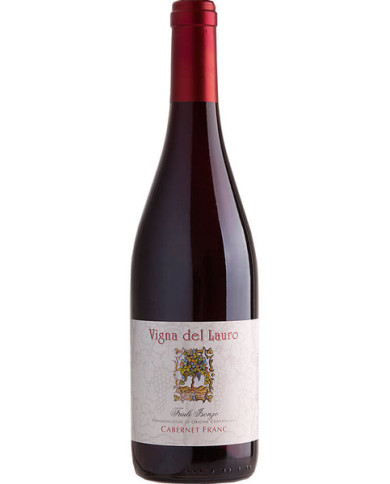
In the glass Cabernet Franc Isonzo shows an intense ruby red color with purple hues. The olfactory examination reveals a large and varied bouquet, with herbaceous nuances and aromas of red fruit.
A wine of remarkable structure but still velvety on the palate. A red that releases balsamic and aromatic scents in the mouth, soft, and with a long finish capable of surprising. At the table it is paired with dishes based on red meats, roasts and platters of cured meats, offering all its qualities.
€11.59
SKU:
15746
Brand:
Vigna del Lauro
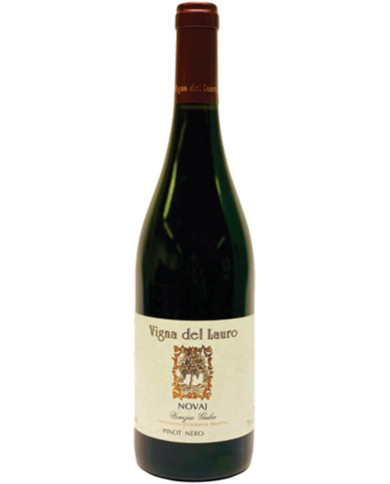
Before the harvest, which usually takes place during the second ten days of September, the grapes are carefully selected in the vineyard. Subsequently, a gentle pressing is carried out, to then move on to alcoholic fermentation at a controlled temperature in stainless steel for two weeks. The refinement takes place in barriques for 24 months and 12 months in the bottle.
In the glass Novaj shows an intense ruby red color. Intense aromas of cherries and undergrowth fruits make this wine seduce the olfactory sense from the first moment.
An intriguing wine, elegant and velvety on the palate. A red that conquers at the first sip and will give diners a sensation of persistent pleasure. At the table it is excellent in combination with dishes based on red meats, game, roasts and game.
€13.05
SKU:
15745
Brand:
Vigna del Lauro
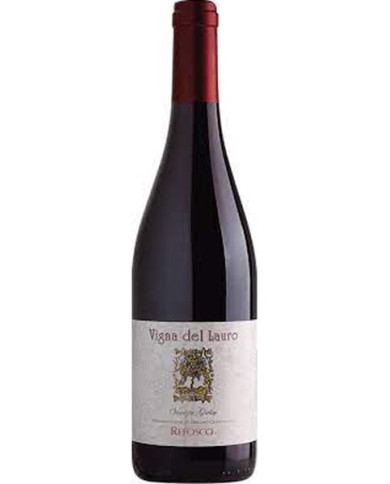
100% Refosco from over 30-year-old vines grown in the Cormons area, where the the soil is a mixture of sandy clay with many stones. Fermented in stainless steel. Aged in mixed oak for 8 months. Rested in the bottle for 6 months before release. 13% ABV extension. Only 150 cases produced. Tasting notes: A beautiful ruby red color with purple reflections leads to a clear scent of wild berries, violets and spicy notes. Flavors explode the pallet with intense, persistent, bright and fresh expressions of plums, black cherries, anise, roasted coffee and hints of anise, all delicately wrapped adherent tannins.
SKU:
15743
Brand:
Ronco dei Tassi
€16.46
€11.52
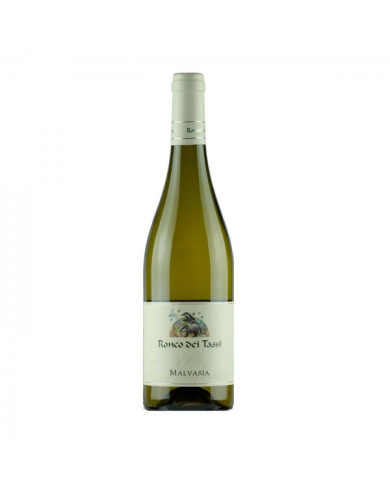
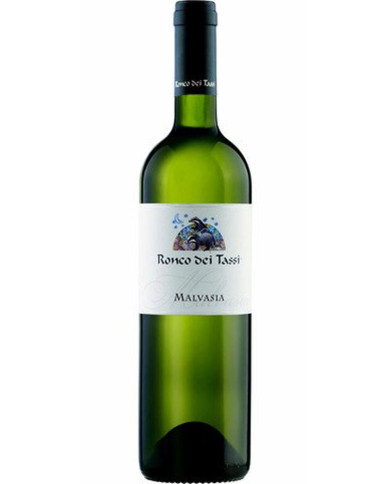
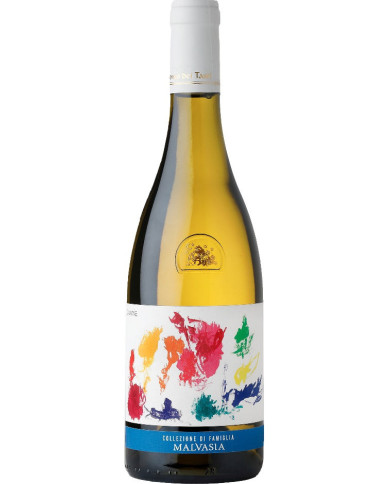
Malvasia is the result of grapes selected and harvested manually when they are fully ripe. This is followed by delicate destemming and pressing, and subsequent alcoholic fermentation in stainless steel tanks at a controlled temperature of 18-20 °C for a period of about 8-12 days. The wine then undergoes partial malolactic fermentation and ages in stainless steel tanks until the month of April following the harvest before being bottled and marketed. In the glass it has a bright straw yellow color. The bouquet releases an intense scented aroma of yellow fruit among which peach and apricot stand out, deliciously mixed with citrus aromas of mandarin and aromatic herbs. On the palate it is rich, soft and savory at the same time. A white of great balance, fresh and persistent in the mouth that on the table is an excellent combination with dishes based on both cooked and raw fish, seafood risottos and first courses with delicate sauces.
€16.46
€11.52
SKU:
15742
Brand:
Ronco dei Tassi
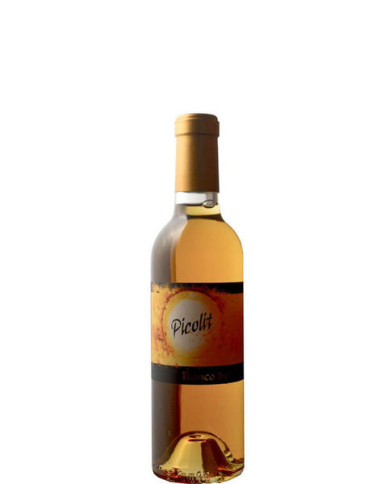
Picolit is produced in a vineyard where the average age of the vines is around 30 years, made up of sandstone marls of Eocene origin. The harvest takes place in mid-October; subsequently the Picolit grapes are left to dry on racks for 40/50 days. This is followed by fermentation in Allier oak barrels. The wine rests on the fermentation lees for 15 months in small oak barrels and 3 months in the bottle before being put on the market.
An amber yellow wine is presented to the glass. The bouquet is delicate and elegant with clear fruity hints of apricots and dried figs. The taste is sweet and harmonious and gives the palate a warm and persistent flavor for a long time.
A bottle that, on the occasion of an invitation, is certainly always very welcome by the hosts. Picolit is a delicious wine that is well suited to daily consumption in the company of cheese platters and sideboard desserts, dry biscuits and dried fruit.
€26.72
SKU:
15741
Brand:
Ronco dei Tassi
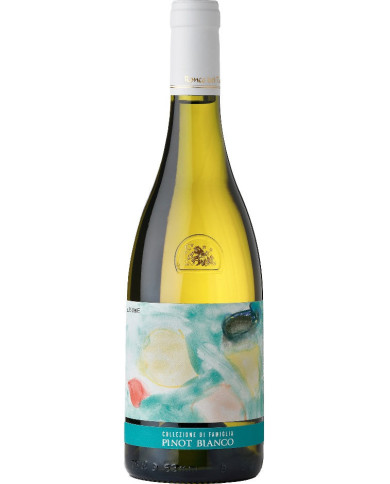
In the Gorizia Collio (then Austrian Friuli) the first cuttings of Pinot bianco were brought by Count La Tour of Capriva at the end of the 19th century. The old people of the area still knew it under the name of white Burgundy, in the 1863 catalog it was mentioned with this annotation: "variety cultivated in Lestizza for more than 20 years, whose fruit gives exquisite wine". Today it is among the greatest symbols of the Collio.
The Collio hills of Eocene origin, made up mostly of marl and sandstone, are the most congenial soils to enhance the best qualitative characteristics of this grape variety. The vineyard is about 30 years old, trained according to the Guyot system with a South/South-East exposure, and is cultivated in one of the highest and most well-exposed areas of Mount Quarin and in the hills around the town of Cormons.
The harvest is done manually in the first ten days of September,
the grapes are then crushed, de-stemmed and placed in the pneumatic press, where they receive a soft pressing. The must obtained is cooled and statically decanted, in order to be able to separate the clearest part from the lees. The alcoholic fermentation takes place in 225-litre oak barriques, with aging on noble lees for 12 months.
€41.36
SKU:
15740
Brand:
Ronco dei Tassi
Istrian Malvasia, also known as Friulian, occupies a prestigious position in the large Malvasia family which has rather strange and uncertain origins. It is believed that in 1300, during the rule of the Venetian Republic, the merchants of the city returning from the Peloponnese brought these vines with them. From there they spread along the entire Adriatic coast, from Dalmatia to Istria up to the Karst hills of the Gulf of Trieste and the Eocene hills of eastern Friuli.
The Collio hills of Eocene origin are made up largely of marl and sandstone, and thanks to a favorable microclimate given by the proximity of the sea, they make them one of the most suitable areas to highlight the best qualitative characteristics of this vine.
The vineyard is located in the highest areas, south/south-east of Mount Quarin in Cormons.
The harvest is done manually in the last ten days of September, the fermentation takes place on the skins at a controlled temperature for about 7 days. After racking, fermentation continues in oak tonneau, the wine obtained remains to refine on the noble lees for 12 months.
The color of the wine is a brilliant golden yellow. On the nose the scent is slightly aromatic, with spicy notes reminiscent of cinnamon and nutmeg, embellished by a complex, floral and fruity bouquet of ripe apricot and yellow-fleshed peach, and sweet hints of candied fruit.
On the palate the taste is intense, with great sapidity and richness in the aftertaste, with a long and persistent finish. It goes perfectly with appetizers, soups in general and fish first courses, but especially shellfish and baked fish with tomatoes and potatoes.
€41.36
SKU:
15739
Brand:
Ronco dei Tassi
The Sauvignon vine originates from the Gironde, near the Sauternes, in the Bordeaux region of France. It has been present in Friuli Venezia Giulia since 1800, here it was grown and produced almost exclusively on the Collio and Colli Orientali hills.
The Collio hills of Eocene origin are made up mostly of marl and sandstone. The proximity to the sea and the woods surrounding the vineyards make it a place with a perfectly fresh and breezy microclimate, which makes it one of the most suitable for exalting the qualitative characteristics of this variety in an original way. The vineyard is located in the highest areas facing east of Mount Quarin and the hills surrounding the town of Cormons.
The harvest is done manually in the first week of September
The destemmed grapes are crushed and left to macerate for about 18 hours at 10°C, the must obtained from the soft pressing is statically decanted for one day, and fermented at 16/17°C. After fermentation, the wine obtained remains on the noble lees and aged in oak tonneau for 5 months
The color in the glass is a beautiful bright shade of straw yellow, with light greenish reflections. On the nose the scent is very aromatic but not annoying, it is elegant and complex, with fruity notes of mango and passion fruit, but also of white peach, with vivid hints of sweet elderflower.
The flavor is excellent, and it is what one would expect from what this wine promises to the nose. The entrance is very balanced, with a fresh and dry flavour, with a long persistence and a marked sapidity.
It is a wine that goes well with appetizers with ham, first courses with courgettes or asparagus, shellfish and fish dishes with sauce.
SKU:
15738
Brand:
Ronco dei Tassi
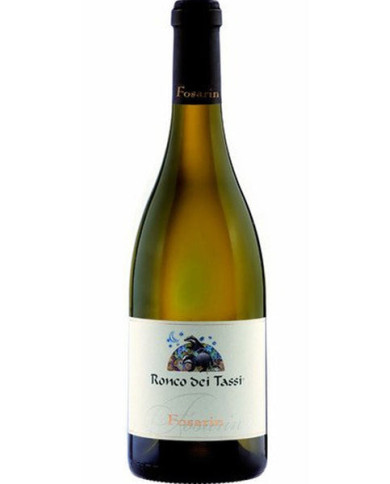
Fosarin is born from the union of the Friulano, Malvasia and Pinot Bianco vines, aged for 5 months in barrique. A balanced white wine of medium intensity and structure capable of giving a harmonious, savory and fruity finish. Fosarin springs from the passion, commitment and attention that has always distinguished Cantina Ronco dei Tassi in the management and care of eco-sustainable cultivation that is respectful and careful, capable of maintaining the flavors and aromas of the grapes. In the glass it has a pale straw yellow color. On the nose it offers a persuasive and harmonious scent of anise, yellow peach and yoghurt. On the palate it is immediately rich and full, sapid and enveloping with a long and persistent finish to be savored to the last drop. Collio Bianco Fosarin on the table goes very well with fish-based dishes, and in particular in combination with tasty seafood appetizers, seafood first courses and risottos and fish soups, but also soft cheeses and white meats.
€23.50
SKU:
15737
Brand:
Ronco dei Tassi
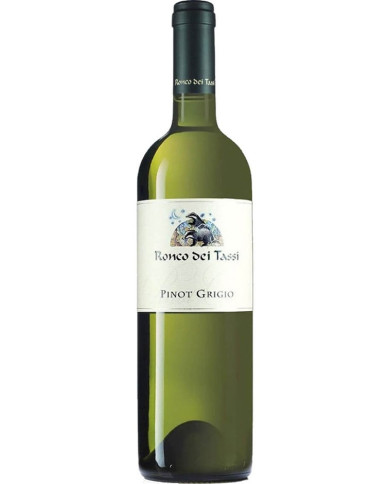
Pinot Grigio Collio is a white that well represents the quality achieved with great commitment, passion and attention to eco-sustainable viticulture, from the labels of the Ronco dei Tassi winery.
The visual examination reveals a wine with a pale straw yellow colour. The smell is enveloping and elegant defined by fragrant fresh and fruity notes of pear, apple, exotic fruit and light nuances of dried fruit. In the mouth it is a sip rich in aromas and flavours; the acidity compensates for the softness and allows you to reach the fullness of the gustatory balance.
An excellent glass for every day that on the table goes very well with fish-based dishes, and in particular in combination with tasty seafood appetizers, seafood first courses and risottos and fish soups.
€16.96
SKU:
15736
Brand:
Ronco dei Tassi
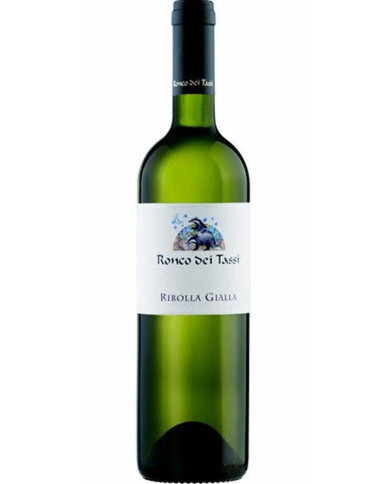
Ribolla Gialla is an elegant and appetizing white wine that comes from the commitment and will of the Ronco dei Tassi winery to give rise to an impeccable wine from a qualitative and gustatory point of view, which however maintains great attention to a healthy and natural eco-sustainable viticulture.
The glass has a pale straw yellow color with greenish reflections. On the nose the aroma is sweet and delicate with clear fruity and citrus scents, and notes of cedar punctuated on the finish. On the palate it is a sapid and pleasant wine, with good persistence, and offers a fresh and harmonious finish to be shared in good company.
A delicious glass that is well suited for daily consumption in the company of platters of soft and slightly aged cheeses, cooked or raw fish dishes, shellfish, light first courses and appetizing aperitifs.
€16.96
SKU:
15735
Brand:
Ronco dei Tassi
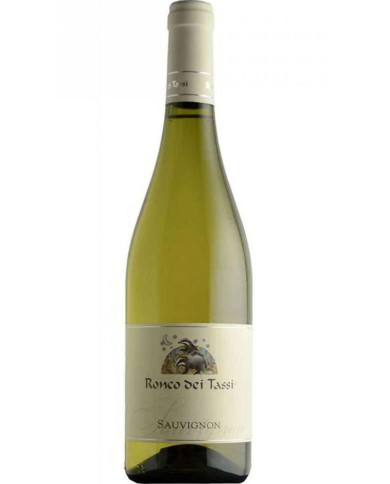
Sauvignon Collio is a refined wine that well represents the qualities achieved over the years by the Ronco dei Tassi winery with great commitment, passion and attention to eco-sustainable viticulture. The extreme care reserved for the grapes has allowed this white to present itself in the glass as an impeccable wine from a qualitative point of view and a sip rich in aromas and flavors ready to satisfy the palates.
From the visual examination of the glass, a wine with a pale straw yellow color is presented. The scent is sinuous and is a succession of pleasant fruity aromas and harmonious floral notes. In the mouth it is a sip that immediately appears full-bodied, aromatic and pleasantly acidic. A glass that is well suited to daily consumption in the company of platters of soft and slightly aged cheeses, dishes based on fish and shellfish.
€16.84
SKU:
15734
Brand:
Ronco dei Tassi
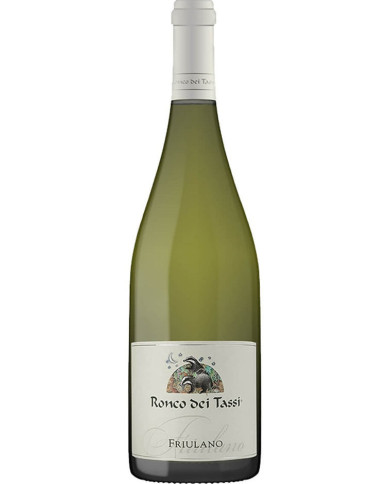
Friulano is a white wine born from the passion, commitment and attention that has always distinguished Cantina Ronco dei Tassi in the management and care of a respectful and careful eco-sustainable cultivation, capable of maintaining the flavors and aromas of the grapes.
In the glass it has a straw yellow color with citrine reflections. The olfactory examination shows a broad and intense aroma which initially gives a scent of acacia flowers and then flows into a distinctly spicy note. On the palate it is full and dry, and distinguished by the typical aroma of the vine, slightly bitter that recalls the flavor of almonds.
Friulano Ronco dei Tassi is an excellent pairing with fish-based dishes, first courses with delicate sauces and white meats. A white capable of delighting even the most "refined" palates.
€16.59
SKU:
15733
Brand:
Principe di Corleone
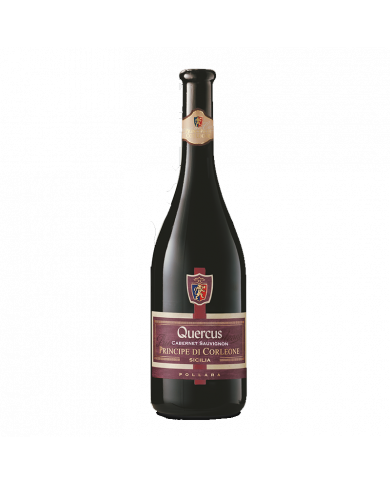
Among the first pure Cabernet Sauvignon produced in Sicily. For his personality and originality he has been awarded many times over the years. Expresses the territory from which it comes: Corleone. With a purplish-red colour, it has a complex and persistent aroma, reminiscent of blackcurrant fruits and spices.
€14.04
SKU:
15731
Brand:
Rocca del Principe
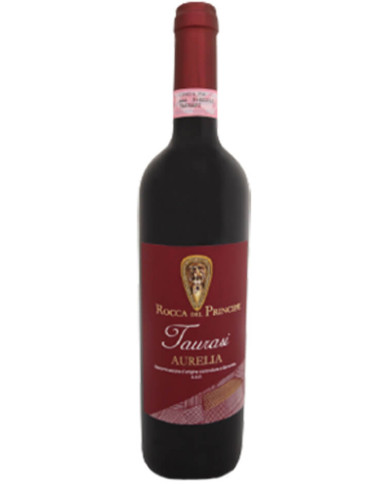
Aglianico is the vine which, together with Fiano, represents the peasant culture of the Campania region. The soil where this vine is found is composed of clayey and calcareous marl with a South/East exposure. The company begins harvesting the grapes from the beginning of November and, after pressing, the must ferments in contact with the skins for about 25 days. This is followed by malolactic fermentation and subsequent aging in barriques for 12 months and 12 in Slavonian oak barrels. The refinement in the bottle is for another 18 months. In the glass this wine has an intense ruby red colour. The nose is intoxicated by its large bouquet of black cherry, plum, spices, tobacco and balsamic notes. On the palate it is decisive, warm, rich and rightly tannic. The finish is long and persistent with an aroma reminiscent of ripe fruit. On the table it is excellent in combination with first courses with meat sauce, roasted red meats and aged cheeses. A quality red to be enjoyed and savored in good company.
€36.39
SKU:
15729
Brand:
Rocca del Principe
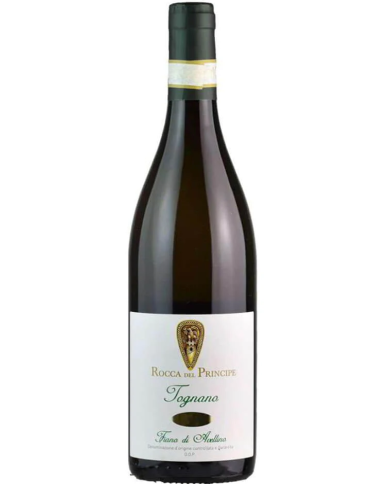
Cru Tognano is obtained by selecting the grapes produced by plants grafted with the centenary Fiano clone. Exposure East Clayey sandy soil of medium texture, dry and windy climate, altitude 550 above sea level, presence of numerous water springs, a set of factors that characterize this cru. The company begins harvesting the grapes in the first ten days of October and, after pressing, subjected to maceration on the skins for about 15 hours, the free-run juice obtained ferments in steel for about 45 days. The alcoholic fermentation is followed by an aging in steel for 12 months and a further aging in the bottle for a minimum of 12 months. In the glass this wine is straw yellow in color with delicate greenish reflections. On the nose, the aromas of citrus fruits and white-fleshed fruit, mint, toasted notes and hydrocarbons stand out which evolve over time, becoming increasingly striking and intense. In the mouth the taste is fresh and with a long aromatic persistence with returns of citrus and smoky notes. This white is excellent in combination with fish dishes, white meats and fresh cheeses.
€43.01