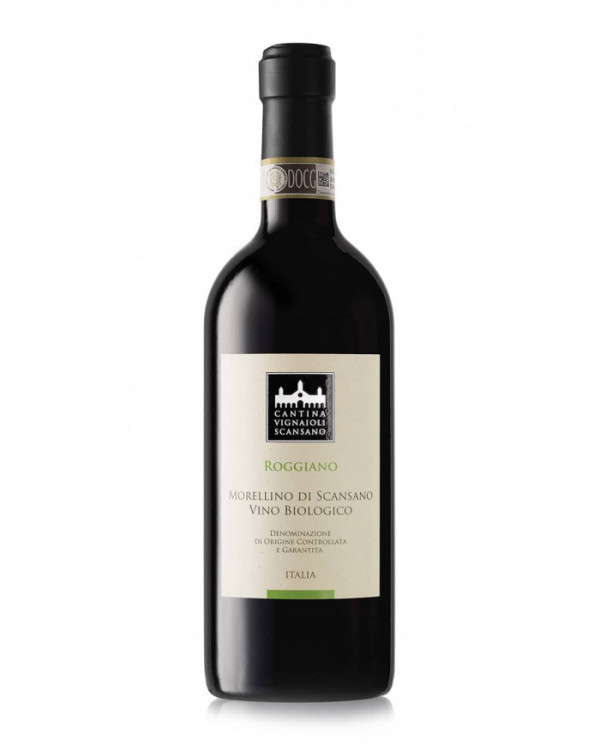
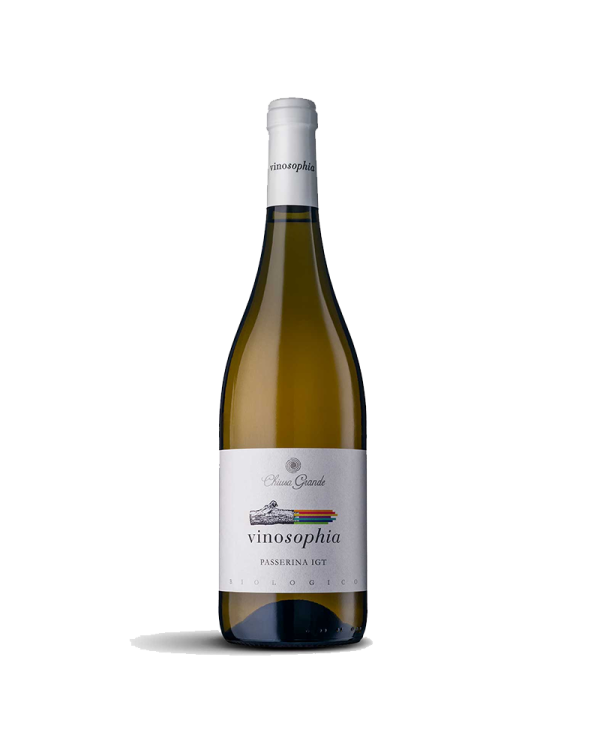
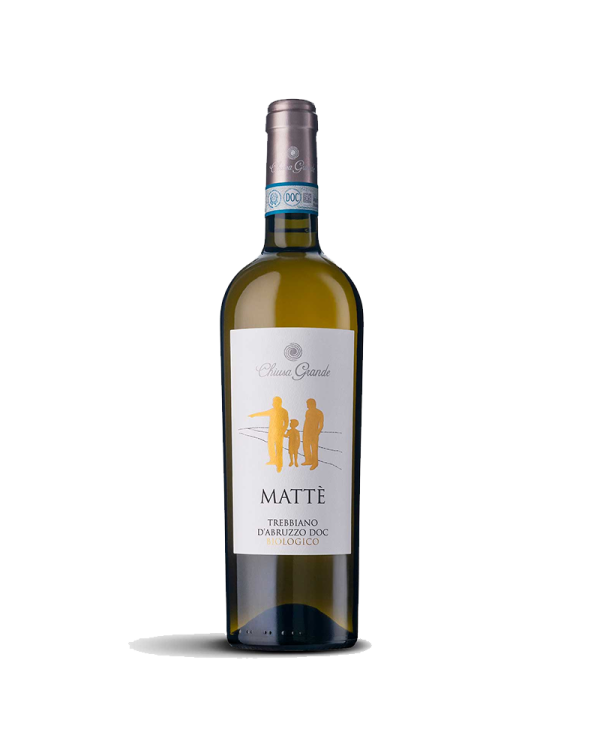
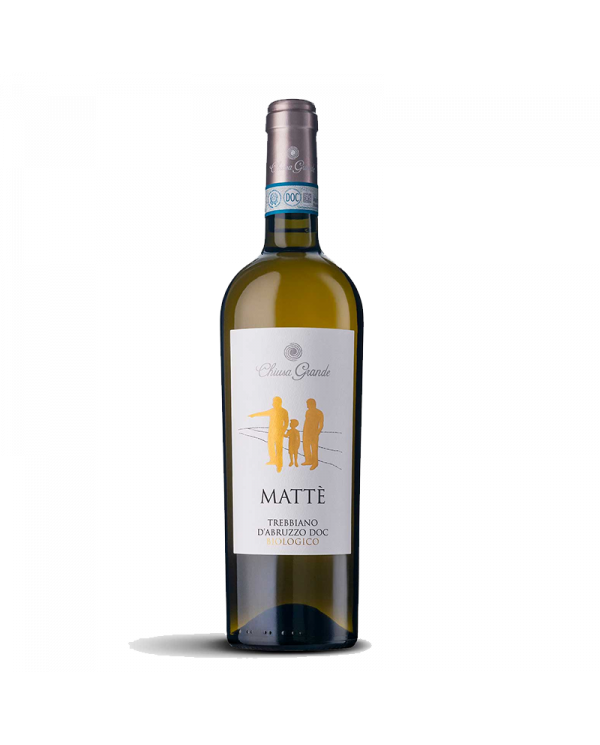
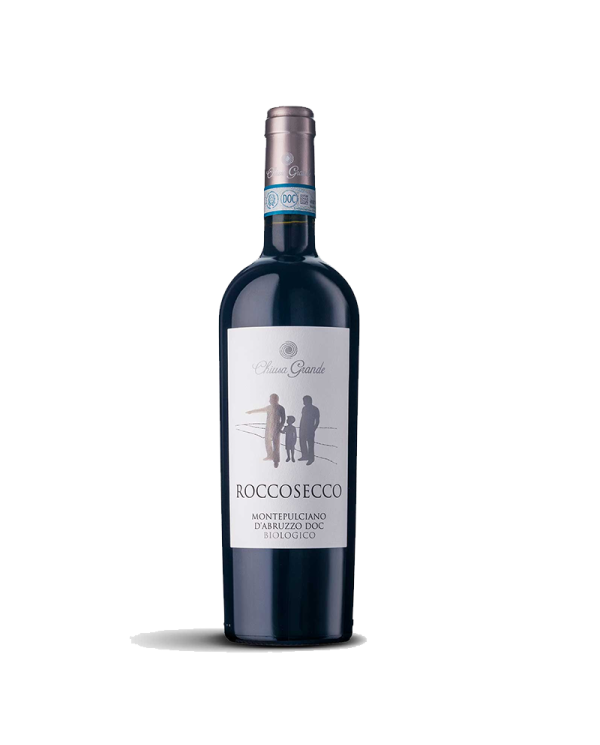
The Sagrantino vine, cultivated for centuries exclusively in Montefalco, seems to have been brought there from Asia Minor by the followers of S. Francesco.
The Riserva version of our Montefalco Rosso, vinified only in the best years with a long aging in large barrels. A blend based only on Sangiovese and the typical grape of Montefalco. In previous years, other red grape varieties were also used.
A young and lively interpretation of Umbrian Sangiovese, a wine that can be enjoyed throughout the meal thanks to its freshness and ease of drinking.
The Tonda Preview is an anticipation of what will be the Vigna Tonda, a cru that we will make with similar techniques but whose grapes will come exclusively from our “round vineyard”; a vineyard already present in the first map of the estate dated 1902, and which a few years ago we decided to replant in its characteristic circular shape following the features of this ancient design. Replanting still too recent to be able to consider ready the fruits for the wine we want to propose.
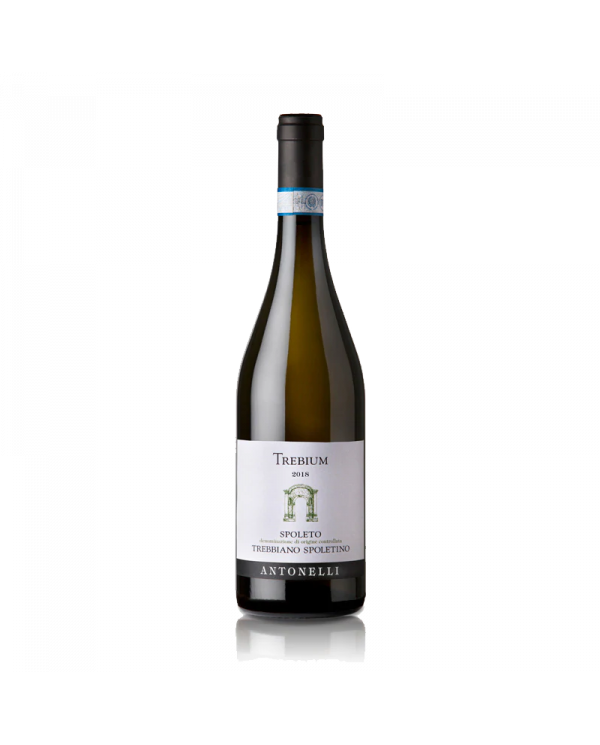
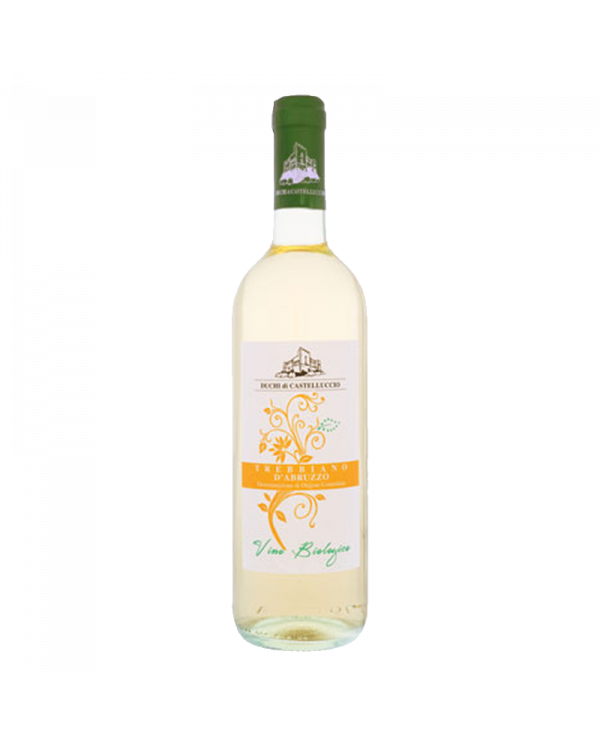
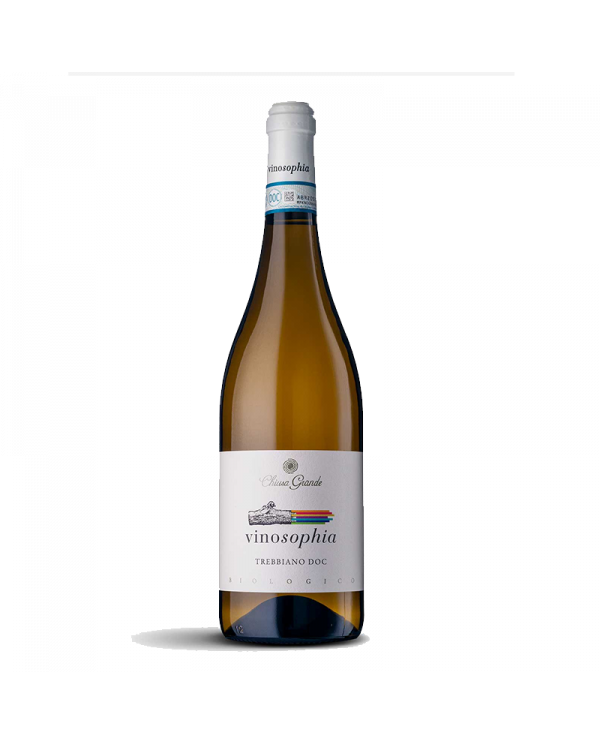
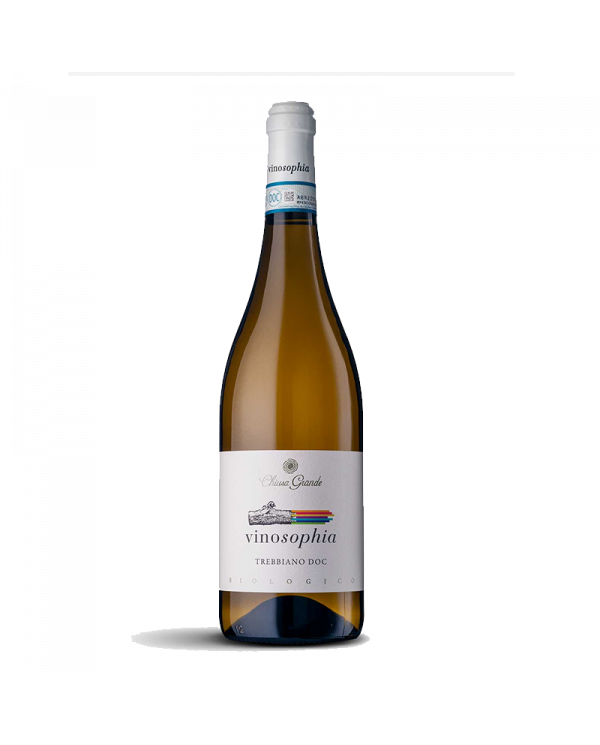
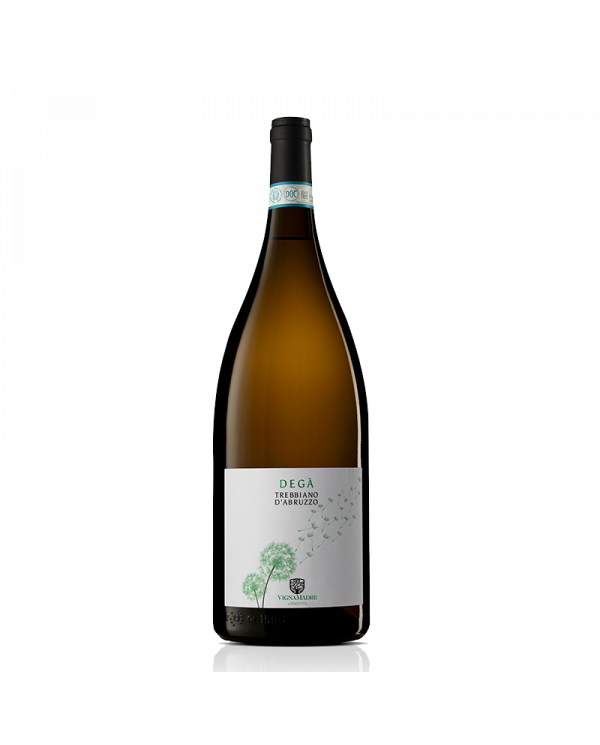
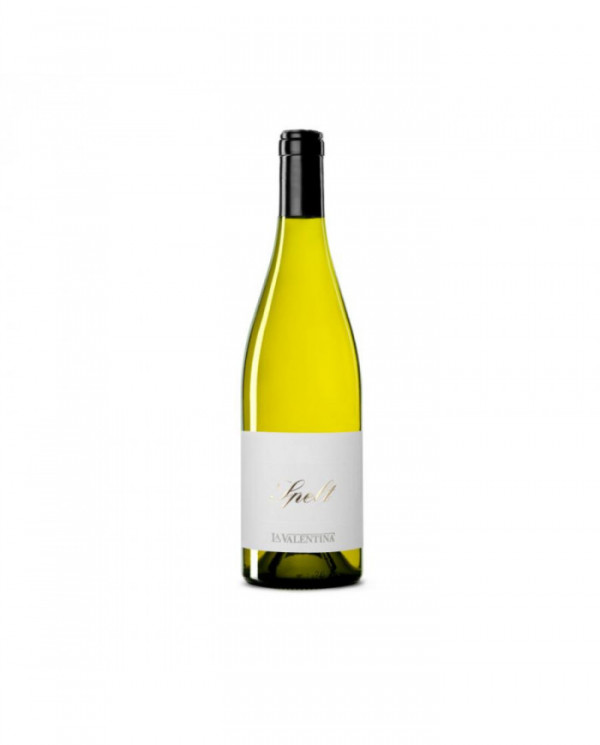
Trebbiano Spoletino is a typical variety of the territory that extends between Montefalco, Trevi and Spoleto; perhaps the name derives from “Trebium”, Trevi in Latin.
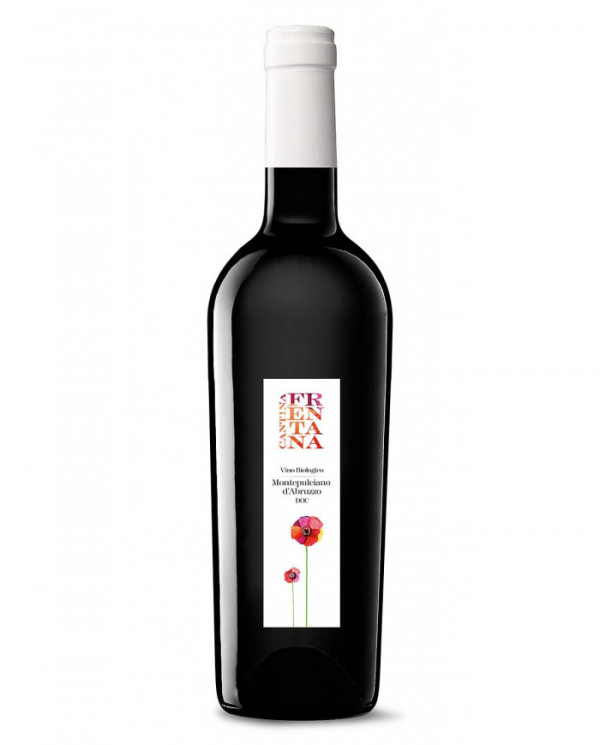
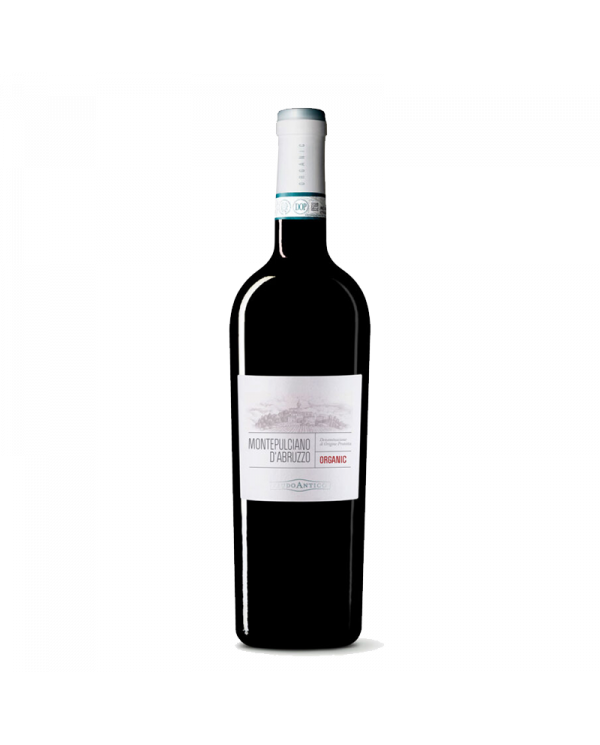
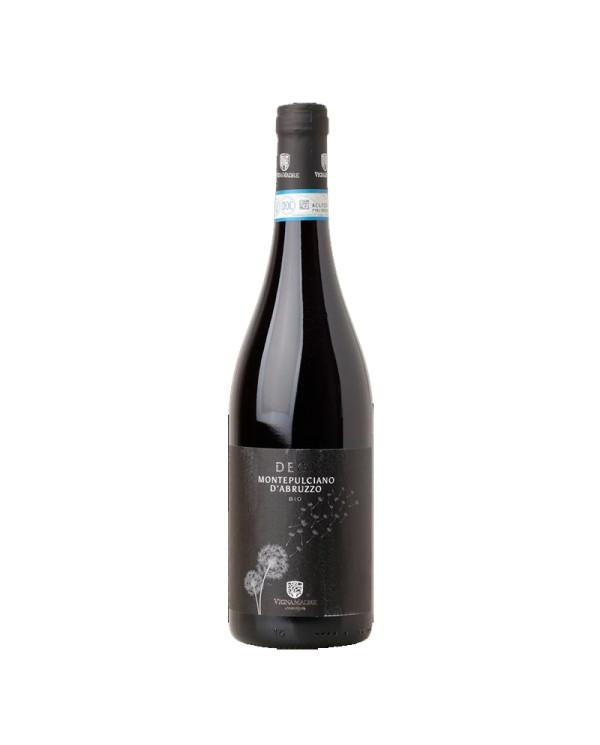
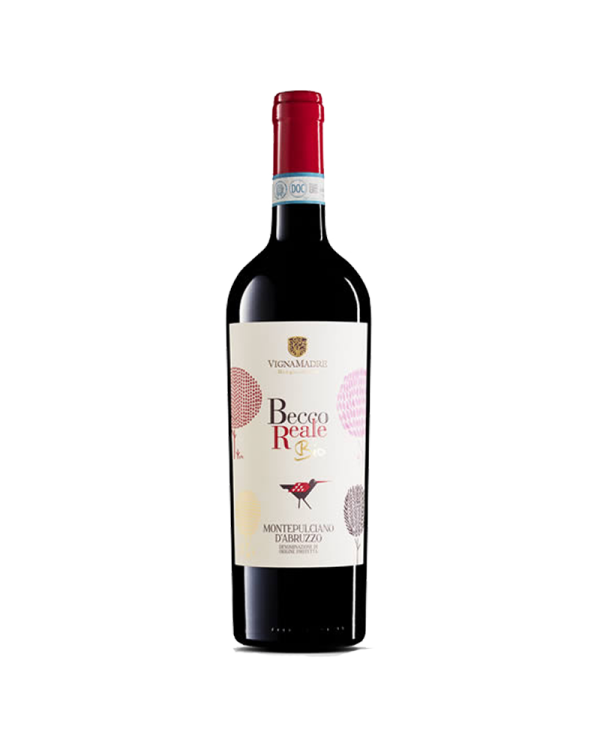
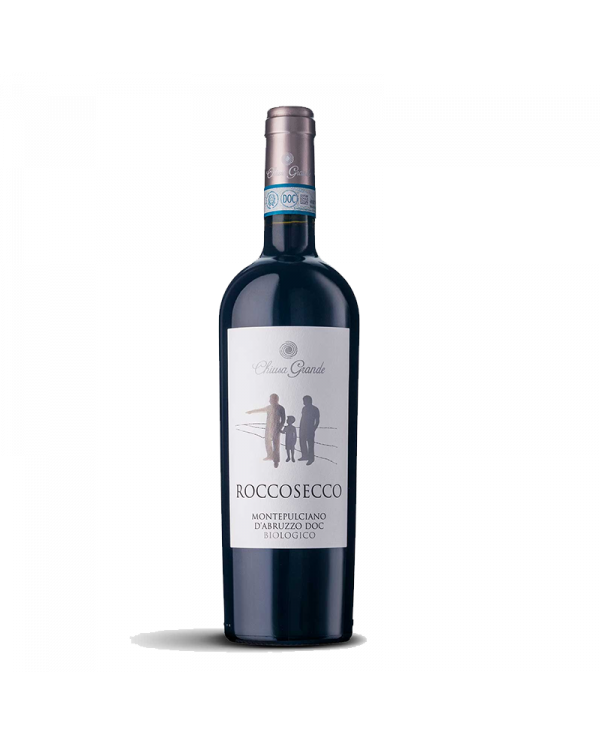
Montepulciano Strappelli doc 2019 is the latest addition to the Montepulciano labels, bottled this year for the first time after only aging in steel.
Our Montepulciano d'Abruzzo Strappelli docg comes from the traditional R7 clone of the Teramo Hills. It refines 75% in steel and 25% in French oak barrels of 3rd - 4th passage. In this way, the hints related to it will be softer and less predominant.
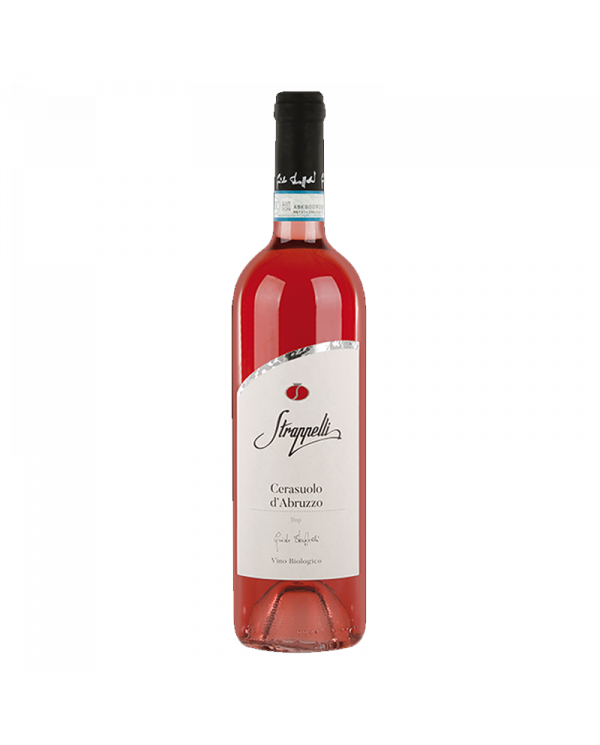
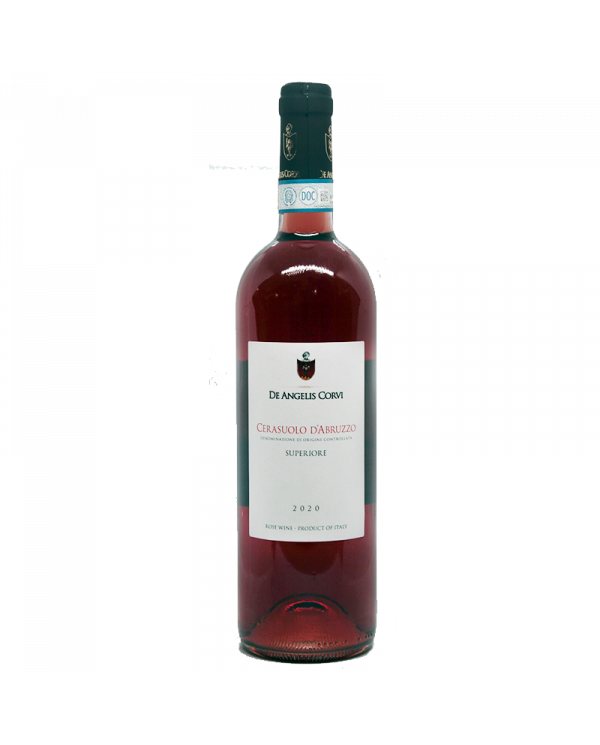
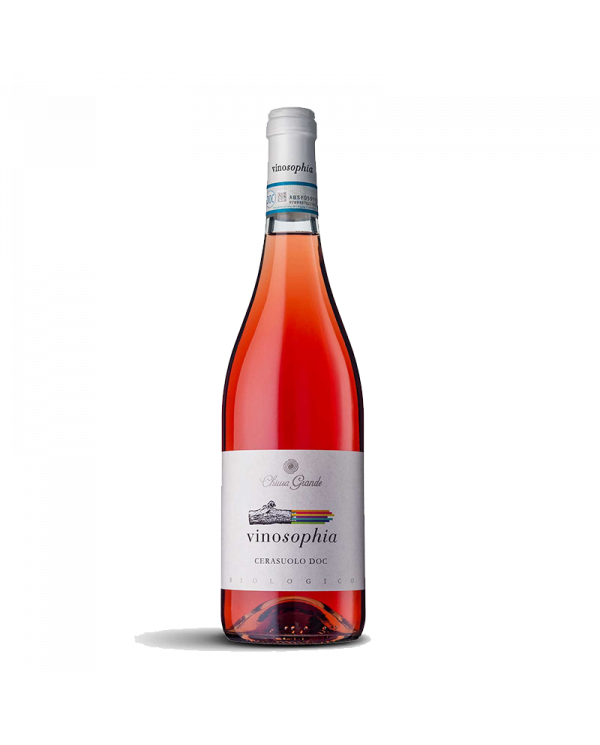
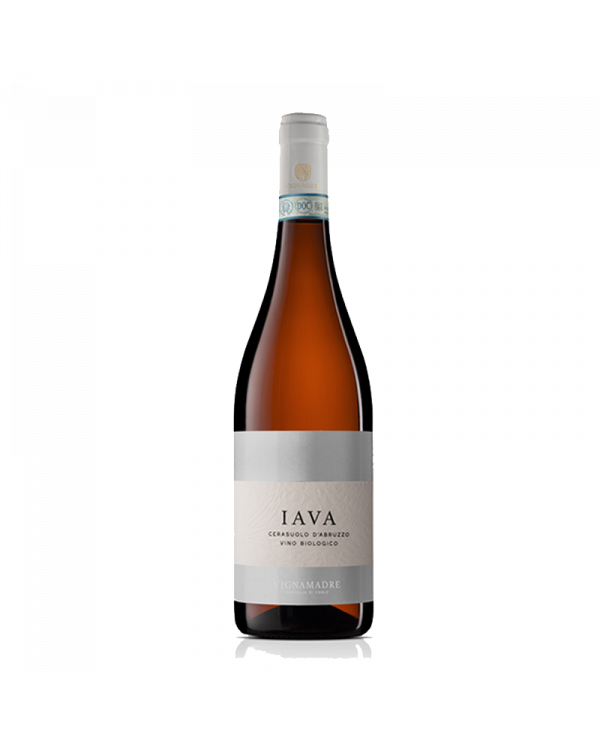
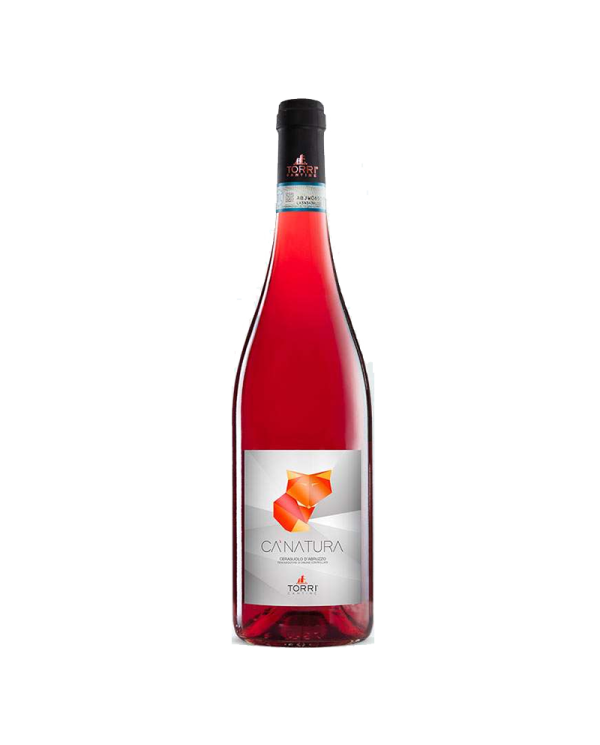
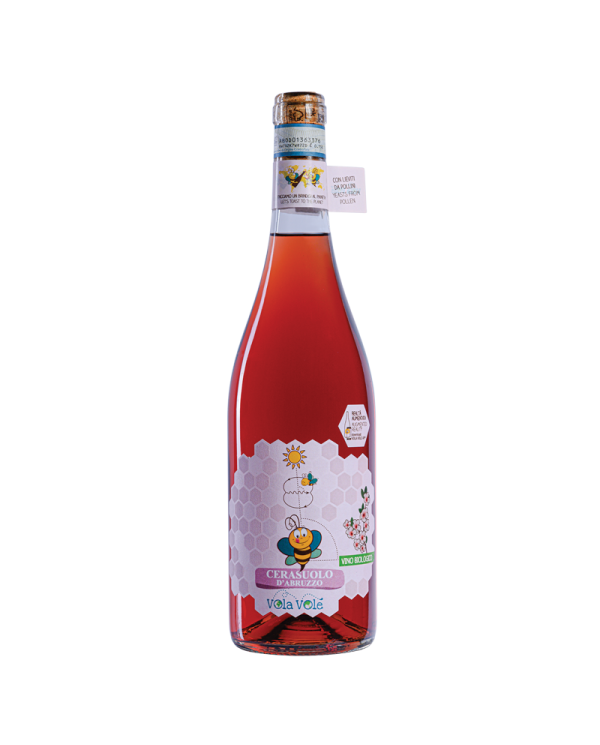
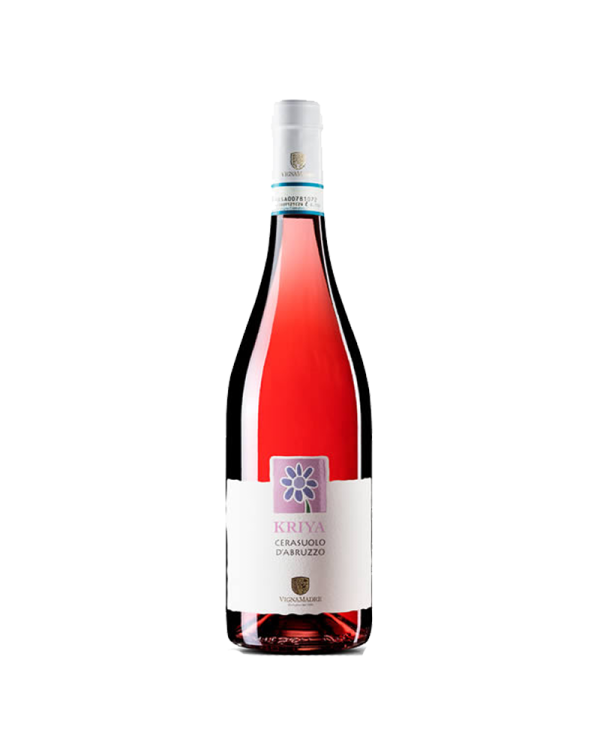
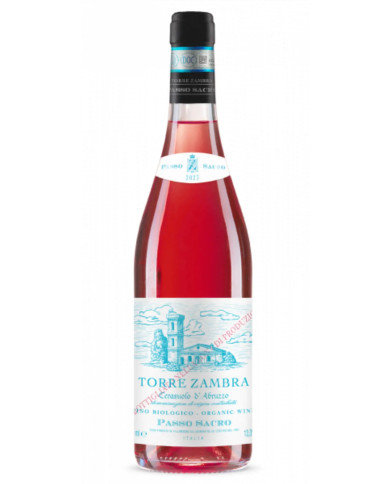
Our Cerasuolo d'Abruzzo comes from the traditional R7 clone of Montepulciano. The name of the wine is linked to its color: it derives in fact from the "cerasumà" which means cherry. This is obtained through a medium-long process of cryopreservation, during which the contact between the must and the skins gives the wine the bright cherry color.
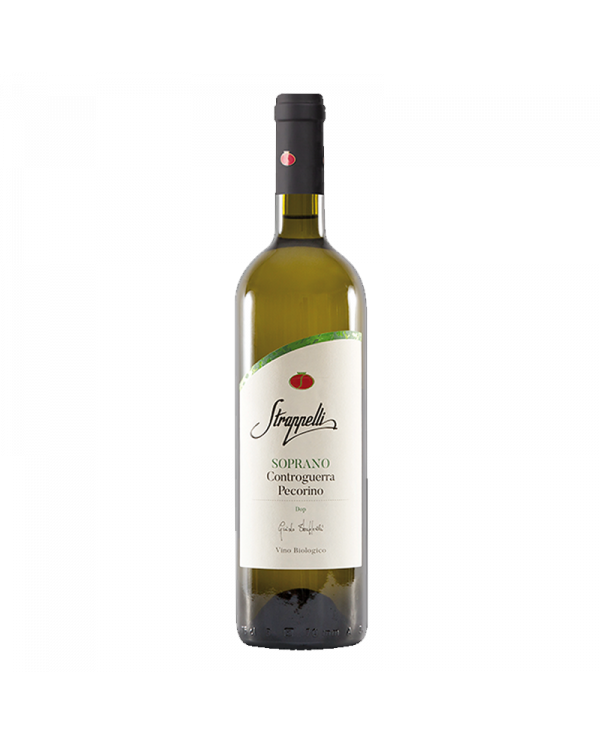
Our Pecorino Soprano Strappelli comes from a rather young vine of about 20 years. It is the earliest of the white vines; its harvest during the first week of September opens the dances of the grape harvest. The name Soprano was born to associate the strong voice of the Soprano with the strong character of Pecorino.
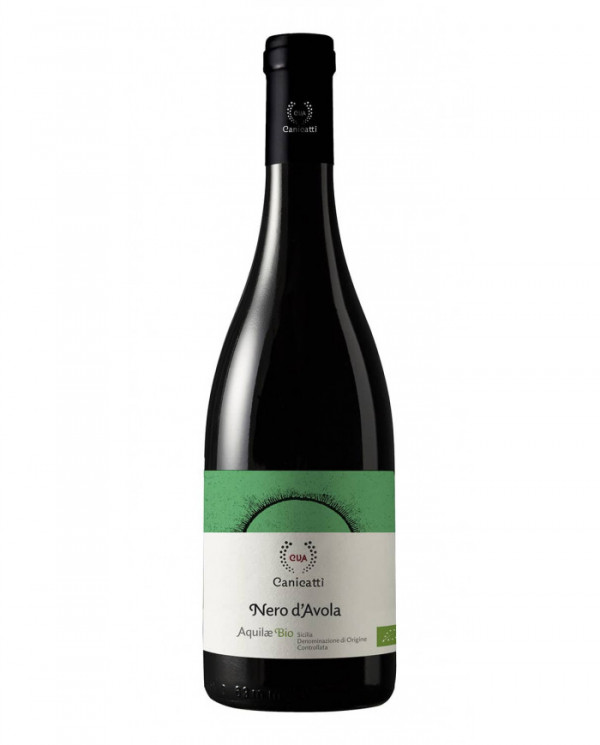
A natural and authentically healthy wine that lets you capture the authentic essence and great harmony expressed by the main grape variety of the Sicilian natives.
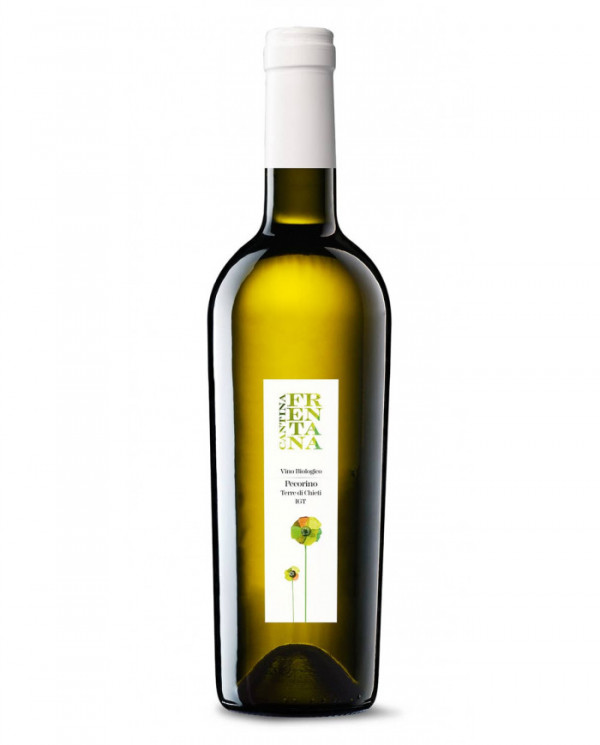
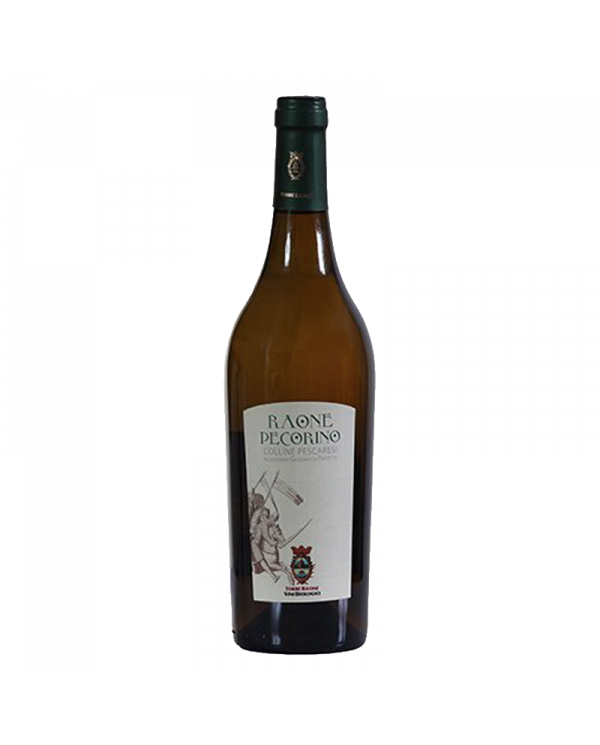
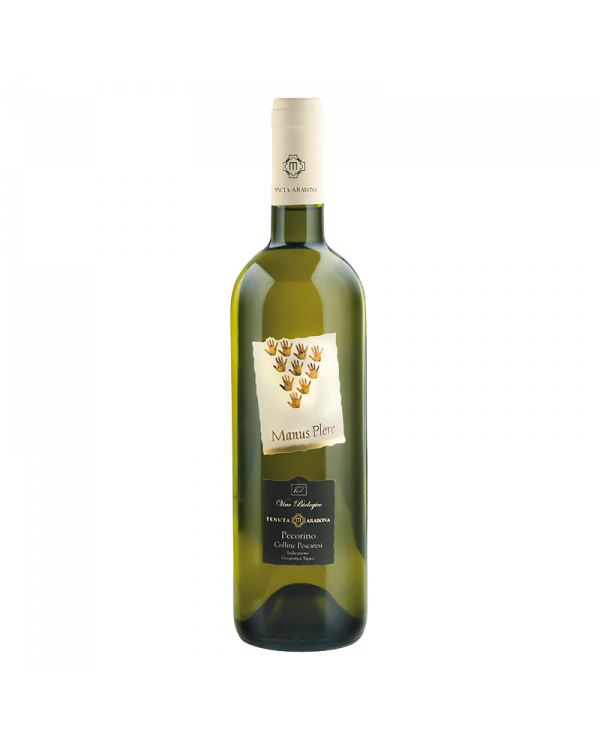
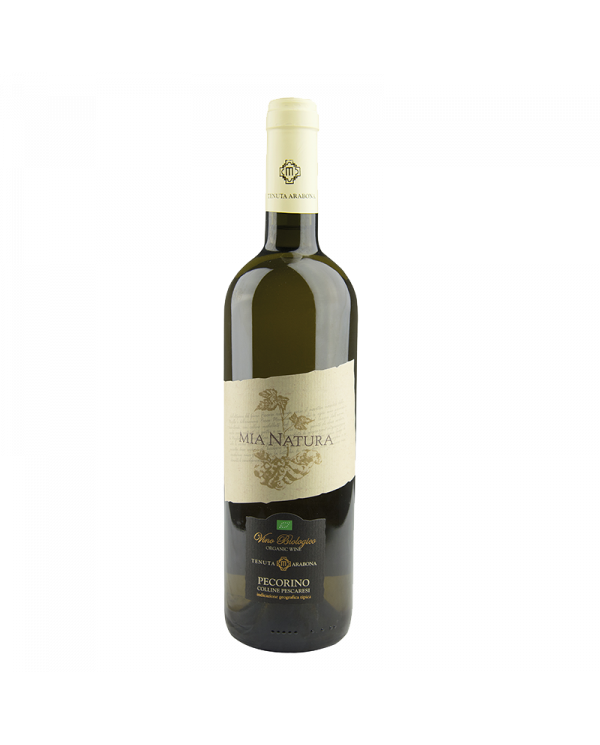
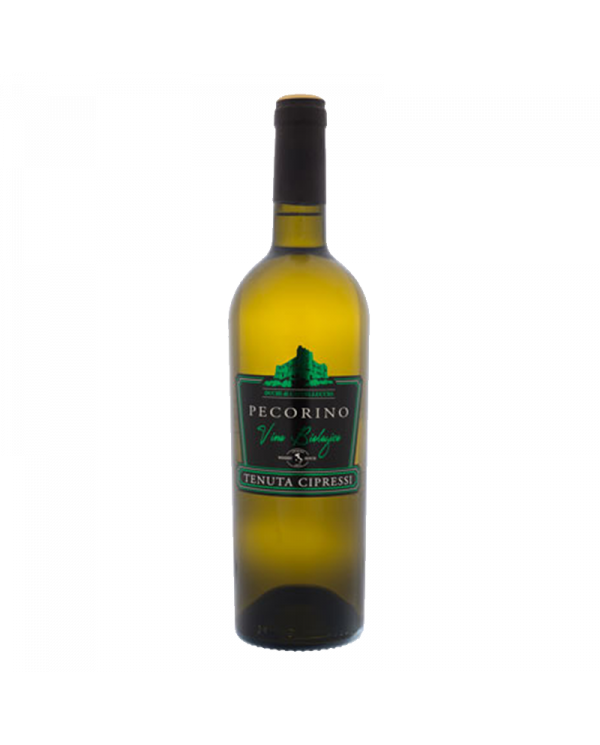
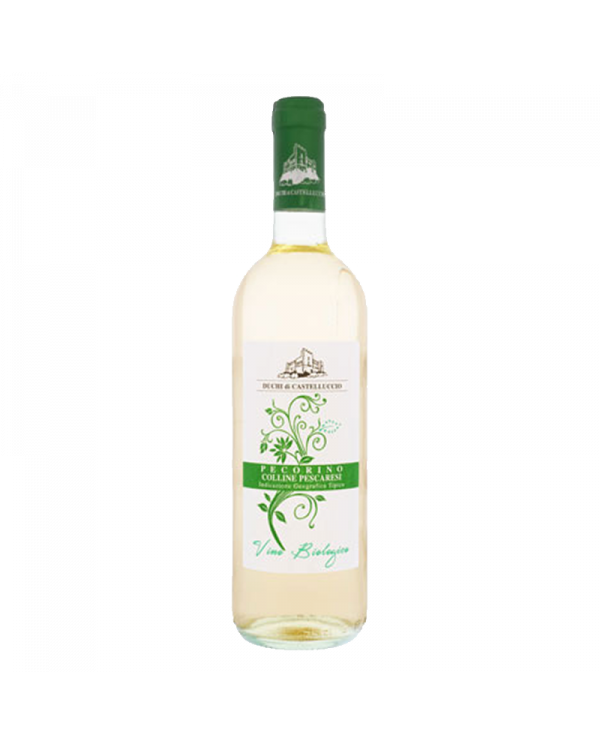
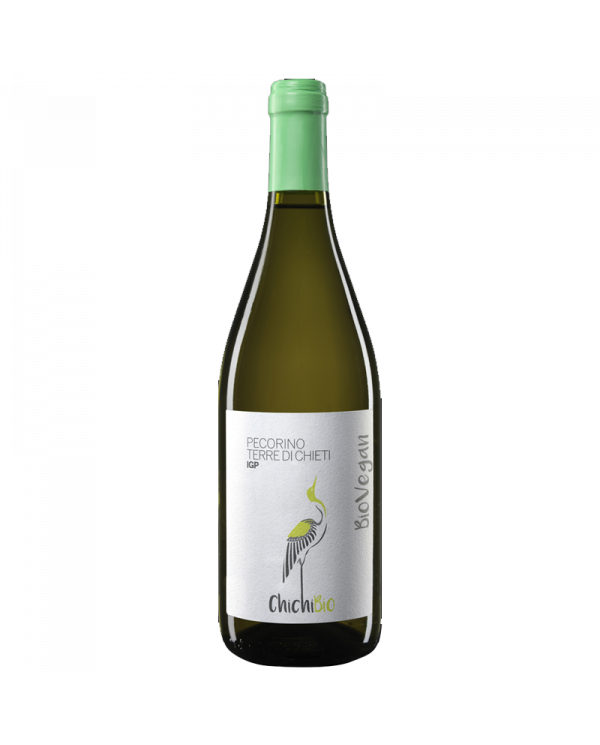
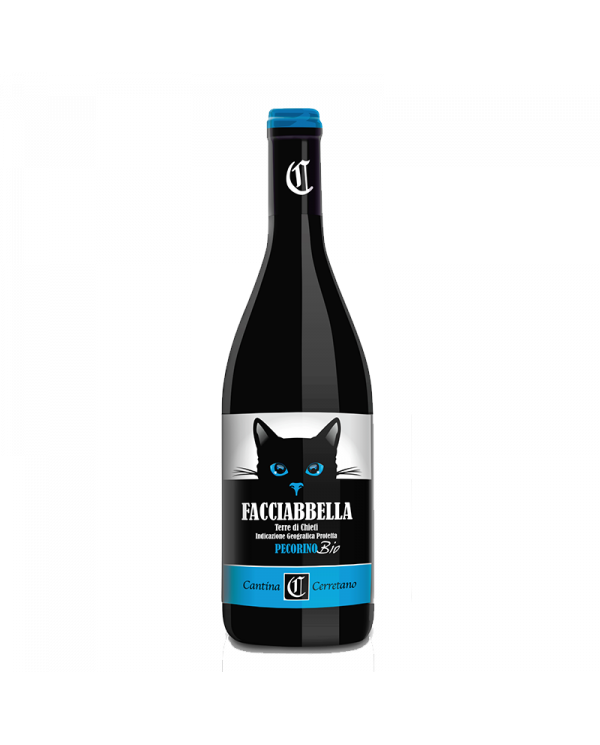
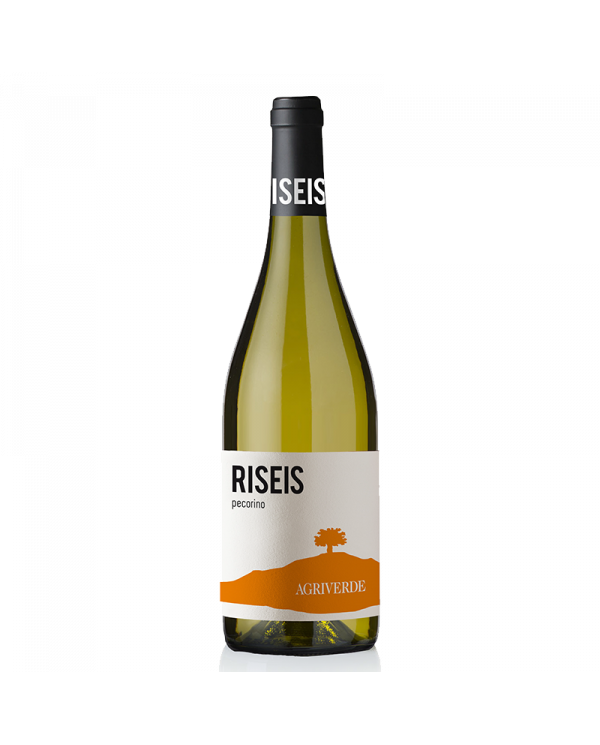
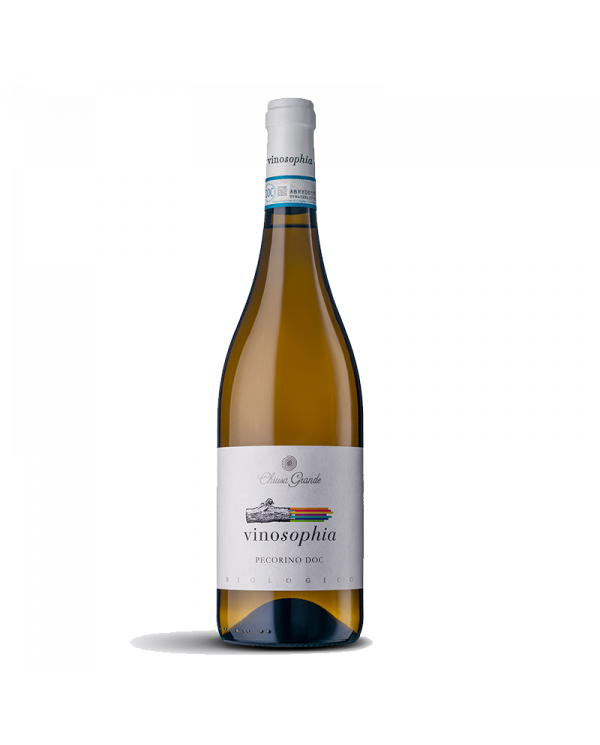
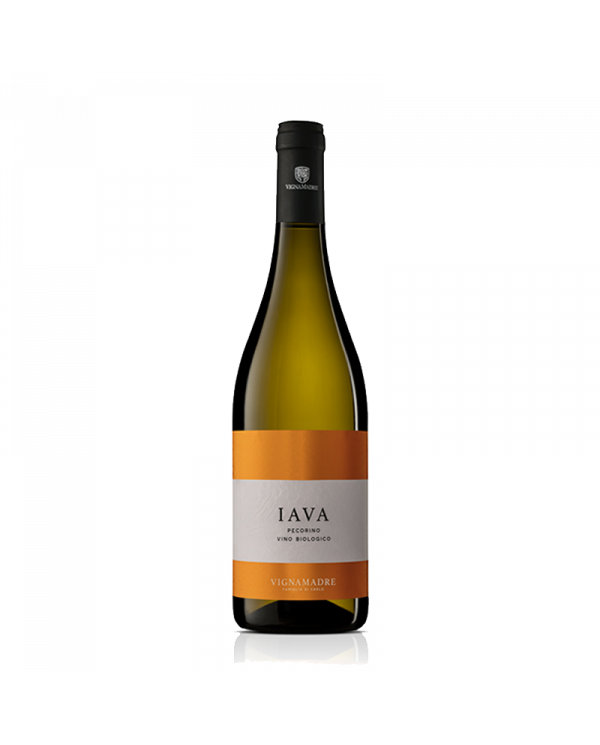
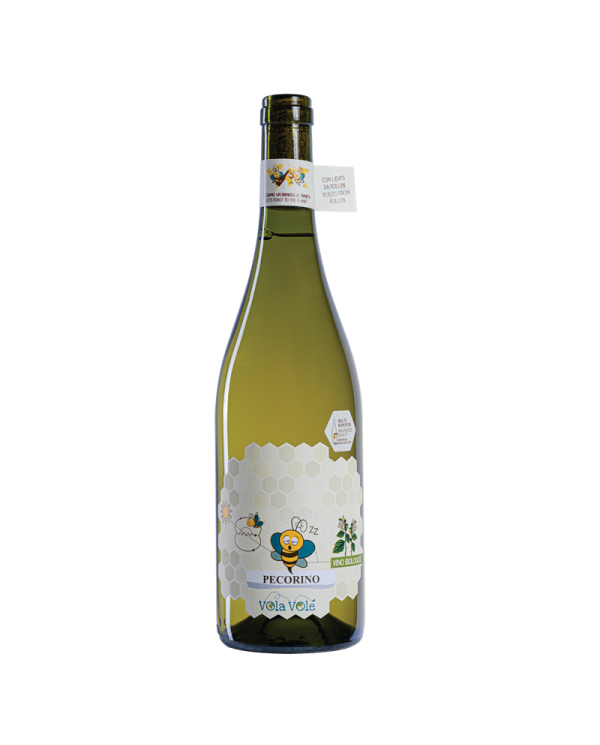
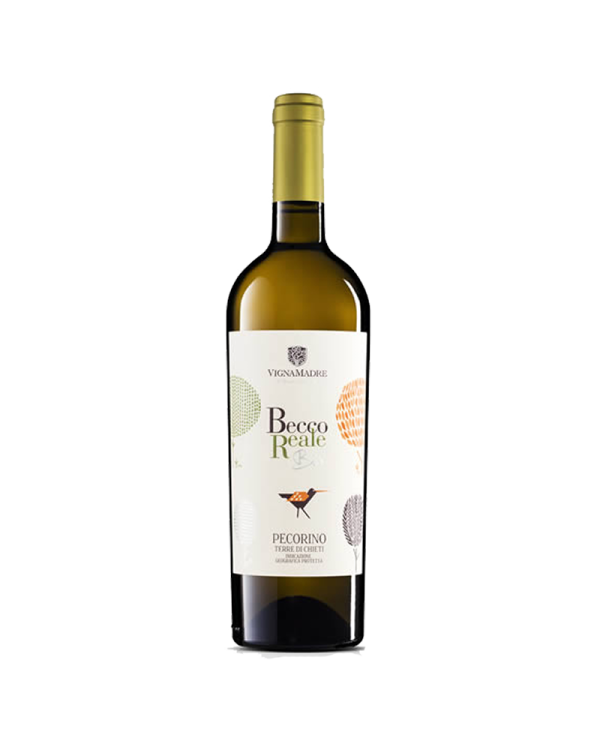
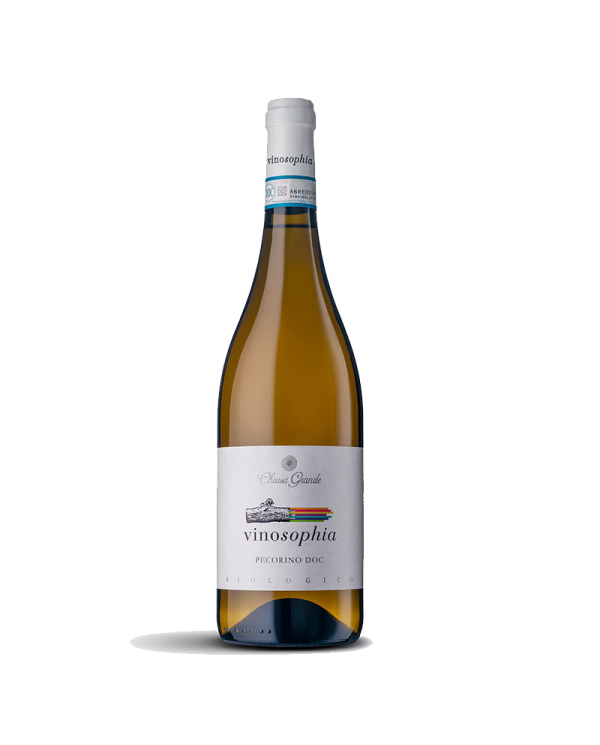
Among the most important autochthonous varieties of central Italy, that of our Pecorino Bio fully expresses respect for the land and its nature. A white that is left to mature in steel to obtain the richness of fruit and minerals as well as the freshness that distinguish it. Versatile and excellent to accompany both seafood dishes and white meat dishes.
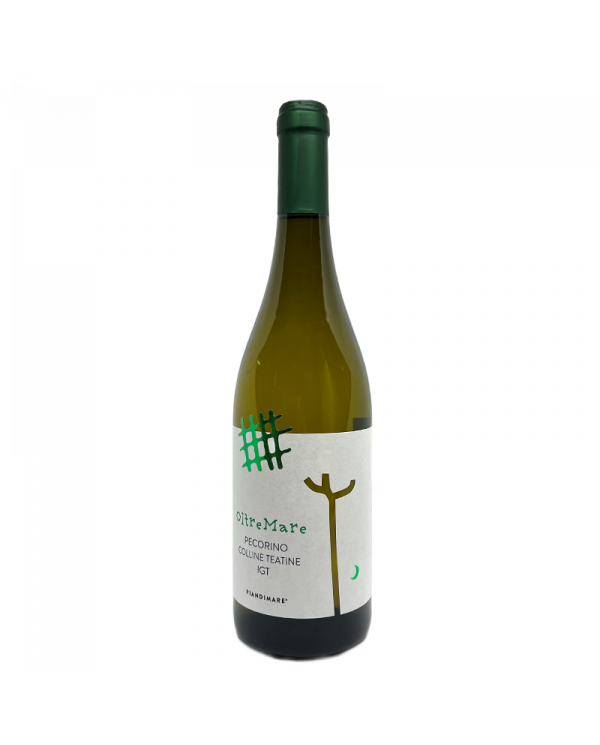
We now have the new Piandimare white wine. Despite the strong vocation for red wines, after the experience with rosés, our cellar proves to be a great interpreter of the territory even with white berried grapes such as Pecorino, a typical Abruzzo vine. Pecorino grapes are harvested in the early hours of the morning , during the second ten days of September. The grapes are softly pressed and then fermented at a controlled temperature in steel tanks.On the nose our Pecorino opens with great aromas of white peach, pear, pineapple, fuji apple and acacia flowers. It is perfect for an elegant aperitif with a selection of soft and semi-soft cheeses accompanied by spicy vegetables.
Food and wine recommendations: Pasta dishes and dishes based on red meats, boiled meats and medium-aged cheeses.
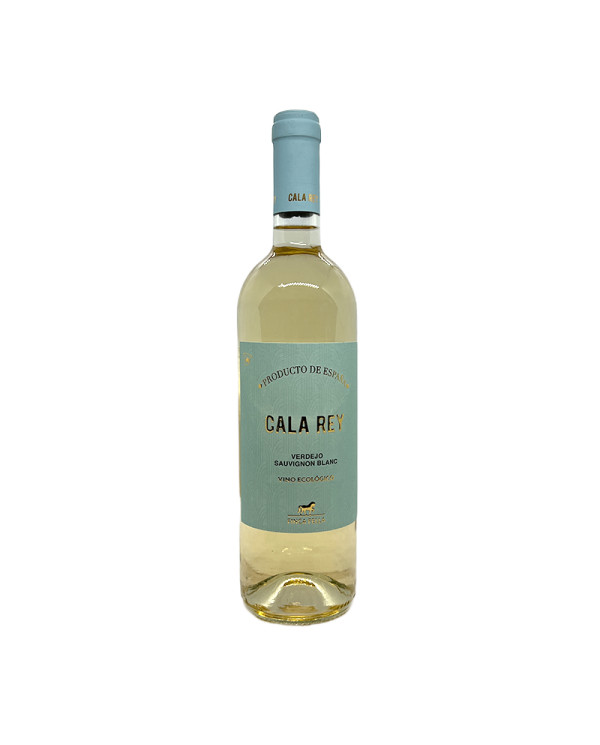
- Production Area: Alpera Albacete (Spain)
- Grape variety: Verdejo Sauvignon Blanc
- Color: White
- Serving temperature: 10-12 ° C
Obtained from the white vinification of Montepulciano grapes, with a selection of the ripest bunches in an early harvest. It is characterized by a particular balance between the hard and soft parts, obtained thanks to the great work in the vineyard and subsequently in the cellar through the use of modern equipment. 13% vol.
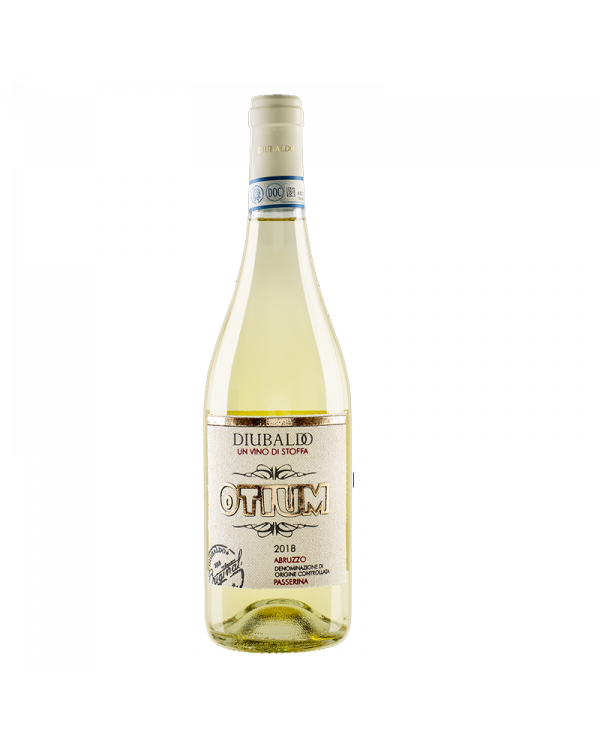
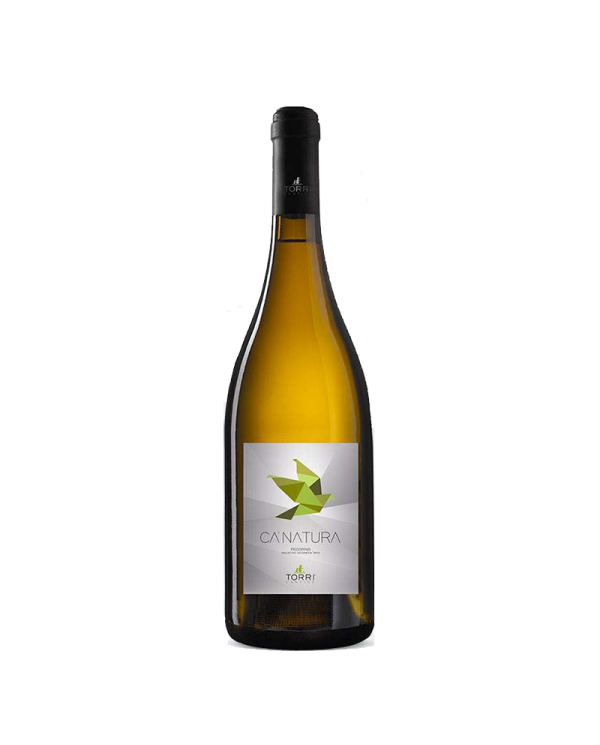
Ancient vine grown in the central Italy belt. The resulting wine is pale straw yellow in color. On the nose it is intense and elegant with floral scents, notes of white pulp fruit and delicate spicy hints. In the mouth it opens on a pleasant consistency with a slightly acidic structure that gives integrated freshness to a round finish that preserves sweet fruity nuances. Ideal pairing with fish-based dishes, or fresh pasta cheeses.
Straw yellow with a good load of color to the eye. The nose is clean and punctual, characterized by fruity hints of apricot, pear and tropical fruit, then completed by chalky and floral nuances of chamomile. Savory and fresh on the palate, with good balance and good length.
Perfect to accompany seafood cuisine, it is excellent to be paired with pan-fried mullets.
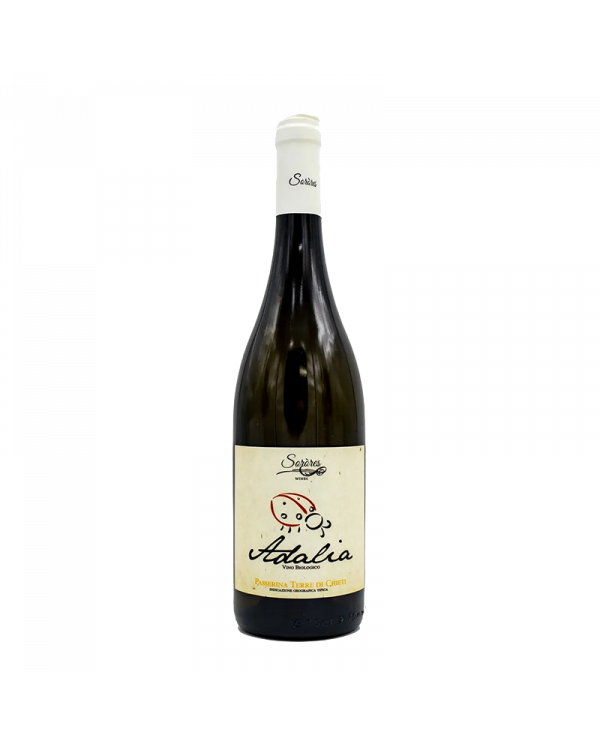
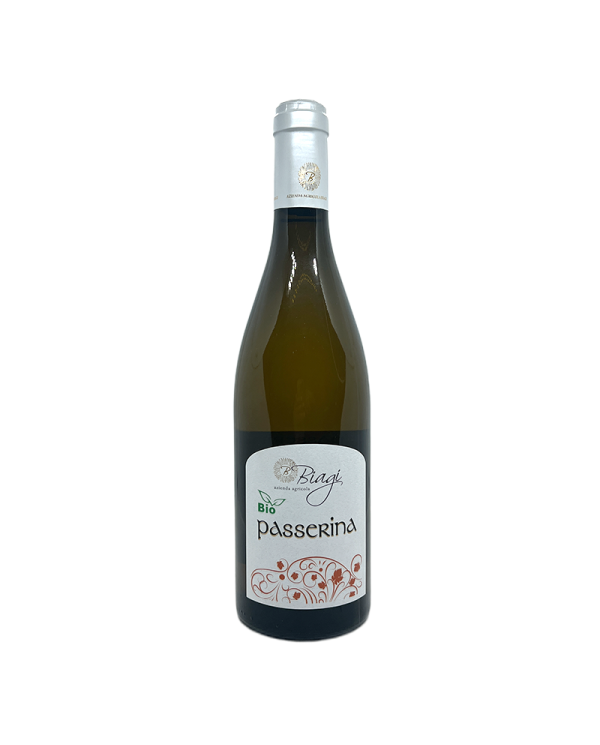
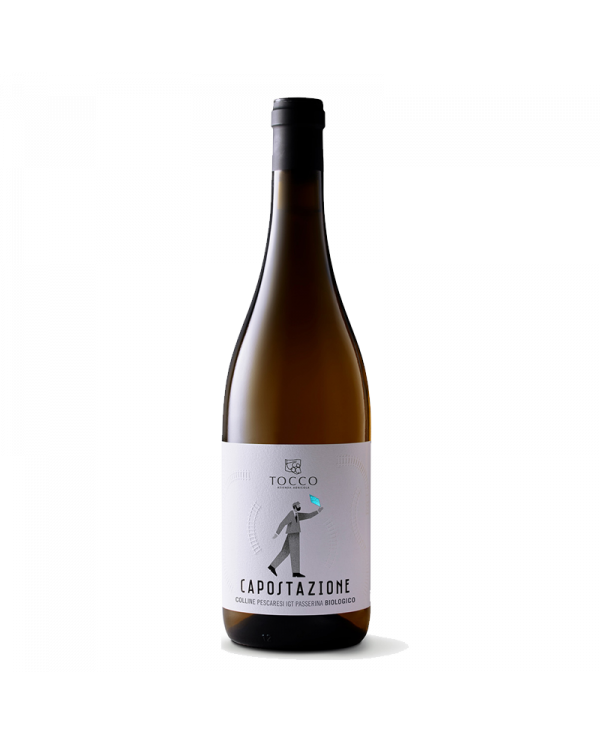
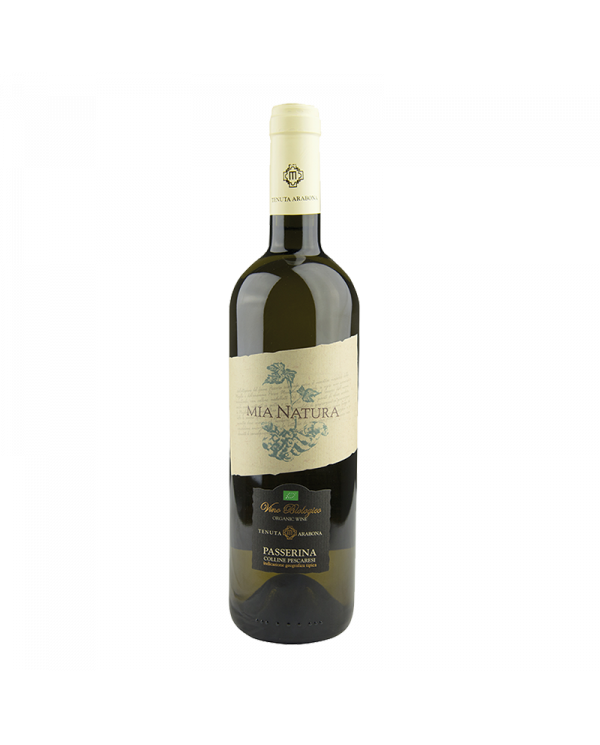
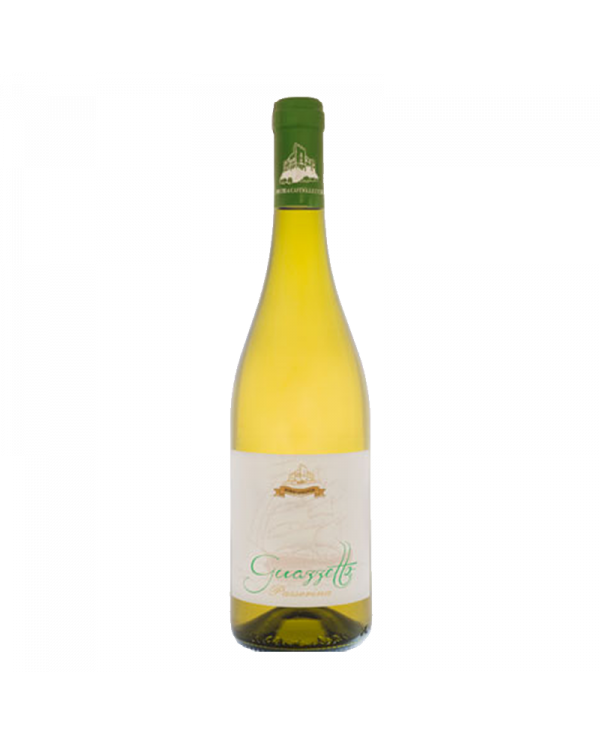
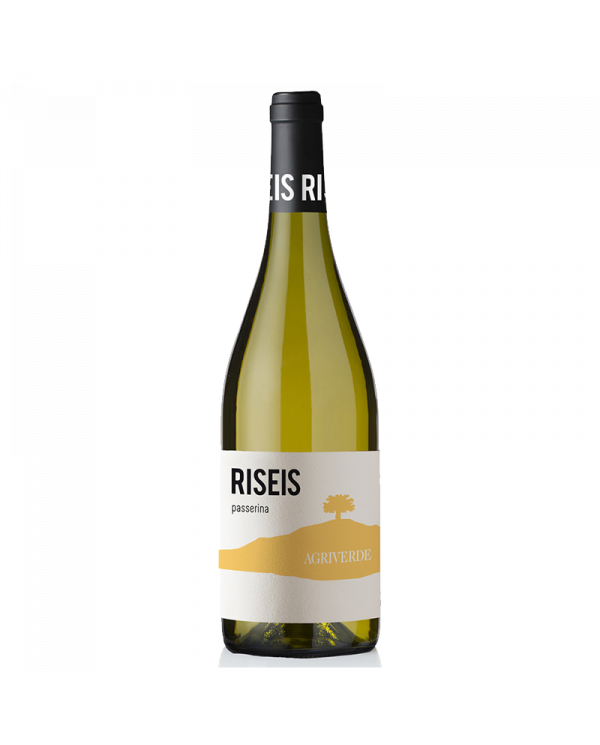
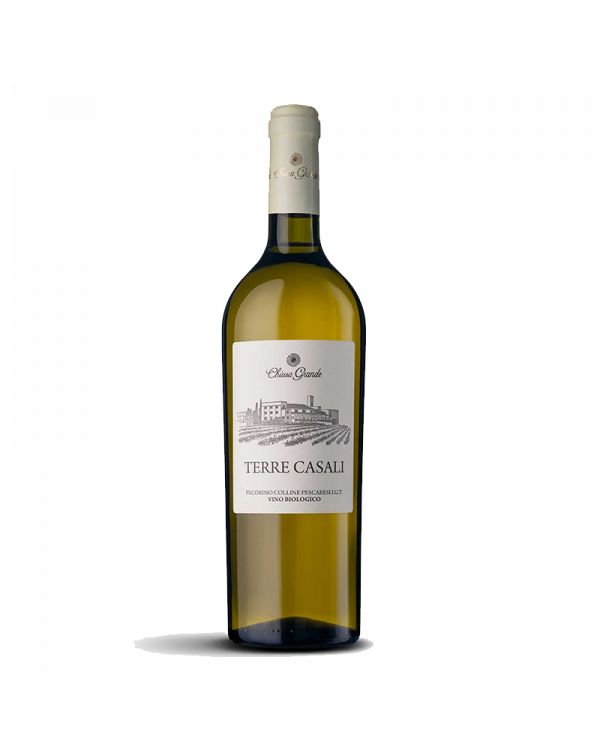
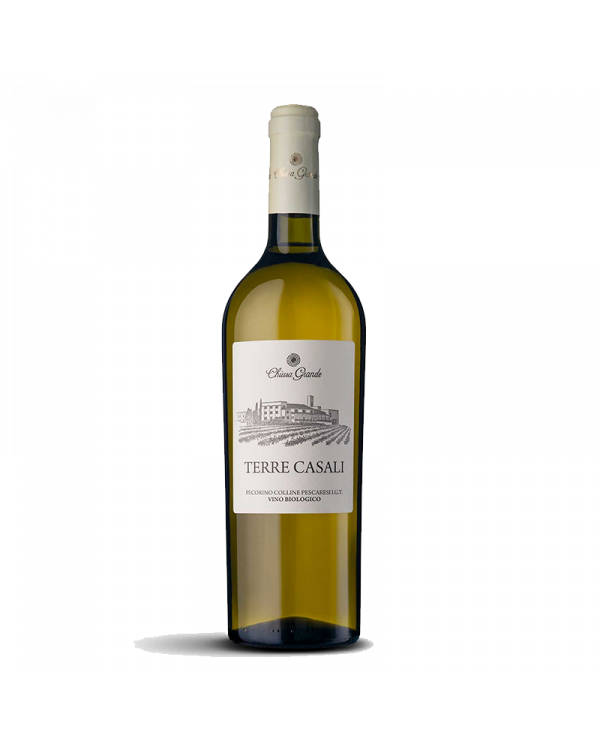
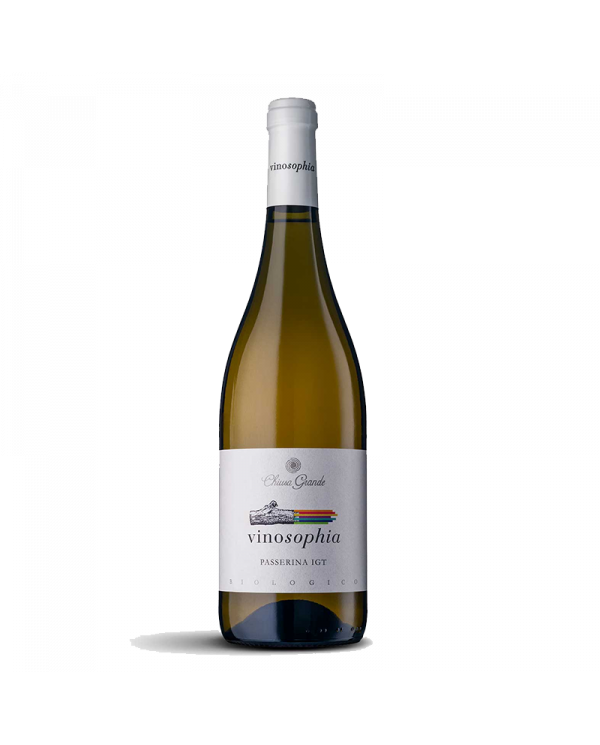
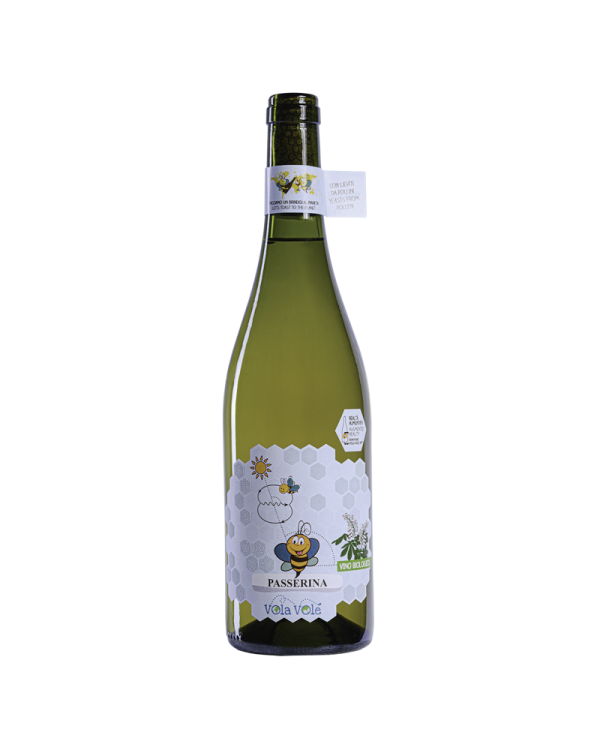
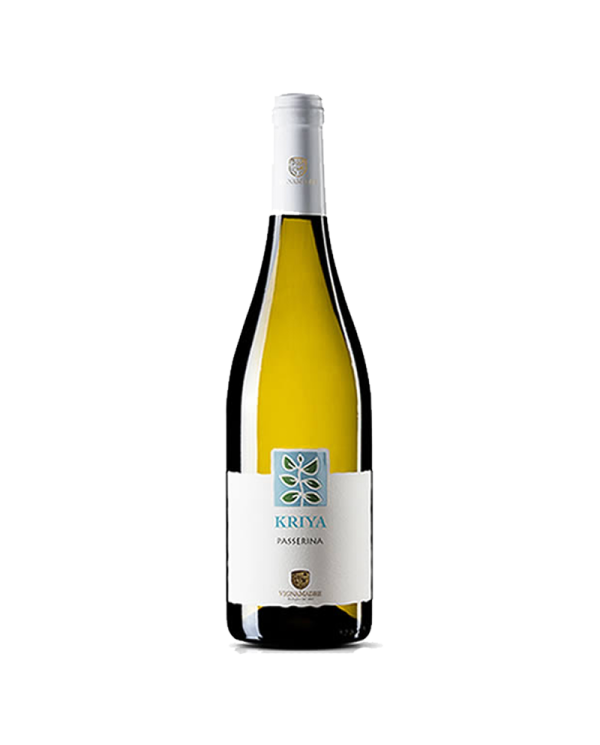
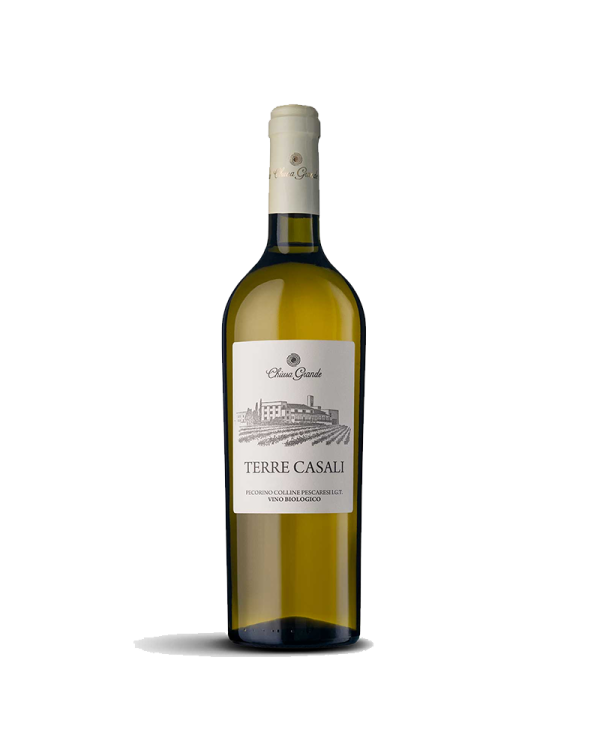
Stationmaster Passerina IGT Colline Pescaresi, an organic wine with a pale straw yellow color with greenish reflections. The nose is consistent with predominant floral scents and mineral and herbaceous notes. The flavor is soft, fresh, savory and balanced. Excellent match for fish dishes and creamy cheeses.
The whole bunches are sent to the pneumatic press and the must is fermented with its indigenous yeasts at a low temperature (12-14 ° C) in stainless steel tanks for about 30 days. The refinement takes place in steel tanks and, subsequently, in the bottle. At tasting it has a straw yellow color. Intense aroma with hints of broom, white pulp fruit, and ethereal. Fresh, intense, savory and full-bodied taste. Excellent to accompany an elaborate seafood cuisine, medium-aged cheeses, structured first courses, white meats.
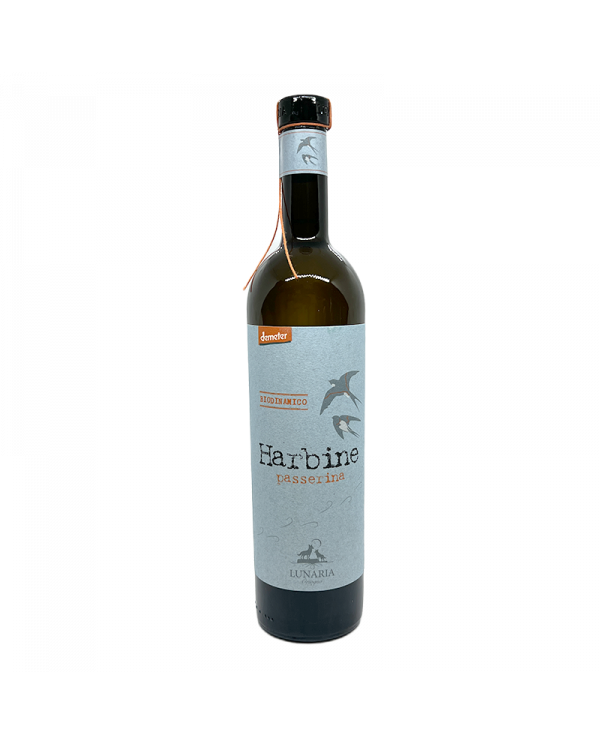
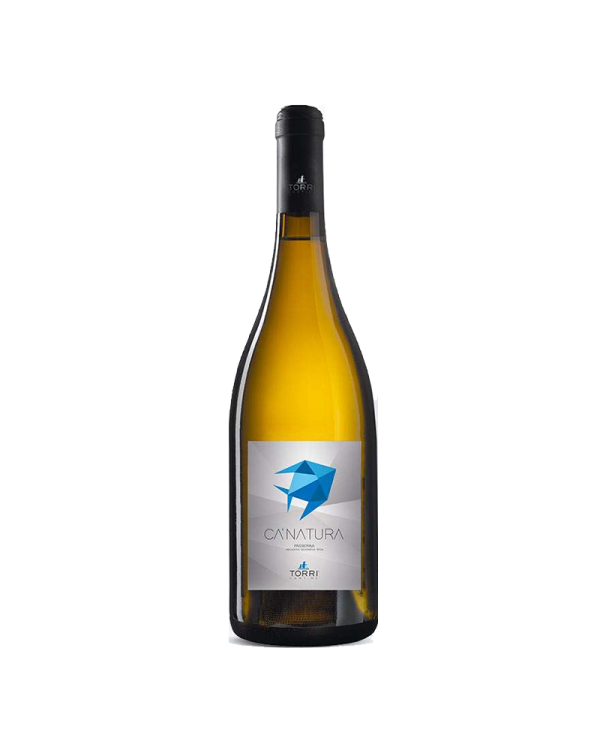
Dedicated by "Lu Harbin", the wind that sailors hear and decipher, to a tireless traveling companion.
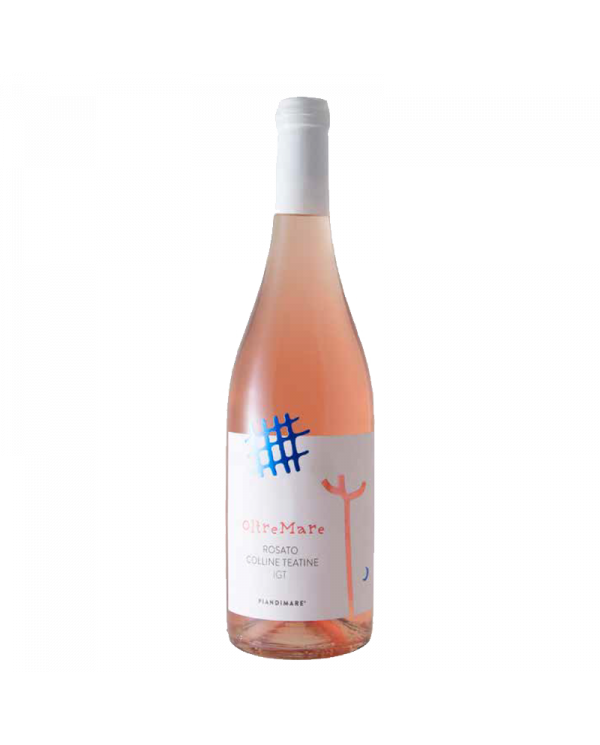
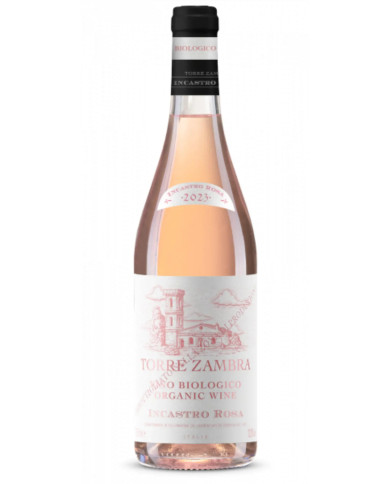
Red berried grapes of the territory, harvested and pressed immediately without maceration. Vinified at low temperature. After vinification, the wine ages for 6 months in steel in order to harmonize and enhance its varietal aroma characterized by aromas of pink petal flowers, banana, pineapple, pear, wild strawberry and wild cherry. Pale pink color, on the palate it is fresh, elegant and with a pleasant finish. The pleasant salty note gives a lean and refreshing drink. Unmissable during summer aperitifs based on local butchery, it is a wine that calls one bottle after another and invites to a convivial sharing. Perfect as an aperitif, it goes well with raw seafood dishes and fried Adriatic paranza
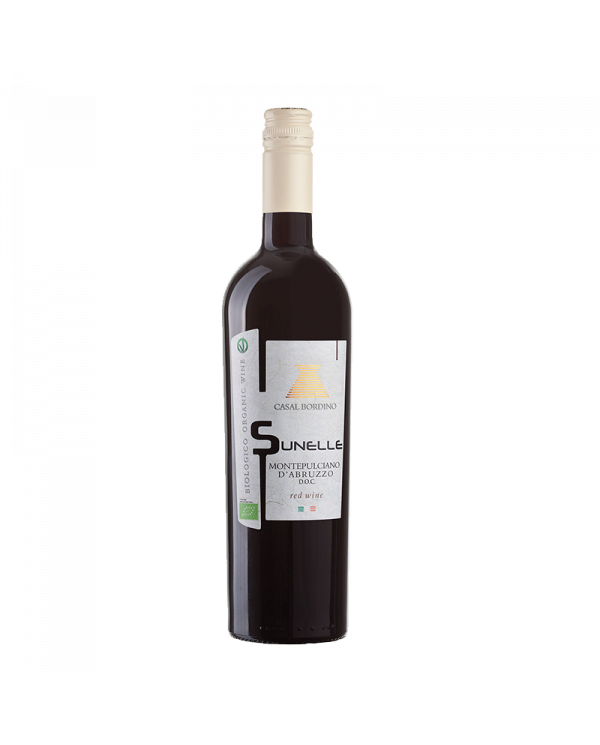
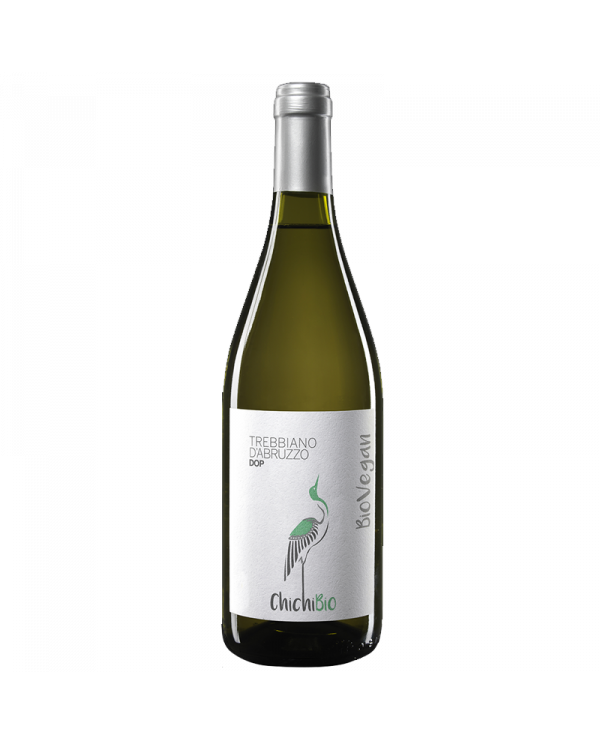
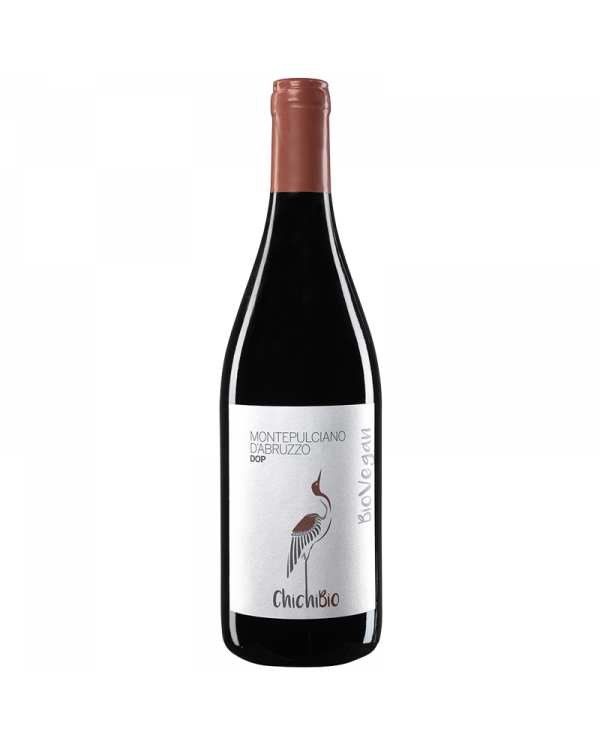
Montepulciano d'Abruzzo DOP Chichibio is a vegan organic wine, which maintains all the characteristics of traditional wines, but produced with processes that exclude the use of any substance of animal origin, respecting the dictates of vegan nutrition and obtaining the biovegan certification. The Chichibio line is made up of bottles of organic wine and is part of the line of organic vegan wines marked by environmental sustainability, which highlight the close link between the Codice Citra and Abruzzo through collaboration with the Abruzzo Lazio National Park and Molise.
The olfactory whole is highly refined, with fruity accents of ripe peach and apricot, hints of tarragon, sage and hints of iodized notes.
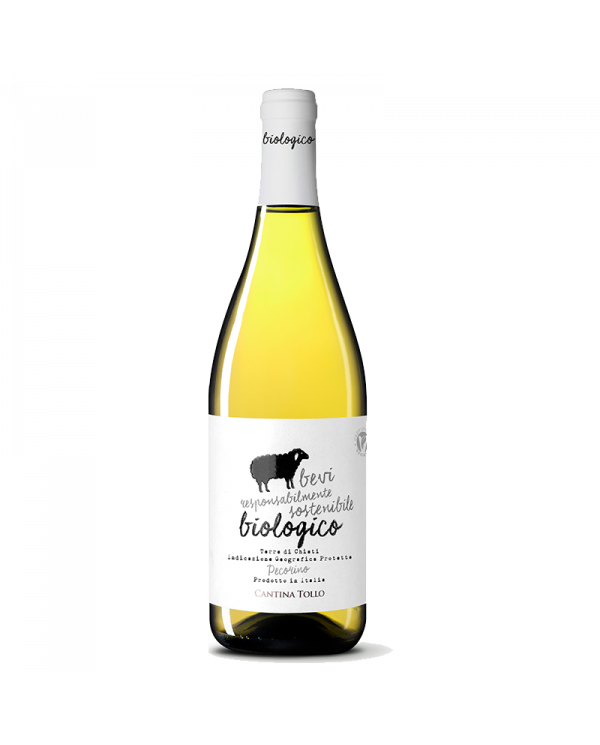
Company : Cantina Tollo region : Abruzzo (Italy) Name : Terre di Chieti IGT (PGI) Vegan Type : white, dry, still Variety : Pecorino 100% Alcoholic content : 13% Year : 2021 Format: 750 ml
Straw yellow with golden reflections. The nose is fine and fruity with hints of peach, sage, broom flowers and hawthorn hints of balsamic herbs that leave room for a nice herbaceous note. In the mouth, exceptional aromatic correspondence, fresh and fruity white peach with a savory finish. Food pairings: crudités, chitarrina with lobster, seafood risotto and cheeses.
No completely explicit sign is fascinating. Seduction is the space between what is shown and what is left to be imagined and slowly savored, sip after sip. It is a Red… garnet like the emotion drawn on the cheeks, distinctly fruity, with hints of spices and licorice. It helps those who want to seduce, seduces those who think they know how to do it.
Soft like the shy, exuberant like the naive, seductive like the veteran. Cerasuolo with intriguing hints of cherry and almond. Its sweet sapidity enters with delicacy until it touches, in depth, the most daring memories.
This Abruzzese native has the solid roots of the sage, the obstinate character of the winemaker, the body of the dreamer, flexible like the vine, from the Latin viere which means precisely to bend. Jasmine and honey will smile at your delicate soul. Sage and citrus will converse with your restless spirit.
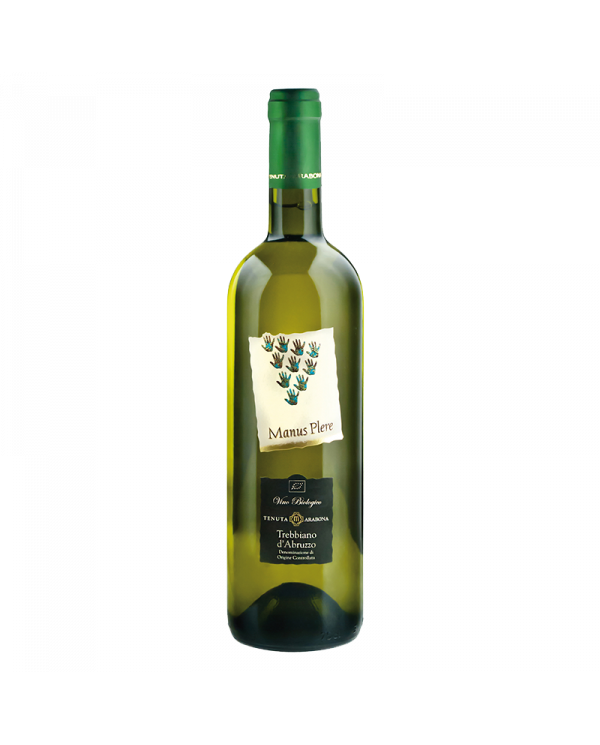
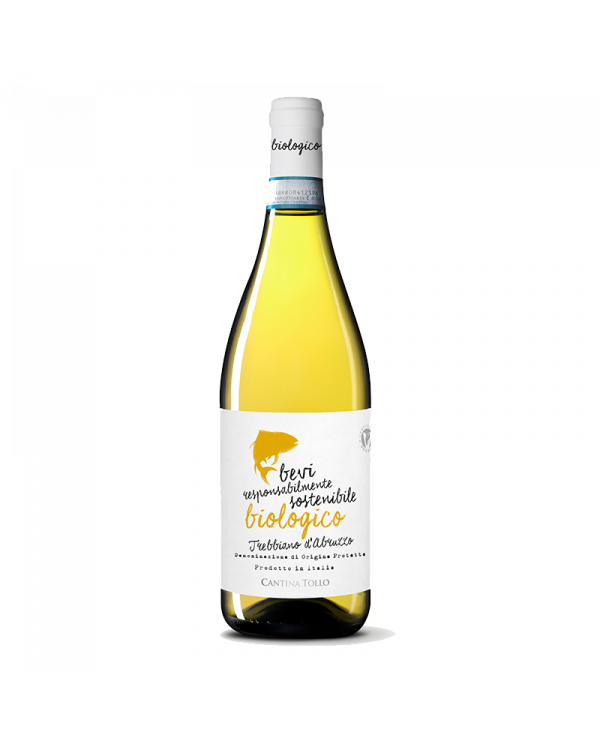
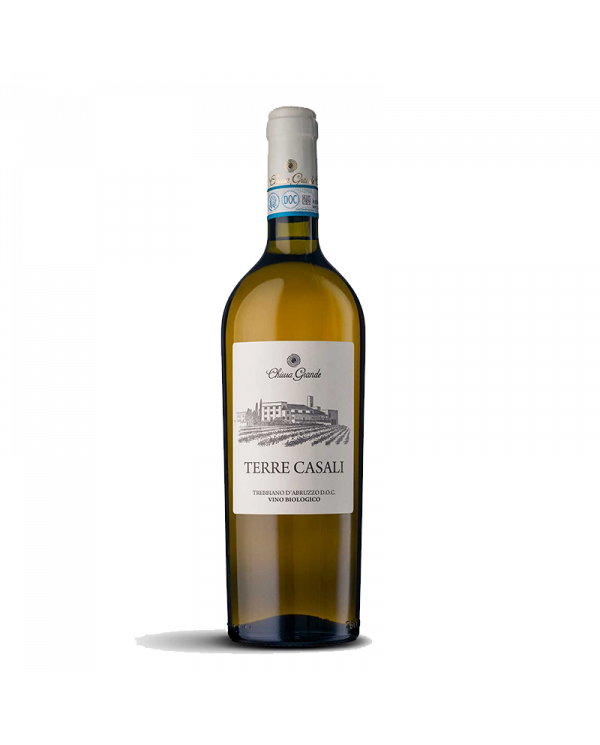
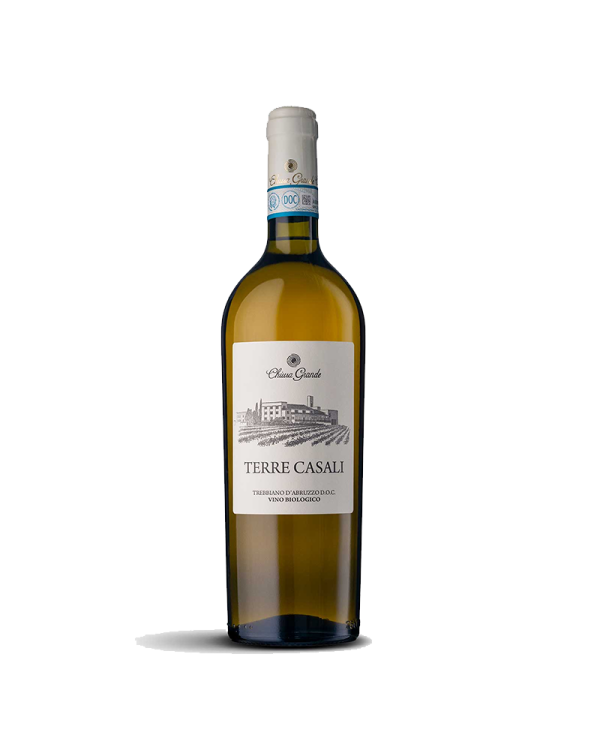
Grapes: Trebbiano d'Abruzzo DOC Year: 2020 Alcohol content: 12.5% - Format: 75cl Refinement: steel Tasting: Straw yellow color. Fruity fragrance. Fresh and persistent taste Pairings: first courses with vegetables, seafood, fish dishes
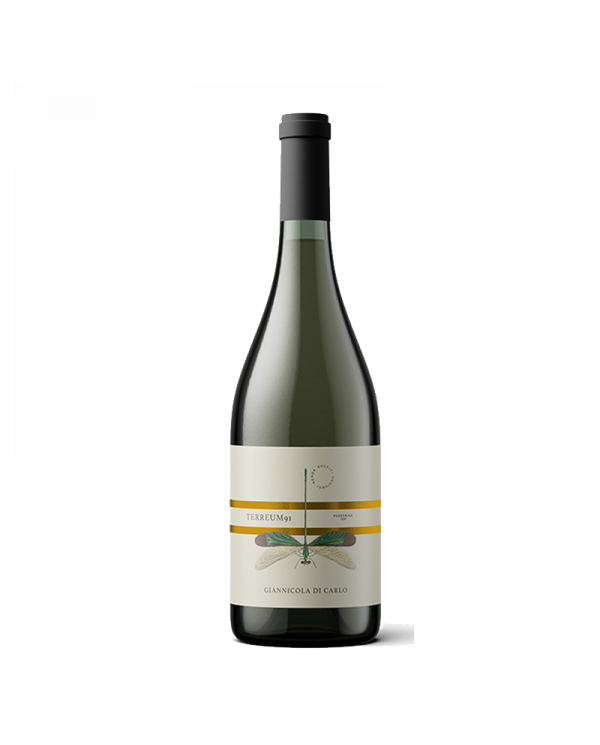
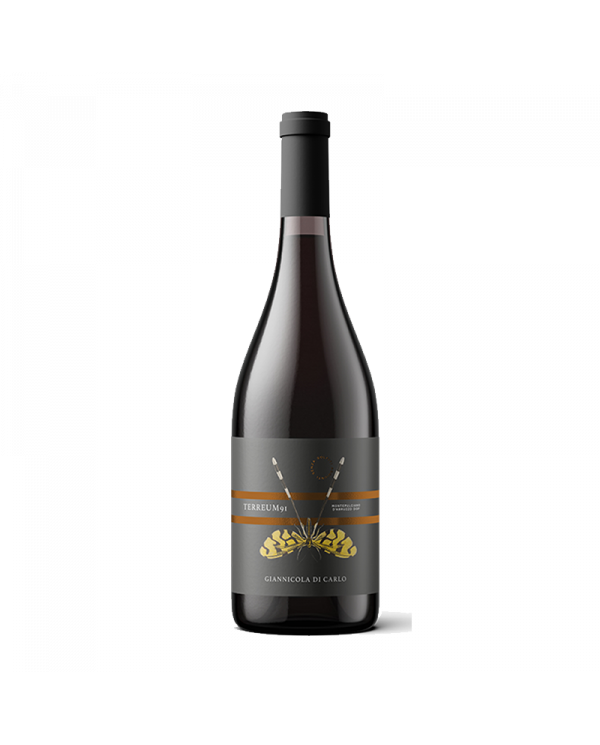
Terreum celebrates Giannicola Di Carlo's strong bond with the land of Abruzzo. 1991 is the year in which the first European organic certification was recognized for the family's wines. The Dragonfly is the symbol of the vineyards from which these wines come, which are immersed in an uncontaminated ecosystem and dominated by a lake and ancient limestone rock caves: the Bosco Valle Verde of the Di Carlo family.
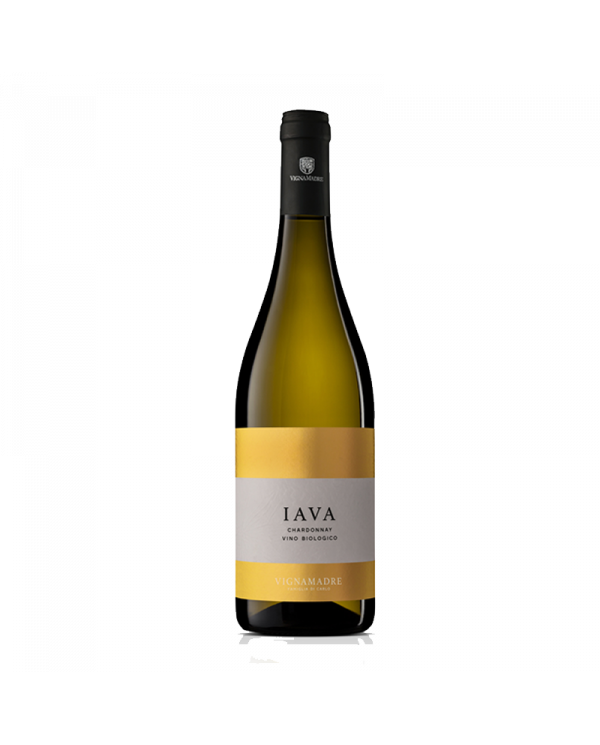
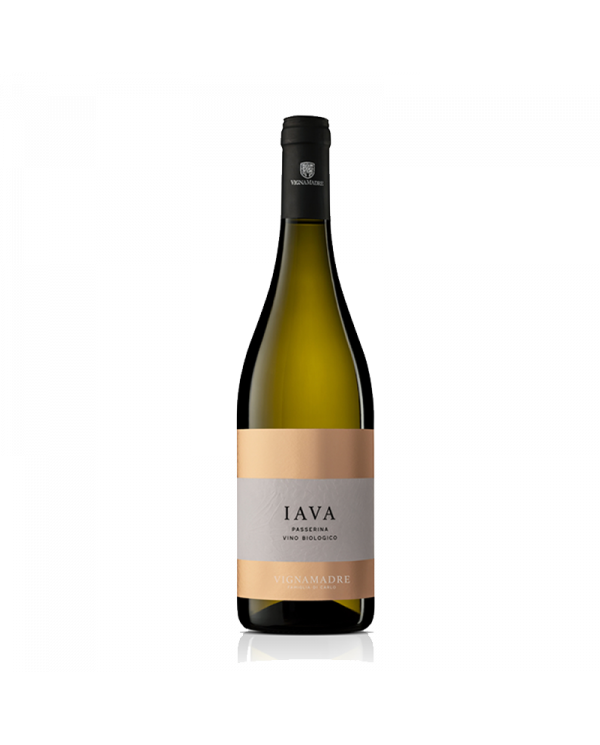
Lava is the symbol of the Di Carlo family's pioneering and unconventional production philosophy, inspired by the precious mineral elements of the earth represented by the colors of the labels.
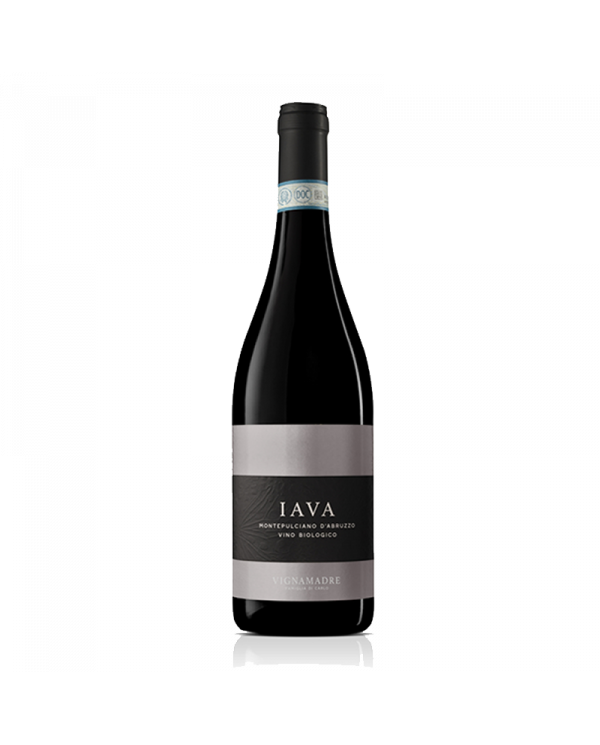
Iava is the symbol of the pioneering and unconventional production philosophy of the Di Carlo family, inspired by the precious mineral elements of the earth represented by the colors of the labels.
Straw yellow color, slightly cloudy, scents of white flowers and apples, at the end appears hay grass. The taste is fresh, fruity and leaves a bitter almond flavor in the mouth.
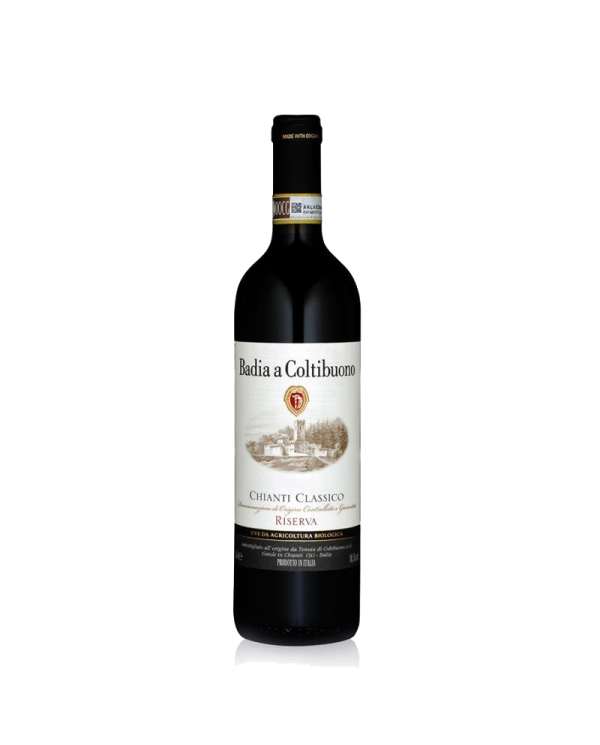
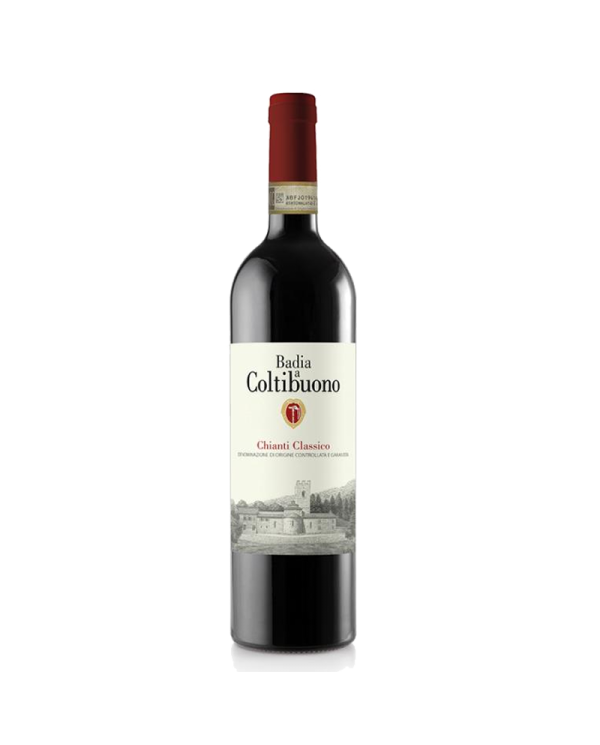
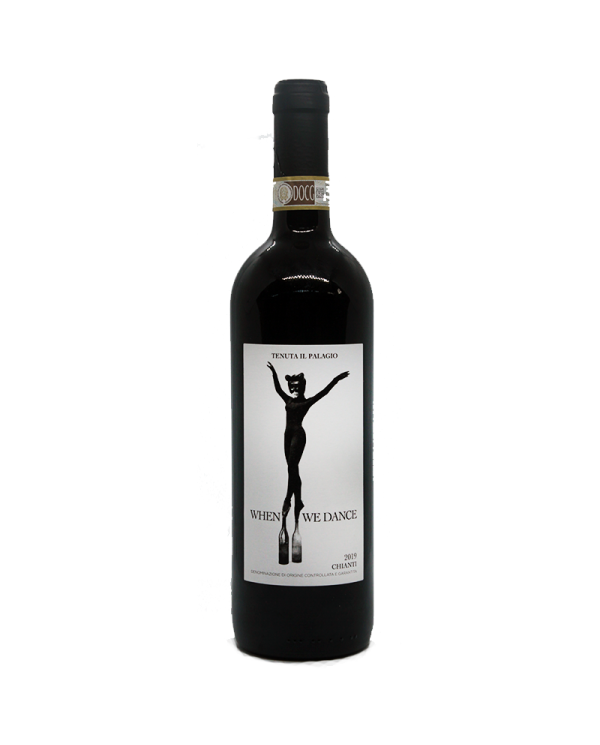
The Badia a Coltibuono Decennial Reserve, produced exclusively with native grapes, is a wine loved by enthusiasts as the emblem of the territory of origin. Wine of ancient tradition, as evidenced by the historic collection preserved in the cellars of the abbey, the Decenalle Reserve is produced to celebrate the anniversary. Aging for 24 months in barrels of various sizes and French oak barriques.
- \ n
- Type Red Wine \ n
- Vintage 2019 \ n
- Capacity 0.75 l \ n
- Country Italy \ n
- Alcohol 13.5 ° \ n
- Tuscany Region \ n
- DOCG classification \ n
- Sangiovese grape \ n
\ n
\ n
\ n
\ n
\ n
\ n
- Production area: Surrounding vineyards Estación y la Boquera- Almansa (Spain)
- Grapes: 100% Verdejo
- Color: White
- Serving temperature: 10-12 ° C
VIEW : Pale straw yellow with greenish reflections. SMELL : Delicate floral bouquet, citrus with very intriguing herbaceous notes. TASTE : On the palate it is citrusy, savory, fresh. It is characterized by a marked acidity.
VIEW : Pale straw yellow with greenish reflections. NOSE : Aromas of elderberry, ripe fruit with hints of pear. TASTE : Acidic vein and sapidity are balanced with the structure and softness.
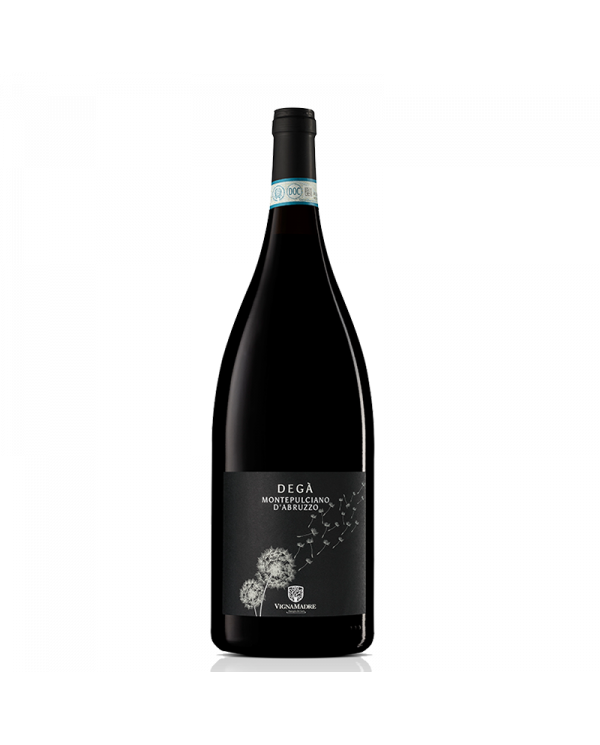
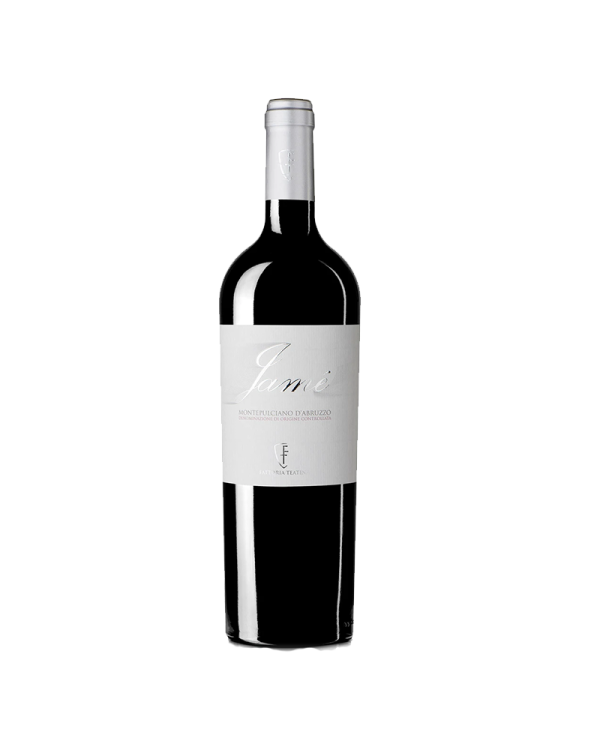
Jamè is a 100% Montepulciano d'Abruzzo vintage. Serving temperature: 18/20 ° C Color: ruby red with intense violet reflections Bouquet: fresh and intense Taste: round, fruity, slightly tart finish. Pairings: red meat, aged cheeses. It is surprising if proposed outside the "usual" schemes, for example with the famous "Vasto-style fish soup".
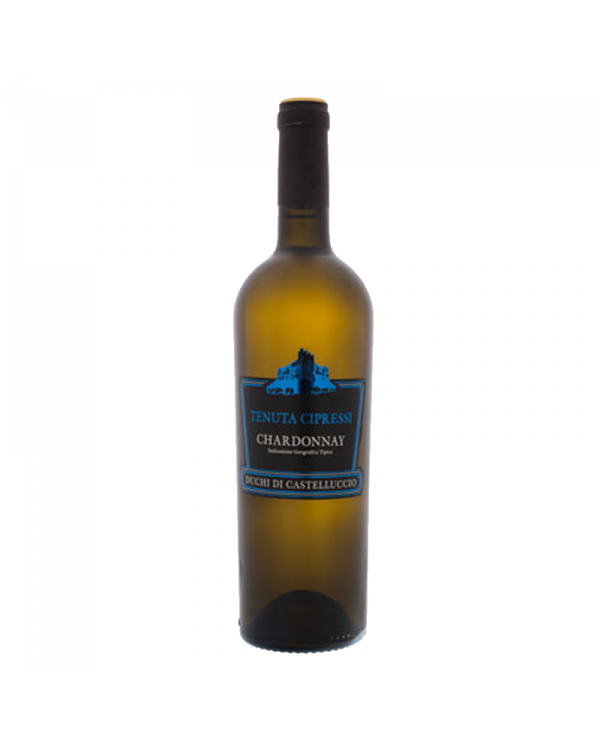
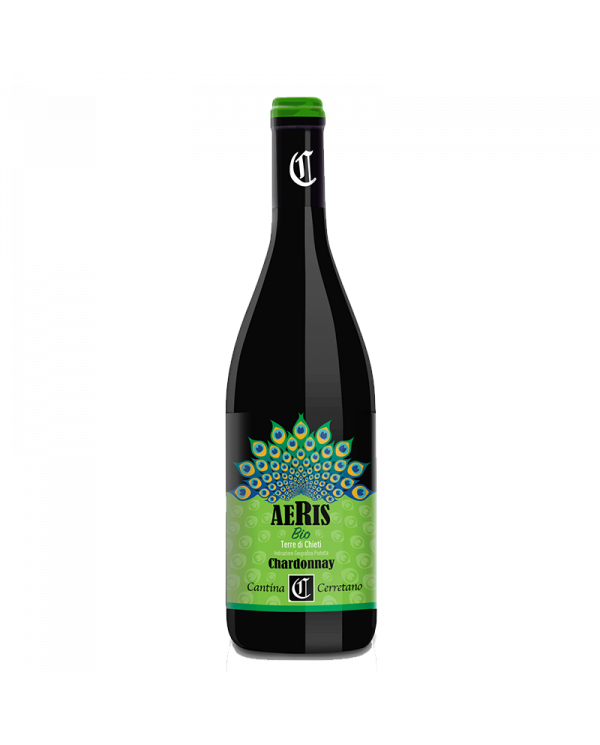
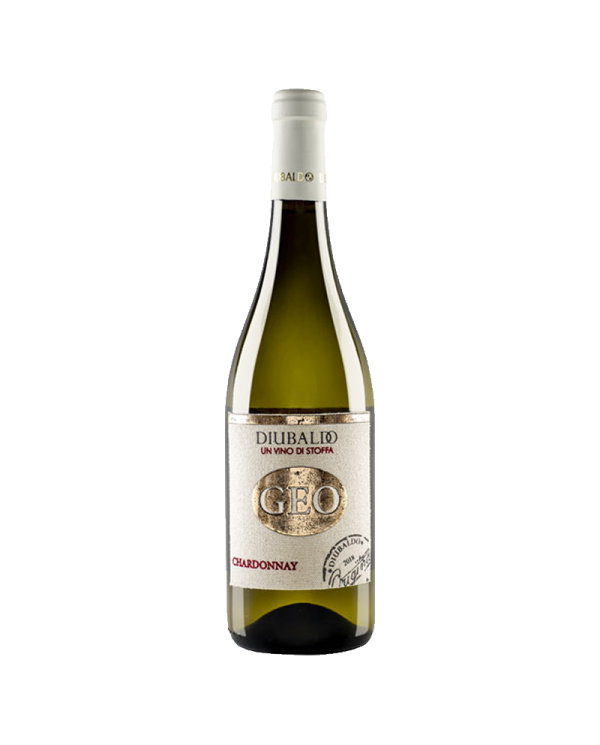
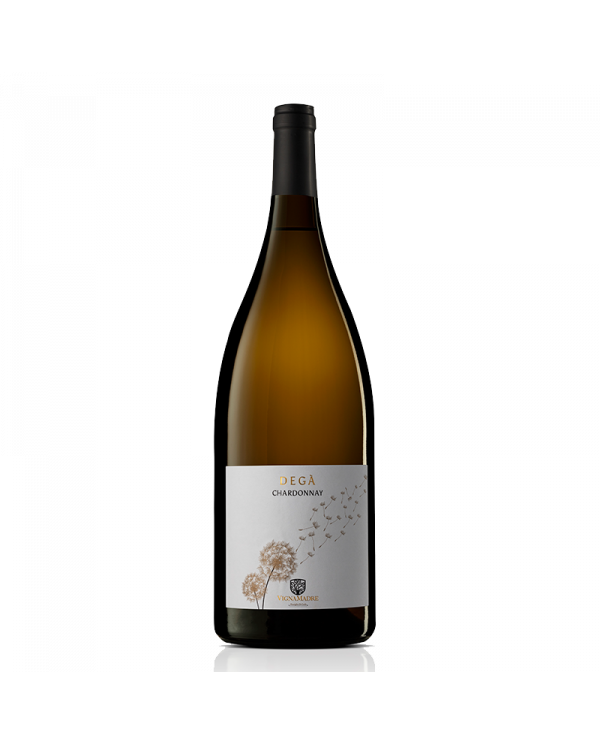
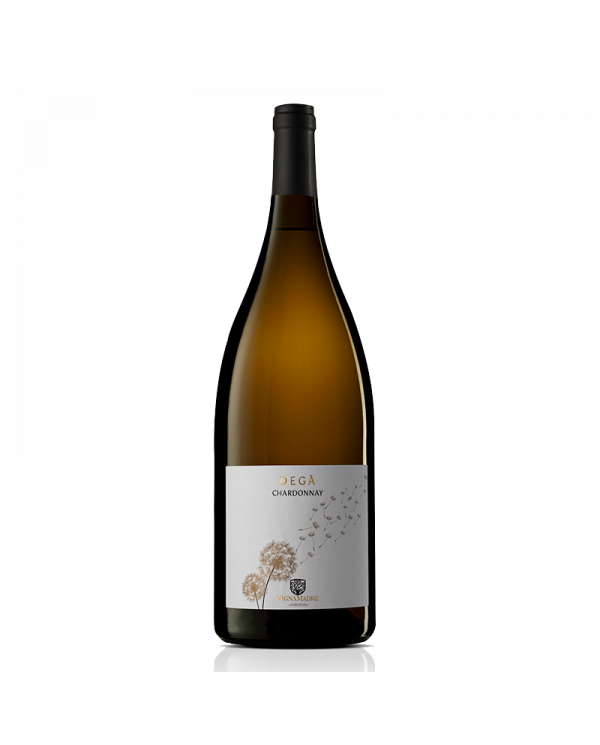
GEO , as a fair recognition to an international wine that takes the characteristics of the cultivation terroir and its winemaker. Chardonnay is one of the most versatile grape varieties which, depending on the cultivation style, are able to give musts with a very different structure. The type of vinification used is then able to enhance some of the characteristic tasting markers of this grape.
Organic Wine Sales: Everything You Need to Know
Organic wines represent a sustainable and natural choice for consumers looking to purchase quality products. In this article, we'll reveal everything you need to know about selling organic wines, from product characteristics to online purchasing options.
What is an organic wine?
An organic wine is a product produced using organic farming methods. This means that the grapes used to make the wine are grown without the use of pesticides, chemical fertilizers, or other environmentally harmful chemicals. Furthermore, no artificial preservatives or additives are used in the production of organic wine.
The characteristics of organic wines
Organic wines stand out for their quality and unique flavor. Because they're made with naturally grown grapes, organic wines have a more authentic and genuine flavor than conventional wines. Furthermore, organic wines are generally lighter and more delicate on the palate, with balanced acidity and a fruity aroma.
Selling organic wines online
Selling organic wines online is one of the most convenient and affordable ways to purchase this quality product. Thanks to the spread of e-commerce and the growing demand for organic products, more and more online wine shops offer high-quality organic wines.
To buy organic wines online, it's important to choose a reliable and professional seller who offers a wide selection of quality products. It's also a good idea to read other customer reviews to get a sense of the quality of the service and products offered.
The advantages of organic wines
Organic wines are a sustainable and environmentally friendly choice. Growing grapes organically reduces the impact on the ecosystem and preserves biodiversity. Furthermore, organic wines are free of harmful chemicals, making them healthier and safer to drink.
How to choose the right organic wine
When choosing an organic wine, it's important to consider the product's characteristics and your personal preferences. It's advisable to read organic wine labels to understand the grape varieties used, the place of production, and the cultivation method. You can also consult reviews.
Organic wine certification
To ensure the quality and sustainability of organic wines, official certification is required. In Italy, organic wine certification is managed by the Ministry of Agricultural, Food and Forestry Policies (MIPAAF), which issues the "Agricoltura biologico" quality label.
To obtain organic certification, winemakers must follow rigorous cultivation and production criteria, which include the use of sustainable and environmentally friendly agricultural practices. Furthermore, organic wines must meet certain sulfur dioxide limits and cannot contain artificial additives or preservatives.
Types of organic wines
There are different types of organic wines, which differ in the type of grapes used and the production method. Some of the most common grape varieties for organic wines are Sangiovese, Chianti, Pinot Noir, Merlot, and Cabernet Sauvignon.
Additionally, there are also organic wines without added sulfites, which are free of chemicals and offer an even more authentic and natural tasting experience. These wines are particularly suitable for those with allergies or food intolerances.
Tips for tasting organic wines
To fully appreciate the quality of organic wines, it's important to taste them correctly. Here are some tips for tasting organic wines:
- Use a clear crystal glass, which allows you to evaluate the color and consistency of the wine;
- Observe the wine in the light to evaluate the transparency and intensity of the color;
- Smell the wine to capture its aromas and perfumes;
- Taste the wine, swirling it around in your mouth to appreciate its flavor and structure;
- Pair organic wine with organic foods to enhance their natural characteristics.
In conclusion, purchasing organic wines online can offer numerous advantages, including greater convenience, a wider selection of products, and greater transparency regarding the quality and origin of the wines. However, it's important to choose a reliable and professional e-commerce site that offers product safety and quality guarantees.
Finally, it's important to remember that choosing organic wines isn't just a matter of taste, but also of social and ecological responsibility. Choosing to buy organic wines means supporting sustainable agricultural practices, respecting the environment, and contributing to protecting our planet. In this way, every consumer can become an active agent of change, promoting a healthier and more sustainable lifestyle for all.