

 Italiano
 Deutsch









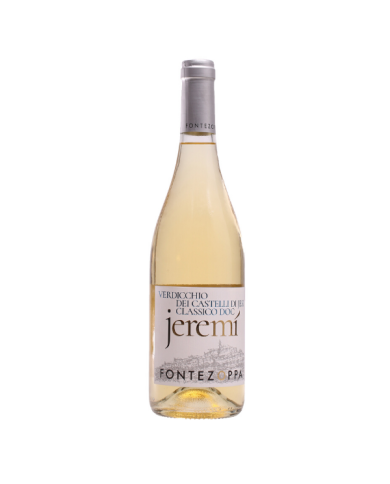
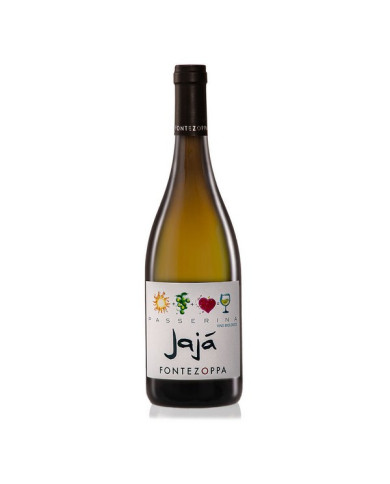
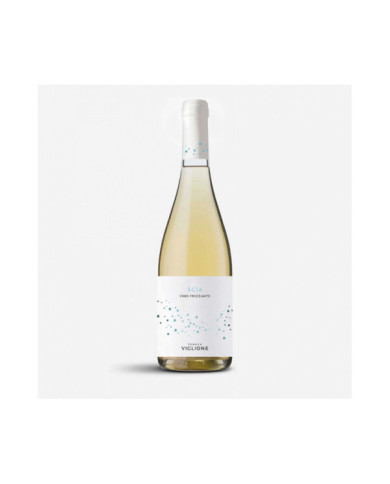
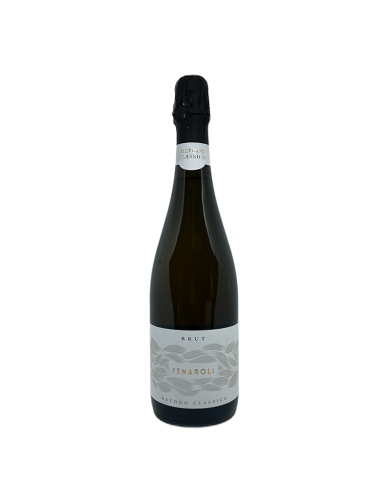



There are no more items in your cart
€15.07
€105.95
€14.12
€12.70
SKU:
17631
Brand:
Cantina Reale
It is an excellent wine obtained from the early harvest of Chardonnay and Pinot Nero grapes.
At the end of the natural fermentation in the bottle (36 months) we obtain an elegant wine with a fine perlage, a yellow color with golden reflections, a delicate, characteristic, fruity aroma, a savory, soft, full flavor.
Recommended with: capunsèi, risotto, pumpkin tortelli, fish and shellfish, white meats and semi-aged cheeses.
€47.48
€8.54
€8.54
€6.50
SKU:
17619
Brand:
Ettore Galasso
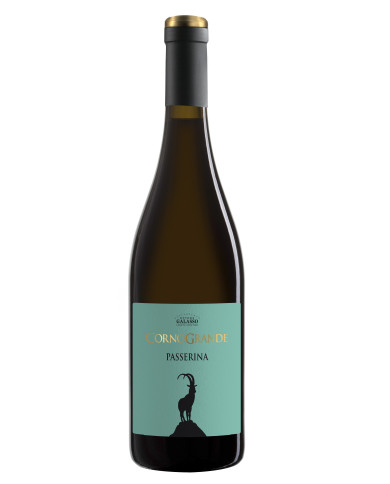
Ideal with sea fish and shellfish dishes, oysters, spicy cured meats. Fresh, persistent taste with a savory aftertaste.
€5.95
SKU:
17618
Brand:
Famiglia Febo
Straw yellow color; good structure supported by excellent freshness and flavor. The nose initially perceives a light toasting that quickly leaves room for herbaceous hints.
€18.00
SKU:
17617
Brand:
Famiglia Febo
Straw yellow color; good structure supported by excellent freshness and flavor. The nose initially perceives a light toasting that quickly leaves room for herbaceous hints.
€18.00
SKU:
17613
Brand:
Fiorentino
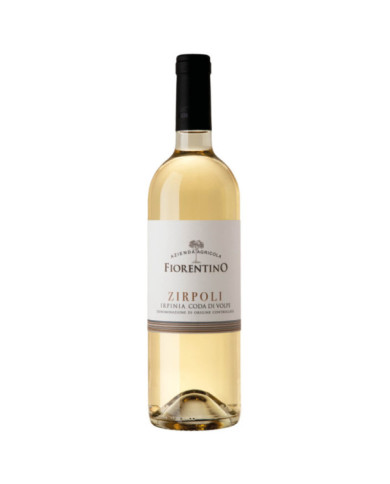
L'Irpinia Coda di Volpe Zirpoli dell'Azienda agricola Fiorentino nasce nel vigneto Barbassano, a un'altitudine media di 450 m. s.l.m.
€15.13
SKU:
17608
Brand:
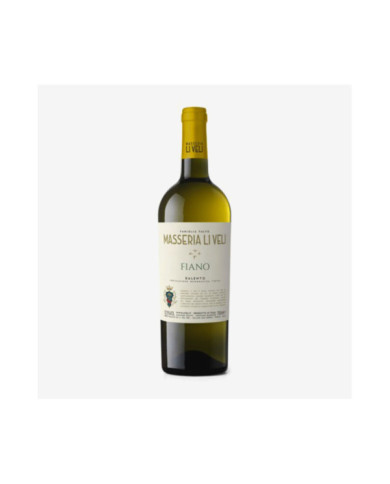
Masseria Li Veli
colore giallo paglierino con riflessi verde brillante; profumo
fruttato con sentori di lime, kiwi, mela e fiori. Vino dalla buona acidità,
freschezza e di facile beva.
€7.56
€12.20
SKU:
17597
Brand:
Masseria Li Veli
Da vitigni coltivati con sistema di allevamento a spalliera, nella zona di Cellino San Marco, a Brindisi, nasce la linea Askos di Masseria Li Veli. I vini sono prodotti esclusivamente con uve provenienti da zone a particolare vocazione nelle quali il vitigno è allevato secondo i canoni di un'antica memoria. Il simbolo è un askos, decanter dal greco antico. Col suo tipico colore giallo vivace con riflessi verdi, affascina questo Askos Verdeca. Un Bouquet aromatico che si sviluppa in un profumo fruttato intenso, con sentori di frutta tropicale, agrumi verdi, macchia mediterranea e spezie fresche. Gusto pieno, armonico, voluminoso con una buona acidità. Retrogusto fruttato e speziato.
€19.40
SKU:
17578
Brand:
Boutique Winery
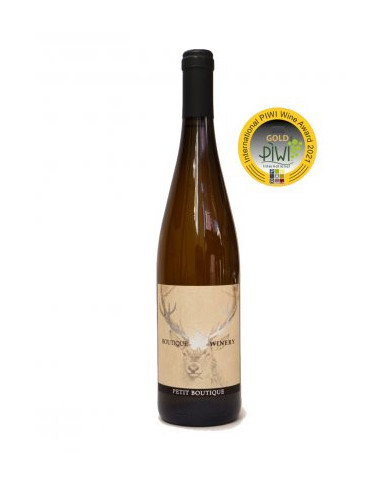
Assemblaggio di vitigni Piwi, attenta scelta dei migliori grappoli vendemmiati in piccole cassette da 10 kg. Pressatura soffice e fermentazione in acciaio inox per 15 giorni, affinamento sulle fecce fini per un periodo di 3 mesi in acciaio
€36.23
SKU:
17577
Brand:
Boutique Winery
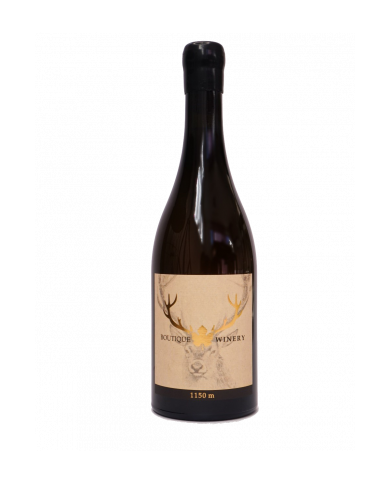
100% Solaris, attenta scelta dei migliori grappoli vendemmiati in piccole cassette da 10 kg. Pressatura soffice e fermentazione in acciaio inox per 15 giorni, affinamento sulle fecce fini per un periodo di 9 mesi in barrique di rovere francese di secondo passaggio.
Giallo dorato intenso e brillante
€88.94
SKU:
17576
Brand:
Boutique Winery
100% Solaris, attenta scelta dei migliori grappoli vendemmiati in piccole cassette da 10 kg. Pressatura soffice e fermentazione in acciaio inox per 15 giorni, affinamento sulle fecce fini per un periodo di 9 mesi in barrique di rovere francese di secondo passaggio.
Giallo dorato intenso e brillante
€67.59
SKU:
17571
Brand:
Audarya
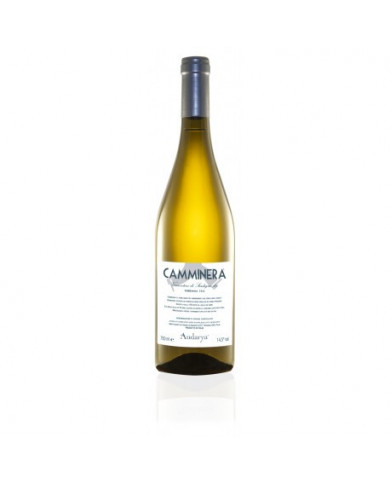
Vermentino di Sardegna Camminera Audarya: “Sa Camminera” is the walkway that runs along the vineyards. For some, certainly for us, it is the gateway to a magical world. Our Vermentino di Sardegna is also called Camminera, obtained from selected grapes from our best vineyards, selected for the characteristics and exposure of the soil.
€58.50
SKU:
17569
Brand:
Audarya
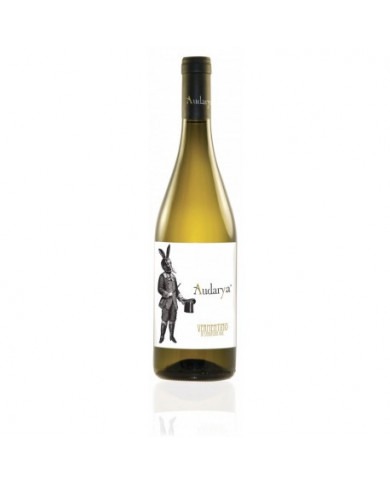
Vermentino di Sardegna Audarya is like reverse magic, in which it is the rabbit who pulls the magician out of the hat and not vice versa
€49.41
SKU:
17567
Brand:
Audarya
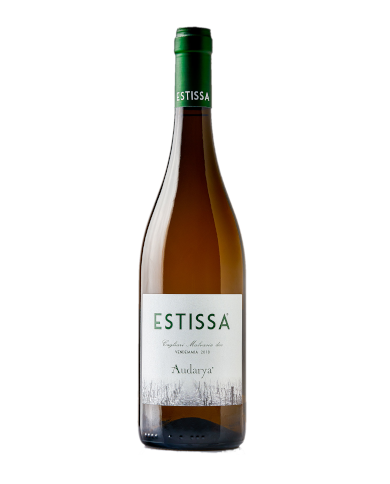
Estissa – Malvasia di Cagliari DOC Audarya, dry white wine from Malvasia grapes, golden straw yellow colour, aromas of peach blossom and pear on the nose, the sip is sapid and slightly aromatic, in a centered and balanced context. 750ml bottle. Grapes: 100% Malvasia.
€26.01
SKU:
17566
Brand:
Audarya
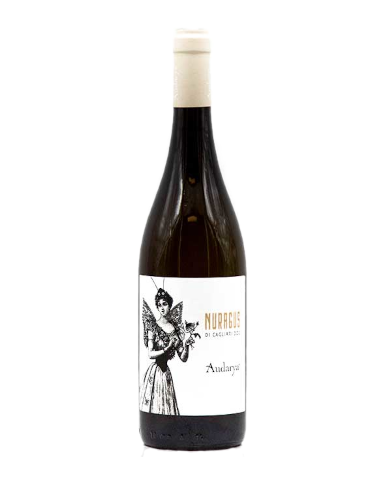
Nuragus di Cagliari Audarya is a wine that expresses the two souls of Sardinia, the land and the sea.
€14.30
SKU:
17538
Brand:
Duchi di Castelluccio
Color Bright straw yellow Smell Hints of exotic fruit and floral notes are perceived Taste Fresh and lively, of great elegance Food pairings Aperitifs and seafood dishes of seafood cuisine Serving temperature 8-10 °C
€9.52
SKU:
17535
Brand:
Cantina Frentana
Trebbiano d'Abruzzo Terre di Venere Frentana comes from grapes of the vine of the same name. After crushing-destemming and soft pressing, a static cleaning is performed on the free-run must, followed by alcoholic fermentation at a controlled temperature conducted by selected native yeasts.
SKU:
17529
Brand:
Cantina Tramin
The grapes come from vineyards that extend over hills adjacent to the mountains at an altitude between 250 and 550 m slm , on calcareous soils of clay and gravel conformation subjected to strong temperature variations.
€9.90
SKU:
17481
Brand:
Speranza
Golden yellow color, with fruity and floral aromas where mimosa stands out, bursts with a fresh and savory sip.
€11.60
€9.86
SKU:
17479
Brand:
Speranza
Golden yellow in color, it appears floral and fruity on the nose, where hints of ripe yellow peach prevail. On the palate it is warm, medium-bodied and with good acidity.
€16.57
SKU:
17478
Brand:
Speranza
Abruzzo pecorino rich in aromatic notes of honey, resin and dehydrated lemon. A dense structure with a final charged with positive energies. Ideal with fish recipes.
€14.08
SKU:
17477
Brand:
Speranza
Abruzzo pecorino rich in aromatic notes of honey, resin and dehydrated lemon. A dense structure with a final charged with positive energies. Ideal with fish recipes.
€14.91
SKU:
17476
Brand:
Speranza
The "Trebbiano d'Abruzzo Impeto" , are characterized by the right sugar and alcohol content and by a good fixed acidity, which helps to enhance the aromas and maintain them over time. The Speranza winery produces about 5000 bottles of the "Trebbiano d'Abruzzo Impeto" wine, testifying to the importance that this wine has in the context of the company's production.
€13.25
SKU:
17386
Brand:
Cantina La Vis
€21.67
€17.33
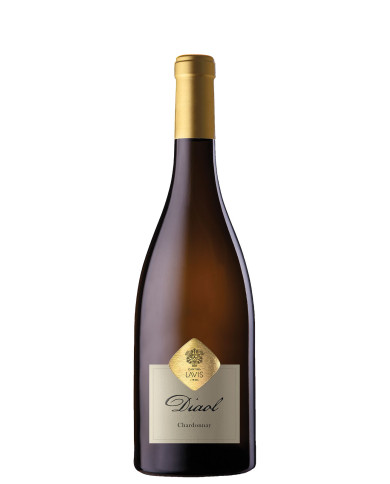
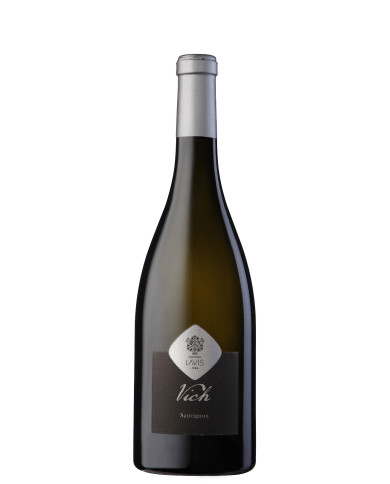
“Le Selezioni” are the result of the zoning project that has guided the winery's production philosophy for over 30 years. Selected areas, suitable vineyards and productive excellence temper unique wines capable of expressing the best interpretation of the Avisiane Hills.
€21.67
€17.33
SKU:
17383
Brand:
Cantina La Vis
“Le Selezioni” are the result of the zoning project that has guided the winery's production philosophy for over 30 years. Selected areas, suitable vineyards and productive excellence temper unique wines capable of expressing the best interpretation of the Avisiane Hills.
€18.24
SKU:
17377
Brand:
Cantina La Vis
€14.12
€12.70
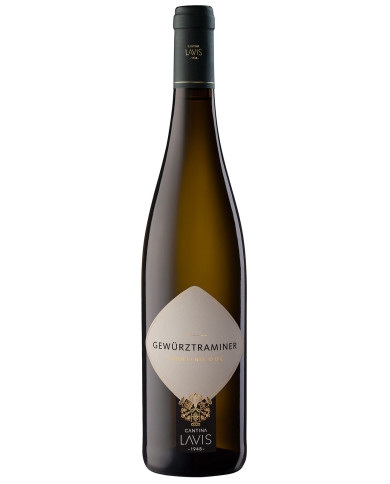
Of Alsatian origin, Gewürztraminer is an aromatic vine grown for many years in some suitable microzones of the Avisiane Hills. Here the clay-rich soils satisfy the nutritional needs of the vine and ensure the best expression of this demanding variety.
€14.12
€12.70
SKU:
17360
Brand:
Cantine Barbera
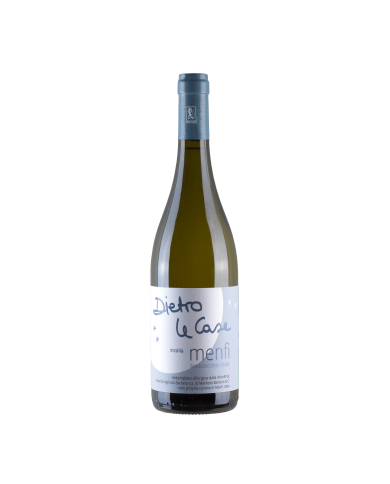
Otherwise it is the traditional "house wine" of Menfi produced with the technique of perpetual aging in a single barrel, filled during the year and topped up with the new vintage at each harvest.
SKU:
17353
Brand:
Donnafugata
Kabir, with a bright straw yellow color, is characterized by a complex bouquet of tropical fruit (passion fruit), floral hints of orange blossom and delicate salty nuances. In the mouth the fruity and sweet notes echo, perfectly balanced by the fresh mineral vein. Good persistence with a spicy finish of pink pepper and nutmeg.
€13.01
SKU:
17340
Brand:
Fontezoppa
€12.43
€10.57
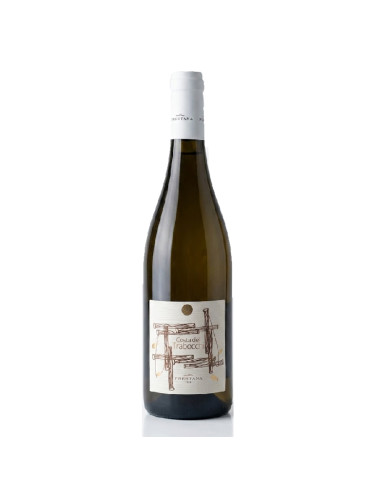
This wine has a straw yellow colour, brilliant and inviting. On the nose, it offers a refined fragrance characterized by delicate floral notes, which blend harmoniously with a complex fruity profile of pineapple, grapefruit and peach.
€12.43
€10.57
SKU:
17327
Brand:
Donnafugata
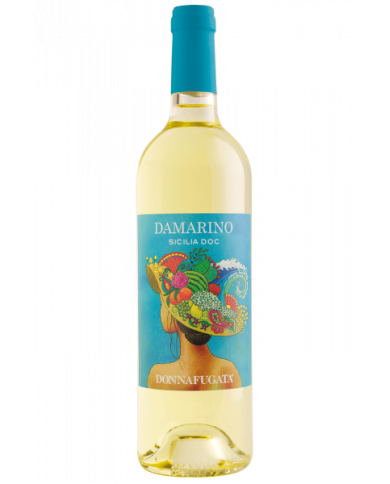
Damarino 2022 is the first wine in the world to use the Nomacorc Ocean cork, produced by recycling plastic collected in coastal areas, and destined to end up in the oceans. With a light straw color, Damarino combines delicate aromatic sensations of white flowers and fruity notes among which those of citrus fruits stand out. In the mouth it is delicate with a pleasant finish.
€13.83
SKU:
17321
When you're looking for something authentic, you can count on the Bronner. Piwi grapes coming from the highest altitude vineyards and refreshed by mountain breezes give life, with patient artisanal processing, to a wine on the yeasts, refermented in the bottle with an inimitable taste and zero added sulphites. Bronner is the concreteness of the challenge won in cultivating historic vineyards once abandoned due to phylloxera. 12% Alcohol. – Without added sulphites – Unselected natural yeasts. Natural selezionati.rifermentazione in the bottle following the traditional local method. Only 3333 bottles produced in the 2022 vintage. Recommended for those looking for an exclusive and niche product.
€20.67
SKU:
17320
Sparkling wine obtained from a natural refermentation in the bottle according to
local traditional method. Recommended for those seeking the authenticity of the territory of
production
€23.06
SKU:
17319
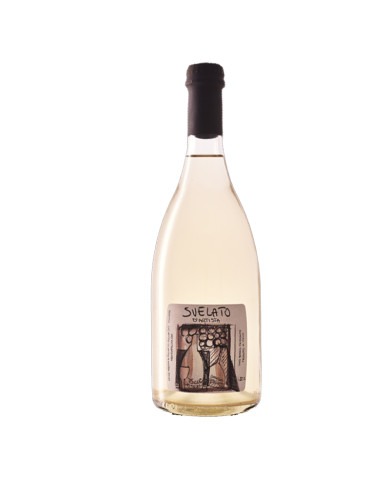
Col Fondo or Surlie wine. It is the sparkling wine to always have on hand, well refrigerated and ready when needed to improvise an aperitif or embellish an elegant dinner. In fact, Lo Svelato d'Artista is not afraid of pairings with refined dishes and more nobili.metodo dishes. Traditional local method. Recommended for those seeking the authenticity of the production area
€9.22
SKU:
17285
Brand:
Cantine Barbera
In Sicily, "coast" is the side of the hills that gently slope down to the sea, covered by vineyards as far as the eye can see that bask in the sun, unkempt by the fresh Mediterranean breezes. These are the places of Grillo, a fascinating native variety that interprets the beauty of the Menfi terroir with great personality. Son of generous lands, Coste al Vento gives us a full and ripe fruit that blends with the brackish notes brought by the sea winds, in a harmonious crescendo made original by maceration on the skins and fermentation with indigenous yeasts.
SKU:
17284
Brand:
Cantine Barbera
The old vineyards of Inzolia planted by my father more than fifty years ago are an extraordinary legacy on which to build the future of viticulture in Belicello. The original clones, perfectly adapted to the particular conditions of the environment to which they belong, exuberantly express the personality and wine culture of the Menfi area. The soil, mainly calcareous and pebbly, gives the wine an intense and at the same time delicate sapidity, great depth and aromatic breadth.
€30.50
SKU:
17158
Brand:
Lammidia
€32.94
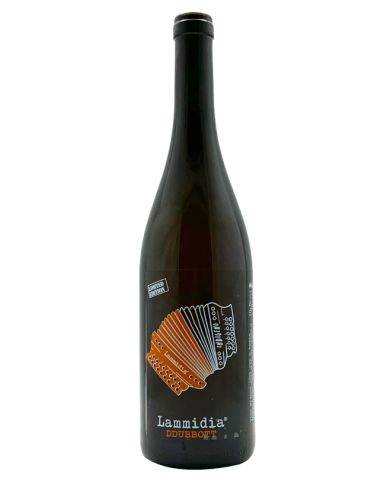
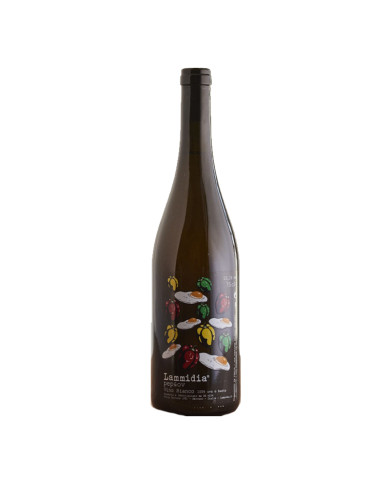
Another lucky twinning with Cantina Indigeno. This time the result is DDUBBOTT in LIMITED EDITION (clear inspiration from the accordion in the Abruzzo version characterized by only two basses - DDU' BOTTE - precisely), blend of 50% Passerina di Lammidia and 50% Montonico di Cantina Indigeno, macerated with the stalks to 14 days.
€32.94
SKU:
17157
Brand:
Lammidia
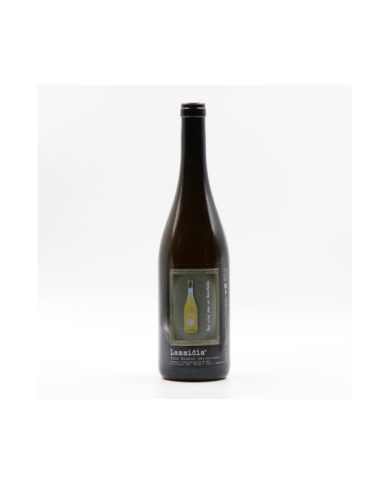
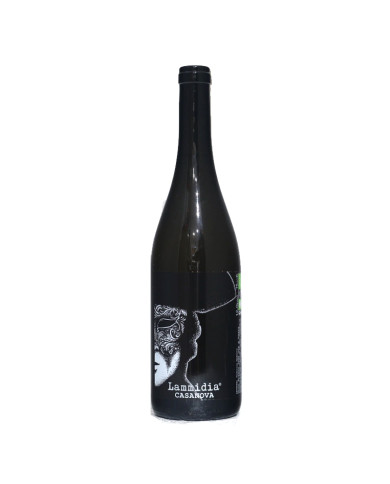
“Because I don't care about life they call me abandoned
If I like losing her
and throw it on the ground
If I enjoy losing her it's because I know how to find her again."
SKU:
17156
Brand:
Lammidia
€26.00
Complete carbonic maceration in terracotta for a week, then pressing and maturation in amphora.
€26.00
SKU:
17154
Brand:
Lammidia
€21.84
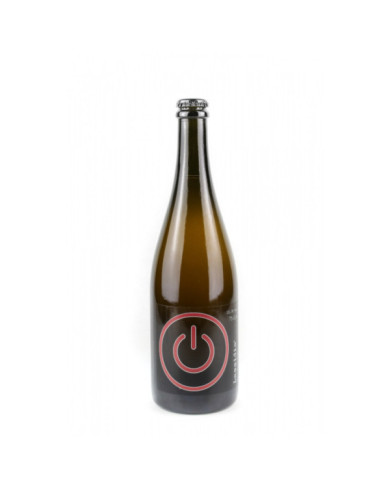
Sparkling wine obtained by refermentation of the biancatto in the bottle to which we have added the fresh must of the white amphora to provide sugars and yeasts so as to reactivate the fermentation process, transforming sugar into alcohol and producing carbon dioxide which gives life to the bubbles...
SKU:
17152
Brand:
Lammidia
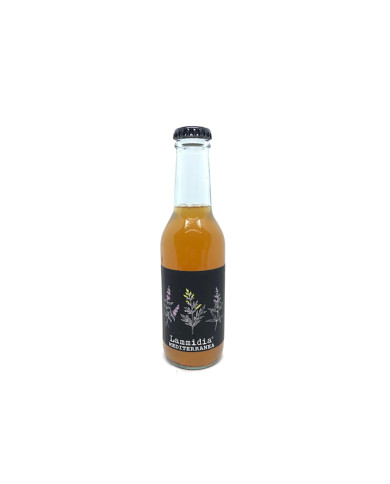
Wine infused with Clary Sage, Artemisia Absinthium and Verbena Odorosa, with the addition of apple juice.
€24.52
SKU:
17150
Brand:
Lammidia
Vinification: Destemmed by hand. Contact with the skins with
daily milling for two weeks
Aging: 10 hl river barrels
Description: Red fruits, typical Pinot Noir spices
€23.09
SKU:
17149
Brand:
Lammidia
€25.38
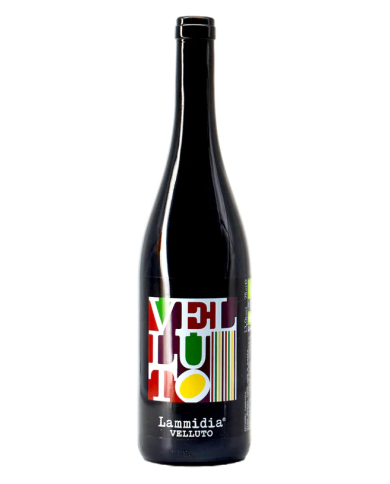
Vinification: Destemmed by hand. Contact with the skins with daily milling for two weeks Aging: Barrique Description: Pepper, black pepper, an enveloping texture in the mouth which recalls velvet
€25.38
€23.08
SKU:
17147
Brand:
Lammidia
€18.18
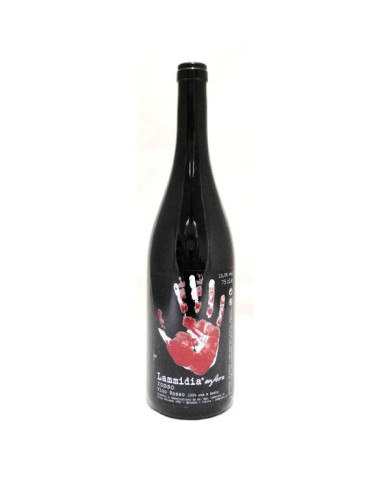
An unconventional red wine as per the Lammidia style, in which freshness and ease of drinking are sought. Obtained from pure red grapes with carbonic maceration for a week and refinement in steel. A wine that has beautiful aromas on the nose reminiscent of red fruit, followed by liquorice and spicy notes. The south of France made in Pescara.
€18.18
SKU:
17146
Brand:
Lammidia
€23.91
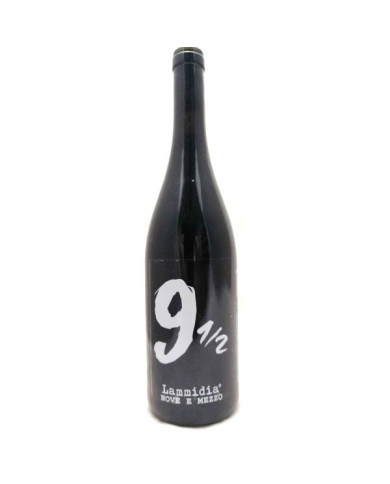
9 1/2 is a wine made from red grapes. The name takes its alcohol content. Spontaneous fermentation with maceration on the skins. Aging for a few months in steel tanks. Without sulphites added before bottling. The result is a wine with intense fruit aromas, great freshness and drinkability.
€23.91
SKU:
17145
Brand:
Lammidia
€20.86
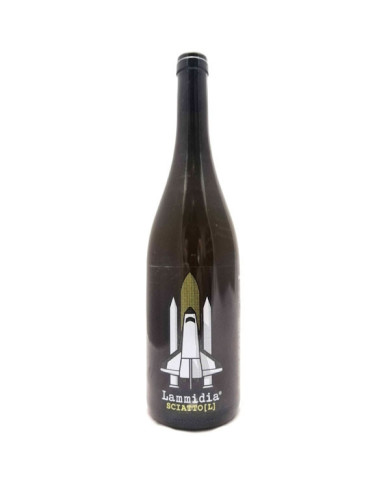
Sciatto(L) is a wine made from white grapes. Spontaneous fermentation with a night of maceration on the skins. Aging for a few months in steel tanks. Without sulphites added before bottling. The result is a wine with intense fruit aromas, great freshness and drinkability.
€20.86
SKU:
17143
Brand:
Lammidia
€18.18
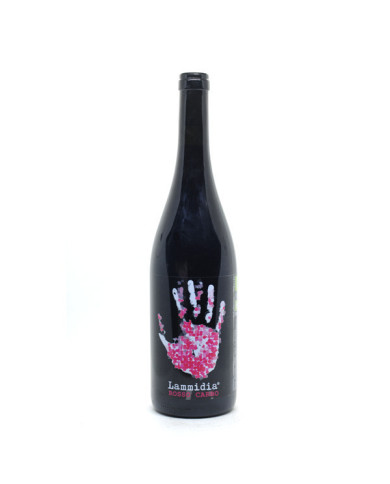
Rosso Carbo is a wine obtained from local red grapes which undergoes 3 weeks of carbonic maceration on whole bunches sealed in concrete tanks. It then goes directly to the press. Rosso Carbo is a graceful, fruity and juicy wine.
€18.18
SKU:
17141
Brand:
Lammidia
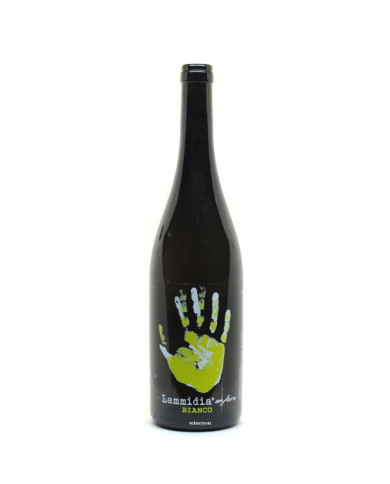
Bianco Anfora di Lammidia is a fresh mineral white wine obtained from Trebbiano grapes. After harvesting, the grapes are manually destemmed and left to ferment spontaneously in an amphora in contact with the skins immersed in the must (submerged cap) for 3 weeks! Subsequently the wine refines together with the fine lees for a further 10 months.
€24.40
SKU:
17140
Brand:
Lammidia
€20.25
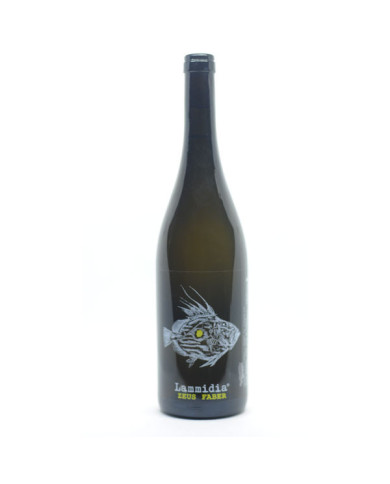
Zeus Fabe by Lammidia is a wine that comes from a perfect combination of 2 white grape varieties and which proves to be a real grape juice. Without sulphites added before bottling.
€20.25
SKU:
17139
Brand:
Lammidia
€23.18
Rosso Anfora di Lammidia is a fresh and compulsively drinkable wine obtained from red grapes. Produced by manually destemming the grapes and pressing them softly with your feet. Fermented spontaneously in amphora in contact with the skins immersed in the must for 10 days. Subsequently the wine refines together with the fine lees for a further 10 months.
€23.18
SKU:
17138
Brand:
Lammidia
Rosso Anfora di Lammidia is a fresh and compulsively drinkable wine obtained from red grapes. Produced by manually destemming the grapes and pressing them softly with your feet. Fermented spontaneously in amphora in contact with the skins immersed in the must for 10 days. Subsequently the wine refines together with the fine lees for a further 10 months.
€47.09
SKU:
17137
Brand:
Lammidia
€13.31
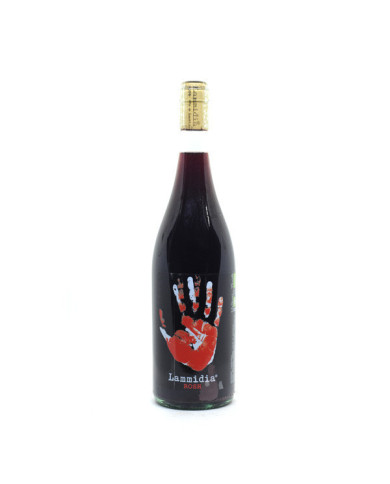
Rosh is a wine produced following the taste of the Abruzzo tradition for red wines, and hence the name "lu rosh". The grapes used are red with a small part of white grapes, to give it a little freshness and greater drinkability. Wine of great juiciness and freshness, which tastes of red fruit.
€13.31
SKU:
17136
Brand:
Lammidia
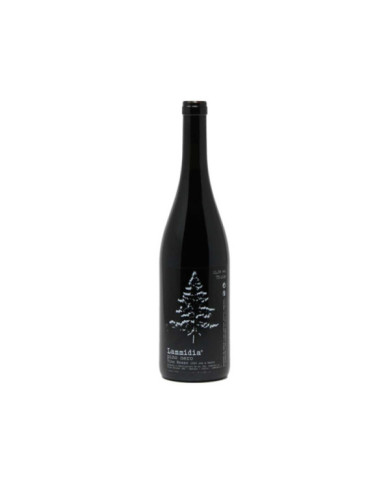
Pino Nero is a red wine obtained from red grapes, fermented with semi-carbonic maceration. Spontaneous fermentation. Aging in fiberglass tanks. Without sulphites added before bottling. The result is a wine that gives the palate a great sensation of freshness and many fruit flavors.
€24.60
SKU:
17134
Brand:
Lammidia
€20.25
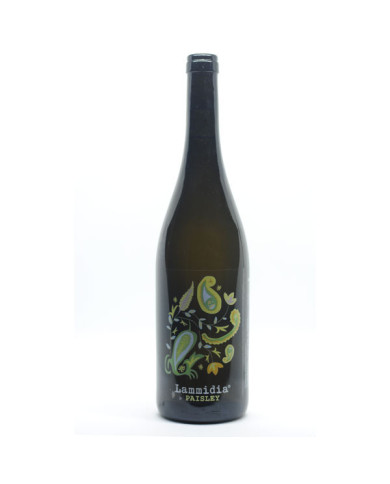
Paisley is a wine made from white grapes. Spontaneous fermentation with a night of maceration on the skins. Aging for a few months in steel tanks. Without sulphites added before bottling. The result is a wine that does not tire after the first glass and where the aroma does not prevail over everything else.
€20.25
SKU:
17133
Brand:
Lammidia
€15.86
100% Montonico, whole bunch carbonic maceration fermentation for a week in cement tanks, then pressed and refined in the same. A territorial grape juice with infinite drinkability! From one of the oldest grapes of Abruzzo here is a wine with super floral aromas and sensations, a slightly citrusy freshness and a lot of minerality! Vibrant like all Lammidia wines!!!
€15.86
SKU:
17132
Brand:
Lammidia
As the name of the wine anticipates, we are faced with a super blend of white, rosé and red wines destined to create an explosive blend of enjoyment and drinkability. Here is Trebbiano mixed with its contribution of freshness, Pecorino with its acidity and aroma and Montepulciano with structure and colour. Super like benza.
€12.13
SKU:
17131
Brand:
Lammidia
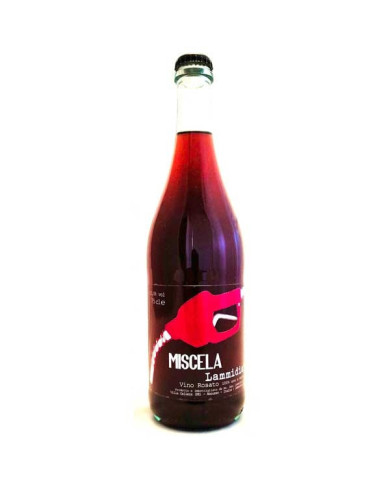
Miscela di Lammidia is an expertly blended wine of red and white grapes. Spontaneous fermentation and aging in steel tanks. A wine that presents itself with the right aroma, freshness and body, and stands out for the ease and promptness of a quick sip.
€4.37
SKU:
17130
Brand:
Lammidia
€19.52
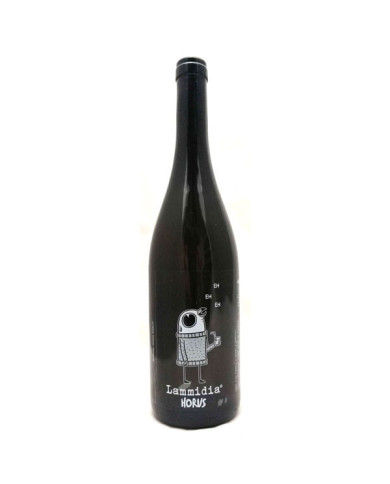
Horus is a wine made from white grapes. Spontaneous fermentation with a night of maceration on the skins. Aging for a few months in steel tanks. Without sulphites added before bottling. The result is a wine with intense fruit aromas, great freshness and drinkability.
€19.52
SKU:
17129
Brand:
Lammidia
Frekt by Lammidia is a fresh and surprisingly drinkable white wine made from white grapes. The vinification is spontaneous, with half of the pecorino being pressed directly, while the other half is macerated for 2 weeks in concrete with a submerged cap, and then they are assembled and aged in fiberglass containers. Frekt is a wine that stands out for its freshness, its drinkability and rusticity, and its fruity hints. A wine that will make you definitively fall in love with Lammidia.
SKU:
17127
Brand:
Lammidia
€17.45
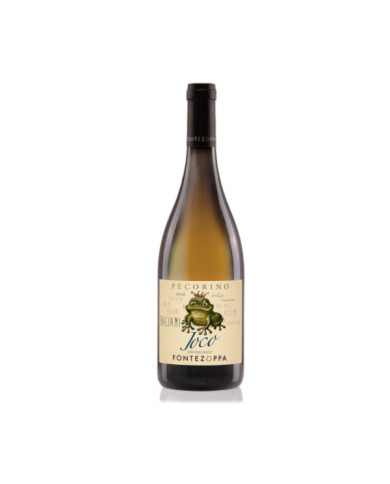
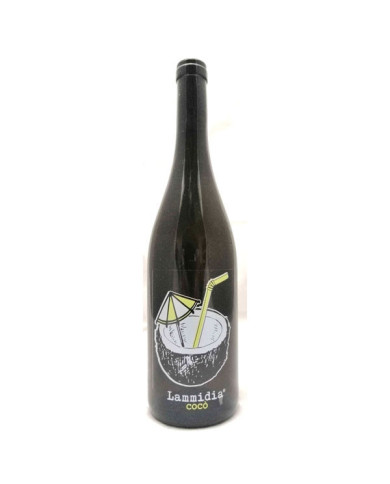
Cocò di Lammidia is an exuberant wine made from local white grapes that ferments spontaneously and macerates on the skins for 12 hours. Refines in concrete tanks. A wine that is immediately recognizable for its marked acidity and a thousand citrus sensations. A wine that recalls summer and its fruits.
€17.45
SKU:
17126
Brand:
Lammidia
€17.45
What they say about him: White 100% Lammidia, extremely drinkable, with Passerina rounding it all off! A jovial wine that brightens up even the most monotonous days!!!
€17.45
SKU:
17125
Brand:
Lammidia
€13.31
Lammidia's Bianchetto is now a guarantee! An exuberant wine made from white grapes that ferments spontaneously and macerates on the skins for 12 hours. Refines in concrete tanks. A wine that is immediately recognizable with its tropical aromas of pineapple, mango and passion fruit, and which impresses in the mouth with its super drinkability and freshness. A wine that recalls summer and its fruits.
€13.31
SKU:
17122
Brand:
Lammidia
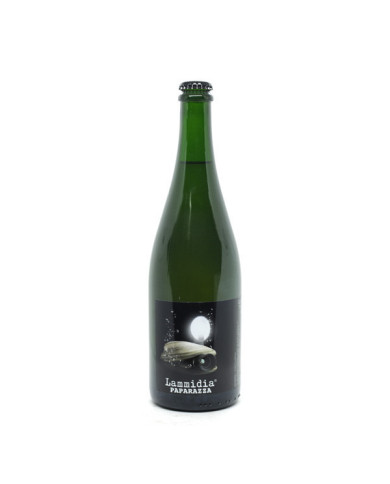
Paparazza di Lammidia is a sparkling white wine obtained from a blend of white grapes, refermented with frozen must of the same vintage. Crisp wine, with notes of peach, citrus and pineapple. Unbeatable drinkability.
€17.45
SKU:
17117
Brand:
Alessio Brandolini
€11.10
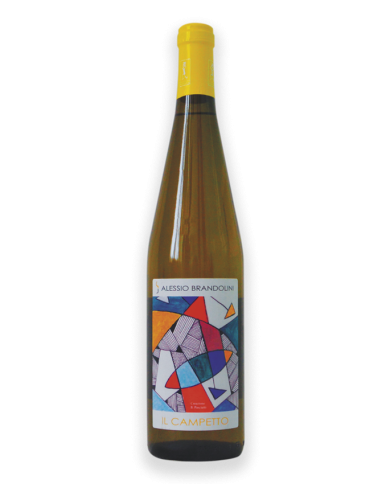
Greenish yellow in color, the nose is floral, with hints of white flowers and white pulp fruit. In the mouth it is quite soft, with good acidity and freshness.
€11.10
SKU:
17113
Brand:
Alessio Brandolini
The "Bardughino" is a white produced only in favorable years with Malvasia Candia grapes from a sunny vineyard located on hills of about three hundred meters in the Municipality of San Damiano al Colle. It has a delicate straw colour, intense aromas of apricot, pear and balsamic herbs, a balanced taste, with good structure and persistence.
€12.44
SKU:
17112
Brand:
Alessio Brandolini
Straw yellow in color, the impact on the nose is intense, with
hints of ripe white fruit, balsamic herbs and hydrocarbons.
In the mouth it is balanced, warm, with great structure and
persistence.
€21.35
SKU:
17107
Brand:
Boccafornace
€8.20
€7.38
a white that benefits from the homonymous native variety, son of an ancient tradition that aims to create an authentic and genuine product. Vinified in purity, Pecorino Boccafornace
SKU:
17106
Brand:
J.Hütte
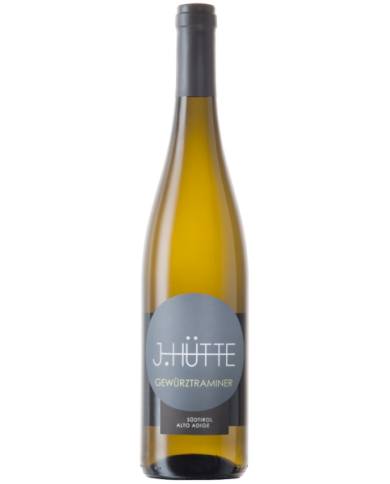
Also known as Traminer Aromatico, Gewürztraminer was already known in the thirteenth century for its aromatic qualities and its ability to drink, and is today, without a doubt, the most famous and well-known South Tyrolean wine in the world. In all likelihood its origins are to be found in Termeno (Tramin), from which the name "Traminer" derives.
€18.78
SKU:
17103
Brand:
Fabrizio Dionisio
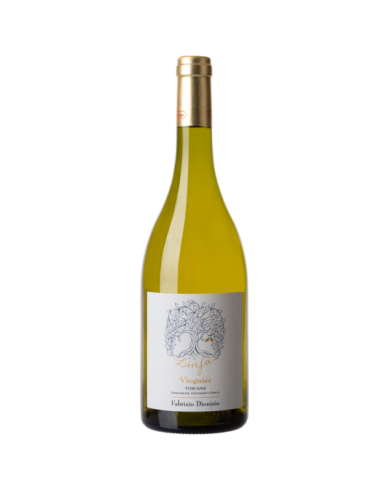
For some years we have wanted to compete with Viognier, the white grape variety that grows in symbiosis with Syrah, brought to the Rhone Valley, they say, from Sicily by the Romans. It was the only possible option consistent with the path we are following, which is based on the assumption that the Cortona area is a Rodanian enclave in Tuscany. Only Viognier, therefore, could complement our Syrah; Viognier is the only "intruder" vine that could be accepted in a monovarietal company like ours.
€24.64
SKU:
17049
Brand:
Solander
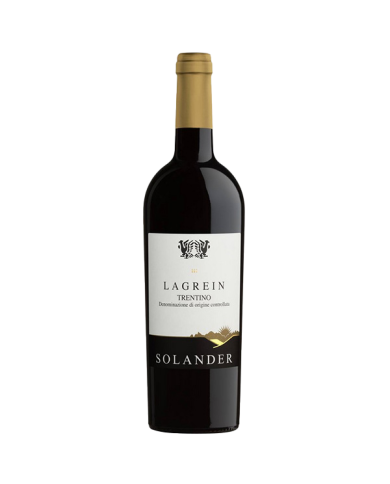
It goes well with important and structured dishes, especially grilled red meats
€15.54
SKU:
17048
Brand:
Solander
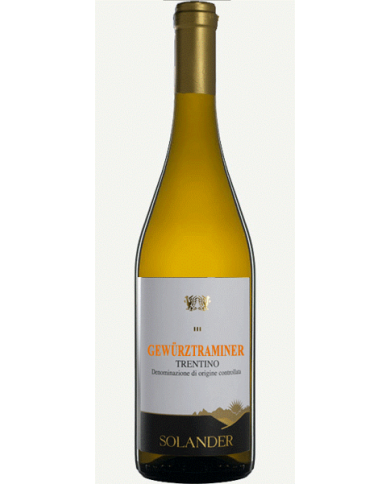
The vines are grown with the simple Trentino pergola in sandy loam and clay loam soils.
€15.07
SKU:
17042
Brand:
Solander
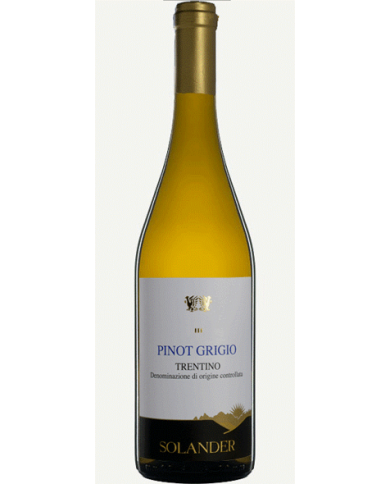
Excellent to accompany traditional Trentino first courses, such as tripe soup. It also goes well with boiled meats and white meats.
€12.81
SKU:
17031
Brand:
Fontezoppa
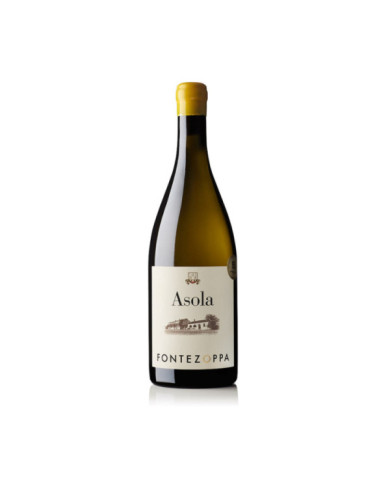
Obtained from hand-picked Maceratino (or Ribona) grapes, aged for 6 months in the bottle.
€93.94
SKU:
17030
Brand:
Fontezoppa
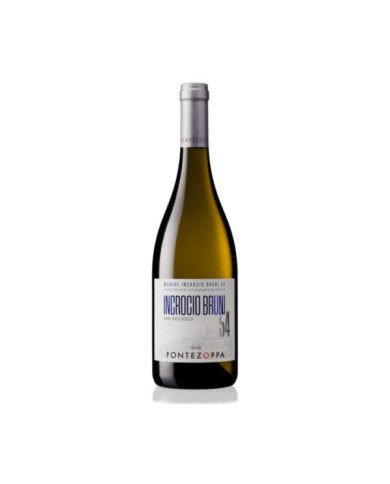
Obtained mainly from Incrocio Bruni 54 grapes, it is straw yellow, bright.
€19.64
SKU:
17029
Brand:
Fontezoppa
Do you know that you are about to drink a cup that you risked never being able to drink again?
Very rare grapes, autochthonous and yet to be discovered.
We really like this Garofanata a lot and we strictly uncork it when we are in excellent company.
€18.91
SKU:
17028
Brand:
Fontezoppa
A white Marche IGT is obtained from white grapes, aged in steel for at least 6 months.
€15.49
SKU:
17026
Brand:
Fontezoppa
Maceratino is an ancient vine, brought by the Piceni princes, which has acclimatised in a small area of the Macerata hills caressed by the brackish winds of the Adriatic.
€31.11
SKU:
17025
Brand:
Fontezoppa
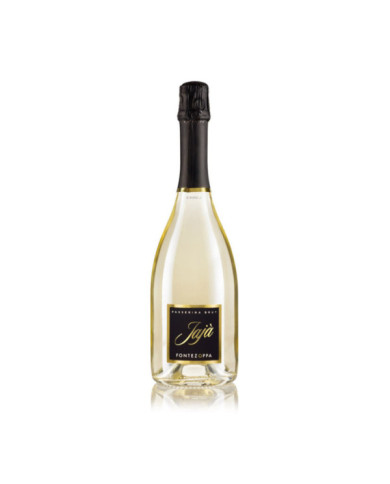
From Passerina grapes harvested by hand and refermented with the Martinotti method, it is straw yellow with greenish reflections, with fine and persistent bubbles.
€17.08
SKU:
17022
Brand:
Fontezoppa
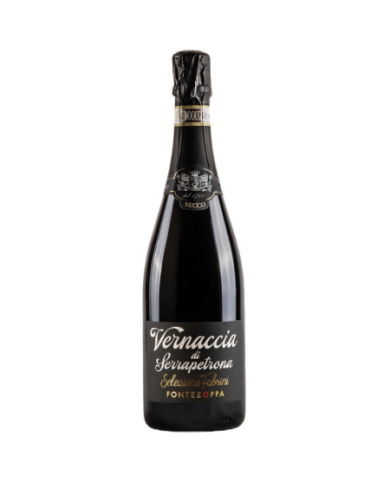
Vernaccia di Serrapetrona in the dry version is a peppery and drinkable red sparkling wine, pleasantly rustic, obtained from Vernaccia Nera with two alcoholic fermentations and second fermentation in steel with the Martinotti method.
€19.79
SKU:
17020
Brand:
Fontezoppa
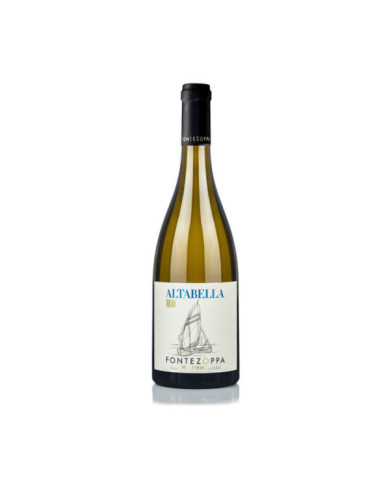
Altabella, obtained from Maceratino (or Ribona) grapes, a typical vine of our area, harvested by hand, aged in steel and bottle.
€19.76
SKU:
17017
Brand:
Fontezoppa
This wine has a straw yellow colour, brilliant and inviting. On the nose, it offers a refined fragrance characterized by delicate floral notes, which blend harmoniously with a complex fruity profile of pineapple, grapefruit and peach.
€11.59
SKU:
17016
Brand:
Fontezoppa
Pleasant freshness accompanied by a sensation of peach, broom flowers and jasmine.
€13.18
SKU:
17015
Brand:
Fontezoppa
Crystalline straw yellow.
Fine and delicate nose with hints of white flowers together with fruitiness of banana, pineapple and citrus.
€13.18
SKU:
16996
Brand:
Tenuta Viglione
Fresh, balanced and savory sparkling wine with a fruity aftertaste. Ideal to accompany aperitifs and raw seafood.
€7.94
SKU:
16992
Brand:
Codice Citra
The Metodo Classico Spumante Brut Fenaroli is a sparkling wine made from white berried grapes from the Citra winery. A Classic Method of great style and elegance
€16.65
SKU:
16991
Brand:
Vigna Madre
The first Dynamic Energy Vineyard (last patent by the Di Carlo family). Nature and man merge with the energy of colours... to improve biodiversity, the vitality of the soil, the positive frequencies on plants and fruits, people, animals and useful insects.
€7.93
SKU:
16989
Brand:
Perusini
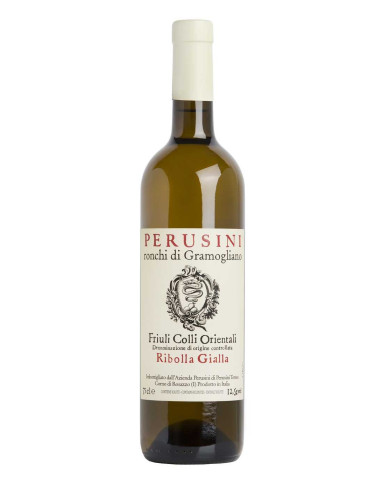
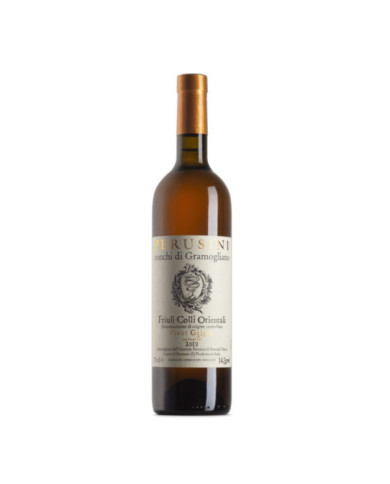
Ribolla Gialla DOC is the symbolic wine of the Perusini Agricultural Company, located in Corno di Rosazzo in the province of Udine, on the eastern Friulian hills. Produced with 100% Ribolla Gialla grapes
€14.21
SKU:
16988
Brand:
Perusini
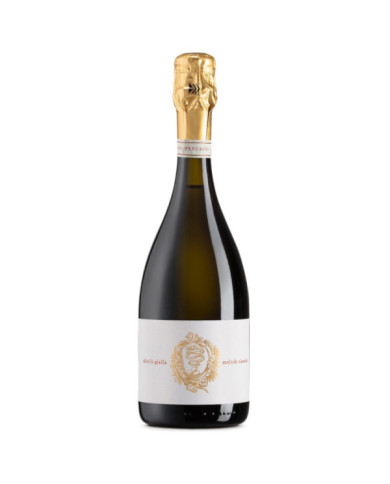
Ribolla Classic Method is a Brut sparkling wine obtained 100% from Ribolla Gialla grapes refermented in the bottle for 24 months. The Ribolla grapes guarantee this wine a great freshness and a pronounced acidity.
€22.77
SKU:
16987
Brand:
Perusini
Riserva white wine produced using the selection of the best bunches of Sauvignon and Chardonnay from our most suitable plots.
€32.45
SKU:
16981
Brand:
Perusini
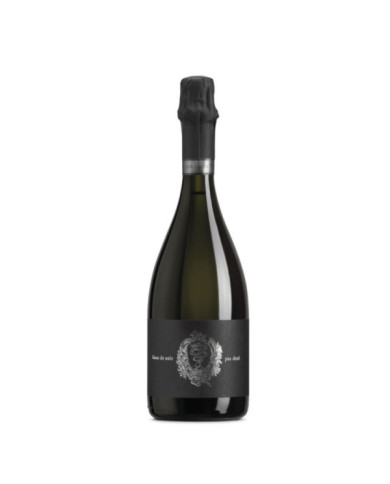
Last born in the Perusini house, this classic method is obtained from the best Pinot Noir grapes. This type of sparkling wine is better known on the market as Blanc de Noir. We have chosen to produce it in the version without added sugar and liqueur, and therefore with a pas dosé dosage…
€27.80
SKU:
16980
Brand:
Perusini
Pinot Grigio with an extraordinary coppery color obtained through a pre-fermentation cold maceration.
€17.54
SKU:
16933
Brand:
Tenuta Rocca
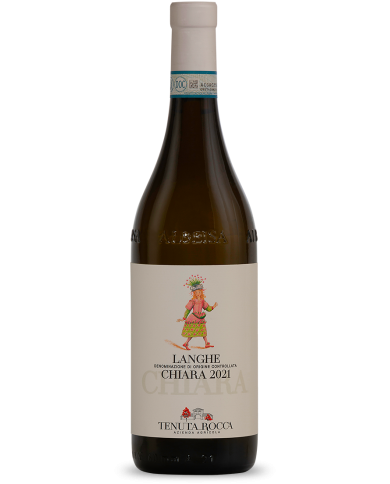
Deep straw yellow colour. The nose shows notes of exotic fruit and banana, linked by a pleasant buttery envelopment. In the mouth it is the harmony of the elements that dominates, where the accord between almond, white flowers and honey give an incredible persistence.
€55.51
The best Italian white wines
Italy is home to some of the finest white wines. In the Clickwine section of our online wine shop dedicated to the finest Italian white wines, you'll find bottles of excellent white wine carefully selected by our sommeliers.
The designations used in our country to classify wines are DOCG, DOC, and IGT. Sometimes you'll also find designations like DOP and IGP: these acronyms have similar meanings to the previous ones but are used by wineries that primarily sell their wines outside of Italy.
The production of white wine
White wines are produced from both light and dark grapes, but vinified as a white wine: that is, during maceration there is no contact between the must and the pomace, so that the skin – exactly the opposite of what happens with red wines – does not release substances and color.
Its myriad nuances vary according to the characteristics of the grape variety, the aging method and the vine growing area.
In white winemaking, once the grapes have been harvested, they are transported to the cellar, destemmed, and pressed, and the must is separated without any maceration or with a brief maceration. Sometimes, however, the grapes are pressed and then macerated with the skins at a low temperature for a varying length of time. This produces richer, smoother wines.
This phase is followed by the clarification of the white wine produced, which can be done by letting the must rest, by cooling, centrifugation or filtration.
Fermentation begins either by adding selected yeast to the must or spontaneously, using the indigenous yeasts present in the grapes. To preserve the aromas, finesse, and freshness of white wines, fermentation is carried out at lower temperatures than red winemaking, generally around 18°C.
To obtain a fresh and lively wine, best drunk young, malolactic fermentation is avoided by bottling early, after filtration and stabilization. More complex wines, aged or fermented in wood, are bottled only after several months in barrel.
How to taste white wine
First, you need to decide whether to uncork the bottle right away or let your white wine age. If you want to immediately succumb to its charm, its aromas of aromatic herbs, flint, or its notes of exotic fruit, then serve your white wine at the right temperature: 6-8°C for a young white and 8-10°C for a softer, more structured wine.
How to pair white wine
Dry white wines will surprise you at the table, too, and not just with their straw-yellow color. As an aperitif, and especially with a fish dish, white wine is definitely a must, but it's not easy to know which of the many labels will be best suited to the occasion.
We recommend pairing white wine with cheeses, whether low-fat, fresh, or rich in milk, such as flavorful buffalo mozzarella, or with soft, bloomy-rind cheeses. They're also perfect with white meats, such as classic scallops, but beyond tradition, white wine also pairs perfectly with meat and risotto dishes, as well as truffles. Visit our online wine shop Clickwine for expert advice on purchasing the best white wine at the best price to pair with your favorite dishes.
White wines: prices and offers
Every week, our online wine shop, Clickwine offers a selection of selected white wines at special prices. In this section and in the special offers section, you can then browse the best value wines.
A wide selection of premium products at affordable and truly exclusive prices. Don't miss the incredible deals on white wines from all the most prestigious Italian wineries; discover internationally renowned and beloved Italian wines.
Enter the Clickwine catalog and expand your selection by purchasing exclusive items online from smaller, yet exceptionally high-quality wineries.
White wines: longevity and conservation
How long can I keep white wine in the cellar? Do white wines improve as they age like red wines? These are the questions a wine consumer asks when talking about white wine.
In general, white wines have a much shorter shelf life than red wines, for two reasons: tannins and aging. Tannins are antioxidants present in the wine's skins that aren't present in white wines; as for aging, however, most white wines age in stainless steel for just a few months; even red wines, if they age briefly in stainless steel and undergo rapid maceration, don't last for many years. Let's say a classic white wine aged in stainless steel lasts a maximum of 2 to 3 years. If it undergoes maceration or ages in wood, it can last up to 20 years and improve year after year.
How many types of white wines are there?
There is no exact number of types of white wine, as there are several different white grape varieties that can be used to make white wines. Some of the most common white grape varieties used to make white wines are Chardonnay, Sauvignon Blanc, Riesling, Pinot Grigio, and Moscato. There are also other less common varieties such as Gewürztraminer, Semillon, and Viognier. Each of these varieties can be used to produce white wines with unique and different characteristics, so there are many different types of white wines available.
How to recognize a good white wine?
There are several ways to recognize a good white wine. One of the simplest is to taste the wine and evaluate its flavor and aroma. A good white wine should have a pleasant flavor and a delicate, complex aroma. Other factors that can indicate the quality of a white wine include the vintage, the grape variety, and the production area. In general, white wines produced with high-quality grapes and in particularly favorable years tend to be more valuable and of higher quality. Furthermore, white wines produced in regions renowned for producing high-quality white wines can be considered more valuable than those produced in other regions.
How to understand if a white wine is good?
As mentioned above, one of the easiest ways to determine if a white wine is good is to taste it and evaluate its flavor and aroma. A good white wine should have a pleasant flavor and a delicate, complex aroma. It's also important to keep in mind that the quality of a white wine can be influenced by several factors, such as the vintage, the grape variety, and the production area. For example, white wines produced with high-quality grapes and in particularly favorable years tend to be more valuable and of higher quality. Furthermore, white wines produced in regions renowned for producing high-quality white wines may be considered more valuable than those produced in other regions.
Why is it called white wine?
White wine is so called because it is made using white grapes. Most white grapes have transparent or lightly colored skins, so the wine made from these grapes has a light, transparent color. Sometimes the color of white wine can be influenced by the type of grape used, the winemaking process, and the addition of other ingredients, but generally, white wine has a light, transparent color.
How to replace white wine?
If you want to replace white wine in a recipe, there are several ingredients you can use. One of the most common options is to use chicken or vegetable broth instead of white wine. Other options include using white vinegar or apple juice diluted with water. Additionally, in some cases, you can omit the white wine entirely and use other ingredients to achieve the desired flavor in the recipe.