

 Italiano
 Deutsch













There are no more items in your cart
SKU:
15915
Brand:
Cantina Orsogna
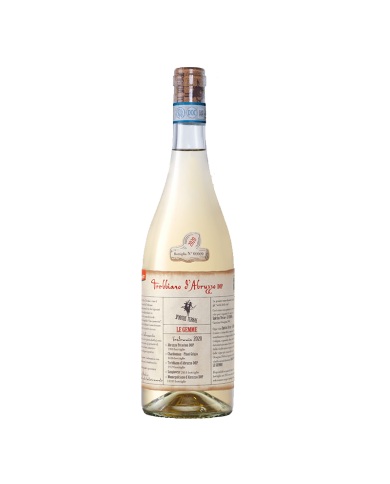
Indigenous vine > Biodynamic spontaneous fermentation wine with biodiversity certification > NOT FILTERED and not tartaric stabilized.
€16.76
SKU:
15914
Brand:
Cantina Orsogna
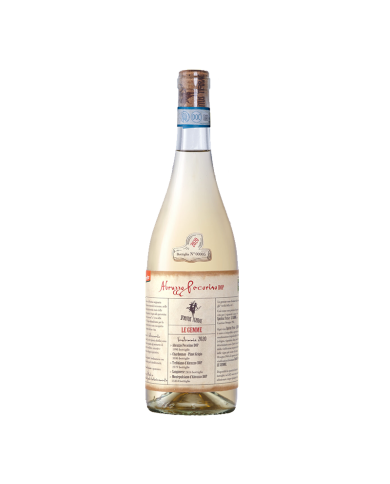
> Autochthonous vine > Biodynamic spontaneous fermentation wine with biodiversity certification > NOT FILTERED and not tartaric stabilized.
€16.76
SKU:
15912
Brand:
Cantina Orsogna
Autochthonous vine
biodynamic spontaneous fermentation wine with biodiversity certification
€21.26
SKU:
15887
Brand:
Tiezzi
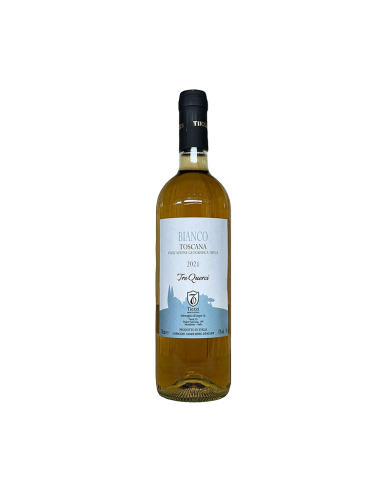
It has a straw yellow color with greenish reflections. The nose opens fruity with notes of green apple, peach, ending with hints of almond and delicate white flowers. On the palate excellent freshness and pleasant minerality
€15.20
SKU:
15882
Brand:
Colli del Soligo
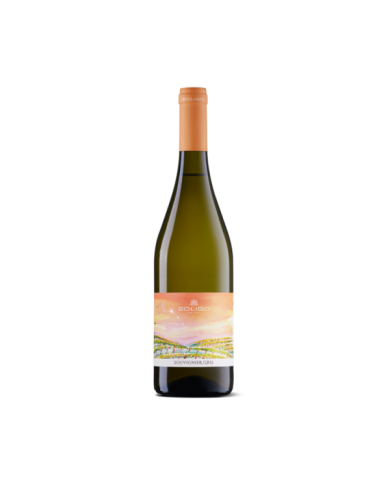
Souvignier Gris is a vine resistant* to fungal diseases, it was created by crossing the Seyval variety with the Zahringer in 1983 in Germany. The bunches of grapes are harvested at the beginning of September, once they reach the cellar they are pressed and the must is left to macerate on the skins for a few days. This gives the characteristic color and enriches the aromatic bouquet. At the end of this process the alcoholic fermentation starts in stainless steel containers. Maturation follows, which for 30% of the mass takes place in new wooden barriques and continues for about six months. This is where the spicy aromas and the particular warm and rich flavor originate. After which the two masses are united again and following the blend is filtered and bottled to then be put on the market after a few months of rest in the bottle. * resistant vine: it is a vine obtained from interspecific crossings aimed at lowering the susceptibility of the plant towards cryptogamic diseases (such as downy mildew and powdery mildew) and low temperatures. In this way a stronger plant is obtained and consequently viticulture becomes ethically and ecologically more sustainable both for man and for the environment. The resulting wines are healthier and qualitatively not inferior to the conventional ones we usually consume. In Italy, the cultivation of 10 resistant grape varieties is currently permitted. Colli del Soligo offers two, Souvignier Gris in the still wine version and Johanniter in the sparkling version. Taste to know. Don't miss the opportunity, taste it!
€9.36
€8.42
€24.00
SKU:
15836
Brand:
Spinelli
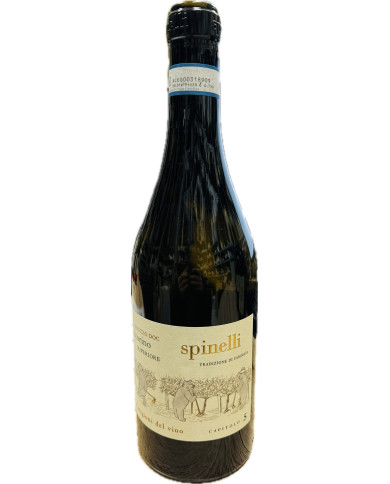
Straw yellow color with golden notes. Persuasive and complex bouquet, with fruity, floral and spicy notes. With a good structure, full, soft and with a long persistence.
€6.95
SKU:
15835
Brand:
Spinelli
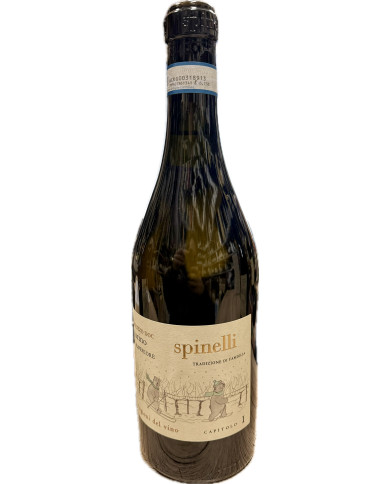
Straw yellow color with golden notes. Persuasive and complex bouquet, with fruity, floral and spicy notes. With a good structure, full, soft and with a long persistence. Excellent as an aperitif and with appetizers, it is perfect with all seafood cuisine, especially raw fish and seafood. Also perfect with delicate meat-based dishes, with vegetables and fresh and semi-mature cheeses.
€13.37
SKU:
15832
Brand:
Spinelli
White color with greenish notes, fruity, intense and elegant bouquet; in the balanced taste, with an aftertaste reminiscent of green apple.
€8.78
SKU:
15831
Brand:
Spinelli
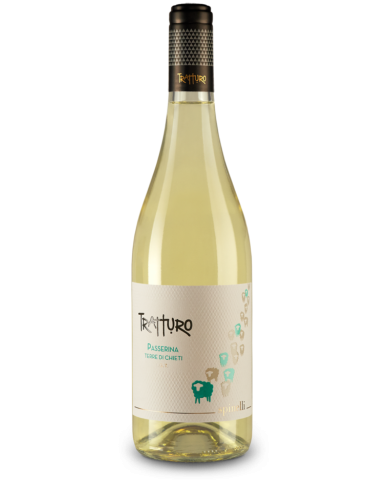
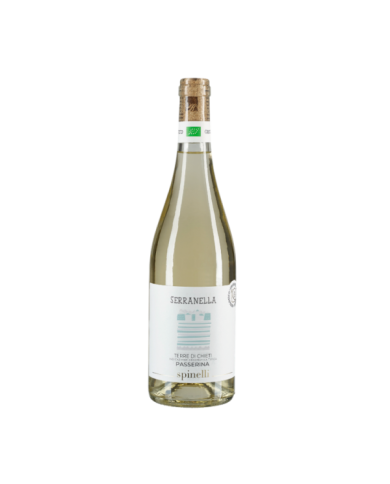
Passerina Terra di Chieti is a wine that follows a short cold maceration of the crushed grapes, delicate pressing and fermentation at a controlled temperature in stainless steel tanks. Its marketing usually takes place in the months of January/February of the year following the harvest. We are talking about a wine that stands out in the glass for its straw yellow color with greenish hues. On the nose it offers a persistent and fruity aroma of white-fleshed fruits, exquisitely mixed with citrus notes. A glass that has a good structure and a full and intense flavour. It conquers the palate for its excellent freshness which makes it an exceptional white to be enjoyed as an aperitif and ideal in combination with fish, shellfish and seafood dishes, including raw ones, fresh cheeses and white meats.
€8.78
SKU:
15830
Brand:
Spinelli
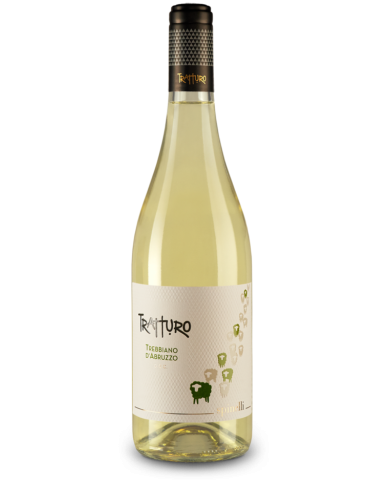
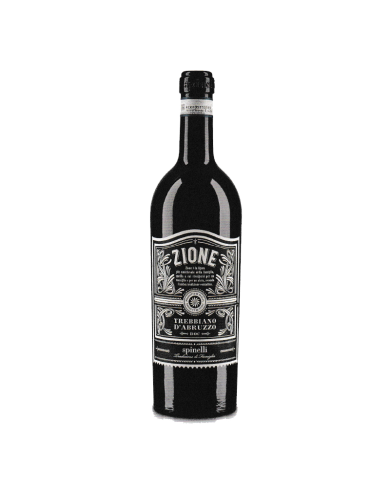
Trebbiano d'Abruzzo from the Spinelli winery is a wine that follows a short cold maceration of the crushed grapes, delicate pressing and fermentation at a controlled temperature in stainless steel tanks. Its marketing usually takes place in the months of January/February of the year following the harvest. We are talking about a wine that stands out in the glass for its fairly intense straw yellow colour. On the nose it gives a persistent and fruity aroma of exotic fruit, exquisitely blended with floral notes. A glass that has a good structure and a long persistence on the palate. A soft white with the right degree of sapidity, an excellent meal wine for every day to be enjoyed as an accompaniment to dishes based on fish, shellfish and seafood, fresh cheeses and white meats. Also perfect to be enjoyed in the company of appetizing aperitifs.
€8.39
SKU:
15829
Brand:
Spinelli
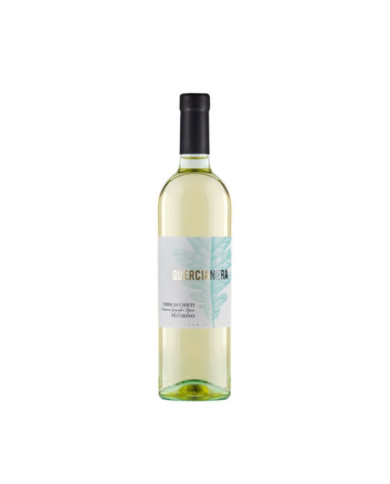
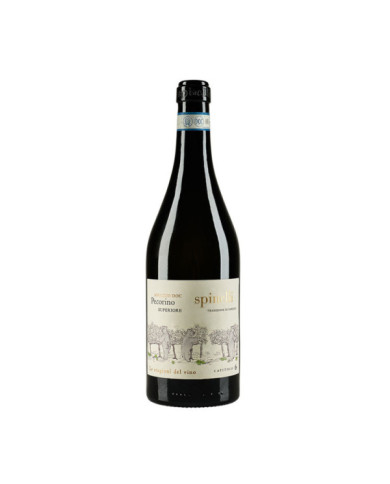
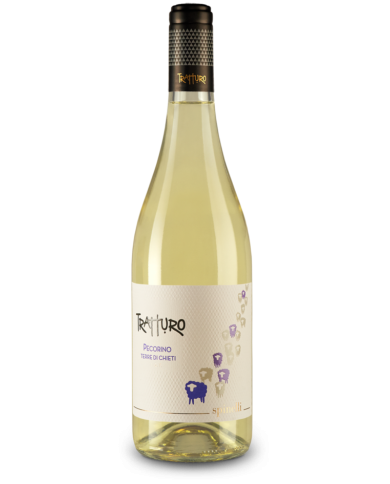
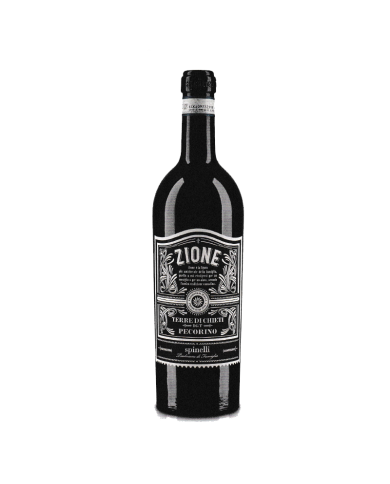
Pecorino Terra di Chieti is a wine that follows a short cold maceration of the crushed grapes, delicate pressing and fermentation at a controlled temperature in stainless steel tanks. Its marketing usually takes place in the months of January/February of the year following the harvest.
We are talking about a wine that stands out in the glass for its straw yellow color with golden hues. On the nose it offers a persistent and fruity aroma of ripe yellow-fleshed fruit, exquisitely blended with balsamic notes and floral hints.
A glass that has a good structure and a long persistence on the palate. A versatile white, excellent table wine to be enjoyed every day as an accompaniment to dishes based on fish, shellfish and seafood, even raw, vegetables, fresh and semi-mature cheeses, white meats. Also perfect to be enjoyed in the company of appetizing aperitifs.
€10.16
€9.15
SKU:
15828
Brand:
Spinelli
Straw yellow with greenish and brilliant hues. Strong aromas of exotic fruit, banana, citrus and delicate notes of yellow flowers. Fresh, soft and pleasant. Medium bodied and good persistence.
€8.78
SKU:
15825
Brand:
Spinelli
Trebbiano d'Abruzzo from the Spinelli winery is a wine that follows a short cold maceration of the crushed grapes, delicate pressing and fermentation at a controlled temperature in stainless steel tanks. Its marketing usually takes place in the months of January/February of the year following the harvest. We are talking about a wine that stands out in the glass for its fairly intense straw yellow colour. On the nose it gives a persistent and fruity aroma of exotic fruit, exquisitely blended with floral notes. A glass that has a good structure and a long persistence on the palate. A soft white with the right degree of sapidity, an excellent meal wine for every day to be enjoyed as an accompaniment to dishes based on fish, shellfish and seafood, fresh cheeses and white meats. Also perfect to be enjoyed in the company of appetizing aperitifs.
€6.95
SKU:
15822
Brand:
Spinelli
Straw yellow color with greenish notes. Persistent and fruity bouquet, with citrus notes. Good structure, excellent freshness, full and intense flavour. Excellent as an aperitif, it elegantly accompanies all fish-based cuisine revealing a predilection for crustaceans and seafood, even raw. It is the perfect match with white meats and unseasoned cheeses.
€10.25
€13.36
€15.70
SKU:
15777
Brand:
Torre dei Beati
€18.24
€15.50
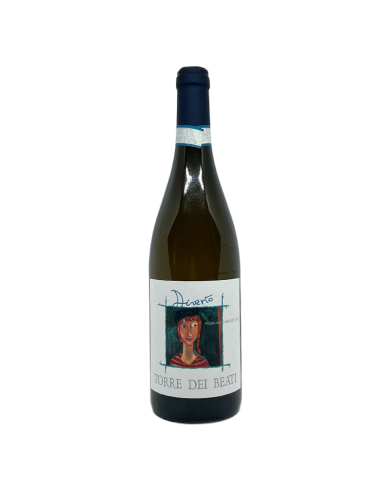
The Trebbiano grapes remain in contact for about a year on the lees in Clayver ceramic barrels, the 2021 vintage was bottled in October 2022. We are dealing with a wine that expresses a clear sunny character, the aromas are reminiscent of wheat and chamomile , then a ripe peach comes out. The mouth is rich, warm, enveloping, powerful, with a remarkable aromatic expansion and length. In the second part of the mouth it develops a delicately smoky trace of toasted almond and hazelnut; closes full and juicy on fruity sensations and hints of tea.
€18.24
€15.50
SKU:
15757
Brand:
Roxan
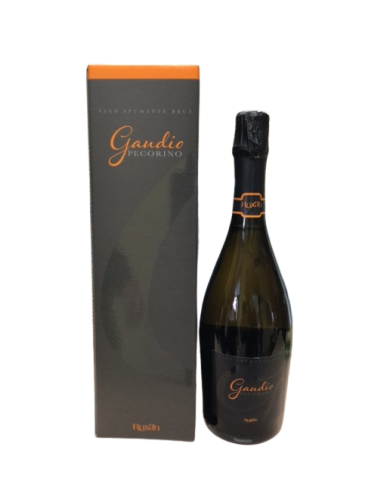
It is a brut sparkling wine with a wide and persistent froth, fine and continuous perlage, a light straw color. The aroma is intense and balanced finesse. The full flavor expresses the typicality of the production area.
€18.12
€14.69
SKU:
15755
Brand:
Vigna del Lauro
€13.16
€10.53
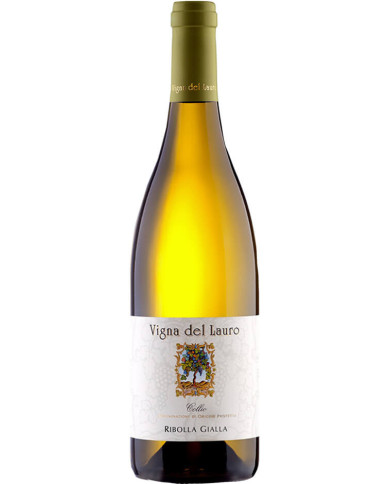
Before the harvest, which usually takes place during the second and third ten days of September, the grapes are carefully selected in the vineyard. Subsequently, a gentle pressing is carried out, to then move on to alcoholic fermentation at a controlled temperature in stainless steel for about a week. The refinement takes place on the fine lees, for about 7 months in order to increase its complexity. In the glass Collio Ribolla Gialla shows a pale straw yellow color with slight greenish reflections. Elegant fruity aromas of white peach, apple and pear blend with floral aromas of rose and spring flowers to create an enveloping and seductive bouquet. An intriguing and pleasant wine on the palate; thanks to a rather acid taste, the result is a glass characterized by a remarkable freshness to be savored to the full. A versatile white that is well suited to many preparations in the kitchen including dishes based on white meats, vegetables, first courses with not too tasty sauces and fried fish. Also excellent as an aperitif wine.
€13.16
€10.53
SKU:
15751
Brand:
Vigna del Lauro
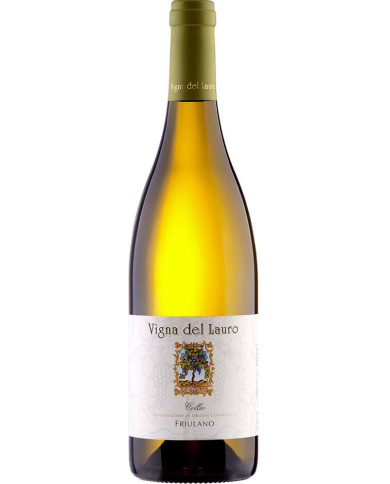
Before the harvest, which usually takes place during the second ten days of September, the grapes are carefully selected in the vineyard. Subsequently, a gentle pressing is carried out, to then move on to alcoholic fermentation at a controlled temperature in stainless steel for about a week. The refinement takes place on the fine lees, for about 7 months in order to increase its complexity.
Collio Friulano has a straw yellow color with citrine reflections. On the nose it offers a broad and intense bouquet with the prevalence of floral aromas of acacia that blend perfectly with marked spicy notes.
A wine that is always appreciated, full and dry on the palate, and characterized by the typical almondy aroma of the vine. The slightly bitter finish makes this white excellent in combination with dishes based on white meats, grilled fish, vegetables and first courses with delicate sauces.
€12.32
SKU:
15750
Brand:
Vigna del Lauro
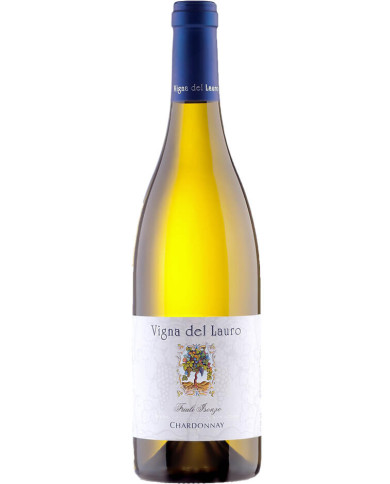
Before the harvest, which usually takes place during the first ten days of September, the grapes are carefully selected in the vineyard. Subsequently, a gentle pressing is carried out, to then move on to alcoholic fermentation at a controlled temperature in stainless steel for about a week. The refinement takes place on the fine lees, for about 7 months in order to increase its complexity.
The Isonzo Chardonnay is presented in the glass with a rather pale straw yellow colour. The nose offers a large fruity and floral bouquet that is not too intrusive.
A wine that stands out for its incredible qualities of freshness and persistence on the palate, and that lends itself well to accompanying appetizing aperitifs. A versatile and soft glass on the palate, which on the table, served at the recommended temperature, in combination with fish-based courses, cooked or raw, risottos and seafood-style first courses, can only conquer and seduce the taste buds.
€13.79
SKU:
15749
Brand:
Vigna del Lauro
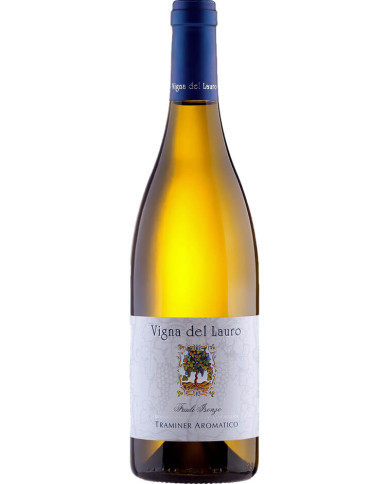
Before the harvest, which usually takes place during the second ten days of September, the grapes are carefully selected in the vineyard. Subsequently, a gentle pressing is carried out, to then move on to alcoholic fermentation at a controlled temperature in stainless steel for about a week. The refinement takes place on the fine lees, for about 7 months in order to increase its complexity.
The Isonzo Traminer pours into the glass with an intense straw yellow colour. On the nose it seduces with a large and aromatic bouquet characterized by aromas of yellow-fleshed fruits, followed by elegant notes of lychee and floral aromas.
When tasted, it immediately denotes that it is a very balanced wine with sapid and fresh notes. A white that gives softness to the palate and a pleasant almond taste on the finish. At the table it is excellent as an aperitif, and ideal to accompany fish-based dishes, shellfish dishes, ethnic cuisine and particularly spicy flavours.
€13.79
SKU:
15743
Brand:
Ronco dei Tassi
€16.46
€11.52
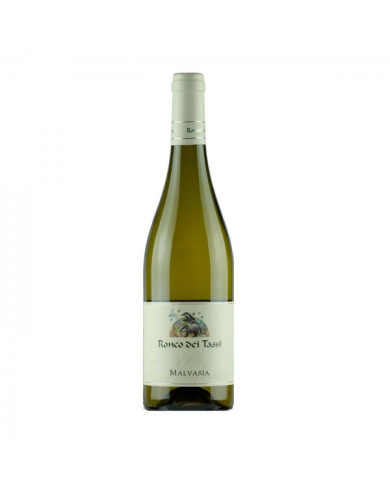
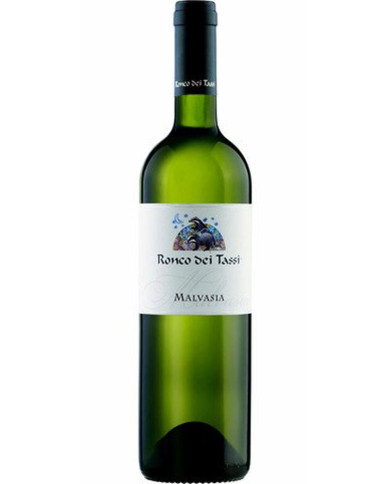
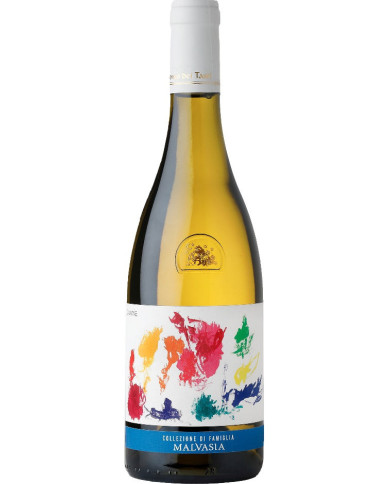
Malvasia is the result of grapes selected and harvested manually when they are fully ripe. This is followed by delicate destemming and pressing, and subsequent alcoholic fermentation in stainless steel tanks at a controlled temperature of 18-20 °C for a period of about 8-12 days. The wine then undergoes partial malolactic fermentation and ages in stainless steel tanks until the month of April following the harvest before being bottled and marketed. In the glass it has a bright straw yellow color. The bouquet releases an intense scented aroma of yellow fruit among which peach and apricot stand out, deliciously mixed with citrus aromas of mandarin and aromatic herbs. On the palate it is rich, soft and savory at the same time. A white of great balance, fresh and persistent in the mouth that on the table is an excellent combination with dishes based on both cooked and raw fish, seafood risottos and first courses with delicate sauces.
€16.46
€11.52
SKU:
15742
Brand:
Ronco dei Tassi
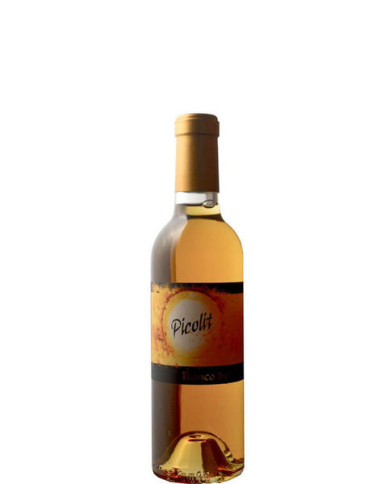
Picolit is produced in a vineyard where the average age of the vines is around 30 years, made up of sandstone marls of Eocene origin. The harvest takes place in mid-October; subsequently the Picolit grapes are left to dry on racks for 40/50 days. This is followed by fermentation in Allier oak barrels. The wine rests on the fermentation lees for 15 months in small oak barrels and 3 months in the bottle before being put on the market.
An amber yellow wine is presented to the glass. The bouquet is delicate and elegant with clear fruity hints of apricots and dried figs. The taste is sweet and harmonious and gives the palate a warm and persistent flavor for a long time.
A bottle that, on the occasion of an invitation, is certainly always very welcome by the hosts. Picolit is a delicious wine that is well suited to daily consumption in the company of cheese platters and sideboard desserts, dry biscuits and dried fruit.
€26.72
SKU:
15741
Brand:
Ronco dei Tassi
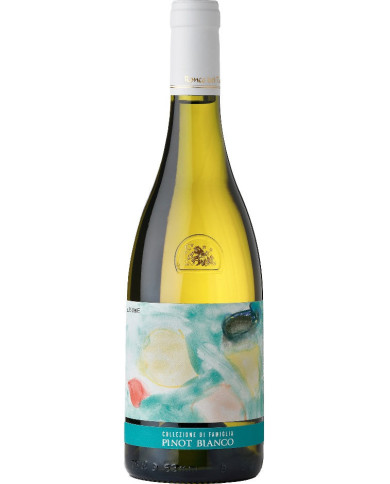
In the Gorizia Collio (then Austrian Friuli) the first cuttings of Pinot bianco were brought by Count La Tour of Capriva at the end of the 19th century. The old people of the area still knew it under the name of white Burgundy, in the 1863 catalog it was mentioned with this annotation: "variety cultivated in Lestizza for more than 20 years, whose fruit gives exquisite wine". Today it is among the greatest symbols of the Collio.
The Collio hills of Eocene origin, made up mostly of marl and sandstone, are the most congenial soils to enhance the best qualitative characteristics of this grape variety. The vineyard is about 30 years old, trained according to the Guyot system with a South/South-East exposure, and is cultivated in one of the highest and most well-exposed areas of Mount Quarin and in the hills around the town of Cormons.
The harvest is done manually in the first ten days of September,
the grapes are then crushed, de-stemmed and placed in the pneumatic press, where they receive a soft pressing. The must obtained is cooled and statically decanted, in order to be able to separate the clearest part from the lees. The alcoholic fermentation takes place in 225-litre oak barriques, with aging on noble lees for 12 months.
€41.36
SKU:
15740
Brand:
Ronco dei Tassi
Istrian Malvasia, also known as Friulian, occupies a prestigious position in the large Malvasia family which has rather strange and uncertain origins. It is believed that in 1300, during the rule of the Venetian Republic, the merchants of the city returning from the Peloponnese brought these vines with them. From there they spread along the entire Adriatic coast, from Dalmatia to Istria up to the Karst hills of the Gulf of Trieste and the Eocene hills of eastern Friuli.
The Collio hills of Eocene origin are made up largely of marl and sandstone, and thanks to a favorable microclimate given by the proximity of the sea, they make them one of the most suitable areas to highlight the best qualitative characteristics of this vine.
The vineyard is located in the highest areas, south/south-east of Mount Quarin in Cormons.
The harvest is done manually in the last ten days of September, the fermentation takes place on the skins at a controlled temperature for about 7 days. After racking, fermentation continues in oak tonneau, the wine obtained remains to refine on the noble lees for 12 months.
The color of the wine is a brilliant golden yellow. On the nose the scent is slightly aromatic, with spicy notes reminiscent of cinnamon and nutmeg, embellished by a complex, floral and fruity bouquet of ripe apricot and yellow-fleshed peach, and sweet hints of candied fruit.
On the palate the taste is intense, with great sapidity and richness in the aftertaste, with a long and persistent finish. It goes perfectly with appetizers, soups in general and fish first courses, but especially shellfish and baked fish with tomatoes and potatoes.
€41.36
SKU:
15739
Brand:
Ronco dei Tassi
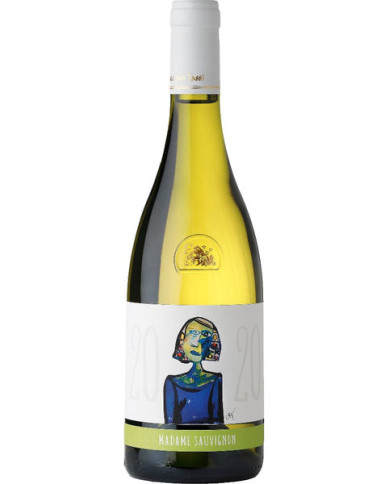
The Sauvignon vine originates from the Gironde, near the Sauternes, in the Bordeaux region of France. It has been present in Friuli Venezia Giulia since 1800, here it was grown and produced almost exclusively on the Collio and Colli Orientali hills.
The Collio hills of Eocene origin are made up mostly of marl and sandstone. The proximity to the sea and the woods surrounding the vineyards make it a place with a perfectly fresh and breezy microclimate, which makes it one of the most suitable for exalting the qualitative characteristics of this variety in an original way. The vineyard is located in the highest areas facing east of Mount Quarin and the hills surrounding the town of Cormons.
The harvest is done manually in the first week of September
The destemmed grapes are crushed and left to macerate for about 18 hours at 10°C, the must obtained from the soft pressing is statically decanted for one day, and fermented at 16/17°C. After fermentation, the wine obtained remains on the noble lees and aged in oak tonneau for 5 months
The color in the glass is a beautiful bright shade of straw yellow, with light greenish reflections. On the nose the scent is very aromatic but not annoying, it is elegant and complex, with fruity notes of mango and passion fruit, but also of white peach, with vivid hints of sweet elderflower.
The flavor is excellent, and it is what one would expect from what this wine promises to the nose. The entrance is very balanced, with a fresh and dry flavour, with a long persistence and a marked sapidity.
It is a wine that goes well with appetizers with ham, first courses with courgettes or asparagus, shellfish and fish dishes with sauce.
SKU:
15738
Brand:
Ronco dei Tassi
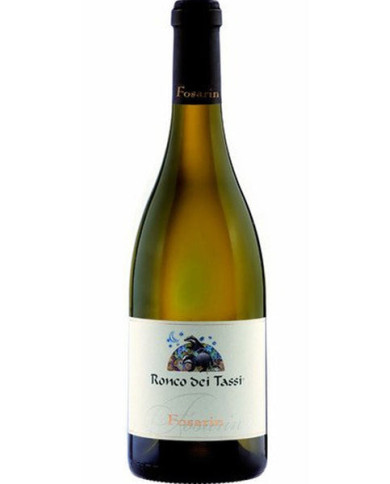
Fosarin is born from the union of the Friulano, Malvasia and Pinot Bianco vines, aged for 5 months in barrique. A balanced white wine of medium intensity and structure capable of giving a harmonious, savory and fruity finish. Fosarin springs from the passion, commitment and attention that has always distinguished Cantina Ronco dei Tassi in the management and care of eco-sustainable cultivation that is respectful and careful, capable of maintaining the flavors and aromas of the grapes. In the glass it has a pale straw yellow color. On the nose it offers a persuasive and harmonious scent of anise, yellow peach and yoghurt. On the palate it is immediately rich and full, sapid and enveloping with a long and persistent finish to be savored to the last drop. Collio Bianco Fosarin on the table goes very well with fish-based dishes, and in particular in combination with tasty seafood appetizers, seafood first courses and risottos and fish soups, but also soft cheeses and white meats.
€19.35
SKU:
15737
Brand:
Ronco dei Tassi
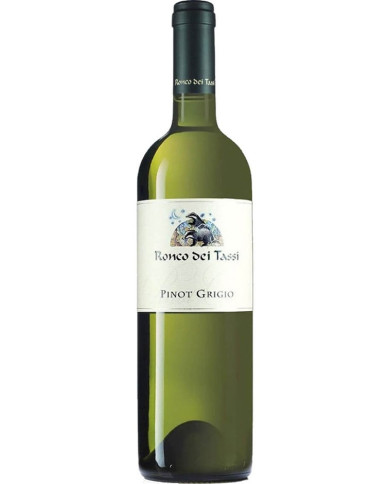
Pinot Grigio Collio is a white that well represents the quality achieved with great commitment, passion and attention to eco-sustainable viticulture, from the labels of the Ronco dei Tassi winery.
The visual examination reveals a wine with a pale straw yellow colour. The smell is enveloping and elegant defined by fragrant fresh and fruity notes of pear, apple, exotic fruit and light nuances of dried fruit. In the mouth it is a sip rich in aromas and flavours; the acidity compensates for the softness and allows you to reach the fullness of the gustatory balance.
An excellent glass for every day that on the table goes very well with fish-based dishes, and in particular in combination with tasty seafood appetizers, seafood first courses and risottos and fish soups.
€16.96
SKU:
15736
Brand:
Ronco dei Tassi
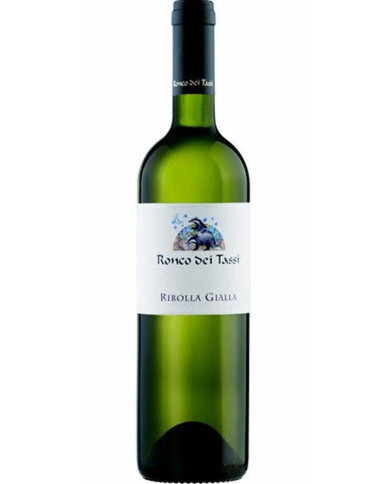
Ribolla Gialla is an elegant and appetizing white wine that comes from the commitment and will of the Ronco dei Tassi winery to give rise to an impeccable wine from a qualitative and gustatory point of view, which however maintains great attention to a healthy and natural eco-sustainable viticulture.
The glass has a pale straw yellow color with greenish reflections. On the nose the aroma is sweet and delicate with clear fruity and citrus scents, and notes of cedar punctuated on the finish. On the palate it is a sapid and pleasant wine, with good persistence, and offers a fresh and harmonious finish to be shared in good company.
A delicious glass that is well suited for daily consumption in the company of platters of soft and slightly aged cheeses, cooked or raw fish dishes, shellfish, light first courses and appetizing aperitifs.
€16.96
SKU:
15735
Brand:
Ronco dei Tassi
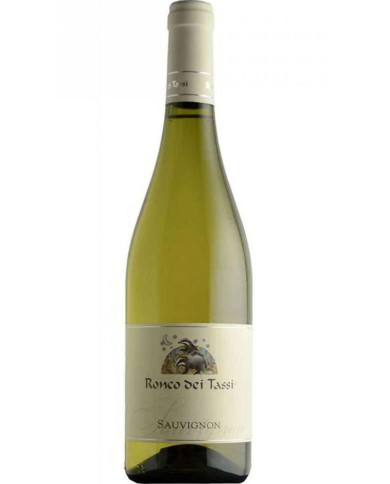
Sauvignon Collio is a refined wine that well represents the qualities achieved over the years by the Ronco dei Tassi winery with great commitment, passion and attention to eco-sustainable viticulture. The extreme care reserved for the grapes has allowed this white to present itself in the glass as an impeccable wine from a qualitative point of view and a sip rich in aromas and flavors ready to satisfy the palates. From the visual examination of the glass, a wine with a pale straw yellow color is presented. The scent is sinuous and is a succession of pleasant fruity aromas and harmonious floral notes. In the mouth it is a sip that immediately appears full-bodied, aromatic and pleasantly acidic. A glass that is well suited to daily consumption in the company of platters of soft and slightly aged cheeses, dishes based on fish and shellfish.
€16.84
SKU:
15729
Brand:
Rocca del Principe
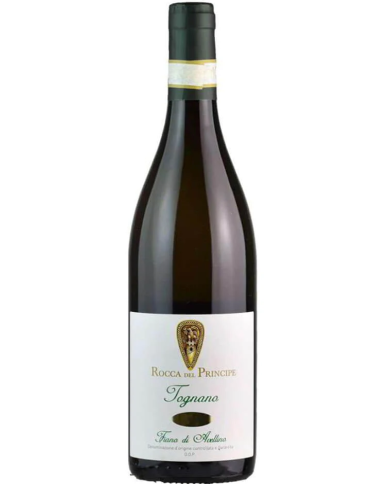
Cru Tognano is obtained by selecting the grapes produced by plants grafted with the centenary Fiano clone. Exposure East Clayey sandy soil of medium texture, dry and windy climate, altitude 550 above sea level, presence of numerous water springs, a set of factors that characterize this cru. The company begins harvesting the grapes in the first ten days of October and, after pressing, subjected to maceration on the skins for about 15 hours, the free-run juice obtained ferments in steel for about 45 days. The alcoholic fermentation is followed by an aging in steel for 12 months and a further aging in the bottle for a minimum of 12 months. In the glass this wine is straw yellow in color with delicate greenish reflections. On the nose, the aromas of citrus fruits and white-fleshed fruit, mint, toasted notes and hydrocarbons stand out which evolve over time, becoming increasingly striking and intense. In the mouth the taste is fresh and with a long aromatic persistence with returns of citrus and smoky notes. This white is excellent in combination with fish dishes, white meats and fresh cheeses.
€43.01
SKU:
15728
Brand:
Rocca del Principe
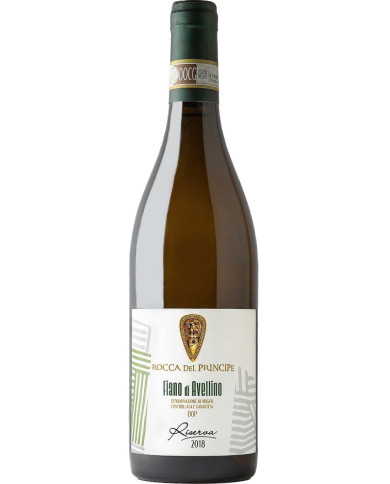
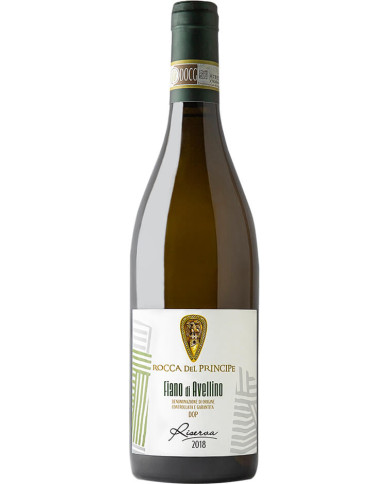
Rocca del Principe presents its pure Fiano, the first born in the "Riserva" version. The wine must have aged for at least 12 months, starting from the month of November following the harvest. An excellent wine capable of making its origin known even with closed eyes: the territory of Lapio where the cellar is located. An area particularly suited to viticulture, especially for Fiano grapes, especially in the north, north-east side. The particular characteristic of the wines produced in this area is an unexpected longevity. In the glass it shows a beautiful clear and light yellow color. The nose is extremely intense, the hints of yellow fruit such as peach are evident as well as aromas of more exotic fruit, combined with brackish nuances and hints of flint. Perfect harmony between nose and mouth. The taste is decidedly fresh and salty, with an energetic acidity. A highly versatile wine that goes perfectly with many dishes based on fish or white meat. Excellent with margherita pizza.
€46.80
SKU:
15727
Brand:
Rocca del Principe
€27.28
€24.55
Every year this wine, produced exclusively with Fiano grapes obtained from the company's vineyards, is the expression of a territory. The only factor that can significantly vary the characteristics is represented by the climatic trend of the different years. The company begins harvesting the grapes in the first ten days of October and, after pressing, follows the alcoholic fermentation in steel tanks at a controlled temperature of 12/14° for about 40 days. Malolactic fermentation is partially carried out, followed by aging in steel on fine lees for 10 months. The refinement in the bottle is for another 4 months. In the glass this wine is straw yellow in color with delicate greenish reflections. The nose is fine and delicate but at the same time persistent and intense with fruity, floral, mineral and vegetable notes. The aromas of orange blossom, cedar, fresh almonds and aromatic herbs stand out in particular, which over time evolve into aromas of toasted hazelnuts, dried fruit and hints of hydrocarbons. In the mouth the taste is dry, fresh, sapid and with a long aromatic persistence. At the table it marries beautifully in combination with fish dishes, white meats and fresh cheeses.
€27.28
€24.55
SKU:
15723
Brand:
Cantina Fratelli Pardi
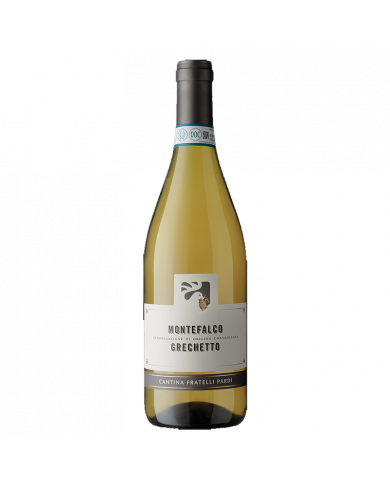
Selection of the free-run juice with light pressure. Fermentation at temp. controlled (18 °) followed by 8 months on the fine lees.
€15.82
€12.66
SKU:
15721
Brand:
Cantina Fratelli Pardi
Fermentation at temp. constant (20 °) for 20 days in stainless steel. The bottled wine remains for at least two months in the cellar.
€7.99
€7.19
SKU:
15717
Brand:
Fattoria La Rivolta
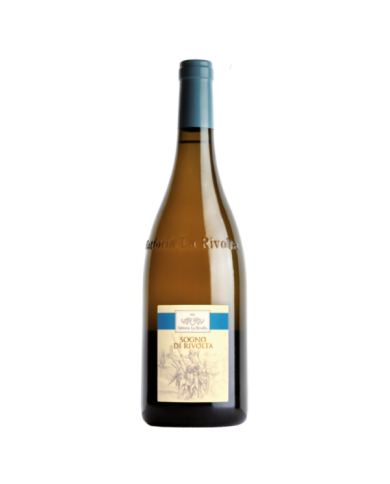
The "Sogno di Rivolta" is characterized by delicate fruity and floral aromas, very harmonious, and by a satisfying sip. The grapes ferment both in steel and in barriques, and then mature for 5 months in barriques and are bottled. A wine that cannot be missing on the table of every true enthusiast.
€18.08
SKU:
15711
Brand:
Fattoria La Rivolta
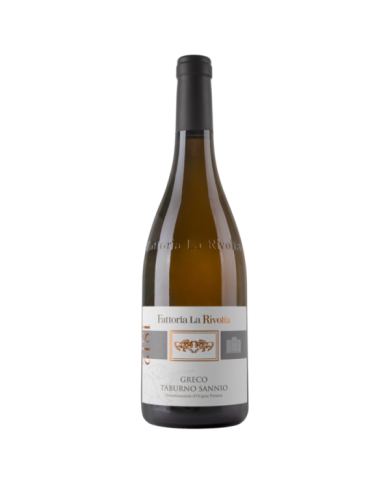
Greco is a grape so named because it was brought to southern Italy by the Pelasgians of Thessaly in the 8th century AC It is also called "aminea gemina" due to the twin shape of the small bunches.
€14.27
SKU:
15710
Brand:
Fattoria La Rivolta
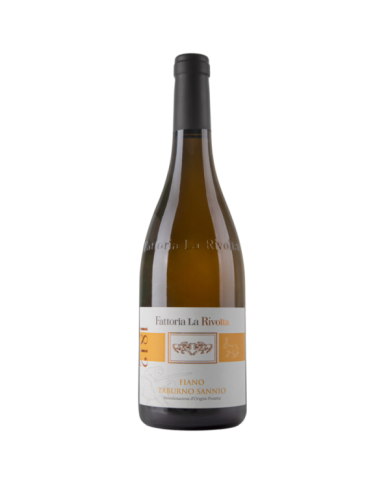
Fiano, a grape called by the Latins "Vitis Apiana" because the bees are particularly fond of the sweetness of this grape.
€14.27
SKU:
15708
Brand:
Fattoria La Rivolta
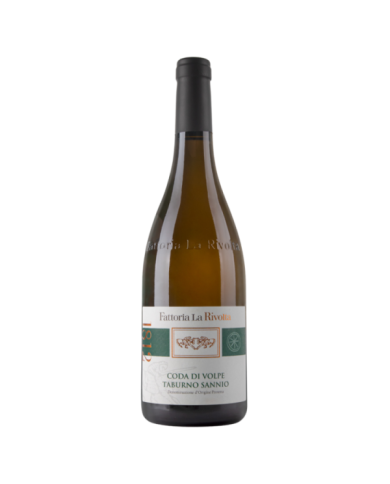
Coda di Volpe, a grape already mentioned by Pliny the Elder in his "Naturalis Historia" with the name of "Cauda Vulpium" due to its bunch which, when fully ripe, takes on the shape of a fox's tail.
€13.83
€11.76
SKU:
15707
Brand:
Fattoria La Rivolta
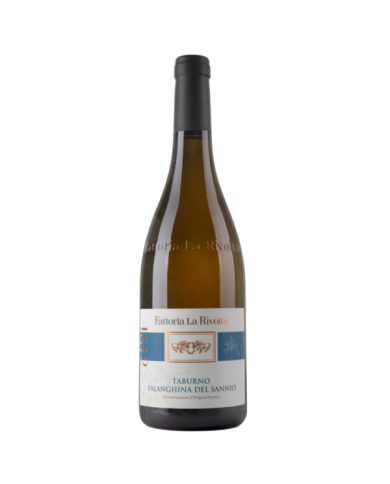
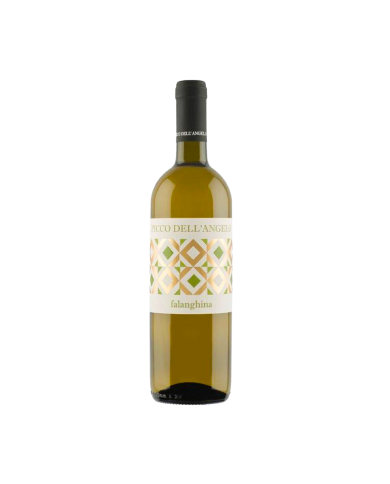
Falanghina from the Greek-Latin term "Falango", i.e. "Palo", as the characteristic of Campania viticulture is that of the "vine tied to the pole", or always from the Greek-Latin term "Falange", however giving it the meaning of "Falange ” of the finger to which you would like the grape to resemble.
€11.83
€32.51
SKU:
15685
Brand:
Dei Principi di Spadafora
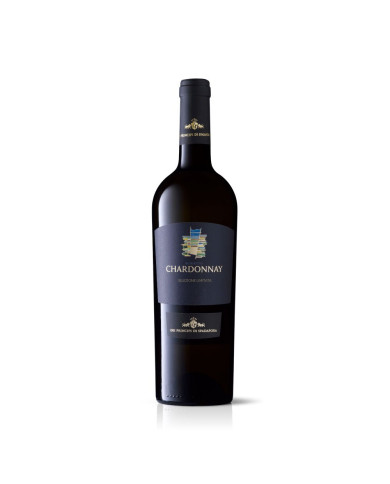
White wine produced in Sicily with Chardonnay grapes, golden yellow in color with intense and complex bread crust aromas, spices are felt on the palate with a rich and savory aftertaste.
€23.42
SKU:
15676
Brand:
Dei Principi di Spadafora
It is a fresh and elegant wine, with a superior structure to the white Don Pietro, included in the Don Pietro line. 7,000 bottles come out.
€16.34
€14.70
SKU:
15670
Brand:
Dei Principi di Spadafora
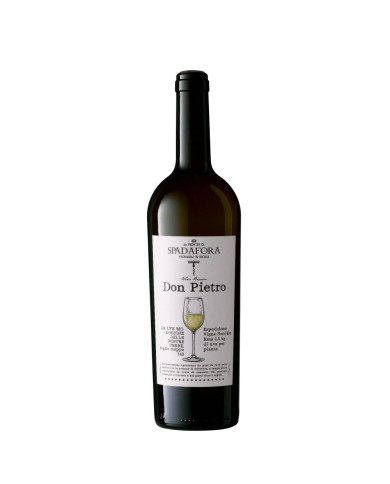
From a blend of Grillo and Cataratto grapes, vinified at different times and which wines are assembled in November.
It is part of the Don Pietro line, created to evoke the history of the family; a line that uses wines with many personal implications that Francesco Spadafora dedicates to his father who has just passed away to thank him for having given him a splendid land to produce grapes.
I think of the white Don Pietro as a small reserve compared to the bottle of Catarratto. The Catarratto used is extra glossy, a fact that certainly gives greater elegance; the Grillo is vinified in two different moments to ensure that there is greater acidity and, at a later time, a greater structure, considering the size of the Grillo bunch; moreover, a strict selection is made on the plan.
€15.37
SKU:
15669
Brand:
Dei Principi di Spadafora
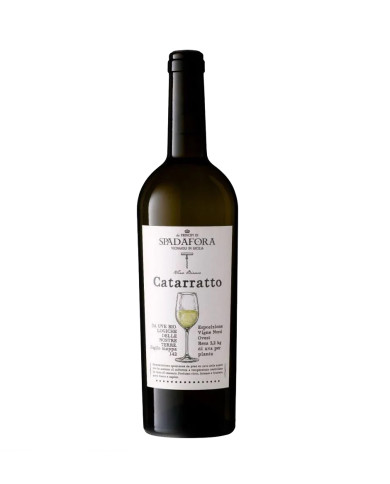
From Catarratto grapes comes a savory, fresh and light white wine, but with character. Its name recalls the Spanish origins of the Spadafora family; it is the most produced wine and is produced with a commitment equal to that which the company puts into the production of more expensive wines. The straw yellow colour, the scent of white fruit, the savory and fresh taste make it a simple and linear wine, which should be drunk within two years, to be combined with fish first courses and seafood appetizers. It should be served very cool in order to enhance its immediate drinkability.
€12.00
SKU:
15663
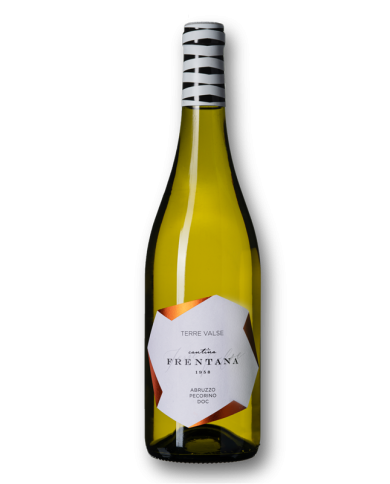
Brand:
Cantina Frentana
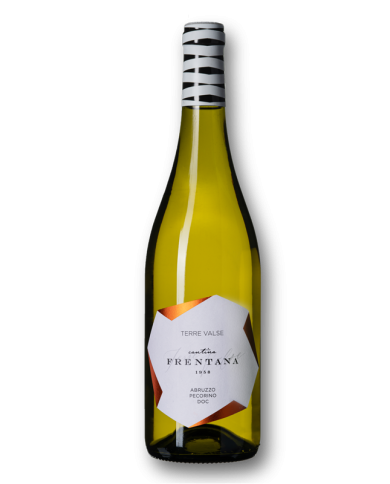
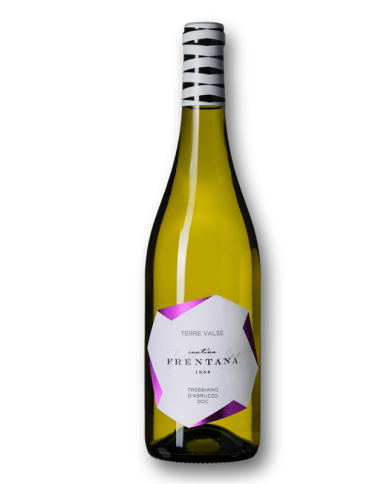
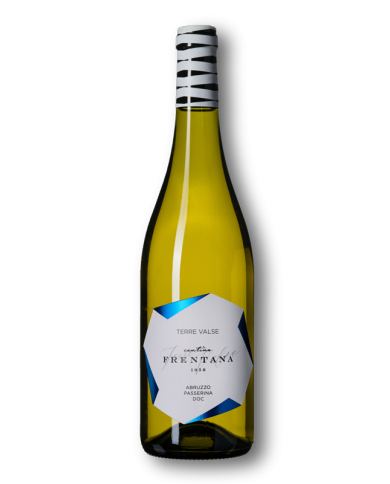
The wine has an intense yellow color with golden reflections. The nose reveals hints of vanilla and a pleasant note of fruit and ripe yellow pulp.
SKU:
15661
Brand:
Ploner
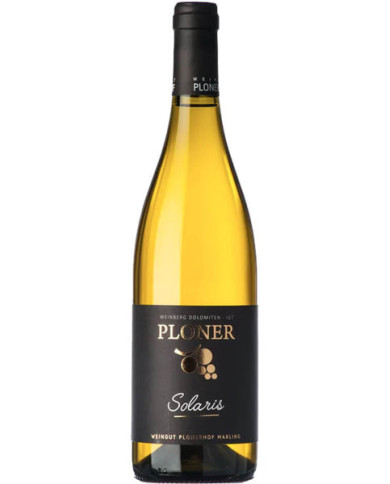
Very fruity and savory white wine. It has an interesting aroma, reminiscent of pineapple, white peach, aromatic herbs and mountain apples. Its characteristic is dominated by a remarkable structure, accompanied by an elegant acidity which is expressed in a very pleasant finish.
€25.22
SKU:
15660
Brand:
Ploner
Grape variety Trebbiano Vinification White fermentation in steel. Fermentation takes place spontaneously without the addition of selected yeasts. it is decanted. The decanted must is ready for the alcoholic fermentation which is carried out at 16°C for 10/12 days. Colour: Intense yellow. Bouquet: very persistent with marked hints of yellow-fleshed fruit, mainly Williams pears. Taste: In the mouth it is intense and persistent. Strong minerality and important sapidity, given above all by the proximity of the vineyards to the sea.
€81.29
SKU:
15657
Brand:
Ploner
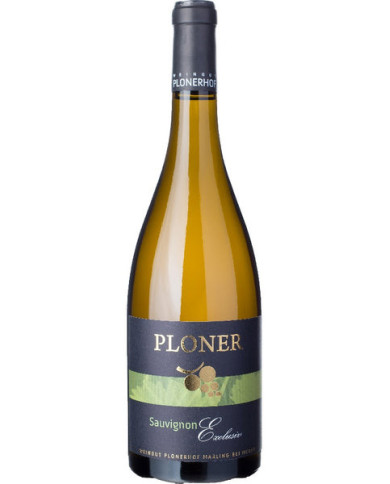
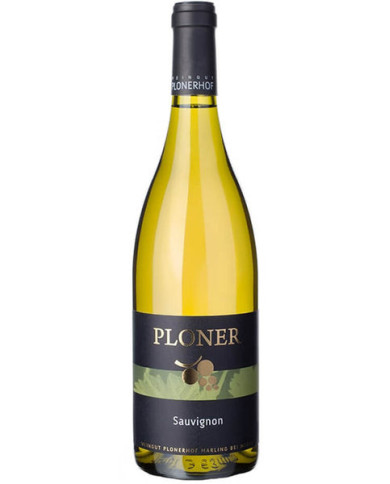
This Sauvignon Blanc is the ultimate expression of superior quality. Its unique scent is delicately reminiscent of elderflower and is accompanied by a shocking aroma. Ploner's Sauvignon Exclusiv is extraordinarily sapid, with a unique complexity of aromas. Instead of the usual notes of nettle and green grass, hints of hay flowers and hints of citrus fruits are dominant in the Sauvignon Blanc. A rare and very valuable complexity, with an almost infinite finish.
€38.92
SKU:
15654
Brand:
Ploner
€22.94
Rhine Riesling is undoubtedly the grape variety par excellence. The olfactory notes of Riesling Ploner are extraordinary and A long aging on thin yeasts gives birth to a persistent perfume and creates a rich aroma, supported by harmonious acidity. The finish is of extraordinary charm and very persistent.
€22.94
SKU:
15652
Brand:
Ploner
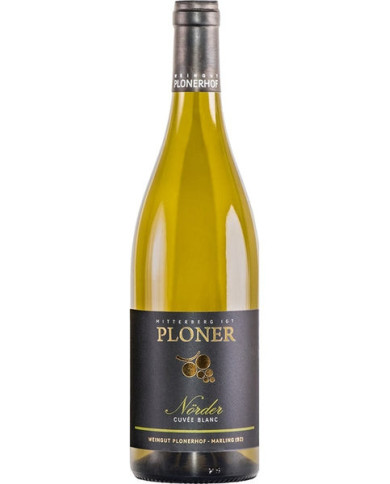
The white grapes of the Sauvignon, Rhine Riesling and Pinot Bianco varieties that ripen on our slopes give rise to the white Cuvèe. The composition of these three wines matures in large wooden barrels and is refined in great sapidity and unique finesse. The deep minerality and long persistence delight many connoisseurs.
€21.96
SKU:
15651
Brand:
Ploner
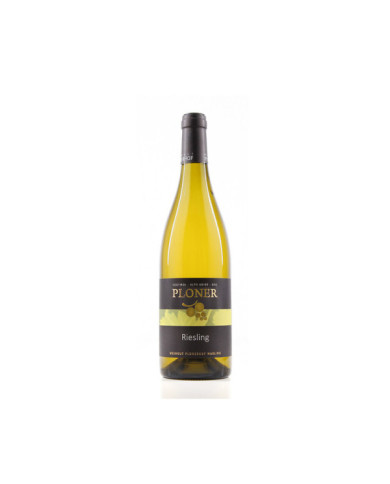
Very fine and elegant white wine, with fascinating notes reminiscent of southern flavors, grapefruit, lemon peel and mandarin accents. Very pleasant taste with good persistence.
€19.40
€8.75
€12.19
SKU:
15616
Brand:
Trappèto di Caprafico
Just fifty meters away from its twin we find the Pecorino doc bio vineyard, the youngest cru, espalier training system.
€20.00
SKU:
15600
Brand:
Castellare di Castellina
Chardonnay and viognier blended at 50%. The first wine of Gurra di Mare with vineyards as far as the beach of Porto Palo (Menfi), the ideal terroir for the two international vines.
€18.84
SKU:
15593
Brand:
Feudi del Pisciotto
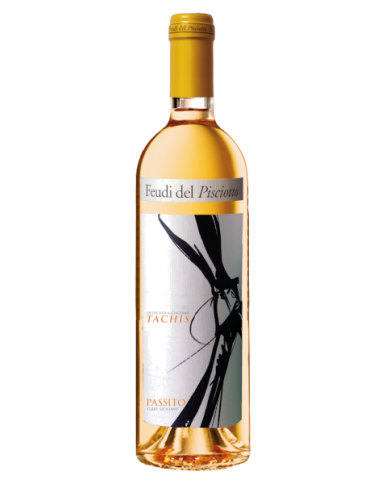
One of the best Italian sweet wines Label designed by Gianfranco Ferrè. Aromatic notes and perfect acidity stand out. A product characterized by balanced flavors, with perfect sweetness and offering clear hints of dried fruit, honey and rose.
€30.47
SKU:
15578
Brand:
Castellare di Castellina
€16.65
€14.99
The twin of the Canon, but made with Sauvignon blanc grapes, the most fascinating but also the most difficult of the white grape varieties. Also for those who love complex wines, not passing through, rich in aromas, perfumes and long texture even if with white grapes. To drink like reading a score of great music.
€16.65
€14.99
SKU:
15570
Brand:
Castellare di Castellina
Canonico A Chardonnay of great structure and minerality, complex, to drink even in a few years. Capable of holding even the tastiest dishes, thanks to the vinification in barriques and the long aging in the bottle. A Burgundian-style Chardonnay, for those who love depth of flavour.
€16.65
SKU:
15551
Brand:
Monchiero Carbone
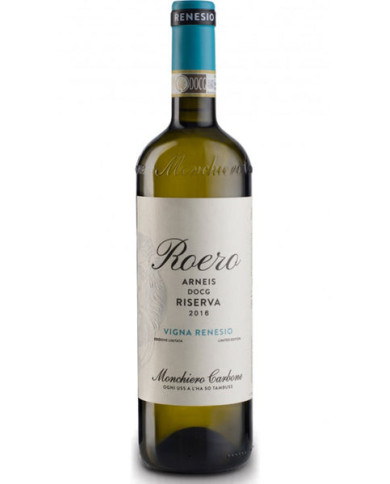
Renesio Incisa represents a new interpretation of Roero Arneis with respect to the way this wine has always been produced up to now. The Monchiero Carbone winery has in fact decided to produce a "Riserva", therefore creating a new expression of Roero Arneis capable of best representing all its qualities and potential for evolution. As?! With a mixed aging in wood and steel and for a longer period than usual.
The first vintage is 2016, a limited production where all bottles are numbered.
A wine that wears a brilliant intense straw color to the glass. The nose offers a rich and complex bouquet punctuated by fruity hints of citrus that blend sinuously with aromatic nuances of white pepper, herbs and delicate nuances of dried apricot.
It enters the mouth with extreme power. A soft wine, with a vigorous acidity that ensures a rich taste on the palate complemented by mineral notes. It offers a very pleasant, soft and elegant aftertaste, and extremely full and deep.
It expresses its maximum potential in combination with first and second courses of fish, even elaborate ones, medium-aged cheeses, as well as rich first courses such as lasagna with meat sauce, ravioli or aubergine parmigiana.
€32.57
SKU:
15548
Brand:
Monchiero Carbone
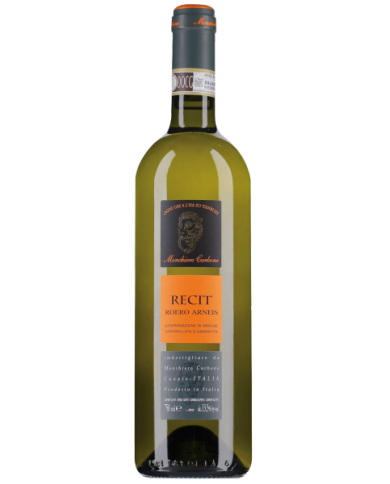
Among the most common Piedmontese white grape varieties, Arneis originates from Roero, where it has been cultivated since the 16th century; the bunch is compact and the berries rather small, therefore the yield is low and what is obtained at the end is a truly precious liquid! It is no coincidence that the Monchiero Carbone company has called its Arneis 'ReCit' which in Piedmontese dialect means 'little King'. With labels from the best crus in the area, Monchiero has always tried to enhance the small productions of each individual hill, without giving in to fashions but respecting tradition, through a production that has made the family crest its motto: 'every uss a so tanbuss' has it, each door has its own knocker, to underline how each label has its own peculiarities.
Brilliant and intense straw yellow, the nose has pure floral hints of green apple and banana together with aromatic vegetable notes of sage and linden, with a background of almonds. The taste is tasty, soft and round well balanced in the fresh-savory axis without ever appearing awkward, maintaining a right progression up to the moderate finish of peach and citron.
Excellent with vegetable flan.
€14.27
SKU:
15547
Brand:
Monchiero Carbone
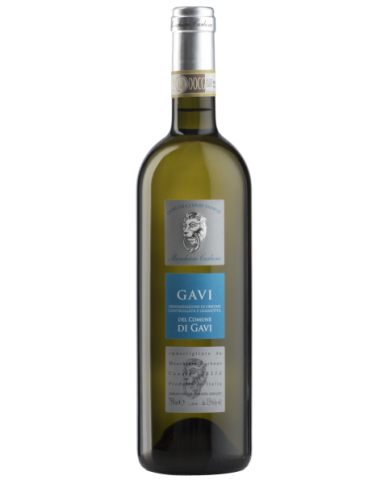
From the firm belief that a good producer can only best enhance the characteristics of the fruit that the earth has given him, Gavi di Monchiero Carbone is born, one of the most integral and upright Cortese that it is currently possible to meet in the territory of the Municipality of Gavi. Vinified and aged in steel only, the result is an elegant white, extremely clean in aromas, intense in taste that enhances everything that nature has created, in line with the tradition and culture of the area.
Straw yellow and crystalline to the eye, it is presented in the glass with a beautiful aromatic richness and a fine bouquet, marked by persistent notes of white flowers, lily of the valley, almond and grapefruit, which gives us a remarkable persistence. On the palate it reveals a light and snappy body, with all the well-balanced components and a fresh and pleasant acid note leading a sip that reveals a savory and typically bitterish finish.
Satisfying and particularly versatile in combinations. When there is fish at the table, but also white meats and poultry, it is a Gavi with which you can never go wrong.
€14.15
SKU:
15544
Brand:
Monchiero Carbone
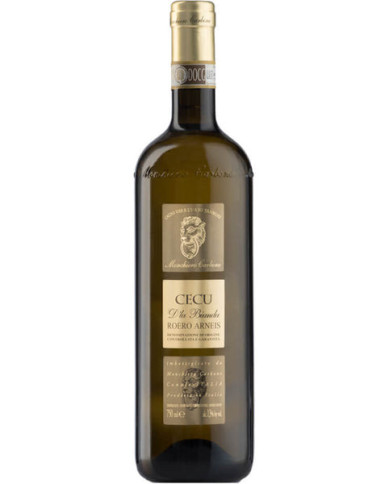
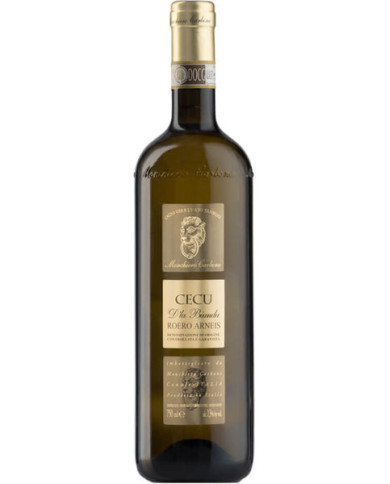
Arneis, an exclusive vine of the steep Roero hills, is, together with Nebbiolo, the architect of the fame of our territory. To enhance the prestige that this vine deserves, an exclusive selection of Roero Arneis has been created since 2004, with the clear intention of offering a further opportunity to fully appreciate the characteristics and potential of this great vine.
The grapes come from two single vineyards selected for their sandy terroir and high altitude: from the soft, sandy soils of the Tanone cru, in the municipality of Vezza d'Alba, and from the Renesio Incisa cru in Canale, on the famous hill which gave the birthplace of the Arneis grape towards the end of the 15th century. In fact, it is said that this white grape differentiated itself in Renesio, initially called "White Nebbiolo" due to the shape of the bunch and the size of the berries similar to Nebbiolo.
In the glass it is a brilliant straw yellow color. The nose is distinguished by its intense bouquet of tropical fruits in which the aromas of pineapple and white currant stand out. The entrance on the palate is rather marked by a splendid gustatory freshness which gradually shows its true powerful and enveloping character.
A fine white that accompanies the meal well but which in combination with fish and shellfish dishes, white meat and not too seasoned cheeses gives its best. Its rich and persistent finish that ends with the triumph of sapidity makes it a quality bottle that is always very welcome and able to seduce all palates.
€17.20
SKU:
15543
Brand:
Monchiero Carbone
Arneis, an exclusive vine of the steep Roero hills, is, together with Nebbiolo, the architect of the fame of our territory. To enhance the prestige that this vine deserves, an exclusive selection of Roero Arneis has been created since 2004, with the clear intention of offering a further opportunity to fully appreciate the characteristics and potential of this great vine.
The grapes come from two single vineyards selected for their sandy terroir and high altitude: from the soft, sandy soils of the Tanone cru, in the municipality of Vezza d'Alba, and from the Renesio Incisa cru in Canale, on the famous hill which gave the birthplace of the Arneis grape towards the end of the 15th century. In fact, it is said that this white grape differentiated itself in Renesio, initially called "White Nebbiolo" due to the shape of the bunch and the size of the berries similar to Nebbiolo.
In the glass it is a brilliant straw yellow color. The nose is distinguished by its intense bouquet of tropical fruits in which the aromas of pineapple and white currant stand out. The entrance on the palate is rather marked by a splendid gustatory freshness which gradually shows its true powerful and enveloping character.
A fine white that accompanies the meal well but which in combination with fish and shellfish dishes, white meat and not too seasoned cheeses gives its best. Its rich and persistent finish that ends with the triumph of sapidity makes it a quality bottle that is always very welcome and able to seduce all palates.
€45.38
SKU:
15539
Brand:
Mito
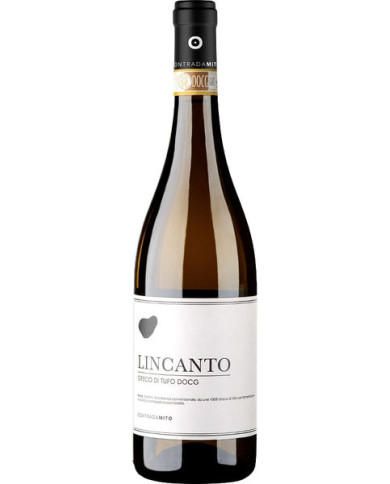
Greco di Tufo "Lincanto" presented by Contrada Mito, is an excellent white wine produced with grapes from the homonymous vine. The company was born from the intention of the Palmieri brothers to enhance the family lands in Nusco destined for vineyards for four generations, producing wines with infinite facets, focusing on excellence.
After pouring it into the glass you can admire its wonderful bright yellow colour. The nose mainly stands out the floral and strong scent of jasmine, with hints of sweet and ripe yellow peach, and pleasant slightly almond notes.
On the palate it is rich and harmonious, but it is also intense and with an aftertaste of candied citrus fruits. A sip with excellent persistence in the mouth.
It can be enjoyed as an aperitif, but it can be combined with light fish appetizers, first courses with clams or with vegetables and fresh cheeses.
€14.27
SKU:
15538
Brand:
Mito
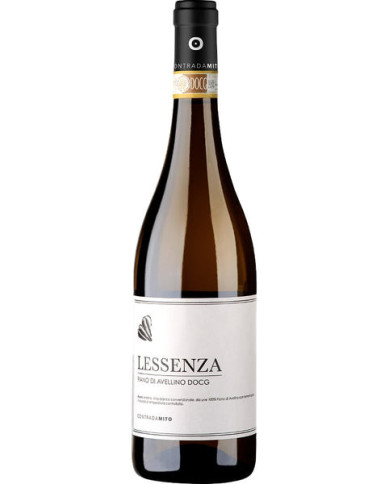
"Lessenza" is a fantastic white wine produced by the Mito winery with 100% Fiano grapes, in Nusco. The constant control over the entire process of the supply chain allows clear traceability of the wines, guaranteeing a high quality standard.
The careful visual examination of the glass reveals a beautiful straw yellow color with golden and greenish reflections. The nose expresses an aromatic baggage of tropical fruit, with citrus notes of lemon zest, hints of aromatic thyme and sweet acacia flowers.
On the palate the taste is fresh and mineral, its aftertaste has floral and dried fruit references, for a particularly long and persistent sip.
It goes perfectly with seafood first courses and white meat main courses, exceptional with grilled vegetables.
€14.27
SKU:
15508
Brand:
Francesco Massetti
Francesco Massetti's Trebbiano offers the nose aromas of apple, white peach and puffs of hay as well as Mediterranean herbs, in the mouth it has a beautiful structure, freshness and saltiness with a good persistence, time will make this wine more complex, which is already very popular today .
€103.46
SKU:
15506
Brand:
Francesco Massetti
Francesco Massetti's Trebbiano offers the nose aromas of apple, white peach and puffs of hay as well as Mediterranean herbs, in the mouth it has a beautiful structure, freshness and saltiness with a good persistence, time will make this wine more complex, which is already very popular today .
€61.49
SKU:
15503
Brand:
Francesco Massetti
Francesco Massetti's Trebbiano offers the nose aromas of apple, white peach and puffs of hay as well as Mediterranean herbs, in the mouth it has a beautiful structure, freshness and saltiness with a good persistence, time will make this wine more complex, which is already very popular today .
€27.63
SKU:
15501
Brand:
Francesco Massetti
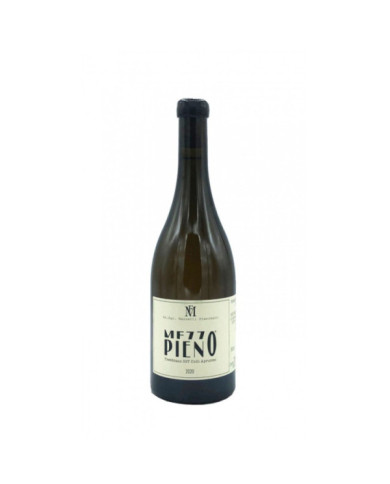
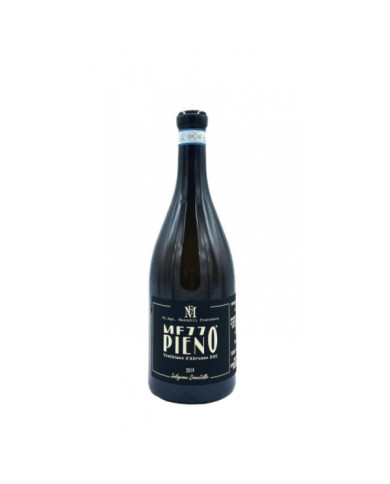
Trebbiano d'Abruzzo Mezzo Pieno Selezione Donatella 2019 by Francesco Massetti is a wine of great substance offering the nose ripe aromas, yellow fruit, dried hay as well as Mediterranean herbs, in the mouth it has pace and structure which are balanced with freshness and saltiness with a good persistence, wine of absolute thickness.
€95.00
SKU:
15499
Brand:
Marisa Cuomo
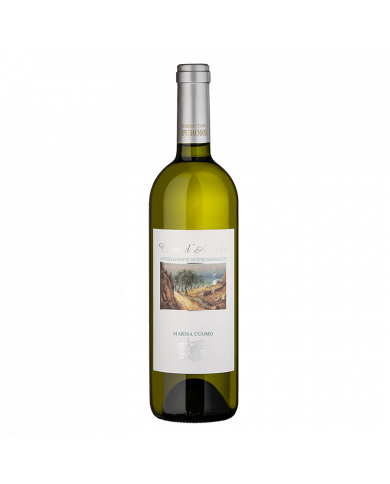
Costa d'Amalfi Bianco is characterized by a straw yellow color with an elegant aroma of acacia, lemon verbena and aromatic herbs and a finish reminiscent of toasted almonds. The taste is appreciated for its balance and lively freshness.
€21.74
SKU:
15495
Brand:
Tenuta Cocci Grifoni
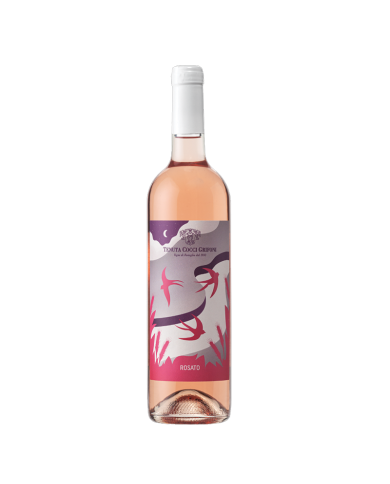
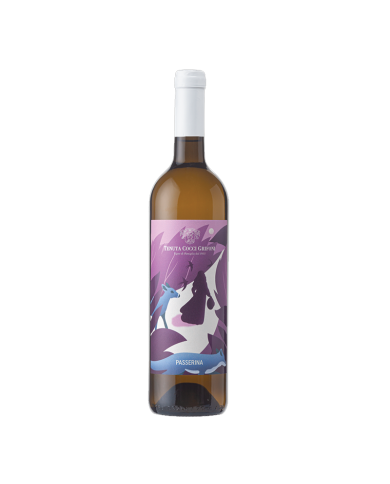
Fruity with wild strawberries and raspberries, floral with white petals. It is recommended to serve at 10°C.
SKU:
15494
Brand:
Tenuta Cocci Grifoni
Floral wisteria, with hints of apples and lychees. It is recommended to serve at 10°C.
€8.85
SKU:
15493
Brand:
Tenuta Cocci Grifoni
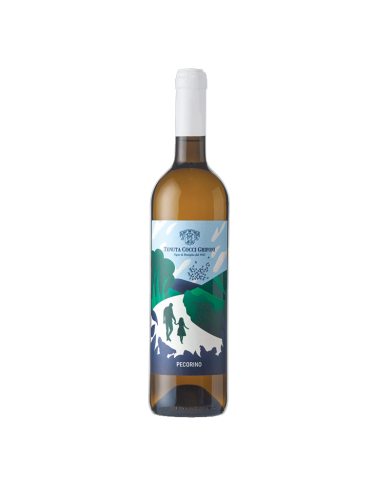
Fruity of ripe pear, floral of broom with a fresh hint of pink grapefruit. It is recommended to serve at 10°C.
€10.94
SKU:
15485
Brand:
Valle Martello
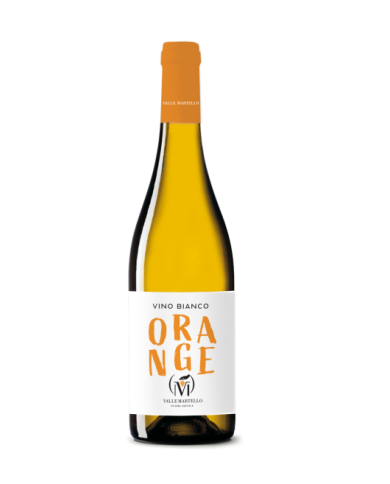
Valle Martello 's Orange Wine starts from a challenge accepted by our winemaker Corrado Masci. a white wine that follows a very natural fermentation in a concrete tank with native yeasts. Prolonged maceration with the skins gives it an amber colour, typical of orange wines. An intense and structured wine, which presents a pleasantness in the mouth that makes it suitable for both simpler combinations and large elaborate fish and meat dishes.
€13.00
SKU:
15484
Brand:
Cantina Sangro
Medium intense straw colour. The nose shows hints of citrus, floral and white pulp fruit. A full-bodied and structured wine, with good acidity that refreshes the palate. It goes well with seafood dishes but also with white meats, medium-aged cheeses, cured meats and first courses.
€5.81
SKU:
15483
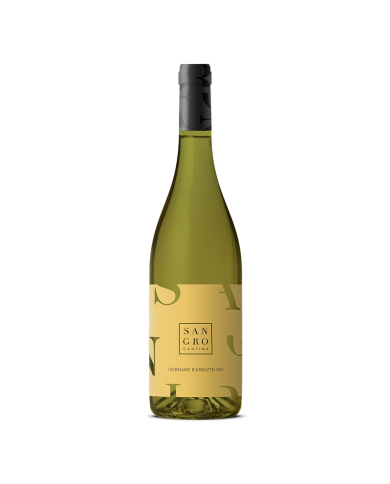
Brand:
Cantina Sangro
Rather intense straw yellow colour. On the nose, pleasant floral notes and hints of white peach. Fresh, harmonious wine with good acidity. The balance between flavor and aroma closes long and persistent. It accompanies tasty seafood dishes but also cured meats and medium-aged cheeses.
€5.81
SKU:
15481
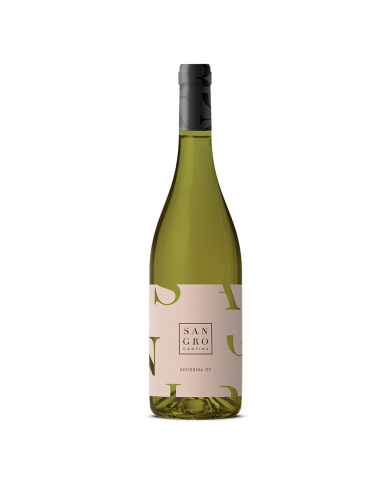
Brand:
Cantina Sangro
With a pale straw yellow colour, it is delicate and fresh to the nose with hints of yellow plum and white flowers. It goes well with appetizers, first courses and fish dishes, soups and white meats.
€5.81
SKU:
15477
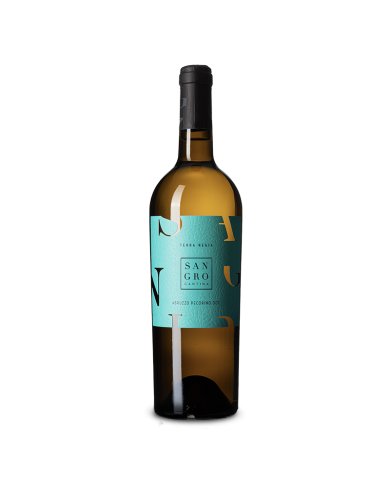
Brand:
Cantina Sangro
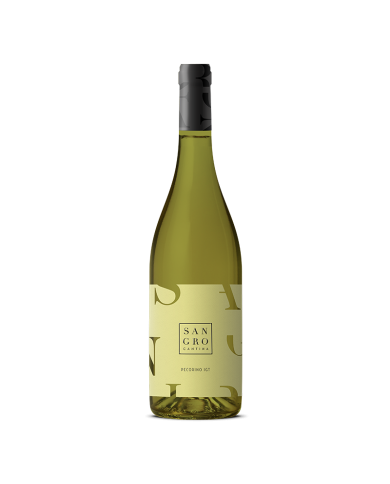
From Pecorino grapes from vineyards in the highest altitude areas and carefully selected grapes. Straw yellow in colour, it combines appreciable fruity notes of peach, grapefruit and white flowers, with a fresh flavor and excellent sapidity. The time spent in the bottle gives it mineral notes.
€7.33
€6.60
SKU:
15475
Brand:
Cantina Frentana
The wine has an intense yellow color with golden reflections. The nose reveals hints of vanilla and a pleasant note of fruit and ripe yellow pulp.
SKU:
15474
Brand:
Cantina Frentana
Straw yellow in colour, it has a delicate nose, with hints of white flowers and unripe fruit.
€8.92
€6.28
€4.40
SKU:
15468
Brand:
Pieropan
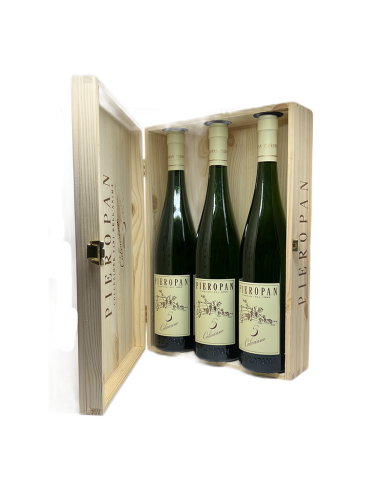
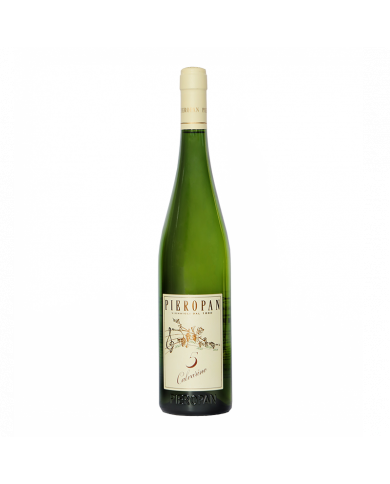
Calvarino 5 is the first wine of the "Vini dell'Anima" collection. Born from a project by Leonildo Pieropan and his sons Dario and Andrea, it is a blend of five vintages of Calvarino (2008-2009-2010-2011-2012) aged for at least 10 years in concrete in the cellar. From Garganega and Trebbiano di Soave grapes, Calvarino 5 is the authentic expression of these vines, from volcanic soil. Savory and vertical, it opens into a range of aromatic herbs and flowers in the long run. Composed, elegant and persistent, with a dry taste, long on the finish. A Mediterranean wine in the soul and of great longevity. A unique and unrepeatable wine, produced in a limited edition.
€265.00
SKU:
15467
Brand:
Pieropan
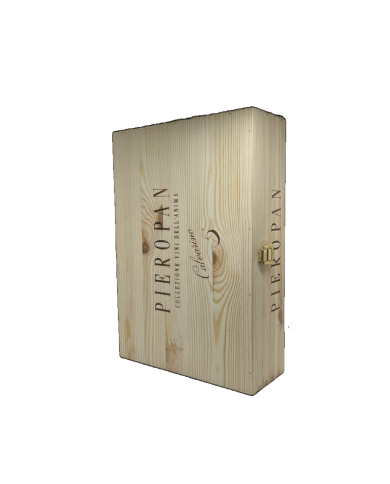
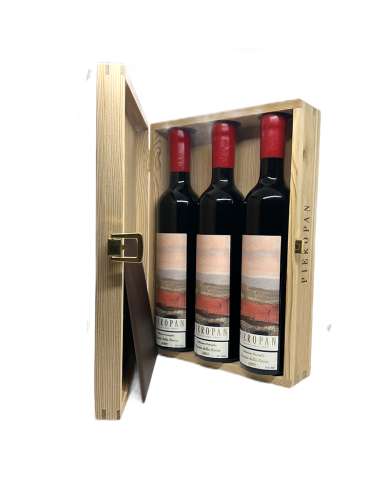
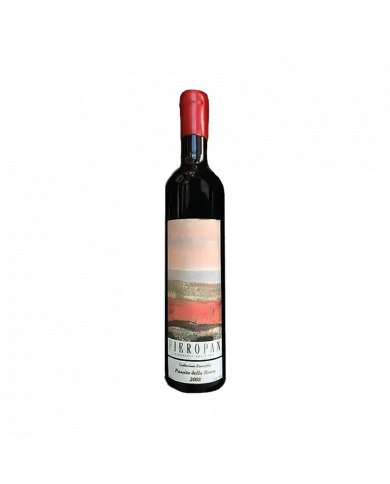
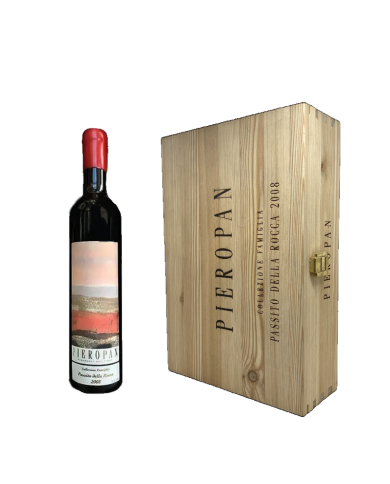
PRODUCT IN LIMITED QUANTITY The Passito della Rocca wine was born as an experiment of the company to create a "sweet wine" different from the tradition of the area., Produced from 1988 to 2008
€189.59
SKU:
15466
Brand:
Pieropan
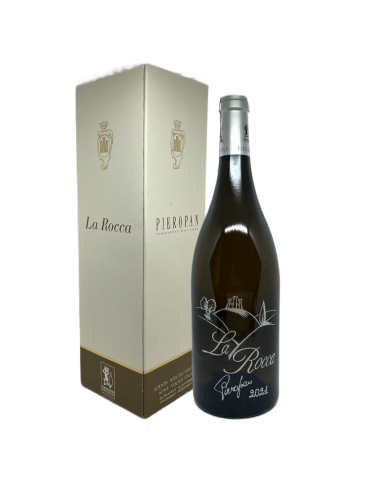
The La Rocca vineyard is located on the hill of Mount Rocchetta, close to the medieval Scaliger castle of Soave. La Rocca enjoys a particular microclimate, which makes it possible to obtain a wine with a unique and unreproducible bouquet and gustatory notes, typical of a pedigree wine. Innovative, since its debut in 1978, it has marked a deep groove in the territory, becoming an undisputed symbol of quality and tradition.
€77.41
SKU:
15462
Brand:
Ornella Bellia
€9.74
€8.76
Pairings: Blue cheeses, Fresh cheeses, Aged cheeses, Soups, Aperitifs
€9.74
€8.76
SKU:
15461
Brand:
Ornella Bellia
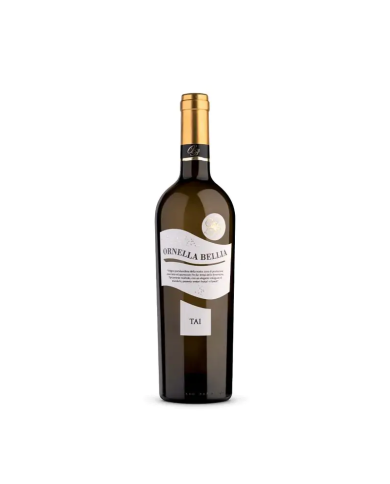
Colour: bright straw yellow with coppery reflections. Aromas: white fruit, especially pear and golden apple. Spicy finish. Taste: dry, decisive, full, harmonious and savory.
€11.31
€7.92
SKU:
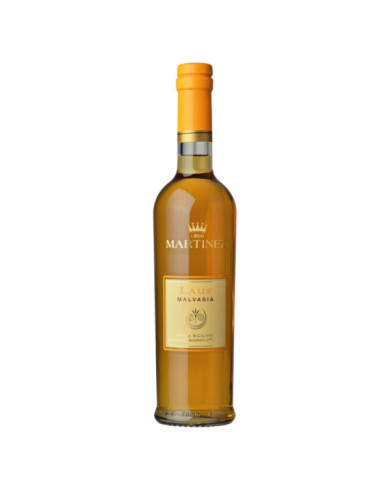
15427
Brand:
Martinez
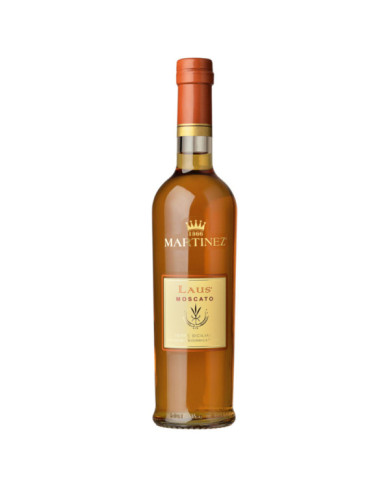
The LAUS range contains three elite sweet liqueur wines, with persistent and intoxicating aromas, the result of a long production tradition that has always been oriented towards enhancing the flavors and aromas of the grapes left to ripen in the very hot Sicilian sun.
€14.27
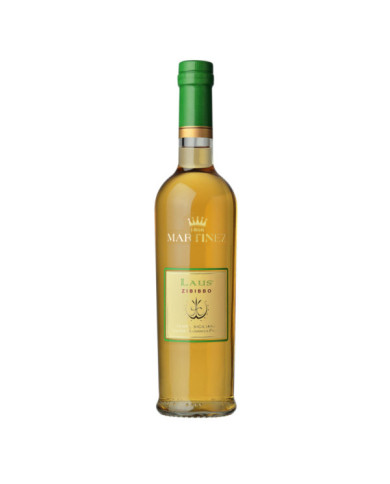
SKU:
15426
Brand:
Martinez
The LAUS range contains three elite sweet liqueur wines, with persistent and intoxicating aromas, the result of a long production tradition that has always been oriented towards enhancing the flavors and aromas of the grapes left to ripen in the very hot Sicilian sun.
€11.22
SKU:
15425
Brand:
Martinez
The LAUS range contains three elite sweet liqueur wines, with persistent and intoxicating aromas, the result of a long production tradition that has always been oriented towards enhancing the flavors and aromas of the grapes left to ripen in the very hot Sicilian sun.
€11.22
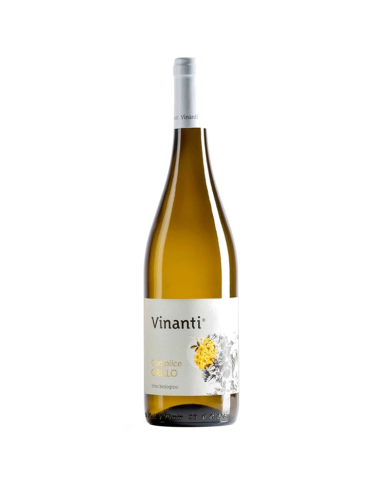
SKU:
15418
Brand:
Vinanti
€9.31
€7.45
The Complice Grillo from the Vinanti Ragusa winery is a DOC Sicilia made from one of the grape varieties with the greatest interpretative declination. Born in Chiaramonte Gulfi from warm and calcareous soils, the Vinanti white wine goes perfectly with cheeses, seafood and baked fish.
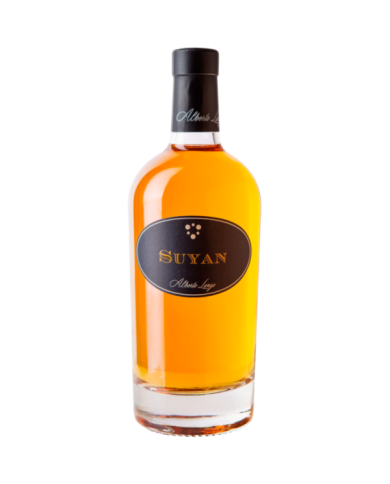
SKU:
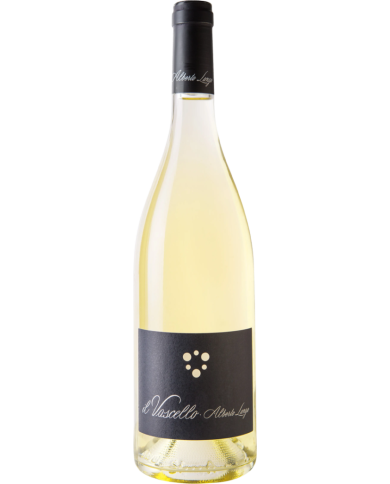
15407
Brand:
Alberto Longo
Golden with amber reflections, brilliant, Intense and persistent, hints of apricot compote, candied figs amalgamated with notes of dried fruit and spices, sweet, well structured, elegant, fresh and sapid, long finish, spicy aroma in the mouth.
€19.52
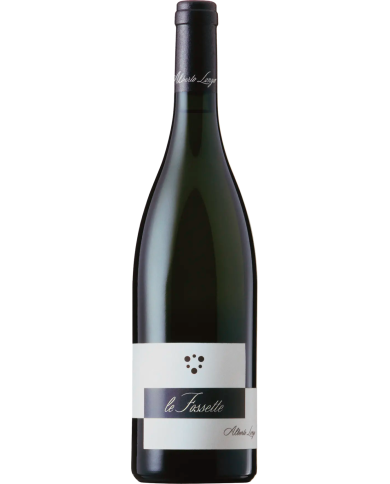
SKU:
15406
Brand:
Alberto Longo
Falanghina Italian white wine, here we are in Puglia. The efficiency in producing and the elegance in welcoming make Alberto L. a goal, that is to produce quality wines. The cellar is surrounded by vineyards with Falanghina and Bombino Bianco vines from the Cavalli farm.
€17.20
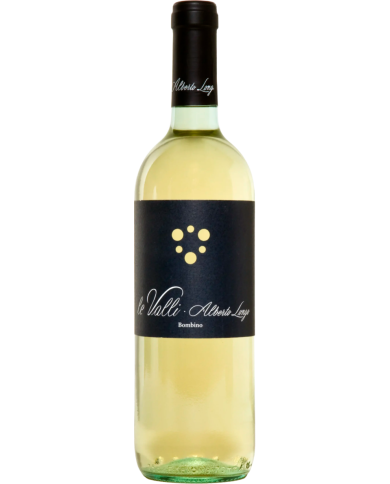
SKU:
15405
Brand:
Alberto Longo
Harmonious and fruity wine, with fruity and floral notes and balsamic hints.
€14.52
SKU:
15401
Brand:
Alberto Longo
Wine with a fresh, intense and persistent taste, with fruity and floral notes.
€9.36
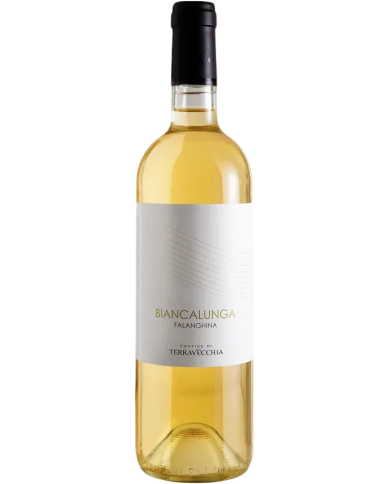
SKU:
15399
Brand:
Cantine di TerraVecchia
Straw yellow color with golden reflections. Intense, persistent and fruity bouquet, with pleasant floral and balsamic notes. Harmonious, savory and dry flavour.
€9.27
SKU:
15389
Brand:
Cantina Reale
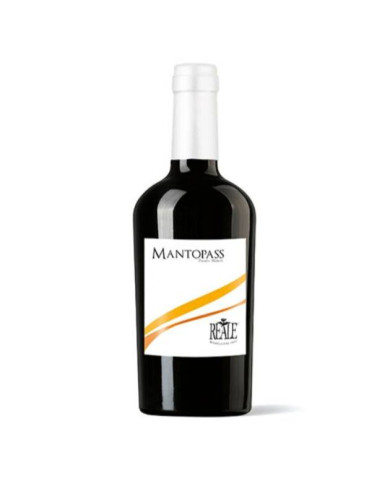
This excellent wine is obtained from various carefully selected grapes and left to dry naturally for 60 days. The wine obtained is first aged in barriques and subsequently in the bottle.
€23.79
The best Italian white wines
Italy is home to some of the finest white wines. In the Clickwine section of our online wine shop dedicated to the finest Italian white wines, you'll find bottles of excellent white wine carefully selected by our sommeliers.
The designations used in our country to classify wines are DOCG, DOC, and IGT. Sometimes you'll also find designations like DOP and IGP: these acronyms have similar meanings to the previous ones but are used by wineries that primarily sell their wines outside of Italy.
The production of white wine
White wines are produced from both light and dark grapes, but vinified as a white wine: that is, during maceration there is no contact between the must and the pomace, so that the skin – exactly the opposite of what happens with red wines – does not release substances and color.
Its myriad nuances vary according to the characteristics of the grape variety, the aging method and the vine growing area.
In white winemaking, once the grapes have been harvested, they are transported to the cellar, destemmed, and pressed, and the must is separated without any maceration or with a brief maceration. Sometimes, however, the grapes are pressed and then macerated with the skins at a low temperature for a varying length of time. This produces richer, smoother wines.
This phase is followed by the clarification of the white wine produced, which can be done by letting the must rest, by cooling, centrifugation or filtration.
Fermentation begins either by adding selected yeast to the must or spontaneously, using the indigenous yeasts present in the grapes. To preserve the aromas, finesse, and freshness of white wines, fermentation is carried out at lower temperatures than red winemaking, generally around 18°C.
To obtain a fresh and lively wine, best drunk young, malolactic fermentation is avoided by bottling early, after filtration and stabilization. More complex wines, aged or fermented in wood, are bottled only after several months in barrel.
How to taste white wine
First, you need to decide whether to uncork the bottle right away or let your white wine age. If you want to immediately succumb to its charm, its aromas of aromatic herbs, flint, or its notes of exotic fruit, then serve your white wine at the right temperature: 6-8°C for a young white and 8-10°C for a softer, more structured wine.
How to pair white wine
Dry white wines will surprise you at the table, too, and not just with their straw-yellow color. As an aperitif, and especially with a fish dish, white wine is definitely a must, but it's not easy to know which of the many labels will be best suited to the occasion.
We recommend pairing white wine with cheeses, whether low-fat, fresh, or rich in milk, such as flavorful buffalo mozzarella, or with soft, bloomy-rind cheeses. They're also perfect with white meats, such as classic scallops, but beyond tradition, white wine also pairs perfectly with meat and risotto dishes, as well as truffles. Visit our online wine shop Clickwine for expert advice on purchasing the best white wine at the best price to pair with your favorite dishes.
White wines: prices and offers
Every week, our online wine shop, Clickwine offers a selection of selected white wines at special prices. In this section and in the special offers section, you can then browse the best value wines.
A wide selection of premium products at affordable and truly exclusive prices. Don't miss the incredible deals on white wines from all the most prestigious Italian wineries; discover internationally renowned and beloved Italian wines.
Enter the Clickwine catalog and expand your selection by purchasing exclusive items online from smaller, yet exceptionally high-quality wineries.
White wines: longevity and conservation
How long can I keep white wine in the cellar? Do white wines improve as they age like red wines? These are the questions a wine consumer asks when talking about white wine.
In general, white wines have a much shorter shelf life than red wines, for two reasons: tannins and aging. Tannins are antioxidants present in the wine's skins that aren't present in white wines; as for aging, however, most white wines age in stainless steel for just a few months; even red wines, if they age briefly in stainless steel and undergo rapid maceration, don't last for many years. Let's say a classic white wine aged in stainless steel lasts a maximum of 2 to 3 years. If it undergoes maceration or ages in wood, it can last up to 20 years and improve year after year.
How many types of white wines are there?
There is no exact number of types of white wine, as there are several different white grape varieties that can be used to make white wines. Some of the most common white grape varieties used to make white wines are Chardonnay, Sauvignon Blanc, Riesling, Pinot Grigio, and Moscato. There are also other less common varieties such as Gewürztraminer, Semillon, and Viognier. Each of these varieties can be used to produce white wines with unique and different characteristics, so there are many different types of white wines available.
How to recognize a good white wine?
There are several ways to recognize a good white wine. One of the simplest is to taste the wine and evaluate its flavor and aroma. A good white wine should have a pleasant flavor and a delicate, complex aroma. Other factors that can indicate the quality of a white wine include the vintage, the grape variety, and the production area. In general, white wines produced with high-quality grapes and in particularly favorable years tend to be more valuable and of higher quality. Furthermore, white wines produced in regions renowned for producing high-quality white wines can be considered more valuable than those produced in other regions.
How to understand if a white wine is good?
As mentioned above, one of the easiest ways to determine if a white wine is good is to taste it and evaluate its flavor and aroma. A good white wine should have a pleasant flavor and a delicate, complex aroma. It's also important to keep in mind that the quality of a white wine can be influenced by several factors, such as the vintage, the grape variety, and the production area. For example, white wines produced with high-quality grapes and in particularly favorable years tend to be more valuable and of higher quality. Furthermore, white wines produced in regions renowned for producing high-quality white wines may be considered more valuable than those produced in other regions.
Why is it called white wine?
White wine is so called because it is made using white grapes. Most white grapes have transparent or lightly colored skins, so the wine made from these grapes has a light, transparent color. Sometimes the color of white wine can be influenced by the type of grape used, the winemaking process, and the addition of other ingredients, but generally, white wine has a light, transparent color.
How to replace white wine?
If you want to replace white wine in a recipe, there are several ingredients you can use. One of the most common options is to use chicken or vegetable broth instead of white wine. Other options include using white vinegar or apple juice diluted with water. Additionally, in some cases, you can omit the white wine entirely and use other ingredients to achieve the desired flavor in the recipe.