

 Italiano
 Deutsch

































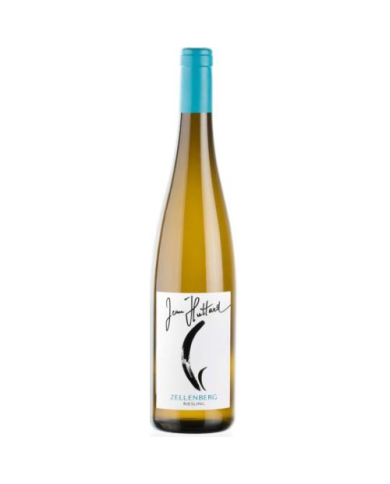
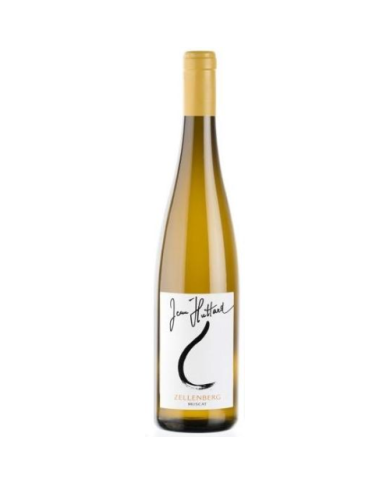
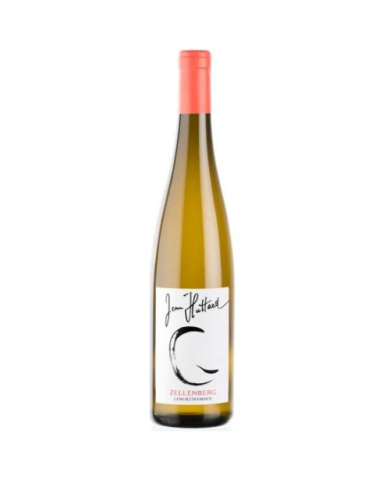
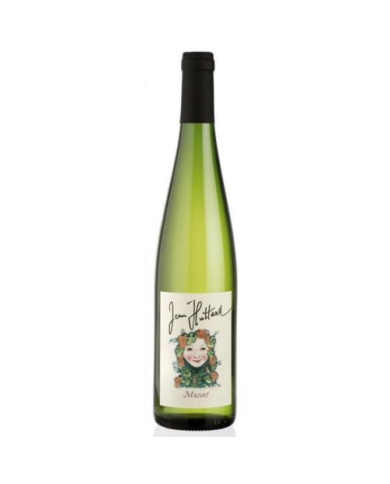










There are no more items in your cart
SKU:
19775
Brand:
La Cappucina
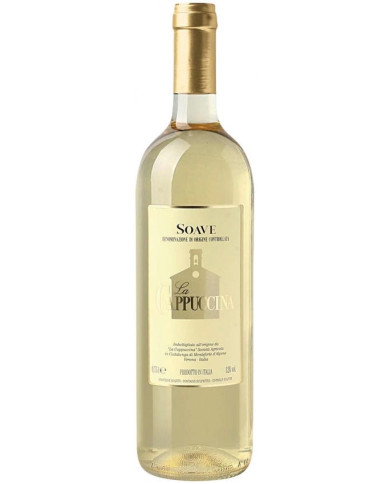
È il vino storico prodotto dall’azienda che riscuote ampi consensi sul mercato internazionale. Profumo delicato di fiori, sapore asciutto e ammandorlato nel finale, tipico dell’uva Garganega. Grazie alla sua versatilità, è piacevole come vino da tutto pasto.
€12.08
€13.90
SKU:
19762
Brand:
Collefrisio
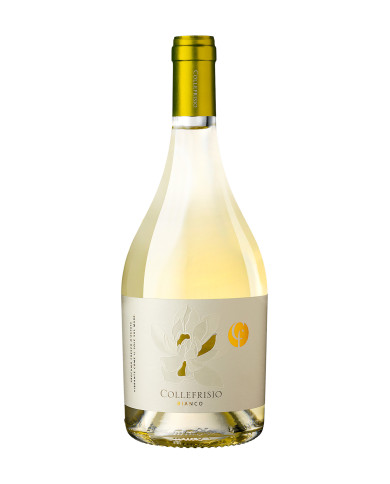
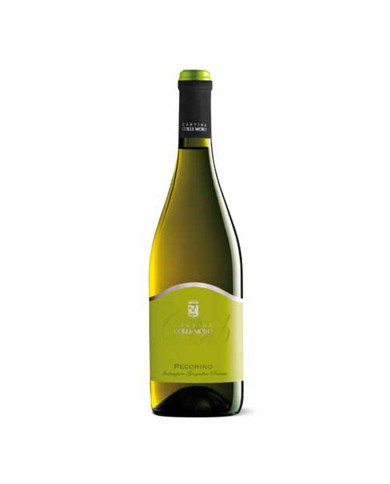
GRAPES : 100% Pecorino HARVEST : end of September VINIFICATION : Maceration at low temperature after destemming of the grapes and temperature controlled alcoholic fermentation in steel tanks. TASTING : To be accompanied with Pasta, Vegetarian, Appetizers and snacks, Lean fish, Salami.
€54.60
SKU:
19736
Brand:
Produttori del Gavi
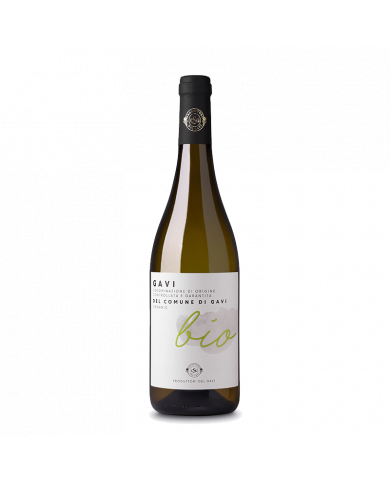
SOFT STRAW YELLOW COLOR WITH GREEN REFLECTIONS. THE NOSE EMERGES NOTES OF PEACH, BANANA AND PEAR. FINE AND PERSISTENT WITH EXCELLENT ACID SHOULDER. FRESH, STRUCTURED AND SOFT ON THE PALATE. RECOMMENDED WITH APPETIZERS, SOUPS AND LIGHT FIRST COURSES, FISH-BASED SECONDS, WHITE MEAT AND FRESH AND AGED CHEESES.
€8.21
SKU:
19735
Brand:
Produttori del Gavi
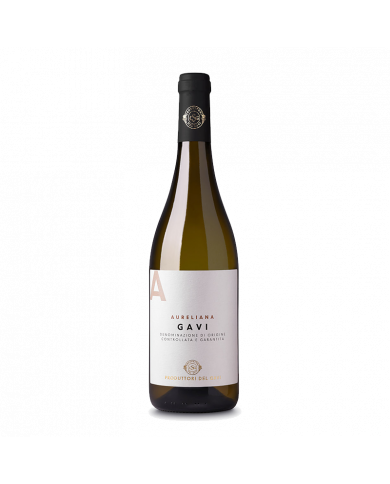
INTENSE STRAW YELLOW COLOUR. NOSE MARKED BY PLEASANTLY BUTTERY NOTES, THEN PEAR, PEACH, MANDARIN AND FLINT. DELICATE BUT AT THE SAME TIME EXTREMELY INTENSE PERFUME. ON THE PALATE IT IS FRESH, POWERFUL, LONG AND PERSISTENT. APPETIZERS, SOUPS AND LIGHT FIRST COURSES, WHITE AND RED MEAT, FISH, FRESH AND MEDIUM-MATURED CHEESES.
€8.22
SKU:
19734
Brand:
Produttori del Gavi
VERY INTENSE STRAW YELLOW COLOUR. NOSE MARKED BY HINTS OF FLINTSTONE, VANILLA WITH TOASTED AND DELICATELY SPICY HINTS. IN THE MOUTH IT IS ELEGANT, SOFT AND LONG PERSISTENT WITH A GOOD SHOULDER. APPETIZERS AND LIGHT FIRST COURSES, WHITE MEAT AND FISH SECONDS, FRESH AND AGED CHEESES.
€9.15
SKU:
19720
Brand:
Terre d'Erce
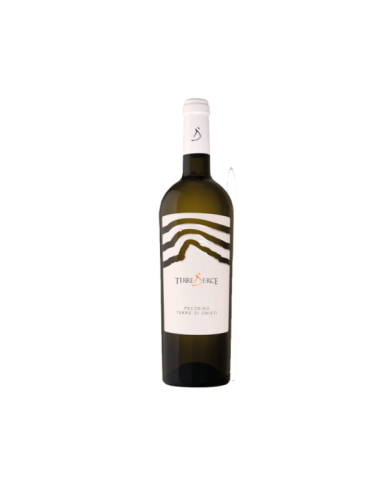
Color : intense straw yellow. Bouquet : fresh fruity notes. Taste : almond notes with a finish of acidulous and savory and pleasantly fruity veins. PAIRING · Fresh aperitifs, sushi, appetizers and fish-based meals, white meats and first courses with rich dressing.
€13.00
€11.70
SKU:
19715
Brand:
Valentino Butussi
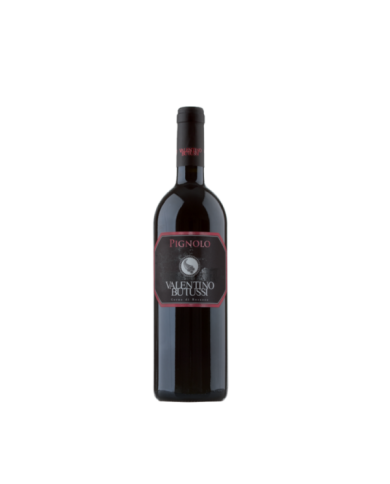
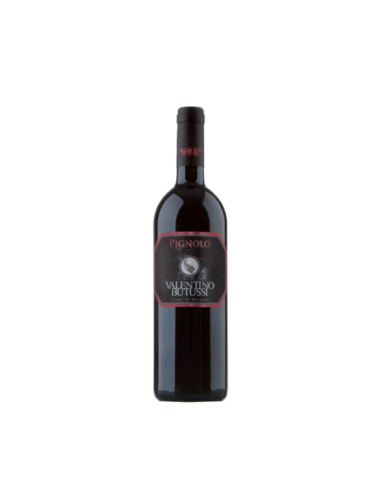
PIGNOLO BUTUSSI FRIULI VENEZIA GIULIA Grape variety: pure Pignolo Winy, tannic taste, reminiscent of raspberry. It is a wine to be discovered. Wine for meat dishes of Friulian cuisine, especially it prefers the ciàr in padiele (beef stew). Serving temperature: 16 – 18° C
€82.00
SKU:
19714
Brand:
Valentino Butussi
PIGNOLO BUTUSSI FRIULI VENEZIA GIULIA Grape variety: pure Pignolo Winy, tannic taste, reminiscent of raspberry. It is a wine to be discovered. Wine for meat dishes of Friulian cuisine, especially it prefers the ciàr in padiele (beef stew). Serving temperature: 16 – 18° C
€82.00
SKU:
19711
Brand:
Feudo Arancio
€11.18
€10.06
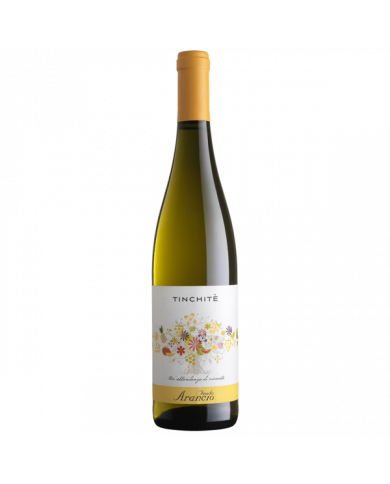
Tinchitè: an abundance of liveliness. Wine obtained from Grillo grapes grown in our wineries located in the south-east of Sicily, in the province of Ragusa, and in the west, in the province of Agrigento, where the different environmental conditions allow us to obtain grapes with different aromatic styles. In fact, if on the one hand the proximity to the sea of the vineyards cultivated at the Ragusa company and the loose and warm soils allow for more fruity and fragrant wines to be obtained, on the other, the more clayey and fertile soils of the company located near Agrigento they give the grapes more concentration, ripeness, richness and volume. From the union of these two different styles of wine, the richness and fruitiness of our slightly sparkling wine is born.
€11.18
€10.06
SKU:
19709
Brand:
Argiolas
AROMATIC AND LAMINATED GRAPES
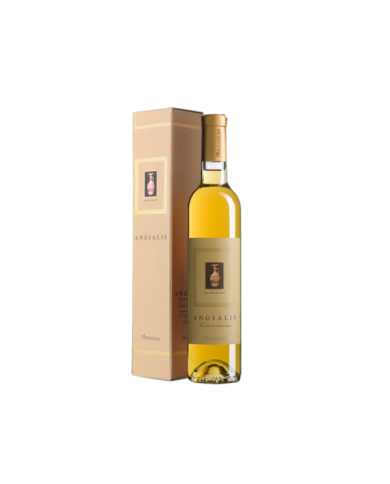
Angialis Isola dei Nuraghi Igt by Argiolas is a wine with an intense straw yellow color. On the nose they result in very intense primary aromas, markedly Mediterranean. Terpenic characters typical of Nasco.
€43.21
SKU:
19704
Brand:
Cà del Bosco
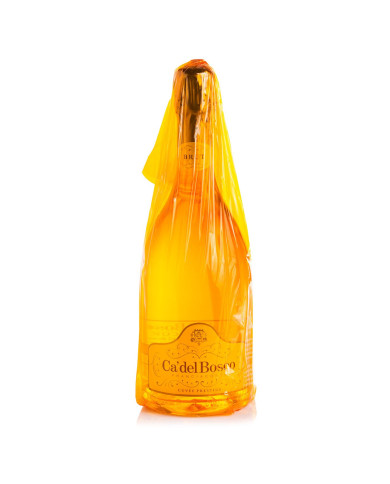
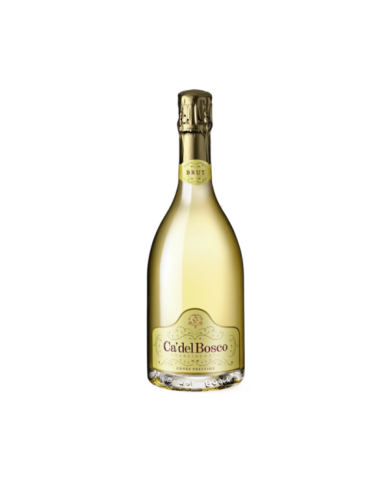
CUVÉE PRESTIGE Identity. A virtue that is found in the etymology of an ancient word: idem, or to be the same. Cuvée Prestige, the essence of Franciacorta, in the Ca 'del Bosco style. A jewel born in 2007 from thirty years of experience. Only the best Chardonnay (75%), Pinot Nero (15%) and Pinot Bianco (10%) grapes from 134 vineyards, vinified separately and wisely blended with reserves of the most beautiful vintages (at least 20%) enter the magical rite of Cuvée Creation . It will take 28 months of aging on the lees before this wine is ready to express all its richness and identity. A classic Franciacorta, balanced, pleasantly fresh and crunchy. Perfect for any occasion.
€38.47
SKU:
19703
Brand:
Pasetti
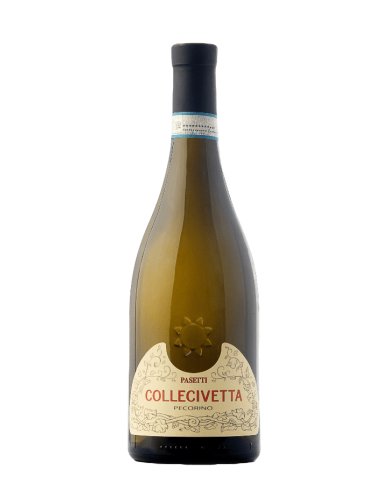
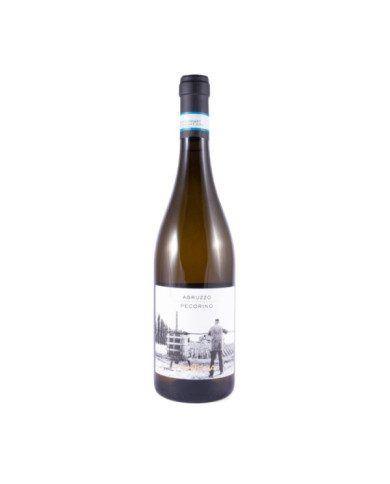
A “must” from the Pasetti company. Authentic mirror of the strong Abruzzo tradition, which is expressed here in the excellence of one of its native vines. This young pecorino in purity today represents a third of the company's production.
€11.79
SKU:
19702
Brand:
Tenuta Rocca
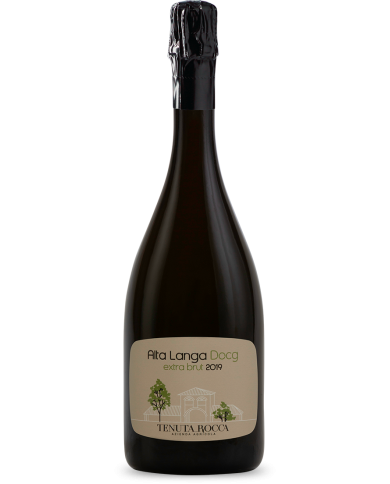
Deep straw yellow colour. The aromas, on the nose, unfold on a carpet composed of dried fruit and lightly toasted bread, wild flowers. In the mouth the entrance is full and rich
€55.51
€18.45
€17.23
€42.91
€37.04
€41.59
€41.59
SKU:
19678
Brand:
Marchesi de Cordano
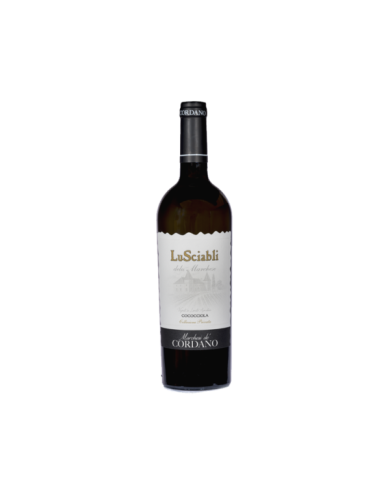
Golden yellow in color. The nose is elegant, intense and quite complex. Fruity and oral, herbaceous. On the palate it is fresh with the right flavor. Balanced and intense. The bouquet is reminiscent of orange blossom, jasmine, yellow peach, pineapple and a hint of candied citrus and notes of dry pastic ceria. Vinification : Manual harvesting of grapes in small boxes. Cold pressing in an inert environment, static decantation of the must with controlled fermentation. Anament in terracotta amphorae for 12 months. The cococciola is a grape that allows to obtain a wine of structure and longevity. The amphora does not yield any aroma, enhances the varietals of the grapes used and allows, thanks to the porosity of the clay, a good micro-genesis.
€37.70
SKU:
19676
Brand:
Cantina Roeno
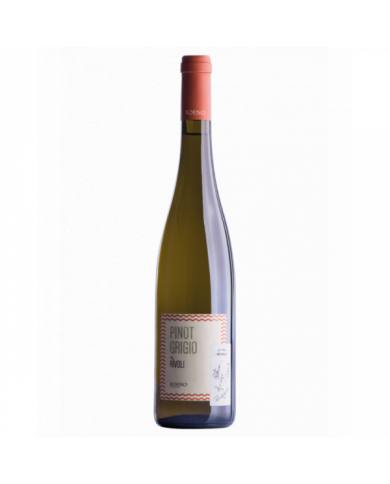
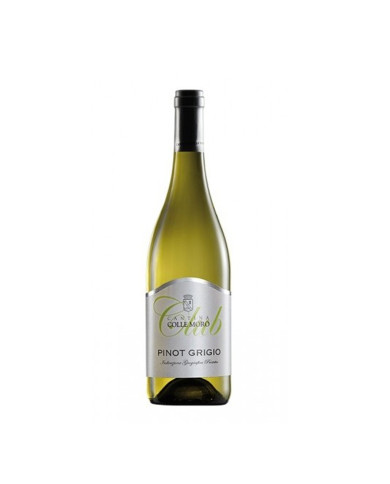
Rìvoli, from the name of the locality of choice. A Pinot Grigio of decided freshness, rich in facets, with a marked persistence and intensity.
€26.96
€13.32
€11.32
€4.08
€3.67
€7.91
SKU:
19654
Brand:
Spadafora
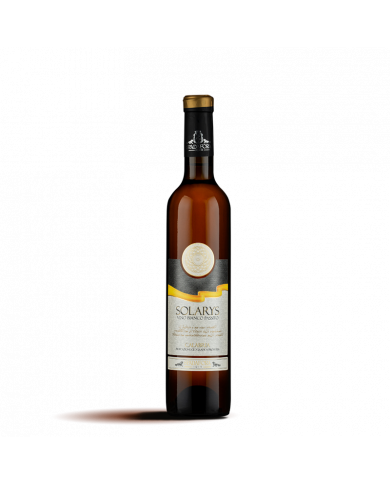
The name of this label recalls the one and only architect of its being, it is in fact the sun The name of this label recalls the one and only architect of its being, it is in fact the summer sun of our beloved land, the summer element of our beloved land, the element that determines its organoleptic characteristics. which determines its organoleptic characteristics. A raisin wine of great value, our Solarys bianco, a late harvest of grapes from A raisin wine of great value, our Solarys bianco, a late harvest of grapes from autochthonous vines, grown as saplings, left on the plant to dry gradually until the autochthonous vine , grown as saplings, left on the plant to dry gradually until reaching the natural sugar concentration; sweet, never cloying, a delicate to reach the natural sugar concentration; sweet, never cloying, a delicate nectar to be served chilled, with fresh fruit tarts or blue cheeses.
€28.54
€18.79
SKU:
19649
Brand:
Cantina Fratelli Pardi
Selection of the free-run juice with light pressure. Fermentation at temp. controlled (18 °) followed by 8 months on the fine lees.
€19.47
€16.55
SKU:
19645
Brand:
Fattoria Italiana Martelli
View: straw yellow. Smell: aromas of white flowers and white peach with hints of citrus and tropical fruits. Taste: strong and mineral taste reminiscent of the yeasts that made it.
€11.31
€9.61
€9.11
€7.29
SKU:
19642
Brand:
Fattoria Italiana Martelli
View: straw yellow. Smell: aromas of white flowers and white peach with hints of citrus and tropical fruits. Taste: strong and mineral taste reminiscent of the yeasts that made it.
€11.31
€9.61
SKU:
19641
Brand:
Gianfranco Bovio
One of a Kind Chardonnay. It is dedicated to the owner's grandfather, from whom the adventure of the Bovio family in the world of wine began. Born In 1998 From An Experiment, It Is Appreciated To Such A Point That Since Then It Has Been Considered A "Chicca" Of The Cellar.
€32.45
SKU:
19634
Brand:
Cantine di Mogoro
Light and bright straw yellow. It is a wine that finds its main characteristic in its delicacy, which is expressed on the nose with aromas of aromatic herbs such as thyme, rosemary, chamomile and fresh licorice root. Sapidity to the taste is its characteristic, combined with delicate acidity and good persistence.
€13.18
€11.20
€9.88
SKU:
19630
Brand:
Cantine di Mogoro
Obtained from a selection of aromatic and non-typical white berried grapes of the Mogorese area: a white with intense and elegant scents and aromas, with a pleasant structure and softness, similar in some ways to the Aromatic of the Su 'Entu winery.
€11.70
€11.70
SKU:
19625
Brand:
Cantine di Mogoro
Brilliant and bright golden yellow. It is a wine that stands out for the balance of its taste and smell characteristics. It has perfumes that are revealed in progression, from broom, to beeswax, to helichrysum. In the mouth, the typical salinity and freshness accompany the persistence of fruity notes.
€24.40
€21.96
SKU:
19607
Brand:
Perusini
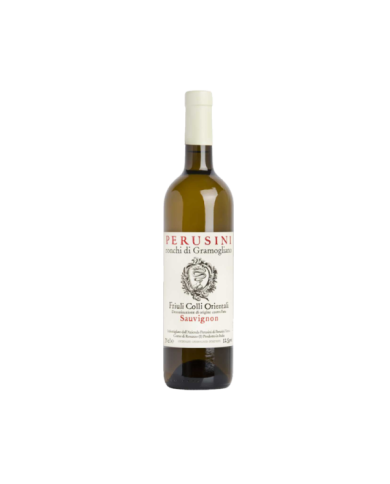
At sight it appears bright straw yellow with golden reflections. The scent is fruity with citrine notes of grapefruit, elderflower and peach. On the palate it is warm and voluminous, with good flavor. Ideal to accompany first courses with strong flavors, seafood and spicy dishes.
€13.60
SKU:
19589
Brand:
Forteto della Luja
Forteto della Luja Loazzolo is a fragrant and enveloping wine, with a deep yellow color with apricot and gold reflections. The olfactory profile reveals a rich, ripe fruit, with a prevalence of apricot notes. The "muscat" root of the fruit is evident, which a balsamic wood enriches with spicy and roasted notes. Rich and creamy on the palate, to which it unfolds in all its multifaceted sweetness and alcohol, with interesting returns of fruit, chocolate and honey. A very pleasant wine, which ends long, with an echo of vanilla and white chocolate. Constitutionally long-lived, it maintains an enviable gustatory balance for many years. Excellent meditation wine, it goes well with aged cheeses and desserts.
€80.00
SKU:
19585
Brand:
Terenzi
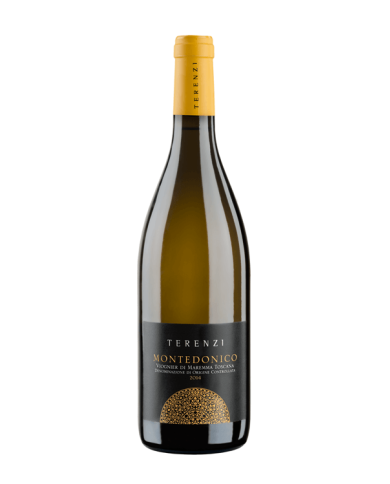
A viognier vinified only in steel, with an unusual freshness and minerality that make our interpretation of this noble vine and our territory unique.
€20.39
SKU:
19582
Brand:
Forteto della Luja
Piasa Rischei is the wine produced solely with Moscato grapes, left to dry on the vine and harvested at the end of October, a part of the bunches is still left to dry on mats in an orchard. After fermentation, the wine is aged in barriques for 24 months. A passito balanced between freshness and sweetness. Great evolutionary capacity. Perfect to combine with cheeses and fois gras.
€37.39
SKU:
19579
Brand:
WEINGUT NIKLAS
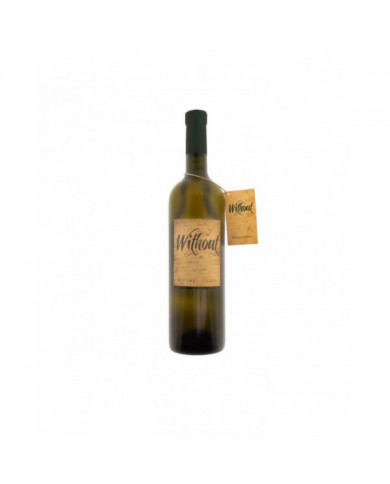
With or without you? In the case of the Kerner "Without" of the Niklas wine estate this question does not even arise. The exciting white wine conquers with its intense yellow already at the first sip and enchants the sense of smell in an extraordinary way with its intense aroma of grapes and scents of nuts and tropical fruit. It gently envelops the palate with its aromatic notes, presenting its elegant tannic texture. The Kerner "Without" is ideal in combination with hearty appetizers, tasty first courses and spicy cheeses. A wine in the name of particularity!
€43.92
SKU:
19561
Brand:
Tocco
€12.90
€11.61
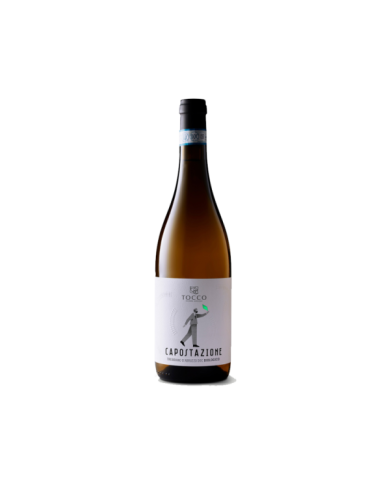
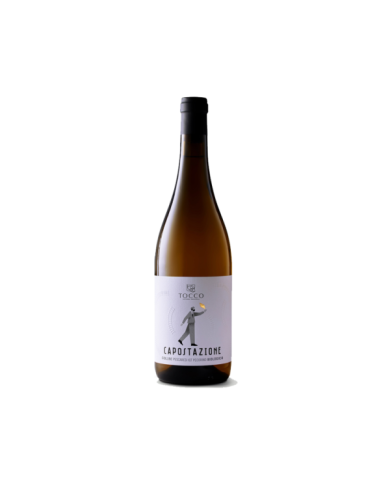
Grape variety Trebbiano Denomination Trebbiano d \ 'Abruzzo DOC Type White wine Production area Alanno (PE) Training system Abruzzo pergola Year of planting 2013 Exposure of the soil South / South-West Yield per hectare 140q Harvest from 15 to 25 September Vinification after soft pressing cold in an inert environment, the must is decanted and then left to ferment at a low temperature (12/14 ° C) Organoleptic characteristics Color: lively straw yellow Odor: fruity, with clear notes of yellow fruit, elegant floral scent on the finish Taste: fresh, quite savory and medium-bodied, on the finish it is pleasantly almondy. Pairings with appetizers and fish first courses, risottos, delicate creamy cheeses Serving temperature 8 ° -10 ° c CL. 75 12.5% VOL
€12.90
€11.61
SKU:
19560
Brand:
Tocco
€12.90
€11.61
Stationmaster Pecorino IGT Colline Pescaresi Bio, a white wine with a bright straw yellow color with greenish reflections. The nose is fruity with pleasant notes of fresh and exotic fruit that blend with elegant floral scents. The flavor is full-bodied, fresh, with the right amount of flavor, balanced and intense. It goes well with fish-based dishes, even structured ones. White meats and soft cheeses, simple or flavored.
€12.90
€11.61
SKU:
19555
Brand:
Cantina Tollo
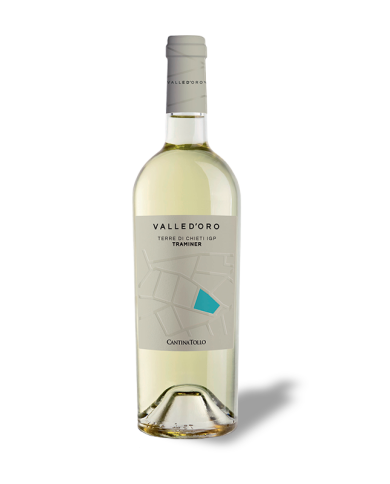
Vine to be rediscovered ancient variety that gives persistence, harmonious and slightly balsamic flavor with notes of citrus and garden fragrances. Made exclusively with Pecorino. Raw fish and shellfish, fish dishes in general; also excellent with fresh or stretched curd cheeses.
€8.64
SKU:
19554
Brand:
Collefrisio
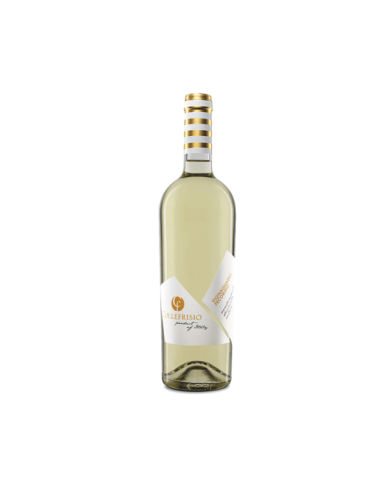
GRAPES : 100% Pecorino HARVEST : end of September VINIFICATION : Maceration at low temperature after destemming of the grapes and temperature controlled alcoholic fermentation in steel tanks. TASTING : To be accompanied with Pasta, Vegetarian, Appetizers and snacks, Lean fish, Salami.
€11.50
€9.20
€8.50
€8.90
€29.39
SKU:
19515
Brand:
Château de Sassangy
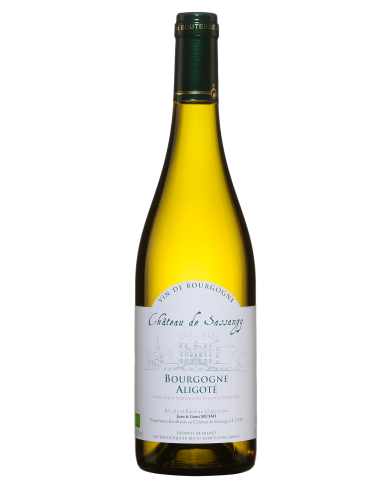
Il Bourgogne Aligoté è un vino bianco, tutto in freschezza. Buono, un po' impertinente, fruttato, si veste di oro pallido. Il suo profumo è floreale (acacia, biancospino) e fruttato (mela). Al palato, questo vino tenero e scorrevole rilassa le papille gustative con note di nocciole che si dichiarano nel finale.
€25.45
SKU:
19514
Brand:
La Cave d'Augustin Florent
La Cave d'Augustin Florent è un viticoltore con sede in Francia nella regione della Borgogna.
€14.90
SKU:
19511
Brand:
San Michele Appiano
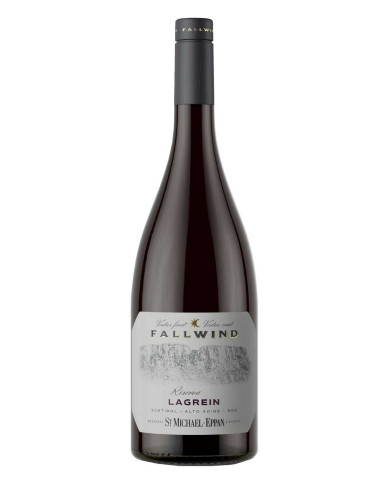
Dalla vinificazione in purezza di Lagrein. La varietà autoctona del Lagrein, grazie alla rigida selezione in vigna e alle basse rese è assurto negli ultimi decenni al ruolo di vino rosso di punta dell’Alto Adige.
€39.89
SKU:
19503
Brand:
Jean-Marie Strubbler
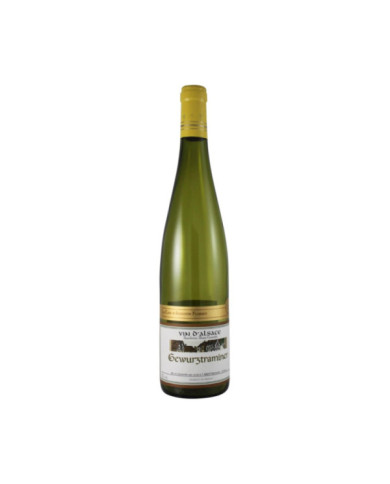
Corposo e ben strutturato, il Gewurztraminer è tra i vini più famosi dell'Alsazia.
SKU:
19502
Brand:
La Cave d'Augustin Florent
Cibi esotici, formaggi piccanti, pesce o carni bianche in salsa. Crostazioni di capesante grigliate in salsa o da gustare semplicemente come aperitivo.
€12.00
SKU:
19499
Brand:
Gaja
Questo vino bianco nasce dall’utilizzo in purezza di un grande vitigno internazionale, il Sauvignon.
€120.00
SKU:
19498
Brand:
Kornell
Si presenta di un bel rosso rubino intenso alla vista. Il naso percepisce sentori fruttati di lampone e prugna, i quali sono seguiti da eleganti toni speziati e da richiami al cioccolato. In bocca è scorrevole la bevuta, evidente ma mai fastidiosa la trama tannica, e gradevole la chiusura.
€27.90
SKU:
19497
Brand:
Kornell
Giallo paglierino con tenui riflessi verdolini alla vista. Aromatico e intenso il naso, con i sentori fruttati di uva spina che si uniscono a ricordi di ortica e di erbe di campo. L’assaggio è sorretto da una bella spalla acida e risulta gradevolmente minerale. Buona la persistenza e leggermente ammandorlata la chiusura.
€15.90
SKU:
19496
Brand:
San Michele Appiano
Colore verde giallognolo, al naso si mostra con un fitto bouquet di frutta gialla, uva spina, fiori di sambuco e ribes maturo; al palato mostra un’acidità croccante, morbida corposità e elegante pienezza.
SKU:
19495
Brand:
San Michele Appiano
Il Gewurztraminer " Sanct Valentin " è un vino bianco aromatico di medio corpo, maturato in acciaio sui lieviti per 6 mesi. I suoi aromi intensi ed eleganti di rosa, frutta esotica e spezie orientali sono tipici del vitigno. Il sorso è pieno, fresco e succoso, con un finale piacevole e leggermente dolce.
SKU:
19494
Brand:
Marco De Bartoli
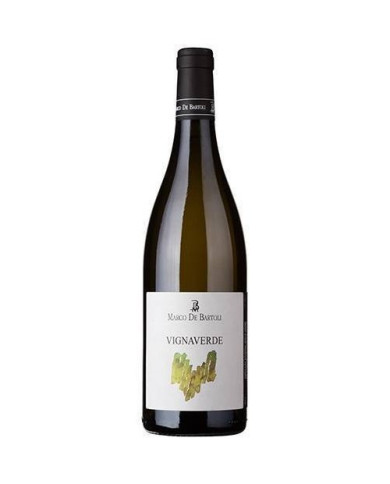
il Grillo nella sua espressione più giovane, fragrante, vivace, il frutto di un territorio che non smette mai di stupire.
€15.30
SKU:
19493
Brand:
Marco De Bartoli
Integer Zibibbo del famoso produttore siciliano Marco De Bartoli è un vino con integrità.
€31.50
SKU:
19492
Brand:
Marco De Bartoli
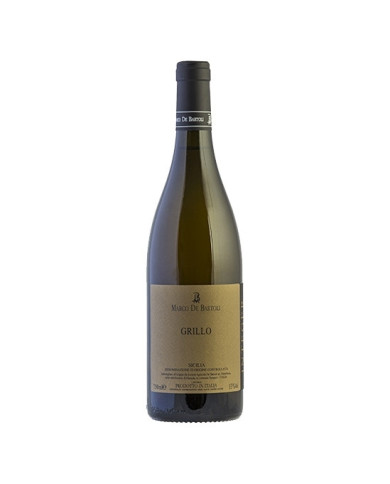
Il Grillo “Integer” di De Bartoli è un vino bianco intenso e anticonvenzionale, prodotto nel pieno rispetto di rigorose pratiche tradizionaliste, limitando l’intervento dell’uomo e le forzature, riducendo al minimo qualsiasi trattamento chimico, fisico e meccanico.
€31.50
SKU:
19491
Brand:
Marco De Bartoli
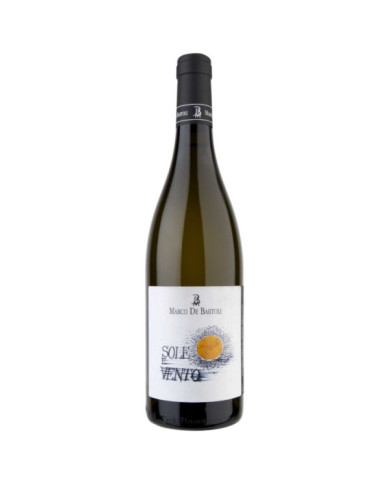
Il Sicilia Bianco Sole e Vento della Cantina Marco de Bartoli nasce da uve Grillo coltivate in vigneti situati nel comune di Samperi, nel cuore della Sicilia Occidentale, e con uve Zibibbo coltivate in vigneti collcati nel cuore dell'isola di Pantelleria.
€16.99
SKU:
19490
Brand:
Marco De Bartoli
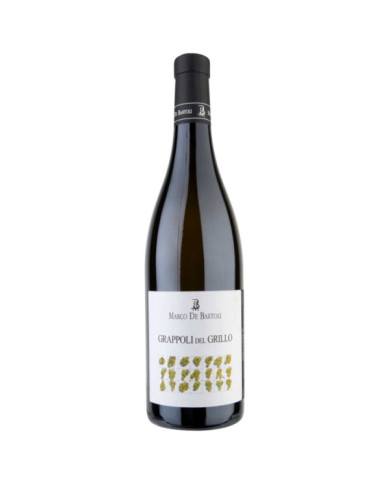
Il Grillo Grappoli del Grillo della Cantina Marco de Bartoli nasce in vigneti situati nel comune di Samperi, nel cuore della Sicilia Occidentale.
€27.90
SKU:
19489
Brand:
Marco De Bartoli
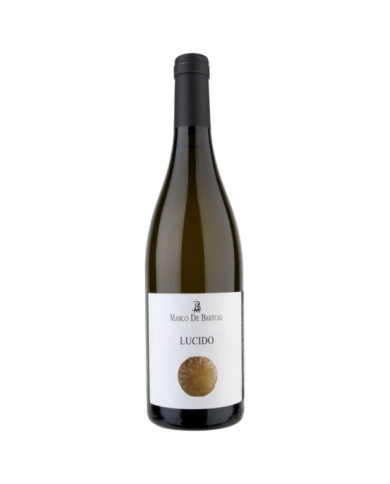
il Sicilia Catarratto Lucido della Cantina Marco de Bartoli nasce in vigneti situati nel comune di Samperi, nel cuore della Sicilia Occidentale.
€14.80
SKU:
19488
Brand:
Kornell
l Gewürztraminer Damian di Kornell è stato prodotto a partire da uve Gewürztraminer allevate nel territorio di Settequerce, frazione di Terlano (BZ)
€15.90
SKU:
19487
Brand:
Venica
Il Sauvignon “Ronco delle Mele” di Venica è un vino voluminoso e rotondo. Questo vino rappresenta la ferma volontà della cantina di produrre un vino molto varietale e sapido. Grazie alle condizioni pedoclimatiche favorevoli in cui si trovano queste vigne il Ronco delle Mele risulta un vino riuscitissimo, elegante e raffinato.
€42.90
SKU:
18891
Brand:
Cantine De Luca
brilliant, pale straw yellow color with greenish reflections, it begins on the nose with floral notes, on the palate the freshness and sapidity are accompanied by fullness with a pleasant finish.
€10.59
€8.47
SKU:
18885
Brand:
Cantina Frentana
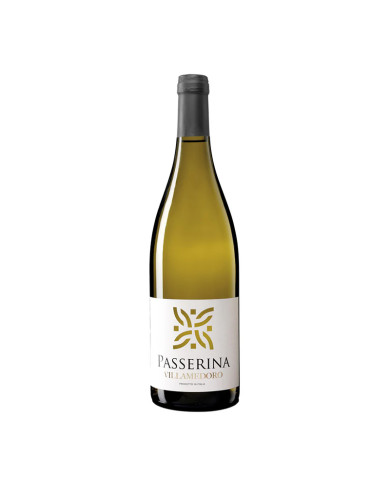
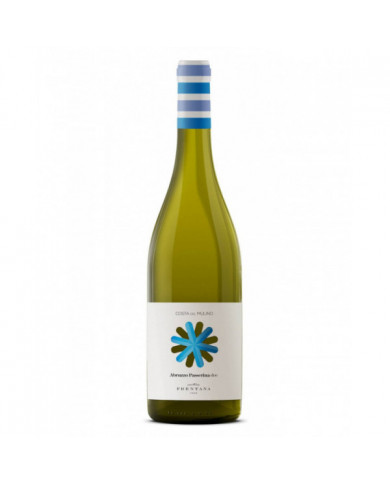
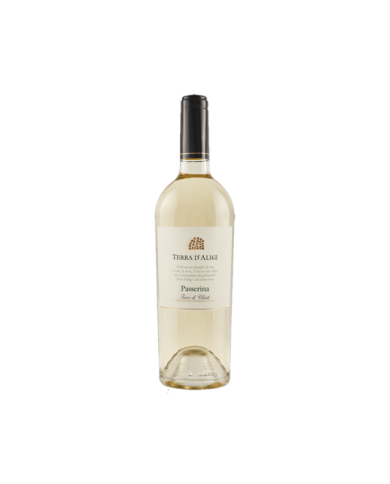
A white from Central Italy with a determined and well-defined character. A fragrant, deep, dynamic and elegant white wine. This Passerina DOC from Costa del Mulino, once tasted, will never be missing from your cellar.
€7.89
SKU:
18884
Brand:
Cantina Frentana
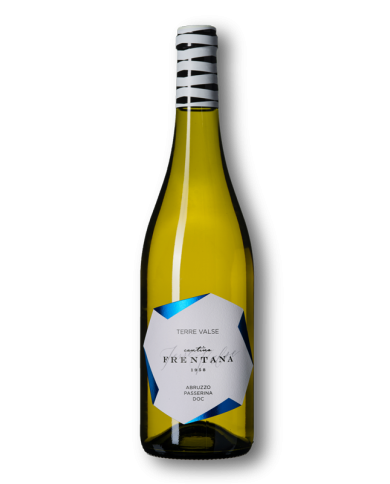
The wine has a medium intense straw colour. The nose reveals pleasant notes of citrus, honey and yellow peach and sometimes a characteristic hint of "beer". The taste is presented as a wine with body and structure, balanced by a good acidity that refreshes the palate.
€7.90
€8.92
SKU:
18880
Brand:
Cantina Frentana
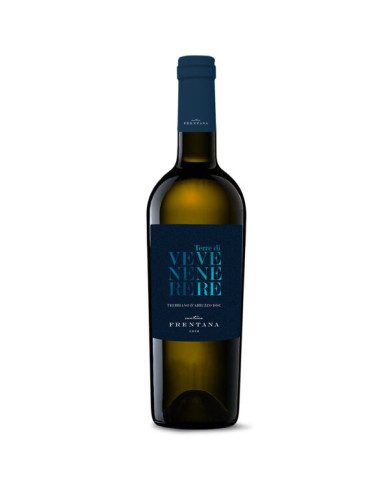
Trebbiano d'Abruzzo Terre di Venere Frentana comes from grapes of the vine of the same name. After crushing-destemming and soft pressing, a static cleaning is performed on the free-run must, followed by alcoholic fermentation at a controlled temperature conducted by selected native yeasts.
€9.59
SKU:
18879
Brand:
Villese
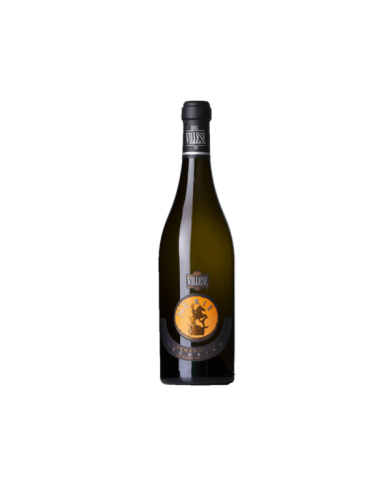
The name "Nerie" is linked to the name of a valiant Etruscan leader. In the archaeological excavations carried out in Villalfonsina in 1914, many artifacts were found that highlight the presence in the 6th-5th century BC of trade with the Etruscan area. Among others, bronze statuettes depicting a knight on horseback and a red impasto olla bearing the silhouette of the same knight and the inscription “ne” (probable abbreviation of the individual name Nerie). The label of our “Nerie” is inspired by a bronze disc with the aforementioned rider on horseback in relief. The wine shows a deep straw yellow color with golden hues and greenish reflections. Floral, aromatic, very pleasant on the palate, it is full-bodied, structured, persistent and with excellent freshness due to the consistent acid structure of the grape.
€7.90
€10.80
SKU:
18871
Brand:
Scacciadiavoli
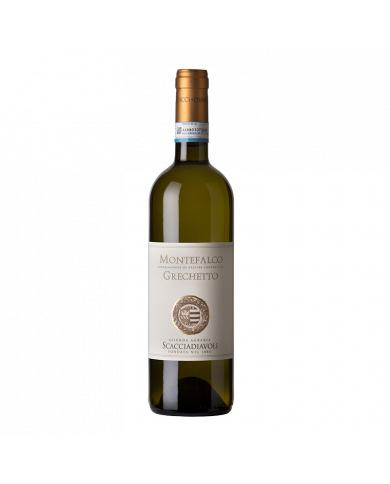
Montefalco Grechetto doc is a dry wine that presents a range of lively aromas on the nose as well as in the mouth. Sweet fruit, white and yellow flowers and a good acidic freshness keep it alive and persistent. A native white grape of Umbria, in Scacciadiavoli it is vinified in purity. It accompanies hot summer days served at the right temperature and goes well with first courses or light main courses all year round. Wine to drink young. The presence of deposits in the bottom of the bottle is natural.
€10.90
SKU:
18869
Brand:
Scacciadiavoli
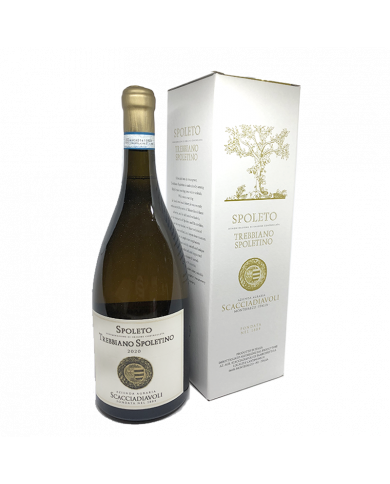
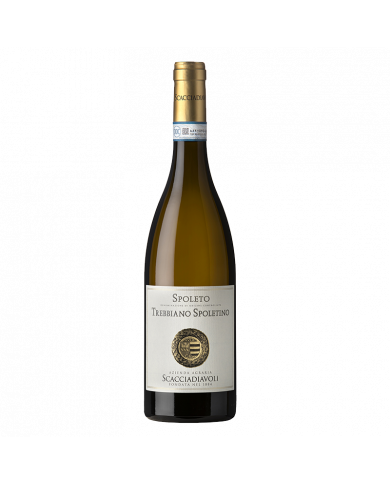
That the Trebbiano Spoletino grape is of high enological interest is now a certain fact. It is an ancient vine that has only recently been rediscovered. It can be grown in the territory of Spoleto and Montefalco. In our cellar we have aimed to capture the finer and at the same time intriguing soul of this grape. We have given space to its changing and original aromas with a vinification in amphora that respects these characteristics and then we have strengthened its expressive character with an aging in untoasted wood and amphora for at least 9 months. In our opinion the result is that of a great white wine for aging, capable of surprising at every sip for its richness of facets.
€33.57
SKU:
18868
Brand:
Scacciadiavoli
That the Trebbiano Spoletino grape is of high enological interest is now a certain fact. It is an ancient vine that has only recently been rediscovered. It can be grown in the territory of Spoleto and Montefalco. In our cellar we have aimed to capture the finer and at the same time intriguing soul of this grape. We have given space to its changing and original aromas with a vinification in amphora that respects these characteristics and then we have strengthened its expressive character with an aging in untoasted wood and amphora for at least 9 months. In our opinion the result is that of a great white wine for aging, capable of surprising at every sip for its richness of facets.
€18.67
€9.90
€9.90
€12.72
SKU:
18789
Brand:
Bellavista
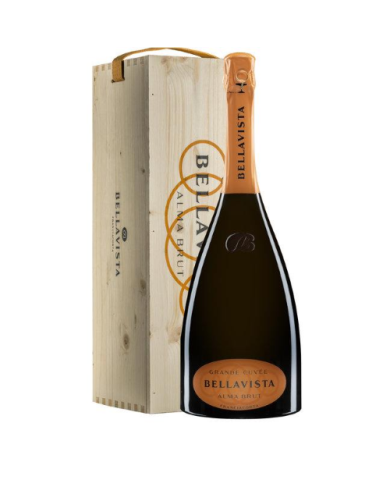
Denominazione: Franciacorta DOCG - Uvaggio: Pinot Nero 11%, Chardonnay 88%, Pinot Bianco 1% - Tipologia: Brut - Volume alcolometrico: 12,5% - Giallo paglierino con riflessi verdognoli. Il perlage è fine e continuo, con abbondante e persistente corona.Al naso il profumo è ampio e abbraccia sfumature di frutta dolce e leggermente matura con sottili accenni di vegetali e vaniglia. In bocca è sapido e completo, fresco e vibrante.
€344.53
SKU:
18788
Brand:
Scrimaglio
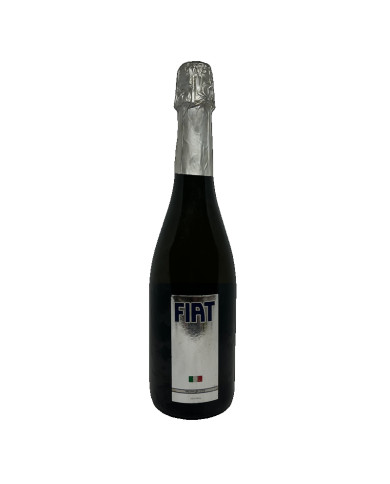
The Fiat Chardonnay bottle can be a great gift idea for car enthusiasts. Wines with an automotive design produced in limited numbers by the eccentric Piedmontese producer Pier Giorgio Scrimaglio. The Scrimaglio family has been in Piedmont since the 17th century and comes from France, where it bore the name Escrimeaux (swordsman). In Monferrato, it gave its name to an area that is still called Region Scrimaglio, where the farm and vineyards are now located. Francesco Scrimaglio, the progenitor of the family, started his wine-growing business in the early 1900s, which was later expanded by his son Pietro and grandsons Franco and Mario.
€14.90
€20.15
€24.40
€9.42
€11.29
€14.64
€8.02
SKU:
18731
Brand:
Planeta
From one of the oldest vines in the world, Moscato Bianco, our Passito di Noto is born. Passito is an ancient wine that becomes current with a modern drying system. Explosive aromas of exotic fruit, jasmine, candied citrus, it is both complex and easy to love. The ideal companion of the great Sicilian tradition of sweets and ice cream.
€76.86
SKU:
18724
Brand:
Cà del Bosco
CUVÉE PRESTIGE Identity. A virtue that is found in the etymology of an ancient word: idem, or to be the same. Cuvée Prestige, the essence of Franciacorta, in the Ca 'del Bosco style. A jewel born in 2007 from thirty years of experience. Only the best Chardonnay (75%), Pinot Nero (15%) and Pinot Bianco (10%) grapes from 134 vineyards, vinified separately and wisely blended with reserves of the most beautiful vintages (at least 20%) enter the magical rite of Cuvée Creation . It will take 28 months of aging on the lees before this wine is ready to express all its richness and identity. A classic Franciacorta, balanced, pleasantly fresh and crunchy. Perfect for any occasion.
€88.19
SKU:
18723
Brand:
Cà del Bosco
Identity. Virtue written in the etymology of an ancient term: idem, or being oneself. Cuvée Prestige, the essence of Franciacorta in the Ca 'del Bosco style. A jewel born in 2007 from thirty years of knowledge. Only the best selections of Chardonnay, Pinot nero and Pinot bianco grapes from the best vineyards are vinified separately and wisely assembled to the reserves of the best vintages (at least 20%), in the magical rite of creating the Cuvée. Only after at least 24 months of aging on the lees this wine will be able to express its richness and identity. A classic Franciacorta, balanced, pleasantly fresh and acidulous. Perfect for any occasion.
€88.19
€9.66
€21.56
SKU:
18682
Brand:
Spadafora
An excellent aperitif, the ideal pairing is with seafood dishes, shellfish and delicately flavored fish, preferably grilled, such as cuttlefish or a good baked salmon trout.
€13.58
SKU:
18678
Brand:
Produttori di Manduria
Colore: giallo paglierino con tenui riflessi dorati.
Profumo: frutta esotica arricchito da note burrose e vanigliate conferite dall’affinamento in legno.
Sapore: buon equilibrio tra freschezza e morbidezza intenso ed asciutto piacevolmente sapido caratterizzato da un lungo ed elegante finale.
€9.15
SKU:
18661
Brand:
Produttori di Manduria
Colore: giallo paglierino luminoso. Profumo: al naso è intenso con aromi di pesca bianca melone erbe aromatiche e pino che si traducono in un palato maturo e strutturato. Sapore: caldo e morbido decisa percezione sapida al palato accompagnata da una bella freschezza. Piacevole nota floreale che persiste nel finale.
€8.80
SKU:
18654
Brand:
Produttori di Manduria
Colore: giallo dorato luminoso. Profumo: deliziosi profumi di biancospino e acacia cedro e pompelmo giallo affiancano note minerali e saline. Soffi di erbe aromatiche. Sapore: fresco e sapido al palato con ritorno agrumato. Buona persistenza.
€8.80
SKU:
18645
Brand:
Produttori di Manduria
E' datata 1932 la nascita del “Consorzio Produttori Vini e Mosti rossi superiori da taglio per la zona di Manduria”. All’epoca il Primitivo, come indicato nel nome del consorzio, era deputato a rafforzare i famosi vini francesi e del nord Italia.
€5.90
SKU:
18644
Brand:
Piandimare
We now have the new Piandimare white wine. Despite the strong vocation for red wines, after the experience with rosés, our cellar proves to be a great interpreter of the territory even with white berried grapes such as Pecorino, a typical Abruzzo vine. Pecorino grapes are harvested in the early hours of the morning , during the second ten days of September. The grapes are softly pressed and then fermented at a controlled temperature in steel tanks.On the nose our Pecorino opens with great aromas of white peach, pear, pineapple, fuji apple and acacia flowers. It is perfect for an elegant aperitif with a selection of soft and semi-soft cheeses accompanied by spicy vegetables.
€4.88
€13.66
€12.30
SKU:
18578
Brand:
Fattoria le Pupille
Poggio Argentato embodies the essence of Maremma: its land, its unique light, the breeze from the nearby sea, all narrated by a fragrant and fresh white wine, through the language of Northern vines. The singular blend of Sauvignon Blanc, Petit Manseng, Semillon and Traminer make Poggio Argentato a refined, elegant and versatile wine, perfect for the summer but also throughout the year.
€13.40
€6.83
SKU:
18563
Brand:
Tenuta Antonini
€14.00
€12.60
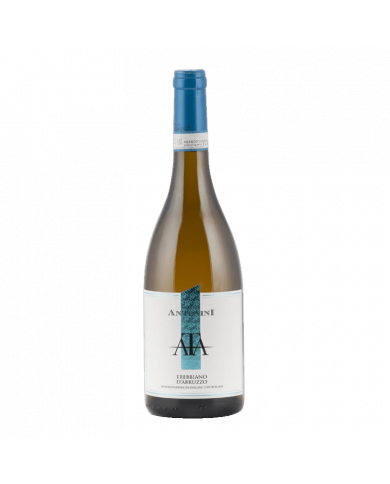
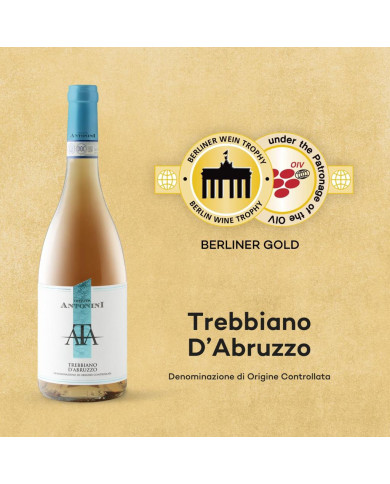
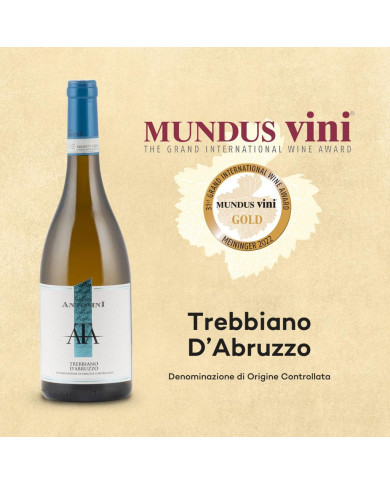
Overcoming the idea of the "great classic", so much the same as to become banal. Go beyond prejudice, linked to the idea of a wine so historic that it seems obvious. Being able to show new sensory details and nuances. Those who are ready to be surprised can find all this and much more in our Trebbiano.
€14.00
€12.60
SKU:
18543
Brand:
Villa Medoro
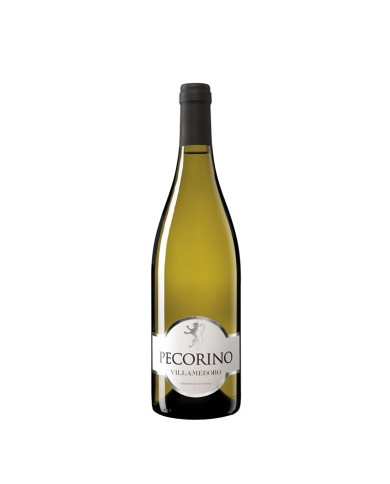
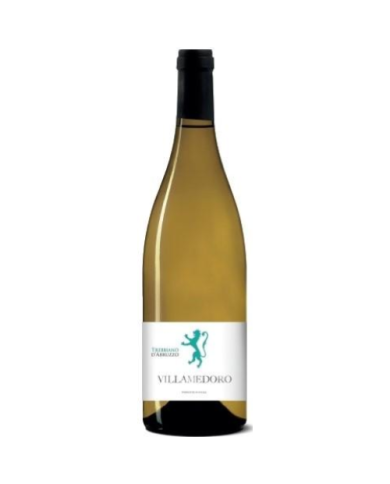
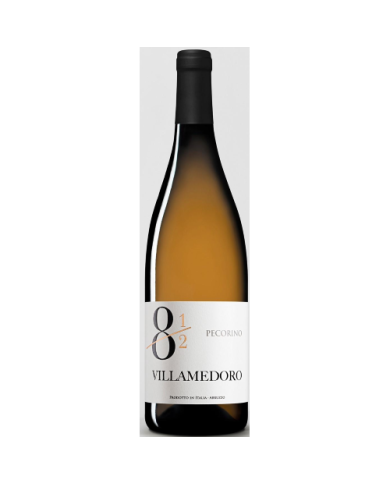
Epoca della vendemmia: fine settembre – primi di ottobre Vinificazione: macerazione a freddo sulle bucce per 8-10 ore a 5-6°C Fermentazione alcolica: in acciaio inox alla temperatura di 14-16°C Fermentazione malolattica: non svolta Affinamento: in bottiglia
€7.50
SKU:
18542
Brand:
Villa Medoro
Affinato in vasche d'acciao inox per mantenere la fragranza fruttata del Pecorino. Color giallo paglierino, emana sentori di pompelmo, salvia, erbe aromatiche e tocchi erbacei.
€16.23
SKU:
18541
Brand:
Le Vigne Di Zamo'
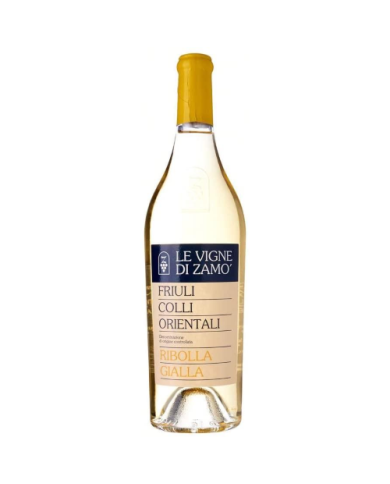
Le uve vengono diraspate e pressate direttamente, la fermentazione avviene in vasche inox termocondizionate a 16-18°C. Il vino rimane sur-lies per 8 mesi, prima di essere imbottigliato e successivamente commercializzato.
€3.29
SKU:
18540
Brand:
Vietti
Colore giallo intenso con riflessi verdolini; sentori fruttati (pera, pesca) e floreali (acacia, biancospino) con una nota di miele.
Abbinamenti: Carne cruda, salumi, antipasti, primi piatti anche di marcata sapidità e preparazioni a base di carni bianche. Dopo qualche anno di bottiglia diventa un vino perfetto da abbinare a formaggi anche stagionati.
€28.18
SKU:
18539
Brand:
Vietti
Questo vino non svolge la fermentazione malolattica e resta sulle fecce fini in vasca d’acciaio fino al momento dell’imbottigliamento.
Descrizione: Colore giallo paglierino con freschi aromi floreali, di agrumi, melone e note ammandorlate. Vino con corpo asciutto e medio e con acidità fresca. Ben bilanciato, elegante e con una buona complessità e persistenza.
€18.18
SKU:
18538
Brand:
Valle Reale
Il Trebbiano d’Abruzzo di Valle Reale è un vino fresco, lungo, succoso e minerale, vinificato e affinato solo in acciaio. Profumi di erbe aromatiche e fiori gialli si intrecciano a nuance di agrumi, frutta fresca e leggera pietra focaia, con una sottile speziatura. Il sorso è slanciato, ricco, minerale, sapido, armonico
SKU:
18537
Brand:
Terraviva
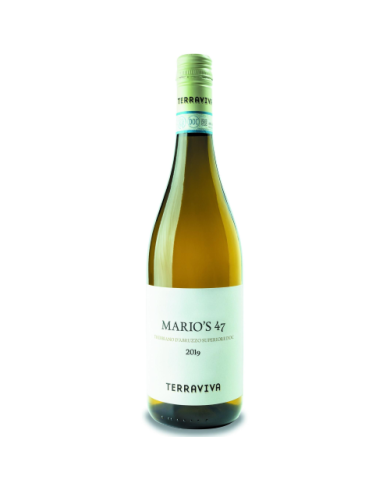
La raccolta avviene manualmente, le uve vengano selezionate in piccole cassette per conservare integri i grappoli. Le stesse in cantina vengono lavorate senza l’aggiunta di alcuna sostanza
€20.62
SKU:
18536
Brand:
Terraviva
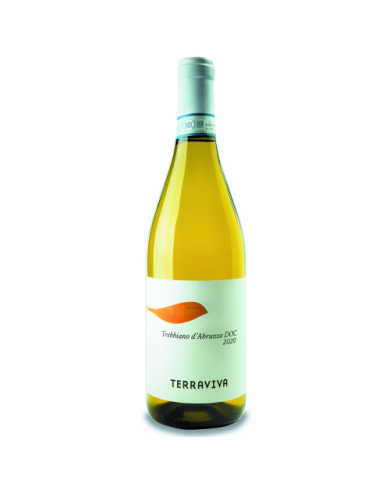
Le uve pigiate vengono sottoposte ad una pressatura soffice. Il mosto viene poi messo a decantare.
La fermentazione avviene con lieviti indigeni ad una temperatura di 22°
€10.61
SKU:
18535
Brand:
Tercic
Lo Chardonnay è prodotto dall'azienda Terčič, che sorge a San Floriano del Collio, in provincia di Gorizia, a ridosso del confine nordorientale tra Italia e Slovenia.
€18.79
SKU:
18534
Brand:
Tercic
Lo Chardonnay è prodotto dall'azienda Terčič, che sorge a San Floriano del Collio, in provincia di Gorizia, a ridosso del confine nordorientale tra Italia e Slovenia.
SKU:
18533
Brand:
Tenuta i Fauri
Colore giallo paglierino, note di pera e agrumi. Ha un piacevole sentore di burro
Abbinamento consigliato Pasta, Vegetariano, Antipasti e spuntini, Pesce magro, Salumi
€15.86
SKU:
18532
Brand:
Tenuta i Fauri
Decantazione statica del mosto dopo pressatura so ce, fermentazione termo controllata e a namento in acciaio inox
€14.27
SKU:
18531
Brand:
Tenuta i Fauri
Giallo paglierino, dal vivace perlage. Al naso si avvertono sentori di crosta di pane, frutta gialla, tocchi agrumati; al sorso è fresco, fruttato, stuzzicante.
€11.10
SKU:
18530
Brand:
Petrini
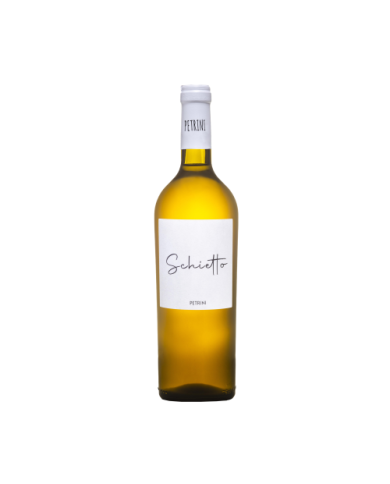
Profumo pulito con note floreali; vino dal gusto sapido di grande bevibilità.
Ottimo accompagnamento con piatti di pesce e carni magre, formaggi freschi e semistagionati. Aperitivo.
€17.57
SKU:
18529
Brand:
Petrini
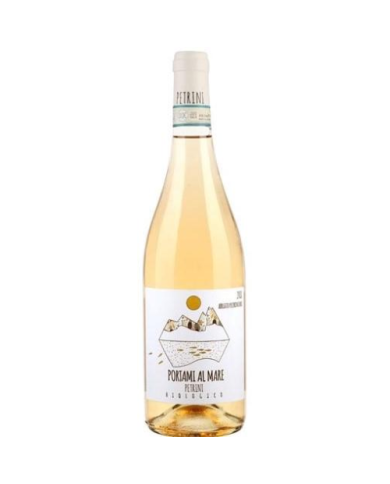
UVE Pecorino provenienti dai vigneti coltivati in Abruzzo secondo i principi dell’agricoltura biologica - Alcol 13,5%
Colore giallo paglierino; profumo intenso, floreale, con netti sentori di agrumi; sapore armonico e morbido di grande rotondità ed ottima struttura, corposità e persistenza con una nota finale di sapidità.
ABBINAMENTI: per le sue caratteristiche organolettiche è ideale per accompagnare piatti di pesce e formaggi poco stagionati
€11.10
SKU:
18528
Brand:
Petrini
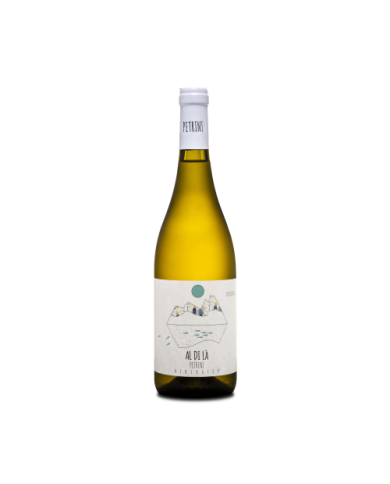
Si presenta alla vista di un bellissimo colore giallo paglierino tenue, al naso rivela eleganti sentori fruttati e delicate note floreali; al sorso è piacevole, avvolgente e di corpo medio, con una buona persistenza fruttata.
€11.10
SKU:
18527
Brand:
Olivella
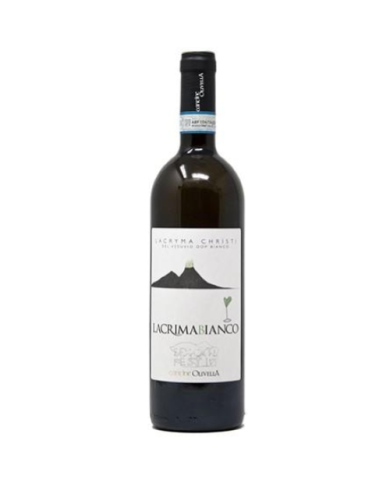
Vino di grande complessità olfattiva, con una serie di note floreali che si svelano una dopo l'altra. Al sorso non delude e porta con sè una magnifica sapidità. Note Degustative: Summa di Cantine Olivella è un vino dal colore giallo oro. All'olfatto è delicato, con note di fiori e frutta, complesso, e sapido. Abbinamenti alimentari: Sformati di pasta, torte di verdure, formaggi a pasta filata.
€38.99
SKU:
18526
Brand:
Olivella
Fermentazione e Affinamento: affina sulle fecce fini per 4 mesi e 2 mesi di bottiglia Uvaggio: Caprettone 80%, Catalanesca 20%
€16.90
SKU:
18525
Brand:
Olivella
Nel calice è consistente con colore giallo dorato, naso fruttato con note di albicocca, sentori delicati di fiori e mineralità. L’assaggio dà sensazioni di freschezza e morbidezza con un piacevole finale ammandorlato
€18.89
SKU:
18524
Brand:
Olivella
Nel calice è consistente con colore giallo dorato, naso fruttato con note di albicocca, sentori delicati di fiori e mineralità. L’assaggio dà sensazioni di freschezza e morbidezza con un piacevole finale ammandorlato.
€62.99
SKU:
18523
Brand:
Nesci
Fruttato con note agrumate, tipico del nostro territorio corposo, persistente con sentori di ananas e petali di rosa.
€12.08
SKU:
18522
Brand:
Jean-Luc Mouillard
Vino di lungo invecchiamento.
Da gustare come aperitivo con cubetti di Comté, noci. Anche su piatti esotici.
€28.06
SKU:
18521
Brand:
Jean-Luc Mouillard
il Curieux è un Savagnin non invecchiato sotto la vela, ma messo subito in botti.
Un vino piacevole e minerale, pur mantenendo una buona pienezza al palato.
Da servire come aperitivo, su filetti di pesce affumicato.
€25.01
SKU:
18520
Brand:
Jean-Luc Mouillard
Il vino è un prodotto delle pendici alpine del Giura - la loro altezza e il loro calcare - creano una deliziosa combinazione di eleganza e mineralità. La produzione ha una media di circa 600 botti (ma il gelo, come nel 2017, può portarlo a 375)
Abbinamento consigliato Pollame, Funghi, Formaggio dolce e a pasta molle
€19.15
SKU:
18519
Brand:
Monte Tondo
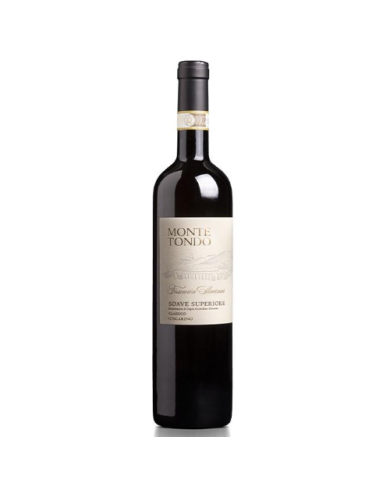
Giallo con riflessi dorati, olfatto molto fine sentori di frutta esotica matura, pepe bianco, vaniglia. Buona mineralità.
Si accosta bene a primi piatti sostanziosi e carni alla griglia.
€14.15
SKU:
18518
Brand:
Monte Tondo
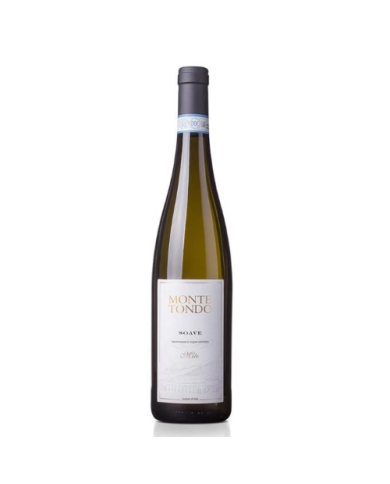
Colore giallo paglierino, profumi di fiori bianchi, al palato è asciutto e fresco.
Consigliato con antipasti e piatti di pesce, crostacei, carni bianche ed ottimo come aperitivo.
€8.78
SKU:
18517
Brand:
Monte Tondo
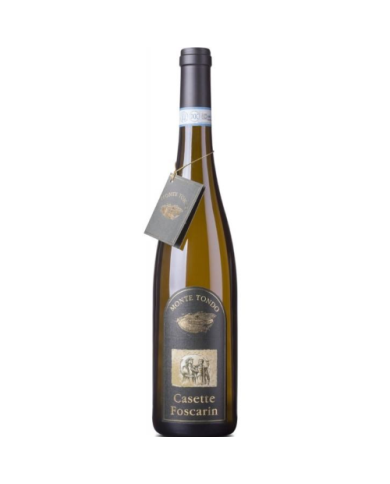
Giallo con riflessi dorati, profumi di frutta esotica matura, frutta secca e vaniglia data dalla Barrique, spiccata mineralità. Accompagna bene primi piatti di pesce elaborati con verdure, zuppe e formaggi morbidi.
€14.15
SKU:
18516
Brand:
Mongarda
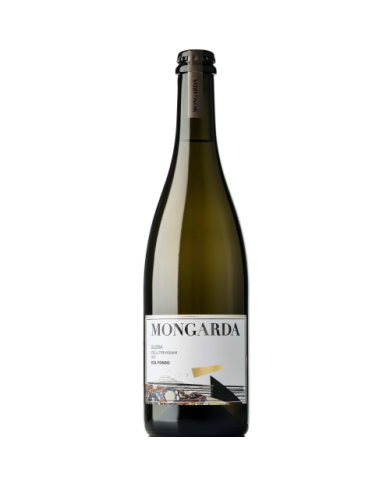
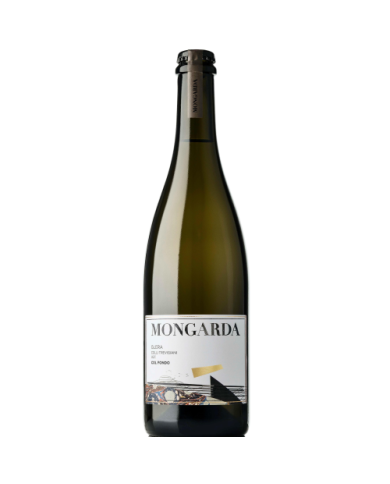
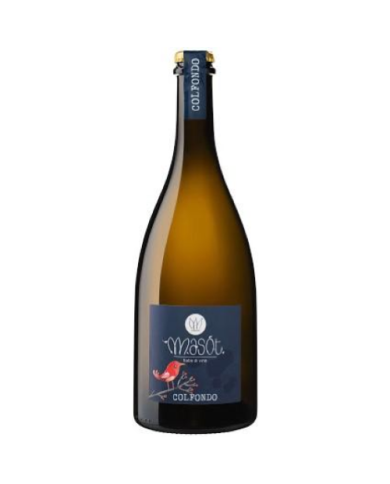
Vivo, coraggioso e ribelle, per brevi momenti elegante, poi aspro e ruvido
€11.88
SKU:
18515
Brand:
Mongarda
Vivo, coraggioso e ribelle, per brevi momenti elegante, poi aspro e ruvido
€21.59
SKU:
18514
Brand:
Mongarda
Vivo, coraggioso e ribelle, per brevi momenti elegante, poi aspro e ruvido
€19.03
€15.81
€30.74
SKU:
18511
Brand:
Martarosa
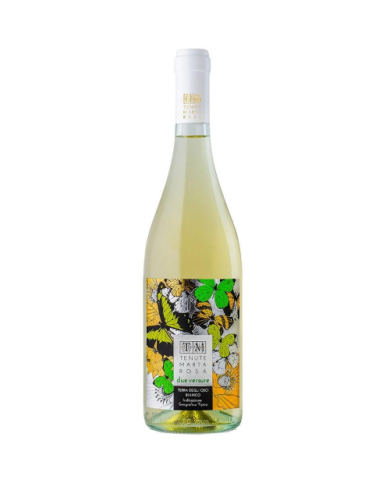
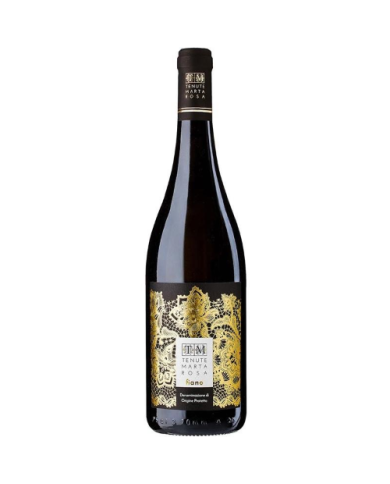
Di colore giallo paglierino intenso, ha note di fiori bianchi, frutta a polpa bianca, agrumi. Fresco e scorrevole esprime equilibrio e mineralità.
€13.01
SKU:
18510
Brand:
Martarosa
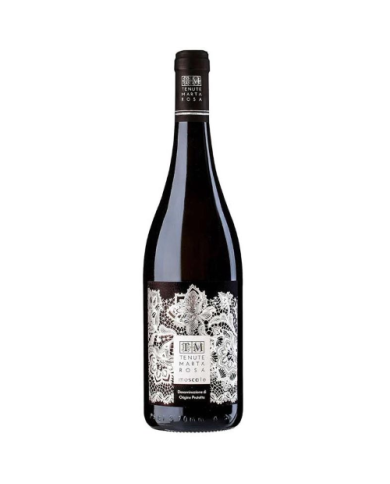
Vino moscato secco con profumo di uva spina, salvia, timo, pesca bianca, un naso sexi e dolce che invita subito alla beva. La bocca di estrema facilità lascia ricordi di frutti dolci. La sua invitante freschezza regala un finale fruttato e pulito.
€19.50
SKU:
18509
Brand:
Martarosa
Bianco di colore giallo paglierino con riflessi dorati, al naso è invitante. Pieno di fiori bianchi, frutta esotica, agrumi. Al palato la beva è piena, piacevolmente fresca e scorrevole, ha un finale minerale, lungo ed equilibrato.
€19.50
SKU:
18508
Brand:
Marc Bredif
Il Muscadet Sèvre-et-Maine "Royal-Oyster" di Marc Brédif è un bianco di piacevolissima aromaticità, fresco e scorrevole all'assaggio. Bella espressione del territorio natio, oltre che vino di personalità, è perfetto per accompagnare un menu a base di pesce.
Paglierino, con riflessi dorati.
Al naso si esprime con sentori di pera, mela e agrumi e note floreali.
Al palato è ampio, fresco e di decisa sapidità.
€23.18
SKU:
18507
Brand:
La Milliere
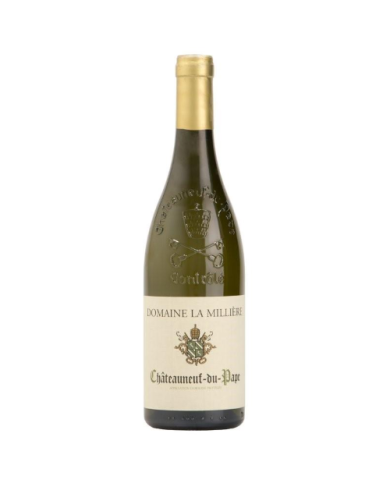
È composto da 4 vitigni: Grenache Blanc, Clairette, Bourboulenc e Roussanne.
Grenache Blanc e Clairette conferisce al nostro Châteauneuf-du-Pape bianco aromi e sapori fruttati e floreali, finezza e un'attitudine eccellente per l'invecchiamento. Il molto più vivace Bourboulenc conferisce al vino freschezza ed eleganza, mentre Roussanne contribuisce con aromi generosi e grande pienezza.
€42.09
SKU:
18506
Brand:
Jermann
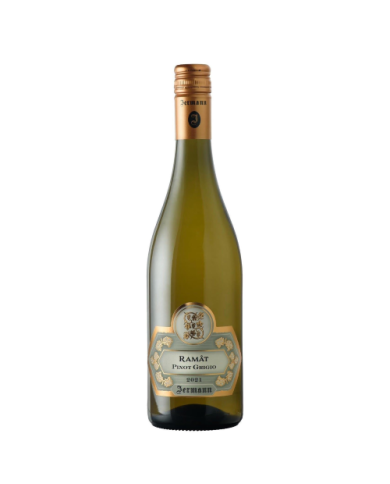
Ramât è una selezione delle uve provenienti dalle migliori vigne (circa 2 ettari) situate tra Isonzo e Collio
100% Pinot Grigio
Esaltati al massimo i profumi della varietà e la sua intrinseca freschezza attraverso una macerazione a freddo, se ne ricava un vino che fa dell’eleganza e della finezza aromatica la sua caratteristica, preservando al contempo una freschezza vibrante.
€29.65
SKU:
18505
Brand:
Jean-Huttard
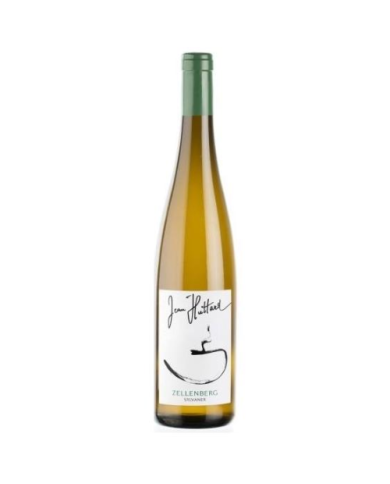
Colore giallo paglierino con riflessi argentati, con note di pera, pesca e fiori di sambuco. In bocca è strutturato, elegante e persistente.
Abbinamenti: crauti, aperitivi e antipasti, frutti di mare e in particolare le ostriche, salsa di pesce, spezzatino di vitello.
€20.86
SKU:
18504
Brand:
Jean-Huttard
La veste è gialla chiara con riflessi verdi e brillanti che ne sottolineano già la caratteristica freschezza, raffinato e carismatico che ti farà apprezzare il Riesling. È abbagliante accompagnato da pesce, carni bianche o frutti di mare. morbido.
€21.84
SKU:
18503
Brand:
Jean-Huttard
Persistenza e delicatezza definiscono questo vino secco, profondo e di grande impatto. Da aprire con gli amici, come aperitivo, accompagnato da antipasti o pesce crudo.
€20.86
SKU:
18502
Brand:
Jean-Huttard
Naso esotico (inconfondibile il mango) e minerale ricco di acqua di rose, melone, pesca bianca, miele d'acacia e zenzero. Vellutato e corposo, elegante, sorretto da vivace acidità e con lunga eco fruttata.
€20.86
SKU:
18501
Brand:
Jean-Huttard
€14.76
Vino semi-secco di buona lunghezza al palato con aromi di rosa.
€14.76
SKU:
18500
Brand:
Jean-Huttard
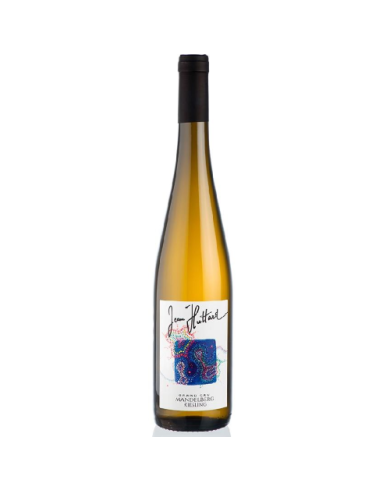
I vini del Grand Cru Mandelberg sviluppano un fruttato pronunciato. Note agrumate, bella mineralità, vendemmia matura che gli dona una buona lunghezza in bocca. Vino spiritoso secco da invecchiare per il pieno sviluppo delle sue potenzialità. Da consumare come aperitivo, o con piatti iodati, complessi o nobili.
SKU:
18499
Brand:
Jean-Huttard
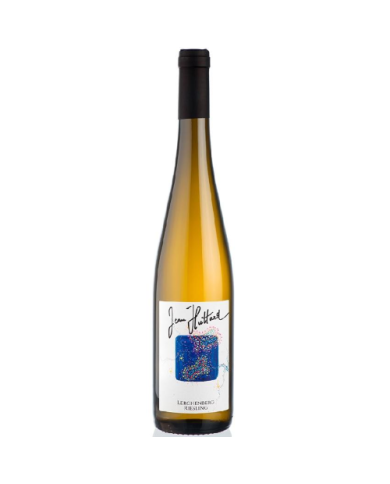
Naso molto floreale accompagnato da note di fiori bianchià. Al palato inizialmente struttirato e fresco finisce per colpirci con la sua mineralità salivante.
€25.38
SKU:
18498
Brand:
Inama
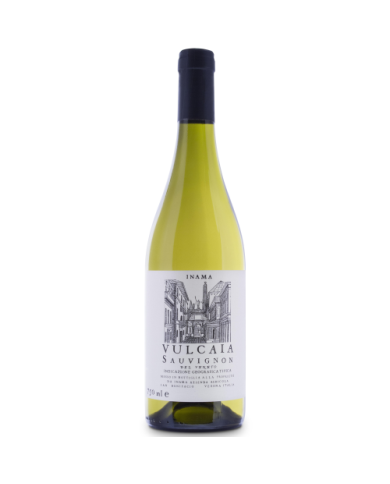
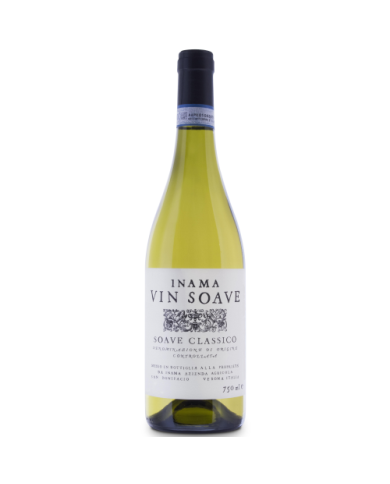
Naso di agrumi e fiori dolci. Al palato minerale con frutta esotica e agrumi. Lungo e persistente il finale.
Abbinamenti: Coquillage, ostriche, omelette agli asparagi. Con i piatti della tradizione: uova e asparagi, coniglio in teglia con scorza di limone. Con le verdure: misticanza con cipollotto fresco ravanello e fragola, asparagi bianchi e verdi.
€18.06
SKU:
18497
Brand:
Inama
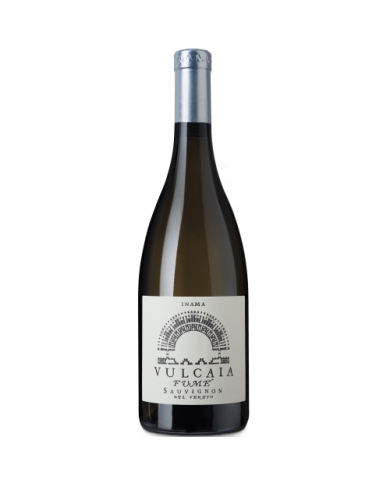
Naso di caffè e spezie e petali di fiori. Al palato presenta frutta tropicale, agrumi e grandi complessità aromatiche.
€39.04
SKU:
18496
Brand:
Inama
€15.25
Naso fine e delicato di fiori di campo: camomilla, sambuco, iris. Al palato si presenta minerale, con un retrogusto di mandorla, tipico della Garganega Classica.
Si abbina con numerosi piatti, in particolare risotto, pesce a polpa bianca, pesce crudo all’italiana (con olio d’oliva), misticanza, sushi
€15.25
SKU:
18493
Brand:
Torre Raone
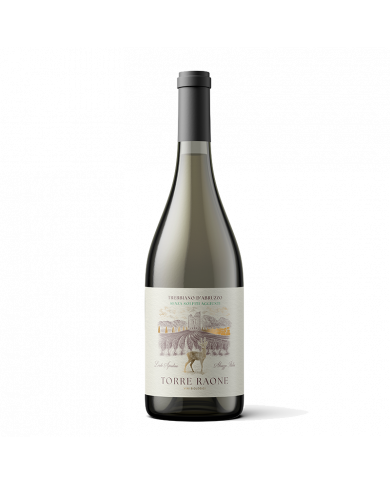
Straw yellow color to the eye. Intense olfactory bouquet, characterized above all by fruity references of apricot, green apple, pineapple and banana, complemented by citrus nuances and almond tones. Full-bodied in tasting, balanced and savory, with good persistence.
Extremely versatile in food pairings, it is worth trying to accompany trenette with pesto.
SKU:
18492
Brand:
Torre Raone
Straw yellow with a good load of color to the eye. The nose is clean and punctual, characterized by fruity hints of apricot, pear and tropical fruit, then completed by chalky and floral nuances of chamomile. Savory and fresh on the palate, with good balance and good length.
Perfect to accompany seafood cuisine, it is excellent to be paired with pan-fried mullets.
SKU:
18488
Brand:
Borgo Maragliano
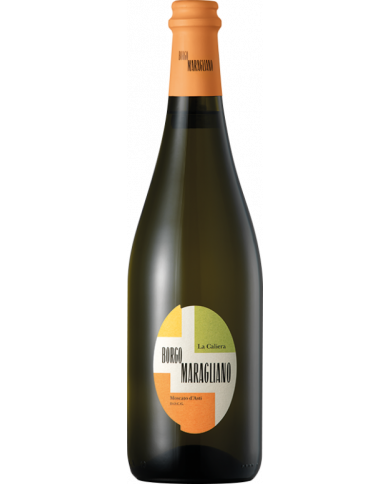
Grape variety: 100% CANELLI WHITE MOSCATO
Altitude: 360 meters slm level Slope: 32% with South West exposure
Training system: Low Guyot
Soil: 45% tuffaceous - 48% sandstone - 7% calcium
Average yield per hectare: 65 hl.
€15.92
SKU:
18485
Brand:
Cantina Orsogna
VIEW : Straw yellow. SMELL : Delicate floral bouquet with notes of white flowers, smoky and hazelnut. TASTE : On the palate it is citrusy, fresh, sapid, long and mineral, fresh.
€8.49
SKU:
18473
Brand:
Girlan
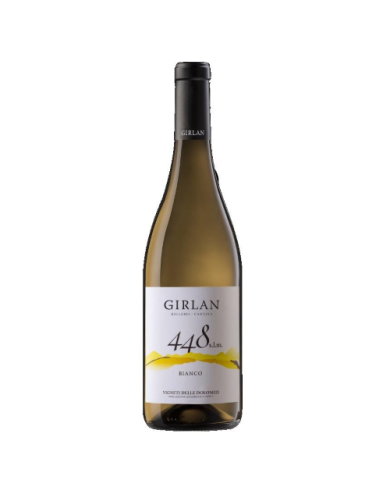
Il Bianco 448 slm è un vino bianco semplice, fresco e minerale dell'Alto Adige, di grande equilibrio, armonia e piacevolezza. Profumi di frutta bianca matura, fiori, pesca e albicocca si susseguono e accompagnano un sorso morbido, asciutto ed elegante
€11.85
SKU:
18472
Brand:
Domaine Gautheron
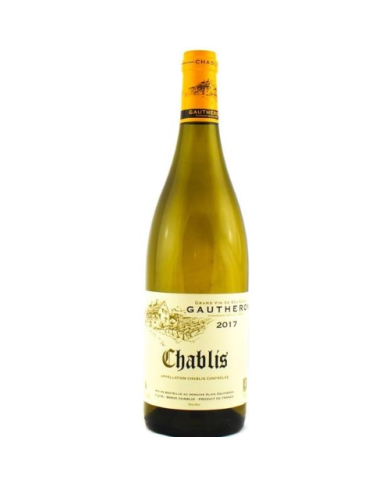
Vigneti di Chablis in Yonne (AOC). - Vino bianco esclusivamente Chardonnay (localmente chiamato Beaunois).
Affinamento: in acciaio - Vinificazione: in vasche termoregolate
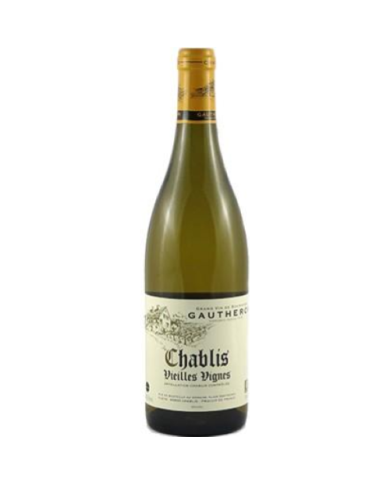
Gautheron è un piccolo produttore di Chablis aderente all' associazione dei vignaioli indipendenti. Poche bottiglie ma tutte di altissimo spessore. Lo "Chablis Vieilles Vignes" ha un bellissimo color paglierino con riflessi verdi tenui. Luminoso. Il naso è morbido, ricco e fresco. Floreale con sentore di limoni, miele di acacia e infine vaniglia.
€26.35
SKU:
18471
Brand:
Domaine Gautheron
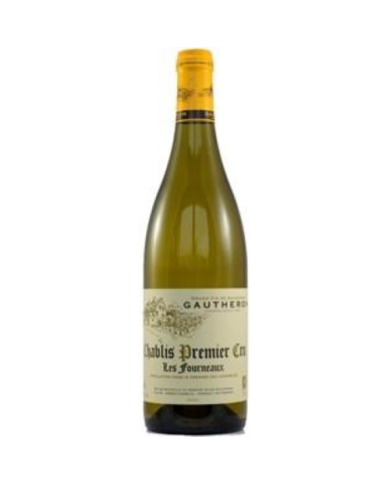
Grande struttura, conserva una buona acidità che gli permetterà un ottima evoluzione con il passare degli anni. Sotto il mantello dorato pallido, il naso non esprime immediatamente il suo pieno potenziale. Ha bisogno un po' di ossigenare; è un vino da aspettare, a volte da 5 a 10 anni.
€37.80
SKU:
18470
Brand:
Domaine Gautheron
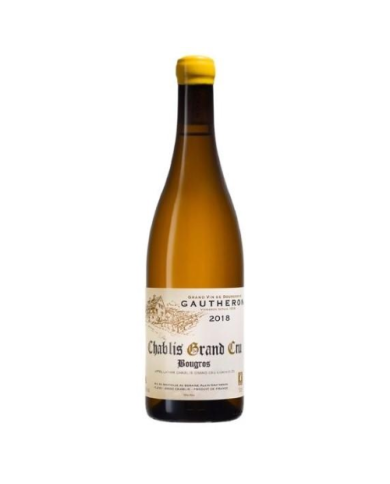
Bougros è una delle sette Cru della zona per lo Chablis.
Vino floreale, elegante, fruttato e minerale; colore oro pallido con leggeri riflessi verdi; aromi di caramello, fiori bianchi e burro.
Antipasti: lumache in conchiglie Carne: filetto di maiale Pesce e frutti di mare Verdure: fonduta inafferrabile con panna fresca Formaggi: formaggi a pasta molle
€80.28
SKU:
18469
Brand:
Domaine Gautheron
Sotto il suo vestito chiaro, pallido oro o oro verde, questo bianco esprime un naso molto fresco, vivace e minerale insostituibile con terrine di pesce e pollame, nonché pesce alla griglia. Ma anche su asparagi, così difficili da domare, per non parlare della cucina esotica, curry e altri piatti tandoori. Grandioso semplicemente come aperitivo.
SKU:
18468
Brand:
Domaine Gautheron
Sotto il suo vestito chiaro, pallido oro o oro verde, questo bianco esprime un naso molto fresco, vivace e minerale insostituibile con terrine di pesce e pollame, nonché pesce alla griglia. Ma anche su asparagi, così difficili da domare, per non parlare della cucina esotica, curry e altri piatti tandoori. Grandioso semplicemente come aperitivo.
SKU:
18467
Brand:
Lugana
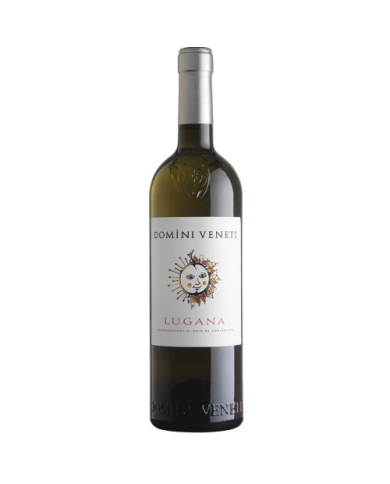
Di colore giallo paglierino, con note verdognole, ha un delicato profumo tra la frutta a polpa bianca e note floreali. Il suo sapore fresco lo rende il vino perfetto con i piatti di pesce e i primi piatti mediterranei a base di verdure. Trebbiano di Lugana 100%
€13.91
SKU:
18466
Brand:
Domaine Du Lycee
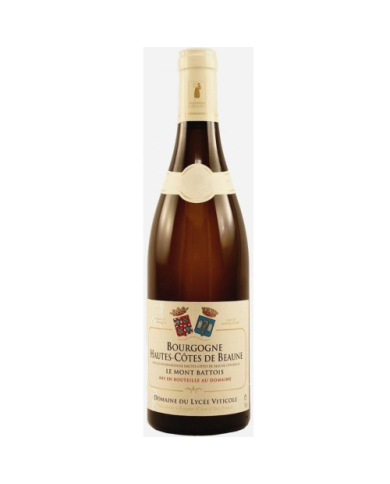
I vini bianchi della Hautes Côtes de Beaune, si caratterizzano per la loro freschezza seducente, hanno un sapore deciso alleviato da una buona acidità e una leggera rotondità. Si evolvono rapidamente nei 3 o 7 anni secondo le annate.
L'elevamento è fatto per una parte in tini e per l'altra in botti. Colore giallo paglierino, al naso sentori di fiori d'acacia e malto d'orzo su mandorla fresca, albicocca e mela cotogna al palato. Da bere ora, può anche essere conservato fino a 5 anni. Accompagna molto bene terrine, pollame o come aperitivo.
€23.67
SKU:
18465
Brand:
Domaine Du Lycee
Francia - Borgogna
I vini bianchi della Hautes Côtes de Beaune, si caratterizzano per la loro freschezza seducente, hanno un sapore deciso alleviato da una buona acidità e una leggera rotondità. Si evolvono rapidamente nei 3 o 7 anni secondo le annate.
L'elevamento è fatto per una parte in tini e per l'altra in botti. Colore giallo paglierino, al naso sentori di fiori d'acacia e malto d'orzo su mandorla fresca, albicocca e mela cotogna al palato. Da bere ora, può anche essere conservato fino a 5 anni. Accompagna molto bene terrine, pollame o come aperitivo.
€22.33
SKU:
18464
Brand:
Domaine Du Lycee
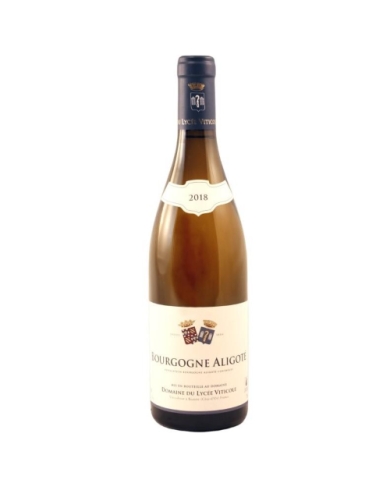
Bourgogne ALIGOTE' (denominazione Regionale) vino bianco secco con note agrumate
il vitigno Aligotè ricopre una superficie di circa 1500 ha
Di colore chiaro piuttosto brillante, al naso fiori bianchi (tiglio e acacia) con un piacevole sentore di limone, in bocca è fresco con aromi di frutta a polpa bianca (pera) e un tocco aspro.
Perfetto come aperitivo, sui piatti tipici della Borgogna (lumache, prosciutto al prezzemolo), o sui frutti di mare
€15.74
SKU:
18463
Brand:
Cantine di Marzo
Giallo solare con riflessi dorati. Al naso una predominanza di pietra focaia, fior d’arancio e macchia mediterranea che evolve in note più fruttate con una leggera traccia di eucalipto. In bocca il primo impatto è di freschezza sostenuto dall’acidità.
€13.79
SKU:
18462
Brand:
Cantine di Marzo
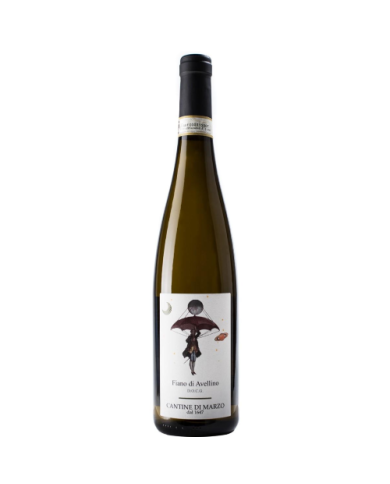
Cantine Di Marzo Fiano di Avellino DOCG ha un colore giallo paglierino luminoso e leggero con riflessi verdolini.
Al naso è intenso e complesso e sprigiona note floreali di tiglio e gelsomino accostati dalla parte fruttata di pera e frutto della passione.
€13.79
SKU:
18461
Brand:
Domaine Les Chaumes
Un vino tipico della denominazione, fresco, minerale e floreale allo stesso tempo. Ideale per aperitivi, pesce, frutti di mare e formaggi cotti.
€15.13
SKU:
18460
Brand:
Deschamps
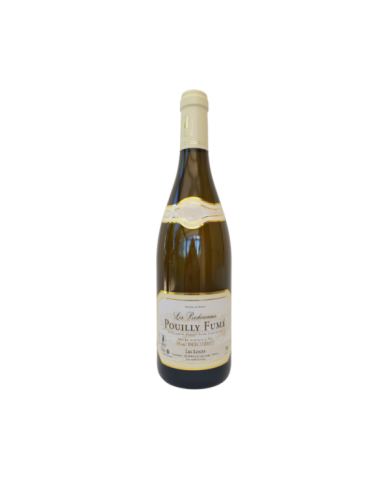
In particolare questa espressione classica di Marc Deschamps. Ricco, potente, segnato da un sottofondo di mineralità che rende i vini della frazione di Les Loges l'invidia di tutti i produttori di Pouilly Fumé.
€22.45
SKU:
18459
Brand:
Marisa Cuomo
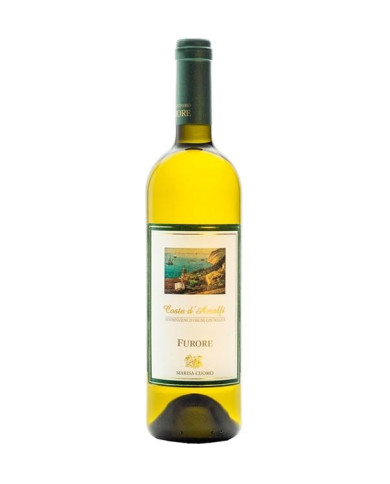
Colore giallo paglierino scarico e delicato profumo di frutta che riporta agli inconfondibili odori mediterranei della zona di origine. Il sapore è ampio ed equilibrato con una lieve dominanza della nota acidula a sostegno della freschezza degli aromi.
€31.62
SKU:
18458
Brand:
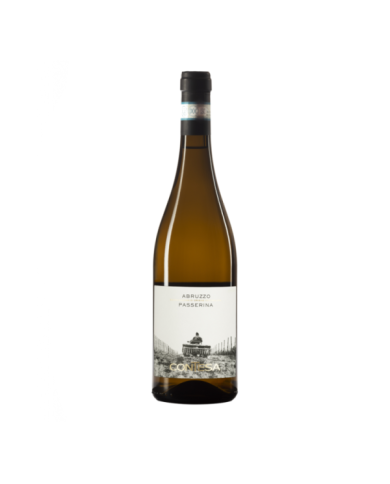
Contesa
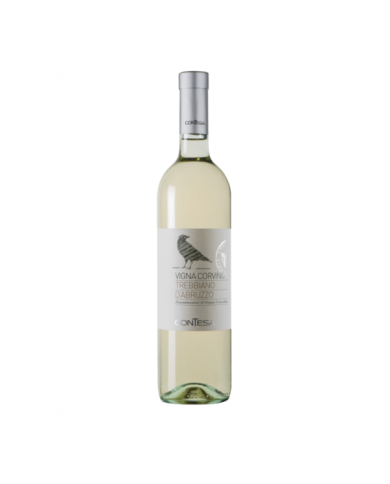
Da uve trebbiano coltivate a pergola abruzzese. Pressatura soffice, fermentazione e affinamento in acciaio a temperatura controllata.
Un vino semplice, dal gusto delicato e fresco.
€5.86
€10.25
SKU:
18456
Brand:
Contesa
Le uve sono pigiate e lasciate in macerazione pellicolare per circa 8 ore a bassa temperatura. Il mosto viene poi posto a fermentare in contenitori di acciaio
Alla degustazione presenta un colore giallo tenue con note verdognole. Al naso spiccano note floreali e citrosine insieme a note di pompelmo rosa. In bocca è fresco, sapido e di buona persistenza. E' ottimo sia come aperitivo che per accompagnare antipasti e primi di pesce.
€9.88
SKU:
18455
Brand:
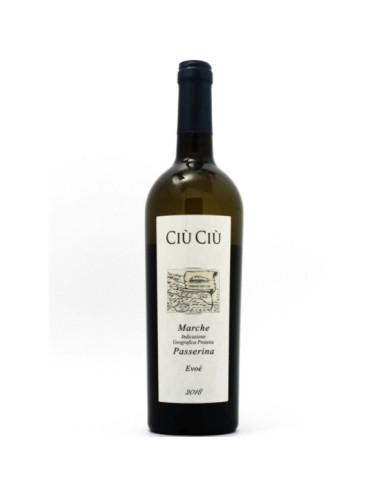
Ciù Ciù
Le Merlettaie Offidane, intrecciano fili con gesti rapidi e precisi, ultime testimoni di un’arte antica e preziosa la cui origine si perde nella memoria e negli anni…così l’origine del Pecorino, nobile vitigno italico, austero e potente, relegato per decenni su brulli e scoscesi pendii montani dell’appennino piceno. Riscoperto oggi dalla passione di pochi vignaioli, raro e prezioso, capace, anche con gli anni, di sprigionare intensa personalità evocando sensazioni eteree e persistenti. Personalità e potenza esaltate dalla fermentazione in nobili legni di questo prodotto, esempio di memoria storica e nuova sapienza eroica.
€10.00
€7.93
SKU:
18453
Brand:
Cingilia
Il Pecorino di Cingilia è un vino bianco prodotto nel comune di Cugnoli (PE), a 300 metri sul livello del mare su terreno argilloso e calcareo. Fermenta spontaneamente e affina sur lies per diversi mesi in serbatoi di acciaio inox con rimescolamento periodico delle fecce.
€14.50
SKU:
18452
Brand:
Cingilia
La Passerina di Cingilia è un vino bianco vinificato a temperatura controllata tramite pied de cuve preparato qualche giorno prima della vendemmia. Affinamento in acciaio sulle fecce fini.
€14.50
SKU:
18451
Brand:
Cingilia
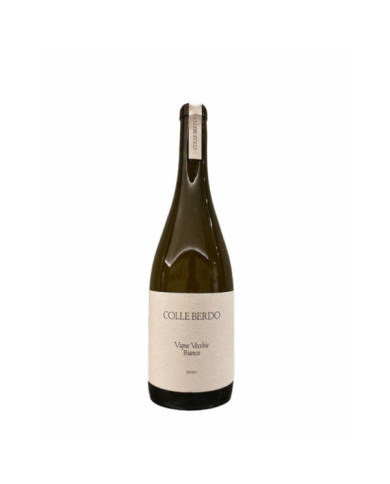
Il Colle Berdo di Cincilia è un vino bianco da uve Trebbiano da vigne di 40 anni. Fermenta spontaneamente poi il vino sosta in acciaio sulle fecce fini , arricchendosi di aromi e cremosità. Non filtrato, non chiarificato.
SKU:
18450
Brand:
Cingilia
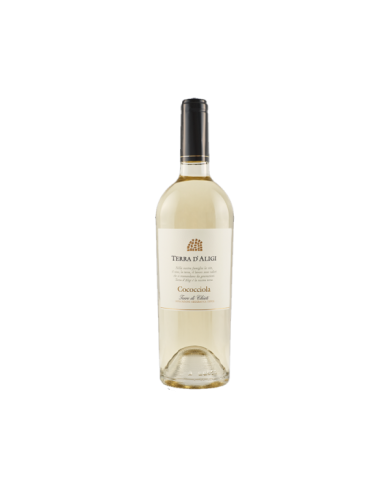
Il Cococciola della cantina Cingilia è un vino bianco di straordinaria dinamicità e leggiadria, prodotto sulle Colline Pescaresi seguendo una visione produttiva artigianale. Il Cococciola è un vitigno a bacca bianca autoctono dell’Abruzzo, tradizionalmente impiegato in assemblaggio con altre varietà locali come il Trebbiano, sebbene siano sempre più diffuse espressioni in purezza.
€14.50
SKU:
18449
Brand:
Castello di Buttrio
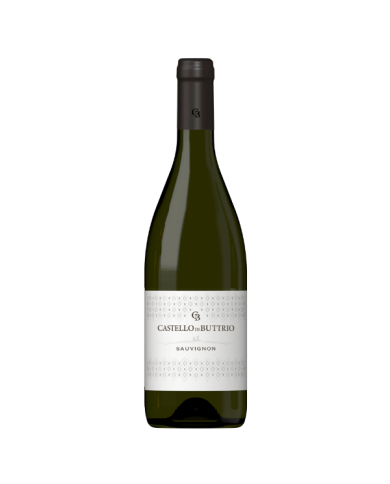
Alla vista appare giallo paglierino
All'olfatto è molto aromatico ma delicato; riconoscibili il peperone giallo e la salvia con sentori di frutta tropicale, pesca e melone.
Al gusto è pieno, elegante e vellutato. Di ottima struttura e armonica acidità.
€17.93
SKU:
18448
Brand:
Castello di Buttrio
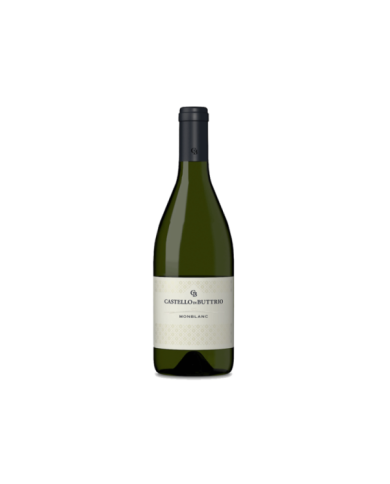
Monblanc Castello di Buttrio è un riassunto della nostra viticoltura, un uvaggio dal calibrato equilibrio. In questo vino si fondono austera struttura, solare acidità e corposità minerale dei vitigni che lo compongono. Un insieme di stile e proporzione, eleganza fruttata e freschezza di ginestra con una memoria olfattiva di coste assolate.
€14.52
SKU:
18447
Brand:
Cà del Bosco
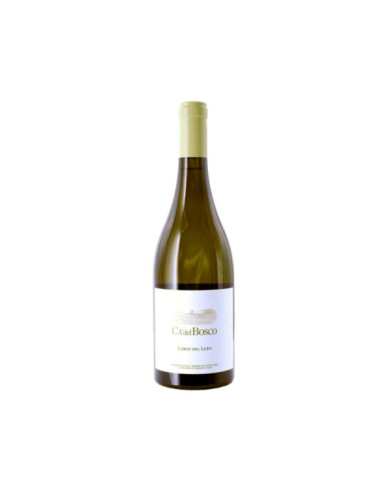
Il Curtefranca Bianco DOC "Corte del Lupo" Cà del Bosco è un vino bianco prodotto in Franciacorta, assemblaggio di Chardonnay 80% e Pinot Bianco 20%.
€36.25
SKU:
18446
Brand:
Burklin-Wolf
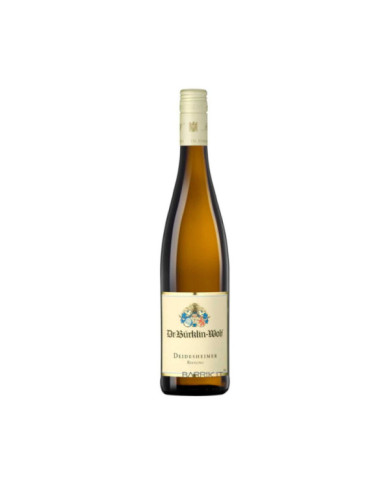
Riesling prodotto con uve da vigneti di proprietà, ai piedi dei monti del Pfalz, nei villaggi di Wachenheim, Deidesheim e Ruppertsberg. Su queste colline, il clima è pressoché mediterraneo. Vendemmia selettiva manuale effettuata nel mese di settembre. Fermentazione a temperatura controllata in acciaio inox per l’80% e per il 20% in grandi botti di quercia. Biodinamico.
€20.62
SKU:
18445
Brand:
Burklin-Wolf
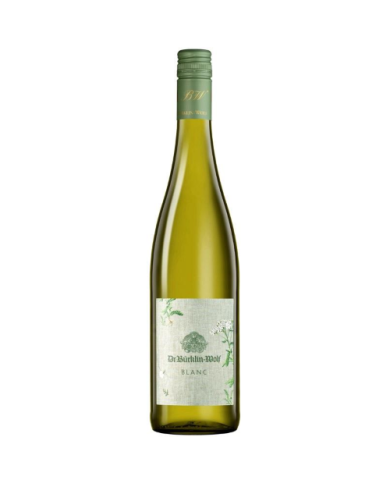
Fresca e vivace fragranza di mela verde e fiori di sambuco con un pizzico di aromi di agrumi. Affascinante e fresco al palato con un'acidità succosa e sentori di frutti tropicali maturi.
€18.06
SKU:
18444
Brand:
Bric Cenciurio
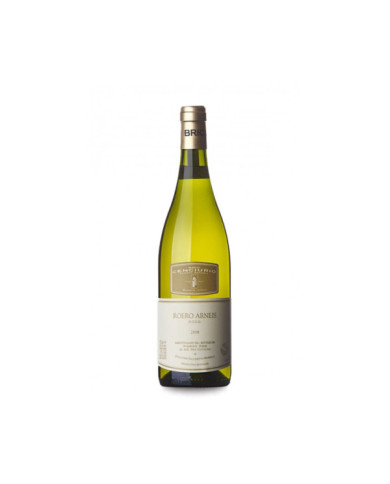
Il Roero Arneis di Bric Cenciurio è un vino bianco fresco e floreale, prodotto con uve Arneis in purezza coltivate sulle colline di Castellinaldo, nel cuore del Roero. Sia a fermentazione che l’affinamento avvengono in vasche di acciaio, con l’obbiettico di esprimere al meglio la freschezza e aromaticità tipiche del vitigno.
€13.18
SKU:
18443
Brand:
Bric Cenciurio
Ad un altitudine superiore ai 500m, tra i campi di nocciole e i boschi, fa capolino il vigneto “Al Bric” perfetta dimora per il nostro vigneto di Riesling Renano.
€15.62
SKU:
18442
Brand:
Bila-Haut
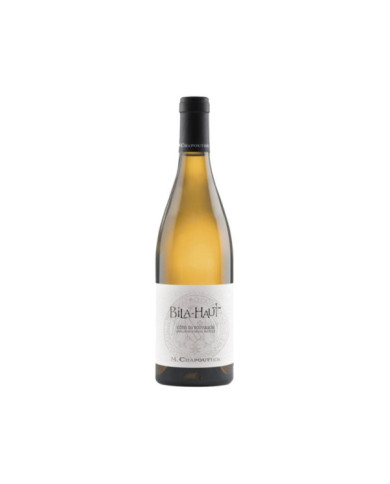
Giallo paglierino con riflessi verdolini. Rimandi floreali, arricchiti da tocchi di agrumi e note leggermente più affumicate.
€13.18
SKU:
18441
Brand:
Beconcini
Non sarò mai un produttore di vini bianchi, ma la ricerca in viticoltura è la mia passione e memore dei ricordi di mio babbo che mi parlava dei vecchi Trebbiano Rosa presenti a San Miniato, ho cercato, trovato e oggi coltivo, antichi cloni di queste uve con cui produco VEA (C.F. di EVA bianco con attributi)
€18.18
SKU:
18440
Brand:
Domaine Amiot Guy et Fils
Chassagne-Montrachet è un piccolo paese con meno di 500 abitanti. I suoi vigneti, insieme a quelli di Puligny e Meursault compongono le tre grandi appellation dei bianchi di Borgogna. Qui si producono alcuni tra i migliori vini bianchi al mondo. In particolare, il Grand Cru “Le Montrachet”, dà un vino che è contraddistinto da una concentrazione quasi incredibile di tutte le migliori qualità del bianco di Borgogna:
più aroma, colore più vivo, sapore più spiccato e retrogusto più persistente.
€117.85
SKU:
18439
Brand:
Domaine Amiot Guy et Fils
Caratteristiche All'olfatto presenta sentori agrumati e di fiori d'acacia. Al palato è ben equilibrato e fresco con un'ottima acidità. Abbinamenti Ben si abbina a primi e secondi piatti a base di pesce o formaggi freschi. Alc. 12%
€33.31
SKU:
18438
Brand:
Albert Pic
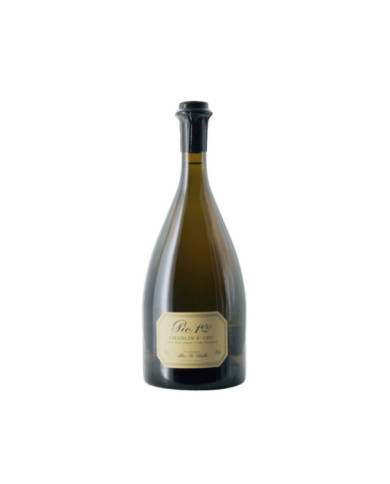
Per celebrare la 257 vendemmia, la maison Albert Pic ha proposto questo capolavoro.
€116.14
SKU:
18437
Brand:
Accadia
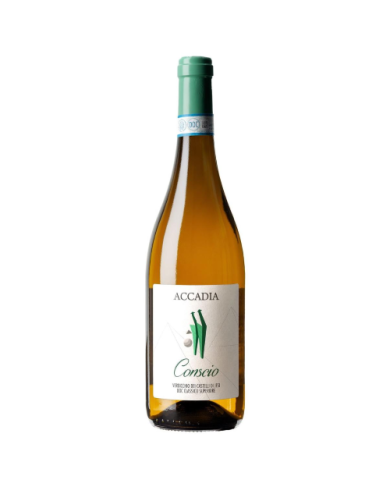
sapidità spiccata, piacevole freschezza insieme ad una particolare morbidezza, donano al vino ricchezza ed eleganza. Dalle notevoli capacità evolutive, nel tempo acquista sempre più eleganza e armonia.
€18.63
SKU:
18434
Brand:
Collefrisio
GRAPES : 100% Pecorino HARVEST : end of September VINIFICATION : Maceration at low temperature after destemming of the grapes and temperature controlled alcoholic fermentation in steel tanks. TASTING : To be accompanied with Pasta, Vegetarian, Appetizers and snacks, Lean fish, Salami.
€19.07
The best Italian white wines
Italy is home to some of the finest white wines. In the Clickwine section of our online wine shop dedicated to the finest Italian white wines, you'll find bottles of excellent white wine carefully selected by our sommeliers.
The designations used in our country to classify wines are DOCG, DOC, and IGT. Sometimes you'll also find designations like DOP and IGP: these acronyms have similar meanings to the previous ones but are used by wineries that primarily sell their wines outside of Italy.
The production of white wine
White wines are produced from both light and dark grapes, but vinified as a white wine: that is, during maceration there is no contact between the must and the pomace, so that the skin – exactly the opposite of what happens with red wines – does not release substances and color.
Its myriad nuances vary according to the characteristics of the grape variety, the aging method and the vine growing area.
In white winemaking, once the grapes have been harvested, they are transported to the cellar, destemmed, and pressed, and the must is separated without any maceration or with a brief maceration. Sometimes, however, the grapes are pressed and then macerated with the skins at a low temperature for a varying length of time. This produces richer, smoother wines.
This phase is followed by the clarification of the white wine produced, which can be done by letting the must rest, by cooling, centrifugation or filtration.
Fermentation begins either by adding selected yeast to the must or spontaneously, using the indigenous yeasts present in the grapes. To preserve the aromas, finesse, and freshness of white wines, fermentation is carried out at lower temperatures than red winemaking, generally around 18°C.
To obtain a fresh and lively wine, best drunk young, malolactic fermentation is avoided by bottling early, after filtration and stabilization. More complex wines, aged or fermented in wood, are bottled only after several months in barrel.
How to taste white wine
First, you need to decide whether to uncork the bottle right away or let your white wine age. If you want to immediately succumb to its charm, its aromas of aromatic herbs, flint, or its notes of exotic fruit, then serve your white wine at the right temperature: 6-8°C for a young white and 8-10°C for a softer, more structured wine.
How to pair white wine
Dry white wines will surprise you at the table, too, and not just with their straw-yellow color. As an aperitif, and especially with a fish dish, white wine is definitely a must, but it's not easy to know which of the many labels will be best suited to the occasion.
We recommend pairing white wine with cheeses, whether low-fat, fresh, or rich in milk, such as flavorful buffalo mozzarella, or with soft, bloomy-rind cheeses. They're also perfect with white meats, such as classic scallops, but beyond tradition, white wine also pairs perfectly with meat and risotto dishes, as well as truffles. Visit our online wine shop Clickwine for expert advice on purchasing the best white wine at the best price to pair with your favorite dishes.
White wines: prices and offers
Every week, our online wine shop, Clickwine offers a selection of selected white wines at special prices. In this section and in the special offers section, you can then browse the best value wines.
A wide selection of premium products at affordable and truly exclusive prices. Don't miss the incredible deals on white wines from all the most prestigious Italian wineries; discover internationally renowned and beloved Italian wines.
Enter the Clickwine catalog and expand your selection by purchasing exclusive items online from smaller, yet exceptionally high-quality wineries.
White wines: longevity and conservation
How long can I keep white wine in the cellar? Do white wines improve as they age like red wines? These are the questions a wine consumer asks when talking about white wine.
In general, white wines have a much shorter shelf life than red wines, for two reasons: tannins and aging. Tannins are antioxidants present in the wine's skins that aren't present in white wines; as for aging, however, most white wines age in stainless steel for just a few months; even red wines, if they age briefly in stainless steel and undergo rapid maceration, don't last for many years. Let's say a classic white wine aged in stainless steel lasts a maximum of 2 to 3 years. If it undergoes maceration or ages in wood, it can last up to 20 years and improve year after year.
How many types of white wines are there?
There is no exact number of types of white wine, as there are several different white grape varieties that can be used to make white wines. Some of the most common white grape varieties used to make white wines are Chardonnay, Sauvignon Blanc, Riesling, Pinot Grigio, and Moscato. There are also other less common varieties such as Gewürztraminer, Semillon, and Viognier. Each of these varieties can be used to produce white wines with unique and different characteristics, so there are many different types of white wines available.
How to recognize a good white wine?
There are several ways to recognize a good white wine. One of the simplest is to taste the wine and evaluate its flavor and aroma. A good white wine should have a pleasant flavor and a delicate, complex aroma. Other factors that can indicate the quality of a white wine include the vintage, the grape variety, and the production area. In general, white wines produced with high-quality grapes and in particularly favorable years tend to be more valuable and of higher quality. Furthermore, white wines produced in regions renowned for producing high-quality white wines can be considered more valuable than those produced in other regions.
How to understand if a white wine is good?
As mentioned above, one of the easiest ways to determine if a white wine is good is to taste it and evaluate its flavor and aroma. A good white wine should have a pleasant flavor and a delicate, complex aroma. It's also important to keep in mind that the quality of a white wine can be influenced by several factors, such as the vintage, the grape variety, and the production area. For example, white wines produced with high-quality grapes and in particularly favorable years tend to be more valuable and of higher quality. Furthermore, white wines produced in regions renowned for producing high-quality white wines may be considered more valuable than those produced in other regions.
Why is it called white wine?
White wine is so called because it is made using white grapes. Most white grapes have transparent or lightly colored skins, so the wine made from these grapes has a light, transparent color. Sometimes the color of white wine can be influenced by the type of grape used, the winemaking process, and the addition of other ingredients, but generally, white wine has a light, transparent color.
How to replace white wine?
If you want to replace white wine in a recipe, there are several ingredients you can use. One of the most common options is to use chicken or vegetable broth instead of white wine. Other options include using white vinegar or apple juice diluted with water. Additionally, in some cases, you can omit the white wine entirely and use other ingredients to achieve the desired flavor in the recipe.