

 Italiano
 Deutsch





















There are no more items in your cart
SKU:
4685
Brand:
Cantina Orsogna
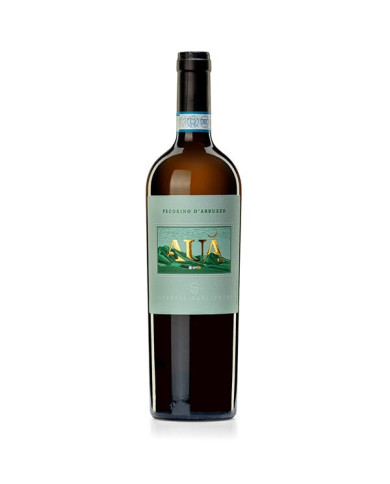
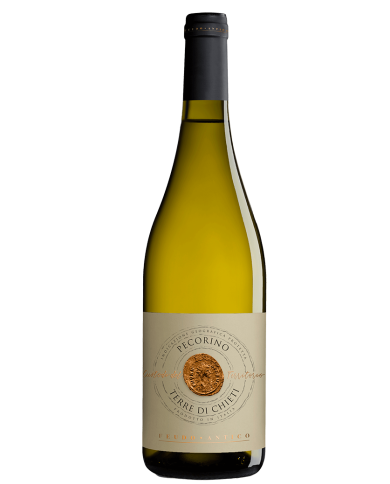
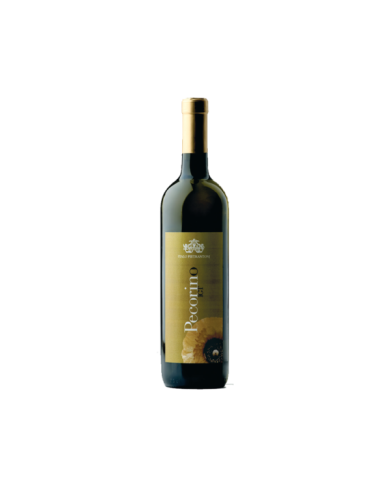
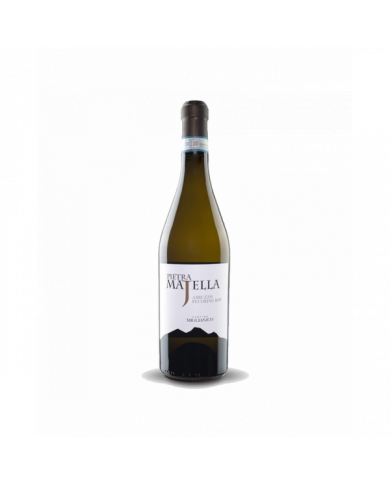
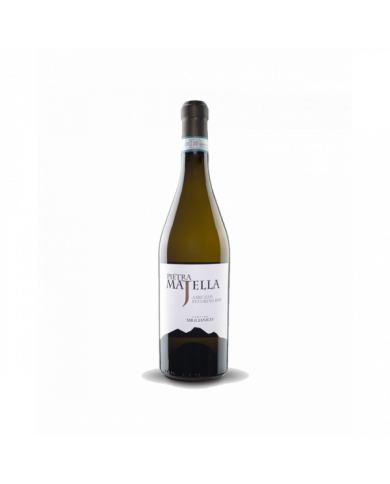
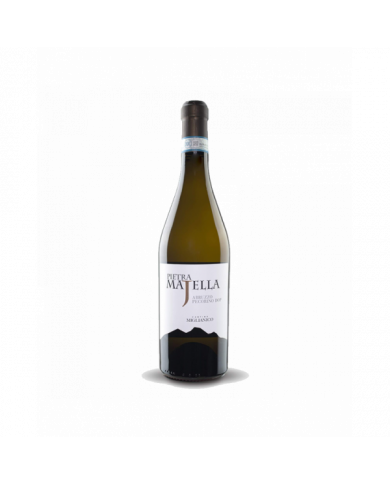
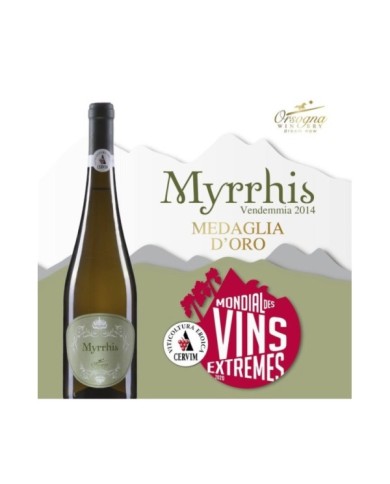
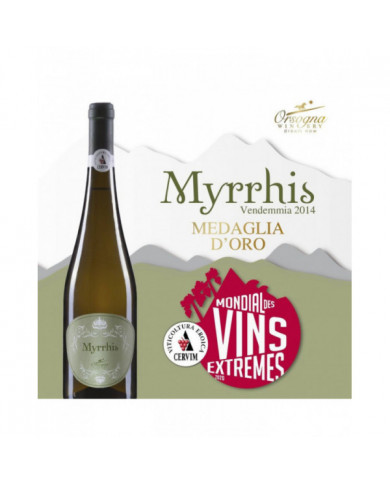
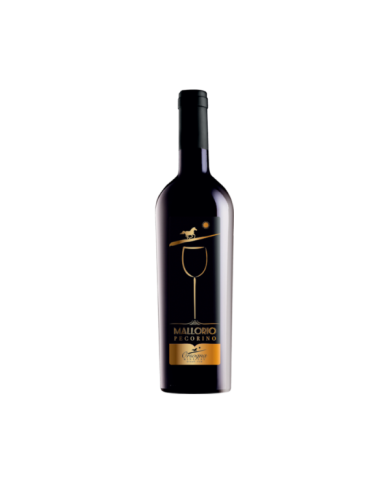
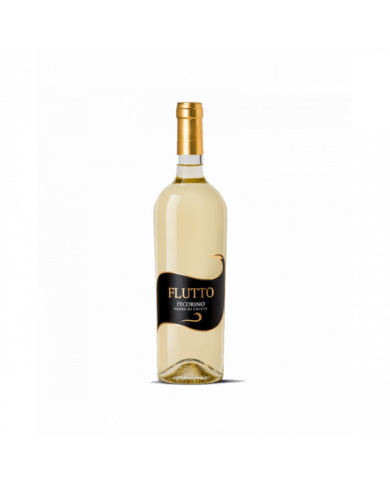
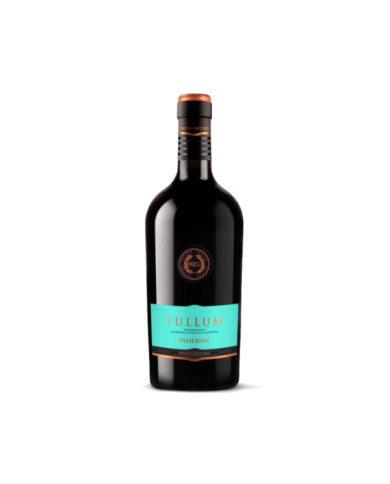
GRAPE Pecorino ALCOHOL CONTENT 14.5% vol COLOR White Packaging in wooden box.
€39.42
SKU:
4676
Brand:
Giovenzo
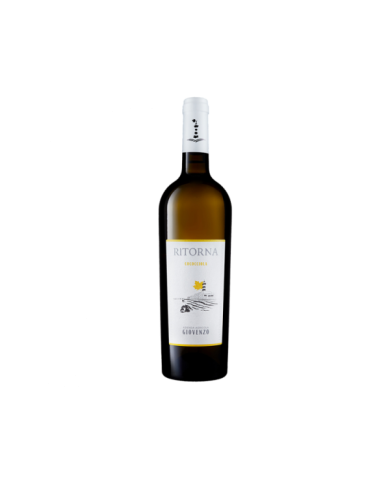
Cococciola Terre Di Chieti IGT 2019
13.00
Interesting native white grape variety grown in Abruzzo. The historical evidence and news relating to the origin of this white grape variety are rather scarce and smoky. We know with certainty that the vine is mentioned in the work of the French ampelographers Viala and Vermorel (1909), who indicate it as a vine of Abruzzese origin, probably spread with transhumance. Vinified in purity, it fully expresses its potential. A fresh and fruity white, with a straw yellow color with golden reflections. The nose shows a delicate perfume with hints of white pulp peach and pear, notes of spring white flowers and evident citrus sensations of grapefruit and lemon, with fine mineral notes that express freshness and fragrance.
€12.07
€9.65
SKU:
4669
Brand:
Giovenzo
€8.36
€6.69
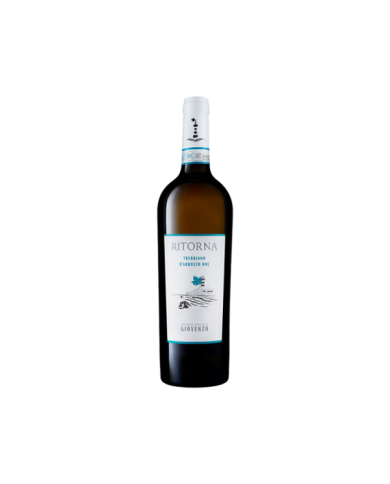
Straw yellow with greenish reflections, the nose expresses a beautiful olfactory profile, all played on fresh notes of fruit and freshly picked flowers, hints of apple, yellow peach, apricot, broom and iris flowers. On the palate it is fresh and balanced, supported by good acidity and a minerality that peeps out at the end of the tasting. Very clean, with excellent persistence.
€8.36
€6.69
€18.18
€15.45
SKU:
4651
Brand:
Cantine Paolucci
€6.69
€5.35
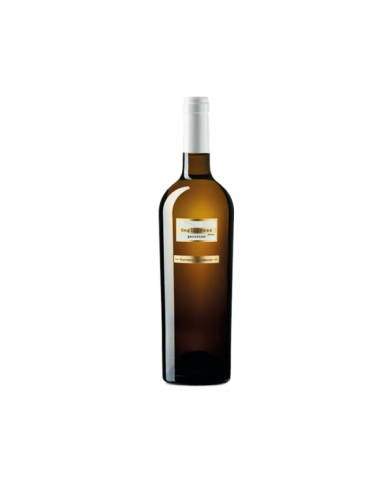
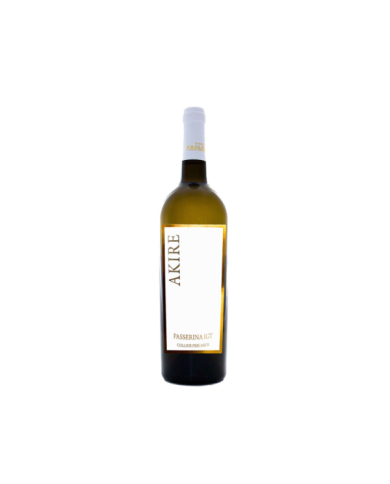
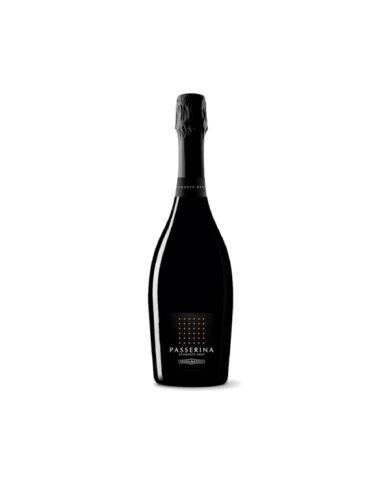
Passerina IGT PAOLUCCI shows a decisive vivacity and at the same time an underlying softness. These characteristics make it a wine with an easy and immediate appreciation. The nose is fine but persistent, with a fresh and basically dry but never aggressive taste. Vintage 2019 Alcohol 12.50% Vol.
€6.69
€5.35
€25.38
SKU:
4620
€8.65
SKU:
4618
€12.14
SKU:
4616
€12.14
€12.14
SKU:
4612
Brand:
Lagertal
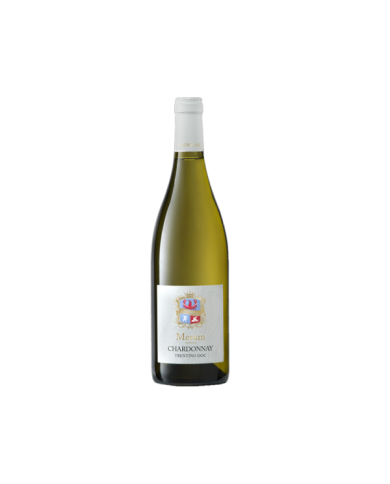
Merum is a wine that embodies the attitude of a territory that has been dedicated to viticulture for centuries and the ability of our oenologists to extract its characteristics in the best possible way, transforming it into a great wine with the Trentino DOC denomination. The bouquet is complex, the color is straw yellow, we recommend it in combination with foods with a delicate flavor.
A “pure” Chardonnay, just like its name.
€18.00
SKU:
4610
Brand:
Lagertal
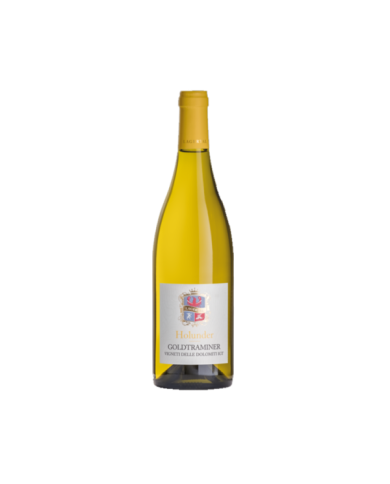
It has gold in its name - Gold - and the powerful charge of a modern wine - Traminer - decidedly "irreverent", because it is the fruit of an absolutely innovative grape variety, obtained from the crossing of Traminer vine flowers with those of Tuscan Trebbiano. A new variety created in the mid-1950s by Rebo Rigotti, geneticist from Trentino, one of the most brilliant viticultural researchers at international level. Precious vines, rare precisely because they are destined for targeted harvests and an equally particular wine. Like the one that ripens on the basaltic slope of Reviano, the sunny side of the Destra Adige, above Isera (Trento). The care in cultivation and vinification is maximum in order to offer an absolutely original, curious and yet intriguing wine. Gold in its sunny, brilliant color, with almost iridescent luminous reflections. The nose will win you over for the amalgam of fragrances embellished with a myriad of floral notes that recall candied fruit, acacia, citrus of mandarin and elder flowers, which surround the cultivation area in a fragrant embrace. On the palate it comes with fresh vigor, without neglecting the elegance of velvet, recalling round flavors of quince and crunchy apricots, with a never cloying sweetness and a decidedly rare gustatory persistence.
Holunder - a Goldtraminer that stands out for its versatility: to be enjoyed while still young - for immediate sensations - or to be rediscovered after some proper aging in the cellar, for unforgettable pleasures.
€18.00
SKU:
4605
Brand:
Lagertal
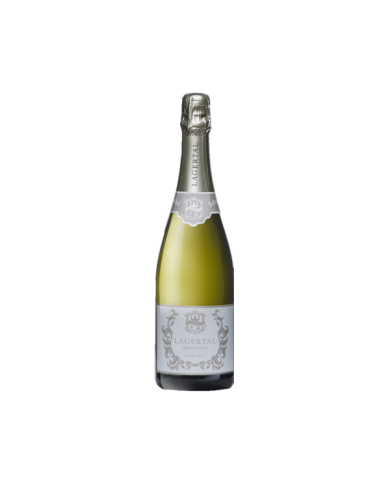
Trento Doc is the highest and most refined expression of Trentino wine production. Before being able to taste a glass, you have to be patient: you wait and work for months, years. The result will then be spectacular! The base wine rests for a long time inside the bottle, maturing in contact with the yeasts according to the refermentation rules of the classic method. From the first sip you can taste the climate, the altitude, the very essence of this magnificent land that is Trentino.
€5.29
€4.24
€5.89
SKU:
4594
Brand:
Feudo Antico
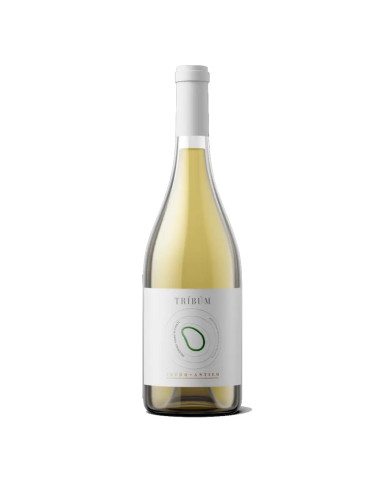
Pale straw yellow color with slight greenish reflections. Fruity aroma with citrus and tropical notes, white peach and elegant floral scents. Taste: Full, with good structure and long persistence. It goes well with appetizers and raw fish, Crustaceans, first and second courses based on fish. Excellent with fresh or stretched curd cheeses.
€5.89
SKU:
4584
Brand:
Valle Martello
Valle Martello sparkling wine is made from Cococciola grapes. After the first fermentation in steel at a controlled temperature, the second fermentation takes place in an autoclave with the charmat method. An 8-week bottle refinement follows. Valle Martello sparkling wine has a straw yellow color, a persistent foam and an intense bouquet. The taste has a pleasant fruity of pineapple and peach. A wine for the whole meal, it tastes well from aperitifs to desserts.
€15.90
SKU:
4577
Brand:
Valle Martello
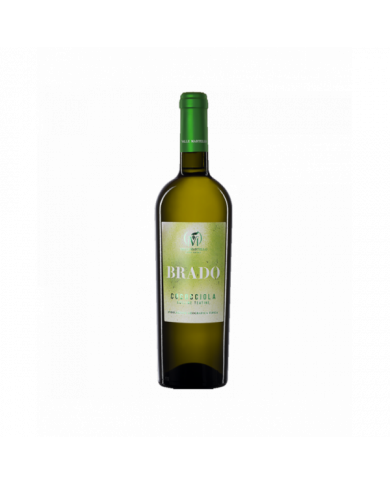
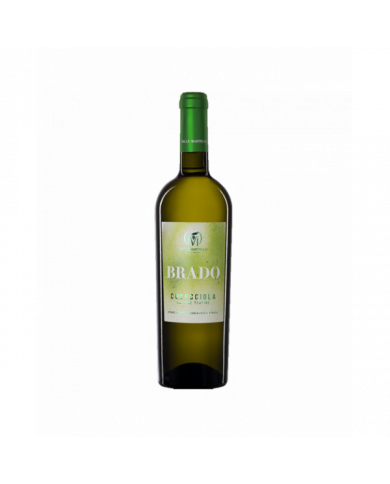
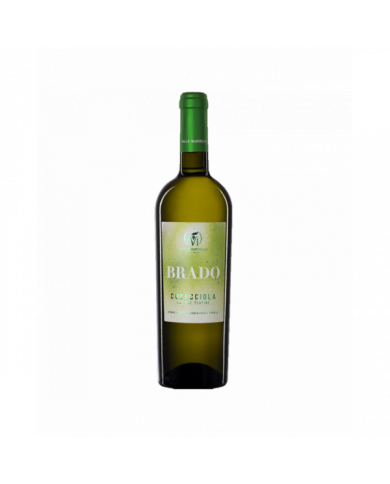
First example of vinification in purity of the native Abruzzo vine Cococciola. In the choice of making the Cococciola wine there is the desire to enhance our territory, that of the Teatine hills, where this grape variety is at its best. It is a wine with intense and ample aromas, ranging from floral to tropical fruit. It is a multifaceted white wine, with great freshness, ideal as an aperitif, with sushi, fish dishes, first courses and cheeses.
SKU:
4575
Brand:
Valle Martello
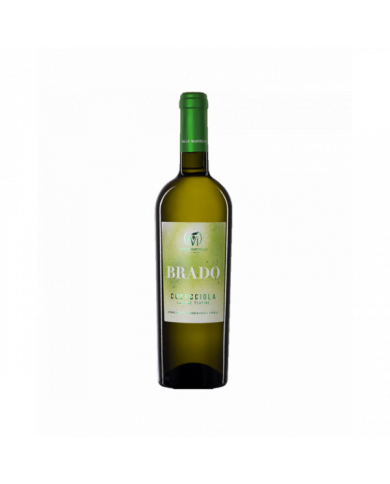
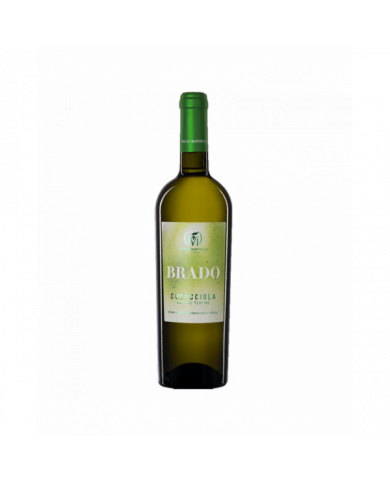
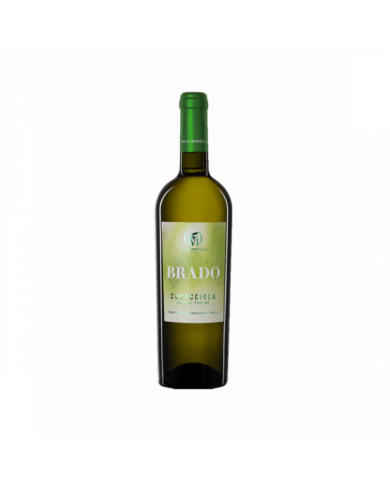
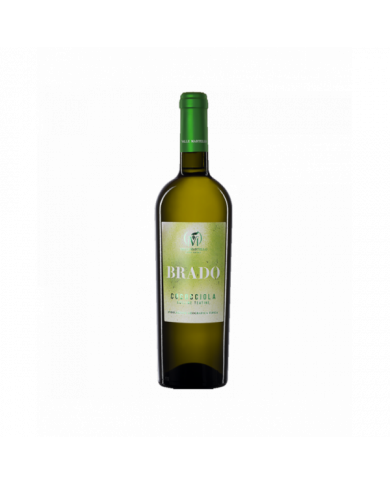
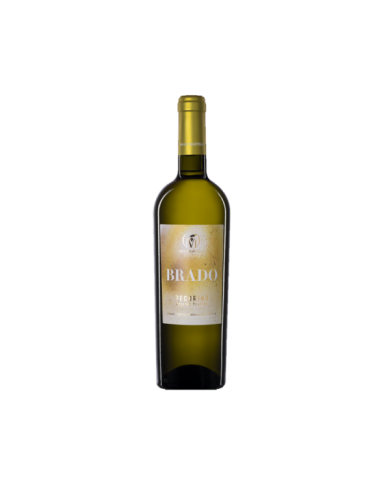
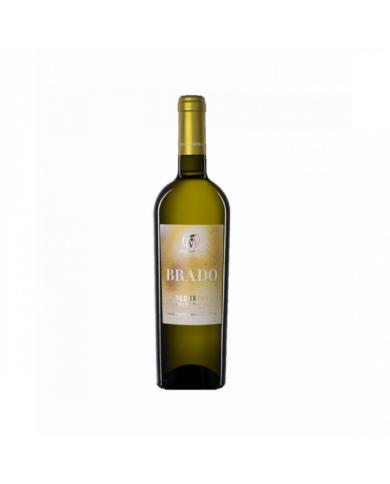
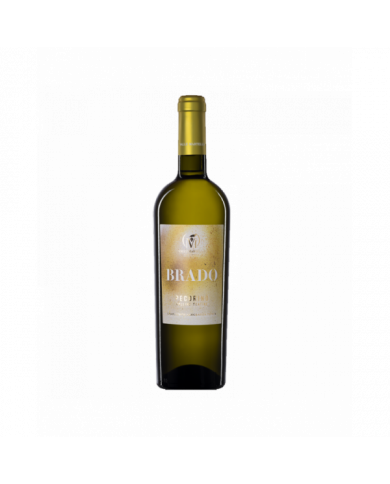
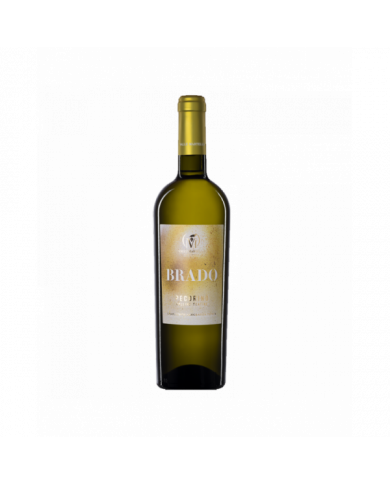
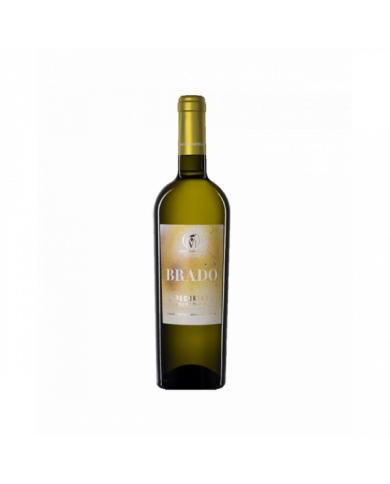
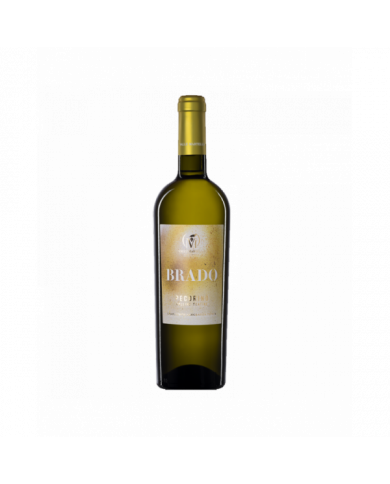
Pecorino Brado is a wine of great structure. It has a bright straw yellow color with golden reflections. The aromas of this wine include yellow pulp fruits, peach in particular. The evolution in the glass is slow and progressive, up to mineral notes. On the palate the taste is full and persistent with an elegant finish. Excellent with important first courses, roasted fish, white meats and cheeses.
SKU:
4566
Brand:
Valle Martello
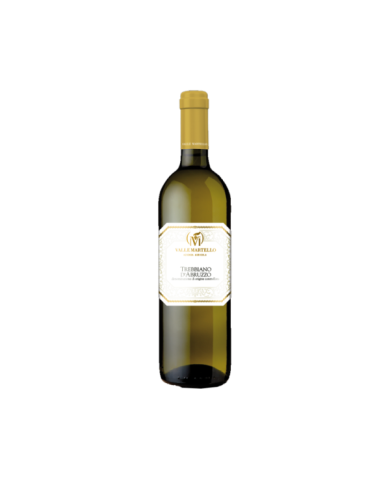
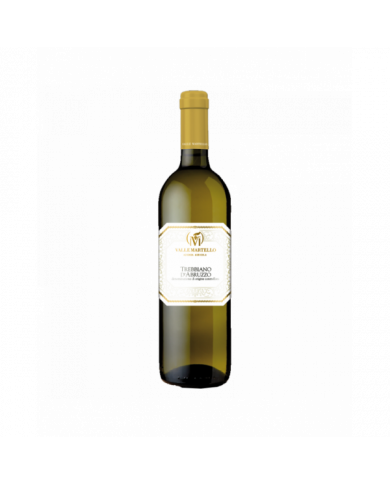
Wine made from Trebbiano grapes. It has a straw yellow color of medium intensity, an amplitude of fruity aromas ranging from floral to white fruit. On the palate it offers a good freshness, flavor and persistence. It goes well with appetizers, fish dishes and cheeses.
€6.32
€5.06
€5.29
€4.24
€6.32
SKU:
4516
Brand:
Villese
€5.29
€4.24
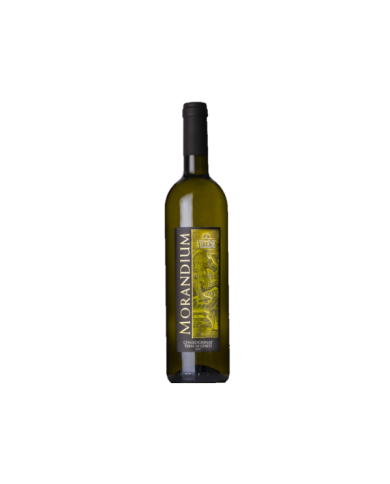
The name "Morandium" recalls the ancient Frentano place of worship, located near the Olearia & Vinicola Villese winery, characterized by the presence of a sanctuary active between the third and first centuries BC and a necropolis whose finds are exhibited at the museum national museum of Chieti and the civic museum of Vasto. The wine has a pale yellow color with greenish reflections. Very delicate bouquet, fragrant, deep, aromatic, fine and elegant taste, fruity and very fresh.
€5.29
€4.24
€8.36
€6.69
€6.50
€5.20
SKU:
4502
Brand:
Cerretano Vini
Excellent as a still aperitif. Ideal with refined appetizers, fish dishes and with eggs. This wine is suitable for young consumption, preferably within the year following that of production in order to appreciate all its best organoleptic characteristics.
€7.50
SKU:
4492
Brand:
Nic Tartaglia
Nic Tartaglia 's pecorino is a natural self-certified wine. The grapes are harvested at the end of August and after a soft pressing follows a fermentation at a controlled temperature at 16 ° C for about 20 days. No chemicals are used in the vineyard and in the cellar. A wine with an intense straw yellow color, with an intense aroma among which aromas of freshly cut grass, mineral and floral notes stand out. A full-bodied pecorino, characterized by a delicate flavor. We recommend it in combination with white meat or fish dishes.
€13.91
€12.21
€9.77
€6.69
€5.35
€6.69
€5.35
€7.14
€5.35
€5.25
€3.67
€11.80
€7.81
€6.64
SKU:
4410
Brand:
Cantina Miglianico
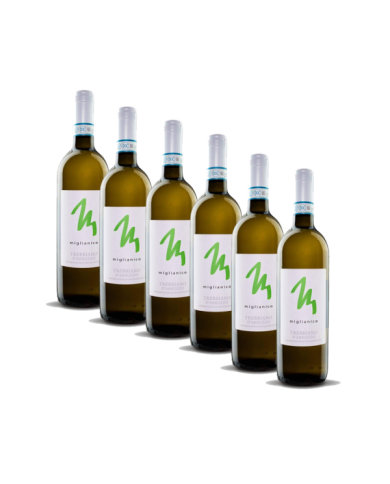
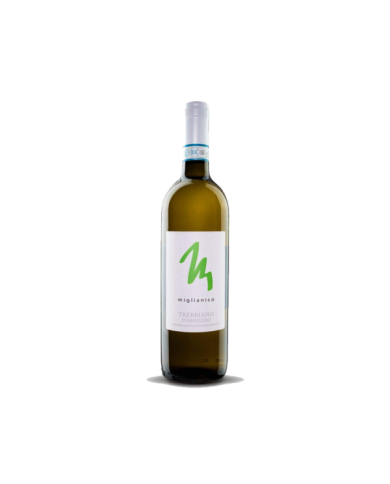
Trebbiano IGP 100% with vineyards in the plains located in the lands of Miglianico, at 60-80 meters. above sea level, with medium-textured soils. The breeding is Abruzzo pergola with 10-15 year old vines, 1,600 plants per hectare with a yield of 160q.
SKU:
4402
Brand:
Cantina Miglianico
Trebbiano Dop 100% with vineyards in the hills facing West, North-West, located in the lands of Miglianico, at 200 meters. above sea level, on loamy - clayey soils. The breeding is Abruzzo pergola with 15-18 year old vines, 1,600 plants per hectare with a yield of 140 q.
SKU:
4393
Brand:
Cantina Miglianico
Trebbiano Dop 100% with vineyards in the hills facing West, North-West, located in the lands of Miglianico, at 200 meters. above sea level, on loamy - clayey soils. The breeding is Abruzzo pergola with 15-18 year old vines, 1,600 plants per hectare with a yield of 140 q.
SKU:
4387
Brand:
Cantina Miglianico
Trebbiano IGP 100% with vineyards in the plains located in the lands of Miglianico, at 60-80 meters. above sea level, with medium-textured soils. The breeding is Abruzzo pergola with 10-15 year old vines, 1,600 plants per hectare with a yield of 160q.
SKU:
4381
Brand:
Cantina Miglianico
Trebbiano dop 100% with vineyards on the hills facing West, North-West of Miglianico, at 200 meters. above sea level, with clayey-loamy soils. The breeding is Abruzzo pergola with 15-18 year old vines, 1,600 plants per hectare with a yield of 140 q.
SKU:
4379
Brand:
Cantina Miglianico
Pecorino Igp 100% with vineyards on the hills facing West, South-West of Miglianico, at 250 meters. above sea level, with clayey-loamy soils. The breeding is Abruzzo pergola with 10-12 year old vines, 1,600 plants per hectare with a yield of 140 q.
RECOMMENDED COMBINATIONS
The ideal combination with fish starters and first courses, large fish in the oven and medium-aged cheeses.- COLOR
- Straw yellow of medium intensity, with slight greenish hues.
- SCENT
- Scent of fresh fruit, accompanied by spicy notes and nuances of aromatic herbs.
- TASTE
- The taste is intense, with good persistence, fresh and savory on the palate. Aftertaste rich in spicy nuances.
€5.60
SKU:
4375
Brand:
Cantina Miglianico
Passerina IGP 100% with vineyards on the hills facing West, South-West of Miglianico, 80-100 meters. above sea level, with medium-textured soils. The breeding is Abruzzo pergola with 3-5 year old vines, 1,600 plants per hectare with a yield of 160 q.
€10.11
€10.11
SKU:
4368
Brand:
Cantina Miglianico
Pecorino DOP 100% with vineyards on the hills, located west of Miglianico, at 250 meters. above sea level with clayey and loamy soils. The breeding is Guyot with eight-year-old vines, 4,000 plants per hectare with a yield of 120q
SKU:
4353
Brand:
Biagi
Excellent with desserts at the end of a meal, it finds its most original combination with great aged or blue cheeses. Full and enveloping body, with an intense sugary sensation but well balanced by the natural final acidity, rich in fruity aftertaste nuances. The grapes are harvested overripe, put in large perforated crates (binz) and stored in a cold room for 45 days until the natural drying process is completed. When harvested, the best bunches are sorted and brought to the cellar, pressed and softly pressed.
€19.03
SKU:
4347
Brand:
Biagi
Pure air, snow-capped peaks and extreme climatic conditions. These are some of the elements that push us to go to the mountains to love them especially in winter, when the landscape is colored with an intense white and a majestic inaccessibility. It is the framework in which the original technique of refinement in the bottle of the wines we have is carried out Inspired by an ancient pastoral tradition, driven by passion and thanks to some technical solutions perfected over time, we have managed to create wines that taste high mountain. The microclimatic parameters trigger specific chemical-physical processes that give our wines the unmistakable balsamic and mineral notes, accentuated freshness and an amazing persistence.
€28.55
SKU:
4343
Brand:
Biagi
Sparkling wine with a straw yellow color of medium intensity with coppery tones and a fine and persistent perlage. On the nose it is fresh and fruity with notes of sage which opens up to spicy sensations in the finish. The taste is pleasantly savory and perfectly balanced, the aftertaste has delicate nuances of fresh bread crust. Excellent as an aperitif, it is the ideal combination with raw seafood, shellfish and fish first courses. Serve at a temperature of 06-08 degrees. 12.5% VOL.
€8.45
SKU:
4339
Brand:
Biagi
Delicate sparkling wine, obtained from the fermentation of wine in small stainless steel autoclaves at a controlled temperature of 15/17 ° C for a whole process that lasts about 45 days.
€9.52
SKU:
4337
Brand:
Biagi
Delicate sparkling wine, obtained from the fermentation of wine in small stainless steel autoclaves at a controlled temperature of 15/17 ° C for a whole process that lasts about 45 days.
€9.52
SKU:
4335
Brand:
Biagi
€10.25
Delicate sparkling wine, obtained from the fermentation of the must in small stainless steel autoclaves at a controlled temperature of 15 ° / 17 ° C for a whole process that lasts about 30 days.
€10.25
SKU:
4328
Brand:
Biagi
€5.25
€4.46
The grapes are softly pressed and immediately protected from oxidation, thanks to the addition of carbon dioxide which forms a thin barrier of protection from the air. Cold static clarification for 24 hours, straw yellow color, of medium intensity, with characteristic greenish nuances, fresh and fruity aroma, good intensity body taste, with fresh but not intrusive acidity, savory and persistent in the final mouth, with fruity aftertaste nuances . Serve at a temperature of 10-12 degrees 12% VOL
€5.25
€4.46
SKU:
4326
Brand:
Biagi
€5.48
€4.66
Wine with an intense straw yellow color, on the nose there are hints of exotic fruit and citrus. On the palate it is well structured and accompanied by a good flavor. Ideal with appetizers and raw fish, shellfish, first and second courses based on fish. Serve at a temperature of 10-12 degrees 13% VOL
€5.48
€4.66
SKU:
4323
Brand:
Biagi
€9.52
€8.56
An ancient vine rediscovered and vinified using modern technologies to enhance all its aromas and flavors. Wine with a pale straw yellow color with slight greenish reflections. It is a fresh, fruity wine, with citrus notes, aromatic herbs and hints of white peach, cedar, sage, jasmine and acacia. Ideal with appetizers and raw fish, shellfish, first and second courses based on fish. Serve at a temperature of 10-12 degrees 14% VOL
€9.52
€8.56
SKU:
4311
Brand:
Biagi
Excellent as an aperitif, it surprises in all meal combinations starting with raw seafood, ranging over risotto and crazy water fish. The taste is harmonious and lively, with pleasantly integrated bubbles in a dry finish, the aftertaste has delicate spicy nuances. Ample and fragrant bouquet, hints of bread crust and ripe fruit are perceived in the bouquet.
Serve at a temperature of 06-08 degrees. 12.5% VOL.
€19.03
€8.72
€8.72
€5.87
€28.00
€5.20
€4.16
€6.97
€5.57
€12.53
SKU:
4225
Brand:
Donnafugata
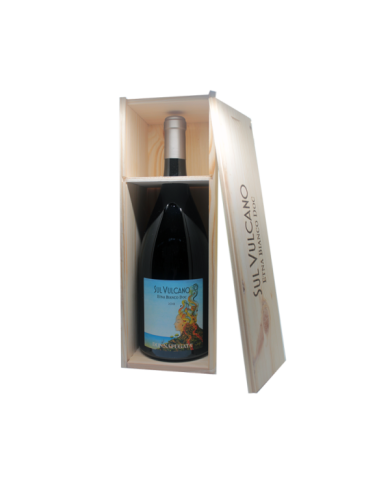
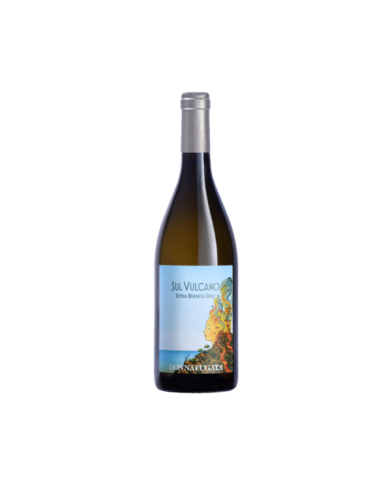
Donnafugata 's Etna Bianco “Sul Vulcano” is a fresh and mineral wine born on the slopes of the great Sicilian volcano, at 750 meters above sea level. It is vinified in steel and aged in French barriques. It smells of white flowers, citrus and flint. The sip is taut, very fresh, savory and mineral, with good persistence
€66.87
SKU:
4198
Brand:
Cantina Tollo
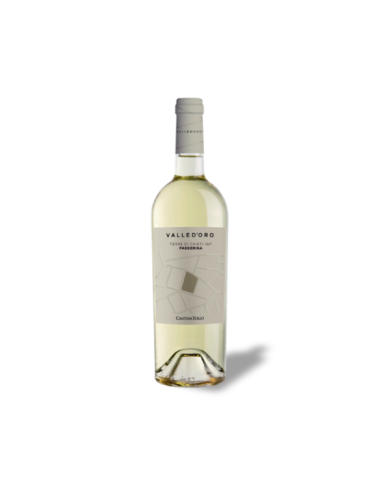
Passerina grapes are grown on sand and fresh soil, mostly calcareous. And it provides the white wine with a fresh aroma with particular notes of fruit and flowers: peach, apricot, wisteria and lime. Carpaccio, raw and shellfish, all fish dishes, fresh or stretched curd cheeses.
€8.45
SKU:
4193
Brand:
Cantina Tollo
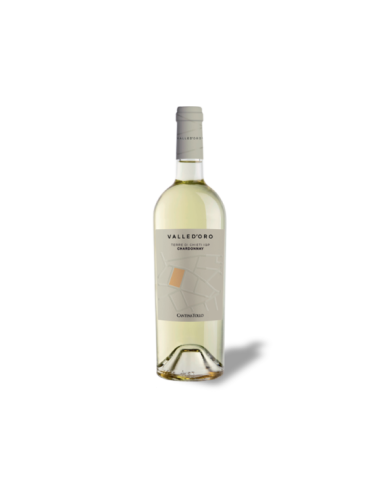
Chardonnay grapes from balanced grapes that give rise to this wine with a good structure. Refining takes place in oak Perfect with appetizers, first and second courses of fish, semi-aged cheeses, sushi and sashimi. Also recommended with cold cuts and delicate meat dishes.
€7.50
SKU:
4188
Brand:
Cantina Tollo
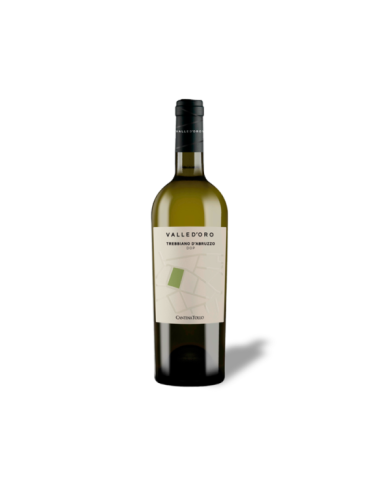
A Trebbiano d'Abruzzo made from a single variety of grape with a fresh scent of fruit and flowers. Fish-based appetizers and all seafood, white meats and fresh and medium-aged cheeses.
€7.50
SKU:
4166
Brand:
Cantina Orsogna
VARIETY Chardonnay, Sauvignon and Malvasia ALCOHOL CONTENT 14.5% vol COLOR White
€10.85
€9.76
SKU:
4162
Brand:
Cantina Orsogna
VARIETY Trebbiano 100% CERTIFICATIONS Organic Wine Vegetarian® and Vegan Quality ALCOHOL CONTENT 12.5% vol COLOR White
€8.78
SKU:
4160
Brand:
Cantina Orsogna
VARIETY Pecorino minimum 85% CERTIFICATIONS Organic Wine Vegetarian Quality® and Vegan ALCOHOL CONTENT 13% vol COLOR White
€7.71
SKU:
4156
Brand:
Cantina Orsogna
VARIETY Passerina minimum 85% CERTIFICATIONS Organic Wine Vegetarian® and Vegan Quality ALCOHOL CONTENT 12.5% vol COLOR White
€8.78
SKU:
4147
Brand:
Cantina Orsogna
VARIETY Cococciola minimum 85% CERTIFICATIONS Organic Wine Vegetarian® and Vegan Quality ALCOHOL CONTENT 12.5% vol COLOR White
€8.78
SKU:
4144
Brand:
Cantina Orsogna
VIEW Light straw yellow with greenish reflections. SMELL Delicate floral bouquet of lilac, honeysuckle and acacia. TASTE Fruity, citrus aromas, pleasantly acidic, slender body.
€7.77
SKU:
4130
Brand:
Vini la Quercia
Energetic wine with excellent structure, pleasant softness. Aged in the bottle it enhances the typical almond as well as the fruity finish. It lends itself very well to aging, given the good alcohol content and good acidity.
SKU:
4122
Brand:
Vini la Quercia
White wine characterized by a golden yellow color, the result of the long aging it has undergone. Intense, fruity bouquet with slight hints of almond, round and soft.
€14.92
SKU:
4068
Brand:
Finisterrae
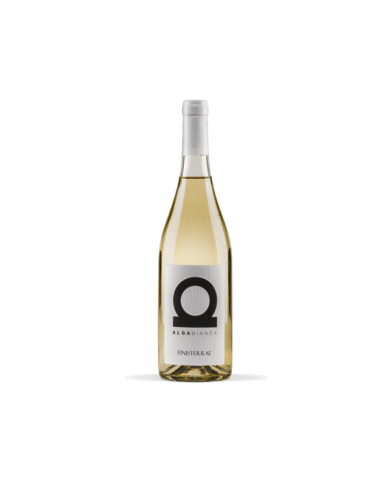
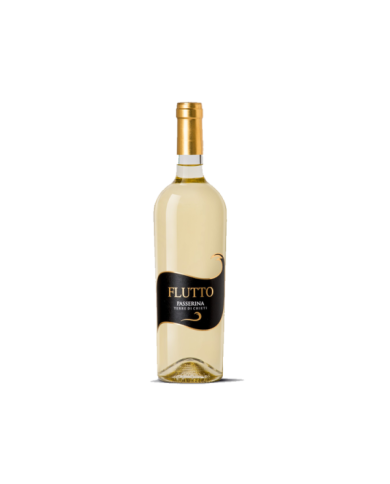
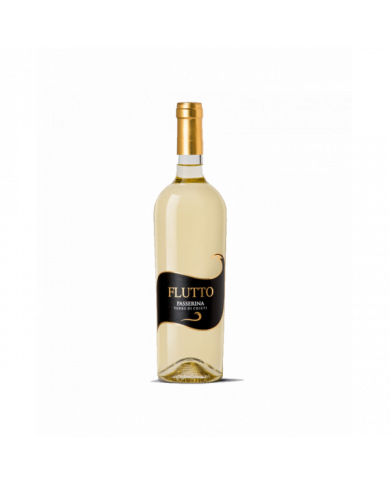
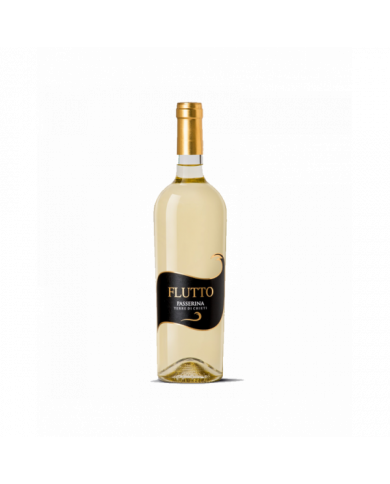
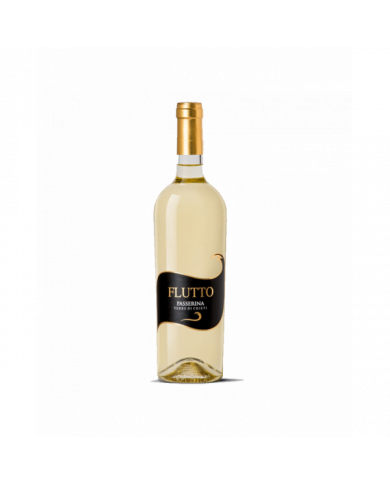
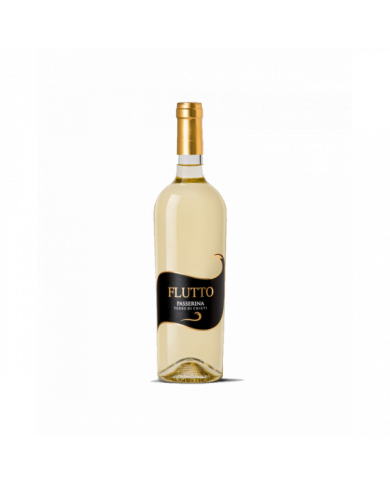
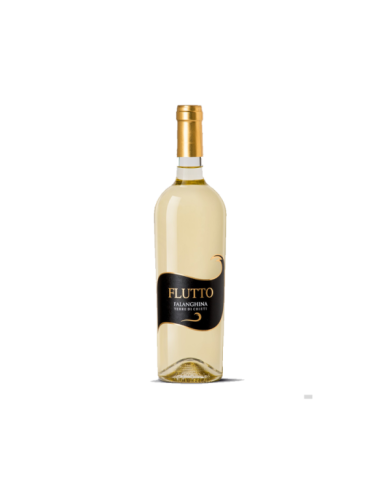
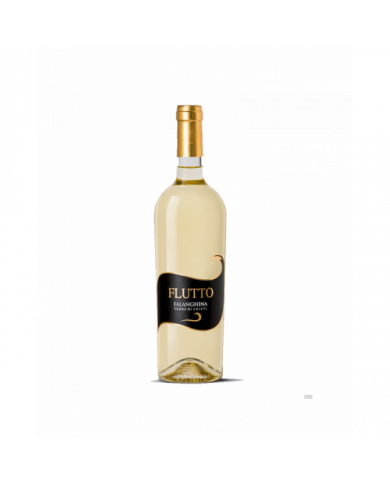
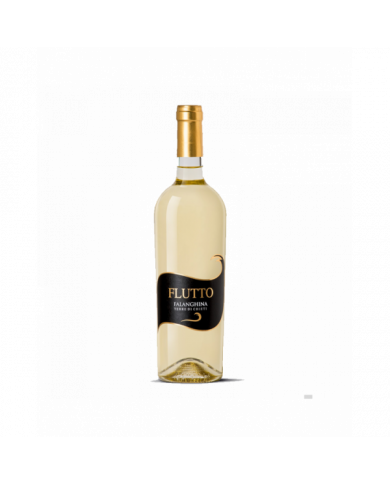
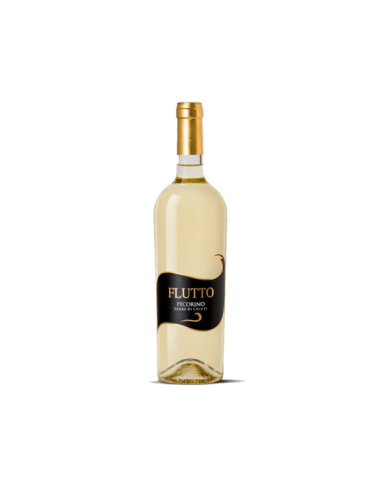
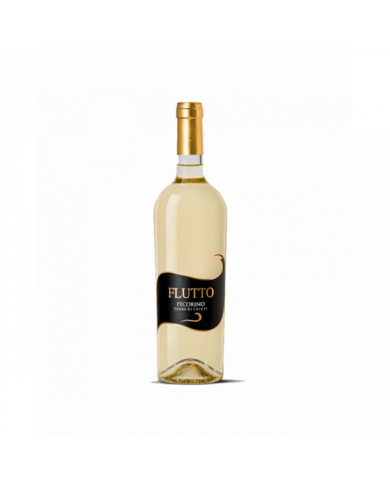
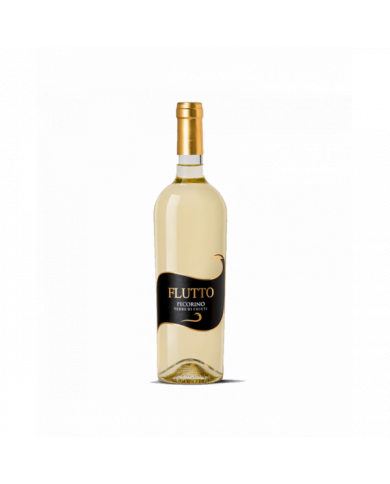
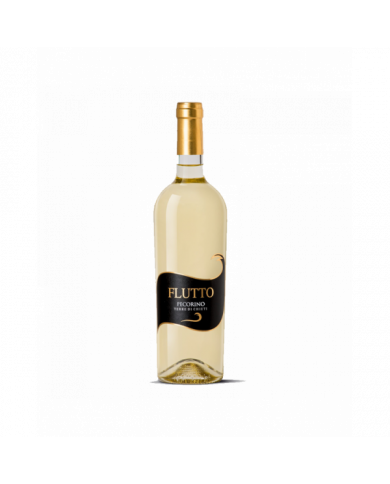
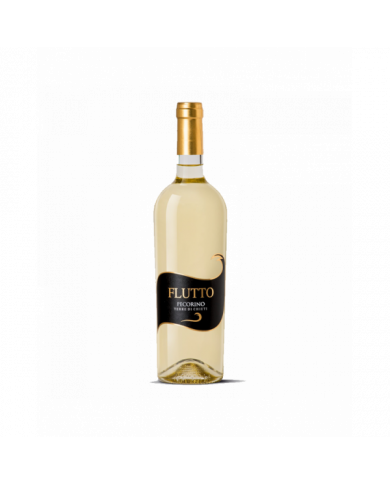
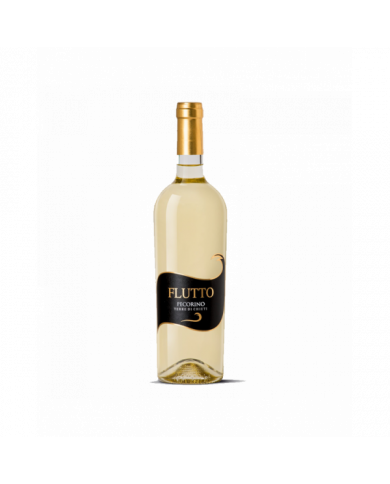
At the base of our wines there is a deep knowledge of the wine world. From the selection of the best vineyards, the search for the most characteristic native vines, to the development of an elegant and completely original packaging, Finisterrae Vini offers two high quality commercial lines, Flutto and Fiotto.
€8.91
SKU:
4053
Brand:
Feudo Antico
A high altitude Pecorino, born between the Alto Sangro and the Cinque Miglia plateau from the meeting with the three-starred chef Niko Romito. Limited edition for a collector's wine.
€46.12
SKU:
4051
Brand:
Feudo Antico
A classic method brut sparkling wine that combines the elegance of a blac de blanc from Chardonnay grapes with the typical consistency of the Abruzzo region.
SKU:
4049
Brand:
Feudo Antico
A classic method brut sparkling wine that combines the elegance of a blac de blanc from Chardonnay grapes with the typical consistency of the Abruzzo region.
€7.94
SKU:
4047
Brand:
Feudo Antico
€49.90
€44.91
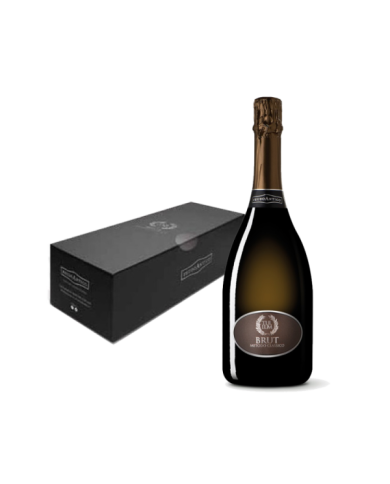
A classic method brut sparkling wine that combines the elegance of a blanc de blanc from Chardonnay grapes with the typical consistency of the Abruzzo region. Magnum format with case
€49.90
€44.91
SKU:
4045
Brand:
Feudo Antico
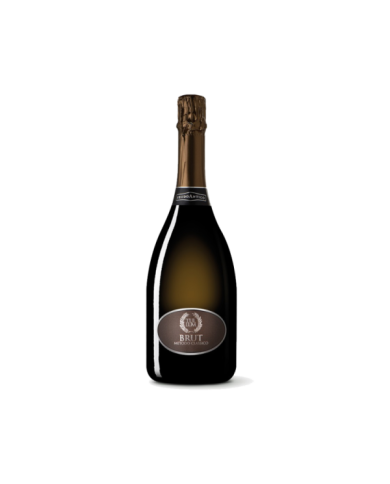
A classic method brut sparkling wine that combines the elegance of a blanc de blanc from Chardonnay grapes with the typical consistency of the Abruzzo region.
€17.92
SKU:
4043
Brand:
Feudo Antico
Excellent freshness, subtle minerality and intense fruity notes for an Abruzzo white of ancient origins which, like Pecorino, owes its fortune to the recent rediscovery.
SKU:
4041
Brand:
Feudo Antico
€15.68
€14.90
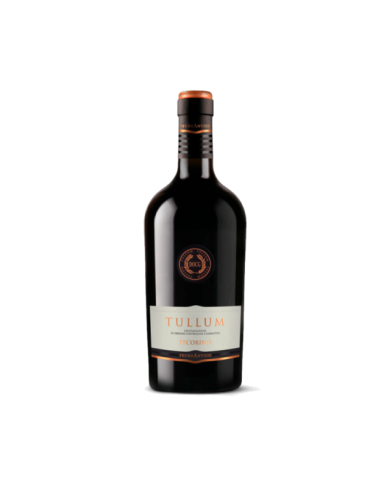
A wine of excellence, made from organic Pecorino DOCG Tullum grapes. Spontaneous fermentation, no filtration, only natural sulphites.
€15.68
€14.90
SKU:
4039
Brand:
Feudo Antico
Pecorino is revealing all its qualities and a potential beyond all expectations: scent of fruits and flowers, solid harmony and promising longevity.
€15.90
SKU:
4024
Brand:
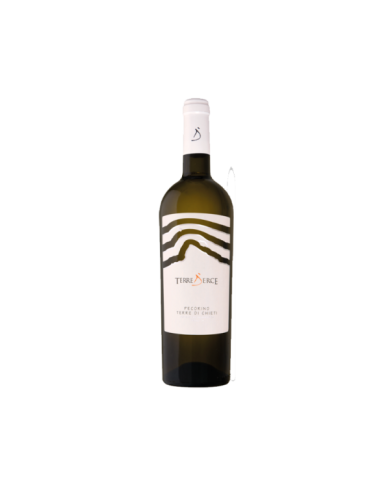
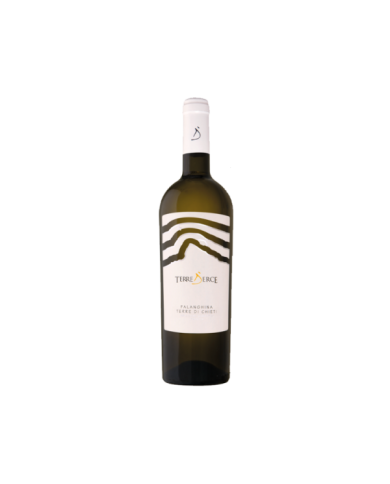
Terre d'Erce
Excellent as an aperitif, an ideal accompaniment to fish-based first courses.
€14.27
SKU:
4017
Brand:
Terre d'Erce
Color : intense straw yellow. Bouquet : fresh fruity notes. Taste : almond notes with a finish of acidulous and savory and pleasantly fruity veins. PAIRING · Fresh aperitifs, sushi, appetizers and fish-based meals, white meats and first courses with rich dressing.
€8.72
€7.85
SKU:
4015
Brand:
Terre d'Erce
Harvest: grapes selected and harvested by hand from young pergolas, de-stemmed and pressed using a soft press. Must subjected to cold static clarification. Fermentation: at controlled temperature
SKU:
4009
Brand:
Terre d'Erce
intense straw yellow, with slight greenish notes. Bouquet : Alcoholic notes harmonized by hints of roses, honey, and herb-balms. Taste : important alcoholic imprint but perfectly integrated with the important almond notes and acidity, which complete a sapid and persistent profile
€18.00
SKU:
4007
Brand:
Amorotti
Deep straw yellow color. The nose releases intense notes of acacia flowers, ripe peach, citrus and dried fruit in shell. The sip is fresh, savory and full-bodied. Excellent taste-olfactory persistence with a pleasant almond finish.
€429.44
The best Italian white wines
Italy is home to some of the finest white wines. In the Clickwine section of our online wine shop dedicated to the finest Italian white wines, you'll find bottles of excellent white wine carefully selected by our sommeliers.
The designations used in our country to classify wines are DOCG, DOC, and IGT. Sometimes you'll also find designations like DOP and IGP: these acronyms have similar meanings to the previous ones but are used by wineries that primarily sell their wines outside of Italy.
The production of white wine
White wines are produced from both light and dark grapes, but vinified as a white wine: that is, during maceration there is no contact between the must and the pomace, so that the skin – exactly the opposite of what happens with red wines – does not release substances and color.
Its myriad nuances vary according to the characteristics of the grape variety, the aging method and the vine growing area.
In white winemaking, once the grapes have been harvested, they are transported to the cellar, destemmed, and pressed, and the must is separated without any maceration or with a brief maceration. Sometimes, however, the grapes are pressed and then macerated with the skins at a low temperature for a varying length of time. This produces richer, smoother wines.
This phase is followed by the clarification of the white wine produced, which can be done by letting the must rest, by cooling, centrifugation or filtration.
Fermentation begins either by adding selected yeast to the must or spontaneously, using the indigenous yeasts present in the grapes. To preserve the aromas, finesse, and freshness of white wines, fermentation is carried out at lower temperatures than red winemaking, generally around 18°C.
To obtain a fresh and lively wine, best drunk young, malolactic fermentation is avoided by bottling early, after filtration and stabilization. More complex wines, aged or fermented in wood, are bottled only after several months in barrel.
How to taste white wine
First, you need to decide whether to uncork the bottle right away or let your white wine age. If you want to immediately succumb to its charm, its aromas of aromatic herbs, flint, or its notes of exotic fruit, then serve your white wine at the right temperature: 6-8°C for a young white and 8-10°C for a softer, more structured wine.
How to pair white wine
Dry white wines will surprise you at the table, too, and not just with their straw-yellow color. As an aperitif, and especially with a fish dish, white wine is definitely a must, but it's not easy to know which of the many labels will be best suited to the occasion.
We recommend pairing white wine with cheeses, whether low-fat, fresh, or rich in milk, such as flavorful buffalo mozzarella, or with soft, bloomy-rind cheeses. They're also perfect with white meats, such as classic scallops, but beyond tradition, white wine also pairs perfectly with meat and risotto dishes, as well as truffles. Visit our online wine shop Clickwine for expert advice on purchasing the best white wine at the best price to pair with your favorite dishes.
White wines: prices and offers
Every week, our online wine shop, Clickwine offers a selection of selected white wines at special prices. In this section and in the special offers section, you can then browse the best value wines.
A wide selection of premium products at affordable and truly exclusive prices. Don't miss the incredible deals on white wines from all the most prestigious Italian wineries; discover internationally renowned and beloved Italian wines.
Enter the Clickwine catalog and expand your selection by purchasing exclusive items online from smaller, yet exceptionally high-quality wineries.
White wines: longevity and conservation
How long can I keep white wine in the cellar? Do white wines improve as they age like red wines? These are the questions a wine consumer asks when talking about white wine.
In general, white wines have a much shorter shelf life than red wines, for two reasons: tannins and aging. Tannins are antioxidants present in the wine's skins that aren't present in white wines; as for aging, however, most white wines age in stainless steel for just a few months; even red wines, if they age briefly in stainless steel and undergo rapid maceration, don't last for many years. Let's say a classic white wine aged in stainless steel lasts a maximum of 2 to 3 years. If it undergoes maceration or ages in wood, it can last up to 20 years and improve year after year.
How many types of white wines are there?
There is no exact number of types of white wine, as there are several different white grape varieties that can be used to make white wines. Some of the most common white grape varieties used to make white wines are Chardonnay, Sauvignon Blanc, Riesling, Pinot Grigio, and Moscato. There are also other less common varieties such as Gewürztraminer, Semillon, and Viognier. Each of these varieties can be used to produce white wines with unique and different characteristics, so there are many different types of white wines available.
How to recognize a good white wine?
There are several ways to recognize a good white wine. One of the simplest is to taste the wine and evaluate its flavor and aroma. A good white wine should have a pleasant flavor and a delicate, complex aroma. Other factors that can indicate the quality of a white wine include the vintage, the grape variety, and the production area. In general, white wines produced with high-quality grapes and in particularly favorable years tend to be more valuable and of higher quality. Furthermore, white wines produced in regions renowned for producing high-quality white wines can be considered more valuable than those produced in other regions.
How to understand if a white wine is good?
As mentioned above, one of the easiest ways to determine if a white wine is good is to taste it and evaluate its flavor and aroma. A good white wine should have a pleasant flavor and a delicate, complex aroma. It's also important to keep in mind that the quality of a white wine can be influenced by several factors, such as the vintage, the grape variety, and the production area. For example, white wines produced with high-quality grapes and in particularly favorable years tend to be more valuable and of higher quality. Furthermore, white wines produced in regions renowned for producing high-quality white wines may be considered more valuable than those produced in other regions.
Why is it called white wine?
White wine is so called because it is made using white grapes. Most white grapes have transparent or lightly colored skins, so the wine made from these grapes has a light, transparent color. Sometimes the color of white wine can be influenced by the type of grape used, the winemaking process, and the addition of other ingredients, but generally, white wine has a light, transparent color.
How to replace white wine?
If you want to replace white wine in a recipe, there are several ingredients you can use. One of the most common options is to use chicken or vegetable broth instead of white wine. Other options include using white vinegar or apple juice diluted with water. Additionally, in some cases, you can omit the white wine entirely and use other ingredients to achieve the desired flavor in the recipe.