

 Italiano
 Deutsch



















There are no more items in your cart
SKU:
16881
Brand:
Torraccia Del Piantavigna
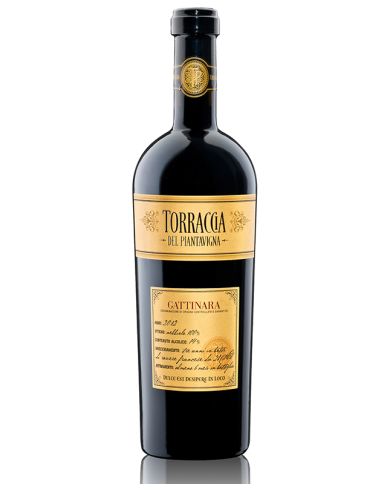
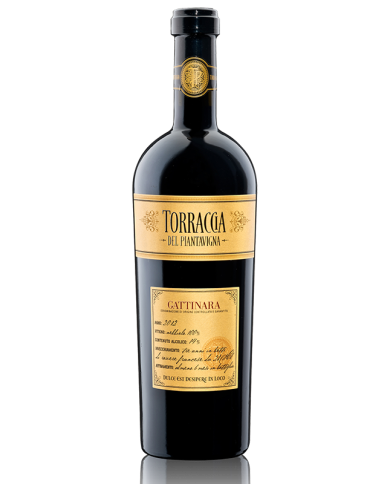
Gattinara is an austere and complex wine, capable of decisively communicating the balance between its important harshness and its persuasive notes. The Gattinara DOCG terroir, of only 100 hectares of vineyards, has been devoted to the vineyard for over 7 centuries. Nebbiolo grapes, on the other hand, are depicted in the fresco that adorns the door of the village church, dating back to the 14th century, testifying to the central role of viticulture in the area.
SKU:
16880
Brand:
Torraccia Del Piantavigna
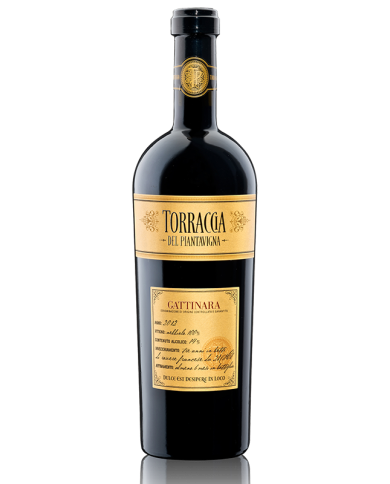
Gattinara is an austere and complex wine, capable of decisively communicating the balance between its important harshness and its persuasive notes. The Gattinara DOCG terroir, of only 100 hectares of vineyards, has been devoted to the vineyard for over 7 centuries. Nebbiolo grapes, on the other hand, are depicted in the fresco that adorns the door of the village church, dating back to the 14th century, testifying to the central role of viticulture in the area.
SKU:
16879
Brand:
Torraccia Del Piantavigna
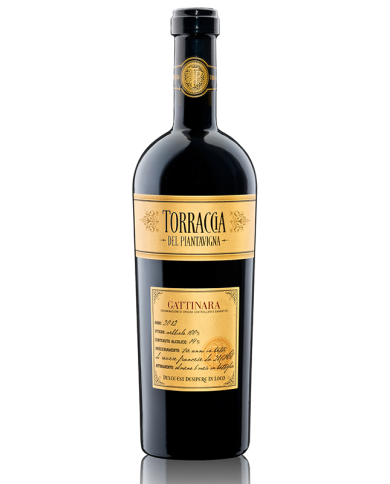
Gattinara is an austere and complex wine, capable of decisively communicating the balance between its important harshness and its persuasive notes. The Gattinara DOCG terroir, of only 100 hectares of vineyards, has been devoted to the vineyard for over 7 centuries. Nebbiolo grapes, on the other hand, are depicted in the fresco that adorns the door of the village church, dating back to the 14th century, testifying to the central role of viticulture in the area.
SKU:
16878
Brand:
Torraccia Del Piantavigna
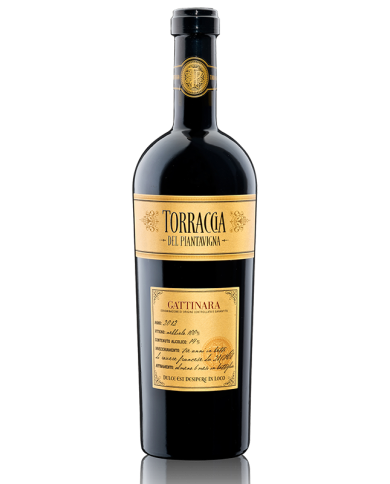
Gattinara is an austere and complex wine, capable of decisively communicating the balance between its important harshness and its persuasive notes. The Gattinara DOCG terroir, of only 100 hectares of vineyards, has been devoted to the vineyard for over 7 centuries. Nebbiolo grapes, on the other hand, are depicted in the fresco that adorns the door of the village church, dating back to the 14th century, testifying to the central role of viticulture in the area.
SKU:
16877
Brand:
Torraccia Del Piantavigna
Gattinara is an austere and complex wine, capable of decisively communicating the balance between its important harshness and its persuasive notes. The Gattinara DOCG terroir, of only 100 hectares of vineyards, has been devoted to the vineyard for over 7 centuries. Nebbiolo grapes, on the other hand, are depicted in the fresco that adorns the door of the village church, dating back to the 14th century, testifying to the central role of viticulture in the area.
€11.27
SKU:
16836
Brand:
Cantina Orsogna
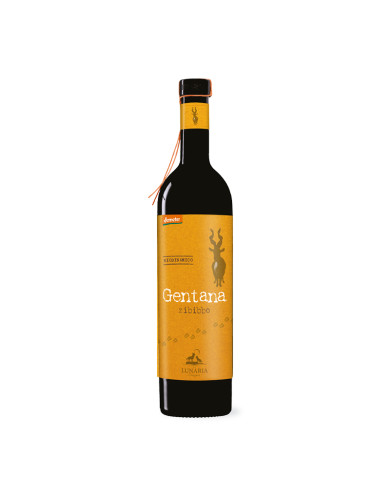
Zibibbo has a history spanning thousands of years: it has Egyptian origins and after this first long adaptation to the North African coasts, Zibibbo was brought to western Sicily by the Phoenicians and the Greeks, becoming one of the most widespread and interesting varieties of the western Mediterranean around 800-700 aC During the Roman Empire the variety was also exported to other regions of southern Europe. Zibibbo is known in Sicily mainly by its Arabic denomination, Z'bìb, which simply means "raisins".
€13.86
SKU:
16835
Brand:
Cantina Orsogna
The name derives from the "black berry" fruit and from the Syracusan city of Avola. Nero d'Avola on the island was introduced several centuries ago by colonizers from Greece and then it adapted perfectly to this new environment so as to become the most famous and important black grape variety in Sicily. Until the first half of the 20th century, Nero d'Avola wine was used almost exclusively as a blending wine, in recent decades Sicilian winemakers have started the production of this wine alone with truly excellent results.
€13.86
SKU:
16833
Brand:
Cantina Orsogna
€11.26
€10.13
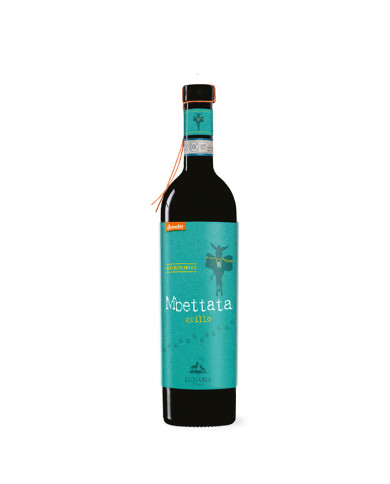
Grillo is a white grape variety widespread above all in western Sicily. The probable origin lies in what Baron Mendola wrote in 1874: “white Catarratto seed artificially fertilized with Zibibbo in the flowering of 1869 in my Piana dei Peri vineyard near Favara […] . The same wrote also in 1904 "I hybridized the common Catarratto of Sicily […] neck Zibibbo, to be able to make a more aromatic Marsala". The Grillo initially finds its origin in the Marsala area and then in the other provinces of the island. Il Grillo is capable of giving wines with a high alcohol content and then having the vocation of being particularly predisposed to ageing. The best Marsala is obtained by vinifying Grillo.
€11.26
€10.13
SKU:
16832
Brand:
Agriverde
it is a rosé with intense fruity aromas, which combines balance and pleasant depth. Made exclusively in steel, it is refreshing and delicately almondy on the finish.
SKU:
16831
Brand:
Agriverde
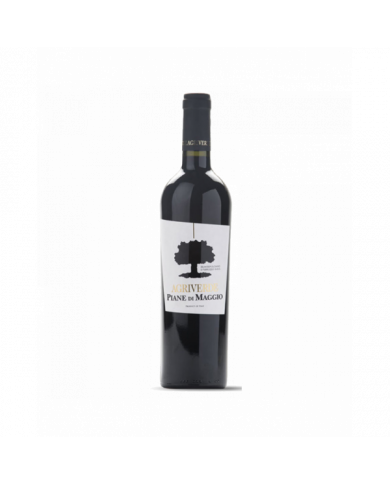
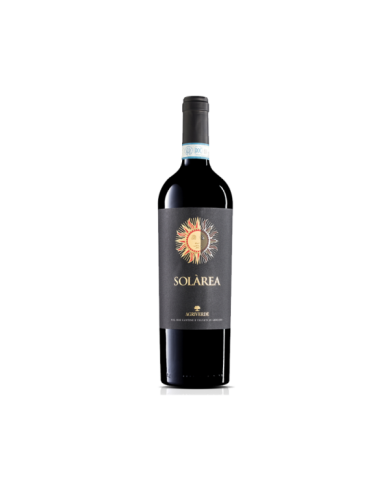
Intense ruby red with purple hues. The nose reveals intriguing varietal aromas of small black fruits, violets, licorice, vanilla and cocoa. In the mouth it is fresh and has an excellent structure with soft tannins and long persistence. Food pairings: cured meats, first courses of land, roast meats, game, aged cheeses.
€6.66
SKU:
16830
Brand:
Agriverde
Intense straw yellow with golden and brilliant shades. The nose is expressed with great elegance with wide varietal aromas of ripe yellow fruit, delicate floral and mineral notes, intriguing nuances of honey and vanilla. In the mouth it is a wine of great structure and complexity, it is fresh, balanced with delicate tannins and long persistence. Food matches: Complex sea and land dishes, complex sea dishes (cod, monkfish, sea bass with potatoes, etc.) and land (truffle and porcini tagliatelle, pappardelle alla hare, etc.) aged cheeses, including blue cheeses.
€14.60
SKU:
16829
Brand:
Agriverde
Ruby red with purple hues. The nose is fruity with hints of ripe red fruit: blackberry, black cherry and currant. On the palate it is fresh, dry, fruity and with soft tannins. Food pairings: cured meats, ground dishes, soups, grilled meats and aged cheeses.
€4.28
SKU:
16814
Brand:
Valentino Butussi
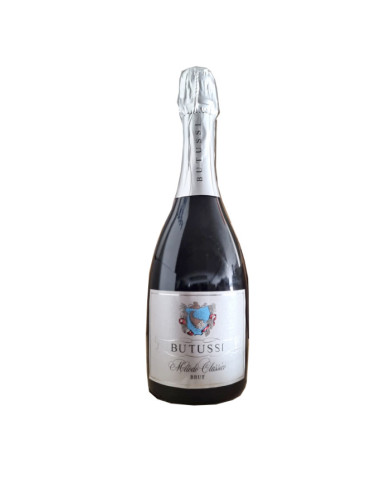
Intense straw yellow, bright with golden reflections. Slightly persistent perlage. Lively nose with fruity notes of ripe pears and apples and candied oranges. Light and enveloping on the palate, final citrus notes that linger.
€25.00
SKU:
16811
Brand:
Cembra Cantina di Montagna
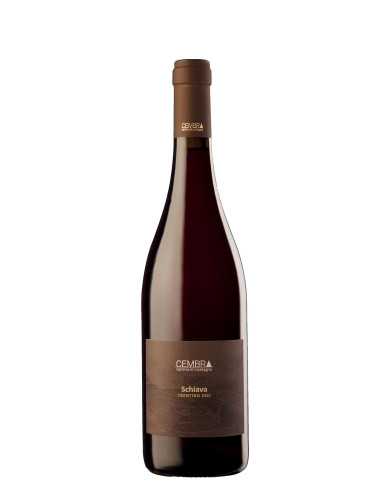
Schiava, an indigenous Trentino vine, has always been cultivated on the typical terraced vineyards of the Cembra Valley.
€18.87
SKU:
16807
Brand:
Cembra Cantina di Montagna
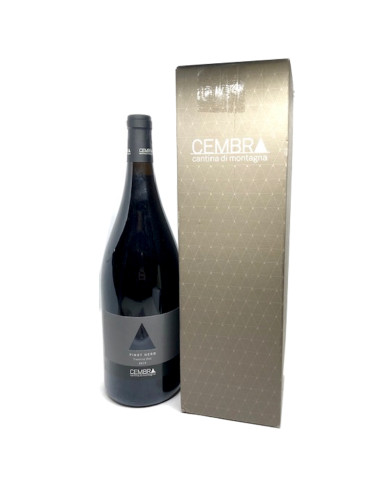
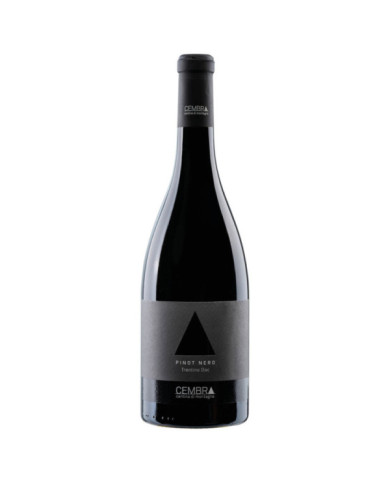
The Cembra Pinot Noir is born in the Valle di Cembra vineyards, in the heart of Trentino Alto Adige, located at an altitude of 500-600 m. slm
€104.19
SKU:
16806
Brand:
Cembra Cantina di Montagna
The Cembra Pinot Noir is born in the Valle di Cembra vineyards, in the heart of Trentino Alto Adige, located at an altitude of 500-600 m. slm
€30.83
SKU:
16805
Brand:
Cembra Cantina di Montagna
Color Straw yellow with green hues, white and evanescent foam. Fruity bouquet. Fresh and harmonic taste.
€25.74
SKU:
16804
Brand:
Cembra Cantina di Montagna
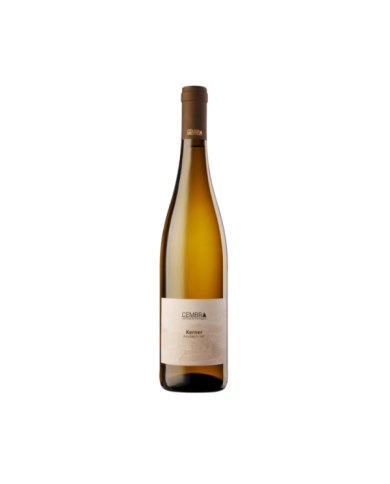
Created in Weinsberg (Germany) around 1930, Kerner is the result of a crossing of Schiava and Riesling. It prefers light, gravelly and sandy soils on the highest slopes and exposed to the sun, such as those of the Cembra Valley.
€14.91
SKU:
16803
Brand:
Cembra Cantina di Montagna
Color Golden yellow Floral and spicy aroma of cloves and nutmeg. Taste full and consistent, it envelops the whole palate.
€19.95
SKU:
16799
Brand:
Valentino Butussi
Straw yellow color with greenish reflections, dry, vinous and fresh, harmonious in structure and with a characteristic and marked floral bouquet. Accompanies cold appetizers, fries, perfect on sea truffles, molluscs. Great fish wine.
€12.50
SKU:
16798
Brand:
Agriverde
Ruby red with violet reflections. Intense and deep wine that reflects the territory in all its warmth and splendor. The delicate aging in fine oaks has contributed to its aromatic complexity: the nose expresses an intense bouquet of ripe red fruits such as black cherry in alcohol, currant, wild blackberry, and violet enriched with toasted notes of cocoa, tobacco, leather and coffee. In the mouth it is full and elegant with velvety tannins, with good acidity and long persistence. Fruit and spices come together harmoniously, leaving flavors of cherries and cocoa to be perceived in the mouth. The aftertaste is intense with balsamic and pleasantly fruity notes. Thanks to its excellent structure and fruit concentration it is a wine capable of evolving and improving for many years in the bottle. Pairings: excellent with red meats, fatty and succulent dishes, tasty and spicy dishes. Cured meats and aged cheeses and typical dishes of the Abruzzo region: sheep skewers, liver sausages, grilled lamb and mutton, ribs of beef and game meats. Serving temperature 16 degrees.
€10.55
SKU:
16788
Brand:
Cantine Romano
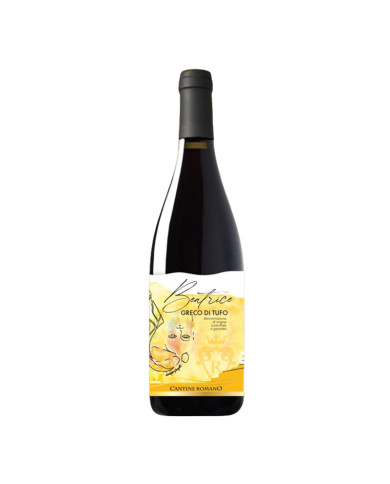
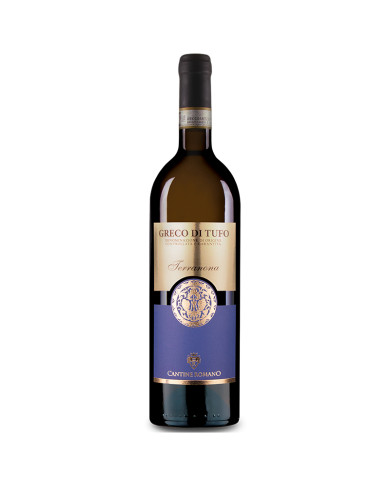
Exploiting the potential and peculiarities of the Tufo area, "Beatrice" was born.
€15.86
€13.48
SKU:
16787
Brand:
Cantine Romano
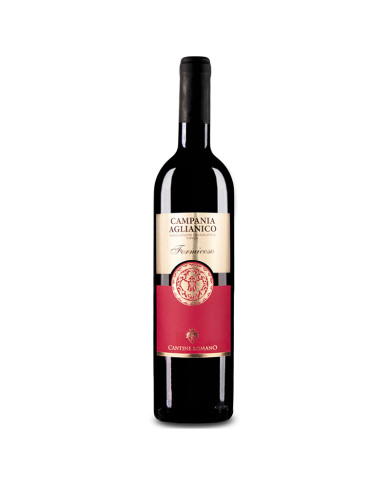
Impenetrable ruby red with hints of red fruits, sour cherries and hints of undergrowth; in the mouth direct, vigorous and never invasive; pronounced and persistent tannins, good structure; complex sense of smell.
€6.34
SKU:
16786
Brand:
Cantine Romano
A fruity aftertaste, a fine persistence, a fresh and savory timbre, a good body with floral notes, an intense and soft tone.
€7.93
€7.14
SKU:
16785
Brand:
Girolamo Russo
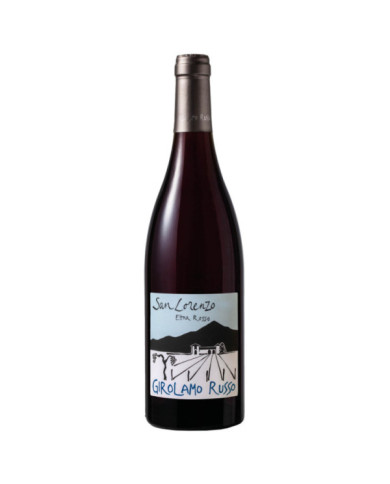
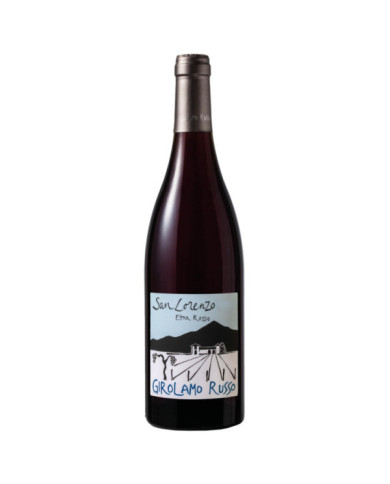
Girolamo Russo's Etna Rosso San Lorenzo was born in vineyards located in Contrada San Lorenzo (Randazzo), in the extraordinary wine-growing panorama of Etna, a terroir particularly suited to the production of wines of great value, which benefits from unique temperature ranges.
€126.49
SKU:
16784
Brand:
Girolamo Russo
Girolamo Russo's Etna Rosso San Lorenzo was born in vineyards located in Contrada San Lorenzo (Randazzo), in the extraordinary wine-growing panorama of Etna, a terroir particularly suited to the production of wines of great value, which benefits from unique temperature ranges.
€65.59
SKU:
16783
Brand:
Girolamo Russo
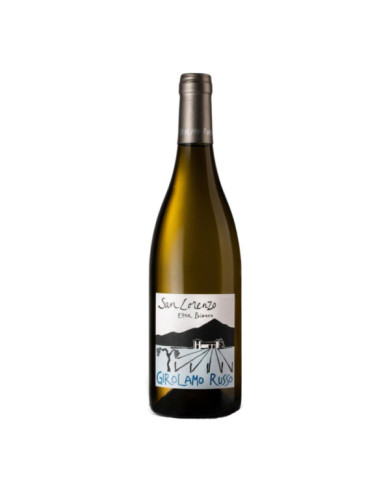
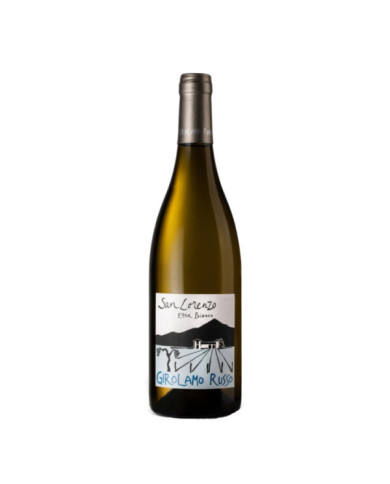
Etna Bianco "San Lorenzo" is a mineral and delicate white wine, made with Carricante grapes and other local varieties that grow at high altitudes on the sandy soils of the Great Volcano. The nose has a fine and very mineral olfactory profile, with suggestive notes of white pulp fruit, citrus fruits and pleasant floral sensations. It reveals a slender and dynamic body, of great progression and freshness, with a clear mineral trail
€63.24
SKU:
16782
Brand:
Girolamo Russo
Etna Bianco "San Lorenzo" is a mineral and delicate white wine, made with Carricante grapes and other local varieties that grow at high altitudes on the sandy soils of the Great Volcano. The nose has a fine and very mineral olfactory profile, with suggestive notes of white pulp fruit, citrus fruits and pleasant floral sensations. It reveals a slender and dynamic body, of great progression and freshness, with a clear mineral trail
€102.72
SKU:
16781
Brand:
Girolamo Russo
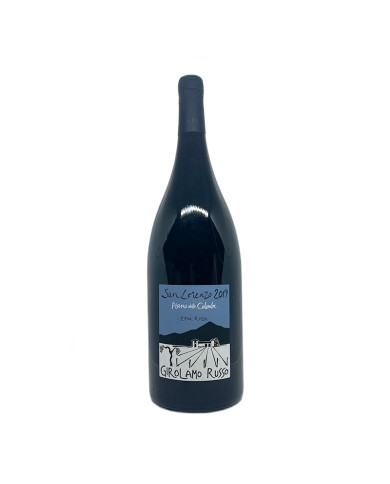
The San Lorenzo Piano delle Colombe magnum Etna Rosso DOC wine is a label signed by Girolamo Russo. With marked organoleptic characteristics, it is the perfect companion for robust first courses, grilled red meats, game, venison and noble poultry. Harmonious and characteristic, the San Lorenzo Piano delle Colombe magnum Etna Rosso DOC wine preserves the richness of the Nerello Mascalese grapes grown in the Randazzo area (CT)
€348.92
SKU:
16780
Brand:
Girolamo Russo
Although the ruby color of young Nerello Mascalese is quite pale, here we find an extra point of density. It's not a casuality. The concentration offered by the old vines can be seen right from the colour. Then the nose. Closed in the first phase, it opens slowly offering first delicious notes of small red fruit, then much more. And then here's the strawberry, then the blueberry, a touch of currant. And yet another spicy nuance, an earthy, acrid, almost bloody hint and then again an undergrowth finish. The mouth recalls in the flavors everything that the eye and nose have anticipated. The wine is enveloping, the texture creamy. However, excessive softness is never felt, on the contrary. The mineral salts of the soil give a textbook sapidity, the acidity of the mountain is felt all right. And then the tannin, fine, well blended with the material, capable of giving rhythm to the sip. Final of great depth, clean elegance.
€179.72
SKU:
16779
Brand:
Girolamo Russo
Girolamo Russo's Etna Bianco Nerina was born in vineyards located in the extraordinary wine-growing panorama of Etna, a terroir particularly suited to the production of wines of great value and in which the vines are trained as saplings, in this case at approx. 700 m. slm
€33.33
SKU:
16778
Brand:
Girolamo Russo
Girolamo Russo's Etna Bianco Nerina was born in vineyards located in the extraordinary wine-growing panorama of Etna, a terroir particularly suited to the production of wines of great value and in which the vines are trained as saplings, in this case at approx. 700 m. slm
€71.15
SKU:
16777
Brand:
Girolamo Russo
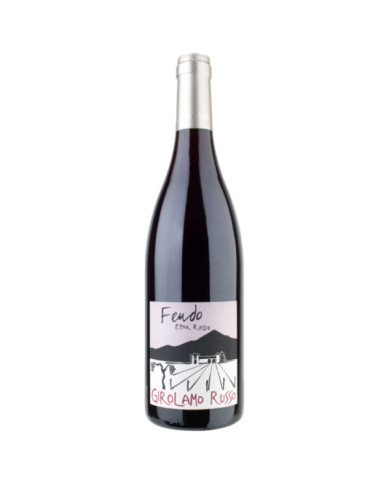
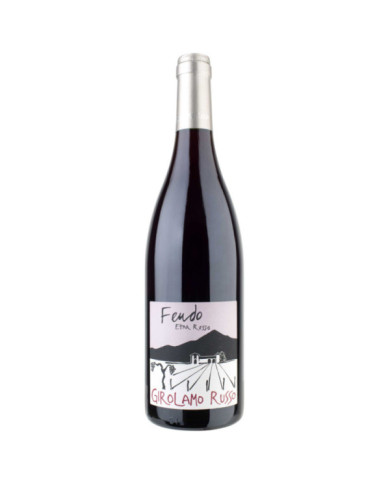
The Etna Rosso Feudo by Girolamo Russo was born in vineyards located in the Feudo district in Randazzo, in the extraordinary wine-growing panorama of Etna, a terroir particularly suited to the production of wines of great value, thanks to unique temperature ranges.
€63.24
SKU:
16776
Brand:
Girolamo Russo
The Etna Rosso Feudo by Girolamo Russo was born in vineyards located in the Feudo district in Randazzo, in the extraordinary wine-growing panorama of Etna, a terroir particularly suited to the production of wines of great value, thanks to unique temperature ranges.
€126.49
SKU:
16775
Brand:
Girolamo Russo
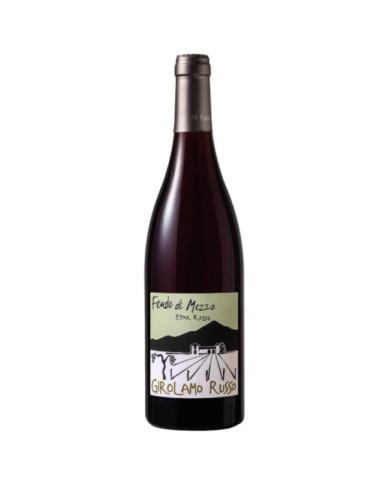
Girolamo Russo's Etna Rosso Feudo di Mezzo has still young and slightly rough tannins. Of an intense ruby red, it offers hints of ripe fruit, cherry, marasca cherry, aromatic herbs, balsamic essences and notes of vanilla and tobacco on the nose. On the palate it is soft, but with tannins still a little rough, with an excellent structure, a complex of great fullness of taste and persistence
€63.24
SKU:
16774
Brand:
Girolamo Russo
Girolamo Russo's Etna Rosso Feudo di Mezzo has still young and slightly rough tannins. Of an intense ruby red, it offers hints of ripe fruit, cherry, marasca cherry, aromatic herbs, balsamic essences and notes of vanilla and tobacco on the nose. On the palate it is soft, but with tannins still a little rough, with an excellent structure, a complex of great fullness of taste and persistence
€130.00
SKU:
16773
Brand:
Girolamo Russo
Girolamo Russo's Etna Rosato was born in the lower old vineyards located in the San Lorenzo district, in the extraordinary wine-growing panorama of Etna, a terroir particularly suited to the production of wines of great value, thanks to unique temperature ranges.
€20.56
SKU:
16772
Brand:
Girolamo Russo
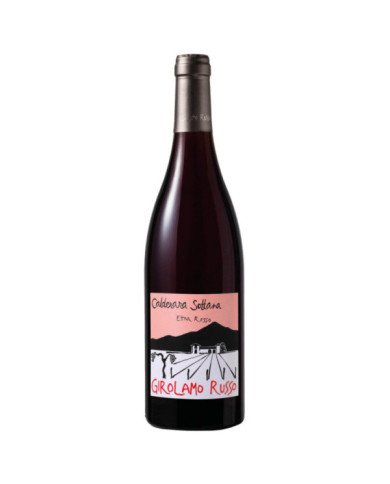
The red Etna Calderara Sottana by Girolamo Russo was born in the vineyards located in the Contrada Calderara Sottana district in Randazzo, in the extraordinary wine-growing panorama of Etna, a terroir particularly suited to the production of wines of great value, thanks to unique temperature ranges.
€63.24
SKU:
16771
Brand:
Girolamo Russo
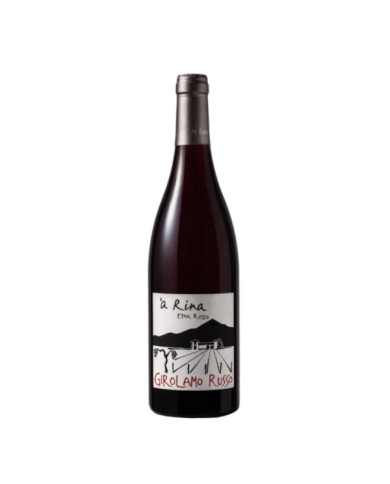
Etna Rosso "A' Rina" is a soft and structured wine, enveloping and complex, aged in second and third passage barriques for 12 months. Elegant notes of ripe red fruit, cherries, leather and tobacco best express the terroir of the great Sicilian mountain
€26.16
SKU:
16760
Brand:
Carpineto
Produced in the oldest production area, as stated in the disciplinary that regulates it, this area gave its name to the wine and is the only one where Chianti Classico is produced. It extends between Florence and Siena in a territory of breathtaking beauty, made up of villages perched on the top of the hills, of olive trees cultivated in steep fields with an irregular outline and of cypresses lined up to delimit the innumerable dirt roads.
€111.18
SKU:
16753
Brand:
Peter Zemmer
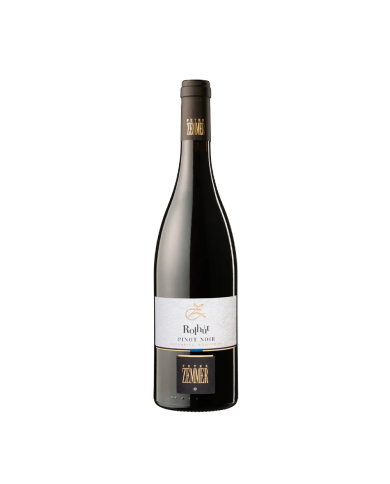
This Pinot Noir comes from vineyards that extend to 450 meters sldm in the Bassa Atesina. The particular composition of the soil, a mixture of clay and limestone, and the particularly favorable microclimate, with significant temperature changes between day and night, are the ideal conditions for the production of a high quality Pinot Noir.
€14.76
SKU:
16752
Brand:
Peter Zemmer
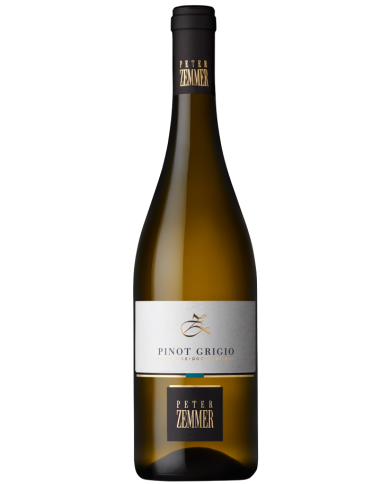
Peter Zemmer's Pinot Grigio is a fresh, enveloping white wine with mineral notes that was born in the Bassa Atesina. The aging in steel helps to leave more room for the typical varietal nuances of ripe white fruit, floral fragrances, light spices and sweet and aromatic tones. When tasted, it conquers for its fresh and fruity sip, with a good alcohol content, balanced by a vibrant mineral freshness
€11.71
SKU:
16751
Brand:
Peter Zemmer
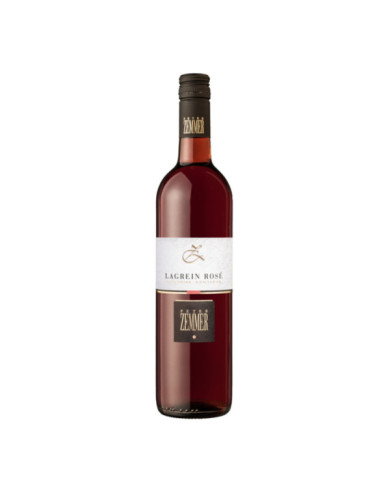
The Lagrein Rosé from the Peter Zemmer winery is a fresh and drinkable rosé wine from Alto Adige, perfect for accompanying a platter of cold cuts during an aperitif with friends. This label is made with carefully selected pure grapes of the same name and a short aging in steel. The intense rosé color illuminates the glass while aromas of small red berries and floral sensations inebriate the nose. An agile, fresh, fruity and harmonious sip emerges on the palate
SKU:
16750
Brand:
Peter Zemmer
This typical and native vine of South Tyrol finds an optimal habitat on clayey and calcareous soils of the cellar's vineyards.
€13.05
SKU:
16749
Brand:
Peter Zemmer
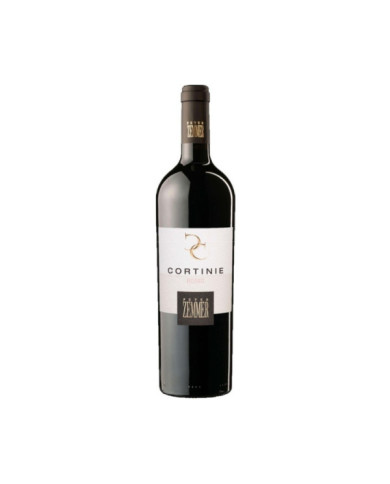
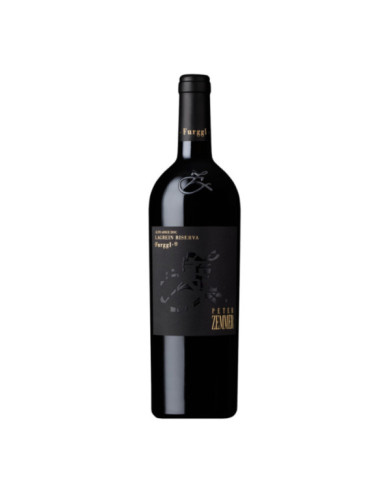
A wine with a strong character that comes from selected vineyards on the plain around the town of Cortina, where the low-branch vines are grown in gouyot systems. The careful cultivation on clayey soils that heat up easily, the favorable position, the ideal irradiation and the good ventilation of the bunches favor the ripening of excellent quality grapes for the Cuvée Cortinie. Wine of great value that is robust and mellow, a blend with unmistakable peculiarities. The color varies from garnet red to deep garnet red. The scent is rich and intense with traces of violet, bitter chocolate, berries and black pepper with herbaceous veins. The flavor is very balanced with a round and velvety body, intense and persistent. Contains sulfites.
€15.86
SKU:
16748
Brand:
Peter Zemmer
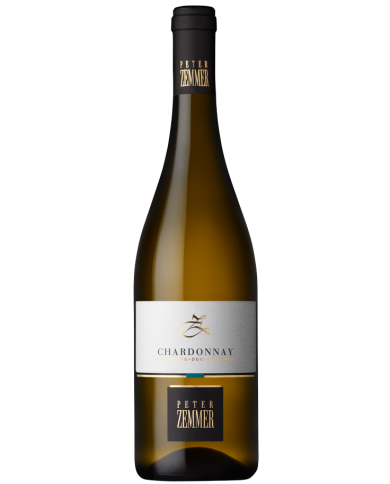
Peter Zemmer Chardonnay is a white wine obtained from 100% Chardonnay grapes which are aged for a few months in steel.
€11.71
SKU:
16746
Brand:
Peter Zemmer
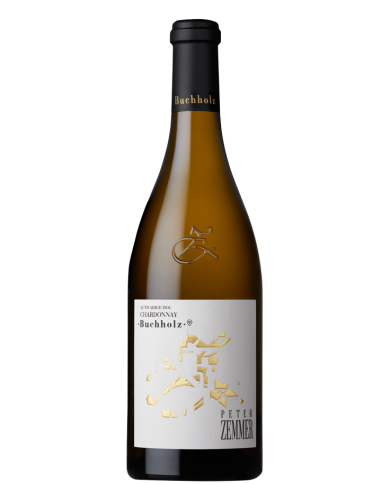
Hence the denomination chosen for this geographical entity from the historical name "Buchholz" for the slopes of the valley above Salorno in the Bassa Atesina, already mentioned in the historical cartography of the land register of 1858 is documented.
€21.28
SKU:
16745
Brand:
Peter Zemmer
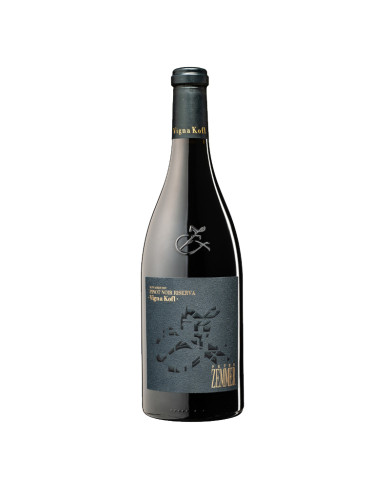
The Pinot Noir Riserva "Vigna Kolf" is a full-bodied and intense red wine with an elegant and refined profile, born at an altitude of 1030 meters from a single vineyard. Aged for one year in barrique, it expresses aromas of wild berries, cherry and strawberry, followed by notes of cocoa, vanilla and noble woods. On the palate, despite the firm and soft structure, it is agile and vibrant, with soft tannins and a gentle freshness
€37.58
SKU:
16743
Brand:
Peter Zemmer
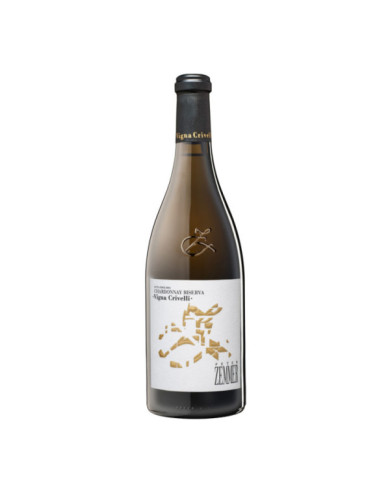
The Chardonnay Riserva "Vigna Crivelli" is a white wine with a soft and enveloping profile, aged in steel and small wooden barrels. The nose recalls notes of chamomile, dried almonds, aromatic herbs, ripe yellow fruit and hints of vanilla and wood. The sip is creamy, harmonious, round and with a good structure, with a pleasant and balanced freshness
€30.01
SKU:
16742
Brand:
Peter Zemmer
Peter Zemmer Vernatsch is a red wine made from Schiava grapes of different varieties which are left to ferment for 8 days in steel at a constant temperature.
€11.53
SKU:
16741
Brand:
Peter Zemmer
It grows in low shoots on guyot systems at an altitude of 450 m slm level in Pochi di Salorno. The favorable position of the vineyard, the very low yield per hectare and the ideal temperature range between day and night are the prerequisites for bringing these grapes to an ideal ripening.
€14.40
SKU:
16740
Brand:
Peter Zemmer
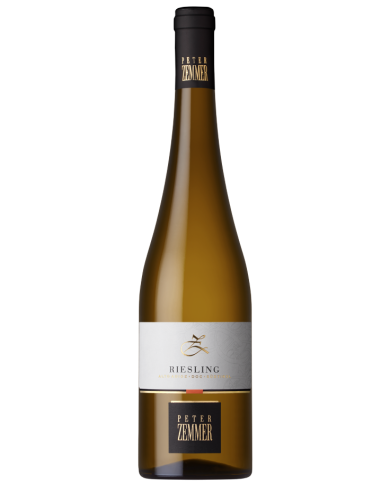
Peter Zemmer's Riesling is a very captivating white wine from South Tyrol thanks to its subtle acidity and soft roundness. It has a light yellow color with golden reflections. The aromatic spectrum is very broad, with aromas of citrus, lychee, aromatic herbs and white flowers. The sip has a nice texture and roundness. Very fresh and enjoyable.
€14.64
SKU:
16738
Brand:
Peter Zemmer
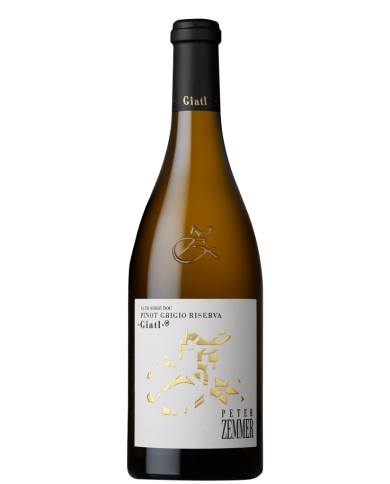
Peter Zemmer's Pinot Grigio Riserva "Giatl" is a full-bodied white wine from a very suitable vineyard located in an area of the same name as the cuvèe. It ferments and ages for 12 months in oak barriques and expresses a rich and varied personality, with aromas full of ripe fruit such as pear and melon, cream and vanilla, with notes of aromatic herbs, while the sip is structured, sapid and very fresh.
€25.99
SKU:
16737
Brand:
Peter Zemmer
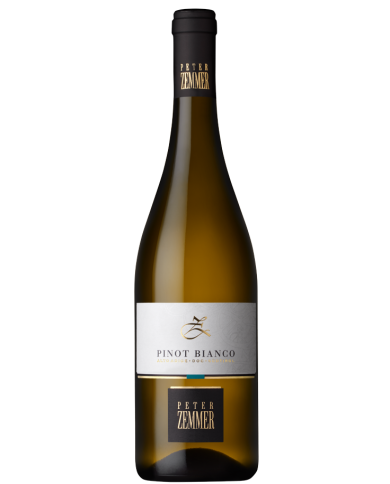
Peter Zemmer's Pinot Bianco Alto Adige DOC is a white wine with great freshness and a marked aroma. It has a brilliant straw yellow color with light golden reflections. The nose is full of floral and fruity aromas with notes of green apple and Mediterranean spices. On the palate it is structured and with mineral and fruity notes. The body is decisive, full and endowed with excellent freshness.
€11.71
SKU:
16736
Brand:
Peter Zemmer
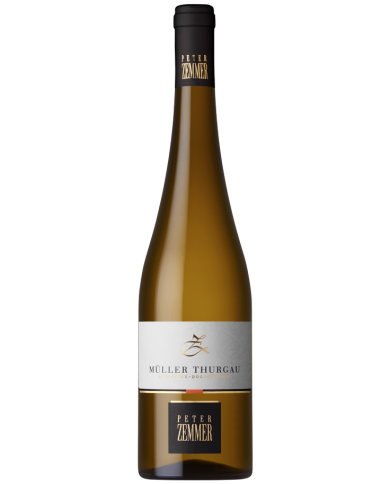
Muller Thurgau is a mountain white wine characterized by great freshness and drinkability that is born at over 800 meters above sea level in the Bassa Atesina. It develops a very fragrant and delicate aromatic kit, composed of citrus notes, lily of the valley, crunchy white fruit and light hints of alpine herbs. The taste is straightforward and juicy, with lively and vibrant freshness, combined with a mineral vein
€11.71
SKU:
16735
Brand:
Peter Zemmer
Traces of violet, bitter chocolate, berries, licorice and vanilla characterize this great red produced by one of the oldest cellars in South Tyrol
€22.33
SKU:
16733
Brand:
Peter Zemmer
Aromas of peaches and apricots intertwine with exotic scents of lychees, mango and passion fruit, a great white wine produced by one of the oldest cellars in South Tyrol
€21.35
SKU:
16731
Brand:
Peter Zemmer
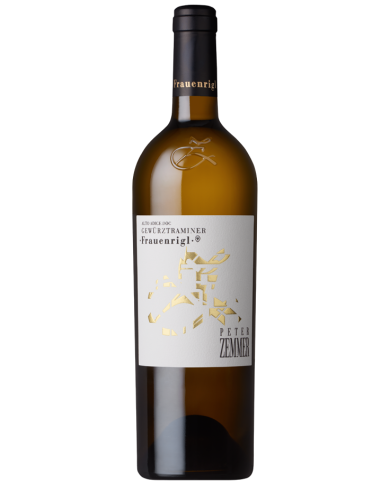
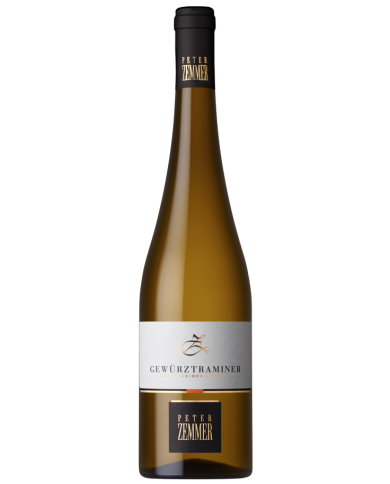
The most aromatic grape variety of South Tyrol in its most dazzling form! Peter Zemmer shows with his Gewürztraminer what the aromatic white par excellence can offer. The Gewürztraminer undergoes a gentle mashing and fermentation in stainless steel tanks. With its sparkling golden yellow it fills the glass and captivates the sense of smell with a lively bouquet of rose flowers, cloves and lychees. This wine is both spicy and full on the palate, resulting perfectly balanced thanks to the lively freshness and soft structure. An impressive and harmonious Gewürztraminer that is ideal to combine with shellfish, fish or savory pies.
€14.40
SKU:
16730
Brand:
Peter Zemmer
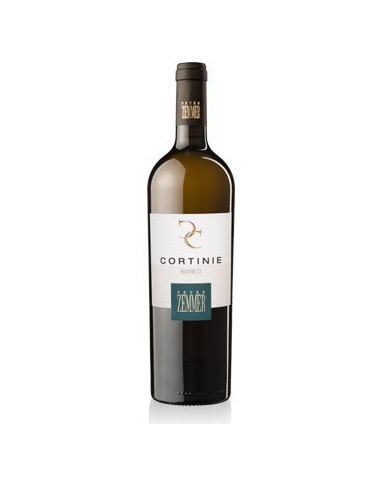
A wine with a strong character that comes from selected areas, where the low-branch vines are partly grown on gouyot systems. The grapes of this particular Cuvée grow in the best land planted with vines and in ideal conditions in the plain around the town of Cortina. A low yield per hectare, the favorable position, the ideal irradiation and the good aeration of the bunches favor the ripening of excellent quality grapes. Its chromatic intensity is accompanied by a rich bouquet, which leaves the impression of being faced with a wine of great harmony. Develops a balanced scent. The color varies from intense yellow to bright straw yellow. The perfume has an intense bouquet of ripe fruit with a great variety of fragrances. The flavor is well structured, balanced, of great intensity and pleasantly rounded.
SKU:
16729
Brand:
Peter Zemmer
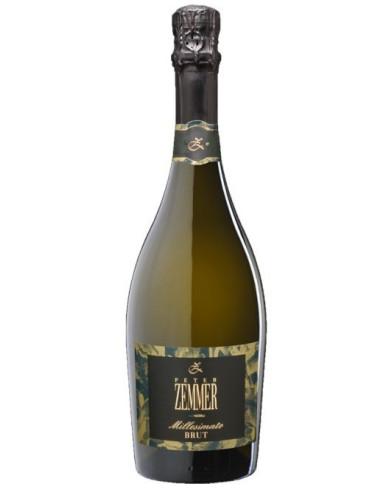
The grapes for this particular sparkling wine ripen at an altitude of 450 m slm The favorable position of the vineyards in the Pochi area, the optimal irradiation and the good ventilation of the bunches give these grapes an excellent balance between acids and sugars. Vinification takes place with crushing, destemming, cooling of the must and fermentation in steel tanks at a controlled temperature. The second fermentation takes place in an autoclave. The wine then remains on the lees for a period of 6 to 9 months at a temperature of 14 °C. Subsequently the sparkling wine is separated from the lees and cooled, then bottled and kept in the cellar for 3 months before being sold.
€12.08
SKU:
16609
Brand:
Broglia
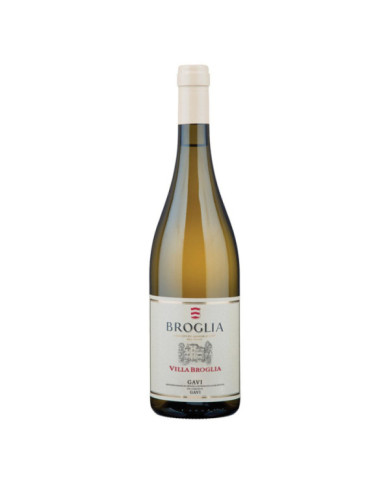
This wine was born in the vineyards of Villa Broglia, planted in 1989 for the birth of Filippo, Piero's son. These vineyards are located in the municipality of Gavi which, due to their splendid position, allows for the production of high quality grapes. It is a wine characterized by fresh, fruity aromas, with a nuance of white flowers and a characteristic note of almonds. Ideal wine for Mediterranean cuisine.
SKU:
16608
Brand:
Broglia
€30.38
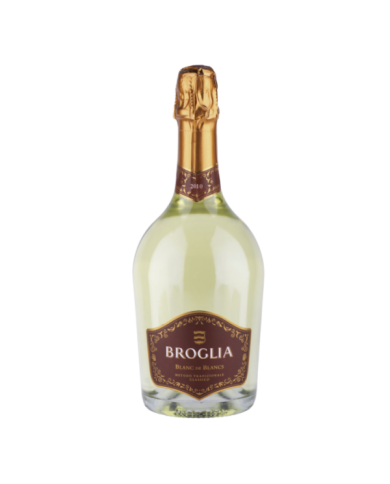
This classic traditional method sparkling wine is in the tradition of the Gavi area. Cortese grapes have always been the basis for the best "blanc de blancs" of Piedmont. We bottled this wine that comes from grapes from our own vineyards after an early harvest.
€30.38
SKU:
16607
Brand:
Broglia
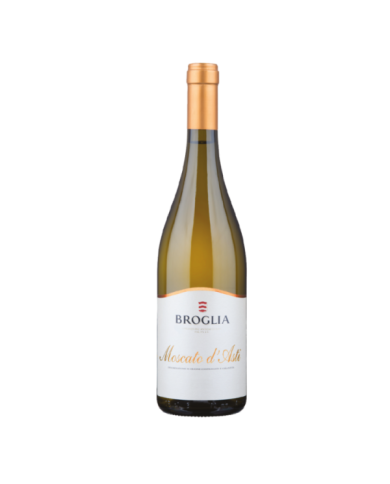
This wine is obtained from the vinification of Moscato grapes, grown in the Moscato production area. Vineyards located in hilly areas that guarantee good temperature ranges favoring the creation of fresh and fruity aromas. The richness in sugar and the low alcohol content mean that this Moscato maintains an intense aromatic fragrance.
€16.47
SKU:
16606
Brand:
Broglia
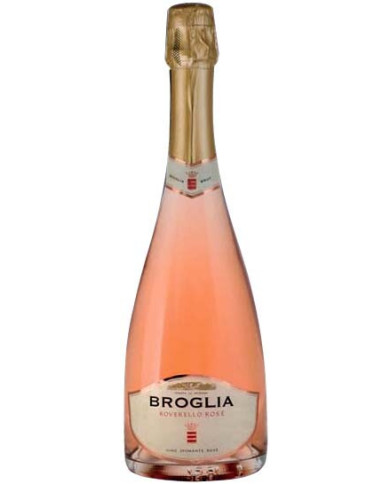
This sparkling wine is obtained from the vinification of Barbera and Dolcetto grapes with the "salasso" technique, i.e. through a very soft pressing of the bunches which give the wine a "rosé" colour. Fermentation takes place with the Martinotti method in an autoclave. It is a Spumante Brut particularly suitable with all Mediterranean cuisine and white meats.
€13.91
SKU:
16604
Brand:
Broglia
The name Roverello recalls the young oaks of the woods that surround the Meirana vineyards. This Spumante Brut is obtained from our own grapes which are harvested earlier than the others to characterize the youth and freshness that distinguishes it. We have been producing this sparkling wine for over 30 years as required by our denomination of 1974. It is a wine specially prepared for the taste of the modern consumer who likes a young, inviting, high quality sparkling wine. It comes with a gentle petillant, obtained with a refermentation in an autoclave which enhances its aromas, harmony and freshness. In the glass it shows a crystalline clarity, a straw yellow color with greenish reflections, a fruity, characteristic bouquet. The taste is pleasant, clean, harmonious. It goes perfectly with appetizers or cold second courses; also referred to as an aperitif.
€13.54
SKU:
16603
Brand:
Broglia
This wine is obtained from the vinification of the best Nebbiolo grapes. Its vinous and floral scent comes from a particular vinification and refinement in small barrels for one year plus one year in large barrels, keeping the originality of the tastes intact.
€18.06
SKU:
16602
Brand:
Broglia
Light with floral and fruity hints, it is an elegant and delicate wine. This wine comes from the youngest vineyards of our property. It is characterized by its particular acidity, freshness and drinkability. Its name recalls the bond of our ancient lands with the Doges of the Genoese Republic. It is particularly suitable both as an aperitif, served at a temperature of 8°C, and to accompany Mediterranean cuisine and white meats.
€8.42
SKU:
16601
Brand:
Broglia
It is only from the best vintages that this great wine is born, which comes from the vineyards of the Tenuta La Meirana, planted between the years 1952 and 1953, after a selection of the best bunches harvested by hand and transferred to the cellar in wooden boxes. The 2010 harvest was characterized by regular flowering in the first ten days of June and a windy summer with high temperature variations between day and night. These particular conditions gave the wine a great structure, excellent sapidity and intense aromas of flint and almonds. Here, following an aging in small "sur lie" steel tanks for 108 months, our "Vecchia Annata" comes to light.
€79.06
SKU:
16600
Brand:
Broglia
This wine represents the best production of Meirana. It is obtained from the grapes of old vineyards planted in the years 1953 and 1955. The average yield of the vineyards in the various harvests is from 30 to 40 quintals per hectare. The grapes are harvested in wooden boxes and transferred directly to the presses so that the bunches arrive intact. These, due to their rich structure and acidity, make it possible to obtain a great wine suitable for storage, maintaining its aromas and freshness over the years. The name Bruno Broglia is in honor of the founder of the farm. This selection, recognized as one of the reference white wines, gets important national and international awards every year. It was also served as the only white wine at the Gala dinner, for the G20 in St. Petersburg, in the presence of the greats of the Earth, held on 5 September 2013. Bruno Broglia has a straw yellow color with greenish reflections, brilliant: the bouquet very persistent finish, fruity and reminiscent of the aristocratic scent of the grapes from which it comes. It goes well with both fish-based dishes and shellfish where it brings out the characteristics of haute cuisine better.
€25.01
SKU:
16599
Brand:
Broglia
This wine is obtained from the vinification of Pinot Noir grapes.
Its vinous and floral scent comes from a particular vinification that keeps the originality of the tastes intact.
€13.42
SKU:
16598
Brand:
Broglia
The Meirana di Broglia is the most important and representative product of the company's production, a gavi among the most classic and appreciated in the world. La Meirana is not just the name of a wine, it is the main Estate of the Cellar.
€14.90
SKU:
16596
Brand:
Broglia
The Meirana di Broglia is the most important and representative product of the company's production, a gavi among the most classic and appreciated in the world. La Meirana is not just the name of a wine, it is the main Estate of the Cellar.
€6.22
SKU:
16595
Brand:
Broglia
Derthona di Broglia comes from a selection of Timorasso grapes, from vineyards facing south at 300-350 meters slm , located on calcareous soil.
€20.74
SKU:
16594
Brand:
Broglia
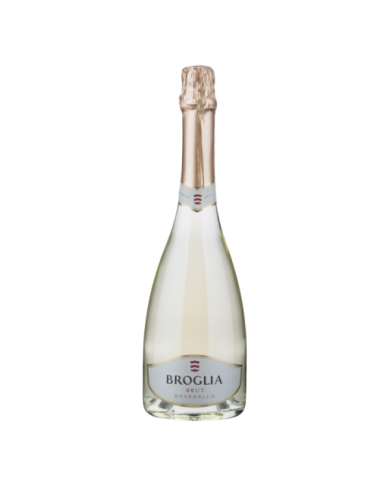
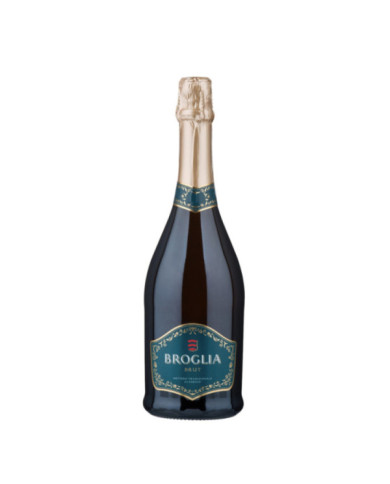
Spumante Broglia Brut is a fresh, subtle and elegant Classic Method obtained from Cortese di Gavi grapes with aging on the lees in the bottle for 18 months. It smells of white fruit, many citrus fruits and aromatic herbs. The sip is taut, fresh, sapid and balanced
€29.77
SKU:
16564
Brand:
Valentino Butussi
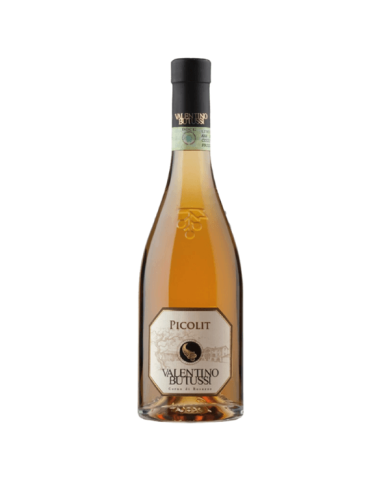
For the vinification of this wine, 30/40% of the grapes are left to dry in wooden boxes for over a month. The remaining grapes are left on the plant and are then harvested when overripe, when the berries begin to darken and dehydrate naturally. The grapes are destemmed and the must is left in contact with the skins for 24-28 hours at a temperature of 12°C to allow the wine to accentuate its varietal characteristics and to acquire the golden yellow-amber color typical of this vine . The refinement takes place for 60% for 6 months in steel tanks, 40% 6 months in 300 liter oak barrels and ends with 2-4 months in the bottle.
€16.40
SKU:
16563
Brand:
Valentino Butussi
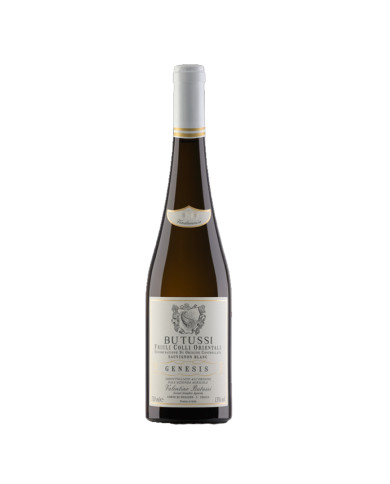
A great wine of the Friulian tradition, Sauvignon, rediscovers its origins in this "Genesis" DOC, a product that conquers nose and smell after a few moments, and which amazes for its excellent evolutionary potential. The grapes, grown in soils rich in limestone and sandstone, come from a single vineyard parcel, whose vines are around forty years old. A bottle with which the Valentino Butussi company raises the bar decisively, proposing to tell the terroir of the Colli Orientali del Friuli with the excellence of limited production, where quality reaches truly remarkable peaks. Just under two thousand bottles for a label that cannot be missing in the cellar of every enthusiast.
€45.86
SKU:
16562
Brand:
Valentino Butussi
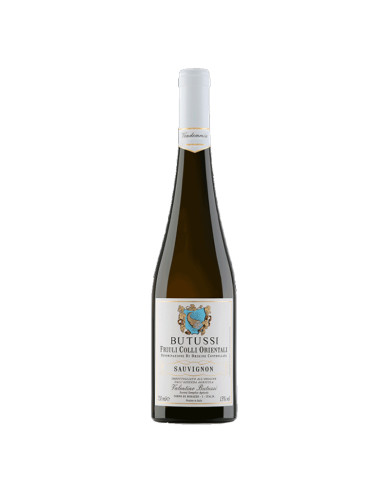
Straw yellow in colour, it has an intense aroma of green pepper, tomato leaves, passion fruit and peach. It is a wine with a fresh, lively, harmonious and velvety flavour.
€15.50
SKU:
16561
Brand:
Valentino Butussi
Harvest The harvest is hand-picked when the grapes reach optimal ripeness and takes place in several stages from the first to the second ten days of October.
Vinification The grapes are destemmed trying to keep the berry whole as much as possible and thus sending it into the barrel. Pumping over is then done until the desired color and tannins are reached and finally it is separated from the skins.
Refinement before the bottle: Matured in precious wood for 14 months and finishes the maturation with a further 4 months in steel barrels
Bottle refinement: 7 months
€19.76
SKU:
16560
Brand:
Valentino Butussi
After the destemming and crushing, the crushed grapes are cooled immediately at a temperature of 12°C and left in contact with the skins for 12 – 16 hours. In this period of time the natural enzymes of the must allow a release of the aromatic components, linked to the skin, accentuating the structure and the typical varietal characteristics of the vine. After this period, the must is delicately separated from the skins and fermented intact, without clarification, at a controlled temperature for about 14 days.
€15.50
SKU:
16559
Brand:
Valentino Butussi
The ruby red color with purplish reflections that fade with ageing. Intense bouquet, which evokes wild blackberries, wild berries with winy and vegetable notes. Strong flavour, the tannins are integrated and the finish is pleasantly bitter. Refosco dal peduncolo rosso is an ancient Friulian vine, perhaps the best Friulian variety of red berried grapes.
€16.50
SKU:
16557
Brand:
Valentino Butussi
A small part (25%) is vinified in white; a part about 40% is placed in cold maceration for 36 hours, for a greater extraction of the pink part. For both, a soft pressing and a start with indigenous fermentation then helped halfway through the addition of a small amount of selected yeast to complete the fermentation. The remaining part of the grapes is pressed, cooled to 7 degrees and left to macerate until the indigenous fermentation begins (usually 5 to 6 days). The macerated product is placed in a press and squeezed at minimum pressure, the must thus obtained continues its fermentation in traditional 2nd and 3rd passage barrels, in non-toasted oak with a capacity of 5/7 HL. One month before bottling, the three different vinifications are combined to form a single wine.
€15.50
SKU:
16556
Brand:
Valentino Butussi
At sight it has a straw yellow color, characterized by soft copper-colored reflections. The nose is typically varietal, with floral notes of acacia flowers which are embellished with touches of green apple and pear. On the palate it is full-bodied, with a savory-acidic vein that makes the sip drinkable. It ends with a finish characterized by a slightly bitter aftertaste.
€15.50
SKU:
16554
Brand:
Valentino Butussi
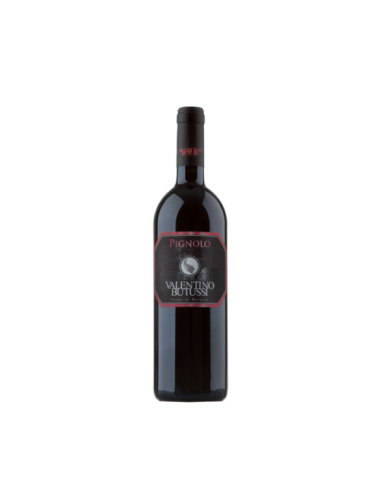
PIGNOLO BUTUSSI FRIULI VENEZIA GIULIA Grape variety: pure Pignolo Winy, tannic taste, reminiscent of raspberry. It is a wine to be discovered. Wine for meat dishes of Friulian cuisine, especially it prefers the ciàr in padiele (beef stew). Serving temperature: 16 – 18° C
€41.00
SKU:
16553
Brand:
Valentino Butussi
This ancient vine is the pride and joy of Friuli, the grapes are harvested manually and differentiated according to maturation with twice-weekly passages and takes place throughout the month of October. For the vinification of this wine, 10% of the harvested grapes are vinified in the classic way, soft pressing, settling and controlled fermentation. The remaining 90% of the grapes are left to dry for over a month, losing about 40% of the weight. The highly concentrated must obtained is fermented in small oak barrels, where it remains until the summer. Then the two wines are blended and aged for another 4 months in steel barrels. The refinement takes 6-8 months in the bottle.
€49.19
SKU:
16552
Brand:
Valentino Butussi
Intense ruby red color, full and fragrant aroma, slightly herbaceous, reminiscent of black cherry, raspberry, blackberry, blueberry. Dry, structured, savory taste. Wine indicated for white and red meat dishes, roasts and medium-aged cheeses.
€16.50
SKU:
16551
Brand:
Valentino Butussi
Generally Pinot Grigio ranges from straw yellow to pale gold up to coppery, depending on the time of contact with the skin. It's fresh and clean on the nose, with slight traces of green apples, coriander and fresh black pepper. There are those who find the bitter-sweetness of chives in it. This wine has good body and weight in the mouth.
€10.50
SKU:
16550
Brand:
Valentino Butussi
Intense ruby red color, full and fragrant, slightly herbaceous aroma, reminiscent of black cherry, raspberry, blackberry, blueberry. Dry, structured, savory taste. Wine indicated for white and red meat dishes, roasts and medium-aged cheeses.
€10.50
SKU:
16549
Brand:
Valentino Butussi
The color is light yellow-gold. The bouquet comes with a light saline note in the nose, accompanied by subtle aromas of wild flowers. There are those who find traces of geranium leaves or hay. The wine has a creamy structure and texture. Some discover traces of apricot on the palate
€8.88
SKU:
16548
Brand:
Valentino Butussi
The ruby color is followed by a good body, with a round aroma that fills the mouth. Slightly herbaceous when young. Its notes of green pepper, ripe black currant, red currant and black pepper become fuller and more seductive with time.
€10.50
SKU:
16547
Brand:
Valentino Butussi
Straw yellow color tending towards greenish. Delicate and pleasant aroma reminiscent of wild flowers; it has a dry taste with a soft and velvety taste and a bitter almond aftertaste. It is excellent as an aperitif, but also goes well with appetizers in general, with eggs and asparagus and is excellent with San Daniele ham.
€15.50
SKU:
16544
Brand:
Valentino Butussi
Intense ruby red in color with aging it develops garnet reflections. Spicy and fruity aroma with nuances of raspberry and blueberry. Body robust, full-bodied, savory, it is an aging wine and the Prince of red wines. It is a wine for great cooking meats, for roasted red meats, excellent with poultry, and hard cheeses.
€15.42
SKU:
16542
Brand:
Valentino Butussi
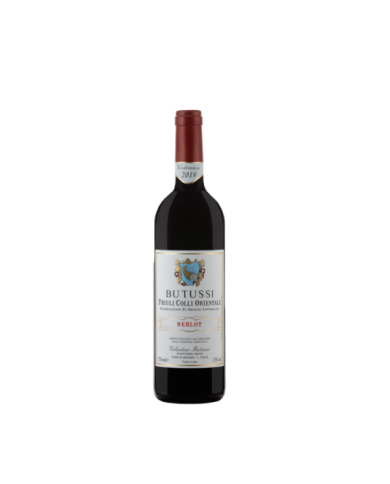
Ruby red wine tending towards purplish. Intense distinctly herbaceous and vinous aroma. Full, tannic flavour. It is a wine for red meats and roasts and also goes well with feathered game and aged cheeses.
€16.50
SKU:
16540
Brand:
Valentino Butussi
White with great structure, with sustained alcohol content and balanced acidity. Fine and elegant with aromas reminiscent of apple and toasted bread. Aged it evolves into a very pleasant bouquet. Aperitif wine, suitable for a wide range of light hors d'oeuvres, soups, egg-based dishes, fish and white poultry meat. Serving temperature: 10-12°C
€13.91
SKU:
16539
Brand:
Valentino Butussi
Located within the production area of the DOC Friuli Colli Orientali, in Corno di Rosazzo, the Valentino Butussi winery was born in 1910 and bears the name of its founder and progenitor of the family. Valentino Butussi is a representative company of the territory that has chosen the path of organic viticulture, obtaining the certification in 2013. In the cellar, the steel containers are intended for vintage wines, while for the selections, the use of cement is preferred and large barrels of untoasted wood (from three to sixty hectoliters), for the reserve whites the traditional Friulian seven hundred liter barrel is used.
€15.50
SKU:
16538
Brand:
Valentino Butussi
The White Angel is a Cuvè, it is aged in wooden barrels and is cared for and harvested according to the lunar tides. It is fresh, fruity and smooth to the taste. The palate shows spring flowers and a hint of caramelized citrus. At the same time, the grapes give the cuvée a beautiful minerality and volume. We can recommend this great expansion with seafood, shellfish or grilled fish.
€41.24
SKU:
16537
Brand:
Valentino Butussi
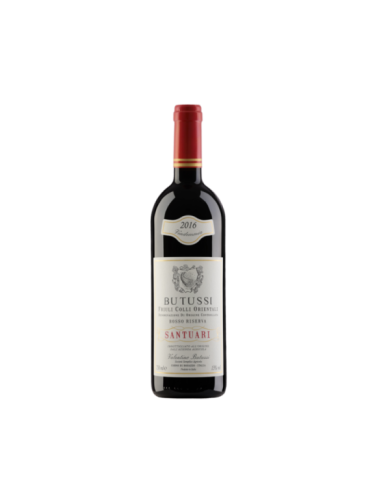
A Riserva with an austere and solemn character, which reaches the qualitative peaks of the entire range created by the Valentino Butussi farm. This "Santuari" is a Cabernet Sauvignon DOC where the balance between taste and aroma makes the sip incisive and expressive, denoting its great evolutionary potential over time. The carefully selected grapes, after harvesting, ferment in oak barrels thanks to the use of indigenous yeasts. Then we move on to the refinement, carried out for two years in oak barrels with a capacity of 300 liters; after bottling, the wine further ages in glass for 12 months. A label that interprets the Colli Orientali del Friuli terroir with a niche production, where excellence and aging capacity go hand in hand, giving us a red wine of great value.
€55.00
SKU:
16536
Brand:
Valentino Butussi
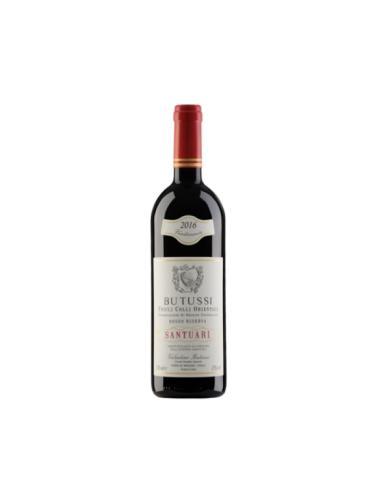
A Riserva with an austere and solemn character, which reaches the qualitative peaks of the entire range created by the Valentino Butussi farm. This "Santuari" is a Cabernet Sauvignon DOC where the balance between taste and aroma makes the sip incisive and expressive, denoting its great evolutionary potential over time. The carefully selected grapes, after harvesting, ferment in oak barrels thanks to the use of indigenous yeasts. Then we move on to the refinement, carried out for two years in oak barrels with a capacity of 300 liters; after bottling, the wine further ages in glass for 12 months. A label that interprets the Colli Orientali del Friuli terroir with a niche production, where excellence and aging capacity go hand in hand, giving us a red wine of great value.
€110.00
SKU:
16535
Brand:
Valentino Butussi
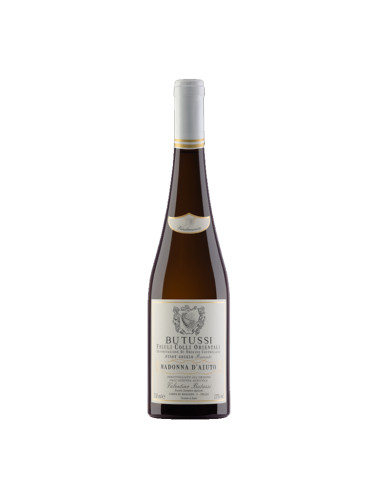
The Friuli Colli Orientali DOC "Madonna D'Aiuto - Historic Label" by Butussi comes from Pinot Grigio grapes harvested manually; spontaneously fermented and aged, then in oak for 8-10 months, it is produced only in the best years. Of clear gastronomic versatility, it is appreciated for a great balance between freshness and softness; it will also acquire complexity over time.
€55.00
€52.00