Italiano
 Deutsch















There are no more items in your cart
SKU:
15358
Brand:
San Salvatore 1988
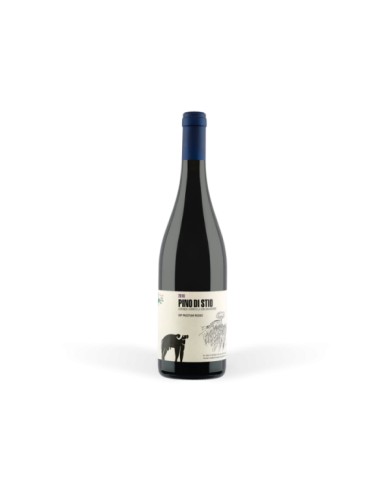
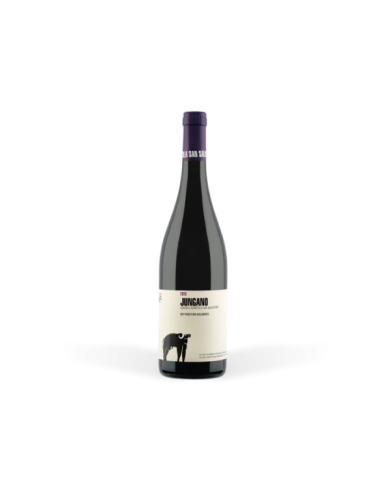
100% Pinot noir produced in a few thousand bottles. Vine grown at over 500 meters above sea level in the municipality of Stio. Aging in second and third passage barriques for a year and then elevage in boccia for a year and a half.
€30.13
SKU:
15357
Brand:
San Salvatore 1988
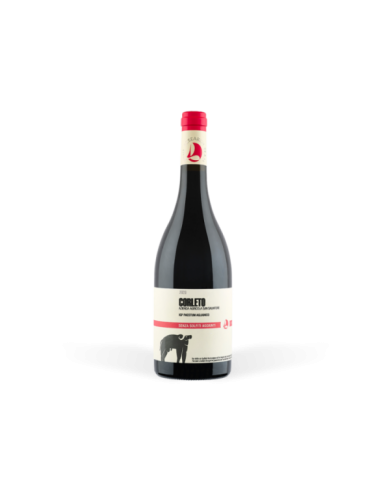
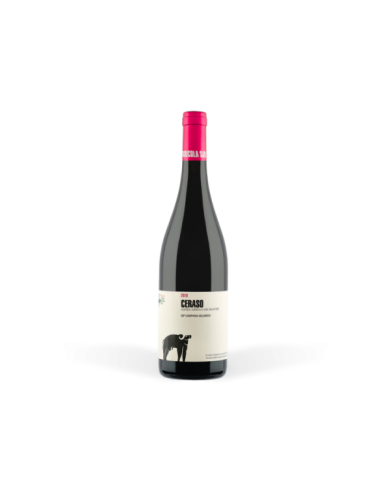
Only Aglianico aged in steel and then in large wood for one year.
€24.16
SKU:
15353
Brand:
San Salvatore 1988
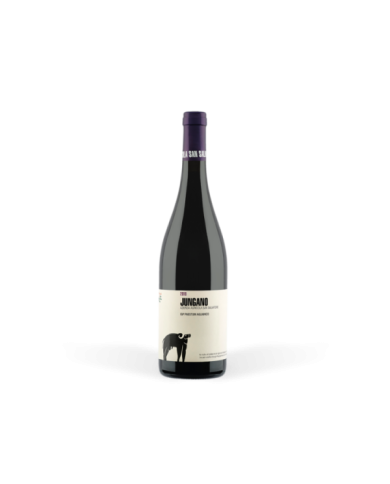
100% Aglianico. Maturation of the wine for 40% in second passage French oak barriques, 40% in 25 hl barrels and the remainder in steel tanks.
€49.41
SKU:
15352
Brand:
San Salvatore 1988
100% Aglianico. Maturation of the wine for 40% in second passage French oak barriques, 40% in 25 hl barrels and the remainder in steel tanks.
€20.11
€25.46
SKU:
15342
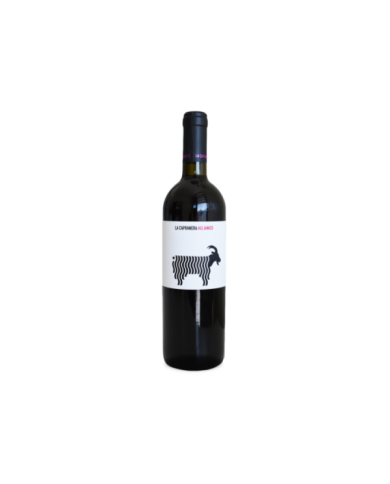
The Capranera Aglianico Campania IGP red wine. 100% Aglianico processed for eight months in steel tanks.
€10.71
€9.10
SKU:
15339
Brand:
Cantina Reale
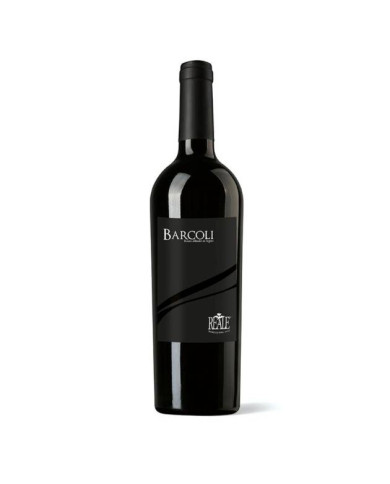
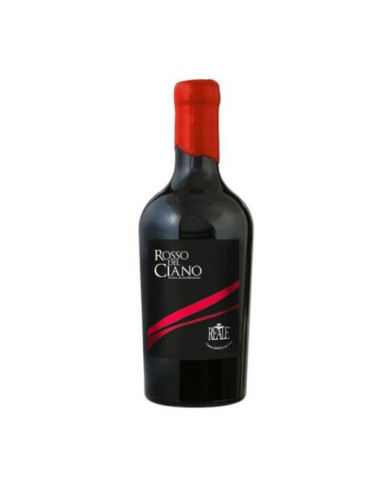
Red wine IGT from the hills of Mantua Alto Mincio An excellent wine with a very intense ruby color is obtained from the delayed harvesting of the Merlot grapes, with a fruity and spicy aroma, a full, dry, harmonious and overall very pleasant flavour.
€14.12
SKU:
15336
Brand:
Cantina Reale
Great wine with a dark red colour, fruity, spicy bouquet, full, very harmonious and pleasant taste.
€23.79
SKU:
15331
Brand:
Villese
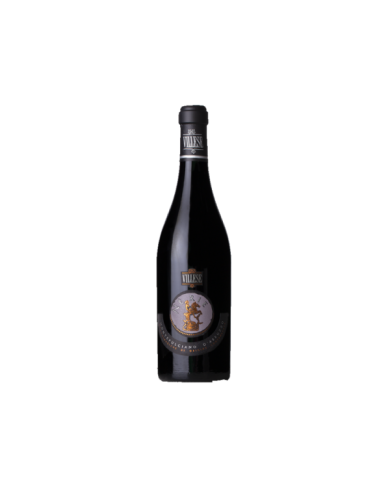
The name "Morandium" recalls the ancient Frentano place of worship, located near the Olearia & Vinicola Villese winery, characterized by the presence of a sanctuary active between the third and first centuries BC and a necropolis whose finds are exhibited at the museum national museum of Chieti and the civic museum of Vasto. The wine has an intense ruby red color with violet reflections. Intense aroma, characteristic of the primary aromas of the fruity component grape, with a full and robust body, well balanced.
€3.00
SKU:
15330
Brand:
Giulia Negri
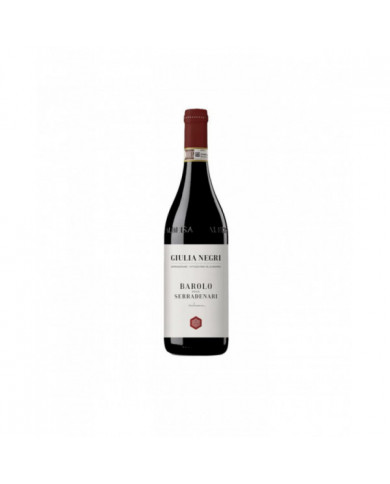
We are at Morra, Serradenari, on soils from the Messinian period with a sandy loam texture with a strong presence of calcareous marl. At about 480m with a south-west exposure, the pure Nebbiolo grapes are vinified with spontaneous fermentation in truncated cone-shaped vats, macerating for about 40 days. The wine then ages for 30 months in 25-hectolitre Slavonian oak barrels.
€86.13
SKU:
15329
Brand:
Giulia Negri
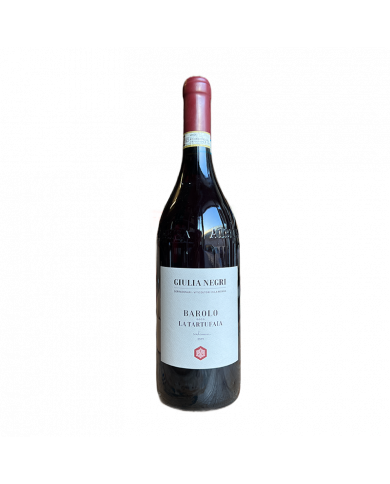
Giulia Negri 's Barolo "La Tartufaia" is the producer's personal vision of the "La Morra" area who skilfully transforms the Nebbiolo grapes into an important and elegant red wine, with a deep and fine taste. On the nose the aromas are of red fruit, berries with notes of tobacco and licorice. On the palate it is full-bodied, enveloping with silky tannins and earthy and bloody sensations that close the sip.
€70.76
SKU:
15326
Brand:
Cantina Reale
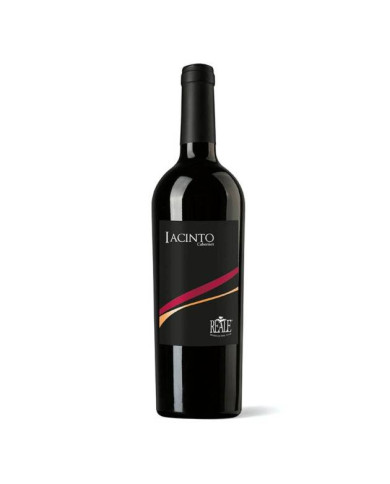
It is an excellent wine, well structured, obtained from the selection of Cabernet Franc and Cabernet Sauvignon grapes.
€10.31
SKU:
15324
Brand:
Le Vedute
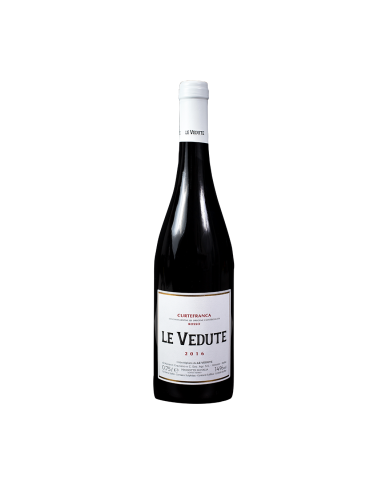
During the harvest, only the perfectly ripe bunches are selected.
The maceration on the skins lasts at least 15 days, after which the wine passes into used barriques where the malolactic fermentation takes place. The refinement lasts 12 months and only then is it bottled.
The mouth is full-bodied with an intense structure and evident tannins.
Recommended with red meat main courses.
€10.74
SKU:
15316
Brand:
La Madonnina
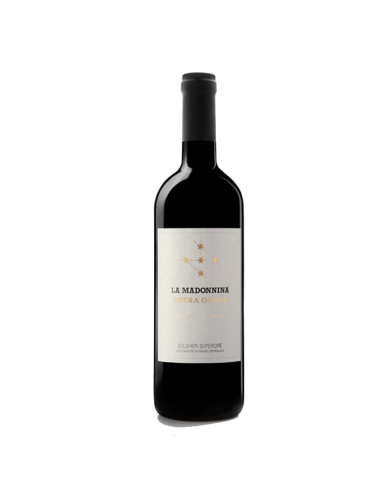
This Bolgheri Superiore combines the expression of the Bolgheri territory and an essential attention to quality, given that only grapes that exceed strict selection requirements come from the vineyard.
€63.44
SKU:
15314
Brand:
La Madonnina
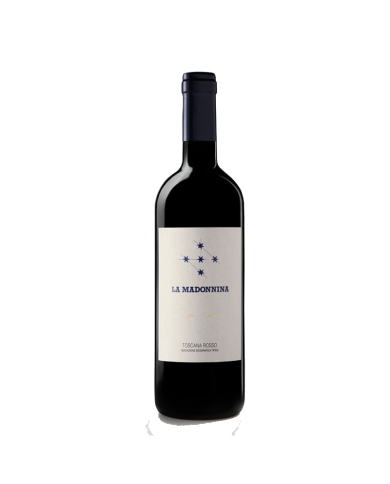
This blend of Cabernet Franc, Syrah, Merlot, Cabernet Sauvignon, Petit Verdot is the entry wine of the range produced by La Madonnina. It is vinified in steel and aged in French oak barriques for 16 months.
€24.52
SKU:
15313
Brand:
La Madonnina
A 100% Syrah that represents the maximum expression of the estate's production, the result of an extreme selection in terms of quality and particularity of the grapes and their winemaking process.
€126.64
SKU:
15312
Brand:
Cantina Reale
Passito red wine IGT from the hills of Mantua Alto Mincio This great wine is obtained from various carefully selected grapes and left to dry on the vine for 40/50 days. Its great personality is captivating on the palate of the taster. Dark red colour, characteristic aroma of fruity, spicy, undergrowth and cherry.
€24.11
SKU:
15309
Brand:
Nativ
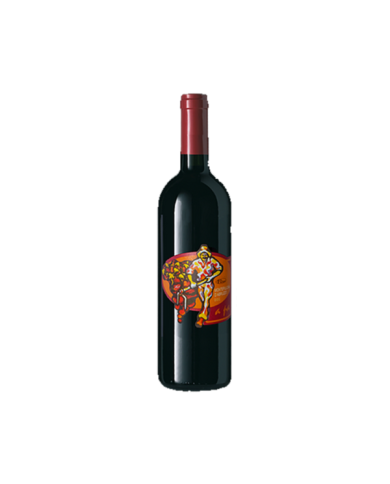
Important red wine whose vines are grown on volcanic soil on the hills of Taurasi. The name of our wine derives from the place where horses were once said to graze in the wild, and where the remains of the ancient hermitage of S. Quirico can still be found. A wine so precious as to dress it with a work of art by the contemporary painter Moreno Bondi.
€48.99
SKU:
15307
Brand:
La Lastra
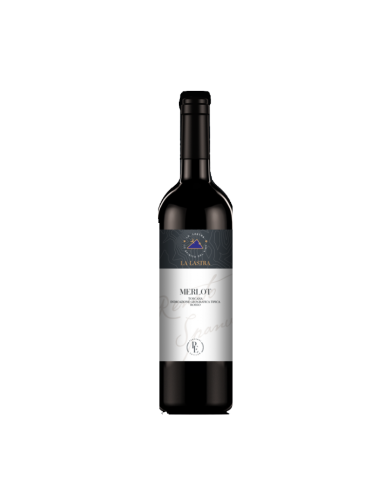
When we took over our small company close to the city of Siena twenty years ago, in the first place we replanted a large part of the vineyards and, on the occasion, above all out of curiosity and a great desire for knowledge and experimentation, we introduced into our viticultural heritage proudly Tuscan, even a very modest quantity of Merlot vines. Since this very small vineyard has reached a good physiological maturity we vinify it in purity and we mature it in a French oak tonneau. The result is a wine of excellence, truly particular and intriguing that we offer, given the small and non-reproducible quantity, in our Personal Edition.
€37.05
SKU:
15306
Brand:
La Lastra
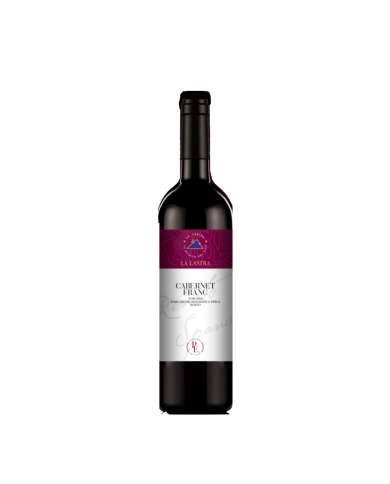
When we took over our small company twenty years ago near the city of Siena, in addition to a very small plot of Merlot, we planted 7 rows of Cabernet Franc. The first in Tuscany, not to be different, but because by studying our terroir we realized that it had those characteristics whereby the Cabernet Franc grapes, if properly ripened and well vinified and aged, could offer us a wine that is not for everyone , but exciting and strongly character. The first years of production disappointed our expectations, a wine that was too herbaceous and tannic but, from the tenth harvest, when the plants reached their physiological maturity, here was the big surprise: a fruity wine where the raspberry replaced the herbaceous, thick, intense and almost moving. Given the very small quantity that we are able to produce, it has rightfully become part of the wines of our Personal Edition.
€37.05
SKU:
15300
Brand:
La Lastra
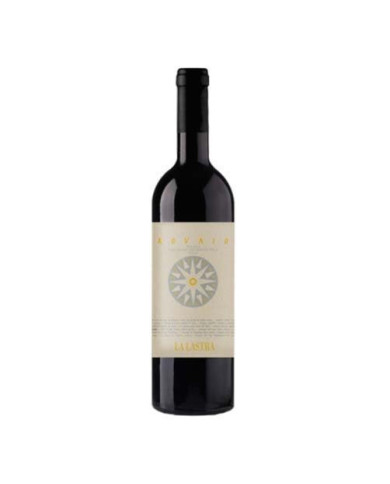
Our first edition is that of 1995 entirely produced in San Gimignano and that, even today, when we taste one of the last bottles that we have kept in the cellar excites us! Since 2017, when our vineyards in Siena have reached a good maturity, our persevering oenological curiosity to understand how the same blend produced in a different territory would have behaved has meant that, thanks to the fantastic 2017 harvest, we have put to mature a barrique of Sangiovese, one of Merlot and one of Cabernet Sauvignon. After 18 months of blending and, with great emotion, we understood that that very little wine of great depth deserved to be bottled and here is our Rovaio Personal Edition.
€33.82
SKU:
15297
Brand:
La Lastra
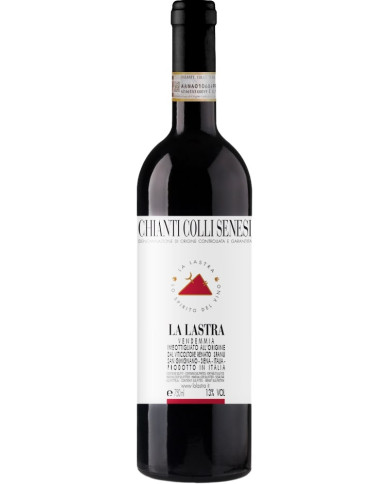
Our Chianti Colli Senesi is born from the ancient typicality of this centenary wine aimed at interpreting a new tradition. The vines used are those of the past, only autochthonous and Tuscan, red and white. The Sangiovese bunches, which are 95% of our Chianti, are those of the oldest plants we have in the company, which ripen well beyond the time of the new clones, small and loose bunches, but with a thick skin rich in polyphenols and aromas , crunchy and sugary.
€13.80
SKU:
15291
Brand:
Nativ
Rue De' Passi is a Campania Rosso Amabile IGT, the fruit of an Aglianico vineyard located in close proximity to the cellar, in the heart of Paternopoli. The harvest of this vineyard is carried out late, giving the grapes a greater residual sugar. The name "Rue de Passi" is in memory of the path that leads from the cellar to the vineyard in a few steps.
€22.25
SKU:
15288
Brand:
Nativ
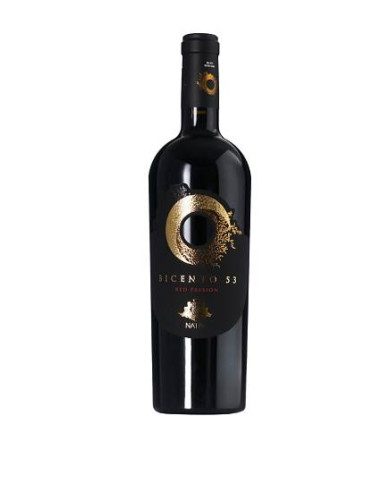
Precious red wine whose vineyards grow on volcanic soils, on the Corne di Turasi. The name of this wine is due to the longevity of the vineyards from which it is made, which are 200 years old. Bicento literally means "twice a hundred".
€29.72
SKU:
15287
Brand:
Nativ
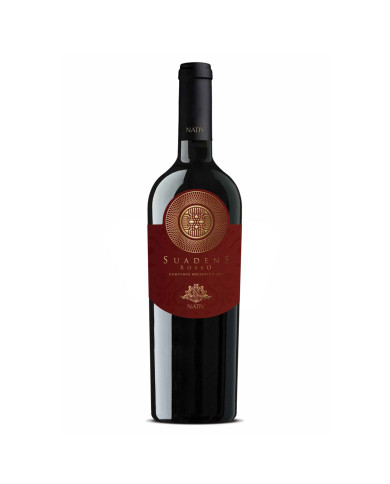
Suadens Rosso – Campania Rosso IG T. The name "Suadens" was carefully selected to represent the persuasive character of this wine, which constitutes a molecular project aimed at enhancing the native vines of Irpinia, but also the typical local fruit, grown exclusively in this area. Suadens Rosso is a selection of the best Aglianico grapes from the Irpinia area.
€17.13
SKU:
15286
Brand:
Nativ
Important red wine whose vines are grown on volcanic soil on the hills of Taurasi. The name of our wine derives from the place where horses were once said to graze in the wild, and where the remains of the ancient hermitage of S. Quirico can still be found. Eremo Gold is the selection of the best Eremo Barriques. On the occasion of the last bottling, before the Christmas period, each barrique of Eremo is personally tasted by the enologist Ercolino who personally selects the best aromas and refinements.
€32.20
SKU:
15285
Brand:
Nativ
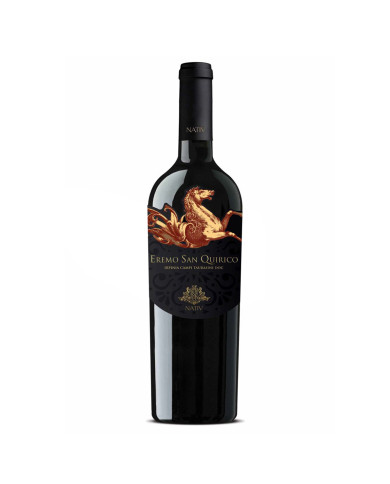
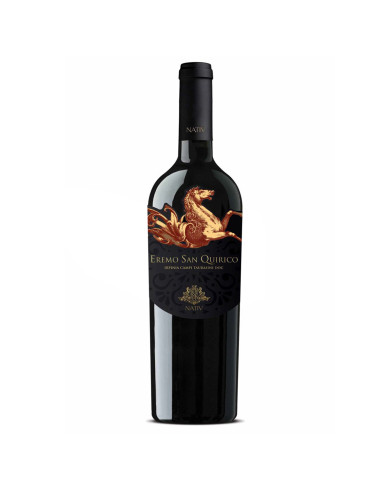
Eremo San Quirico ‐ Aglianico Campi Taurasini DOC Important red wine whose vines are grown on volcanic soil on the hills of Taurasi. The name of our wine derives from the place where horses were once said to graze in the wild, and where the remains of the ancient hermitage of S. Quirico can still be found. A wine so precious as to dress it with a work of art by the contemporary painter Moreno Bondi.
€27.99
SKU:
15284
Brand:
Nativ
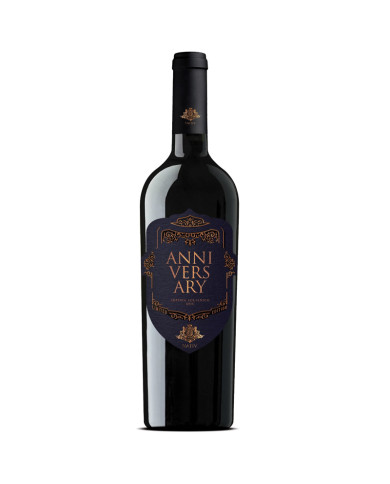
Choose Anniversary for your special occasions: a wine designed for memorable dates, a real pleasure for the palate in a unique and unmistakable packaging
€18.40
SKU:
15283
Brand:
Nativ
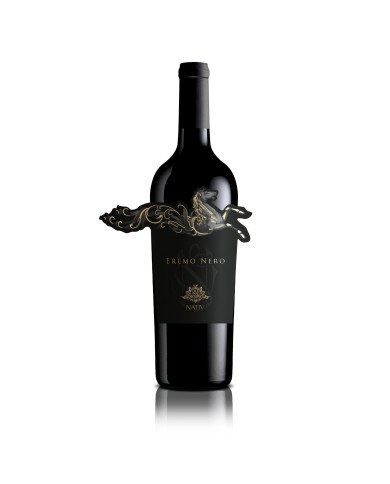
Eremo Nero, born from the vinification of Aglianico grapes grown on volcanic soils in the Paternopoli countryside. The composition of these sandy soils, with very fine and particularly permeable ash, is the ideal condition for obtaining high quality grapes and still red wines rich in anthocyanins and tannins.
€491.66
SKU:
15277
Brand:
Kossler
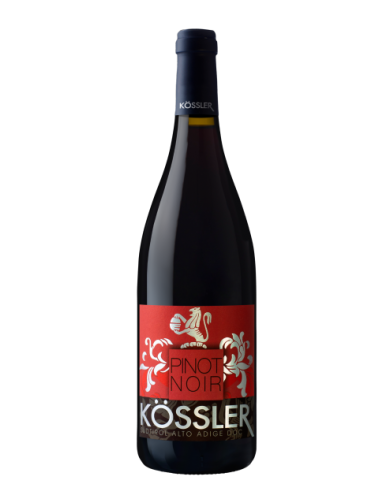
Pinot Noir ranks among the most important wines in the world. Scrupulously cared for and after careful selection, this elegant and velvety wine recalls hints of red berries and wild cherries.
€17.93
SKU:
15274
Brand:
Kossler
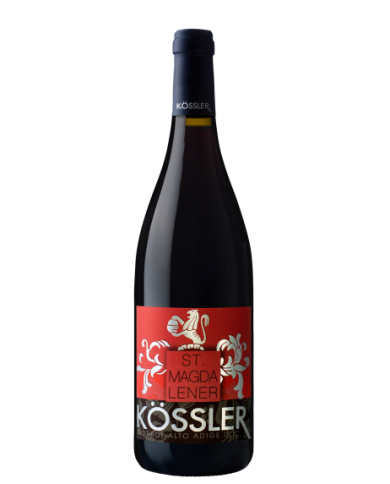
This selection of the Schiava grape gives a typically South Tyrolean light wine. Its aroma recalls violets and cherries, it is characterized on the palate by its softness and its low tannin and alcohol content.
€12.44
SKU:
15273
Brand:
Kossler
This wine is one of the best known products from the Schiava grape. It has a wide range of fruity aromas and stands out for its fullness and roundness on the palate.
€13.05
SKU:
15272
Brand:
Kossler
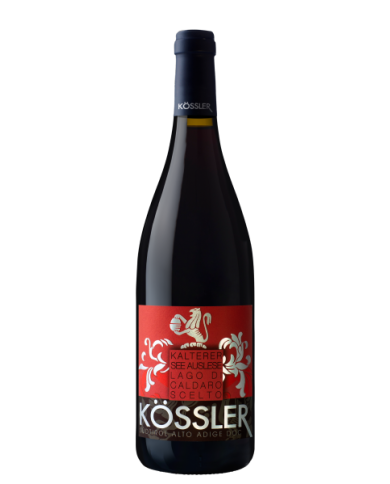
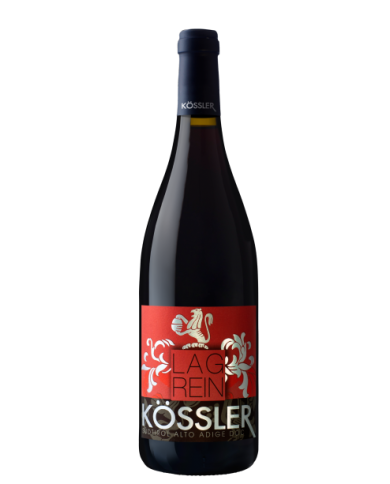
Lagrein is a native variety, from which a wine of great character is obtained. It stands out for its intense red color, its aromas of wild berries and cherry. On the palate it expresses a velvety fullness, enhanced by a soft acidity.
€18.40
SKU:
15265
Brand:
Jasci & Marchesani
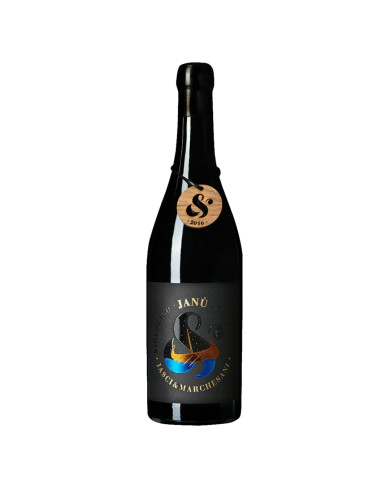
Lo Janù is the top of the range of Montepulcianos of the company. Hand harvesting of the grapes, maceration on the skins for 25 days, vinification in red and aging in double new barrique for 8 months + 8 months. Compact and deep goblet, of a beautiful ruby red. The olfactory reveals an incredible complexity, ranging from hints of dark fruit in alcohol, to toasted notes that recall hazelnuts, to slightly vanilla scents, to beautiful sensations of tobacco and dark chocolate. The sip is full and enveloping, long, pleasantly balanced. Closing on notes of bitter chocolate.
€32.45
SKU:
15264
Brand:
Jasci & Marchesani
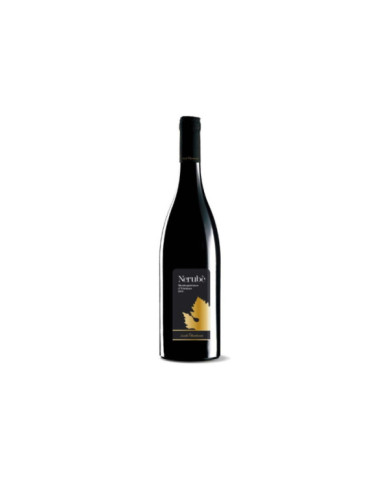
Nerubè is the result of a manual harvest of the grapes, subsequent vinification in red with maceration on the skins for a minimum of 15 days, and aging for 12 months in oak tonneaux.
The glass is intense and deep, with a beautiful ruby red.
The nose expresses all the typicality of the vine, with hints of dark fruit, spices and hints of roasting and cocoa.
The sip is full-bodied, soft and fresh; closes on hints of fruit in alcohol and dark chocolate.
Nice persistence.
€11.90
SKU:
15262
Brand:
Jasci & Marchesani
Captivating ruby red, characteristic fruity aromas with hints of vanilla, balsamic vinegar and black olive. Full bodied, powerful, yet very balanced with flavors of mulberry, currant, dark chocolate and a long smoky finish.
€8.87
SKU:
15261
Brand:
Jasci & Marchesani
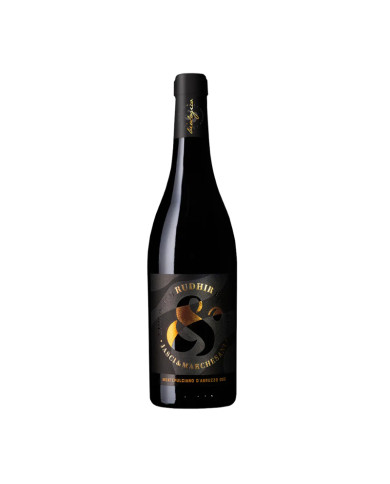
Rudhir is another masterpiece of the Jasci & Marchesani winery which, year after year, proves to be a "Master Cave" for Montepulciano d'Abruzzo. Thanks to Rudhir you go to savor a charismatic, fragrant and intense wine from every point of view. When the word masterpiece is used for a Jasci & Marchesani product, it is not an exaggeration; each bottle is an artistic, pure and sensational brushstroke, which in every sip strikes the soul and heart with the typical scents of the mother vine and those small nuances deriving from the various woods of the barrels. The Rudhir vinifies for 18 months in oak barriques and ends its journey after a further two years in the bottle, before being marketed therefore, explosions of flavours, aromas and aromas are the order of the day with a bottle of this bill. His warm and welcoming heart is a "trademark" and is capable of generating an approving smile even on the face of a drinker with a difficult palate.
€17.92
SKU:
15250
Brand:
Himmelreich
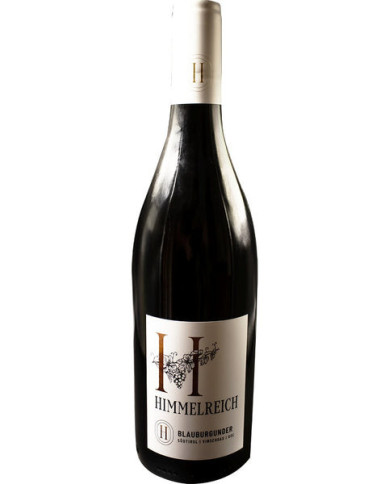
Pinot Noir from the Himmerleich winery is an excellent red wine from Val Venosta produced with grapes from the homonymous vine. The vines are cultivated in an environmental condition that is particularly congenial to them, on the land of Monte Sole at an altitude of about 650 m slm Here the sun makes its presence for 250 days a year, and counterbalances the temperature range of the relatively high position . This perfect temperature play between day and night gives the grapes an unmistakable character. The very elegant and caressing Pinot Noir is the only one that acquires the noble title, in the assortment of red wines from the Himmelreich cellar. In the glass it enchants with its intense iridescent ruby red colour. The nose seduces with its delicious scented bouquet of red berried fruits such as berries and wild strawberries, as well as a delicate but unmistakable aroma of Madagascar vanilla. On the palate it is rich and balanced, with a perfect and pleasant structure. A great classic red wine that goes perfectly with feathered and furred game, with steaks and braised meats cooked to perfection.
€26.84
SKU:
15246
Brand:
Himmelreich
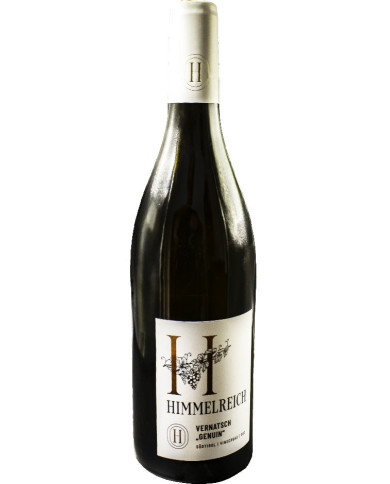
Genuin is a genuine and authentic albeit atypical red wine. Its essence has a thousand facets, and can be savored intensely, revealing its liveliness.
These stupendous qualities are due to the excellent components of the terroir of morainic origin, and to the special temperature range deriving from the presence of Monte Sole.
In the glass its color has a splendid bright red robe. The aromas of raspberries and red cherry arrive intoxicating to the nose, with faint notes of almond, and hints of wild flowers.
A sip capable of conquering and satisfying the palate. Excellent glass to serve in combination with roasts, red meats and medium-aged cheeses.
€18.91
€9.52
€7.93
SKU:
15237
Brand:
Nativ
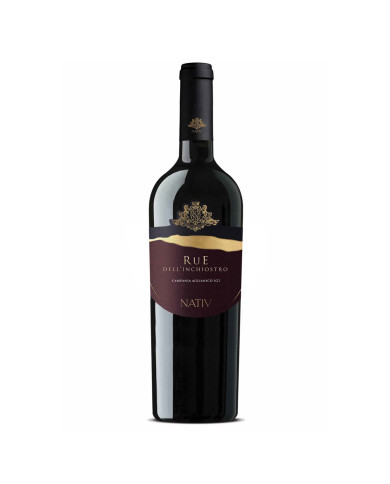
Rue dell'Inchiostro Campania Aglianico IGT Grape introduced by the Greeks along the Tyrrhenian coast, at the time of the foundation of their colonies (VII-VI aC ); this could explain the presence of synonyms of Ellenico, Ellanico then changed into Aglianico. The name deriving from the combination between Rue, the typical name attributed to the streets of Paternopoli following the passage of French domination and "ink" which better defines the characteristic deep purple of the wine.
€8.97
SKU:
15236
Brand:
Nativ


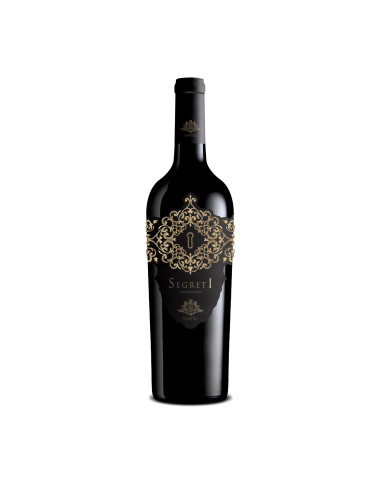
Secrets… from 100% Aglianico Nero grapes, from volcanic lands in the districts of Valle del Ceraso and Fontana Marena, in the countryside of Paternopoli from an unusual November harvest. Macerates and ferments with its own yeasts, then in seasoned oak wood for a year and a half, waiting for six months in the bottle... it is a generous wine in its most authentic organoleptic values.
€97.60
SKU:
15231
Brand:
Nativ
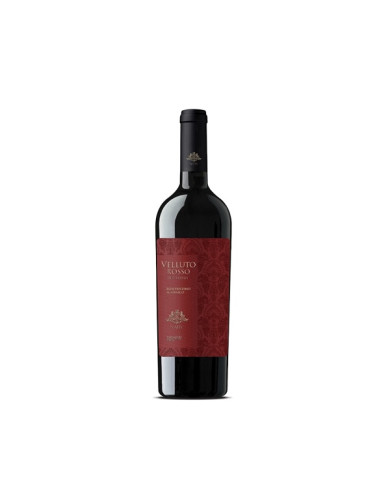
The name "Velluto Rosso" was chosen thinking of the organoleptic characteristics of the wine: soft on the palate and such as to suggest velvet, a fabric that causes a sensation of irresistible softness to the touch. The red color of the label reminds us of a bunch of grapes and the damask is in perfect harmony with the Nativ style.
€11.21
SKU:
15230
Brand:
Nativ
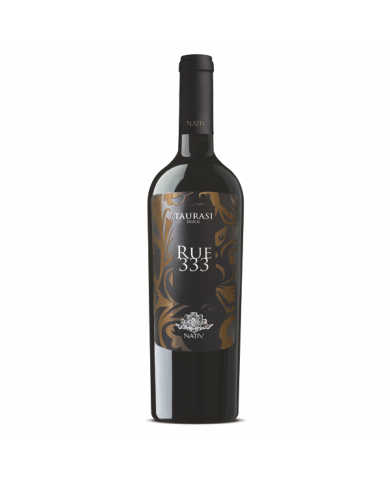
Rue 333, Taurasi DOCG Wine made from Aglianico grapes, whose refinement in barriques for two years, gives it the specific name of Aglianico Taurasi DOCG also in honor of the country where this type of grape is widely grown.

€26.99
SKU:
15229
Brand:
Nativ


Eremo San Quirico ‐ Aglianico Campi Taurasini DOC Important red wine whose vines are grown on volcanic soil on the hills of Taurasi. The name of our wine derives from the place where horses were once said to graze in the wild, and where the remains of the ancient hermitage of S. Quirico can still be found. A wine so precious as to dress it with a work of art by the contemporary painter Moreno Bondi.
€28.69
SKU:
15227
Brand:
Nativ


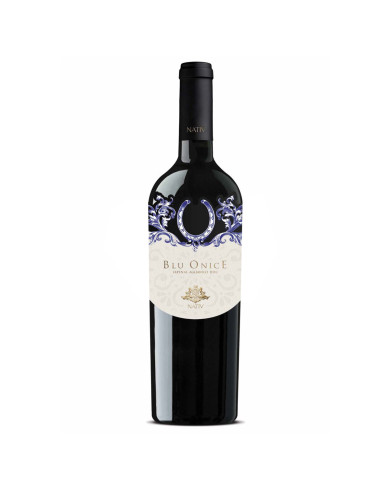
the wine takes its name from the vineyard of the same name located on rocky terrain near an ancient onyx quarry located near gesualdo.
€19.83
SKU:
15225
Brand:
Gianni Doglia
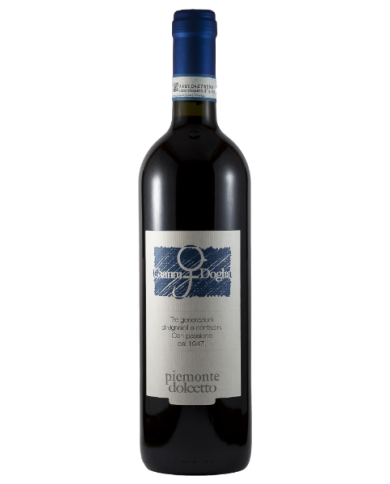
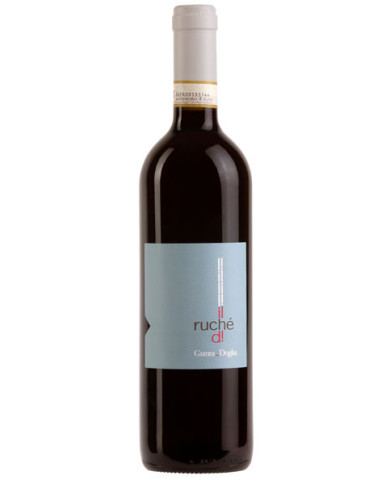
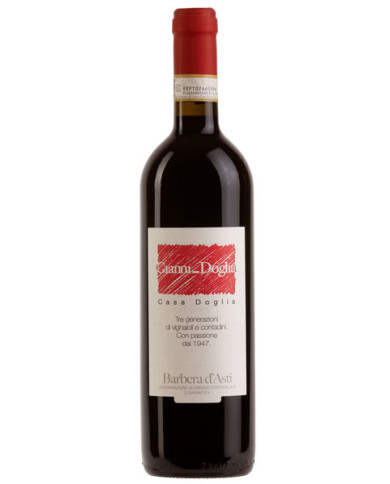
Wine suitable for the whole meal, in particular it goes well with cured meats and hams, appetizers and first courses, fresh or medium-aged hard cheeses. The grapes are harvested manually in the vineyard and carefully deposited in boxes for transport to the cellar, pressed and fermented at a controlled temperature with a maceration of about 10 days. At the end of fermentation, the wine is left to clarify by static decantation until the end of winter. It will then rest in steel tanks until spring when it will be bottled: after about a month of aging in the bottle it will be ready to be drunk.
€12.08
SKU:
15222
Brand:
Gianni Doglia
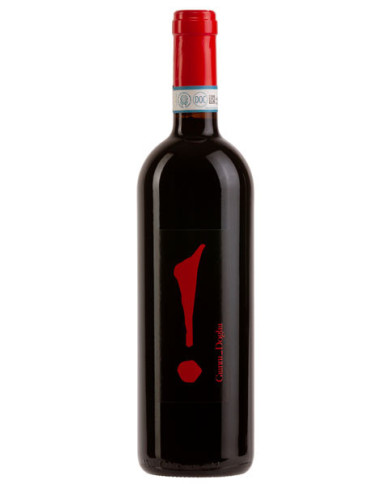
Warm, elegant, round. Light tannin in the month. Great aromatic persistence. The grapes are harvested manually in the vineyard and carefully placed in boxes for transport to the cellar, pressed and then fermented at a controlled temperature with a maceration of about 10-12 days. At the end of the fermentation process, the wine is left to clarify with static settling until the end of winter. It remains in stainless steel vats until the end of summer, when it will be bottled: after about 6 months of aging in the bottle, it will be ready to drink.
€18.80
SKU:
15221
Brand:
Gianni Doglia
Important wine indicated for second courses of red meat or game. Excellent companion for an after dinner with friends. The grapes are harvested manually in the vineyard and carefully deposited in boxes for transport to the cellar, pressed and fermented at a controlled temperature with a maceration of about 8-10 days. Upon racking, the wine is placed in barriques where it rested for 24 months. The wine thus obtained was further refined for about 6 months in steel tanks before finally being bottled; the bottles, after a rest of about 6 months in the cellar at a temperature of 18° C to complete the refinement, are ready for marketing.
€31.96
SKU:
15219
Brand:
Gianni Doglia
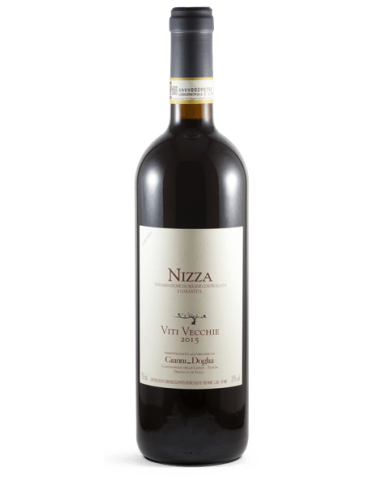
The grapes come from a plot of about one hectare located in the municipality of Nizza Monferrato, whose vines reach an average age of 50 years and represent the maximum selection of Barbera. Wine indicated for main courses of red meat, game or well-aged cheeses, structured, round with a harmonious balance between freshness and softness. The grapes are harvested manually and carefully stored in boxes for transport to the cellar, pressed and fermented at a controlled temperature with a maceration of about 15 days. After racking, the wine ages in small wooden barrels for about 18-24 months. The wine is then left to rest for about 6 months in a steel tank. At this point it is possible to proceed with the bottling. After further refinement in the bottle for at least 6 months in the cellar at a temperature of 20°C,
€30.45
SKU:
15218
Brand:
Gianni Doglia
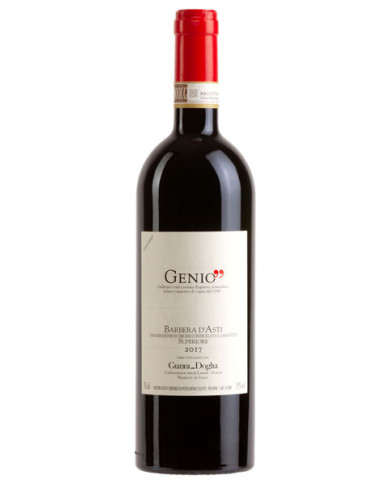
Enveloping, warm and round taste. Excellent persistence and harmony, the result of an elegant balance from a decisive freshness to a good body. The grapes are harvested manually in the vineyard and are carefully placed in boxes for transport to the cellar, pressed and then fermented at a controlled temperature with a maceration of about 15 days. After racking, it is aged in small wooden barrels for 18-24 months. The wine is then left to rest for about 6 months in stainless steel vats. At this point it can be bottled. After further aging in the bottle for at least 6 months in the cellar at a temperature of 20°C, the wine is finally ready to drink.
SKU:
15216
Brand:
Gianni Doglia
Warm and rich taste of extraordinary balance, it has important but never excessive structure and body. Good persistence and excellent harmony. Perfect with first courses, red meats and medium-aged cheeses. The grapes are harvested manually in the vineyard and carefully placed in boxes for transport to the cellar, pressed and then fermented at a controlled temperature with a maceration of about 8 - 10 days. At the end of the fermentation process, the wine is left to clarify with static settling until the end of winter. It remains in stainless steel vats until spring when it will be bottled: after about 1 month of aging in the bottle it will be ready to drink.
€13.54
SKU:
15215
Brand:
Gianni Doglia
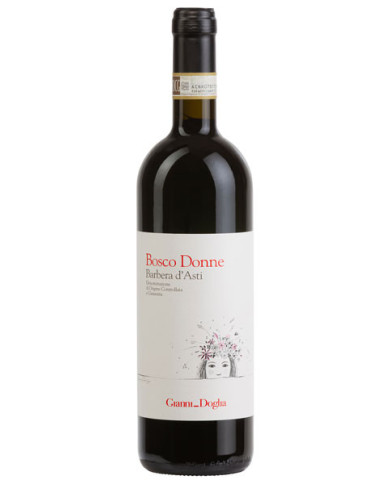
Barbera ''Bosco donne'' is easy to combine because it accompanies almost all traditional Piedmontese dishes with sincere ease: in particular raw meat, agnolotti del plin seasoned with roast meat filling sauces and cooked veal braised in Barbera wine. The grapes are harvested manually in the vineyard and carefully placed in boxes for transport to the cellar, pressed and then fermented at a controlled temperature with a maceration of about 8 days. At the end of the fermentation process, the wine is left to clarify with static settling until the end of winter. It remains in stainless steel vats until the end of summer, when it will be bottled: after about 6 months of aging in the bottle, it will be ready to drink.
€14.88
SKU:
15213
Brand:
Gianni Doglia
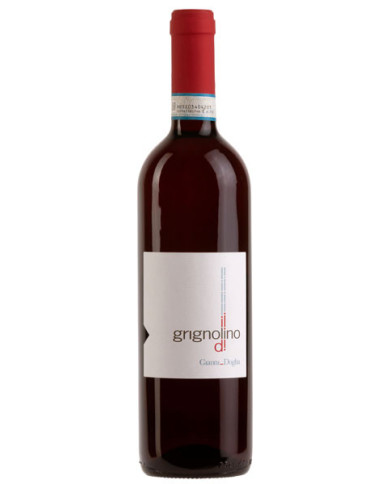
Particularly suitable as an aperitif or with summer appetizers, first courses. It will amaze you with fried fish. The grapes are harvested manually in the vineyard and carefully placed in boxes for transport to the cellar. Subsequently they are pressed and fermented at a controlled temperature of about 18°C with a maceration of about 2/3 days with frequent pumping over. Subsequently the Grignolino is drawn off and the fermentation is finished "in white", ie without skins and seeds, always maintaining a temperature of 18° C. At the end of the fermentation the wine is left to clarify with static settling until the end of winter. It remains in stainless steel vats until spring, when it will be bottled: after about 1 month of aging in the bottle, it will be ready to drink.
€12.61
SKU:
15212
Brand:
Gianni Doglia
Slightly sparkling, its slight effervescence enhances the freshness and flavor making it highly drinkable. Its great pleasantness goes wonderfully with cured meats, soups and boiled meats. The grapes are harvested manually in the vineyard and carefully placed in boxes for transport to the cellar, pressed and then fermented at a controlled temperature with a maceration of about 8 - 10 days. At the end of the fermentation process, the wine is left to clarify with static settling until the end of winter. It remains in stainless steel vats until spring when it will be ready for the sparkling process in the autoclave and for bottling: after about 1 month of aging in the bottle it will be ready to drink.
€10.98
SKU:
15194
Brand:
Ca' dei Noni
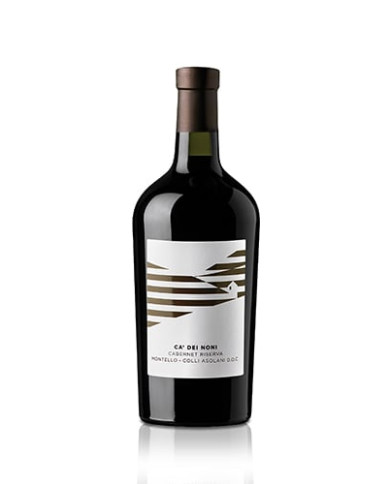
The grapes of this magnificent Cabernet Sauvignon come from vineyards located on Montello, an area suited to important red wines thanks to the composition of the typical red earth of this area. The bunches are harvested by hand and subjected to drying for about 20 days. We proceed to the classic red vinification and a maceration lasting about 15 days. An alcoholic fermentation follows to then carry out the refinement in French barriques for a period of 18 months and a further 12 months in the bottle. Bouquet full of scents such as blueberry, black cherry, blackberry and currant jam, vanilla, tobacco, cocoa, coffee. Slightly spicy with a balsamic final note. Perfect with red meats, game, blue and aged cheeses, excellent with dark chocolate.
€25.86
SKU:
15181
Brand:
Di Ubaldo
It is a wine of great character, complex. Proud and potential, as in life a boy called in our territory is, precisely Zauott, a young man, who manages to withstand the evolution of the years, also demonstrating the best. “ZAUOTT” is obtained from grapes produced from the oldest vineyards, with an average yield of 80/90 quintals per hectare.
€12.53
SKU:
15145
Brand:
Castello dei Rampolla
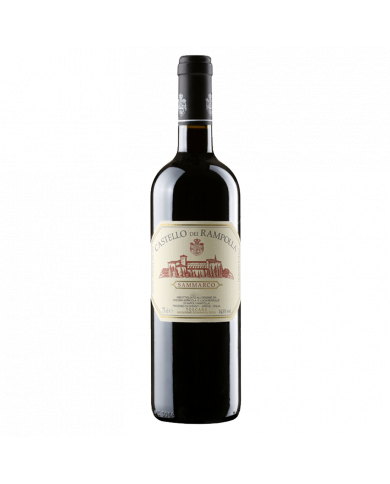
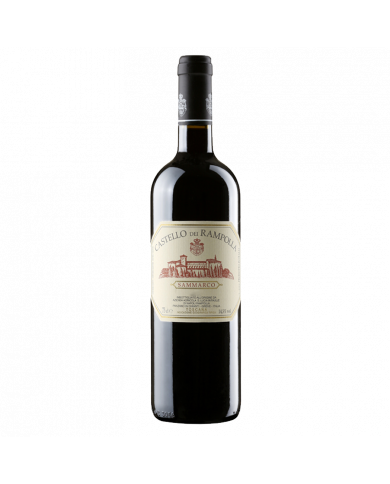
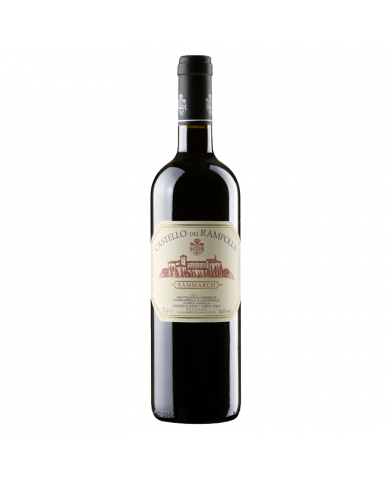
Sammarco is a wine with fresh and fine scents of undergrowth, with a deep and intense colour. It presents specific aromas of the soil and impressions of ripe fruit. It has a great concentration with robust tannins. Elegant and refined wine. Percentages of Sangiovese and Merlot are added to the Cabernet Sauvignon. Production varies according to climatic conditions: 8,000 – 25,000 bottles.
€107.06
SKU:
15144
Brand:
Castello dei Rampolla
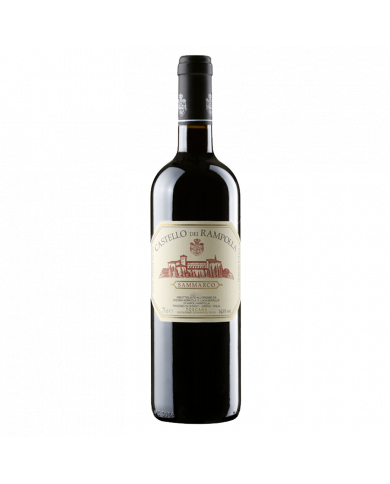
Sammarco is a wine with fresh and fine scents of undergrowth, with a deep and intense colour. It presents specific aromas of the soil and impressions of ripe fruit. It has a great concentration with robust tannins. Elegant and refined wine. Percentages of Sangiovese and Merlot are added to the Cabernet Sauvignon. Production varies according to climatic conditions: 8,000 – 25,000 bottles.
€90.59
SKU:
15143
Brand:
Castello dei Rampolla
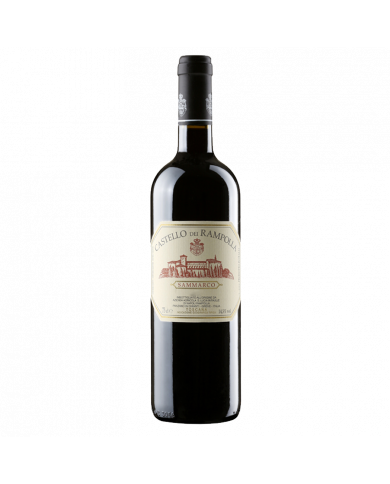
Sammarco is a wine with fresh and fine scents of undergrowth, with a deep and intense colour. It presents specific aromas of the soil and impressions of ripe fruit. It has a great concentration with robust tannins. Elegant and refined wine. Percentages of Sangiovese and Merlot are added to the Cabernet Sauvignon. Production varies according to climatic conditions: 8,000 – 25,000 bottles.
€98.82
SKU:
15142
Brand:
Castello dei Rampolla
Sammarco is a wine with fresh and fine scents of undergrowth, with a deep and intense colour. It presents specific aromas of the soil and impressions of ripe fruit. It has a great concentration with robust tannins. Elegant and refined wine. Percentages of Sangiovese and Merlot are added to the Cabernet Sauvignon. Production varies according to climatic conditions: 8,000 – 25,000 bottles.
€131.76
SKU:
15141
Brand:
Castello dei Rampolla
Sammarco is a wine with fresh and fine scents of undergrowth, with a deep and intense colour. It presents specific aromas of the soil and impressions of ripe fruit. It has a great concentration with robust tannins. Elegant and refined wine. Percentages of Sangiovese and Merlot are added to the Cabernet Sauvignon. Production varies according to climatic conditions: 8,000 – 25,000 bottles.
€98.82
SKU:
15137
Brand:
Cantina Cioti
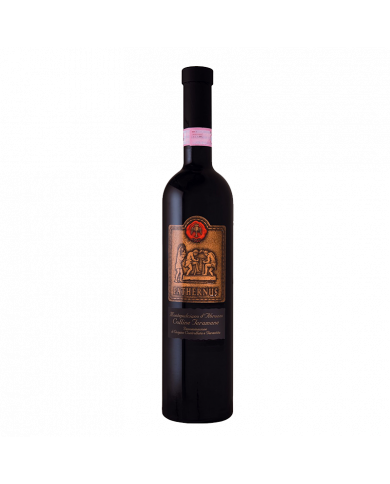
Pathernus is a red wine that comes from grapes from the native Montepulciano d'Abruzzo vine. After a meticulous selection in the vineyard and aging in oak barrels, this red presents itself to the nose with a broad bouquet, structured on tones of dried flowers, red fruits and ethereal echoes. On the palate it is vigorous, supported by soft tannins and a long palatal memory
€22.20
SKU:
15132
Brand:
Carpineto
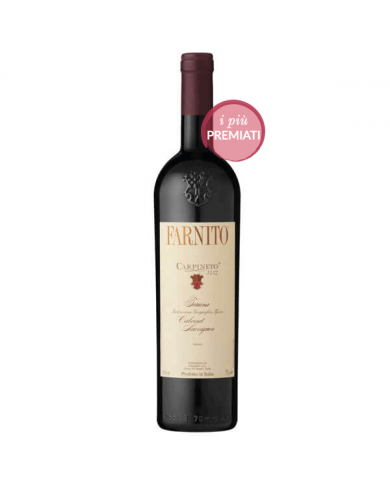
Produced with grapes from vineyards of the companies of Gaville (Florence) and Chianciano/Montepulciano (Siena), the latter planted at high density and considered by us to be particularly happy and suitable for producing great wines.
€18.56
SKU:
15129
Brand:
Federico Curtaz
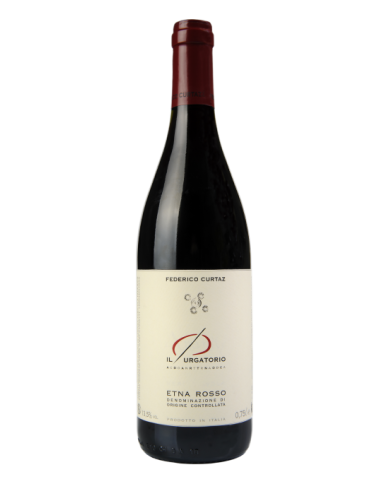
Purgatory: it is the place of production, an ancient district of Etna, one among thousands. A land of choice. Where the wine has a strong character without mediation, such as the interpretation I have given and will always give to Etna wines.
€28.55
SKU:
15127
Brand:
Federico Curtaz
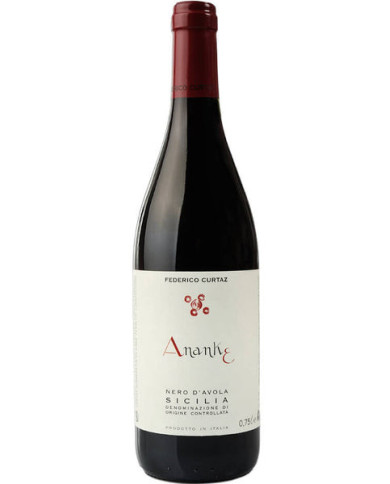
Ananke: for the first time I put my name on a wine label. Fate, necessity, consequence? The Ancient Goddess represents all of this and more. For me a new chapter of the experience in wine, a return also to the peasant gestures to which I am attached.
€22.40
SKU:
15112
Brand:
Durin
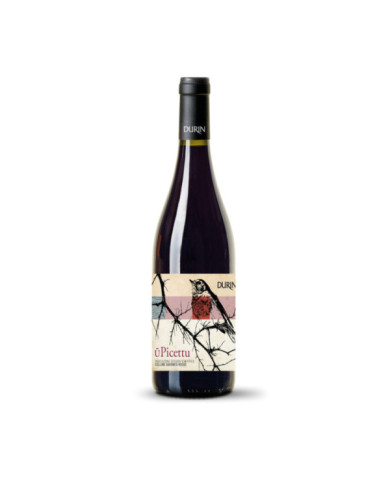
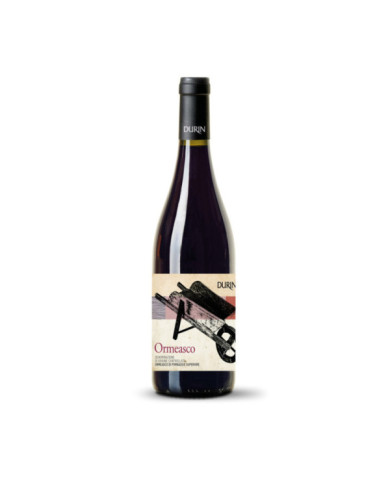
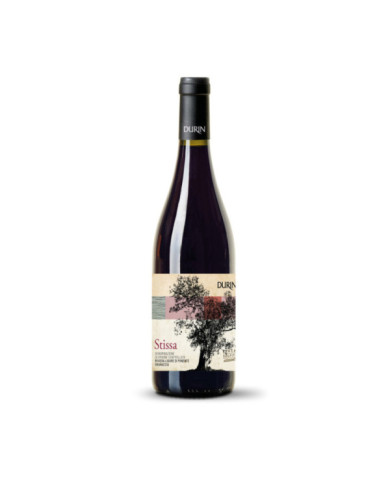
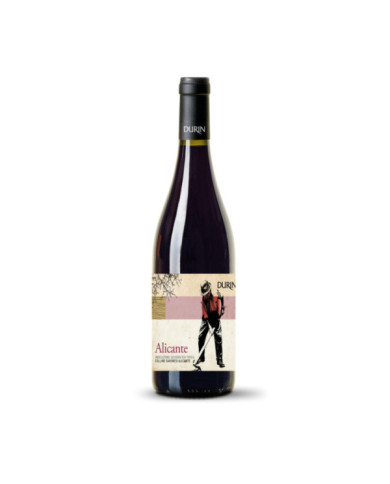
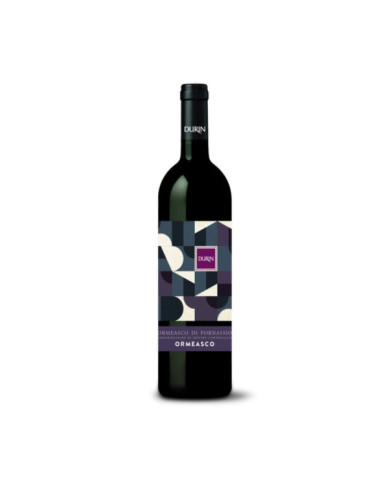
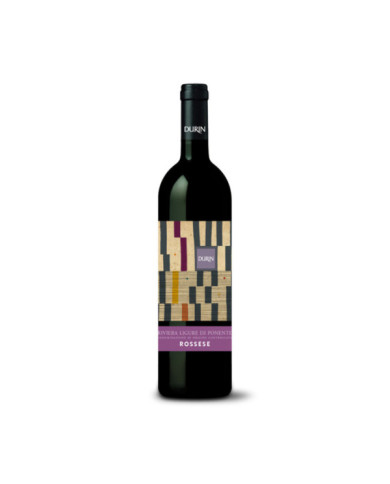
It has a deep ruby red color. The scent is rich and persuasive: the blackberry and cherry become more and more intense…
€17.29
SKU:
15110
Brand:
Durin
Appearance is clear, with a very intense garnet color. The nose is intense, persistent and fine, with hints of blueberry…
€20.14
SKU:
15109
Brand:
Durin
Ruby red wine with purplish edges. Intense fruity aromas of currant and strawberry on the nose with sensations of spices. The taste is dry…
€20.14
SKU:
15108
Brand:
Durin
Dry red wine with a clear appearance and an intense ruby colour. On the nose it is intense and persistent, fine, broad…
€23.00
SKU:
15106
Brand:
Durin
Bright ruby red colour, with purplish edges when young. Vinous, fragrant and persistent on the nose with hints of ripe cherry, blackberry, currant…
€17.29
SKU:
15105
Brand:
Durin
More or less intense ruby red colour. Broad, intense, persistent, fine, fruity bouquet, with hints of rose, strawberry, raspberry, blueberry…
€17.29
SKU:
15093
Brand:
Principe di Corleone
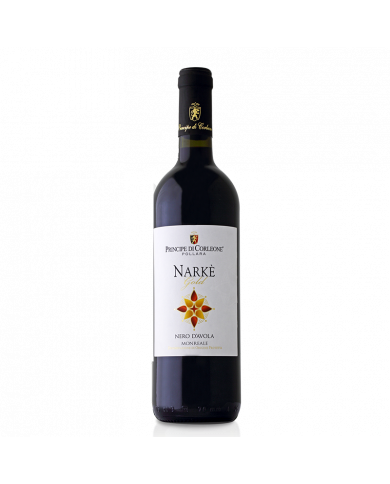
An incredible Nero d'Avola summer red, fruity and fresh. To be drunk young, vinified in steel tanks only, it manages to amaze with a delicate explosion of Mediterranean aromas. Ideal as an aperitif, it lends itself to any type of gastronomic combination. Pleasant even between meals.
€6.11
€44.24
SKU:
15091
Brand:
Davide Fregonese
Austere, imposing, long-lived. Barolo Prapò DOCG vintage 2016 from Davide Fregonese winery, is an excellent red wine produced from grapes from 100% Nebbiolo vines. The vines were planted in 2000 in Serralunga d'Alba, Prapò, on calcareous soil at an altitude of 365 m slm , facing south-east. The training system used is espalier, with guyot pruning, and the grapes that have reached maturity are harvested in mid-October. Fermentation takes place in cement tanks in contact with the skins for about 28 days with daily pumping over and a delastage around the fourteenth day. The refinement takes place for a period of 18/30 months, depending on the vintage, and is carried out in French oak barrels from the Fontainebleau forest. A seductive glass of bright ruby red color. The nose opens fruity aromas of blackberry and blueberry, with spicy notes of cloves. In the mouth the taste is endowed with a decisive sapidity and a remarkable structure, supported by the right softness. The tannins are extremely fine, with a long persistence. It goes perfectly with baked veal shank and lamb with potatoes.
€57.65
SKU:
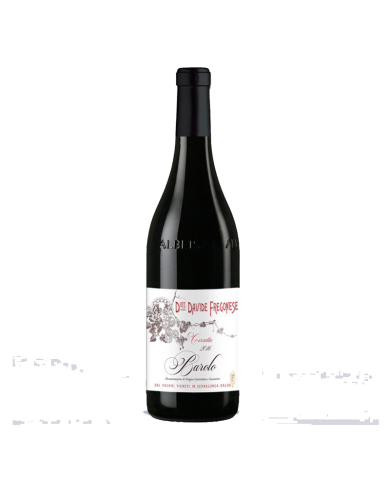
15090
Brand:
Davide Fregonese
Enveloping, intense, memorable. Barolo Cerretta DOCG by Cantina "Bugia Nen" by Davide Fregonese, is an excellent red wine produced from grapes from 100% Nebbiolo vines. The Serralunga d'Alba vineyards were planted in 1998 on clayey-limestone soil at an altitude of 340 m slm with western exposure. The training system is espalier with guyot pruning. The grapes are harvested when fully ripe in mid-October. The refinement is carried out for a period ranging from 18 to 30 months depending on the vintage, in 15 hl French oak barrels from the Fontainbleau forest. A glass capable of captivating sight and smell from the very first moment. Intense ruby red to the eye, it offers the nose an amazing floral aroma of slightly withered flowers, mixed with the persistent scent of blackberry jam, followed by the bitterish hint of cocoa and licorice. In the mouth the taste is dense and extraordinarily enveloping, with a solid and balanced body, the flavor is persistent. The finish is fresh with a subtle but extremely elegant tannic texture. A refined and unique label of its kind; such a special bottle that it is perfectly suited to be tasted on the occasion of a combination with a juicy fassona steak, an elegant fillet with morels or a refined truffled partridge.
€57.65
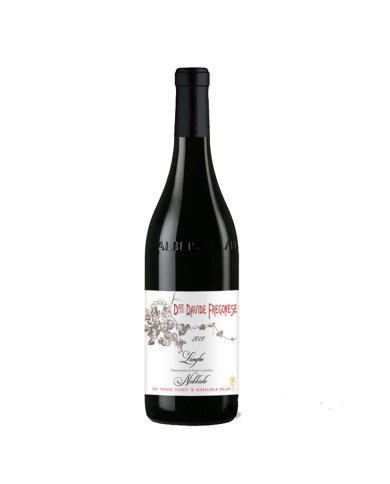
SKU:
15089
Brand:
Davide Fregonese
Fresh, captivating, pleasantly worldly. Nebbiolo Langhe DOC from Davide Fregonese's cellar, is a good quality red wine produced from grapes from 100% Nebbiolo vines.
Fermentation takes place in cement tanks in contact with the skins for about 12 days with daily pumping over, and a délastage towards the sixth. The refinement takes place for a period of 6/12 months, depending on the vintage, and is carried out in French oak barrels from the Fontainebleau forest.
A wine that shows an extremely intense ruby red color. The nose releases floral and fruity aromas, where the first to prevail are the fragrant hints of rose and violet, followed by hints of ripe red strawberry and cherry.
An easy-to-drink red, with a fine structure and an elegant tannic texture, good freshness.
It goes perfectly with structured meat-based dishes; even in the warmer months it is a very pleasant sip.
€18.36
SKU:
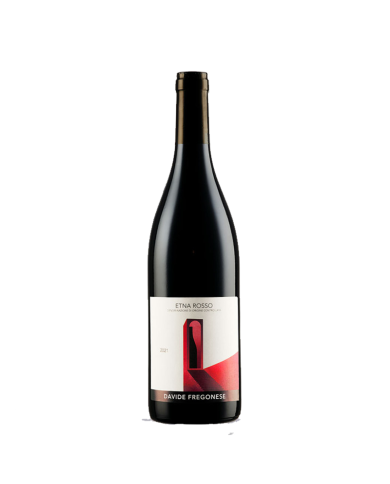
15086
Brand:
Davide Fregonese
Intense and refined nose, candied cherry, wild herbs and minerals, bush and wet stone, hints of white pepper on the finish. Debut vintage, certainly a good start given the particularly lucky vintage. Davide Fregonese's Etna seeks the elegance he loves from Piedmont, opting for vinifications that are able to grant beauty and finesse.
€34.99
SKU:
15085
Brand:
Davide Fregonese
Intense and vinous nose, notes of ripe fruit and Mediterranean scrub. The vines are grown in the Montedolce/Solicchiata district, on the North East side of Etna: a very generous volcanic terroir that gives elegance and structure to Nerello Mascalese (with small percentages of other native varieties). The splendid vineyards are cultivated with an espalier training system, at an altitude of 730/750 m slm , with a north, north-east exposure. The harvest takes place in mid-October, the fermentation takes place in stainless steel tanks for a period of about 10 days, with daily pumping over and a délestage in the middle of the period, and always aging in steel. Ruby red in color to the eye, Sicilian Nerello Mascalese tells the territory with intensity; the savory and mineral sensations given by the volcanic lands stand out in particular. The nose is intense and vinous, with fruity hints of ripe fruit, with the fresh boost of rhubarb and Mediterranean scrub, accompanied by notes of resin and oriental woods. The taste is decidedly succulent, pleasantly progressive, with perfect acidity and delicate tannins, and a persistent and savory finish. Perfect in combination with first courses seasoned with meat sauce and stuffed baked pasta; also excellent to accompany mushroom soup, sausage with gravy and Wellington-style fillet.
€20.18
SKU:
15078
Brand:
Strappelli
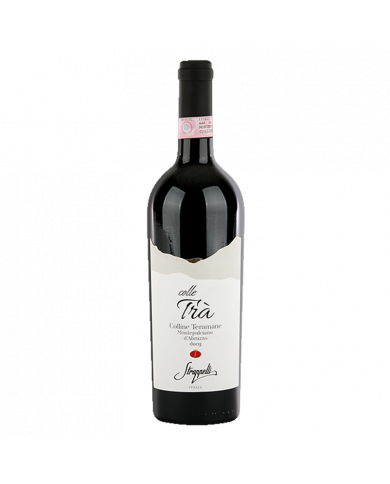
Our Montepulciano d'Abruzzo Colline Teramane docg “Colle Trà” also comes from the traditional R7 clone of the Teramo Hills. Its production starts with a careful selection of the grapes, and then undergoes a long maceration phase in the cellar triggering a spontaneous fermentation with indigenous yeasts. A stop in oak barrels for 18 months represents the last phase before the refinement in the bottle.
€29.48
SKU:
15077
Brand:
Terre d'Erce
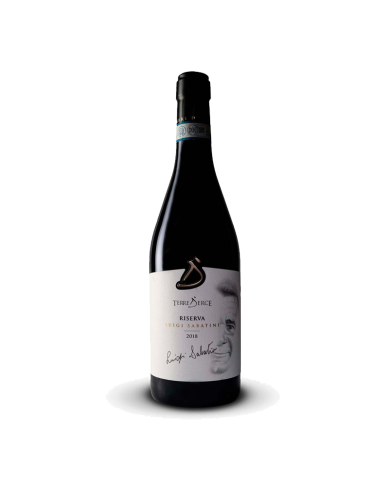
Montepulciano DOC100% with vineyards on the hills, with clayey soils that tend to be calcareous. The breeding is pergola Abruzzo with thirty-year vines, 1600 vines per hectare with a yield of 100 q.
€28.55
SKU:
15069
Brand:
Carpineto
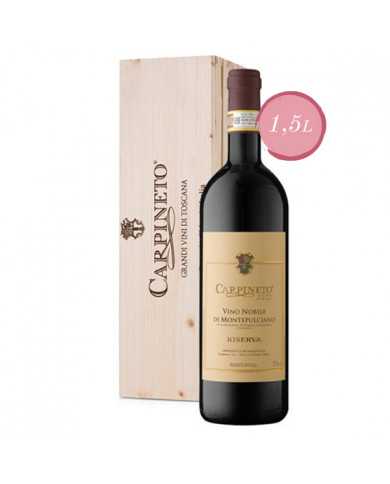
A great red wine, it takes its name from Montepulciano, a Renaissance city in the province of Siena, which dominates the wide and verdant Valdichiana from the top of a hill. The appellation of "Nobile" seems to derive not only from its intrinsic qualities of finesse and elegance, but also from the fact that in the past the production of this wine was particularly cared for by the noble families of the city.
€110.40
SKU:
15063
Brand:
D'Alfonso del Sordo
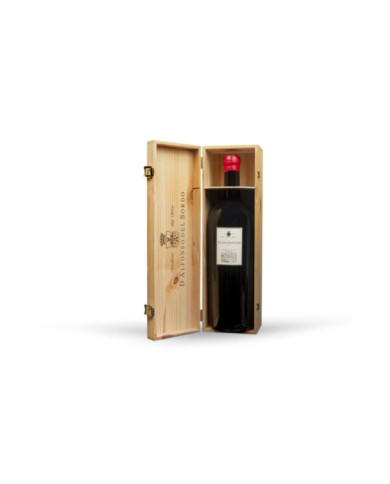
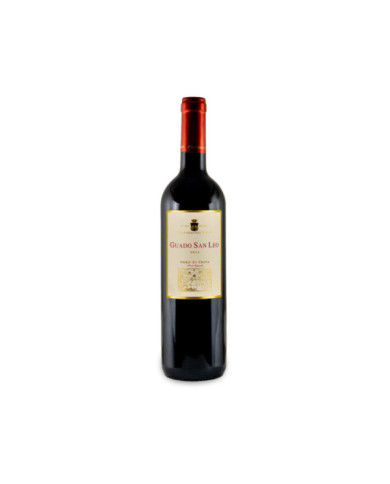
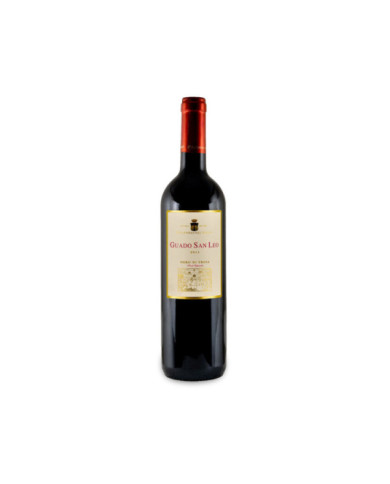
GUADO SAN LEO is the first wine of our company obtained solely from NERO DI TROIA grapes and has contributed together with other Apulian wines to the rebirth of this important vine. The grapes, coming from our "Coppanetta" estate, are harvested by hand in 15 kg boxes before being sent for vinification. with scrupulous selection.
SKU:
15062
Brand:
D'Alfonso del Sordo
GUADO SAN LEO is the first wine of our company obtained solely from NERO DI TROIA grapes and has contributed together with other Apulian wines to the rebirth of this important vine. The grapes, coming from our "Coppanetta" estate, are harvested by hand in 15 kg boxes before being sent for vinification. with scrupulous selection.
€50.70
SKU:
15061
Brand:
D'Alfonso del Sordo
The hot year with little rain has delivered healthy and ripe grapes which translates into a wine of intense color, the scarcity of rain combined with high temperatures has led to a lowering of the acid content giving the wines characteristics of intensity, alcohol and roundness , with precise and blended tannins. Also for this vintage it was necessary to anticipate the harvest by a few weeks to avoid water stress phenomena on the plants. The overall results are however very interesting due to the general balance we find in the wines produced in this vintage.
€24.71
SKU:
15060
Brand:
D'Alfonso del Sordo
GUADO SAN LEO is the first wine of our company obtained solely from NERO DI TROIA grapes and has contributed together with other Apulian wines to the rebirth of this important vine. The grapes, coming from our "Coppanetta" estate, are harvested by hand in 15 kg boxes before being sent for vinification. with scrupulous selection.
SKU:
15057
Brand:
D'Alfonso del Sordo
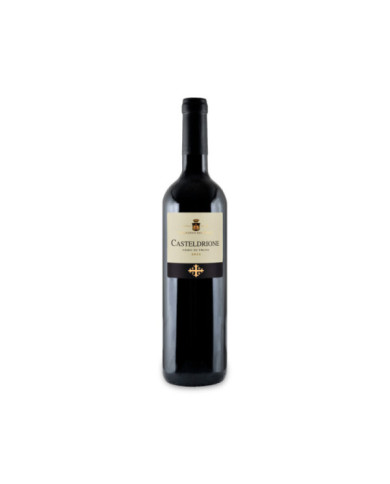
Legend has it that Diomedes, after marrying Driona, daughter of King Dauno, had a small temple with an altar dedicated to Calchas built on a low hill called Drion. In this place called Castrum Drionis or CASTELDRIONE the city of San Severo will rise.
€12.36
SKU:
15054
Brand:
D'Alfonso del Sordo
MONTERO was born from the union of the terms Montepulciano and San Severo and wants to underline the strong bond of this important vine to our territory. MONTERO is one of the first labels put on the market by our company in the 1960s. The current blend, in addition to the presence of Montepulciano, includes a small percentage of Cabernet Sauvignon which manages to better soften the vigorous tannins and make the aromatic spectrum more complex.
€9.88
SKU:
15053
Brand:
D'Alfonso del Sordo
POSTA ARIGNANO is the name of the ancient farmhouse that stands in the center of the "Coppanetta" estate where, in ancient times, travelers who crossed the Daunia lands found refreshment and very often also the shepherds in transhumance from nearby Abruzzo. Today the farm is surrounded by about 30 hectares. of vineyards that give rise to most of our labels.
€9.10
SKU:
15047
Brand:
Castello dei Rampolla
Sammarco is a wine with fresh and fine scents of undergrowth, with a deep and intense colour. It presents specific aromas of the soil and impressions of ripe fruit. It has a great concentration with robust tannins. Elegant and refined wine. Percentages of Sangiovese and Merlot are added to the Cabernet Sauvignon. Production varies according to climatic conditions: 8,000 – 25,000 bottles.
€52.00
SKU:
15046
Brand:
Castello dei Rampolla
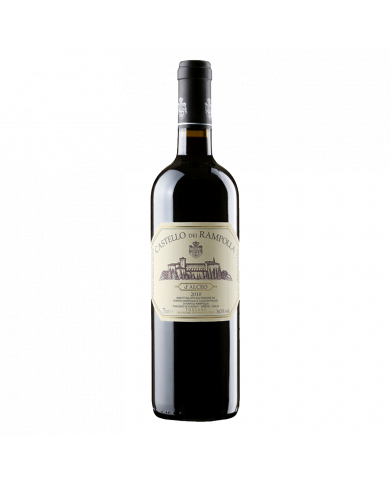
D'Alceo fully reflects the characteristics of the vineyard from which it comes. Intense, warm, refined and elegant. The well-ripe red fruit combines perfectly with the notes of delicate cigar and tobacco. An incredible concentration without heaviness. For once we are not talking about a wine, but about the personality of a vineyard planted by Alceo, who could not imagine having found the excellent combination of exposure, soil and vines (Cabernet Sauvignon and Petit Verdot). The average production is 6000 – 12000 bottles.
€134.90
SKU:
15041
Brand:
Cantina Madonna di Loreto
Intense ruby red color with violet reflections, a cherry aroma and a delicate touch of spice: a generous and authentic award-winning Montepulciano d'Abruzzo, to be enjoyed slowly
€8.72
SKU:
15038
Brand:
Cantina Madonna di Loreto
Montepulciano d'Abruzzo PDO is distinguished by an intense ruby red color which tends towards garnet with ageing; the scent is floral and fruity, with hints of ripe red fruits and spices; the taste is full, dry, harmonious and rightly tannic.
€4.44
SKU:
15036
Brand:
Villese
name "Nerie" is linked to the name of a brave Etruscan leader. In the archaeological excavations carried out in Villalfonsina in 1914, many artifacts were found that highlight the presence in the 6th-5th century BC of trade with the Etruscan area. Among others, bronze statuettes depicting a knight on horseback and a red impasto olla bearing the silhouette of the same knight and the inscription “ne” (probable abbreviation of the individual name Nerie). The label of our “Nerie” is inspired by a bronze disc with the aforementioned rider on horseback in relief. The wine has an intense ruby red color with garnet reflections. Intense, characteristic aroma, typical of the grape, full and robust body with well balanced tannic component to the taste of wood, harmonious.
€7.81
SKU:
15032
Brand:
Carpineto
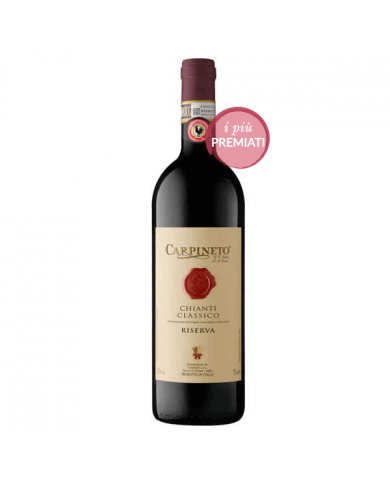
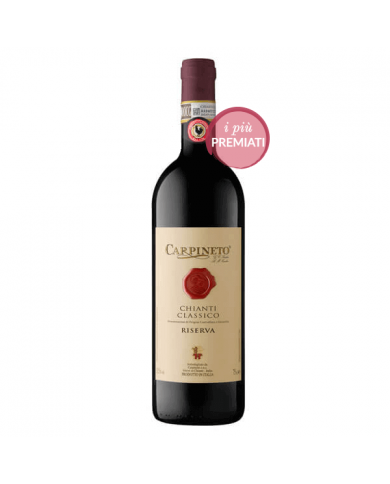
Produced in the oldest production area, as stated in the disciplinary that regulates it, this area gave its name to the wine and is the only one where Chianti Classico is produced. It extends between Florence and Siena in a territory of breathtaking beauty, made up of villages perched on the top of the hills, of olive trees cultivated in steep fields with an irregular outline and of cypresses lined up to delimit the innumerable dirt roads.
€89.67
SKU:
15029
Brand:
Carpineto
Produced in the oldest production area, as stated in the disciplinary that regulates it, this area gave its name to the wine and is the only one where Chianti Classico is produced. It extends between Florence and Siena in a territory of breathtaking beauty, made up of villages perched on the top of the hills, of olive trees cultivated in steep fields with an irregular outline and of cypresses lined up to delimit the innumerable dirt roads.
€86.01
SKU:
15024
Brand:
Carpineto
Produced in the oldest production area, as stated in the disciplinary that regulates it, this area gave its name to the wine and is the only one where Chianti Classico is produced. It extends between Florence and Siena in a territory of breathtaking beauty, made up of villages perched on the top of the hills, of olive trees cultivated in steep fields with an irregular outline and of cypresses lined up to delimit the innumerable dirt roads.
€51.24
SKU:
15006
Brand:
Tenuta Cocci Grifoni
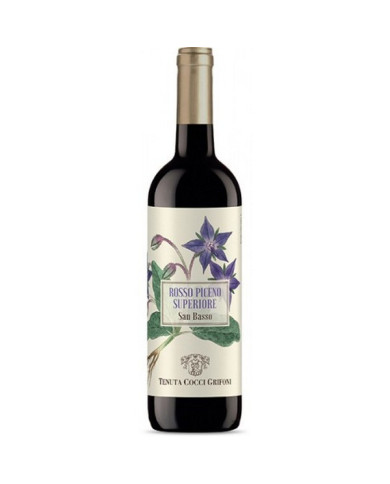
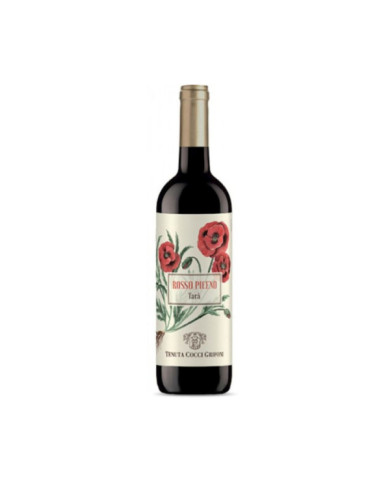
Rosso Piceno Superiore is born from a decidedly limited area. These are the years in which, every time we return home after having travelled, known and studied other realities, we begin to look around us with the eyes of those who finally begin to see again. Perhaps we needed a little homesickness, perhaps we needed not to feel the sense of protection of the places of which we know every detail.
And we go back, like children, to observe our hills with exploratory eyes, surprising ourselves with the beauty of the landscapes to which time had accustomed us. Sour cherries in alcohol, violets, fresh notes of rosemary in a wine which, in faithfully describing the territory, however wants to show its most fascinating, engaging and exciting side.
€12.32
SKU:
14998
Brand:
Tenuta Cocci Grifoni
The wine of our countryside, the wine of our peasant tradition, the wine of sharecropping. At the time there was no talk of blends, wine was not produced to be sold, but to be drunk. The purpose was only one. Bring a nice bottle of red wine to the table every day. Each family chose whether and how long to leave it in the barrels but one thing was certain, there were two vines in those barrels: Montepulciano and Sangiovese. Today as then, we re-propose that union of two grape varieties that have always been together. With an exuberant nature, this wine tells of a panorama that is colored with brilliant tones. Raspberries, cyclamen, morello cherries. At the end, a surprising citrus touch of chinotto refreshes and invites you to fill your glasses.
€10.16
THE BEST ITALIAN RED WINES
In this section of our online wine shop Clickwine You can find the best Italian and foreign red wines for sale, ideal for accompanying everyday dinners or important events with style and elegance. Clickwine has selected the most famous reds on the wine scene, including the best denominations as well as some niche products and some Abruzzo wines that will amaze the most curious enthusiasts. Among the best wines, Abruzzo red wines cannot be missed.
One of the best Italian wines is undoubtedly Montepulciano d'Abruzzo DOC, which is one of the best-known Italian red wines in the United States.
Montepulciano is the most widespread red grape variety in the Marche and Abruzzo regions, where rich and expressive red wines are produced, ideal for sharing with those who love tasty home cooking, and is also perfect for a barbecue with friends.
THE PRODUCTION OF RED WINE
Red wine is obtained from red grapes, thanks to a production process called "red vinification". This process involves contact between the pomace (peels and seed residues) and must during the fermentation phase
One of the first steps in producing a red wine is choosing the harvest period. The grapes are harvested when the sugar content reached is what the winemaker deems necessary to produce the desired alcohol content.
After harvesting, the bunches arrive in the cellar where the stalks are removed (destemming) before the grapes are pressed to obtain the must.
Maceration releases polyphenols, particularly anthocyanins, from the skins, which give the must its red color. Tannins are produced from the grape seeds. Maceration lasts approximately 10-15 days.
Meanwhile, alcoholic fermentation begins, triggered by yeasts present in the skins or by added yeasts. This natural process is favored by an increase in temperature, which, however, must be maintained between 25 and 30°C so as not to affect the quality of the wine.
During this process, the pomace may form a surface layer that prevents contact with the liquid, potentially leading to the development of acetic acid. However, several techniques are available to winemakers to address this problem.
After alcoholic fermentation, malolactic fermentation occurs, which involves the transformation of malic acid into lactic acid. This is a crucial step in the vinification of red wines because it enhances their smoothness and smoothes out any rough edges and harshness.
The must has now transformed into wine, but it must be racked, that is, the removal of residues, which can be accomplished through filtration or static decantation. This latter, less invasive method involves lowering the temperature in the tanks so that the substances to be eliminated settle to the bottom.
Once “cleaned”, the wine is ready for refinement,whose minimum duration is established by the DOC specifications, This can take place in steel tanks, concrete vats, large barrels, or small barrels or barriques. Once the maturation process is complete, bottling takes place: the wine begins its maturation in the bottle and, after a possible further aging period in the cellar, is released for sale.
RED WINE: PROPERTIES AND BENEFITS
Is red wine good for your health? Many people ask this question, to which numerous studies have yet to provide a definitive answer. Many studies affirm certain properties, while others deny them. Below we list the most common beliefs about the properties and benefits of red wine, which, as mentioned, are not fully certified by the medical community. You can believe them or not.
- Natural antioxidant: The polyphenols contained in red wine are antioxidant substances that slow down the aging of some cells
- It aids digestion: it would protect the intestinal flora
- Increase endorphins: in small doses it helps the brain release endorphins and would make us feel more relaxed
- Prevents cardiovascular diseases: thanks to resveratrol which is said to promote blood circulation
- Many authoritative studies affirm that the substances contained in red wine have these properties and benefits, but they are present in such small doses that they are absolutely irrelevant for the body.
HOW MUCH DOES RED WINE COST?
The prices of red wines can fluctuate based on several factors, including the value of the bottle, the production area, and demand. The online wine shop Clickwine offers a wide selection of Italian red wine. Our online wine shop offers not only the most famous names but also more affordable labels suitable for everyday use.So forget about running from one store to another, and save time for what's truly important: enjoying a glass of excellent red wine. Browse our products to find the best red wines at the best price.
PAIRINGS WITH RED WINE
By browsing the individual product pages in our online wine shop, you'll discover suggested pairings for each red wine: white and red meats, game, braised and grilled meats, risottos, traditional Italian first courses, as well as platters of cured meats and cheeses, vegetables, sauces, and rich dishes.
What should a good red wine be like?
A good red wine should be balanced, with good acidity and a tannic structure that makes it smooth and pleasant to drink. It should also have an intense and complex bouquet, with hints of ripe fruit, spices, wood, and other aromas. Furthermore, the wine should be well-aged, with good aging potential, making it suitable for storage for several years. Naturally, all of this depends on the type of grape and the terroir from which the wine originates, so every red wine will be unique.
How long can a red wine last?
The shelf life of a red wine depends on several factors, such as the type of grape used, the production method, and the wine's acidity. Generally, younger red wines can be consumed within one to two years of harvest, while high-quality red wines can be stored for several years, even up to 10 or 15 years or more, depending on their characteristics. However, it's important to note that red wines tend to change over time, developing new aromas and flavor nuances, so it's always advisable to taste the wine before drinking to ensure it's still in good condition.
How can red wine be?
Red wines can be very different from one another, depending on the type of grape used, the production method, and the terroir from which they originate. Generally speaking, red wines can be described as intense, complex, and structured, with aromas of ripe fruit, spice, wood, and other flavors that vary depending on the wine's characteristics. They can be dry or sweet, light or full-bodied, with an alcohol content that can range from low to high. Furthermore, red wines can be served at different temperatures, depending on their type and personal preference. In any case, a good red wine should be balanced and pleasant to drink.
Why shouldn't red wine be put in the fridge?
Red wine should not be refrigerated because too cold a temperature can alter its flavor and bouquet. Red wines should be stored in a cool, dark place, at a temperature around 12-15°C (54-59°F). Refrigeration can cause wine to lose some of its organoleptic characteristics, becoming bland and less complex. Furthermore, the cold can bring out the wine's acidity, making it less pleasant to drink. Therefore, to best preserve red wine, it's best to keep it out of the refrigerator.
Why is drinking red wine good for you?
Drinking red wine is beneficial because it contains health-promoting substances, such as polyphenols, which have antioxidant properties and can help protect the body from oxidative stress. Furthermore, red wine contains resveratrol, a substance that can help reduce the risk of cardiovascular disease and some types of cancer. However, it's important to remember that red wine should always be consumed in moderation to avoid negative health effects. Excessive alcohol consumption can increase the risk of addiction, liver damage, and other complications.
Who can't drink wine?
There are some people who shouldn't drink wine, or who should limit their alcohol consumption in general. These include:
- Pregnant or breastfeeding women, because alcohol can pass through the placenta and into breast milk, putting the health of the fetus or newborn at risk.
- People who suffer from alcohol addiction or have alcoholism problems, because drinking wine can worsen their health.
- People taking medications that can interact with alcohol, such as antidepressants, sedatives, or heart medications, because alcohol can increase the side effects of the medications.
- People with existing health problems, such as liver disease or gastritis, because alcohol can worsen symptoms and worsen health conditions.
In any case, it is always advisable to ask your doctor or pharmacist for advice before consuming wine or other alcoholic beverages.
Why does red wine make you sleepy?
Red wine can cause drowsiness because it contains alcohol, a substance that can act as a natural sedative. Alcohol can increase the production of serotonin, a neurotransmitter that can induce a state of relaxation and promote sleep. However, excessive alcohol consumption can also cause disturbed and unrefreshing sleep, so it's important to drink red wine in moderation to avoid these negative effects. Furthermore, red wine can also cause drowsiness for other reasons, such as fatigue or digestion, so it's always best to listen to your body and avoid drinking too much wine if you want to maintain healthy and restful sleep.
What happens if you drink wine every day?
Drinking wine every day can pose some health risks, such as an increased risk of alcohol dependence and liver damage. Alcohol can cause fat accumulation in the liver, which can lead to fatty liver disease, a benign condition that can be reversed if you stop drinking. If you continue drinking, however, steatosis can develop into steatohepatitis, a more serious condition that can lead to liver cirrhosis and even more serious complications. Furthermore, excessive alcohol consumption can increase the risk of cardiovascular disease, cancer, and other conditions. Therefore, it's important to drink wine in moderation and not every day to avoid these health risks.
Related posts