

 Italiano
 Deutsch
























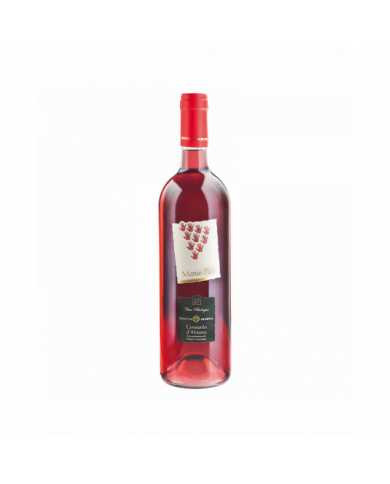
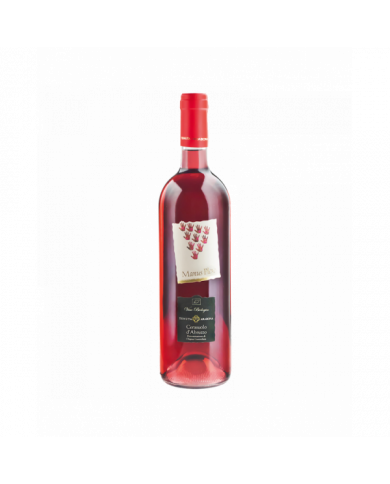

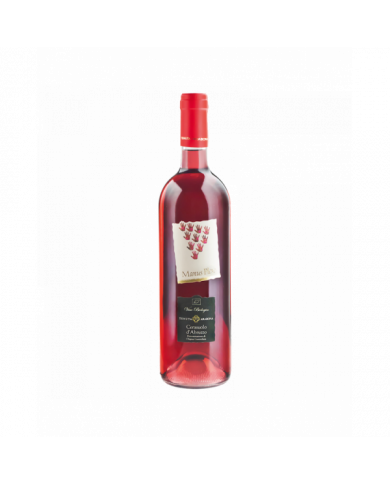
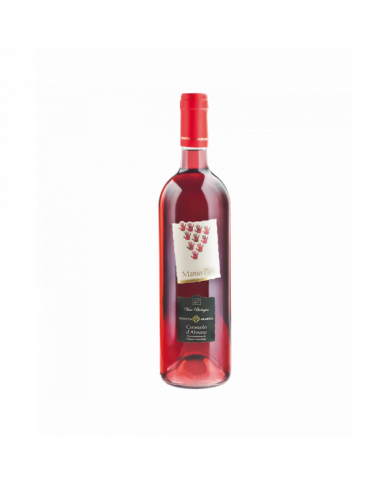





There are no more items in your cart
SKU:
3905
Brand:
Collefrisio
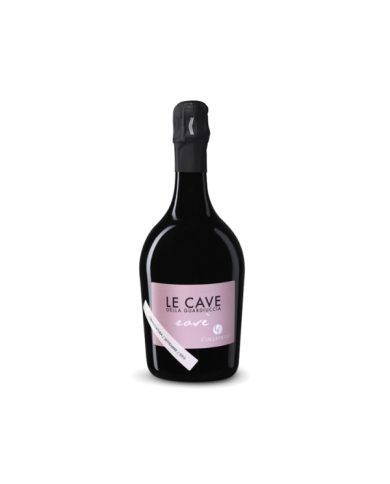
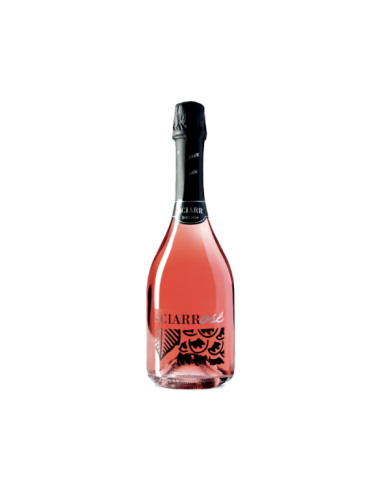
pink color with pink gold reflections, very fine and persistent perlage. On the nose notes of small berries, light shades of canica rose and tuberose, mineral hints of bread crust and small pastries, toasted almonds. Pleasant flavor and freshness, balanced, harmonious and with a long taste-olfactory persistence.
€29.89
€17.42
SKU:
8332
Brand:
Fausto Zazzara
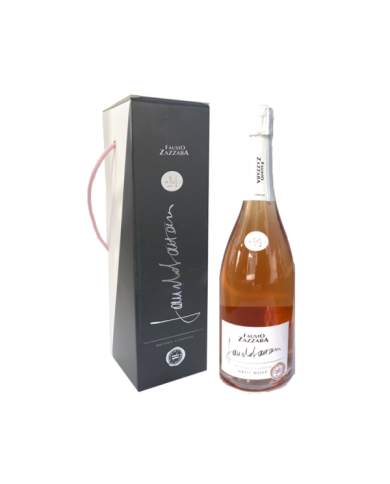
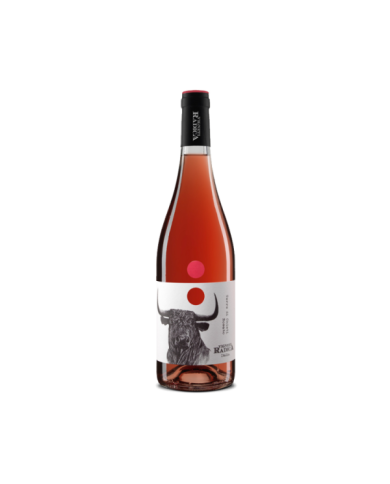
From the cuvées of the various types of vines, flavors, yields and colors are tested, to leave room for only the best. The attention to continuous improvement and the craftsmanship of sparkling wines are underlined by the name "Majgual" (never the same) and by their taste, defined as "always special" by those who know it.
€50.98
€45.89
€13.36
€12.02
SKU:
8038
Brand:
Cantina Villa Colle
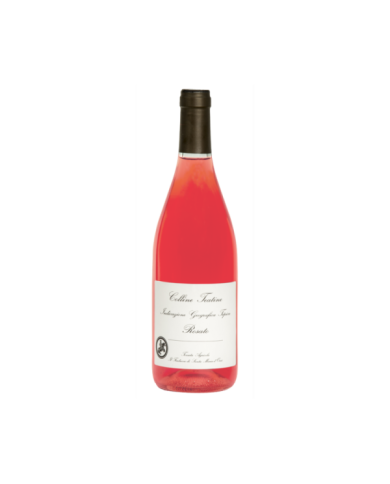
Wine obtained from red grapes of Rosciola frappato and red Malvasia vinified in white, the color is pink with purple notes, limpid wine with a good alcohol content. Nectarine aromas. Dry in the mouth, fresh wine, savory, good structure, soft, balanced tannins, medium finish.
€10.08
SKU:
7849
Brand:
Il Palagio
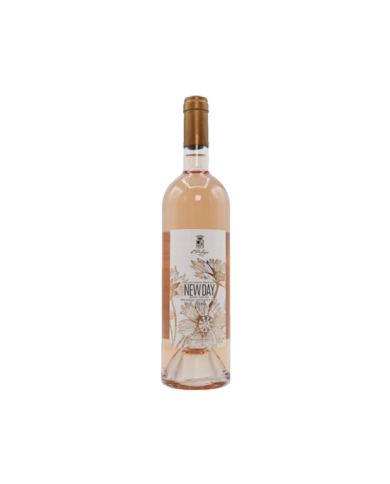
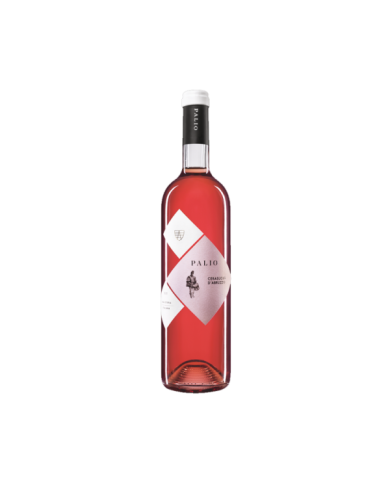
LIMITED EDITION - Produced by the Il Palagio estate owned by the singer Sting, these wines are not only collectible, but also spectacular flavors.
€15.18
SKU:
7809
Brand:
Ciavolich
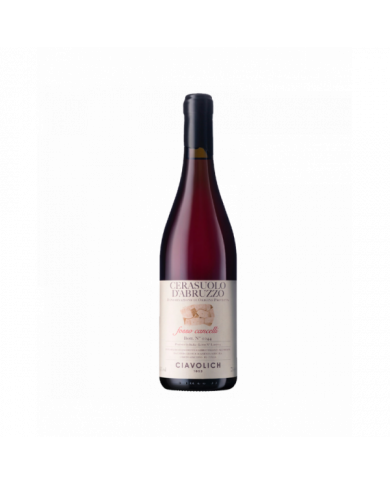
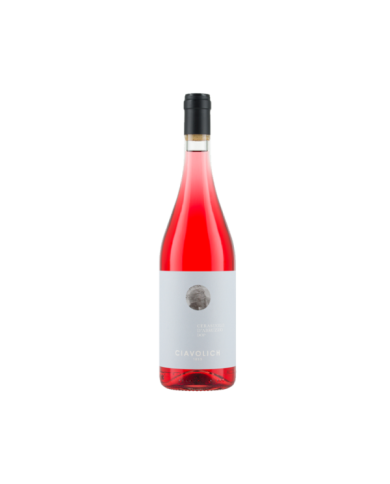
Montepulciano grapes are strictly hand-picked. After the first crushing-destemming process, the skins remained in contact with the must for 12/24 hours in small concrete wine vessels until the spontaneous alcoholic fermentation began. A fraction of fermenting must was then taken from the bottom of the wine vessel, through a classic “bleeding” operation, which was subsequently transferred to terracotta amphorae where it continued to carry out spontaneous fermentation without temperature control. The refinement continued on the noble lees in amphora until bottling in the first days of spring.
SKU:
7755
Brand:
Vigna Madre
€8.09
€7.28
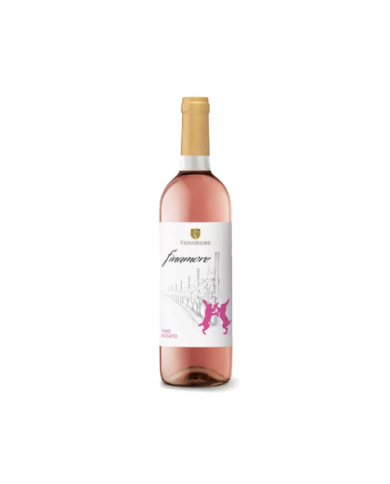
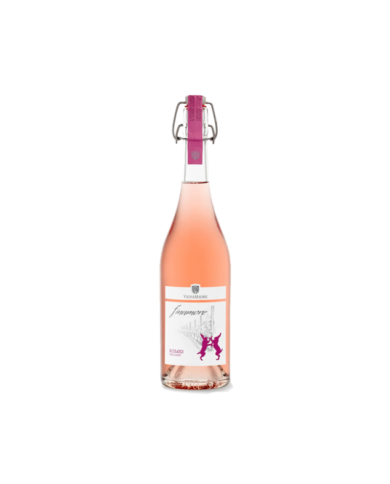
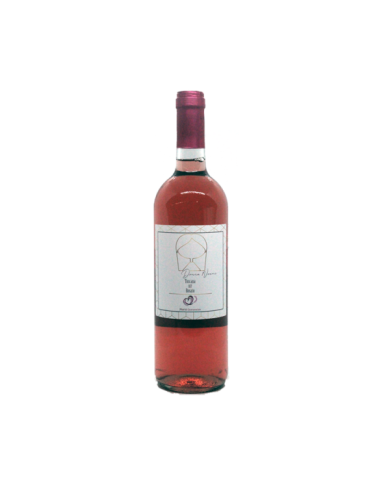
Grape variety: Rosato d'Italia from Raboso and Merlot grapes Vinification: "In white": the must is immediately separated from the skins, in order to create a lively rosé color and give it freshness and fragrance. Fermentation is natural with selected yeasts at controlled temperature Organoleptic characteristics: Intense and lively pink colour, fruity, elegant bouquet Fresh and pleasant wine, with notes of wild strawberry Gastronomic Pairings: It goes well with fresh cheeses and cured meats, also excellent with fish . Always pleasant as an aperitif and between meals Serving temperature: 6-8 °C Alcohol: 11 °C Sugar content: 16 gr/l Total acidity: 5.5 gr/l Pressure: 2.5 atm
€8.09
€7.28
€6.32
SKU:
7727
Brand:
Vigna Madre
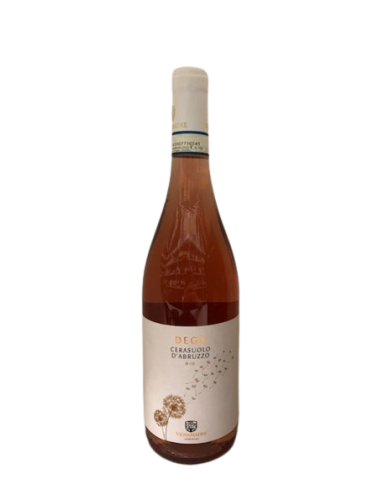
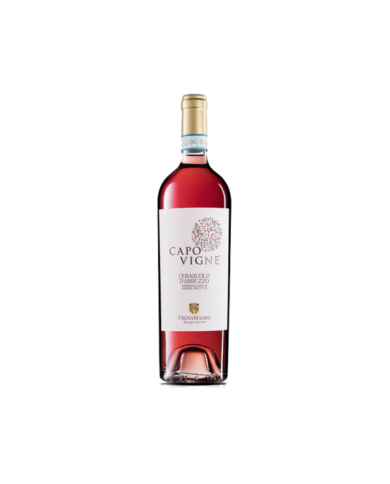
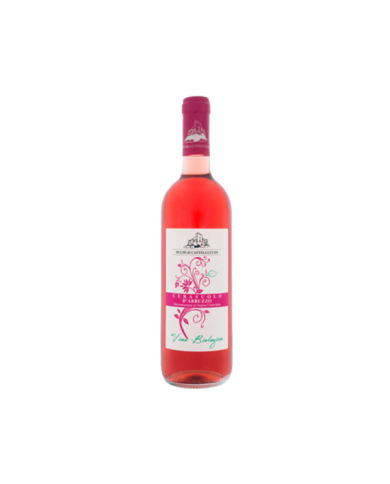
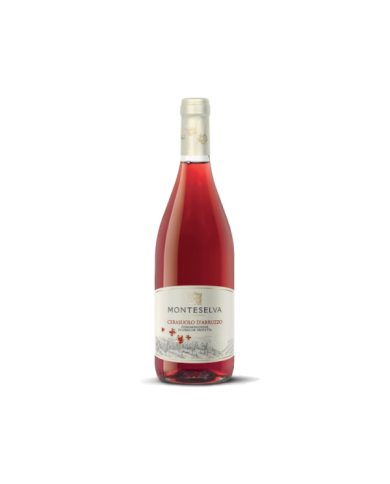
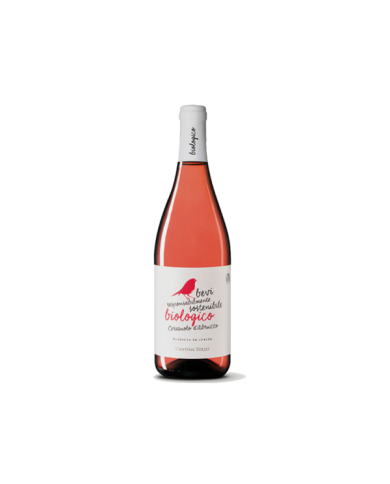
Here Montepulciano dresses in pink and goes by its own denomination: Cersauolo d'Abruzzo DOC. Vigna Madre does the rest and gives us an organic wine with an intense cherry color (needless to say), with fruity aromas of cherry, strawberry, raspberry and wild blueberry. When tasted it presents itself as a wine of excellent consistency, great balance and pleasant acidity. To be enjoyed until the last drop to reach the slightly almondy finish. Excellent ally as an aperitif, it goes well with first and second courses based on meat, fish and vegetables. Try it with fried foods and pizza.
€5.84
€12.14
SKU:
7519
Brand:
Chiusa Grande
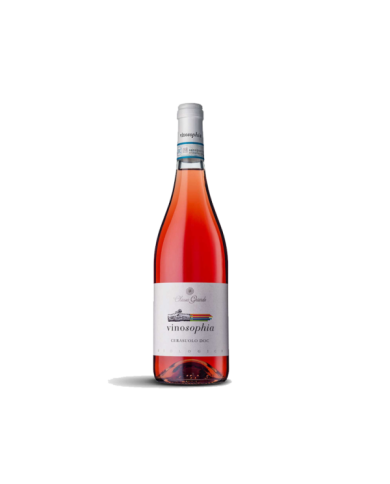
It is the lively rosé that recalls the joy of peasant youth. It is fresh and sunny, like the character of the Mediterranean peoples. It is soft and disarming, like a baby's caress. With a fresh taste and a light and pleasantly fruity aroma. At the first taste the soul will rejuvenate and the ideas will become more fertile.
€9.70
SKU:
7511
Brand:
Chiusa Grande
Soft like the shy, exuberant like the naive, seductive like the veteran. Cerasuolo with intriguing hints of cherry and almond. Its sweet sapidity enters with delicacy until it touches, in depth, the most daring memories.
€12.50
SKU:
7499
Brand:
Chiusa Grande
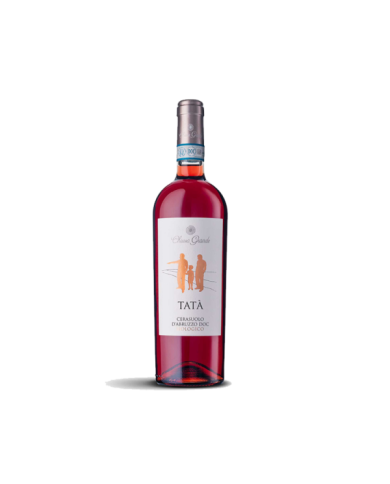
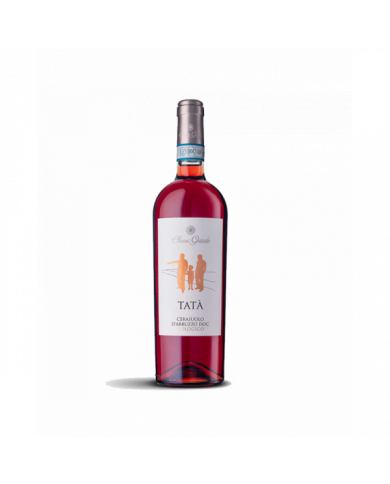
It is the Cerasuolo of the past, rosy with hints of cherry, morello cherry and pomegranate. It is a nostalgic and pleasant blast from the past. From the nickname of Franco D'Eusanio's paternal grandfather a tribute to the noble peasant civilization. Tatà is an invitation to memories and meditation. Gradually, sip after sip, it will reveal our most intimate thoughts.
€13.49
SKU:
7490
Brand:
Chiusa Grande
€15.63
Unique wine in color, spontaneous in perfume and with a lively sip. Grapes and grapes only, fermentation continues in the bottle without adding sugar or sulphites. natural purity and panache. Superb and Healthy Pleasure.
€15.63
SKU:
7484
Brand:
Chiusa Grande
Impetus and Charm.
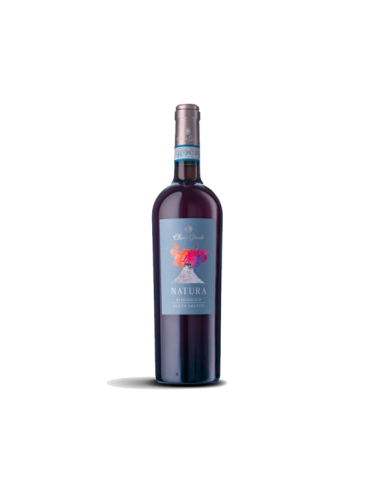
A pure, harmonious force, free from conditioning, sometimes a fascinating crater, sometimes an impetuous eruption. A Montepulciano Doc absolutely free of sulphites, revolutionary, with violet reflections, with hints of wild berries and black cherry.
€15.63
SKU:
7480
Brand:
Chiusa Grande
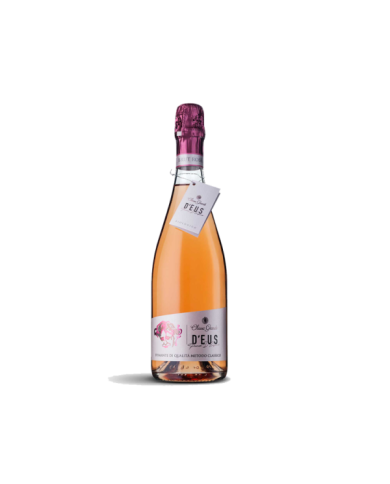
D'EUS. Tribute to the everlasting pleasure. Ode to thoughtful inspiration. Gift to those who appreciate the enigmatic unconventionality. D'EUS… hymn to the slow passing of time. It is a classic method sparkling wine meticulously refined on the lees. Long wait rewarded by the bright color, the minty crunchy fragrance and the fine and entrancing perlage, which caresses the palate with the delicacy of a butterfly. Striking notes of peach, hawthorn and sage anticipate the enveloping sip. D'EUS… superb and celestial challenge, homage to D'Annunzio: “memento audere semper”.
€25.06
€11.26
€9.01
SKU:
7350
Brand:
Centorame
Spontaneous fermentation, without added sulphites, it goes well with traditional Abruzzo first courses, medium-aged cheeses, white meats, fish broth.
€11.70
€7.25
€6.52
SKU:
7064
Brand:
Donnafugata
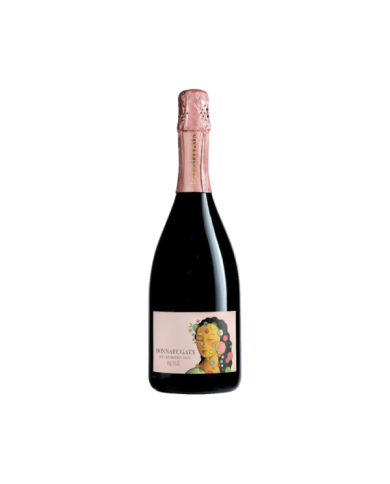
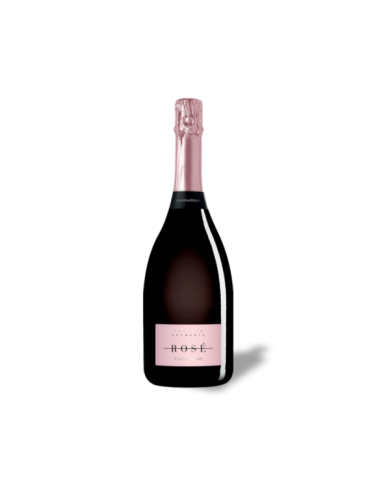
Brut Rosé 2016 - Millesimato , with an antique pink color, is characterized by an elegant and distinct bouquet . It offers tertiary notes of bread crust combined with delicate fruity hints (wild strawberries) and spices . In the mouth it has a pleasant freshness and good structure , with a seductive return of fruity sensations and a sapid vein with a long persistence .
At the table
A meal rosé, excellent with raw or cooked shellfish and fish tartare. We recommend it with thinly sliced San Daniele ham.Excellent at 6 - 8 ° C °
€31.32
SKU:
7059
Brand:
De Angelis Corvi
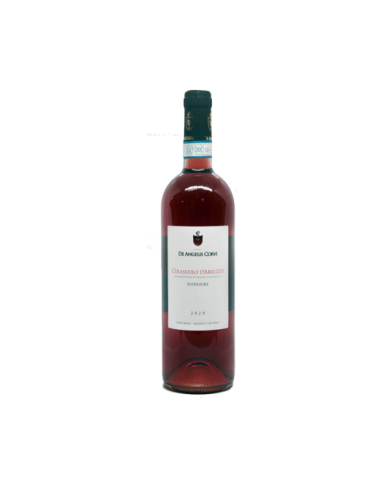
Nobody makes a Cerasuolo like Corrado's. It's a wine that makes you fall in love the exact moment you put it in your mouth, so full, so satisfying, so complete. Fruit and robustness meet to give life to a Cerasuolo of the highest level.
€12.69
€10.15
SKU:
7002
Brand:
Lidia e Amato
The “Cerasuolo d'Abruzzo Doc Daan” wine is a Cerasuolo d'Abruzzo, certainly one of the most important wines produced by the Lidia e Amato company. The Lidia e Amato company is located in one of the most beautiful wine-growing areas in the province of Teramo and in the Abruzzo region in general. The wine "Cerasuolo d'Abruzzo Doc Daan" of Lidia e Amato as Cerasuolo d'Abruzzo, is characterized by its characteristic and original organoleptic profile at the same time. The "Cerasuolo d'Abruzzo Doc Daan" wine of Lidia e Amato is a still and dry rosé wine, vinified from Montepulciano grapes in the context of the typologies provided for by the denomination. The Lidia e Amato winery has been included in the Quattrocalici Wines Guide because it is one of the most important wineries in the province of Teramo. The area where the Lidia e Amato winery is located is historically suited for viticulture. In particular, the numerous awards obtained by farms in the province of Teramo have further stimulated producers to invest in the territory to make the most of its production potential, to constantly improve quality and face new markets. The wines of the Lidia e Amato company and in particular the Cerasuolo d'Abruzzo "Cerasuolo d'Abruzzo Doc Daan", are characterized by the right sugar and alcohol content and by a good fixed acidity, which helps to enhance the aromas and maintain them over time . The winery produces about 3000 bottles of the wine "Cerasuolo d'Abruzzo Doc Daan", to testify the importance that this wine has in the context of the company's production.
€10.85
SKU:
6962
Brand:
Rasicci
€7.71
€5.40
It is clear with a cherry color that refers to the ruby of the Montepulciano dAbruzzo grape from which it is? born. The nose is intense with a rich basket of small red fruits, mainly ripe sour cherries, in harmony with small petals of red gold. It closes the nose with a slight spiciness of sweet spices. In the mouth it enters dry, decisive, austere, in the center of the mouth the freshness and richness of mineral salts explodes in particular. Intense and persistent through the nose.
€7.71
€5.40
€7.43
€6.32
SKU:
6908
Brand:
Evangelista
€6.50
€5.20
Red vinified in white, cold pressed. This process gives the wine its characteristic color Cherry red point. It goes very well with fish soup, roasted white meats and medium-aged cheeses. Recommended serving temperature 8 ° C
€6.50
€5.20
€8.31
SKU:
6764
Brand:
Codice Citra
Vinification: The grapes are gently pressed and vinified in steel vats at around 15°C. At the end of fermentation, maturation continues on the lees. Second fermentation and aging on the lees: in the spring following the harvest, the base wine referments in the bottle at a temperature of 12°C for about 30 days. Once the second fermentation is complete, the bottles remain to refine on the lees, lying on their side for at least 36 months. The clarification of the wine takes place with the "pointing" after a laborious "remuage", at the end of which disgorgement and dosage are carried out. Color: Soft rosé with slight orange reflections, with a fine and persistent perlage. Smell: Intense, persistent with notes of red fruit: cherry, morello cherry and floral (rose). Fragrant hints of yeast and pâtisseries. Taste: Dry and fragrant, very well balanced. Overall it is a full and persistent harmonious wine.
€15.38
€10.77
SKU:
6704
Brand:
Codice Citra
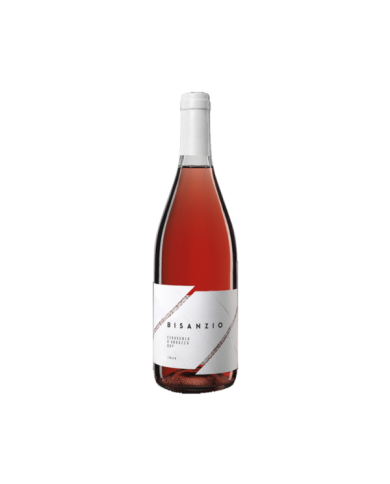
Bisanzio, Montepulciano DOP with the Codice Citra , is a beautiful example of the potential of Montepulciano. A vine rich in character, perfect for giving life to wines destined for a long aging, but which is also able to express itself at its best in products, like this one, born to be enjoyed from an early age. The vinification is traditional, with a long maceration of the skins at a controlled temperature. For aging, after a short rest in steel tanks, it is passed into wooden barrels capable of enhancing its organoleptic characteristics. Intense ruby red color, the nose has an elegant bouquet, in which hints of black cherry and wild berries are combined with notes of black pepper, cocoa and balsamic aromas. In the mouth it reveals a full, harmonious wine, with a nice tannin, typical for the Montepulciano grape. The finish is long and pleasant.
€6.11
€11.90
€10.71
€7.30
SKU:
6517
Brand:
Tocco
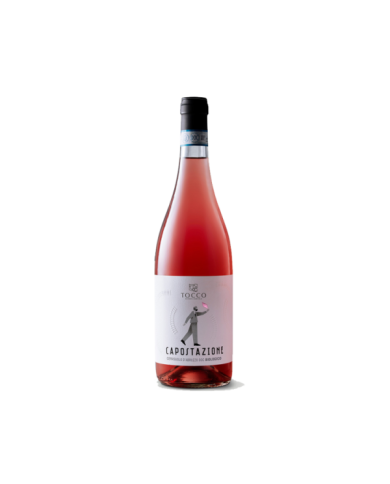
Denomination Cerasuolo d \ 'Abruzzo DOC Type Rosé wine Production area Alanno (PE) Training system Pergola abruzzese Year of planting 2003 Exposure south soil Yield per hectare 120q Harvest from 1 to 10 October Vinification the must obtained from soft pressing of the grapes, after a short contact with the skins at low temperature, it is left to ferment at a controlled temperature Organoleptic characteristics Color: cherry pink Odor: pleasant aromas of red fruits, wild strawberries and ripe cherries Taste: soft, fresh and well balanced. also structured, roasted white meats, ideal with pizzas, salami and semi-aged cheeses Serving temperature 8 ° -10 ° c CL.75 13.5% VOL
€12.90
SKU:
6495
Brand:
Tocco d'Italy
€19.19
€17.27
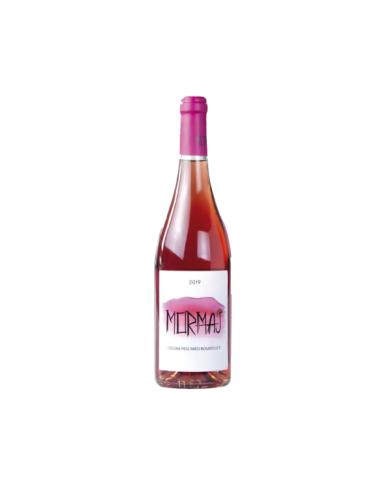
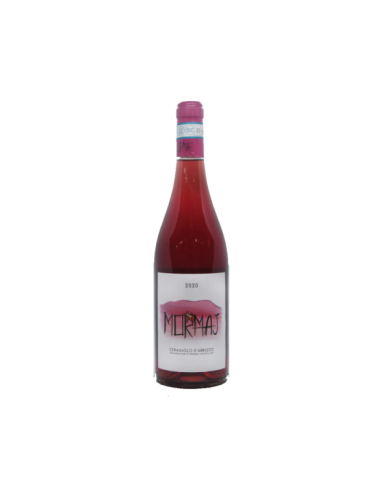
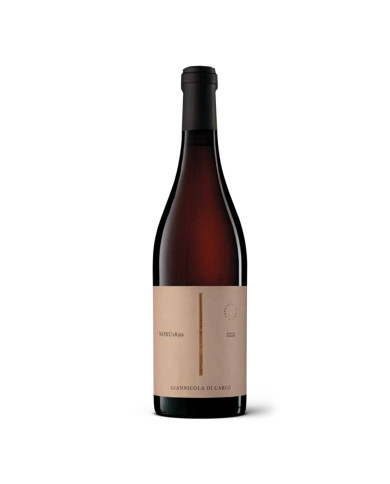
In our cellar, between the MORrone and MAJella mountains MORMAJ is born, a rosé wine obtained by spontaneous fermentation, not clarified, is aged in steel tanks. Any deposits on the bottom do not constitute a defect in the wine and do not alter its taste.
€19.19
€17.27
€5.76
€5.18
SKU:
6458
Brand:
Cantina Rapino
€14.99
€12.74
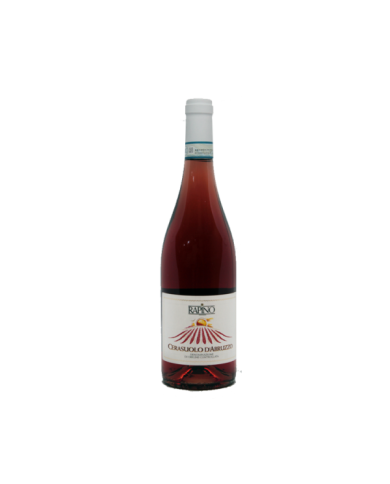
Intense aromas of bramble, wild cherry, chopped mint and crushed stone guide the nose of this intensely colored Cerasuolo. Dense aromas of berries and herbs glide along the textured and adherent palate, with a brilliant acidity and a touch of wet stone that lifts it
SKU:
6450
Brand:
Cantina Rapino
Produced with Montepulciano grapes, from a canopy vineyard in the hills of the municipality of Francavilla al Mare. The plant follows a type of conventional agriculture.
€7.43
€6.04
€5.44
SKU:
6383
Brand:
Cantina Dei Colli Ripani
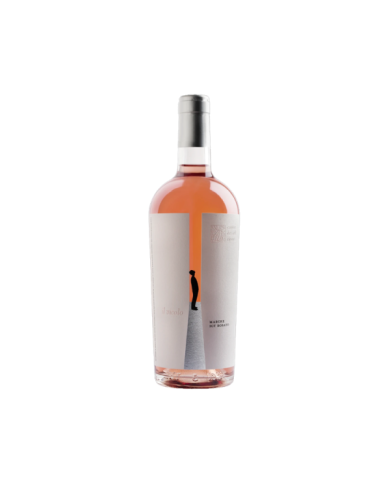
One look up and one on the sides. Yes, the way is narrow. Indeed very narrow, just 43 cm. You are in the narrowest alley in Italy, a record that belongs to Ripatransone, our city. But don't worry, you can always go back or decide to go through it. To then proudly claim to have made it. With a bright pale pink color and a fruity scent, 'il vicolo' Marche IGT Rosato celebrates this curious and bizarre place, which challenges perspective. In a single glass, two views of the world, two points of view that find the narrow way to reconcile and be remembered.
€14.03
€7.66
SKU:
6281
Brand:
Terzini
€6.97
€6.27
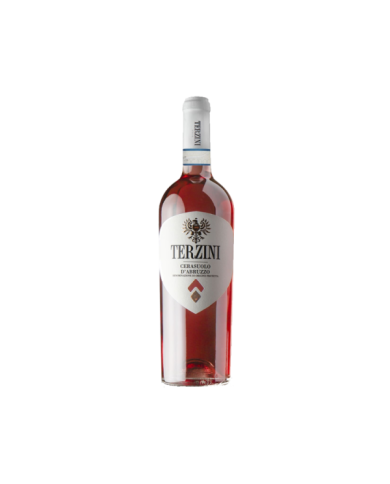
VARIETY Red berried grapes PRODUCTION AREA Tocco da Casauria (PE) - ITALY TYPE OF SOIL clayey SIZE 750ml VINTAGE 2020
€6.97
€6.27
SKU:
6261
Brand:
Terzini
€10.21
€9.19
VARIETY Red berried grapes PRODUCTION AREA Tocco da Casauria (PE) - ITALY TYPE OF SOIL clayey SIZE 750ml VINTAGE 2020
€10.21
€9.19
€9.52
€8.09
€8.08
€6.86
SKU:
6067
Brand:
Di Ubaldo
€12.53
€10.65
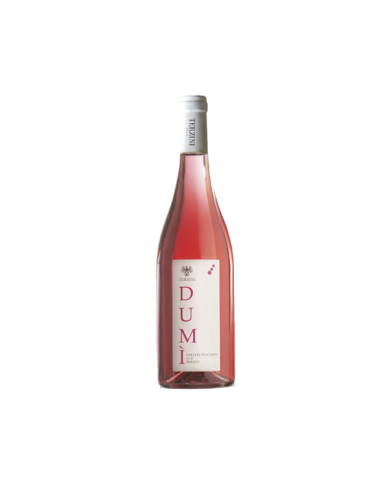
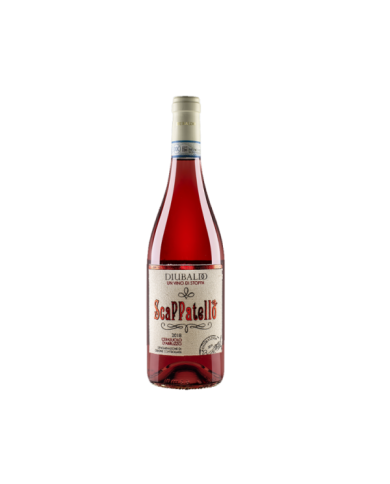
Among the best Italian rosé wines, Abruzzo occupies a primary place in the list thanks to an internationally renowned rosé: the Cerasuolo d'Abruzzo Doc The name derives from the Abruzzo dialectal term "cerasa", meaning "cherry", and is obtained exclusively in purity with the main black grape variety grown in Abruzzo
€12.53
€10.65
€16.34
€14.70
€8.78
SKU:
5792
Brand:
Cantina Orsogna
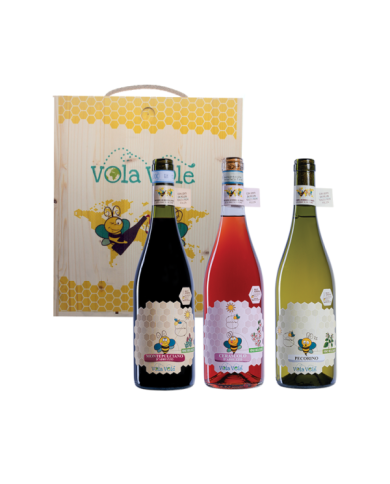
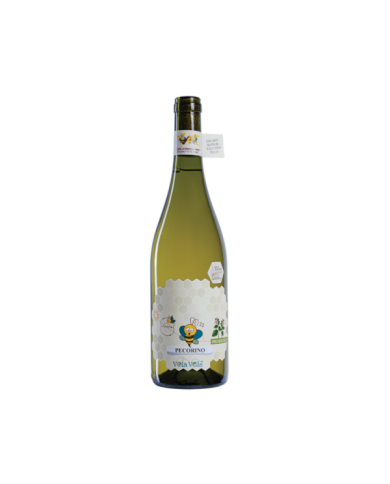
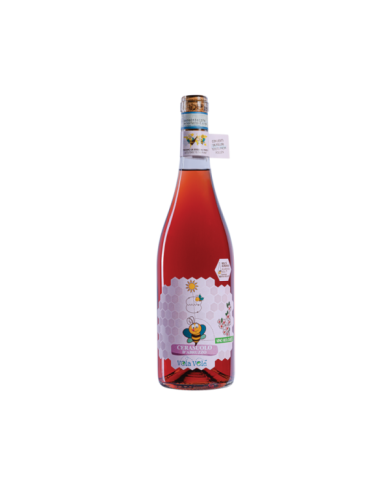
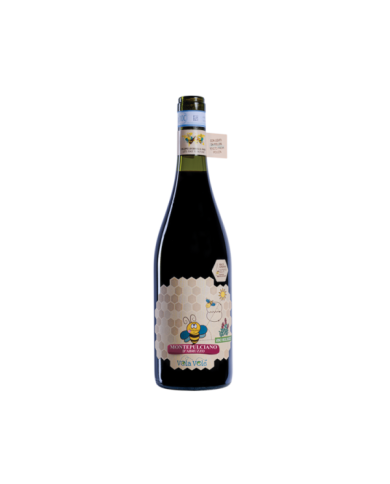
Cantina Orsogna dedicates the VolaVolé brand to organic and vegan wines with Biodiversity Friend certification. The bees of Volà Volè invite you to make a toast to the planet!
€45.90
€6.12
€5.51
SKU:
5668
Brand:
Cantina Tollo
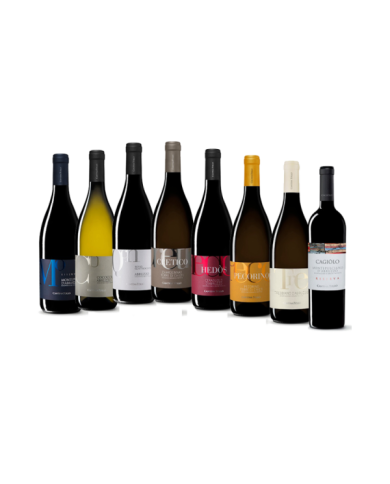
There are wines that can be considered true symbols of a land, such as those we have chosen to dedicate to our Iconic line. Wines that smell of Abruzzo and tell its story. Tradition, innovation and experimentation come together in our Anthology line: whites and reds, the result of careful research and meticulous experimentation that have allowed us to create fine wines over time. Wines you fall in love with with every sip. Anthology is a tribute to Abruzzo and its grape varieties.
SKU:
5666
Brand:
Cantina Tollo
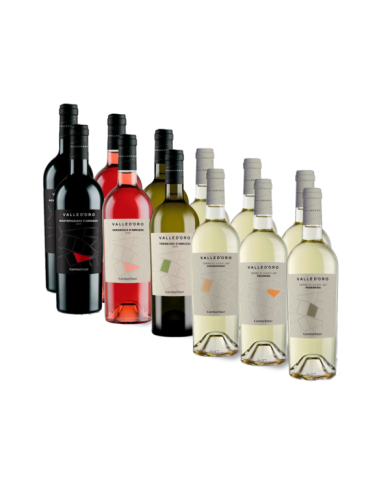
AWARDS OF INTERNATIONAL PRESTIGE FOR THE VALLE D'ORO LINE AND FOR ITS RENOWNED WINES, WITH A MODERN AND NEW GENERATION STYLE.
SKU:
5663
Brand:
Cantina Tollo
A RENOWNED COLLECTION OF TYPICAL ABRUZZESI WINES, INCLUDING OUR AWARD-WINNING MONTEPULCIANO DOP, WHICH IS LOVED IN ITALY AND EXPORTED ALL OVER THE WORLD.
SKU:
5661
Brand:
Cantina Tollo
THE MOST CLASSIC AND POPULAR RANGE. IT INCLUDES SIX WINES THAT FORM A COMPLETE LIST OF ABRUZZESI WINES, COMBINING QUALITY AND VALUE WITHOUT COMPROMISE. A complete selection of Abruzzo wines from Cantina Tollo . Six bottles that combine quality and value without compromise.
SKU:
5659
Brand:
Cantina Tollo
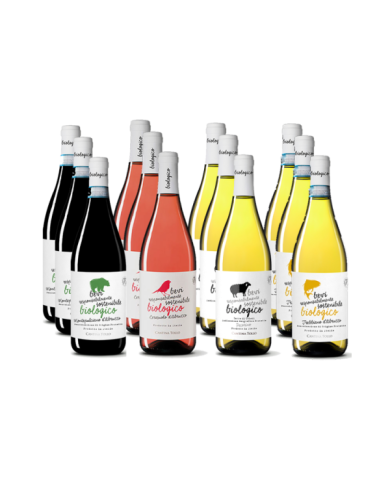
Tasting of the Sustainable Organic line of Cantina Tollo 12 bottles - 4 types of wine: Montepulciano d'Abruzzo - Cerasuolo d'Abruzzo - Trebbiano D'Abruzzo - Pecorino DOP
SKU:
5630
Brand:
Agriverde
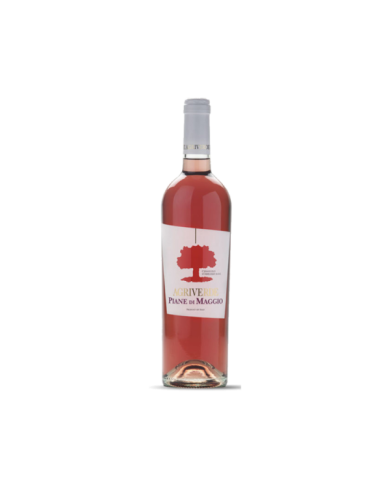
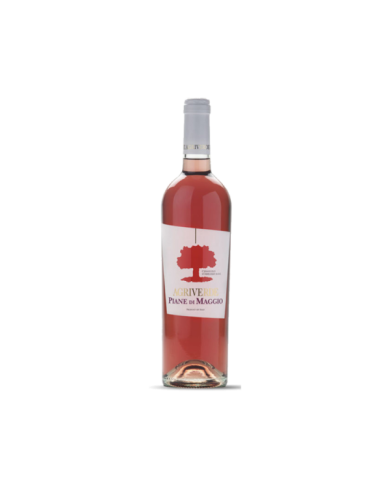
Cherry pink. The nose is expressed with intense aromas of red fruits: cherry, strawberry and a touch of pomegranate. In the mouth it is fresh, fruity and with good persistence. Food matches: perfect as an aperitif, fried food, soups and fish-based dishes, white meat is perfect with pizza.
€14.50
SKU:
5604
Brand:
Agriverde
Cherry pink. The nose is expressed with intense aromas of red fruits: cherry, strawberry and a touch of pomegranate. In the mouth it is fresh, fruity and with good persistence. Food matches: perfect as an aperitif, fried food, soups and fish-based dishes, white meat is perfect with pizza.
SKU:
5592
Brand:
Agriverde
It has a soft pink color with brilliant violet hues in the glass; Risei has an Intense bouquet defined by fruity aromas of cherry, strawberry, raspberry and wild blueberry. On the palate it is well balanced, characterized by a pleasant refreshing acidulous taste and a delicately almondy finish. Cultivated according to the principles of organic farming, this rosé is a perfect wine for hors d'oeuvres, or to accompany lunches and dinners based on fish soups, pasta dishes with tomato sauce, cold cuts and cheeses, tripe and pizza.
€9.48
SKU:
5583
Brand:
Agriverde
Intense rosé with brilliant garnet hues. The nose is elegantly expressed with intense aromas of strawberry, raspberry and sour cherries, with fresh floral notes of violet, dog rose and pomegranate. On the palate it is a wine with good structure: enveloping, soft with a fruity and persistent finish with an almond aftertaste. Food pairings: tasty dishes of seafood, salmon, fish soups, fried sea and land, pizza in the warm seasons is an excellent alternative to red with more demanding dishes based on meat, excellent as an aperitif.
SKU:
5541
Brand:
Centorame
Interesting bouquet of raspberries, wild strawberries and sweeter peach sensations complemented by aromatic herbs. Definitely fragrant palate centered on freshness and ease of drinking very little banal, with a finish reminiscent of small red fruits.
€11.87
€13.00
€9.10
€12.38
€11.66
€9.52
€8.56
€9.50
SKU:
5387
Brand:
Cantina Tollo
An Abruzzo rosé - winner of two gold medals - intense fruity and made from Montepulciano grapes with pre-fermentation. Characteristic bright pink color and cherry aroma First courses of meat or fish, second courses of fish, roasted white meats, fresh or semi-aged cheeses.
€6.50
€5.53
€6.21
€7.61
€6.85
SKU:
5278
Brand:
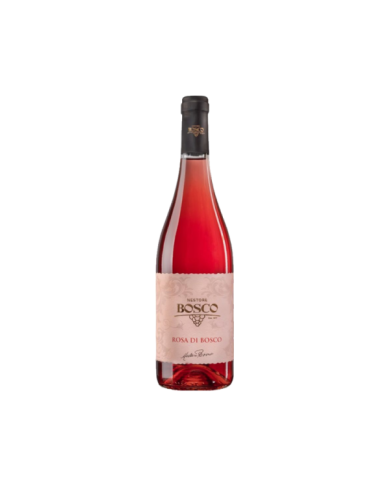
Nestore Bosco
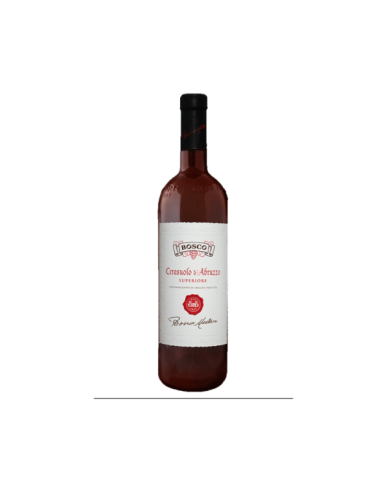
Cherry pink color. Intense and clean bouquet, notes of strawberry, raspberry, cherry, followed by aromas of cyclamen, plum and rose. Taste Intense and fresh, with good body. Delicate hints of cherry and raspberry. ideal with stuffed pasta, pizza, fresh cheeses, roasted white meats, roasted fish.
SKU:
5265
Brand:
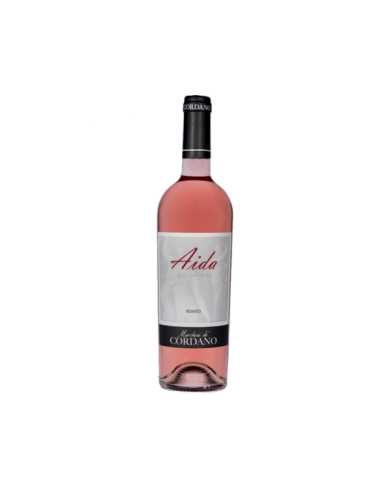
Marchesi de Cordano
Delicate, fruity, with aromas of cherry and wild strawberries, this soft wine at the first encounter, recalls the roses from which it draws its freshness that releases on the finish. Vinification: The must is fermented in contact with the skins for 12 hours, in order to enhance the aromatic notes.
€8.78
SKU:
5251
Brand:
Marchesi de Cordano
With a pale pink color. The nose is elegant, intense and quite complex. Fruity and oral, hints of cherry and pink. On the palate it is fresh with the right flavor. Balanced and well balanced. Vinification : Manual grape harvest. Cold pressing in an inert environment, short maceration on the skins and fermentation at a controlled temperature.
€7.14
€6.07
SKU:
5177
Brand:
Cantina Tollo
€13.27
€11.95
Well balanced between fresh acidity and moderate residual sugars, with a creamy consistency and a long finish. Pairings A sparkling wine with many combinations with the possibility of being served throughout the meal. Excellent as an aperitif and with appetizers.
€5.11
€4.35
SKU:
5019
Brand:
Giuliana Vicini
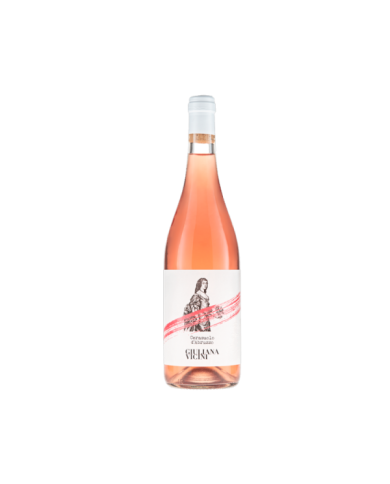
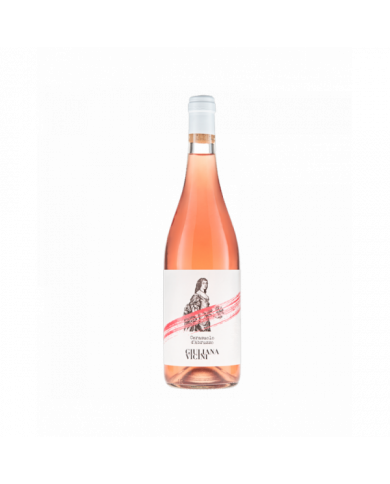
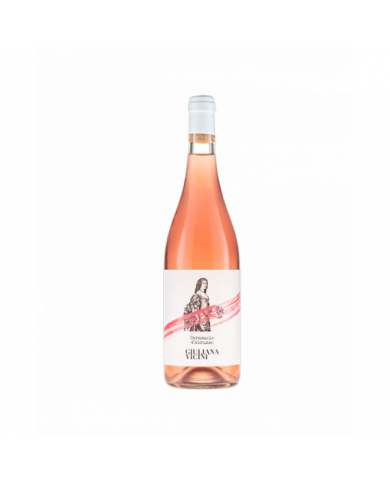
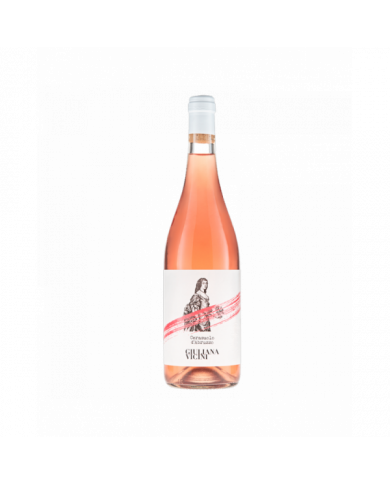
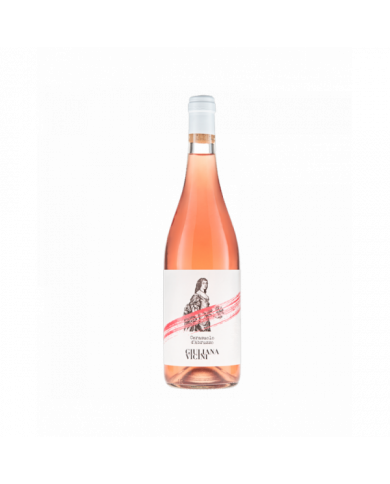
Cerasuolo is the wine that was once offered to guests to welcome them and to demonstrate how good they had been in the harvest. The grapes are those of the youngest rows of the estate, are harvested by hand and crushed and destemmed. The must is vinified in white and then left to ferment at a controlled temperature in stainless steel where it remains until January / February, when it is bottled. Splendid pink reflections and light fruity and floral aromas typical of the variety are confirmed on the palate. When drunk fresh, fruity and savory, it always invites the next sip.
SKU:
5005
Brand:
Ciavolich
€12.00
€10.80
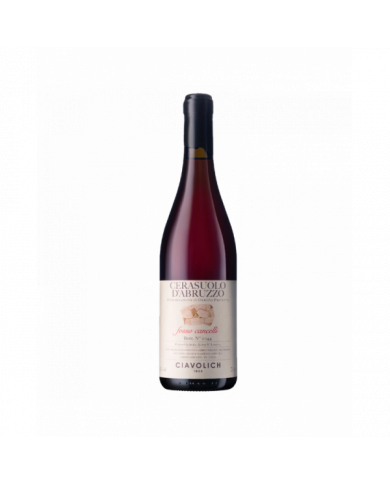
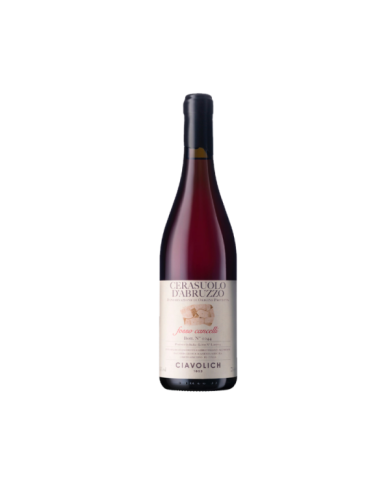
Cerasuolo is the wine that was once offered to guests to welcome them and to demonstrate how good they had been during the harvest. The grapes are those of the youngest rows of the estate, are harvested by hand and crushed-destemmed and the must is left in contact with the skins for about 8 hours and then vinified in white. It is then left to ferment at a controlled temperature in stainless steel where it remains until January / February, when it is bottled. Splendid pink reflections and light fruity and floral aromas typical of the variety are confirmed on the palate. Fresh, fruity and savory, it always invites the next sip.
SKU:
4993
Brand:
Ciavolich
Montepulciano grapes are strictly hand-picked. After the first crushing-destemming process, the skins remained in contact with the must for 12/24 hours in small concrete wine vessels until the spontaneous alcoholic fermentation began. A fraction of fermenting must was then taken from the bottom of the wine vessel, through a classic “bleeding” operation, which was subsequently transferred to terracotta amphorae where it continued to carry out spontaneous fermentation without temperature control. The refinement continued on the noble lees in amphora until bottling in the first days of spring.
SKU:
4978
Brand:
Torre Raone
Between the rose petal and the onion skin the color, bright and with orange reflections to the eye. On the nose the initial floral notes are followed by clear memories of strawberry and pomegranate. The mouth traces the same footsteps of smell, also recalling the yellow plum and mango. Good balance, long persistence and pleasantly savory closure.
Versatile and eclectic, it is perfect with the schiacciata with cheese with raw ham.
€8.36
€7.52
SKU:
4920
Brand:
Torri Cantine
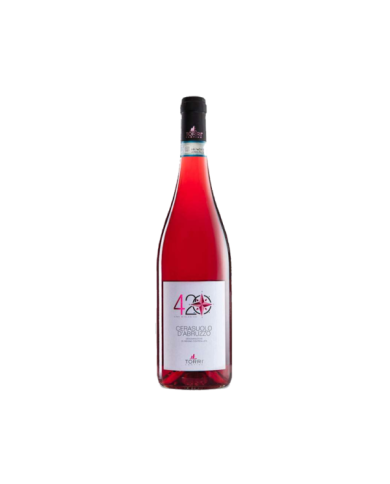
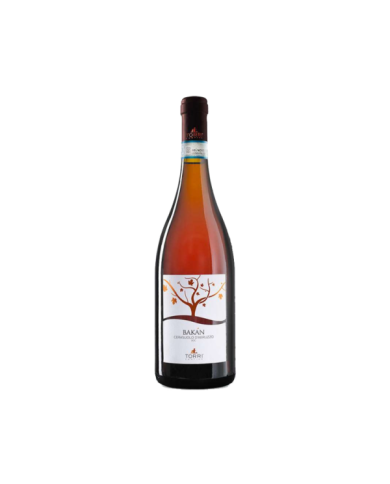
Color: A very bright cherry pink with an interesting texture. Smell: Intense floral and fruity scents of geranium, carnation, cherry and raspberry. Taste: A dry, tasty sip, with a nice freshness and delicate sapidity in perfect balance with a moderate heat and a refined softness. The taste, in perfect harmony with the sense of smell, adds nuances of strawberry and blueberry which anticipate a long and delicate mineral finish.
€10.80
€6.50
€5.53
SKU:
4888
Brand:
Rosarubra
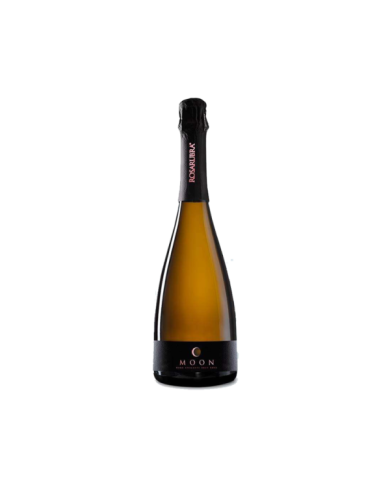
The stylistic trait reveals a particular vocation to the seduction of the senses. Young, lively wine, expression of freshness, but at the same time extractively important. The color reveals it. Loaded with a glossy, brilliant, at times luminous red. It fascinates the eye with its unpredictable reflections in all light conditions. The nose explodes its intense strawberry, accompanied by fresh red fruits, ripe sour cherries and cherry blossoms. The mouth expresses the real surprise: its extractive fragrance is harmonious and enveloping. Fresh acidity, perfectly married with the sugary and alcoholic components.
€8.36
€7.52
€8.36
€7.52
€4.83
€4.35
€11.05
€6.63
€10.00
Pairings for rosé wines
Rosé is a very versatile wine, suitable for a wide variety of food pairings. Thanks to its freshness, it lends itself to both informal pairings, such as cheese, pizza, fried foods, and mushrooms, as well as more complex dishes, such as fish.
The best Italian rosé wine
In recent years, rosé wine production in Italy has grown exponentially, producing truly excellent wines that are worth tasting. Rosé originated in Southern Italy, but is now produced throughout the country. Italian rosé wines boast a long tradition; they are fresh and fragrant wines that pair beautifully with the many traditional dishes of our country. Visit the Clickwine rosé wine section to find the best online deals on DOC rosé wines produced by Italy's most prestigious wineries. With our exceptional online sales, you can bring traditional Italian rosé wines to your table, with incredible savings on the list price. Don't miss the opportunity to enrich your personal cellar with a high-quality rosé wine, a unique opportunity to make evenings spent with friends and family even more perfect.
Why is rosé wine pink?
There's a lot of talk about rosé wine. Many believe it's made by blending white and red wines (a practice prohibited by law), and this hasn't helped its reputation.
The color intensity of rosé wine and its aromas are essentially determined by the maceration on the skins of the red grapes used to produce these wines. But what are the colors of rosé wine? Rosé wine can range from pale pink, cherry red, to claret pink. To obtain a pale pink, maceration is required for very few hours, from 2 to 4, while for a cherry red the time can be up to 7-10 hours. For a very bright claret pink, maceration time can be up to 24 hours.
What are the best rosé wines?
Rosé wines can vary greatly in quality, depending on the production region, the grape variety used, and the winemaking techniques. Some highly regarded rosé wines come from France, particularly the Provence region, which produces light, fresh wines with red berry aromas and crisp acidity. Other high-quality rosé wines are produced in Italy, particularly Tuscany and Puglia, and in Spain, which produce more structured wines with greater aromatic complexity. Other regions renowned for their rosé wines include California, Portugal, and Australia.
It's important to note that the quality of a rosé wine depends on production techniques, climate conditions, and the grapes used. Therefore, it's difficult to make a list of the absolute best rosé wines, as it depends on individual tastes and preferences. However, some highly regarded rosé wines are:
- Château d'Esclans Whispering Angel (Provence, France)
- Domaine Tempier Bandol (Provence, France)
- Biserno Insoglio del Cinghiale Estate (Tuscany, Italy)
- Le Pupille Saffredi Farm (Tuscany, Italy)
- Quinta do Crasto Rosé (Douro, Portugal)
- Sandhi Santa Barbara County Rosé (California, USA)
- Penfolds Koonunga Hill Rosé (Barossa Valley, Australia)
It's recommended to try several rosé wines to discover which one you prefer, keeping in mind that some rosé wines are better enjoyed on their own, while others pair better with certain dishes. Generally speaking, rosé wines are ideal for summer, as they're fresh and light, but they can be enjoyed any time of year, depending on your personal taste.
What do you eat with rosé wine?
Rosé wine is a very versatile wine that pairs well with a wide range of dishes. Because it has a slightly lower alcohol content than red wines and a slightly lighter structure, it is particularly suited to accompany light, fresh dishes, such as fish, white meat, and vegetables. Here are some ideas for pairing rosé wine with food:
- Fish: Rosé wine pairs well with light fish such as salmon, tuna, and sea bass, but also with oily fish such as mackerel and squid.
- White meat: Rosé wine is perfect to accompany white meat such as chicken, turkey, and rabbit.
- Vegetables: Rosé wine pairs well with grilled vegetables, especially red berries like tomatoes and eggplant.
- Cheeses: Rosé wine pairs well with light cheeses such as Brie, Camembert, and Roquefort.
- Salads: Rosé wine is perfect for accompanying summer salads, especially when dressed with an emulsion of olive oil and balsamic vinegar.
Rosé wine can also be enjoyed on its own as an aperitif or as an accompaniment to a light meal. In general, it's important to pair rosé wine with light, not overly flavorful foods to prevent the wine from being overpowered by the food's flavors. It's recommended to taste the wine before deciding on a pairing, so you can choose the dish that best complements its aromatic profile and balance.