

 Italiano
 Deutsch




































There are no more items in your cart
€9.50
€9.50
€7.60
€9.00
SKU:
6191
Brand:
D'Alesio Sciarr
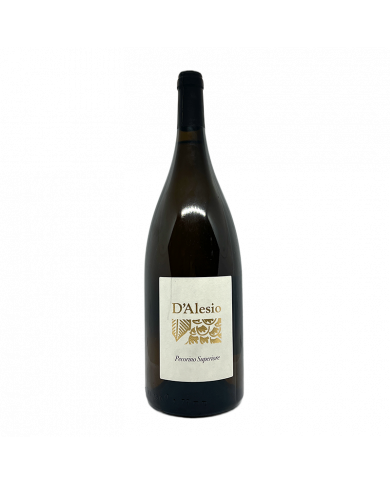
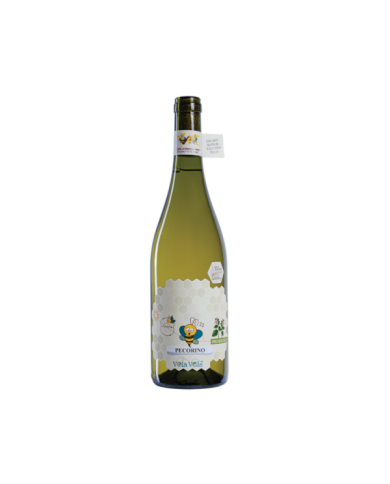
This vine was mentioned for the first time by Cato the Censor in the second century BC, who attributed the origin of this kind of grapes to the Greek colonists. The Pecorino grapes seem to derive their name from the fact that the sheep, walking through the vineyards, would have shown several times to like the fruits.
€39.28
SKU:
6172
Brand:
Sergio Del Casale
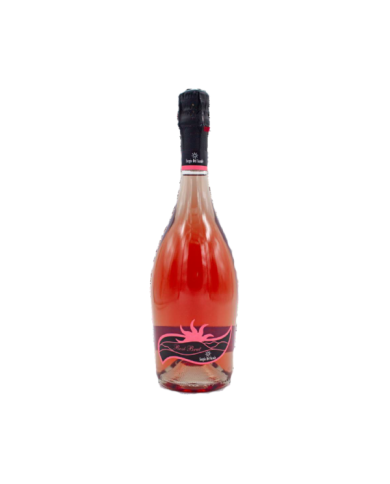
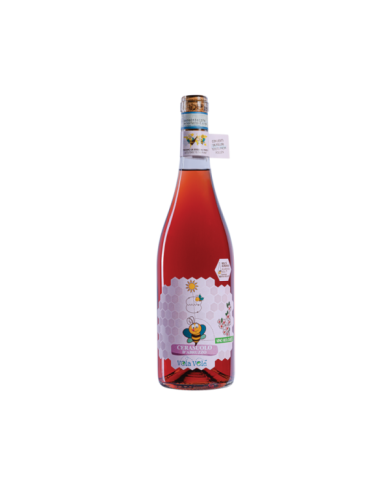
From the Montepulciano grape, here is a characteristic fresh and fragrant rosé sparkling wine.
€20.20
€16.60
€13.28
SKU:
6153
Brand:
Dora Sarchese
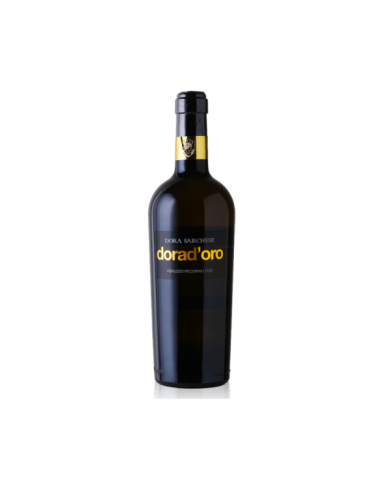
Pecorino Dora D'oro has a beautiful shiny gold color with a golden nail, clear and consistent. Born from a great intuition of a master of Italian enology: Leonardo Seghetti . To him, all the credit for the diffusion of pecorino wine in Abruzzo, a wine as sincere as the land of Abruzzo and as precious as gold. Diploma of Great Mention Pecorino IGT 2005 at the 40th Vinitaly International Wine Competition. A fresh, soft and savory wine, ideal companion to white meats, fish soups. Cantina Dora Sarchese is an Abruzzo company reminiscent of a nineteenth century farm. Tradition of quality.
€7.50
€6.00
SKU:
6091
Brand:
Tenuta Ulisse
The best of our grapes, our vines and our terroirs to obtain a dream wine… All the passion and love for our land in a great wine that celebrates 10 splendid harvests respecting an ancient past. A wonderful fruit and an inimitable territory that create excellence.
€85.06
SKU:
6070
Brand:
Di Ubaldo
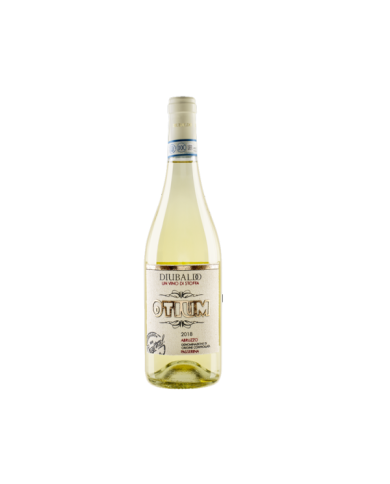
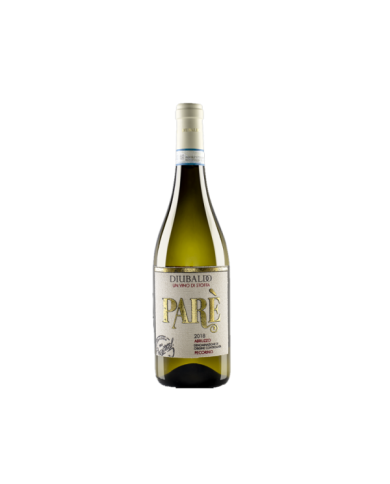
Grape variety also called Trebbiano scienciato, that is sparse bunch, maintains good acidity until phenological maturation is completed. Passerina vinified in purity enhances its marked qualities of freshness and aromaticity.
SKU:
6063
Brand:
Di Ubaldo
€14.46
€13.01
Pecorino cheese. Its name remains a mystery today, the most accredited hypothesis is the one that binds it to the transhumant sheep farming typical of Abruzzo. Today cultivated at lower altitudes than the much higher ones of historical crops, the vine, with vinification in maceration, expresses great values, for all the senses. It is certainly one of the most important whites in Italy.
€14.46
€13.01
SKU:
6037
Brand:
Castelsimoni
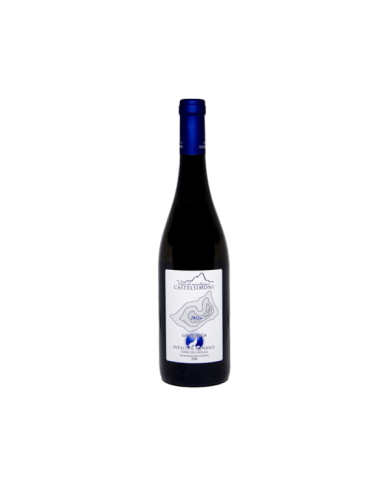
Renano Riesling PGI Terre dell'Aquila Aged in the bottle for at least 26 months
€25.60
€20.48
SKU:
6034
Brand:
Castelsimoni
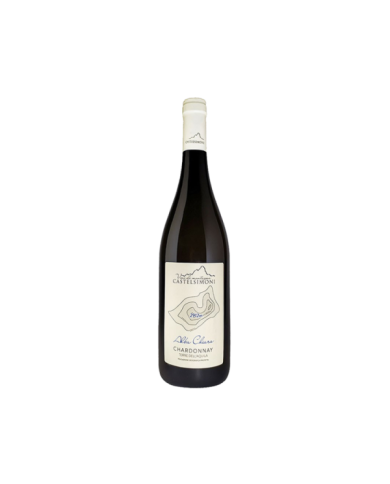
Chardonnay IGP Terre dell'Aquila aged in bottle for at least 15 months
€23.23
€18.58
€18.00
€8.47
€9.56
SKU:
6010
Brand:
Vini la Quercia
Fresh white wine, with a marked acidity, light, savory with a good structure and persistence. It can be drunk even after a few years.
€11.19
SKU:
5907
Brand:
San Felice
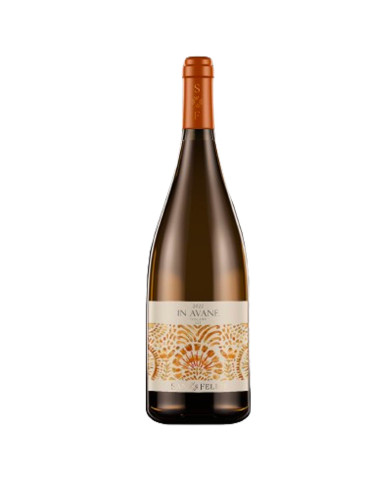
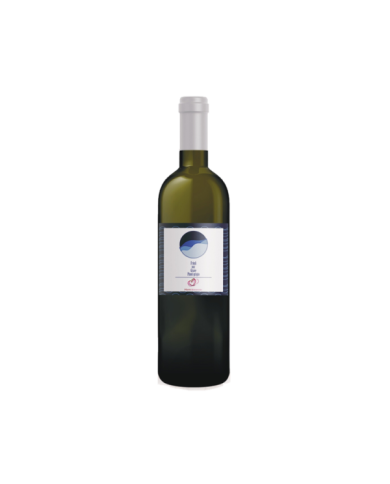
La Vigna Del Lago It can happen to come across unexpected places, the Vigna del Lago, as in this 100% Chardonnay, unexpected white single-vineyard and newcomer in the San Felice house of particular aromatic freshness and flavor, carefully selected grapes and soil with unique characteristics, on which traces of the ancient Etruscan presence remain.
€25.62
SKU:
5817
Brand:
Mario Sommelier
€15.01
€10.50
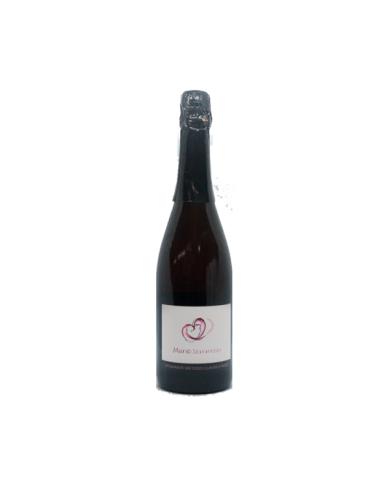
Elegant and intense pink color, copious and persistent foam. Fine and very intense perlage. Fine, gentle perfume, the characteristic sensation of the scent of yeasts is very clear. Dry, acidulous taste with marked vivacity, persistence and harmony.
€15.01
€10.50
SKU:
5795
Brand:
Cantina Orsogna
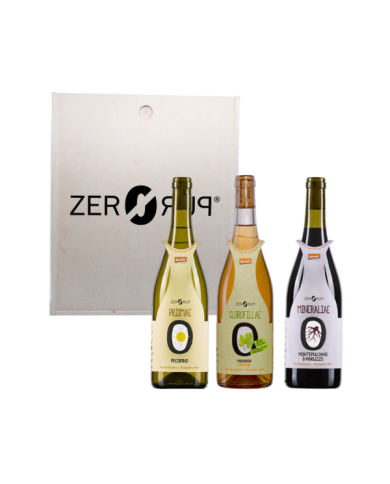
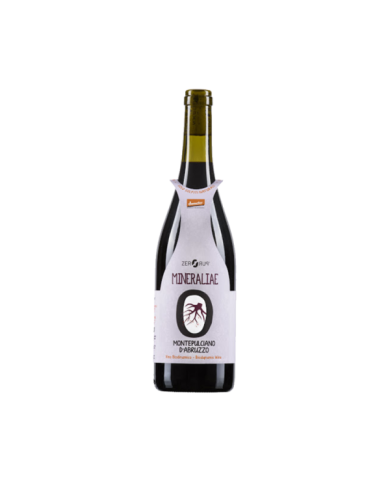
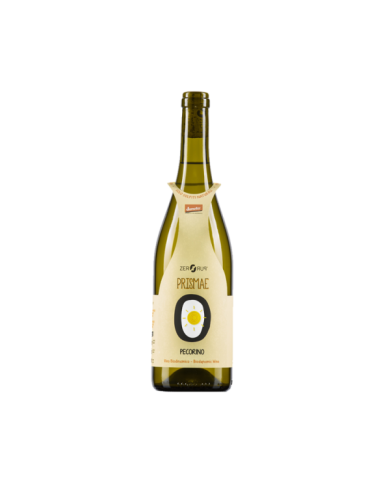
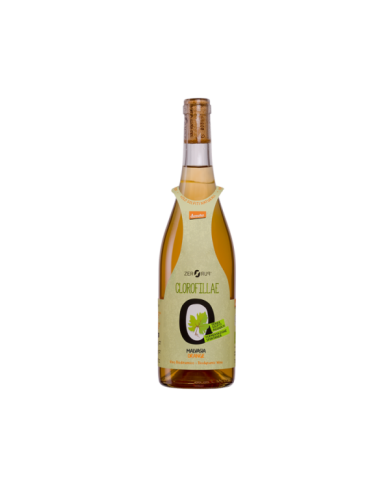
Zeropuro spontaneously fermented Demeter sulphite-free wine from biodynamic grapes. Easy to separate label. Montepulciano, Malvasia Orange and Pecorino.
€46.99
SKU:
5792
Brand:
Cantina Orsogna
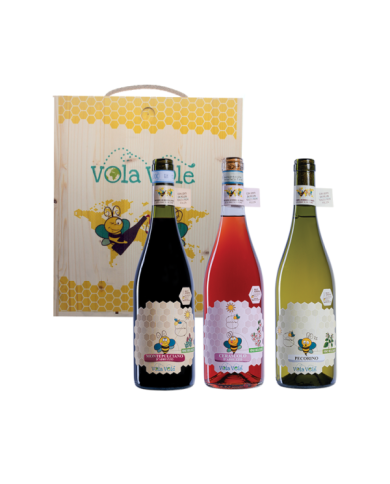
Cantina Orsogna dedicates the VolaVolé brand to organic and vegan wines with Biodiversity Friend certification. The bees of Volà Volè invite you to make a toast to the planet!
€45.90
€7.08
€5.66
SKU:
5721
Brand:
Tenuta Ulisse
Type: Brut Quality Sparkling Wine Classic Method Grape Variety: Pecorino
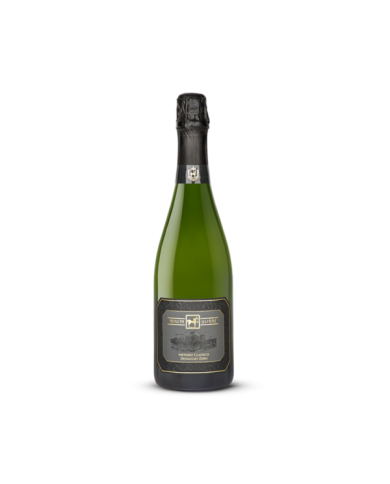
Grasping and capturing the essence of Pecorino is the dream of many. Tenuta Ulisse Dosaggio Zero: no dosage, no addition of “liqueur d'expédition”, so as not to obscure its truest, crystalline, instinctive expression, to better grasp the essence of this immense and very personal Pecorino. A pure, sincere Classic Method, the result of the best expression of an extraordinary terroir and of the man who understood its character and potential. Intended for that public of connoisseurs who love this style.
€14.34
SKU:
5716
Brand:
Tenuta Ulisse
Denomination: Sparkling Wine Grape Variety: Pecorino
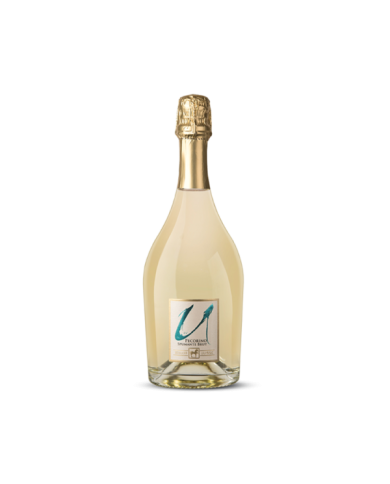
The Pecorino grape, thanks to its wide aromatic heritage, is particularly suited to sparkling wine. In Abruzzo Tenuta Ulisse made it sparkling for the first time. An ambitious and simple project at the same time: using the native Pecorino vine to produce a Charmat Method Spumante in Abruzzo. The goal is, once again, to focus on the peculiarities and richness of our land, to offer these vines a new way of telling themselves and expressing their personality.
€12.05
SKU:
5709
Brand:
Tenuta Ulisse
The best of our grapes, our vines and our terroirs to obtain a dream wine… All the passion and love for our land in a great wine that celebrates 10 splendid harvests respecting an ancient past. A wonderful fruit and an inimitable territory that create excellence.
€29.50
SKU:
5700
Brand:
Tenuta Ulisse
Denomination: Protected Designation of Origin Grape Variety: 100% Pecorino
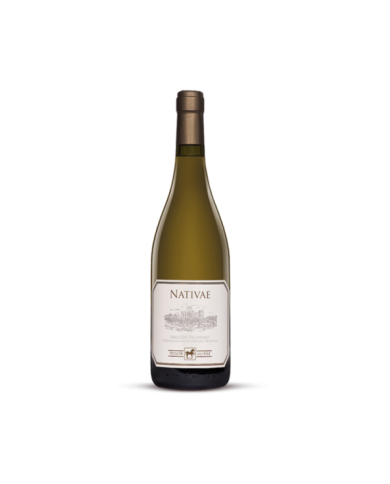
NATIVAE Abruzzo Pecorino DOP is a wine obtained by spontaneous fermentation in concrete tanks with yeasts naturally present on the grapes. The grapes come from an old vineyard cultivated according to the rules of eco-sustainability, without any synthetic treatment. Tenuta Ulisse and its wine philosophy are best expressed in the naturalness and naturalness of the new product, whose aromas, whose pleasantness, whose aromas recall an ancient history in perfect harmony with the potential of the territory.
€19.03
SKU:
5694
Brand:
Tenuta Ulisse
Denomination: White Wine Grapes: Mixed blend of native white grape varieties
A wine that brings together our main white varieties and which is loved for its freshness. Yellow color with green reflections, delicate fruit and fresh flavor.
€15.60
SKU:
5692
Brand:
Tenuta Ulisse
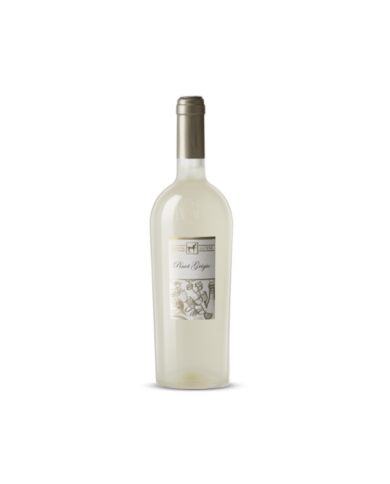
Denomination: Terre di Chieti PGI Grapes: Pinot Grigio
Pinot Grigio is part of the great family of noble Burgundy grapes and is certainly one of the most famous wines in Italy. In the climate of Abruzzo, Pinot Grigio develops a strong aroma, an important structure and great character.
€15.60
SKU:
5684
Brand:
Tenuta Ulisse
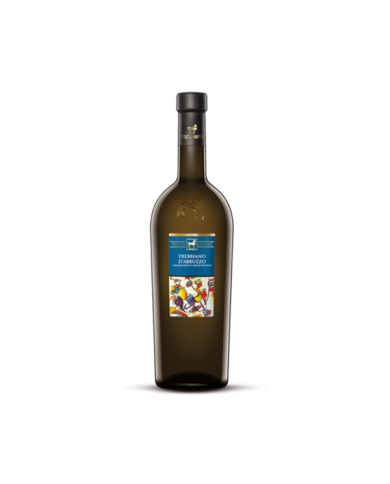
Denomination: Protected Designation of Origin DOP Grape variety: Trebbiano
From the noblest of Abruzzo white grapes, a timeless, refined and elegant product with a strong and decisive personality. Always among the best known expressions of Abruzzo, it is a wine of admirable refinement, fresh and balanced, singularly satisfying. Trebbiano D'Abruzzo encloses its richness and the uniqueness of our land.
€12.05
SKU:
5682
Brand:
Tenuta Ulisse
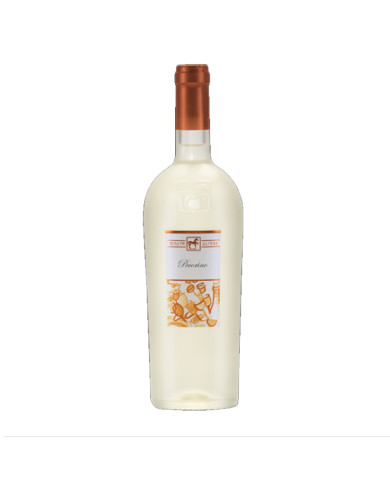
Denomination: Terre di Chieti PGI Grape variety: Pecorino
The charm of its mineral essence is unparalleled. Splendid for the stylistic rigor that stands out for its power and roundness. Perfect balance between acidity and freshness. Particular, unique, unrepeatable. The reason for the denomination equal to the well-known cheese is uncertain but it is probably due to the seasonal movements of the shepherds who, returning from the mountain areas in September, brought their flocks to graze on the vineyards where the fruit had already been harvested.
€15.60
SKU:
5680
Brand:
Tenuta Ulisse
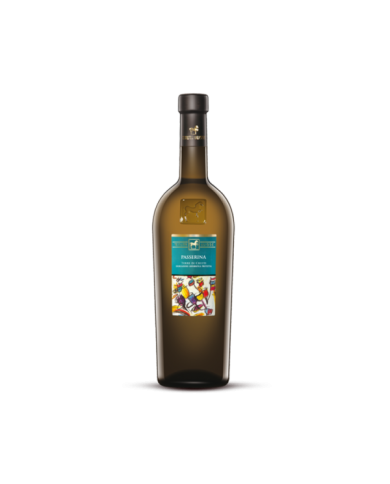
Denomination: Terre di Chieti PGI Grape variety: Passerina
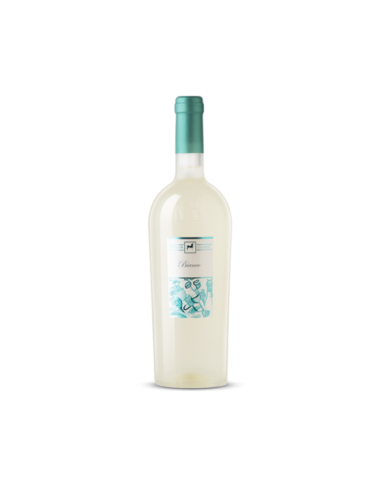
Very ancient white grape variety originating from Central Italy. Its name derives from the rather small size of the berries and from the fact that sparrows often peck at the berries. Used in the past only in blends, Tenuta Ulisse has decided to vinify it in purity to enhance its characteristics of minerality and freshness. It is a vivid example of the white wines of Abruzzo for the olfactory and gustatory suggestions that it brings as a dowry. It lives in a bewitching and modern freshness. A magnificent fruit of Abruzzo winemaking.
€12.05
SKU:
5678
Brand:
Tenuta Ulisse
Denomination: Terre di Chieti PGI Grape variety: Cococciola
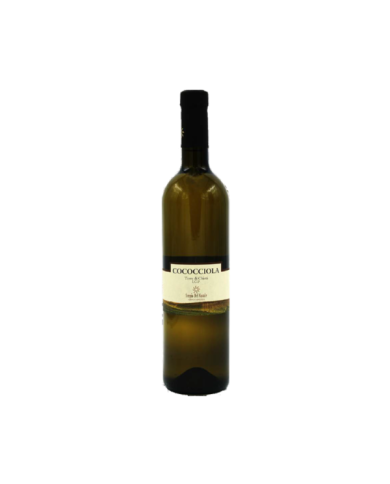
Nota known as cacciola or cacciuola, it is an ancient vine that has its roots in Abruzzo. Used in the past only in blends, Tenuta Ulisse has decided to vinify it in purity to enhance its characteristics of minerality and freshness. It is a vivid example of the white wines of Abruzzo for the olfactory and gustatory suggestions that it brings as a dowry. It lives in a bewitching and modern freshness. A magnificent fruit of Abruzzo winemaking.
€12.05
SKU:
5674
Brand:
Tenuta Ulisse
Denomination: Terre di Chieti PGI. Grapes: Chardonnay, Malvasia
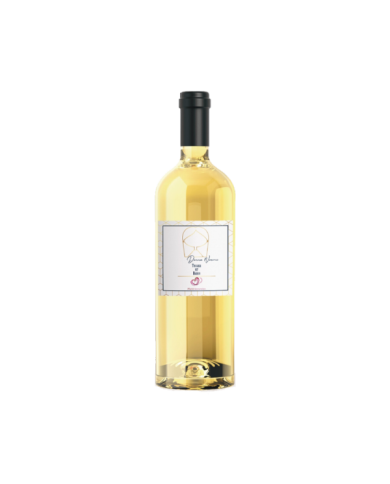
SOGNO DI ULISSE Chardonnay Malvasia is a fine cuvée of white grapes that embodies the essence of the earth, reflecting the style that inspires the philosophy of our land. The result is a pleasantly aromatic wine, in which freshness, softness and complexity blend in a balanced way.
€7.99
SKU:
5668
Brand:
Cantina Tollo
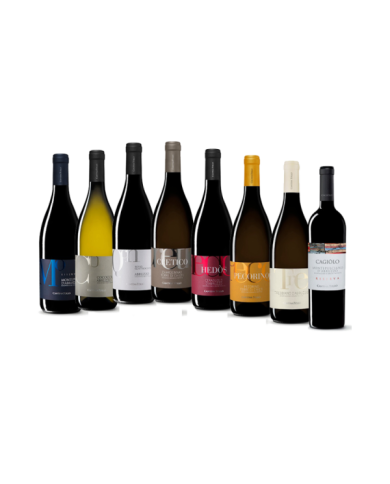
There are wines that can be considered true symbols of a land, such as those we have chosen to dedicate to our Iconic line. Wines that smell of Abruzzo and tell its story. Tradition, innovation and experimentation come together in our Anthology line: whites and reds, the result of careful research and meticulous experimentation that have allowed us to create fine wines over time. Wines you fall in love with with every sip. Anthology is a tribute to Abruzzo and its grape varieties.
SKU:
5666
Brand:
Cantina Tollo
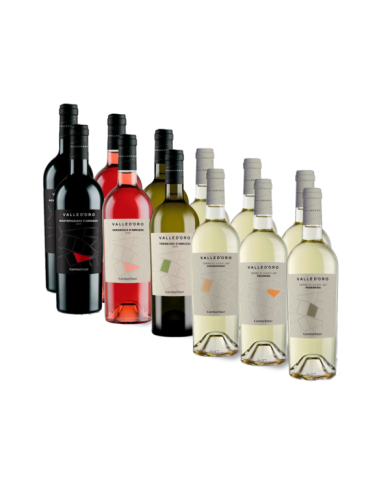
AWARDS OF INTERNATIONAL PRESTIGE FOR THE VALLE D'ORO LINE AND FOR ITS RENOWNED WINES, WITH A MODERN AND NEW GENERATION STYLE.
SKU:
5663
Brand:
Cantina Tollo
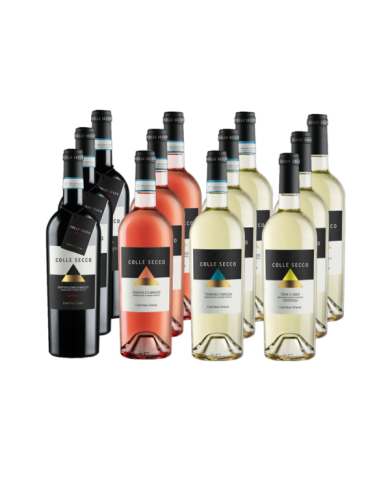
A RENOWNED COLLECTION OF TYPICAL ABRUZZESI WINES, INCLUDING OUR AWARD-WINNING MONTEPULCIANO DOP, WHICH IS LOVED IN ITALY AND EXPORTED ALL OVER THE WORLD.
SKU:
5661
Brand:
Cantina Tollo
THE MOST CLASSIC AND POPULAR RANGE. IT INCLUDES SIX WINES THAT FORM A COMPLETE LIST OF ABRUZZESI WINES, COMBINING QUALITY AND VALUE WITHOUT COMPROMISE. A complete selection of Abruzzo wines from Cantina Tollo . Six bottles that combine quality and value without compromise.
SKU:
5659
Brand:
Cantina Tollo
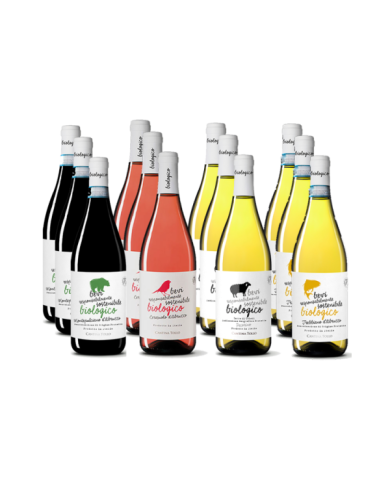
Tasting of the Sustainable Organic line of Cantina Tollo 12 bottles - 4 types of wine: Montepulciano d'Abruzzo - Cerasuolo d'Abruzzo - Trebbiano D'Abruzzo - Pecorino DOP
SKU:
5656
Brand:
Cantina Orsogna
Spontaneous fermentation Without added sulphites Unfiltered with bottom Natural stabilization Sulphite-free, Organic, Vegan and Biodynamic Wine Demeter certified produced with the Ancestral method
SKU:
5651
Brand:
Cantina Orsogna
Spontaneous fermentation Without added sulphites Unfiltered with bottom Natural stabilization Sulphite-free, Organic, Vegan and Biodynamic Wine Demeter certified produced with the Ancestral method
SKU:
5649
Brand:
Cantina Orsogna
Spontaneous fermentation Without added sulphites Unfiltered with bottom Natural stabilization Sulphite-free, Organic, Vegan and Biodynamic Wine Demeter certified produced with the Ancestral method
€12.75
€14.27
SKU:
5637
Brand:
Cantina Orsogna
Straw yellow color, intense nose, with hints of grapes, tropical fruit, white flowers, in the mouth it is sweet and enveloping, however fresh and savory.
€13.18
SKU:
5632
Brand:
Agriverde
Straw yellow. Herbaceous notes blend with hints of jasmine and broom. On the palate it is fresh and enveloping: taste of white peach and lumps, with good persistence. Food pairings: seafood cuisine and delicate cheeses. Ideal for aperitifs and vegetarian dishes.
SKU:
5628
Brand:
Agriverde
Straw yellow with golden reflections. The nose is expressed with intense aromas of ripe apple, pineapple, mango and banana. In the mouth it is fruity, harmonious mineral. Food matches: perfectly accompanies seafood cuisine, soups, delicate first courses, delicate first courses, risottos, white meats and soft cheeses.
SKU:
5614
Brand:
Agriverde
€20.50
Straw yellow with golden reflections. On the nose the aromas are reminiscent of wisteria, rose petals and lime, peach and apricot with hints of sage, lemons and orange blossoms that blend with elegant brackish and mineral nuances. On the palate it is fruity, enjoys good acidity, and a long finish. Food matches: Desserts with dry and fresh pasta. Excellent with seasoned and spicy cheeses.
€20.50
SKU:
5612
Brand:
Agriverde
Soft pink, bright and brilliant. The nose is intriguing with nuances of red fruit: strawberry, cherry, raspberry and white peach. On the palate it is creamy, soft, elegant and balanced. Food matches: Excellent as raw aperitif and seafood dishes.
€10.08
SKU:
5610
Brand:
Agriverde
Straw yellow, bright, brilliant. The nose is expressed with clotted hints of white peach, beeswax and broom, the very subtle notes of dill and lavender fully express the typical character of the Pecorino variety. On the palate it is refreshing, savory and balanced. Food matches: Excellent as an aperitif, seafood dishes, baked pastries.
€10.00
SKU:
5608
Brand:
Agriverde
Straw yellow. Herbaceous notes blend with hints of jasmine and broom. On the palate it is fresh and enveloping: taste of white peach and lumps, with good persistence. Food pairings: seafood cuisine and delicate cheeses. Ideal for aperitifs and vegetarian dishes.
€7.17
SKU:
5606
Brand:
Agriverde
Straw yellow with golden reflections. The nose is expressed with intense aromas of ripe apple, pineapple, mango and banana. In the mouth it is fruity, harmonious mineral. Food matches: perfectly accompanies seafood cuisine, soups, delicate first courses, delicate first courses, risottos, white meats and soft cheeses.
€7.17
SKU:
5600
Brand:
Agriverde
Straw yellow with greenish reflections. The nose is expressed with great elegance: nuances of white-fleshed fruit and jasmine with a light citrus touch. On the palate it is dry, fresh and intense, with a nice touch of white peach. Food matches: Aperitifs, seafood and land dishes, soups and vegetarian dishes, white meats, raw cheeses.
SKU:
5598
Brand:
Agriverde
Historic and rare native grape of our province of Chieti. Straw yellow with golden reflections. The nose is delicate, with notes of spring white flowers and evident clumpy sensations. In the mouth it is savory, good persistence and nice acidity with a slightly bitter note reminiscent of hazelnut. Food matches: Seafood dishes, selection of aged and semi-aged cheeses Ideal as an aperitif and vegetarian dishes.
€9.88
€8.48
€6.78
SKU:
5594
Brand:
Agriverde
Straw yellow with golden reflections. The nose is fine and fruity with hints of peach, sage, broom flowers and hawthorn hints of balsamic herbs that leave room for a nice herbaceous note. In the mouth exceptional aromatic correspondence, fresh and fruity white peach with a savory finish. Food pairings: crudités, chitarrina with lobster, seafood risotto and cheeses.
€9.88
SKU:
5587
Brand:
Agriverde
Straw yellow with greenish reflections. The nose is complex and deep with notes of white pulp fruit, sage and lavender that blend with elegant mineral nuances. The taste is fresh, savory and mineral. Food matches: Aperitifs, seafood dishes, soups and grilled vegetables, first courses of land, cheeses.
SKU:
5585
Brand:
Agriverde
€14.60
€11.68
Intense straw yellow with golden and brilliant shades. The nose is expressed with great elegance with wide varietal aromas of ripe yellow fruit, delicate floral and mineral notes, intriguing nuances of honey and vanilla. In the mouth it is a wine of great structure and complexity, it is fresh, balanced with delicate tannins and long persistence. Food matches: Complex sea and land dishes, complex sea dishes (cod, monkfish, sea bass with potatoes, etc.) and land (truffle and porcini tagliatelle, pappardelle alla hare, etc.) aged cheeses, including blue cheeses.
€14.60
€11.68
SKU:
5573
Brand:
Cantina Orsogna
At the sight it is of an opalescent straw yellow, the nose is very intense, typically aromatic and with a strong balsamic scent and a vegetal note. The taste is dry, fresh and savory.
€12.14
€9.71
€11.69
SKU:
5563
Brand:
Centorame
Golden yellow in color, it has complex aromas of ripe, intense and persistent fruit. In the mouth it has a tannin present that is balanced by a soft and dry taste with a pleasant sapidity.
€16.80
SKU:
5548
Brand:
Centorame
Sinuous and elegant wine with a light straw color and a nose that begins with green citrus, mango and papaya, followed by floral hints of jasmine and green tea. In the mouth it reveals a satisfying acid vein
€11.30
SKU:
5546
Brand:
Centorame
€10.76
€8.61
Straw yellow color, scent of white flowers and crunchy fruit, with a fresh and dry taste, it goes perfectly with appetizers, soft cheeses, fish and egg dishes.
€10.76
€8.61
€10.42
SKU:
5535
Brand:
Centorame
€21.69
€19.52
Vinification: Crushing and soft pressing, fermentation at 15 ° C. Maturation and refinement: 48 months on the lees.
€21.69
€19.52
€17.00
€13.60
SKU:
5493
Brand:
Vigneti Radica
In the world, Pinot Grigio is a very common grape variety, but not in Abruzzo. Antonio decided to cultivate it and the result was excellent thanks to the perfect combination of time and soil.
€13.00
€12.38
SKU:
5483
Brand:
D'Alesio Sciarr
Farmers from the beginning of the 19th century. The D'Alesio farm, from 40 hectares of property on the Abruzzo hills of Citta Sant'Angelo, produces in organic farming: wine, extra virgin olive oil, legumes and selected cereals. SCIARR and D'ALESIO are the brands of excellence, selection and quality, respecting the territory and tradition. Result of the meeting of thoughts of three generations. The selection of their best grapes gives life to the D'ALESIO line, produced only in the most favorable years and in full respect of the natural cycles of the vine and wine.
€39.11
SKU:
5479
Brand:
D'Alesio Sciarr
Visual aspect: Straw yellow with golden reflections, limpid, quite consistent. Olfactory aspect: quite intense, quite complex, good finesse. Description: white flowers (jasmine), white pulp fruit (pear), spicy (light vanilla base), other perfumes (light "pastry" note). Taste aspect: quite fresh, quite savory, warm enough, soft enough. Medium to good body. Balanced. Good intensity and persistence, as well as finesse. Pairings : light appetizers of white fish, even with a slight presence of tomato, delicate first courses of fish or vegetables, or with delicate ragù without tomato (or a little) with white meats
€18.00
SKU:
5477
Brand:
D'Alesio Sciarr
This vine was mentioned for the first time by Cato the Censor in the second century BC, who attributed the origin of this kind of grapes to the Greek colonists. The Pecorino grapes seem to derive their name from the fact that the sheep, walking through the vineyards, would have shown several times to like the fruits.
€8.72
SKU:
5473
Brand:
D'Alesio Sciarr
It is the only DOC in Abruzzo dedicated exclusively to white wine, perhaps the best among the Trebbiani.
€12.38
SKU:
5466
Brand:
D'Alesio Sciarr
Experience and love for the land , handed down from generation to generation, are the foundations of our farm . Located on the hills of Città Sant'Angelo between the mountains and the sea, in a landscape of natural beauty we produce our organic wines, our olive oil and the products of our garden.
€13.73
€10.25
€16.40
€13.12
€19.81
SKU:
5426
Brand:
Cantina Orsogna
Malvasia (85%) and other varieties, trained partly with the Guyot system and partly with the Abruzzese pergola system at an altitude of about 450 meters slm
€9.39
€9.50
€9.50
€23.74
€24.90
€6.21
€6.21
€6.21
€8.78
€8.58
€6.86
€8.58
€6.86
SKU:
5302
Brand:
Cantina Tollo
There is excitement in Abruzzo, even in sparkling wines. Research and experimentation are bearing fruit and our bubbles are increasingly confronted with those of lands of great tradition.
Pairings
Ideal as an aperitif, appetizers and raw fish, shellfish, first and second courses based on fish.
€6.21
€6.21
SKU:
5284
Brand:
Nestore Bosco
Made with Moscato and other white grapes, this is a very distinctive white wine, with a hint of sweetness and a little petillant. Perfect served very fresh as an aperitif.
€7.80
SKU:
5280
Brand:
Nestore Bosco
Young wine loved by young people, it manages to be appreciated for its freshness and easy drinking. Wine that is good for the palate on warm evenings for dinner with friends. Having a good supply in the fridge also refreshes the soul. Recommended pairings : Preferable for the whole meal and with spaghetti with seafood, fried fish, and / or raw fish, seasonal vegetable soup, peppered mussels, fresh, rustic cheeses, savory pizzas. Uncork and serve at a temperature of 10 ° C.
SKU:
5267
Brand:
Marchesi de Cordano
Golden yellow in color. The nose is elegant, intense and quite complex. Fruity and oral, herbaceous. On the palate it is fresh with the right flavor. Balanced and intense. The bouquet is reminiscent of orange blossom, jasmine, yellow peach, pineapple and a hint of candied citrus and notes of dry pastic ceria. Vinification : Manual harvesting of grapes in small boxes. Cold pressing in an inert environment, static decantation of the must with controlled fermentation. Anament in terracotta amphorae for 12 months. The cococciola is a grape that allows to obtain a wine of structure and longevity. The amphora does not yield any aroma, enhances the varietals of the grapes used and allows, thanks to the porosity of the clay, a good micro-genesis.
€13.97
The best Italian white wines
Italy is home to some of the finest white wines. In the Clickwine section of our online wine shop dedicated to the finest Italian white wines, you'll find bottles of excellent white wine carefully selected by our sommeliers.
The designations used in our country to classify wines are DOCG, DOC, and IGT. Sometimes you'll also find designations like DOP and IGP: these acronyms have similar meanings to the previous ones but are used by wineries that primarily sell their wines outside of Italy.
The production of white wine
White wines are produced from both light and dark grapes, but vinified as a white wine: that is, during maceration there is no contact between the must and the pomace, so that the skin – exactly the opposite of what happens with red wines – does not release substances and color.
Its myriad nuances vary according to the characteristics of the grape variety, the aging method and the vine growing area.
In white winemaking, once the grapes have been harvested, they are transported to the cellar, destemmed, and pressed, and the must is separated without any maceration or with a brief maceration. Sometimes, however, the grapes are pressed and then macerated with the skins at a low temperature for a varying length of time. This produces richer, smoother wines.
This phase is followed by the clarification of the white wine produced, which can be done by letting the must rest, by cooling, centrifugation or filtration.
Fermentation begins either by adding selected yeast to the must or spontaneously, using the indigenous yeasts present in the grapes. To preserve the aromas, finesse, and freshness of white wines, fermentation is carried out at lower temperatures than red winemaking, generally around 18°C.
To obtain a fresh and lively wine, best drunk young, malolactic fermentation is avoided by bottling early, after filtration and stabilization. More complex wines, aged or fermented in wood, are bottled only after several months in barrel.
How to taste white wine
First, you need to decide whether to uncork the bottle right away or let your white wine age. If you want to immediately succumb to its charm, its aromas of aromatic herbs, flint, or its notes of exotic fruit, then serve your white wine at the right temperature: 6-8°C for a young white and 8-10°C for a softer, more structured wine.
How to pair white wine
Dry white wines will surprise you at the table, too, and not just with their straw-yellow color. As an aperitif, and especially with a fish dish, white wine is definitely a must, but it's not easy to know which of the many labels will be best suited to the occasion.
We recommend pairing white wine with cheeses, whether low-fat, fresh, or rich in milk, such as flavorful buffalo mozzarella, or with soft, bloomy-rind cheeses. They're also perfect with white meats, such as classic scallops, but beyond tradition, white wine also pairs perfectly with meat and risotto dishes, as well as truffles. Visit our online wine shop Clickwine for expert advice on purchasing the best white wine at the best price to pair with your favorite dishes.
White wines: prices and offers
Every week, our online wine shop, Clickwine offers a selection of selected white wines at special prices. In this section and in the special offers section, you can then browse the best value wines.
A wide selection of premium products at affordable and truly exclusive prices. Don't miss the incredible deals on white wines from all the most prestigious Italian wineries; discover internationally renowned and beloved Italian wines.
Enter the Clickwine catalog and expand your selection by purchasing exclusive items online from smaller, yet exceptionally high-quality wineries.
White wines: longevity and conservation
How long can I keep white wine in the cellar? Do white wines improve as they age like red wines? These are the questions a wine consumer asks when talking about white wine.
In general, white wines have a much shorter shelf life than red wines, for two reasons: tannins and aging. Tannins are antioxidants present in the wine's skins that aren't present in white wines; as for aging, however, most white wines age in stainless steel for just a few months; even red wines, if they age briefly in stainless steel and undergo rapid maceration, don't last for many years. Let's say a classic white wine aged in stainless steel lasts a maximum of 2 to 3 years. If it undergoes maceration or ages in wood, it can last up to 20 years and improve year after year.
How many types of white wines are there?
There is no exact number of types of white wine, as there are several different white grape varieties that can be used to make white wines. Some of the most common white grape varieties used to make white wines are Chardonnay, Sauvignon Blanc, Riesling, Pinot Grigio, and Moscato. There are also other less common varieties such as Gewürztraminer, Semillon, and Viognier. Each of these varieties can be used to produce white wines with unique and different characteristics, so there are many different types of white wines available.
How to recognize a good white wine?
There are several ways to recognize a good white wine. One of the simplest is to taste the wine and evaluate its flavor and aroma. A good white wine should have a pleasant flavor and a delicate, complex aroma. Other factors that can indicate the quality of a white wine include the vintage, the grape variety, and the production area. In general, white wines produced with high-quality grapes and in particularly favorable years tend to be more valuable and of higher quality. Furthermore, white wines produced in regions renowned for producing high-quality white wines can be considered more valuable than those produced in other regions.
How to understand if a white wine is good?
As mentioned above, one of the easiest ways to determine if a white wine is good is to taste it and evaluate its flavor and aroma. A good white wine should have a pleasant flavor and a delicate, complex aroma. It's also important to keep in mind that the quality of a white wine can be influenced by several factors, such as the vintage, the grape variety, and the production area. For example, white wines produced with high-quality grapes and in particularly favorable years tend to be more valuable and of higher quality. Furthermore, white wines produced in regions renowned for producing high-quality white wines may be considered more valuable than those produced in other regions.
Why is it called white wine?
White wine is so called because it is made using white grapes. Most white grapes have transparent or lightly colored skins, so the wine made from these grapes has a light, transparent color. Sometimes the color of white wine can be influenced by the type of grape used, the winemaking process, and the addition of other ingredients, but generally, white wine has a light, transparent color.
How to replace white wine?
If you want to replace white wine in a recipe, there are several ingredients you can use. One of the most common options is to use chicken or vegetable broth instead of white wine. Other options include using white vinegar or apple juice diluted with water. Additionally, in some cases, you can omit the white wine entirely and use other ingredients to achieve the desired flavor in the recipe.