Italiano
 Deutsch





































There are no more items in your cart
SKU:
17661
Brand:
Velenosi
Rosso rubino vivo e brillante con lievi riflessi granati. Naso intenso e complesso, con sentori di frutti maturi, prugna e ciliegia che, intensi, si aprono su un bouquet di spezie e fiori dal fascino straordinario. Di grande carattere ed essenza. Vellutato nella polpa e possente nella trama, giustamente tannico, fruttato e speziato. Il suo sapore è caldo, persistente, corposo ed armonico.
€42.77
SKU:
17660
Brand:
Velenosi
Rosso rubino intenso, con riflessi violacei. I profumi sono profondi e persistenti: aromi di frutta carnosa, di more, ciliegia assieme a note di liquirizia e grafite, pepe nero e tabacco. Sentori balsamici completano il quadro aromatico di grande complessità, persistenza ed eleganza. Caldo ed elegante, di forte impatto e di grande progressione gustativa, dal carattere fermo e deciso segnato da tannini finissimi, morbidi e rotondi. Chiude lungo con piacevolissimi ritorni fruttati.
SKU:
17659
Brand:
Velenosi
Zona di produzione Vigneti di proprietà situati nei comune di Offida, Ascoli Piceno e Castel di Lama Vitigno Montepulciano 70%, Sangiovese 30% Grado alcolico 14% VOL
€15.54
SKU:
17658
Brand:
Velenosi
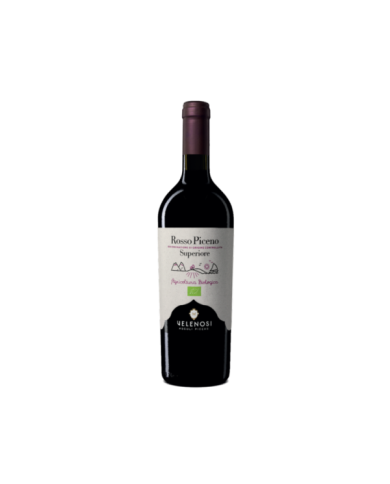
Il“Brecciarolo” Rosso Piceno Superiore viene realizzato dalla cantina Velenosi partendo da un 70% di Montepulciano a cui si aggiunge un 30% di Sangiovese. Le viti di queste due varietà crescono nei vigneti situati nei pressi dei comuni di Offida e Ascoli Piceno, a circa 200-300 metri sul livello del mare.
€10.61
SKU:
17657
Brand:
Velenosi
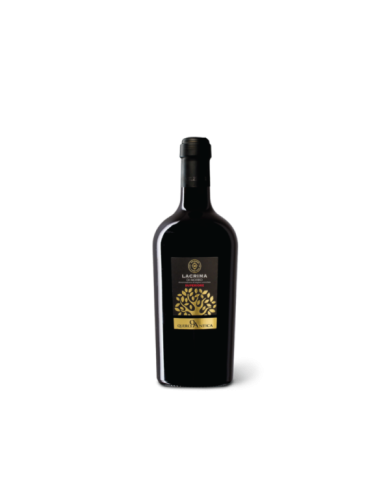
Zona di produzione Vigneti di proprietà situati nel comune di San Marcello – Ancona Uvaggio Lacrima di Morro d’Alba 100% Grado alcolico 13% VOL
€14.91
SKU:
17656
Brand:
Velenosi
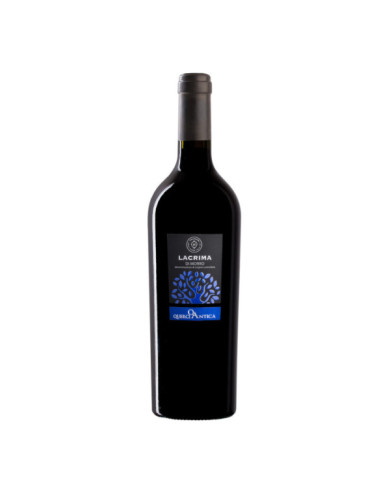
Il "Querciantica" è una Lacrima di Morro d'Alba di grande freschezza e semplicità che, con il solo affinamento in acciaio, svela tutta la fragranza fruttata e floreale di questa antica varietà marchigiana. Profumi di ciliegia e fragola fanno da cornice a sensazioni di rosa e sfumature vegetali. Il sorso mostra una trama sottile e leggera, attraversata da un giovane tannino e scandita da leggere sensazioni aromatiche
€14.00
SKU:
17655
Brand:
Velenosi
Rubino con riflessi rosso granato.
Intenso, con spiccate note di polposi frutti rossi. Alle note floreali di viole freschissime si aggiungono quelle speziate di pepe nero. Eleganti sentori vanigliati chiudono un ampio e complesso bouquet.
Persistente, caldo, corposo e armonico. Confermate le note fruttate, floreali e speziate. Grande struttura, buona persistenza con finale lungo e appagante.
€8.05
€38.38
€34.54
€62.98
€18.20
€33.27
€6.82
€42.70
€8.54
€11.96
€6.81
SKU:
17615
Brand:
Fiorentino
Il Taurasi Riserva dell'Azienda agricola Fiorentino nasce nel vigneto Calore, a un'altitudine media di 400 m. s.l.m. Le uve, vendemmiate a mano tra fine ottobre e inizio novembre, seguono una classica vinificazione in rosso con macerazione sulle bucce a temperatura controllata. Il vino ottenuto affina per 18 mesi in botte grande da 10 hl e successivamente in acciaio e bottiglia.
€57.65
SKU:
17614
Brand:
Fiorentino
Il Taurasi dell'Azienda agricola Fiorentino nasce nel vigneto Calore, a un'altitudine media di 400 m. s.l.m. Le uve, vendemmiate a mano tra fine ottobre e inizio novembre, seguono una classica vinificazione in rosso con macerazione sulle bucce a temperatura controllata. Il vino ottenuto affina per 12 mesi in botte grande da 25 hl e successivamente in acciaio e bottiglia.
€36.23
SKU:
17612
Brand:
Fiorentino
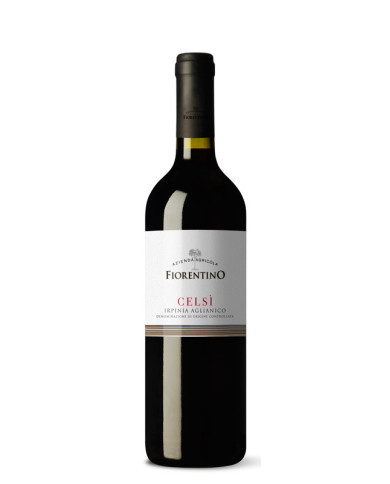
L’aglianico Celsì non è da considerarsi come un’etichetta “minore” rispetto al Taurasi, quanto piuttosto come un vino di pari livello, nonostante la differenza di prezzo. Trattasi di un grande vino, complesso e strutturato, dal lungo potenziale d’invecchiamento. Nuances fruttate si alternano a toni affumicati, al palato è ampio e agile, dalle note saline e tannini vellutati. Circa 4mila bottiglie prodotte, tutte numerate a mano. Imperdibile!
€15.13
SKU:
17610
Brand:
Masseria Li Veli
Colore rosso rubino intenso con riflessi violacei; profumo
speziato, con note di frutti rossi maturi, tamarindo e noce moscata, finale
leggermente vanigliato. Vino di buon corpo, speziato ed armonico
€8.42
SKU:
17602
Brand:
Masseria Li Veli
Primonero Salento IGT della cantina Masseria Li Veli è un vino roso pugliese prodotto da uve negroamaro. Si tratta di un vino secco, rotondo e di buona persistenza.
€9.22
SKU:
17601
Brand:
Masseria Li Veli
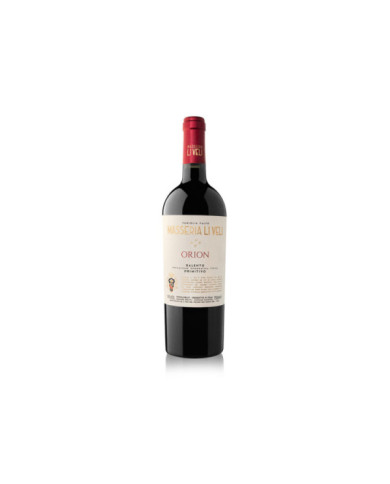
Il nome del Salento Primitivo IGT Orion Masseria Li Veli rimanda al greco oros che significa confine e sta ad indicare la strada fortificata nei pressi di Masseria Li Veli che divideva i possedimenti bizantini nel Salento da quelli longobardi, chiamata appunto “Lmite dei Greci”.
€11.74
SKU:
17600
Brand:
Masseria Li Veli
Il Garrisa viene prodotto con uve Susumaniello, un vitigno del Salento a bacca rossa. Elegante e pieno è davvero un bel bicchiere!
€15.47
SKU:
17599
Brand:
Masseria Li Veli
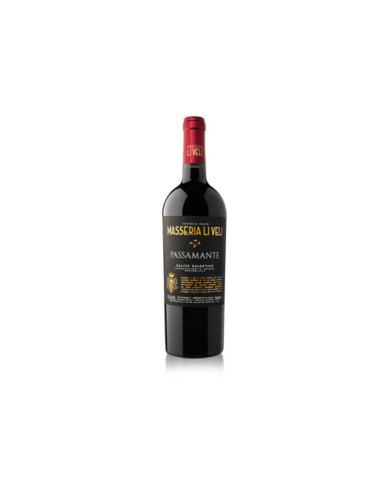
Il Passamante è un bosco che corre lungo i nostri vigneti di Negroamaro. Il suo nome ha origini remote e ricorda che anticamente gli amanti vi trovavano rifugio dagli sguardi indiscreti. La macchia mediterranea che lo costituisce, formata da pini, ginestre, lecci, carrubo, mirto e ginepro dona note olfattive e caratteristiche aromatiche che piacevolmente si integrano alle peculiarità organolettiche del vino.
€15.21
SKU:
17596
Brand:
Masseria Li Veli
Il Sussumaniello Askos viene prodotto da uve Susumaniello in purezza, un vitigno a bacca rossa autoctono del Salento che la cantina si propone di recuperare e valorizzare. Fruttato e ricco al naso, al palato regala un sorso morbido e elegante con un lieve punta di acidità nel finale che dona una sensazione complessiva di freschezza.
€20.67
SKU:
17595
Brand:
Masseria Li Veli
La Malvasia nera leccese è un vitigno autoctono raro che Masseria Li Veli ha recuperato e propone in una accattivante versione che coniuga il calore delle terre pugliesi ad una garbata eleganza. Da provare.
€19.40
SKU:
17592
Brand:
Masseria Li Veli
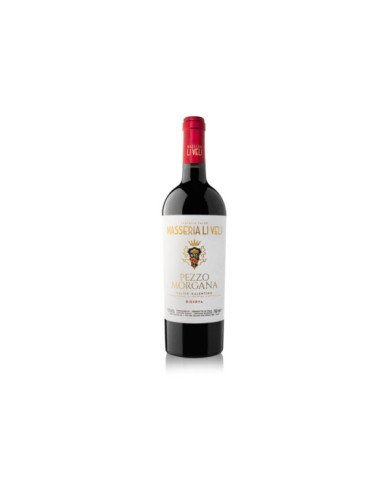
Pezzo Morgana si presenta in un colore rosso rubino intenso con riflessi violacei e profumo ampio e persistente; note di prugna secca e confettura di ciliegie, sensazioni di caramello e pepe che rafforzano un naso molto interessante indicando un corpo deciso; al palato è ampio e caldo, con ricordi di frutta polposa; ha un finale molto lungo con sentori di uva passa e mandorle.
€18.87
SKU:
17590
Brand:
Masseria Li Veli
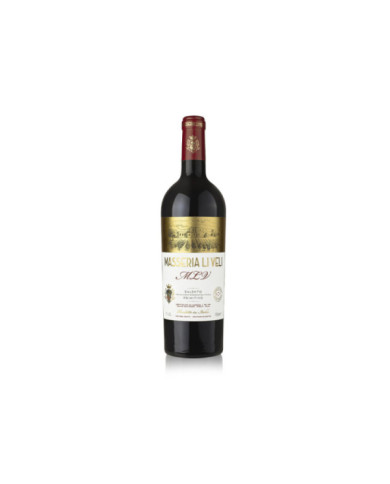
La struttura si trova sulla penisola salentina, il tacco dello stivale italiano. La storia risale al XIX secolo. I fondatori erano già ambiziosi e volevano creare un modello da vetrina per la viticoltura nel sud Italia all'epoca. Questo spirito si sente ancora oggi. Nel 2008, la famiglia Falvo ha rilevato la cantina di 80 ettari e da allora si dedica con passione alle varietà autoctone. I vini hanno un carattere espressivo, sono decisi, ma affascinanti e mondani.
€50.51
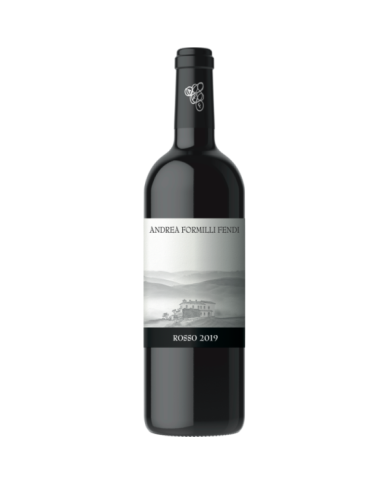
SKU:
17585
Brand:
Andrea Formilli Fendi
Colore rosso rubino intenso e ricco e un bouquet aromatico. Un mix di bacche di sambuco, amarene e frutti di sottobosco lascia spazio a note mentolate e speziate. Il gusto equilibrato è prevalentemente tannico, ma non invadente.
€45.63
SKU:
17584
Brand:
Andrea Formilli Fendi
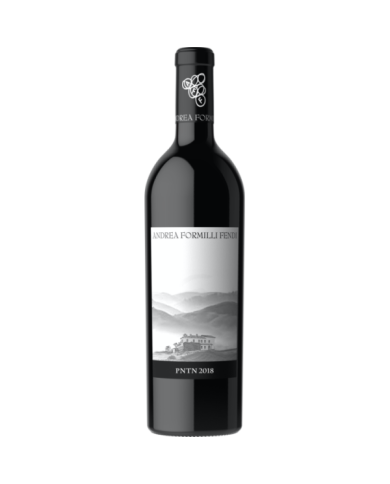
Profumo: grande sentore balsamico a cui si aggiungono note di terra e di grafite, arricchito con note vegetali
In bocca: è ampio, profondo, avvolgente, indirizzato verso un finale persistente e gustoso
€37.21
SKU:
17581
Brand:
Andrea Formilli Fendi
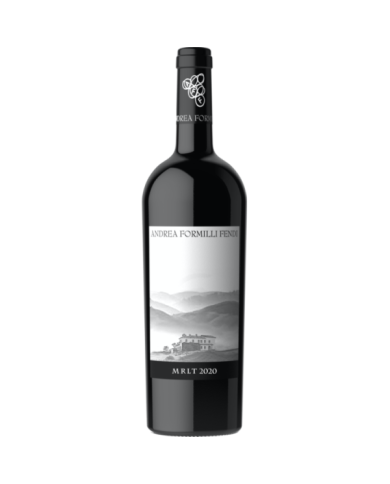
Colore rosso porpora intenso e un naso di frutti rossi e confetture. Con note croccanti e tostate e sentori di pepe bianco, questo vino vanta un’acidità vibrante e tannini setosi con un’eccellente persistenza.
€17.93
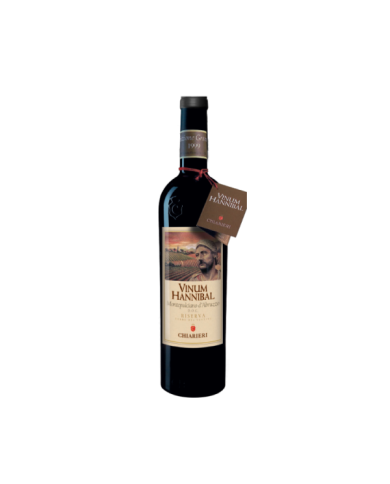
SKU:
17575
Brand:
Chiarieri
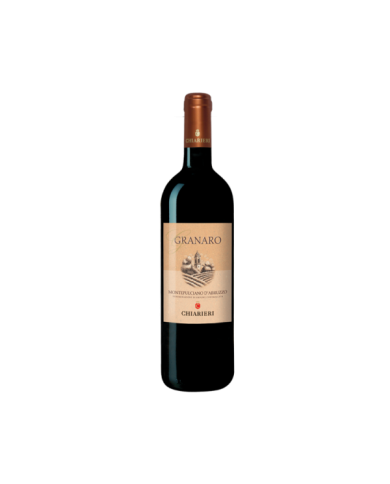
On the palate sensations of undergrowth fruits and rightly balanced licorice open up.
€47.42
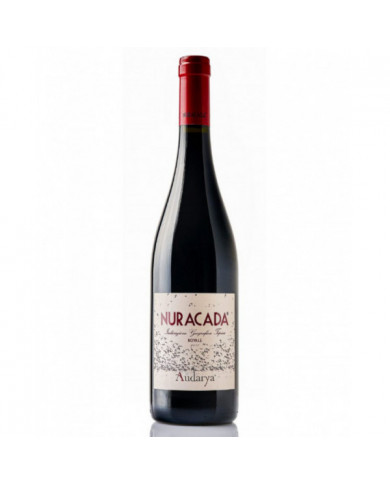
SKU:
17572
Brand:
Audarya
It has a taste of history and centuries, a scent of the peoples who have passed here, with notes of passion, will and respect. - Nuracada IGT Bovale Audarya.
€94.89
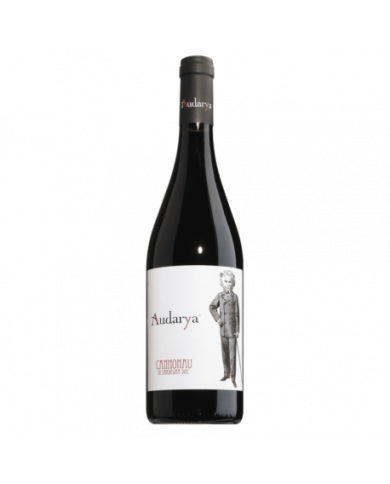
SKU:
17570
Brand:
Audarya
The Cannonau di Sardegna Audarya is a strong and elegant DOC wine, obtained with only Cannonau grapes from the vineyards of Ussana, in the Cagliari area.
€54.60
SKU:
17536
Brand:
Duchi di Castelluccio
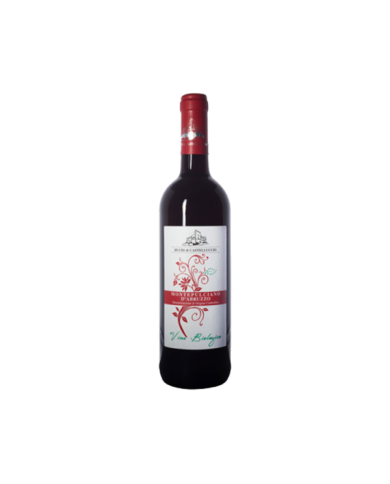
Organoleptic Characteristics Color Medium intensity red with violet reflections Smell Notes of small red fruits mix with an intriguing spiciness Taste Soft with excellent structure with soft and velvety tannins, long persistence, to which are added hints of black cherry jam Gastronomic pairings Excellent in paired with elaborate first courses, grilled meat and cured meats. Serving temperature 16-18 °C
€9.52
SKU:
17531
Brand:
Cantina Tramin
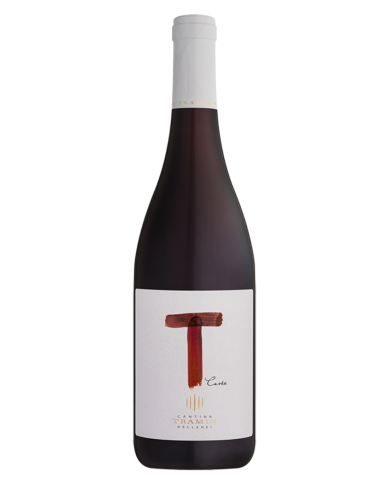
The grapes come from vineyards that extend over hills adjacent to the mountains at an altitude between 250 and 550 m slm , on calcareous soils of clay and gravel conformation subjected to strong temperature variations.
€9.36
SKU:
17528
Brand:
Cantina Tramin
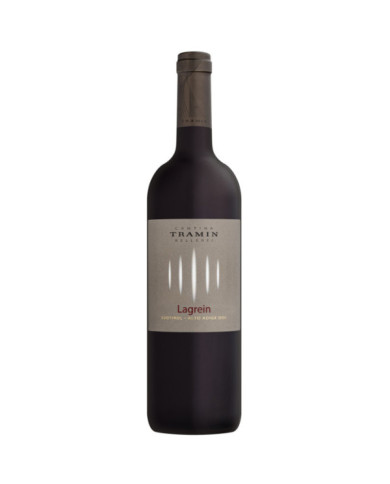
The grapes come from vineyards that extend in a hilly area at 250-400 meters above sea level on calcareous soils of clay, gravel and sand subjected to strong temperature variations.
€13.48
SKU:
17514
Brand:
Cantina Tramin
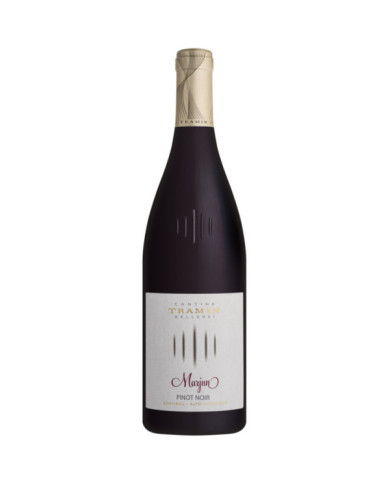
The Pinot Noir grapes used for our Marjun are grown in calcareous-clayey soils in a hilly area at 350 to 650 meters above sea level. It takes its name from a limestone debris belt overlying the vineyards (in the ancient pre-Latin Indo-European language “marra” means “debris”)
€24.69
€7.93
SKU:
17484
Brand:
Audarya
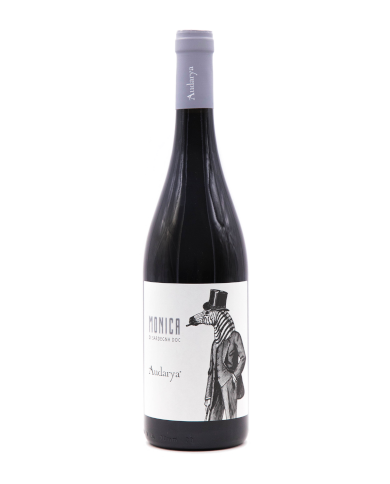
Audarya Monica is produced from monica grapes only, from sapling vineyards located on clayey-calcareous soils in the countryside
€14.18
SKU:
17480
Brand:
Speranza
Ruby red color, crisp red fruit emerges on the nose, followed by vegetal, spicy and floral hints. It is supported by a fresh and savory sip.
€10.77
SKU:
17475
Brand:
Speranza
The wines of the Speranza company and in particular the "Montepulciano d'Abruzzo" , are characterized by the right sugar and alcohol content and by a good fixed acidity, which helps to enhance the aromas and maintain them over time. The Speranza winery produces about 2700 bottles of the "Montepulciano d'Abruzzo" wine, testifying to the importance that this wine has in the context of the company's production.
€14.91
SKU:
17469
Brand:
Caccia al Piano
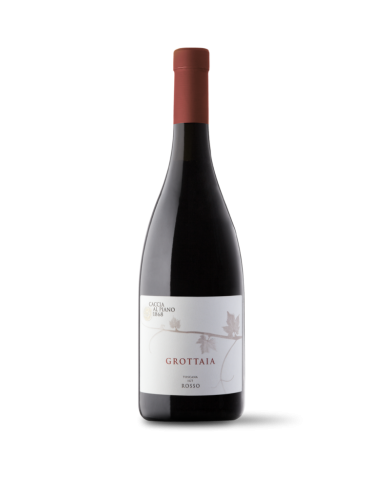
A blend of Cabernet Sauvignon and Merlot from the youngest vineyards located in the flat areas of the company. It is aged exclusively in steel tanks to preserve its fruit, freshness and flavour. The floral motifs and natural colors on the label underline the close link with the Tuscan coast.
€17.56
SKU:
17373
Brand:
Cantina La Vis
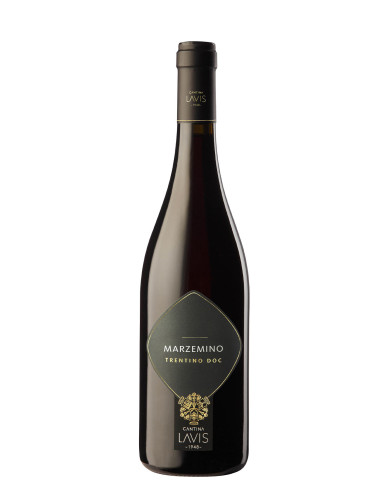
Marzemino is an indigenous red grape variety, emblem of Vallagarina. The soils of this Trentino valley enhance the finesse and complexity of this vine, elevating its lively personality.
€10.94
SKU:
17367
Brand:
Santero
€10.30
Powerful and superb red wine. Its scent is exuberant, rich in notes of red berry fruit. The flavor reveals a harmonious and well-balanced structure.
€10.30
SKU:
17366
Brand:
Astoria
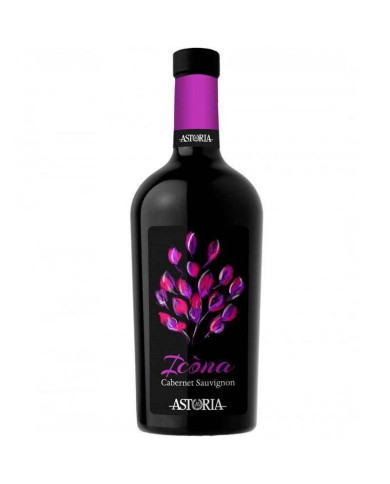
Famous symbol of the Astoria red family, this Cabernet tells its story from its label: bright colours, abstract natural elements, quick and shiny lines to paint a young floral wine, an emblem of joy and carefreeness. Red and floral Cabernet Sauvignon, with a slightly herbaceous, rounded, harmonious and velvety flavour, also brings out its intense aroma which reminds us of red berries, ideal for enhancing the changing flavor of meat dishes. COLOR: ruby red with purple hues
€10.30
SKU:
17365
Brand:
Cantine Pellegrino
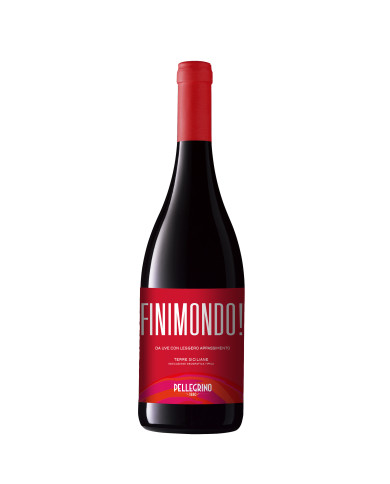
The Finimondo Nero d'Avola Sicilia DOC Pellegrino is a strong, soft and persuasive wine, with a deep red colour, it envelops and enchants in an embrace of fruity and floral aromas.
€11.58
SKU:
17364
Brand:
Cantine Pellegrino
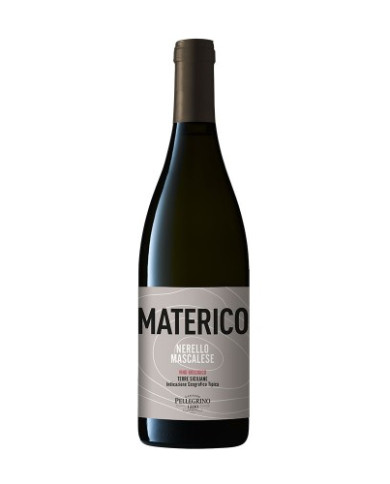
The Materico Nerello Mascalese Terre Siciliane IGT is a fragrant and elegant red wine, made by Cantine Pellegrino, a company that, historically, aims to innovate the island's viticulture.
SKU:
17363
Brand:
Conti Zecca
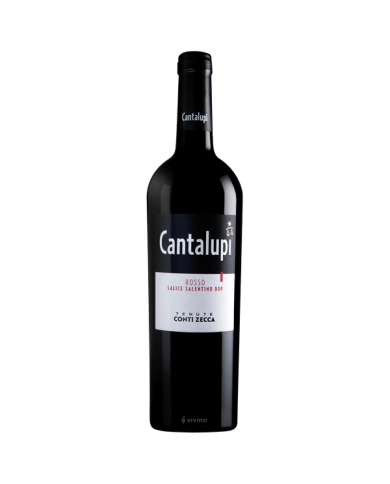
The "Cantalupi" Rosso Salice Salentino from the Conti Zecca winery is a full-bodied and elegant red wine with an intense ruby color. On the nose emerge aromas of ripe fruit such as blackberries and plums, and hints of spices. Harmonious, velvety and rightly tannic flavour. It ages for a few months in concrete tanks before being bottled.
€8.99
SKU:
17362
Brand:
Tenuta degli Dei
Season was very regular, good rainfall until May, temperatures not very high; quite normal vintage
SKU:
17359
Brand:
Perusini
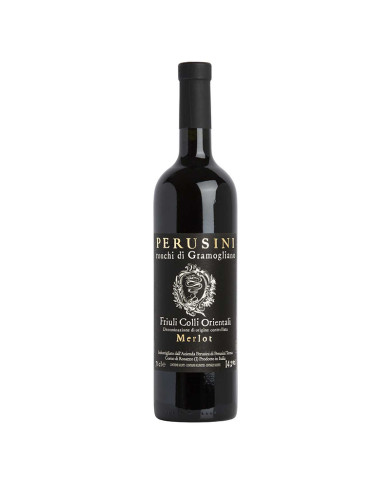
The Merlot Black Label DOC is a Friulian red wine, produced by the Perusini Agricultural Company, located in Corno di Rosazzo in the province of Udine, on the Eastern Friulian hills, it is the symbolic wine of this winery which at its first release obtained the three glasses on the Gambero Rosso guide. The grape that gives rise to this wine is 100% Merlot, obtained with an ancient clone of this vine. The vinification takes place in steel with selected yeasts, followed by 12 months of aging in French oak barriques.
€162.00
SKU:
17358
Brand:
Perusini
The Merlot Black Label DOC is a Friulian red wine, produced by the Perusini Agricultural Company, located in Corno di Rosazzo in the province of Udine, on the Eastern Friulian hills, it is the symbolic wine of this winery which at its first release obtained the three glasses on the Gambero Rosso guide. The grape that gives rise to this wine is 100% Merlot, obtained with an ancient clone of this vine. The vinification takes place in steel with selected yeasts, followed by 12 months of aging in French oak barriques.
€79.06
SKU:
17344
Brand:
Donnafugata
Dea Vulcano, with a light ruby red color, offers a refined bouquet with fruity notes of wild strawberry and cherry, light hints of aromatic herbs (sage) and spicy notes of black pepper and cinnamon. On the palate it is fresh and fragrant, soft with well integrated tannins and a balanced and juicy finish.
€18.25
SKU:
17342
Brand:
Donnafugata
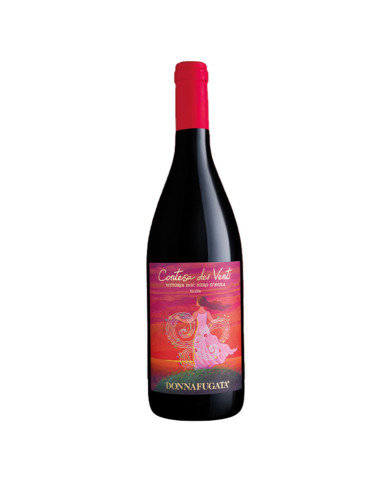
With a ruby red color, Contesa dei Venti 2021 stands out for its floral scents of lavender. The fragrant bouquet is enriched with notes of red fruits (cherry and raspberry) together with hints of spices (sage and black pepper) and balsamic juniper. In the mouth it is fresh and harmonious, with a pleasant return of fruity notes and a soft and enveloping tannin; the finish is persistent and elegant.
€22.52
SKU:
17314
Brand:
Torcilacqua
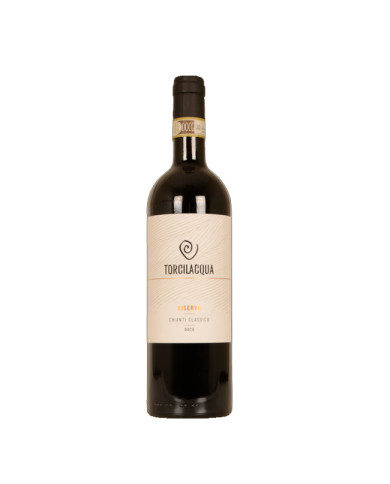
Torcilacqua IGT is produced only with grapes coming from
best plots to fully express the characteristics of the
territory and vintage
€23.72
SKU:
17313
Brand:
Torcilacqua
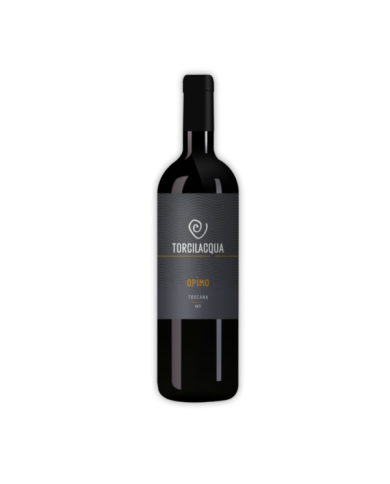
Opìmo, synonymous with lush and rich in fruit, comes from the parcels Merlot farms with clay-limestone soils, where this vine best expresses its characteristics of roundness and sweetness. The vintage 2019, thanks to the very favorable climatic conditions, boasts great balance and good structure, which combine readiness and longevity. Bottling took place in July 2021.
€14.36
€23.72
SKU:
17311
Brand:
Torcilacqua
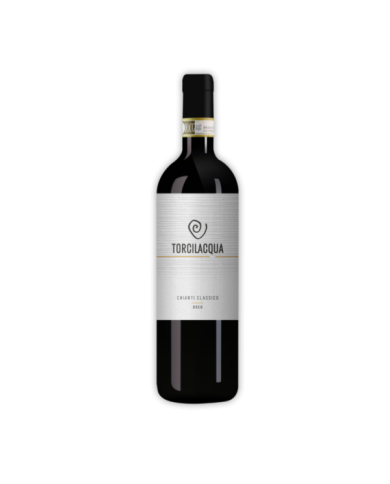
The grapes come from the youngest plots, located on textured land franca, rich in skeleton and marl, selected and harvested by hand in boxes. The fermentation then takes place in steel vats during which they are frequent pumping over, checks and tastings were carried out. After about 3 weeks the wine it is separated from the skins and begins its refinement in tonneaux and steel where matures for approximately 12 months. Then follows another period of refinement in steel where the wine completes its course before bottling.
€15.81
SKU:
17302
Brand:
Mario Marengo
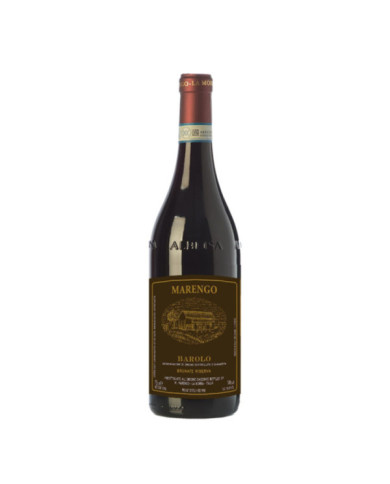
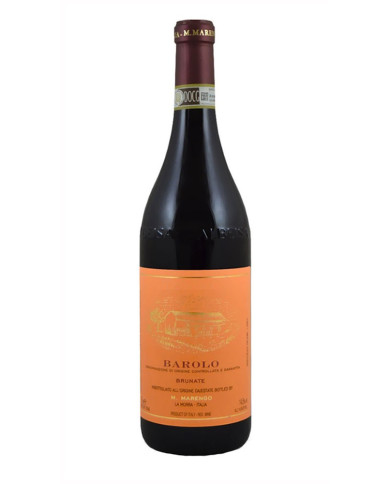
The Barolo "Brunate" Riserva by Mario Marengo is the cornerstone of the house, made with Nebbiolo grapes coming exclusively from the famous Barolo cru. A red to wait and preserve, already rich in fruity and spicy aromas on the nose that lead to an elegant and enveloping sip, supported by a velvety tannin and an incredible palate complexity. Persistent and decisive, capable of combining finesse and aromatic exuberance
€120.29
SKU:
17301
Brand:
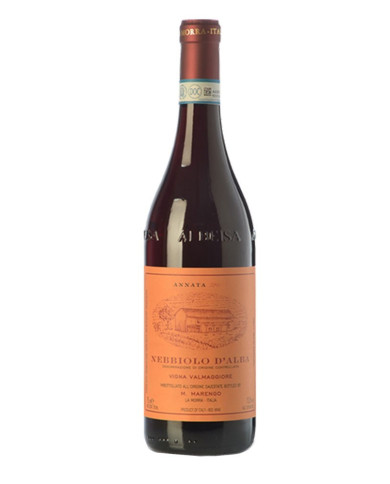
Mario Marengo
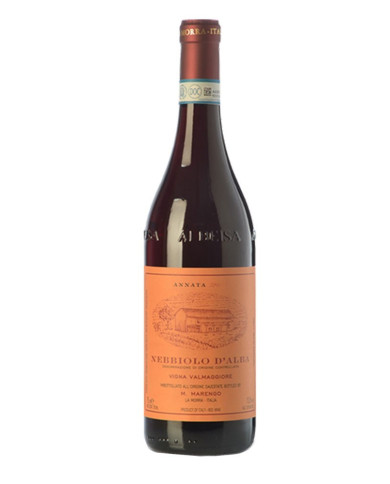
Nebbiolo d'Alba Valmaggiore from the Piedmontese winery Mario Marengo is an elegant and balanced red wine that takes its name from the production area of the same name. In fact, its vineyards grow in one of the best crus of the Roero, after manual harvesting and vinification, it matures in wooden barrels for more than 10 months. The internal ruby red color accompanies intense aromas of red berry fruit, currants, raspberries, medicinal notes and sweet oriental spices. The sip is of medium structure, fruity, mineral with an excellent savory and persistent finish
€22.08
SKU:
17300
Brand:
Mario Marengo
Nebbiolo d'Alba Valmaggiore from the Piedmontese winery Mario Marengo is an elegant and balanced red wine that takes its name from the production area of the same name. In fact, its vineyards grow in one of the best crus of the Roero, after manual harvesting and vinification, it matures in wooden barrels for more than 10 months. The internal ruby red color accompanies intense aromas of red berry fruit, currants, raspberries, medicinal notes and sweet oriental spices. The sip is of medium structure, fruity, mineral with an excellent savory and persistent finish
€40.87
SKU:
17299
Brand:
Mario Marengo
Langhe Nebbiolo is like this, of fine fabric, and manifests in the glass, alongside the classic tannins, the fruitier and spicier notes native to the vine.
€16.67
SKU:
17298
Brand:
Mario Marengo
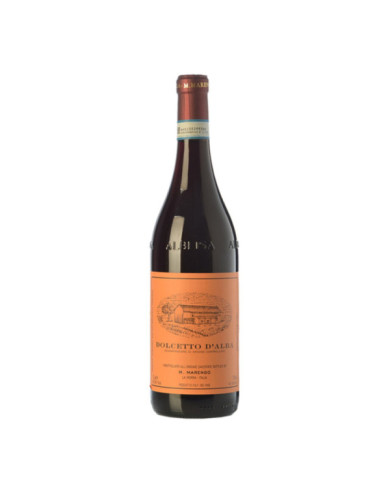
Mario Marengo's Dolcetto d'Alba is a faithful portrait of pure Piedmontese everyday life, directly from the Langhe. Made as tradition dictates by an authentic vigneron, it is vinified only in steel vats. On the nose it smells of violets and wild flowers with garnishes of peeled almonds and light spices. Fresh and agile sip, gastronomic and territorial with a finish of dried fruit
€10.93
SKU:
17297
Brand:
Mario Marengo
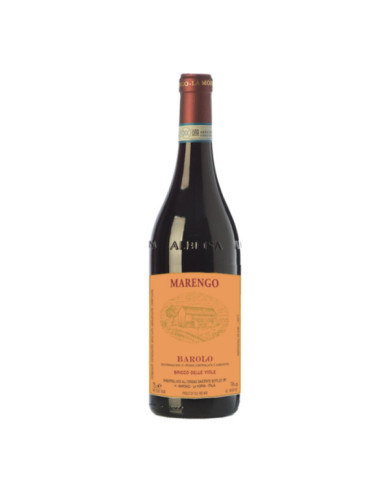
The Barolo "Bricco delle Viole" by Mario Marengo is an artistic and at the same time deeply territorial interpretation of this well-known Barolo cru. A Piedmontese red of great personality and expressiveness, characterized on the nose by the legendary aroma of violet with accents of sour cherry, black pepper, liquorice and plum. In the mouth it is juicy, tasty, with silky tannins and a long tasting persistence
€42.57
SKU:
17296
Brand:
Mario Marengo
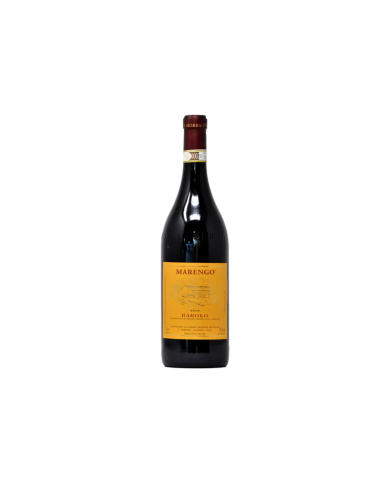
The wine has an intense garnet red color, with brilliant ruby reflections. The olfactory profile recalls floral aromas of violet, notes of berries and light woody scents. On the palate it is elegant, with fine tannins, a center of the mouth with delicate and subtle aromas, which accompanies the sip towards a harmonious, persistent and refreshing finish. The ideal Barolo for those looking for the expressive finesse of the great wines of the Langhe.
€75.40
SKU:
17295
Brand:
Mario Marengo
Barolo Brunate DOCG is an elegant and persistent wine, which is well suited for ready drinking, but can evolve in the cellar many years before tasting.
€65.88
SKU:
17294
Brand:
Mario Marengo
After the careful manual harvest, only the best bunches are sent for fermentation in steel containers, with maceration on the skins for a period of 10 days. Subsequently, we proceed with the refinement which takes place in barriques and lasts 24 months.
€45.87
SKU:
17293
Brand:
Mario Marengo
After the careful manual harvest, only the best bunches are sent for fermentation in steel containers, with maceration on the skins for a period of 10 days. Subsequently, we proceed with the refinement which takes place in barriques and lasts 24 months.
€32.68
SKU:
17292
Brand:
Mario Marengo
After the careful manual harvest, only the best bunches are sent for fermentation in steel containers, with maceration on the skins for a period of 10 days. Subsequently, we proceed with the refinement which takes place in barriques and lasts 24 months.
SKU:
17291
Brand:
Mario Marengo
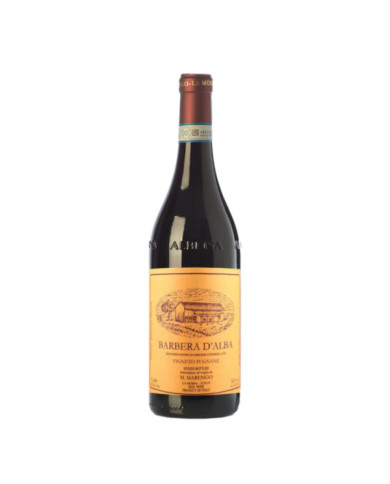
Mario Marengo's Barbera d'Alba "Vigna Pugnane" is a concentrate of pure Piedmontese territoriality. The Barbera grapes come from the municipality of Castiglione Falletto and give life to a red rich in floral and fruity aromas, intense and engaging. After aging in wood for at least 10 months, it becomes full of body and heat, giving a juicy sip, with a typical acid shoulder and a long fruity persistence.
€22.08
SKU:
17287
Brand:
Cantine Barbera
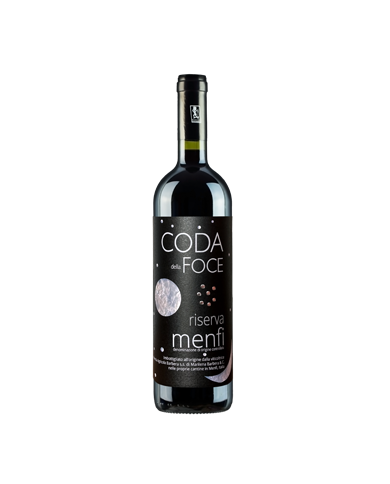
Coda della Foce has been defined as a beautiful wine in a blue dress: elegant, never intrusive, at ease in any situation, persuasive with style and personality. Blend of Nero d'Avola and Petit Verdot in variable proportions depending on the vintage, it comes from the assembly of the best carats that have shown a particular personality and evolutionary finesse and is produced only when the characteristics of each harvest and the long aging in large casks allow it to express a superior organoleptic quality. Super Sicilian by birth, citizen of the world by choice of life.
SKU:
17286
Brand:
Cantine Barbera
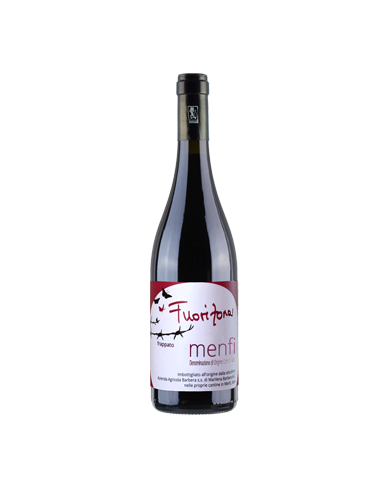
Although originally from Ragusa, most of the Frappato is grown in the province of Trapani, a few kilometers from my vineyards. Menfi and Vittoria have a lot in common: both exposed to the South and therefore to Africa, kissed by the salty wind of the Mediterranean and rich in sandy-limestone soils lying on compact clays. These affinities convinced me to introduce Frappato to Belìce. When I created the FuoriZona label, Liliana Segre's story came to mind about the little girl who, during her deportation to Auschwitz, drew a butterfly flying over the barbed wire. I would like the tiny gesture of drawing that butterfly to bear witness to that message: always choose love, peace, solidarity towards every human being who lives, together with us, on this earth.
SKU:
17283
Brand:
Cantine Barbera
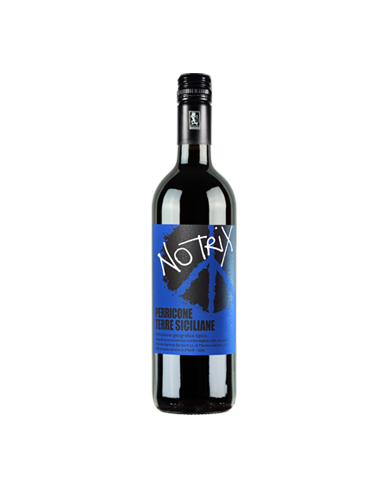
Vibrant and decisive, NoTrix is direct and transparent: it does not want and does not need "embellishments". It is a wine with a brilliant ruby colour, with intense and playful scents of red fruits and geranium flowers. Its solid and well integrated tannins support a palate with an agile and dynamic body, where spicy notes of ginger and star anise accompany the drink towards a saline and very persistent finish. This is how Perricone is, and this is how I like this wine to be: without tricks and without falsehoods, far from oenological models that do not belong to the Menfi winemaking tradition.
SKU:
17282
Brand:
Cantine Barbera
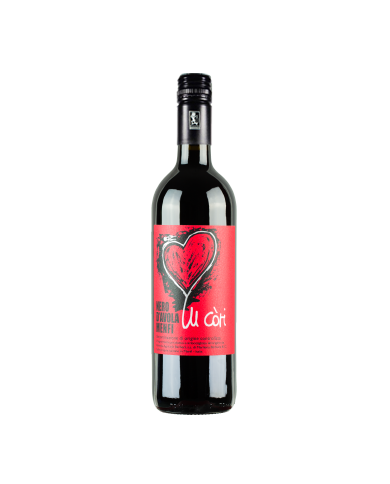
Feminine and sensual, Lu Còri tells of a Sicily kissed by the sun and caressed by sea breezes. Its splendid purple livery, edged with violet reflections in its youth, evolves towards ruby with the passing of the years. Ripe red fruits, especially blackberries and raspberries, characterize the bouquet, made intriguing by notes of brine and a slight spiciness. In the mouth it is fragrant, soft and velvety, with delicate tannins, perfectly integrated in a juicy and persistent finish.
SKU:
17155
Brand:
Lammidia
€24.52
we bottled lu rosh with a small residual sugar to allow the fermentation in the bottle to restart and make it sparkling; a Lambrusco made in Abruzzo!
SKU:
17153
Brand:
Lammidia
€24.52
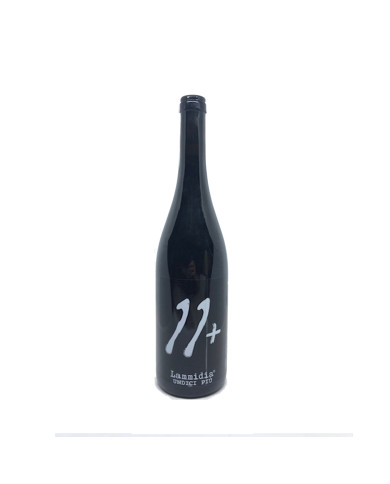
The name varies depending on the alcohol level we have in the year, so it can be 10 minus minus, 12 minus minus, 9 plus, etc...
SKU:
17150
Brand:
Lammidia
Vinification: Destemmed by hand. Contact with the skins with
daily milling for two weeks
Aging: 10 hl river barrels
Description: Red fruits, typical Pinot Noir spices
€23.09
SKU:
17149
Brand:
Lammidia
€25.38
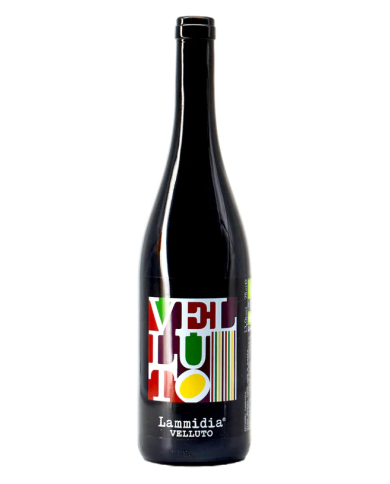
Vinification: Destemmed by hand. Contact with the skins with daily milling for two weeks Aging: Barrique Description: Pepper, black pepper, an enveloping texture in the mouth which recalls velvet
€25.38
SKU:
17147
Brand:
Lammidia
€18.18
An unconventional red wine as per the Lammidia style, in which freshness and ease of drinking are sought. Obtained from pure red grapes with carbonic maceration for a week and refinement in steel. A wine that has beautiful aromas on the nose reminiscent of red fruit, followed by liquorice and spicy notes. The south of France made in Pescara.
€18.18
SKU:
17146
Brand:
Lammidia
€23.91
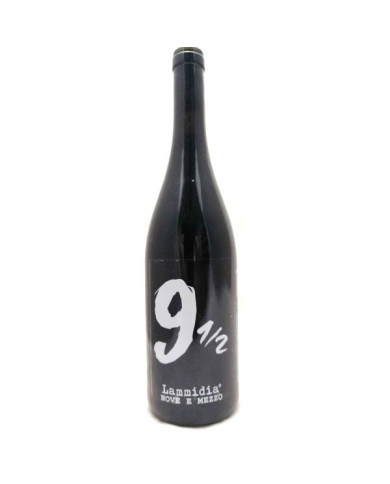
9 1/2 is a wine made from red grapes. The name takes its alcohol content. Spontaneous fermentation with maceration on the skins. Aging for a few months in steel tanks. Without sulphites added before bottling. The result is a wine with intense fruit aromas, great freshness and drinkability.
€23.91
SKU:
17143
Brand:
Lammidia
€18.18
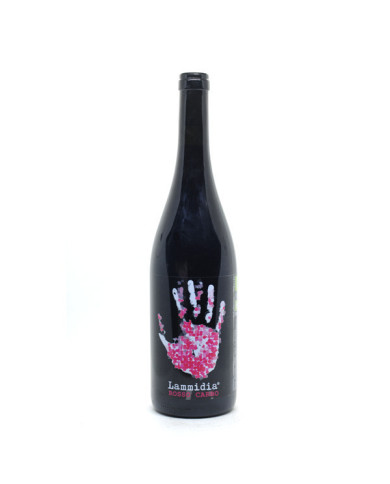
Rosso Carbo is a wine obtained from local red grapes which undergoes 3 weeks of carbonic maceration on whole bunches sealed in concrete tanks. It then goes directly to the press. Rosso Carbo is a graceful, fruity and juicy wine.
€18.18
SKU:
17139
Brand:
Lammidia
€23.18
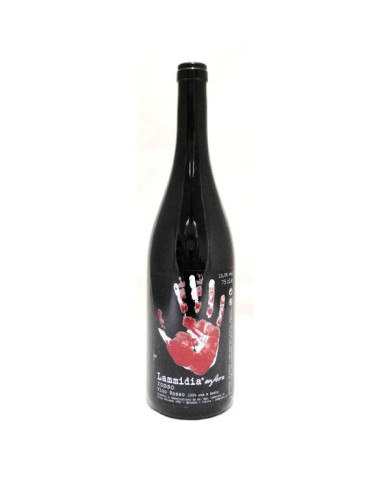
Rosso Anfora di Lammidia is a fresh and compulsively drinkable wine obtained from red grapes. Produced by manually destemming the grapes and pressing them softly with your feet. Fermented spontaneously in amphora in contact with the skins immersed in the must for 10 days. Subsequently the wine refines together with the fine lees for a further 10 months.
€23.18
SKU:
17138
Brand:
Lammidia
Rosso Anfora di Lammidia is a fresh and compulsively drinkable wine obtained from red grapes. Produced by manually destemming the grapes and pressing them softly with your feet. Fermented spontaneously in amphora in contact with the skins immersed in the must for 10 days. Subsequently the wine refines together with the fine lees for a further 10 months.
€47.09
SKU:
17137
Brand:
Lammidia
€13.31
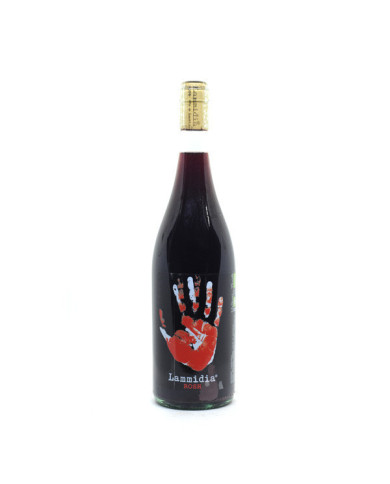
Rosh is a wine produced following the taste of the Abruzzo tradition for red wines, and hence the name "lu rosh". The grapes used are red with a small part of white grapes, to give it a little freshness and greater drinkability. Wine of great juiciness and freshness, which tastes of red fruit.
€13.31
SKU:
17136
Brand:
Lammidia
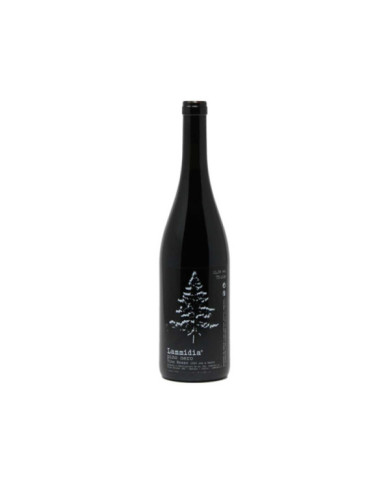
Pino Nero is a red wine obtained from red grapes, fermented with semi-carbonic maceration. Spontaneous fermentation. Aging in fiberglass tanks. Without sulphites added before bottling. The result is a wine that gives the palate a great sensation of freshness and many fruit flavors.
€24.60
SKU:
17132
Brand:
Lammidia
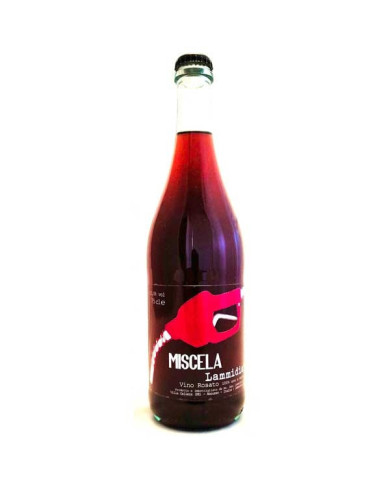
As the name of the wine anticipates, we are faced with a super blend of white, rosé and red wines destined to create an explosive blend of enjoyment and drinkability. Here is Trebbiano mixed with its contribution of freshness, Pecorino with its acidity and aroma and Montepulciano with structure and colour. Super like benza.
€12.13
SKU:
17131
Brand:
Lammidia
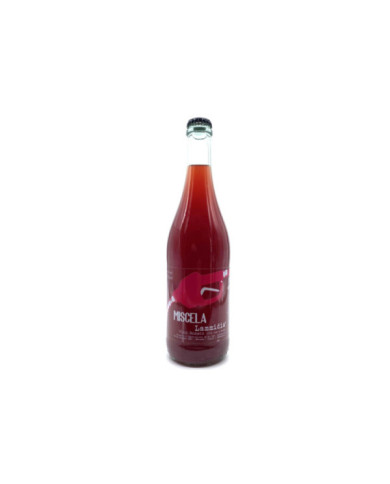
Miscela di Lammidia is an expertly blended wine of red and white grapes. Spontaneous fermentation and aging in steel tanks. A wine that presents itself with the right aroma, freshness and body, and stands out for the ease and promptness of a quick sip.
€4.37
SKU:
17124
Brand:
Lammidia
€20.42
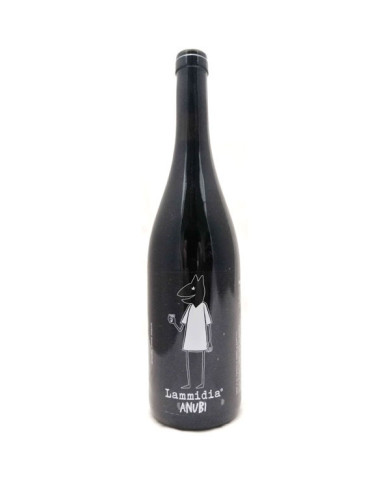
Anubi is a wine made from red grapes. The grapes are vinified with the carbonic maceration technique, throwing the whole bunches into a large concrete vat where they remain without oxygen for 2 weeks. The result is a wine with intense fruit aromas, great freshness and drinkability.
€20.42
€19.50
SKU:
17118
Brand:
Alessio Brandolini
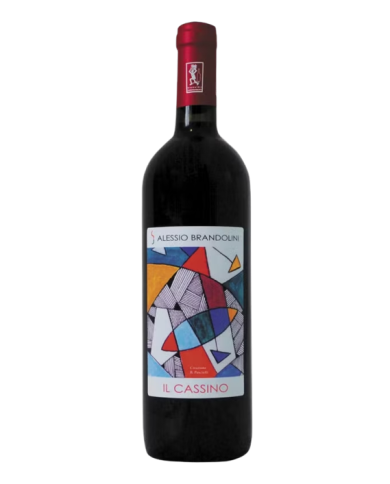
Ruby red in colour, of great complexity and balance, it has broad aromas with hints of cherry, coffee and cocoa. The taste is soft, with a long persistence.
€14.64
SKU:
17116
Brand:
Alessio Brandolini
The aromas of small red fruits emerge on the nose: strawberries, blackberries, blueberries, currants. Equipped with good acidity and tannins, it is definitely a full-bodied wine.
€11.35
SKU:
17115
Brand:
Alessio Brandolini
Ruby red in color, the nose is fruity, with the typical hints of cherry and
morello cherry, with a slight floral scent.
Quite structured and tannic, the acidity is contained and balanced by
good softness.
€11.10
SKU:
17114
Brand:
Alessio Brandolini
Ruby red in color, the impact on the nose is intense, with hints of red fruit such as marasca and blackberry and spices such as cinnamon. Balanced, warm wine with great structure and persistence.
€21.72
SKU:
17111
Brand:
Alessio Brandolini
Produced exclusively in favorable years.
Grapes: 100% Pinot Noir. Once the grapes have been pressed, they are fermented in contact with the skins for about fifteen days.
€21.84
SKU:
17102
Brand:
Fabrizio Dionisio
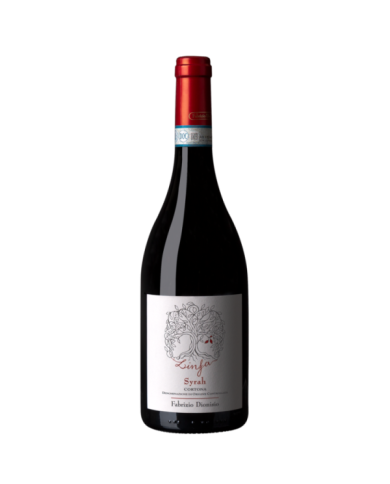
Linfa was born from the desire to explore a different dimension of Syrah, the umpteenth version in which this grape variety can be interpreted and declined, in red vinification (oh yes, because we also vinify it in white... and thus our beloved Rosa del Chestnut and Bolla Galeotta). After Castagno (the iconic wine of our company) and Cuculaia (our cru) which are aged for a long time in our barrique cellar, partly in wooden barrels of different sizes made for us by friendly master coopers, and partly in old barrels cement tanks that have always belonged to our cellar and have been perfectly refurbished through the patient work of invaluable craftsmen, acquiring extraordinary elegance, depth and complexity, and the "Castagnino", raised entirely (for a shorter period) exclusively in cement barrels, for safeguarding its bare, wild and fragrant profile, favoring varietal identity, immediacy and ease of drinking over complexity, I felt the need to discover how my Syrah could express itself by being born and growing in symbiosis with another material that fascinates me , like wood and cement, and which rightfully belongs to the most ancient, and natural, history of wine… and of man.
€40.26
SKU:
17101
Brand:
Fabrizio Dionisio
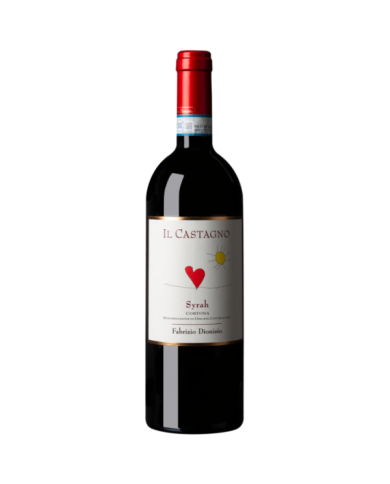
Chestnut is the wine I've always wanted to make, the main wine, in a certain sense the symbol, the icon of our company and, in my heart, of Cortona Syrah. The only wine I made until a few years ago. It is made (like all our wines) only with Syrah grapes grown in our Cortona vineyards, all characterized by very low yields per hectare (maximum 50 quintals from 5,000 plants), rigorously selected, with extreme care, during the entire vintage, in particular before and during the harvest (which for this wine usually takes place in the last ten days of September, in search of perfect phenolic maturity), harvested exclusively by hand in small perforated boxes of 15 kilos each.
€31.48
SKU:
17100
Brand:
Fabrizio Dionisio
Chestnut is the wine I've always wanted to make, the main wine, in a certain sense the symbol, the icon of our company and, in my heart, of Cortona Syrah. The only wine I made until a few years ago. It is made (like all our wines) only with Syrah grapes grown in our Cortona vineyards, all characterized by very low yields per hectare (maximum 50 quintals from 5,000 plants), rigorously selected, with extreme care, during the entire vintage, in particular before and during the harvest (which for this wine usually takes place in the last ten days of September, in search of perfect phenolic maturity), harvested exclusively by hand in small perforated boxes of 15 kilos each.
€77.84
SKU:
17099
Brand:
Fabrizio Dionisio
Chestnut is the wine I've always wanted to make, the main wine, in a certain sense the symbol, the icon of our company and, in my heart, of Cortona Syrah. The only wine I made until a few years ago. It is made (like all our wines) only with Syrah grapes grown in our Cortona vineyards, all characterized by very low yields per hectare (maximum 50 quintals from 5,000 plants), rigorously selected, with extreme care, during the entire vintage, in particular before and during the harvest (which for this wine usually takes place in the last ten days of September, in search of perfect phenolic maturity), harvested exclusively by hand in small perforated boxes of 15 kilos each.
€67.83
SKU:
17098
Brand:
Fabrizio Dionisio
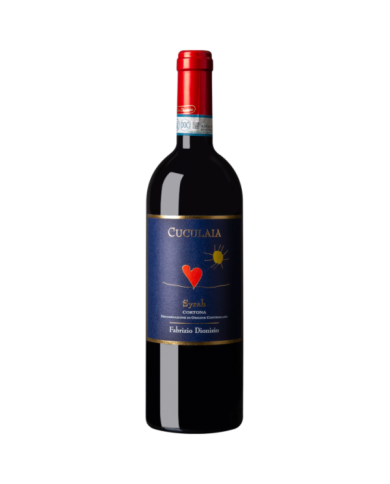
Cuculaia aims to be a living oenological experiment, a journey towards the extreme frontier of quality, in search of the limit which Syrah can push in the terroir of Cortona. It is produced only in years considered excellent, exclusively with Syrah grapes grown in our vineyard of the same name, part of the Il Castagno farm, distinguished by a soil with unique characteristics and particularly low yields per hectare (maximum 40 quintals from 5,000 plants), selected with care throughout the year (especially before and during the harvest) expressly to make this wine.
€65.64
SKU:
17097
Brand:
Fabrizio Dionisio
"chestnut"
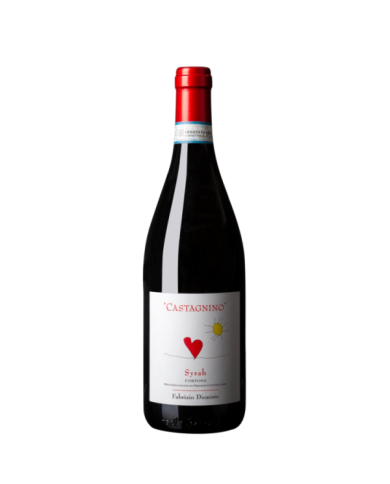
Syrah Cortona DOC The "Castagnino" is the younger brother, but equally loved and cared for, of our symbolic wine (Il Castagno). It is made (like all our wines) only with Syrah grapes grown in our Cortona vineyards, all characterized by very low yields per hectare (maximum 50 quintals from 5,000 plants), rigorously selected throughout the year, especially before and during the harvest (which usually takes place in the first half of September, slightly earlier than that of Il Castagno and Cuculaia), harvested exclusively by hand in small 15 kg perforated boxes.
€20.01
SKU:
17088
Brand:
Viña Falernia
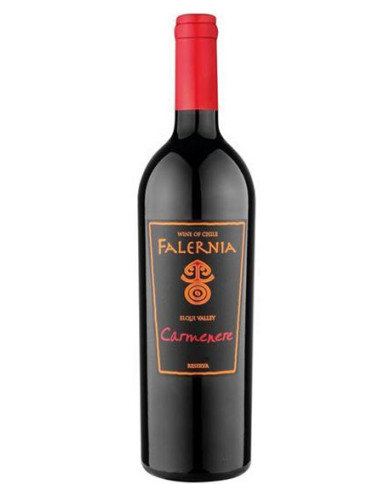
It goes best with delicate foods such as lamb. Excellent with aubergines. Serve at 18°
€15.79
€15.79
SKU:
17084
Brand:
Viña Falernia
€15.79
€14.21
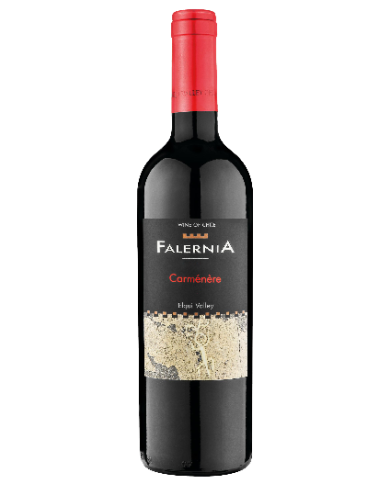
Deep ruby color, hints of red berries and vanilla/chocolate on the nose, full-bodied on the palate, good character of red fruit, spices, white chocolate and vanilla.
€15.79
€14.21
SKU:
17082
Brand:
Viña Falernia
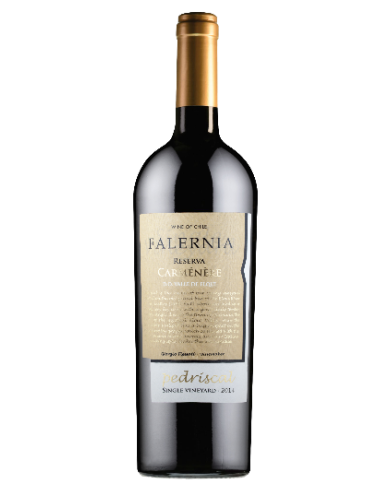
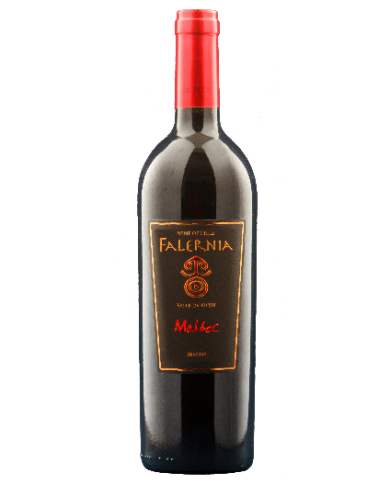
Intense red color, with an aroma of rose and violet petals. Intense to the taste with hints of blackberries and blueberries. Slightly spiced on the finish. Of good persistence. Excellent with red and tasty meats.
€16.97
SKU:
17078
Brand:
Viña Falernia
This wine goes very well with meat dishes and aged cheeses.
Serve at 18°C.
€16.97
SKU:
17075
Brand:
Viña Falernia
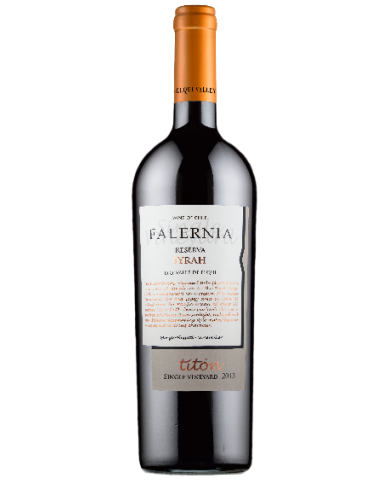
Intense in color, with a character of green pepper and vanilla on the nose, with a complete, rich structure, with ripe and complex tannins with great softness
€10.78
SKU:
17064
Brand:
Marchese della Torre
Bright red in colour, with cherry and plum notes on the nose, it is well balanced with red berry fruits and a well integrated oak character on the palate
SKU:
17060
Brand:
Feudo Badalà
Red with purplish hues, complex aromas with spicy hints, cocoa, coffee, licorice and red berried fruits. With elegant, soft tannins and velvety on the palate. Persistent with an aftertaste of spices.
€20.62
SKU:
17056
Brand:
Feudo Badalà
Clean scent of rose, intense aromas of cherry, supported by naturally soft tannins.
€9.52
SKU:
17055
Brand:
Feudo Badalà
Perfume of ripe plums, with remarkable structure and long persistence on the palate.
€9.52
€11.58
SKU:
17045
Brand:
Solander
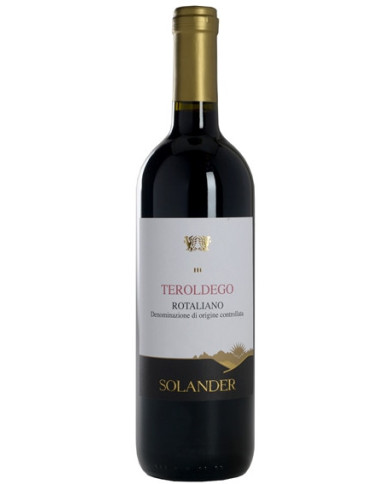
It goes well with red meats, tongue, stewed snails, boiled meats and aged cheeses. Serve at 18°C.
€11.90
SKU:
17038
Brand:
Fontezoppa
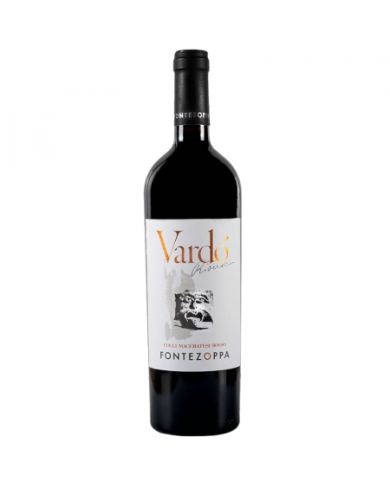
Obtained from Vernaccia Nera grapes, with the production area at an altitude comparable to mountain wines where drying with hanging bunches is expected, at the end of which the must is left to ferment and refine in barriques for at least three years.
€39.41
SKU:
17037
Brand:
Fontezoppa
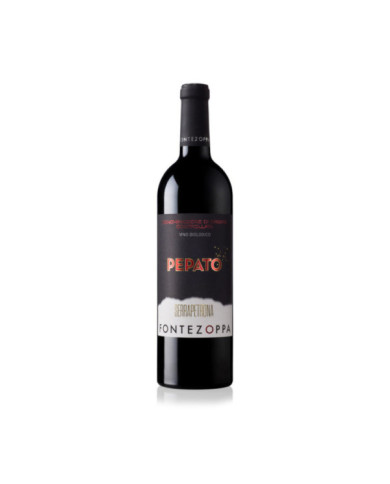
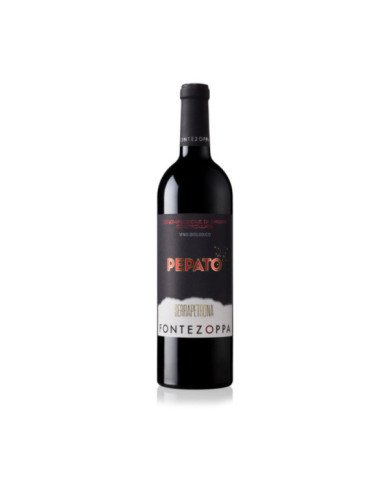
The wine, obtained from Vernaccia Nera grapes and aged for 18 months in barrique, has an intense ruby colour, very consistent.
€93.94
€30.26
SKU:
17035
Brand:
Fontezoppa
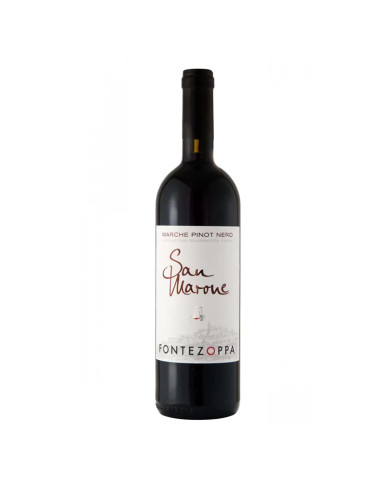
Obtained from hand-picked Pinot Noir grapes and aged for 18 months in barriques, the wine has a beautiful, lively and consistent ruby colour.
€27.32
SKU:
17034
Brand:
Fontezoppa
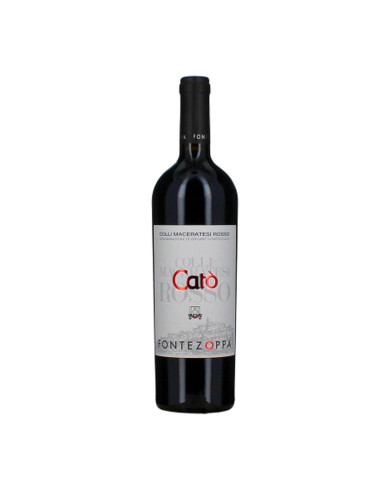
Obtained from 100% hand-picked Sangiovese grapes, this wine, aged for 12 months in barrique, has a ruby color with purplish hues.
€11.70
SKU:
17033
Brand:
Fontezoppa
Obtained from hand-picked Vernaccia Nera grapes, it has a beautiful intense and lively ruby red colour.
€16.81
SKU:
17032
Brand:
Fontezoppa
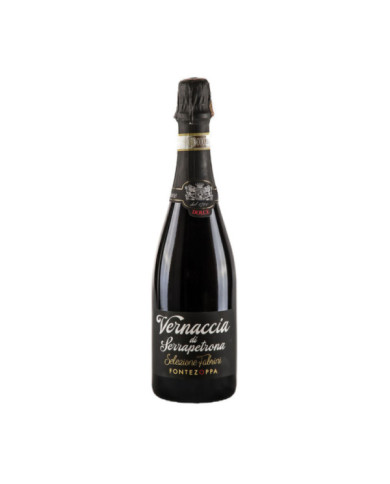
From hand-picked Vernaccia Nera grapes. 60% is immediately put into fermentation while the remaining 40% ferments after being in natural drying for about 60 days. The two wines are brought together and in the spring refermentation is made with the Martinotti method in an autoclave. The wine is ruby red with violet reflections, the foam is fine and soft.
€21.96
SKU:
17021
Brand:
Fontezoppa
Obtained mainly from hand-picked Sangiovese and Cabernet grapes. This wine, aged for 12 months in barrique, has a deep ruby color with violet reflections, good consistency. The nose is clear and intense in fruity and spicy notes, from black cherries to licorice to pepper. Enveloping to the taste, rich, with soft tannins, with a long and fruity finish. Excellent with meat first courses, with vincisgrassi and with red meat dishes.
€25.82
SKU:
17019
Brand:
Fontezoppa
Obtained from hand-picked Vernaccia Nera grapes, it has a beautiful intense and lively ruby red colour.
€14.88
SKU:
17009
Brand:
Tenuta Viglione
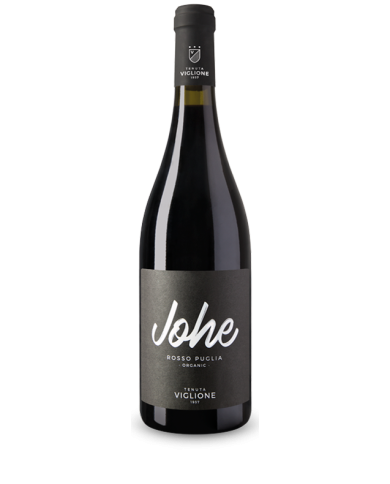
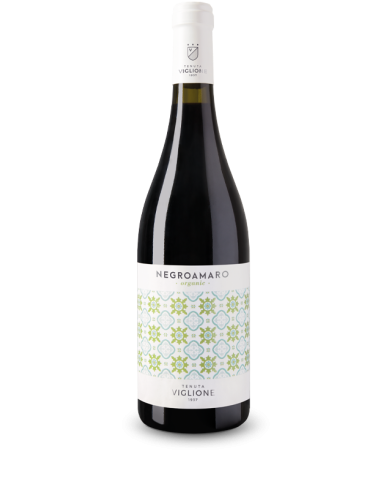
Organic wine with intense floral aromas, with hints of cherry, violet and black olive. Sumptuous and decisive style with marked acidity and refined tannins.
€9.67
SKU:
17004
Brand:
Tenuta Viglione
Ruby red with garnet hues. Fragrant range of black cherry, laurel and tobacco, on a vanilla base. Warm and generous, with returns of fruit and licorice.
€9.58
SKU:
17003
Brand:
Tenuta Viglione
Garnet red with violet reflections. Delicate red fruit jams and spicy and vanilla notes. Full-bodied, soft with an intense and persistent taste of dried fruit.
€13.30
SKU:
16995
Brand:
Tenuta Viglione
Dark purplish that almost absorbs light. Southern Italy is released in the mouth and nostrils with a mélange of fruit and chocolate. A full and ethereal wine
€12.86
SKU:
16994
Brand:
Tenuta Viglione
Ruby red color with violet reflections; clean nose, good intensity and harmonic. Hints of cherry and plum, clean, dry and tannic palate, with good intensity and persistence.
€11.93
SKU:
16993
Brand:
Tenuta Viglione
Red wine with a ruby red color with violet reflections; scent of undergrowth with red fruits and wild berries; dry, balanced, full-bodied palate. Nice acidity and soft tannins, persistent. Ideal pairing with roast meats and fresh cheeses.
€11.19
SKU:
16990
Brand:
Perusini
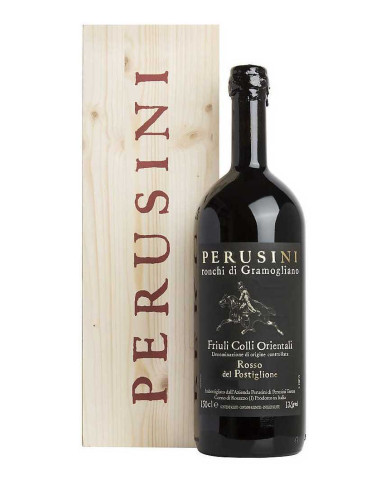
Rosso del Postiglione was produced on a bet in 1962 by Giampaolo Perusini – who already then believed in the possibilities of Friulian reds and blends – immediately won the gold medal at the 1st Corno di Rosazzo Wine Show. Today it is re-proposed in the same blend of merlot and cabernet sauvignon. Passed in French oak barriques and with the same label depicting the Postiglione di Fernet chosen by Giampaolo Perusini - a great horse lover - in 1962.
SKU:
16986
Brand:
Perusini
Rosso del Postiglione was produced on a bet in 1962 by Giampaolo Perusini – who already then believed in the possibilities of Friulian reds and blends – immediately won the gold medal at the 1st Corno di Rosazzo Wine Show. Today it is re-proposed in the same blend of merlot and cabernet sauvignon. Passed in French oak barriques and with the same label depicting the Postiglione di Fernet chosen by Giampaolo Perusini - a great horse lover - in 1962.
€24.27
SKU:
16985
Brand:
Perusini
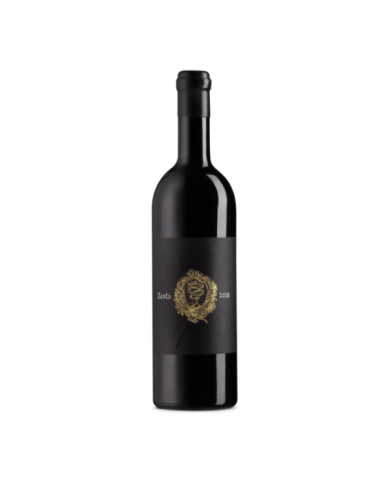
Zenta rosso represents the embodiment of our commitment to quality, excellence and the constant search for harmony between nature and the art of winemaking. Every single bottle of this wine is the result of a careful process, which starts from the scrupulous selection of the best Merlot and Cabernet Sauvignon grapes (50% and 50%) from our most suitable vineyards.
€38.45
SKU:
16984
Brand:
Perusini
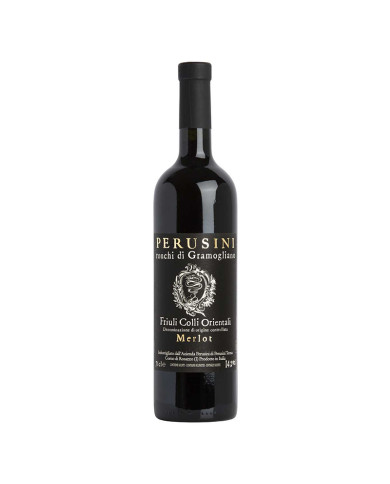
The Merlot Black Label DOC is a Friulian red wine, produced by the Perusini Agricultural Company, located in Corno di Rosazzo in the province of Udine, on the Eastern Friulian hills, it is the symbolic wine of this winery which at its first release obtained the three glasses on the Gambero Rosso guide. The grape that gives rise to this wine is 100% Merlot, obtained with an ancient clone of this vine. The vinification takes place in steel with selected yeasts, followed by 12 months of aging in French oak barriques.
€21.18
SKU:
16983
Brand:
Perusini
Characterized by a very spicy nose with the characteristic varietal vegetable and balsamic notes. Cabernet Franc has a balanced structure with good sapidity and acidity. It is worked almost exclusively in steel. Ideal for pairing with game and grilled meats.
€15.80
SKU:
16982
Brand:
Perusini
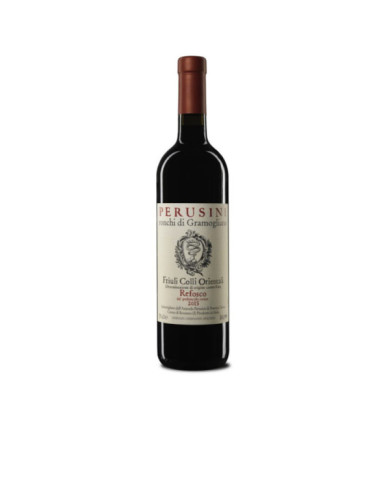
Refosco is a wine with a very intense, almost impenetrable ruby red color, with purple reflections, with a complex, elegant, very intense and very articulated bouquet
€19.51
SKU:
16979
Brand:
Perusini
The Merlot Black Label DOC is a Friulian red wine, produced by the Perusini Agricultural Company, located in Corno di Rosazzo in the province of Udine, on the Eastern Friulian hills, it is the symbolic wine of this winery which at its first release obtained the three glasses on the Gambero Rosso guide. The grape that gives rise to this wine is 100% Merlot, obtained with an ancient clone of this vine. The vinification takes place in steel with selected yeasts, followed by 12 months of aging in French oak barriques.
€44.75
SKU:
16978
Brand:
Quintarelli
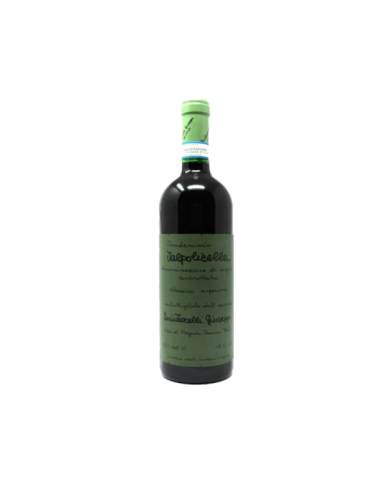
Great Valpolicella wine, produced by one of the most representative companies. Obtained half from grapes dried in boxes for a couple of months and half from "fresh" grapes. It is a wine with great aging potential, which spends six years in large Slavonian oak barrels to reach its complete maturation, before being bottled. If you want to have a red wine of great prestige and rarity in the cellar, you are in front of the right choice!
€94.90
SKU:
16974
Brand:
Tenuta Rocca
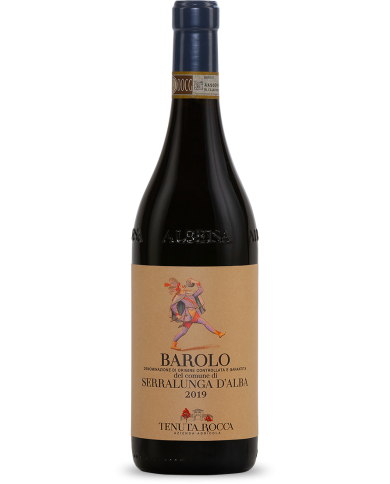
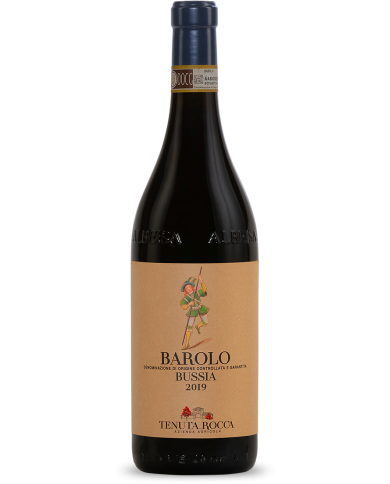
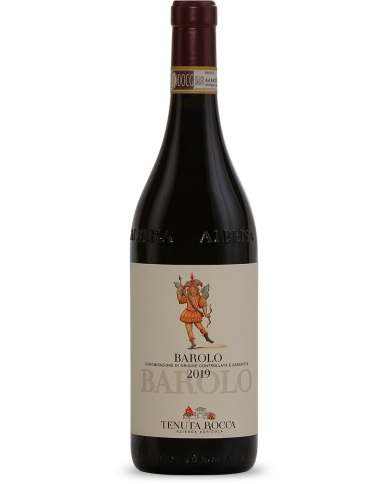
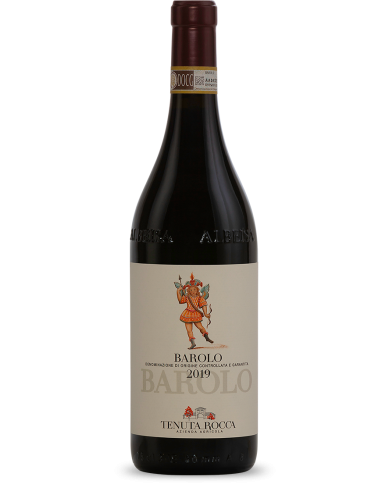
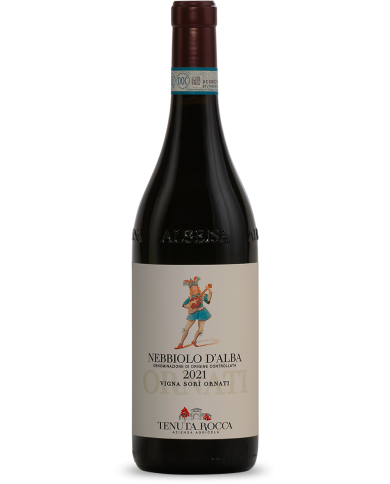
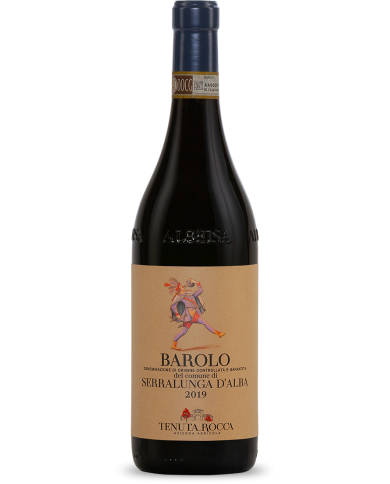
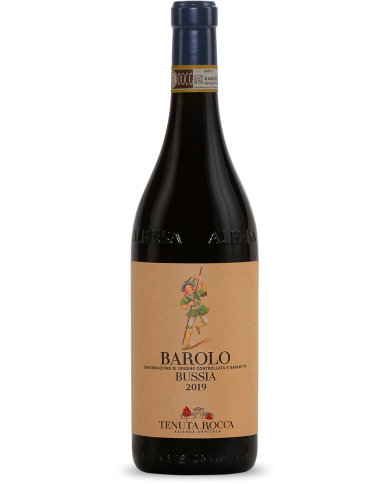
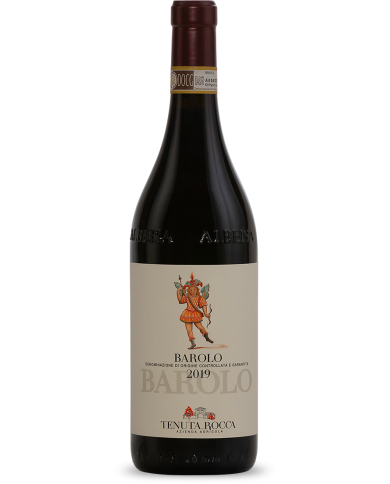
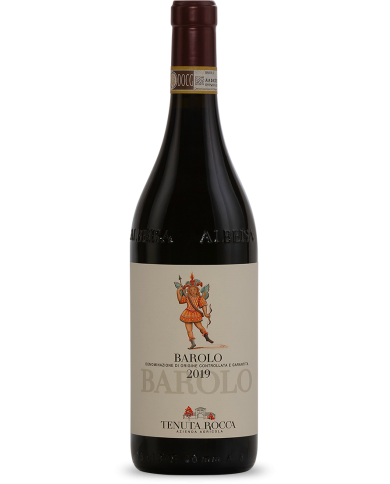
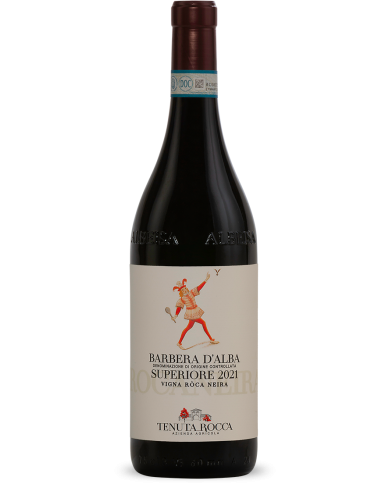
Intense garnet red color with orange reflections. The nose is broad with delicate notes of violet and dog rose, hay and licorice in the background. On the palate the tannin is structured but delicate, tending towards sweet. The intensity of the drink is characterized by the juicy fruit that imprints the memory of the wine.
€94.43
SKU:
16973
Brand:
Tenuta Rocca
Intense garnet red color with orange reflections. The nose is broad with delicate notes of violet and dog rose, hay and licorice in the background. On the palate the tannin is structured but delicate, tending towards sweet. The intensity of the drink is characterized by the juicy fruit that imprints the memory of the wine.
€391.50
SKU:
16972
Brand:
Tenuta Rocca
Intense garnet red color with orange reflections. The nose is broad with delicate notes of violet and dog rose, hay and licorice in the background. On the palate the tannin is structured but delicate, tending towards sweet. The intensity of the drink is characterized by the juicy fruit that imprints the memory of the wine.
€175.44
SKU:
16971
Brand:
Tenuta Rocca
Intense garnet red color with orange reflections. The nose is broad with delicate notes of violet and dog rose, hay and licorice in the background. On the palate the tannin is structured but delicate, tending towards sweet. The intensity of the drink is characterized by the juicy fruit that imprints the memory of the wine.
€627.69
SKU:
16970
Brand:
Tenuta Rocca
Intense garnet red color with orange reflections. The nose is broad with delicate notes of violet and dog rose, hay and licorice in the background. On the palate the tannin is structured but delicate, tending towards sweet. The intensity of the drink is characterized by the juicy fruit that imprints the memory of the wine.
€296.95
SKU:
16969
Brand:
Tenuta Rocca
Intense garnet red color with orange reflections. The nose is broad with delicate notes of violet and dog rose, hay and licorice in the background. On the palate the tannin is structured but delicate, tending towards sweet. The intensity of the drink is characterized by the juicy fruit that imprints the memory of the wine.
€573.77
SKU:
16968
Brand:
Tenuta Rocca
Intense garnet red color with orange reflections. The nose is broad with delicate notes of violet and dog rose, hay and licorice in the background. On the palate the tannin is structured but delicate, tending towards sweet. The intensity of the drink is characterized by the juicy fruit that imprints the memory of the wine.
€269.99
SKU:
16967
Brand:
Tenuta Rocca
Intense garnet red color with orange reflections. The nose is broad with delicate notes of violet and dog rose, hay and licorice in the background. On the palate the tannin is structured but delicate, tending towards sweet. The intensity of the drink is characterized by the juicy fruit that imprints the memory of the wine.
€229.48
SKU:
16966
Brand:
Tenuta Rocca
Intense garnet red color with orange reflections. The nose is broad with delicate notes of violet and dog rose, hay and licorice in the background. On the palate the tannin is structured but delicate, tending towards sweet. The intensity of the drink is characterized by the juicy fruit that imprints the memory of the wine.
€432.00
SKU:
16965
Brand:
Tenuta Rocca
Intense garnet red color with orange reflections. The nose is broad with delicate notes of violet and dog rose, hay and licorice in the background. On the palate the tannin is structured but delicate, tending towards sweet. The intensity of the drink is characterized by the juicy fruit that imprints the memory of the wine.
€202.52
SKU:
16964
Brand:
Tenuta Rocca
Intense, lively and brilliant garnet red colour. The nose is ethereal with the typical perceptions of violet, then cherry and spices and leather. In the mouth the embrace is full and warm, the tannic, velvety and enveloping texture is balanced by the right acidity.
€310.49
SKU:
16963
Brand:
Tenuta Rocca
Intense, lively and brilliant garnet red colour. The nose is ethereal with the typical perceptions of violet, then cherry and spices and leather. In the mouth the embrace is full and warm, the tannic, velvety and enveloping texture is balanced by the right acidity.
€594.02
SKU:
16962
Brand:
Tenuta Rocca
Intense, lively and brilliant garnet red colour. The nose is ethereal with the typical perceptions of violet, then cherry and spices and leather. In the mouth the embrace is full and warm, the tannic, velvety and enveloping texture is balanced by the right acidity.
€269.99
SKU:
16961
Brand:
Tenuta Rocca
Intense, lively and brilliant garnet red colour. The nose is ethereal with the typical perceptions of violet, then cherry and spices and leather. In the mouth the embrace is full and warm, the tannic, velvety and enveloping texture is balanced by the right acidity.
€350.99
SKU:
16960
Brand:
Tenuta Rocca
Intense, lively and brilliant garnet red colour. The nose is ethereal with the typical perceptions of violet, then cherry and spices and leather. In the mouth the embrace is full and warm, the tannic, velvety and enveloping texture is balanced by the right acidity.
€162.02
SKU:
16959
Brand:
Tenuta Rocca
Intense, lively and brilliant garnet red colour. The nose is ethereal with the typical perceptions of violet, then cherry and spices and leather. In the mouth the embrace is full and warm, the tannic, velvety and enveloping texture is balanced by the right acidity.
€553.51
SKU:
16958
Brand:
Tenuta Rocca
Intense, lively and brilliant garnet red colour. The nose is ethereal with the typical perceptions of violet, then cherry and spices and leather. In the mouth the embrace is full and warm, the tannic, velvety and enveloping texture is balanced by the right acidity.
€256.44
SKU:
16957
Brand:
Tenuta Rocca
Intense, lively and brilliant garnet red colour. The nose is ethereal with the typical perceptions of violet, then cherry and spices and leather. In the mouth the embrace is full and warm, the tannic, velvety and enveloping texture is balanced by the right acidity.
€519.72
SKU:
16956
Brand:
Tenuta Rocca
Intense, lively and brilliant garnet red colour. The nose is ethereal with the typical perceptions of violet, then cherry and spices and leather. In the mouth the embrace is full and warm, the tannic, velvety and enveloping texture is balanced by the right acidity.
€243.02
SKU:
16955
Brand:
Tenuta Rocca
Intense, lively and brilliant garnet red colour. The nose is ethereal with the typical perceptions of violet, then cherry and spices and leather. In the mouth the embrace is full and warm, the tannic, velvety and enveloping texture is balanced by the right acidity.
€175.44
SKU:
16954
Brand:
Tenuta Rocca
Intense, lively and brilliant garnet red colour. The nose is ethereal with the typical perceptions of violet, then cherry and spices and leather. In the mouth the embrace is full and warm, the tannic, velvety and enveloping texture is balanced by the right acidity.
€162.02
SKU:
16953
Brand:
Tenuta Rocca
Garnet red color with orange edge. Pungent sensations of black pepper, leather and cinnamon emerge on the nose, other more delicate ones of violet and Spanish cherries. In the mouth it is rightly tannic and moderately austere. The correspondence with the olfactory sensations is marked and emerges with the phases of the tasting.
€67.47
SKU:
16952
Brand:
Tenuta Rocca
Garnet red color with orange edge. Pungent sensations of black pepper, leather and cinnamon emerge on the nose, other more delicate ones of violet and Spanish cherries. In the mouth it is rightly tannic and moderately austere. The correspondence with the olfactory sensations is marked and emerges with the phases of the tasting.
€81.01
SKU:
16951
Brand:
Tenuta Rocca
Intense purplish ruby red color with violet reflections. Intense nose of red fruits (raspberry and black cherry) and fine spices. In the mouth the marked but sweet acidity makes it round and full; in closing notes of toasted hazelnut.
€74.30
SKU:
16950
Brand:
Tenuta Rocca
Intense purplish ruby red color with violet reflections. Intense nose of red fruits (raspberry and black cherry) and fine spices. In the mouth the marked but sweet acidity makes it round and full; in closing notes of toasted hazelnut.
€81.01
SKU:
16949
Brand:
Tenuta Rocca
On the nose the wine is ethereal and floral with the sweet notes of violet typical of the vine; red fruit, plum and spices in the background. The mouth is pleasantly fresh and balanced and the soft and enveloping tannins make it an elegant but not too austere drinkable wine.
€67.47
SKU:
16948
Brand:
Tenuta Rocca
On the nose the wine is ethereal and floral with the sweet notes of violet typical of the vine; red fruit, plum and spices in the background. The mouth is pleasantly fresh and balanced and the soft and enveloping tannins make it an elegant but not too austere drinkable wine.
€74.30
SKU:
16947
Brand:
Tenuta Rocca
On the nose the wine is ethereal and floral with the sweet notes of violet typical of the vine; red fruit, plum and spices in the background. The mouth is pleasantly fresh and balanced and the soft and enveloping tannins make it an elegant but not too austere drinkable wine.
€81.01
SKU:
16946
Brand:
Tenuta Rocca
Intense garnet red color with orange reflections. The nose is broad with delicate notes of violet and dog rose, hay and licorice in the background. On the palate the tannin is structured but delicate, tending towards sweet. The intensity of the drink is characterized by the juicy fruit that imprints the memory of the wine.
€253.76
SKU:
16945
Brand:
Tenuta Rocca
Intense garnet red color with orange reflections. The nose is broad with delicate notes of violet and dog rose, hay and licorice in the background. On the palate the tannin is structured but delicate, tending towards sweet. The intensity of the drink is characterized by the juicy fruit that imprints the memory of the wine.
€118.95
SKU:
16944
Brand:
Tenuta Rocca
Intense garnet red color with orange reflections. The nose is broad with delicate notes of violet and dog rose, hay and licorice in the background. On the palate the tannin is structured but delicate, tending towards sweet. The intensity of the drink is characterized by the juicy fruit that imprints the memory of the wine.
€54.72
SKU:
16943
Brand:
Tenuta Rocca
Intense, lively and brilliant garnet red colour. The nose is ethereal with the typical perceptions of violet, then cherry and spices and leather. In the mouth the embrace is full and warm, the tannic, velvety and enveloping texture is balanced by the right acidity.
€222.04
SKU:
16942
Brand:
Tenuta Rocca
Intense, lively and brilliant garnet red colour. The nose is ethereal with the typical perceptions of violet, then cherry and spices and leather. In the mouth the embrace is full and warm, the tannic, velvety and enveloping texture is balanced by the right acidity.
€101.50
SKU:
16941
Brand:
Tenuta Rocca
Intense, lively and brilliant garnet red colour. The nose is ethereal with the typical perceptions of violet, then cherry and spices and leather. In the mouth the embrace is full and warm, the tannic, velvety and enveloping texture is balanced by the right acidity.
€82.35
SKU:
16940
Brand:
Tenuta Rocca
Garnet red color with orange edge. Pungent sensations of black pepper, leather and cinnamon emerge on the nose, other more delicate ones of violet and Spanish cherries. In the mouth it is rightly tannic and moderately austere. The correspondence with the olfactory sensations is marked and emerges with the phases of the tasting.
€85.40
SKU:
16939
Brand:
Tenuta Rocca
Garnet red color with orange edge. Pungent sensations of black pepper, leather and cinnamon emerge on the nose, other more delicate ones of violet and Spanish cherries. In the mouth it is rightly tannic and moderately austere. The correspondence with the olfactory sensations is marked and emerges with the phases of the tasting.
€36.80
SKU:
16938
Brand:
Tenuta Rocca
On the nose the wine is ethereal and floral with the sweet notes of violet typical of the vine; red fruit, plum and spices in the background. The mouth is pleasantly fresh and balanced and the soft and enveloping tannins make it an elegant but not too austere drinkable wine.
€55.51
SKU:
16937
Brand:
Tenuta Rocca
On the nose the wine is ethereal and floral with the sweet notes of violet typical of the vine; red fruit, plum and spices in the background. The mouth is pleasantly fresh and balanced and the soft and enveloping tannins make it an elegant but not too austere drinkable wine.
€22.05
SKU:
16936
Brand:
Tenuta Rocca
Intense purplish ruby red color with violet reflections. Intense nose of red fruits (raspberry and black cherry) and fine spices. In the mouth the marked but sweet acidity makes it round and full; in closing notes of toasted hazelnut.
€107.85
SKU:
16935
Brand:
Tenuta Rocca
Intense purplish ruby red color with violet reflections. Intense nose of red fruits (raspberry and black cherry) and fine spices. In the mouth the marked but sweet acidity makes it round and full; in closing notes of toasted hazelnut.
€52.58
SKU:
16934
Brand:
Tenuta Rocca
Intense purplish ruby red color with violet reflections. Intense nose of red fruits (raspberry and black cherry) and fine spices. In the mouth the marked but sweet acidity makes it round and full; in closing notes of toasted hazelnut.
€21.57
SKU:
16931
Brand:
Tenuta Rocca
Medium intensity garnet red colour. The nose is delicate and floral, heterogeneous and fruity. The tannic texture of the mouth is soft, supported by the acidic notes of berries. Agile but complex drink.
€17.56
SKU:
16930
Brand:
Tenuta Rocca
Intense and vibrant ruby red colour. The fresh, floral and fruity nose is the prelude to the smooth and pleasantly velvety drink, juicy closure. Multifaceted wine.
€12.85
SKU:
16929
Brand:
Tenuta Rocca
The color is bright ruby red with violet reflections typical of the vine. Notes of geranium and fresh fruit emerge on the nose. The mouth is dry, bitter, warm. The split red fruit mixes with the tannins perceptible from the almond finish.
€11.26
SKU:
16924
Brand:
Tenuta Rocca
Intense, lively and brilliant garnet red colour. The nose is ethereal with the typical perceptions of violet, then cherry and spices and leather. In the mouth the embrace is full and warm, the tannic, velvety and enveloping texture is balanced by the right acidity.
€48.37
SKU:
16922
Brand:
Torraccia Del Piantavigna
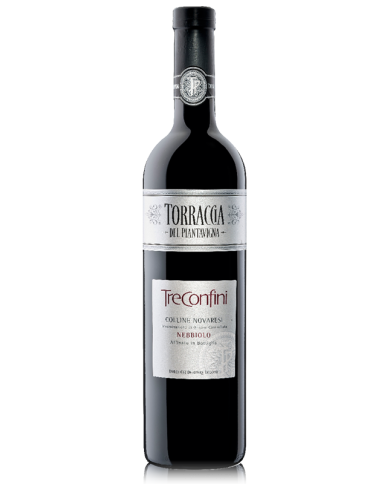
The name reflects our desire to break down the barriers that divide the three production areas of Upper Piedmont: the provinces of Novara, Vercelli and Biella. Tre Confini is an atypical Nebbiolo in that it is not made for aging but for everyday consumption. In any case, it is made under the banner of qualitative research from the vineyard to the cellar, making use of innovation to produce a crystalline wine that respects the typical characteristics of the wines of this area.
€18.07
SKU:
16921
Brand:
Torraccia Del Piantavigna
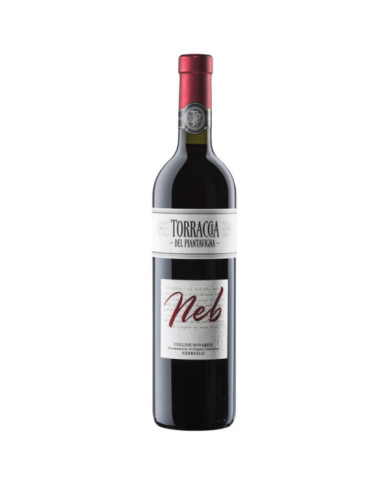
Nebbiolo Neb is a red wine produced with 100% Nebbiolo grapes from vineyards in Maretta.
€17.42
SKU:
16920
Brand:
Torraccia Del Piantavigna
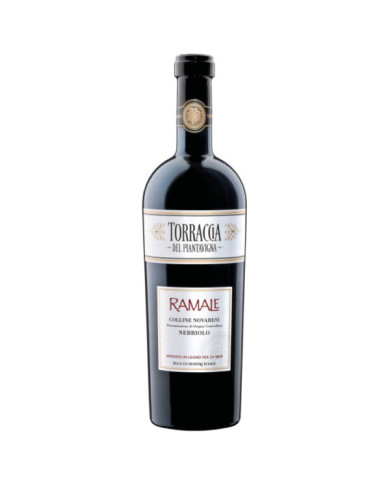
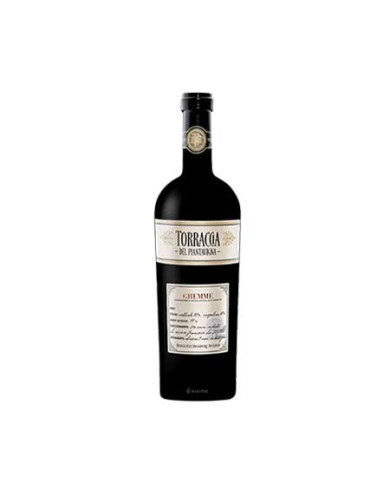
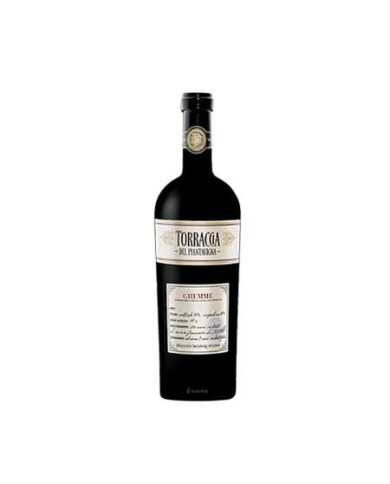
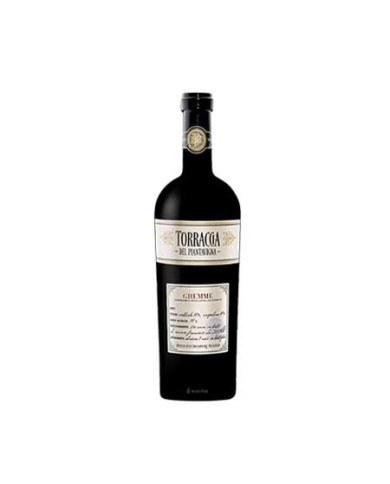
The Ramale di Torraccia del Piantavigna is produced in Piedmont in the Ghemme area with Nebbiolo grapes.
€23.27
SKU:
16919
Brand:
Torraccia Del Piantavigna
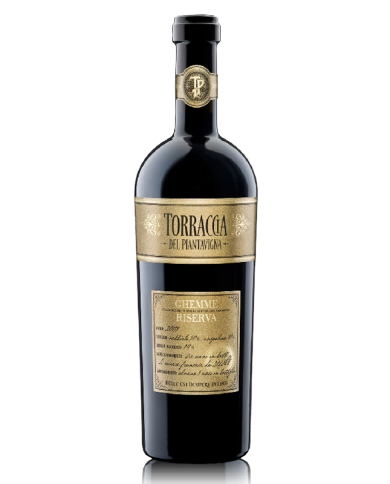
The reserve has a ruby red color with garnet reflections, the nose is fine and intense with notes of violet and licorice. In the mouth it is dry, powerful and sapid with velvety tannins and good residual acidity. We expect this wine to develop well over 20 years.
€32.76
SKU:
16917
Brand:
Torraccia Del Piantavigna
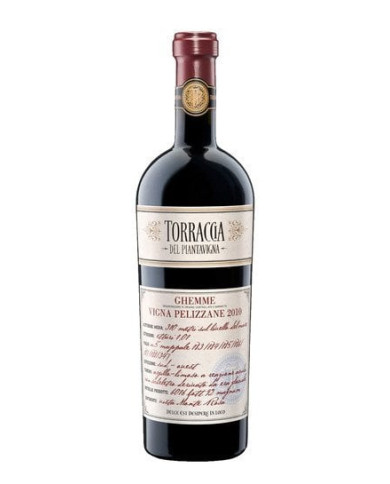
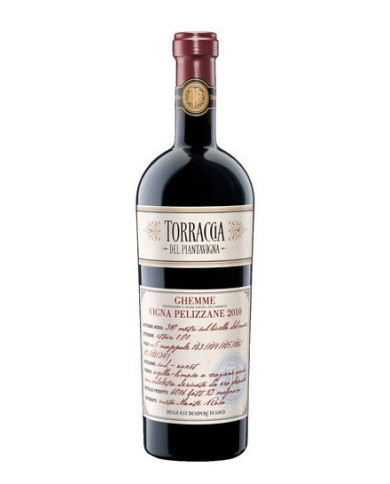
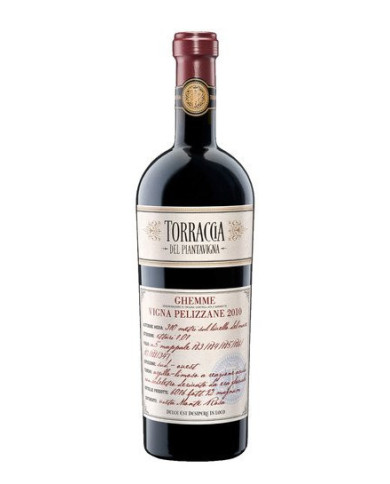
The "Vigna Pelizzane" is a Ghemme of great structure and good complexity, aged for at least 4 years in large barrels. The aromas are intense and mineral and the taste is soft and vibrant, dry and fresh, with vigorous tannins and a long persistence on the finish
€77.99
SKU:
16916
Brand:
Torraccia Del Piantavigna
The "Vigna Pelizzane" is a Ghemme of great structure and good complexity, aged for at least 4 years in large barrels. The aromas are intense and mineral and the taste is soft and vibrant, dry and fresh, with vigorous tannins and a long persistence on the finish
€84.50
SKU:
16915
Brand:
Torraccia Del Piantavigna
The "Vigna Pelizzane" is a Ghemme of great structure and good complexity, aged for at least 4 years in large barrels. The aromas are intense and mineral and the taste is soft and vibrant, dry and fresh, with vigorous tannins and a long persistence on the finish
€75.76
SKU:
16913
Brand:
Torraccia Del Piantavigna
The reserve has a ruby red color with garnet reflections, the nose is fine and intense with notes of violet and licorice. In the mouth it is dry, powerful and sapid with velvety tannins and good residual acidity. We expect this wine to develop well over 20 years.
€79.30
SKU:
16912
Brand:
Torraccia Del Piantavigna
Color: Bright red. Bouquet: Vinous, with slightly balsamic and spicy notes, with notes of red fruit Taste: Fresh, balanced, very tannic and peppery, with a pleasantly bitter aftertaste PAIRINGS: It goes perfectly with fatty foods and above all salami and cold meats.
€16.76
SKU:
16911
Brand:
Torraccia Del Piantavigna
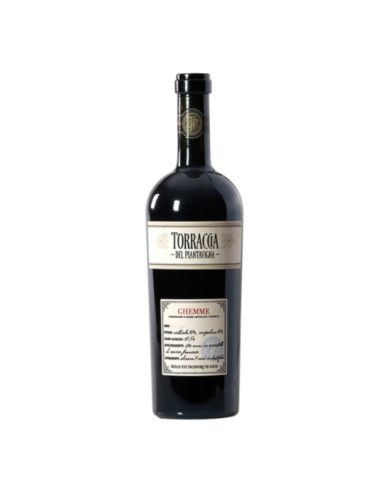
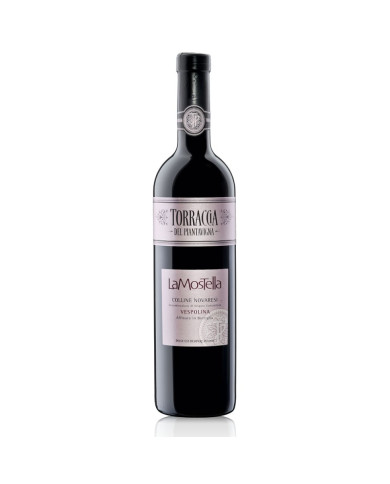
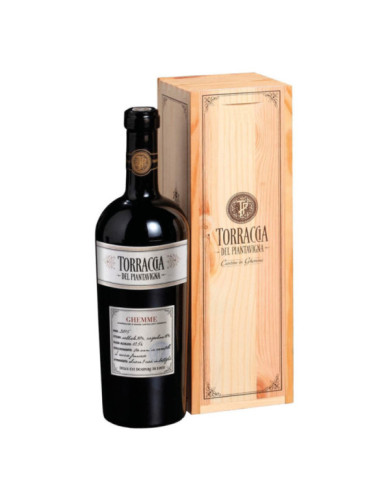
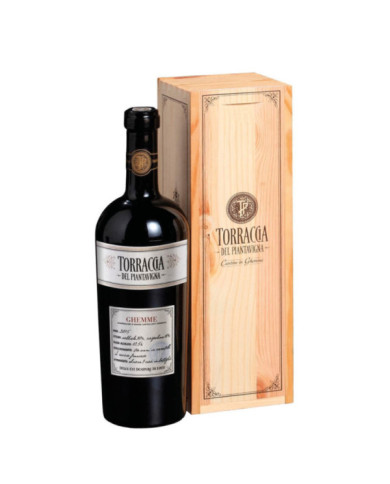
The Ghemme di Torraccia del Piantavigna is produced in the northeastern part of Piedmont with Nebbiolo and Vespolina grapes.
€92.51
SKU:
16910
Brand:
Torraccia Del Piantavigna
The Ghemme di Torraccia del Piantavigna is produced in the northeastern part of Piedmont with Nebbiolo and Vespolina grapes.
€97.60
SKU:
16909
Brand:
Torraccia Del Piantavigna
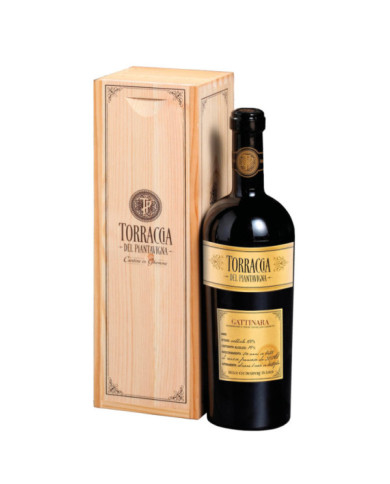
The Gattinara di Torraccia del Piantavigna is produced with 100% Nebbiolo grapes from five hectares of vineyards located in the Municipality of Gattinara.
€151.52
SKU:
16908
Brand:
Torraccia Del Piantavigna
The Gattinara di Torraccia del Piantavigna is produced with 100% Nebbiolo grapes from five hectares of vineyards located in the Municipality of Gattinara.
€80.90
SKU:
16906
Brand:
Torraccia Del Piantavigna
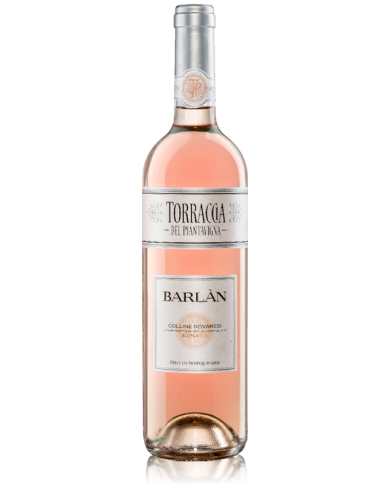
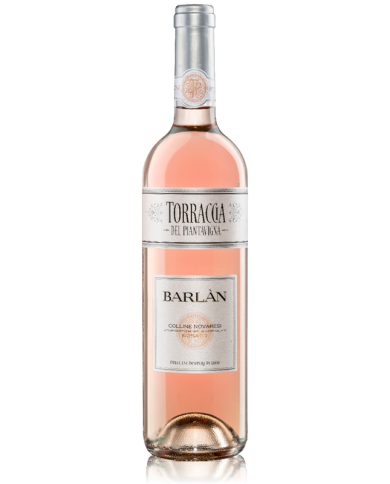
Barlàn, the traditional allegorical figure of the Ghemme carnival was the inspiration for this great and distinctive rosé. Creating a rosé using one of the finest Italian red berried grapes as a base grape may seem like a paradox, but the Nebbiolo variety appears particularly suitable for this purpose, thanks to its high level of acidity and concentration of aromas. The nobility of Nebbiolo is only partially masked by the fresh palate and the pink-gold color of this DOC wine from the Colline Novaresi.
€16.76
SKU:
16905
Brand:
Torraccia Del Piantavigna
With an enveloping scent
and balanced, it is a wine with a bouquet
harmonious where each
olfactory component does not prevail over the other.
€24.89
SKU:
16904
Brand:
Torraccia Del Piantavigna
With an enveloping scent and balanced, it is a wine with a bouquet harmonious where each olfactory component does not prevail over the other.
€35.10
SKU:
16903
Brand:
Torraccia Del Piantavigna
With an enveloping scent
and balanced, it is a wine with a bouquet
harmonious where each
olfactory component does not prevail over the other.
€24.89
SKU:
16902
Brand:
Torraccia Del Piantavigna
With an enveloping scent and balanced, it is a wine with a bouquet harmonious where each olfactory component does not prevail over the other.
€51.36
SKU:
16901
Brand:
Torraccia Del Piantavigna
With an enveloping scent and balanced, it is a wine with a bouquet harmonious where each olfactory component does not prevail over the other.
€49.41
SKU:
16900
Brand:
Torraccia Del Piantavigna
With an enveloping scent and balanced, it is a wine with a bouquet harmonious where each olfactory component does not prevail over the other.
€58.50
THE BEST ITALIAN RED WINES
In this section of our online wine shop Clickwine You can find the best Italian and foreign red wines for sale, ideal for accompanying everyday dinners or important events with style and elegance. Clickwine has selected the most famous reds on the wine scene, including the best denominations as well as some niche products and some Abruzzo wines that will amaze the most curious enthusiasts. Among the best wines, Abruzzo red wines cannot be missed.
One of the best Italian wines is undoubtedly Montepulciano d'Abruzzo DOC, which is one of the best-known Italian red wines in the United States.
Montepulciano is the most widespread red grape variety in the Marche and Abruzzo regions, where rich and expressive red wines are produced, ideal for sharing with those who love tasty home cooking, and is also perfect for a barbecue with friends.
THE PRODUCTION OF RED WINE
Red wine is obtained from red grapes, thanks to a production process called "red vinification". This process involves contact between the pomace (peels and seed residues) and must during the fermentation phase
One of the first steps in producing a red wine is choosing the harvest period. The grapes are harvested when the sugar content reached is what the winemaker deems necessary to produce the desired alcohol content.
After harvesting, the bunches arrive in the cellar where the stalks are removed (destemming) before the grapes are pressed to obtain the must.
Maceration releases polyphenols, particularly anthocyanins, from the skins, which give the must its red color. Tannins are produced from the grape seeds. Maceration lasts approximately 10-15 days.
Meanwhile, alcoholic fermentation begins, triggered by yeasts present in the skins or by added yeasts. This natural process is favored by an increase in temperature, which, however, must be maintained between 25 and 30°C so as not to affect the quality of the wine.
During this process, the pomace may form a surface layer that prevents contact with the liquid, potentially leading to the development of acetic acid. However, several techniques are available to winemakers to address this problem.
After alcoholic fermentation, malolactic fermentation occurs, which involves the transformation of malic acid into lactic acid. This is a crucial step in the vinification of red wines because it enhances their smoothness and smoothes out any rough edges and harshness.
The must has now transformed into wine, but it must be racked, that is, the removal of residues, which can be accomplished through filtration or static decantation. This latter, less invasive method involves lowering the temperature in the tanks so that the substances to be eliminated settle to the bottom.
Once “cleaned”, the wine is ready for refinement,whose minimum duration is established by the DOC specifications, This can take place in steel tanks, concrete vats, large barrels, or small barrels or barriques. Once the maturation process is complete, bottling takes place: the wine begins its maturation in the bottle and, after a possible further aging period in the cellar, is released for sale.
RED WINE: PROPERTIES AND BENEFITS
Is red wine good for your health? Many people ask this question, to which numerous studies have yet to provide a definitive answer. Many studies affirm certain properties, while others deny them. Below we list the most common beliefs about the properties and benefits of red wine, which, as mentioned, are not fully certified by the medical community. You can believe them or not.
- Natural antioxidant: The polyphenols contained in red wine are antioxidant substances that slow down the aging of some cells
- It aids digestion: it would protect the intestinal flora
- Increase endorphins: in small doses it helps the brain release endorphins and would make us feel more relaxed
- Prevents cardiovascular diseases: thanks to resveratrol which is said to promote blood circulation
- Many authoritative studies affirm that the substances contained in red wine have these properties and benefits, but they are present in such small doses that they are absolutely irrelevant for the body.
HOW MUCH DOES RED WINE COST?
The prices of red wines can fluctuate based on several factors, including the value of the bottle, the production area, and demand. The online wine shop Clickwine offers a wide selection of Italian red wine. Our online wine shop offers not only the most famous names but also more affordable labels suitable for everyday use.So forget about running from one store to another, and save time for what's truly important: enjoying a glass of excellent red wine. Browse our products to find the best red wines at the best price.
PAIRINGS WITH RED WINE
By browsing the individual product pages in our online wine shop, you'll discover suggested pairings for each red wine: white and red meats, game, braised and grilled meats, risottos, traditional Italian first courses, as well as platters of cured meats and cheeses, vegetables, sauces, and rich dishes.
What should a good red wine be like?
A good red wine should be balanced, with good acidity and a tannic structure that makes it smooth and pleasant to drink. It should also have an intense and complex bouquet, with hints of ripe fruit, spices, wood, and other aromas. Furthermore, the wine should be well-aged, with good aging potential, making it suitable for storage for several years. Naturally, all of this depends on the type of grape and the terroir from which the wine originates, so every red wine will be unique.
How long can a red wine last?
The shelf life of a red wine depends on several factors, such as the type of grape used, the production method, and the wine's acidity. Generally, younger red wines can be consumed within one to two years of harvest, while high-quality red wines can be stored for several years, even up to 10 or 15 years or more, depending on their characteristics. However, it's important to note that red wines tend to change over time, developing new aromas and flavor nuances, so it's always advisable to taste the wine before drinking to ensure it's still in good condition.
How can red wine be?
Red wines can be very different from one another, depending on the type of grape used, the production method, and the terroir from which they originate. Generally speaking, red wines can be described as intense, complex, and structured, with aromas of ripe fruit, spice, wood, and other flavors that vary depending on the wine's characteristics. They can be dry or sweet, light or full-bodied, with an alcohol content that can range from low to high. Furthermore, red wines can be served at different temperatures, depending on their type and personal preference. In any case, a good red wine should be balanced and pleasant to drink.
Why shouldn't red wine be put in the fridge?
Red wine should not be refrigerated because too cold a temperature can alter its flavor and bouquet. Red wines should be stored in a cool, dark place, at a temperature around 12-15°C (54-59°F). Refrigeration can cause wine to lose some of its organoleptic characteristics, becoming bland and less complex. Furthermore, the cold can bring out the wine's acidity, making it less pleasant to drink. Therefore, to best preserve red wine, it's best to keep it out of the refrigerator.
Why is drinking red wine good for you?
Drinking red wine is beneficial because it contains health-promoting substances, such as polyphenols, which have antioxidant properties and can help protect the body from oxidative stress. Furthermore, red wine contains resveratrol, a substance that can help reduce the risk of cardiovascular disease and some types of cancer. However, it's important to remember that red wine should always be consumed in moderation to avoid negative health effects. Excessive alcohol consumption can increase the risk of addiction, liver damage, and other complications.
Who can't drink wine?
There are some people who shouldn't drink wine, or who should limit their alcohol consumption in general. These include:
- Pregnant or breastfeeding women, because alcohol can pass through the placenta and into breast milk, putting the health of the fetus or newborn at risk.
- People who suffer from alcohol addiction or have alcoholism problems, because drinking wine can worsen their health.
- People taking medications that can interact with alcohol, such as antidepressants, sedatives, or heart medications, because alcohol can increase the side effects of the medications.
- People with existing health problems, such as liver disease or gastritis, because alcohol can worsen symptoms and worsen health conditions.
In any case, it is always advisable to ask your doctor or pharmacist for advice before consuming wine or other alcoholic beverages.
Why does red wine make you sleepy?
Red wine can cause drowsiness because it contains alcohol, a substance that can act as a natural sedative. Alcohol can increase the production of serotonin, a neurotransmitter that can induce a state of relaxation and promote sleep. However, excessive alcohol consumption can also cause disturbed and unrefreshing sleep, so it's important to drink red wine in moderation to avoid these negative effects. Furthermore, red wine can also cause drowsiness for other reasons, such as fatigue or digestion, so it's always best to listen to your body and avoid drinking too much wine if you want to maintain healthy and restful sleep.
What happens if you drink wine every day?
Drinking wine every day can pose some health risks, such as an increased risk of alcohol dependence and liver damage. Alcohol can cause fat accumulation in the liver, which can lead to fatty liver disease, a benign condition that can be reversed if you stop drinking. If you continue drinking, however, steatosis can develop into steatohepatitis, a more serious condition that can lead to liver cirrhosis and even more serious complications. Furthermore, excessive alcohol consumption can increase the risk of cardiovascular disease, cancer, and other conditions. Therefore, it's important to drink wine in moderation and not every day to avoid these health risks.
Related posts