

 Italiano
 Deutsch








There are no more items in your cart
€8.88
€8.78
€8.78
€8.78
€13.60
€15.01
€8.91
€8.91
€9.89
SKU:
3496
Brand:
Fantini Farnese
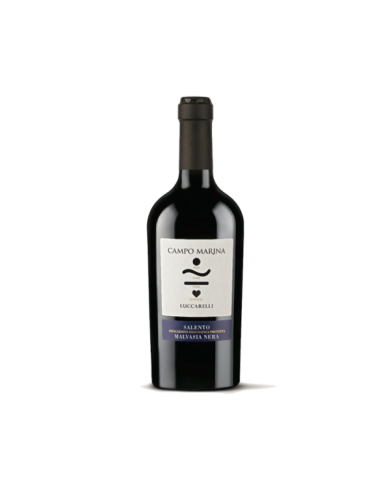
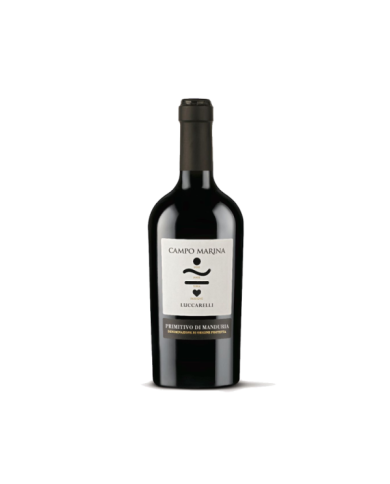
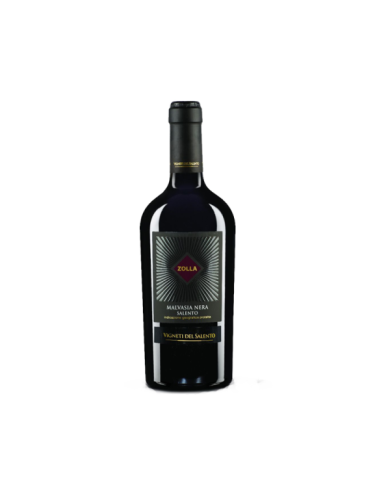
The Luccarelli Campo Marina Malvasia Nera Salento PGI wine is a dry red wine produced in the Salento region, in Puglia, using high quality Malvasia Nera grapes. According to the description provided by the producer, "it has an intense ruby red color and an intense and spicy aroma, with notes of wild berries, aromatic herbs and black pepper". The taste is soft and harmonious, with a good structure and delicate tannins. According to user reviews on Google, Vino Luccarelli Campo Marina Malvasia Nera Salento PGI is “a surprising wine” and “a wine that stands out for its personality”.
€15.20
€16.23
SKU:
3487
Brand:
Fantini Farnese
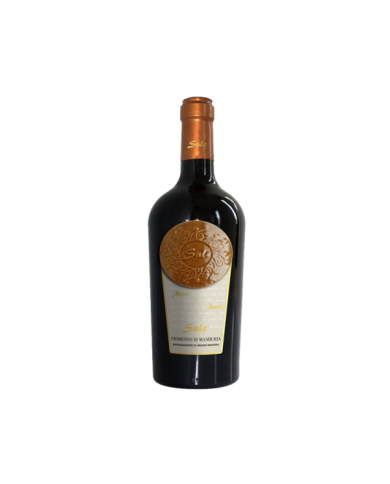
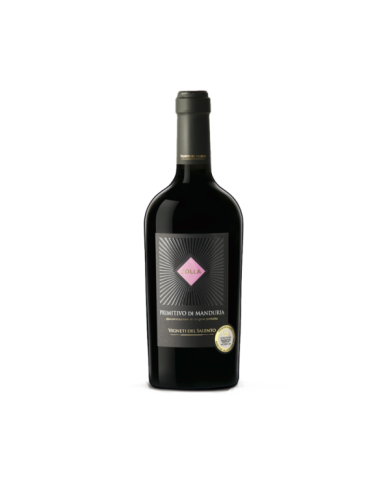
Production area: Sava and Manduria, Puglia Grape variety and vinification: Primitivo di Manduria. Maceration at controlled temperature for 12 days. Alcoholic fermentation is carried out by selected yeasts. Frequent stirring of the wine that allows the extraction of polyphenols and aromas. Color and combination: Red. It is best enjoyed with red meats, grilled lamb, mutton, pork, dry and aged cheeses.
€19.61
SKU:
3485
Brand:
Fantini Farnese
Production area: Salento, Puglia Grape variety and vinification: Organic Primitivo. Destemming and pressing of the grapes, maceration at a controlled temperature for 8-10 days with regular pumping over. Drainage and milky fermentation in stainless steel tanks. Aging in American and French oak barrels used for the following 6-8 months. Color and combination: Red. It goes well with roasted and braised red meats, game, noble poultry, semi-aged cheeses, it is ideal to accompany lamb and kid dishes.
€14.15
SKU:
3481
Brand:
Fantini Farnese
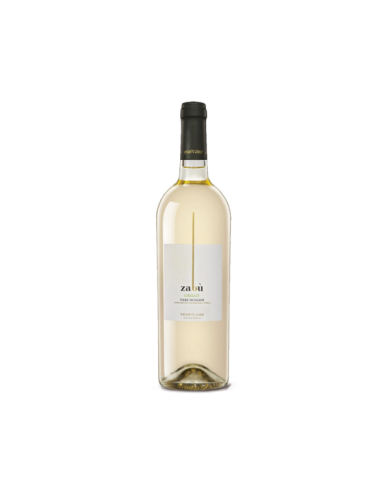
Production area: Sambuca di Sicilia Grape variety and vinification: Organic Grillo. After a soft pressing, the must is fermented at 12/14 ° C. The low temperatures allow to enhance the aroma of this wine. The refinement then takes place in steel and subsequently the wine is clarified and filtered, ready to be bottled. Color and pairing: Excellent with fish dishes, fresh cheeses, risotto and cous cous or fish soups. Also excellent with smoked fish.
€14.52
SKU:
3478
Brand:
Fantini Farnese
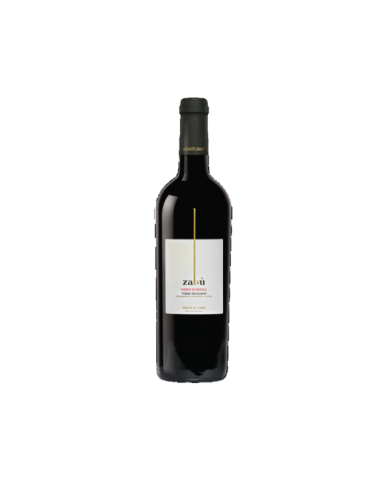
Production area: Sambuca di Sicilia (AG) Grape variety and vinification: Organic Nero d'Avola. The organic grapes are de-stemmed and left to ferment for 15 days at 25 ° C, with frequent and regular pumping over. The malolactic fermentation takes place for 50% in cement tanks and for the remainder in 250L barriques. After 4 months of aging the wine is ready to be clarified, filtered and bottled. Color and combination: Red. All types of pasta with sauces, roast meat and game. Also excellent with aged cheeses.
€14.52
SKU:
3475
Brand:
Fantini Farnese
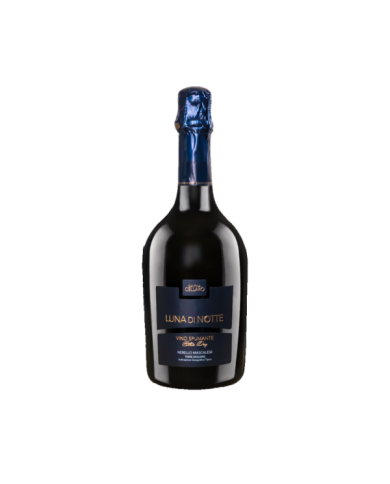
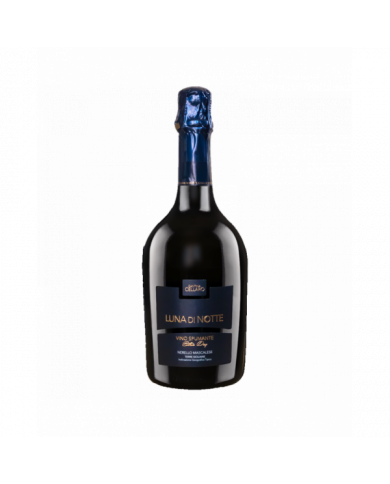
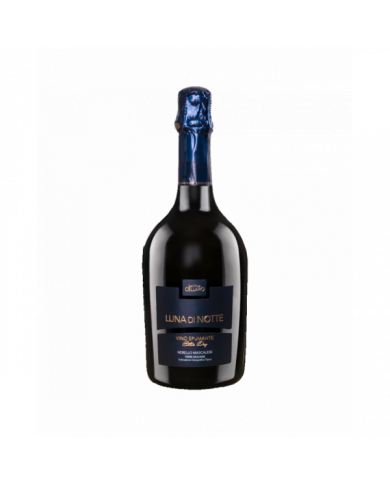
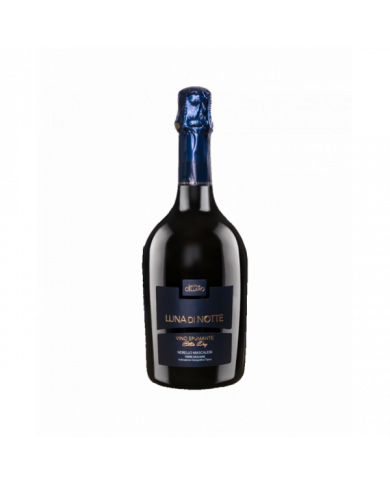
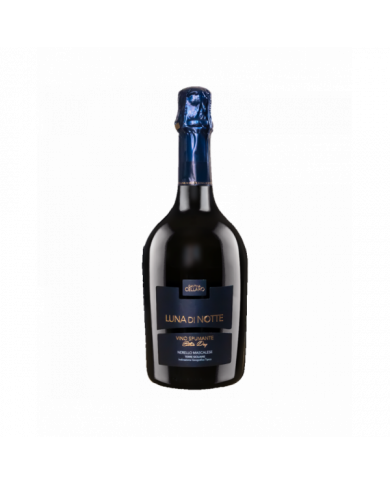
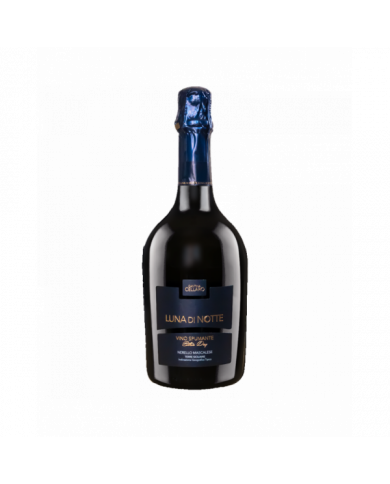
Production area: Sambuca di Sicilia (AG) Grape variety and vinification: Nerello Mascalese. After the selection, the grapes are crushed and de-stemmed. The must goes through a short cold maceration. After static clarification, the must is fermented in stainless steel tanks at about 16-18. After 3 months of aging on the lees, the base wine is fermented in small stainless steel pressure tanks (prize de mousse) following the Charmat method.
Color and combination: Bright white. Excellent as an aperitif, it excels with cheeses, fish dishes, soups, amber fruit, vegetables and desserts.
€12.90
SKU:
3473
Brand:
Fantini Farnese
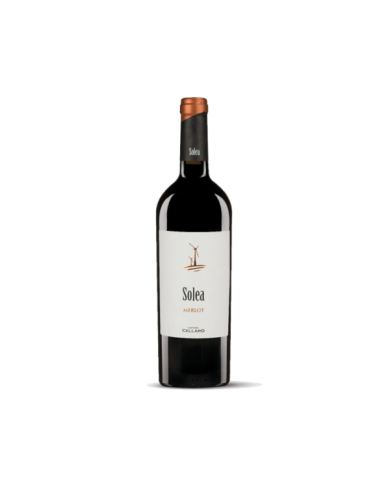
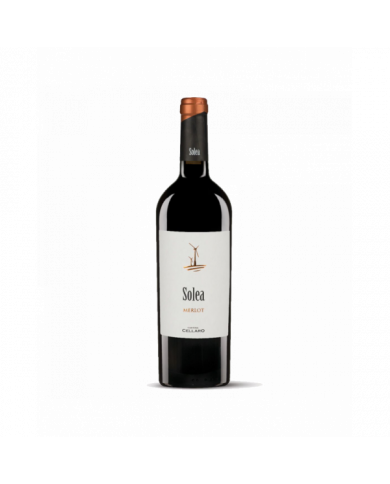
Production area: Sambuca di Sicilia (AG), Sicily. Grapes and Vinification: Merlot, Terre Siciliane IGT. The Malolactic Fermentation is carried out in stainless steel tanks, where it rests for a few months before being bottled. Color and Pairing : Intense red, excellent with white meats.
€14.52
SKU:
3471
Brand:
Fantini Farnese
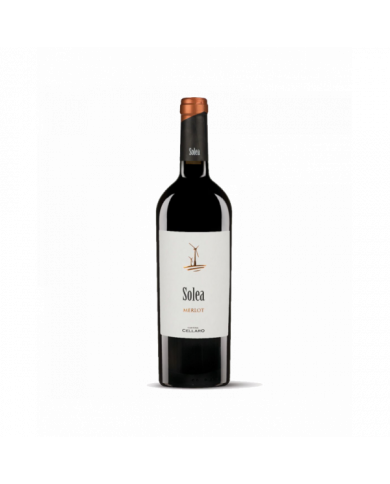
Production area: Sambuca di Sicilia (AG), Sicily. Grapes and Vinification: Merlot, Terre Siciliane IGT. The Malolactic Fermentation is carried out in stainless steel tanks, where it rests for a few months before being bottled. Color and Pairing : Intense red, excellent with white meats.
€14.52
SKU:
3469
Brand:
Fantini Farnese
Production area : Sambuca di Sicilia (AG), Sicily. Grapes and Vinification: Grillo. The aging takes place in stainless steel. Color and Pairing: White, excellent as an aperitif and light risotto.
€10.50
€13.60
€13.51
€13.51
€15.49
SKU:
3459
Brand:
Fantini Farnese
Production area: Sambuca di Sicilia (AG), Sicily. Grapes and Vinification: Nerello Mascalese, Nero DAvola. The grapes are harvested, pressed and fermentation begins in contact with the skins. After a very long maceration, the wine is decanted into barrique where it rests for about 6 months. Color and Pairing: Red, excellent with pasta dishes with sauce and game.
€27.90
SKU:
3457
Brand:
Fantini Farnese
Straw yellow color with golden reflections, intense and persistent aroma.
€9.74
SKU:
3455
Brand:
Fantini Farnese
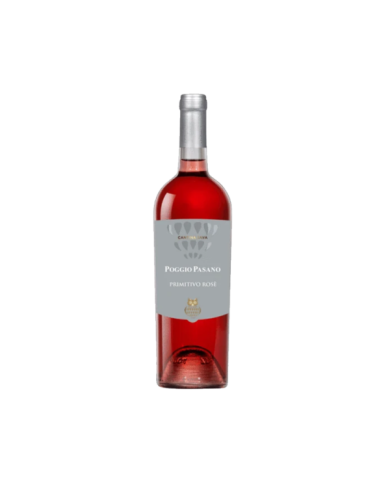
Poggio Pasano Primitivo Rosé 2018 is produced in the beautiful Salento area of Puglia, famous for Primitivo wines.
€9.74
SKU:
3453
Brand:
Fantini Farnese
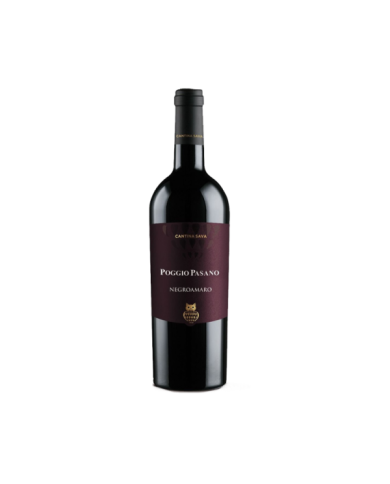
Production area: Salento, Puglia Grape variety and vinification: 100% Negroamaro. Destemming and pressing of the grapes, maceration at a controlled temperature for 8-10 days with regular pumping over. Racking and malolactic fermentation in stainless steel tanks. Aging in American and French oak barrels for 4-5 months. Color and combination: Red. Excellent with first courses, meats in general and medium-aged cheeses.
€10.27
SKU:
3451
Brand:
Fantini Farnese
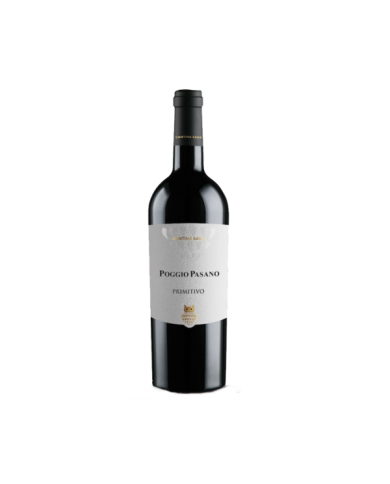
Production area: Salento, Puglia Grape variety and vinification: 100% Primitivo. Destemming and pressing of the grapes, maceration at a controlled temperature for 8-10 days with regular pumping over. Drainage and milky fermentation in stainless steel tanks. Color and combination: Red. Excellent with rich first courses, red meats, game and medium-aged cheeses.
€9.74
SKU:
3449
Brand:
Fantini Farnese
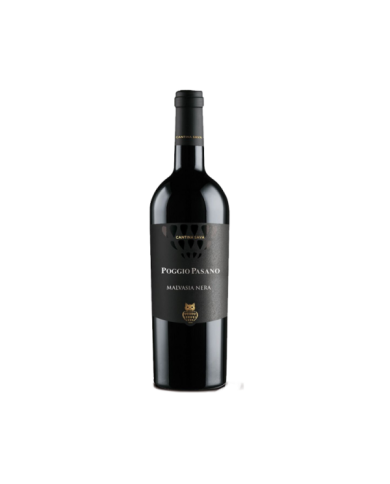
Production area: Salento, Puglia Grape variety and vinification: 100% Malvasia Nera. Destemming and pressing of the grapes, maceration at a controlled temperature for 8-10 days with regular pumping over. Drainage and malolactic fermentation in stainless steel tanks. Aging in American and French oak barriques for the following 6-8 months. Color and combination: Red. Excellent with red meats, roasts with abundant sauces and medium-aged cheeses.
SKU:
3447
Brand:
Fantini Farnese
Production area: Salento, Puglia Grapes and vinification: Negroamaro 80%, Malvasia Nera 20%. Destemming and pressing of the grapes, maceration at a controlled temperature for 8-10 days with regular pumping over. Drawing off and milky fermentation in stainless steel tanks. Aging in American and French oak barrels for 8-10 months. At the table: Excellent with cured meats, first courses, red meats and cheeses.
€16.23
SKU:
3445
Brand:
Fantini Farnese
Production area: Salento, Puglia Grape variety and vinification: 100% Primitivo. Destemming and pressing of the grapes, maceration at a controlled temperature for 8-10 days with regular pumping over. Drainage and milky fermentation in stainless steel tanks. Aging in American and French oak barrels used for the following 6-8 months. Color and combination: Red. Excellent with savory first courses, lamb, game with fine sauces, aged cheeses.
€16.23
SKU:
3443
Brand:
Fantini Farnese
Production area: Salento, Puglia Grape variety and vinification: 100% Primitivo. Harvesting of slightly overripe grapes, destemming and crushing, maceration at a controlled temperature for 10-12 days with regular pumping over. Drainage and milky fermentation in stainless steel tanks. Aging in American and French oak barriques for the following 12 months. Color and combination: Red. The great Apulian cuisine with its excellent meat dishes with game and aged cheeses based on sheep's milk.
€32.45
€12.38
€12.90
SKU:
3426
Brand:
Fantini Farnese
Production area: Salento, Puglia. Grapes and Vinification: Primitivo di Manduria. Racking and malolactic fermentation in stainless steel. Aging in first and second passage American and French oak barrels for the following 12 months. Color and Pairing: Red, excellent with meats and aged cheeses.
€38.60
SKU:
3423
Brand:
Fantini Farnese
Production area: Salento, Puglia. Grapes and Vinification: Primitivo di Manduria. Racking and malolactic fermentation in stainless steel. Aging in first and second passage American and French oak barrels for the following 12 months. Color and Pairing: Red, excellent with meats and aged cheeses.
€42.87
SKU:
3421
Brand:
Fantini Farnese
It was the Greeks who brought the original Fiano vine, the Vitis Apicia, to Italy: the first vines were planted in Lapio, a place that took its name from the grape, the town where Fiano is still produced. This wine much appreciated already in the Middle Ages, has a millenary origin. Charles of Anjou also had to love good wine, to the point of planting 16,000 Fiano vines in his royal vineyard.
€14.51
SKU:
3419
Brand:
Fantini Farnese
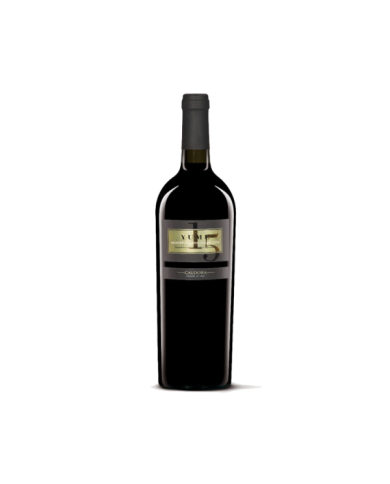
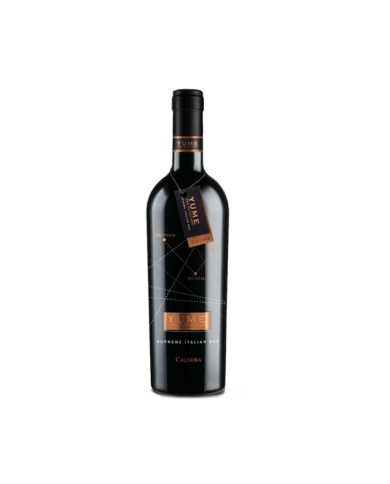
Production area: Roseto degli Abruzzi, Manduria and Sambuca di Sicilia. Grapes and vinification: Montepulciano, Primitivo, Nerello Mascalese. The grapes, after a slight withering on the vine, are harvested by hand and placed in small baskets. Soft stem destemming. Cold maceration for 4 days at 4 ° C. Maceration-fermentation for 20-24 days at 24 ° C. Color and combination: Red. Legumes, mushrooms and tasty meats. Yume goes perfectly with turkey and grilled meat. Also try with Asian food like duck, beef and pork.
€44.01
SKU:
3416
Brand:
Fantini Farnese
Production area: Salaparuta, 300 - 400 masl, Sicily Grape variety and vinification: Nero d'Avola. Harvested at phenolic maturity, it is left to macerate for 12-15 days at 26 ° C with daily pumping over. After racking it is aged in steel for about 4 months. Part of it is aged in barriques. The process is completed with the refinement in the bottle. Color and combination: Red. We recommend it with fish soup, pasta with meatballs or classic spaghetti with pesto.
€16.91
€15.22
SKU:
3414
Brand:
Fantini Farnese
Production area: Salaparuta, Sicily Grape variety and vinification: Grillo. The Grillo is vinified in steel tanks for 20 days at a temperature of 11-12 ° C. This allows a slow fermentation in order to obtain the typical expression of the variety. Color and combination: White. It goes well with risotto, chicken with herbs, savory pies and fish main course.
SKU:
3412
Brand:
Fantini Farnese
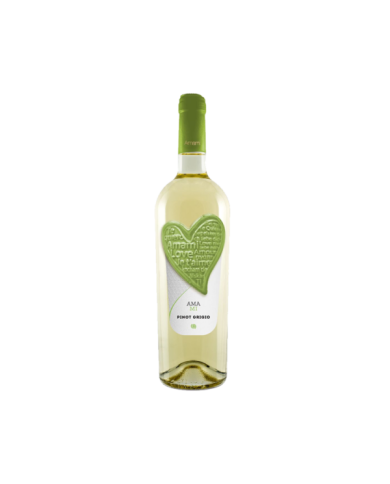
Production area: Sambuca di Sicilia, Sicily Grape variety and vinification: 100% Pinot Grigio. The must is not left on the skins to avoid acquiring their rusty red color. After soft pressing, the must is left to ferment for about 15-20 days at a low temperature between 15 and 17 ° C in stainless steel tanks. The wine is then stored at 18-20 ° C in special stainless steel tanks until bottling. Color and pairing: Perfect match with squid ink lasagna and shrimp sauce.
SKU:
3410
Brand:
Fantini Farnese
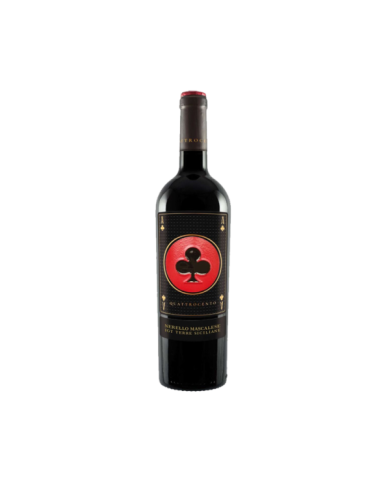
Production area: Sambuca di Sicilia (AG), Siclia Grape variety and vinification: Nerello Mascalese. Low production yield (about 70 Qli / Ha). When the grapes reach maturity, the shoots are cut and a partial process of withering on the vine begins. When a weight reduction of 15-20% is achieved, the grapes are harvested, pressed and fermentation begins in contact with the skins. After a very long maceration, the wine is decanted into barriques where it rests for about 6 months. Color and combination: Red. Perfect with Mediterranean appetizers and first courses based on eggplant or mushrooms, meat and roast stew.
SKU:
3408
Brand:
Fantini Farnese
Production area: Cerreto Guidi, Tuscany Grapes and vinification: Sangiovese 80%, Cabernet 20%. The vinification takes place after delicate pressing of the grapes. The must macerates on the skins for 1-2 weeks to favor the extraction of color and other polyphenolic substances. Color and combination: Red. A perfect choice for rich and creamy first courses, eggplant parmigiana, roast chicken or grilled vegetables or cold cuts and cheeses.
SKU:
3406
Brand:
Fantini Farnese
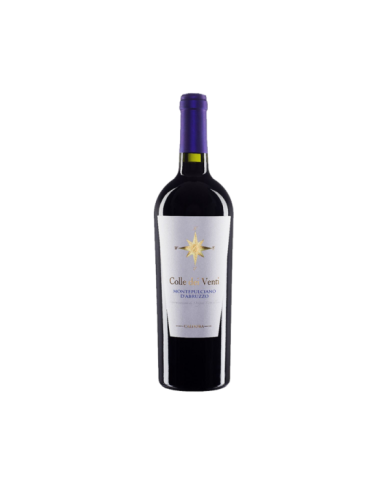
Production area: Municipalities of Colonnella, Ancarano, Controguerra and Roseto. Abruzzo. Grape variety and vinification: Montepulciano d'Abruzzo. Low temperatures in the first days of fermentation with the aim of extracting the polyphenols, then controlled temperature at about 27% C. Malolactic fermentation and maturation in American wooden barrels for about six months. Color and combination: Red. Excellent with all the typical dishes of traditional Italian cuisine. It goes well with risotto, pasta and pork.
SKU:
3404
Brand:
Fantini Farnese
Production area: Abruzzo, Puglia, Basilicata and Sicily Grapes and vinification: Sangiovese, Primitivo, Aglianico del Vulture, Nero dAvola and Nerello Mascalese. Soft-stemmed destemming. Maceration-fermentation for 25 days. Malolactic fermentation in barriques followed by maturation for 13 months. Color and combination: Red. A perfect choice for rich and creamy first courses, game, roast or grilled sausages.
€46.29
SKU:
3401
Brand:
Fantini Farnese
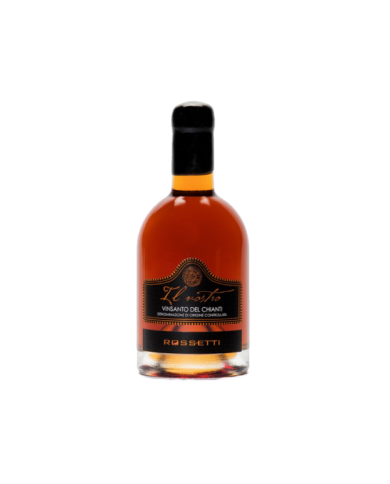
- amber color. The nose has clear notes of honey, dried fruit, figs and a spicy finish.
- In the mouth it is broad and enveloping, sweet and fresh with citrus and dried fruit notes. Long and persistent finish.
- it goes perfectly with long-aged cheeses, but the Tuscan tradition wants it married to cantucci with almonds.
€18.20
€7.52
€9.11
SKU:
3395
Brand:
Fantini Farnese
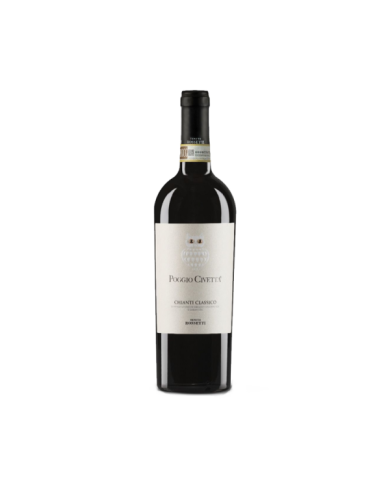
The Poggio Civetta Chianti Classico combines the modern style of the Farnese group wine with the flavors and structure of Chianti, creating a rather soft Sangiovese
€15.63
SKU:
3393
Brand:
Fantini Farnese
Organoleptic characteristics: brilliant ruby red with garnet reflections; elegant bouquet with hints of cherries, berries and spicy notes. Dry and fresh taste, good structure and pleasant tannins.
€20.90
SKU:
3390
Brand:
Fantini Farnese
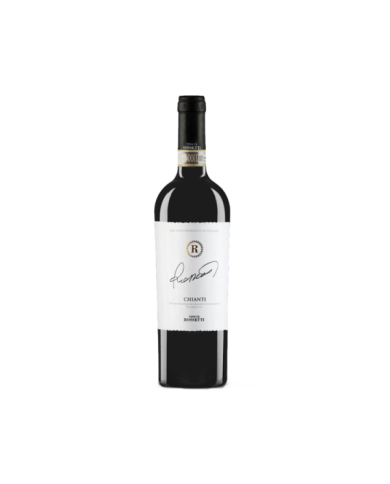
The Chianti DOCG of the Tenute Rossetti - Farnese winery is a still and elegant wine with a bright ruby color and garnet reflections. Notes of cherries, berries and spicy hints are perceived on the nose. The taste is fresh and structured. Initial aging in stainless steel tanks for 7 months, and then continued in the bottle for at least 2 months.
€10.80
SKU:
3388
Brand:
Fantini Farnese
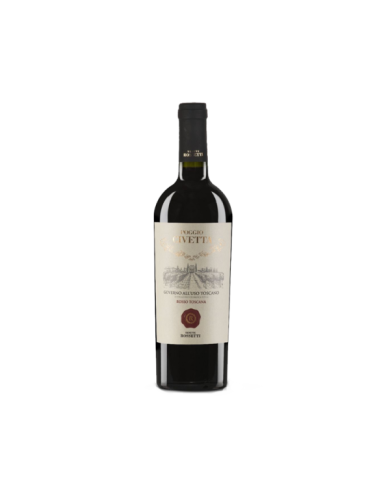
The Poggio Civetta Regno alluso Toscano from the Tenute Rossetti - Farnese winery is a red wine with an intense ruby color. The nose opens to fine and elegant hints of red fruits, vanilla and balsamic hints. The sip is soft, rich, full-bodied and with a long finish. Aging in French barriques for about 5 months before being bottled.
€14.20
SKU:
3386
Brand:
Fantini Farnese
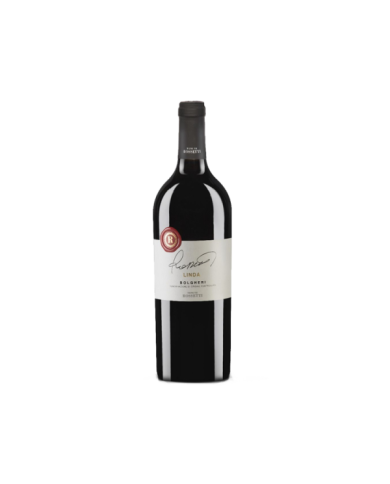
The Bolgheri DOC Linda from the Tenute Rossetti - Farnese winery is a structured and elegant wine with a bright ruby color. Intriguing nose played on aromas of wild berries, ripe red fruits and mentholated hints. The sip is full-bodied, with evident but elegant tannins and a persistent finish. Aging in barrique for about 9 months.
€30.60
SKU:
3384
Brand:
Fantini Farnese
Production area: Sambuca di Sicilia (AG), Sicily. Grapes and Vinification: Grillo. The refinement of the wine is carried out in stainless steel tanks. Color and Pairing: White, excellent with fresh cheeses and fish dishes.
€9.89
SKU:
3382
Brand:
Fantini Farnese
Production area: Sambuca di Sicilia (AG), Sicily. Grapes and Vinification: Nero dAvola. The refinement of the wine is carried out in stainless steel tanks. Color and Pairing: Red, excellent with grilled meat.
€9.89
SKU:
3379
Brand:
Fantini Farnese
Production area: Sambuca di Sicilia (AG), Sicily. Grapes and Vinification: Nero dAvola. The refinement of the wine is carried out in stainless steel tanks. Color and Pairing: Red, excellent with red meats.
€7.91
SKU:
3377
Brand:
Fantini Farnese
Production area: Sambuca di Sicilia (AG), Sicily. Grapes and Vinification: Nero dAvola. The malolactic fermentation takes place in the barriques. The aging takes place in French oak barriques for at least 6 months. Color and Pairing: Red, excellent with red meat.
€13.51
SKU:
3375
Brand:
Fantini Farnese
Production area: Sambuca di Sicilia (AG), Sicily. Grapes and Vinification: Nero dAvola 70%, Merlot 30%. After 8 months in French and American oak barrels, the wine is bottled and only after 6 months of aging is it marketed. Color and Pairing: Red, excellent with red meat.
€13.51
SKU:
3372
Brand:
Fantini Farnese
Production area: Sambuca di Sicilia (AG), Sicily. Grapes and Vinification: Chardonnay. The wine ages in stainless steel and is bottled in January why so? allows us to keep its aroma and freshness unaltered. Color and Pairing: White, celebrated with fish dishes.
€13.51
SKU:
3369
Brand:
Fantini Farnese
Production area: Sambuca di Sicilia (AG), Sicily. Grapes and Vinification: Nerello Mascalese. After a very long maceration, the wine is decanted into barrique where it rests for about 6 months. Color and Pairing: Red, excellent with first courses and game.
€27.33
SKU:
3367
Brand:
Fantini Farnese
Production area: Agrigento, Sicily. Grapes and Vinification: Nero dAvola. In French and American oak barriques for 18 months, in which refinement takes place. Released on the market only after at least 18 months of bottle aging. Color and Pairing: Red, excellent with meat dishes and long-aged cheeses.
€27.50
SKU:
3365
Brand:
Fantini Farnese
€12.32
Production area: Acerenza, Basilicata. Grapes and Vinification: Aglianico del Vulture, zero sulphites. Maceration for 40 days on its skins in order to extract all the polyphenolic potential useful for the natural protection of the wine from oxidation in the absence of SO2. Color and Pairing: Red, ideal for all meat-based dishes and robust sauces.
€12.32
SKU:
3362
Brand:
Fantini Farnese
Production Area: Venosa, Basilicata. Grape variety and Vinification: Moscato. Ageing: 24 months in new barriques, where malolactic fermentation takes place. Colour and Pairing: White, ideal for all meat dishes and mature cheeses.
SKU:
3360
Brand:
Fantini Farnese
Production area: Canosa di Puglia, Puglia. Grapes and Vinification: Nero di Troia. The wine is aged in barriques for about 4 months. Color and Pairing: Red, ideal as an aperitif.
€12.20
SKU:
3358
Brand:
Fantini Farnese
Production area: Acerenza, Barile, Maschito, Basilicata. Grapes and Vinification: Aglianico del Vulture. Aging: 60% is in steel and 40% of the wine takes place permanently in second passage barriques for 10 months. A further three months in the bottle complete the maturation process. Color and Pairing: Red, ideal for all meat dishes.
€11.61
SKU:
3356
Brand:
Fantini Farnese
Production area: Acerenza, Basilicata. Grapes and Vinification: Aglianico del Vulture. Aging in steel on its own noble lees. Color and Pairing: Rosé, ideal for fish, white meats and cheeses.
SKU:
3354
Brand:
Fantini Farnese
Production area: Acerenza, Basilicata. Grapes and Vinification: Greco 60%, Fiano 40%. Aging in steel on its own noble lees. Color and Pairing: White, ideal for aperitifs and fish soups.
€12.60
SKU:
3352
Brand:
Fantini Farnese
Production area: Acerenza, Basilicata. Grapes and Vinification: Aglianico del Vulture. Aging: in steel and in bottle. Color and Pairing: Red, ideal for all meat dishes and aged cheeses.
€30.50
SKU:
3350
Brand:
Fantini Farnese
Production area: Tufo and Torrioni, Campania. Grapes and Vinification: Greco di Tufo. Fermentation is done at a low temperature between 12-14 ° C, batonnage on the skins, cold stabilization, filtration. Color and Pairing: White, ideal for aperitifs and fish dishes.
€14.51
SKU:
3347
Brand:
Fantini Farnese
Production area: Benevento, Campania. Grapes and Vinification: Falanghina. Fermentation is done at a low temperature between 12-14 ° C, batonnage on the skins, cold stabilization, filtration. Color and Pairing: White, easy to drink, excellent with aperitifs and white meats.
€12.90
SKU:
3344
Brand:
Fantini Farnese
Production area: Benevento, Campania. Grapes and Vinification: Aglianico. Destemming and delicate pressing, maceration for 10-15 days at a temperature of 26 ° C. Aging in barrique for 8 months. Color and Pairing: Red, ideal for robust first courses and red meats.
€12.90
SKU:
3342
Brand:
Fantini Farnese
Production area: Avellino, Campania. Grapes and Vinification: Aglianico. Destemming and delicate pressing, maceration for 20-25 days at a temperature of 26-28 ° C. Aging in barriques for 16 months and subsequent refinement in the bottle. Color and Pairing: Red, ideal for robust first courses, roasts and full-bodied sauces.
€35.00
SKU:
3340
Brand:
Fantini Farnese
Production area: Salento, Puglia. Grapes and Vinification: Primitivo di Manduria Dolce. Malolactic fermentation and aging in first and second passage American and French oak barrels for about 6 months. Color and Pairing: Red, excellent with aged pecorino and dry pastries.
SKU:
3338
Brand:
Fantini Farnese
Production area: Salento, Puglia. Grapes and Vinification: Negroamaro. Aging in steel on its own noble lees. Color and Pairing: Rosé, excellent with fish and young cheeses.
€9.48
SKU:
3336
Brand:
Fantini Farnese
Production area: Salento, Puglia. Grapes and Vinification: Malvasia Bianca 33%, Chardonnay 33%, Bombino Bianco 33%. Alcoholic fermentation carried out at 11 ° C in stainless steel, with subsequent refinement on the fine lees for the following 2-3 months. Color and Pairing: White, perfect for aperitifs and fish soups.
SKU:
3333
Brand:
Fantini Farnese
Production area: Salento, Puglia. Grapes and Vinification: Primitivo. Racking and malolactic fermentation in stainless steel. Color and Pairing: Red, perfect for rich first courses and red meats
SKU:
3331
Brand:
Fantini Farnese
Production area: Salento, Puglia. Grapes and Vinification: Negroamaro. Aging in second passage American and French oak barrels for the following 4-5 months. Color and Pairing: Red, perfect for rich first courses
€9.48
SKU:
3329
Brand:
Fantini Farnese
Production area: Salento, Puglia. Grapes and Vinification: Malvasia Nera. Racking and malolactic fermentation in stainless steel. Refinement in second passage American and French oak barrels for the following 6-8 months. Color and Pairing: Red, excellent with red meats.
SKU:
3327
Brand:
Fantini Farnese
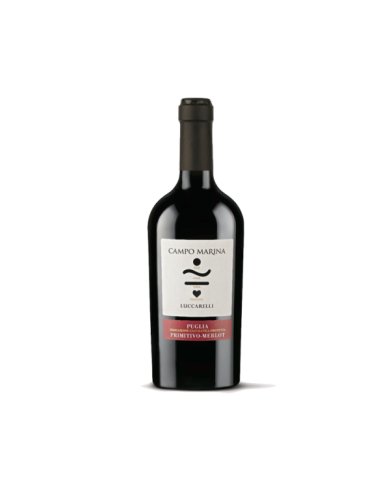
Production area: Salento, Puglia. Grapes and Vinification: Primitivo 50%, Merlot 50%. Racking and malolactic fermentation in stainless steel. Refinement in second passage American and French oak barrels for the following 6-8 months. Color and Pairing: Red, excellent with robust first courses.
€14.51
SKU:
3318
Brand:
Fantini Farnese
Production area: Salento, Puglia. Grapes and Vinification: Negroamaro 80%, Malvasia Nera 20%. Racking and malolactic fermentation in stainless steel. Aging in second passage American and French oak barrels for the following 8-10 months. Color and Pairing: Red, excellent with cured meats and cold cuts.
€15.42
SKU:
3316
Brand:
Fantini Farnese
Production area: Salento, Puglia. Grapes and Vinification: Primitivo. Racking and malolactic fermentation in stainless steel. Refinement in second passage American and French oak barrels for the following 6-8 months. Color and Pairing: Red, excellent with robust first courses and lamb meat.
€12.90
€38.25
€6.11
€6.11
SKU:
3305
Brand:
Fantini Farnese
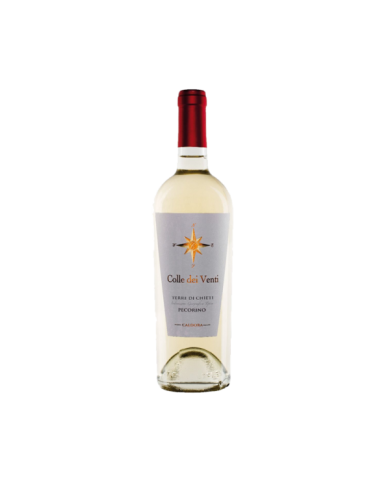
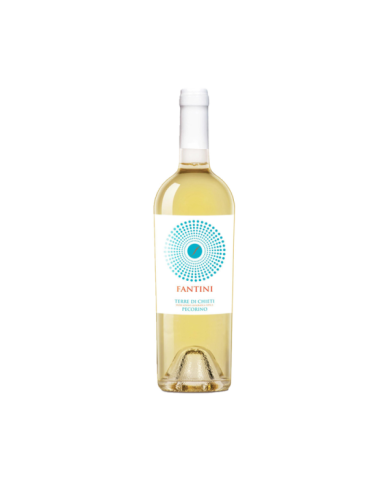
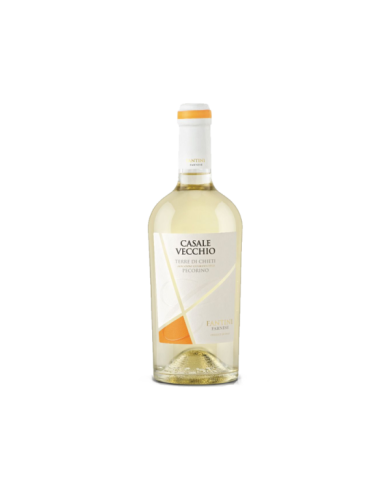
Pecorino produced with grapes from the Theatine municipality of Ortona, in the province of Chieti. It consists exclusively of Pecorino grapes, left in contact with the skins for about 12 hours at a low temperature and subjected to soft pressing. The must ferments for 80% in steel vats at a temperature of 12 ° C and for the remaining 20% in oak barrels. Straw yellow in color with light greenish reflections, it expresses itself on the nose on notes of pear in the first place, followed by balsamic hints witnessing the quality of the wood used in fermentation. Already at the entrance it is enveloping and structured, pleasantly fresh and persistent. Ideal as an aperitif, it goes well with all fish dishes.
SKU:
3303
Brand:
Fantini Farnese
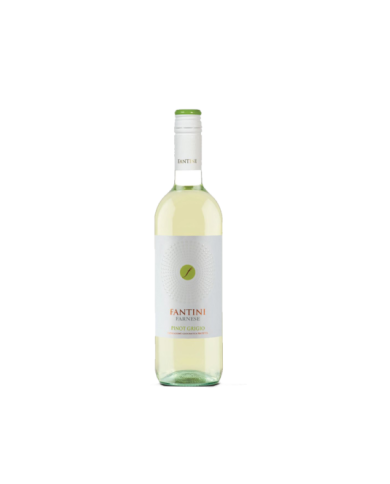
Production area: Ortona, Abruzzo. Grapes and Vinification: Pinot Grigio, Terre di Chieti. Soft crushing, pressing, static defecation, fermentation of the clean must for 20 days at a temperature of 12 ° C. Color and Pairing: White, ideal for fish dishes and white meats.
€8.60
SKU:
3301
Brand:
Fantini Farnese
Production area: Ortona, Abruzzo. Grapes and Vinification: Pinot Grigio, Terre di Chieti. Fermentation of the clean must at 12-14 ° C. At the end of fermentation the lees are left to rest for about 3-5 months, after which the wine is transferred and sulphited. Color and Pairing: White, easy to drink, ideal with white meats and cheeses.
SKU:
3299
Brand:
Fantini Farnese
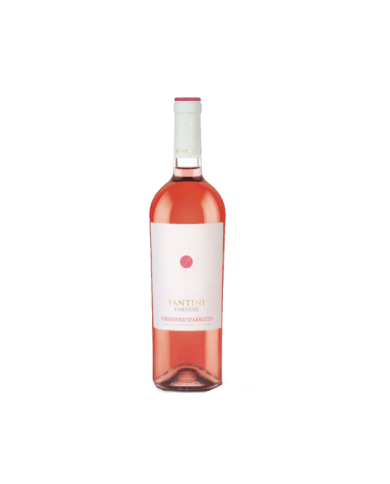
Production Area: Ortona, Abruzzo. Grape variety and Vinification: Montepulciano. Soft crushing, juice briefly macerated with skins (approx. 6 hours of contact), fermentation without skins for 15 days at a temperature of 12°C to obtain excellent colour and flavour. Colour and Pairing: Rosé, excellent with all fish dishes.
€9.22
SKU:
3297
Brand:
Fantini Farnese
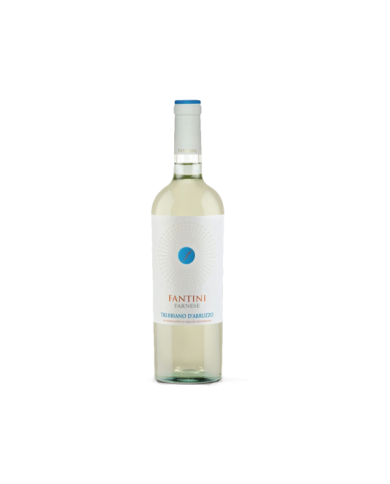
Production area: Ortona, Abruzzo. Grapes and Vinification: Trebbiano. Soft crushing, pressing, static defecation, fermentation of the clean must for 20 days at a temperature of 12 ° C. Color and Pairing: White, ideal for aperitifs and fish dishes.
€9.02
SKU:
3293
Brand:
Fantini Farnese
Production area: Ortona, Abruzzo. Grapes and Vinification: Pecorino. Fermentation takes place at a temperature of 12 ° C. 80% of the juice is fermented in steel tanks, the remaining 20% in 40hl oak barrels. Color and Pairing: White, excellent with aperitif and fish dishes.
SKU:
3291
Brand:
Fantini Farnese
Production Area: Teramane Hills, Abruzzo. Grape variety and Vinification: Montepulciano dAbruzzo. Malolactic fermentation and ageing in American wood barriques for about 6 months. Colour and Pairing: Red, excellent with rich first courses and all meat dishes.
€15.54
SKU:
3289
Brand:
Fantini Farnese
Production area: Ortona, Abruzzo. Grapes and Vinification: Sangiovese Terre di Chieti. The malolactic fermentation is done in French wood barriques and aged for 6 months. Color and Pairing: Red, easy to drink, excellent with cold cuts and cold cuts.
€14.51
SKU:
3286
Brand:
Fantini Farnese
Production area: Abruzzo, Basilicata and Sicily Vinification: The grapes are hand-picked when perfectly ripe and vinified separately to best respect the peculiarities of the individual characteristic varieties. After a soft pressing, the grapes undergo a cold maceration for 12 hours. The musts are then cold decanted, the Pecorino ferments in large 50hl barrels not toasted, the Fiano and the Grillo ferment in stainless steel, at temperatures between 10-12 ° C. Pairings: Appetizers, especially ham and cheese, delicate creams and soups, crustaceans and all fish in general
€31.96
SKU:
3283
Brand:
Fantini Farnese
Production area: Canosa di Puglia, Puglia. Grapes and Vinification: Sangiovese 70%, Merlot 30%. Aging 4-7 months in the new French and American barriques. Color and Pairing: Red, easy to drink, excellent with cold cuts and cold cuts.
€14.66
SKU:
3281
Brand:
Fantini Farnese
Production area: Ortona, Abruzzo. Grapes and Vinification: Montesilvano dAbruzzo. Soft destemming, maceration-fermentation for 15 days. Color and Pairing: Red, excellent with all traditional Italian dishes.
€19.15
Cantina Fantini Farnese
Cantina Fantini Farnese is a highly prestigious Italian winery, renowned for producing high-quality wines that express the excellence of the Italian territory. Founded by Valentino Sciotti, a passionate wine expert, and the Farnese family, the winery stands out for its dedication to tradition, innovation, and sustainability. In this article, we will explore the history, production method, prestigious wines, and much more of Cantina Fantini Farnese.
History and Heritage
Cantina Fantini Farnese has deep roots in the Abruzzo region, located in the heart of Italy. Founded in 1998, the company was born out of Valentino Sciotti's passion for viticulture and his desire to enhance Italy's oenological heritage. The winery inherited Abruzzo's ancient winemaking tradition and continued to cultivate native grape varieties such as Montepulciano d'Abruzzo and Pecorino, earning international recognition for its quality wines.
Terroir and Production Method
Cantina Fantini Farnese is situated in a privileged territory characterized by a unique terroir and favorable climatic conditions for vine cultivation. The vineyards sprawl across hills and plains, enjoying a Mediterranean climate with mountain influences. This exceptional environment lends distinctive characteristics to the winery's wines, imbuing them with authenticity tied to the terroir.
Wine production at Cantina Fantini Farnese follows a rigorous processing method that combines tradition and innovation. From grape selection to vinification and aging, each stage is carefully crafted to ensure high-quality wines that fully express the terroir's characteristics.
Prestigious Wines
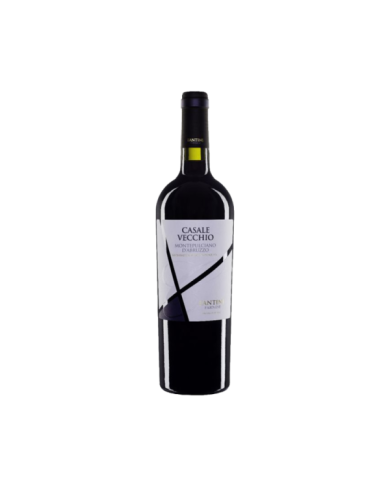
Cantina Fantini Farnese is renowned for producing prestigious wines that best represent Italian wine excellence. Among its most celebrated wines are the "Gran Sasso Montepulciano d'Abruzzo," a robust and complex red wine, and the "Casale Vecchio Montepulciano Riserva," a wine of great structure and elegance. The winery also produces high-quality white wines, such as the "Pecorino Terre di Chieti," a fresh and aromatic wine.
Winemaking Process
Winemaking at Cantina Fantini Farnese is an art that demands passion, expertise, and dedication. Grapes are handpicked and carefully selected to ensure only the finest raw materials. Fermentation takes place in stainless steel tanks at controlled temperatures, preserving the characteristic aromas and flavors of the grapes. After fermentation, the wines are aged in oak barrels to acquire complexity and structure.
Exploring Cantina's Wines
Cantina Fantini Farnese offers a wide range of wines that satisfy the most discerning palates. In addition to the prestigious wines mentioned earlier, the winery produces a selection of young and fresh wines, perfect for accompanying light dishes and informal moments. Cantina Fantini Farnese wines are distinguished by their elegance, balance, and harmony, making them perfect for any occasion.
Cantina Fantini Farnese Worldwide
Cantina Fantini Farnese has earned a solid reputation internationally. Its wines are available in various countries, winning over the palates of wine enthusiasts and experts worldwide. The company is committed to promoting Italian oenological excellence by participating in prestigious fairs, events, and wine competitions.
The Importance of Sustainability
Cantina Fantini Farnese is deeply committed to environmental and social sustainability. The company adopts environmentally friendly agricultural practices, reducing the use of chemicals and promoting biodiversity in its vineyards. Additionally, the winery supports social and cultural projects that contribute to the development of the local community.
The Art of Pairing
Cantina Fantini Farnese wines offer great versatility in food pairing. Thanks to their structure and complexity, they pair perfectly with a wide range of dishes. Red wines pair well with red meats, aged cheeses, and traditional Italian dishes, while white wines are ideal for accompanying fish, seafood, and light dishes.
Visiting Cantina Fantini Farnese
Cantina Fantini Farnese welcomes visitors eager to discover the secrets of Italian winemaking. During the guided tour, visitors can explore the vineyards, visit the cellars, and taste the winery's wines, guided by expert oenologists. It's a unique experience to immerse oneself in Italian wine culture and appreciate the passion and dedication that characterize Cantina Fantini Farnese.
Wine Purchase
Cantina Fantini Farnese wines are available for purchase online on their official website. Customers can choose from a wide selection of wines and have them conveniently delivered to their doorstep. The winery's wines are an excellent choice for wine lovers who wish to savor the authentic taste of Italy.
Cantina Fantini Farnese is an icon of Italian wine excellence. Its dedication to quality, innovation, and sustainability has made its wines appreciated globally. Every sip of Cantina Fantini Farnese wines tells the story of a land rich in tradition and passion for viticulture. Don't miss the opportunity to taste these extraordinary wines and immerse yourself in the art of Italian winemaking.