

 Italiano
 Deutsch
























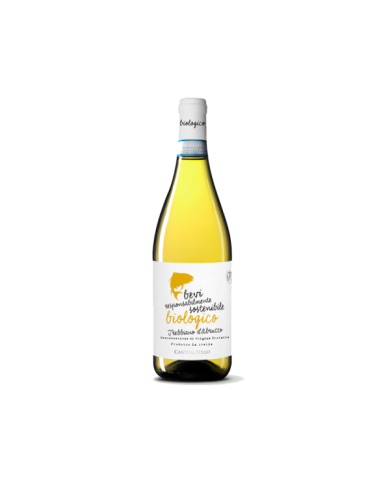
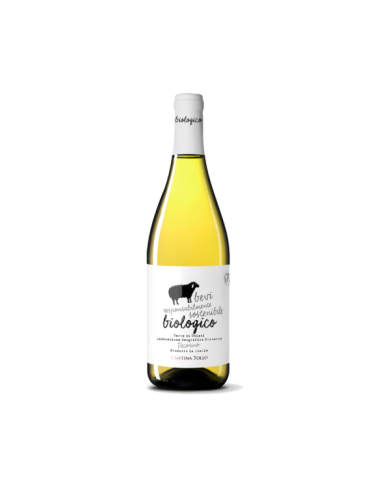
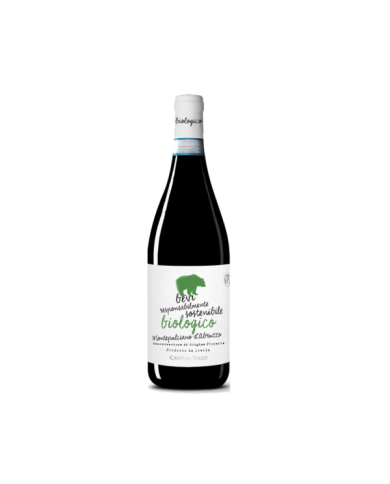
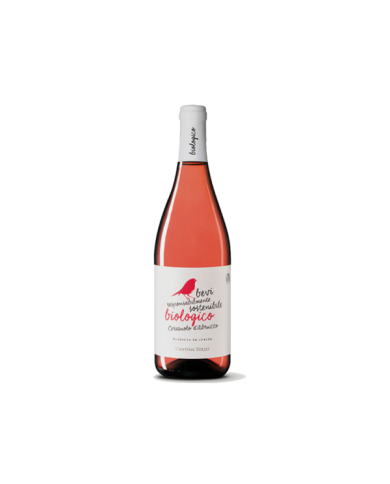














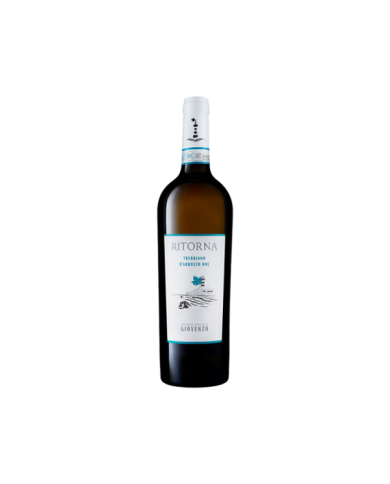
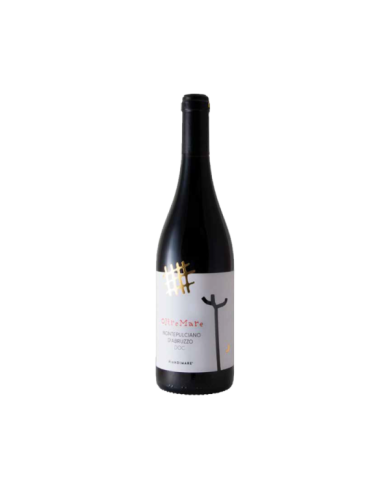
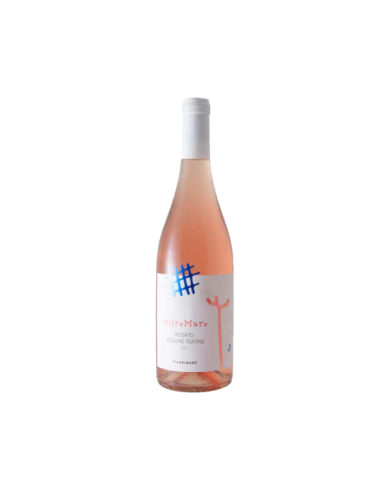









There are no more items in your cart
SKU:
5280
Brand:
Nestore Bosco
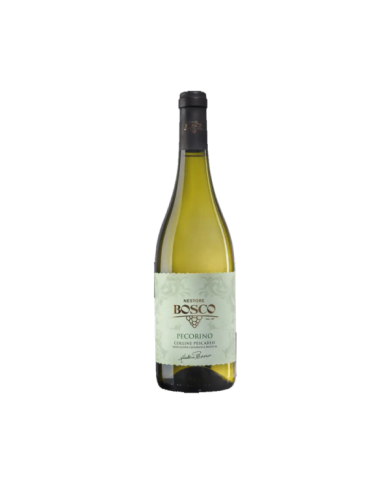
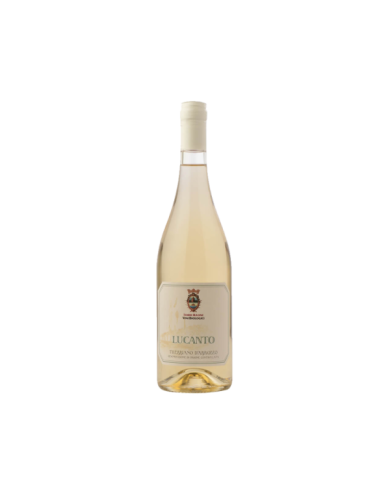
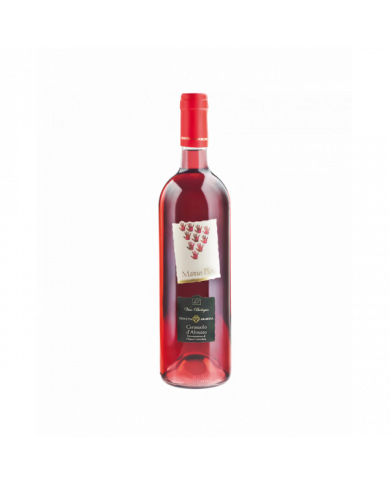
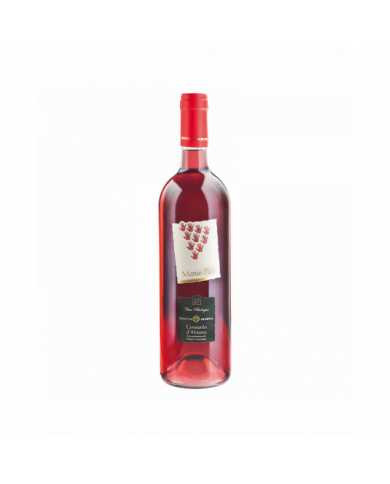
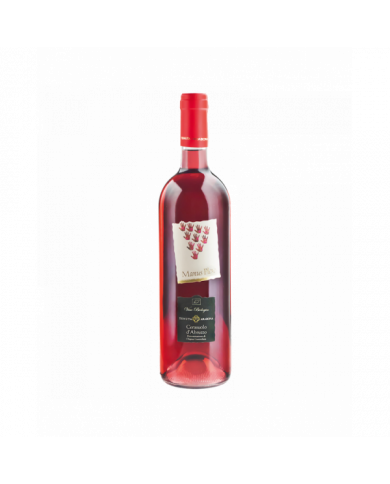
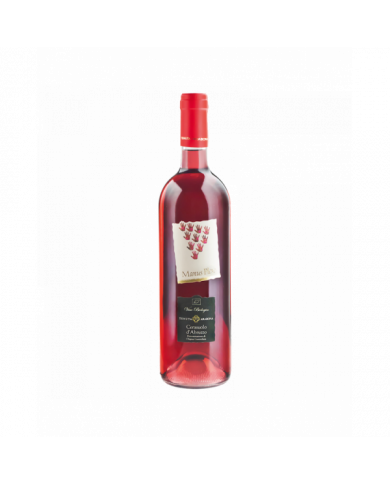
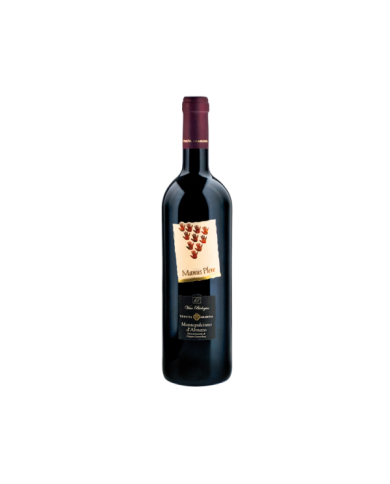
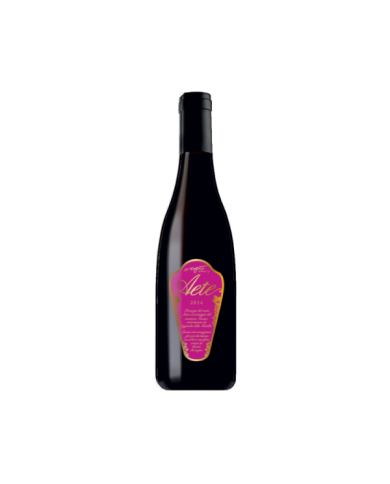
Young wine loved by young people, it manages to be appreciated for its freshness and easy drinking. Wine that is good for the palate on warm evenings for dinner with friends. Having a good supply in the fridge also refreshes the soul. Recommended pairings : Preferable for the whole meal and with spaghetti with seafood, fried fish, and / or raw fish, seasonal vegetable soup, peppered mussels, fresh, rustic cheeses, savory pizzas. Uncork and serve at a temperature of 10 ° C.
SKU:
5278
Brand:
Nestore Bosco
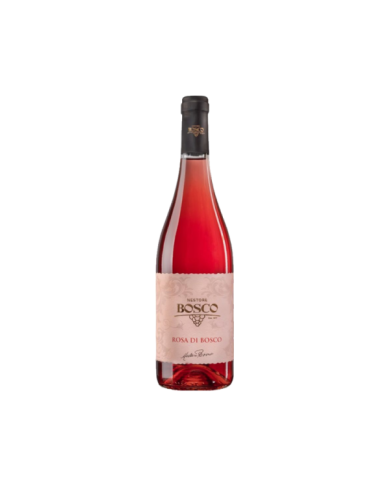
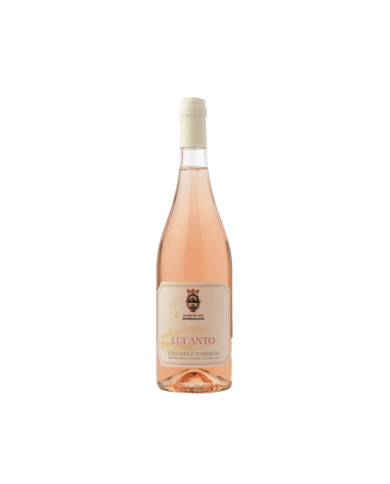
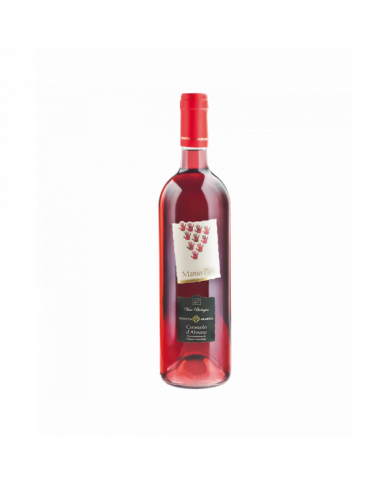
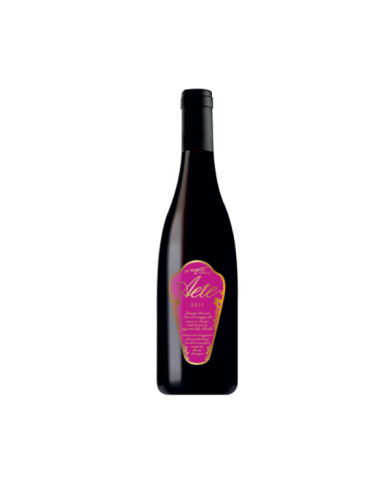
Cherry pink color. Intense and clean bouquet, notes of strawberry, raspberry, cherry, followed by aromas of cyclamen, plum and rose. Taste Intense and fresh, with good body. Delicate hints of cherry and raspberry. ideal with stuffed pasta, pizza, fresh cheeses, roasted white meats, roasted fish.
SKU:
5277
Brand:
Marchesi de Cordano
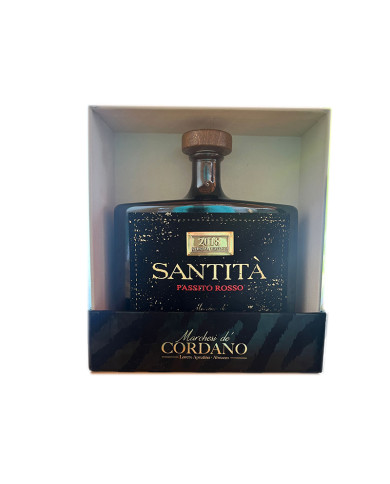
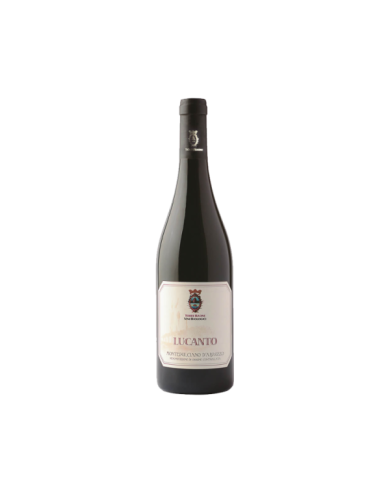
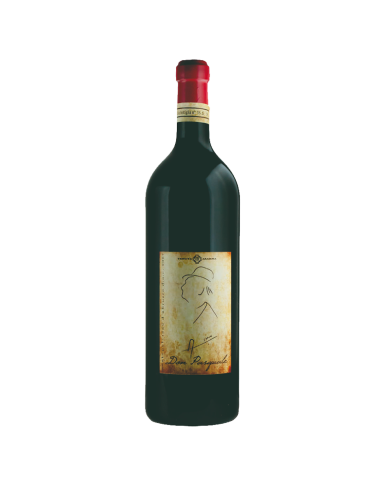
The complexity of this intense ruby red wine, sensual and enveloping, is expressed in the bouquet that immediately recalls withered flowers and red fruit jam. A pleasant spiciness of licorice, black pepper, cloves and vanilla emerges with toasted hints of coffee and tobacco. Maximum Expression: 12-15 years. Vinification: Short drying in the vineyard, permanence of 20 - 22 days on the skins with pumping over in the air, followed by static decanting in large barrels. Subsequently the wine is left to refine for 12 months in 50 hl barrels and 12 months in barriques and then rests for 12 months in the bottle.
€61.61
SKU:
5274
Brand:
Marchesi de Cordano
With an intense ruby red color, it is a velvety wine, which contains hints of cherry, raspberry and dried fig. On the palate it reveals slight notes of violet that pamper and caress the end of the meal. Maximum Expression: 8-10 years. Vinification: On the skins for 18 days, followed by static decanting in large barrels. The wine is aged for 9 months in barriques and then rests for 6 months in the bottle.
SKU:
5272
Brand:
Marchesi de Cordano
The complexity of this intense ruby red wine, sensual and enveloping, is expressed in the bouquet that immediately recalls withered flowers and red fruit jam. A pleasant spiciness of licorice, black pepper, cloves and vanilla emerges with toasted hints of coffee and tobacco. Maximum Expression: 12-15 years. Vinification: Short drying in the vineyard, permanence of 20 - 22 days on the skins with pumping over in the air, followed by static decanting in large barrels. Subsequently the wine is left to refine for 12 months in 50 hl barrels and 12 months in barriques and then rests for 12 months in the bottle.
SKU:
5270
Brand:
Marchesi de Cordano
Intense and complex, at the first approach it is naturally expressed with ripe red fruit but then strikes for the intensity of the tertiaries: green pepper, coffee, licorice and nutmeg. A full-bodied and rightly tannic wine with a long persistence and great elegance. Maximum Expression: 8-10 years. Vinification: Permanence of 18 days on the skins with pumping over in the air, followed by static decantation in large barrels. The wine is aged for 12 months in barriques and then rests for 12 months in the bottle
SKU:
5267
Brand:
Marchesi de Cordano
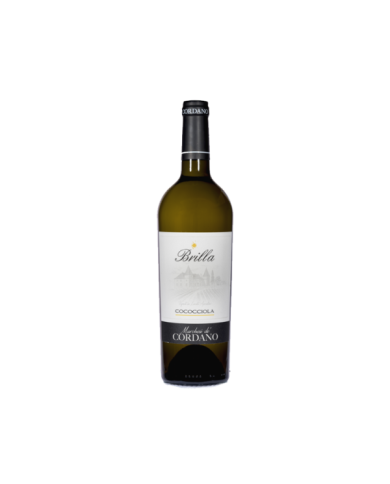
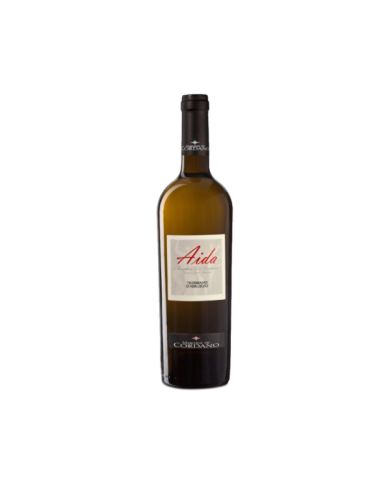
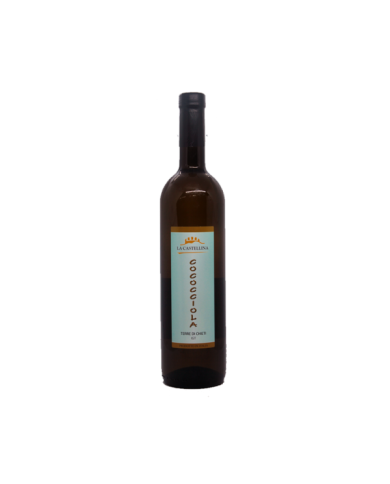
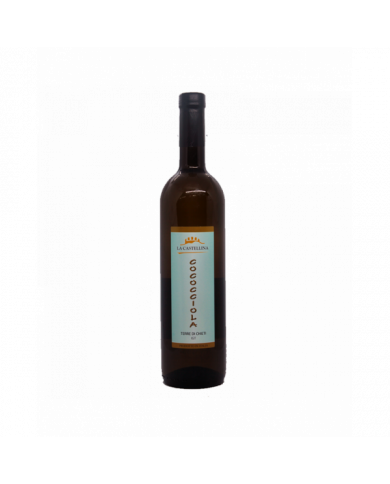
Golden yellow in color. The nose is elegant, intense and quite complex. Fruity and oral, herbaceous. On the palate it is fresh with the right flavor. Balanced and intense. The bouquet is reminiscent of orange blossom, jasmine, yellow peach, pineapple and a hint of candied citrus and notes of dry pastic ceria. Vinification : Manual harvesting of grapes in small boxes. Cold pressing in an inert environment, static decantation of the must with controlled fermentation. Anament in terracotta amphorae for 12 months. The cococciola is a grape that allows to obtain a wine of structure and longevity. The amphora does not yield any aroma, enhances the varietals of the grapes used and allows, thanks to the porosity of the clay, a good micro-genesis.
€13.97
SKU:
5265
Brand:
Marchesi de Cordano
Delicate, fruity, with aromas of cherry and wild strawberries, this soft wine at the first encounter, recalls the roses from which it draws its freshness that releases on the finish. Vinification: The must is fermented in contact with the skins for 12 hours, in order to enhance the aromatic notes.
€8.78
SKU:
5263
Brand:
Marchesi de Cordano
White pulp fruit and floral scents accompany the pleasant freshness and flavor of this wine. The finish is reminiscent of almond. Vinification: Soft cold pressing in an inert environment, static decantation of the must and fermentation at a controlled temperature.
€9.89
€8.90
SKU:
5261
Brand:
Marchesi de Cordano
Delicate, easy to drink, it is a wine with a pleasant freshness and flavor. The bouquet is fine, with a predominance of jasmine and tiare flowers. Vinification: Soft cold pressing in an inert environment, static decantation of the must and fermentation at a controlled temperature.
€8.78
SKU:
5259
Brand:
Marchesi de Cordano
An intense and complex wine that is presented recalling exotic fresh fruit and yellow flowers. Rightly full-bodied and persistent, it does not lose freshness and drinkability. Vinification: Soft cold pressing in an inert environment, static decantation of the must and fermentation at a controlled temperature.
SKU:
5256
Brand:
Marchesi de Cordano
A wine with a marked freshness and an intense bouquet, with a citric scent in which a pleasant minerality is found. White grapefruit and acacia and orange blossom flowers emerge. Vinification: Soft cold pressing in an inert environment, static decantation of the must and fermentation at a controlled temperature.
€9.89
SKU:
5253
Brand:
Marchesi de Cordano
The lively nuances of red please the eyes of this wine, which presents itself with hints of ripe red fruit, cherries, plums and floral notes. The soft tannins give great drinkability and pleasantness. Vinification: 7-10 days on the skins with pumping over in the air, followed by aging in steel and 9 months in 25hl wooden barrels.
SKU:
5251
Brand:
Marchesi de Cordano
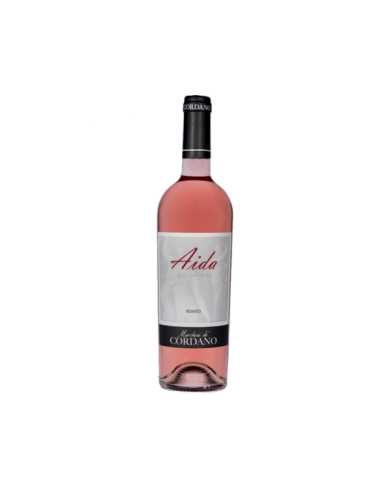
With a pale pink color. The nose is elegant, intense and quite complex. Fruity and oral, hints of cherry and pink. On the palate it is fresh with the right flavor. Balanced and well balanced. Vinification : Manual grape harvest. Cold pressing in an inert environment, short maceration on the skins and fermentation at a controlled temperature.
€7.14
€6.07
SKU:
5249
Brand:
Marchesi de Cordano
Elegant and refined with hints of yellow fruit and white flowers, with a savory taste with a slightly almond finish. Vinification: Soft cold pressing in an inert environment, static decantation of the must and fermentation at a controlled temperature.
€8.33
SKU:
5186
Brand:
Poggio Scalette
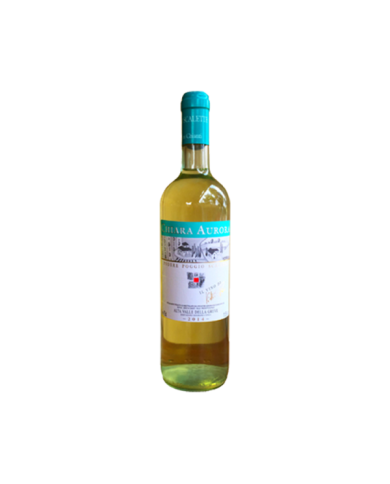
White wine obtained from the grapes of the native Trebbiano Toscano vine, with lively and fruity characteristics, with notes of green apple, banana and pineapple, also a traditional expression of the terroir of the Ruffoli hill, in the Municipality of Greve in Chianti, at 450 m above sea level. Fresh and fragrant in the perfume, lively and rightly acidulous on the palate, to be tasted as an aperitif or ideal to accompany summer dishes, especially cold ones. Its low alcohol content and easy drinking make it particularly suitable for outdoor summer parties and friendly tables in any season.
SKU:
5183
Brand:
Collefrisio
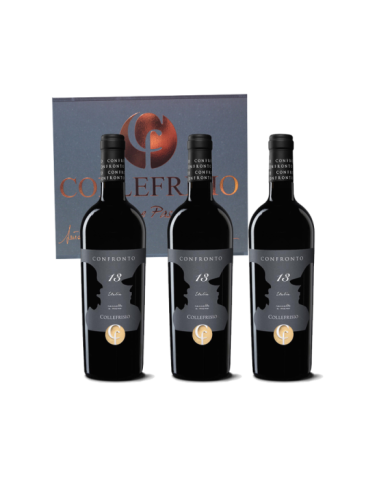
GRAPES : Montepulciano d'Abruzzo, Primitivo di Manduria HARVEST : second half of October for Montepulciano and second half of September for Primitivo. VINIFICATION : long maceration of the skins in steel. Subsequently there is the refinement for 10 months in the bottle. TASTING : dark ruby red color. Fruity with hints of plum, blackberry and cherry, slightly spicy. Complex wine, full-bodied, soft and velvety. Persistent on the palate.
SKU:
5179
Brand:
Cantina Tollo
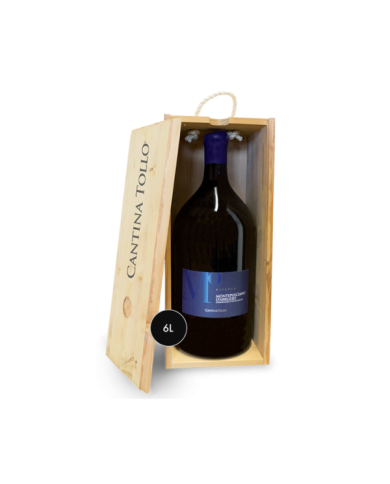
A Montepulciano d'Abruzzo Riserva with intense fruity aromas, with notes of black cherry and wild berries. Twenty-four months in oak barrels and six in the bottle for an aging that improves over time. Pairings with savory first courses, mushrooms, truffles, meats and semi-aged cheeses
€189.90
SKU:
5177
Brand:
Cantina Tollo
€13.27
€11.95
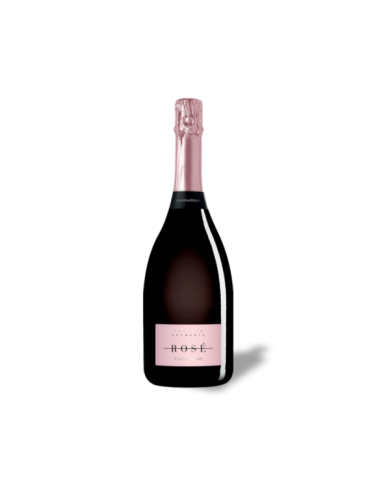
Well balanced between fresh acidity and moderate residual sugars, with a creamy consistency and a long finish. Pairings A sparkling wine with many combinations with the possibility of being served throughout the meal. Excellent as an aperitif and with appetizers.
SKU:
5175
Brand:
Cantina Tollo
€15.12
€12.09
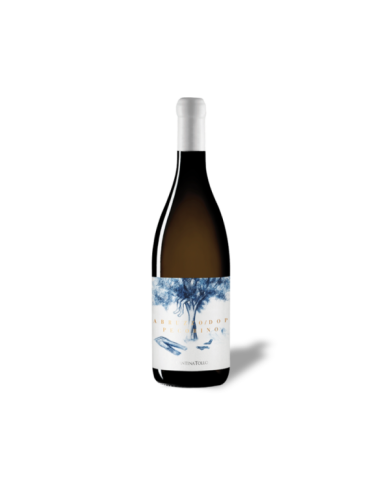
A timeless classic, like the famous Barone Rampante by Italo Calvino which inspired his label. Simply an invitation to come out of the ordinary to savor the extraordinary. Pairings Raw fish and shellfish, fish dishes in general also excellent with fresh cheeses or stretched curd cheeses.
€15.12
€12.09
SKU:
5172
Brand:
Cantina Tollo
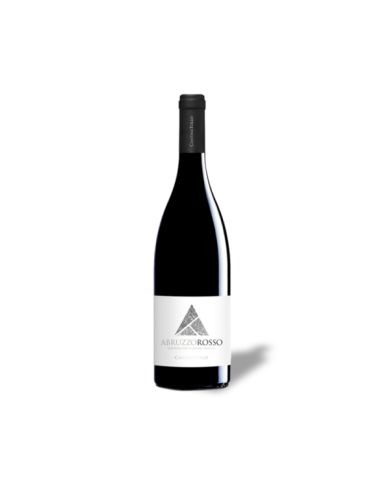
A Red obtained exclusively from Montepulciano grapes, aged for twenty-four months in Slavonian oak barrels and for twelve months in the bottle without filtration. Aromas of red fruit, purple and mint. First courses of fresh and stuffed pasta, red and white meats, game, mushrooms, truffles, aged cheeses that are not too spicy.
€3.37
€2.83
SKU:
5145
Brand:
Ciavolich
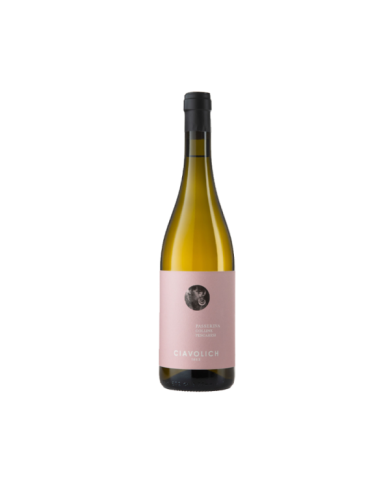
The Pecorino grapes come from 1 hectare of vineyard raised in the Abruzzo pergola system planted in our Pianella estate around the year 2000 and from 1 hectare of "espalier" trained vineyard in the Loreto Aprutino estate, planted in 2011. The grapes are harvested by hand in the very early hours of the morning and are immediately transported to the cellar in small boxes. Afterwards the grapes are pressed, softly pressed and the must is fermented in stainless steel tanks at a controlled temperature. At the end of fermentation, a small part of the mass is decanted into French tonneaux from 2009 for a brief refinement of 3 months. At the end of February the wines are brought together and bottled to continue aging in the bottle for about 2 months.
€36.00
€28.80
SKU:
5142
Brand:
Ciavolich
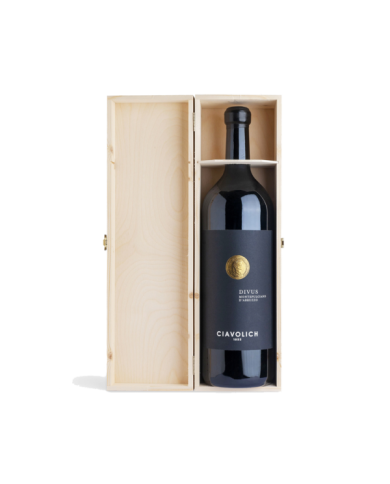
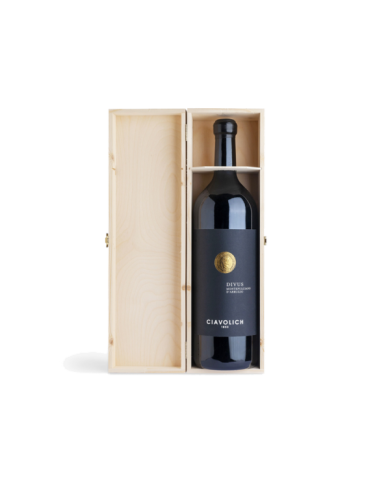
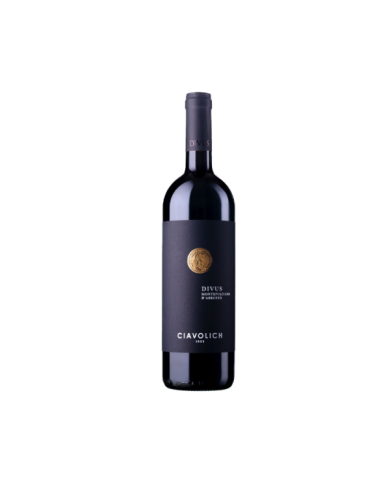
Il Divus was born in 1987 and proudly tells of the place it comes from, the oldest vineyards of the estate. After being selected and hand-picked, the grapes are taken to the cellar where they are crushed and destemmed. Afterwards, the must ferments in stainless steel at a controlled temperature and then delestage and pumping over are carried out. The wine obtained is decanted into large barrels and barriques of various passages where it ages for about a year. Finally, after resting in the bottle we can taste a fresh, tannic, soft, full-bodied, mature wine that improves over time.
€82.50
SKU:
5139
Brand:
Ciavolich
Il Divus was born in 1987 and proudly tells of the place it comes from, the oldest vineyards of the estate. After being selected and hand-picked, the grapes are taken to the cellar where they are crushed and destemmed. Afterwards, the must ferments in stainless steel at a controlled temperature and then delestage and pumping over are carried out. The wine obtained is decanted into large barrels and barriques of various passages where it ages for about a year. Finally, after resting in the bottle we can taste a fresh, tannic, soft, full-bodied, mature wine that improves over time.
€36.00
SKU:
5137
Brand:
Terra D'Aligi
In the high pastures of the Maiella, the mother mountain of Abruzzo, it can happen to come across tholos, particular pseudo-dome structures made by piling up dry stones. They are rural shelters, linked to the pastoral world, but actually have a noble and remote origin. In fact, examples of tholos can be found in various areas of the Mediterranean: from the Mycenaean civilisation to Etruscan tombs, from Roman buildings to Sardinian nuraghi, to the trulli of Puglia, also belonging to the same category of ancient and often sacred constructions.
This name, so ancient, so noble, so ancestrally linked to the land and the genius of man, seemed perfect for our most prestigious wine. Carefully selected Montepulciano dAbruzzo grapes generate this complex and powerful cru, aged for 18 months in new barriques and 12 in the bottle, with great structure, elegance, balance and long persistence. The red deccellenza in our line of premium wines, which already express in their name their close bond with the land and traditions of Abruzzo.
€20.50
SKU:
5133
Brand:
Terra D'Aligi
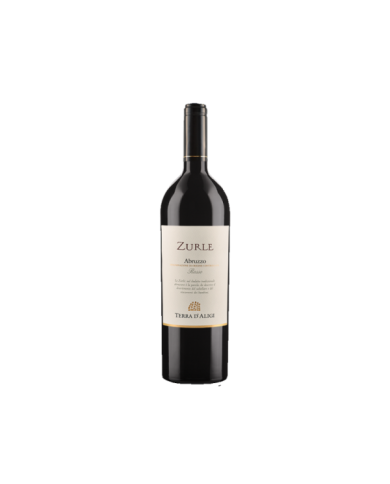
It is a day of celebration in the village. People laugh, the wine flows, the orchestra plays, and the streets echo from the children's zurle. La Zurle? In the Abruzzese dialect the term indicates the noisy fun, the liveliness, the dynamism typical of children. A joy that comes above all from music, because zurla is the name of a gypsy musical instrument, progenitor of the oboe and shawm. Zurle therefore expresses energy, genuine cheerfulness, a sunny, open and sincere character. This is the character of this Rosso dAbruzzo, which we see well accompany, in the village festival just described, the roasted meats outdoors, under a pergola overlooking the hills. Straightforward wine, but anything but banal. Produced with selected grapes, ennobled by ample and intense aromas of fruit with subtle spicy notes, rich, energetic and with excellent structure, it receives its character as a gift from a land that has always been suited to the cultivation of vines: the Frentane hills, between the Maiella and the sea, a true temple of Abruzzo viticulture.
€13.93
SKU:
5131
Brand:
Terra D'Aligi
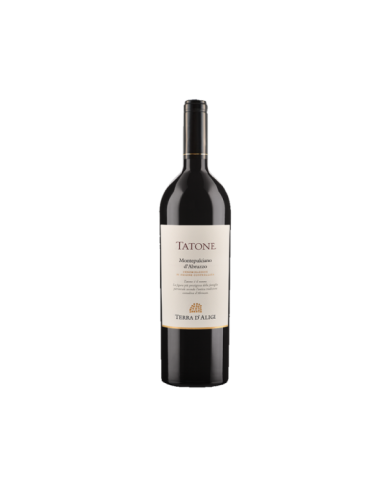
Each family in Abruzzo has its own tatone. Confidential and affectionate appellation for the grandfather, the tatone actually represents a fundamental figure in the traditional family structure, to which age and maturity confer authority, prestige and wisdom. Our Tatone is like this too: a mature and complex Montepulciano dAbruzzo, to which 24 months aging in large Slavonian oak barrels and 3 months in the bottle gives balance and elegance, with aromas of fruit and spices supported by an excellent structure and accompanied by a long persistence. A complex and at the same time authentic wine, like all tatoni tenaciously linked to its traditions and its land: this land of Abruzzo that we cultivate with love and respect, of which we work the grapes with the wisdom of generations of winemakers, using technologies more advanced to protect and enhance its qualities. Our Land of Aligi.
€11.80
SKU:
5127
Brand:
Terra D'Aligi
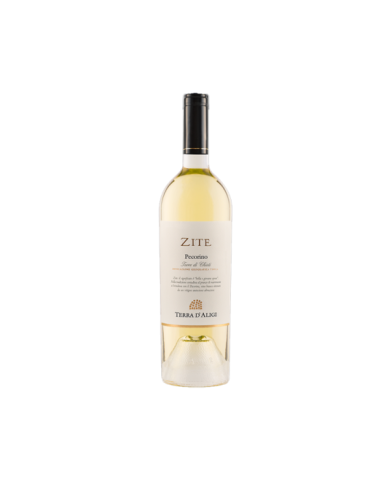
Each wine has its own story, and that of Zite is one of the most beautiful to tell. Born from Pecorino grapes, one of the most typical Abruzzo vines, traditionally linked to transhumance. From time immemorial its rows have been lapped by the flocks in their incessant going. But Pecorino is also a wine with a thousand facets, to which a special role is reserved in Abruzzo rites and customs. Perfumed, fine, with excellent structure and persistence, also perfect as an aperitif, it has always been the wine for weddings. It's up to Pecorino to brighten up the great day of celebration, the one in which the zite crown their dream of love. Here, in fact, the zite: in Abruzzo dialect, the beautiful girls to be married, the brides. This Terra dAligi wine is dedicated to them, the white deccellence in our line of high-level wines, produced with selected grapes, refined with the best times and techniques in relation to their characteristics, which already express in the name their close link with the land and traditions of Abruzzo.
€5.11
€4.09
€5.11
€4.35
€5.11
€6.86
€6.17
€6.86
€6.17
€7.43
€5.94
€6.86
€6.17
€10.31
€24.00
€16.43
€19.03
€10.31
€7.22
€13.50
€12.50
€21.00
€13.50
€9.50
€16.00
€14.40
€7.61
€6.09
€9.50
€18.08
€7.14
€7.50
€7.50
€7.50
€5.39
SKU:
5026
Brand:
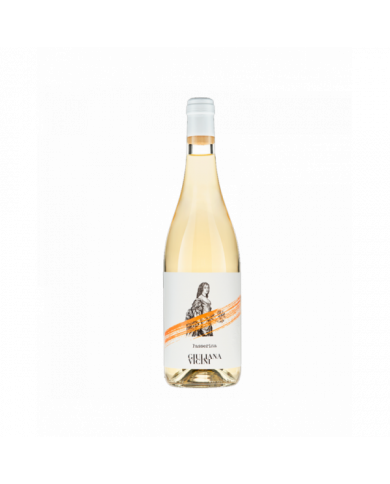
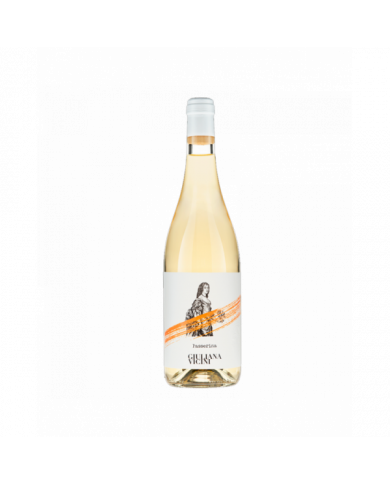
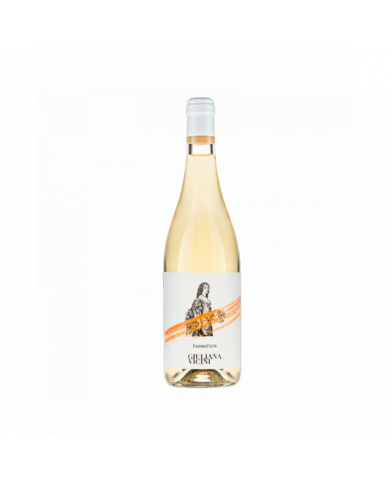
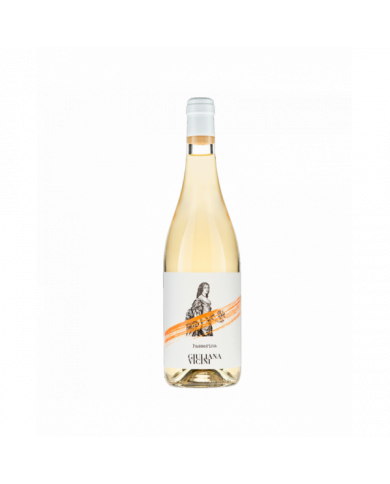
Giuliana Vicini
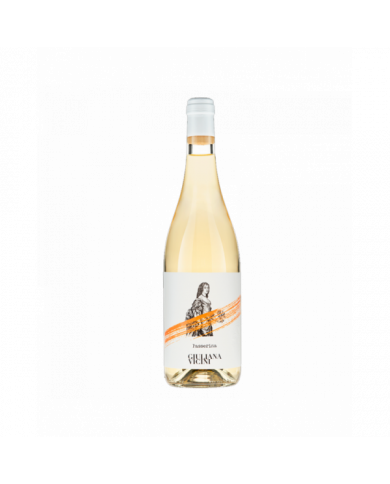
The grapes come from the vineyards of Miglianico. Fermentation in stainless steel at a controlled temperature, aging in steel and then bottling generally within the next harvest. It is an enjoyable Montepulciano, fresh and ready to drink, on the nose it expresses fruity hints of cherry and plum with notes of licorice. In the mouth it is persuasive, with an excellent balance between young tannins and softness.
SKU:
5023
Brand:
Giuliana Vicini
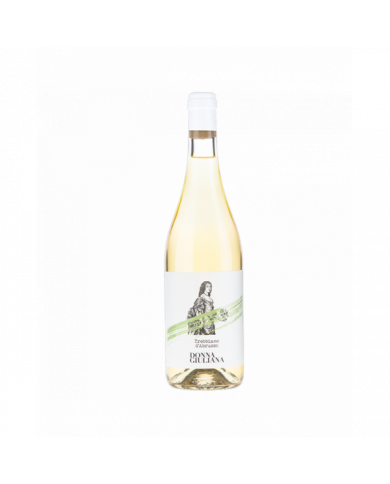
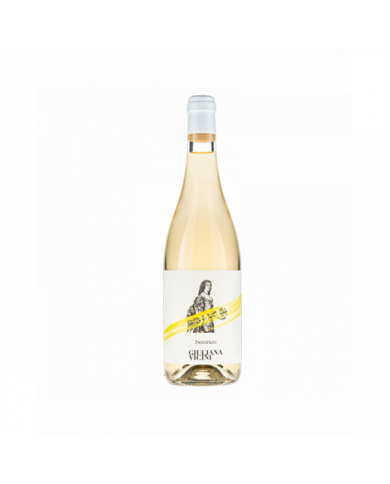
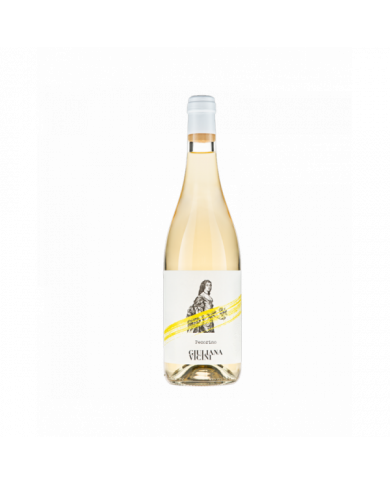
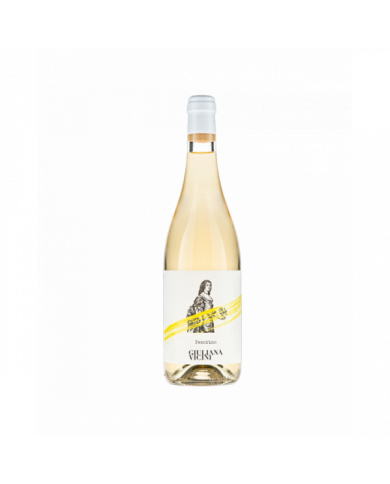
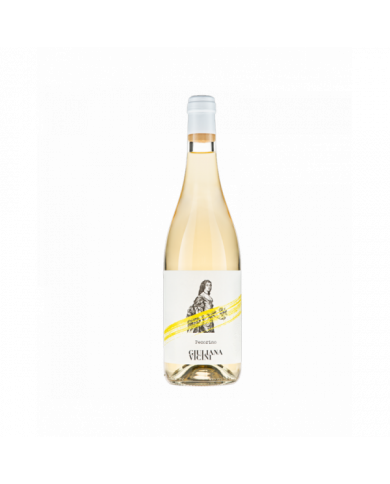
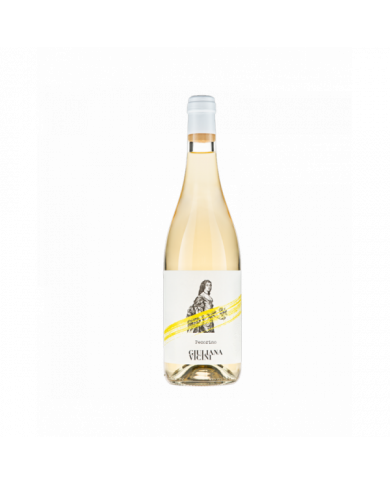
Our Trebbiano comes from the awning planted in the 1980s in Miglianico. The grapes are gently pressed and fermented at a controlled temperature in steel vats. It is bottled in January. Fresh and easy to drink wine. Pale straw yellow color. Intense aroma of fresh fruit such as green apples and grapefruit.
SKU:
5021
Brand:
Giuliana Vicini
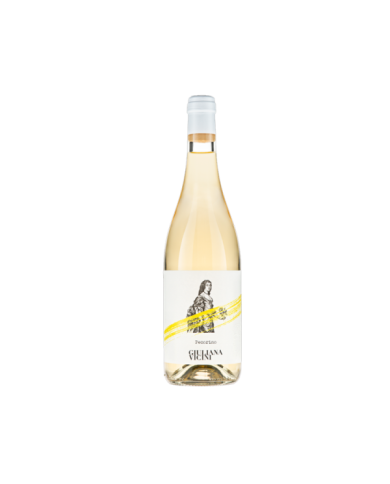
Our Pecorino comes from the espalier planted in 2011 Loreto aprutino. The grapes are gently pressed and fermented at a controlled temperature in steel vats. It is bottled between December and January. Fresh and easy to drink wine. Its bright yellow color with green reflections is the prelude to a fragrant sip with a marked acidity. Intense citrus scent found in every sip with an intense final flavor.
SKU:
5019
Brand:
Giuliana Vicini
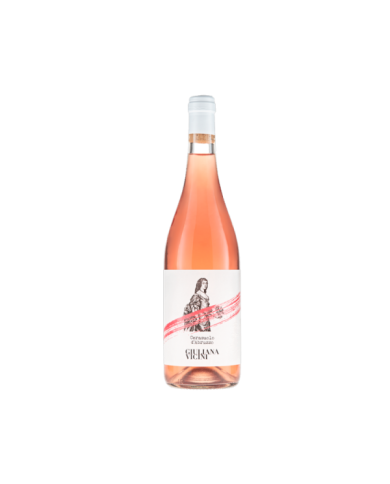
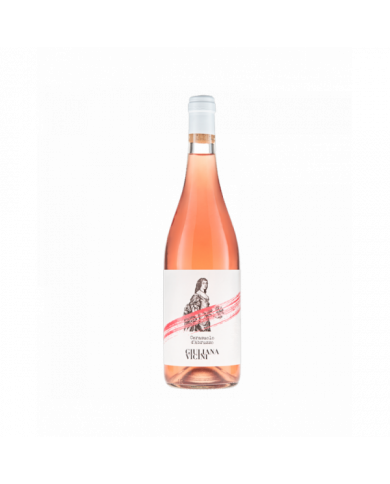
Cerasuolo is the wine that was once offered to guests to welcome them and to demonstrate how good they had been in the harvest. The grapes are those of the youngest rows of the estate, are harvested by hand and crushed and destemmed. The must is vinified in white and then left to ferment at a controlled temperature in stainless steel where it remains until January / February, when it is bottled. Splendid pink reflections and light fruity and floral aromas typical of the variety are confirmed on the palate. When drunk fresh, fruity and savory, it always invites the next sip.
SKU:
5017
Brand:
Giuliana Vicini
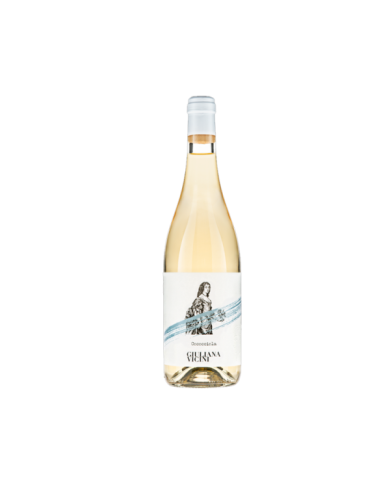
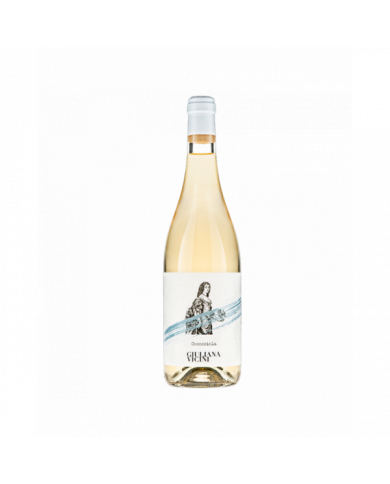
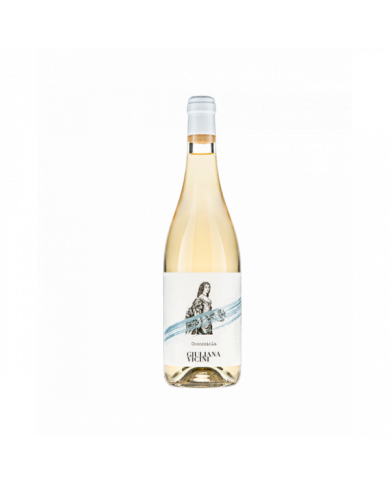
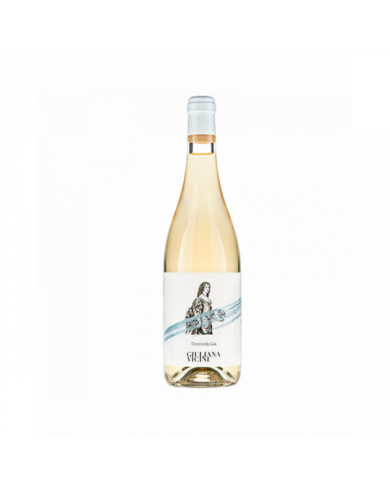
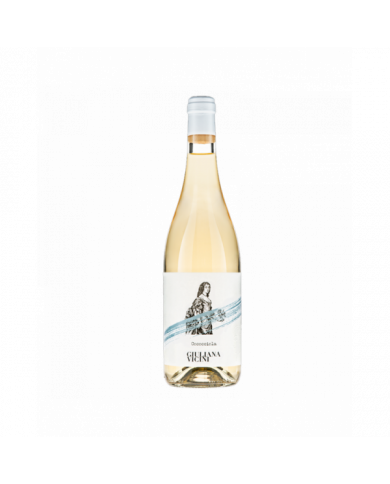
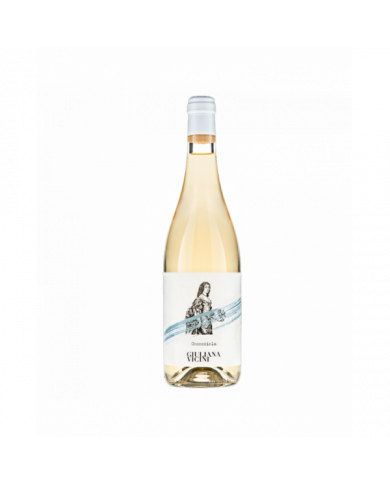
Cococciola is an ancient Abruzzo vine characterized by good production and a nice acidity. Our Cococciola was born from a hectare of awning vineyard planted in the 80s in Loreto Aprutino. Its large greenish clusters are harvested by hand and immediately taken to the cellar where they are pressed in a soft press, fermentation is started in stainless steel at a controlled temperature and finally the wine is bottled in December. The Cococciola must is green in color, this indicates a wine with a marked acidity and freshness. It is fragrant, dry and drinkable and explodes on the nose and palate with hints of freshly picked fruit such as frozen apple or snuff peach.
SKU:
5015
Brand:
Giuliana Vicini
From the Loreto rows we collect the Passerina grapes, an Abruzzo white grape variety rediscovered and much appreciated for some years. Harvesting by hand, soft pressing, cold decanting and aging in stainless steel, release the pure essence of this Passerina that recalls the sea breeze at sunset. The delicate herbaceous notes are the prelude to a fresh, fragrant, savory drink on the palate. Each sip gives hints of yellow pulp fruit such as peach and pear with citrus influences of grapefruit and aromatic herbs, the finish is mineral with hints of almond.
SKU:
5013
Brand:
Ciavolich
The Antrum was dedicated to the caves of the first winery built in 1853 in Miglianico. The wine fully reflects the character of the Ciavolich family and its centennial history rooted in Abruzzo. The grapes come from the vineyards planted by Giuseppe Ciavolich in the 90s and 2000s on the Loreto Aprutino estate. After being selected and hand-picked, they are taken to the cellar where the crushing-destemming takes place. The must together with the skins ferments in stainless steel tanks at a controlled temperature. Afterwards, delestage and pumping over are periodically carried out in order to extract color and tannin useful for the long aging that it will have to achieve. At the end of fermentation, after racking, the wine obtained is transferred to barriques and tonneaux, half new and half used.
SKU:
5011
Brand:
Ciavolich
Il Divus was born in 1987 and proudly tells of the place it comes from, the oldest vineyards of the estate. After being selected and hand-picked, the grapes are taken to the cellar where they are crushed and destemmed. Afterwards, the must ferments in stainless steel at a controlled temperature and then delestage and pumping over are carried out. The wine obtained is decanted into large barrels and barriques of various passages where it ages for about a year. Finally, after resting in the bottle we can taste a fresh, tannic, soft, full-bodied, mature wine that improves over time.
€13.74
SKU:
5009
Brand:
Ciavolich
The production vineyards of this Montepulciano are located in Pianella (PE), whose characteristic is that they are located near a small natural lake. The proximity to the lake allows the roots to be humid even in the driest periods. This freshness is also found in the wine, vinified in steel to maintain this natural characteristic unaltered. After being selected and harvested by hand, the grapes are taken to the cellar to be crushed-destemmed and vinified in stainless steel tanks at a controlled temperature followed by only a delestage. The refinement, after bottling a year and a half after vinification, continues in the bottle for about 6 months.
€14.01
SKU:
5007
Brand:
Ciavolich
€12.00
€9.60
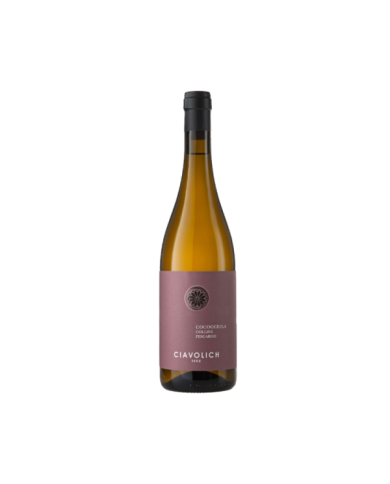
Our Cococciola comes from 1 hectare of Abruzzo pergola-trained vineyard planted in 1985 on the Loreto Aprutino estate. Its large greenish-colored clusters are harvested by hand and immediately taken to the cellar to be crushed-destemmed and gently pressed. The fermentation of the must takes place inside stainless steel tanks at a controlled temperature with the help of selected yeasts, and finally the wine is aged for about 4 months before bottling.
SKU:
5005
Brand:
Ciavolich
€12.00
€10.80
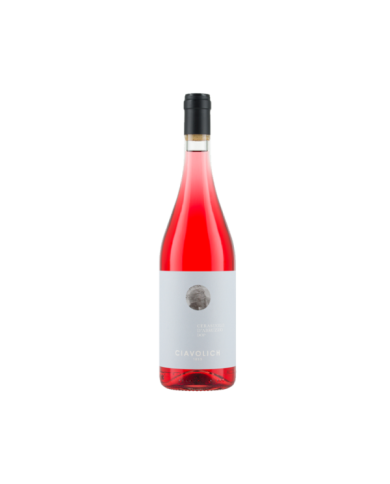
Cerasuolo is the wine that was once offered to guests to welcome them and to demonstrate how good they had been during the harvest. The grapes are those of the youngest rows of the estate, are harvested by hand and crushed-destemmed and the must is left in contact with the skins for about 8 hours and then vinified in white. It is then left to ferment at a controlled temperature in stainless steel where it remains until January / February, when it is bottled. Splendid pink reflections and light fruity and floral aromas typical of the variety are confirmed on the palate. Fresh, fruity and savory, it always invites the next sip.
SKU:
5003
Brand:
Ciavolich
€12.00
€9.60
The Passerina grapes come from the young rows planted in our Loreto Aprutino estate in 2011. The grapes are harvested by hand, then the grapes are pressed, softly pressed and the must obtained is cold decanted. Subsequently, the clear must is decanted into stainless steel tanks at a controlled temperature to carry out the alcoholic fermentation. The refinement, before bottling, takes place in stainless steel tanks for about 3-4 months.
SKU:
5000
Brand:
Ciavolich
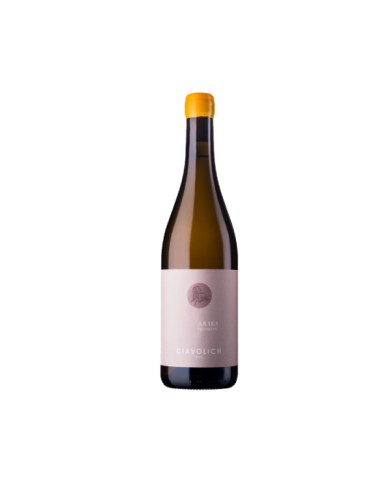
The Pecorino grapes come from 1 hectare of vineyard raised in the Abruzzo pergola system planted in our Pianella estate around the year 2000 and from 1 hectare of "espalier" trained vineyard in the Loreto Aprutino estate, planted in 2011. The grapes are harvested by hand in the very early hours of the morning and are immediately transported to the cellar in small boxes. Afterwards the grapes are pressed, softly pressed and the must is fermented in stainless steel tanks at a controlled temperature. At the end of fermentation, a small part of the mass is decanted into French tonneaux from 2009 for a brief refinement of 3 months. At the end of February the wines are brought together and bottled to continue aging in the bottle for about 2 months.
SKU:
4998
Brand:
Ciavolich
From the collection of Moscato grapes, the must obtained undergoes alcoholic fermentation in old French oak tonneaux without the aid of selected yeasts. Alcoholic fermentation is conducted without temperature control. Afterwards, during the refinement, the “bàtonnage” technique is performed for a few months after which the wine continues aging in cask in contact with its lees. Before bottling, a blend is made with vintage wine of Passerina and Cococciola.
SKU:
4996
Brand:
Ciavolich
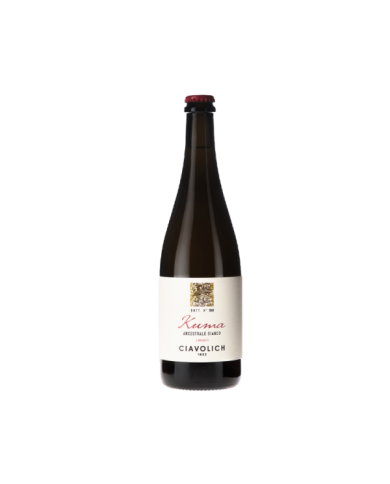
Obtained from selected Cococciola grapes, it carries out a spontaneous alcoholic fermentation with the help of a "pied de cuve" obtained from grapes harvested in the vineyard a week before the harvest. Alcoholic fermentation is carried out in terracotta amphorae and subsequently, shortly before the end, the product is bottled. The wine continues aging in horizontally placed bottles for at least one year and, once the “disgorging” moment has been reached, the coarse lees are removed before being marketed. The wine has a straw yellow color, with a slight haze given by the residue not removed by filtration. On the nose, light and fresh floral and citrus scents, on the palate it is perceptible a clear freshness, minerality accompanied by a delicate effervescence due to the fermentation concluded in the bottle.
SKU:
4993
Brand:
Ciavolich
Montepulciano grapes are strictly hand-picked. After the first crushing-destemming process, the skins remained in contact with the must for 12/24 hours in small concrete wine vessels until the spontaneous alcoholic fermentation began. A fraction of fermenting must was then taken from the bottom of the wine vessel, through a classic “bleeding” operation, which was subsequently transferred to terracotta amphorae where it continued to carry out spontaneous fermentation without temperature control. The refinement continued on the noble lees in amphora until bottling in the first days of spring.
SKU:
4991
Brand:
Ciavolich
€29.04
€26.13
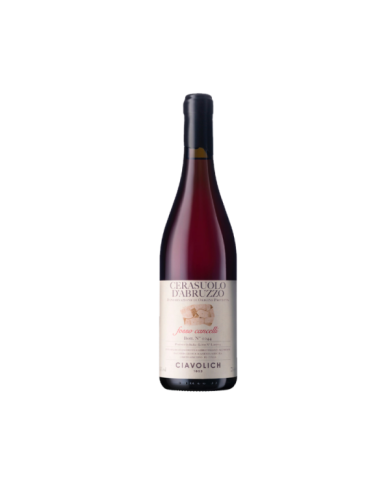
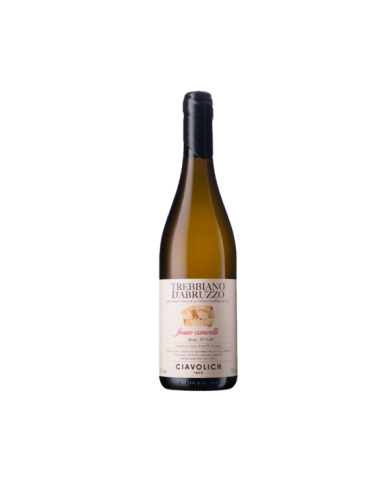
The desire to try our hand at the production of artisanal wines with historical and indigenous varieties is one of the reasons that led us to produce this Trebbiano. The grapes from the oldest vineyard we have on the farm are harvested by hand in September, and then they are pressed and pressed in order to obtain the must to be used for vinification. Alcoholic fermentation occurs spontaneously by indigenous yeasts through the preparation of a "pied de cuve", created by selecting the ripest grapes before their harvest. Since 2018 Trebbiano Fosso Cancelli is vinified and aged partly in terracotta amphorae and partly in Slavonian oak barrels.
SKU:
4989
Brand:
Ciavolich
The hand-picked grapes from the Pianella and / or Loreto Aprutino vineyards are placed in small boxes and transported to the cellar. The crushing and pressing is carried out with the aid of a small crusher-destemmer and an ancient press. The must obtained is transferred partly in terracotta amphorae and partly in used French oak tonneaux. To start the fermentation, the “pied de cuve” of indigenous yeasts previously obtained from the same grapes is added. Fermentation normally takes place in 7/10 days and the wine obtained is decanted and aged on its noble lees in 15hl Slavonian oak barrels and in terracotta amphorae. The refinement lasts about 2 years, after which the wine is decanted and bottled without filtration.
SKU:
4987
Brand:
Ciavolich
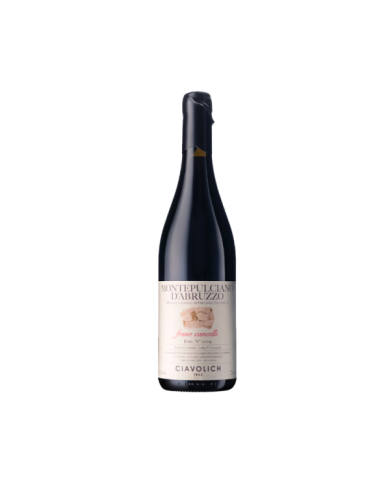
Il Fosso Cancelli was born in 2007 from the strong desire to create a wine of great craftsmanship and tradition. This wine reflects the ancient soul of our company and goes to photograph a well-defined historical period that has made the history of our Montepulciano d'Abruzzo, fermentation in cement. The name recalls the ditch that delimits the vineyards where the Montepulciano grapes are selected and harvested. These are the oldest vineyards of the Loreto Aprutino estate and are shown on the label to underline the great link with the territory. After being harvested by hand, the grapes are pressed in our ancient press and the must is transferred to concrete tanks. Fermentation occurs spontaneously by indigenous yeasts without temperature control. At the end of the fermentation proceeds with the racking and the new wine obtained is left to rest for 1 year in the cement tanks where it fermented. The wine is then bottled and aged for at least 3 years.
€54.66
SKU:
4986
Brand:
Torre Raone
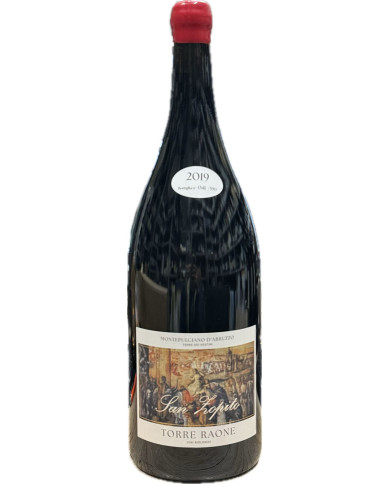
Deep garnet red color, intense and consistent in the glass. Wild black cherry, plums, blackberries and ripe currants: the nose opens on clear fruity notes, and then also perceives floral nuances of violet, as well as clear tertiary references of vanilla, chocolate, cinnamon, pepper and licorice. Balsamic nuances and officinal herbs complete the olfactory picture. The tannins on the palate are sculpted with chisel, the sip is warm and soft, with excellent persistence.
It goes very well with red meat. Try it with the tagliata with balsamic vinegar.
€79.89
SKU:
4982
Brand:
Torre Raone
Dress the glass in a beautiful ruby red. The nose first reveals memories of black cherries, plums and black currant, then completed by spicy, herbaceous and medicinal herbs nuances. Warm and soft the sip, rightly tannic and slightly savory, characterized by a finish that recalls licorice and black pepper.
To be paired with meat dishes, it is excellent with roast lamb chops.
€16.81
SKU:
4978
Brand:
Torre Raone
Between the rose petal and the onion skin the color, bright and with orange reflections to the eye. On the nose the initial floral notes are followed by clear memories of strawberry and pomegranate. The mouth traces the same footsteps of smell, also recalling the yellow plum and mango. Good balance, long persistence and pleasantly savory closure.
Versatile and eclectic, it is perfect with the schiacciata with cheese with raw ham.
€8.36
€7.52
SKU:
4976
Brand:
Torre Raone
Straw yellow color to the eye. Intense olfactory bouquet, characterized above all by fruity references of apricot, green apple, pineapple and banana, complemented by citrus nuances and almond tones. Full-bodied in tasting, balanced and savory, with good persistence.
Extremely versatile in food pairings, it is worth trying to accompany trenette with pesto.
€8.36
€6.69
SKU:
4974
Brand:
Torre Raone
Intense ruby red with which it presents itself to the eye. The nose is pleasantly fruity, with flavors of blackberry, black cherry, raspberry, plum and blueberry which are added with subtle floral nuances of violet. The mouth is soft and warm, balanced and consistent with the nose, rightly tannic and of good length.
To be combined with second courses based on meat, it is excellent with grilled veal ribs.
€9.89
€8.54
SKU:
4970
Brand:
Ettore Galasso
Particularly suitable for Mediterranean cuisine, for first courses based on legumes and grilled red meats.
€11.10
SKU:
4966
Brand:
Ettore Galasso
Ideal to serve with aperitifs. It goes well with appetizers, snacks and medium-structured dishes. Fresh and intriguing taste.
€8.90
SKU:
4964
Brand:
Ettore Galasso
Particularly suitable for Mediterranean cuisine, for first courses based on legumes and grilled red meats.
€8.24
SKU:
4962
Brand:
Ettore Galasso
€5.54
€4.43
Ideal with sea fish and shellfish dishes, oysters, spicy cured meats. Fresh, persistent taste with a savory aftertaste.
€5.54
€4.43
€5.08
SKU:
4943
Brand:
Cantina Miglianico
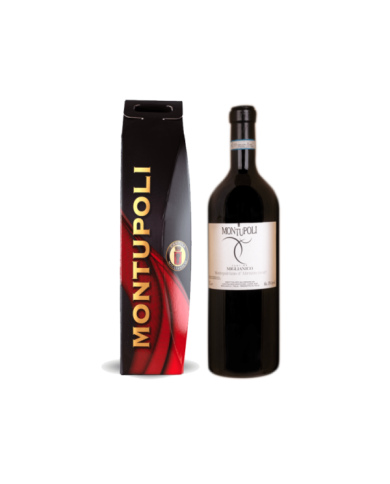
A cardboard magnum, very portable, a competition Montepulciano. The perfect gift for friends. Montepulciano DOP 100% with vineyards in the hills facing East / South-East of Miglianico, at 250 meters. above sea level, with clayey-loamy soils. The breeding is Abruzzo pergola with 15-20 year old vines, 1,600 plants per hectare with a yield of 120q.
€20.50
SKU:
4941
Brand:
Cantina Miglianico
Montepulciano DOP 100% with vineyards in the hills located south-east of Miglianico, at 250 meters. above sea level, with clayey soils that tend to be calcareous. The breeding is an Abruzzo pergola with thirty-year vines, 1600 plants per hectare with a yield of 100q. Magnum 1.5 liters
€33.14
SKU:
4939
Brand:
Cantina Miglianico
Montepulciano DOP 100% with hillside vineyards located south-east of Miglianico, 250 meters away. above sea level, with clayey soils that tend to be calcareous. The breeding is an Abruzzo pergola with thirty-year vines, 1600 plants per hectare with a yield of 100q. Double Magnum 3 liters
€59.78
SKU:
4938
Brand:
Cantina Miglianico
Montepulciano DOP 100% with vineyards in the hills facing East / South-East of Miglianico, at 250 meters. above sea level, with clayey-loamy soils. The breeding is Abruzzo pergola with 15-20 year old vines, 1,600 plants per hectare with a yield of 120q.
€28.58
€7.82
€12.13
€12.13
SKU:
4920
Brand:
Torri Cantine
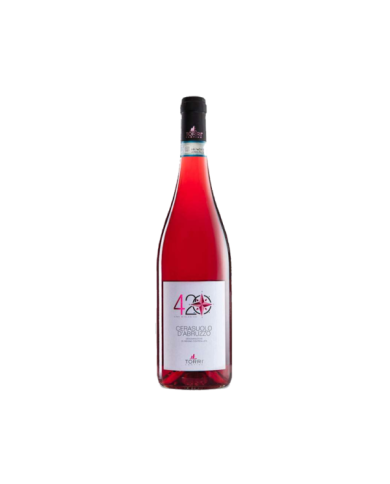
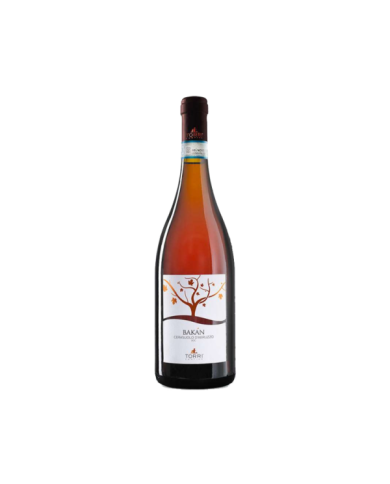
Color: A very bright cherry pink with an interesting texture. Smell: Intense floral and fruity scents of geranium, carnation, cherry and raspberry. Taste: A dry, tasty sip, with a nice freshness and delicate sapidity in perfect balance with a moderate heat and a refined softness. The taste, in perfect harmony with the sense of smell, adds nuances of strawberry and blueberry which anticipate a long and delicate mineral finish.
€10.80
€12.53
€10.08
€10.80
SKU:
4911
Brand:
Torri Cantine
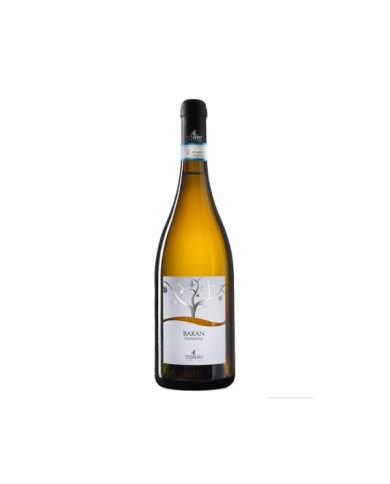
Color: In the glass a bright straw yellow with golden hues that seduces by its brilliance. Smell: Excellent olfactory intensity which reveals fresh floral and fruity aromas, with vegetal notes of freshly cut grass. We can recognize citrus fruit, apricot, sage, linden and even some tropical fruit. Taste: A pleasantly warm and attractive structure stands out in the mouth, enlivened by an acidic bite and a whimsical antithesis sapidity, which balance. The taste is in perfect harmony with the sense of smell, which highlights a pleasant and persistent mineral aftertaste.
€10.08
SKU:
4910
Brand:
Torri Cantine
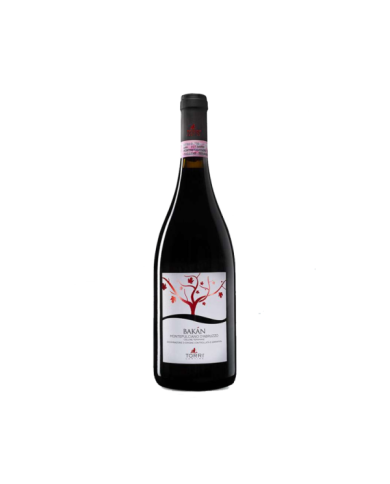
ALCOHOL CONTENT 14.5%
CAPACITY OF THE CONTAINER 0.75 Liters
SERVING TEMPERATURE 18-20 ° C
PAIRINGS Red meats
€19.81
SKU:
4908
Brand:
Torri Cantine
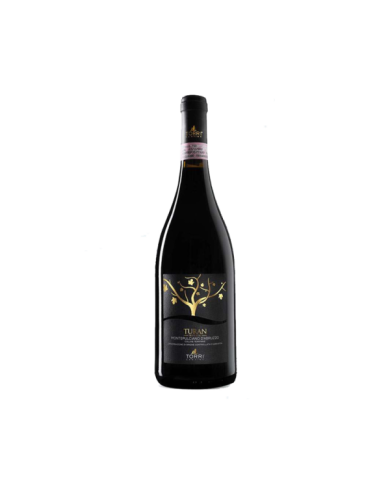
ALCOHOL CONTENT 14.5%
CAPACITY OF THE CONTAINER 0.75 Liters
SERVING TEMPERATURE 18-20 ° C
PAIRINGS Red meats
€24.11
€9.11
€6.50
€5.20
€6.50
€5.53
€8.50
SKU:
4894
Brand:
Rosarubra
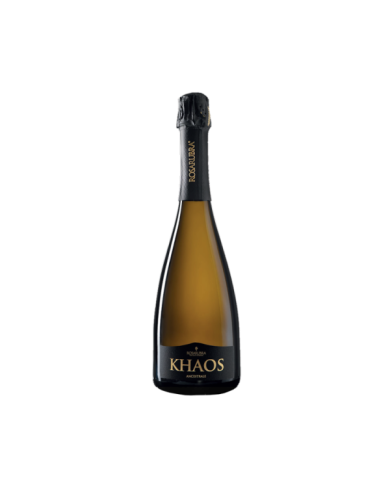
Khaos represents excellence in sparkling winemaking interpreted by Rosarubra . This is our Theory of Everything. A journey towards the naturalness, the origin, the principle, which has always distinguished our company and which has led us to choose to always be in tune with nature and with the principles of biodynamics in which we believe. Khaos Ancestrale is a deliberately unfiltered product . Its fine and persistent perlage accompanies the harmony of the aromas of yeast, warm bread, hawthorn flowers and citrus fruits, highlighting a perfect balance that envelops the mouth with powerful acidity and freshness. All this makes the Ancestral Khaos a perfect accomplice for aperitifs, whether they are based on appetizers or more important courses. But also for a fish-based dinner, starting with appetizers. Because in the beginning, we know, it was the Khaos.
€26.22
SKU:
4892
Brand:
Rosarubra
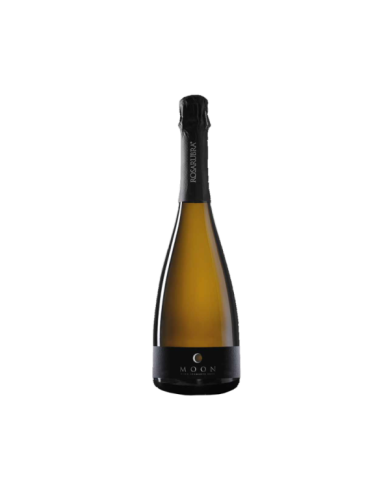
Moon comes from Pecorino grapes in the Pietranico estate : a clonal selection characterized by a great richness of acidity, suitable for the production of fresh wines suitable for a long fermentation process in autoclave. The Charmat Lungo method used for this sparkling wine organoleptically recalls the products obtained with the Champenoise method (or classic method): the particular aromatic notes based on the characteristic aroma and flavor deriving from the progression of the yeast during the maturation of the sparkling wine on its lees are recognized. The color is bright straw yellow with a very fine and persistent perlage. The hints of white fruit stand out with a spicy finish. In the mouth it is dry, decisive, harmonious and savory. The perfect bubble to accompany an aperitif.
€16.99
SKU:
4890
Brand:
Rosarubra
Khaos represents excellence in sparkling winemaking interpreted by Rosarubra . This is our Theory of Everything. A journey towards the naturalness, the origin, the principle, which has always distinguished our company and which has led us to choose to always be in tune with nature and with the principles of biodynamics in which we believe. Khaos Ancestrale is a deliberately unfiltered product. Its fine and persistent perlage accompanies the harmony of the aromas of yeast, warm bread, hawthorn flowers and citrus fruits, highlighting a perfect balance that envelops the mouth with powerful acidity and freshness. All this makes the Ancestral Khaos a perfect accomplice for aperitifs, whether they are based on appetizers or more important courses. But also for a fish-based dinner, starting with appetizers. Because in the beginning, we know, it was the Khaos.
€23.50
SKU:
4888
Brand:
Rosarubra
The stylistic trait reveals a particular vocation to the seduction of the senses. Young, lively wine, expression of freshness, but at the same time extractively important. The color reveals it. Loaded with a glossy, brilliant, at times luminous red. It fascinates the eye with its unpredictable reflections in all light conditions. The nose explodes its intense strawberry, accompanied by fresh red fruits, ripe sour cherries and cherry blossoms. The mouth expresses the real surprise: its extractive fragrance is harmonious and enveloping. Fresh acidity, perfectly married with the sugary and alcoholic components.
SKU:
4886
Brand:
Rosarubra
Generously sunny to the eye. Pure exaltation of the traditional autochthonous vine of the lands of Abruzzo . The permanent grassing in the vineyard enhances the character of a fruit that carries within itself the scents of the nature that surrounds it. The passing breezes at 400 meters above sea level of the estate, always directed from the nearby mountain to the sea, favor floral explosions on the nose, intoxicating sensations of freshness and inviting aromatic fragrance. On the palate it is clear, bright. The softness it expresses in the mouth is infinite, while its acid note is persuasive.
SKU:
4884
Brand:
Rosarubra
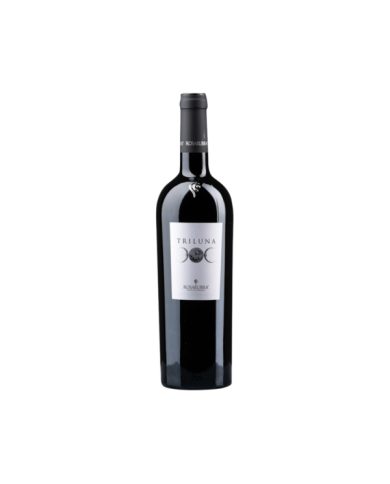
Our Triluna is born from a skilful blend of Chardonnay , Sauvignon and aromatic Malvasia grapes, harvested manually in slight over-ripening: a perfect balance of floral fragrances and persuasive references to ripe fruit and honey. The powerful extractive richness is flanked by a clear, fresh and pulpy palate. Perfectly balanced between acidity and softness, it highlights its extremely fruity palate with strong references to exotic yellow fruits.
€22.46
SKU:
4882
Brand:
Rosarubra
Ripe grapes harvested in their full aromatic and extractive vigor from ancient vines that for over 30 years have produced fruits of extraordinary sweetness and aromatic intensity. Violet and dense allocchio, fruity and pulpy on the nose, it offers clear sensations of red flowers, blackberries and hints of sweet spices. The soft tannins of this Montepulciano dAbruzzo pleasantly caress the palate, giving back sensations of roundness and satisfaction and well balanced by the acid component. Ripe pulp extracts satisfy the sip, losing their softness and yielding to sweetness, fullness and elegance.
SKU:
4880
Brand:
Rosarubra
From an overripe harvest of Montepulciano and Merlot grapes , a wine with a sumptuous fragrance combined with an extraordinary softness is born. The residual sugar resulting from the partial drying of the bunch on vines over 30 years of age, blends with an elegant concentration of extractive elements that recall morello cherry, plum and red fruits, revealing a harmoniously balanced tannin. Its essence fascinates the palate offering sensations of aromatic fullness and fruit integrity. An important, round, extremely pleasant wine, to combine with complex dishes or to sip in deep meditations.
€24.19
SKU:
4878
Brand:
Rosarubra
Shaman white Pecorino 100 years is the result of a project born in collaboration with prof. Alberto Palliotti, of the University of Viticulture and Enology of Perugia. Some slips taken at about 900 meters above sea level from a centenary Pecorino vine from the Umbrian Apennines (still married to Aceri di monte, as was used in the past) were then grafted onto an old vineyard of our estate, in Pietranico. About a year later: the first harvest, fermentation and rest in new oak barrels and a fascinating wine, a unique expression of the Abruzzo pecorino.
€51.75
SKU:
4877
Brand:
Rosarubra
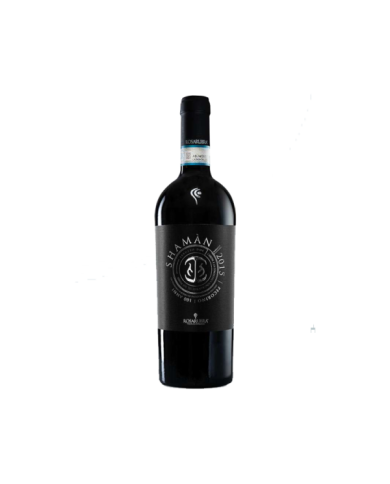
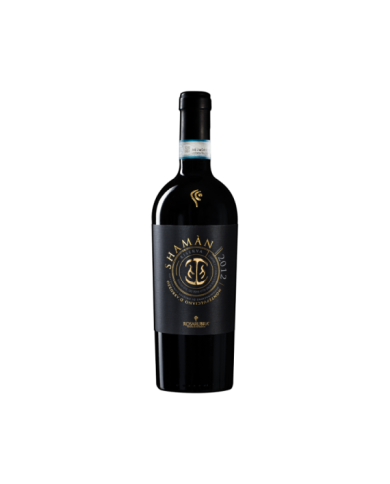
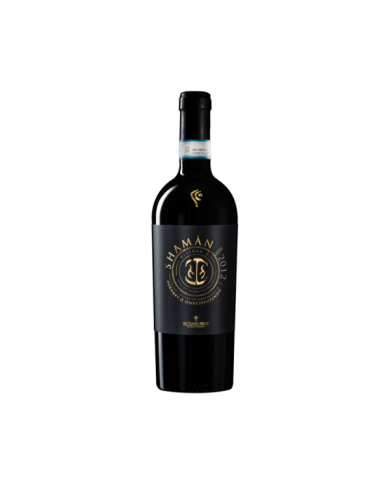
An ancient vineyard gives rise to Shamàn. Created every year from the selected harvest of the best grapes, sufficient to produce a single 50hl barrel, it has as protagonists the oldest vineyards of the estate. Dense, garnet color, visually occupied by an extraordinary extractive richness, deriving from late harvest in the vineyard. It surprises the nose for its full fruit integrity, for its hints of harmonious woody tannin and for its incomparable aromas. Full and round, it offers unparalleled sensations of tannic elegance to the mouth.
€100.77
SKU:
4875
Brand:
Rosarubra
An ancient vineyard gives rise to Shamàn. Created every year from the selected harvest of the best grapes, sufficient to produce a single 50hl barrel, it has as protagonists the oldest vineyards of the estate. Dense, garnet color, visually occupied by an extraordinary extractive richness, deriving from late harvest in the vineyard. It surprises the nose for its full fruit integrity, for its hints of harmonious woody tannin and for its incomparable aromas. Full and round, it offers unparalleled sensations of tannic elegance to the mouth.
€50.56
€8.36
€7.52
SKU:
4871
Brand:
Tenute Gada
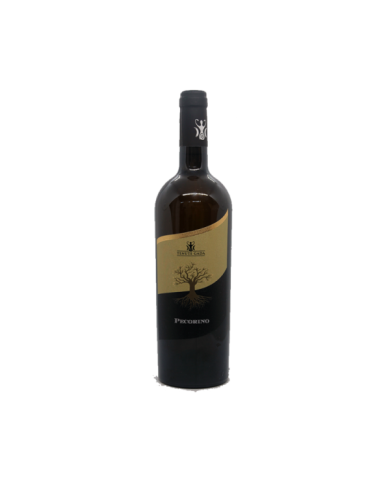
Vigna Grape variety 100% Pecorino. The soil is clayey with a high presence of active limestone, the cultivation is the typical Abruzzo pergola (commonly called "la capanna"). The harvest takes place in September with a careful manual harvest of the grapes. Cellar The decanted must ferments in steel tanks at a low temperature. Refinement always takes place in steel tanks. Wine When tasted it has a straw yellow color with greenish reflections. Intense and elegant bouquet with floral and fruity scents. Lively, full-bodied and persistent taste, clear floral scents such as broom and thyme, tropical fruit. It goes well with fish dishes, fried foods but also white meats.
€8.36
€6.69
SKU:
4869
Brand:
Rosarubra
Son of the stony earth is Rosarubra 's iconic wine. We are faced with the most precious interpretation of the Montepulciano dAbruzzo grape conceived by Rosarubra , united in a unique blend.
€80.28
€8.36
€7.52
€6.50
SKU:
4855
Brand:
Naviganti
€7.61
€6.09
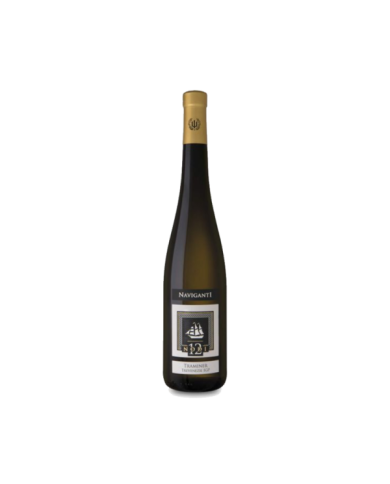
Let yourself be captured by the flavor and play on the suggestions of the new Traminer Naviganti Vini. Its scent is very delicate and particularly aromatic. The taste of this wine is full and intense, fruity and floral notes emerge, with hints of spices. In Italy this grape is often also called Traminer Aromatico, and in other parts of the world it is also common to find its name written as Gewurztraminer. The intense and typically varietal scent with an aromatic bouquet recalls tropical fruits such as Pineapple and Mango. Dry, acidulous, with a moderate structure, it is suitable as an aperitif.
€7.61
€6.09
SKU:
4848
Brand:
Naviganti
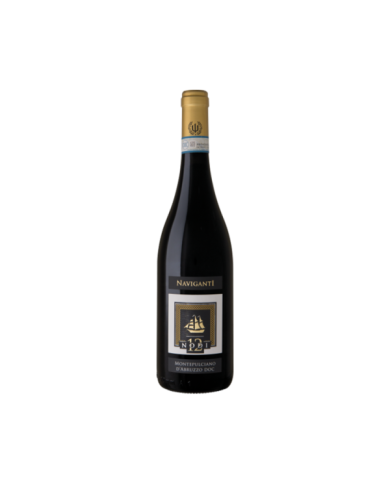
The very symbol of Abruzzo and its wines, the Montepulciano d'Abruzzo of the 12 Nodi line has a ruby red color, full and bright, with purple reflections in the glass dancing gracefully, leaving rather dense and dense arches, a symptom of a good alcoholic content . In the scents stand out ripe blackberry, undergrowth, sour cherries and maraschino. There is a wild note that makes it unique. On the palate it expresses all its depth, with a beautiful structure and good persistence. The acidity, well integrated into the body, gives persistence and the tannins are rarely too aggressive. The finish is savory, sensual, punctuated by memories of black cherry that cannot be misunderstood.
€11.42
€4.83
€3.86
€4.83
€4.35
SKU:
4827
Brand:
La Castellina
The history of this agricultural production is intertwined with the history of 2 families. The Castellina property, in the Montupoli district in the Miglianico area, was purchased by Rocco Di Tomo, originally from Miglianico, but emigrated to Venezuela in search of fortune. At the cost of sacrifices and years of work away from his family, in 1957 he managed to purchase a vast land property in the Montupoli area, to leave to his children. For a very long time these lands were used exclusively for the subsistence of the large family. Subsequently, the younger daughters Maria and Anna, after inheriting the current property on their father's death in 1972, married the brothers Mario and Franco Aurora, who had also been involved in the agricultural machinery sector for many years. From the love for the land and its product, and supported by the numerous approvals received from anyone who tasted the Rosso Castellina wine and the extra virgin olive oil, the idea arose of giving the Rosso Castellina farm a more entrepreneurial, whose mission is to have as a result quality products of authenticity, naturalness in respect of tradition, also thanks to the characteristics of the territory and the climate particularly favorable to viticulture. But the production of wines cannot be improvised, so our company has relied on the professionalism and experience of the owner of Chiusa Grande , Mr. Franco D'Eusanio, a graduate in Agricultural Sciences and an esteemed consultant for wineries.
€5.01
SKU:
4825
Brand:
Cantina Tollo
It is the most famous white grape variety in Abruzzo and a choice, that of Cantina Tollo , to give it a version from 100% organic grapes, grown in the vineyards located on the hills of the province of Chieti. The Trebbiano harvest is carried out starting from the second half of September followed by crushing and destemming and a cold maceration, to extract as much as possible the aromatic components of the vine, known for not being among the most fragrant. And it is precisely the respect for the raw material, at Cantina Tollo , that makes the difference, culminating in the refinement in stainless steel in order not to cover or alter in any way the very essence of Trebbiano, a wine that has always made simplicity its force.
€7.28
SKU:
4824
Brand:
Cantina Tollo
Company : Cantina Tollo region : Abruzzo (Italy) Name : Terre di Chieti IGT (PGI) Vegan Type : white, dry, still Variety : Pecorino 100% Alcoholic content : 13% Year : 2020 Format: 750 ml
€7.28
€5.48
€11.05
€6.63
€13.74
€78.57
€26.90
€10.00
€10.00
€10.00
€16.74
SKU:
4781
Brand:
Cantina Tollo
Every occasion is good to toast with the sincere taste of Colle Cavalieri!
Pairings
appetizers, savory first courses of meat or fish, second courses of fish, roasted white meats, fresh or semi-aged cheeses.
€6.00
SKU:
4771
Brand:
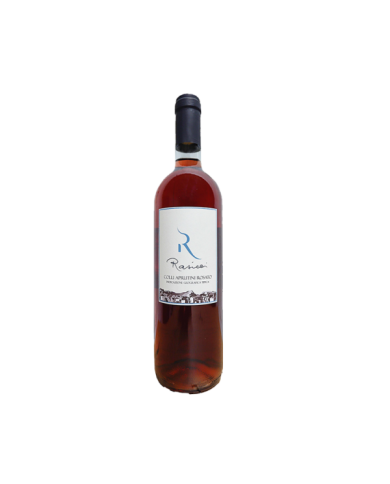
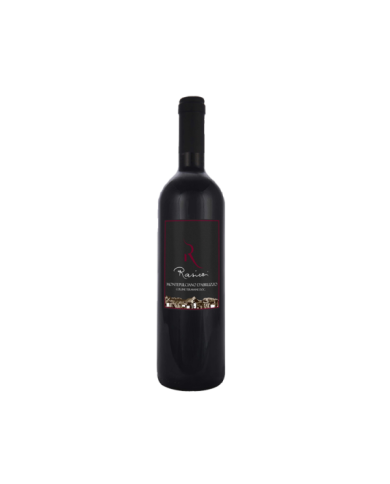
Rasicci
Clear, with an impenetrable ruby color, it still has purplish violet notes, a sign of great youth, very concentrated, with a rich glycerine expression. Intense nose of ripe red fruits, especially undergrowth, which reaches humus and closes on the typically Abruzzo licorice root. Firm and austere softness on an important and still vibrant tannic framework. The freshness of the acids and the flavor? mineral give balance to a warm and soft body. Long persistent intense finish with the return of all the fruity sensations perceived on the nose. Wine already? in harmonic expression with the capacity? to mature for a long time.
SKU:
4769
Brand:
Rasicci
It is clear with a cherry color that refers to the ruby of the Montepulciano dAbruzzo grape from which it is? born. The nose is intense with a rich basket of small red fruits, mainly ripe sour cherries, in harmony with small petals of red gold. It closes the nose with a slight spiciness of sweet spices. In the mouth it enters dry, decisive, austere, in the center of the mouth the freshness and richness of mineral salts explodes in particular. Intense and persistent through the nose.
SKU:
4767
Brand:
Rasicci
Clear, impenetrable ruby in color, it still has purplish violet notes, a sign of great youth, very concentrated, with a rich glycerine expression. Intense aroma of ripe red fruits, especially undergrowth, which reaches humus and closes on the typically Abruzzo licorice root. Firm and austere softness on an important and still vibrant tannic framework. The freshness of the acids and the flavor? mineral give balance to a warm and soft body. Long persistent intense finish with the return of all the fruity sensations perceived on the nose. Wine already? in harmonic expression with the capacity? to mature for a long time.
€23.79
SKU:
4765
Brand:
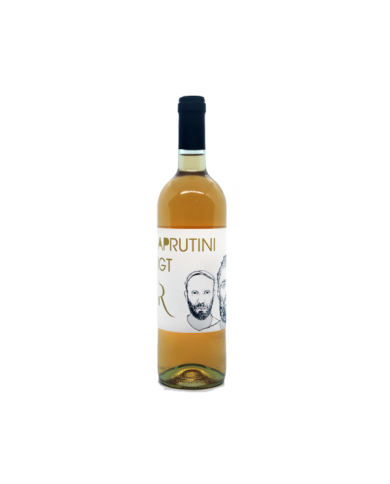
Rasicci
Oral hints of broom, with fruity notes of citrus, apricot and melon in harmony with the aromatic component of the deposited yeasts. Good intensity? olfactory. Good body supported by alcohol? and from the minerality ?. Acidity? pleasant, masked by the alcohol content. Good persistence in the mouth with delicate notes of ripe apricot and a pleasant base of bitter almond. All in good harmony.
SKU:
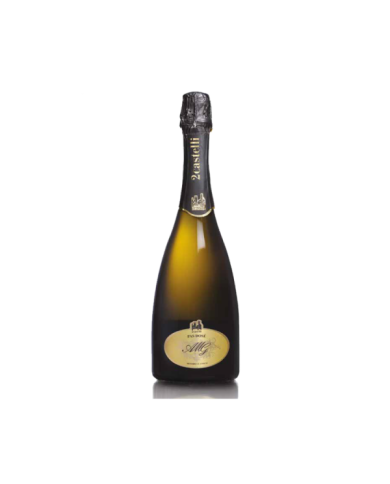
4744
Born as an experiment, carried out with a long sparkling process according to the classic method, it combines the structure of Chardonnay with the unmistakable pleasantness of our Glera grown in the classic area. The result is the maximum expression of our grapes: a refined wine, of very fine elegance, which pays homage to Anna Maria Gasparini.
€14.12
€12.70
SKU:
4741
Brand:
Vaddinelli
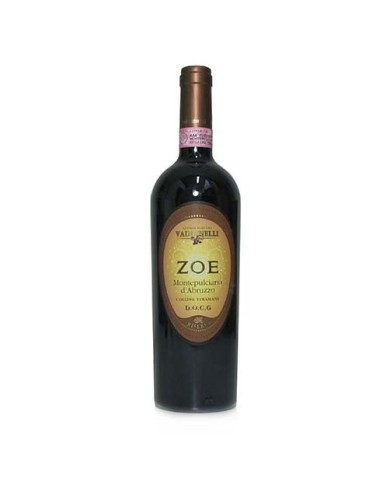
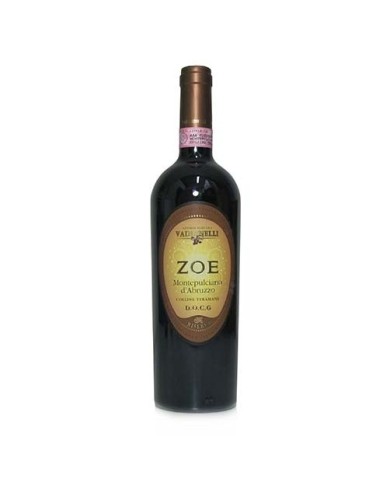
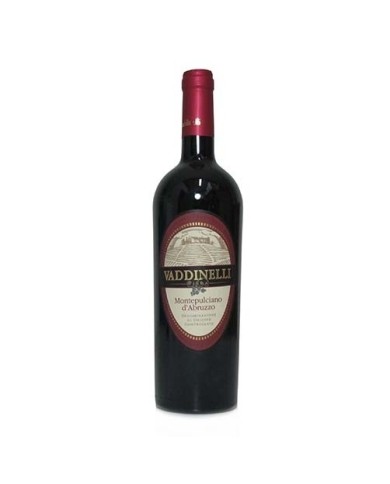
Garnet red in the glass. Hints of ripe berries and jam envelop the nostrils, which are also delighted with deep spicy, tertiary and evolved tones. Balanced the sip, with a tannic texture well inserted in the structure and characterized by a good persistence.
Perfect to accompany the second courses of the land cuisine, it is to be tried with the roast pigeon.
€23.79
SKU:
4740
Brand:
Vaddinelli
Garnet red in the glass. Hints of ripe berries and jam envelop the nostrils, which are also delighted with deep spicy, tertiary and evolved tones. Balanced the sip, with a tannic texture well inserted in the structure and characterized by a good persistence.
Perfect to accompany the second courses of the land cuisine, it is to be tried with the roast pigeon.
SKU:
4739
Brand:
Vaddinelli
Garnet red in the glass. Hints of ripe berries and jam envelop the nostrils, which are also delighted with deep spicy, tertiary and evolved tones. Balanced the sip, with a tannic texture well inserted in the structure and characterized by a good persistence.
Perfect to accompany the second courses of the land cuisine, it is to be tried with the roast pigeon.
SKU:
4736
Brand:
Vaddinelli
Garnet red in the glass. Hints of ripe berries and jam envelop the nostrils, which are also delighted with deep spicy, tertiary and evolved tones. Balanced the sip, with a tannic texture well inserted in the structure and characterized by a good persistence.
Perfect to accompany the second courses of the land cuisine, it is to be tried with the roast pigeon.
€17.20
SKU:
4733
Brand:
Vaddinelli
Ruby red to the glass, with garnet tinge. The nose is rich in hints of overripe red fruit, which is followed by spicy hints and ethereal nuances. Balanced and full-bodied on the palate, characterised by good persistence and a fruity finish once again.
To be paired with second courses of earthy cuisine, it is excellent with roast rabbit.
€7.93
SKU:
4731
Brand:
Vaddinelli
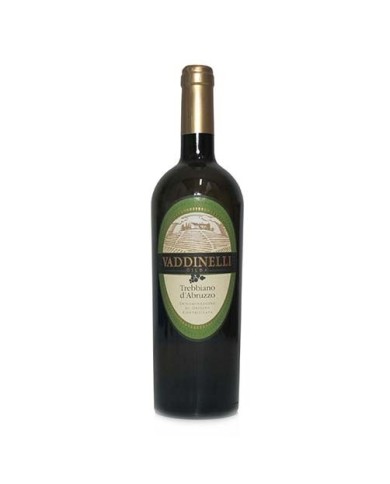
Straw yellow to the eye. It opens to the nose, leaving floral scents and references to fresh yellow pulp fruit perceived. The mouth is supported by a beautiful acid shoulder and characterized by subtle mineral veins. Good persistence and clean closure.
Also excellent as an aperitif, it goes well with stuffed courgette flowers.
€7.93
SKU:
4728
Brand:
Cantina Wilma
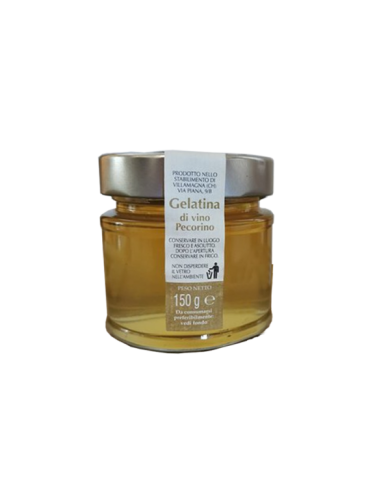
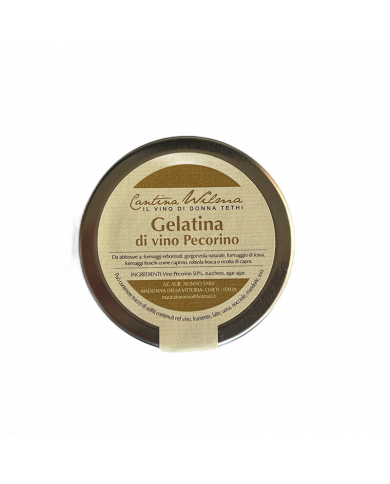
Made with Pecorino Wine, its delicate taste enhances the flavors of the dishes while maintaining the flavor of the Pecorino Wine. Pairings: Fresh and aged cheeses, fresh and / or salted ricotta, boiled meat and / or fish, sliced fruit and dry sweets.
€5.80
SKU:
4725
Brand:
Cantina Wilma
Vine rediscovered for some years, widespread throughout the Abruzzo region. The name "pecorino" is given by the sheep's face shape of the bunch and by the fact that when the shepherds passed through during the transhumance, the sheep stopped to graze the leaves of this vine. Cantina Wilma obtains its wine from the "Pecorino" vine with low-row plantings on sandy calcareous soil. Appearance of yellow color, excellent fruity bouquet. The flavor is harmonious and of good quality. Ideal with all seafood cuisine, it also goes well with appetizers and delicate main courses.
€30.74
SKU:
4723
Brand:
Cantina Wilma
Obtained from native grapes and selected in the harvest. Appearance of straw yellow color with greenish reflections. On the nose it is fresh and floral with notes of white berry flowers and balsamic notes on the aftertaste. Ideal with all seafood cuisine, it also goes well with appetizers and delicate main courses.
€17.08
SKU:
4721
Brand:
Cantina Wilma
Obtained from native grapes and selected in the harvest. Appearance of intense cherry color with pink reflections. On the palate it is fruity with notes of black cherry and cherry. Pairings: throughout the meal.
€9.52
€8.56
SKU:
4719
Brand:
Cantina Wilma
Historic vine and our workhorse. Strong and gentle in character and softness (as it is also said of the people of Abruzzo). Obtained from native grapes and selected in the harvest. Plant in rows 1/2 height exposed to solagna on calcareous-clayey soil. Appearance of cardinal red color with purplish reflections tending to blue. Excellent and well structured. Fruity and spicy bouquet, intense flavor and good body. Ideal with grilled red meats and more, salami and aged cheeses.
€15.56
SKU:
4717
Brand:
Cantina Wilma
Vine rediscovered a few years ago, widespread throughout the Abruzzo region. The name "pecorino" is given by the sheep's face shape of the bunch and by the fact that when the shepherds passed through during the transhumance, the sheep stopped to graze the leaves of this vine. Cantina Wilma obtains its wine from the "Pecorino" vine with low-row plantings on sandy calcareous soil. Appearance of yellow color, excellent fruity bouquet. The flavor is harmonious and of good quality. Ideal with all seafood cuisine, it also goes well with appetizers and delicate main courses.
€18.00
€10.41
€9.37
€5.48
€4.38
€8.82
€7.06
€49.90
SKU:
4685
Brand:
Cantina Orsogna
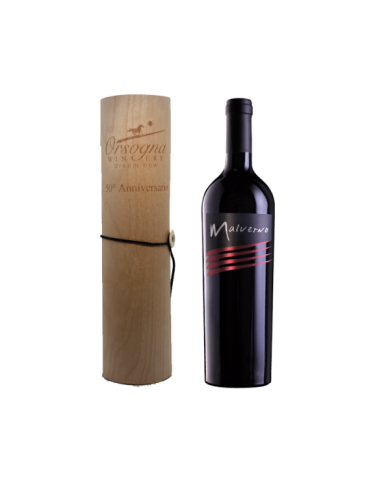
GRAPE Pecorino ALCOHOL CONTENT 14.5% vol COLOR White Packaging in wooden box.
€39.42
SKU:
4683
Brand:
Cantina Orsogna
Malverno is produced with Montepulciano and Merlot grapes from medium-aged vineyards and bred mainly with the Guyot system on land located at an altitude between 350 and 450 meters above sea level. then de-stemmed and crushed and the must with the skins is left to macerate at a temperature of 22-24 ° C for 15/16 days. The Merlot is aged in oak barrels for 6/8 months, the Montepulciano for the same period in stainless steel tanks.
€24.18
SKU:
4676
Brand:
Giovenzo
Cococciola Terre Di Chieti IGT 2019
13.00
Interesting native white grape variety grown in Abruzzo. The historical evidence and news relating to the origin of this white grape variety are rather scarce and smoky. We know with certainty that the vine is mentioned in the work of the French ampelographers Viala and Vermorel (1909), who indicate it as a vine of Abruzzese origin, probably spread with transhumance. Vinified in purity, it fully expresses its potential. A fresh and fruity white, with a straw yellow color with golden reflections. The nose shows a delicate perfume with hints of white pulp peach and pear, notes of spring white flowers and evident citrus sensations of grapefruit and lemon, with fine mineral notes that express freshness and fragrance.
€12.07
€9.65
SKU:
4674
Brand:
Giovenzo
Ruby red with violet reflections, a lively and intense color. The nose opens with hints of small red fruits, blueberries, roses, violets, with hints of vanilla and cocoa and in the finish of delicate spices. On the palate it is soft, enveloping, full. The tannin is well balanced and the sip is long and decisive. A wine with a fresh and characteristic sip, which can be combined with any meal, which we suggest you drink starting from cold cuts, up to complex meats
€10.21
SKU:
4672
Brand:
Giovenzo
€10.21
€9.19
Cerasuolo dAbruzzo is obtained from the white vinification of Montepulciano dAbruzzo grapes. To the eye it is cherry pink, clear, limpid and brilliant to the eye. The nose opens with floral and fruity notes, in particular from the reference to strawberries, pomegranates and red cherries. In the mouth it is very fresh, medium-bodied and has a nice persistence, supported by an acid-savory combination, then marked by a typically irresistible almond finish.
€10.21
€9.19
SKU:
4669
Brand:
Giovenzo
€8.36
€6.69
Straw yellow with greenish reflections, the nose expresses a beautiful olfactory profile, all played on fresh notes of fruit and freshly picked flowers, hints of apple, yellow peach, apricot, broom and iris flowers. On the palate it is fresh and balanced, supported by good acidity and a minerality that peeps out at the end of the tasting. Very clean, with excellent persistence.
€8.36
€6.69
SKU:
4667
Brand:
Piandimare
Here we are at the second wine in the Oltremare line, created with the aim of offering the young public an immediate and pleasant product. Actually, apart from the commercial motivation, I would say that if a wine is good we can all appreciate it, indiscriminately. The Rosato 2020 has already shown that the approach is the right one, and the fact of also proposing the red version of Montepulciano d'Abruzzo vinified and matured only in steel confirms the desire to give these two wines a very precise style, played on captivating aromas, moderate alcohol content and a balanced energy to the taste. They say that the colour also plays its part, here a beautiful bright and deep ruby, while the range of aromas offers notes of rose, strawberry, cherry, blackberry, blueberry and a subtle hint of blood orange. The taste shows all the expressive thrust of Montepulciano, with a freshness comparable to that of a white wine, the fruitiness is full and enriched by nuances of cocoa and liquorice, the tannin has that slight bite that serves to remind us that it is not a 'little wine', that it does not last a year and that at the table it can also hold up to dishes of a certain structure and fatness.
€6.22
SKU:
4665
Brand:
Piandimare
Red berried grapes of the territory, harvested and pressed immediately without maceration. Vinified at low temperature. After vinification, the wine ages for 6 months in steel in order to harmonize and enhance its varietal aroma characterized by aromas of pink petal flowers, banana, pineapple, pear, wild strawberry and wild cherry. Pale pink color, on the palate it is fresh, elegant and with a pleasant finish. The pleasant salty note gives a lean and refreshing drink. Unmissable during summer aperitifs based on local butchery, it is a wine that calls one bottle after another and invites to a convivial sharing. Perfect as an aperitif, it goes well with raw seafood dishes and fried Adriatic paranza
€6.22
€4.98
SKU:
4663
Brand:
Fattoria Gaglierano
Montepulciano d'Abruzzo DOC organic produced entirely with grapes from the Montepulciano vine, 75 cl bottle
€23.23
SKU:
4662
Brand:
Fattoria Gaglierano
Montepulciano d'Abruzzo DOC organic produced entirely with grapes from the Montepulciano vine, 75 cl bottle
€23.23
€18.18
€15.45
SKU:
4657
Brand:
Fattoria Gaglierano
Cerasuolo d'Abruzzo DOC organic, produced entirely from grapes from the Montepulciano vine. “Ci li vò” is a typical Abruzzo expression that indicates satisfaction and gratification. In this case it expresses something "perfect" which, placed in a given context and moment, is such as to make a situation sublime. "It is the right time", "It was really necessary!".
SKU:
4651
Brand:
Cantine Paolucci
€6.69
€5.35
Passerina IGT PAOLUCCI shows a decisive vivacity and at the same time an underlying softness. These characteristics make it a wine with an easy and immediate appreciation. The nose is fine but persistent, with a fresh and basically dry but never aggressive taste. Vintage 2019 Alcohol 12.50% Vol.
€6.69
€5.35
SKU:
4648
Brand:
Cantine Paolucci
€6.69
€5.35
The Cerasuolo d'Abruzzo PAOLUCCI despite being counted among the rosé wines shows a remarkable character and versatility. On the nose it is personal and fragrant, with a compound taste, harmonious with backbone. Vintage 2019 Alcohol 13% Vol.
€6.69
€5.35
SKU:
4643
Brand:
Cantine Paolucci
Montepulciano d'Abruzzo Flaià combines great structure and solidity with uncommon notes of elegance and softness. On the nose and on the palate it is complex and varied, characteristics of wines with long aging and prolonged holding in the bottle. Vintage 2011 Alcohol 14 %Vol .
€30.74
€25.38
SKU:
4633
Brand:
Piandimare
Maja is not just the wine, it is not just a label. Maja is the mountain that protects us, it is the mountain that gives us this extraordinary climate that gives us extraordinary grapes. We could only dedicate this great wine to her. She who every evening during the sunset looks at us in the cellar, turning her back to the sea. Grapes Montepulciano d'Abruzzo Piandimare from grapes harvested from mid-October. Long fermentation at controlled temperature. The tribute to our land and to the Majella could only be our spearhead. A very long and multifaceted wine, where the acidity obtained from the microclimate supports and elegantly accompanies the maturity and complexity of the fruit matured in small French wooden barrels.
€28.00
SKU:
4631
Brand:
Piandimare
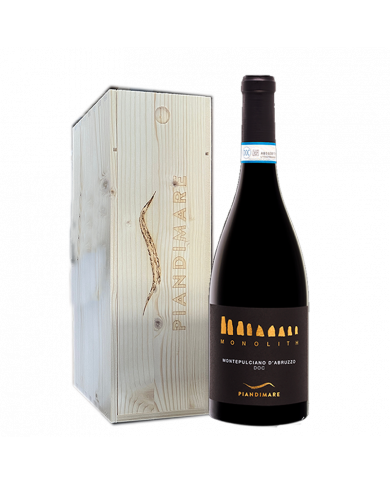
The label was dedicated to the Necropolis of Fossa and its Monoliths in fact. A dedication to the territory, to remember the historicity and the importance it has always had in history. Grapes Montepulciano d'Abruzzo . Long fermentation on the skins with temperatures that can reach up to 30 ° C. Racking and maturation of 12 months in steel, 12 in barrel and 6 in bottle. Intense color with vibrant ruby variations. Acidity that pushes the juicy fruit on the palate, dragging sweet aromas of vanilla, tobacco and licorice into the final mouth. A statuesque certainty.
€33.31
SKU:
4629
Brand:
Piandimare
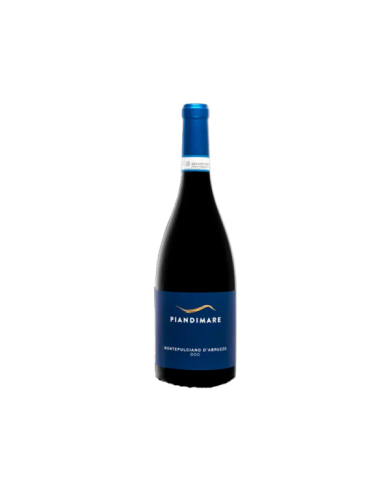
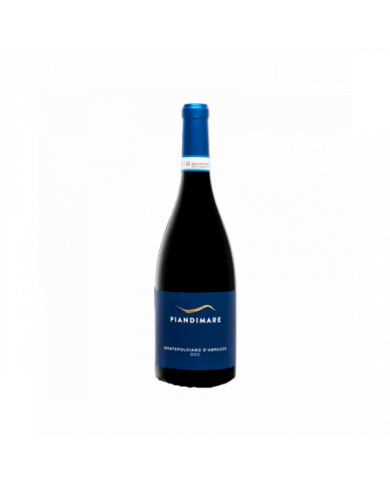
Blue like the sea that helps us in summer and winter with its climate mitigation action. And it is precisely to the sea that our label is dedicated, as a symbol of the importance that this has in the ripening cycle of Montepulciano d'Abruzzo grapes. Long fermentation on the skins. Racking and aging for at least 9 months in steel and 6 months in the bottle. A straightforward wine that does not compromise, proposing the quality and care placed in the vineyard. The varietal aromas of Montepulciano are all there, long and complex. A daily pleasure.