

 Italiano
 Deutsch



























































There are no more items in your cart
SKU:
10624
Brand:
Cantina Frentana
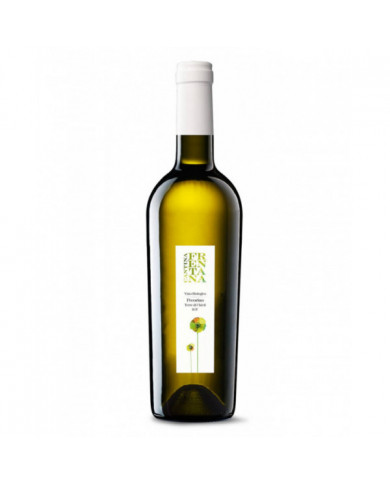
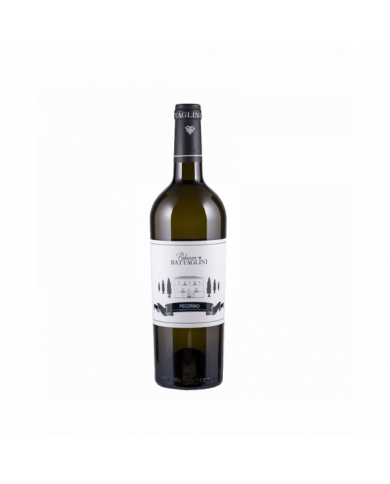
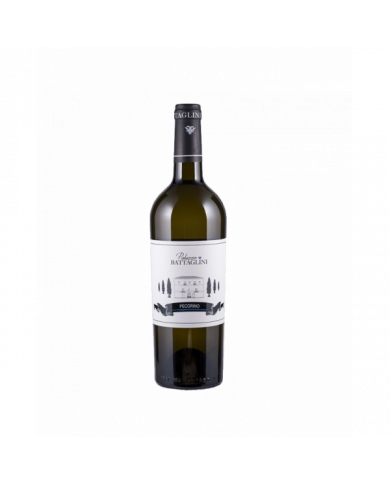
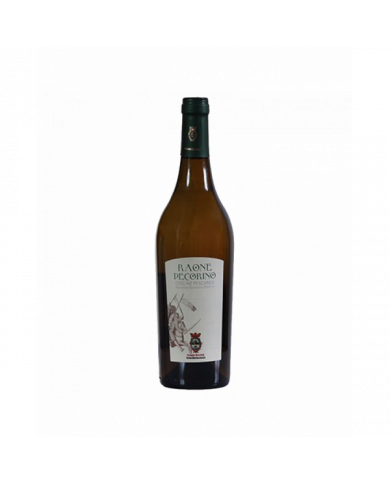
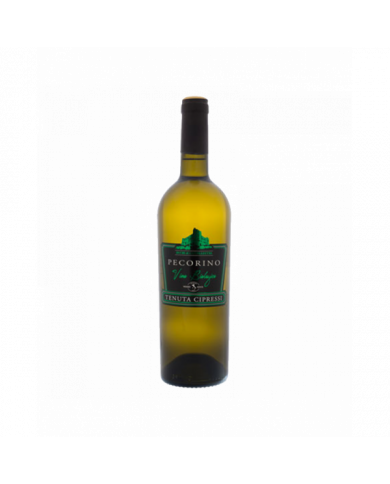
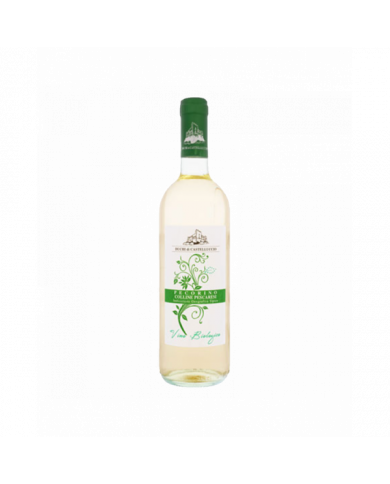
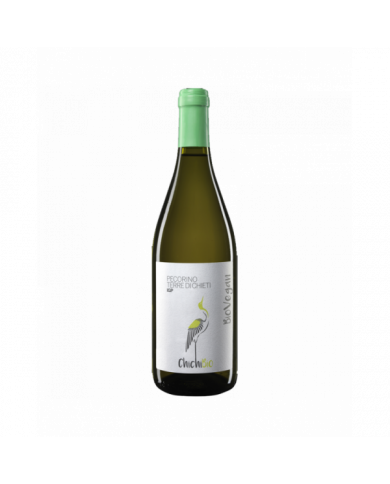
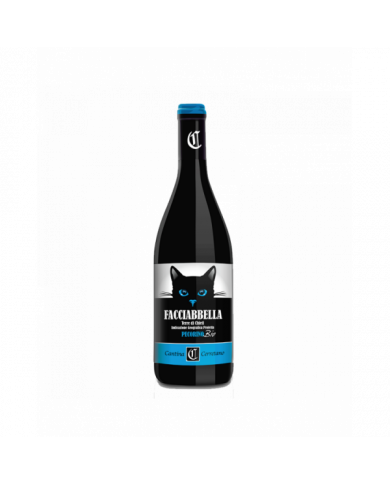
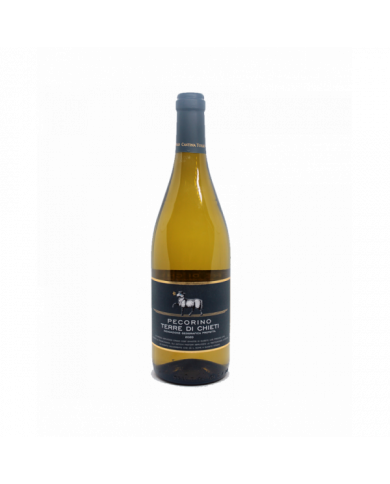
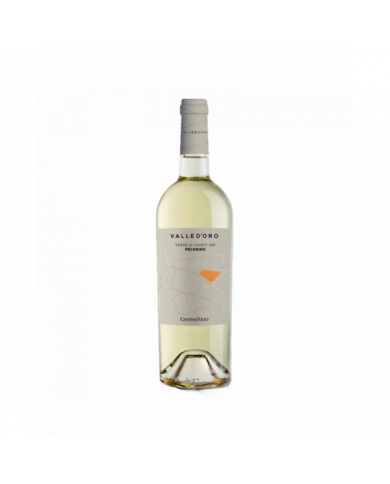
Among the most important autochthonous varieties of central Italy, that of our Pecorino Bio fully expresses respect for the land and its nature. A white that is left to mature in steel to obtain the richness of fruit and minerals as well as the freshness that distinguish it. Versatile and excellent to accompany both seafood dishes and white meat dishes.
€8.90
SKU:
10621
Brand:
Cantina Frentana
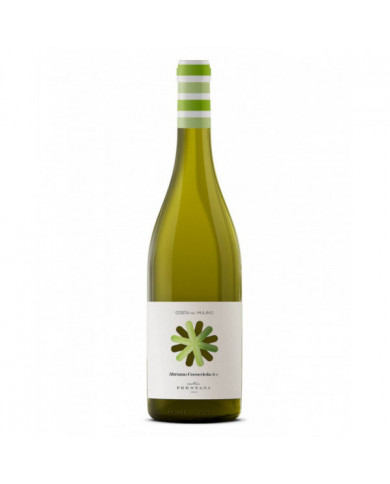
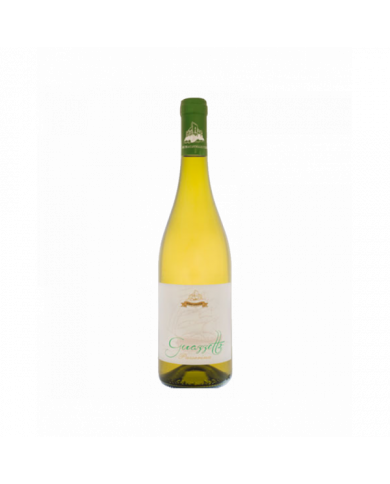
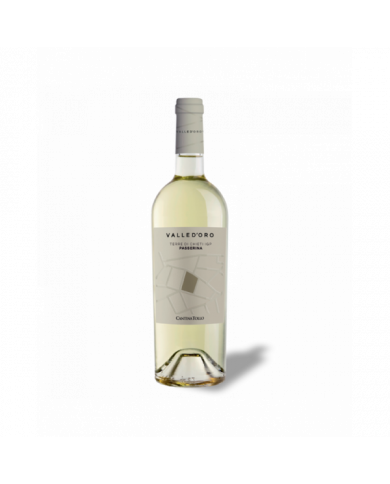
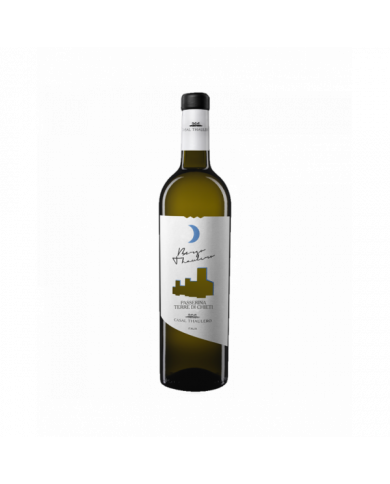
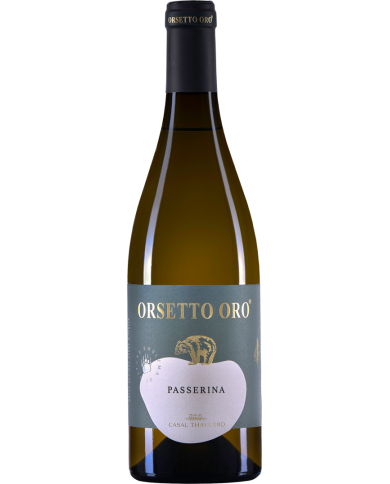
A white from Central Italy with a determined and well-defined character. A fragrant, deep, dynamic and elegant white wine. This Passerina DOC from Costa del Mulino, once tasted, will never be missing from your cellar.
€6.27
€5.64
SKU:
10620
Brand:
Cantina Frentana
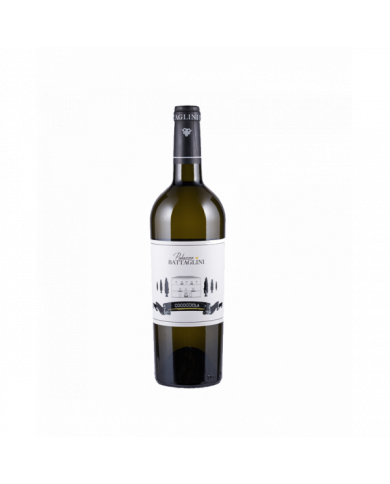
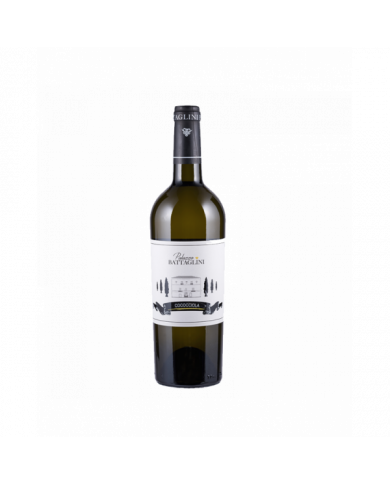
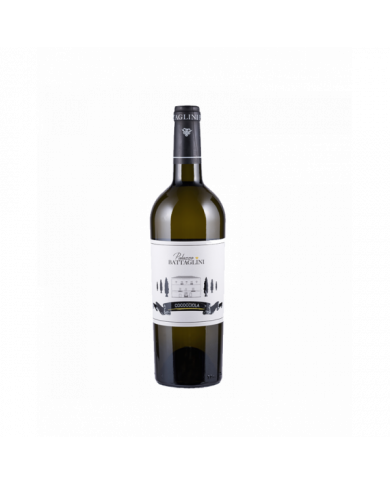
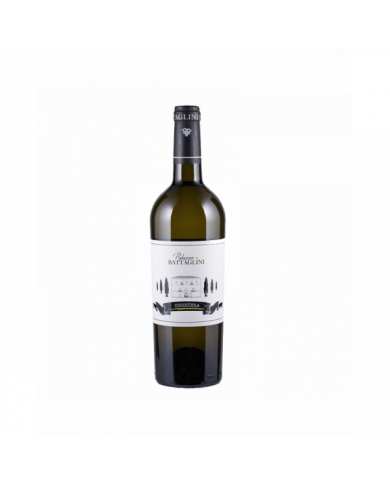
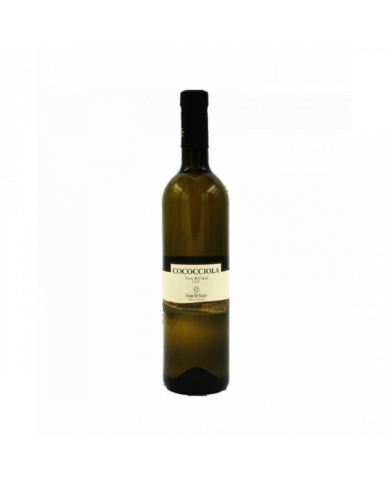
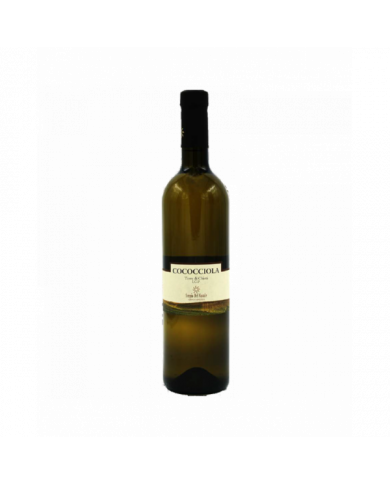
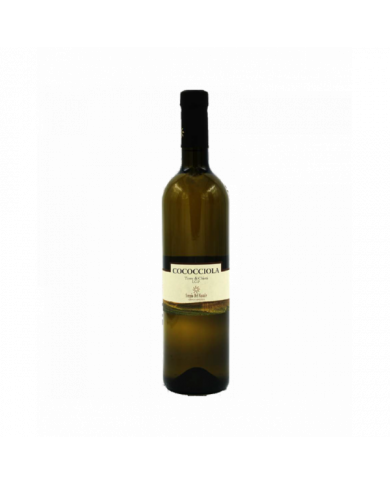
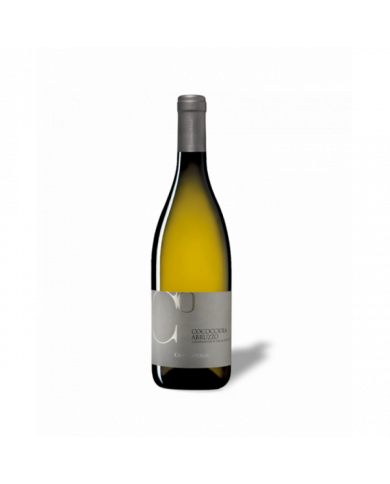
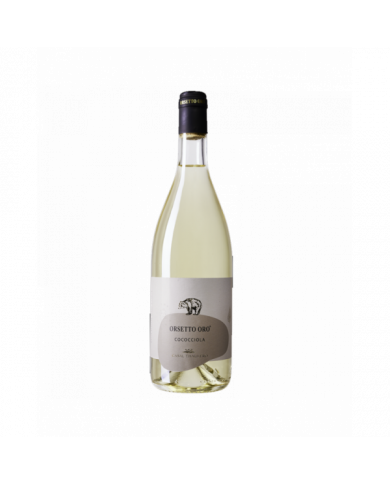
It is a rare native vine of the Frentana area in Abruzzo. Cococciola is cultivated with the Abruzzo pergola method. The vinification involves a soft pressing, fermentation and aging in steel, at a controlled temperature. The pale straw color with the aromas of white flowers and citrus fruits and light spicy notes, the taste has vibrant acidity and freshness, fruity notes and a slightly almondy finish. It is a ready-to-drink wine.
€7.52
SKU:
10619
Brand:
Cantina Frentana
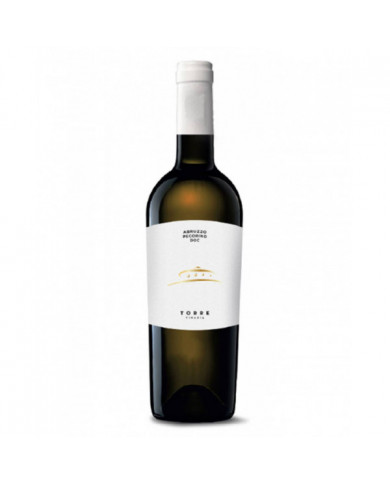
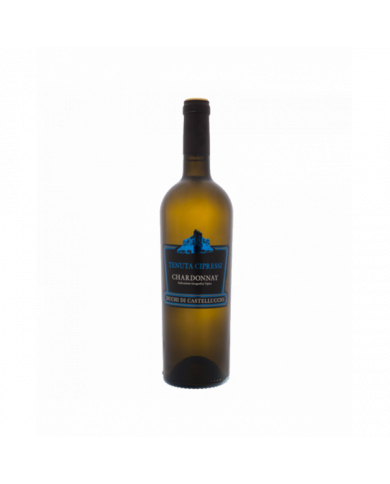
A white that takes its name from the historic tower plant that characterizes the Cantina Frentana , a symbol of its ability to combine tradition and innovation. This wine aged in the bottle is characterized by its freshness and energy and by its mineral notes which perfectly accompany dishes based on red meat and game.
€10.50
SKU:
10614
Brand:
Cantina Frentana
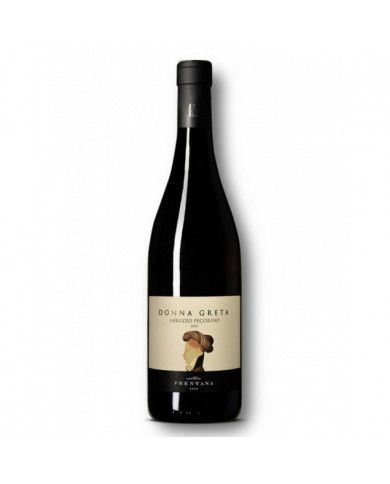
It comes from the vineyards of the plateau called "Piani della Rocca", carefully selected by the Cantina Frentana to produce this top white wine since 1999. Donna Greta is a refined and prestigious white wine, with character and well balanced, thanks also to the aging in steel with the use of the French technique of batonnage for a period of about 12 months. It goes well with fish dishes.
€14.76
SKU:
10610
Brand:
Cantina Frentana
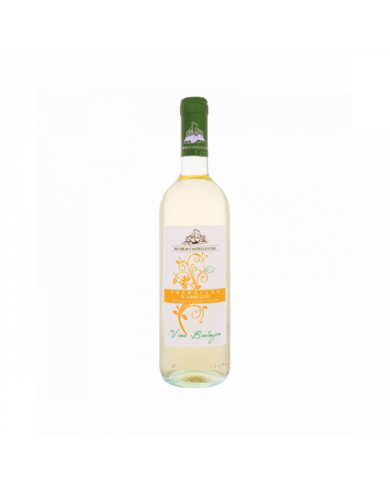
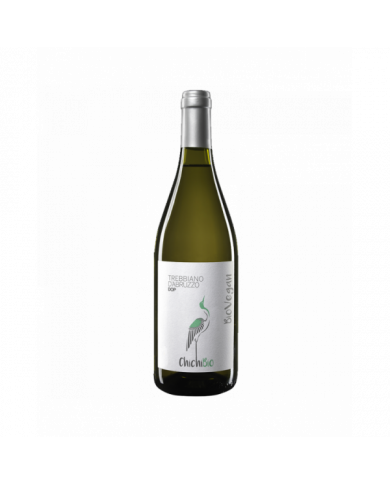
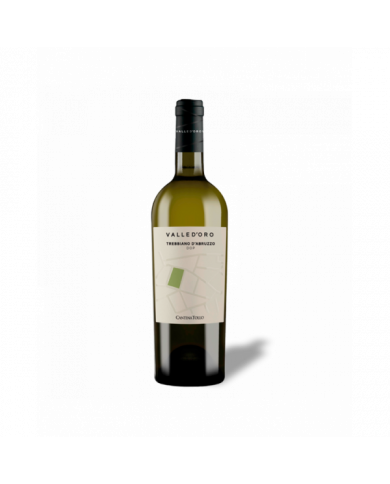
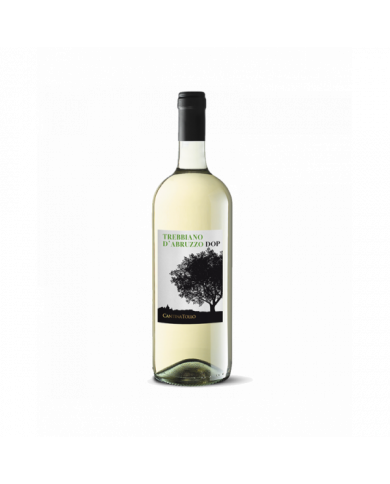
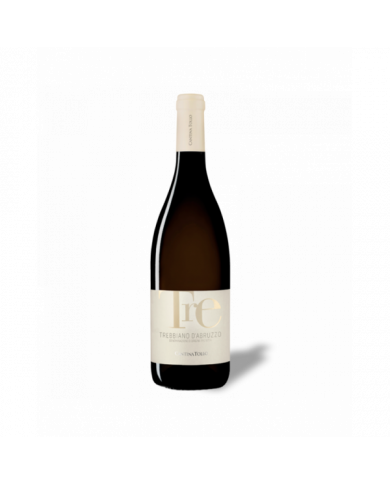
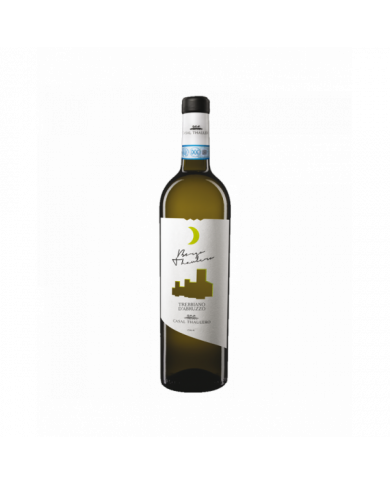
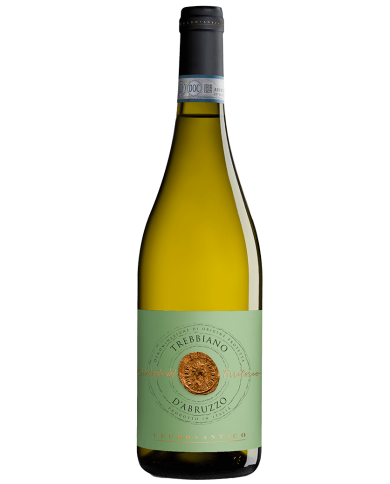
The term 'Trebbiano', according to its etymology, indicates a local village and home-made white wine that dates back to Etruscan and ancient Roman times. Today a large number of Abruzzo vines bear this name and give life to fresh and vibrant white wines. Trebbiano d'Abruzzo DOC Frentano perfectly reflects these characteristics and is excellent to accompany first courses of Mediterranean cuisine.
€5.86
SKU:
10608
Brand:
Piandimare
We now have the new Piandimare white wine. Despite the strong vocation for red wines, after the experience with rosés, our cellar proves to be a great interpreter of the territory even with white berried grapes such as Pecorino, a typical Abruzzo vine. Pecorino grapes are harvested in the early hours of the morning , during the second ten days of September. The grapes are softly pressed and then fermented at a controlled temperature in steel tanks.On the nose our Pecorino opens with great aromas of white peach, pear, pineapple, fuji apple and acacia flowers. It is perfect for an elegant aperitif with a selection of soft and semi-soft cheeses accompanied by spicy vegetables.
€7.26
SKU:
10601
Brand:
Ettore Galasso
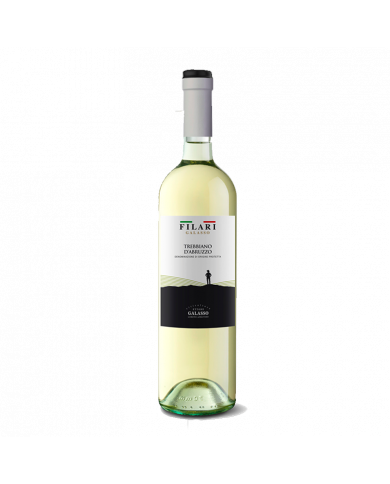
Ideal with white meats and fish-based dishes, straw yellow color, fresh, soft and balanced taste.
€5.64
SKU:
10598
Brand:
Ettore Galasso
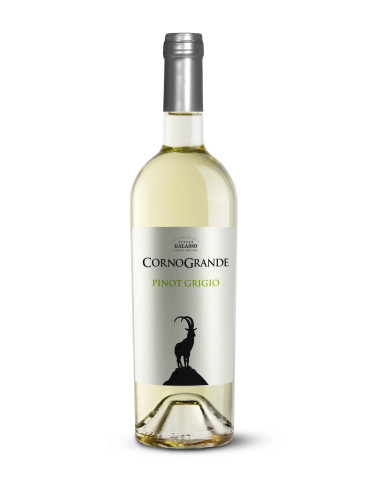
An elegant and refined white wine from an Italian family winery that has been operating in the wine production sector since the late 17th century.
€15.70
€23.79
€14.27
€11.42
SKU:
10521
Brand:
Rosarubra
Generously sunny to the eye. Pure exaltation of the traditional autochthonous vine of the lands of Abruzzo . The permanent grassing in the vineyard enhances the character of a fruit that carries within itself the scents of the nature that surrounds it. The passing breezes at 400 meters above the estate, always directed from the nearby mountain to the sea, favor floral explosions on the nose, intoxicating sensations of freshness and inviting aromatic fragrance. On the palate it is clear, bright. The softness it expresses in the mouth is infinite, while its acid note is persuasive.
€19.36
SKU:
10519
Brand:
Rasicci
€11.96
€10.76
Oral hints of broom, with fruity notes of citrus, apricot and melon in harmony with the aromatic component of the deposited yeasts. Good intensity? olfactory. Good body supported by alcohol? and from the minerality ?. Acidity? pleasant, masked by the alcohol content. Good persistence in the mouth with delicate notes of ripe apricot and a pleasant base of bitter almond. All in good harmony.
€11.96
€10.76
€7.52
€13.60
€14.00
€14.00
€14.00
€21.00
€21.00
€9.50
€9.50
SKU:
10504
Brand:
Giovenzo
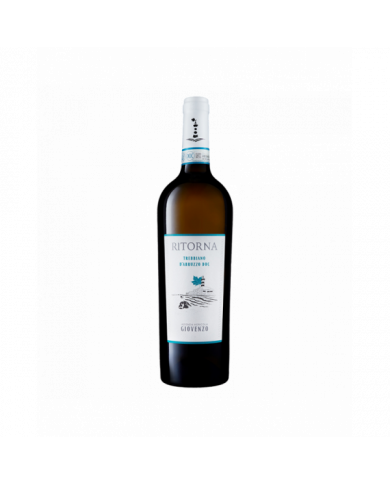
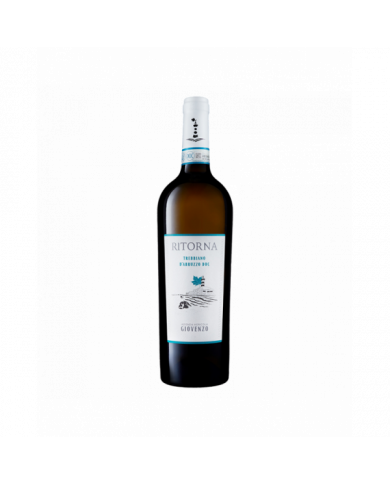
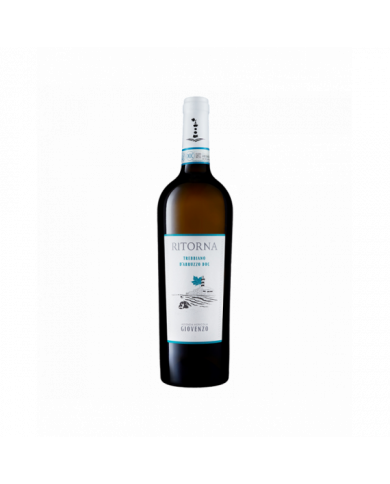
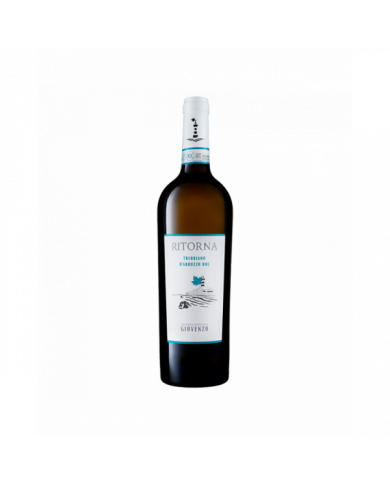
Straw yellow with greenish reflections, the nose expresses a beautiful olfactory profile, all played on fresh notes of fruit and freshly picked flowers, hints of apple, yellow peach, apricot, broom and iris flowers. On the palate it is fresh and balanced, supported by good acidity and a minerality that peeps out at the end of the tasting. Very clean, with excellent persistence.
€9.00
SKU:
10503
Brand:
Giovenzo
Cococciola Terre Di Chieti IGT 2019
13.00
Interesting native white grape variety grown in Abruzzo. The historical evidence and news relating to the origin of this white grape variety are rather scarce and smoky. We know with certainty that the vine is mentioned in the work of the French ampelographers Viala and Vermorel (1909), who indicate it as a vine of Abruzzese origin, probably spread with transhumance. Vinified in purity, it fully expresses its potential. A fresh and fruity white, with a straw yellow color with golden reflections. The nose shows a delicate perfume with hints of white pulp peach and pear, notes of spring white flowers and evident citrus sensations of grapefruit and lemon, with fine mineral notes that express freshness and fragrance.
€13.01
€8.24
€13.49
€13.49
€13.49
SKU:
10494
Brand:
Finisterrae
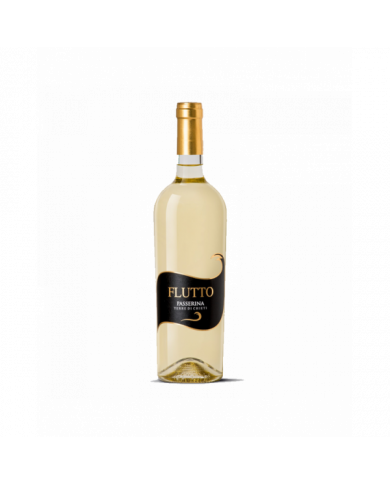
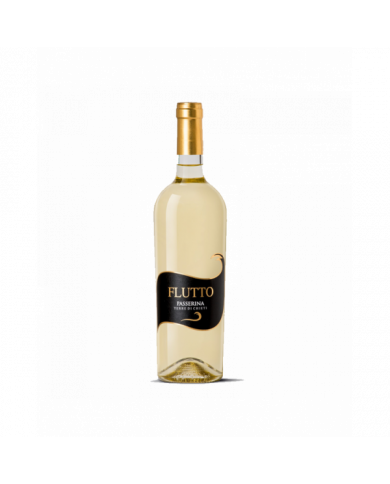
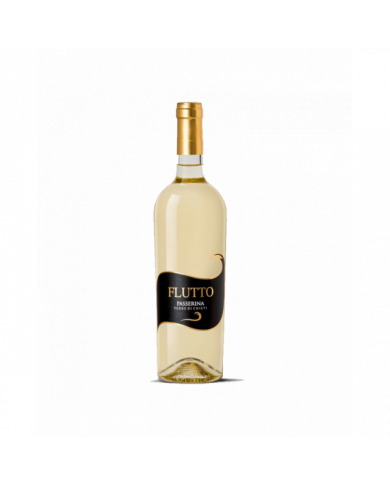
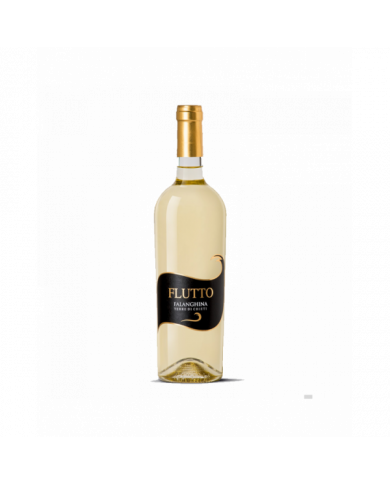
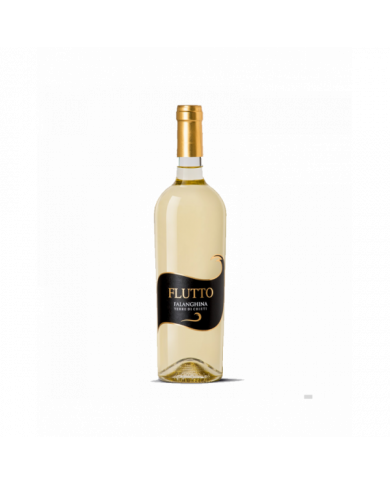
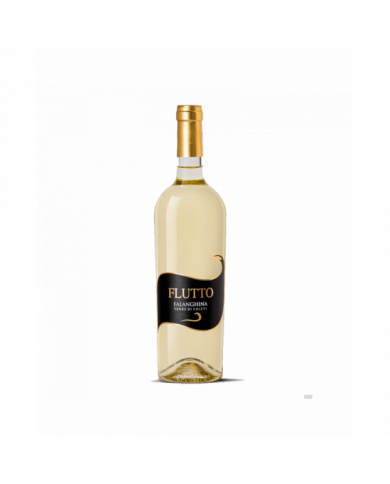
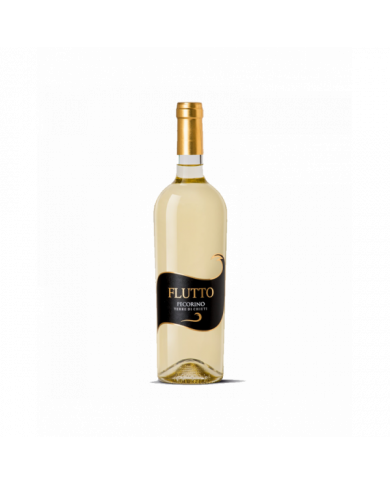
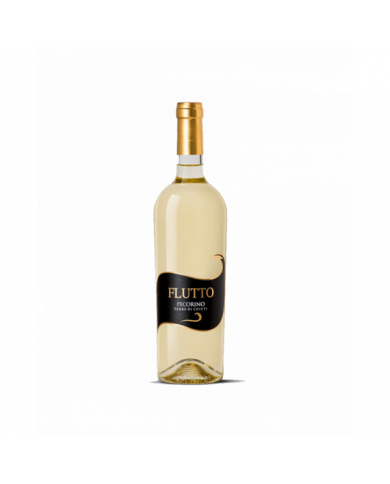
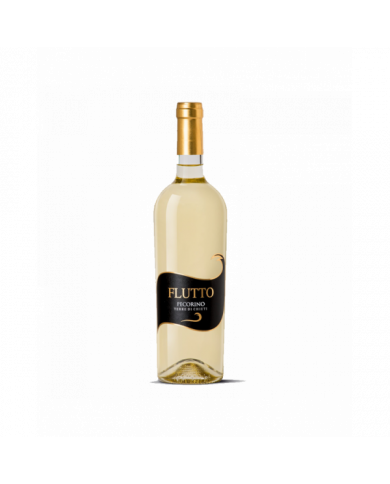
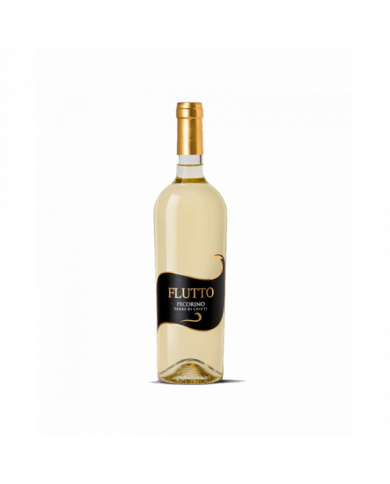
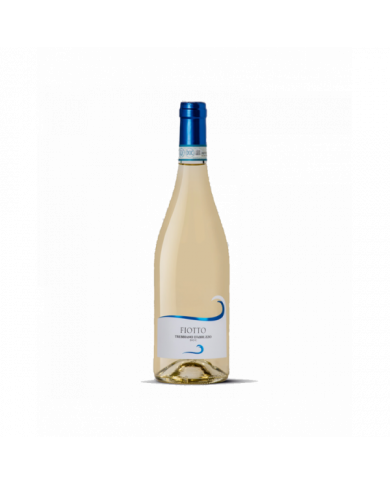
At the base of our wines there is a deep knowledge of the wine world. From the selection of the best vineyards, the search for the most characteristic native vines, to the development of an elegant and completely original packaging, Finisterrae Vini offers two high quality commercial lines, Flutto and Fiotto.
€11.96
€3.37
€2.83
€3.37
€2.83
SKU:
10467
Brand:
Fantini Farnese
- Production Area: Alpera Albacete (Spain)
- Grape variety: Verdejo Sauvignon Blanc
- Color: White
- Serving temperature: 10-12 ° C
€7.30
€11.91
€9.50
€8.82
€7.50
€6.50
€5.53
€9.00
SKU:
10420
Brand:
Di Ubaldo
€12.53
€10.65
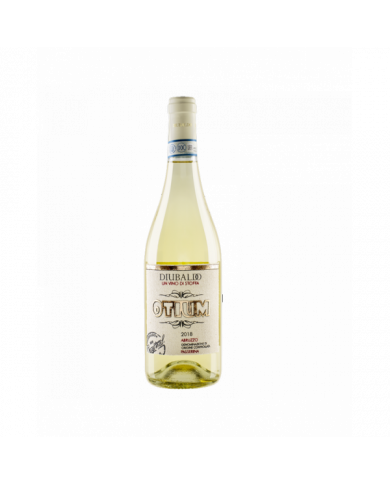
Grape variety also called Trebbiano scienciato, that is sparse bunch, maintains good acidity until phenological maturation is completed. Passerina vinified in purity enhances its marked qualities of freshness and aromaticity.
€12.53
€10.65
SKU:
10408
Brand:
Casalbordino
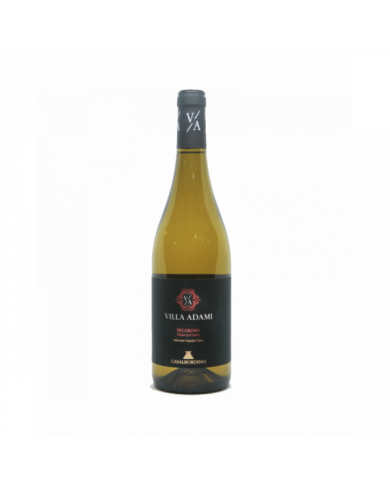
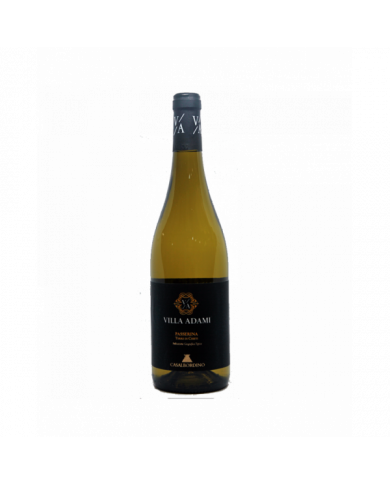
The Passerina vineyards are located in the cooler areas of the Casalbordino area with exposure mainly to the north with medium-textured, loose and fresh soils at an altitude of 100-150 meters slm sea level The harvest takes place in the second half of September, when full maturity is reached technological, with manual harvesting in the coolest hours of the day. Destemming of the grapes and contact of the skins with the must for 8 hours at a T° of 12 °C, separation of the must from the skins, clarification by decantation and transfer of the clear must into a steel tank for alcoholic fermentation at a T° of 16 °C with inoculation of selected yeasts. 4 months in steel tanks in contact with the fine lees, aging in the bottle for about 20 days before being released for consumption. It has a brilliant straw yellow colour. On the nose a delicate, fine bouquet, with floral sensations and fresh notes of ripe tropical fruit. Harmonious, balanced, soft and fresh, with good body and persistence.
€6.04
€5.13
€10.50
€7.67
SKU:
10399
Brand:
Biagi
€4.76
€4.28
The grapes are softly pressed and immediately protected from oxidation, thanks to the addition of carbon dioxide which forms a thin barrier of protection from the air. Cold static clarification for 24 hours, straw yellow color, of medium intensity, with characteristic greenish nuances, fresh and fruity aroma, good intensity body taste, with fresh but not intrusive acidity, savory and persistent in the mouth finish, with fruity aftertaste nuances . Serve at a temperature of 10-12 degrees 12% VOL
€4.76
€4.28
SKU:
10396
Brand:
Biagi
€9.52
€6.66
Ancient vine grown in the central Italy belt. The resulting wine is pale straw yellow in color. On the nose it is intense and elegant with floral scents, notes of white pulp fruit and delicate spicy hints. In the mouth it opens on a pleasant consistency with a slightly acidic structure that gives integrated freshness to a round finish that preserves sweet fruity nuances. Ideal pairing with fish-based dishes, or fresh pasta cheeses.
€9.52
€6.66
€11.10
€9.44
SKU:
10390
Brand:
Fantini Farnese
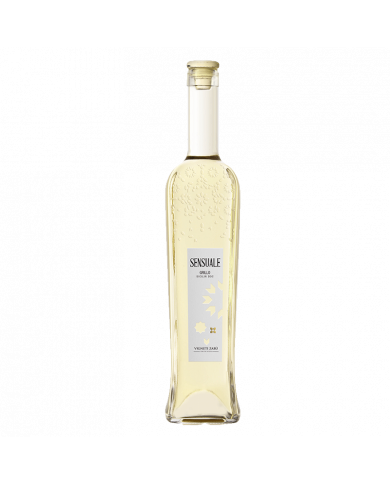
Production area: Sambuca di Sicilia (AG), Sicily. Grapes and Vinification: Grillo. The refinement of the wine is carried out in stainless steel tanks. Color and Pairing: White, excellent with fresh cheeses and fish dishes.
SKU:
10385
Brand:
Valle Martello
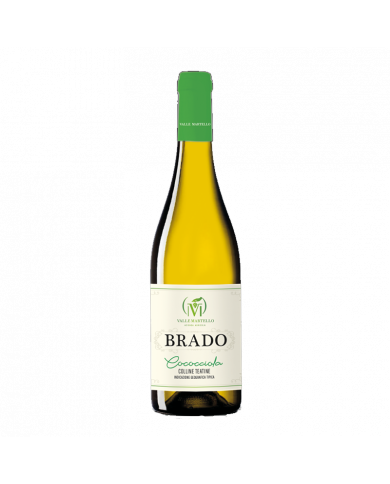
First example of vinification in purity of the native Abruzzo vine Cococciola. In the choice of making the Cococciola wine there is the desire to enhance our territory, that of the Teatine hills, where this grape variety is at its best. It is a wine with intense and ample aromas, ranging from floral to tropical fruit. It is a multifaceted white wine, with great freshness, ideal as an aperitif, with sushi, fish dishes, first courses and cheeses.
€9.75
€7.80
SKU:
10384
Brand:
Valle Martello
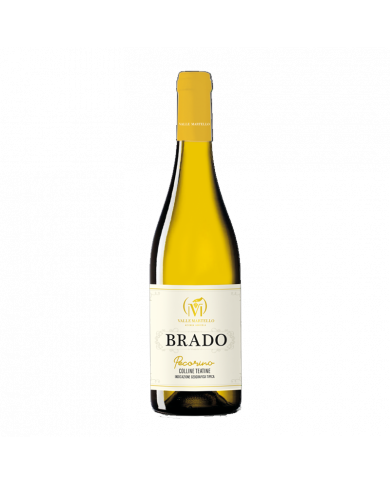
Pecorino Brado is a wine of great structure. It has a bright straw yellow color with golden reflections. The aromas of this wine include yellow pulp fruits, peach in particular. The evolution in the glass is slow and progressive, up to mineral notes. On the palate the taste is full and persistent with an elegant finish. Excellent with important first courses, roasted fish, white meats and cheeses.
€9.75
€7.80
SKU:
10382
Brand:
Valle Martello
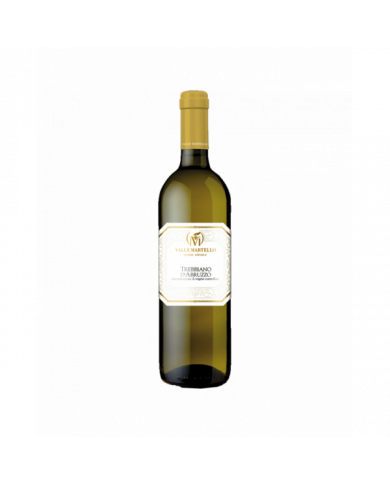
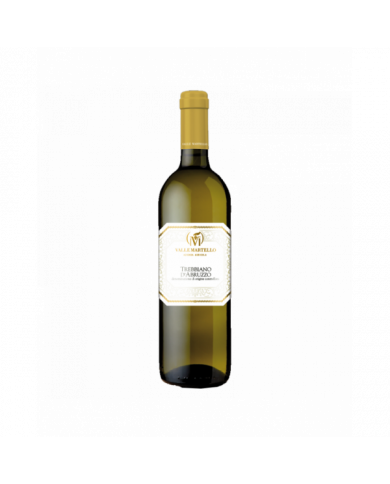
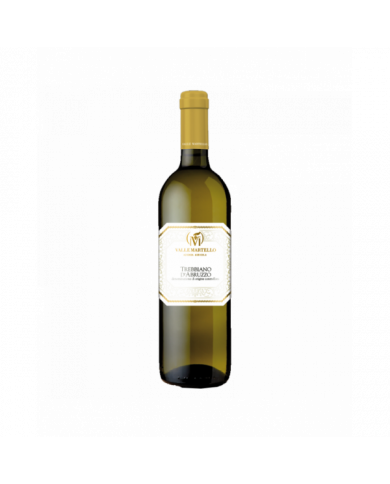
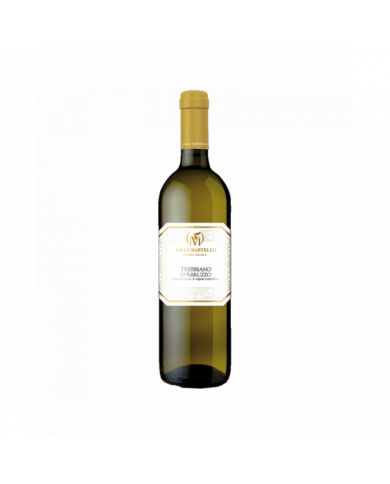
Wine made from Trebbiano grapes. It has a straw yellow color of medium intensity, an amplitude of fruity aromas ranging from floral to white fruit. On the palate it offers a good freshness, flavor and persistence. It goes well with appetizers, fish dishes and cheeses.
€8.36
SKU:
10381
Brand:
Torre Raone
Straw yellow with a good load of color to the eye. The nose is clean and punctual, characterized by fruity hints of apricot, pear and tropical fruit, then completed by chalky and floral nuances of chamomile. Savory and fresh on the palate, with good balance and good length.
Perfect to accompany seafood cuisine, it is excellent to be paired with pan-fried mullets.
SKU:
10374
Brand:
Tocco
Stationmaster Passerina IGT Colline Pescaresi, an organic wine with a pale straw yellow color with greenish reflections. The nose is consistent with predominant floral scents and mineral and herbaceous notes. The flavor is soft, fresh, savory and balanced. Excellent match for fish dishes and creamy cheeses.
SKU:
10372
Brand:
Terra D'Aligi
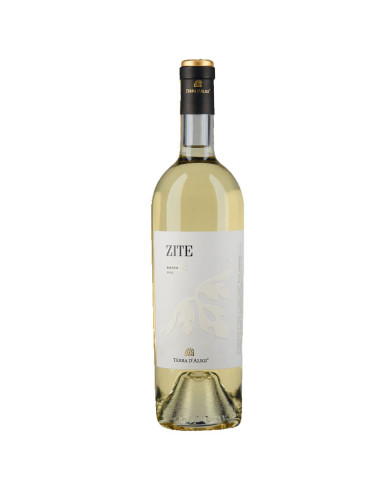
Each wine has its own story, and that of Zite is one of the most beautiful to tell. Born from Pecorino grapes, one of the most typical Abruzzo vines, traditionally linked to transhumance. From time immemorial its rows have been lapped by the flocks in their incessant going. But Pecorino is also a wine with a thousand facets, to which a special role is reserved in Abruzzo rites and customs. Perfumed, fine, with excellent structure and persistence, also perfect as an aperitif, it has always been the wine for weddings. It's up to Pecorino to brighten up the great day of celebration, the one in which the zite crown their dream of love. Here, in fact, the zite: in Abruzzo dialect, the beautiful girls to be married, the brides. This Terra dAligi wine is dedicated to them, the white deccellence in our line of high-level wines, produced with selected grapes, refined with the best times and techniques in relation to their characteristics, which already express in the name their close link with the land and traditions of Abruzzo.
€13.49
SKU:
10371
Brand:
Cantina Orsogna
The whole bunches are sent to the pneumatic press and the must is fermented with its indigenous yeasts at a low temperature (12-14 ° C) in stainless steel tanks for about 30 days. The refinement takes place in steel tanks and, subsequently, in the bottle. At tasting it has a straw yellow color. Intense aroma with hints of broom, white pulp fruit, and ethereal. Fresh, intense, savory and full-bodied taste. Excellent to accompany an elaborate seafood cuisine, medium-aged cheeses, structured first courses, white meats.
Dedicated by "Lu Harbin", the wind that sailors hear and decipher, to a tireless traveling companion.
€12.74
SKU:
10370
Brand:
Tenuta Ulisse
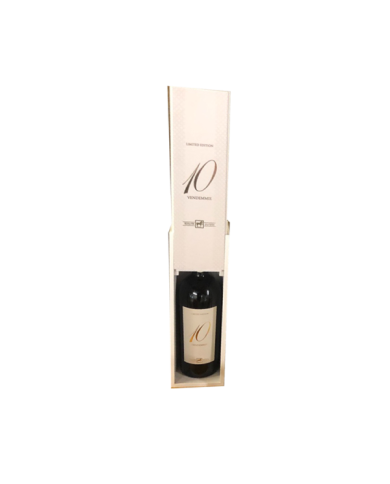
The best of our grapes, our vines and our terroirs to obtain a dream wine… All the passion and love for our land in a great wine that celebrates 10 splendid harvests respecting an ancient past. A wonderful fruit and an inimitable territory that create excellence.
€42.53
SKU:
10363
Brand:
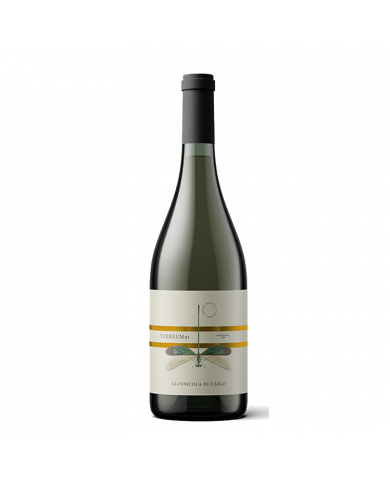
Giannicola Di Carlo
sapid and mineral, structured and balanced, candied citrus and almonds
€14.52
€6.70
€8.24
€9.15
€9.15
€9.52
€8.09
€11.10
€6.65
€11.10
€11.10
€7.93
€6.90
€6.90
SKU:
10327
Brand:
Codice Citra
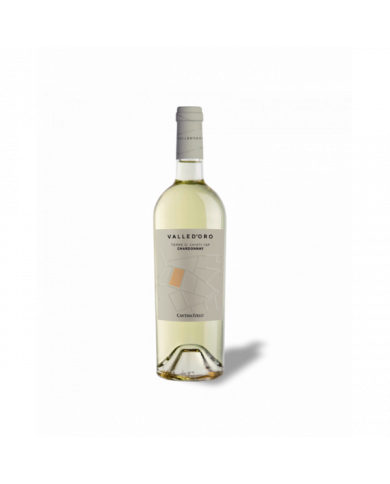
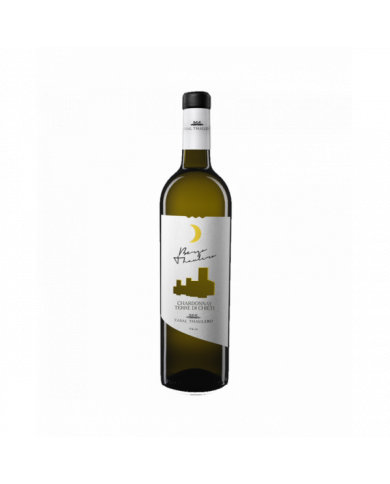
No secrets. No makeup. This Chardonnay Terre di Chieti PGI Bisanzio proposed by Codice Citra is a simple, but pleasant, white wine to be served throughout the meal. When on the table, of course, the sea and its fruits dominate. Served chilled it can also represent a valid alternative to the classic aperitif bubble. At 90%, guests will propose to continue with the same glass once dinner is served. It comes from pure Chardonnay grapes, harvested at flat ripening in the vineyards located near Ortona, in the province of Chieti. Soft pressing and cold maceration to obtain a limpid must which, once decanted, can be fermented, strictly at a controlled temperature to preserve all the goodness of its aromas, in stainless steel tanks. The result is a white, delicately scented, with a brilliant straw color. The nose reveals the warmth of its homeland well. Chardonnay, in fact, shows notes of tropical fruit and yellow flesh. In the mouth, however, it is above all fresh and well balanced in all its components.
€11.96
€8.58
SKU:
10325
Brand:
Codice Citra
Straw yellow color with greenish reflections; the floral nose is sage leaves and aromas of tropical fruit, banana and pineapple. On the fresh palate it is sapid, persistent with mineral notes.
€9.52
SKU:
10324
Brand:
Codice Citra
Typical Abruzzo white wine, pale straw yellow in color, delicately scented, pleasantly savory and harmonious on the palate, it goes well with fish, white meats and cheeses. Excellent aperitif, it can be enjoyed at any time of the day. Serve cool at 12/14 ° C. The Bisanzio line is inspired by the testimonies present in the museum of the Ducal Castle of Crecchio (in the lands of Chieti) that document daily life in Abruzzo during the rule of the Byzantines, a sign of the profound link between wine and history.
€11.96
€8.58
SKU:
10316
Brand:
Cerretano Vini
Excellent as a still aperitif. Ideal with refined appetizers, fish dishes and with eggs. This wine is suitable for young consumption, preferably within the year following that of production in order to appreciate all its best organoleptic characteristics.
€7.90
SKU:
10315
Brand:
Cantina Rapino
wine obtained from the processing of only Pecorino grapes, harvested in the period of late August, the must is fermented through selected yeasts. The wine is aged for 6 months in concrete tanks on its own fine yeasts and subsequently bottled without filtration. The grapes are grown and processed in the Miglianico area under organic farming. Wine suitable for long aging if left in ideal storage conditions.
SKU:
10314
Brand:
Cantina Rapino
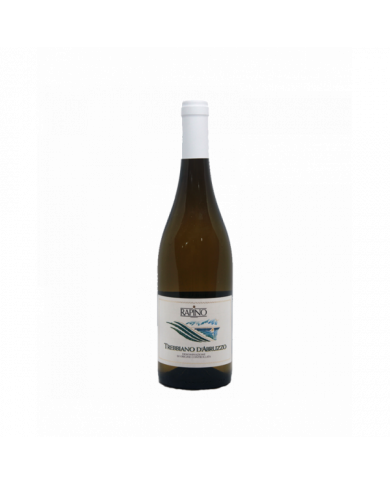
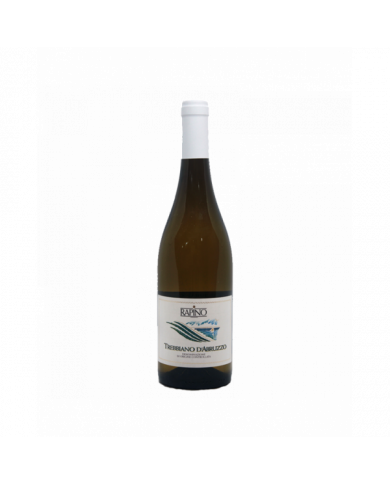
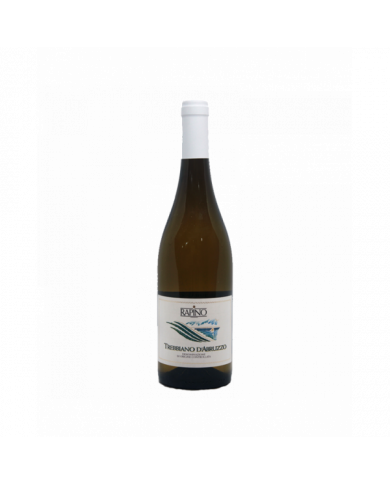
Produced with Trebbiano Abruzzese grapes, from a canopy vineyard in the hills of the municipality of Francavilla al Mare. The plant follows a type of conventional agriculture.
€8.58
SKU:
10311
Brand:
Banfi
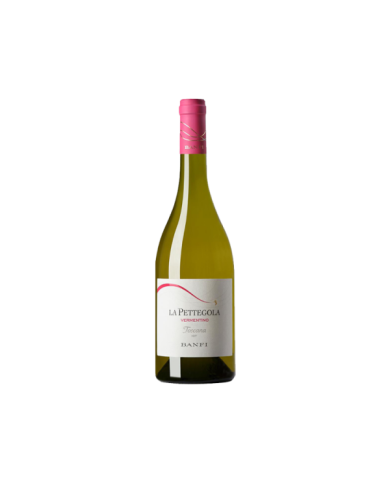
Vermentino "La Pettegola" is a fresh expression of the Tuscan coast that ferments and refines in steel tanks. Notes of citrus and yellow fruit mix with hints of aromatic herbs and white flowers in a pleasant and rich, delicate and aromatic taste, which perfectly accompanies fish and vegetable dishes.
SKU:
10299
Brand:
Nicola Santoleri
Type: White doc - Grapes: Trebbiano 100% Aging: 12 months in barrique and 2 months in bottle - Gr. 14%
SKU:
10298
Brand:
Nicola Santoleri
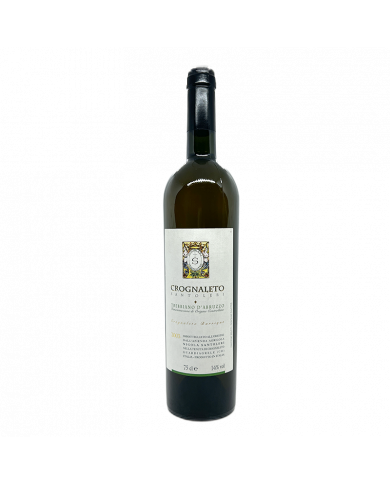
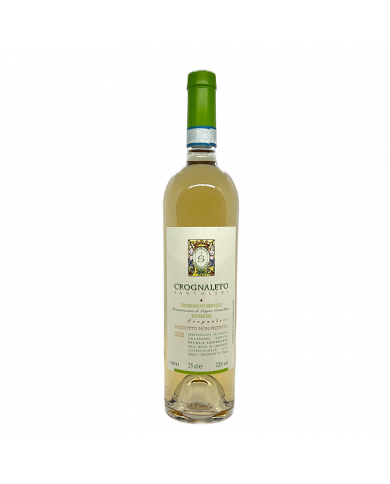
Trebbiano D'Abruzzo Crognaleto DOC Santoleri This wine is produced with 100% Trebbiano d'Abruzzo grape. It is of a clear color with sweet notes of acacia flowers in contrast with its interior scent of mineral salts. There is an intensity in this wine that offers a broad and well-balanced aromatic taste between freshness and flavor.
€14.85
€12.62
SKU:
10296
Brand:
Fausto Falcone
With a greenish color with straw-yellow reflections, the nose is quite intense and persistent, hints of tropical fruit, floral white flowers, aromatic herbs. On the palate and harmonious, persistent with excellent freshness and well balanced.
€15.20
SKU:
10294
Brand:
San Felice
La Vigna Del Lago It can happen to come across unexpected places, the Vigna del Lago, as in this 100% Chardonnay, unexpected white single-vineyard and newcomer in the San Felice house of particular aromatic freshness and flavor, carefully selected grapes and soil with unique characteristics, on which traces of the ancient Etruscan presence remain.
€17.45
€40.48
€32.38
€26.64
€28.55
SKU:
9962
Brand:
PODERE MATTIOLI
Around the 12th century, an ancient villa known as “il castellare de Ylice” stood near our cellar. The name was probably due to the Latin term ilex (holm oak), a particular variety of oak very common in our area. To date, no trace has remained of this historic villa, but the passion and respect we have for our territory has prompted us to pass on the name of that ancient presence.
€29.34
SKU:
9943
Brand:
WEINGUT NIKLAS
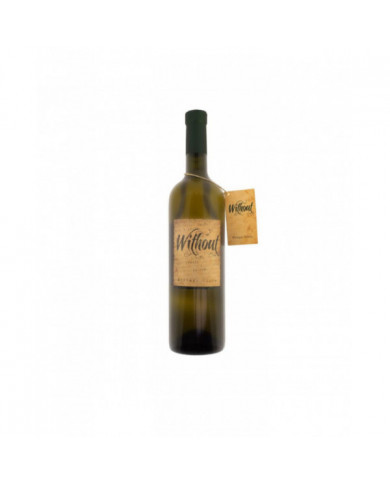
With or without you? In the case of the Kerner "Without" of the Niklas wine estate this question does not even arise. The exciting white wine conquers with its intense yellow already at the first sip and enchants the sense of smell in an extraordinary way with its intense aroma of grapes and scents of nuts and tropical fruit. It gently envelops the palate with its aromatic notes, presenting its elegant tannic texture. The Kerner "Without" is ideal in combination with hearty appetizers, tasty first courses and spicy cheeses. A wine in the name of particularity!
€38.06
SKU:
9936
Brand:
PFITSCHER
Precious light white wine, characterized by a slight acidity and a fruity bouquet. The nose captivates with delicate notes of nutmeg and stone fruit. The clear yellow-green color of this dry white wine captivates with its fruity and intense flavour.
€13.64
€12.28
SKU:
9925
Brand:
Cantine Carpentiere
€11.90
€10.71
As if by magic it is a surprising wine obtained from the white vinification of Uva di Troia. It is a complex and decisive wine while retaining an elegant freshness. Its enchanting aromatic richness ranges from citrus notes to those of wild blackberry, from hints of quince to those of icing sugar with marked sensations of honey. Pulpy and mineral.
€11.90
€10.71
€19.03
SKU:
9876
Brand:
PFITSCHER
Long-lived and refined Gewürztraminer with an intense fruity aroma of rose with notes of exotic fruits. White wine with shades of color from straw yellow to gold, delicate and balanced on the palate.
€18.24
€22.29
SKU:
9830
Brand:
Conte Brandolini D'Adda
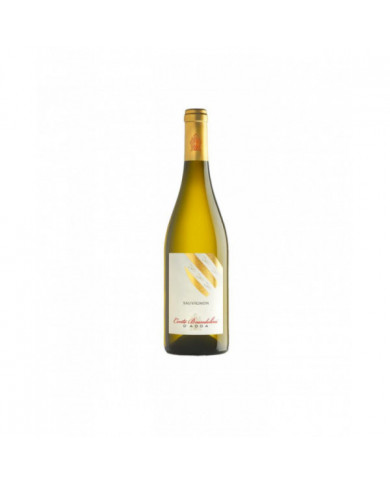
The Sauvignon Blanc Friuli Grave DOC Conte Brandolini D'Adda , in particular, represents one of the representative labels of the company. Made from 100% Sauvignon grapes, it is a truly elegant wine: these typical herbaceous notes are immediately perceived on the nose, which veer towards a fine, almost ethereal floral. A very successful combination of exotic fruit and tomato leaves with pleasant floral nuances ranging from white rose to forest flower.
€11.58
€8.10
€118.16
€11.10
€24.58
€10.78
€9.71
€42.82
€29.21
SKU:
9568
Brand:
PODERE MATTIOLI
Around the 12th century, an ancient villa known as “il castellare de Ylice” stood near our cellar. The name was probably due to the Latin term ilex (holm oak), a particular variety of oak very common in our area. To date, no trace has remained of this historic villa, but the passion and respect we have for our territory has prompted us to pass on the name of that ancient presence.
€16.18
€47.65
SKU:
9455
Brand:
Fattoria La Valentina
The olfactory whole is highly refined, with fruity accents of ripe peach and apricot, hints of tarragon, sage and hints of iodized notes.
€18.84
€15.70
SKU:
9358
Brand:
Cantina Tollo
It is the most famous white grape variety in Abruzzo and a choice, that of Cantina Tollo , to give it a version from 100% organic grapes, grown in the vineyards located on the hills of the province of Chieti. The Trebbiano harvest is carried out starting from the second half of September followed by crushing and destemming and a cold maceration, to extract as much as possible the aromatic components of the vine, known for not being among the most fragrant. And it is precisely the respect for the raw material, at Cantina Tollo , that makes the difference, culminating in the refinement in stainless steel in order not to cover or alter in any way the very essence of Trebbiano, a wine that has always made simplicity its force.
SKU:
9357
Brand:
Cantina Tollo
Company : Cantina Tollo region : Abruzzo (Italy) Name : Terre di Chieti IGT (PGI) Vegan Type : white, dry, still Variety : Pecorino 100% Alcoholic content : 13% Year : 2021 Format: 750 ml
SKU:
9355
Brand:
Cantina Tollo
Passerina grapes are grown on sand and fresh soil, mostly calcareous. And it provides the white wine with a fresh aroma with particular notes of fruit and flowers: peach, apricot, wisteria and lime. Carpaccio, raw and shellfish, all fish dishes, fresh or stretched curd cheeses.
€6.32
SKU:
9354
Brand:
Cantina Tollo
Chardonnay grapes from balanced grapes that give rise to this wine with a good structure. Refining takes place in oak Perfect with appetizers, first and second courses of fish, semi-aged cheeses, sushi and sashimi. Also recommended with cold cuts and delicate meat dishes.
€6.32
SKU:
9353
Brand:
Cantina Tollo
A Trebbiano d'Abruzzo made from a single variety of grape with a fresh scent of fruit and flowers. Fish-based appetizers and all seafood, white meats and fresh and medium-aged cheeses.
€7.71
SKU:
9352
Brand:
Cantina Tollo
A classic. A well-assorted line that gives a lot, ideal for spicing up moments of healthy conviviality with joy.
Pairings
excellent as an aperitif and with all seafood, white meats and fresh cheeses.
€7.20
SKU:
9349
Brand:
Cantina Tollo
Every occasion is good to toast with sincere taste.
Pairings
Fish appetizers, shellfish, fish risotto, spaghetti with clams, chitarrina allo scoglio, roasted fish, salmon, white meats and fresh cheeses.
€7.20
SKU:
9348
Brand:
Cantina Tollo
A WELL BALANCED PINOT GRIGIO OF GOOD LENGTH. BODY, FRESH AND FRUITY, IT IS IDEAL FOR MANY TYPES OF OCCASIONS - FROM APERITIF TO TRADITIONAL CUISINE AND EXPERIMENTAL CUISINE - ALWAYS GIVING THE BEST OF ITSELF.
€5.14
SKU:
9347
Brand:
Cantina Tollo
FROM AN INTERNATIONAL VARIETY WELL ROOTED IN ABRUZZO, A FRUITY CHARDONNAY, ROUND AND ENOUGH LIVELY, SUITABLE FOR ANY OCCASION.
€5.14
SKU:
9346
Brand:
Cantina Tollo
24THIS DELICATE TREBBIANO D'ABRUZZO, WITH A LIGHT STRAW YELLOW COLOR AND FRUITY SCENT WITH SLIGHT FLORAL NOTES, LEAVES A PLEASANT ALMOND AFTERTASTE.
€5.14
SKU:
9344
Brand:
Cantina Tollo
A TREBBIANO WITH A FULL AND DELICATE TASTE, WITH A LIGHT AMMANDORL FINAL, FRUITY AROMA AND FLORAL NOTES.
€8.19
SKU:
9343
Brand:
Cantina Tollo
AN AUTHENTIC AND NATIVE VARIETY OF ABRUZZO, REDISCOVERED A FEW YEARS AGO.
€6.45
SKU:
9342
Brand:
Cantina Tollo
Obtained from Pecorino grapes coming exclusively from hilly lands, it is a fruity wine with an enveloping, slightly lively flavor. Pecorino Terre di Chieti Tollo has a pale straw yellow color with slight greenish reflections. Fruity on the nose with citrus and tropical notes, white peach and elegant floral scents. Enveloping, slightly lively flavor.
€6.90
SKU:
9334
Brand:
Cantina Tollo
€12.42
€11.18
We have taken care of a great wine from the past and brought it into the future. A Trebbiano d'Abruzzo Dop with hints of yellow fruit, citrus and white flowers, able to best express the emotions of a luminous land and trace new paths of pleasure thanks to the elegance of its flavor.
Pairings
Excellent with fish-based appetizers and all seafood, white meats and medium-aged cheeses
SKU:
9333
Brand:
Cantina Tollo
The Cococciola variety, which has always been cultivated in this region, is not well documented from a historical point of view. In Italy it was underestimated, but in France, more than many years ago, it had already been classified by scholars from Abruzzo. Today, vinified with a single variety of rapeseed, it shows its full potential. A fresh and fruity white - in one word: authentic
Pairings
Excellent with fish-based appetizers and all seafood, white meats and medium-aged cheeses.
€12.42
SKU:
9332
Brand:
Cantina Tollo
Vine to be rediscovered ancient variety that gives persistence, harmonious and slightly balsamic flavor with notes of citrus and garden fragrances. Made exclusively with Pecorino.
Pairings
Raw fish and shellfish, fish dishes in general also excellent with fresh or stretched curd cheeses.
€6.34
SKU:
9328
Brand:
Casal Thaulero
Lively straw yellow. Ample, with fruity notes of peach and apricot, notes of white and yellow flowers and a balsamic finish. Fresh, mineral and well balanced. Seafood appetizers, fish first courses, sushi, white meats.
€7.30
€6.32
€6.10
€5.67
€5.67
€8.44
SKU:
9319
Brand:
Casal Thaulero
Grape variety / Passerina, an ancient native vine of the central Adriatic area. Production area / Abruzzo. Color / Golden yellow. Bouquet / Intensely floral with notes of acacia flowers and citrus fruits. Taste / Fresh and persistent and mineral.
€8.44
SKU:
9318
Brand:
Casal Thaulero
Grape variety / Cococciola. Production area / Abruzzo. Color / Pale straw yellow with golden hues.
SKU:
9314
Brand:
Agriverde
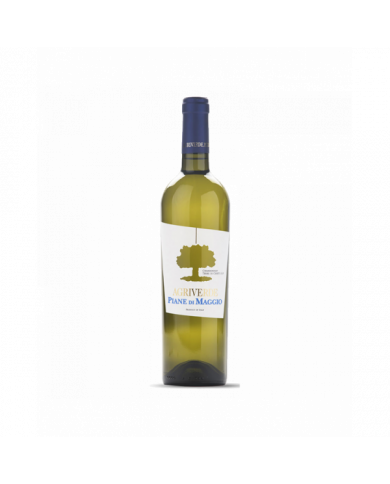
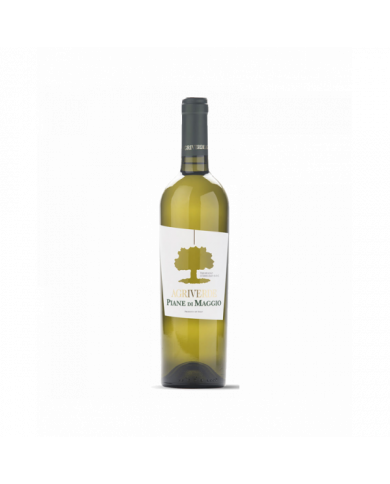
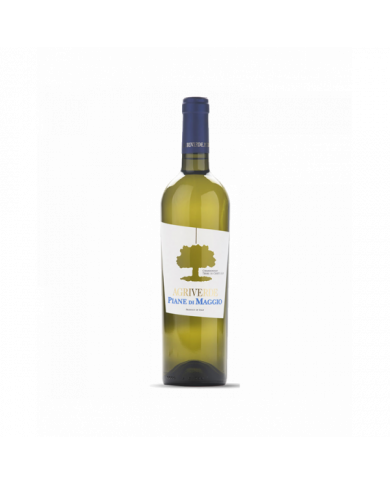
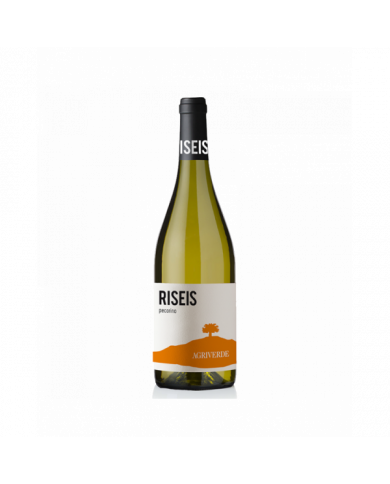
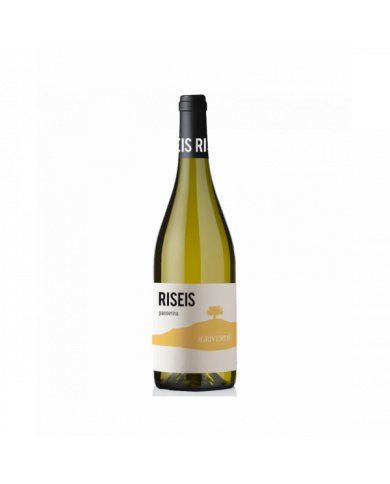
Straw yellow. Herbaceous notes blend with hints of jasmine and broom. On the palate it is fresh and enveloping: taste of white peach and lumps, with good persistence. Food pairings: seafood cuisine and delicate cheeses. Ideal for aperitifs and vegetarian dishes.
€9.89
SKU:
9312
Brand:
Agriverde
Straw yellow with golden reflections. The nose is expressed with intense aromas of ripe apple, pineapple, mango and banana. In the mouth it is fruity, harmonious mineral. Food matches: perfectly accompanies seafood cuisine, soups, delicate first courses, delicate first courses, risottos, white meats and soft cheeses.
€9.89
SKU:
9311
Brand:
Agriverde
Straw yellow. Herbaceous notes blend with hints of jasmine and broom. On the palate it is fresh and enveloping: taste of white peach and lumps, with good persistence. Food pairings: seafood cuisine and delicate cheeses. Ideal for aperitifs and vegetarian dishes.
€7.17
SKU:
9310
Brand:
Agriverde
Straw yellow with golden reflections. The nose is expressed with intense aromas of ripe apple, pineapple, mango and banana. In the mouth it is fruity, harmonious mineral. Food matches: perfectly accompanies seafood cuisine, soups, delicate first courses, delicate first courses, risottos, white meats and soft cheeses.
€7.17
SKU:
9307
Brand:
Agriverde
Straw yellow with greenish reflections. The nose is expressed with great elegance: nuances of white-fleshed fruit and jasmine with a light citrus touch. On the palate it is dry, fresh and intense, with a nice touch of white peach. Food matches: Aperitifs, seafood and land dishes, soups and vegetarian dishes, white meats, raw cheeses.
€9.48
SKU:
9306
Brand:
Agriverde
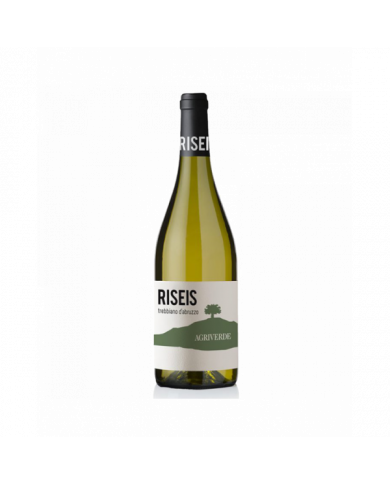
Historic and rare native grape of our province of Chieti. Straw yellow with golden reflections. The nose is delicate, with notes of spring white flowers and evident clumpy sensations. In the mouth it is savory, good persistence and nice acidity with a slightly bitter note reminiscent of hazelnut. Food matches: Seafood dishes, selection of aged and semi-aged cheeses Ideal as an aperitif and vegetarian dishes.
€9.48
€9.48
SKU:
9304
Brand:
Agriverde
Straw yellow with golden reflections. The nose is fine and fruity with hints of peach, sage, broom flowers and hawthorn hints of balsamic herbs that leave room for a nice herbaceous note. In the mouth, exceptional aromatic correspondence, fresh and fruity white peach with a savory finish. Food pairings: crudités, chitarrina with lobster, seafood risotto and cheeses.
€9.48
SKU:
9302
Brand:
Agriverde
Straw yellow with greenish reflections. The nose is complex and deep with notes of white pulp fruit, sage and lavender that blend with elegant mineral nuances. The taste is fresh, savory and mineral. Food matches: Aperitifs, seafood dishes, soups and grilled vegetables, first courses of land, cheeses.
€10.25
SKU:
9298
Brand:
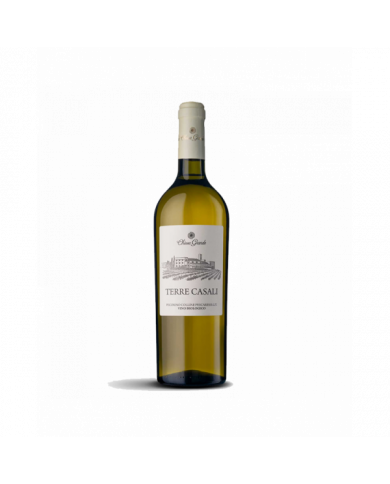
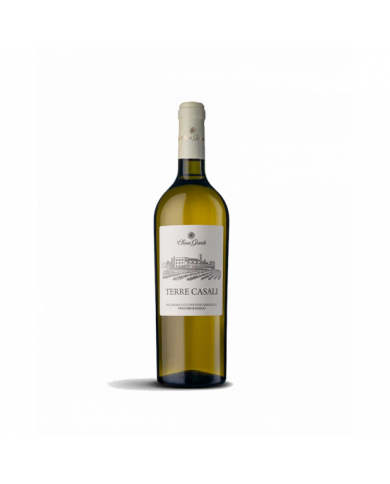
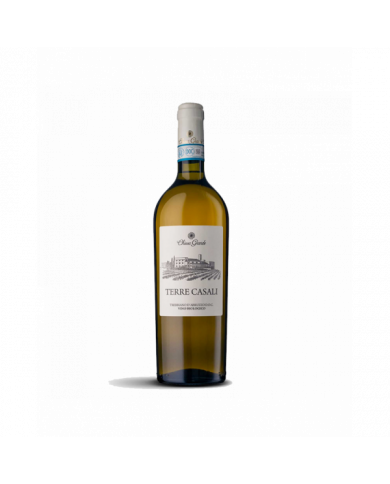
Chiusa Grande
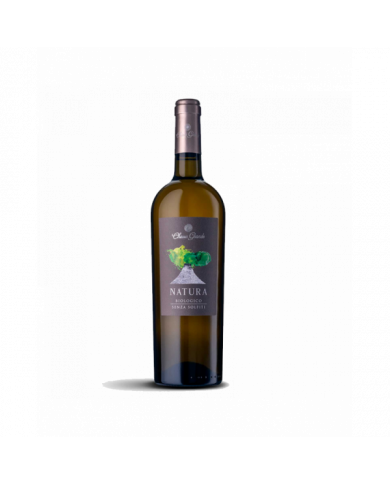
Wisdom and character.
A native and proud wine. Graceful and harmonious like the village choirs on holidays. Straightforward and alluring in the citrus scents. Simple, mineral and engaging sip. A hymn to the genuine peasant banquet.
SKU:
9297
Brand:
Chiusa Grande
Peasant chorality.
Its scent is fresh, like the scents of freshly blossomed petals. Its color is straw yellow, like the plaster of rural farms. Its taste is harmonious, like the popular song of ancient factors. A Trebbiano d'Abruzzo Doc with a harmonious taste.
SKU:
9294
Brand:
Chiusa Grande
It seduces with naive freshness, but grants sublime sensations of fragrant maturity. From the generosity of a limestone and clayey earth, a wine with hints of sage and mint. The inseparable embrace of two lovers!
€10.76
SKU:
9293
Brand:
Chiusa Grande
This Abruzzese native has the solid roots of the sage, the obstinate character of the winemaker, the body of the dreamer, flexible like the vine, from the Latin viere which means precisely to bend. Jasmine and honey will smile at your delicate soul. Sage and citrus will converse with your restless spirit.
€12.80
SKU:
9292
Brand:
Chiusa Grande
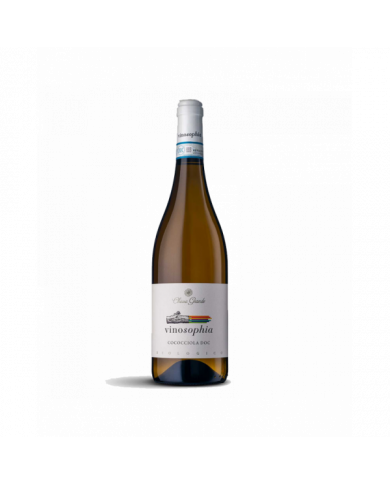
To give life to a personal path, we reinterpret the Cococciola by enhancing its gruff character, the “mineral” essence of the rebel. Broom and apricot will caress your certainties while grapefruit will slap your numbness.
SKU:
9291
Brand:
Chiusa Grande
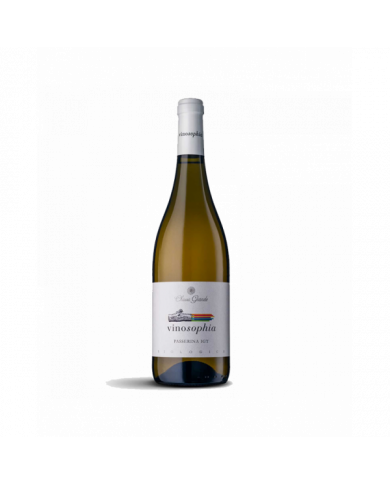
Passerina is an enveloping native vine, rediscovery of a forgotten path. Its hints of exotic fruit will take your imagination to an indefinite elsewhere.
The fragrance of peach and the balsamic freshness will take you to the primitive origins of winemaking.
SKU:
9289
Brand:
Chiusa Grande
€14.74
€13.26
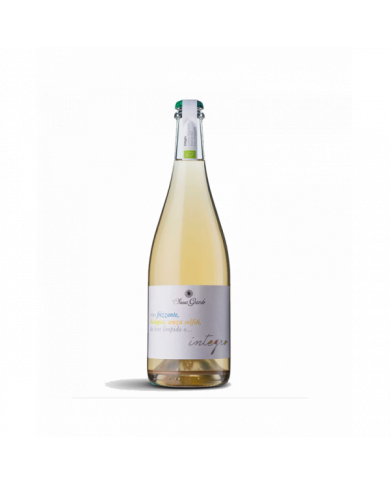
Unique wine in color, spontaneous in perfume and with a lively sip. Grapes and grapes only, fermentation continues in the bottle without adding sugar or sulphites. natural purity and panache.
Superb and Healthy Pleasure.
€14.74
€13.26
SKU:
9288
Brand:
Chiusa Grande
Impetus and Charm.
A primordial freshness will lead you towards ancestral emotions. A white Igt Colline Pescaresi Malvasia and Trebbiano with golden reflections and floral scents, pleasantly acidulous and sweetly citrusy. At first impetuous, then honeyed.
€15.63
SKU:
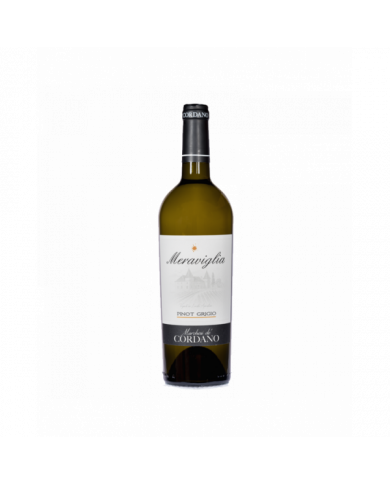
9280
Brand:
Marchesi de Cordano
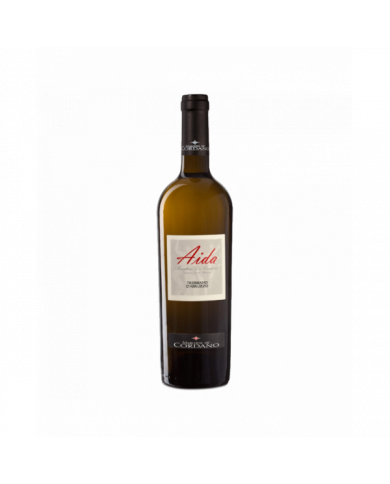
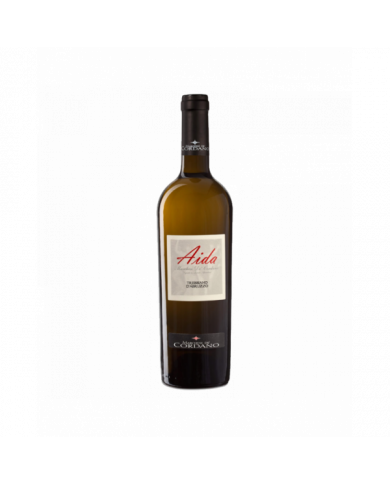
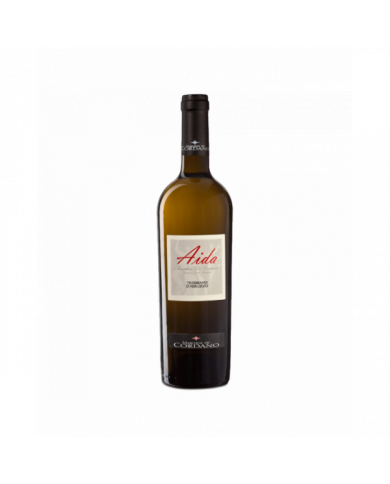
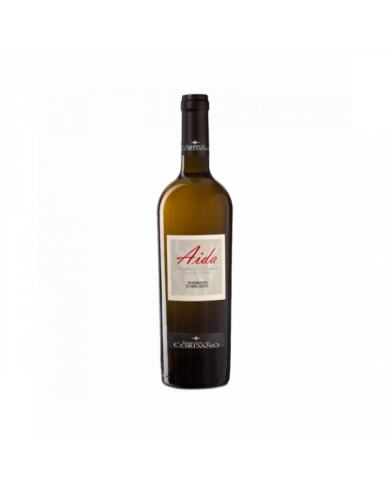
White pulp fruit and floral scents accompany the pleasant freshness and flavor of this wine. The finish is reminiscent of almond. Vinification: Soft cold pressing in an inert environment, static decantation of the must and fermentation at a controlled temperature.
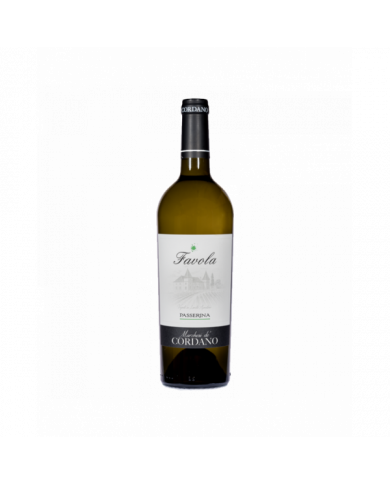
SKU:
9279
Brand:
Marchesi de Cordano
Delicate, easy to drink, it is a wine with a pleasant freshness and flavor. The bouquet is fine, with a predominance of jasmine and tiare flowers. Vinification: Soft cold pressing in an inert environment, static decantation of the must and fermentation at a controlled temperature.
€9.15
SKU:
9278
Brand:
Marchesi de Cordano
An intense and complex wine that is presented recalling exotic fresh fruit and yellow flowers. Rightly full-bodied and persistent, it does not lose freshness and drinkability. Vinification: Soft cold pressing in an inert environment, static decantation of the must and fermentation at a controlled temperature.
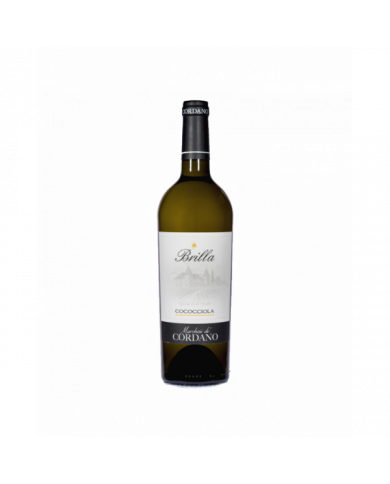
SKU:
9277
Brand:
Marchesi de Cordano
A wine with a marked freshness and an intense bouquet, with a citric scent in which a pleasant minerality is found. White grapefruit and acacia and orange blossom flowers emerge. Vinification: Soft cold pressing in an inert environment, static decantation of the must and fermentation at a controlled temperature.
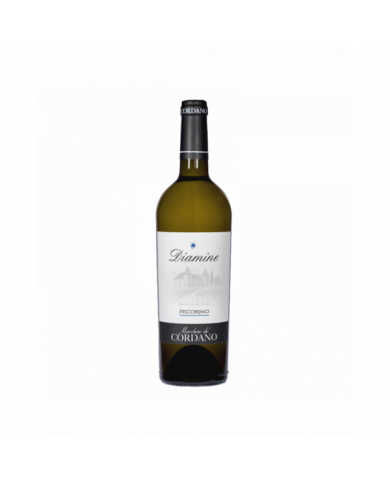
SKU:
9275
Brand:
Marchesi de Cordano
Elegant and refined with hints of yellow fruit and white flowers, with a savory taste with a slightly almond finish. Vinification: Soft cold pressing in an inert environment, static decantation of the must and fermentation at a controlled temperature.
€5.89
€6.60
SKU:
9271
Brand:
Feudo Antico
Pale straw yellow color with slight greenish reflections. Fruity aroma with citrus and tropical notes, white peach and elegant floral scents. Taste: Full, with good structure and long persistence. It goes well with appetizers and raw fish, Crustaceans, first and second courses based on fish. Excellent with fresh or stretched curd cheeses.
€6.04
SKU:
9269
Brand:
Feudo Antico
€10.39
€9.35
Excellent freshness, subtle minerality and intense fruity notes for an Abruzzo white of ancient origins which, like Pecorino, owes its fortune to the recent rediscovery.
€10.39
€9.35
SKU:
9263
Brand:
Collefrisio
Grapes: Trebbiano d'Abruzzo DOC Year: 2020 Alcohol content: 12.5% - Format: 75cl Refinement: steel Tasting: Straw yellow color. Fruity fragrance. Fresh and persistent taste Pairings: first courses with vegetables, seafood, fish dishes
€8.26
€6.61
SKU:
9255
Brand:
La Veneranda
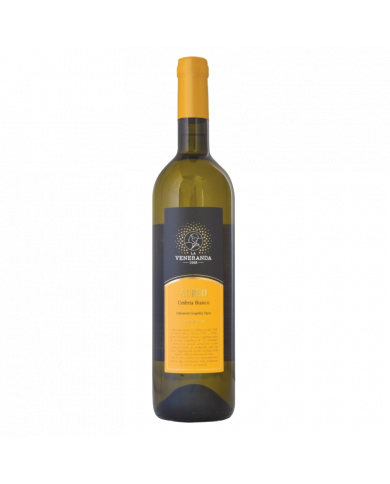
Straw yellow colored wine. The scents range from delicate white flowers and chamomile to fresh fruit reminiscent of peach. They turn to fresh meadow herbs, particularly the slightly mineral finish already perceived on the nose. Excellent correspondence between freshness and flavor in the mouth that makes it pleasant to drink. Wine that manages to express all its typicality.
€8.40
SKU:
9245
Brand:
Cantina Fratelli Pardi
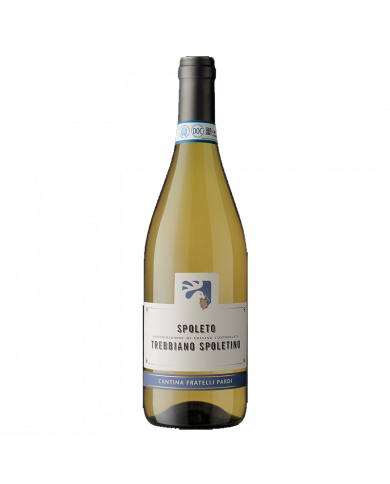
Selection of the free-run juice with light pressure. Fermentation at temp. controlled (18 °) followed by 8 months on the fine lees.
€16.65
€13.32
€9.64
€8.67
SKU:
9243
Brand:
Cantina Fratelli Pardi
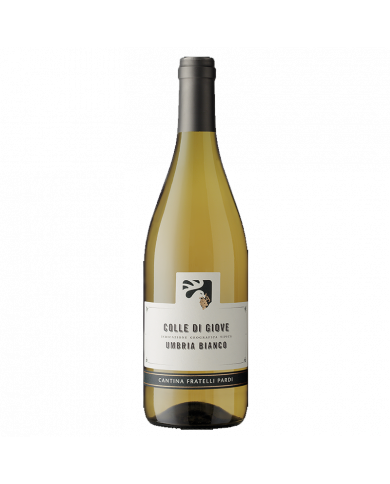
Fermentation at temp. constant (20 °) for 20 days in stainless steel. The bottled wine remains for at least two months in the cellar.
€8.17
€6.54
SKU:
9242
Brand:
Cantina Fratelli Pardi
Fermentation at temp. constant (20 °) for 20 days in stainless steel. The bottled wine remains for at least two months in the cellar.
€7.99
€6.39
SKU:
9237
Brand:
Ettore Galasso
Ideal to serve with aperitifs. It goes well with appetizers, snacks and medium-structured dishes. Fresh and intriguing taste.
€8.26
SKU:
9236
Brand:
Ettore Galasso
A dessert wine from the Pescaresi Hills, Abruzzo, Italy. Made from Moscato Bianco grapes.
€10.31
SKU:
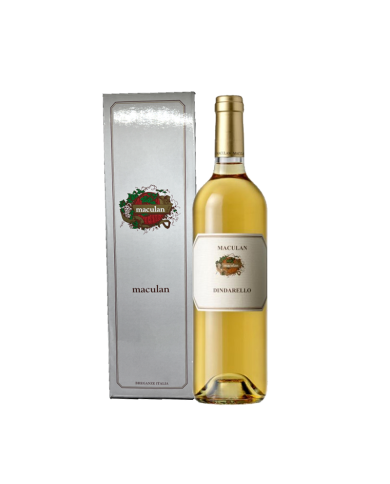
9230
Brand:
Maculan
Excellent in combination with pastry desserts, fruit tarts, homemade focaccias and even desserts with creams.
€38.65
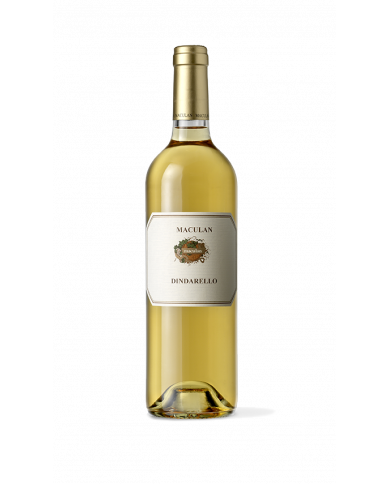
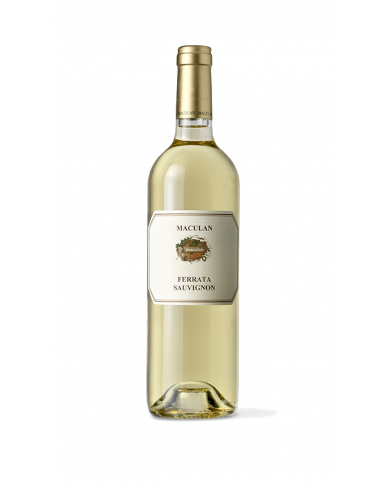
SKU:
9220
Brand:
Maculan
Excellent in combination with pastry desserts, fruit tarts, homemade focaccias and even desserts with creams.
€17.64
€18.30
SKU:
9206
Brand:
Maculan
€18.65
€15.86
Valvolpara was born from a recovery project of old vines of the Vespaiola variety, the same with which the Passito Torcolato is produced, reproduced by mass selection and grafted in 2009 in the vineyard in via Valvolpara, in the locality of Branza, in Breganze.
€18.65
€15.86
SKU:
9201
Brand:
Cantina Miglianico
Trebbiano IGP 100% with vineyards in the plains located in the lands of Miglianico, at 60-80 meters. above sea level, with medium-textured soils. The breeding is Abruzzo pergola with 10-15 year old vines, 1,600 plants per hectare with a yield of 160q.
SKU:
9200
Brand:
Cantina Miglianico
Trebbiano Dop 100% with vineyards in the hills facing West, North-West, located in the lands of Miglianico, at 200 meters. above sea level, on loamy - clayey soils. The breeding is Abruzzo pergola with 15-18 year old vines, 1,600 plants per hectare with a yield of 140 q.
SKU:
9197
Brand:
Cantina Miglianico
Trebbiano Dop 100% with vineyards in the hills facing West, North-West, located in the lands of Miglianico, at 200 meters. above sea level, on loamy - clayey soils. The breeding is Abruzzo pergola with 15-18 year old vines, 1,600 plants per hectare with a yield of 140 q.
€5.32
SKU:
9195
Brand:
Cantina Miglianico
Trebbiano IGP 100% with vineyards in the plains located in the lands of Miglianico, at 60-80 meters. above sea level, with medium-textured soils. The breeding is Abruzzo pergola with 10-15 year old vines, 1,600 plants per hectare with a yield of 160q.
€3.00
SKU:
9193
Brand:
Cantina Miglianico
Trebbiano dop 100% with vineyards on the hills facing West, North-West of Miglianico, at 200 meters. above sea level, with clayey-loamy soils. The breeding is Abruzzo pergola with 15-18 year old vines, 1,600 plants per hectare with a yield of 140 q.
€5.14
SKU:
9192
Brand:
Cantina Miglianico
Pecorino Igp 100% with vineyards on the hills facing West, South-West of Miglianico, at 250 meters. above sea level, with clayey-loamy soils. The breeding is Abruzzo pergola with 10-12 year old vines, 1,600 plants per hectare with a yield of 140 q.
RECOMMENDED COMBINATIONS
The ideal combination with fish starters and first courses, large fish in the oven and medium-aged cheeses.- COLOR
- Straw yellow of medium intensity, with slight greenish hues.
- SCENT
- Scent of fresh fruit, accompanied by spicy notes and nuances of aromatic herbs.
- TASTE
- The taste is intense, with good persistence, fresh and savory on the palate. Aftertaste rich in spicy nuances.
€5.60
SKU:
9190
Brand:
Cantina Miglianico
Pecorino DOP 100% with vineyards on the hills, located west of Miglianico, at 250 meters. above sea level with clayey and loamy soils. The breeding is Guyot with eight-year-old vines, 4,000 plants per hectare with a yield of 120q
€10.11
€15.04
€13.54
€10.31
€8.25
SKU:
9177
Brand:
Vigna Madre
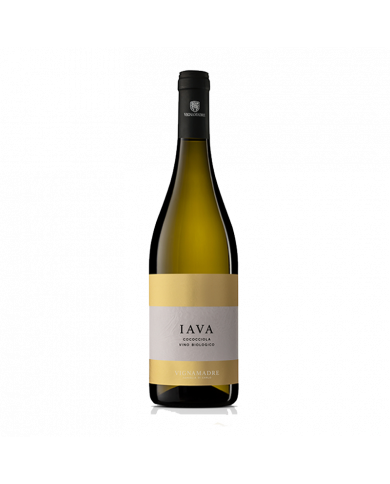
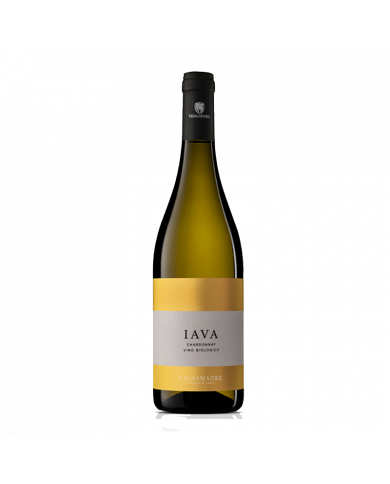
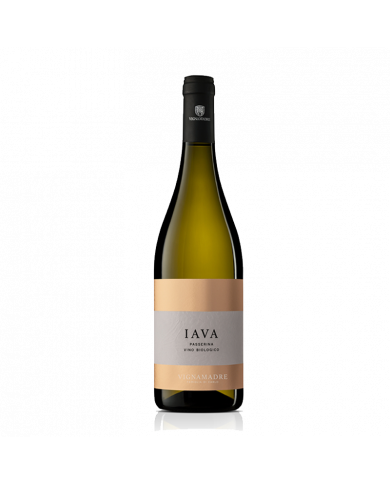
Lava is the symbol of the Di Carlo family's pioneering and unconventional production philosophy, inspired by the precious mineral elements of the earth represented by the colors of the labels.
€11.00
SKU:
9176
Brand:
Vigna Madre
Lava is the symbol of the Di Carlo family's pioneering and unconventional production philosophy, inspired by the precious mineral elements of the earth represented by the colors of the labels.
€11.00
€11.00
SKU:
9173
Brand:
Vigna Madre
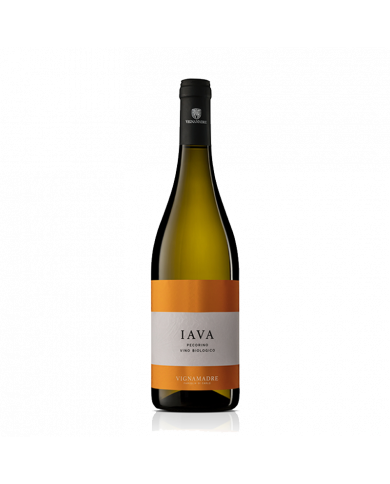
Iava is the symbol of the pioneering and unconventional production philosophy of the Di Carlo family, inspired by the precious mineral elements of the earth represented by the colors of the labels.
€11.00
SKU:
9166
Brand:
Cantine De Luca
brilliant, pale straw yellow color with greenish reflections, it begins on the nose with floral notes, on the palate the freshness and sapidity are accompanied by fullness with a pleasant finish.
€9.83
€7.87
€9.11
€6.50
€5.53
€10.50
SKU:
9138
Brand:
Di Majo Norante
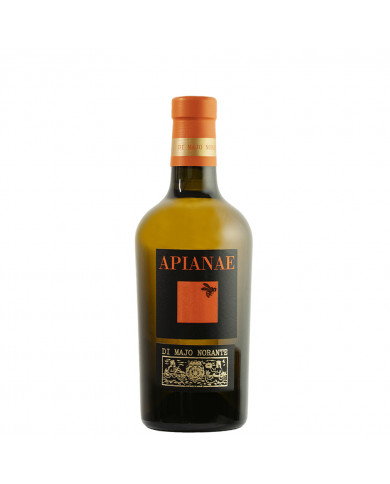
From this ancient vine dear to the Popes, which was cultivated in Italy as early as 200 BC with the name of Apicia, Apicius or Apianae - according to Colummella and the other Georgics, a sweet wine with a Moscato flavor was obtained.
€24.49
SKU:
9135
Brand:
Di Majo Norante
€9.20
€7.36
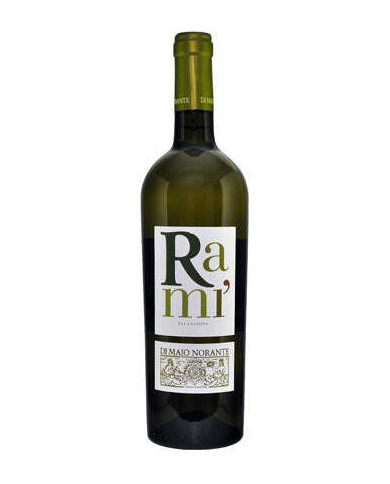
This cru comes from the selection of the best grapes predominantly Falanghine and Fiano, grown in the Ramitello vineyard in Campomarino.
€9.20
€7.36
€11.58
SKU:
9131
Brand:
Il Feuduccio
We have captured the scents that let you imagine the Abruzzo hills during the spring. It is precisely in these places that Pecorino Fonte Venna finds its habitat. Excellent as an aperitif, with white meats and fish.
€10.31
SKU:
9123
Brand:
Cantina Orsogna
Straw yellow color, slightly cloudy, scents of white flowers and apples, at the end appears hay grass. The taste is fresh, fruity and leaves a bitter almond flavor in the mouth.
€11.27
€10.15
€7.89
€6.31
€7.89
€6.31
SKU:
9079
Brand:
Villa Alta
€8.25
€6.60
Precious white wine obtained from the sought-after Pecorino vine, grown on the gentle Frentane hills. We recommend it to accompany appetizers and first courses of fresh fish, but also for quick and appetizing aperitifs. \ nTo be served very fresh, to enhance its natural organoleptic properties.
€8.25
€6.60
SKU:
8950
Brand:
Donnafugata
€284.50
€241.83
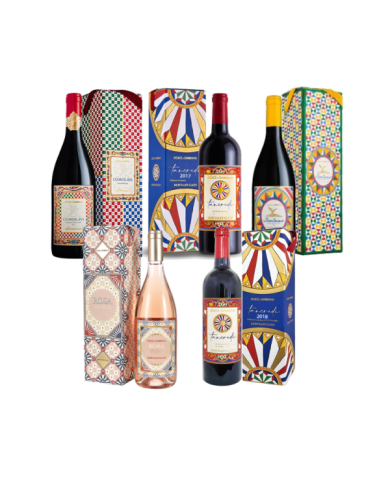
When you want Creativity and Craftsmanship
\ n
When you want the artisan and creative excellence of Made in Italy. An unmistakable lifestyle. Make a unique and glamorous gift.
€284.50
€241.83
€38.86
SKU:
8901
Brand:
Torri Cantine
COLOR A delicate pale straw yellow, with a brilliant brightness and a dense and persistent frothy perlage.
\ n GRAPES Glera
\ n VINIFICATION Fermentation in steel, scrupulous Martinotti-Charmat sparkling, bottling.
€17.15
The best Italian white wines
Italy is home to some of the finest white wines. In the Clickwine section of our online wine shop dedicated to the finest Italian white wines, you'll find bottles of excellent white wine carefully selected by our sommeliers.
The designations used in our country to classify wines are DOCG, DOC, and IGT. Sometimes you'll also find designations like DOP and IGP: these acronyms have similar meanings to the previous ones but are used by wineries that primarily sell their wines outside of Italy.
The production of white wine
White wines are produced from both light and dark grapes, but vinified as a white wine: that is, during maceration there is no contact between the must and the pomace, so that the skin – exactly the opposite of what happens with red wines – does not release substances and color.
Its myriad nuances vary according to the characteristics of the grape variety, the aging method and the vine growing area.
In white winemaking, once the grapes have been harvested, they are transported to the cellar, destemmed, and pressed, and the must is separated without any maceration or with a brief maceration. Sometimes, however, the grapes are pressed and then macerated with the skins at a low temperature for a varying length of time. This produces richer, smoother wines.
This phase is followed by the clarification of the white wine produced, which can be done by letting the must rest, by cooling, centrifugation or filtration.
Fermentation begins either by adding selected yeast to the must or spontaneously, using the indigenous yeasts present in the grapes. To preserve the aromas, finesse, and freshness of white wines, fermentation is carried out at lower temperatures than red winemaking, generally around 18°C.
To obtain a fresh and lively wine, best drunk young, malolactic fermentation is avoided by bottling early, after filtration and stabilization. More complex wines, aged or fermented in wood, are bottled only after several months in barrel.
How to taste white wine
First, you need to decide whether to uncork the bottle right away or let your white wine age. If you want to immediately succumb to its charm, its aromas of aromatic herbs, flint, or its notes of exotic fruit, then serve your white wine at the right temperature: 6-8°C for a young white and 8-10°C for a softer, more structured wine.
How to pair white wine
Dry white wines will surprise you at the table, too, and not just with their straw-yellow color. As an aperitif, and especially with a fish dish, white wine is definitely a must, but it's not easy to know which of the many labels will be best suited to the occasion.
We recommend pairing white wine with cheeses, whether low-fat, fresh, or rich in milk, such as flavorful buffalo mozzarella, or with soft, bloomy-rind cheeses. They're also perfect with white meats, such as classic scallops, but beyond tradition, white wine also pairs perfectly with meat and risotto dishes, as well as truffles. Visit our online wine shop Clickwine for expert advice on purchasing the best white wine at the best price to pair with your favorite dishes.
White wines: prices and offers
Every week, our online wine shop, Clickwine offers a selection of selected white wines at special prices. In this section and in the special offers section, you can then browse the best value wines.
A wide selection of premium products at affordable and truly exclusive prices. Don't miss the incredible deals on white wines from all the most prestigious Italian wineries; discover internationally renowned and beloved Italian wines.
Enter the Clickwine catalog and expand your selection by purchasing exclusive items online from smaller, yet exceptionally high-quality wineries.
White wines: longevity and conservation
How long can I keep white wine in the cellar? Do white wines improve as they age like red wines? These are the questions a wine consumer asks when talking about white wine.
In general, white wines have a much shorter shelf life than red wines, for two reasons: tannins and aging. Tannins are antioxidants present in the wine's skins that aren't present in white wines; as for aging, however, most white wines age in stainless steel for just a few months; even red wines, if they age briefly in stainless steel and undergo rapid maceration, don't last for many years. Let's say a classic white wine aged in stainless steel lasts a maximum of 2 to 3 years. If it undergoes maceration or ages in wood, it can last up to 20 years and improve year after year.
How many types of white wines are there?
There is no exact number of types of white wine, as there are several different white grape varieties that can be used to make white wines. Some of the most common white grape varieties used to make white wines are Chardonnay, Sauvignon Blanc, Riesling, Pinot Grigio, and Moscato. There are also other less common varieties such as Gewürztraminer, Semillon, and Viognier. Each of these varieties can be used to produce white wines with unique and different characteristics, so there are many different types of white wines available.
How to recognize a good white wine?
There are several ways to recognize a good white wine. One of the simplest is to taste the wine and evaluate its flavor and aroma. A good white wine should have a pleasant flavor and a delicate, complex aroma. Other factors that can indicate the quality of a white wine include the vintage, the grape variety, and the production area. In general, white wines produced with high-quality grapes and in particularly favorable years tend to be more valuable and of higher quality. Furthermore, white wines produced in regions renowned for producing high-quality white wines can be considered more valuable than those produced in other regions.
How to understand if a white wine is good?
As mentioned above, one of the easiest ways to determine if a white wine is good is to taste it and evaluate its flavor and aroma. A good white wine should have a pleasant flavor and a delicate, complex aroma. It's also important to keep in mind that the quality of a white wine can be influenced by several factors, such as the vintage, the grape variety, and the production area. For example, white wines produced with high-quality grapes and in particularly favorable years tend to be more valuable and of higher quality. Furthermore, white wines produced in regions renowned for producing high-quality white wines may be considered more valuable than those produced in other regions.
Why is it called white wine?
White wine is so called because it is made using white grapes. Most white grapes have transparent or lightly colored skins, so the wine made from these grapes has a light, transparent color. Sometimes the color of white wine can be influenced by the type of grape used, the winemaking process, and the addition of other ingredients, but generally, white wine has a light, transparent color.
How to replace white wine?
If you want to replace white wine in a recipe, there are several ingredients you can use. One of the most common options is to use chicken or vegetable broth instead of white wine. Other options include using white vinegar or apple juice diluted with water. Additionally, in some cases, you can omit the white wine entirely and use other ingredients to achieve the desired flavor in the recipe.