

 Italiano
 Deutsch












































There are no more items in your cart
SKU:
14987
Brand:
Tenute Chiaromonte
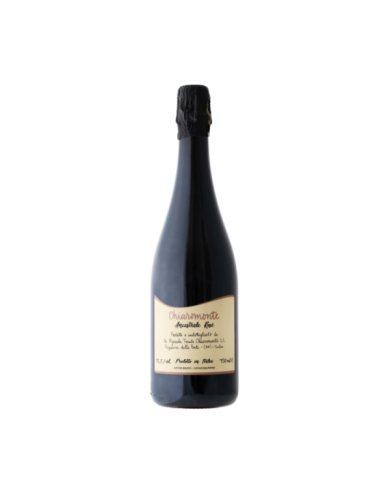
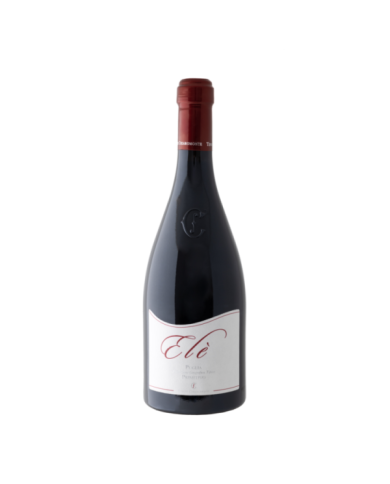
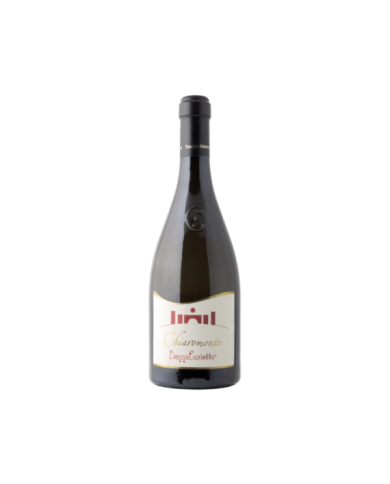
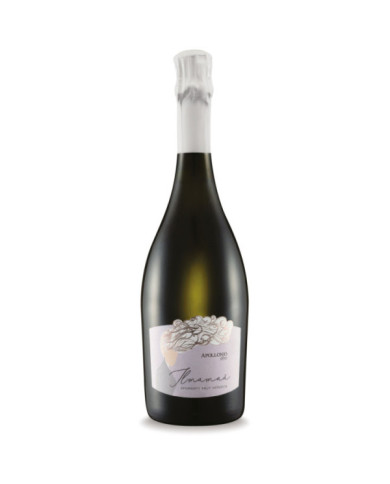
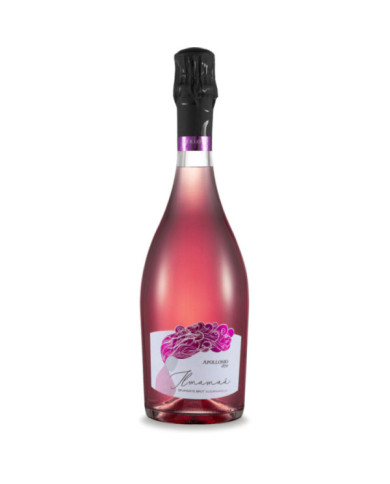
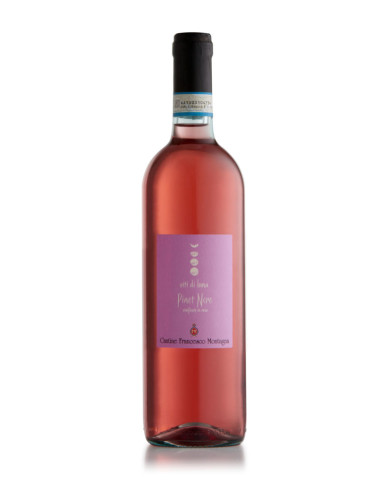
Memories, stories and ancient deeds float among the bubbles of this wine and whirling dance, whispering words that come from afar. Obtained from Pinot Noir grapes, with a fine and persistent perlage, it has a pale coral pink colour. The nose shows marked floral and bread crust notes that reappear irrepressibly on the palate, soft and elegant accompanied by a decisive freshness and minerality.
Pairings
Remarkable pairing with carpaccio and seafood tartare, tempura fish, delicate cheeses and seafood and land preparations with a long olfactory persistence.
€113.83
SKU:
14986
Brand:
Tenute Chiaromonte
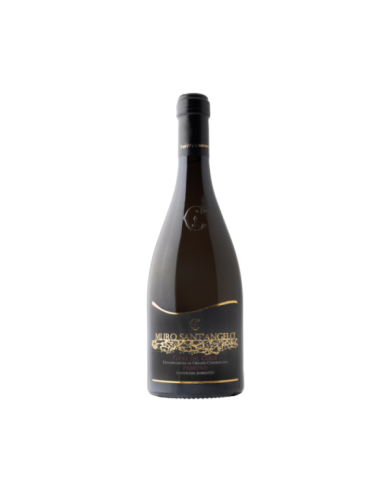
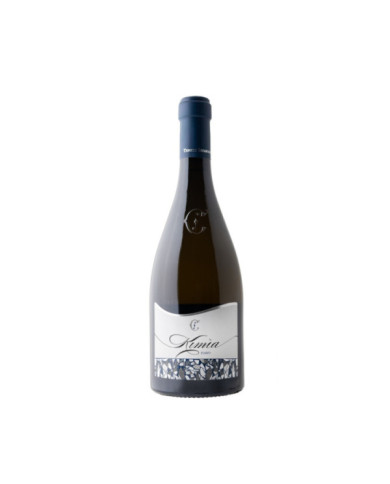
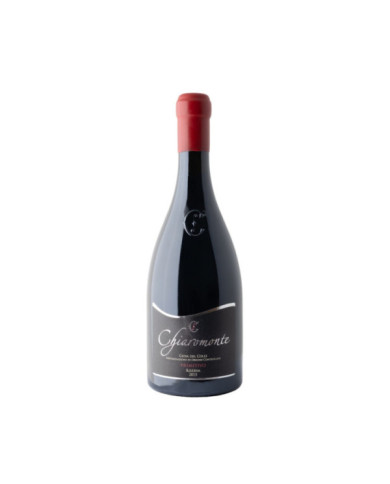
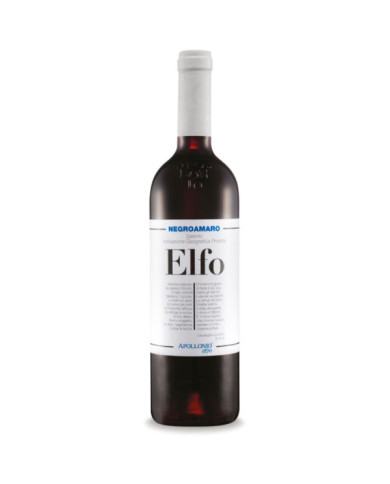
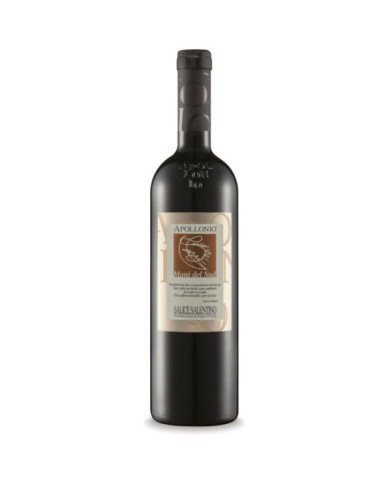
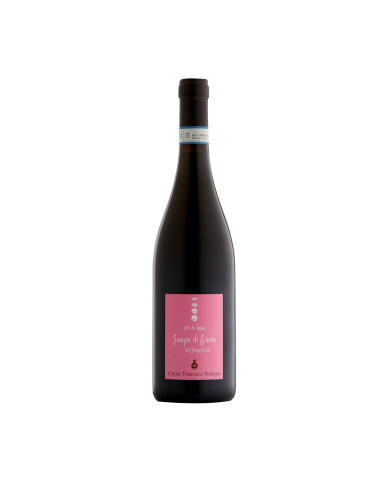
A niche edition that comes from a small vineyard of ancient saplings. The color is dark red. The scents are those of plum jam and bitter chocolate which just covers the smoky notes. There are also the typical scents of the Mediterranean maquis. On the palate it is cherry-like, deep and intense, with very soft tannins. Pairings Ideal with meat sauce, roasts, aged cheeses and Mediterranean dishes.
€42.58
SKU:
14984
Brand:
Tenute Chiaromonte
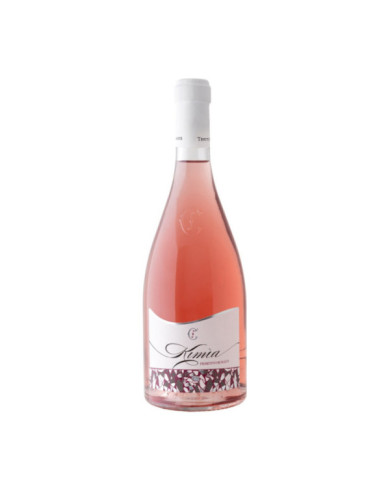
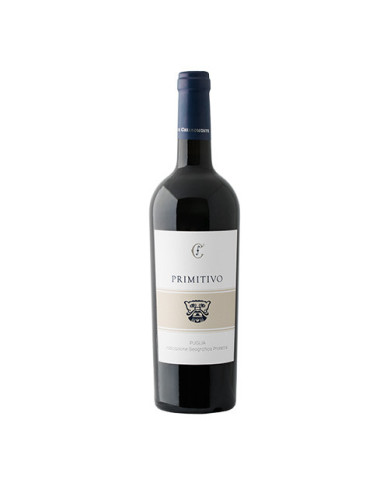
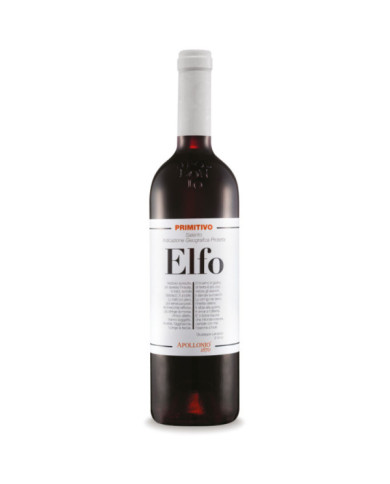
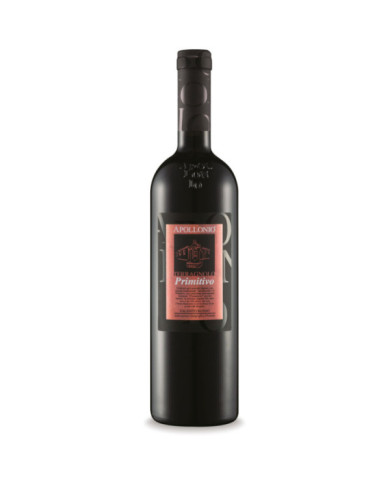
Rosé wine obtained from primitivo racemes. Intense, enveloping and at the same time delicate and elegant with a fresh acidity and a long citrus finish. Pairings Serve as an aperitif to combine with seafood and land appetizers. The combination with shellfish, seafood and fish-based dishes is exciting.
€15.01
SKU:
14983
Brand:
Tenute Chiaromonte
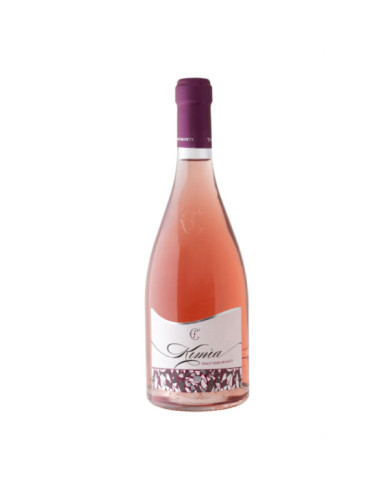
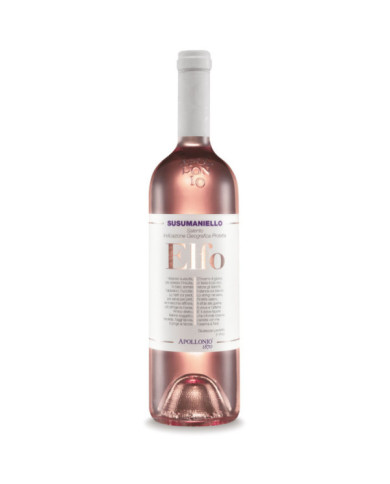
Rosé wine obtained from Pinot Noir grapes. Pale pink in colour, with floral and citrus notes. Lively and at the same time delicate and elegant with a fresh acidity and a long fruity finish.
Pairings
Excellent as an aperitif, it goes well with seafood and land appetizers. The combination with shellfish, seafood and fish or white meat dishes is exciting.
€15.13
SKU:
14982
Brand:
Tenute Chiaromonte
Ruby red wine, aromatic and with intense aromas, with hints of red berry fruit and spicy notes. On the palate it is fresh and elegant. High quality wine, produced from certified organic grapes.
Pairings
Find the best combination with the typical dishes of Mediterranean cuisine. Particularly suitable with soups, white meats, fresh soft cheeses and grilled vegetables.
€14.88
SKU:
14981
Brand:
Tenute Chiaromonte
Wine produced from Moscato grapes, it has a pale yellow color and an excellent structure. What characterizes it is its long finish of grapefruit and aromatic herbs.
€14.15
SKU:
14980
Brand:
Tenute Chiaromonte
Born from Fiano Minutolo grapes, an ancient Apulian vine rediscovered. With yellow, greenish tones, it is characterized by the floral aroma of the vine, with hints of orange blossoms and wild flowers and with notes of citrus fruits and wild herbs. On the palate it has a fresh acidity and highlights a return of citrus aromas with a mineral finish.
Pairings
Ideal with seafood and land appetizers. Particularly suitable with shellfish, seafood and fish-based dishes.
€15.13
SKU:
14979
Brand:
Tenute Chiaromonte
It has a bright ruby red color with slight violet reflections. The olfactory scents are mainly characterized by notes of red fruit. On the palate it is light-bodied, fresh, characterized by good sapidity.
€11.44
SKU:
14978
Brand:
Tenute Chiaromonte
Chardonnay is a wine characterized by a straw yellow color and an intense aroma of ripe apple.
€10.00
SKU:
14977
Brand:
Tenute Chiaromonte
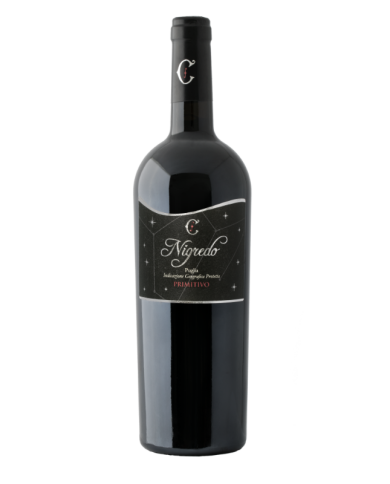
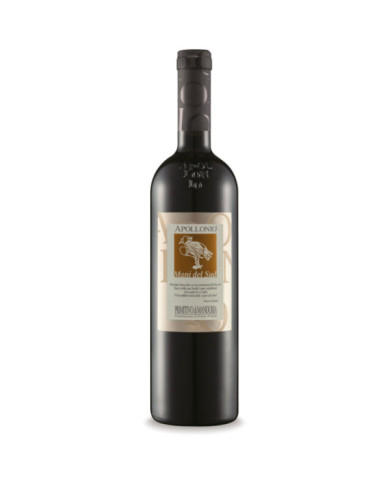
Primitive with a blackish colour. The nose is saturated with fruit, ripe cherries, pulpy and juicy. In the mouth the sweetness of the residual sugars is perfectly balanced by a splendid and very natural juiciness. It is a tale of passions and emotions, a starry night, a research that continues. Pairings It goes well with blue and seasoned cheeses tasted with jams. Also excellent with dry pastries.
€37.52
SKU:
14976
Brand:
Tenute Chiaromonte
Soft and enveloping wine, with a bright red color. With fruity olfactory textures with hints of black cherry and with floral notes of rose that blend with a delicate sweetness.
Pairings
Ideal companion for almond sweets, dark chocolate and various desserts. Intriguing accompaniment with seasoned and blue cheeses.
€18.67
SKU:
14975
Brand:
Tenute Chiaromonte
Maximum expression of an age-old vine that has been handed down for generations. Dark ruby red in colour, it has a deep, clear and precise nose, which ranges from ripe black fruits to the spices of the Mediterranean scrub. The palate, elegant, but at the same time endowed with great density and substance, is full, sapid with iodized notes, complex and balanced despite the alcohol. Pairings To be kept exclusively for important moments or to meditate in front of the fireplace.
€107.43
SKU:
14971
Brand:
Pasetti
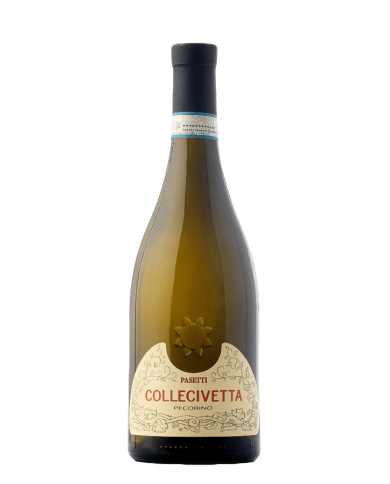
A “must” from the Pasetti company. Authentic mirror of the strong Abruzzo tradition, which is expressed here in the excellence of one of its native vines. This young pecorino in purity today represents a third of the company's production.
€12.36
SKU:
14969
Brand:
Vinicola La Rasenna
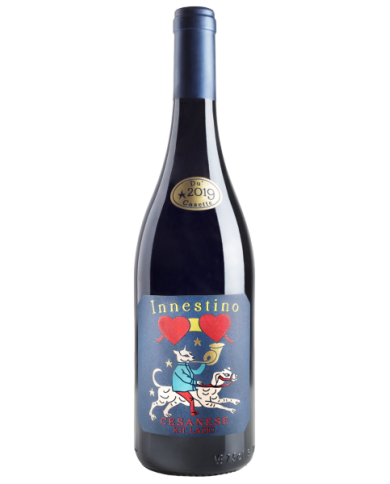
Tradition and innovation come together to give life to Innestino, a Cesanese that was born in the province of the capital from a land positively shaped by alluvial and volcanic presence, with insertions of clay and sand. The vines, trained according to the guyot system, are quite young and, subject to adequate experimentation, give a convincing red, lively in color (thanks to a maceration on the skins for about 18 days) and maturation on the fermentation yeasts; valorisation and optimization of local grapes and the will to go beyond the classic schemes, make Innestino a great label, free from unfettered, authentic, which rightfully represents Lazio oenology!
SKU:
14968
Brand:
Villa da Filicaja
The Bolgheri from the Collection of the Count of Villa da Filicaja was born in the Livorno municipality of Castagneto Carducci, in the heart of the magical Bolgheri terroir. It is obtained with Cabernet Sauvignon, Merlot and Cabernet Franc grapes, harvested following a careful selection. After a short cold maceration, the must ferments spontaneously for 15-20 days at a controlled temperature. The refinement takes place in oak barrels for at least 12 months and for a further 3 months in the bottle before being placed on the market. It has a deep ruby red color with violet reflections. It is characterized by a complex and refined aroma, with hints of wild berries in the foreground, accompanied by herbaceous and mentholated notes. In the mouth it reveals a wine of great balance, with good minerality and sapidity which contrast with a good structure and body. Excellent to accompany red meats and aged cheeses, it lends itself to combinations with roast chicken and game recipes.
SKU:
14967
Brand:
Vespa Vignaioli
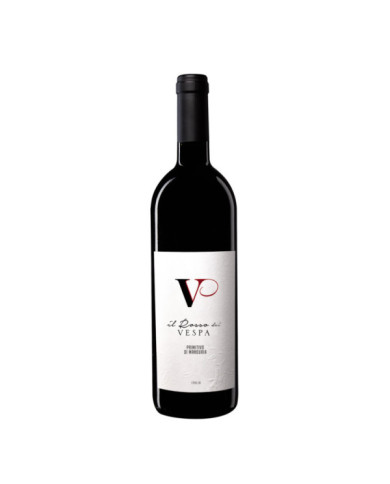
Vespa's "Rosso dei Vespa" is a Primitivo di Manduria which ages for 6 months in Never and Troncais oak barriques and presents itself to the eye with an intense and full ruby red robe. It expresses notes of plum, strawberry and fresh violet on the nose, enriched by hints of cocoa and vanilla while the sip is full and robust, of great body and intensity, with a long and spicy aromatic finish.
SKU:
14966
Brand:
Vespa Vignaioli
Winemakers generally give their name to the most important wine of the House. Bruno Vespa made the opposite choice: he baptized the cheapest wine because his challenge is to get the greatest number of consumers to approach a product with an excellent relationship between quality and selling price. IL BRUNO DEI VESPA is a Primitivo Salento that can elegantly accompany daily meals of all kinds.
SKU:
14965
Brand:
Cantina Tramin
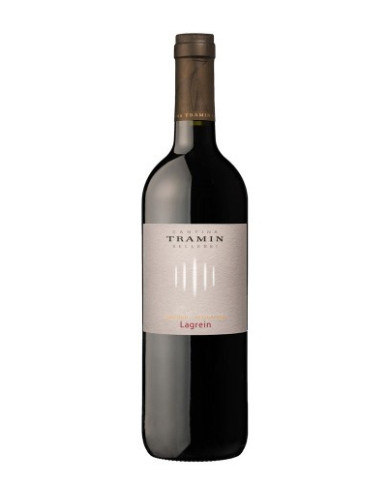
Perhaps the most important native vine of Alto Adige, lagrein leads to elegant and relaxed wines of great pleasure. Tramin's matures in oak barrels of various capacities and in cement tanks for at least 6 months. Perfect to accompany the elegant local gastronomy, it is always elegant and generous at the same time. A wine that cannot be missing from the table of a true enthusiast.
SKU:
14964
Brand:
Tenuta Iuzzolini
Tenuta Iuzzolini Rosso Classico Cirò 2021 DOC Tasting: Color – lively ruby red. Perfume – delicate, intense, straight and pleasant. Taste – warm, full, pleasantly vinous, balanced, savory and persistent.
€7.93
SKU:
14962
Brand:
Schenk Italia
Cultivated with the traditional sapling system, the Primitivo grapes are harvested manually and the must is fermented at a controlled temperature of 33°C for 25 days. Finally, we proceed to aging in barrique for at least 12 months. Intense red in color with violet reflections, the wine has a bouquet of ripe fruit with spicy notes. On the palate, thanks to the aging in barrels, it is soft and structured.
SKU:
14961
Brand:
SalvaTerra
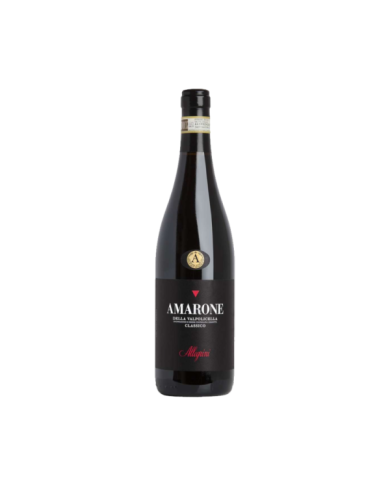
The Amarone Classico has kept its typicality unaltered by bringing out the "essence of the territory" of Valpolicella in an important way without exceeding the residual sugar. It is a product with personality and great structure but which also manages to communicate elegance and depth in tasting, as well as great complexity.
SKU:
14960
Brand:
Rupicapra
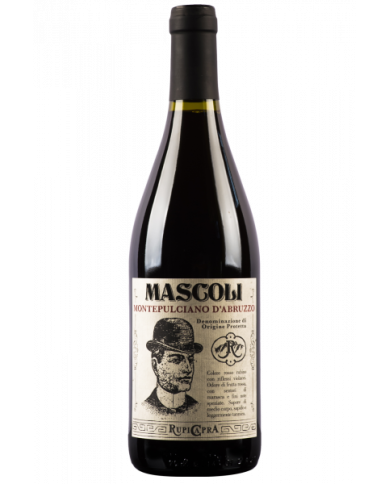
Cesarini Mascoli is a young and enterprising company located at the foot of the Gran Sasso where it enjoys particular climatic conditions that allow it to produce wines of great personality and aromatic expressiveness. Like Montepulciano d'Abruzzo, a traditional Abruzzo wine proposed here in a traditional and sincere version.
€9.55
SKU:
14959
Brand:
Rupicapra
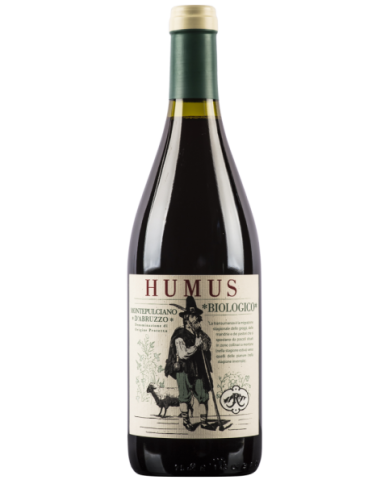
The word 'transhumance' derives from the verb 'transumare' or rather to transit on the ground, to cross: the verb is the union of the two Latin words 'trans', which means beyond, and 'humus' which means soil, land. In Italy this ancient custom originated mainly in Abruzzo where it consisted in transporting (precisely 'transhuming') animals from the mountains to the rich pastures of the Gargano and it is from this activity that probably the most famous wine takes its name and representative of Abruzzo, Montepulciano. Humus is a Montepulciano d'Abruzzo DOP from organic viticulture, a friend of the land and nature, the son of a philosophy that takes shape in every production step and which gives a wine of excellent quality.
€8.98
SKU:
14958
Brand:
Poggio Ameno
POGGIO AMENO, THE MORELLINO THAT ENJOYS THE SOUL
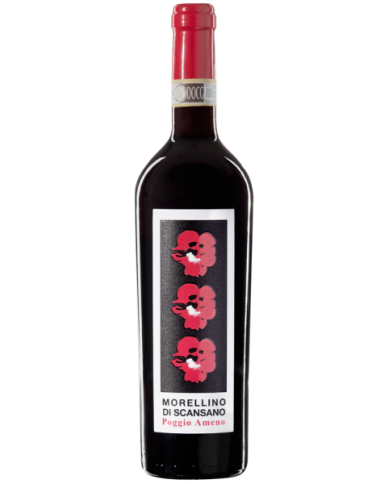
Between the Albegna and Ombrone rivers, in southern Tuscany, there is the municipality of Scansano, whose territory is the homeland of Morellino di Scansano, an area particularly suited to the breeding of Sangiovese thanks to the breezes coming from the Tyrrhenian Sea which mitigate the high temperatures summer. Wine with Denomination of Controlled and Guaranteed Origin since 2007 is obtained with at least 85% Sangiovese grapes harvested and vinified in the area of origin. Poggio Ameno owes its name to the hill on which it stands, in the Scansano area. In addition to Sangiovese, the Ciliegiolo and Alicante grapes enter its composition.
€11.82
SKU:
14957
Brand:
Poderi Luigi Einaudi
The Langhe Nebbiolo DOC of Poderi Luigi Einaudi is an elegant wine from young vineyards in the municipality of Neive, not far from Barbaresco.
€21.51
SKU:
14956
Brand:
Notte Rossa
Notte Rossa's Negroamaro is a fresh, fruity and generous red wine from the Salento area, vinified and aged in steel vats. With a velvety, rich and juicy sip, it expresses fragrant aromas of Mediterranean scrub, small dark berry fruits and light marine flavors
€6.86
SKU:
14955
Brand:
Masseria Spaccafico
Nero di Troia is a great classic of the Salento area. Masseria Spaccafico with the Passera Scopaiola celebrates and enhances this particular vine pearl of Salento. In tasting, Masseria Spaccafico's Nero di Troia Passera Scopaiola offers an intense ruby red color with purple reflections, an authoritative and decisive nose of figs and red fruits such as blackberries and blueberries with marked floral notes of violet and peony. On the palate this particular red wine has a marked softness that delicately caresses the palate while the marked minerality refreshes it, creating an absolutely perfect balance in the consumer's mouth.
SKU:
14954
Brand:
Masseria Ficarigna
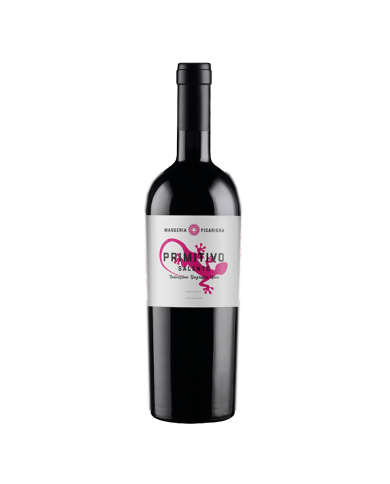
This Salento Primitivo from Masseria Ficarigna is an example of the qualitative excellence produced in the Salento region, of which the cellar is an ambassador. The name Ficarigna is the Salento translation of the prickly pear fruit which, together with the gecko, depicted on the label, are elements that symbolize Salento in the collective imagination.
After the manual harvest of the grapes harvested when fully ripe, fermentation takes place at a controlled temperature. The wine ages for 12 months in barriques before being bottled.
In the glass it has a deep ruby red color with purplish nuances. The nose recalls toasted and coffee sensations that form the background for hints of red berry fruit. On the palate it shows warmth and a round, enveloping and balanced taste.
It is recommended together with game and aged cheeses. Try it in combination with chestnuts.
€6.91
SKU:
14953
Brand:
Masseria Ficarigna
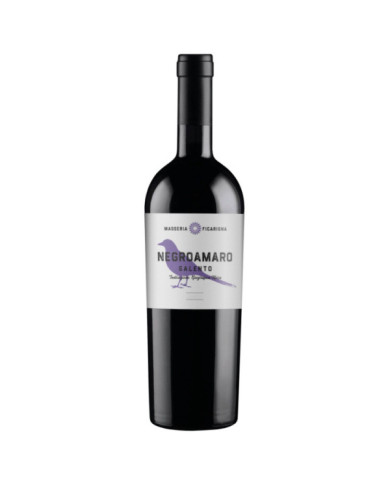
This Salento Negroamaro is produced from one of the most representative native vines of the Salento peninsula, of which Masseria Ficarigna is the spokesperson. Inspired by the symbolic prickly pear fruit, the label features a stylized image of a "pica", the Salento magpie, among the birds that contribute to the dispersion of seeds and the spread of this plant in the region.
The grapes are carefully picked by the cellar team and immediately transported to the cellar where a soft pressing and fermentation with maceration in steel for 15 days take place. The wine finishes its refinement with a passage in barriques for 8-10 months.
It is a red wine with a ruby hue. The nose is deep and orchestrated on rich red berried fruit notes. In the mouth it is intense, soft and balanced.
Excellent to combine with first courses of Mediterranean cuisine, as well as cured meats and medium-aged cheeses.
SKU:
14952
Brand:
Librandi
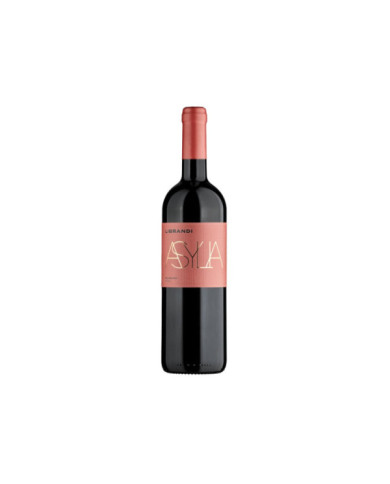
There are those who tell the story, tradition and passion with words; Cantina Librandi has chosen to do it through wine. In Cirò, a magnificent corner of Calabria, hard wines are born with a history behind them; it is here that Asylia is born, the freshest and most enjoyable interpretation of the typical Calabrian vines.
The harvest takes place at the end of September. The vinification is in thermo-conditioned steel, with delicate pressing of the grapes. The refinement is in steel, with a short stay in the bottle for a few months before being put on the market.
A wine that has an intense ruby red color in the glass. The olfactory sense is seduced by the enveloping scent of red-fleshed fruits that peep out one after the other; among these we find cherries, blueberries, blackberries and an orange aroma, which elegantly intersect with hints of eucalyptus and black pepper.
A drink that proves to be enveloping and well balanced on the palate from the first sip. An excellently drinkable red, with a tannin present but which in any case does not alter the balance of the sip which remains juicy and persistent until the end. A glass that at the table is excellent in combination with meat-based dishes and first courses with not too seasoned sauces.
€7.93
SKU:
14951
Brand:
Li Ciuri
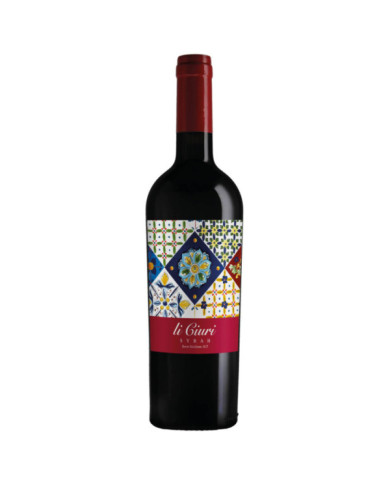
Syrah Li Ciuri is a wine that originates in Western Sicily, in the immediate vicinity of Trapani. Obtained from 100% Syrah grapes, the bunches are harvested strictly by hand in the third week of August. The grapes, which arrive in the cellar, are subjected to the destemming process and then lightly pressed. This is followed by maceration at a controlled temperature; once fermentation is complete, the wine rests in steel vats until bottling and completes its maturation in the bottle.
€8.53
SKU:
14950
Brand:
Li Ciuri
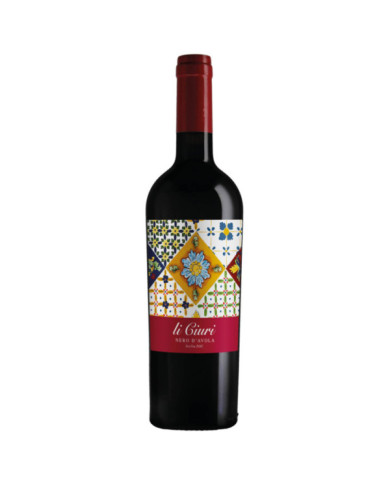
Nero d'Avola Li Ciuri is a wine that originates in Western Sicily, in the immediate vicinity of Trapani. The harvest of its grapes is strictly manual and is carried out in the first ten days of September. The grapes, which arrive in the cellar, are subjected to the destemming process and, subsequently, delicately pressed. This is followed by maceration at a controlled temperature and refinement, lasting 3 months, in the bottle.
€11.54
SKU:
14949
Brand:
Li Ciuri
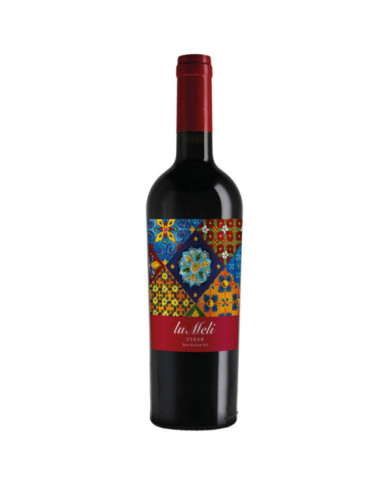
Obtained from Syrah grapes, the bunches are harvested strictly by hand in the third week of August. The grapes, which arrive in the cellar, are subjected to the destemming process and then lightly pressed. This is followed by maceration at a controlled temperature; once the fermentation is complete, the wine stays in steel vats until bottling and completes its maturation in the bottle.
€13.20
SKU:
14948
Brand:
La Pugliosa
dark ruby red, the nose reveals hints of blueberry, black currant, aromatic herbs and undergrowth, with sweeter nuances from vanilla to cloves. The sip is vigorous but soft, leaving the perception of black cherry jam, freshness and flavor.
€45.99
SKU:
14947
Brand:
La Bollina
We can't get enough of the primitive that Bollina produces in Italy. This one has an insane 98 points from Luca Maroni and comes from Manduria, a small region in the heel of the boot known for variety. The fruit is harvested by hand and made a little late to increase concentration, potency and wealth. There's blackberry, cherry and plum with a backbone of tobacco, mocha and cocoa. This is not wine for the faint of heart, but rather for those who want something thick and dark in their glass.
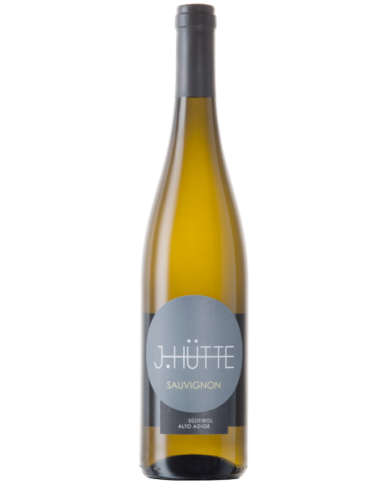
SKU:
14946
Brand:
J.Hütte
The result of a merger, which took place in 2001, between the Cantina Produttori Santa Maddalena and the Cantina Produttori Gries, this kaleidoscopic winery offers an incredible range, complete in the multiplicity of products and refined in the interpretation of the territory. The quality standard is truly impressive and does not fail to satisfy any palate, even the most demanding one, with the right attention to both native and international vines. A splendid example of quality is this Sauvignon, a semi-aromatic vine, characterized by a great variety of aromas, here incredibly enhanced by the warm, sandy soils and the breezy climate, which constitute the ideal terroir for a great wine.
€17.91
SKU:
14945
Brand:
J.Hütte
With a rich range of labels with attention to the smallest details, the J.Hütte winery, in the province of Bolzano, has managed in a short time to reach a substantial production volume of out of the ordinary quality, which sees the coexistence of native grapes of the area, such as Moscato Giallo , Lagrein and Gewürztraminer with the international Chardonnay, Pinot Noir and Sauvignon. A mix of sandy and morainic soils, accentuated temperature variations and the support of the Bolzano winery combine to create measured and incisive wines, elegant and refined as only South Tyroleans can be.
€12.86
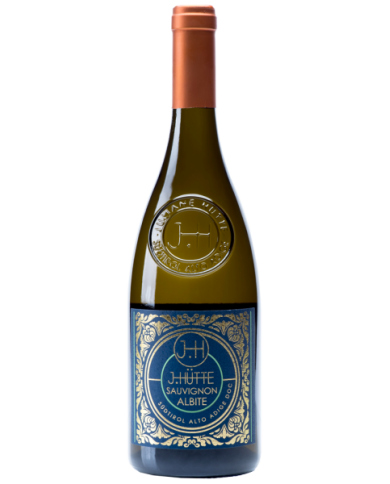
SKU:
14944
Brand:
J.Hütte
Rich in sodium, albite is a typical mineral of the Alps, in particular of Valle d'Aosta, Piedmont and Alto Adige, where it finds the ideal subsoil for its development, proving to be a faithful ally for the vine. This Sauvignon is proof of this, presenting itself as the perfect synthesis between territory, climate and grape variety, thanks to its typicality which, in combination with albite, gives life to an authentic, complex and characterful label, capable of perfectly combining, to the gentleness of citrus and floral tones, an important structure and a strong minerality.
€25.47
SKU:
14943
Brand:
Inessa
€11.90
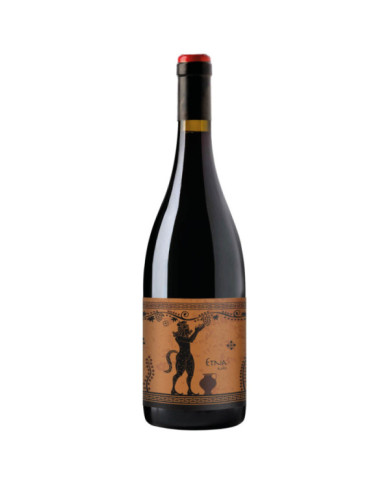
Etna Rosso Inessa comes from terraced vineyards of Castiglione di Sicilia located between 650 and 700 meters above sea level. It underlines the link between the autochthonous Nerello Mascalese vine and the Etna area, with its fertile soils of volcanic origin and a microclimate characterized by a good temperature range between day and night.
€11.90
SKU:
14942
Brand:
Funaro
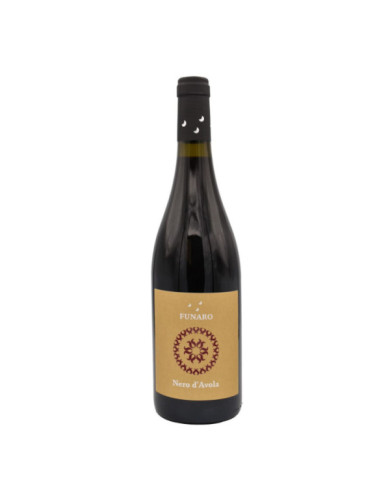
It is vinified in purity from one of the most renowned Sicilian vines, using grapes coming exclusively from the company estates, conducted according to the most modern organic farming techniques. Ruby red in color with violet reflections, it has intense aromas of red fruit, cherries and blackberries. In the mouth it is rich, with a typical acidity, which gives a good persistence of taste and smell. Full-bodied wine with character, which releases the strength and warmth of the land of Sicily, perfect for a grilled meat with friends.
€11.59
SKU:
14941
Brand:
Fattoria San Francesco
Cirò Rosso Classico DOC This wine is the valuable result of a careful selection of grapes of the Gaglioppo variety alone, the most important native vine of Calabria, coming from the hilly lands of the farm. It is vinified in the traditional way with prolonged maceration.
€7.93
SKU:
14940
Brand:
Fattoria dell’Agresto
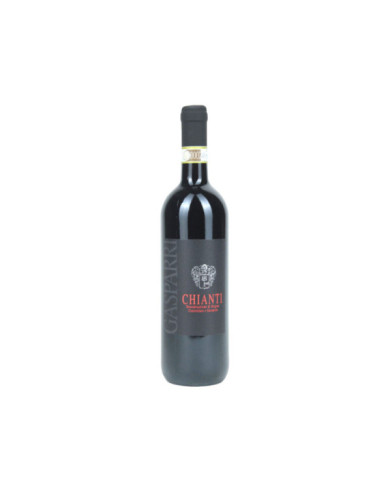
Among the green hills of Chianti, the Gasparri family has been producing wine for three generations in its Fattoria dell'Agresto, always trying to enhance the typicality of the prince of Tuscan vine, Sangiovese. The property covers approximately 220ha of land, including vineyards and olive trees. 80% Sangiovese, 10% Colorino, 10% Canaiolo. Fermented in steel with 10-12 day maceration. After the malolactic fermentation, it ages in steel for several months before bottling.
€8.53
SKU:
14939
Brand:
Fattoria del Cerro
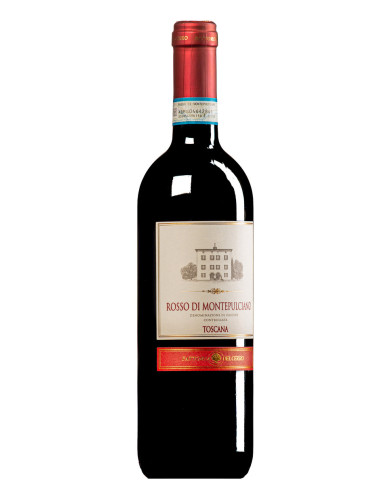
Rosso di Montepulciano DOC the taste is well balanced, elegant and has a slight initial tannic note. Ideal served at 18° C in medium-sized glasses. Excellent combined with appetizers, first courses with meat sauces, stuffed pasta, grilled or casserole red meat main courses
€9.55
SKU:
14938
Brand:
Fattori dei Barbi
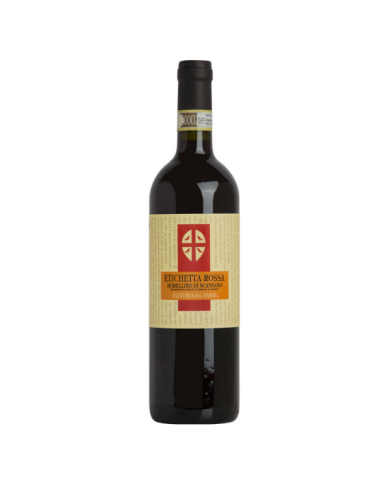
Fattoria dei Barbi's Morellino di Scansano "Red Label" is a red with an agile and refreshing drink, to be enjoyed at its best in its youth.
€12.91
SKU:
14937
Brand:
Duca di Saragnano
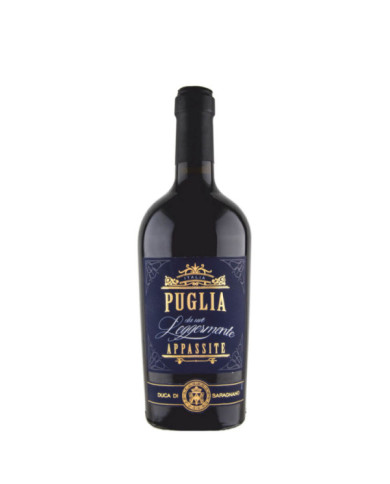
This wine is a blend of native Apulian red berried grapes that undergo a slight withering on the plant in order to give greater softness and complexity to the final product. It has an intense ruby red color with delicate purple reflections.
SKU:
14936
Brand:
Cincinnato
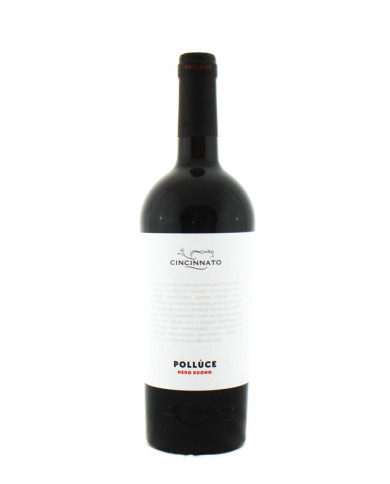
Intense ruby red color, the nose releases an intense aroma of flowers and low red fruit with a reference to the fragrant note. Delicate, harmonic flavor with an elegant complexity. Excellent throughout the meal, it enhances the characteristics with dishes with a strong taste.
€9.55
SKU:
14935
Brand:
Ceretto
Sweet white wine, it is the dessert wine par excellence. It has a more or less intense straw yellow color depending on the vintage, an intense, aromatic and very persistent fruity aroma. The sweet taste is in harmonious balance with the low alcohol content (5% vol.) and with the acidity, never very high, but which gives the product a pleasant freshness. PAIRINGS: fresh fruit (peaches, strawberries, berries…) panna cotta cream-based desserts.
SKU:
14934
Brand:
Castello Monaci
Pilùna is a monovarietal of Primitivo. We are a few kilometers outside the primitive DOC of Manduria, therefore Pilùna falls within the disciplinary of the IGT Salento. The primitive name derives from "first native" as it is the first red berried variety to be ready for harvest. The name Pilùna indicates the ancient tuffaceous containers in which oil and wine were kept.
€11.54
SKU:
14932
Brand:
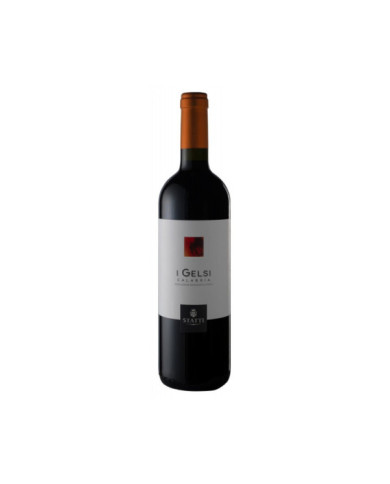
Cantine Statti
Beautiful shiny and ruby dress. Nose that expresses itself on very intense notes of ripe red fruit and small red fruit jam, followed by notes of fresh flowers, vegetable, mineral and mentholated hints. It surprises me a lot for the balance, it has a good body and has a surprising and pleasant balanced drink. Long enough to be drunk without worries until the last drop. Are you looking for a wine for every day? It might suit you.
SKU:
14931
Brand:
Cantine Fina
A very successful blend of Traminer Aromatico and Sauvignon Blanc for this Sicilian white wine.
The grapes are harvested in September and fermented in stainless steel tanks; after racking, the wine spends at least 3 months in the bottle before being marketed.
Goblet with a beautiful straw yellow color with golden reflections.
Fine nose, characterized by notes of candied citrus fruits, yellow flowers, ripe fruit and sweet spices.
The palate is rich, with floral and fruity references and a long persistence.
SKU:
14930
Brand:
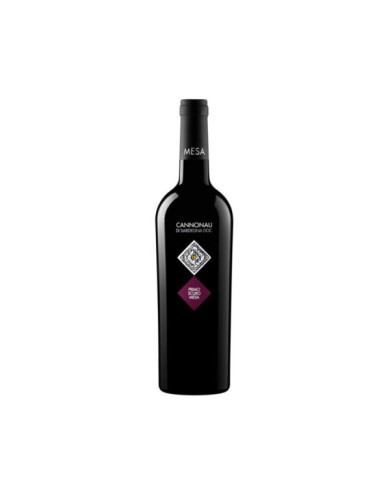
Cantina Mesa
The Cannonau di Sardegna DOC "Primo Scuro" of the Mesa company was born in the Sulcis area, in the south-west end of Sardinia. Aged on the noble lees for at least six months, it then matures for another two in the bottle and boasts a satisfying intensity on the nose as well as a harmonious and well-structured body. Pleasant to the sip like few others.
€9.55
SKU:
14929
Brand:
Cantina di Verona
The grapes are dried for at least 4 months from the harvest, losing at least 40% of their weight. Fermentation temperature between 18° and 22° C. Maceration time: 20 days
SKU:
14928
Brand:
Cantina del Mandrolisai
Vermentino di Sardegna DOC Omphalos from Cantina del Mandrolisai is a still white wine obtained from Vermentino grapes from the Mandrolisai area.
This fresh and fruity white wine recalls an unexpected Sardinia, a paradise surrounded by the mysterious halo and the great charm of the lost city of Atlantis.
SKU:
14927
Brand:
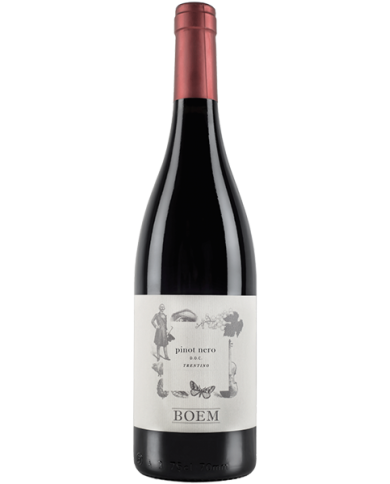
Cantina Boem
Pinot Noir is a vine that represents a challenge for agronomists and oenologists due to its delicacy, its need for a suitable microclimate and the difficulty of having a constant production. However, when its needs are satisfied, excellent wines are obtained which are very pleasant to drink. Like Boem's Pinot Noir. Its grapes are harvested by hand in the last week of September and vinified in steel tanks at a controlled temperature. The wine thus obtained is aged in French oak barriques for six months before being bottled. Wine of great elegance, full-bodied and expressive.
SKU:
14926
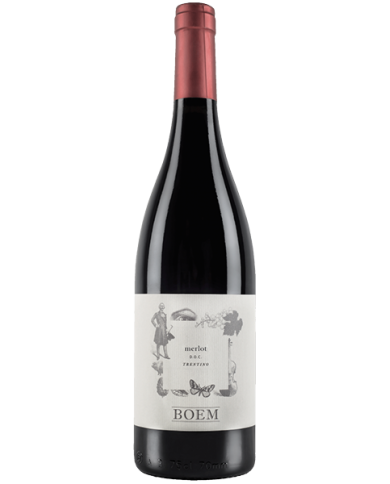
Brand:
Cantina Boem
Merlot is one of the best known and most appreciated vines in the world. From its grapes are produced wines with a soft and velvety organoleptic profile that meets the favors of a worldwide audience since it is cultivated in all five continents. Merlot grapes give their contribution in the blends by bringing roundness and drinkability to wines that are too angular but they can also be vinified alone like this beautiful example of Boem, obtained from hilly vineyards rich in alluvial debris. Their grapes are harvested by hand in the first week of October and vinified in vitrified cement tanks, where they remain on their lees for six months.
Color of a beautiful ruby red. The nose shows hints of cherry and raspberry, rose petals and a slight sweet spice. On the palate it is soft and warm, with light tannins that close the circle of balance. Adequate finish with notes of pink pepper.
Ideal on chicken with peppers but also with pork ribs in barbecue sauce.
SKU:
14925
Brand:
Cantina Boem
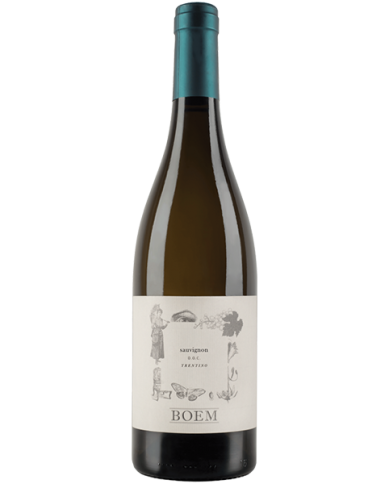
Trentino DOC Sauvignon Boem is a wine with a classic and elegant style. Produced from the grapes of the same name, among the most widespread and interpreted in the world, Trentino Doc Sauvignon 2019 Boem grows on hilly terrain at about 400 meters above sea level. The scents of the forest, the notes of citrus and elderflower, the greenish reflections are some of the characteristics of this great mountain land that the Trentino DOC Sauvignon Boem stores in every bottle and offers in every sip which always ends with a long finish and intense.
SKU:
14924
Brand:
Campoverde
Ideal pairing with first courses based on meat and fresh cheeses.
To produce this organic wine there was no emission of harmful gases for the environment and humans.
Our supply chain is totally powered by green energy produced on the farm, saving 3,362 tons of carbon dioxide a year.
The label paper comes from forests managed according to strict environmental standards.
SKU:
14923
Brand:
Campo al Faro
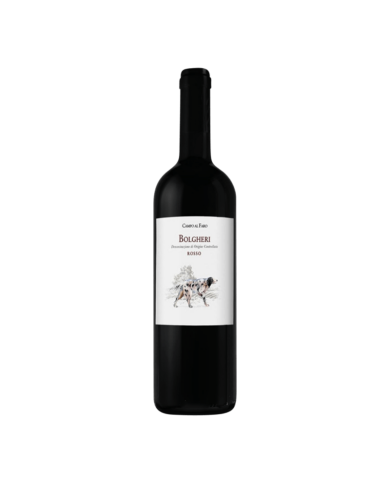
The Bolgheri Superiore di Campo al Faro was born in Castagneto Carducci, in the heart of the magical Bolgheri terroir. The Cabernet Sauvignon and Merlot grapes that make up the blend are hand selected. Fermentation takes place in steel tanks with temperature control and long maceration on the skins.
SKU:
14922
Brand:
Borgo Magredo
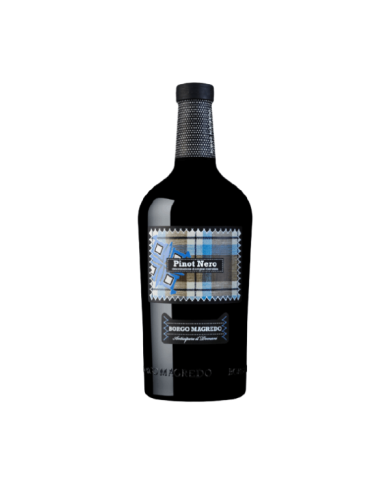
The Pinot Noir of Borgo Magredo comes from grapes harvested around the first week of September. Once in the cellar, they are destemmed and the skins remain in contact with the must for 5 days before being pressed. Fermentation takes place in steel containers kept at a controlled temperature. Part of the wine completes the malolactic fermentation in barrique and is then blended with the wine which is aged in steel. This is followed by bottling and rest in glass for at least two months.
€12.00
SKU:
14921
Brand:
Bodegas Mitos
€8.25
€6.60
A selection of organic Chardonnay grapes undergo alcoholic fermentation at low temperatures in stainless steel tanks. Subsequently the wine is bottled clean and the fermentation in the bottle ends. The sediments that can be found inside the bottle are the yeasts that have finished fermentation. From there we get this fresh, aromatic wine with carbonic notes.
€8.25
€6.60
SKU:
14920
Brand:
Bodegas Mitos
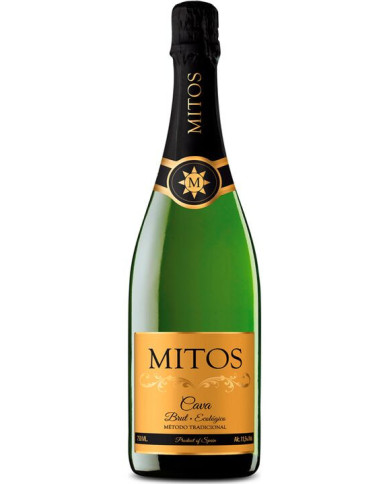
From a very elegant and fine cut, following a traditional production process which ends with an aging on the lees for 15 months, this organic Cava Brut is born, which combines craftsmanship and technology. Color: intense golden color with green hues. Perfume: Tropical fruit and citrus notes stand out on a very elegant pastry base. Palate: Round, easy to drink thanks to its fine bubbles, with a long taste that with a long taste recalls ripe fruit and fresh pastries.
€8.41
SKU:
14919
Brand:
Blumenfeld
Blumenfeld's Pinot Noir is a typical red wine from Alto Adige, which comes from the warm and well-ventilated soils surrounding the municipality of Bolzano.
The grape harvest takes place in September. The vinification takes place in steel at a controlled temperature, followed by a short maturation in oak barrels.
The color is ruby red. It opens on the nose with fruity aromas of cherry, plum and raspberry that intertwine with refined notes of licorice and violet. The palate is velvety and elegant, medium structured, characterized by good tannins.
To be savored in the company of beef and game birds, it is appreciated with medium-aged cheeses.
€14.91
SKU:
14918
Brand:
Bastioni della Rocca
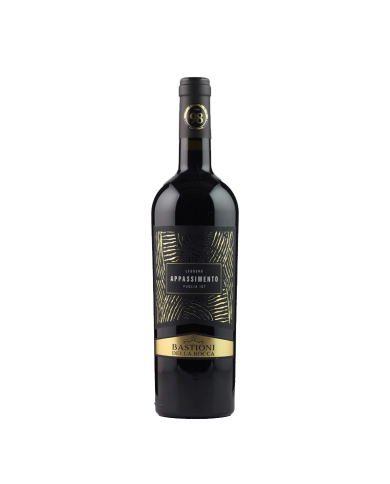
Here's a big, bold red from Puglia in southern Italy and is made from a blend of the two most popular red grapes there, Negroamaro makes up 80% with Primitivo 20%. Powerful dark fruit flavors are held together in a smooth, full-bodied red wine with soft tannins and a lingering depth of flavor on the finish, thanks to the Italian appassimento winemaking technique, which involves adding a portion of dried grapes to the ferment to create richness of flavor and concentration.
SKU:
14917
Brand:
Baroni Capoano
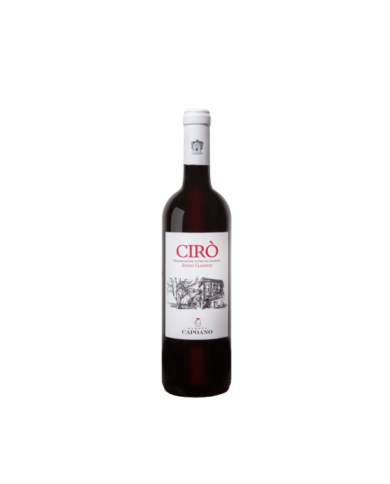
Cirò Classic Red. It is a wine made from black berried grapes. Of Greek origin, it thrives in dry climates and reaches high sugar levels, giving rise to robust wines.
€7.02
SKU:
14916
Brand:
Artico
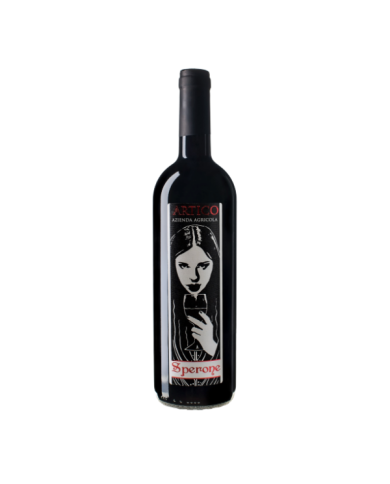
Sperone was our first wine produced in 2012; it is a blend of merlot, cabernet sauvignon and montepulciano which expresses the great varietal expression of the grapes, leaving plenty of room for the terroir.
The grapes, harvested when fully ripe, are destemmed and fermented at 27' degrees, after which they undergo a 21-day post-fermentation maceration with submerged cap.
Subsequently the racking and a soft pressing are carried out. A part of the wine is then aged in steel and another in used tonneau.
€19.54
SKU:
14915
Brand:
Abbazia di Novacella
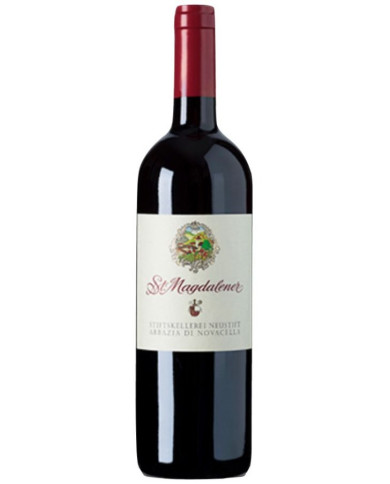
St. Magdalener Sudtirol Kofleitnhof Doc 2019 - Novacella Abbey
Grapes: Schiava 100% It is the most full-bodied of the Schiava grape wines, with a brilliant ruby red colour; as it ages it takes on brick-like reflections. Floral and fruity; hints of cherries and violets. Harmonious and velvety, with a slight aftertaste of bitter almonds. It goes well with game first courses, white meats with light seasonings.
€11.90
€8.24
SKU:
14912
Brand:
Maculan
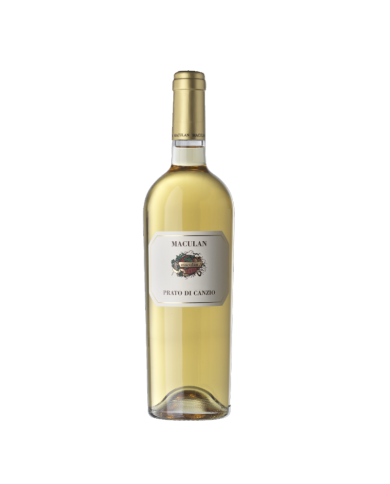
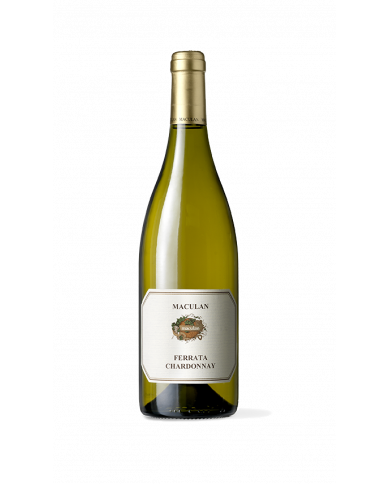
The historic white wine of Maculan is reborn, where three grape varieties are blended in steel tanks in spring and then rest together for at least a year in the bottle. Excellent with vegetarian first courses, fish soups, pasta and risotto, baked and grilled fish. It can be "forgotten" in the cellar for about ten years!
€28.39
SKU:
14911
Brand:
Maculan
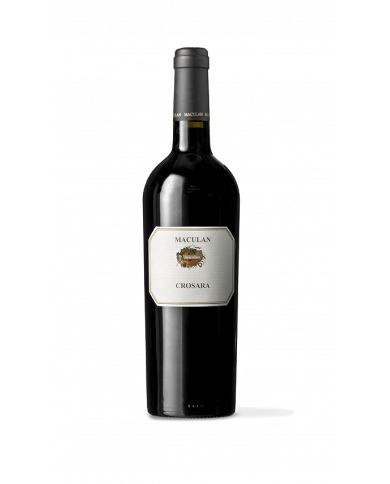
The combination we suggest is a goose foie gras escalope, but perfection is achieved in a glass, in front of the fireplace in good company!
€49.96
SKU:
14906
Brand:
Maculan
Excellent pairing with game dishes, grilled meats, braised meats and long-aged cheeses.
€87.23
SKU:
14905
Brand:
Maculan
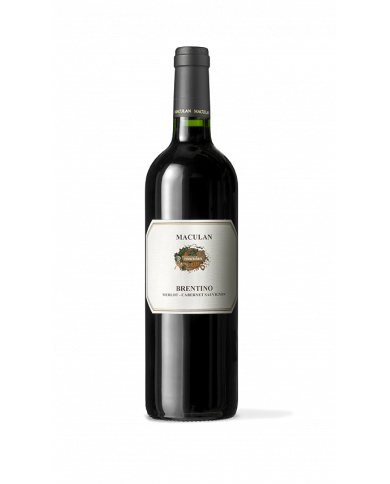
It goes well with first courses with game sauces, roasts and grilled red meat.
€13.48
SKU:
14904
Brand:
Maculan
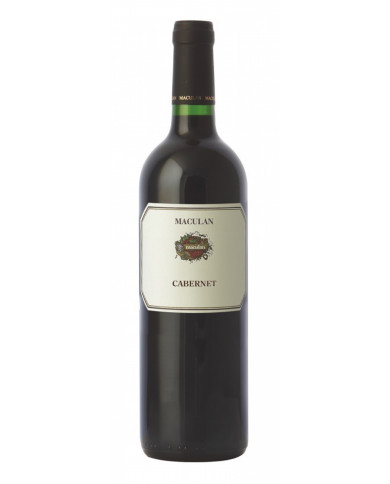
It goes well with first courses with meat-based sauces, roasts and grilled white meat.
€9.77
SKU:
14903
Brand:
Maculan
€21.41
€17.13
It is suitable for savory dishes, be they soups or fish, but also goes well with white meats.
€21.41
€17.13
SKU:
14900
Brand:
PODERE MATTIOLI
Around the 12th century, an ancient villa known as “il castellare de Ylice” stood near our cellar. The name was probably due to the Latin term ilex (holm oak), a particular variety of oak very common in our area. To date, no trace has remained of this historic villa, but the passion and respect we have for our territory has prompted us to pass on the name of that ancient presence.
€33.86
SKU:
14899
Brand:
VITO CURATOLO ARINI
The most famous among the native Sicilians. Intense ruby red in colour, the nose has notes of violets, cherries, plums and white pepper. On the palate it is medium-bodied, with soft tannins and delicate red fruits.
€11.58
SKU:
14898
Brand:
VITO CURATOLO ARINI
The only international variety among Curatolo Arini wines finds one of its maximum expressions in Sicily. Intense ruby red color with violet reflections, the nose offers notes of red fruits, plums, spices, black pepper and vanilla.
€10.94
€20.25
SKU:
14896
Brand:
Conti Zecca
Salice Salentino DOP Cantalupi is produced with Negroamaro and Malvasia nera di Lecce grapes from spurred cordon cultivated vines on alluvial soils, medium texture with areas tending towards limestone. The harvest takes place by destemming and soft pressing. Fermentation in stainless steel tanks at controlled temperature. Maceration for 12 days at a temperature of 28-30°C. Aging for at least 12 months in hl oak barrels. 30.
€9.76
SKU:
14895
Brand:
Battibecco
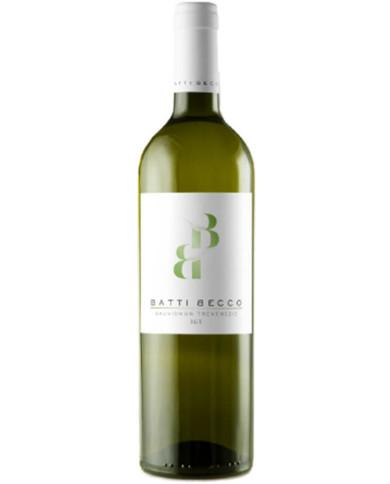
Magnificent Chardonnay, with a beautiful hint of fresh fruit, between lemon and grapefruit. Bright straw yellow and defined flavors typical of Chardonnay.
Excellent pairing with fresh and light dishes, but also with first courses
€7.44
SKU:
14894
Brand:
Battibecco
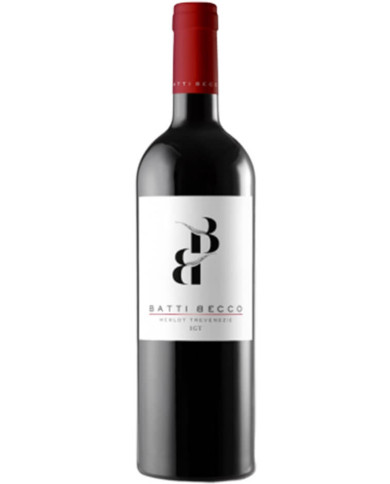
Pure Cabernet Franc. Splendid still red wine, with delicate aromas and flavours, suitable for both rich and lighter dishes. Magnificent and balanced sip, fresh and fruity, amalgamated in a splendid purple red.
SKU:
14893
Brand:
Battibecco
Pure Merlot. Divine table red, splendid even in a relaxing evening.
Flavors of ripe fruit, between plums and red fruits, with an excellent acidity on the palate, make it a wine of great balance without too much amalgamation on the palate. Fantastic with cured meats and cold cuts of all kinds, but also with great evening barbecues.
€7.20
SKU:
14892
Brand:
I Tini
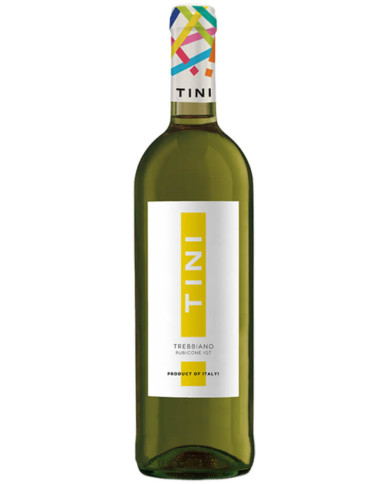
Straw yellow with greenish reflections, pure Trebbiano from Romagna.
Fresh and fragrant, suitable for any meal, especially fresh and first courses.
€6.47
SKU:
14891
Brand:
Battibecco
Fantastic fresh and fragrant Sauvignon Blanc in a straw yellow color enveloping fruity and elegant notes.
Excellent pairing with fresh and light dishes, but also with first courses.
€7.69
€10.47
€10.49
SKU:
14888
Brand:
Cascina del Colle
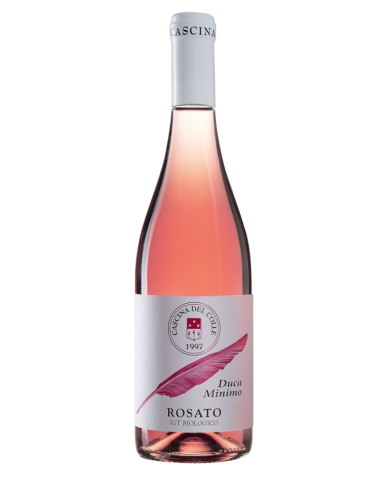
Why Duke Minimus To the poet Gabriele D'Annunzio, born in Abruzzo, who liked to refer to the "Duke Minimo"
SKU:
14887
Brand:
Cascina del Colle
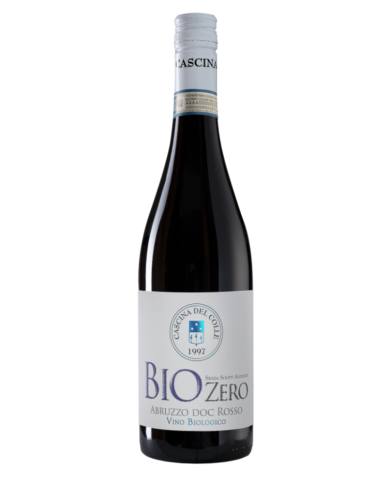
Bio Zero Rosso Cascina del Colle has a dark red color tending towards purple. The nose recalls notes of fresh and crunchy red fruit, but a vague volatile and vegetable imprint is drawn on the base. Slightly tannic and not very persistent
€9.03
SKU:
14886
Brand:
Cascina del Colle
Why Alas
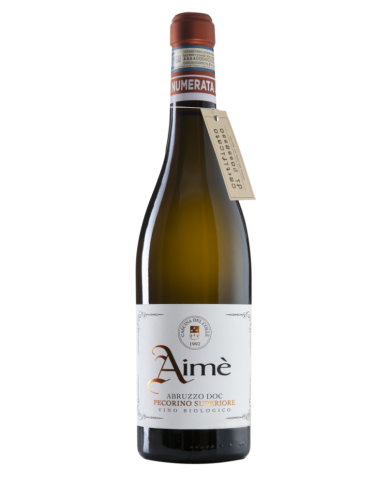
Invented name associated with the French term "beloved", as something of a favourite
€14.76
SKU:
14885
Brand:
Cascina del Colle
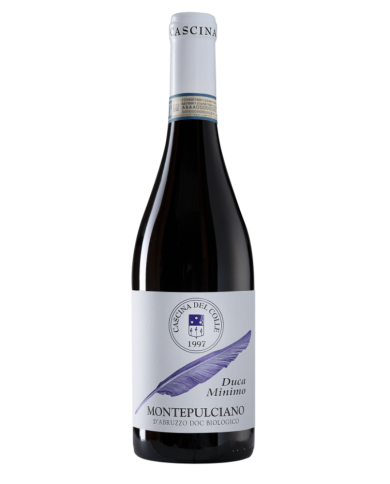
Why Duke Minimus To the poet Gabriele D'Annunzio, born in Abruzzo, who liked to refer to the "Duke Minimo"
€8.05
SKU:
14884
Brand:
Cascina del Colle
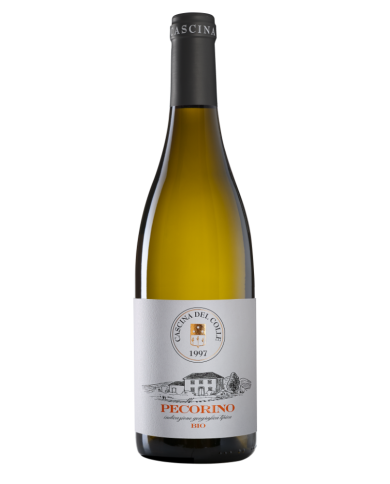
Pecorino di Cascina del Colle is a juicy white wine from Abruzzo with a citrus freshness that presents itself to the eye with a straw color furrowed by green reflections. It has a scent of lemon peel, green apple and wild flowers and maintains an excellent flavor on the palate.
€6.47
SKU:
14883
Brand:
Cascina del Colle
Pecorino di Cascina del Colle is a juicy white wine from Abruzzo with a citrus freshness that presents itself to the eye with a straw color furrowed by green reflections. It has a scent of lemon peel, green apple and wild flowers and maintains an excellent flavor on the palate.
€10.78
SKU:
14882
Brand:
Cascina del Colle
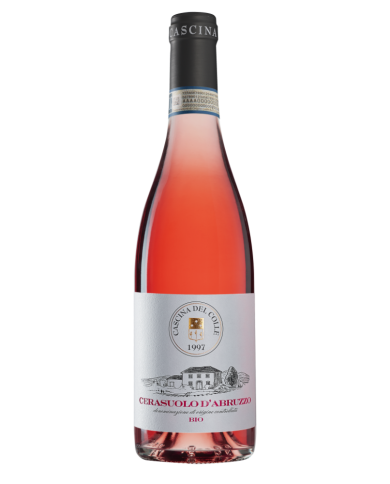
Cascina del Colle 's Cerasuolo d'Abruzzo comes from 100% Montepulciano grapes grown organically in the Chieti hills, vinified in rosé, thanks to contact with the skins for a few days; followed by aging in steel for 3 months. Characteristics of this Cerasuolo d'Abruzzo DOC BIO Bright pink colour. Delicate fresh, savory and harmonious. Recommended pairings while tasting this product from the Cascina del Colle winery Perfect with vegetable-based dishes. Serve at a temperature of 10°C in a not very wide glass.
€10.74
SKU:
14881
Brand:
Cascina del Colle
Why Duke Minimus To the poet Gabriele D'Annunzio, born in Abruzzo, who liked to refer to the "Duke Minimo"
SKU:
14880
Brand:
Cascina del Colle
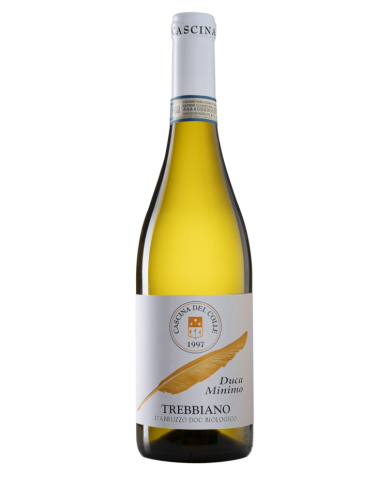
Ducaminimo Trebbiano d'Abruzzo DOC Cascina del Colle , its straw yellow color to the eye, the scent recalls pleasant floral and fruity notes of apple and pear. On the palate it is fresh and characterized by fruity returns, resulting in a highly drinkable wine.
€5.23
€4.19
SKU:
14878
Brand:
Cascina del Colle
From the archaeological discovery of a mammoth tusk in the second half of the 60s at the point where the current company "La Cascina del Colle " was built. Hence the idea of a lively, powerful and majestic wine
€44.15
SKU:
14877
Brand:
Cascina del Colle
Trebbiano d'Abruzzo DOC 'Duca Minimo' from the La Cascina del Colle winery is an organic white wine with a pale straw yellow colour. The nose is delicate with hints of white flowers, citrus and winter melon. In the mouth it is fresh, sapid with a good final minerality. As for the Montepulciano red version, the origin of the name for this label also recalls how the Abruzzese poet D'Annunzio liked to call himself, or rather the 'Duke Minimo'.
€8.05
SKU:
14876
Brand:
Cascina del Colle
Invasione Riserva Villamagna Cascina del Colle , ruby red. On the nose hints of red fruit and aromas of jam. Round and balanced on the palate, pleasantly tannic.
€32.21
SKU:
14875
Brand:
Cascina del Colle
Pale straw yellow
Fresh notes of green apple, white flowers and citrus scents on the nose
On the palate it is sapid, fresh, balanced, refreshing, with a white fruit finish
Without added sulfites
€8.41
€7.14
SKU:
14874
Brand:
Cascina del Colle
The vineyards of Cascina del Colle extend over 20 hectares and are also present in the municipalities of Bucchianico, Ripa Teatina and Vacri. The exceptional ecosystem of these places, a microclimate in which there are severe temperature variations between day and night, and the particular composition of the soil, between clayey components which bring softness and longevity and limestone-marble which give intense and varied aromas, allows to produce wonderful grapes which, combined with love for the land, respect for tradition and peasant work, but also the company's ability to innovate and evolve over time, are the essence and the reason why the wines of Cascina del Colle are appreciated for their extraordinary nature.
€8.05
SKU:
14873
Brand:
Cantina Orsogna
The only organic wine certified for biodiversity in Abruzzo. The winery selects the yeasts on pollen from the local flora. The bee collects the nectar of the flowers and, to preserve it, uses lactic ferments and yeasts, a practice that is a million years old. From this pollen the yeasts are selected for the fermentation of this wine. Ideal with raw and fried fish, risottos and medium-aged cheeses.
€9.85
€7.88
SKU:
14872
Brand:
Fontefico
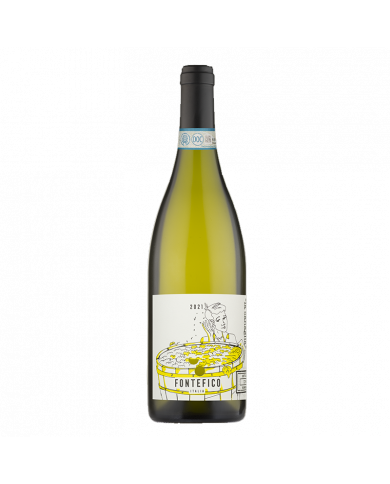
This superior pecorino comes from the white vineyard, a spiteful vineyard because, despite our attentions, it has very low yields, as if it wanted to avoid the effort of producing more grapes. But then he is forgiven by giving us a unique, fresh and voluminous wine, which you will never tire of drinking. It is the "rogue" of Fontefico.
SKU:
14871
Brand:
Cantina Ricchi
Characterized by its ampelographic composition, that is to say for the vines allowed for its production, delicate pleasant almost crunchy in its pleasantness to drink.
€8.72
€6.98
SKU:
14870
Brand:
Cantina Ricchi
Luminous harmonies made of delicate intensity and elegant shades with rosy shades make it the wine of the long tradition of our hills.
€8.72
€6.98
€40.26
SKU:
14867
Brand:
Vaddinelli
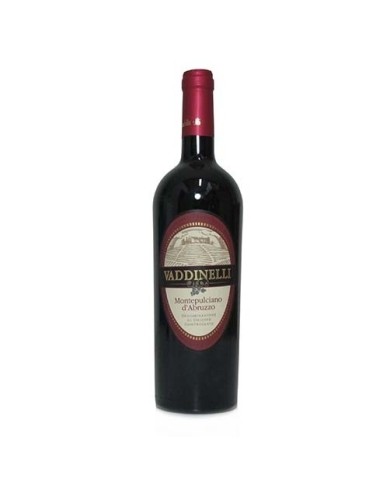
Ruby red in the glass, with garnet hints. On the nose it is rich in references to overripe red fruit, which is followed by spicy hints and ethereal nuances. The taste is balanced and full-bodied, characterized by a good persistence and a fruity finish again.
To combine with the second courses of the land cuisine, it is excellent with roast rabbit.
€10.13
SKU:
14855
Brand:
Apollonio
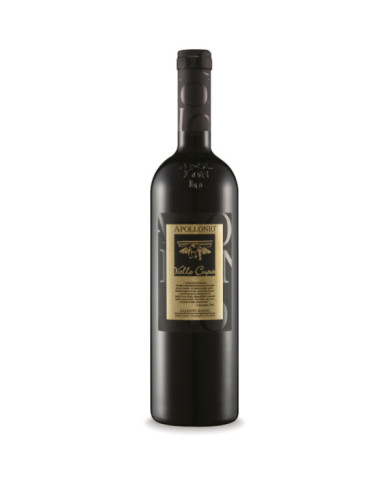
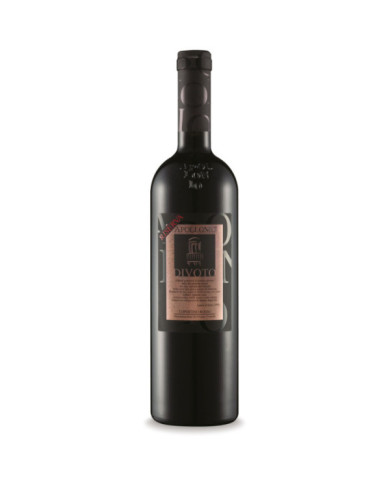
Sweet and full-bodied, balanced, with a pleasant acid note and robust tannins. A persistent finish enhances the return of the rich aromatic bouquet already perceived on the nose.
€0.00
SKU:
14854
Brand:
Cantine Carpentiere
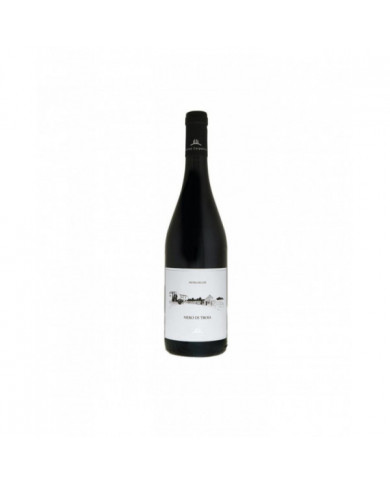
Ancient construction in dry stone, the Jazzo defended the herds and shepherds from the nocturnal attack of the wolves, preventing the climbing over of the fences with its overhanging stones, called Stones of the Wolves or Paralupi. Still today an intact Jazzo watches over the vineyards from which we have selected Pietra dei Lupi, obtained from the vinification of 100% Uva di Troia. A wine of great elegance and freshness, its tannins refine in 7.5 HL Slavonian oak tonneaux.
€11.90
SKU:
14850
Brand:
Apollonio
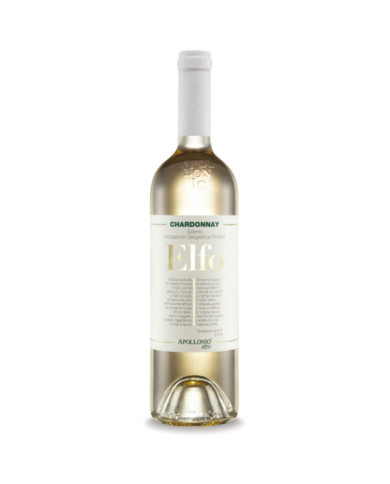
Thanks to its excellent adaptability, Chardonnay is one of the most widespread white grape varieties in the world. Cultivated in all climatic conditions and in all areas, on clayey-calcareous soils and with a temperate, warm and windy climate, it ensures great results.
€7.30
SKU:
14849
Brand:
Apollonio
€7.30
€6.20
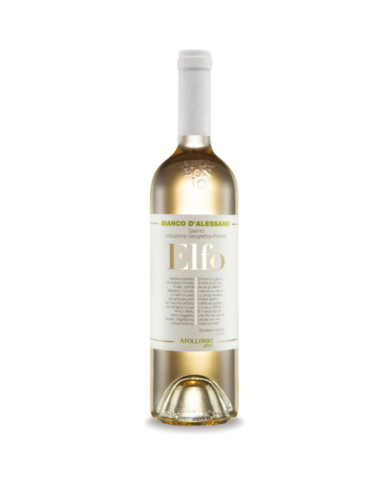
Salento is identified by three climatic elements: the sun, creator of generous sugar levels, the sea, responsible for the minerality of the wines, and the wind which makes this territory naturally free from diseases and particularly suitable for the production of "natural" wines. Characterized by extensive flat areas and modest hills, Salento is geologically made up of a medium-textured limestone structure.
€7.30
€6.20
SKU:
14848
Brand:
Apollonio
Susumaniello, an autochthonous black grape variety from Puglia, grown in Salento. Its name recalls, in the Apulian dialect, the name of the "somarello" indicating the high productivity of the plant loaded with bunches "like a donkey". After the first decade of life of the vineyard, the bunch is unloaded of grapes and the production loses in quantity but improves in quality, producing wines of great expression.
€7.82
SKU:
14847
Brand:
Apollonio
Autochthonous of Puglia, it is the main black grape variety of Salento. Its origins are very ancient (VIII century AC ), it probably owes its name to the terms “niger” (Latin) and “mavros” (Greek) which both mean black. The great versatility makes it suitable for all types of winemaking
€7.82
SKU:
14846
Brand:
Apollonio
Susumaniello, an autochthonous black grape variety from Puglia, grown in Salento. Its name recalls, in the Apulian dialect, the name of the "somarello" indicating the high productivity of the plant loaded with bunches "like a donkey". After the first decade of life of the vineyard, the bunch is unloaded of grapes and the production loses in quantity but improves in quality, producing wines of great expression.
€7.82
€7.04
SKU:
14845
Brand:
Apollonio
Negroamaro, native to Puglia, is the main black grape variety of Salento. Its origins are very ancient (VIII century AC ), it probably owes its name to the terms “niger” (Latin) and “mavros” (Greek) which both mean black. The great versatility makes it suitable for all types of wines.
€7.82
€7.04
SKU:
14844
Brand:
Apollonio
Primitivo, a native black grape variety of Puglia. It owes its name to the characteristic vegetative phases of the plant, all early, from maturation to budding, from flowering to veraison, from which the old name of "Primaticcio" derives.
€7.82
€7.04
SKU:
14843
Brand:
Apollonio
€9.04
€8.14
Verdeca is a native white grape variety of Puglia, with greenish hues that suggest its name. Elegant, mineral and very vigorous.
€9.04
€8.14
SKU:
14842
Brand:
Apollonio
Susumaniello, an autochthonous black grape variety from Puglia, grown in Salento. Its name recalls, in the Apulian dialect, the name of the "somarello" indicating the ancient tradition of raising the productivity of the plant by loading it with bunches "like a donkey". After the first decade of life of the vineyard, the bunch is unloaded of grapes and the production loses in quantity but improves in quality, producing wines of great expression.
€10.31
€8.76
SKU:
14838
Brand:
Apollonio
Negroamaro, native to Puglia, is the main black grape variety of Salento. Its origins are very ancient (VIII century AC ), it probably owes its name to the terms “niger” (Latin) and “mavros” (Greek) which both mean black. The great versatility makes it suitable for all types of winemaking.
€10.31
SKU:
14836
Brand:
Apollonio
Negroamaro, native to Puglia, is the main black grape variety of Salento. Its origins are very ancient (VIII century AC ), it probably owes its name to the terms “niger” (Latin) and “mavros” (Greek) which both mean black. The great versatility makes it suitable for all types of winemaking.
€13.48
€12.13
SKU:
14833
Brand:
Apollonio
A historic Salento blend often made directly in the field with the alternation of eight plants of Negroamaro with two of Malvasia Nera. Negroamaro owes its name to the terms "niger" (Latin) and "mavros" (Greek) which both mean black. A highly versatile vine, it is suitable for all types of winemaking. Malvasia Nera, a vine with great softness and aroma, best balances the angular characters of the other two grapes.
€12.85
SKU:
14831
Brand:
Apollonio
Primitivo, a native black grape variety of Puglia, owes its name to the characteristic vegetative phases of the plant, all early, from ripening to budding, from flowering to veraison, from which the old name of "Primaticcio" derives.
€14.12
SKU:
14830
Brand:
Apollonio
Negroamaro, native to Puglia, is the main black grape variety of Salento. Its origins are very ancient (VIII century AC ), it probably owes its name to the terms “niger” (Latin) and “mavros” (Greek) which both mean black. The great versatility makes it suitable for all types of winemaking.
€29.24
SKU:
14829
Brand:
Apollonio
Primitivo, a native black grape variety from Puglia. It owes its name to the characteristic vegetative phases of the plant, all early, from maturation to budding, from flowering to veraison, from which the old name of "Primaticcio" derives.
€19.19
SKU:
14828
Brand:
Apollonio
Salento is identified by three climatic elements: the sun, creator of generous sugar levels, the sea, responsible for the minerality of the wines, and the wind which makes this territory naturally free from diseases and particularly suitable for the production of "natural" wines. Characterized by extensive flat areas and modest hills, Salento is geologically made up of a medium-textured limestone structure.
€19.19
SKU:
14827
Brand:
Apollonio
Salento is identified by three climatic elements: the sun, creator of generous sugar levels, the sea, responsible for the minerality of the wines, and the wind which makes this territory naturally free from diseases and particularly suitable for the production of "natural" wines. Characterized by extensive flat areas and modest hills, Salento is geologically made up of a medium-textured limestone structure.
€25.69
SKU:
14825
Brand:
CVA Canicattì
A Nero d'Avola of great harmony, our spearhead. Surprising in its aromas, precious for the elegance and silkiness of its tannins. An exciting wine.
€63.44
SKU:
14824
Brand:
Cummo vini
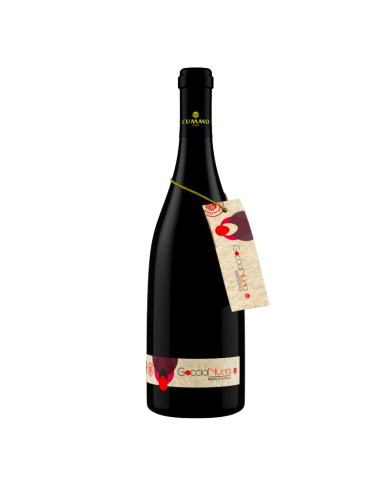
Nero d'Avola - DOC Sicilia with an intense red color with violet reflections and an intense, sunny, complex bouquet, from which hints of black cherry and red fruit emerge. Ideal if paired with cold cuts, meat first courses, roasts, game and soft, semi-mature, seasoned cheeses, salmon.
€10.85
SKU:
14823
Brand:
Cummo vini
Intense ruby red color with violet reflections. Its perfumes are ethereal, aromatic, intense and fruity. On the palate it is harmonious, persistent, enveloping and rightly tannic.
€5.39
SKU:
14822
Brand:
Cantina Zaccagnini
€112.24
Color: Light yellow color with coppery reflections. Smell: Intense bouquet with hints of melon, carob, pear, almond blossom and with hints of ginger and candied papaya. Taste: Fine and elegant taste, well structured, enveloping, savory and well balanced.
€112.24
SKU:
14820
Brand:
CVA Canicattì
CVA's Grillo Fileno is the best white wine in Italy
The highest score ever, among the Italian white wines offered for tasting at the Concours Mondial de Bruxelles 2022: Fileno, harvest 2021, Grillo in purity, is the best white wine in Italy. An extraordinary result for CVA, a small but prestigious wine cooperative in the Agrigento area.
€9.90
SKU:
14809
Brand:
Cantina Orsogna
At the sight it is of an opalescent straw yellow, the nose is very intense, typically aromatic and with a strong balsamic scent and a vegetal note. The taste is dry, fresh and savory.
€11.27
€10.15
SKU:
14808
Brand:
Cantina Orsogna
Spontaneous fermentation Without added sulphites Unfiltered with bottom Natural stabilization Sulphite-free, Organic, Vegan and Biodynamic Wine Demeter certified produced with the Ancestral method
€15.18
SKU:
14807
Brand:
Cascina Corte
The color is purplish-red with ruby-violet flashes. The nose is deep and vertical, with fruity aromas chasing each other to create an enveloping and balanced bouquet.
€28.60
SKU:
14806
Brand:
Cascina Corte
The color is dark ruby red, almost impenetrable, lively and captivating. The nose expresses the typical personality of the vine, capable of expressing a complex and intense bouquet.
€31.04
SKU:
14805
Brand:
Cascina Corte
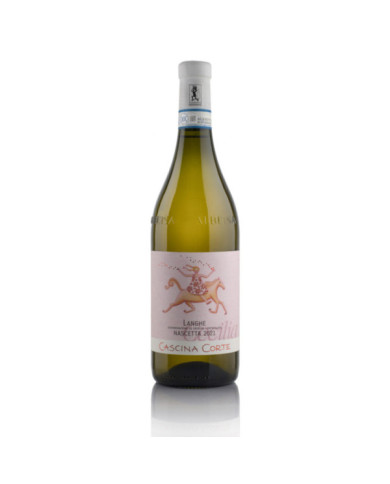
Color tending to straw yellow. On the nose fruity aromas and Mediterranean scrub.
€20.98
SKU:
14804
Brand:
Cascina Corte
This wine is a particularly successful exercise in Cascina Corte style. An original mix obtained from three different grapes.
€13.05
SKU:
14803
Brand:
Cascina Corte
Fresh, balanced, with good acidity, it is a very pleasant wine. The aromas recall fruit, with hints of currants, strawberries and cherries.
€17.54
SKU:
14802
Brand:
Cascina Corte
Elegant and refined wine. In the mouth the acidity runs through the entire tasting, letting the rich background matter shine through and raising the tone of the drink. Persistent.
€20.15
SKU:
14801
Brand:
Cascina Corte
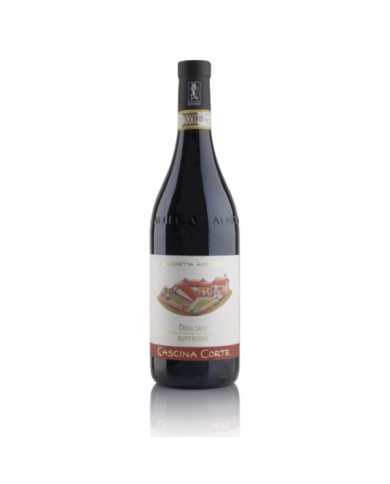
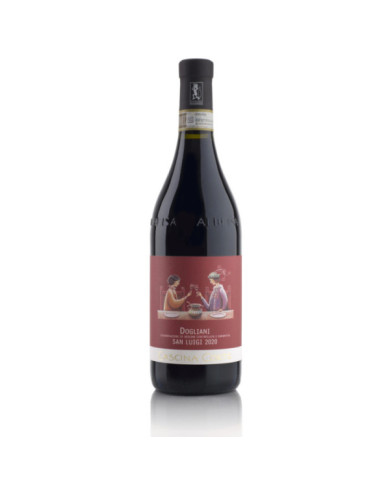
Dogliani San Luigi is obtained from the selection of various Dolcetto vines. It is a table wine with an immediate aroma of cherry, not too long in the mouth.
€17.56
SKU:
14800
Brand:
Cascina Corte
Garnet red colour. The nose opens on varietal hints of dried rose, violet and wet earth, which gives the wine a spicy aroma; fine and sweet in the mouth.
€37.70
SKU:
14799
Brand:
Cascina Corte
White color tending towards straw yellow. Fruity aromas on the nose, citrus aromas. In the mouth it is very fresh, vibrant, with a nice acidity and full of character.
€24.71
SKU:
14798
Brand:
Cascina Corte
Intense and composite bouquet, with hints of strawberry, pomegranate, tea leaf and scents of undergrowth and violet. To drink immediately, but long-lived like few other wines.
€23.40
SKU:
14797
Brand:
Cascina Corte
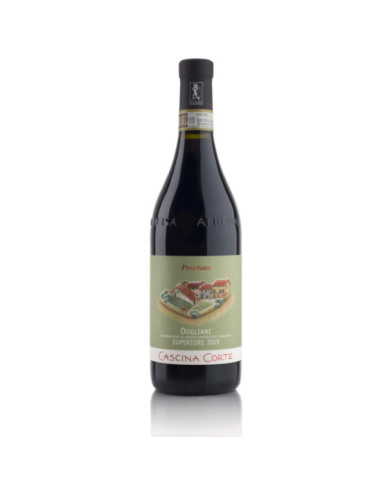
The Pirochetta comes from a 60-year-old vineyard from which an out-of-the-ordinary wine has always been made. It is a more complex Dolcetto, the aromas tend to open up a little later in the glass and it is more persistent in the mouth.
€21.95
SKU:
14796
Brand:
Giulia Negri
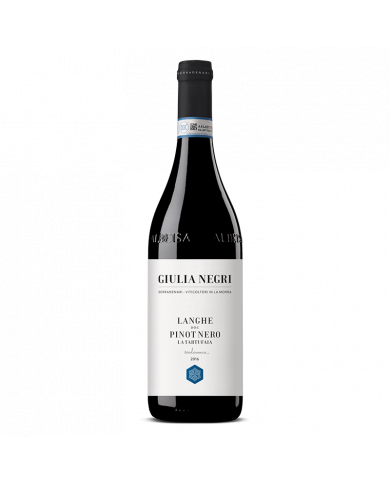
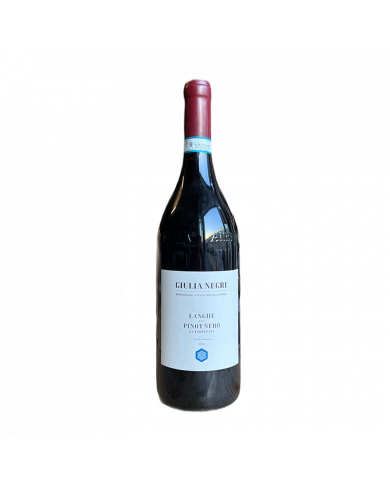
Giulia Negri 's Tartufaia is an elegant and full-bodied red wine produced from Pinot Noir grapes, aged for about 12 months in barrique: the apotheosis of Pinot Noir in the Langhe. It has an aromatic profile that at times recalls Burgundy, with elegant notes of red fruits, flowers and leather. The sip is enveloping, soft and complex, with great character and long persistence.
€67.40
SKU:
14795
Brand:
Cantina Frentana
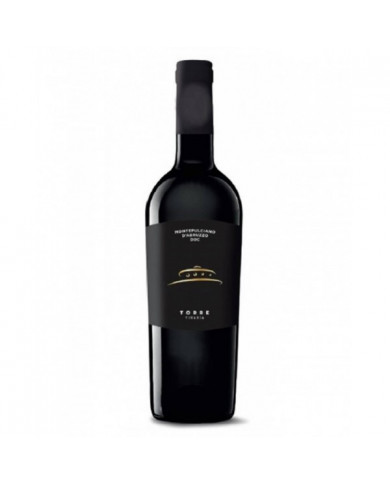
This Torre Vinaria Montepulciano d'Abruzzo DOC takes its name from the historic tower plant that characterizes the Cantina Frentana and current flagship for the exclusive tasting room built on its top, where it is possible to taste it. A real reference for the whole denomination, excellent to accompany dinners based on red meat and game.
€7.12
SKU:
14794
Brand:
Cantina Frentana
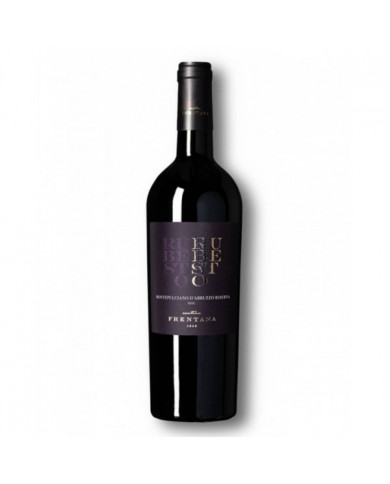
The very symbol of Abruzzo and its red wines, this Montepulciano Riserva DOC from Cantina Frentana is appreciated for its elegance, its character and its satisfying olfactory bouquet, which make it a balanced wine perfect for important second courses.
€11.86
SKU:
14793
Brand:
Cantina Frentana
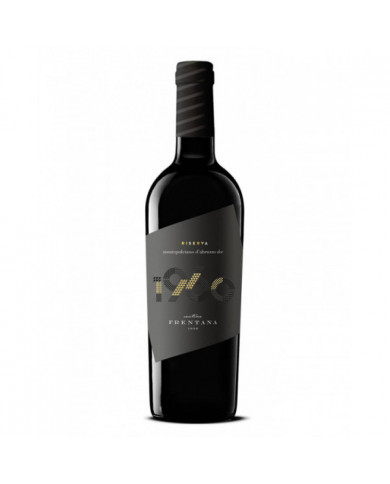
1960 celebrates a masterpiece of Abruzzo enology: Montepulciano DOC Riserva. A wine of great structure and complexity that ages in French oak tonneaux for 12 months and completes its refinement in concrete tanks. A red that splendidly accompanies important meat dishes and manages, year after year, to get on the podium of its denomination.
€11.90
SKU:
14791
Brand:
Amami Vino
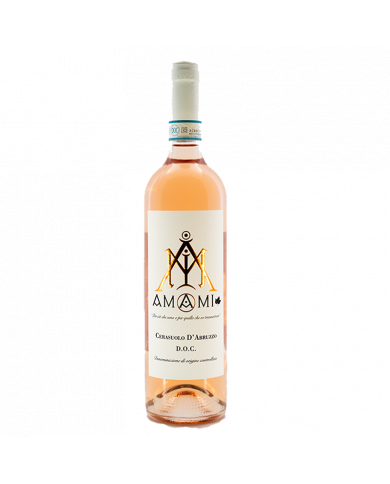
GRAPES: 100% Montepulciano grapes vinified in white DENOMINATION: Cerasuolo d'Abruzzo DOP AREA: Chieti, Abruzzo ALCOHOL CONTENTS: 13% vol.
SKU:
14790
Brand:
Amami Vino
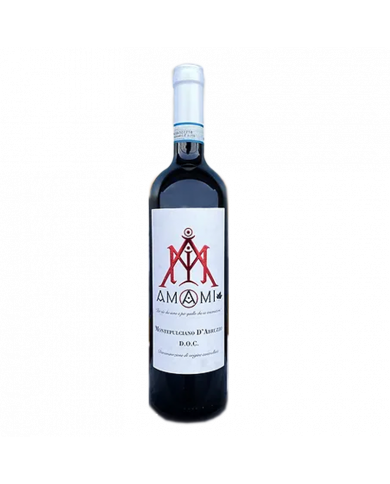
GRAPES: 100% Montepulciano d'Abruzzo DENOMINATION: Montepulciano d'Abruzzo DOP AREA: Chieti, Abruzzo ALCOHOL: 13.5% vol.
SKU:
14787
Brand:
Buccia Nera
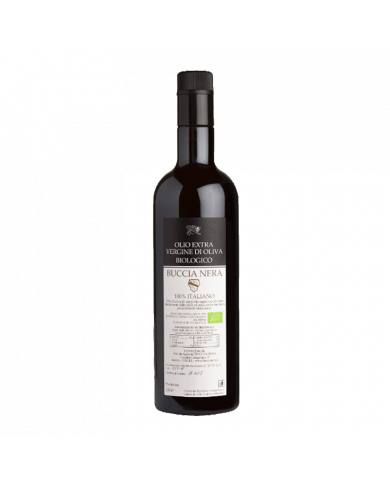
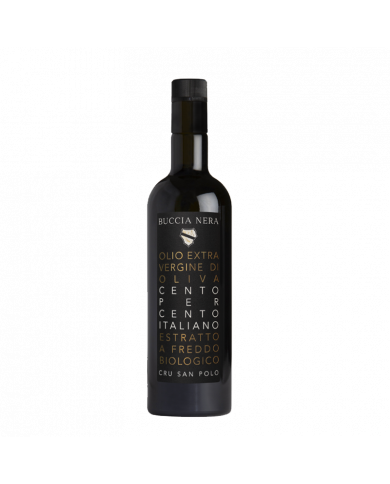
ORGANIC EXTRA VIRGIN OLIVE OIL 2022 BOTTLE 100% Italian Organic - Bottle NEW OIL 2022
€29.90
SKU:
14786
Brand:
Tenuta Antonini
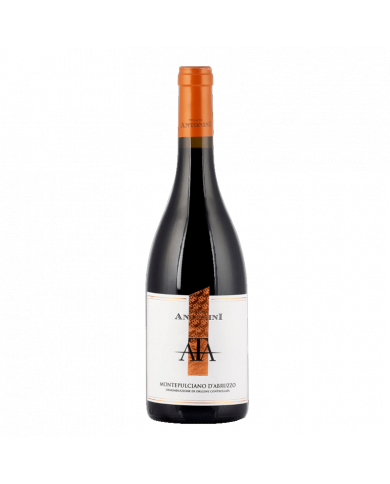
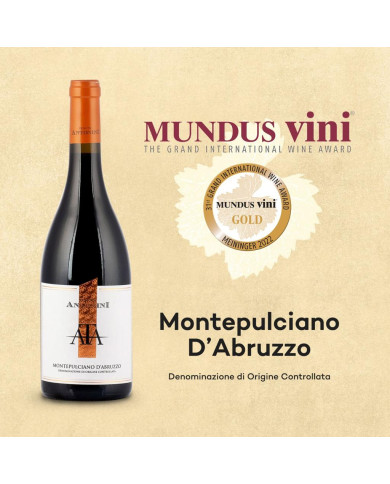
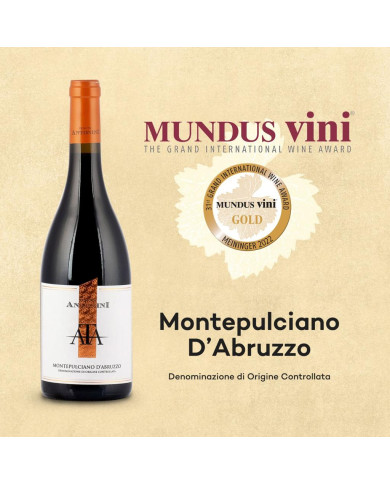
Red is the color of passion. Strong, energetic, charged, exciting: our Montepulciano d'Abruzzo is exactly like that, enveloping and full-bodied. Each sip encourages the discovery of its sensorial complexity, but also to let oneself be pervaded by positive sensations and share them with those around us.
€8.25
€7.42
SKU:
14784
Brand:
Poli Distillerie
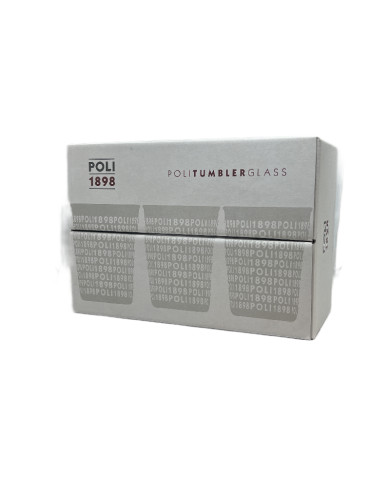
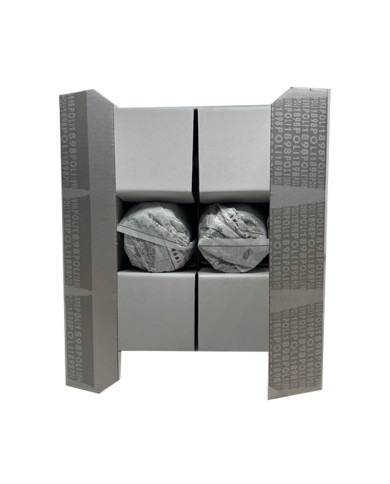
Poli Tumbler Glass contains 6 limited edition Poli branded glass tumblers.
€36.72
SKU:
14778
Brand:
Poli Distillerie
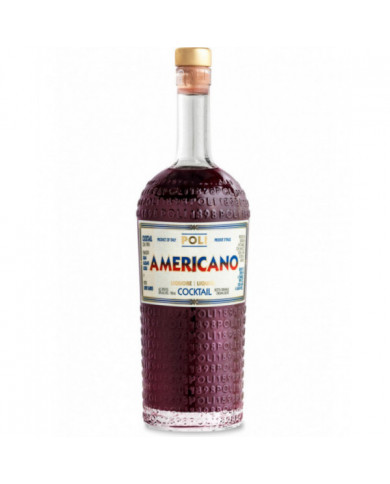
Cocktail liqueur, Ready To Serve obtained from a calibrated blend of Gran Bassano Rosso vermouth, Gin Marconi 46 and Bitter Super Taurus.
€22.05
SKU:
14777
Brand:
Poli Distillerie
Cocktail liqueur, Ready To Serve obtained from a calibrated blend of Gran Bassano Rosso vermouth and Super Taurus bitters.
€22.05
€18.45
SKU:
14752
Brand:
Poli Distillerie
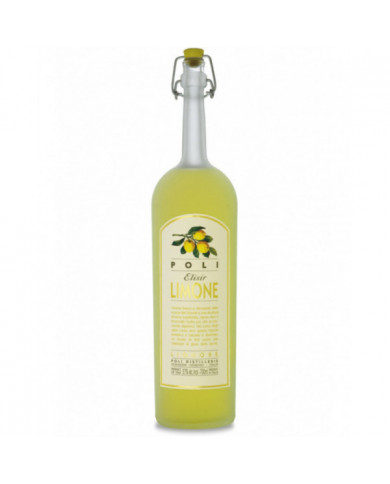
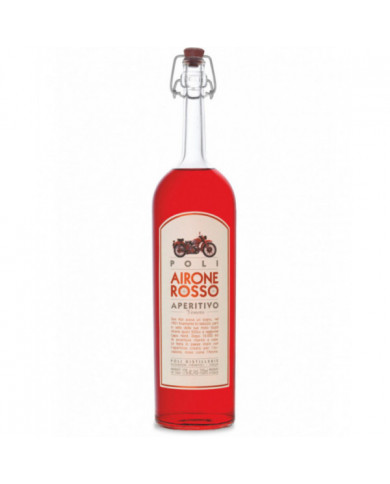
Liqueur with vermouth and natural infusion of spices and aromatic herbs.
€13.48
SKU:
14738
Brand:
Poli Distillerie
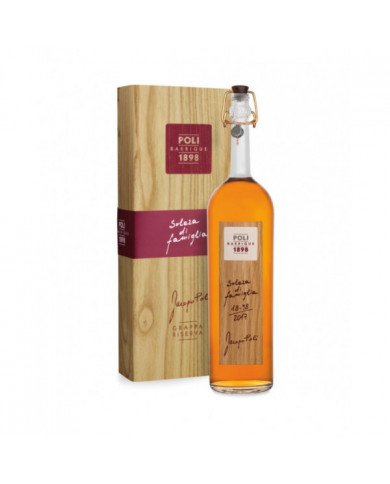
Grappa Riserva aged with the solera method, distilled with flowing steam.
€68.78
SKU:
14736
Brand:
Poli Distillerie
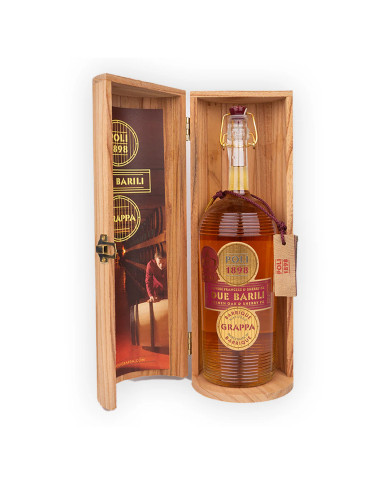
Grappa aged 2 years in French oak barriques and 2 years in Sherry PX barrels, distilled with flowing steam. The ardor and elegance of a toreador.
€48.49
SKU:
14735
Brand:
Poli Distillerie
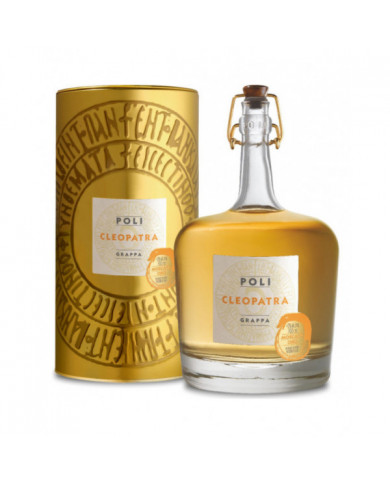
Cleopatra Oro is a line of Grappas from the Poli Distillerie obtained from very fresh pomace, characterized by an extreme finesse and aromatic cleanliness, due to a vacuum distillation with a unique system of its kind: Crysopea.
€43.22
SKU:
14732
Brand:
Poli Distillerie
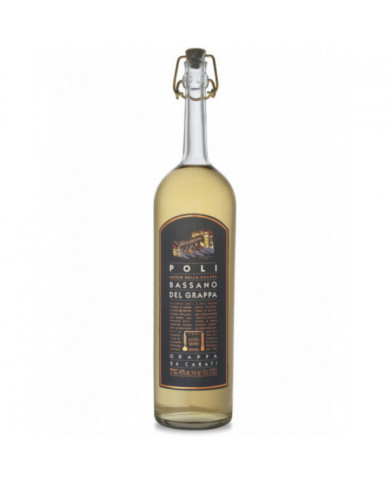
Grappa Poli Bassano Classica is transformed and acquires added value: it becomes Poli Bassano 24 Carati, Grappa made from pomace from our area ennobled by being aged for 24 months in carats, a very Italian term to indicate small oak barrels.
€20.35
SKU:
14731
Brand:
Poli Distillerie
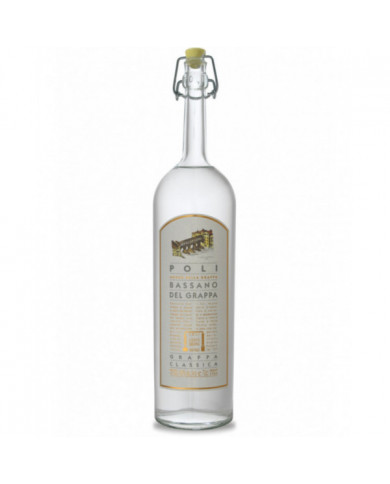
A Grappa to honor tradition and the territory with simplicity and genuineness: Poli Bassano Classica aims to be a timeless Grappa, which recalls the scent of freshly distilled pomace without any pungency on the palate.
€20.95
SKU:
14728
Brand:
Poli Distillerie
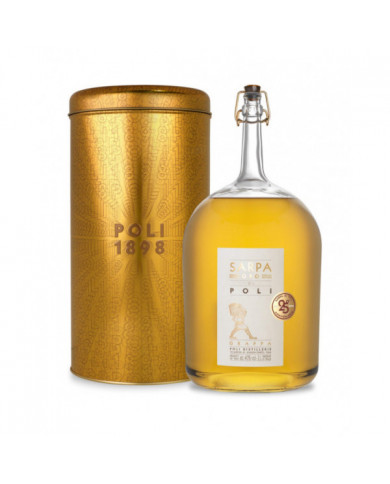
Grappa Polivitigno®, distilled with flowing steam.
In the 3,000 ml "Big Mama" format.
€107.91
SKU:
14727
Brand:
Poli Distillerie
Grappa Polivitigno®, patiently kept for many years in the underground cellars of the Poli Distillerie in oak barriques, distilled with flowing steam. In the 3,000 ml "Big Mama" format.
€106.64
SKU:
14724
Brand:
Poli Distillerie
Grappa Polivitigno®, patiently kept for many years in the underground cellars of the Poli Distillerie in oak barriques, distilled with flowing steam. Charming as a Malaysian tiger.
€30.70
SKU:
14723
Brand:
Poli Distillerie
Grappa Polivitigno®, patiently kept for many years in the underground cellars of the Poli Distillerie in oak barriques, distilled with flowing steam. Charming as a Malaysian tiger.
€28.45
SKU:
14721
Brand:
Poli Distillerie
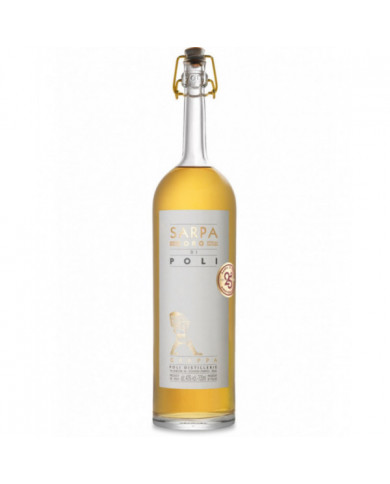
Grappa Polivitigno®, distilled with flowing steam.
Manly as a proud white horse.
€25.37
SKU:
14715
Brand:
Poli Distillerie
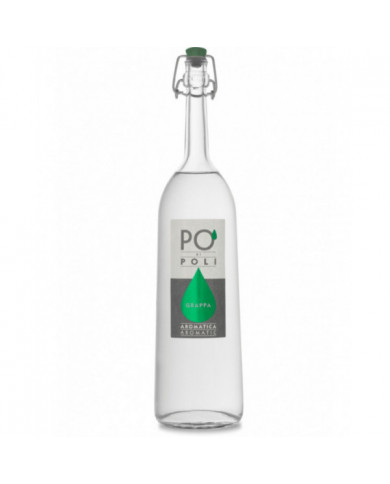
Aromatic grappa distilled in a traditional bain-marie.
Like a downpour that refreshes the pine forest in summer.
€33.86
SKU:
14712
Brand:
Poli Distillerie
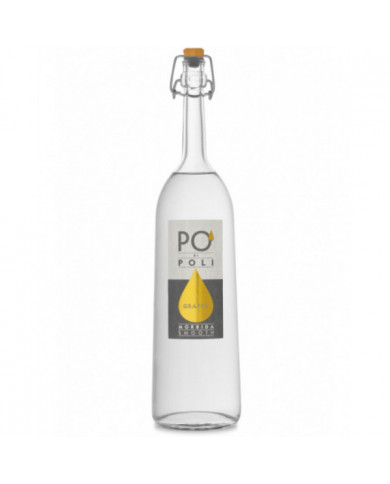
Polivitigno® aromatic grappa, distilled in a traditional bain-marie.
Its aroma is reminiscent of a basket of oranges, tangerines and a slice of pineapple.
€33.86
SKU:
14709
Brand:
Ornella Bellia
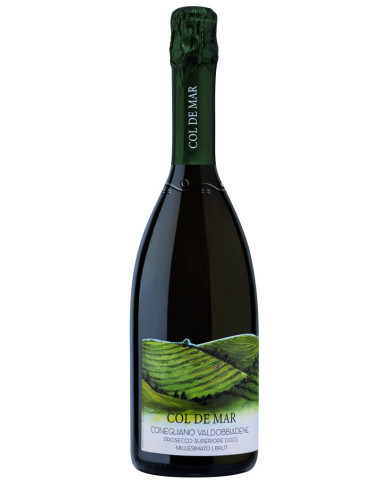
€15.54
Prosecco wine produced with glera grapes grown in the hilly areas of the denomination which extends for 15 municipalities between Conegliano and Valdobbiadene.
€15.54
SKU:
14708
Brand:
Cantina Wilma
Wine vinegar is usually made by combining different grapes. We have chosen to use a single vine typical of Abruzzo to obtain a more intense aroma. The "Pecorino" White Wine Vinegar has a fresh scent and a full-bodied appearance. The persistent taste makes it excellent for many dishes based on fish and vegetables.
€15.40
SKU:
14707
Brand:
Bossanova
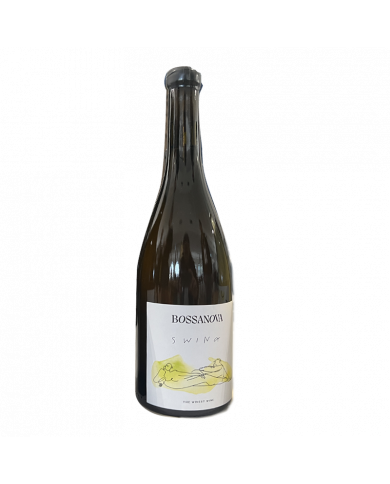
Trebbiano d'Abruzzo Bossanova is an Abruzzo white wine from the hills of Teramo, briefly macerated on the skins and aged for about 9 months in vitrified concrete tanks: it expresses aromas of hay and chamomile, yellow-fleshed fruit and hints of sage, while at sip is harmonious, taut and of excellent freshness, embellished with mineral tones and an intriguing savory persistence.
€20.14
SKU:
14704
Brand:
Bertè & Cordini
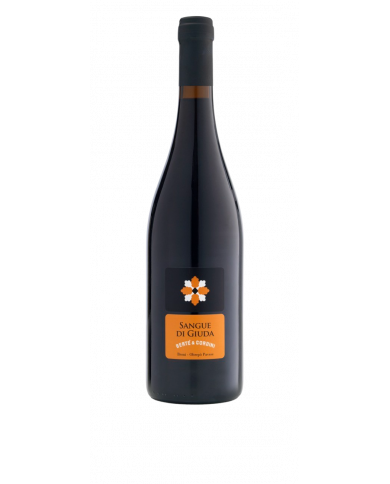
Intense ruby red colour. Floral aroma of violet and intense fruity aroma of small red fruits, cherries, blackberries. The taste is sweet and sparkling.
€9.60
SKU:
14703
Brand:
Bertè & Cordini
It has an intense ruby red color of excellent transparency. On the nose there is a slight rose and berries. Well present and soft tannins.
€16.58
SKU:
14702
Brand:
Bertè & Cordini
Intense ruby red colour. Intense bouquet with notes of violet. The taste is full, well structured, slightly tannic.
€14.99
SKU:
14699
Brand:
Bertè & Cordini
Ruby red color of excellent transparency with coppery and brilliant reflections. Olfactory sensations: great cream of spices and plum pulp. There are hints of rose and berries, typical of the variety, mixed with vanilla notes. Wine with a great extractive concentration: the enveloping roundness on the palate is due to the well-developed tannins and the oenological clarity of execution.
€29.27
SKU:
14695
Brand:
Bertè & Cordini
Straw yellow color with bright reflections. The nose is intense and persistent with hints of minerals and very ripe exotic fruit: grapefruit and passion fruit. The taste is dry, fresh, elegant with good aromatic persistence.
€19.75
€16.79
SKU:
14694
Brand:
Bertè & Cordini
White foam, soft and rich; fine and persistent perlage. Straw yellow color with bright golden reflections. Rich and complex bouquet with hints of minerals, candied fruit, notes of tobacco and spices.
On the palate it is fresh, mineral, saline, great freshness balanced by a great body.
€48.59
SKU:
14693
Brand:
Bertè & Cordini
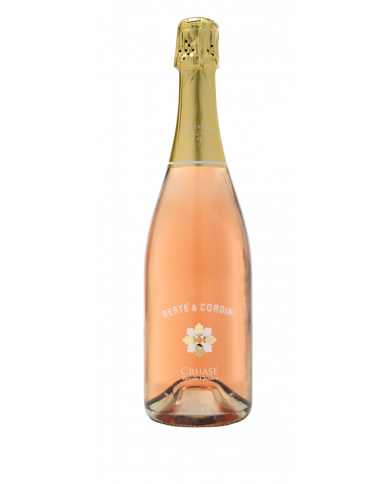
Soft and rich foam, fine and persistent perlage. Classic, bright, cristallino.Profumo pink colour. Floral and fruity bouquet with hints of rose petals, strawberry, red fruits and fine pastries. On the palate it is full, fresh, complex and harmonious.
€23.83
SKU:
14692
Brand:
Bertè & Cordini
White foam, soft and rich; fine and persistent perlage. Straw yellow color with bright golden reflections. Bouquet rich in white flowers and fruity with hints of pear and tropical fruit. On the palate it is fresh and inviting, complex and full of balance.
€24.68
SKU:
14690
Brand:
Bertè & Cordini
White foam, soft and rich; fine and persistent perlage. Straw yellow color with bright golden reflections. Bouquet rich in white flowers and fruity with hints of pear and tropical fruit. On the palate it is fresh and inviting, complex and full of balance.
€34.03
SKU:
14689
Brand:
Bertè & Cordini
Pinot Noir Berté Cordini sparkling wine with a fine and persistent perlage. Lemon yellow with delicate golden hues. Intense aroma with pleasant citrus notes, dried fruit and pastry. Soft and delicate bubbles, intense and refreshing taste with well balanced acidity. Long finish.
€10.19
SKU:
14688
Brand:
Bertè & Cordini
Soft and rich foam, fine and persistent perlage. Classic, brilliant, crystalline pink colour. Floral and fruity bouquet with hints of rose petals, strawberry, red fruits and fine pastries. On the palate it is full, fresh, complex and harmonious.
€22.13
€19.92
SKU:
14687
Brand:
Bertè & Cordini
The Spumante Metodo Classico Brut Traditional Berté Cordini has a white, soft and rich foam; fine and persistent perlage. Straw yellow color with bright golden reflections. Bouquet rich in white flowers and fruity with hints of pear and tropical fruit.
€21.84
€228.38
€129.90
SKU:
14681
Brand:
Mottura
Wine produced from Negroamaro grapes grown in the area of Salice Salentino and other municipalities in the province of Lecce and Brindisi. Manual harvest at the right maturation with careful selection of the grapes. Manual sorting of the bunch with a selection belt, fermentation of the must at a controlled temperature, traditional maceration for 20-25 days, good use of delestage and pumping over. Carrying out of the malolactic fermentation in barriques at a controlled temperature, with the use of batonnage. 12 months of aging in French oak barriques. 2-3 months of aging in the bottle.
€13.01
SKU:
14678
Brand:
Cascina del Colle
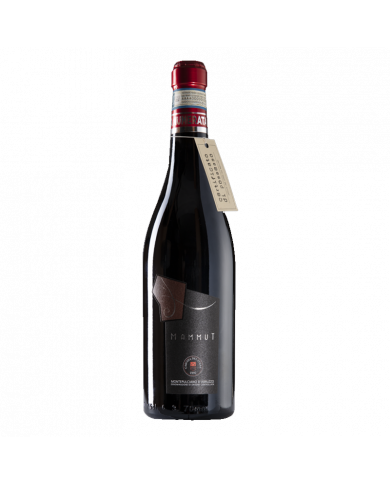
Why Mammut From the archaeological discovery of a Mammut tusk in the second half of the 1960s at the point where the current company "La Cascina del Colle " was built. Hence the idea of a lively, powerful and majestic wine
€20.24
SKU:
14676
Brand:
Trappèto di Caprafico
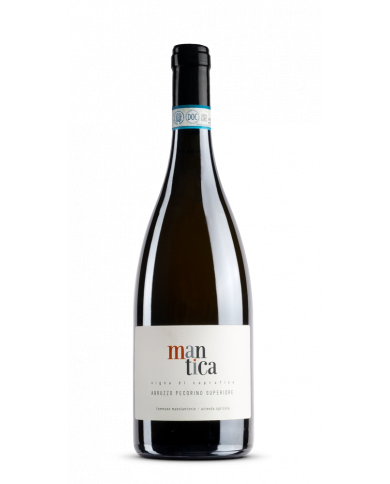
Pecorino from organic farming Abruzzo superior doc, Vigna di Caprafico. Mantica is an ancient name, it tells the story of a parcel of land, Mantica Longa, the object of a family sale.
€24.00
SKU:
14675
Brand:
Trappèto di Caprafico
€28.00
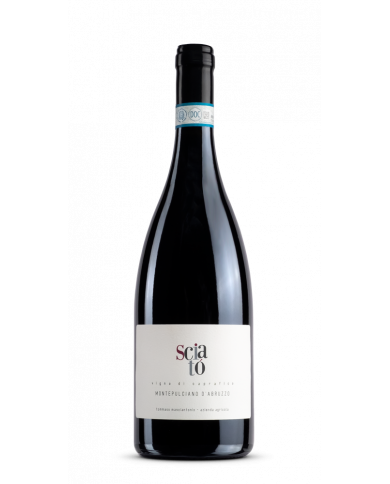
A hidden ambition but not that much. Said in French, written in the Italian manner, to tell the story of the ridge on which the castle of Caprafico stood, in Casoli, on the eastern side of the Maiella. From the old stock of Montepulciano d'Abruzzo ungrafted, pure, adapted to the climate and soil of that primordial landscape, a rarity is born, today a clone selected from the Caprafico countryside, at the foot of the castle, "lu sciatò".
€28.00
SKU:
14674
Brand:
Musivum
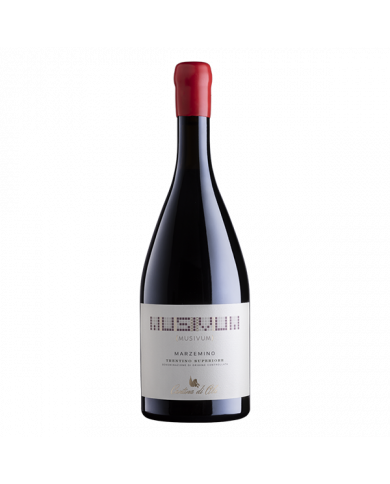
In the southernmost part of the Trentino Adige valley, where the Little Dolomites and the Baldo chain accompany Lake Garda in its expansion towards the Venetian plain, the vineyards of the Ala cellar are located; a land rich in memories, which was the scene of disputes between the Austrian empire and the most serene republic of Venice. It was thanks to these relationships and the consequent commercial exchanges of the people who populated it that Marzemino arrived in this land from the distant and suggestive Asia Minor.
€38.06
SKU:
14673
Brand:
Musivum
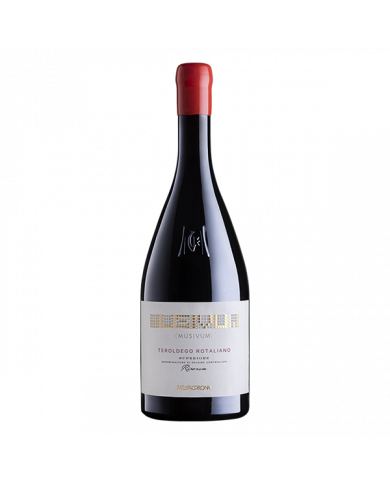
Teroldego is a vine with a fascinating history that has its cradle in the Trentino region and in particular in the Piana Rotaliana. Here, in fact, in the heart of the Adige Valley, north of the city of Trento, is "the most beautiful vineyard garden in Europe" as defined by Goethe and Cesare Battisti.
€54.90
SKU:
14666
Brand:
Cantine Francesco Montagna
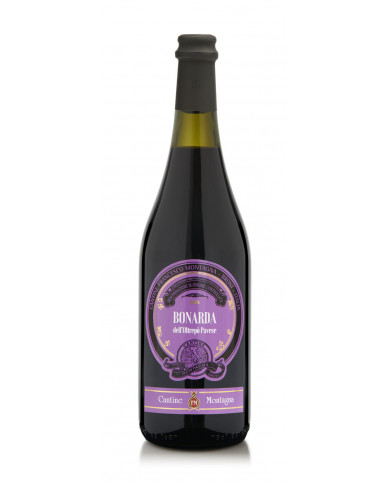
The vine is 100% Croatina grown in the most suitable areas of the Oltrepò Pavese on a mixed type of soil tending towards clayey limestone. The vineyards are trained with low-yield espaliers (50-60hl/ha). Manual harvest when perfectly ripe, usually at the end of September/first week of October. 4-day maceration in contact with the skins and alcoholic fermentation at a temperature of 25°C. The second fermentation takes place at a controlled temperature (16–18°C).
€13.41
SKU:
14663
Brand:
Cantine Francesco Montagna
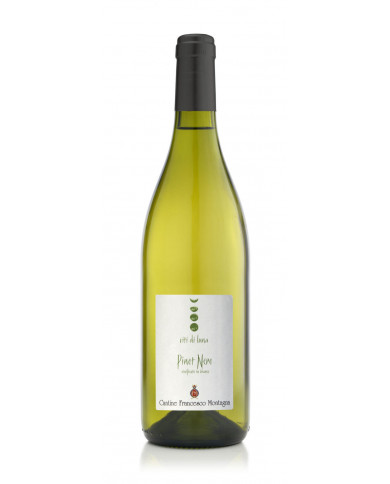
A young white wine from Lombardy, produced with Pinot Noir grapes vinified in white. After the manual harvest and destemming, we proceed to a soft pressing with static clarification at 10°C, followed by a fermentation at a controlled temperature. The second fermentation, for the second fermentation, takes place in an autoclave at a controlled temperature.
Its straw yellow color with bright reflections shines in the glass. The nose is delicate and subtle, with delicate floral and fruity aromas. The taste is extremely fresh, sparkling, with a touch of elegance and good aromatic persistence.
Surely it can be enjoyed with seafood first and second courses, white meats and fresh cheeses. It is perfect as an aperitif.
€10.37
SKU:
14662
Brand:
Cantine Francesco Montagna
Wine type: sparkling rosé. Soil type: clayey limestone. Breeding system: Counter-espalier. Altitude: From 150 to 250 m. slm Exposure: North-East. Average age of the vineyard: 18 years. Yield: 10,000 kg/ha. Harvest: From mid to late August. Vinification: After destemming and crushing, the must is left in contact with the skins for 24 hours, after which the solid parts are separated from the liquids. This is followed by clarification and controlled fermentation. The second fermentation takes place in an autoclave at a controlled temperature (17°C). Ageing: No ageing, young wine.
€10.85
SKU:
14661
Brand:
Cantine Francesco Montagna
Intense ruby red with violet hues, intense, sweet and warm aroma of fruit and spices. The sweetness is accompanied by a right fresh note which adds to a pleasant tannic presence.
€9.99
SKU:
14658
Brand:
Spinelli
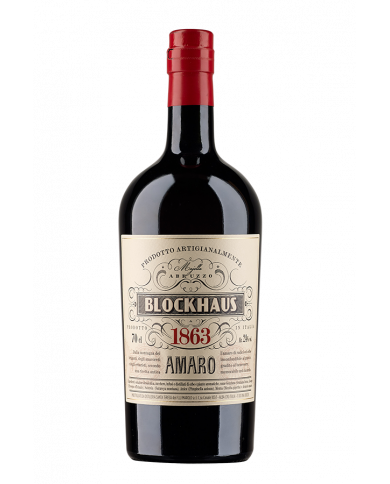
Bitter herb liqueur made in Abruzzo by recovering an ancient recipe from the Gran Sasso area. Produced only with traditional methods in order not to lose the original flavor. Herbal but soft on the palate, with a strong hint of gentian . A novelty to try.
€28.87
SKU:
14657
Brand:
Buccia Nera
ORGANIC EXTRA VIRGIN OLIVE OIL 2022 BOTTLE 100% Italian Organic - Bottle NEW OIL 2022
€23.40
SKU:
14656
Brand:
Buccia Nera
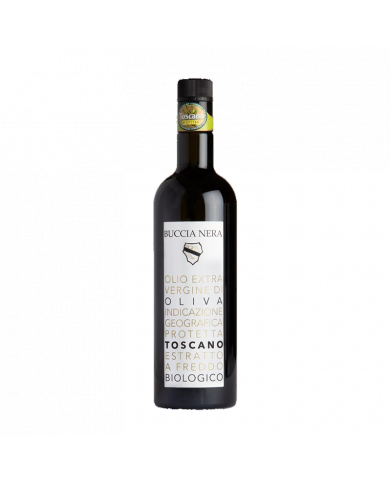
ORGANIC EXTRA VIRGIN OLIVE OIL BOTTLE 0,75 cl Tuscan Organic IGP - Bottle
€23.87
SKU:
14654
Brand:
Tenuta Antonini
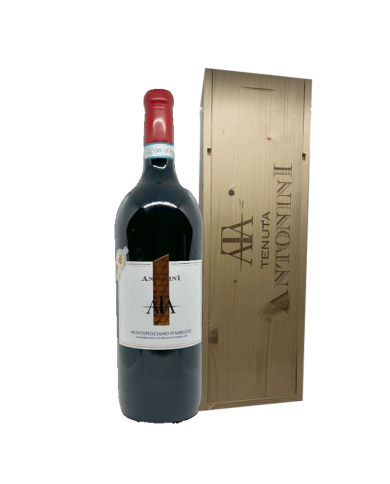
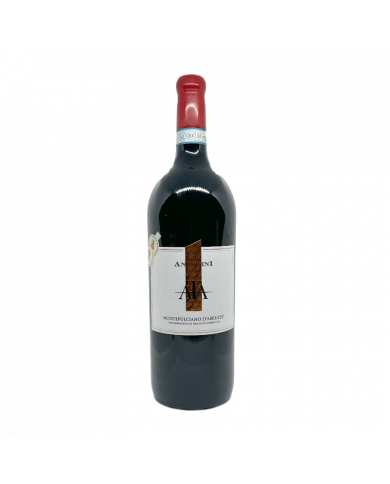
Red is the color of passion. Strong, energetic, charged, exciting: our Montepulciano d'Abruzzo is exactly like that, enveloping and full-bodied. Each sip encourages the discovery of its sensorial complexity, but also to let oneself be pervaded by positive sensations and share them with those around us.
€35.87
€12.69
€10.78