

 Italiano
 Deutsch





































There are no more items in your cart
SKU:
14886
Brand:
Cascina del Colle
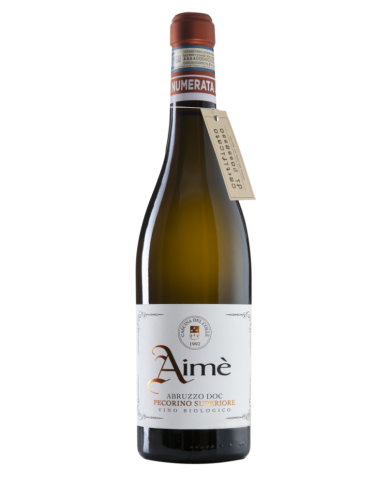
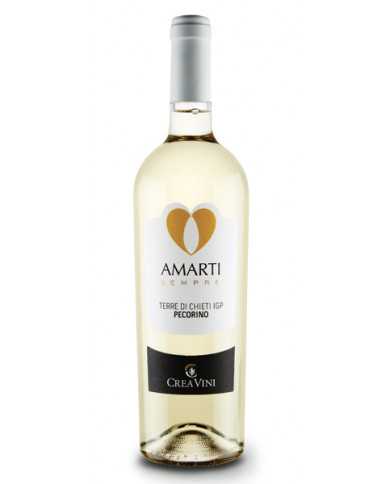
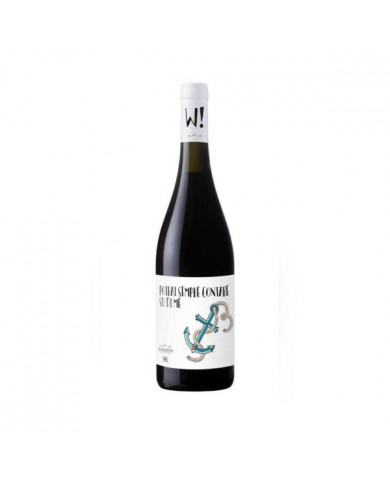
Why Alas
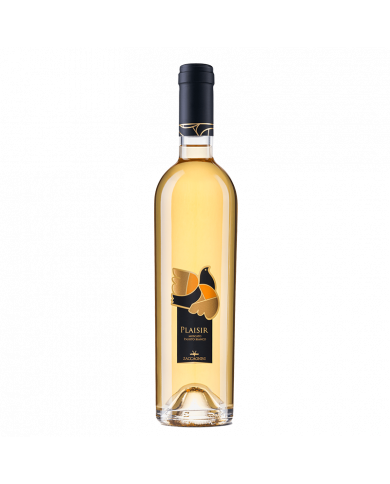
Invented name associated with the French term "beloved", as something of a favourite
€14.76
SKU:
14884
Brand:
Cascina del Colle
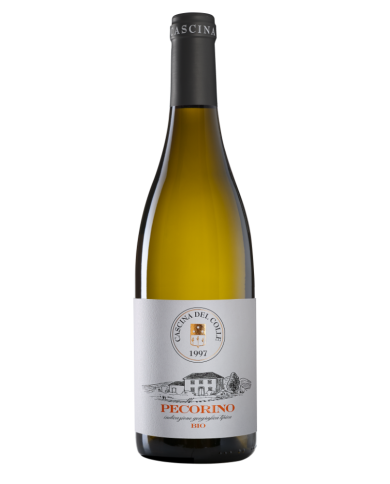
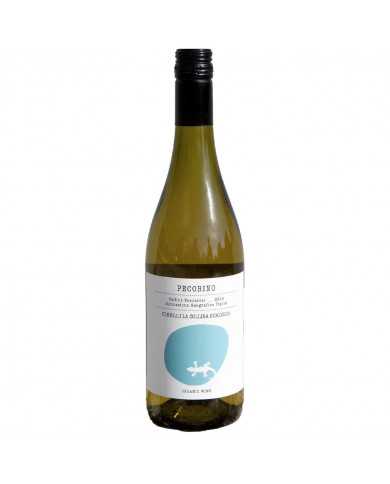
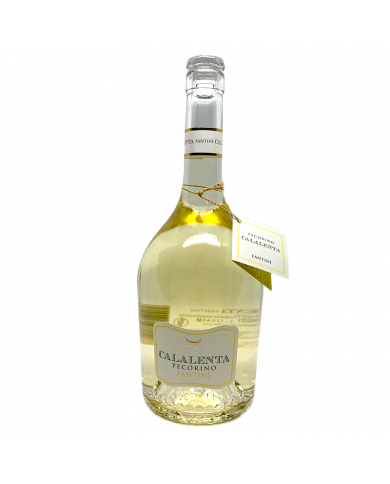
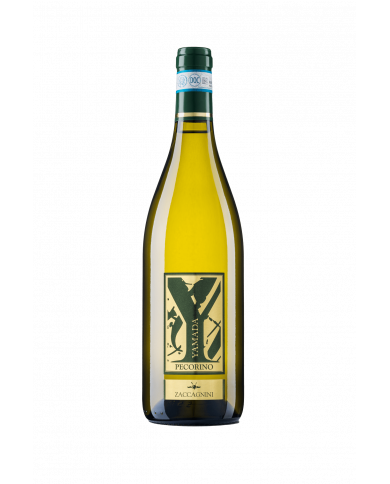
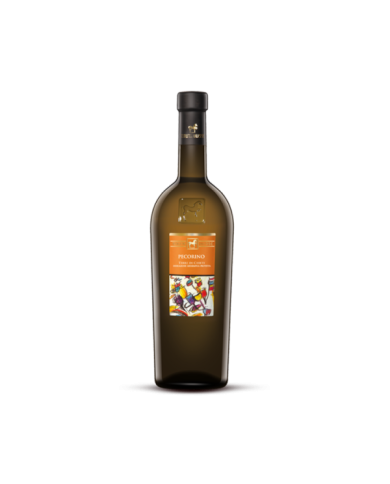
Pecorino di Cascina del Colle is a juicy white wine from Abruzzo with a citrus freshness that presents itself to the eye with a straw color furrowed by green reflections. It has a scent of lemon peel, green apple and wild flowers and maintains an excellent flavor on the palate.
€6.47
SKU:
14883
Brand:
Cascina del Colle
Pecorino di Cascina del Colle is a juicy white wine from Abruzzo with a citrus freshness that presents itself to the eye with a straw color furrowed by green reflections. It has a scent of lemon peel, green apple and wild flowers and maintains an excellent flavor on the palate.
€10.78
SKU:
14880
Brand:
Cascina del Colle
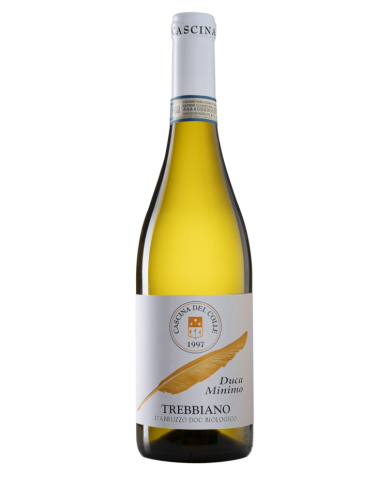
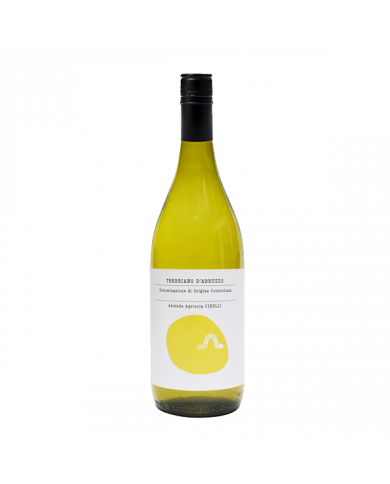
Ducaminimo Trebbiano d'Abruzzo DOC Cascina del Colle , its straw yellow color to the eye, the scent recalls pleasant floral and fruity notes of apple and pear. On the palate it is fresh and characterized by fruity returns, resulting in a highly drinkable wine.
€5.25
€4.20
SKU:
14877
Brand:
Cascina del Colle
Trebbiano d'Abruzzo DOC 'Duca Minimo' from the La Cascina del Colle winery is an organic white wine with a pale straw yellow colour. The nose is delicate with hints of white flowers, citrus and winter melon. In the mouth it is fresh, sapid with a good final minerality. As for the Montepulciano red version, the origin of the name for this label also recalls how the Abruzzese poet D'Annunzio liked to call himself, or rather the 'Duke Minimo'.
€8.05
SKU:
14875
Brand:
Cascina del Colle
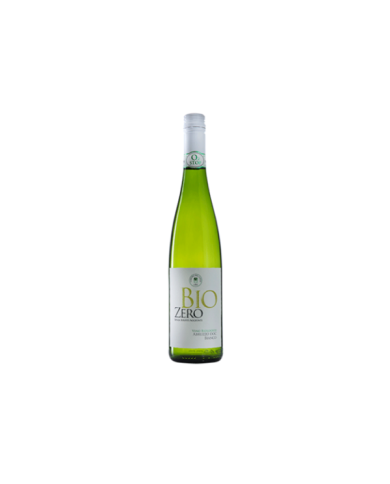
Pale straw yellow
Fresh notes of green apple, white flowers and citrus scents on the nose
On the palate it is sapid, fresh, balanced, refreshing, with a white fruit finish
Without added sulfites
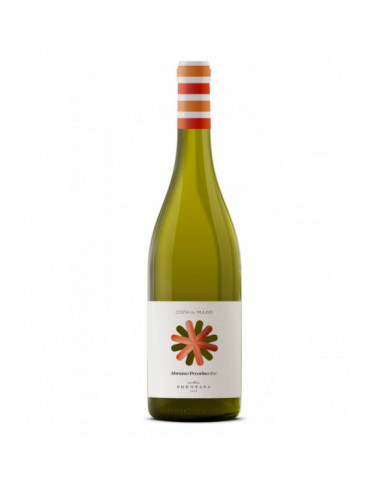
€8.66
€7.36
SKU:
14873
Brand:
Cantina Orsogna
€11.37
€9.10
The only organic wine certified for biodiversity in Abruzzo. The winery selects the yeasts on pollen from the local flora. The bee collects the nectar of the flowers and, to preserve it, uses lactic ferments and yeasts, a practice that is a million years old. From this pollen the yeasts are selected for the fermentation of this wine. Ideal with raw and fried fish, risottos and medium-aged cheeses.
€11.37
€9.10
SKU:
14872
Brand:
Fontefico
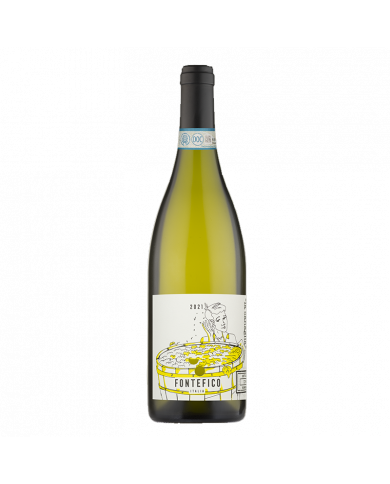
This superior pecorino comes from the white vineyard, a spiteful vineyard because, despite our attentions, it has very low yields, as if it wanted to avoid the effort of producing more grapes. But then he is forgiven by giving us a unique, fresh and voluminous wine, which you will never tire of drinking. It is the "rogue" of Fontefico.
SKU:
14871
Brand:
Cantina Ricchi
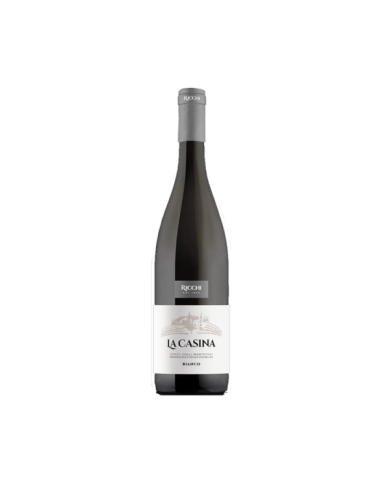
Characterized by its ampelographic composition, that is to say for the vines allowed for its production, delicate pleasant almost crunchy in its pleasantness to drink.
€9.04
€7.23
SKU:
14850
Brand:
Apollonio
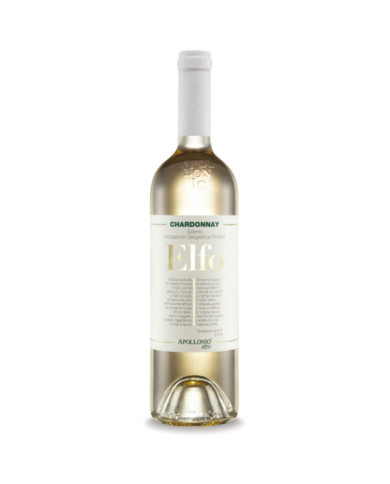
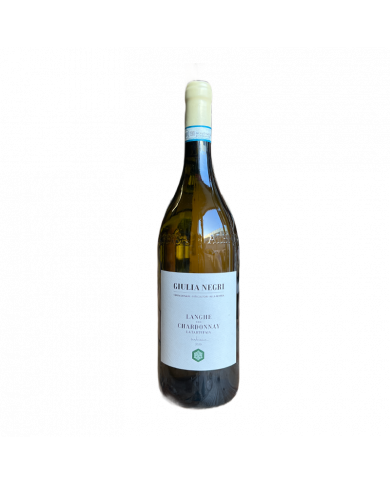
Thanks to its excellent adaptability, Chardonnay is one of the most widespread white grape varieties in the world. Cultivated in all climatic conditions and in all areas, on clayey-calcareous soils and with a temperate, warm and windy climate, it ensures great results.
€9.49
SKU:
14849
Brand:
Apollonio
€9.49
€8.07
Salento is identified by three climatic elements: the sun, creator of generous sugar levels, the sea, responsible for the minerality of the wines, and the wind which makes this territory naturally free from diseases and particularly suitable for the production of "natural" wines. Characterized by extensive flat areas and modest hills, Salento is geologically made up of a medium-textured limestone structure.
€9.49
€8.07
SKU:
14843
Brand:
Apollonio
€11.96
€10.76
Verdeca is a native white grape variety of Puglia, with greenish hues that suggest its name. Elegant, mineral and very vigorous.
€11.96
€10.76
SKU:
14822
Brand:
Cantina Zaccagnini
€112.24
Color: Light yellow color with coppery reflections. Smell: Intense bouquet with hints of melon, carob, pear, almond blossom and with hints of ginger and candied papaya. Taste: Fine and elegant taste, well structured, enveloping, savory and well balanced.
€112.24
SKU:
14820
Brand:
CVA Canicattì
€10.90
€8.72
CVA's Grillo Fileno is the best white wine in Italy
The highest score ever, among the Italian white wines offered for tasting at the Concours Mondial de Bruxelles 2022: Fileno, harvest 2021, Grillo in purity, is the best white wine in Italy. An extraordinary result for CVA, a small but prestigious wine cooperative in the Agrigento area.
€10.90
€8.72
SKU:
14809
Brand:
Cantina Orsogna
At the sight it is of an opalescent straw yellow, the nose is very intense, typically aromatic and with a strong balsamic scent and a vegetal note. The taste is dry, fresh and savory.
€13.01
€11.70
SKU:
14808
Brand:
Cantina Orsogna
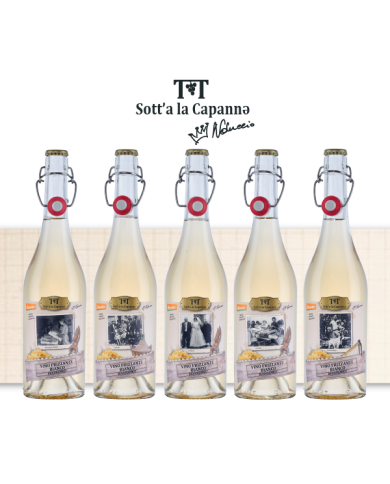
Spontaneous fermentation Without added sulphites Unfiltered with bottom Natural stabilization Sulphite-free, Organic, Vegan and Biodynamic Wine Demeter certified produced with the Ancestral method
€15.18
SKU:
14805
Brand:
Cascina Corte
Color tending to straw yellow. On the nose fruity aromas and Mediterranean scrub.
€20.98
SKU:
14799
Brand:
Cascina Corte
White color tending towards straw yellow. Fruity aromas on the nose, citrus aromas. In the mouth it is very fresh, vibrant, with a nice acidity and full of character.
€24.71
SKU:
14709
Brand:
Ornella Bellia
€17.93
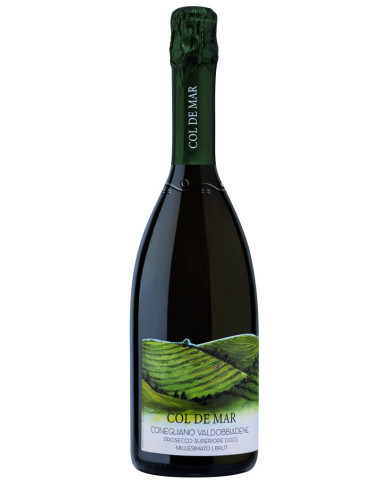
Prosecco wine produced with glera grapes grown in the hilly areas of the denomination which extends for 15 municipalities between Conegliano and Valdobbiadene.
€17.93
SKU:
14707
Brand:
Bossanova
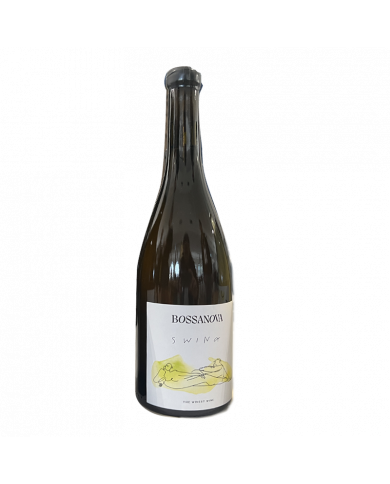
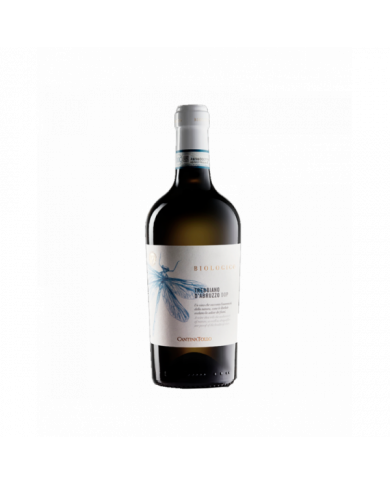
Trebbiano d'Abruzzo Bossanova is an Abruzzo white wine from the hills of Teramo, briefly macerated on the skins and aged for about 9 months in vitrified concrete tanks: it expresses aromas of hay and chamomile, yellow-fleshed fruit and hints of sage, while at sip is harmonious, taut and of excellent freshness, embellished with mineral tones and an intriguing savory persistence.
€20.15
SKU:
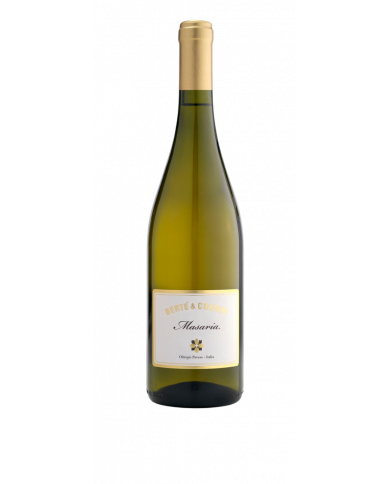
14695
Brand:
Bertè & Cordini
Straw yellow color with bright reflections. The nose is intense and persistent with hints of minerals and very ripe exotic fruit: grapefruit and passion fruit. The taste is dry, fresh, elegant with good aromatic persistence.
€20.50
€17.42
€228.38
SKU:
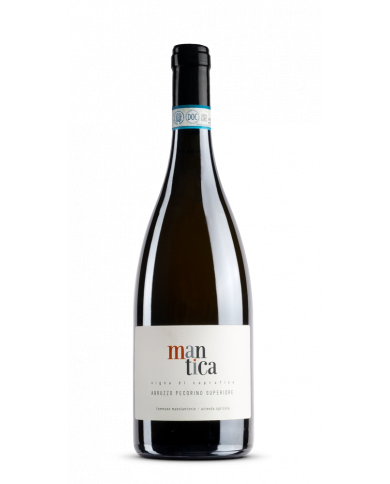
14676
Brand:
Trappèto di Caprafico
Pecorino from organic farming Abruzzo superior doc, Vigna di Caprafico. Mantica is an ancient name, it tells the story of a parcel of land, Mantica Longa, the object of a family sale.
€24.00
SKU:
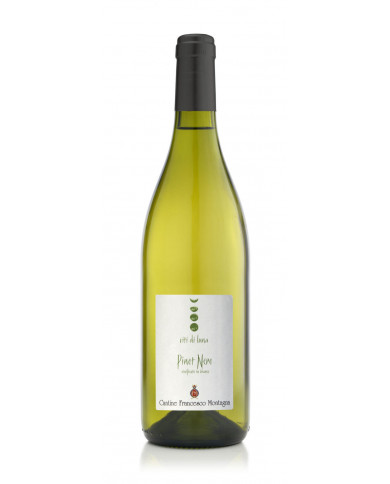
14663
Brand:
Cantine Francesco Montagna
A young white wine from Lombardy, produced with Pinot Noir grapes vinified in white. After the manual harvest and destemming, we proceed to a soft pressing with static clarification at 10°C, followed by a fermentation at a controlled temperature. The second fermentation, for the second fermentation, takes place in an autoclave at a controlled temperature.
Its straw yellow color with bright reflections shines in the glass. The nose is delicate and subtle, with delicate floral and fruity aromas. The taste is extremely fresh, sparkling, with a touch of elegance and good aromatic persistence.
Surely it can be enjoyed with seafood first and second courses, white meats and fresh cheeses. It is perfect as an aperitif.
€10.37
€14.64
€12.44
SKU:
14652
Brand:
CVA Canicattì
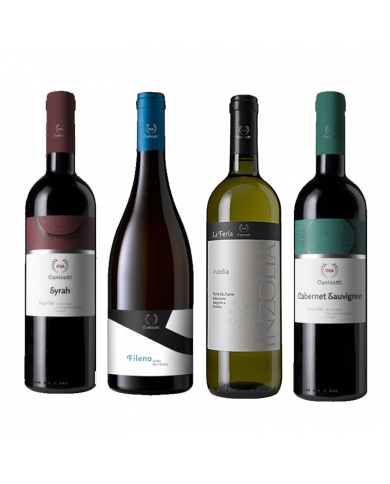
Fileno, harvest 2021, 100% Grillo, is the best white wine in Italy. An extraordinary result for CVA, a small but prestigious wine cooperative in the Agrigento area.
From the vinification of Nero d'Avola and Nerello Mascalese grapes, a rosé wine of great pleasure and fragrance takes shape. Intense in the aromas, elegant, savory and mineral on the palate.
Faithful to tradition yet modern and innovative. Inzolia in purity, a wine with its aromatic characteristics, which stands out for its savory and mineral taste.
€32.90
SKU:
14646
Brand:
Cantina Dorigati
Characterized by aromas of varietal fruit aromas that combine well with the vanilla aroma given by the aging in wood. Creamy and full flavor, but at the same time fresh and pleasant. After the pressing and clarification of the must, the alcoholic fermentation takes place, half carried out in steel and half in wood.
€20.13
SKU:
14641
Brand:
Cantina Dorigati
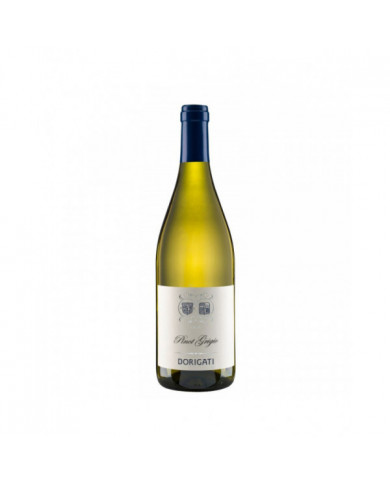
Pinot Grigio Dorigati is a wine from Trentino. It has a straw yellow color with golden reflections, a pleasant, fruity and floral bouquet. Full, fresh and mineral flavour. Pairing: ideal with full meals of light lunches, excellent with hors d'oeuvres and soups.
€15.37
SKU:
14637
Brand:
Cirelli
Intense straw yellow. The nose is expressed with hints of exotic fruit and floral notes of hawthorn. On the palate it is fresh, with good flavor and balanced.
€13.00
SKU:
14636
Brand:
Cirelli
Cirelli 's Trebbiano d'Abruzzo is a fresh, satisfying and thirst-quenching white wine with a pleasantly rustic style, bright minerality and freshness. Delicate floral and fruity notes accompany a smooth and refreshing drink. Vinified in steel and aged for 4 months on the fine lees.
€13.00
SKU:
14629
Brand:
Cirelli
€27.90
€25.11
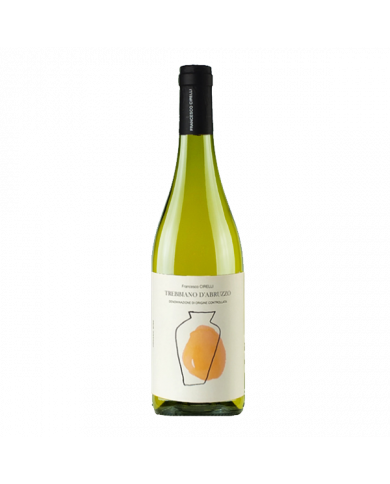
Trebbiano d'Abruzzo "Anfora" by Cirelli is a soft and intense white wine, vinified with a short maceration in terracotta amphorae, where it remains aged for about 12 months. A bouquet rich in citrus fruits, yellow fruit and aromatic herbs animates a savory and velvety sip, with excellent balance and remarkable persistence.
€27.90
€25.11
SKU:
14627
Brand:
Cantina Marchesi Antinori
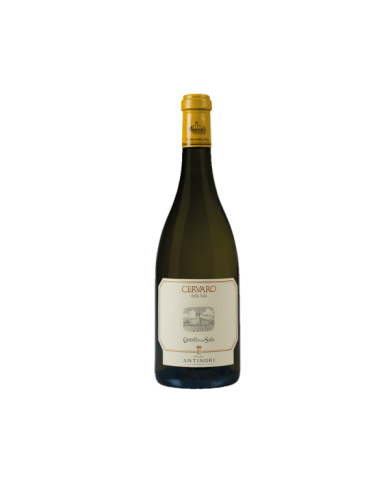
Refined and intense, structured and persistent , it is obtained from Chardonnay grapes with a small percentage of Grechetto, a native grape that brings acidity and binds it even more to the territory. The vinification takes place in Allier and Troncaise barriques, where the wine then matures for six months before being bottled and left to refine for another 10 months.
SKU:
14626
Brand:
Cantina Marchesi Antinori
Refined and intense, structured and persistent , it is obtained from Chardonnay grapes with a small percentage of Grechetto, a native grape that brings acidity and binds it even more to the territory. The vinification takes place in Allier and Troncaise barriques, where the wine then matures for six months before being bottled and left to refine for another 10 months.
SKU:
14625
Brand:
Cantina Marchesi Antinori
Refined and intense, structured and persistent , it is obtained from Chardonnay grapes with a small percentage of Grechetto, a native grape that brings acidity and binds it even more to the territory. The vinification takes place in Allier and Troncaise barriques, where the wine then matures for six months before being bottled and left to refine for another 10 months.
SKU:
14623
Brand:
Rotari
It is produced with 100% Chardonnay grapes, rigorously harvested and selected by hand. The first fermentation, which takes place partly in steel and partly in barrique, is followed by 5 months refinement in the same containers and second fermentation, by refermentation in the bottle, with a full 5 years refinement on its own yeasts.
€56.73
SKU:
14614
Brand:
Cantina Orsogna
Live wine, organic and biodynamic (Demeter) with spontaneous fermentation, without added sulphites, unfiltered, with fermentation lees.
€13.42
SKU:
14607
Brand:
Cantina Frentana
The wine has a medium intense straw colour. The nose reveals pleasant notes of citrus, honey and yellow peach and sometimes a characteristic hint of "beer". The taste is presented as a wine with body and structure, balanced by a good acidity that refreshes the palate.
€18.90
€11.00
SKU:
14598
Brand:
Fantini Farnese
Production area: Ortona. Abruzzo Vinification: The grapes are de-stemmed and pressed very softly, in contact with the skin for about 12 hours at 3 ºC. About 80% of the must is fermented in heat-conditioned stainless steel tanks at a controlled temperature of 12 C., the other 20% in 40hl oak barrels to release a moderate 'woody' and a more refined character. Pairings: Perfect with lobster, cream of vegetable soup and smoked fish, we also recommend it with roast chicken.
€15.41
SKU:
14597
Brand:
Fantini Farnese
Production area: Acerenza, Basilicata. Grapes and Vinification: Greco 60%, Fiano 40%. Aging in steel on its own noble lees. Color and Pairing: White, ideal for aperitifs and fish soups.
SKU:
14589
Brand:
Ca' Rugate
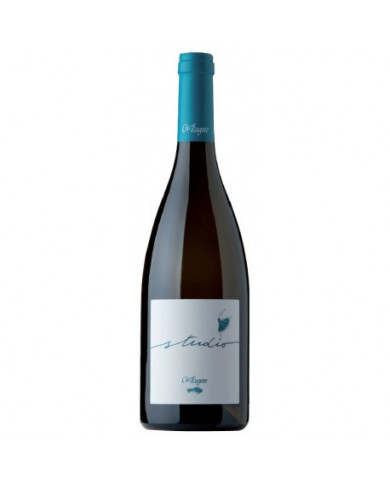
The Bianco "Studio" of Cà Rugate has an intense straw yellow colour. On the nose there is a bouquet of pout pourri and green tea with light notes of white pulp fruit and flint. On the palate it is enveloping and dense, taking up the aromatic freshness contained in the olfactory premises, it relaxes in a finish full of flavor and extraordinary persistence.
Vinification and fermentation take place in steel with consequent assembly of the grapes. 50% of the mass obtained is aged in 680 liter barrels for about 9 months and the remainder in steel.
The selected vine stocks are located in the Tremenalto area north of the municipality of Monteforte d'Alpone, on predominantly basaltic soils.
A wine to be discovered, ideal for any occasion.
€37.58
SKU:
14575
Brand:
Ca' Rugate
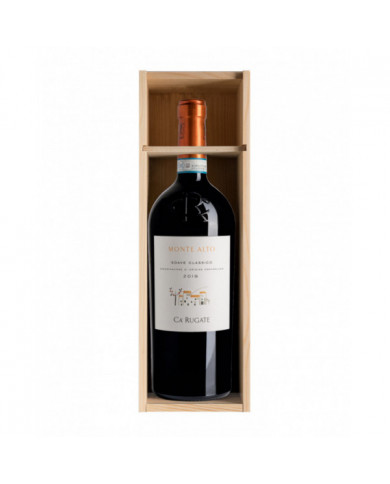
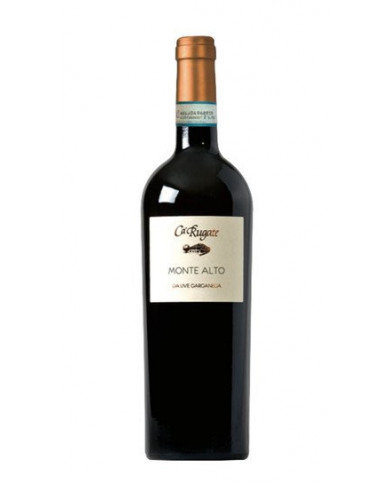
The Soave Classico "Monte Alto" is a soft and fragrant white wine from the Veneto region, which the aging on the lees in barriques and oak barrels has contributed to rounding out. On the nose emerge aromas of flowers, yellow fruit and almonds. The sip is enveloping, fresh and intense, with a good structure. The "Monte Alto" belongs to the group of crus of Ca' Rugate, historic company of the Tessari family, born in the heart of Valpolicella, between Monteforte d'Alpone and Montecchia di Crosara, and witness for over a century of a viticulture closely linked to local traditions and local vines. Spread over an area of over 4000 meters and divided over 3 levels, the cellar allows the company to concentrate all the processes of vinification, refinement, bottling and storage in a single location. The owned vineyards, located on the Rugate hill which gives the company its name, are cultivated partly with the Veronese pergola system, partly with the guyot system. On the south-facing slopes, where the cultivation of vines finds particularly favorable conditions, the soil is basaltic and rich in clay and silt. The area is vast and rather homogeneous, with characteristics that have made it possible to identify particular micro-areas, suitable for obtaining a fresh, balanced, persistent Soave Classico with great personality. These are the territorial premises that give rise to this warm and soft wine, with a structure capable of supporting a remarkable evolution after a few years of age, the Soave Classico "Monte Alto" is produced with the best grapes from the vineyards of Monteforte d'Alpone, bringing with it a varietal expression of extremely high quality which thus seals the great relationship established over time between the Ca' Rugate company and the hills of Soave.
€60.60
SKU:
14573
Brand:
Ca' Rugate
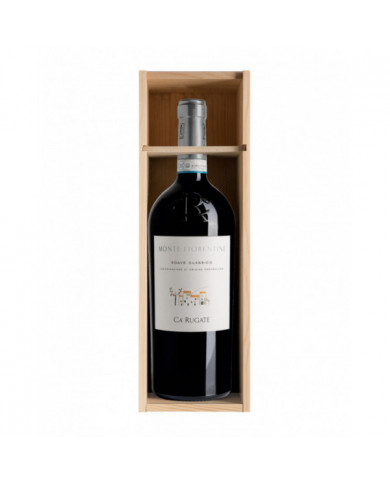
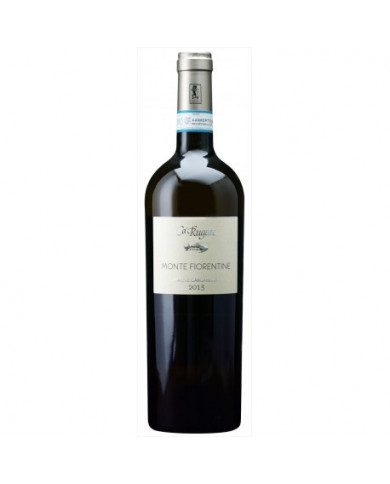
The Soave Classico Magnum "Monte Fiorentine" by Cà Rugate has a deep straw yellow colour. The nose is fine and delicate with exotic fruit and citrus. The Taste is soft, persistent and sapid.
This wine is vinified in white with fermentation in steel at 16-18 degrees, for a period of 10-15 days.
The vineyards of Monte Fiorentine are located north of Colle Rugate, in Brognoligo di Monteforte d'Alpone, in soils of volcanic origin rich in minerals.
A very structured wine that is best expressed after 1-2 years of aging in the bottle.
€43.07
SKU:
14571
Brand:
Ca' Rugate
Straw yellow color with antique gold reflections. The nose offers a complex and harmonious aromatic range that combines citrus notes with those of Mediterranean herbs. On the palate it is intense and elegant with marked minerality and flavor that give a long and fresh finish.
€24.64
SKU:
14569
Brand:
Ca' Rugate
Studio is the name of a wine but it is also the study of a wine. A study made of research and experimentation around two grape varieties typical of the Soave area: Trebbiano di Soave and Garganega. A study that began several years ago, which led Ca' Rugate towards a rereading and reinterpretation of these two native vines.
€21.59
SKU:
14565
Brand:
Ca' Rugate
Deep straw yellow colour. Intense, persistent, floral, fruity nose of ripe fruit, dried fruit and almond. Warm, soft and full-bodied. On the palate it is intense and persistent. Very structured wine that reaches its peak after a few years.
€17.69
SKU:
14564
Brand:
Ca' Rugate
Deep straw yellow colour. Fine and delicate nose of exotic fruit and citrus. Soft, persistent and savory taste. A very structured wine that is best expressed after 1-2 years of aging in the bottle.
€16.10
SKU:
14561
Brand:
Ca' Rugate
Straw yellow colour. Fine and delicate nose of sweet field flowers: chamomile, elderberry, iris. Pleasant palate, with sweet almond aftertaste.
€11.96
SKU:
14560
Brand:
Ca' Rugate
Straw yellow colour. Fine and delicate nose of sweet field flowers: chamomile, elderberry, iris. Pleasant palate, with sweet almond aftertaste.
€7.44
€13.01
€13.02
€11.72
SKU:
14552
Brand:
Cantina Orsogna
Short cold maceration and subsequent soft pressing. The must ferments in stainless steel containers at a temperature of 12-14 ° C for about 30 days with its indigenous yeasts. Clarification takes place by decanting. The refinement takes place in steel tanks for about 4 months, followed by in the bottle. At tasting it has a straw yellow color. Intense aroma with hints of grapes, tropical fruit, flowers. Fresh and soft taste, intense, savory and full-bodied. Excellent to accompany seafood, medium-aged cheeses, structured first courses, white meats.
€39.41
€15.47
SKU:
14541
Brand:
MARCHESI DI GRESY
€30.13
€24.11
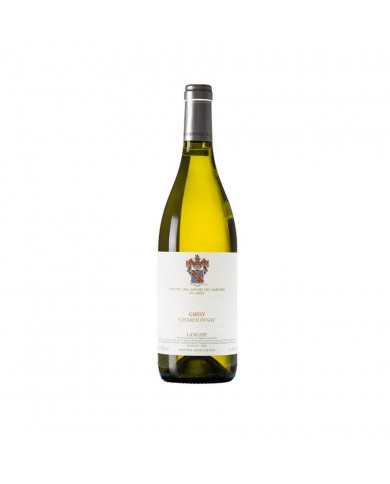
The Chardonnay of the Marchesi di Gresy is a white with great structure, a Piedmontese expression of a classic Burgundian. The grapes are grown on Monte Aribaudo near Treiso and then the must ages for a long period in wood, a full 22 months, an aspect that gives body, softness and tertiary notes of spices and toasting. Peculiar the pleasant sapidity that accompanies the sip and persists for a long time
€30.13
€24.11
SKU:
14501
Brand:
Cantina Tollo
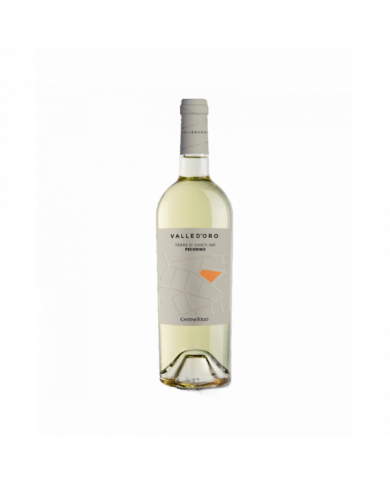
Vine to rediscover ancient variety that gives persistence, harmonious and slightly balsamic flavor with notes of citrus and garden fragrances. Made exclusively with Pecorino.
Pairings
Raw fish and shellfish, fish dishes in general also excellent with fresh or stretched curd cheeses.
€7.71
SKU:
14500
Brand:
Cantina Tollo
Company : Cantina Tollo Wine region : Abruzzo (Italy) Appellation : Terre di Chieti IGT (IGP) Vegan Type : white, dry, still Variety : Pecorino 100% Alcohol content : 13% Year : 2021 Format: 750 ml
SKU:
14499
Brand:
Cantina Tollo
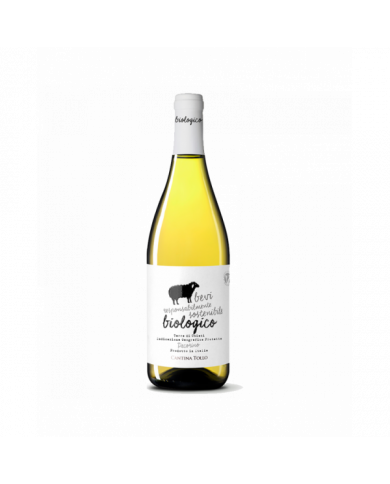
A wine that tells the authenticity of nature, just as bees are proof of the quality of food.
Pairings
Excellent as an aperitif or with fish-based dishes, white meats and fresh cheeses
€8.00
SKU:
14497
Brand:
Cantina Tollo
From the uncontaminated land of Abruzzo comes this delicate and fragrant wine, obtained from hand-picked grapes on gentle and sunny hills.
Pairings
Excellent as an aperitif and with all seafood cuisine, white meats and fresh cheeses.
€8.04
SKU:
14496
Brand:
Castel Firmian
€10.25
€9.22
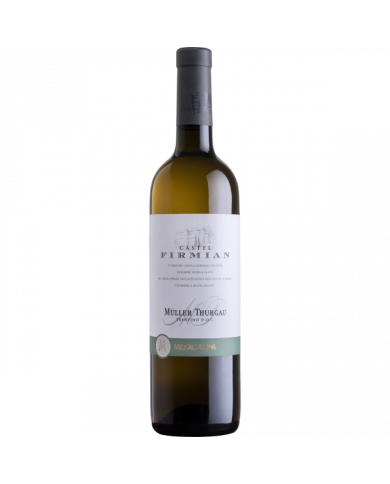
Produced only with grapes from its own vineyards in the medium-high hills of the Cembra Valley. It comes from the vine of the same name obtained in 1882 by the researcher Hermann Müller in the Swiss town of Thurgau from the cross between the Rhine Riesling and Chasselas varieties. The vinification is traditional with brief contact on the skins to ensure maximum conservation and the transmission to the wine of the varietal aromas characteristic of the grape. Subsequent fermentation at controlled temperature (18-20°C).
€10.25
€9.22
SKU:
14495
Brand:
Castel Firmian
€15.01
€12.00
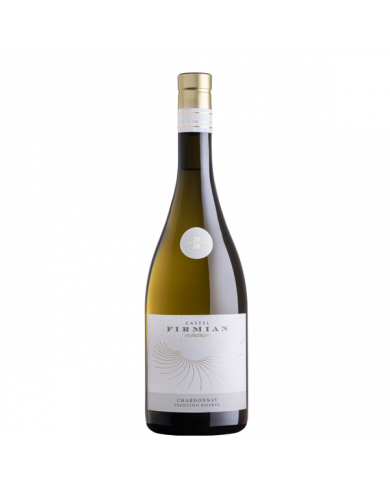
The Chardonnay Riserva comes from a selection of the best vineyards grown on the slopes of the Trentino mountains between 250 and 500 m above sea level. The preferred soils are of alluvial and draining origin. The grapes are harvested well ripe and characterized by a golden yellow colour, an indication of high aromatic richness. The skilful blending of wines obtained from vineyards located at various altitudes and with different exposures results in a wine that is ripe and rich but also fresh and fragrant. The grapes are harvested in September, partly subjected to cold maceration to increase the extraction of aromas and subsequently subjected to soft pressing. The must is fermented with the addition of selected yeasts, half in steel and half in lightly toasted French oak. The wines mature for 8 months in wood and 4 months in steel. The part that ages in barrique also carries out the malolactic fermentation and repeated batonage (resuspension of the fermentation yeasts) is carried out. Finally, 3-4 months of aging in the bottle follow.
€15.01
€12.00
SKU:
14481
Brand:
Cantina dei Monaci
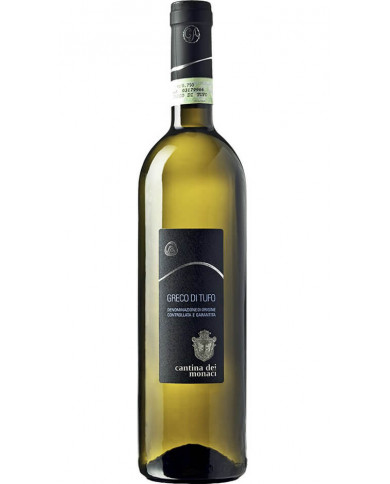
The grape variety is particularly fruity and easy to recognize on the palate. Greco di Tufo is a vine mainly dedicated to the production of still white wines, which over time has been able to distinguish itself thanks to its strong and unmistakable scents. It lends itself very well to the best everyday meals.
With intense straw yellow colors with olfactory presences of yellow peach, golden apple and mint which highlights its freshness on the palate.
Equally structured and complex taste, it knows how to envelop the palate but also refresh it.
Very versatile wine that lends itself well both as an aperitif and as an accompaniment to fish-based dishes or risottos.
€13.66
SKU:
14480
Brand:
Cantina dei Monaci
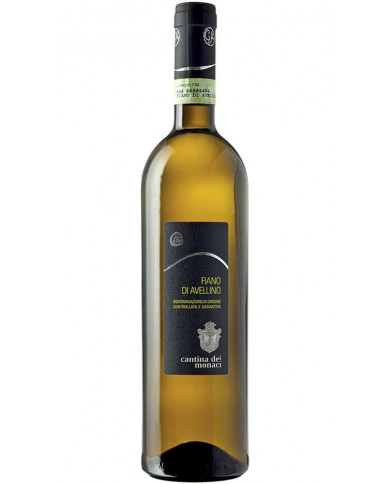
One of the most floral wines that can be produced. The Fiano variety is a particularly fragrant and delicate grape variety. However, thanks to its tannins it manages to give structure to the wine.
With bright straw yellow colors with sensual olfactory essences of white spring flowers, apple and hazelnut.
The surprising acidity makes it a wine that certainly never tires of being drunk. Furthermore, it maintains sapidity and persistence.
Excellent as an aperitif if drunk cold. If, on the other hand, you want to taste it with fish, we recommend stewed or baked dishes and courses, which thanks to its acidity will cleanse your palate making the taste of the dishes even better.
€13.54
SKU:
14479
Brand:
Cantina dei Monaci
The grape variety is particularly fruity and easy to recognize on the palate. Falangina is a vine mainly dedicated to the production of still white wines, which over time has been able to distinguish itself thanks to its strong and unmistakable scents.
With straw yellow colors and fresh fruit notes, where pineapple, mango and papaya stand out. At the sip it envelops the mouth, and enriches in persistence with savory traces.
Very versatile wine that lends itself well both as an aperitif and as an accompaniment to fish-based dishes or risottos.
€16.96
SKU:
14477
Brand:
Von Blumen
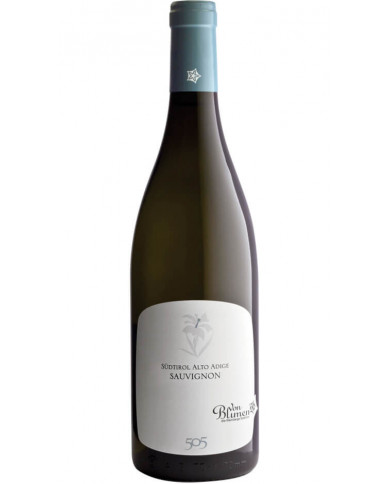
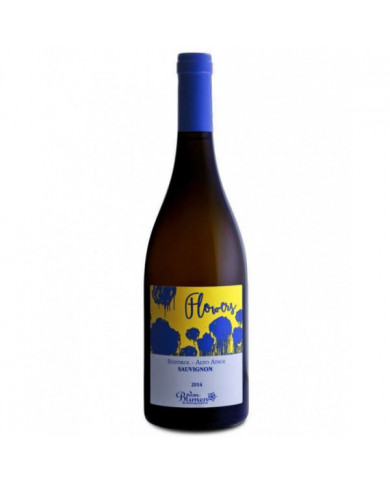
For more than a century this vine, originally from France and precisely from the Loire Valley area, has been grown on the hills of Alto Adige. The grape harvest takes place by hand, as in the past, starting from the beginning of September. After a gentle destemming, the grapes undergo a short cold maceration in a stainless steel press. The alcoholic fermentation takes place in steel tanks at a controlled temperature. At the end of alcoholic fermentation, the wine is kept in contact with the lees, in stainless steel containers for about 6 months. The Sauvignon has a yellow color with light green reflections. On the nose the scent is fresh, with extravagant hints of nettle, pepper, tomato leaves and anise. On the palate the flavor is intense and persistent with a good aroma and a savory and gritty acidity. A versatile goblet that goes perfectly with all courses at the table and after the first sip it will take you back to the unspoiled nature on the slopes of Monte Corno.
€18.45
SKU:
14475
Brand:
Von Blumen
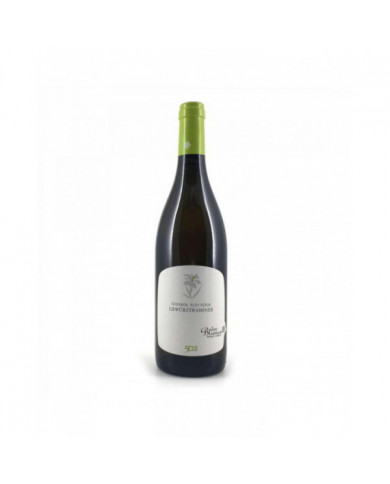
The name Traminer appears for the first time in 1349 in Konrad Megenberg's "Book of Nature". The origins of this vine are uncertain; some believe they are in Alsace, others in the town of Termeno (Bolzano), still others in Wurttemberg, and finally in the Reno valley. The grapes are harvested manually in boxes. After a delicate destemming, cold maceration follows at a temperature of 12°. The alcoholic fermentation takes place in steel tanks at a controlled temperature; at the end of alcoholic fermentation, the wine is kept in contact with the lees, in stainless steel containers for about 6 months. In the glass it has an intense straw yellow color. On the nose, the aroma is intense and varied with aromas ranging from yellow pulp fruits, lychee, rose, acacia flowers and saffron. On the palate it immediately proves to be a wine of great structure and balance based on sapid and fresh notes, supported by a never invasive softness and characterized by delicious almond nuances. An eclectic goblet that is excellent on the table as an aperitif or to accompany shellfish dishes, ethnic cuisine and spicy flavours.
€20.68
SKU:
14474
Brand:
Von Blumen
Production notes
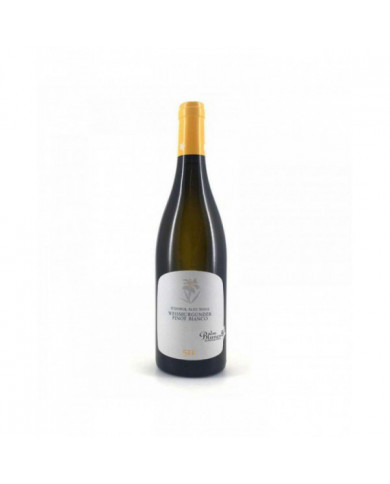
After fermentation, the Pinot Blanc from the Von Blumen winery remains in contact with the lees in stainless steel for 6 months.
Tasting notes
The Pinot Bianco from the Von Blumen winery has a straw yellow color, with hints of apple, peach, apricot and pear. Very convincing in the mouth with its acidity and minerality.
€16.47
SKU:
14472
Brand:
Von Blumen
For more than a century this vine, originally from France and precisely from the Loire Valley area, has been grown on the hills of Alto Adige. The grape harvest takes place by hand, as in the past, starting from the beginning of September. After a gentle destemming, the grapes undergo a short cold maceration in a stainless steel press. The alcoholic fermentation takes place in steel tanks at a controlled temperature. At the end of alcoholic fermentation, the wine is kept in contact with the lees, in stainless steel containers for about 6 months. The Sauvignon has a yellow color with light green reflections. On the nose the scent is fresh, with extravagant hints of nettle, pepper, tomato leaves and anise. On the palate the flavor is intense and persistent with a good aroma and a savory and gritty acidity. A versatile goblet that goes perfectly with all courses at the table and after the first sip it will take you back to the unspoiled nature on the slopes of Monte Corno.
€31.11
SKU:
14471
Brand:
Von Blumen
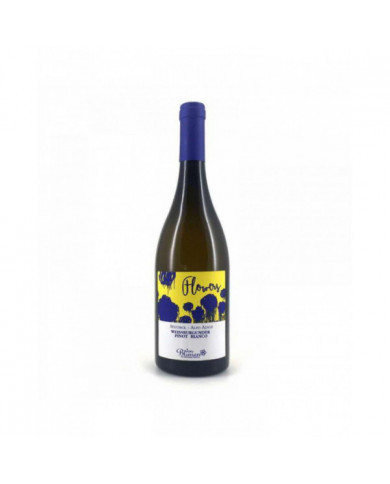
Production notes Pinot Bianco ''Flowers'' is a white wine aged for 10 months in tonneaux. Malolactic fermentation can be total or partial. Tasting notes Pinot Bianco ''Flowers'' is a straw yellow white wine with green transparencies. Perfumes of white flowers and flint with vegetal notes in the background. Fresh and mineral taste of ripe pineapple, sage and anise.
€25.53
SKU:
14460
Brand:
Barsento
Manual harvest. Destemming and low temperature fermentation. The crushed grapes remain at a low temperature for a few hours before fermentation, after which the soft pressing takes place. Fermentation continues at around 18°. It remains three months in steel before being bottled. After bottling it remains in cavea karso for another 2 months.
€12.93
SKU:
14454
Brand:
Barsento
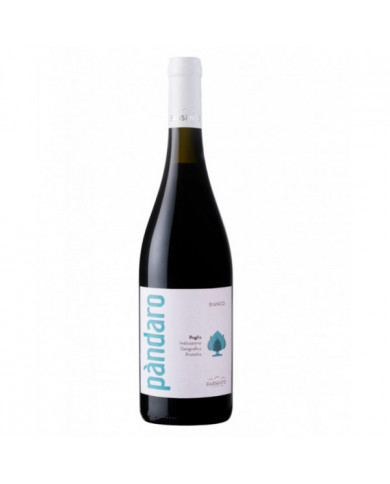
Pandaro is a still white wine produced with fine 100% Fiano grapes.
Once the grapes are harvested in September, after destemming and a soft pressing, the must is clarified and subsequently fermented at a low temperature in stainless steel tanks. The wine is then bottled and further refined in the bottle for at least 1 month before being put on the market.
Pàndaro has a brilliant straw yellow color with greenish reflections. The olfactory examination reveals an intense fruity aroma of green apple and ripe banana, mixed with nuances of pineapple and almond.
In the mouth the flavor is rich, sapid and with a nice acidity. A drink that guarantees a quality, long and persistent finish on the palate.
It goes perfectly with appetizers, first and second seafood dishes, molluscs and crustaceans. Also perfect as an aperitif.
€9.64
SKU:
14450
Brand:
Emidio Pepe
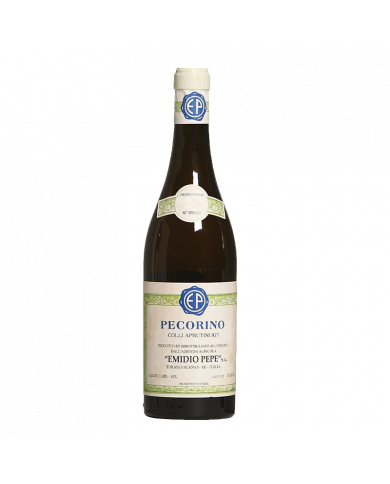
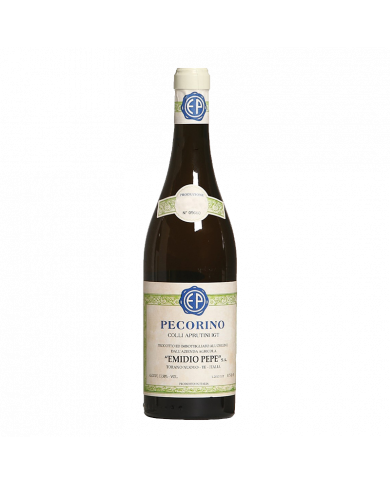
Pecorino by Emidio Pepe is a white wine with a great personality, full-bodied and intense, which gives us floral and yellow fruit notes on the nose, with a herbaceous finish. The sip has a very pleasant mineral note and a vertical taste of great persistence.
SKU:
14441
Brand:
La Guardiense
Brilliant straw yellow colour, characteristic fruity bouquet of good intensity with hints of cedar, citrus, white fruit and yeasts. Pleasant, with a good structure and excellent persistence. Balanced.
€15.03
SKU:
14440
Brand:
La Guardiense
Straw yellow color with green reflections. The nose expresses floral hints of orange blossom completed by nuances of flint and yeasts. The taste is elegant, savoury, soft and very persistent, confirming the olfactory hints of citrus.
€12.90
SKU:
14418
Brand:
PFITSCHER
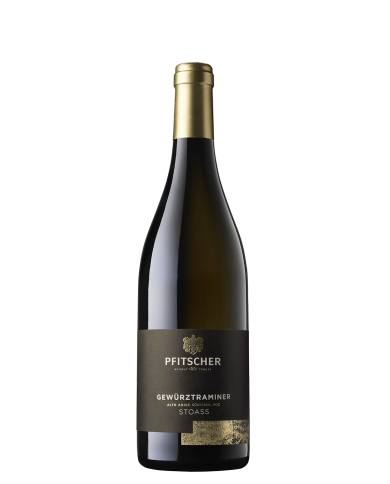
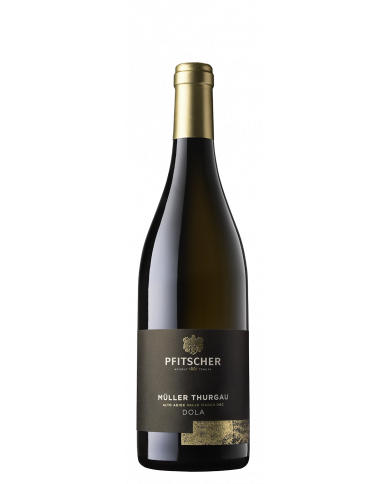
Precious light white wine, characterized by a slight acidity and a fruity bouquet. The nose captivates with delicate notes of nutmeg and stone fruit. The clear yellow-green color of this dry white wine captivates with its fruity and intense flavour.
€16.40
€103.09
SKU:
14390
Brand:
Cantina Roeno
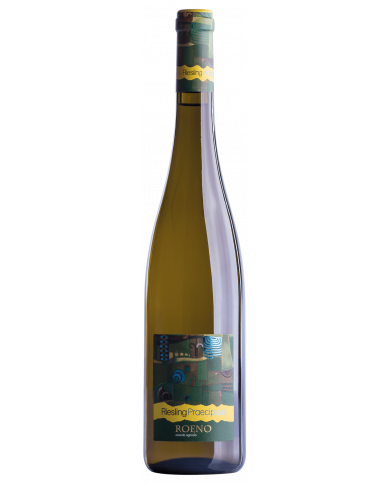
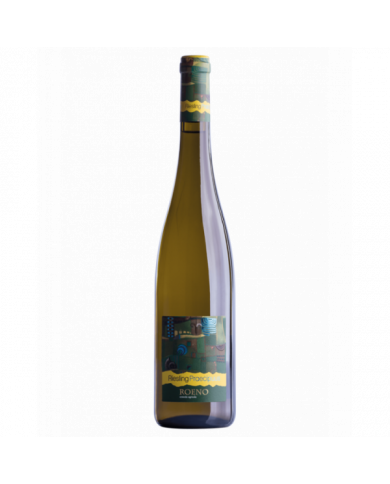
From the ambitious project of the Cantina Roeno was born "PRAECIPUUS" obtained from Renano riesling grapes. The choice of the Latin name is a tribute to the excellence of the product obtained. Praecipuus: extraordinary, excellent. First vintage of Praecipuus 2009.
€48.07
SKU:
14389
Brand:
Cantina Roeno
From the ambitious project of the Cantina Roeno was born "PRAECIPUUS" obtained from Renano riesling grapes. The choice of the Latin name is a tribute to the excellence of the product obtained. Praecipuus: extraordinary, excellent. First vintage of Praecipuus 2009.
€20.50
SKU:
14388
Brand:
Cantina Roeno
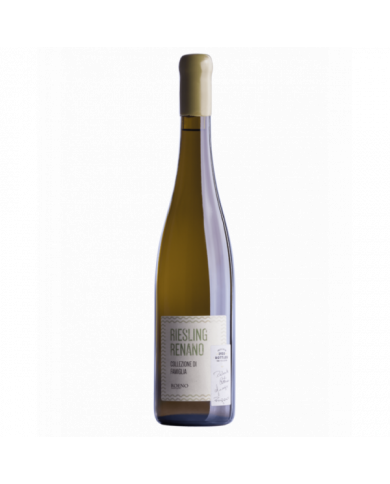
First vintage produced: 2010 vintage Average number of bottles produced: 3500 bottles c. It was born because: the Fugatti family has always been in love with this unique and sensorially unrepeatable vine. During many climatically different harvests, small batches of grapes from the most suitable parcels were isolated, with the aim of better understanding their expressive potential and understanding their evolution after prolonged refinement. The results of this long experimentation led to the birth, with the 2010 vintage, of a different Riesling, conceived to raise the value and uniqueness of this extraordinary vine to the utmost excellence.
€32.45
SKU:
14387
Brand:
Cantina Roeno
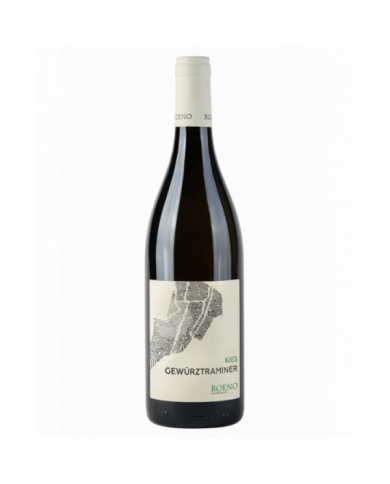
wine of great balance based on savory and fresh notes, supported by a great softness, excellent structure and important aromatic persistence.
€16.35
SKU:
14386
Brand:
Cantina Roeno
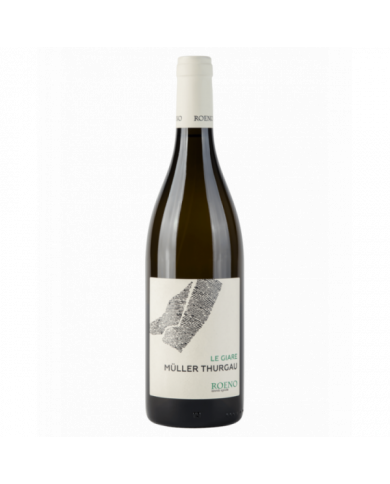
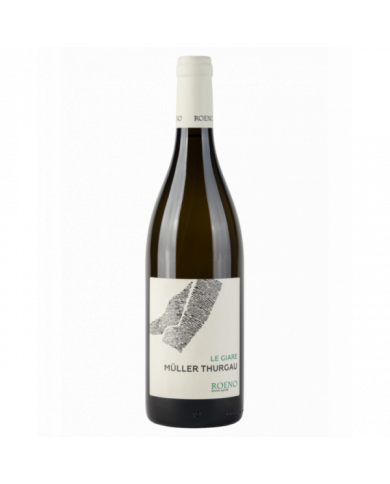
Muller Thurgau Trentino ''Le Giare'' with an aromatic and persistent flavor is suitable as an aperitif, with light appetizers.
€14.15
SKU:
14385
Brand:
Cantina Roeno
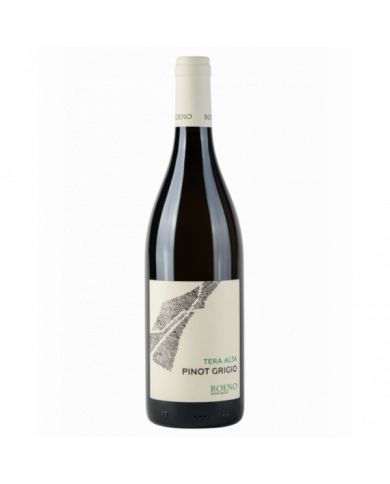
This famous vine of French origin derives from a bud mutation of Pinot Noir. Preferring cool and windy climates, it has found in Valdadige
€13.30
SKU:
14384
Brand:
Cantina Roeno
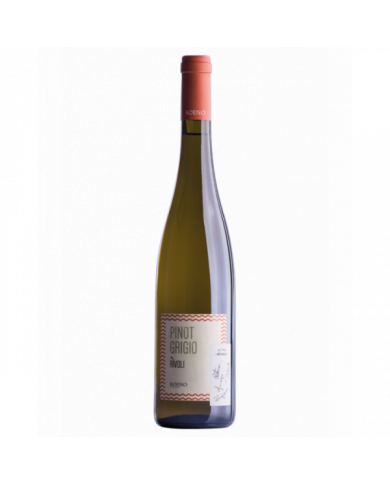
Rìvoli, from the name of the locality of choice. A Pinot Grigio of decided freshness, rich in facets, with a marked persistence and intensity.
€28.00
SKU:
14383
Brand:
Cantina Roeno
The Müller-Thurgau Frizzante di Roeno is a fresh white wine excellent to drink on warm summer evenings. At sight it has a straw yellow color
€9.39
SKU:
14368
Brand:
Borgo Maragliano
Grape variety: CHARDONNAY 100% fermentation in stainless steel tanks Altitude: 410 meters slm Slope: 17% facing East Training system: Low Guyot Soil: 30% tufa - 68% sandstone - 2% calcium Average yield per hectare: 55 hl.
€55.51
SKU:
14365
Brand:
Borgo Maragliano
Grape variety: RIESLING RENANO 100% fermentation in stainless steel tanks Altitude: 540 meters slm Slope: from 30% to 65% facing South - South East Training system: Low Guyot Soil: 60% tuffaceous - 38% sandstone - 2% calcium and gypsum Average yield per hectare: 62 hl.
€33.15
SKU:
14361
Brand:
Borgo Maragliano
Grape variety: CHARDONNAY 100% fermentation in stainless steel tanks Altitude: 410 meters slm Slope: 17% facing East Training system: Low Guyot Soil: 30% tufa - 68% sandstone - 2% calcium Average yield per hectare: 55 hl.
€23.39
SKU:
14359
Brand:
Borgo Maragliano
Grape variety: 100% MOSCATO BIANCO DI CANELLI Altitude: 480 meters slm level Slope: 67% with South West exposure Training system: Low Guyot Soil: 45% tuffaceous - 48% sandstone - 7% calcium Average yield per hectare: 19 hl.
€30.40
SKU:
14357
Brand:
Cantina Orsogna
The whole bunches are sent to the pneumatic press and the must is fermented with its indigenous yeasts at a low temperature (12-14 ° C) in stainless steel tanks for about 30 days. The refinement takes place in steel tanks and, subsequently, in the bottle. At tasting it has a straw yellow color. Intense aroma with hints of broom, white pulp fruit, and ethereal. Fresh, intense, savory and full-bodied taste. Excellent to accompany an elaborate seafood cuisine, medium-aged cheeses, structured first courses, white meats.
€13.00
SKU:
14353
Brand:
Borgo Maragliano
Grape variety: 100% CANELLI WHITE MOSCATO
Altitude: 360 meters slm level Slope: 32% with South West exposure
Training system: Low Guyot
Soil: 45% tuffaceous - 48% sandstone - 7% calcium
Average yield per hectare: 65 hl.
€12.85
SKU:
14292
Brand:
Tenuta Antonini
24-carat white: Gold is pure 24-karat, as is our wine.
The best selection of our territorial white berried grapes. From the most suitable vineyards, respecting nature and practicing a viticulture that respects the territory.
€21.00
SKU:
14283
Brand:
Kante
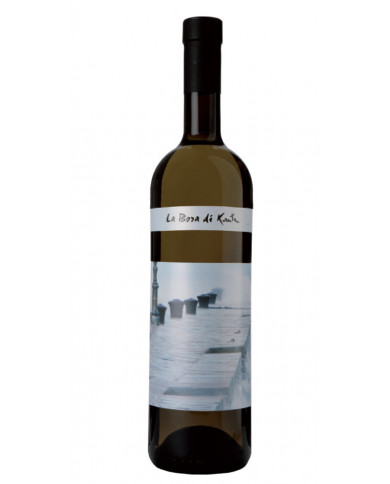
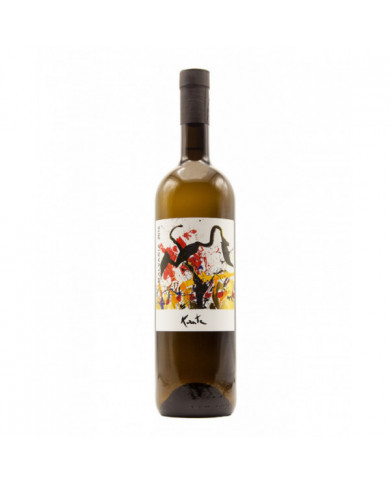
Master of an art that with continuous experimentation and innovation creates products distinguished by a freshness and elegance that can only be found in the authenticity and purity of nature. The red earth obtained by digging the bottom of sinkholes and grinding the Karst rock.
A land that thanks to the sea breeze and the bora gives its products unique and unrepeatable characteristics of acidity, minerality, salinity. Optimal temperature and humidity generated by the natural rock and by the Bora, which I let in through a wooden door located to the north-east, make this cellar dug out on several levels, reaching a depth of 18 metres, the ideal cradle for selecting and let the best vintages age in the bottle.
€54.90
SKU:
14278
Brand:
Kante
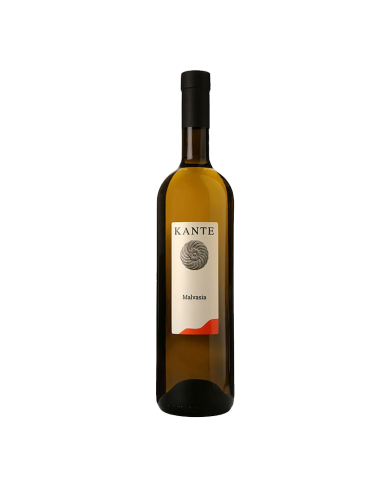
“saline, spicy, fragrant”
my Malvasia is the only variety
with which I managed to seize
the taste of the sea and iodine
€54.90
SKU:
14277
Brand:
Kante
"salty, spicy, fragrant" my Malvasia is the only variety with which I was able to capture the taste of the sea and iodine
€21.84
€21.83
SKU:
14273
Brand:
Kante
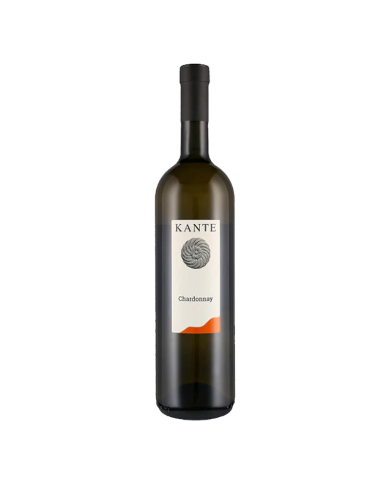
I wanted to conceive Chardonnay because I knew that with this limestone, our draining soils and the sudden changes in temperature due to the Bora I could create an inimitable wine
€21.84
SKU:
14272
Brand:
Kante
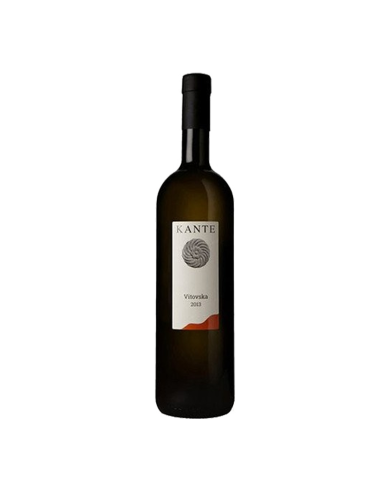
our elders positioned the rows of Vitovska in the first row to the north-east because with their resistance they were the protectors of all the other varieties against the Bora
€24.24
SKU:
14269
Brand:
Cantina Marchesi Antinori
Refined and intense, structured and persistent , it is obtained from Chardonnay grapes with a small percentage of Grechetto, a native grape that brings acidity and binds it even more to the territory. The vinification takes place in Allier and Troncaise barriques, where the wine then matures for six months before being bottled and left to refine for another 10 months.
SKU:
14268
Brand:
Cantina Marchesi Antinori
Refined and intense, structured and persistent , it is obtained from Chardonnay grapes with a small percentage of Grechetto, a native grape that brings acidity and binds it even more to the territory. The vinification takes place in Allier and Troncaise barriques, where the wine then matures for six months before being bottled and left to refine for another 10 months.
€75.46
SKU:
14267
Brand:
Cantina Marchesi Antinori
Refined and intense, structured and persistent , it is obtained from Chardonnay grapes with a small percentage of Grechetto, a native grape that brings acidity and binds it even more to the territory. The vinification takes place in Allier and Troncaise barriques, where the wine then matures for six months before being bottled and left to refine for another 10 months.
SKU:
14265
Brand:
Cantina Marchesi Antinori
Refined and intense, structured and persistent , it is obtained from Chardonnay grapes with a small percentage of Grechetto, a native grape that brings acidity and binds it even more to the territory. The vinification takes place in Allier and Troncaise barriques, where the wine then matures for six months before being bottled and left to refine for another 10 months.
SKU:
14258
Brand:
Azienda Agricola Gorgo
Synonymous with "sparkling" and contagious joy, it is the wine for aperitifs on long evenings, but with its moderate alcohol content, it is also appreciated by those who, for health reasons or food choices, prefer a more delicate but equally fine and elegant wine.
€14.24
SKU:
14251
Brand:
Azienda Agricola Gorgo
The noble vine interprets our territory with grace and harmony with an aromatic set of fruit and flowers that artfully regulate this wine.
€12.26
SKU:
14247
Brand:
Azienda Agricola Gorgo
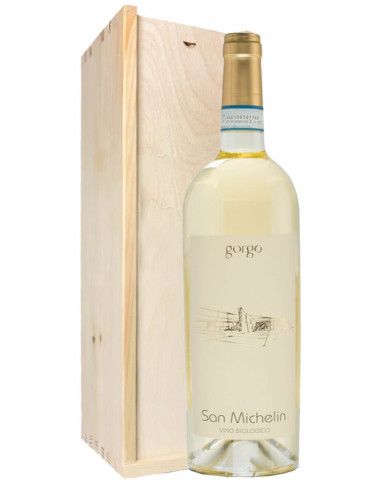
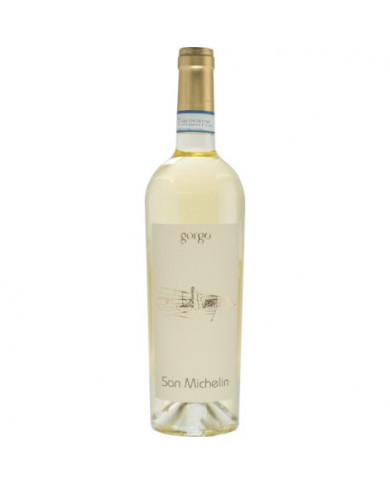
The San Michelin vineyard wants to interpret and represent the Custoza wine even more vigorously and elegantly.
It then undergoes a very long refinement for 6 months in barrels and for 24 months in bottles before being served.
Fresh, fruity and slightly aromatic. Custoza is a dry white wine with bright yellow colors and a complex blend of Garganera, Trebiano, Cortese and Riesling.
Aromas of flowers and white pulp fruits, with dry and harmonious flavours. It lends itself deliciously as an aperitif or paired with fish-based dishes.
€42.09
SKU:
14245
Brand:
Azienda Agricola Gorgo
A Custoza obtained with grapes harvested when overripe, in which the exotic fruit is the absolute protagonist, accompanied by flowers and spices. Powerful and vibrant, it is an elegant and long-lived wine.
€13.02
SKU:
14243
Brand:
Azienda Agricola Gorgo
Custoza San Michelin Gorgo made from Garganega grapes comes from the old San Michelin vineyard and elegantly interprets the character and qualities of Custoza wine: fresh, fruity, savory and slightly aromatic. Time allows it to evolve, expressing its full structure and mineral notes with determination.
€12.81
SKU:
14239
Brand:
Filippo Grasso
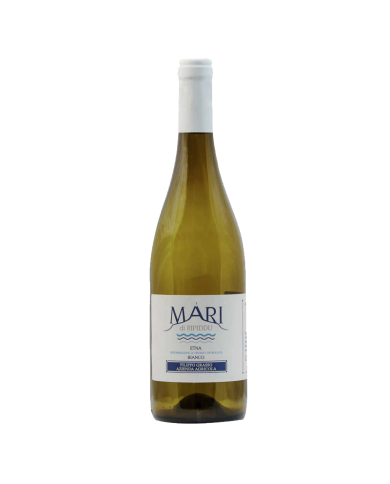
An elegant white, with well-marked mineral notes and a persistent and pleasant flavor on the palate. Excellent glass to combine, in order to be able to savor its exceptional qualities to the fullest, with seafood first courses, grilled roasted fish, shellfish and seafood appetizers.
€19.98
€16.99
SKU:
14237
Brand:
Filippo Grasso
Carrico 68.8 is a "volcanic" wine from all points of view, produced on the northern slope of Etna and with an inimitable flavour. The soil composed almost exclusively of volcanic stones give the wine a unique minerality and flavour. The grapes, harvested during the first week of October, are then delicately pressed and then left to ferment at a controlled temperature. The nose offers a floral and fruity aroma with the prevalence of aromas of white pulp fruit. A wine with an Etna flavor and character that is always well appreciated by lovers of Sicilian wines. A white with well-marked mineral notes and a very pleasant sour taste on the palate. To be tried in combination with fish-based courses, seafood first courses and shellfish to be able to savor its exceptional qualities to the fullest.
€15.98
SKU:
14225
Brand:
Giancarlo Ceci
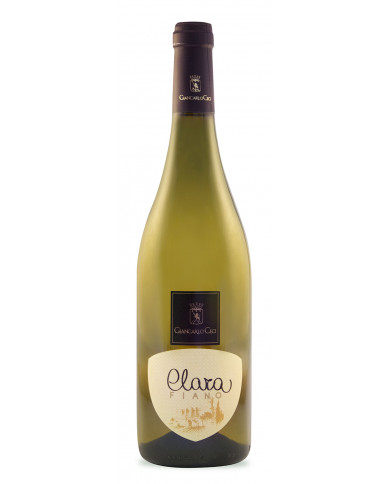
CLARA FIANO IGP PUGLIA WHITE. Clara by Giancarlo Ceci is an organic white wine made from Fiano grapes from selected vineyards.
€15.98
SKU:
14223
Brand:
Giancarlo Ceci
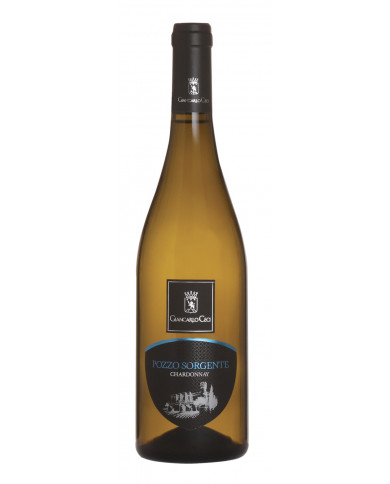
Pozzo Sorgente by Giancarlo Ceci is an organic white wine obtained from Chardonnay grapes from selected vineyards in the Pozzo Sorgente area.
€12.20
SKU:
14221
Brand:
Giancarlo Ceci
Almagia Bianco Giancarlo Ceci is a natural white wine with zero sulphites, Demeter certified from organic and biodynamic agriculture.
''Exactly 200 years after the purchase of the company, I am proud to present Almagia bianco 2018, a biodynamic wine without sulphites, intense and sweet on the nose, sapid and fruity and long on the palate. To drink cold. In the wake of respect and exaltation of what nature gives us, I invite you to taste it and to grasp the sensations.''
SKU:
14216
Brand:
Giancarlo Ceci
GIANCARLO CECI AGRINATURA Close Chardonnay Doc Puglia 2021
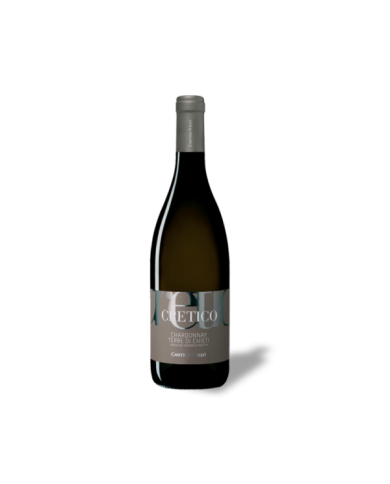
Closure of Agrinatura is an organic white wine D.O.C Castel del Monte Vino produced by the winemaking in purity of Chardonnay grapes.
Presentes a spicy livability related to an intense aromatic freshness
€9.03
SKU:
14215
Brand:
Giancarlo Ceci
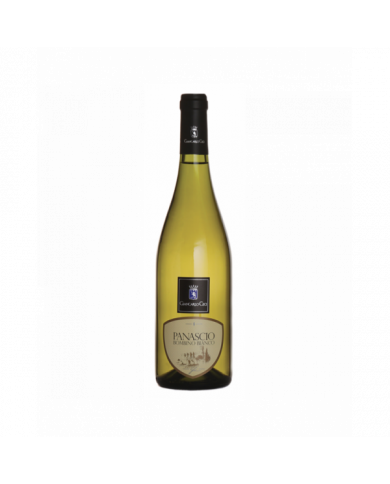
Panascio by Giancarlo Ceci is a Castel del Monte DOC organic white wine produced from the single-variety vinification of white bombino grapes. It fully expresses the typicality of the soil and the grape variety, to be drunk young.
€11.04
SKU:
14214
Brand:
Tocco d'Italy
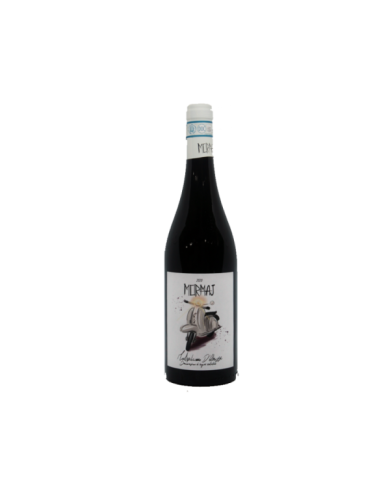
The terracotta, in which the spontaneous fermentation and refinement of MORMAJ Anfora takes place, makes the organoleptic qualities of this wine particular and unique!
€25.90
SKU:
14210
Brand:
Tocco d'Italy
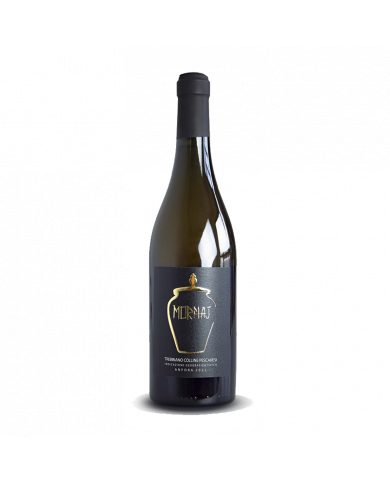
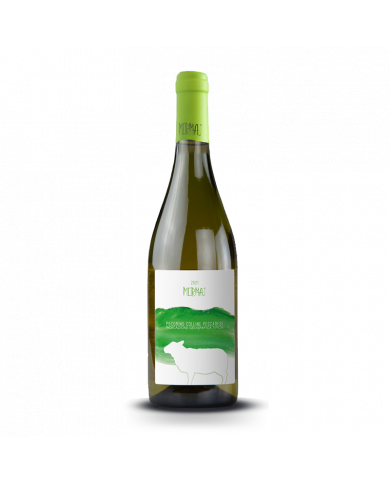
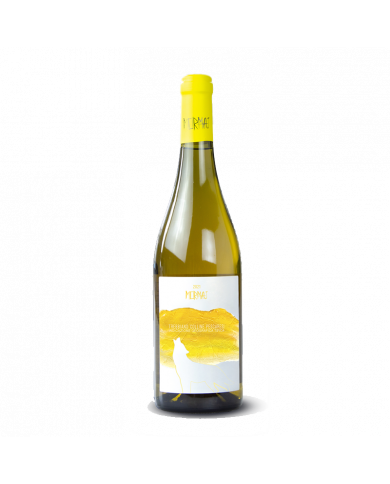
In our cellar, between the MORrone and MAJella mountains, MORMAJ is born, a still white wine obtained through spontaneous fermentation, not clarified, it is aged in steel tanks.
€15.50
€10.85
SKU:
14209
Brand:
Tocco d'Italy
In our cellar, between the MORrone and MAJella mountains, MORMAJ is born, a still white wine obtained from Trebbiano grapes through spontaneous, unclarified fermentation, it is aged in steel tanks.
€20.67
€14.47
SKU:
14207
Brand:
Don Vitantonio vini
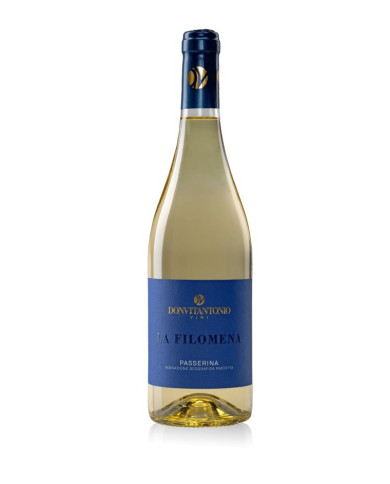
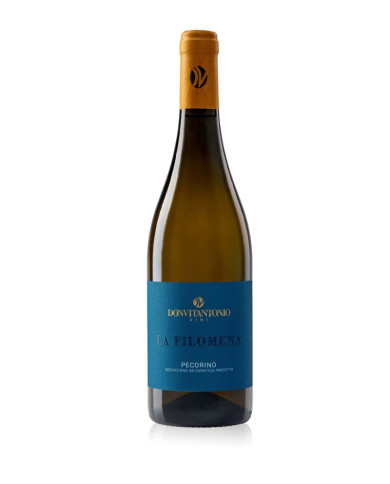
Colour: straw yellow with green veins. Bouquet: vibrant green apple that gives it body. The freshness of the pear, elegant mineral nuances of white flowers and almond. Palate: a touch of tropical fruits is added to the green apple and pear which express themselves in harmony with the sapidity and white flowers, persistent on the palate like an orchestra playing in harmony, where each instrument expresses itself clearly.
€10.50
SKU:
14203
Brand:
Cantina Cioti
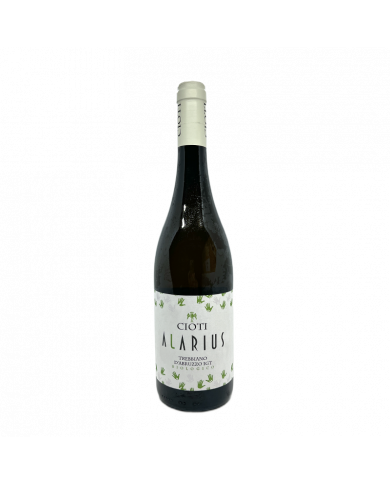
The vineyards are located at an altitude of about 400 meters and fall within the territory of the Gran Sasso Monti della Laga Park.
€10.61
€9.02
SKU:
14200
Brand:
Don Vitantonio vini
Colour: straw yellow with green veins. Bouquet: vibrant green apple that gives it body. The freshness of the pear, elegant mineral nuances of white flowers and almond. Palate: a touch of tropical fruits is added to the green apple and pear which express themselves in harmony with the sapidity and white flowers, persistent on the palate like an orchestra playing in harmony, where each instrument expresses itself clearly.
€11.61
SKU:
14189
Brand:
Tenuta Ulisse
Denomination: Terre di Chieti PGI Grapes: Pinot Grigio
Pinot Grigio is part of the great family of noble Burgundy grapes and is certainly one of the most famous wines in Italy. In the climate of Abruzzo, Pinot Grigio develops a strong aroma, an important structure and great character.
€15.60
SKU:
14162
Brand:
Buccia Nera
When tasted, a very delicate bubble, which pleasantly massages the palate, decisive and pleasant citrus freshness, right flavor and good persistence, with a aftertaste and finish of citrus and fruit with a long trail of freshness to characterize the whole taste.
€14.52
SKU:
14159
Brand:
Buccia Nera
€20.04
€14.03
The destemmed grapes remain in maceration on the skins throughout the alcoholic fermentation. The alcoholic fermentation takes place entirely in stainless steel barrels at a controlled temperature of 18°C. AGING: In stainless steel for 8 months and in bottle for at least 2 months.
€20.04
€14.03
SKU:
14141
Brand:
Principe di Corleone
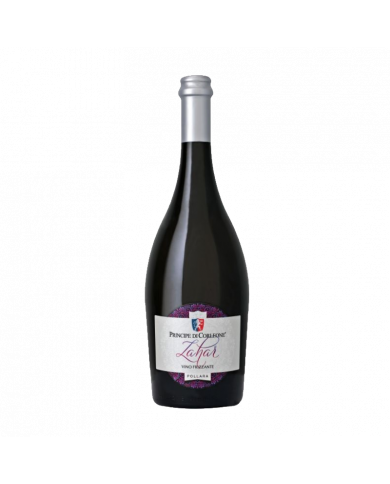
It is a sparkling wine with excellent luminosity and a pale yellow colour. Fresh, pleasant, easy to drink, it is an interesting alternative to the classic sparkling wine. It is perfect for brightening up moments of conviviality.
€12.60
SKU:
14140
Brand:
Principe di Corleone
€26.23
€20.98
From one of the most typical Sicilian vines and from the selection of the best zibibbo grapes ripened on the island in the warm African wind, this classic of great charm is born. Intense and aromatic, it has a complex and decisive aroma and its combination with spicy cheeses, once tried, is difficult to forget.
€26.23
€20.98
SKU:
14139
Brand:
Principe di Corleone
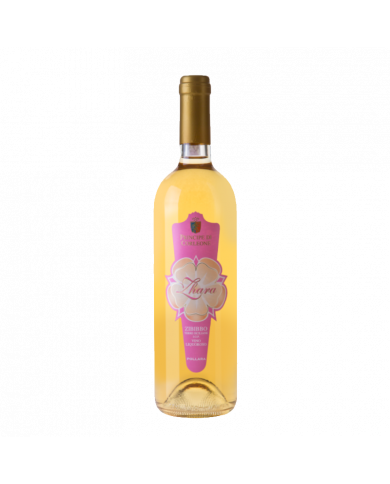
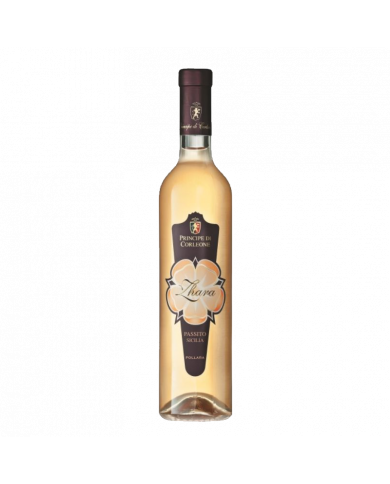
Produced from a careful selection of Moscato from Sicily, Lo Zhara Passito is an excellence thanks to a unique and inimitable relationship between sweetness and freshness. Harmonious, enveloping, perfect, it is a sweet wine capable of a very long aging in the bottle, the emotions are guaranteed after many years. The grapes, dried on racks, are pressed and left to macerate for about 5 hours, then they are softly pressed and fermented at 18-20°.
€17.28
SKU:
14137
Brand:
Principe di Corleone
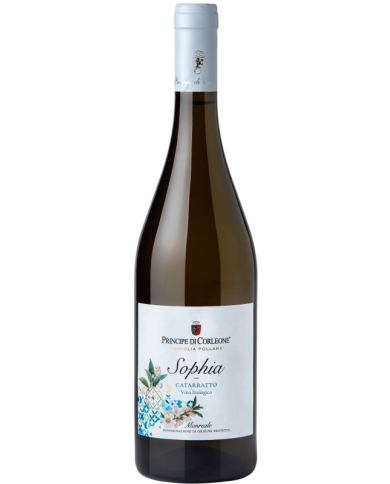
Obtained from Catarratto grapes from organic farming, it has a straw yellow color with greenish reflections. Ample bouquet with hints of white flowers and a strong, full and harmonious flavour. Ideal with all dishes based on fish, shellfish and soft cheeses.
€21.01
SKU:
14128
Brand:
Venit
€18.24
€15.50
Cultivated in clay soils with spurred cordon and harvested by hand. The continuous passionate care and pressing of the whole grapes guarantee important complexity, freshness and persistence.
€18.24
€15.50
SKU:
14123
Brand:
Gianfranco Bovio
€21.84
€19.65
One of a Kind Chardonnay. It is dedicated to the owner's grandfather, from whom the adventure of the Bovio family in the world of wine began. Born In 1998 From An Experiment, It Is Appreciated To Such A Point That Since Then It Has Been Considered A "Chicca" Of The Cellar.
€21.84
€19.65
€16.96
SKU:
14101
Brand:
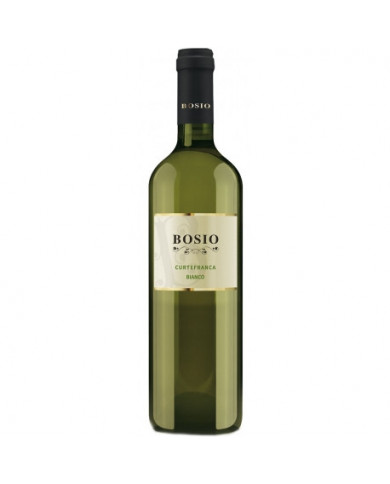
Bosio
The grapes are subjected to a soft pressing and subsequent alcoholic fermentation in stainless steel tanks at a controlled temperature; aging in tanks for about 8 months and subsequent bottling. Curtefranca Bianco has a moderate softness, but is dominated by fragrance and freshness.
€10.98
SKU:
14069
Brand:
Cantina Marchesi Antinori
This fine wine from the Antinori winery respects the local traditions of Tuscany. The denomination is that of Vin Santo della Valdichiana DOC. Produced from the blended vinification of Tuscan Trebbiano and Malvasia vines.
€17.81
SKU:
14056
Brand:
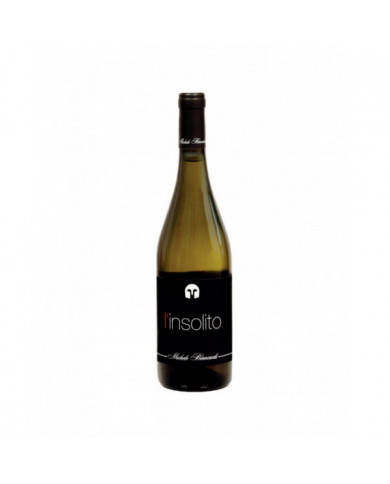
Michele Biancardi
Biancardi's Insolito is a straw yellow wine. Floral, fruity and aromatic. Soft, with pleasant acidity and good persistence
€14.37
SKU:
14055
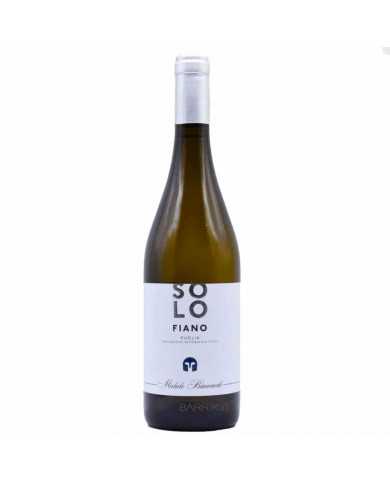
Brand:
Michele Biancardi
€13.54
€12.19
At sight it is straw yellow. The nose is expressed with pleasant and fine floral aromas. On the palate it is fresh and with a characteristic harmonious flavour.
€13.54
€12.19
€21.90
SKU:
14036
Brand:
Audarya
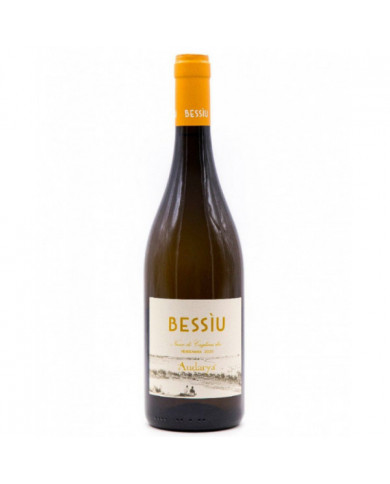
Bessiu is the new label of the Audarya winery, a dry Nasco di Cagliari DOC, with great minerality, full body and long persistence
€21.05
SKU:
14035
Brand:
Audarya
Estissa – Malvasia di Cagliari DOC Audarya, dry white wine from Malvasia grapes, golden straw yellow colour, aromas of peach blossom and pear on the nose, the sip is sapid and slightly aromatic, in a centered and balanced context. 750ml bottle. Grapes: 100% Malvasia.
SKU:
14032
Brand:
Audarya
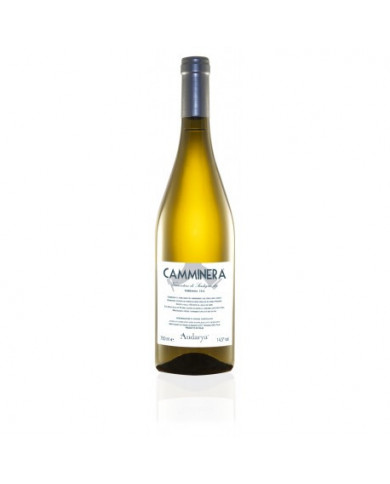
Vermentino di Sardegna Camminera Audarya: “Sa Camminera” is the walkway that runs along the vineyards. For some, certainly for us, it is the gateway to a magical world. Our Vermentino di Sardegna is also called Camminera, obtained from selected grapes from our best vineyards, selected for the characteristics and exposure of the soil.
€17.30
SKU:
14031
Brand:
Audarya
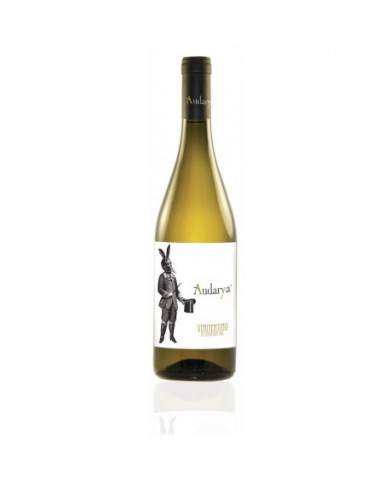
Vermentino di Sardegna Audarya is like reverse magic, in which it is the rabbit who pulls the magician out of the hat and not vice versa
€14.19
SKU:
14028
Brand:
Audarya
€10.90
€9.27
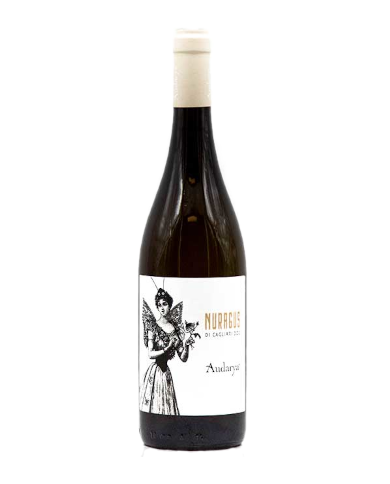
Nuragus di Cagliari Audarya is a wine that expresses the two souls of Sardinia, the land and the sea.
€10.90
€9.27
€14.70
SKU:
14001
Brand:
Emidio Pepe
Pecorino by Emidio Pepe is a white wine with a great personality, full-bodied and intense, which gives us floral and yellow fruit notes on the nose, with a herbaceous finish. The sip has a very pleasant mineral note and a vertical taste of great persistence.
SKU:
14000
Brand:
Pieropan
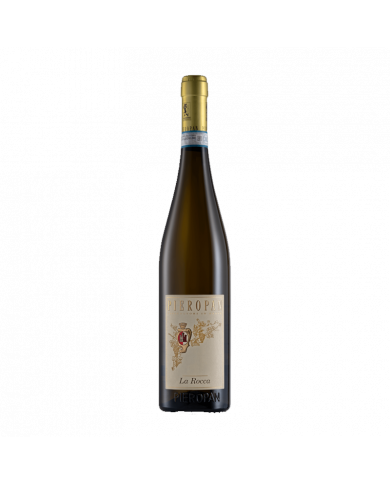
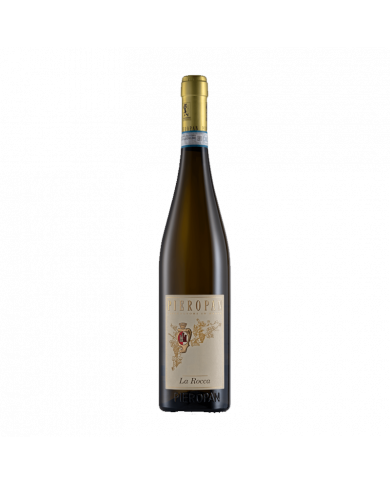
The La Rocca vineyard is located on the hill of Mount Rocchetta, close to the medieval Scaliger castle of Soave. La Rocca enjoys a particular microclimate, which makes it possible to obtain a wine with a unique and unreproducible bouquet and gustatory notes, typical of a pedigree wine. Innovative, since its debut in 1978, it has marked a deep groove in the territory, becoming an undisputed symbol of quality and tradition.
€34.42
SKU:
13999
Brand:
Pieropan
The La Rocca vineyard is located on the hill of Mount Rocchetta, close to the medieval Scaliger castle of Soave. La Rocca enjoys a particular microclimate, which makes it possible to obtain a wine with a unique and unreproducible bouquet and gustatory notes, typical of a pedigree wine. Innovative, since its debut in 1978, it has marked a deep groove in the territory, becoming an undisputed symbol of quality and tradition.
€44.20
SKU:
13998
Brand:
Pieropan
The La Rocca vineyard is located on the hill of Mount Rocchetta, close to the medieval Scaliger castle of Soave. La Rocca enjoys a particular microclimate, which makes it possible to obtain a wine with a unique and unreproducible bouquet and gustatory notes, typical of a pedigree wine. Innovative, since its debut in 1978, it has marked a deep groove in the territory, becoming an undisputed symbol of quality and tradition.
€35.65
SKU:
13997
Brand:
Pieropan
The La Rocca vineyard is located on the hill of Mount Rocchetta, close to the medieval Scaliger castle of Soave. La Rocca enjoys a particular microclimate, which makes it possible to obtain a wine with a unique and unreproducible bouquet and gustatory notes, typical of a pedigree wine. Innovative, since its debut in 1978, it has marked a deep groove in the territory, becoming an undisputed symbol of quality and tradition.
€34.16
SKU:
13985
Brand:
Jermann
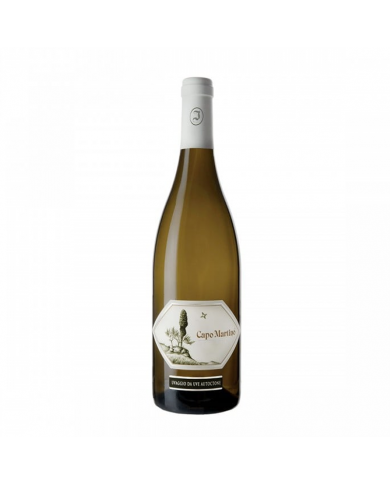
Capo Martino is made only of native grapes of Dolegna del Collio. Its name derives from the hill that the Jermann acquired in 1991 (also the year of its first production) and renovated first in 1996 and in 2003. The vinification takes place with the traditional method already used by the progenitor of the Jermann house, Angelo, briefly and is implemented on the skins. The wine is put on the market 2 years after its harvest.
€72.47
SKU:
13984
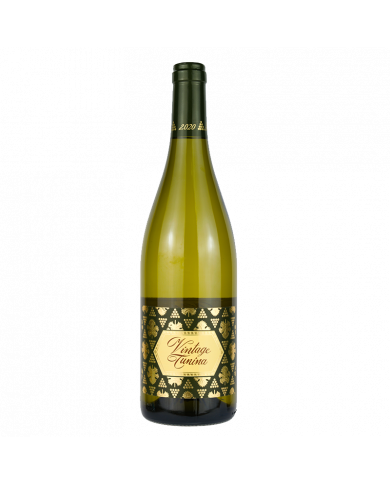
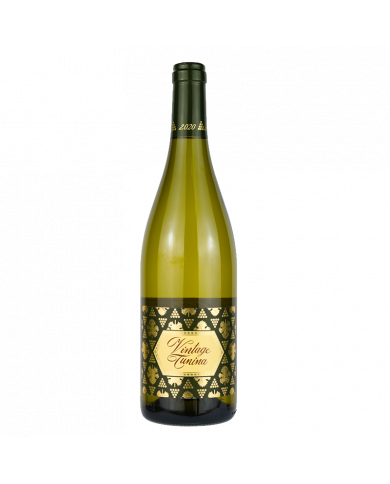
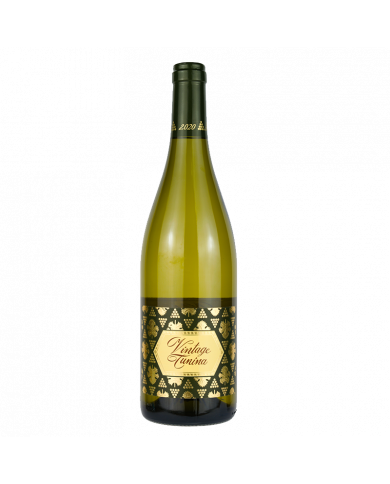
Brand:
Jermann
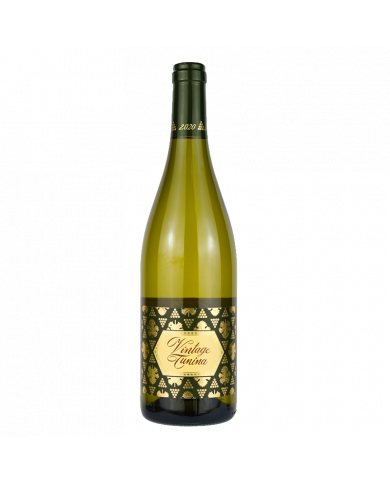
Vintage Tunina Jermann is the winery's Friulian white par excellence, and also the most famous. Produced with the most appreciated white grapes of Friuli.
€68.59
SKU:
13983
Brand:
Jermann
Vintage Tunina Jermann is the winery's Friulian white par excellence, and also the most famous. Produced with the most appreciated white grapes of Friuli.
€56.97
SKU:
13982
Brand:
Jermann
Vintage Tunina Jermann is the winery's Friulian white par excellence, and also the most famous. Produced with the most appreciated white grapes of Friuli.
€67.10
SKU:
13980
Brand:
Agriverde
Straw yellow, bright, brilliant. The nose is expressed with clotted hints of white peach, beeswax and broom, the very subtle notes of dill and lavender fully express the typical character of the Pecorino variety. On the palate it is refreshing, savory and balanced. Food matches: Excellent as an aperitif, seafood dishes, baked pastries.
€20.50
SKU:
13975
Brand:
Jermann
Vintage Tunina Jermann is the winery's Friulian white par excellence, and also the most famous. Produced with the most appreciated white grapes of Friuli.
€56.97
€6.92
SKU:
13966
Brand:
Agricosimo
€10.93
€9.84
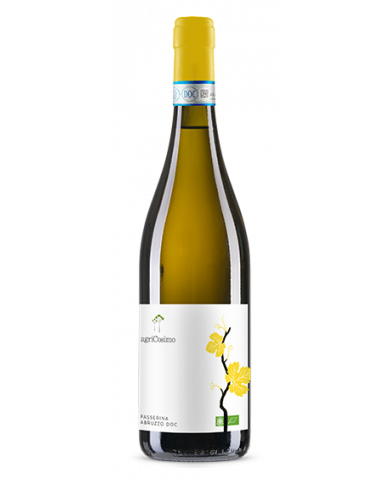
To fully express the typicality of a recently rediscovered native Abruzzo. HOW IT WAS BORN Citrus notes, minerality and sapidity, persistence: a white with a rich sip, with great aging potential. It comes from a research path on the recently rediscovered native whites of Abruzzo.
€10.93
€9.84
€10.63
SKU:
13961
Brand:
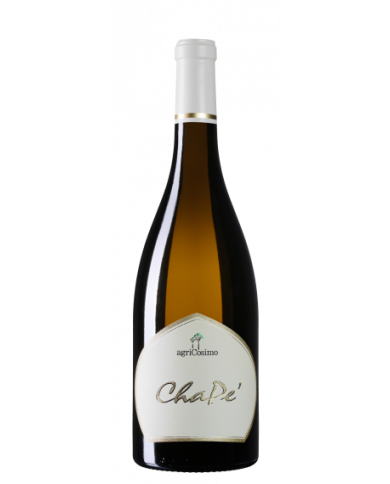
Agricosimo
Chape. A unique wine. It comes from a mixed grape, not a blend of wines: the two musts ferment together.
€15.31
SKU:
13959
Brand:
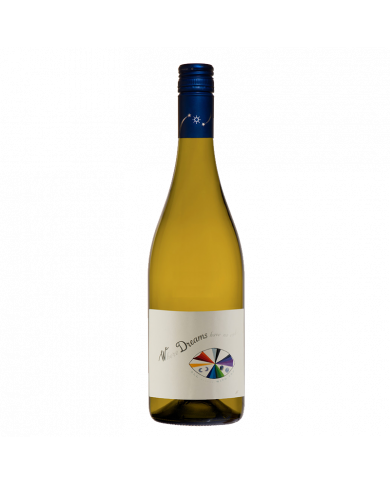
Jermann
"W...Dreams" by Jermann is a Friulian Barricaded Chardonnay, of great territorial expressiveness. Delicate fruity and vanilla scents paint a soft and elegant structure, with a satisfying freshness
€52.53
SKU:
13958
Brand:
Jermann
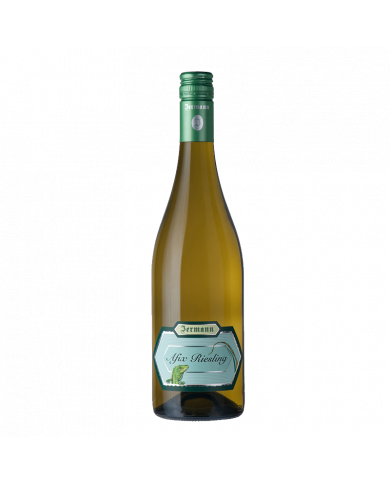
€25.12
Jermann 's Riesling "Afix" is an intense and persistent white wine, obtained from vineyards rooted on the characteristic flysh. The nose is pleasant, fresh, intense, fruity and mineral. On the palate it is balanced, dry, fresh, velvety and persistent.
€25.12
SKU:
13957
Brand:
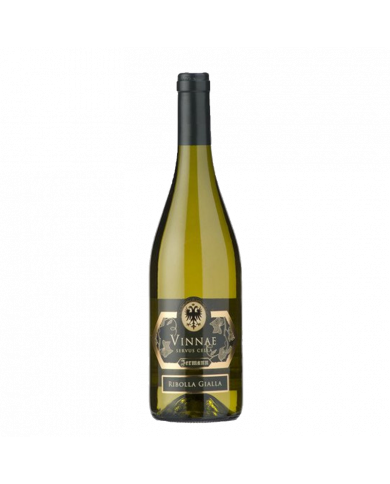
Jermann
Jermann 's "Vinnae" is a Friulian white from Ribolla Gialla grapes which ages partly in Slavonian oak barrels for 6 months and partly in steel tanks. A lively and vibrant expression, of medium intensity, rich in fresh and fruity notes with a final taste of good minerality and freshness
€23.73
SKU:
13956
Brand:
Jermann
Jermann has its roots in distant times and began in 1881 when its founder Anton arrives in Friuli Venezia Giulia, continuing the wine business previously undertaken in Austria and Slovenia.
€26.78
SKU:
13955
Brand:
Jermann
Brilliant straw yellow with greenish reflections. The nose reveals an intense, fruity, slightly aromatic aroma. Notes of banana and golden apple open to a fresh and balanced taste, naturally rich and with excellent persistence. Also as an aperitif, it goes well with sauced fish, shellfish and vegetable creams.
€54.18
SKU:
13953
Brand:
Cà del Bosco
Upon visual examination it announces itself with a beautiful golden color. Pear, tropical fruit, citrus peel and a slight hint of hazelnut are embellished with a subtle spicy background, dominated by vanilla. On the palate it moves with an enveloping and tasty sip, round, with good structure, with a perfect balance between flavor and acidity. Perfect with fish main courses, cooked with important preparations, it is also to be tried with recipes based on molluscs and crustaceans. Absolutely to try with the lobster au gratin with fine herbs.
€32.79
SKU:
13950
Brand:
Il Palagio
Il Palagio is located above the picturesque Tuscan town of Figline Valdarno. For the last two decades it has been the summer home of Sting and Trudie's growing family and the site of many of their intimate parties, private concerts and anniversaries. The villa, its guest houses, vineyards and olive groves have been lovingly restored by Sting and Trudie and is now a fully functioning, living organic farm and vineyard.
€38.94
SKU:
13946
Brand:
A Mano Wine
We've worked with Falanghina in small batches in previous years and felt it had a special character and presence: notes of orange blossom and a serious, lingering mouthfeel. A dear friend of ours offered us a beautiful old vineyard of organically grown Falanghina this year and we jumped at the chance to offer a new, beautiful white wine to the family.
€11.74
SKU:
13943
Brand:
Agricole Vallone
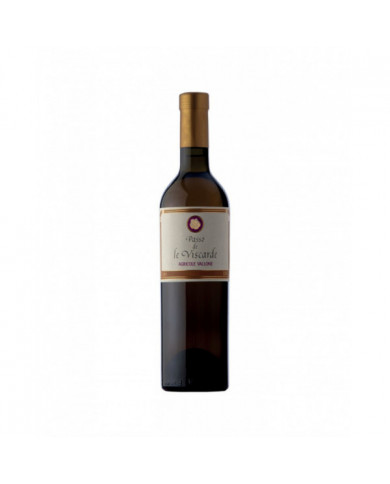
White raisin wine, Capable of bringing wisdom and meditation even to those who, by the hand of fate, do not have it. The sensation of fullness on the palate is accompanied by a vertical sensation of freshness. Our favourite.
€25.50
€22.95
SKU:
13941
Brand:
Agricole Vallone
It often happens to think of the illustrious personalities who preceded us as owners of the estate; from Raimondo del Balzo Orsini, Prince of Taranto, owner of the estate from 1382 to 1407, to Queen Maria d'Enghein, Countess of Lecce, owner from 1407 to 1464. Please refer to the dedicated section for further historical notes on Serranova Castle. The intense red of the lands reveals a first clue about the oenological orientation of the wines of the estate. This is the place where you can glimpse the characterizing elements of Vallone; the noble soul of the wines, the innovative soul that led to the conception of the production technique of the Graticciaia; the soul that embraces the harmony and beauty generated by the union between the historicity of places and nature.
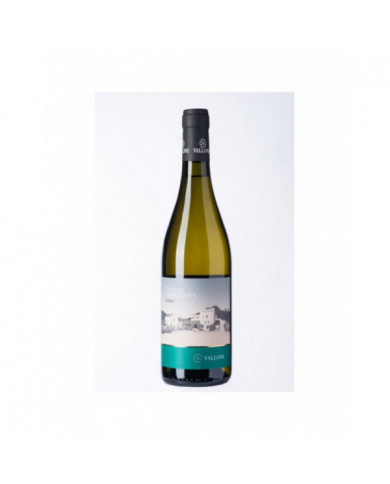
The elegant minerality characterizes this wine whose grapes come from a vineyard tenaciously anchored to the red soils of the Castello di Serranova estate. The sensory picture is completed by the proximity of the vineyard to the Adriatic sea which, involuntarily, gives the characteristic sapidity of Fiano Vallone. It goes perfectly with the best raw seafood.
€13.42
SKU:
13934
Brand:
Agricole Vallone
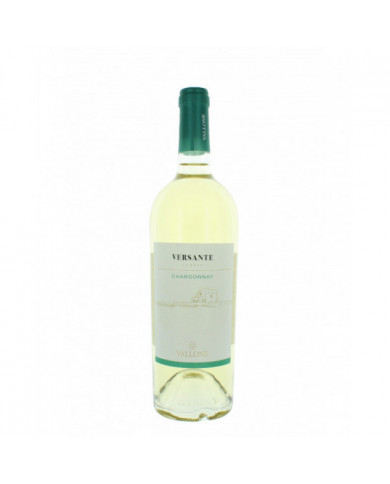
The line takes its name from the Adriatic side, where the Vallone vineyards extend. The Typical colors of the Adriatic coast composed of the intense blue of the sea and the continuous alternation of the green-gold of the olive leaves moved by the wind. Here in these few words the spirit of the Walloon slope is enclosed. Maintaining its peculiar elegance and minerality, it has acquired body and fruit from our Salento peninsula. International vine present in our company since the early 90s. He loves to be accompanied by seafood dishes, wanting a nice Poke Ball!
€10.32
€8.77
SKU:
13928
Brand:
Agricole Vallone
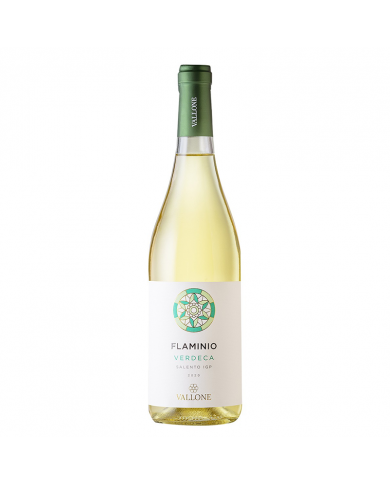
Flaminio is the interpretation that the Vallone family gives to native vineyards. The line takes its name from the historic Flaminio vineyards from which they are produced and which stand on an ancient Messapian settlement on the outskirts of San Pietro Vernotico. It is our ever-evolving tradition. Intense colors and fruity aromas.
€10.93
SKU:
13912
Brand:
A Mano Wine
€12.03
€10.22
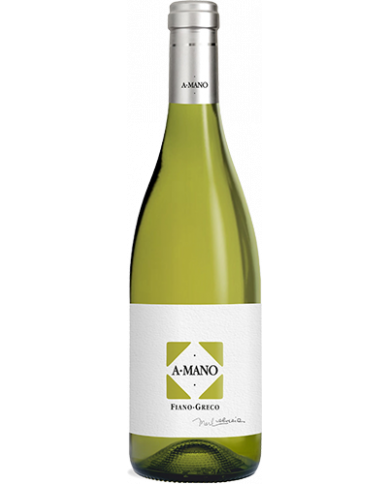
A Mano Fiano – Greco is the most unusual wine you will try in Puglia, perhaps in all of Italy. The slightly dried Fiano Minutolo gives the blend the scent of white peach and the floral component. The Greco comes from an old vineyard, not irrigated, located on a hill with sandy soil, adds body and citrus notes. It is a fresh and delicious aperitif. The scent is "Nordic", the body is full, of great satisfaction with a fresh and pleasant acidity.
€12.03
€10.22
SKU:
13896
Brand:
Emidio Pepe
Pecorino by Emidio Pepe is a white wine with a great personality, full-bodied and intense, which gives us floral and yellow fruit notes on the nose, with a herbaceous finish. The sip has a very pleasant mineral note and a vertical taste of great persistence.
SKU:
13895
Brand:
Emidio Pepe
Pecorino by Emidio Pepe is a white wine with a great personality, full-bodied and intense, which gives us floral and yellow fruit notes on the nose, with a herbaceous finish. The sip has a very pleasant mineral note and a vertical taste of great persistence.
SKU:
13894
Brand:
Emidio Pepe
Pecorino by Emidio Pepe is a white wine with a great personality, full-bodied and intense, which gives us floral and yellow fruit notes on the nose, with a herbaceous finish. The sip has a very pleasant mineral note and a vertical taste of great persistence.
€75.90
SKU:
13893
Brand:
Emidio Pepe
Pecorino by Emidio Pepe is a white wine with a great personality, full-bodied and intense, which gives us floral and yellow fruit notes on the nose, with a herbaceous finish. The sip has a very pleasant mineral note and a vertical taste of great persistence.
SKU:
13892
Brand:
Emidio Pepe
Emidio Pepe 's Trebbiano d'Abruzzo is a white of remarkable expressiveness and charisma. On the nose there are floral notes, slightly almondy and delicate white fruit. Of beautiful minerality on the palate, refreshing and decisive. Its development over the years is noteworthy.
SKU:
13891
Brand:
Emidio Pepe
Emidio Pepe 's Trebbiano d'Abruzzo is a white of remarkable expressiveness and charisma. On the nose there are floral notes, slightly almondy and delicate white fruit. Of beautiful minerality on the palate, refreshing and decisive. Its development over the years is noteworthy.
SKU:
13890
Brand:
Emidio Pepe
Emidio Pepe 's Trebbiano d'Abruzzo is a white of remarkable expressiveness and charisma. On the nose there are floral notes, slightly almondy and delicate white fruit. Of beautiful minerality on the palate, refreshing and decisive. Its development over the years is noteworthy.
€102.48
SKU:
13889
Brand:
Emidio Pepe
Emidio Pepe 's Trebbiano d'Abruzzo is a white of remarkable expressiveness and charisma. On the nose there are floral notes, slightly almondy and delicate white fruit. Of beautiful minerality on the palate, refreshing and decisive. Its development over the years is noteworthy.
€81.98
SKU:
13888
Brand:
Emidio Pepe
Emidio Pepe 's Trebbiano d'Abruzzo is a white of remarkable expressiveness and charisma. On the nose there are floral notes, slightly almondy and delicate white fruit. Of beautiful minerality on the palate, refreshing and decisive. Its development over the years is noteworthy.
SKU:
13887
Brand:
Emidio Pepe
Emidio Pepe 's Trebbiano d'Abruzzo is a white of remarkable expressiveness and charisma. On the nose there are floral notes, slightly almondy and delicate white fruit. Of beautiful minerality on the palate, refreshing and decisive. Its development over the years is noteworthy.
SKU:
13886
Brand:
Emidio Pepe
Emidio Pepe 's Trebbiano d'Abruzzo is a white of remarkable expressiveness and charisma. On the nose there are floral notes, slightly almondy and delicate white fruit. Of beautiful minerality on the palate, refreshing and decisive. Its development over the years is noteworthy.
€89.84
SKU:
13885
Brand:
Emidio Pepe
Emidio Pepe 's Trebbiano d'Abruzzo is a white of remarkable expressiveness and charisma. On the nose there are floral notes, slightly almondy and delicate white fruit. Of beautiful minerality on the palate, refreshing and decisive. Its development over the years is noteworthy.
€108.90
SKU:
13884
Brand:
Emidio Pepe
Emidio Pepe 's Trebbiano d'Abruzzo is a white of remarkable expressiveness and charisma. On the nose there are floral notes, slightly almondy and delicate white fruit. Of beautiful minerality on the palate, refreshing and decisive. Its development over the years is noteworthy.
SKU:
13883
Brand:
Emidio Pepe
Emidio Pepe 's Trebbiano d'Abruzzo is a white of remarkable expressiveness and charisma. On the nose there are floral notes, slightly almondy and delicate white fruit. Of beautiful minerality on the palate, refreshing and decisive. Its development over the years is noteworthy.
SKU:
13882
Brand:
Emidio Pepe
Emidio Pepe 's Trebbiano d'Abruzzo is a white of remarkable expressiveness and charisma. On the nose there are floral notes, slightly almondy and delicate white fruit. Of beautiful minerality on the palate, refreshing and decisive. Its development over the years is noteworthy.
€239.12
SKU:
13881
Brand:
Emidio Pepe
Emidio Pepe 's Trebbiano d'Abruzzo is a white of remarkable expressiveness and charisma. On the nose there are floral notes, slightly almondy and delicate white fruit. Of beautiful minerality on the palate, refreshing and decisive. Its development over the years is noteworthy.
€64.90
SKU:
13879
Brand:
Piandimare
We now have the new Piandimare white wine. Despite the strong vocation for red wines, after the experience with rosés, our cellar proves to be a great interpreter of the territory even with white berried grapes such as Pecorino, a typical Abruzzo vine. Pecorino grapes are harvested in the early hours of the morning , during the second ten days of September. The grapes are softly pressed and then fermented at a controlled temperature in steel tanks.On the nose our Pecorino opens with great aromas of white peach, pear, pineapple, fuji apple and acacia flowers. It is perfect for an elegant aperitif with a selection of soft and semi-soft cheeses accompanied by spicy vegetables.
€30.87
SKU:
13865
Brand:
Cantina Zaccagnini
Color: Straw yellow color. Smell: Delicate bouquet, aromatic scent typical of the vine. Taste: Elegant taste. To pair with desserts.
€11.61
SKU:
13862
Brand:
Cantina Zaccagnini
Color: Straw yellow with golden reflections. Smell: Fragrant nose of white flowers and enriched by very ripe yellow pulp fruit until it flows into the tropical, with hints of sweet spices. Taste: Freshness and sapidity take over in a vibrant way, determining the dynamic development of the sip.
€10.86
SKU:
13861
Brand:
Cantina Zaccagnini
Colour: Bright greenish of medium intensity. Smell: Aromatic profile of floral brand (white flowers) with citrus hints. Taste: Slim and agile body, characterized by freshness and sapidity.
SKU:
13857
Brand:
Cantina Zaccagnini
Color: The wine has a bright yellow color with greenish reflections. Smell: Citrus scent, aromatic, very pleasant in which grapefruit is highlighted. Taste: On the palate it is harmonious, persistent and of excellent freshness due to the consistent acid structure of the vine.
€9.50
SKU:
13856
Brand:
Cantina Zaccagnini
Color: Light yellow color with coppery reflections. Smell: Intense bouquet with hints of melon, carob, pear, almond blossom and with hints of ginger and candied papaya. Taste: Fine and elegant taste, well structured, enveloping, savory and well balanced.
€18.70
SKU:
13835
Brand:
Cantina Zaccagnini
Color: Golden yellow wine. Smell: Aromas of dried sweet fruit, cedar, dehydrated apricot and honey. Taste: Extremely sweet, mitigated by a good freshness, which prolongs the aromatic sensations of dried fruit.
€15.43
SKU:
13832
Brand:
Cantina Zaccagnini
Color: Intense straw yellow with golden reflections. Smell: Intense and fragrant with a large bouquet of ripe white-fleshed fruit. Taste: Rich and articulated taste, showing off energy and volume, in a creamy and dynamic development, where freshness does not fail to support an enveloping structure.
€15.57
SKU:
13828
Brand:
Tenuta Ulisse
Denomination: Terre di Chieti PGI Grape variety: Pecorino
The charm of its mineral essence is unparalleled. Splendid for the stylistic rigor that stands out for its power and roundness. Perfect balance between acidity and freshness. Particular, unique, unrepeatable. The reason for the denomination equal to the well-known cheese is uncertain but it is probably due to the seasonal movements of the shepherds who, returning from the mountain areas in September, brought their flocks to graze on the vineyards where the fruit had already been harvested.
SKU:
13827
Brand:
Cantina Tollo
From a French vine happily rooted in our territory, a persuasive Chardonnay, of long persistence, elegant with golden reflections. Refinement, depth and minerality characterize it.
Pairings
savory first courses based on meat or fish, aged cheeses accompanied by jams
€19.98
SKU:
13821
Brand:
Forteto della Luja
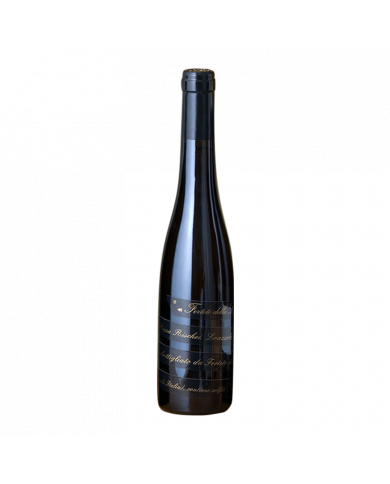
Piasa Rischei is the wine produced solely with Moscato grapes, left to dry on the vine and harvested at the end of October, a part of the bunches is still left to dry on mats in an orchard. After fermentation, the wine is aged in barriques for 24 months. A passito balanced between freshness and sweetness. Great evolutionary capacity. Perfect to combine with cheeses and fois gras.
€37.06
The best Italian white wines
Italy is home to some of the finest white wines. In the Clickwine section of our online wine shop dedicated to the finest Italian white wines, you'll find bottles of excellent white wine carefully selected by our sommeliers.
The designations used in our country to classify wines are DOCG, DOC, and IGT. Sometimes you'll also find designations like DOP and IGP: these acronyms have similar meanings to the previous ones but are used by wineries that primarily sell their wines outside of Italy.
The production of white wine
White wines are produced from both light and dark grapes, but vinified as a white wine: that is, during maceration there is no contact between the must and the pomace, so that the skin – exactly the opposite of what happens with red wines – does not release substances and color.
Its myriad nuances vary according to the characteristics of the grape variety, the aging method and the vine growing area.
In white winemaking, once the grapes have been harvested, they are transported to the cellar, destemmed, and pressed, and the must is separated without any maceration or with a brief maceration. Sometimes, however, the grapes are pressed and then macerated with the skins at a low temperature for a varying length of time. This produces richer, smoother wines.
This phase is followed by the clarification of the white wine produced, which can be done by letting the must rest, by cooling, centrifugation or filtration.
Fermentation begins either by adding selected yeast to the must or spontaneously, using the indigenous yeasts present in the grapes. To preserve the aromas, finesse, and freshness of white wines, fermentation is carried out at lower temperatures than red winemaking, generally around 18°C.
To obtain a fresh and lively wine, best drunk young, malolactic fermentation is avoided by bottling early, after filtration and stabilization. More complex wines, aged or fermented in wood, are bottled only after several months in barrel.
How to taste white wine
First, you need to decide whether to uncork the bottle right away or let your white wine age. If you want to immediately succumb to its charm, its aromas of aromatic herbs, flint, or its notes of exotic fruit, then serve your white wine at the right temperature: 6-8°C for a young white and 8-10°C for a softer, more structured wine.
How to pair white wine
Dry white wines will surprise you at the table, too, and not just with their straw-yellow color. As an aperitif, and especially with a fish dish, white wine is definitely a must, but it's not easy to know which of the many labels will be best suited to the occasion.
We recommend pairing white wine with cheeses, whether low-fat, fresh, or rich in milk, such as flavorful buffalo mozzarella, or with soft, bloomy-rind cheeses. They're also perfect with white meats, such as classic scallops, but beyond tradition, white wine also pairs perfectly with meat and risotto dishes, as well as truffles. Visit our online wine shop Clickwine for expert advice on purchasing the best white wine at the best price to pair with your favorite dishes.
White wines: prices and offers
Every week, our online wine shop, Clickwine offers a selection of selected white wines at special prices. In this section and in the special offers section, you can then browse the best value wines.
A wide selection of premium products at affordable and truly exclusive prices. Don't miss the incredible deals on white wines from all the most prestigious Italian wineries; discover internationally renowned and beloved Italian wines.
Enter the Clickwine catalog and expand your selection by purchasing exclusive items online from smaller, yet exceptionally high-quality wineries.
White wines: longevity and conservation
How long can I keep white wine in the cellar? Do white wines improve as they age like red wines? These are the questions a wine consumer asks when talking about white wine.
In general, white wines have a much shorter shelf life than red wines, for two reasons: tannins and aging. Tannins are antioxidants present in the wine's skins that aren't present in white wines; as for aging, however, most white wines age in stainless steel for just a few months; even red wines, if they age briefly in stainless steel and undergo rapid maceration, don't last for many years. Let's say a classic white wine aged in stainless steel lasts a maximum of 2 to 3 years. If it undergoes maceration or ages in wood, it can last up to 20 years and improve year after year.
How many types of white wines are there?
There is no exact number of types of white wine, as there are several different white grape varieties that can be used to make white wines. Some of the most common white grape varieties used to make white wines are Chardonnay, Sauvignon Blanc, Riesling, Pinot Grigio, and Moscato. There are also other less common varieties such as Gewürztraminer, Semillon, and Viognier. Each of these varieties can be used to produce white wines with unique and different characteristics, so there are many different types of white wines available.
How to recognize a good white wine?
There are several ways to recognize a good white wine. One of the simplest is to taste the wine and evaluate its flavor and aroma. A good white wine should have a pleasant flavor and a delicate, complex aroma. Other factors that can indicate the quality of a white wine include the vintage, the grape variety, and the production area. In general, white wines produced with high-quality grapes and in particularly favorable years tend to be more valuable and of higher quality. Furthermore, white wines produced in regions renowned for producing high-quality white wines can be considered more valuable than those produced in other regions.
How to understand if a white wine is good?
As mentioned above, one of the easiest ways to determine if a white wine is good is to taste it and evaluate its flavor and aroma. A good white wine should have a pleasant flavor and a delicate, complex aroma. It's also important to keep in mind that the quality of a white wine can be influenced by several factors, such as the vintage, the grape variety, and the production area. For example, white wines produced with high-quality grapes and in particularly favorable years tend to be more valuable and of higher quality. Furthermore, white wines produced in regions renowned for producing high-quality white wines may be considered more valuable than those produced in other regions.
Why is it called white wine?
White wine is so called because it is made using white grapes. Most white grapes have transparent or lightly colored skins, so the wine made from these grapes has a light, transparent color. Sometimes the color of white wine can be influenced by the type of grape used, the winemaking process, and the addition of other ingredients, but generally, white wine has a light, transparent color.
How to replace white wine?
If you want to replace white wine in a recipe, there are several ingredients you can use. One of the most common options is to use chicken or vegetable broth instead of white wine. Other options include using white vinegar or apple juice diluted with water. Additionally, in some cases, you can omit the white wine entirely and use other ingredients to achieve the desired flavor in the recipe.