Italiano
 Deutsch
































There are no more items in your cart
SKU:
15288
Brand:
Nativ
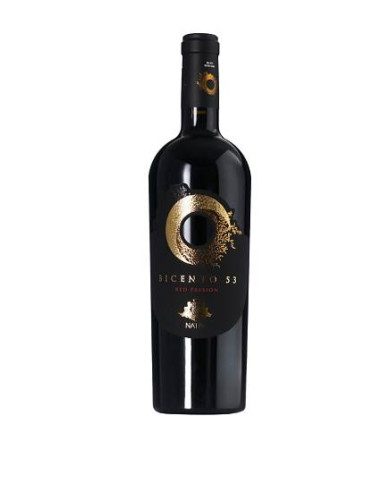
Precious red wine whose vineyards grow on volcanic soils, on the Corne di Turasi. The name of this wine is due to the longevity of the vineyards from which it is made, which are 200 years old. Bicento literally means "twice a hundred".
€29.72
SKU:
15287
Brand:
Nativ
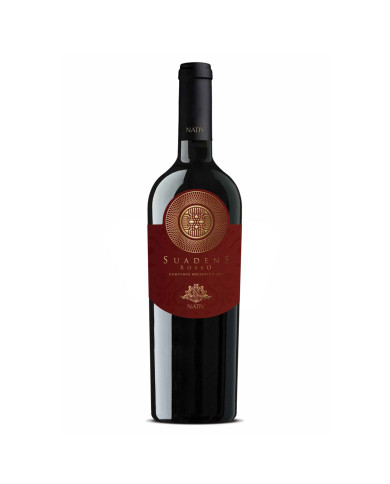
Suadens Rosso – Campania Rosso IG T. The name "Suadens" was carefully selected to represent the persuasive character of this wine, which constitutes a molecular project aimed at enhancing the native vines of Irpinia, but also the typical local fruit, grown exclusively in this area. Suadens Rosso is a selection of the best Aglianico grapes from the Irpinia area.
€17.13
SKU:
15286
Brand:
Nativ
Important red wine whose vines are grown on volcanic soil on the hills of Taurasi. The name of our wine derives from the place where horses were once said to graze in the wild, and where the remains of the ancient hermitage of S. Quirico can still be found. Eremo Gold is the selection of the best Eremo Barriques. On the occasion of the last bottling, before the Christmas period, each barrique of Eremo is personally tasted by the enologist Ercolino who personally selects the best aromas and refinements.
€32.20
SKU:
15285
Brand:
Nativ
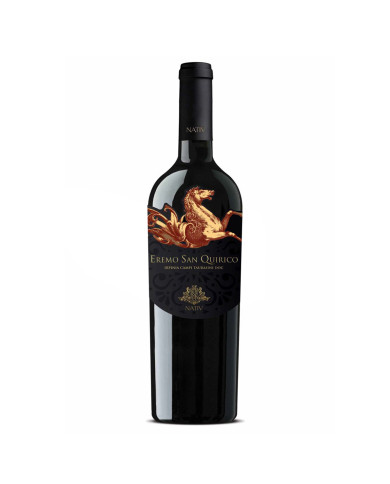
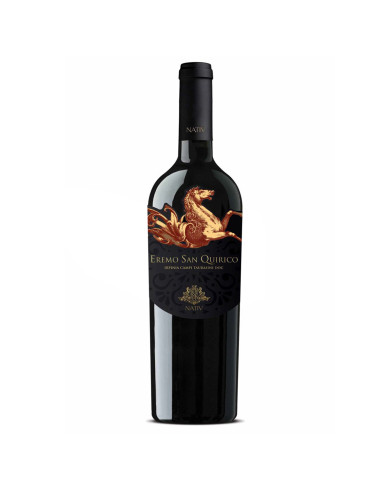
Eremo San Quirico ‐ Aglianico Campi Taurasini DOC Important red wine whose vines are grown on volcanic soil on the hills of Taurasi. The name of our wine derives from the place where horses were once said to graze in the wild, and where the remains of the ancient hermitage of S. Quirico can still be found. A wine so precious as to dress it with a work of art by the contemporary painter Moreno Bondi.
€27.99
SKU:
15284
Brand:
Nativ
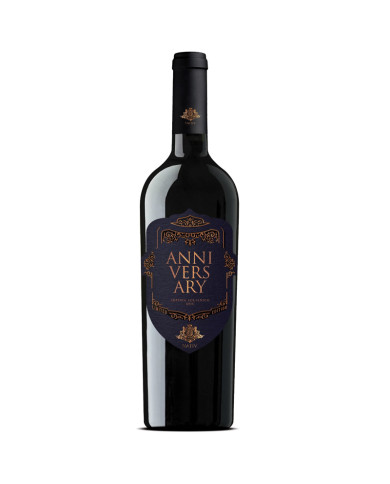
Choose Anniversary for your special occasions: a wine designed for memorable dates, a real pleasure for the palate in a unique and unmistakable packaging
€18.40
SKU:
15283
Brand:
Nativ
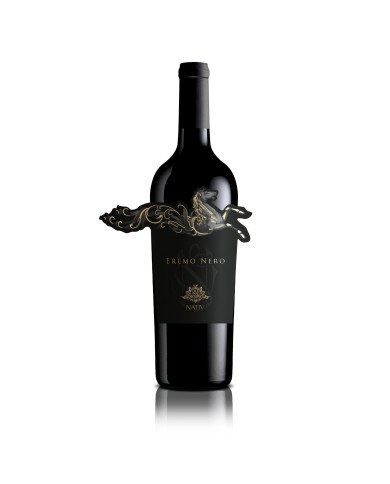
Eremo Nero, born from the vinification of Aglianico grapes grown on volcanic soils in the Paternopoli countryside. The composition of these sandy soils, with very fine and particularly permeable ash, is the ideal condition for obtaining high quality grapes and still red wines rich in anthocyanins and tannins.
€491.66
SKU:
15277
Brand:
Kossler
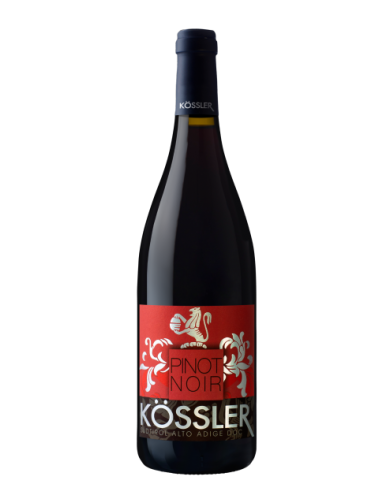
Pinot Noir ranks among the most important wines in the world. Scrupulously cared for and after careful selection, this elegant and velvety wine recalls hints of red berries and wild cherries.
€17.93
SKU:
15274
Brand:
Kossler
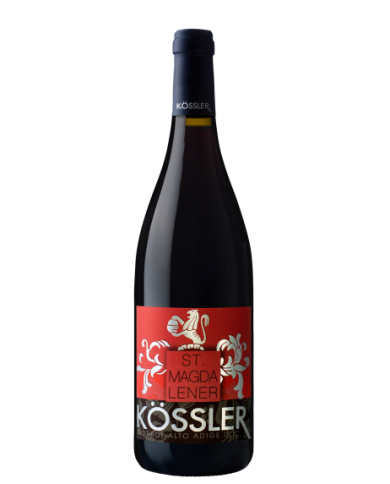
This selection of the Schiava grape gives a typically South Tyrolean light wine. Its aroma recalls violets and cherries, it is characterized on the palate by its softness and its low tannin and alcohol content.
€12.44
SKU:
15273
Brand:
Kossler
This wine is one of the best known products from the Schiava grape. It has a wide range of fruity aromas and stands out for its fullness and roundness on the palate.
€13.05
SKU:
15272
Brand:
Kossler
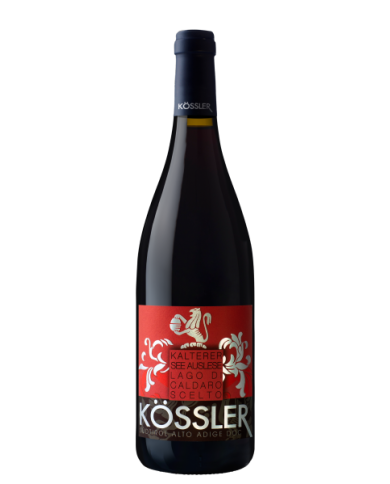
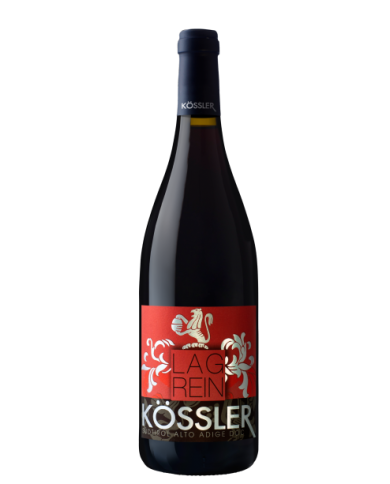
Lagrein is a native variety, from which a wine of great character is obtained. It stands out for its intense red color, its aromas of wild berries and cherry. On the palate it expresses a velvety fullness, enhanced by a soft acidity.
€18.40
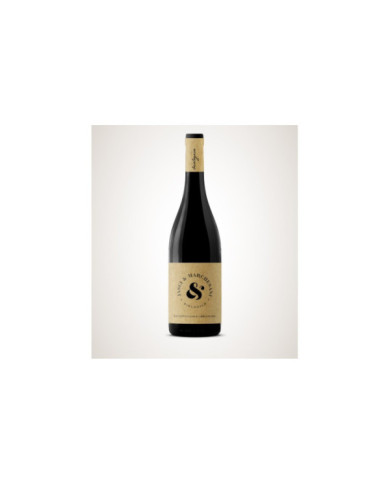
SKU:
15265
Brand:
Jasci & Marchesani
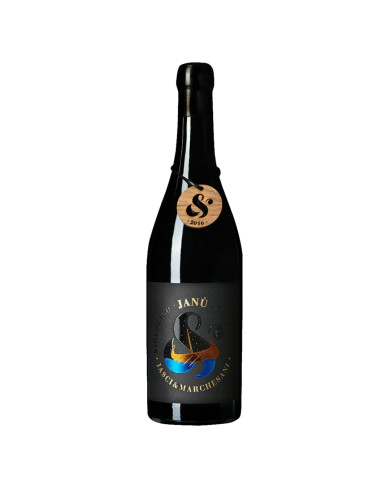
Lo Janù is the top of the range of Montepulcianos of the company. Hand harvesting of the grapes, maceration on the skins for 25 days, vinification in red and aging in double new barrique for 8 months + 8 months. Compact and deep goblet, of a beautiful ruby red. The olfactory reveals an incredible complexity, ranging from hints of dark fruit in alcohol, to toasted notes that recall hazelnuts, to slightly vanilla scents, to beautiful sensations of tobacco and dark chocolate. The sip is full and enveloping, long, pleasantly balanced. Closing on notes of bitter chocolate.
€32.45
SKU:
15264
Brand:
Jasci & Marchesani
Nerubè is the result of a manual harvest of the grapes, subsequent vinification in red with maceration on the skins for a minimum of 15 days, and aging for 12 months in oak tonneaux.
The glass is intense and deep, with a beautiful ruby red.
The nose expresses all the typicality of the vine, with hints of dark fruit, spices and hints of roasting and cocoa.
The sip is full-bodied, soft and fresh; closes on hints of fruit in alcohol and dark chocolate.
Nice persistence.
€11.90
SKU:
15262
Brand:
Jasci & Marchesani
Captivating ruby red, characteristic fruity aromas with hints of vanilla, balsamic vinegar and black olive. Full bodied, powerful, yet very balanced with flavors of mulberry, currant, dark chocolate and a long smoky finish.
€8.87
SKU:
15261
Brand:
Jasci & Marchesani
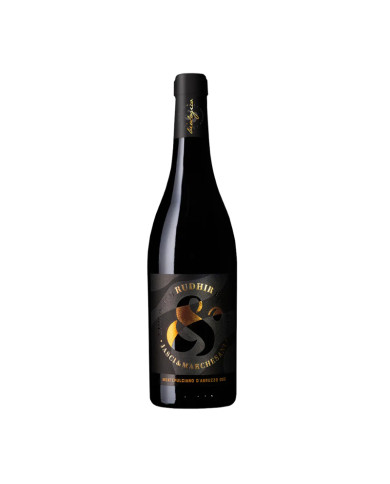
Rudhir is another masterpiece of the Jasci & Marchesani winery which, year after year, proves to be a "Master Cave" for Montepulciano d'Abruzzo. Thanks to Rudhir you go to savor a charismatic, fragrant and intense wine from every point of view. When the word masterpiece is used for a Jasci & Marchesani product, it is not an exaggeration; each bottle is an artistic, pure and sensational brushstroke, which in every sip strikes the soul and heart with the typical scents of the mother vine and those small nuances deriving from the various woods of the barrels. The Rudhir vinifies for 18 months in oak barriques and ends its journey after a further two years in the bottle, before being marketed therefore, explosions of flavours, aromas and aromas are the order of the day with a bottle of this bill. His warm and welcoming heart is a "trademark" and is capable of generating an approving smile even on the face of a drinker with a difficult palate.
€17.92
SKU:
15250
Brand:
Himmelreich
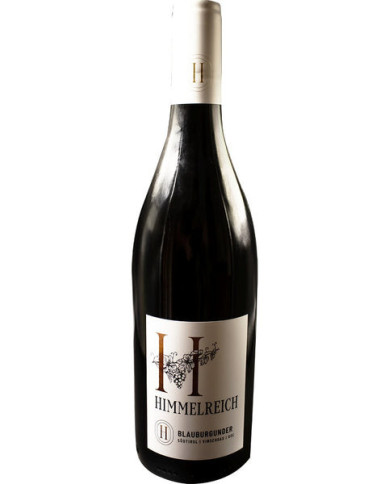
Pinot Noir from the Himmerleich winery is an excellent red wine from Val Venosta produced with grapes from the homonymous vine. The vines are cultivated in an environmental condition that is particularly congenial to them, on the land of Monte Sole at an altitude of about 650 m slm Here the sun makes its presence for 250 days a year, and counterbalances the temperature range of the relatively high position . This perfect temperature play between day and night gives the grapes an unmistakable character. The very elegant and caressing Pinot Noir is the only one that acquires the noble title, in the assortment of red wines from the Himmelreich cellar. In the glass it enchants with its intense iridescent ruby red colour. The nose seduces with its delicious scented bouquet of red berried fruits such as berries and wild strawberries, as well as a delicate but unmistakable aroma of Madagascar vanilla. On the palate it is rich and balanced, with a perfect and pleasant structure. A great classic red wine that goes perfectly with feathered and furred game, with steaks and braised meats cooked to perfection.
€26.84
SKU:
15246
Brand:
Himmelreich
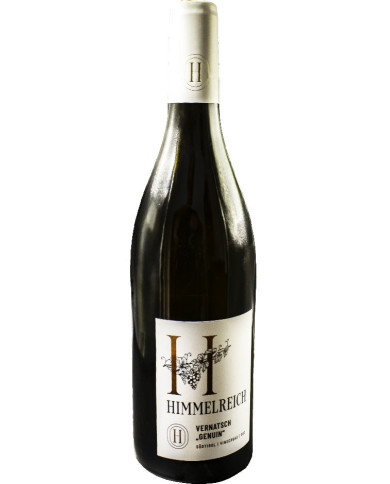
Genuin is a genuine and authentic albeit atypical red wine. Its essence has a thousand facets, and can be savored intensely, revealing its liveliness.
These stupendous qualities are due to the excellent components of the terroir of morainic origin, and to the special temperature range deriving from the presence of Monte Sole.
In the glass its color has a splendid bright red robe. The aromas of raspberries and red cherry arrive intoxicating to the nose, with faint notes of almond, and hints of wild flowers.
A sip capable of conquering and satisfying the palate. Excellent glass to serve in combination with roasts, red meats and medium-aged cheeses.
€18.91
€9.52
€7.93
SKU:
15237
Brand:
Nativ
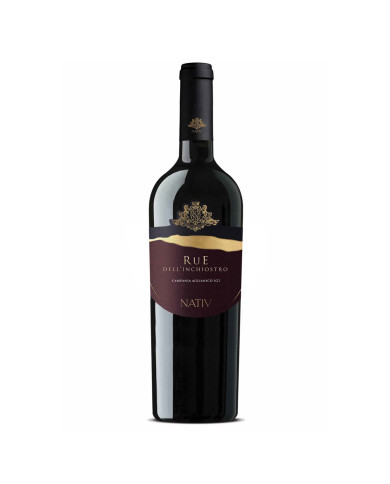
Rue dell'Inchiostro Campania Aglianico IGT Grape introduced by the Greeks along the Tyrrhenian coast, at the time of the foundation of their colonies (VII-VI aC ); this could explain the presence of synonyms of Ellenico, Ellanico then changed into Aglianico. The name deriving from the combination between Rue, the typical name attributed to the streets of Paternopoli following the passage of French domination and "ink" which better defines the characteristic deep purple of the wine.
€8.97
SKU:
15236
Brand:
Nativ


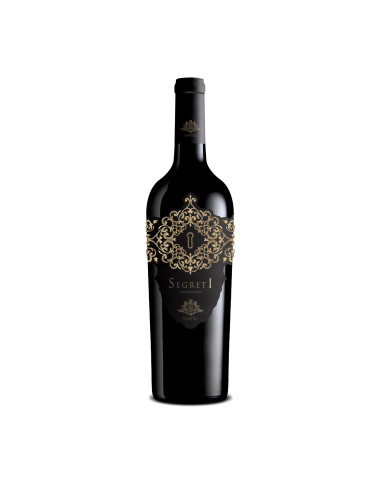
Secrets… from 100% Aglianico Nero grapes, from volcanic lands in the districts of Valle del Ceraso and Fontana Marena, in the countryside of Paternopoli from an unusual November harvest. Macerates and ferments with its own yeasts, then in seasoned oak wood for a year and a half, waiting for six months in the bottle... it is a generous wine in its most authentic organoleptic values.
€97.60
SKU:
15231
Brand:
Nativ
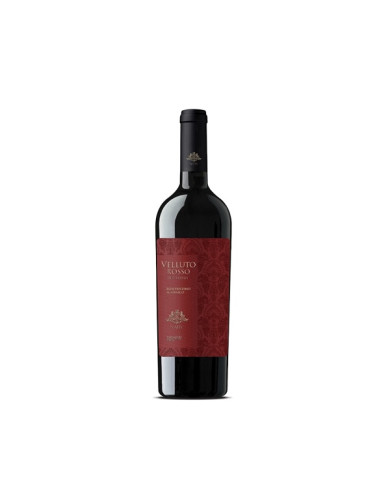
The name "Velluto Rosso" was chosen thinking of the organoleptic characteristics of the wine: soft on the palate and such as to suggest velvet, a fabric that causes a sensation of irresistible softness to the touch. The red color of the label reminds us of a bunch of grapes and the damask is in perfect harmony with the Nativ style.
€11.21
SKU:
15230
Brand:
Nativ
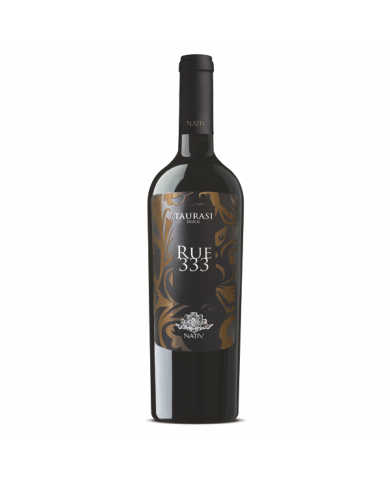
Rue 333, Taurasi DOCG Wine made from Aglianico grapes, whose refinement in barriques for two years, gives it the specific name of Aglianico Taurasi DOCG also in honor of the country where this type of grape is widely grown.

€26.99
SKU:
15229
Brand:
Nativ


Eremo San Quirico ‐ Aglianico Campi Taurasini DOC Important red wine whose vines are grown on volcanic soil on the hills of Taurasi. The name of our wine derives from the place where horses were once said to graze in the wild, and where the remains of the ancient hermitage of S. Quirico can still be found. A wine so precious as to dress it with a work of art by the contemporary painter Moreno Bondi.
€28.69
SKU:
15227
Brand:
Nativ


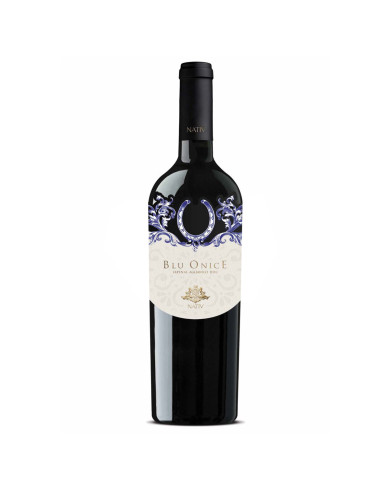
the wine takes its name from the vineyard of the same name located on rocky terrain near an ancient onyx quarry located near gesualdo.
€19.83
SKU:
15225
Brand:
Gianni Doglia
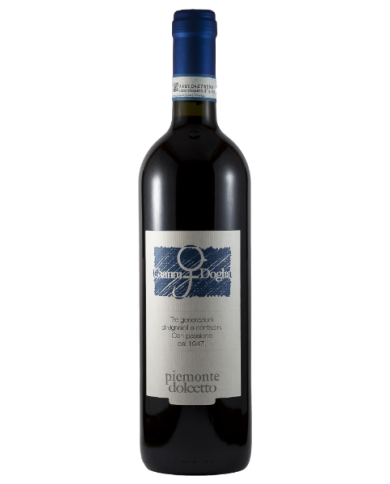
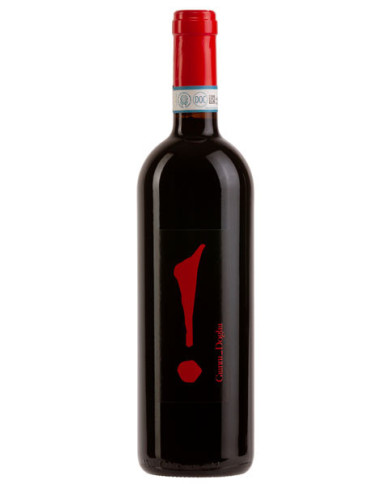
Wine suitable for the whole meal, in particular it goes well with cured meats and hams, appetizers and first courses, fresh or medium-aged hard cheeses. The grapes are harvested manually in the vineyard and carefully deposited in boxes for transport to the cellar, pressed and fermented at a controlled temperature with a maceration of about 10 days. At the end of fermentation, the wine is left to clarify by static decantation until the end of winter. It will then rest in steel tanks until spring when it will be bottled: after about a month of aging in the bottle it will be ready to be drunk.
€12.08
SKU:
15222
Brand:
Gianni Doglia
Warm, elegant, round. Light tannin in the month. Great aromatic persistence. The grapes are harvested manually in the vineyard and carefully placed in boxes for transport to the cellar, pressed and then fermented at a controlled temperature with a maceration of about 10-12 days. At the end of the fermentation process, the wine is left to clarify with static settling until the end of winter. It remains in stainless steel vats until the end of summer, when it will be bottled: after about 6 months of aging in the bottle, it will be ready to drink.
€18.80
SKU:
15221
Brand:
Gianni Doglia
Important wine indicated for second courses of red meat or game. Excellent companion for an after dinner with friends. The grapes are harvested manually in the vineyard and carefully deposited in boxes for transport to the cellar, pressed and fermented at a controlled temperature with a maceration of about 8-10 days. Upon racking, the wine is placed in barriques where it rested for 24 months. The wine thus obtained was further refined for about 6 months in steel tanks before finally being bottled; the bottles, after a rest of about 6 months in the cellar at a temperature of 18° C to complete the refinement, are ready for marketing.
€31.96
SKU:
15219
Brand:
Gianni Doglia
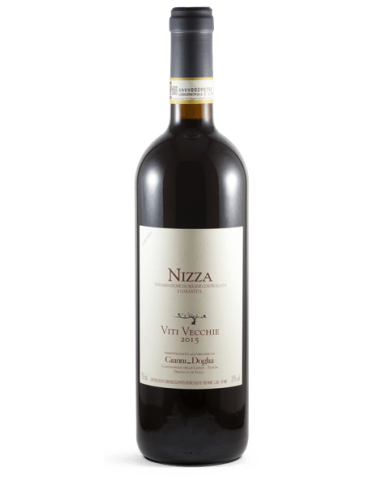
The grapes come from a plot of about one hectare located in the municipality of Nizza Monferrato, whose vines reach an average age of 50 years and represent the maximum selection of Barbera. Wine indicated for main courses of red meat, game or well-aged cheeses, structured, round with a harmonious balance between freshness and softness. The grapes are harvested manually and carefully stored in boxes for transport to the cellar, pressed and fermented at a controlled temperature with a maceration of about 15 days. After racking, the wine ages in small wooden barrels for about 18-24 months. The wine is then left to rest for about 6 months in a steel tank. At this point it is possible to proceed with the bottling. After further refinement in the bottle for at least 6 months in the cellar at a temperature of 20°C,
€30.45
SKU:
15218
Brand:
Gianni Doglia
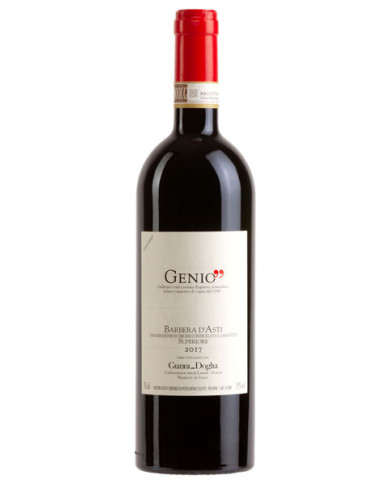
Enveloping, warm and round taste. Excellent persistence and harmony, the result of an elegant balance from a decisive freshness to a good body. The grapes are harvested manually in the vineyard and are carefully placed in boxes for transport to the cellar, pressed and then fermented at a controlled temperature with a maceration of about 15 days. After racking, it is aged in small wooden barrels for 18-24 months. The wine is then left to rest for about 6 months in stainless steel vats. At this point it can be bottled. After further aging in the bottle for at least 6 months in the cellar at a temperature of 20°C, the wine is finally ready to drink.
SKU:
15216
Brand:
Gianni Doglia
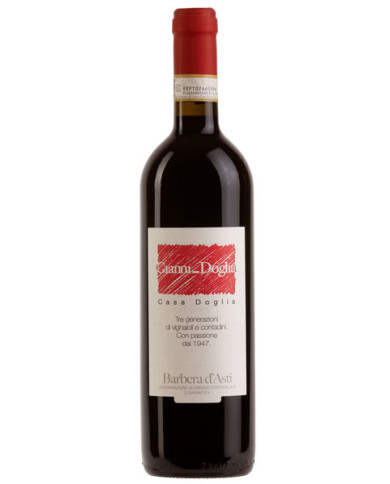
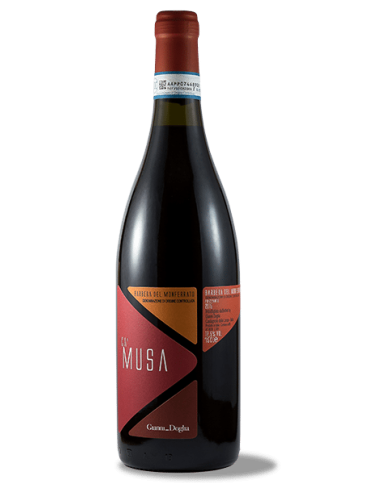
Warm and rich taste of extraordinary balance, it has important but never excessive structure and body. Good persistence and excellent harmony. Perfect with first courses, red meats and medium-aged cheeses. The grapes are harvested manually in the vineyard and carefully placed in boxes for transport to the cellar, pressed and then fermented at a controlled temperature with a maceration of about 8 - 10 days. At the end of the fermentation process, the wine is left to clarify with static settling until the end of winter. It remains in stainless steel vats until spring when it will be bottled: after about 1 month of aging in the bottle it will be ready to drink.
€13.54
SKU:
15215
Brand:
Gianni Doglia
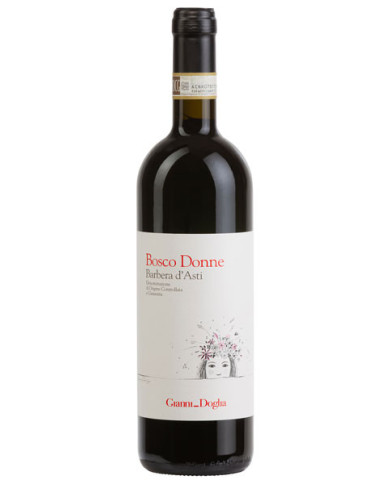
Barbera ''Bosco donne'' is easy to combine because it accompanies almost all traditional Piedmontese dishes with sincere ease: in particular raw meat, agnolotti del plin seasoned with roast meat filling sauces and cooked veal braised in Barbera wine. The grapes are harvested manually in the vineyard and carefully placed in boxes for transport to the cellar, pressed and then fermented at a controlled temperature with a maceration of about 8 days. At the end of the fermentation process, the wine is left to clarify with static settling until the end of winter. It remains in stainless steel vats until the end of summer, when it will be bottled: after about 6 months of aging in the bottle, it will be ready to drink.
€14.88
SKU:
15213
Brand:
Gianni Doglia
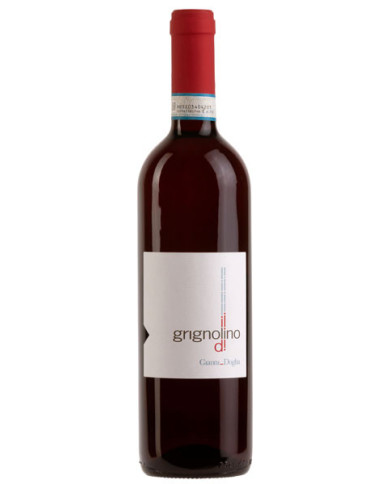
Particularly suitable as an aperitif or with summer appetizers, first courses. It will amaze you with fried fish. The grapes are harvested manually in the vineyard and carefully placed in boxes for transport to the cellar. Subsequently they are pressed and fermented at a controlled temperature of about 18°C with a maceration of about 2/3 days with frequent pumping over. Subsequently the Grignolino is drawn off and the fermentation is finished "in white", ie without skins and seeds, always maintaining a temperature of 18° C. At the end of the fermentation the wine is left to clarify with static settling until the end of winter. It remains in stainless steel vats until spring, when it will be bottled: after about 1 month of aging in the bottle, it will be ready to drink.
€12.61
SKU:
15212
Brand:
Gianni Doglia
Slightly sparkling, its slight effervescence enhances the freshness and flavor making it highly drinkable. Its great pleasantness goes wonderfully with cured meats, soups and boiled meats. The grapes are harvested manually in the vineyard and carefully placed in boxes for transport to the cellar, pressed and then fermented at a controlled temperature with a maceration of about 8 - 10 days. At the end of the fermentation process, the wine is left to clarify with static settling until the end of winter. It remains in stainless steel vats until spring when it will be ready for the sparkling process in the autoclave and for bottling: after about 1 month of aging in the bottle it will be ready to drink.
€10.98
SKU:
15194
Brand:
Ca' dei Noni
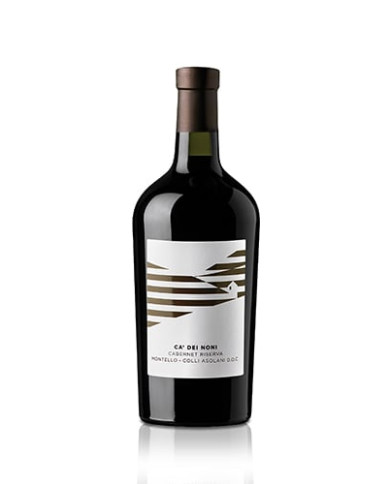
The grapes of this magnificent Cabernet Sauvignon come from vineyards located on Montello, an area suited to important red wines thanks to the composition of the typical red earth of this area. The bunches are harvested by hand and subjected to drying for about 20 days. We proceed to the classic red vinification and a maceration lasting about 15 days. An alcoholic fermentation follows to then carry out the refinement in French barriques for a period of 18 months and a further 12 months in the bottle. Bouquet full of scents such as blueberry, black cherry, blackberry and currant jam, vanilla, tobacco, cocoa, coffee. Slightly spicy with a balsamic final note. Perfect with red meats, game, blue and aged cheeses, excellent with dark chocolate.
€25.86
SKU:
15181
Brand:
Di Ubaldo
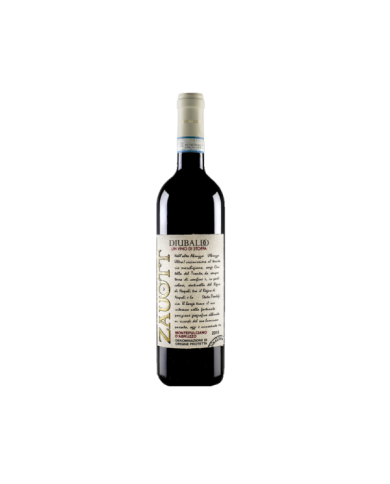
It is a wine of great character, complex. Proud and potential, as in life a boy called in our territory is, precisely Zauott, a young man, who manages to withstand the evolution of the years, also demonstrating the best. “ZAUOTT” is obtained from grapes produced from the oldest vineyards, with an average yield of 80/90 quintals per hectare.
€12.53
SKU:
15145
Brand:
Castello dei Rampolla
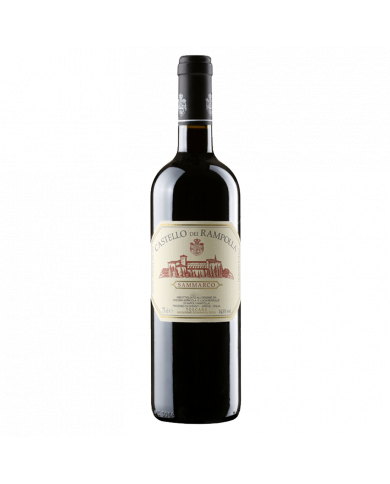
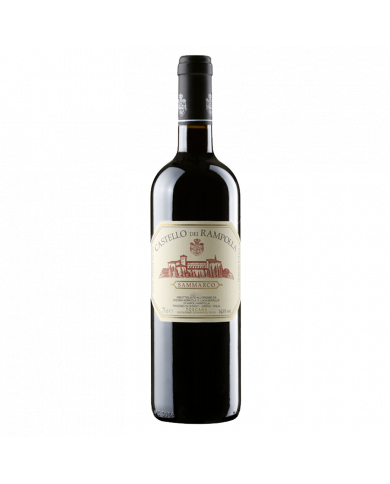
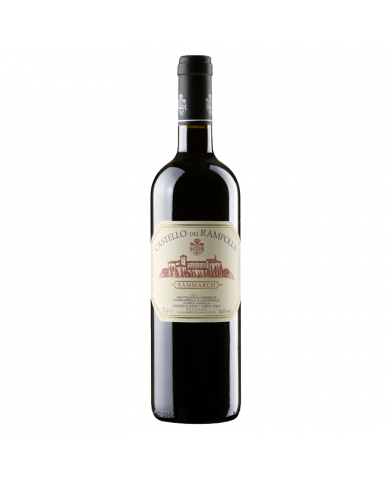
Sammarco is a wine with fresh and fine scents of undergrowth, with a deep and intense colour. It presents specific aromas of the soil and impressions of ripe fruit. It has a great concentration with robust tannins. Elegant and refined wine. Percentages of Sangiovese and Merlot are added to the Cabernet Sauvignon. Production varies according to climatic conditions: 8,000 – 25,000 bottles.
€107.06
SKU:
15144
Brand:
Castello dei Rampolla
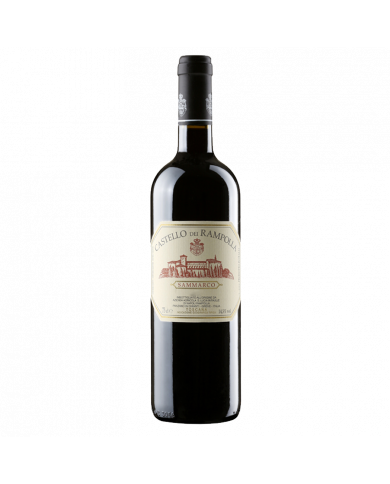
Sammarco is a wine with fresh and fine scents of undergrowth, with a deep and intense colour. It presents specific aromas of the soil and impressions of ripe fruit. It has a great concentration with robust tannins. Elegant and refined wine. Percentages of Sangiovese and Merlot are added to the Cabernet Sauvignon. Production varies according to climatic conditions: 8,000 – 25,000 bottles.
€90.59
SKU:
15143
Brand:
Castello dei Rampolla
Sammarco is a wine with fresh and fine scents of undergrowth, with a deep and intense colour. It presents specific aromas of the soil and impressions of ripe fruit. It has a great concentration with robust tannins. Elegant and refined wine. Percentages of Sangiovese and Merlot are added to the Cabernet Sauvignon. Production varies according to climatic conditions: 8,000 – 25,000 bottles.
€98.82
SKU:
15142
Brand:
Castello dei Rampolla
Sammarco is a wine with fresh and fine scents of undergrowth, with a deep and intense colour. It presents specific aromas of the soil and impressions of ripe fruit. It has a great concentration with robust tannins. Elegant and refined wine. Percentages of Sangiovese and Merlot are added to the Cabernet Sauvignon. Production varies according to climatic conditions: 8,000 – 25,000 bottles.
€131.76
SKU:
15141
Brand:
Castello dei Rampolla
Sammarco is a wine with fresh and fine scents of undergrowth, with a deep and intense colour. It presents specific aromas of the soil and impressions of ripe fruit. It has a great concentration with robust tannins. Elegant and refined wine. Percentages of Sangiovese and Merlot are added to the Cabernet Sauvignon. Production varies according to climatic conditions: 8,000 – 25,000 bottles.
€98.82
SKU:
15137
Brand:
Cantina Cioti
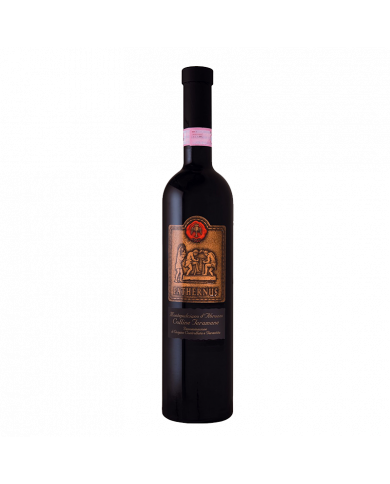
Pathernus is a red wine that comes from grapes from the native Montepulciano d'Abruzzo vine. After a meticulous selection in the vineyard and aging in oak barrels, this red presents itself to the nose with a broad bouquet, structured on tones of dried flowers, red fruits and ethereal echoes. On the palate it is vigorous, supported by soft tannins and a long palatal memory
€22.20
SKU:
15132
Brand:
Carpineto
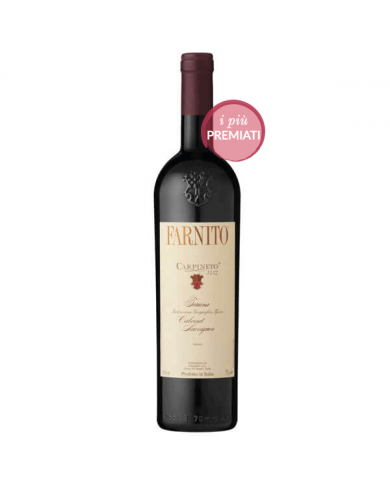
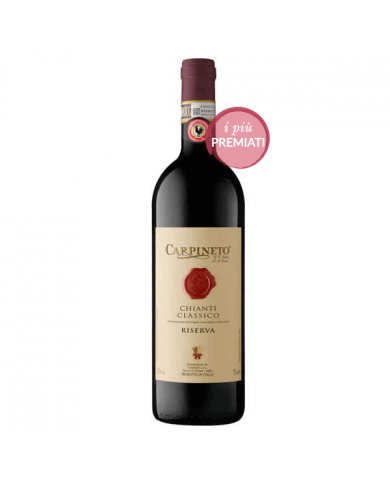
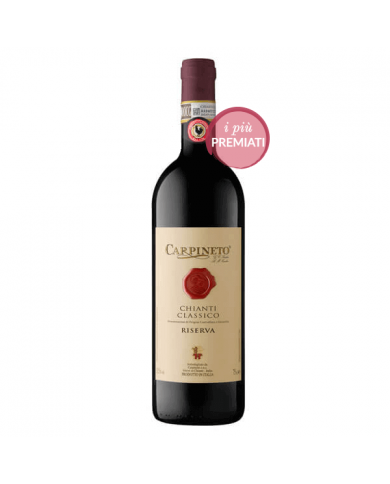
Produced with grapes from vineyards of the companies of Gaville (Florence) and Chianciano/Montepulciano (Siena), the latter planted at high density and considered by us to be particularly happy and suitable for producing great wines.
€18.56
SKU:
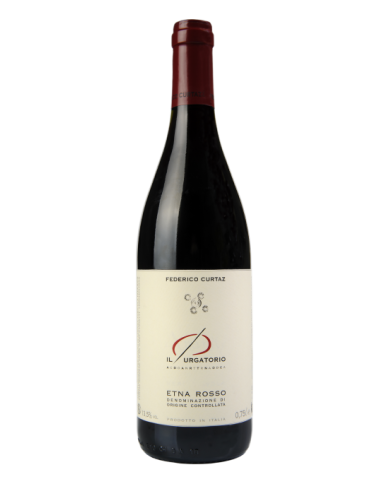
15129
Brand:
Federico Curtaz
Purgatory: it is the place of production, an ancient district of Etna, one among thousands. A land of choice. Where the wine has a strong character without mediation, such as the interpretation I have given and will always give to Etna wines.
€28.55
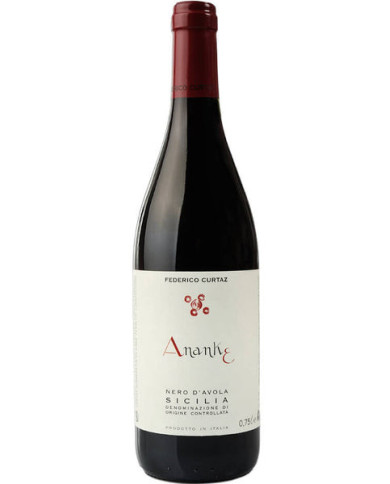
SKU:
15127
Brand:
Federico Curtaz
Ananke: for the first time I put my name on a wine label. Fate, necessity, consequence? The Ancient Goddess represents all of this and more. For me a new chapter of the experience in wine, a return also to the peasant gestures to which I am attached.
€22.40
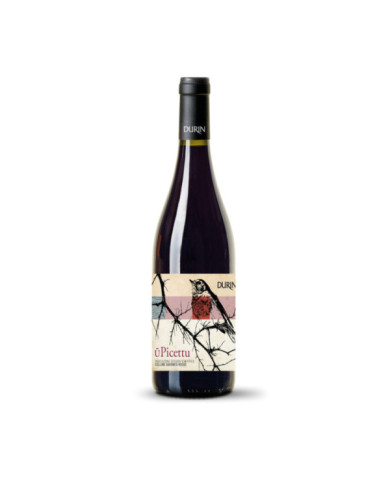
SKU:
15112
Brand:
Durin
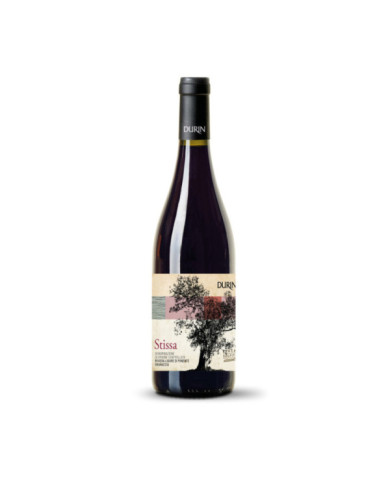
It has a deep ruby red color. The scent is rich and persuasive: the blackberry and cherry become more and more intense…
€17.29
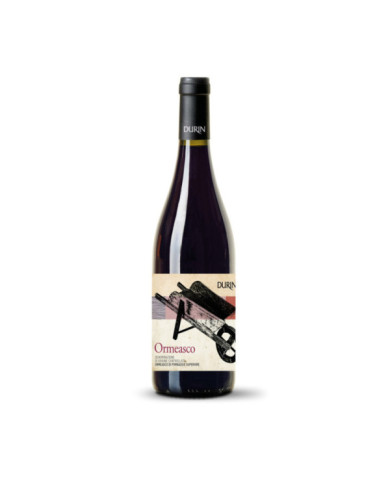
SKU:
15110
Brand:
Durin
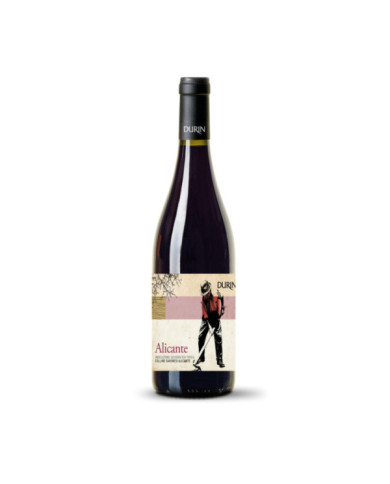
Appearance is clear, with a very intense garnet color. The nose is intense, persistent and fine, with hints of blueberry…
€20.14
SKU:
15109
Brand:
Durin
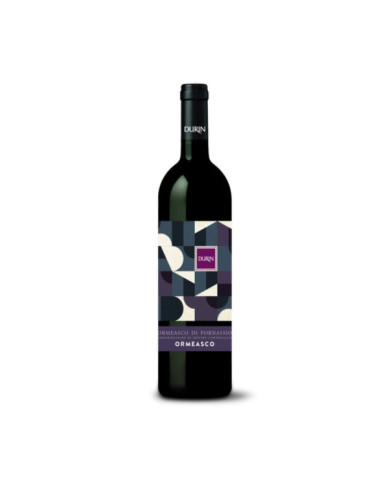
Ruby red wine with purplish edges. Intense fruity aromas of currant and strawberry on the nose with sensations of spices. The taste is dry…
€20.14
SKU:
15108
Brand:
Durin
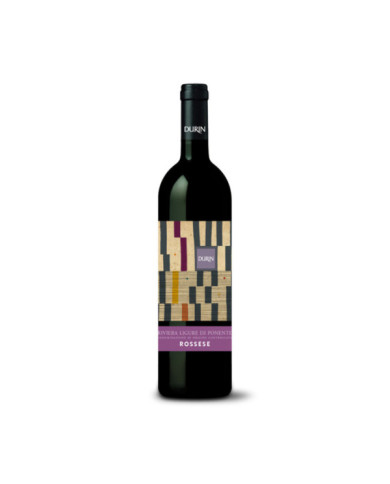
Dry red wine with a clear appearance and an intense ruby colour. On the nose it is intense and persistent, fine, broad…
€23.00
SKU:
15106
Brand:
Durin
Bright ruby red colour, with purplish edges when young. Vinous, fragrant and persistent on the nose with hints of ripe cherry, blackberry, currant…
€17.29
SKU:
15105
Brand:
Durin
More or less intense ruby red colour. Broad, intense, persistent, fine, fruity bouquet, with hints of rose, strawberry, raspberry, blueberry…
€17.29
SKU:
15093
Brand:
Principe di Corleone
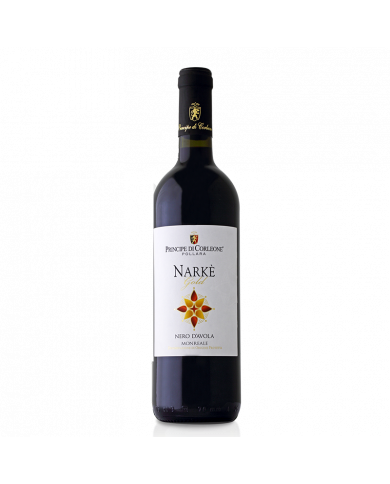
An incredible Nero d'Avola summer red, fruity and fresh. To be drunk young, vinified in steel tanks only, it manages to amaze with a delicate explosion of Mediterranean aromas. Ideal as an aperitif, it lends itself to any type of gastronomic combination. Pleasant even between meals.
€6.11
€44.24
SKU:
15091
Brand:
Davide Fregonese
Austere, imposing, long-lived. Barolo Prapò DOCG vintage 2016 from Davide Fregonese winery, is an excellent red wine produced from grapes from 100% Nebbiolo vines. The vines were planted in 2000 in Serralunga d'Alba, Prapò, on calcareous soil at an altitude of 365 m slm , facing south-east. The training system used is espalier, with guyot pruning, and the grapes that have reached maturity are harvested in mid-October. Fermentation takes place in cement tanks in contact with the skins for about 28 days with daily pumping over and a delastage around the fourteenth day. The refinement takes place for a period of 18/30 months, depending on the vintage, and is carried out in French oak barrels from the Fontainebleau forest. A seductive glass of bright ruby red color. The nose opens fruity aromas of blackberry and blueberry, with spicy notes of cloves. In the mouth the taste is endowed with a decisive sapidity and a remarkable structure, supported by the right softness. The tannins are extremely fine, with a long persistence. It goes perfectly with baked veal shank and lamb with potatoes.
€57.65
SKU:
15090
Brand:
Davide Fregonese
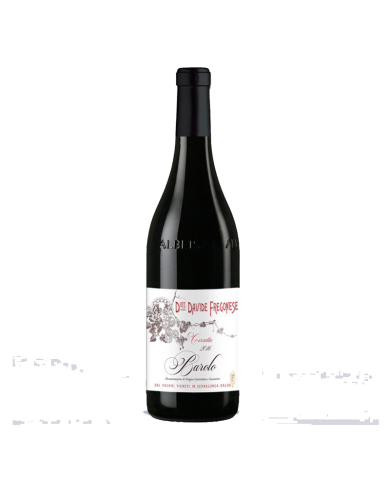
Enveloping, intense, memorable. Barolo Cerretta DOCG by Cantina "Bugia Nen" by Davide Fregonese, is an excellent red wine produced from grapes from 100% Nebbiolo vines. The Serralunga d'Alba vineyards were planted in 1998 on clayey-limestone soil at an altitude of 340 m slm with western exposure. The training system is espalier with guyot pruning. The grapes are harvested when fully ripe in mid-October. The refinement is carried out for a period ranging from 18 to 30 months depending on the vintage, in 15 hl French oak barrels from the Fontainbleau forest. A glass capable of captivating sight and smell from the very first moment. Intense ruby red to the eye, it offers the nose an amazing floral aroma of slightly withered flowers, mixed with the persistent scent of blackberry jam, followed by the bitterish hint of cocoa and licorice. In the mouth the taste is dense and extraordinarily enveloping, with a solid and balanced body, the flavor is persistent. The finish is fresh with a subtle but extremely elegant tannic texture. A refined and unique label of its kind; such a special bottle that it is perfectly suited to be tasted on the occasion of a combination with a juicy fassona steak, an elegant fillet with morels or a refined truffled partridge.
€57.65
SKU:
15089
Brand:
Davide Fregonese
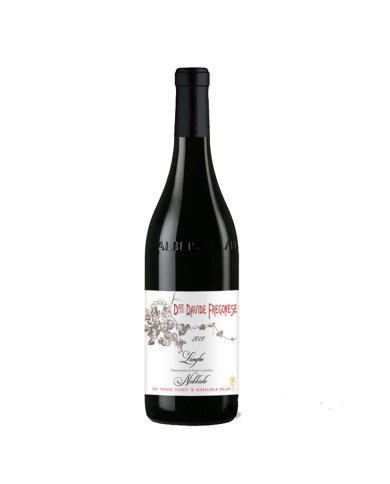
Fresh, captivating, pleasantly worldly. Nebbiolo Langhe DOC from Davide Fregonese's cellar, is a good quality red wine produced from grapes from 100% Nebbiolo vines.
Fermentation takes place in cement tanks in contact with the skins for about 12 days with daily pumping over, and a délastage towards the sixth. The refinement takes place for a period of 6/12 months, depending on the vintage, and is carried out in French oak barrels from the Fontainebleau forest.
A wine that shows an extremely intense ruby red color. The nose releases floral and fruity aromas, where the first to prevail are the fragrant hints of rose and violet, followed by hints of ripe red strawberry and cherry.
An easy-to-drink red, with a fine structure and an elegant tannic texture, good freshness.
It goes perfectly with structured meat-based dishes; even in the warmer months it is a very pleasant sip.
€18.36
SKU:
15086
Brand:
Davide Fregonese
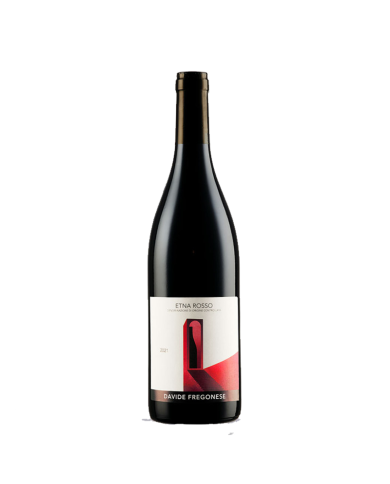
Intense and refined nose, candied cherry, wild herbs and minerals, bush and wet stone, hints of white pepper on the finish. Debut vintage, certainly a good start given the particularly lucky vintage. Davide Fregonese's Etna seeks the elegance he loves from Piedmont, opting for vinifications that are able to grant beauty and finesse.
€34.99
SKU:
15085
Brand:
Davide Fregonese
Intense and vinous nose, notes of ripe fruit and Mediterranean scrub. The vines are grown in the Montedolce/Solicchiata district, on the North East side of Etna: a very generous volcanic terroir that gives elegance and structure to Nerello Mascalese (with small percentages of other native varieties). The splendid vineyards are cultivated with an espalier training system, at an altitude of 730/750 m slm , with a north, north-east exposure. The harvest takes place in mid-October, the fermentation takes place in stainless steel tanks for a period of about 10 days, with daily pumping over and a délestage in the middle of the period, and always aging in steel. Ruby red in color to the eye, Sicilian Nerello Mascalese tells the territory with intensity; the savory and mineral sensations given by the volcanic lands stand out in particular. The nose is intense and vinous, with fruity hints of ripe fruit, with the fresh boost of rhubarb and Mediterranean scrub, accompanied by notes of resin and oriental woods. The taste is decidedly succulent, pleasantly progressive, with perfect acidity and delicate tannins, and a persistent and savory finish. Perfect in combination with first courses seasoned with meat sauce and stuffed baked pasta; also excellent to accompany mushroom soup, sausage with gravy and Wellington-style fillet.
€20.18
SKU:
15078
Brand:
Strappelli
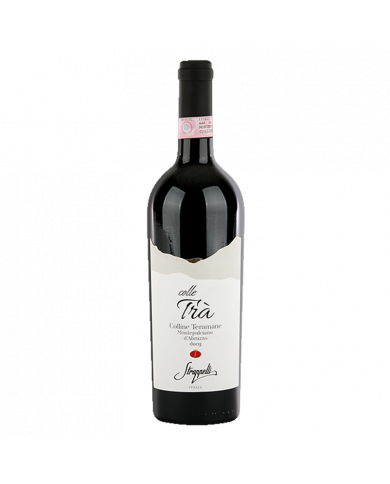
Our Montepulciano d'Abruzzo Colline Teramane docg “Colle Trà” also comes from the traditional R7 clone of the Teramo Hills. Its production starts with a careful selection of the grapes, and then undergoes a long maceration phase in the cellar triggering a spontaneous fermentation with indigenous yeasts. A stop in oak barrels for 18 months represents the last phase before the refinement in the bottle.
€29.48
SKU:
15077
Brand:
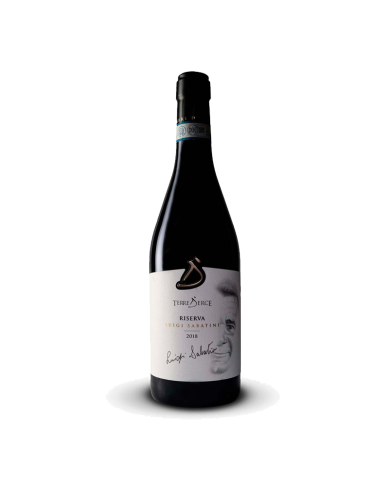
Terre d'Erce
Montepulciano DOC100% with vineyards on the hills, with clayey soils that tend to be calcareous. The breeding is pergola Abruzzo with thirty-year vines, 1600 vines per hectare with a yield of 100 q.
€28.55
SKU:
15069
Brand:
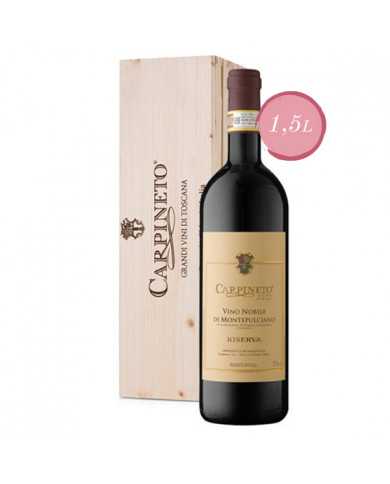
Carpineto
A great red wine, it takes its name from Montepulciano, a Renaissance city in the province of Siena, which dominates the wide and verdant Valdichiana from the top of a hill. The appellation of "Nobile" seems to derive not only from its intrinsic qualities of finesse and elegance, but also from the fact that in the past the production of this wine was particularly cared for by the noble families of the city.
€110.40
SKU:
15063
Brand:
D'Alfonso del Sordo
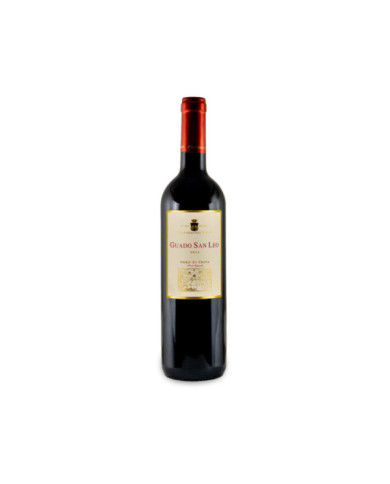
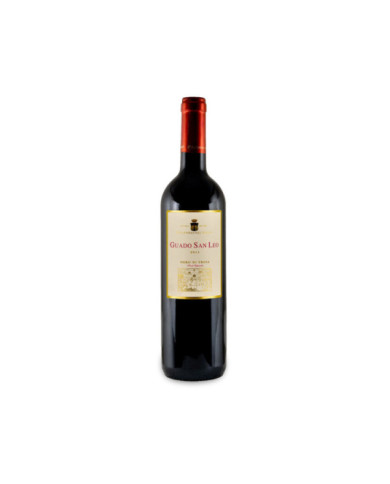
GUADO SAN LEO is the first wine of our company obtained solely from NERO DI TROIA grapes and has contributed together with other Apulian wines to the rebirth of this important vine. The grapes, coming from our "Coppanetta" estate, are harvested by hand in 15 kg boxes before being sent for vinification. with scrupulous selection.
SKU:
15062
Brand:
D'Alfonso del Sordo
GUADO SAN LEO is the first wine of our company obtained solely from NERO DI TROIA grapes and has contributed together with other Apulian wines to the rebirth of this important vine. The grapes, coming from our "Coppanetta" estate, are harvested by hand in 15 kg boxes before being sent for vinification. with scrupulous selection.
€50.70
SKU:
15061
Brand:
D'Alfonso del Sordo
The hot year with little rain has delivered healthy and ripe grapes which translates into a wine of intense color, the scarcity of rain combined with high temperatures has led to a lowering of the acid content giving the wines characteristics of intensity, alcohol and roundness , with precise and blended tannins. Also for this vintage it was necessary to anticipate the harvest by a few weeks to avoid water stress phenomena on the plants. The overall results are however very interesting due to the general balance we find in the wines produced in this vintage.
€24.71
SKU:
15060
Brand:
D'Alfonso del Sordo
GUADO SAN LEO is the first wine of our company obtained solely from NERO DI TROIA grapes and has contributed together with other Apulian wines to the rebirth of this important vine. The grapes, coming from our "Coppanetta" estate, are harvested by hand in 15 kg boxes before being sent for vinification. with scrupulous selection.
SKU:
15057
Brand:
D'Alfonso del Sordo
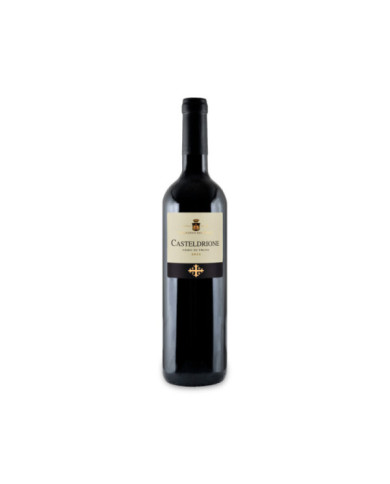
Legend has it that Diomedes, after marrying Driona, daughter of King Dauno, had a small temple with an altar dedicated to Calchas built on a low hill called Drion. In this place called Castrum Drionis or CASTELDRIONE the city of San Severo will rise.
€12.36
SKU:
15054
Brand:
D'Alfonso del Sordo
MONTERO was born from the union of the terms Montepulciano and San Severo and wants to underline the strong bond of this important vine to our territory. MONTERO is one of the first labels put on the market by our company in the 1960s. The current blend, in addition to the presence of Montepulciano, includes a small percentage of Cabernet Sauvignon which manages to better soften the vigorous tannins and make the aromatic spectrum more complex.
€9.88
SKU:
15053
Brand:
D'Alfonso del Sordo
POSTA ARIGNANO is the name of the ancient farmhouse that stands in the center of the "Coppanetta" estate where, in ancient times, travelers who crossed the Daunia lands found refreshment and very often also the shepherds in transhumance from nearby Abruzzo. Today the farm is surrounded by about 30 hectares. of vineyards that give rise to most of our labels.
€9.10
SKU:
15047
Brand:
Castello dei Rampolla
Sammarco is a wine with fresh and fine scents of undergrowth, with a deep and intense colour. It presents specific aromas of the soil and impressions of ripe fruit. It has a great concentration with robust tannins. Elegant and refined wine. Percentages of Sangiovese and Merlot are added to the Cabernet Sauvignon. Production varies according to climatic conditions: 8,000 – 25,000 bottles.
€49.17
SKU:
15046
Brand:
Castello dei Rampolla
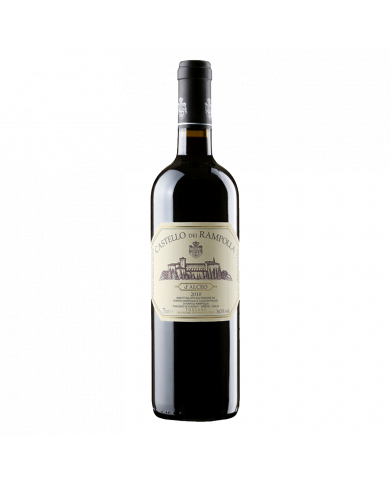
D'Alceo fully reflects the characteristics of the vineyard from which it comes. Intense, warm, refined and elegant. The well-ripe red fruit combines perfectly with the notes of delicate cigar and tobacco. An incredible concentration without heaviness. For once we are not talking about a wine, but about the personality of a vineyard planted by Alceo, who could not imagine having found the excellent combination of exposure, soil and vines (Cabernet Sauvignon and Petit Verdot). The average production is 6000 – 12000 bottles.
€134.90
SKU:
15041
Brand:
Cantina Madonna di Loreto
Intense ruby red color with violet reflections, a cherry aroma and a delicate touch of spice: a generous and authentic award-winning Montepulciano d'Abruzzo, to be enjoyed slowly
€8.72
SKU:
15038
Brand:
Cantina Madonna di Loreto
Montepulciano d'Abruzzo PDO is distinguished by an intense ruby red color which tends towards garnet with ageing; the scent is floral and fruity, with hints of ripe red fruits and spices; the taste is full, dry, harmonious and rightly tannic.
€4.44
SKU:
15036
Brand:
Villese
name "Nerie" is linked to the name of a brave Etruscan leader. In the archaeological excavations carried out in Villalfonsina in 1914, many artifacts were found that highlight the presence in the 6th-5th century BC of trade with the Etruscan area. Among others, bronze statuettes depicting a knight on horseback and a red impasto olla bearing the silhouette of the same knight and the inscription “ne” (probable abbreviation of the individual name Nerie). The label of our “Nerie” is inspired by a bronze disc with the aforementioned rider on horseback in relief. The wine has an intense ruby red color with garnet reflections. Intense, characteristic aroma, typical of the grape, full and robust body with well balanced tannic component to the taste of wood, harmonious.
€7.81
SKU:
15032
Brand:
Carpineto
Produced in the oldest production area, as stated in the disciplinary that regulates it, this area gave its name to the wine and is the only one where Chianti Classico is produced. It extends between Florence and Siena in a territory of breathtaking beauty, made up of villages perched on the top of the hills, of olive trees cultivated in steep fields with an irregular outline and of cypresses lined up to delimit the innumerable dirt roads.
€89.67
SKU:
15029
Brand:
Carpineto
Produced in the oldest production area, as stated in the disciplinary that regulates it, this area gave its name to the wine and is the only one where Chianti Classico is produced. It extends between Florence and Siena in a territory of breathtaking beauty, made up of villages perched on the top of the hills, of olive trees cultivated in steep fields with an irregular outline and of cypresses lined up to delimit the innumerable dirt roads.
€86.01
SKU:
15024
Brand:
Carpineto
Produced in the oldest production area, as stated in the disciplinary that regulates it, this area gave its name to the wine and is the only one where Chianti Classico is produced. It extends between Florence and Siena in a territory of breathtaking beauty, made up of villages perched on the top of the hills, of olive trees cultivated in steep fields with an irregular outline and of cypresses lined up to delimit the innumerable dirt roads.
€51.24
SKU:
15006
Brand:
Tenuta Cocci Grifoni
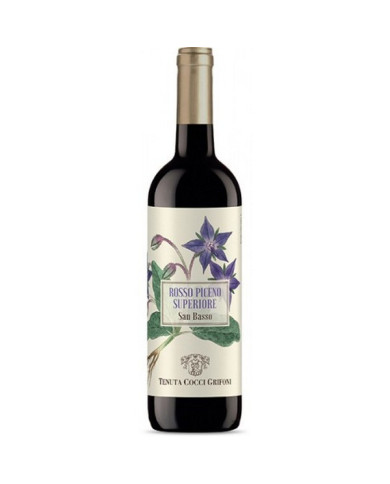
Rosso Piceno Superiore is born from a decidedly limited area. These are the years in which, every time we return home after having travelled, known and studied other realities, we begin to look around us with the eyes of those who finally begin to see again. Perhaps we needed a little homesickness, perhaps we needed not to feel the sense of protection of the places of which we know every detail.
And we go back, like children, to observe our hills with exploratory eyes, surprising ourselves with the beauty of the landscapes to which time had accustomed us. Sour cherries in alcohol, violets, fresh notes of rosemary in a wine which, in faithfully describing the territory, however wants to show its most fascinating, engaging and exciting side.
€12.32
SKU:
14998
Brand:
Tenuta Cocci Grifoni
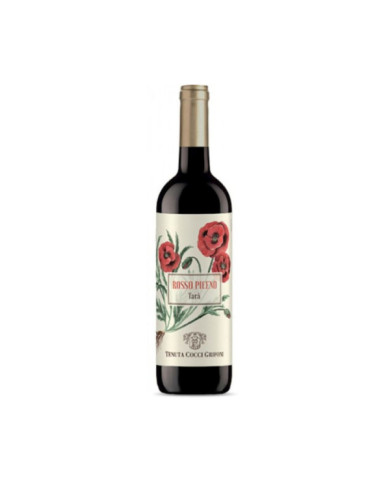
The wine of our countryside, the wine of our peasant tradition, the wine of sharecropping. At the time there was no talk of blends, wine was not produced to be sold, but to be drunk. The purpose was only one. Bring a nice bottle of red wine to the table every day. Each family chose whether and how long to leave it in the barrels but one thing was certain, there were two vines in those barrels: Montepulciano and Sangiovese. Today as then, we re-propose that union of two grape varieties that have always been together. With an exuberant nature, this wine tells of a panorama that is colored with brilliant tones. Raspberries, cyclamen, morello cherries. At the end, a surprising citrus touch of chinotto refreshes and invites you to fill your glasses.
€10.16
SKU:
14993
Brand:
Lidia e Amato
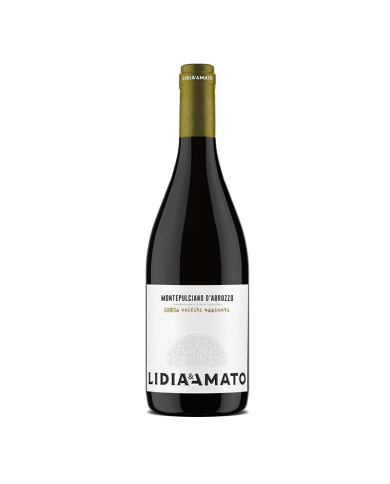
The “Montepulciano d'Abruzzo Doc Forty” wine is one of the most important Montepulciano wines produced by the Lidia e Amato company. The Lidia e Amato company is located in the province of Teramo in the Abruzzo region. The "Montepulciano d'Abruzzo Doc Forty" wine by Lidia e Amato is a red, still and dry wine. The wines of the Lidia e Amato winery, among which the wine "Montepulciano d'Abruzzo Doc Forty", reviewed in this article, contributed to the positive evolution of the appellation, thanks also to the professionalism of the operators who believed in the potential of the territory of province of Teramo. The reputation of the appellation and its wines, such as the "Montepulciano d'Abruzzo Doc Forty" of the Lidia e Amato company, continue to arouse the interest of the markets, as evidenced by the national and international awards of the wines produced by the companies of the Abruzzo region and the province of Teramo in particular. The Montepulciano d'Abruzzo Doc Forty wine from the Lidia e Amato winery, a wine of the appellation, is vinified from Montepulciano grapes. The Lidia e Amato winery produces about 6000 bottles of the Montepulciano d'Abruzzo Doc Forty wine, whose well-balanced organoleptic characteristics and gustatory balance make it one of the most interesting wines of the appellation.
€14.27
SKU:
14992
Brand:
Tenute Chiaromonte
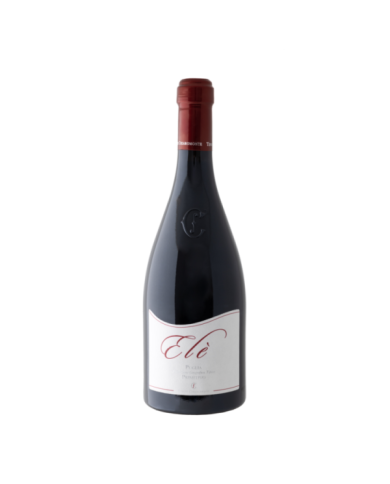
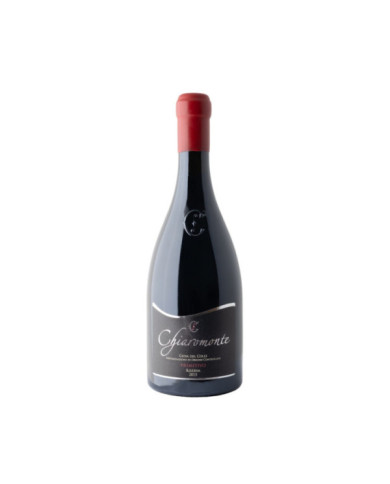
Intense red wine, with aromas of plums, small black fruits and spices that surround a decisive and clean fruit. Impact on the palate, volume without sagging, acidity that well balances the typical sweetness of the vine. Pleasant finish, poured by notes of chocolate and licorice. Pairings Finds its best pairing with cheeses, roasts and all dishes of the Mediterranean cuisine.
€23.00
SKU:
14989
Brand:
Tenute Chiaromonte
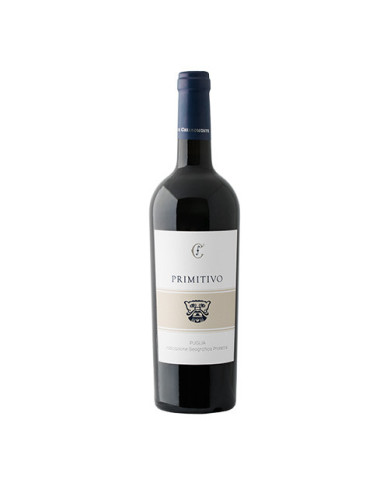
A Primitivo expression of its land, Acquaviva delle Fonti, of which it tells the long winemaking tradition, but also the history and legends; like that of the Mascheroni, guardians of the monumental Palazzo De Mari. Bright red color with violet reflections and intense aromas of small red fruits. On the palate it is fresh, sapid and rightly tannic, with a soft and fruity finish. Pairings Excellent table wine, it finds the best combination with the typical dishes of Mediterranean cuisine.
€10.93
SKU:
14986
Brand:
Tenute Chiaromonte
A niche edition that comes from a small vineyard of ancient saplings. The color is dark red. The scents are those of plum jam and bitter chocolate which just covers the smoky notes. There are also the typical scents of the Mediterranean maquis. On the palate it is cherry-like, deep and intense, with very soft tannins. Pairings Ideal with meat sauce, roasts, aged cheeses and Mediterranean dishes.
€42.58
SKU:
14982
Brand:
Tenute Chiaromonte
Ruby red wine, aromatic and with intense aromas, with hints of red berry fruit and spicy notes. On the palate it is fresh and elegant. High quality wine, produced from certified organic grapes.
Pairings
Find the best combination with the typical dishes of Mediterranean cuisine. Particularly suitable with soups, white meats, fresh soft cheeses and grilled vegetables.
€14.88
SKU:
14979
Brand:
Tenute Chiaromonte
It has a bright ruby red color with slight violet reflections. The olfactory scents are mainly characterized by notes of red fruit. On the palate it is light-bodied, fresh, characterized by good sapidity.
€11.44
SKU:
14977
Brand:
Tenute Chiaromonte
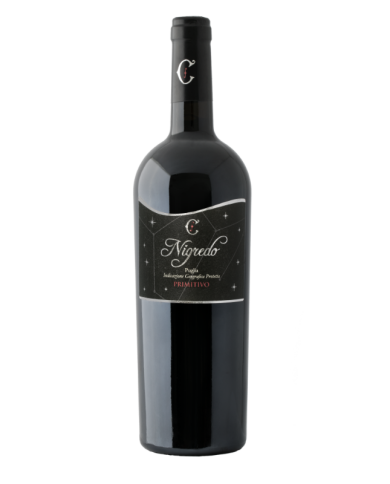
Primitive with a blackish colour. The nose is saturated with fruit, ripe cherries, pulpy and juicy. In the mouth the sweetness of the residual sugars is perfectly balanced by a splendid and very natural juiciness. It is a tale of passions and emotions, a starry night, a research that continues. Pairings It goes well with blue and seasoned cheeses tasted with jams. Also excellent with dry pastries.
€37.52
SKU:
14976
Brand:
Tenute Chiaromonte
Soft and enveloping wine, with a bright red color. With fruity olfactory textures with hints of black cherry and with floral notes of rose that blend with a delicate sweetness.
Pairings
Ideal companion for almond sweets, dark chocolate and various desserts. Intriguing accompaniment with seasoned and blue cheeses.
€18.67
SKU:
14975
Brand:
Tenute Chiaromonte
Maximum expression of an age-old vine that has been handed down for generations. Dark ruby red in colour, it has a deep, clear and precise nose, which ranges from ripe black fruits to the spices of the Mediterranean scrub. The palate, elegant, but at the same time endowed with great density and substance, is full, sapid with iodized notes, complex and balanced despite the alcohol. Pairings To be kept exclusively for important moments or to meditate in front of the fireplace.
€107.43
SKU:
14969
Brand:
Vinicola La Rasenna
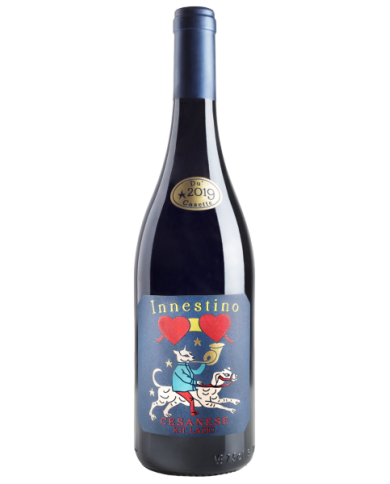
Tradition and innovation come together to give life to Innestino, a Cesanese that was born in the province of the capital from a land positively shaped by alluvial and volcanic presence, with insertions of clay and sand. The vines, trained according to the guyot system, are quite young and, subject to adequate experimentation, give a convincing red, lively in color (thanks to a maceration on the skins for about 18 days) and maturation on the fermentation yeasts; valorisation and optimization of local grapes and the will to go beyond the classic schemes, make Innestino a great label, free from unfettered, authentic, which rightfully represents Lazio oenology!
SKU:
14968
Brand:
Villa da Filicaja
The Bolgheri from the Collection of the Count of Villa da Filicaja was born in the Livorno municipality of Castagneto Carducci, in the heart of the magical Bolgheri terroir. It is obtained with Cabernet Sauvignon, Merlot and Cabernet Franc grapes, harvested following a careful selection. After a short cold maceration, the must ferments spontaneously for 15-20 days at a controlled temperature. The refinement takes place in oak barrels for at least 12 months and for a further 3 months in the bottle before being placed on the market. It has a deep ruby red color with violet reflections. It is characterized by a complex and refined aroma, with hints of wild berries in the foreground, accompanied by herbaceous and mentholated notes. In the mouth it reveals a wine of great balance, with good minerality and sapidity which contrast with a good structure and body. Excellent to accompany red meats and aged cheeses, it lends itself to combinations with roast chicken and game recipes.
SKU:
14967
Brand:
Vespa Vignaioli
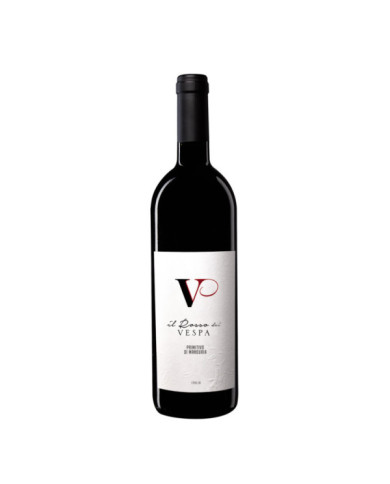
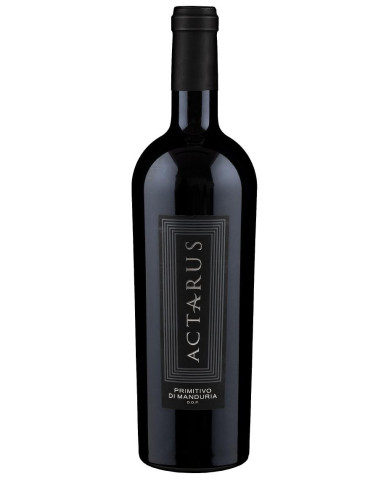
Vespa's "Rosso dei Vespa" is a Primitivo di Manduria which ages for 6 months in Never and Troncais oak barriques and presents itself to the eye with an intense and full ruby red robe. It expresses notes of plum, strawberry and fresh violet on the nose, enriched by hints of cocoa and vanilla while the sip is full and robust, of great body and intensity, with a long and spicy aromatic finish.
SKU:
14966
Brand:
Vespa Vignaioli
Winemakers generally give their name to the most important wine of the House. Bruno Vespa made the opposite choice: he baptized the cheapest wine because his challenge is to get the greatest number of consumers to approach a product with an excellent relationship between quality and selling price. IL BRUNO DEI VESPA is a Primitivo Salento that can elegantly accompany daily meals of all kinds.
SKU:
14965
Brand:
Cantina Tramin
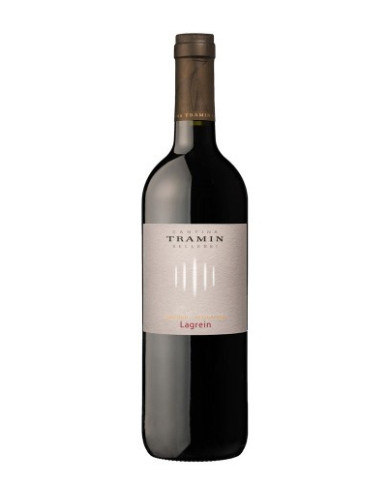
Perhaps the most important native vine of Alto Adige, lagrein leads to elegant and relaxed wines of great pleasure. Tramin's matures in oak barrels of various capacities and in cement tanks for at least 6 months. Perfect to accompany the elegant local gastronomy, it is always elegant and generous at the same time. A wine that cannot be missing from the table of a true enthusiast.
SKU:
14964
Brand:
Tenuta Iuzzolini
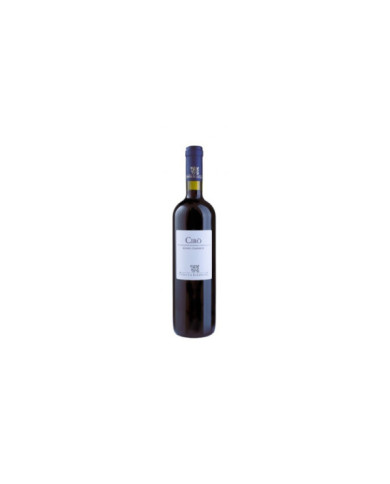
Tenuta Iuzzolini Rosso Classico Cirò 2021 DOC Tasting: Color – lively ruby red. Perfume – delicate, intense, straight and pleasant. Taste – warm, full, pleasantly vinous, balanced, savory and persistent.
€7.93
SKU:
14962
Brand:
Schenk Italia
Cultivated with the traditional sapling system, the Primitivo grapes are harvested manually and the must is fermented at a controlled temperature of 33°C for 25 days. Finally, we proceed to aging in barrique for at least 12 months. Intense red in color with violet reflections, the wine has a bouquet of ripe fruit with spicy notes. On the palate, thanks to the aging in barrels, it is soft and structured.
SKU:
14961
Brand:
SalvaTerra
The Amarone Classico has kept its typicality unaltered by bringing out the "essence of the territory" of Valpolicella in an important way without exceeding the residual sugar. It is a product with personality and great structure but which also manages to communicate elegance and depth in tasting, as well as great complexity.
SKU:
14960
Brand:
Rupicapra
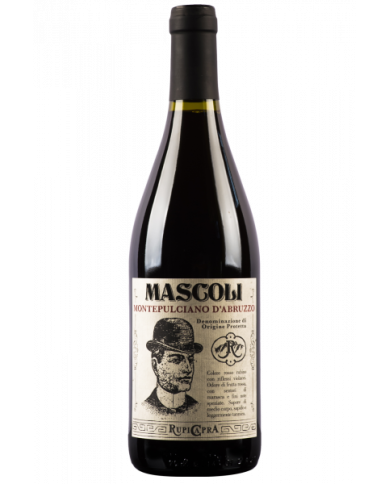
Cesarini Mascoli is a young and enterprising company located at the foot of the Gran Sasso where it enjoys particular climatic conditions that allow it to produce wines of great personality and aromatic expressiveness. Like Montepulciano d'Abruzzo, a traditional Abruzzo wine proposed here in a traditional and sincere version.
€9.55
SKU:
14959
Brand:
Rupicapra
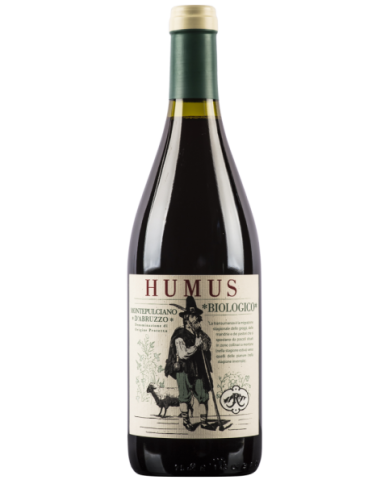
The word 'transhumance' derives from the verb 'transumare' or rather to transit on the ground, to cross: the verb is the union of the two Latin words 'trans', which means beyond, and 'humus' which means soil, land. In Italy this ancient custom originated mainly in Abruzzo where it consisted in transporting (precisely 'transhuming') animals from the mountains to the rich pastures of the Gargano and it is from this activity that probably the most famous wine takes its name and representative of Abruzzo, Montepulciano. Humus is a Montepulciano d'Abruzzo DOP from organic viticulture, a friend of the land and nature, the son of a philosophy that takes shape in every production step and which gives a wine of excellent quality.
€8.98
SKU:
14958
Brand:
Poggio Ameno
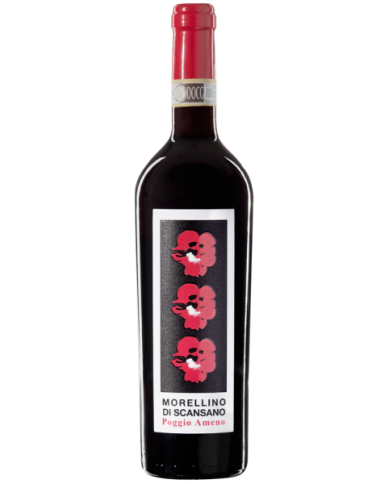
POGGIO AMENO, THE MORELLINO THAT ENJOYS THE SOUL
Between the Albegna and Ombrone rivers, in southern Tuscany, there is the municipality of Scansano, whose territory is the homeland of Morellino di Scansano, an area particularly suited to the breeding of Sangiovese thanks to the breezes coming from the Tyrrhenian Sea which mitigate the high temperatures summer. Wine with Denomination of Controlled and Guaranteed Origin since 2007 is obtained with at least 85% Sangiovese grapes harvested and vinified in the area of origin. Poggio Ameno owes its name to the hill on which it stands, in the Scansano area. In addition to Sangiovese, the Ciliegiolo and Alicante grapes enter its composition.
€11.82
SKU:
14957
Brand:
Poderi Luigi Einaudi
The Langhe Nebbiolo DOC of Poderi Luigi Einaudi is an elegant wine from young vineyards in the municipality of Neive, not far from Barbaresco.
€21.51
SKU:
14956
Brand:
Notte Rossa
Notte Rossa's Negroamaro is a fresh, fruity and generous red wine from the Salento area, vinified and aged in steel vats. With a velvety, rich and juicy sip, it expresses fragrant aromas of Mediterranean scrub, small dark berry fruits and light marine flavors
€6.86
SKU:
14955
Brand:
Masseria Spaccafico
Nero di Troia is a great classic of the Salento area. Masseria Spaccafico with the Passera Scopaiola celebrates and enhances this particular vine pearl of Salento. In tasting, Masseria Spaccafico's Nero di Troia Passera Scopaiola offers an intense ruby red color with purple reflections, an authoritative and decisive nose of figs and red fruits such as blackberries and blueberries with marked floral notes of violet and peony. On the palate this particular red wine has a marked softness that delicately caresses the palate while the marked minerality refreshes it, creating an absolutely perfect balance in the consumer's mouth.
SKU:
14954
Brand:
Masseria Ficarigna
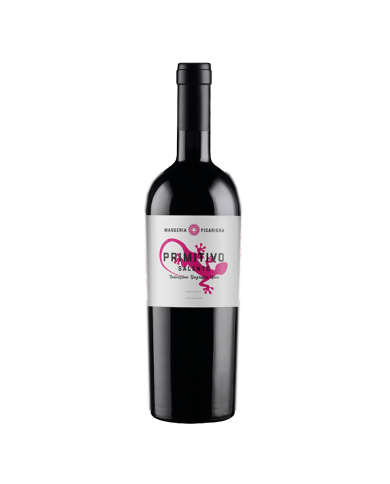
This Salento Primitivo from Masseria Ficarigna is an example of the qualitative excellence produced in the Salento region, of which the cellar is an ambassador. The name Ficarigna is the Salento translation of the prickly pear fruit which, together with the gecko, depicted on the label, are elements that symbolize Salento in the collective imagination.
After the manual harvest of the grapes harvested when fully ripe, fermentation takes place at a controlled temperature. The wine ages for 12 months in barriques before being bottled.
In the glass it has a deep ruby red color with purplish nuances. The nose recalls toasted and coffee sensations that form the background for hints of red berry fruit. On the palate it shows warmth and a round, enveloping and balanced taste.
It is recommended together with game and aged cheeses. Try it in combination with chestnuts.
€6.91
SKU:
14953
Brand:
Masseria Ficarigna
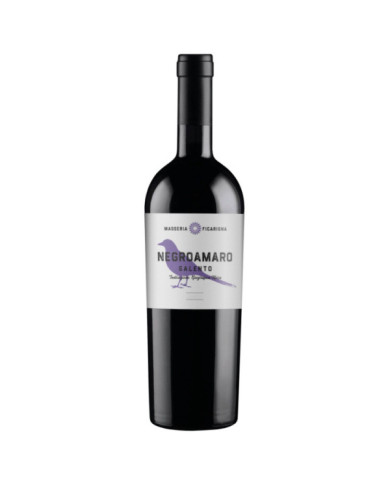
This Salento Negroamaro is produced from one of the most representative native vines of the Salento peninsula, of which Masseria Ficarigna is the spokesperson. Inspired by the symbolic prickly pear fruit, the label features a stylized image of a "pica", the Salento magpie, among the birds that contribute to the dispersion of seeds and the spread of this plant in the region.
The grapes are carefully picked by the cellar team and immediately transported to the cellar where a soft pressing and fermentation with maceration in steel for 15 days take place. The wine finishes its refinement with a passage in barriques for 8-10 months.
It is a red wine with a ruby hue. The nose is deep and orchestrated on rich red berried fruit notes. In the mouth it is intense, soft and balanced.
Excellent to combine with first courses of Mediterranean cuisine, as well as cured meats and medium-aged cheeses.
SKU:
14952
Brand:
Librandi
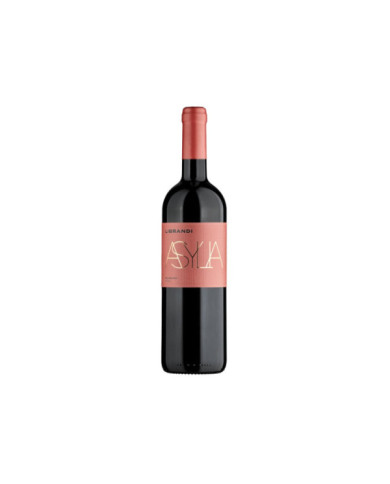
There are those who tell the story, tradition and passion with words; Cantina Librandi has chosen to do it through wine. In Cirò, a magnificent corner of Calabria, hard wines are born with a history behind them; it is here that Asylia is born, the freshest and most enjoyable interpretation of the typical Calabrian vines.
The harvest takes place at the end of September. The vinification is in thermo-conditioned steel, with delicate pressing of the grapes. The refinement is in steel, with a short stay in the bottle for a few months before being put on the market.
A wine that has an intense ruby red color in the glass. The olfactory sense is seduced by the enveloping scent of red-fleshed fruits that peep out one after the other; among these we find cherries, blueberries, blackberries and an orange aroma, which elegantly intersect with hints of eucalyptus and black pepper.
A drink that proves to be enveloping and well balanced on the palate from the first sip. An excellently drinkable red, with a tannin present but which in any case does not alter the balance of the sip which remains juicy and persistent until the end. A glass that at the table is excellent in combination with meat-based dishes and first courses with not too seasoned sauces.
€7.93
SKU:
14951
Brand:
Li Ciuri
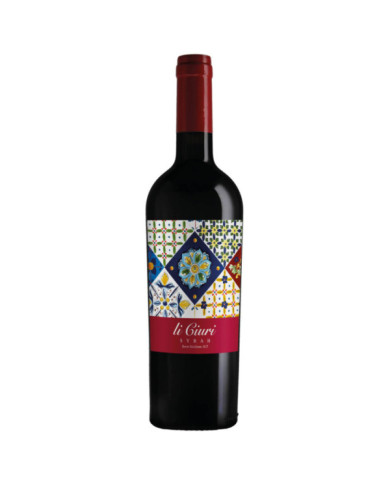
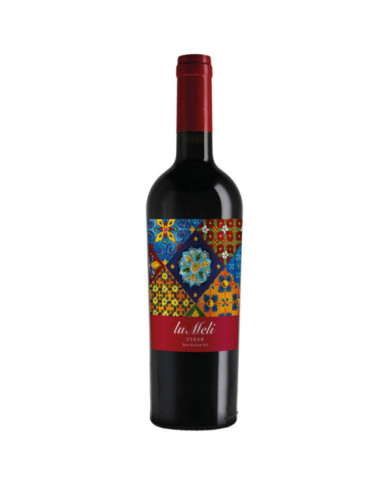
Syrah Li Ciuri is a wine that originates in Western Sicily, in the immediate vicinity of Trapani. Obtained from 100% Syrah grapes, the bunches are harvested strictly by hand in the third week of August. The grapes, which arrive in the cellar, are subjected to the destemming process and then lightly pressed. This is followed by maceration at a controlled temperature; once fermentation is complete, the wine rests in steel vats until bottling and completes its maturation in the bottle.
€8.53
SKU:
14950
Brand:
Li Ciuri
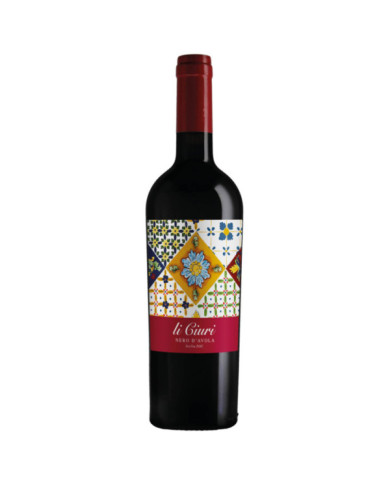
Nero d'Avola Li Ciuri is a wine that originates in Western Sicily, in the immediate vicinity of Trapani. The harvest of its grapes is strictly manual and is carried out in the first ten days of September. The grapes, which arrive in the cellar, are subjected to the destemming process and, subsequently, delicately pressed. This is followed by maceration at a controlled temperature and refinement, lasting 3 months, in the bottle.
€11.54
SKU:
14949
Brand:
Li Ciuri
Obtained from Syrah grapes, the bunches are harvested strictly by hand in the third week of August. The grapes, which arrive in the cellar, are subjected to the destemming process and then lightly pressed. This is followed by maceration at a controlled temperature; once the fermentation is complete, the wine stays in steel vats until bottling and completes its maturation in the bottle.
€13.20
SKU:
14948
Brand:
La Pugliosa
dark ruby red, the nose reveals hints of blueberry, black currant, aromatic herbs and undergrowth, with sweeter nuances from vanilla to cloves. The sip is vigorous but soft, leaving the perception of black cherry jam, freshness and flavor.
€45.99
SKU:
14947
Brand:
La Bollina
We can't get enough of the primitive that Bollina produces in Italy. This one has an insane 98 points from Luca Maroni and comes from Manduria, a small region in the heel of the boot known for variety. The fruit is harvested by hand and made a little late to increase concentration, potency and wealth. There's blackberry, cherry and plum with a backbone of tobacco, mocha and cocoa. This is not wine for the faint of heart, but rather for those who want something thick and dark in their glass.
SKU:
14945
Brand:
J.Hütte
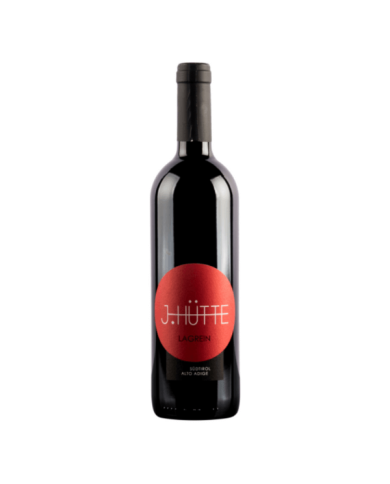
With a rich range of labels with attention to the smallest details, the J.Hütte winery, in the province of Bolzano, has managed in a short time to reach a substantial production volume of out of the ordinary quality, which sees the coexistence of native grapes of the area, such as Moscato Giallo , Lagrein and Gewürztraminer with the international Chardonnay, Pinot Noir and Sauvignon. A mix of sandy and morainic soils, accentuated temperature variations and the support of the Bolzano winery combine to create measured and incisive wines, elegant and refined as only South Tyroleans can be.
€12.86
SKU:
14943
Brand:
Inessa
€11.90
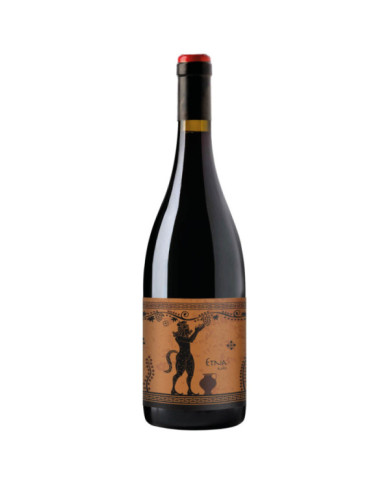
Etna Rosso Inessa comes from terraced vineyards of Castiglione di Sicilia located between 650 and 700 meters above sea level. It underlines the link between the autochthonous Nerello Mascalese vine and the Etna area, with its fertile soils of volcanic origin and a microclimate characterized by a good temperature range between day and night.
€11.90
SKU:
14942
Brand:
Funaro
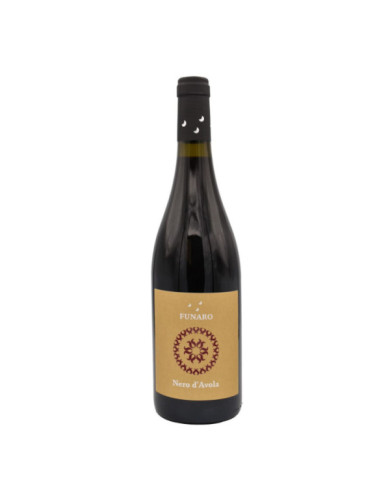
It is vinified in purity from one of the most renowned Sicilian vines, using grapes coming exclusively from the company estates, conducted according to the most modern organic farming techniques. Ruby red in color with violet reflections, it has intense aromas of red fruit, cherries and blackberries. In the mouth it is rich, with a typical acidity, which gives a good persistence of taste and smell. Full-bodied wine with character, which releases the strength and warmth of the land of Sicily, perfect for a grilled meat with friends.
€11.59
SKU:
14941
Brand:
Fattoria San Francesco
Cirò Rosso Classico DOC This wine is the valuable result of a careful selection of grapes of the Gaglioppo variety alone, the most important native vine of Calabria, coming from the hilly lands of the farm. It is vinified in the traditional way with prolonged maceration.
€7.93
SKU:
14940
Brand:
Fattoria dell’Agresto
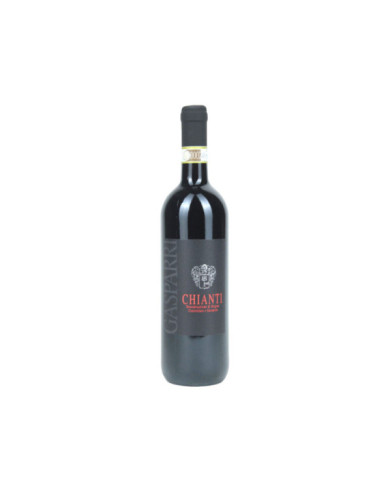
Among the green hills of Chianti, the Gasparri family has been producing wine for three generations in its Fattoria dell'Agresto, always trying to enhance the typicality of the prince of Tuscan vine, Sangiovese. The property covers approximately 220ha of land, including vineyards and olive trees. 80% Sangiovese, 10% Colorino, 10% Canaiolo. Fermented in steel with 10-12 day maceration. After the malolactic fermentation, it ages in steel for several months before bottling.
€8.53
SKU:
14939
Brand:
Fattoria del Cerro
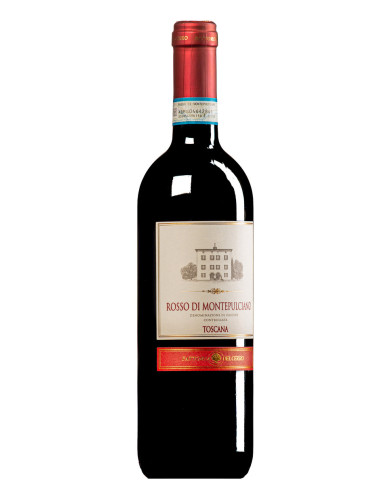
Rosso di Montepulciano DOC the taste is well balanced, elegant and has a slight initial tannic note. Ideal served at 18° C in medium-sized glasses. Excellent combined with appetizers, first courses with meat sauces, stuffed pasta, grilled or casserole red meat main courses
€9.55
SKU:
14938
Brand:
Fattori dei Barbi
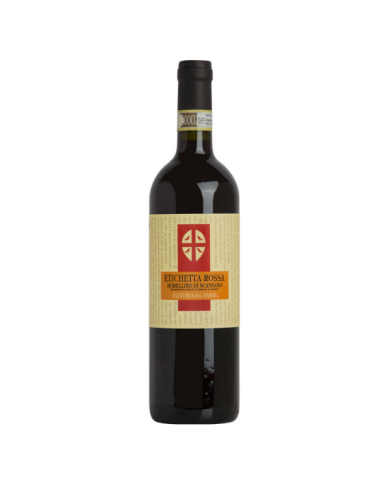
Fattoria dei Barbi's Morellino di Scansano "Red Label" is a red with an agile and refreshing drink, to be enjoyed at its best in its youth.
€12.91
SKU:
14937
Brand:
Duca di Saragnano
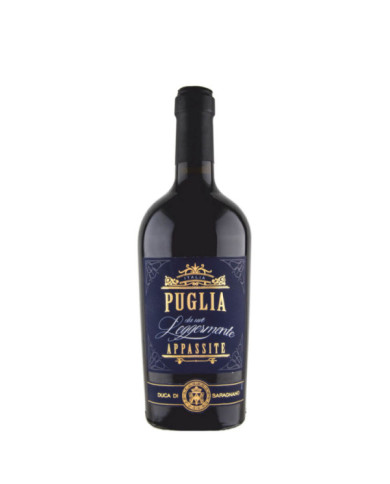
This wine is a blend of native Apulian red berried grapes that undergo a slight withering on the plant in order to give greater softness and complexity to the final product. It has an intense ruby red color with delicate purple reflections.
SKU:
14936
Brand:
Cincinnato
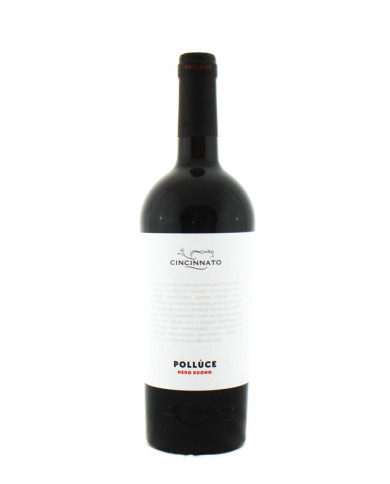
Intense ruby red color, the nose releases an intense aroma of flowers and low red fruit with a reference to the fragrant note. Delicate, harmonic flavor with an elegant complexity. Excellent throughout the meal, it enhances the characteristics with dishes with a strong taste.
€9.55
SKU:
14934
Brand:
Castello Monaci
Pilùna is a monovarietal of Primitivo. We are a few kilometers outside the primitive DOC of Manduria, therefore Pilùna falls within the disciplinary of the IGT Salento. The primitive name derives from "first native" as it is the first red berried variety to be ready for harvest. The name Pilùna indicates the ancient tuffaceous containers in which oil and wine were kept.
€11.54
SKU:
14932
Brand:
Cantine Statti
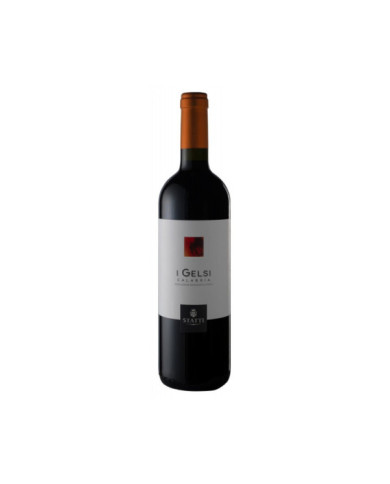
Beautiful shiny and ruby dress. Nose that expresses itself on very intense notes of ripe red fruit and small red fruit jam, followed by notes of fresh flowers, vegetable, mineral and mentholated hints. It surprises me a lot for the balance, it has a good body and has a surprising and pleasant balanced drink. Long enough to be drunk without worries until the last drop. Are you looking for a wine for every day? It might suit you.
SKU:
14930
Brand:
Cantina Mesa
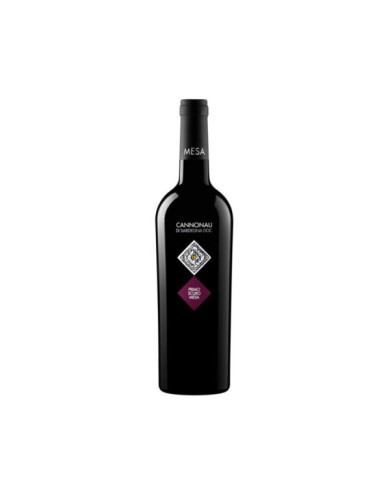
The Cannonau di Sardegna DOC "Primo Scuro" of the Mesa company was born in the Sulcis area, in the south-west end of Sardinia. Aged on the noble lees for at least six months, it then matures for another two in the bottle and boasts a satisfying intensity on the nose as well as a harmonious and well-structured body. Pleasant to the sip like few others.
€9.55
SKU:
14929
Brand:
Cantina di Verona
The grapes are dried for at least 4 months from the harvest, losing at least 40% of their weight. Fermentation temperature between 18° and 22° C. Maceration time: 20 days
SKU:
14927
Brand:
Cantina Boem
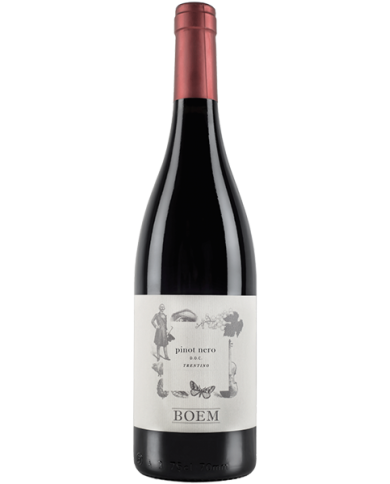
Pinot Noir is a vine that represents a challenge for agronomists and oenologists due to its delicacy, its need for a suitable microclimate and the difficulty of having a constant production. However, when its needs are satisfied, excellent wines are obtained which are very pleasant to drink. Like Boem's Pinot Noir. Its grapes are harvested by hand in the last week of September and vinified in steel tanks at a controlled temperature. The wine thus obtained is aged in French oak barriques for six months before being bottled. Wine of great elegance, full-bodied and expressive.
SKU:
14926
Brand:
Cantina Boem
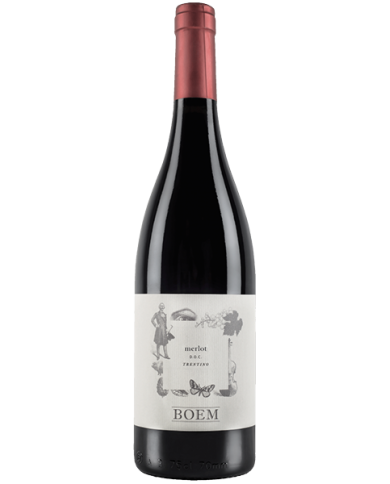
Merlot is one of the best known and most appreciated vines in the world. From its grapes are produced wines with a soft and velvety organoleptic profile that meets the favors of a worldwide audience since it is cultivated in all five continents. Merlot grapes give their contribution in the blends by bringing roundness and drinkability to wines that are too angular but they can also be vinified alone like this beautiful example of Boem, obtained from hilly vineyards rich in alluvial debris. Their grapes are harvested by hand in the first week of October and vinified in vitrified cement tanks, where they remain on their lees for six months.
Color of a beautiful ruby red. The nose shows hints of cherry and raspberry, rose petals and a slight sweet spice. On the palate it is soft and warm, with light tannins that close the circle of balance. Adequate finish with notes of pink pepper.
Ideal on chicken with peppers but also with pork ribs in barbecue sauce.
SKU:
14924
Brand:
Campoverde
Ideal pairing with first courses based on meat and fresh cheeses.
To produce this organic wine there was no emission of harmful gases for the environment and humans.
Our supply chain is totally powered by green energy produced on the farm, saving 3,362 tons of carbon dioxide a year.
The label paper comes from forests managed according to strict environmental standards.
SKU:
14923
Brand:
Campo al Faro
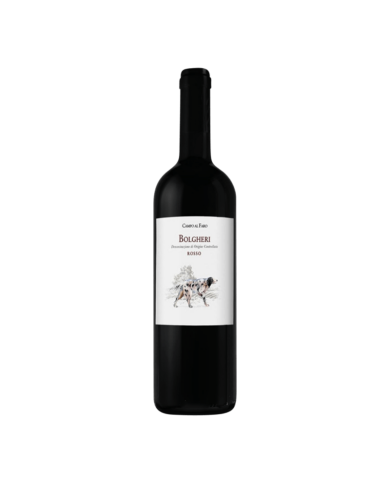
The Bolgheri Superiore di Campo al Faro was born in Castagneto Carducci, in the heart of the magical Bolgheri terroir. The Cabernet Sauvignon and Merlot grapes that make up the blend are hand selected. Fermentation takes place in steel tanks with temperature control and long maceration on the skins.
SKU:
14922
Brand:
Borgo Magredo
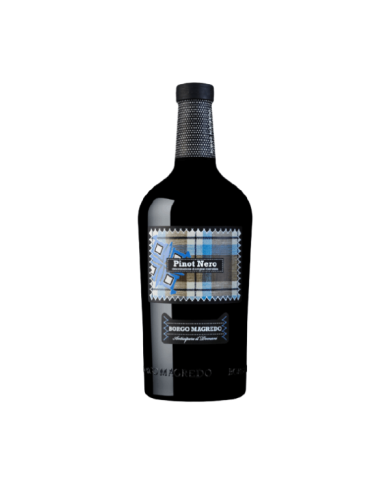
The Pinot Noir of Borgo Magredo comes from grapes harvested around the first week of September. Once in the cellar, they are destemmed and the skins remain in contact with the must for 5 days before being pressed. Fermentation takes place in steel containers kept at a controlled temperature. Part of the wine completes the malolactic fermentation in barrique and is then blended with the wine which is aged in steel. This is followed by bottling and rest in glass for at least two months.
€12.00
SKU:
14919
Brand:
Blumenfeld
Blumenfeld's Pinot Noir is a typical red wine from Alto Adige, which comes from the warm and well-ventilated soils surrounding the municipality of Bolzano.
The grape harvest takes place in September. The vinification takes place in steel at a controlled temperature, followed by a short maturation in oak barrels.
The color is ruby red. It opens on the nose with fruity aromas of cherry, plum and raspberry that intertwine with refined notes of licorice and violet. The palate is velvety and elegant, medium structured, characterized by good tannins.
To be savored in the company of beef and game birds, it is appreciated with medium-aged cheeses.
€14.91
SKU:
14918
Brand:
Bastioni della Rocca
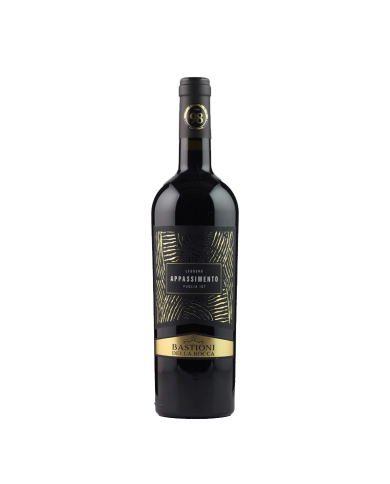
Here's a big, bold red from Puglia in southern Italy and is made from a blend of the two most popular red grapes there, Negroamaro makes up 80% with Primitivo 20%. Powerful dark fruit flavors are held together in a smooth, full-bodied red wine with soft tannins and a lingering depth of flavor on the finish, thanks to the Italian appassimento winemaking technique, which involves adding a portion of dried grapes to the ferment to create richness of flavor and concentration.
SKU:
14917
Brand:
Baroni Capoano
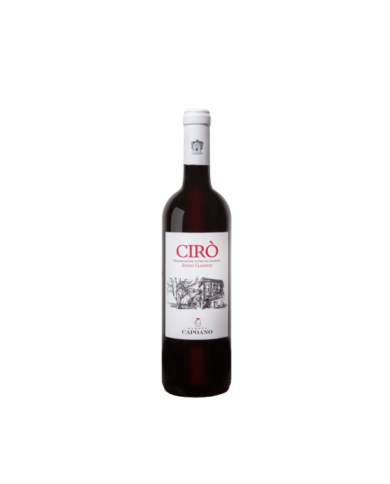
Cirò Classic Red. It is a wine made from black berried grapes. Of Greek origin, it thrives in dry climates and reaches high sugar levels, giving rise to robust wines.
€7.02
SKU:
14916
Brand:
Artico
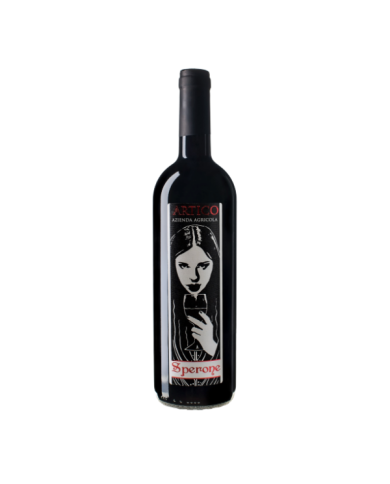
Sperone was our first wine produced in 2012; it is a blend of merlot, cabernet sauvignon and montepulciano which expresses the great varietal expression of the grapes, leaving plenty of room for the terroir.
The grapes, harvested when fully ripe, are destemmed and fermented at 27' degrees, after which they undergo a 21-day post-fermentation maceration with submerged cap.
Subsequently the racking and a soft pressing are carried out. A part of the wine is then aged in steel and another in used tonneau.
€19.54
SKU:
14915
Brand:
Abbazia di Novacella
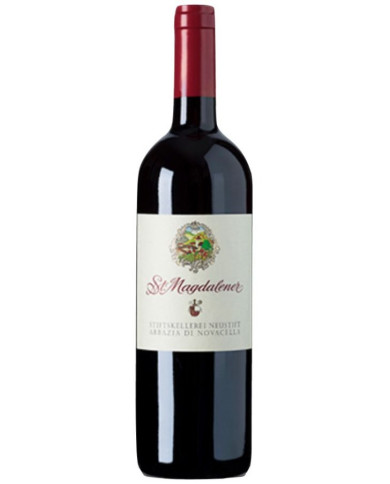
St. Magdalener Sudtirol Kofleitnhof Doc 2019 - Novacella Abbey
Grapes: Schiava 100% It is the most full-bodied of the Schiava grape wines, with a brilliant ruby red colour; as it ages it takes on brick-like reflections. Floral and fruity; hints of cherries and violets. Harmonious and velvety, with a slight aftertaste of bitter almonds. It goes well with game first courses, white meats with light seasonings.
€11.90
€8.24
SKU:
14906
Brand:
Maculan
Excellent pairing with game dishes, grilled meats, braised meats and long-aged cheeses.
€87.23
SKU:
14905
Brand:
Maculan
It goes well with first courses with game sauces, roasts and grilled red meat.
€13.48
SKU:
14904
Brand:
Maculan
It goes well with first courses with meat-based sauces, roasts and grilled white meat.
€9.77
SKU:
14899
Brand:
VITO CURATOLO ARINI
The most famous among the native Sicilians. Intense ruby red in colour, the nose has notes of violets, cherries, plums and white pepper. On the palate it is medium-bodied, with soft tannins and delicate red fruits.
€11.58
SKU:
14898
Brand:
VITO CURATOLO ARINI
The only international variety among Curatolo Arini wines finds one of its maximum expressions in Sicily. Intense ruby red color with violet reflections, the nose offers notes of red fruits, plums, spices, black pepper and vanilla.
€10.94
SKU:
14896
Brand:
Conti Zecca
Salice Salentino DOP Cantalupi is produced with Negroamaro and Malvasia nera di Lecce grapes from spurred cordon cultivated vines on alluvial soils, medium texture with areas tending towards limestone. The harvest takes place by destemming and soft pressing. Fermentation in stainless steel tanks at controlled temperature. Maceration for 12 days at a temperature of 28-30°C. Aging for at least 12 months in hl oak barrels. 30.
€9.76
SKU:
14894
Brand:
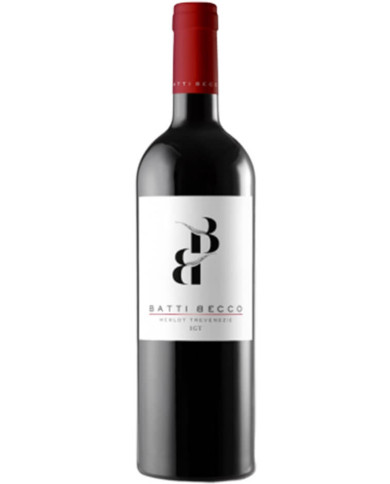
Battibecco
Pure Cabernet Franc. Splendid still red wine, with delicate aromas and flavours, suitable for both rich and lighter dishes. Magnificent and balanced sip, fresh and fruity, amalgamated in a splendid purple red.
SKU:
14893
Brand:
Battibecco
Pure Merlot. Divine table red, splendid even in a relaxing evening.
Flavors of ripe fruit, between plums and red fruits, with an excellent acidity on the palate, make it a wine of great balance without too much amalgamation on the palate. Fantastic with cured meats and cold cuts of all kinds, but also with great evening barbecues.
€7.20
€10.47
€10.49
SKU:
14887
Brand:
Cascina del Colle
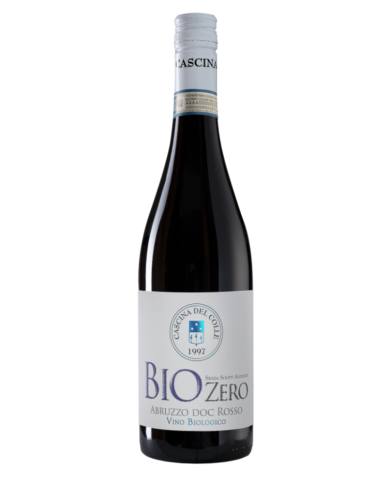
Bio Zero Rosso Cascina del Colle has a dark red color tending towards purple. The nose recalls notes of fresh and crunchy red fruit, but a vague volatile and vegetable imprint is drawn on the base. Slightly tannic and not very persistent
€9.03
SKU:
14885
Brand:
Cascina del Colle
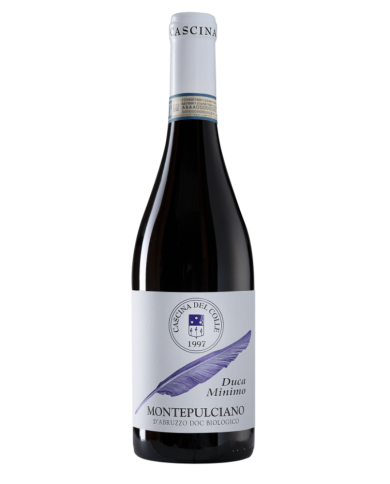
Why Duke Minimus To the poet Gabriele D'Annunzio, born in Abruzzo, who liked to refer to the "Duke Minimo"
€8.05
SKU:
14881
Brand:
Cascina del Colle
Why Duke Minimus To the poet Gabriele D'Annunzio, born in Abruzzo, who liked to refer to the "Duke Minimo"
SKU:
14878
Brand:
Cascina del Colle
From the archaeological discovery of a mammoth tusk in the second half of the 60s at the point where the current company "La Cascina del Colle " was built. Hence the idea of a lively, powerful and majestic wine
€44.15
SKU:
14876
Brand:
Cascina del Colle
Invasione Riserva Villamagna Cascina del Colle , ruby red. On the nose hints of red fruit and aromas of jam. Round and balanced on the palate, pleasantly tannic.
€32.21
€40.26
SKU:
14867
Brand:
Vaddinelli
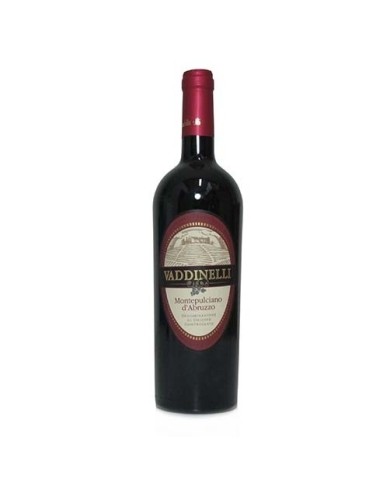
Ruby red in the glass, with garnet hints. On the nose it is rich in references to overripe red fruit, which is followed by spicy hints and ethereal nuances. The taste is balanced and full-bodied, characterized by a good persistence and a fruity finish again.
To combine with the second courses of the land cuisine, it is excellent with roast rabbit.
€10.13
SKU:
14855
Brand:
Apollonio
Sweet and full-bodied, balanced, with a pleasant acid note and robust tannins. A persistent finish enhances the return of the rich aromatic bouquet already perceived on the nose.
€0.00
SKU:
14854
Brand:
Cantine Carpentiere
Ancient construction in dry stone, the Jazzo defended the herds and shepherds from the nocturnal attack of the wolves, preventing the climbing over of the fences with its overhanging stones, called Stones of the Wolves or Paralupi. Still today an intact Jazzo watches over the vineyards from which we have selected Pietra dei Lupi, obtained from the vinification of 100% Uva di Troia. A wine of great elegance and freshness, its tannins refine in 7.5 HL Slavonian oak tonneaux.
€11.90
SKU:
14846
Brand:
Apollonio
Susumaniello, an autochthonous black grape variety from Puglia, grown in Salento. Its name recalls, in the Apulian dialect, the name of the "somarello" indicating the high productivity of the plant loaded with bunches "like a donkey". After the first decade of life of the vineyard, the bunch is unloaded of grapes and the production loses in quantity but improves in quality, producing wines of great expression.
€7.82
€7.04
SKU:
14845
Brand:
Apollonio
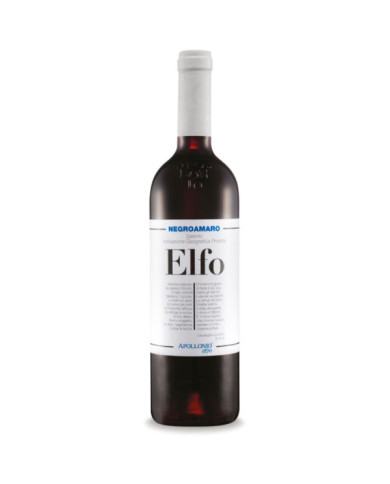
Negroamaro, native to Puglia, is the main black grape variety of Salento. Its origins are very ancient (VIII century AC ), it probably owes its name to the terms “niger” (Latin) and “mavros” (Greek) which both mean black. The great versatility makes it suitable for all types of wines.
€7.82
€7.04
SKU:
14844
Brand:
Apollonio
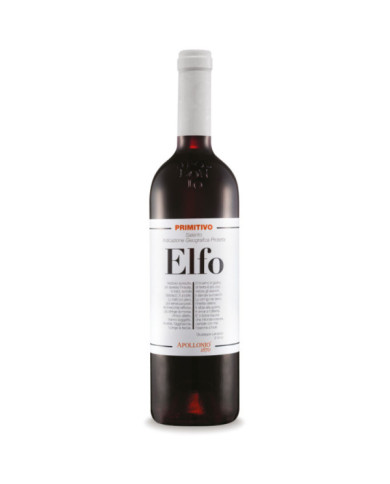
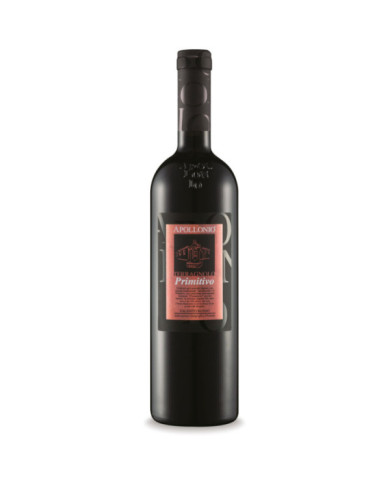
Primitivo, a native black grape variety of Puglia. It owes its name to the characteristic vegetative phases of the plant, all early, from maturation to budding, from flowering to veraison, from which the old name of "Primaticcio" derives.
€7.82
€7.04
SKU:
14838
Brand:
Apollonio
Negroamaro, native to Puglia, is the main black grape variety of Salento. Its origins are very ancient (VIII century AC ), it probably owes its name to the terms “niger” (Latin) and “mavros” (Greek) which both mean black. The great versatility makes it suitable for all types of winemaking.
€10.31
SKU:
14833
Brand:
Apollonio
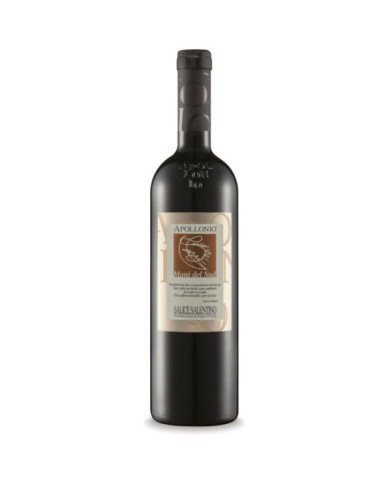
A historic Salento blend often made directly in the field with the alternation of eight plants of Negroamaro with two of Malvasia Nera. Negroamaro owes its name to the terms "niger" (Latin) and "mavros" (Greek) which both mean black. A highly versatile vine, it is suitable for all types of winemaking. Malvasia Nera, a vine with great softness and aroma, best balances the angular characters of the other two grapes.
€12.85
SKU:
14831
Brand:
Apollonio
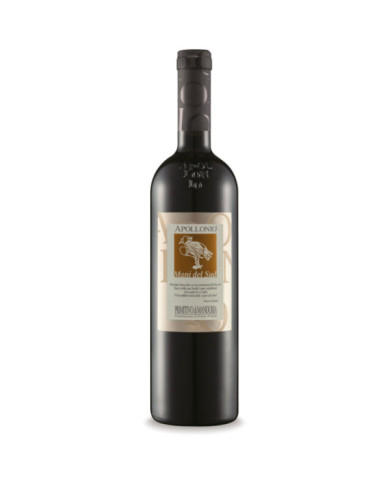
Primitivo, a native black grape variety of Puglia, owes its name to the characteristic vegetative phases of the plant, all early, from ripening to budding, from flowering to veraison, from which the old name of "Primaticcio" derives.
€14.12
SKU:
14830
Brand:
Apollonio
Negroamaro, native to Puglia, is the main black grape variety of Salento. Its origins are very ancient (VIII century AC ), it probably owes its name to the terms “niger” (Latin) and “mavros” (Greek) which both mean black. The great versatility makes it suitable for all types of winemaking.
€29.24
SKU:
14829
Brand:
Apollonio
Primitivo, a native black grape variety from Puglia. It owes its name to the characteristic vegetative phases of the plant, all early, from maturation to budding, from flowering to veraison, from which the old name of "Primaticcio" derives.
€19.19
SKU:
14828
Brand:
Apollonio
Salento is identified by three climatic elements: the sun, creator of generous sugar levels, the sea, responsible for the minerality of the wines, and the wind which makes this territory naturally free from diseases and particularly suitable for the production of "natural" wines. Characterized by extensive flat areas and modest hills, Salento is geologically made up of a medium-textured limestone structure.
€19.19
SKU:
14825
Brand:
CVA Canicattì
A Nero d'Avola of great harmony, our spearhead. Surprising in its aromas, precious for the elegance and silkiness of its tannins. An exciting wine.
€63.44
SKU:
14824
Brand:
Cummo vini
Nero d'Avola - DOC Sicilia with an intense red color with violet reflections and an intense, sunny, complex bouquet, from which hints of black cherry and red fruit emerge. Ideal if paired with cold cuts, meat first courses, roasts, game and soft, semi-mature, seasoned cheeses, salmon.
€10.85
SKU:
14823
Brand:
Cummo vini
Intense ruby red color with violet reflections. Its perfumes are ethereal, aromatic, intense and fruity. On the palate it is harmonious, persistent, enveloping and rightly tannic.
€5.39
SKU:
14807
Brand:
Cascina Corte
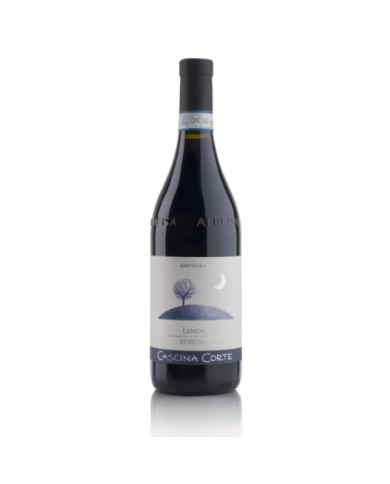
The color is purplish-red with ruby-violet flashes. The nose is deep and vertical, with fruity aromas chasing each other to create an enveloping and balanced bouquet.
€28.60
SKU:
14806
Brand:
Cascina Corte
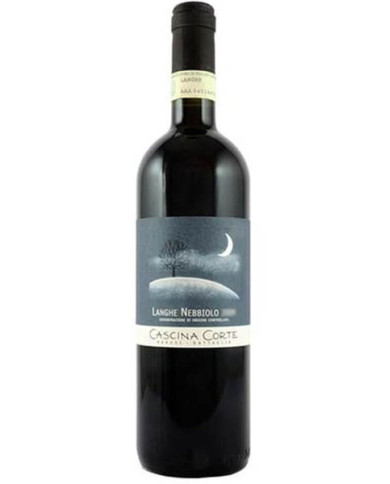
The color is dark ruby red, almost impenetrable, lively and captivating. The nose expresses the typical personality of the vine, capable of expressing a complex and intense bouquet.
€31.04
SKU:
14804
Brand:
Cascina Corte
This wine is a particularly successful exercise in Cascina Corte style. An original mix obtained from three different grapes.
€13.05
SKU:
14802
Brand:
Cascina Corte
Elegant and refined wine. In the mouth the acidity runs through the entire tasting, letting the rich background matter shine through and raising the tone of the drink. Persistent.
€20.15
SKU:
14801
Brand:
Cascina Corte
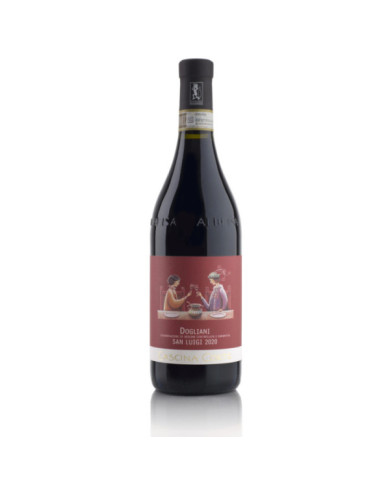
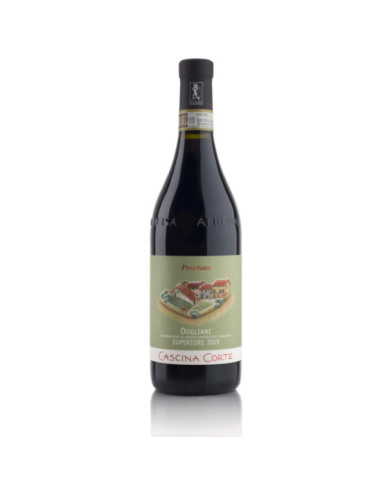
Dogliani San Luigi is obtained from the selection of various Dolcetto vines. It is a table wine with an immediate aroma of cherry, not too long in the mouth.
€17.56
SKU:
14800
Brand:
Cascina Corte
Garnet red colour. The nose opens on varietal hints of dried rose, violet and wet earth, which gives the wine a spicy aroma; fine and sweet in the mouth.
€37.70
SKU:
14798
Brand:
Cascina Corte
Intense and composite bouquet, with hints of strawberry, pomegranate, tea leaf and scents of undergrowth and violet. To drink immediately, but long-lived like few other wines.
€23.40
SKU:
14797
Brand:
Cascina Corte
The Pirochetta comes from a 60-year-old vineyard from which an out-of-the-ordinary wine has always been made. It is a more complex Dolcetto, the aromas tend to open up a little later in the glass and it is more persistent in the mouth.
€21.95
SKU:
14796
Brand:
Giulia Negri
Giulia Negri 's Tartufaia is an elegant and full-bodied red wine produced from Pinot Noir grapes, aged for about 12 months in barrique: the apotheosis of Pinot Noir in the Langhe. It has an aromatic profile that at times recalls Burgundy, with elegant notes of red fruits, flowers and leather. The sip is enveloping, soft and complex, with great character and long persistence.
€67.40
SKU:
14795
Brand:
Cantina Frentana
This Torre Vinaria Montepulciano d'Abruzzo DOC takes its name from the historic tower plant that characterizes the Cantina Frentana and current flagship for the exclusive tasting room built on its top, where it is possible to taste it. A real reference for the whole denomination, excellent to accompany dinners based on red meat and game.
€7.12
SKU:
14794
Brand:
Cantina Frentana
The very symbol of Abruzzo and its red wines, this Montepulciano Riserva DOC from Cantina Frentana is appreciated for its elegance, its character and its satisfying olfactory bouquet, which make it a balanced wine perfect for important second courses.
€11.86
SKU:
14793
Brand:
Cantina Frentana
1960 celebrates a masterpiece of Abruzzo enology: Montepulciano DOC Riserva. A wine of great structure and complexity that ages in French oak tonneaux for 12 months and completes its refinement in concrete tanks. A red that splendidly accompanies important meat dishes and manages, year after year, to get on the podium of its denomination.
€11.90
SKU:
14790
Brand:
Amami Vino
GRAPES: 100% Montepulciano d'Abruzzo DENOMINATION: Montepulciano d'Abruzzo DOP AREA: Chieti, Abruzzo ALCOHOL: 13.5% vol.
SKU:
14786
Brand:
Tenuta Antonini
Red is the color of passion. Strong, energetic, charged, exciting: our Montepulciano d'Abruzzo is exactly like that, enveloping and full-bodied. Each sip encourages the discovery of its sensorial complexity, but also to let oneself be pervaded by positive sensations and share them with those around us.
€8.25
€7.42
SKU:
14704
Brand:
Bertè & Cordini
Intense ruby red colour. Floral aroma of violet and intense fruity aroma of small red fruits, cherries, blackberries. The taste is sweet and sparkling.
€9.60
SKU:
14703
Brand:
Bertè & Cordini
It has an intense ruby red color of excellent transparency. On the nose there is a slight rose and berries. Well present and soft tannins.
€16.58
SKU:
14702
Brand:
Bertè & Cordini
Intense ruby red colour. Intense bouquet with notes of violet. The taste is full, well structured, slightly tannic.
€14.99
SKU:
14699
Brand:
Bertè & Cordini
Ruby red color of excellent transparency with coppery and brilliant reflections. Olfactory sensations: great cream of spices and plum pulp. There are hints of rose and berries, typical of the variety, mixed with vanilla notes. Wine with a great extractive concentration: the enveloping roundness on the palate is due to the well-developed tannins and the oenological clarity of execution.
€29.27
€129.90
SKU:
14681
Brand:
Mottura
Wine produced from Negroamaro grapes grown in the area of Salice Salentino and other municipalities in the province of Lecce and Brindisi. Manual harvest at the right maturation with careful selection of the grapes. Manual sorting of the bunch with a selection belt, fermentation of the must at a controlled temperature, traditional maceration for 20-25 days, good use of delestage and pumping over. Carrying out of the malolactic fermentation in barriques at a controlled temperature, with the use of batonnage. 12 months of aging in French oak barriques. 2-3 months of aging in the bottle.
€13.01
SKU:
14678
Brand:
Cascina del Colle
Why Mammut From the archaeological discovery of a Mammut tusk in the second half of the 1960s at the point where the current company "La Cascina del Colle " was built. Hence the idea of a lively, powerful and majestic wine
€20.24
SKU:
14675
Brand:
Trappèto di Caprafico
€28.00
A hidden ambition but not that much. Said in French, written in the Italian manner, to tell the story of the ridge on which the castle of Caprafico stood, in Casoli, on the eastern side of the Maiella. From the old stock of Montepulciano d'Abruzzo ungrafted, pure, adapted to the climate and soil of that primordial landscape, a rarity is born, today a clone selected from the Caprafico countryside, at the foot of the castle, "lu sciatò".
€28.00
SKU:
14674
Brand:
Musivum
In the southernmost part of the Trentino Adige valley, where the Little Dolomites and the Baldo chain accompany Lake Garda in its expansion towards the Venetian plain, the vineyards of the Ala cellar are located; a land rich in memories, which was the scene of disputes between the Austrian empire and the most serene republic of Venice. It was thanks to these relationships and the consequent commercial exchanges of the people who populated it that Marzemino arrived in this land from the distant and suggestive Asia Minor.
€38.06
SKU:
14673
Brand:
Musivum
Teroldego is a vine with a fascinating history that has its cradle in the Trentino region and in particular in the Piana Rotaliana. Here, in fact, in the heart of the Adige Valley, north of the city of Trento, is "the most beautiful vineyard garden in Europe" as defined by Goethe and Cesare Battisti.
€54.90
SKU:
14666
Brand:
Cantine Francesco Montagna
The vine is 100% Croatina grown in the most suitable areas of the Oltrepò Pavese on a mixed type of soil tending towards clayey limestone. The vineyards are trained with low-yield espaliers (50-60hl/ha). Manual harvest when perfectly ripe, usually at the end of September/first week of October. 4-day maceration in contact with the skins and alcoholic fermentation at a temperature of 25°C. The second fermentation takes place at a controlled temperature (16–18°C).
€13.41
SKU:
14654
Brand:
Tenuta Antonini
Red is the color of passion. Strong, energetic, charged, exciting: our Montepulciano d'Abruzzo is exactly like that, enveloping and full-bodied. Each sip encourages the discovery of its sensorial complexity, but also to let oneself be pervaded by positive sensations and share them with those around us.
€35.87
€12.69
€10.78
SKU:
14652
Brand:
CVA Canicattì
Fileno, harvest 2021, 100% Grillo, is the best white wine in Italy. An extraordinary result for CVA, a small but prestigious wine cooperative in the Agrigento area.
From the vinification of Nero d'Avola and Nerello Mascalese grapes, a rosé wine of great pleasure and fragrance takes shape. Intense in the aromas, elegant, savory and mineral on the palate.
Faithful to tradition yet modern and innovative. Inzolia in purity, a wine with its aromatic characteristics, which stands out for its savory and mineral taste.
€32.90
SKU:
14650
Brand:
Cantina Dorigati
REBO RED WINE FROM TRENTINO DORIGATI WINERY
Rebo is a vine grown in the foothills of Mezzocorona with which Cantina Dorigati produces a red wine with a deep ruby red color, with an intense, pleasant aroma of red berried fruit and spicy notes.
The flavor of this wine is very harmonious and round, despite the presence of a certain tannin content and structure which make it a nice full-bodied wine. The experts of Trentiner - the portal dedicated to Trentino food and wine - suggest tasting this wine in large glasses, at a temperature between 16° and 18° C, pairing it with game-based dishes or roasts.
€16.84
SKU:
14648
Brand:
Cantina Dorigati
Deep ruby red color with violet reflections. Perfume hints of ripe fruit, cherry and blackcurrant; slightly vanilla note. In the mouth, its main characteristic is consistency, with an important volume, clear perception of the tannic concentration, but with a velvety touch on the palate that leaves a remarkable persistence in the aftertaste.
PAIRING: to be preferred in combination with red meats, also ideal with aged cheeses.
€45.02
SKU:
14647
Brand:
Cantina Dorigati
It is distinguished by a floral scent of violet, with hints of ripe fruit, blackberry, raspberry and blueberry with spicy notes of mint. The decisive and full flavor and a certain tannin give importance and depth to this wine of sure substance.
€27.82
SKU:
14644
Brand:
Cantina Dorigati
Planus è la loro interpretazione enoica della Piana Rotaliana, attraverso l’assemblaggio di tre varietà storicamente coltivate dalla famiglia : 40% Rebo, 40% Cabernet Sauvignon e 20% Teroldego. Rebo e Cabernet Sauvignon vengono coltivati sulle colline pedemontane del Monte di Mezzocorona, su terreni ghiaioso-calcarei. Il Teroldego, invece, viene coltivato sui terreni alluvionali ben drenanti tipici della Piana Rotaliana. La vinificazione in rosso con lunga permanenza sulle vinacce, la maturazione 12 mesi in piccole botti di rovere e in grandi fusti di rovere con successivo passaggio in acciaio. Di colore rosso rubino carico con riflessi violacei. Il profumo: esplodono inizialmente sentori speziati riconducibili al pepe ed a spezie orientali, provenienti da Cabernet Sauvignon e Rebo, lasciando poi il posto alla frutta rossa, in primis ribes nero, merito del Teroldego. Il Sapore: grazie alla presenza del Rebo l’entrata in bocca è molto gentile, nella parte centrale del palato denota grande pienezza e struttura, proveniente dal tannino del Cabernet Sauvignon; infine chiude con grande freschezza e succosità, data dalla percentuale del più fresco Teroldego.
€17.08
SKU:
14642
Brand:
Cantina Dorigati
Teroldego Rotaliano Dorigati with an intense and deep red color, the nose releases aromas of raspberry, pepper, licorice, hints of undergrowth and pine needles, in the mouth it is soft, with excellent tannins and a long taste-olfactory.
€14.96
SKU:
14638
Brand:
Cirelli
“I work so that my wines reflect as much as possible the territory, the season, my way of being and feeling. The wine, fruit of the environment.”
SKU:
14635
Brand:
Cantina di Soliera
Intense and sparkling ruby red dry wine. Fruity and persistent bouquet with hints of cherry and violet. Fruity, fresh, lively and pleasantly harmonious on the palate. Recommended with red, grilled, roasted and boiled meats. It goes well with Asian cuisine. Serve at a temperature of 12-14 °C.
€8.42
SKU:
14634
Brand:
Cantina di Soliera
Dry red wine, sparkling, with a beautiful light color and balanced body, with a slightly rosy and very fine foam obtained from a long natural fermentation of Lambrusco di Sorbara grapes with a typical and fruity aroma. Suitable to accompany typical Emilian cuisine, but also with seafood and sushi. Serve at a temperature of 10-12 °C.
€7.61
SKU:
14632
Brand:
Cantina di Soliera
Trovador is a Lambrusco obtained from Sorbara grapes which is then re-fermented with an ancient method done exclusively in the bottle. Therefore obtained through a production process in which the final disgorgement is not performed, thus differentiating itself from the classic methods of production of Lambrusco. In this way a particular wine is produced whose scents are perceived in a more distinct and natural way.
€13.01
THE BEST ITALIAN RED WINES
In this section of our online wine shop Clickwine You can find the best Italian and foreign red wines for sale, ideal for accompanying everyday dinners or important events with style and elegance. Clickwine has selected the most famous reds on the wine scene, including the best denominations as well as some niche products and some Abruzzo wines that will amaze the most curious enthusiasts. Among the best wines, Abruzzo red wines cannot be missed.
One of the best Italian wines is undoubtedly Montepulciano d'Abruzzo DOC, which is one of the best-known Italian red wines in the United States.
Montepulciano is the most widespread red grape variety in the Marche and Abruzzo regions, where rich and expressive red wines are produced, ideal for sharing with those who love tasty home cooking, and is also perfect for a barbecue with friends.
THE PRODUCTION OF RED WINE
Red wine is obtained from red grapes, thanks to a production process called "red vinification". This process involves contact between the pomace (peels and seed residues) and must during the fermentation phase
One of the first steps in producing a red wine is choosing the harvest period. The grapes are harvested when the sugar content reached is what the winemaker deems necessary to produce the desired alcohol content.
After harvesting, the bunches arrive in the cellar where the stalks are removed (destemming) before the grapes are pressed to obtain the must.
Maceration releases polyphenols, particularly anthocyanins, from the skins, which give the must its red color. Tannins are produced from the grape seeds. Maceration lasts approximately 10-15 days.
Meanwhile, alcoholic fermentation begins, triggered by yeasts present in the skins or by added yeasts. This natural process is favored by an increase in temperature, which, however, must be maintained between 25 and 30°C so as not to affect the quality of the wine.
During this process, the pomace may form a surface layer that prevents contact with the liquid, potentially leading to the development of acetic acid. However, several techniques are available to winemakers to address this problem.
After alcoholic fermentation, malolactic fermentation occurs, which involves the transformation of malic acid into lactic acid. This is a crucial step in the vinification of red wines because it enhances their smoothness and smoothes out any rough edges and harshness.
The must has now transformed into wine, but it must be racked, that is, the removal of residues, which can be accomplished through filtration or static decantation. This latter, less invasive method involves lowering the temperature in the tanks so that the substances to be eliminated settle to the bottom.
Once “cleaned”, the wine is ready for refinement,whose minimum duration is established by the DOC specifications, This can take place in steel tanks, concrete vats, large barrels, or small barrels or barriques. Once the maturation process is complete, bottling takes place: the wine begins its maturation in the bottle and, after a possible further aging period in the cellar, is released for sale.
RED WINE: PROPERTIES AND BENEFITS
Is red wine good for your health? Many people ask this question, to which numerous studies have yet to provide a definitive answer. Many studies affirm certain properties, while others deny them. Below we list the most common beliefs about the properties and benefits of red wine, which, as mentioned, are not fully certified by the medical community. You can believe them or not.
- Natural antioxidant: The polyphenols contained in red wine are antioxidant substances that slow down the aging of some cells
- It aids digestion: it would protect the intestinal flora
- Increase endorphins: in small doses it helps the brain release endorphins and would make us feel more relaxed
- Prevents cardiovascular diseases: thanks to resveratrol which is said to promote blood circulation
- Many authoritative studies affirm that the substances contained in red wine have these properties and benefits, but they are present in such small doses that they are absolutely irrelevant for the body.
HOW MUCH DOES RED WINE COST?
The prices of red wines can fluctuate based on several factors, including the value of the bottle, the production area, and demand. The online wine shop Clickwine offers a wide selection of Italian red wine. Our online wine shop offers not only the most famous names but also more affordable labels suitable for everyday use.So forget about running from one store to another, and save time for what's truly important: enjoying a glass of excellent red wine. Browse our products to find the best red wines at the best price.
PAIRINGS WITH RED WINE
By browsing the individual product pages in our online wine shop, you'll discover suggested pairings for each red wine: white and red meats, game, braised and grilled meats, risottos, traditional Italian first courses, as well as platters of cured meats and cheeses, vegetables, sauces, and rich dishes.
What should a good red wine be like?
A good red wine should be balanced, with good acidity and a tannic structure that makes it smooth and pleasant to drink. It should also have an intense and complex bouquet, with hints of ripe fruit, spices, wood, and other aromas. Furthermore, the wine should be well-aged, with good aging potential, making it suitable for storage for several years. Naturally, all of this depends on the type of grape and the terroir from which the wine originates, so every red wine will be unique.
How long can a red wine last?
The shelf life of a red wine depends on several factors, such as the type of grape used, the production method, and the wine's acidity. Generally, younger red wines can be consumed within one to two years of harvest, while high-quality red wines can be stored for several years, even up to 10 or 15 years or more, depending on their characteristics. However, it's important to note that red wines tend to change over time, developing new aromas and flavor nuances, so it's always advisable to taste the wine before drinking to ensure it's still in good condition.
How can red wine be?
Red wines can be very different from one another, depending on the type of grape used, the production method, and the terroir from which they originate. Generally speaking, red wines can be described as intense, complex, and structured, with aromas of ripe fruit, spice, wood, and other flavors that vary depending on the wine's characteristics. They can be dry or sweet, light or full-bodied, with an alcohol content that can range from low to high. Furthermore, red wines can be served at different temperatures, depending on their type and personal preference. In any case, a good red wine should be balanced and pleasant to drink.
Why shouldn't red wine be put in the fridge?
Red wine should not be refrigerated because too cold a temperature can alter its flavor and bouquet. Red wines should be stored in a cool, dark place, at a temperature around 12-15°C (54-59°F). Refrigeration can cause wine to lose some of its organoleptic characteristics, becoming bland and less complex. Furthermore, the cold can bring out the wine's acidity, making it less pleasant to drink. Therefore, to best preserve red wine, it's best to keep it out of the refrigerator.
Why is drinking red wine good for you?
Drinking red wine is beneficial because it contains health-promoting substances, such as polyphenols, which have antioxidant properties and can help protect the body from oxidative stress. Furthermore, red wine contains resveratrol, a substance that can help reduce the risk of cardiovascular disease and some types of cancer. However, it's important to remember that red wine should always be consumed in moderation to avoid negative health effects. Excessive alcohol consumption can increase the risk of addiction, liver damage, and other complications.
Who can't drink wine?
There are some people who shouldn't drink wine, or who should limit their alcohol consumption in general. These include:
- Pregnant or breastfeeding women, because alcohol can pass through the placenta and into breast milk, putting the health of the fetus or newborn at risk.
- People who suffer from alcohol addiction or have alcoholism problems, because drinking wine can worsen their health.
- People taking medications that can interact with alcohol, such as antidepressants, sedatives, or heart medications, because alcohol can increase the side effects of the medications.
- People with existing health problems, such as liver disease or gastritis, because alcohol can worsen symptoms and worsen health conditions.
In any case, it is always advisable to ask your doctor or pharmacist for advice before consuming wine or other alcoholic beverages.
Why does red wine make you sleepy?
Red wine can cause drowsiness because it contains alcohol, a substance that can act as a natural sedative. Alcohol can increase the production of serotonin, a neurotransmitter that can induce a state of relaxation and promote sleep. However, excessive alcohol consumption can also cause disturbed and unrefreshing sleep, so it's important to drink red wine in moderation to avoid these negative effects. Furthermore, red wine can also cause drowsiness for other reasons, such as fatigue or digestion, so it's always best to listen to your body and avoid drinking too much wine if you want to maintain healthy and restful sleep.
What happens if you drink wine every day?
Drinking wine every day can pose some health risks, such as an increased risk of alcohol dependence and liver damage. Alcohol can cause fat accumulation in the liver, which can lead to fatty liver disease, a benign condition that can be reversed if you stop drinking. If you continue drinking, however, steatosis can develop into steatohepatitis, a more serious condition that can lead to liver cirrhosis and even more serious complications. Furthermore, excessive alcohol consumption can increase the risk of cardiovascular disease, cancer, and other conditions. Therefore, it's important to drink wine in moderation and not every day to avoid these health risks.
Related posts