Italiano
 Deutsch















































There are no more items in your cart
SKU:
11968
Brand:
Fattoria le Pupille
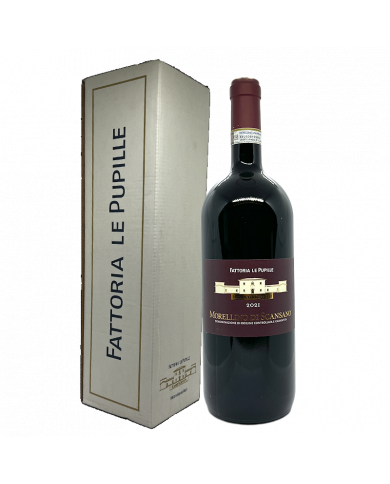
Bright ruby red. On the nose, hints of cherry, red currant, blood orange, peony and red roses alternate, on a background of cinnamon and cloves. The sip is enveloping, soft, with relaxed tannins, accompanied by an excellent freshness. Final on fruity references.
€21.66
SKU:
11960
Brand:
Fattoria le Pupille
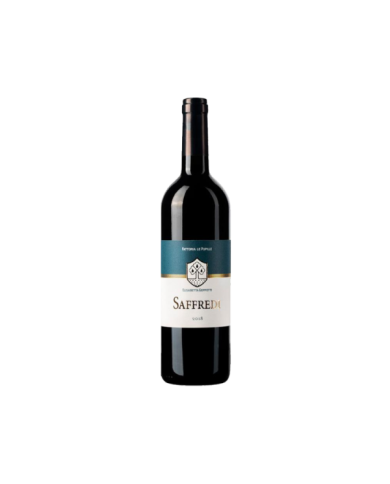
Saffredi is a robust, rich and complex Supertuscan, produced with a Bordeaux blend and aged in barrique for 18 months. Ample and intense hints of wild berries, spices and balsamic herbs emerge from a round and velvety texture, of great balance and persistence: an exuberant expression of the Tuscan Maremma
€123.90
SKU:
11959
Brand:
Fattoria le Pupille
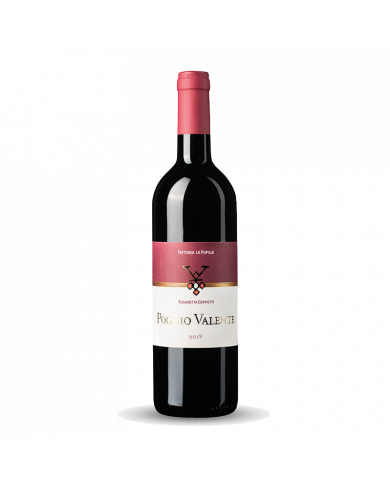
Compact ruby red. The bouquet reveals the fragrance of red roses, black cherry, blood orange and blackberry. Followed by juniper berries, dried flowers, Tuscan cigars and undergrowth. The tannins are dense and silky which develop on a fresh and savory base. Persistent finish on blackcurrant echoes.
€29.82
available from 30-Nov-2022
SKU:
11958
Brand:
Fattoria le Pupille
Compact ruby red. The bouquet reveals the fragrance of red roses, black cherry, blood orange and blackberry. Followed by juniper berries, dried flowers, Tuscan cigars and undergrowth. The tannins are dense and silky which develop on a fresh and savory base. Persistent finish on blackcurrant echoes.
€31.72
SKU:
11955
Brand:
Casalbordino
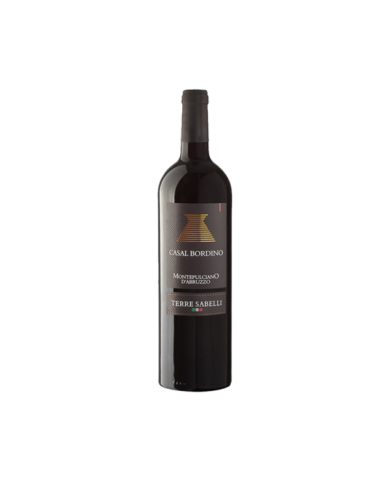
The harvest takes place in the second week of October, when the phenolic maturity is reached with manual harvesting. VITIFICATION: destemming of the grapes, contact of the skins with the must for 7-10 days in a steel vat at a T° from 18 to 28 °C, separation of the skins and transfer of the must-wine into a steel tank for the completion of the fermentation malolactic. REFINING - STORAGE: maturation in steel tanks for 5-6 months and brief refinement in the bottle before being released for consumption.
€4.18
SKU:
11952
Brand:
Fattoria le Pupille
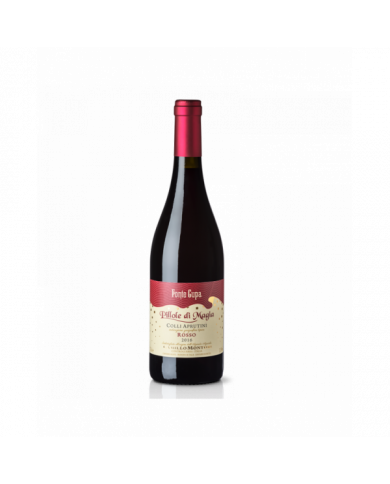
Bright ruby red. On the nose, hints of cherry, red currant, blood orange, peony and red roses alternate, on a background of cinnamon and cloves. The sip is enveloping, soft, with relaxed tannins, accompanied by an excellent freshness. Final on fruity references.
€10.78
SKU:
11951
Brand:
Fattoria le Pupille
Transparent ruby with violet reflections. Olfactory framework modulated on cherry, blueberry, peony flowers and a sprinkling of white pepper. The sip is warm and juicy, with a youthful lightness and great balance. Long in the memories of fresh and crunchy red fruit.
€8.02
SKU:
11937
Brand:
Conte Vistarino
A Pinot Noir with a strong hint of fruit and a light and elegant woody note. A complex but very fresh red wine.
€41.50
SKU:
11935
Brand:
Conte Vistarino
The heart of the history of Italian Pinot Noir. Excellent Pinot from the Pernice locality, in the Municipality of Rocca de' Giorgi, with a beautiful light ruby color and an intense bouquet.
€38.54
SKU:
11934
Brand:
Tenuta San Guido
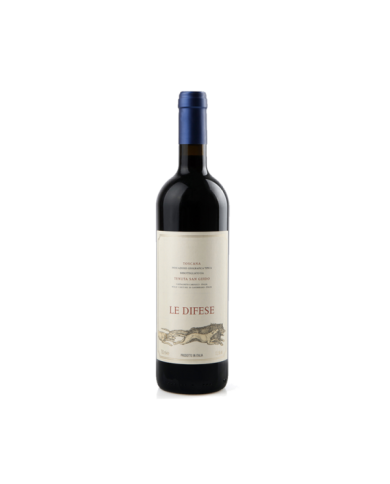
Le Difese is a full-bodied red wine with a Bordeaux style but with a Tuscan soul: a combination of Cabernet Sauvignon and Sangiovese, aged in barrique for 12 months. It is soft, round, elegant and velvety, animated by a balanced freshness and hints of cherries, chocolate, aromatic herbs and sweet spices
€58.56
SKU:
11933
Brand:
Tenuta San Guido
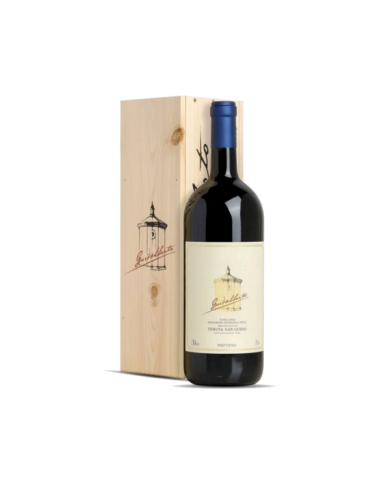
Guidalberto is an elegant and intense red wine, born from the desire to produce a younger wine than Sassicaia, also using Merlot grapes. After 15 months of aging in barrique it is expressed in a bouquet of berries, coffee, spices and Mediterranean scrub. On the palate it is fruity, full, solid and persistent.
€115.29
SKU:
11932
Brand:
Tenuta San Guido
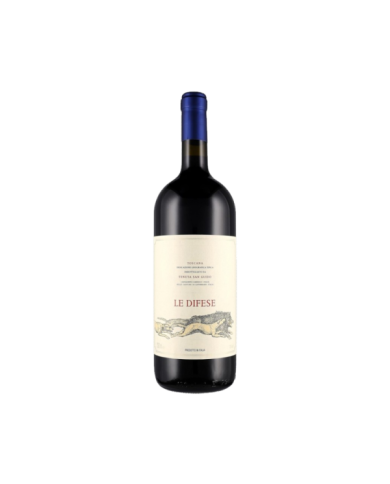
Le Difese is a full-bodied red wine with a Bordeaux style but with a Tuscan soul: a combination of Cabernet Sauvignon and Sangiovese, aged in barrique for 12 months. It is soft, round, elegant and velvety, animated by a balanced freshness and hints of cherries, chocolate, aromatic herbs and sweet spices
€32.90
SKU:
11928
Brand:
Tenuta San Guido
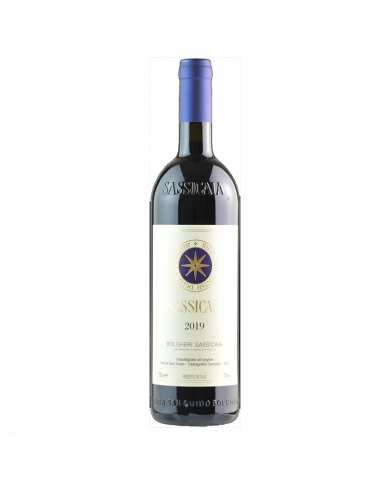
Sassicaia Tenuta San Guido is one of those mythical wines that all fans should drink at least once in their life! Its fame precedes it but with good reason because the most famous Bordeaux blend in Italy, obtained from Cabernet Sauvignon for the greater part and a small percentage of Cabernet Franc , always manages to meet expectations. Daughter of the Marquis Mario Incisa della Rocchetta and the unforgettable Giacomo Tachis , today the bottle with the unmistakable star on the label, represents an icon of Made in Italy that, year after year, adds value to its fame.
€348.92
SKU:
11910
Brand:
Castello dei Rampolla
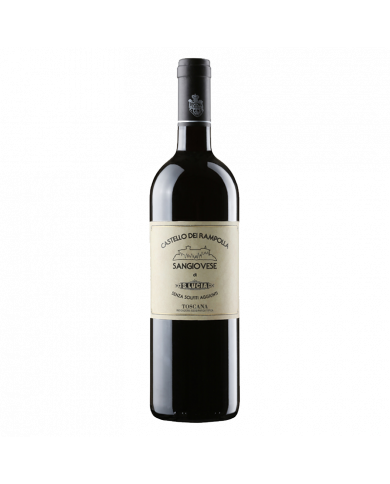
Sangiovese di S. Lucia is a red wine produced from 100% Sangiovese grapes and vinified entirely in cocciopesto. Without added sulfites. The harvest takes place manually after a careful selection of the best grapes.
€30.74
SKU:
11909
Brand:
Castello dei Rampolla
Liù is a red wine produced from 100% Merlot grapes. It is inspired by principles of purity of variety, of slenderness and substance that comes from the young harvest still combined, however, with an expression of substance. The expansion and freshness of the soils, in fact, guarantee a gradual and progressive ripening of the grapes even in the hottest years and the rigor of good agronomic practices. The average production is 6000 bottles
€34.89
SKU:
11908
Brand:
Castello dei Rampolla
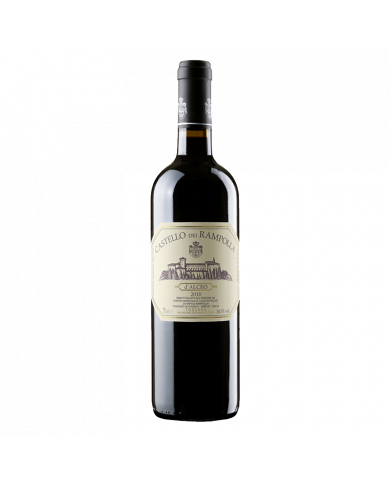
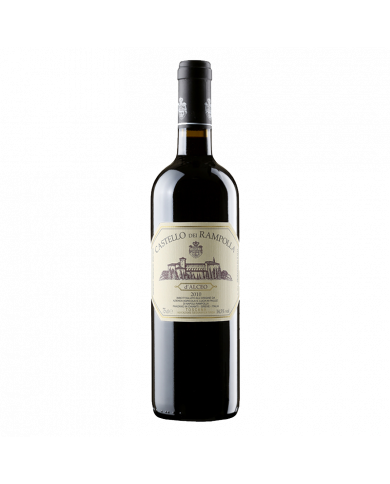
D'Alceo fully reflects the characteristics of the vineyard from which it comes. Intense, warm, refined and elegant. The well-ripe red fruit combines perfectly with the notes of delicate cigar and tobacco. An incredible concentration without heaviness. For once we are not talking about a wine, but about the personality of a vineyard planted by Alceo, who could not imagine having found the excellent combination of exposure, soil and vines (Cabernet Sauvignon and Petit Verdot). The average production is 6000 – 12000 bottles.
€119.90
SKU:
11907
Brand:
Castello dei Rampolla
D'Alceo fully reflects the characteristics of the vineyard from which it comes. Intense, warm, refined and elegant. The well-ripe red fruit combines perfectly with the notes of delicate cigar and tobacco. An incredible concentration without heaviness. For once we are not talking about a wine, but about the personality of a vineyard planted by Alceo, who could not imagine having found the excellent combination of exposure, soil and vines (Cabernet Sauvignon and Petit Verdot). The average production is 6000 – 12000 bottles.
€149.90
SKU:
11903
Brand:
Castello dei Rampolla
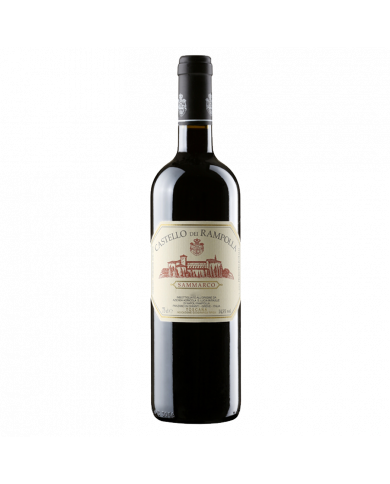
Sammarco is a wine with fresh and fine scents of undergrowth, with a deep and intense colour. It presents specific aromas of the soil and impressions of ripe fruit. It has a great concentration with robust tannins. Elegant and refined wine. Percentages of Sangiovese and Merlot are added to the Cabernet Sauvignon. Production varies according to climatic conditions: 8,000 – 25,000 bottles.
€59.78
SKU:
11902
Brand:
Castello dei Rampolla
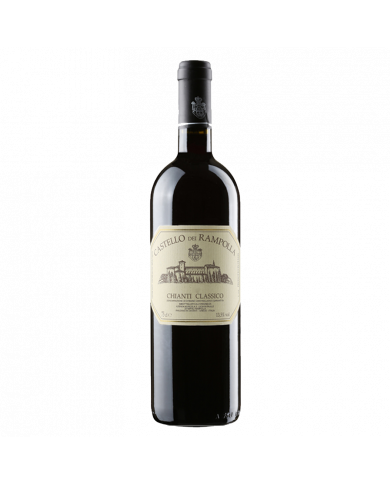
Chianti Classico represents the intensity and freshness of our territory. Variable percentages of Cabernet Sauvignon and Merlot are added to the austere elegance of Sangiovese. The result is a fresh but intense, fruity, full-bodied and balanced wine. It has good acidity and a long-lasting taste. The average production is 25,000 – 40,000 bottles.
€21.41
SKU:
11855
Brand:
Fratelli Barba
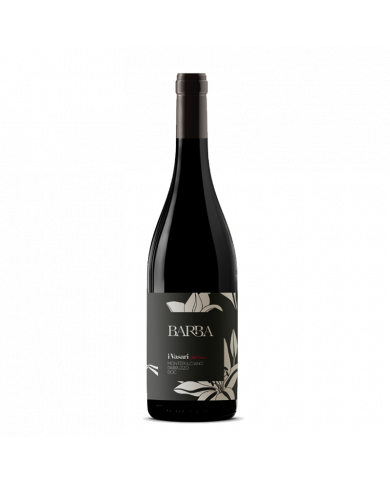
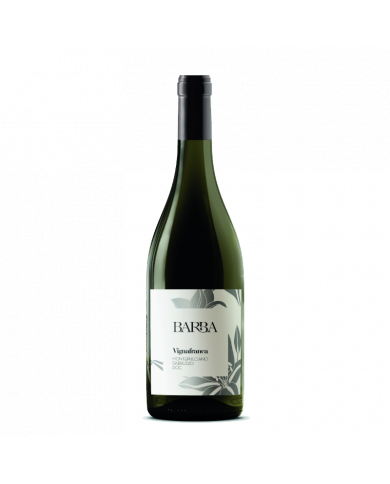
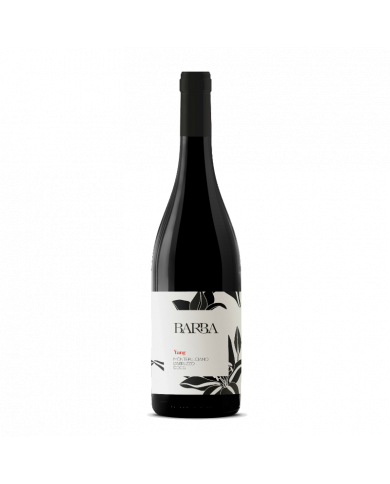
The history of the cellar and of the Barba family is captivating and marks the course of entire eras. The Barba family comes from afar, and brings with it the legacy of ancient traditions.
€18.79
SKU:
11853
Brand:
Fratelli Barba
The history of the cellar and of the Barba family is captivating and marks the course of entire eras. The Barba family comes from afar, and brings with it the legacy of ancient traditions.
€11.10
€9.82
SKU:
11850
Brand:
Cantina Mesa
The Cannonau di Sardegna DOC "Primo Scuro" of the Mesa company was born in the Sulcis area, in the south-west end of Sardinia. Aged on the noble lees for at least six months, it then matures for another two in the bottle and boasts a satisfying intensity on the nose as well as a harmonious and well-structured body. Pleasant to the sip like few others.
€10.68
SKU:
11847
Brand:
Fratelli Barba
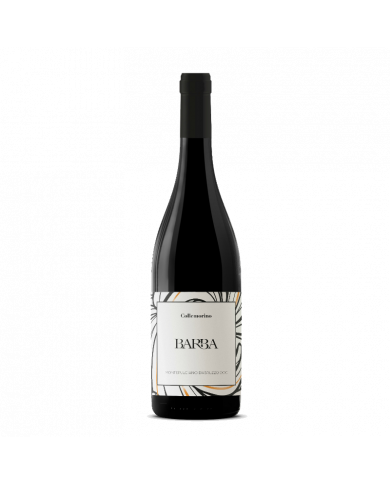
The heart of the Barba farm and winery are the vineyards, spread over 68 hectares included in one of the most suitable areas of the territory: Colle Morino, Casal Thaulero and Vignafranca, all belonging to the Montepulciano and Trebbiano d'Abruzzo DOC area and DOCG Teramo Hills.
€7.11
SKU:
11834
Brand:
Cantina Orsogna
The wine production of Cantina Lunaria finds expression from the love and respect for an authentic land, from the desire to leave its pungent charm unchanged while making the most of its potential.
€26.97
SKU:
11826
Brand:
Rinascita Lancianese
Deep red color with light violet reflections. Smell: complex and intense, with hints of black cherry, plum and blackberries. Taste: full-bodied and round, with a notable charge and soft tannins, with a persistent and pleasant finish.
€6.59
SKU:
11823
Brand:
Rinascita Lancianese
The winery is located near the city center of Lanciano - c.da Iconicella, in an area of Abruzzo historically suited to the cultivation of grapes and olives.
€6.41
SKU:
11820
Brand:
Cantina Cioti
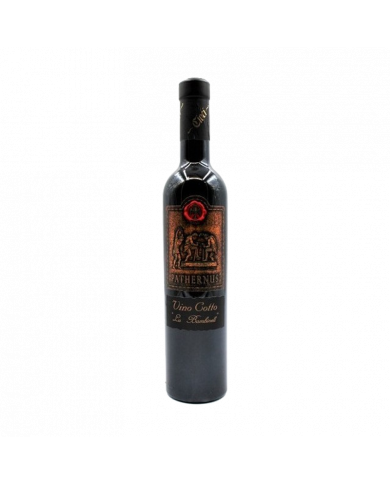
Lu Bambinell is the dialect word with which the people of Campli call the newborn baby. Mulled wine also enjoys this tender appellation here. The origin of the local name is linked to an ancient tradition: at the birth of a new life, the family to which it belongs produces the cooked wine at the first harvest which will then be tasted to celebrate the wedding day of the current baby. The product ferments and is stored for years in small oak barrels in which topping up is carried out with rituality. The charm of the gestures in the care of the product create a magical atmosphere of sharing and waiting.
€20.62
SKU:
11817
Brand:
Cantina Cioti
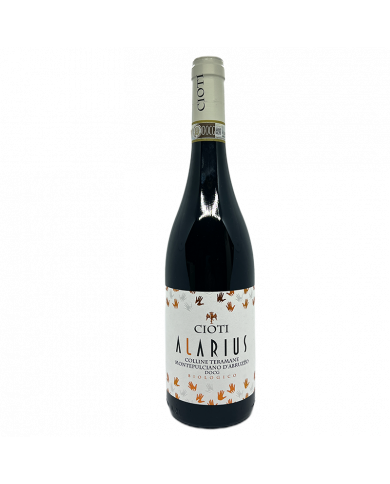
Alarius is a sincere red wine deriving from the native Montepulciano d'Abruzzo grape.
€10.61
SKU:
11816
Brand:
Cantina Cioti
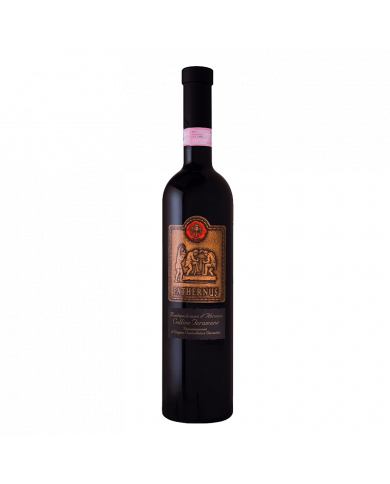
Pathernus is a red wine that comes from grapes from the native Montepulciano d'Abruzzo vine. After a meticulous selection in the vineyard and aging in oak barrels, this red presents itself to the nose with a broad bouquet, structured on tones of dried flowers, red fruits and ethereal echoes. On the palate it is vigorous, supported by soft tannins and a long palatal memory
€28.80
SKU:
11809
Brand:
Poderi Costantini
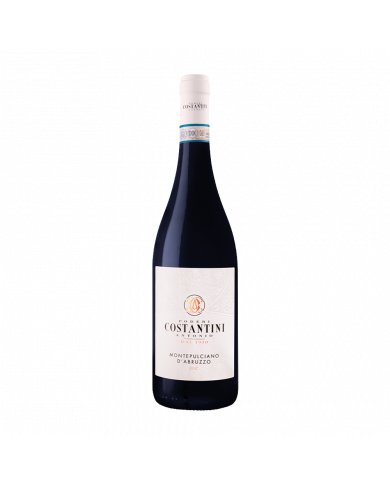
Variety: Montepulciano 100% Alcohol: from 13.5% vol to 14.5% vol depending on the vintage Production area: Selection of vineyards in the Abruzzo Region Soil type: prevalence of limestone clays Training system: rows Average yield per hectare: 85 - 95 quintals Harvest: manual with selection of the bunches at the time of harvest
€12.05
SKU:
11801
Brand:
Tenuta Antonini
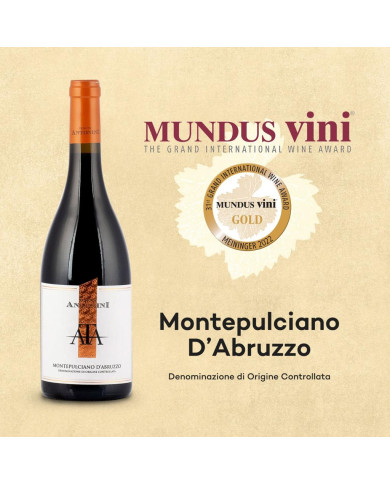
24 karat gold is unquestionably the most valuable. It is what you give or buy at an important moment, to celebrate a goal, to keep a beautiful and strong emotion alive. Our 24 Carat is preciousness and excellence. The grapes come only from those vineyards that can boast the best exposure and from carefully selected bunches, whose grapes are harvested at the perfect degree of ripeness, by careful, expert and delicate hands. It is a wine studied to aim for perfection.
SKU:
11795
Brand:
Torre Raone
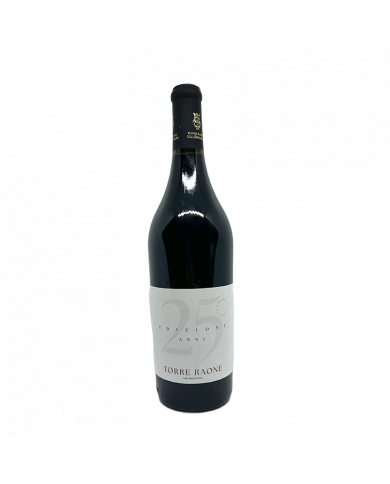
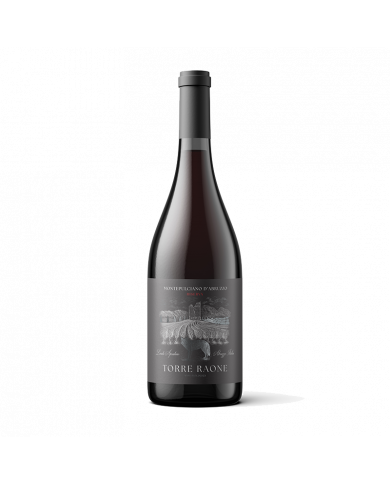
Dress the glass in a beautiful ruby red. The nose first reveals memories of black cherries, plums and black currant, then completed by spicy, herbaceous and medicinal herbs nuances. Warm and soft the sip, rightly tannic and slightly savory, characterized by a finish that recalls licorice and black pepper.
To combine with meat dishes, it is excellent with roast lamb chops.
€20.94
€38.98
SKU:
11791
Brand:
Torre Raone
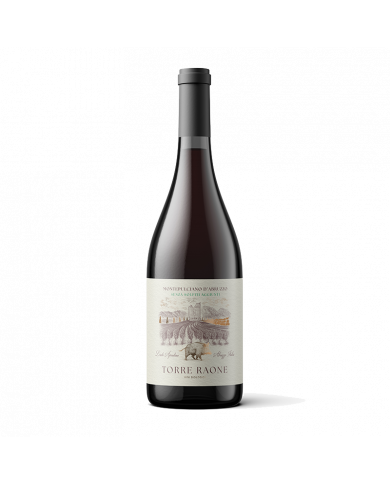
Montepulciano d'Abruzzo Riserva di Torre Raone is a rich and fruity red wine of medium body, vinified only in steel. It gives off aromas of wild berries, red fruit, flowers and black cherries and on the palate it is soft, warm, enveloping and fruity, with pleasant and smooth tannins.
€19.67
SKU:
11790
Brand:
Torre Raone
Torre Raone 's Montepulciano d'Abruzzo is a medium-bodied, rich and fruity red wine, vinified only in steel. It gives off aromas of wild berries, red fruit, flowers and black cherries and on the palate it is soft, warm, enveloping and fruity, with pleasant and smooth tannins.
€17.13
SKU:
11783
Brand:
Tenuta Antonini
Red is the color of passion. Strong, energetic, charged, exciting: our Montepulciano d'Abruzzo is exactly like that, enveloping and full-bodied. Each sip encourages the discovery of its sensorial complexity, but also to let oneself be pervaded by positive sensations and share them with those around us.
€8.25
SKU:
11779
Brand:
Cantina Orsogna
The grapes, after a careful selection, are de-stemmed and crushed, the skins are left in contact with the must with their indigenous yeasts for 10/15 days at a constant temperature of 25/28 ° C. The refinement takes place partly in oak barrels and partly in stainless steel tanks for at least four months. Refinement in the bottle follows. At tasting it has an impenetrable ruby red color. Scent of red fruit and black cherry jam on everything, light notes of cocoa and toasting complete the bouquet. Warm taste, rightly tannic and therefore soft, intense, and with the typical almond finish. Ideal with cold cuts, grilled and baked meats, first courses with very structured sauces.
SKU:
11772
Brand:
Marina Palusci
€14.43
€12.99
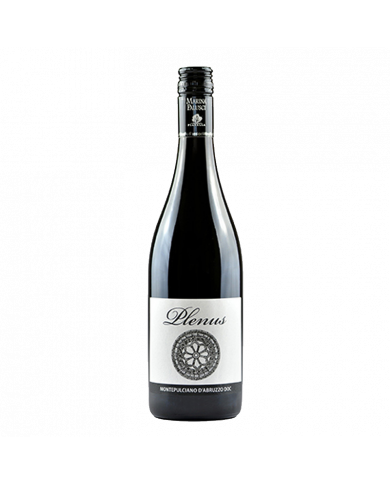
The Montepulciano d'Abruzzo grapes from the Marina Palusci di Pianella (PE) company are grown using the organic farming method.
€14.43
€12.99
SKU:
11771
Brand:
Marina Palusci
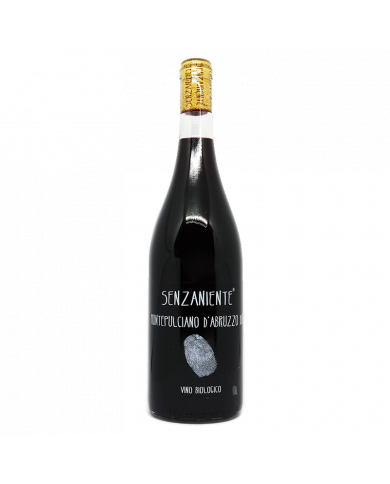
Without Nothing not by chance: wine that speaks of Abruzzo and that's it, with nothing added, starting from the sulfur. Grape juice fermented and not filtered or harnessed. Vine with concentrated peel extract which, however, if vinified with delicacy, is capable of giving a wine with a nice rhythm in the mouth, to bite. Of pulse, nerve and precise tannin, without smudges and without frills. Juicy.
€11.79
SKU:
11760
Brand:
Rocca di Frassinello
Ruby red. The nose reveals beautiful notes of plums, chocolate, aromatic herbs and spices. A slight mineral trait opens up to a dynamic, fresh, persistent taste. Throughout the meal, it goes well with roasted meats, stews, mature cheeses.
€11.42
€10.15
€9.14
SKU:
11757
Brand:
Torri Cantine
COLORE Rosso rubino luminoso con riflessi violacei e una bella consistenza.
\n
UVE Merlot
\n
VINIFICAZIONE Vinificazione in acciaio, poi malolattica, maturazione di almeno 3 mesi in cemento e imbottigliamento
€11.58
SKU:
11753
Brand:
Torri Cantine
The first labels born from Maestro Beppe Vessichio's cellar are Sesto Armonico Montepulciano d'Abruzzo and Sesto Armonico Trebbiano d'Abruzzo, two wines that enjoy a refinement induced by musical harmony that evolves the bonds making them balanced and enjoyable.
€8.31
SKU:
11751
Brand:
Cantina Marchesi Antinori
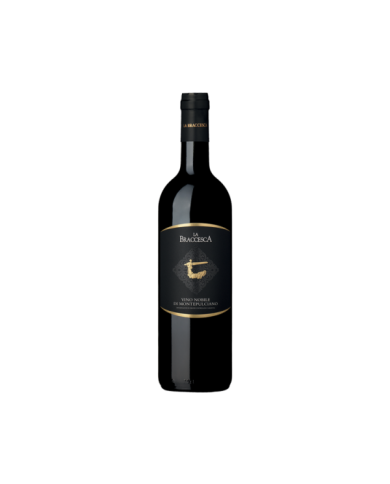
La Braccesca extends over 508 hectares where the ancient farm of the Bracci counts once stood, hence the name of the estate and its coat of arms: an arm covered with armor holding a sword. The total area of the vineyards is 340 hectares divided into two parts: the first, of 366 hectares of which 237 are planted with vineyards, is located on the border between the municipality of Montepulciano and that of Cortona. The other plot, 142 hectares of which 103 are vineyards, extends as far as Montepulciano between three of the most renowned sub-areas for the production of great red wines: Cervognano, Santa Pia and Gracciano. The first vintage of La Braccesca Vino Nobile di Montepulciano DOCG was 1990.
SKU:
11750
Brand:
Cantina Marchesi Antinori
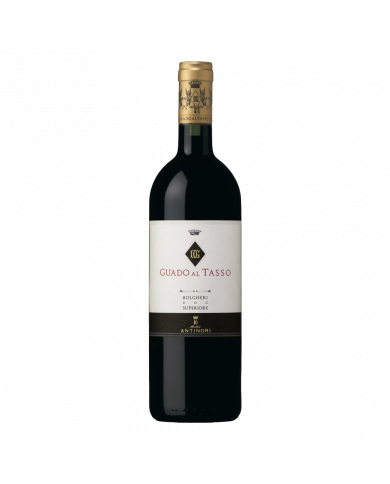
Guado al Tasso Bolgheri Superiore is the symbolic wine of the Estate and one of the best wines produced by Antinori , it is a powerful red wine, extremely elegant and rich in exceptional balsamic notes and ripe fruit. It is composed of 5% Cabernet Franc, 50% Cabernet Sauvignon, 45% Merlot grown in the best vineyards of the estate.
SKU:
11749
Brand:
Petrolo
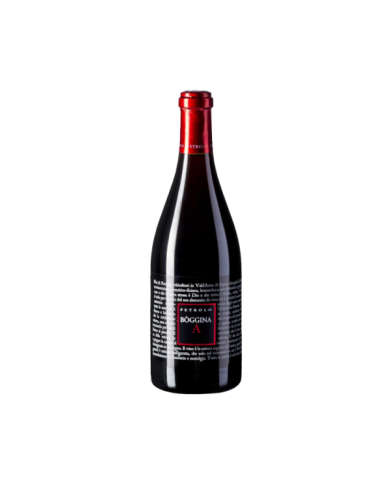
Brilliant ruby red color to the eye. The nose recognizes notes of plum and red fruit, alternating with spicy and mineral nuances. In the mouth it is juicy, fresh, with a very fine tannin. Excellent persistence. Perfect for first and second courses of the land cuisine, in particular with a cut of beef with herbs.
SKU:
11747
Brand:
Lagertal
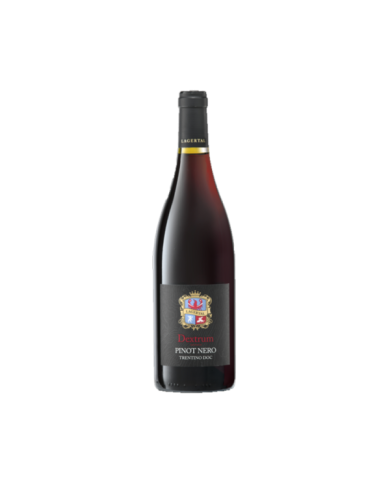
Of all the red grape varieties in the world, Pinot Noir is considered the most noble and elegant and at the same time the most difficult to interpret, the one that places the winemaker and the consumer in the face of perhaps the most complex tasting. The term Pinot derives from the French and translated literally means "pine cone", a name attributed due to the shape of the bunch of this grape, with very attached berries and an elongated shape, typical of pine cones.
€17.45
SKU:
11740
Brand:
Quintarelli
Cabernet Franc and Cabernet Sauvignon, Corvina and Corvinone: international vines and native vines blend harmoniously in the Primofiore Veneto Igt Quintarelli , a complex and elegant red perfumed with violets and red fruits, slightly spicy on the finish, vinified after the ritual drying of the grapes and aged for one year in Slavonian oak barrels. From Quintarelli still an admirable expression of tradition and modernity, which is the essence of this company, one of the most famous and celebrated in the world
€56.36
SKU:
11736
Brand:
Cantina Falon
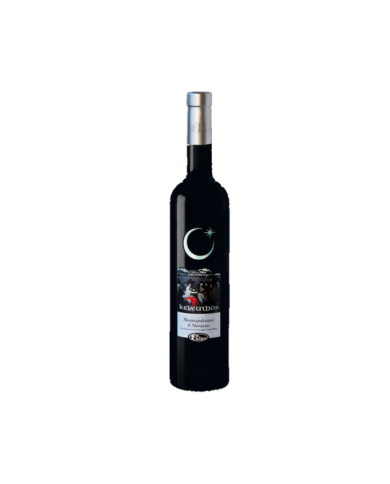
Keleuthos in Greek means way, path, passage, and is dedicated to the shepherds who gave life to the seasonal migrations of Transhumance.
In addition to being the first wine produced, it is the expression of the best qualitative union between Montepulciano grapes and aging in large oak barrels.
€19.61
€14.85
SKU:
11726
Brand:
Pasetti
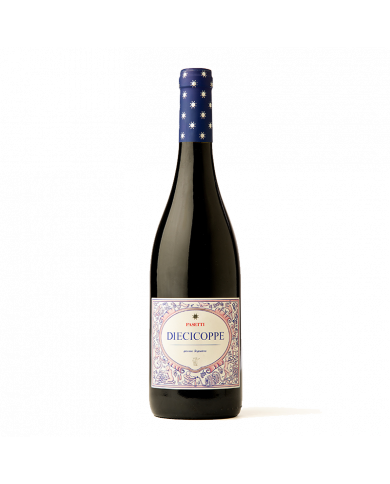
An exuberant, young and fresh red. The diecicoppe is a blend of Montepulciano d'Abruzzo and Cabernet and is expressed in the glass in an explosion of fruits and aromas. Excellent with red first courses, vegetable and legume soups, lamb, kid and meats cooked with aromatic herbs.
€10.31
SKU:
11723
Brand:
Marchesi de Cordano
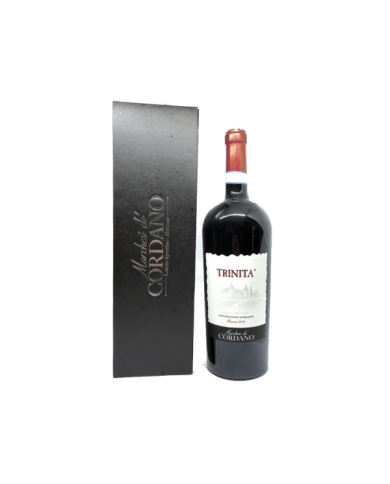
The complexity of this intense ruby red wine, sensual and enveloping, is expressed in the bouquet that immediately recalls withered flowers and red fruit jam. A pleasant spiciness of licorice, black pepper, cloves and vanilla emerges with toasted hints of coffee and tobacco. Maximum Expression: 12-15 years. Vinification: Short drying in the vineyard, permanence of 20 - 22 days on the skins with pumping over in the air, followed by static decanting in large barrels. Subsequently the wine is left to refine for 12 months in 50 hl barrels and 12 months in barriques and then rests for 12 months in the bottle.
SKU:
11722
Brand:
Marchesi de Cordano
Intense and complex, at the first approach it is naturally expressed with ripe red fruit but then strikes for the intensity of the tertiaries: green pepper, coffee, licorice and nutmeg. A full-bodied and rightly tannic wine with a long persistence and great elegance. Maximum Expression: 8-10 years. Vinification: Permanence of 18 days on the skins with pumping over in the air, followed by static decantation in large barrels. The wine is aged for 12 months in barriques and then rests for 12 months in the bottle
€44.36
SKU:
11719
Brand:
Donnafugata
Ruby red, the nose offers a complex and elegant olfactory profile. Notes of red fruit, cherry and morello cherry, blend well with hints of graphite, licorice and vanilla. A great complexity that opens to a long, enveloping, soft and balanced taste. A very dense tannic texture accompanies its development up to a finish of excellent persistence.
SKU:
11712
Brand:
Banfi
A Brunello di Montalcino born from twenty years of Sangiovese research, thus representing the best synthesis between territory, selection and technological innovation. Castello Banfi 's Brunello di Montalcino DOCG “Poggio alle Mura” is characterized by a sweet and gentle tannic texture. A great classic.
€68.31
SKU:
11706
Brand:
Collefrisio
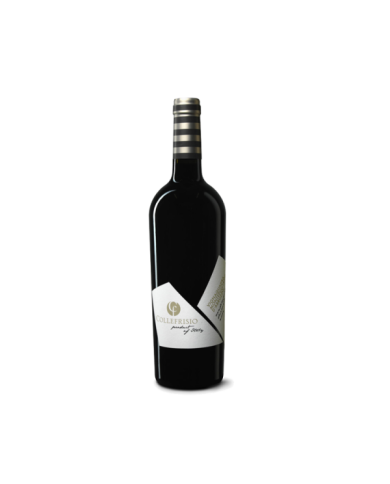
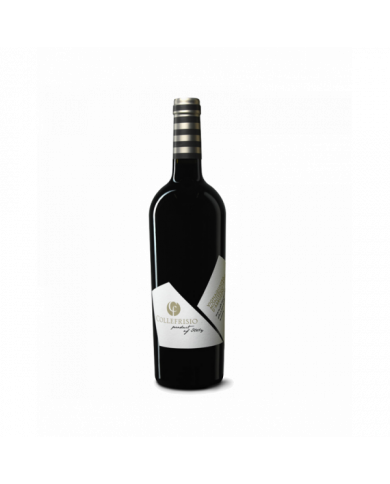
Grapes: Montepulciano d'Abruzzo DOC Year: 2018 Alcohol content: 14% - Format: 75cl Refinement: steel Tasting: Ruby red color. Fruity and slightly spicy aroma. Structured and balanced taste Pairings: typical dishes of Abruzzo cuisine
€14.91
SKU:
11703
Brand:
Terre d'Erce
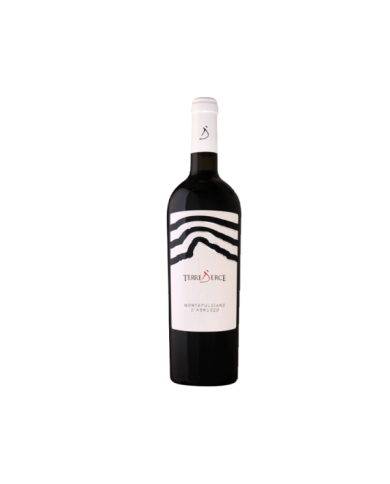
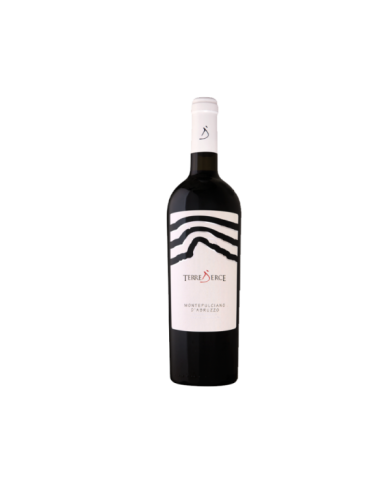
· Color : red, with violet reflections and garnet notes. Bouquet: hints of cherry and red fruits that bind to a balanced vanilla bouquet of the wood. Taste : notes of cherries, red fruits, licorice and spices. Full-bodied and persistent, with an important tannic profile. PAIRING · Important dinners with roasted red meats, game and aged cheeses.
€9.04
SKU:
11702
Brand:
Terre d'Erce
· Color : red, with violet reflections and garnet notes. Bouquet: hints of cherry and red fruits that bind to a balanced vanilla bouquet of the wood. Taste : notes of cherries, red fruits, licorice and spices. Full-bodied and persistent, with an important tannic profile. PAIRING · Important dinners with roasted red meats, game and aged cheeses.
€8.25
SKU:
11701
Brand:
Cantina Orsogna
The impenetrable ruby red color with purple hues would like to hide what comes to the nose intensely: black cherry in alcohol and jam, leather and almond. The taste is warm, full, rightly tannic and savory.
€11.70
€5.11
SKU:
11697
Brand:
Crea Vini
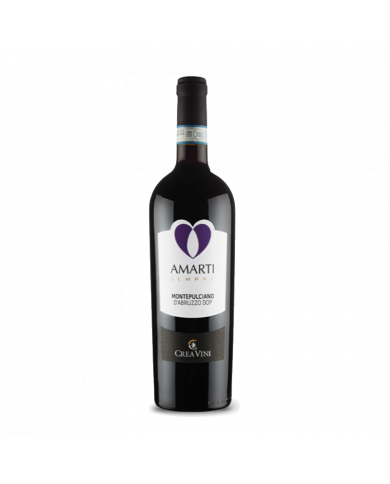
Amarti Semper is a line that combines the quality of our wines and the value of a territory that has always been dedicated to winemaking excellence. Montepulciano, Pecorino, Cerasuolo great wines from great native grapes… a sincere expression of the land of Abruzzo. Glasses to share at any time and occasion.
€11.00
€17.62
SKU:
11687
Brand:
Torri Cantine
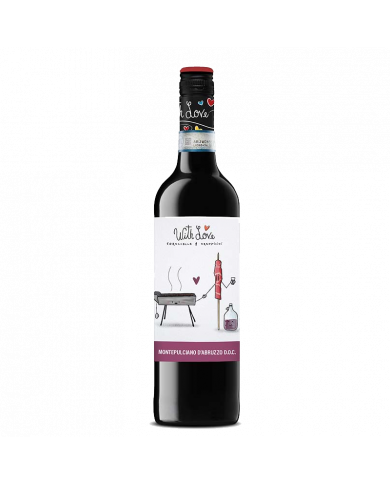
First time in Abruzzo? This label illustrates how to fully live our tradition: drinking Montepulciano, king of Abruzzo red wines, eating the famous arrosticini (sheep meat skewers), cooked exclusively on the “fornacella”. Intense ruby red color, the nose expresses notes of red jam, raspberry and blueberry. In the mouth it is full and enveloping.
€5.39
SKU:
11686
Brand:
Torri Cantine
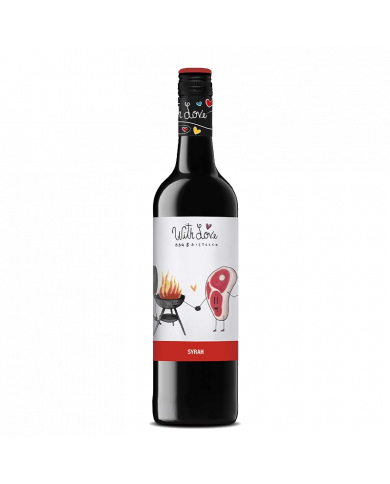
What better match ?! This label needs no explanation, it just makes you want to light up the barbecue and grill a steak while drinking a glass of Syrah. Red wine with fruity aromas with notes of cherry, small berries, spicy notes and floral nuances.
€9.90
SKU:
11685
Brand:
Torri Cantine
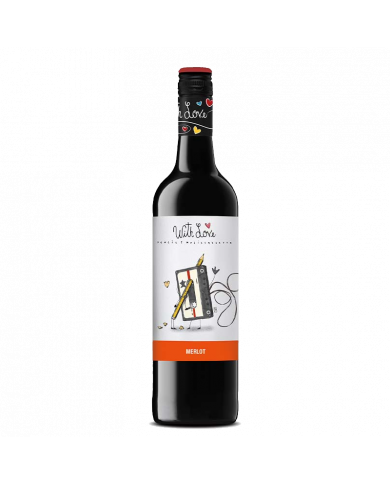
If you were born in the 90s, this label will unlock a beautiful memory for you. It is dedicated to the old days, when all you needed to rewind the cassette tape was the HB pencil. A unique and indissoluble bond that unites them. Ruby red wine with purple hues. The nose is spicy with aromas of red fruits.
€5.39
SKU:
11681
Brand:
Torri Cantine
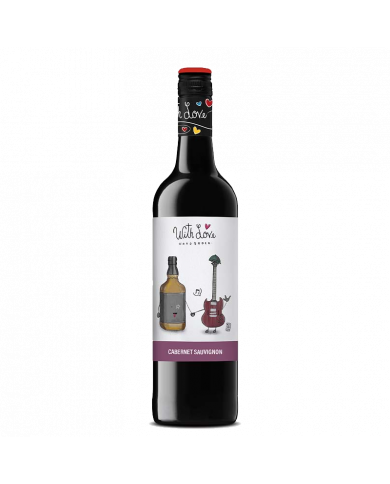
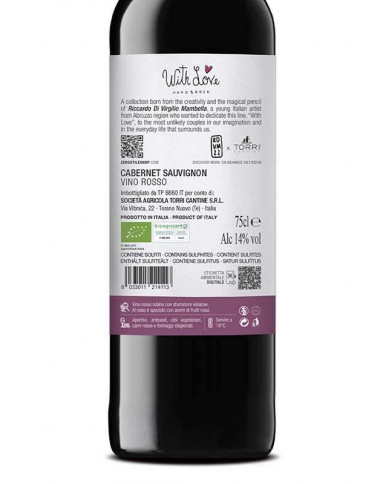
The Hard & Rock couple needs no introduction. They have always belonged to each other. Ruby red wine with purple hues. The nose is spicy with aromas of red fruits.
€5.39
SKU:
11667
Brand:
Frescobaldi
Chianti Riserva Nipozzano is the symbol of the Tuscan winemaking tradition for Marchesi de ' Frescobaldi . A wine that comes from a skilful blend assembled by the team of the Marchesi de ' Frescobaldi winery, where, together with 90% Sangiovese, we also find small percentages of Malvasia Nera, Colorino, Merlot and Cabernet Sauvignon. The grapes of these varieties are grown within the Chianti Rufina area, in vineyards located at a height above sea level between 250 and 500 meters, facing south-east.The terroir has an arid skeleton, composed of stones , limestone and clay. Once the grapes arrive in the cellar rooms used for vinification, they macerate for 25 days with frequent batonnage, carrying out both alcoholic and malolactic fermentation. Finally, the production process is concluded with refinement, in which the wine rests for 24 months in barrique and then, after bottling, for another 3 months directly in glass.
€78.80
€11.10
SKU:
11663
Brand:
Frescobaldi
Dark ruby red, on the nose it expresses warm and mineral aromas, of black fruits and then of walnuts. On the palate it has full body, soft tannins and a tasty finish. It expresses ripe fruit with savory nuances that give this red a wonderful succulence. For the whole meal, it goes well with braised meats, fillets, aged cheeses.
SKU:
11661
Brand:
Pasetti
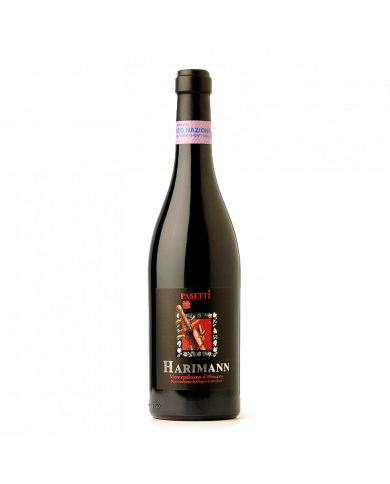
Austere and full red, Harimann is the spearhead of the Pasetti company. Extremity of Montepulciano d'Abruzzo, this wine gives unique sensations to those who taste it. Also perfect on its own, as a meditation wine.
€44.90
SKU:
11657
Brand:
Pasetti
The first line created by the Pasetti company, a classic among its 100% Montepulciano d'Abruzzo. An elegant and highly representative red of its production area in Pescosansonesco (PE), in the Gran Sasso and Monti della Laga National Park.
SKU:
11651
Brand:
Casimirri
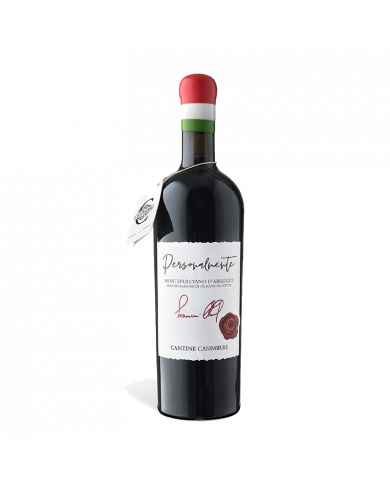
The pride of the winery. A Montepulciano d'Abruzzo, signed by Manuel Casimirri , which contains all our knowledge and the highest quality.
SKU:
11650
Brand:
Casimirri
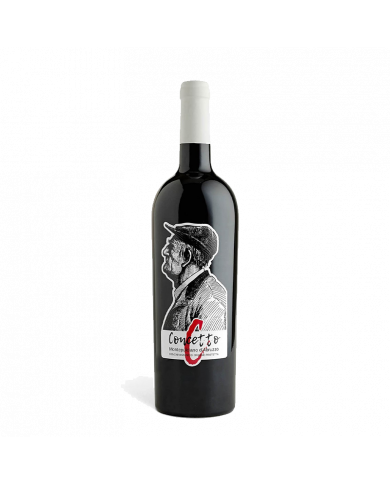
Montepulciano d'Abruzzo PDO dedicated to grandfather Concepts Casimirri , was born as a strong wine and represents the highest expression of our land.
SKU:
11636
Brand:
Tenuta Arabona
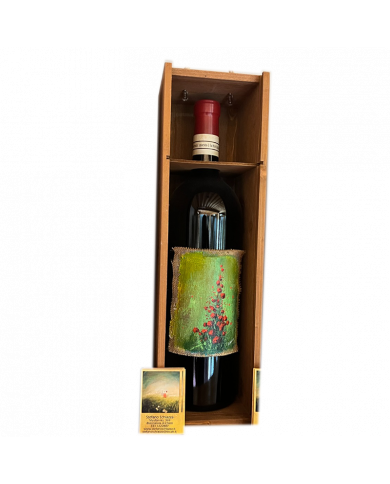
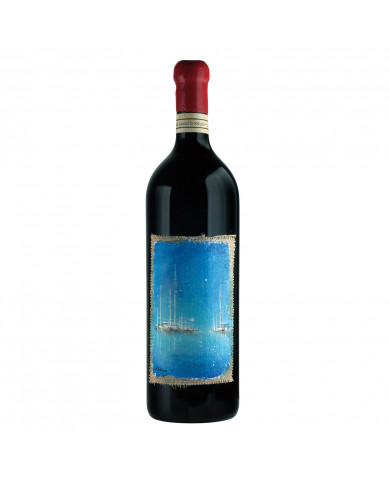
Hand painted label, oil on jute, by the painter Stefano Schiazza. Born in Milan in 1970, but raised in Pescara, Stefano Schiazza lives and works in Brecciarola di Chieti.
SKU:
11635
Brand:
Tenuta Arabona
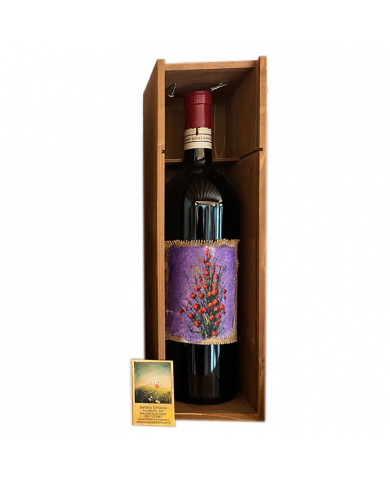
Hand painted label, oil on jute, by the painter Stefano Schiazza. Born in Milan in 1970, but raised in Pescara, Stefano Schiazza lives and works in Brecciarola di Chieti.
SKU:
11629
Brand:
De Angelis Corvi
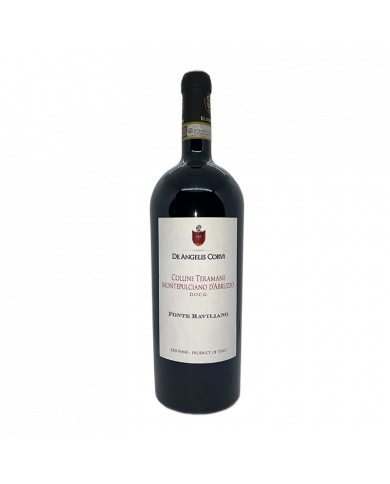
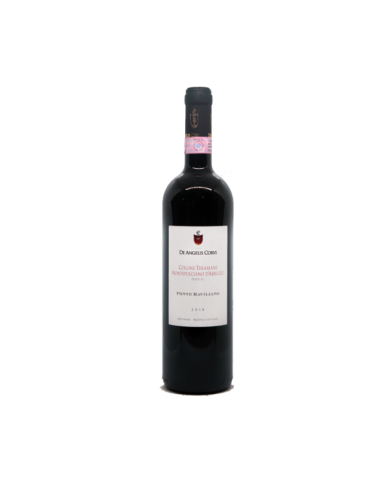
Obtained from the pure vinification of Montepulciano grapes. It is a young wine with a period of maturation in steel barrels of 6 months and a subsequent refinement of 4 months in the bottle. Intense ruby red color with marked floral and ripe fruit scents, it is a soft and balanced wine. 14.5% vol.
€56.73
€39.50
€10.59
€8.20
SKU:
11615
Brand:
Camillo Montori
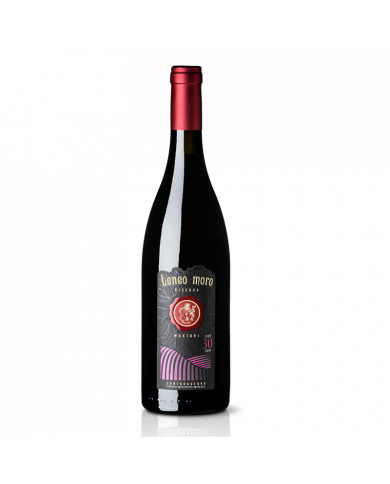
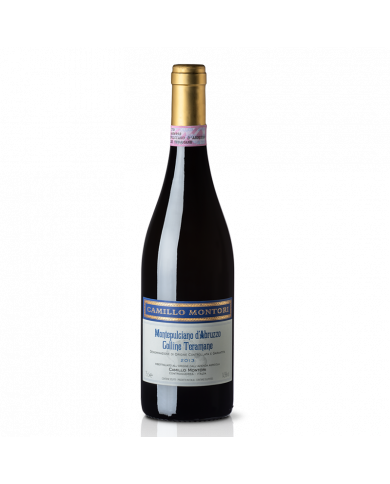
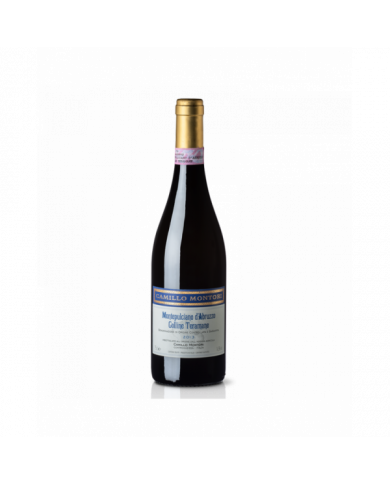
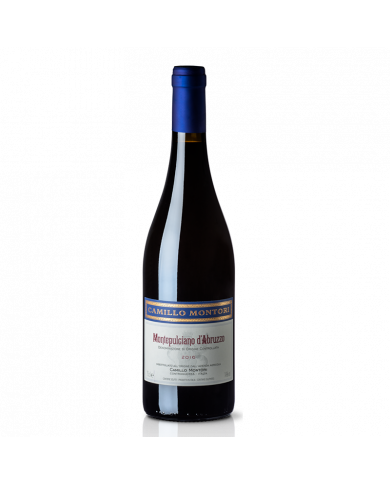
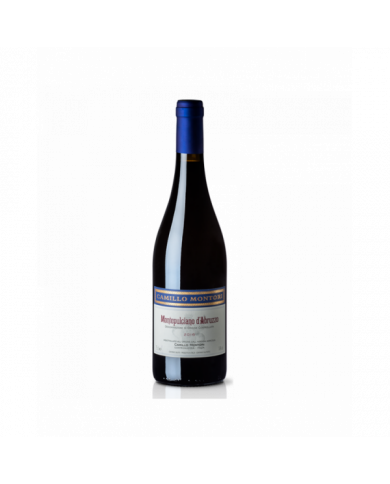
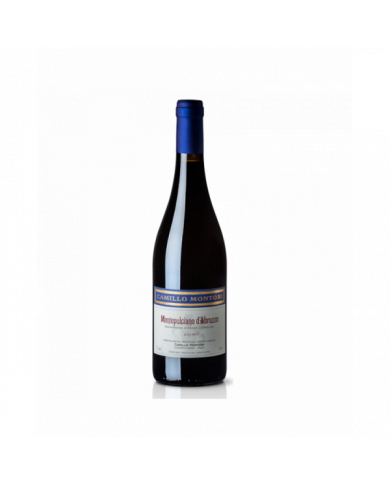
Classification: DOC red wine Production area: Hills of the municipality of Controguerra Grapes: 100% Montepulciano D'Abruzzo Training system: Old vines, part of which are trained with saplings and part with spurred cordon. Yield per hectare: 80 quintals Harvest Period: Beginning in the first ten days of October Vinification Technique: Fermentation with maceration on the skins for 10-15 days at a temperature of 28-30 degrees. Racking and maturation in steel. Aging in 20 and 30 hl oak barrels for 30 months. Aging in bottle for 6 months. Bottles produced: 6,000 Organoleptic characteristics: Very intense ruby red colour, tending towards garnet when ripe. Intense and persistent bouquet, of great aromatic complexity with hints of plums and blackberries. Full and round taste on the palate thanks to its exceptional structure. Gastronomic Combinations: Game, braised meats, red meats and aged cheeses.
€26.80
SKU:
11614
Brand:
De Angelis Corvi
Obtained from the pure vinification of Montepulciano grapes. It is a young wine with a period of maturation in steel barrels of 6 months and a subsequent refinement of 4 months in the bottle. Intense ruby red color with marked floral and ripe fruit scents, it is a soft and balanced wine. 13.5% vol.
SKU:
11602
Brand:
Famiglia Febo
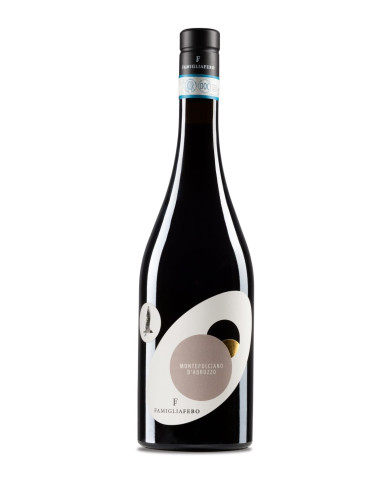
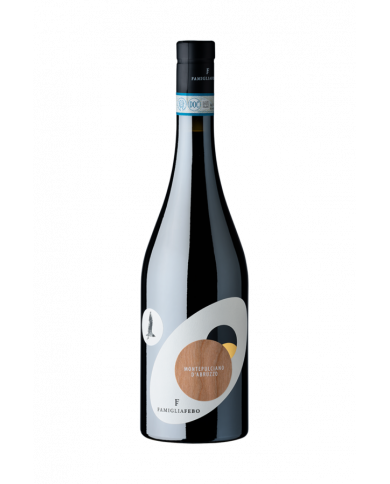
Variety: Montepulciano d'Abruzzo grapes Aging: In steel for about one year. Alcohol: 14.5% Serving temperature: 18/20 ° C. Harvest: By hand in the first weeks of October
€16.65
SKU:
11577
Brand:
Cantina San Giacomo
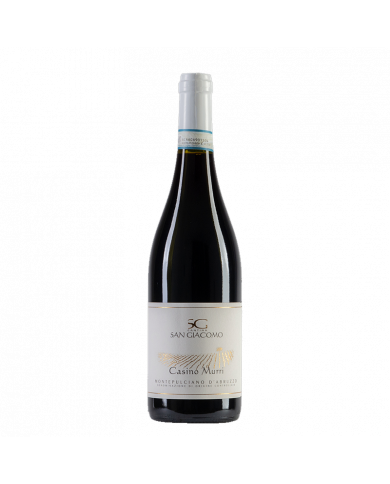
deep ruby red color with garnet reflections. The nose is intense and complex, with hints of ripe cherry, with spicy notes. Taste of great body and roundness, remarkably soft, it has a persistent and pleasant finish. A wine of great organoleptic impact: it enthuses for its complexity and power.
€8.37
€5.84
€5.95
€13.48
€10.53
SKU:
11546
Brand:
Bossanova
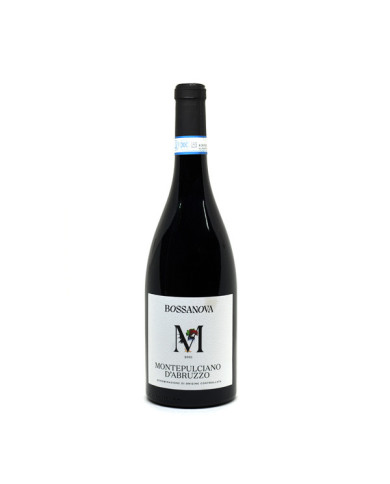
Bossanova 's Montepulciano d'Abruzzo is a red wine from the Teramo hills, aged for 8 months in concrete tanks and a further 4 months in the bottle: fragrant and inviting, it expresses with brio and delicacy aromas of black cherries, red plums, fresh flowers and ground pepper, wrapped in refreshing balsamic hints, while the taste is juicy and refreshing, balanced and persistent.
€15.86
SKU:
11543
Brand:
Ciccone
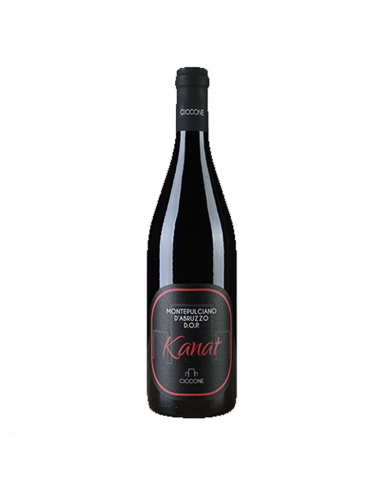
purplish ruby red with still evident blue tone; intense fruitiness of red fruits (cherry, strawberry, black cherry and light note of Stanley plum). Fresh taste with an evident tonicity, very persistent. (13th)
SKU:
11516
Brand:
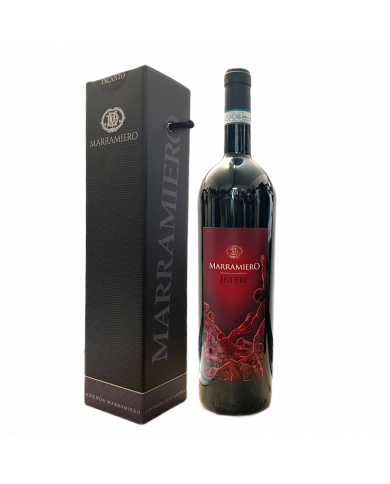
Marramiero
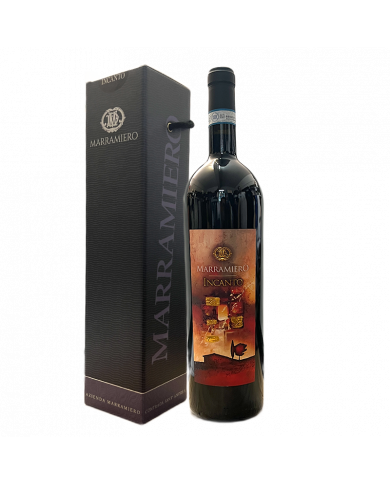
At tasting it has an intense and deep ruby red color with purple hues. Perfectly ripe and highly concentrated aromas. A mellow and harmonious fruitiness that offers hints of plum, date and fig. All fused with fine spicy notes. Pulpy and persuasive taste. It goes well with first courses with a good structure, roasts, stewed red meat, cold cuts and cheeses, including aged cheeses.
€22.52
SKU:
11511
Brand:
Marramiero
It comes from particularly suitable areas of the Terre dei Vestini, where the low yields of grapes per hectare are not the result of any forcing: it is the soil itself that, by its nature, gives balance to the vineyard, ensuring that each cluster contains within itself a extraordinary concentration of quality. It is aged for 40 months: initially with fermentation and long maceration in Ganymede, then in stainless steel vats and subsequently in fine oak barriques to be completed with a permanence in the bottle of at least 6 months.
€51.07
SKU:
11503
Brand:
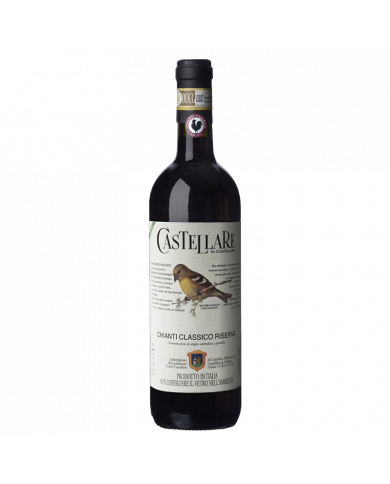
Castellare di Castellina
Ruby red, on the nose it expresses an intense perfume of violets and a finesse that increases more and more with the passage of time. On the palate it is rather dry and harmonious, slightly tannic, velvety and of great persistence.
€27.60
SKU:
11499
Brand:
Tenuta Arabona
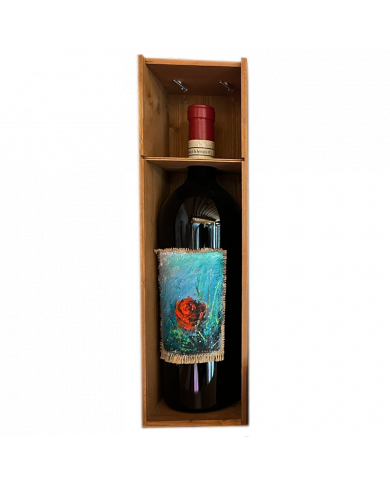
Hand painted label, oil on jute, by the painter Stefano Schiazza. Born in Milan in 1970, but raised in Pescara, Stefano Schiazza lives and works in Brecciarola di Chieti.
SKU:
11494
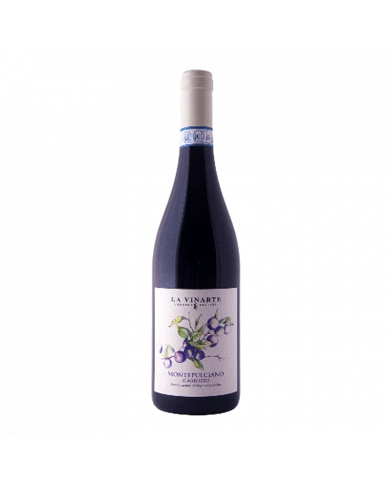
Brand:
La Vinarte
A soil very rich in stones guarantees a high drainage of rainwater and a consequent high heating of the soil
€23.79
SKU:
11493
Brand:
La Vinarte
The grapes are harvested late, ensuring their phenolic ripeness. This maturation makes the tannins of the wine soft and enveloping on the palate, without having to resort to long periods of aging in wooden barrels. Consequently the aroma is kept fresh and floral and the appearance of an intense ruby red.
€5.08
SKU:
11489
Brand:
San Felice
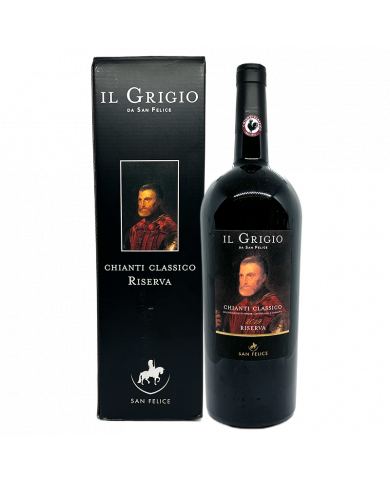
Only the best Sangiovese grapes selected in the company's Chianti Classico vineyards make up this Reserve, a valid combination of tradition and modernity. It ages for about 24 months in wood, of which a part (about 20%) in barriques, and one year in bottle. The label depicts a famous painting by Titian 'Man with armor'.
€38.13
SKU:
11484
Brand:
Tenuta Trium
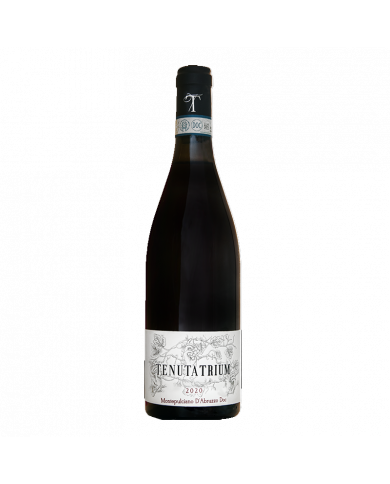
The freshly picked grapes are de-stemmed and crushed. The fermentation of the must follows with its own skins for a period ranging from 8 to 15 days. Finally the skins are separated with soft pressing in wooden presses.
€25.38
SKU:
11483
Brand:
Rosarubra
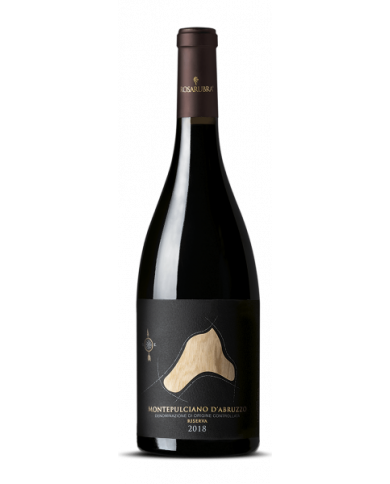
The typical varietal notes of this vine are wrapped in the fairytale-like caliber of the terroir of origin.
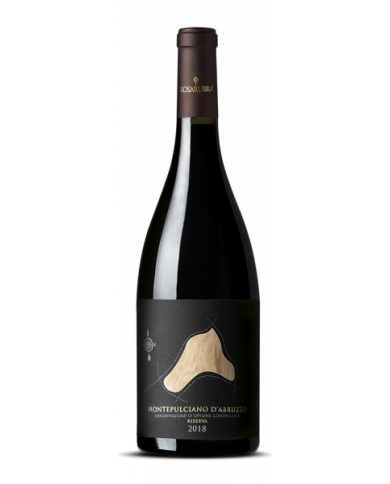
€157.49
SKU:
11482
Brand:
Rosarubra
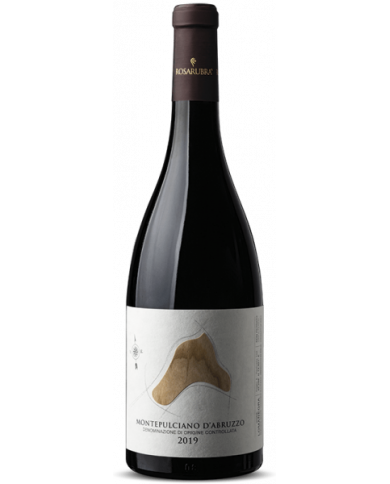
The imperious ripe fruit envelops the three senses with an impenetrable blush. Balsam elements, red rose, berries amaze the nose.
€155.77
SKU:
11481
Brand:
Rosarubra
The initial sensation is sweet and over time it fades into dryness, in a habitat of warmth and softness, where the olfactory scents are confirmed with a persistent sweet sensation in alcohol, followed by a delicate sapidity and a light mineral trail.
€40.60
SKU:
11480
Brand:
Rosarubra
The typical varietal notes of this vine are wrapped in the fairytale-like caliber of the terroir of origin.
€126.00
SKU:
11479
Brand:
Rosarubra
The imperious ripe fruit envelops the three senses with an impenetrable blush. Balsam elements, red rose, berries amaze the nose.
€126.00
SKU:
11478
Brand:
Rosarubra
Cherries and black cherries preserved in alcohol, toasted tobacco, licorice and a delicate haematic with hints of dry hay and vanilla. A nice long and persistent finish of red fruit jam and spices.
€33.60
SKU:
11476
Brand:
Rosarubra
A dense dense fruit, of great olfactory expression. Anise, vanilla and blackberry wrapped in a flap of wild herbs.
€100.10
SKU:
11475
Brand:
Rosarubra
The typical varietal notes of this vine are wrapped in the fairytale-like caliber of the terroir of origin.
€94.50
SKU:
11473
Brand:
Rosarubra
The imperious ripe fruit envelops the three senses with an impenetrable blush. Balsam elements, red rose, berries amaze the nose.
€94.50
SKU:
11468
Brand:
Rosarubra
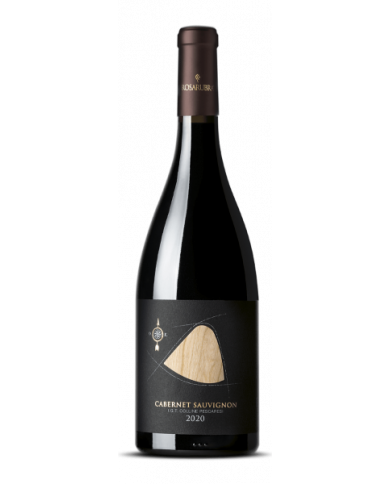
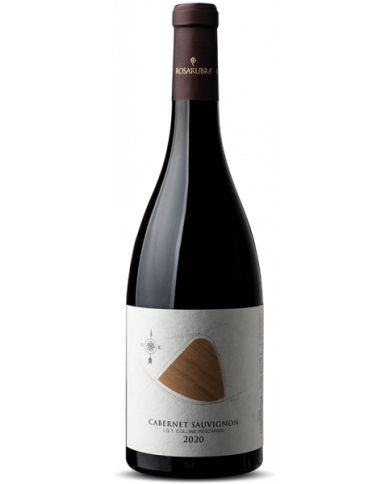
A pure Cabernet Sauvignon, produced from a single vineyard of a few hectares, with an aristocratic character and great aging potential.
€33.60
SKU:
11429
Brand:
Rosarubra
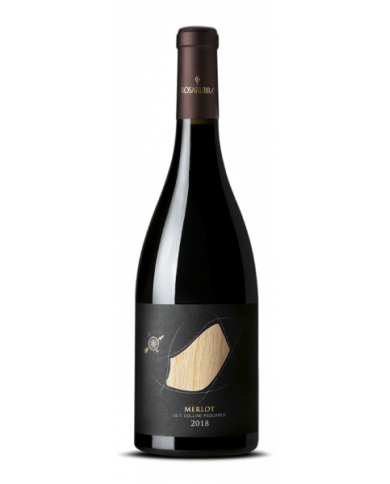
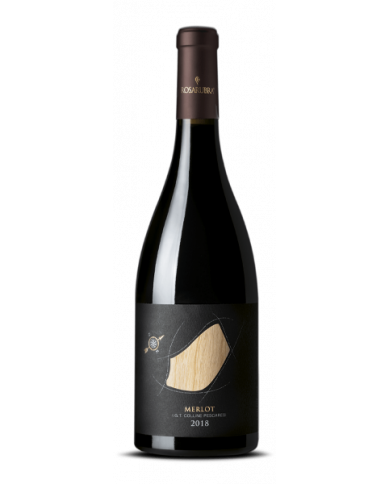
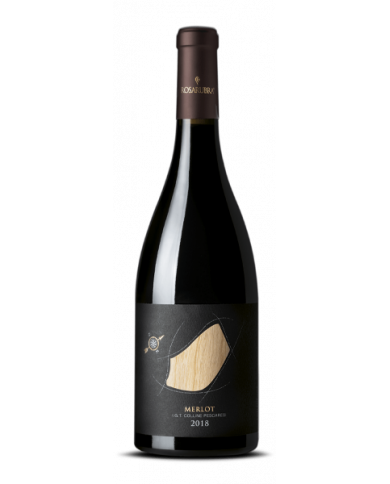
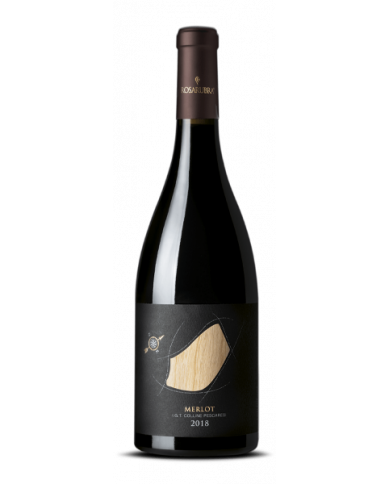
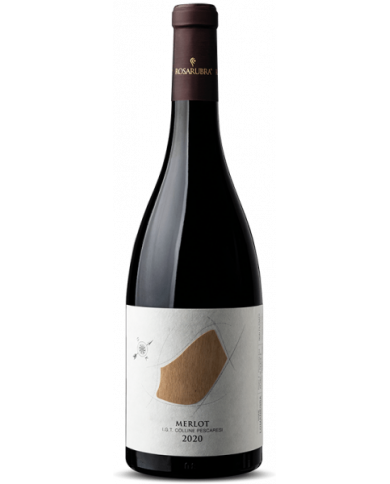
Color: Bright and very dense ruby red, almost impenetrable and of good consistency. Smell: Direct nose, with almost "sweet" notes, excellent fruity presence of cherry, strawberry, plum, a floral note of small wild flowers and the contribution of various sweet spices such as cinnamon and nutmeg. Taste: The sip shows an expansive alcoholic participation that excels, encouraging the tannins that manifest themselves giving structure, while remaining silky and soft. The initial sensation is sweet and over time it fades into dryness, in a habitat of warmth and softness, where the olfactory scents are confirmed with a persistent sweet sensation in alcohol, followed by a delicate sapidity and a light mineral trail. Harvest: The uncontaminated Oasis of Rosarubra , immersed between the sea and the mountains of Abruzzo and bordered by suggestive secular trees, is privileged by a magnificent temperature range favored by an altitude which varies from three hundred to five hundred meters above sea level. This is a territory controlled entirely by nature, in which any interference by man is prevented. A refined and extraordinary symbiotic agriculture that respects the microbiology of the soil and plants, as well as supporting self-production and the use of indigenous mycorrhizae that enrich the microorganisms present in the soil, strengthening the healthy development of the vineyards and preserving the genetics of our terroir . It is in this medium-textured soil that the Guyot training of this precious and unobtainable line dwells, from which a pure wine obtained with 100% Merlot grapes is born, which in addition to enjoying a splendid exposure is characterized by a very high planting density that exceeds 5,000 plants per hectare with minimum yields of around 1.6 kg per vine. Furthermore, during a manual October harvest, only the best grapes of the vine are selected, the precious fruit of the aforementioned and advanced biodynamic, organic, regenerative and sustainable agriculture, which guarantees total respect for the environment and its ecosystem, as well as offering us the maximum expression of the authentic typicality of the territory in which they were born. Vinification: Vinification in steel in thermo-conditioned vats followed by malolactic fermentation and subsequent maturation of at least 12 months in 300-litre Slavonian oak barrels, at the end of which we will proceed with bottling in total absence of oxygen, for a final period of refinement. How to match our Merlot wine: An uncommon, refined, long-lived wine, the Merlot of "Vigne Lomanegra" is always a pleasure to keep in the cellar, because over the years it will surprise us positively. But for those who don't want to wait so long and would like to taste it right away, we suggest bringing the wine to a maximum temperature of 16-18 degrees, pouring it into a nice, roomy goblet with a wide rim, always uncorking it a little before serving, so to allow him to open up well and express himself at his best. Perfect on any occasion, it can be enjoyed alone or in company, preferably combined with structured and tasty dishes: aperitifs, appetizers, vegetarian dishes, red meats and medium and long-aged cheeses. Let's imagine rustic polenta croutons, ricotta and spinach ravioli with tomatoes, baked pork knuckle, stewed stew, or medium-aged pecorino with walnuts.
€33.60
€37.54
SKU:
11420
Brand:
Fantini Farnese
Production area: Ortona, Abruzzo. Grape variety and vinification: 100% Montepulciano. Once the grapes arrive in the cellar, they are gently pressed and de-stemmed. The grapes macerate at a cold temperature for four days. Fermentation takes place in stainless steel tanks at a temperature of 24-26 ° C for 8-10 days. Color and combination: Red. Excellent with all the typical dishes of traditional Italian cuisine. It goes well with risotto, pasta and pork.
€12.05
SKU:
11418
Brand:
Ciavolich
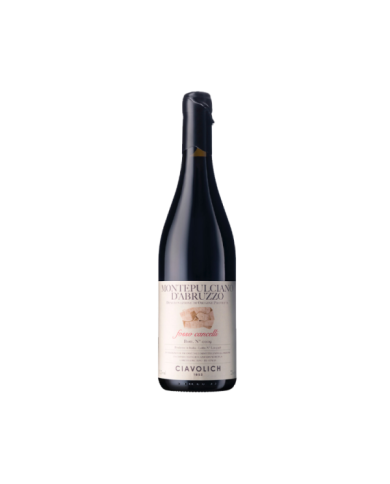
Il Fosso Cancelli was born in 2007 from the strong desire to create a wine of great craftsmanship and tradition. This wine reflects the ancient soul of our company and goes to photograph a well-defined historical period that has made the history of our Montepulciano d'Abruzzo, fermentation in cement. The name recalls the ditch that delimits the vineyards where the Montepulciano grapes are selected and harvested. These are the oldest vineyards of the Loreto Aprutino estate and are shown on the label to underline the great link with the territory. After being harvested by hand, the grapes are pressed in our ancient press and the must is transferred to concrete tanks. Fermentation occurs spontaneously by indigenous yeasts without temperature control. At the end of the fermentation proceeds with the racking and the new wine obtained is left to rest for 1 year in the cement tanks where it fermented. The wine is then bottled and aged for at least 3 years.
€50.75
SKU:
11417
Brand:
CVA Canicattì
€56.60
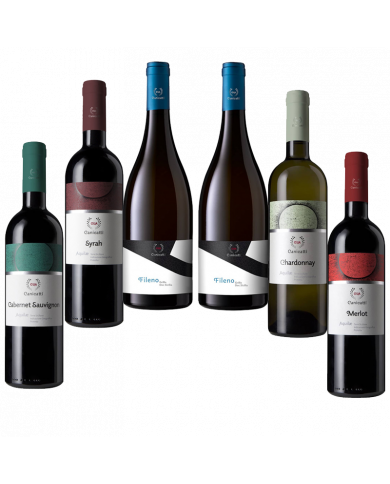
Fileno, harvest 2021, 100% Grillo, is the best white wine in Italy. An extraordinary result for CVA, a small but prestigious wine cooperative in the Agrigento area, accompanied by a selection of wines from the CVA Canicattì winery.
€56.60
SKU:
11416
Brand:
CVA Canicattì
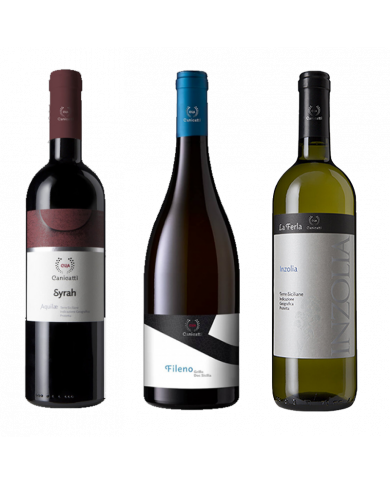
Fileno, harvest 2021, 100% Grillo, is the best white wine in Italy. An extraordinary result for CVA, a small but prestigious wine cooperative in the Agrigento area.
From the vinification of Nero d'Avola and Nerello Mascalese grapes, a rosé wine of great pleasure and fragrance takes shape. Intense in the aromas, elegant, savory and mineral on the palate.
Faithful to tradition yet modern and innovative. Inzolia in purity, a wine with its aromatic characteristics, which stands out for its savory and mineral taste.
€23.30
SKU:
11414
Brand:
Cantina Wilma
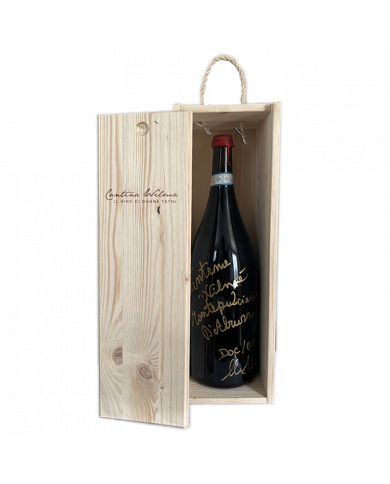
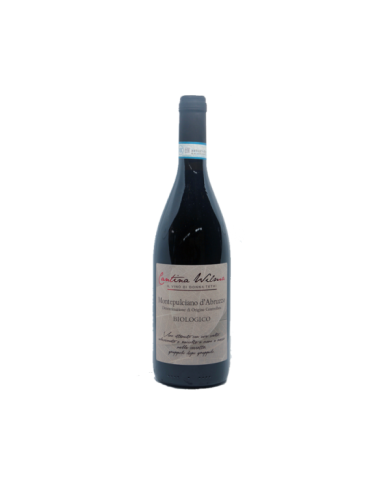
Historic vine and our workhorse. Strong and gentle in character and softness (as it is also said of the people of Abruzzo). Obtained from native grapes and selected in the harvest. Plant in rows 1/2 height exposed to solagna on calcareous-clayey soil. Appearance of cardinal red color with purplish reflections tending to blue. Excellent and well structured. Fruity and spicy bouquet, intense flavor and good body. Ideal with grilled red meats and more, salami and aged cheeses.
€29.90
SKU:
11413
Brand:
Tolloy
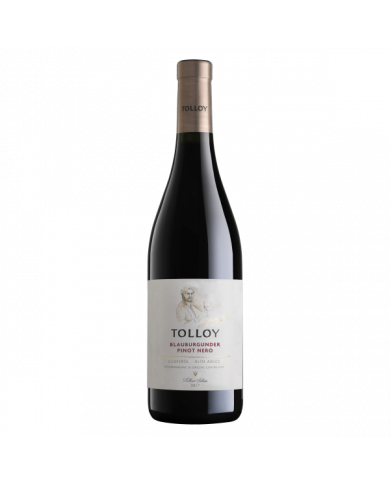
Produced only with grapes from its own vineyards grown in Alto Adige on the hill of Pochi, a hamlet of Salorno. Traditional red vinification at controlled temperature around 25°C with frequent pumping over, punching down and partial aging in small oak barrels for about 10 months.
€14.27
SKU:
11407
Brand:
Terre del Noce
In the sunny Piana Rotaliana, along the banks of the Noce, fertile soils and favorable microclimates give rise to refined and fragrant grapes, from which Terre del Noce is born. Produced only with grapes from its own vineyards along the Adige Valley.
€18.18
SKU:
11383
Brand:
Luigi Righetti
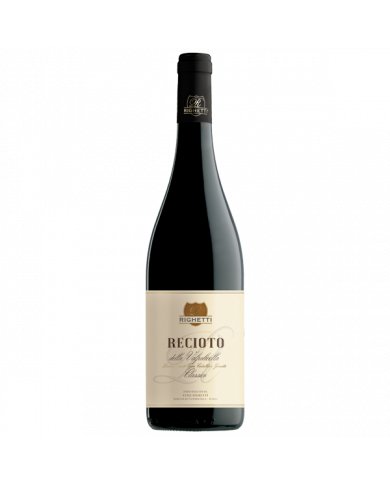
The grapes, the same used for the production of Amarone, are left to dry in the plateaus for a few months and pressed in March when they have reached their maximum sugar concentration.
€20.46
SKU:
11353
Brand:
Mottura
Wine produced from Negroamaro grapes grown in the area of Salice Salentino and other municipalities in the province of Lecce and Brindisi. Manual harvest at the right maturation with careful selection of the grapes. Manual sorting of the bunch with a selection belt, fermentation of the must at a controlled temperature, traditional maceration for 20-25 days, good use of delestage and pumping over. Carrying out of the malolactic fermentation in barriques at a controlled temperature, with the use of batonnage. 12 months of aging in French oak barriques. 2-3 months of aging in the bottle.
€15.98
SKU:
11352
Brand:
Mottura
Wine produced from Negroamaro grapes grown in the provinces of Lecce and Brindisi. Manual harvest at the right maturation with careful selection of the grapes. Traditional maceration for 10-12 days and fermentation of the must at a controlled temperature, good use of pumping over and delestage. Six months of aging in French oak barriques. 2-3 months of aging in the bottle.
€10.14
€11.43
€33.31
€28.23
SKU:
11334
Brand:
Feudo Arancio
From the ancient philosophy of life that indicated the pursuit of pleasure as the ultimate goal, Hedonis was born: a wine that manages to satisfy the pleasure of the senses by celebrating the richness of Nero d'Avola in purity and embodying the most genuine and authentic expression of viticultural wealth and Sicilian winemaking. To create Hedonis, the B21 and B30 vineyards of Sambuca were selected, with a west-east orientation which favors direct radiation from the first light of the morning, immediately after the coldest moment of the day, causing a sort of thermal excursion limited directly on bunches and leaves. The rich and slightly clayey soils, the warm climate but with cool nights allow for perfect ripening of the grapes which are harvested around mid-September. A first part is subjected to fermentation and alcoholic maceration for about 15-18 days with repeated pumping over to extract the color and the tannic component. After malolactic fermentation, the wine is aged in new French and American oak barriques for 18-20 months. The second part of the grapes is instead subjected to drying in cells with temperature and humidity control for about 40-45 days until the loss of about 40% in weight. After fermentation and alcoholic maceration for about 15 days, the wine obtained from the withering is kept in steel for 18-20 months. At the end of the maturation period, 50% of the wine aged in barriques is combined with 50% of wine obtained from drying, creating a distinctive, rich and elegant aromatic union.
€65.47
SKU:
11331
Brand:
Feudo Arancio
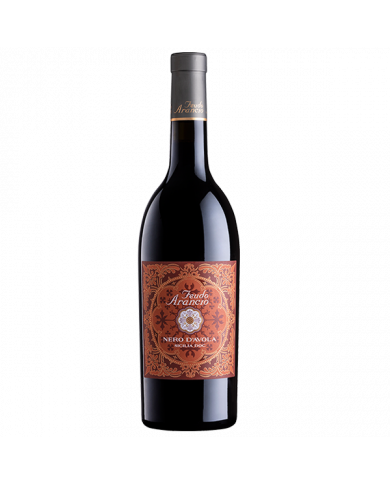
Prince of the enological renaissance of Sicily, Nero d'Avola is a native vine of great value. Initially widespread in the Syracuse area, it is now extended to all the wine-growing areas of the island. It is a medium-early variety that ripens around the first week of September and requires low-clayey soils and is sensitive to excessive drought and exposure to the sun. The type of training used is espalier, with an average planting density of 4,500 plants per hectare. Harvesting of the grapes at perfect aromatic and polyphenolic maturation, destemming and alcoholic fermentation with the skins for 6-8 days at 22-24°C, malolactic fermentation with selected bacteria, maturation for 6 months in French oak barriques.
€11.04
SKU:
11329
Brand:
Feudo Arancio
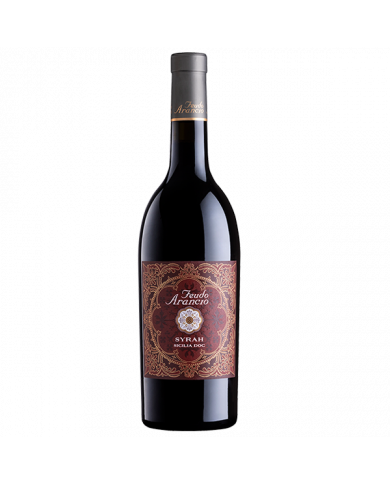
Variety of Middle Eastern origin which is best expressed in Sicily thanks to the intense luminosity and uniqueness of the soils. It is a medium-late variety, ripening around the end of September. The grapes are grown both in Sambuca di Sicilia, in the province of Agrigento, and in Acate, in the province of Ragusa. In the first estate, a more mature and structured wine is obtained, while in the second, a more delicate and fruity product is obtained. The type of training used is espalier, with an average planting density of 4,500 plants per hectare. Harvesting of the grapes at perfect phenolic ripeness, destemming and alcoholic fermentation with the skins for 10-12 days at 25-26°C, malolactic fermentation with selected bacteria, maturation for 10 months in French oak barriques.
€9.52
SKU:
11326
Brand:
Feudo Arancio
Nero d'Avola and Cabernet Sauvignon come together to give life to a wine that expresses the two souls of Sicily, a land of great native vines such as Nero D'Avola, but also a land that has happily welcomed international vines such as Cabernet Sauvignon. Nero d'Avola: grapes harvested around the second week of September, alcoholic fermentation with selected yeasts at 24-25°C for 14-16 days, malolactic fermentation with selected bacteria, maturation for 8 months in French barriques with 2 years aging and light toast. Cabernet Sauvignon: grapes harvested around the first week of October, fermentation and alcoholic maceration with selected yeasts at 26-28°C for 16-18 days, malolactic fermentation with selected bacteria, maturation for 12 months in French barriques with 3-year aging and medium roast. Blend: at the end of the maturation in wood, the Nero d'Avola and Cabernet wines are blended and further maturation of 4 months in barriques follows to favor the fusion of the aromas of the two different varieties. This is followed by bottling and subsequent maturation in the bottle for 8 months.
€14.91
SKU:
11321
Brand:
Castello di Querceto
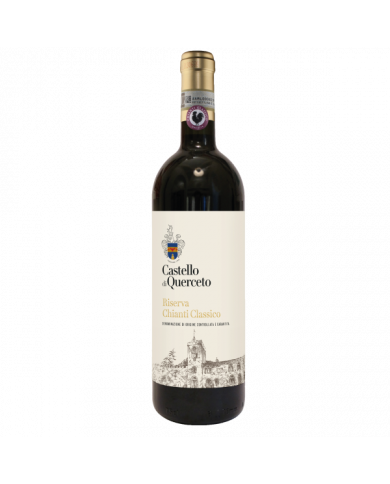
Produced only with grapes from the "Greve in Chianti" area, in the province of Florence. Obtained with Sangiovese (95%) and Canaiolo (5%) grapes. Vinification with maceration on the skins for about 15 days at 28 °C, subsequent maturation in barriques for 10/12 months to move on to refinement in the bottle for a minimum of 4 months. Uncork at least 2 hours before serving
€20.89
€91.01
SKU:
11317
Brand:
Castello di Querceto
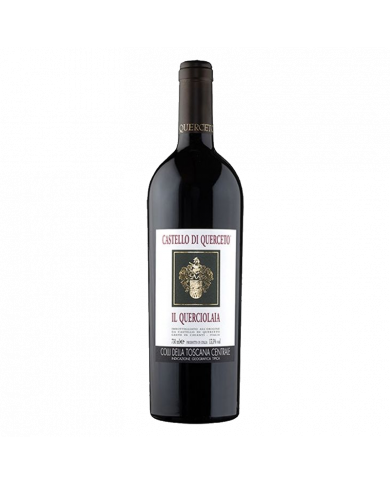
A captivating bottle that perfectly embodies the idea of Supertuscan: a Tuscan wine born from a Bordeaux blend of great power and complexity. suitable for both the most complex combinations and for the most disengaged occasions. A true champion of the breed, it is enhanced by noble combinations such as game, braised meats and fine meats. It is a wine that lends itself to long ageing.
€36.48
SKU:
11315
Brand:
Castello di Querceto
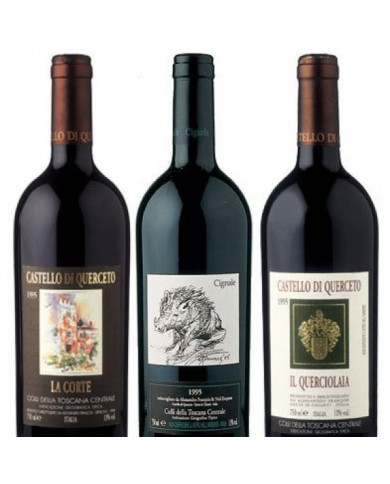
Castello di Querceto Crus tasting box with 6 total bottles: 2 La Corte bottles, a deep and balanced 100% Sangiovese, elegant, dry and with great character. On the nose hints of red fruits and herbaceous notes with a slight presence of balsamic notes. Long and persuasive finish. n° 2 bottles Il Cignale, blend of 90% Cabernet Sauvignon and 10% Merlot, very intense, elegant and well structured. On the nose expressions of red fruit and classic notes of humus. Complete the presence of a balsamic note that fades into pine. In the mouth the tannins are full-bodied, but velvety and balanced. n° 2 bottles Il Querciolaia, blend of 65% Sangiovese and 35% Cabernet Sauvignon very intense, with a nose full of red fruits and light herbaceous notes. Elegant tannins for a long and balanced finish.
€276.70
SKU:
11303
Brand:
Castel Firmian
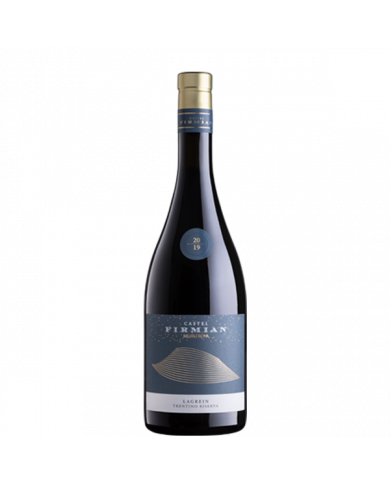
Autochthonous vine of Trentino Alto Adige, it has been cultivated in the Dolomite mountains since the fifteenth century where it has adapted perfectly. Over the centuries this vine has given rise to two different biotypes due to the different shape and size of the bunch: short bunch Lagrein and long bunch Lagrein. From the selection of the best short-cluster Lagrein vineyards grown along the Adige river valley, we produce this rich and powerful red. The Lagrein vineyards are grown on the hills at an altitude of 200-400m along the Adige river valley using only simple pergolas: this guarantees excellent exposure of the bunches to the sun, guaranteeing excellent aromatic and polyphenolic ripening without the risk of burning the grapes. When the grapes reach perfect ripeness, they are harvested and selected by hand around the second week of October. The grapes are vinified according to the classic red winemaking technique, at a temperature of 26°C for 12-13 days with the addition of selected yeasts. Maturation in wood follows for 10 months in French oak barriques with 3-year aging and light toasting. Finally, another 12 months of aging between steel and bottle are required.
€15.58
SKU:
11300
Brand:
Castel Firmian
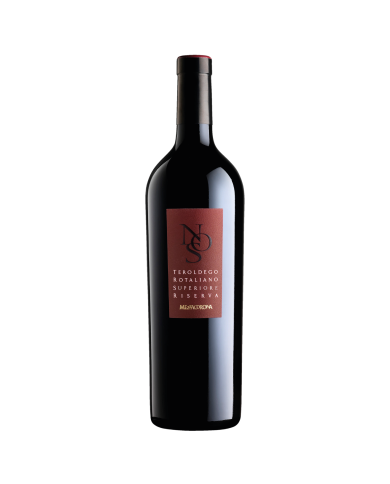
The Teroldego vine is a native variety of Trentino and finds its ideal development environment in the Piana Rotaliana. The word "Teroldego" seems to derive from "Tiroler Gold" (gold of Tyrol), the name by which this wine was indicated at the Court of Vienna during the Austro-Hungarian empire; from this denomination “Tiroldico” would later derive and later, Teroldego. Among the Trentino red wines it is the most renowned, so much so that it is defined as the "prince wine of Trentino". The Riserva di Teroldego is produced only in great vintages from carefully selected grapes by hand in the most suitable areas of the Piana Rotaliana: "Fron", "Rauti", "Camorzi" and "Sottodossi". The grapes are pressed with separation of the stems. The seeds are partially removed, followed by maceration on the skins with frequent pumping over and fermentation at a controlled temperature of around 25°C for 12-13 days. Minimum 24 months of maturation, of which 12 in precious oak wood (Allier and Troncais) followed by refinement in the bottle.
€46.48
SKU:
11299
Brand:
Castel Firmian
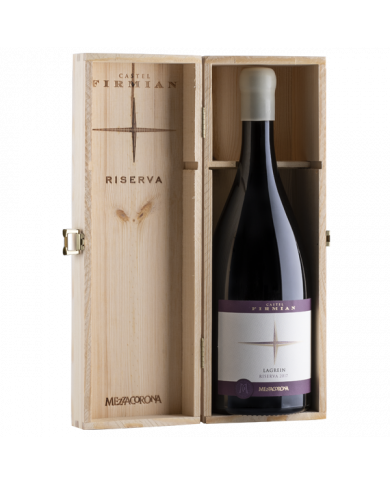
Autochthonous vine of Trentino Alto Adige, it has been cultivated in the Dolomite mountains since the fifteenth century where it has adapted perfectly. Over the centuries this vine has given rise to two different biotypes due to the different shape and size of the bunch: short bunch Lagrein and long bunch Lagrein. From the selection of the best short-cluster Lagrein vineyards grown along the Adige river valley, we produce this rich and powerful red. The Lagrein vineyards are grown on the hills at an altitude of 200-400m along the Adige river valley using only simple pergolas: this guarantees excellent exposure of the bunches to the sun, guaranteeing excellent aromatic and polyphenolic ripening without the risk of burning the grapes. When the grapes reach perfect ripeness, they are harvested and selected by hand around the second week of October. The grapes are vinified according to the classic red winemaking technique, at a temperature of 26°C for 12-13 days with the addition of selected yeasts. Maturation in wood follows for 10 months in French oak barriques with 3-year aging and light toasting. Finally, another 12 months of aging between steel and bottle are required.
€47.21
SKU:
11291
Brand:
Castel Firmian
A vine originally from Carinthia, cultivated since the 11th century, in Trentino it has found particular diffusion in the suitable areas of Vallagarina. Celebrated in Mozart's "Don Giovanni" for its excellent qualities, it is a particularly pleasant wine for its "fruitfulness" and elegance. Classic "red" vinification with maceration and fermentation on the skins at a controlled temperature (24-26°C).
€9.83
SKU:
11288
Brand:
Castel Firmian
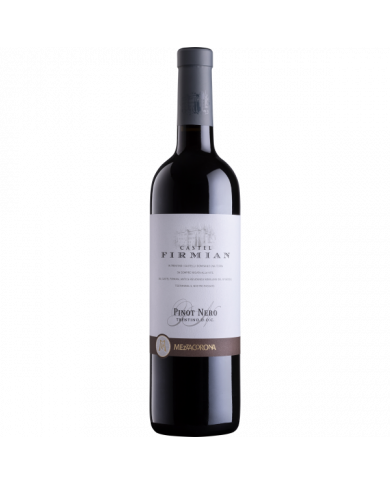
The name Pinot derives from the shape of the bunch, compact and tight, reminiscent of a pine cone. It prefers temperate climates and has found favorable soil in Trentino, in the hilly areas of Faedo and Pressano. Traditional "red" vinification with maceration on the skins for 4-5 days, fermentation at controlled temperature (25°C) and aging in wood for 6-8 months.
€11.10
SKU:
11278
Brand:
Cantina Wilma
Historic vine and our workhorse. Strong and gentle in character and softness (as it is also said of the people of Abruzzo). Obtained from native grapes and selected in the harvest. Plant in rows 1/2 height exposed to solagna on calcareous-clayey soil. Appearance of cardinal red color with purplish reflections tending to blue. Excellent and well structured. Fruity and spicy bouquet, intense flavor and good body. Ideal with grilled red meats and more, salami and aged cheeses.
€9.52
€27.16
€16.91
€16.82
€11.74
€14.12
€21.91
€13.96
€11.10
SKU:
11238
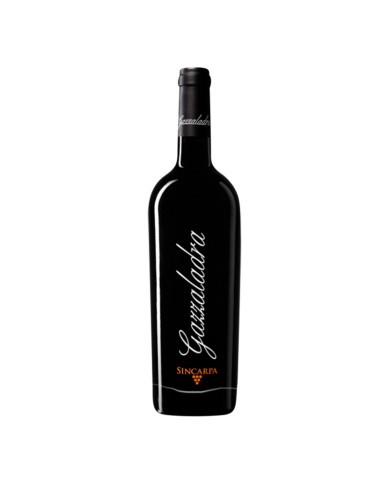
Brand:
Sincarpa
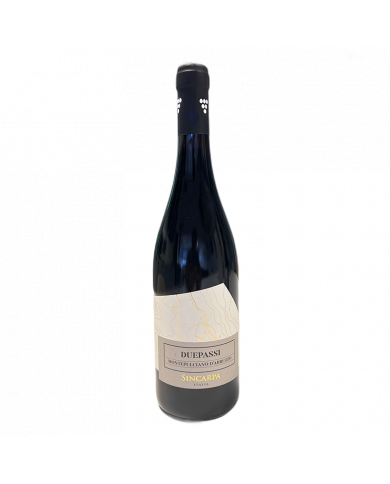
it is obtained from a careful selection of the oldest vineyards of Montepulciano of our members who enjoy the best pedoclimatic conditions, capable of giving a more mature and structured wine. Fermentation with indigenous yeasts, with subsequent maturation and refinement in concrete tanks.
€26.84
SKU:
11236
Brand:
Sincarpa
Remarkable structure, persistence and balance thanks to the presence of soft and evolved tannins.
€7.77
€49.90
SKU:
11230
Brand:
Sincarpa
The Natio Montepulciano is the result of a careful selection of the oldest vineyards of Montepulciano of our members who over the years have shown to produce grapes of superior quality and extraordinary concentration capable of giving rise to an extremely typical wine, of great strength and elegance .
€6.82
SKU:
11229
Brand:
Tenuta Arabona
The name means that it is a product that originates from history. In fact, in the past years it was customary in peasant houses that, at the birth of a child, especially the firstborn, the father or grandfather of the unborn child would produce a particular wine at the first harvest, the "cooked wine". This wine was kept for years in small wooden barrels. It was opened, to offer it to diners, on the occasion of the First Communion and subsequently for the marriage of the child. Deliciously accompanied by typical Abruzzo desserts, sweets with almonds or in any case dry pasta.
€11.14
SKU:
11225
Brand:
Sincarpa
Ours is a very typical Montepulciano with great character that expresses all the characteristics of our territory. It is a wine that despite the important tannic and extractive structure is immediately soft, harmonious and very pleasant.
€6.66
SKU:
11224
Brand:
Sincarpa
it is obtained from a careful selection of the oldest vineyards of Montepulciano of our members who enjoy the best pedoclimatic conditions, capable of giving a more mature and structured wine. Fermentation with indigenous yeasts, with subsequent maturation and refinement in concrete tanks.
€11.90
SKU:
11221
Brand:
CVA Canicattì
A Nero d'Avola, modern with its characteristic fruity notes and black pepper; harmonious, balanced, pleasantly tannic.
€7.22
SKU:
11214
Brand:
CVA Canicattì
A Nero d'Avola with intense and persistent aromas that can be discovered for its modernity and charm. A classy wine, which surprises for its harmony and pleasantness, capable of revealing the authentic traits of the prince of Sicilian natives.
€34.16
SKU:
11192
Brand:
Roxan
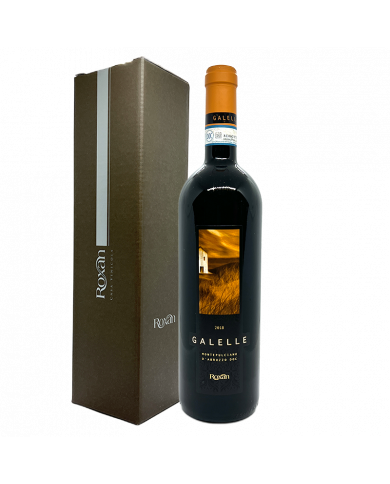
Aromas of ripe red cherries and pleasant warming spiciness. Good gripping tannin and ripe red fruits of great persistence.
€6.51
SKU:
11190
Brand:
Roxan
Ruby red in color, complex aroma with spicy notes and ripe fruit with a soft but decisive taste.
€9.61
SKU:
11189
Brand:
Roxan
Only carefully selected grapes from a limited area of the Loreto Aprutino area are used for the production of this wine.
SKU:
11183
Brand:
Roxan
Ruby red in color, complex aroma with spicy notes and ripe fruit with a soft but decisive taste.
€24.63
SKU:
11182
Brand:
Roxan
Ruby red in color, complex aroma with spicy notes and ripe fruit with a soft but decisive taste.
€24.63
SKU:
11181
Brand:
Roxan
Only carefully selected grapes from a limited area of the Loreto Aprutino area are used for the production of this wine.
€12.36
SKU:
11180
Brand:
Roxan
Ruby red in color, complex aroma with spicy notes and ripe fruit with a soft but decisive taste.
€7.98
SKU:
11177
Brand:
Roxan
Aromas of ripe red cherries and pleasant warming spiciness. Good gripping tannin and ripe red fruits of great persistence.
€4.38
SKU:
11173
Brand:
Cantina Orsogna
Spontaneous fermentation Without added sulphites Unfiltered with bottom Natural stabilization Sulphite-free, Organic, Vegan and Biodynamic Wine Demeter certified produced with the Ancestral method
€12.14
SKU:
11172
Brand:
Cantina Orsogna
Spontaneous fermentation Without added sulphites Unfiltered with bottom Natural stabilization Sulphite-free, Organic, Vegan and Biodynamic Wine Demeter certified produced with the Ancestral method
€12.14
SKU:
11171
Brand:
Vaddinelli
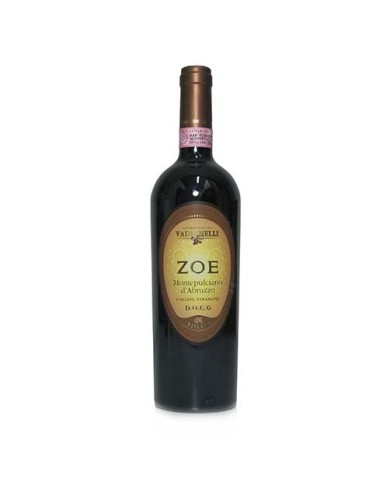
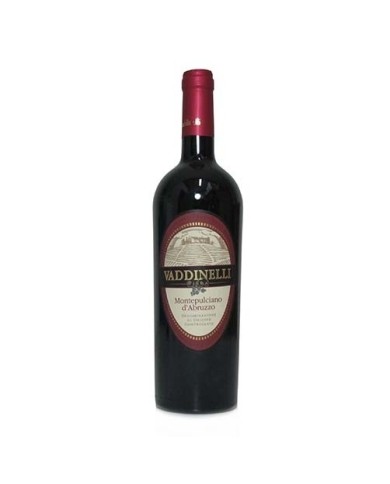
Garnet red in the glass. Hints of ripe berries and jam envelop the nostrils, which are also delighted with deep spicy, tertiary and evolved tones. Balanced the sip, with a tannic texture well inserted in the structure and characterized by a good persistence.
Perfect to accompany the second courses of the land cuisine, it is to be tried with the roast pigeon.
SKU:
11167
Brand:
Zappacosta
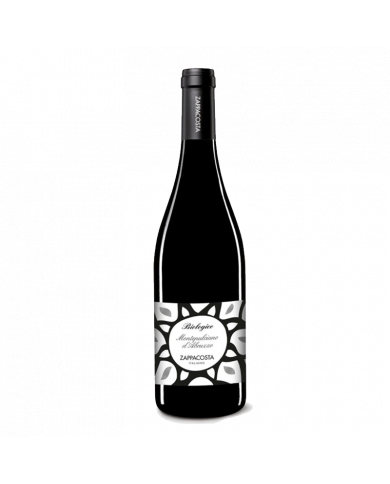
The organic Montepilciano d'Abruzzo is harvested from 100% Montepulciano vines, its alcohol content is 13.5 %vol . It has a deep ruby red color. Rich and fragrant with notes of violets, red berries and liquorice typical of the grape. Alcoholic fermentation takes place by maceration with the skin in stainless steel tanks for 10 days at a temperature of 20-25 degrees. This wine is excellent paired with pasta dishes, soups, grilled fish, roasted white meat, tripe, pizza and semi-aged cheeses.
€10.94
€20.59
SKU:
11163
Brand:
Buzzarone
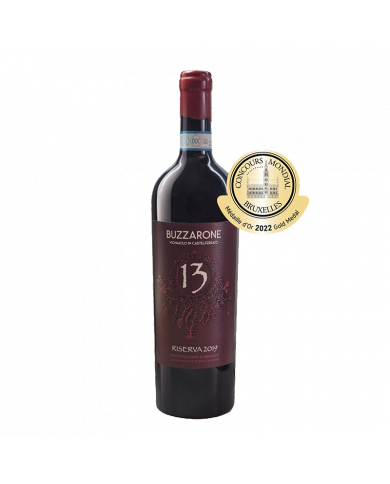
On the nose, woody nuances accompanying notes of cherries and vanilla. In the mouth it is tannic and of Abruzzese character, until it softens leaving the palate clean and dry. Excellent meditation companion.
€31.72
€15.86
SKU:
11154
Brand:
Fattoria Licia
Wine with an enveloping and soft taste with an irrepressible personality, but balanced and harmonious in its acidity and tannins.
€13.16
SKU:
11153
Brand:
Fattoria Licia
Wine with an enveloping and soft taste with an irrepressible personality, but balanced and harmonious in its acidity and tannins.
SKU:
11152
Brand:
Fattoria Licia
Donna Licia Rosso IGT is produced only with Montepulciano d'Abruzzo grapes, it does not have wooden barrel passages and therefore keeps intact all the typical characteristics of our land.
€4.44
SKU:
11146
Brand:
Fattoria Licia
It is obtained by soft pressing and destemming of the grapes and fermentation in red (with the skins) and timed spraying of the cap at a controlled temperature. Aging is in cement and fiberglass tanks with a light passage in wooden barrels and bottling at least one year after the harvest.
€9.36
SKU:
11142
Brand:
Stefano Amerighi
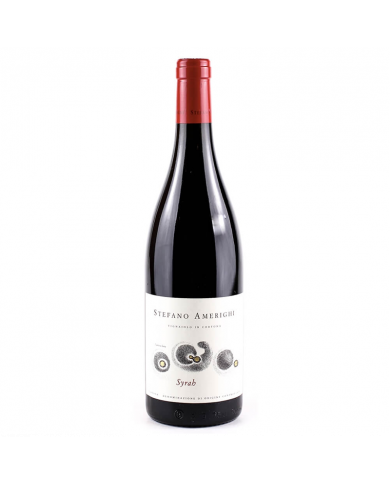
This Syrah is Stefano Amerighi 's representative wine, the result of his work and his idea. A broad idea that goes from the soil to the plant to the balance of nature.
€33.90
SKU:
11137
Brand:
Don Carlo
Two weeks with the skins and aging only in steel. Indigenous yeasts, unfiltered or clarified and without added sulphites.
€13.48
€11.90
SKU:
11131
Brand:
Marramiero
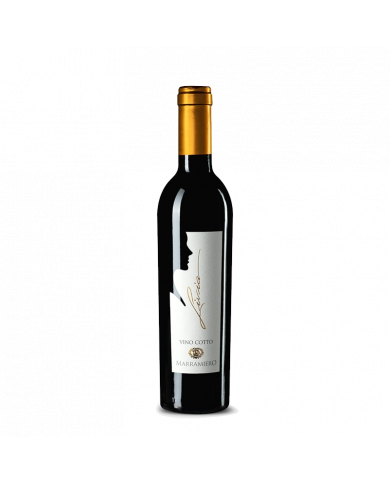
Cooked wine is a typical Abruzzo tradition that has been handed down since the 10th century BC and which was in danger of disappearing. Driven by the desire to renew the habits of our ancestors, we have kept this custom alive by following the principles we have been taught: full respect for the biological rhythms of the vineyard and passion for work.
€28.18
SKU:
11128
Brand:
Marramiero
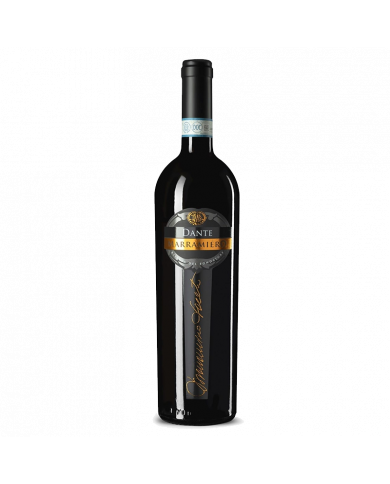
Between the Gran Sasso and the sea, in the Sant'Andrea Estate, on the Pescaresi Hills, the "Dante Marramiero " is born from mature vines, among which our winemakers make a careful selection of the bunches already in the veraison period, to arrive to a homogeneous and optimal ripening. It is refined for 120 months.
€128.10
SKU:
11127
Brand:
Marramiero
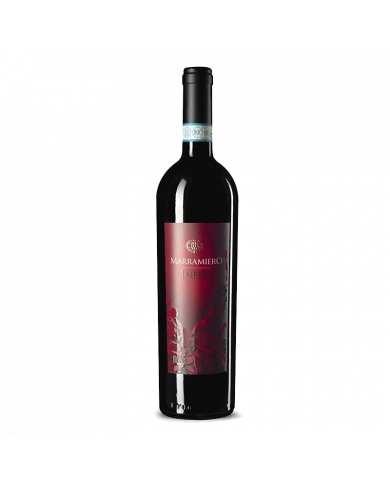
It comes from particularly suitable areas of the Terre dei Vestini, where the low yields of grapes per hectare are not the result of any forcing: it is the soil itself that, by its nature, gives balance to the vineyard, ensuring that each cluster contains within itself a extraordinary concentration of quality. It is aged for 40 months: initially with fermentation and long maceration in Ganymede, then in stainless steel vats and subsequently in fine oak barriques to be completed with a stay in the bottle for at least 6 months.
€23.72
€11.20
€6.50
SKU:
11114
Brand:
Cantine Maligni
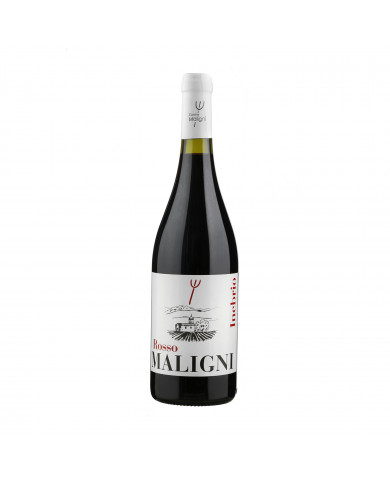
intense and persistent with hints of vanilla, red fruit and soft notes.
€12.48
SKU:
11111
Brand:
Cantine Maligni
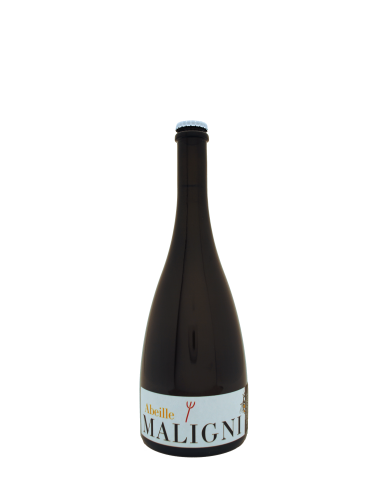
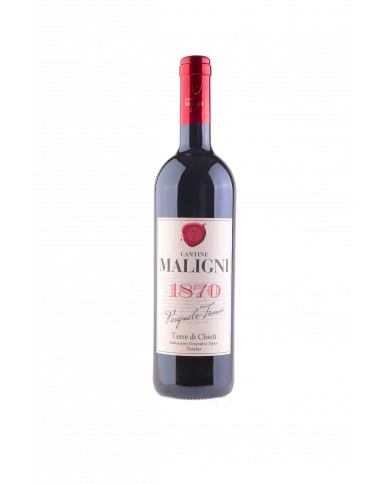
Mastro Montepulciano d'Abruzzo DOC by Cantine Maligni is obtained from Montepulciano grapes grown on medium-textured clayey soils, in the municipality of Chieti in a planting with 1600 vines per hectare. It is vinified with destemming, crushing of the grapes and maceration with the skins for 15 days. After racking, it is aged in steel for 12 months.
€22.20
SKU:
11110
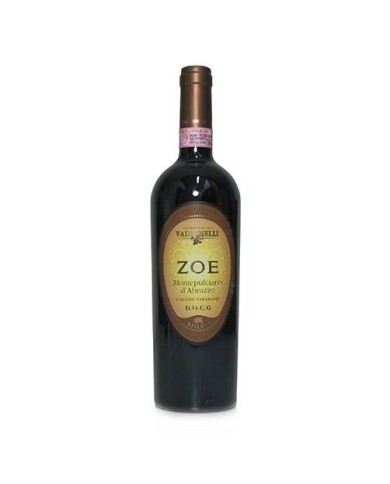
Brand:
Vaddinelli
Garnet red in the glass. Hints of ripe berries and jam envelop the nostrils, which are also delighted with deep spicy, tertiary and evolved tones. Balanced the sip, with a tannic texture well inserted in the structure and characterized by a good persistence.
Perfect to accompany the second courses of the land cuisine, it is to be tried with the roast pigeon.
€13.73
SKU:
11109
Brand:
Vaddinelli
Ruby red in the glass, with garnet hints. On the nose it is rich in references to overripe red fruit, which is followed by spicy hints and ethereal nuances. The taste is balanced and full-bodied, characterized by a good persistence and a fruity finish again.
To combine with the second courses of the land cuisine, it is excellent with roast rabbit.
SKU:
11107
Brand:
Fattoria Teatina
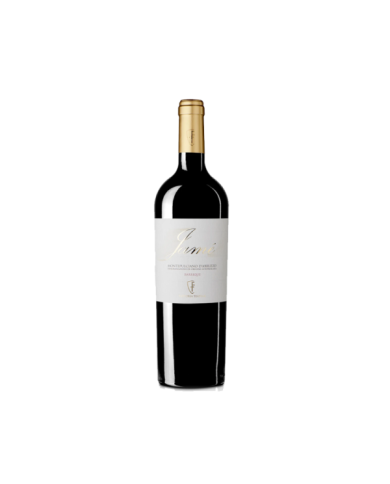
Jamè is a 100% Montepulciano d'Abruzzo vintage. Serving temperature: 18/20 ° C Color: ruby red with intense violet reflections Bouquet: fresh and intense Taste: round, fruity, slightly tart finish. Pairings: red meat, aged cheeses. It is surprising if proposed outside the "usual" schemes, for example with the famous "Vasto-style fish soup".
€13.90
€10.50
€7.50
THE BEST ITALIAN RED WINES
In this section of our online wine shop Clickwine You can find the best Italian and foreign red wines for sale, ideal for accompanying everyday dinners or important events with style and elegance. Clickwine has selected the most famous reds on the wine scene, including the best denominations as well as some niche products and some Abruzzo wines that will amaze the most curious enthusiasts. Among the best wines, Abruzzo red wines cannot be missed.
One of the best Italian wines is undoubtedly Montepulciano d'Abruzzo DOC, which is one of the best-known Italian red wines in the United States.
Montepulciano is the most widespread red grape variety in the Marche and Abruzzo regions, where rich and expressive red wines are produced, ideal for sharing with those who love tasty home cooking, and is also perfect for a barbecue with friends.
THE PRODUCTION OF RED WINE
Red wine is obtained from red grapes, thanks to a production process called "red vinification". This process involves contact between the pomace (peels and seed residues) and must during the fermentation phase
One of the first steps in producing a red wine is choosing the harvest period. The grapes are harvested when the sugar content reached is what the winemaker deems necessary to produce the desired alcohol content.
After harvesting, the bunches arrive in the cellar where the stalks are removed (destemming) before the grapes are pressed to obtain the must.
Maceration releases polyphenols, particularly anthocyanins, from the skins, which give the must its red color. Tannins are produced from the grape seeds. Maceration lasts approximately 10-15 days.
Meanwhile, alcoholic fermentation begins, triggered by yeasts present in the skins or by added yeasts. This natural process is favored by an increase in temperature, which, however, must be maintained between 25 and 30°C so as not to affect the quality of the wine.
During this process, the pomace may form a surface layer that prevents contact with the liquid, potentially leading to the development of acetic acid. However, several techniques are available to winemakers to address this problem.
After alcoholic fermentation, malolactic fermentation occurs, which involves the transformation of malic acid into lactic acid. This is a crucial step in the vinification of red wines because it enhances their smoothness and smoothes out any rough edges and harshness.
The must has now transformed into wine, but it must be racked, that is, the removal of residues, which can be accomplished through filtration or static decantation. This latter, less invasive method involves lowering the temperature in the tanks so that the substances to be eliminated settle to the bottom.
Once “cleaned”, the wine is ready for refinement,whose minimum duration is established by the DOC specifications, This can take place in steel tanks, concrete vats, large barrels, or small barrels or barriques. Once the maturation process is complete, bottling takes place: the wine begins its maturation in the bottle and, after a possible further aging period in the cellar, is released for sale.
RED WINE: PROPERTIES AND BENEFITS
Is red wine good for your health? Many people ask this question, to which numerous studies have yet to provide a definitive answer. Many studies affirm certain properties, while others deny them. Below we list the most common beliefs about the properties and benefits of red wine, which, as mentioned, are not fully certified by the medical community. You can believe them or not.
- Natural antioxidant: The polyphenols contained in red wine are antioxidant substances that slow down the aging of some cells
- It aids digestion: it would protect the intestinal flora
- Increase endorphins: in small doses it helps the brain release endorphins and would make us feel more relaxed
- Prevents cardiovascular diseases: thanks to resveratrol which is said to promote blood circulation
- Many authoritative studies affirm that the substances contained in red wine have these properties and benefits, but they are present in such small doses that they are absolutely irrelevant for the body.
HOW MUCH DOES RED WINE COST?
The prices of red wines can fluctuate based on several factors, including the value of the bottle, the production area, and demand. The online wine shop Clickwine offers a wide selection of Italian red wine. Our online wine shop offers not only the most famous names but also more affordable labels suitable for everyday use.So forget about running from one store to another, and save time for what's truly important: enjoying a glass of excellent red wine. Browse our products to find the best red wines at the best price.
PAIRINGS WITH RED WINE
By browsing the individual product pages in our online wine shop, you'll discover suggested pairings for each red wine: white and red meats, game, braised and grilled meats, risottos, traditional Italian first courses, as well as platters of cured meats and cheeses, vegetables, sauces, and rich dishes.
What should a good red wine be like?
A good red wine should be balanced, with good acidity and a tannic structure that makes it smooth and pleasant to drink. It should also have an intense and complex bouquet, with hints of ripe fruit, spices, wood, and other aromas. Furthermore, the wine should be well-aged, with good aging potential, making it suitable for storage for several years. Naturally, all of this depends on the type of grape and the terroir from which the wine originates, so every red wine will be unique.
How long can a red wine last?
The shelf life of a red wine depends on several factors, such as the type of grape used, the production method, and the wine's acidity. Generally, younger red wines can be consumed within one to two years of harvest, while high-quality red wines can be stored for several years, even up to 10 or 15 years or more, depending on their characteristics. However, it's important to note that red wines tend to change over time, developing new aromas and flavor nuances, so it's always advisable to taste the wine before drinking to ensure it's still in good condition.
How can red wine be?
Red wines can be very different from one another, depending on the type of grape used, the production method, and the terroir from which they originate. Generally speaking, red wines can be described as intense, complex, and structured, with aromas of ripe fruit, spice, wood, and other flavors that vary depending on the wine's characteristics. They can be dry or sweet, light or full-bodied, with an alcohol content that can range from low to high. Furthermore, red wines can be served at different temperatures, depending on their type and personal preference. In any case, a good red wine should be balanced and pleasant to drink.
Why shouldn't red wine be put in the fridge?
Red wine should not be refrigerated because too cold a temperature can alter its flavor and bouquet. Red wines should be stored in a cool, dark place, at a temperature around 12-15°C (54-59°F). Refrigeration can cause wine to lose some of its organoleptic characteristics, becoming bland and less complex. Furthermore, the cold can bring out the wine's acidity, making it less pleasant to drink. Therefore, to best preserve red wine, it's best to keep it out of the refrigerator.
Why is drinking red wine good for you?
Drinking red wine is beneficial because it contains health-promoting substances, such as polyphenols, which have antioxidant properties and can help protect the body from oxidative stress. Furthermore, red wine contains resveratrol, a substance that can help reduce the risk of cardiovascular disease and some types of cancer. However, it's important to remember that red wine should always be consumed in moderation to avoid negative health effects. Excessive alcohol consumption can increase the risk of addiction, liver damage, and other complications.
Who can't drink wine?
There are some people who shouldn't drink wine, or who should limit their alcohol consumption in general. These include:
- Pregnant or breastfeeding women, because alcohol can pass through the placenta and into breast milk, putting the health of the fetus or newborn at risk.
- People who suffer from alcohol addiction or have alcoholism problems, because drinking wine can worsen their health.
- People taking medications that can interact with alcohol, such as antidepressants, sedatives, or heart medications, because alcohol can increase the side effects of the medications.
- People with existing health problems, such as liver disease or gastritis, because alcohol can worsen symptoms and worsen health conditions.
In any case, it is always advisable to ask your doctor or pharmacist for advice before consuming wine or other alcoholic beverages.
Why does red wine make you sleepy?
Red wine can cause drowsiness because it contains alcohol, a substance that can act as a natural sedative. Alcohol can increase the production of serotonin, a neurotransmitter that can induce a state of relaxation and promote sleep. However, excessive alcohol consumption can also cause disturbed and unrefreshing sleep, so it's important to drink red wine in moderation to avoid these negative effects. Furthermore, red wine can also cause drowsiness for other reasons, such as fatigue or digestion, so it's always best to listen to your body and avoid drinking too much wine if you want to maintain healthy and restful sleep.
What happens if you drink wine every day?
Drinking wine every day can pose some health risks, such as an increased risk of alcohol dependence and liver damage. Alcohol can cause fat accumulation in the liver, which can lead to fatty liver disease, a benign condition that can be reversed if you stop drinking. If you continue drinking, however, steatosis can develop into steatohepatitis, a more serious condition that can lead to liver cirrhosis and even more serious complications. Furthermore, excessive alcohol consumption can increase the risk of cardiovascular disease, cancer, and other conditions. Therefore, it's important to drink wine in moderation and not every day to avoid these health risks.
Related posts