

 Italiano
 Deutsch


































There are no more items in your cart
SKU:
4616
€12.14
€12.14
SKU:
4612
Brand:
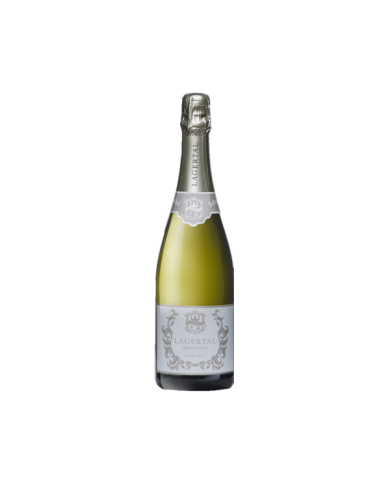
Lagertal
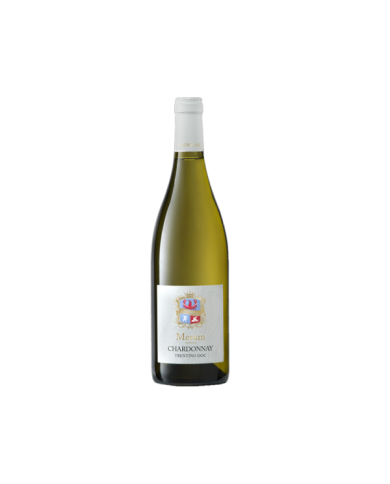
Merum is a wine that embodies the attitude of a territory that has been dedicated to viticulture for centuries and the ability of our oenologists to extract its characteristics in the best possible way, transforming it into a great wine with the Trentino DOC denomination. The bouquet is complex, the color is straw yellow, we recommend it in combination with foods with a delicate flavor.
A “pure” Chardonnay, just like its name.
€18.00
SKU:
4610
Brand:
Lagertal
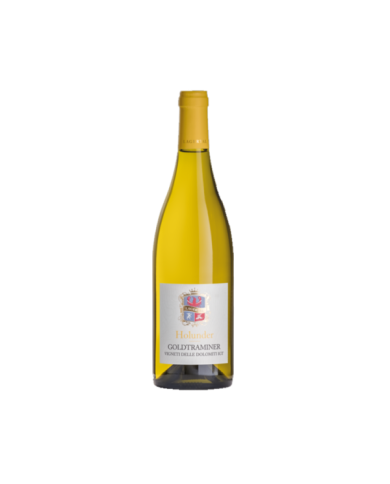
It has gold in its name - Gold - and the powerful charge of a modern wine - Traminer - decidedly "irreverent", because it is the fruit of an absolutely innovative grape variety, obtained from the crossing of Traminer vine flowers with those of Tuscan Trebbiano. A new variety created in the mid-1950s by Rebo Rigotti, geneticist from Trentino, one of the most brilliant viticultural researchers at international level. Precious vines, rare precisely because they are destined for targeted harvests and an equally particular wine. Like the one that ripens on the basaltic slope of Reviano, the sunny side of the Destra Adige, above Isera (Trento). The care in cultivation and vinification is maximum in order to offer an absolutely original, curious and yet intriguing wine. Gold in its sunny, brilliant color, with almost iridescent luminous reflections. The nose will win you over for the amalgam of fragrances embellished with a myriad of floral notes that recall candied fruit, acacia, citrus of mandarin and elder flowers, which surround the cultivation area in a fragrant embrace. On the palate it comes with fresh vigor, without neglecting the elegance of velvet, recalling round flavors of quince and crunchy apricots, with a never cloying sweetness and a decidedly rare gustatory persistence.
Holunder - a Goldtraminer that stands out for its versatility: to be enjoyed while still young - for immediate sensations - or to be rediscovered after some proper aging in the cellar, for unforgettable pleasures.
€18.00
SKU:
4605
Brand:
Lagertal
Trento Doc is the highest and most refined expression of Trentino wine production. Before being able to taste a glass, you have to be patient: you wait and work for months, years. The result will then be spectacular! The base wine rests for a long time inside the bottle, maturing in contact with the yeasts according to the refermentation rules of the classic method. From the first sip you can taste the climate, the altitude, the very essence of this magnificent land that is Trentino.
€5.29
€4.24
€5.89
SKU:
4594
Brand:
Feudo Antico
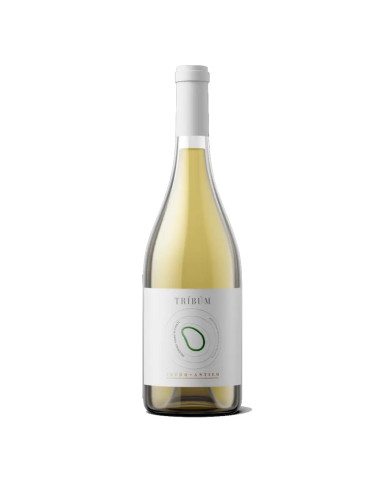
Pale straw yellow color with slight greenish reflections. Fruity aroma with citrus and tropical notes, white peach and elegant floral scents. Taste: Full, with good structure and long persistence. It goes well with appetizers and raw fish, Crustaceans, first and second courses based on fish. Excellent with fresh or stretched curd cheeses.
€5.89
SKU:
4584
Brand:
Valle Martello
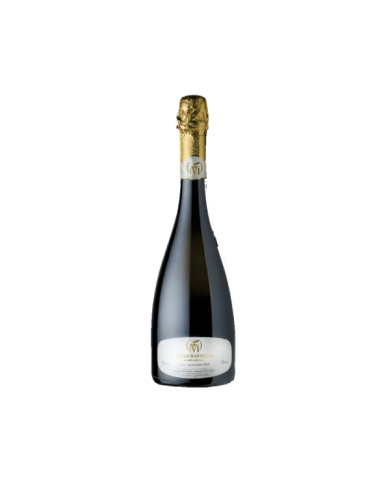
Valle Martello sparkling wine is made from Cococciola grapes. After the first fermentation in steel at a controlled temperature, the second fermentation takes place in an autoclave with the charmat method. An 8-week bottle refinement follows. Valle Martello sparkling wine has a straw yellow color, a persistent foam and an intense bouquet. The taste has a pleasant fruity of pineapple and peach. A wine for the whole meal, it tastes well from aperitifs to desserts.
€15.90
SKU:
4577
Brand:
Valle Martello
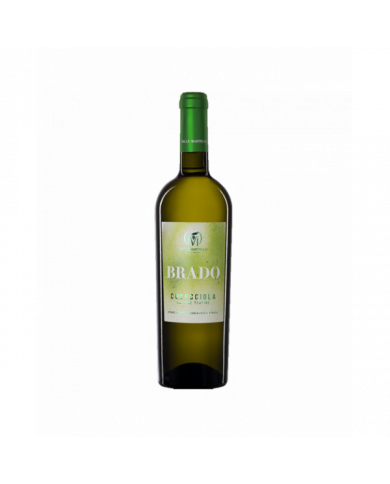
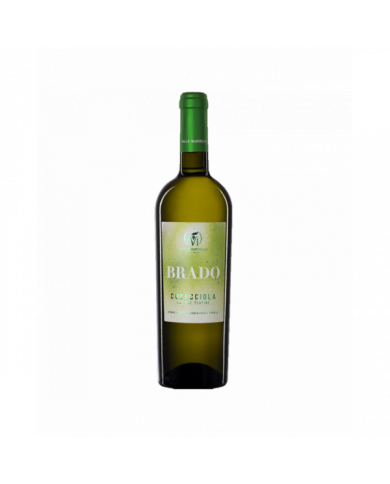
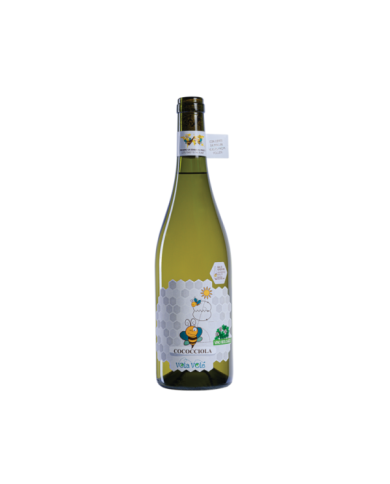
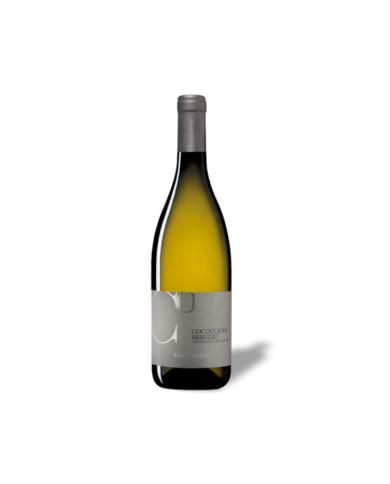
First example of vinification in purity of the native Abruzzo vine Cococciola. In the choice of making the Cococciola wine there is the desire to enhance our territory, that of the Teatine hills, where this grape variety is at its best. It is a wine with intense and ample aromas, ranging from floral to tropical fruit. It is a multifaceted white wine, with great freshness, ideal as an aperitif, with sushi, fish dishes, first courses and cheeses.
SKU:
4575
Brand:
Valle Martello
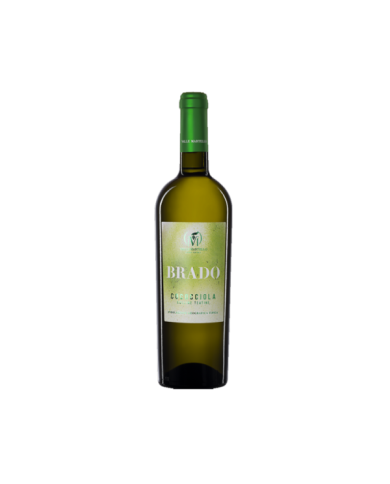
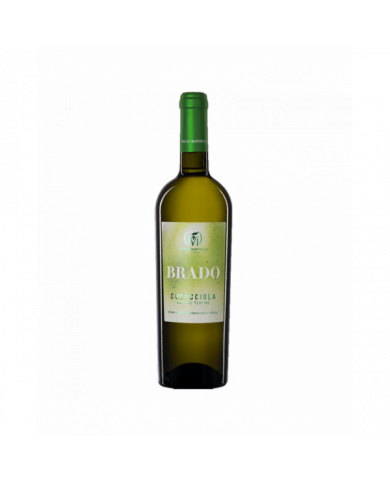
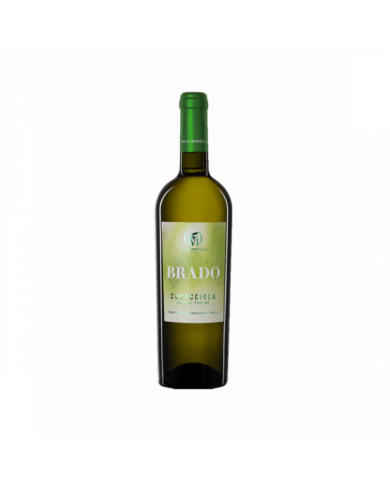
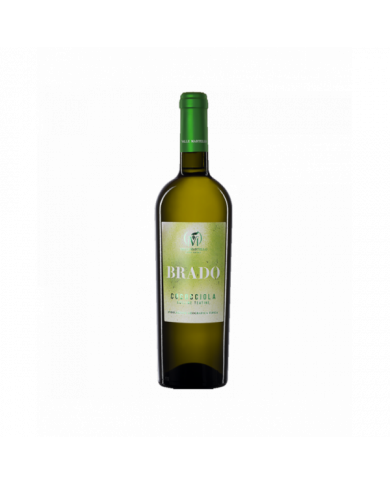
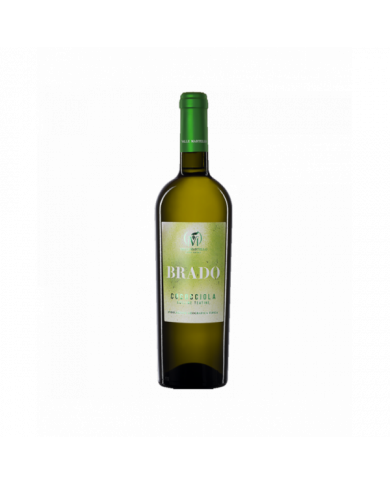
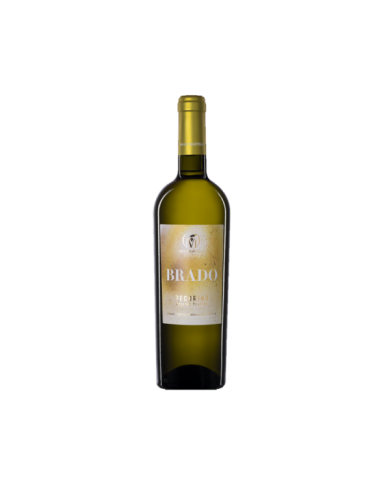
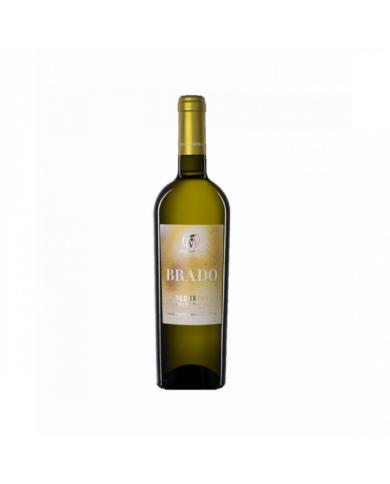
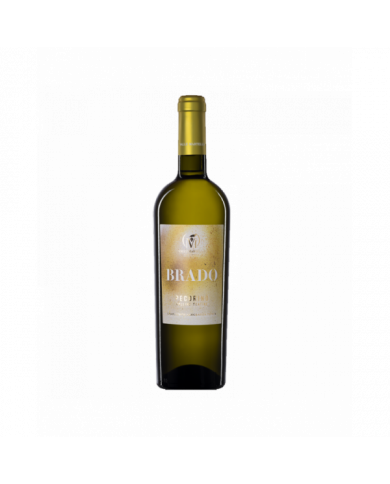
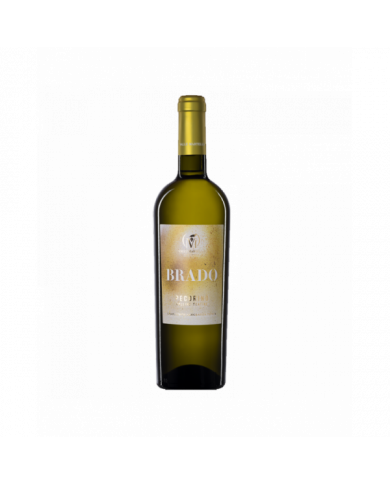
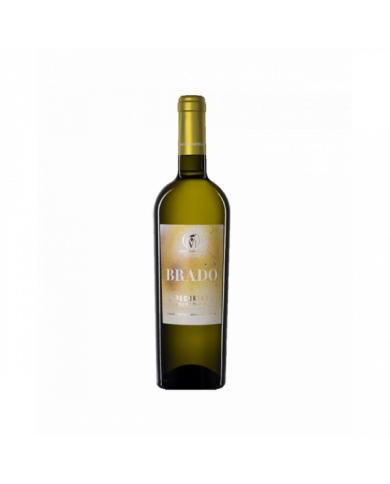
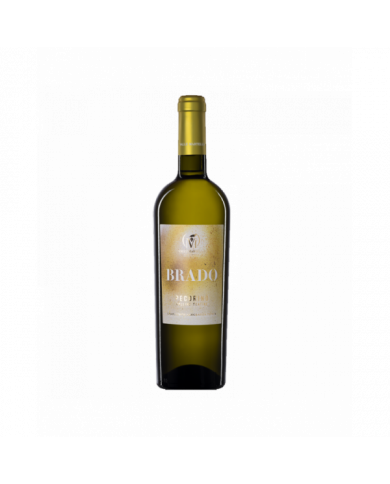
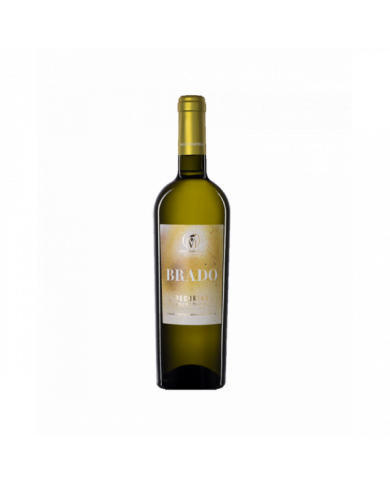
Pecorino Brado is a wine of great structure. It has a bright straw yellow color with golden reflections. The aromas of this wine include yellow pulp fruits, peach in particular. The evolution in the glass is slow and progressive, up to mineral notes. On the palate the taste is full and persistent with an elegant finish. Excellent with important first courses, roasted fish, white meats and cheeses.
SKU:
4566
Brand:
Valle Martello
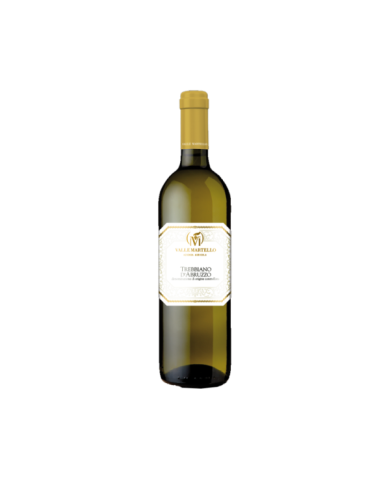
Wine made from Trebbiano grapes. It has a straw yellow color of medium intensity, an amplitude of fruity aromas ranging from floral to white fruit. On the palate it offers a good freshness, flavor and persistence. It goes well with appetizers, fish dishes and cheeses.
€6.32
€5.06
€5.29
€4.24
€6.32
SKU:
4516
Brand:
Villese
€5.29
€4.24
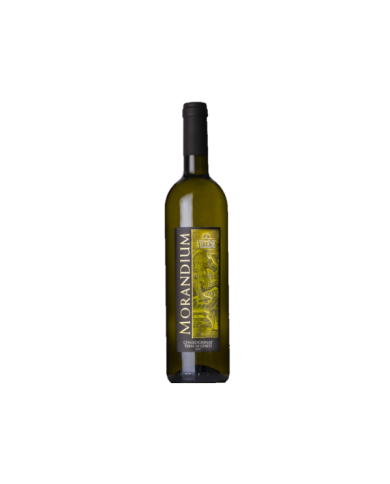
The name "Morandium" recalls the ancient Frentano place of worship, located near the Olearia & Vinicola Villese winery, characterized by the presence of a sanctuary active between the third and first centuries BC and a necropolis whose finds are exhibited at the museum national museum of Chieti and the civic museum of Vasto. The wine has a pale yellow color with greenish reflections. Very delicate bouquet, fragrant, deep, aromatic, fine and elegant taste, fruity and very fresh.
€5.29
€4.24
€8.36
€6.69
€6.50
€5.20
SKU:
4502
Brand:
Cerretano Vini
Excellent as a still aperitif. Ideal with refined appetizers, fish dishes and with eggs. This wine is suitable for young consumption, preferably within the year following that of production in order to appreciate all its best organoleptic characteristics.
€7.50
SKU:
4492
Brand:
Nic Tartaglia
Nic Tartaglia 's pecorino is a natural self-certified wine. The grapes are harvested at the end of August and after a soft pressing follows a fermentation at a controlled temperature at 16 ° C for about 20 days. No chemicals are used in the vineyard and in the cellar. A wine with an intense straw yellow color, with an intense aroma among which aromas of freshly cut grass, mineral and floral notes stand out. A full-bodied pecorino, characterized by a delicate flavor. We recommend it in combination with white meat or fish dishes.
€13.91
€12.21
€9.77
€6.69
€5.35
€6.69
€5.35
€7.14
€5.35
€5.25
€3.67
€11.80
€7.81
€6.64
SKU:
4410
Brand:
Cantina Miglianico
Trebbiano IGP 100% with vineyards in the plains located in the lands of Miglianico, at 60-80 meters. above sea level, with medium-textured soils. The breeding is Abruzzo pergola with 10-15 year old vines, 1,600 plants per hectare with a yield of 160q.
SKU:
4402
Brand:
Cantina Miglianico
Trebbiano Dop 100% with vineyards in the hills facing West, North-West, located in the lands of Miglianico, at 200 meters. above sea level, on loamy - clayey soils. The breeding is Abruzzo pergola with 15-18 year old vines, 1,600 plants per hectare with a yield of 140 q.
SKU:
4393
Brand:
Cantina Miglianico
Trebbiano Dop 100% with vineyards in the hills facing West, North-West, located in the lands of Miglianico, at 200 meters. above sea level, on loamy - clayey soils. The breeding is Abruzzo pergola with 15-18 year old vines, 1,600 plants per hectare with a yield of 140 q.
SKU:
4387
Brand:
Cantina Miglianico
Trebbiano IGP 100% with vineyards in the plains located in the lands of Miglianico, at 60-80 meters. above sea level, with medium-textured soils. The breeding is Abruzzo pergola with 10-15 year old vines, 1,600 plants per hectare with a yield of 160q.
SKU:
4381
Brand:
Cantina Miglianico
Trebbiano dop 100% with vineyards on the hills facing West, North-West of Miglianico, at 200 meters. above sea level, with clayey-loamy soils. The breeding is Abruzzo pergola with 15-18 year old vines, 1,600 plants per hectare with a yield of 140 q.
SKU:
4379
Brand:
Cantina Miglianico
Pecorino Igp 100% with vineyards on the hills facing West, South-West of Miglianico, at 250 meters. above sea level, with clayey-loamy soils. The breeding is Abruzzo pergola with 10-12 year old vines, 1,600 plants per hectare with a yield of 140 q.
RECOMMENDED COMBINATIONS
The ideal combination with fish starters and first courses, large fish in the oven and medium-aged cheeses.- COLOR
- Straw yellow of medium intensity, with slight greenish hues.
- SCENT
- Scent of fresh fruit, accompanied by spicy notes and nuances of aromatic herbs.
- TASTE
- The taste is intense, with good persistence, fresh and savory on the palate. Aftertaste rich in spicy nuances.
€5.60
SKU:
4375
Brand:
Cantina Miglianico
Passerina IGP 100% with vineyards on the hills facing West, South-West of Miglianico, 80-100 meters. above sea level, with medium-textured soils. The breeding is Abruzzo pergola with 3-5 year old vines, 1,600 plants per hectare with a yield of 160 q.
€10.11
€10.11
SKU:
4368
Brand:
Cantina Miglianico
Pecorino DOP 100% with vineyards on the hills, located west of Miglianico, at 250 meters. above sea level with clayey and loamy soils. The breeding is Guyot with eight-year-old vines, 4,000 plants per hectare with a yield of 120q
SKU:
4353
Brand:
Biagi
Excellent with desserts at the end of a meal, it finds its most original combination with great aged or blue cheeses. Full and enveloping body, with an intense sugary sensation but well balanced by the natural final acidity, rich in fruity aftertaste nuances. The grapes are harvested overripe, put in large perforated crates (binz) and stored in a cold room for 45 days until the natural drying process is completed. When harvested, the best bunches are sorted and brought to the cellar, pressed and softly pressed.
€19.03
SKU:
4347
Brand:
Biagi
Pure air, snow-capped peaks and extreme climatic conditions. These are some of the elements that push us to go to the mountains to love them especially in winter, when the landscape is colored with an intense white and a majestic inaccessibility. It is the framework in which the original technique of refinement in the bottle of the wines we have is carried out Inspired by an ancient pastoral tradition, driven by passion and thanks to some technical solutions perfected over time, we have managed to create wines that taste high mountain. The microclimatic parameters trigger specific chemical-physical processes that give our wines the unmistakable balsamic and mineral notes, accentuated freshness and an amazing persistence.
€28.55
SKU:
4343
Brand:
Biagi
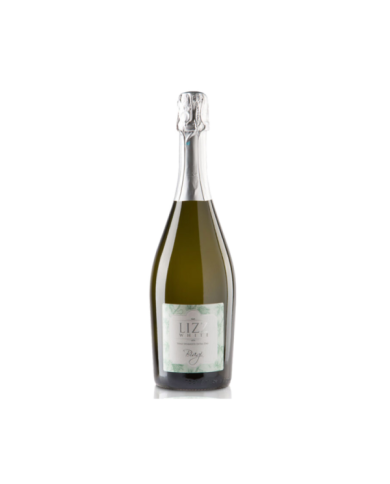
Sparkling wine with a straw yellow color of medium intensity with coppery tones and a fine and persistent perlage. On the nose it is fresh and fruity with notes of sage which opens up to spicy sensations in the finish. The taste is pleasantly savory and perfectly balanced, the aftertaste has delicate nuances of fresh bread crust. Excellent as an aperitif, it is the ideal combination with raw seafood, shellfish and fish first courses. Serve at a temperature of 06-08 degrees. 12.5% VOL.
€8.45
SKU:
4339
Brand:
Biagi
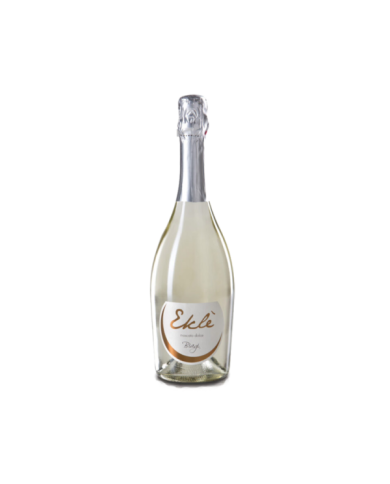
Delicate sparkling wine, obtained from the fermentation of wine in small stainless steel autoclaves at a controlled temperature of 15/17 ° C for a whole process that lasts about 45 days.
€9.52
SKU:
4337
Brand:
Biagi
Delicate sparkling wine, obtained from the fermentation of wine in small stainless steel autoclaves at a controlled temperature of 15/17 ° C for a whole process that lasts about 45 days.
€9.52
SKU:
4335
Brand:
Biagi
€10.25
Delicate sparkling wine, obtained from the fermentation of the must in small stainless steel autoclaves at a controlled temperature of 15 ° / 17 ° C for a whole process that lasts about 30 days.
€10.25
SKU:
4328
Brand:
Biagi
€5.25
€4.46
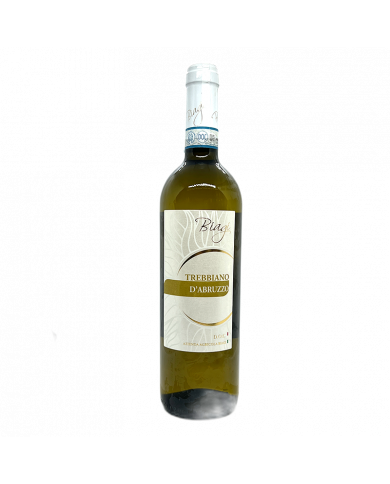
The grapes are softly pressed and immediately protected from oxidation, thanks to the addition of carbon dioxide which forms a thin barrier of protection from the air. Cold static clarification for 24 hours, straw yellow color, of medium intensity, with characteristic greenish nuances, fresh and fruity aroma, good intensity body taste, with fresh but not intrusive acidity, savory and persistent in the final mouth, with fruity aftertaste nuances . Serve at a temperature of 10-12 degrees 12% VOL
€5.25
€4.46
SKU:
4326
Brand:
Biagi
€5.48
€4.66
Wine with an intense straw yellow color, on the nose there are hints of exotic fruit and citrus. On the palate it is well structured and accompanied by a good flavor. Ideal with appetizers and raw fish, shellfish, first and second courses based on fish. Serve at a temperature of 10-12 degrees 13% VOL
€5.48
€4.66
SKU:
4323
Brand:
Biagi
€9.52
€8.56
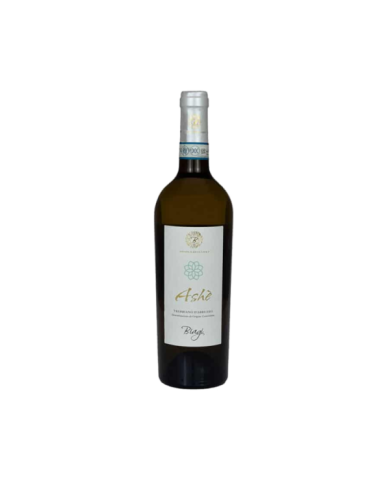
An ancient vine rediscovered and vinified using modern technologies to enhance all its aromas and flavors. Wine with a pale straw yellow color with slight greenish reflections. It is a fresh, fruity wine, with citrus notes, aromatic herbs and hints of white peach, cedar, sage, jasmine and acacia. Ideal with appetizers and raw fish, shellfish, first and second courses based on fish. Serve at a temperature of 10-12 degrees 14% VOL
€9.52
€8.56
SKU:
4311
Brand:
Biagi
Excellent as an aperitif, it surprises in all meal combinations starting with raw seafood, ranging over risotto and crazy water fish. The taste is harmonious and lively, with pleasantly integrated bubbles in a dry finish, the aftertaste has delicate spicy nuances. Ample and fragrant bouquet, hints of bread crust and ripe fruit are perceived in the bouquet.
Serve at a temperature of 06-08 degrees. 12.5% VOL.
€19.03
€8.72
€8.72
€5.87
€28.00
€5.20
€4.16
€6.97
€5.57
€12.53
SKU:
4225
Brand:
Donnafugata
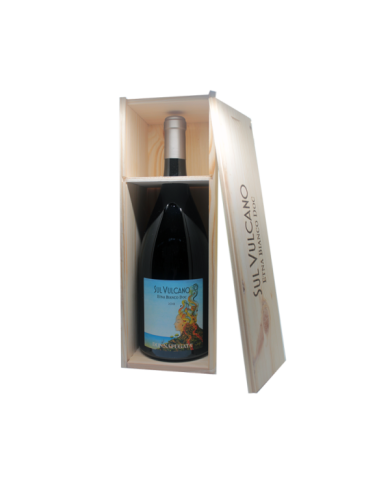
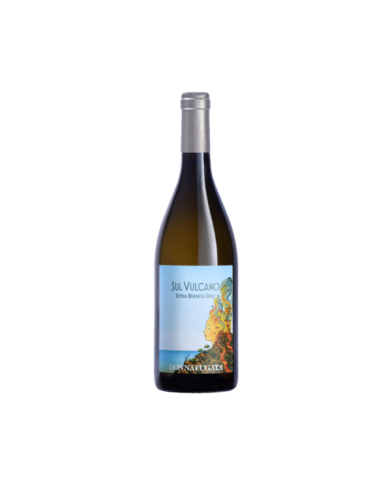
Donnafugata 's Etna Bianco “Sul Vulcano” is a fresh and mineral wine born on the slopes of the great Sicilian volcano, at 750 meters above sea level. It is vinified in steel and aged in French barriques. It smells of white flowers, citrus and flint. The sip is taut, very fresh, savory and mineral, with good persistence
€66.87
SKU:
4198
Brand:
Cantina Tollo
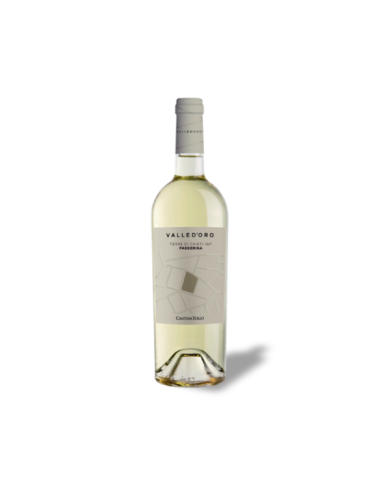
Passerina grapes are grown on sand and fresh soil, mostly calcareous. And it provides the white wine with a fresh aroma with particular notes of fruit and flowers: peach, apricot, wisteria and lime. Carpaccio, raw and shellfish, all fish dishes, fresh or stretched curd cheeses.
€8.45
SKU:
4193
Brand:
Cantina Tollo
Chardonnay grapes from balanced grapes that give rise to this wine with a good structure. Refining takes place in oak Perfect with appetizers, first and second courses of fish, semi-aged cheeses, sushi and sashimi. Also recommended with cold cuts and delicate meat dishes.
€7.50
SKU:
4188
Brand:
Cantina Tollo
A Trebbiano d'Abruzzo made from a single variety of grape with a fresh scent of fruit and flowers. Fish-based appetizers and all seafood, white meats and fresh and medium-aged cheeses.
€7.50
SKU:
4166
Brand:
Cantina Orsogna
VARIETY Chardonnay, Sauvignon and Malvasia ALCOHOL CONTENT 14.5% vol COLOR White
€10.85
€9.76
SKU:
4162
Brand:
Cantina Orsogna
VARIETY Trebbiano 100% CERTIFICATIONS Organic Wine Vegetarian® and Vegan Quality ALCOHOL CONTENT 12.5% vol COLOR White
€8.78
SKU:
4160
Brand:
Cantina Orsogna
VARIETY Pecorino minimum 85% CERTIFICATIONS Organic Wine Vegetarian Quality® and Vegan ALCOHOL CONTENT 13% vol COLOR White
€7.71
SKU:
4156
Brand:
Cantina Orsogna
VARIETY Passerina minimum 85% CERTIFICATIONS Organic Wine Vegetarian® and Vegan Quality ALCOHOL CONTENT 12.5% vol COLOR White
€8.78
SKU:
4147
Brand:
Cantina Orsogna
VARIETY Cococciola minimum 85% CERTIFICATIONS Organic Wine Vegetarian® and Vegan Quality ALCOHOL CONTENT 12.5% vol COLOR White
€8.78
SKU:
4144
Brand:
Cantina Orsogna
VIEW Light straw yellow with greenish reflections. SMELL Delicate floral bouquet of lilac, honeysuckle and acacia. TASTE Fruity, citrus aromas, pleasantly acidic, slender body.
€7.77
SKU:
4130
Brand:
Vini la Quercia
Energetic wine with excellent structure, pleasant softness. Aged in the bottle it enhances the typical almond as well as the fruity finish. It lends itself very well to aging, given the good alcohol content and good acidity.
SKU:
4122
Brand:
Vini la Quercia
White wine characterized by a golden yellow color, the result of the long aging it has undergone. Intense, fruity bouquet with slight hints of almond, round and soft.
€14.92
SKU:
4068
Brand:
Finisterrae
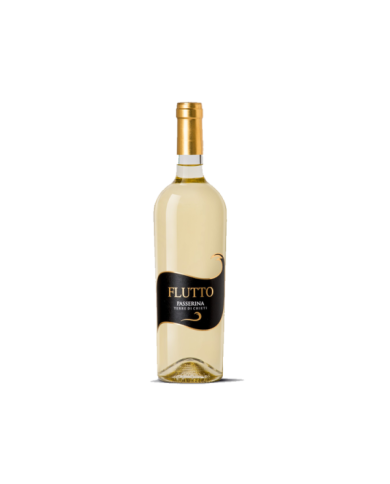
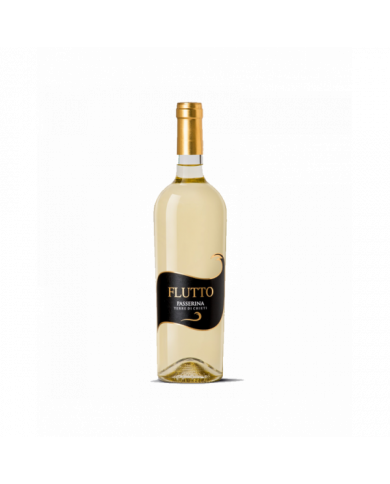
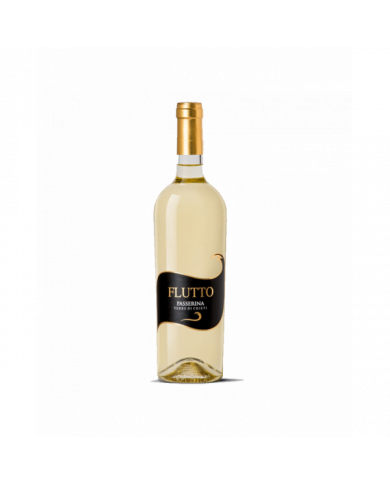
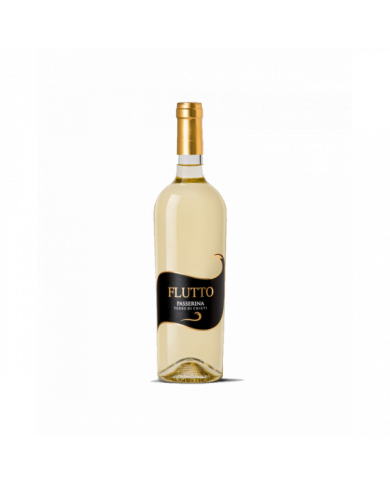
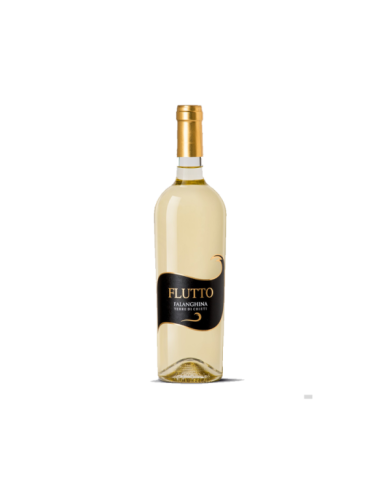
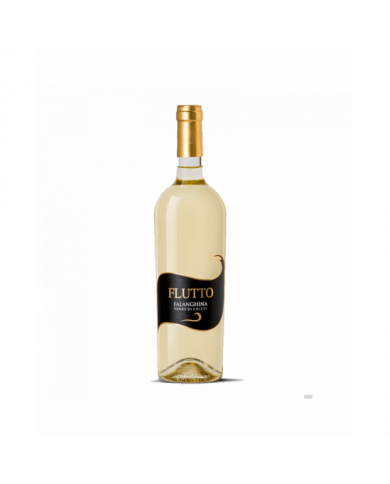
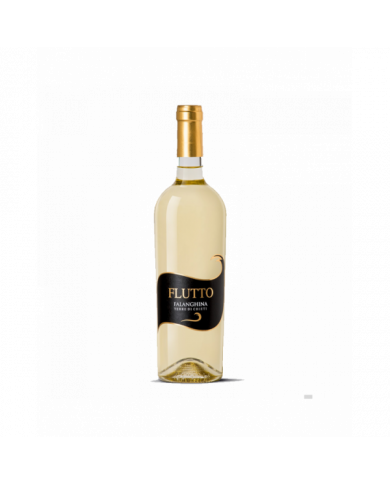
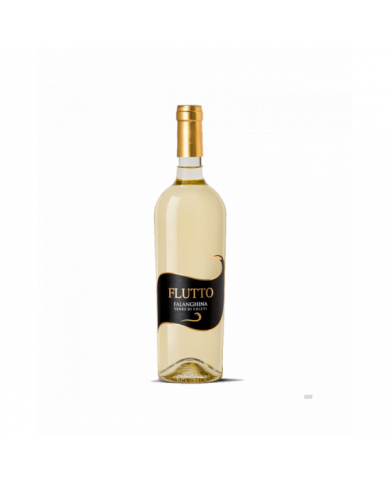
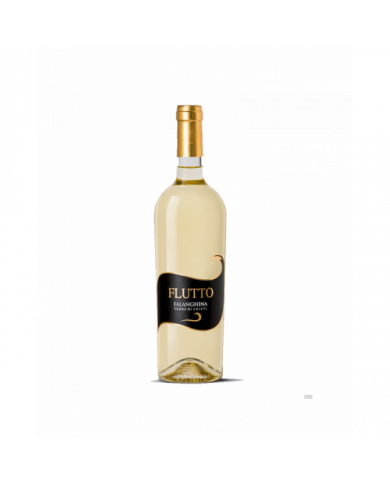
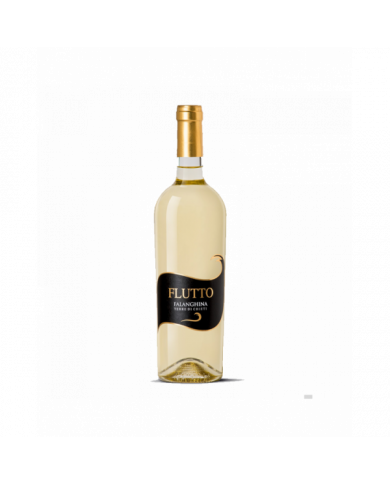
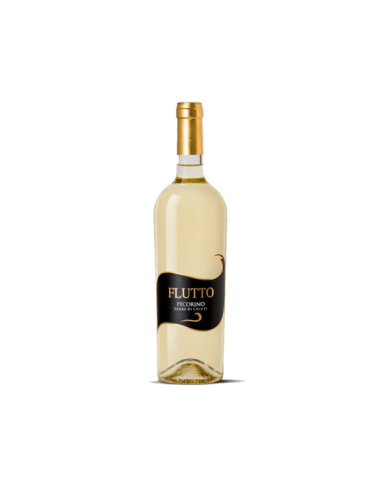
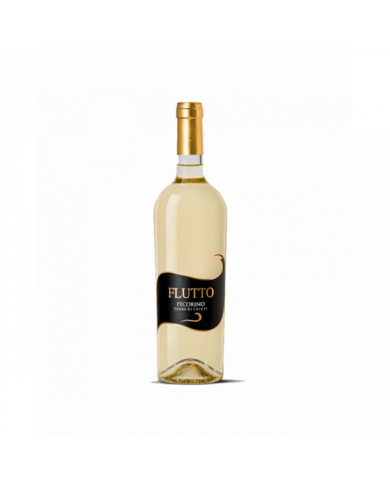
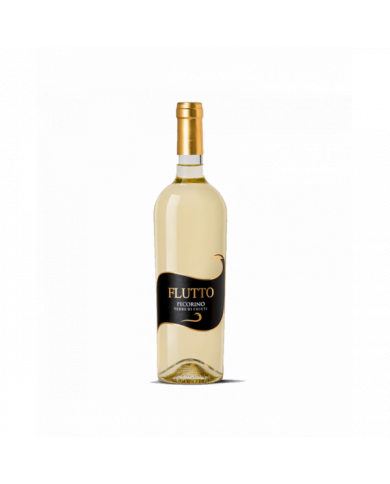
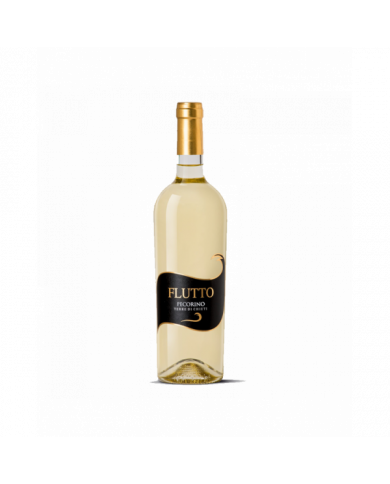
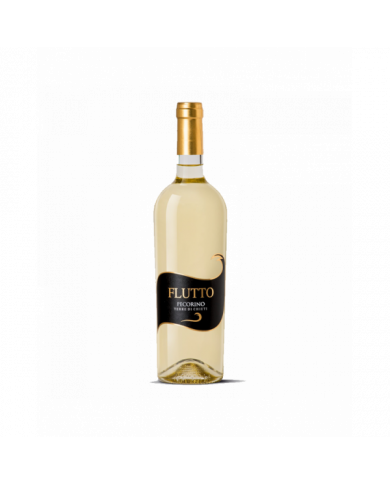
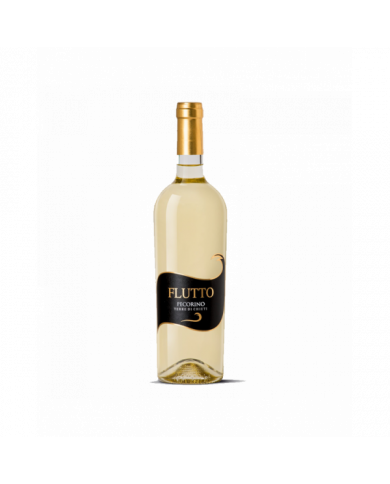
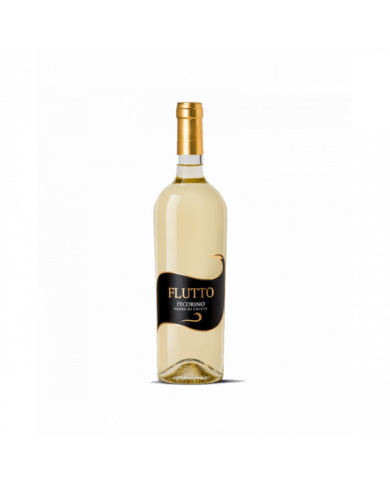
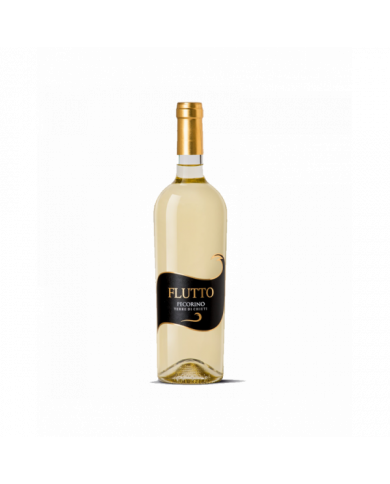
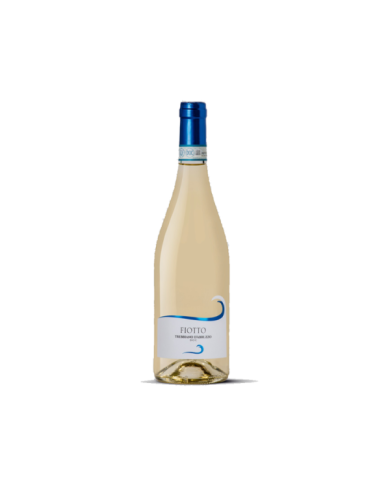
At the base of our wines there is a deep knowledge of the wine world. From the selection of the best vineyards, the search for the most characteristic native vines, to the development of an elegant and completely original packaging, Finisterrae Vini offers two high quality commercial lines, Flutto and Fiotto.
€8.91
SKU:
4053
Brand:
Feudo Antico
A high altitude Pecorino, born between the Alto Sangro and the Cinque Miglia plateau from the meeting with the three-starred chef Niko Romito. Limited edition for a collector's wine.
€46.12
SKU:
4051
Brand:
Feudo Antico
A classic method brut sparkling wine that combines the elegance of a blac de blanc from Chardonnay grapes with the typical consistency of the Abruzzo region.
SKU:
4049
Brand:
Feudo Antico
A classic method brut sparkling wine that combines the elegance of a blac de blanc from Chardonnay grapes with the typical consistency of the Abruzzo region.
€7.94
SKU:
4047
Brand:
Feudo Antico
€49.90
€44.91
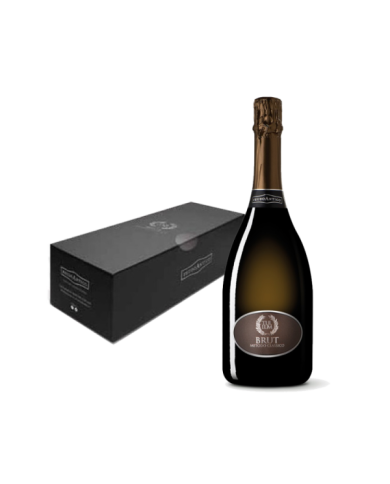
A classic method brut sparkling wine that combines the elegance of a blanc de blanc from Chardonnay grapes with the typical consistency of the Abruzzo region. Magnum format with case
€49.90
€44.91
SKU:
4045
Brand:
Feudo Antico
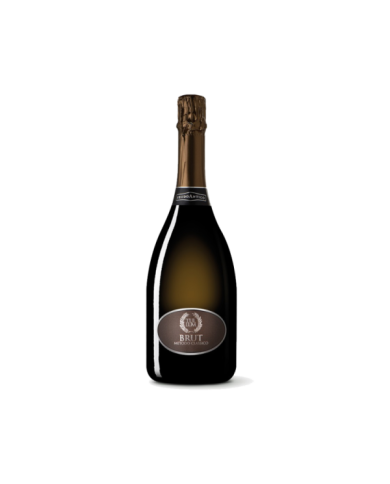
A classic method brut sparkling wine that combines the elegance of a blanc de blanc from Chardonnay grapes with the typical consistency of the Abruzzo region.
€17.92
SKU:
4043
Brand:
Feudo Antico
Excellent freshness, subtle minerality and intense fruity notes for an Abruzzo white of ancient origins which, like Pecorino, owes its fortune to the recent rediscovery.
SKU:
4041
Brand:
Feudo Antico
€15.68
€14.90
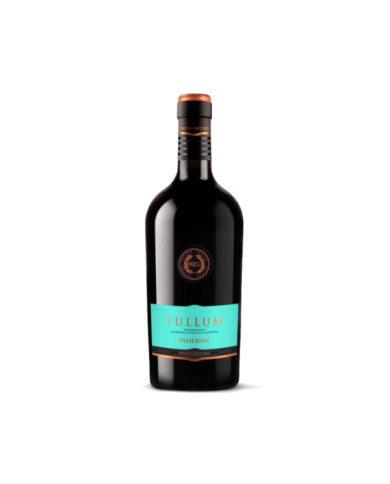
A wine of excellence, made from organic Pecorino DOCG Tullum grapes. Spontaneous fermentation, no filtration, only natural sulphites.
€15.68
€14.90
SKU:
4039
Brand:
Feudo Antico
Pecorino is revealing all its qualities and a potential beyond all expectations: scent of fruits and flowers, solid harmony and promising longevity.
€15.90
SKU:
4024
Brand:
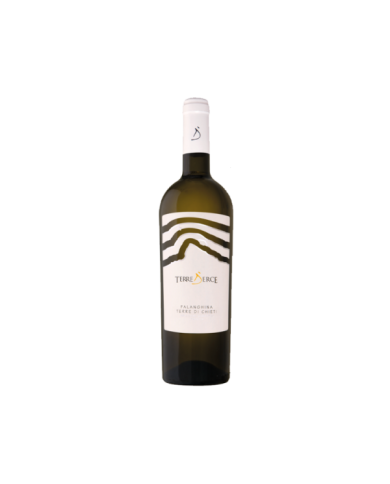
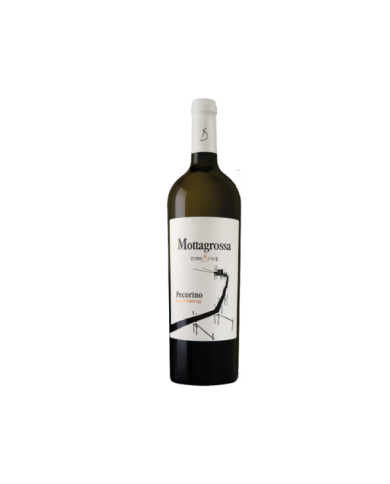
Terre d'Erce
Excellent as an aperitif, an ideal accompaniment to fish-based first courses.
€14.27
SKU:
4017
Brand:
Terre d'Erce
Color : intense straw yellow. Bouquet : fresh fruity notes. Taste : almond notes with a finish of acidulous and savory and pleasantly fruity veins. PAIRING · Fresh aperitifs, sushi, appetizers and fish-based meals, white meats and first courses with rich dressing.
€8.72
€7.85
SKU:
4015
Brand:
Terre d'Erce
Harvest: grapes selected and harvested by hand from young pergolas, de-stemmed and pressed using a soft press. Must subjected to cold static clarification. Fermentation: at controlled temperature
SKU:
4009
Brand:
Terre d'Erce
intense straw yellow, with slight greenish notes. Bouquet : Alcoholic notes harmonized by hints of roses, honey, and herb-balms. Taste : important alcoholic imprint but perfectly integrated with the important almond notes and acidity, which complete a sapid and persistent profile
€18.00
SKU:
4007
Brand:
Amorotti
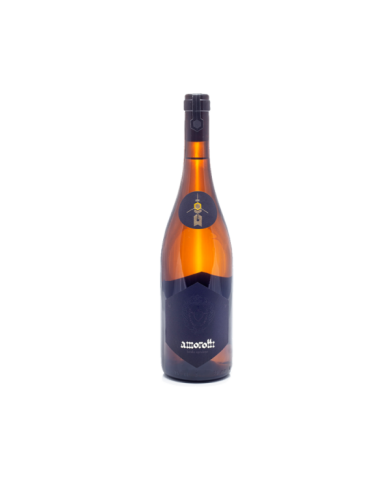
Deep straw yellow color. The nose releases intense notes of acacia flowers, ripe peach, citrus and dried fruit in shell. The sip is fresh, savory and full-bodied. Excellent taste-olfactory persistence with a pleasant almond finish.
€529.72
SKU:
3999
Brand:
Cantina Orsogna
Opalescent straw yellow in color, the nose opens fragrant with white flowers and apples, with a herbaceous finish of hay. The taste is fresh, savory and leaves the mouth with a delicate hint of bitter almonds.
SKU:
3992
Brand:
Cantina Orsogna
In the glass it has a straw yellow color, slightly opalescent. A bouquet of Mediterranean scrub immediately arrives on the nose, the taste is full, with hints of pear and an almond finish.
€12.60
SKU:
3990
Brand:
Cantina Orsogna
At the sight it is of an opalescent straw yellow, the nose is very intense, typically aromatic and with a strong balsamic scent and a vegetal note. The taste is dry, fresh and savory.
€15.45
SKU:
3988
Brand:
Cantina Orsogna
At sight it is opalescent light pink, tending to onion skin. The nose is intense with the scent of pink grapefruit and in the background of lychees. The taste is fresh, savory and full-bodied.
€12.60
SKU:
3984
Brand:
Cantina Orsogna
Malvasia is a vine with a unique history. Its name derives from the contraction of the name of the Greek city of "Monemvasia" located in the Peloponnese and means "one door", as the port of access to the fortress had only one entrance. The name Monemvasia was Italianized into "Malvasia" by the Venetians who began to import it between 1500 and 1700. Thanks to them, Malvasia spread throughout the Mediterranean area where, following crossbreeding with local vines, it gave birth to different vines named Malvasia (Istriana del Lazio, Bosa delle Lipari and others). In this regard, the ampelographer Di Rovasenda (1824-1913), wrote " […] Malvasie should only be called those fragrant grapes that have the flavor of Moscato […] However, there are too many grapes with a simple flavor called Malvasie […]
SKU:
3980
Brand:
Cantina Orsogna
LUNARIA ANCESTRALE Pecorino SPUMANTE BIODYNAMIC and ORGANIC SPARKLING WINE with spontaneous fermentation base Pecorino is a white grape variety native to the Marche and Abruzzo. The first documentary source on the origin of the vine dates back to 1526 and is contained in the Statutes of Norcia (PG) where there is a reference to "vigne de pecurino" (Statutes of Norcia, Liber Tertius, Rubrica CXII). This vine, widespread before the phylloxera, was gradually abandoned during the twentieth century to make room for varieties such as Trebbiano, more productive and responding to a more alimentary than hedonistic value. Origin of the name: also called "grape of the pecorari" because of the grape considered of low value, suitable for humble people such as "pecorari" (derogatory term).
€10.23
€10.23
SKU:
3965
Brand:
Cantina Orsogna
Colour: straw yellow with greenish reflections, very fine and lively perlage. Bouquet: intense, enveloping and balanced, with notes reminiscent of green apple, wisteria, peach and acacia flowers. Taste: rich, intense, soft and fresh on the palate.
€9.85
SKU:
3961
Brand:
Cantina Orsogna
An extreme wine in character, unpredictable in strength, persistent in memory, sumptuous in all its expressions. These wines represent the intensity and courage of a dream. A wine that tells about the men she met: those who worked the land, those who made it fertile, those who raised the vines, those who reaped the fruit, those who made it a precious divine gift. The courage of dreams is the energy that moves man to create new ideas. Here the limits of the earth, harsh, sloping and complex, become sumptuous stimuli for extreme expression in wine: character dominates and does not abandon like a loyal companion who never forgets wherever he is. A style that comes from the strength to listen to nature without giving in to fashions
€11.90
SKU:
3955
Brand:
Cantina Orsogna
The whole bunches are sent to the pneumatic press and the must is fermented with its indigenous yeasts at a low temperature (12-14 ° C) in stainless steel tanks for about 30 days. The refinement takes place in steel tanks and, subsequently, in the bottle. At tasting it has a straw yellow color. Intense aroma with hints of broom, white pulp fruit, and ethereal. Fresh, intense, savory and full-bodied taste. Excellent to accompany an elaborate seafood cuisine, medium-aged cheeses, structured first courses, white meats.
SKU:
3951
Brand:
Cantina Orsogna
Short cold maceration and subsequent soft pressing. The must ferments in stainless steel containers at a temperature of 12-14 ° C for about 30 days with its indigenous yeasts. Clarification takes place by decanting. The refinement takes place in steel tanks for about 4 months, followed by in the bottle. At tasting it has a straw yellow color. Intense aroma with hints of grapes, tropical fruit, flowers. Fresh and soft taste, intense, savory and full-bodied. Excellent to accompany seafood, medium-aged cheeses, structured first courses, white meats.
€11.69
€6.86
€5.83
SKU:
3937
Brand:
Cantina Orsogna
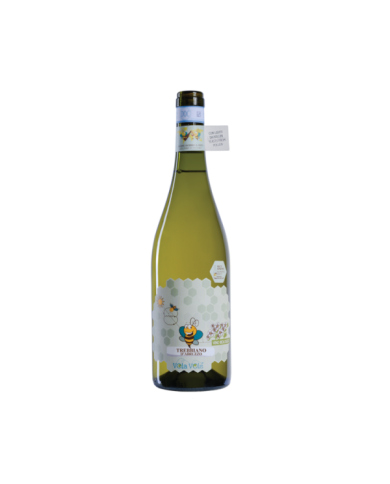
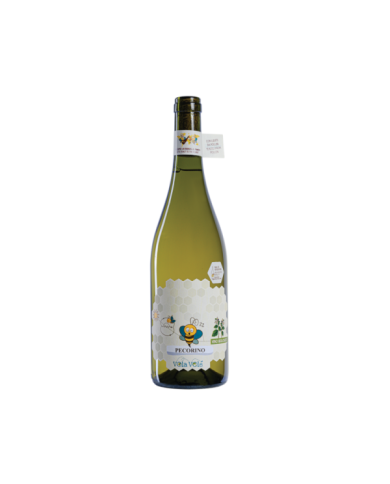
The only organic wine certified for biodiversity in Abruzzo. The winery selects the yeasts on pollen from the local flora. The bee collects the nectar of the flowers and, to preserve it, uses lactic ferments and yeasts, a practice that is a million years old. From this pollen the yeasts are selected for the fermentation of this wine. Ideal with raw and fried fish, risottos and medium-aged cheeses.
€9.85
€8.37
SKU:
3930
Brand:
Cantina Orsogna
VIEW : Pale straw yellow with greenish reflections. SMELL : Delicate floral bouquet, citrus with very intriguing herbaceous notes. TASTE : On the palate it is citrusy, savory, fresh. It is characterized by a marked acidity.
SKU:
3928
Brand:
Cantina Orsogna
VIEW : Straw yellow. SMELL : Delicate floral bouquet with notes of white flowers, smoky and hazelnut. TASTE : On the palate it is citrusy, fresh, sapid, long and mineral, fresh.
€6.04
SKU:
3925
Brand:
Cantina Orsogna
VIEW : Pale straw yellow with greenish reflections. NOSE : Aromas of elderberry, ripe fruit with hints of pear. TASTE : Acidic vein and sapidity are balanced with the structure and softness.
SKU:
3918
Brand:
Amorotti
Deep straw yellow color. The nose releases intense notes of acacia flowers, ripe peach, citrus and dried fruit in shell. The sip is fresh, savory and full-bodied. Excellent taste-olfactory persistence with a pleasant almond finish. Alcoholic content: 12% vol.
€47.58
SKU:
3907
Brand:
Collefrisio
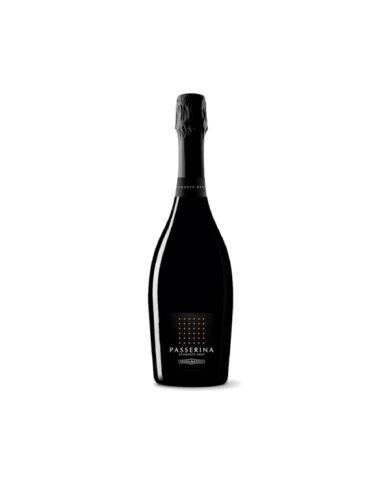
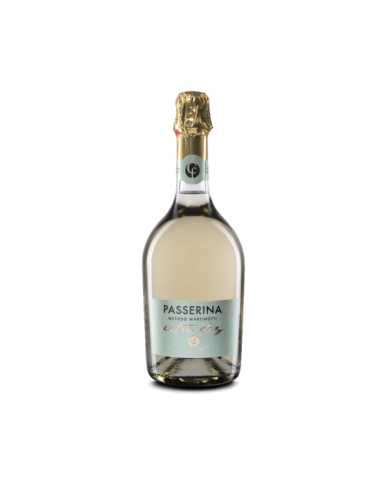
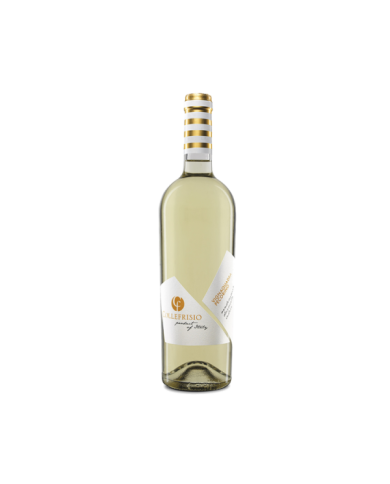
The Spumante Passerina Extra Dry from Collefrisio is produced with the Martinotti method, for moments of pleasant drinking suitable for every break of the day.
€12.37
SKU:
3903
Brand:
Collefrisio
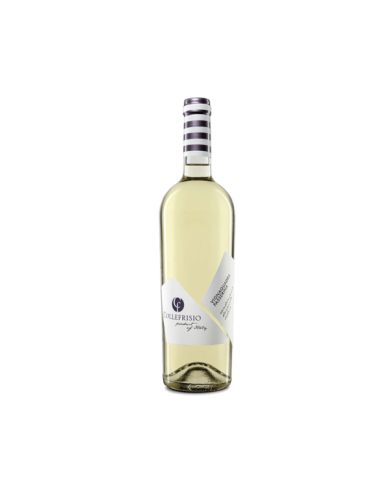
Crystalline straw yellow color with golden reflections, fine and persistent perlage. A strong white fruity note with hints of exotic fruit, bread crust and toasted almonds. Balanced, fresh and long-lasting taste.
€29.89
SKU:
3871
Brand:
Collefrisio
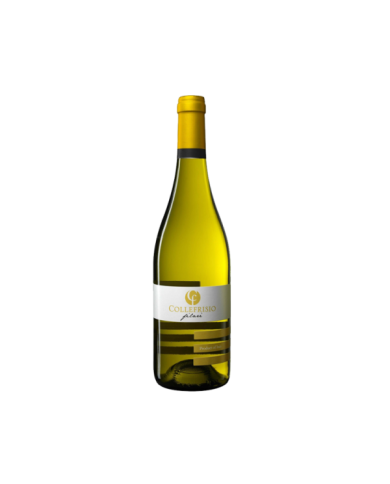
From Trebbiano, Falanghina and Pecorino grapes, it has a straw yellow color with intense golden reflections. The nose has intense notes of yellow peach, apricot jam, honey and vanilla with a bread crust finish. Complex wine, excellent structure, great taste olfactory persistence.
€19.92
SKU:
3868
Brand:
Collefrisio
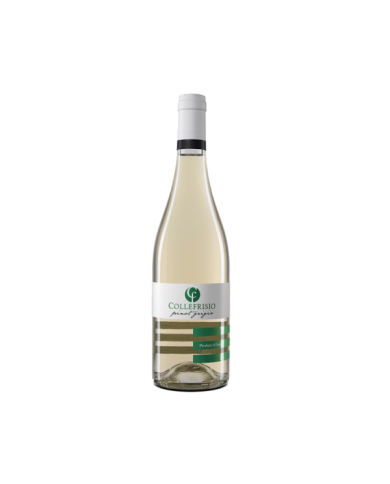
Made from Pinot Grigio and Pecorino grapes, it has a straw yellow color with green reflections. On the nose there are aromas of fruit, apple, pineapple, chamomile and mulberry. Excellent structure, consistent and persistent on the palate.
€17.08
SKU:
3866
Brand:
Collefrisio
GRAPES : Falanghina IGT 100% HARVEST : end of September VINIFICATION : Straw yellow color. Fruity fragrance. Persistent taste. TASTING : It goes well with cured meats, white lasagna, risottos and medium-aged cheeses.
€12.81
SKU:
3864
Brand:
Collefrisio
GRAPES : 100% Pecorino HARVEST : end of September VINIFICATION : Maceration at low temperature after destemming of the grapes and temperature controlled alcoholic fermentation in steel tanks. TASTING : To be accompanied with Pasta, Vegetarian, Appetizers and snacks, Lean fish, Salami.
SKU:
3862
Brand:
Collefrisio
GRAPES : 100% Passerina HARVEST : end of September VINIFICATION : Maceration at low temperature after destemming of the grapes and temperature controlled alcoholic fermentation in steel tanks. TASTING : Straw yellow color with greenish reflections, intense citrus notes, bergamot, white flowers of the Mediterranean scrub on the nose. Good structure and acidity, excellent taste olfactory persistence.
€7.81
€11.79
SKU:
3858
Brand:
Collefrisio
Grapes: Trebbiano d'Abruzzo DOC Year: 2020 Alcohol content: 12.5% - Format: 75cl Refinement: steel Tasting: Straw yellow color. Fruity fragrance. Fresh and persistent taste Pairings: first courses with vegetables, seafood, fish dishes
€11.79
SKU:
3842
Brand:
Dora Sarchese
Grapes used: Cococciola 50%, Trebbiano 30, Chardonnay 20%.
Vinification: the harvest takes place manually in boxes, carefully selecting the best bunches. In the cellar the grapes are subjected to soft pressing and the must is fermented in stainless steel tanks at a controlled temperature of 16-18 ° C. Assembled the various fractions to form the cuvèe, the base wine is placed in the bottle with selected yeasts where the second fermentation and subsequent refinement will take place following the Classic Method sparkling process.
€20.25
SKU:
3825
Brand:
Dora Sarchese
Color : Pale straw / greenish Smell : Fruity and floral Taste : Dry, fresh, savory and balanced
SKU:
3823
Brand:
Dora Sarchese
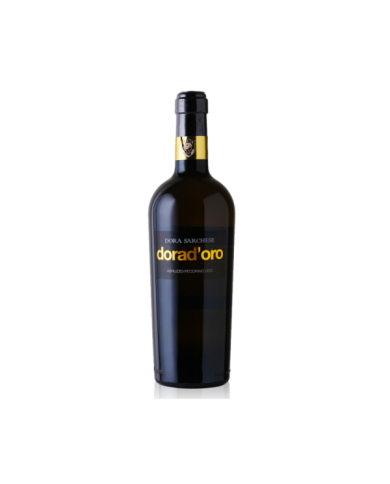
Pecorino Dora D'oro has a beautiful shiny gold color with a golden nail, clear and consistent. Born from a great intuition of a master of Italian enology: Leonardo Seghetti . To him, all the credit for the diffusion of pecorino wine in Abruzzo, a wine as sincere as the land of Abruzzo and as precious as gold. Diploma of Great Mention Pecorino IGT 2005 at the 40th Vinitaly International Wine Competition. A fresh, soft and savory wine, ideal companion to white meats, fish soups. Cantina Dora Sarchese is an Abruzzo company reminiscent of a nineteenth century farm. Tradition of quality.
SKU:
3819
Brand:
Dora Sarchese
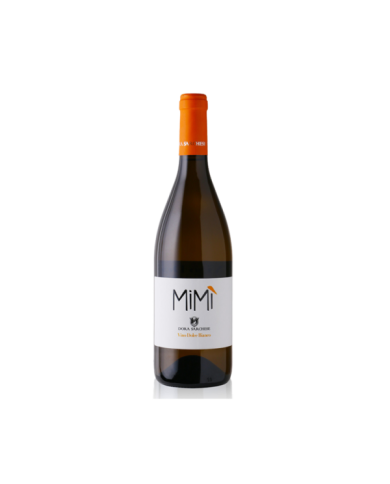
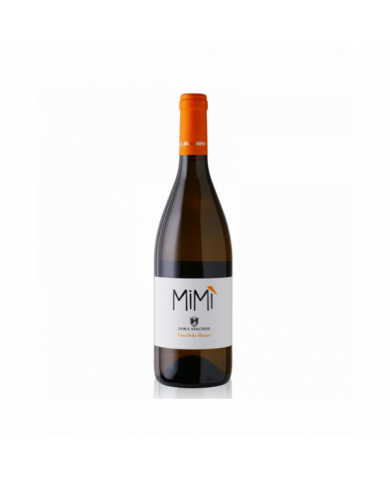
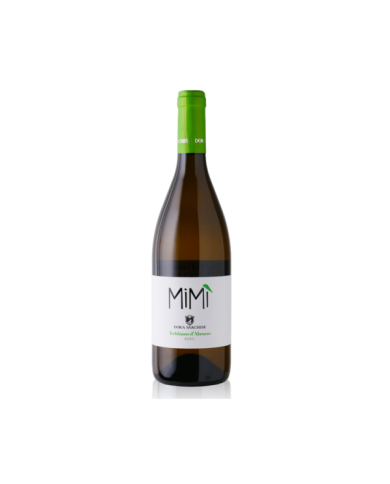
Trebbiano d'Abruzzo Doc Dora Sarchese is part of the Mimì line. The latest creation dedicated to Domenico D'Auria, patriarch of the Dora Sarchese winery who passed away in 2002. Mimì is a range that speaks of territorial identity and simplicity, which can also be found in the packaging. Minimalist label inspired by a significant reflection: "Your steps with your passion, with your hands in the earth, with your heart in the vineyard, with my father ... with Mimì". And this Trebbiano is a tribute to man and the territory.
€7.50
SKU:
3797
Brand:
Menicucci
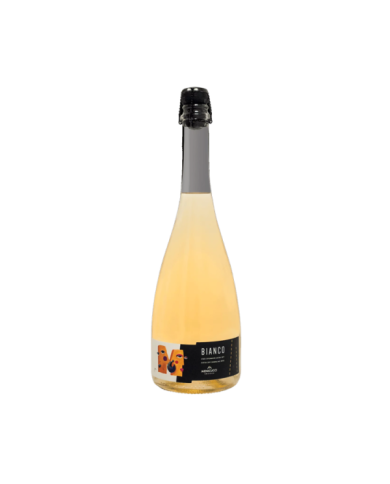
The M Bianco sparkling wine, 100% Trebbiano with a very fine and lively perlage, is the glass of sparkling wine for any moment of the day. Intense, enveloping and balanced bouquet, with notes reminiscent of green apple, white grapefruit and acacia flowers. Rich, intense, soft, fresh on the palate with notes that have complete correspondence with the perfume.
€11.14
SKU:
3793
Brand:
Menicucci
€18.20
€15.47
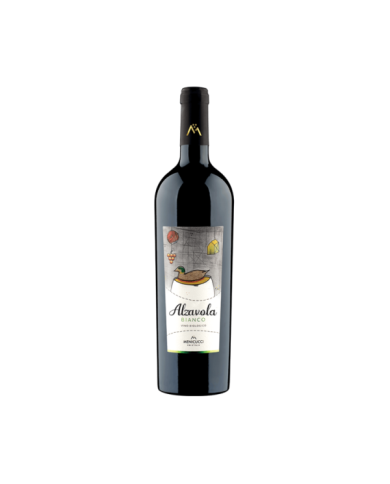
Alzavola Bianco is a full-bodied wine with a rich and intense aroma. This wine has an elegantly floral scent thanks to the perfect blend of 60% Pecorino and 40% Malvasia. Full of great elegance and persistence, with hints of honey and wildflowers, Alzavola Bianco has a well-balanced level of acidity and has a nice freshness in the finish. It goes well with pasta, truffles, a great variety of fish dishes and baked white meats and sauces.
€18.20
€15.47
SKU:
3791
Brand:
Menicucci
€14.31
€11.45
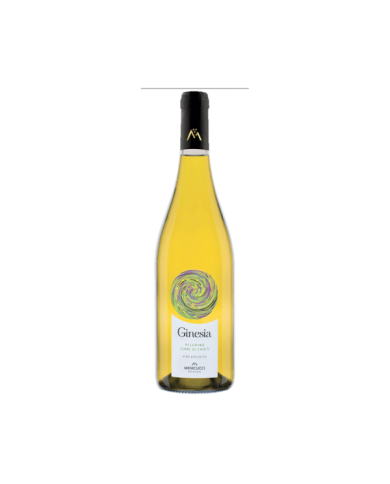
This 100% Pecorino organic wine is deliciously fresh and floral, with hints of flowers and white fruits, with an appetizing and savory finish. Seafood, mushrooms and white meat are a perfect match for this refreshing white wine. Innovative Packaging: With our love for nature together with our passion for wine, Menicucci Vini presents Ginesia with the innovative, unique and modern Helix packaging. A perfect combination between the glass bottle with internal threads in the mouth and the cork stopper with ergonomically designed threads, offering a quality image, excellent preservation of taste and environmental benefits.
€14.31
€11.45
SKU:
3789
Brand:
Menicucci
€14.31
€12.88
100% organic Passerina grapes, the Ginesia Passerina Terre Di Chieti (PGI) wine is transparent with a straw yellow color. A balanced wine with good acidity, with a medium or full body and a fresh taste of white flowers and tropical fruit. Innovative Packaging: With our love for nature together with our passion for wine, Menicucci Vini presents Ginesia with the innovative, unique and modern Helix packaging. A perfect combination between the glass bottle with internal threads in the mouth and the cork stopper with ergonomically designed threads, offering a quality image, excellent preservation of taste and environmental benefits.
€14.31
€12.88
SKU:
3740
Brand:
Cantina Tollo
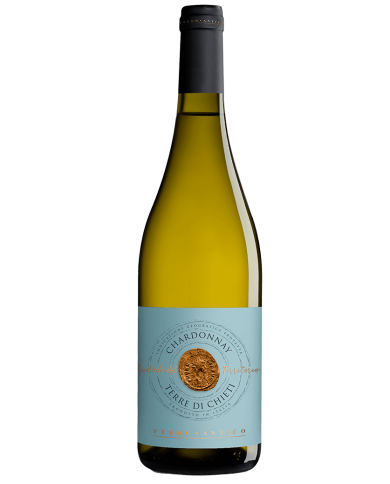
FROM AN INTERNATIONAL VARIETY WELL ROOTED IN ABRUZZO, A FRUITY, ROUND AND QUITE LIVELY CHARDONNAY, SUITABLE FOR ANY OCCASION.
SKU:
3736
Brand:
Cantina Tollo
THIS DELICATE TREBBIANO D'ABRUZZO, WITH A LIGHT STRAW YELLOW COLOR AND FRUITY SCENT WITH LIGHT FLORAL NOTES, LEAVES A PLEASANT ALMOND AFTERTASTE.
SKU:
3726
Brand:
Cantina Tollo
A classic. A well-assorted line that gives a lot, ideal for spicing up moments of healthy conviviality with joy.
Pairings
excellent as an aperitif and with all seafood, white meats and fresh cheeses.
SKU:
3719
Brand:
Cantina Tollo
Every occasion is good to toast with sincere taste.
Pairings
Fish appetizers, shellfish, fish risotto, spaghetti with clams, chitarrina allo scoglio, roasted fish, salmon, white meats and fresh cheeses.
SKU:
3698
Brand:
Cantina Tollo
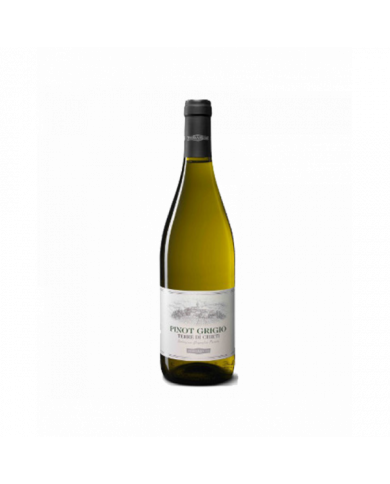
A WELL BALANCED PINOT GRIGIO OF GOOD LENGTH. BODY, FRESH AND FRUITY, IT IS IDEAL FOR MANY TYPES OF OCCASIONS - FROM APERITIF TO TRADITIONAL CUISINE AND EXPERIMENTAL CUISINE - ALWAYS GIVING THE BEST OF ITSELF.
SKU:
3696
Brand:
Cantina Tollo
FROM AN INTERNATIONAL VARIETY WELL ROOTED IN ABRUZZO, A FRUITY, ROUND AND QUITE LIVELY CHARDONNAY, SUITABLE FOR ANY OCCASION.
SKU:
3694
Brand:
Cantina Tollo
THIS DELICATE TREBBIANO D'ABRUZZO, WITH A LIGHT STRAW YELLOW COLOR AND FRUITY SCENT WITH LIGHT FLORAL NOTES, LEAVES A PLEASANT ALMOND AFTERTASTE.
SKU:
3684
Brand:
Cantina Tollo
Company : Cantina Tollo region : Abruzzo (Italy) Name : Terre di Chieti IGT (PGI) Vegan Type : white, dry, still Variety : Pecorino 100% Alcohol content : 13% Year : 2019 Format: 750 ml
SKU:
3668
Brand:
Cantina Tollo
A TREBBIANO WITH A FULL AND DELICATE TASTE, WITH A LIGHT AMMANDORL FINAL, FRUITY AROMA AND FLORAL NOTES.
€4.83
€4.35
SKU:
3666
Brand:
Cantina Tollo
AN AUTHENTIC AND NATIVE VARIETY OF ABRUZZO, REDISCOVERED A FEW YEARS AGO.
SKU:
3662
Brand:
Cantina Tollo
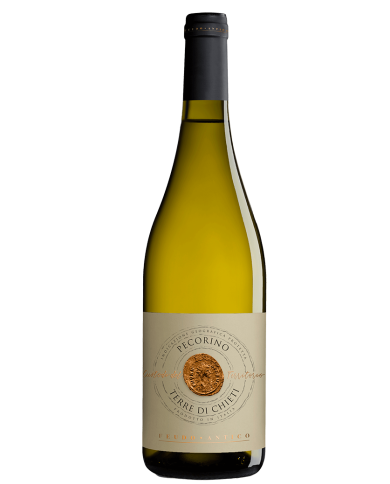
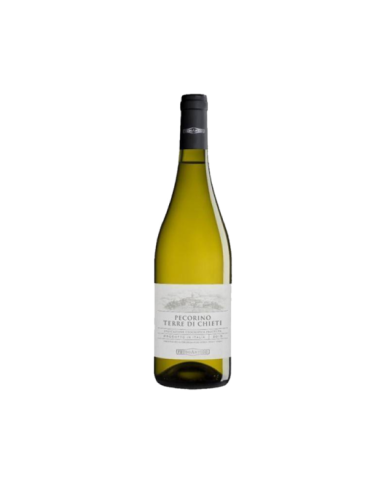
Obtained from Pecorino grapes coming exclusively from hilly lands, it is a fruity wine with an enveloping, slightly lively flavor. Pecorino Terre di Chieti Tollo has a pale straw yellow color with slight greenish reflections. Fruity on the nose with citrus and tropical notes, white peach and elegant floral scents. Enveloping, slightly lively flavor.
SKU:
3656
Brand:
Cantina Tollo
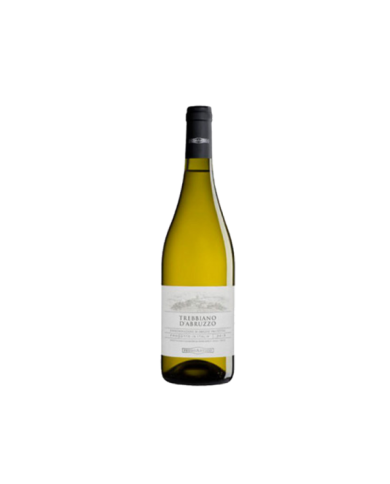
Trebbiano D'Abruzzo from the Tollo winery is produced from 100% Trebbiano in the Abruzzo hills . Fermentation takes place at a controlled temperature in steel tanks and in Slavonian oak barrels. The refinement lasts a total of 5 months and also takes place in a mixed way. A faithful, elegant and straightforward white, the perfect companion for your fish dishes.
€7.87
SKU:
3653
Brand:
Cantina Tollo
Cultivated in sandy but fresh soils, which tend to be calcareous, the Passerina grapes offer us a white with a fresh flavor and particular fruity and floral notes: peach, apricot, wisteria and lime. Excellent with all fish dishes and with fresh and stretched curd cheeses.
€9.80
SKU:
3636
Brand:
Cantina Tollo
There is excitement in Abruzzo, even in sparkling wines. Research and experimentation are bearing fruit and our bubbles are increasingly confronted with those of lands of great tradition.
Pairings
It is ideal as an aperitif, appetizers and raw fish, shellfish, first and second courses based on fish.
€6.50
SKU:
3634
Brand:
Cantina Tollo
There is excitement in Abruzzo, even in sparkling wines. Research and experimentation are bearing fruit and our bubbles are increasingly confronted with those of lands of great tradition.
Pairings
Ideal as an aperitif, appetizers and raw fish, shellfish, first and second courses based on fish.
SKU:
3632
Brand:
Cantina Tollo
Intriguing interpretation of a historic vine from the Abruzzo region. The fine and persistent perlage heralds a high quality sparkling wine, with a full and balanced flavor. Perfect for a different aperitif, in appetizers and in seafood cuisine.
Pairings
It is an ideal companion for aperitifs, appetizers and fish-based dishes.
€10.39
€61.70
€55.53
SKU:
3599
Brand:
Nestore Bosco
€43.80
€39.42
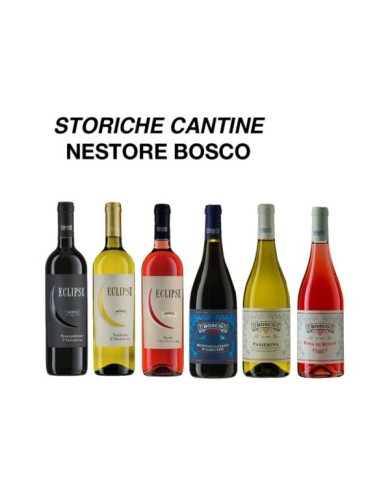
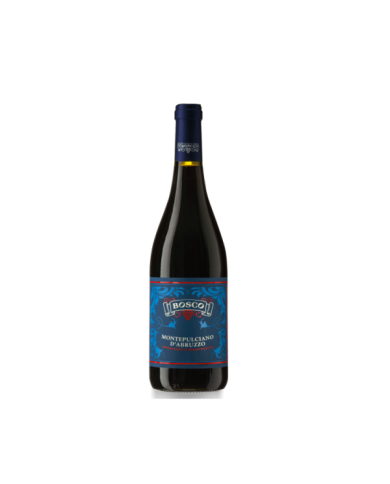
Tasting of 6 wines from the historic Nestore Bosco Abruzzo winery selected for you!
SKU:
3585
Brand:
Cantina Tollo
A classic. A well-assorted line that gives a lot, ideal for spicing up moments of healthy conviviality with joy.
Pairings
excellent as an aperitif and with all seafood, white meats and fresh cheeses.
SKU:
3583
Brand:
Cantina Tollo
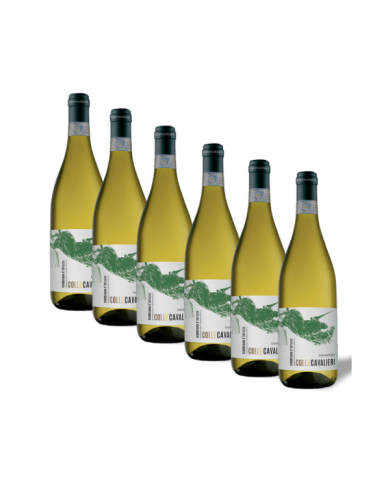
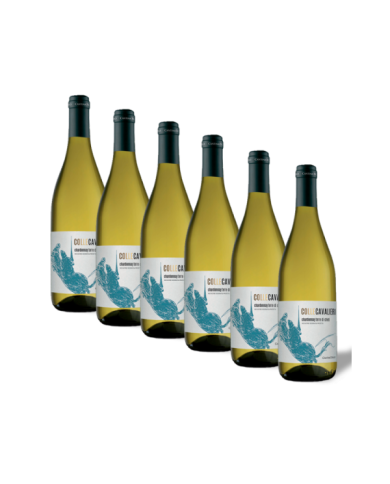
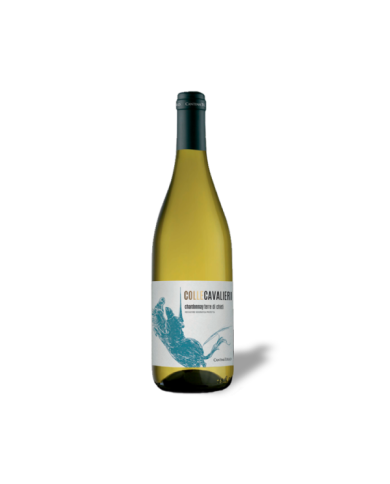
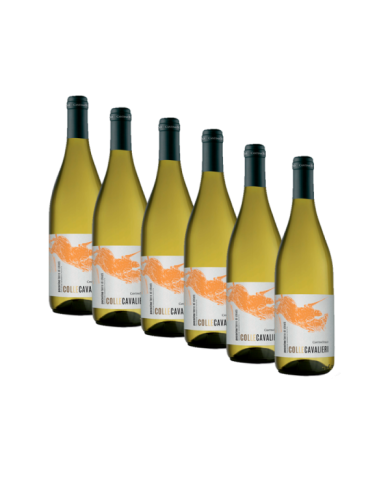
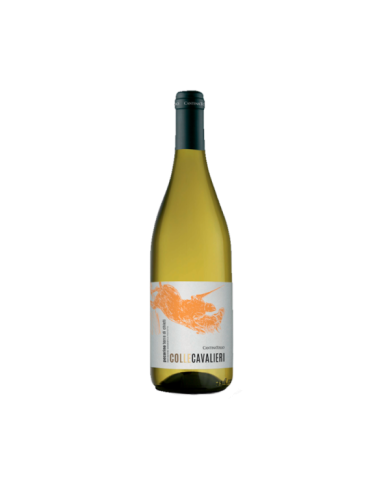
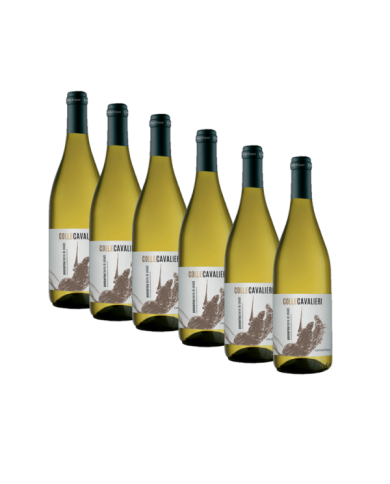
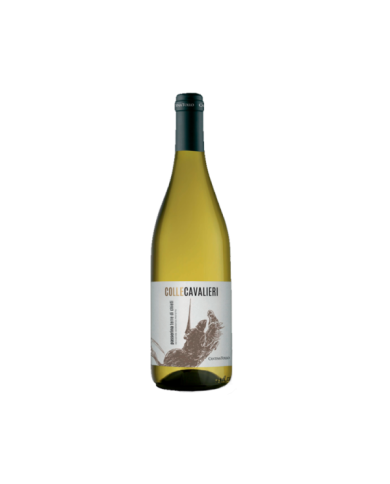
Every occasion is good to toast with the sincere taste of Colle Cavalieri.
Pairings
Fish appetizers, shellfish, fish risotto, spaghetti with clams, chitarrina allo scoglio, roasted fish, salmon, white meats and fresh cheeses.
SKU:
3581
Brand:
Cantina Tollo
The rediscovery of an ancient vine has given us this white with a persistent and harmonious flavor, slightly balsamic, which is remembered for its citrus notes and the scents of the garden.
Pairings
Raw fish and shellfish, fish dishes in general also excellent with fresh or stretched curd cheeses.
SKU:
3579
Brand:
Cantina Tollo
Grown in sandy but fresh soils, which tend to be calcareous, the Passerina grapes offer us a white with a fresh flavor and particular fruity and floral notes.
Pairings
Suggested: carpaccio, raw and shellfish, all fish dishes, fresh or stretched curd cheeses
SKU:
3577
Brand:
Cantina Tollo
Grown in sandy but fresh soils, which tend to be calcareous, the Passerina grapes offer us a white with a fresh flavor and particular fruity and floral notes.
Pairings
Suggested: carpaccio, raw and shellfish, all fish dishes, fresh or stretched curd cheeses
€7.71
SKU:
3575
Brand:
Cantina Tollo
The rediscovery of an ancient vine has given us this white with a persistent and harmonious flavor, slightly balsamic, which is remembered for its citrus notes and the scents of the garden.
Pairings
Raw fish and shellfish, fish dishes in general also excellent with fresh or stretched curd cheeses.
€7.71
SKU:
3573
Brand:
Cantina Tollo
Every occasion is good to toast with the sincere taste of Colle Cavalieri.
Pairings
Fish appetizers, shellfish, fish risotto, spaghetti with clams, chitarrina allo scoglio, roasted fish, salmon, white meats and fresh cheeses.
€6.00
€5.10
SKU:
3571
Brand:
Cantina Tollo
A classic. A well-assorted line that gives a lot, ideal for spicing up moments of healthy conviviality with joy.
Pairings
excellent as an aperitif and with all seafood, white meats and fresh cheeses.
SKU:
3565
Brand:
Cantina Tollo
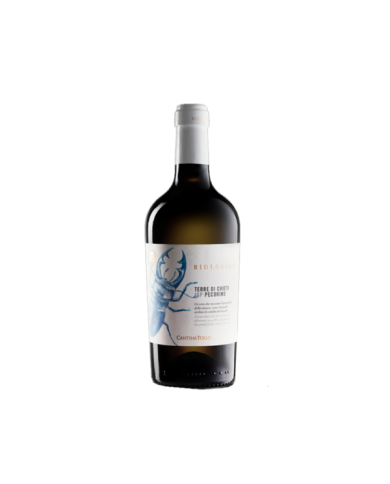
A wine that tells the authenticity of nature, just as beetles are proof of the vitality of the woods.
Pairings
Raw fish and shellfish, fish dishes in general also excellent with fresh or spun curd cheeses
€6.97
€5.57
SKU:
3563
Brand:
Cantina Tollo
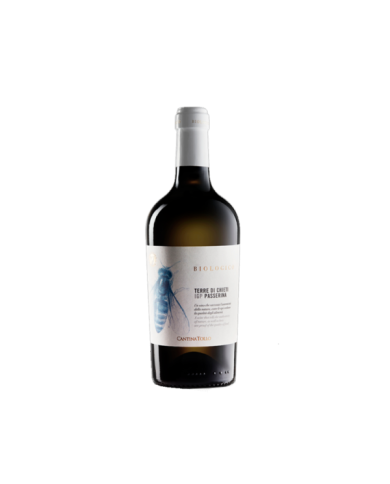
A wine that tells the authenticity of nature, just as bees are proof of the quality of food.
Pairings
Excellent as an aperitif or with fish-based dishes, white meats and fresh cheeses
€6.97
€5.22
SKU:
3558
Brand:
Cantina Tollo
This delicate and fragrant wine is born from the uncontaminated land of Abruzzo, obtained from hand-picked grapes on gentle and sunny hills.
Pairings
Excellent as an aperitif and with all seafood, white meats and fresh cheeses.
SKU:
3553
Brand:
Cantina Tollo
We have taken care of a great wine from the past and brought it into the future. A Trebbiano d'Abruzzo Dop with hints of yellow fruit, citrus and white flowers, able to best express the emotions of a luminous land and trace new paths of pleasure thanks to the elegance of its flavor.
Pairings
Excellent with fish-based appetizers and all seafood, white meats and medium-aged cheeses
€12.42
SKU:
3551
Brand:
Cantina Tollo
€8.08
€5.65
The Cococciola variety, which has always been cultivated in this region, is not well documented from a historical point of view. In Italy it was underestimated, but in France, more than many years ago, it had already been classified by scholars from Abruzzo. Today, vinified with a single variety of rapeseed, it shows its full potential. A fresh and fruity white - in one word: authentic
Pairings
Excellent with fish-based appetizers and all seafood, white meats and medium-aged cheeses.
€8.08
€5.65
SKU:
3546
Brand:
Cantina Tollo
The rediscovery of an ancient native vine with a pure and sincere taste. Fruity aroma, full and balanced flavor, harmonious: these are the clear expressions of a centenary oenological knowledge.
Pairings
Appetizers and raw fish, shellfish, first and second courses based on fish excellent with fresh or stretched curd cheeses.
SKU:
3542
Brand:
Cantina Tollo
Vine to be rediscovered ancient variety that gives persistence, harmonious and slightly balsamic flavor with notes of citrus and garden fragrances. Made exclusively with Pecorino.
Pairings
Raw fish and shellfish, fish dishes in general also excellent with fresh or stretched curd cheeses.
SKU:
3540
Brand:
Cantina Tollo
From a French vine happily rooted in our territory, a persuasive Chardonnay, of long persistence, elegant with golden reflections. Refinement, depth and minerality characterize it.
Pairings
savory first courses based on meat or fish, aged cheeses accompanied by jams
€16.15
€12.92
SKU:
3538
Brand:
Cantina Tollo
€18.42
€14.74
C'Incanta is the result of a fermentation in contact with the skins that takes place with natural yeasts as per ancient peasant tradition.
Pairings
dishes based on porcini mushrooms and truffles, red meats, game and various aged cheeses.
€18.42
€14.74
SKU:
3441
Brand:
Cantina Marchesi Antinori
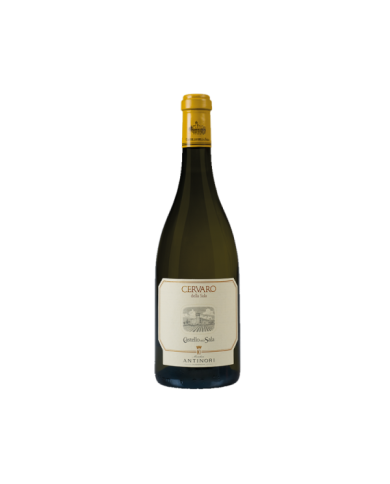
Cervaro della Sala is clearly a white out of the box even in the tasting phase. At the sight it appears of a straw yellow with greenish hues. The nose is complex and broad: exotic fruit, citrus, and toasted notes of vanilla and butter deriving from aging in wood. In the mouth the important body is accompanied by a freshness and acidity that end in a long and persistent finish. A good white now and also in 15 years.
SKU:
3354
Brand:
Fantini Farnese
Production area: Acerenza, Basilicata. Grapes and Vinification: Greco 60%, Fiano 40%. Aging in steel on its own noble lees. Color and Pairing: White, ideal for aperitifs and fish soups.
€12.60
SKU:
3247
Brand:
Il Feuduccio
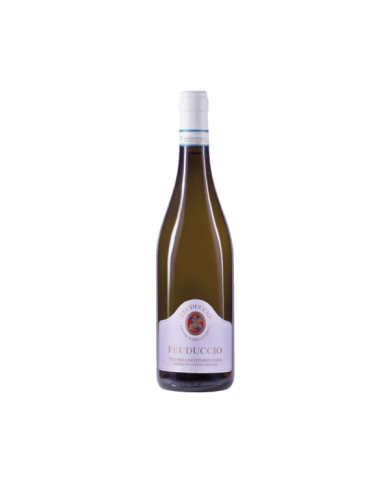
White with an agile and modern style, variegated on the nose, fresh and balanced to the taste.
€6.69
€6.02
SKU:
3240
Brand:
Il Feuduccio
€19.78
€16.81
Vinified in oak woods of different capacities, Yare is an important expression of Pecorino, an ancient vine, precocious and with low yields, which finds its ideal habitat in the cool and elevated hills of the Feuduccio. A limited production for a long-lived white wine with a great personality, the result of careful clonal selection.
€19.78
€16.81
SKU:
3234
Brand:
Il Feuduccio
Trebbiano of Abruzzo blood obtained from a selection characterized by low production, which produces wines with a strong taste and multifaceted and long-lived aromas.
€9.85
€8.86
SKU:
3230
Brand:
Il Feuduccio
€9.85
€8.86
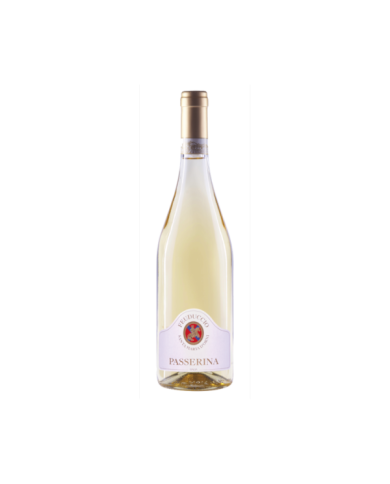
Already present in the Abruzzo region in ancient times, PASSERINA is a vine of medium productivity, very multifaceted, suitable both for early harvests and to undergo a slight withering for late harvests, and finds its ideal habitat in the inland and elevated hills where the vineyards of Il Feuduccio . The result is a varied and versatile wine that goes well with all drinking occasions, both outside and during meals.
€9.85
€8.86
SKU:
3193
Brand:
Cantina Marchesi Antinori
€252.00
€214.20
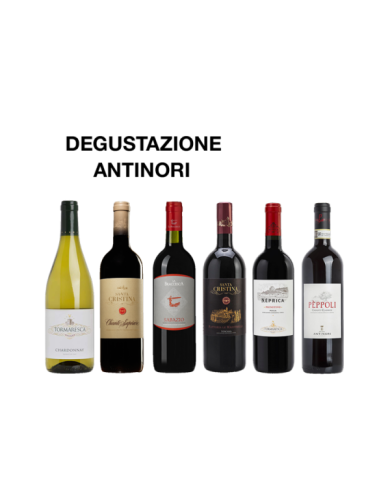
Clickwine offers a selection of 6 Antinori wines
SKU:
3139
Brand:
Colonnara
Brut Magnum sparkling wine + Freshness cap and Colonnara apron. The brut soul of the cellar, a Martinotti method sparkling wine made from Verdicchio grapes, to toast and celebrate, infected by the lively spirit of this wine.
€38.50
SKU:
3131
Brand:
San Giusto a Rentennano
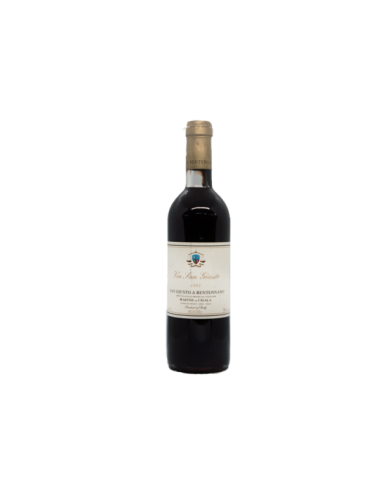
Excellent year, the grapes were harvested perfectly healthy and so they were preserved during the drying. Very dense, with high sugars and extracts that lead to consider the Vin San Giusto 1997 suitable for a long aging.
€195.00
SKU:
3125
Brand:
Santadi
Amber yellow to the eye, with an intense and aromatic nose. On the nose it opens with hints of honey and caramel, candied citrus fruits, dried fruit and cloves, which lead to a warm and satisfying sip, with a full and decisive taste. Closes on beautiful mineral and orange blossom sensations.
Excellent to accompany cream desserts, dry pastries and pies. Try it with blue or aged cheeses paired with honey.
€20.44
SKU:
3096
Brand:
Carboni
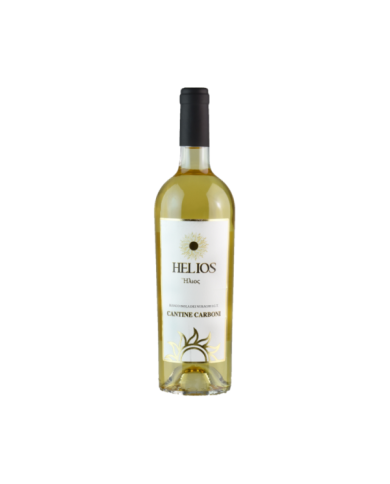
Brilliant straw yellow with golden reflections.
The nose is intense and persistent with fruity notes of peach and tropical fruits, floral notes of mimosa and broom and a finish of aromatic herbs.
Upon tasting, one is pleasantly struck by the gustatory balance, together with intensity and persistence .
SKU:
3093
Brand:
Carboni
Beautiful deep and bright gold color with amber reflections.
It opens with intense and elegant aromas that recall acacia honey, dehydrated yellow pulp fruit and aromatic herbs.
On tasting the sweetness is well accompanied by a savory and mineral vein that makes the finish pleasant.
€18.48
SKU:
3027
Brand:
Banfi
Straw yellow with golden reflections. The nose is expressed with notes of exotic fruits and citrus, hints of broom and hints of vanilla. On the palate it has a medium body, fresh and pleasantly balanced.
Excellent in combination with fish-based preparations, it also goes well with vegetarian dishes.
SKU:
3018
Brand:
Banfi
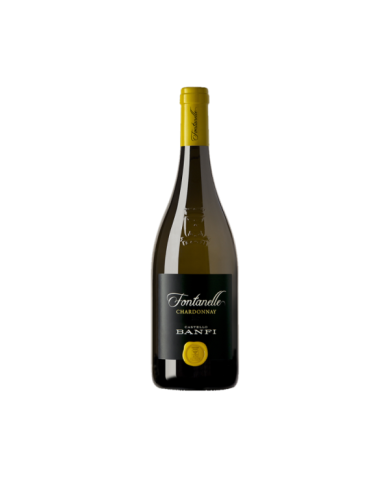
The Chardonnay Fontanelle di Banfi is a velvety and enveloping expression of white in a land of reds and presents itself with a straw yellow color with golden reflections and releases to the nose varietal hints typical of the grape used with notes of white peach and fresh apricot, framed by delicate aromas of butter and vanilla. On the palate it is soft and fresh, with an aromatic finish of crunchy fruit.
€15.49
SKU:
3010
Brand:
Banfi
€9.80
€8.82
Vermentino "La Pettegola" is a fresh expression of the Tuscan coast that ferments and refines in steel tanks. Notes of citrus and yellow fruit mix with hints of aromatic herbs and white flowers in a pleasant and rich, delicate and aromatic taste, which perfectly accompanies fish and vegetable dishes.
SKU:
2999
Brand:
Banfi
Wooden box of 3 Banfi bottles: 1 Brunello di Montalcino 2015 - 1 STILNOVO Government for Tuscan use 2019 1 L'ALTRA Barbera d'Asti DOCG 2018
SKU:
2989
Brand:
Banfi
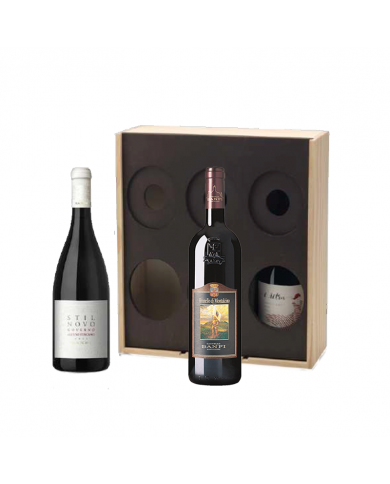
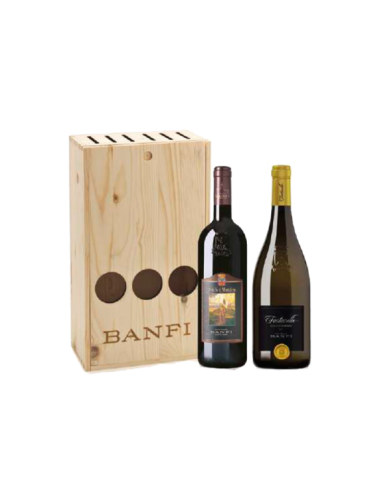
Beautiful wooden box containing 2 wines: 1 FONTANELLE Chardonnay Toscana IGT 2018 1 BRUNELLO DI MONTALCINO DOCG 2015
€63.60
SKU:
2948
Brand:
Banfi
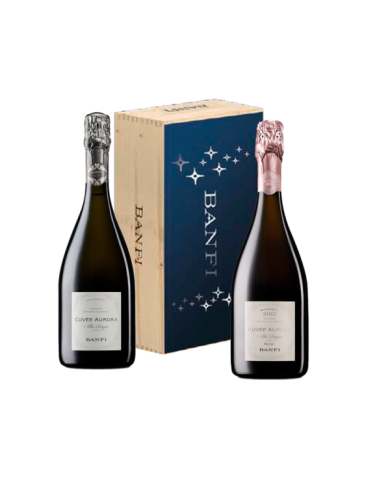
Beautiful wooden box consisting of 2 bottles: 1 CUVÉE AURORA ROSÉ Alta Langa DOCG Classic Method 2016 1 CUVÉE AURORA Alta Langa DOCG Classic Method 2016
SKU:
2936
Brand:
Banfi
Beautiful wooden box containing:
- Brunello di Montalcino DOCG 2015 - Banfi
- Brunello di Montalcino DOCG Poggio alle Mura 2015
- Brut Quality Sparkling Wine Classic Method
- wireless headphones to listen to the playlist dedicated to Jazz & Wine on Banfi 's Spotify profile
SKU:
2931
Brand:
Banfi
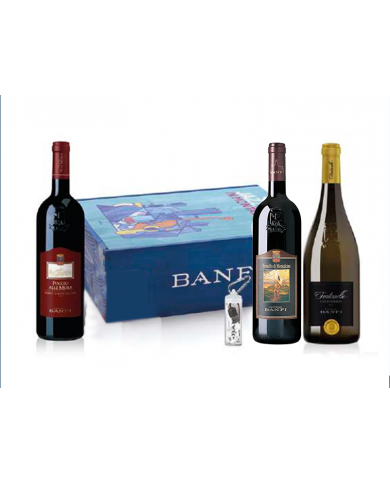
Beautiful wooden box consisting of: 1 Brunello di Montalcino DOCG 2015 - Banfi - 1 POGGIO ALLE MURA Rosso di Montalcino DOC 2018 1 FONTANELLE Chardonnay Toscana IGT 2018 1 CUFFIETTE Wireless to listen to the playlist dedicated to Jazz & Wine JW30 on Banfi 's Spotify profile
SKU:
2908
Brand:
Banfi
Thanks to a very careful selection of the grapes, this Cuvée contains from season to season the maximum freshness that the Chardonnay, Pinot Nero and Pinot Bianco vines are able to express. A classic from Banfi .
€27.49
SKU:
2805
Brand:
Zenato
A wine from the Zenato winery , born from the increasingly felt need to enhance the link with the Garda landscape.
€19.90
€17.91
SKU:
2795
Brand:
Zenato
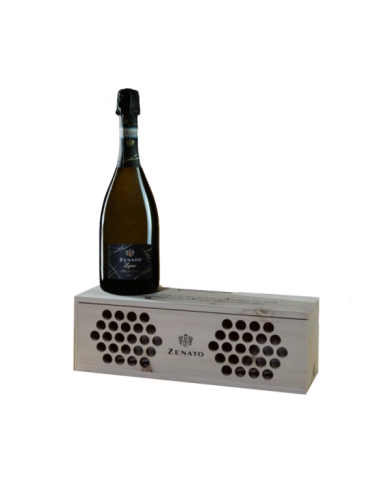
Our Lugana Brut is obtained from pure Trebbiano di Lugana grapes to enhance the characteristics of this variety. The deep knowledge of this vine has led to the production of this sparkling version through the Classic Method . Wine becomes music, the container transforms into a natural amplifier for smartphones!
€24.90
SKU:
2731
Brand:
Cantina Marchesi Antinori
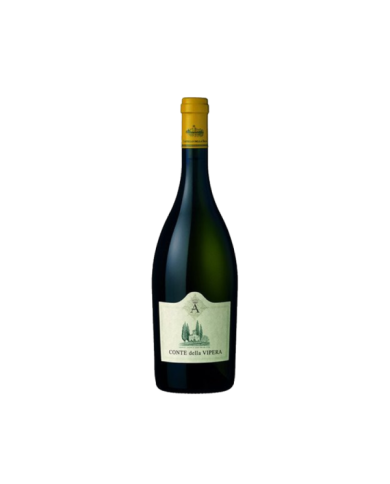
The "Conte della Vipera" is an intense and pleasant semi-aromatic white wine, with exuberant hints of citrus, peach and exotic fruit. On the palate it is immediate, fresh, rich, balanced and enveloping, of immediate and generous pleasure
SKU:
2729
Brand:
Cantina Marchesi Antinori
The Orvieto Classico Superiore San Giovanni della Sala di Antinori is born in vineyards located in the land surrounding the Castello della Sala, in Umbria. It is produced with Grechetto, Procanico, Pinot Bianco and Viognier grapes, harvested entirely by hand starting from the second week of September. Fermentation takes place separately by variety, with a part of the grapes subjected to a short cold maceration and the others pressed directly, in stainless steel tanks at a temperature of 16 ° C. The wine ages on its lees for a few months in view of the subsequent assembly and bottling.
SKU:
2727
Brand:
Cantina Marchesi Antinori
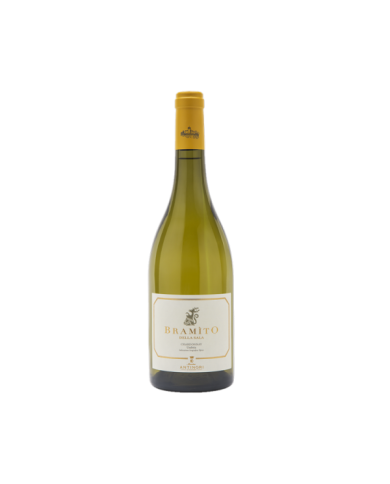
Castello della Sala's "Bramito della Sala" is a medium-bodied Chardonnay, soft and rich in aromas, aged for 5 months in barrique. Hints of fruit and vanilla are integrated with toasted and mineral nuances in a round, elegant and enveloping sip
SKU:
2714
Brand:
Cantina Marchesi Antinori
€8.48
€7.21
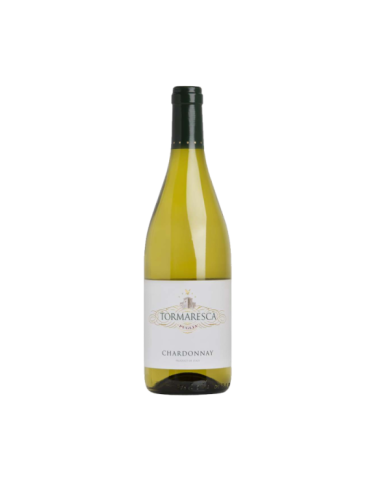
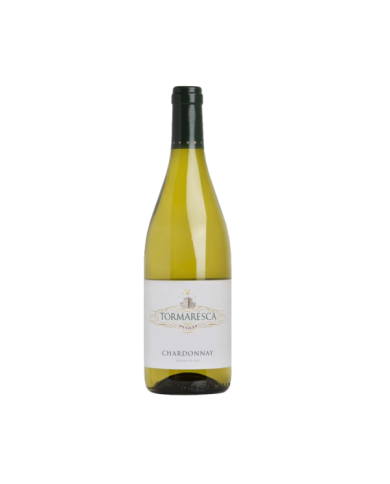
The Puglia Chardonnay of the Marchesi Antinori is born in the vineyards of the Tormaresca farm, owned by the Antinori family and located in the territories of Salento and the Murgia of Bari.
€8.48
€7.21
SKU:
2660
Brand:
Cantina Marchesi Antinori
ANTINORI - SPECIAL BOX 1 BT CONTENTS: 1 X MONTENISA CUVEE ROYALE MAGNUM 6 X FLUTE GLASSES
€118.71
SKU:
2645
Brand:
Cantina Marchesi Antinori
Marchese Antinori Blanc de Blancs is produced from the best Chardonnay grapes and in some cases a small percentage of Pinot Bianco, for an elegant cuvée with a refined freshness. The long stay on the yeasts gives the wine a lively floral, fruity profile with great balance and finesse.
€93.78
SKU:
2589
Brand:
Planeta
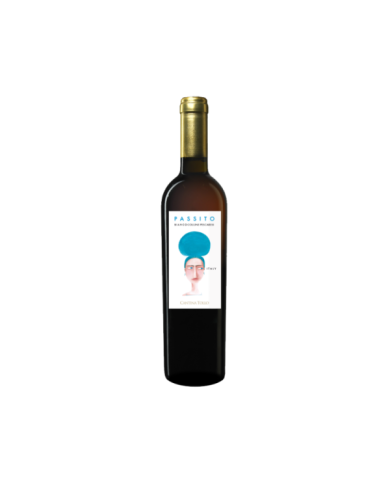
From one of the oldest vines in the world, Moscato Bianco, our Passito di Noto is born. Passito is an ancient wine that becomes current with a modern drying system. Explosive aromas of exotic fruit, jasmine, candied citrus, it is both complex and easy to love. The ideal companion of the great Sicilian tradition of sweets and ice cream.
€31.07
SKU:
2418
Brand:
Donnafugata
Donnafugata Magnum Brut Metodo Classico offers a fine and intense bouquet, a vintage sparkling wine that opens with crusty bread and hay aromas, then accompanied by nuances of dried fruit and light floral scents. While in the mouth it is fresh and, at the same time, broad and complex. Finally we find the fragrances of yeast combined with spicy notes (vanilla). The new Donnafugata Brut vintage confirms finesse and elegance. The bouquet is rich in complex and fragrant notes, while in the mouth it surprises with its freshness and minerality. A long-limbed classic method vintage sparkling wine with a fine and persistent perlage.
€61.70
SKU:
2398
Brand:
Donnafugata
Donnafugata 's Spumante Brut is an elegant, fresh and clean classic vintage method, aged on the lees for 36 months. Aromas rich in orange blossom, almonds, honey and baked bread invite you to a harmonious, refreshing and engaging sip, with good flavor and balanced aromatic complexity
€27.12
SKU:
2386
Brand:
Cantina Tollo
Passito bianco di Tollo is produced with Moscatello grapes (Moscato Bianco) from 15-20 year old vines grown on the Pescara hills. The nose has aromas of flowers, jam, ripe fruit with white pulp. In the mouth it is intense, rich in aromas and hints of ripe fruit and raisins. An excellent end of a meal.
€19.83
€6.97
€4.88
SKU:
2302
Brand:
Speranza
€14.91
€11.93
Abruzzo pecorino rich in aromatic notes of honey, resin and dehydrated lemon. A dense structure with a final charged with positive energies. Ideal with fish recipes.
The best Italian white wines
Italy is home to some of the finest white wines. In the Clickwine section of our online wine shop dedicated to the finest Italian white wines, you'll find bottles of excellent white wine carefully selected by our sommeliers.
The designations used in our country to classify wines are DOCG, DOC, and IGT. Sometimes you'll also find designations like DOP and IGP: these acronyms have similar meanings to the previous ones but are used by wineries that primarily sell their wines outside of Italy.
The production of white wine
White wines are produced from both light and dark grapes, but vinified as a white wine: that is, during maceration there is no contact between the must and the pomace, so that the skin – exactly the opposite of what happens with red wines – does not release substances and color.
Its myriad nuances vary according to the characteristics of the grape variety, the aging method and the vine growing area.
In white winemaking, once the grapes have been harvested, they are transported to the cellar, destemmed, and pressed, and the must is separated without any maceration or with a brief maceration. Sometimes, however, the grapes are pressed and then macerated with the skins at a low temperature for a varying length of time. This produces richer, smoother wines.
This phase is followed by the clarification of the white wine produced, which can be done by letting the must rest, by cooling, centrifugation or filtration.
Fermentation begins either by adding selected yeast to the must or spontaneously, using the indigenous yeasts present in the grapes. To preserve the aromas, finesse, and freshness of white wines, fermentation is carried out at lower temperatures than red winemaking, generally around 18°C.
To obtain a fresh and lively wine, best drunk young, malolactic fermentation is avoided by bottling early, after filtration and stabilization. More complex wines, aged or fermented in wood, are bottled only after several months in barrel.
How to taste white wine
First, you need to decide whether to uncork the bottle right away or let your white wine age. If you want to immediately succumb to its charm, its aromas of aromatic herbs, flint, or its notes of exotic fruit, then serve your white wine at the right temperature: 6-8°C for a young white and 8-10°C for a softer, more structured wine.
How to pair white wine
Dry white wines will surprise you at the table, too, and not just with their straw-yellow color. As an aperitif, and especially with a fish dish, white wine is definitely a must, but it's not easy to know which of the many labels will be best suited to the occasion.
We recommend pairing white wine with cheeses, whether low-fat, fresh, or rich in milk, such as flavorful buffalo mozzarella, or with soft, bloomy-rind cheeses. They're also perfect with white meats, such as classic scallops, but beyond tradition, white wine also pairs perfectly with meat and risotto dishes, as well as truffles. Visit our online wine shop Clickwine for expert advice on purchasing the best white wine at the best price to pair with your favorite dishes.
White wines: prices and offers
Every week, our online wine shop, Clickwine offers a selection of selected white wines at special prices. In this section and in the special offers section, you can then browse the best value wines.
A wide selection of premium products at affordable and truly exclusive prices. Don't miss the incredible deals on white wines from all the most prestigious Italian wineries; discover internationally renowned and beloved Italian wines.
Enter the Clickwine catalog and expand your selection by purchasing exclusive items online from smaller, yet exceptionally high-quality wineries.
White wines: longevity and conservation
How long can I keep white wine in the cellar? Do white wines improve as they age like red wines? These are the questions a wine consumer asks when talking about white wine.
In general, white wines have a much shorter shelf life than red wines, for two reasons: tannins and aging. Tannins are antioxidants present in the wine's skins that aren't present in white wines; as for aging, however, most white wines age in stainless steel for just a few months; even red wines, if they age briefly in stainless steel and undergo rapid maceration, don't last for many years. Let's say a classic white wine aged in stainless steel lasts a maximum of 2 to 3 years. If it undergoes maceration or ages in wood, it can last up to 20 years and improve year after year.
How many types of white wines are there?
There is no exact number of types of white wine, as there are several different white grape varieties that can be used to make white wines. Some of the most common white grape varieties used to make white wines are Chardonnay, Sauvignon Blanc, Riesling, Pinot Grigio, and Moscato. There are also other less common varieties such as Gewürztraminer, Semillon, and Viognier. Each of these varieties can be used to produce white wines with unique and different characteristics, so there are many different types of white wines available.
How to recognize a good white wine?
There are several ways to recognize a good white wine. One of the simplest is to taste the wine and evaluate its flavor and aroma. A good white wine should have a pleasant flavor and a delicate, complex aroma. Other factors that can indicate the quality of a white wine include the vintage, the grape variety, and the production area. In general, white wines produced with high-quality grapes and in particularly favorable years tend to be more valuable and of higher quality. Furthermore, white wines produced in regions renowned for producing high-quality white wines can be considered more valuable than those produced in other regions.
How to understand if a white wine is good?
As mentioned above, one of the easiest ways to determine if a white wine is good is to taste it and evaluate its flavor and aroma. A good white wine should have a pleasant flavor and a delicate, complex aroma. It's also important to keep in mind that the quality of a white wine can be influenced by several factors, such as the vintage, the grape variety, and the production area. For example, white wines produced with high-quality grapes and in particularly favorable years tend to be more valuable and of higher quality. Furthermore, white wines produced in regions renowned for producing high-quality white wines may be considered more valuable than those produced in other regions.
Why is it called white wine?
White wine is so called because it is made using white grapes. Most white grapes have transparent or lightly colored skins, so the wine made from these grapes has a light, transparent color. Sometimes the color of white wine can be influenced by the type of grape used, the winemaking process, and the addition of other ingredients, but generally, white wine has a light, transparent color.
How to replace white wine?
If you want to replace white wine in a recipe, there are several ingredients you can use. One of the most common options is to use chicken or vegetable broth instead of white wine. Other options include using white vinegar or apple juice diluted with water. Additionally, in some cases, you can omit the white wine entirely and use other ingredients to achieve the desired flavor in the recipe.