

 Italiano
 Deutsch

























There are no more items in your cart
SKU:
15280
Brand:
Kossler
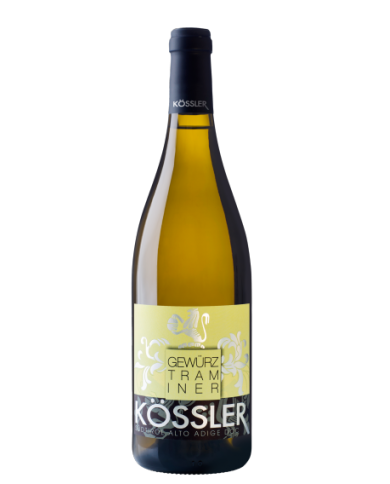
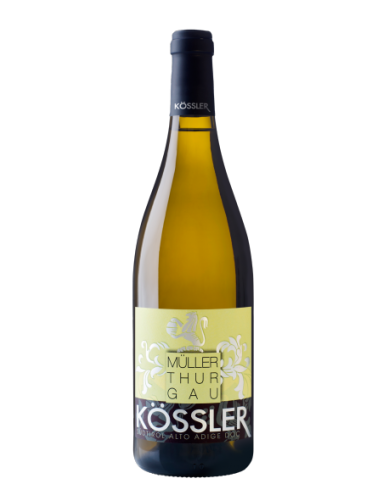
It is an aromatic variety that has its origins in South Tyrol. Its exclusive and unmistakable aroma owes it to the warm and sunny soils. It is a golden yellow wine with typical aromas reminiscent of rose petals, nutmeg spices and cloves.
€19.76
SKU:
15279
Brand:
Kossler
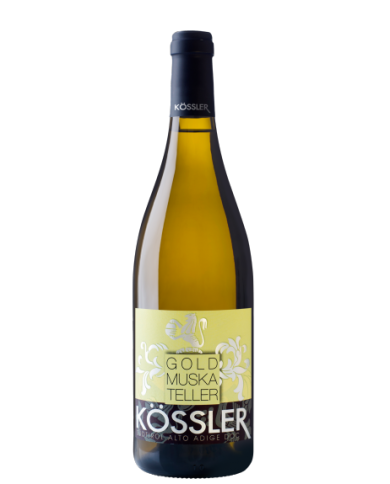
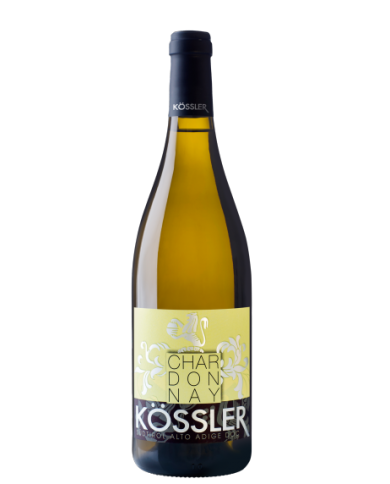
A characteristic of this wine is its aromatic intensity, reminiscent of ripe fruit and nutmeg. On the palate, its natural residual sugar and acidity make it a pleasant aperitif wine.
€16.35
SKU:
15278
Brand:
Kossler
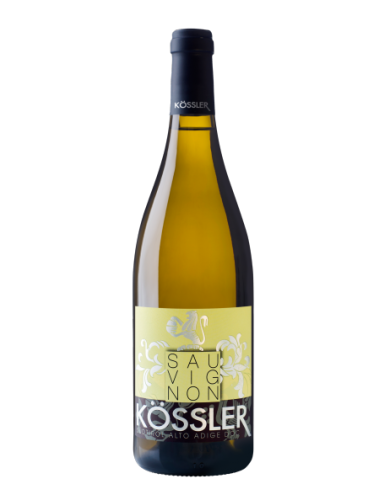
This noble variety expresses a particular character thanks to the microclimate of our vineyards. Thus was born an expressive and savory Sauvignon, characterized by notes of elderflower and various exotic fruits.
€16.35
SKU:
15277
Brand:
Kossler
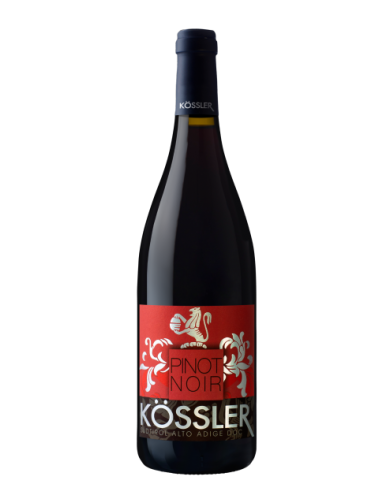
Pinot Noir ranks among the most important wines in the world. Scrupulously cared for and after careful selection, this elegant and velvety wine recalls hints of red berries and wild cherries.
€17.93
SKU:
15276
Brand:
Kossler
An aromatic white wine, intensive and typical in its bouquet with light notes of Muscat, fresh and aromatic to the taste.
€9.67
SKU:
15275
Brand:
Kossler
This variety is distinguished by its typical aroma reminiscent of exotic fruits. It is a fresh wine on the palate and with a balanced body.
€14.88
SKU:
15274
Brand:
Kossler
This selection of the Schiava grape gives a typically South Tyrolean light wine. Its aroma recalls violets and cherries, it is characterized on the palate by its softness and its low tannin and alcohol content.
€12.44
SKU:
15273
Brand:
Kossler
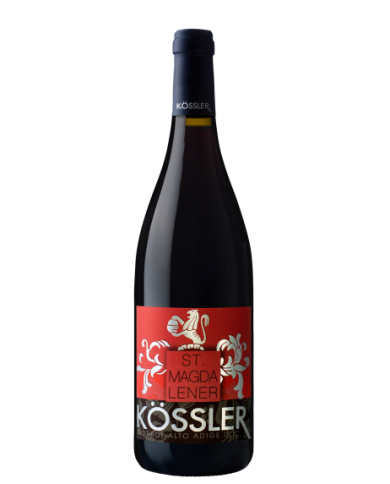
This wine is one of the best known products from the Schiava grape. It has a wide range of fruity aromas and stands out for its fullness and roundness on the palate.
€13.05
SKU:
15272
Brand:
Kossler
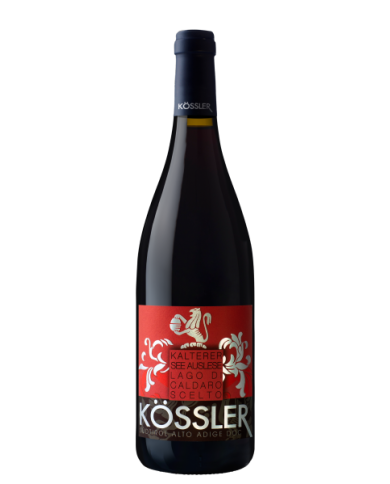
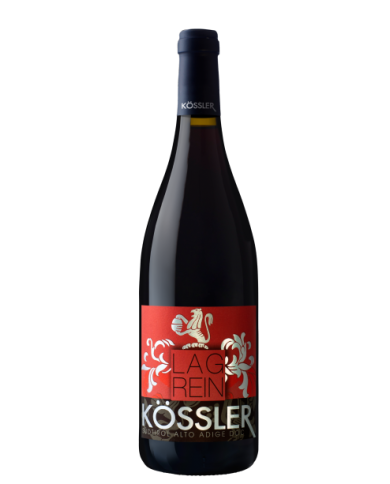
Lagrein is a native variety, from which a wine of great character is obtained. It stands out for its intense red color, its aromas of wild berries and cherry. On the palate it expresses a velvety fullness, enhanced by a soft acidity.
€18.40
SKU:
15271
Brand:
Kossler
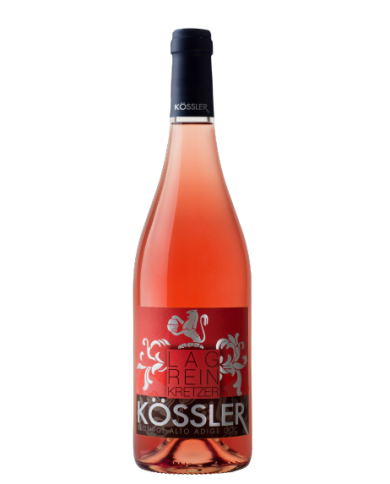
This rosé wine, produced from the Lagrein grape, is typically South Tyrolean, has a rosé color and a pleasantly fruity note that is gaining more and more interest.
€13.01
SKU:
15270
Brand:
Kossler
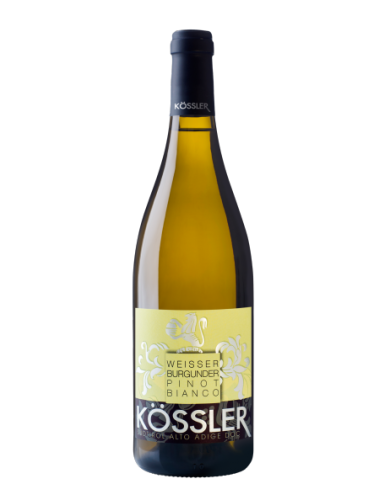
This variety has been cultivated in South Tyrol for a century and has established itself as a reference point for our production. It owes its aromatic complexity to the strong temperature variations between day and night and to the composition of the soil. It is distinguished by its hints of apple, peach, apricot and pear. Very convincing in the mouth with its acidity and minerality, it ranks among the most popular wines of South Tyrol.
€10.00
SKU:
15269
Brand:
Kossler
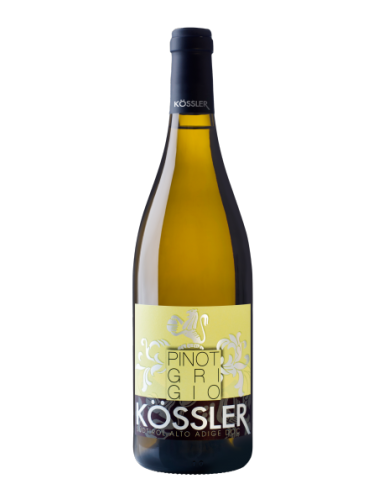
Pinot Grigio, known in Alto Adige as Ruländer, is distinguished by its floral aromas and is characterized by a balanced acidity and a fresh and velvety palate.
€9.89
SKU:
15266
Brand:
Jasci & Marchesani
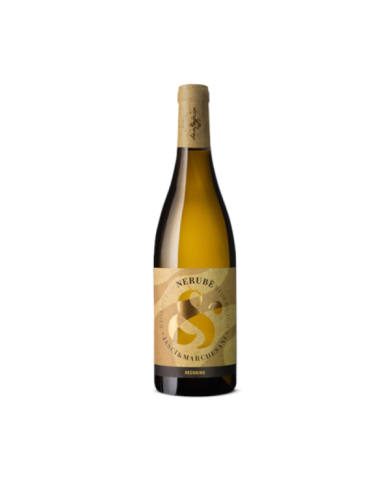
The carefully selected grapes are pressed directly with the aid of inert gases in order to avoid any potential oxidation. The must obtained is clarified with a stop at a low temperature which allows decantation. The clean fraction is sent to fermentation with the addition of a part of skins and indigenous yeasts. During the fermentation phase, regular punching down is carried out which allows the extraction of natural tannins from the peel which preserve the integrity of the wine. At the end of fermentation, the wine obtained is decanted with the aid of inert gases and ages for 3 months on the yeasts that carried out the fermentation, followed by stabilization and bottling.
€10.42
SKU:
15265
Brand:
Jasci & Marchesani
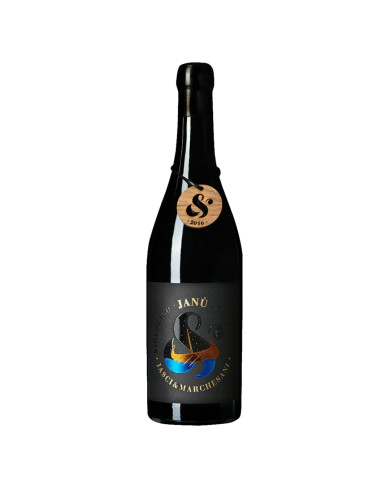
Lo Janù is the top of the range of Montepulcianos of the company. Hand harvesting of the grapes, maceration on the skins for 25 days, vinification in red and aging in double new barrique for 8 months + 8 months. Compact and deep goblet, of a beautiful ruby red. The olfactory reveals an incredible complexity, ranging from hints of dark fruit in alcohol, to toasted notes that recall hazelnuts, to slightly vanilla scents, to beautiful sensations of tobacco and dark chocolate. The sip is full and enveloping, long, pleasantly balanced. Closing on notes of bitter chocolate.
€32.45
SKU:
15264
Brand:
Jasci & Marchesani
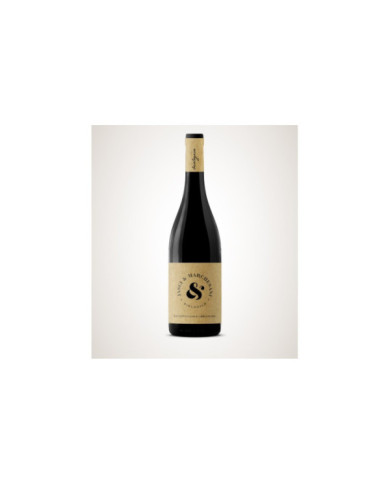
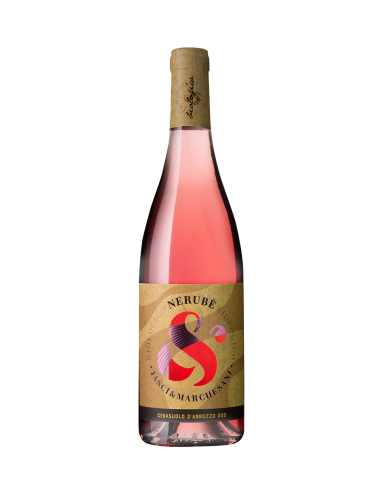
Nerubè is the result of a manual harvest of the grapes, subsequent vinification in red with maceration on the skins for a minimum of 15 days, and aging for 12 months in oak tonneaux.
The glass is intense and deep, with a beautiful ruby red.
The nose expresses all the typicality of the vine, with hints of dark fruit, spices and hints of roasting and cocoa.
The sip is full-bodied, soft and fresh; closes on hints of fruit in alcohol and dark chocolate.
Nice persistence.
€11.90
SKU:
15263
Brand:
Jasci & Marchesani
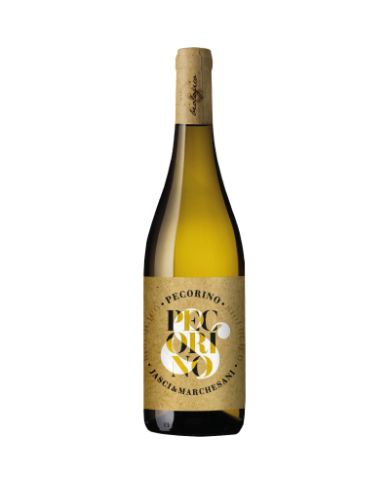
Pecorino is an extremely representative white grape variety for Abruzzo, and Jasci & Marchesani manages to give us a beautiful expression. Hand picked, vinification in white and aging for 6 months in steel vats and bottle.
€11.90
SKU:
15262
Brand:
Jasci & Marchesani
Captivating ruby red, characteristic fruity aromas with hints of vanilla, balsamic vinegar and black olive. Full bodied, powerful, yet very balanced with flavors of mulberry, currant, dark chocolate and a long smoky finish.
€8.87
SKU:
15261
Brand:
Jasci & Marchesani
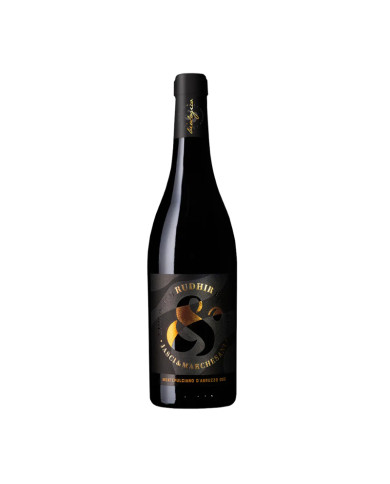
Rudhir is another masterpiece of the Jasci & Marchesani winery which, year after year, proves to be a "Master Cave" for Montepulciano d'Abruzzo. Thanks to Rudhir you go to savor a charismatic, fragrant and intense wine from every point of view. When the word masterpiece is used for a Jasci & Marchesani product, it is not an exaggeration; each bottle is an artistic, pure and sensational brushstroke, which in every sip strikes the soul and heart with the typical scents of the mother vine and those small nuances deriving from the various woods of the barrels. The Rudhir vinifies for 18 months in oak barriques and ends its journey after a further two years in the bottle, before being marketed therefore, explosions of flavours, aromas and aromas are the order of the day with a bottle of this bill. His warm and welcoming heart is a "trademark" and is capable of generating an approving smile even on the face of a drinker with a difficult palate.
€17.92
SKU:
15260
Brand:
Jasci & Marchesani
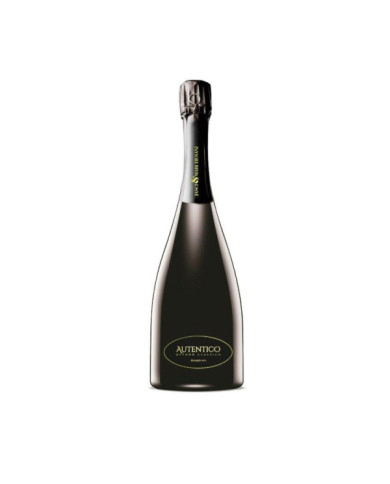
Autentico is a classic method sparkling wine. White vinification at controlled temperature 16 °C. Second fermentation in the bottle at 14 °C. Bottling takes place in the first week of December of the year following the harvest. This is followed by 48 months of permanence on the lees in the bottle.
€34.38
SKU:
15259
Brand:
Jasci & Marchesani
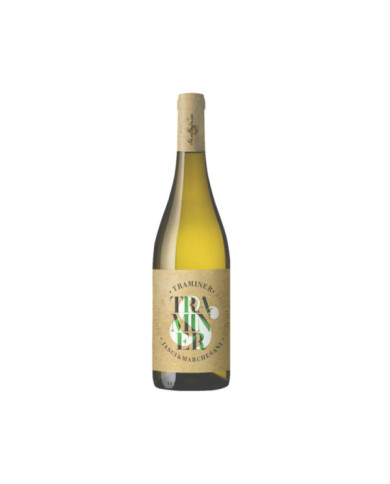
Manual harvest of the grapes for this Traminer, vinification in white and aging for 3 months in stainless steel barrels and bottle.
The glass is a pale straw yellow, very bright.
The nose opens with crunchy hints of green apple, flanked by slightly citrine notes and floral puffs of small white flowers.
Dry, fresh and with good softness, it pleasantly accompanies the meal and satisfies the palate.
€9.64
SKU:
15258
Brand:
Jasci & Marchesani
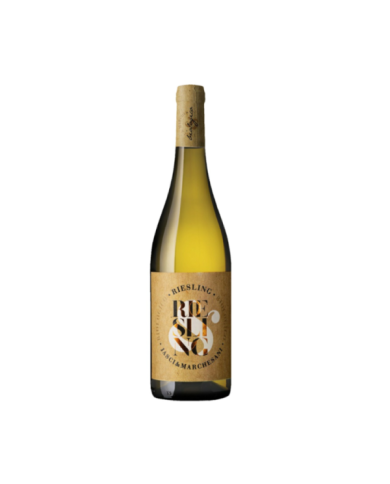
Riesling is a typical vine of northern Italy, Germany and Alsace; Jasci & Marchesani decided to bet on this vine and won the bet in full. A unique product, whose grapes are harvested strictly by hand, processed through vinification in white and finally aged for 6 months in steel barrels and bottles.
€10.15
SKU:
15257
Brand:
Jasci & Marchesani
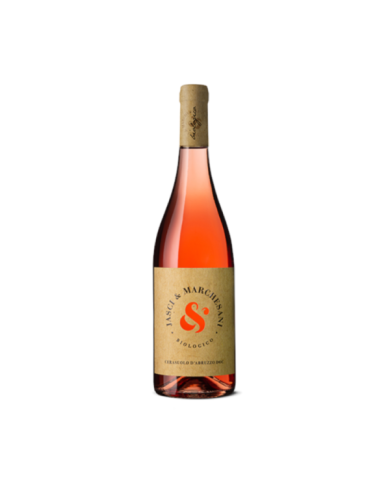
Produced from Montepulciano grapes. Cherry red color with purplish-red hues. Fruity aroma with hints of cherry and strawberry, on the palate it is fresh and fruity, full-bodied with an aftertaste of bitter almonds.
€10.31
SKU:
15256
Brand:
Jasci & Marchesani
The Trebbiano d'Abruzzo white wine from the Masciarelli winery is obtained exclusively from the processing of Trebbiano grapes. For over 40 years this winery has been one of the best realities in Abruzzo that starts from a deep passion for work in the vineyard and for the enhancement of the territory. The vines are grown on the hills overlooking the sea on clayey soils rich in mineral salts which ensure luxuriant growth and the production of very delicious bunches with a unique flavour. This translates into quality wines that are easy to drink. The harvest begins in late autumn when the bunches have reached the right degree of ripeness. The vinification takes place in steel tanks for a limited period to then proceed with the maturation and refinement directly in the bottle. The result is a wine of medium body and structure which can also be drunk young and which is characterized by delicate aromatic notes of fruit and light hints of spice. Excellent for spending convivial moments with friends.
€8.30
SKU:
15255
Brand:
Jasci & Marchesani
Cherry red in colour, the nose is fruity, vinous, with hints of wood. The flavor is harmonious and tender.
€13.66
SKU:
15254
Brand:
Nativ
€15.37
€13.07
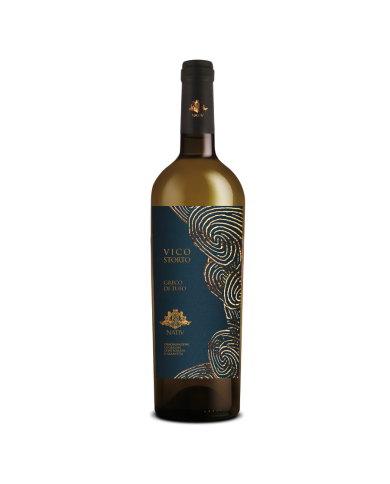
Ancient vine introduced by the Greeks along the Tyrrhenian coasts, whose name derives from the characteristic shape of the bunches, whose grapes are grouped in pairs, from which the name Aminea Gemina derives. The mineral-rich soil, typical of the Greco cultivation area, is particularly suitable for this grape variety and this gives the wine its characteristic sapidity.
€15.37
€13.07
SKU:
15253
Brand:
Nativ
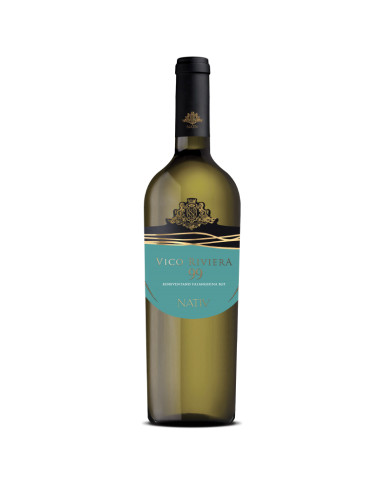
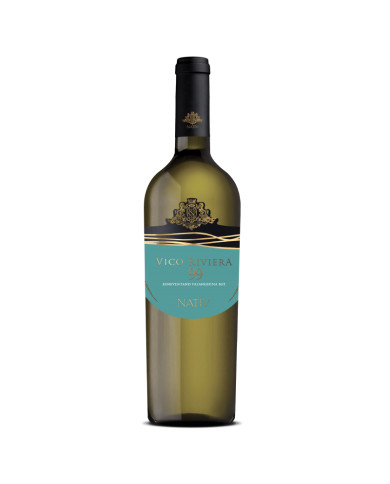
Vico Riviera N° 99 Falanghina Beneventano IGT Ancient vine whose name seems to derive from the fact that the vine, with an expanded habit, was tied to support poles called "falanga" and therefore Falanghina or "vine supported by poles".
€8.20
€6.97
SKU:
15252
Brand:
Cantina Marchesi Antinori
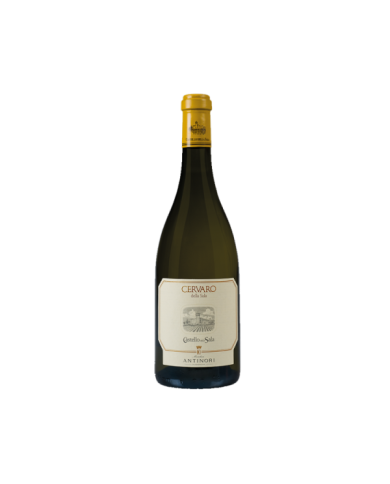
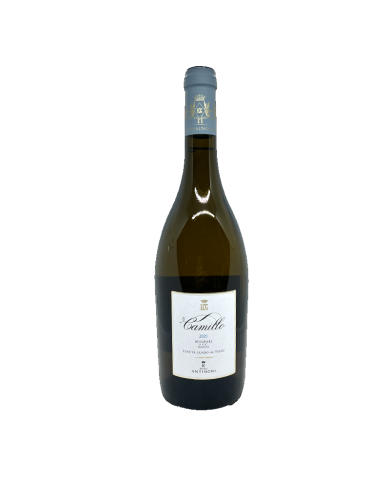
Refined and intense, structured and persistent , it is obtained from Chardonnay grapes with a small percentage of Grechetto, a native grape that brings acidity and binds it even more to the territory. The vinification takes place in Allier and Troncaise barriques, where the wine then matures for six months before being bottled and left to refine for another 10 months.
€69.95
SKU:
15251
Brand:
Cantina Marchesi Antinori
The 2021 vintage in Bolgheri was characterized by a prolonged dry period from June to September. However, unlike 2017, the particularly rainy winter helped to significantly increase the soil's water reserves, providing the vines with the right support throughout the production phase.
SKU:
15250
Brand:
Himmelreich
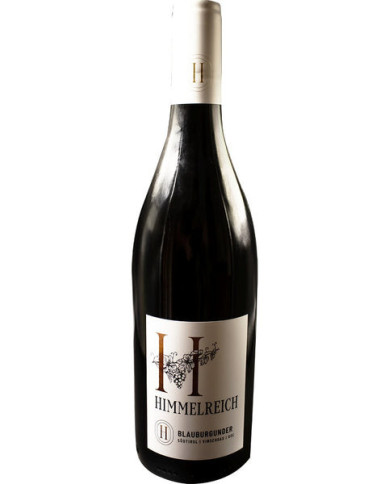
Pinot Noir from the Himmerleich winery is an excellent red wine from Val Venosta produced with grapes from the homonymous vine. The vines are cultivated in an environmental condition that is particularly congenial to them, on the land of Monte Sole at an altitude of about 650 m slm Here the sun makes its presence for 250 days a year, and counterbalances the temperature range of the relatively high position . This perfect temperature play between day and night gives the grapes an unmistakable character. The very elegant and caressing Pinot Noir is the only one that acquires the noble title, in the assortment of red wines from the Himmelreich cellar. In the glass it enchants with its intense iridescent ruby red colour. The nose seduces with its delicious scented bouquet of red berried fruits such as berries and wild strawberries, as well as a delicate but unmistakable aroma of Madagascar vanilla. On the palate it is rich and balanced, with a perfect and pleasant structure. A great classic red wine that goes perfectly with feathered and furred game, with steaks and braised meats cooked to perfection.
€26.84
SKU:
15249
Brand:
Himmelreich
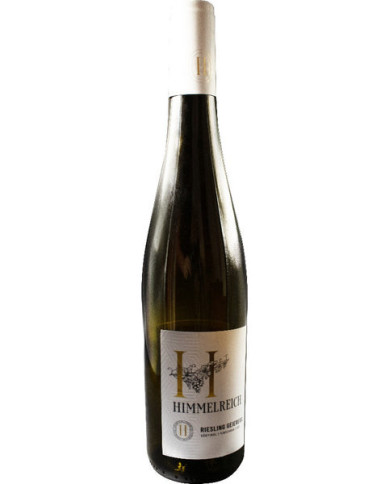
The classy version of the now timeless Riesling: with the "Geieregg" the Himmelreich estate presents the luxury version of its classic white wine. Once poured into the glass, a bright yellow color can be seen adorned with greenish reflections. The nose is captivated by a mature and complex bouquet, consisting of fresh pineapple, sweet peach and grapefruit. "Geieregg" reveals a decidedly full-bodied and juicy mineral taste, supported by deep persistent mineral notes on the palate. It is not only an excellent accompaniment for light appetizers, but also for fish and seafood dishes. By virtue of the particularly refined taste, given by its accentuated minerality and its bouquet, it is in excellent harmony with Asian cuisine.
€36.89
SKU:
15248
Brand:
Himmelreich
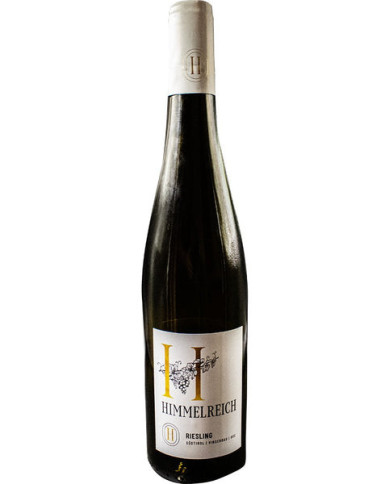
This Riesling is an excellent white wine produced with grapes from the homonymous vine that grows in Val Venosta. The vines are grown on Monte Sole, where there is less rainfall than the entire western area of Alto-Adige. These particular climatic conditions, and the composition of the morainic soils, give the wines of the Himmelreich cellar their unique and unmistakable character. Its robe is of a bright yellow colour, with intervals of greenish reflections. As it enters the glass, Riesling releases a multifaceted bouquet, the first scent that is perceived is sweet and ripe yellow peach. Notes of pineapple with the right point of ripeness, prickly pears and fresh grapefruit follow immediately afterwards. As it passes, the palate is filled with minerality, its juicy and exotic taste is incomparably mineral and refreshing. This fresh white wine with a delicious taste goes perfectly with light appetizers, fish in general and seafood, but is also perfect with Asian dishes.
€24.05
SKU:
15247
Brand:
Himmelreich
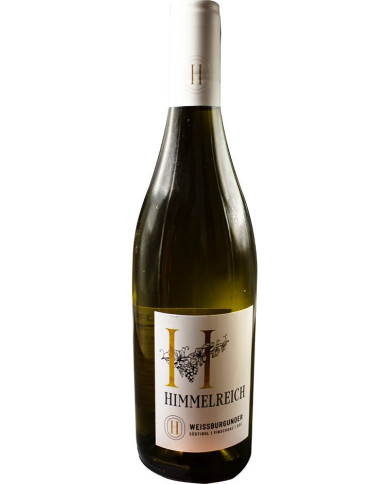
On behalf of the Himmelreich winery, Markus Fliri presents a Pinot Blanc with a strong character and natural charm. The bright yellowish-greenish color hides a characteristic fruity aroma of pear, apple and delicate citrus notes. Compact, fresh and crunchy: this is how the taste profile of Pinot Blanc presents itself, which is, at the same time, enriched by fine mineral notes. This wine is excellent when combined with light appetizers, lightly fried fish and spicy poultry.
€20.25
SKU:
15246
Brand:
Himmelreich
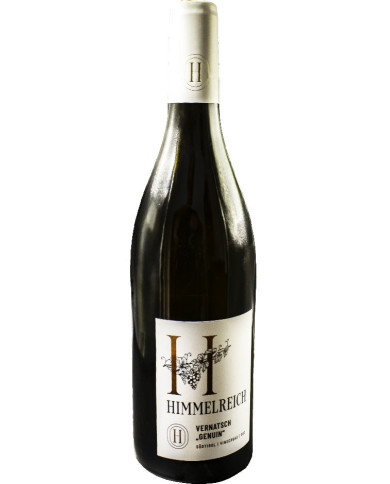
Genuin is a genuine and authentic albeit atypical red wine. Its essence has a thousand facets, and can be savored intensely, revealing its liveliness.
These stupendous qualities are due to the excellent components of the terroir of morainic origin, and to the special temperature range deriving from the presence of Monte Sole.
In the glass its color has a splendid bright red robe. The aromas of raspberries and red cherry arrive intoxicating to the nose, with faint notes of almond, and hints of wild flowers.
A sip capable of conquering and satisfying the palate. Excellent glass to serve in combination with roasts, red meats and medium-aged cheeses.
€18.91
SKU:
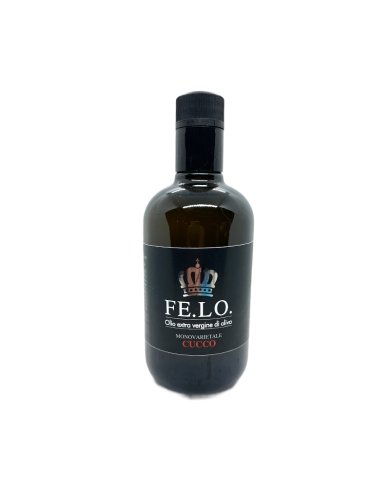
15245
Brand:
Fe.Lo.
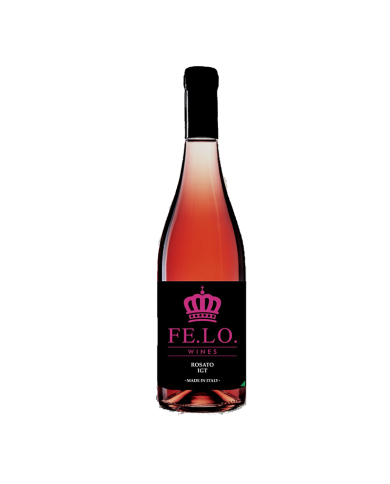
Light to medium fruitiness of green olive with hints of thistle, artichoke and tomato. Medium bitter and spicy with persistence of the spicy note. Fluid and medium persistent.
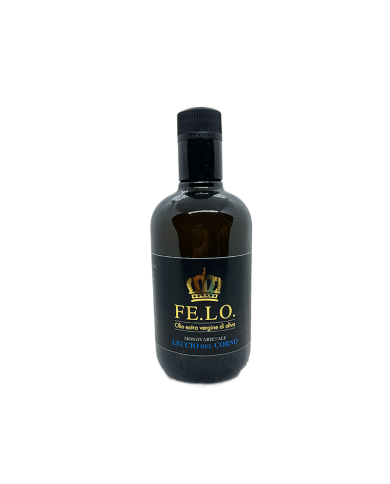
SKU:
15244
Brand:
Fe.Lo.
Medium fruitiness of green olive with herbaceous hints, predominantly almond, artichoke and light tomato. On the palate notes of bitter and spicy of medium intensity. Herbaceous aftertaste, almond and artichoke
€14.56
€7.93
€7.93
€9.52
€7.93
€7.93
€7.93
SKU:
15237
Brand:
Nativ
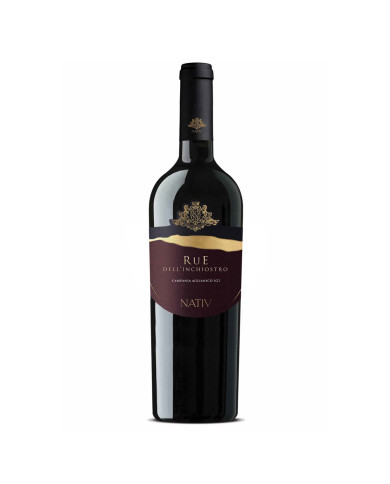
Rue dell'Inchiostro Campania Aglianico IGT Grape introduced by the Greeks along the Tyrrhenian coast, at the time of the foundation of their colonies (VII-VI aC ); this could explain the presence of synonyms of Ellenico, Ellanico then changed into Aglianico. The name deriving from the combination between Rue, the typical name attributed to the streets of Paternopoli following the passage of French domination and "ink" which better defines the characteristic deep purple of the wine.
€8.97
SKU:
15236
Brand:
Nativ


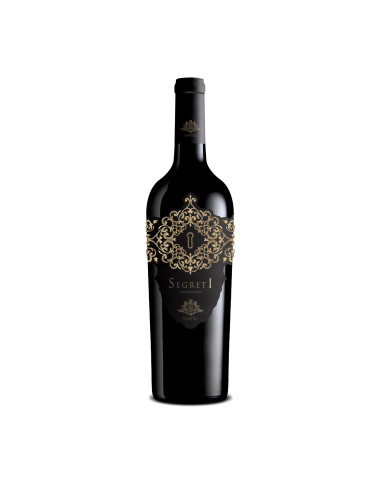
Secrets… from 100% Aglianico Nero grapes, from volcanic lands in the districts of Valle del Ceraso and Fontana Marena, in the countryside of Paternopoli from an unusual November harvest. Macerates and ferments with its own yeasts, then in seasoned oak wood for a year and a half, waiting for six months in the bottle... it is a generous wine in its most authentic organoleptic values.
€97.60
SKU:
15235
Brand:
Nativ
Ancient vine introduced by the Greeks along the Tyrrhenian coasts, whose name derives from the characteristic shape of the bunches, whose grapes are grouped in pairs, from which the name Aminea Gemina derives. The mineral-rich soil, typical of the Greco cultivation area, is particularly suitable for this grape variety and this gives the wine its characteristic sapidity.
€15.90
SKU:
15234
Brand:
Nativ
Ancient vine, of which we find the first traces in Pliny the Elder; the Apian grapes, from which the name of today's Fiano derives, were characterized by an intense sweetness and therefore particularly loved by bees.
€15.37
SKU:
15233
Brand:
Nativ
Vico Riviera N° 99 Falanghina Beneventano IGT Ancient vine whose name seems to derive from the fact that the vine, with an expanded habit, was tied to support poles called "falanga" and therefore Falanghina or "vine supported by poles".
€8.20
SKU:
15232
Brand:
Nativ


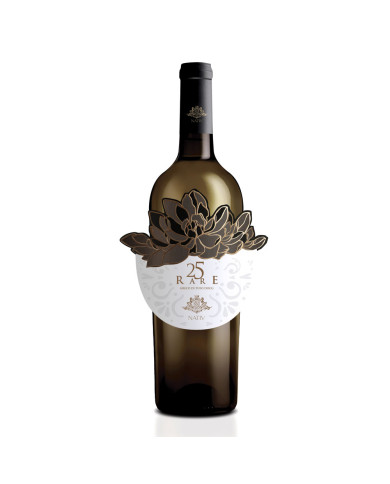
So called because there are so many "grade: rare" steps that connect the historic center of Paternopoli to the part completely rebuilt after the 1980 earthquake
€17.42
SKU:
15231
Brand:
Nativ
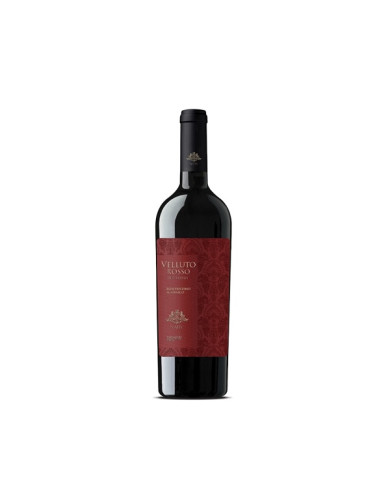
The name "Velluto Rosso" was chosen thinking of the organoleptic characteristics of the wine: soft on the palate and such as to suggest velvet, a fabric that causes a sensation of irresistible softness to the touch. The red color of the label reminds us of a bunch of grapes and the damask is in perfect harmony with the Nativ style.
€11.21
SKU:
15230
Brand:
Nativ
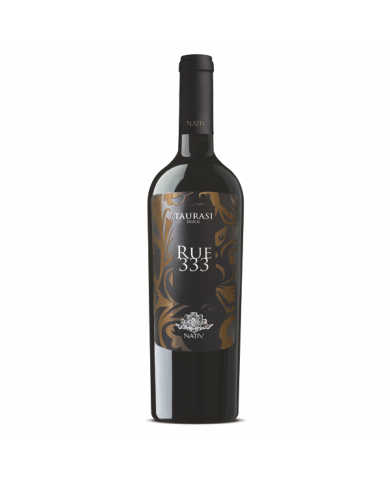
Rue 333, Taurasi DOCG Wine made from Aglianico grapes, whose refinement in barriques for two years, gives it the specific name of Aglianico Taurasi DOCG also in honor of the country where this type of grape is widely grown.

€26.99
SKU:
15229
Brand:
Nativ


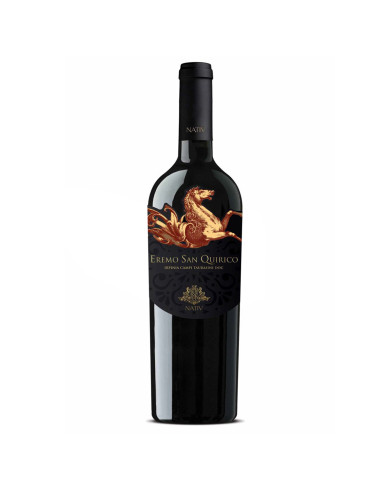
Eremo San Quirico ‐ Aglianico Campi Taurasini DOC Important red wine whose vines are grown on volcanic soil on the hills of Taurasi. The name of our wine derives from the place where horses were once said to graze in the wild, and where the remains of the ancient hermitage of S. Quirico can still be found. A wine so precious as to dress it with a work of art by the contemporary painter Moreno Bondi.
€28.69
SKU:
15227
Brand:
Nativ


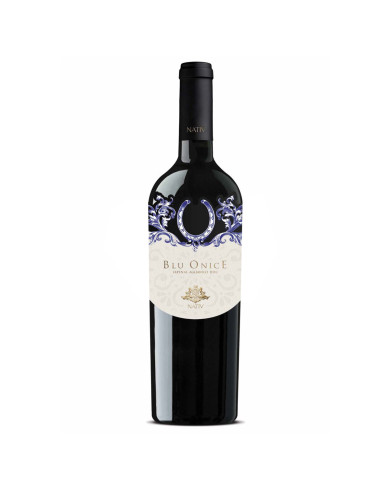
the wine takes its name from the vineyard of the same name located on rocky terrain near an ancient onyx quarry located near gesualdo.
€19.83
SKU:
15226
Brand:
Nativ
Among the vineyards of Irpinia, from the Latin Hirpus-wolf, a young Aras girl roamed around some time ago, a lover of the wonderful bunches of grapes.
€20.98
SKU:
15225
Brand:
Gianni Doglia
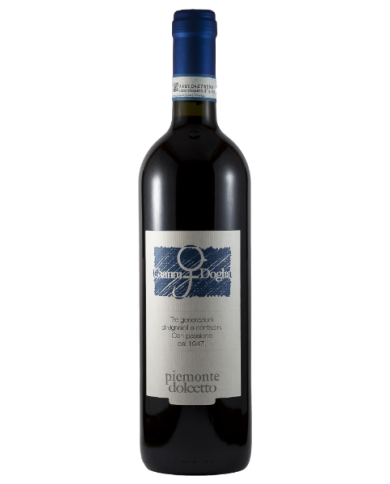
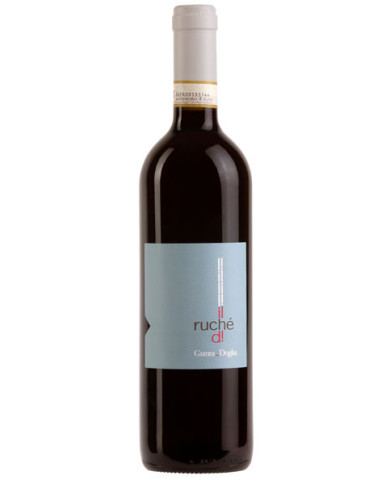
Wine suitable for the whole meal, in particular it goes well with cured meats and hams, appetizers and first courses, fresh or medium-aged hard cheeses. The grapes are harvested manually in the vineyard and carefully deposited in boxes for transport to the cellar, pressed and fermented at a controlled temperature with a maceration of about 10 days. At the end of fermentation, the wine is left to clarify by static decantation until the end of winter. It will then rest in steel tanks until spring when it will be bottled: after about a month of aging in the bottle it will be ready to be drunk.
€12.08
SKU:
15224
Brand:
Gianni Doglia
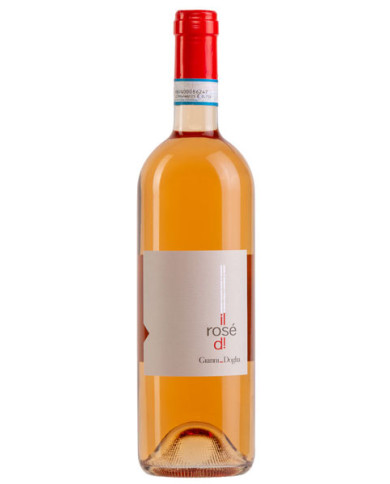
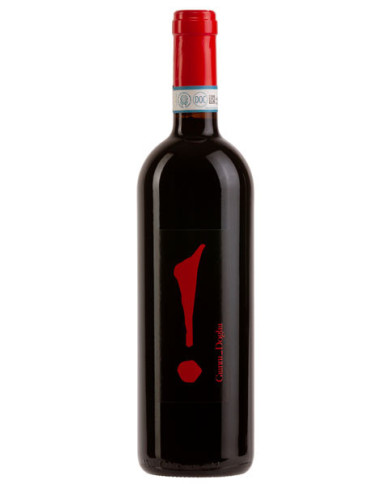
Particularly suitable as an aperitif or with summer appetizers, first courses, delicate fish. The grapes are harvested manually in the vineyard and carefully placed in boxes for transport to the cellar. They are pressed immediately, left for 5 hours with the skins and then fermented at a controlled temperature of around 15°C without the aid of selected yeasts. At the end of the fermentation process, the wine is left to clarify with static settling until the end of winter. It remains in stainless steel vats until spring, when it will be bottled: after about 1 month of aging in the bottle, it will be ready to drink.
€12.08
SKU:
15223
Brand:
Gianni Doglia
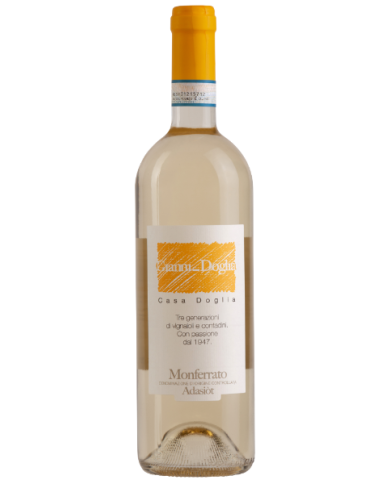
Aperitif wine and throughout the meal, it goes very well with appetizers, fish dishes and white meat main courses. The grapes are harvested manually in the vineyard and carefully deposited in boxes for transport to the cellar. It is then immediately pressed and left to ferment at a controlled temperature of about 15°, without the aid of selected yeasts. At the end of the fermentation the wine rests on the fine lees for 30/50 days; subsequently it is left to clarify by static settling until the end of winter. It will then rest in steel tanks until spring when it will be bottled: after about a month of aging in the bottle it will be ready to be drunk.
€12.08
SKU:
15222
Brand:
Gianni Doglia
Warm, elegant, round. Light tannin in the month. Great aromatic persistence. The grapes are harvested manually in the vineyard and carefully placed in boxes for transport to the cellar, pressed and then fermented at a controlled temperature with a maceration of about 10-12 days. At the end of the fermentation process, the wine is left to clarify with static settling until the end of winter. It remains in stainless steel vats until the end of summer, when it will be bottled: after about 6 months of aging in the bottle, it will be ready to drink.
€18.80
SKU:
15221
Brand:
Gianni Doglia
Important wine indicated for second courses of red meat or game. Excellent companion for an after dinner with friends. The grapes are harvested manually in the vineyard and carefully deposited in boxes for transport to the cellar, pressed and fermented at a controlled temperature with a maceration of about 8-10 days. Upon racking, the wine is placed in barriques where it rested for 24 months. The wine thus obtained was further refined for about 6 months in steel tanks before finally being bottled; the bottles, after a rest of about 6 months in the cellar at a temperature of 18° C to complete the refinement, are ready for marketing.
€31.96
SKU:
15220
Brand:
Gianni Doglia
Meditation wine, ideal in combination with aged cheeses and excellent at any time of the day or at the end of a meal as a digestive. The grapes are harvested and selected manually in the vineyard and carefully deposited in boxes for transport to the cellar. Here begins careful drying for a period of two months on wooden racks, in a dry and well-ventilated place. The withered bunches are pressed and subsequently the must obtained is left to ferment in steel tanks at a controlled temperature for about a month. At the end of the fermentation the wine rests in stainless steel tanks for about a year. Subsequently the wine is bottled and after a rest of about 6 months in the cellar at 18°C to complete the refinement in the bottle, it will be ready to be drunk.
€20.01
SKU:
15219
Brand:
Gianni Doglia
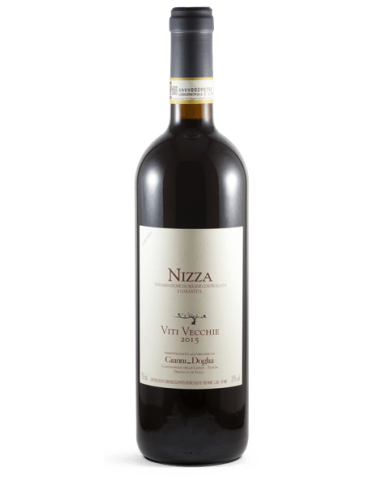
The grapes come from a plot of about one hectare located in the municipality of Nizza Monferrato, whose vines reach an average age of 50 years and represent the maximum selection of Barbera. Wine indicated for main courses of red meat, game or well-aged cheeses, structured, round with a harmonious balance between freshness and softness. The grapes are harvested manually and carefully stored in boxes for transport to the cellar, pressed and fermented at a controlled temperature with a maceration of about 15 days. After racking, the wine ages in small wooden barrels for about 18-24 months. The wine is then left to rest for about 6 months in a steel tank. At this point it is possible to proceed with the bottling. After further refinement in the bottle for at least 6 months in the cellar at a temperature of 20°C,
€30.45
SKU:
15218
Brand:
Gianni Doglia
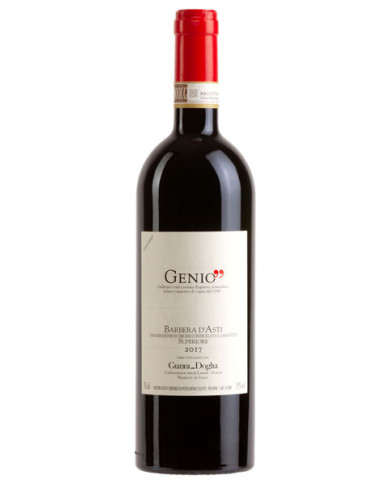
Enveloping, warm and round taste. Excellent persistence and harmony, the result of an elegant balance from a decisive freshness to a good body. The grapes are harvested manually in the vineyard and are carefully placed in boxes for transport to the cellar, pressed and then fermented at a controlled temperature with a maceration of about 15 days. After racking, it is aged in small wooden barrels for 18-24 months. The wine is then left to rest for about 6 months in stainless steel vats. At this point it can be bottled. After further aging in the bottle for at least 6 months in the cellar at a temperature of 20°C, the wine is finally ready to drink.
SKU:
15217
Brand:
Gianni Doglia
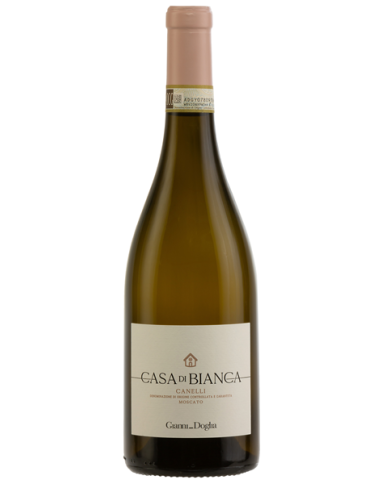
The grapes that come from a small plot known as "Casa di Bianca", located in the hamlet of Annunziata di Castagnole delle Lanze, represent the maximum selection of the Moscato vine from our lands. The Moscato Casa di Bianca grapes are carefully selected in the vineyard during the harvest (which takes place exclusively by hand), after being carefully pressed; the flower must is the result and is elaborated with the Martinotti Method in an autoclave, where it will rest on its lees for at least six months.
€19.03
SKU:
15216
Brand:
Gianni Doglia
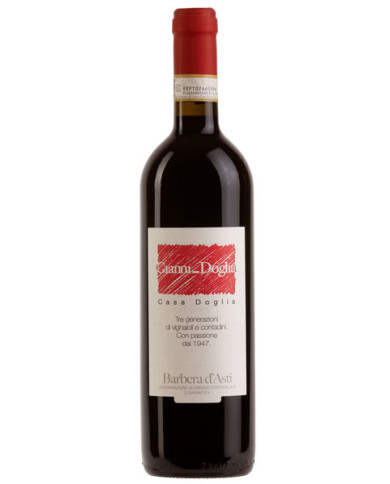
Warm and rich taste of extraordinary balance, it has important but never excessive structure and body. Good persistence and excellent harmony. Perfect with first courses, red meats and medium-aged cheeses. The grapes are harvested manually in the vineyard and carefully placed in boxes for transport to the cellar, pressed and then fermented at a controlled temperature with a maceration of about 8 - 10 days. At the end of the fermentation process, the wine is left to clarify with static settling until the end of winter. It remains in stainless steel vats until spring when it will be bottled: after about 1 month of aging in the bottle it will be ready to drink.
€13.54
SKU:
15215
Brand:
Gianni Doglia
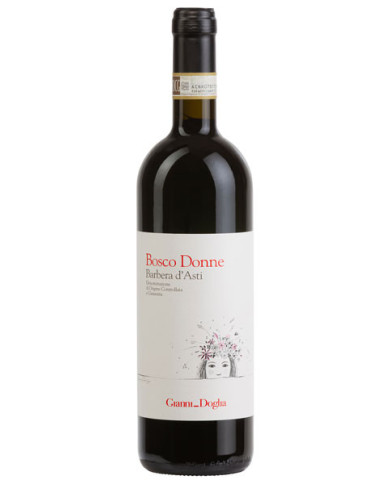
Barbera ''Bosco donne'' is easy to combine because it accompanies almost all traditional Piedmontese dishes with sincere ease: in particular raw meat, agnolotti del plin seasoned with roast meat filling sauces and cooked veal braised in Barbera wine. The grapes are harvested manually in the vineyard and carefully placed in boxes for transport to the cellar, pressed and then fermented at a controlled temperature with a maceration of about 8 days. At the end of the fermentation process, the wine is left to clarify with static settling until the end of winter. It remains in stainless steel vats until the end of summer, when it will be bottled: after about 6 months of aging in the bottle, it will be ready to drink.
€14.88
SKU:
15214
Brand:
Gianni Doglia
Moscato d'Asti is an excellent dessert wine that goes well with dry pastries and fruit cakes; moreover, thanks to the moderate alcohol content, it is a pleasant thirst-quenching drink in the summer. The combination with cured meats and cheeses is more provocative; a provocation that will amaze you! To preserve all the fragrance of the fruit in the wine, it is necessary to adopt a particular harvesting and vinification technique. In fact the grapes, coming from the company's own vineyards, are harvested manually in the vineyard and carefully placed in boxes for transport to the cellar; here they are delicately pressed and the must obtained is kept in cooling vats (-1.5° C) until the moment of vinification in an autoclave. Fermentation takes place at a controlled temperature and with the help of selected yeasts until 5% alcohol is reached. Subsequently the wine will be filtered and bottled. The result is a lively wine with strong and intense varietal characters.
€13.88
SKU:
15213
Brand:
Gianni Doglia
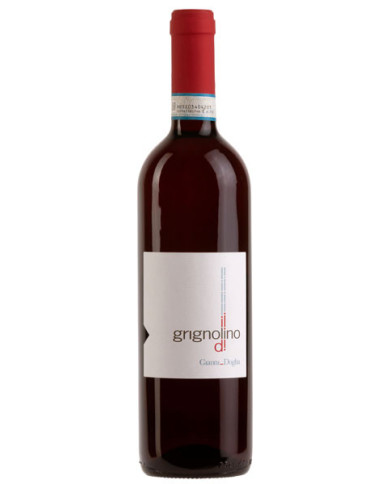
Particularly suitable as an aperitif or with summer appetizers, first courses. It will amaze you with fried fish. The grapes are harvested manually in the vineyard and carefully placed in boxes for transport to the cellar. Subsequently they are pressed and fermented at a controlled temperature of about 18°C with a maceration of about 2/3 days with frequent pumping over. Subsequently the Grignolino is drawn off and the fermentation is finished "in white", ie without skins and seeds, always maintaining a temperature of 18° C. At the end of the fermentation the wine is left to clarify with static settling until the end of winter. It remains in stainless steel vats until spring, when it will be bottled: after about 1 month of aging in the bottle, it will be ready to drink.
€12.61
SKU:
15212
Brand:
Gianni Doglia
Slightly sparkling, its slight effervescence enhances the freshness and flavor making it highly drinkable. Its great pleasantness goes wonderfully with cured meats, soups and boiled meats. The grapes are harvested manually in the vineyard and carefully placed in boxes for transport to the cellar, pressed and then fermented at a controlled temperature with a maceration of about 8 - 10 days. At the end of the fermentation process, the wine is left to clarify with static settling until the end of winter. It remains in stainless steel vats until spring when it will be ready for the sparkling process in the autoclave and for bottling: after about 1 month of aging in the bottle it will be ready to drink.
€10.98
SKU:
15211
Brand:
Gianni Doglia
Moscato d'Asti is an excellent dessert wine that goes well with dry pastries and fruit cakes; moreover, thanks to the moderate alcohol content, it is a pleasant thirst-quenching drink in the summer. The combination with cured meats and cheeses is more provocative; a provocation that will amaze you! To preserve all the fragrance of the fruit in the wine, it is necessary to adopt a particular harvesting and vinification technique. In fact the grapes, coming from the company's own vineyards, are harvested manually in the vineyard and carefully placed in boxes for transport to the cellar; here they are delicately pressed and the must obtained is kept in cooling vats (-1.5° C) until the moment of vinification in an autoclave. Fermentation takes place at a controlled temperature and with the help of selected yeasts until 5% alcohol is reached. Subsequently the wine will be filtered and bottled. The result is a lively wine with strong and intense varietal characters.
€33.92
SKU:
15210
Brand:
Enrico Gatti
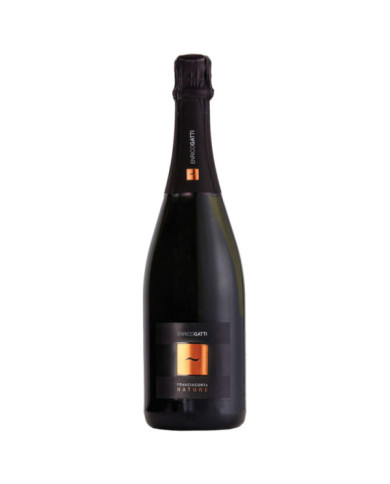
Obtained from the soft pressing of grapes Chardonnay and a Pinot Noir from vineyards located in a hilly area. Part of the must is fermented in oak barrels French and matured on the fermentation lees e part is vinified in steel. Permanence on the lees for a minimum of 48 months. Dry and savory with some rounded notes on the part of the wine that ages in wood. Complex, deep and rich.
€37.90
SKU:
15209
Brand:
Enrico Gatti
Obtained from the soft pressing of grapes
Chardonnay from vineyards located in the area
hilly.
Part of the must is fermented in oak barrels
French and matured on the fermentation lees e
part is vinified in steel.
Permanence on the lees for a minimum of 32 months.
Essentially creamy with fragrant tones of
fresh almond and delicate aromas of butter.
Delighted with a subtle minerality.
€36.23
SKU:
15208
Brand:
Enrico Gatti
Obtained from the soft pressing of grapes
Pinot Noir from vineyards located in the area
foothills.
The color is obtained through a short
maceration on the skins.
The vinification takes place in steel tanks.
Permanence on the lees for a minimum of 25 months.
Fragrant with hints of pomegranate and currant.
Effervescence softened by the sinuous profile of the
vine.
€33.92
SKU:
15207
Brand:
Enrico Gatti
Obtained from the soft pressing of grapes
Chardonnay and a Pinot Noir from
vineyards located in the foothills area.
The vinification takes place in steel tanks.
Permanence on the lees for a minimum of 24 months.
Contains notes of tropical fruit, nuts and
hazelnuts. Harmonious olfactory perceptions e
engaging.
€56.00
SKU:
15206
Brand:
Enrico Gatti
Obtained from the soft pressing of grapes
Chardonnay and a Pinot Noir from
vineyards located in the foothills area.
The vinification takes place in steel tanks.
Permanence on the lees for a minimum of 24 months.
Contains notes of tropical fruit, nuts and
hazelnuts. Harmonious olfactory perceptions e
engaging.
€30.13
SKU:
15205
Brand:
Enrico Gatti
Obtained from the soft pressing of grapes Chardonnay from vineyards located in the area foothills. Vinification takes place in steel tanks. Permanence on the lees for a minimum of 24 months. Franciacorta Brut expresses personality of the company. Fresh, played on a balanced persistence which refers to dried fruit and citrus fruits.
€25.78
SKU:
15204
Brand:
Enrico Gatti
Obtained from the soft pressing of grapes
Chardonnay from vineyards located in the area
hilly.
Part of the must is fermented in oak barrels
French and matured on the fermentation lees e
part is vinified in steel.
Permanence on the lees for a minimum of 32 months.
Essentially creamy with fragrant tones of
fresh almond and delicate aromas of butter.
Delighted with a subtle minerality.
€72.47
SKU:
15203
Brand:
Enrico Gatti
Obtained from the soft pressing of grapes
Chardonnay from vineyards located in the area
foothills.
Vinification takes place in steel tanks.
Permanence on the lees for a minimum of 24 months.
Franciacorta Brut expresses personality
of the company.
Fresh, played on a balanced persistence
which refers to dried fruit and citrus fruits.
€55.27
SKU:
15194
Brand:
Ca' dei Noni
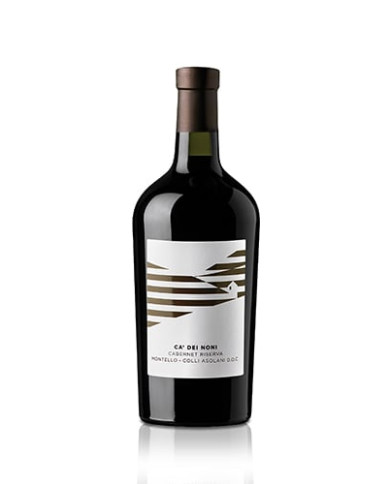
The grapes of this magnificent Cabernet Sauvignon come from vineyards located on Montello, an area suited to important red wines thanks to the composition of the typical red earth of this area. The bunches are harvested by hand and subjected to drying for about 20 days. We proceed to the classic red vinification and a maceration lasting about 15 days. An alcoholic fermentation follows to then carry out the refinement in French barriques for a period of 18 months and a further 12 months in the bottle. Bouquet full of scents such as blueberry, black cherry, blackberry and currant jam, vanilla, tobacco, cocoa, coffee. Slightly spicy with a balsamic final note. Perfect with red meats, game, blue and aged cheeses, excellent with dark chocolate.
€25.86
SKU:
15191
Brand:
Ca' dei Noni
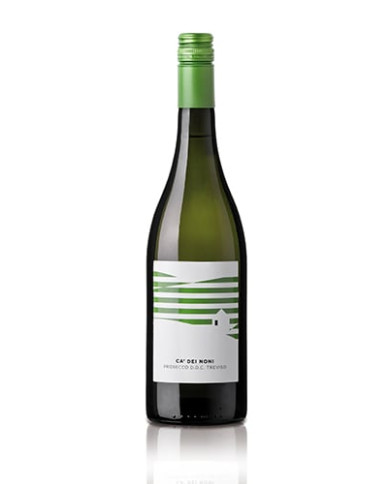
Ideal wine for those who like the typicality of Prosecco, but without bubbles. Straw yellow in color with greenish reflections, it is distinguished by the characteristic bouquet of green apple, acacia flowers and wisteria. Excellent combination of fullness and flavor. Excellent throughout the meal based on light dishes, fresh and medium-aged cheeses.
€7.78
SKU:
15188
Brand:
Ca' dei Noni
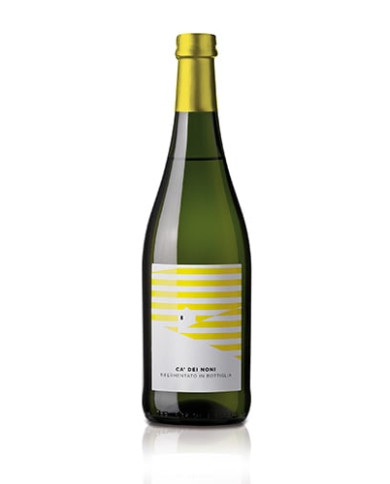
Wine from Glera grapes and obtained with spontaneous refermentation in the bottle. Visually, it has a typical light haze; with a fragrant bouquet of crusty bread; floral. The taste is dry; dry and inviting. Rustic wine according to centuries-old traditions and suitable for cold dishes based on fine sausages; medium and long-aged cheeses; and again with fish and shellfish.
€8.19
SKU:
15181
Brand:
Di Ubaldo
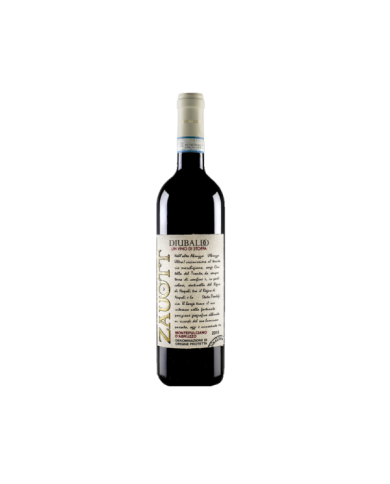
It is a wine of great character, complex. Proud and potential, as in life a boy called in our territory is, precisely Zauott, a young man, who manages to withstand the evolution of the years, also demonstrating the best. “ZAUOTT” is obtained from grapes produced from the oldest vineyards, with an average yield of 80/90 quintals per hectare.
€12.53
€5.25
€5.25
€5.25
€5.25
€5.25
SKU:
15175
Brand:
Follador
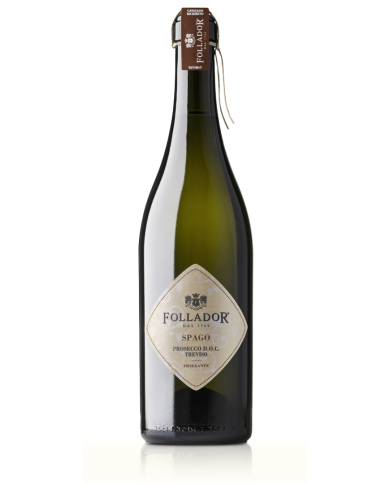
A Follador milestone, this wine made from carefully selected DOC grapes best expresses the typical tastes and aromas of Prosecco. Intense straw yellow color and lively, fine and elegant perlage. Its bouquet is an explosion of fresh and velvety fragrances. We distinguish the green apple, peach, apricot and finally acacia and rose flowers. Excellent structure on the palate is an extraordinary combination of freshness and flavor. Ideal for aperitifs, it elegantly accompanies light first and second courses, white meats, vegetables, fish and shellfish dishes.
€14.55
SKU:
15169
Brand:
Follador
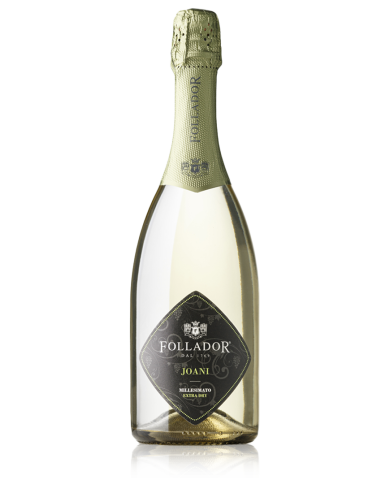
From grapes from the hills of Montello, birthplace of grandfather Giovanni, known by all as "Joani". To him and his land we dedicate this sparkling wine rich in aromas, savory and elegant. Brilliant straw yellow color with very fine and persistent perlage. Elegant, rich and harmonious bouquet with an intense aroma of apricot, wisteria flowers and acacia.
The taste has a balanced acidity, fruity, full, with a dry finish. It goes well with first courses, white meats and fish-based dishes.
€6.66
SKU:
15164
Brand:
Follador
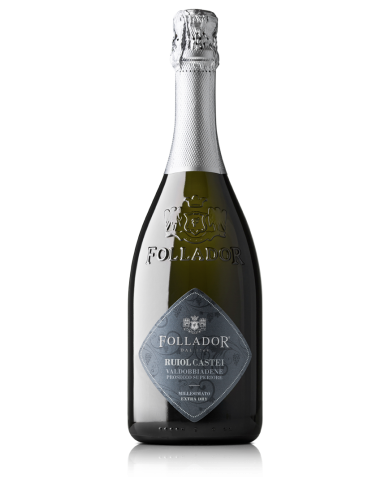
RUIOL CASTEI: a name that evokes the ancient strongholds that dot the Territory, testifying to its long history. Valdobbiadene Prosecco Superiore DOCG Extra Dry 2019 is elected BEST PROSECCO 2020 at The Champagne & Sparkling Wine World Championships 2020, the most prestigious international competition dedicated to champagne and sparkling wines. With a typical bright straw yellow color with greenish reflections, the perlage is fine and persistent. Fruity with a clear perception of golden apple, peach, pear, with a floral hint of wisteria. Full and pleasant fragrance with an elegant balance of flavours. Aperitif par excellence. Excellent for fish and shellfish dishes; at the end of the meal with biscuits.
€17.32
SKU:
15163
Brand:
Follador
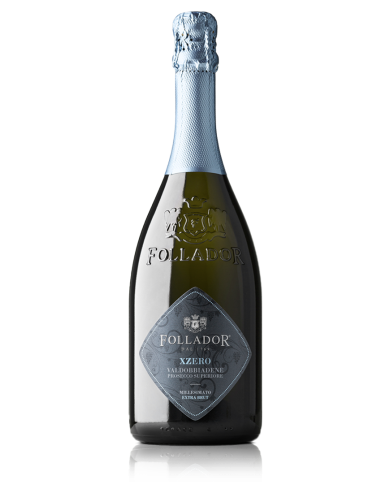
XZERO: 0 g/l of sugar content, 100% of fragrance and aroma. An excellent and very successful superior.
This Prosecco Millesimato Extra Brut is a wine with an important, harmonious structure, in which the mineral notes offered by the high clayey and calcareous component of the soil on which the vineyards are planted stand out. It is appreciated for its delicate, dynamic and pleasantly dry flavour, given the absence of residual sugars which distinguishes this specific category of sparkling wines. It is a wine that represents the excellence of the Territory and will certainly be appreciated by the many connoisseurs of dry wine, conquering even the most extra dry oriented palates.
€23.01
SKU:
15162
Brand:
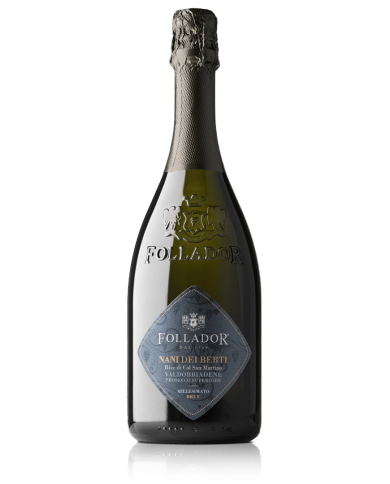
Follador
NANI DEI BERTI - Banks of Col San Martino: A tribute to the energy and initiative of Giovanni Follador, father of Gianfranco, so nicknamed. Refined sparkling wine of noble quality, very fine perlage in a splendid combination of bouquet and flavours. An excellent Superiore with a pale straw yellow color, with typical greenish reflections. Lively and very fine perlage with an intense bouquet of citrus, almond and acacia flowers. Excellent balance of acidity and fragrance, well structured with a dry finish. Important wine, good aperitif. Its sapidity and balanced structure make it suitable for light first and second courses, excellent with tasty cheeses.
€17.06
SKU:
15161
Brand:
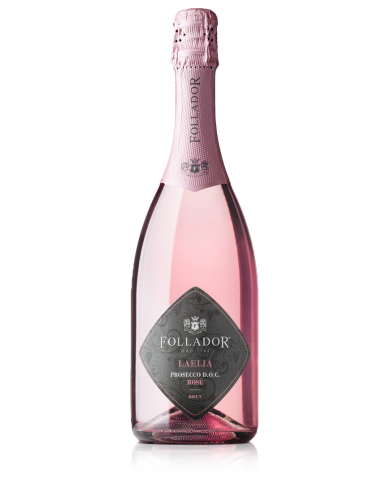
Follador
Delicious sparkling wine with a fresh and lively taste, a bright pale pink vintage with good structure and persistence, based on Glera grapes with a blend of 10% Pinot Noir. The base wines are obtained from cryomacerated grapes according to the Gianfranco Follador method ®, with fermentation in steel tanks at a controlled temperature. Pinot Noir is vinified in red as per the disciplinary. Second fermentation in autoclave, according to the Martinotti-Charmat method, with regular refermentation with at least two months of rest on the lees. Intense hint of fruit, in particular apple and white-fleshed peach, with pleasant notes of red fruits, blackberry, wild strawberries and currants. An excellent accompaniment to any aperitif, it is interesting to pair with cold cuts, cured meats in general and even aged cheeses.
€16.74
SKU:
15160
Brand:
Follador
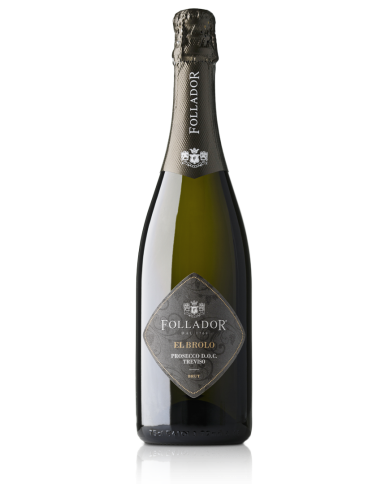
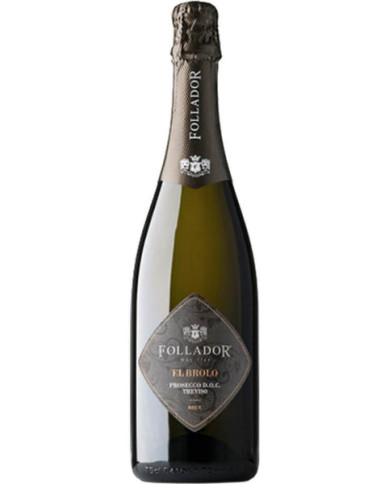
EL BROLO: In ancient times, the home garden was called brolo, enclosed by a low wall and shaded
from a pergola vine.
Finesse and excellent structure are the synonyms of this precious sparkling wine, obtained from high quality grapes. Straw yellow color with greenish reflections with fine and persistent perlage. Very pleasant aroma of acacia flowers, golden apple and almond. The taste is sapid, fresh and well structured on the palate. Ideal partner for appetizers, light first courses and medium-long aged cheeses.
€14.03
SKU:
15159
Brand:
Follador
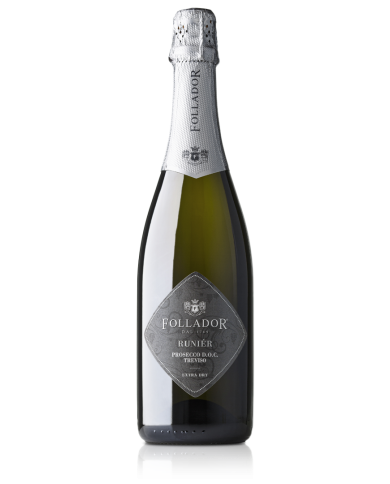
RUNIÉR: The typical endings of the Venetian idiom radiate up to the hills of the hinterland, in the heart of the Territory.
This elegant sparkling wine is an expression of genuineness and delicacy. Brilliant straw yellow color and very fine perlage. Fine and delicate foam. Delicious bouquet where fruity and floral fragrances are clearly perceived with a prevalence of green apple and with hints of acacia and jasmine. On the palate it is fresh, well structured and with a pleasant persistence. Excellent as an aperitif and with first courses in general, based on fish and shellfish.
€14.03
SKU:
15158
Brand:
Follador
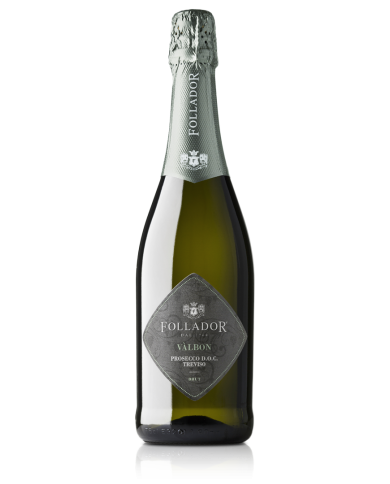
VÀLBON: A name that refers to our characteristic hilly landscape dotted with vineyards and charming villages.
Hints of flowers, apple, pear and citrus fruits, which are found in the mouth giving sensations of flavor and freshness. Fine and persistent bubble. Pale straw yellow color with greenish reflections. Ideal for a refreshing aperitif or with appetizers, first courses and dishes based on fish, vegetables and white meats.
€14.31
SKU:
15157
Brand:
Follador
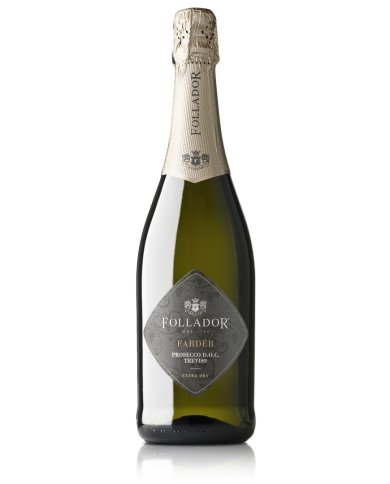
FARDÉR: Again a reference to the Venetian inflection, with its characteristic accents and the elision of the final vowel.
Rich, savory and velvety are the ideal adjectives to describe this elegant wine made from lowland grapes, also from our area. Pale straw yellow color with greenish reflections. Rich and complete bouquet with floral hints of almond and ripe fruit, with a soft and velvety, harmonious and savory taste. Excellent for aperitifs, appetizers and dry pastries.
€12.57
SKU:
15156
Brand:
Follador
Hints of flowers, apple, pear and citrus fruits, which are found in the mouth giving sensations of flavor and freshness. Fine and persistent bubble. Pale straw yellow color with greenish reflections. Ideal for a refreshing aperitif or with appetizers, first courses and dishes based on fish, vegetables and white meats.
€33.55
SKU:
15147
Brand:
San Felice
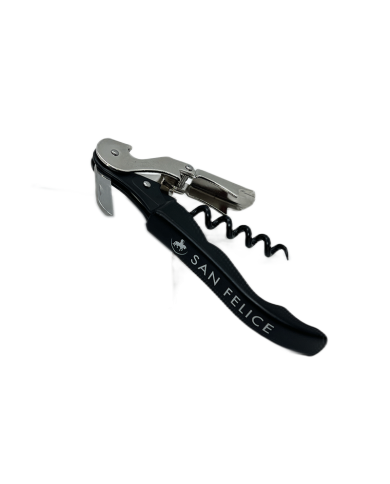
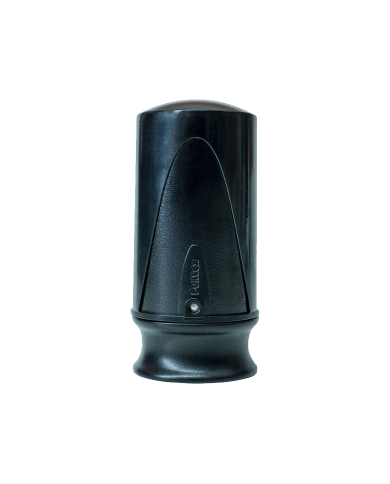
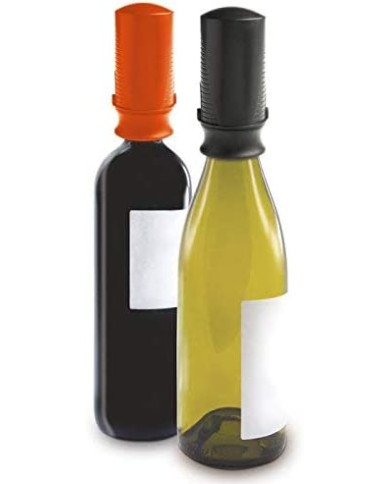
The Pulltex Salvavino Pump allows you to extract oxygen from the bottle, acts as a stopper and guarantees optimal preservation of the wine's characteristics for several days. The operation of the wine saver pump is very simple: just slip it on the neck of the bottle and extract the air present until a "vacuum" is created inside the bottle. Thanks to this accessory you can keep the opened wine inside the bottle in an elegant and functional way.
€15.00
SKU:
15146
Brand:
Strappelli
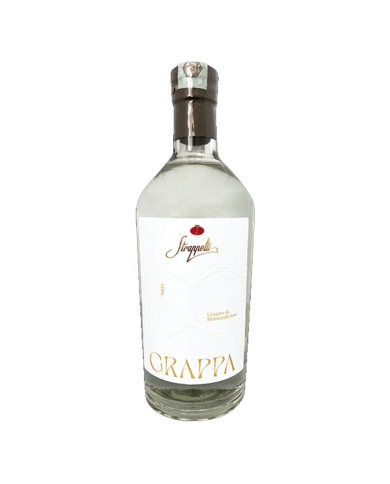
It is obtained from a careful selection of fine pomace of Montepulciano d'Abruzzo, a vine much appreciated for its extraordinary characteristics. It is a well-structured Grappa with a full and enveloping taste.
€29.90
SKU:
15145
Brand:
Castello dei Rampolla
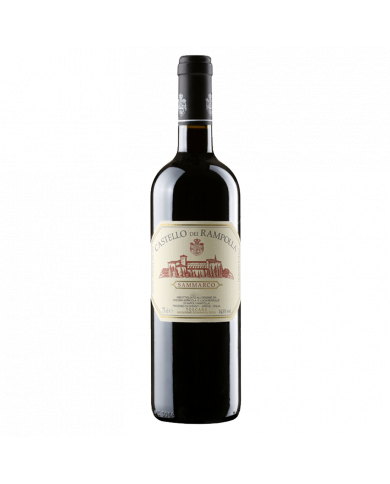
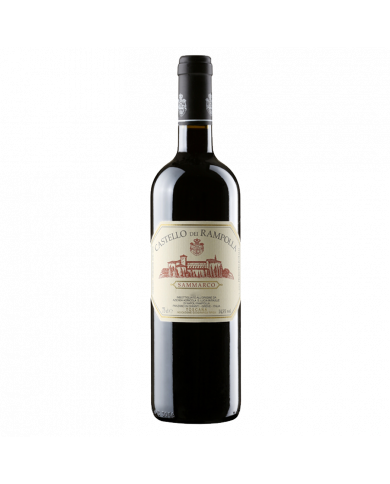
Sammarco is a wine with fresh and fine scents of undergrowth, with a deep and intense colour. It presents specific aromas of the soil and impressions of ripe fruit. It has a great concentration with robust tannins. Elegant and refined wine. Percentages of Sangiovese and Merlot are added to the Cabernet Sauvignon. Production varies according to climatic conditions: 8,000 – 25,000 bottles.
€107.06
SKU:
15144
Brand:
Castello dei Rampolla
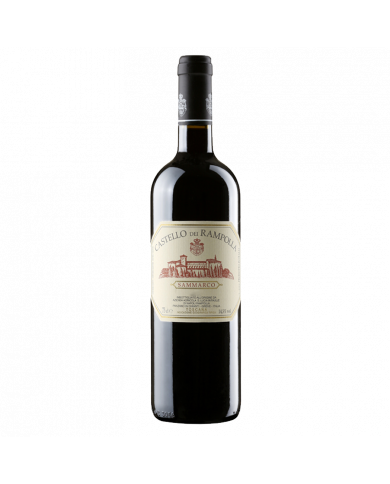
Sammarco is a wine with fresh and fine scents of undergrowth, with a deep and intense colour. It presents specific aromas of the soil and impressions of ripe fruit. It has a great concentration with robust tannins. Elegant and refined wine. Percentages of Sangiovese and Merlot are added to the Cabernet Sauvignon. Production varies according to climatic conditions: 8,000 – 25,000 bottles.
€90.59
SKU:
15143
Brand:
Castello dei Rampolla
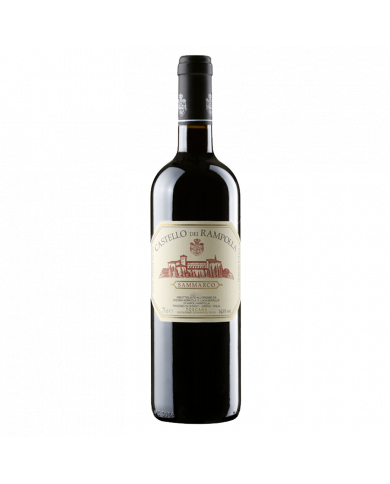
Sammarco is a wine with fresh and fine scents of undergrowth, with a deep and intense colour. It presents specific aromas of the soil and impressions of ripe fruit. It has a great concentration with robust tannins. Elegant and refined wine. Percentages of Sangiovese and Merlot are added to the Cabernet Sauvignon. Production varies according to climatic conditions: 8,000 – 25,000 bottles.
€98.82
SKU:
15142
Brand:
Castello dei Rampolla
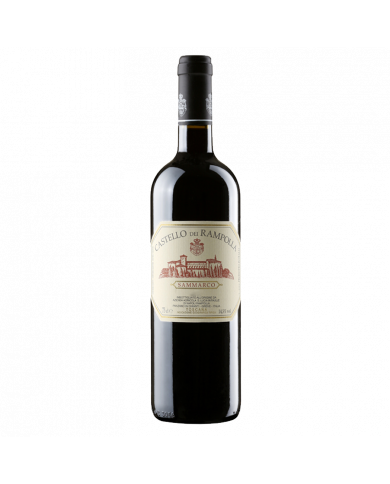
Sammarco is a wine with fresh and fine scents of undergrowth, with a deep and intense colour. It presents specific aromas of the soil and impressions of ripe fruit. It has a great concentration with robust tannins. Elegant and refined wine. Percentages of Sangiovese and Merlot are added to the Cabernet Sauvignon. Production varies according to climatic conditions: 8,000 – 25,000 bottles.
€131.76
SKU:
15141
Brand:
Castello dei Rampolla
Sammarco is a wine with fresh and fine scents of undergrowth, with a deep and intense colour. It presents specific aromas of the soil and impressions of ripe fruit. It has a great concentration with robust tannins. Elegant and refined wine. Percentages of Sangiovese and Merlot are added to the Cabernet Sauvignon. Production varies according to climatic conditions: 8,000 – 25,000 bottles.
€98.82
SKU:
15139
Brand:
Cantina Cioti
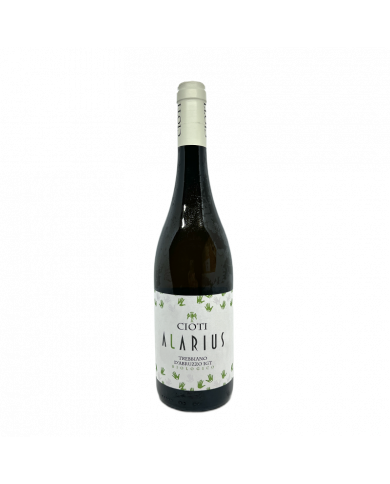
The vineyards are located at an altitude of about 400 meters and fall within the territory of the Gran Sasso Monti della Laga Park.
€10.31
€9.28
SKU:
15138
Brand:
Cantina Cioti
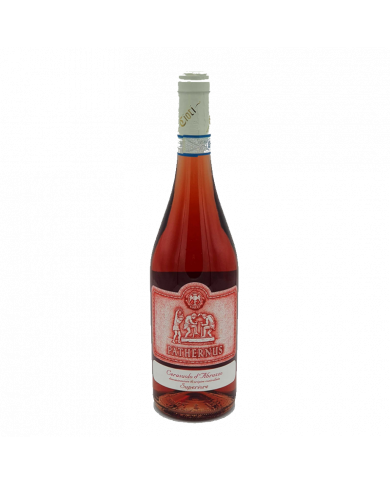
This rosé is produced from a vineyard over 40 years old, trained with spurred cordon with a density of 2200 plants per hectare with a yield of 8000 kg / ha. The production area is on the hills around Paterno di Campli at an altitude of 400 meters above sea level
€12.69
SKU:
15137
Brand:
Cantina Cioti
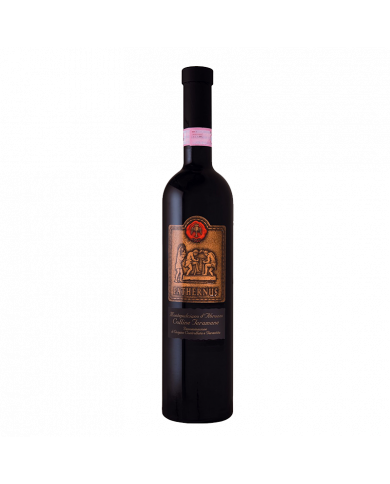
Pathernus is a red wine that comes from grapes from the native Montepulciano d'Abruzzo vine. After a meticulous selection in the vineyard and aging in oak barrels, this red presents itself to the nose with a broad bouquet, structured on tones of dried flowers, red fruits and ethereal echoes. On the palate it is vigorous, supported by soft tannins and a long palatal memory
€22.20
SKU:
15136
Brand:
Cantina Ricchi
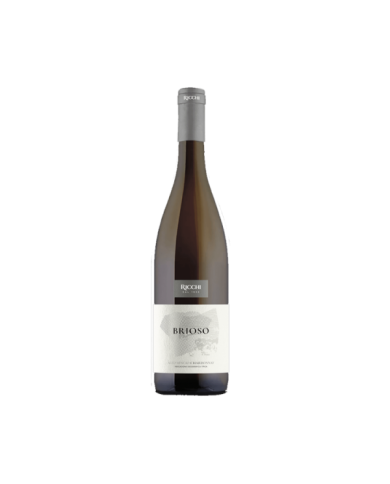
Lively wine with pleasant notes that release freshness and intensity of fruity aromas, definitely versatile and bewitching.
€9.67
SKU:
15135
Brand:
Cantina Ricchi
It develops all the classic characteristics of the grape and knows how to thrill with its freshness and its elegant game of aromas.
€9.83
SKU:
15132
Brand:
Carpineto
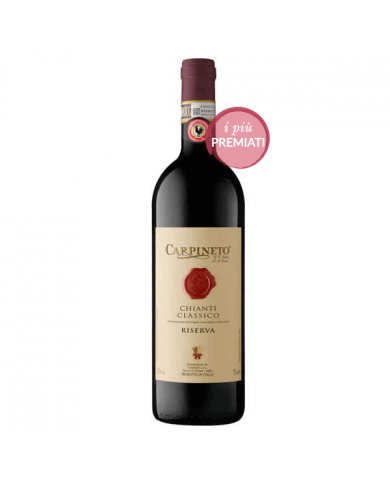
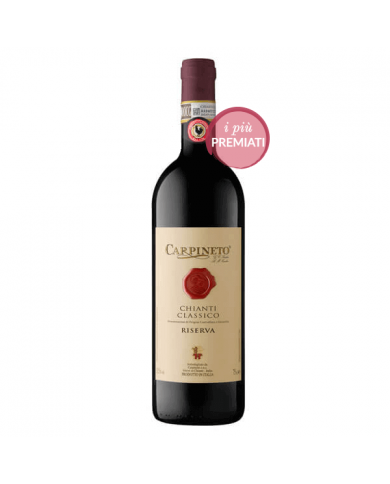
Produced with grapes from vineyards of the companies of Gaville (Florence) and Chianciano/Montepulciano (Siena), the latter planted at high density and considered by us to be particularly happy and suitable for producing great wines.
€18.56
SKU:
15131
Brand:
Federico Curtaz
Accatagliato, also called Dirac's constant, English, Nobel prize for physics, translates the expression "quantum of angular momentum". In physics, in the infinitely small, it is used to determine the unit of measurement of the energy of moving particles. Oil is the most seductive container of this energy, which sun, earth, light and leaves transform first into a fruit and then into oil, a dense and colorful substance. The aromas and fragrance derive from this infinite energy which become food and pleasure for us.
€12.79
SKU:
15130
Brand:
Federico Curtaz
€31.20
€24.96
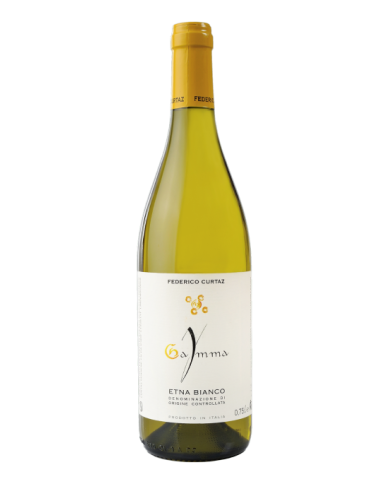
Gamma is a white wine of great finesse, dry and vertical as the Etna wines know how to be, long-lived, balanced in the play between acidity and body of the wine. It has a straw yellow color and an aroma of wild herbs and altitude flowers. --- Gamma: in physics, Gamma is the notation of the Lorenz factor, an equation that relates the dilation of time to the contraction of physical quantities, discovered at the time by Einstein. Wine makes people talk, unites people, expands the perception of time. Anyone who is passionate will experience the long chats around the emotional details that wine offers. Hours in which emotion and passion gracefully distort reality, transforming discussions around wine into pleasant journeys through history, culture and places, without moving from the table. Whenever wine is on the table, in the glass, it becomes a means for those who are passionate about it for long and passionate conversations. Culture, art, gastronomy mix with the evocation of the places where wine is produced, a virtual journey that extends for hours. Time and space confuse, wrap around flavors, colors and aromas, evoking emotions that come from often unknown lands.
€31.20
€24.96
SKU:
15129
Brand:
Federico Curtaz
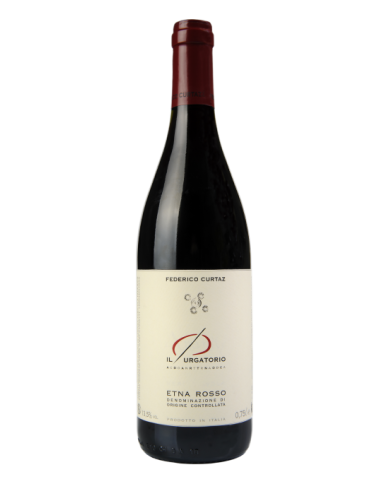
Purgatory: it is the place of production, an ancient district of Etna, one among thousands. A land of choice. Where the wine has a strong character without mediation, such as the interpretation I have given and will always give to Etna wines.
€28.55
SKU:
15128
Brand:
Federico Curtaz
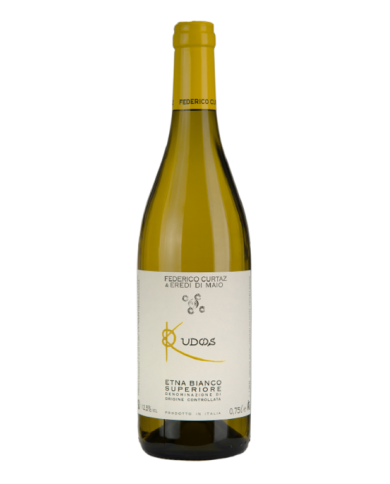
Kudos is a white wine from an ancient, elegant and profound vineyard. Acidity and thickness played on the blade of the knife, to be drunk young or stored for years, according to his own inspiration
€47.06
SKU:
15127
Brand:
Federico Curtaz
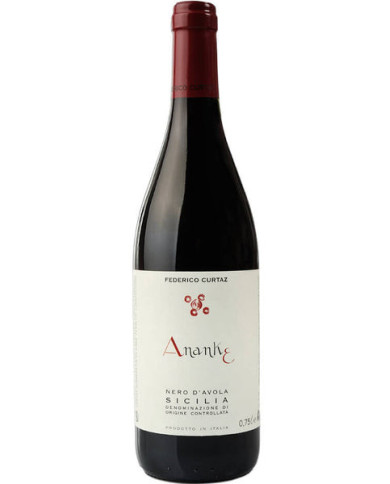
Ananke: for the first time I put my name on a wine label. Fate, necessity, consequence? The Ancient Goddess represents all of this and more. For me a new chapter of the experience in wine, a return also to the peasant gestures to which I am attached.
€22.40
SKU:
15126
Brand:
Strappelli
€10.63
€9.56
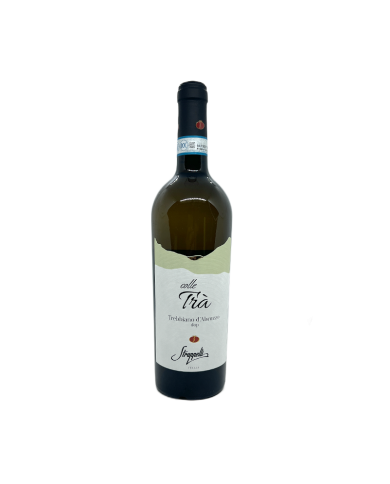
Malvasia Colle Trà comes from a long Malvasia clone, native to the Vibratian territory with tight and elongated clusters. Due to its turgid and at the same time fragile grapes, it is more easily subject to rot, therefore it is not always possible to vinify it every year.
€10.63
€9.56
SKU:
15125
Brand:
Strappelli
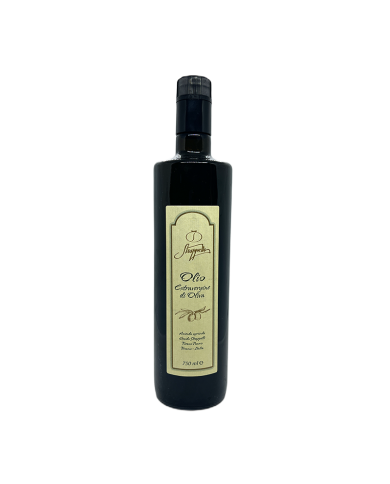
strappelli extra virgin olive oil, is obtained from multi-varietal olives harvested by hand and organically grown on the hills of Torano Nuovo. The olives are pressed within 24 hours of harvesting with a modern and hygienic extraction method: centrifuge at very low extraction temperature. It has a yellow color with greenish reflections, a decidedly fruity flavor of ripe olives, a veiled appearance as it has not been filtered.
€17.47
SKU:
15124
Brand:
Generico
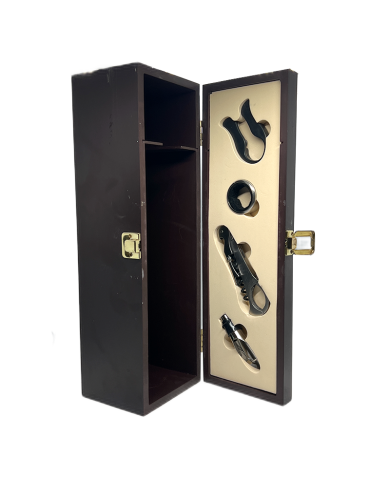
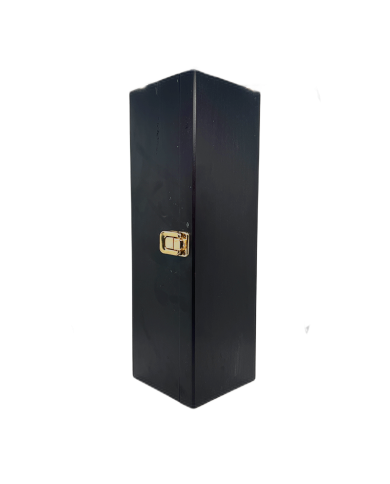
Wooden gift box with bottle compartment (not included) and accessories: drip collar, pouring spout, cap and bottle opener. You can complete the purchase of the box with one of the wines on this site in the 0.75l format. Great for a gift idea!
€28.05
€14.87
SKU:
15118
Brand:
Durin
It has an amber yellow color with golden reflections. The aromas are intense and persistent and recall dried and candied fruit…
€23.00
SKU:
15115
Brand:
Durin
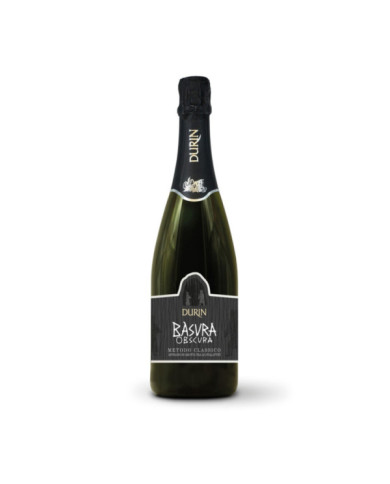
Important sparkling wine with a fine and persistent perlage. The bubbles that caress the palate enhance the finesse and elegance of the wine… The project of producing a classic method with native vines was born a long time ago with an enormous passion for bubbles and culminates, after years of study, in the production of the first local classic method e especially with the wonderful possibility of maturing this wine inside the caves of Toirano (SV) winding and suggestive in one of the most beautiful corners of Liguria. The caves represent the perfect cellar and "basura" is the witch who gives her name to one of the most suggestive rooms. A short distance away from the remains of the cave bear and from the evidence of prehistoric man who lived 12,000 years ago rest the our bottles in the darkness, silence, cold and constant humidity of the cave. In June 2011 with the first transfer to the cave, done by hand, bottle after bottle, begins a splendid alliance between wine, history and culture enthusiastically supported by the Superintendency of Archaeological Heritage of Liguria e from the municipality of Toirano. The right synergy capable of enhancing this portion of the western Ligurian hinterland as unique in its beauty as in its harshness.
€41.55
SKU:
15114
Brand:
Durin
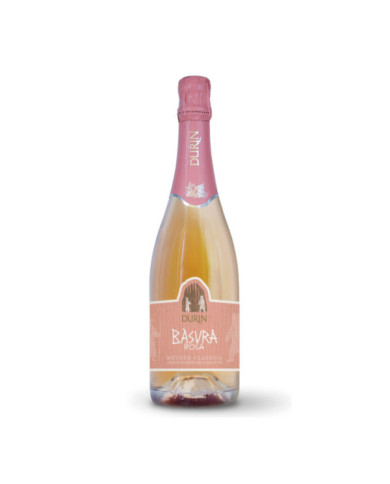
Rosé sparkling wine with a fine, soft, intense and persistent perlage, with an intense onion skin pink colour. The smell is fine, broad, elegant… The project of producing a classic method with native vines was born a long time ago with an enormous passion for bubbles and culminates, after years of study, in the production of the first local and especially with the wonderful possibility of maturing this wine inside the caves of Toirano (SV) winding and suggestive in one of the most beautiful corners of Liguria. The caves represent the perfect cellar and "basura" is the witch who gives her name to one of the most suggestive rooms. A short distance away from the remains of the cave bear and from the evidence of prehistoric man who lived 12,000 years ago rest the our bottles in the darkness, silence, cold and constant humidity of the cave. In June 2011 with the first transfer to the cave, done by hand, bottle after bottle, begins a splendid alliance between wine, history and culture enthusiastically supported by the Superintendency of Archaeological Heritage of Liguria e from the municipality of Toirano. The right synergy capable of enhancing this portion of the western Ligurian hinterland as unique in its beauty as in its harshness.
€36.48
€32.83
SKU:
15112
Brand:
Durin
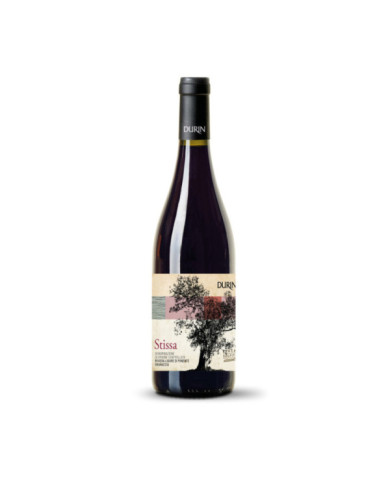
It has a deep ruby red color. The scent is rich and persuasive: the blackberry and cherry become more and more intense…
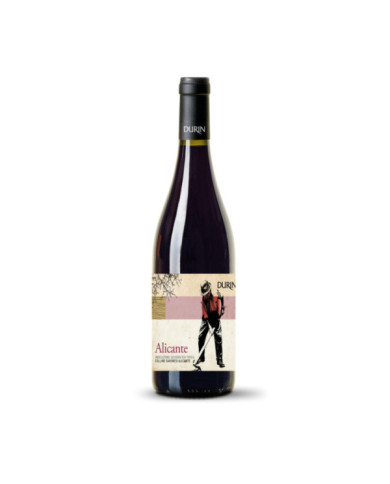
€17.29
SKU:
15110
Brand:
Durin
Appearance is clear, with a very intense garnet color. The nose is intense, persistent and fine, with hints of blueberry…
€20.14
SKU:
15109
Brand:
Durin
Ruby red wine with purplish edges. Intense fruity aromas of currant and strawberry on the nose with sensations of spices. The taste is dry…
€20.14
SKU:
15108
Brand:
Durin
Dry red wine with a clear appearance and an intense ruby colour. On the nose it is intense and persistent, fine, broad…
€23.00
SKU:
15106
Brand:
Durin
Bright ruby red colour, with purplish edges when young. Vinous, fragrant and persistent on the nose with hints of ripe cherry, blackberry, currant…
€17.29
SKU:
15105
Brand:
Durin
More or less intense ruby red colour. Broad, intense, persistent, fine, fruity bouquet, with hints of rose, strawberry, raspberry, blueberry…
€17.29
SKU:
15104
Brand:
Durin
Dry white wine with a clear appearance and a golden yellow colour. On the nose it is persistent, fine, harmonious, with hints of bitter orange…
€23.00
SKU:
15103
Brand:
Durin
Dry white wine. Straw yellow in color with warm golden reflections. Intense and enveloping bouquet, characterized by fruity notes and…
€21.57
SKU:
15102
Brand:
Durin
Dry white wine. Straw yellow color with golden reflections and beautiful luminosity. Fine and pleasant bouquet, ample, with a very intense impact…
€21.57
SKU:
15101
Brand:
Durin
Dry white wine. Straw yellow color with greenish reflections. On the nose it has an elegant aroma of fresh fruit…
€21.57
SKU:
15100
Brand:
Durin
Dry white wine. Straw yellow color with golden reflections. Ample, intensely fruity aroma with clear hints of yellow peach…
€23.00
SKU:
15098
Brand:
Durin
Dry white wine with an intense straw yellow colour. The nose is delicate but persistent, fine, with hints of green apple and white peach…
€17.29
SKU:
15096
Brand:
Durin
€15.03
€13.53
Dry white wine. Pale straw yellow colour. Delicate, fresh and subtle aroma, characteristic with hints of herbs…
€15.03
€13.53
SKU:
15095
Brand:
Durin
Dry white wine. Straw yellow color with reflections tending towards gold. Wide, intensely fruity, fragrant, persistent bouquet…
€18.86
SKU:
15094
Brand:
Durin
Dry white wine. Straw yellow in color with warm golden reflections. Intense and enveloping bouquet, characterized by fruity notes and…
€21.57
SKU:
15093
Brand:
Principe di Corleone
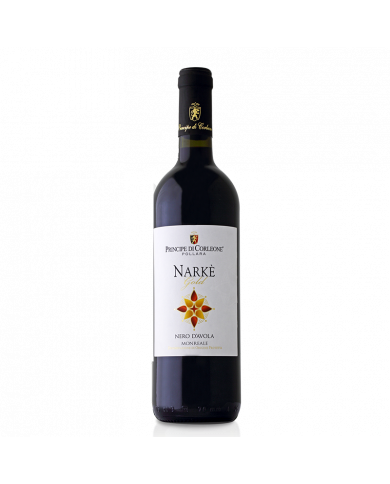
An incredible Nero d'Avola summer red, fruity and fresh. To be drunk young, vinified in steel tanks only, it manages to amaze with a delicate explosion of Mediterranean aromas. Ideal as an aperitif, it lends itself to any type of gastronomic combination. Pleasant even between meals.
€6.11
€44.24
SKU:
15091
Brand:
Davide Fregonese
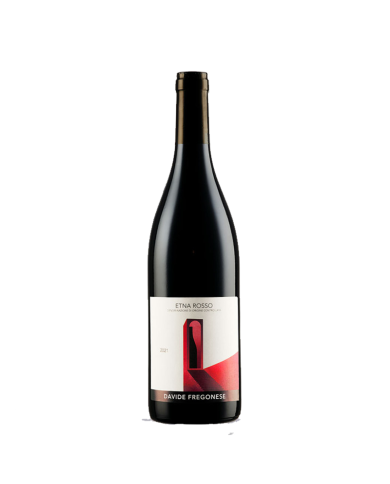
Austere, imposing, long-lived. Barolo Prapò DOCG vintage 2016 from Davide Fregonese winery, is an excellent red wine produced from grapes from 100% Nebbiolo vines. The vines were planted in 2000 in Serralunga d'Alba, Prapò, on calcareous soil at an altitude of 365 m slm , facing south-east. The training system used is espalier, with guyot pruning, and the grapes that have reached maturity are harvested in mid-October. Fermentation takes place in cement tanks in contact with the skins for about 28 days with daily pumping over and a delastage around the fourteenth day. The refinement takes place for a period of 18/30 months, depending on the vintage, and is carried out in French oak barrels from the Fontainebleau forest. A seductive glass of bright ruby red color. The nose opens fruity aromas of blackberry and blueberry, with spicy notes of cloves. In the mouth the taste is endowed with a decisive sapidity and a remarkable structure, supported by the right softness. The tannins are extremely fine, with a long persistence. It goes perfectly with baked veal shank and lamb with potatoes.
€57.65
SKU:
15090
Brand:
Davide Fregonese
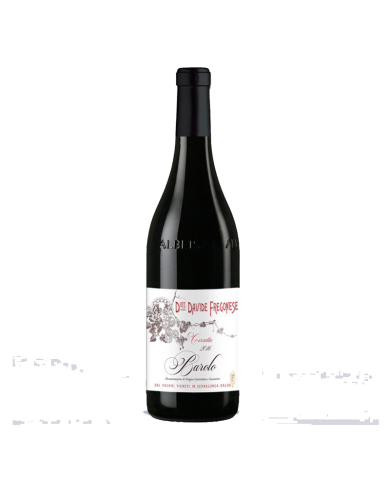
Enveloping, intense, memorable. Barolo Cerretta DOCG by Cantina "Bugia Nen" by Davide Fregonese, is an excellent red wine produced from grapes from 100% Nebbiolo vines. The Serralunga d'Alba vineyards were planted in 1998 on clayey-limestone soil at an altitude of 340 m slm with western exposure. The training system is espalier with guyot pruning. The grapes are harvested when fully ripe in mid-October. The refinement is carried out for a period ranging from 18 to 30 months depending on the vintage, in 15 hl French oak barrels from the Fontainbleau forest. A glass capable of captivating sight and smell from the very first moment. Intense ruby red to the eye, it offers the nose an amazing floral aroma of slightly withered flowers, mixed with the persistent scent of blackberry jam, followed by the bitterish hint of cocoa and licorice. In the mouth the taste is dense and extraordinarily enveloping, with a solid and balanced body, the flavor is persistent. The finish is fresh with a subtle but extremely elegant tannic texture. A refined and unique label of its kind; such a special bottle that it is perfectly suited to be tasted on the occasion of a combination with a juicy fassona steak, an elegant fillet with morels or a refined truffled partridge.
€57.65
SKU:
15089
Brand:
Davide Fregonese
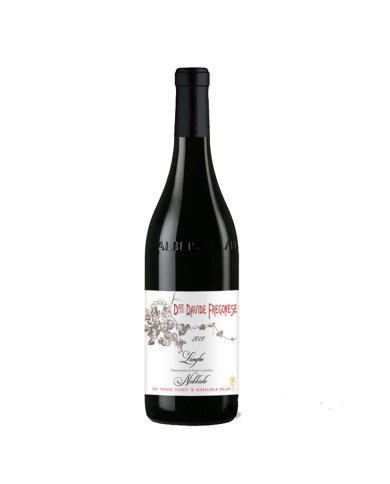
Fresh, captivating, pleasantly worldly. Nebbiolo Langhe DOC from Davide Fregonese's cellar, is a good quality red wine produced from grapes from 100% Nebbiolo vines.
Fermentation takes place in cement tanks in contact with the skins for about 12 days with daily pumping over, and a délastage towards the sixth. The refinement takes place for a period of 6/12 months, depending on the vintage, and is carried out in French oak barrels from the Fontainebleau forest.
A wine that shows an extremely intense ruby red color. The nose releases floral and fruity aromas, where the first to prevail are the fragrant hints of rose and violet, followed by hints of ripe red strawberry and cherry.
An easy-to-drink red, with a fine structure and an elegant tannic texture, good freshness.
It goes perfectly with structured meat-based dishes; even in the warmer months it is a very pleasant sip.
€18.36
SKU:
15088
Brand:
Davide Fregonese
€19.51
€16.58
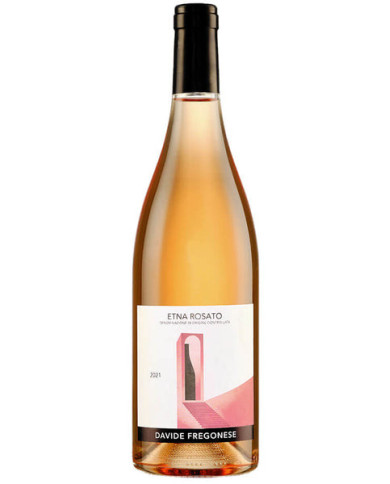
Full, intense, fresh and mineral. Etna Rosato is an excellent Sicilian wine, obtained with Nerello Mascalese grapes grown in Castiglione di Sicilia, Contrada Montedolce, on volcanic soil, at an altitude of 730/750 m slm The cellar makes use of the advice of the oenologists Andrea Delpiano and Davide Red. The vinification involves a soft direct pressing of the whole grape, with fermentation in stainless steel tanks for a period of about 15 days. Refinement always in steel tanks on fine lees for about 5 months, with weekly battonage in the first month and monthly in the last few months. In the glass it shows off a soft and bright pink. The olfactory profile is rich floral aromas, with fruity and citrus scents of pink grapefruit, pomegranate and raspberry, with hints of aromatic herbs. On the palate it is dynamic, with delicate fruit that leads towards a finish of pleasant mineral freshness. Excellent expression of volcanic wine, a label to try absolutely. It goes perfectly with all seafood dishes, it is perfect with vegetarian first courses, excellent with fresh cheeses.
€19.51
€16.58
SKU:
15087
Brand:
Davide Fregonese
Full, intense, fresh and mineral. Etna bianco is produced with grapes from Carricante vines (with small percentages of other native varieties). The vineyards are grown in Montedolce and Solicchiata, on volcanic soil at an altitude of 730 - 750 m slm with north, north-east exposure. The harvest takes place in mid-October, the vinification takes place by direct pressing, followed by fermentation in stainless steel tanks for a period of about 15 days. Refinement always in steel, on fine lees for about 5 months with weekly battonage. In the glass it shows a beautiful paglierino.Pieno yellow color. Full, intense, fresh and mineral. Aromas of white-fleshed fruits arrive on the nose, with hints of Mediterranean aromatic herbs. Mineral, fresh and intense taste, with a full, savory and persistent finish. It goes perfectly with seafood first courses, is perfect with fried fish and excellent with sea bream cooked in coarse salt.
€20.18
SKU:
15086
Brand:
Davide Fregonese
Intense and refined nose, candied cherry, wild herbs and minerals, bush and wet stone, hints of white pepper on the finish. Debut vintage, certainly a good start given the particularly lucky vintage. Davide Fregonese's Etna seeks the elegance he loves from Piedmont, opting for vinifications that are able to grant beauty and finesse.
€34.99
SKU:
15085
Brand:
Davide Fregonese
Intense and vinous nose, notes of ripe fruit and Mediterranean scrub. The vines are grown in the Montedolce/Solicchiata district, on the North East side of Etna: a very generous volcanic terroir that gives elegance and structure to Nerello Mascalese (with small percentages of other native varieties). The splendid vineyards are cultivated with an espalier training system, at an altitude of 730/750 m slm , with a north, north-east exposure. The harvest takes place in mid-October, the fermentation takes place in stainless steel tanks for a period of about 10 days, with daily pumping over and a délestage in the middle of the period, and always aging in steel. Ruby red in color to the eye, Sicilian Nerello Mascalese tells the territory with intensity; the savory and mineral sensations given by the volcanic lands stand out in particular. The nose is intense and vinous, with fruity hints of ripe fruit, with the fresh boost of rhubarb and Mediterranean scrub, accompanied by notes of resin and oriental woods. The taste is decidedly succulent, pleasantly progressive, with perfect acidity and delicate tannins, and a persistent and savory finish. Perfect in combination with first courses seasoned with meat sauce and stuffed baked pasta; also excellent to accompany mushroom soup, sausage with gravy and Wellington-style fillet.
€20.18
SKU:
15081
Brand:
Camillo Montori
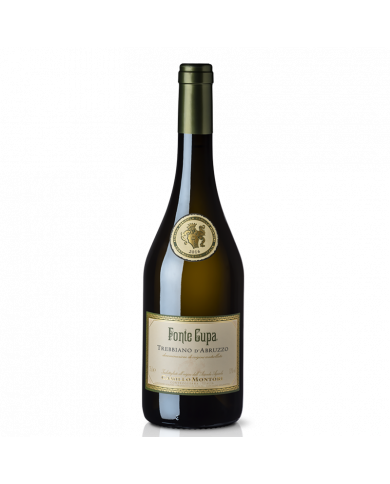
Brilliant in color with pale greenish-yellow reflections. The bouquet is very fine, fruity, with a hint of ripe apple characteristic of the vine of origin. Pleasantly fresh taste on the palate, it maintains an aromatic and gustatory persistence.
SKU:
15080
Brand:
Strappelli
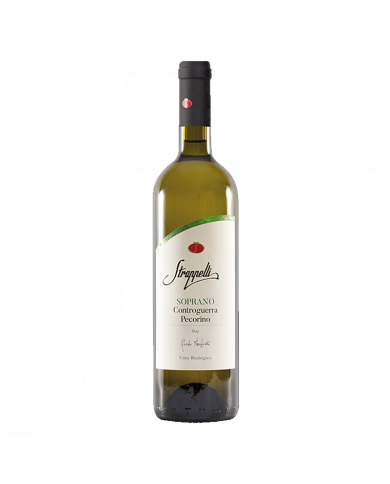
Our Pecorino Soprano Strappelli comes from a rather young vine of about 20 years. It is the earliest of the white vines; its harvest during the first week of September opens the dances of the grape harvest. The name Soprano was born to associate the strong voice of the Soprano with the strong character of Pecorino.
SKU:
15078
Brand:
Strappelli
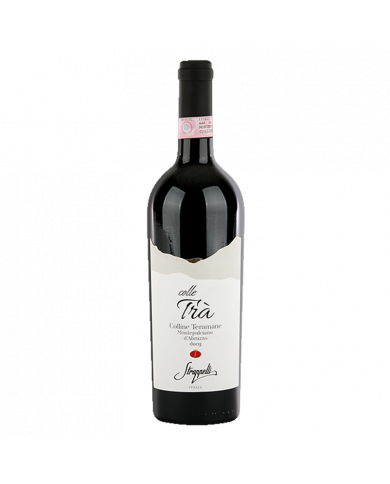
Our Montepulciano d'Abruzzo Colline Teramane docg “Colle Trà” also comes from the traditional R7 clone of the Teramo Hills. Its production starts with a careful selection of the grapes, and then undergoes a long maceration phase in the cellar triggering a spontaneous fermentation with indigenous yeasts. A stop in oak barrels for 18 months represents the last phase before the refinement in the bottle.
€29.48
SKU:
15077
Brand:
Terre d'Erce
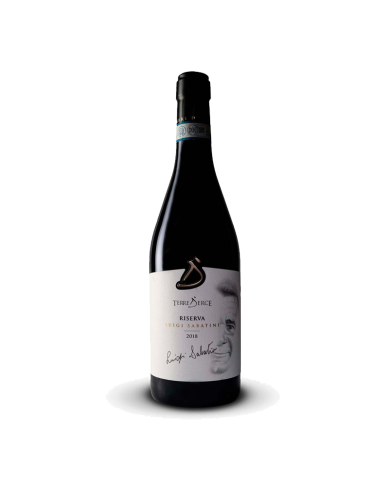
Montepulciano DOC100% with vineyards on the hills, with clayey soils that tend to be calcareous. The breeding is pergola Abruzzo with thirty-year vines, 1600 vines per hectare with a yield of 100 q.
€28.55
SKU:
15069
Brand:
Carpineto
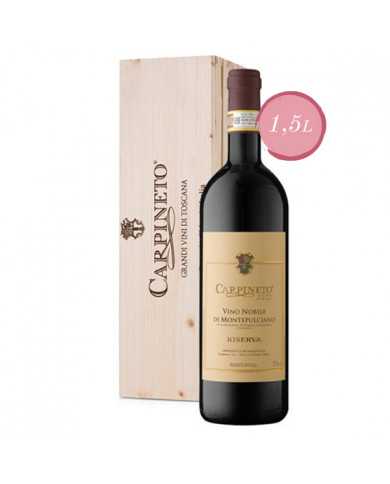
A great red wine, it takes its name from Montepulciano, a Renaissance city in the province of Siena, which dominates the wide and verdant Valdichiana from the top of a hill. The appellation of "Nobile" seems to derive not only from its intrinsic qualities of finesse and elegance, but also from the fact that in the past the production of this wine was particularly cared for by the noble families of the city.
€110.40
SKU:
15063
Brand:
D'Alfonso del Sordo
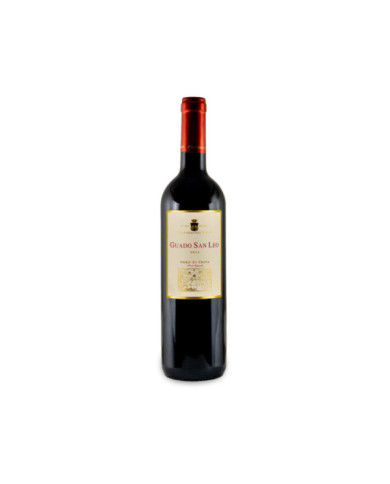
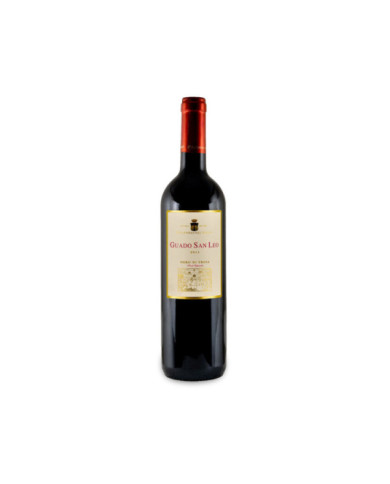
GUADO SAN LEO is the first wine of our company obtained solely from NERO DI TROIA grapes and has contributed together with other Apulian wines to the rebirth of this important vine. The grapes, coming from our "Coppanetta" estate, are harvested by hand in 15 kg boxes before being sent for vinification. with scrupulous selection.
SKU:
15062
Brand:
D'Alfonso del Sordo
GUADO SAN LEO is the first wine of our company obtained solely from NERO DI TROIA grapes and has contributed together with other Apulian wines to the rebirth of this important vine. The grapes, coming from our "Coppanetta" estate, are harvested by hand in 15 kg boxes before being sent for vinification. with scrupulous selection.
€50.70
SKU:
15061
Brand:
D'Alfonso del Sordo
The hot year with little rain has delivered healthy and ripe grapes which translates into a wine of intense color, the scarcity of rain combined with high temperatures has led to a lowering of the acid content giving the wines characteristics of intensity, alcohol and roundness , with precise and blended tannins. Also for this vintage it was necessary to anticipate the harvest by a few weeks to avoid water stress phenomena on the plants. The overall results are however very interesting due to the general balance we find in the wines produced in this vintage.
€24.71
SKU:
15060
Brand:
D'Alfonso del Sordo
GUADO SAN LEO is the first wine of our company obtained solely from NERO DI TROIA grapes and has contributed together with other Apulian wines to the rebirth of this important vine. The grapes, coming from our "Coppanetta" estate, are harvested by hand in 15 kg boxes before being sent for vinification. with scrupulous selection.
SKU:
15059
Brand:
D'Alfonso del Sordo
It has a brilliant straw yellow color with a thin perlage. The bouquet expresses fruity notes of apple, peach and orange.
€15.60
SKU:
15058
Brand:
D'Alfonso del Sordo
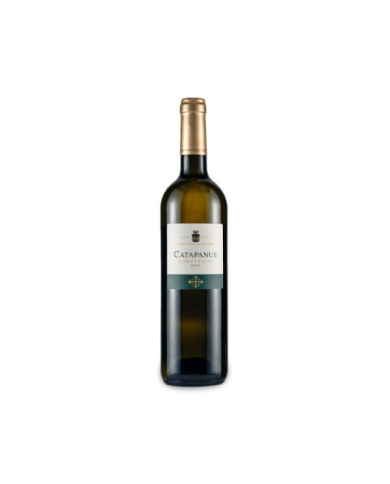
CATAPANUS was the name of the ancient provincial delegate of the emperor, in charge of the military and civil government of the whole of southern Italy in the Byzantine period. We wanted to dedicate our most important white grape variety in our area to this authoritative figure: BOMBINO BIANCO
€12.36
SKU:
15057
Brand:
D'Alfonso del Sordo
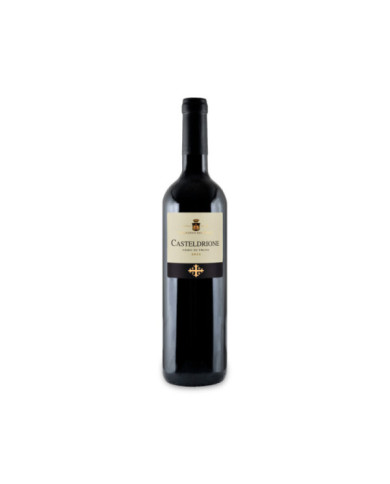
Legend has it that Diomedes, after marrying Driona, daughter of King Dauno, had a small temple with an altar dedicated to Calchas built on a low hill called Drion. In this place called Castrum Drionis or CASTELDRIONE the city of San Severo will rise.
€12.36
SKU:
15056
Brand:
D'Alfonso del Sordo
The sound of the bell has always marked important moments in the life of the populations: in fact, in rural areas, the sound of the bell often indicated the moment of pause in which the peasants stopped working to consume their meal. Even today, in many ancient Apulian farms, we can see in the central space called "court", the presence of a small bell.
€11.70
SKU:
15055
Brand:
D'Alfonso del Sordo
DAMMIROSE was born from the desire to give ever greater expressiveness to a vine that we can now define as the main one within the Apulian regional ampelography. In fact, NERO DI TROIA, even in rosé vinification, is very versatile, giving the wines exclusive characteristics.
€11.70
SKU:
15054
Brand:
D'Alfonso del Sordo
MONTERO was born from the union of the terms Montepulciano and San Severo and wants to underline the strong bond of this important vine to our territory. MONTERO is one of the first labels put on the market by our company in the 1960s. The current blend, in addition to the presence of Montepulciano, includes a small percentage of Cabernet Sauvignon which manages to better soften the vigorous tannins and make the aromatic spectrum more complex.
€9.88
SKU:
15053
Brand:
D'Alfonso del Sordo
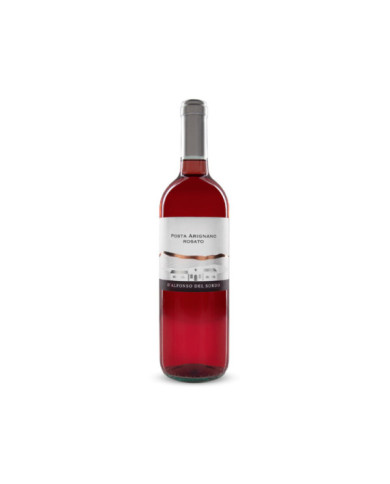
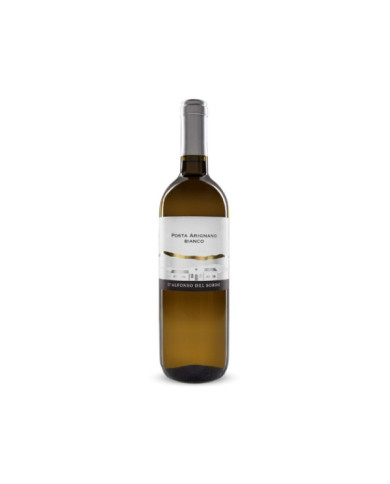
POSTA ARIGNANO is the name of the ancient farmhouse that stands in the center of the "Coppanetta" estate where, in ancient times, travelers who crossed the Daunia lands found refreshment and very often also the shepherds in transhumance from nearby Abruzzo. Today the farm is surrounded by about 30 hectares. of vineyards that give rise to most of our labels.
€9.10
SKU:
15052
Brand:
D'Alfonso del Sordo
POSTA ARIGNANO is the name of the ancient farmhouse that stands in the center of the "Coppanetta" estate where, in ancient times, travelers who crossed the Daunia lands found refreshment and very often also the shepherds in transhumance from nearby Abruzzo. Today the farm is surrounded by about 30 hectares. of vineyards that give rise to most of our labels.
SKU:
15051
Brand:
D'Alfonso del Sordo
POSTA ARIGNANO is the name of the ancient farmhouse that stands in the center of the "Coppanetta" estate where, in ancient times, travelers who crossed the Daunia lands found refreshment and very often also the shepherds in transhumance from nearby Abruzzo. Today the farm is surrounded by about 30 hectares. of vineyards that give rise to most of our labels.
SKU:
15050
Brand:
D'Alfonso del Sordo
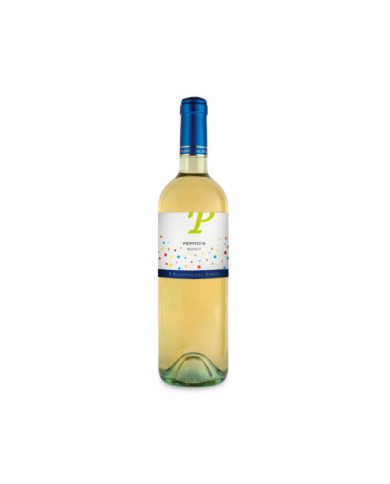
The white bombino also lends itself easily to the production of lively and sparkling wines, thanks to its acidic vein which allows to obtain fresh and fragrant wines. PEPITO'S is proof of this: Fresh and delicate, characterized by a pleasant perlage, very cold it is an excellent aperitif, but also a pleasant accompaniment to fish and shellfish dishes.
€7.14
€6.42
€23.79
SKU:
15047
Brand:
Castello dei Rampolla
Sammarco is a wine with fresh and fine scents of undergrowth, with a deep and intense colour. It presents specific aromas of the soil and impressions of ripe fruit. It has a great concentration with robust tannins. Elegant and refined wine. Percentages of Sangiovese and Merlot are added to the Cabernet Sauvignon. Production varies according to climatic conditions: 8,000 – 25,000 bottles.
€49.17
SKU:
15046
Brand:
Castello dei Rampolla
D'Alceo fully reflects the characteristics of the vineyard from which it comes. Intense, warm, refined and elegant. The well-ripe red fruit combines perfectly with the notes of delicate cigar and tobacco. An incredible concentration without heaviness. For once we are not talking about a wine, but about the personality of a vineyard planted by Alceo, who could not imagine having found the excellent combination of exposure, soil and vines (Cabernet Sauvignon and Petit Verdot). The average production is 6000 – 12000 bottles.
€134.90
SKU:
15045
Brand:
Kante
"salty, spicy, fragrant" my Malvasia is the only variety with which I was able to capture the taste of the sea and iodine
€23.90
SKU:
15043
Brand:
Cantina Madonna di Loreto
Trebbiano d'Abruzzo DOP has an intense straw yellow colour; the nose is characterized by intense and delicate aromas; on the palate it is sapid, velvety, harmonious.
€4.44
€3.77
SKU:
15042
Brand:
Cantina Madonna di Loreto
The color is straw yellow with greenish notes, the fruity scent with citrus notes, persistent. Good structure, excellent freshness, full and intense flavour. Excellent as an aperitif, it accompanies all fish-based dishes revealing a predilection for shellfish and seafood, even raw.
€8.72
SKU:
15041
Brand:
Cantina Madonna di Loreto
Intense ruby red color with violet reflections, a cherry aroma and a delicate touch of spice: a generous and authentic award-winning Montepulciano d'Abruzzo, to be enjoyed slowly
€8.72
SKU:
15040
Brand:
Cantina Madonna di Loreto
The grapes are harvested by hand and crushed-destemmed and the must is left in contact with the skins for about 8 hours and then vinified in white. It is then left to ferment at a controlled temperature in stainless steel where it remains until January / February, when it is bottled.
€4.44
€3.77
SKU:
15039
Brand:
Cantina Madonna di Loreto
With a pale straw yellow color, a fresh bouquet, with tropical nuances that blend with elegant floral scents. The flavor is full, with a good structure and a long persistence with mineral notes. We recommend pairing with fish, white meats and cheeses.
€4.44
€3.77
SKU:
15038
Brand:
Cantina Madonna di Loreto
Montepulciano d'Abruzzo PDO is distinguished by an intense ruby red color which tends towards garnet with ageing; the scent is floral and fruity, with hints of ripe red fruits and spices; the taste is full, dry, harmonious and rightly tannic.
€4.44
SKU:
15036
Brand:
Villese
name "Nerie" is linked to the name of a brave Etruscan leader. In the archaeological excavations carried out in Villalfonsina in 1914, many artifacts were found that highlight the presence in the 6th-5th century BC of trade with the Etruscan area. Among others, bronze statuettes depicting a knight on horseback and a red impasto olla bearing the silhouette of the same knight and the inscription “ne” (probable abbreviation of the individual name Nerie). The label of our “Nerie” is inspired by a bronze disc with the aforementioned rider on horseback in relief. The wine has an intense ruby red color with garnet reflections. Intense, characteristic aroma, typical of the grape, full and robust body with well balanced tannic component to the taste of wood, harmonious.
€7.81
SKU:
15035
Brand:
Cantine De Luca
Straw yellow color with greenish reflections, it begins on the nose with intense and pleasant aromas with notes of white-fleshed peach and tropical fruit, while on the palate it develops a full sapidity accompanied by a great minerality.
€10.78
€9.71
SKU:
15034
Brand:
Valentini
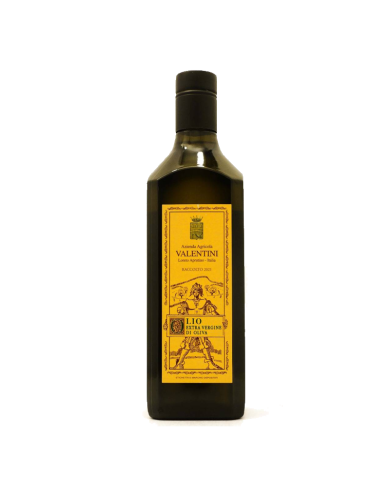
Valentini 's Extra Virgin Olive Oil is produced exclusively from Dritta cultivar olives (also called Loretana and Moscufese).
€28.35
SKU:
15032
Brand:
Carpineto
Produced in the oldest production area, as stated in the disciplinary that regulates it, this area gave its name to the wine and is the only one where Chianti Classico is produced. It extends between Florence and Siena in a territory of breathtaking beauty, made up of villages perched on the top of the hills, of olive trees cultivated in steep fields with an irregular outline and of cypresses lined up to delimit the innumerable dirt roads.
€89.67
SKU:
15029
Brand:
Carpineto
Produced in the oldest production area, as stated in the disciplinary that regulates it, this area gave its name to the wine and is the only one where Chianti Classico is produced. It extends between Florence and Siena in a territory of breathtaking beauty, made up of villages perched on the top of the hills, of olive trees cultivated in steep fields with an irregular outline and of cypresses lined up to delimit the innumerable dirt roads.
€86.01
SKU:
15024
Brand:
Carpineto
Produced in the oldest production area, as stated in the disciplinary that regulates it, this area gave its name to the wine and is the only one where Chianti Classico is produced. It extends between Florence and Siena in a territory of breathtaking beauty, made up of villages perched on the top of the hills, of olive trees cultivated in steep fields with an irregular outline and of cypresses lined up to delimit the innumerable dirt roads.
€51.24
SKU:
15022
Brand:
Contadi Castaldi
Only chardonnay grapes harvested by hand from the vineyards of Adro, Capriolo, Cazzago San Martino and Erbusco, for this still wine fermented in steel containers and aged for 30% in barriques.
The color is bright yellow with soft golden reflections, the nose is rich, with evident notes of exotic fruit, white flowers which give the wine a pleasant sensation of freshness and, in the background, a tone of tobacco, sweet almond and vanilla. On the palate it is savory with traces of minerals and the taste highlights a lively fragrance and a pleasant acidic vein that prolongs the persistence in the mouth.
€10.61
SKU:
15021
Brand:
Contadi Castaldi
Cuvée made only in exceptional years, when Pinot Noir reaches perfection, Mariella is a unique and unforgettable bubble that anyone who loves the genre cannot miss. A blend composed of 90% Pinto Nero and the remaining 10% Chardonnay, Mariella ages for 62 to 70 months according to the Classic Method and stands out for its elegance and complexity, given by the subtle balance between the austerity of Pinot Noir and the softness of Chardonnay, characteristics that give it a remarkable expressive richness and a prominent place in the Franciacorta panorama.
€44.90
SKU:
15020
Brand:
Contadi Castaldi
A wine that celebrates Ducati yesterday and today. Who knows how to tell his uniqueness and the extraordinary ability to arouse emotions. A Franciacorta with expressive, dynamic, agile, sinuous aromas like a crease, with a fresh, vertical, energetic and powerful character.
€23.95
SKU:
15019
Brand:
Contadi Castaldi
A perfumed wine, which conquers for its original gustatory freshness. The style is played on the search for harmony between complexity and pleasantness. The color is straw yellow, with a fine and persistent perlage. The nose is fresh and elegant, with clear aromas of hawthorn, bread crust, balsamic notes, nuances of rennet apple, dried figs and peanuts. Soft in the mouth, but not sweet, it has a fresh and pleasant taste. The finish is long and decisive, of great gustatory pleasure.
€25.90
SKU:
15018
Brand:
Contadi Castaldi
The perlage is fine and persistent; the bouquet is very broad: citrus fruits, pink grapefruit, wild strawberry, white flowers, lime, acacia honey and green oregano. On the palate it is a crisp, fruity and fresh wine with notes of citrus fruit from wild woods.
€39.89
SKU:
15017
Brand:
Contadi Castaldi
A fascinating sip melted into a dynamic perlage that translates the essence of the material into refined elegance, whose interpretation key remains the full structure in a paradigm of unprecedented rationality, the nerve center of freshness and pungent minerality. Weavings of impalpable chalkiness, puffs of face powder, yellow citrus fruits, almond, salt, broom and honeysuckle, can be read as tension and depth, an authentic chalice, gastronomic free thought. The grace of the sip is the essential stylistic figure, of which the biting vertical development in an author's palate is surprising.
€27.45
SKU:
15016
Brand:
Contadi Castaldi
Zero, in mathematics, is the extreme limit of numbers, it is the beginning of everything, the absence before completion. Even Zèro by Contadi Castaldi has its principle in the extreme: a wine which, closely connected to the raw material, celebrates the perfect moment for the harvest, the instant in which it all begins. So as to recognize the persuasive gentleness of the Chardonnay in the glass in harmony with the authentic dynamism of the Pinot Noir; an absolute balance which in some years favors the white grape variety, in others the black grape variety. For the Zèro 2018 there are 22 harvest selections and 29 vineyards that make up its sensory heritage, the expression of a vintage that has given rise to an energetic, powerful and structured wine, but also pleasant and drinkable at any time .
€40.02
SKU:
15013
Brand:
Bosio
Empty wooden box of 6 bottles of Dosaggio Zero sparkling wine BC 2011 Franciacorta Riserva DOCG - Bosio with sliding lid
€19.90
SKU:
15012
Brand:
Bosio
Reserve of an intense yellow color, it has a very fine perlage, a complex bouquet that ranges from floral to ripe fruit with spicy and yeast notes.
€370.00
SKU:
15006
Brand:
Tenuta Cocci Grifoni
Rosso Piceno Superiore is born from a decidedly limited area. These are the years in which, every time we return home after having travelled, known and studied other realities, we begin to look around us with the eyes of those who finally begin to see again. Perhaps we needed a little homesickness, perhaps we needed not to feel the sense of protection of the places of which we know every detail.
And we go back, like children, to observe our hills with exploratory eyes, surprising ourselves with the beauty of the landscapes to which time had accustomed us. Sour cherries in alcohol, violets, fresh notes of rosemary in a wine which, in faithfully describing the territory, however wants to show its most fascinating, engaging and exciting side.
€12.32
SKU:
15004
Brand:
Tenuta Cocci Grifoni
Our first hectare, the one from which the history of Pecorino began. The first parent of Colle Vecchio is today dedicated to Guido Cocci Grifoni and to the bottle that bears his name. It is our most recent version of Pecorino, a wine made in a few numbered specimens, in memory of who, where and when. And not to praise or glorify the past, but to photograph a moment of our past that has become present and future. Using descriptors today, for a wine that will have a life of more than ten years, seems almost out of place. Only a few notes therefore, to give a reference, a trace of his first, very young expressions. Among our whites it is certainly the fullest, the most saline, the most present and the softest. It opens with notes of ripe apple and then moves on to intense and fleshy yellow flowers. The aromatic herbs come forward decisively, accompanying a fascinating scent of star anise.
€26.23
SKU:
15002
Brand:
Tenuta Cocci Grifoni
A milestone of our hills brought to light thanks to the adventurous spirit of Guido Cocci Grifoni. Some wonder who took over the lead. We in the winemaking choices, he in the expression of his nature. Neither one nor the other. We have listened to and explored his intentions for years, respecting and supporting his nature and his inclinations so that he became what he wanted to be. And today it is a dry, intrepid wine with impactful acidity, full and soft. Fruity of ripe pear, it turns to floral notes of lily of the valley and broom and then returns to fruit, this time tropical, such as mango. The freshness is manifested with accents of lemon grass and sage to be enjoyed for years.
€15.01
SKU:
15001
Brand:
Tenuta Cocci Grifoni
And we too walk the path of the Martinotti Method. Because it is a piece of all-Italian history, because a glass of bubbles induces an immediate smile, because the Passerina vine benefits from the second fermentation in an autoclave which amplifies its wheel of perfumes, maintaining its freshness and salinity. Passerina Brut carries with it an imaginary made of joy and celebrations. With this spirit we vinify it in the hope that, once in your glasses, it will be as much a source of happiness for you as it is for us to produce it.
An explosion of wild flowers, hints of cedar, tasty snuff-box peaches and crunchy white cherries. The perlage is subtle and the sweetness imperceptible for a decisive sip that tells the story of the territory.
€14.88
SKU:
15000
Brand:
Tenuta Cocci Grifoni
Falerio Pecorino tells a story that comes from the past. A blend that, in our bottle, sees Trebbiano refine the power of Pecorino for a glass suitable for the most carefree moments of the day, including those at the table. Pear-fruity, it moves to floral sensations that bring back jasmine, then returning to the fruit with green notes of kiwi and round sensations of passion fruit. The sincere and pounding sip of Pecorino relaxes on the memories of wild flowers typical of the Trebbiano that accompanies it in this bottle.
€11.04
SKU:
14999
Brand:
Tenuta Cocci Grifoni
Known for its generosity in producing fruit, Passerina has always quenched the thirst of a large number of people. Today we know its needs and we know how to make it express its effective potential. Indeed, it is capable of describing a floral bouquet of rare freshness. We offer it in its still version, from the grapes of the Tenuta San Basso, full of May flowers and rounded off by ripe fruit. The opening is citrusy of cedar, but linden flowers and very fresh chamomile appear shortly after. This last perfume is repeated harvest after harvest, giving a recognizable trait to our Passerina, evidently defined by our land. The sip swells with ripe yellow plum and pink apple, giving fullness to the very fresh character of this wine.
€10.37
SKU:
14998
Brand:
Tenuta Cocci Grifoni
The wine of our countryside, the wine of our peasant tradition, the wine of sharecropping. At the time there was no talk of blends, wine was not produced to be sold, but to be drunk. The purpose was only one. Bring a nice bottle of red wine to the table every day. Each family chose whether and how long to leave it in the barrels but one thing was certain, there were two vines in those barrels: Montepulciano and Sangiovese. Today as then, we re-propose that union of two grape varieties that have always been together. With an exuberant nature, this wine tells of a panorama that is colored with brilliant tones. Raspberries, cyclamen, morello cherries. At the end, a surprising citrus touch of chinotto refreshes and invites you to fill your glasses.
€10.16
SKU:
14997
Brand:
Tenuta Cocci Grifoni
The last born in the cellar, which immediately became popular. We owe the exceptional success of this label not only to the notoriety of the vine, but above all to the versatility of the wine we have obtained. It is a wine that finds multiple opportunities to express itself since it is capable of giving great satisfaction both as an aperitif and throughout the meal. From peach blossoms it moves to wild strawberries to arrive at buttery notes of strawberry tree sharpened by precise memories of pink grapefruit. Dry and soft, with a long fruity finish, it is gentle like the summer breeze of the most rosy sunsets.
€11.74
SKU:
14993
Brand:
Lidia e Amato
The “Montepulciano d'Abruzzo Doc Forty” wine is one of the most important Montepulciano wines produced by the Lidia e Amato company. The Lidia e Amato company is located in the province of Teramo in the Abruzzo region. The "Montepulciano d'Abruzzo Doc Forty" wine by Lidia e Amato is a red, still and dry wine. The wines of the Lidia e Amato winery, among which the wine "Montepulciano d'Abruzzo Doc Forty", reviewed in this article, contributed to the positive evolution of the appellation, thanks also to the professionalism of the operators who believed in the potential of the territory of province of Teramo. The reputation of the appellation and its wines, such as the "Montepulciano d'Abruzzo Doc Forty" of the Lidia e Amato company, continue to arouse the interest of the markets, as evidenced by the national and international awards of the wines produced by the companies of the Abruzzo region and the province of Teramo in particular. The Montepulciano d'Abruzzo Doc Forty wine from the Lidia e Amato winery, a wine of the appellation, is vinified from Montepulciano grapes. The Lidia e Amato winery produces about 6000 bottles of the Montepulciano d'Abruzzo Doc Forty wine, whose well-balanced organoleptic characteristics and gustatory balance make it one of the most interesting wines of the appellation.
€14.27
SKU:
14992
Brand:
Tenute Chiaromonte
Intense red wine, with aromas of plums, small black fruits and spices that surround a decisive and clean fruit. Impact on the palate, volume without sagging, acidity that well balances the typical sweetness of the vine. Pleasant finish, poured by notes of chocolate and licorice. Pairings Finds its best pairing with cheeses, roasts and all dishes of the Mediterranean cuisine.
€23.00
SKU:
14989
Brand:
Tenute Chiaromonte
A Primitivo expression of its land, Acquaviva delle Fonti, of which it tells the long winemaking tradition, but also the history and legends; like that of the Mascheroni, guardians of the monumental Palazzo De Mari. Bright red color with violet reflections and intense aromas of small red fruits. On the palate it is fresh, sapid and rightly tannic, with a soft and fruity finish. Pairings Excellent table wine, it finds the best combination with the typical dishes of Mediterranean cuisine.
€10.93
SKU:
14988
Brand:
Tenute Chiaromonte
An international vine, the chardonnay, accompanied by an ancient Apulian vine rediscovered, the Fiano, give life to these splendid bubbles which appear with a sparkling straw yellow animated by an elegant and dense perlage. Nose of great impact with very delicate buttery notes, followed by refined nuances of peach blossom. Full-bodied and refined taste that maintains a perfect balance with a long and citrusy finish, a pleasant persistence that recalls scents of yeast and bread crust.
Pairings
The combination with steamed salmon fillet in a crunchy green apple crust is very interesting.
€55.75