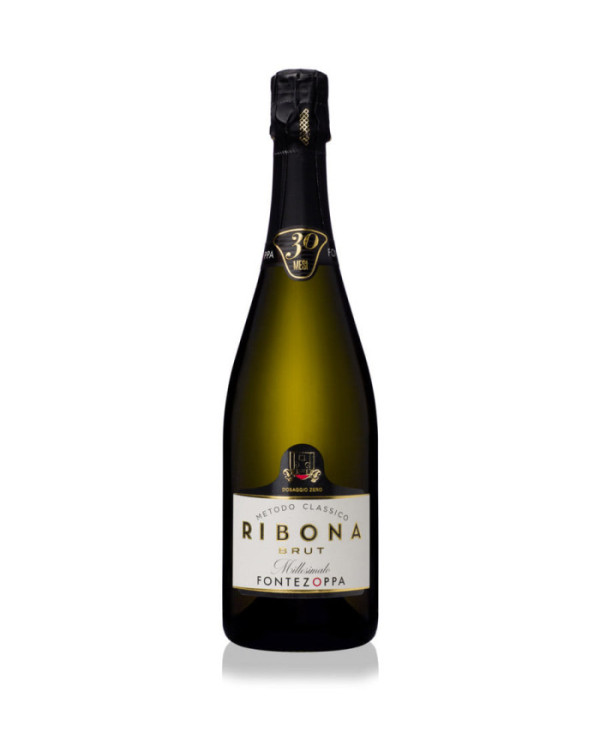
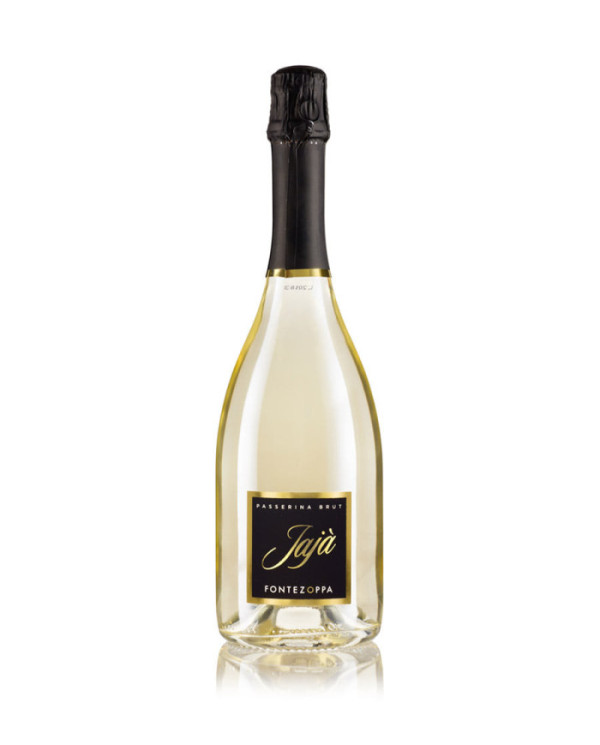
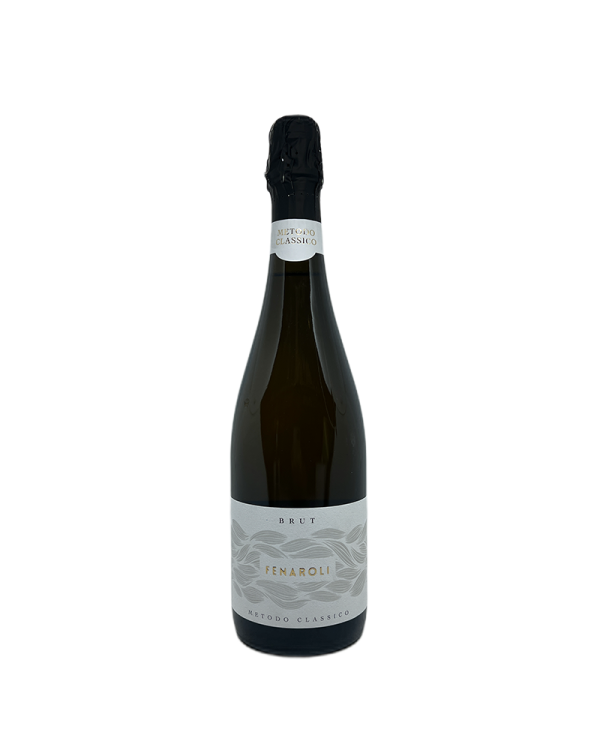
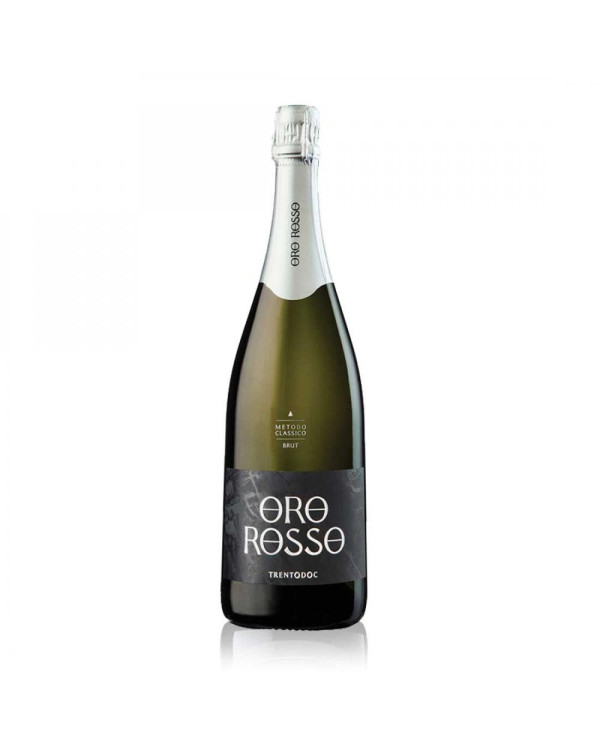
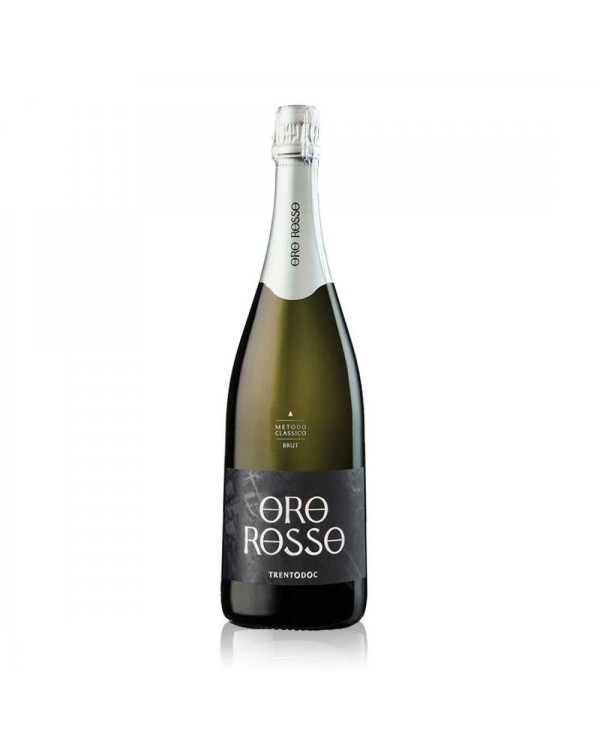
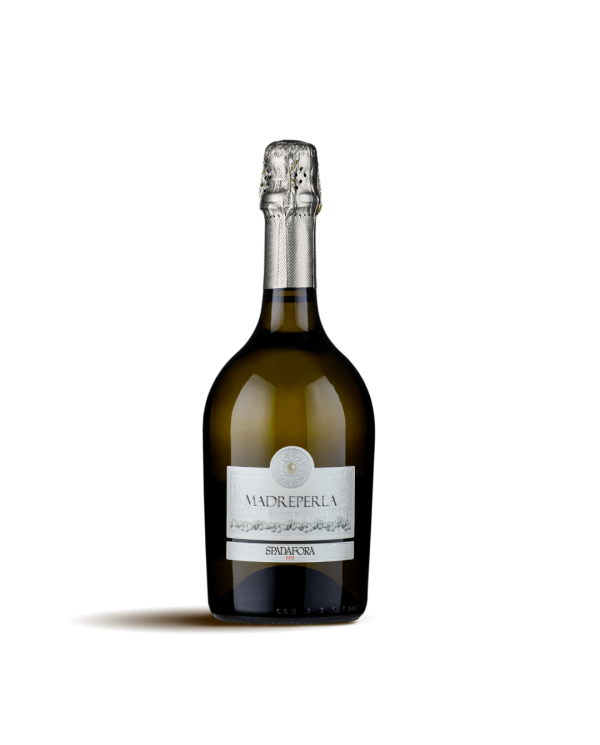
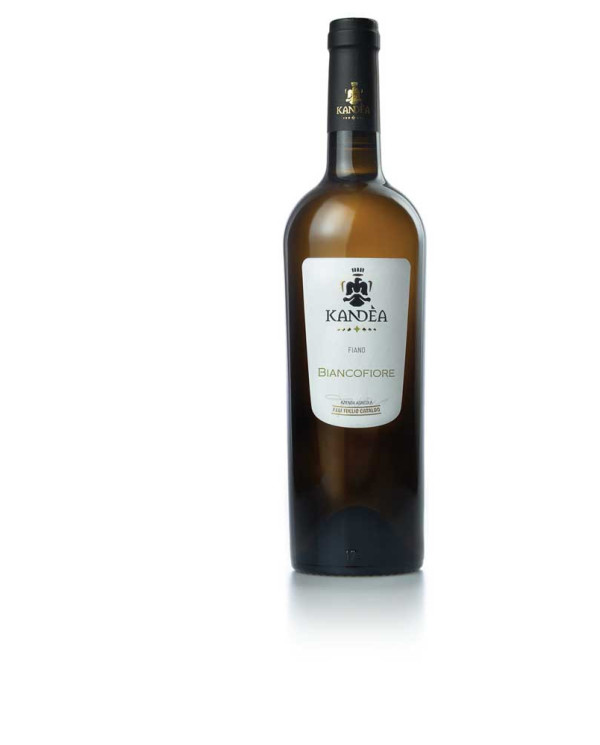
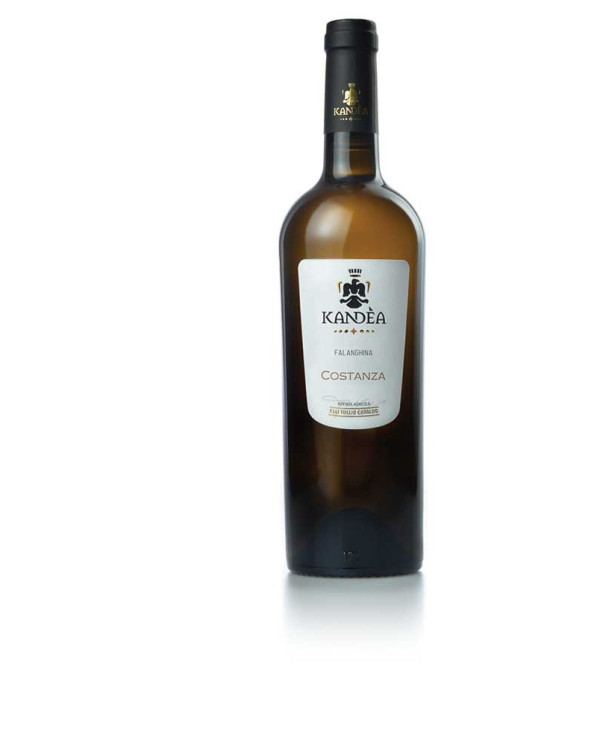
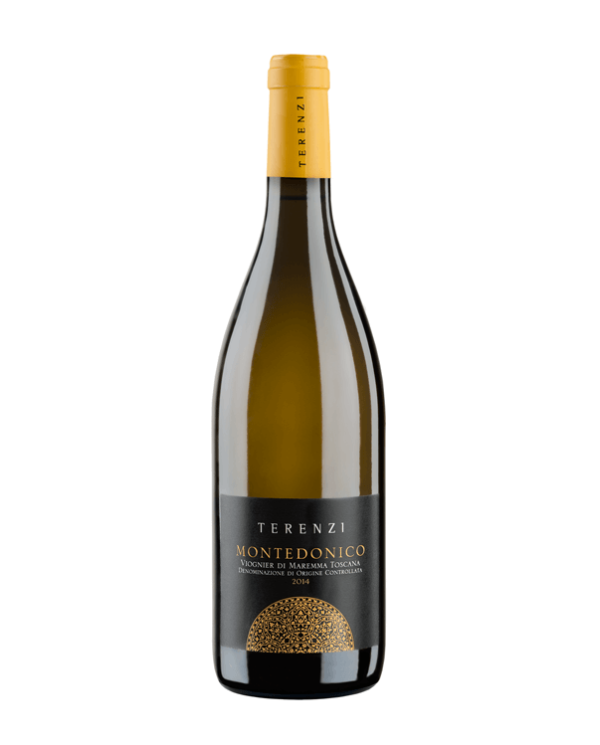
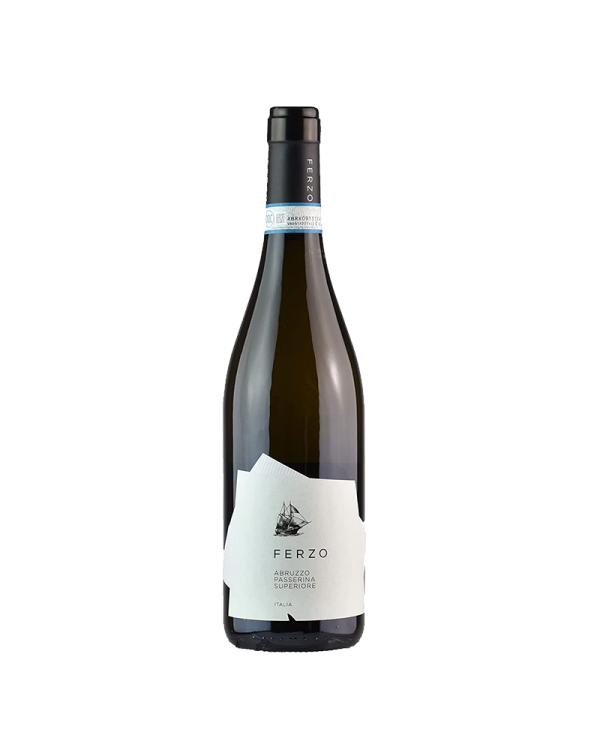
Fresh, balanced and savory sparkling wine with a fruity aftertaste. Ideal to accompany aperitifs and raw seafood.
The Metodo Classico Spumante Brut Fenaroli is a sparkling wine made from white berried grapes from the Citra winery. A Classic Method of great style and elegance
The first Dynamic Energy Vineyard (last patent by the Di Carlo family). Nature and man merge with the energy of colours... to improve biodiversity, the vitality of the soil, the positive frequencies on plants and fruits, people, animals and useful insects.
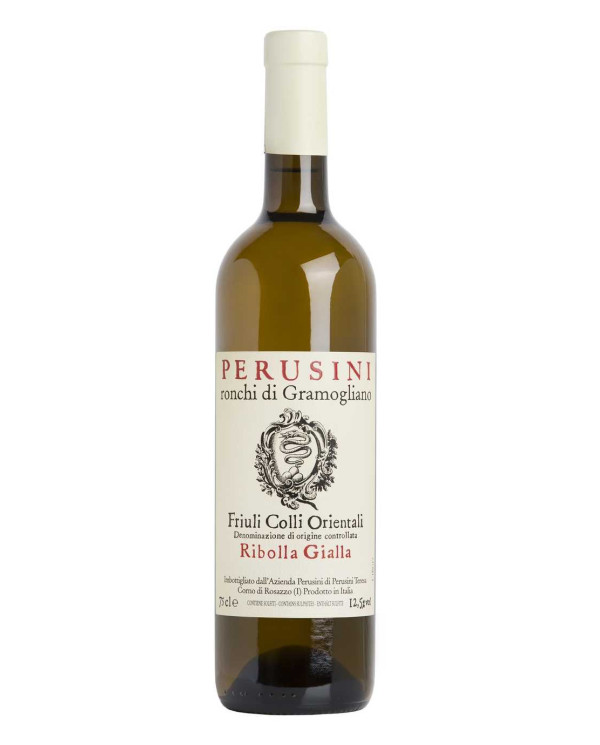
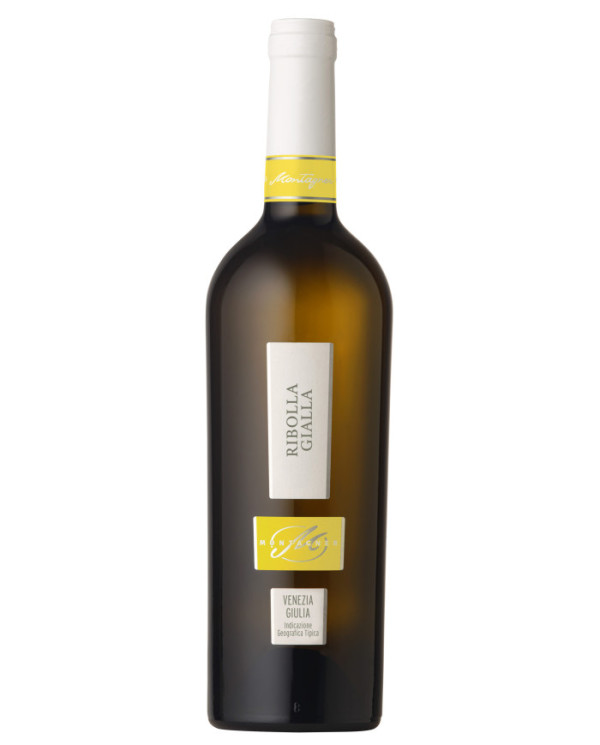
Ribolla Gialla DOC is the symbolic wine of the Perusini Agricultural Company, located in Corno di Rosazzo in the province of Udine, on the eastern Friulian hills. Produced with 100% Ribolla Gialla grapes
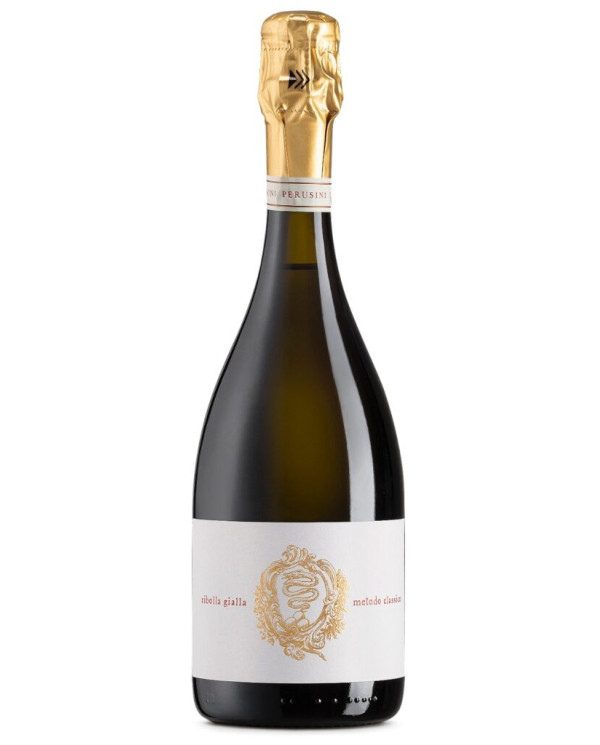
Ribolla Classic Method is a Brut sparkling wine obtained 100% from Ribolla Gialla grapes refermented in the bottle for 24 months. The Ribolla grapes guarantee this wine a great freshness and a pronounced acidity.
Riserva white wine produced using the selection of the best bunches of Sauvignon and Chardonnay from our most suitable plots.
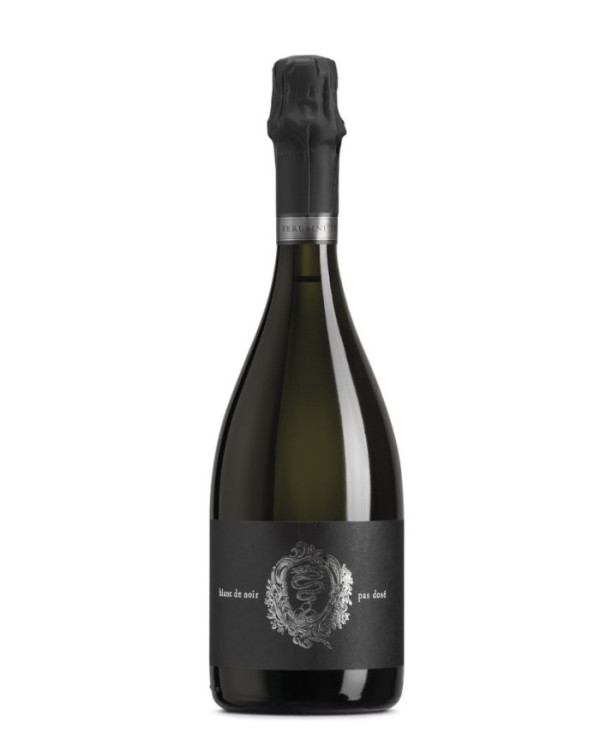
Last born in the Perusini house, this classic method is obtained from the best Pinot Noir grapes. This type of sparkling wine is better known on the market as Blanc de Noir. We have chosen to produce it in the version without added sugar and liqueur, and therefore with a pas dosé dosage…
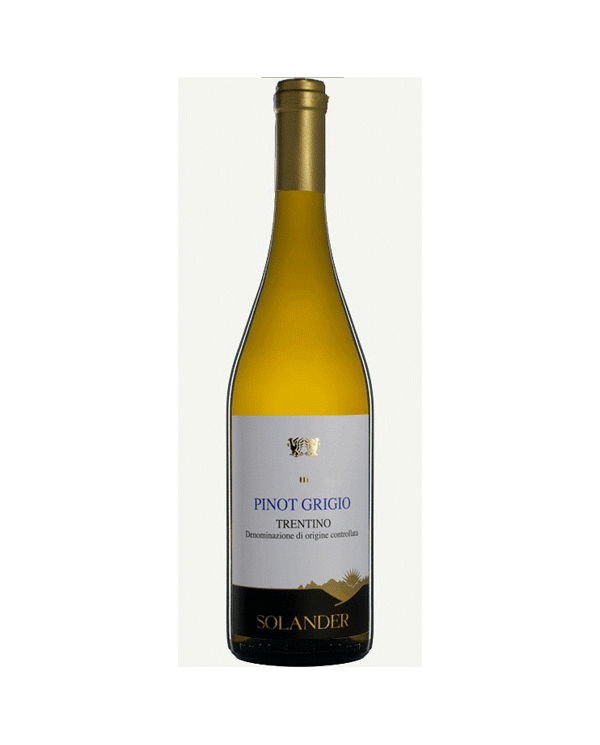
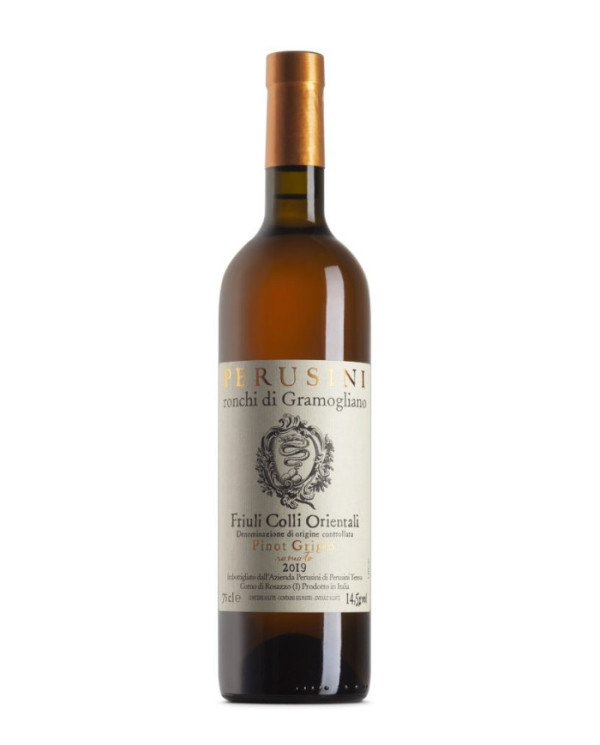
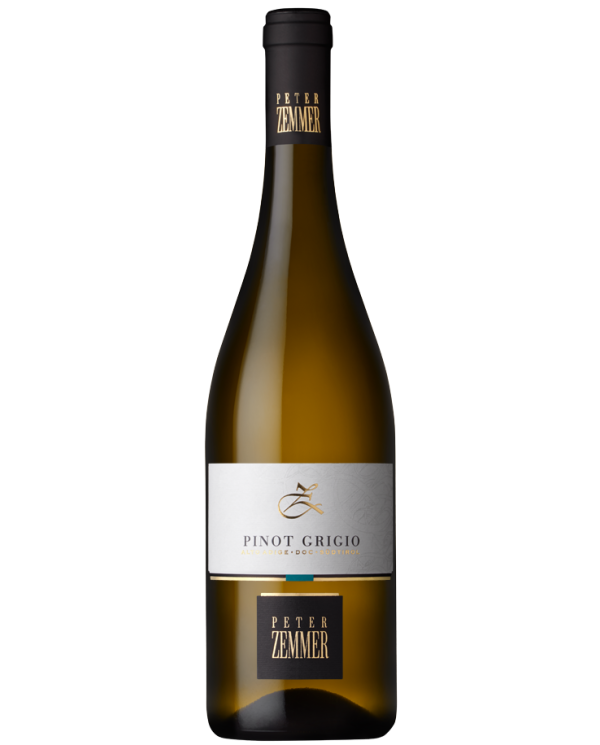
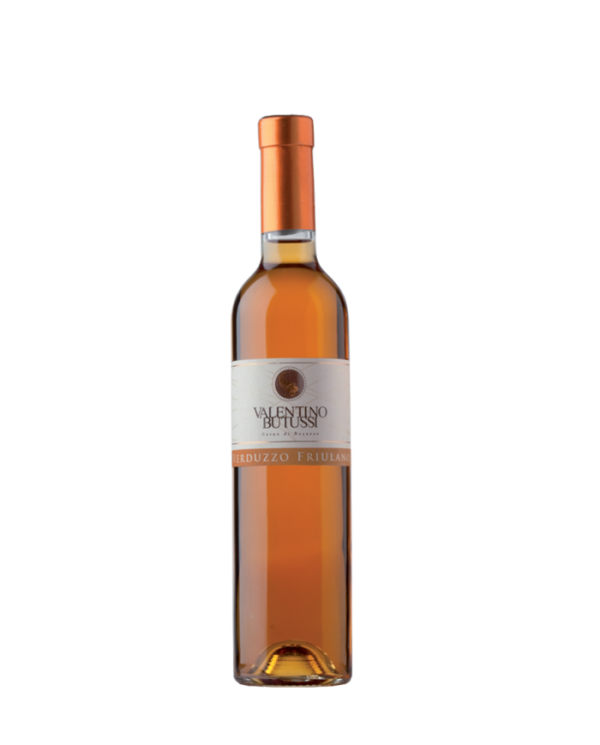
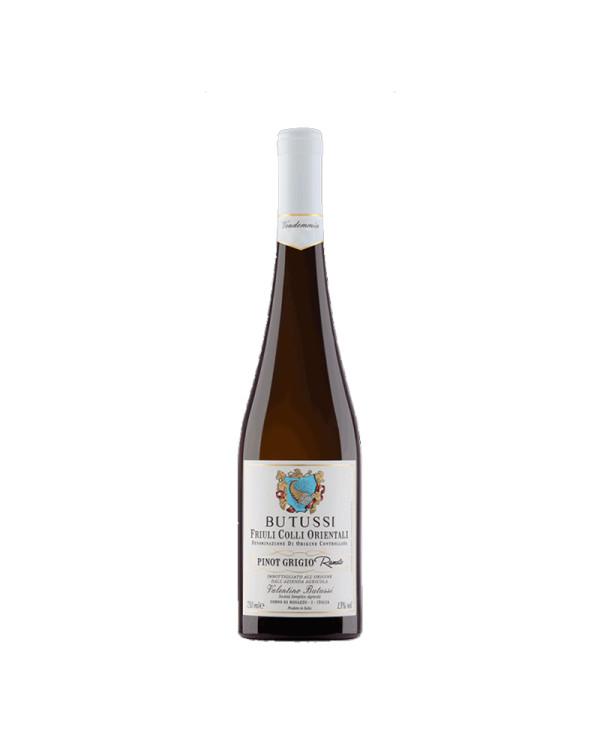
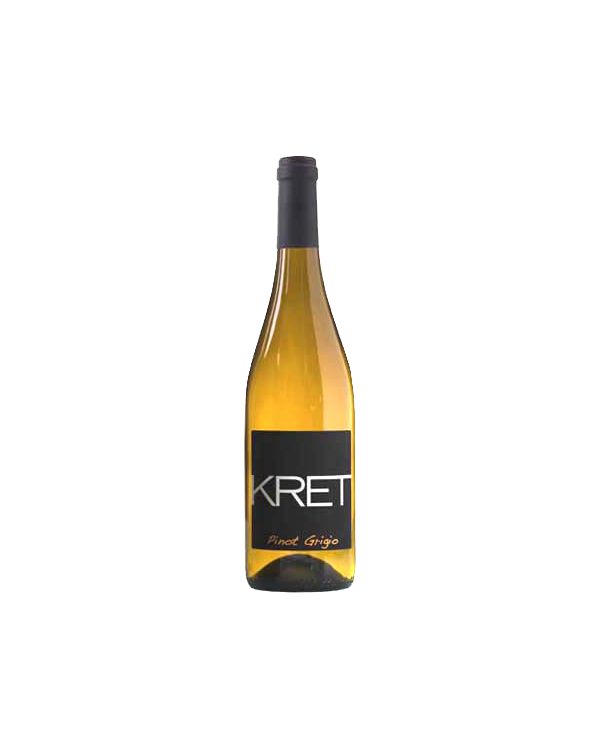
Pinot Grigio with an extraordinary coppery color obtained through a pre-fermentation cold maceration.
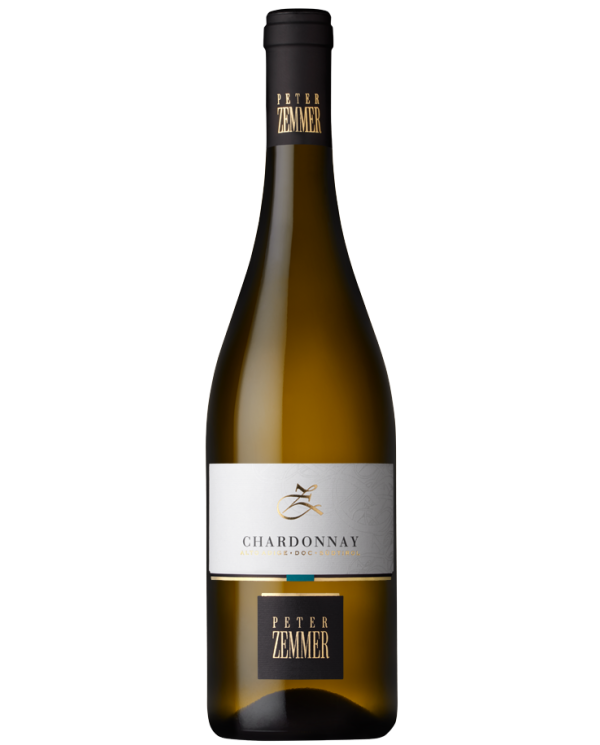
Deep straw yellow colour. The nose shows notes of exotic fruit and banana, linked by a pleasant buttery envelopment. In the mouth it is the harmony of the elements that dominates, where the accord between almond, white flowers and honey give an incredible persistence.
It is straw yellow with slight greenish reflections. Nose with a vast varietal spectrum, the hints of pineapple blend with the more delicate ones of jasmine, to close with the more acidic notes of grapefruit. The mouth is full and robust, almost oily. Persistent finish.
Straw yellow of medium intensity. There is a clear contrast between the nose, characterized by the sweet notes of ripe pear and the citrus notes of blood orange, and the mouth, where the sapidity and minerality make it complex and sweetish.
To produce this sparkling wine, Erbaluce is used, grown on about 4 hectares of vineyards in Maretta, in the DOC area of Ghemme.
excellent both as an aperitif and throughout the meal, it accompanies a wide variety of foods based on both fish and vegetables, up to moderately strong flavours.
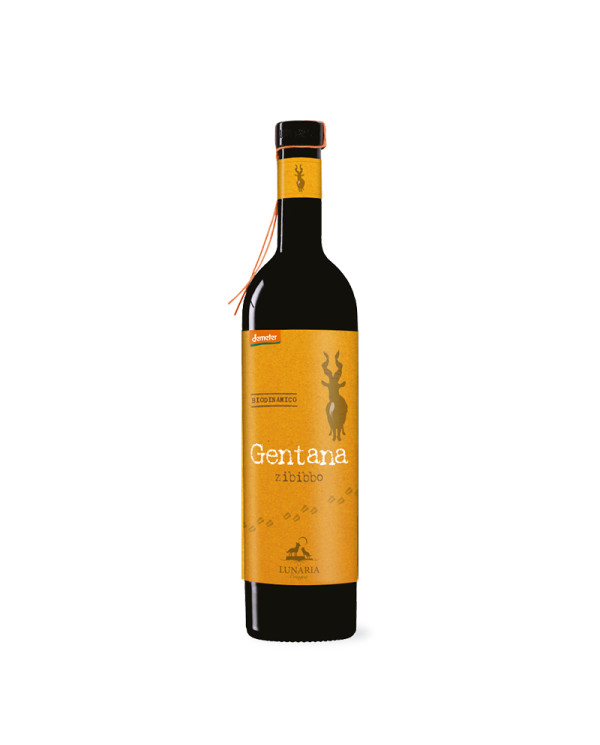
Zibibbo has a history spanning thousands of years: it has Egyptian origins and after this first long adaptation to the North African coasts, Zibibbo was brought to western Sicily by the Phoenicians and the Greeks, becoming one of the most widespread and interesting varieties of the western Mediterranean around 800-700 aC During the Roman Empire the variety was also exported to other regions of southern Europe. Zibibbo is known in Sicily mainly by its Arabic denomination, Z'bìb, which simply means "raisins".
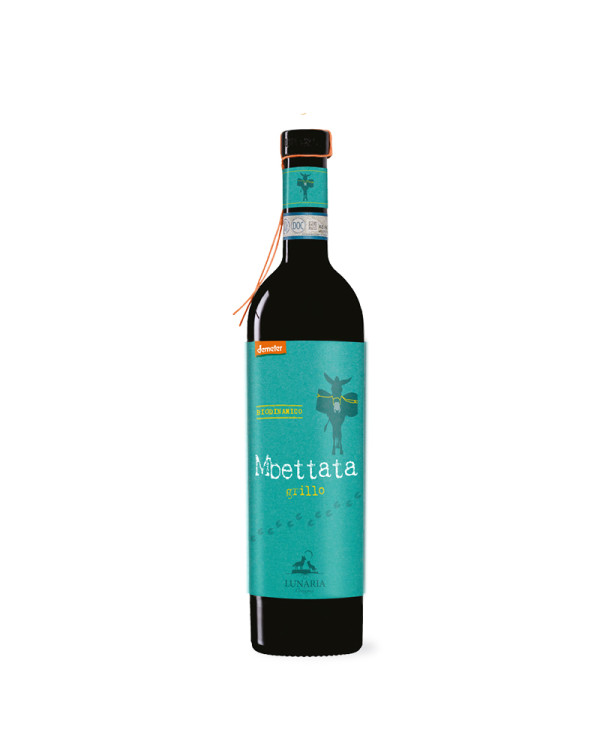
Grillo is a white grape variety widespread above all in western Sicily. The probable origin lies in what Baron Mendola wrote in 1874: “white Catarratto seed artificially fertilized with Zibibbo in the flowering of 1869 in my Piana dei Peri vineyard near Favara […] . The same wrote also in 1904 "I hybridized the common Catarratto of Sicily […] neck Zibibbo, to be able to make a more aromatic Marsala". The Grillo initially finds its origin in the Marsala area and then in the other provinces of the island. Il Grillo is capable of giving wines with a high alcohol content and then having the vocation of being particularly predisposed to ageing. The best Marsala is obtained by vinifying Grillo.
Intense straw yellow with golden and brilliant shades. The nose is expressed with great elegance with wide varietal aromas of ripe yellow fruit, delicate floral and mineral notes, intriguing nuances of honey and vanilla. In the mouth it is a wine of great structure and complexity, it is fresh, balanced with delicate tannins and long persistence. Food matches: Complex sea and land dishes, complex sea dishes (cod, monkfish, sea bass with potatoes, etc.) and land (truffle and porcini tagliatelle, pappardelle alla hare, etc.) aged cheeses, including blue cheeses.
Pinot Noir is the prince of vines. It expresses power without weight bringing elegance and character firm and decisive
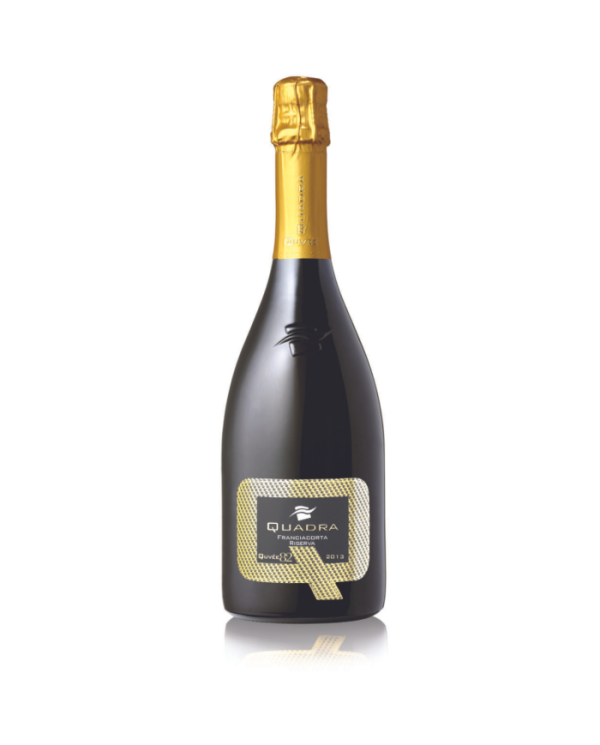
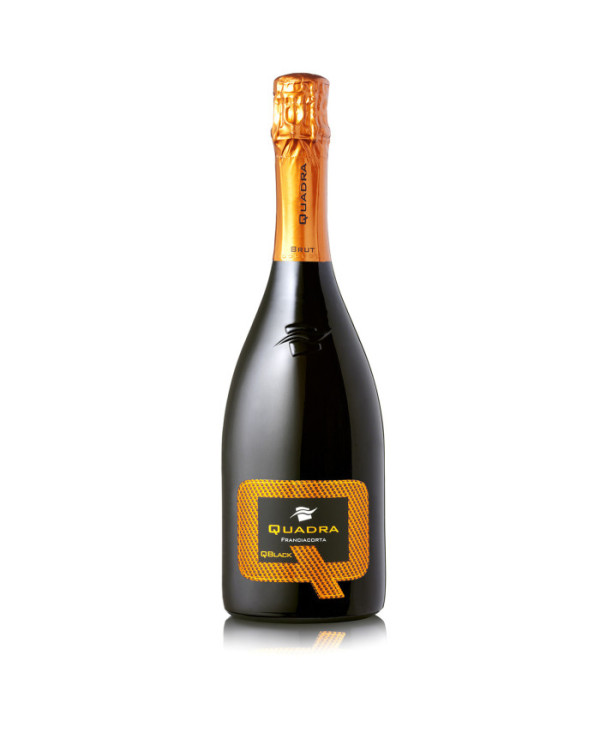
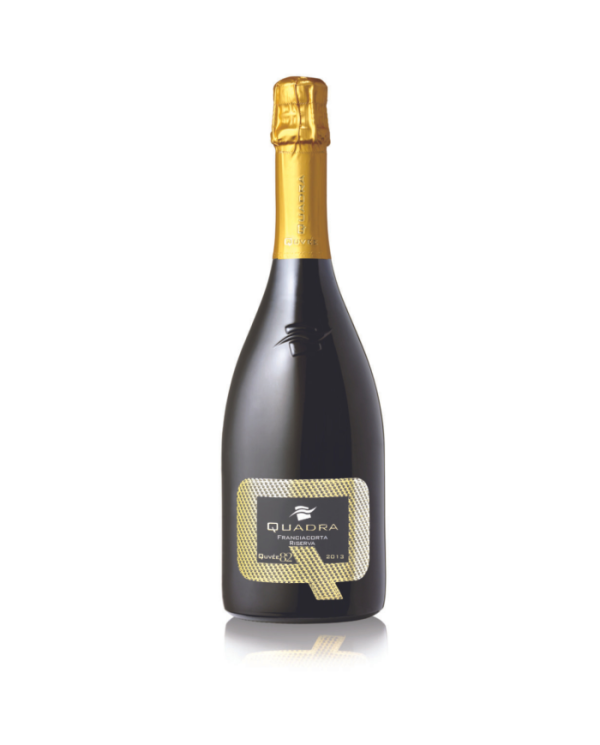
Quvée is an original and evocative neologism, shaped by two essential concepts: the name of the company, summarized by the initial Q which, with strength and character, replaces the C of Cuvée.
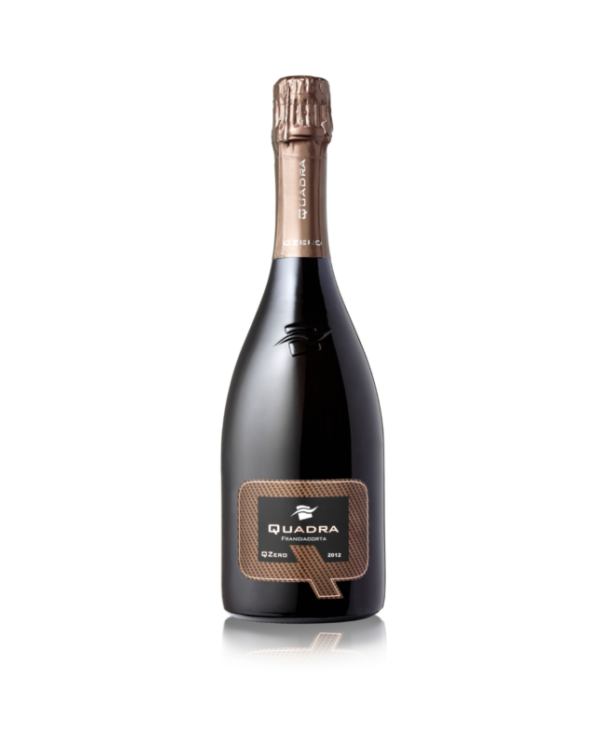
This vintage proved to be the best of the last 15 years. We declined it in Riserva, UG, entrusting it with the 80th anniversary celebrations of our founder Ugo Ghezzi.
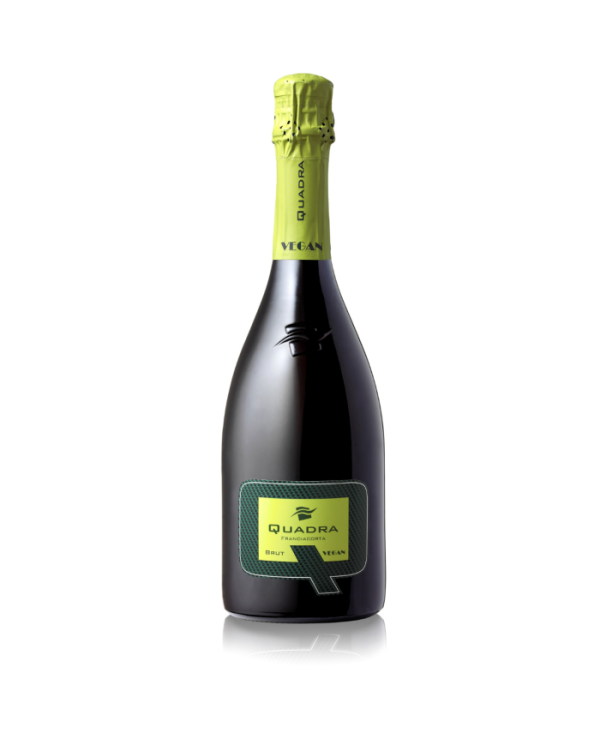
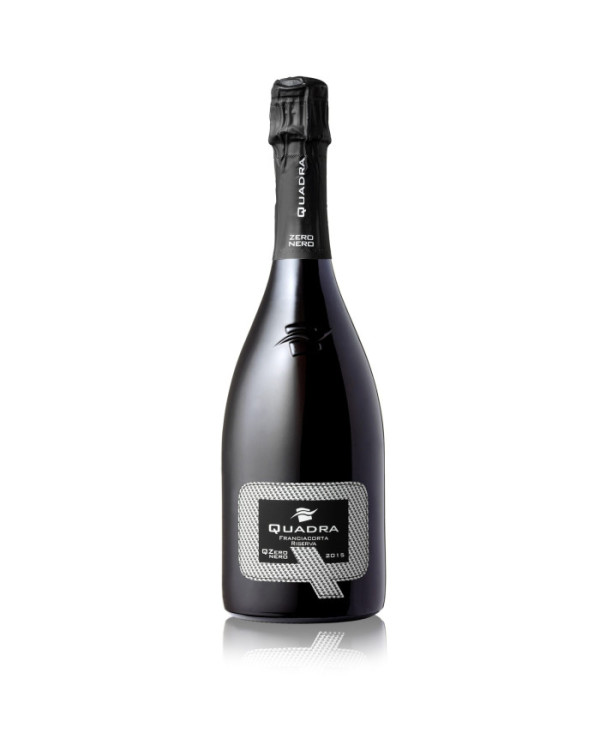
The perfect statement of the Quadra philosophy. A harmonious encounter between the three main grapes of Franciacorta: Chardonnay, Pinot Bianco and Pinot Nero from all the estate vineyards.
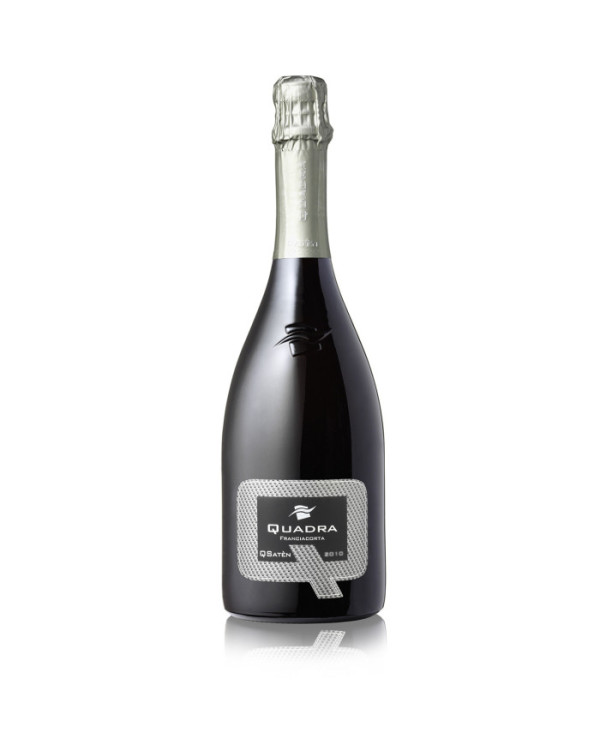
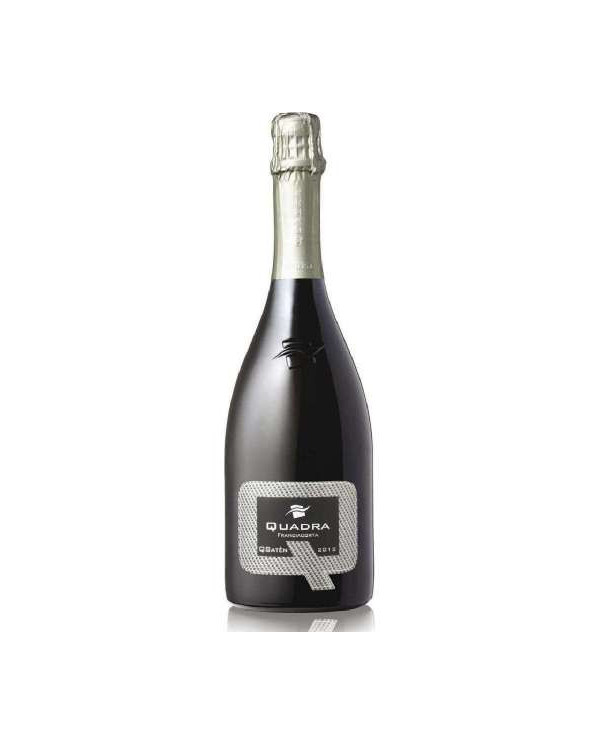
QSATEN, essence and prerogative of Franciacorta, is characterized by the exclusive presence of white berried grapes and by the lower pressure (4.5 atmospheres instead of 6) compared to the other Franciacortas. The varietal composition, a cuvée of Chardonnay, partially fermented in wood and Pinot Blanc and the more modulated pressure determine the unmistakable "creamy" taste of Satèn.
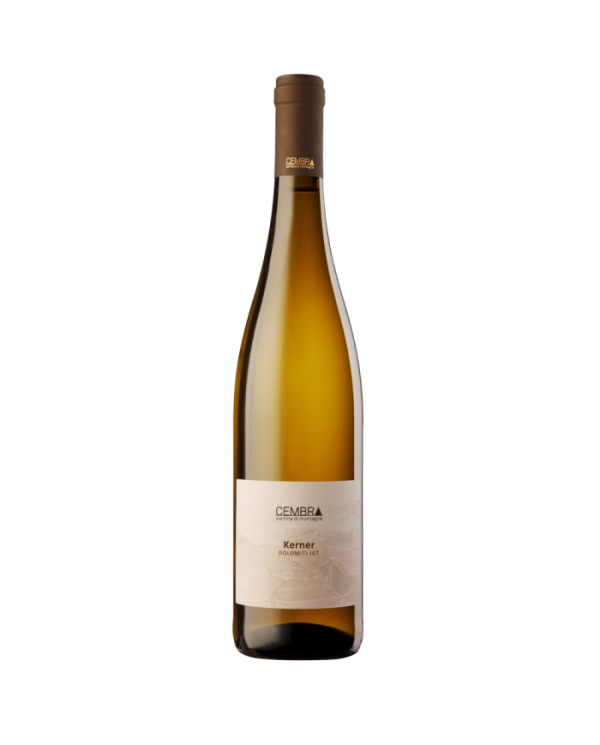
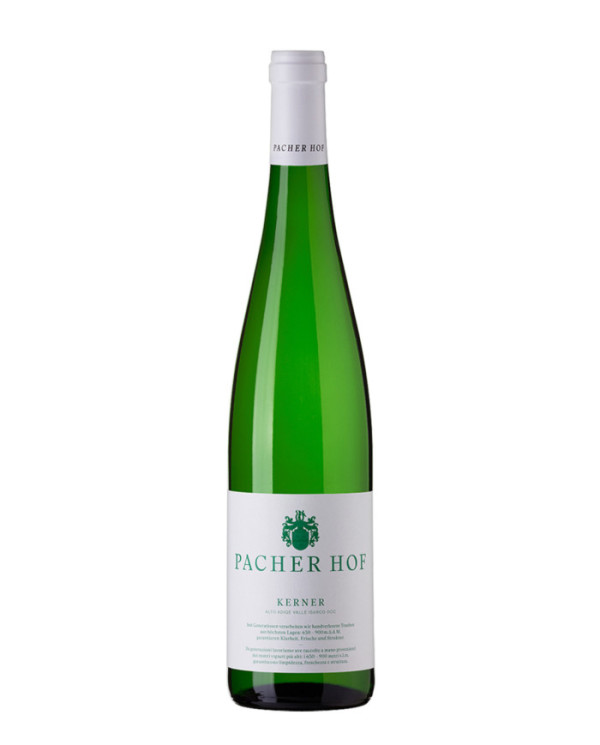
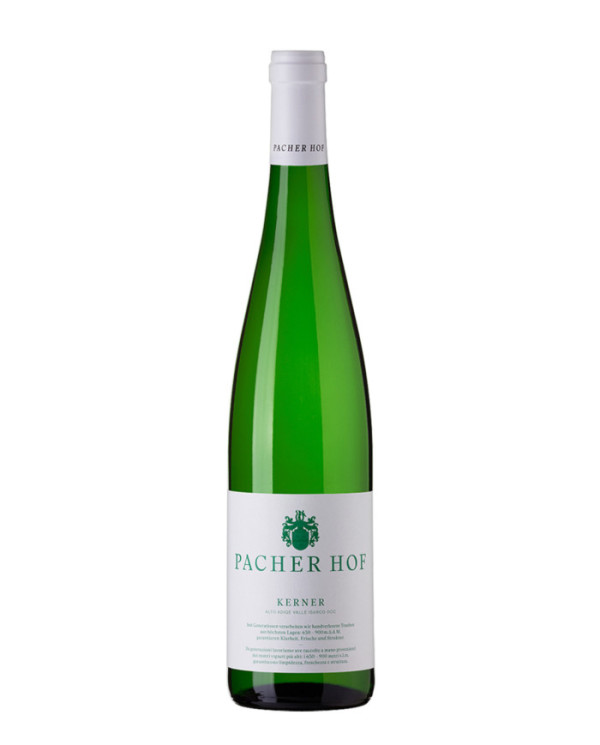
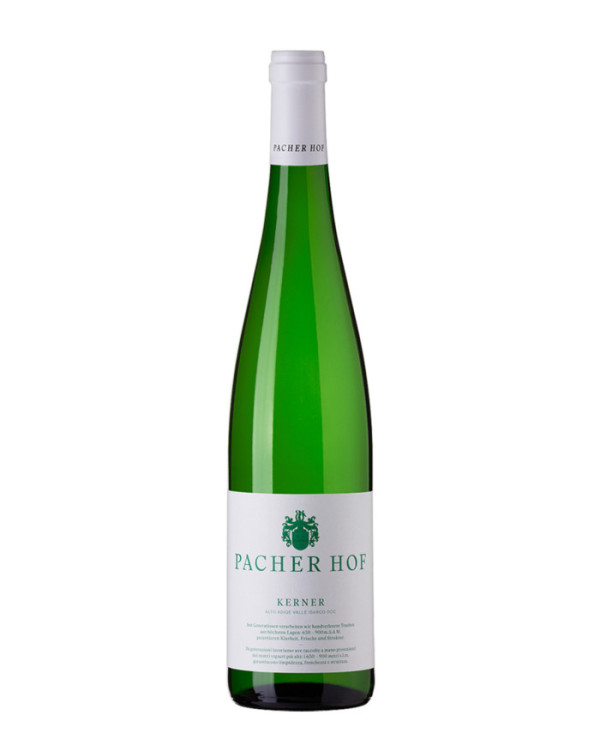
Created in Weinsberg (Germany) around 1930, Kerner is the result of a crossing of Schiava and Riesling. It prefers light, gravelly and sandy soils on the highest slopes and exposed to the sun, such as those of the Cembra Valley.
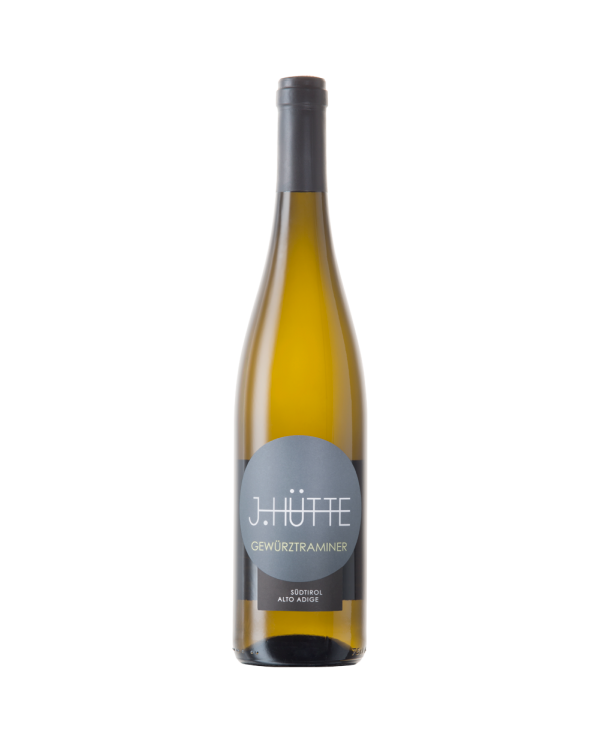
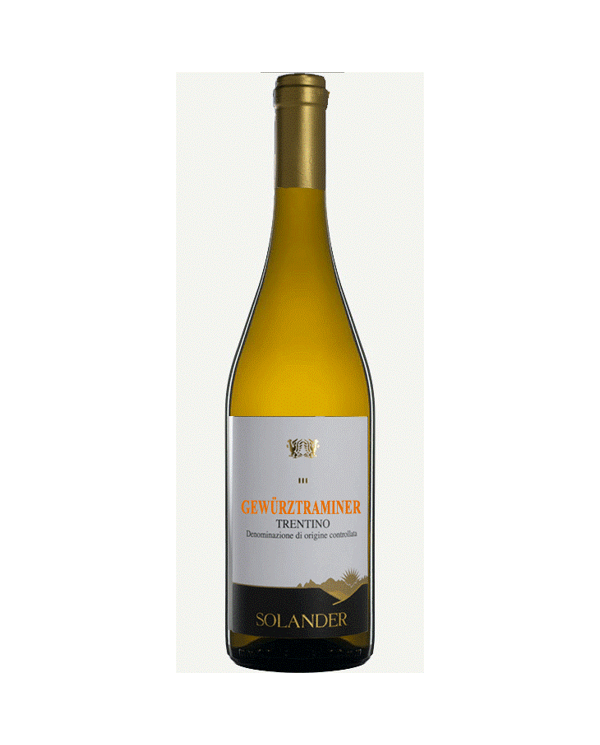
Color Golden yellow Floral and spicy aroma of cloves and nutmeg. Taste full and consistent, it envelops the whole palate.
Straw yellow color with greenish reflections, dry, vinous and fresh, harmonious in structure and with a characteristic and marked floral bouquet. Accompanies cold appetizers, fries, perfect on sea truffles, molluscs. Great fish wine.
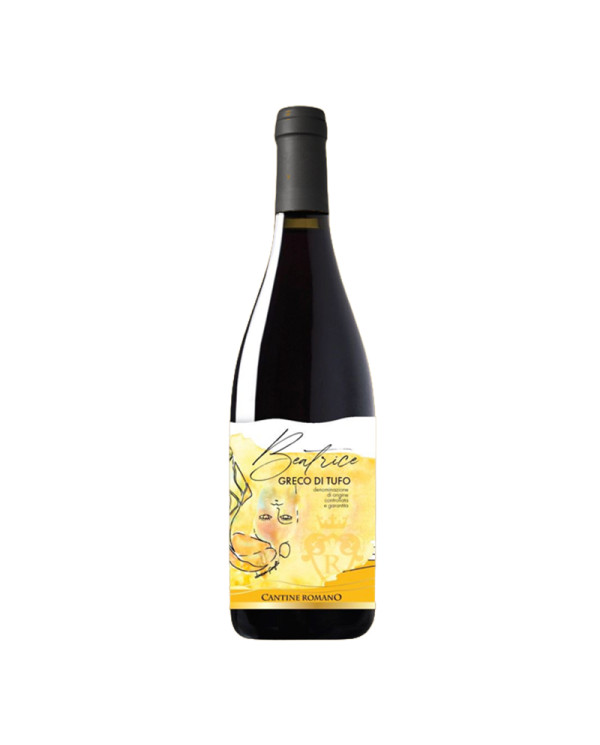
Exploiting the potential and peculiarities of the Tufo area, "Beatrice" was born.
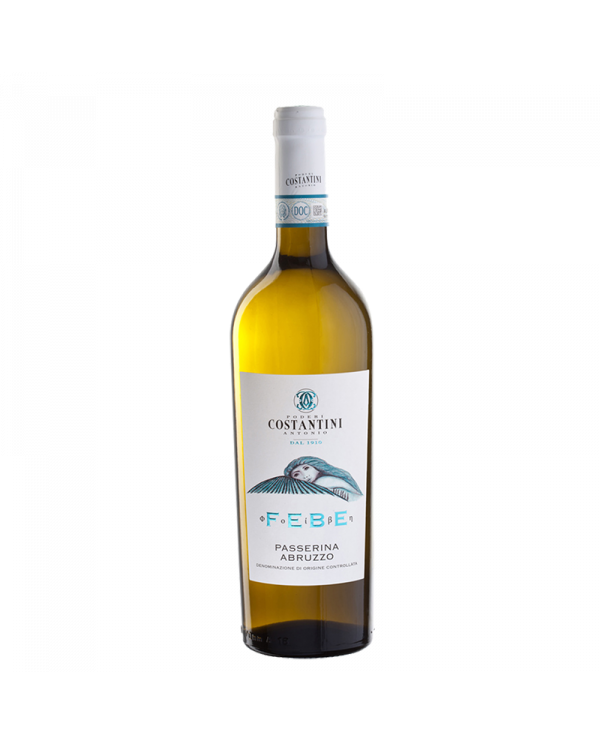
A fruity aftertaste, a fine persistence, a fresh and savory timbre, a good body with floral notes, an intense and soft tone.
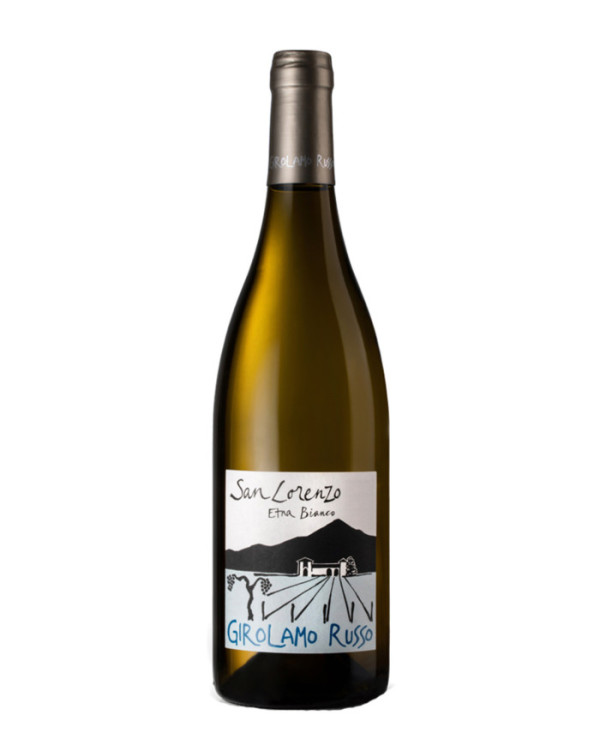
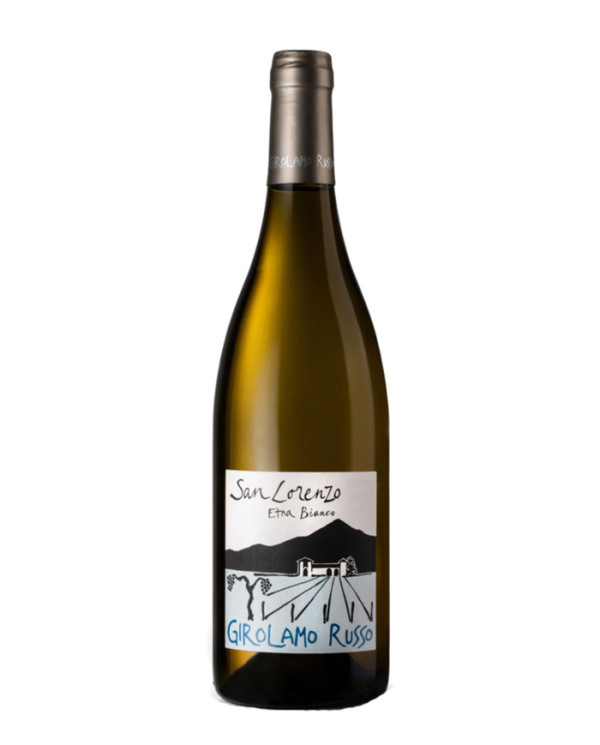
Etna Bianco "San Lorenzo" is a mineral and delicate white wine, made with Carricante grapes and other local varieties that grow at high altitudes on the sandy soils of the Great Volcano. The nose has a fine and very mineral olfactory profile, with suggestive notes of white pulp fruit, citrus fruits and pleasant floral sensations. It reveals a slender and dynamic body, of great progression and freshness, with a clear mineral trail
Girolamo Russo's Etna Bianco Nerina was born in vineyards located in the extraordinary wine-growing panorama of Etna, a terroir particularly suited to the production of wines of great value and in which the vines are trained as saplings, in this case at approx. 700 m. slm
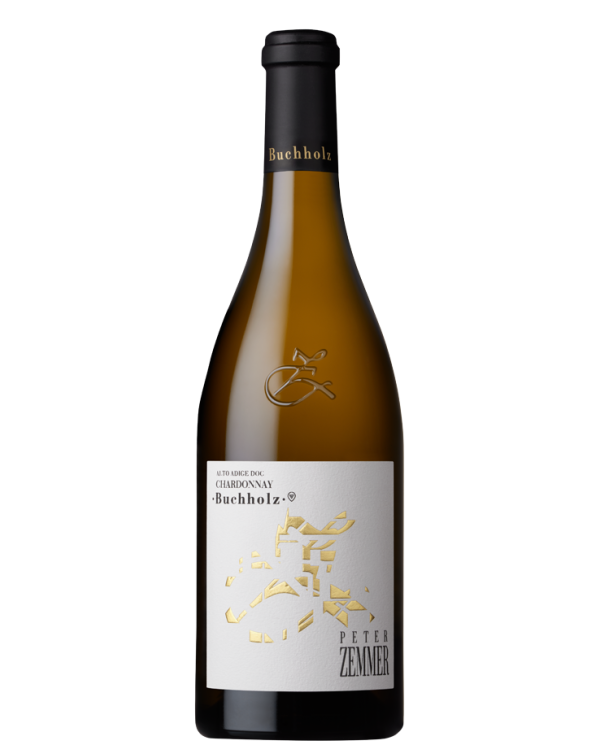
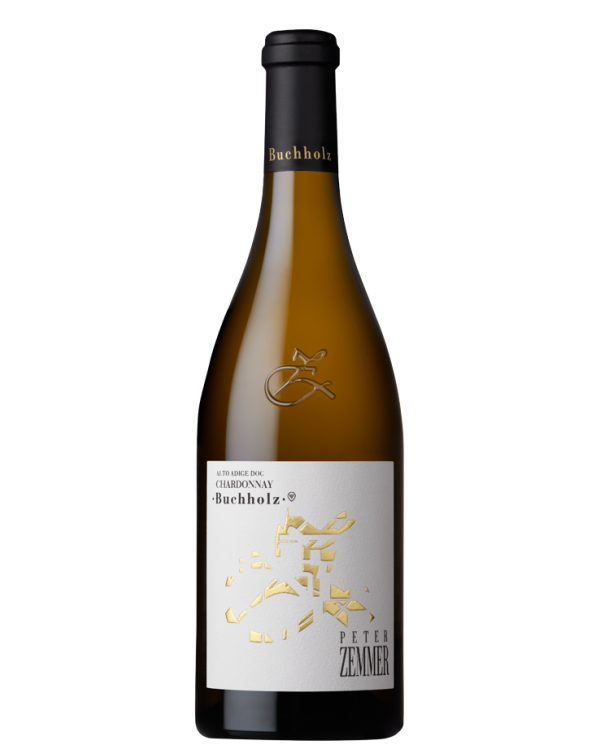
Hence the denomination chosen for this geographical entity from the historical name "Buchholz" for the slopes of the valley above Salorno in the Bassa Atesina, already mentioned in the historical cartography of the land register of 1858 is documented.
It grows in low shoots on guyot systems at an altitude of 450 m slm level in Pochi di Salorno. The favorable position of the vineyard, the very low yield per hectare and the ideal temperature range between day and night are the prerequisites for bringing these grapes to an ideal ripening.
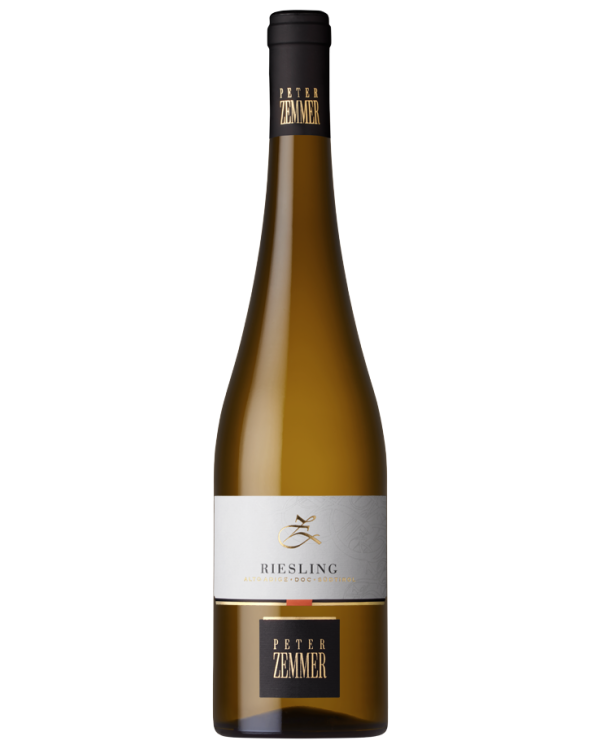
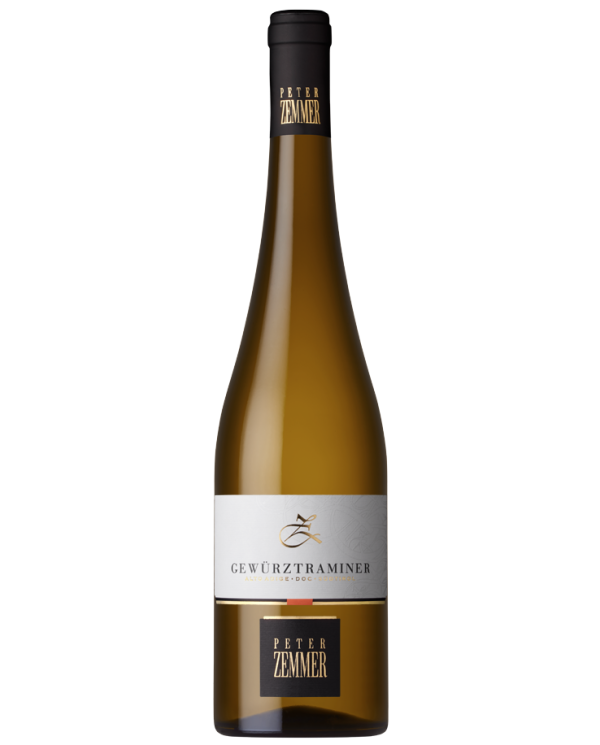
Peter Zemmer's Riesling is a very captivating white wine from South Tyrol thanks to its subtle acidity and soft roundness. It has a light yellow color with golden reflections. The aromatic spectrum is very broad, with aromas of citrus, lychee, aromatic herbs and white flowers. The sip has a nice texture and roundness. Very fresh and enjoyable.
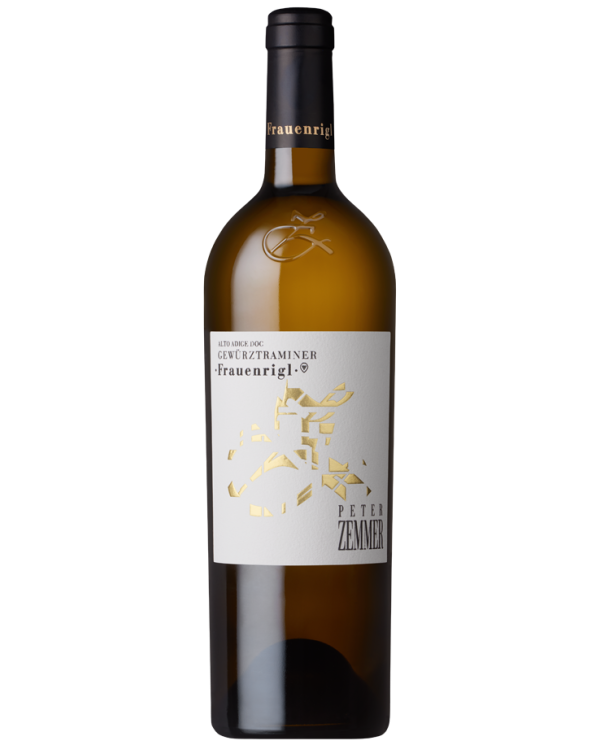
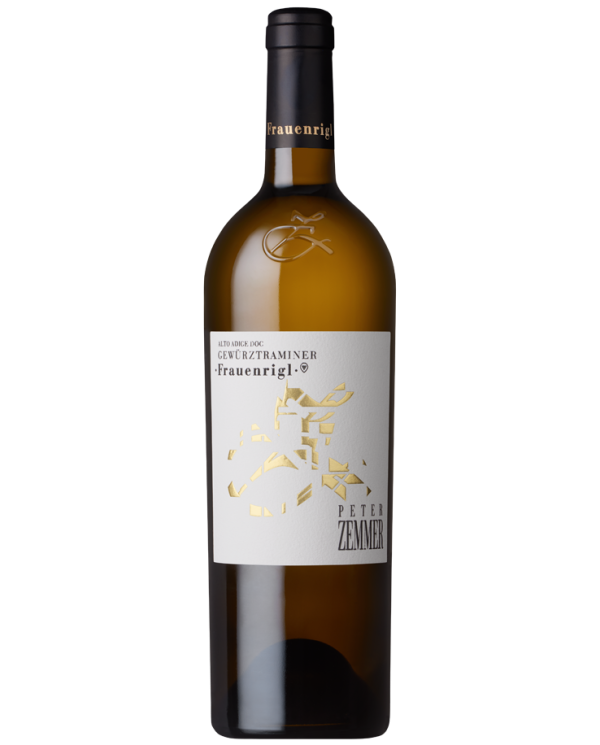
Aromas of peaches and apricots intertwine with exotic scents of lychees, mango and passion fruit, a great white wine produced by one of the oldest cellars in South Tyrol
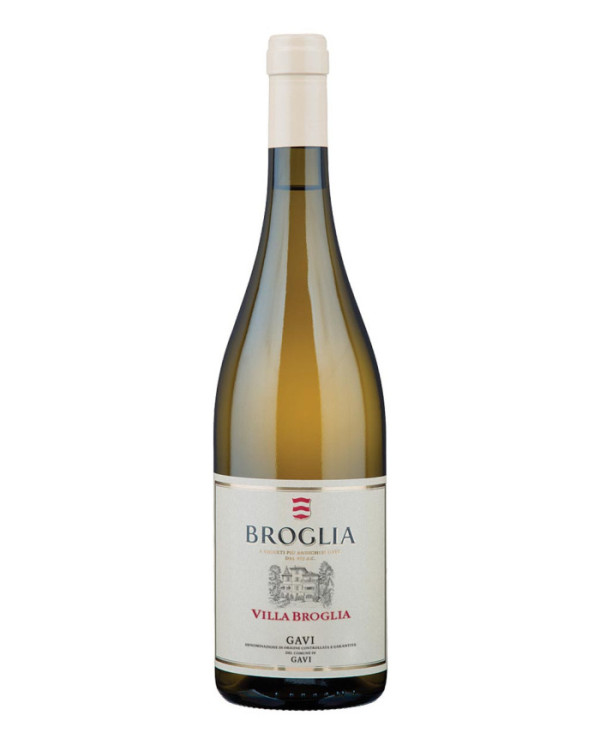
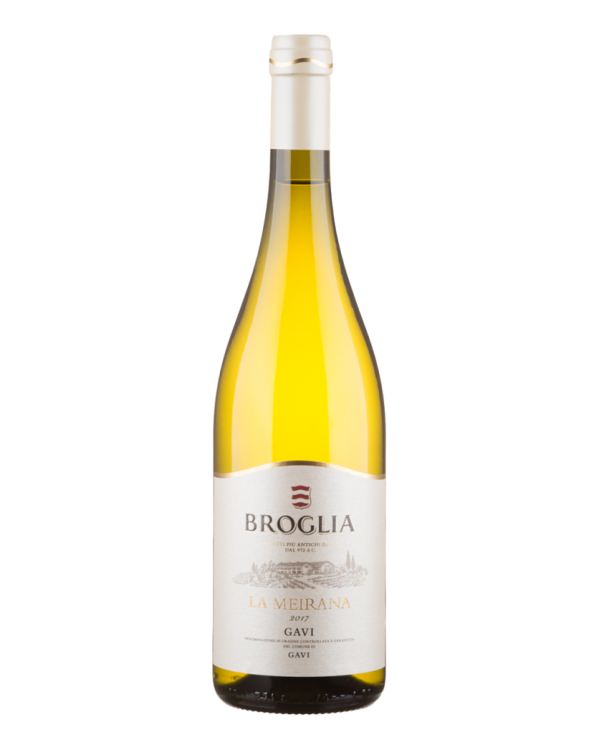
This wine was born in the vineyards of Villa Broglia, planted in 1989 for the birth of Filippo, Piero's son. These vineyards are located in the municipality of Gavi which, due to their splendid position, allows for the production of high quality grapes. It is a wine characterized by fresh, fruity aromas, with a nuance of white flowers and a characteristic note of almonds. Ideal wine for Mediterranean cuisine.
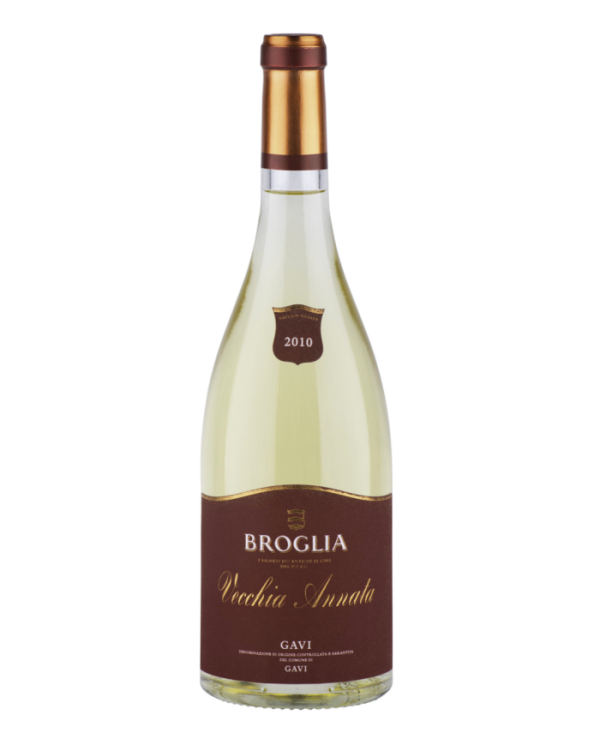
It is only from the best vintages that this great wine is born, which comes from the vineyards of the Tenuta La Meirana, planted between the years 1952 and 1953, after a selection of the best bunches harvested by hand and transferred to the cellar in wooden boxes. The 2010 harvest was characterized by regular flowering in the first ten days of June and a windy summer with high temperature variations between day and night. These particular conditions gave the wine a great structure, excellent sapidity and intense aromas of flint and almonds. Here, following an aging in small "sur lie" steel tanks for 108 months, our "Vecchia Annata" comes to light.
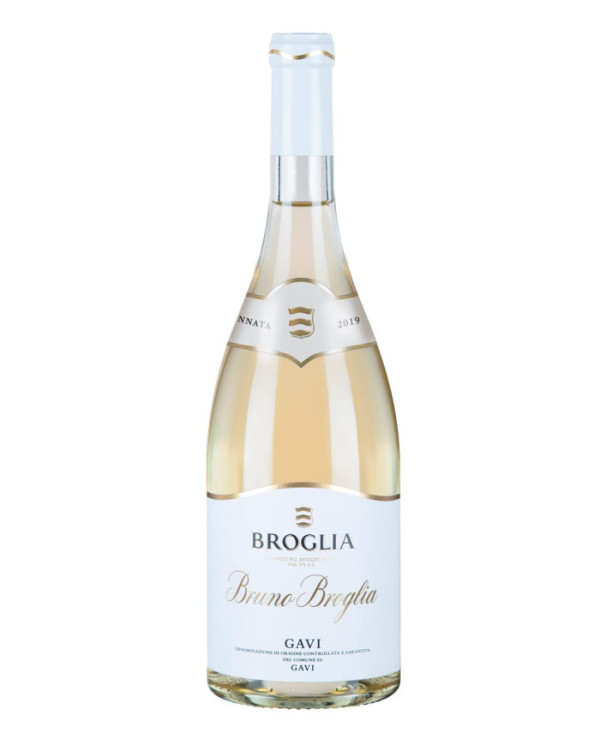
This wine represents the best production of Meirana. It is obtained from the grapes of old vineyards planted in the years 1953 and 1955. The average yield of the vineyards in the various harvests is from 30 to 40 quintals per hectare. The grapes are harvested in wooden boxes and transferred directly to the presses so that the bunches arrive intact. These, due to their rich structure and acidity, make it possible to obtain a great wine suitable for storage, maintaining its aromas and freshness over the years. The name Bruno Broglia is in honor of the founder of the farm. This selection, recognized as one of the reference white wines, gets important national and international awards every year. It was also served as the only white wine at the Gala dinner, for the G20 in St. Petersburg, in the presence of the greats of the Earth, held on 5 September 2013. Bruno Broglia has a straw yellow color with greenish reflections, brilliant: the bouquet very persistent finish, fruity and reminiscent of the aristocratic scent of the grapes from which it comes. It goes well with both fish-based dishes and shellfish where it brings out the characteristics of haute cuisine better.
The Meirana di Broglia is the most important and representative product of the company's production, a gavi among the most classic and appreciated in the world. La Meirana is not just the name of a wine, it is the main Estate of the Cellar.
For the vinification of this wine, 30/40% of the grapes are left to dry in wooden boxes for over a month. The remaining grapes are left on the vine and are then harvested when overripe, when the berries begin to brown and dehydrate naturally. The grapes are destemmed and the must is left in contact with the skins for 24-28 hours at a temperature of 12°C to allow the wine to accentuate its varietal characteristics and to acquire the golden yellow-amber color typical of this vine . Aging takes place for 60% for 6 months in steel tanks, 40% for 6 months in 300-litre oak barrels and ends with 2-4 months in the bottle.
For the vinification of this wine, 30/40% of the grapes are left to dry in wooden boxes for over a month. The remaining grapes are left on the plant and are then harvested when overripe, when the berries begin to darken and dehydrate naturally. The grapes are destemmed and the must is left in contact with the skins for 24-28 hours at a temperature of 12°C to allow the wine to accentuate its varietal characteristics and to acquire the golden yellow-amber color typical of this vine . The refinement takes place for 60% for 6 months in steel tanks, 40% 6 months in 300 liter oak barrels and ends with 2-4 months in the bottle.
Straw yellow in colour, it has an intense aroma of green pepper, tomato leaves, passion fruit and peach. It is a wine with a fresh, lively, harmonious and velvety flavour.
After the destemming and crushing, the crushed grapes are cooled immediately at a temperature of 12°C and left in contact with the skins for 12 – 16 hours. In this period of time the natural enzymes of the must allow a release of the aromatic components, linked to the skin, accentuating the structure and the typical varietal characteristics of the vine. After this period, the must is delicately separated from the skins and fermented intact, without clarification, at a controlled temperature for about 14 days.
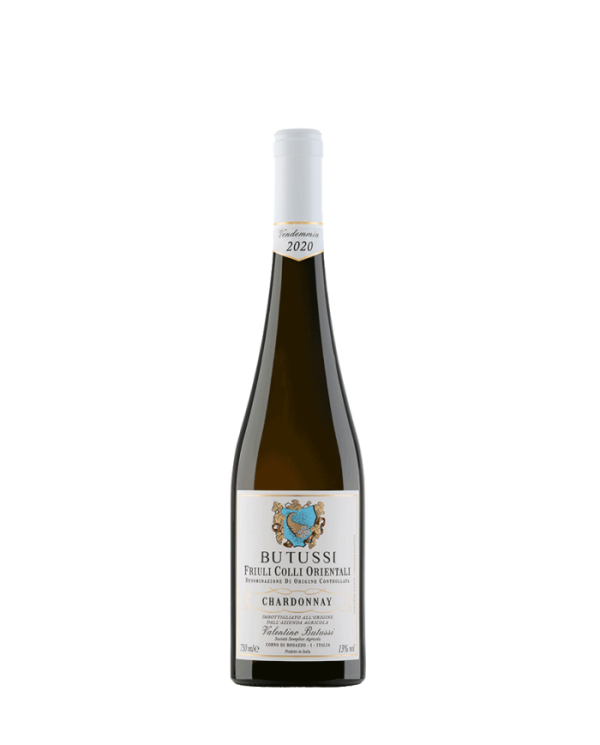
A small part (25%) is vinified in white; a part about 40% is placed in cold maceration for 36 hours, for a greater extraction of the pink part. For both, a soft pressing and a start with indigenous fermentation then helped halfway through the addition of a small amount of selected yeast to complete the fermentation. The remaining part of the grapes is pressed, cooled to 7 degrees and left to macerate until the indigenous fermentation begins (usually 5 to 6 days). The macerated product is placed in a press and squeezed at minimum pressure, the must thus obtained continues its fermentation in traditional 2nd and 3rd passage barrels, in non-toasted oak with a capacity of 5/7 HL. One month before bottling, the three different vinifications are combined to form a single wine.
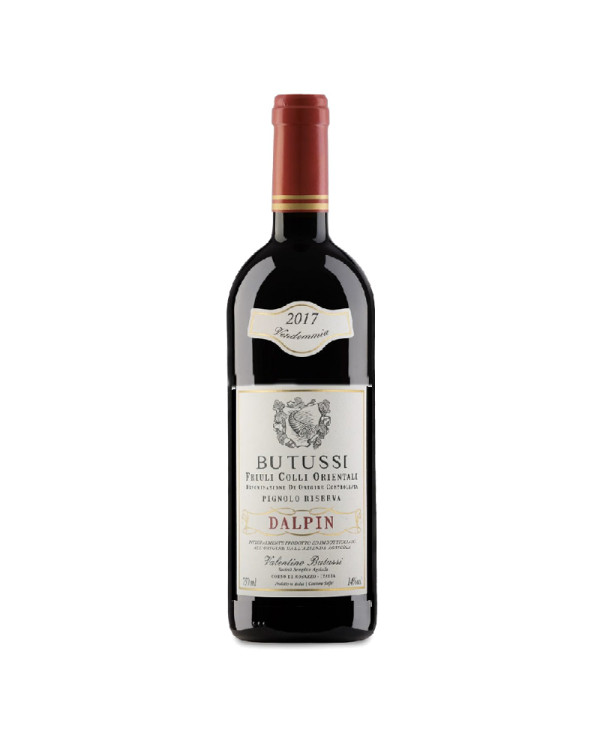
PIGNOLO BUTUSSI FRIULI VENEZIA GIULIA Grape variety: pure Pignolo Winy, tannic taste, reminiscent of raspberry. It is a wine to be discovered. Wine for meat dishes of Friulian cuisine, especially it prefers the ciàr in padiele (beef stew). Serving temperature: 16 – 18° C
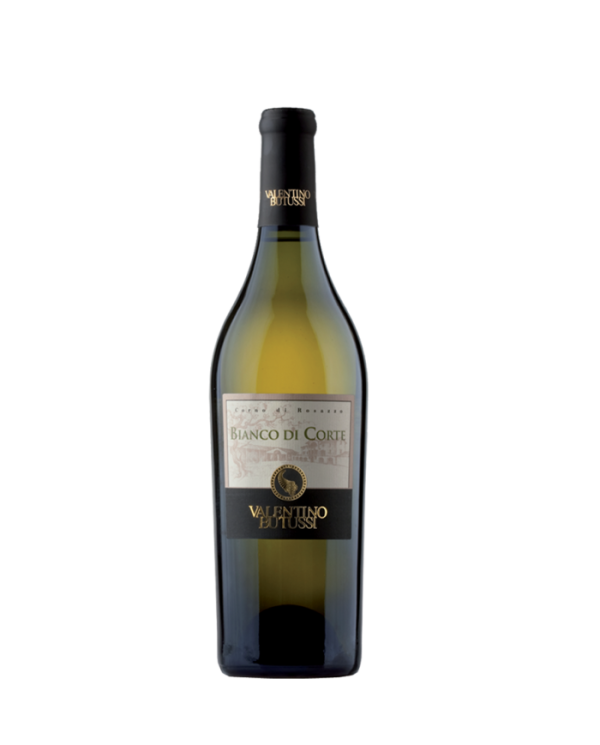
Straw yellow color tending towards greenish. Delicate and pleasant aroma reminiscent of wild flowers; it has a dry taste with a soft and velvety taste and a bitter almond aftertaste. It is excellent as an aperitif, but also goes well with appetizers in general, with eggs and asparagus and is excellent with San Daniele ham.
The White Angel is a Cuvè, it is aged in wooden barrels and is cared for and harvested according to the lunar tides. It is fresh, fruity and smooth to the taste. The palate shows spring flowers and a hint of caramelized citrus. At the same time, the grapes give the cuvée a beautiful minerality and volume. We can recommend this great expansion with seafood, shellfish or grilled fish.
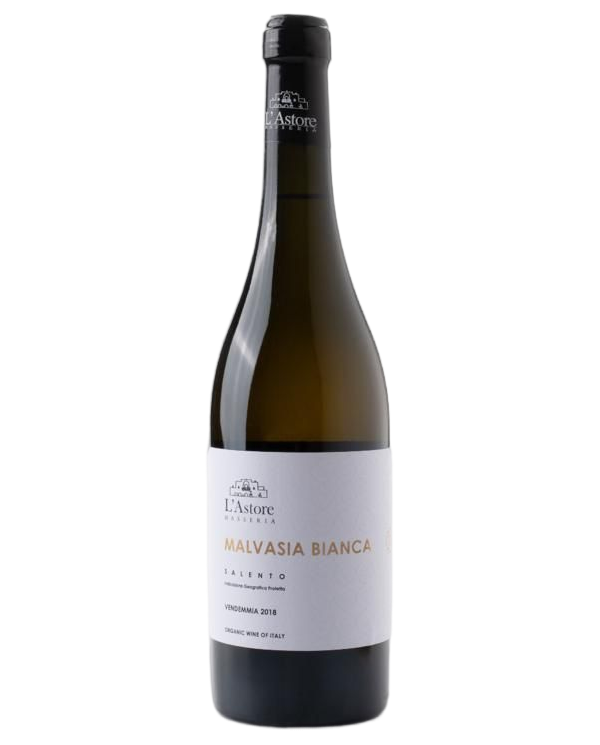
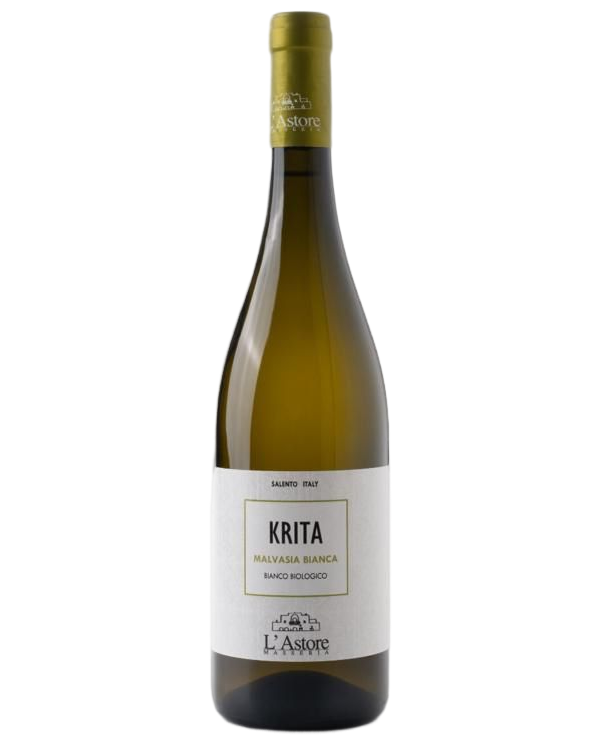
Born from clean and sustainable agriculture, respecting a landscape designed by culture and tradition, since 2010 the wines of L'Astore are certified "produced from organic grapes". Symbol of the Salento area in its rosé vocation and in the old Alberelli di Negroamaro and Primitivo; the production enhances the ancient native vines such as Negroamaro, Malvasia Nera, Malvasia Bianca Antica, Susumaniello and Primitivo.
A great white vine in a land of great reds can give great results. This elegant straw-yellow colored wine reveals nobility of character in the intense, ample, persistent fruity aromas, with a hint of yeast. Fine, with good structure and freshness, it loves an aperitif, land and sea appetizers.
Among the few white wines in the land of reds, this wine comes from the now famous native grapes. It has a very delicate straw color and floral aromas reminiscent of acacia, wild flowers, honey. In the mouth it is fresh, sapid, pleasantly acidulous, decidedly inviting. It is an excellent aperitif and goes nicely with appetizers, pasta and fish dishes.
Trebbiano Spoletino is a typical variety of the territory that extends between Montefalco, Trevi and Spoleto; perhaps the name derives from “Trebium”, Trevi in Latin.
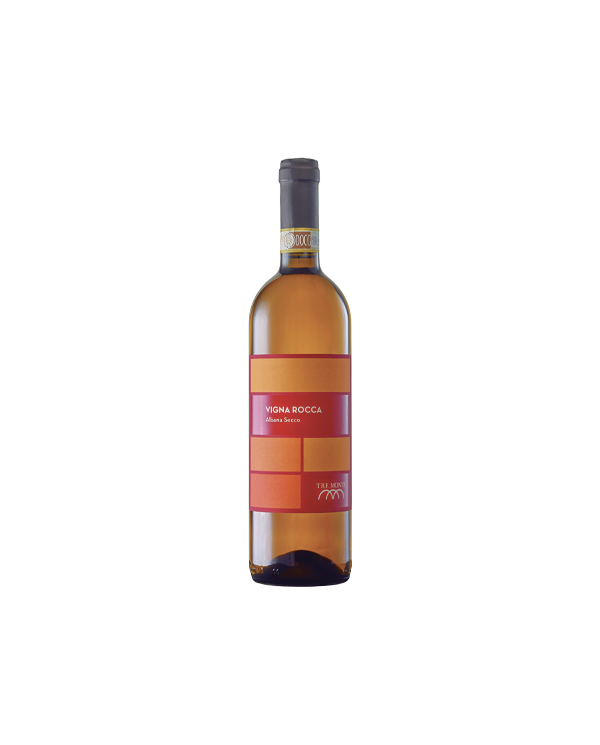
Not only albana, in our heart passito: everything played on elegance, balance and smoothness.
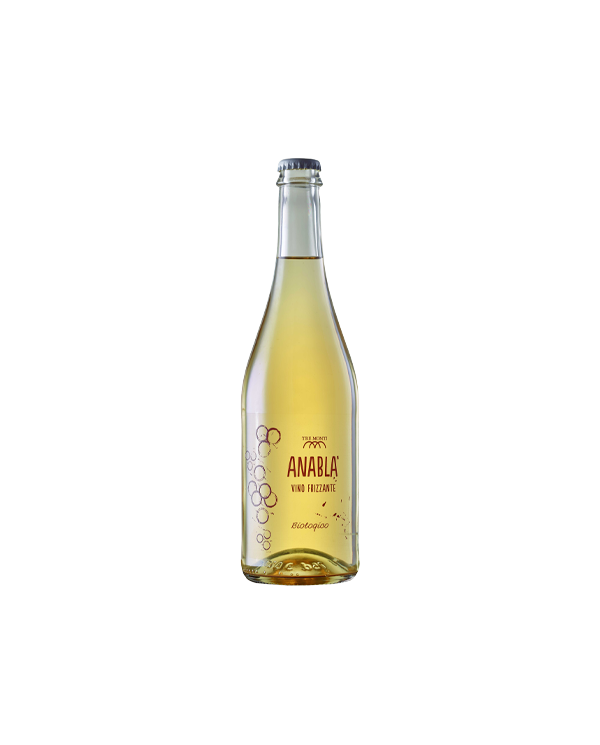
A second fermentation in the bottle for our first ancestral one, however linked to the deeply rooted regional tradition of "mosso" wine. We like to call it a classic method … halfway..
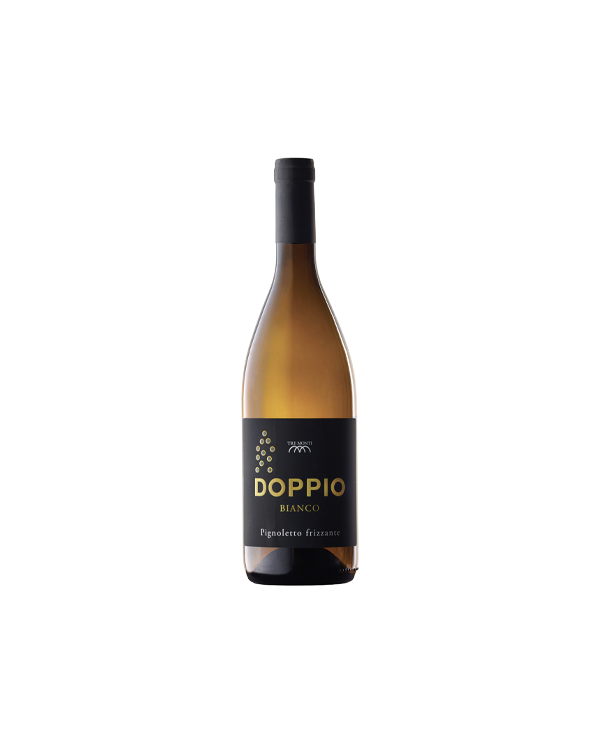
The most "oriental" of the Pignoletti, it brings the verve of the Emilian tradition in sparkling wines into the glass. Fermented in autoclave according to the charmat method, for a delicate and excellent 'bubble' for a meal
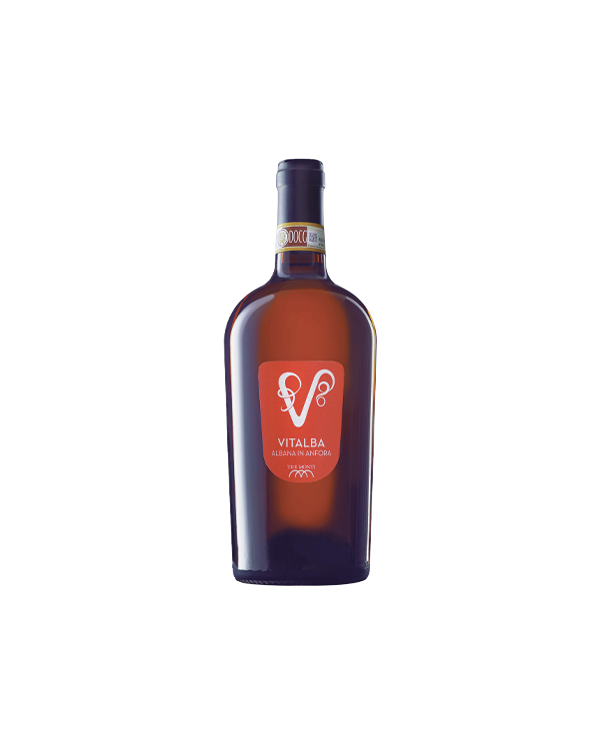
Being among the pioneers of Georgian amphora (kvevri) winemaking in Romagna was truly an inspiring privilege for us. Amphorae are a splendid tool: they have proved to be an incredible accelerator and concentrator for the maturation of Albana wine, without however affecting even a single pinch of its varietal profile! And so Vitalba was born in 2013: a successful gamble, now the white "flag" of our company.
The link with tradition and the territory is important, very important, but sometimes the producer's curiosity is the engine of sometimes surprising "experiments"....
On the eve of the 2019 harvest we were on the verge of uprooting the last hectare of our splendid "della flame" Trebbiano vineyard in Petrignone: the commercial response and the market "mood" were too lukewarm (euphemism) towards this vine. But, "rather" than eradicating it, we wanted to make an extreme attempt, and put the maceration experiences acquired with Vitalba to good use and do something new: 25 days of maceration in concrete, a bit of good luck, and, voilà .
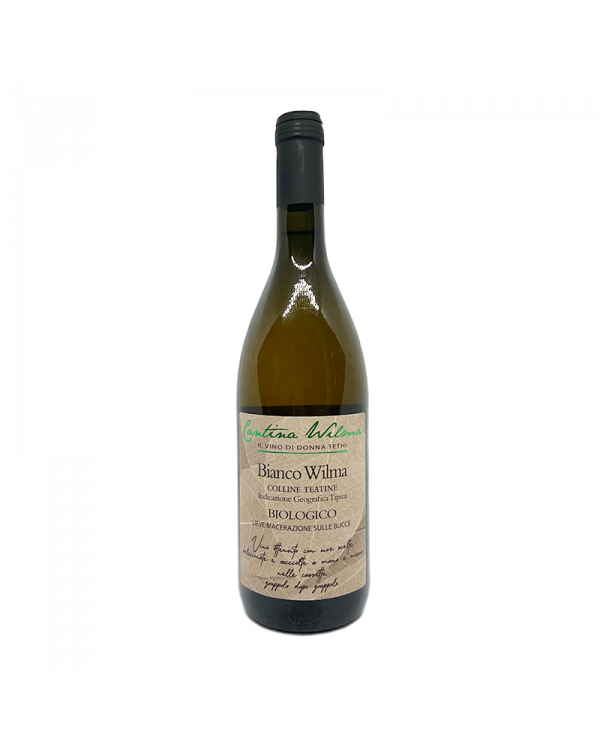
Obtained from native grapes and selected in the harvest. Appearance of straw yellow color with greenish reflections. On the nose it is fresh and floral with notes of white berry flowers and balsamic notes on the aftertaste. Ideal with all seafood cuisine, it also goes well with appetizers and delicate main courses.
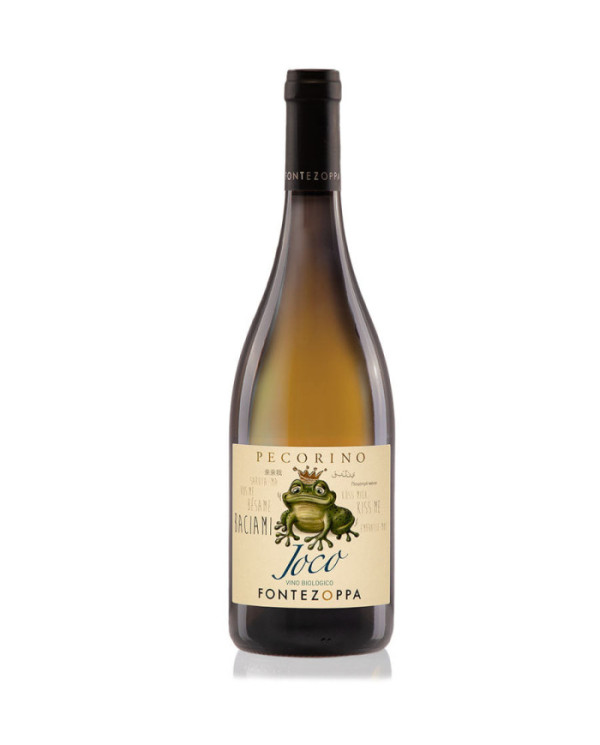
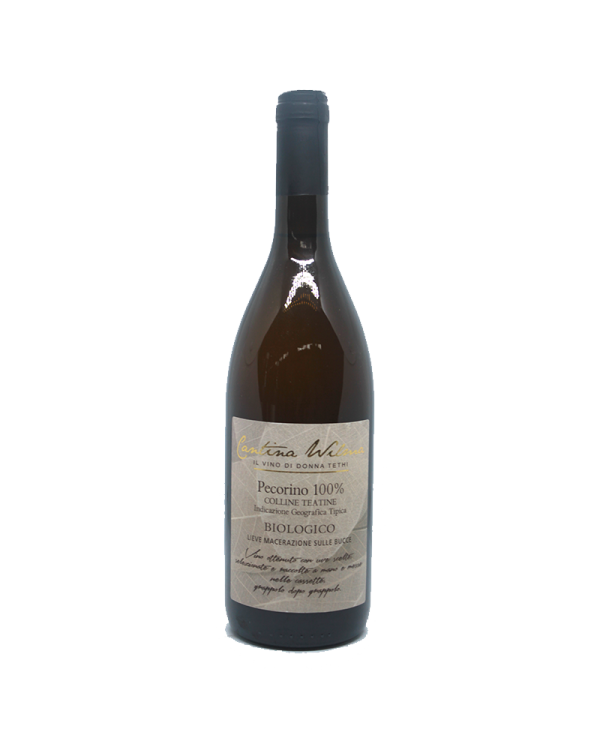
Vine rediscovered a few years ago, widespread throughout the Abruzzo region. The name "pecorino" is given by the sheep's face shape of the bunch and by the fact that when the shepherds passed through during the transhumance, the sheep stopped to graze the leaves of this vine. Cantina Wilma obtains its wine from the "Pecorino" vine with low-row plantings on sandy calcareous soil. Appearance of yellow color, excellent fruity bouquet. The flavor is harmonious and of good quality. Ideal with all seafood cuisine, it also goes well with appetizers and delicate main courses.
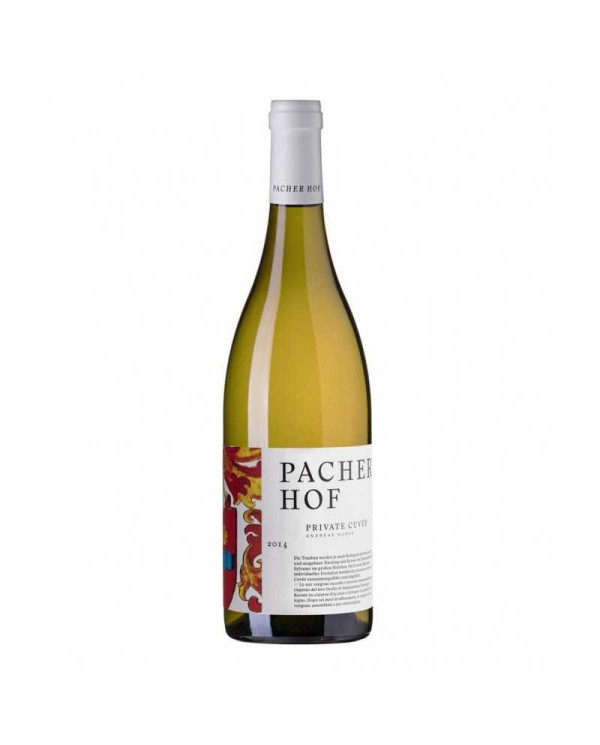
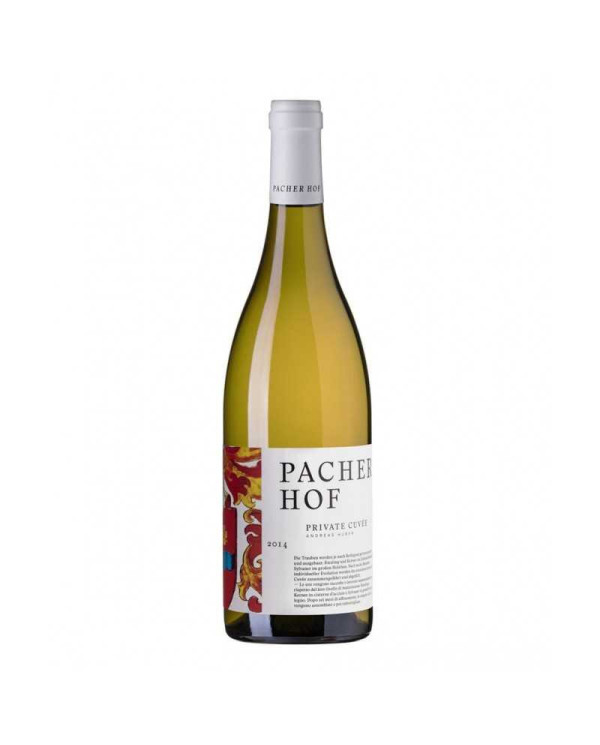
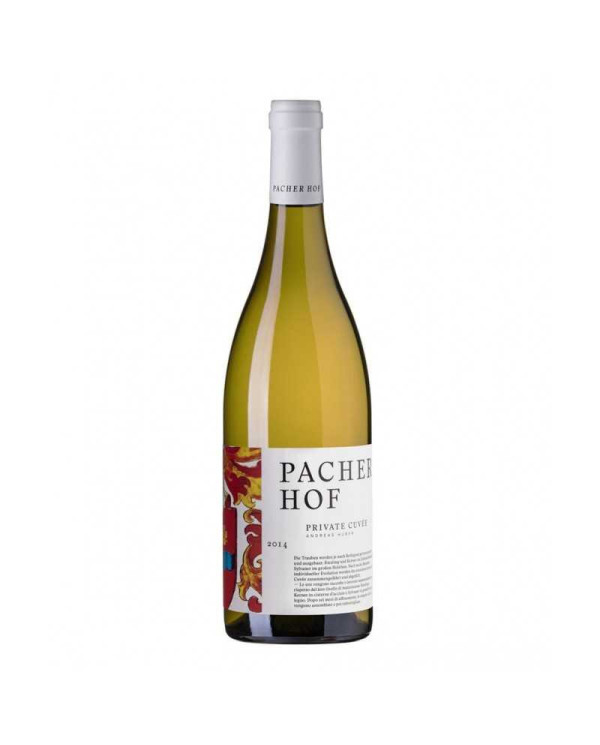
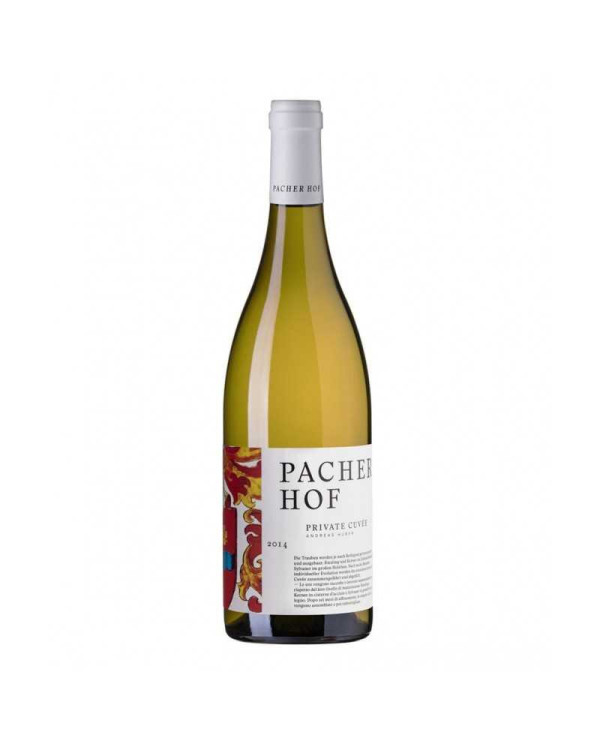
The Pacherhof Private Cuvée Andreas Huber is an intimate gift from the winery's winemaker. A white wine that manifests its conception of a great interpreter of the Dolomites capable of reaching important peaks of balance. Floral and delicate on the nose, it whispers notes of elderberry and unfolds spicy sensations. Mineral and savory fluid, characteristics directly connected with the particular composition of the mountain soils, of beautiful elegance and intensity
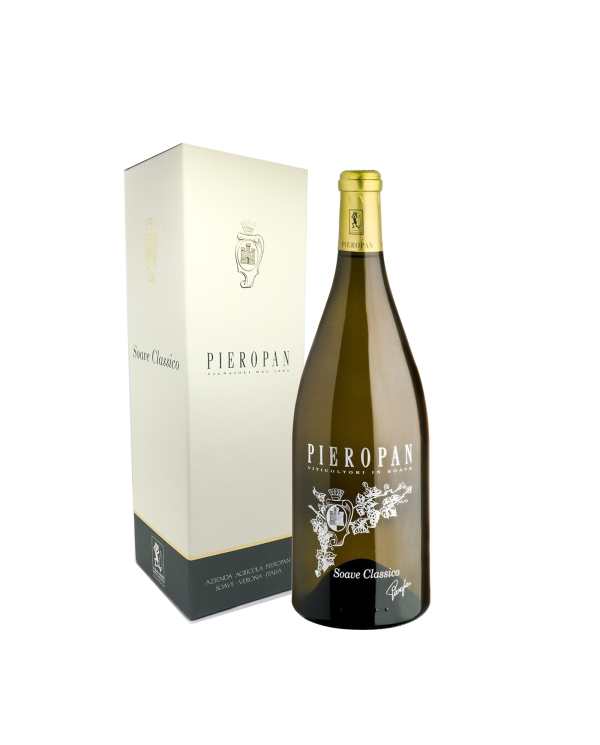
The La Rocca vineyard is located on the hill of Mount Rocchetta, close to the medieval Scaliger castle of Soave. La Rocca enjoys a particular microclimate, which makes it possible to obtain a wine with a unique and unreproducible bouquet and gustatory notes, typical of a pedigree wine. Innovative, since its debut in 1978, it has marked a deep groove in the territory, becoming an undisputed symbol of quality and tradition.
The old vineyards of Inzolia planted by my father more than fifty years ago are an extraordinary legacy on which to build the future of viticulture in Belicello. The original clones, perfectly adapted to the particular conditions of the environment to which they belong, exuberantly express the personality and wine culture of the Menfi area. The soil, mainly calcareous and pebbly, gives the wine an intense and at the same time delicate sapidity, great depth and aromatic breadth.
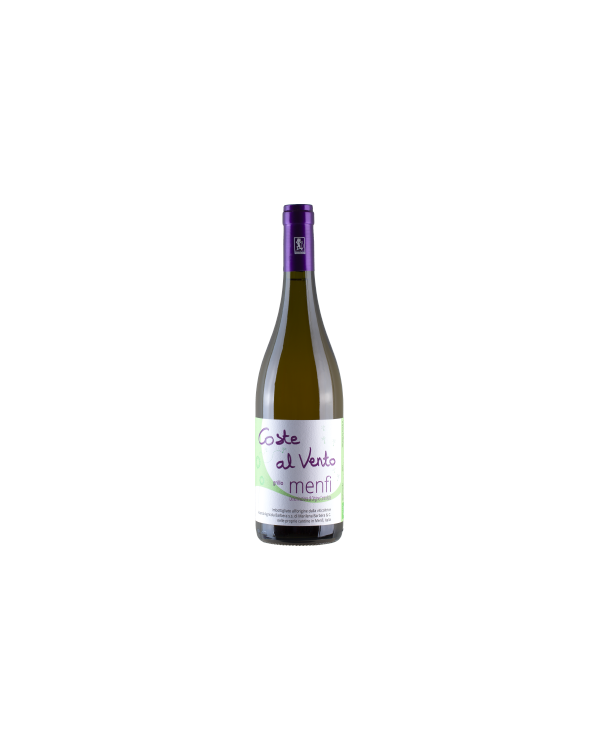
In Sicily, "coast" is the side of the hills that gently slope down to the sea, covered by vineyards as far as the eye can see that bask in the sun, unkempt by the fresh Mediterranean breezes. These are the places of Grillo, a fascinating native variety that interprets the beauty of the Menfi terroir with great personality. Son of generous lands, Coste al Vento gives us a full and ripe fruit that blends with the brackish notes brought by the sea winds, in a harmonious crescendo made original by maceration on the skins and fermentation with indigenous yeasts.
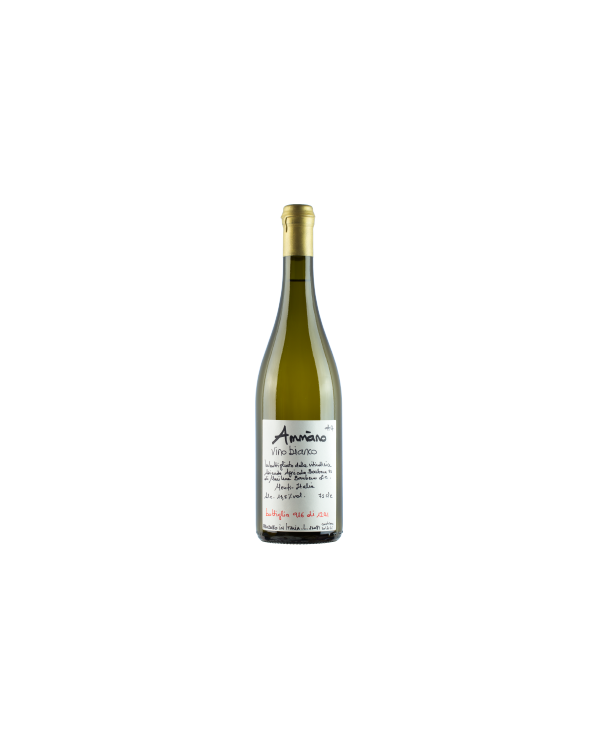
Arèmi, one of the four suits with which the gambling cards are painted, as well as the community cards. The coin suit, which has the color of gold and like gold is precious in the game of broom and seven and a half. Catarratto is liquid gold, culuri d'arèmi: intense and brilliant gold that lights up from the sun and the sea of Sicily, full of the millenary history that skilled hands have handed down to us, from generation to generation, from the Greek motherland to the fertile countryside of Memphis. Arèmi is love for the land, respect for knowledge, conscious acceptance of a heritage to be preserved.
By hand, to recover the value of manual work, the care and joy in doing it. By hand, to underline the absolute craftsmanship of the production of a wine made without the aid of machinery, without additives or synthetic oenological products, in which the human component is at least as important as the natural one. Only grapes and hands: in a world where machines and homologation increasingly replace man and his creativity, hands are, perhaps, the thing to which we must return.
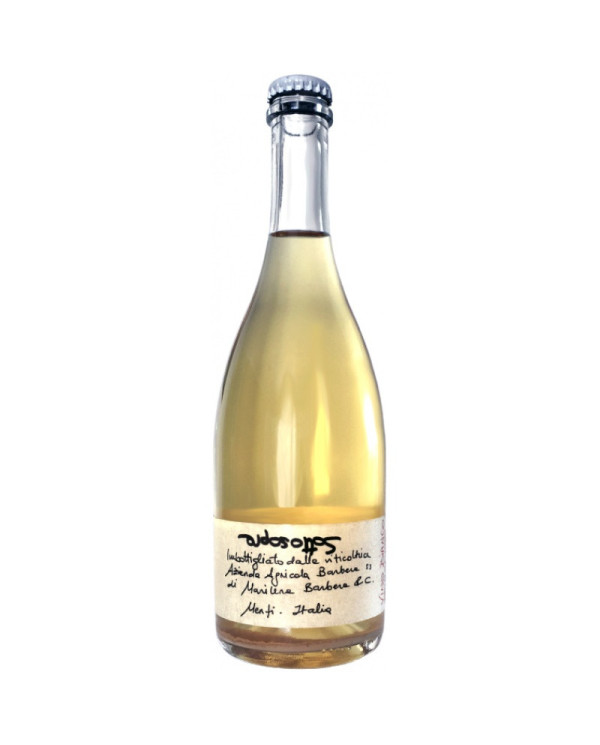
Sottosopra is a sparkling wine obtained with the ancestral method and is bottled without prior disgorgement. If you love strong flavours, drink it as it is, with all its yeasts, or keep it upside down in the fridge for 24 hours if you want to disgorge it before tasting it. Intense golden yellow, very veiled because still on its lees. ...
The Vermentino "Black Label" by Lunae Bosoni is a soft and Mediterranean white wine, with a pleasant, generous and immediate drink. Enchant the sense of smell with evocative scents of flowers and fresh fruit. The taste is harmonious, fresh, fruity and balanced. Excellent with delicate and spicy dishes based on fish
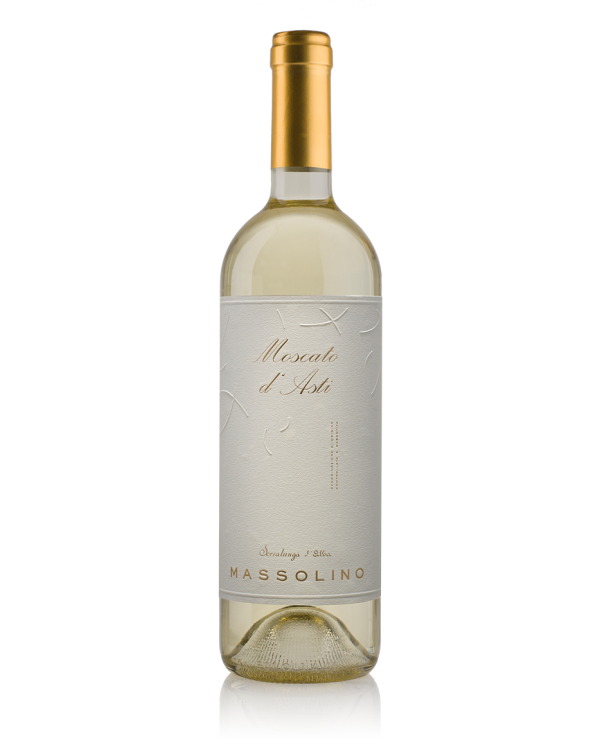
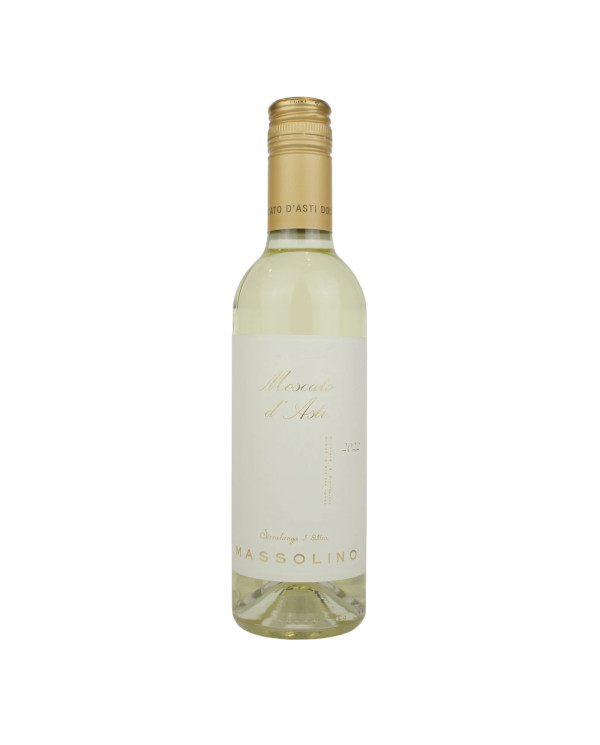
Traditionally, Moscato D'Asti DOCG is also grown in Serralunga. We have been making it since 1993. Sweet, fragrant and…
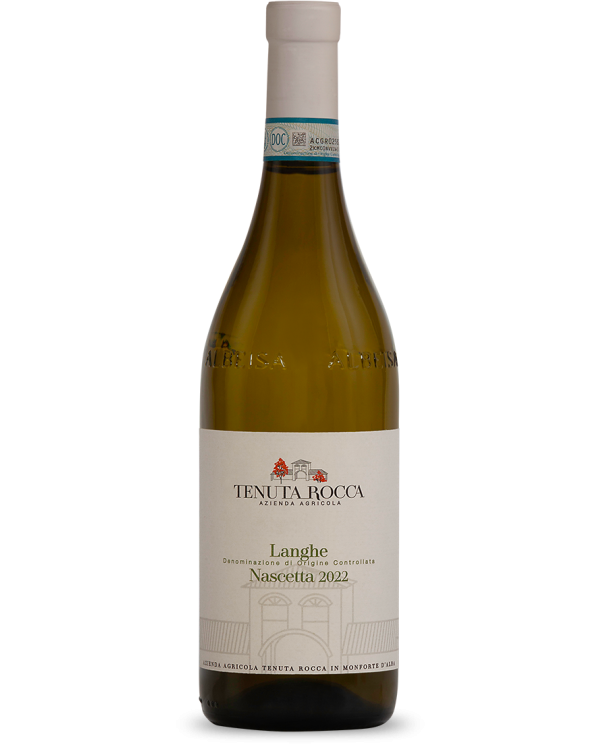
Cultivated in Monforte d'Alba at about 530 meters above sea level, the Langhe DOC Riesling was born out of our authentic passion for this vine.
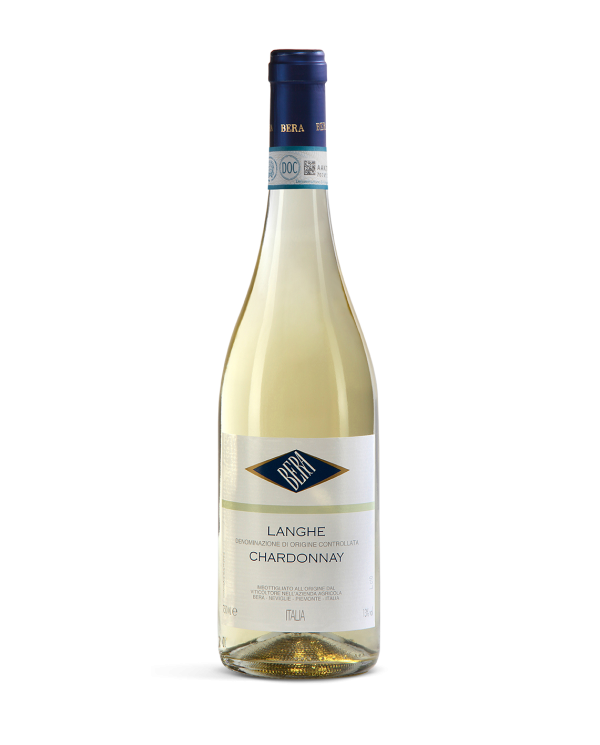
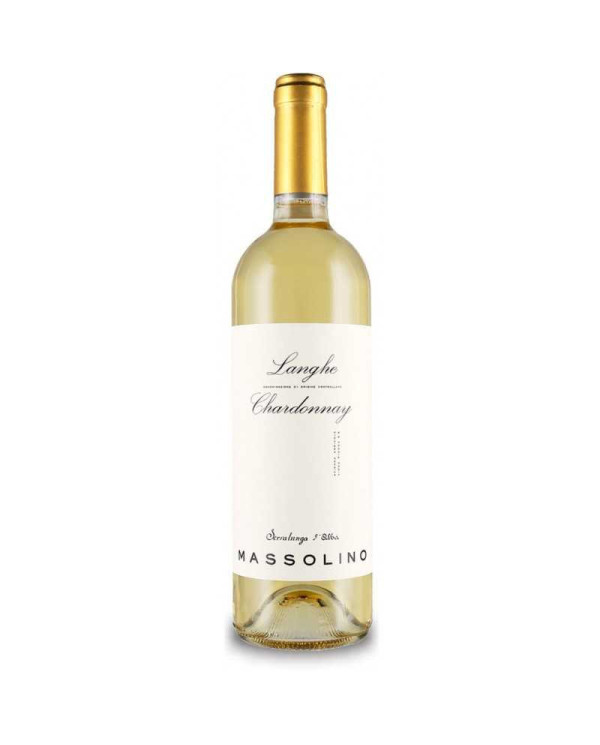
The Langhe Chardonnay Massolino is a white wine from a land of reds, rich and very well structured, it is capable of evolving splendidly over time. It is vinified and aged partly in large barrels and partly in barriques and has a very broad and complex aromatic range. On the palate it manages to be delicate despite an important structure, a wine for the whole meal that lends itself to many combinations
Moscato d'Asti in purity, produced in sparkling variety. The result is a very sweet but light bubble, thanks to its delicate alcohol content, which makes it a perfect Entry Level companion to start an evening or a lunch.
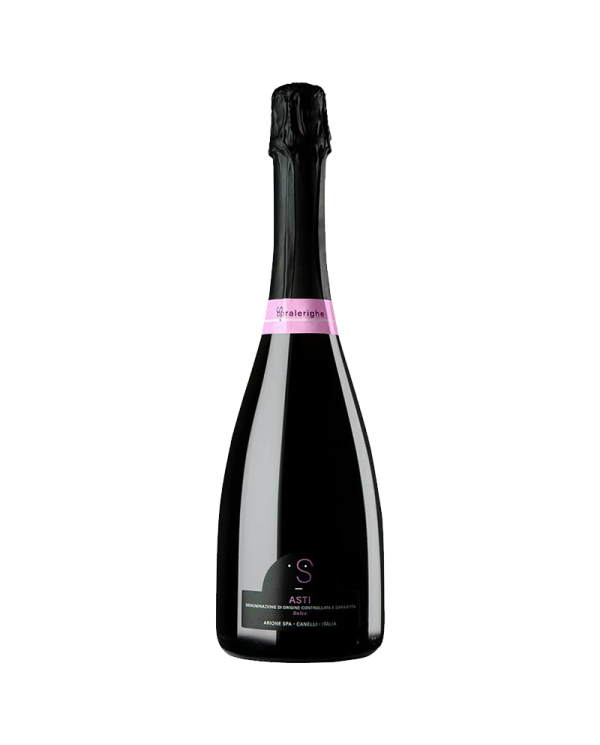
Sweet sparkling wine produced from Moscato grapes, made for excellent aperitifs and early evenings. Straw yellow in sweetness, with various notes of sugary yellow-fleshed fruit.
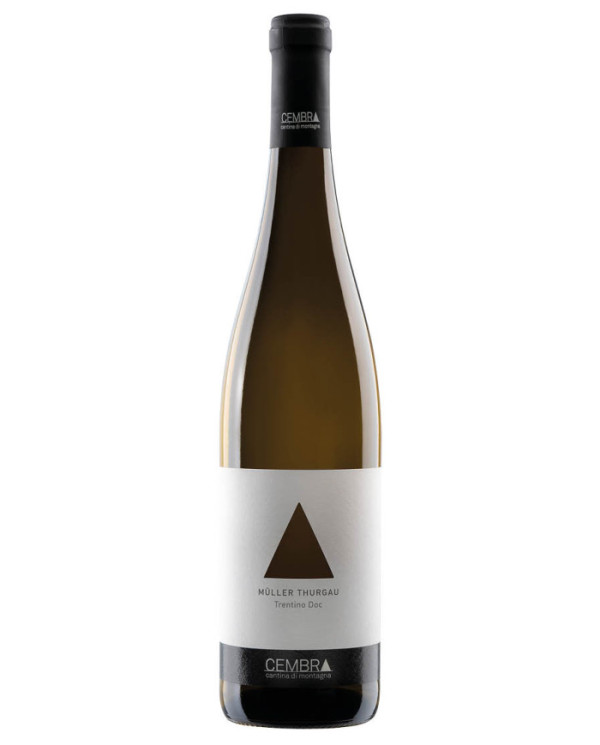
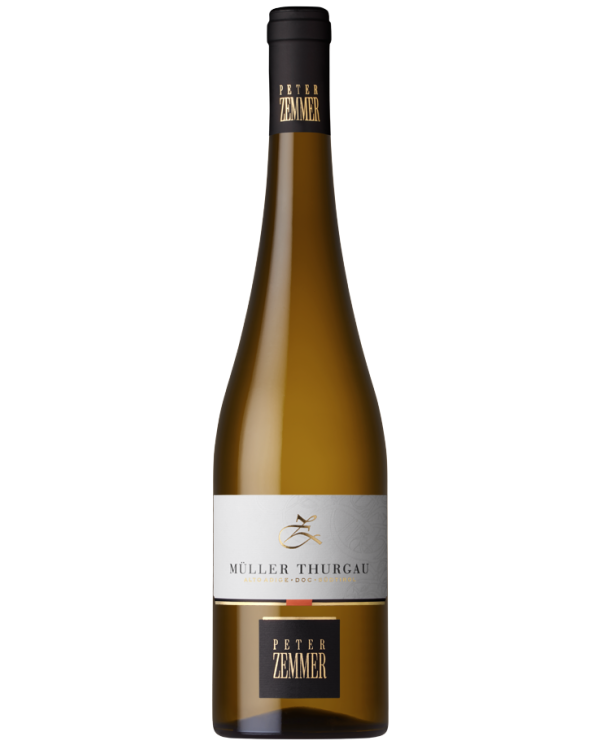
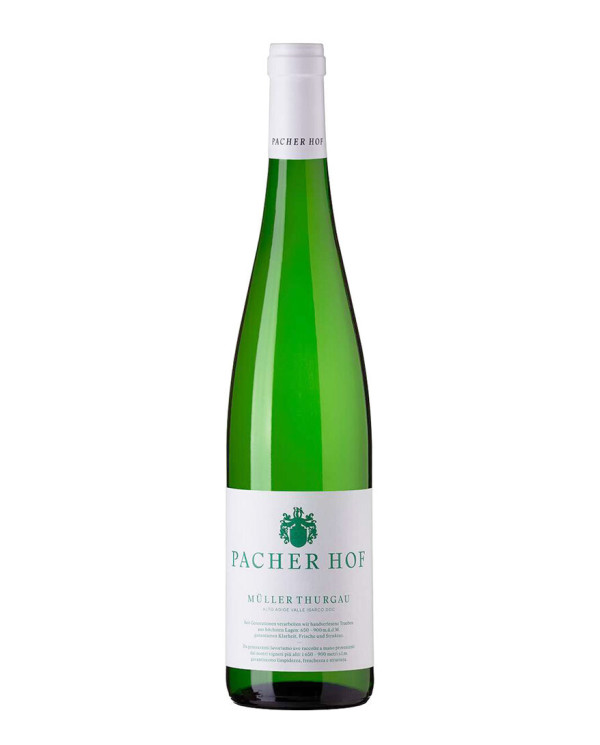
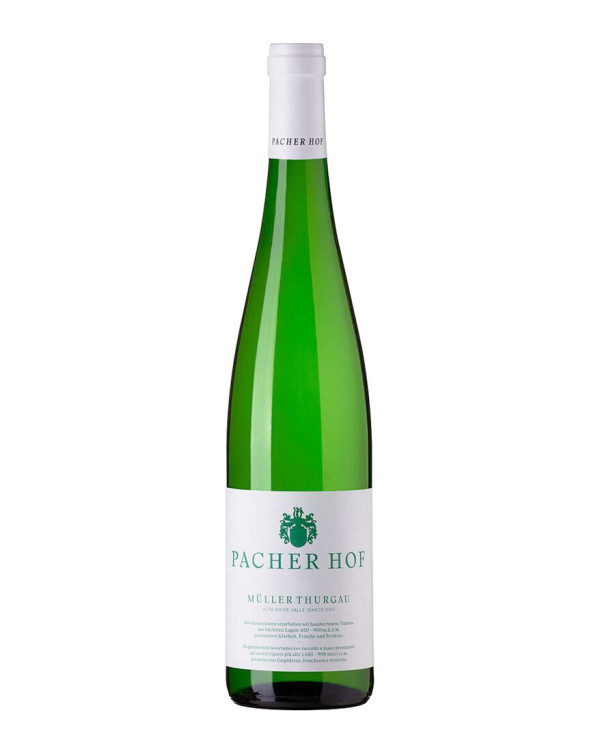
Pacherhof's Muller Thurgau is a wine that blossoms within the terroir of the Valle d'Isarco. It is made in a terroir mainly based on sand and clay, where day and night alternate with excellent temperature ranges and good ventilation. The must ferments slowly at a low temperature in stainless steel tanks. The final stage of aging takes place in steel on the noble lees for 6 months. Once this maturation is complete, the wine is ready to be bottled and placed on the market.
The Pure Extra-Brut champagne from Maison Jean-Noël HATON is a great champagne with a very low dosage.
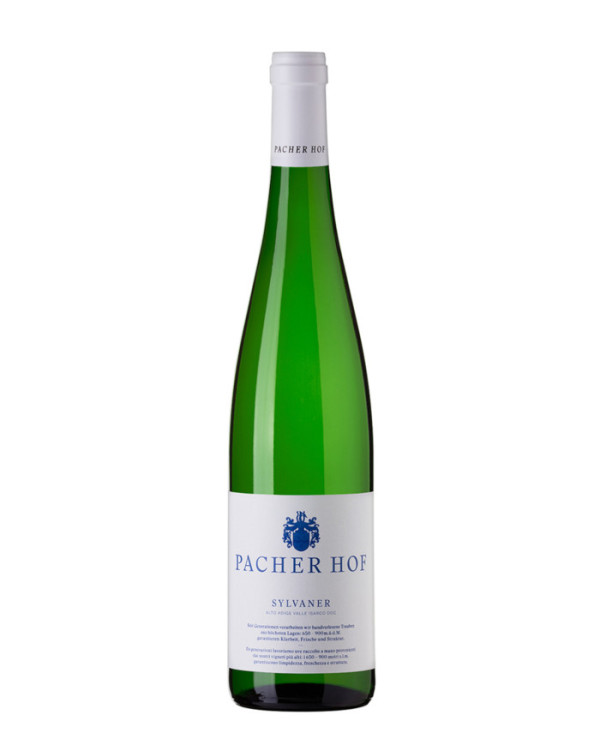
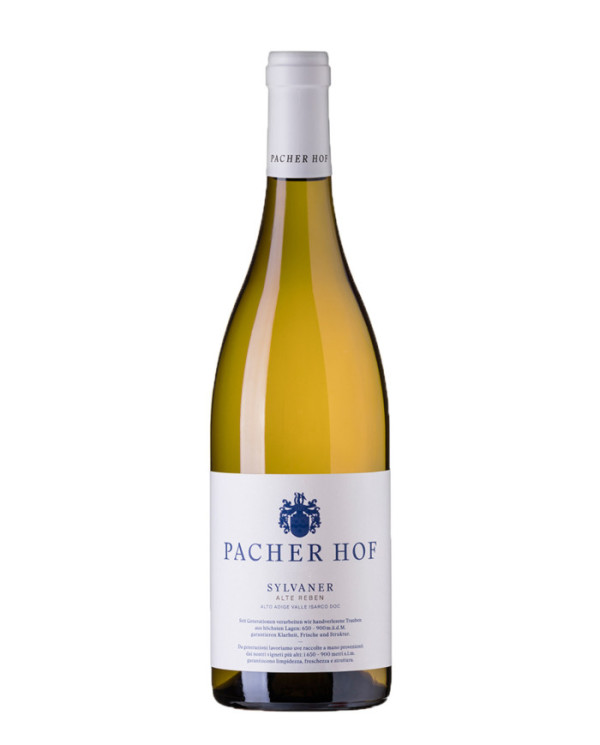
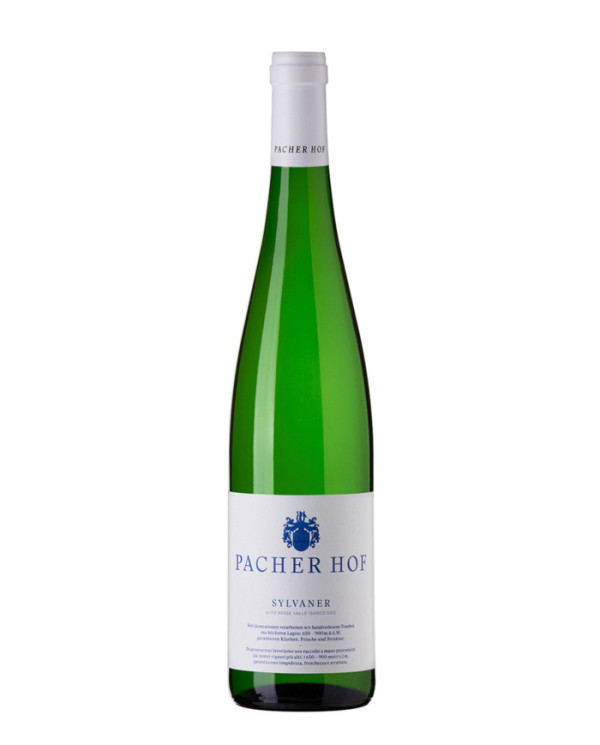
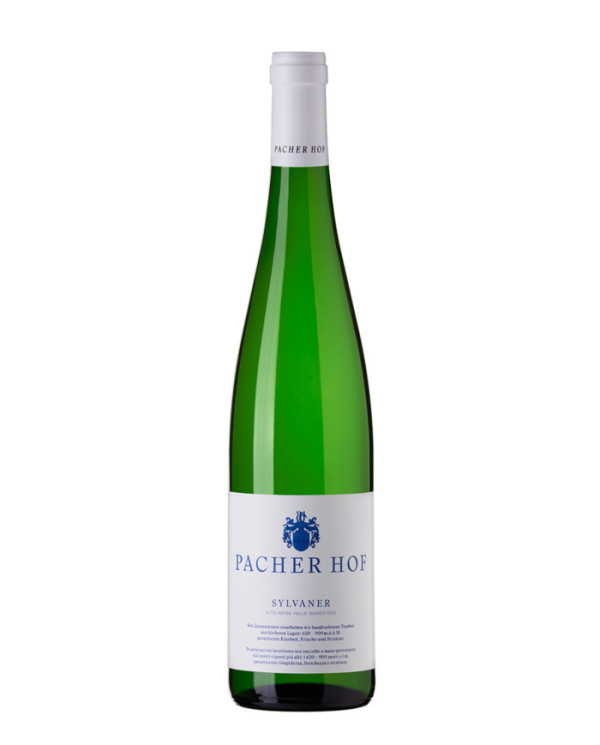
Pacherhof's Sylvaner is a semi-aromatic white wine of medium body and good freshness, aged for a few months in large barrels. It has a fine and delicate bouquet of freshly mown hay, herbs, fruit and white flowers. On the palate it is clear, mineral, fresh and fruity, with a nice persistence
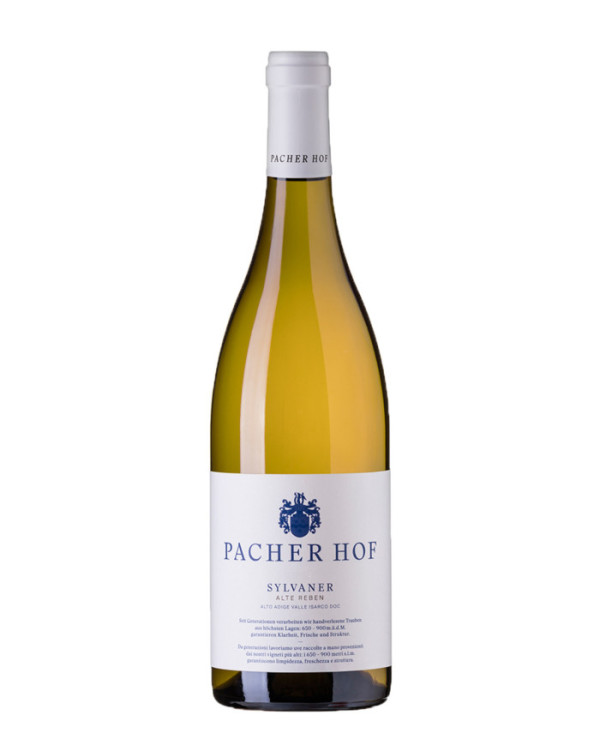
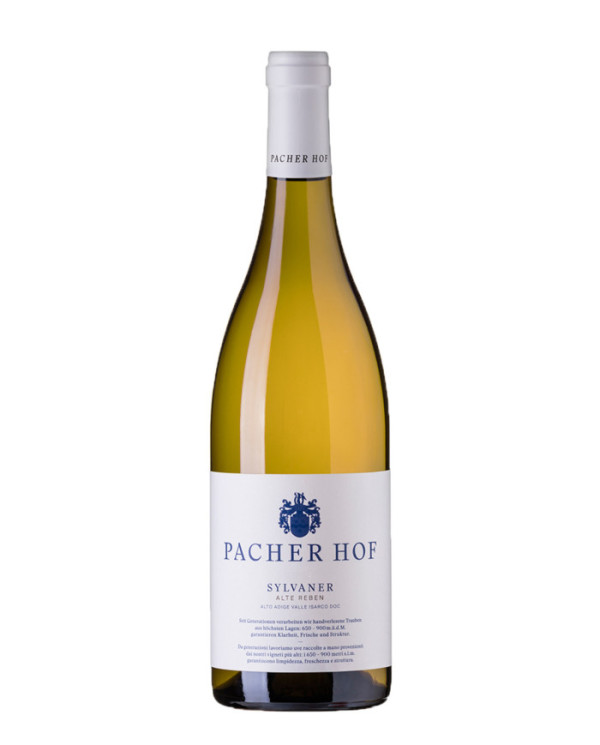
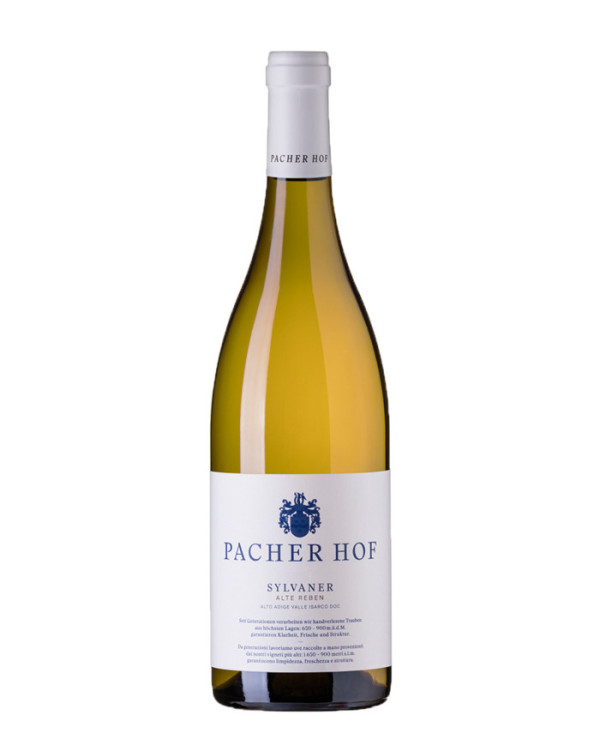
The Sylvaner Riserva "Alte Reben" by Pacherhof is a white wine with a high taste-olfactory profile, born from old vines located at an altitude of 650 meters in the Valle Isarco. It has clear and seductive aromas of white fruit and freshly picked flowers, with very light nuances of sweet spices. The sip is fine, fruity, fresh, intense and mineral
White wine with a brilliant straw yellow color with light greenish hues. The nose is fruity with hints of apple and almonds.
Pacherhof's Muller Thurgau is a wine that blossoms within the terroir of the Valle d'Isarco. It is made in a terroir mainly based on sand and clay, where day and night alternate with excellent temperature ranges and good ventilation. The must ferments slowly at low temperature in stainless steel tanks. The final stage of aging takes place in steel on the noble lees for 6 months. Once this maturation is complete, the wine is ready to be bottled and placed on the market.
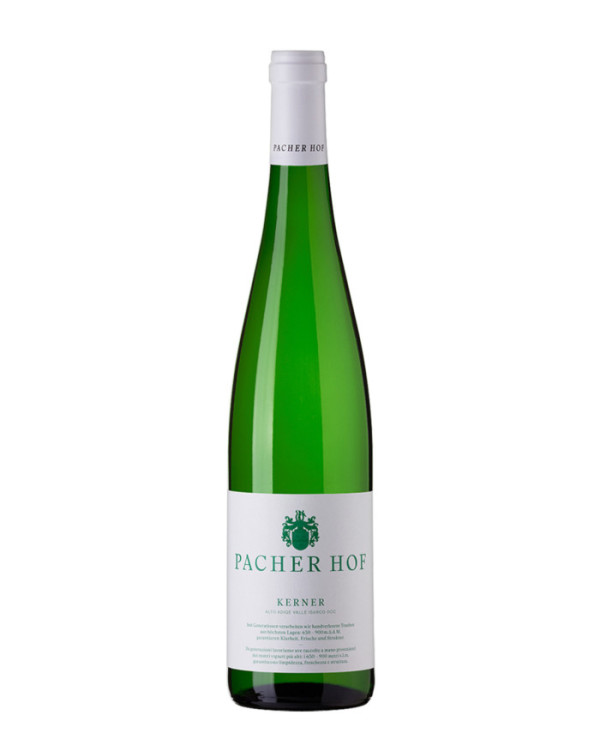
Pacherhof's Kerner is a clean, precise and vertical wine, with a fresh and light personality, not without tension and aromatic richness. Aromas of citrus fruits, exotic fruit and sweet spices involve the sense of smell while the sip reveals character, softness and great expressive power
Fresh, delicate aroma with floral notes, aromas of ripe exotic fruits and an elegant citrus note. Lively fresh acidity with a pleasant aromatic note in the finish.
In its stupendous bottle, this Brut Premier Cru 100% Chardonnay from the HATON & FILS maison promises beautiful sensations.
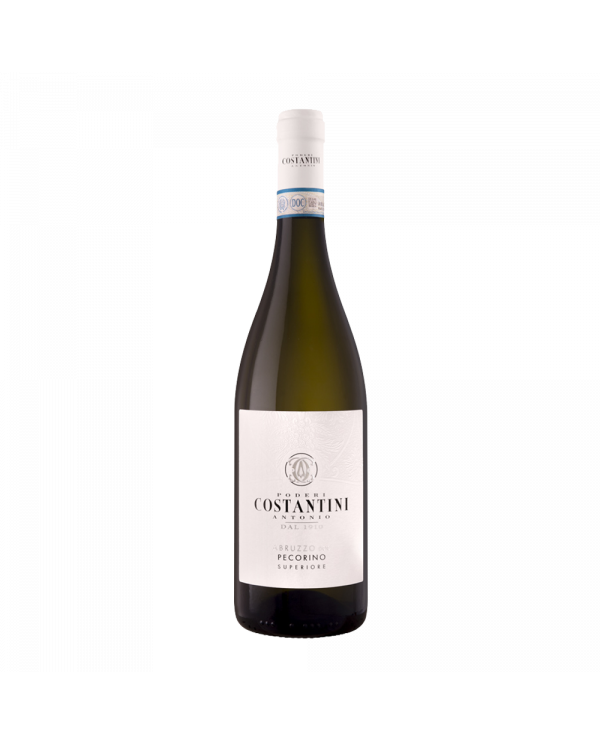
Type Abruzzo Pecorino doc Superiore 2020 Alcohol 14.5% vol. Grape variety Pecorino 100% Production area: Abruzzo Exposure South, South-east Soil type Medium texture - Clayey Training system (Espalier) Yield per hectare 100 quintals Harvest Manual with selection of the bunches.
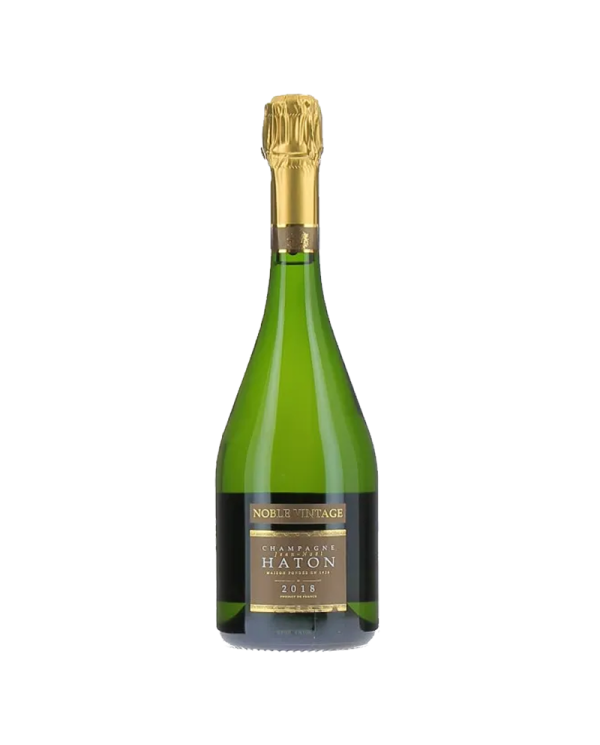
A true reminder of the past, the Cuvée Noble Vintage 2016 from Maison Jean-Noël HATON is the reflection of an extraordinary harvest.
Straw yellow in color with greenish reflections. On the nose hints of Mediterranean, cedar and boxwood. Pleasantly dry and material on the palate with a long finish of ancient citrus. Best to drink between 14 ° C and 16 ° C.
Straw yellow, with a rather fine perlage. On the nose it expresses fragrant aromas of white pulp fruit, on the palate it is fresh, very soft, full. A rich and pleasant taste, whose closure stands out for its cleanliness. Excellent as an aperitif, it goes well with light appetizers. Excellent on typical vegetarian dishes.
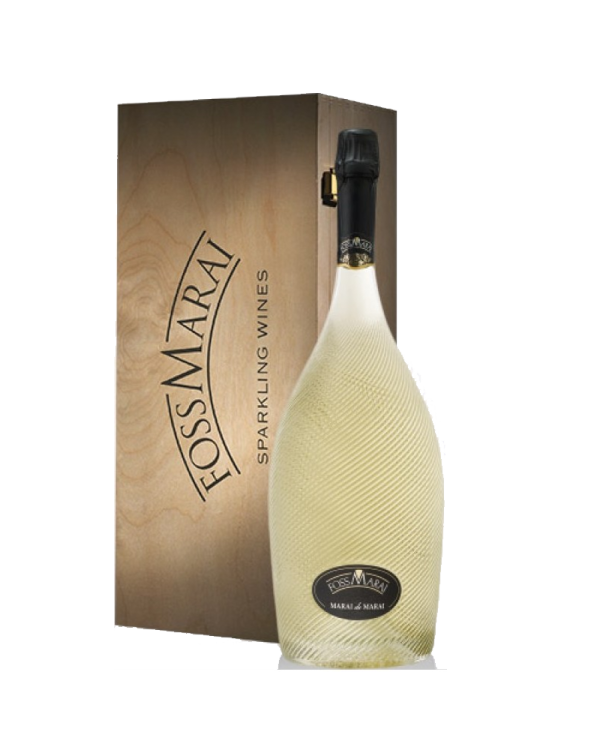
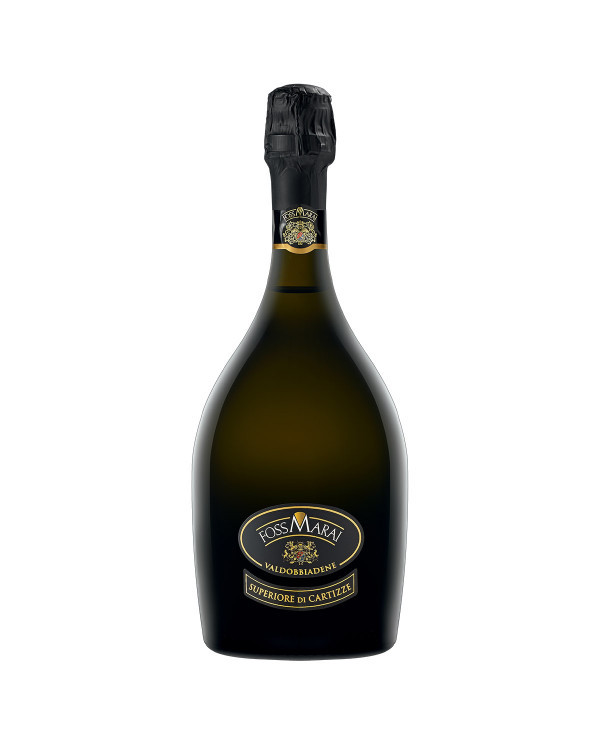
With its luminous hues and very fine perlage, the Superiore di Cartizze Foss Marai has a broad and complex aromatic structure, which recalls white fruits, citrus fruits, peach and apricot, with an intense aroma of wisteria and rose.
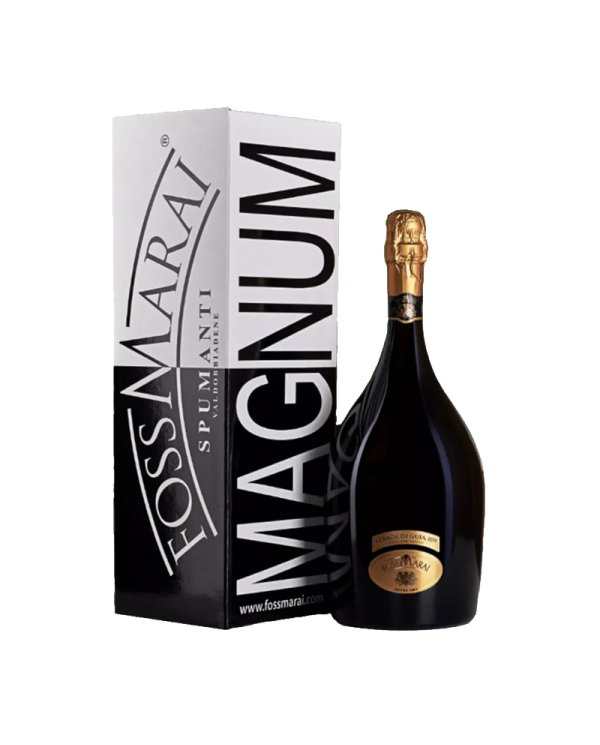
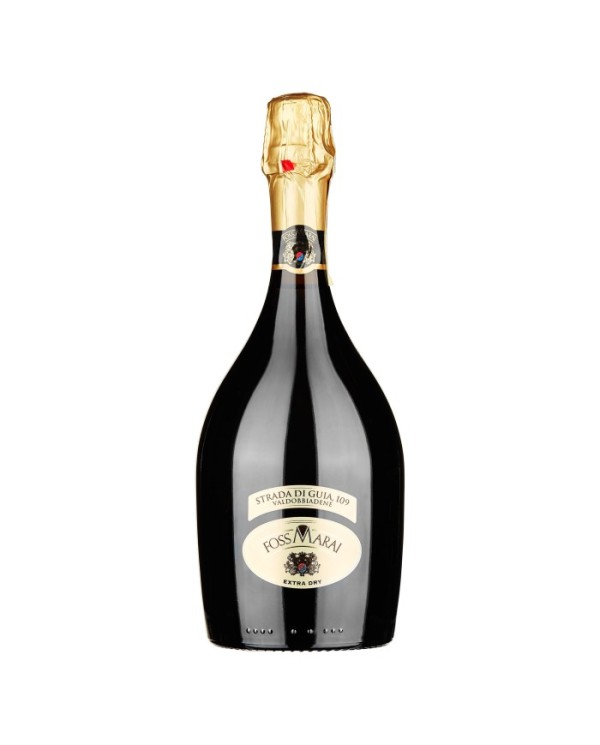
The sparkling wine par excellence, the version that best enhances the typical characteristics of the Glera grapes. Strada di Guia 109 Extra-dry is rich in aromas, among which acacia and apple stand out for their intensity and elegance. The taste is captivating due to the freshness and residual sugar that blend beautifully
Straw yellow, with a rather fine perlage. The nose reveals fragrant aromas of acacia and apple. Captivating aromas, which open to a well-balanced taste between freshness and residual sugar. It closes with a finish of excellent persistence. Also as an aperitif, it goes well with delicate fish and white meat dishes.
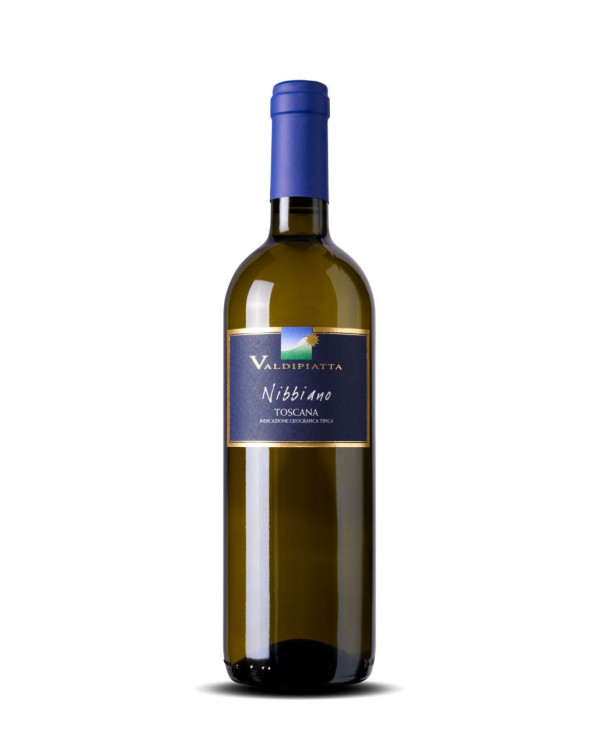
The only white wine produced by the company, Nibbiano takes its name from one of the streams that flow near the cellar. Made for about half with red grapes that are immediately pressed and vinified without peel, it is an immediate, fresh and easy to drink wine but with a strong and authentic character that makes it unique and recognizable in every vintage
Simple but tasty seafood dishes such as grilled cuttlefish and swordfish or fried anchovies.
Excellent aperitif or between meals, particularly indicated with appetizers and main courses of fish and shellfish, superb with fries; Service temperature: recommended 8-10 °C.
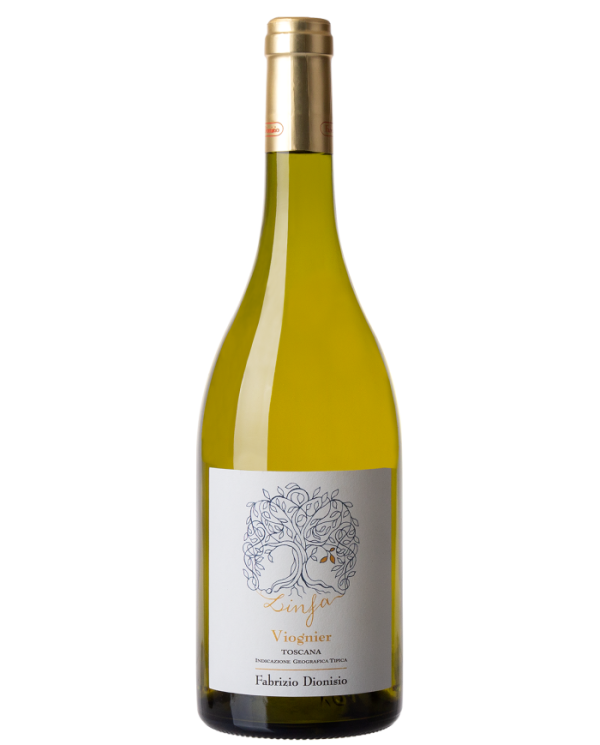
A viognier vinified only in steel, with an unusual freshness and minerality that make our interpretation of this noble vine and our territory unique.
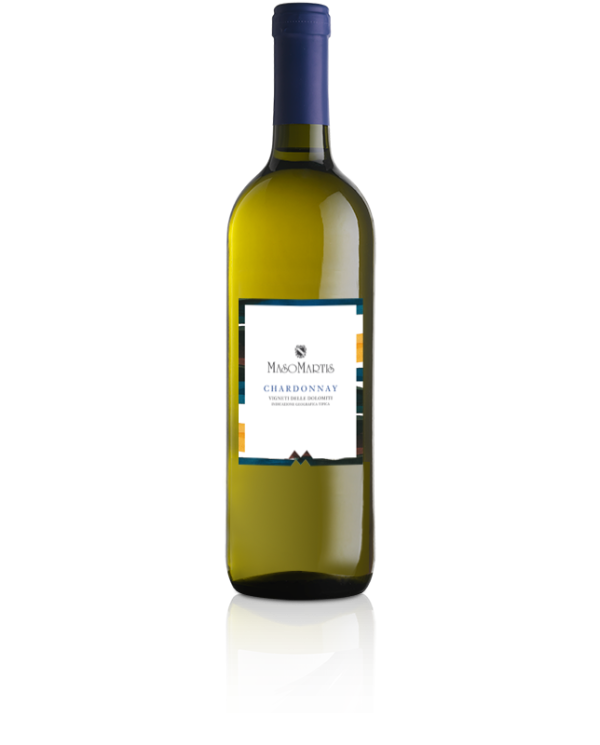
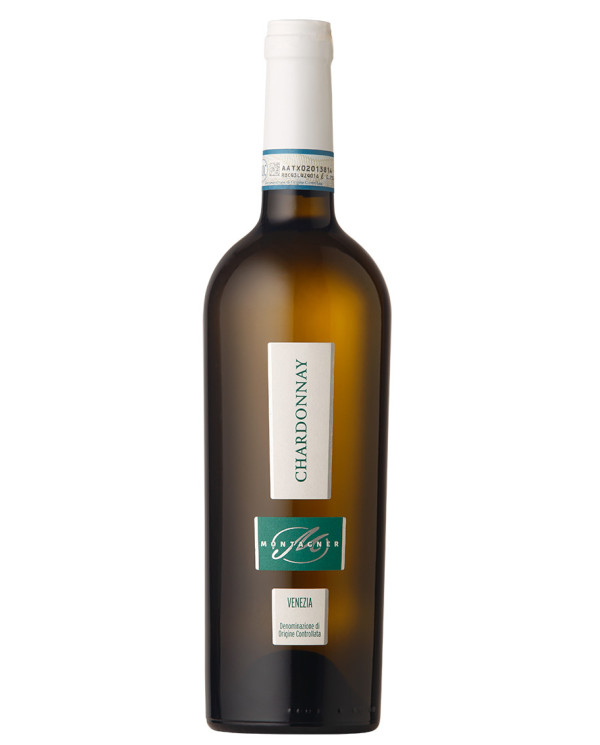
No secrets. No makeup. This Chardonnay Terre di Chieti PGI Bisanzio proposed by Codice Citra is a simple, but pleasant, white wine to be served throughout the meal. When on the table, of course, the sea and its fruits dominate. Served chilled it can also represent a valid alternative to the classic aperitif bubble. At 90%, guests will propose to continue with the same glass once dinner is served. It comes from pure Chardonnay grapes, harvested at flat ripening in the vineyards located near Ortona, in the province of Chieti. Soft pressing and cold maceration to obtain a limpid must which, once decanted, can be fermented, strictly at a controlled temperature to preserve all the goodness of its aromas, in stainless steel tanks. The result is a white, delicately scented, with a brilliant straw color. The nose reveals the warmth of its homeland well. Chardonnay, in fact, shows notes of tropical fruit and yellow flesh. In the mouth, however, it is above all fresh and well balanced in all its components.
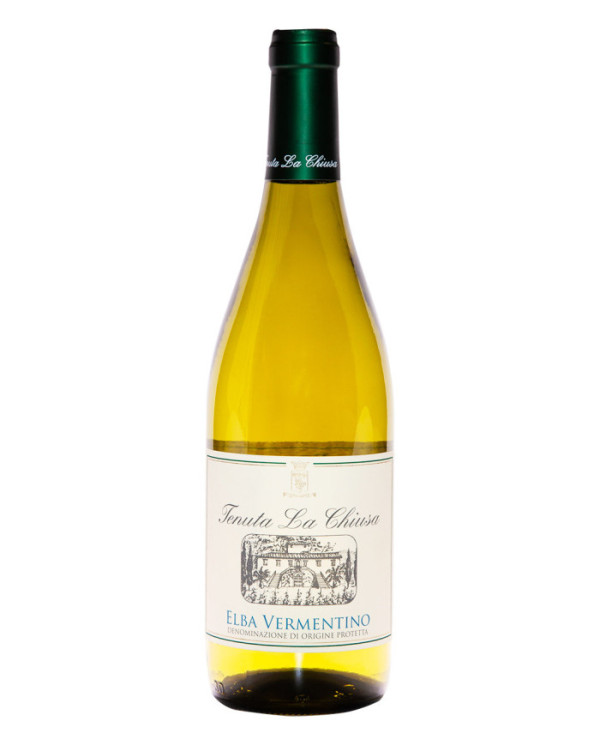
Vermentino Elba Doc 2022 comes from vines on clayey-ferrous soils in a flat area. Harvested in early September. It is vinified in white, in steel containers, with temperature control during fermentation. Continuous batonage during the winter to enrich the wine with the aromas of the fine lees on which it is left to rest. Bottled in the spring following the harvest, it has a straw yellow colour. On the nose the typical floral aromas of acacia, pineapple and marked notes of aromatic herbs. On the palate it is dry, fresh, sapid and with good persistence. Ideal alone as an aperitif, or in combination with appetizers, fish risottos and soft cheeses.
Grape rediscovered a few years ago, widespread throughout the Abruzzo region. The name "pecorino" is given by the sheep's muzzle shape of the bunch and by the fact that when the shepherds passed through during the transhumance, the sheep stopped to graze the leaves of this vine.
The Bianco “Donna Licia” is a non-pretentious, versatile wine, produced mainly with Trebbiano d'Abruzzo and Chardonnay. Obtained from soft pressing and short cryomaceration, clarification of the must and fermentation at a controlled temperature, stop for refrigeration and immediate filtration. The storage takes place in steel and fiberglass tanks and the sterile bottling is done from January.
Indigenous vine > Biodynamic spontaneous fermentation wine with biodiversity certification > NOT FILTERED and not tartaric stabilized.
> Autochthonous vine > Biodynamic spontaneous fermentation wine with biodiversity certification > NOT FILTERED and not tartaric stabilized.
Autochthonous vine
biodynamic spontaneous fermentation wine with biodiversity certification
Souvignier Gris is a vine resistant* to fungal diseases, it was created by crossing the Seyval variety with the Zahringer in 1983 in Germany. The bunches of grapes are harvested at the beginning of September, once they reach the cellar they are pressed and the must is left to macerate on the skins for a few days. This gives the characteristic color and enriches the aromatic bouquet. At the end of this process the alcoholic fermentation starts in stainless steel containers. Maturation follows, which for 30% of the mass takes place in new wooden barriques and continues for about six months. This is where the spicy aromas and the particular warm and rich flavor originate. After which the two masses are united again and following the blend is filtered and bottled to then be put on the market after a few months of rest in the bottle. * resistant vine: it is a vine obtained from interspecific crossings aimed at lowering the susceptibility of the plant towards cryptogamic diseases (such as downy mildew and powdery mildew) and low temperatures. In this way a stronger plant is obtained and consequently viticulture becomes ethically and ecologically more sustainable both for man and for the environment. The resulting wines are healthier and qualitatively not inferior to the conventional ones we usually consume. In Italy, the cultivation of 10 resistant grape varieties is currently permitted. Colli del Soligo offers two, Souvignier Gris in the still wine version and Johanniter in the sparkling version. Taste to know. Don't miss the opportunity, taste it!
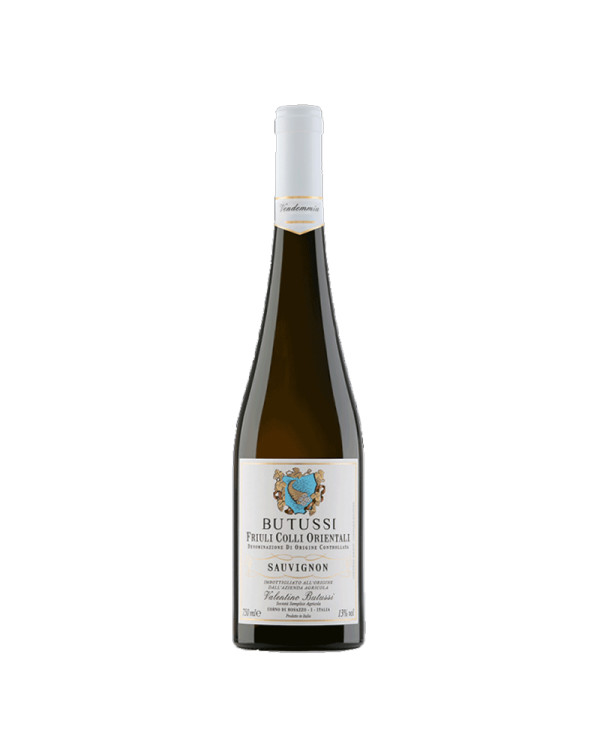
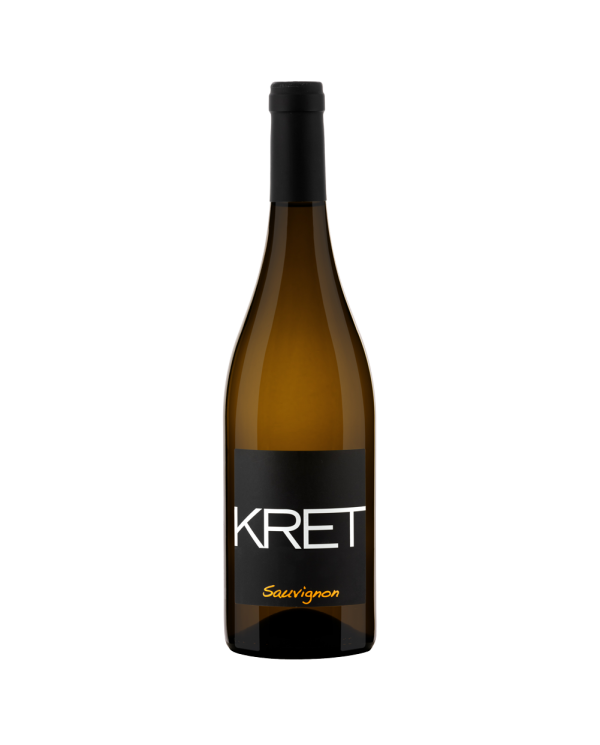
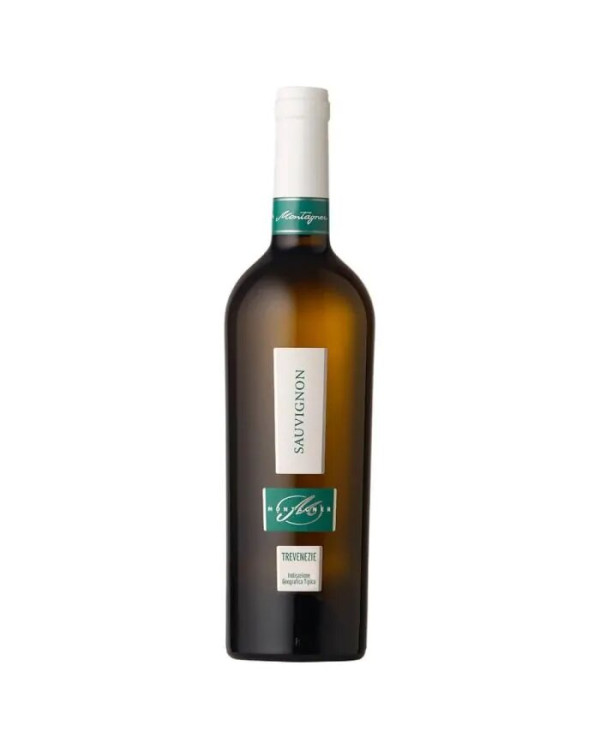
To produce this wine, grapes from vineyards located in the province of Treviso are used. Sauvignon, a semi-aromatic vine well known and appreciated all over the world. Once harvested, the grapes are taken to the cellar where they are pressed and the must obtained is fermented in large stainless steel containers. During the vinification, the technicians pay close attention in order to preserve the typical primary aromas of the grapes and obtain a fine wine. If you've never tasted it, this is the right time to do it. It will amaze you with its precious aromatic bouquet and full and harmonious taste.
The best Italian white wines
Italy is home to some of the finest white wines. In the Clickwine section of our online wine shop dedicated to the finest Italian white wines, you'll find bottles of excellent white wine carefully selected by our sommeliers.
The designations used in our country to classify wines are DOCG, DOC, and IGT. Sometimes you'll also find designations like DOP and IGP: these acronyms have similar meanings to the previous ones but are used by wineries that primarily sell their wines outside of Italy.
The production of white wine
White wines are produced from both light and dark grapes, but vinified as a white wine: that is, during maceration there is no contact between the must and the pomace, so that the skin – exactly the opposite of what happens with red wines – does not release substances and color.
Its myriad nuances vary according to the characteristics of the grape variety, the aging method and the vine growing area.
In white winemaking, once the grapes have been harvested, they are transported to the cellar, destemmed, and pressed, and the must is separated without any maceration or with a brief maceration. Sometimes, however, the grapes are pressed and then macerated with the skins at a low temperature for a varying length of time. This produces richer, smoother wines.
This phase is followed by the clarification of the white wine produced, which can be done by letting the must rest, by cooling, centrifugation or filtration.
Fermentation begins either by adding selected yeast to the must or spontaneously, using the indigenous yeasts present in the grapes. To preserve the aromas, finesse, and freshness of white wines, fermentation is carried out at lower temperatures than red winemaking, generally around 18°C.
To obtain a fresh and lively wine, best drunk young, malolactic fermentation is avoided by bottling early, after filtration and stabilization. More complex wines, aged or fermented in wood, are bottled only after several months in barrel.
How to taste white wine
First, you need to decide whether to uncork the bottle right away or let your white wine age. If you want to immediately succumb to its charm, its aromas of aromatic herbs, flint, or its notes of exotic fruit, then serve your white wine at the right temperature: 6-8°C for a young white and 8-10°C for a softer, more structured wine.
How to pair white wine
Dry white wines will surprise you at the table, too, and not just with their straw-yellow color. As an aperitif, and especially with a fish dish, white wine is definitely a must, but it's not easy to know which of the many labels will be best suited to the occasion.
We recommend pairing white wine with cheeses, whether low-fat, fresh, or rich in milk, such as flavorful buffalo mozzarella, or with soft, bloomy-rind cheeses. They're also perfect with white meats, such as classic scallops, but beyond tradition, white wine also pairs perfectly with meat and risotto dishes, as well as truffles. Visit our online wine shop Clickwine for expert advice on purchasing the best white wine at the best price to pair with your favorite dishes.
White wines: prices and offers
Every week, our online wine shop, Clickwine offers a selection of selected white wines at special prices. In this section and in the special offers section, you can then browse the best value wines.
A wide selection of premium products at affordable and truly exclusive prices. Don't miss the incredible deals on white wines from all the most prestigious Italian wineries; discover internationally renowned and beloved Italian wines.
Enter the Clickwine catalog and expand your selection by purchasing exclusive items online from smaller, yet exceptionally high-quality wineries.
White wines: longevity and conservation
How long can I keep white wine in the cellar? Do white wines improve as they age like red wines? These are the questions a wine consumer asks when talking about white wine.
In general, white wines have a much shorter shelf life than red wines, for two reasons: tannins and aging. Tannins are antioxidants present in the wine's skins that aren't present in white wines; as for aging, however, most white wines age in stainless steel for just a few months; even red wines, if they age briefly in stainless steel and undergo rapid maceration, don't last for many years. Let's say a classic white wine aged in stainless steel lasts a maximum of 2 to 3 years. If it undergoes maceration or ages in wood, it can last up to 20 years and improve year after year.
How many types of white wines are there?
There is no exact number of types of white wine, as there are several different white grape varieties that can be used to make white wines. Some of the most common white grape varieties used to make white wines are Chardonnay, Sauvignon Blanc, Riesling, Pinot Grigio, and Moscato. There are also other less common varieties such as Gewürztraminer, Semillon, and Viognier. Each of these varieties can be used to produce white wines with unique and different characteristics, so there are many different types of white wines available.
How to recognize a good white wine?
There are several ways to recognize a good white wine. One of the simplest is to taste the wine and evaluate its flavor and aroma. A good white wine should have a pleasant flavor and a delicate, complex aroma. Other factors that can indicate the quality of a white wine include the vintage, the grape variety, and the production area. In general, white wines produced with high-quality grapes and in particularly favorable years tend to be more valuable and of higher quality. Furthermore, white wines produced in regions renowned for producing high-quality white wines can be considered more valuable than those produced in other regions.
How to understand if a white wine is good?
As mentioned above, one of the easiest ways to determine if a white wine is good is to taste it and evaluate its flavor and aroma. A good white wine should have a pleasant flavor and a delicate, complex aroma. It's also important to keep in mind that the quality of a white wine can be influenced by several factors, such as the vintage, the grape variety, and the production area. For example, white wines produced with high-quality grapes and in particularly favorable years tend to be more valuable and of higher quality. Furthermore, white wines produced in regions renowned for producing high-quality white wines may be considered more valuable than those produced in other regions.
Why is it called white wine?
White wine is so called because it is made using white grapes. Most white grapes have transparent or lightly colored skins, so the wine made from these grapes has a light, transparent color. Sometimes the color of white wine can be influenced by the type of grape used, the winemaking process, and the addition of other ingredients, but generally, white wine has a light, transparent color.
How to replace white wine?
If you want to replace white wine in a recipe, there are several ingredients you can use. One of the most common options is to use chicken or vegetable broth instead of white wine. Other options include using white vinegar or apple juice diluted with water. Additionally, in some cases, you can omit the white wine entirely and use other ingredients to achieve the desired flavor in the recipe.