

 Italiano
 Deutsch




































There are no more items in your cart
€6.00
€4.80
SKU:
11689
Brand:
Ciccone
€11.00
€8.80
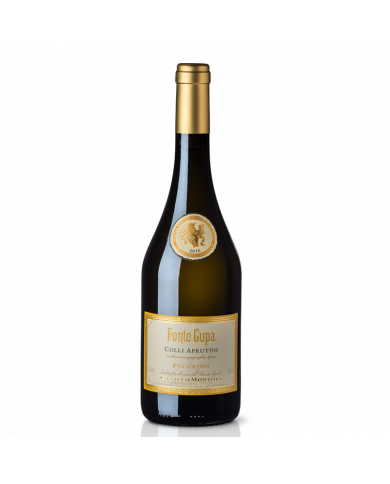
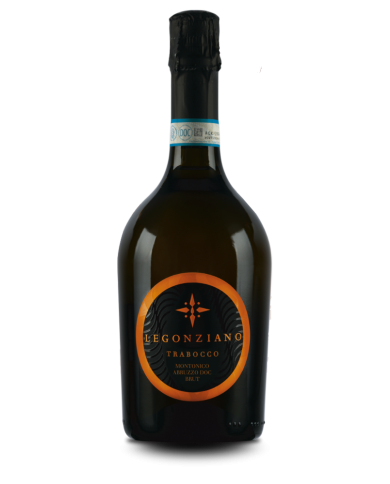
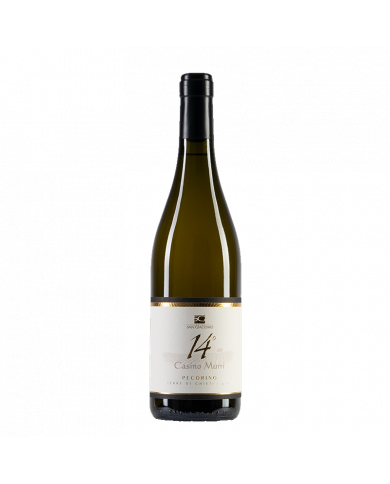
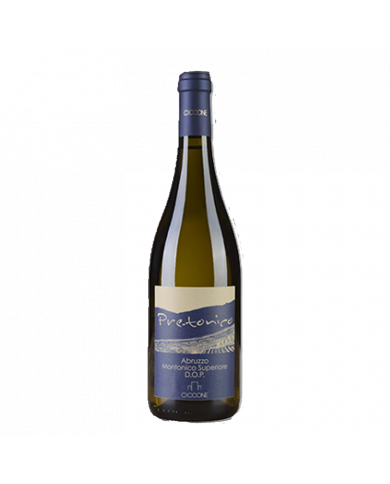
Montonico "Pretonico" has a straw yellow colour, very pleasant and drinkable golden straw yellow, medium intense fruity of ripe apple and light husk of wheat chaff; the taste appears balanced and with good freshness and structure. moderate alcohol content (12°)
€11.00
€8.80
SKU:
11688
Brand:
Torri Cantine
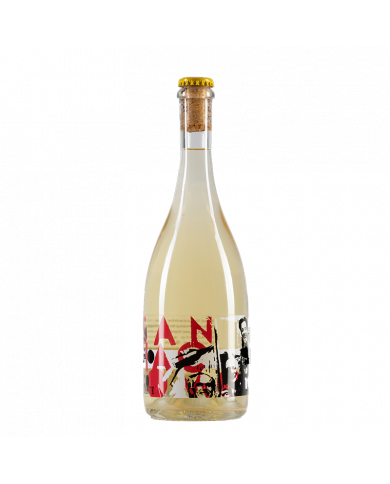
Ass & Shirt
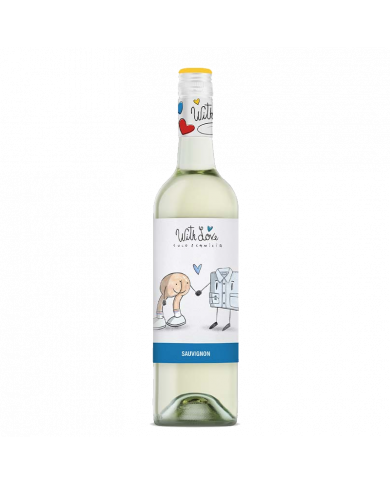
A typical Italian expression that refers to a strong bond between two people. Being ass and shirt with someone means being one with the other party, an inseparable couple. Straw yellow tending to golden with very intense and fine aromas of exotic fruit, apple and banana.
€9.90
SKU:
11683
Brand:
Torri Cantine
Cactus and Balloon are proof that love is blind. No matter how different they are, love will always find its way. Crystalline straw yellow with golden reflections. Delicate aromas of white flowers and yellow pulp fruit.
€12.86
SKU:
11682
Brand:
Torri Cantine
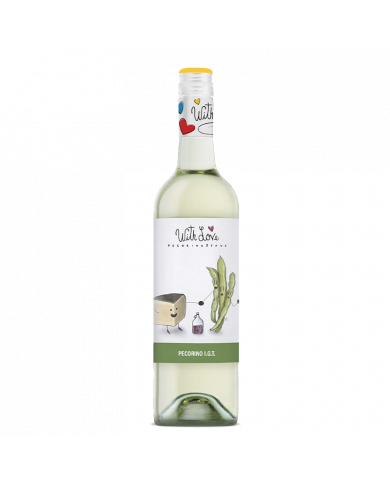
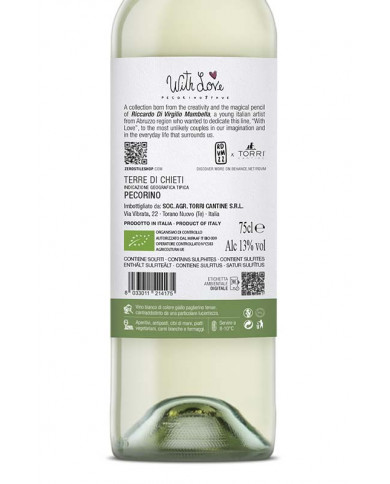
Broad beans and Pecorino represent not only the perfect food-wine pairing, but it is another homage to traditional Abruzzo cuisine. White wine with a pale straw yellow color, characterized by a particular brightness.
€12.86
SKU:
11679
Brand:
Marchesi de Cordano
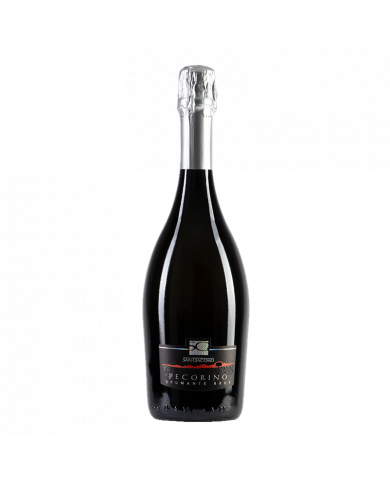
Grapes: Pecorino 100% Vinification: in steel tanks, with controlled fermentation. Tasting: straw yellow color, fruity, herbaceous and floral. Fresh and well balanced. Alcohol: 12.5% vol. Serving temperature: 8-10°C
€6.21
€4.97
SKU:
11673
Brand:
Frescobaldi
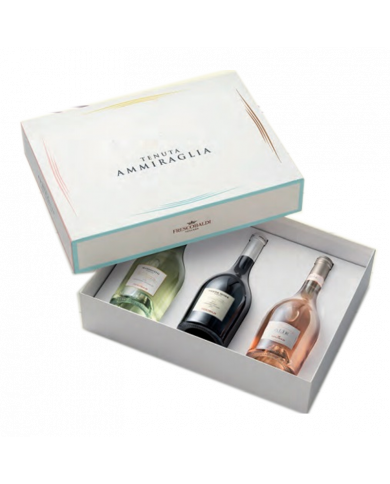
1 btg. 750 ml MASSOVIVO VERMENTINO Toscana IGT 1 btg. 750 ml TERRE MORE Maremma Toscana Cabernet DOC 1 btg. 750 ml ALÌE ROSÉ Toscana IGT
SKU:
11665
Brand:
Frescobaldi
Masso Vivo is the name of this Vermentino with a beautiful straw color, which surprises with its floral and candied fruit notes and harmoniously envelops the palate, characterized by a great flavor and extreme freshness, typical of the territory.
€13.52
SKU:
11662
Brand:
Pasetti
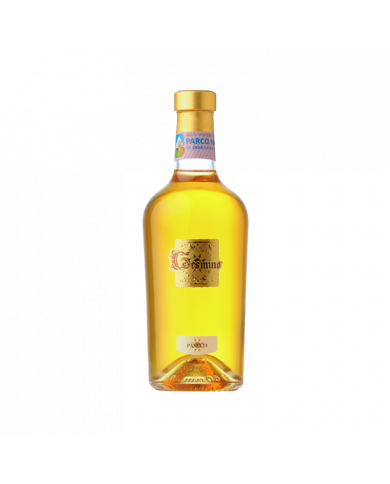
With a bright gold color, the Passito of the Pasetti company releases intense and fine aromas and aromas. Fabulous passita version of the Moscatello di Castiglione, an ancient native grape variety brought to light after years of study and research.
€22.20
SKU:
11660
Brand:
Pasetti
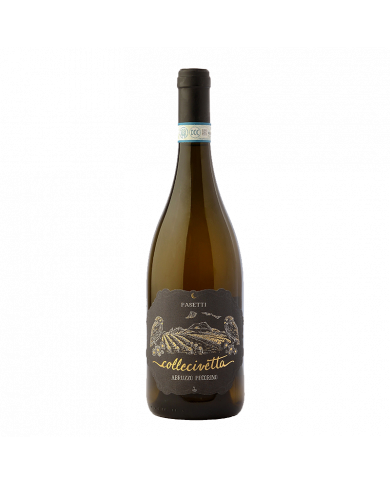
Last of the Pasetti labels, this single variety of Trebbiano d'Abruzzo is expertly crafted. Indigenous yeasts for this complex and balanced dry white wine.
€13.50
SKU:
11659
Brand:
Pasetti
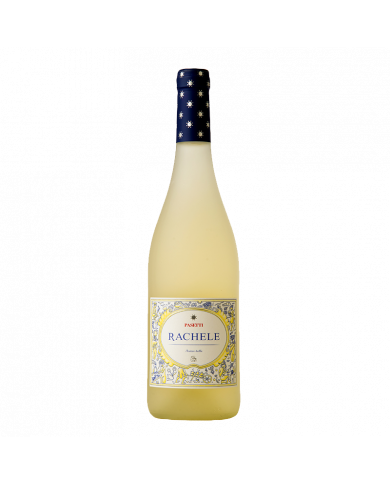
Young and fresh line, this wine perfectly matches the culinary tradition of the Adriatic coast dishes.
€10.30
SKU:
11658
Brand:
Pasetti
Complex and refined, this wine comes from the selection of our best pecorino bunches and is enriched in its structure thanks to the particular vinification technique, which sees it rest for a few months on the lees.
SKU:
11656
Brand:
Pasetti
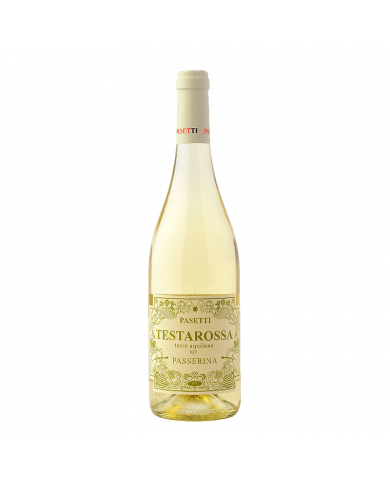
Young version of the historic Testarossa line, the passerina finds its highest expression in the territory of Capodacqua (AQ). Its freshness ranges from herbaceous to mineral, with characteristics of great finesse and elegance.
€12.15
€8.00
€6.80
€8.00
€6.80
€9.39
€9.39
SKU:
11647
Brand:
Casimirri
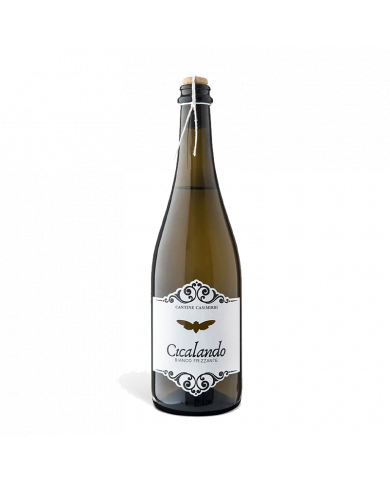
FOAM: Abundant and evanescent. PERLAGE: Fine-grained and persistent. COLOUR: Pale straw yellow. TASTE: Soft. PAIRINGS: Excellent accompaniment to cakes and desserts after a meal. SERVING TEMPERATURE: 6-8° C VOL. ALCOHOL: 7.50%
€7.50
€6.38
€13.66
€11.61
SKU:
11625
Brand:
Camillo Montori
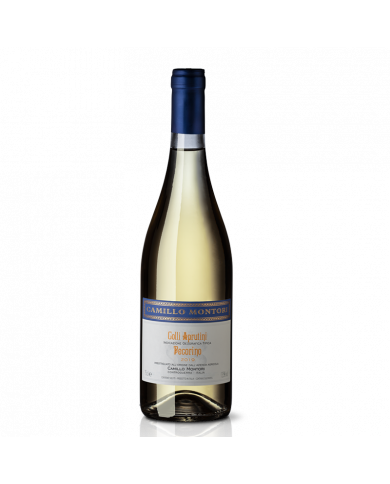
Brilliant in color with pale greenish-yellow reflections. The bouquet is very fine, fruity, with a hint of ripe apple characteristic of the vine of origin. Pleasantly fresh taste on the palate, it maintains an aromatic and gustatory persistence. Excellent as an aperitif, it goes well with any fish dish.
€8.24
SKU:
11624
Brand:
Camillo Montori
Brilliant color with pale greenish-yellow reflections. Very fine, fruity bouquet, with a hint of ripe apple characteristic of the vine of origin. Pleasantly fresh taste on the palate, it maintains an aromatic and gustatory persistence.
€9.05
SKU:
11621
Brand:
De Angelis Corvi
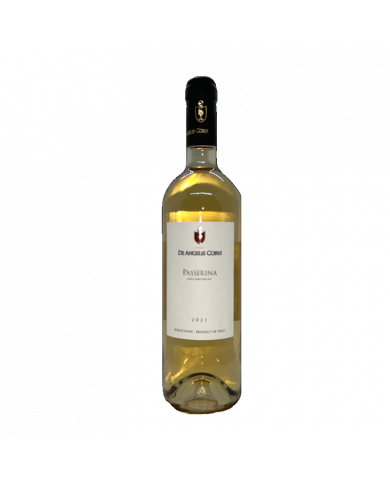
Straw yellow in color with golden reflections, with floral and white fruit aromas. Particularly harmonious wine with notable persistence.
€17.57
€9.91
SKU:
11619
Brand:
Camillo Montori
Straw yellow color with golden reflections. Fruity and floral bouquet with hints of balsamic herbs, hawthorn and banana. Enveloping taste, it is very warm in the mouth and is supported by a good acidity. It goes well with robust first courses, white meats, broths and roasted fish.
€14.49
SKU:
11618
Brand:
Camillo Montori
Brilliant in color with pale greenish-yellow reflections. The bouquet is very fine, fruity, with a hint of ripe apple characteristic of the vine of origin. Pleasantly fresh taste on the palate, it maintains an aromatic and gustatory persistence.
SKU:
11617
Brand:
Camillo Montori
At the tasting it presents a brilliant color with pale greenish-yellow reflections. Very fine, fruity bouquet, with a hint of ripe apple characteristic of the vine of origin. Pleasantly fresh taste on the palate, it maintains an aromatic and gustatory persistence. It goes well with any fish dish and is excellent as an aperitif.
€10.59
€19.64
€29.04
€21.57
€19.64
€11.85
€11.85
€11.85
€18.34
SKU:
11604
Brand:
Famiglia Febo
€18.00
€15.30
Straw yellow color; good structure supported by excellent freshness and flavor. The nose initially perceives a light toasting that quickly leaves room for herbaceous hints.
€18.00
€15.30
€10.93
€9.56
€9.56
€24.77
€10.93
€9.29
€10.93
€9.33
€8.78
€7.91
€7.14
€7.14
SKU:
11566
Brand:
Vin.Co
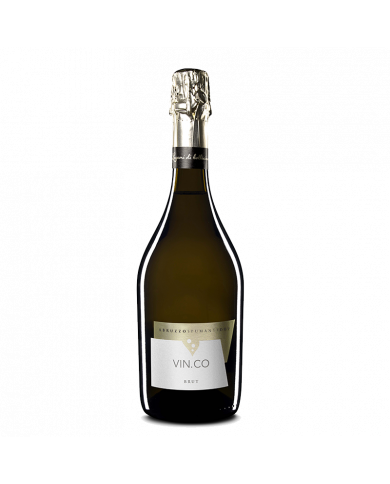
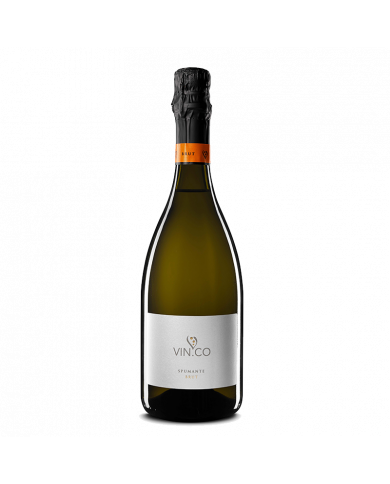
In 1895, Federico Martinotti patented his method for the second fermentation of a sparkling wine in a closed container. From the fermentation in autoclave, which enhances the fruity and floral notes, our Abruzzo Spumante Bianco Brut is born today.
€6.76
SKU:
11563
Brand:
Vin.Co
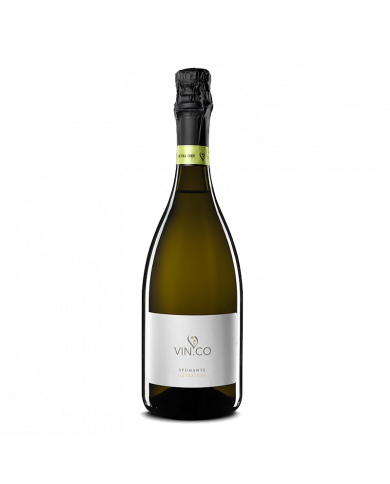
In 1895, Federico Martinotti patented his method for the second fermentation of a sparkling wine in a closed container. From the fermentation in autoclave, which enhances the fruity and floral notes, our Extra Dry White Sparkling Wine is born today
SKU:
11562
Brand:
Vin.Co
In 1895, Federico Martinotti patented his method for the second fermentation of a sparkling wine in a closed container. From the fermentation in autoclave, which enhances the fruity and floral notes, our White Brut Sparkling Wine is born today.
€5.86
€18.00
€22.20
€11.27
€13.32
€11.32
€9.91
SKU:
11548
Brand:
Bossanova
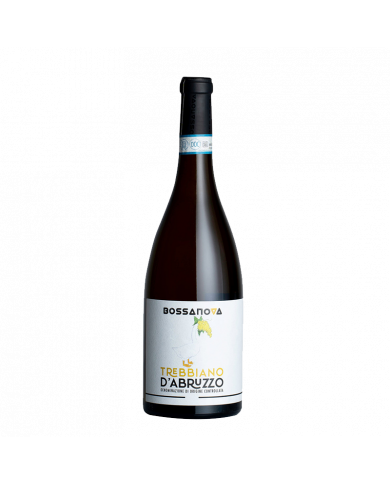
Trebbiano d'Abruzzo Bossanova is an Abruzzo white wine from the hills of Teramo, briefly macerated on the skins and aged for about 9 months in vitrified concrete tanks: it expresses aromas of hay and chamomile, yellow-fleshed fruit and hints of sage, while at sip is harmonious, taut and of excellent freshness, embellished with mineral tones and an intriguing savory persistence.
€23.92
SKU:
11545
Brand:
Ciccone
Montonico "Pretonico" has a straw yellow colour, very pleasant and drinkable golden straw yellow, medium intense fruity of ripe apple and light husk of wheat chaff; the taste appears balanced and with good freshness and structure. moderate alcohol content (12°)
€15.37
SKU:
11514
Brand:
Marramiero
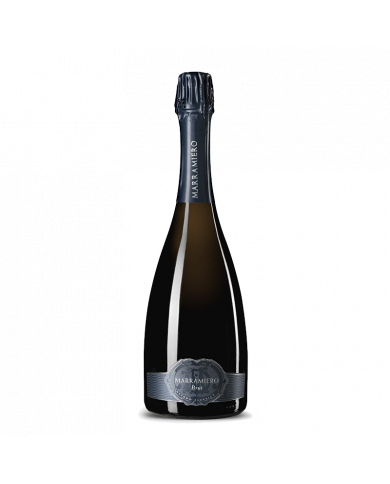
From the deep love of a family for their land and for wine, the sparkling wine Marramiero Brut is born. Particular dedication and profound experience accompany every moment of sparkling wine making. The process begins with the selection of Chardonnay and Pinot Noir grapes and continues with the choice of yeasts for refermentation in the bottle. The temperature control allows to prolong the fermentation and obtain a fine and persistent perlage.
€49.90
SKU:
11513
Brand:
Marramiero
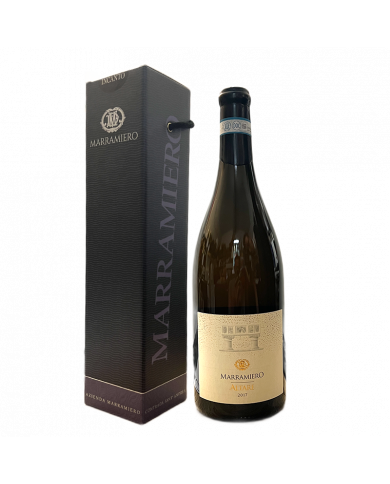
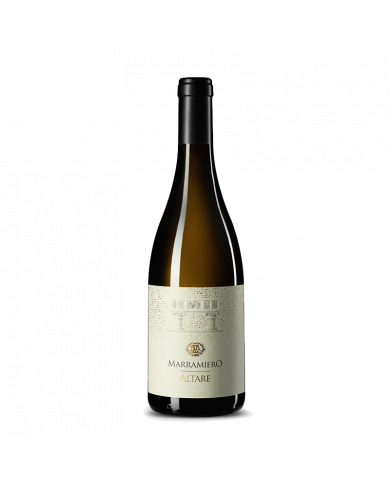
Fermentation and long aging in small oak barrels are the peculiarity of this white wine, produced in limited quantities. Its aroma is broad and intense with hints of citrus and spice, its color is bright yellow. On the palate it is savory, balanced and with excellent structure and persistence. It can be best enjoyed when paired with dishes based on fish, seafood, shellfish, other dishes with delicate sauces and fresh and light cheeses.
€35.87
€8.04
€6.83
SKU:
11501
Brand:
Dora Sarchese
€12.00
€10.20
Pecorino Dora D'oro has a beautiful shiny gold color with a golden nail, clear and consistent. Born from a great intuition of a master of Italian enology: Leonardo Seghetti . To him, all the credit for the diffusion of pecorino wine in Abruzzo, a wine as sincere as the land of Abruzzo and as precious as gold. Diploma of Great Mention Pecorino IGT 2005 at the 40th Vinitaly International Wine Competition. A fresh, soft and savory wine, ideal companion to white meats, fish soups. Cantina Dora Sarchese is an Abruzzo company reminiscent of a nineteenth century farm. Tradition of quality.
€12.00
€10.20
SKU:
11496
Brand:
La Vinarte
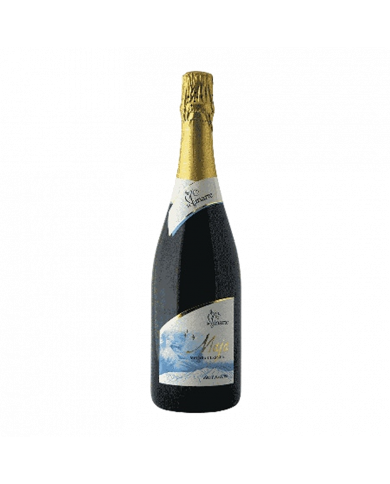
The name of the Goddess Maja evokes the mythological origins of the Majella and Gran Sasso, majestic mountains that outline unique soil and climatic conditions for the cultivation of vines along the Adriatic slopes. With this classic method sparkling wine, La Vinarte pays homage to the two giants, elaborating its cuvées starting from Montonico grapes coming exclusively from its own vineyards. This ancient autochthonous variety of mountain origins spread throughout the region until the 1960s, to then almost disappear. Today we rediscover the freshness and delicacy of these grapes in their best expression: Spumante. The second fermentation takes place in our cellars inside this bottle and the wine rests on the lees until disgorgement.
€11.20
€7.90
SKU:
11490
Brand:
La Vinarte
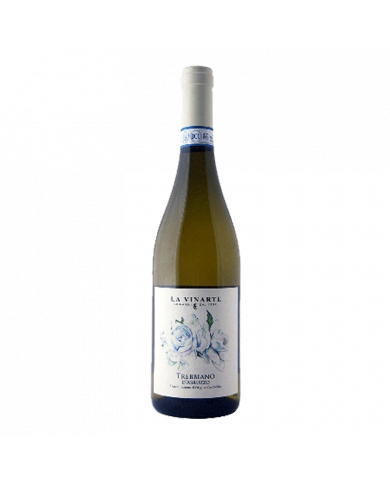
Produced on the hills of Abruzzo, between the Costa dei Trabocchi and the Maiella. This wine with a straw yellow color is distinguished by a remarkable fragrance with a fruity taste that envelops the palate with balance and persistence.
€7.90
€22.00
SKU:
11477
Brand:
Rosarubra
The essence of the carefully cared for berries lead to the absolute integrity of the fruit. The olfactory richness recalls peaches and yellow fruits.
€94.50
SKU:
11472
Brand:
Rosarubra
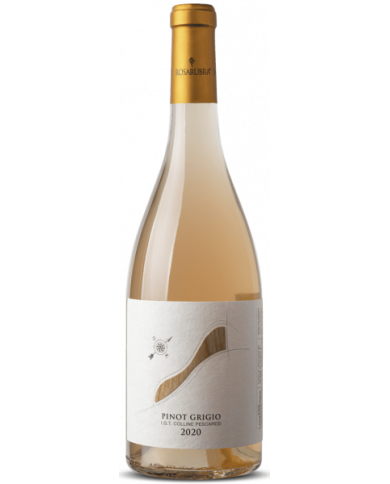
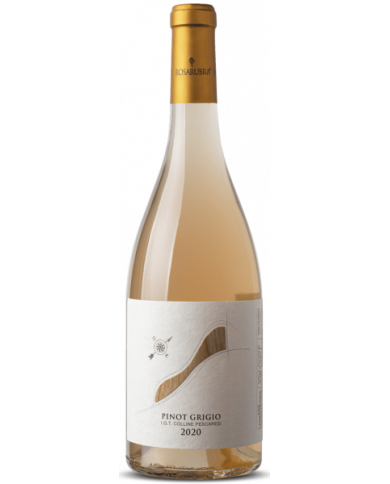
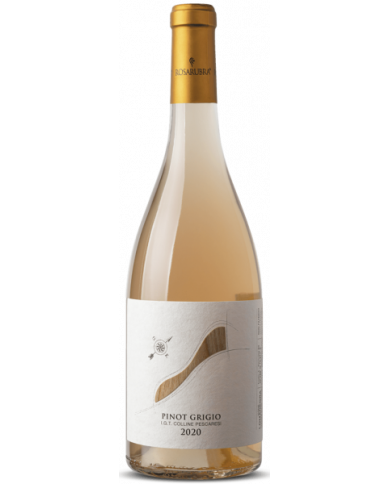
In the charm of places suspended between reality and mirage, this Pinot Grigio reveals an unprecedented face, the unexpected fruit of the lands of Abruzzo.
€33.60
SKU:
11470
Brand:
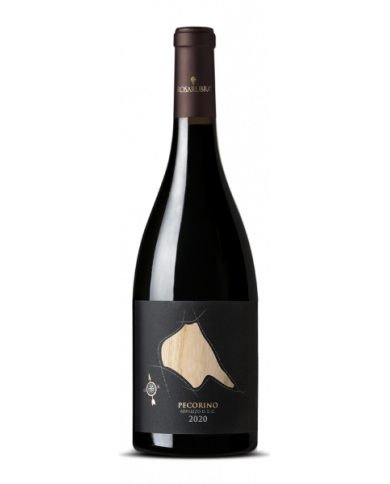
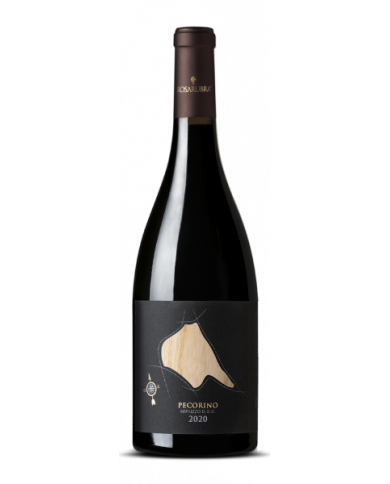
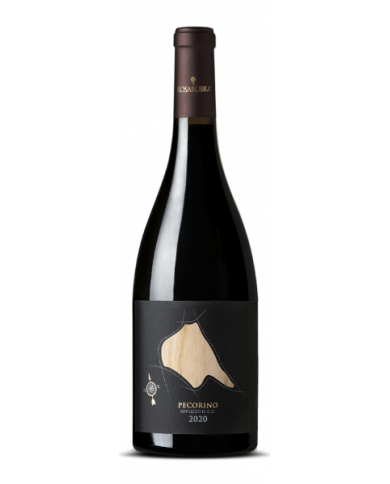
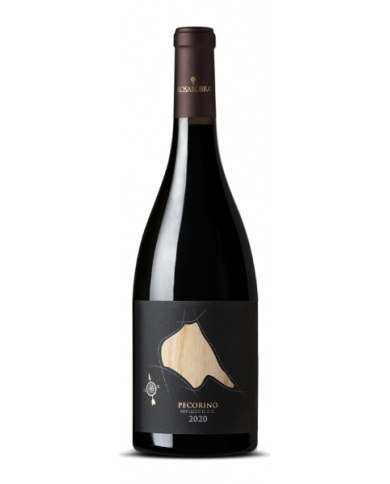
Rosarubra
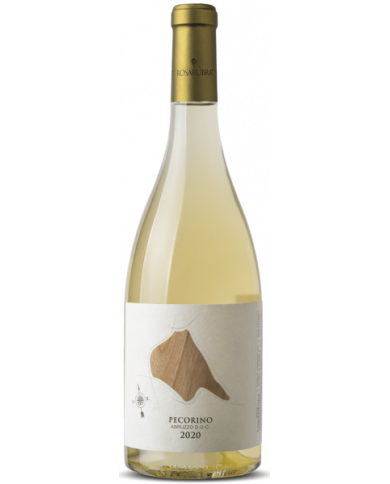
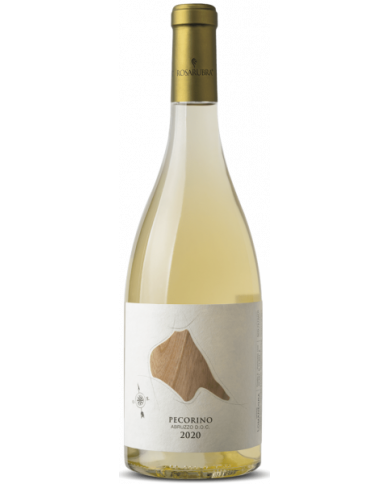
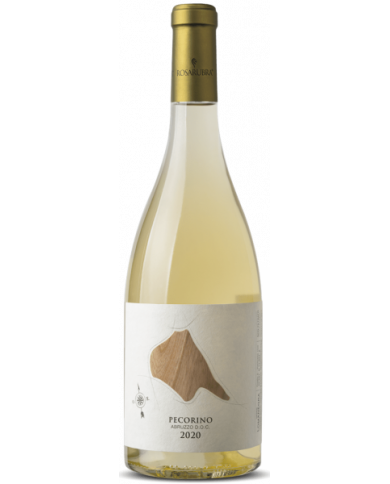
Thanks to an absolutely distinctive style, this pecorino is an expression of the character of the Pietranico area.
€35.70
SKU:
11469
Brand:
Rosarubra
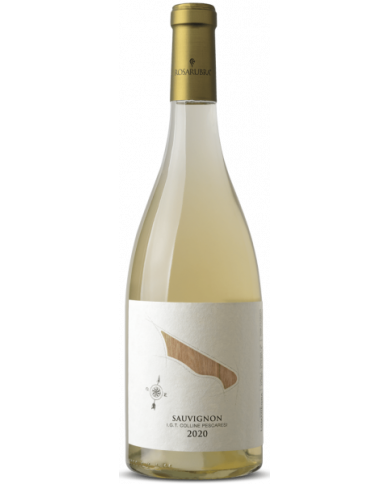
This straw yellow Sauvignon with green - gold reflections finds space among the gentle hills of Pescara
€35.70
SKU:
11466
Brand:
Rosarubra
In the heart of the Rosarubra estate the grapes of this aromatic wine ripen in vineyards well exposed to the sun.
€31.50
SKU:
11465
Brand:
Rosarubra
Among the colors of the Abruzzese hills and the scents of the Mediterranean scrub, this wine is born with great freshness and refined fragrances.
€33.60
SKU:
11464
Brand:
Rosarubra
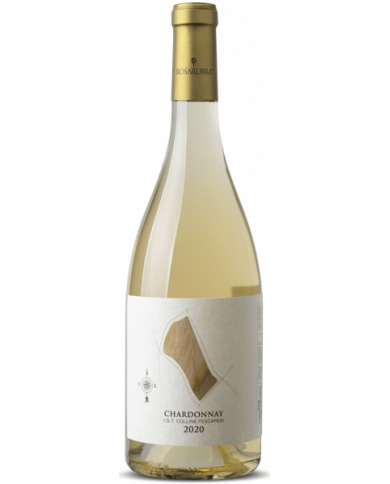
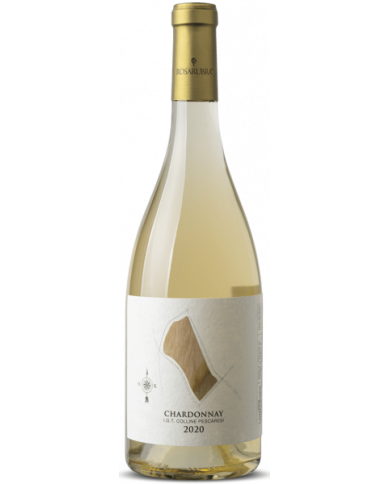
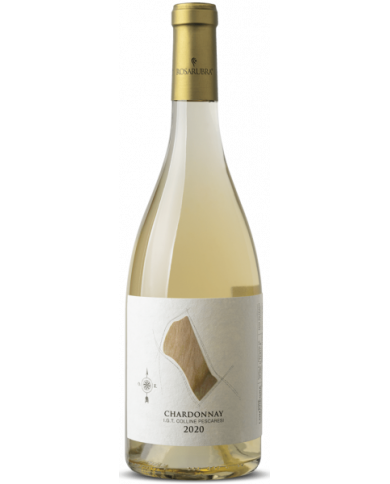
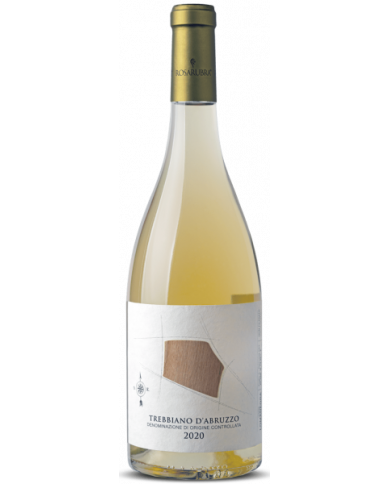
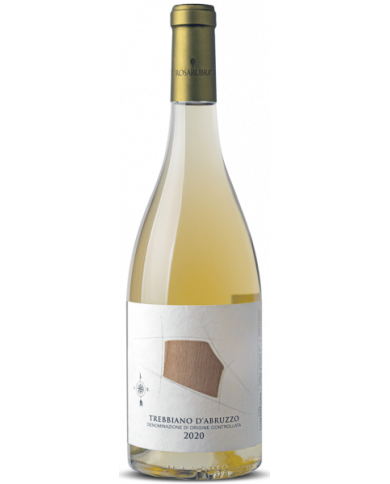
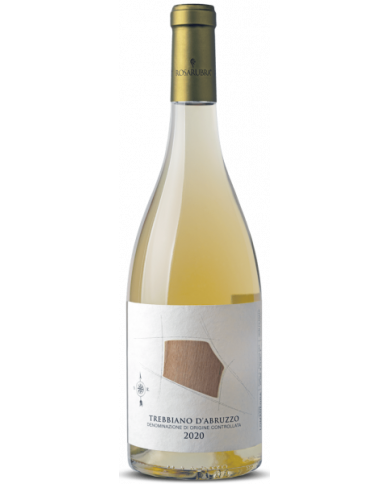
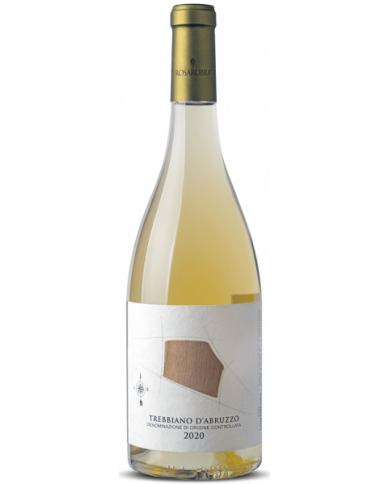
On the hills of Pescara, ancient lands illuminated by the gold of the sun, this Trebbiano d'Abruzzo is born.
€31.50
SKU:
11417
Brand:
CVA Canicattì
€56.60
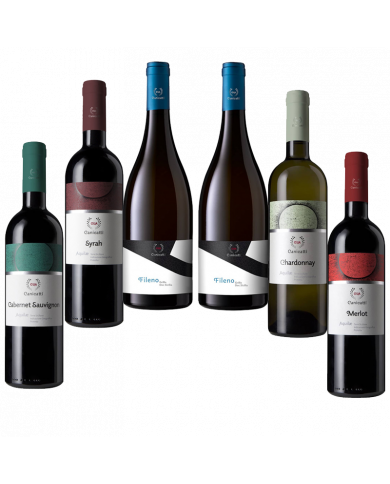
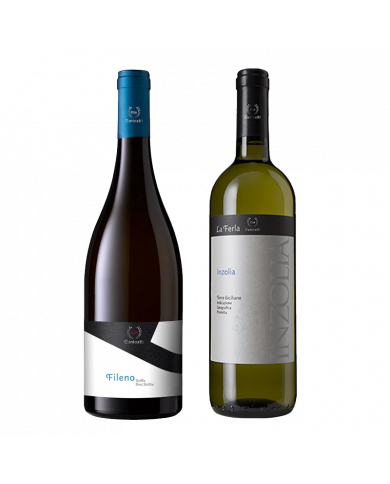
Fileno, harvest 2021, 100% Grillo, is the best white wine in Italy. An extraordinary result for CVA, a small but prestigious wine cooperative in the Agrigento area, accompanied by a selection of wines from the CVA Canicattì winery.
€56.60
SKU:
11416
Brand:
CVA Canicattì
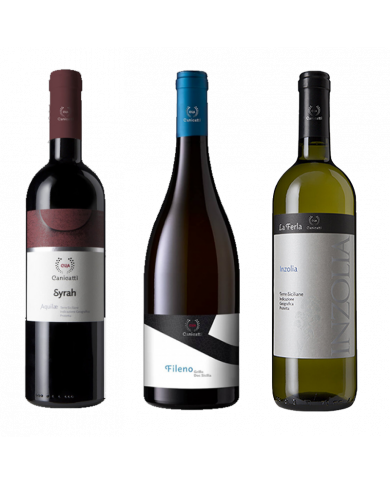
Fileno, harvest 2021, 100% Grillo, is the best white wine in Italy. An extraordinary result for CVA, a small but prestigious wine cooperative in the Agrigento area.
From the vinification of Nero d'Avola and Nerello Mascalese grapes, a rosé wine of great pleasure and fragrance takes shape. Intense in the aromas, elegant, savory and mineral on the palate.
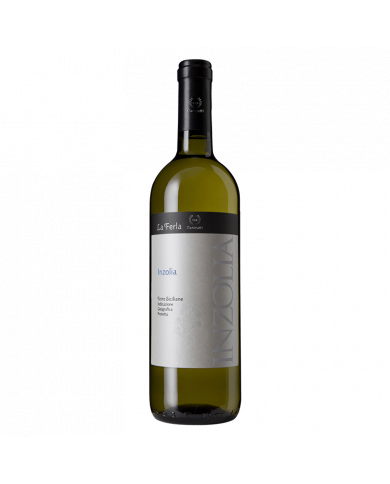
Faithful to tradition yet modern and innovative. Inzolia in purity, a wine with its aromatic characteristics, which stands out for its savory and mineral taste.
€23.30
SKU:
11415
Brand:
CVA Canicattì
Fileno, harvest 2021, 100% Grillo, is the best white wine in Italy. An extraordinary result for CVA, a small but prestigious wine cooperative in the Agrigento area.
From the vinification of Nero d'Avola and Nerello Mascalese grapes, a rosé wine of great pleasure and fragrance takes shape. Intense in the aromas, elegant, savory and mineral on the palate.
€16.90
SKU:
11412
Brand:
Tolloy
€15.43
€10.80
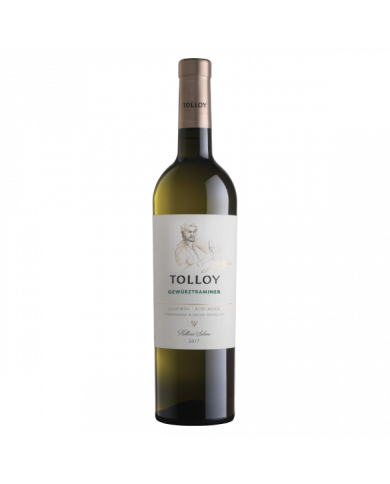
Produced only with grapes from our vineyards grown in Alto Adige on the medium hill in Pochi di Salorno. It is characterized by small bunches with pinkish berries tending towards bronze. With a distinctly aromatic taste, it is distinguished by the typical varietal aromas, softness and balance. White vinification with cold maceration and fermentation at 18-20 °C.
€15.43
€10.80
SKU:
11411
Brand:
Tolloy
€13.21
€9.25
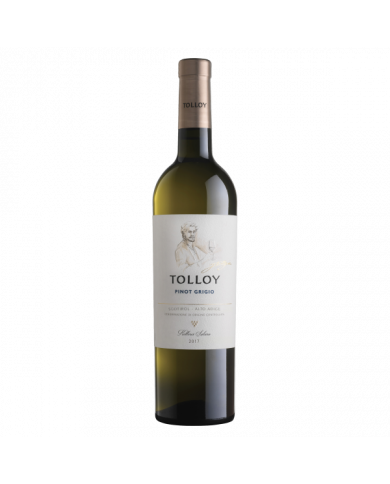
Produced only with grapes from its own vineyards grown in South Tyrol in the valley floor and on the low hills. 100% Pinot Gris with traditional vinification in white at a controlled temperature around 18-20°C.
€13.21
€9.25
SKU:
11409
Brand:
Tolloy
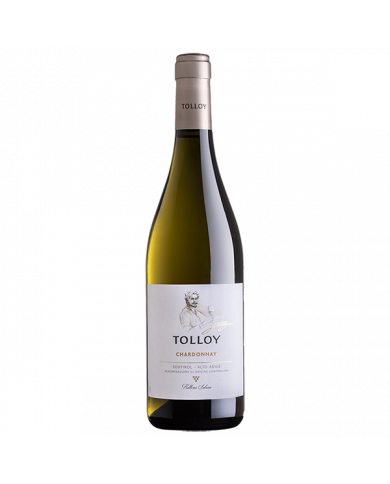
Chardonnay is one of the international grape varieties that best adapts to the environmental and climatic characteristics of Alto Adige. Here it manages to express all its aromatic potential. The particular location of the vineyards, between 200 and 500 meters above sea level, gives this wine a wide range of scents and aromas and the strong temperature range allows the wonderful acidity and freshness to be preserved. The grapes are harvested by hand around mid-September and subjected to traditional vinification with brief contact on the skins to increase the extraction of the varietal aromas characteristic of the grape. Subsequently the must is subjected to fermentation at low temperature
€13.24
SKU:
11406
Brand:
Rotari
€28.43
€25.58
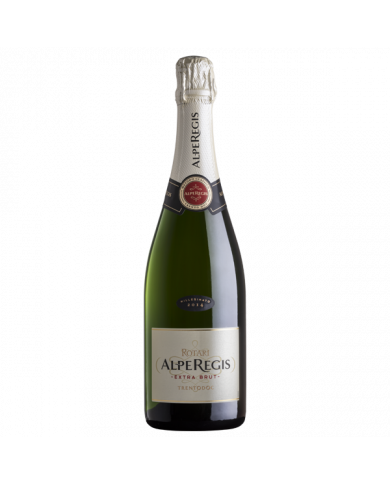
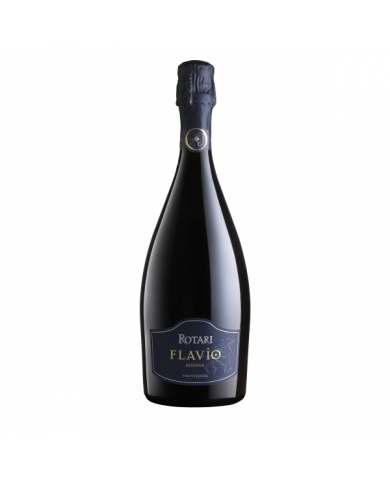
AlpeRegis Trentodoc is born from the best Trentino sparkling wine tradition combined with the winemaking style of Rotari , a special vintage dedicated to lovers of good food and good living. The name evokes the royal figure of Rotari and a strong reference to the Alpine territory which has contributed to making Rotari legendary by setting his deeds in history. AlpeRegis is a Millesimato produced exclusively from Chardonnay grapes, an international variety that has found the ideal conditions in the Dolomites area for the perfect expression of its character, rigorously harvested by hand, selecting the best bunches directly in the vineyard. Maturation on the lees for at least 48 months.
€28.43
€25.58
SKU:
11396
Brand:
Rotari
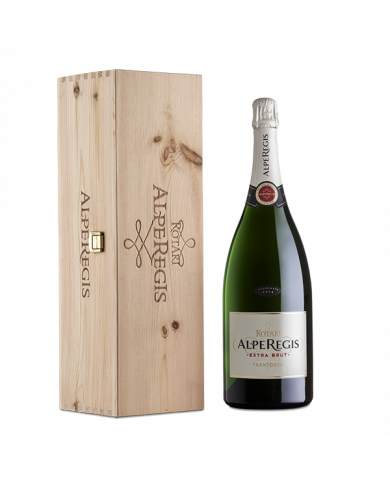
From the best Trentino sparkling wine tradition combined with the oenological style of Rotari , AlpeRegis Trentodoc is born, a special vintage dedicated to lovers of good food and good living. The name evokes the Royal figure of Rotari and a strong reference to the Alpine territory that has contributed to making Rotari legendary by fixing its deeds in history.
€67.71
SKU:
11391
Brand:
Rotari
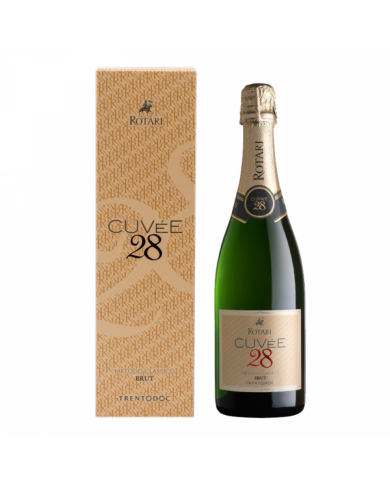
Produced only with selected and hand-harvested grapes from its own vineyards in the most suitable hilly areas of Trentino, Rotari Cuvée 28 owes its name to its long aging on the lees, which gives it a strong but elegant, fresh and persistent character. Brut blanc de blancs with an intense and elegant aroma of ripe yellow fruit with notes of hazelnut and a sweet touch of vanilla. With over 36 months of aging on the lees, this sparkling wine offers great balance between structure and acidity with a pleasant freshness and a mineral finish.
€25.25
SKU:
11390
Brand:
Rotari
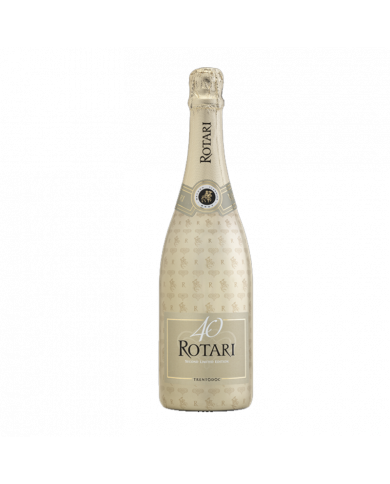
Second limited edition for Rotari 40. It is a special, unique product, dosed with a liqueur d'expédition made according to the Cellar's ancient recipe. A Blanc de Blancs, that is to say a 100% Classic Method, obtained with the best Chardonnay grapes selected in our hillside vineyards north of Trento. In fact, here we find unique climatic conditions: the calcareous soil of dolomitic origin, the average altitude of about 400 meters slm and the excellent exposure to the sun. The vineyards are also caressed by a refreshing alpine breeze which allows the natural preservation of the crunchiness and aromatic intensity of the grapes. Thanks to the combination of all these factors, Rotari 40 releases unique organoleptic characteristics and intense aromas. The 2013 vintage was excellent. It was the latest vintage in the last 20 years, allowing the grapes to ripen in late September: the temperature range gave the grapes freshness and crunchiness, giving a particular liveliness to the sparkling bases, all to the advantage of the longevity of the product.
€40.26
SKU:
11386
Brand:
Rotari
It is produced with 100% Chardonnay grapes, rigorously harvested and selected by hand. The first fermentation, which takes place partly in steel and partly in barrique, is followed by 5 months refinement in the same containers and second fermentation, by refermentation in the bottle, with a full 5 years refinement on its own yeasts.
€49.41
SKU:
11361
Brand:
Musivum
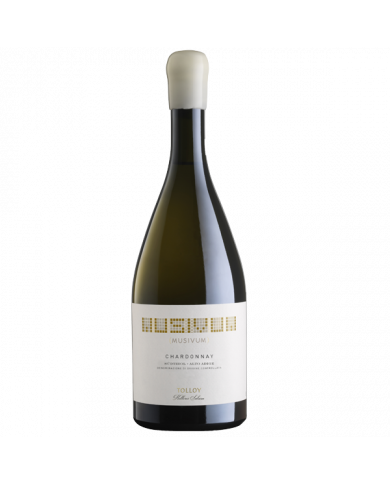
The production area chosen for the Chardonnay Musivum is located in Alto Adige and includes various locations: mainly in the municipality of Salorno, Magrè and Egna. The characteristics of the area, inclined to maintain high acid content, are ideal for the cultivation of Chardonnay which manages to reach high sugar levels. Another peculiarity of this area, ideal for growing grapes, is the microclimate characterized by good wind – which avoids dangerous stagnation of humidity and guarantees rapid drying of the grapes after the rains – and by an insolation throughout the day. Production begins with a slightly delayed manual harvest to enhance the aromatic richness of this variety. In the Cellar, the individual containers are distinguished on the basis of the characteristics of the grapes, so as to diversify the vinification process. All the grapes are cooled in the cell at 2-3°C. The following days those with a yellow/golden color are removed from the stalks and left to rest in the press for 4/5 hours in contact with the skins (cryomaceration) to increase the extraction of the aromatic precursors of this variety. The yellow/green colored grapes are instead de-stemmed and immediately subjected to soft pressing. From both portions a free-run must is obtained which is followed by natural decanting. The start of fermentation takes place in special stainless steel tanks, specially designed for the " Musivum " project, with selected yeasts and with a progressive and controlled increase in temperature from 14° to 18°C. Once fermentation has started, 65% of the volume continues its journey in the new barrique cellar: 50% in second passage oak barrels, where it remains for the refinement phase and the other 15% is aged in new French oak barriques at medium roast. The remaining 35% completes the fermentation in steel. During the refinement the 3 portions are kept separate, with frequent movements of the fine lees, up to 2 months before bottling, when they are brought together to amalgamate the different components, i.e. those fermented and aged in the various woods with the one fermented and aged in steel .
€46.36
SKU:
11360
Brand:
Musivum
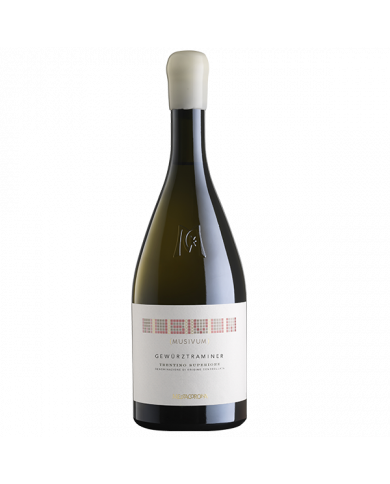
The vineyards selected for the production of Gewürztraminer Musivum were chosen within the most suitable areas in Trentino for the cultivation of this variety: the hills surrounding the villages of Faedo, Sorni and Pressano at an altitude of 300 -500 meters above sea level sea level. The origin of the variety is still controversial: to date, the two main wine-growing regions where it is grown – Alsace and Trentino-Alto Adige-Südtirol – dispute its paternity. The presence of a town named "Tramin" - "Termeno" in Trentino-Alto Adige strengthens the hypothesis that the homeland of this extraordinary vine is precisely our region. In German, the term “Gewürz” means “spicy”, as evidence of the particular aromaticity of this coppery berried grape which makes it unique and difficult to imitate. From a viticultural point of view, its cultivation represents a challenge to always keep its quality level very high. For this reason it is grown only in areas that enhance its particular characteristics, i.e. hills that are well exposed, but not too hot and with a marked temperature range, therefore located at a significant altitude to favor the generation of typical aromas and their precursors. The variety also requires a particular dedication in terms of hours of work in the vineyard. The harvest takes place in the second half of September: the period varies according to the altitude and exposure of the vineyard. To allow the formation of the typical aromas of Gewürztraminer, the grapes tend to be slightly over-ripened: the 2018 vintage allows the harvesting of perfectly ripe grapes, still fragrant and with exceptional aromas. The grapes harvested in perforated containers are partly sent immediately for crushing and partly cooled in refrigerate.Prima cells. Before pressing, the grapes are destemmed, crushed and cooled, then cryomaceration (or cold maceration) takes place in order to prolong the contact of the must with the skin where the typical aromas are located; the low temperature makes it possible to extract the most valuable aromas and substances while minimizing the extraction of tannins which can give astringency and bitter sensations. Fermentation begins at a low temperature to further enhance the aromaticity of the varietal, continues and ends slowly at a controlled temperature of 18°C. For this variety it is essential to use particular yeasts, carefully selected, which are able to enhance the richness and aromatic complexity natural. At the end of fermentation, the wine remains in contact with its yeasts which release new aromas and protect it from oxidation, until bottling.
€58.50
SKU:
11359
Brand:
Musivum
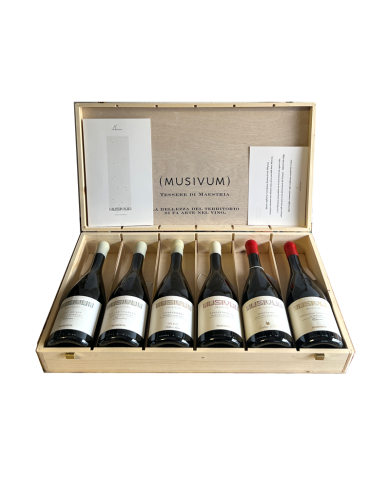
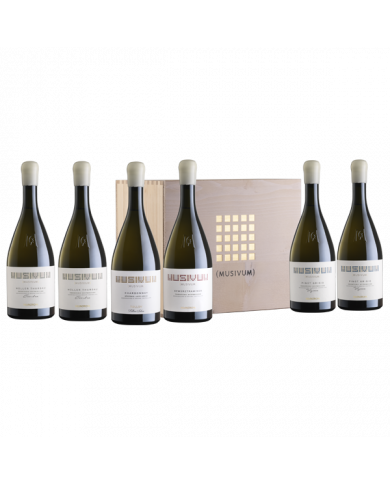
Elegant 6-bottle wooden case that contains a tasting of the entire Musivum line. 4 wines that are the most authentic expression of the charm of the Trentino area and of the age-old art of making wine: n°1 bottle of PINOT GRIGIO TRENTINO DOC SUPERIORE: complex, fragrant and persistent wine that seduces with a fusion of white fruit aromas perfectly ripe, such as pear and white peach, integrated into notes of sun-dried citrus, chamomile, Swiss pine and rhododendron honey. n° 1 bottle of MULLER THURGAU TRENTINO DOC SUPERIORE CEMBRA which enchants with its haymaking bouquet of alpine aromatic herbs such as thyme, sage and wild mint, completed by white flowers and clover. n° 1 bottle of CHARDONNAY ALTO ADIGE DOC: rich, powerful and ample wine that releases intriguing floral scents of linden honey and acacia, with nuances of ginger mustard. n° 1 bottle of GEWURZTRAMINER TRENTINO DOC SUPERIORE: intriguing wine, with its palette of perfumes, all intense as notes of rose petal, spicy white flowers and ripe yellow fruit, enriched by hints of aromatic spices. n1 Marzemino Trentino Superiore DOC - n1 Teroldego Rotaliano Superiore Riserva DOC.
€302.56
SKU:
11358
Brand:
Musivum
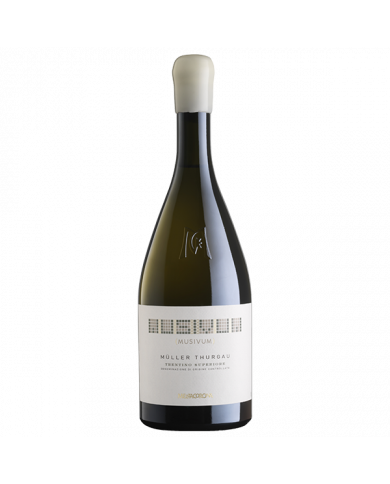
The Müller Thurgau Musivum grapes come from two different Cembran areas characterized by optimal exposure and altitude. The two vineyards are harvested separately, a few days later than the average ripening. The grapes are harvested in the early hours of the morning to preserve their freshness thanks to the low temperatures; the harvest is carried out rigorously by hand, selecting the individual bunches in the field. The conferment takes place in perforated containers and the bunches are kept in a cold room for one night, in order to enhance and transfer the aromas present on the peel to the future must. For the same purpose, they are subjected to cryomaceration in the press for 4-5 hours at a temperature below 10°C. With a special pressing program, oxidation of the extracted must is avoided. This must is left in the tank for several days (cold housing), with periodic suspension of the lees, so that the fibers and solid particles from the skins and pulp can still release their aromatic components to the must. Once the flotation has been carried out to remove these particles, the musts are inoculated with different yeasts between the two batches, and in any case aromatically neutral - so as to best respect the primary aromas of the vine - and fermented at about 17°C until complete consumption of the sugars. The two cuvées are then aged for three months separately and then, once combined, the wine is aged for another year on the fine lees, always in small steel tanks. After bottling, there is an aging period of at least six months in the bottle.
€42.70
SKU:
11357
Brand:
Musivum
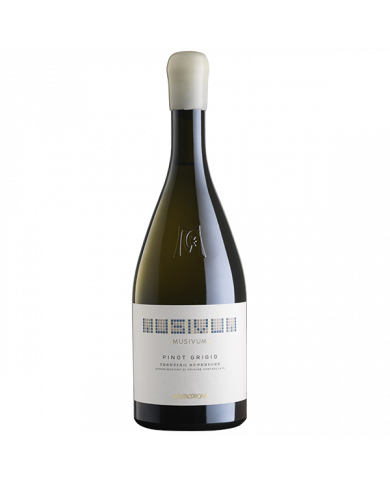
The production area of Pinot Grigio Musivum Vicinia is in the municipality of Mezzocorona. The area was first cultivated with vines in the 1950s. The soils therefore have a limited cultivation area and a rather superficial groundwater between 50 and 100 cm, and the soil type is silty. They have a sufficient supply of water even in periods of drought and good fertility, essential characteristics for Pinot Grigio, a rather weak variety. Furthermore, Vicinia is a very precocious area, as it leans against imposing rock walls which guarantee protection from cold winds in the late winter and early spring periods and have a warming effect during all the vegetative phases, reflecting the sun's heat. The production starts with a slightly delayed harvest to enhance the varietal characteristics and aromatic richness. The grapes are harvested manually in the early hours of the day to preserve their freshness thanks to the low temperature, with the selection of each individual bunch in the field; they are then transported to the cellar in perforated containers to guarantee the best fragrance and integrity of the bunches. In the Cellar the grapes are subjected to soft pressing to obtain a flower must which is followed by natural decanting. Fermentation takes place with selected yeasts at a controlled temperature of 18°C in special stainless steel tanks specially designed for Musivum . 50 %del volume completes the last third of the fermentation in the barrique cellar, in 50 hl second passage oak barrels, where it also remains for the refinement phase. The other half, on the other hand, completes the fermentation in steel, where it continues with the refinement phase on the lees. During the refinement, the fine lees consisting mainly of yeasts are put back into suspension every 15 days for the first 3 months and every 2 months thereafter , until the time of re-assembly of the two portions, i.e. the fraction partially fermented and aged in wood with the one fermented and aged in steel
€46.36
SKU:
11356
Brand:
Mottura
€10.00
€9.00
Wine produced from Fiano grapes grown on calcareous and clayey soils, harvested manually at the right ripeness with careful selection of the bunches. Traditional vinification with soft pressing, fermentation at a controlled temperature of 16°C and brief rest on the fine lees.
€10.00
€9.00
€12.60
SKU:
11344
Brand:
Mezzacorona
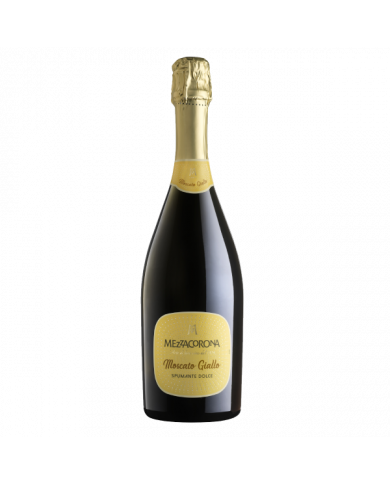
This wine has the sun inside. It reflects it in its intense yellow color and in the aromas that smell of midsummer. It is the result of careful care in the countryside. For this wine we select only the best grapes from our vineyards in the mild and sunny areas of Lake Garda.
€15.01
SKU:
11332
Brand:
Feudo Arancio
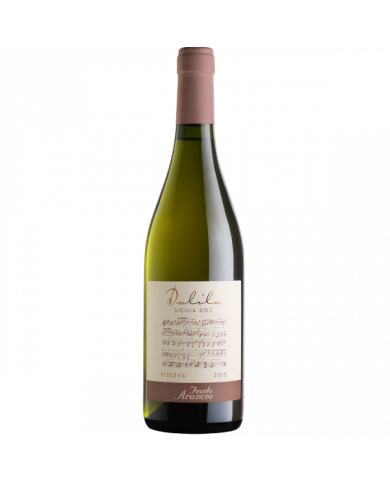
From the union of a historic Sicilian vine, the GRILLO, and a vine native to the Rhone valley, the VIOGNIER, a harmonious blend is born, which best expresses the sun and warmth of Sicily. around the end of August-first week of September. After a selective harvesting of the grapes, the grapes are crushed, destemmed and pressed in total shelter from the air ("reduction" vinification technique), natural decantation, fermentation at a controlled temperature (18°) for 10 days. Maturation on the lees for 5 months. Filtration, stabilization and bottling.
€15.10
SKU:
11325
Brand:
Feudo Arancio
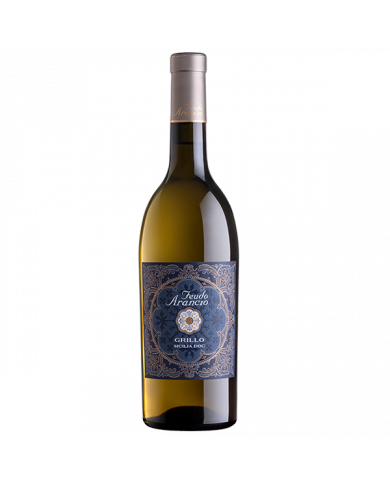
Autochthonous Sicilian white vine, Grillo is the best known white berried variety on the island and historically used for the production of Marsala.
€13.30
SKU:
11316
Brand:
Castello di Querceto
This is a remarkable example of a traditional Chianti Vin Santo. It comes from grapes harvested from a single vineyard of 1 hectare cultivated with Malvasia di Toscana, Trebbiano Toscano and San Colombano. The grapes are dried for 3 months before pressing and aged in 100-litre oak barrels for 3 years before bottling and a further 3 months of aging in the cellar before being marketed. It displays aromas and flavors of dried fig, nuts, sultanas, leather and balsamic hints that make it a wonderful accompaniment to a cheese platter. A fine example of a traditionally produced fine dessert wine. Suitable for bottle aging up to 25 years after release.
€22.03
SKU:
11312
Brand:
Castel Firmian
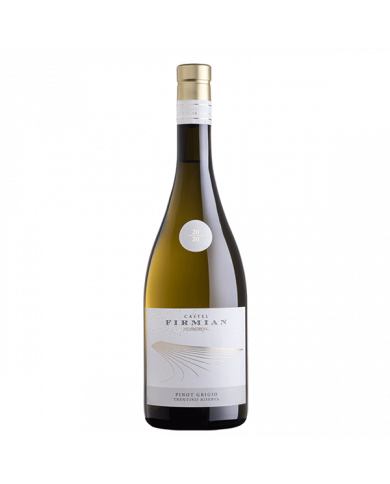
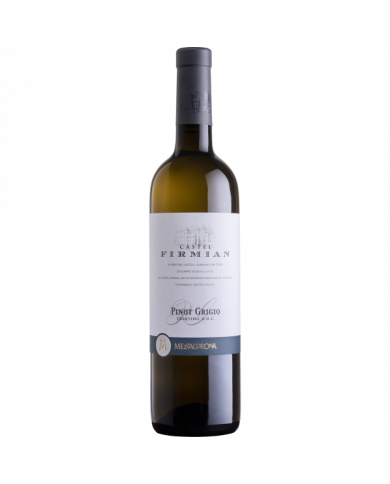
The Pinot Grigio variety has been cultivated for a long time in the Adige Valley, where it is also known under the name of Ruländer. The shape of the bunches and their "copper gray" color reveal its close relationship with the Pinot Noir from which it seems to derive. It prefers soils with moderate fertility both on the valley floor and on low hills. Pinot Grigio RISERVA comes from grapes grown in the vineyards of one of the most classic and suitable areas for this variety: called "Zablani", it is located north-east of the town of Mezzocorona and is characterized by well-drained alluvial soil, very similar to that of the adjacent classic area of Teroldego. The grapes are harvested by hand and delivered within a few hours to the cellar, where they are selected, immediately pressed and sent to the cold maceration and soft pressing stage. The alcoholic fermentation at a controlled temperature (16-18° C) can last between 12 and 15 days. More precisely, part of the Pinot Grigio is fermented in steel (40%) while the remaining 60% is fermented in barrique. After fermentation, the wine remains in barriques for 6-8 months, during which periodic "batonage" operations are performed (resuspension of the yeast deposits). Between the 10th and 11th month, the wine fermented in steel and the wine fermented in wood are assembled, thus obtaining a product with the typical notes of vanilla and ripeness, but also with the freshness and fragrance typical of Pinot Trentino grey.
SKU:
11311
Brand:
Castel Firmian
€13.91
€11.13
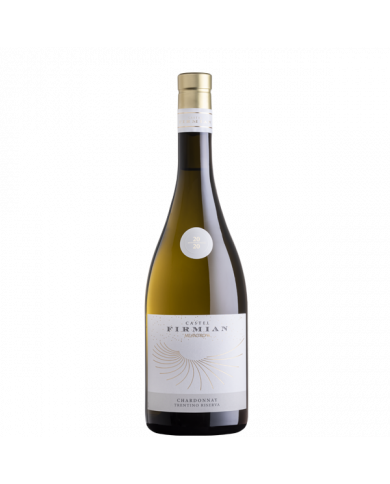
The Chardonnay Riserva comes from a selection of the best vineyards grown on the slopes of the Trentino mountains between 250 and 500 m above sea level. The preferred soils are of alluvial and draining origin. The grapes are harvested well ripe and characterized by a golden yellow colour, an indication of high aromatic richness. The skilful blending of wines obtained from vineyards located at various altitudes and with different exposures results in a wine that is ripe and rich but also fresh and fragrant. The grapes are harvested in September, partly subjected to cold maceration to increase the extraction of aromas and subsequently subjected to soft pressing. The must is fermented with the addition of selected yeasts, half in steel and half in lightly toasted French oak. The wines mature for 8 months in wood and 4 months in steel. The part that ages in barrique also carries out the malolactic fermentation and repeated batonage (resuspension of the fermentation yeasts) is carried out. Finally, 3-4 months of aging in the bottle follow.
€13.91
€11.13
SKU:
11305
Brand:
Castel Firmian
The Chardonnay Riserva comes from a selection of the best vineyards grown on the slopes of the Trentino mountains between 250 and 500 m above sea level. The preferred soils are of alluvial and draining origin. The grapes are harvested well ripe and characterized by a golden yellow colour, an indication of high aromatic richness. The skilful blending of wines obtained from vineyards located at various altitudes and with different exposures results in a wine that is ripe and rich but also fresh and fragrant. The grapes are harvested in September, partly subjected to cold maceration to increase the extraction of aromas and subsequently subjected to soft pressing. The must is fermented with the addition of selected yeasts, half in steel and half in lightly toasted French oak. The wines mature for 8 months in wood and 4 months in steel. The part that ages in barrique also carries out the malolactic fermentation and repeated batonage (resuspension of the fermentation yeasts) is carried out. Finally, 3-4 months of aging in the bottle follow.
€42.09
SKU:
11301
Brand:
Castel Firmian
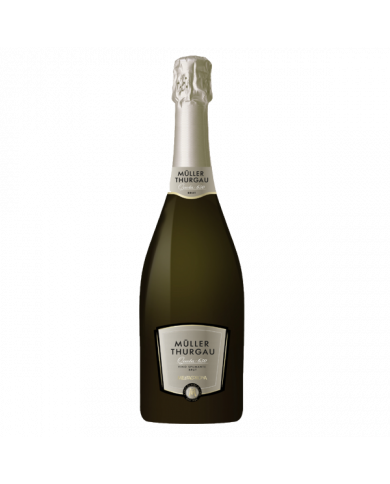
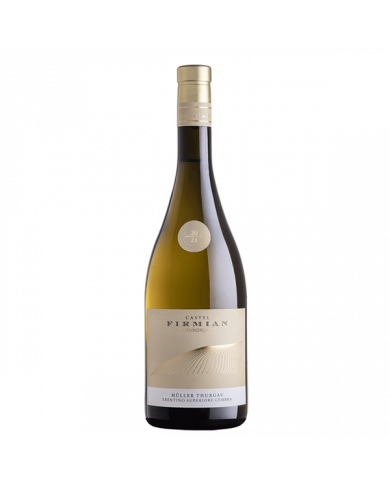
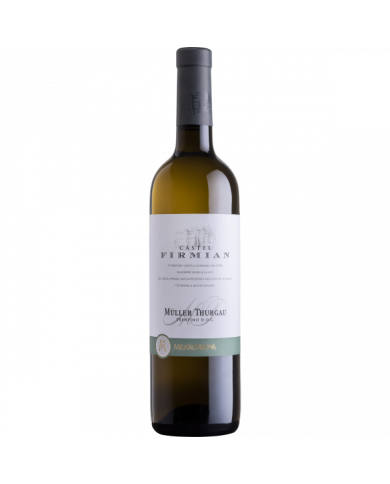
This Müller Thurgau Superiore comes from the tenacity of our winemakers in the Val di Cembra. The selected vineyards are located on the steep slopes of Giovo, between 650 and 750 m and well exposed to the southwest. The soils of calcareous origin give an elegant minerality well integrated with the floral scents of the grapes and the aromas generated by the yeast during the fermentation and the 6-month refinement. The grapes are harvested in late September, subjected to cold maceration for 5-8 hours and then pressed. The must, after natural cold decantation, is fermented at a low temperature. Once fermentation is complete, the wine spends the autumn and winter on its lees until it is bottled.
€13.91
SKU:
11297
Brand:
Castel Firmian
€10.25
€8.71
Produced only with grapes from its own vineyards in the medium-high hills of the Cembra Valley. It comes from the vine of the same name obtained in 1882 by the researcher Hermann Müller in the Swiss town of Thurgau from the cross between the Rhine Riesling and Chasselas varieties. The vinification is traditional with brief contact on the skins to ensure maximum conservation and the transmission to the wine of the varietal aromas characteristic of the grape. Subsequent fermentation at controlled temperature (18-20°C).
€10.25
€8.71
€11.71
€9.96
SKU:
11283
Brand:
Castel Firmian
€12.50
€10.63
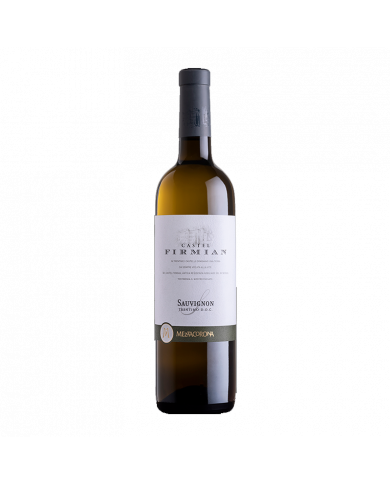
Sauvignon Blanc is the white berried variety to which we owe some of the most popular dry white wines in the world. On the medium hills that accompany the course of the Adige river, characterized by strong temperature variations, this variety has found a particularly favorable microclimate providing a wine with distinctive aromatic notes. Traditional vinification with brief contact on the skins to ensure maximum conservation and transmission to the wine of the varietal aromas characteristic of the grape. Fermentation at controlled temperature (16-18°C).
€12.50
€10.63
SKU:
11282
Brand:
Castel Firmian
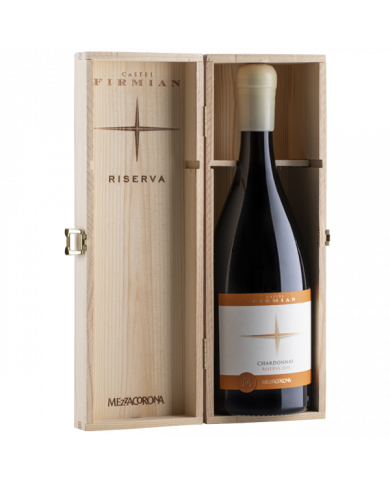
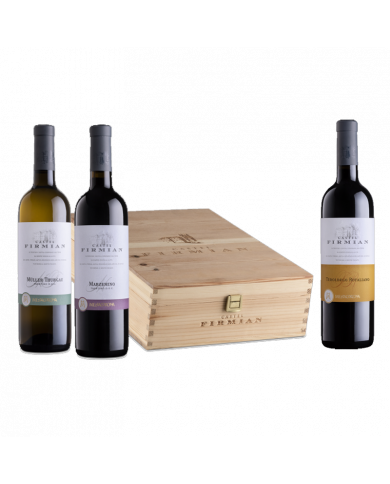
Selection of 3 indigenous Trentino wines in an elegant wooden case.
€47.58
SKU:
11279
Brand:
Cantina Wilma
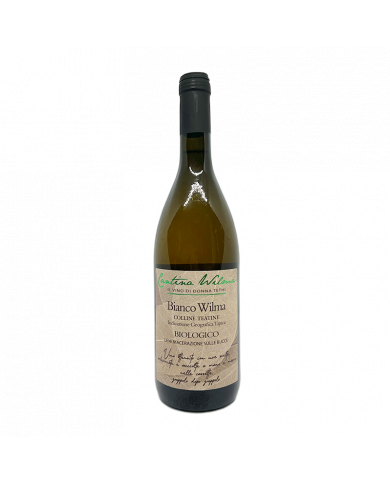
Obtained from native grapes and selected in the harvest. Appearance of straw yellow color with greenish reflections. On the nose it is fresh and floral with notes of white berry flowers and balsamic notes on the aftertaste. Ideal with all seafood cuisine, it also goes well with appetizers and delicate main courses.
€15.03
€12.81
€20.15
€20.50
€12.81
€11.10
€20.24
€15.03
€15.20
€18.45
€18.45
SKU:
11257
Brand:
Pistis Sophia
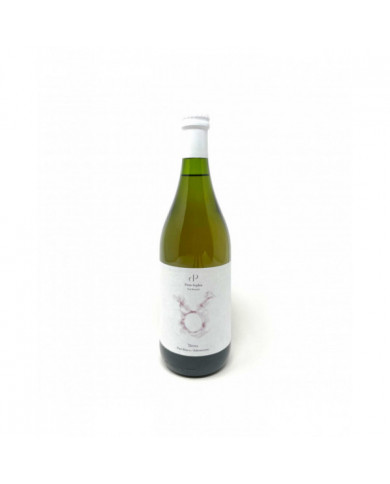
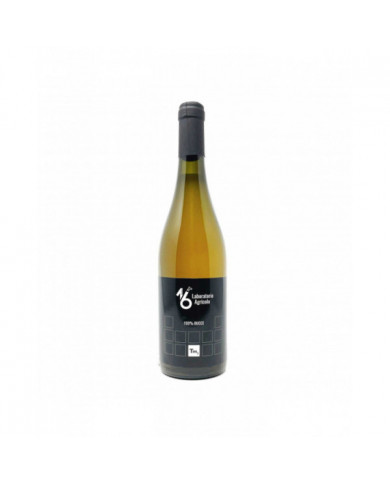
Tm2 of the Pistis Sophia winery is a macerated white wine produced with Pergolone, Malvasia and Moscato grapes. Spontaneous fermentation in steel where maceration proceeds for 6 days, followed by aging in steel for 8 months, all without decanting and without added sulphites.
€10.42
€24.99
€11.10
€18.45
€25.45
€16.91
€18.62
€20.15
€18.45
€20.15
€20.15
€14.00
SKU:
11237
Brand:
Sincarpa
Full and fresh thanks to its good acid structure, which makes it balanced and pleasant on the palate, also enriched by clear mineral and fruity notes.
€8.24
SKU:
11231
Brand:
Sincarpa
Historic Abruzzo grape capable of giving rise to a wine of great character and personality. With an excellent gustatory structure, it stands out for its fresh and pleasant acidity and its wide fruity and floral aromas with elegant balsamic notes. Due to its peculiar characteristics it is a wine that proves to be very versatile in food pairings: excellent with all fish-based cuisine (excellent with raw), it also goes very well with aperitifs, appetizers, light first and second courses based on meat .
€8.97
SKU:
11226
Brand:
Sincarpa
Trebbiano d'Abruzzo is by far one of the best Italian expressions of Trebbiano-based wines, having found an ideal pedo-climatic location in our territory. Ours is a wine from a selection of the oldest vineyards of our members and is surprising for its great variety of aromas and good longevity. Very flexible in gastronomic combinations, it can be happily combined with aperitifs, seafood cuisine and delicate meat main courses.
€6.66
€5.99
SKU:
11223
Brand:
Il Feuduccio
€21.30
€18.11
Vinified in oak woods of different capacities, Yare is an important expression of Pecorino, an ancient vine, precocious and with low yields, which finds its ideal habitat in the cool and elevated hills of the Feuduccio. A limited production for a long-lived white wine with a great personality, the result of careful clonal selection.
€21.30
€18.11
SKU:
11218
Brand:
CVA Canicattì
Faithful to tradition yet modern and innovative. Inzolia in purity, a wine with its aromatic characteristics, which stands out for its savory and mineral taste.
€5.80
€59.78
SKU:
11191
Brand:
Roxan
€7.53
€6.40
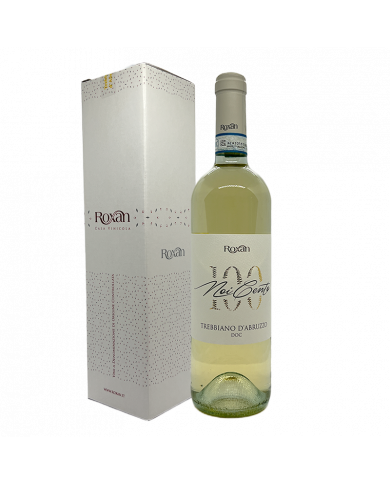
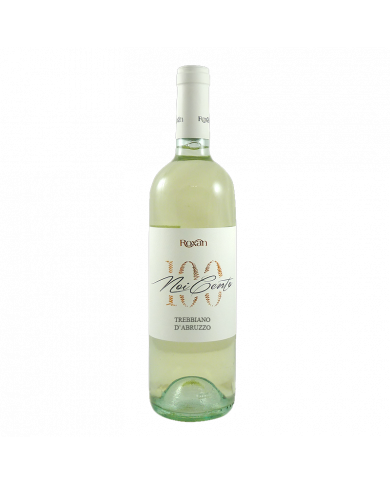
A fine, characteristic, irresistibly fresh, fruity and elegant white wine from the Abruzzo hills.
€7.53
€6.40
SKU:
11188
Brand:
Roxan
€12.49
€10.62
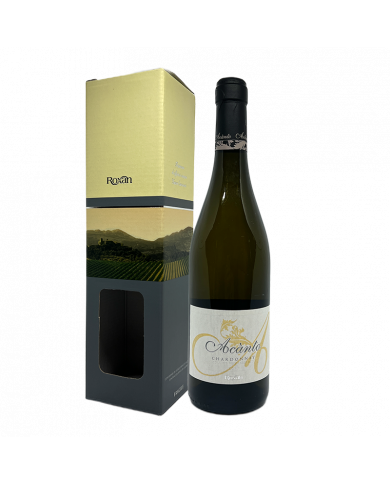
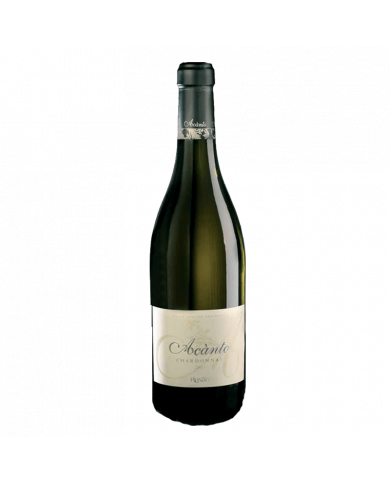
Obtained from Chardonnay grapes grown on the hills of Pescara, where Acànto, a perennial herbaceous plant with white flowers, germinates. The low-temperature macerated grapes subsequently ferment in small-carat steel and wood containers.
€12.49
€10.62
SKU:
11187
Brand:
Roxan
€11.22
€9.54
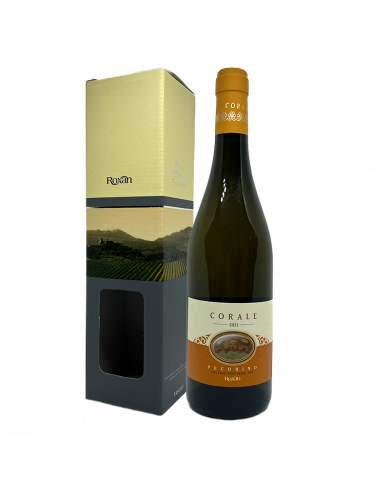
From Pecorino grapes, a native Abruzzo vine, this wine is obtained, warm and well balanced.
€11.22
€9.54
SKU:
11186
Brand:
Roxan
From Pecorino grapes, a native Abruzzo vine, this wine is obtained, warm and well balanced.
€7.86
SKU:
11185
Brand:
Roxan
It is a brut sparkling wine with a wide and persistent froth, fine and continuous perlage, a light straw color. The aroma is intense and balanced finesse. The full flavor expresses the typicality of the production area.
€10.83
SKU:
11184
Brand:
Roxan
Obtained from Chardonnay grapes grown on the hills of Pescara, where Acànto, a perennial herbaceous plant with white flowers, germinates. The low-temperature macerated grapes subsequently ferment in small-carat steel and wood containers.
€9.28
SKU:
11179
Brand:
Roxan
A fine, characteristic, irresistibly fresh, fruity and elegant white wine from the Abruzzo hills.
€5.38
€40.00
€13.42
SKU:
11174
Brand:
Cantina Orsogna
Spontaneous fermentation Without added sulphites Unfiltered with bottom Natural stabilization Sulphite-free, Organic, Vegan and Biodynamic Wine Demeter certified produced with the Ancestral method
€12.14
€10.08
€14.52
SKU:
11168
Brand:
Zappacosta
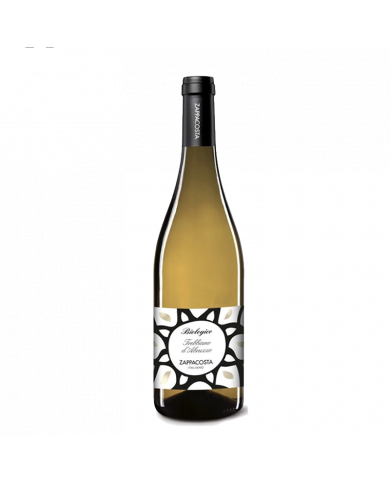
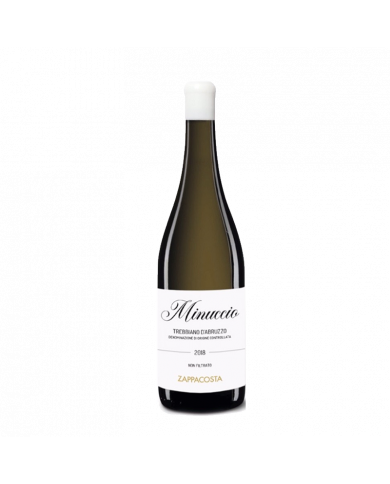
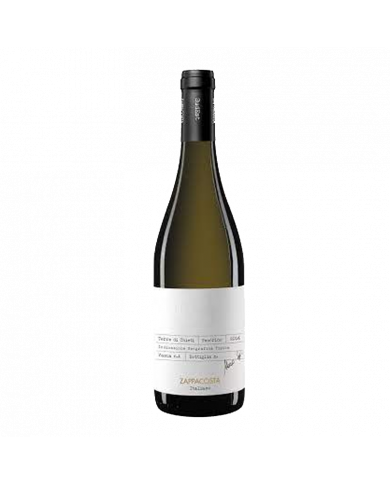
Delicious as an aperitif, it goes well with fish dishes, cod, fresh cheeses, white meats and soups.
€14.01
SKU:
11150
Brand:
Fattoria Licia
The Bianco “Donna Licia” is a non-pretentious, versatile wine, produced mainly with Trebbiano d'Abruzzo and Chardonnay. Obtained from soft pressing and short cryomaceration, clarification of the must and fermentation at a controlled temperature, stop for refrigeration and immediate filtration. The storage takes place in steel and fiberglass tanks and the sterile bottling is done from January.
€5.89
SKU:
11149
Brand:
Fattoria Licia
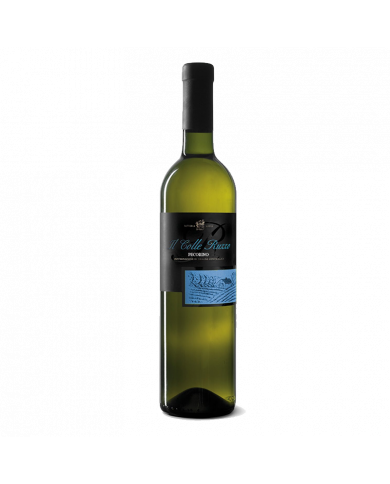
The " Il Colle Ruzzo" line is enriched with a new wine, Pecorino, which has now become a certainty in the land of Abruzzo and which in our hills above Colle Ruzzo has all the typical characteristics of a straw yellow color, the sapidity of taste and the scent of aromatic herbs.
€7.50
SKU:
11147
Brand:
Fattoria Licia
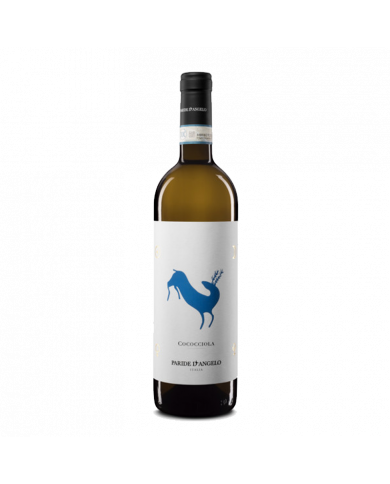
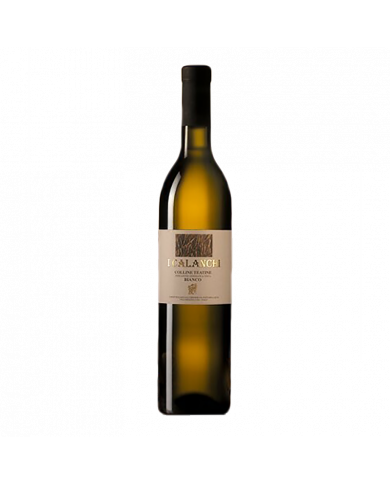
The Bianco de “i Calanchi” is a complex wine, to which we have managed over time to give its own personality and a right balance thanks to the use of four very different grapes: Trebbiano gives it body; the Chardonnay rounds it up; the Cococciola gives it the right acidity and the Malvasia gives it the sweetness point.
€8.25
€7.01
SKU:
11145
Brand:
Fantini Farnese
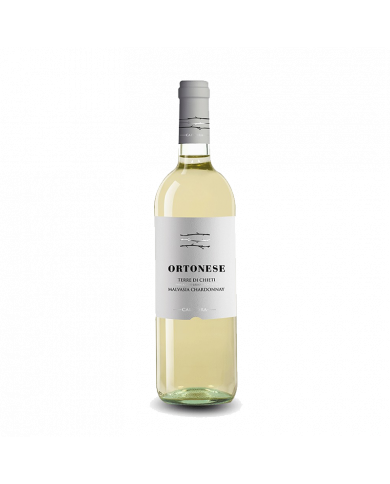
6 bottles of Caldora Ortonese Malvasia Chardonnay IGT 2021 With an intense and quite persistent aroma, fruity with hints of tropical fruits and yellow pome fruits.
€7.60
SKU:
11140
Brand:
Don Carlo
Don Carlo had two sons: you already know the first and he is # capoccio; the second I present to you now and it is #sheriff. From family stories, the six sisters describe him as a rather touchy child who cried often. The only thing that made him feel good were westerns, and hence his nickname. His eyes, as a child as well as an adult, have never stopped being… sparkling! And for now that's the only thing I can tell you about wine.
€13.07
SKU:
11139
Brand:
Don Carlo
three days maceration with the skins and aging in steel. Only indigenous yeasts, unfiltered or clarified and without added sulphites.
€11.61
SKU:
11129
Brand:
Marramiero
From the deep love of a family for their land and for wine, the sparkling wine Marramiero Brut is born. Particular dedication and profound experience accompany every moment of sparkling wine making. The process begins with the selection of Chardonnay and Pinot Noir grapes and continues with the choice of yeasts for refermentation in the bottle. The temperature control allows to prolong the fermentation and obtain a fine and persistent perlage.
€21.74
SKU:
11126
Brand:
Marramiero
It originates from small bunches of Chardonnay, harvested manually in a vineyard that over the years has reached the right balance to produce grapes of great concentration. It is fermented in small oak barrels where it remains for a long period, so as to enrich its complex aging.
€18.79
SKU:
11125
Brand:
Marramiero
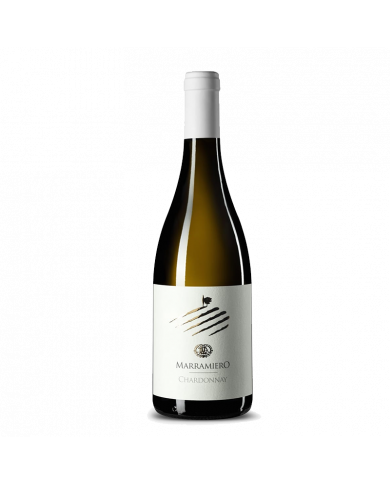
Chardonnay "international grape" in the Abruzzo region manages to acquire strength and robustness that harmonize perfectly with the elegance inherent in its nature, giving life to a unique product that fully expresses the peculiar characteristics of our "terroir".
€11.79
SKU:
11124
Brand:
Marramiero
€15.29
€13.76
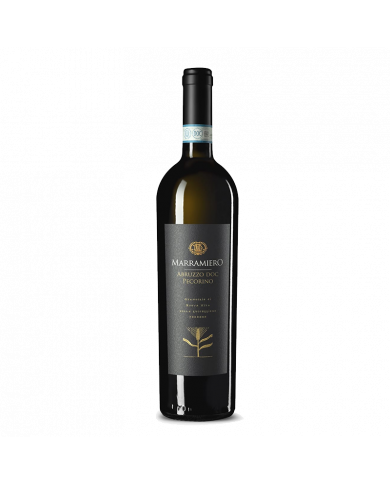
Our Pecorino preserves the color of wheat blond, golden yellow and sparkling reflections. Its scent is distinctive and decisive with persuasive essences of tropical fruit, mango, melon, grapefruit and singular spicy nuances and a full, harmonious, savory and long-lasting taste. Accompanies delicate appetizers, first courses with white sauces, including fish based.
€15.29
€13.76
SKU:
11123
Brand:
Marramiero
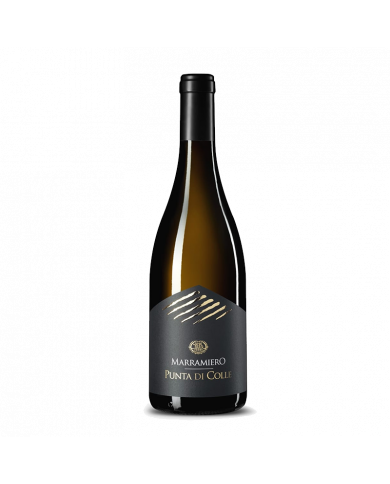
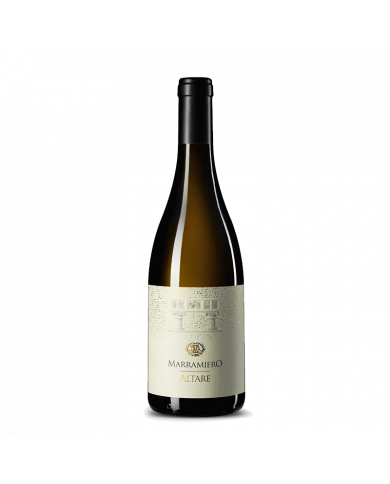
Fermentation and long aging in small oak barrels are the peculiarity of this white wine, produced in limited quantities. Its aroma is broad and intense with hints of citrus and spice, its color is bright yellow. On the palate it is savory, balanced and with excellent structure and persistence. It can be best enjoyed when paired with dishes based on fish, seafood, shellfish, other dishes with delicate sauces and fresh and light cheeses.
€17.59
SKU:
11122
Brand:
Marramiero
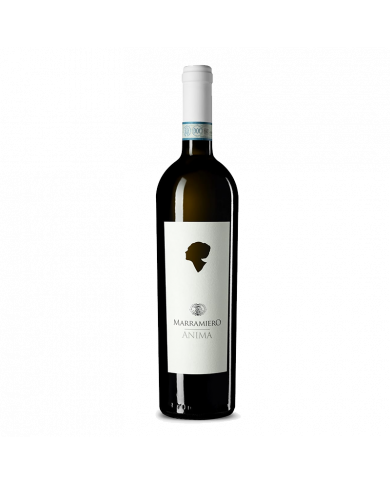
Only after a careful selection of the vines and an adequate ripening of the berries on the plant, the grapes from which Anima is born is harvested. Its color is bright straw yellow, its scent is persistent, fruity and intense. The flavor is savory, balanced, harmonious with hints of ripe fruit. Ideal with appetizers, delicate first courses also based on fish.
€13.70
SKU:
11121
Brand:
Marramiero
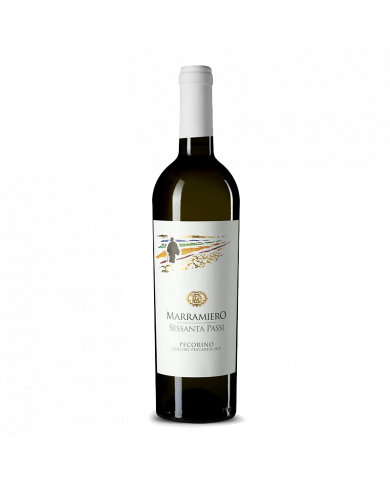
From the desire to continue to rediscover the link with one's roots, this wine is born which takes its name from an ancient measure: "sessantapassi", which corresponds to the width in Neapolitan steps of the tratturo that crosses our vineyards. A very delicate wine with a pale straw yellow color with greenish reflections, fruity aromas with very subtle floral notes, a decidedly dry, fresh and lively flavor. It goes well with soups, white meats, appetizers and fish-based dishes, also excellent as an aperitif.
€9.30
SKU:
11120
Brand:
Marramiero
From Trebbiano grapes, Trebbiano d'Abruzzo doc Dama is born with its pale straw yellow color, with delicate greenish reflections. The scent is flowery, subtle and fruity and the taste is pleasantly dry and fresh. It goes well with any dish. To be enjoyed with fish dishes.
€9.52
SKU:
11118
Brand:
Cantine Maligni
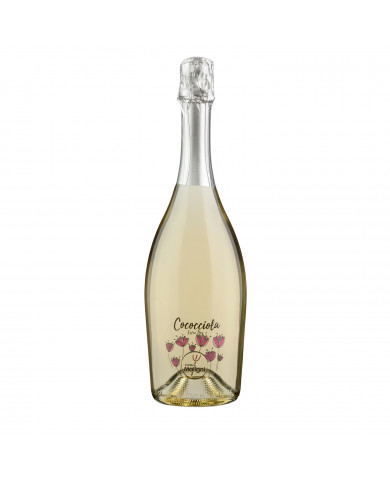
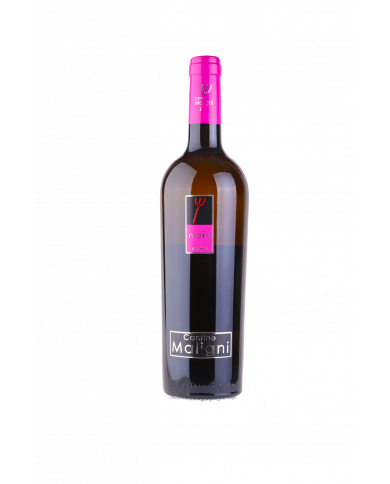
Intriguing interpretation of a historic vine from the land of Abruzzo. The fine and persistent perlage heralds a high quality sparkling wine with a full and balanced flavour. Perfect for an aperitif that is different from the usual, in hors d'oeuvres and seafood cuisine.
€8.97
SKU:
11115
Brand:
Cantine Maligni
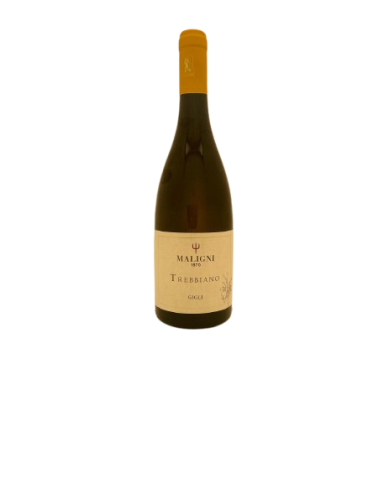
Trebbiano has a fruity and floral bouquet expressing itself with freshness and balance. Its vinification takes place through maceration in a cold press, vinification in steel at a controlled temperature.
€8.97
SKU:
11112
Brand:
Cantine Maligni
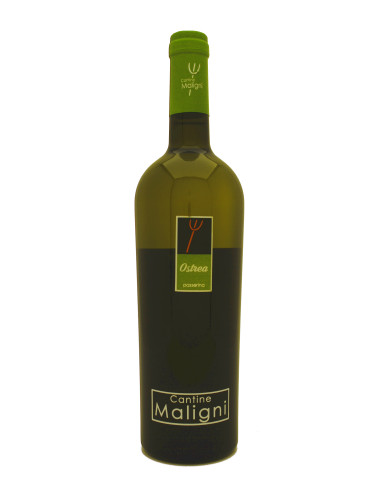
Grape rediscovered a few years ago, widespread throughout the Abruzzo region. The name "pecorino" is given by the sheep's muzzle shape of the bunch and by the fact that when the shepherds passed through during the transhumance, the sheep stopped to graze the leaves of this vine.
SKU:
11101
Brand:
Cantina Frentana
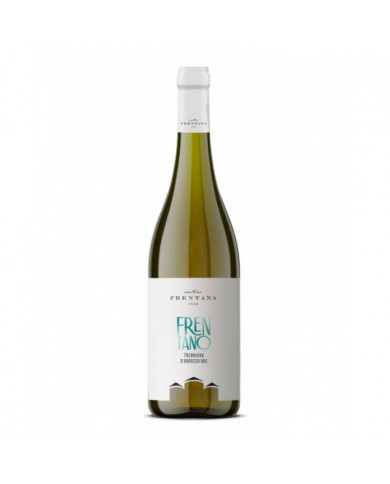
The term 'Trebbiano', according to its etymology, indicates a local village and home-made white wine that dates back to Etruscan and ancient Roman times. Today a large number of Abruzzo vines bear this name and give life to fresh and vibrant white wines. Trebbiano d'Abruzzo DOC Frentano perfectly reflects these characteristics and is excellent to accompany first courses of Mediterranean cuisine.
€8.78
€12.64
SKU:
11092
Brand:
Cataldi Madonna
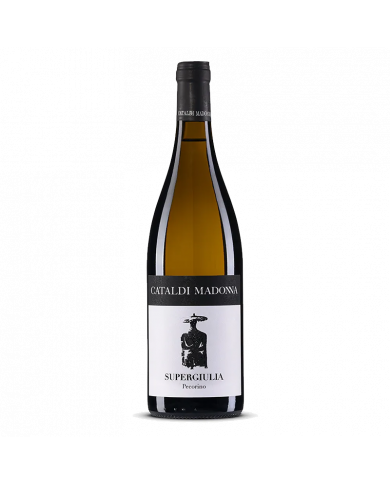
This new version of Pecorino is the result of a double selection: in the choice of the vineyards and in the harvest of the best grapes. The color is intense yellow and the nose exuberant aromas of passion fruit, grapefruit and bitter orange. The acid note blunted by its alcohol content makes it particularly long-lived. Excellent with aged cheeses, fried foods and red meats.
SKU:
11090
Brand:
D'Alesio Sciarr
Farmers from the beginning of the 19th century. The D'Alesio farm, from 40 hectares of property on the Abruzzo hills of Citta Sant'Angelo, produces in organic farming: wine, extra virgin olive oil, legumes and selected cereals. SCIARR and D'ALESIO are the brands of excellence, selection and quality, respecting the territory and tradition. Result of the meeting of thoughts of three generations. The selection of their best grapes gives life to the D'ALESIO line, produced only in the most favorable years and in full respect of the natural cycles of the vine and wine.
€76.86
€29.89
€8.88
€7.55
SKU:
11080
Brand:
Poderi Costantini
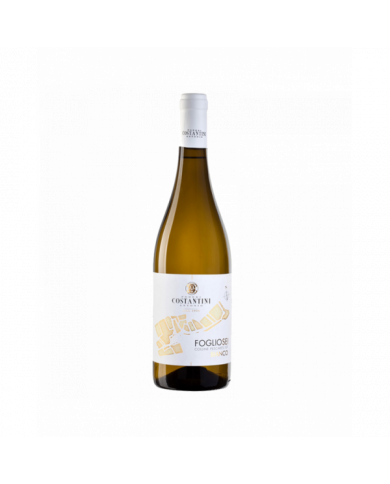
Trebbiano d'Abruzzo DOC must be made with at least 85% Trebbiano Toscano or Trebbiano Abruzzese grapes or a combination of the two. Trebbiano Abruzzese is a distinct variety from the Tuscan one and as the name suggests, autochthonous to this region.
€9.52
€8.56
€7.03
€5.97
SKU:
11068
Brand:
Feudo Antico
A high altitude Pecorino, born between the Alto Sangro and the Cinque Miglia plateau from the meeting with the three-starred chef Niko Romito. Limited edition for a collector's wine.
SKU:
11065
Brand:
Feudo Antico
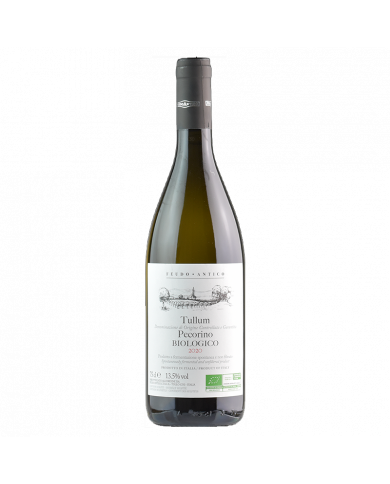
A wine of excellence, made from organic Pecorino DOCG Tullum grapes. Spontaneous fermentation, no filtration, only natural sulphites.
SKU:
11045
Brand:
Casal Thaulero
Pale straw yellow Fruity, fresh, young. Fragrant and harmonious. As an aperitif, with snacks and appetizers.
€6.30
SKU:
11044
Brand:
Casal Thaulero
Intense and persistent nose with balsamic notes of sage and thyme and floral hints of acacia.
Excellent as an aperitif, ideal for appetizers based on fish, crustaceans, molluscs and white meats.
€13.66
€8.36
€8.04
€8.97
€8.07
SKU:
11034
Brand:
Tenuta Ferrante
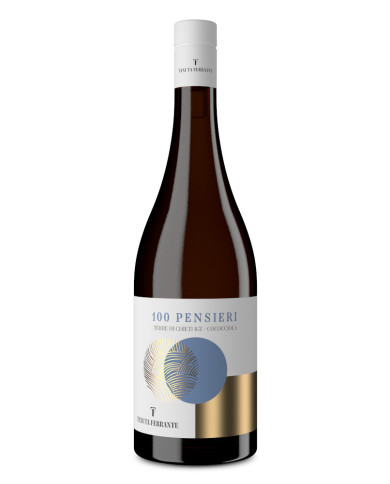
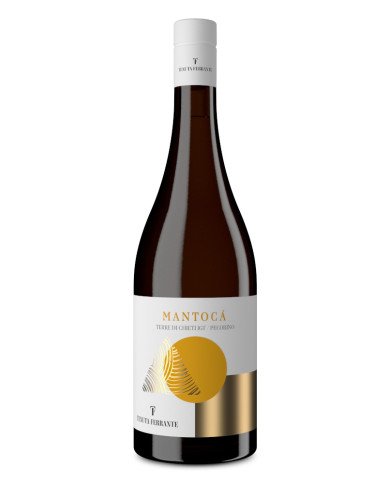
Intense straw yellow, with slight greenish nuances. Aroma of ripe fruit, accompanied by spicy notes and nuances of aromatic herbs. The taste is intense, persistent, savory in the aftertaste, delicate spicy nuances are highlighted.
€16.19
€14.57
€6.32
€6.11
SKU:
11020
Brand:
Vini la Quercia
Fresh white wine, with a marked acidity, light, savory with a good structure and persistence. It can be drunk even after a few years.
SKU:
11019
Brand:
Vini la Quercia
Straw yellow colored wine, typical scent of pulpy fruit such as peach, yellow plum and floral scents. It has an intense taste and good persistence.
€11.19
SKU:
11018
Brand:
Vini la Quercia
Energetic wine with excellent structure, pleasant softness. Aged in the bottle it enhances the typical almond as well as the fruity finish. It lends itself very well to aging, given the good alcohol content and good acidity.
€11.19
SKU:
11007
Brand:
Cantina Ricchi
€25.77
€23.19
The care and effort of an extreme production work are illuminated by golden flashes that bring with them an intriguing bouquet, full of sweetness and freshness.
€25.77
€23.19
SKU:
11001
Brand:
Chiusa Grande
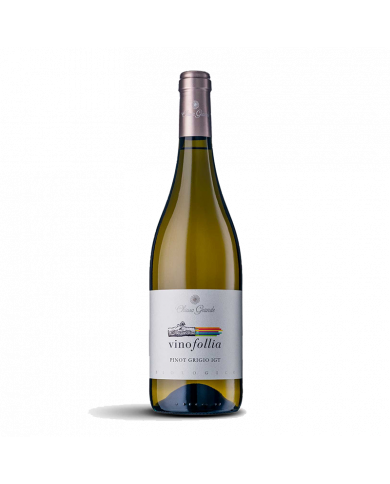
Authenticity and ease go hand in hand in love, but can they happily bind together in a wine? What is the recipe for greatness? Adapt to trends or reject them? Is madness doing what others do or creating a personal taste by selecting native vines? For my way of being, always restless and never satiated with questions, the answer is fluctuating. For this I have decided to propose some of my best productions within this selection. The wines of Vinosophia rediscover the ancient native grape varieties, interpreting them in the most authentic way in search of the fatal attraction, seduction and memory. The wines of Vinofollia adapt the great international vines without distorting their essence. Am I insane, am I wise? Get an idea by enjoying my vinosophical ideas. Alluring because in search of emotions. Surprising because bored with predictability. Fogged by global trends. Satisfied with my way of making an international wine "homegrown". In this Pinot Grigio with floral scents, strongly mineral, senselessly citrusy, there is the lucid madness of my thought.
€12.80
The best Italian white wines
Italy is home to some of the finest white wines. In the Clickwine section of our online wine shop dedicated to the finest Italian white wines, you'll find bottles of excellent white wine carefully selected by our sommeliers.
The designations used in our country to classify wines are DOCG, DOC, and IGT. Sometimes you'll also find designations like DOP and IGP: these acronyms have similar meanings to the previous ones but are used by wineries that primarily sell their wines outside of Italy.
The production of white wine
White wines are produced from both light and dark grapes, but vinified as a white wine: that is, during maceration there is no contact between the must and the pomace, so that the skin – exactly the opposite of what happens with red wines – does not release substances and color.
Its myriad nuances vary according to the characteristics of the grape variety, the aging method and the vine growing area.
In white winemaking, once the grapes have been harvested, they are transported to the cellar, destemmed, and pressed, and the must is separated without any maceration or with a brief maceration. Sometimes, however, the grapes are pressed and then macerated with the skins at a low temperature for a varying length of time. This produces richer, smoother wines.
This phase is followed by the clarification of the white wine produced, which can be done by letting the must rest, by cooling, centrifugation or filtration.
Fermentation begins either by adding selected yeast to the must or spontaneously, using the indigenous yeasts present in the grapes. To preserve the aromas, finesse, and freshness of white wines, fermentation is carried out at lower temperatures than red winemaking, generally around 18°C.
To obtain a fresh and lively wine, best drunk young, malolactic fermentation is avoided by bottling early, after filtration and stabilization. More complex wines, aged or fermented in wood, are bottled only after several months in barrel.
How to taste white wine
First, you need to decide whether to uncork the bottle right away or let your white wine age. If you want to immediately succumb to its charm, its aromas of aromatic herbs, flint, or its notes of exotic fruit, then serve your white wine at the right temperature: 6-8°C for a young white and 8-10°C for a softer, more structured wine.
How to pair white wine
Dry white wines will surprise you at the table, too, and not just with their straw-yellow color. As an aperitif, and especially with a fish dish, white wine is definitely a must, but it's not easy to know which of the many labels will be best suited to the occasion.
We recommend pairing white wine with cheeses, whether low-fat, fresh, or rich in milk, such as flavorful buffalo mozzarella, or with soft, bloomy-rind cheeses. They're also perfect with white meats, such as classic scallops, but beyond tradition, white wine also pairs perfectly with meat and risotto dishes, as well as truffles. Visit our online wine shop Clickwine for expert advice on purchasing the best white wine at the best price to pair with your favorite dishes.
White wines: prices and offers
Every week, our online wine shop, Clickwine offers a selection of selected white wines at special prices. In this section and in the special offers section, you can then browse the best value wines.
A wide selection of premium products at affordable and truly exclusive prices. Don't miss the incredible deals on white wines from all the most prestigious Italian wineries; discover internationally renowned and beloved Italian wines.
Enter the Clickwine catalog and expand your selection by purchasing exclusive items online from smaller, yet exceptionally high-quality wineries.
White wines: longevity and conservation
How long can I keep white wine in the cellar? Do white wines improve as they age like red wines? These are the questions a wine consumer asks when talking about white wine.
In general, white wines have a much shorter shelf life than red wines, for two reasons: tannins and aging. Tannins are antioxidants present in the wine's skins that aren't present in white wines; as for aging, however, most white wines age in stainless steel for just a few months; even red wines, if they age briefly in stainless steel and undergo rapid maceration, don't last for many years. Let's say a classic white wine aged in stainless steel lasts a maximum of 2 to 3 years. If it undergoes maceration or ages in wood, it can last up to 20 years and improve year after year.
How many types of white wines are there?
There is no exact number of types of white wine, as there are several different white grape varieties that can be used to make white wines. Some of the most common white grape varieties used to make white wines are Chardonnay, Sauvignon Blanc, Riesling, Pinot Grigio, and Moscato. There are also other less common varieties such as Gewürztraminer, Semillon, and Viognier. Each of these varieties can be used to produce white wines with unique and different characteristics, so there are many different types of white wines available.
How to recognize a good white wine?
There are several ways to recognize a good white wine. One of the simplest is to taste the wine and evaluate its flavor and aroma. A good white wine should have a pleasant flavor and a delicate, complex aroma. Other factors that can indicate the quality of a white wine include the vintage, the grape variety, and the production area. In general, white wines produced with high-quality grapes and in particularly favorable years tend to be more valuable and of higher quality. Furthermore, white wines produced in regions renowned for producing high-quality white wines can be considered more valuable than those produced in other regions.
How to understand if a white wine is good?
As mentioned above, one of the easiest ways to determine if a white wine is good is to taste it and evaluate its flavor and aroma. A good white wine should have a pleasant flavor and a delicate, complex aroma. It's also important to keep in mind that the quality of a white wine can be influenced by several factors, such as the vintage, the grape variety, and the production area. For example, white wines produced with high-quality grapes and in particularly favorable years tend to be more valuable and of higher quality. Furthermore, white wines produced in regions renowned for producing high-quality white wines may be considered more valuable than those produced in other regions.
Why is it called white wine?
White wine is so called because it is made using white grapes. Most white grapes have transparent or lightly colored skins, so the wine made from these grapes has a light, transparent color. Sometimes the color of white wine can be influenced by the type of grape used, the winemaking process, and the addition of other ingredients, but generally, white wine has a light, transparent color.
How to replace white wine?
If you want to replace white wine in a recipe, there are several ingredients you can use. One of the most common options is to use chicken or vegetable broth instead of white wine. Other options include using white vinegar or apple juice diluted with water. Additionally, in some cases, you can omit the white wine entirely and use other ingredients to achieve the desired flavor in the recipe.